

Human settlement in Finland dates back to around 9,000 BC, making it one of the longest continuously inhabited regions in Northern Europe. Between the 12th and 19th centuries, Finland was part of the Swedish Empire — a period that left a deep mark on its culture, language, and geography. By the early 20th century, Finland was entering one of the most dramatic chapters in its history.
In 1906, the Finnish Parliament — the Eduskunta — passed a landmark law granting universal suffrage. For the first time in Europe, women were given not only the right to vote but also the right to stand for elected office. Then came independence. During the Russian Revolution in 1917, Finland broke free, though a brutal civil war followed almost immediately, claiming over 30,000 lives.
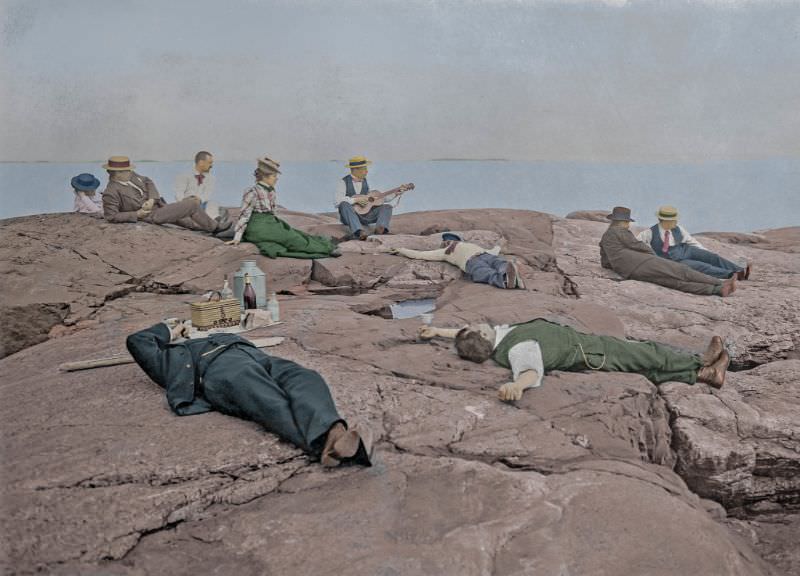
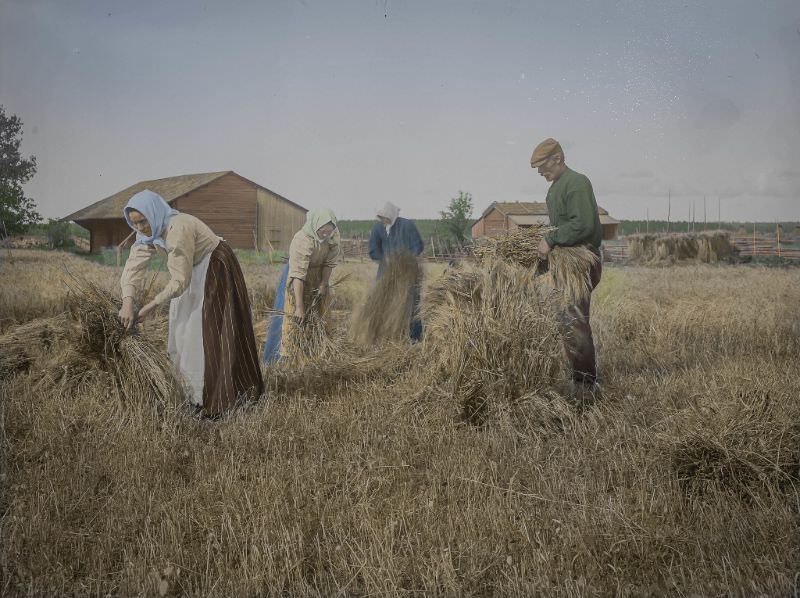
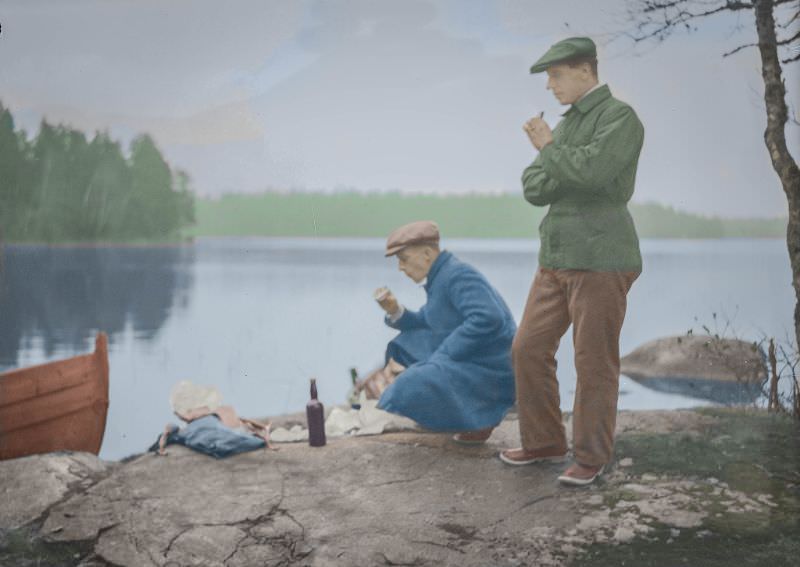
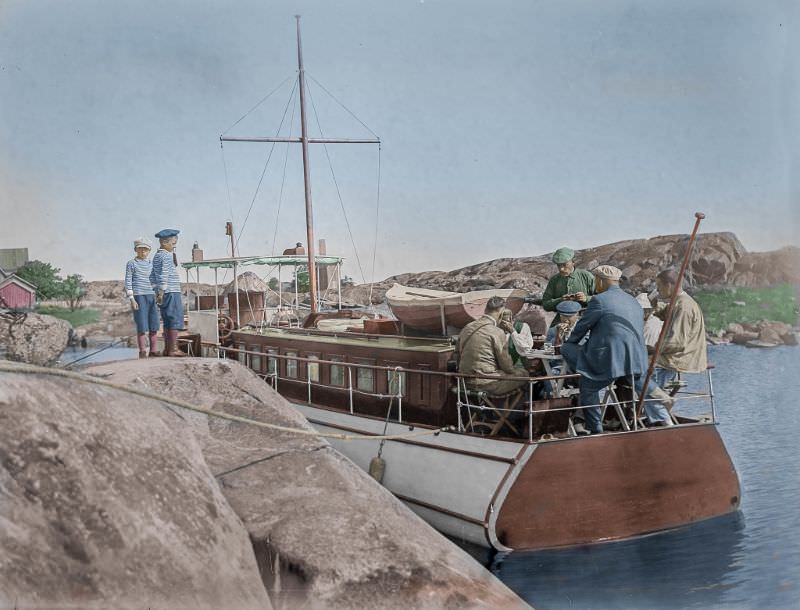
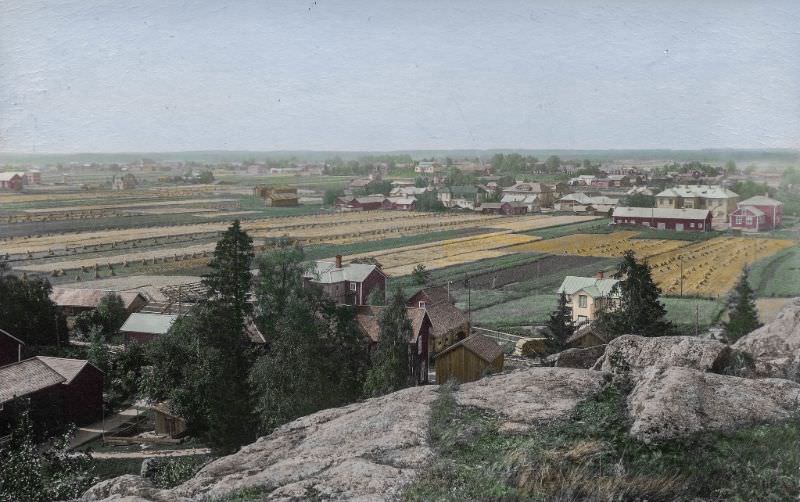
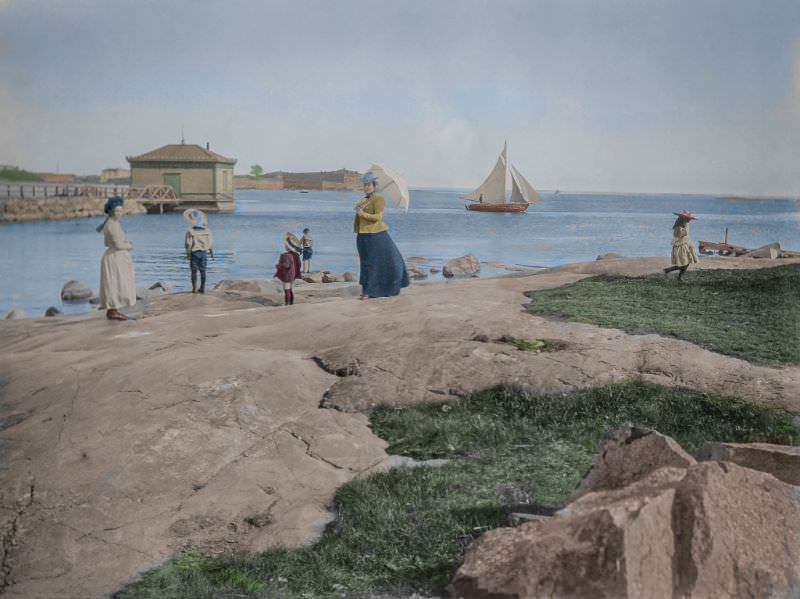
Despite the political turmoil at the national level, ordinary life went on. Families gathered for picnics along the island-dotted coast, and rural communities kept to their seasonal rhythms — farming, fishing, and tending livestock. The Swedish-speaking region of Ostrobothnia, in particular, maintained strong agricultural traditions well into the early decades of the century.
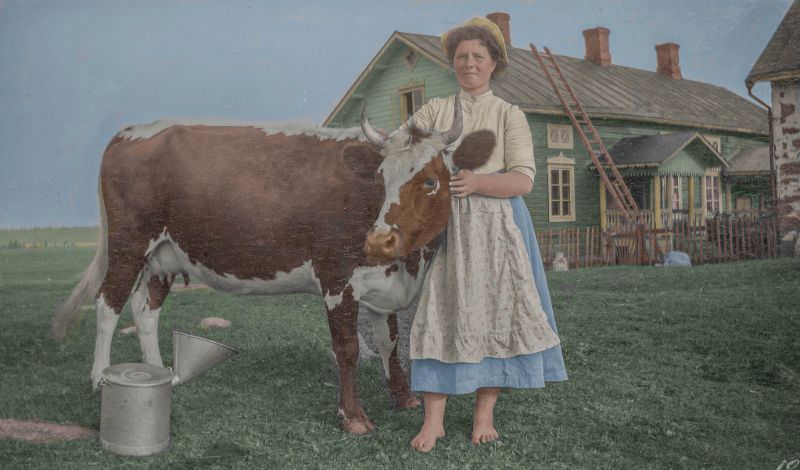
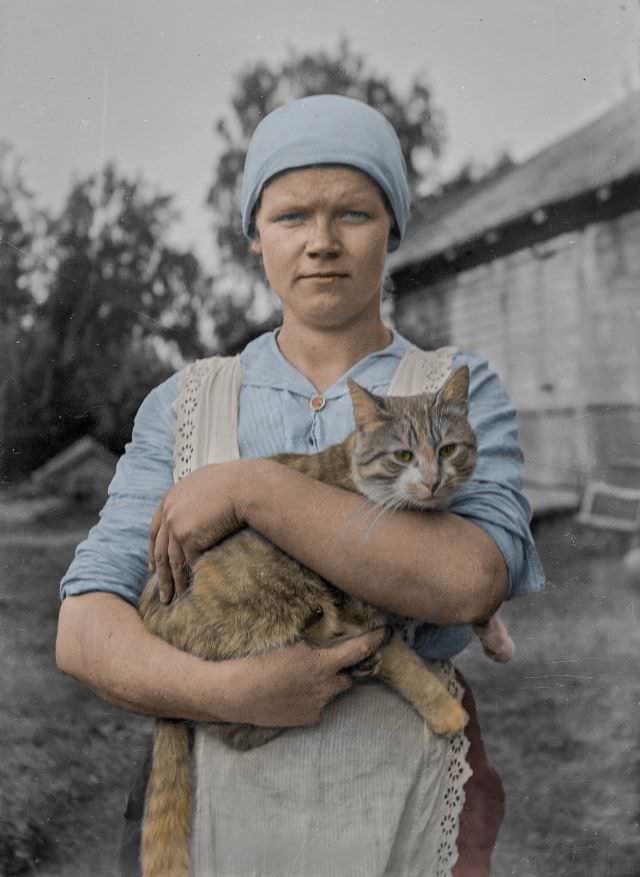
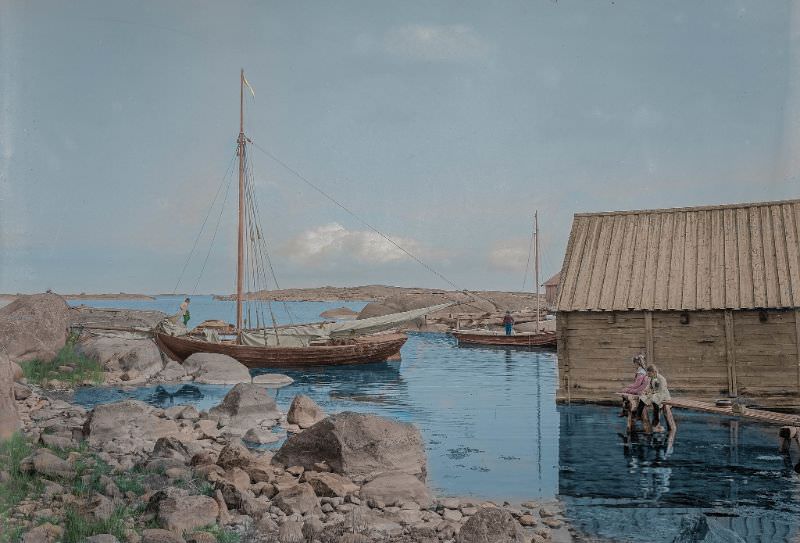
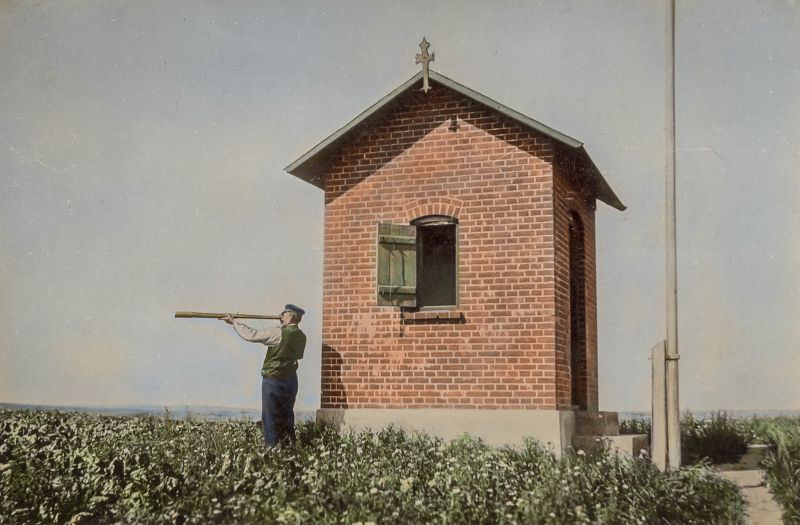
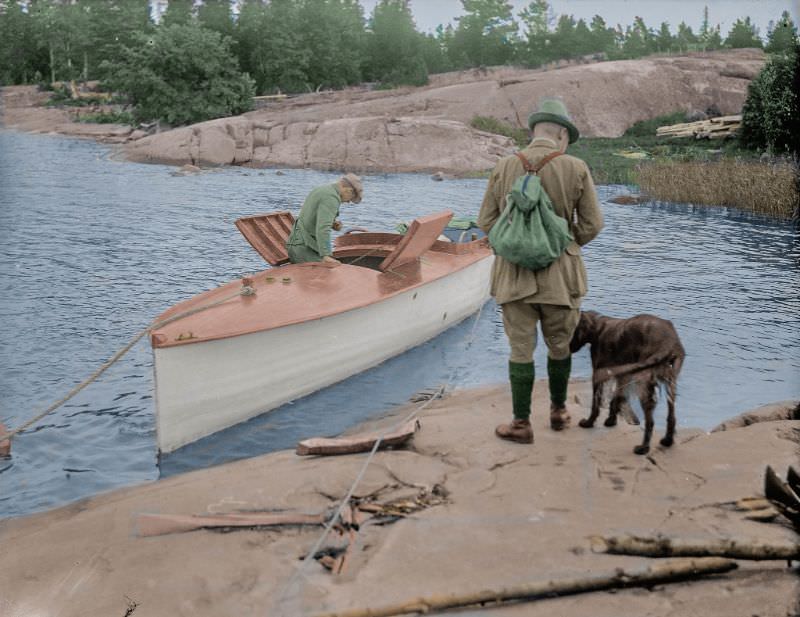
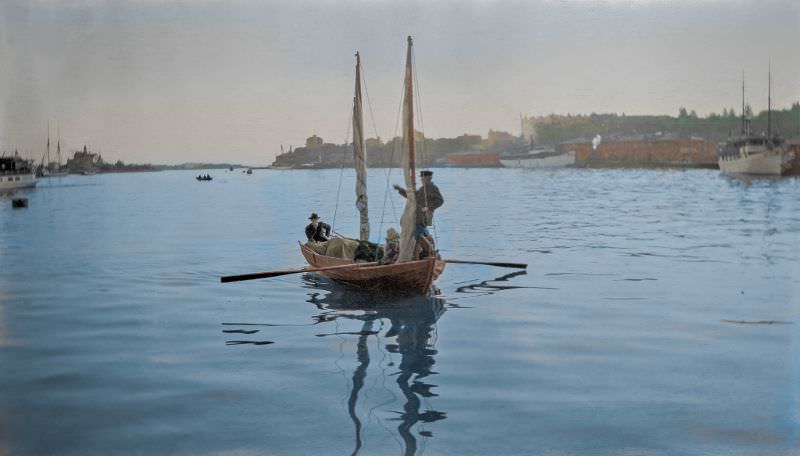
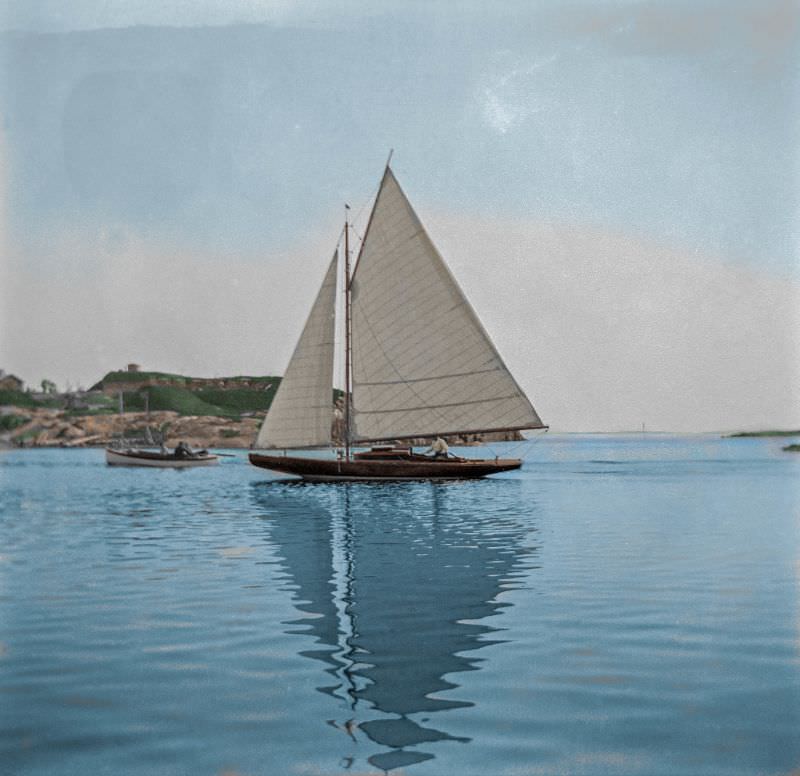
The Åland archipelago, a Swedish-speaking island group off Finland’s southwest coast, offered a quieter way of life. Summers there were marked by calm waters and open skies, far removed from the rapid changes taking place in Helsinki and other cities.
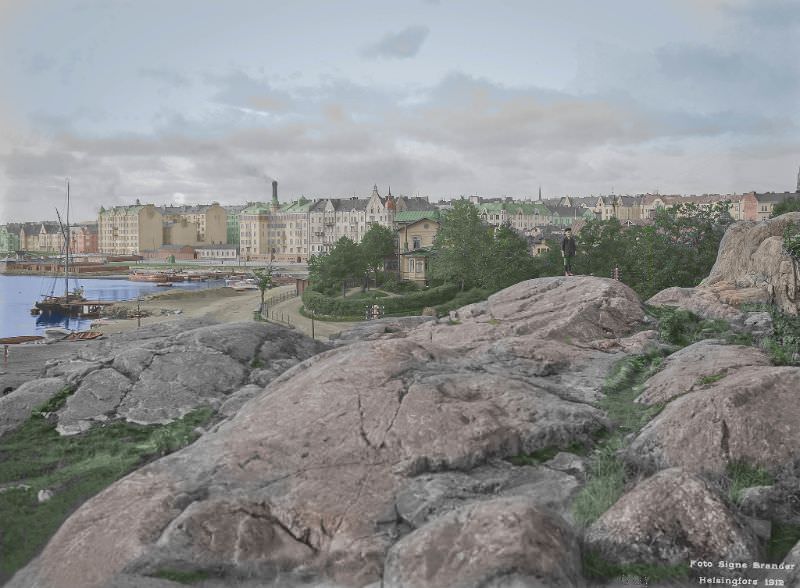
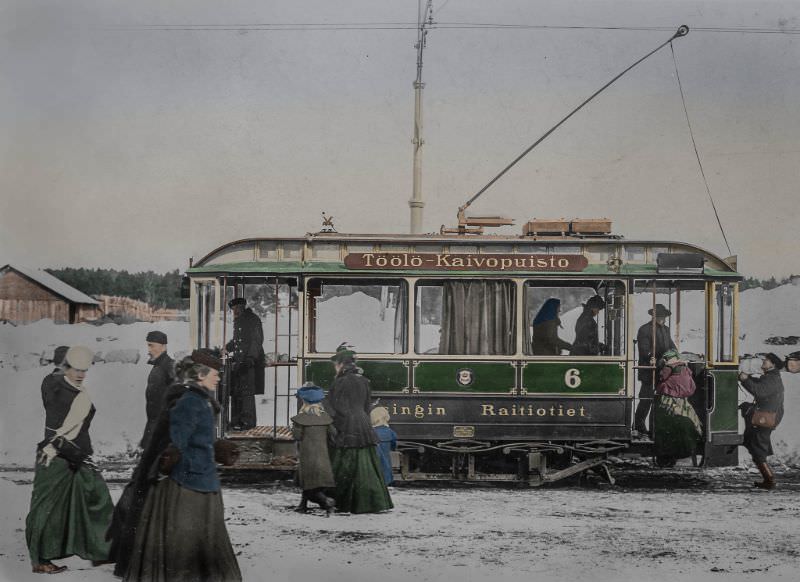
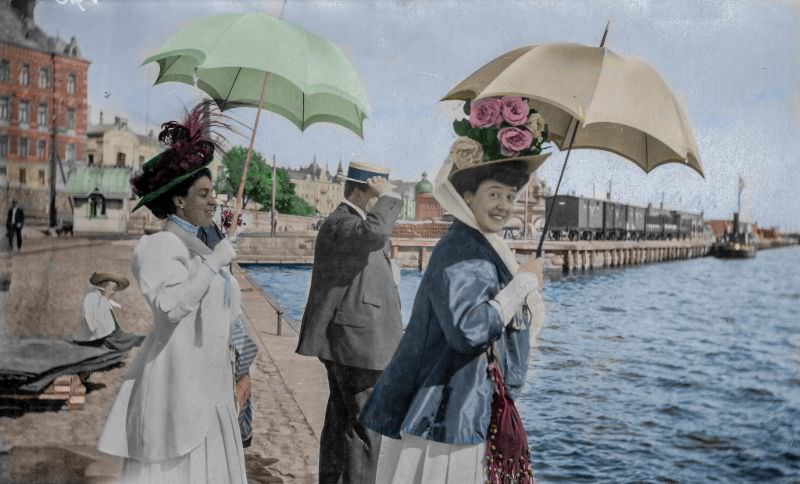
Back in Helsinki, public green spaces like Kaivopuisto park were central to city life. Laid out in the mid-19th century, the park attracted residents from across the social spectrum. By 1910, it had become one of the most visited spots in the capital.
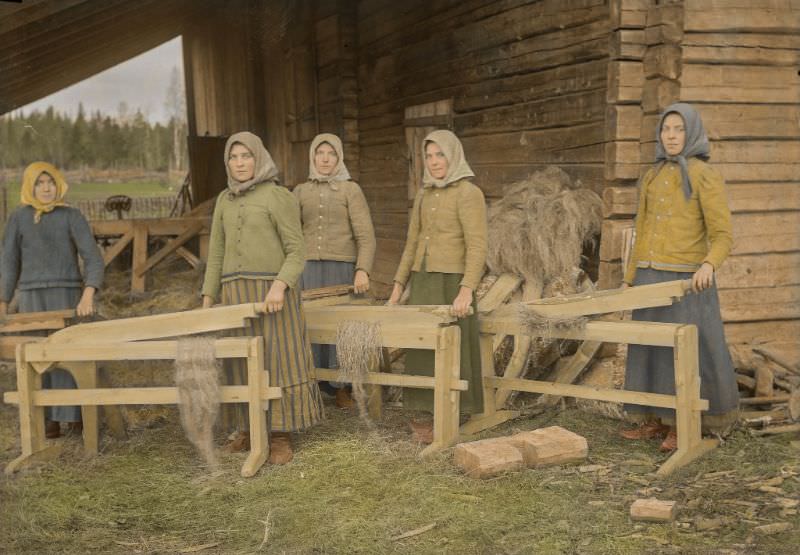
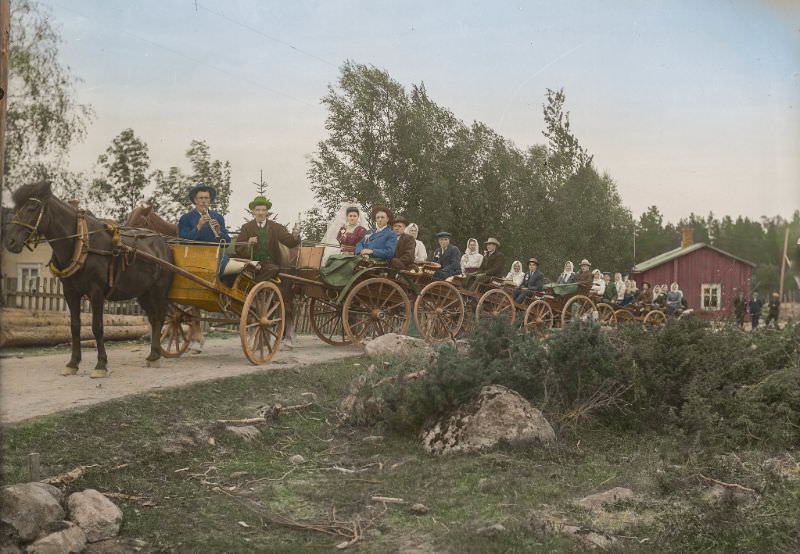
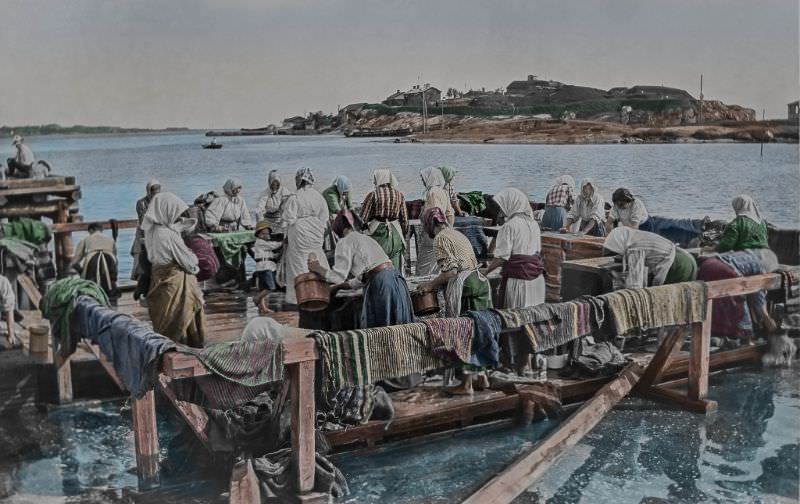
In Ostrobothnia’s Swedish-speaking village of Pörtom, flax processing was a communal task that brought neighbors together each year. The fiber was used to make linen, a staple textile in Finnish households. Weddings in the same region were elaborate affairs, with entire communities joining the procession to the church.
Barley was one of the key crops in Ostrobothnia, suited to the region’s cool climate and short growing season. Harvesting was done by hand well into the 1910s, with entire families and farmhands working the fields together before the first frosts arrived.
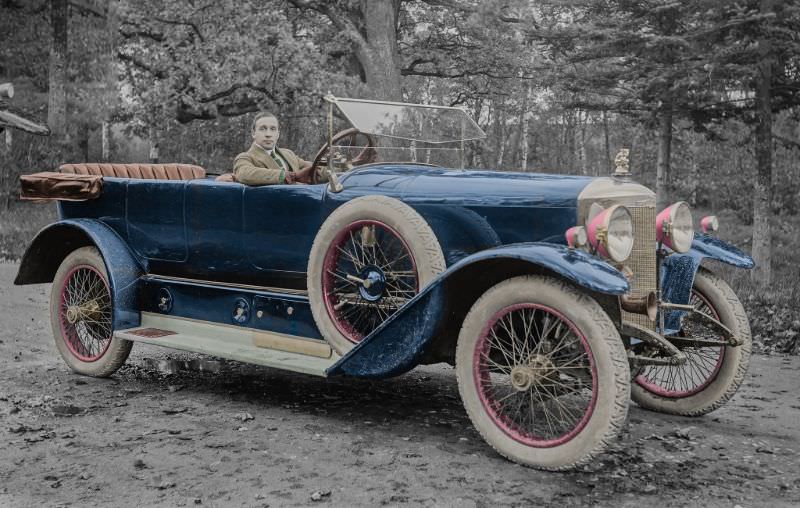
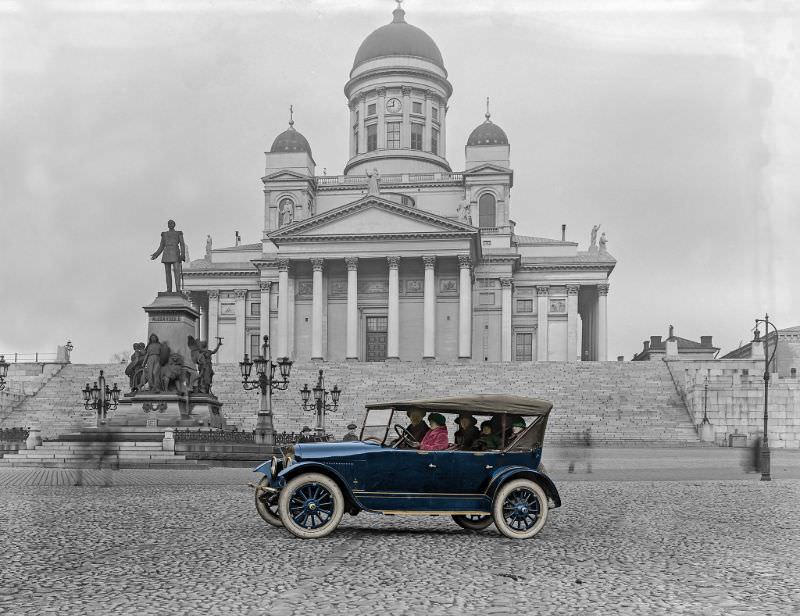
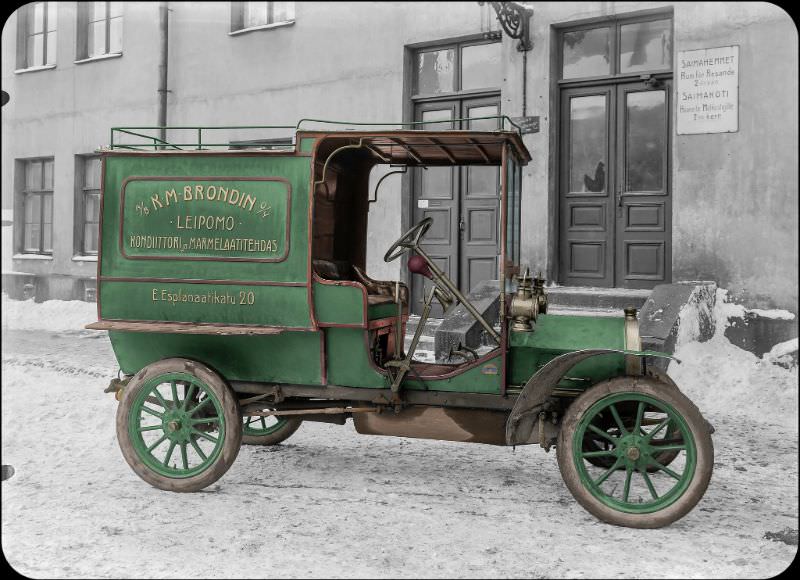
The 1920s brought new energy to Helsinki. Automobiles began appearing on the city’s streets, and the capital was modernizing fast. Senate Square remained a central gathering point, with the iconic Helsinki Cathedral looming over the open plaza — a symbol of continuity amid change.
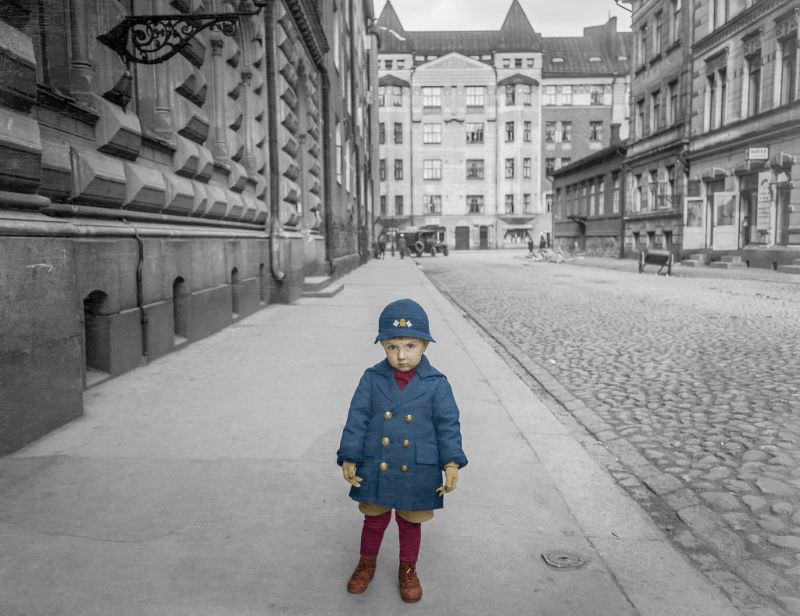
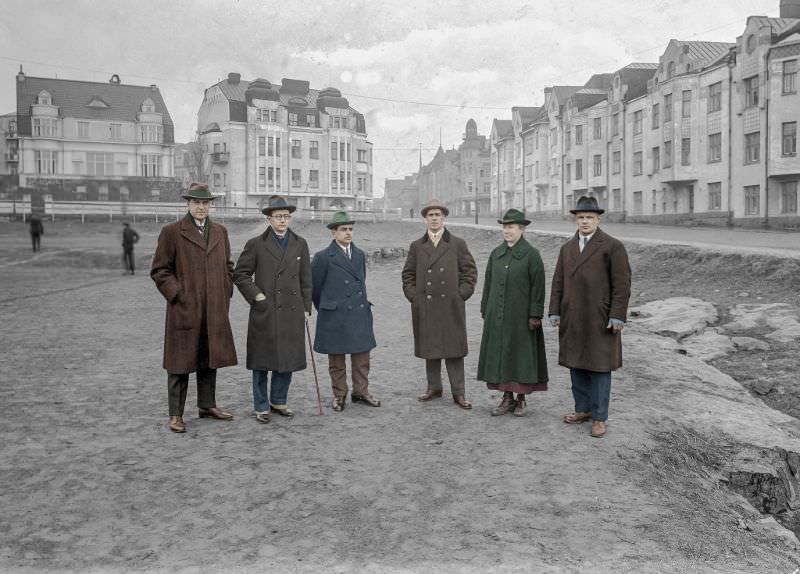
Children were a visible part of Helsinki’s streets in the early 1920s. The city’s Sports Committee was actively working to create dedicated spaces for younger residents, inspecting potential playground sites as part of a broader push toward organized public recreation.
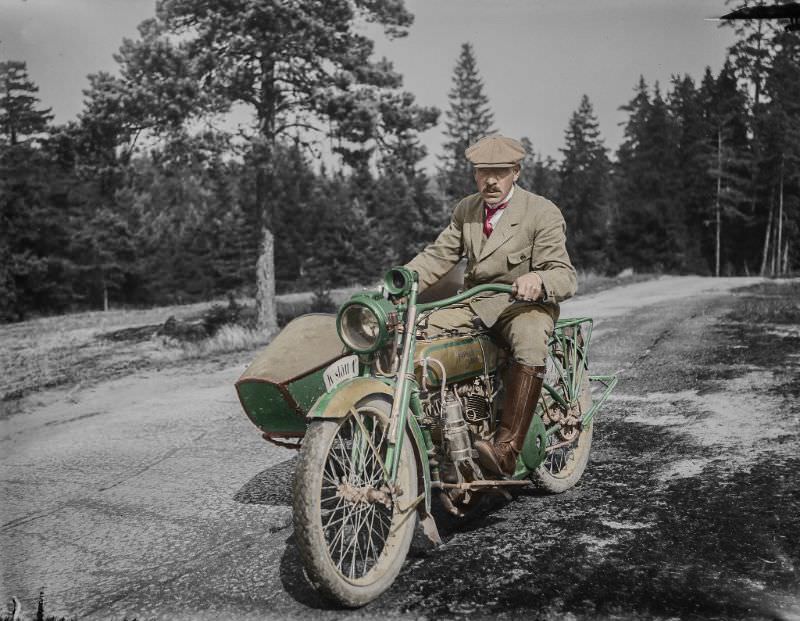
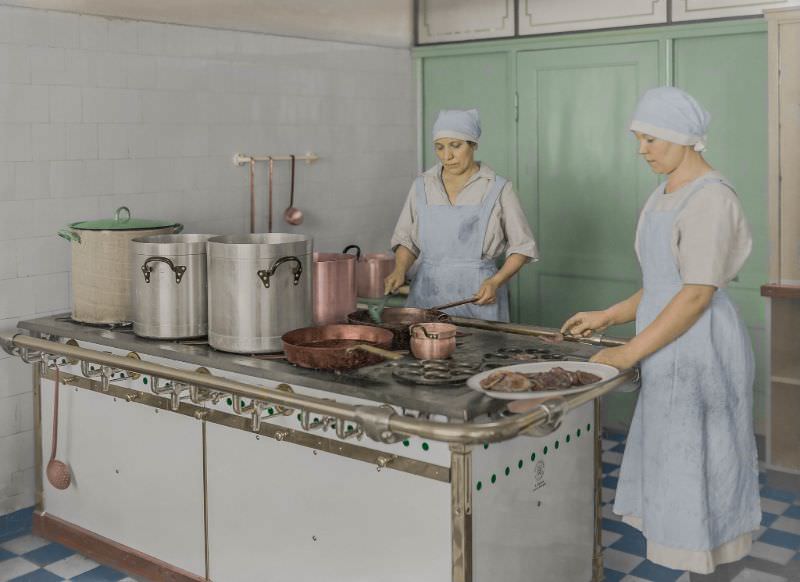
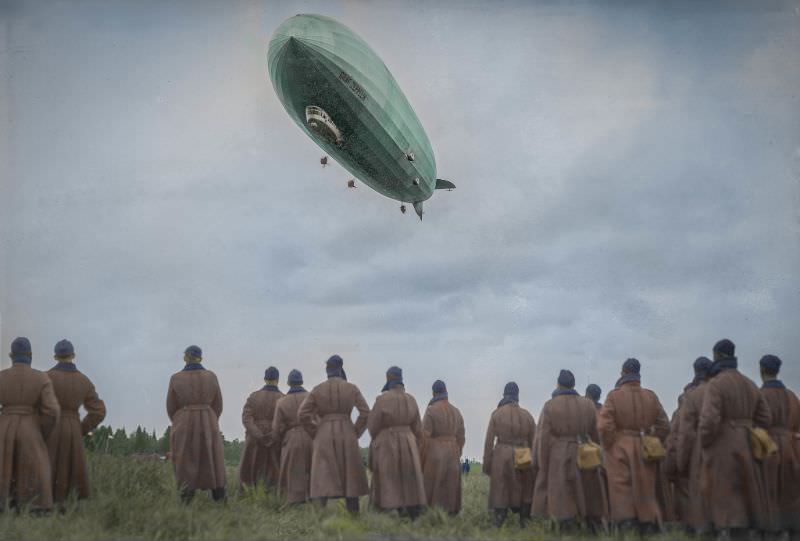
By 1930, Helsinki’s food culture had taken a modern turn. The Elanto cooperative restaurant on Viipuri Street opened with a fully equipped kitchen — a sign of growing urban consumer culture. That same year, the skies above Helsinki saw the massive German airship Graf Zeppelin pass through on one of its international tours.
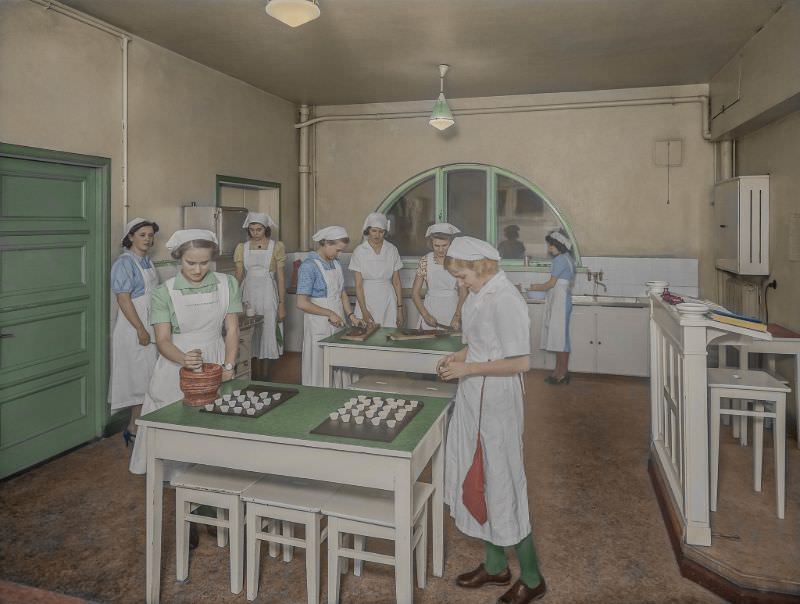
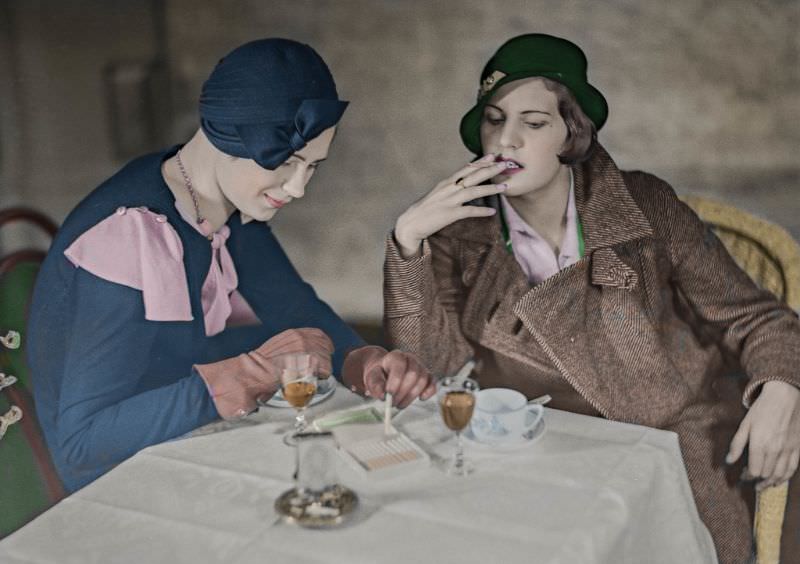
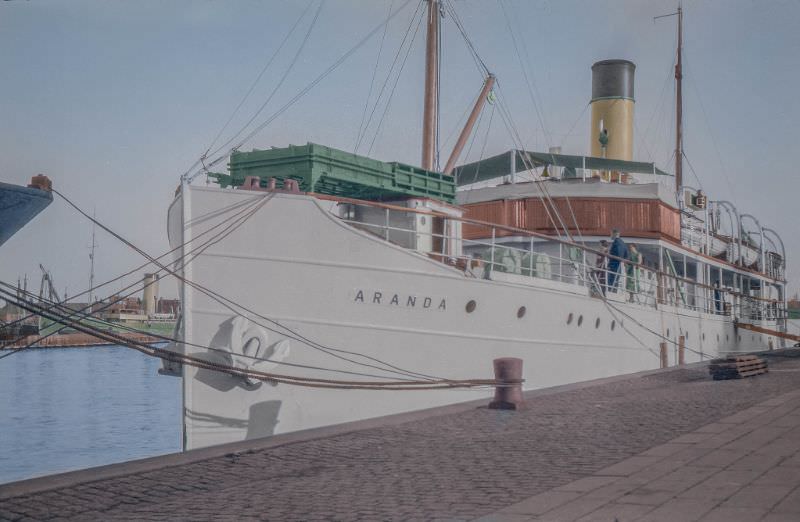
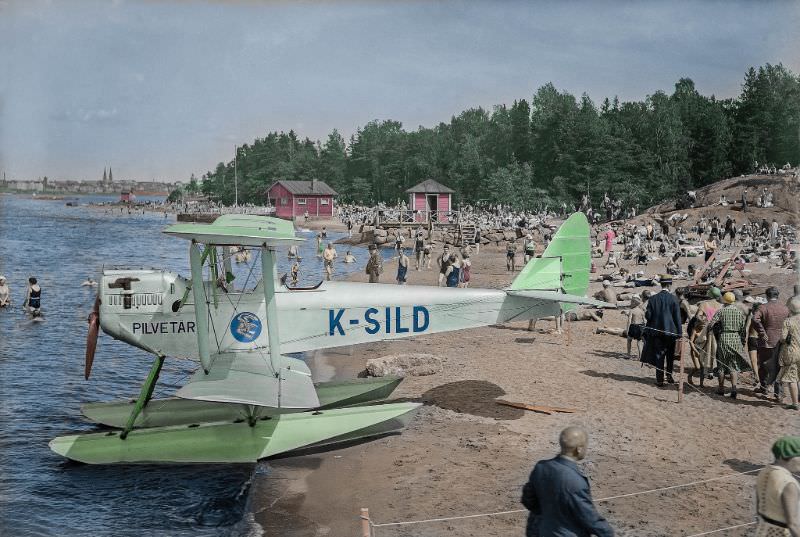
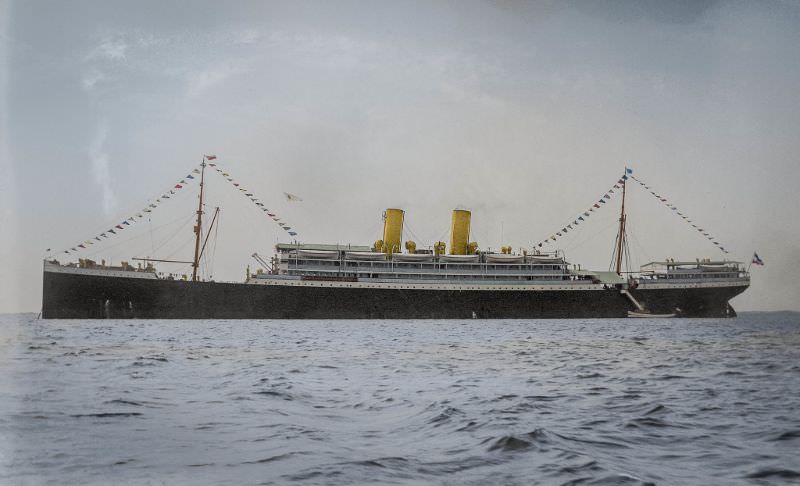
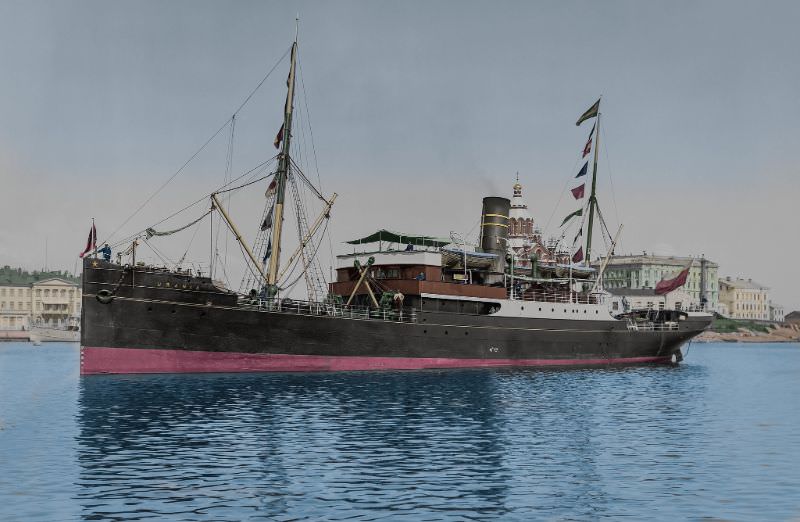
Social life in early 1930s Helsinki had a distinctly cosmopolitan edge. Young women smoked and drank cognac in cafés, ships like the S/S Aranda docked at the Southern Harbour, and aviation was becoming a real presence — the De Havilland D.H.60X “Pilvitär” was among the aircraft seen at Helsinki in 1931.
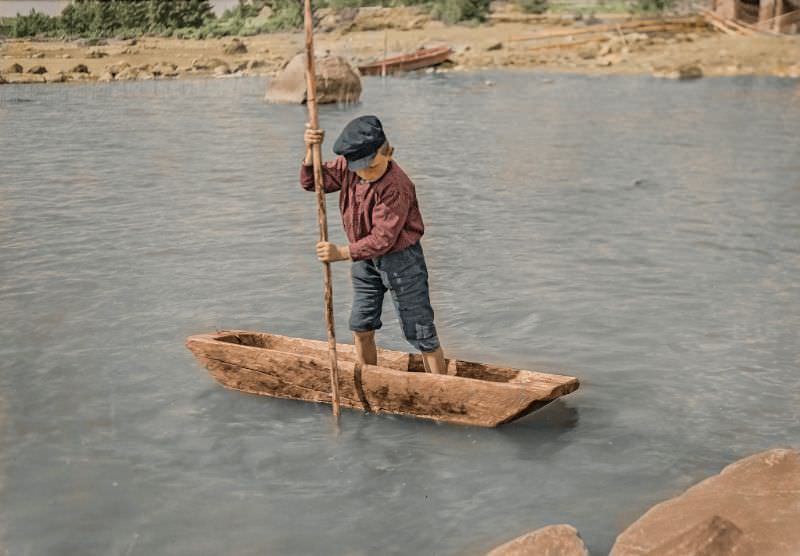
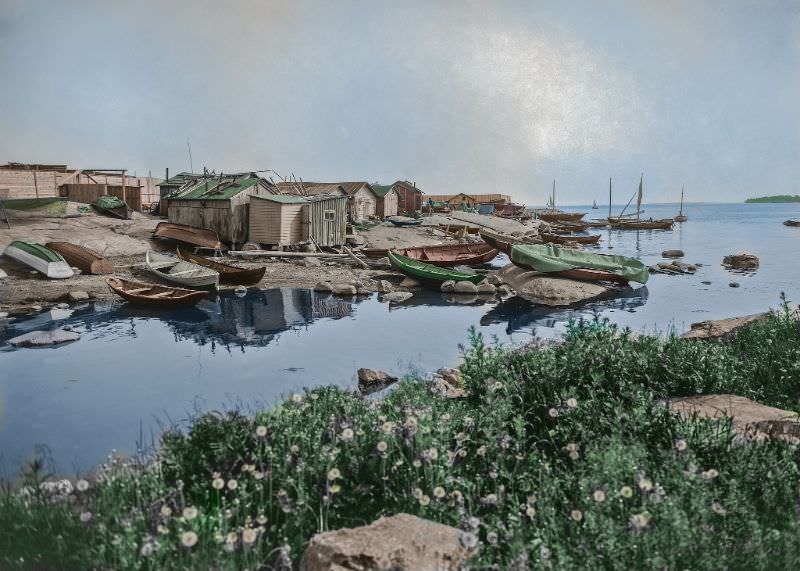
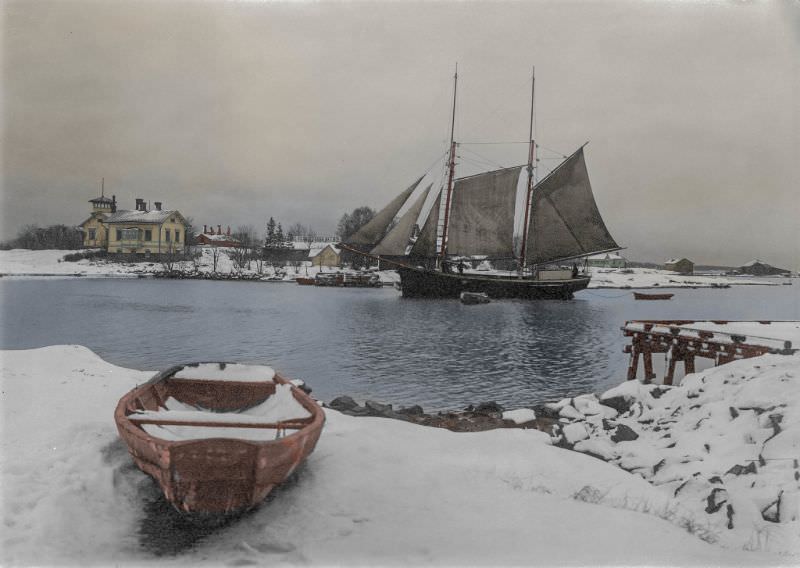
Rural Finland in the early 1930s remained rooted in tradition. At the Pickala mansion in the south, Hanoverian stallion foals were bred and raised. Out on the archipelago, fishermen still used wooden boats built to the same designs as their grandparents had used, heading out in all seasons to work the waters.
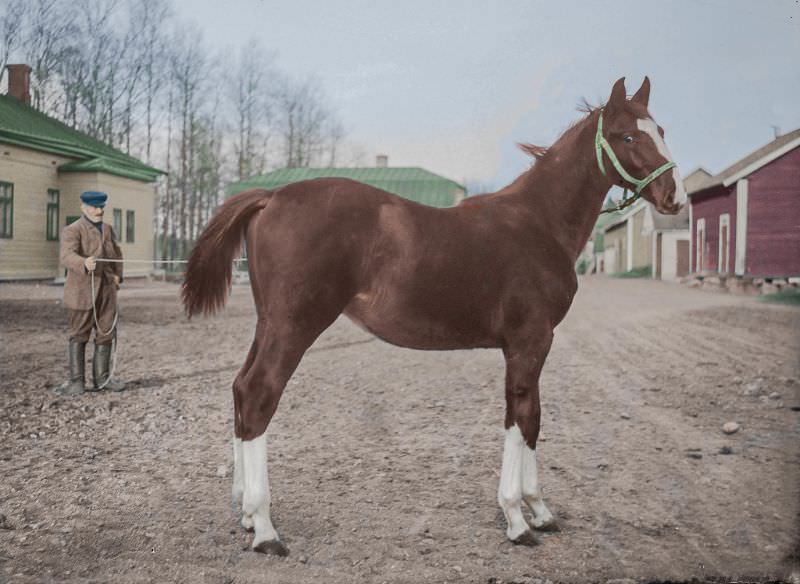
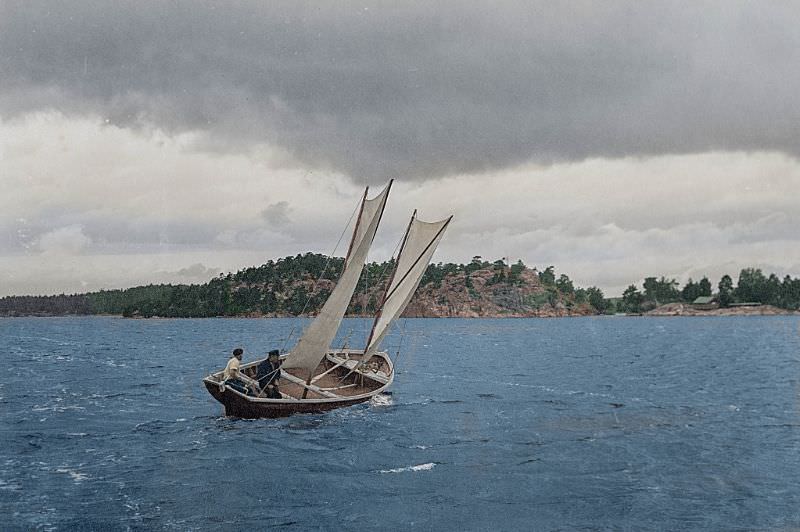
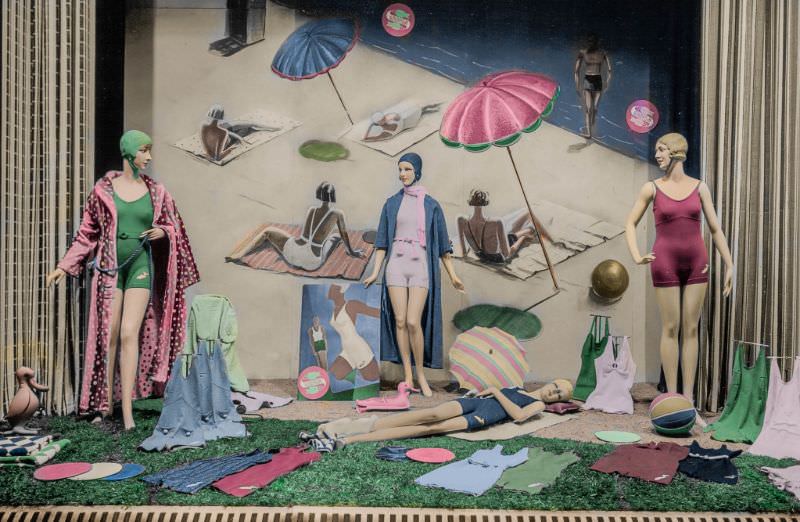
By the mid-1930s, Helsinki’s commercial districts featured window displays promoting modern beach fashion, while the Swedish-speaking communities of Ostrobothnia — including the village of Koskeby in Vörå — preserved a quieter, distinctly regional way of life. These colorized photographs capture both worlds in vivid detail.
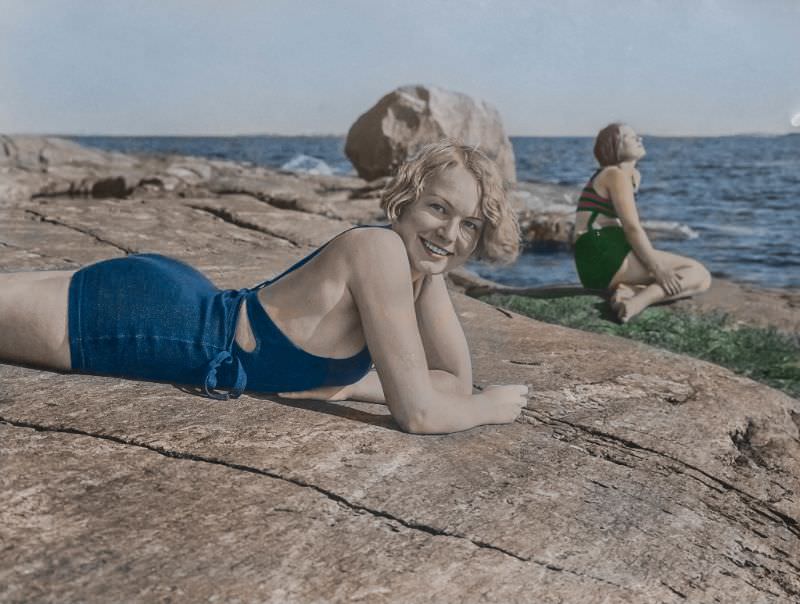
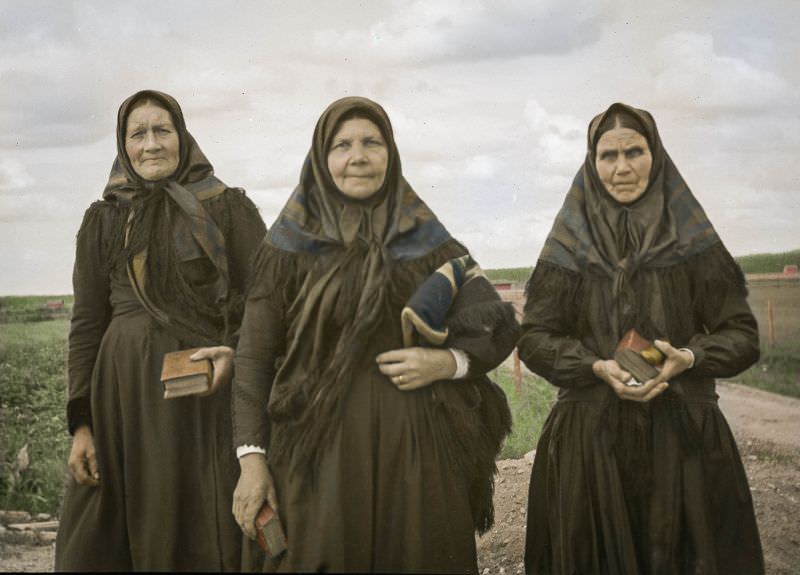
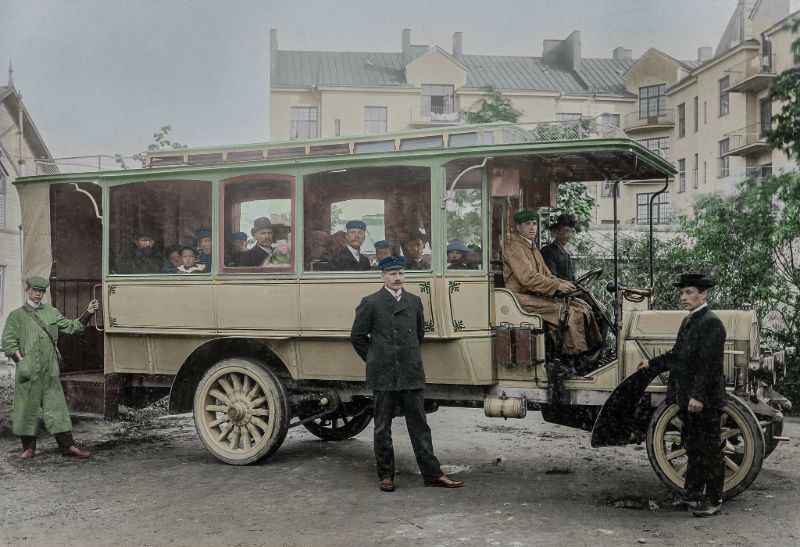
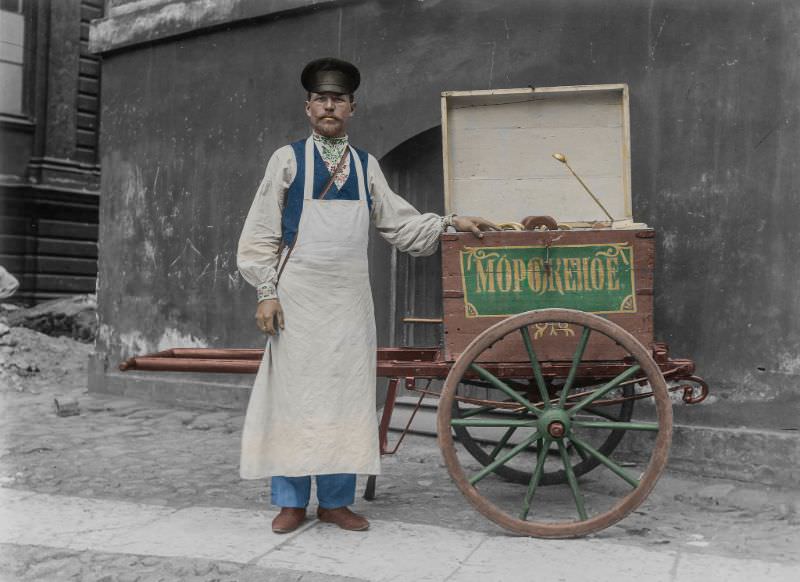
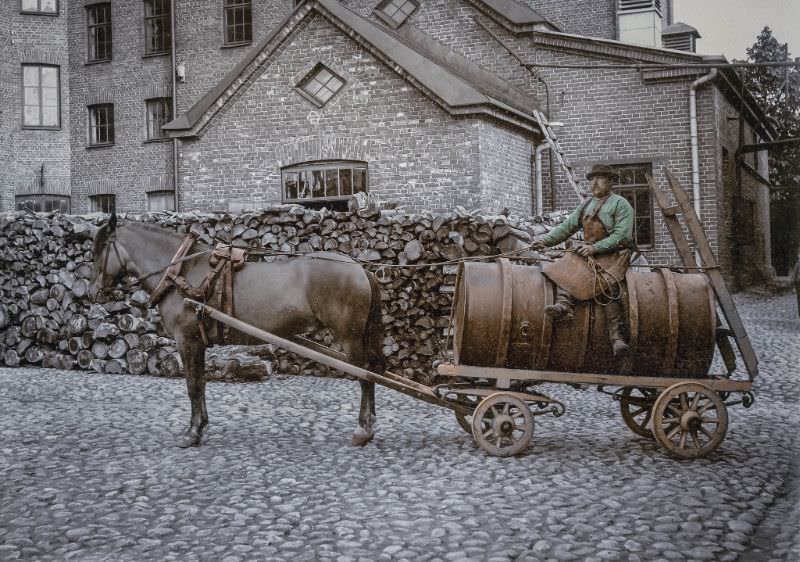
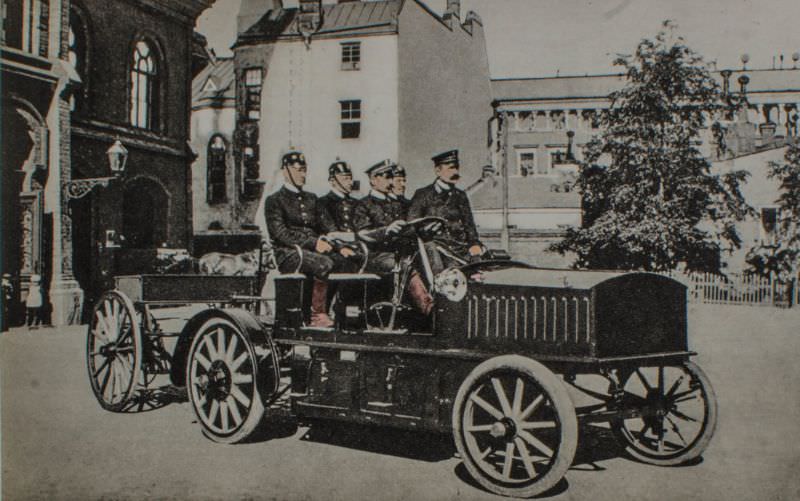
Helsinki’s streets in the early 1900s were filled with a mix of horse-drawn vehicles, early motor buses, and vendors of all kinds. Russian traders were a common sight, including ice cream sellers who had set up in the city during the period of Russian rule.
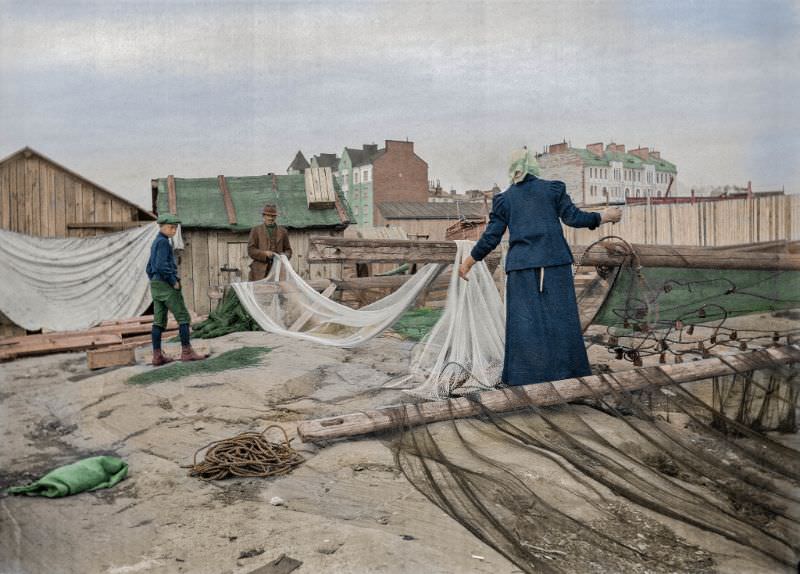
Kaivopuisto park drew Helsinkians throughout the warmer months, while along the waterfront, workers mended fishing nets and beat carpets clean in the open air. These were everyday tasks, but the photographs that captured them now offer a rare window into how ordinary people lived.
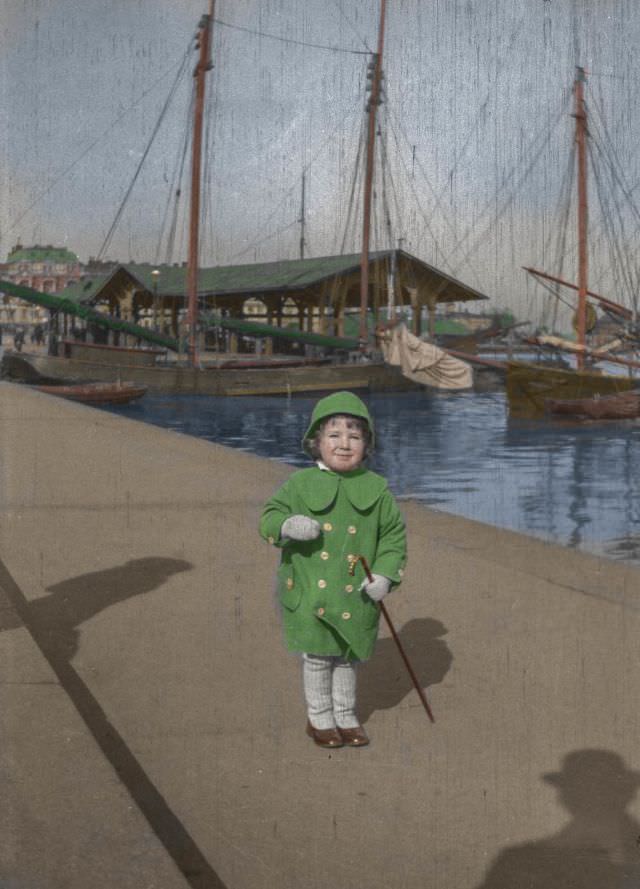
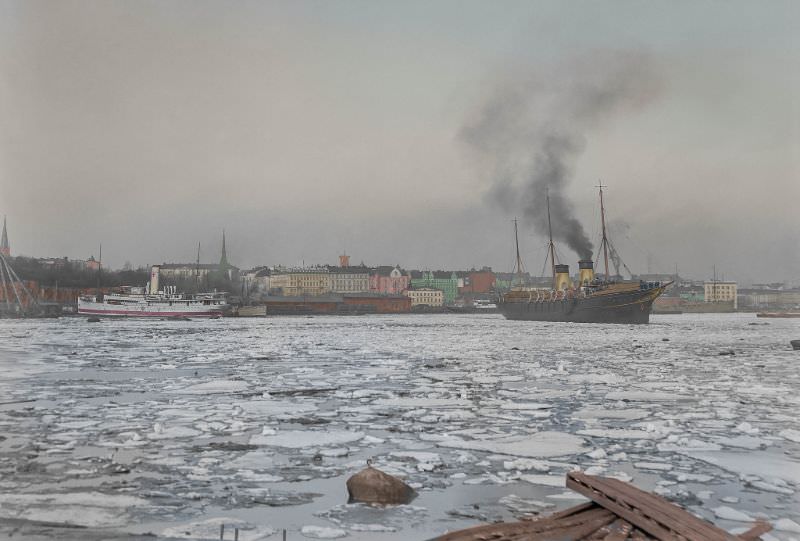
Finnish painter Hugo Simberg, known for his symbolic and often dark artwork, took time to photograph his two-year-old son Tom at Helsinki’s Southern Harbour — a personal moment preserved alongside images of the harbour’s busy maritime traffic, including vessels from the Finnish Steamship Company.
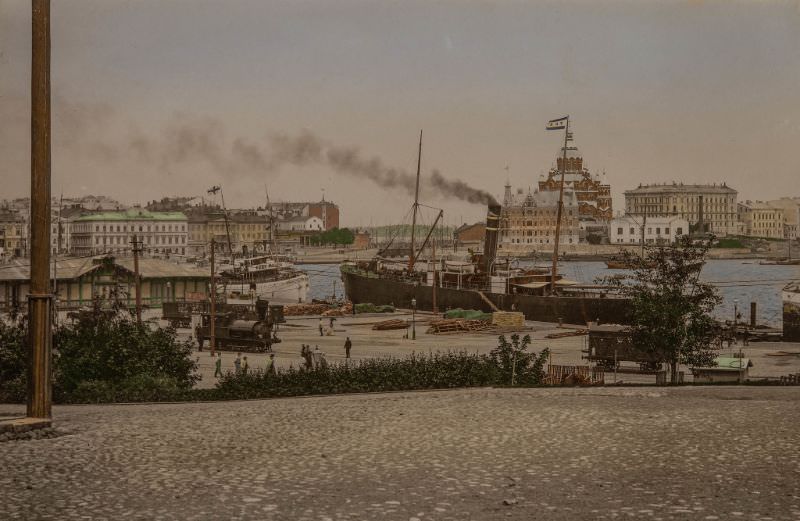
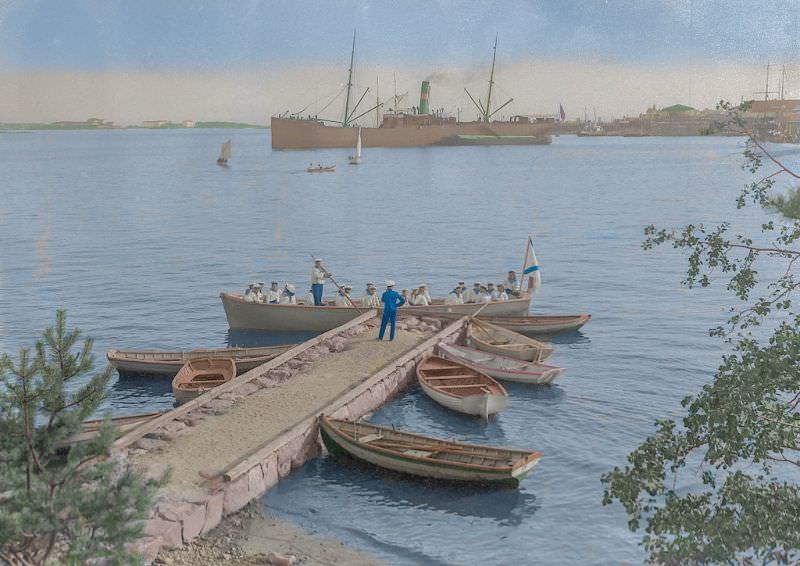
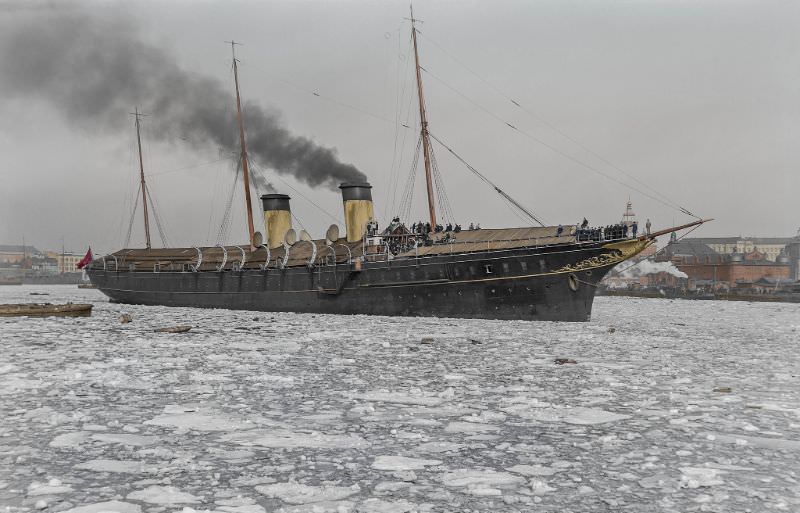
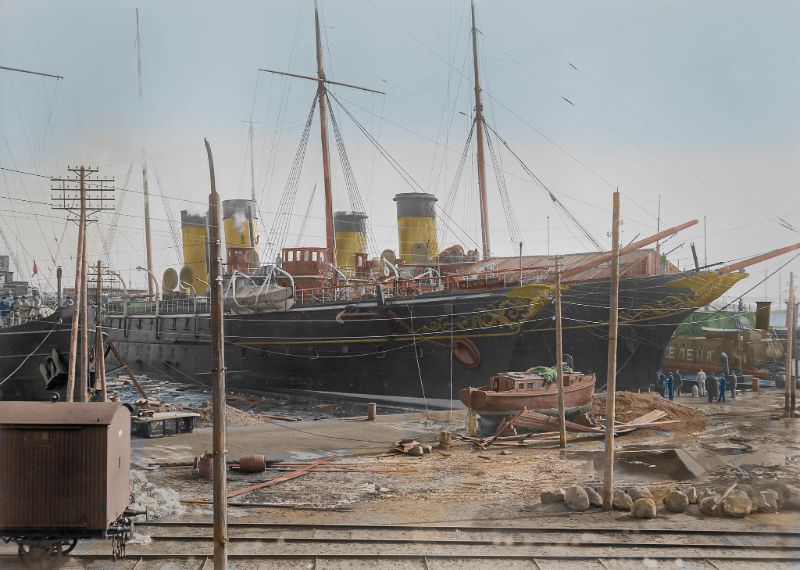
The Imperial Russian presence in Helsinki was visible well into the early 20th century. Russian Navy sailors were a familiar sight returning to their ships, and the Imperial Yachts — including the Standart and the Polar Star — made regular appearances in the harbour, a reminder of Finland’s long ties to the Russian Empire before independence in 1917.
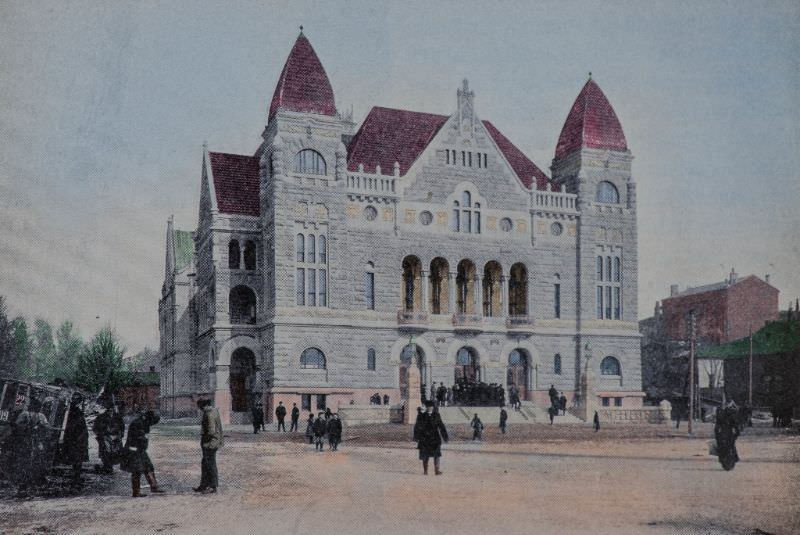
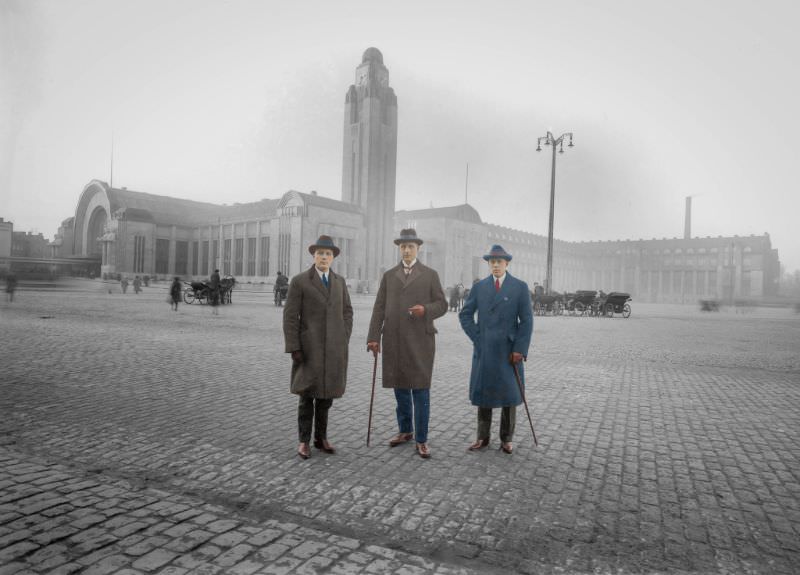
The Finnish National Theatre, completed in 1902, stood as one of Helsinki’s most recognizable landmarks. Its granite facade became a symbol of Finnish cultural identity during a period when the country was still asserting its national character. Not far from the theatre, the city’s new railway station drew crowds and curiosity in equal measure.

The photos are cool, but the colorization is far from impressive. I’ve never seen water that color in Finland, it reminds me of the Mediterranean. Also, bright green probably wasn’t the most popular color for farm houses or airplanes in the early 1900s…
That’s why the colorization is so unbelievable.