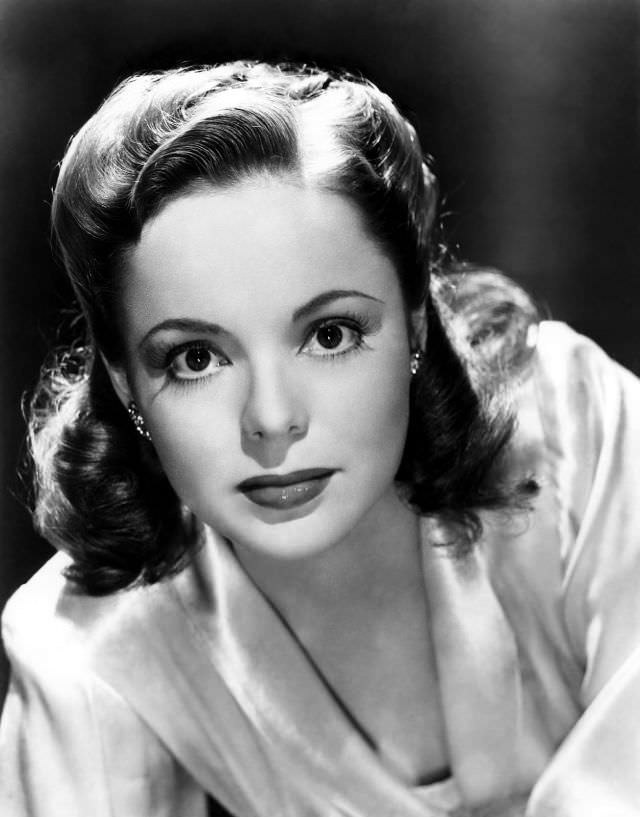
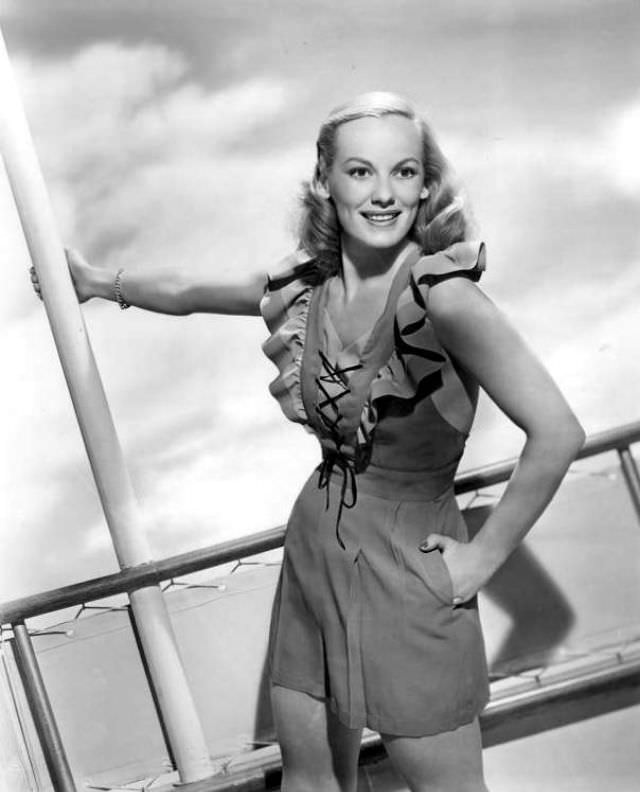
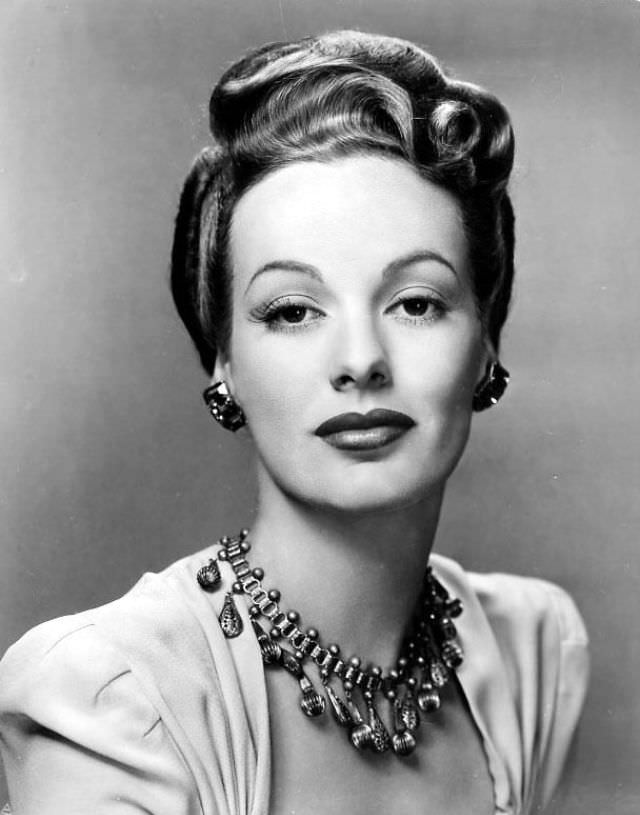
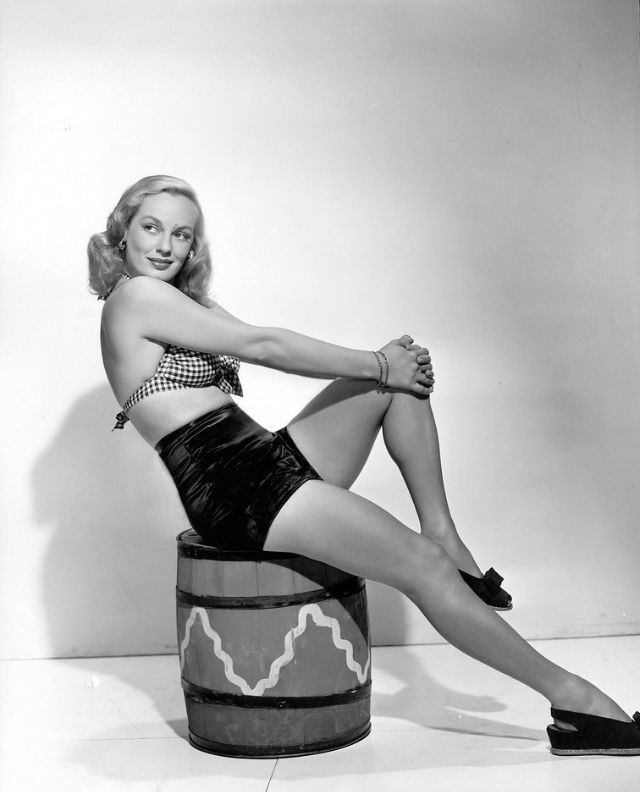
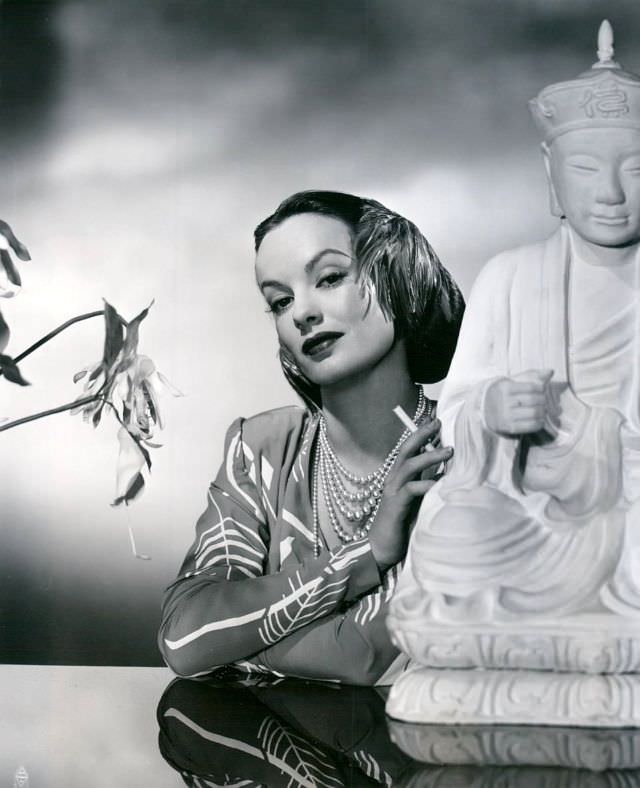
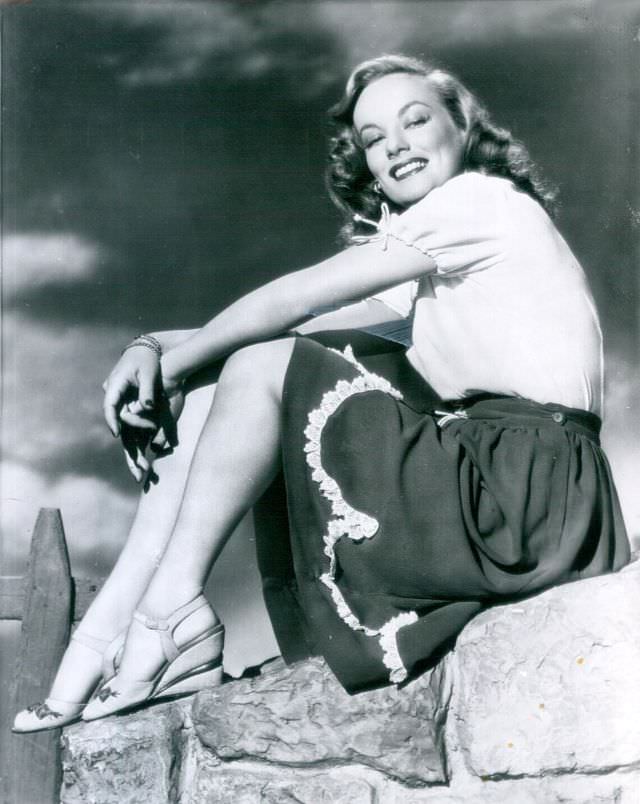
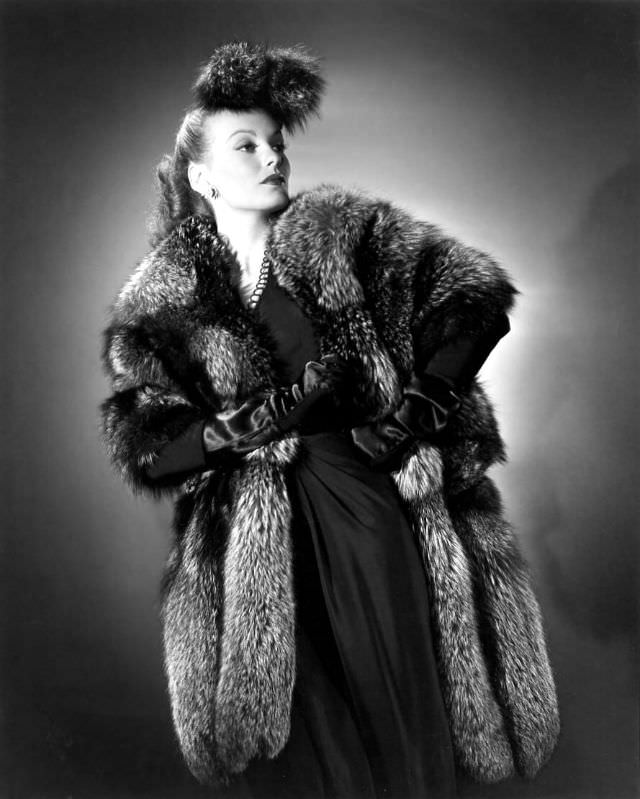
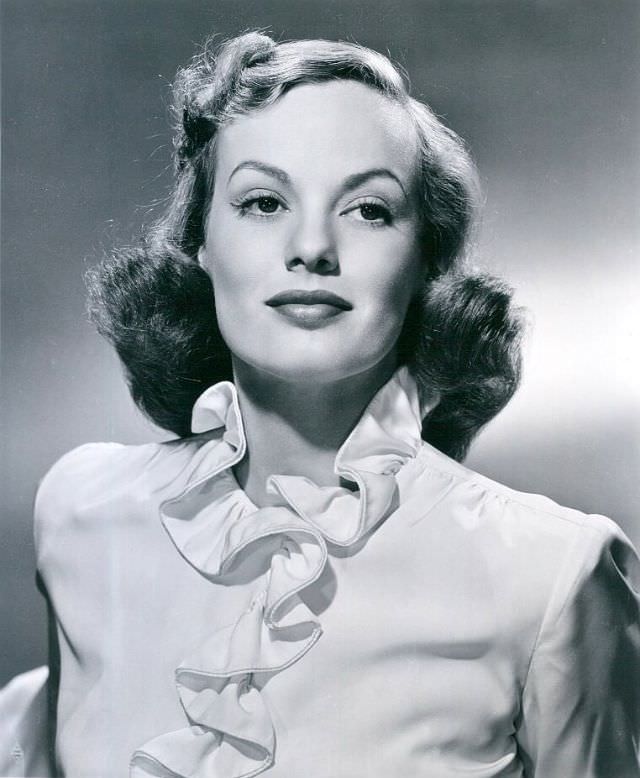
Faye Emerson built one of the most distinctive careers in mid-20th century American entertainment. She moved with ease from Hollywood films to Broadway stages to the brand-new world of television, earning titles that few women of her era could claim: “First Lady of TV Glamour” and “First Lady of the Late-Night Show.” Her story spans Warner Bros. contract roles in the 1940s, a deeply personal and turbulent private life, and a pioneering run on early television that made her face familiar in living rooms across the country.
Born in 1917, Faye grew up during unsettled family years. When her parents divorced during her teenage years, she moved to San Diego to live with her mother and was enrolled in a convent boarding school. After finishing high school, she attended San Diego State College and began pursuing acting through Community Players productions. Her stage debut came in 1935 with the play “Russet Mantle.” By 1941, Warner Bros. had signed her to a contract, and her film career was officially underway.
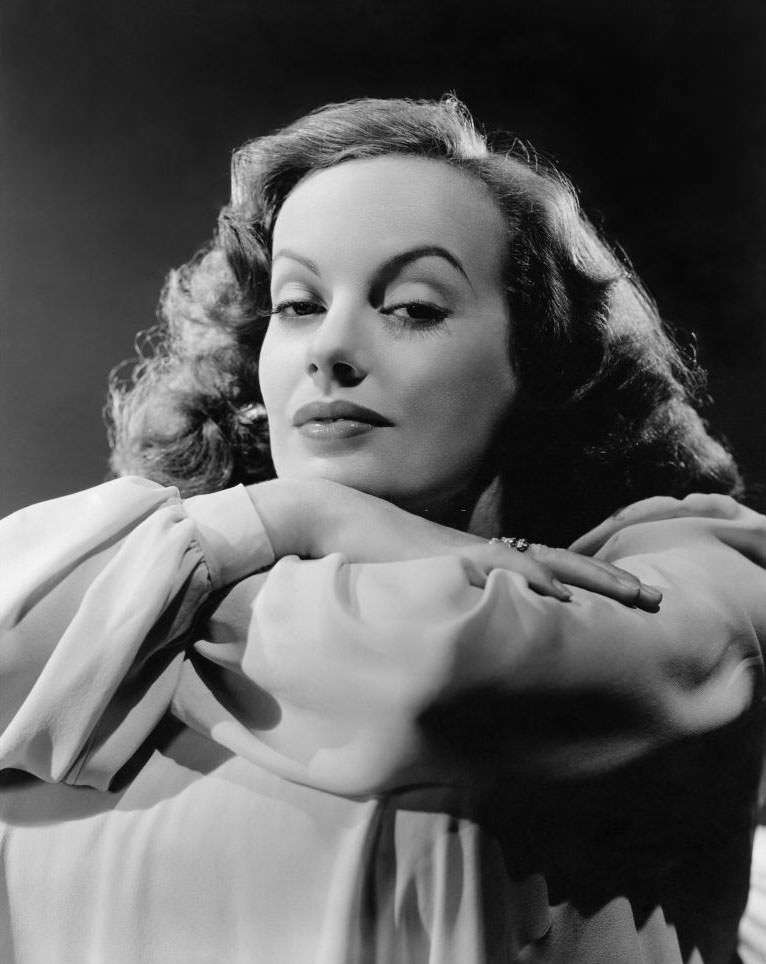
Emerson made her film debut in 1942 in “Lady Gangster,” appearing in an uncredited role. She quickly moved up, and one of her most talked-about performances came in “The Mask of Dimitrios,” where she played opposite Zachary Scott. Through the 1940s and into the early 1950s, she appeared in more than thirty films for Warner Bros., cementing her status as a reliable and watchable screen presence.
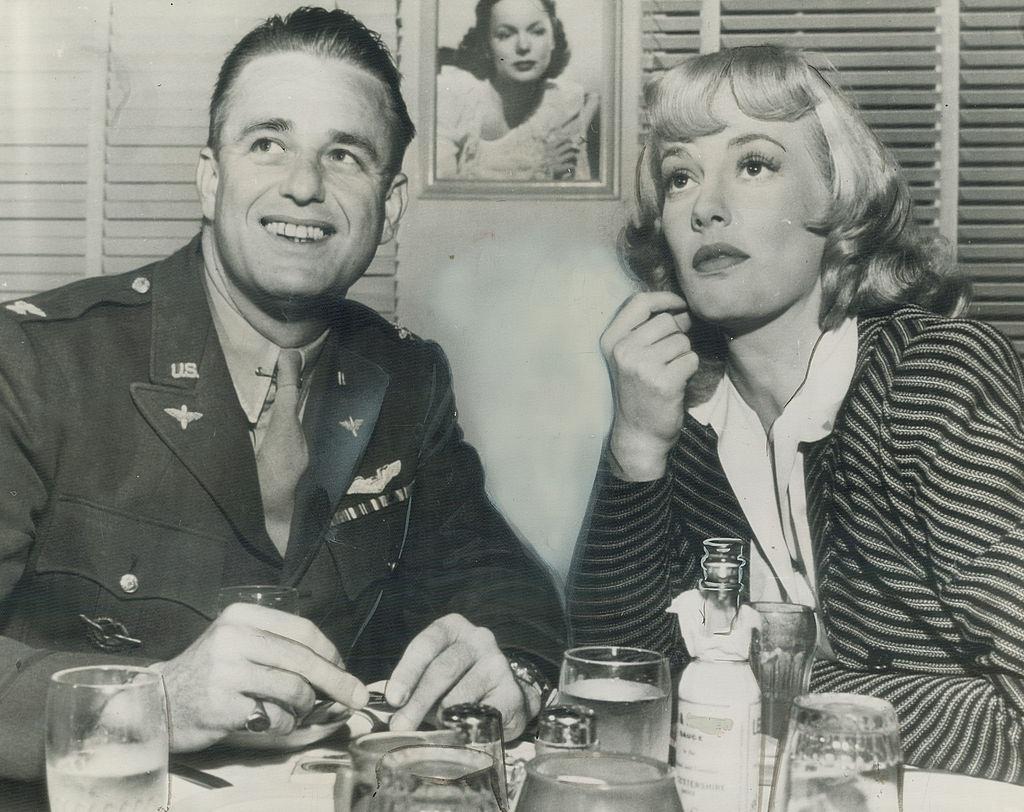
Her personal life during this period drew as much public attention as her work on screen. Her first marriage, to auto dealer William Crawford, lasted only four years. The couple had a son, William W. Crawford 3d. Two years after that divorce, Emerson married Elliott Roosevelt, a son of U.S. President Franklin D. Roosevelt. The marriage thrust her into an entirely different world — she traveled with Elliott abroad and visited the Roosevelt family home in Hyde Park, New York, where she met heads of state and world figures.
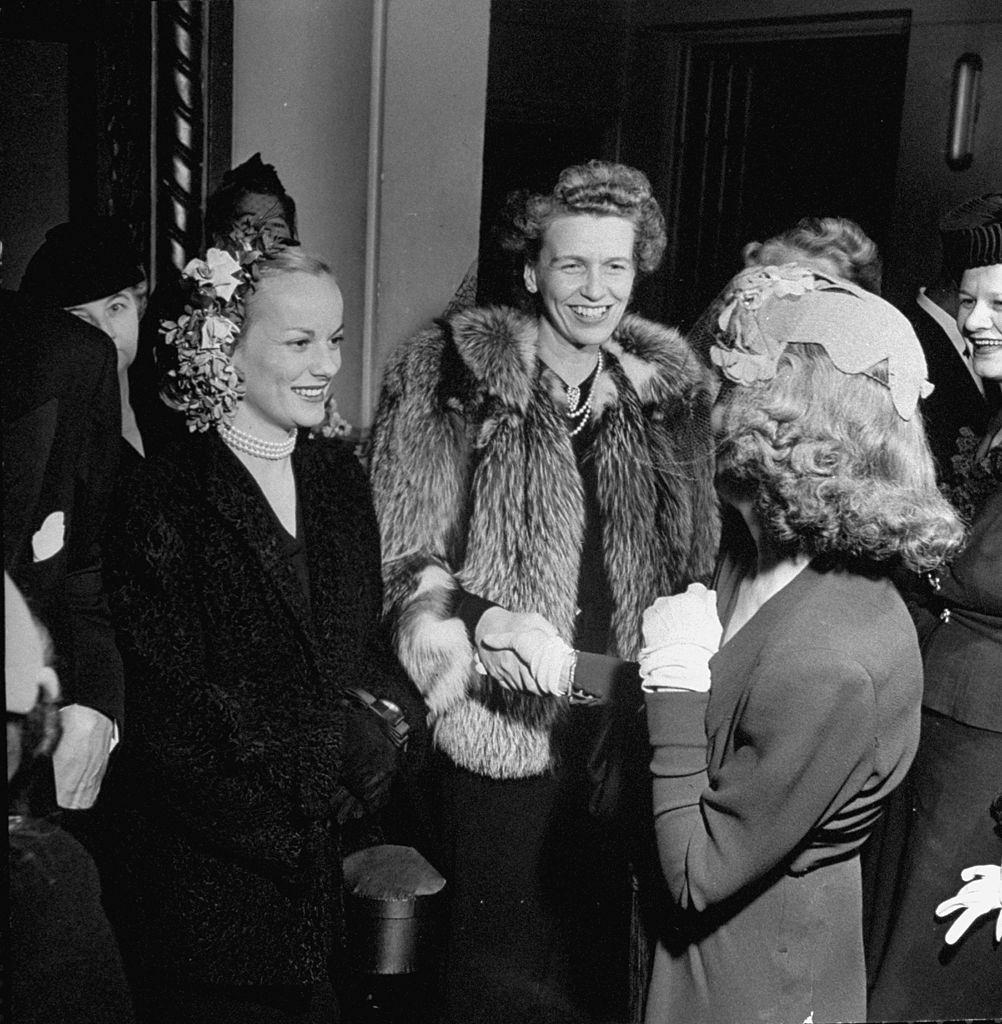
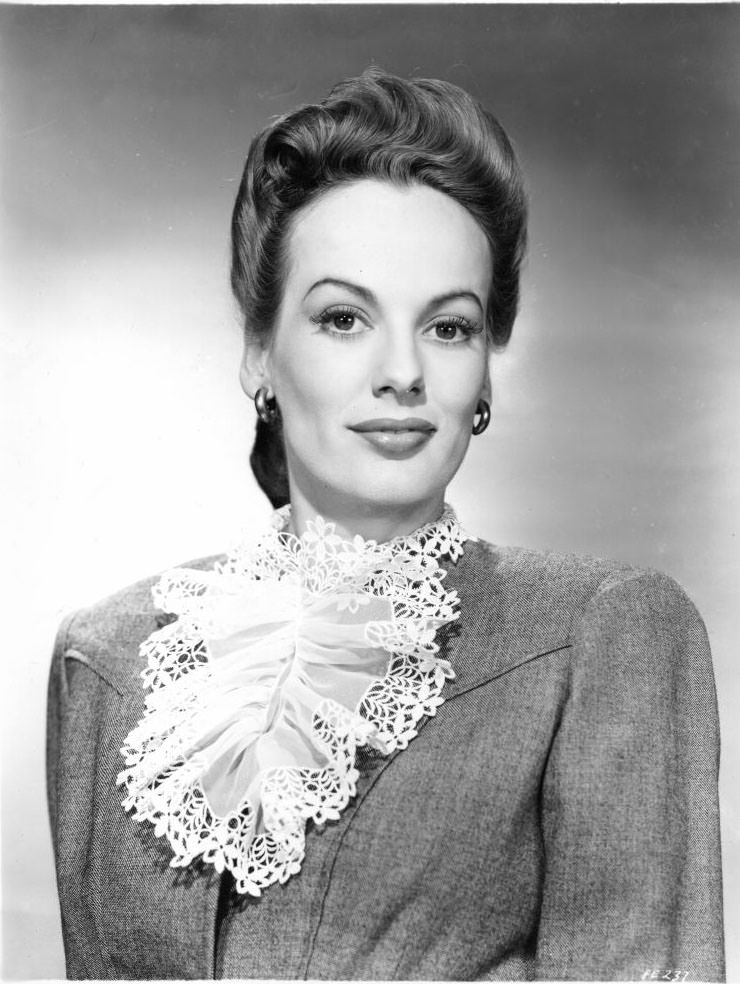
Despite the glamour of being connected to one of America’s most famous political families, the Roosevelt marriage deteriorated badly. On Christmas Day, 1948, Emerson attempted suicide by slitting her wrists and was hospitalized. The marriage formally ended in divorce in January 1950. Through those difficult years, she continued to work, and her time in the spotlight — both for her performances and her high-profile personal life — kept her constantly in the news.
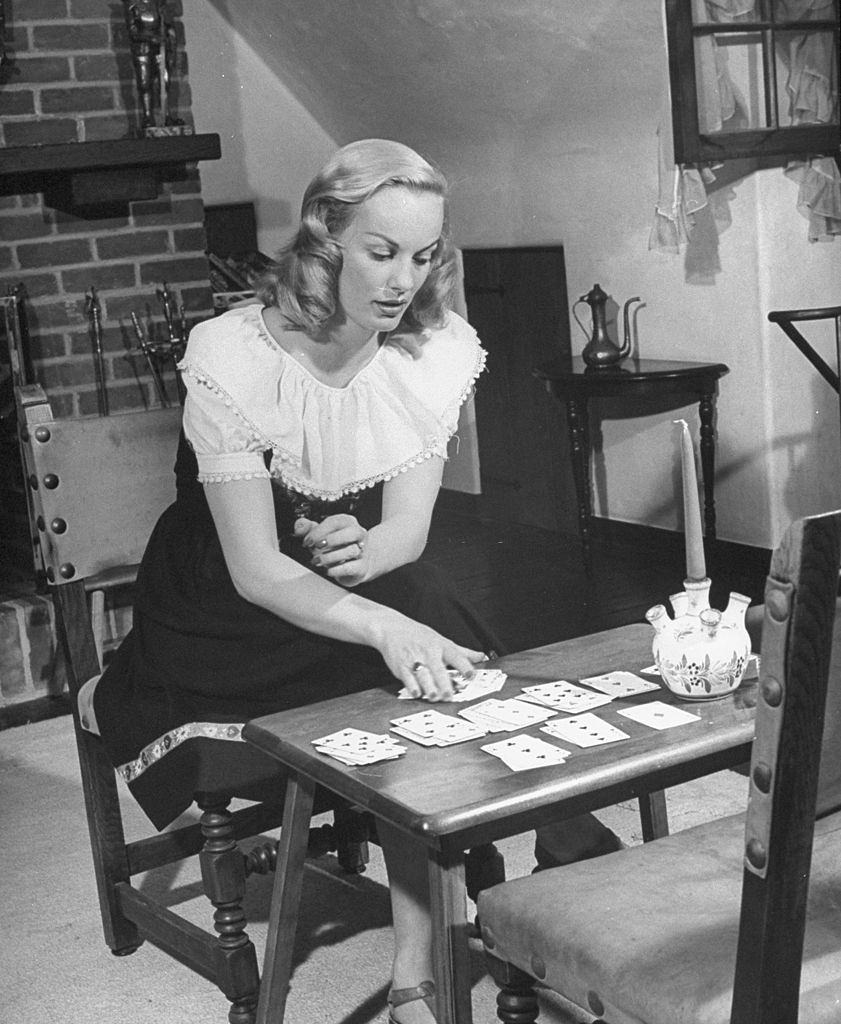
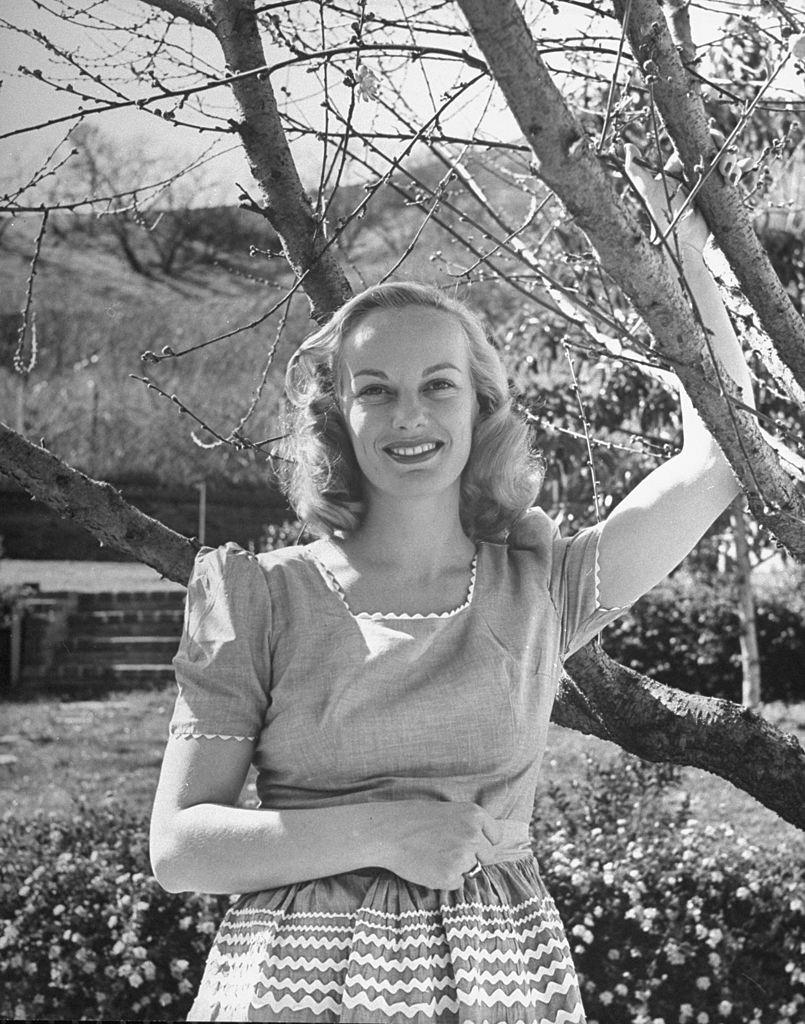
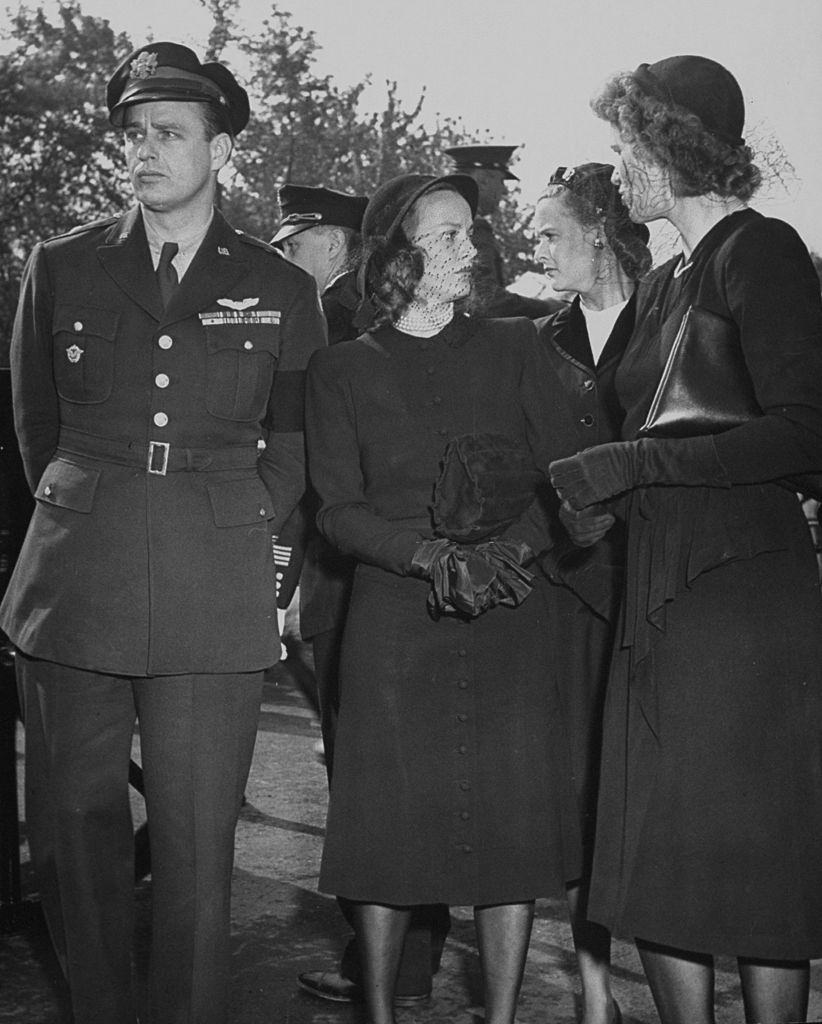
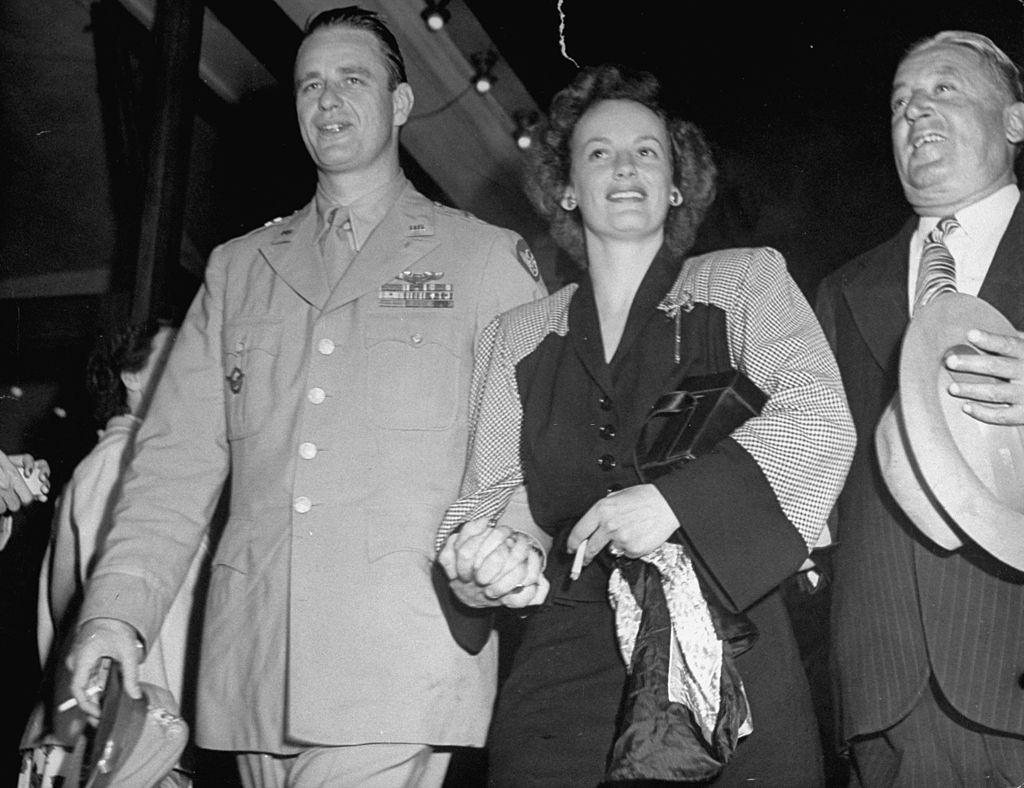
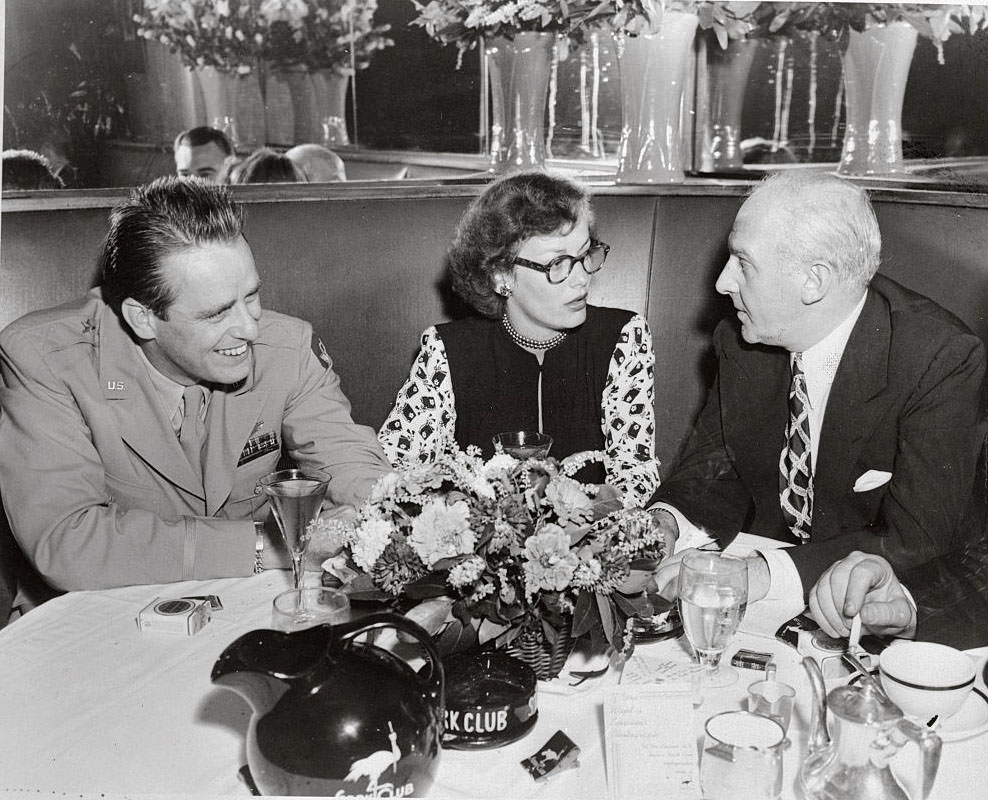
Emerson had already begun making her move to television before the Roosevelt divorce was final. Starting in 1948, she appeared in various anthology programs. In 1949, she hosted “Fifteen with Faye” on NBC for roughly six months — a 15-minute talk format that suited her conversational style perfectly. Then, on October 24, 1949, CBS launched “The Faye Emerson Show” in local East Coast markets. By March 1950, the network expanded it nationally. She was among the earliest women to host her own talk show on American television.
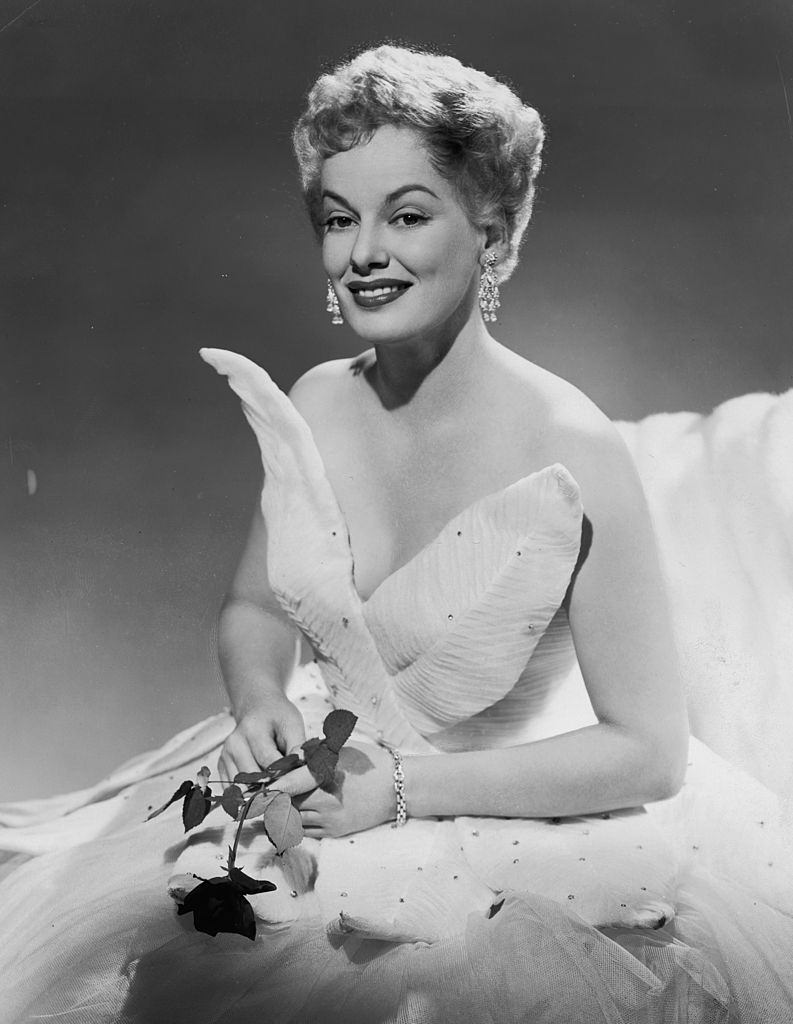
Her television work went well beyond one show. During the early 1950s, she appeared on “Faye Emerson’s Wonderful Town,” “Author Meets the Critics,” and co-hosted “Faye and Skitch” alongside her third husband, bandleader Skitch Henderson. That marriage followed shortly after her divorce from Roosevelt, and the couple worked together on screen for seven years. The 15-minute music program was popular and showcased a different side of Emerson — relaxed, witty, and completely at home in front of a camera.
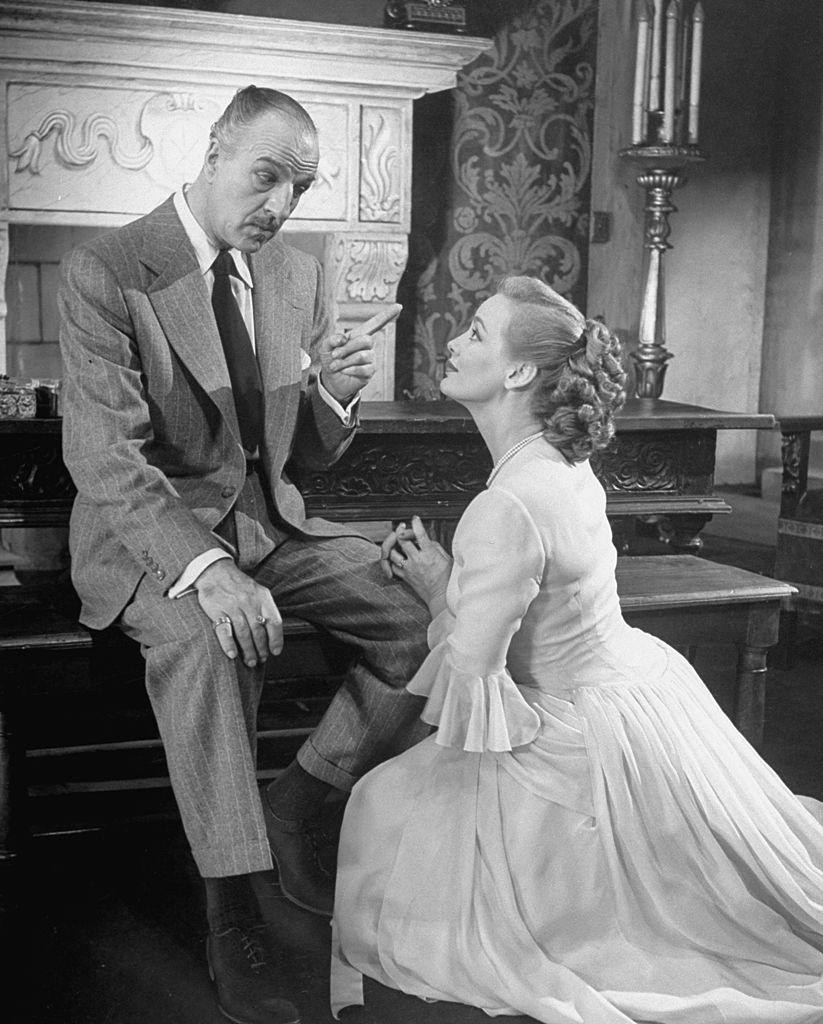
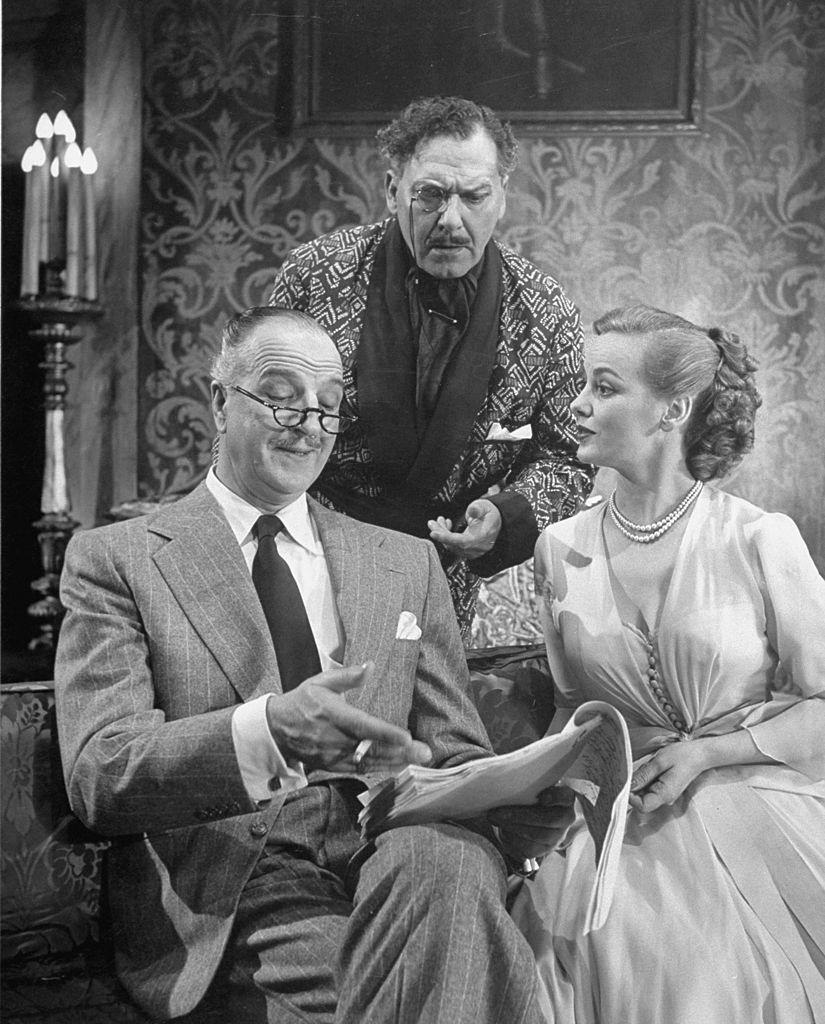
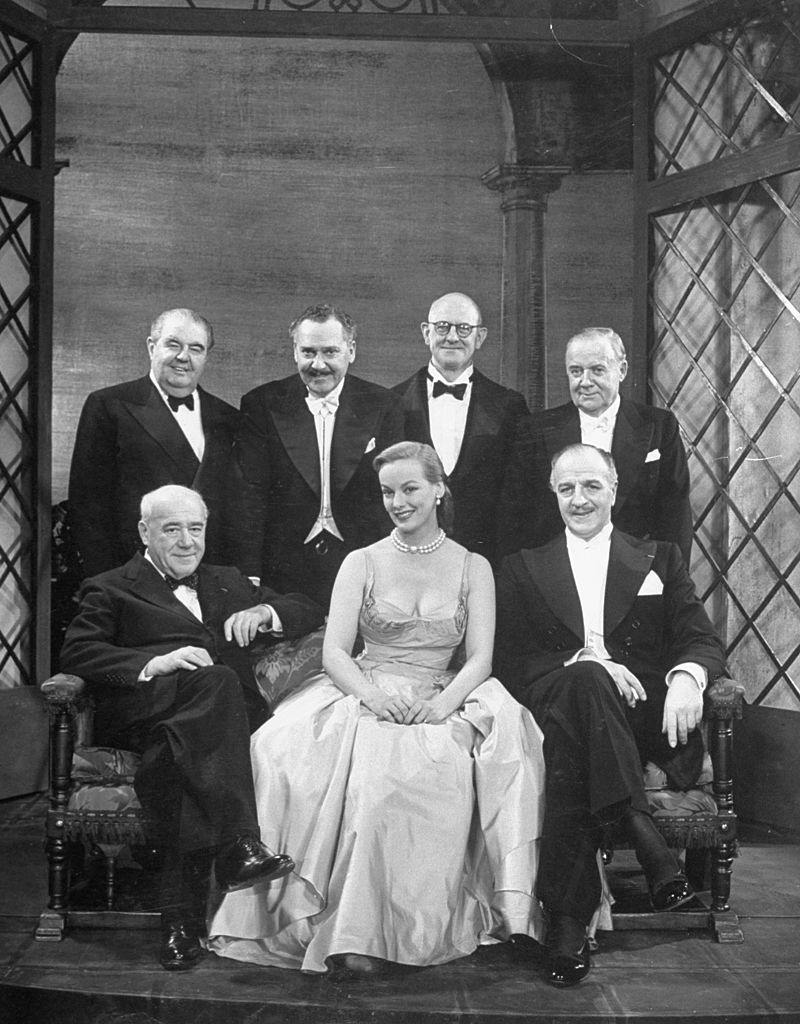
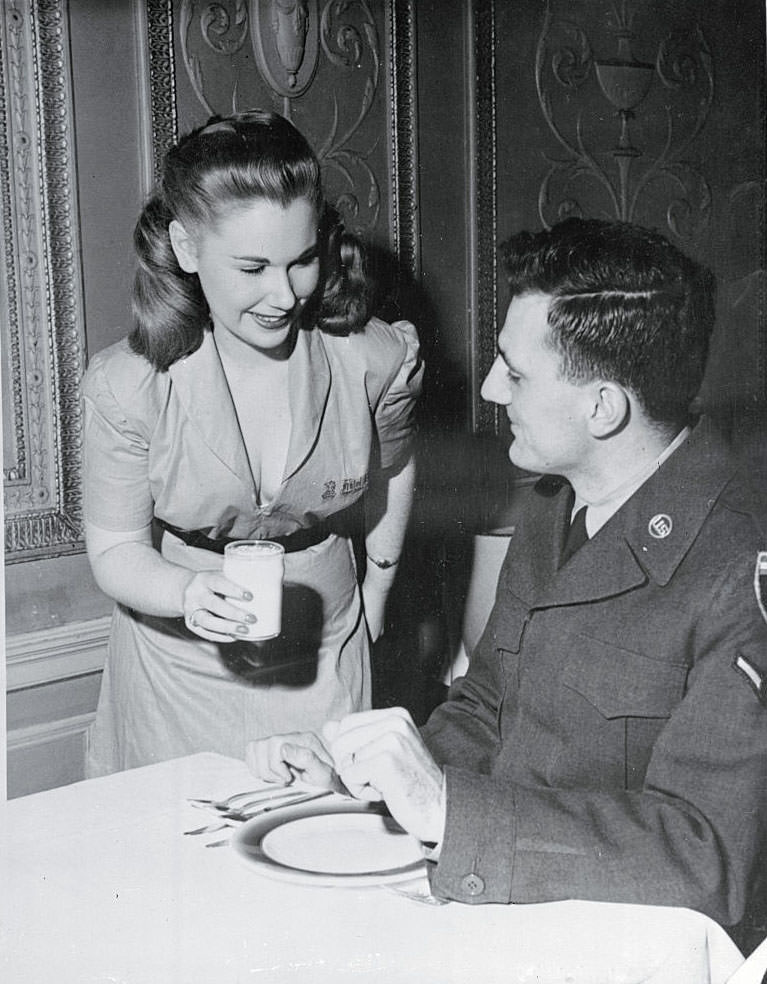
Even as television consumed more of her time, Emerson never stepped away from the stage. She appeared in several Broadway productions throughout the 1950s, including “Parisienne” (1950), “The Heavenly Twins” (1955), “Protective Custody” (1956), and “Back to Methuselah” (1958). She maintained a presence across three different performance worlds simultaneously — film, television, and live theater — at a time when most entertainers chose just one.
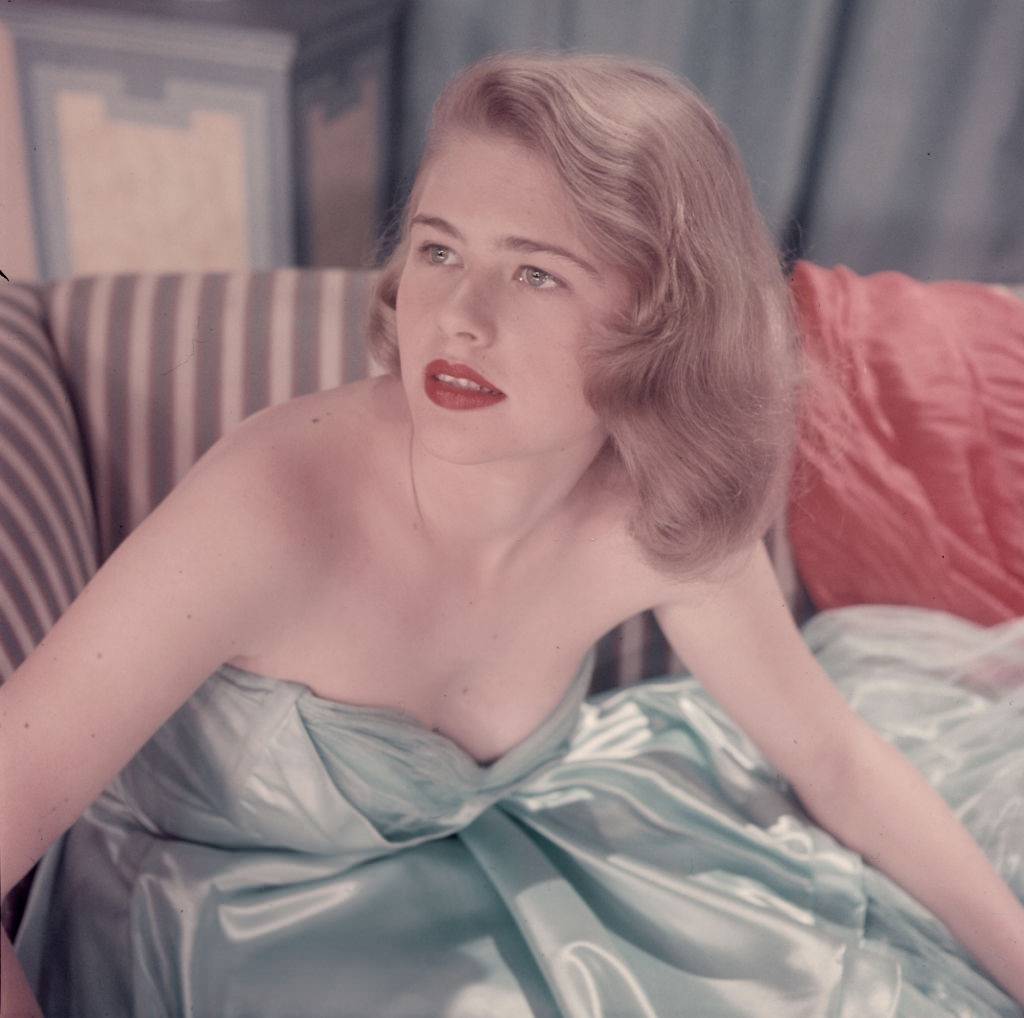
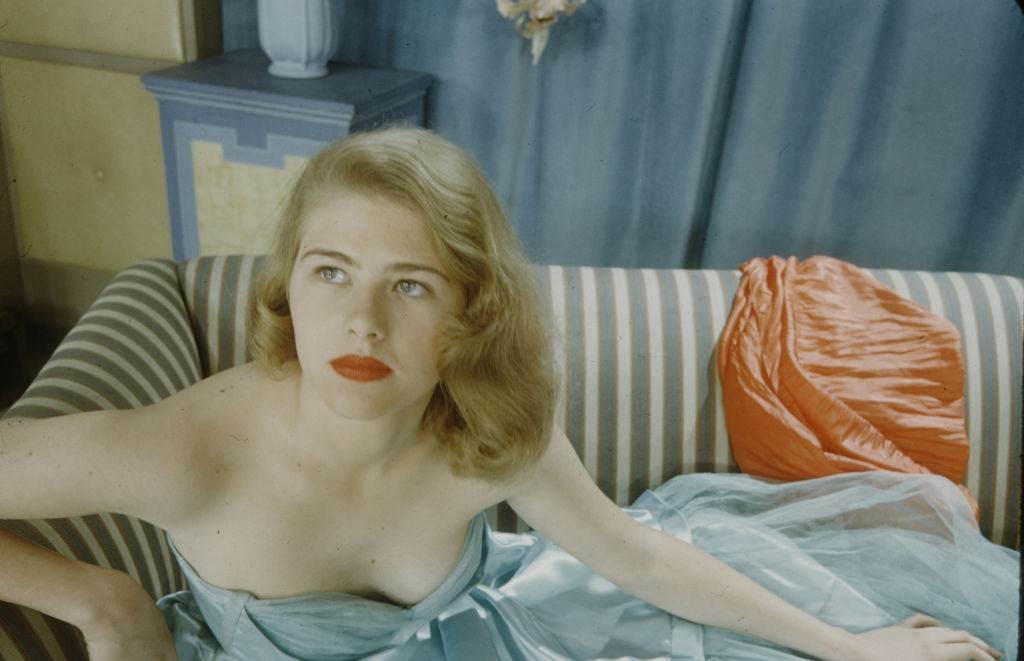
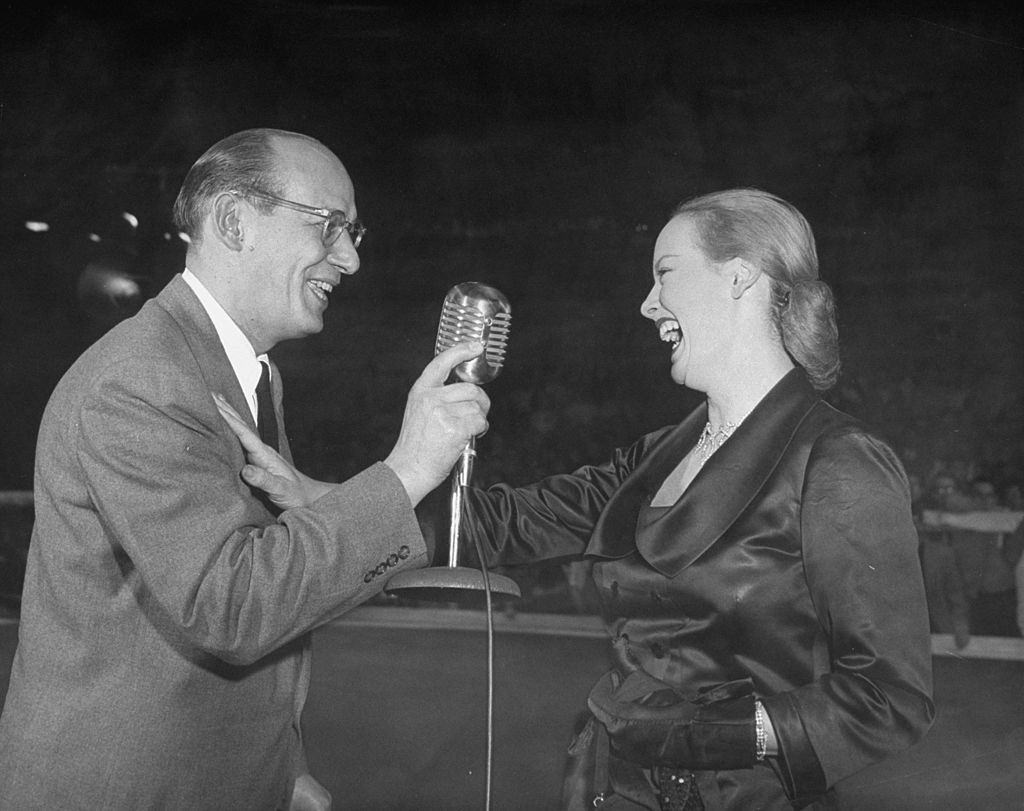
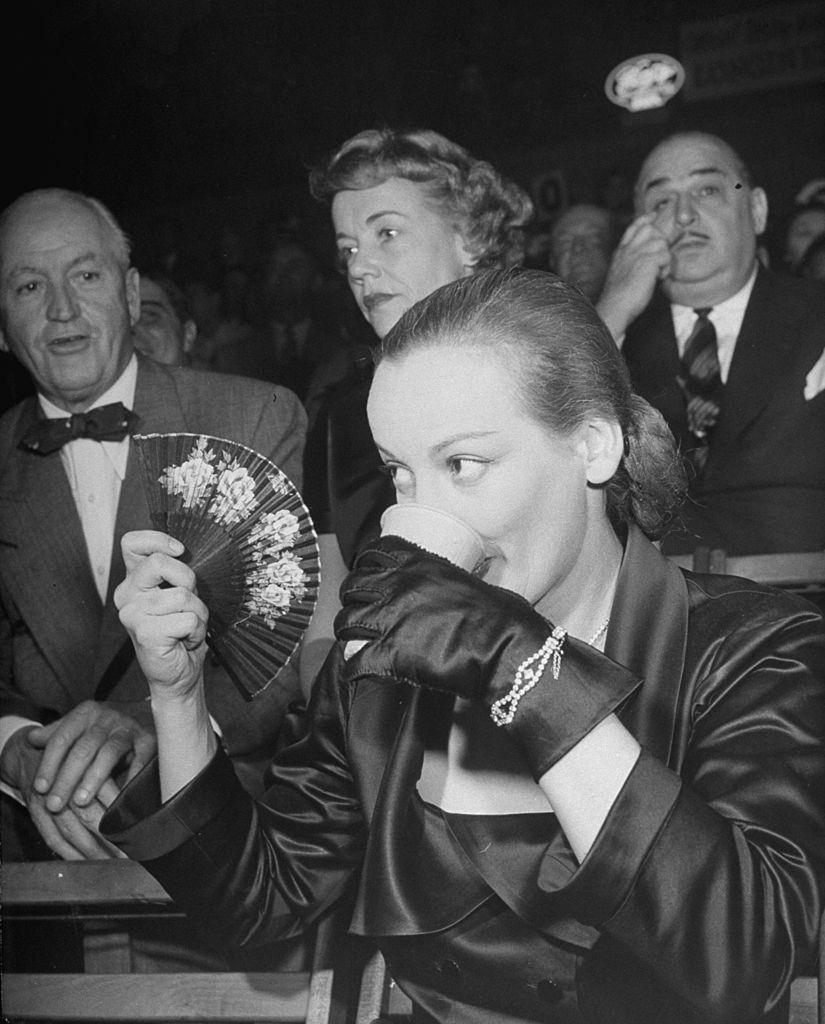
By 1950, Emerson was one of the most recognized women on American television. She moved through celebrity circles with ease, appearing at major cultural events alongside figures like Judy Garland, Ginger Rogers, Sonja Henie, and Grace Kelly. She spoke at political rallies, including an appearance in 1952 where she spoke into a microphone in support of Dwight D. Eisenhower’s presidential campaign. Her face showed up at Metropolitan Opera openings, roller skating derbies, Broadway after-parties, and television studio floors.
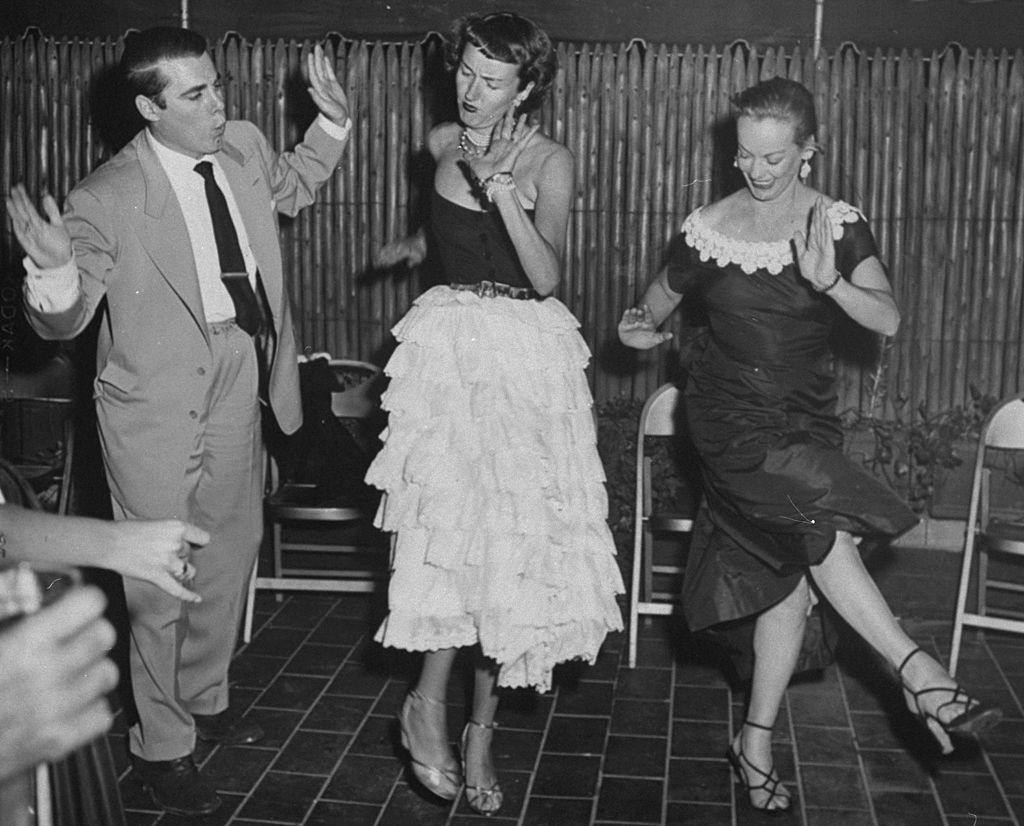
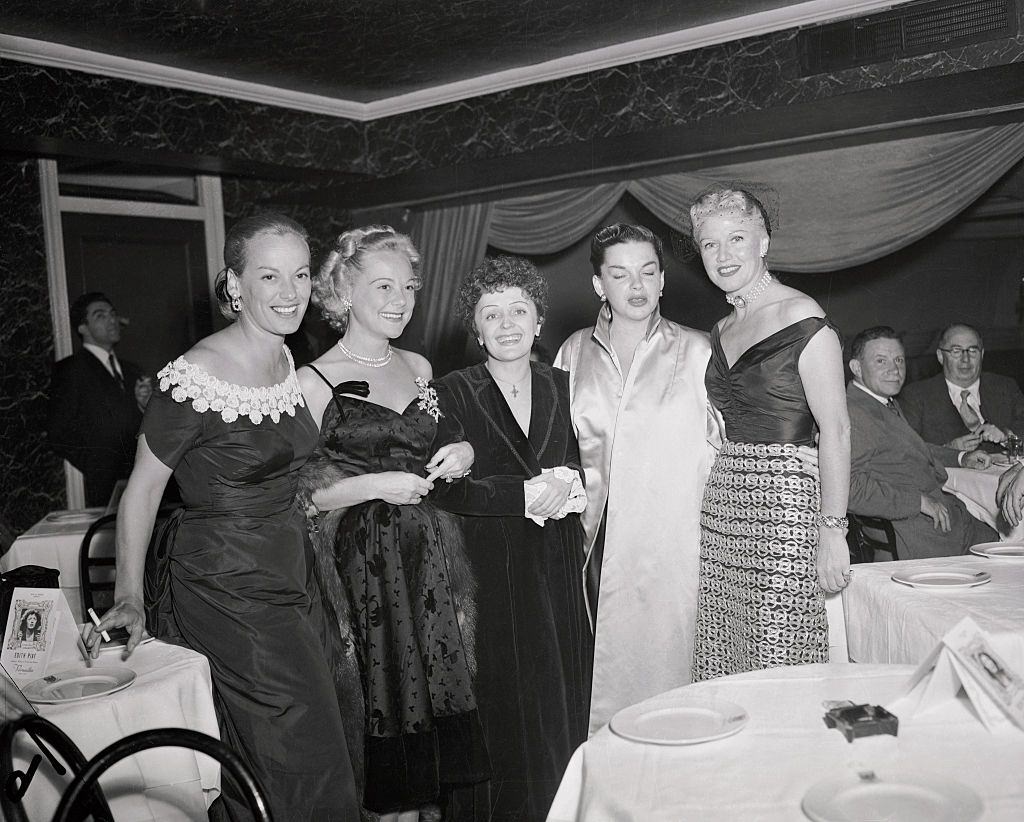
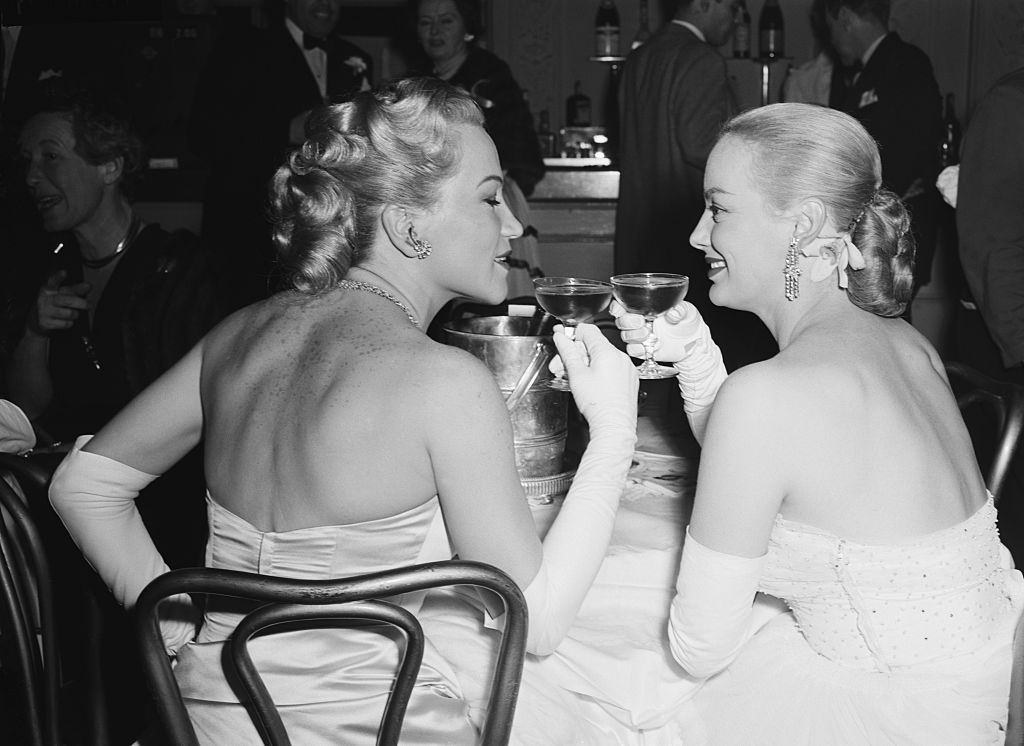
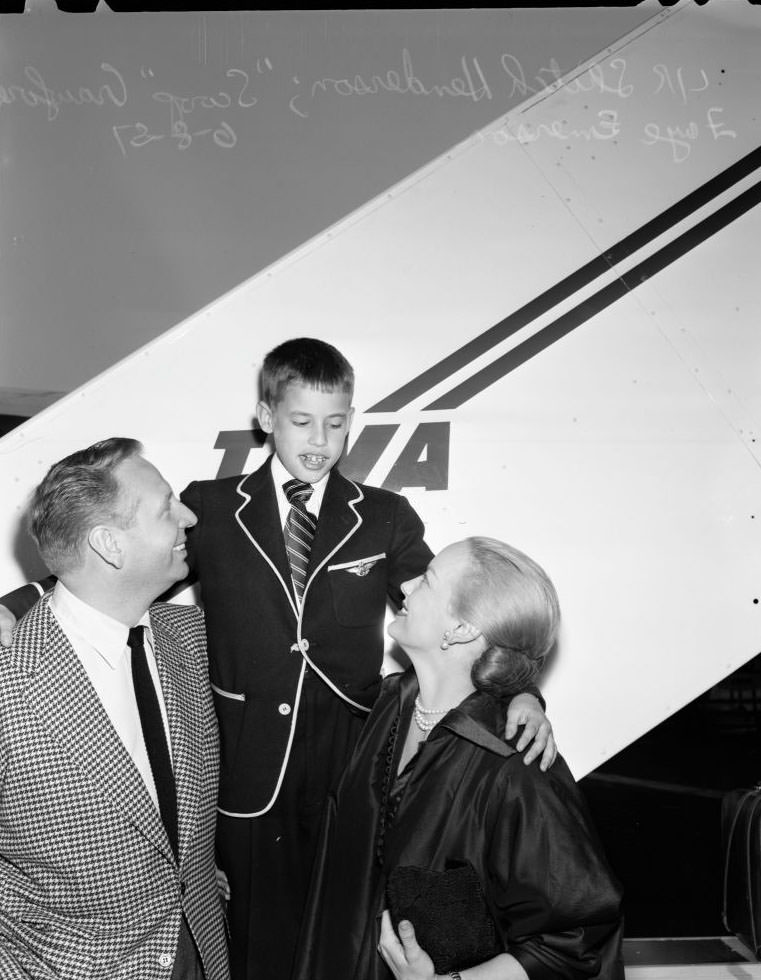
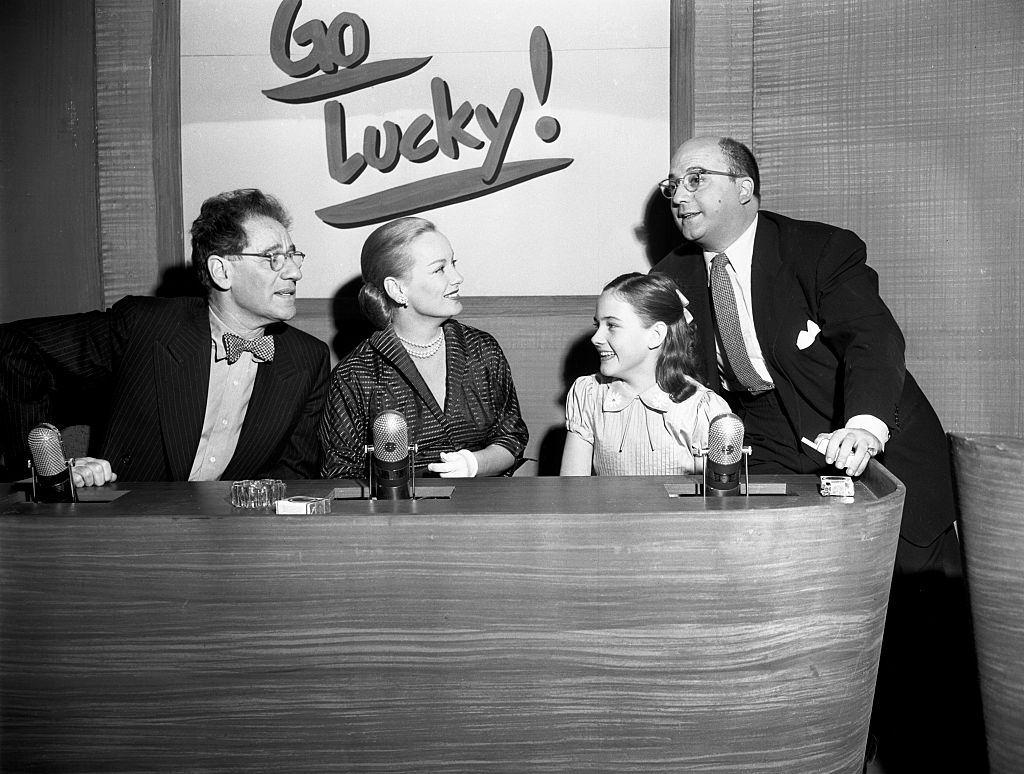
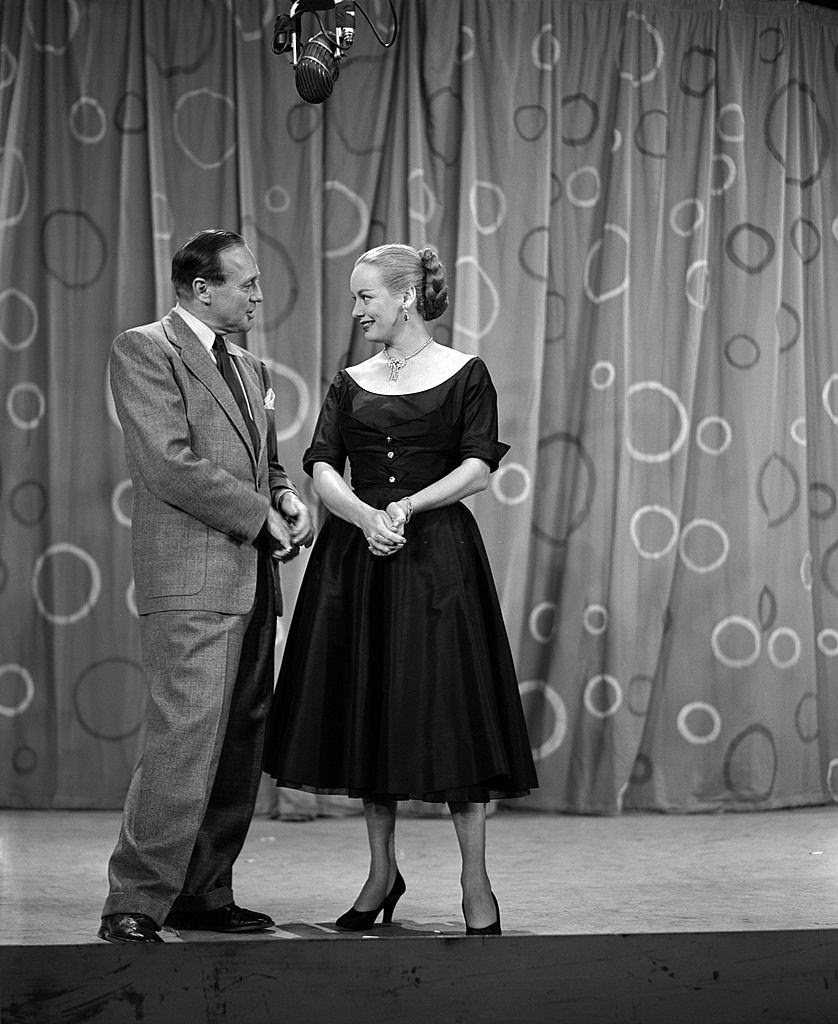
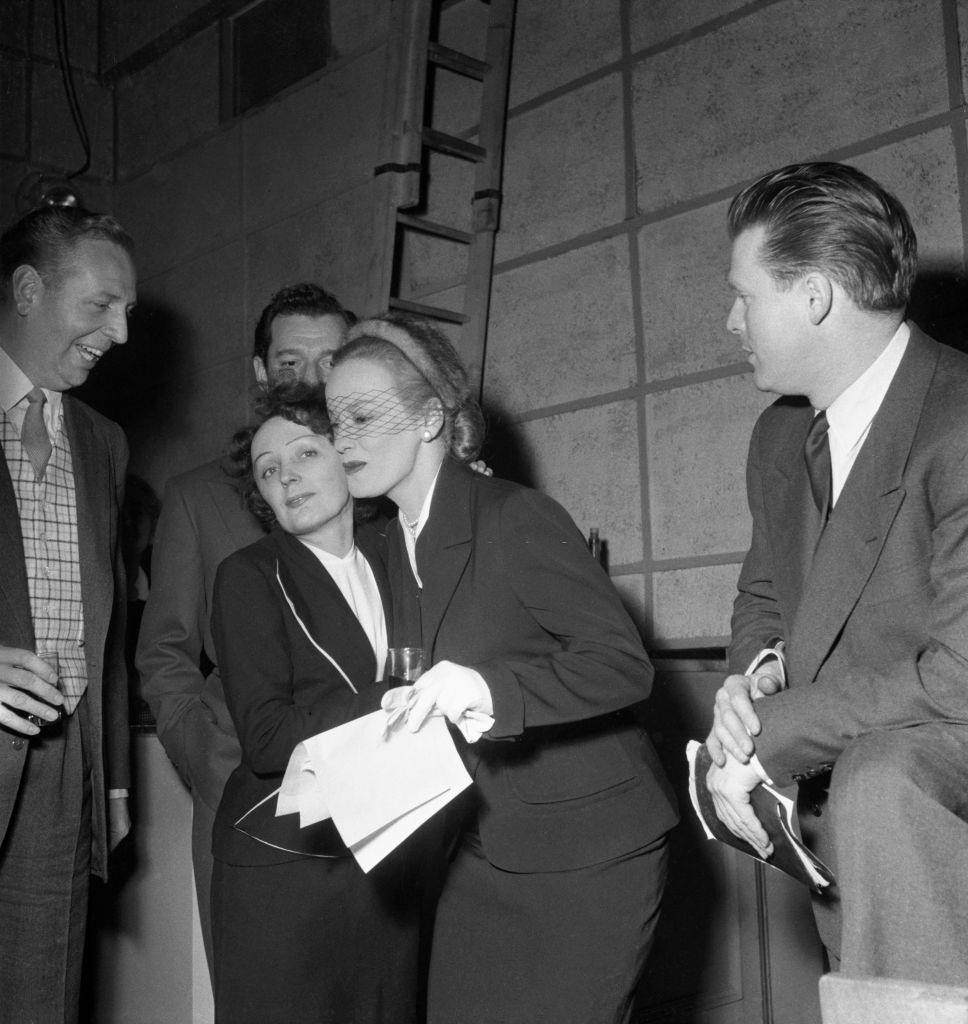
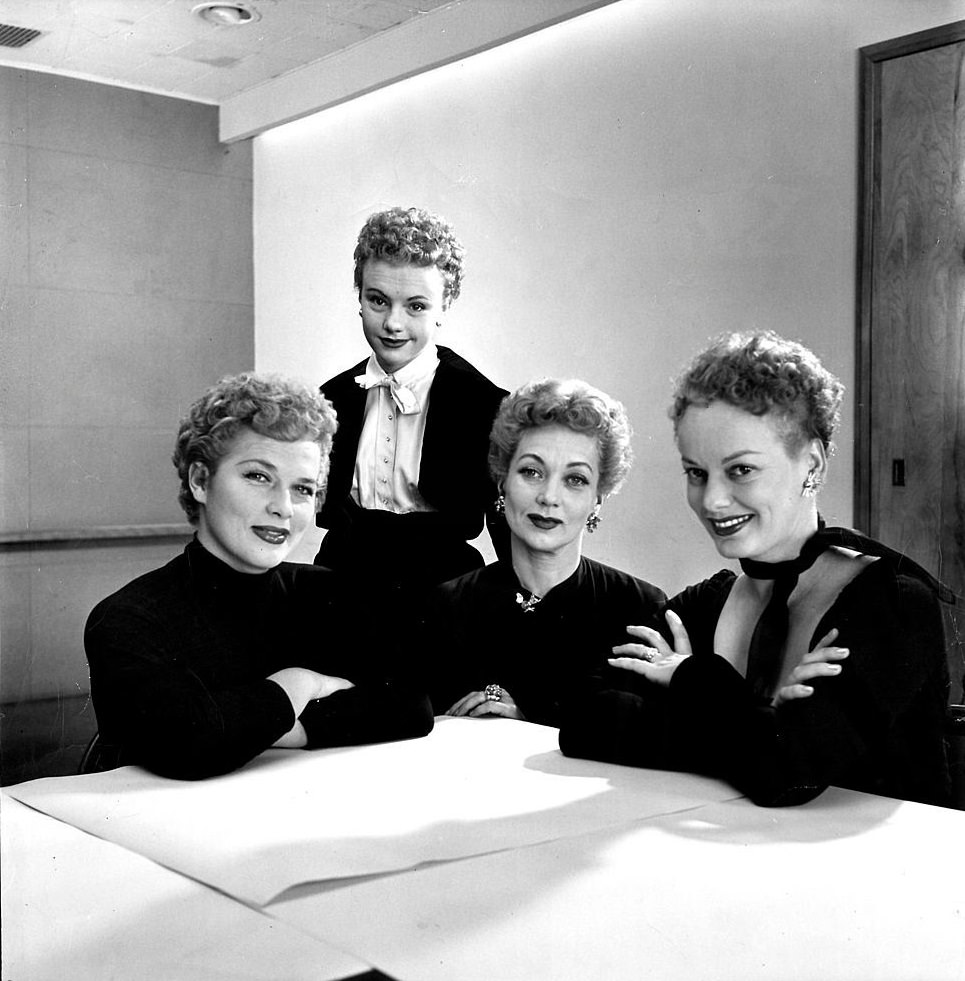
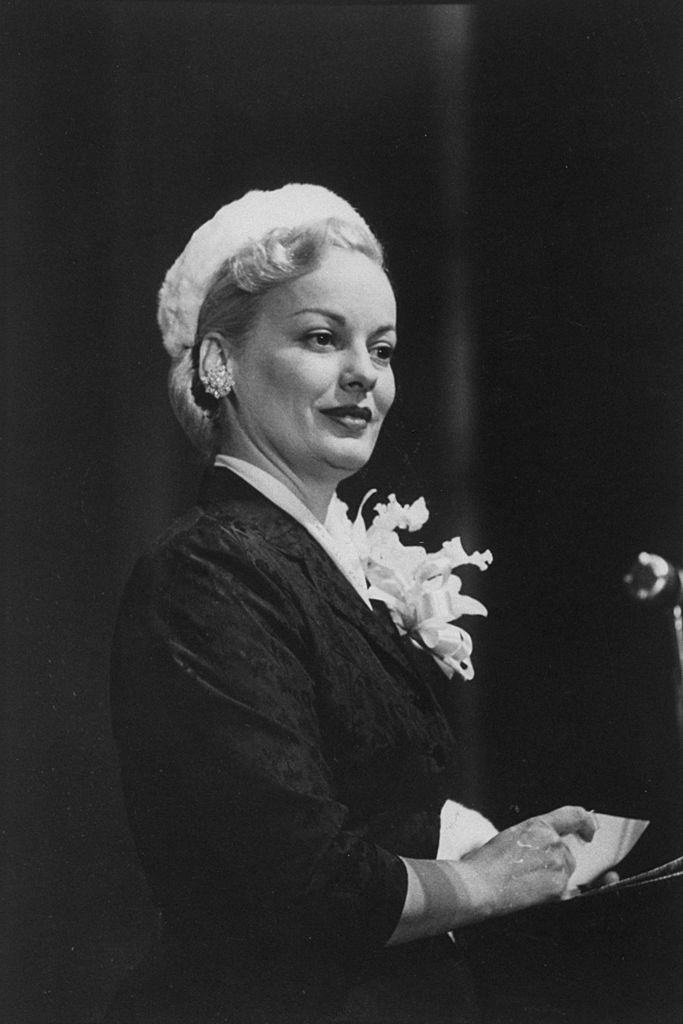
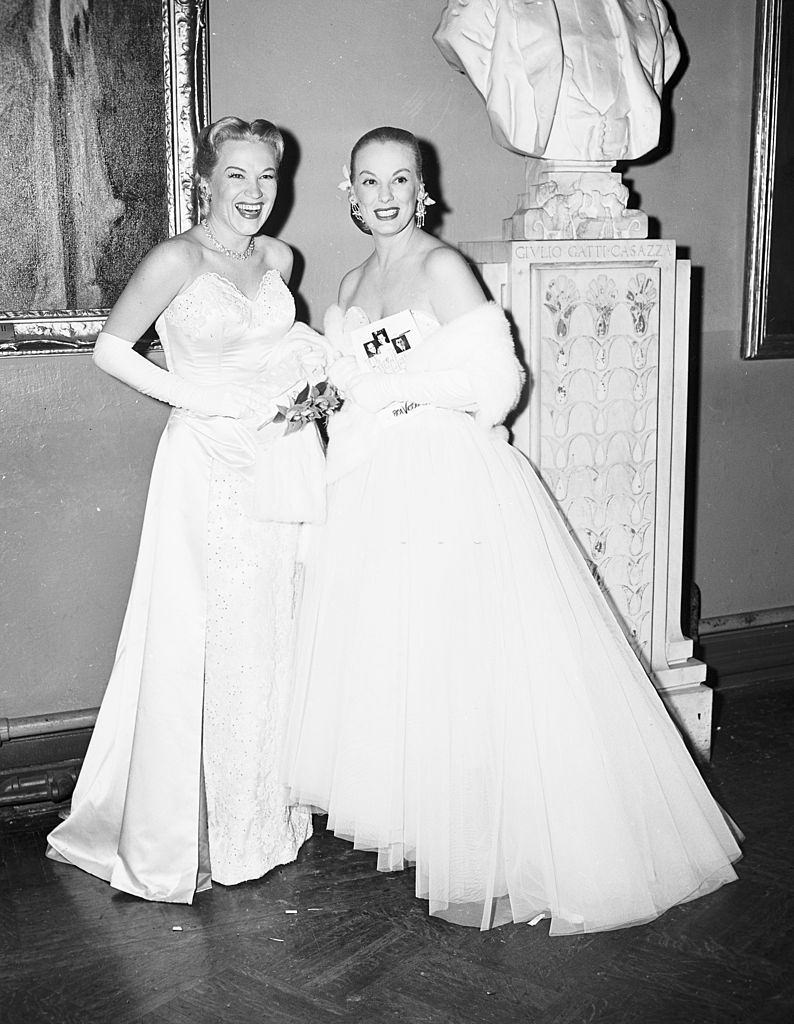
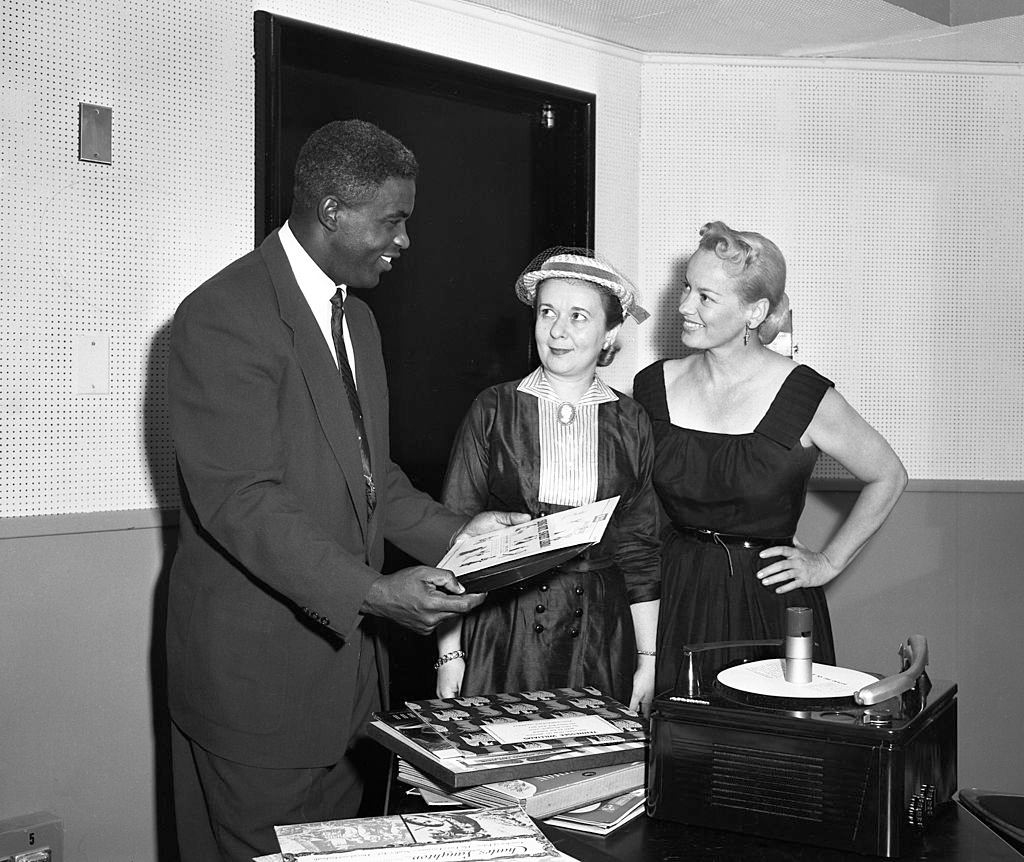
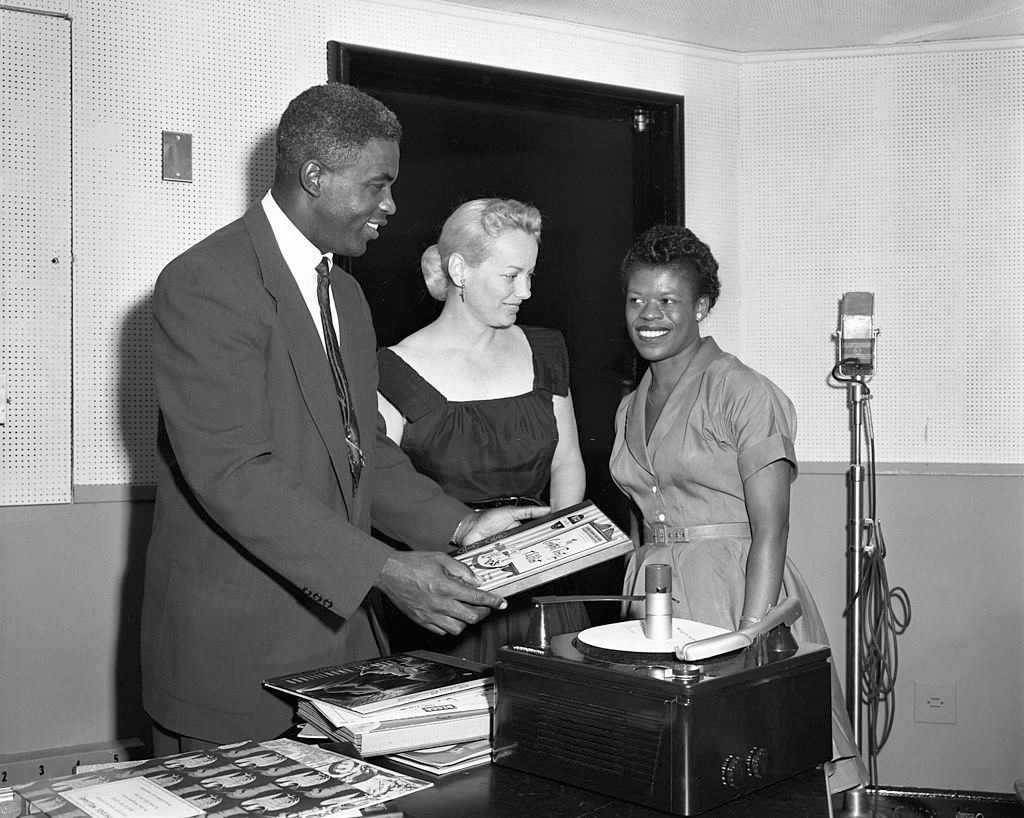
Her television appearances in the early 1950s brought her into contact with an extraordinary range of public figures. In 1953, she shared screen time with baseball legend Jackie Robinson on a TV program. She also appeared alongside comedian Jack Benny, French singer Édith Piaf, and writer George S. Kaufman, among many others. Few television personalities of the era moved as fluidly between high culture and popular entertainment as Emerson did.
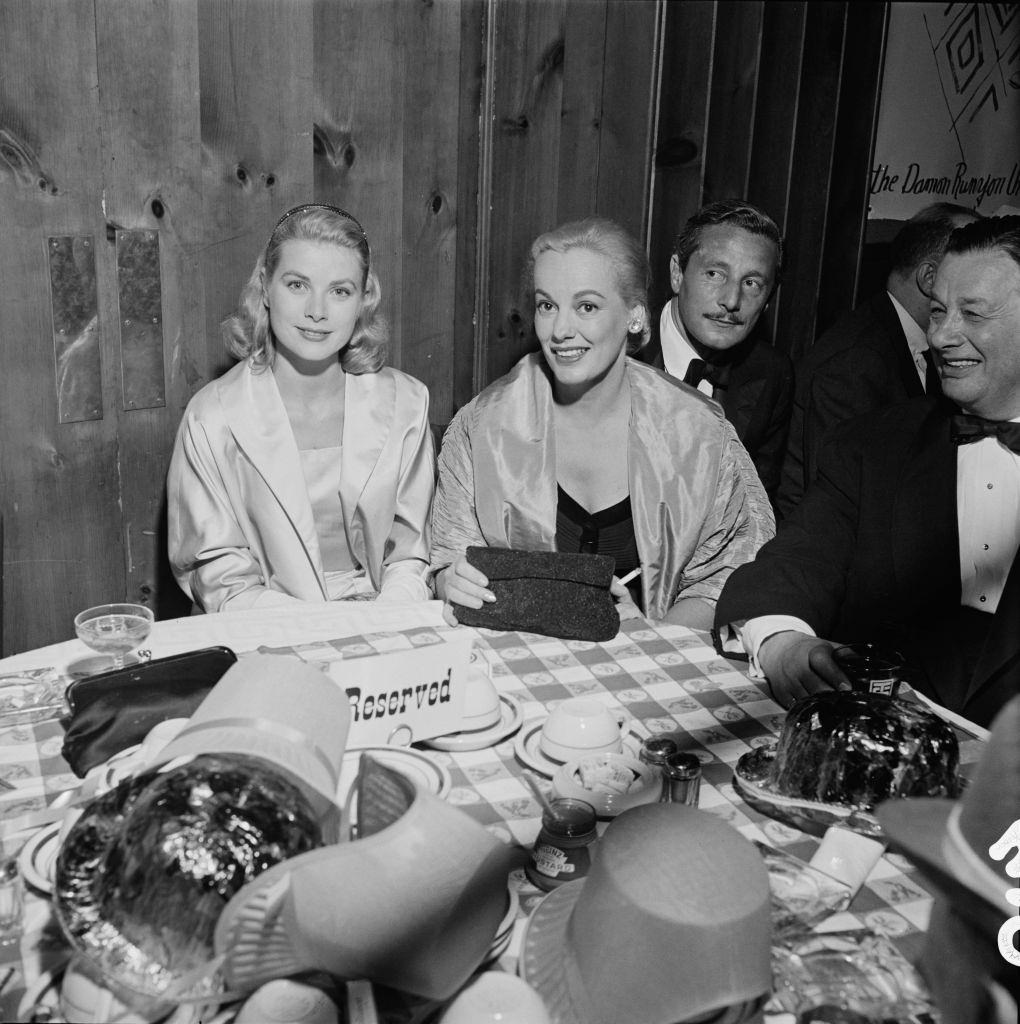
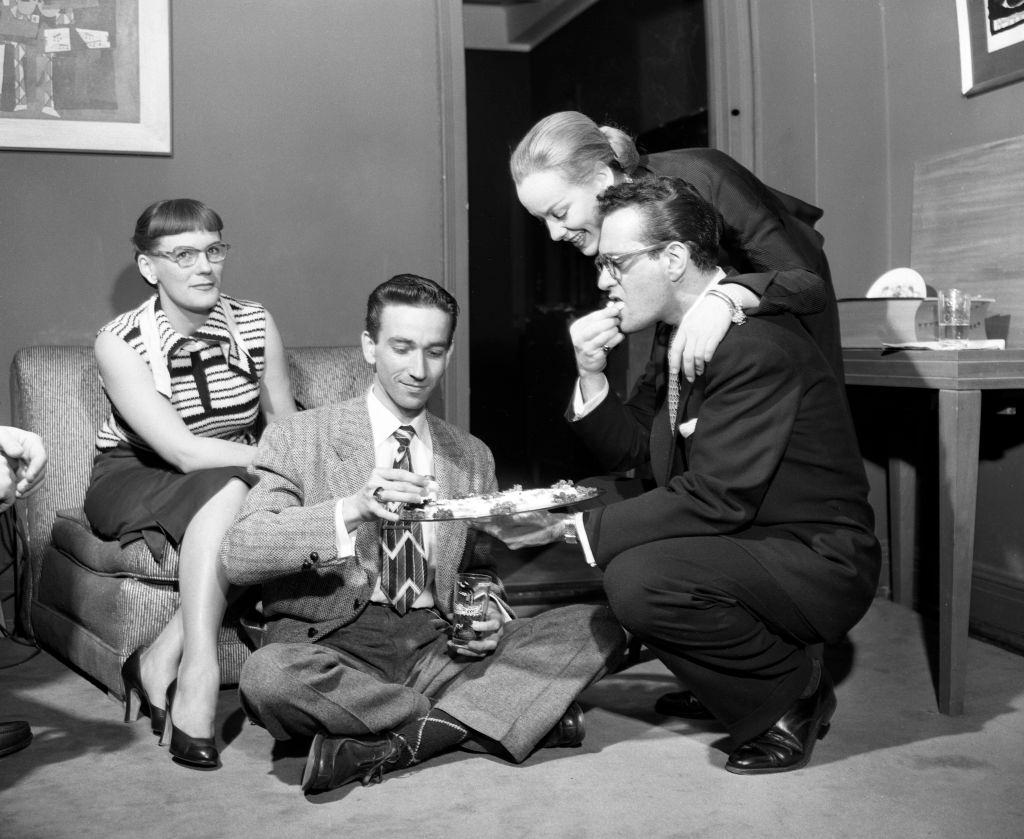
Emerson gave her last television performance in 1963 and officially retired from show business that same year. She left the United States and moved to Europe, spending time in Switzerland before settling permanently in Deya, Spain, in 1975. Deya was known as an artists’ colony — a small, close-knit community that had long attracted writers, painters, and performers. She lived there for the rest of her life. Her son, William W. Crawford 3d, was at her side when she died of stomach cancer on March 9, 1983. She was 65 years old.
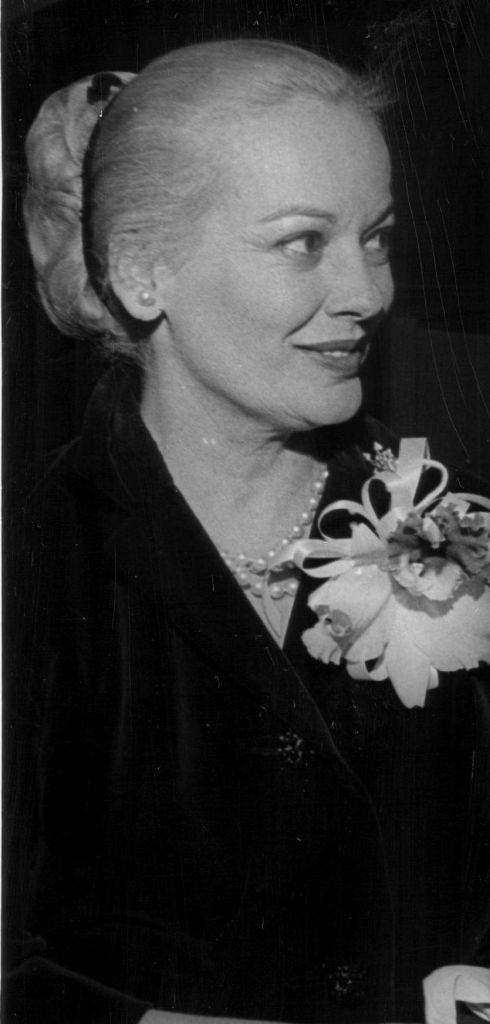
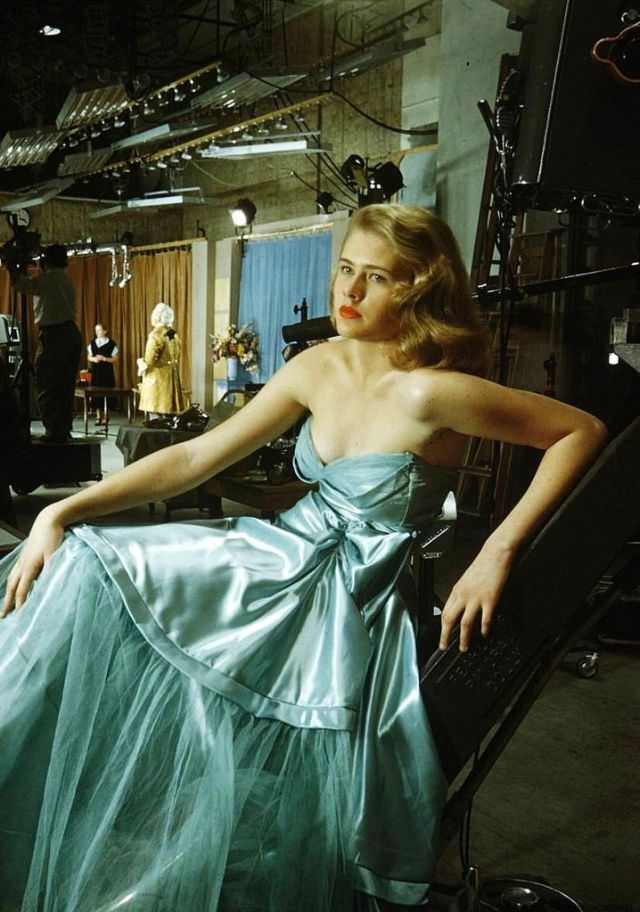
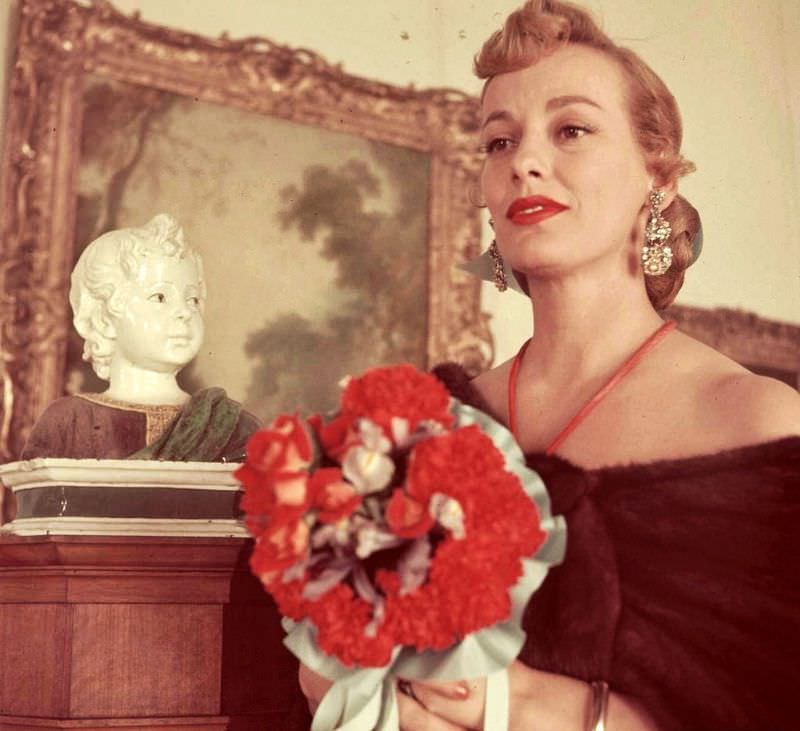
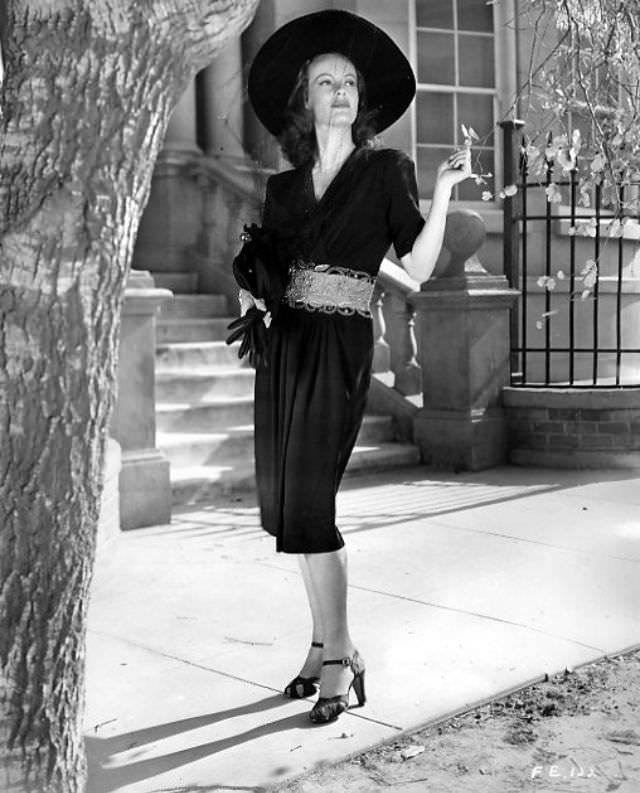
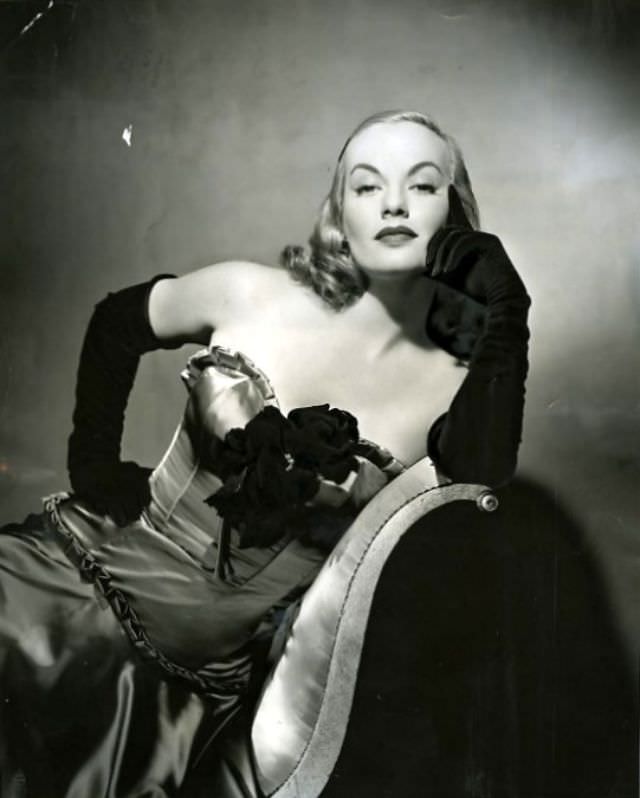
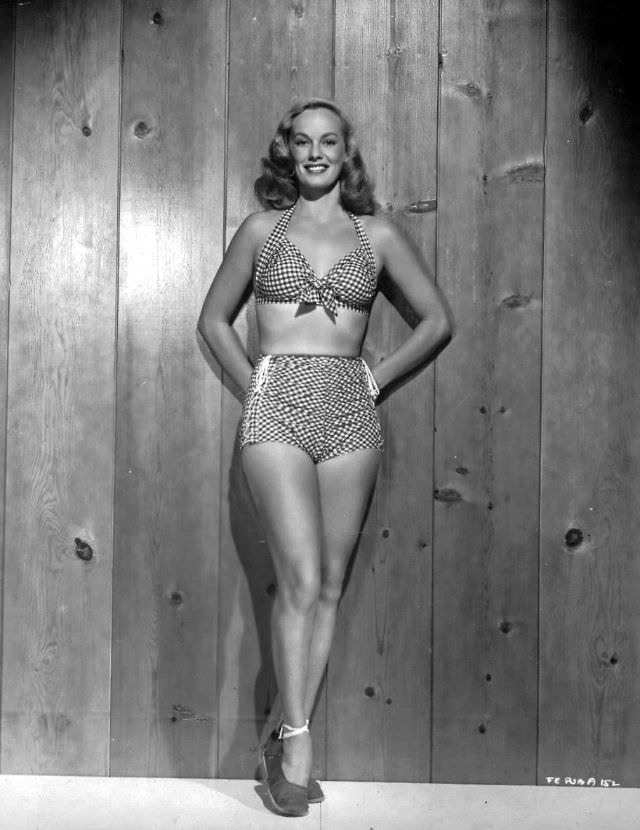
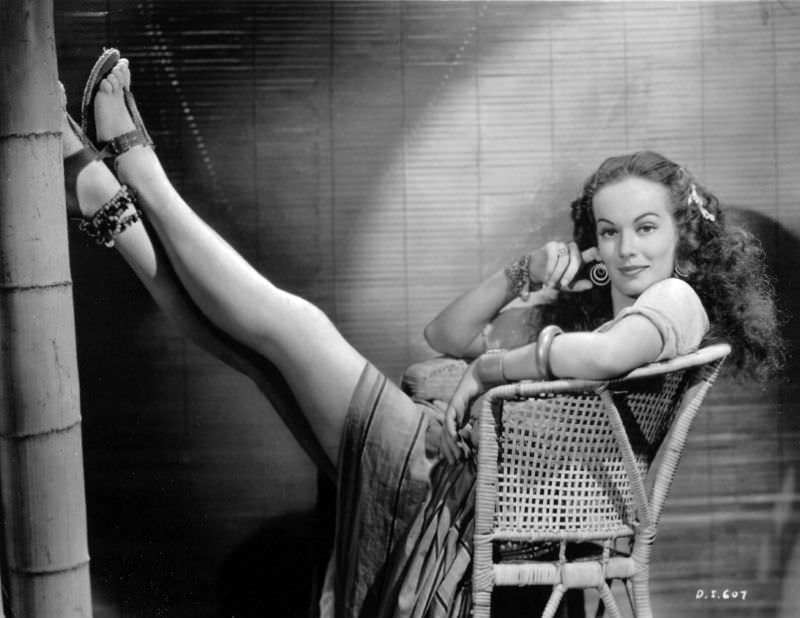
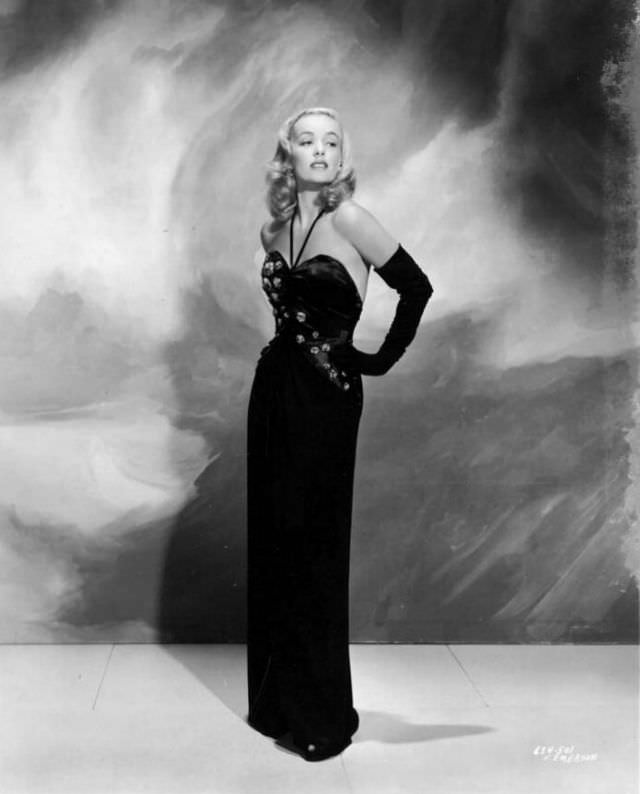
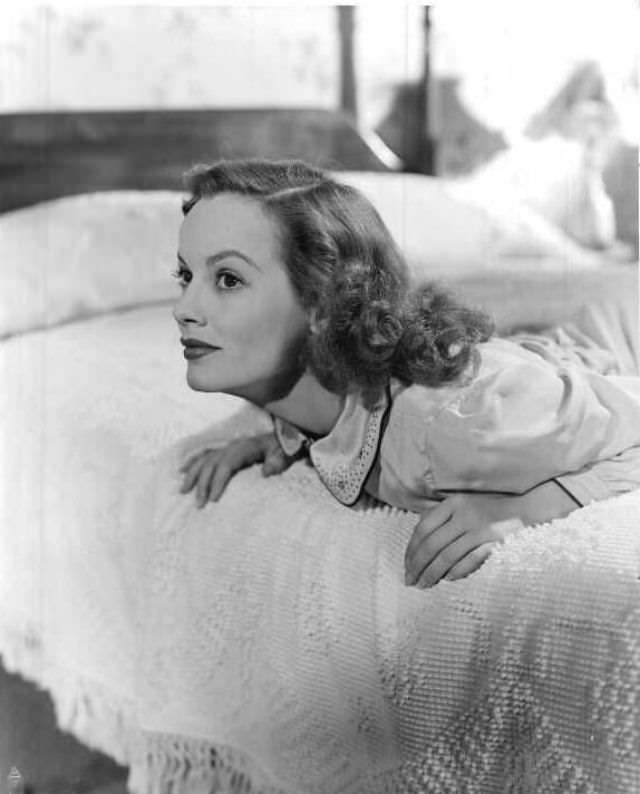
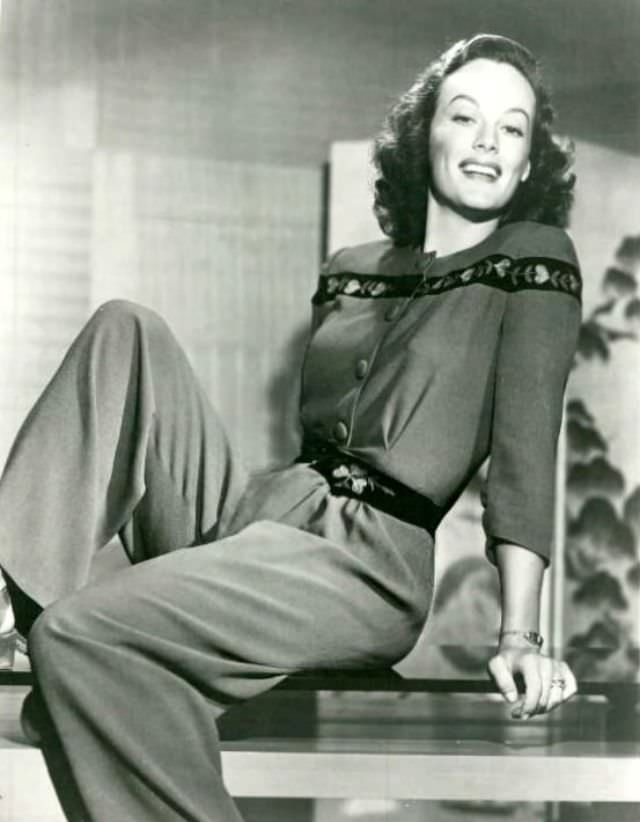
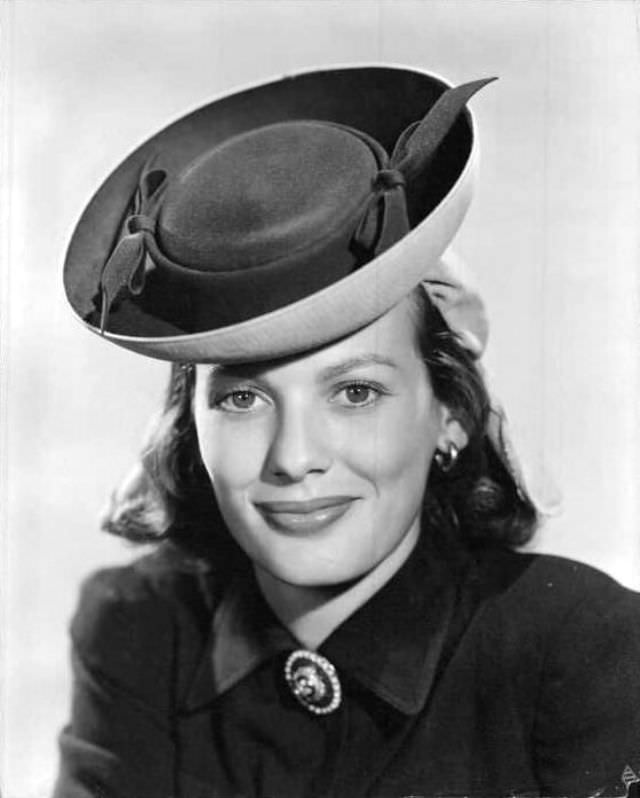
The photos below trace Faye Emerson’s life from her Warner Bros. days in the early 1940s through her busy decade on television and her quieter later years. They show a woman who commanded attention in every room she entered — on screen, on stage, or simply stepping out for the evening.