

Estonia is a country in Northern Europe. It consists of the mainland and 2,222 islands on the eastern coast of the Baltic Sea. Throughout much of its history, Estonia has been dominated by foreign powers. After the Second World War, it became a constituent republic of the USSR. In 1991, Estonia declared its independence along with the rest of the Baltic states. Following the Soviet Union’s recognition of Estonia’s independence on September 6, 1991, the Baltic states became members of the United Nations. After the fall of the Soviet Union, Estonia reoriented its economy toward market capitalism and transformed into a parliamentary democracy. Estonia experienced a significant influx of immigration during the second half of the 20th century due to extensive migration and annexation from the Soviet Union in 1940.
Estonia was essentially an industrial region at the height of the Soviet economy, with agriculture making up a smaller share. The agriculture and industry sectors remain essential parts of the Estonian economy. Still, their share of the Gross Domestic Product (GDP) and the labor force has declined while commerce and services have grown. During the transition to a market-based economy, the Estonian economy experienced an initial downturn (falling production, inflation, and unemployment). Still, it recovered by the middle of the 1990s, and it improved some more throughout the following decade.
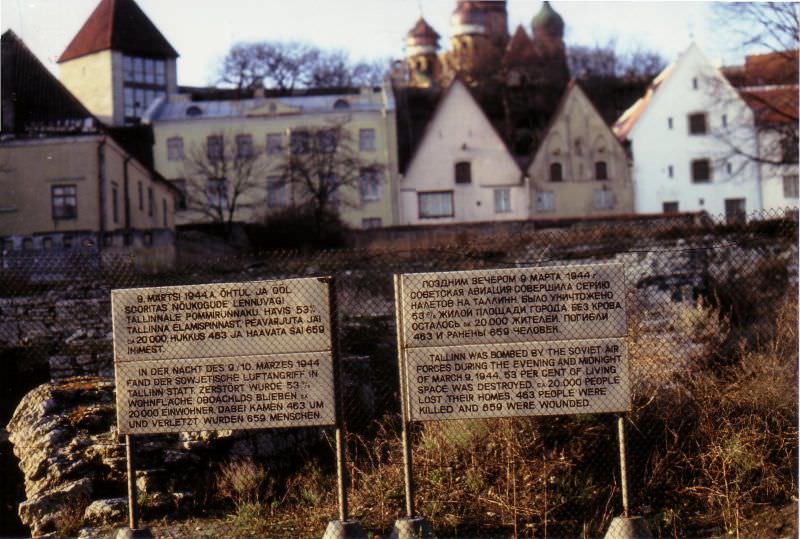
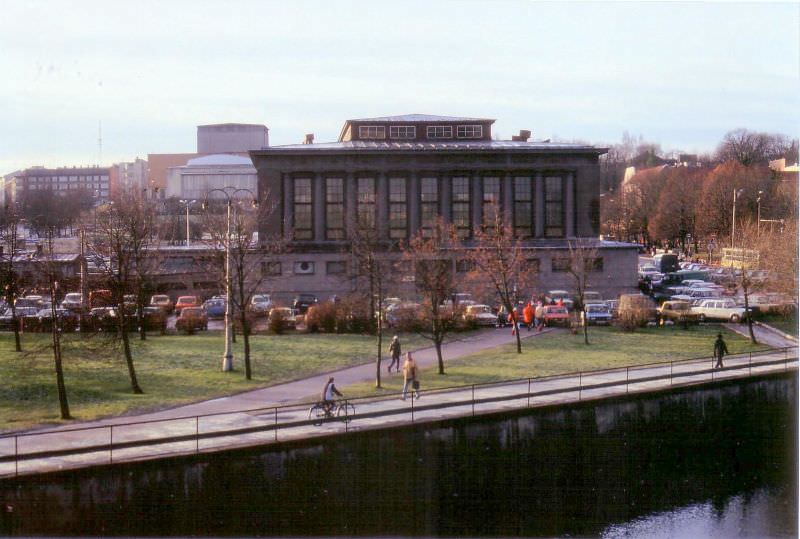
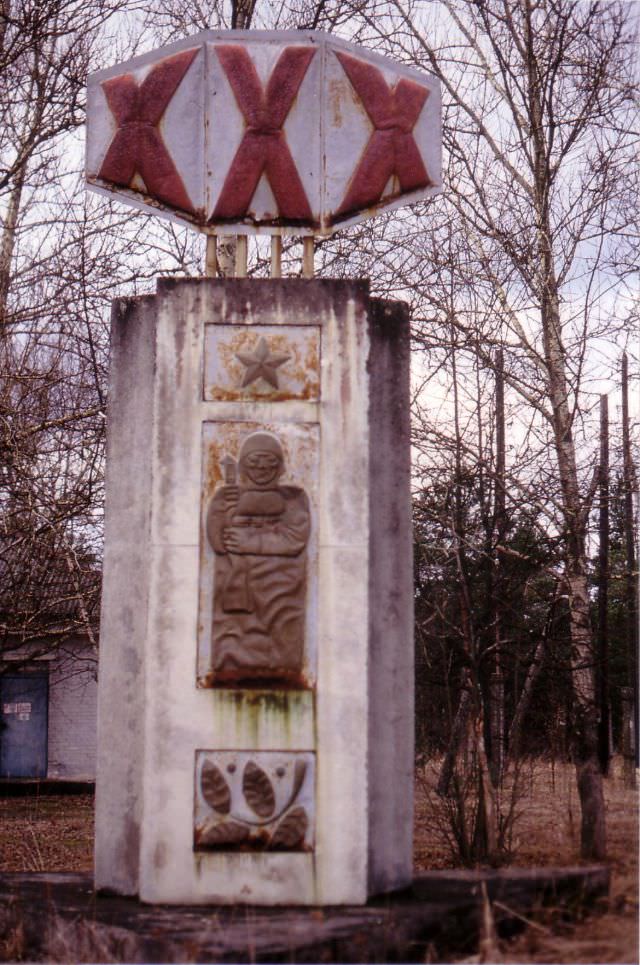
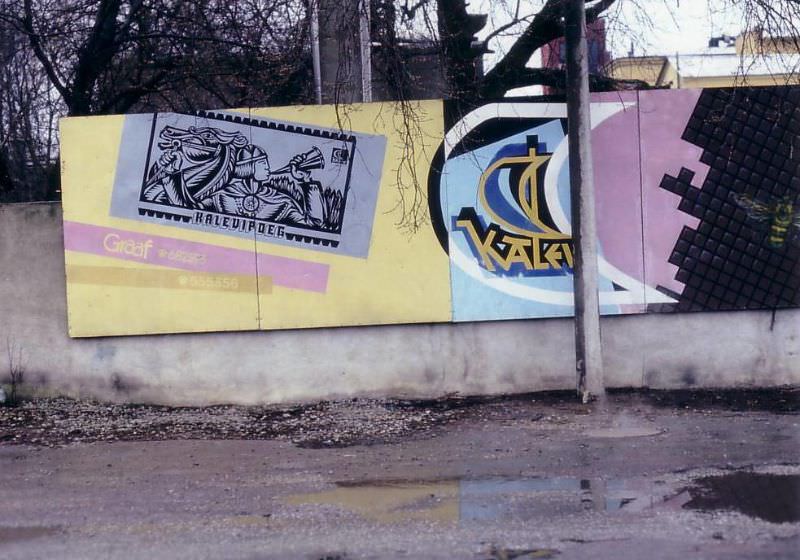
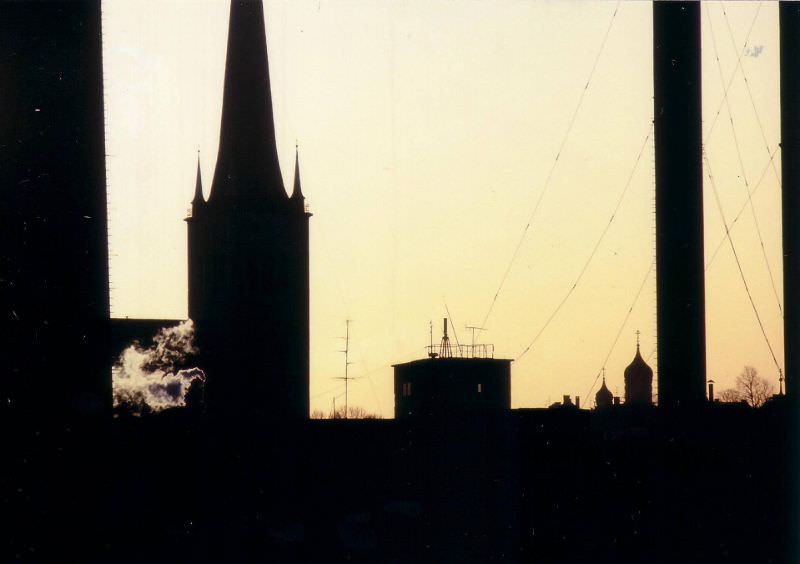
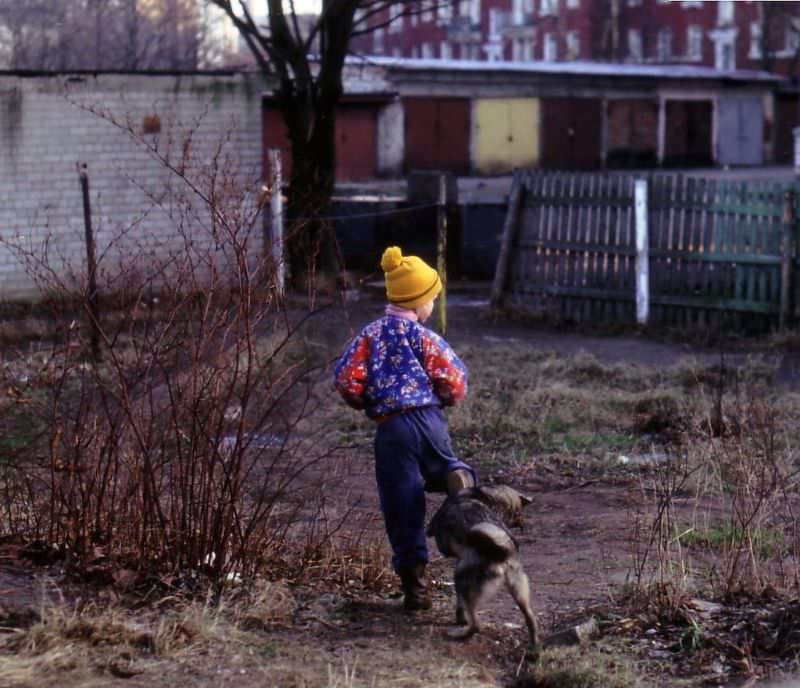
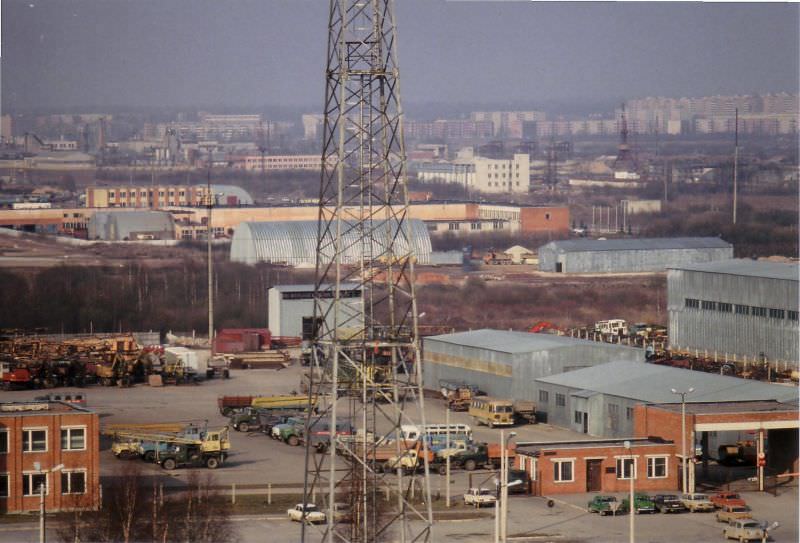
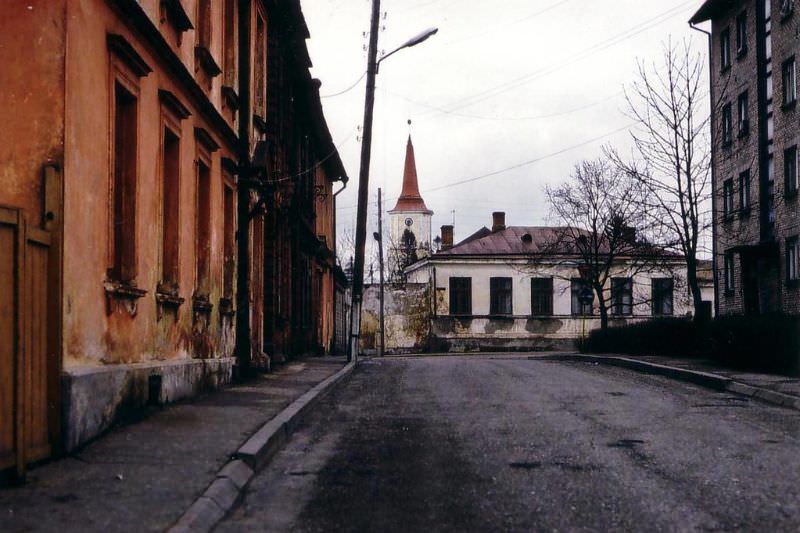
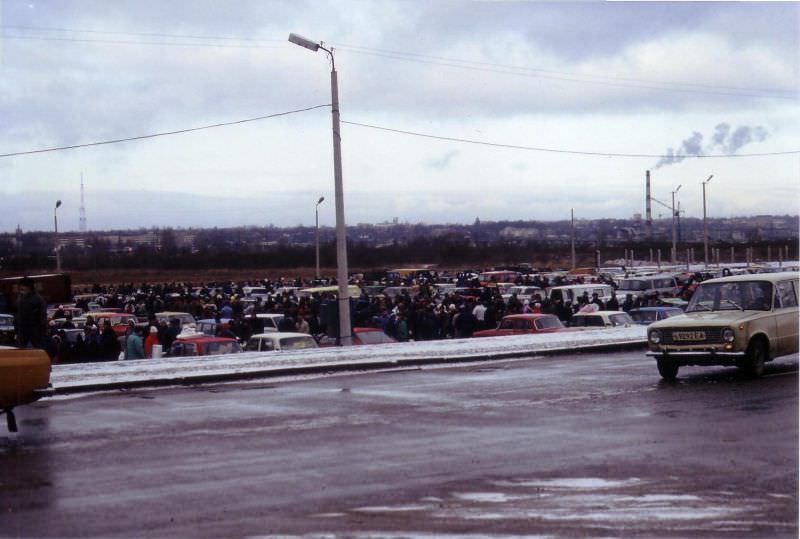
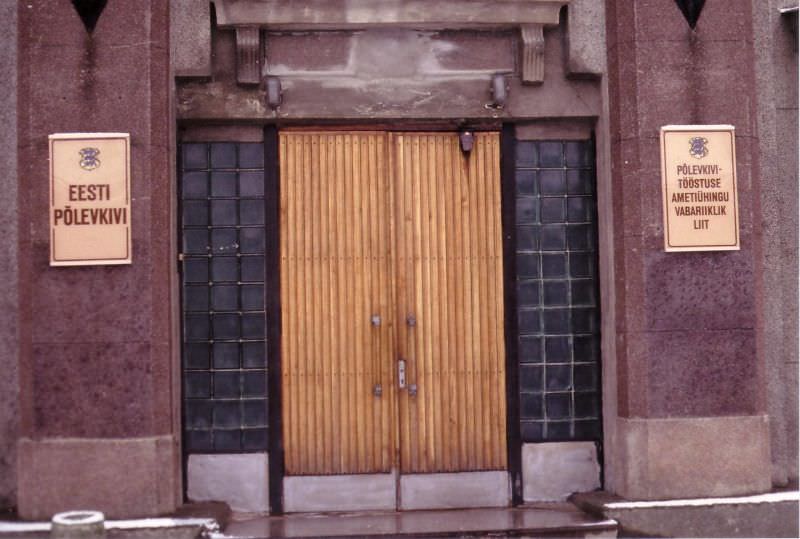
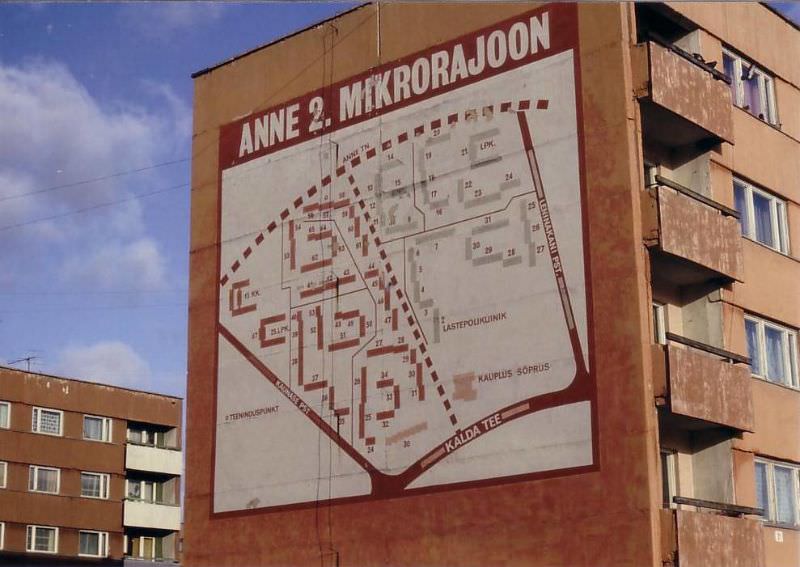
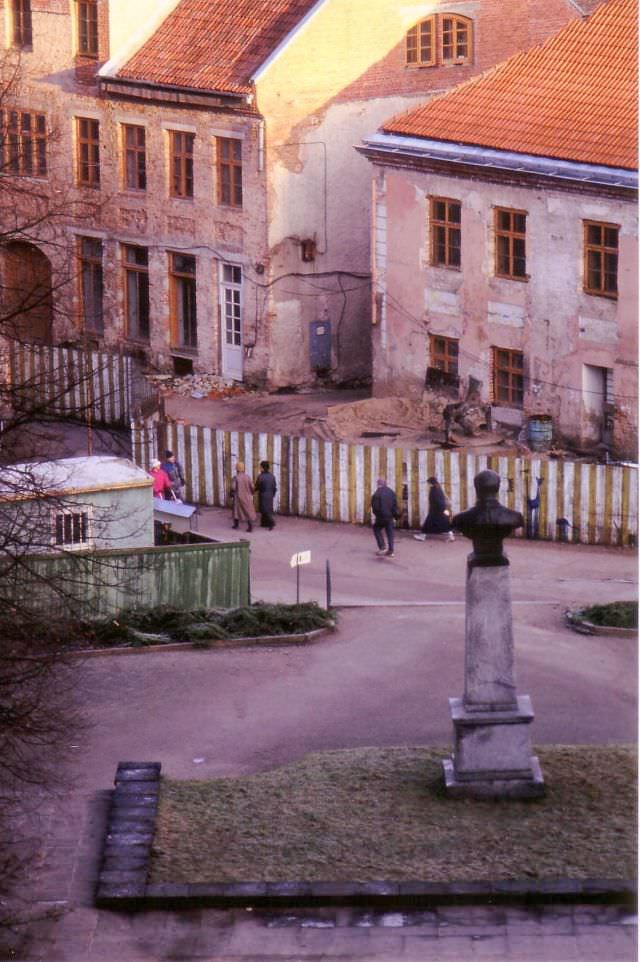
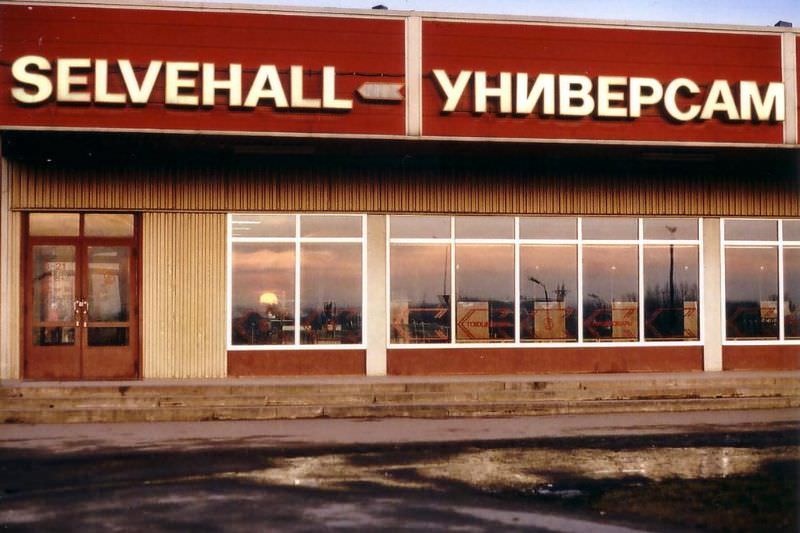
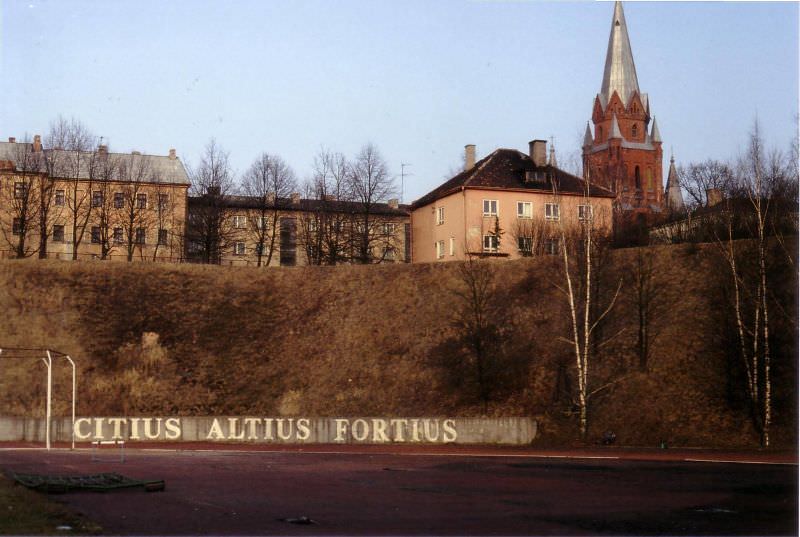
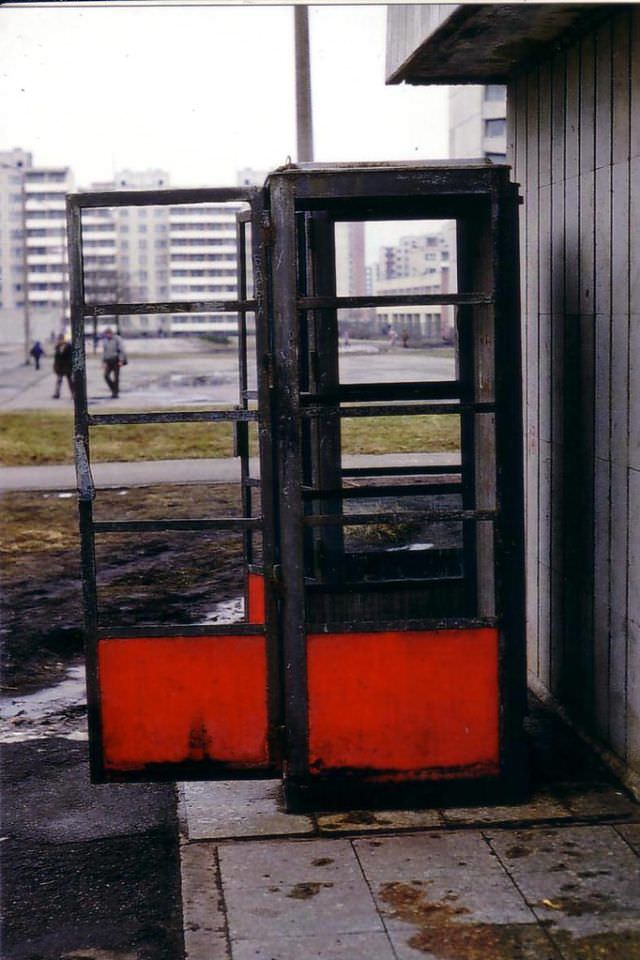
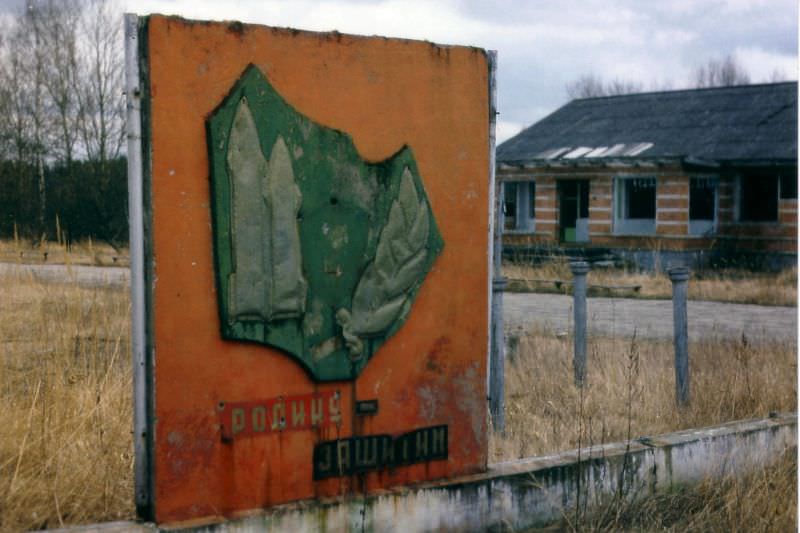
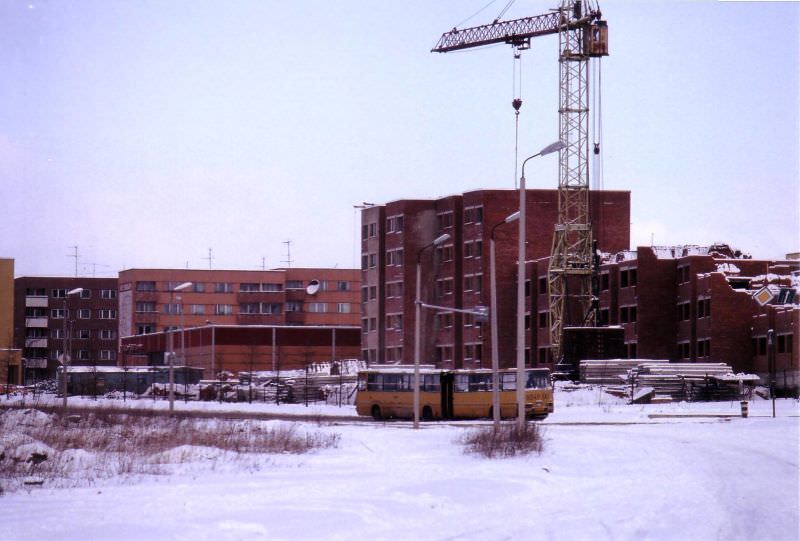
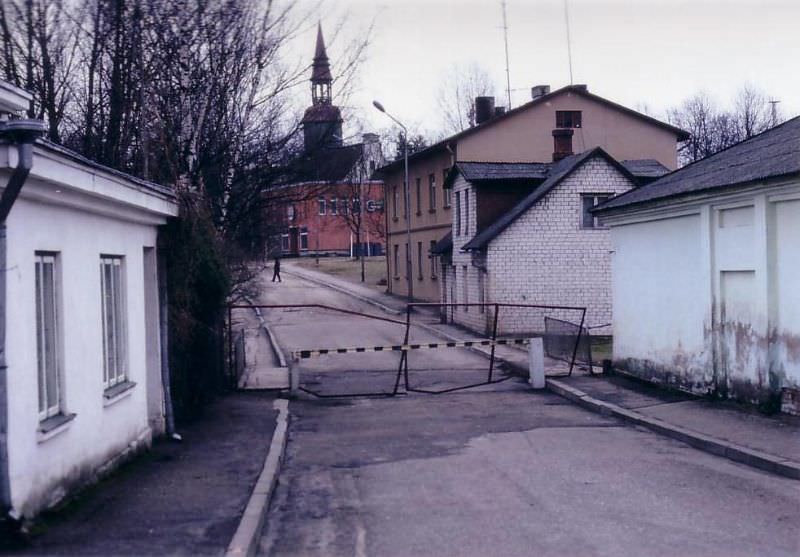
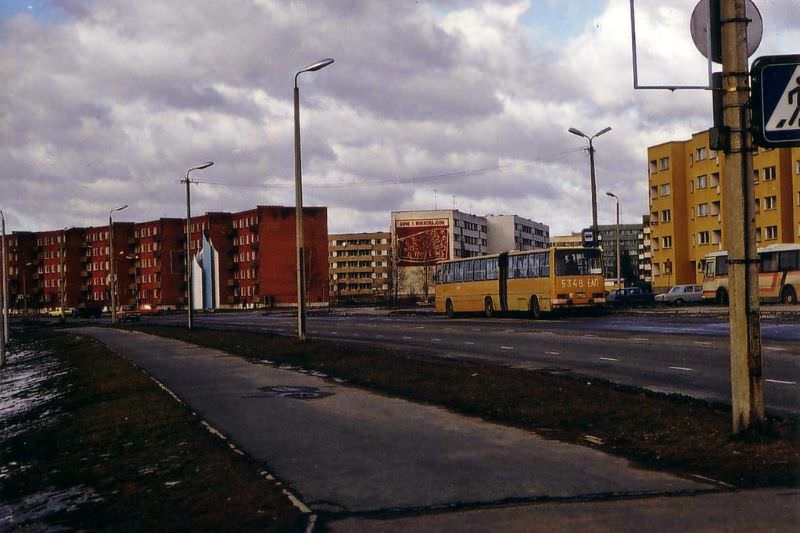
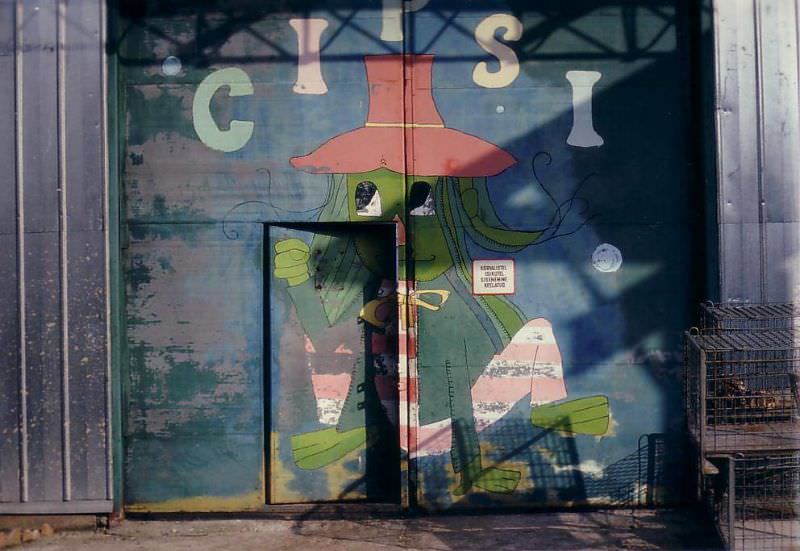
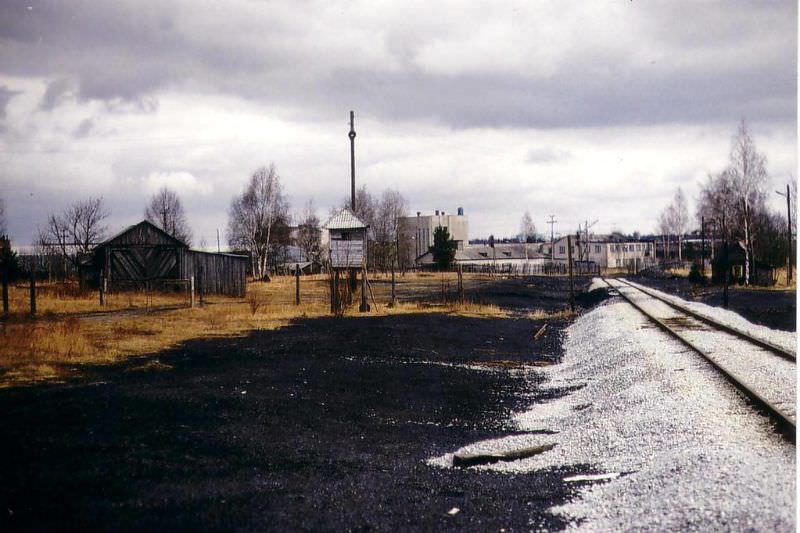
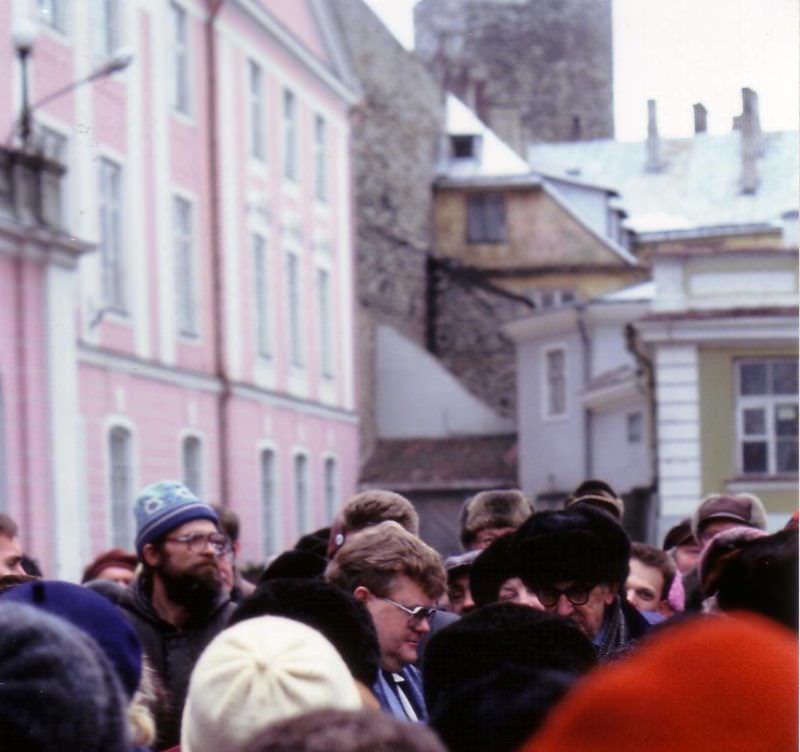
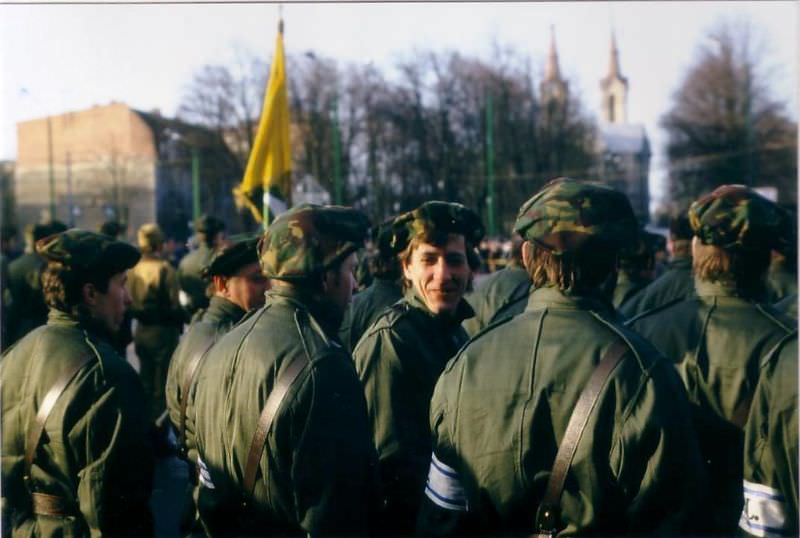
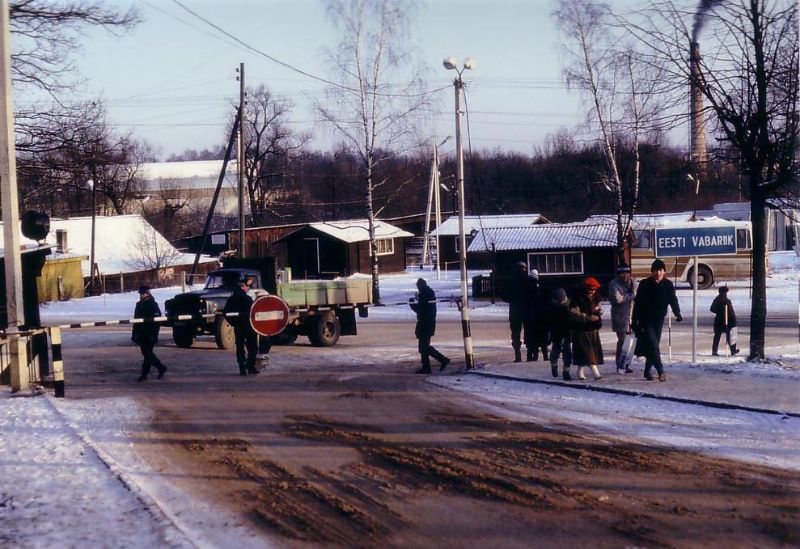
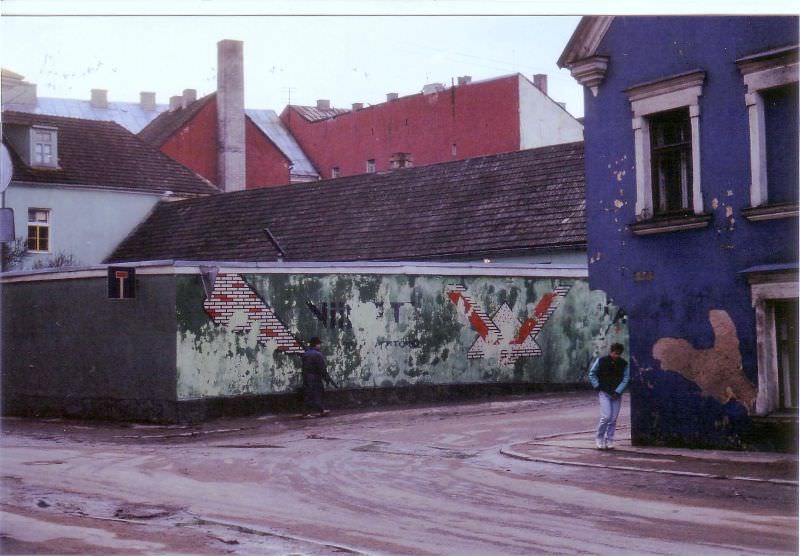
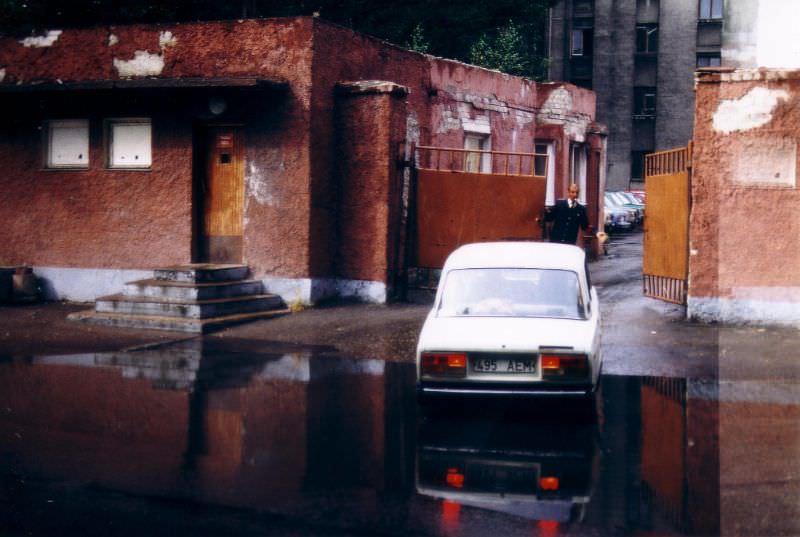
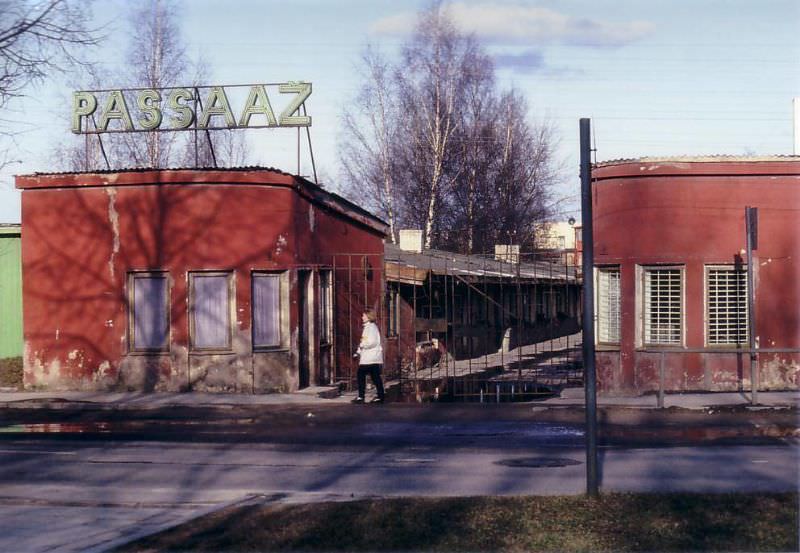
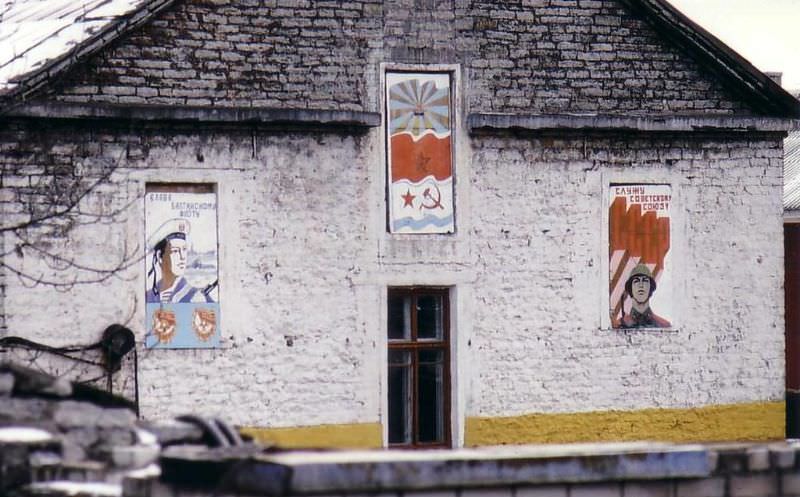
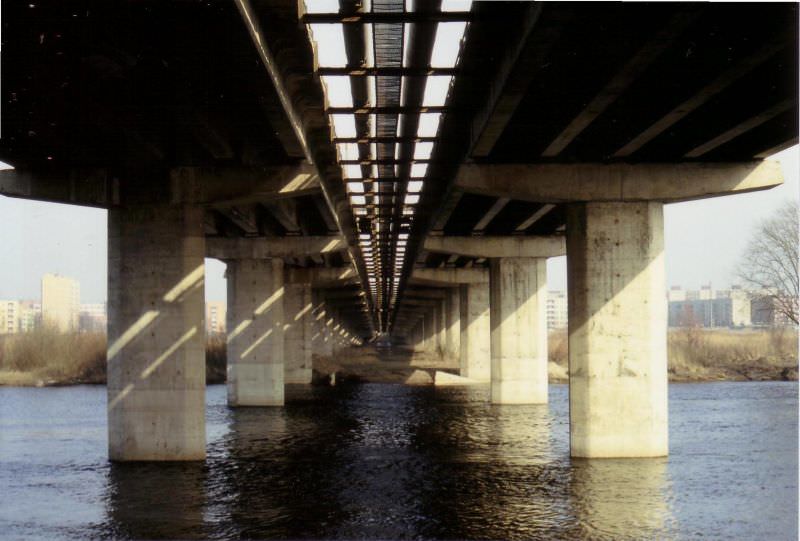
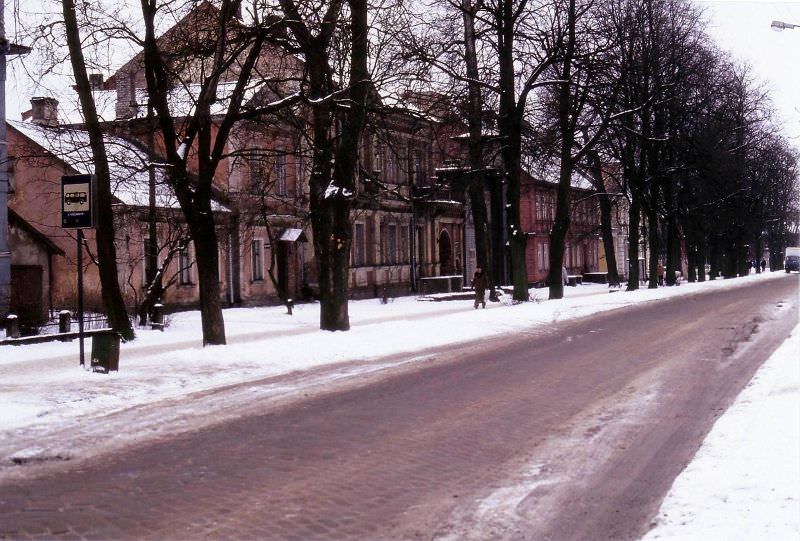
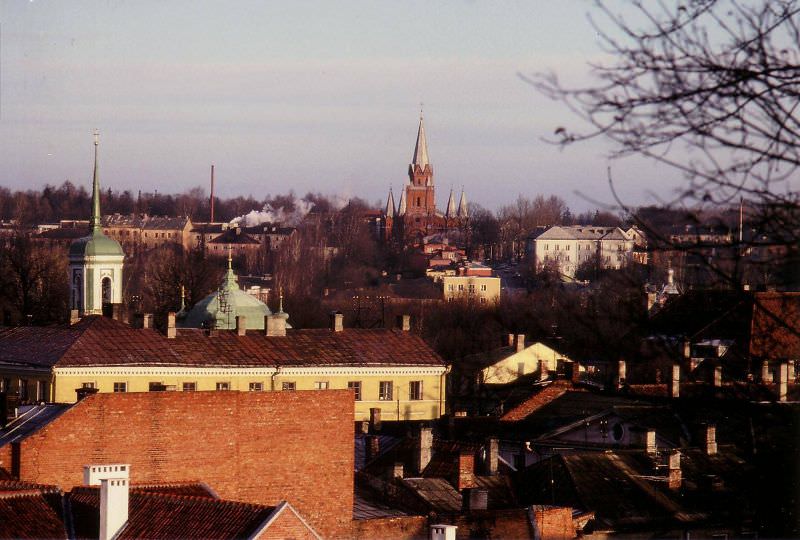
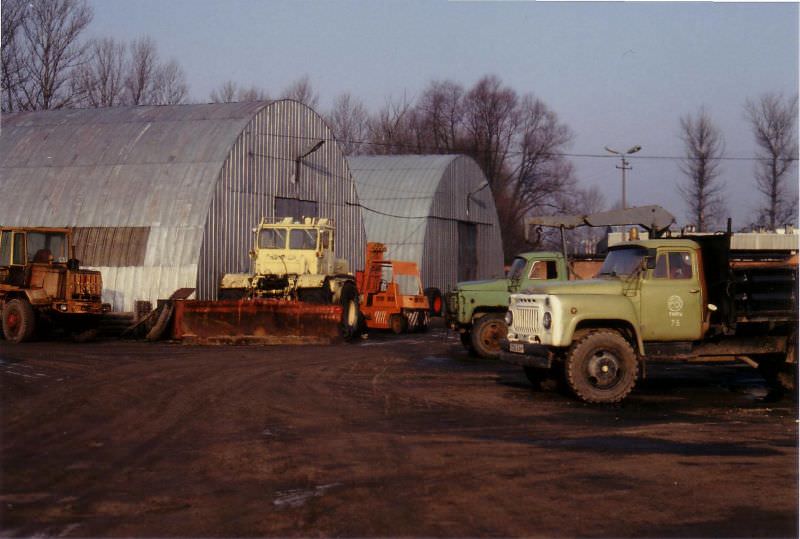
Below are some fascinating photos from Jens-Olaf Walter show what Estonia looked like in the early 1990s, just after the independence.

The description kinda downplays what the soviets did. Before WW2 Estonia was on par with Finland for example in terms of economy and life standards. All the formerly occupied states have had to work much harder the past 30 years than others, to reach the current state of living standards for their people. Let’s not forget that tens of thousands of Estonians got resettled to Siberia, sent to Gulags or just killed during the occupation. These were mostly the most intelligent and industrious people.
Not to mention what the occupation did architecturally and demographically. For example, Narva, once a unique Northern baroque city, was bombed by the soviets during WW2 and during the occupation, former Estonian inhabitants were forbidden to return. Instead of rebuilding it, the soviets leveled the city and built housing for their workers that they repopulated the area with. It’s hasn’t recovered economically or demographically since.
Our independence was declared in 1918.
*restoration of independence
After independence?! What are you trying to say? We are in the after independence era – not free anymore?
This whole post is about psyops being applied.