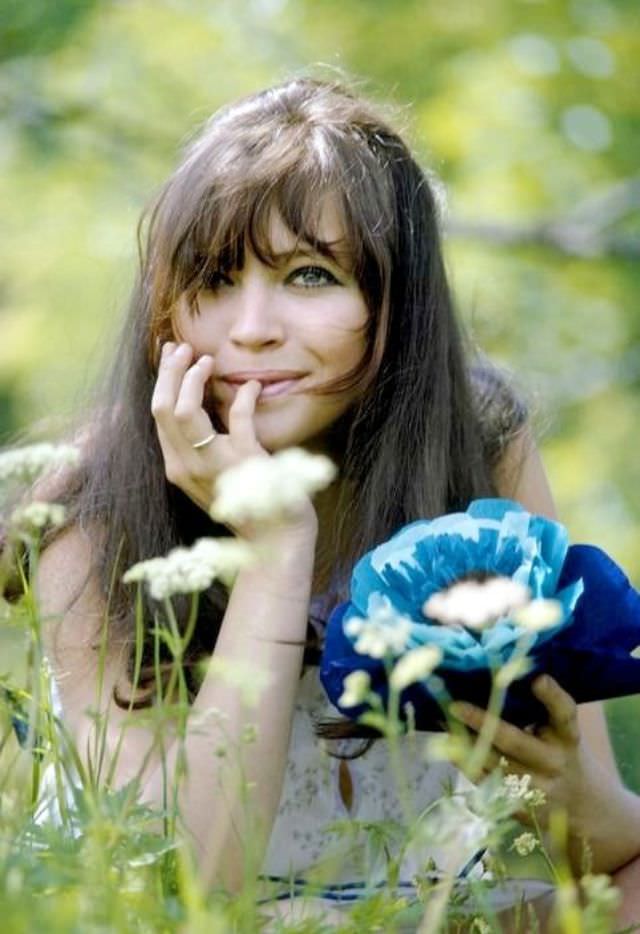
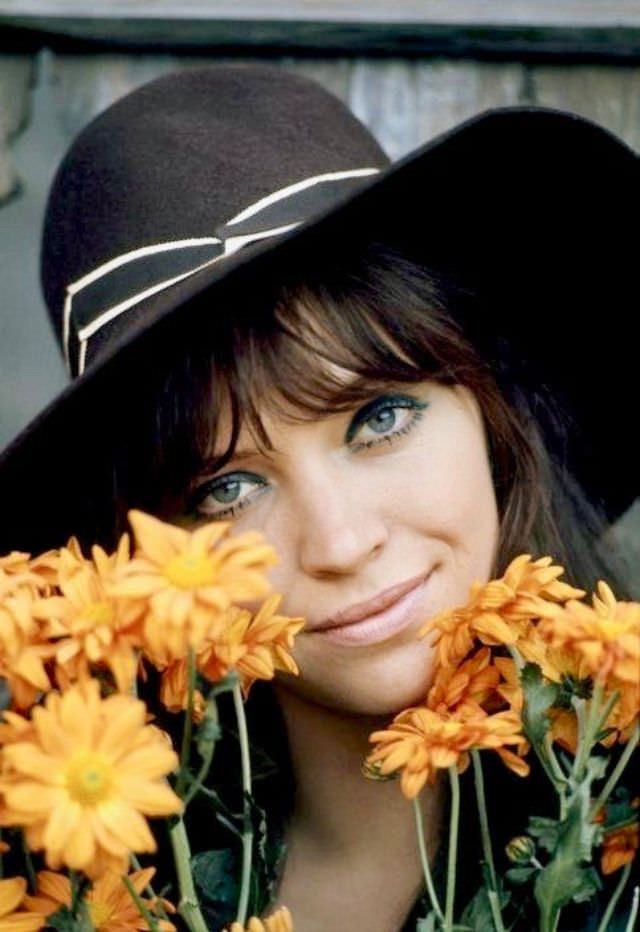
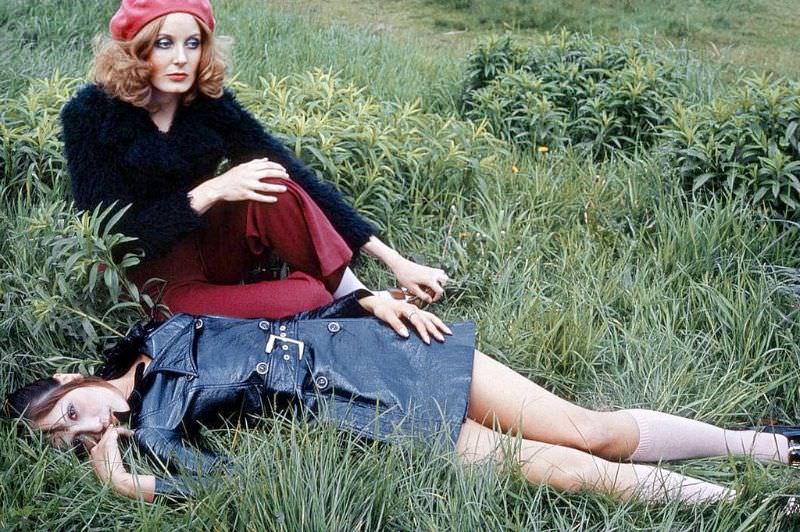
David Hurn picked up a camera in 1955 when he joined the Reflex Agency as an assistant. Within a year, he was on the ground in Hungary covering the 1956 revolution — the kind of assignment that forges a photojournalist. By the mid-1960s, he had joined Magnum Photos, one of the most respected agencies in the world, and his reputation was firmly established. But alongside his documentary work, Hurn spent a significant part of the decade photographing the women who defined the era’s style and screen culture. The results were some of the most striking portrait work of the 1960s.
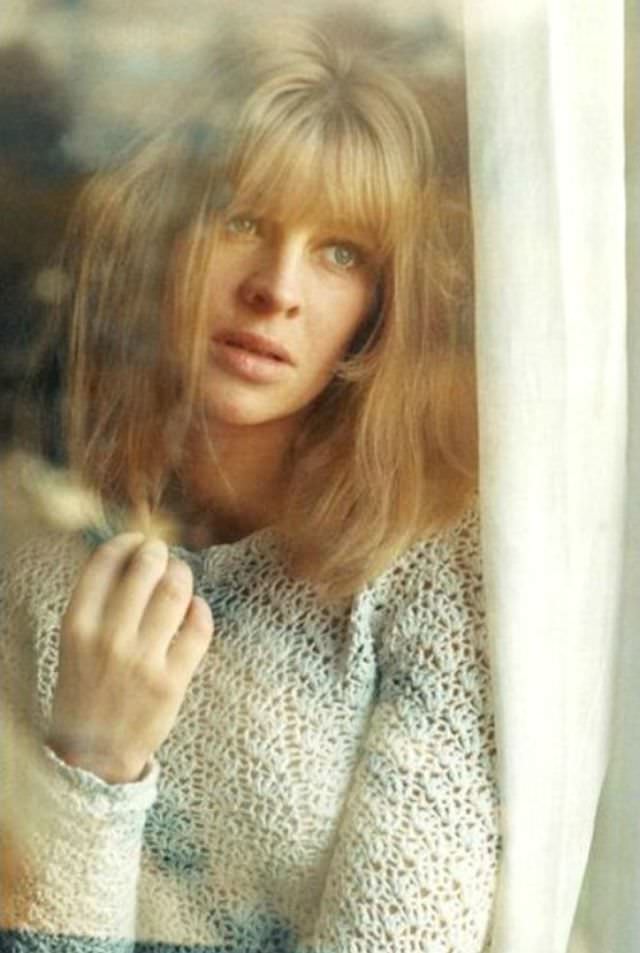
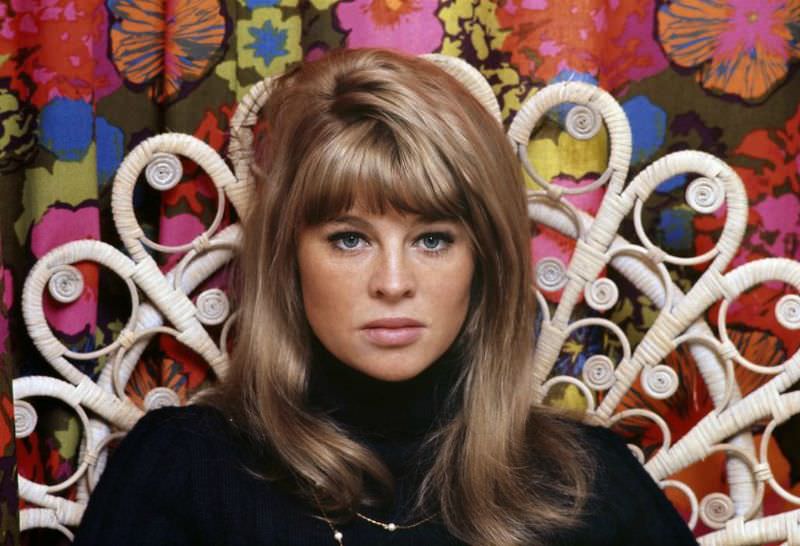
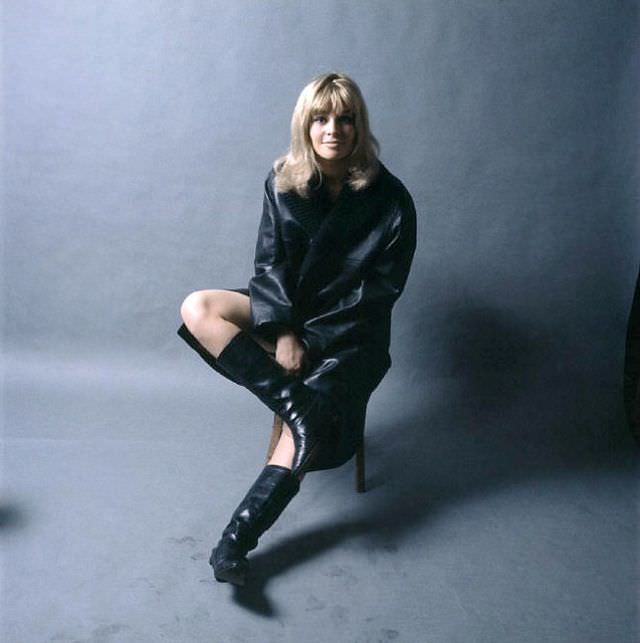
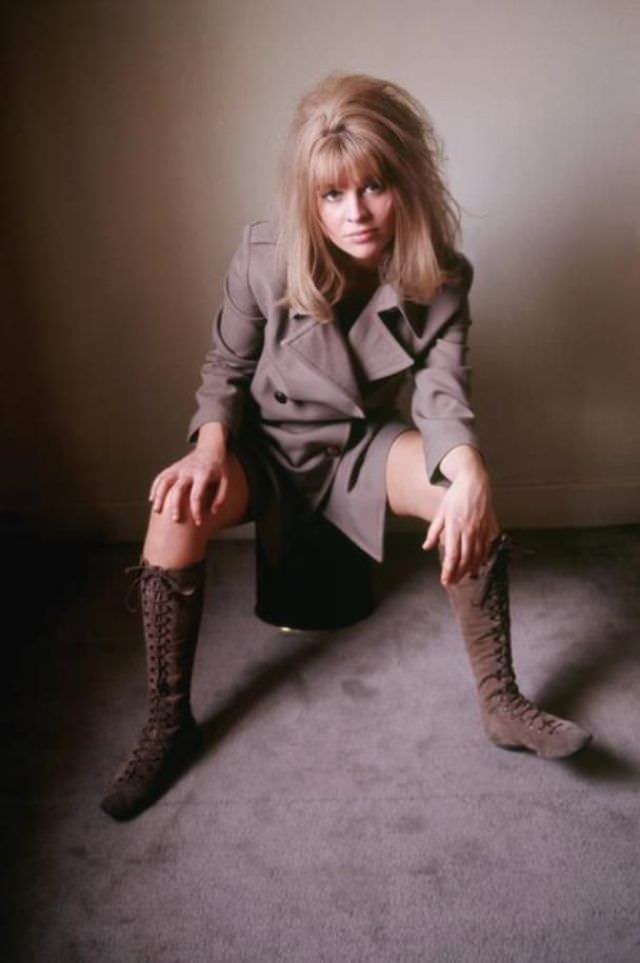
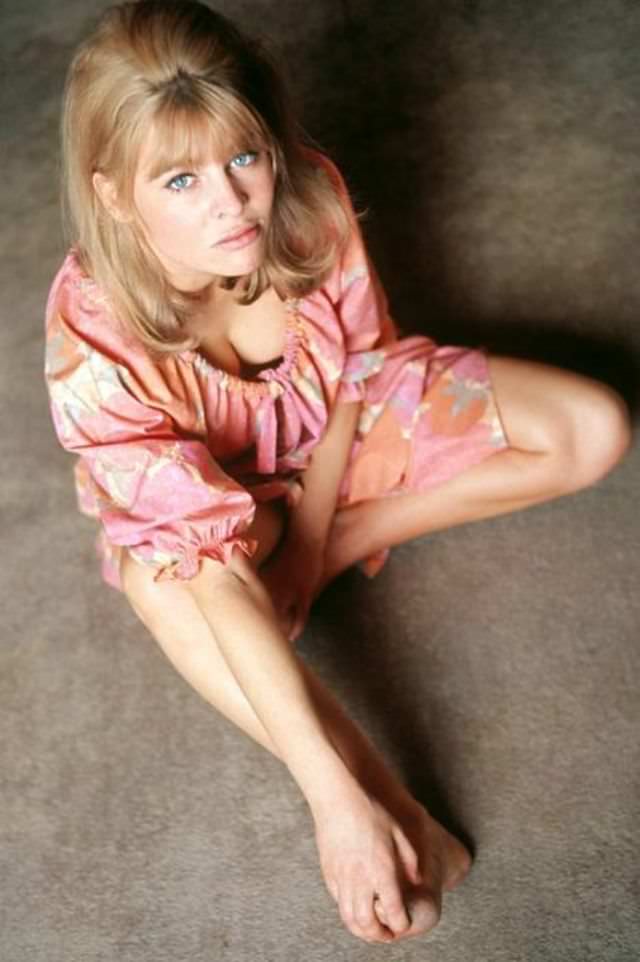
One of his earliest and most revisited subjects was Julie Christie. In 1962, Hurn photographed the young British actress before she became a household name. The images have a natural, unguarded quality — Christie photographed not as a star being managed, but as a person being observed.
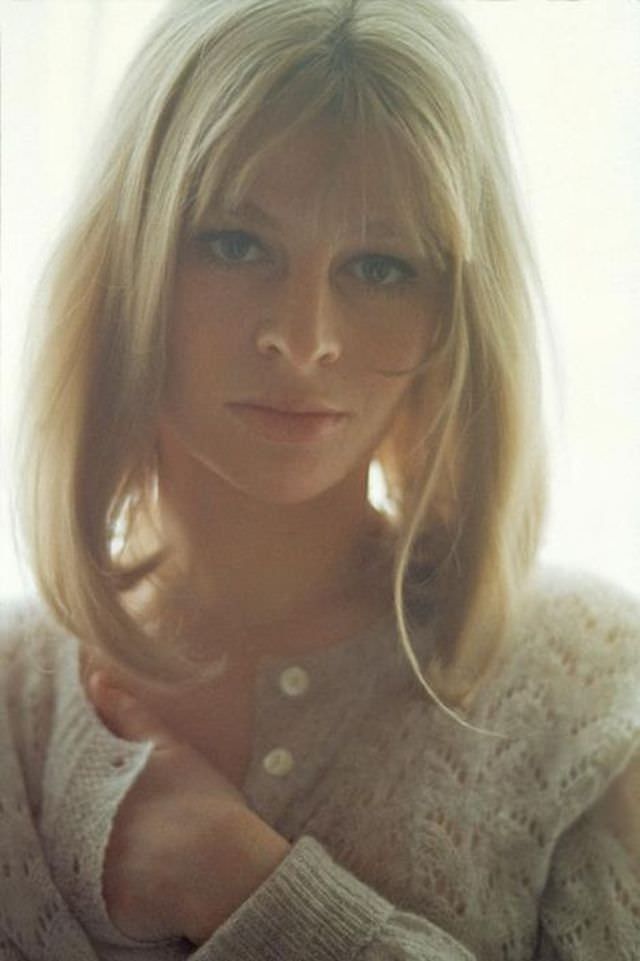
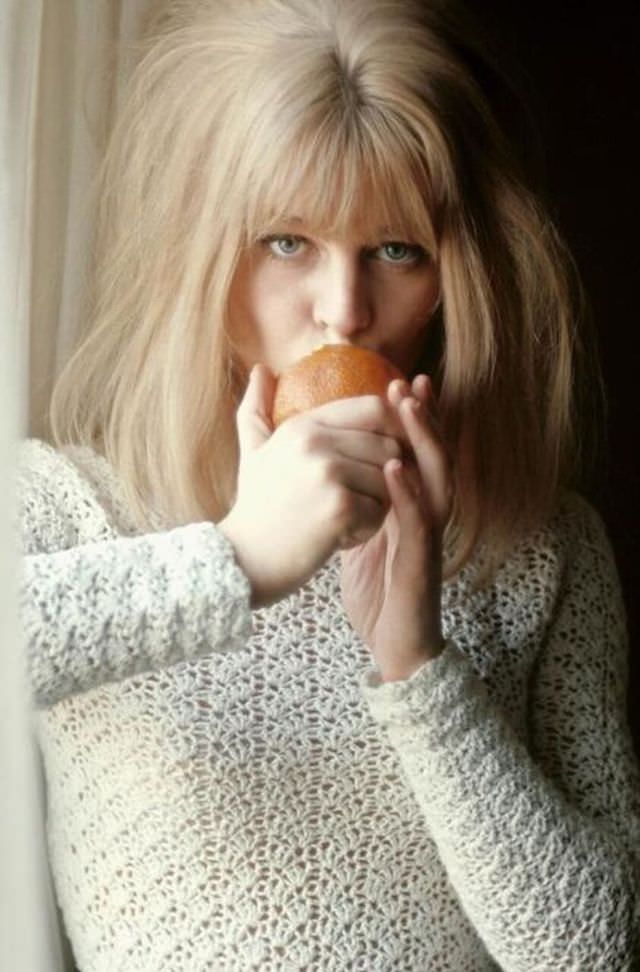
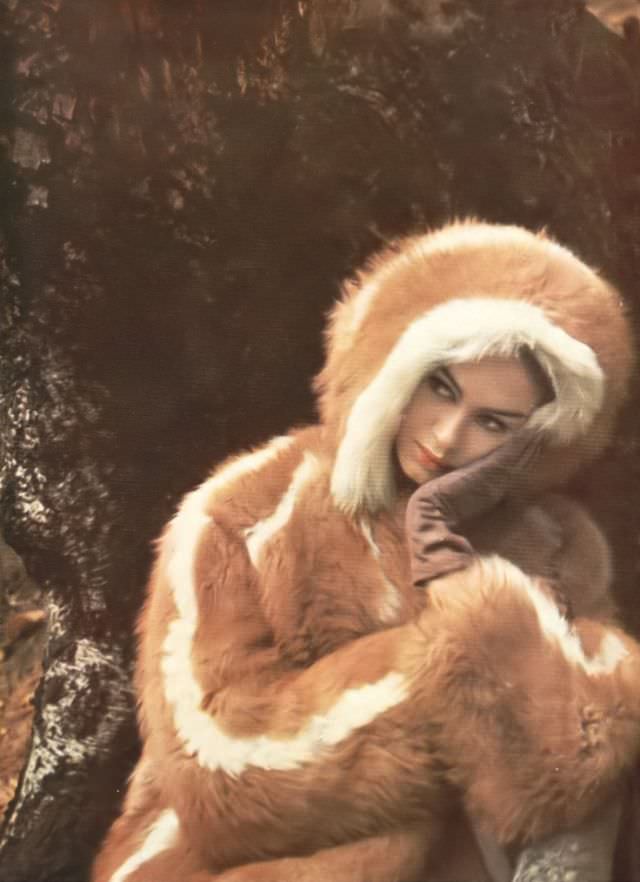
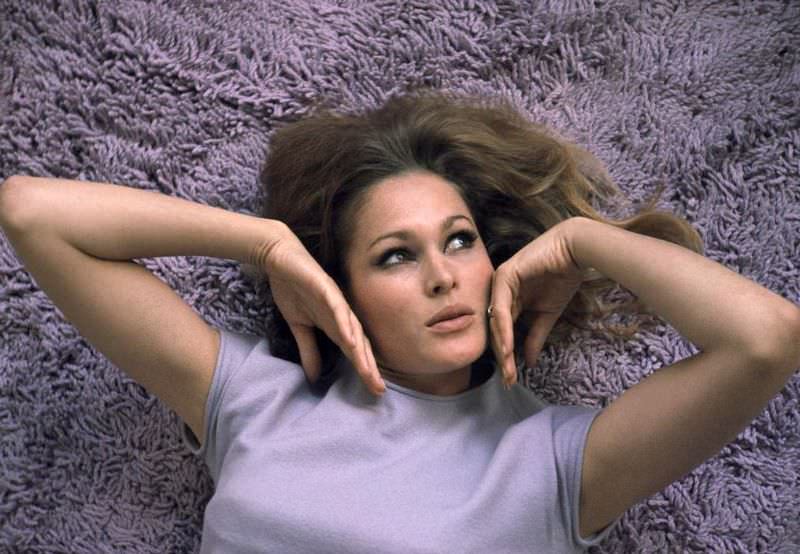
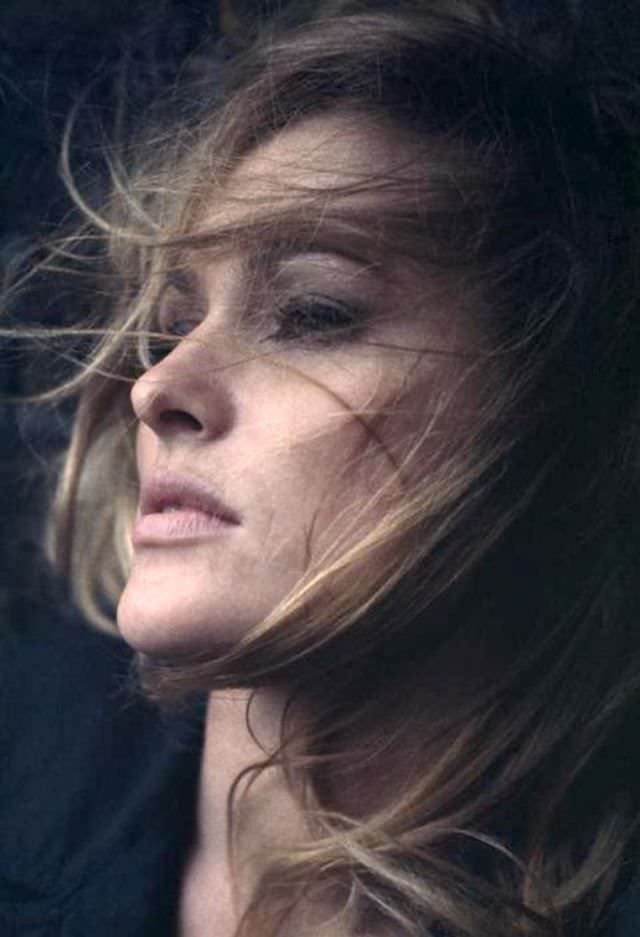
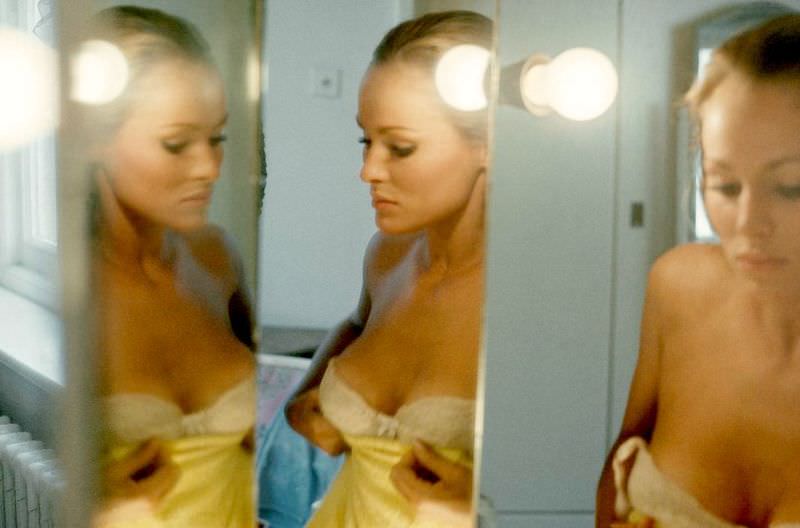
That same year, Hurn turned his lens on Marie Lise Gres and Ursula Andress. Andress had just appeared in the first James Bond film, Dr. No, and her profile was rising fast. Hurn photographed her across multiple sessions in 1962, producing a varied body of work that captured different facets of her presence.
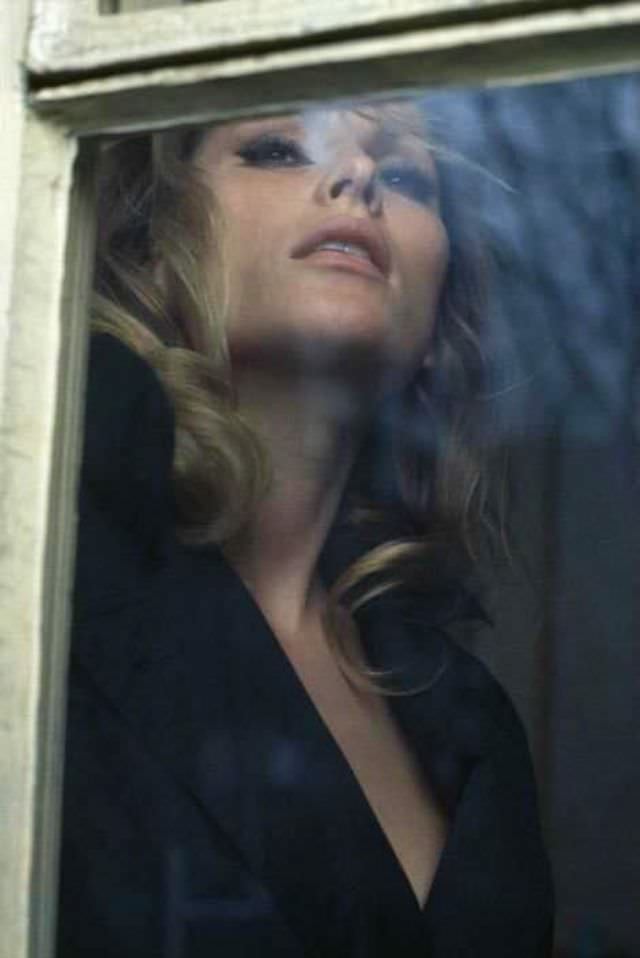
Christie reappeared in Hurn’s work in 1964 and again in 1965. On the set of Young Cassidy in 1964, Hurn documented her at work. Then came Darling in 1965, the film that won Christie the Academy Award for Best Actress. Hurn was there for that chapter of her career too.
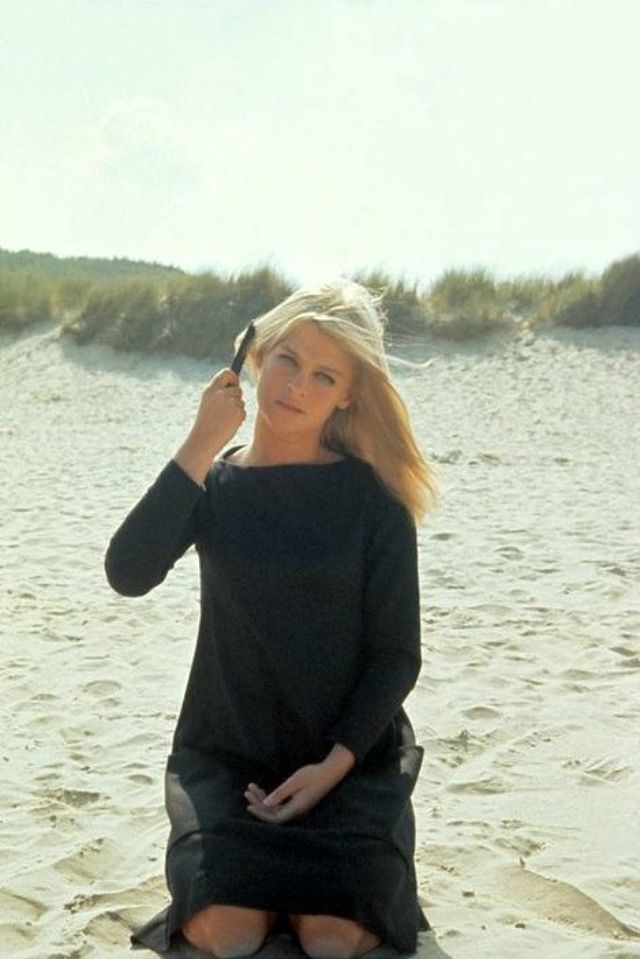
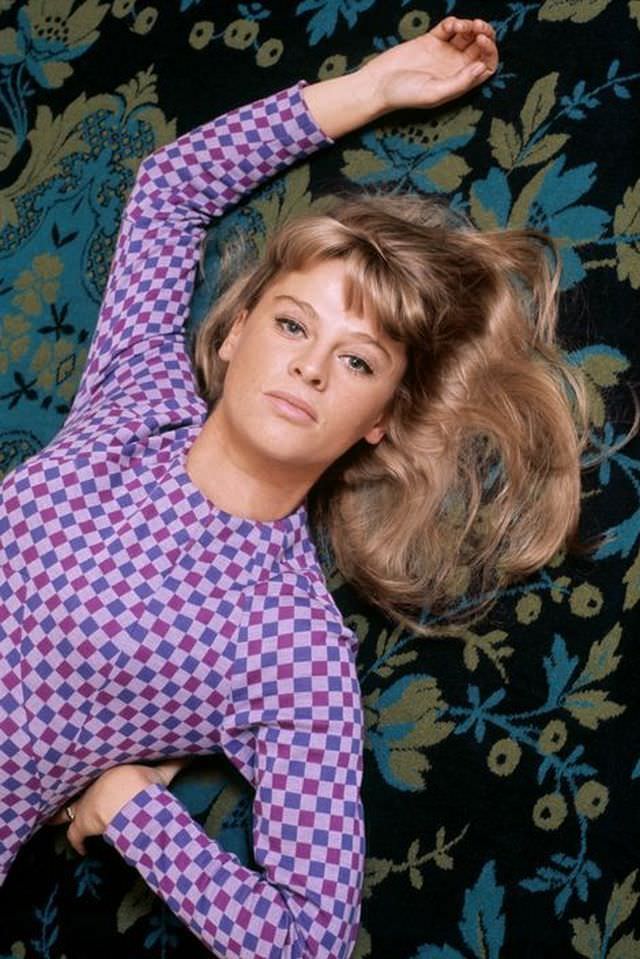
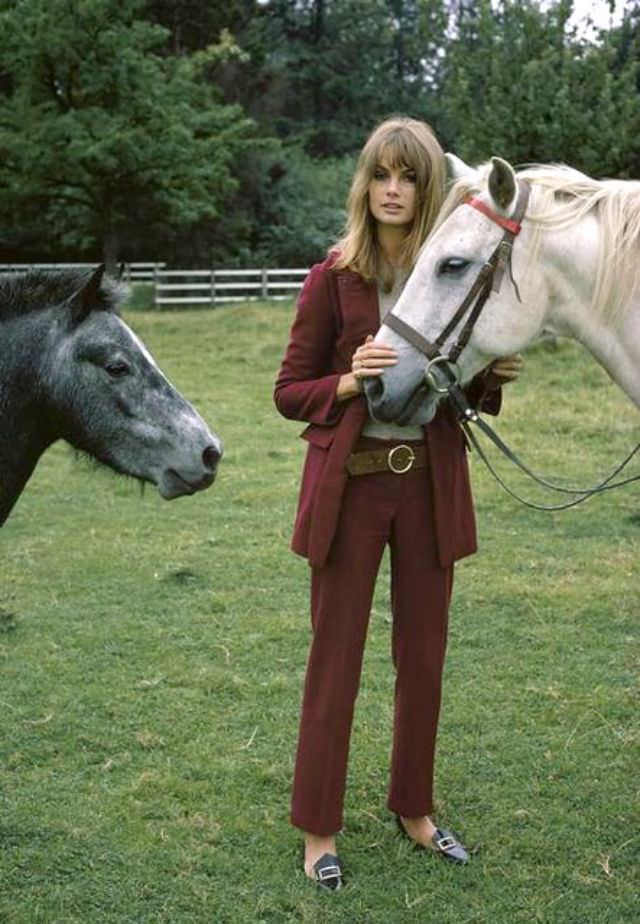
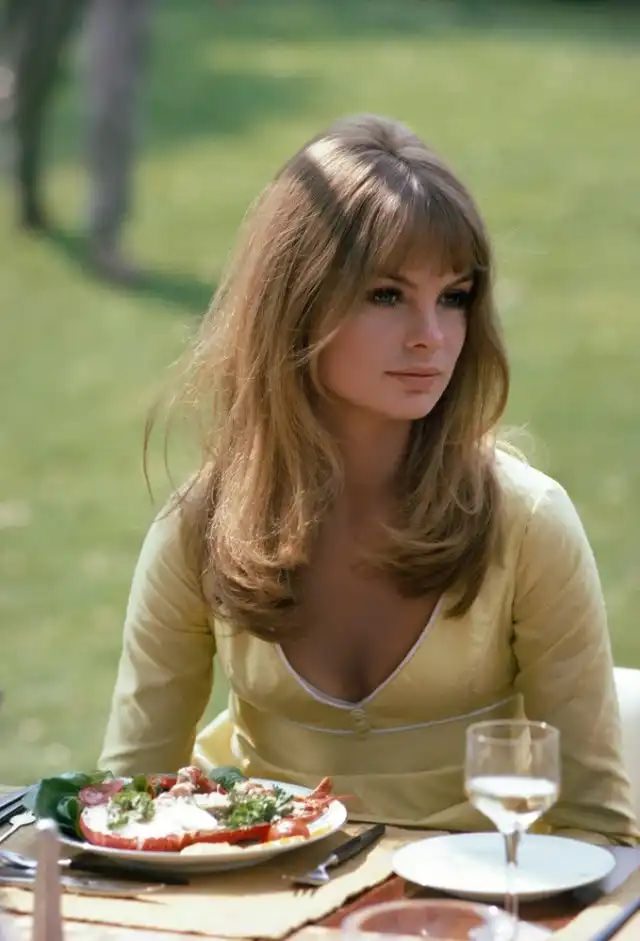
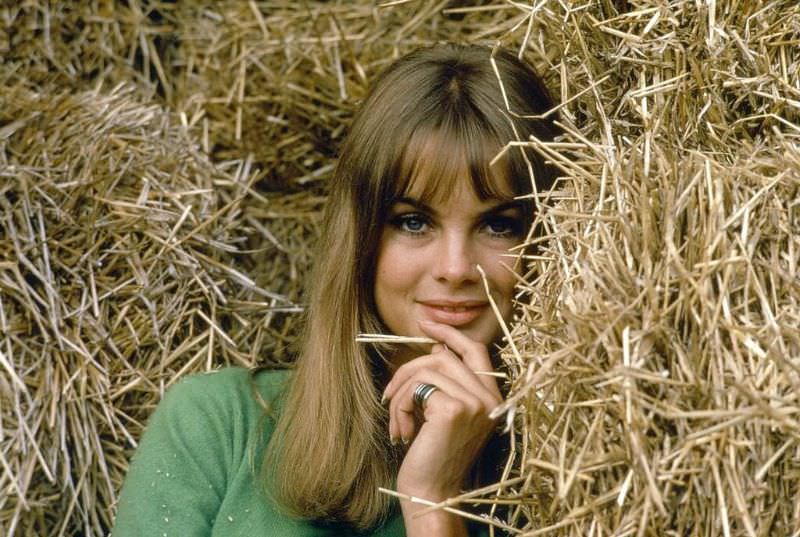
In 1966, Hurn photographed Jean Shrimpton — the English model who had become one of the most recognizable faces in fashion. One session took place at her family farm in High Wycombe. The farm setting gave the photos a relaxed, grounded feel that stood in contrast to the high-fashion world Shrimpton normally occupied. The other 1966 portraits show her in a more composed, formal register.
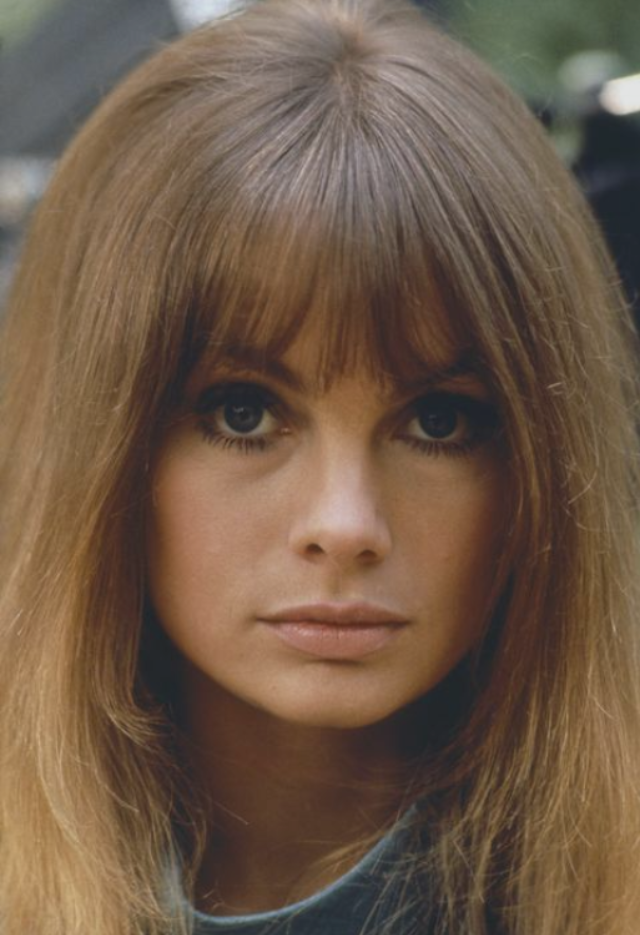
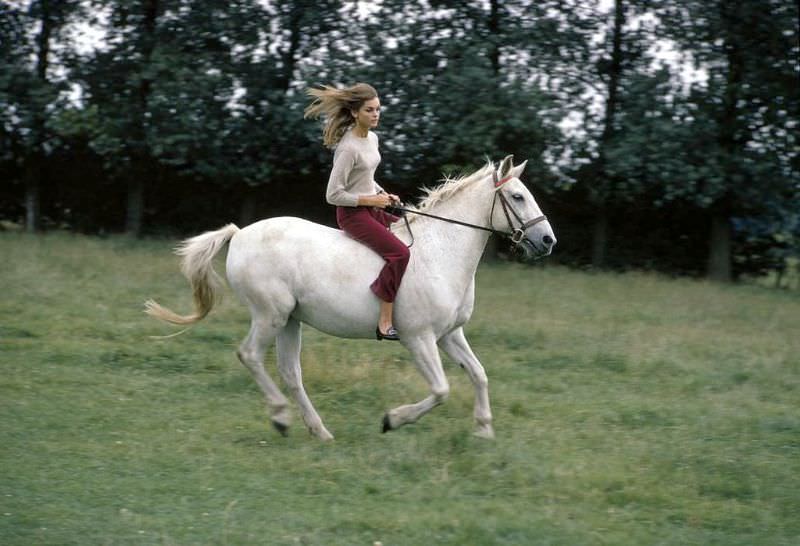
Julie Christie also sat for Hurn again in 1966. By this point she was one of Britain’s biggest stars, and Hurn photographed her across multiple sessions that year, producing a wide range of images — some candid, some carefully framed.
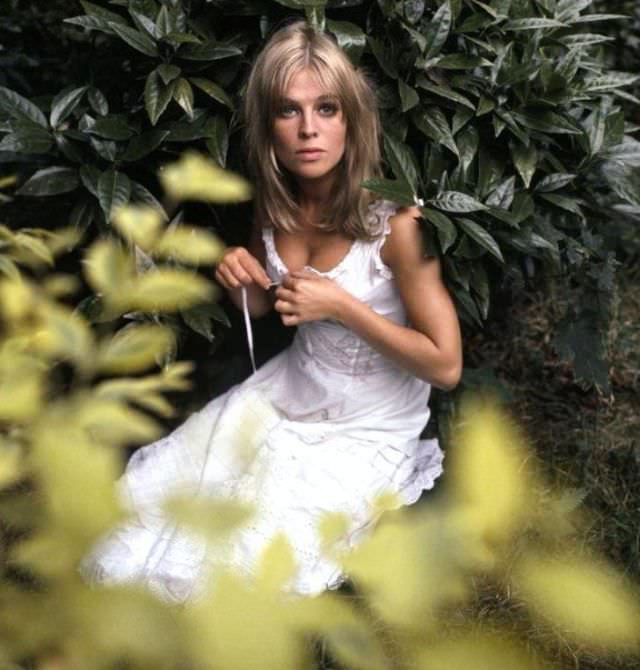
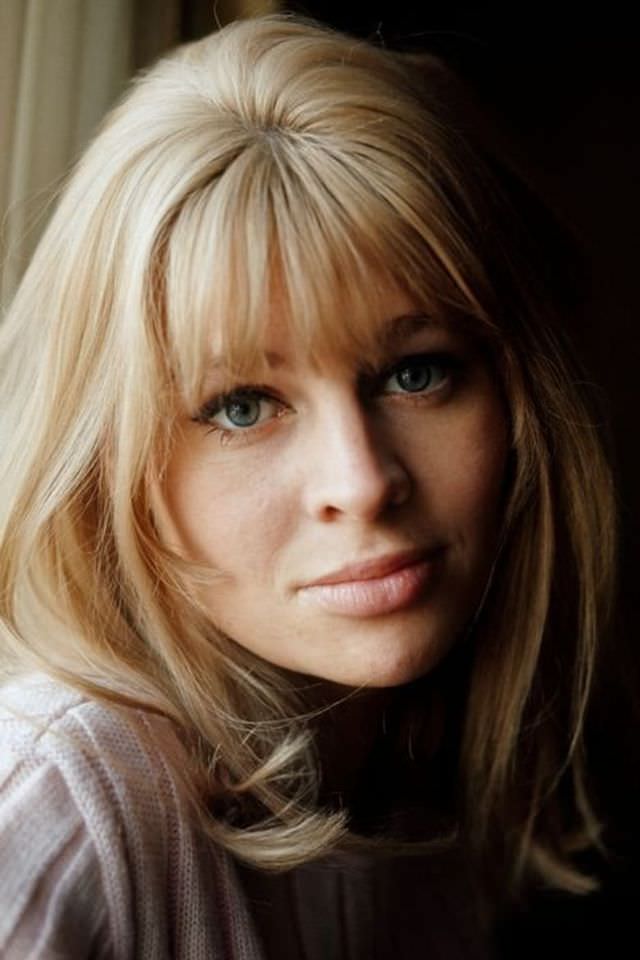
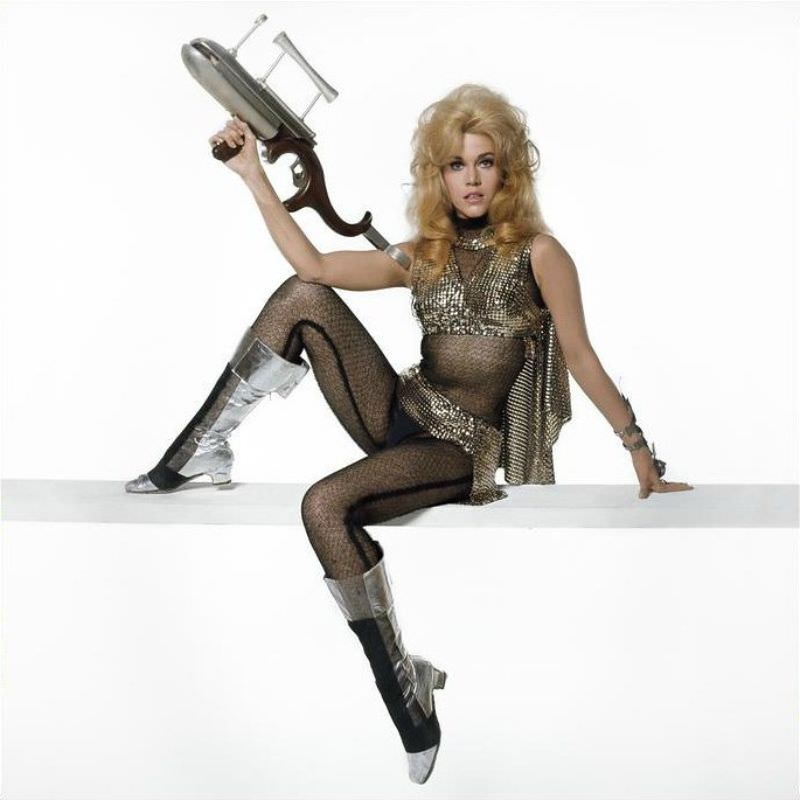
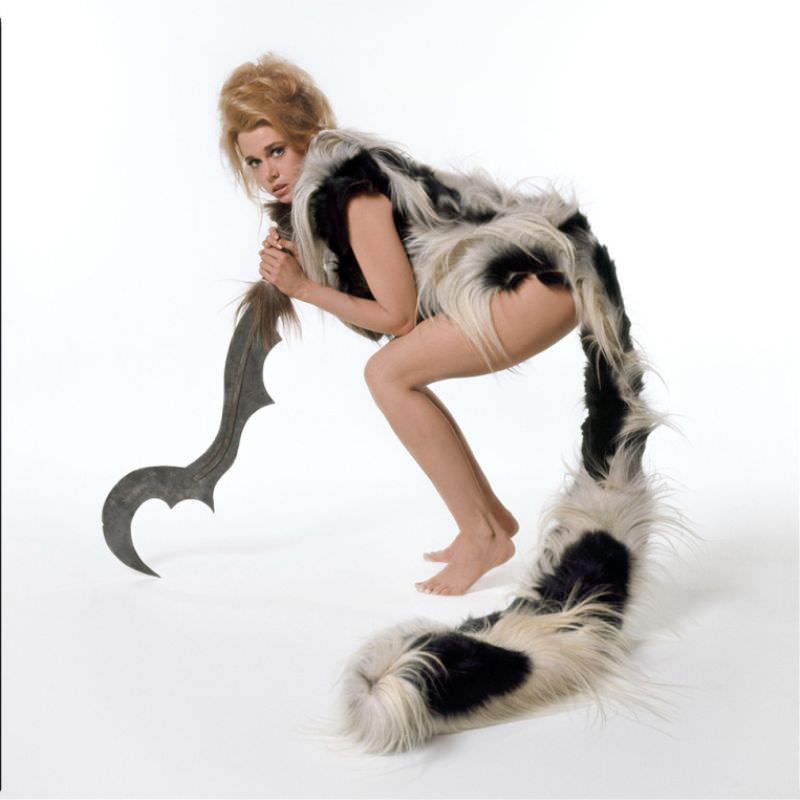
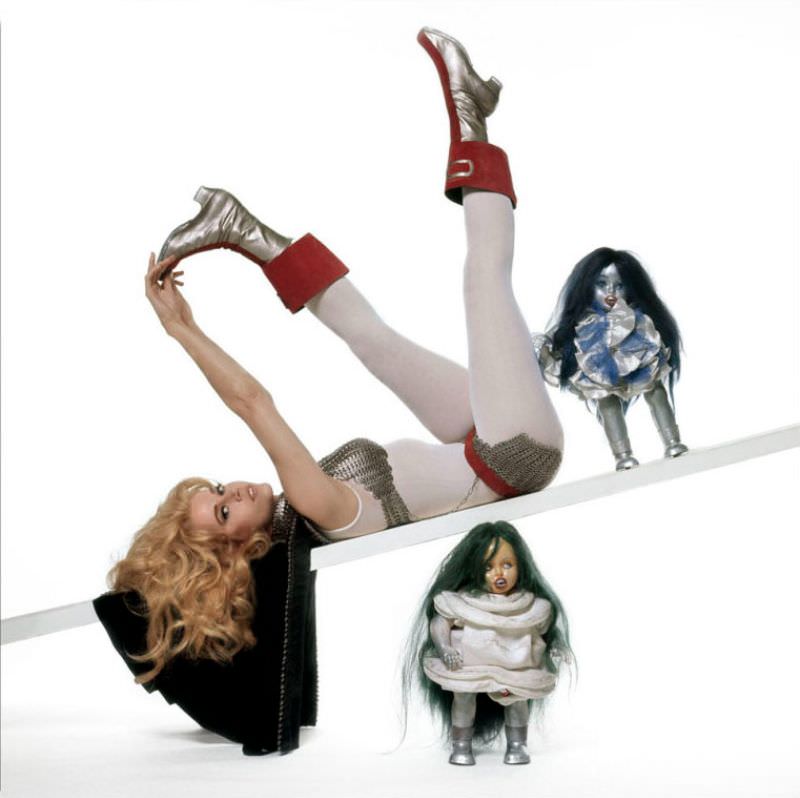
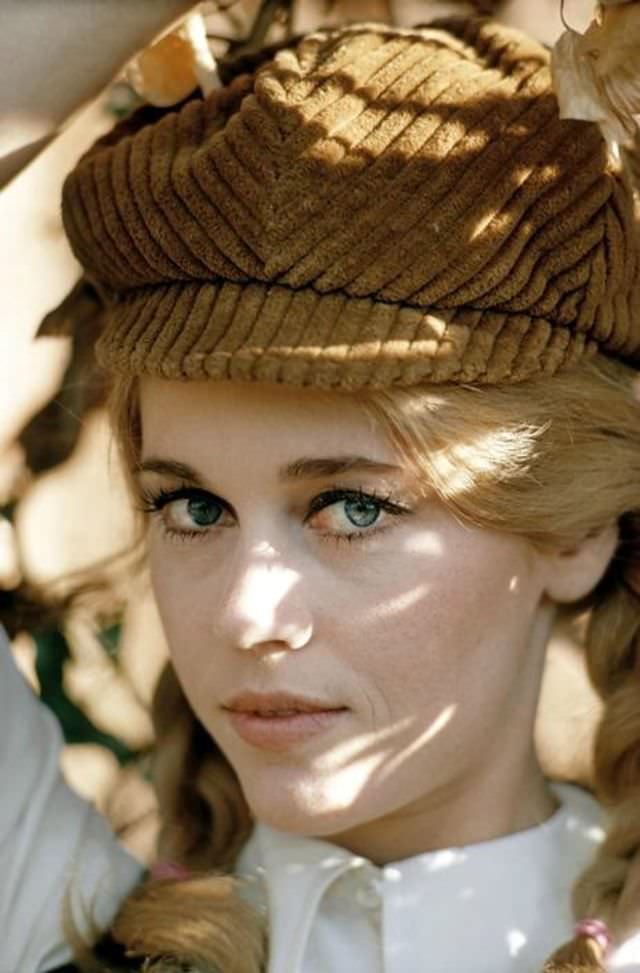
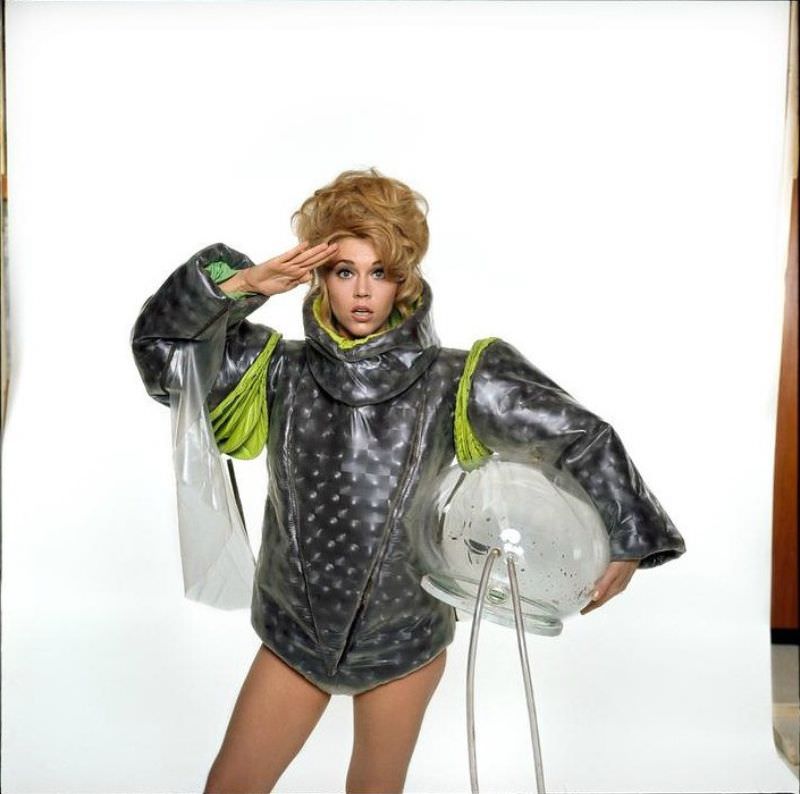
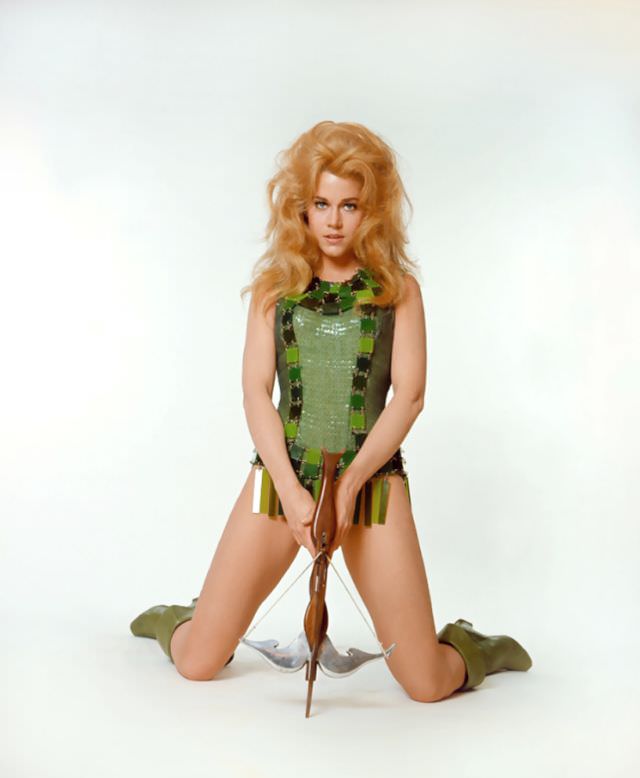
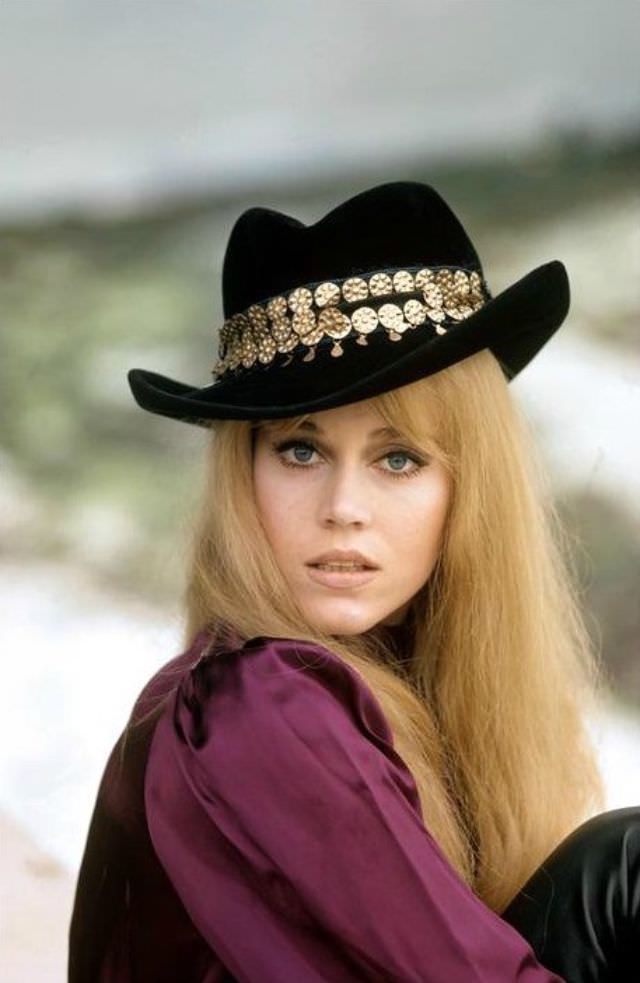
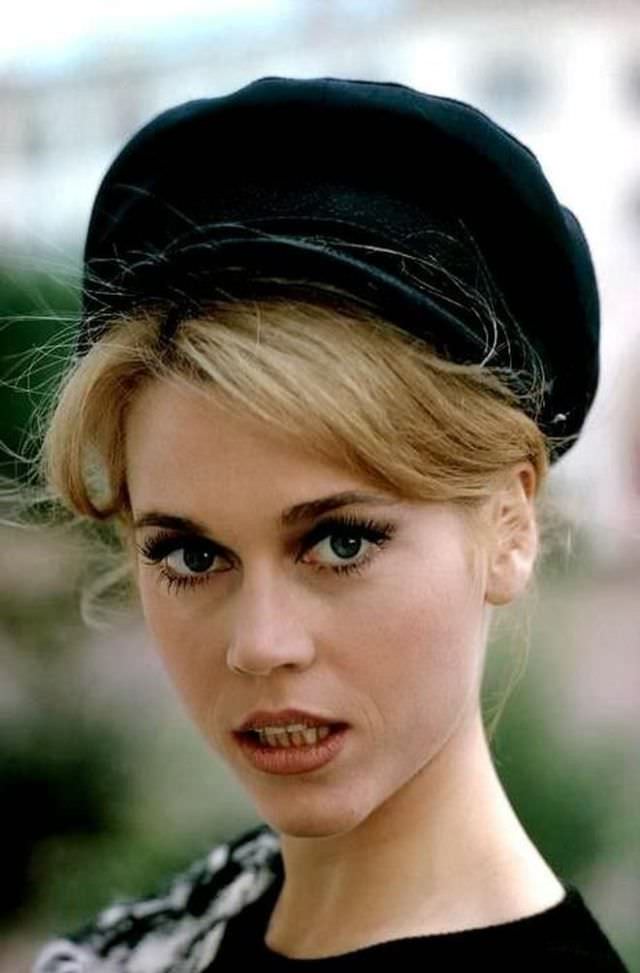
In 1967, Hurn documented Jane Fonda during production of Barbarella in Rome. The science-fiction film featured costumes designed by Paco Rabanne, and Hurn photographed Fonda in several of them on set. The images are a direct record of one of the decade’s most visually distinctive film productions. Hurn also photographed Fonda off set that same year, in Brittany, France, where she was captured in a far more everyday setting — a corduroy cap, the French countryside, a very different register from the Roman studio.
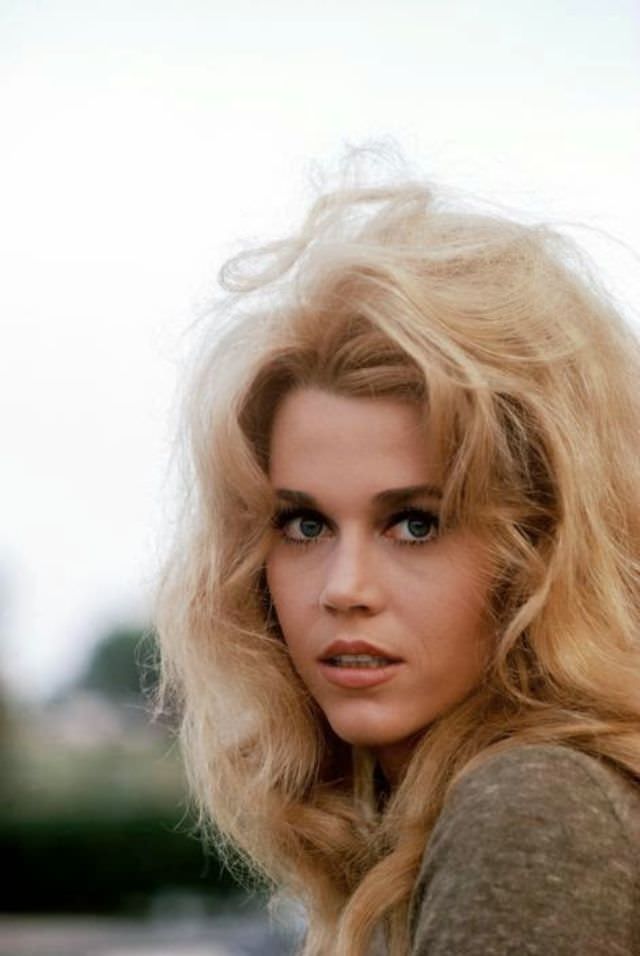
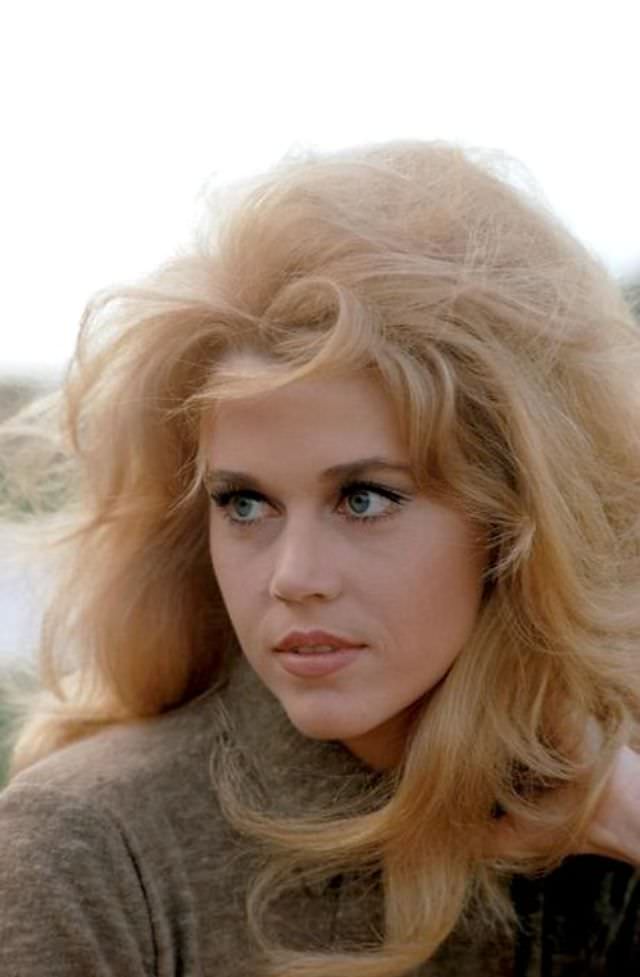
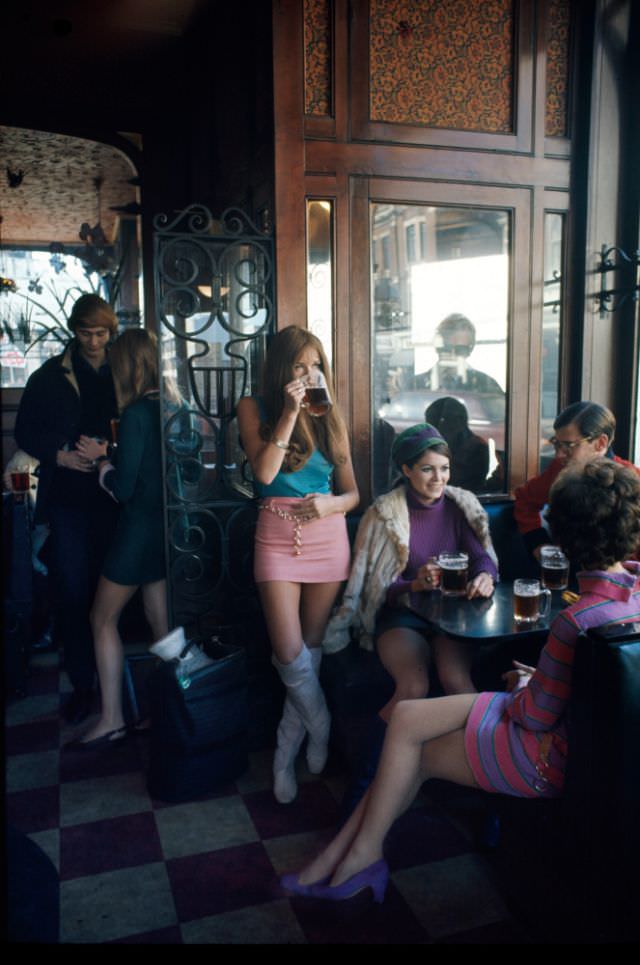
Also from 1967, Hurn documented the street fashion scene on the King’s Road in London — a pub snapshot that places the decade’s style in an everyday social setting rather than a studio.
In 1968, Hurn photographed Anna Karina, the Danish-French actress who had become closely associated with French New Wave cinema through her work with director Jean-Luc Godard. Karina carried a distinct screen presence, and Hurn’s portraits from that year reflect the same attentive, unhurried approach he brought to all his subjects. The decade closed with a fashion shoot in Wales, a nod to the country Hurn would later make the central focus of his career.