In the late 1920s, New York City was in the middle of a skyscraper race. The Chrysler Building and 40 Wall Street were both fighting for the title of the world’s tallest building. Against that backdrop, a new project was announced — one that would make both of them obsolete before they even finished celebrating. The Empire State Building was coming.
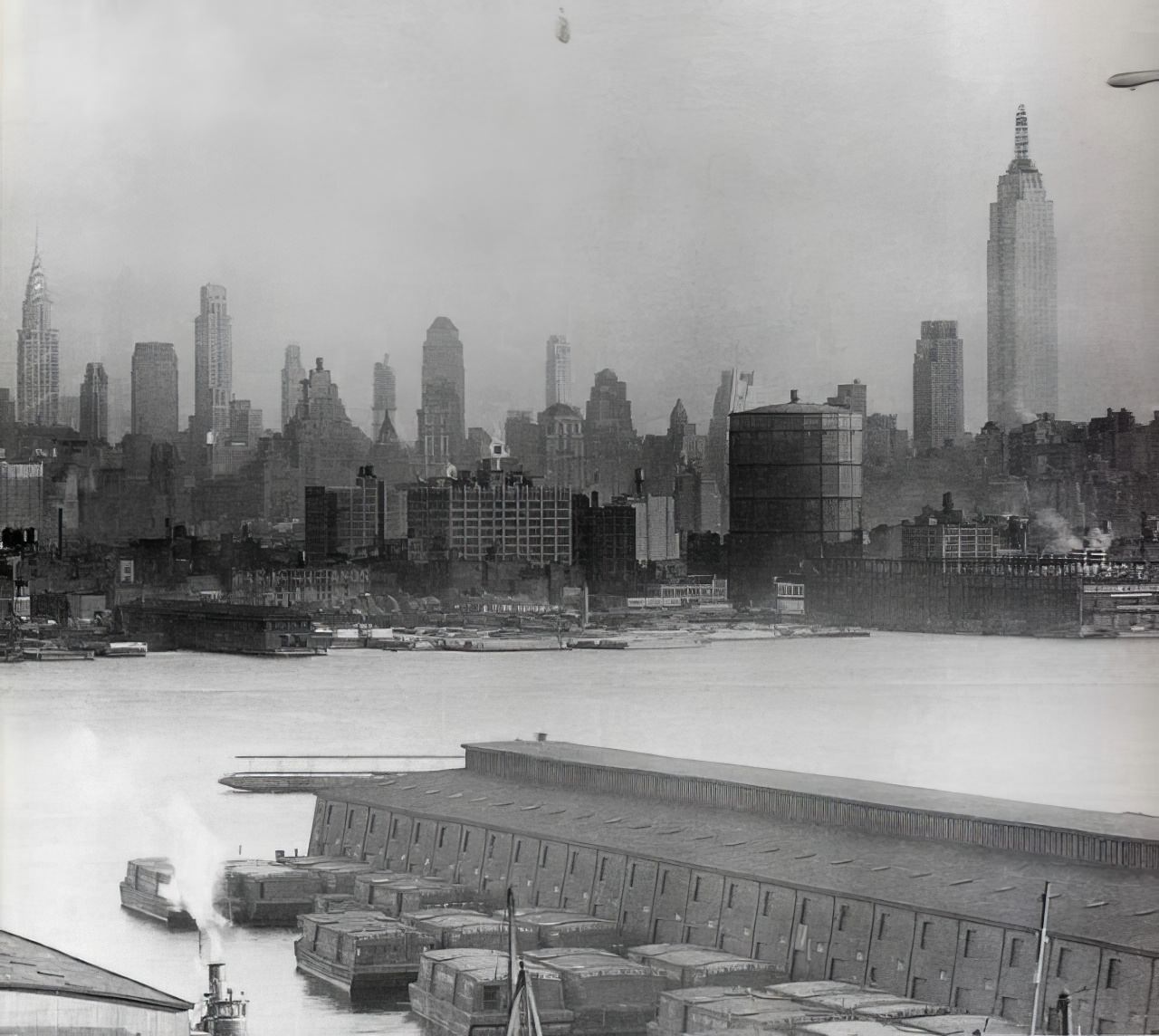
Former New York Governor Al Smith led the effort. The site chosen for the project was no ordinary lot — it was the former home of the original Waldorf-Astoria Hotel, one of the most famous addresses in the city. The architectural firm Shreve, Lamb & Harmon drew up the plans, producing a clean Art Deco design that would define the building’s look for generations.
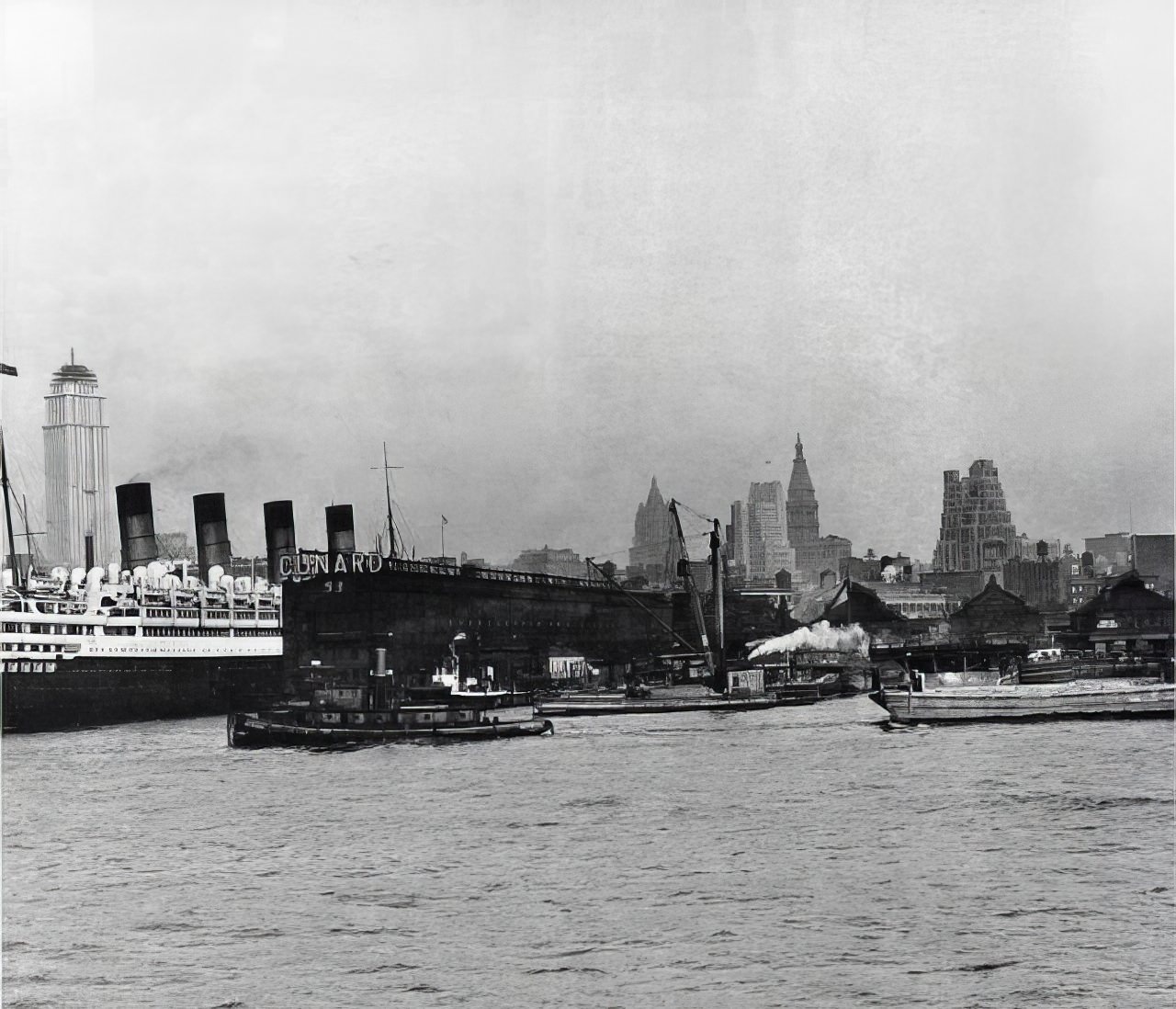
Construction officially broke ground on March 17, 1930. From the very first day, speed was the priority. The team had a target — the world’s tallest building — and a tight schedule to keep. Workers flooded the site by the thousands, and the pace never let up.
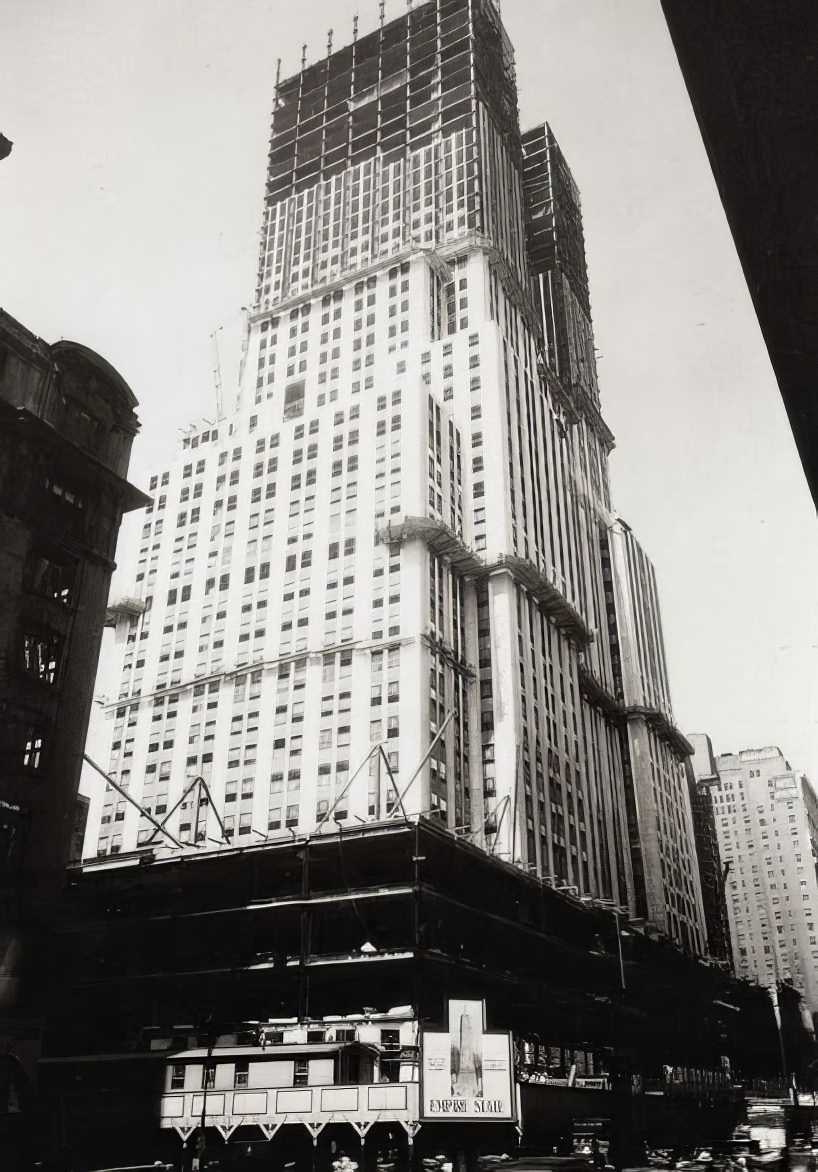
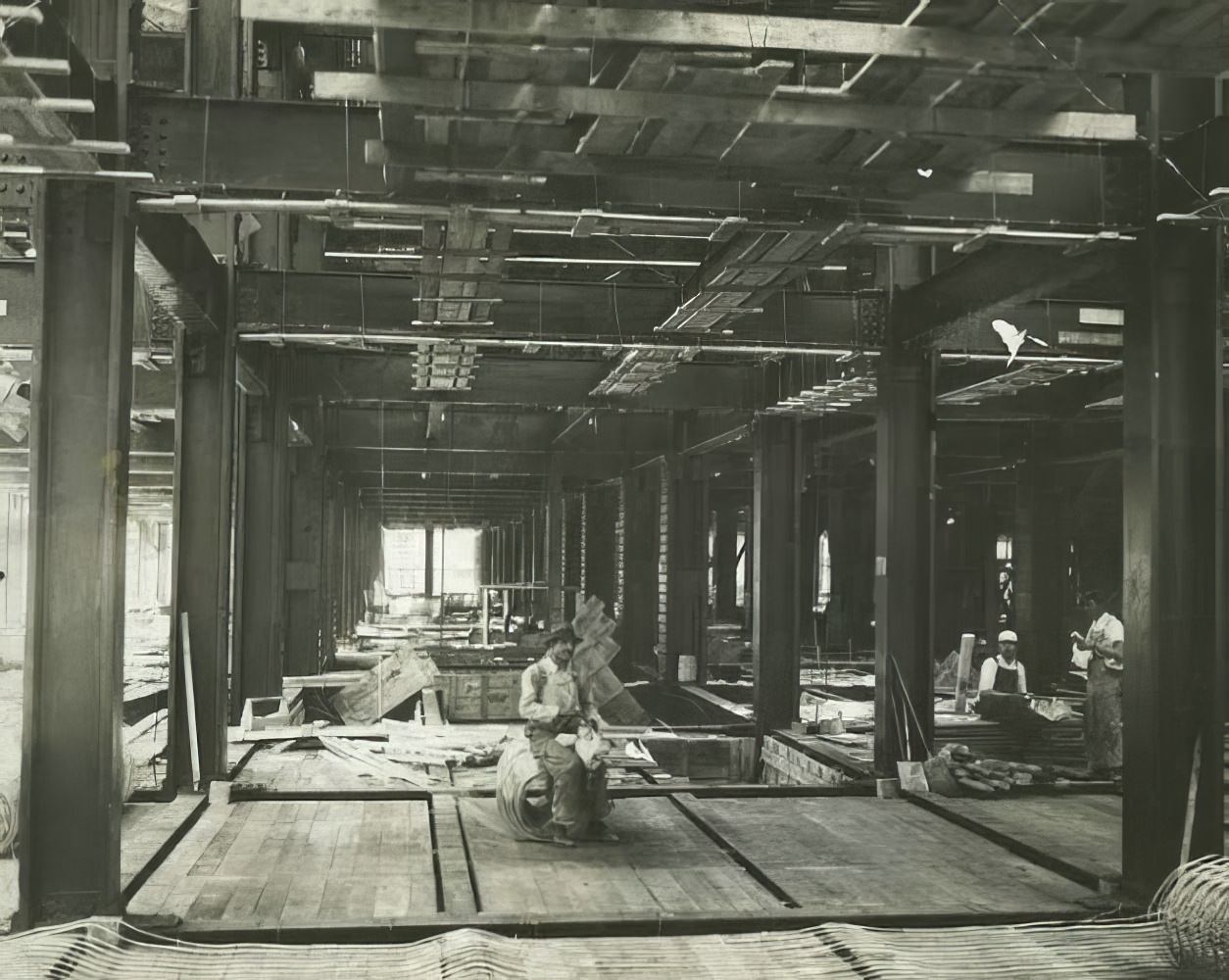
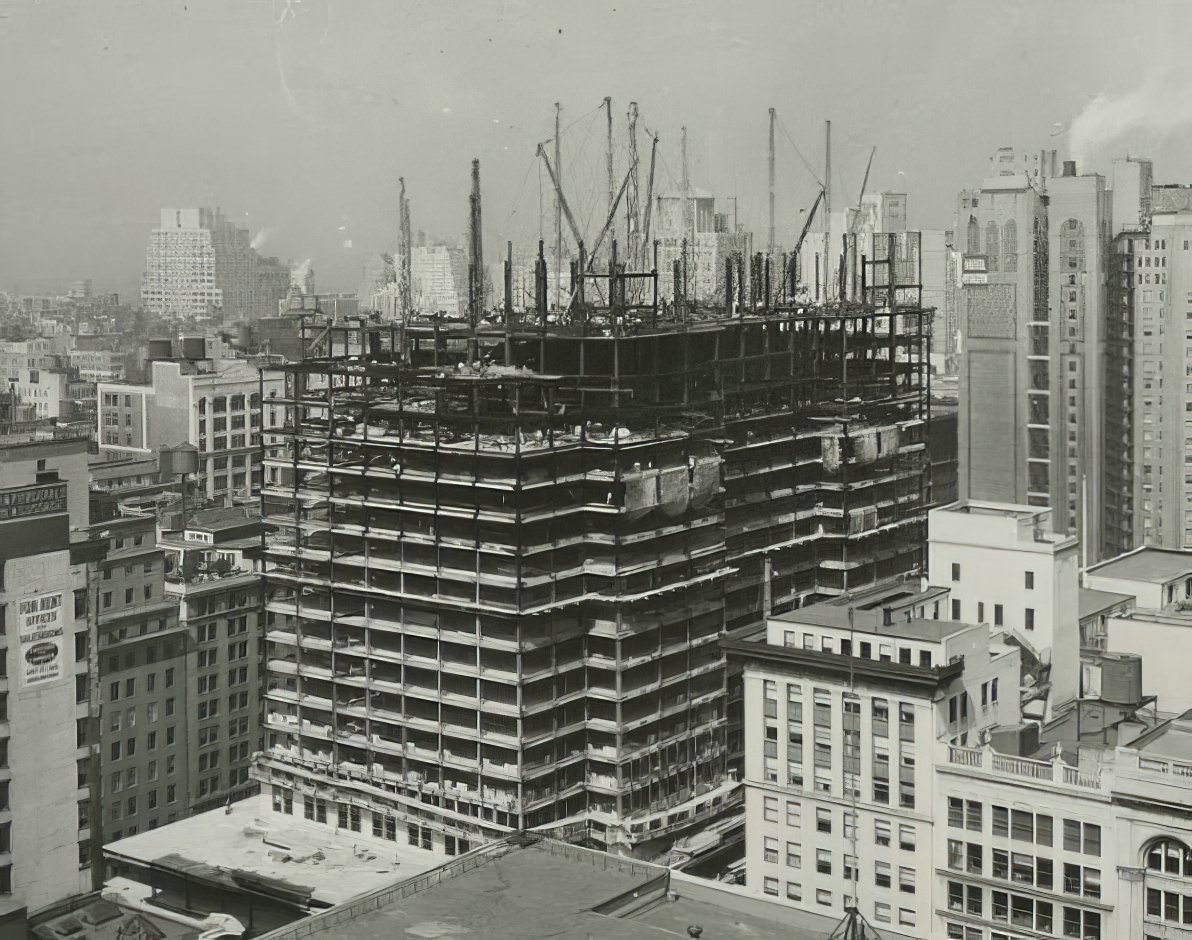
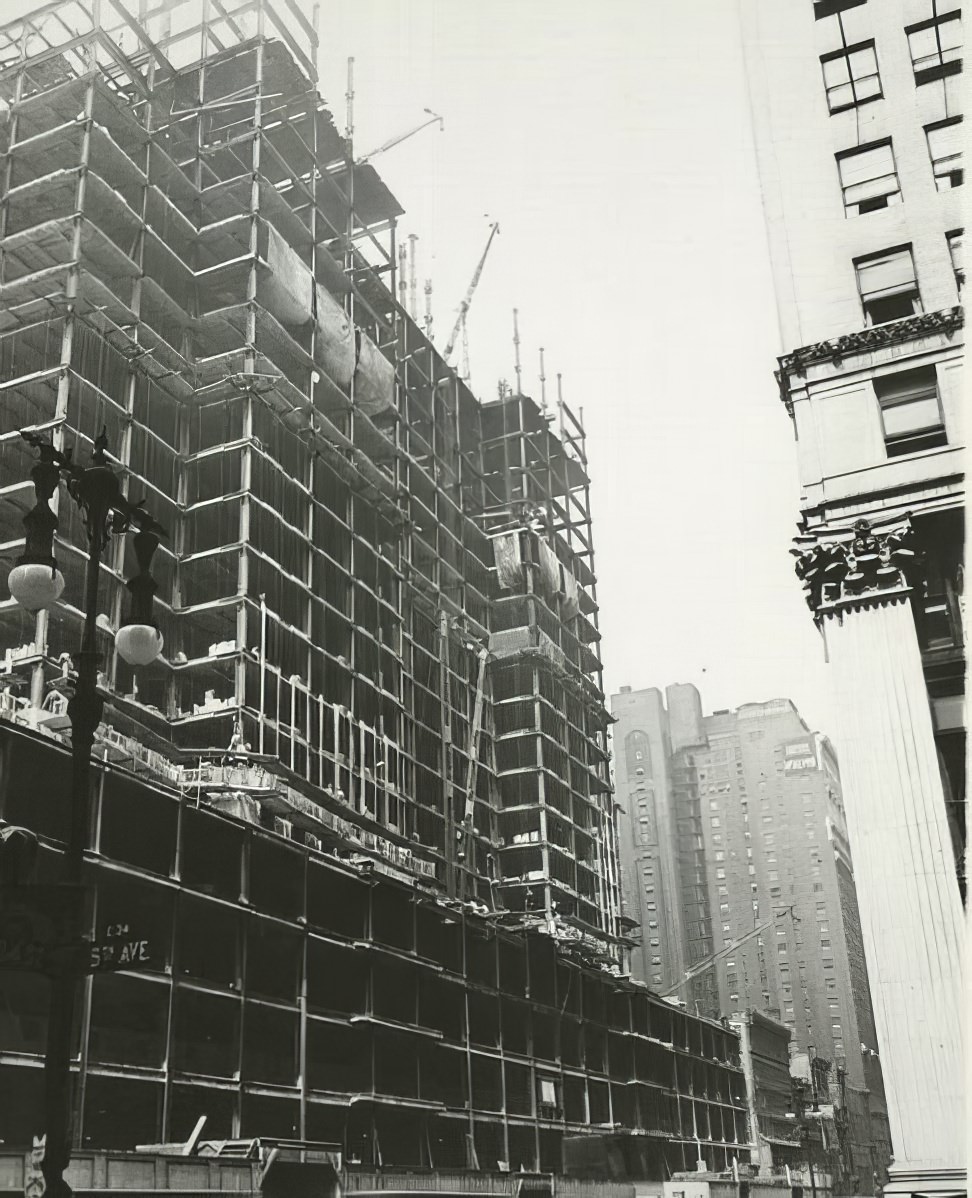
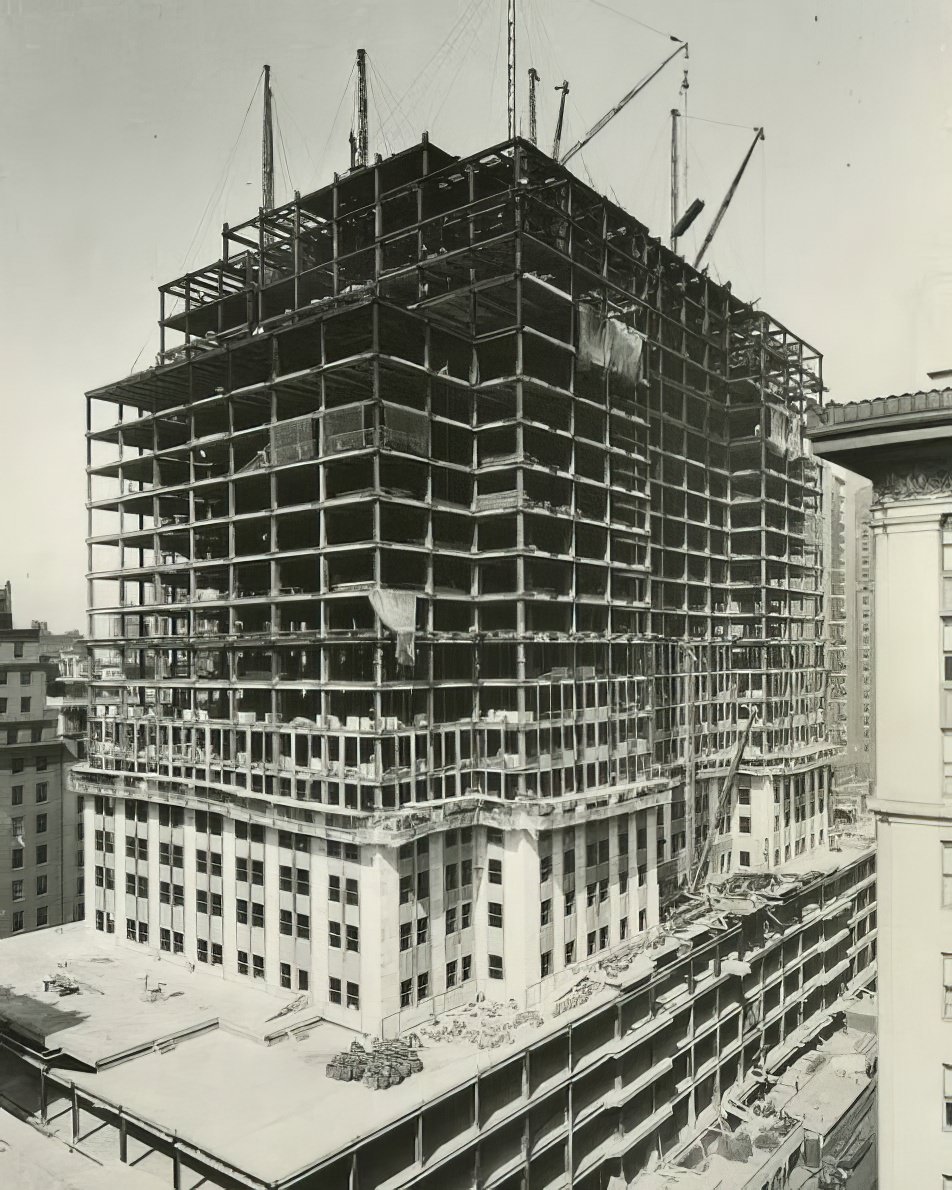
To move as fast as possible, crews built the steel frame and the foundation at the same time. Different teams worked on separate sections of the structure simultaneously. Materials arrived by train on a specially built platform right at the site. From there, a network of hoists, elevators, and chutes carried everything upward to wherever it was needed. Almost nothing sat idle on the ground for long.
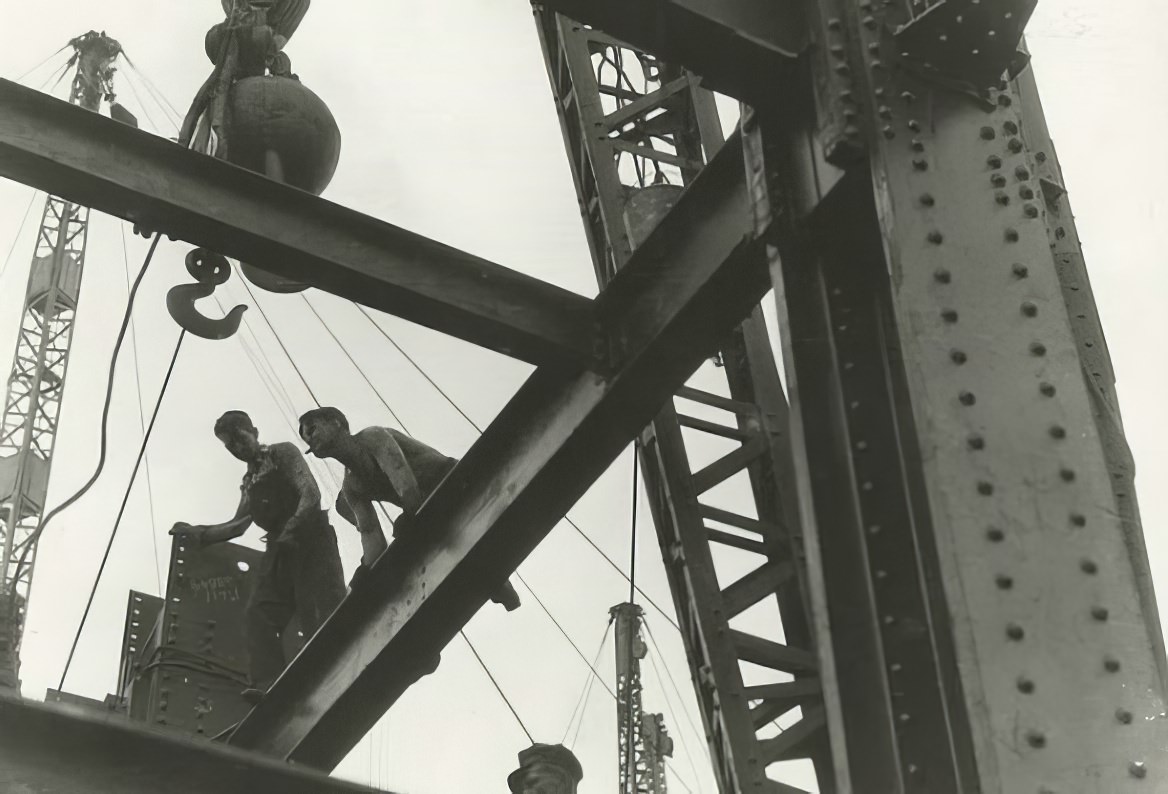
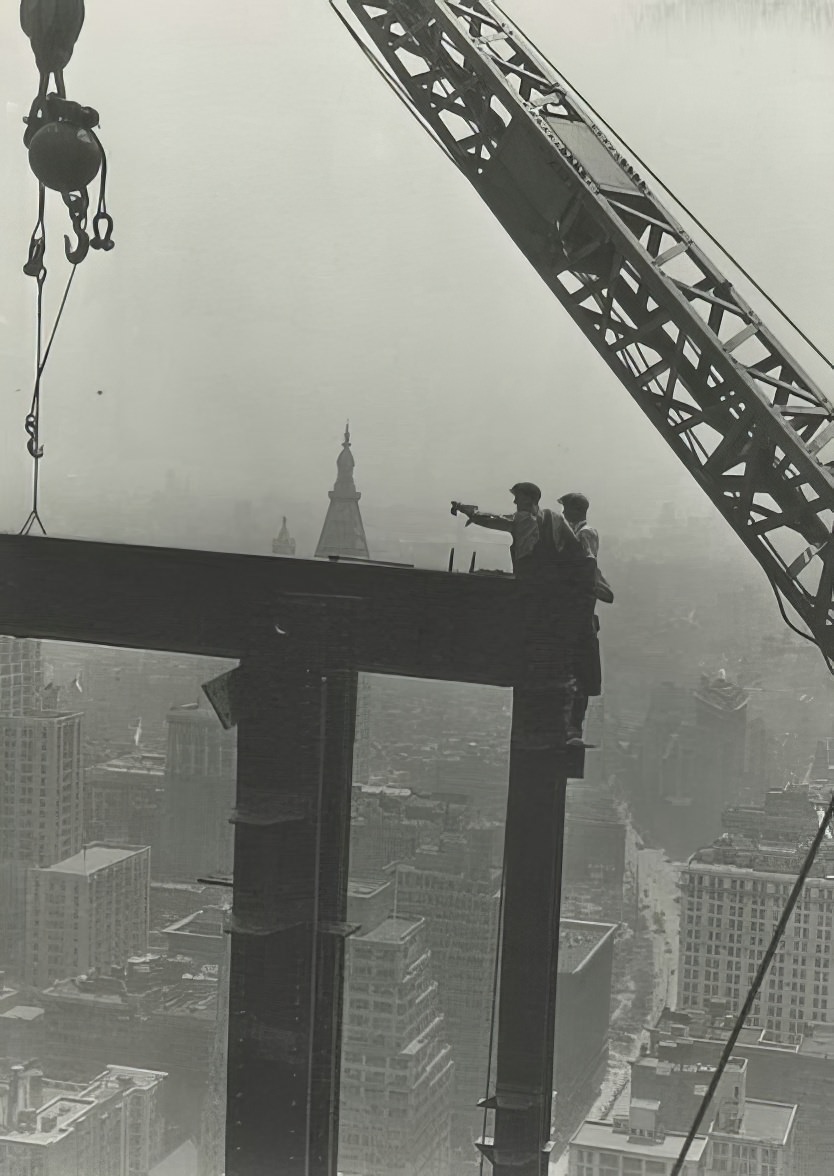
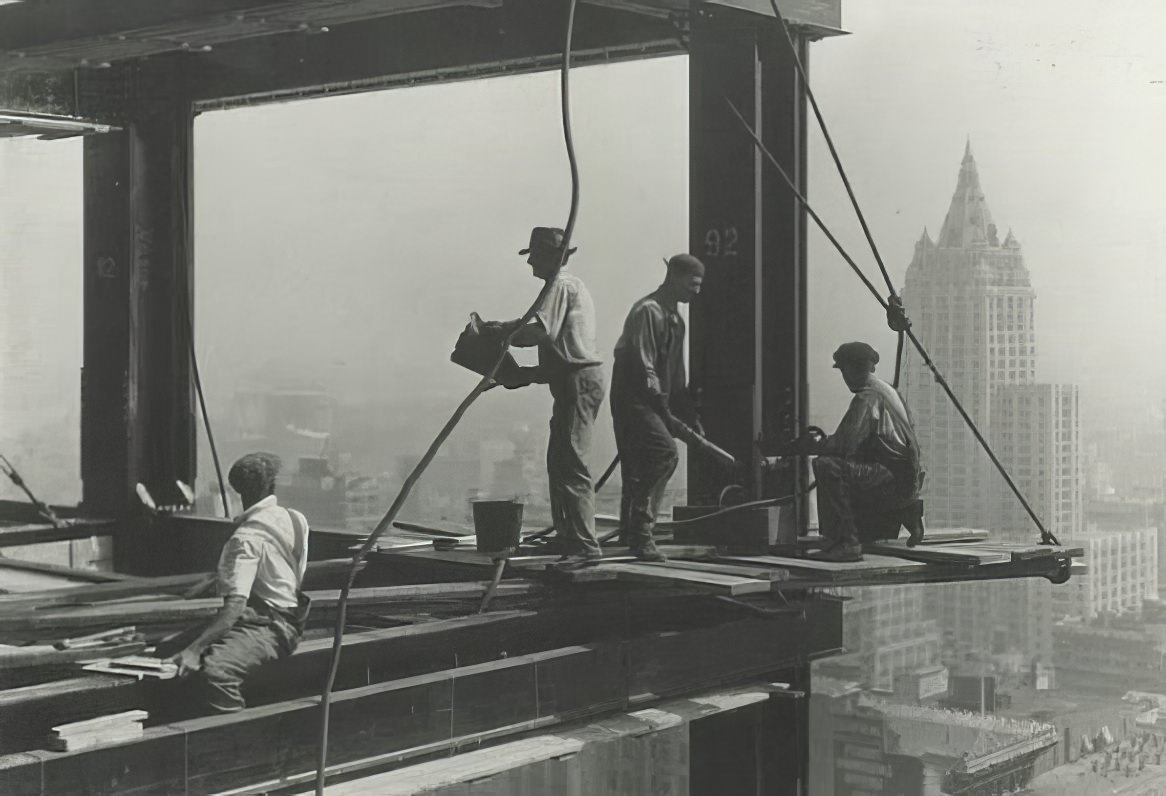
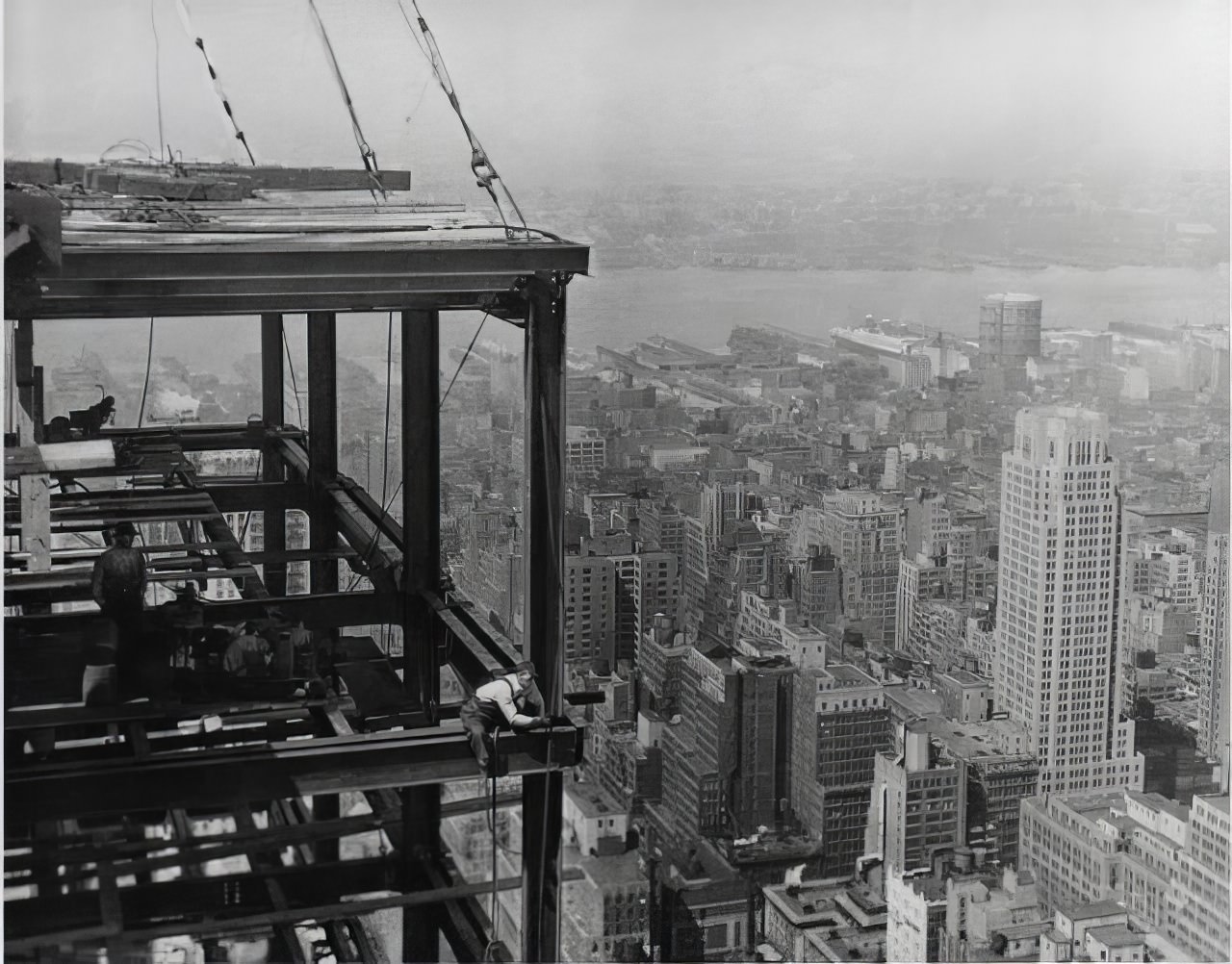
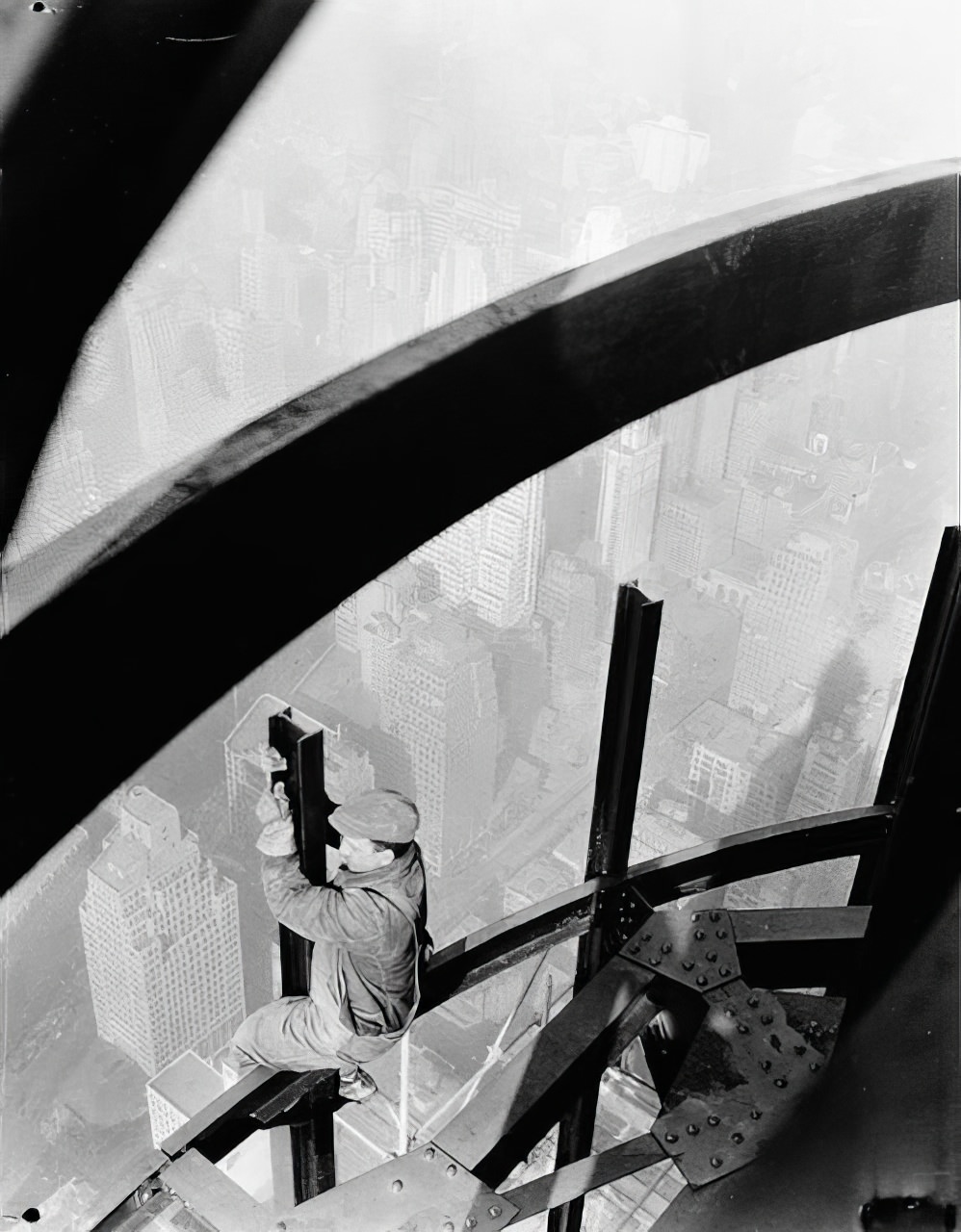
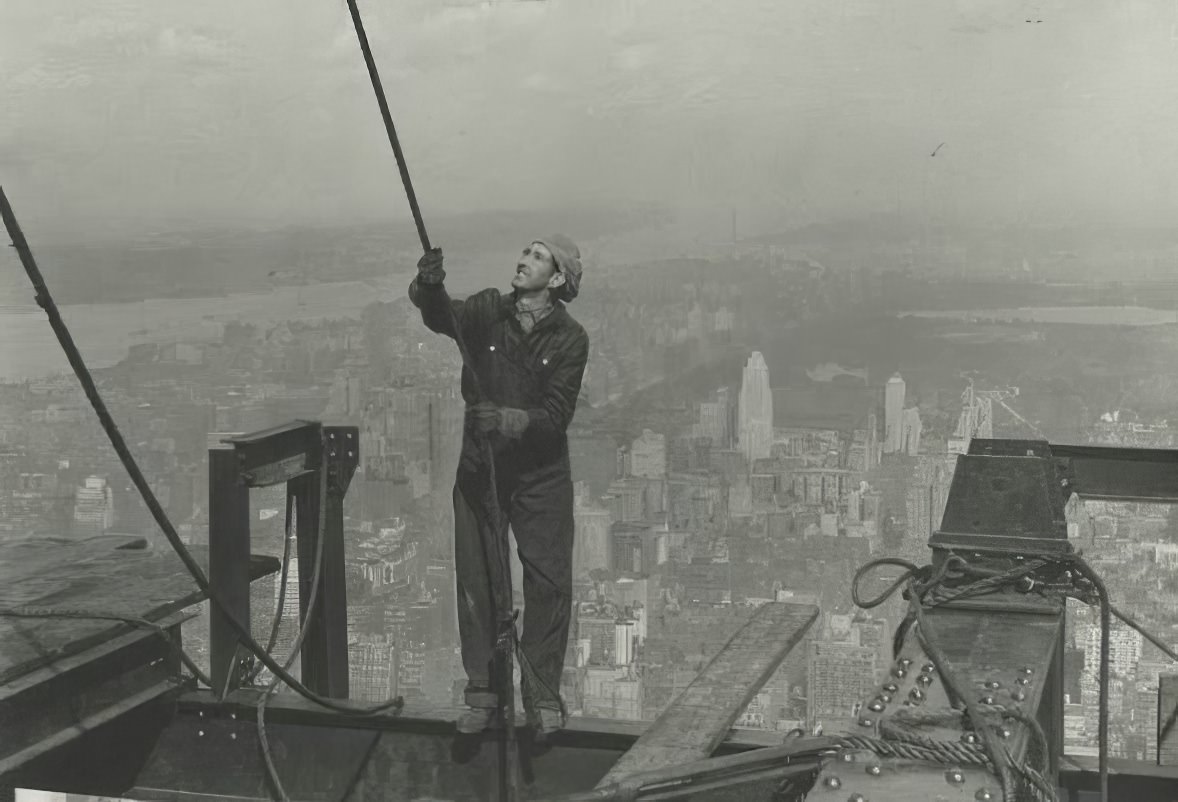
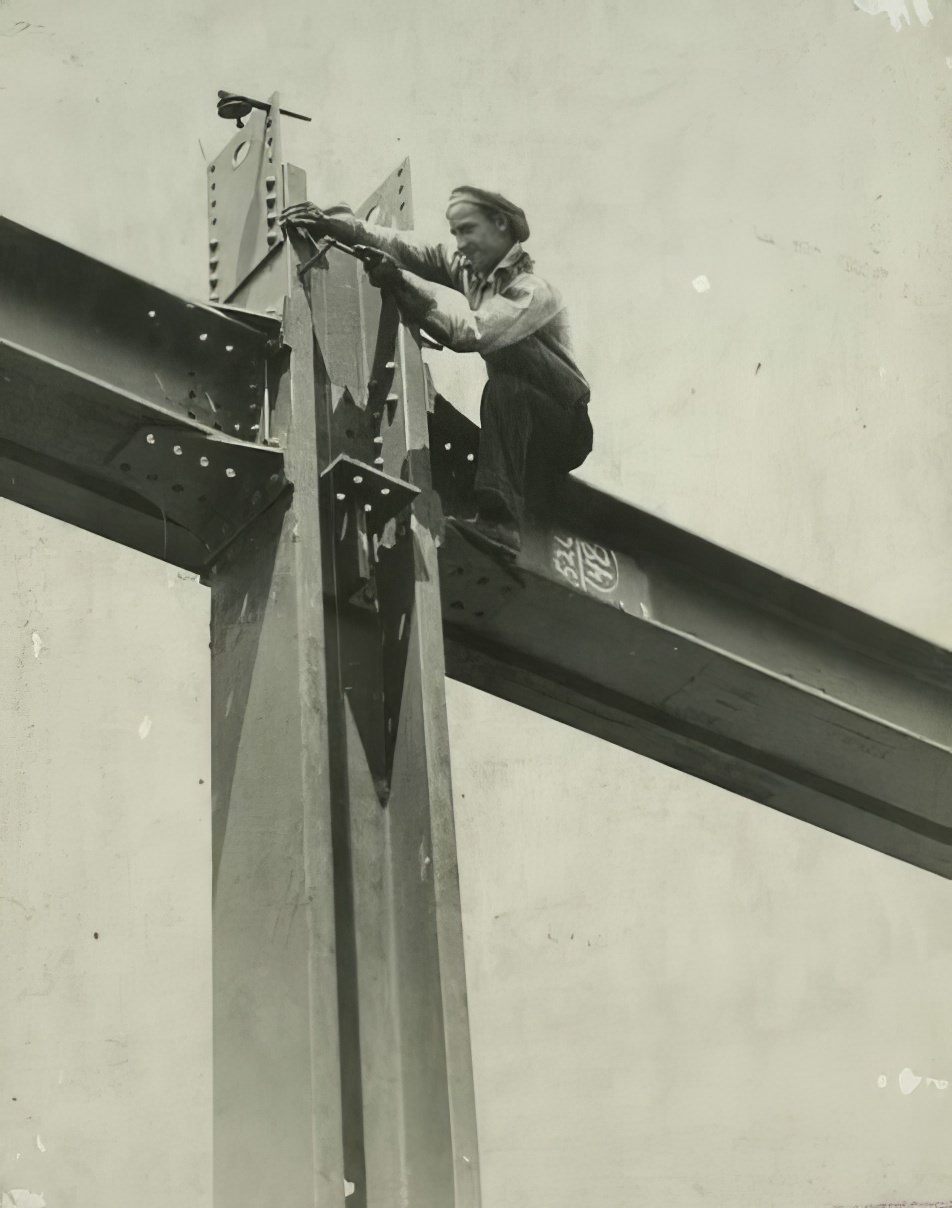
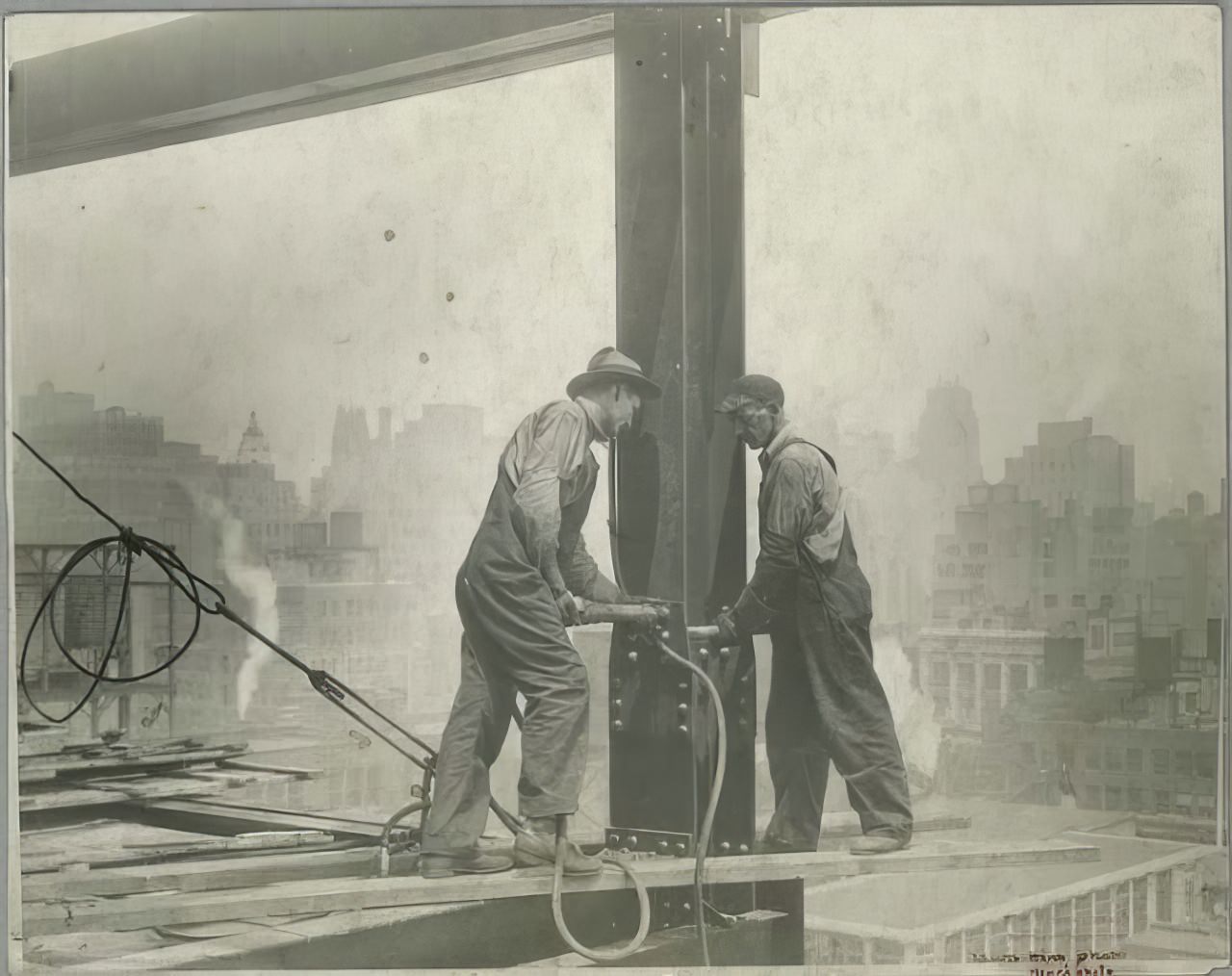
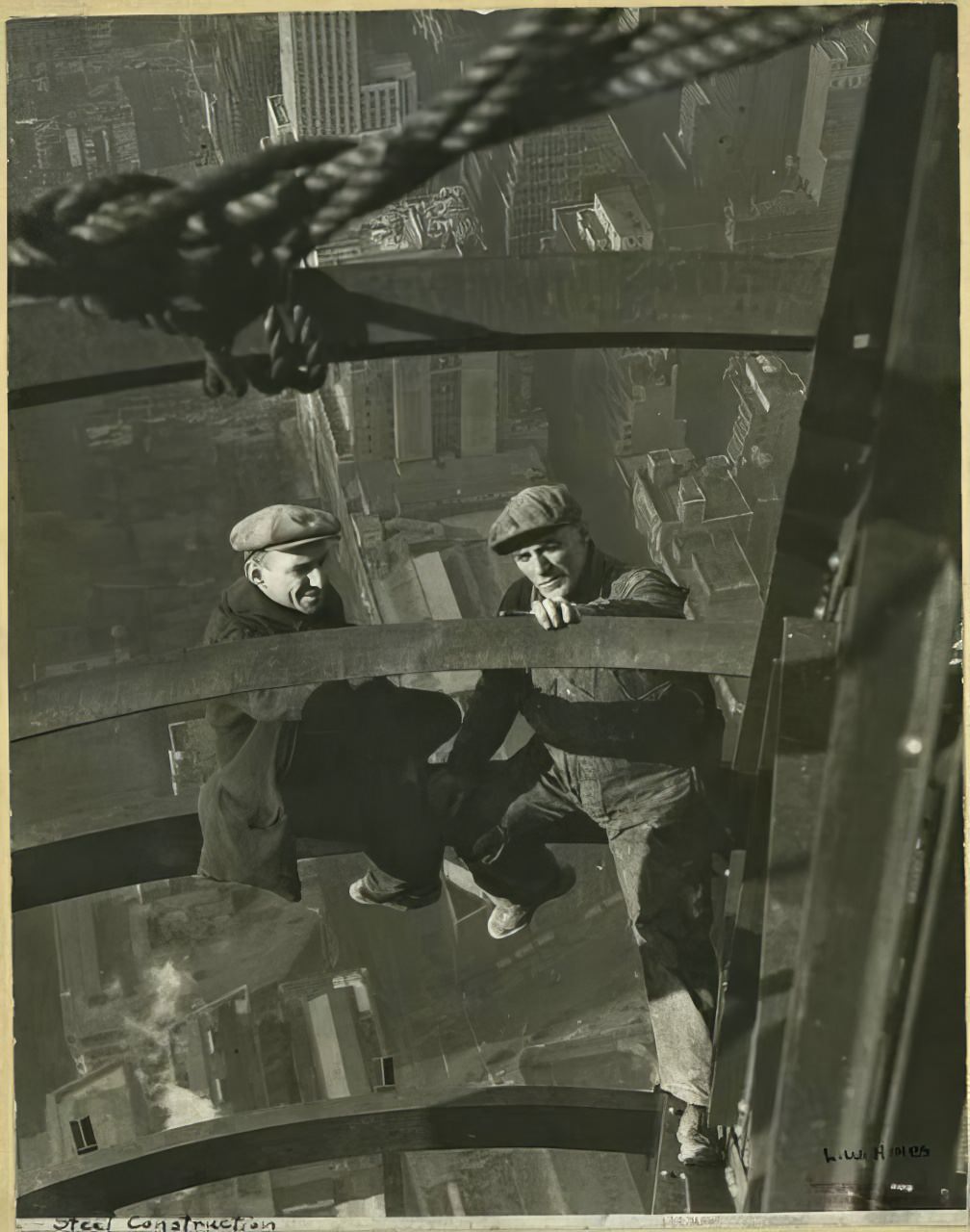
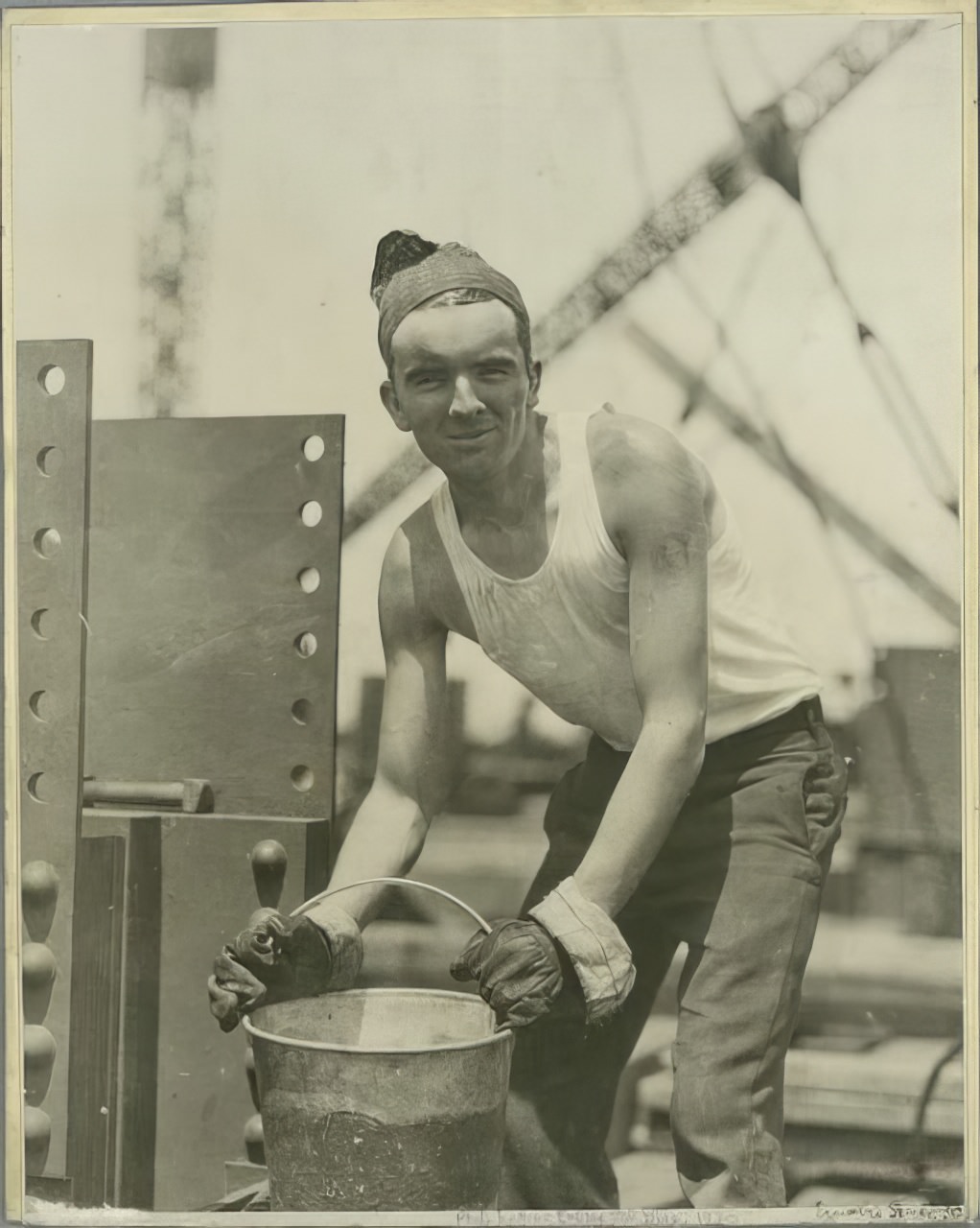
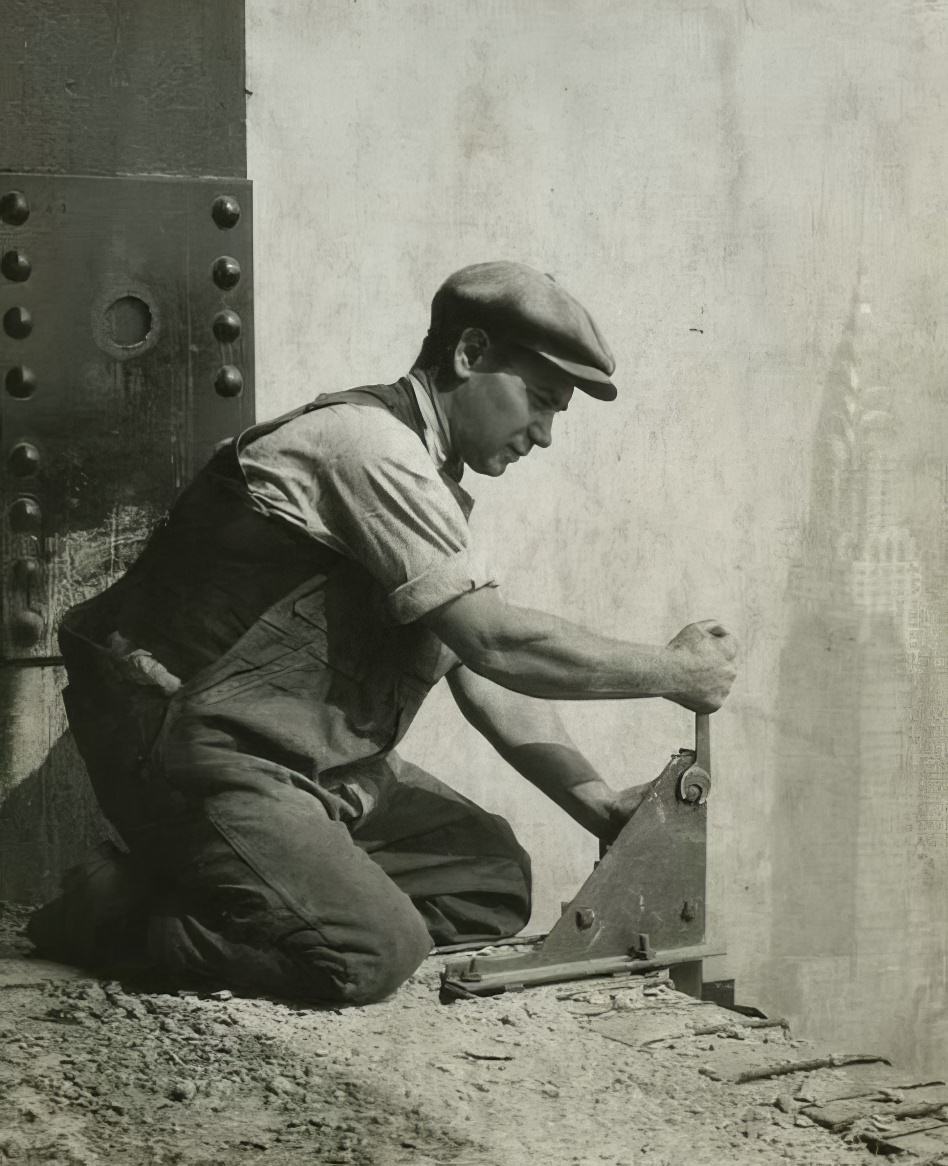
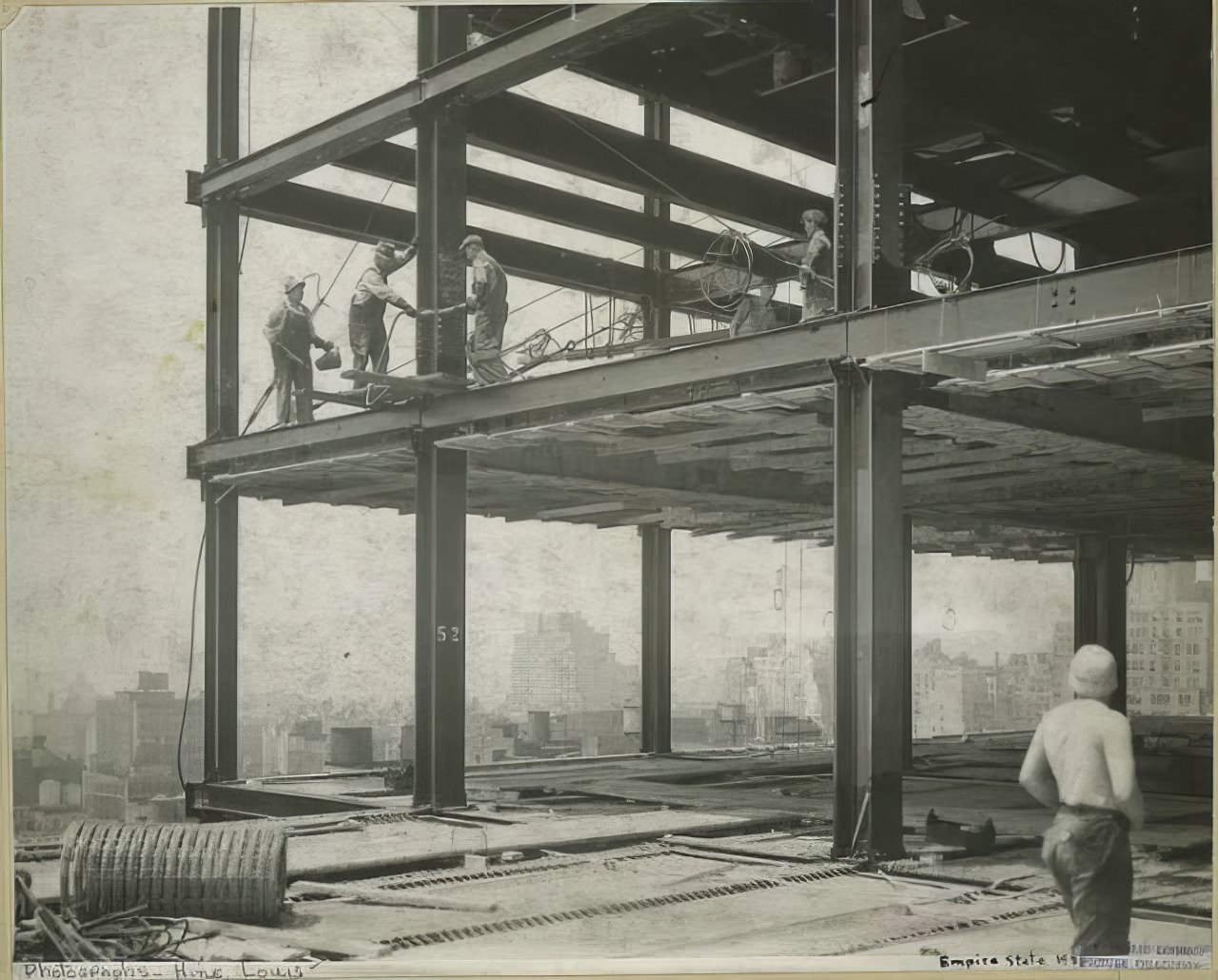
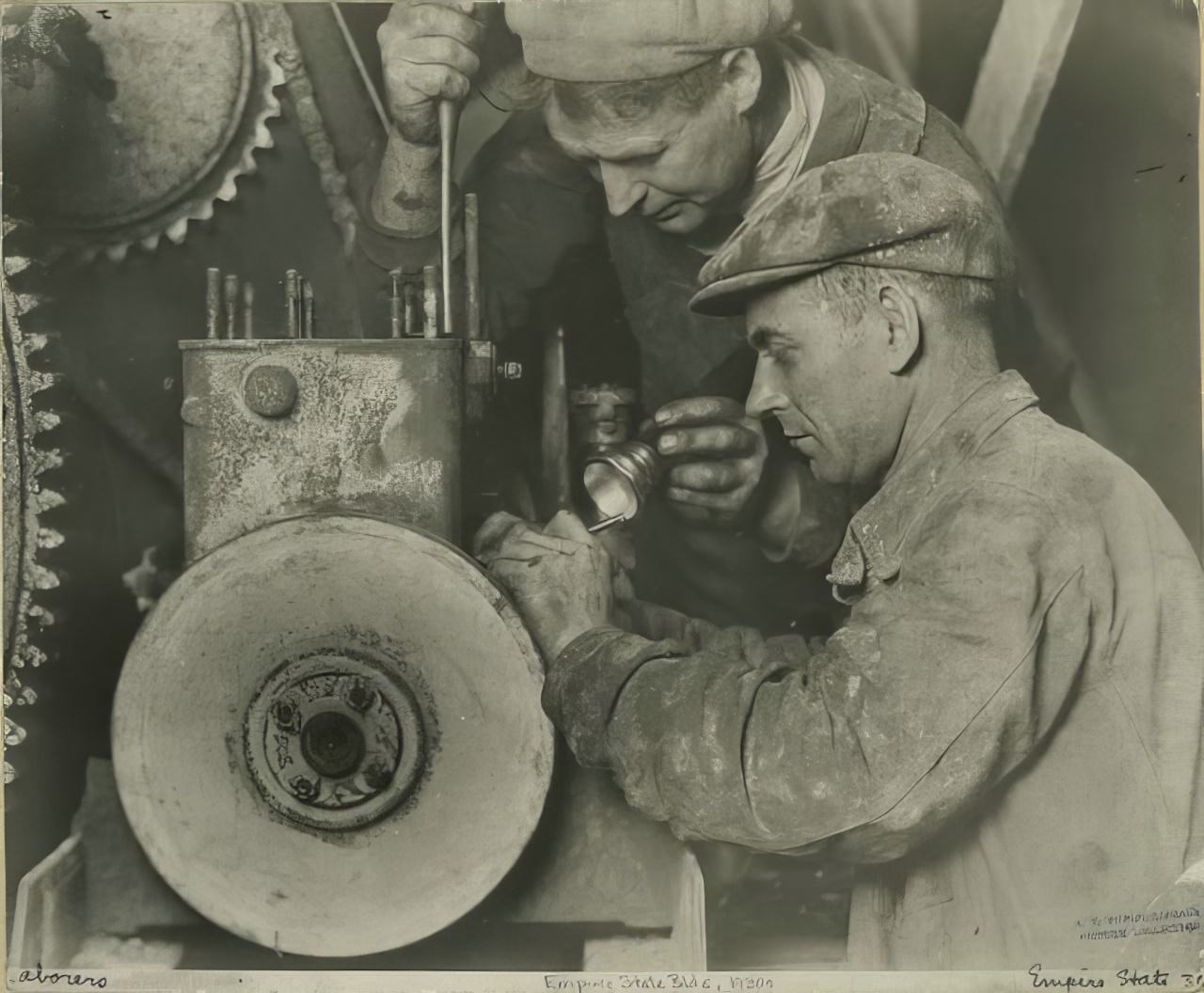
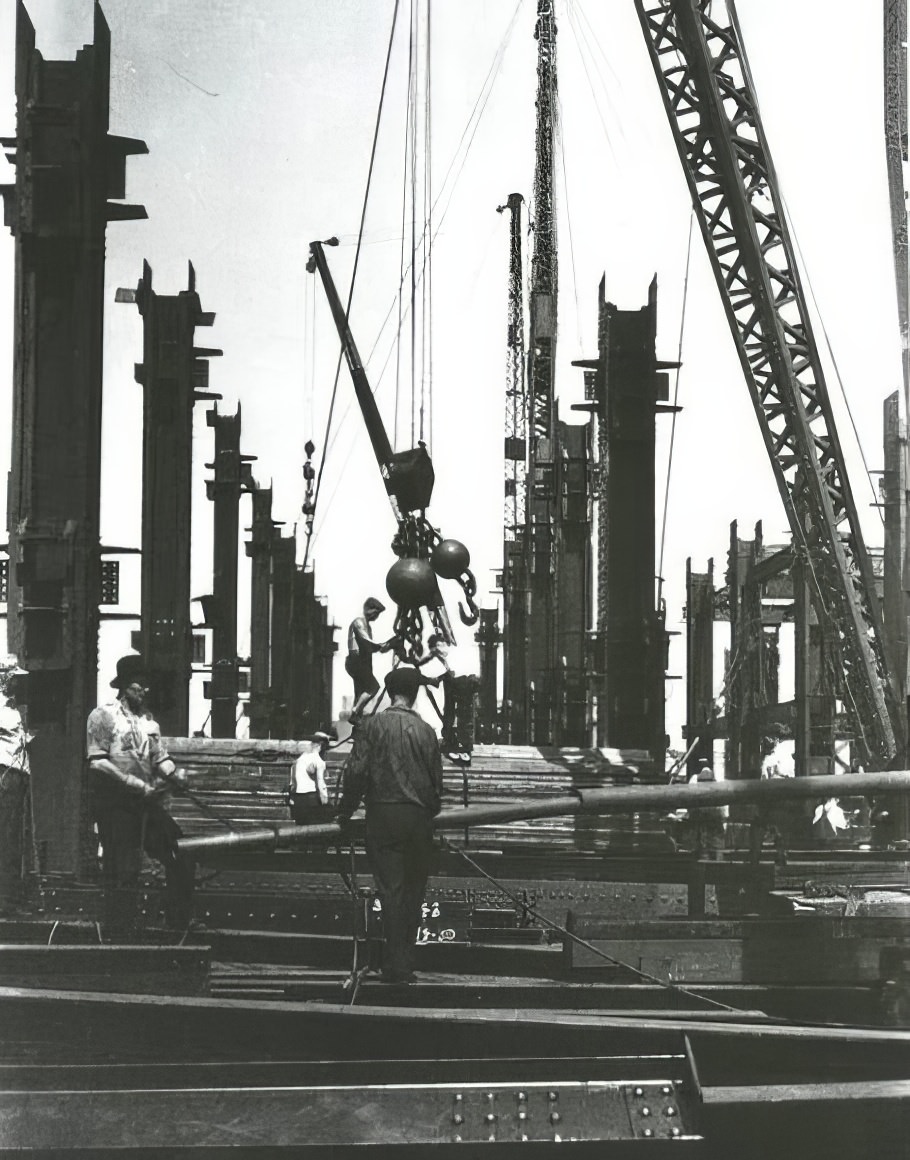
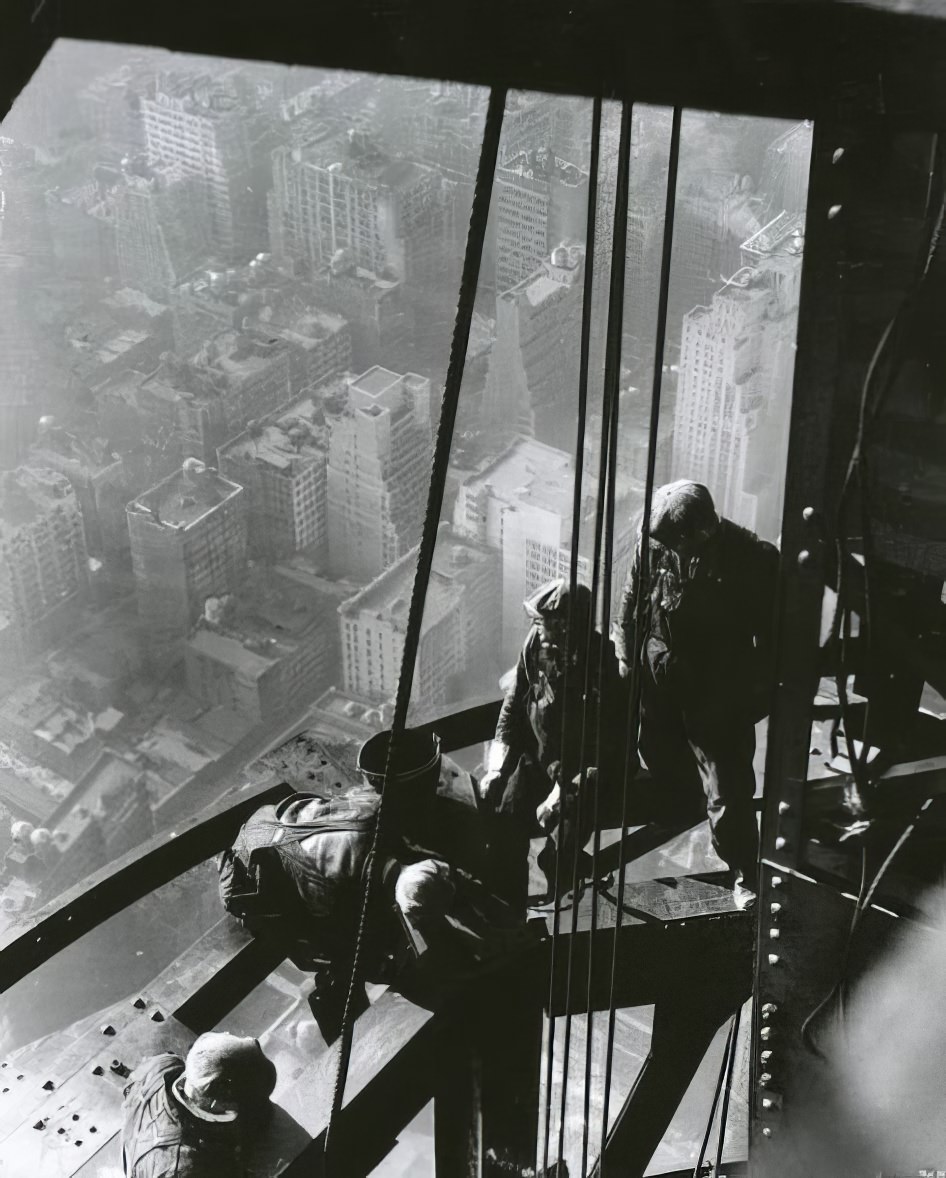
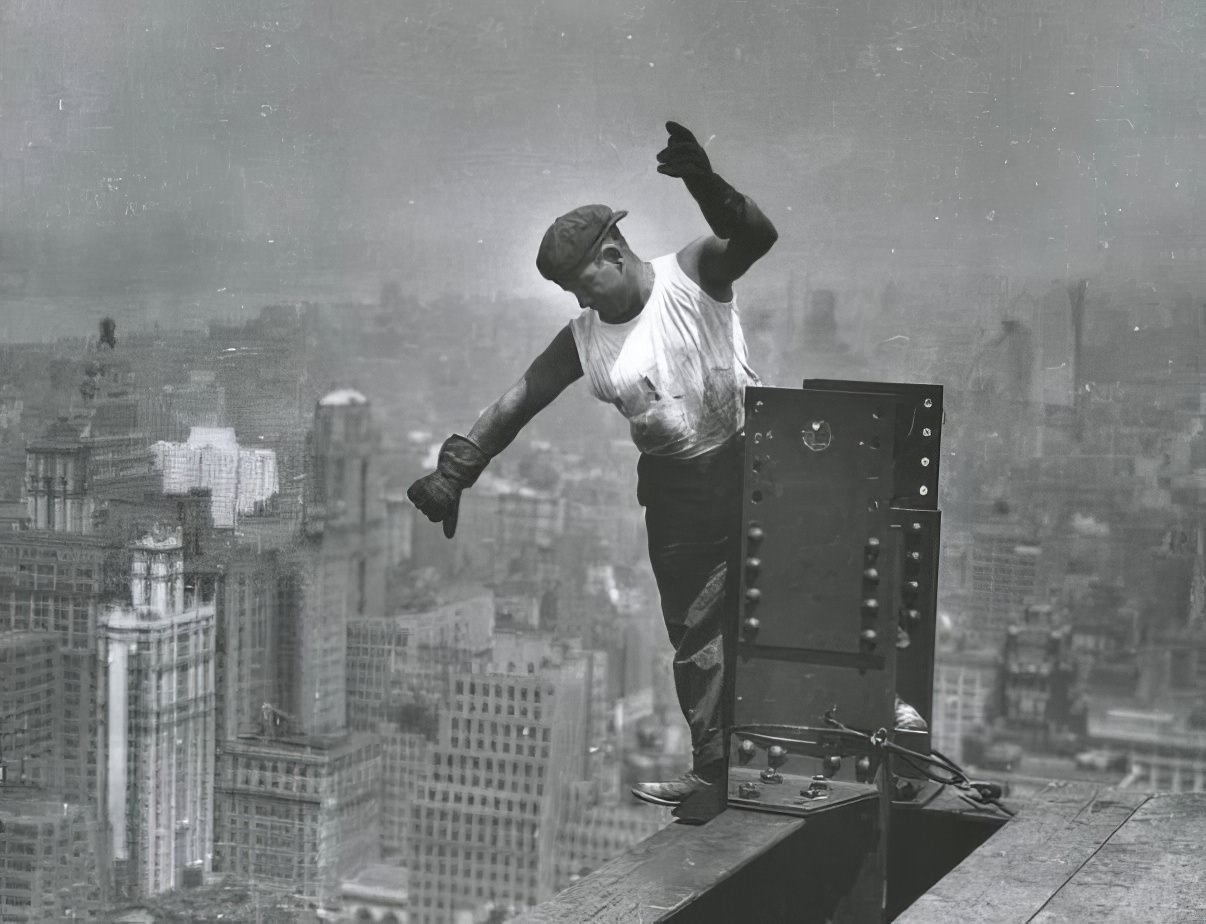
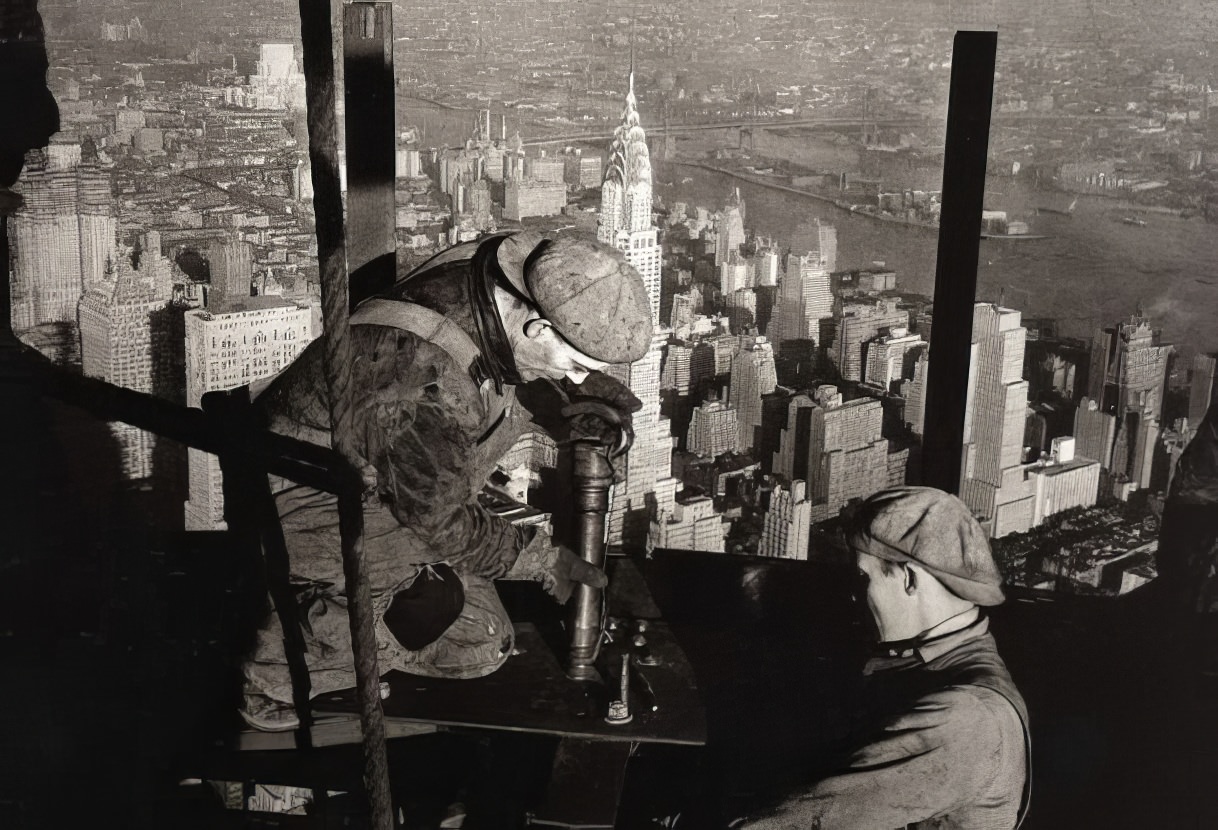
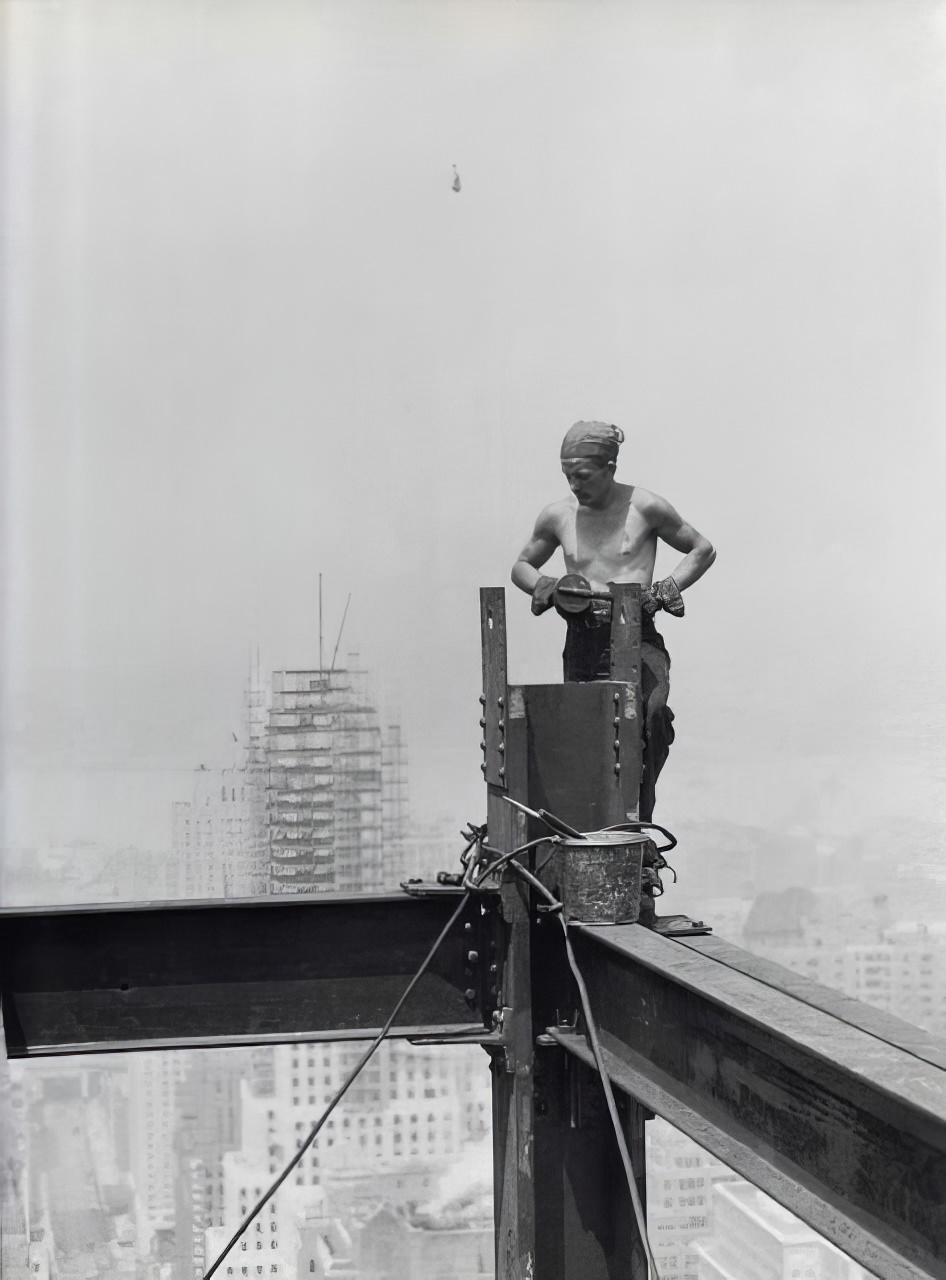
The men doing the work were called “sky boys.” Many of them were immigrants who had come to the United States looking for better opportunities. They riveted steel beams, poured concrete, laid bricks, and installed windows — all at heights that would have stopped most people cold. Safety equipment was minimal by today’s standards, and the risks were very real.
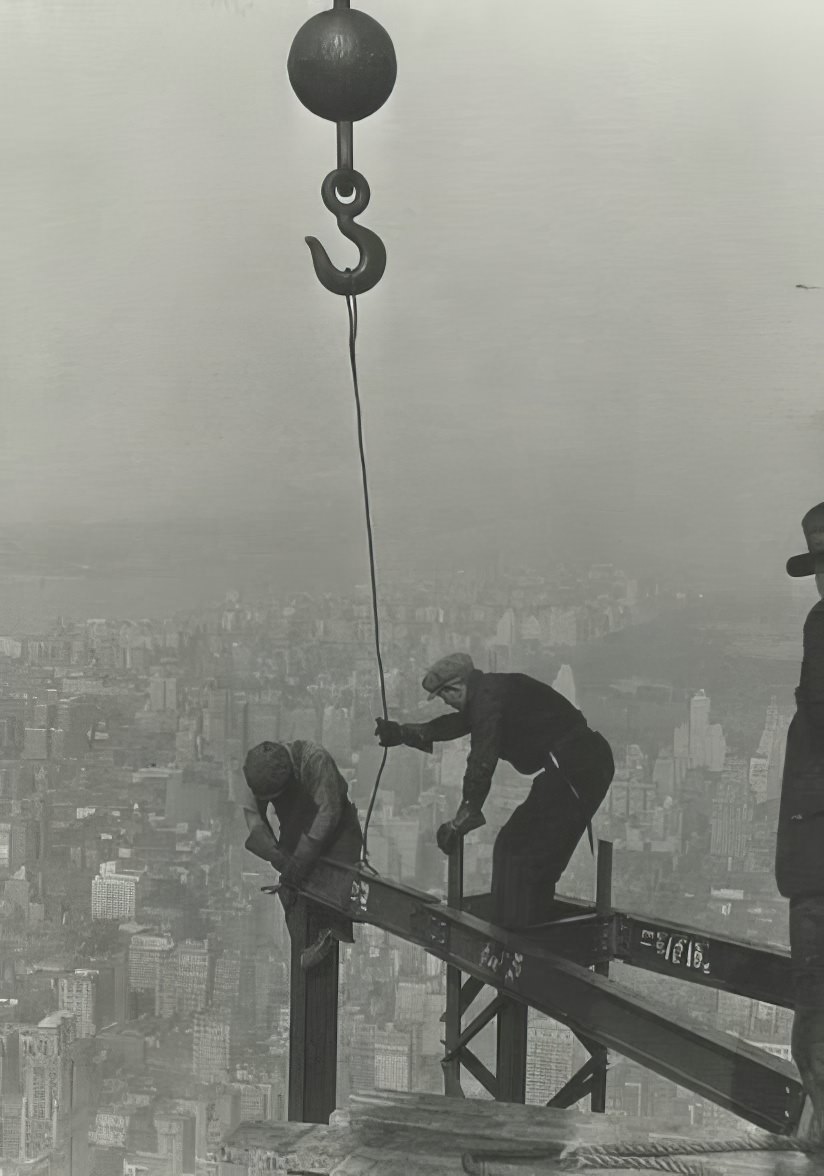
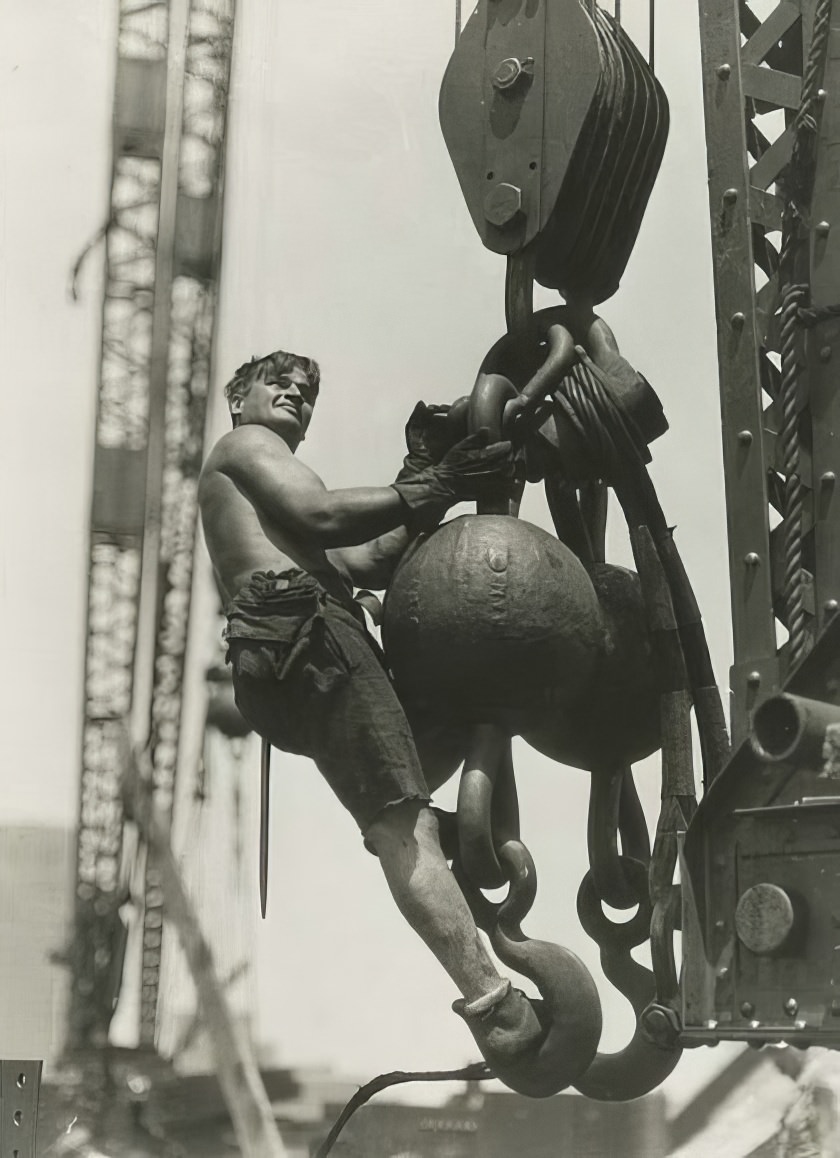
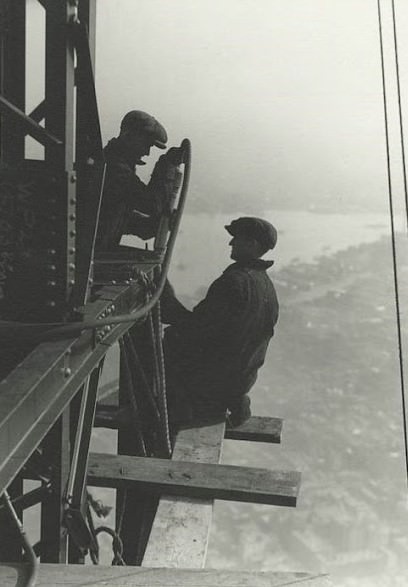
Several workers died during the construction. The exact number recorded in official reports was five, though some historians believe the actual figure was higher. Each fatal accident prompted adjustments to how the job was run, pushing safety practices forward in an era when worker protections on construction sites were still developing.
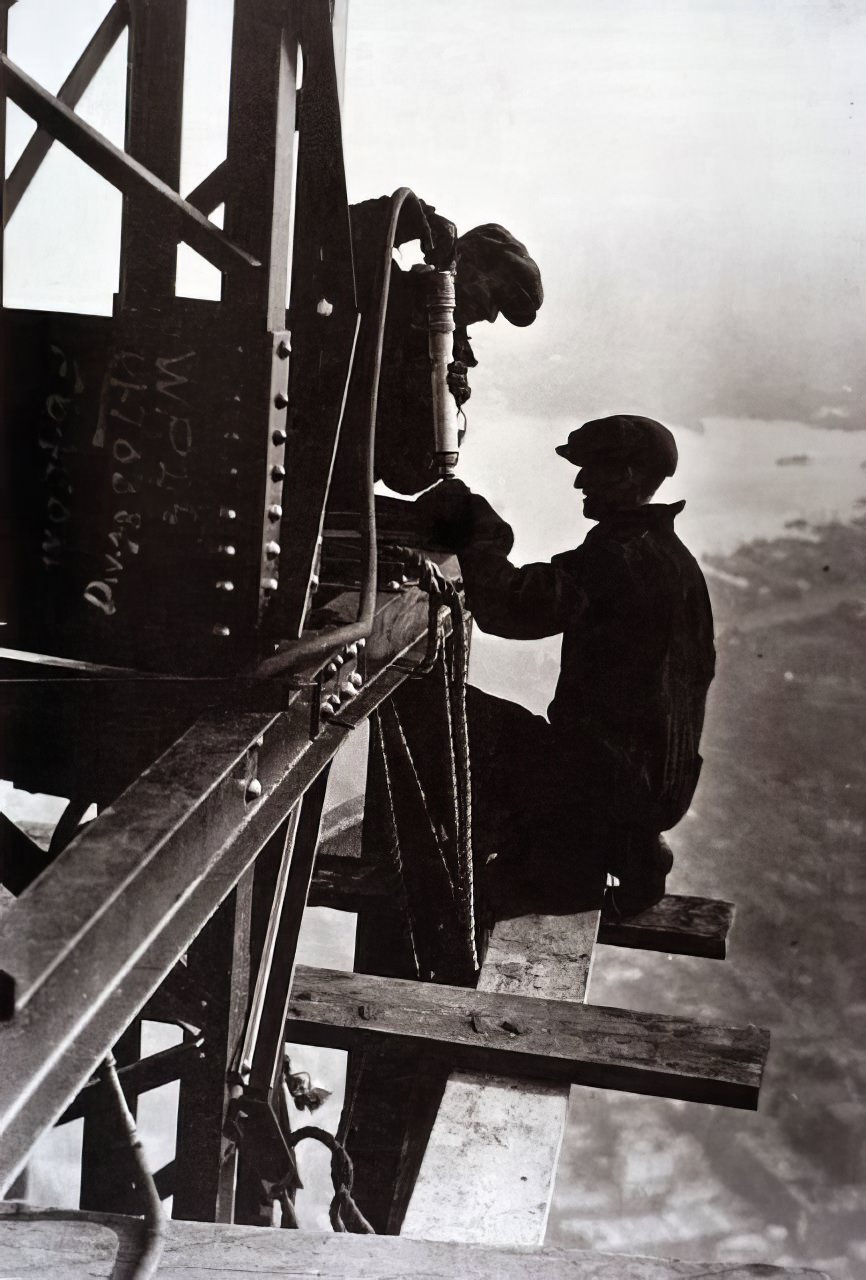
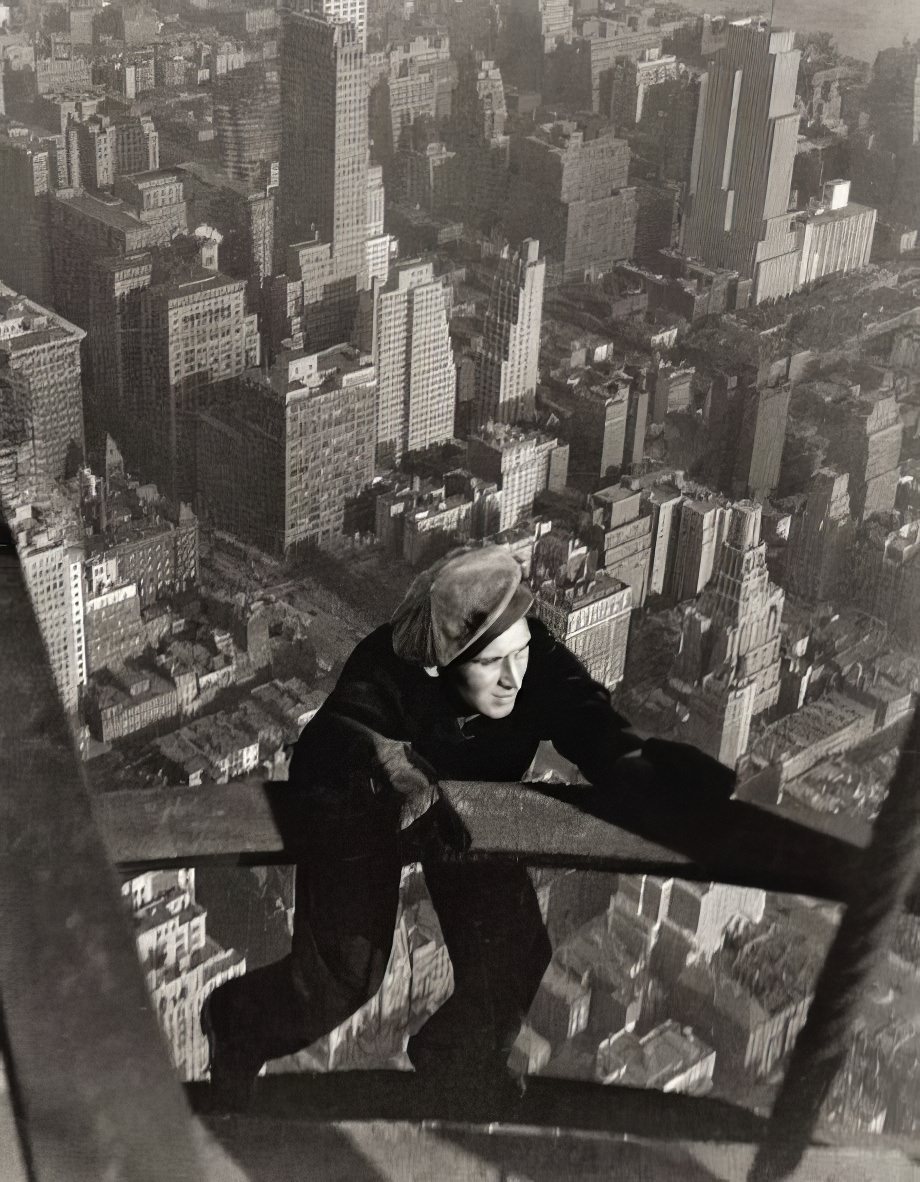
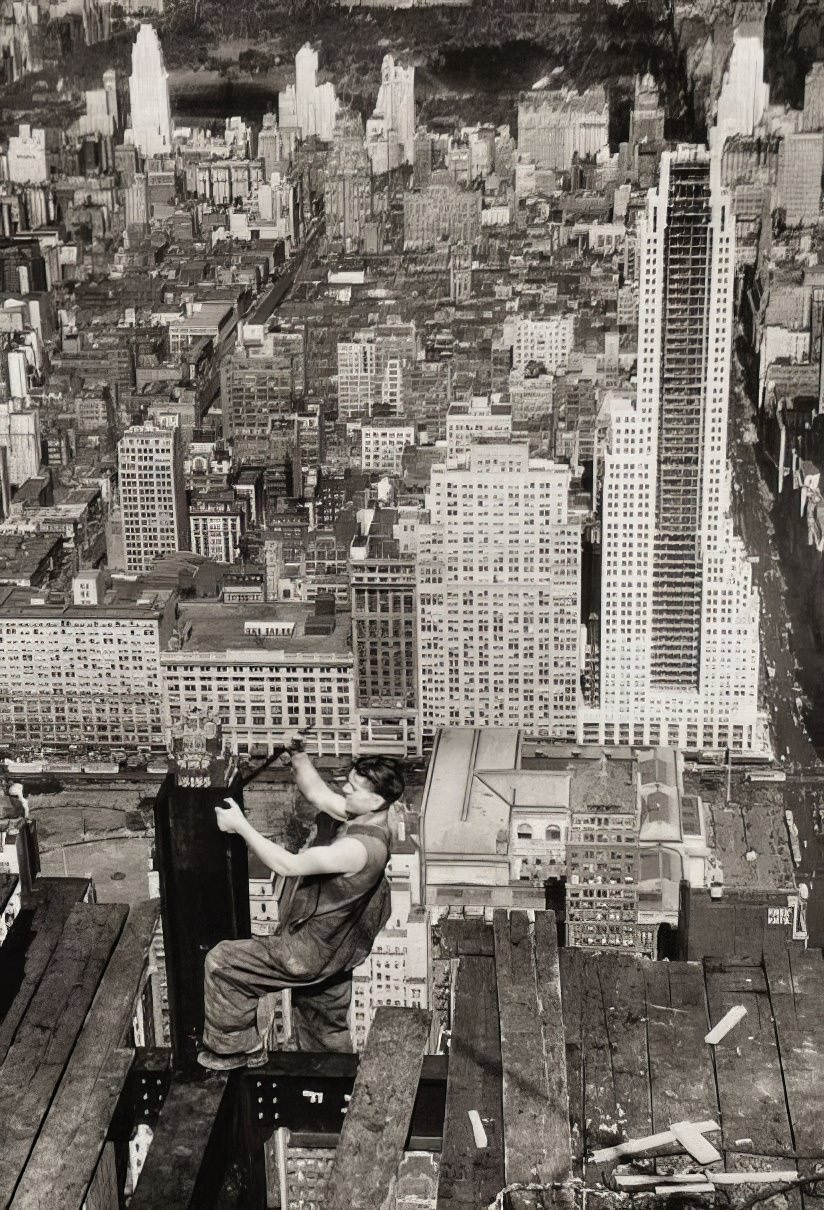
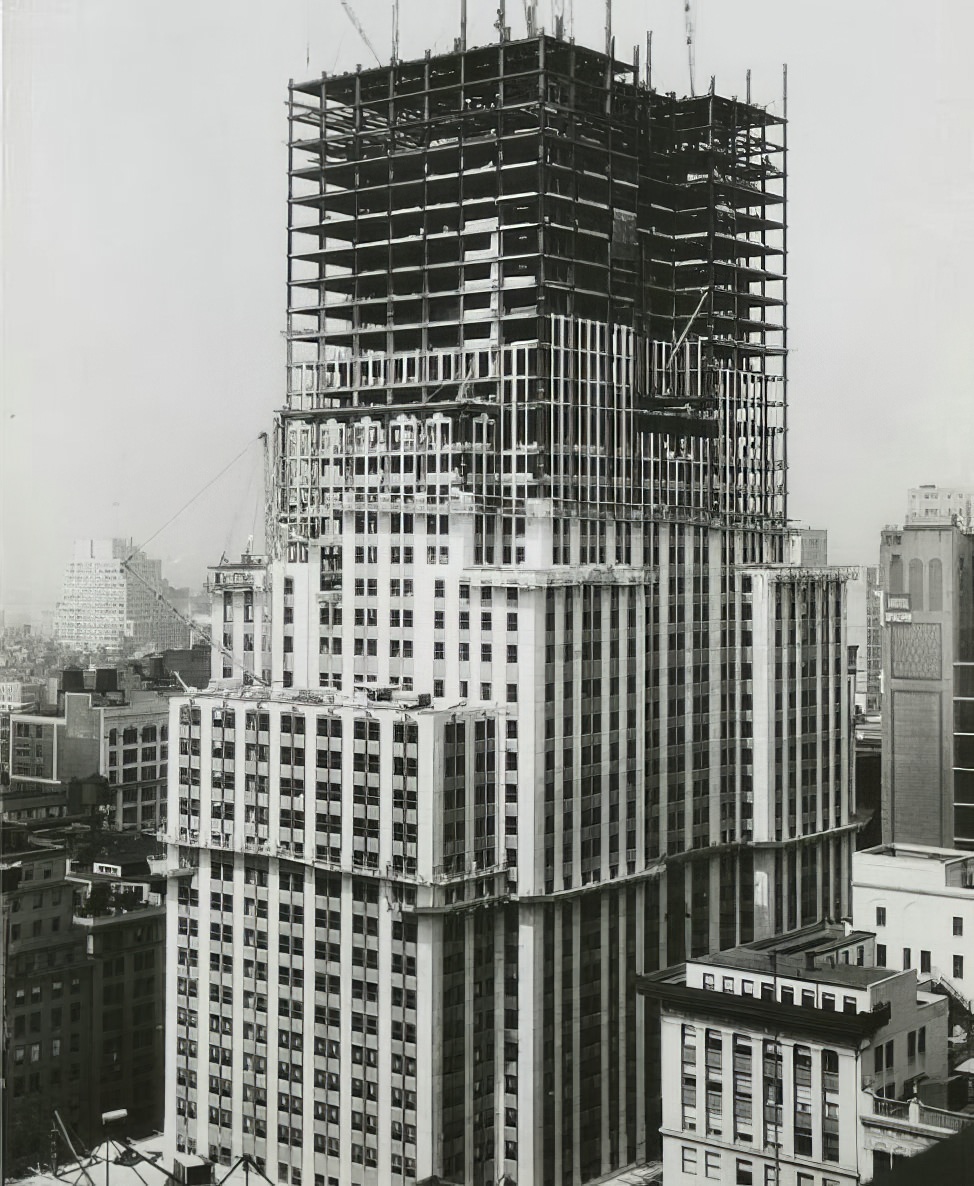
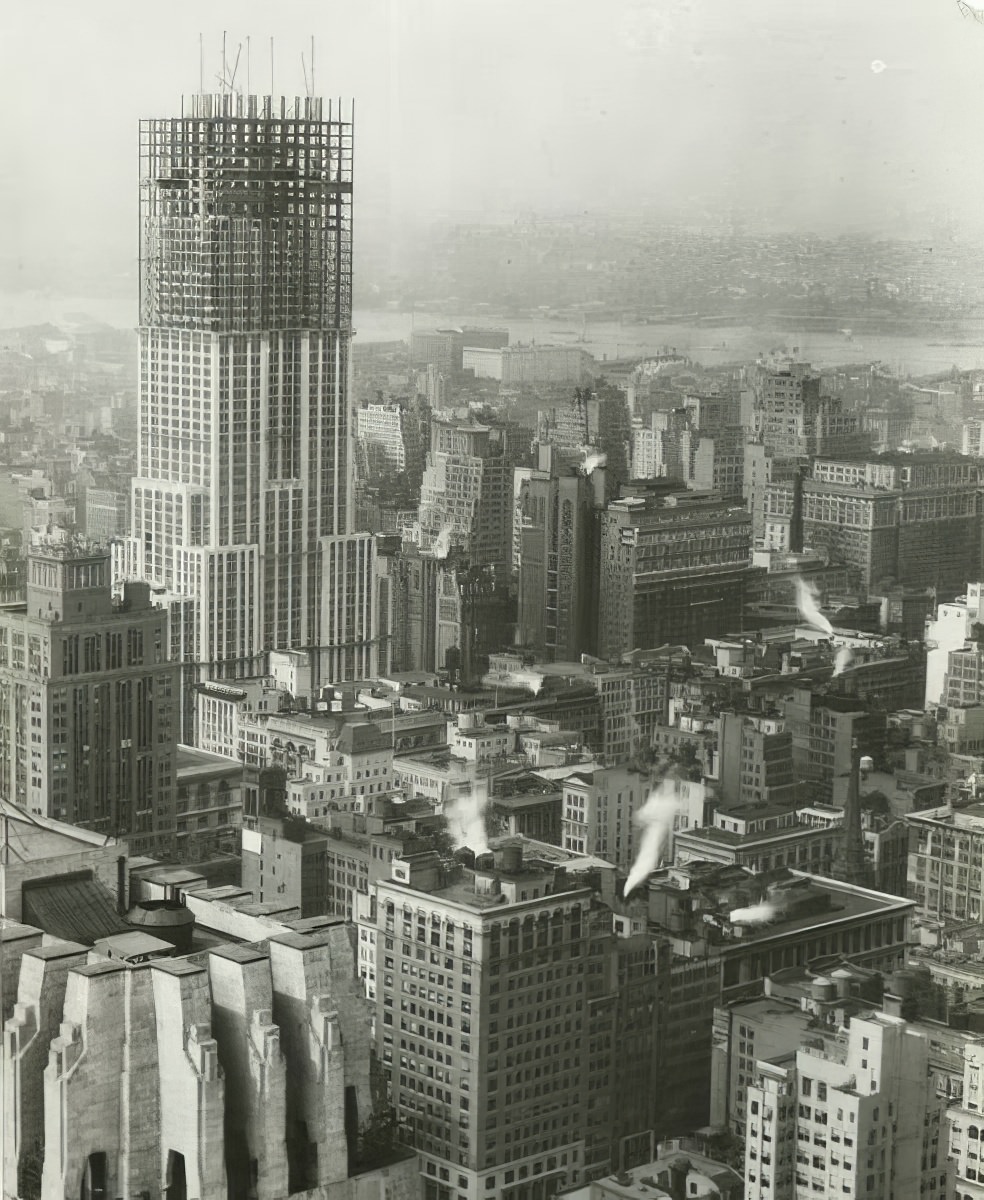
By the end of 1930, the steel skeleton had already climbed to 86 floors. The structure was rising at a rate of roughly four and a half floors per week at its peak. That pace was extraordinary for any era, but especially remarkable given the tools and technology available at the time.
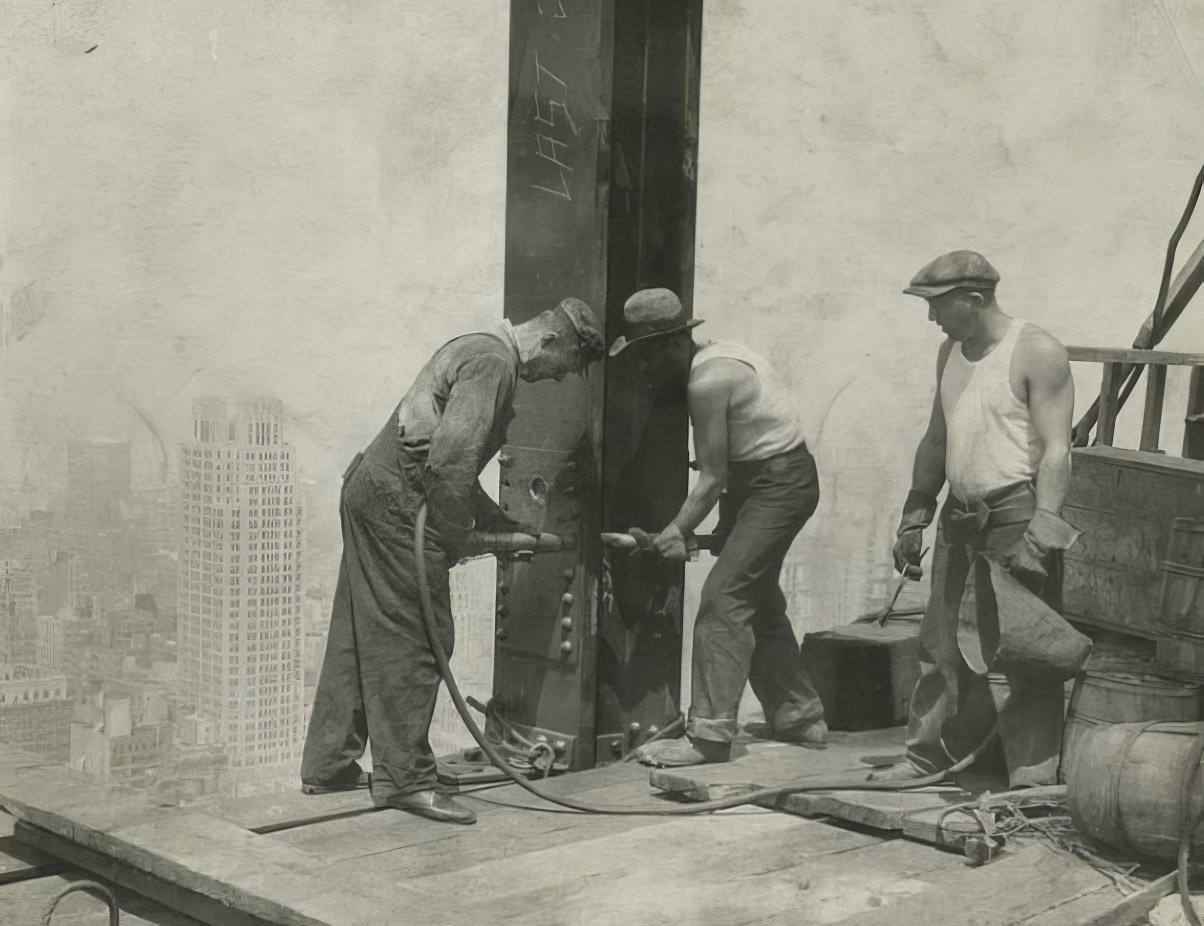
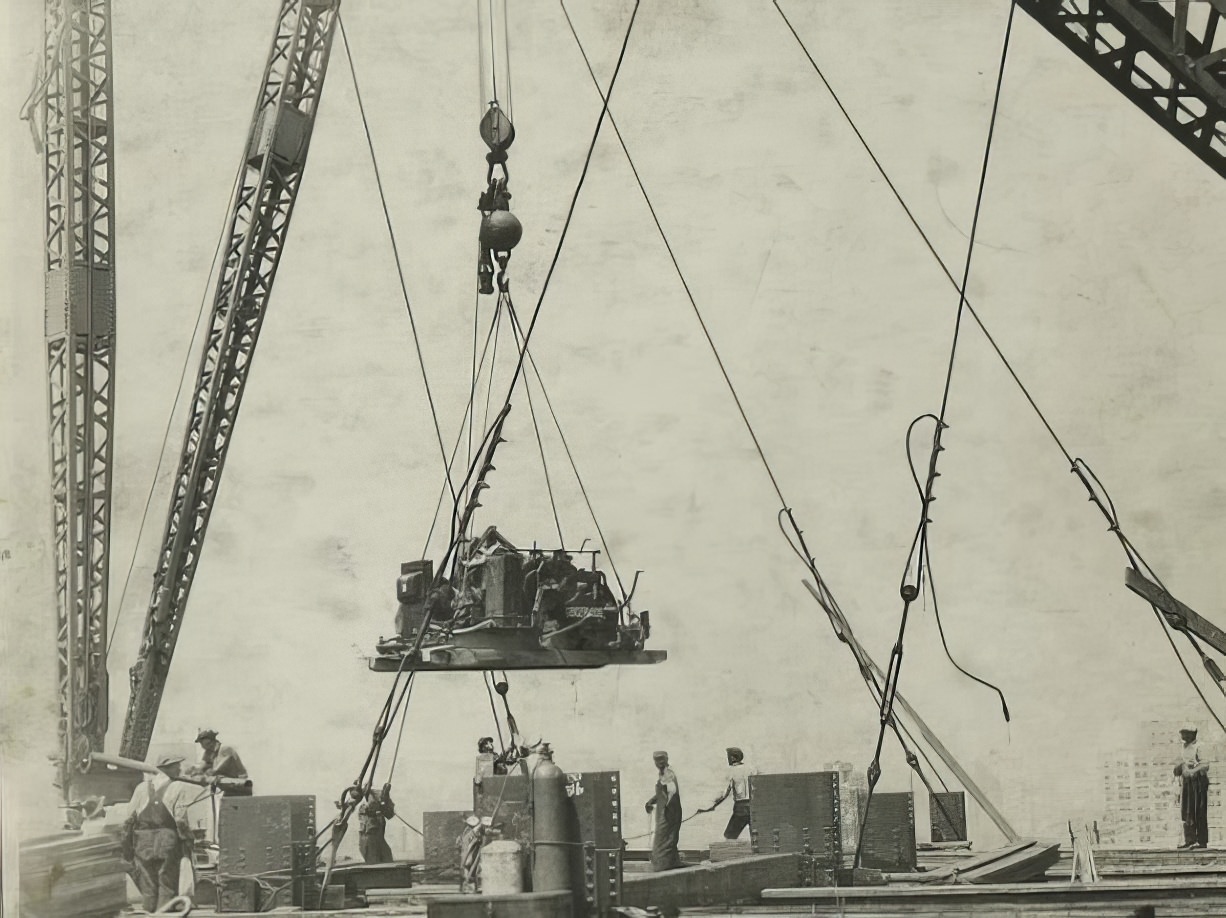
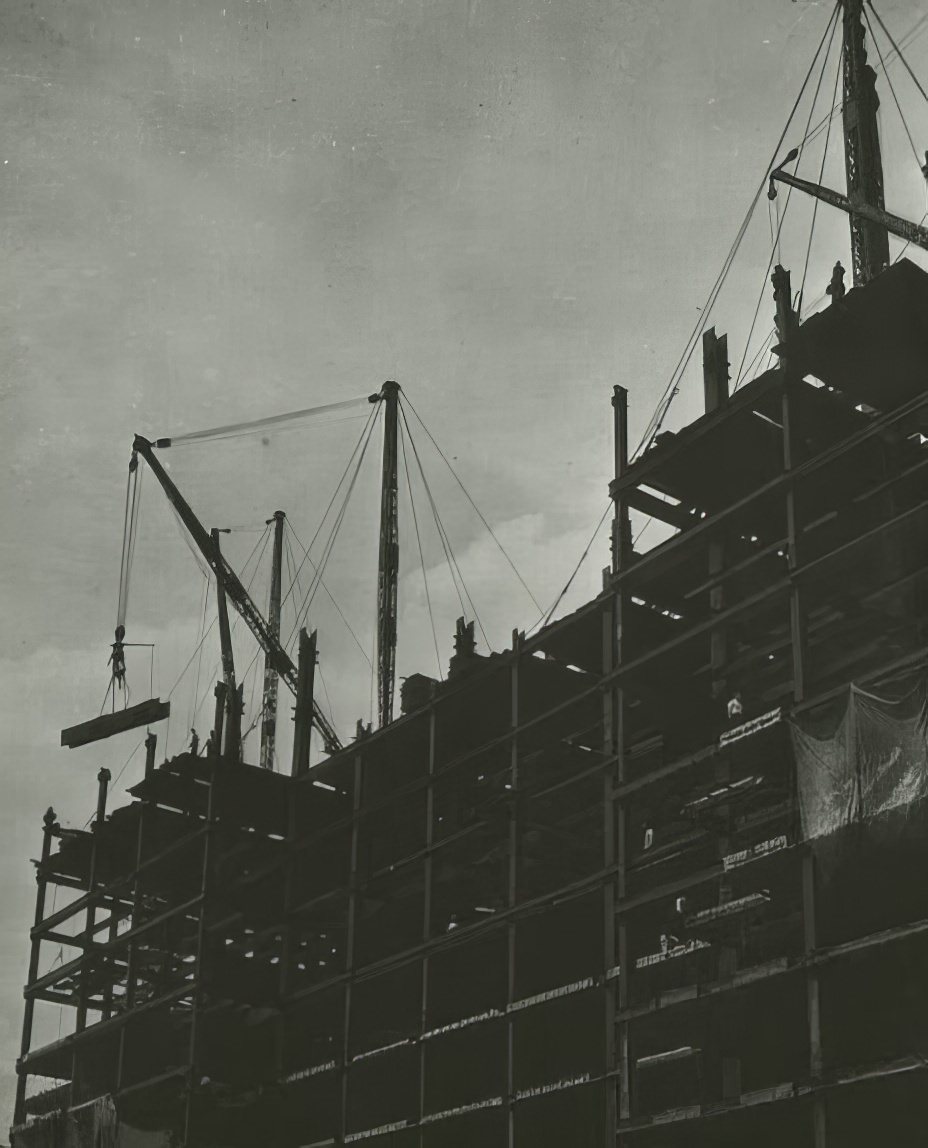
Then came 1931, and with it the full weight of the Great Depression. Banks were failing, unemployment was surging, and confidence in the economy had collapsed. Yet the Empire State Building project kept going. For the more than 3,400 workers on site each day, it was one of the few steady paychecks available in New York City.
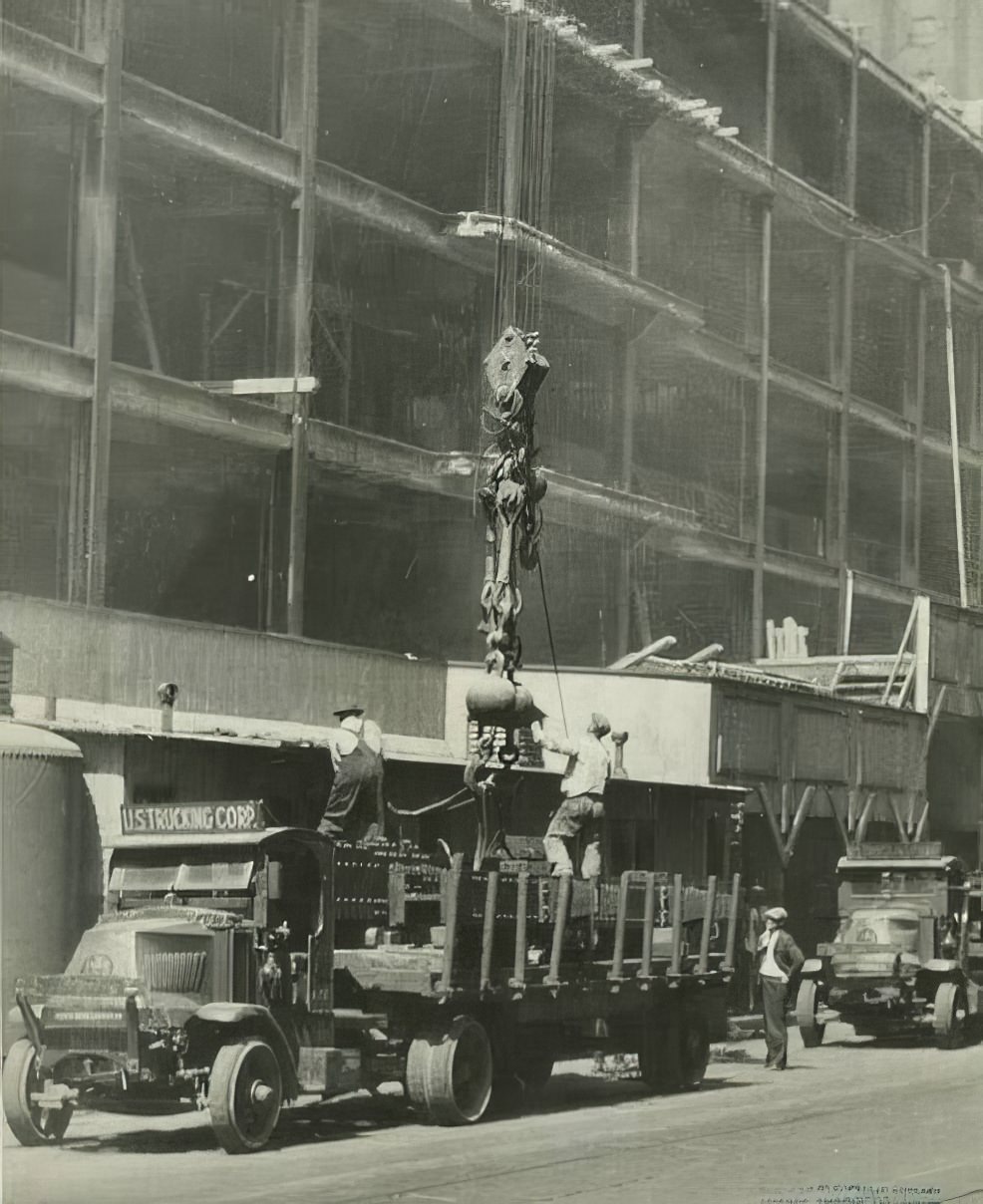
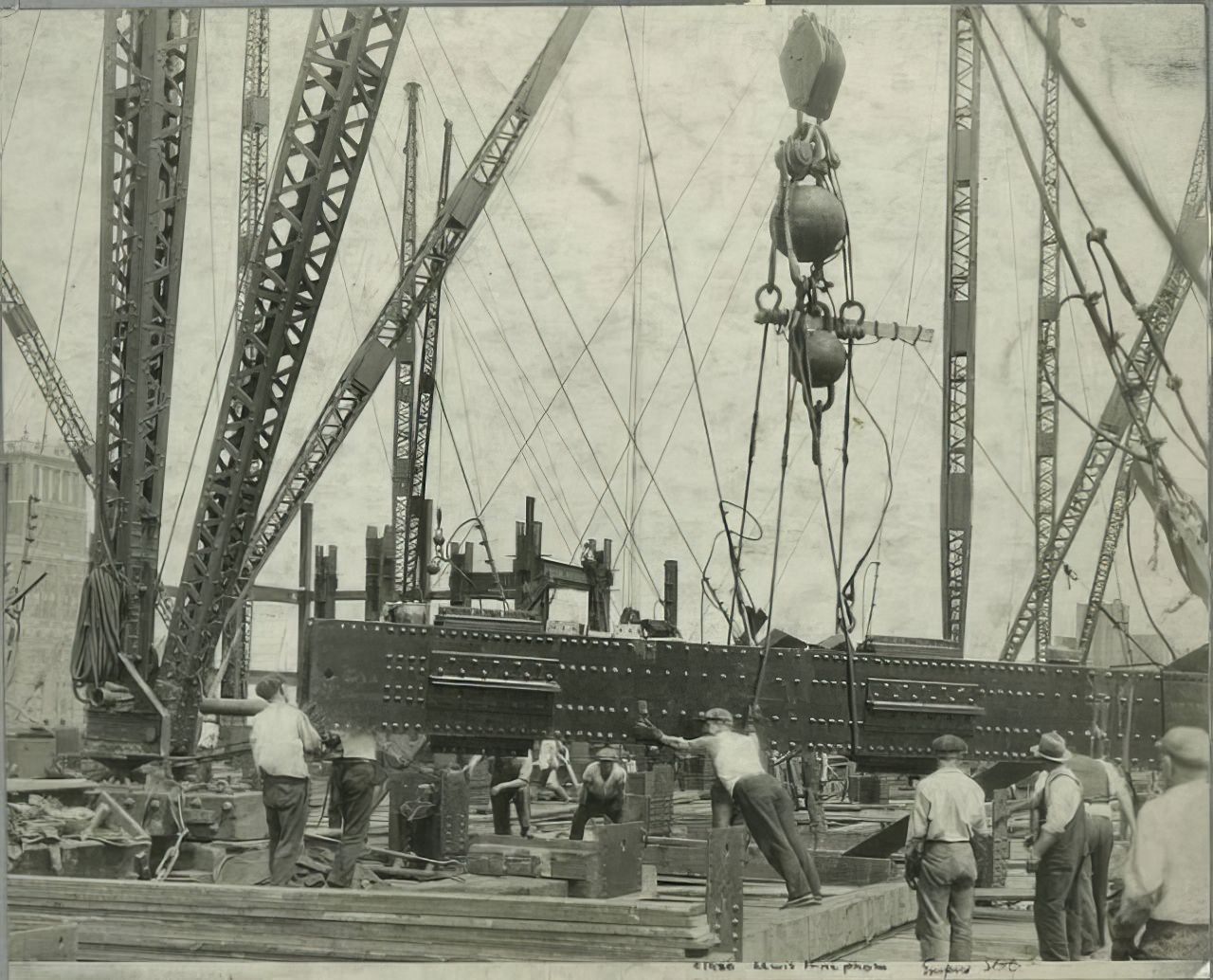
At its busiest, more than 7,000 workers were employed across the entire project. They worked in shifts around the clock. The sheer number of people involved — ironworkers, electricians, plumbers, carpenters, laborers — made the construction site one of the largest single employers in Depression-era New York.
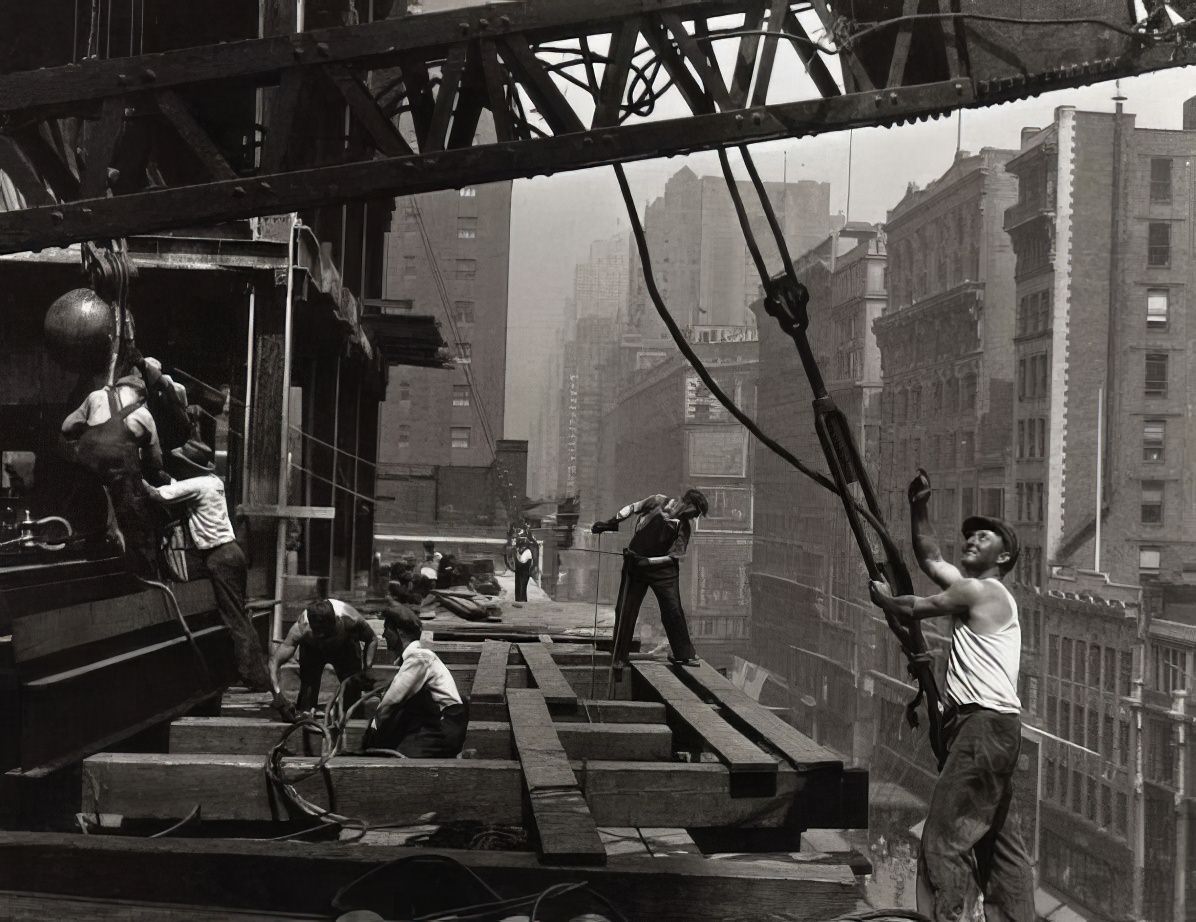
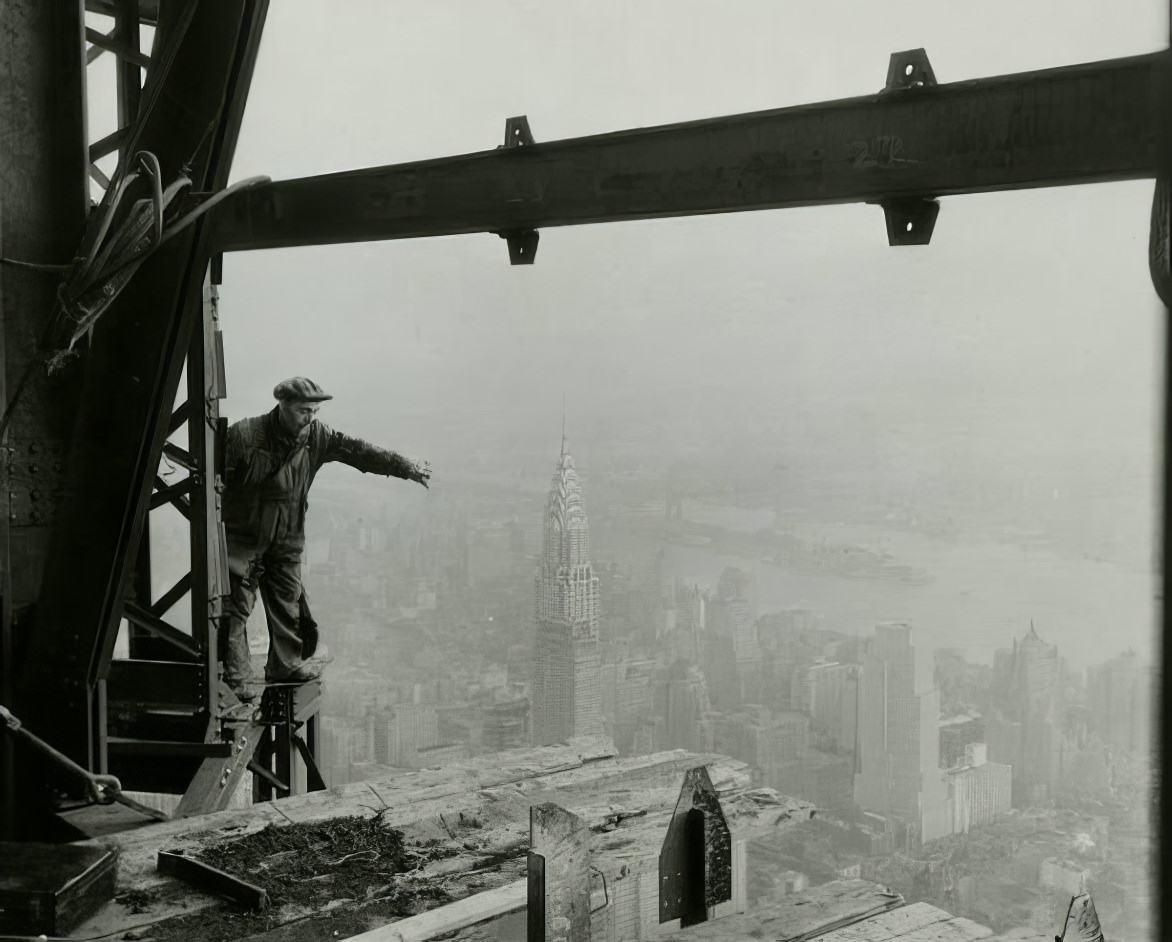
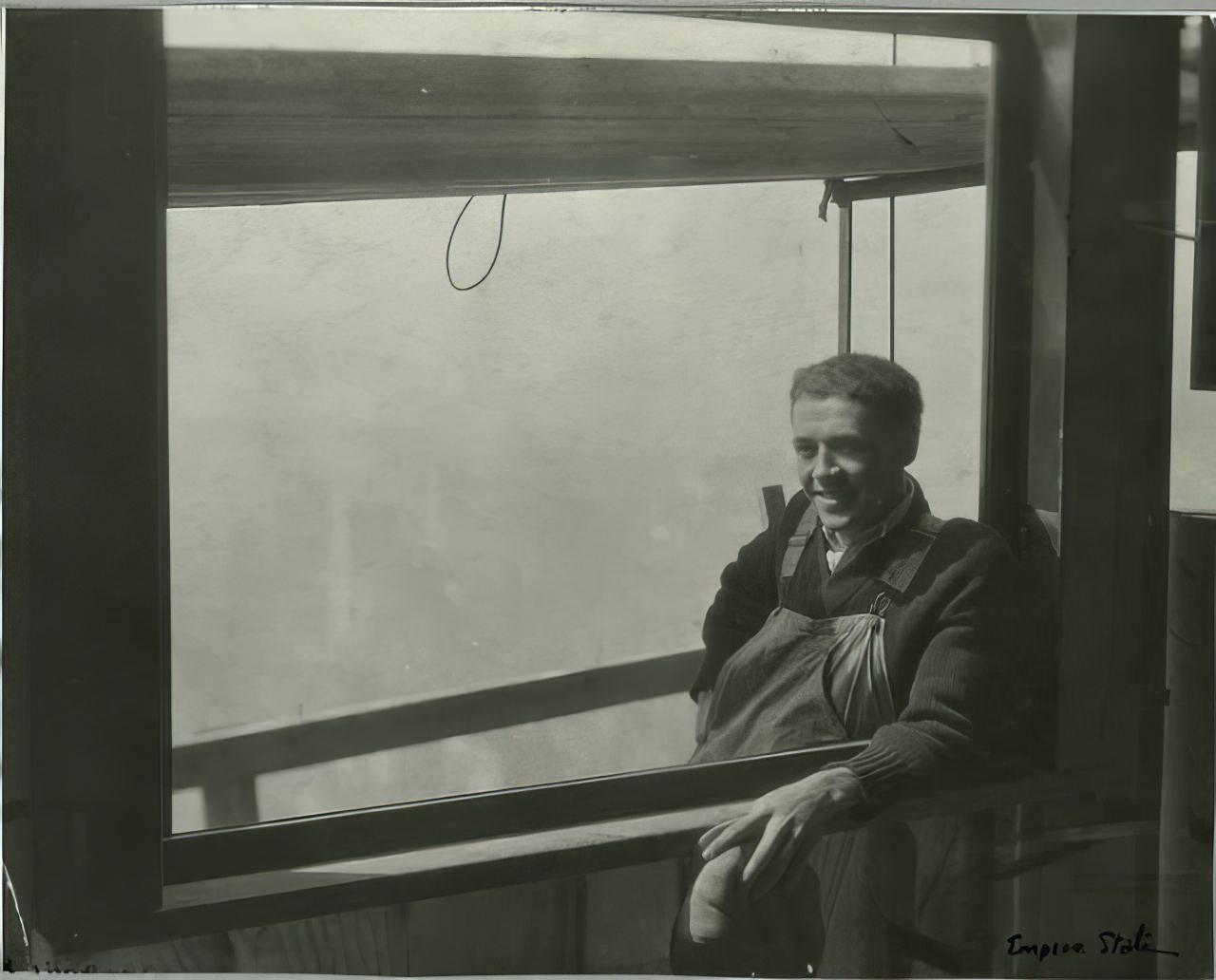
The steel frame required 60,000 tons of steel. Over 10 million bricks went into the walls. The building used enough telephone wire and cable to stretch from New York to Kansas City and back. These numbers weren’t just impressive statistics — they reflected a massive, coordinated operation that required precise planning at every level.
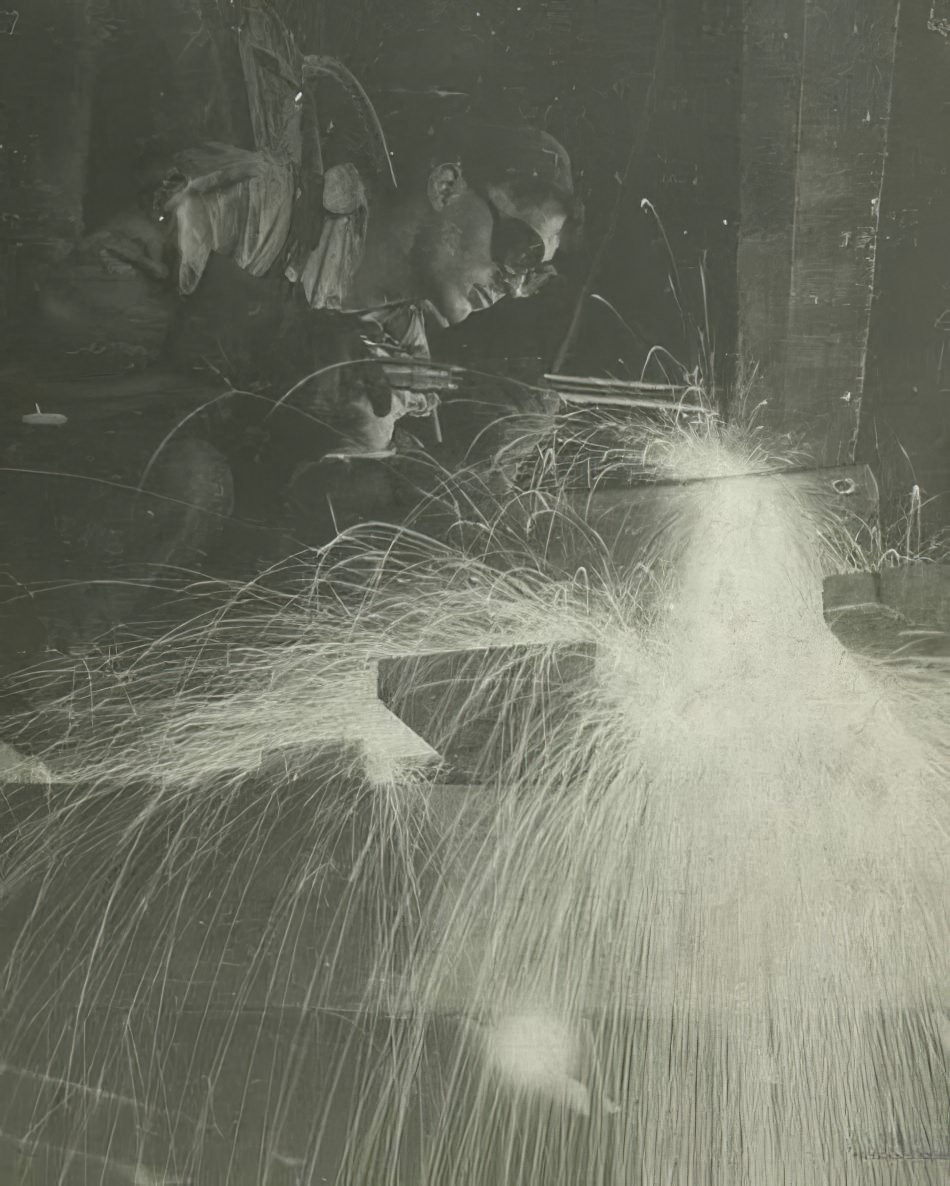
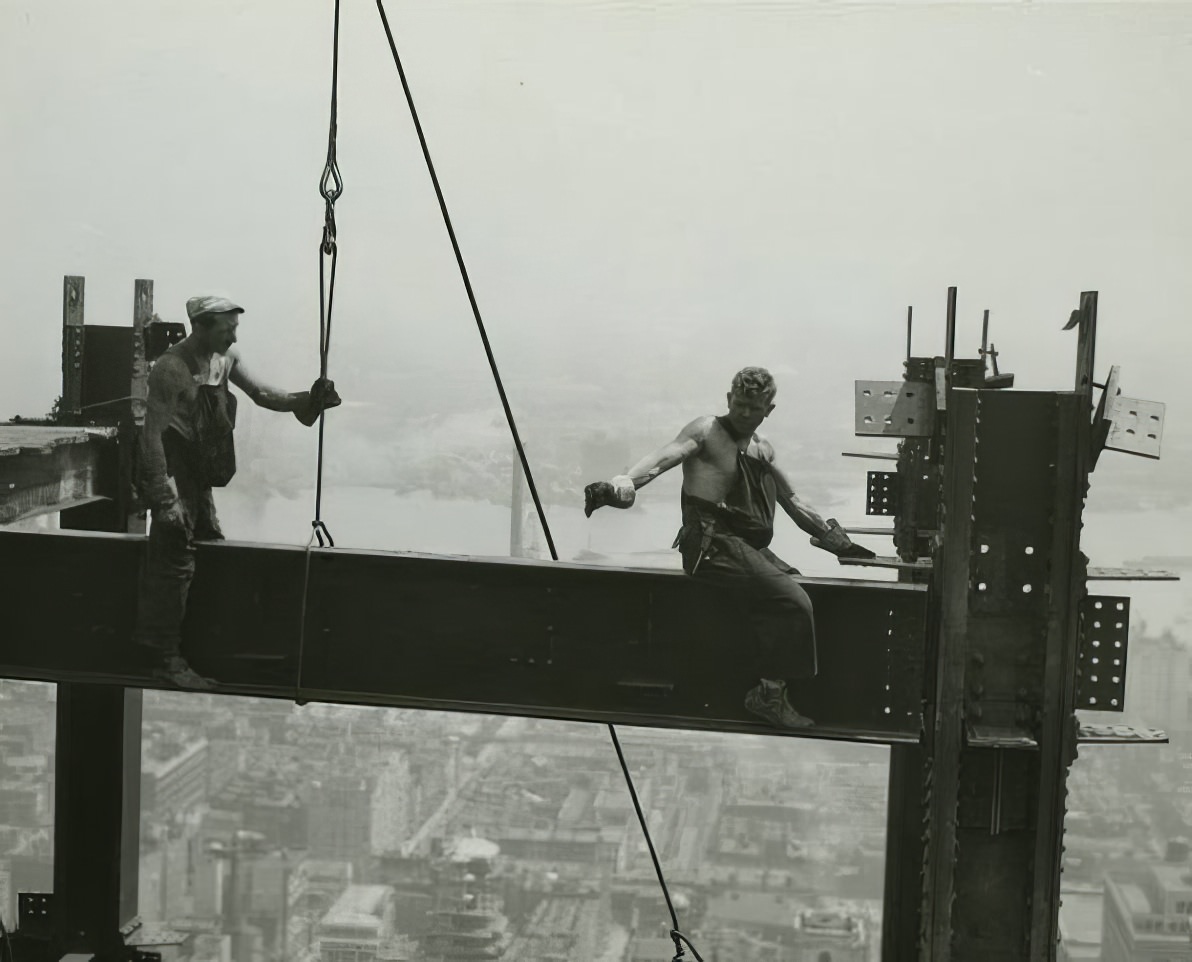
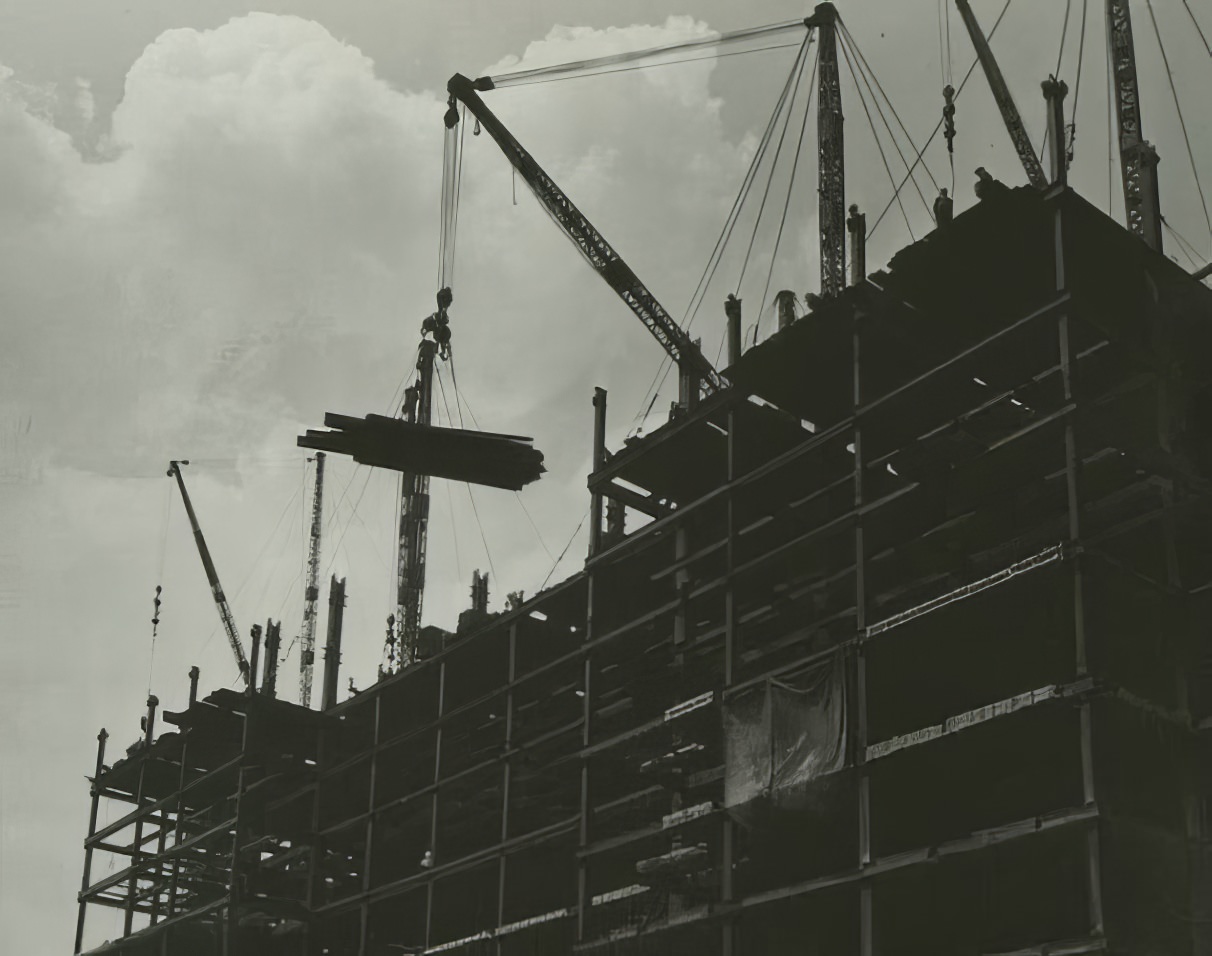
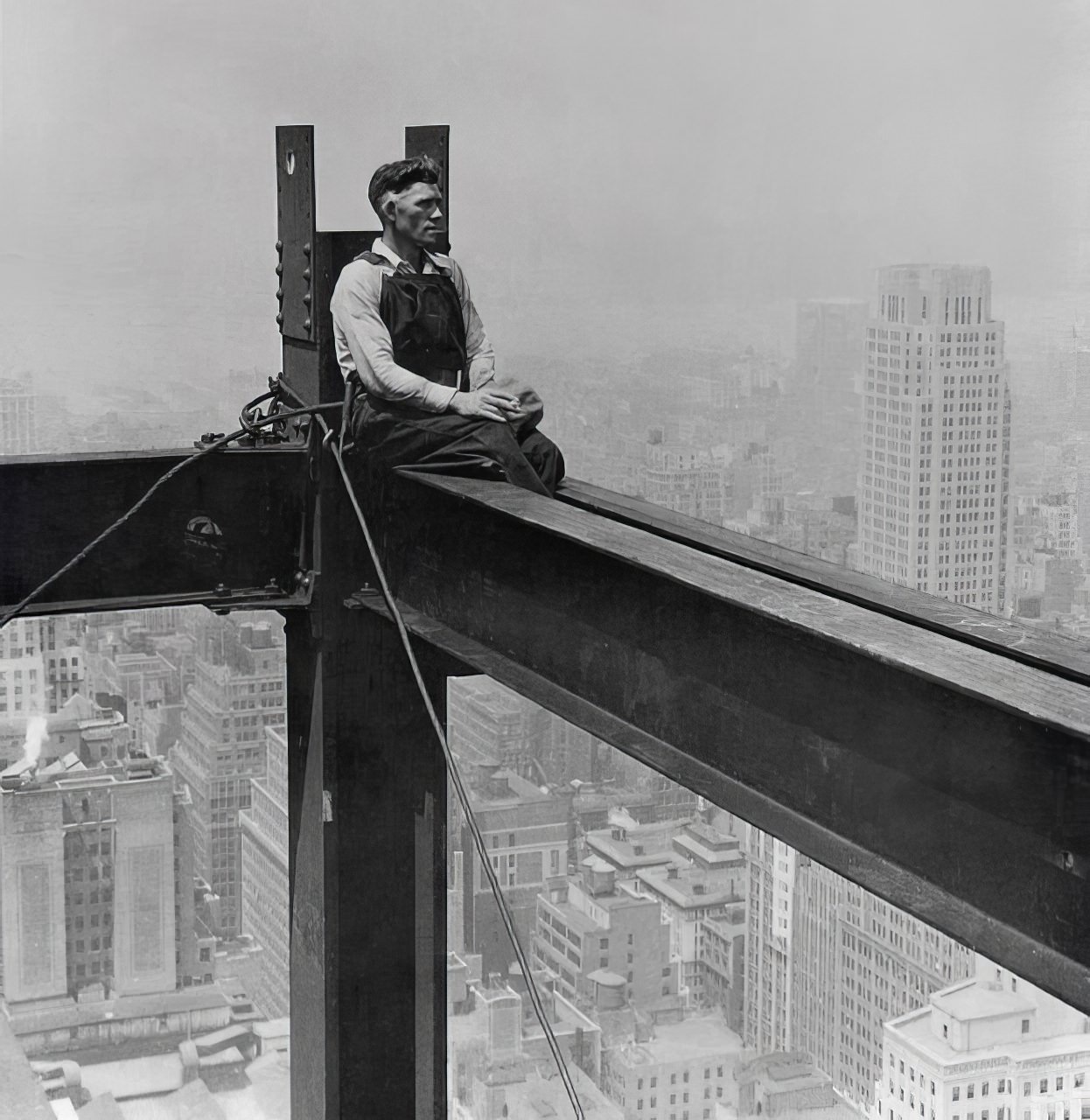
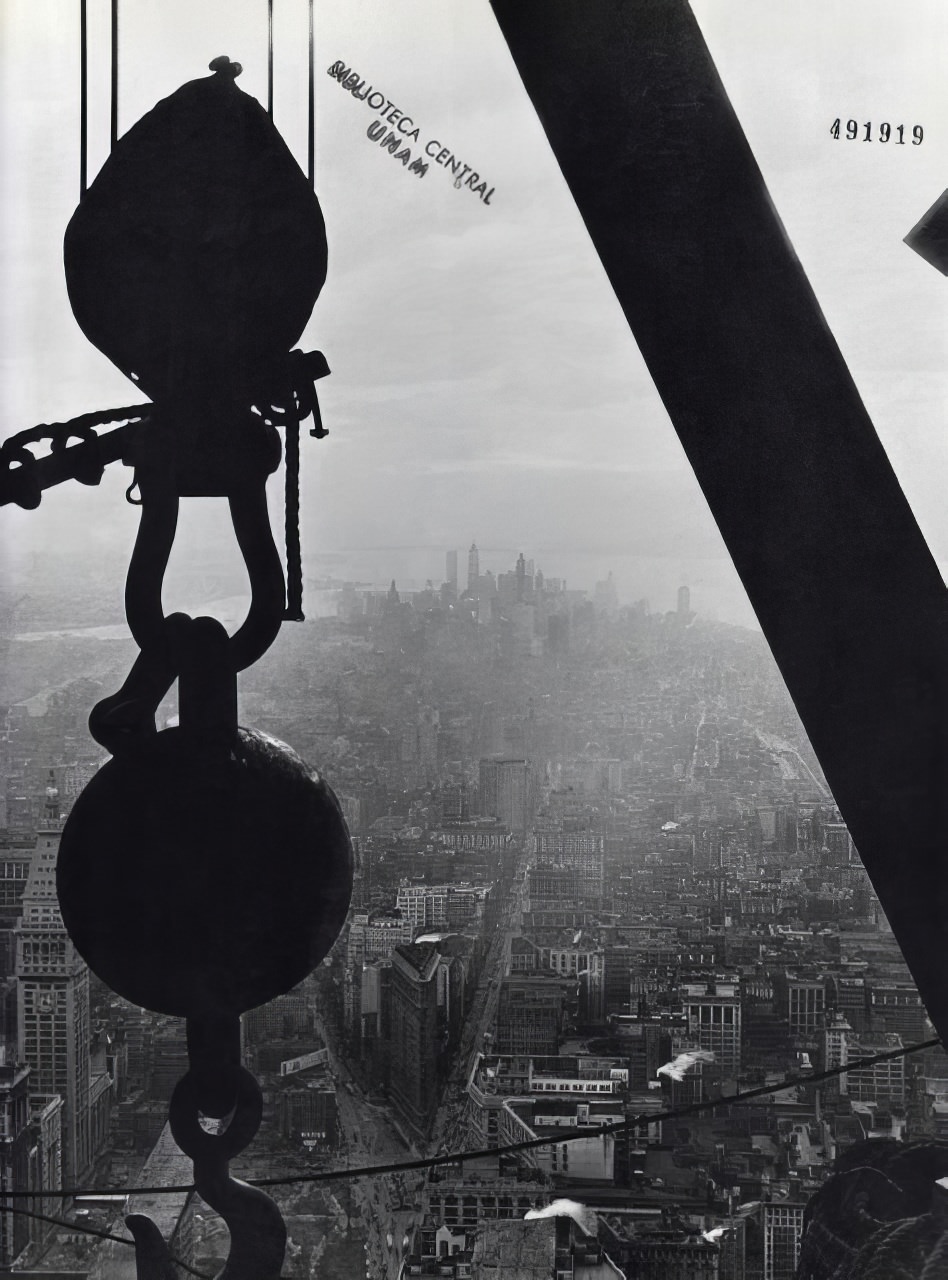
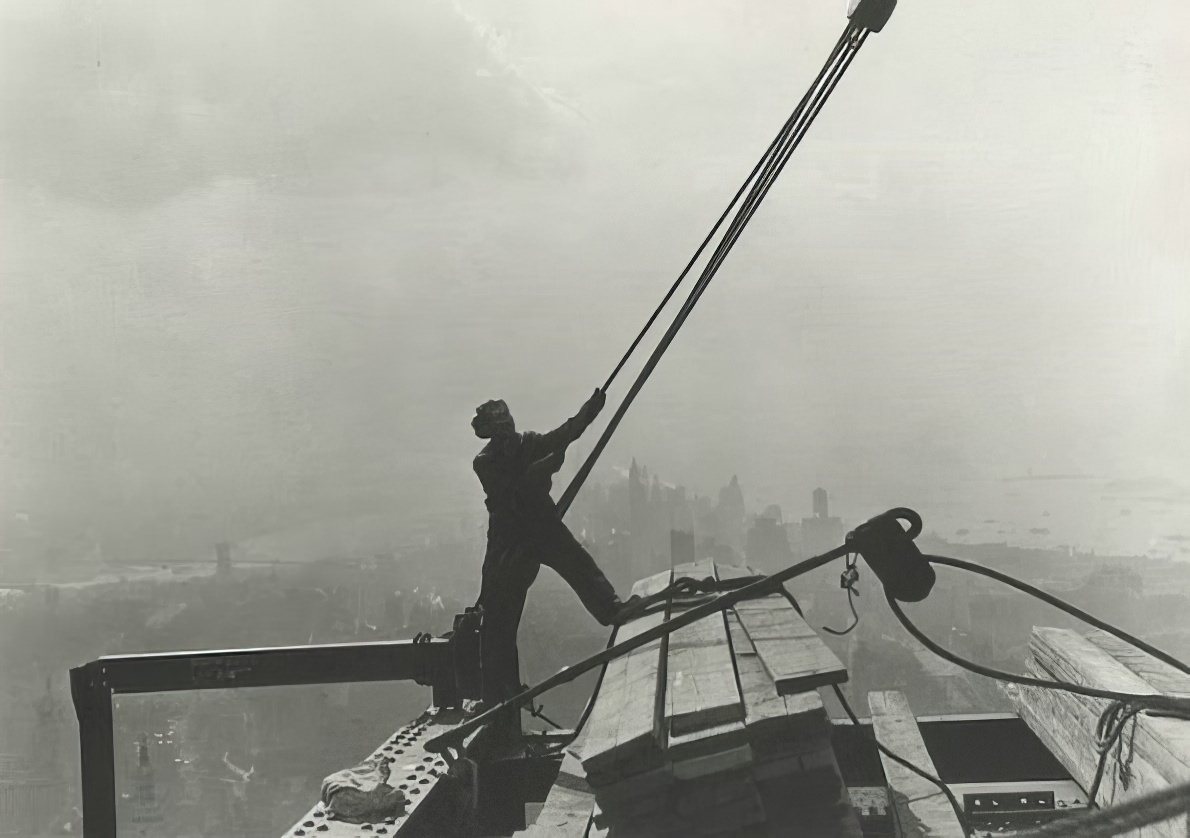
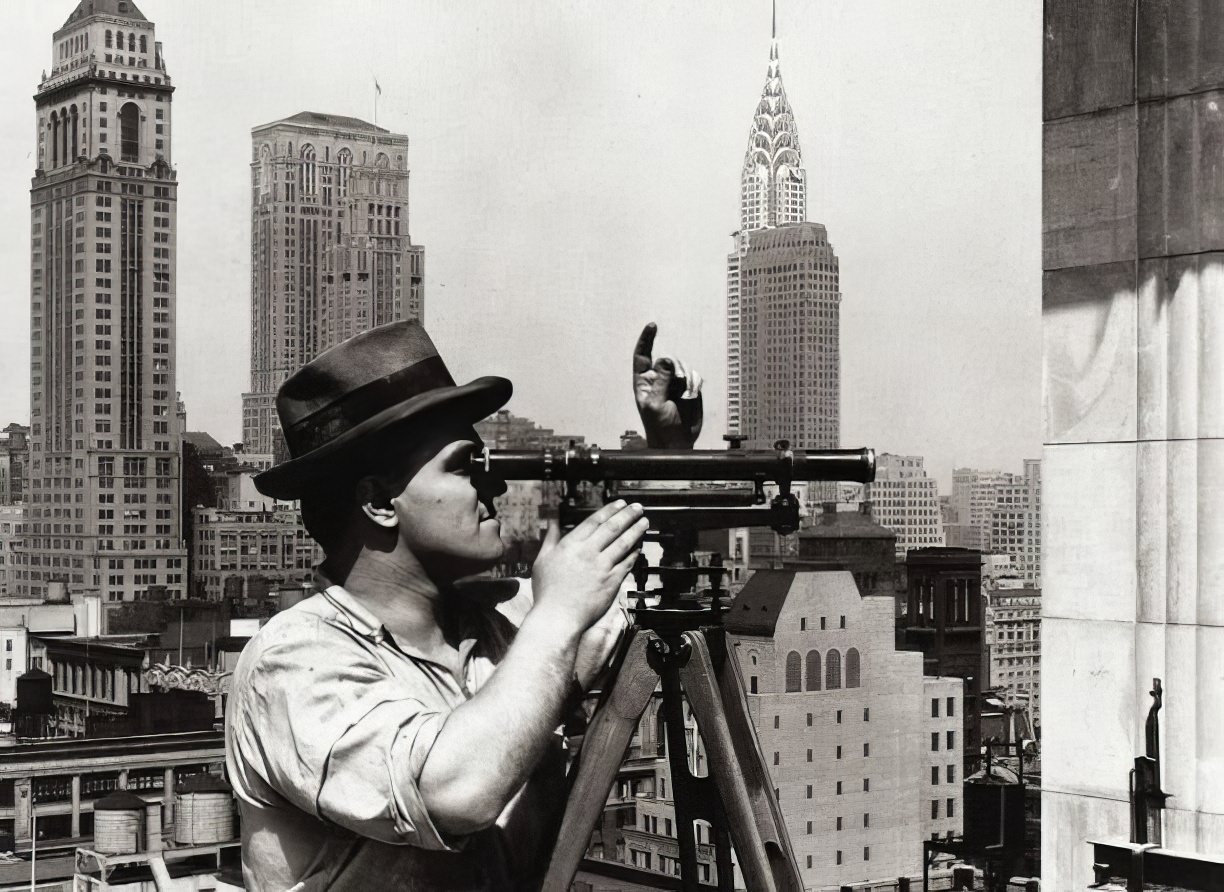
The photos from this period capture the work in raw, striking detail. Men perch on open steel beams hundreds of feet above the street with no nets below them. Cranes swing loads through open air. The Manhattan skyline grows smaller beneath them as the floors stack up, week after week.
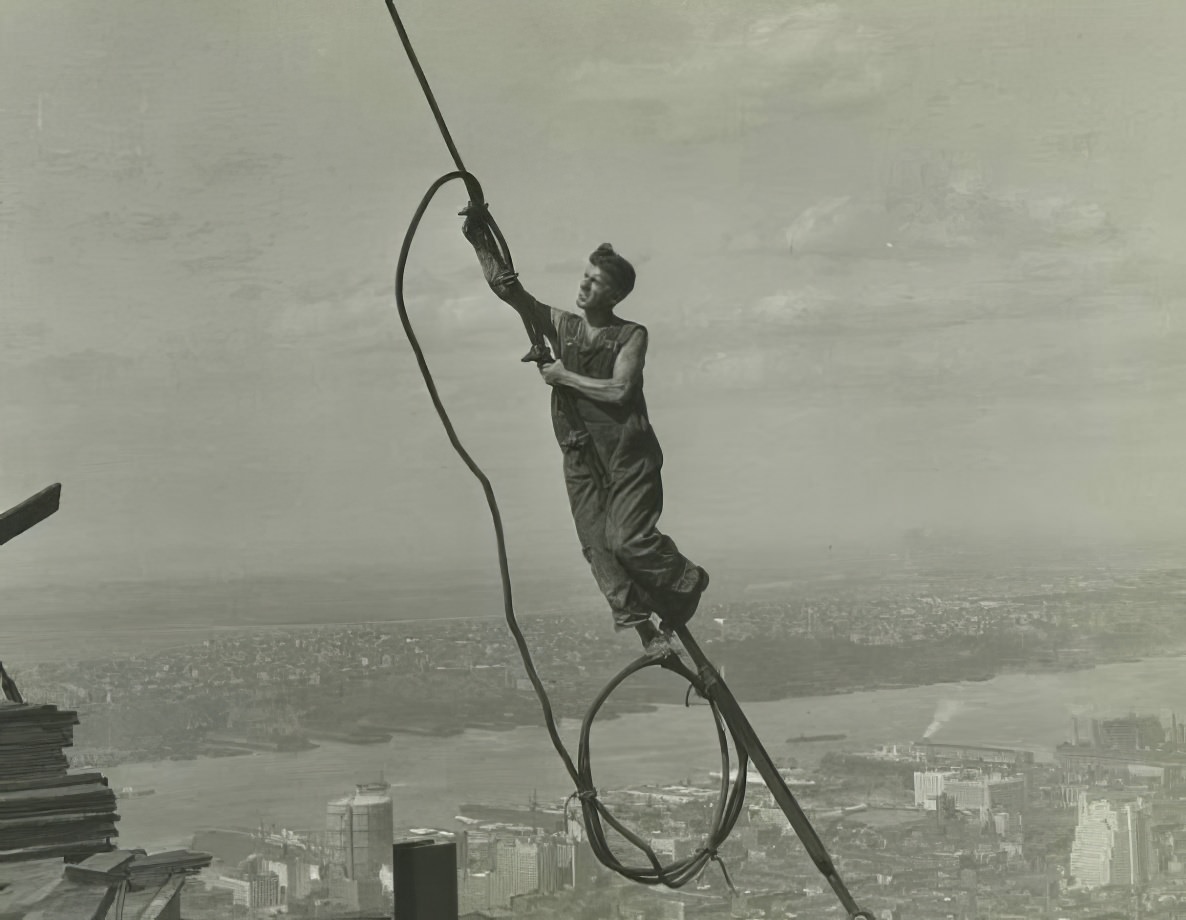
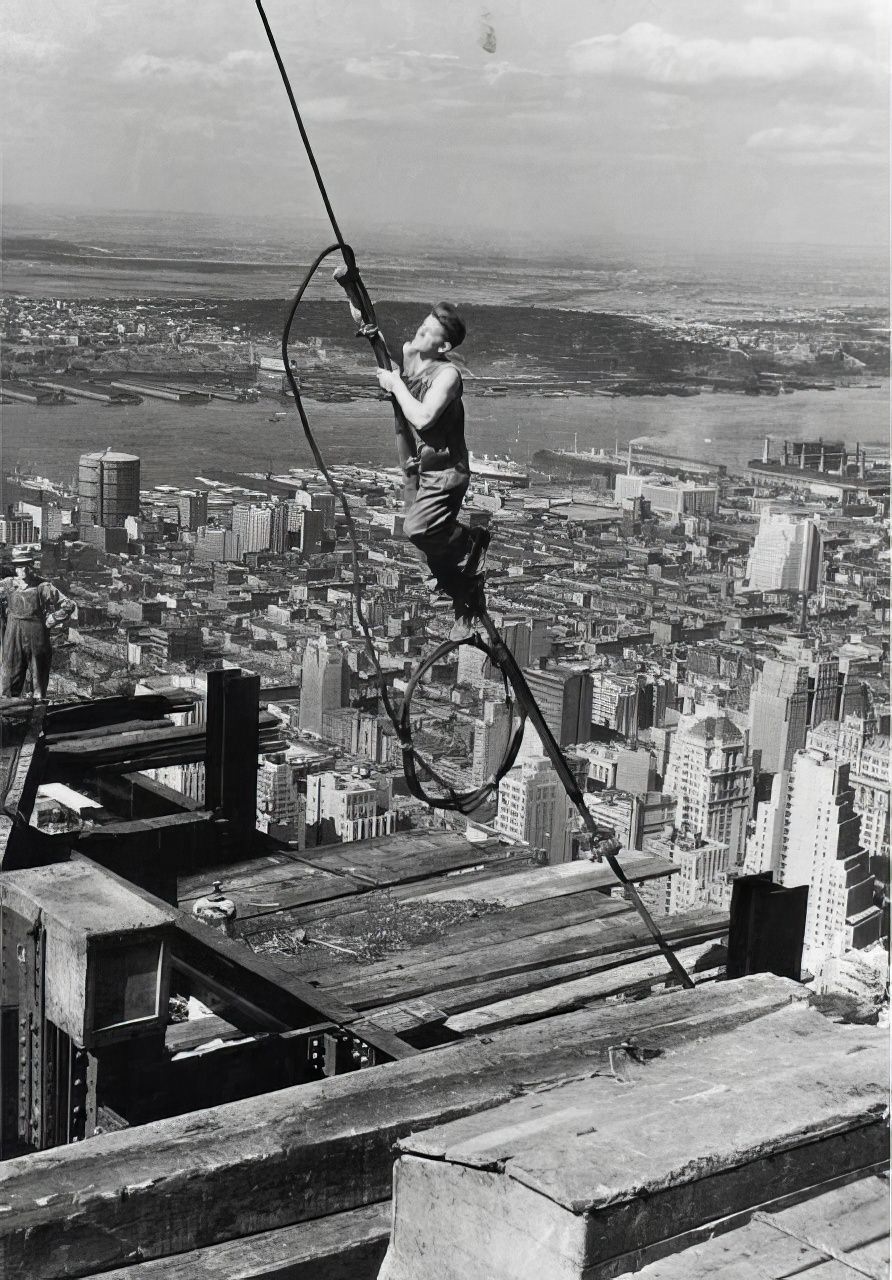
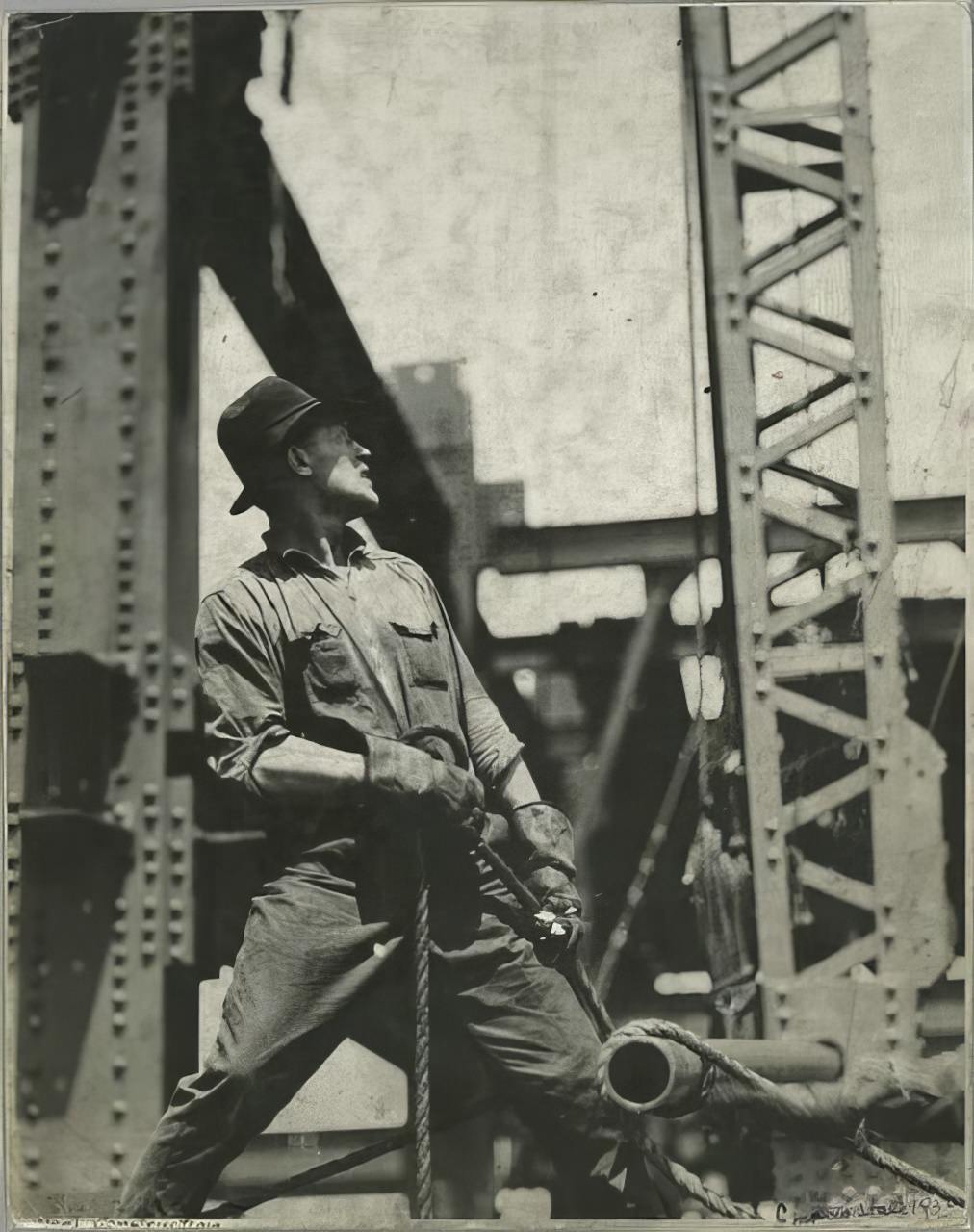
Ironworkers on the high steel were divided into teams of four. One man heated the rivets in a portable forge. Another caught them in a metal bucket. A third held the rivet in place with a bar. The fourth hammered it home with a pneumatic gun. The teams moved fast, and their rhythm became one of the defining sounds of the construction site.
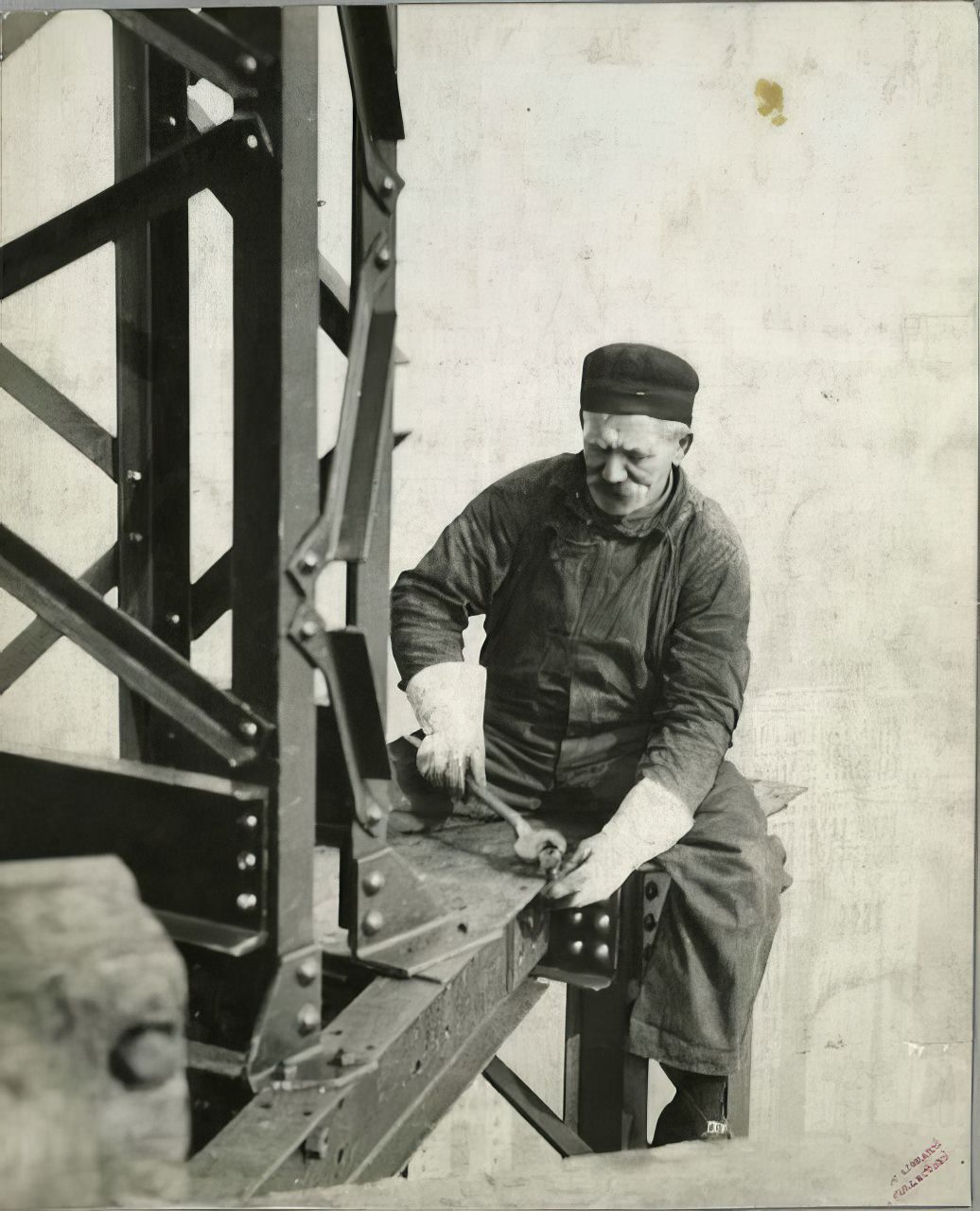
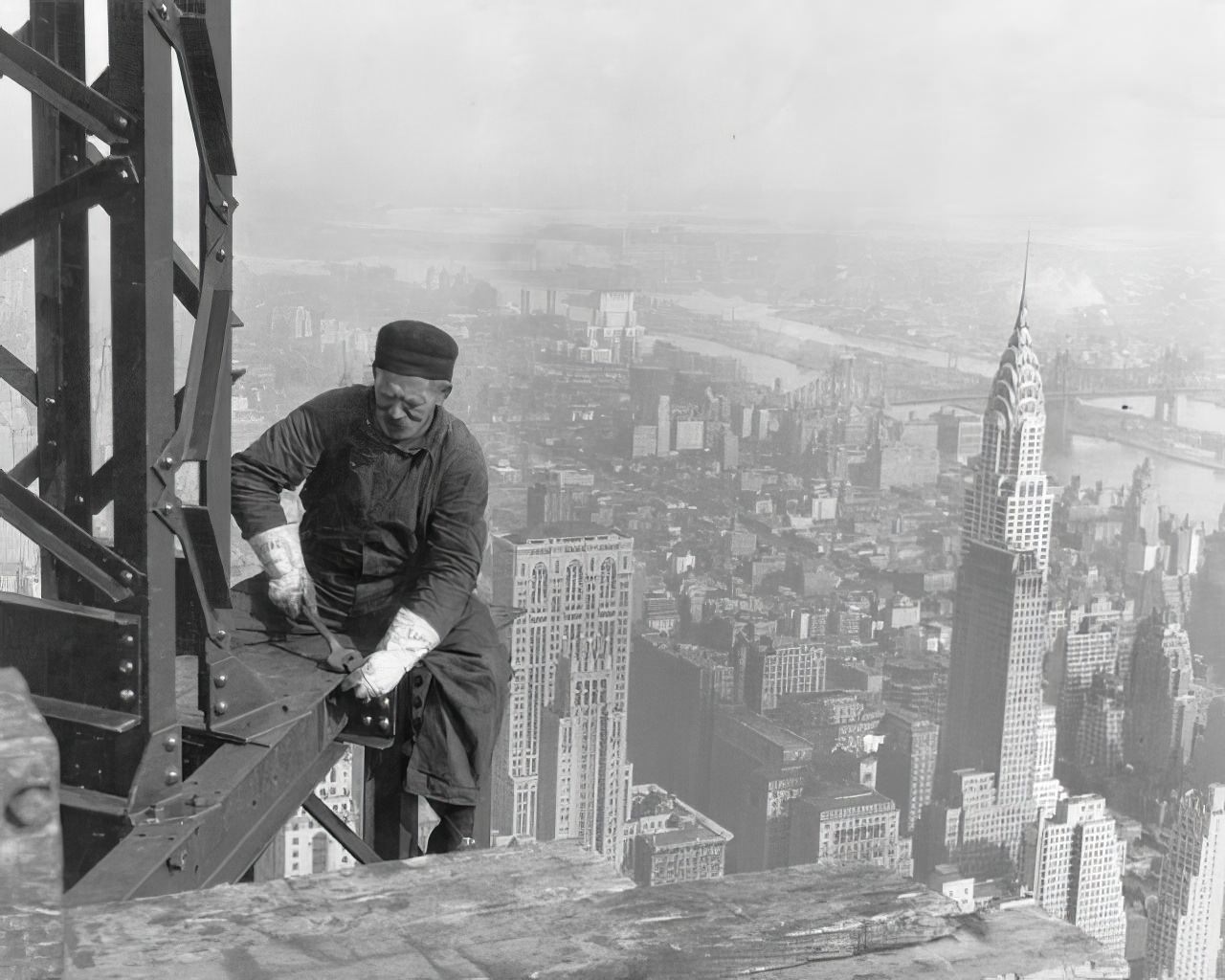
Meals were brought up to the workers rather than having them descend for breaks. Food carts traveled the floors so no time was wasted. Every decision made during construction — from how materials moved to how workers ate — was designed to keep things moving upward as fast as possible.
The building topped out at 102 stories, with a mooring mast added at the crown — originally intended for dirigibles, though the idea never worked in practice due to dangerous wind conditions at that altitude. The mast did, however, push the building’s total height to 1,454 feet, firmly securing its place as the tallest structure in the world.
On May 1, 1931 — just 13 and a half months after the first shovel hit the ground — the Empire State Building officially opened. President Herbert Hoover pressed a button in Washington, D.C., that switched on the building’s lights from nearly 700 miles away. New York had a new skyline, and the world had a new tallest building.
The total cost of the project came in at $40.9 million — well under the original $50 million budget, partly because Depression-era labor and materials were cheaper than expected. The building had been completed on time and under budget during one of the worst economic crises in American history.
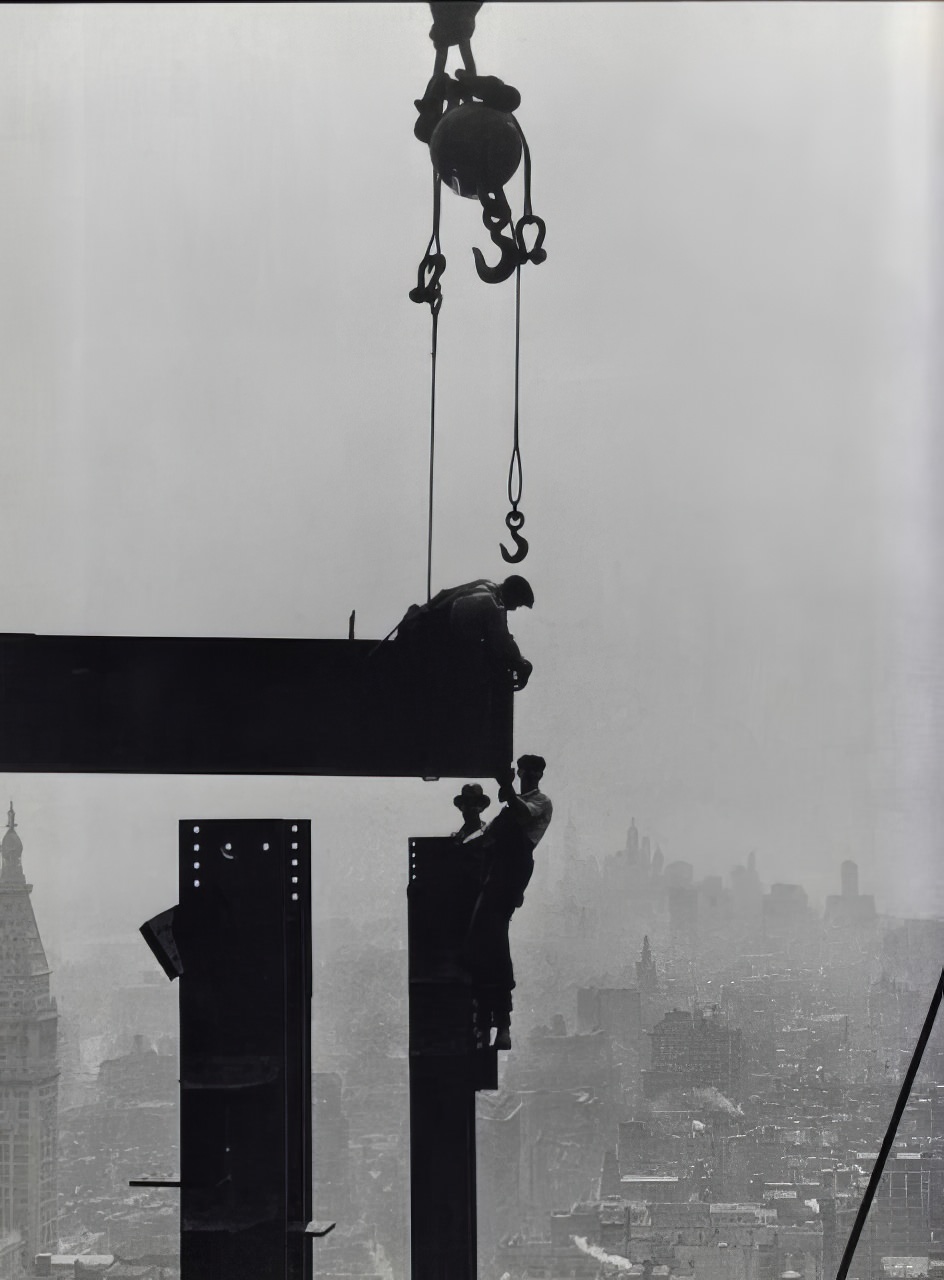
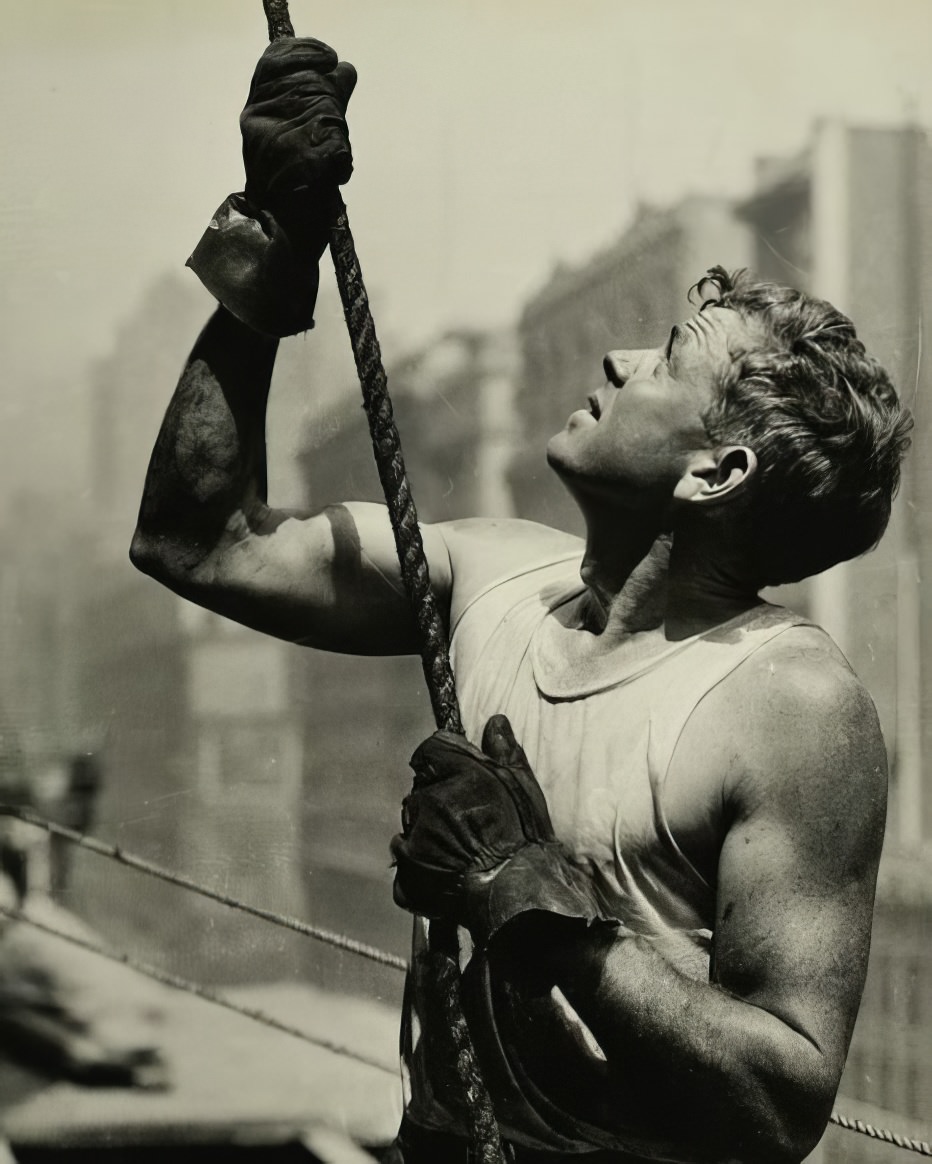
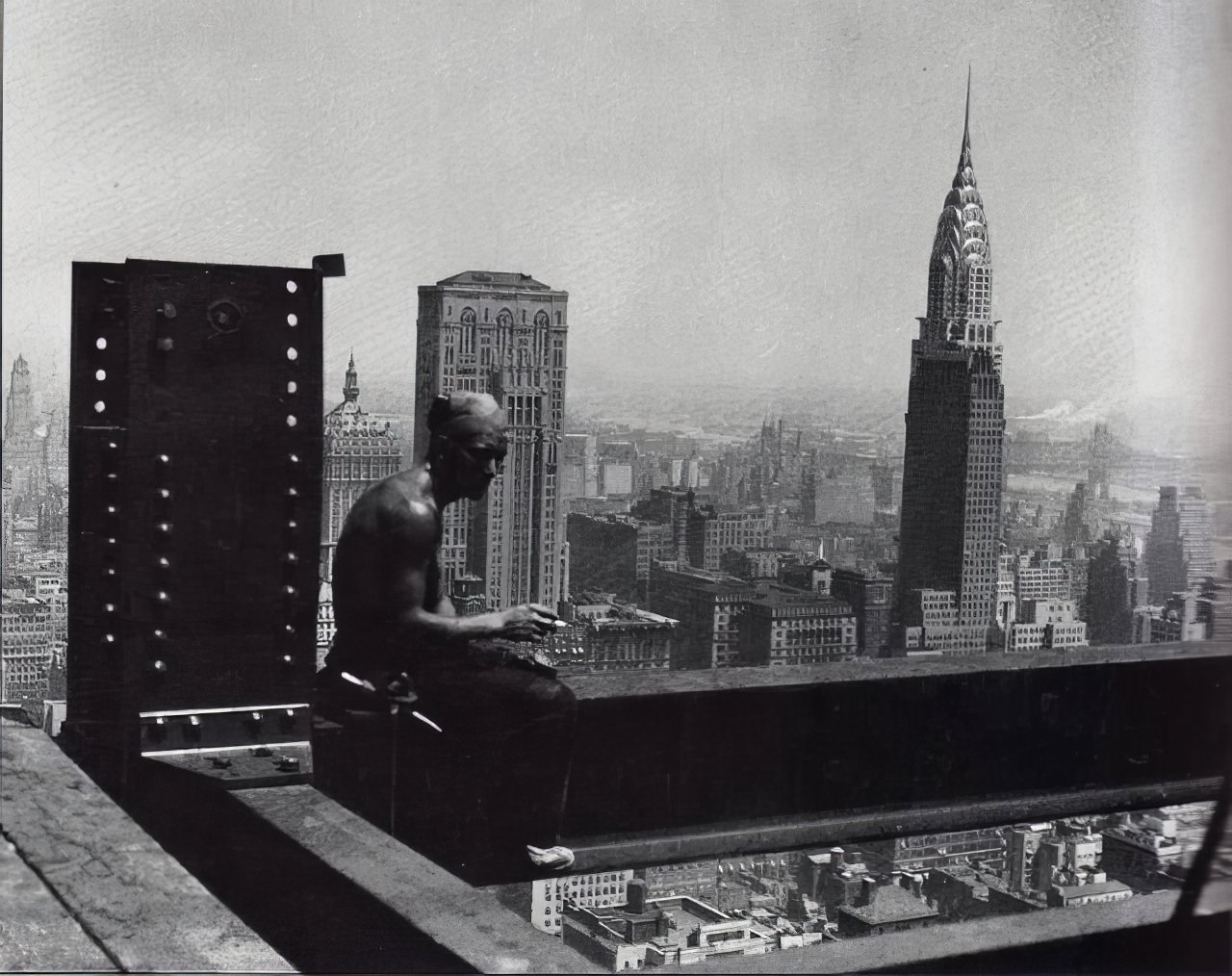
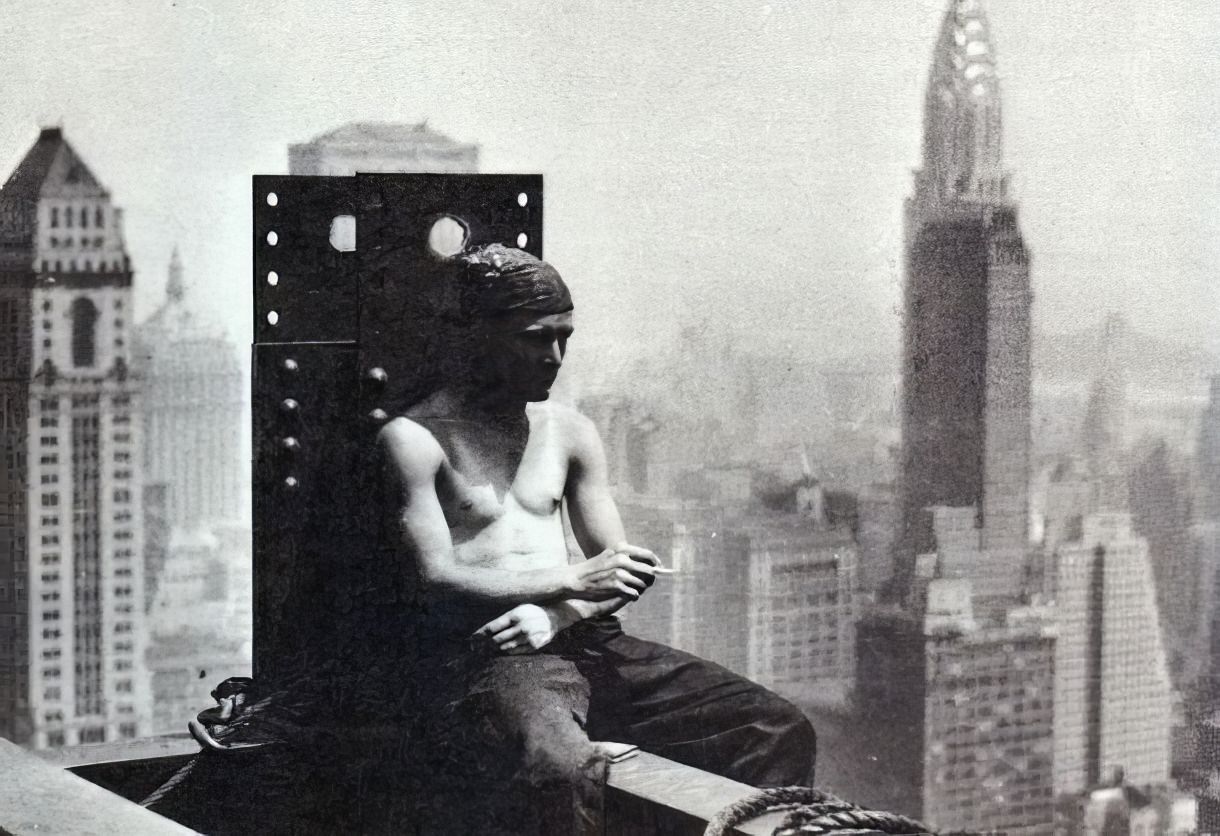
The sky boys who built it came from all over the world. Mohawk ironworkers from Kahnawake, Quebec, were among the most skilled high-steel workers on the job — a community with a long tradition of working on tall structures dating back to the late 1800s. They worked alongside men from Ireland, Italy, Eastern Europe, and across the United States.
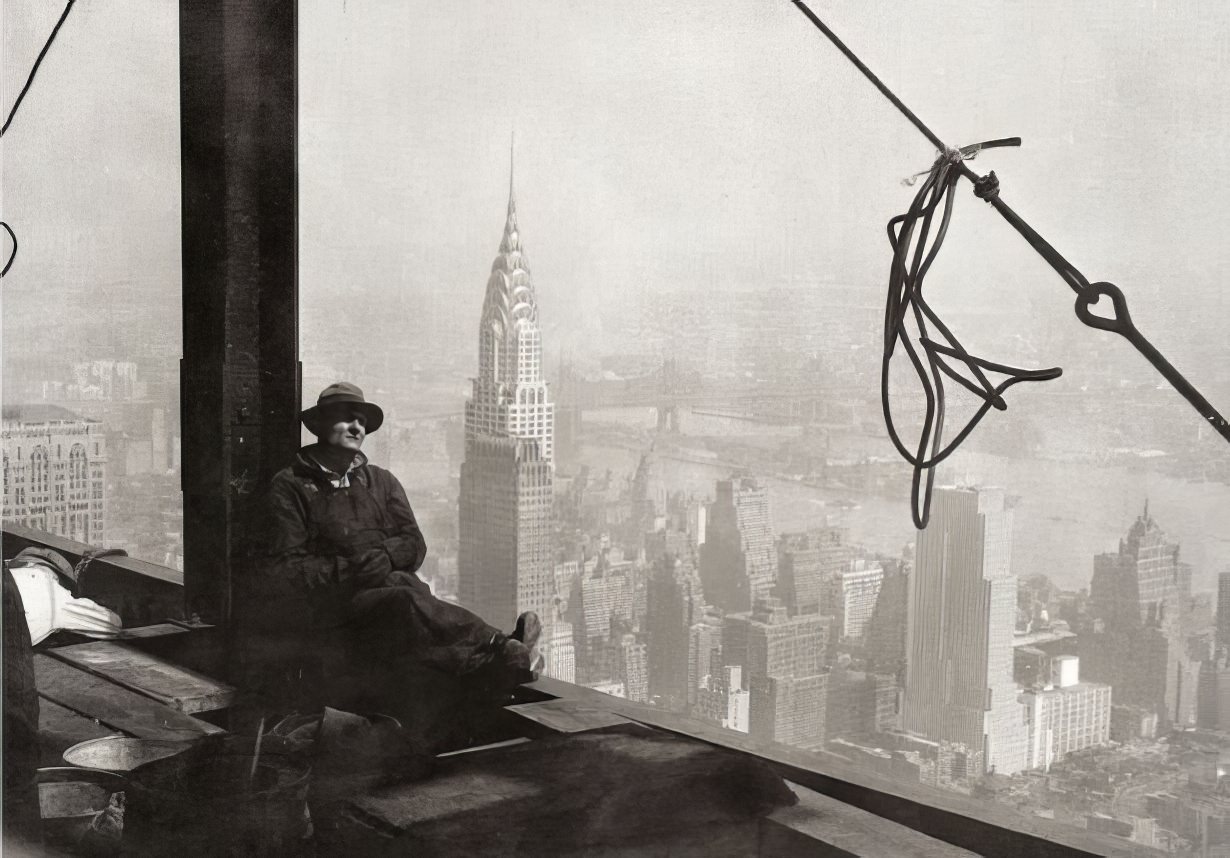
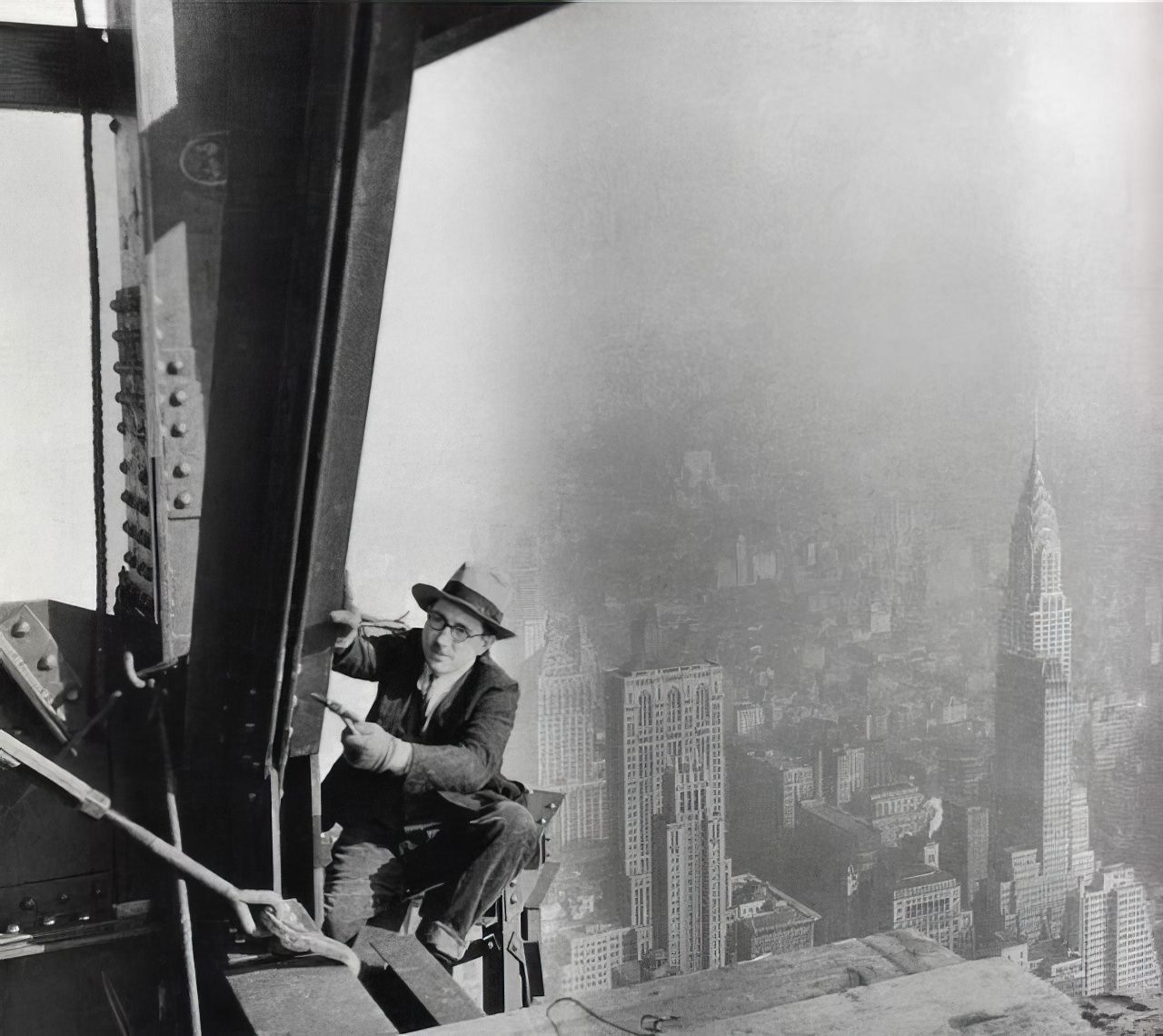
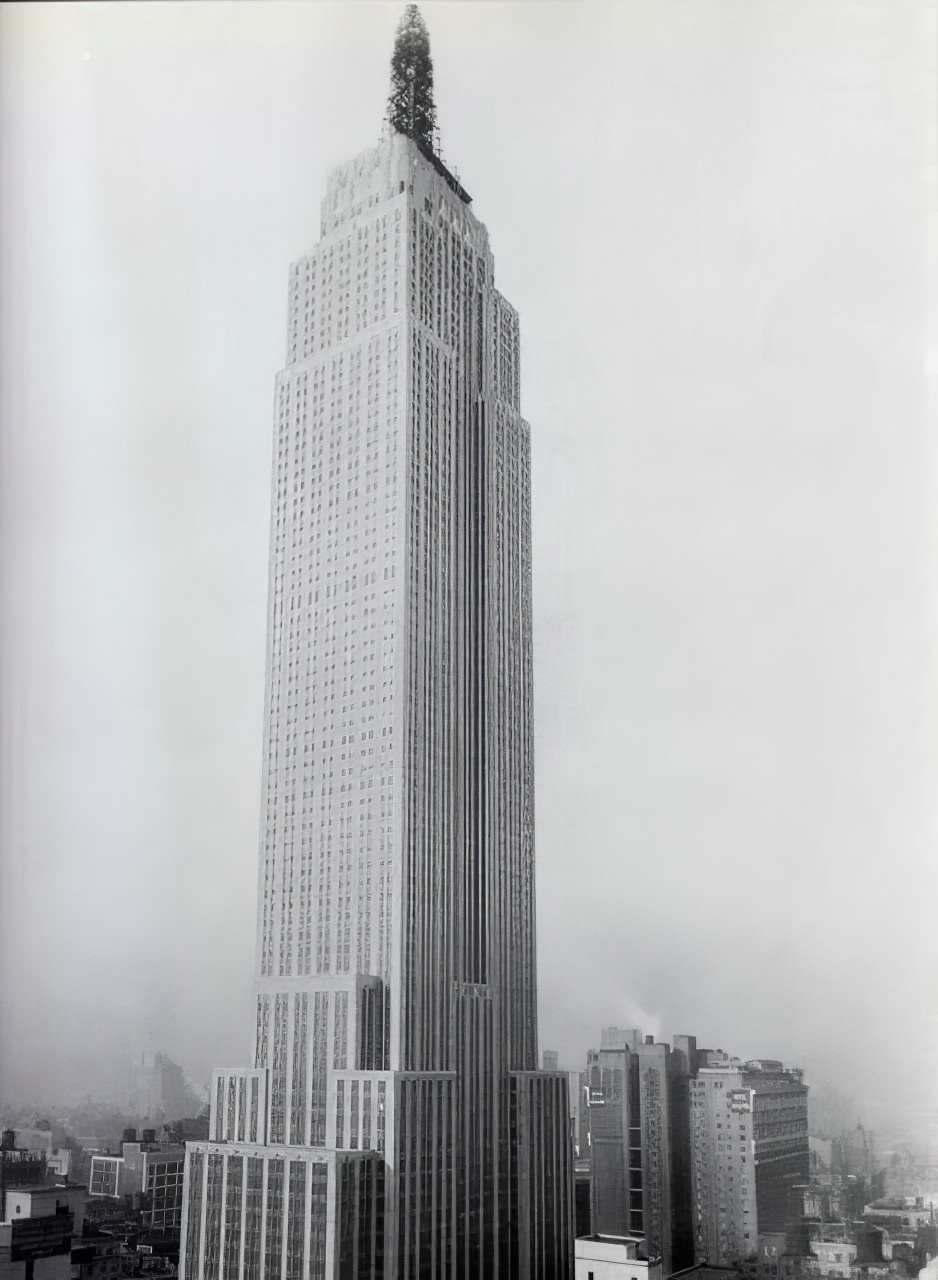
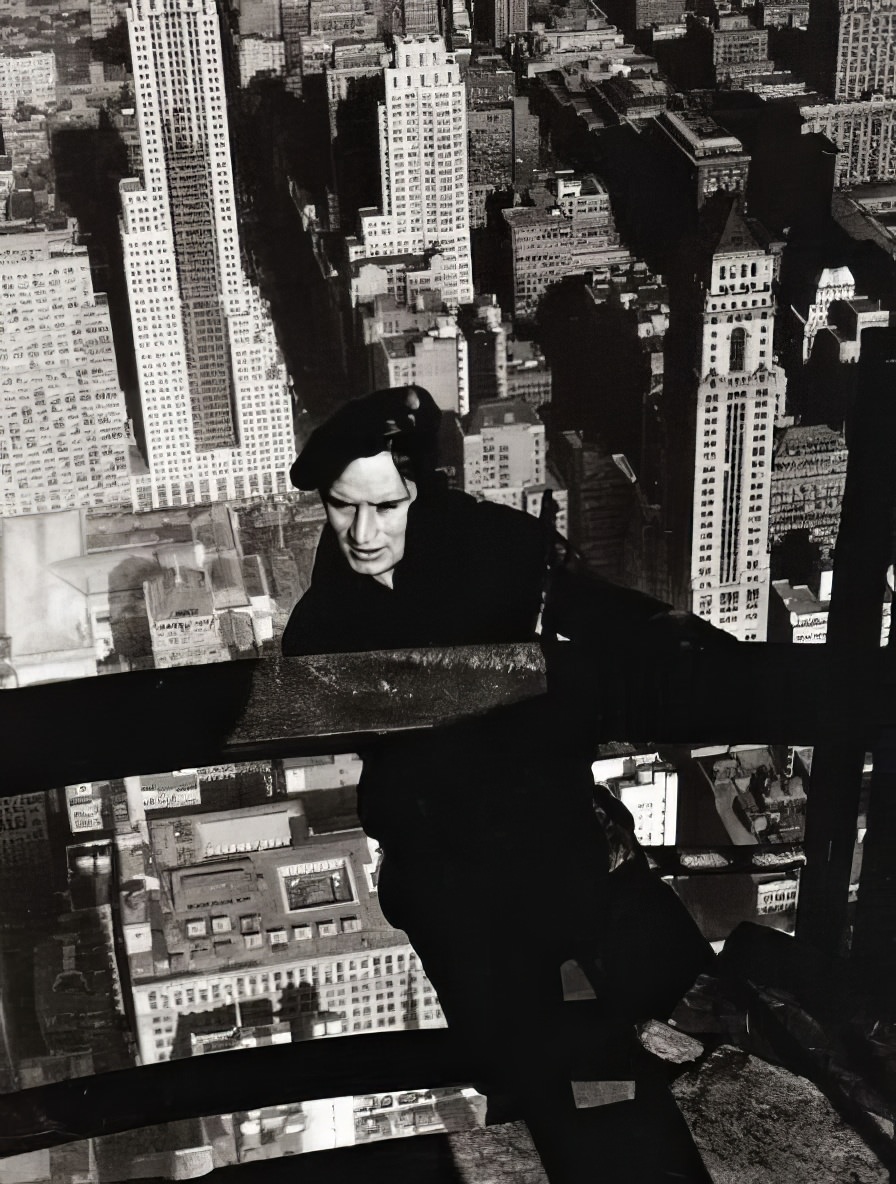
Photographer Lewis Hine documented the construction in a series of images that became some of the most recognizable photographs of the 20th century. Hine went up with the workers, shooting on the open beams alongside them. His images showed the human scale of the project — individual men against an enormous structure, steady and focused despite the heights.
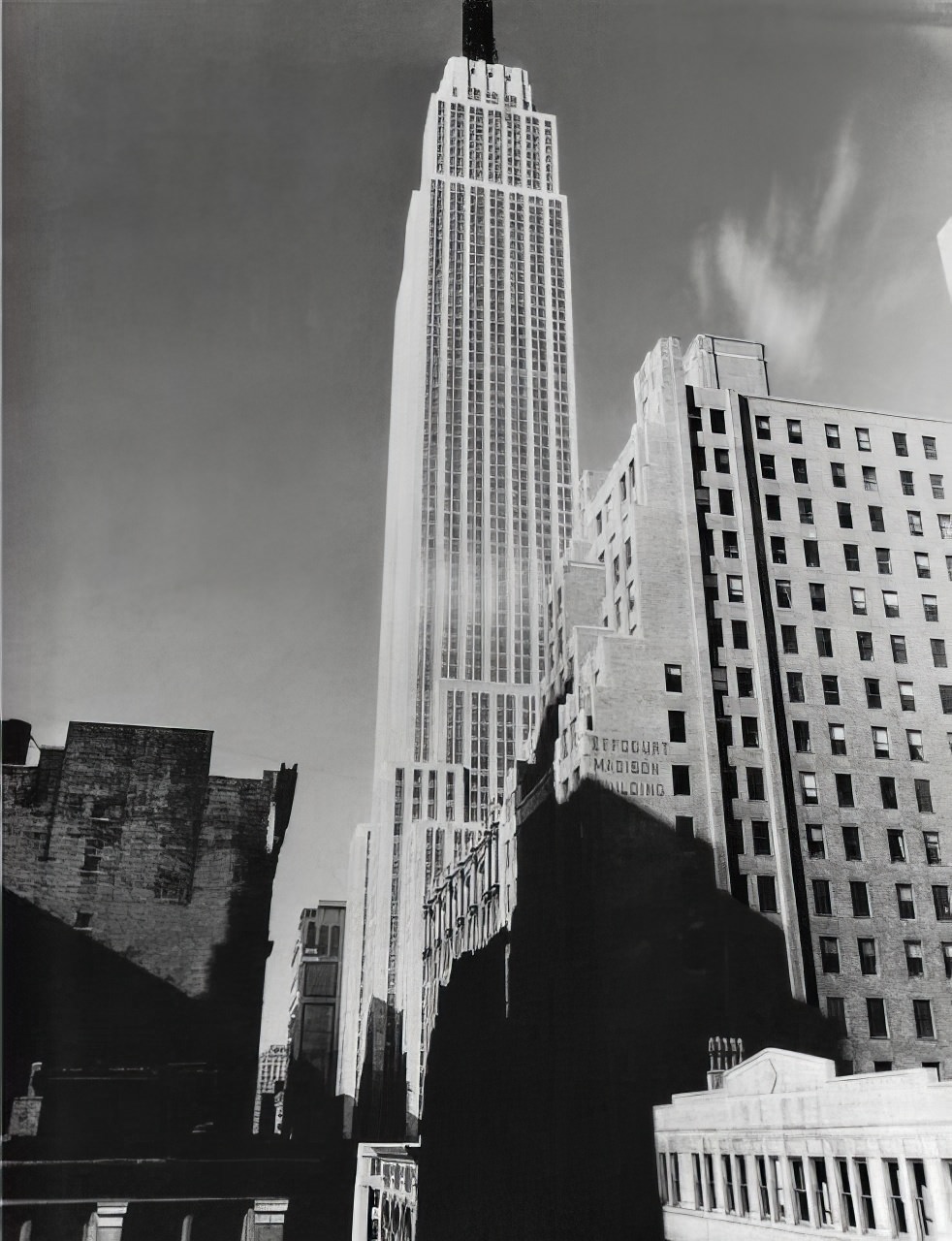
The construction of the Empire State Building stands as one of the most compressed and ambitious building projects ever completed. More than 7 million man-hours of labor went into the finished structure. Across those 13 months, the workers — dangerous conditions and all — never stopped climbing.