Some things once treated as throwaway items are now worth a fortune. Old comic books, vintage music magazines, even candy wrappers — objects made to be used and discarded have become prized collectibles. Movie posters fall squarely into that category. And among all the artists who ever put brush to board for Hollywood, Karoly Grosz stands apart.
Born in Hungary around 1896, very little is known about Grosz’s early life. He arrived in America in 1921 and was hired by a film company to produce advertising materials — posters, promotional ephemera, anything that would pull audiences into theaters. His talent was noticed quickly. Within a few years, Universal Pictures brought him on, and that partnership would define one of the most celebrated bodies of work in Hollywood history.
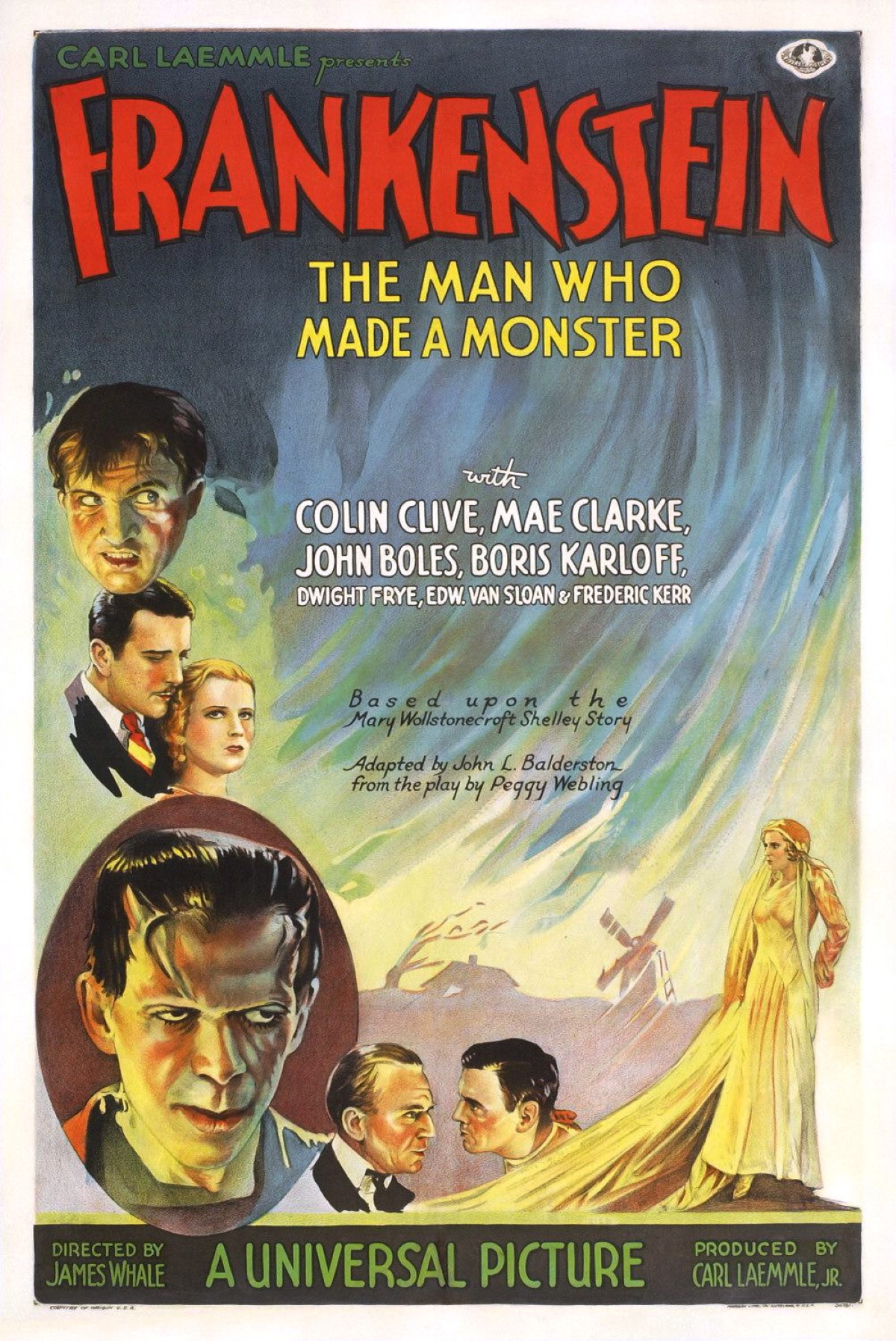
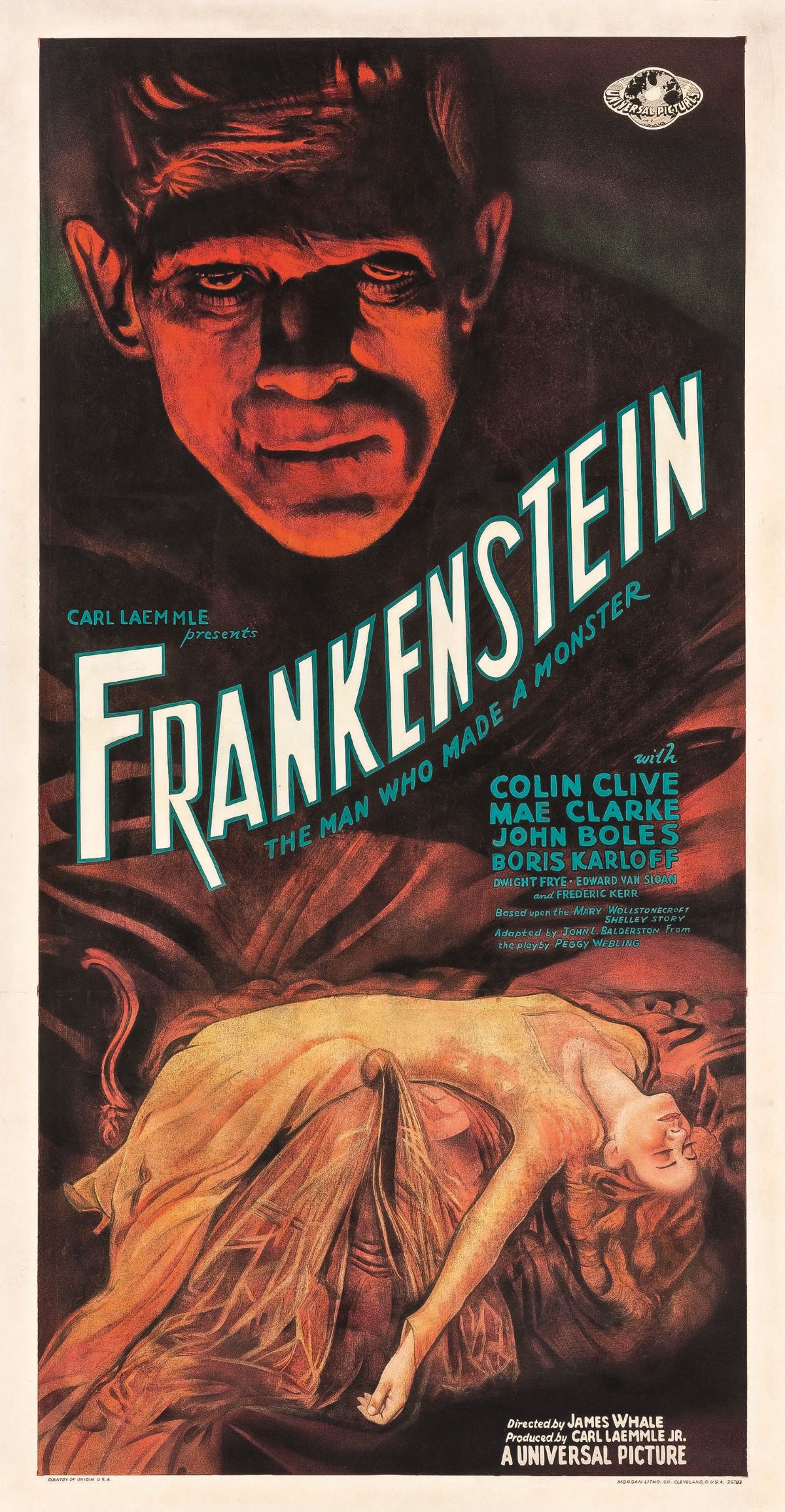
During his eight years at Universal, Grosz designed or oversaw hundreds of posters. His work on *Frankenstein* alone produced some of the most recognizable horror imagery ever printed. What made his posters extraordinary was a specific quality: they gave viewers a feeling without giving anything away. Fear, thrill, forbidden excitement — all packed into a single image, with no spoilers and no plot reveals. Artists who came after him, such as Reynold Brown, Albert Kallis, and Frank McCarthy, often showed key scenes or characters directly. Grosz never did. His posters were mood, not synopsis.
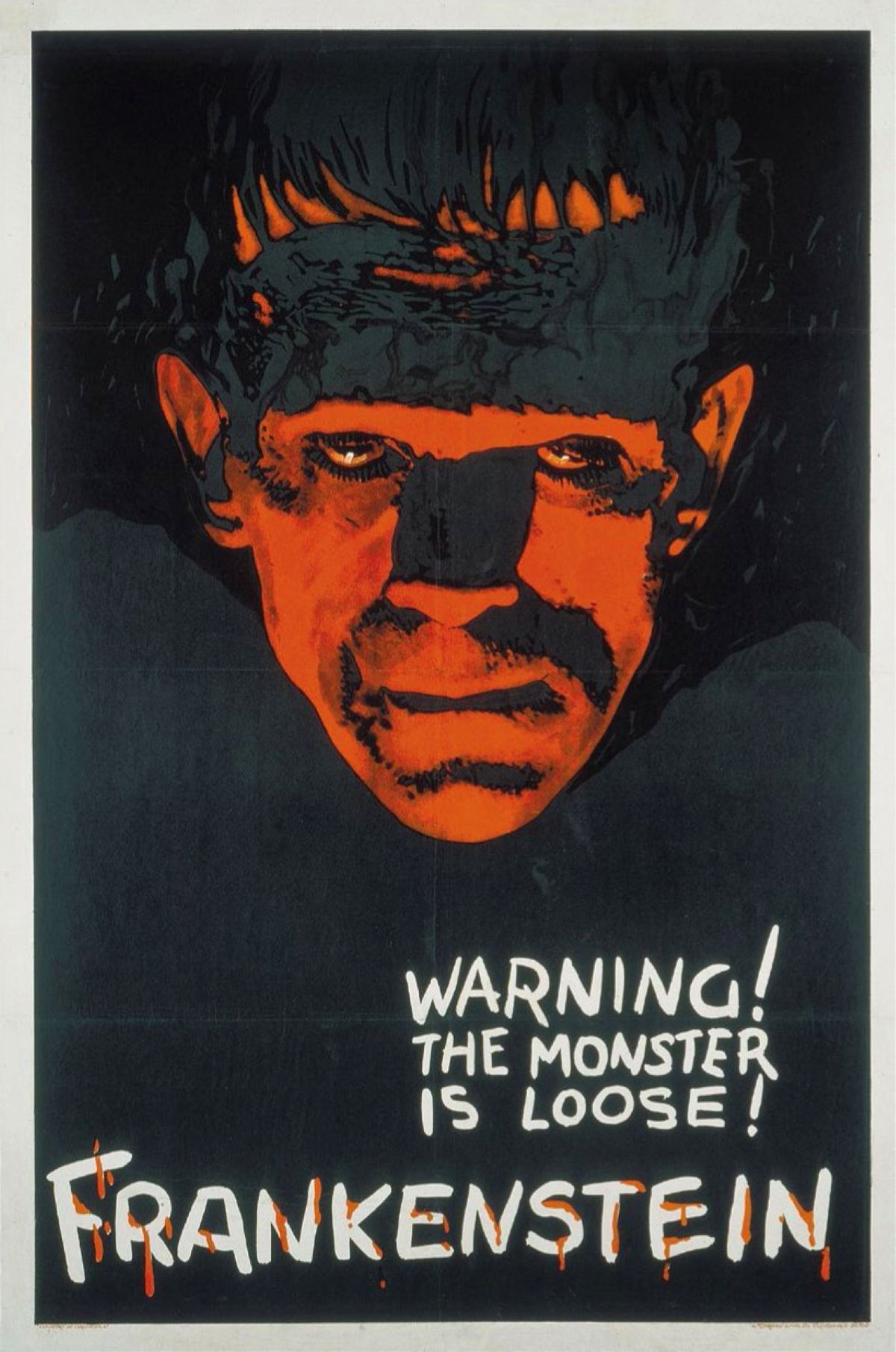
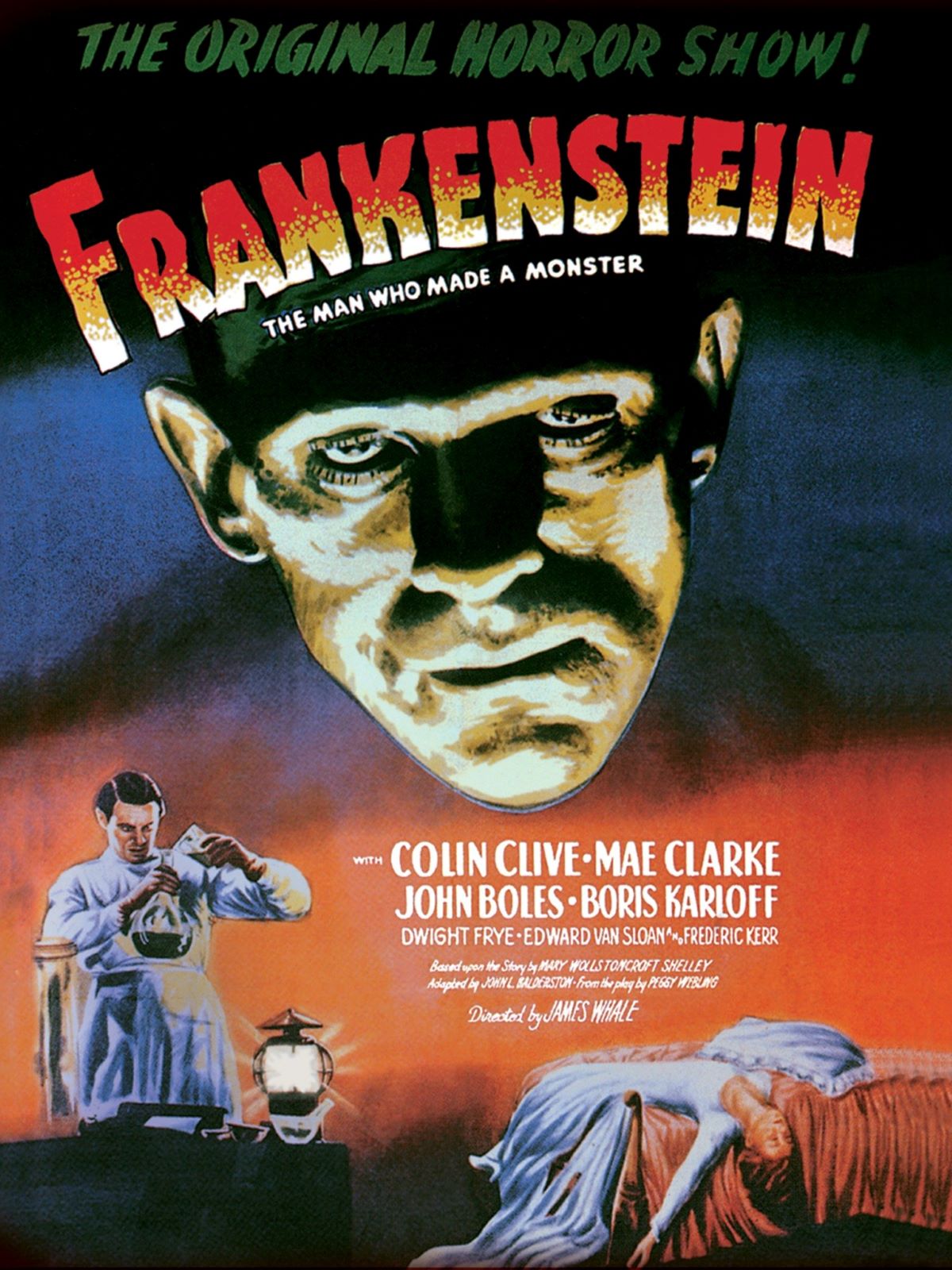
Grosz’s creative contribution to Universal went beyond poster art. He actively consulted with producers and directors on the films themselves. One of his most enduring suggestions was made to director James Whale during the production of *Frankenstein* — Grosz proposed giving the Monster a flat head and bolts in his neck. Those details became the definitive look of Frankenstein’s Monster, recognized worldwide to this day.
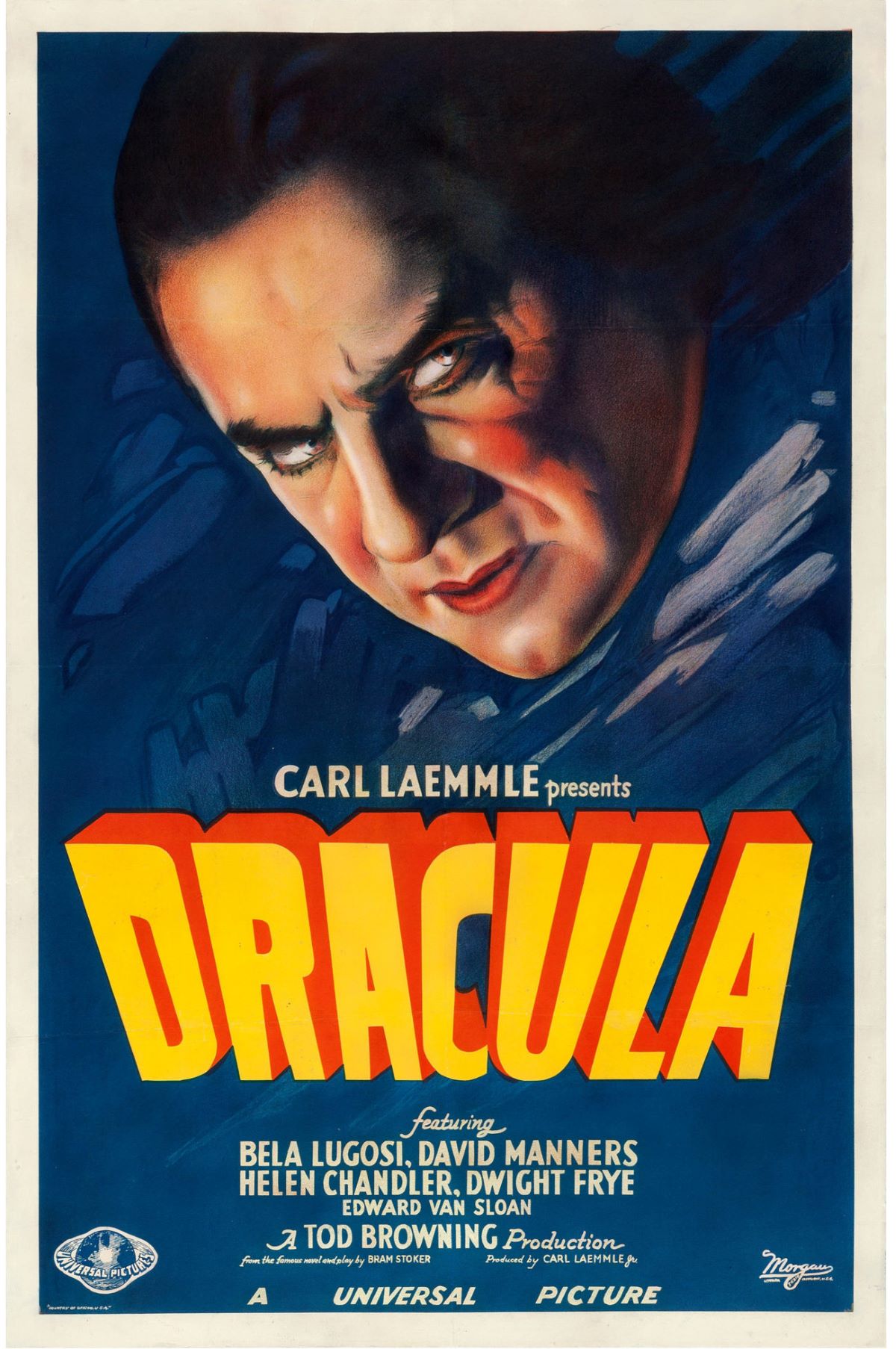
His 1931 *Dracula* posters carried a different kind of menace. Where *Frankenstein* demanded a visceral, physical dread, *Dracula* required something more hypnotic and seductive. Grosz delivered both on demand.
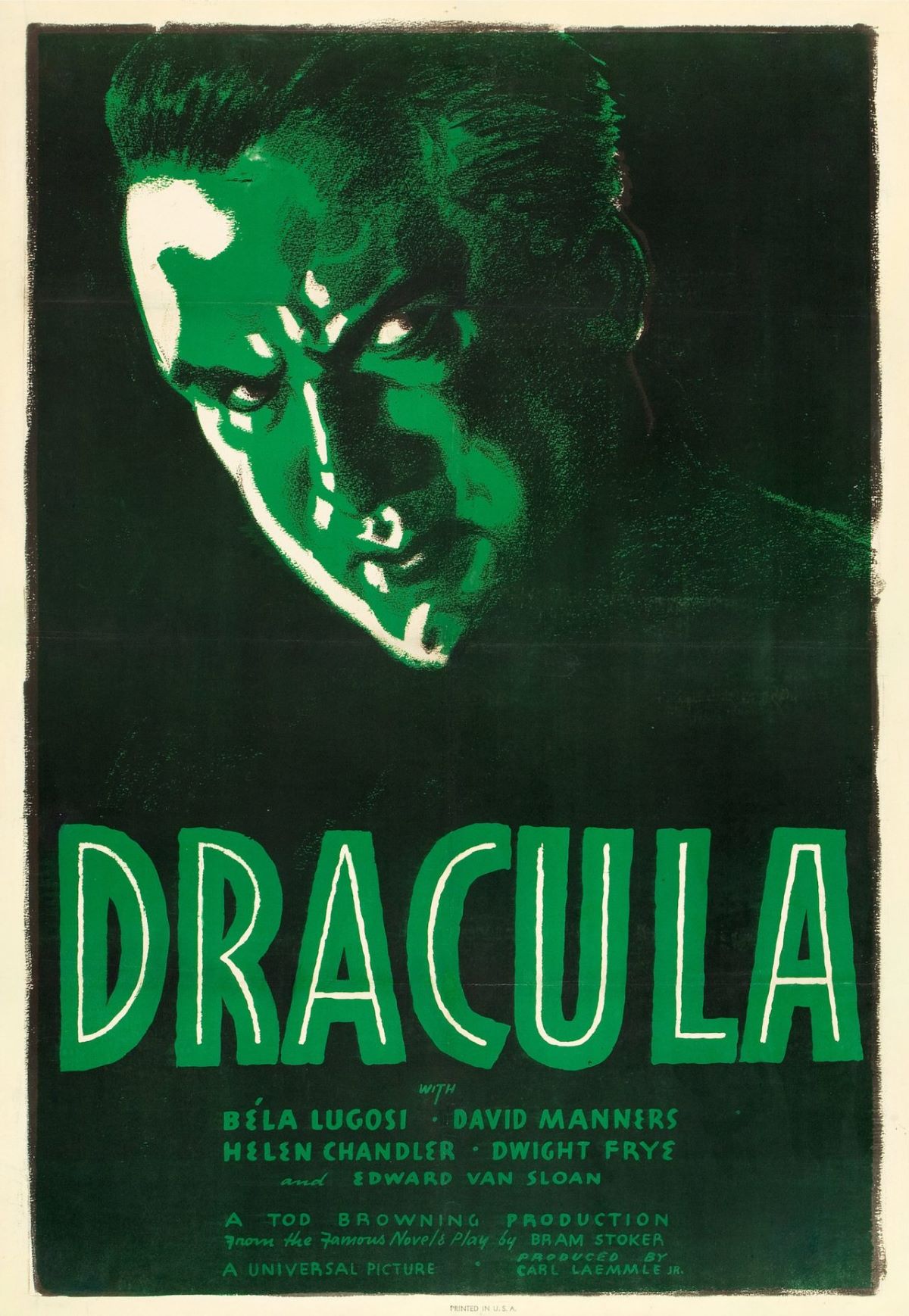
The 1932 Universal lineup kept Grosz extraordinarily busy. *The Old Dark House*, *The Mummy*, and *Murders in the Rue Morgue* all released within months of each other, each demanding its own visual identity. Grosz produced distinct poster campaigns for all three — no two felt alike.
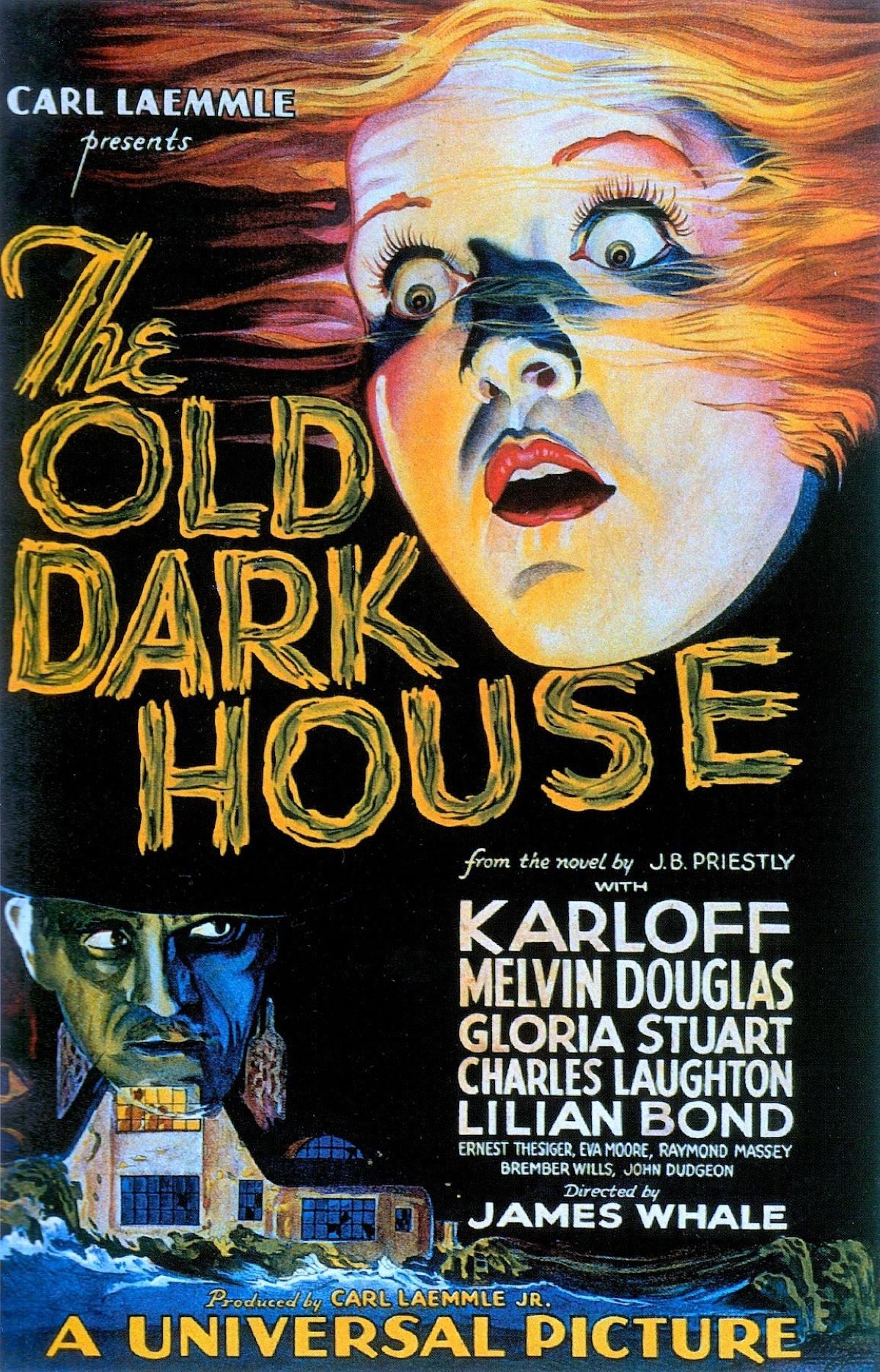
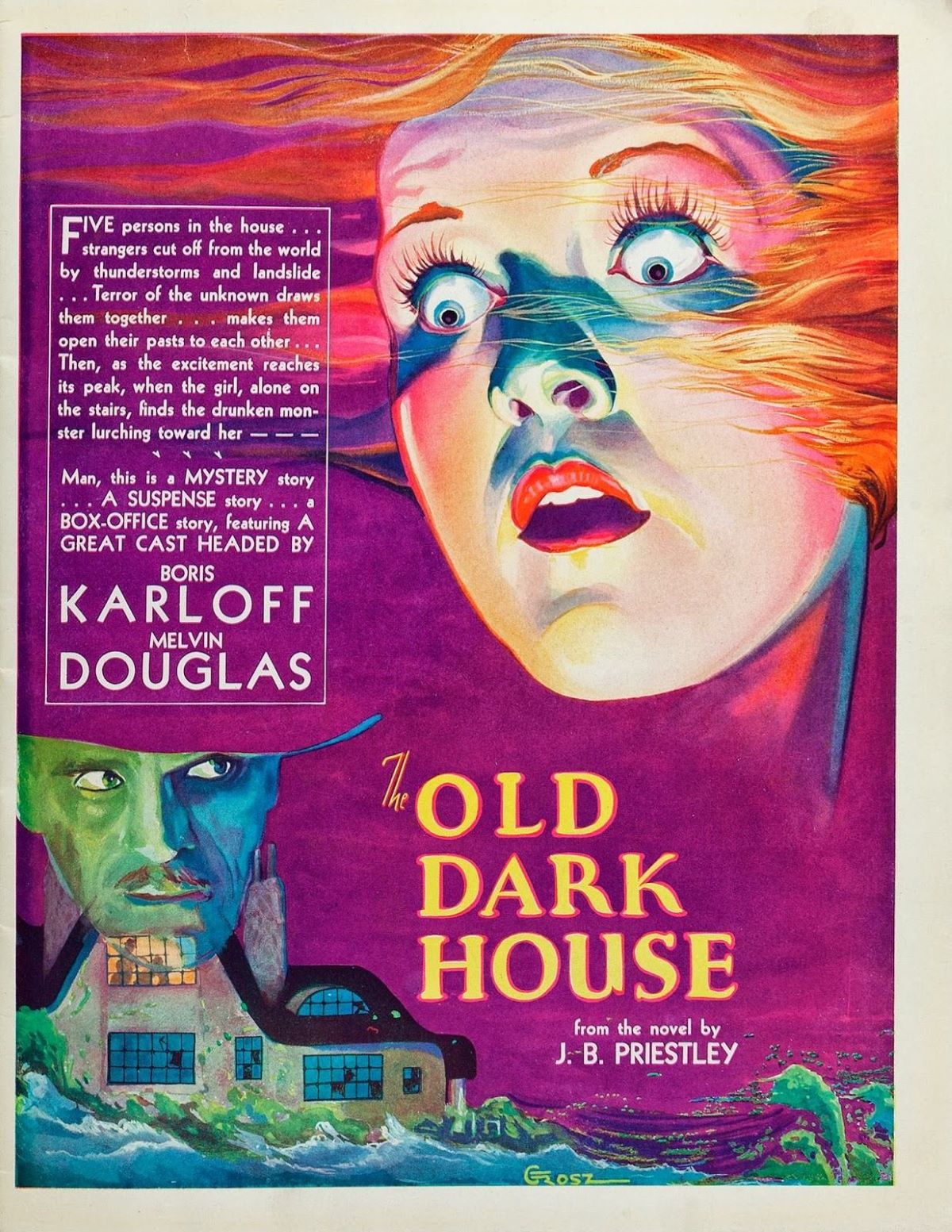
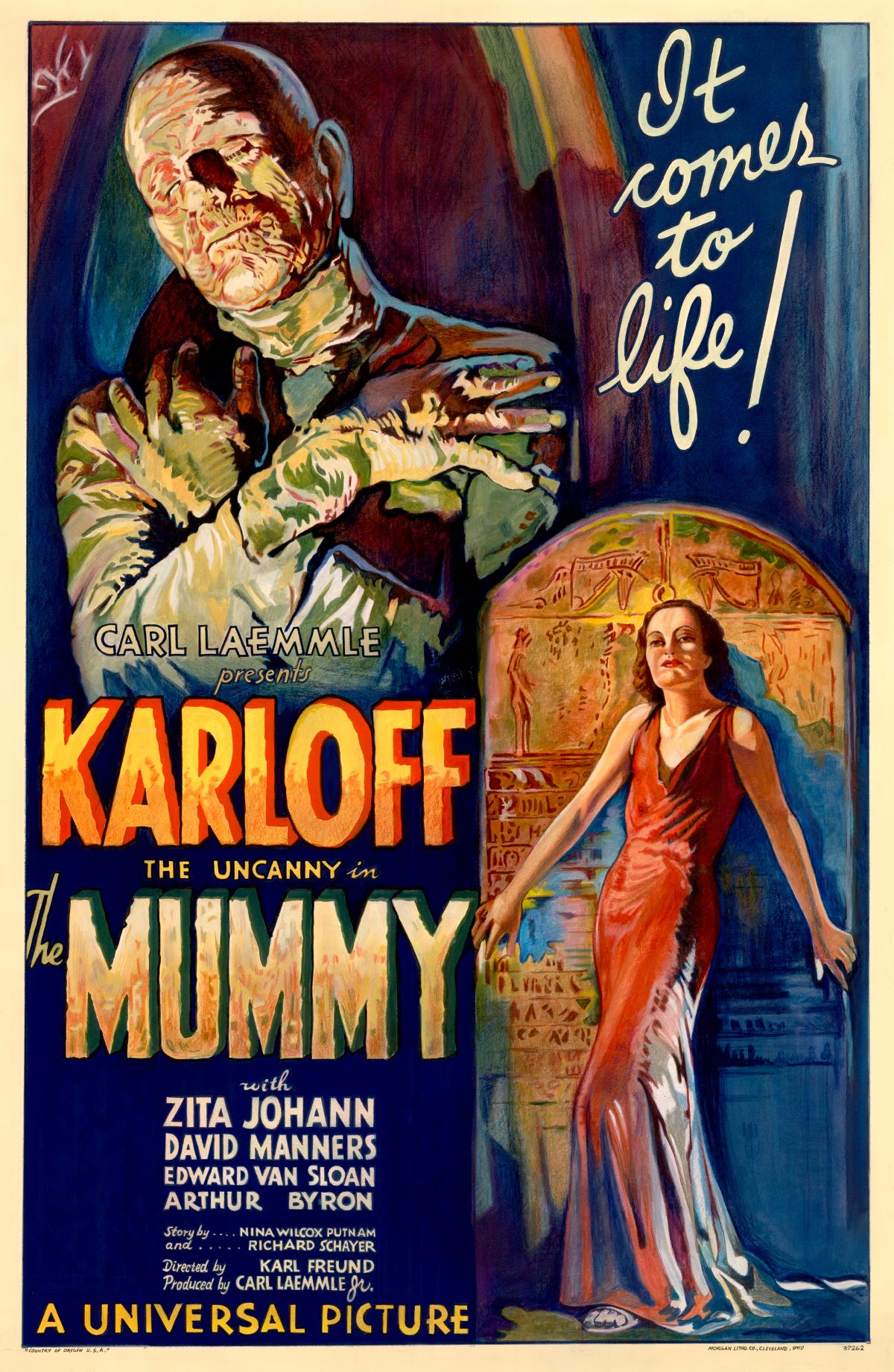
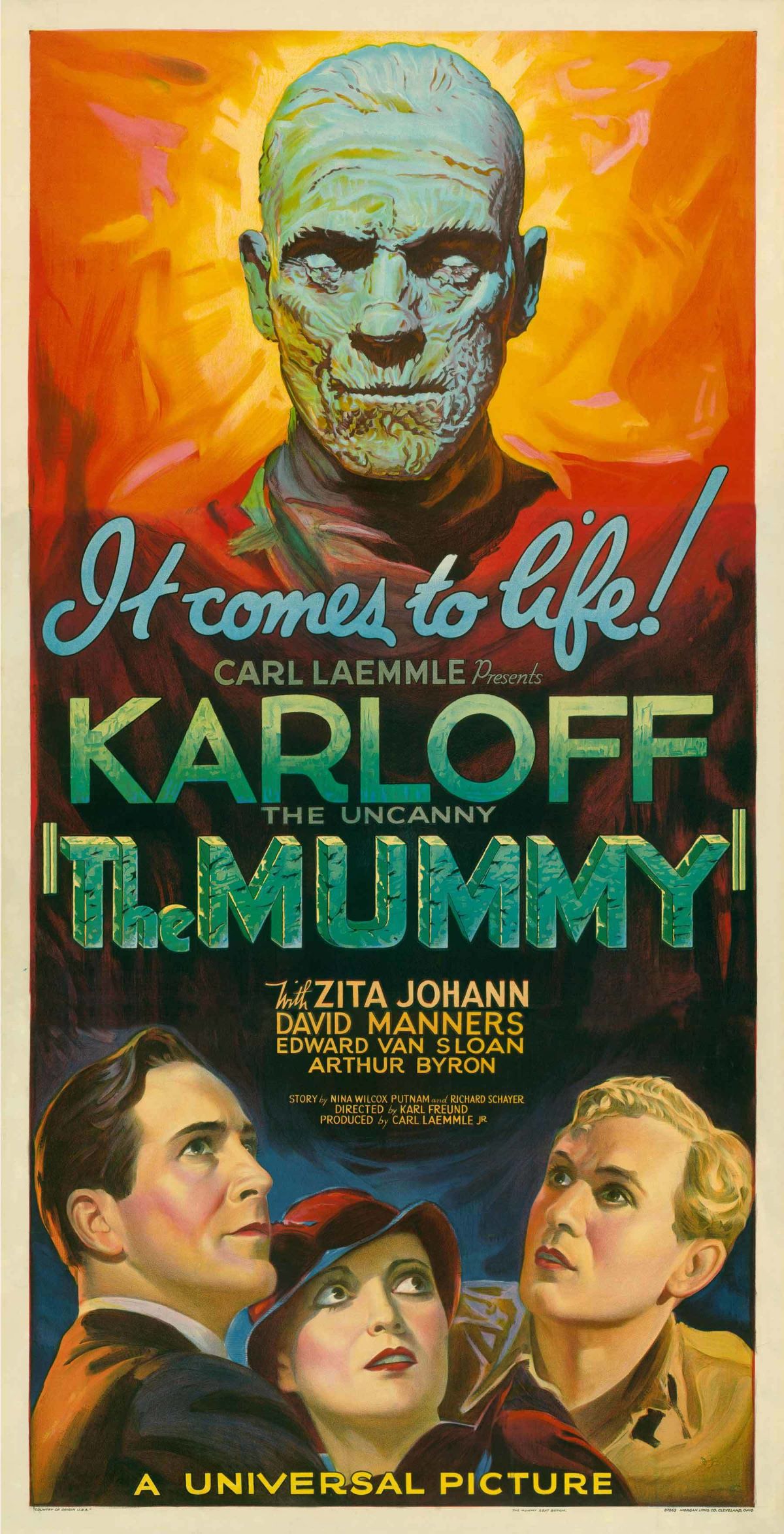
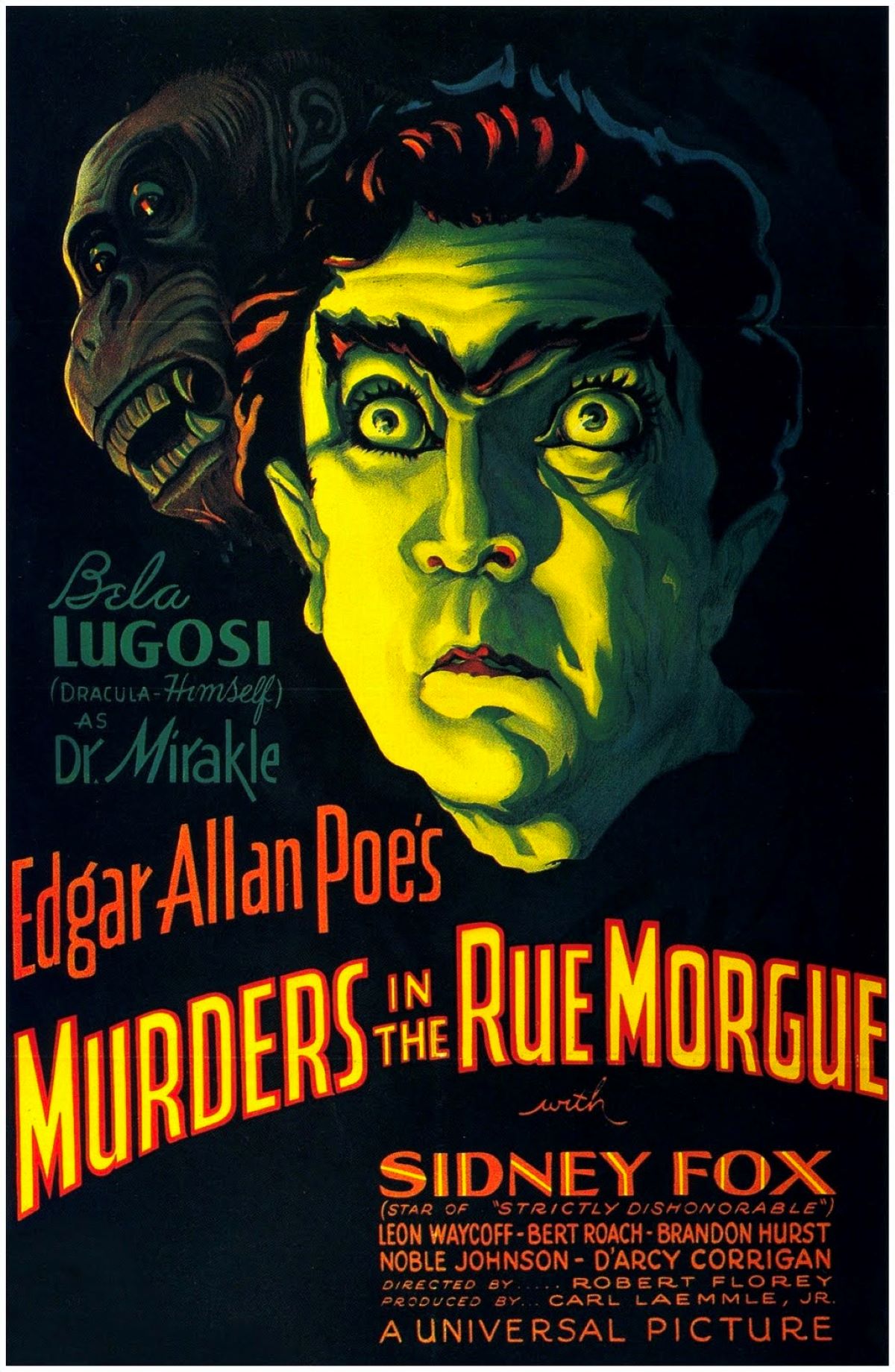
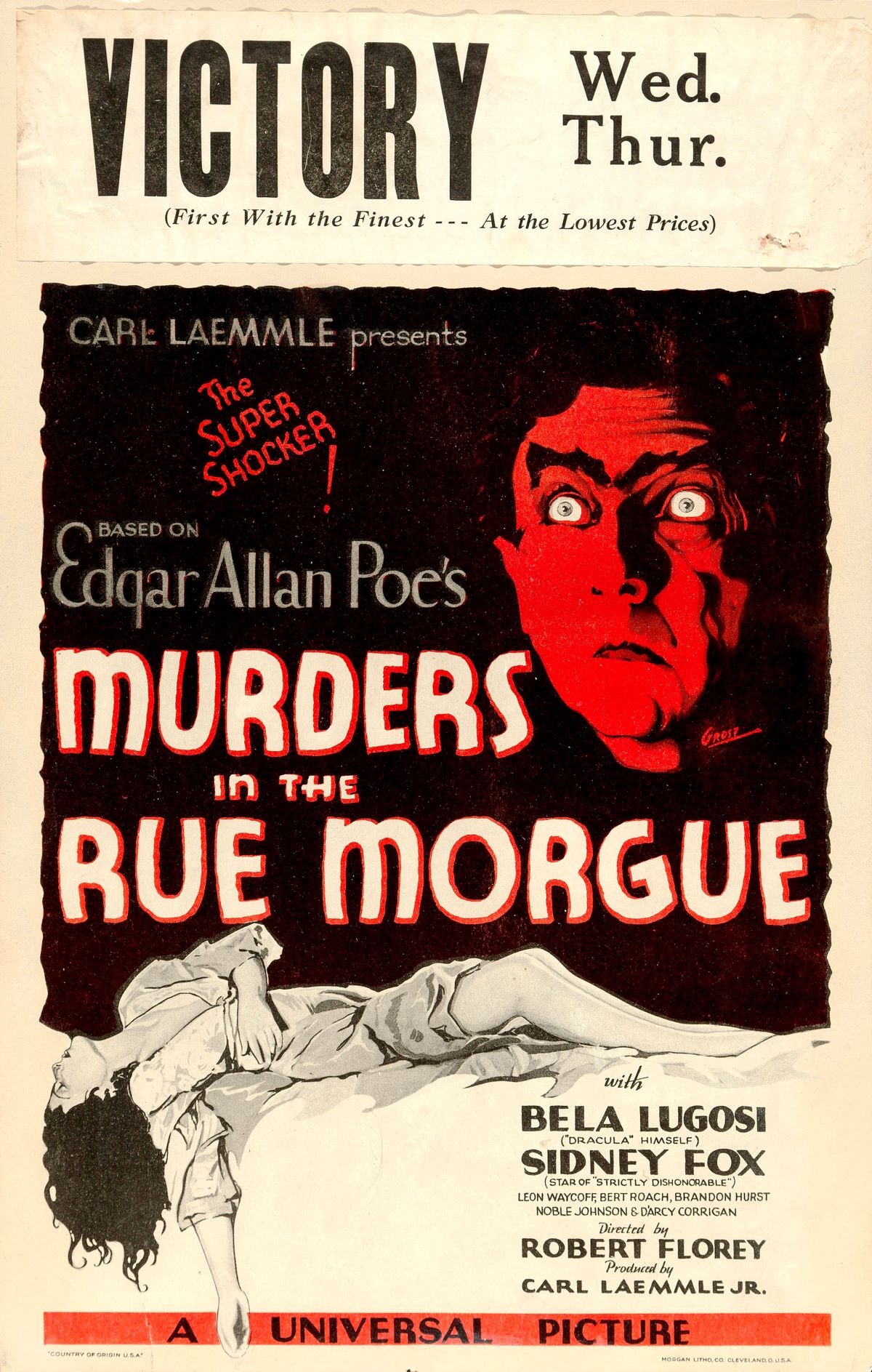
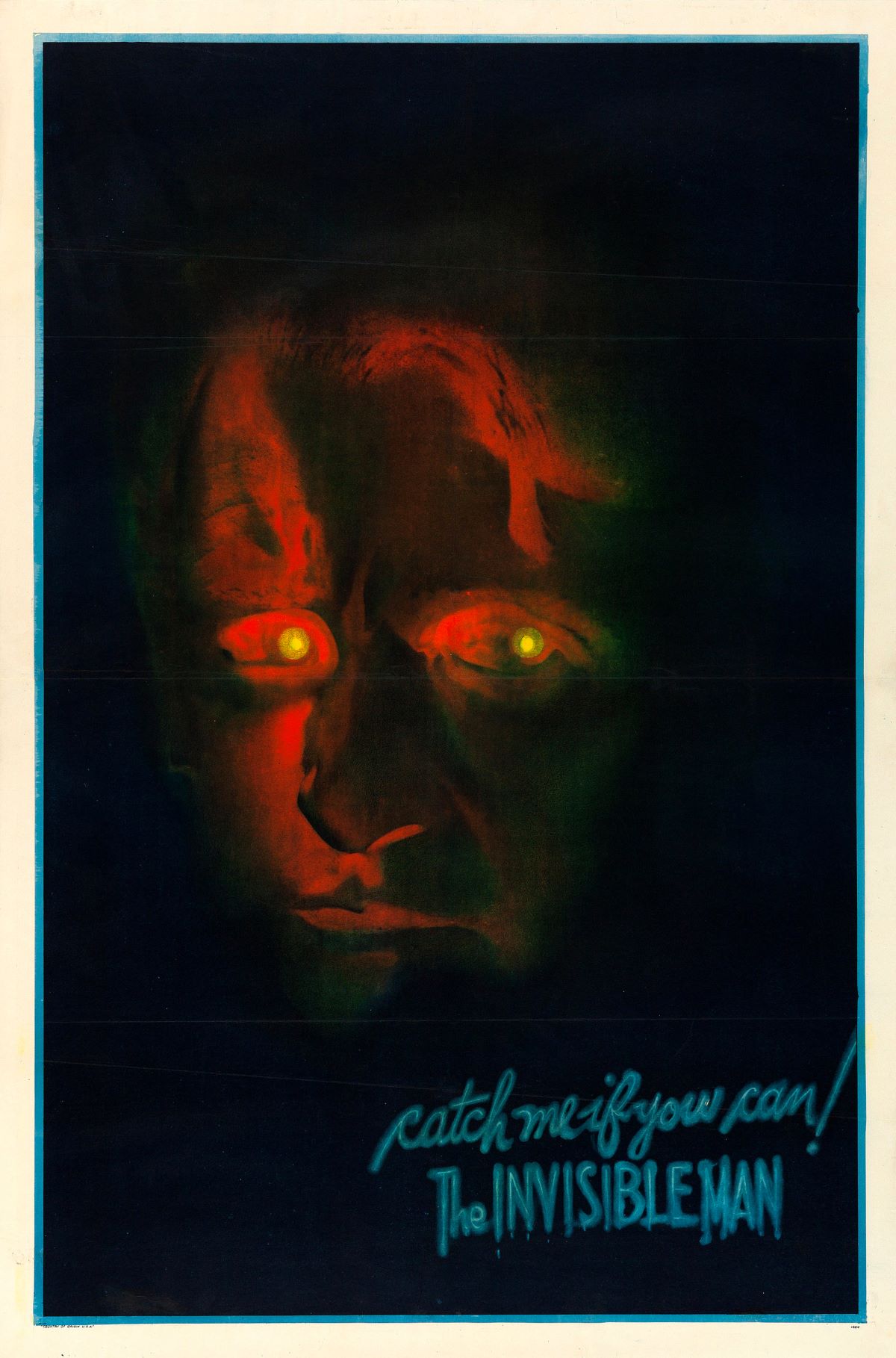
In 1933, *The Invisible Man* presented an unusual challenge: how do you illustrate a character who cannot be seen? Grosz’s solution produced some of the most striking poster work of his career, using negative space and suggestion rather than direct depiction.
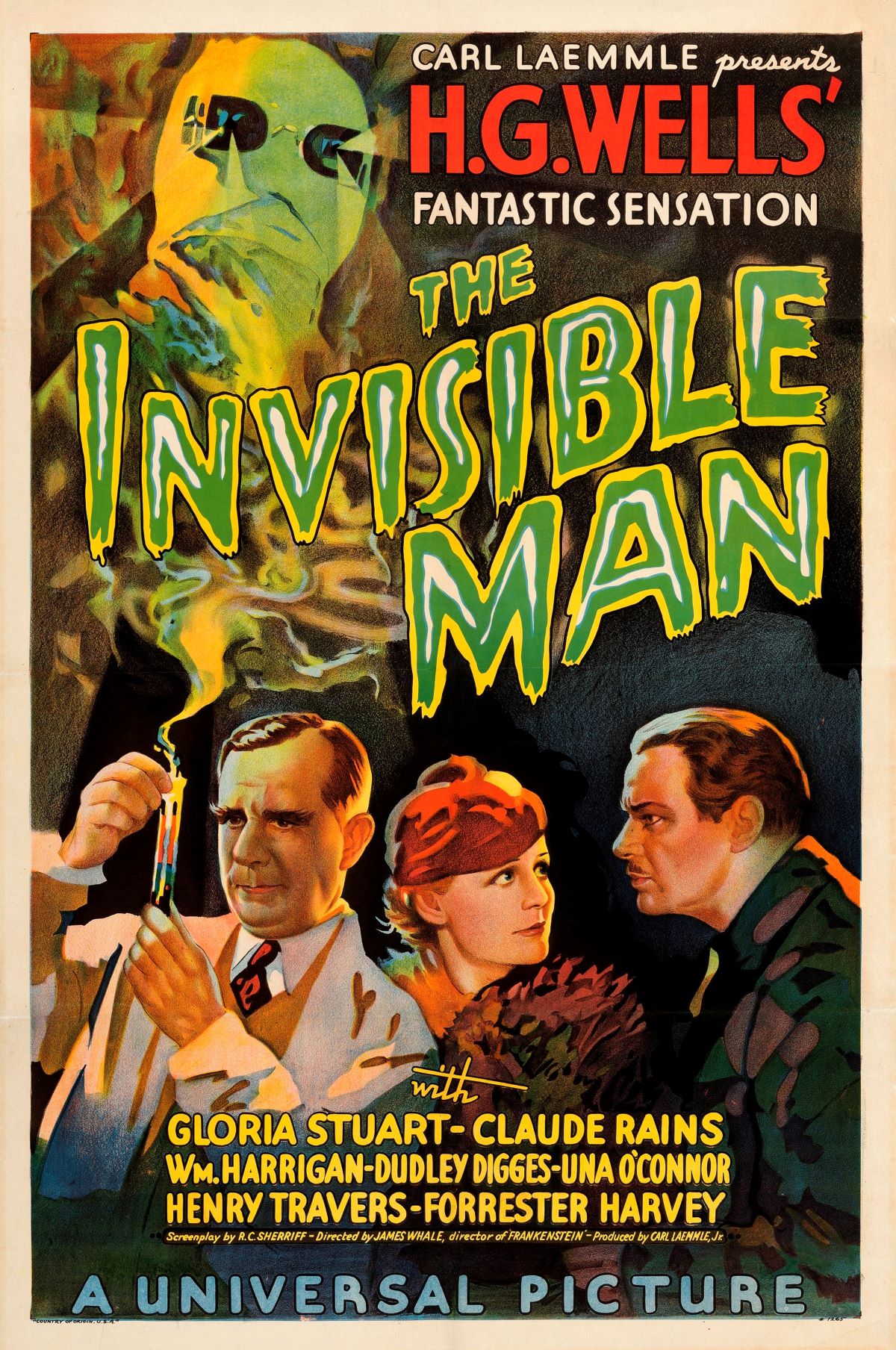
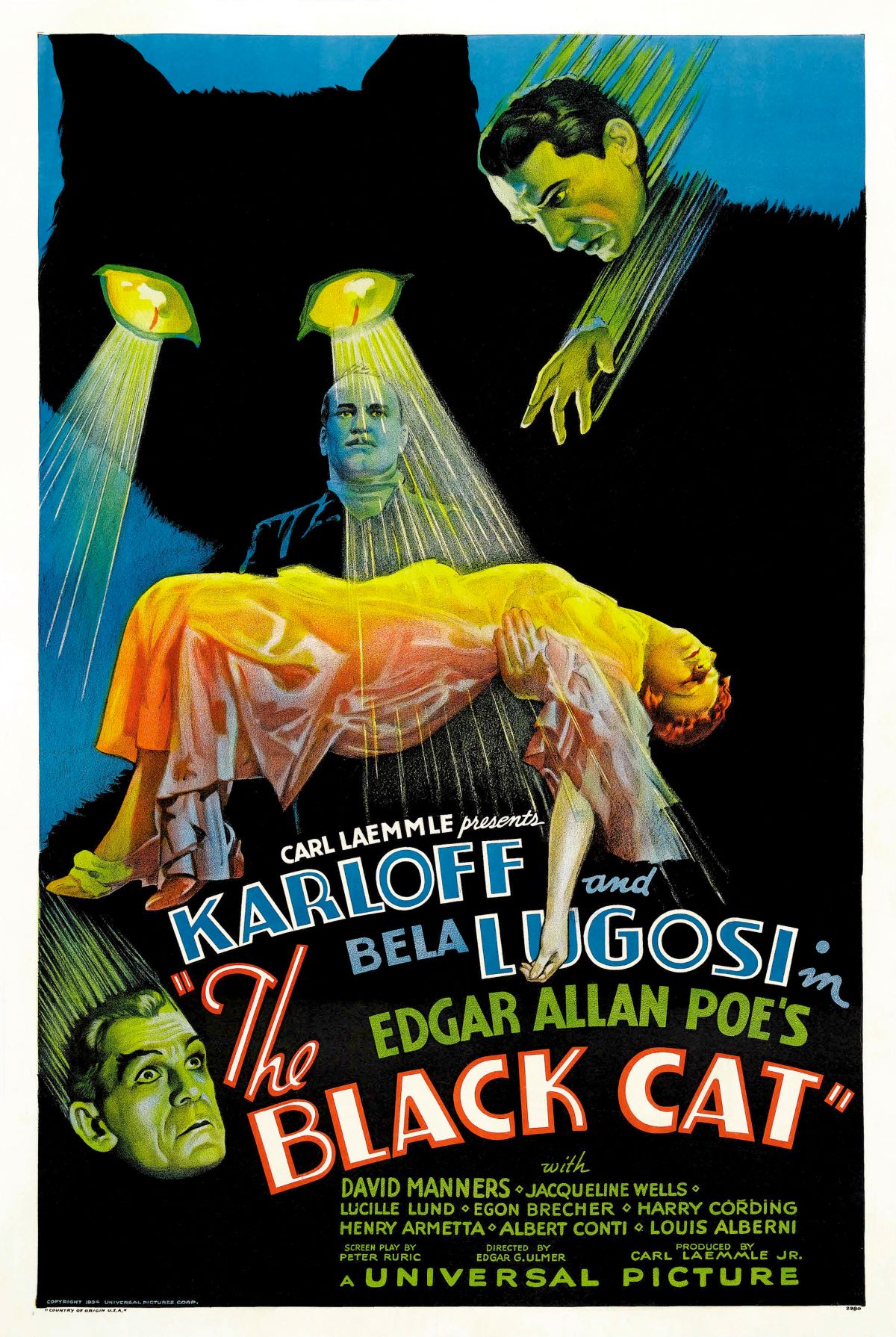
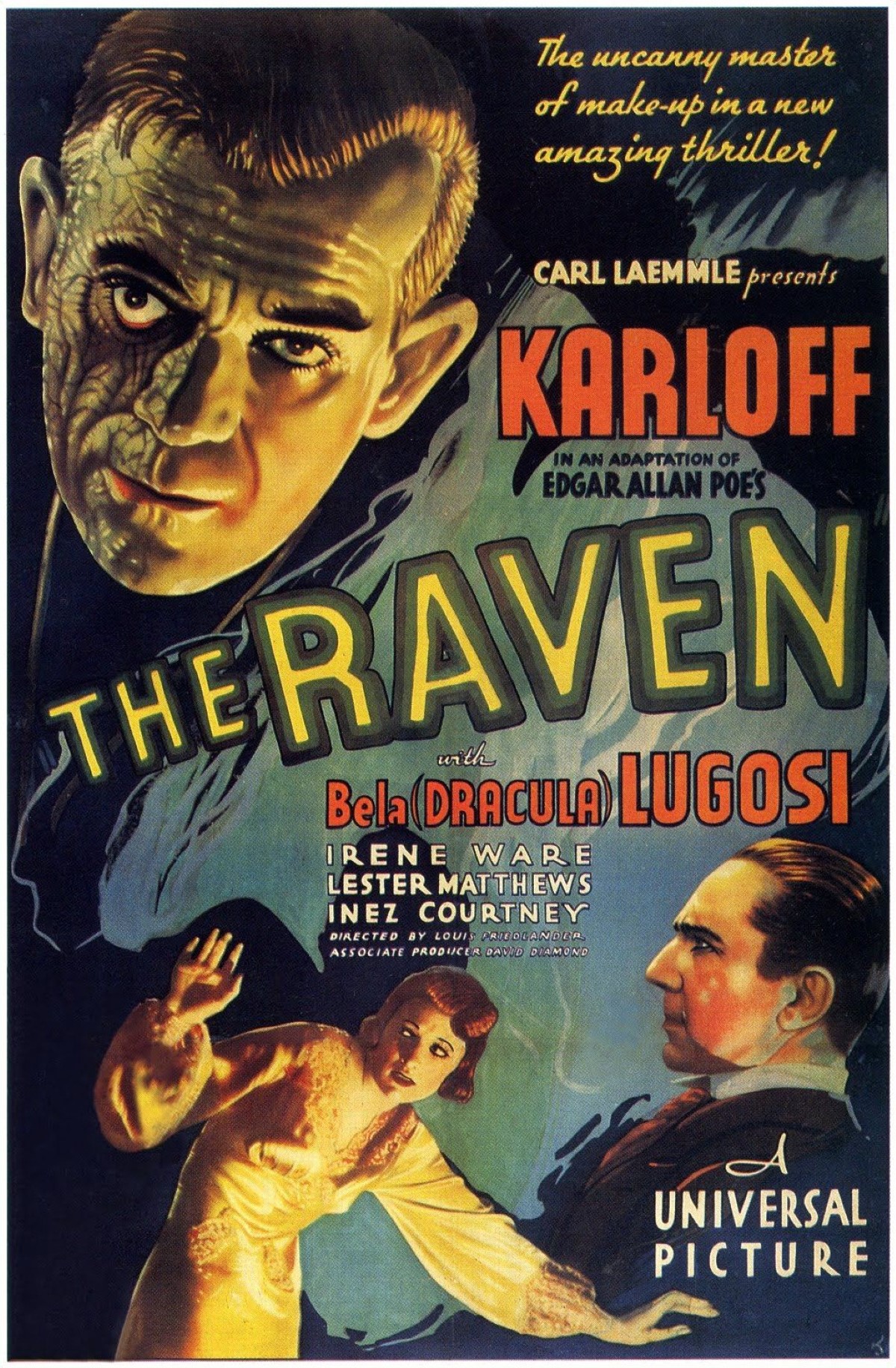
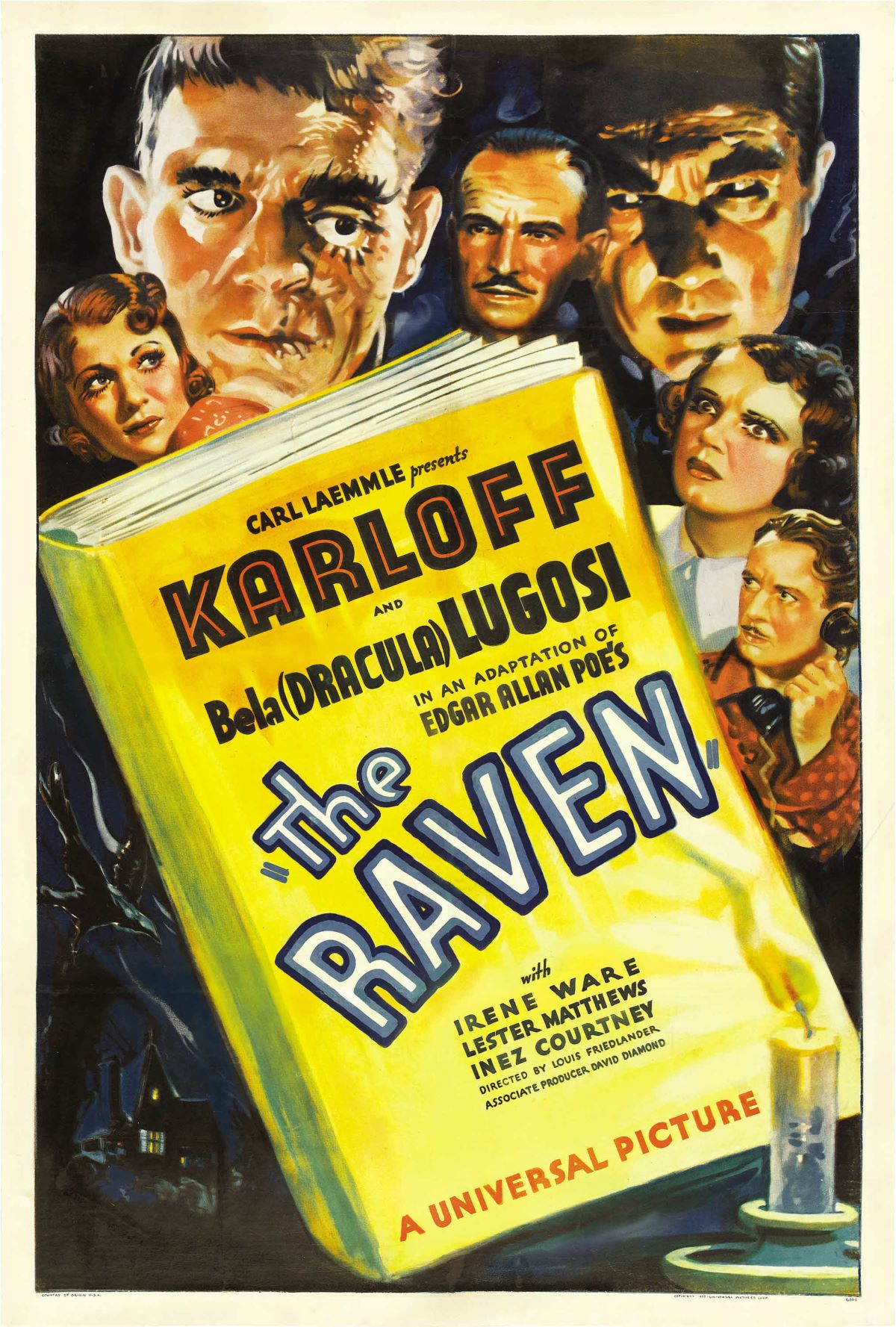
The mid-1930s saw Grosz continue to define the look of Universal horror. *The Black Cat* in 1934 paired Boris Karloff and Bela Lugosi for the first time on screen, and the posters needed to reflect the weight of that pairing. The following year, *The Raven* and *The Bride of Frankenstein* both demanded posters worthy of their ambitious productions.
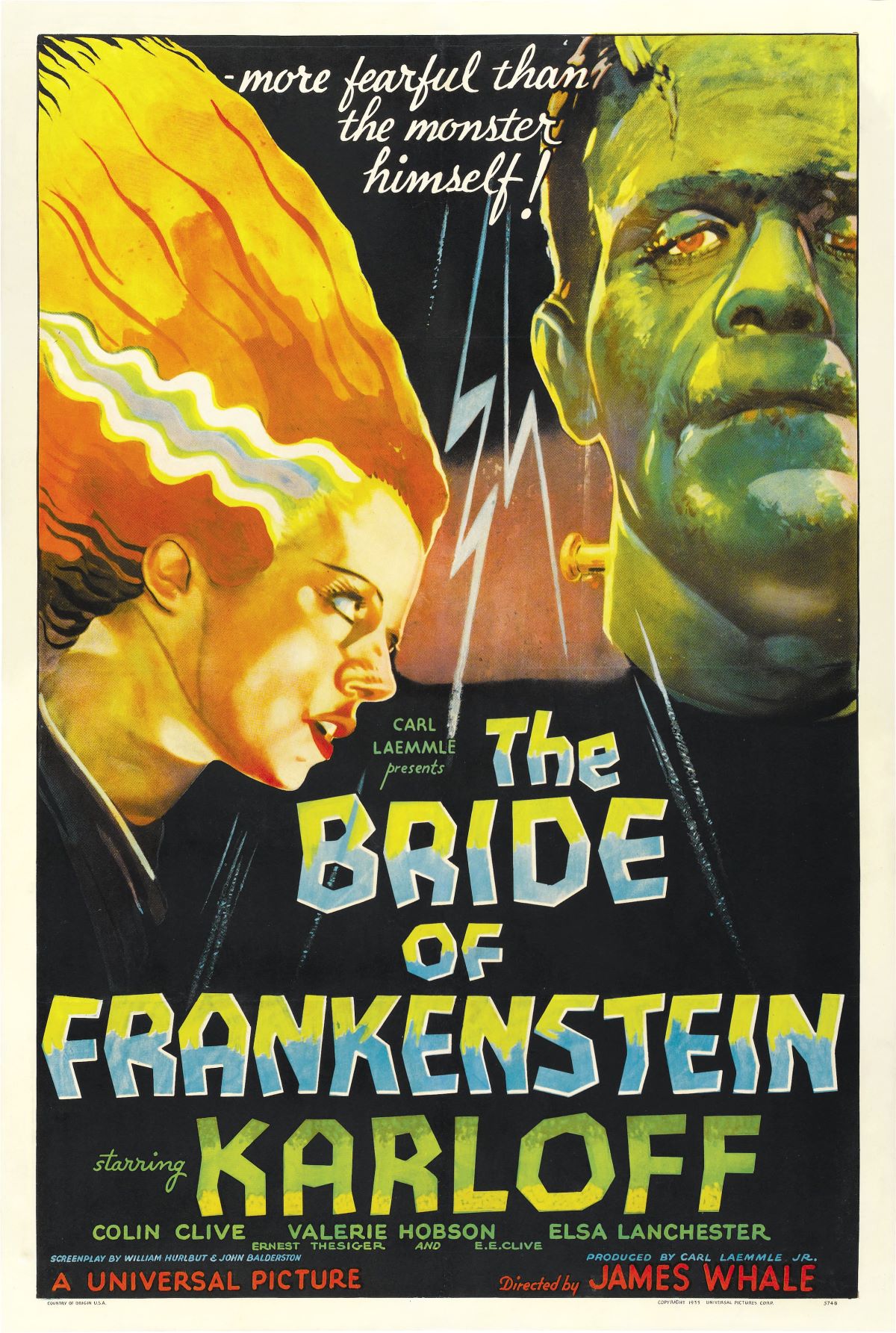
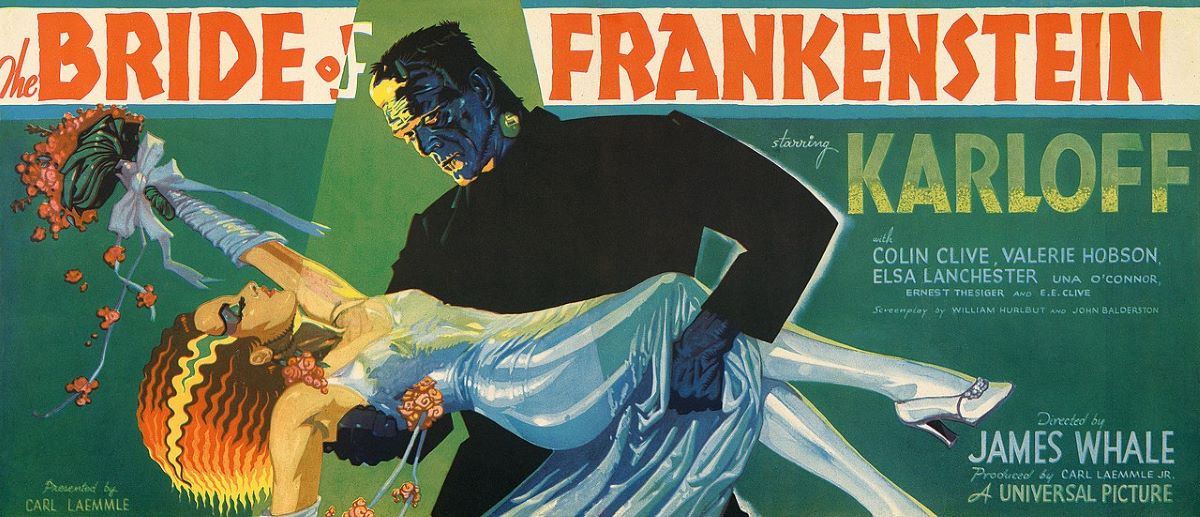
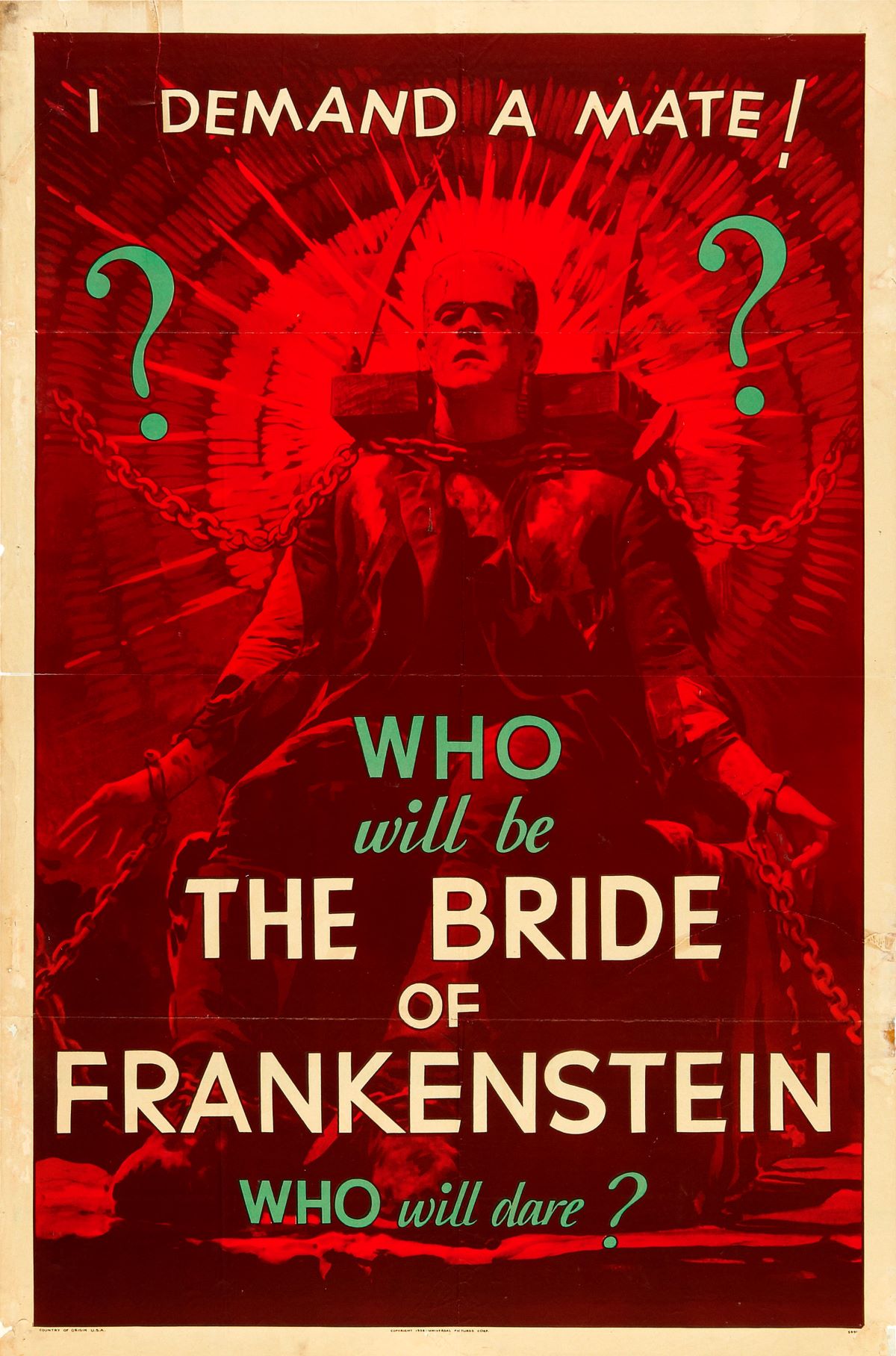
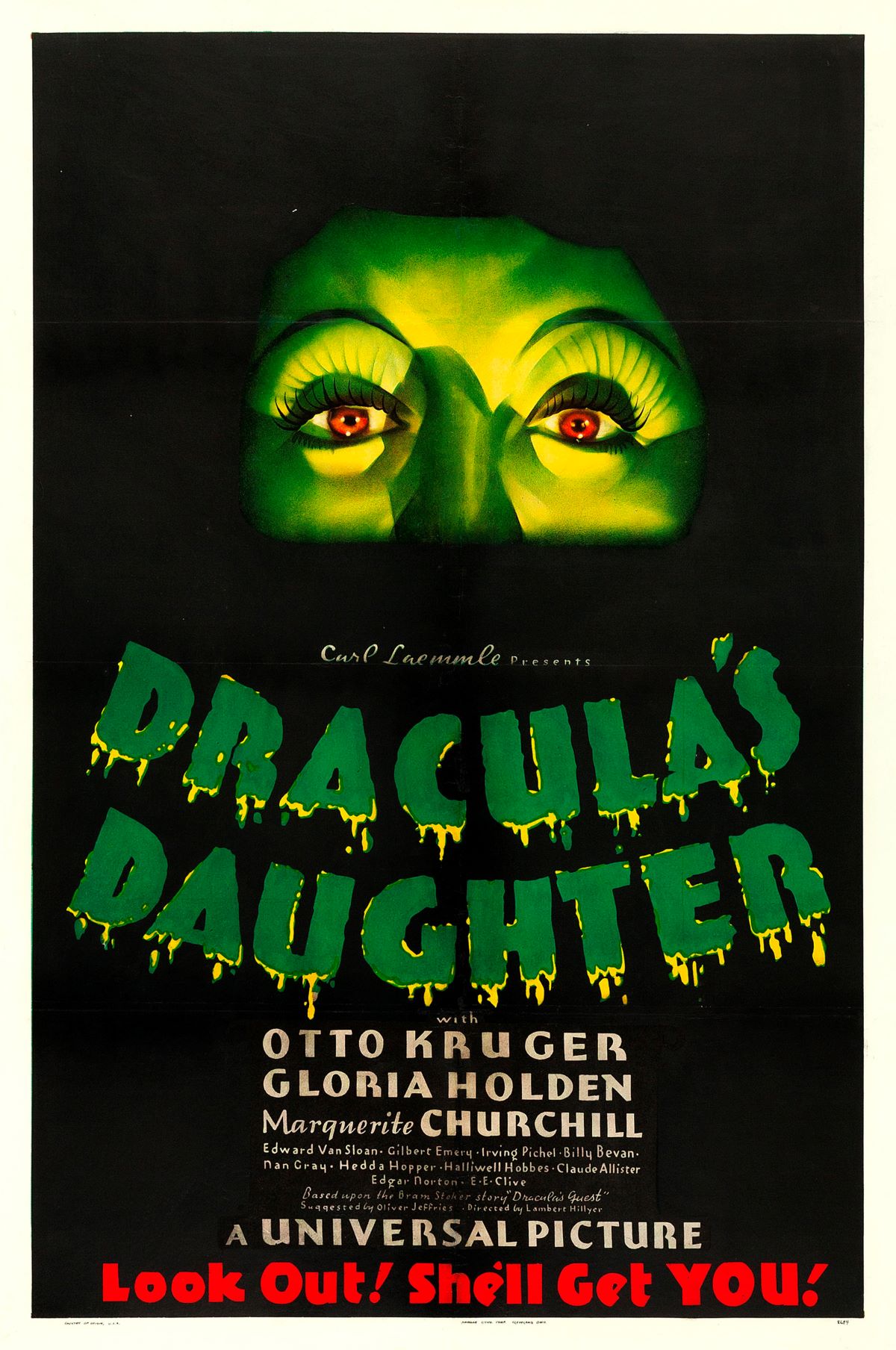
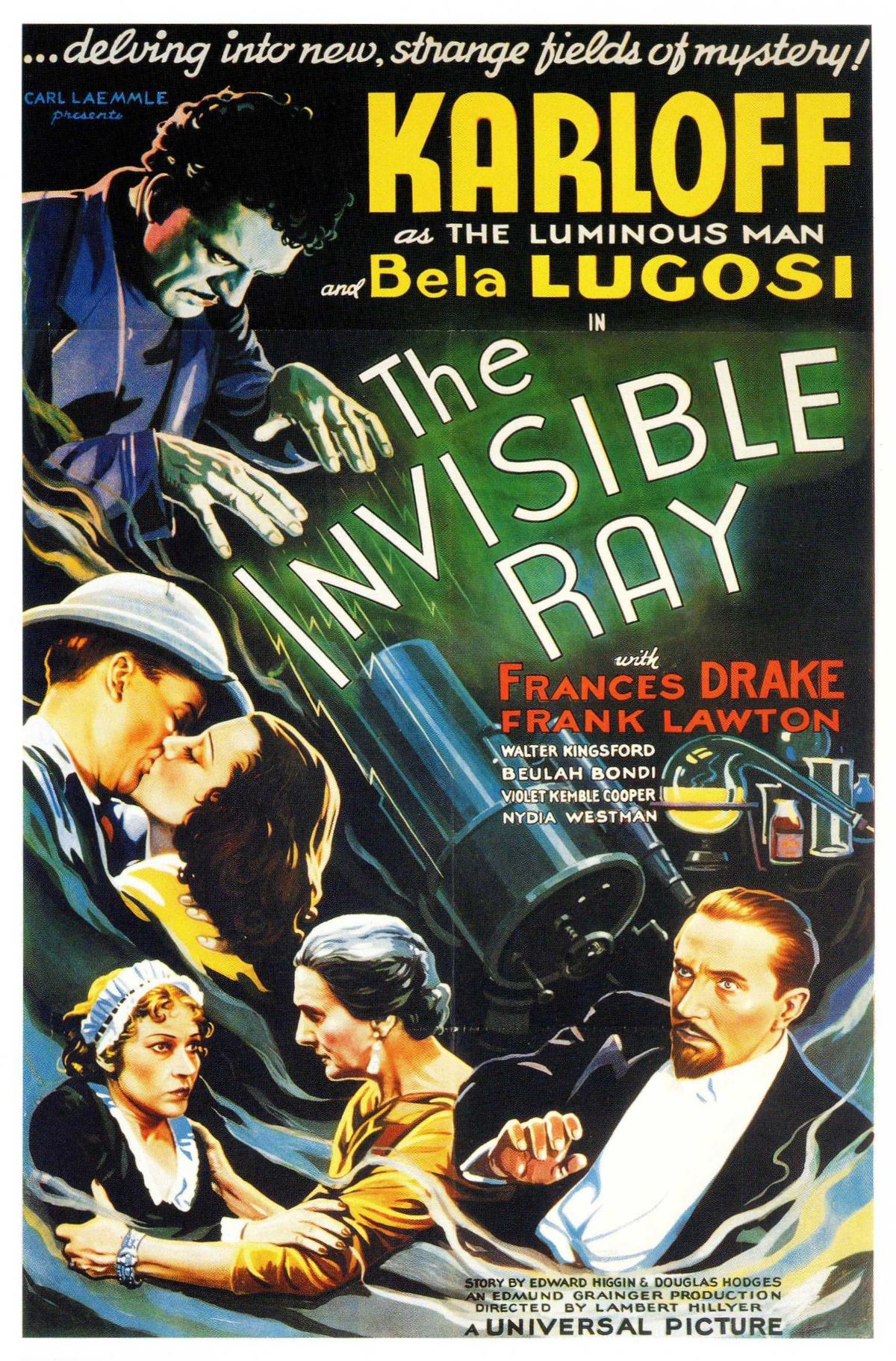
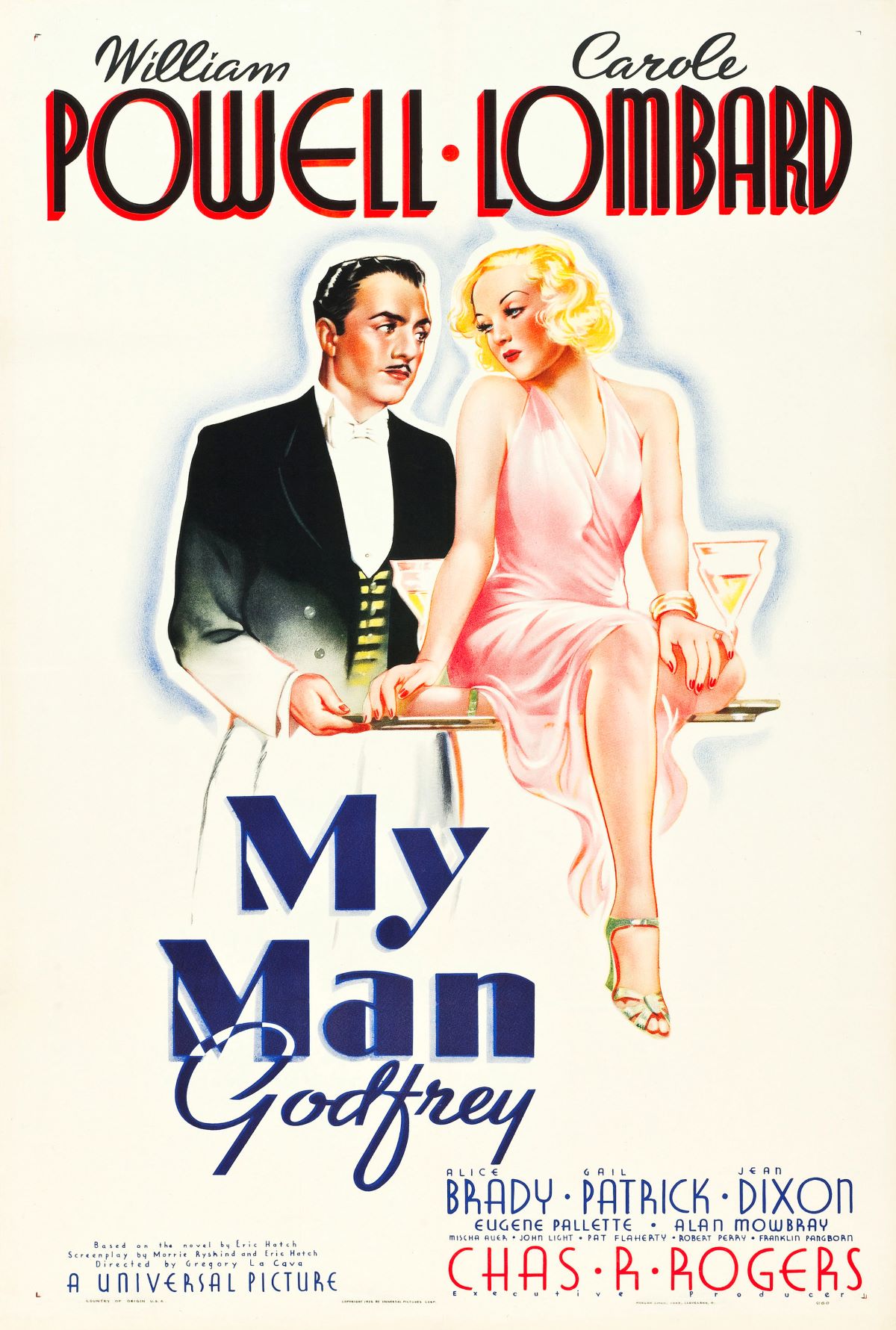
By 1936, Grosz’s output stretched beyond straight horror. *Dracula’s Daughter* and *The Invisible Ray* kept him in familiar territory, but his work also appeared on films like *My Man Godfrey*, showing a versatility that many illustrators of the era simply did not possess.
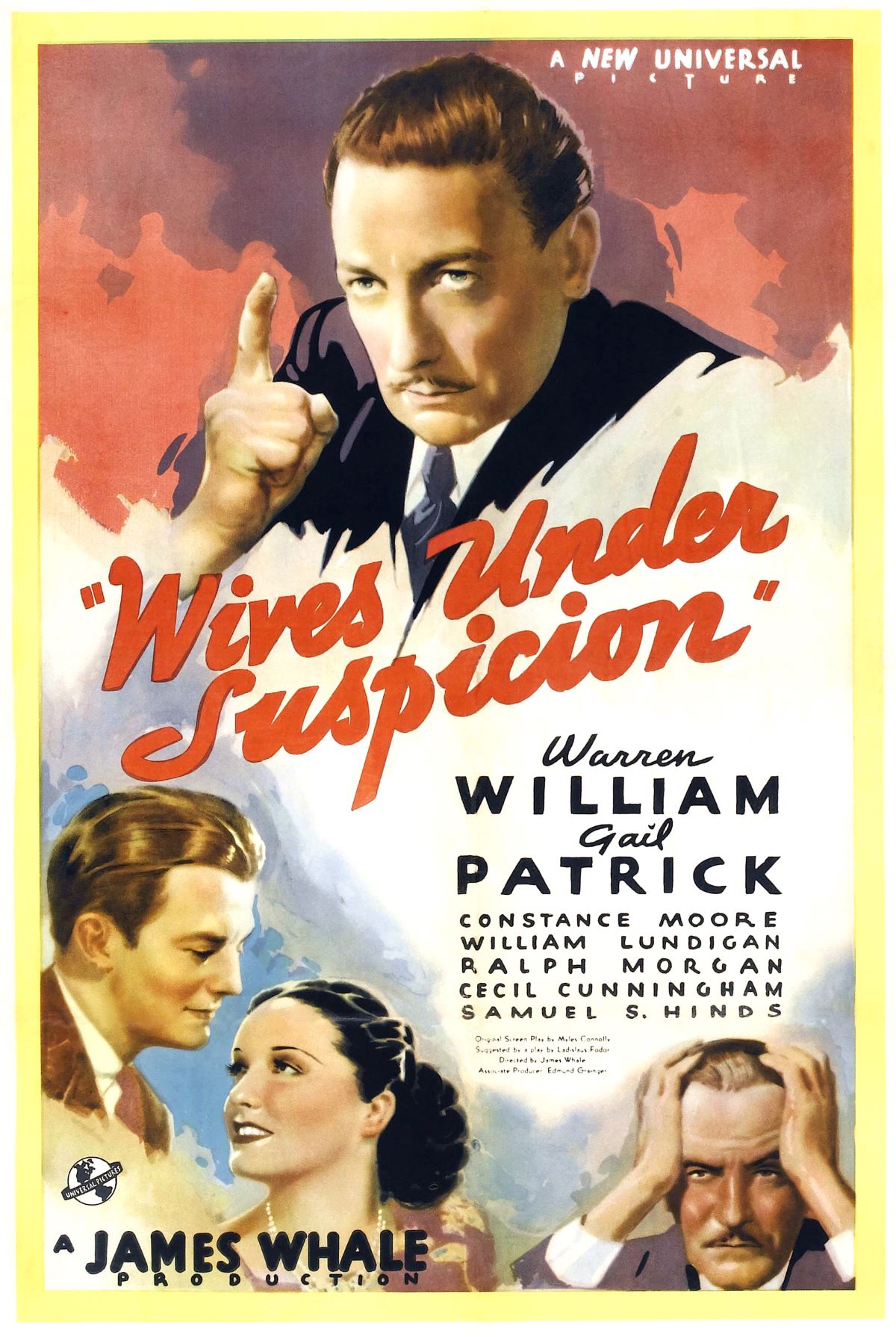
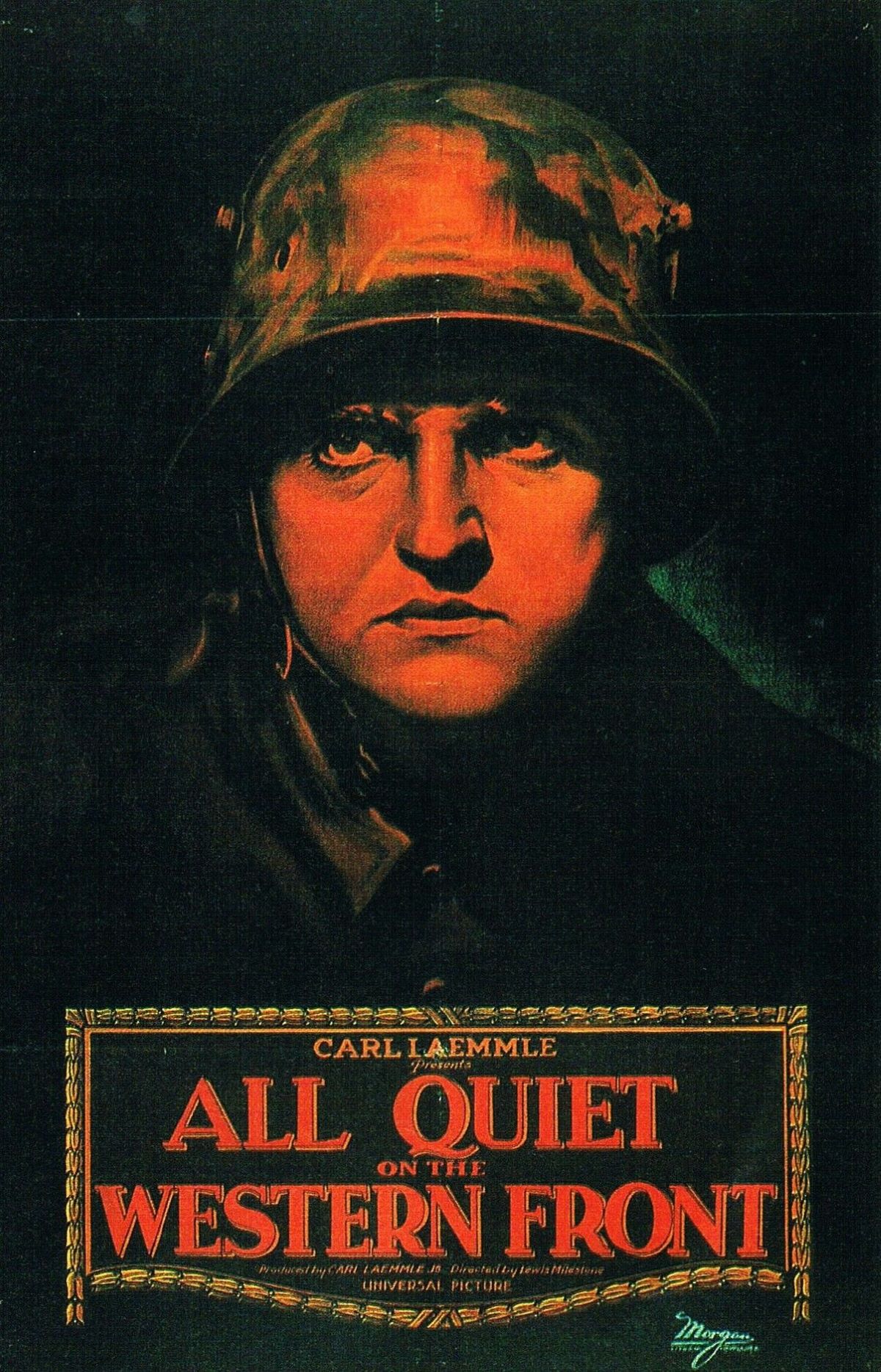
Among Grosz’s final known works before his early death were posters for *Wives Under Suspicion* in 1938 and the earlier *All Quiet on the Western Front* from 1930 — a stark anti-war film that showed the full range of subject matter he handled over his career. His death cut short a run of work that, even in its existing form, remains without equal in the history of Hollywood poster art. Today, original Grosz posters sell for hundreds of thousands of dollars — a fitting price for work that was never meant to last, but was simply too good to forget.