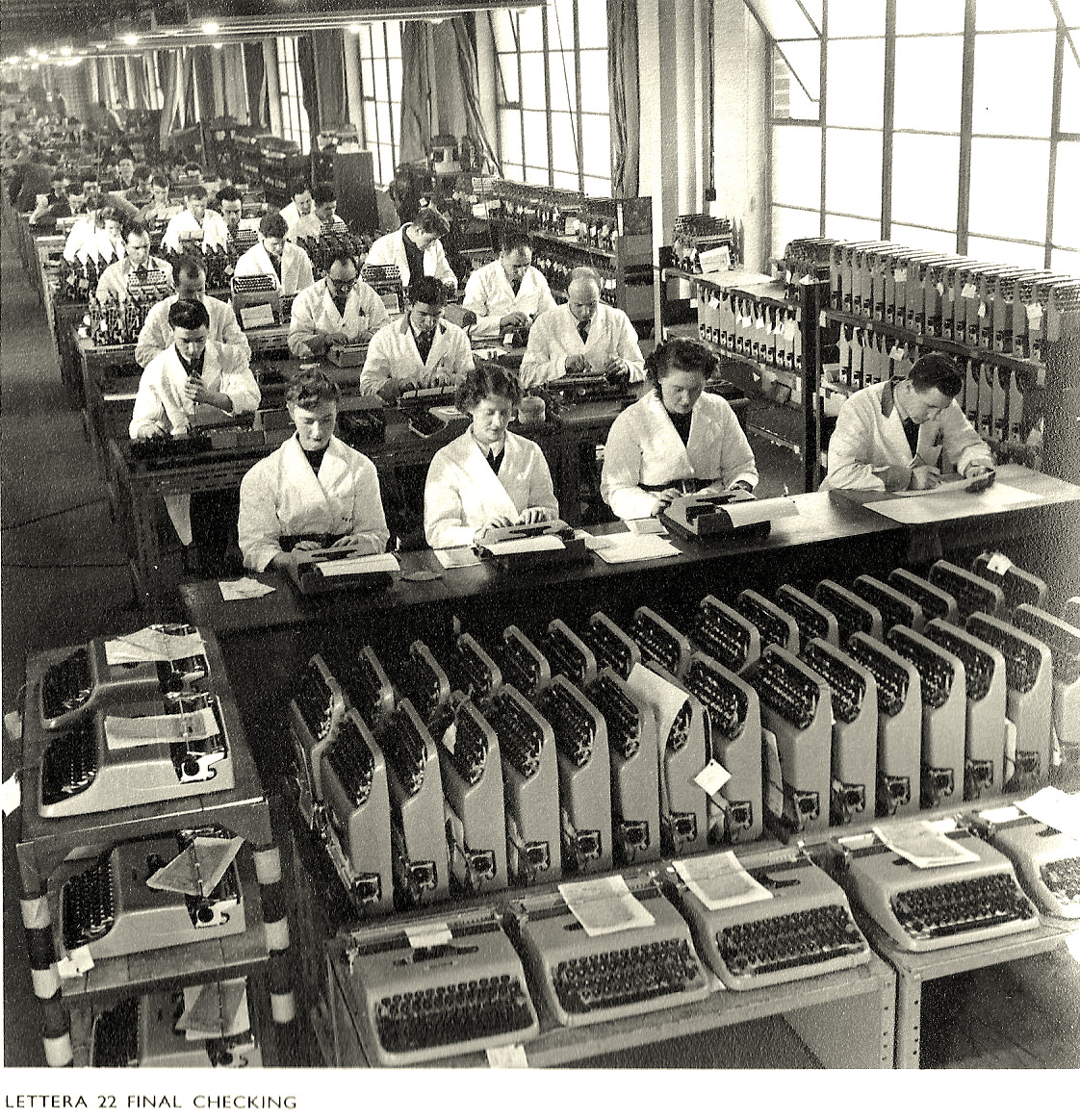
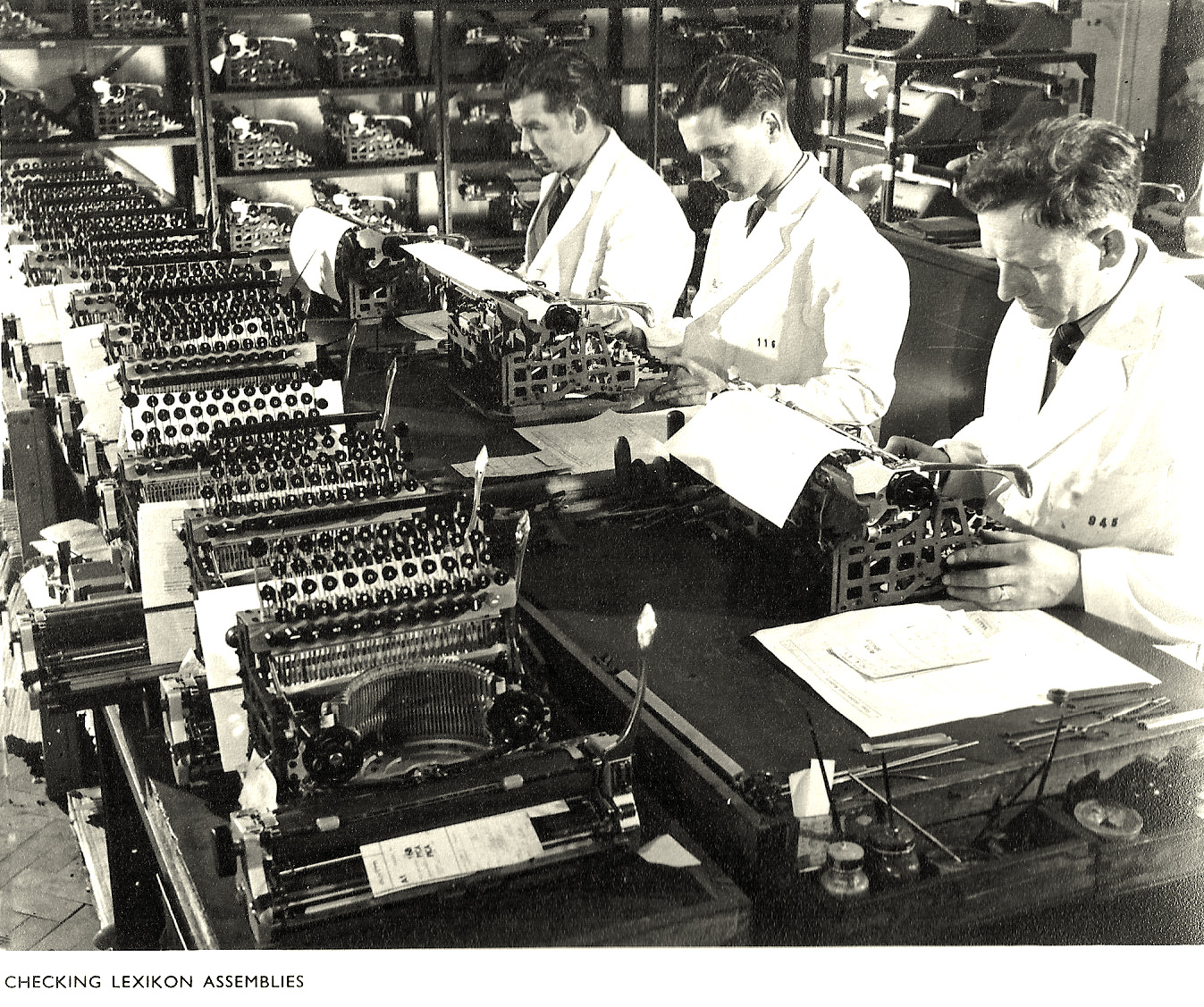
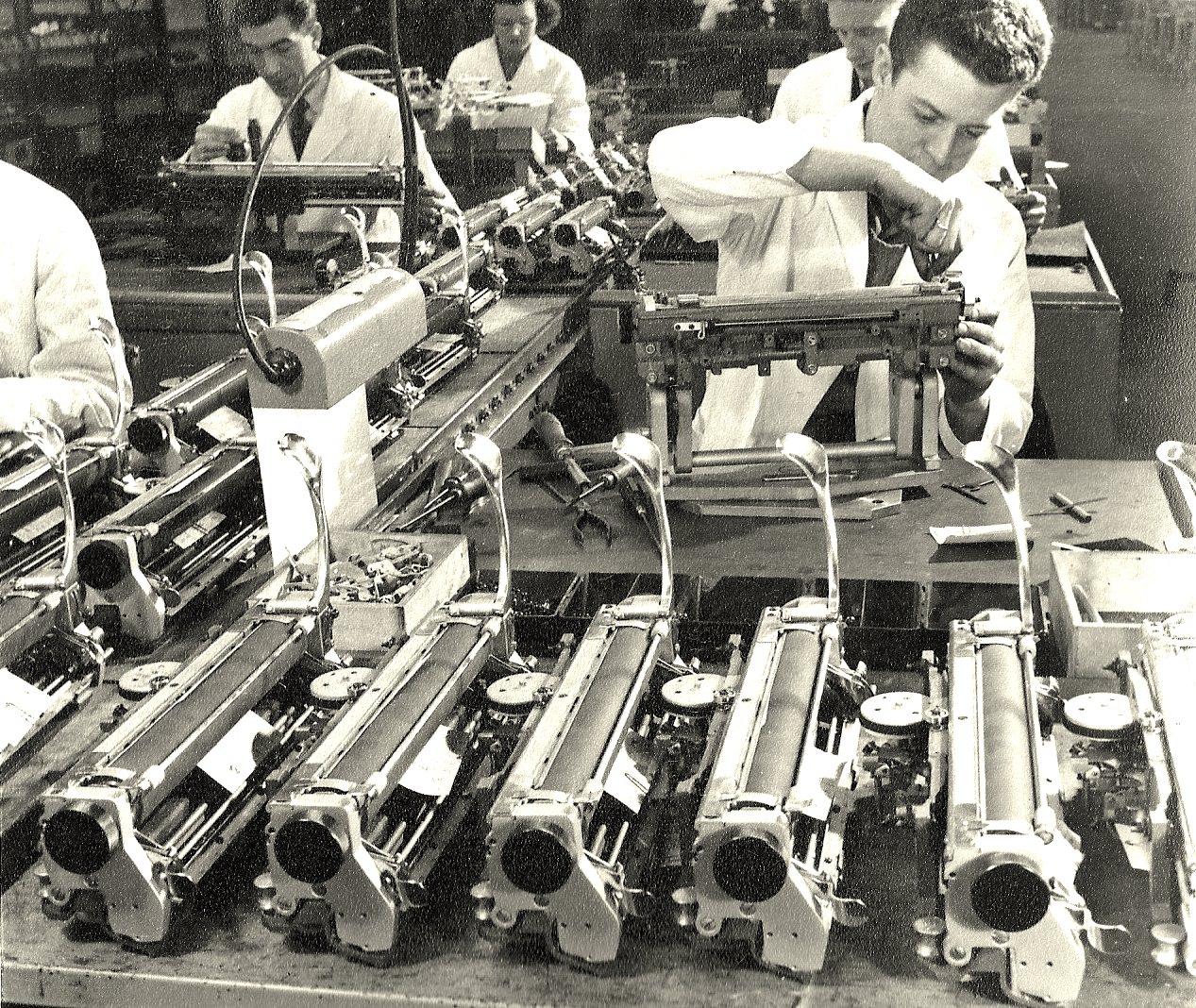
By 1957, the British Olivetti factory in Glasgow employed more than 900 people. Most of them lived close by, in the council estates of a working-class neighbourhood that was otherwise defined by red-brick tenements and heavy industry. Into this setting came something very different.
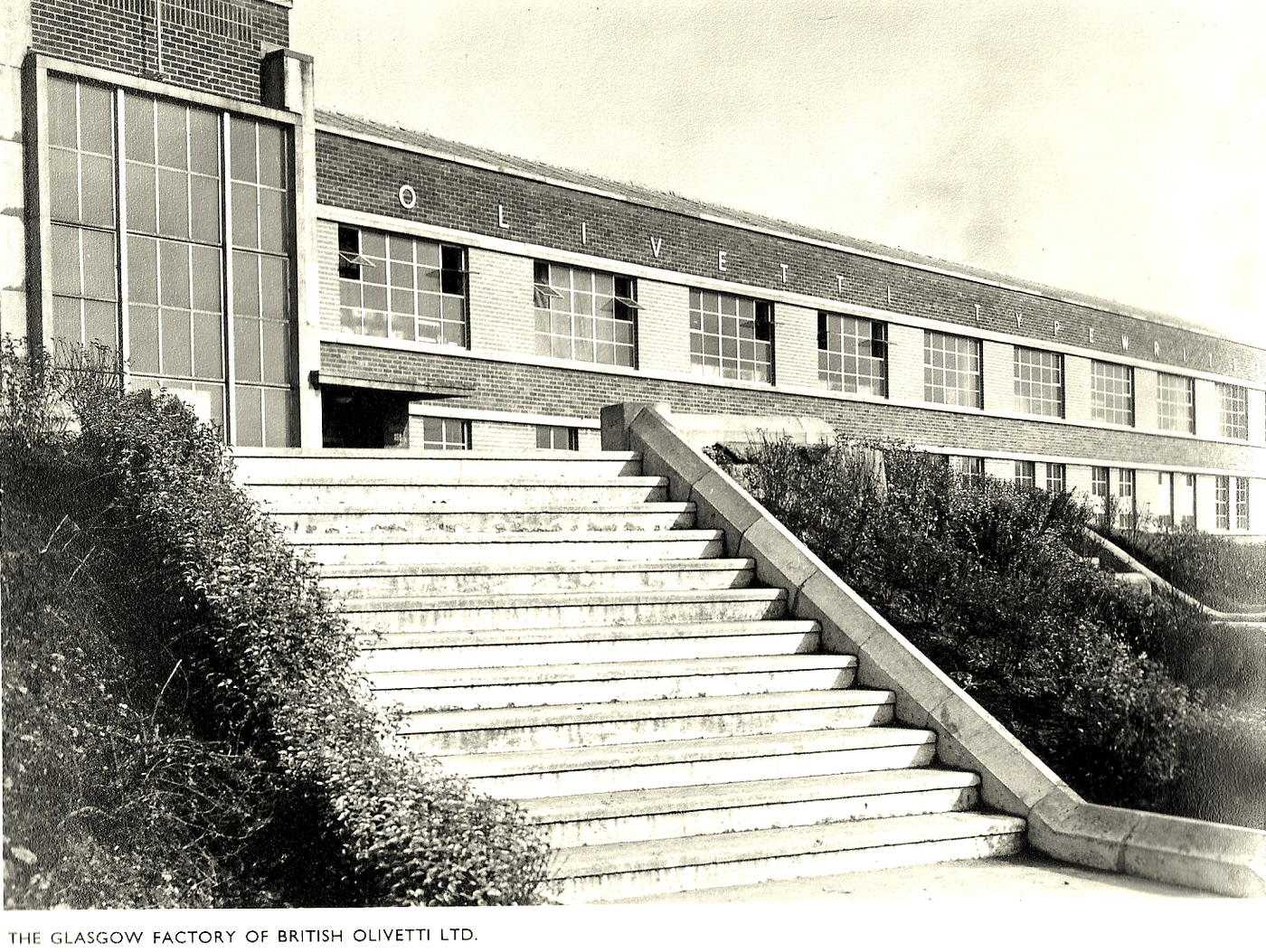
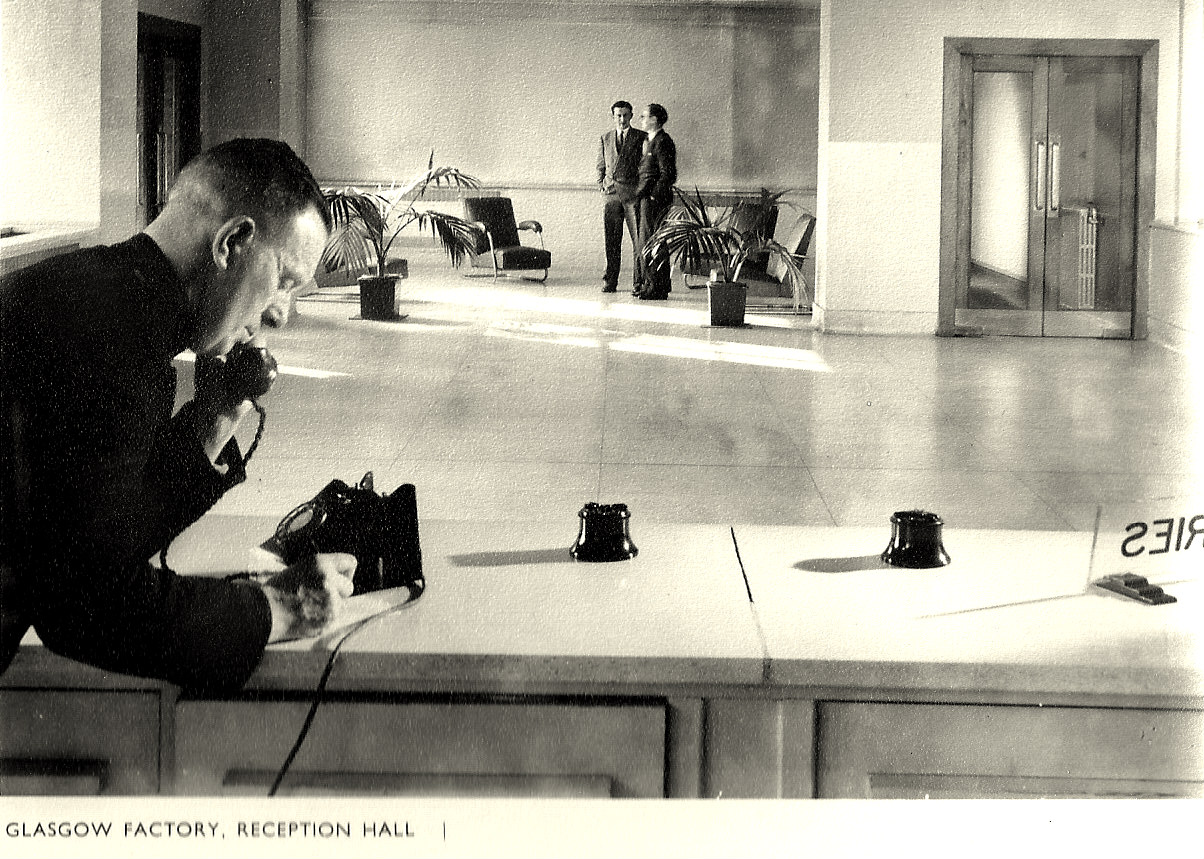
The building was designed by architect Egon Riss. Its clean lines, large windows, and open interiors brought a sharp contrast to everything around it. The design reflected the Italian parent company’s belief that a good working environment was just as important as the products made inside it.
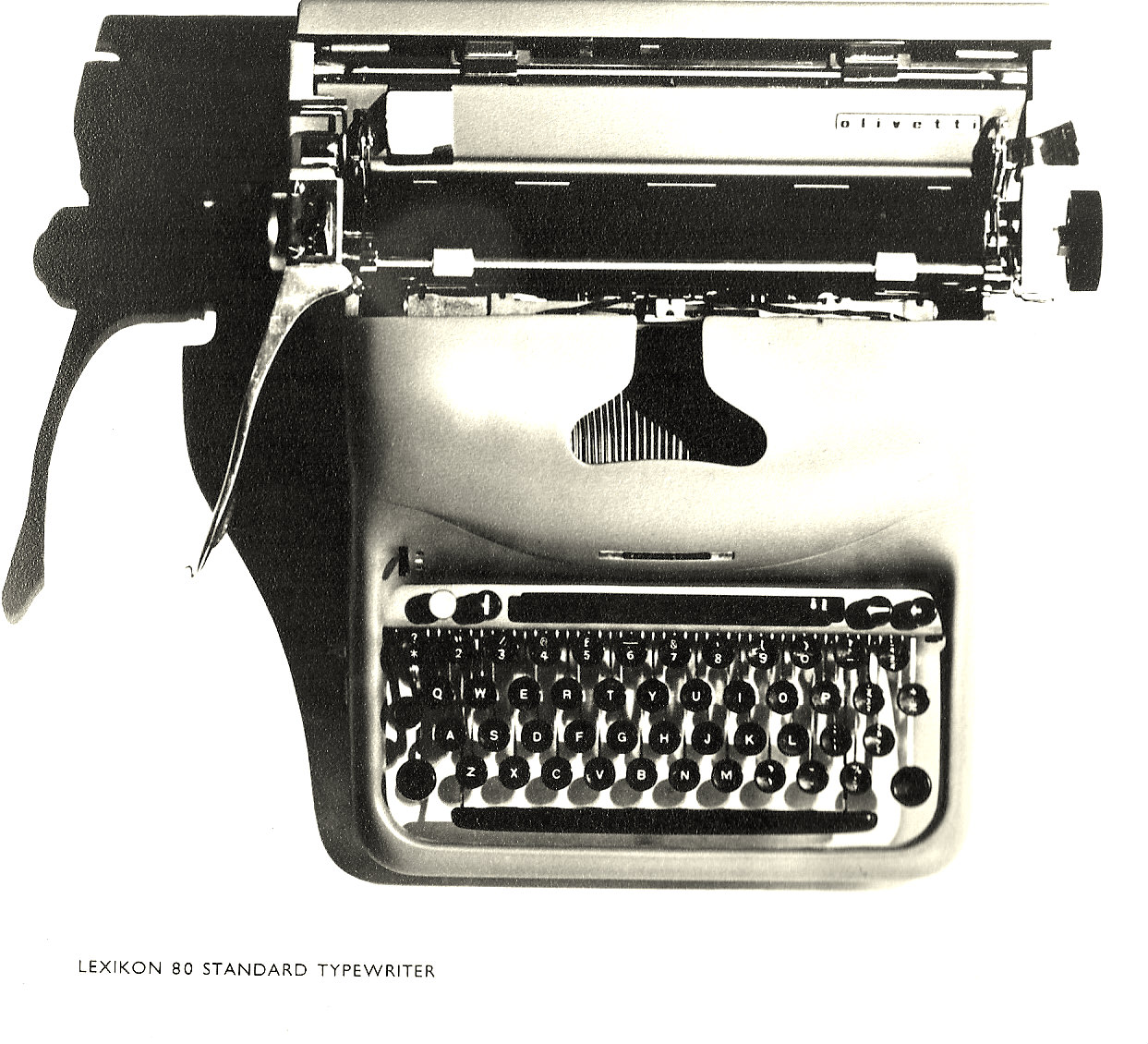
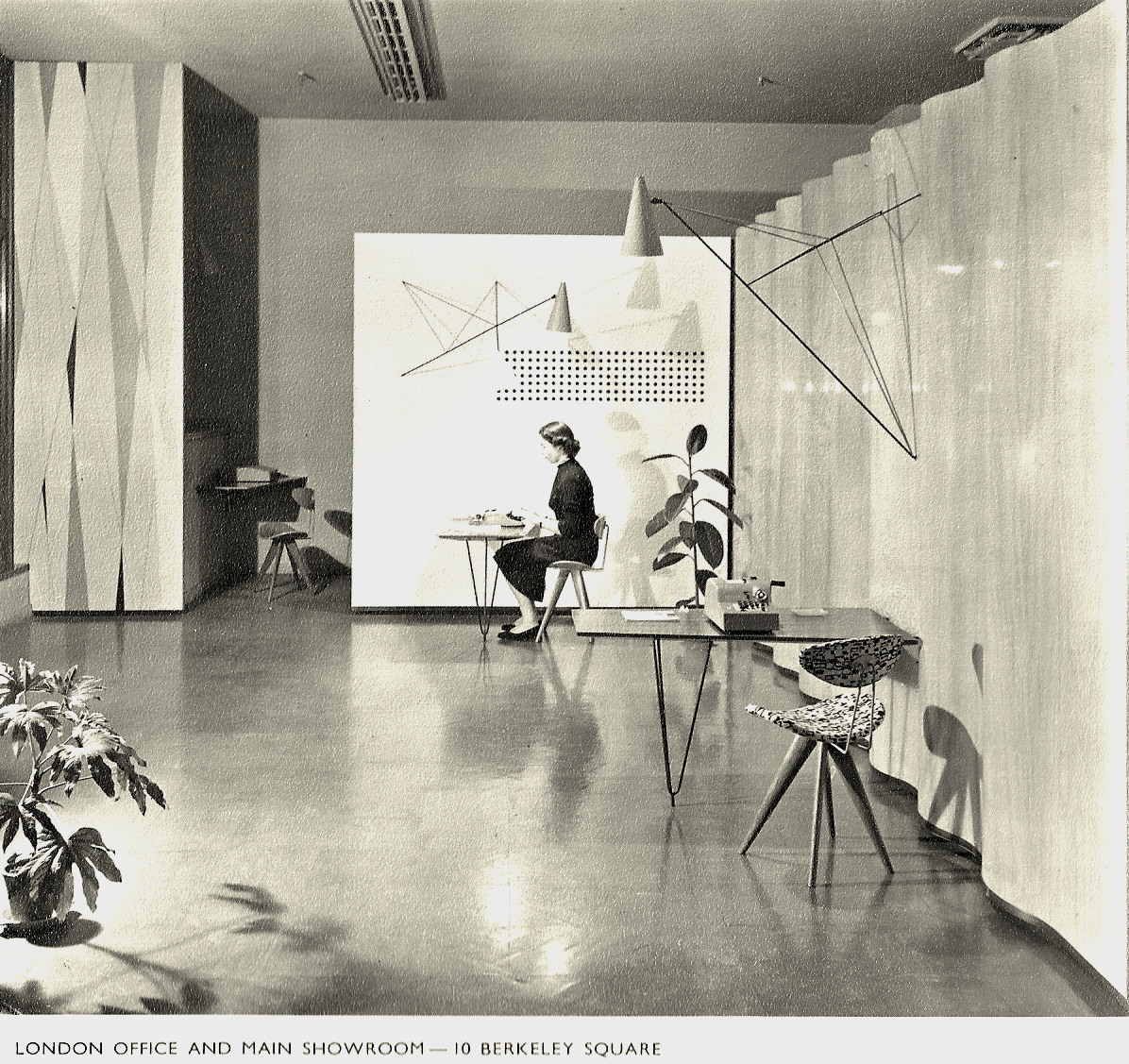
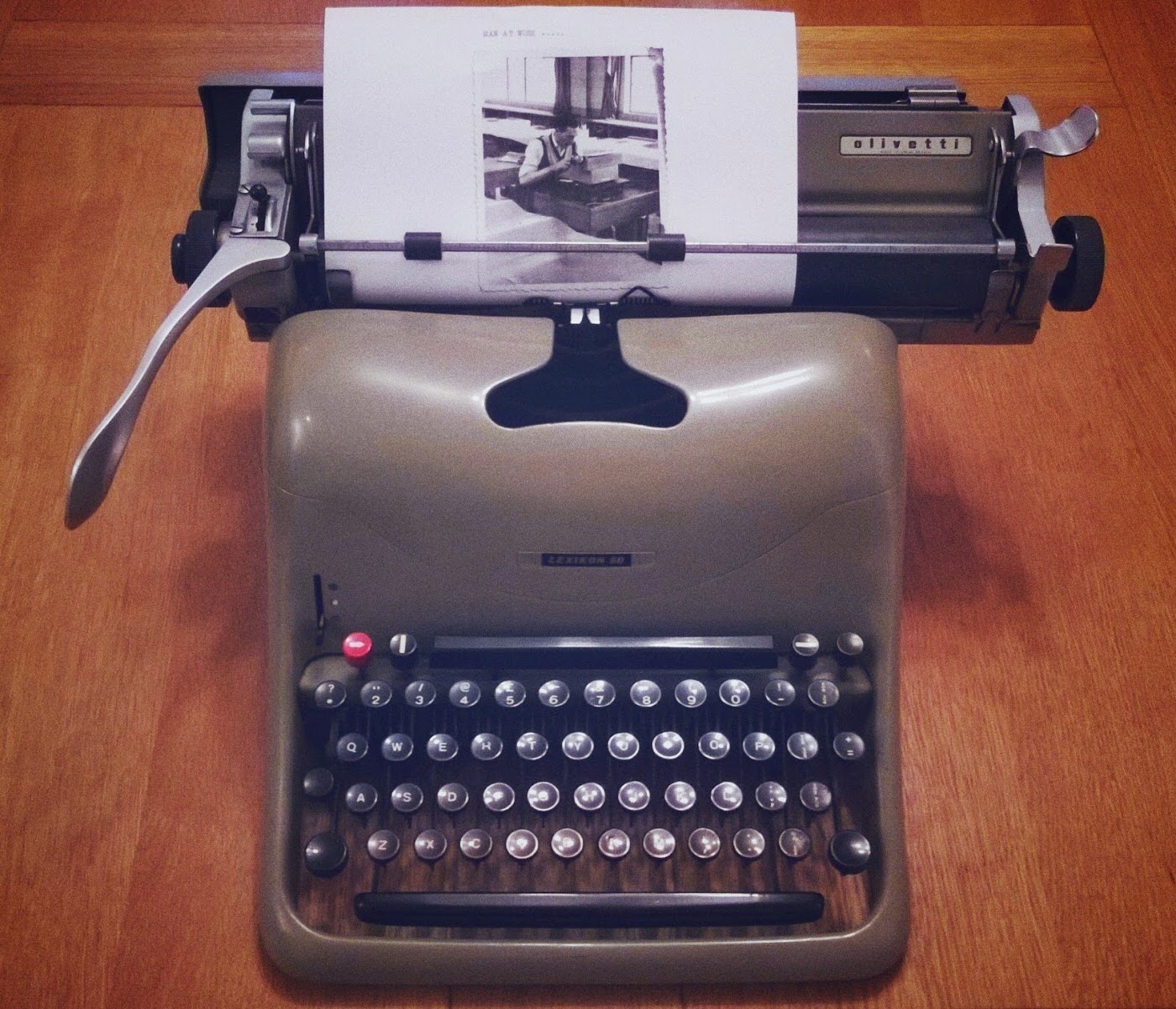
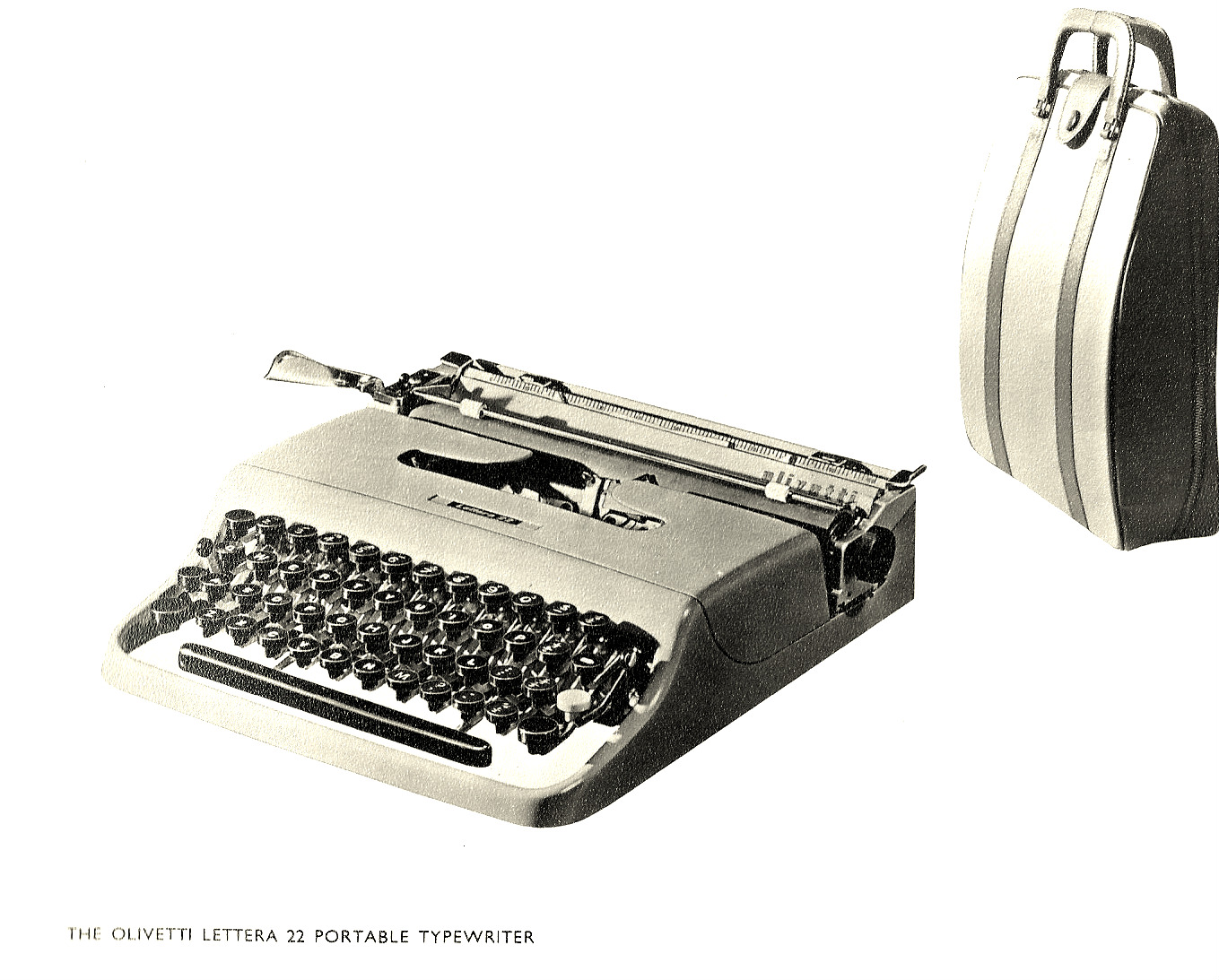
Olivetti, founded in Italy, built its reputation on products that were both functional and beautiful — typewriters, adding machines, and office equipment that stood apart from anything else on the market. The Glasgow factory was central to bringing those designs to British consumers.
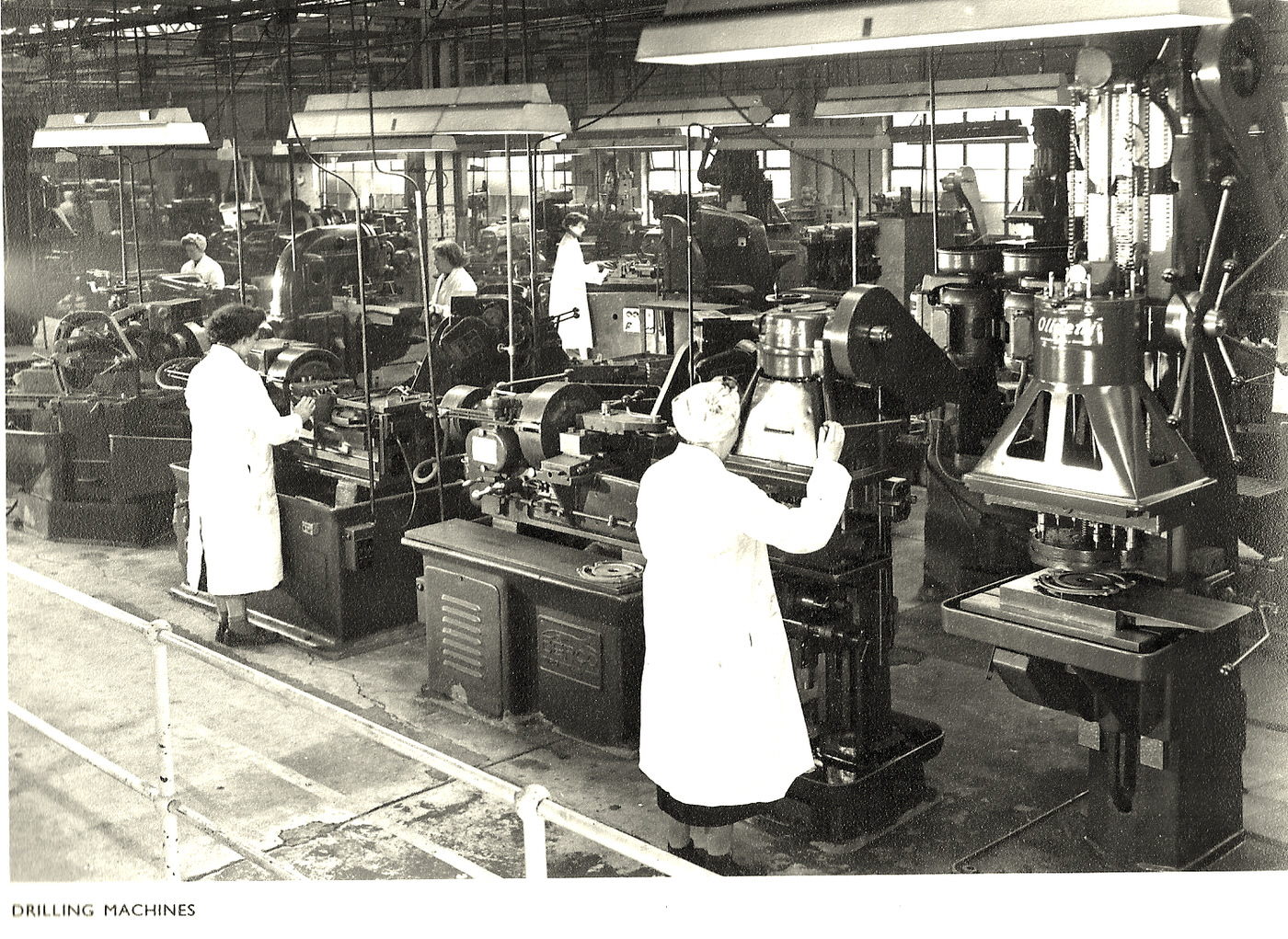
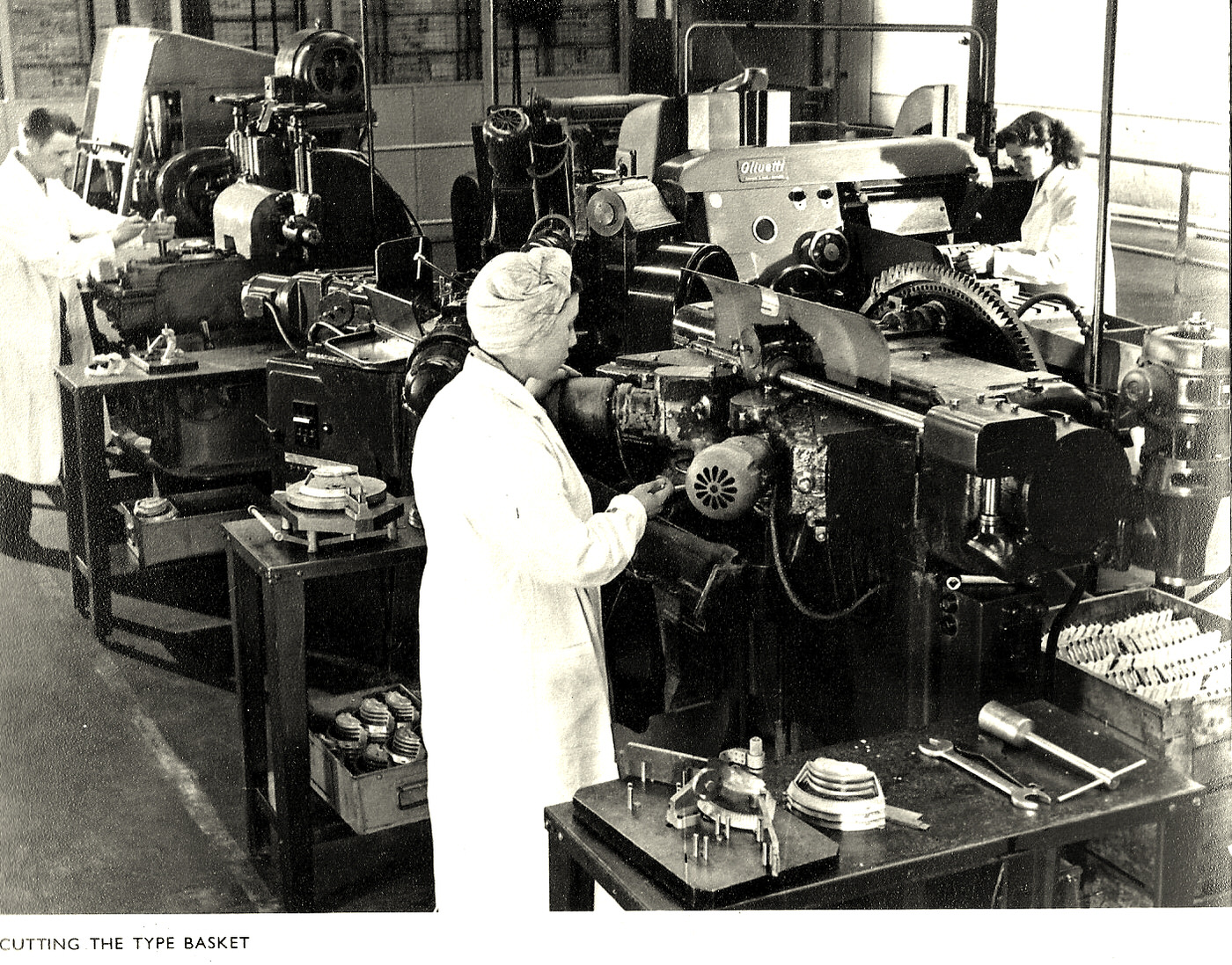
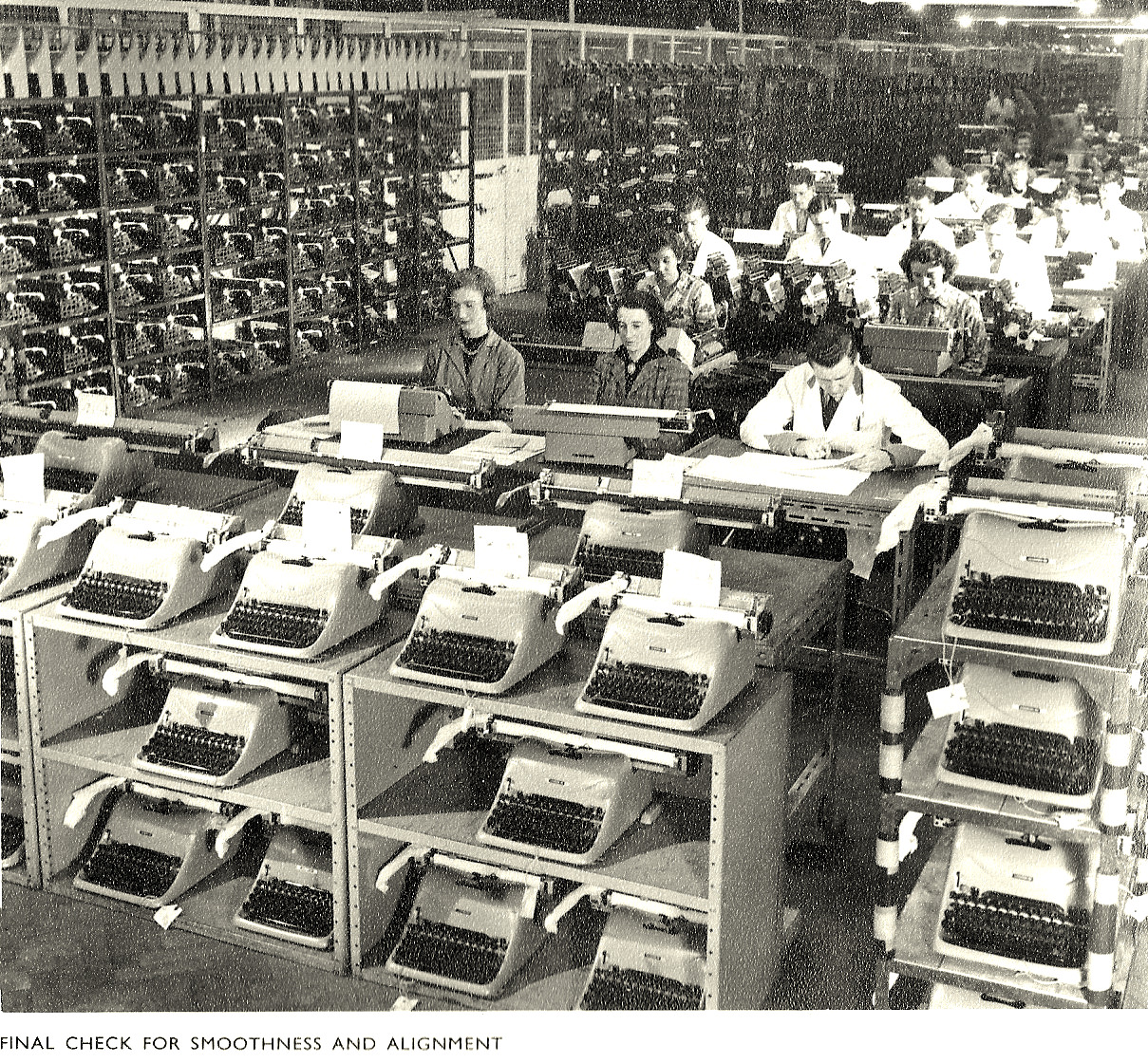
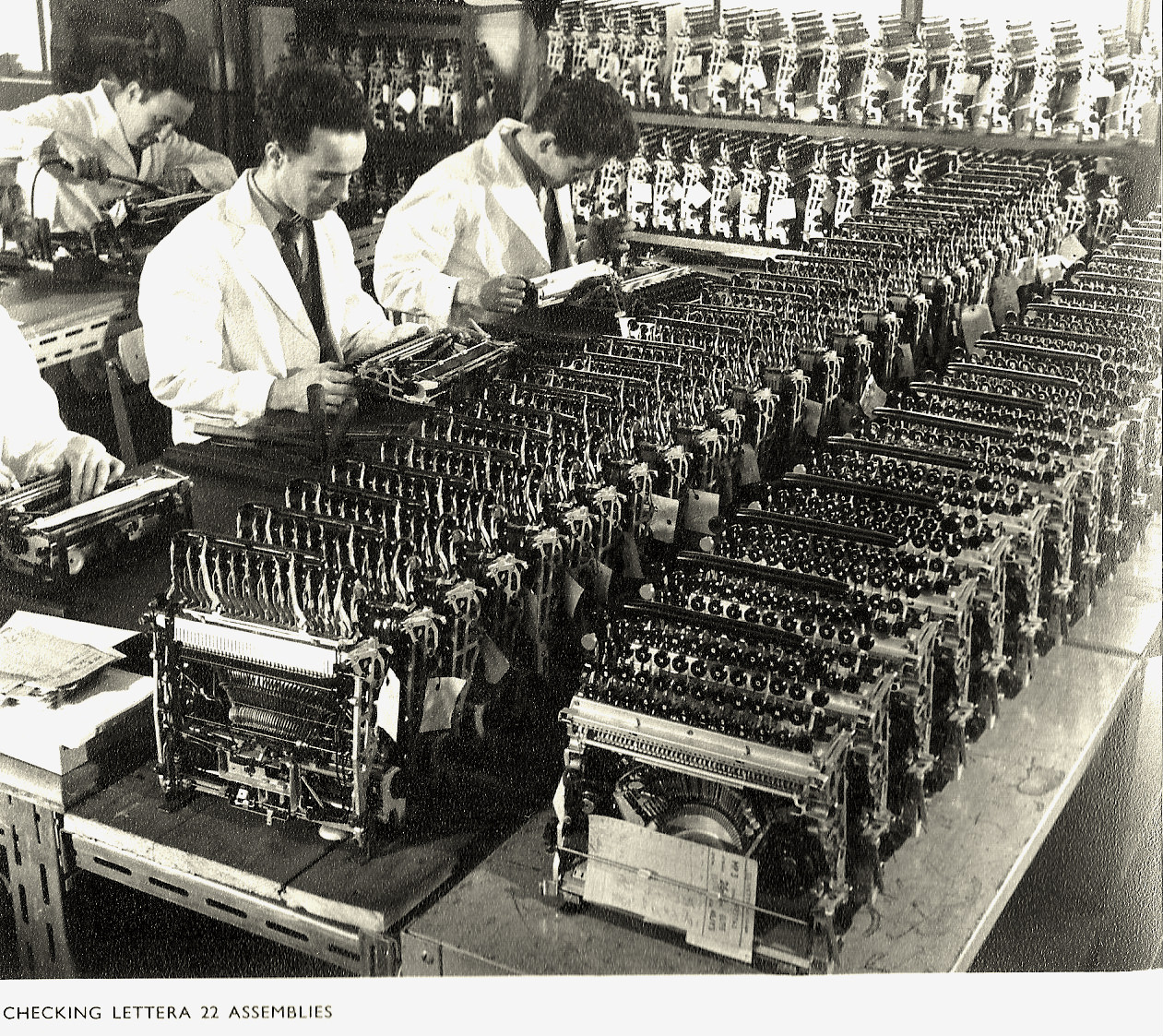
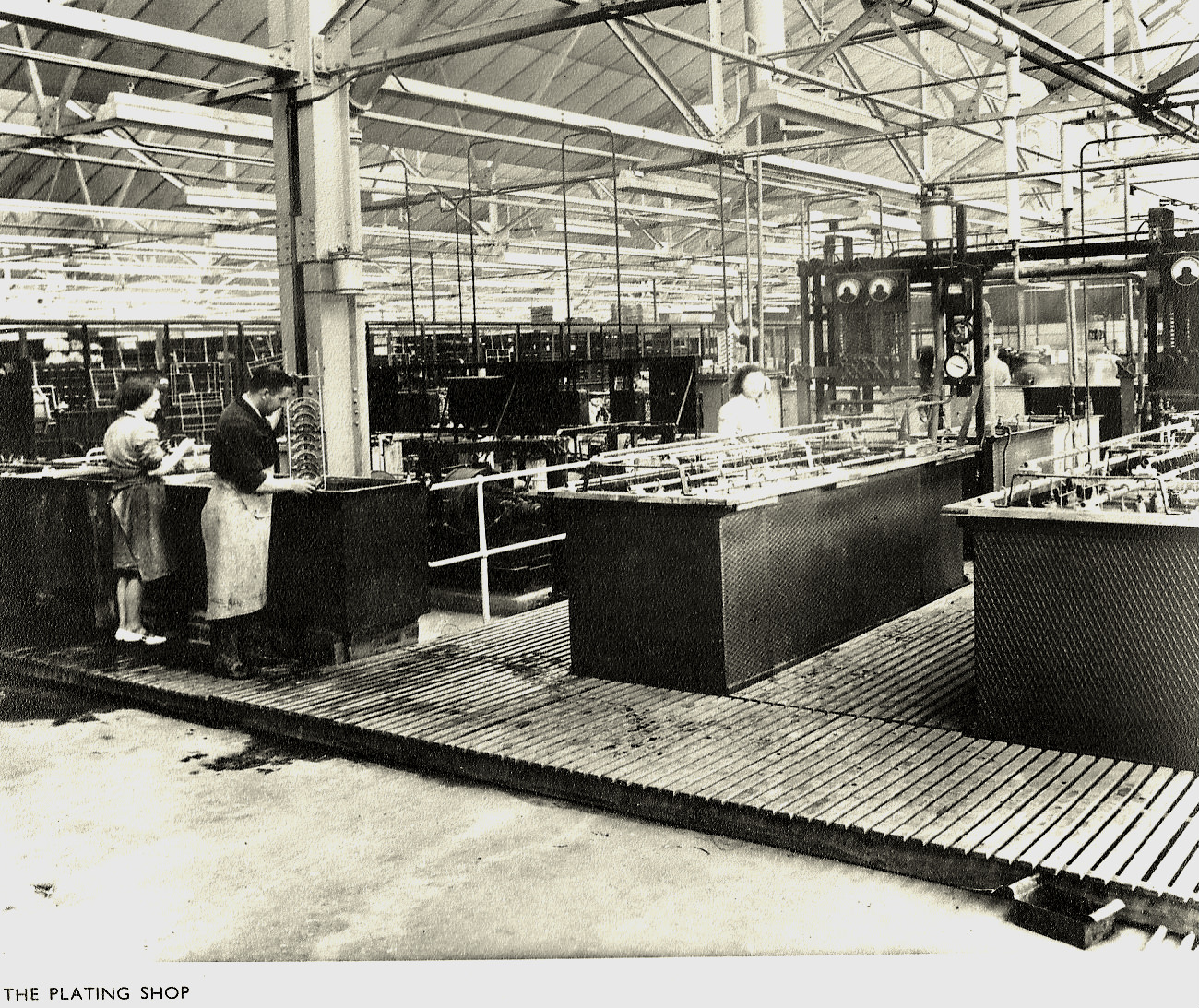
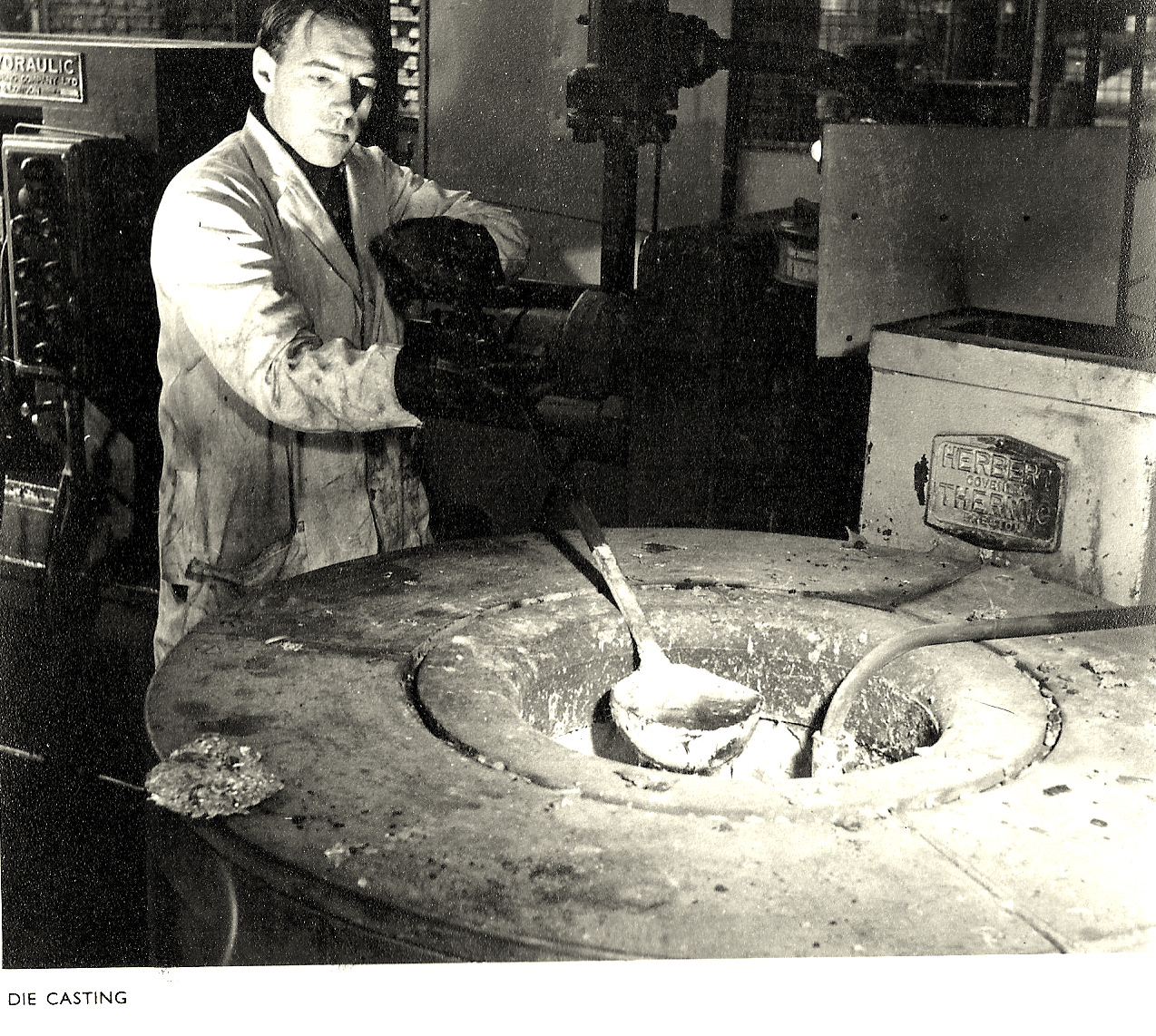
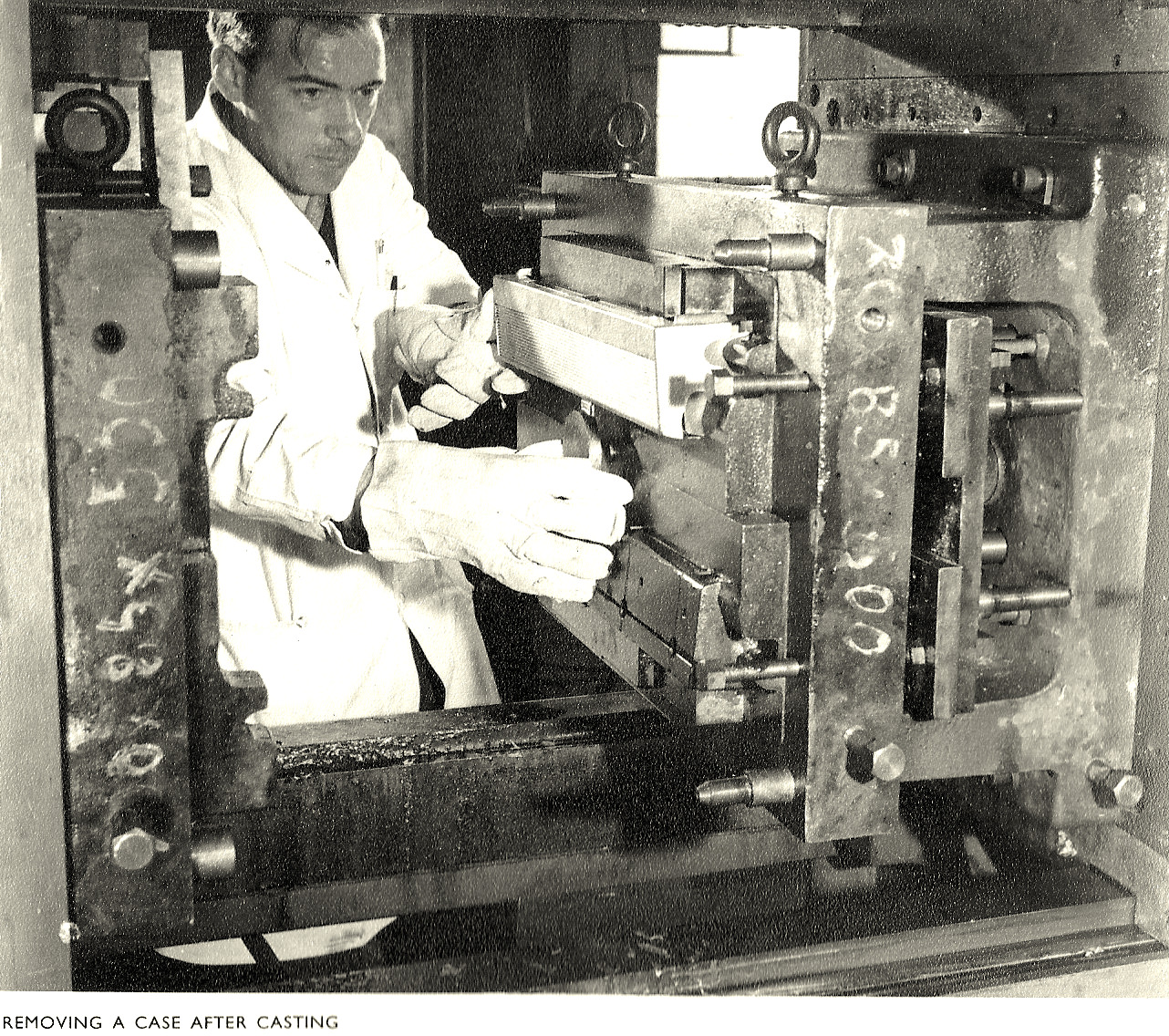
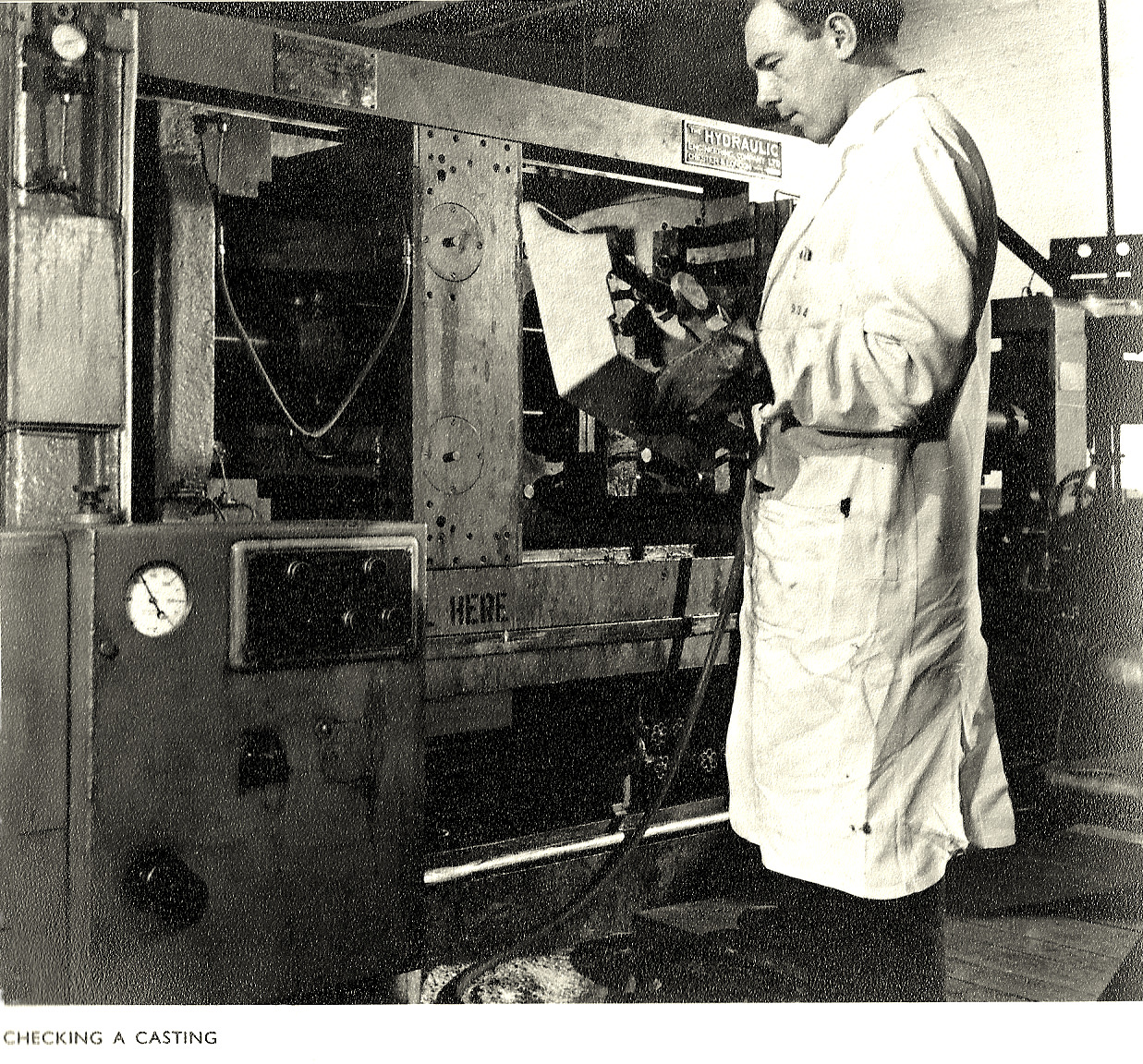
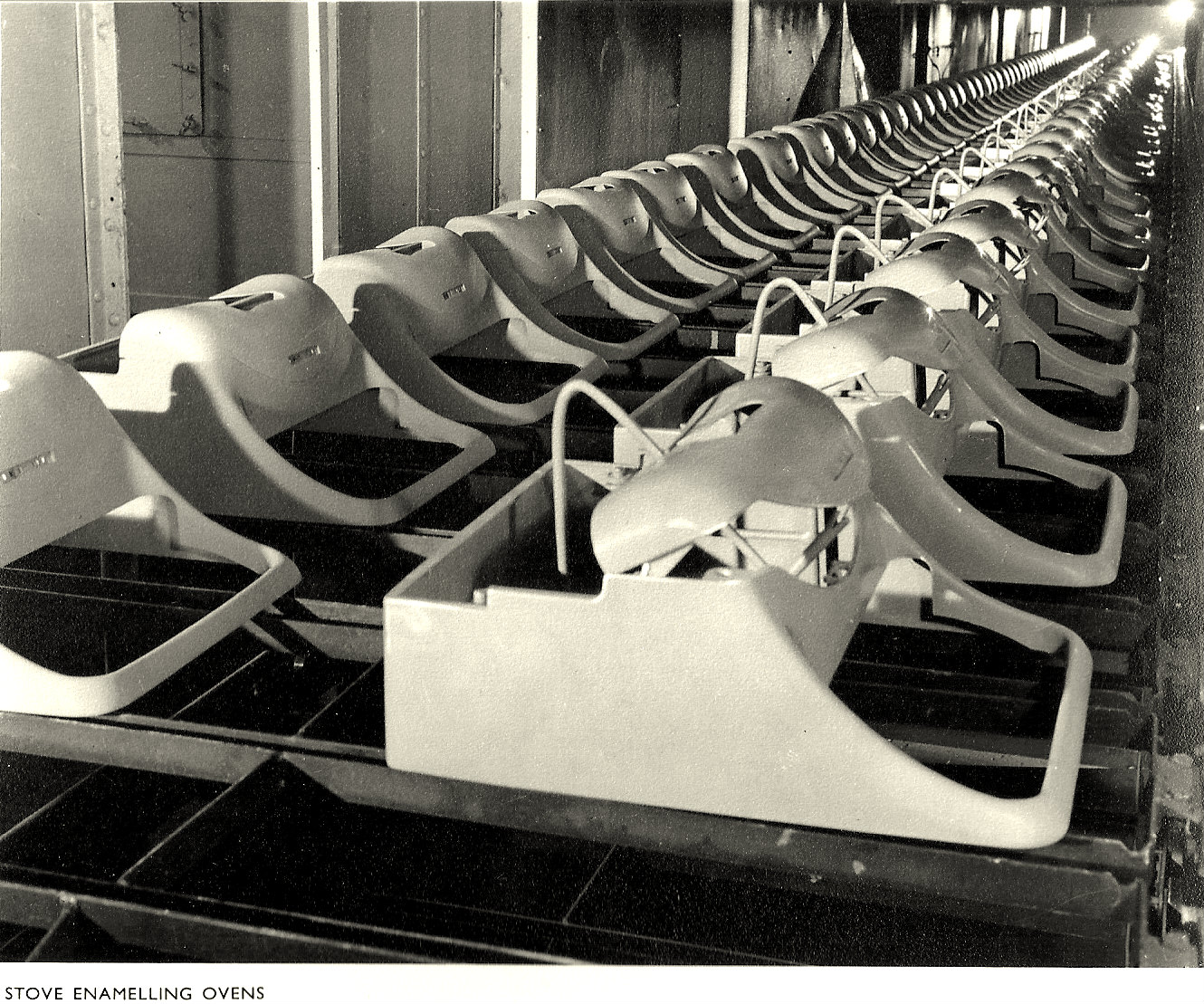
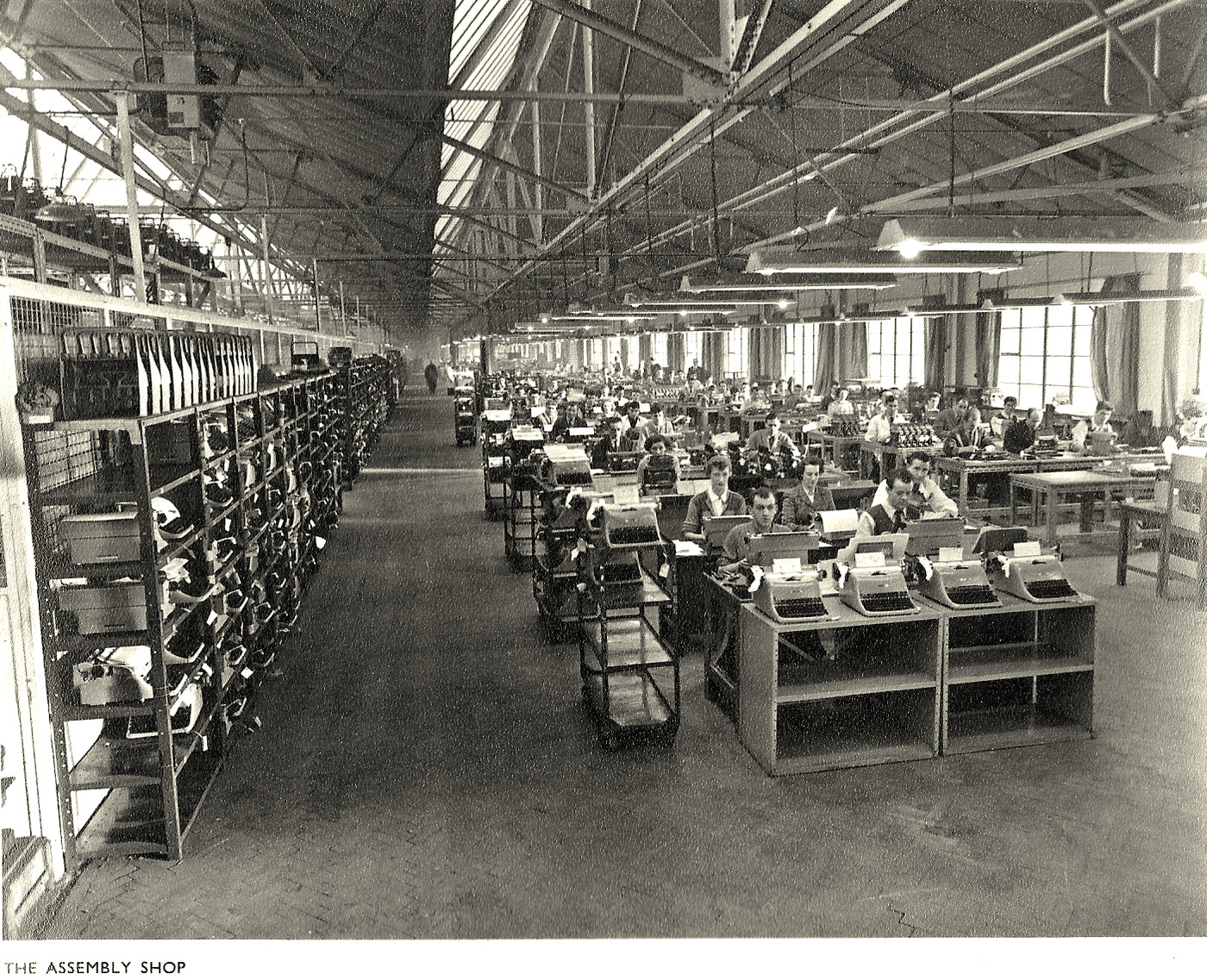
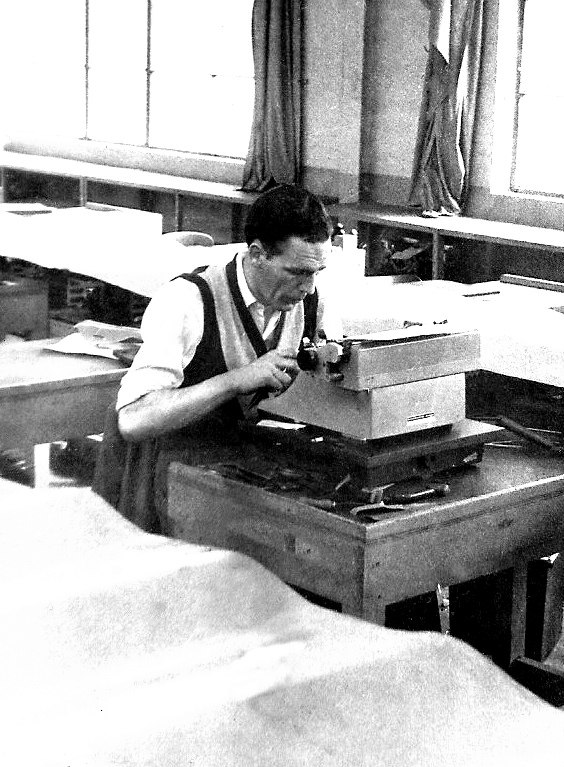
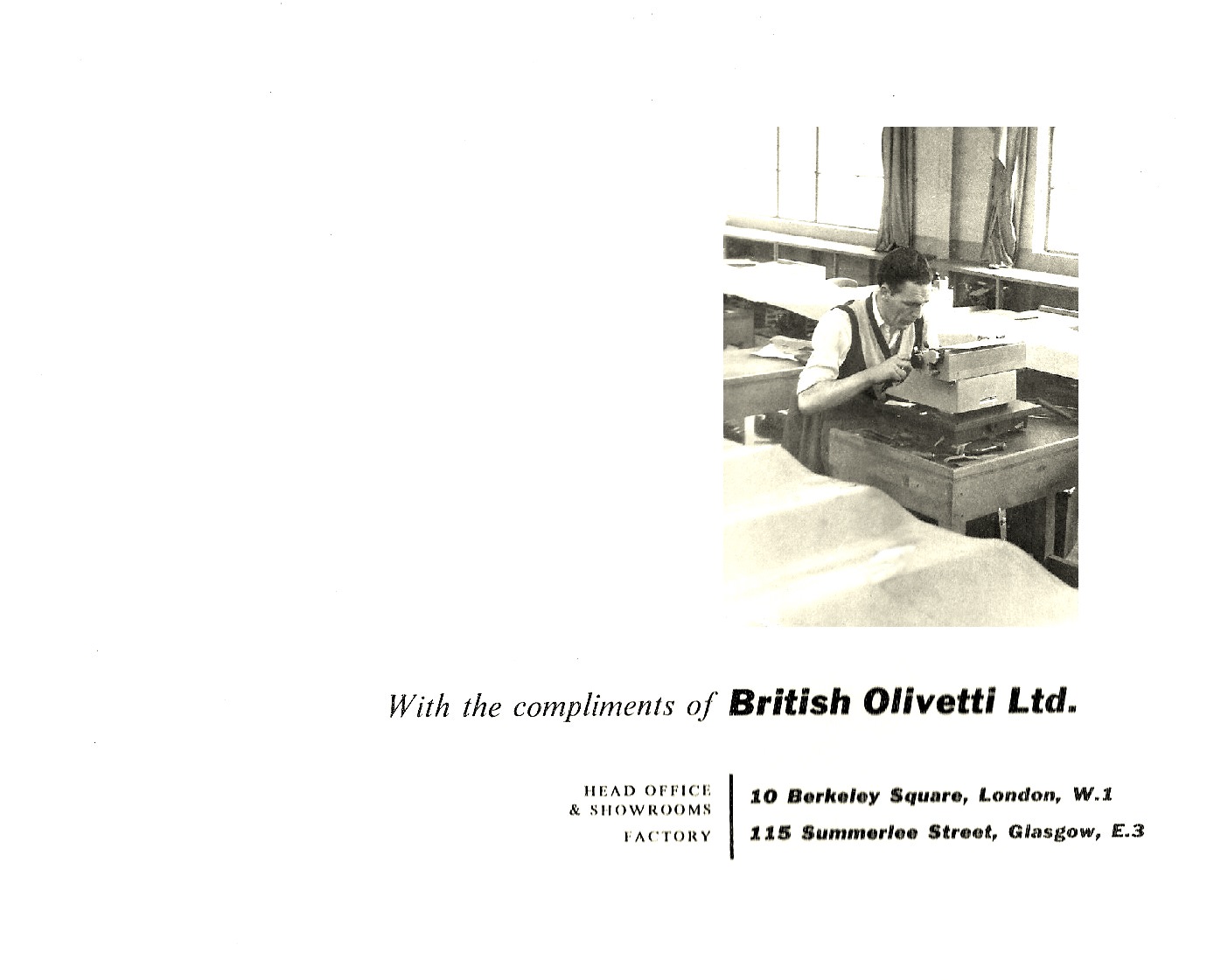
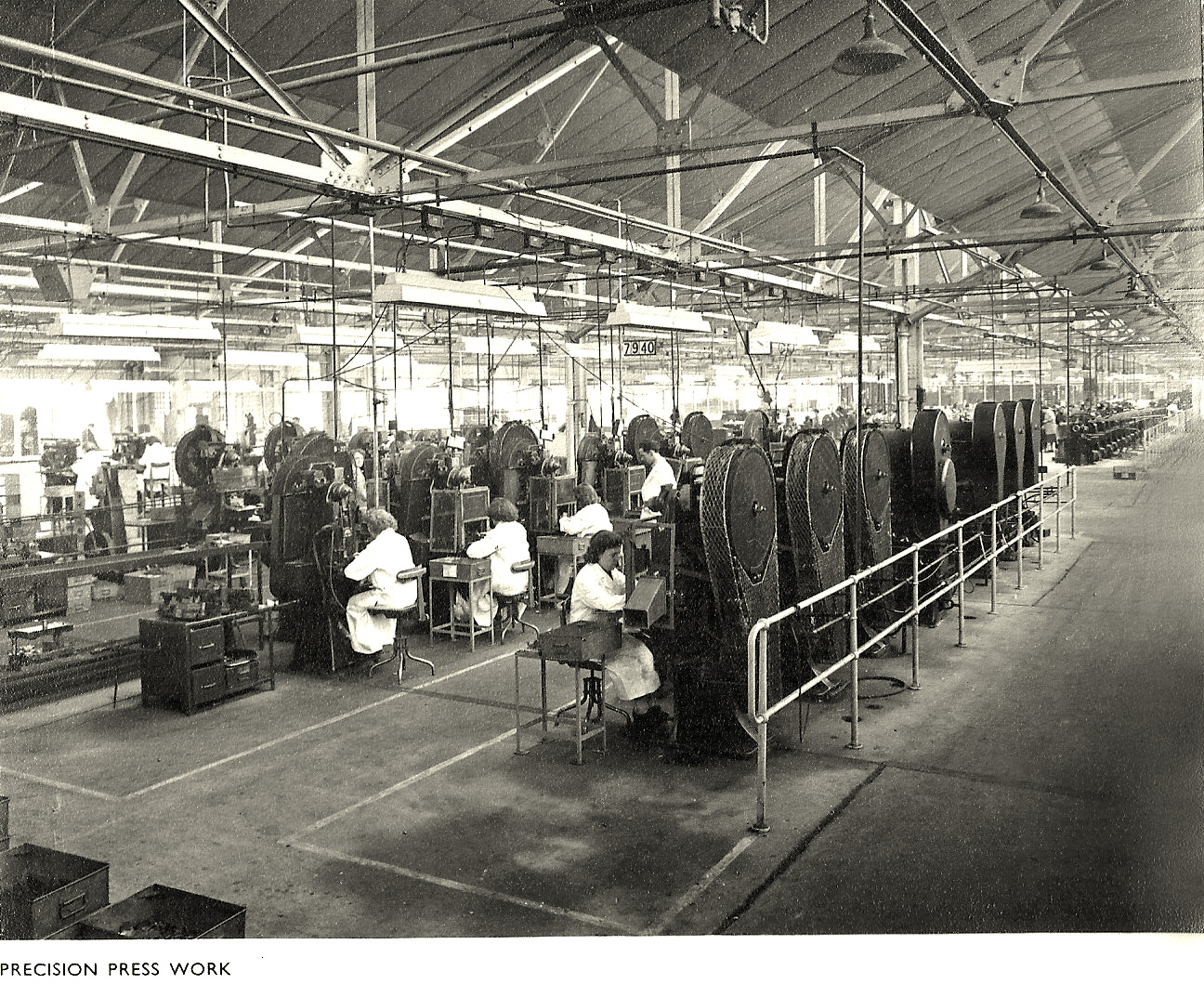
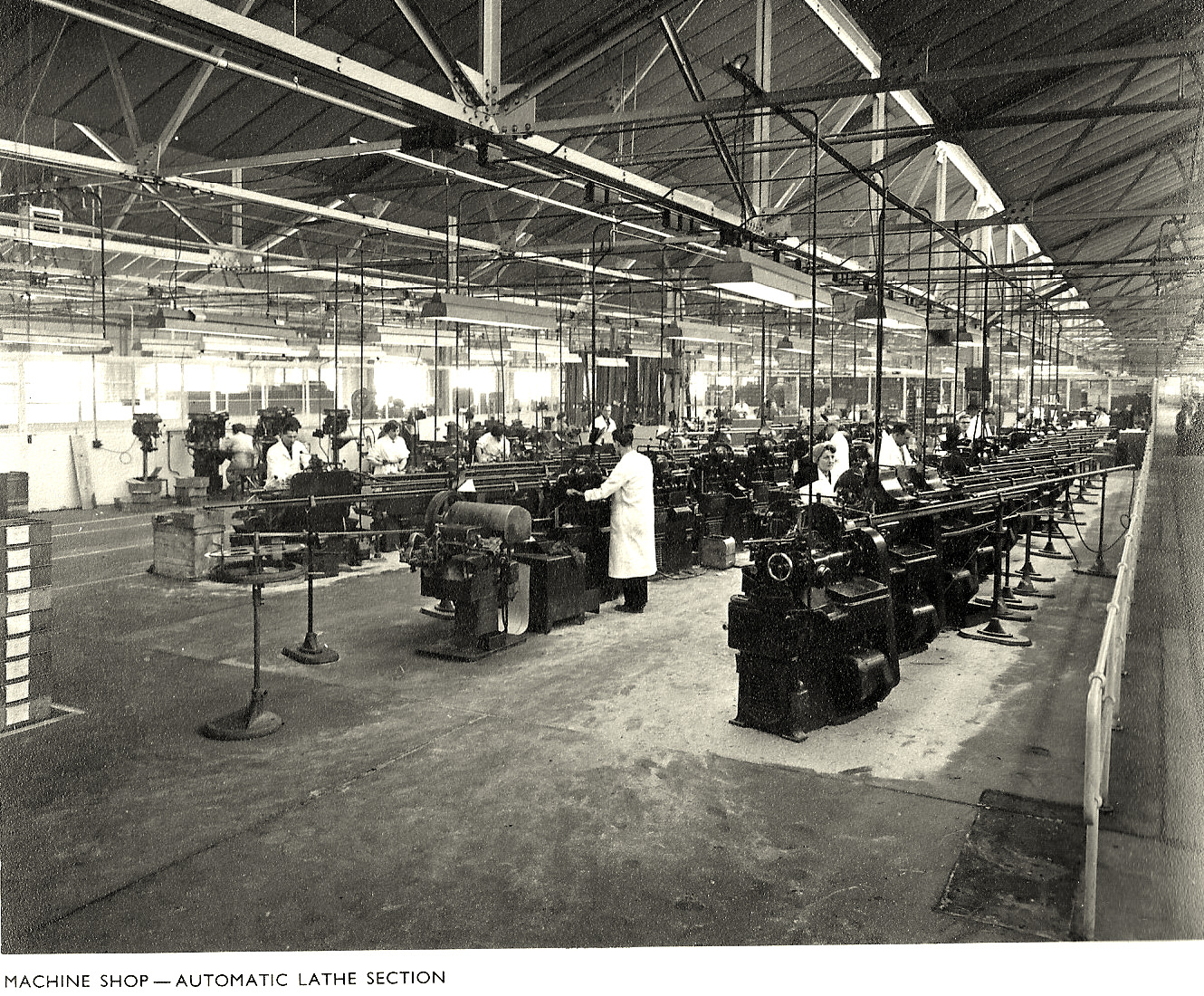
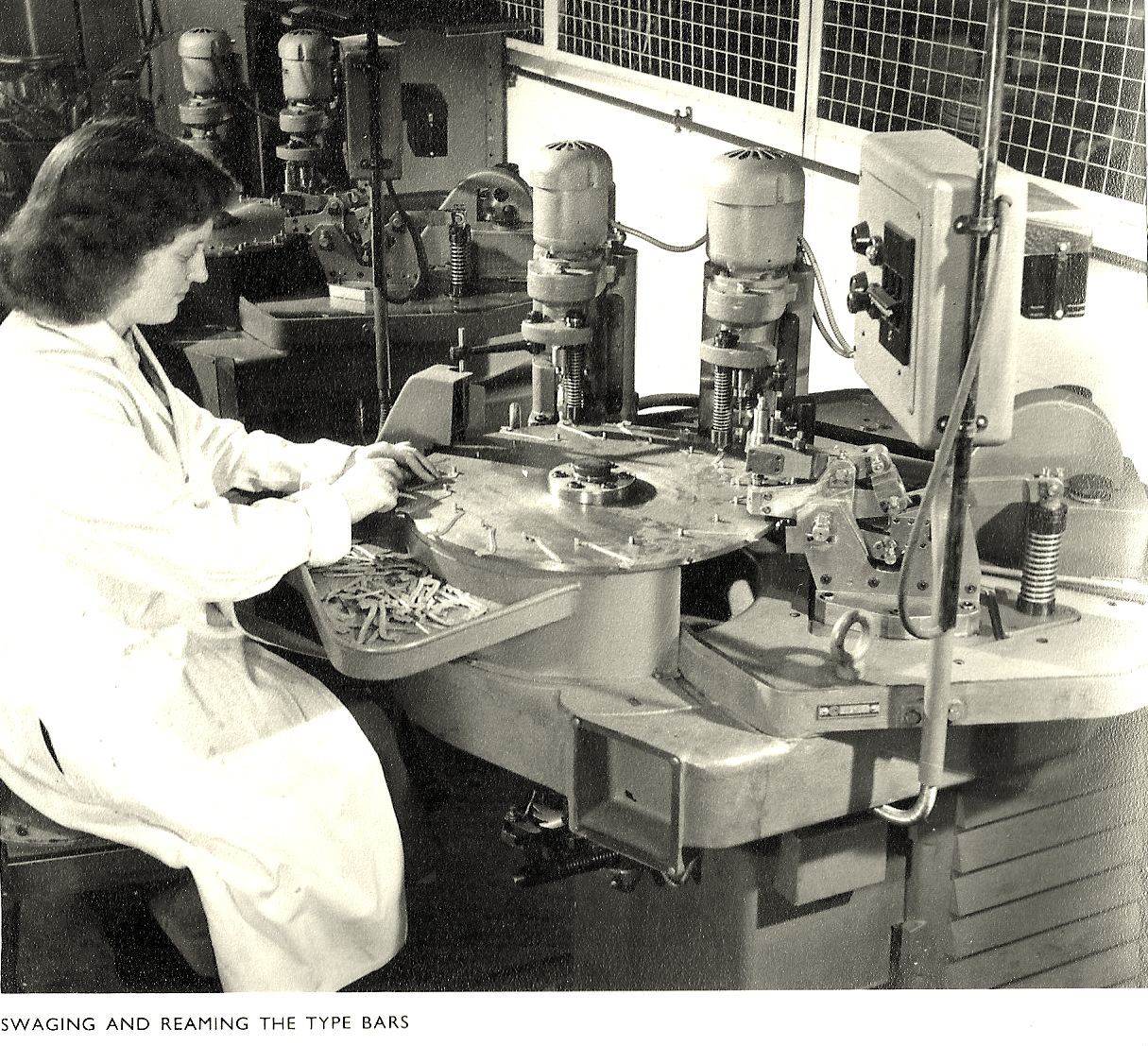
On the factory floor, skilled workers assembled machines through careful, detailed work. Natural light flooded the space through the building’s wide windows, keeping the atmosphere bright. The layout was practical but never harsh.
Workers had access to a rooftop garden where they could take breaks away from the production floor. It was an unusual feature for a factory of that era, and it said a great deal about how Olivetti viewed its workforce.
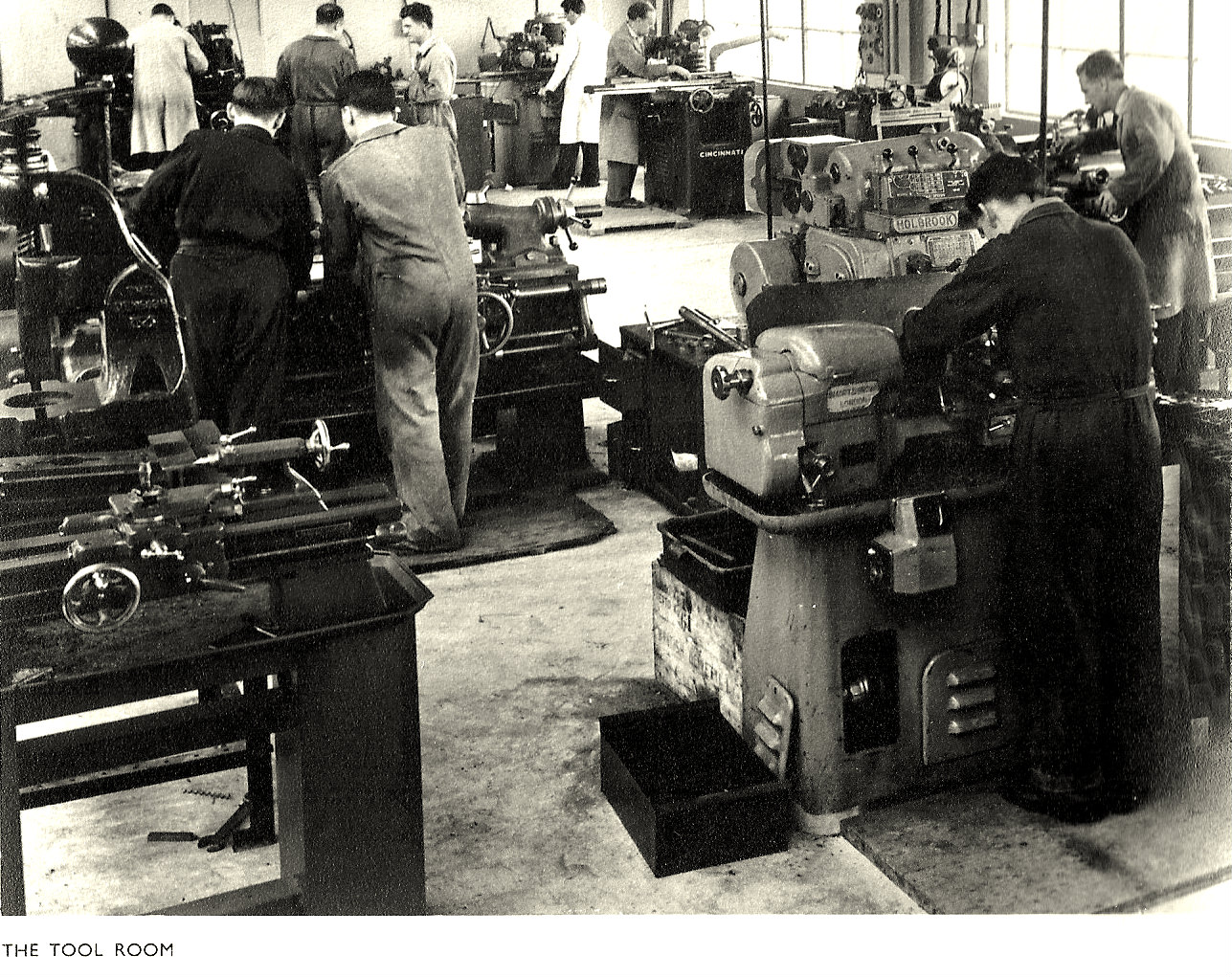
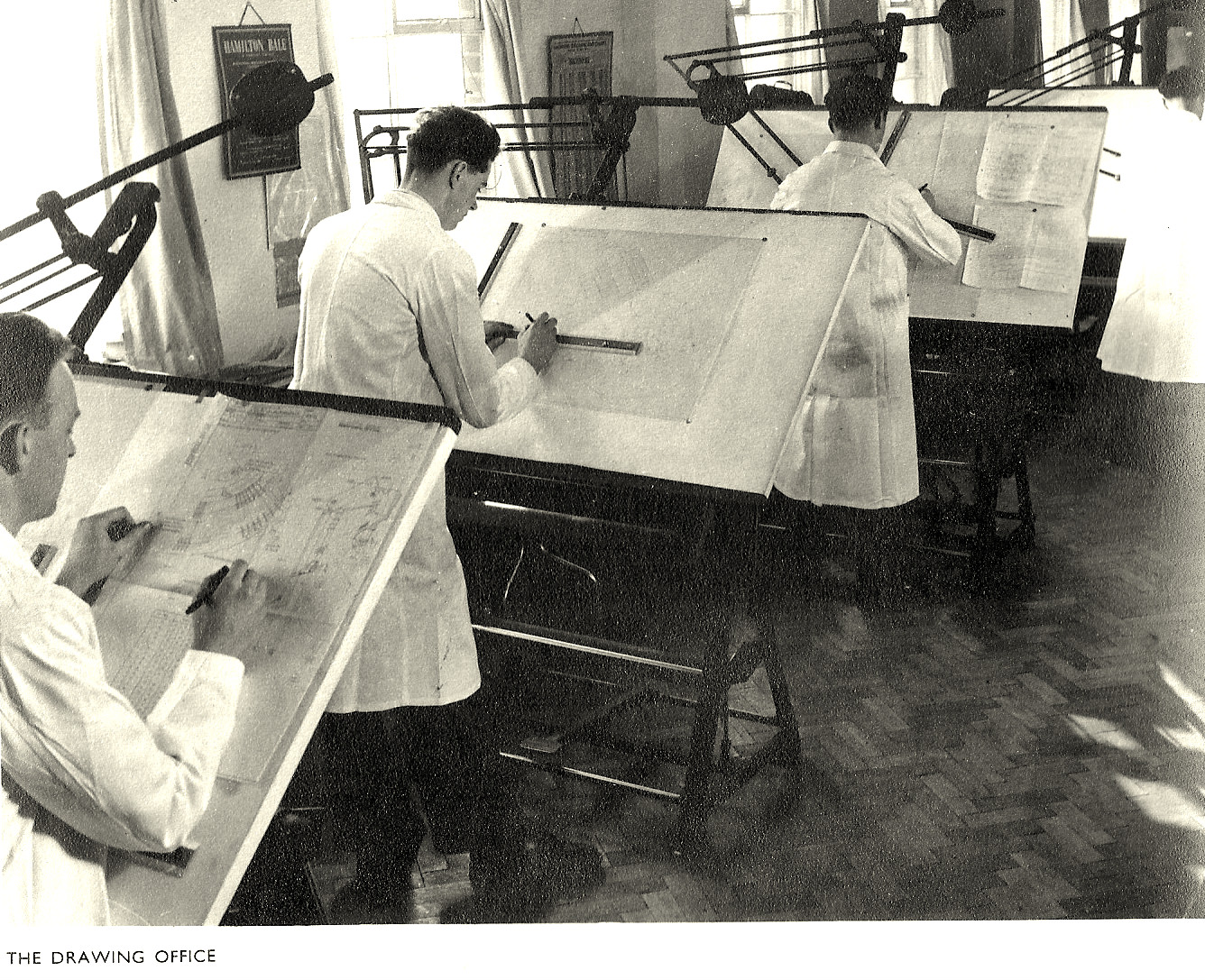
The company invested in training and offered clear paths for advancement. Many employees built long careers there, spending decades with the same employer in the same neighbourhood where they grew up.
Social clubs and organised events were a regular part of life at the factory. These weren’t just perks — they built a tight sense of community among the workforce, one that extended beyond working hours.