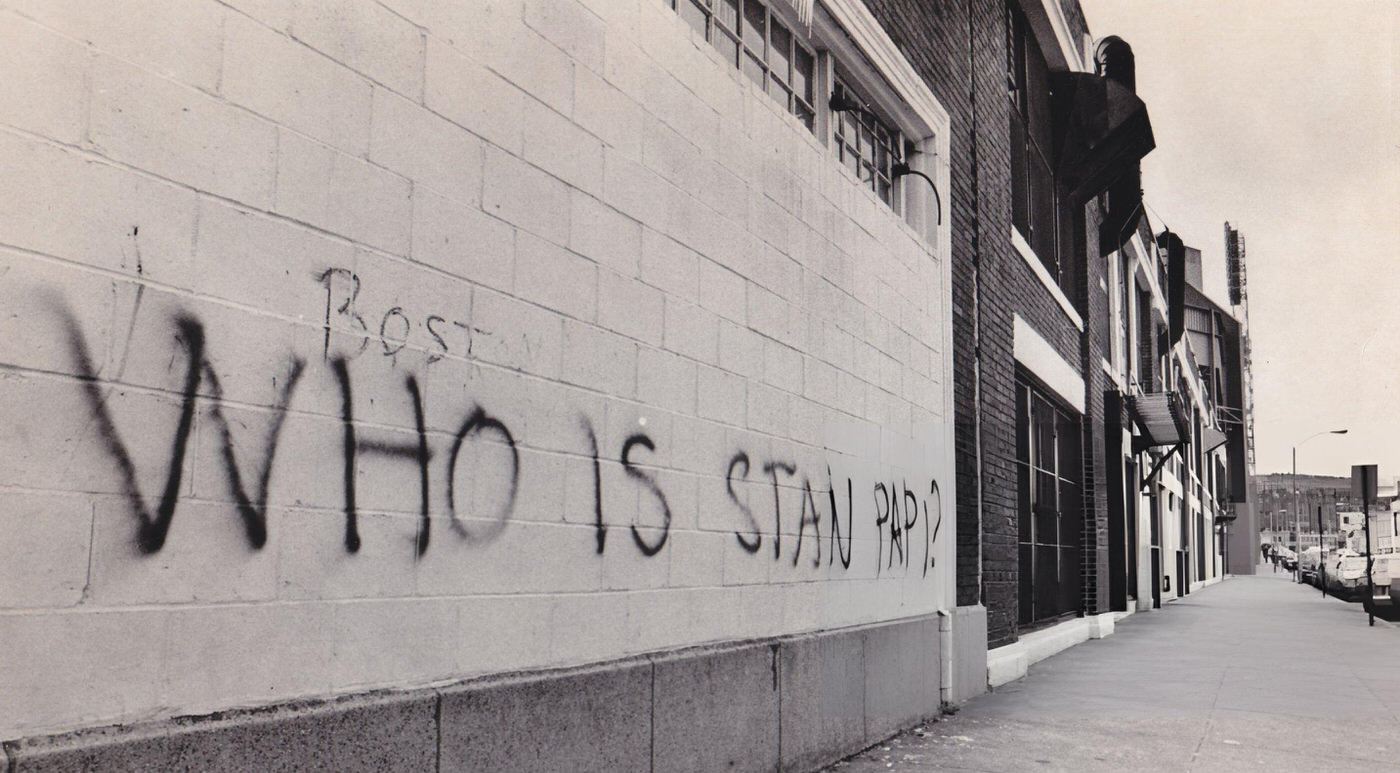
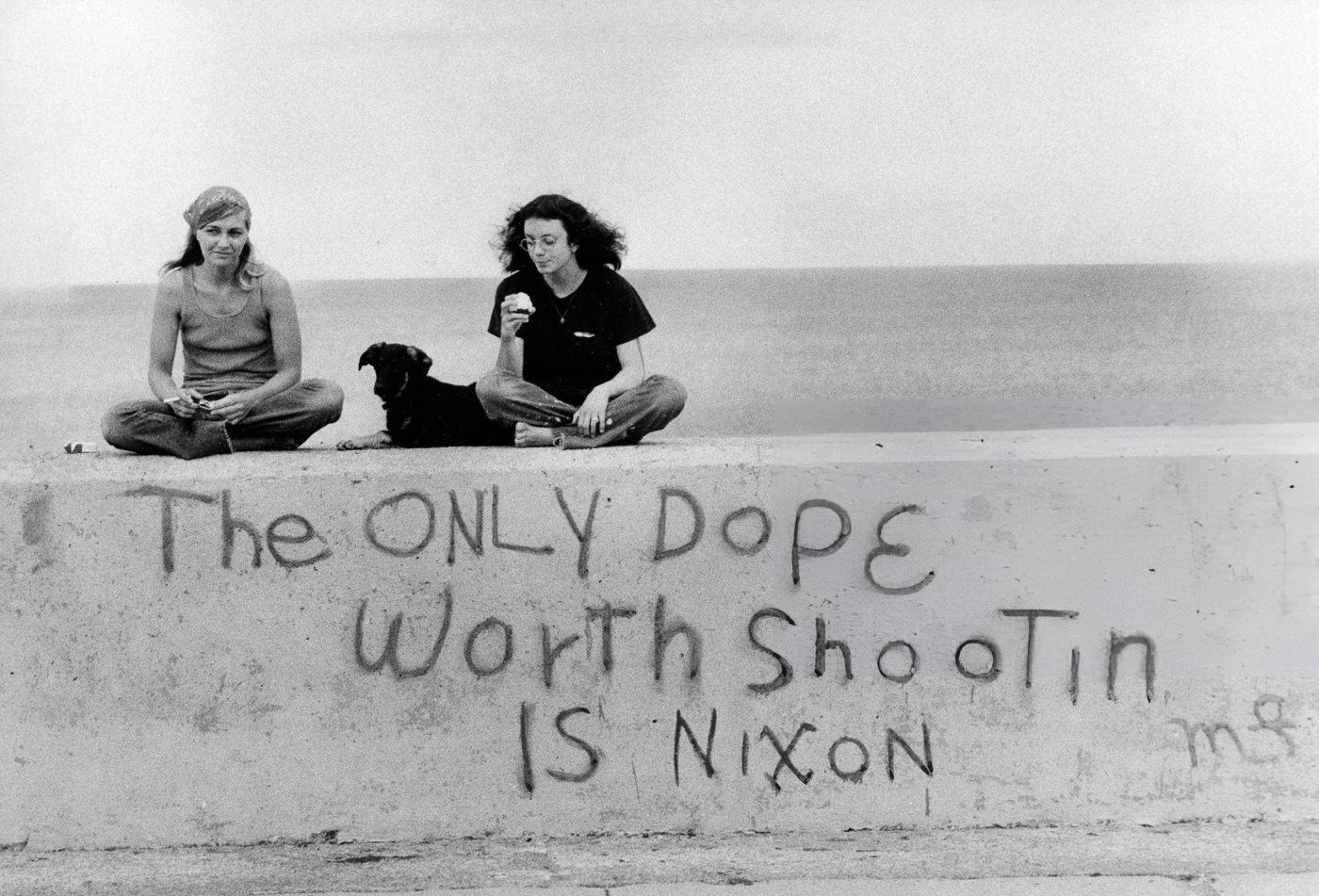
In 1970s Boston, the city’s walls became a running conversation. Spray paint replaced silence. Brick and concrete turned into public bulletin boards, carrying music tributes, political anger, neighborhood pride, and outright mystery — all at once.
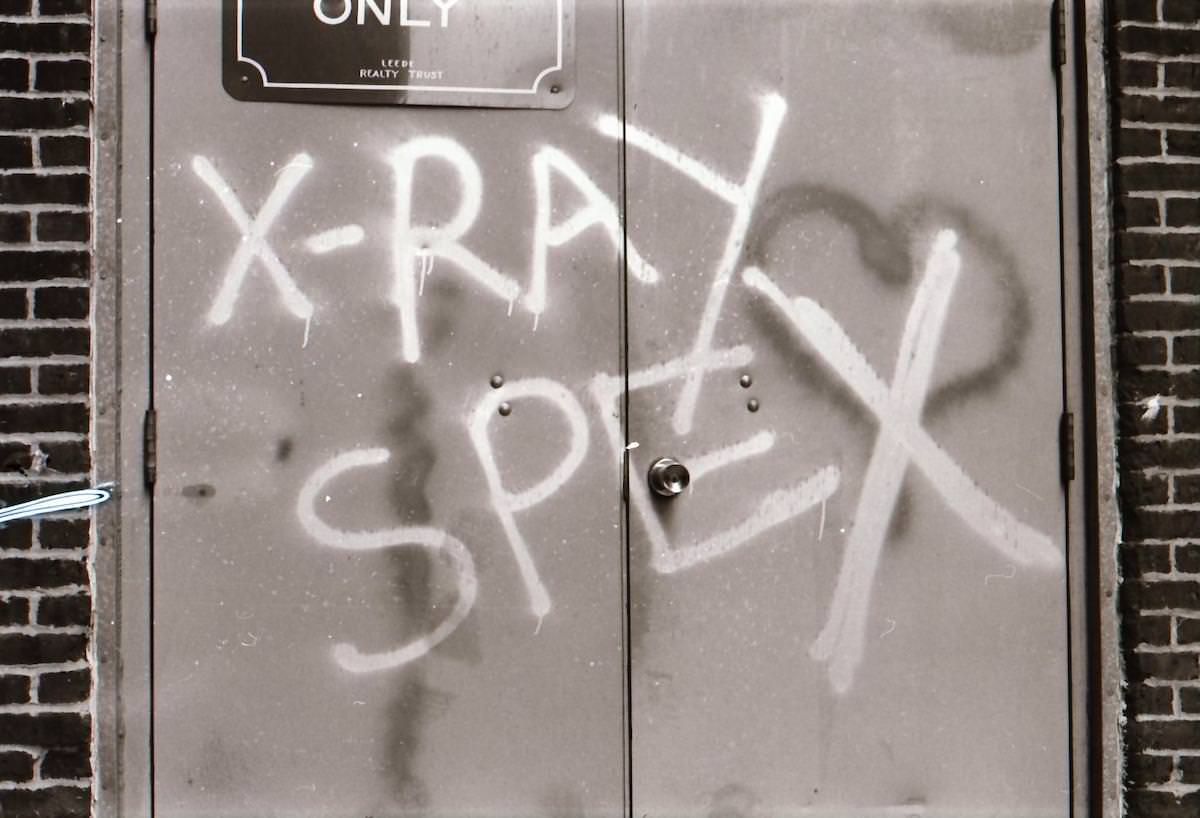
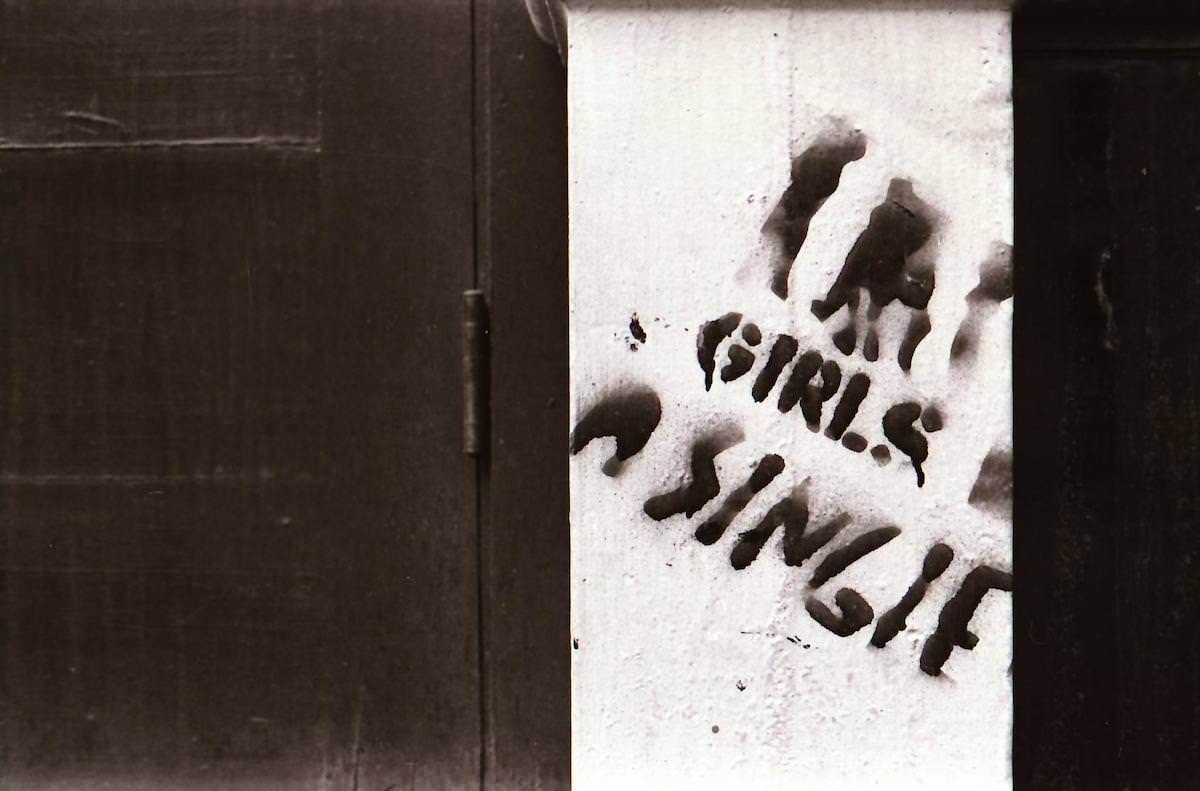
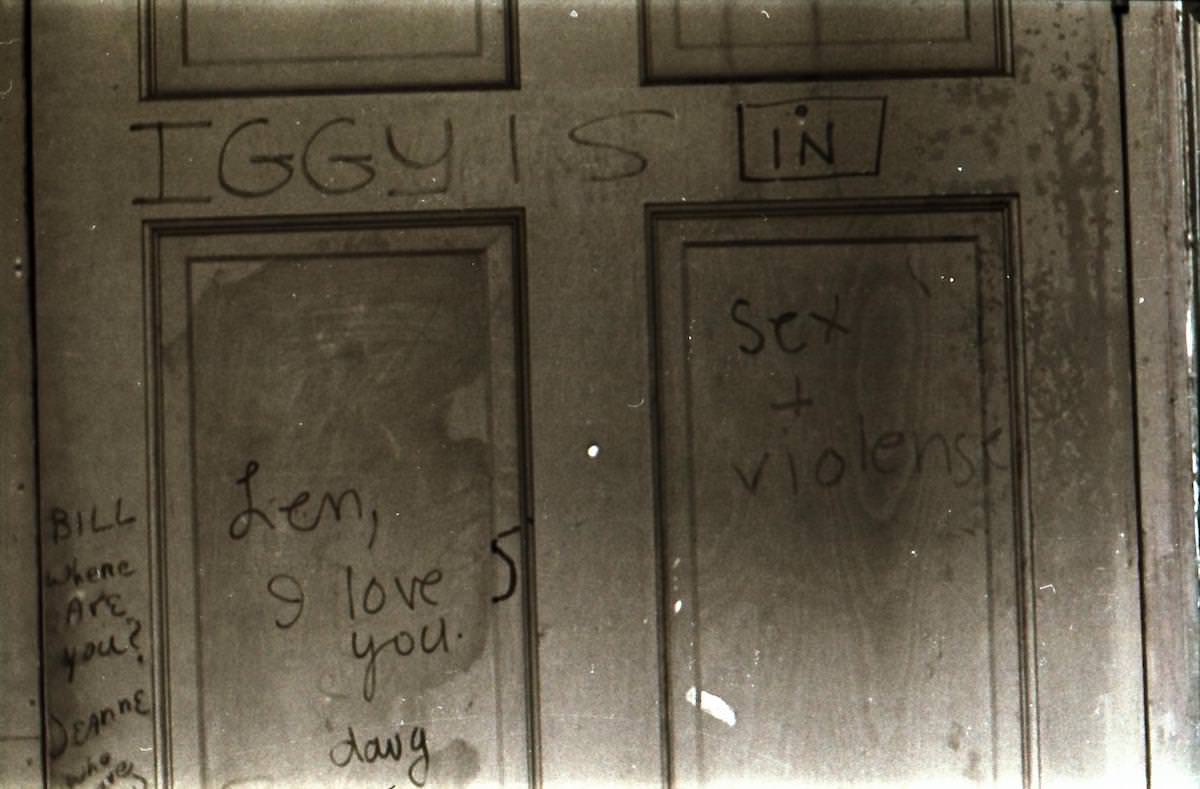
Boston’s punk rock scene drove much of the graffiti explosion. Fans of bands like X-Ray Spex, Billy Idol, Sham 69, and the Buzzcocks sprayed their heroes’ names across the city. These weren’t casual scribbles. They were deliberate acts of loyalty, marking allegiance to a specific sound and a specific way of life.
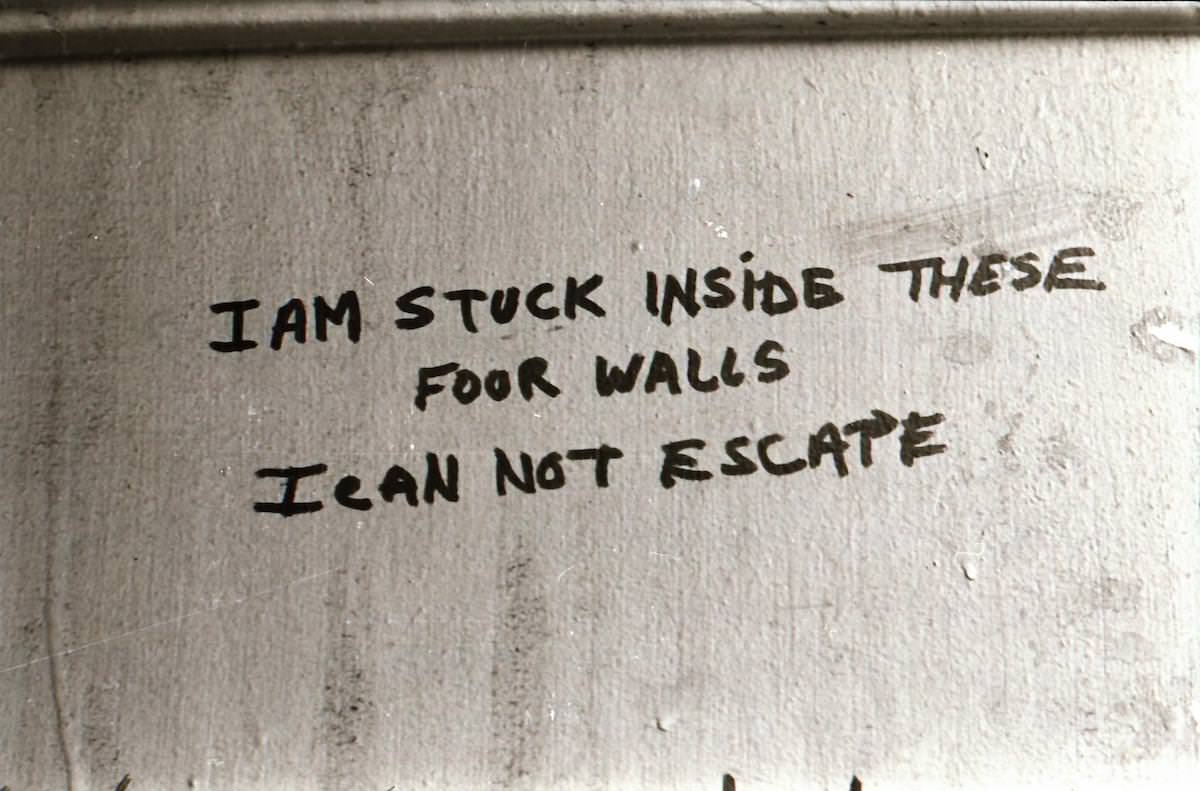
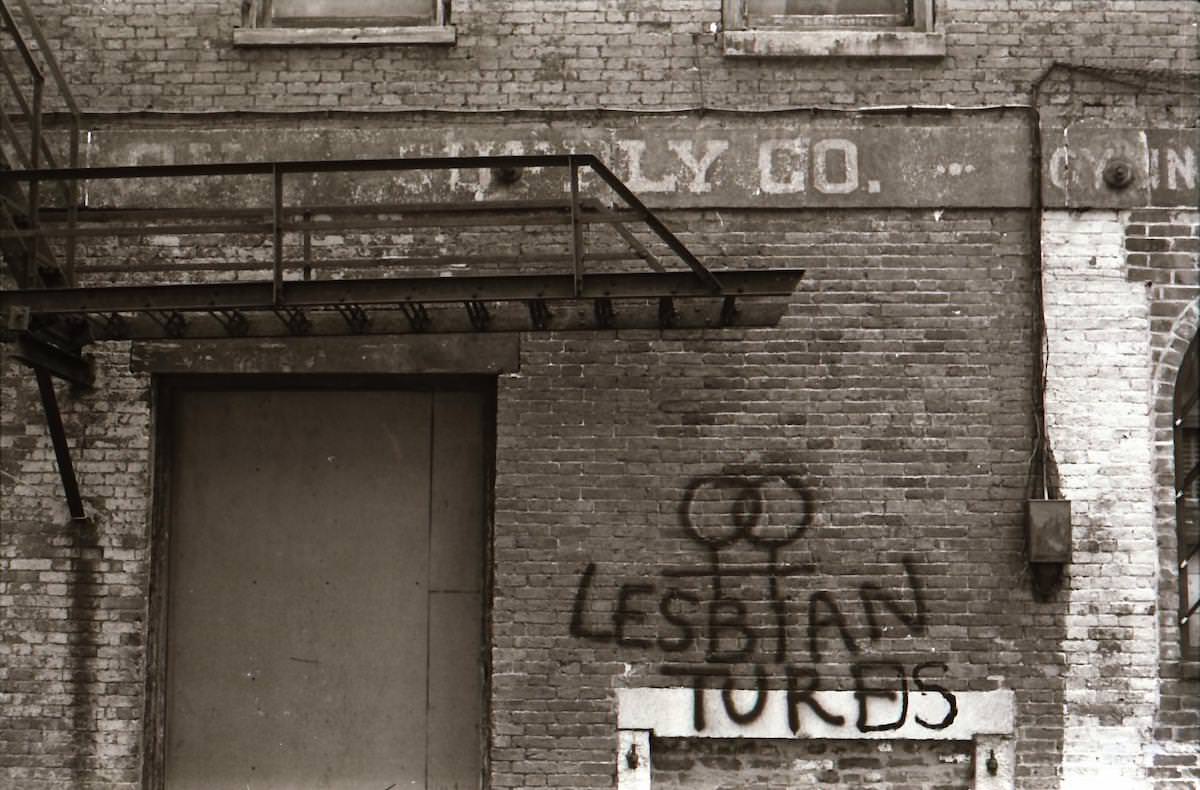
Well-known punk names like the Ramones, the Dead Boys, and the New Dolls appeared regularly. But stranger names surfaced too. “Lesbian Turds” showed up on walls across the city — possibly a band, possibly a crew, possibly a joke that outlasted its own punchline. Nobody left a label. The name just existed, demanding attention.
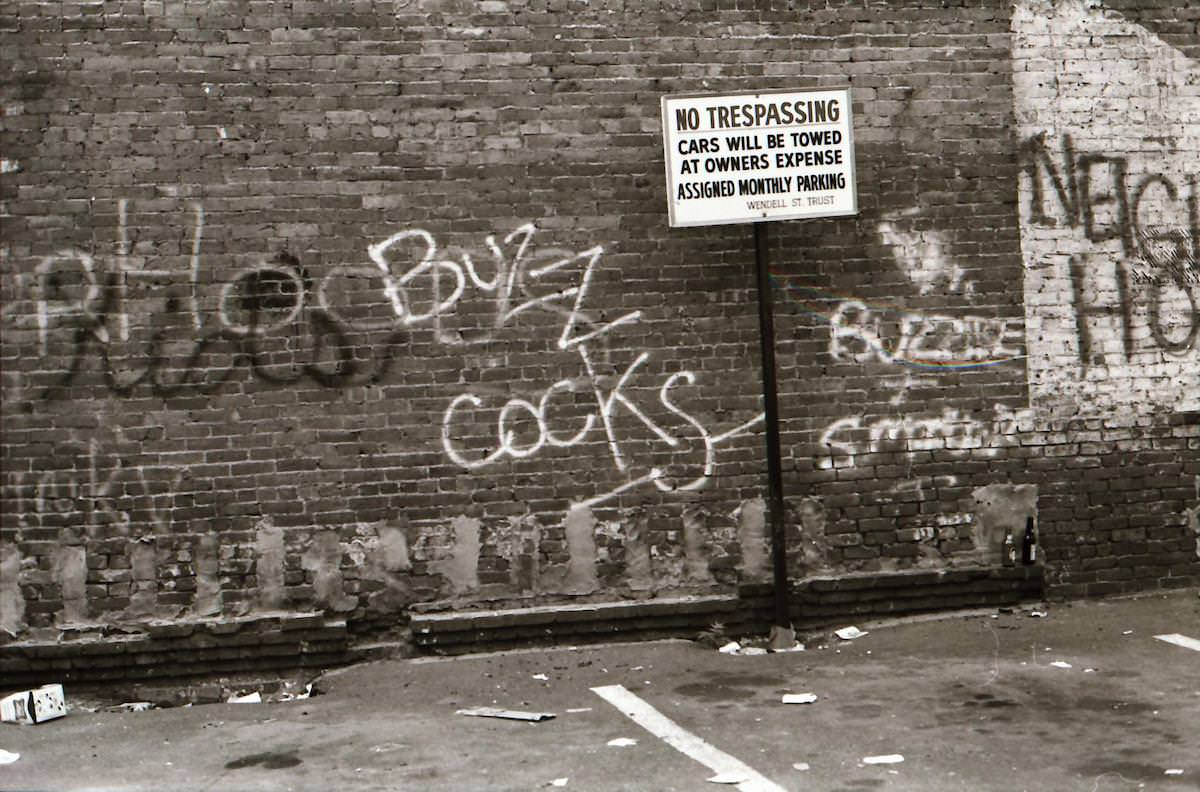
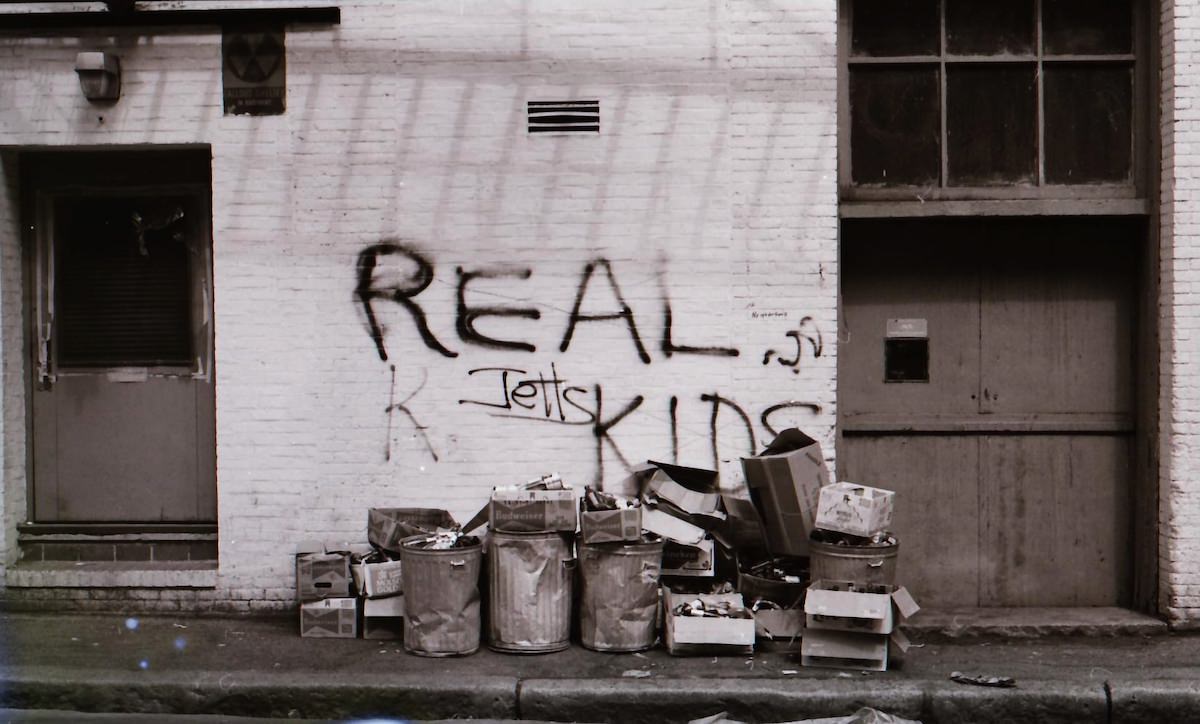
Names like “the Jetts” and “the Real Kids” raised the same questions. Were they bands? Street gangs? Groups of friends with spray cans and free afternoons? The walls never explained. They just displayed.
Graffiti in this era wasn’t limited to music. Political frustration bled through too. Messages criticizing the government and the status quo appeared alongside jokes and offhand remarks. For anyone paying attention, the daily commute turned into a kind of scavenger hunt.
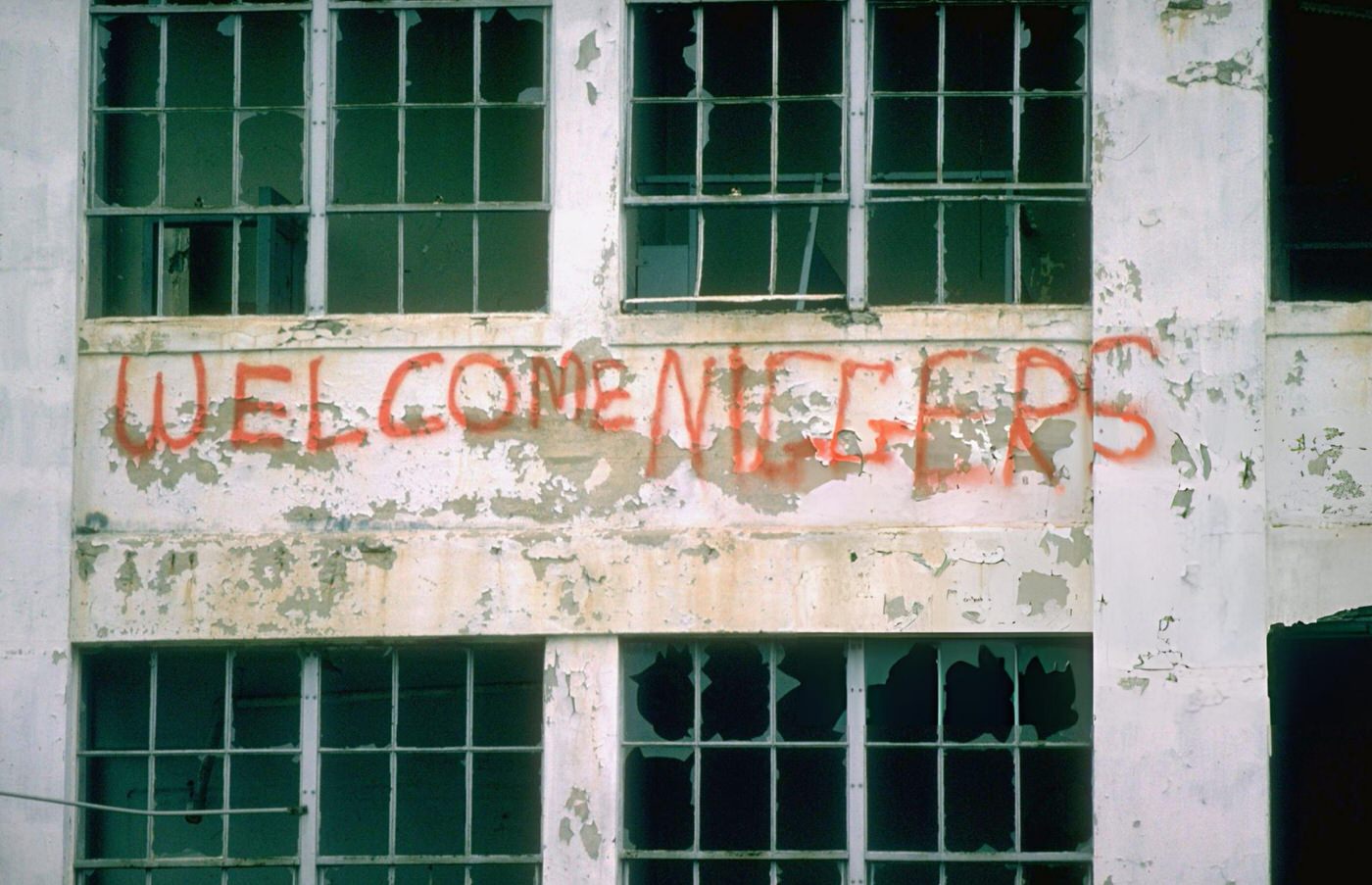
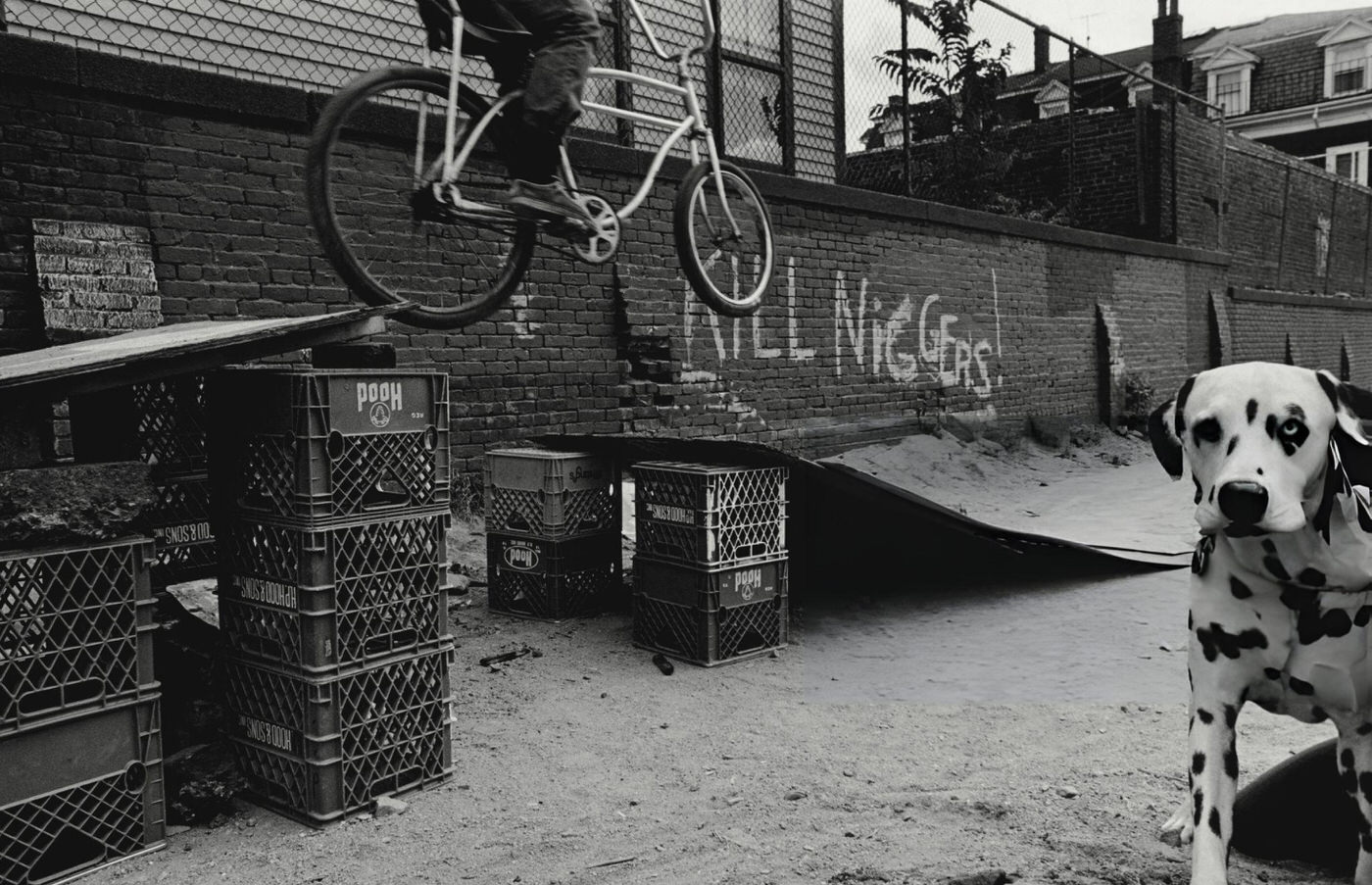
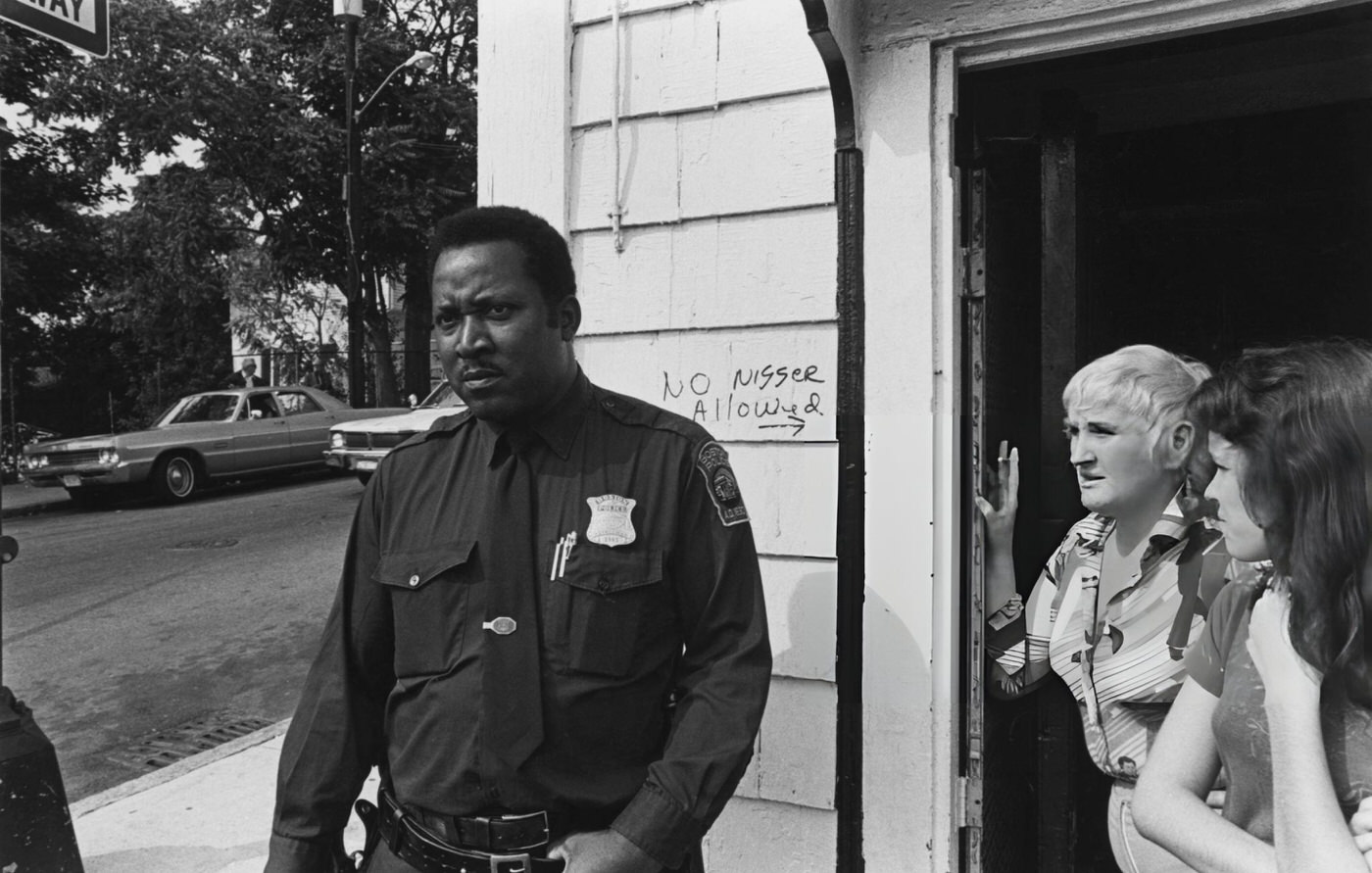
Not all of it was playful. Boston’s school busing crisis of the 1970s generated some of the ugliest graffiti the city had ever seen. Racist slogans appeared on buildings in South Boston, reflecting the deep tensions that erupted as courts ordered forced integration of the public schools.
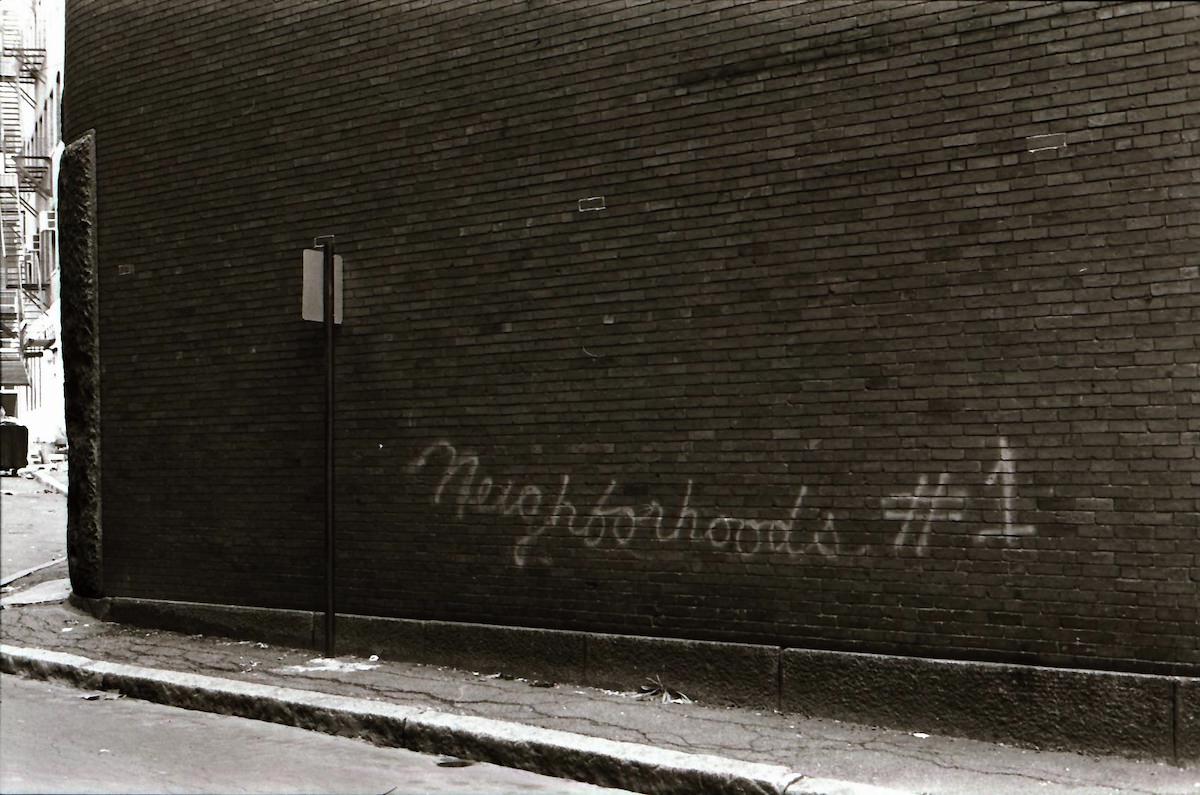
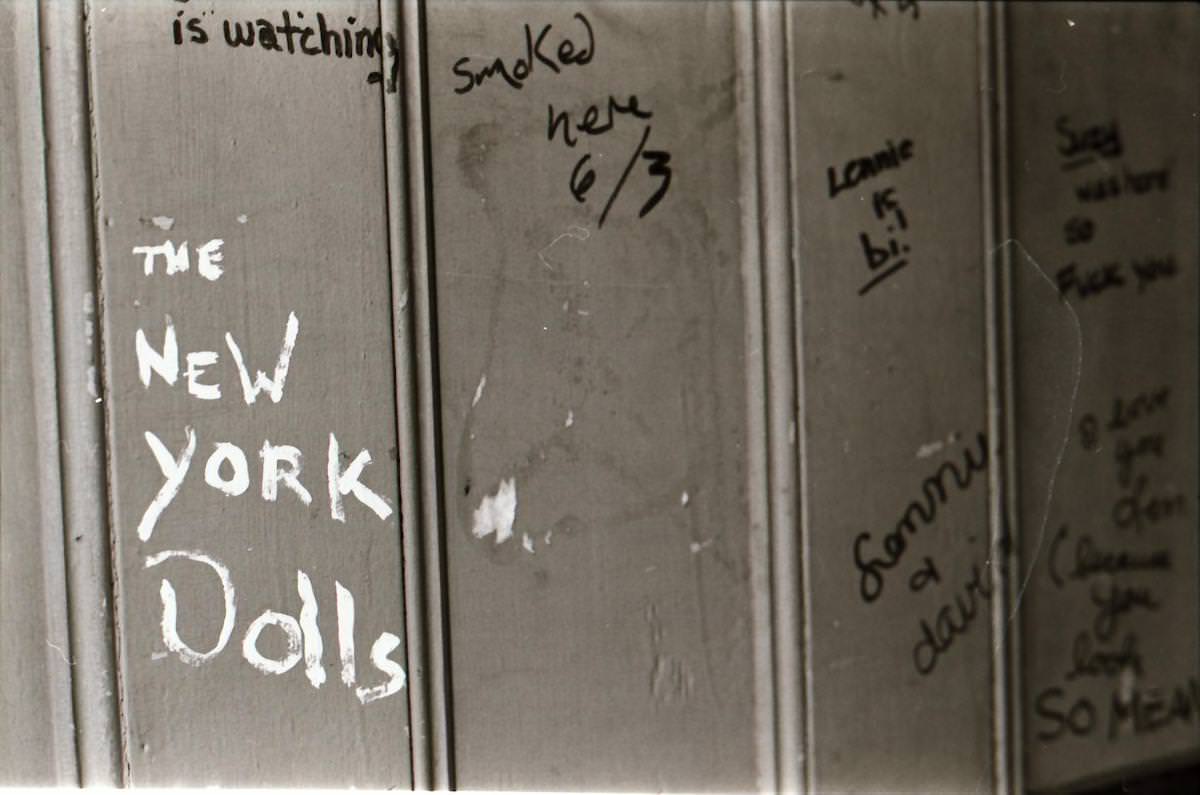
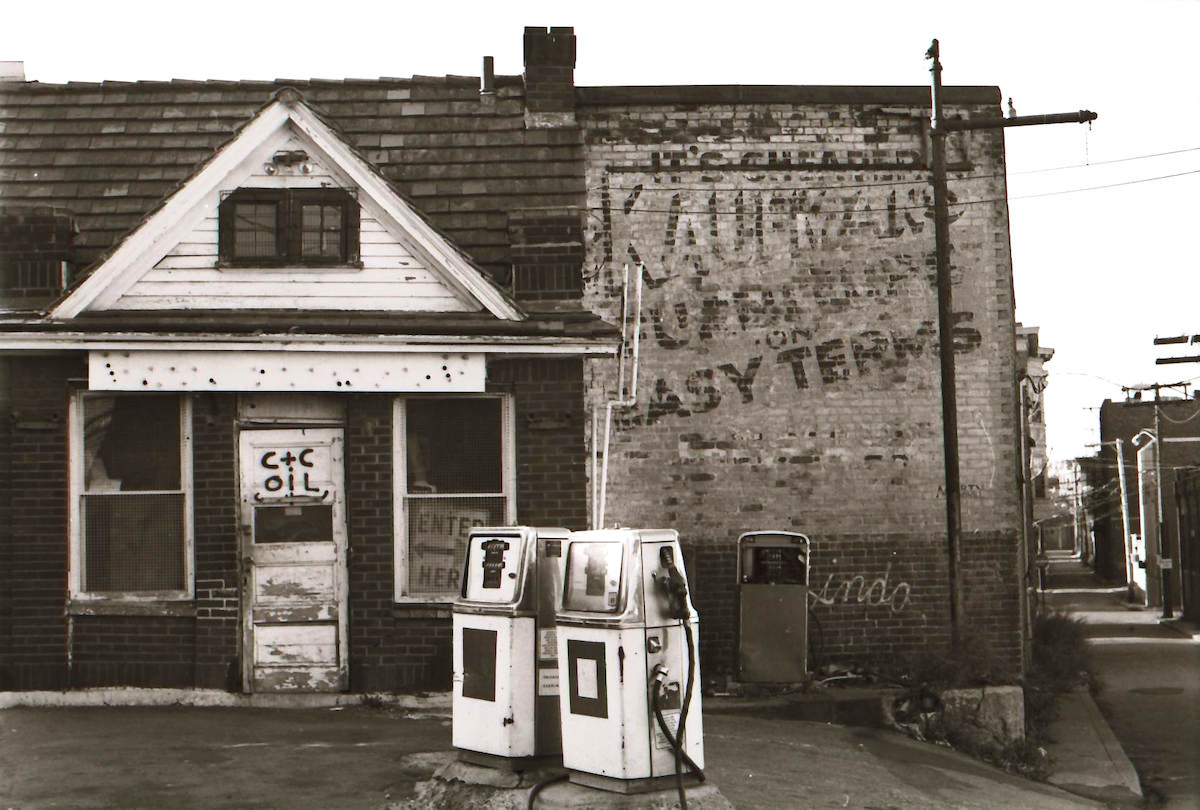
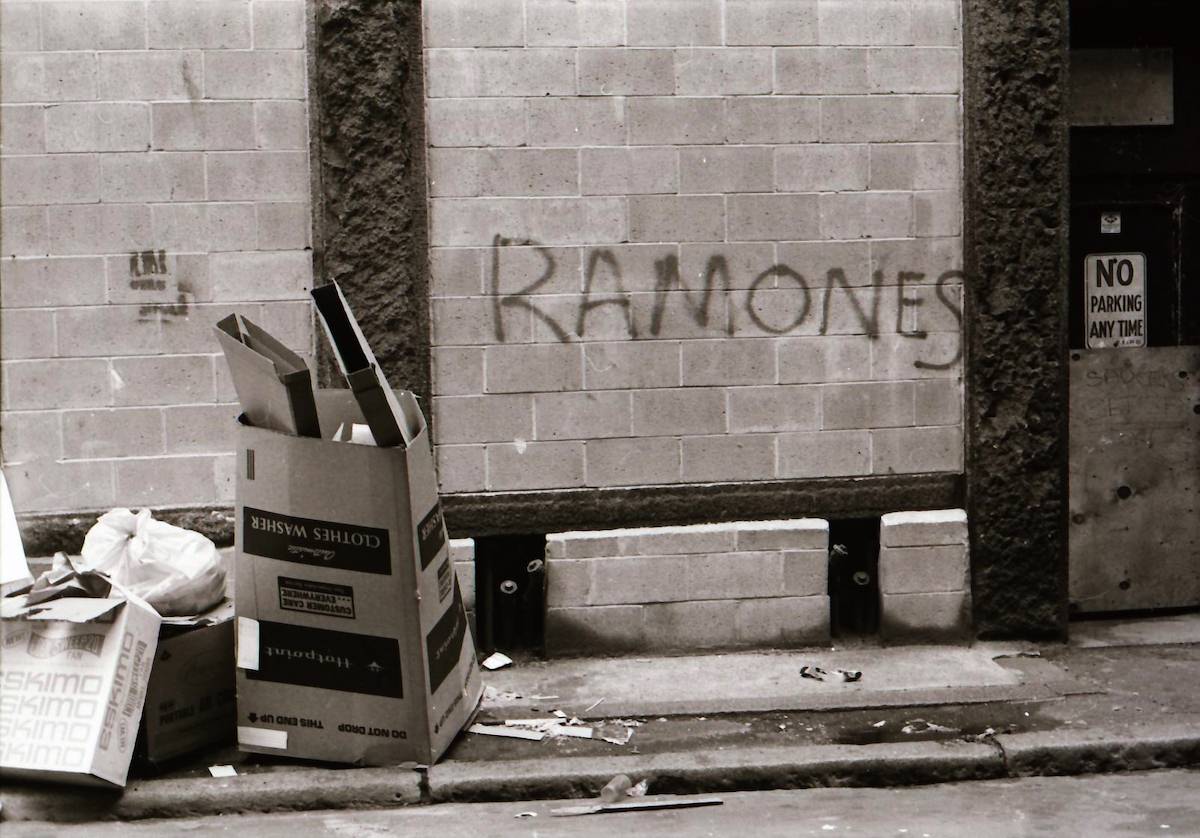
Neighborhoods across the city each developed their own visual identity. Winthrop, the North End, South Boston — every district added its own layer to the street-level record.
In South Boston, the busing crisis left visible scars. Buildings bore anti-integration slogans that reflected the hostility many white residents directed at federal desegregation orders throughout the decade.
Life still moved through these streets at its own pace. Kids rode bikes through alleys. Neighbors sat on stoops. The graffiti was backdrop to everyday moments that continued regardless of what the walls said.
Police presence was constant in flashpoint neighborhoods. Officers patrolled streets where racist graffiti had become part of the built environment — a visible marker of conflict that city and law enforcement officials struggled to contain.
By 1976, America’s Bicentennial gave graffiti writers a new target. Patriotic and anti-establishment messages competed for wall space as the country celebrated 200 years of independence while many of its cities grappled with poverty, crime, and racial division.
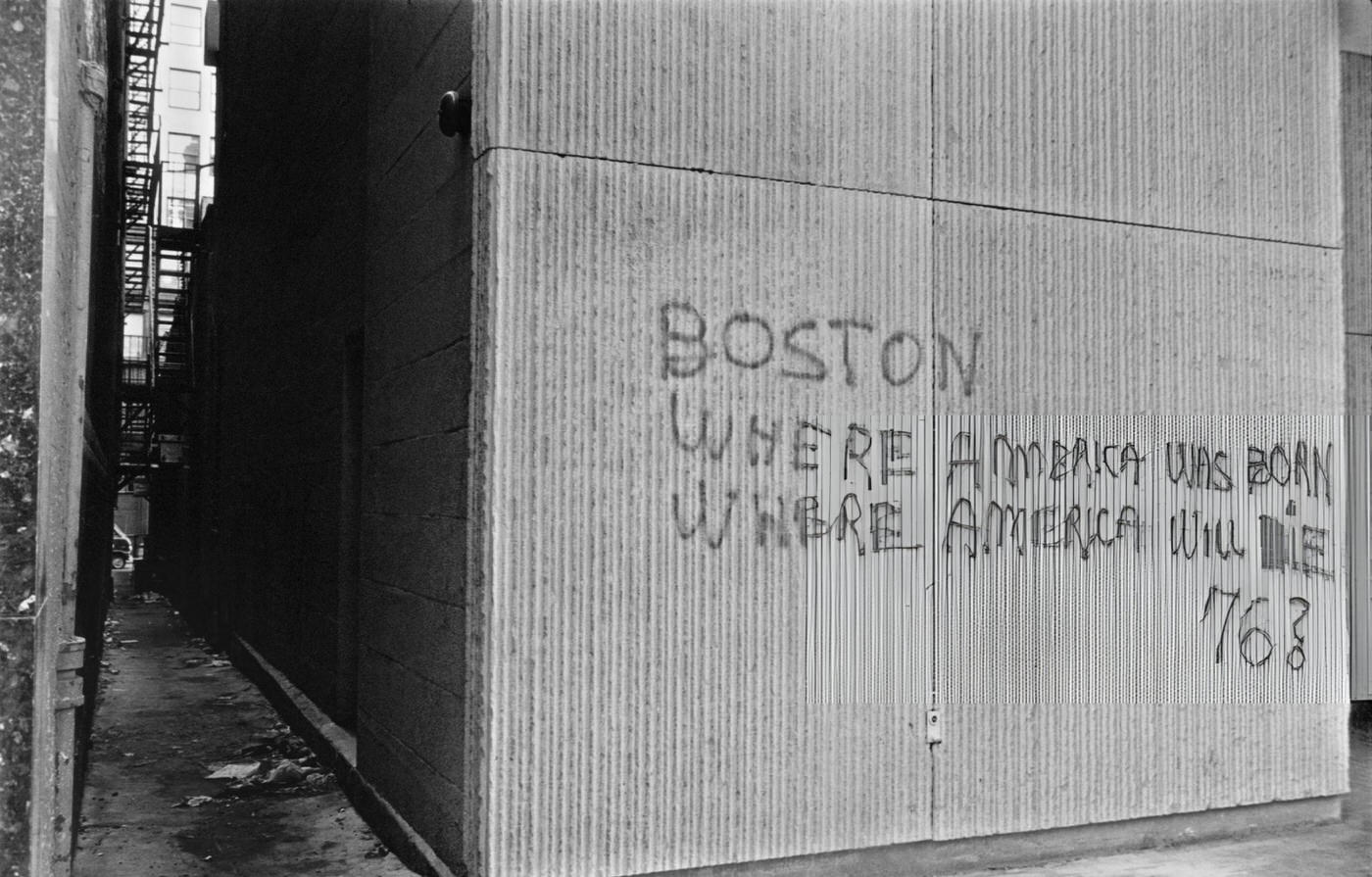
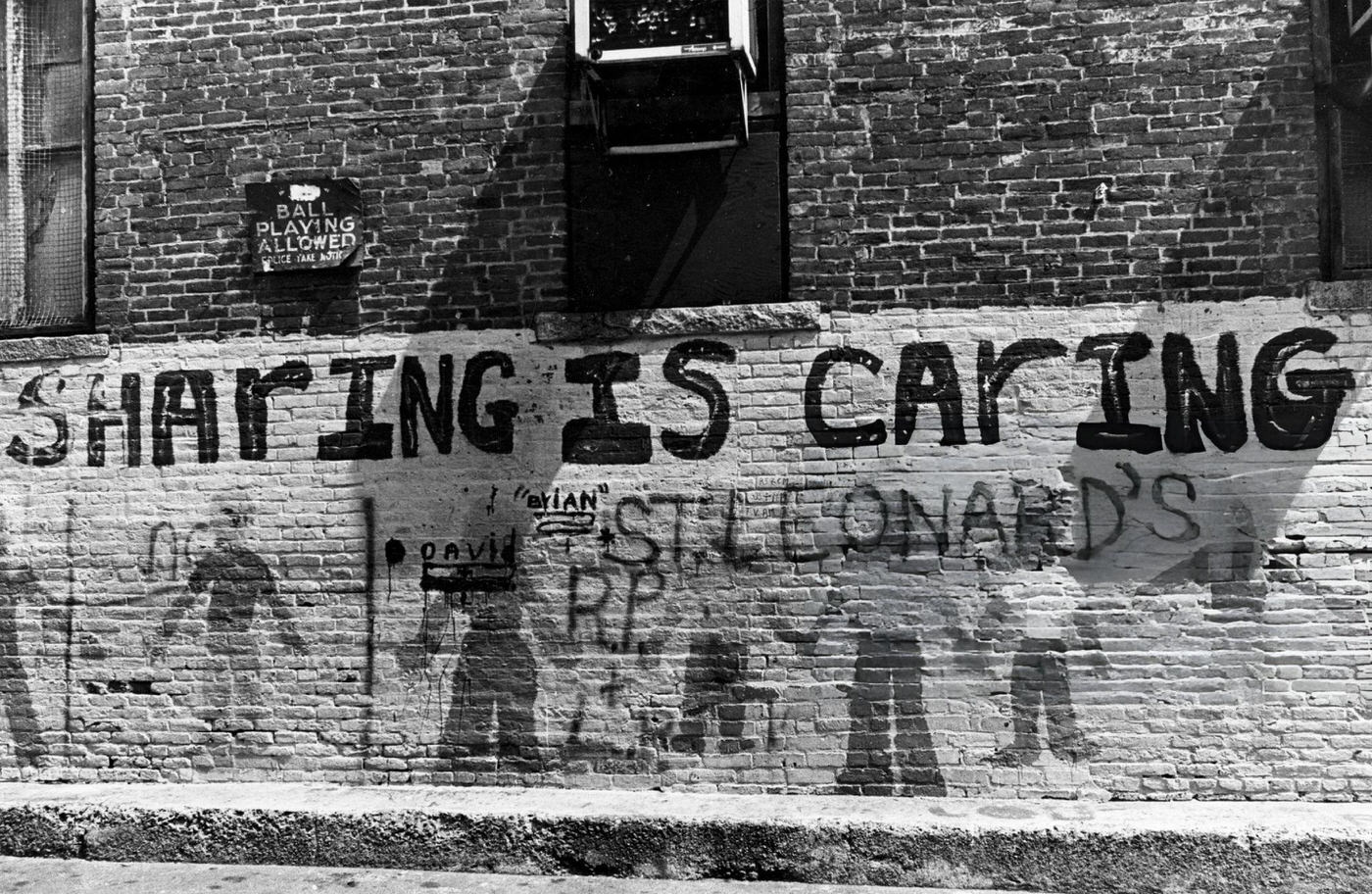
In the North End, graffiti took on a more neighborhood-specific character. Polcari Playground’s walls carried local names and tags that spoke directly to the Italian-American community rooted there for generations.
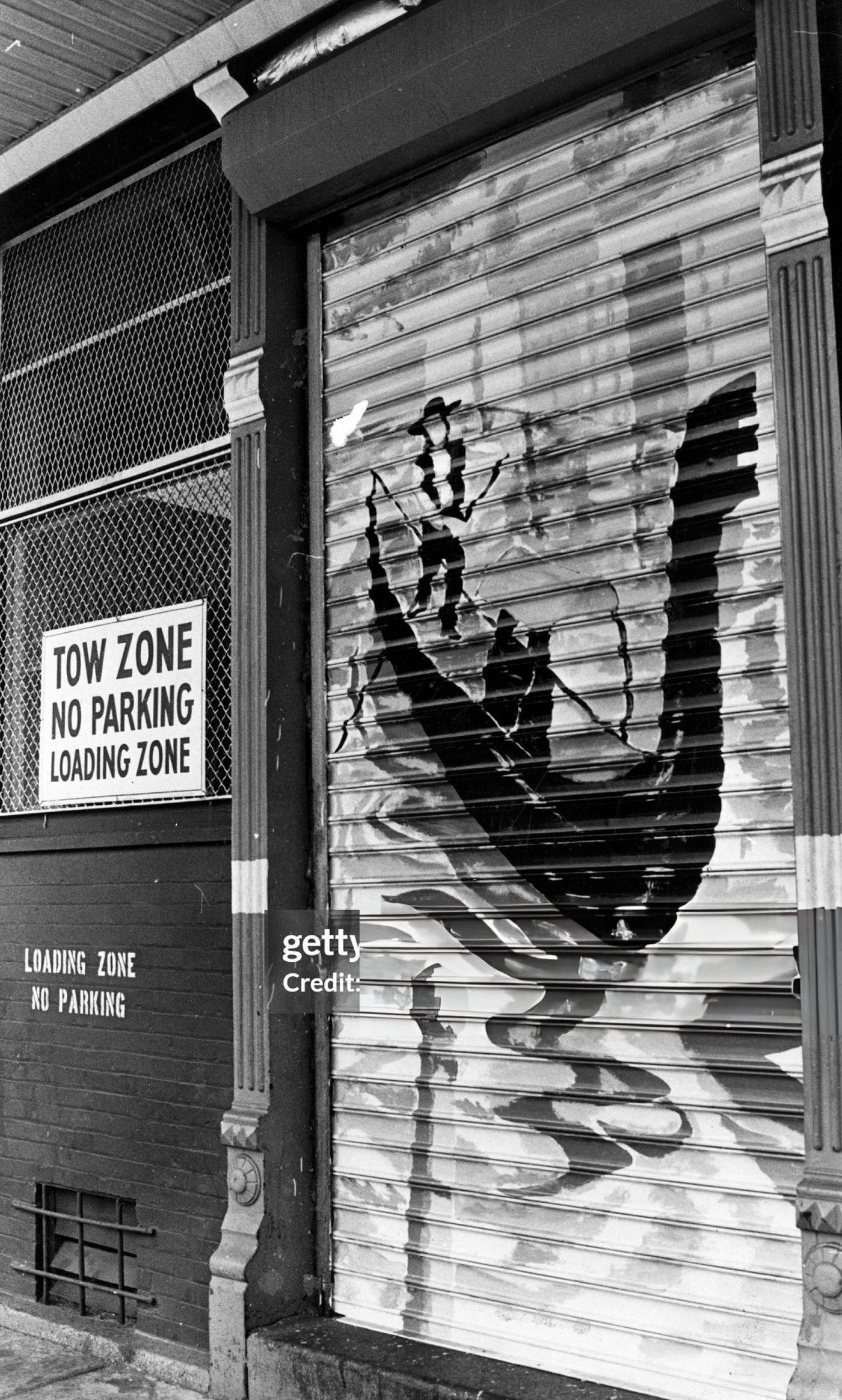
More artistic work also emerged. A loading zone door in the North End featured a painted figure on a gondola — detailed, deliberate, and far removed from a quick spray-can tag. Street art and graffiti were already pulling in different directions.
Lansdowne Street, known for its nightlife, carried its own graffiti energy. The strip near Fenway Park attracted a younger, music-driven crowd, and the walls around it reflected exactly that.