

In the late 1960s and into the 1970s, photographer Nick Hedges travelled across Britain on behalf of the housing charity Shelter. His mission was straightforward: document the real conditions that thousands of families were living in. What he found in Birmingham’s most deprived neighbourhoods — Balsall Heath, Winson Green, Aston, Saltley, Sparkbrook, Ladywood — was a level of poverty that most people in the country had no idea still existed. The images he brought back forced those people to confront it.
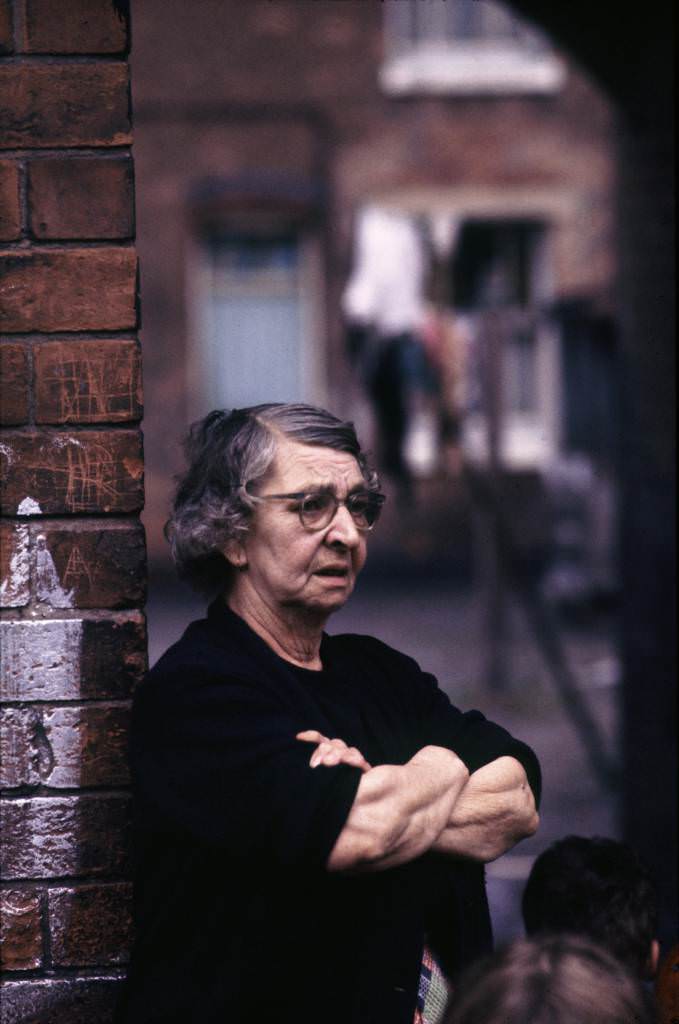
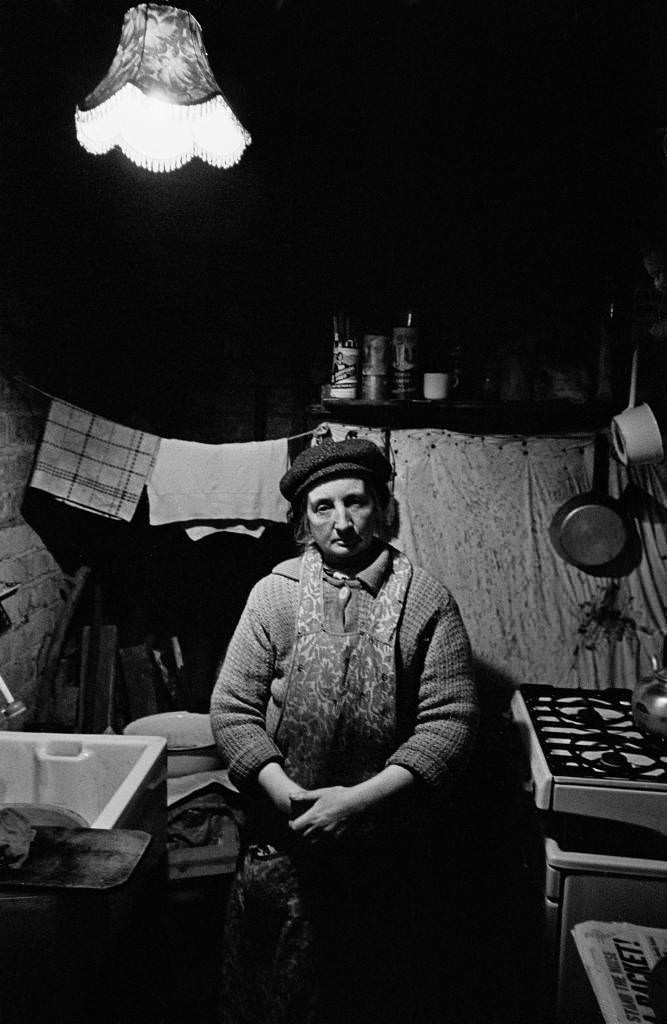
These were not temporary hard times. Many families had been living in the same crumbling, condemned houses for years. Walls were damp. Roofs leaked. In some homes, there was no running water and no reliable electricity. Vermin were a constant presence. Entire families sometimes shared a single room, not because they chose to, but because the rest of the property was too dangerous or too broken down to use.
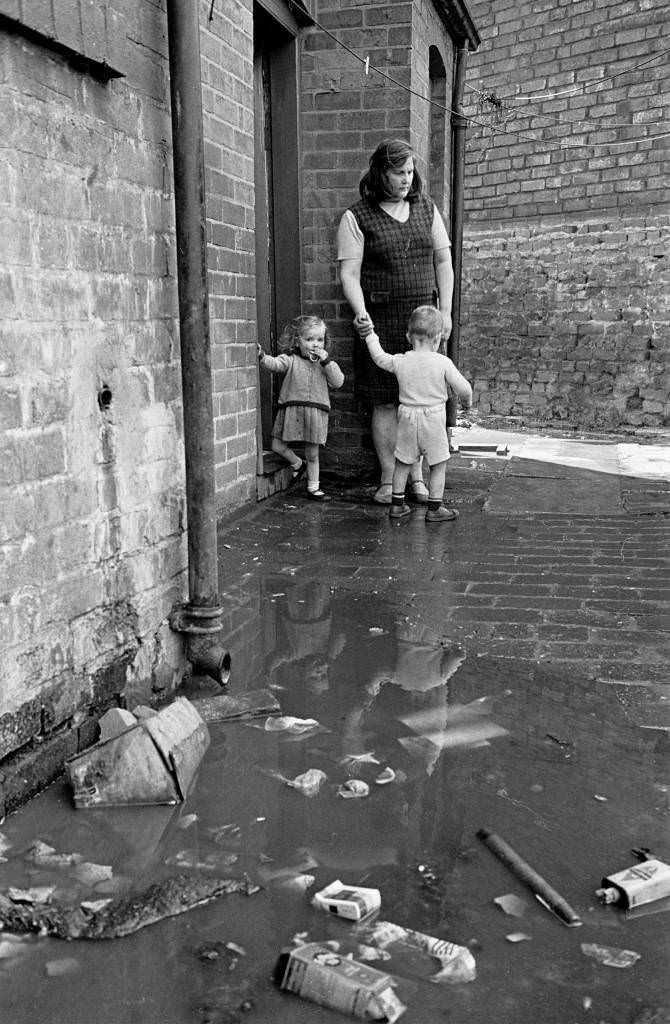
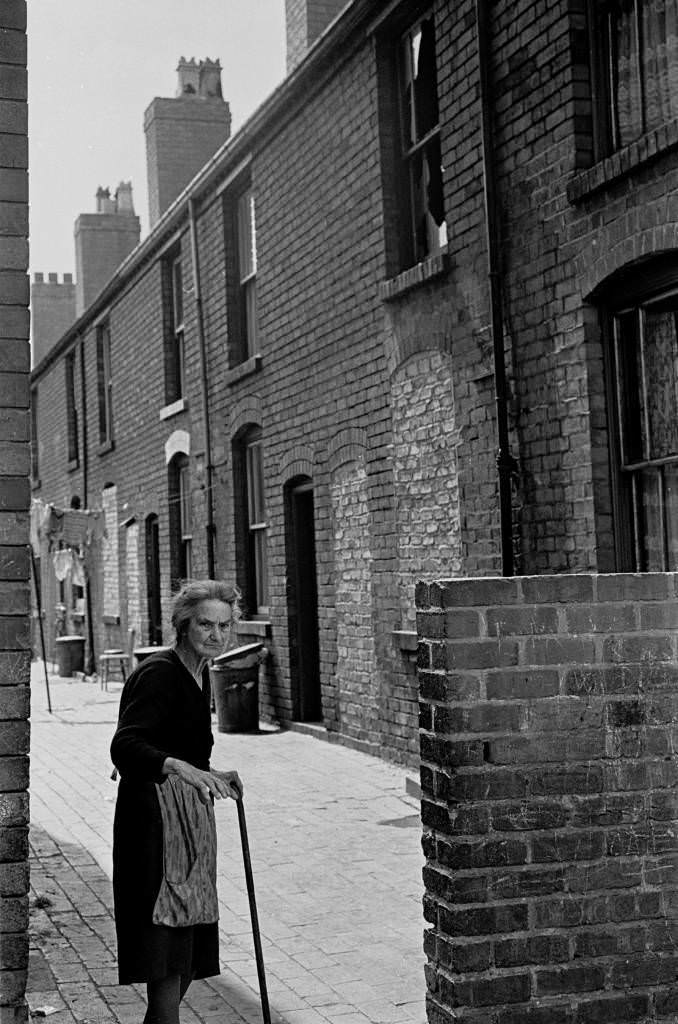
The streets surrounding these homes told the same story. Sewage systems that couldn’t cope with the demand left waste backing up into yards and alleyways. Litter collected in doorways. Demolished buildings left rubble and open land that children played on because there was nowhere else to go. The idea of a clean, functional street — the kind found just a few miles away — was entirely out of reach for these communities.
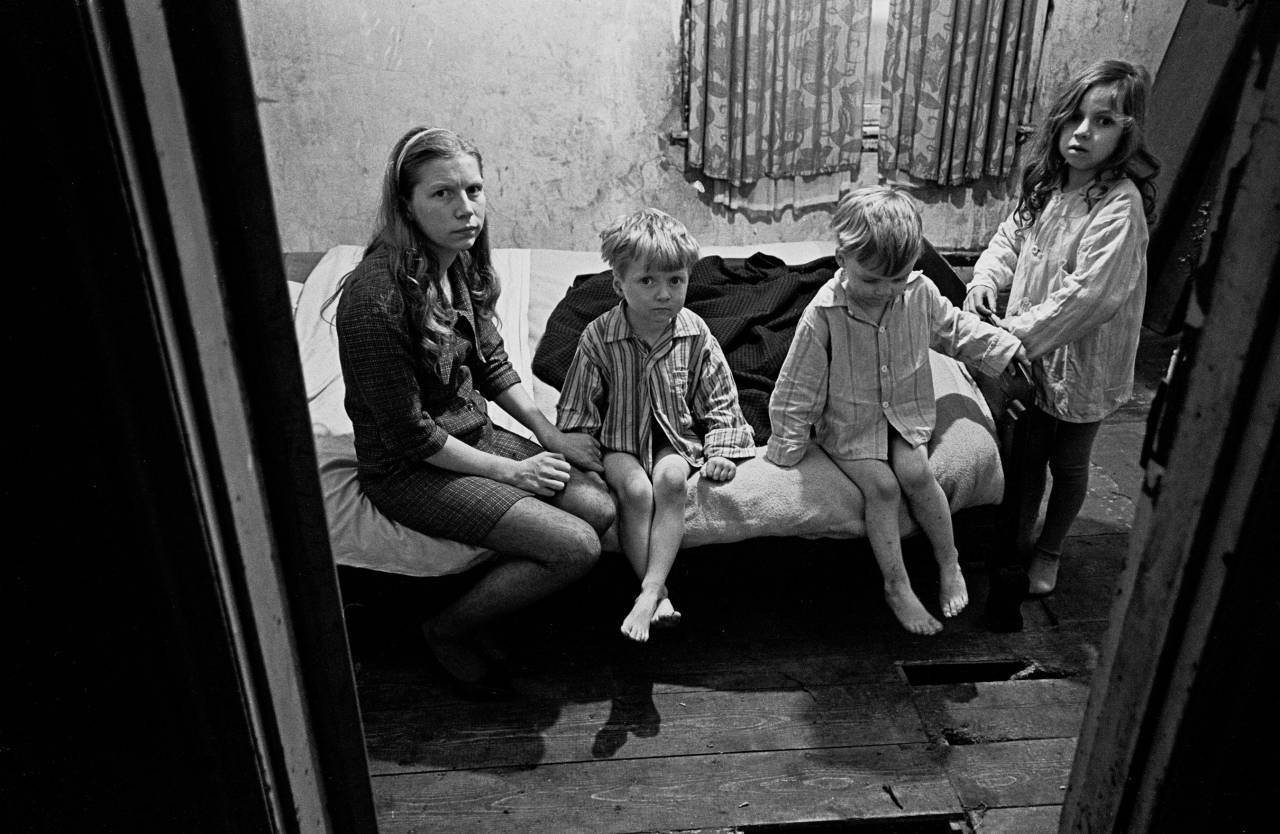
One of the families Hedges photographed most closely was the Milne family in Balsall Heath. In the winter of 1968, he captured Mrs Milne putting her children to bed — not in warm rooms, but in conditions that reflected just how little insulation stood between those children and the cold outside. The images are stark. There is no warmth being dramatised for the camera. It is simply what bedtime looked like.
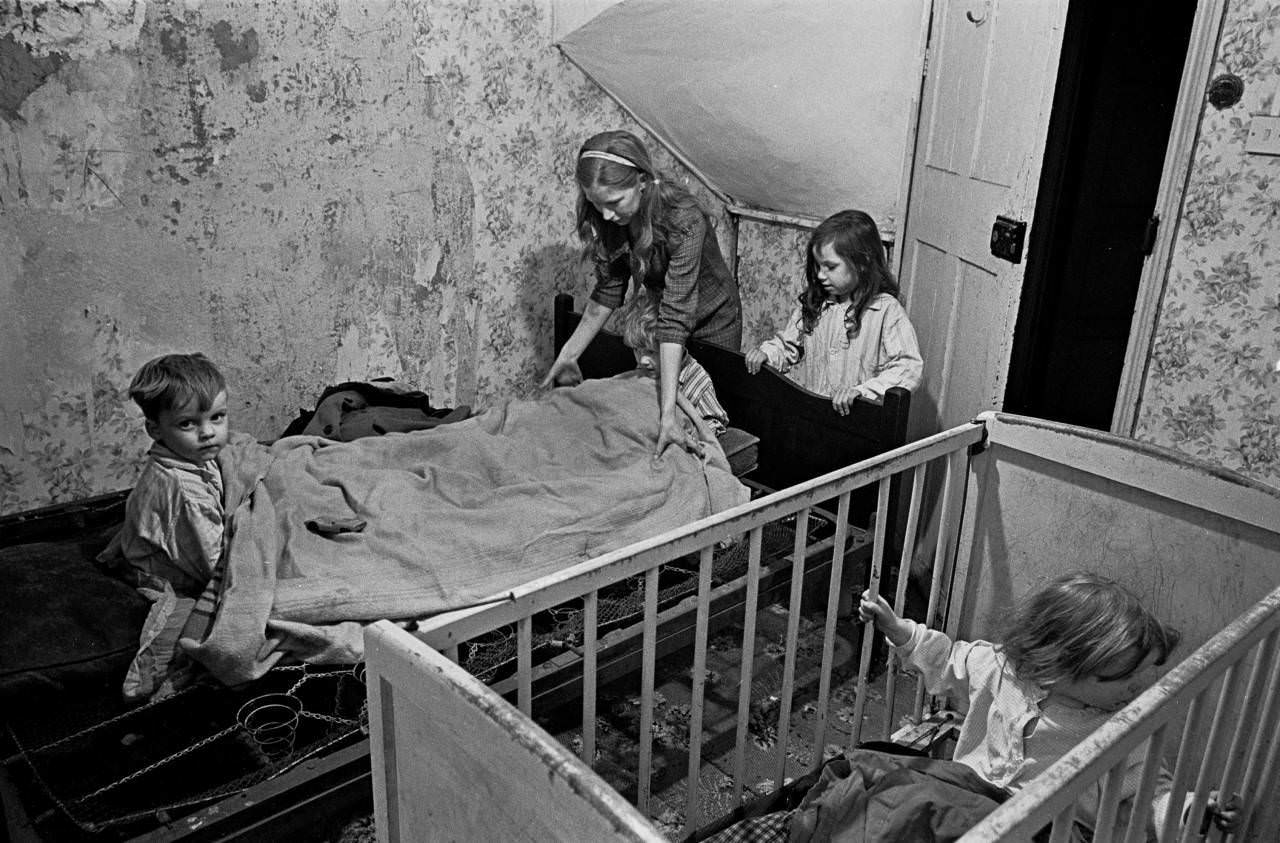
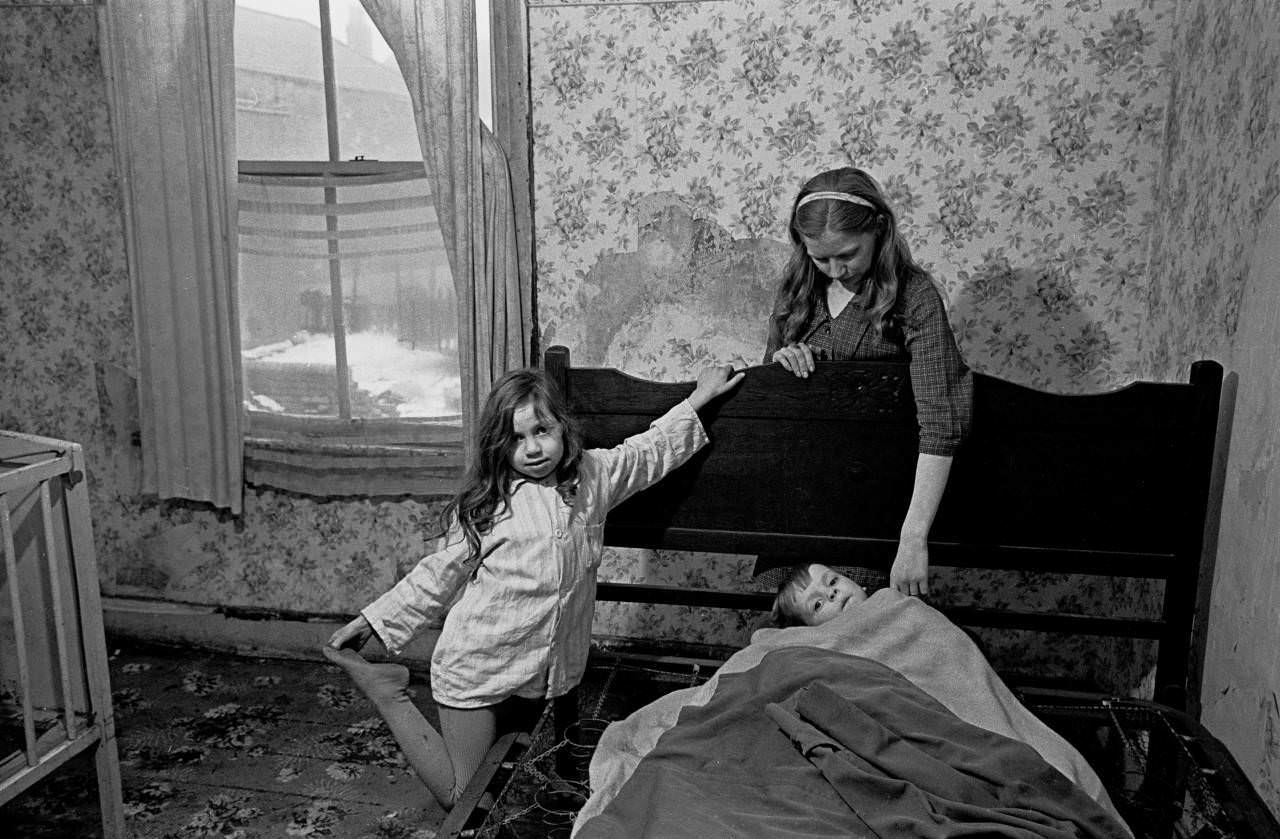
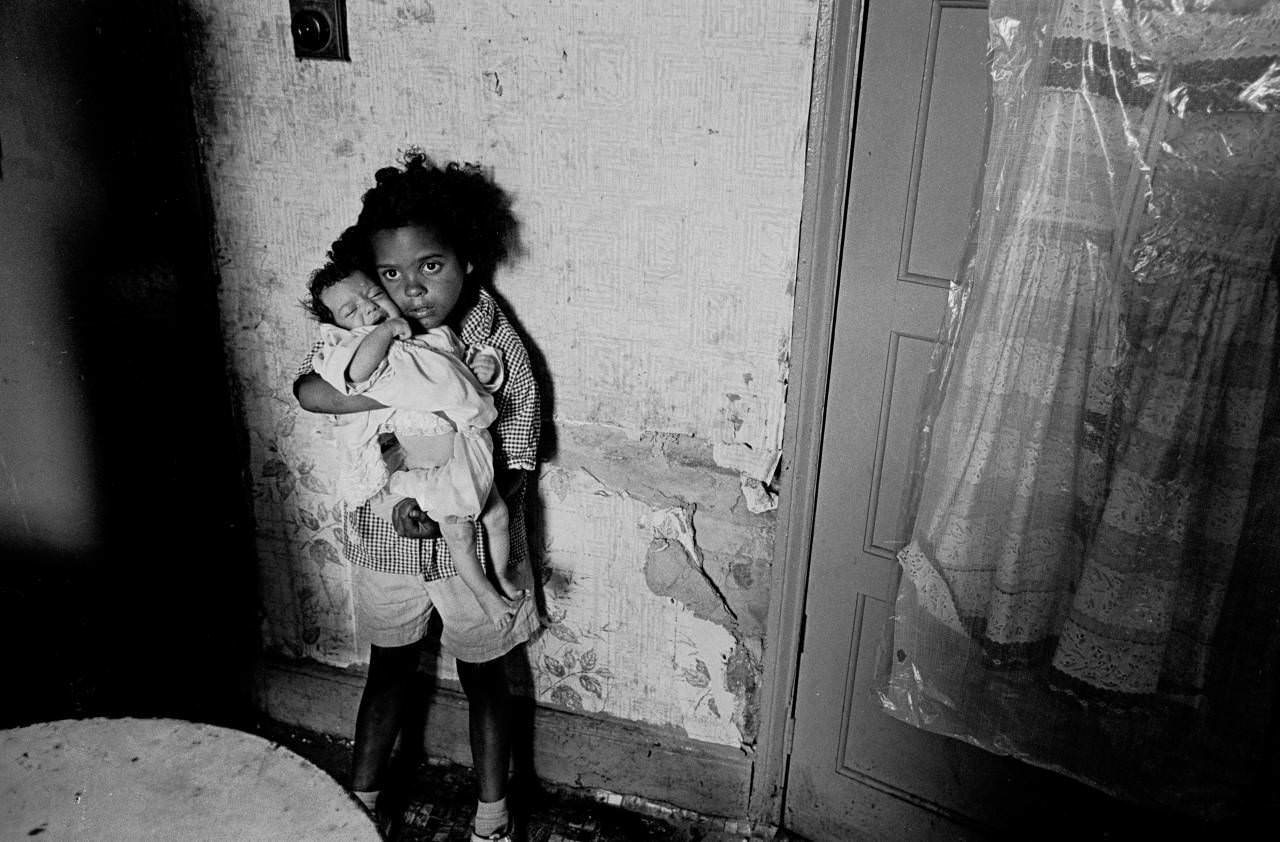
Children appear throughout Hedges’ Birmingham work — not as subjects chosen for emotional effect, but because they were simply there, everywhere, living inside these conditions every day. They were born into these houses and grew up in them. School, play, sleep, meals — all of it happened within walls that health authorities had in many cases already condemned.
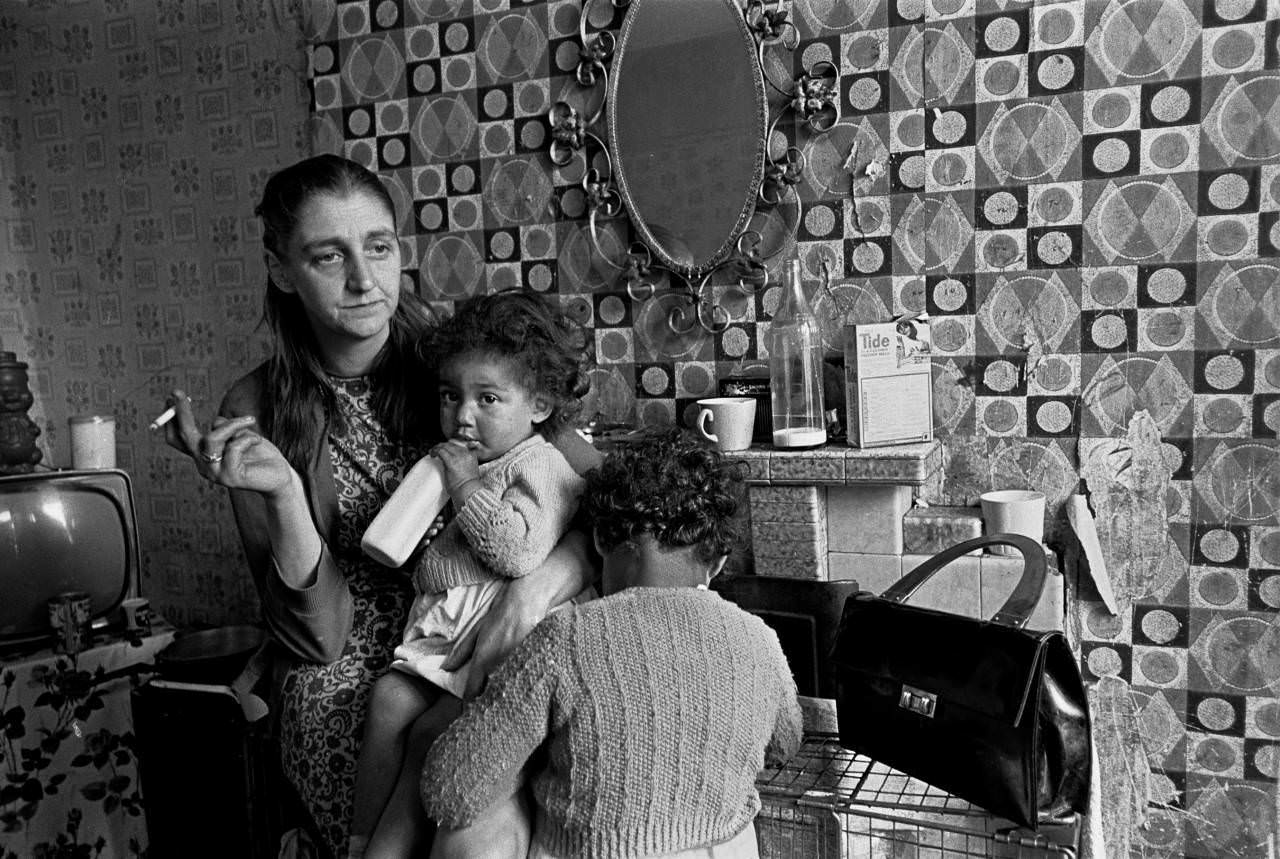
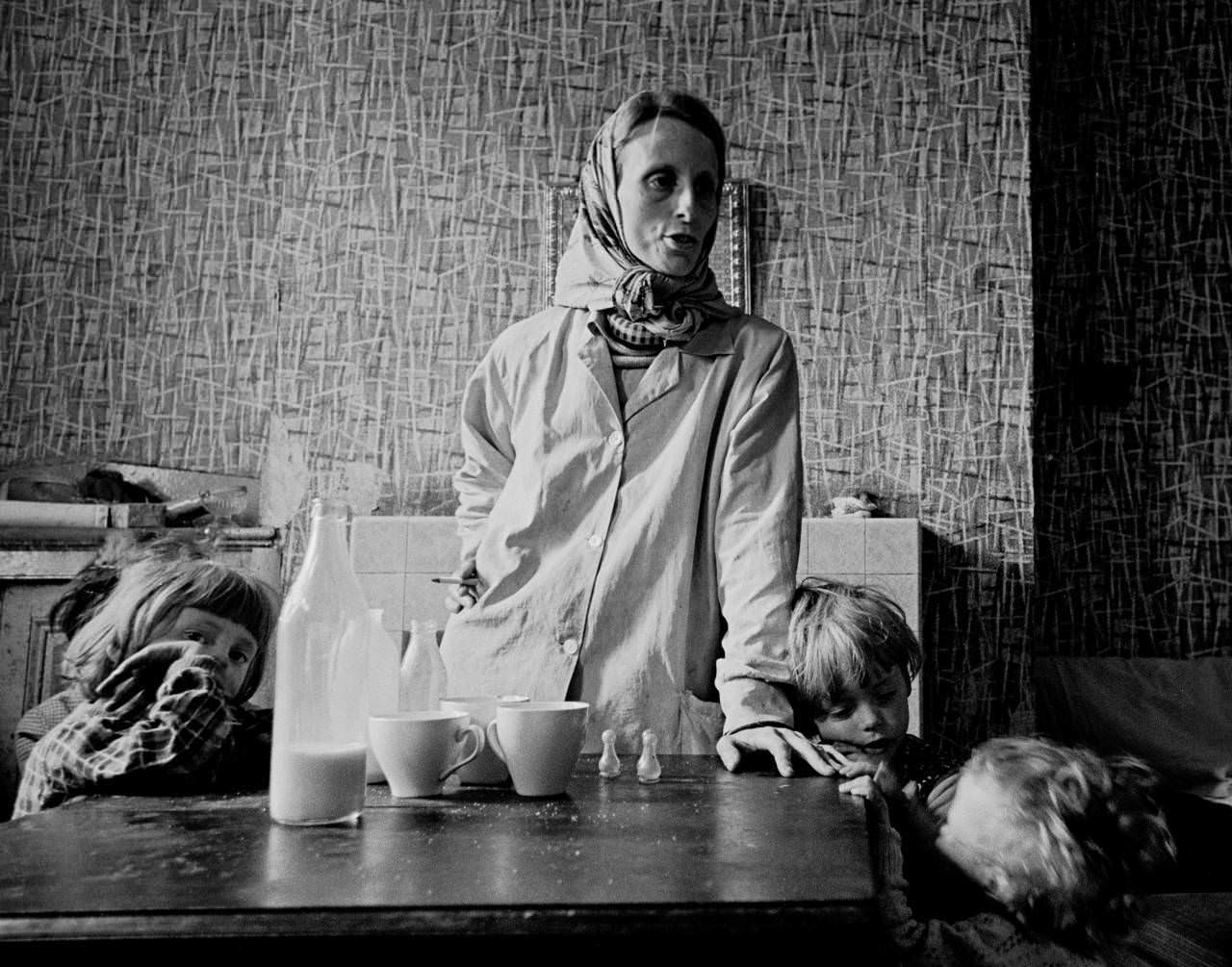
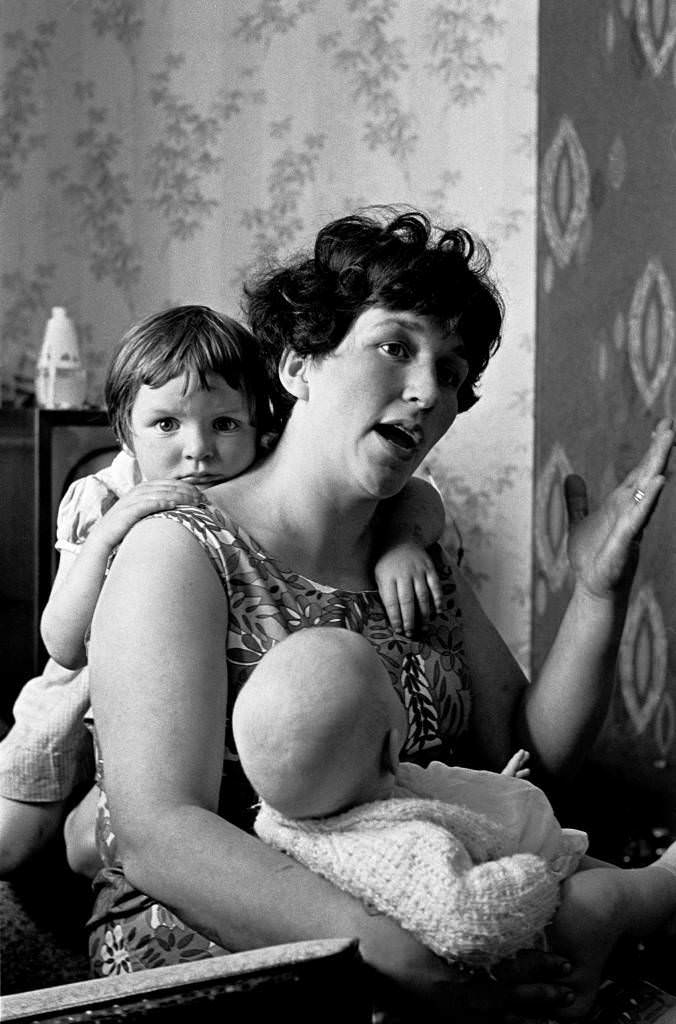
Mothers in these photographs carry the weight of their circumstances visibly. In Sparkbrook in 1971, Hedges photographed a mother with her baby in a property that had no business sheltering anyone. Across the city, in Aston, families were found living in properties that had already been officially condemned by the council — meaning the buildings were legally unfit for habitation, yet people had nowhere else to go.
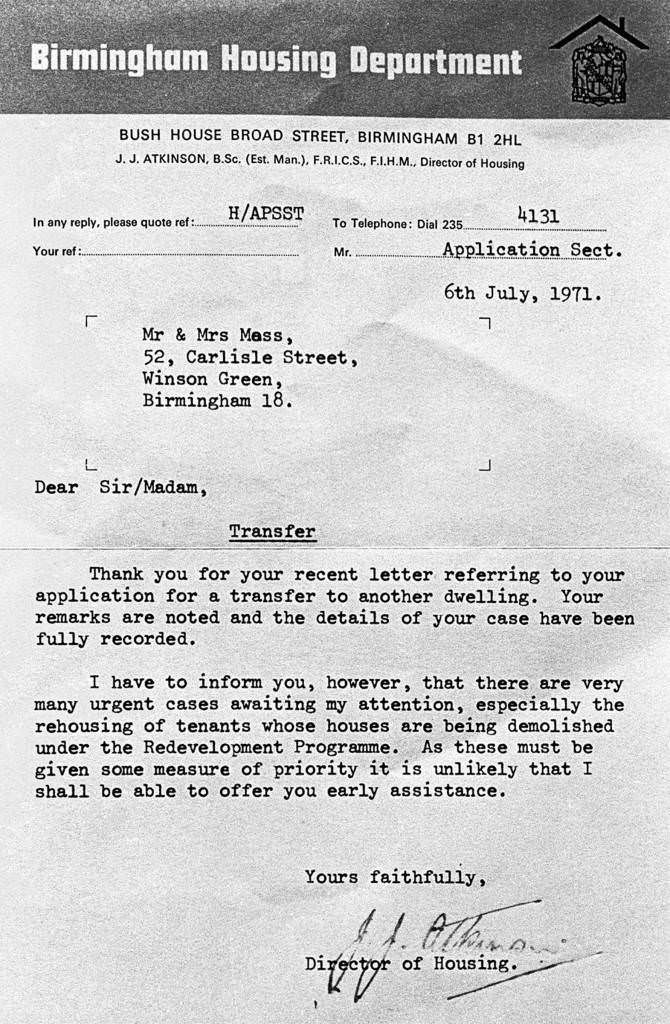
The official response to these conditions was often slow and tangled in bureaucracy. A 1971 letter photographed by Hedges in Birmingham addressed the link between the state of the housing and public health — a formal acknowledgement that the slums were making people sick. It sat on paper while families continued living inside the problem the letter described.
When demolition did come to some areas, it didn’t always mean relief. In Ladywood in 1969, Hedges captured what was left behind after slum clearance — the debris, the emptied streets, the sense that the people who had lived there had simply been moved on. Clearance programmes displaced communities and scattered neighbours who had shared the same streets for decades.
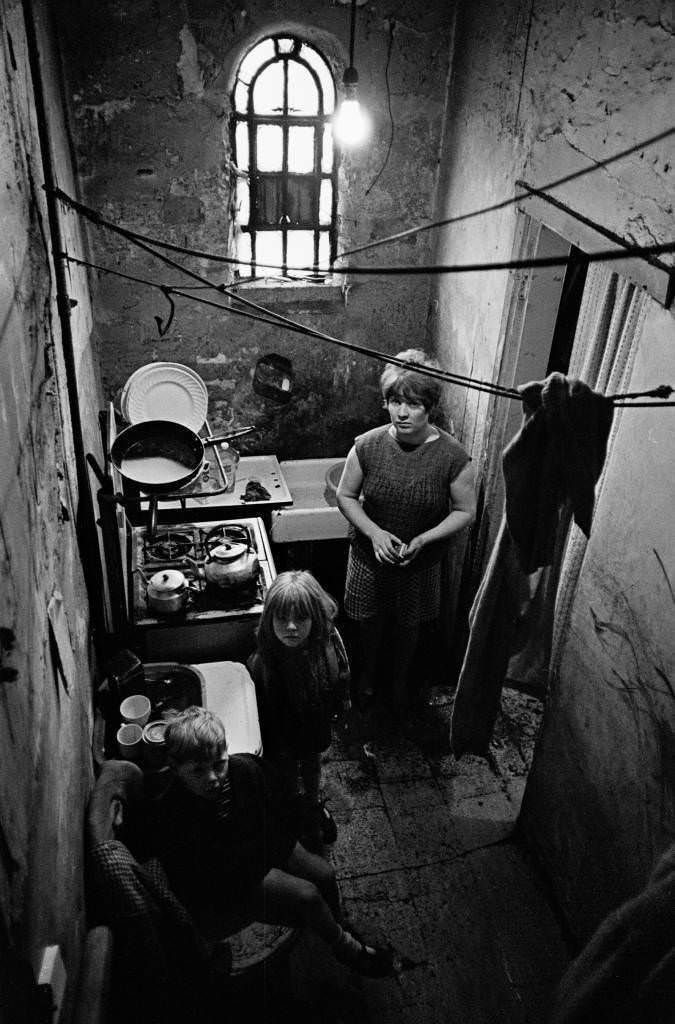
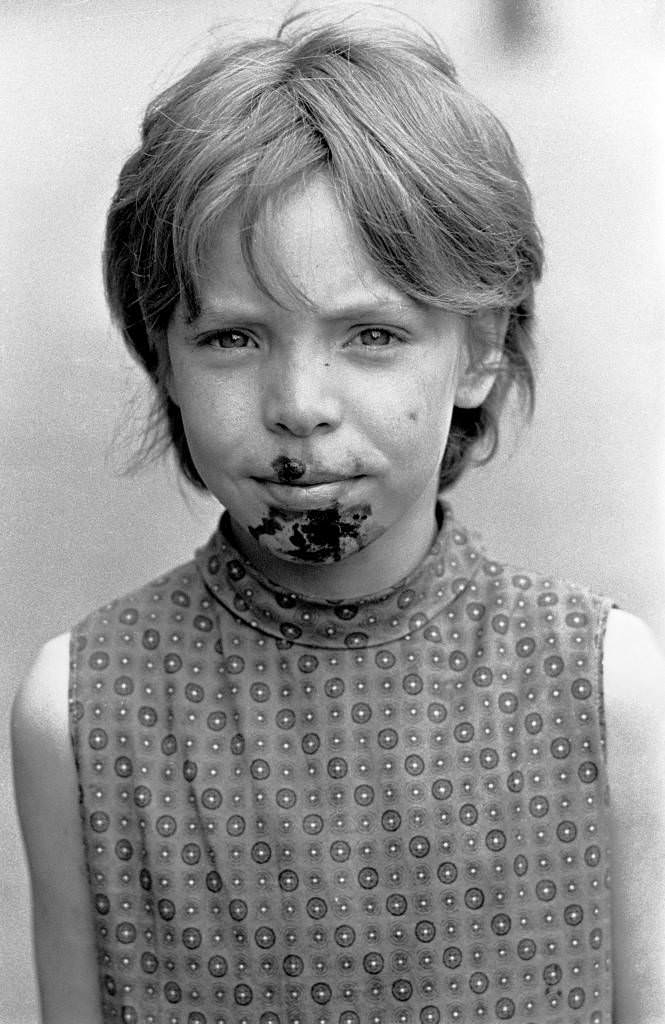
The physical toll on residents was direct and measurable. In Winson Green in 1971, Hedges photographed a child with impetigo — a bacterial skin infection directly caused by exposure to foul drainage. This was not an isolated case. Poor sewerage, damp walls, and contaminated water sources created conditions in which disease spread easily, and children were the most vulnerable. Pest infestations added to the health risks, and some families documented their own attempts to deal with them.
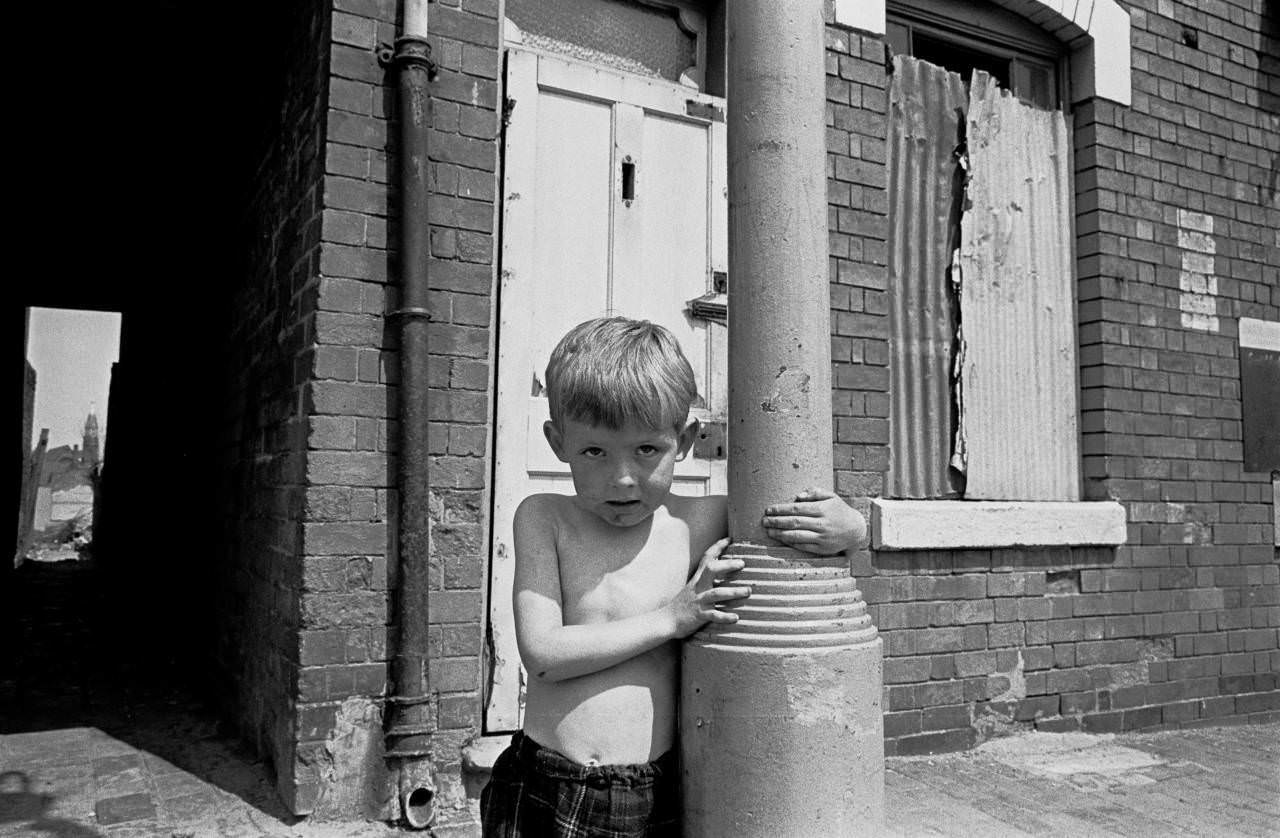
Across different Birmingham neighbourhoods — Balsall Heath, Winson Green, Sparkbrook — the details changed but the core reality did not. Children played in backyards shared with broken drains and rubble. Babies slept in armchairs because the conditions elsewhere in the property made other options worse. Families made do inside structures that were quietly falling apart around them.
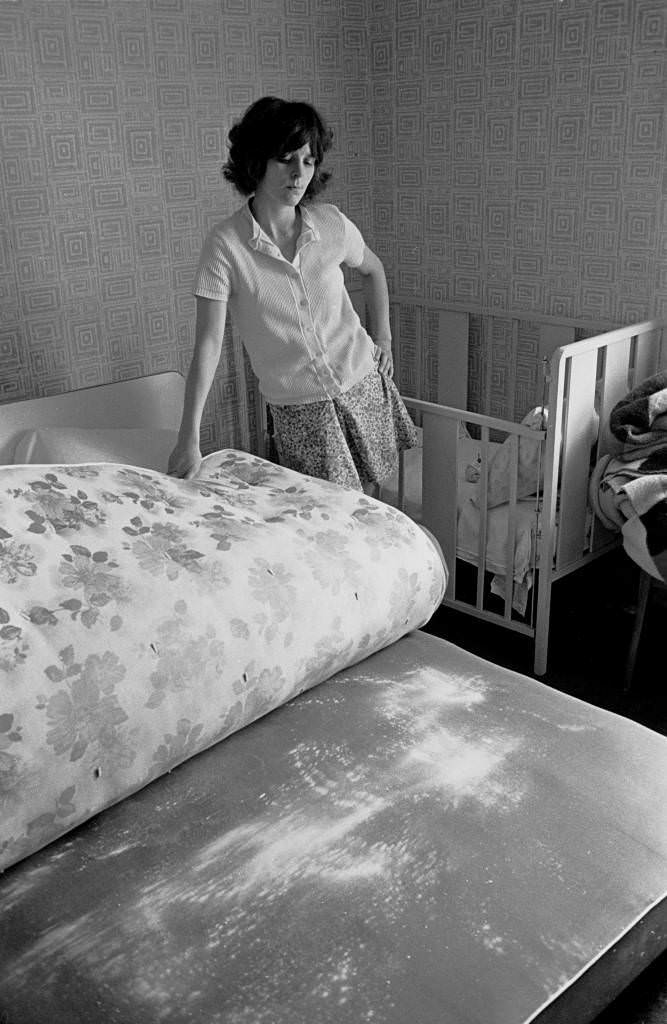
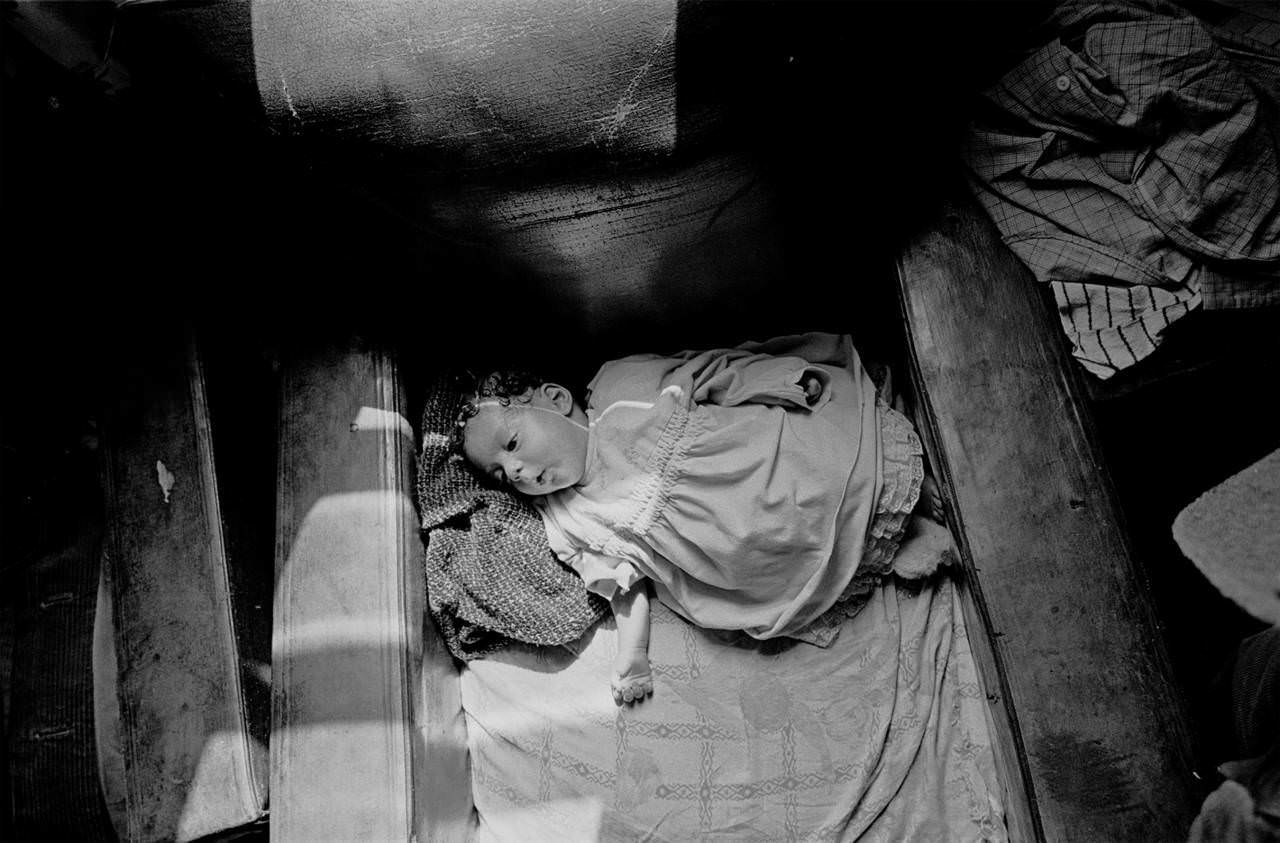
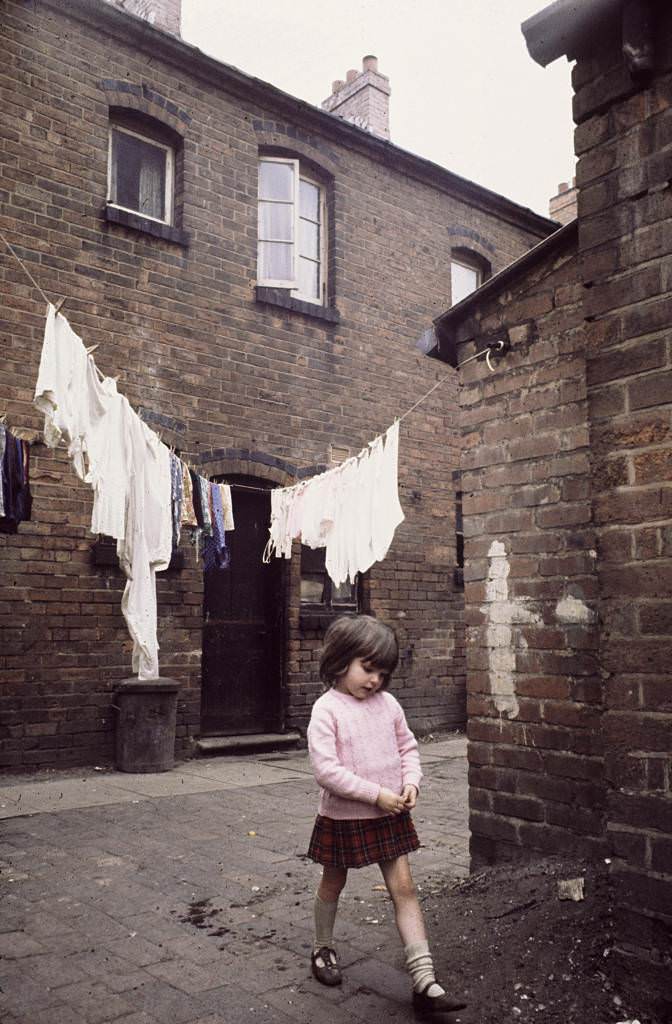
Nick Hedges did not stage these photographs. He recorded what was in front of him. The babies sleeping, the mothers standing firm, the yards stacked with the wreckage of inadequate infrastructure — all of it was the unedited reality of slum Birmingham. Shelter used his images in campaigns that pushed the housing crisis into national conversation at a time when many preferred to believe it no longer existed.
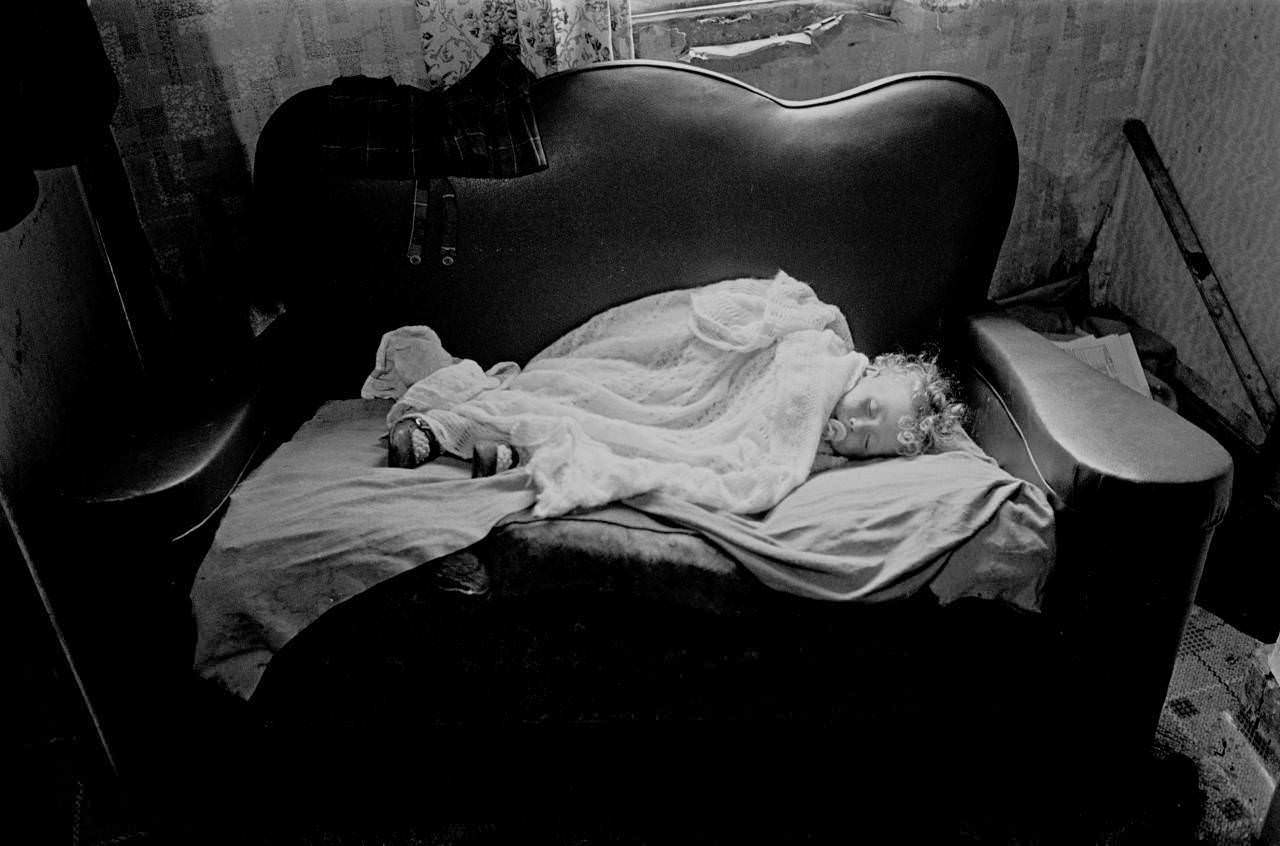
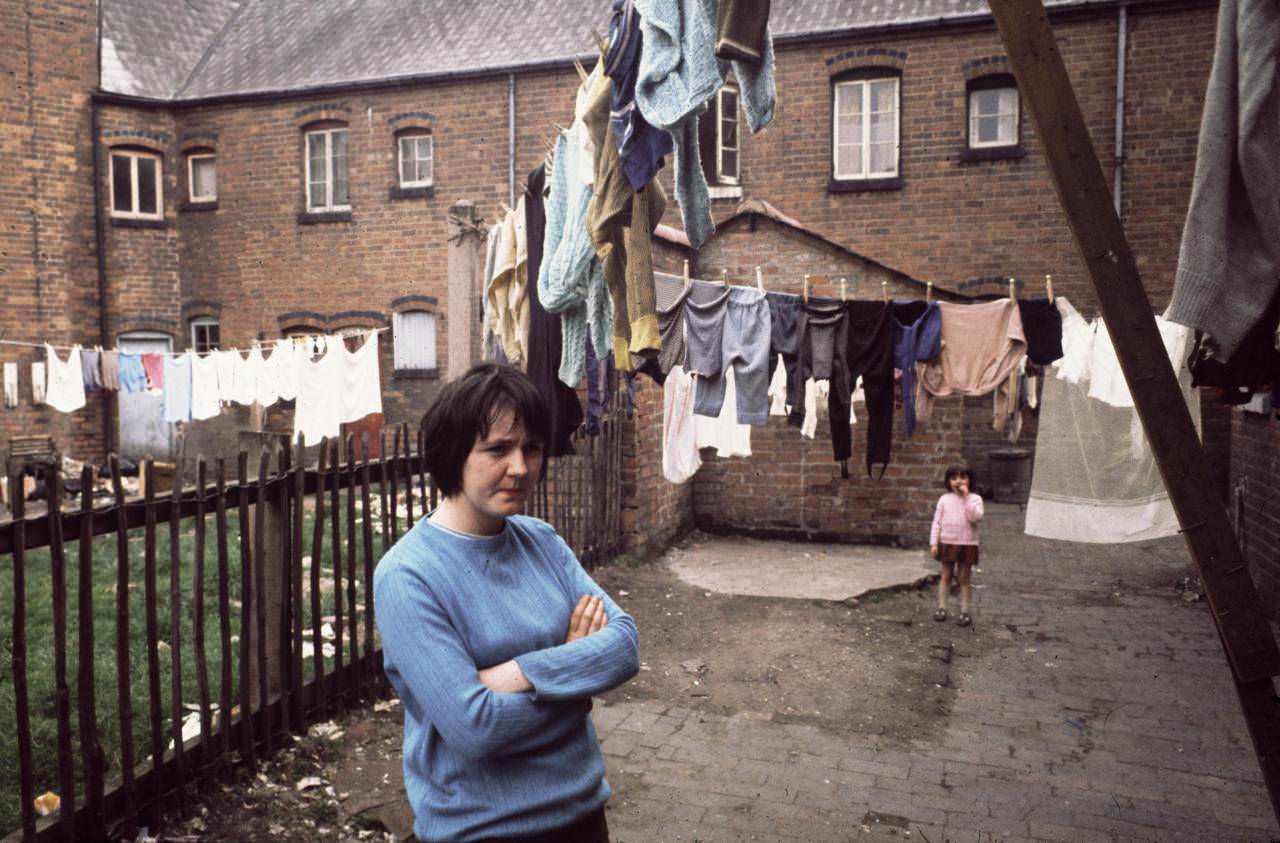

There was a earlier project by Janet Mendelsohn that were taken in 1960’s was shown at The Ikon in 2016, I went to it and knowing the area, it was remarkable less than less two miles away is the leafy suburb of Edgbaston. It only shows the slow social progress in the city
https://www.theguardian.com/artanddesign/2016/jan/11/wickedest-road-in-britain-photographer-janet-mendelsohn-varna-road-birmingham
I’d recommend visiting Back to Backs if you’re interested in this kind of thing
I did when they first opened.
Cue fond memories of the filth and squalor and how great it was
Thank goodness these have been removed- now we have to deal with the cheapest housing projects that replaced them.
There was a earlier project by Janet Mendelsohn that were taken in 1960’s was shown at The Ikon in 2016, I went to it and knowing the area, it was remarkable less than less two miles away is the leafy suburb of Edgbaston. It only shows the slow social progress in the city
https://www.theguardian.com/artanddesign/2016/jan/11/wickedest-road-in-britain-photographer-janet-mendelsohn-varna-road-birmingham
I’d recommend visiting Back to Backs if you’re interested in this kind of thing
great documentary photos from the late, great Nick Hedges