Betty Grable was an actress, dancer, fashion model, and singer whose movies grossed more than $100 million during the 1930s and 1940s. She was the most iconic pinup girl of the World War II era, and her bathing suit photograph was included in the ‘Life’ magazine project “100 Photographs That Changed the World.” As a wholesome, good-natured screen actress, she starred in many musicals with formulaic plot lines that showcased her shapely legs as she performed athletic dance numbers. Her legs were so beautiful that her studio had them insured for $1 million, earning her the moniker “the girl with the million-dollar legs.”
Acting career
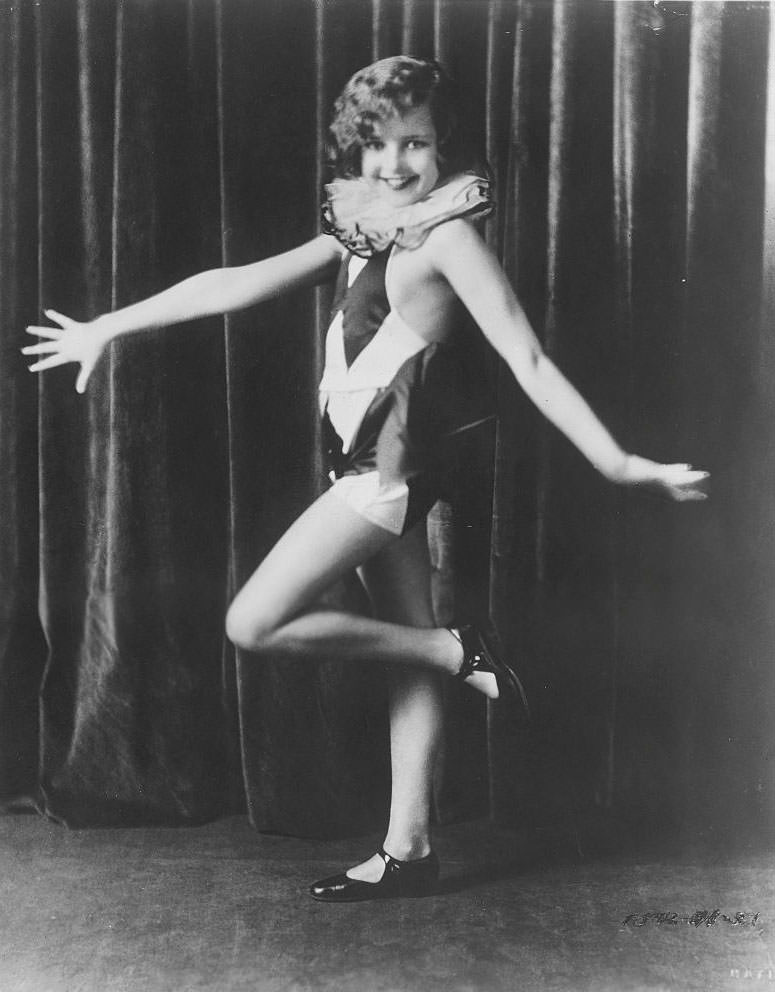
Grable’s mother enrolled her in dance and music classes from a young age, setting her on the path to stardom. She was chosen for the chorus in ‘Let’s Go Places. The law at the time required all chorus girls to be over 15 years old. Despite being just 13, Betty’s mother arranged for her to get fake identification papers so she could perform. She was disqualified when her deception was uncovered. At the age of 13, she became one of the original Goldwyn Girls and appeared in several films.
Grable made her debut as a chorus girl in the film ‘Happy Days’ in 1929 when she was 12 years old. In the following years, she played uncredited minor roles in several films. During the 1930s, she appeared in many B-movies, including ‘Pigskin Parade (1936)’, ‘This Way Please (1937)’, ‘College Swing (1938)’. In most of these films, she portrayed college students and was thus typecast in that role. Grable got her famous nickname after appearing with Jackie Coogan in the movie ‘Million Dollar Legs’ in 1939. After the film failed to meet expectations, Grable appeared in the musical drama ‘DuBarry Was a Lady’ on Broadway. Grable became a star after the play was embraced by audiences and critics alike.
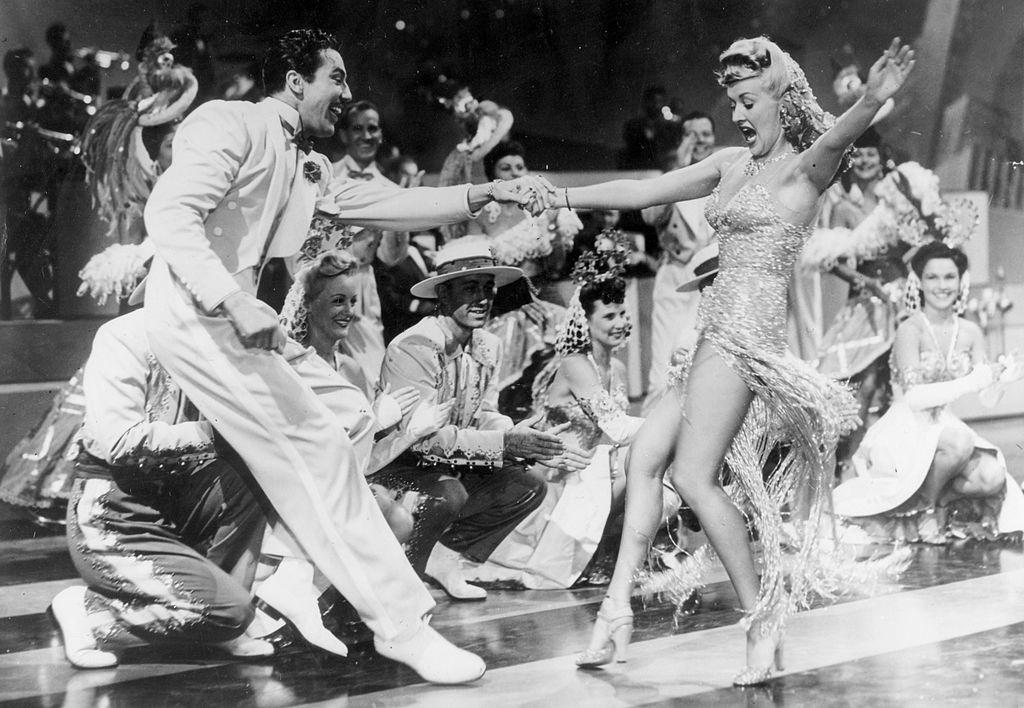
Grable’s got her breakthrough in 1940 when was starred in the blockbuster ‘Down Argentine Way. The success led her to other superhit movies, including ‘Moon over Miami (1941)’, ‘Sweet Rosie O’Grady (1943)’, ‘Pin Up Girl (1944)’, and ‘The Dolly Sisters (1946)’. In 1947, she was cast opposite Dan Dailey in the highly successful film ‘Mother Wore Tights.’ In her role, she played a vaudeville performer whose daughter was ashamed of her mother’s profession. The film was one of the highest-grossing films of that year.
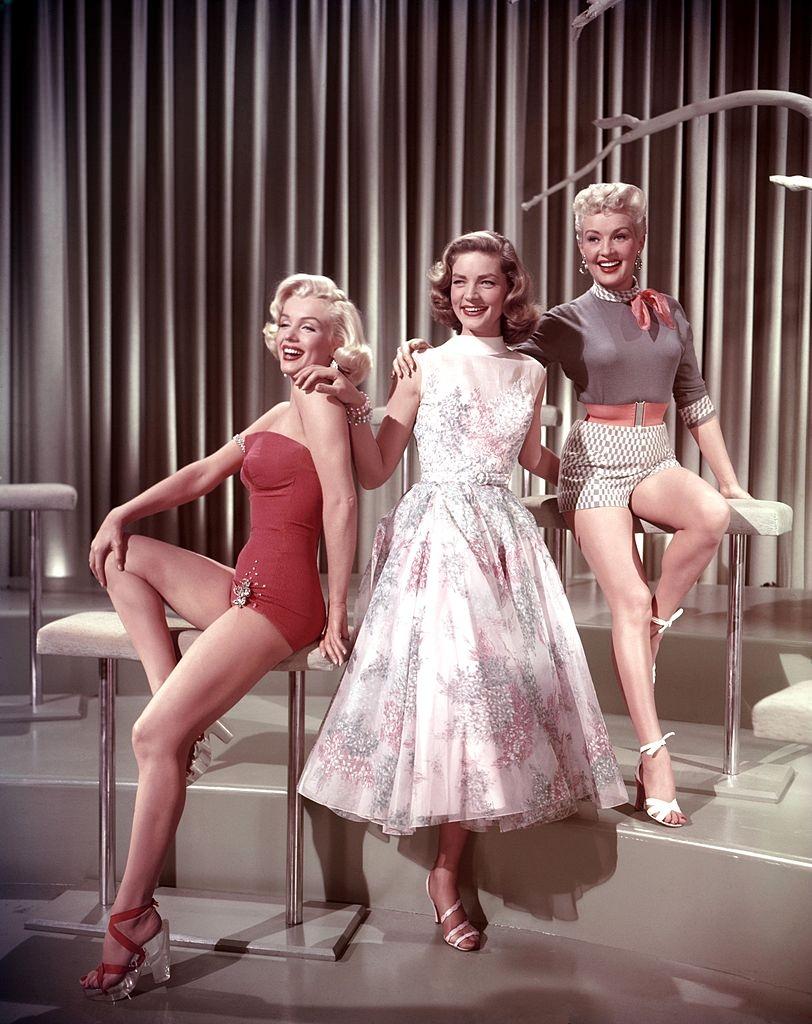
In 1953, she appeared in the romantic comedy ‘How to Marry a Millionaire’ alongside Marilyn Monroe and Lauren Bacall. The screenplay was adapted from two plays by Zoe Akins, Dale Eunson, and Katherine Albert. She made her final appearance in the 1955 comedy ‘How to Be Very, Very Popular.’ In this movie, two showgirls witness a murder but resist the urge to get involved in investigating the crime.
Pinup modeling
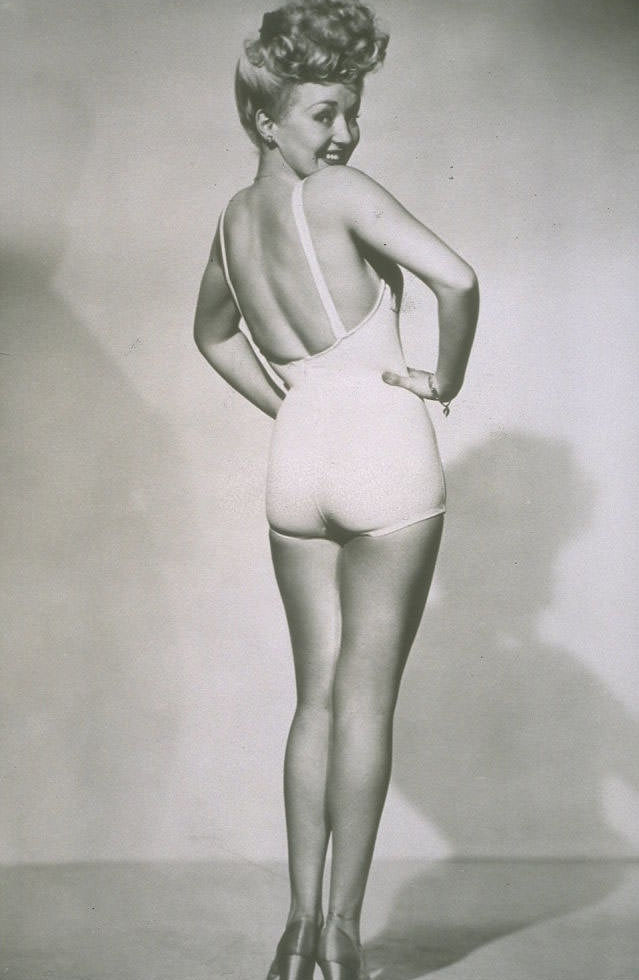
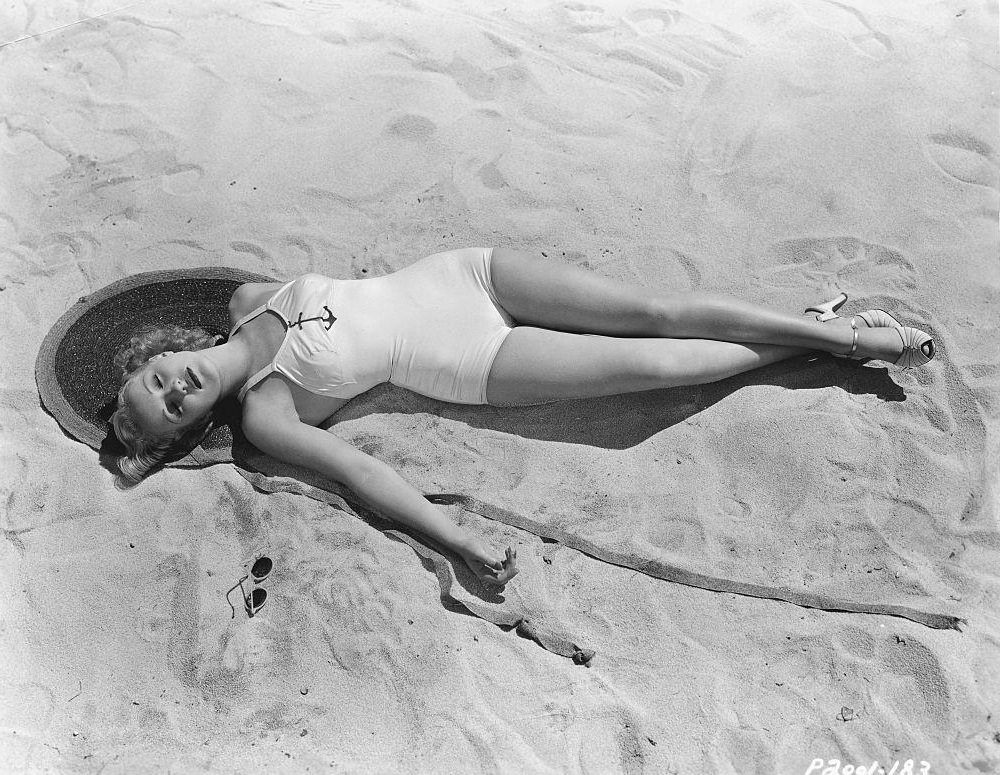
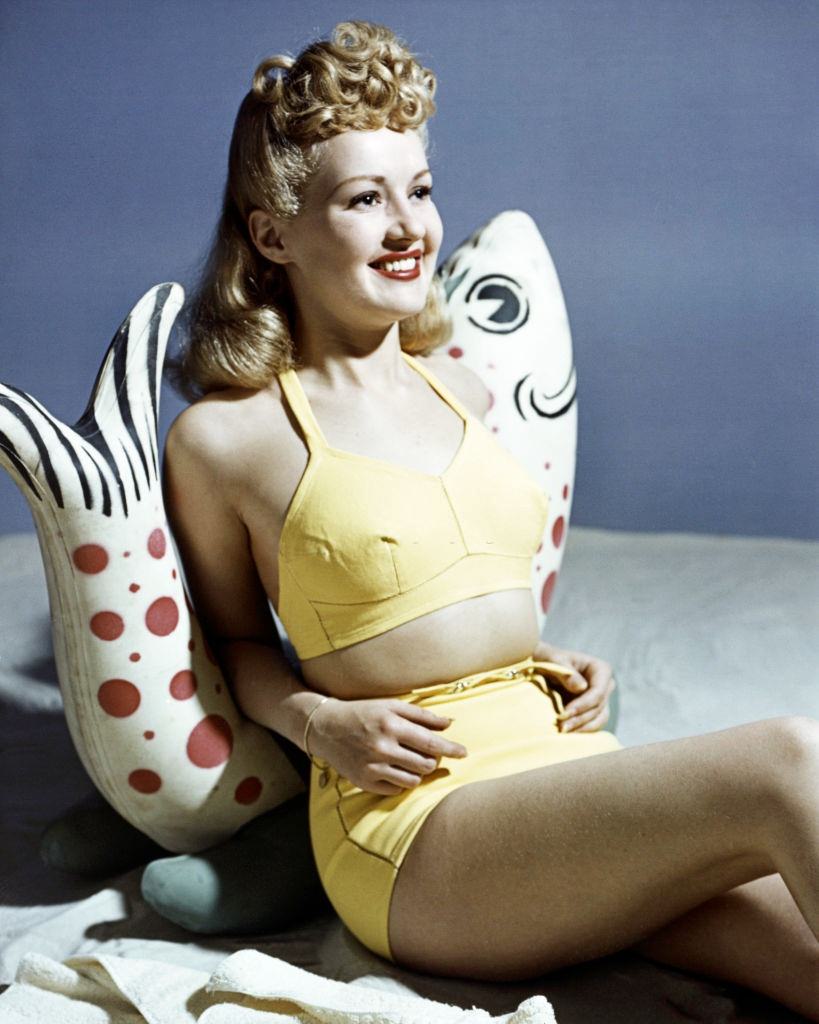
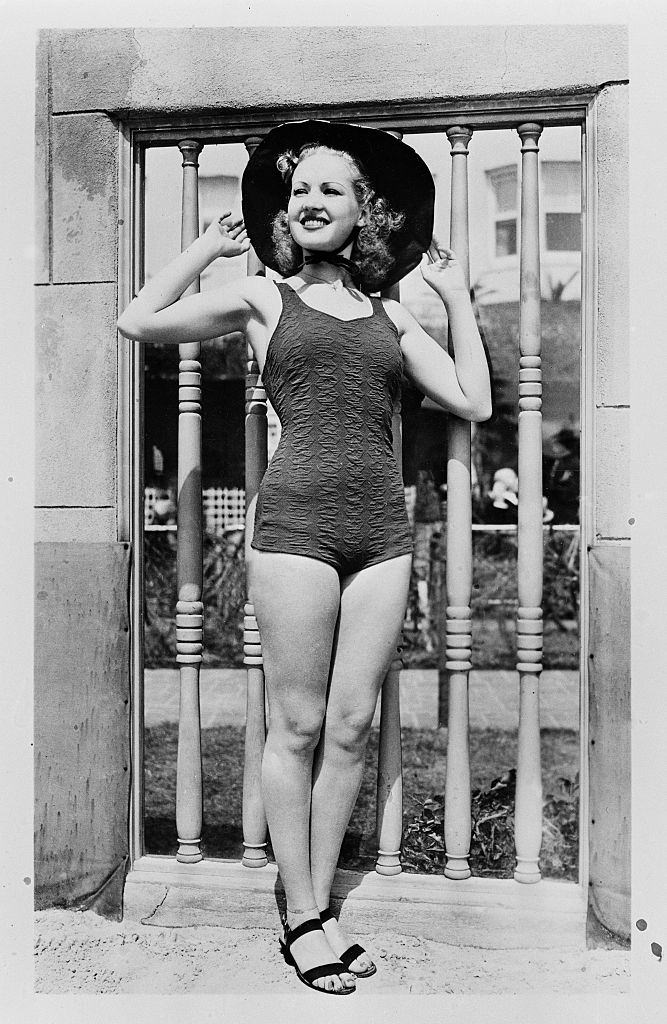
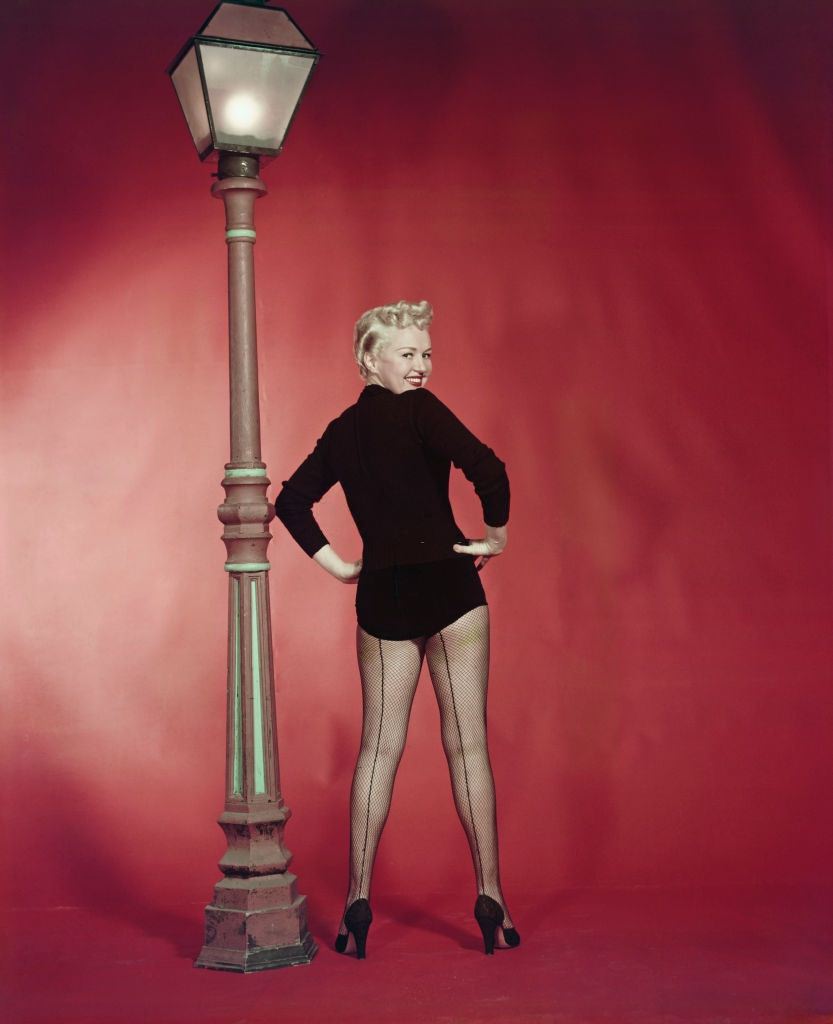
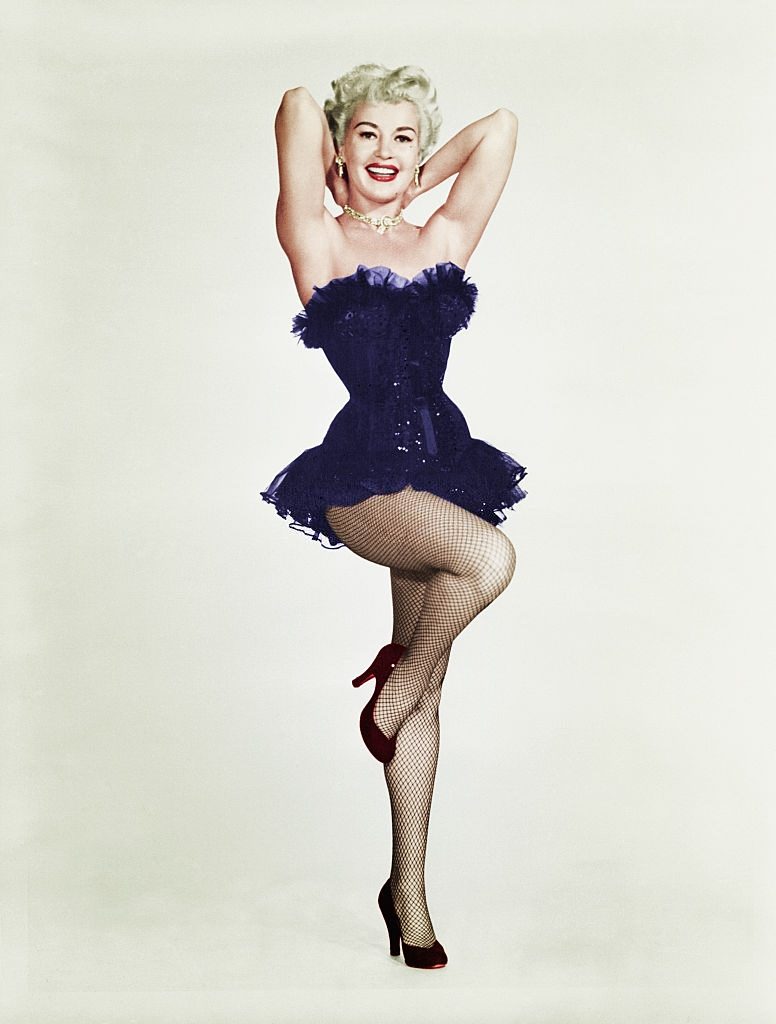
Grable collaborated with Frank Powolny regularly for a studio photo session in 1943. She took several photos in a tight bathing suit during the shoot. Grable playfully smiled over her right shoulder with her back to the camera during one of her poses because she was several months pregnant with her first child at the time. This picture was released as a poster and became the most requested photograph by troops stationed overseas. Grable’s portrait sold millions of copies, eventually surpassing Rita Hayworth’s famous 1941 photograph in popularity. She became the favorite pinup of the US military, and her image was displayed on bomber planes during World War II. In addition, the photograph was named one of Time’s 100 Most Influential Photographs of All Time.
Personal life
Grable married actor Jackie Coogan in 1937, and the marriage lasted only for two years. Harry James, a trumpeter, was her second husband in 1943. They had two daughters. They divorced in 1965 after enduring a difficult marriage plagued by alcoholism and infidelity. She also had a long-term relationship with the much younger dancer, Bob Remick, until her death.
Betty Grable’s death
Grable died of lung cancer in 1973, at the age of 56, in Santa Monica, California. Her funeral was held two days later, and several Hollywood stars attended, including her ex-husband, Harry James. In the months following Grable’s death, Neil Sedaka dedicated a song to her on his 1974 album Laughter in the Rain.
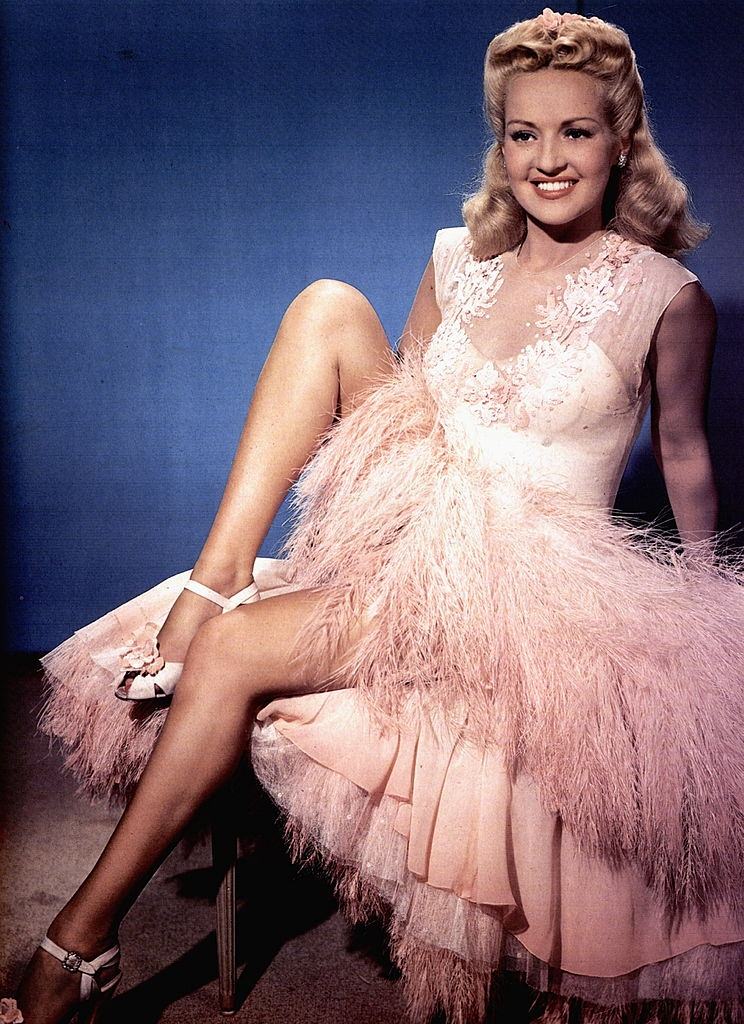
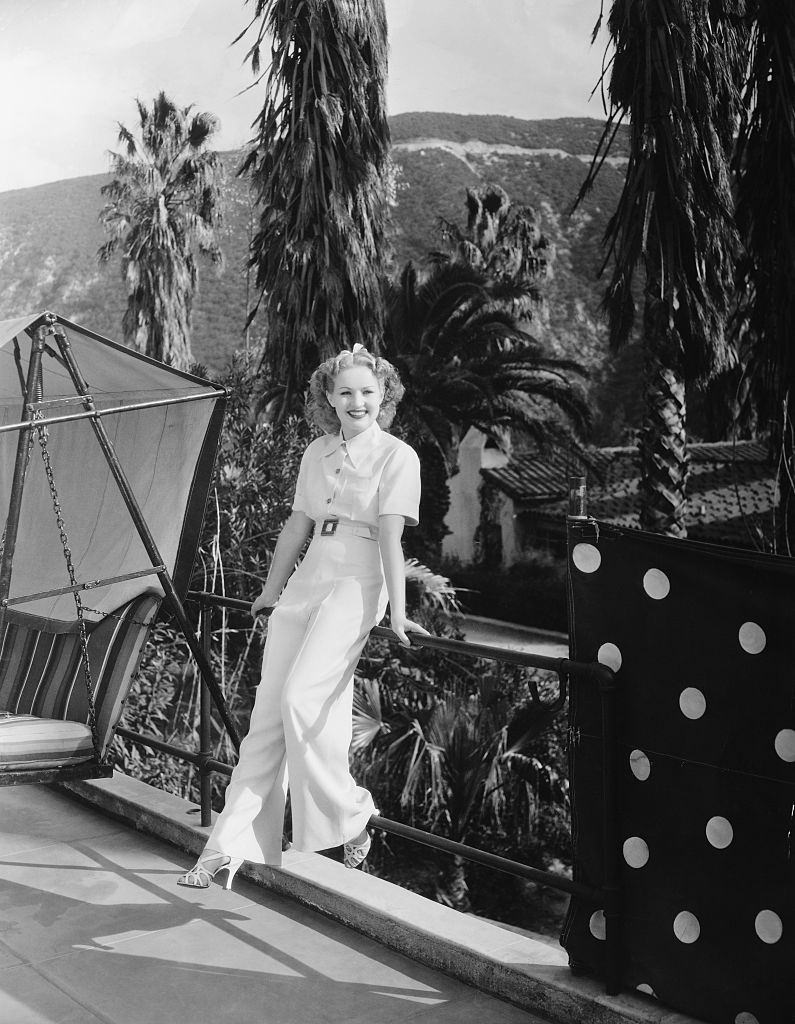
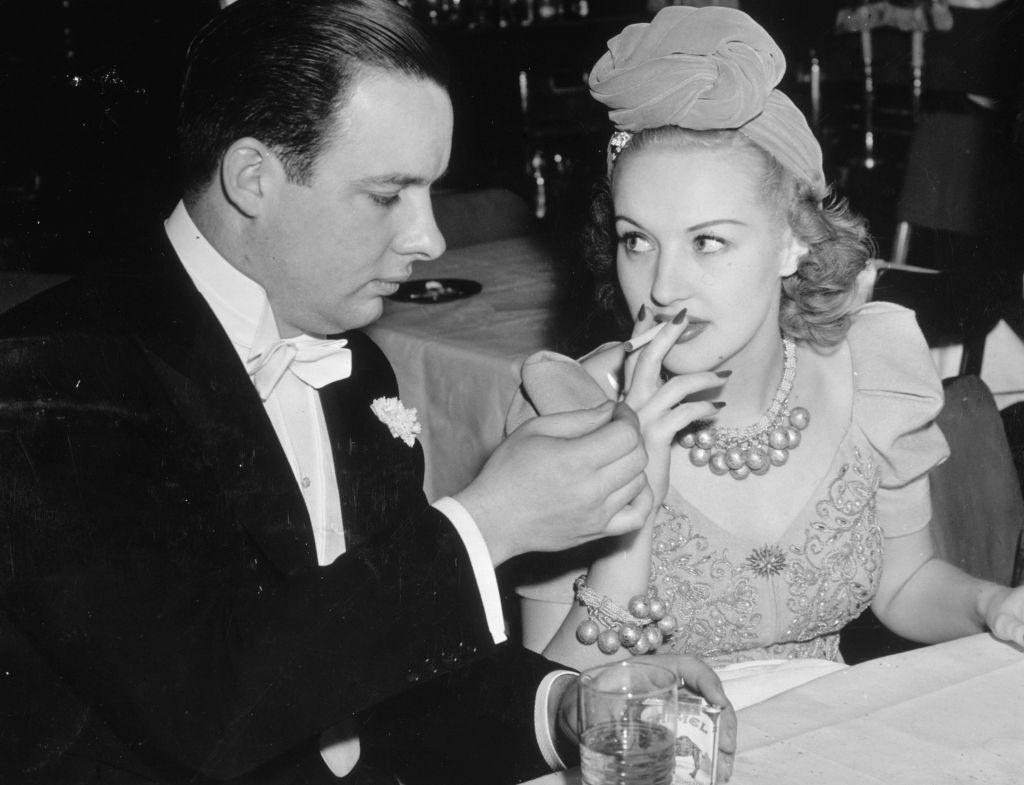
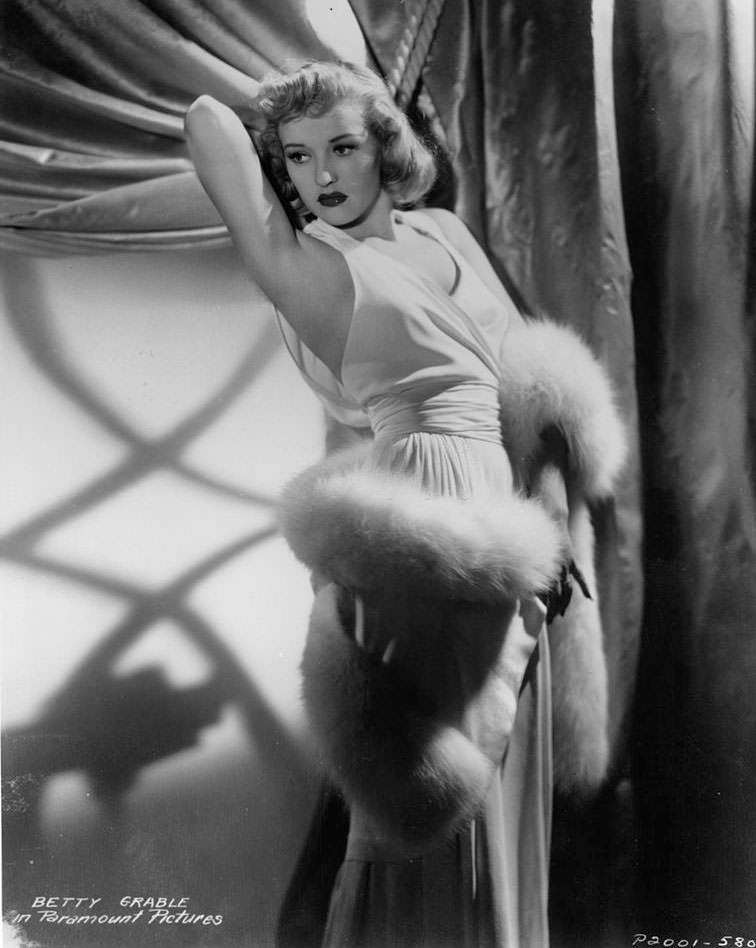
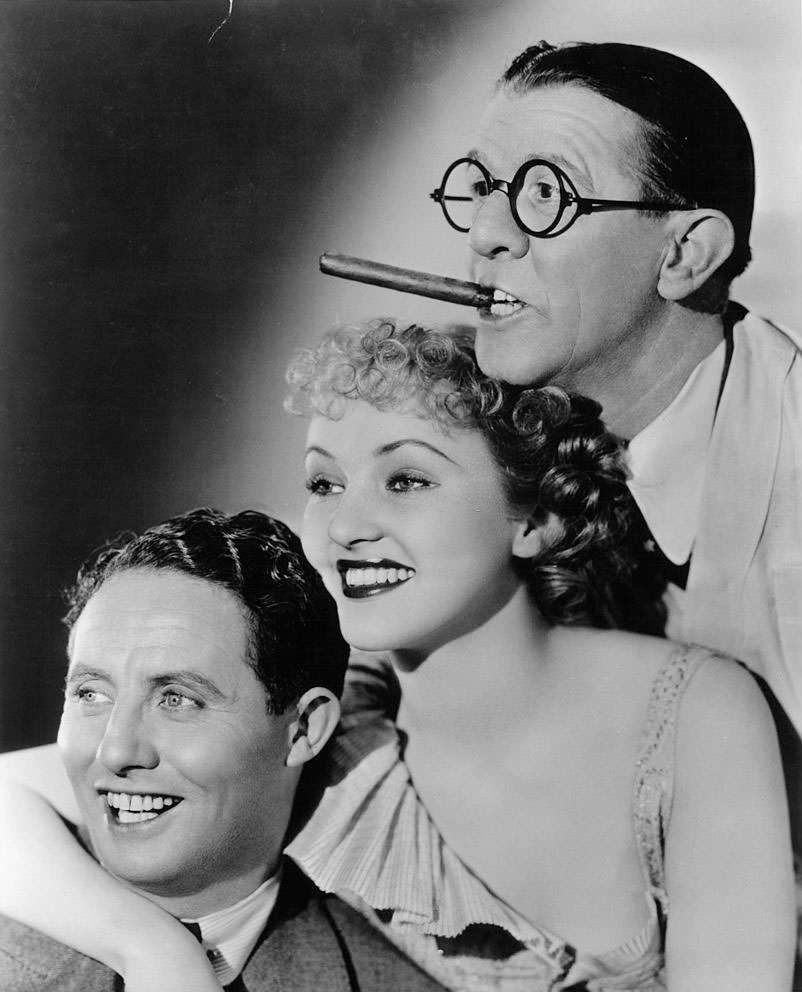
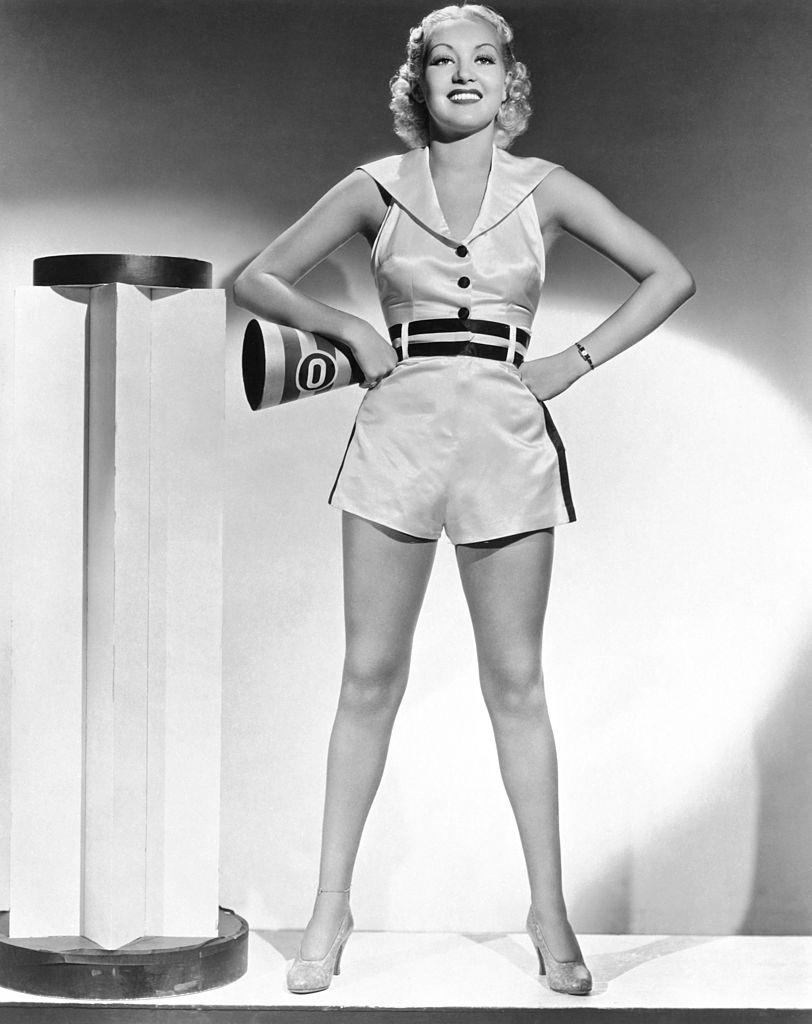
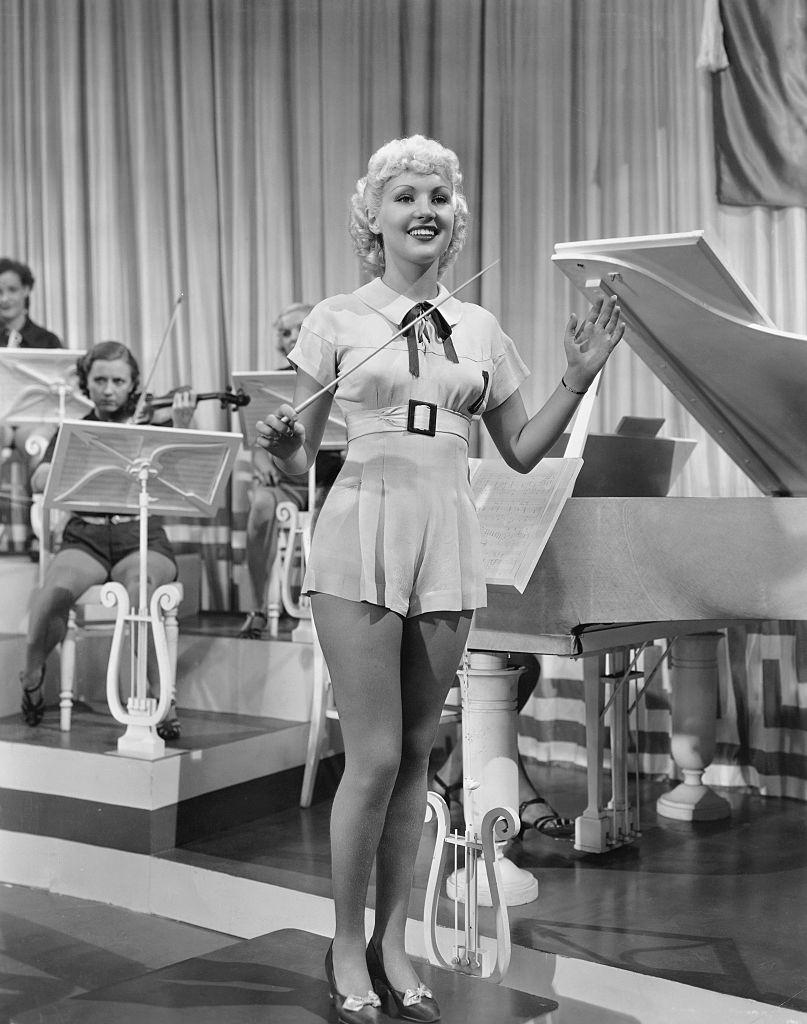
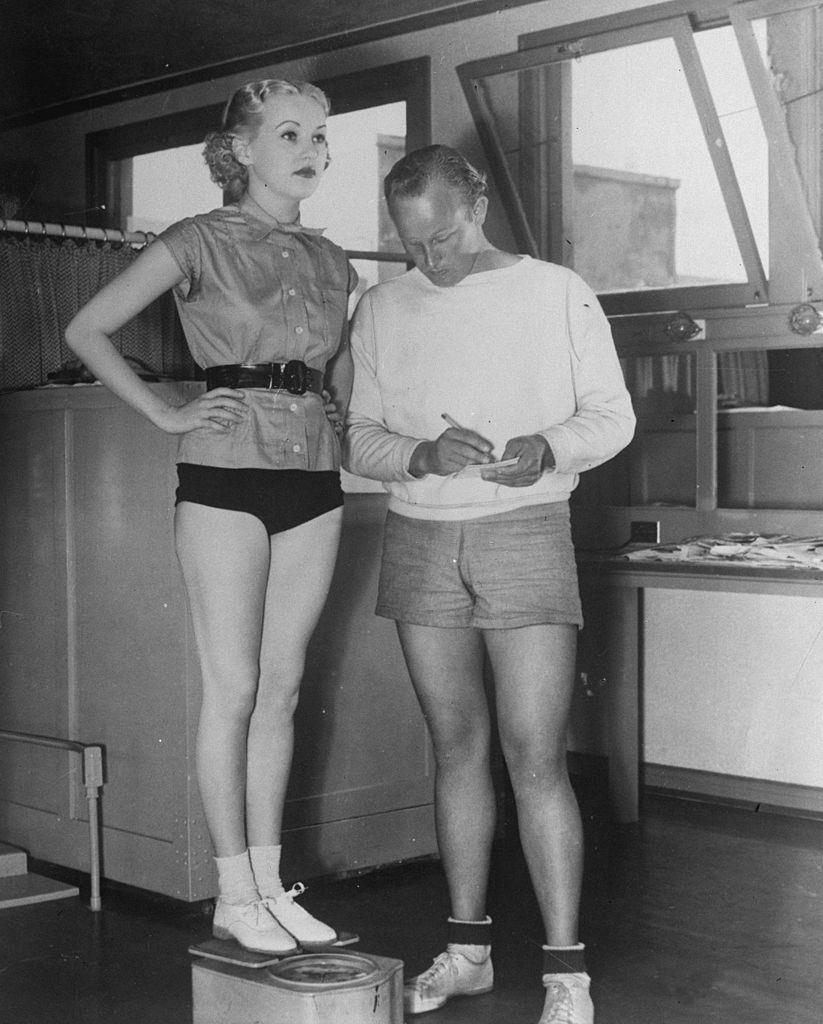
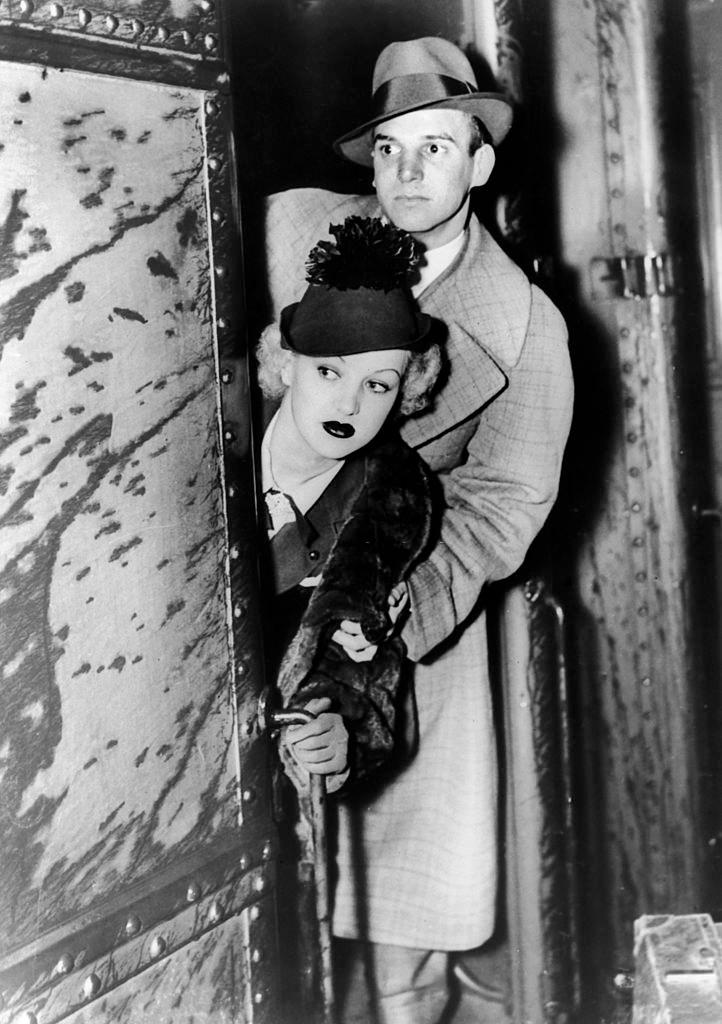
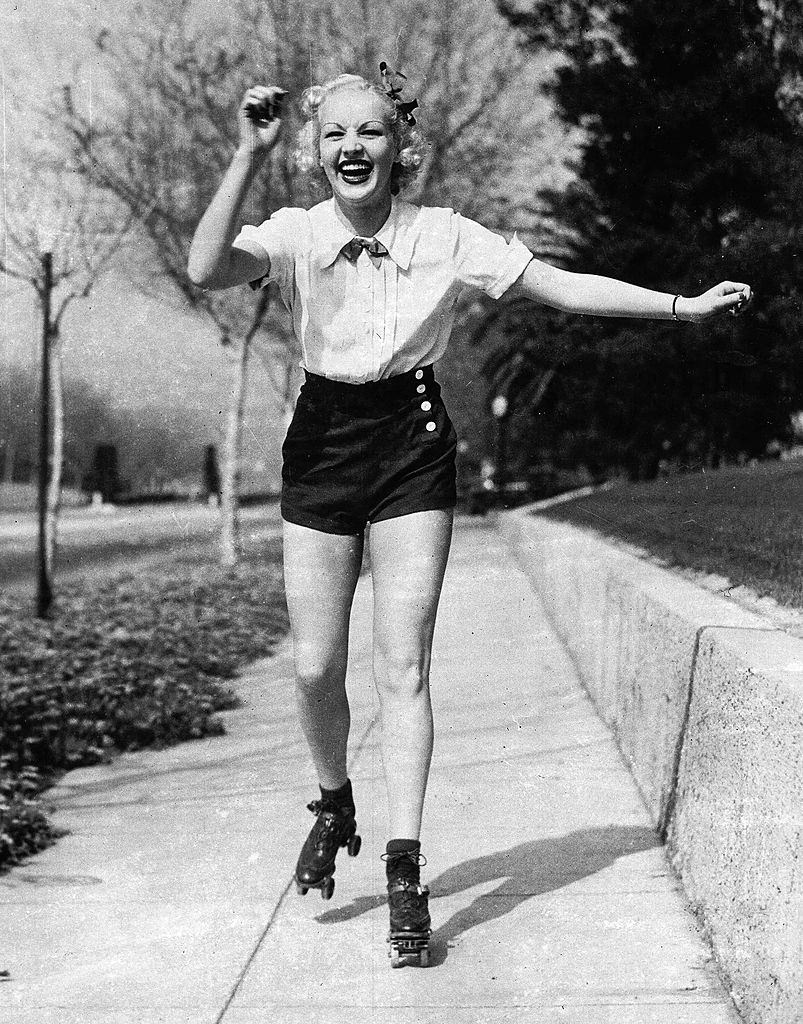
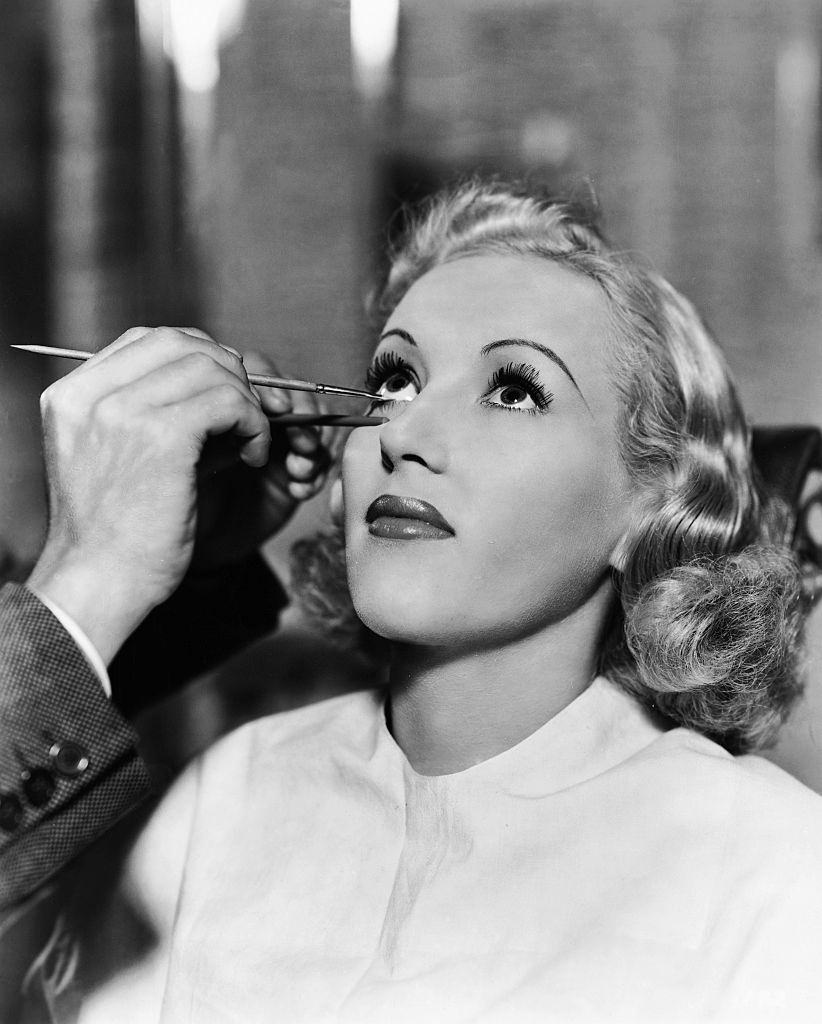
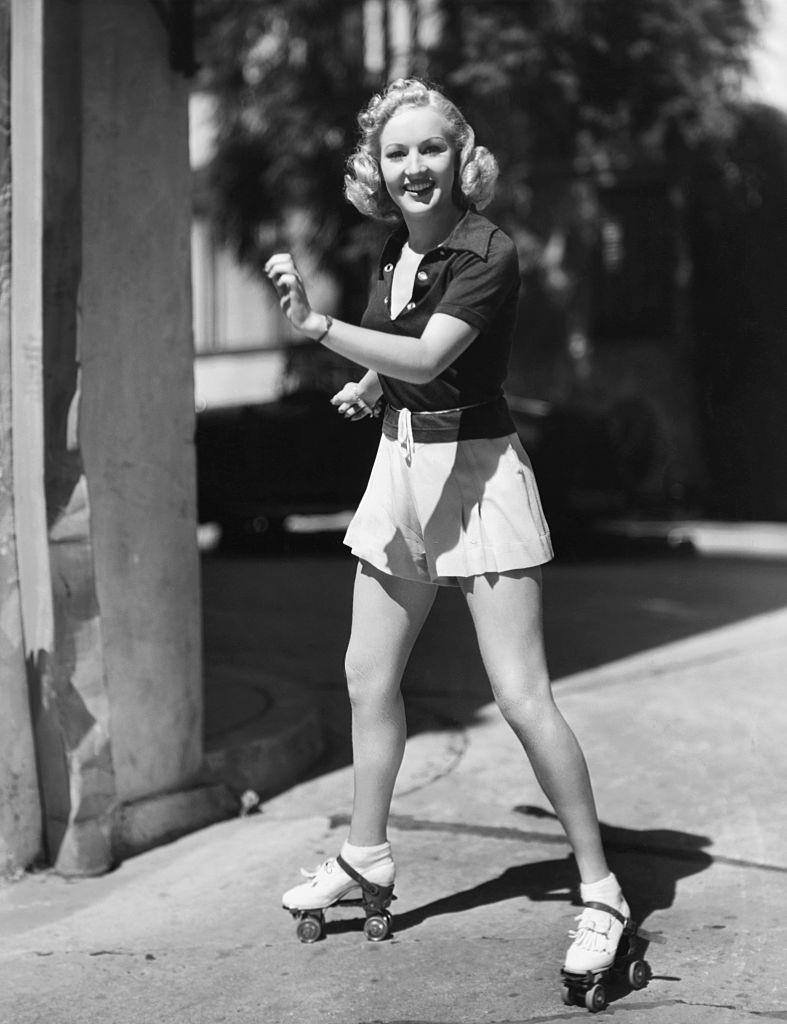
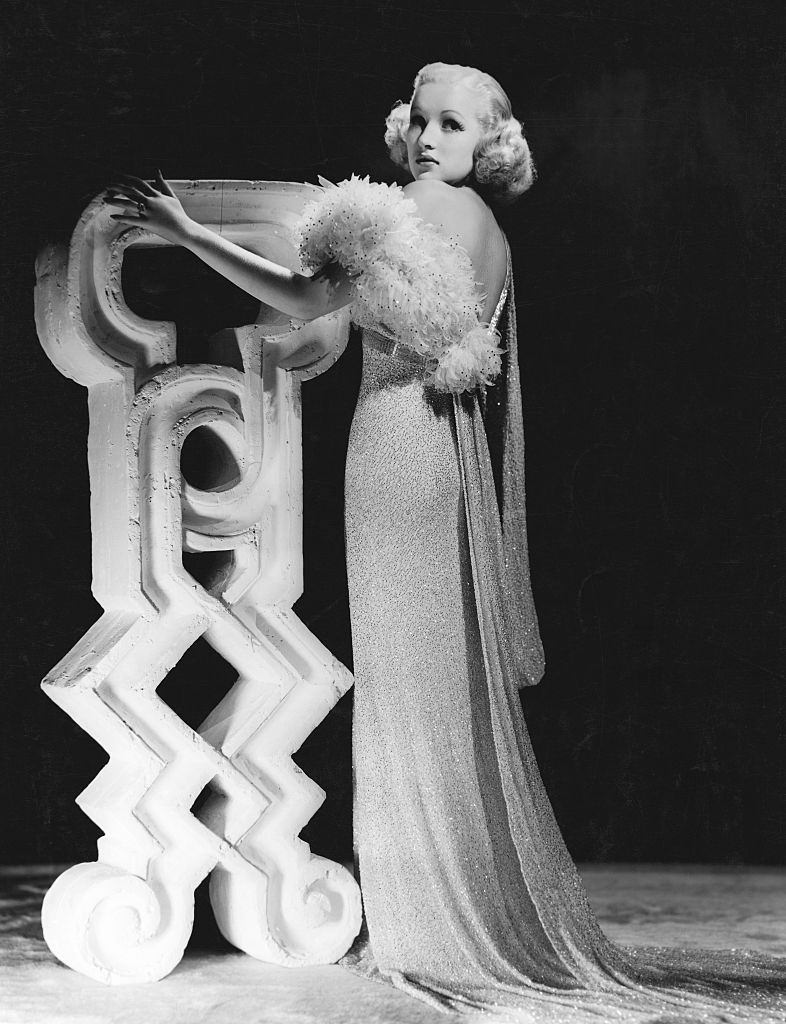
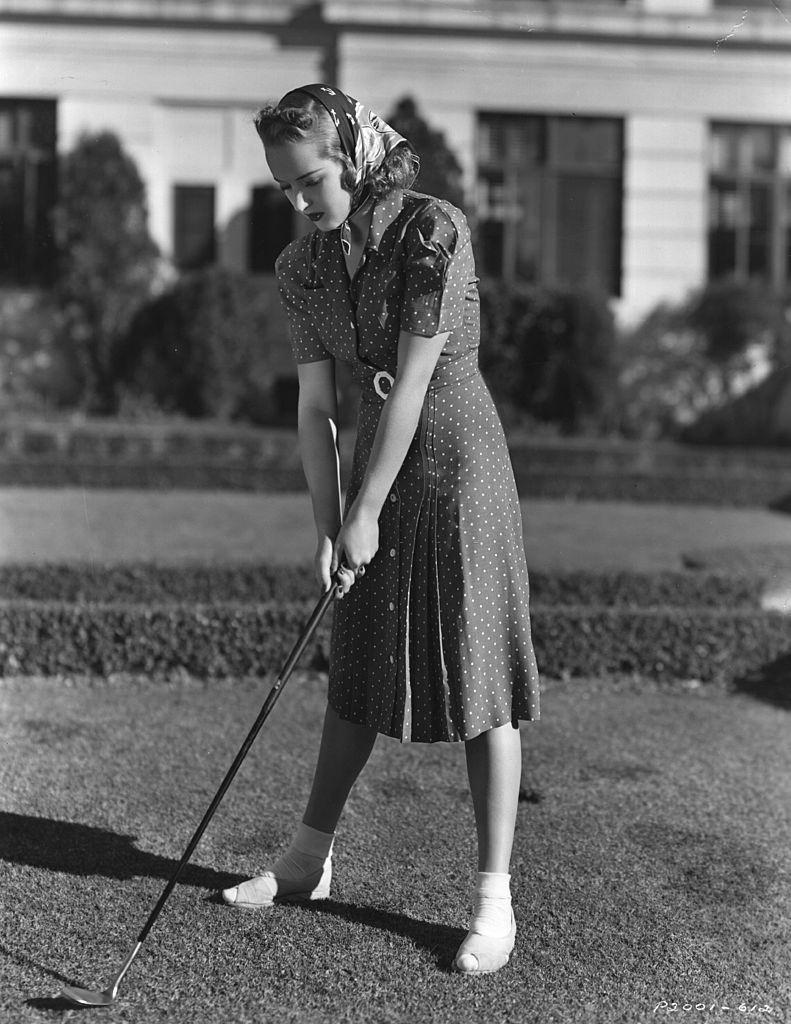
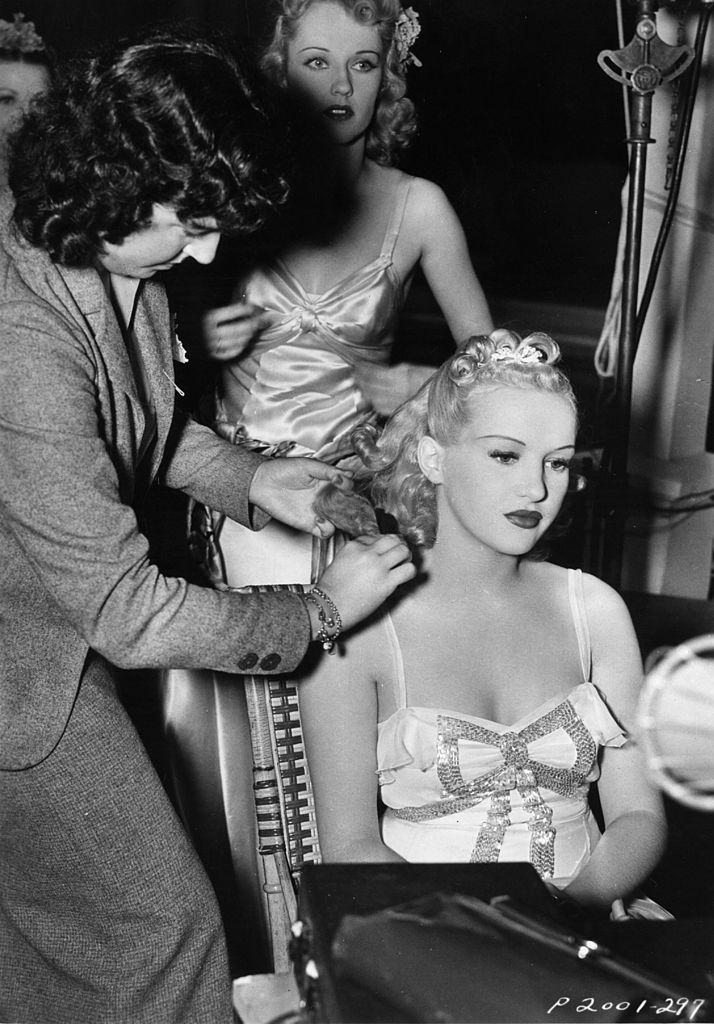
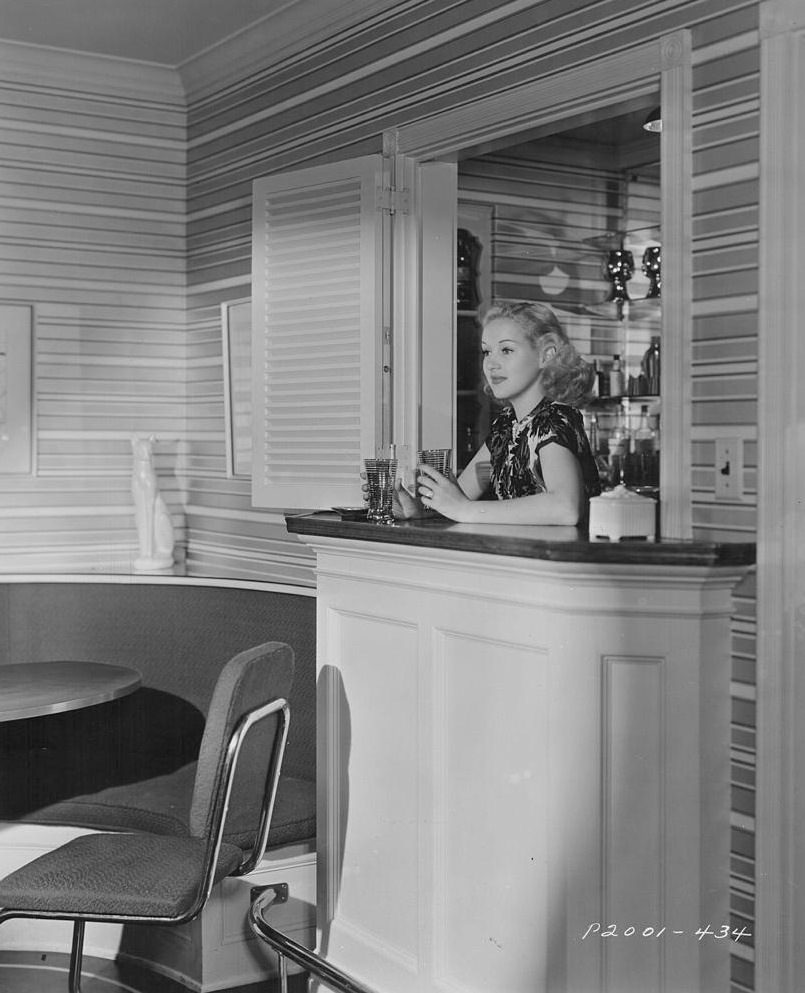
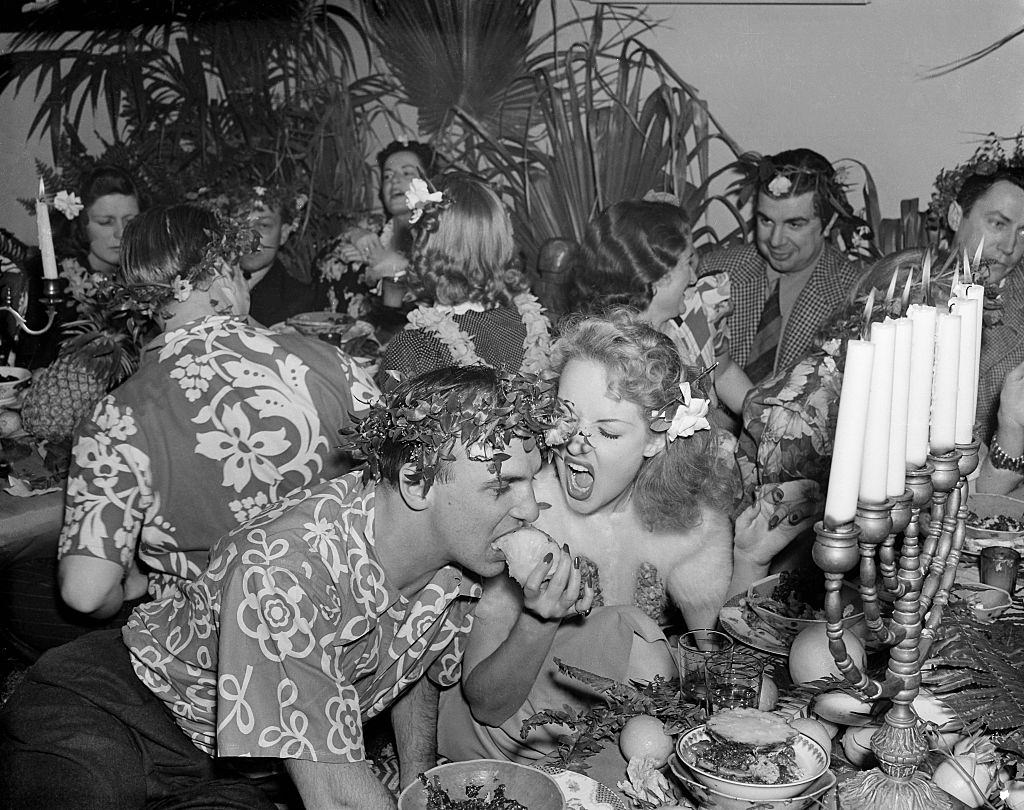
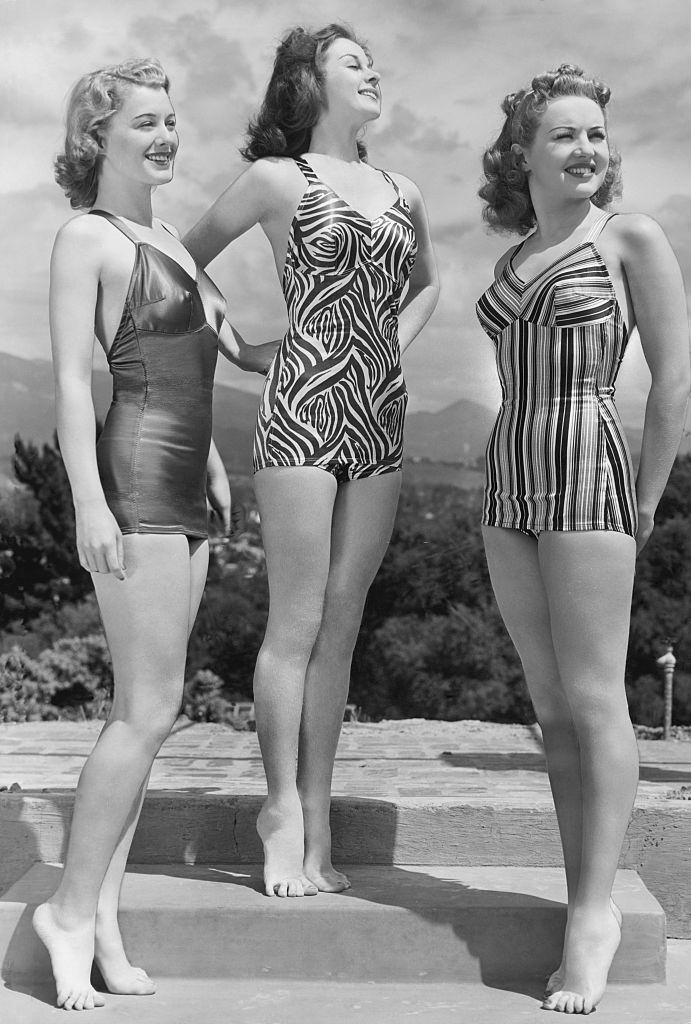
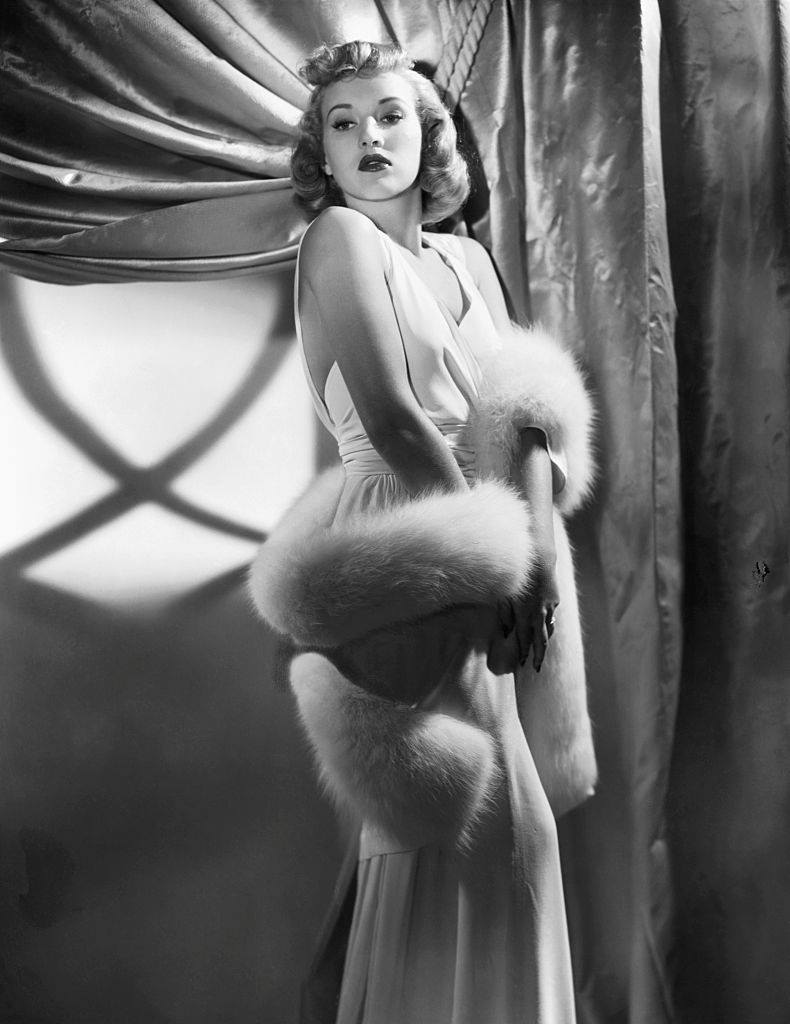
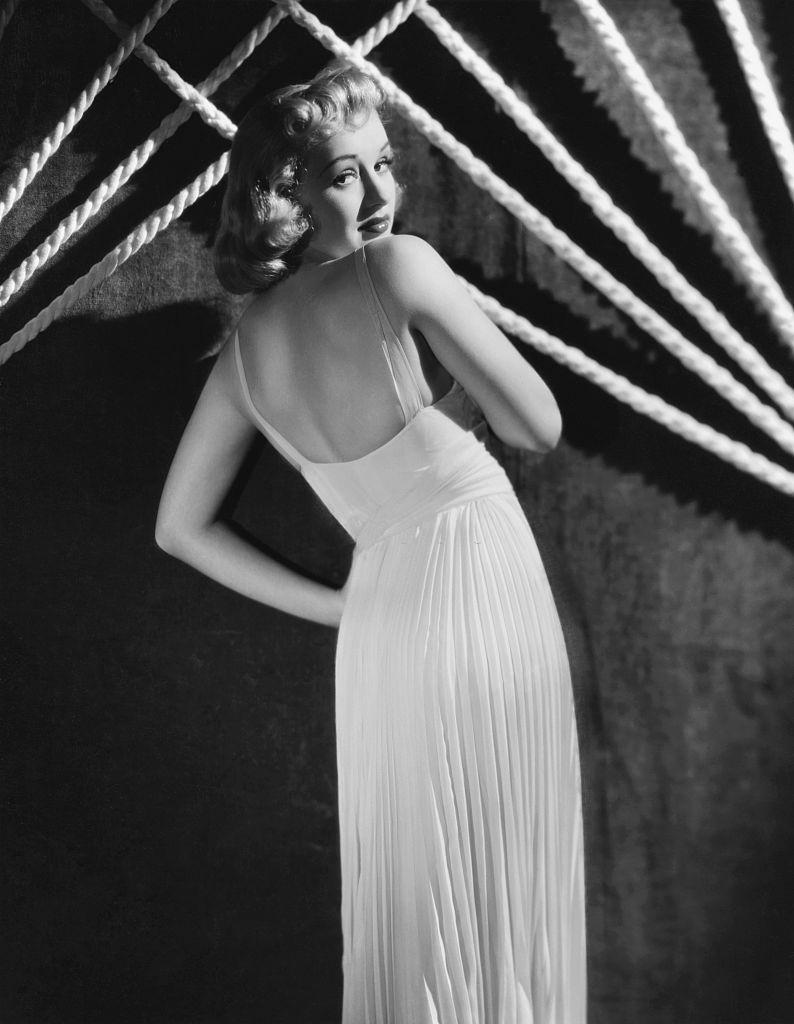
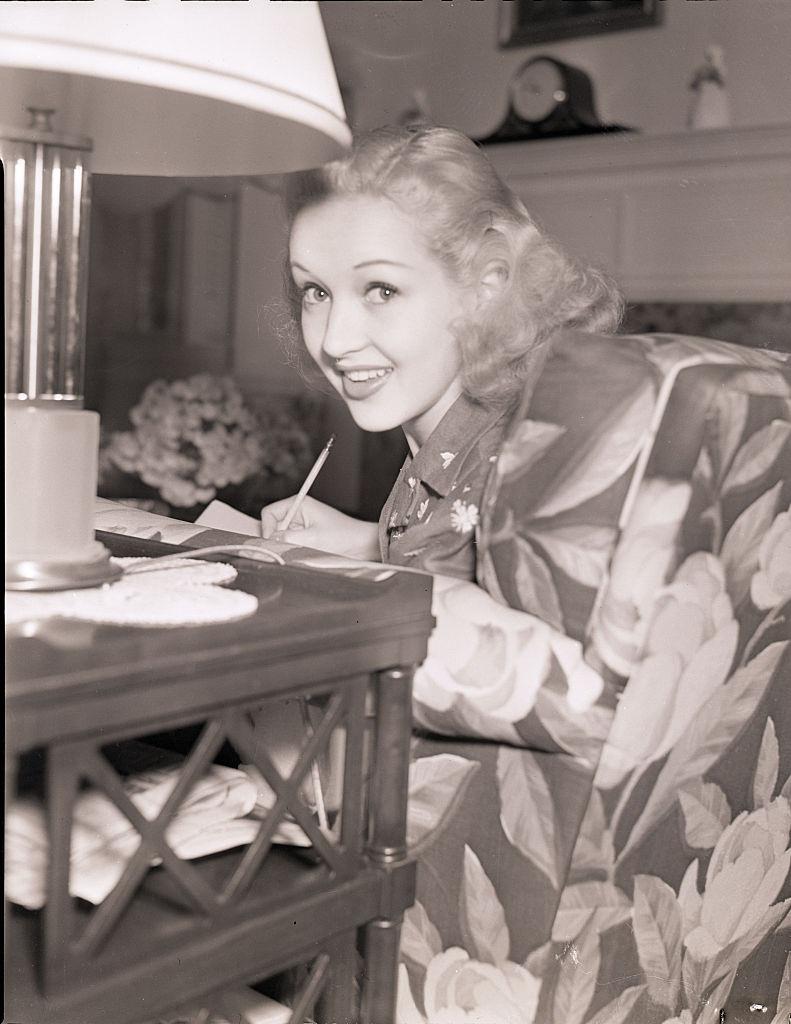
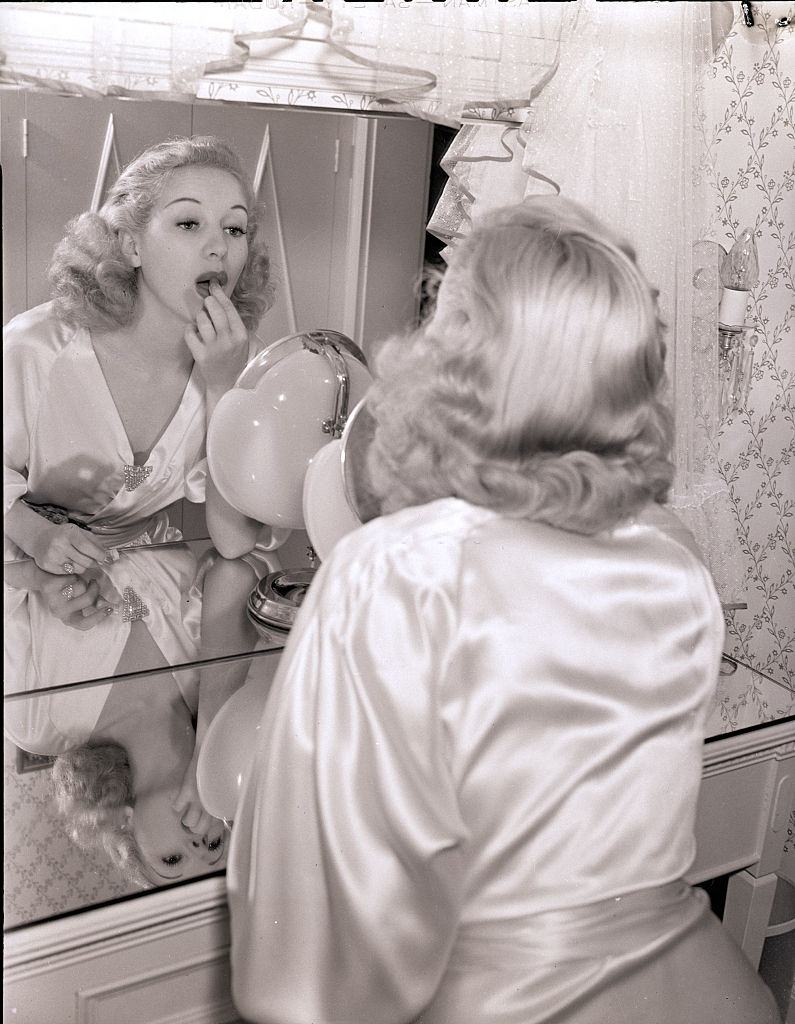
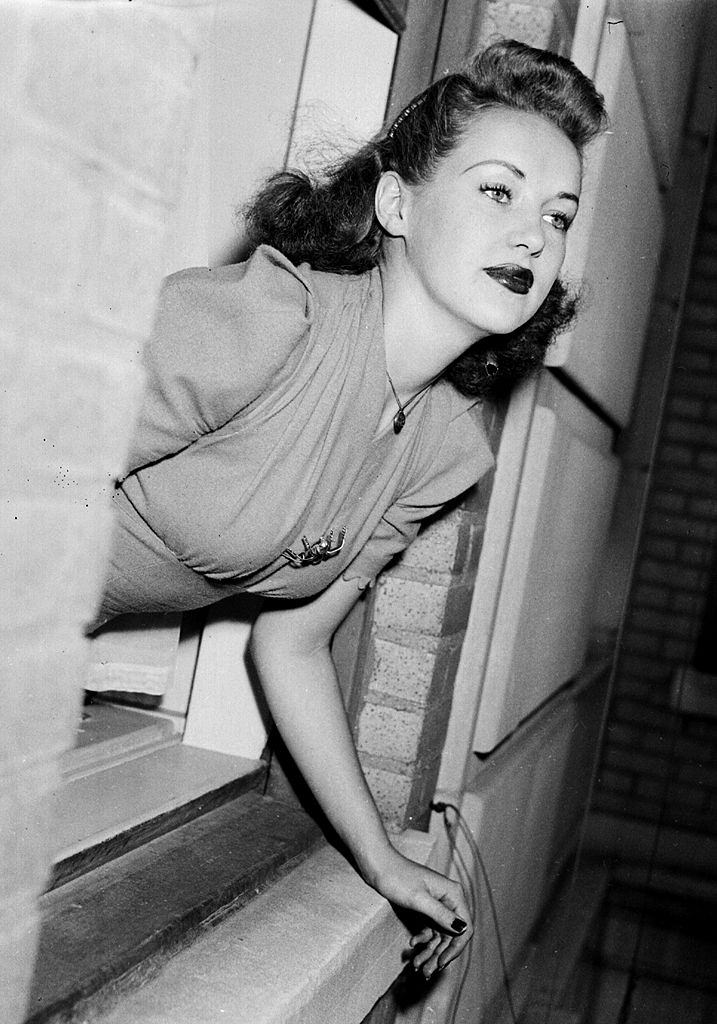
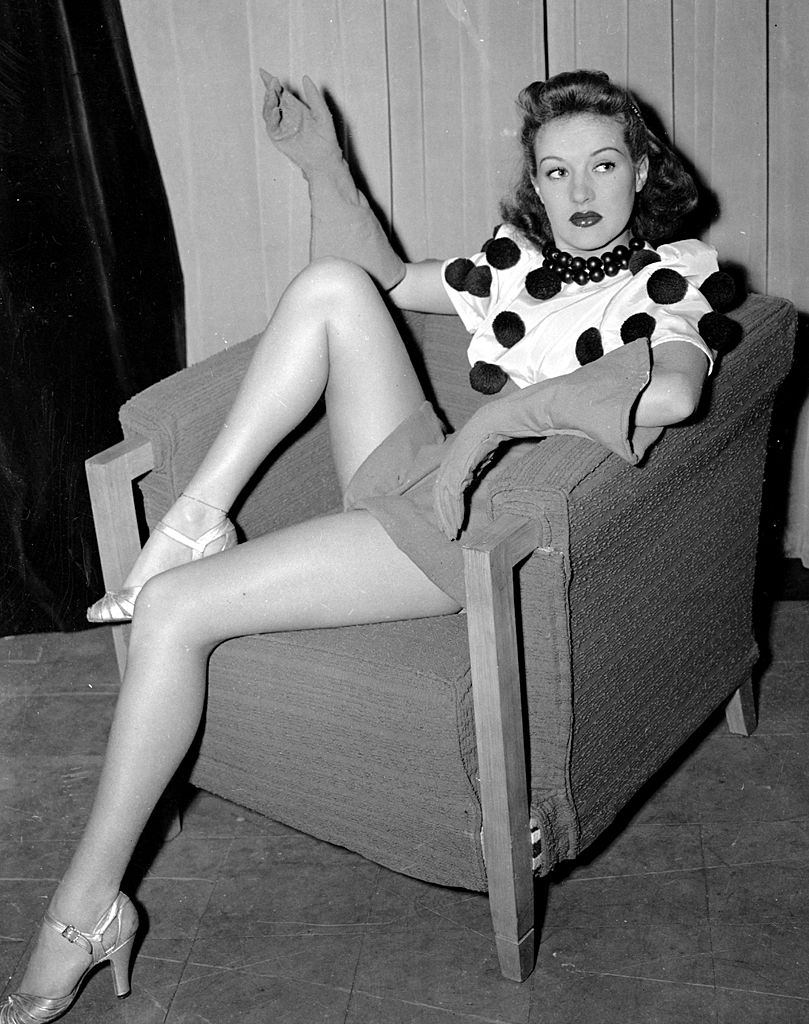
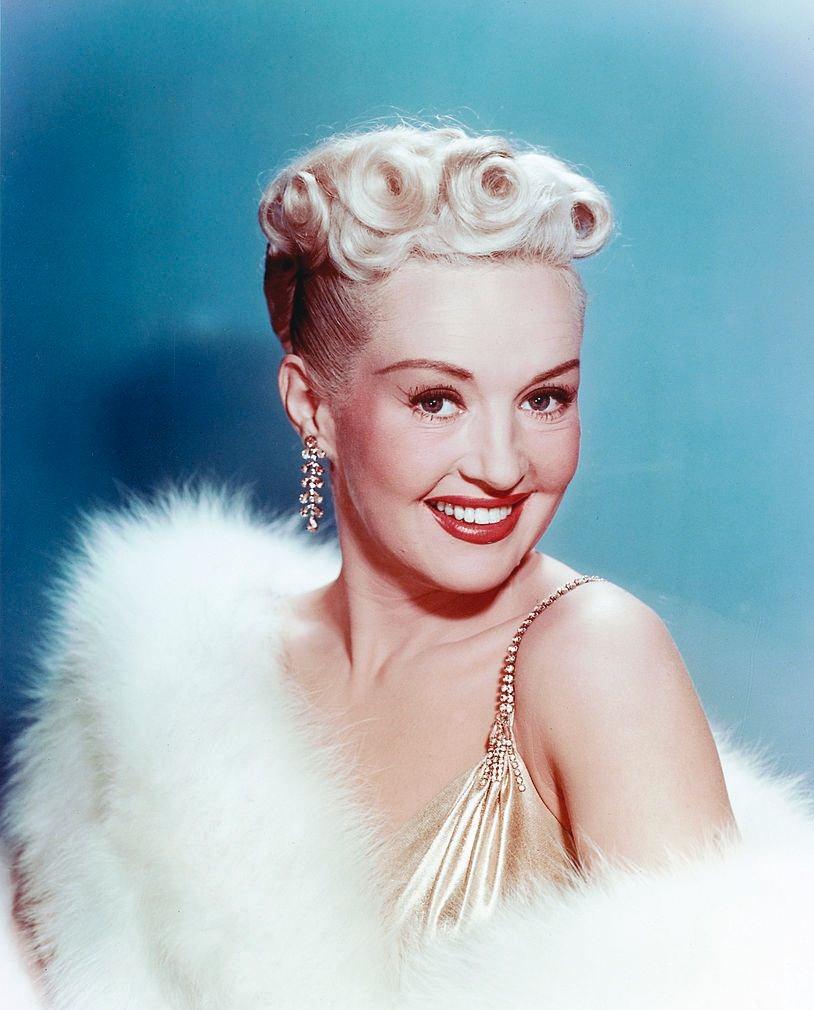
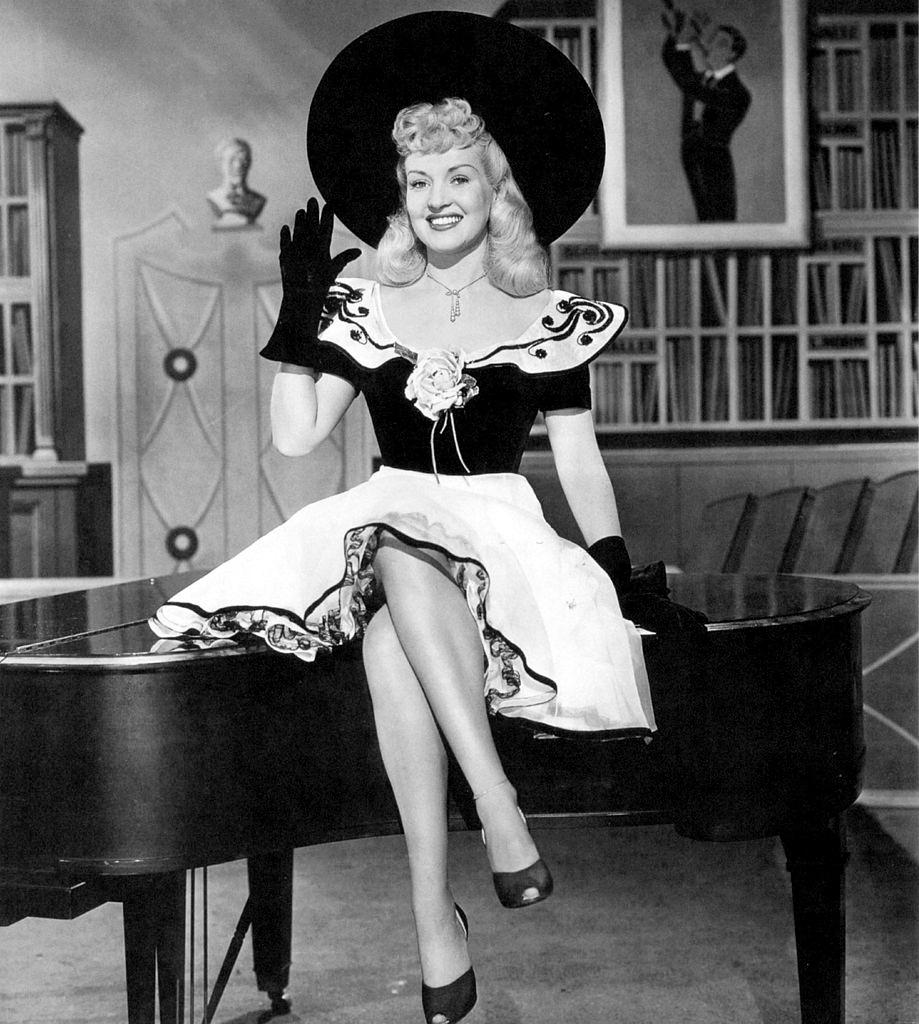
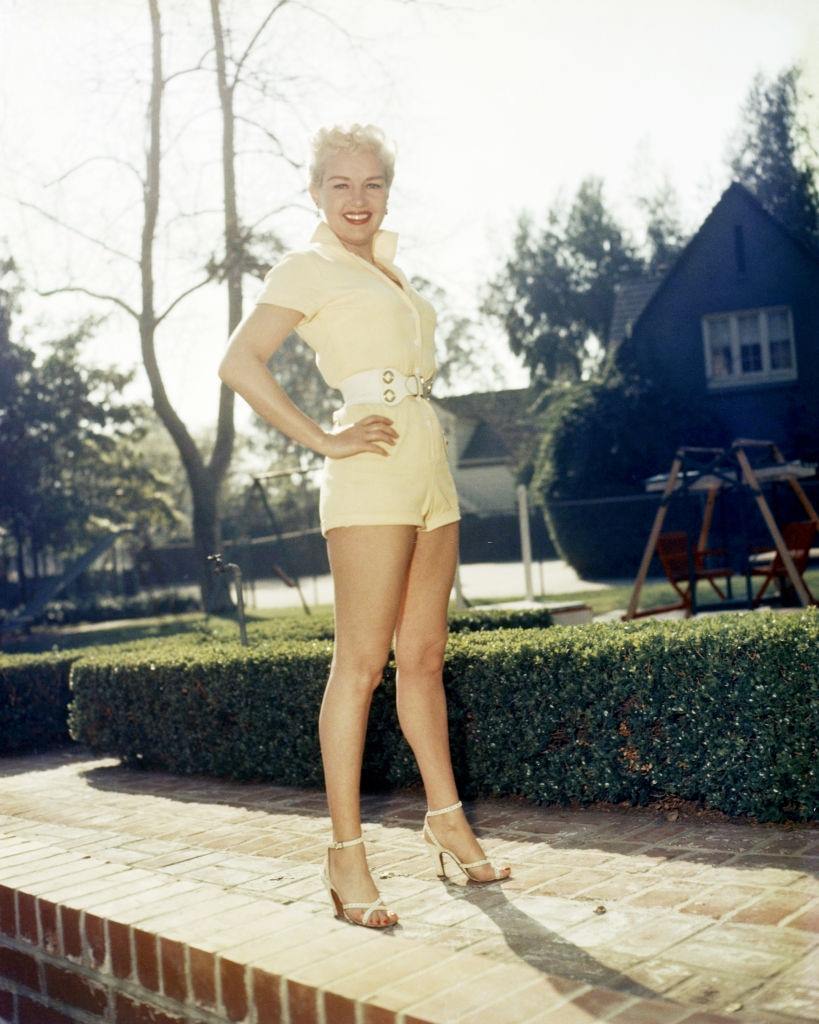
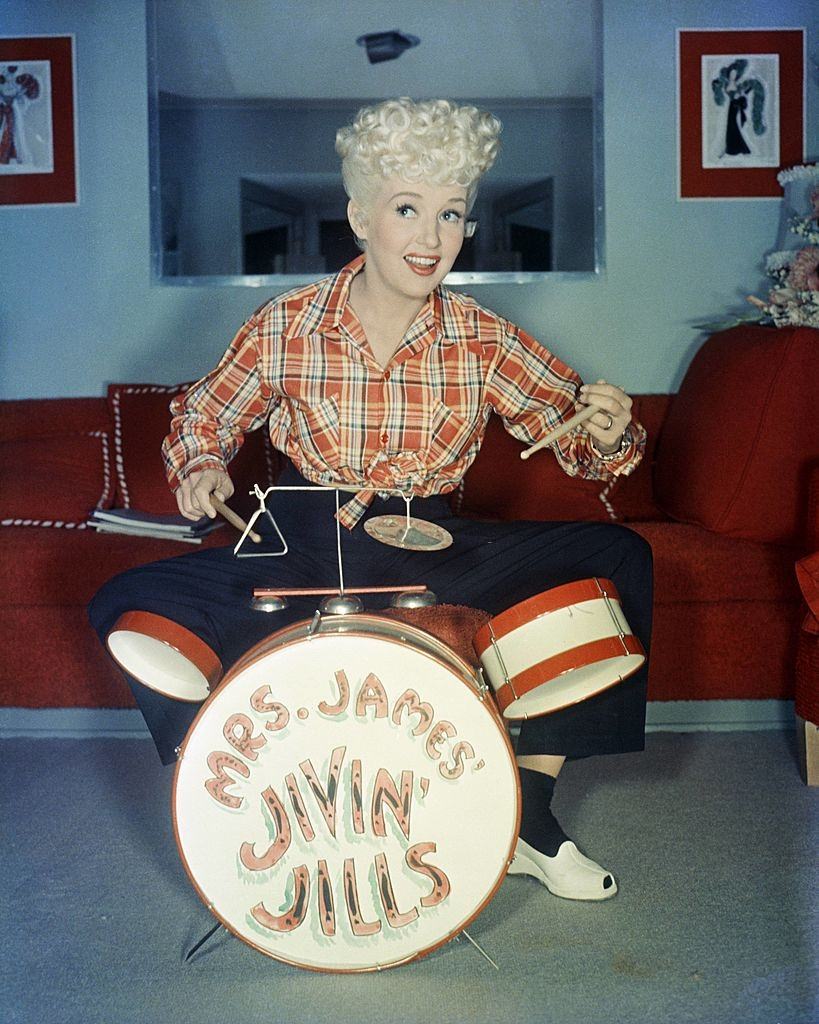
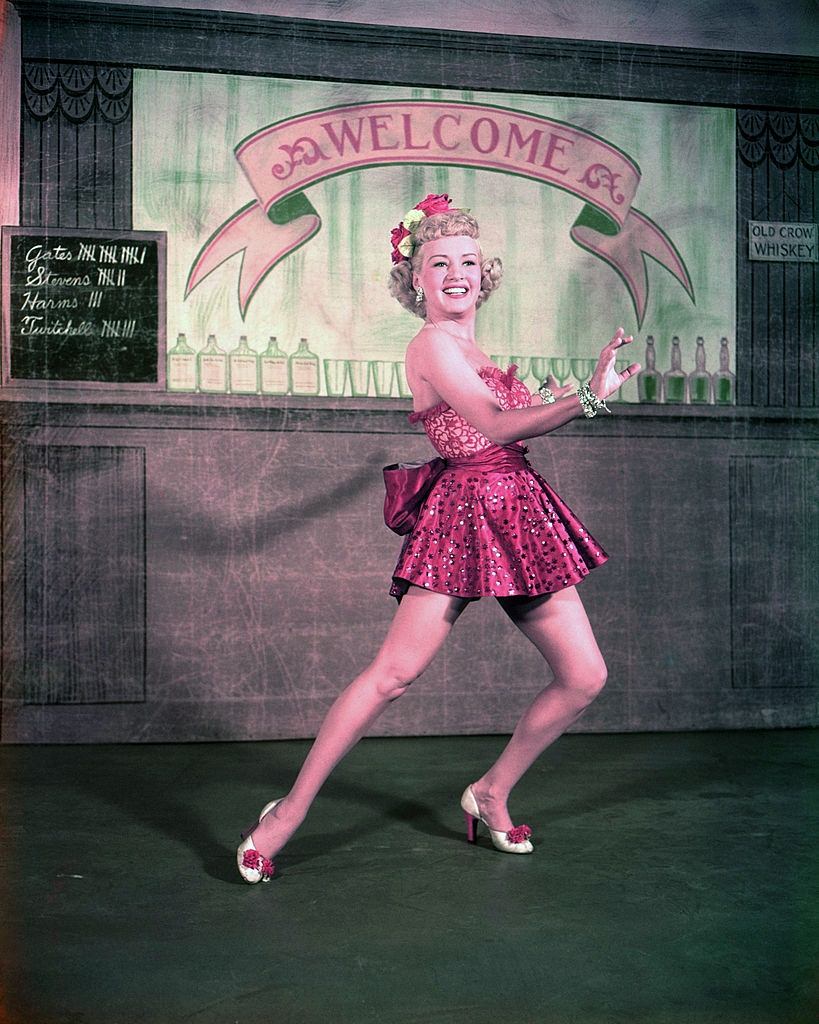
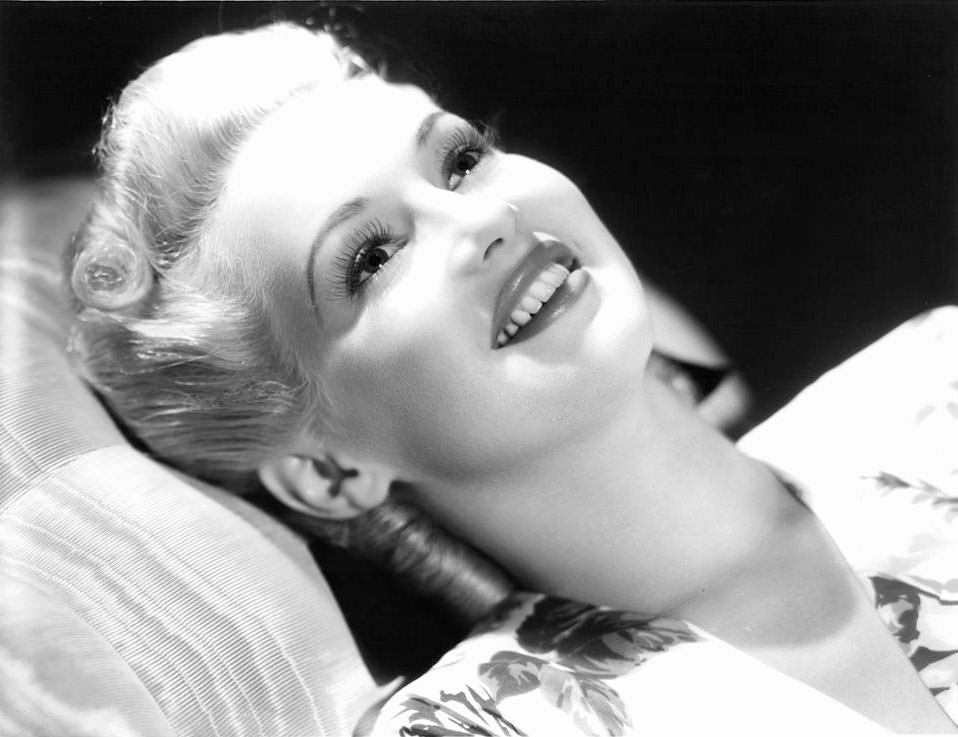
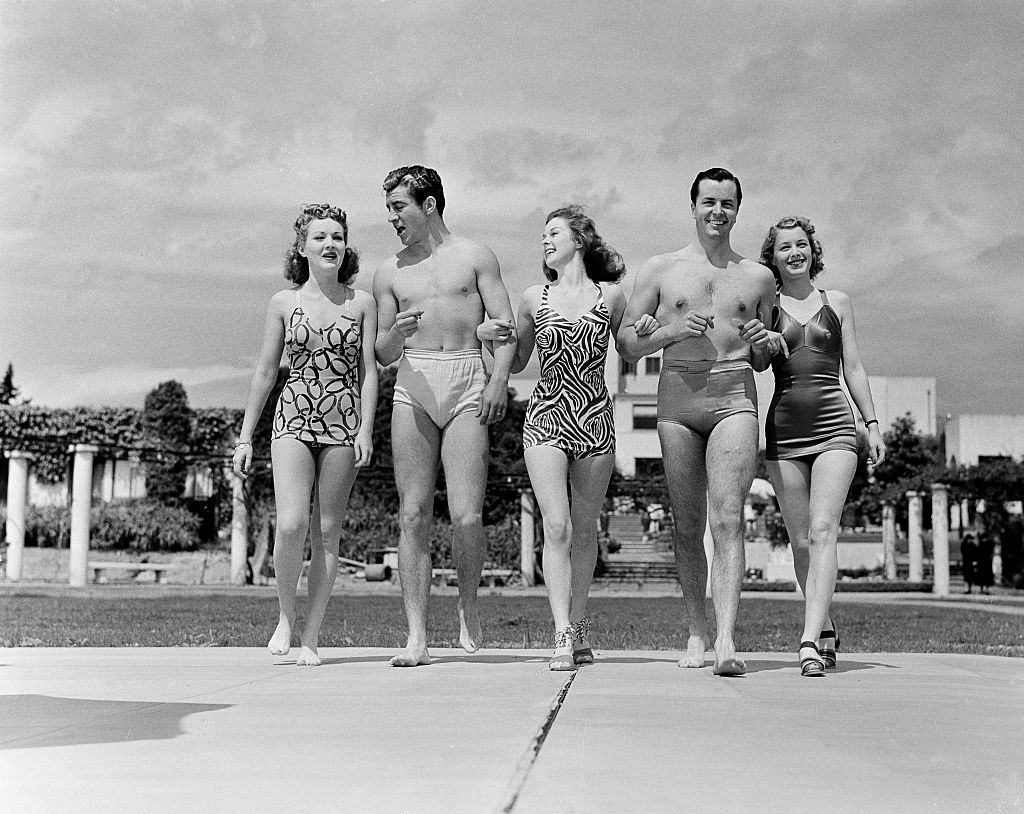
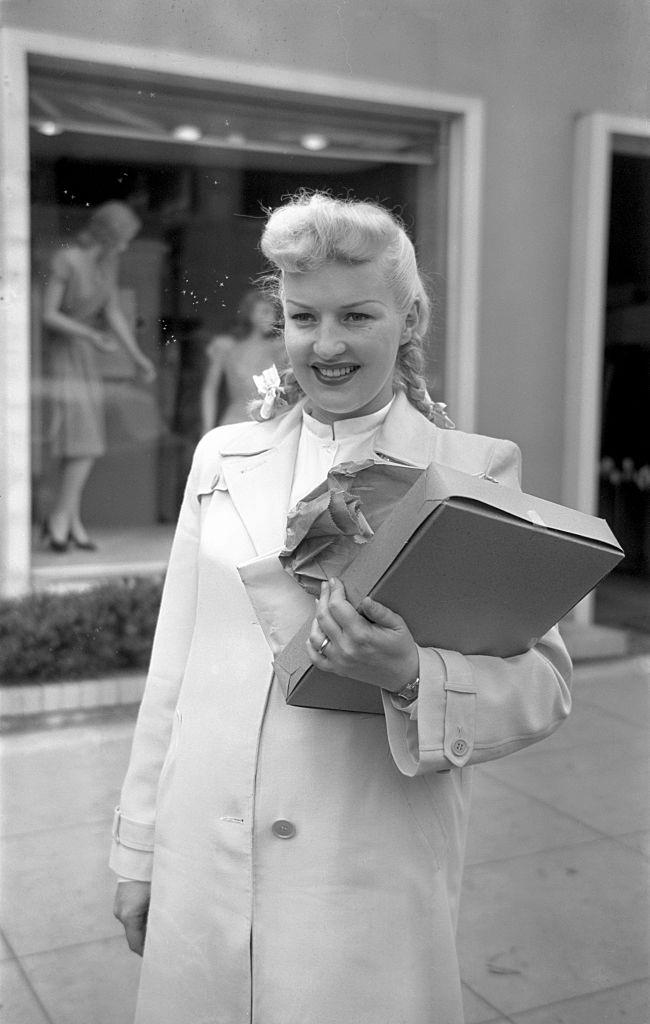
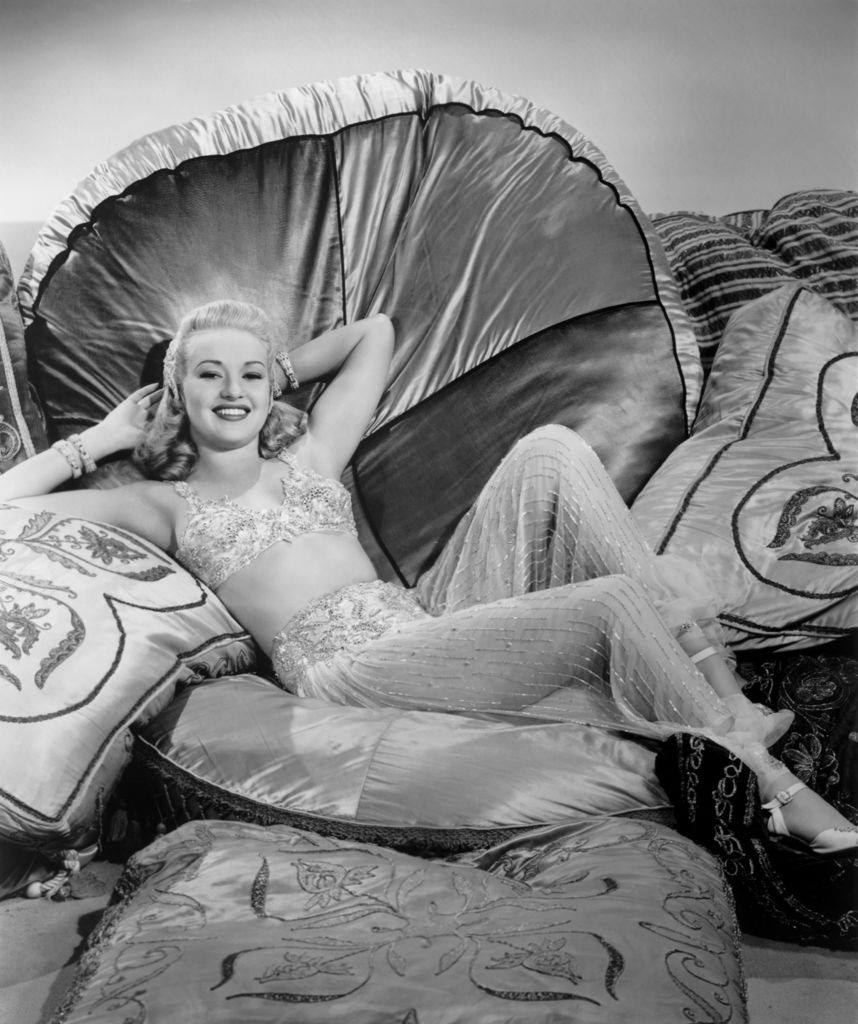
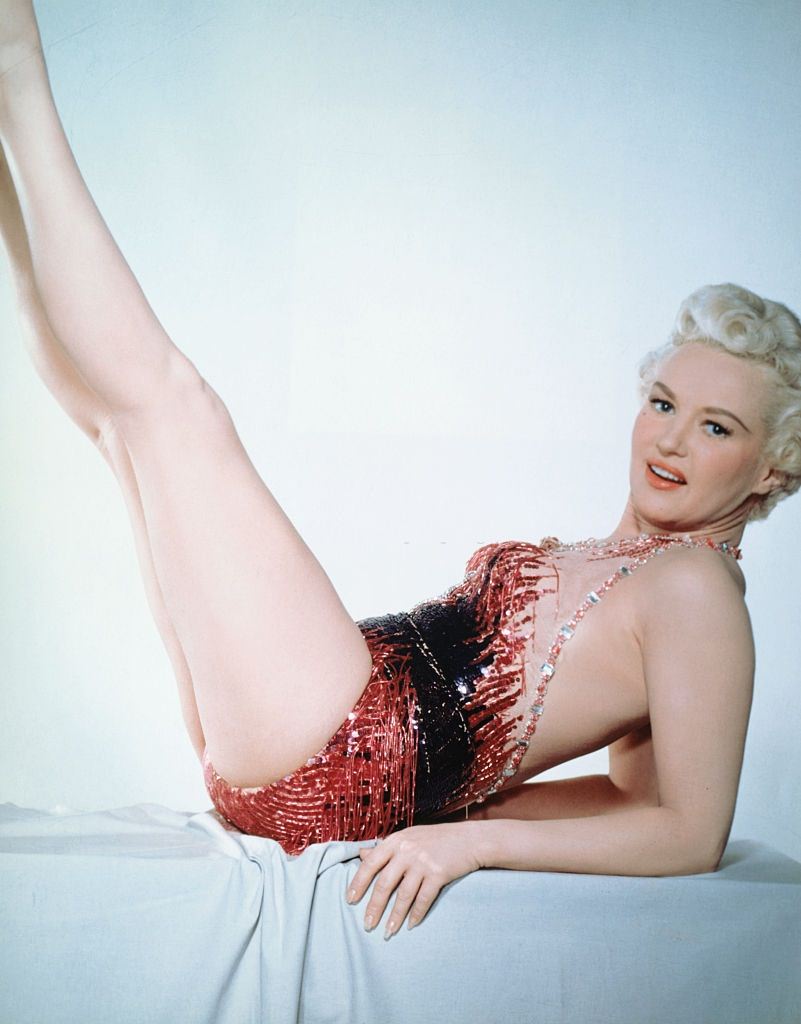
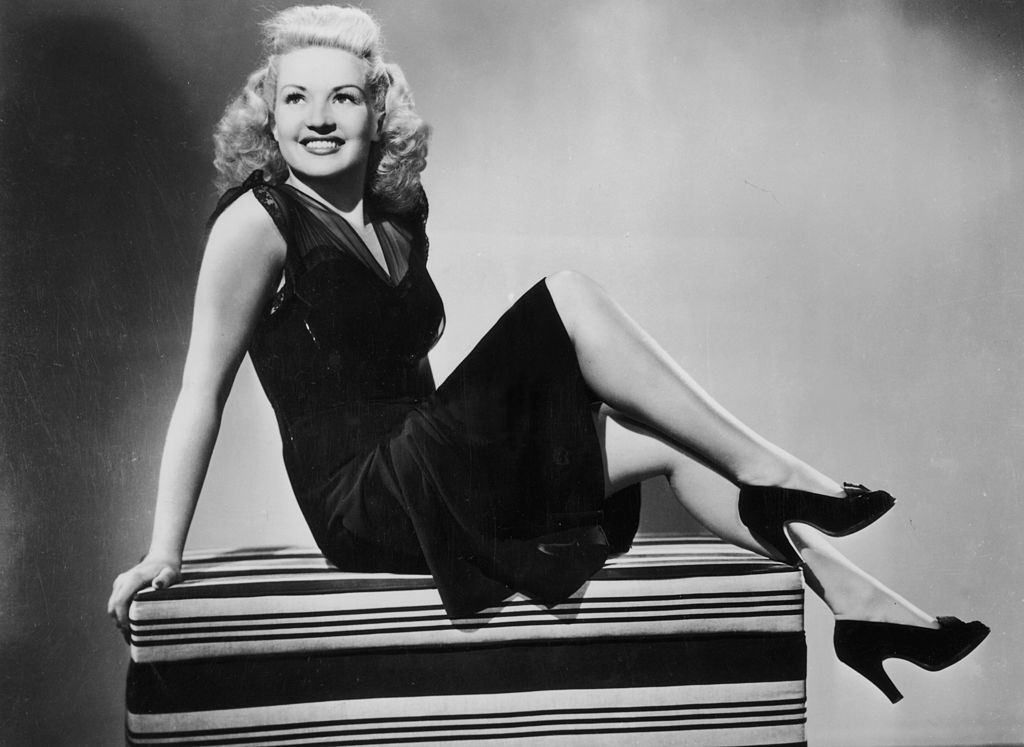
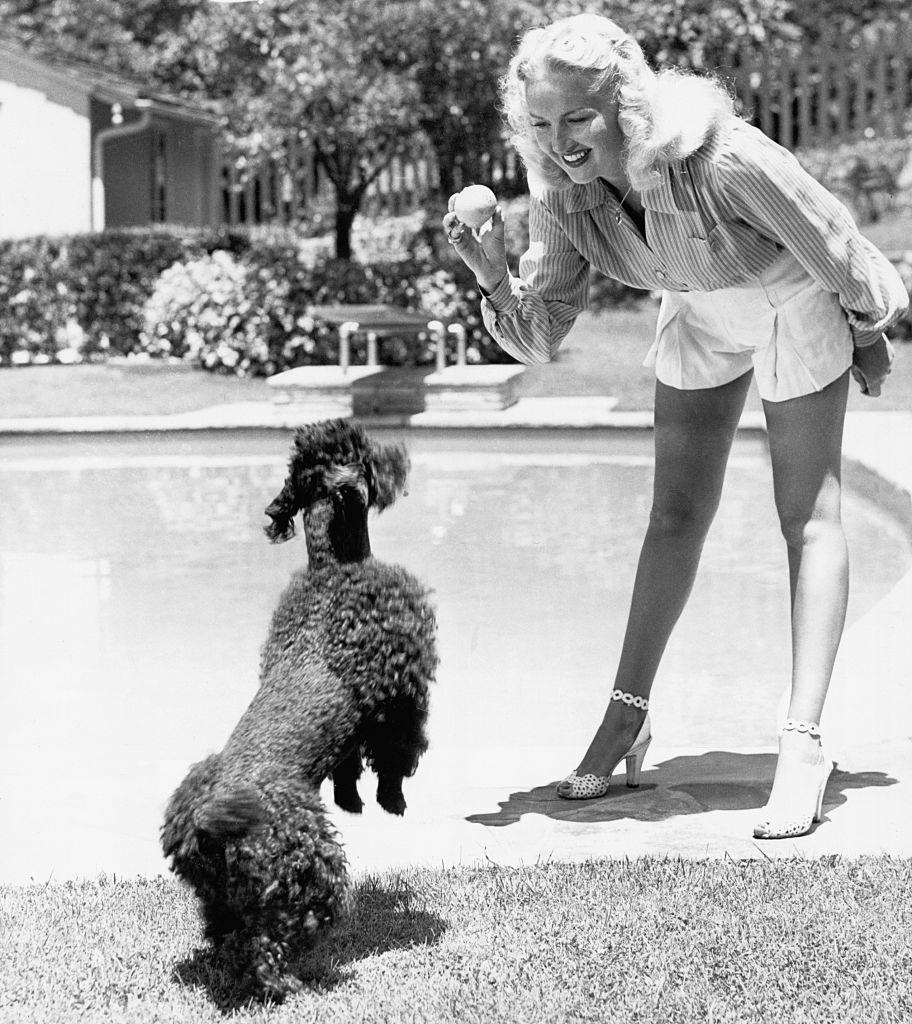
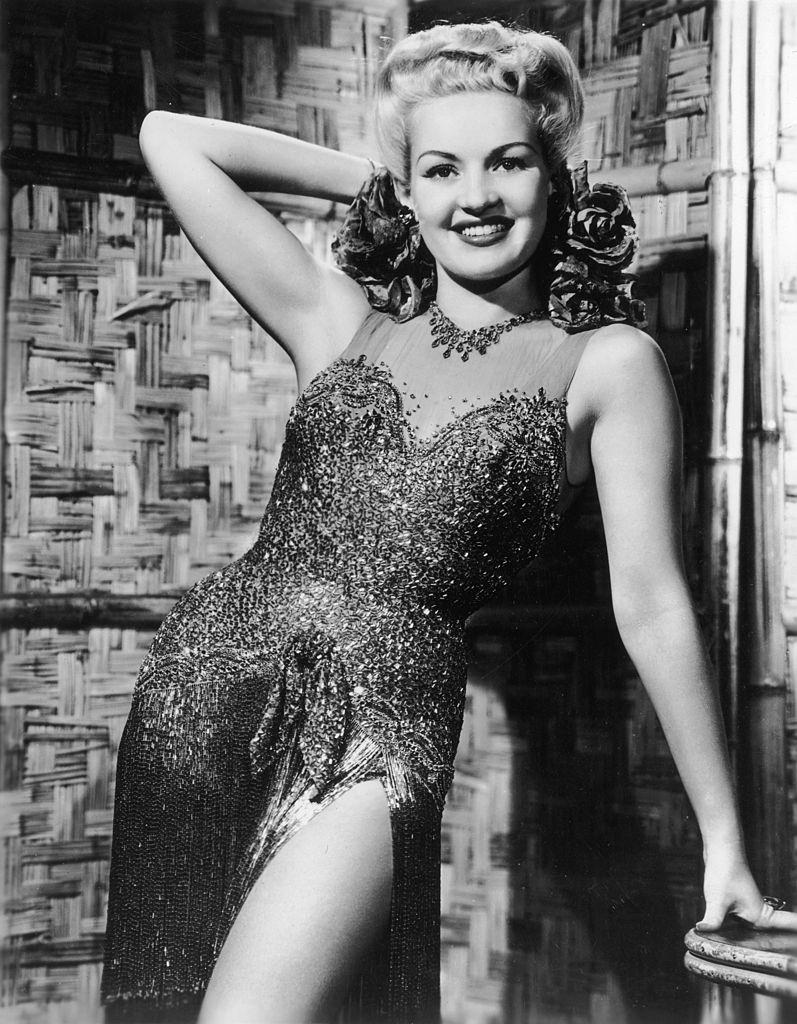
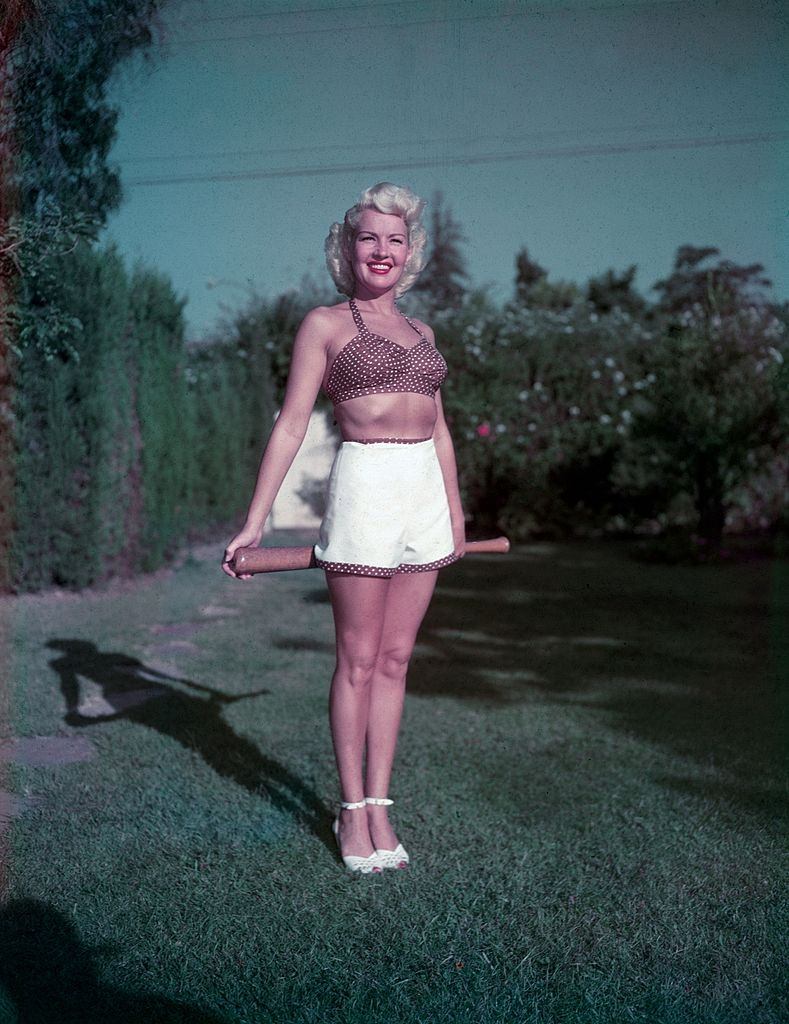
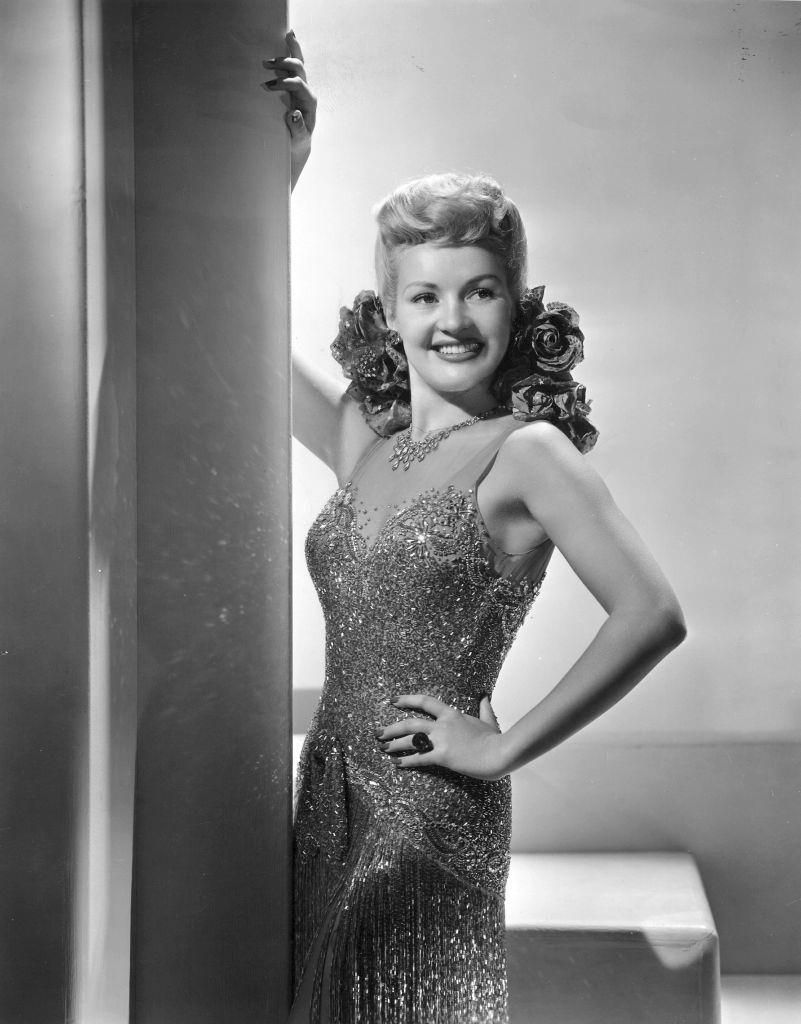
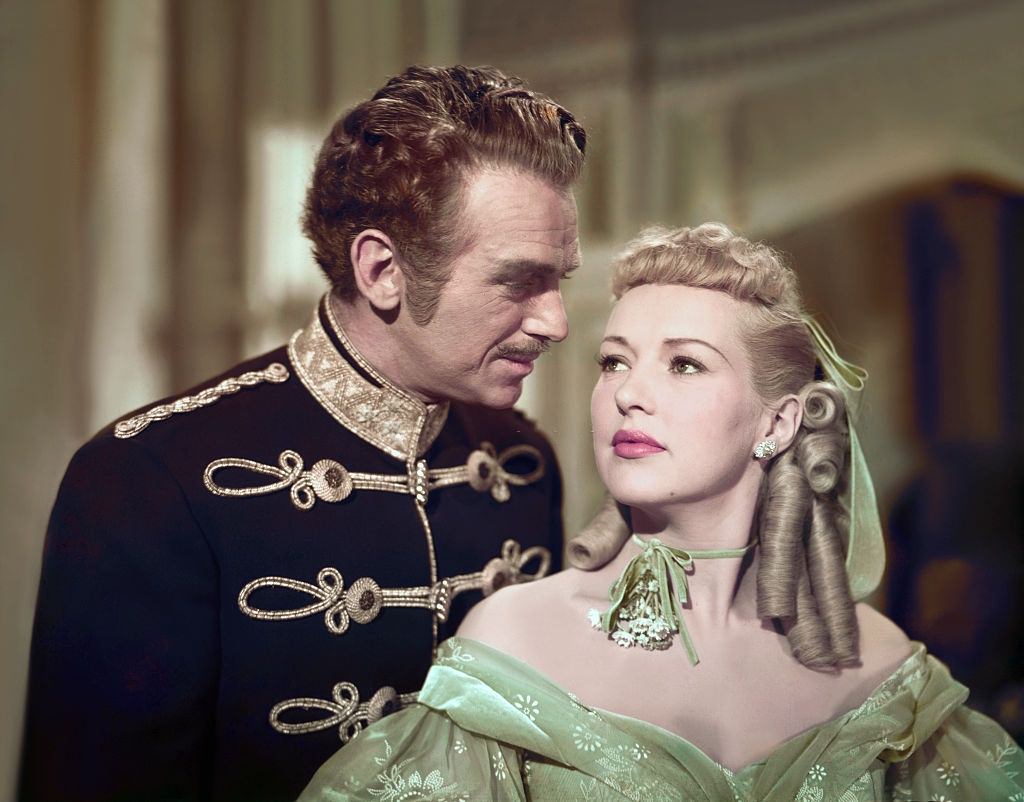
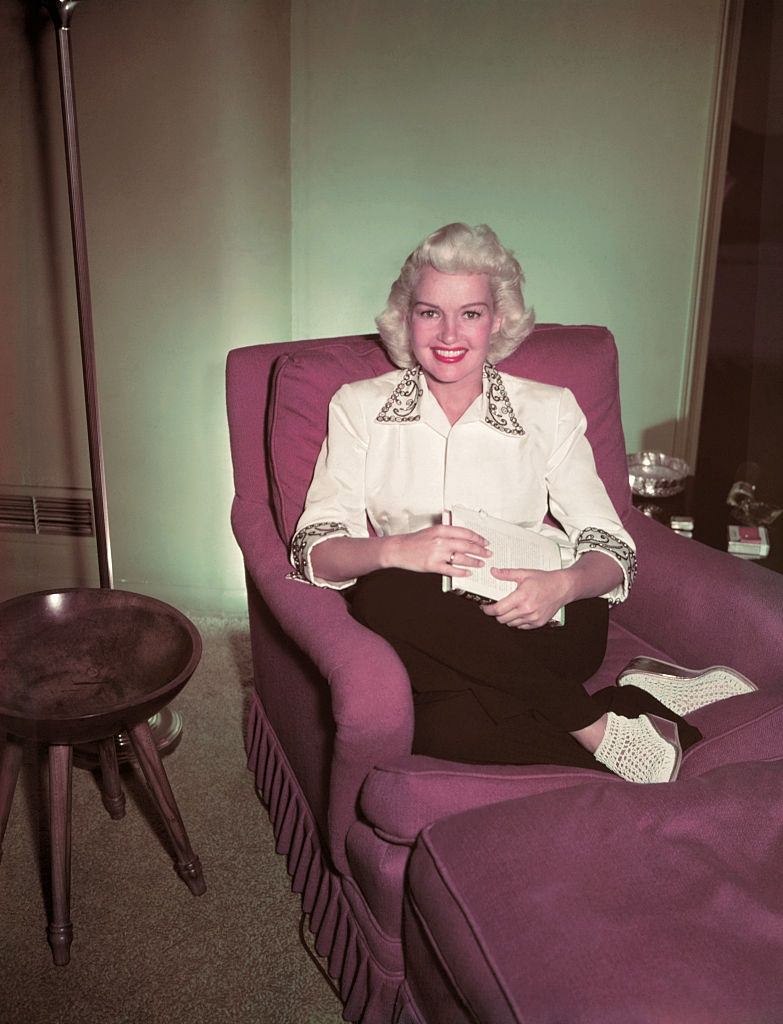
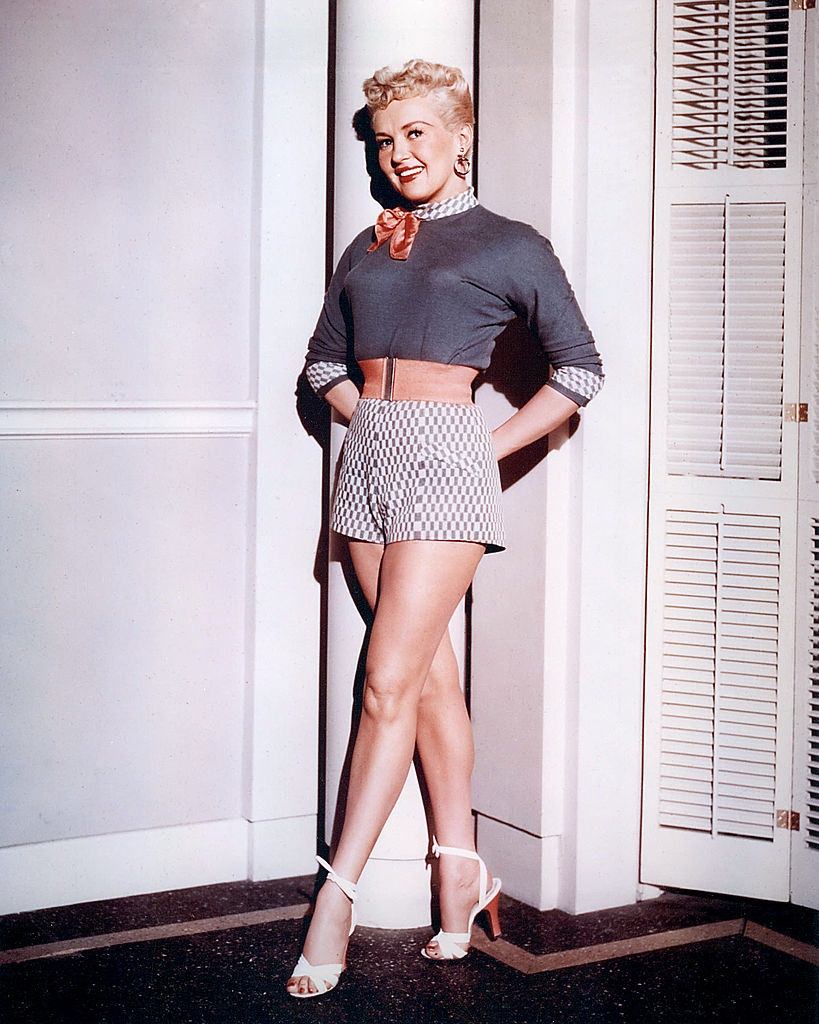
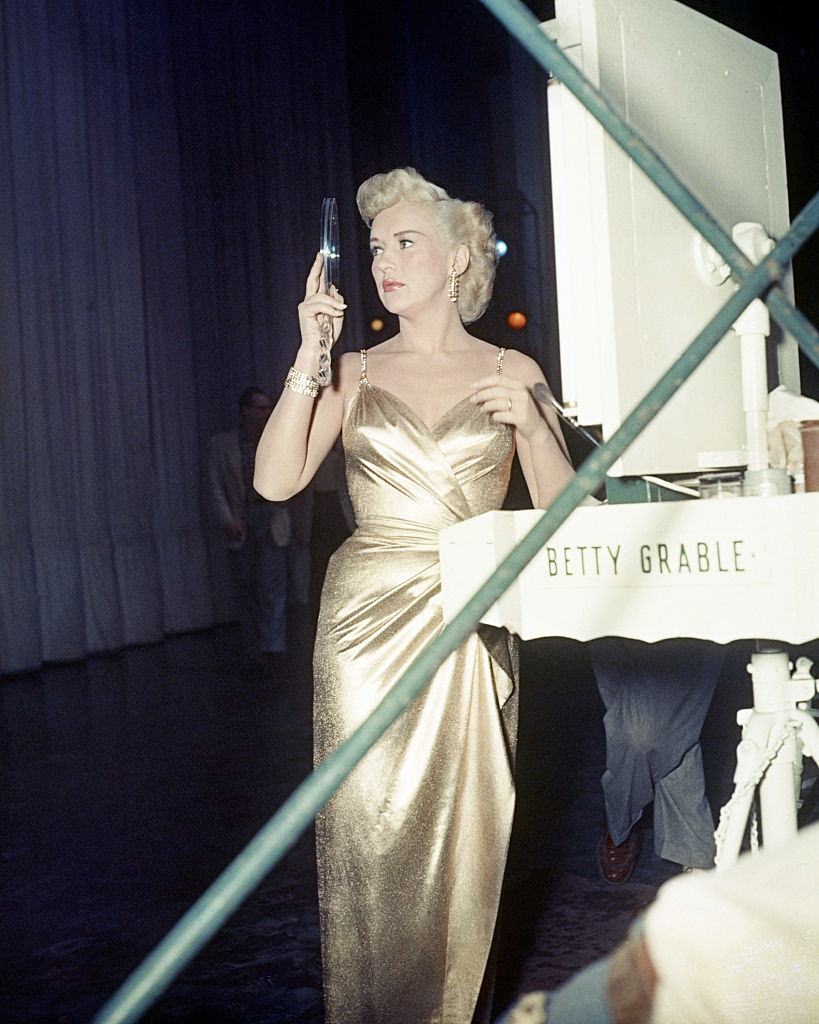
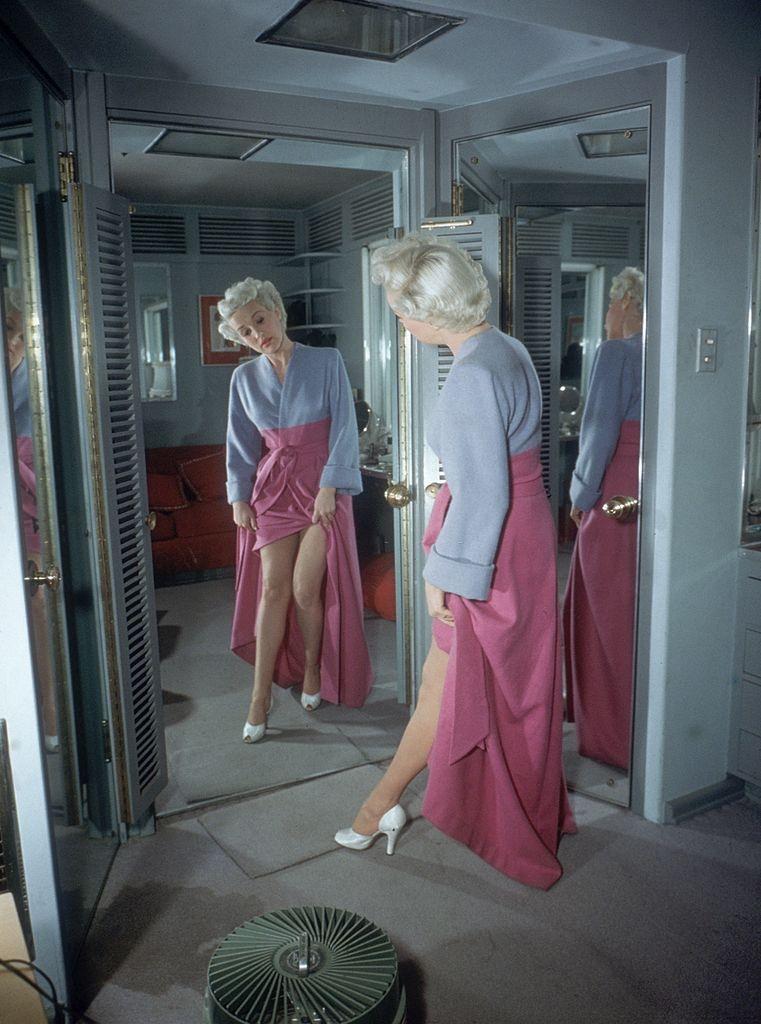
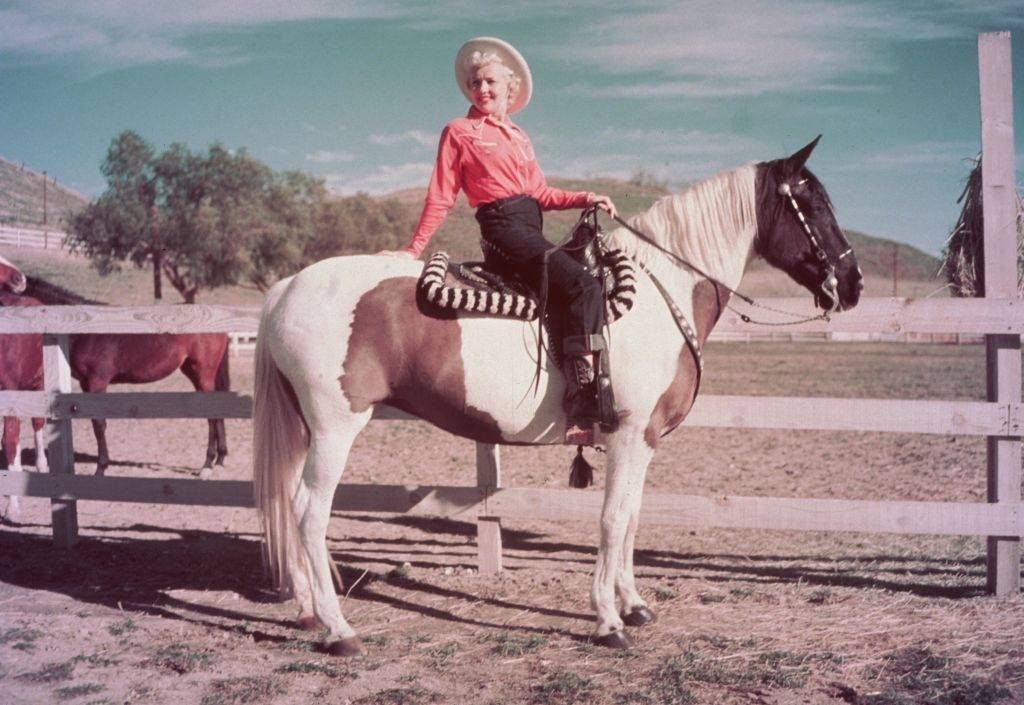
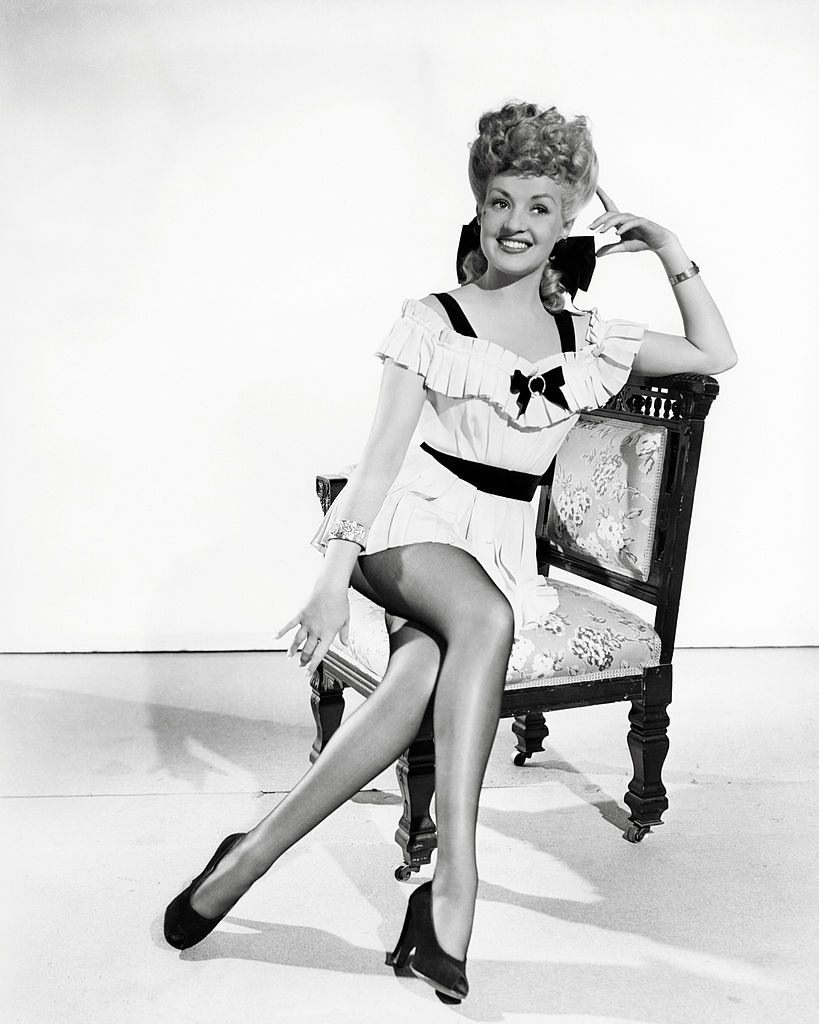
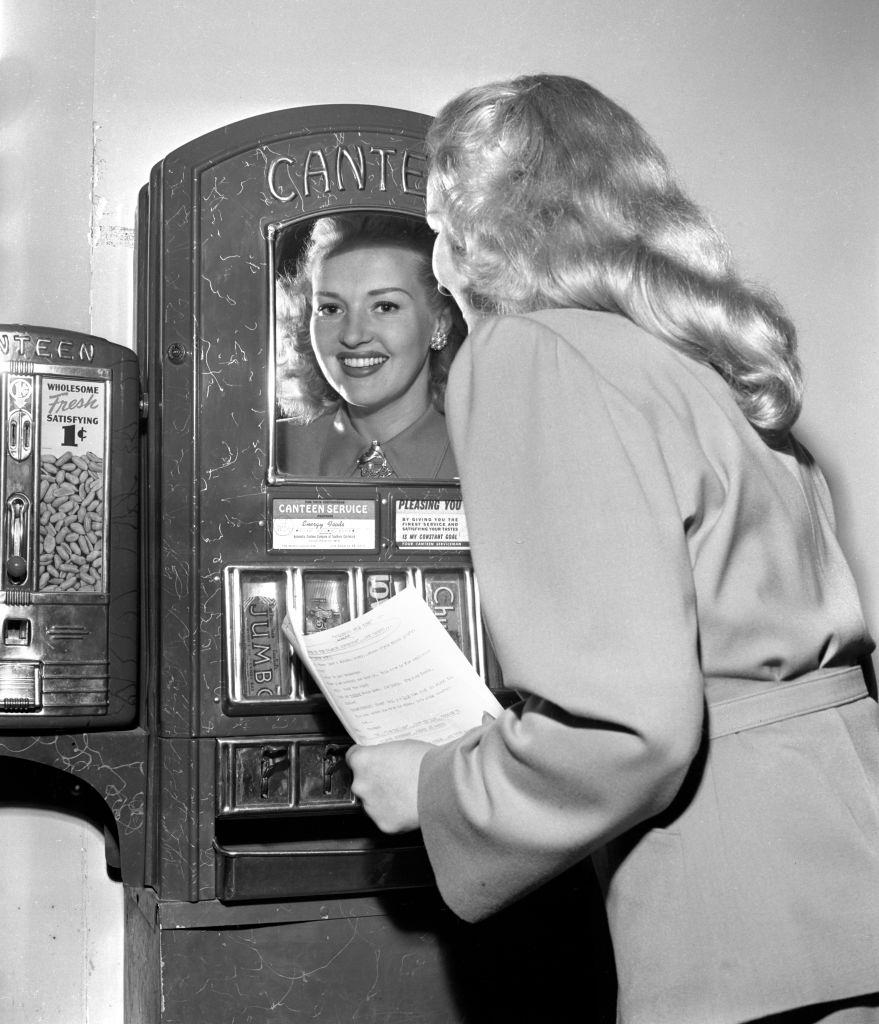
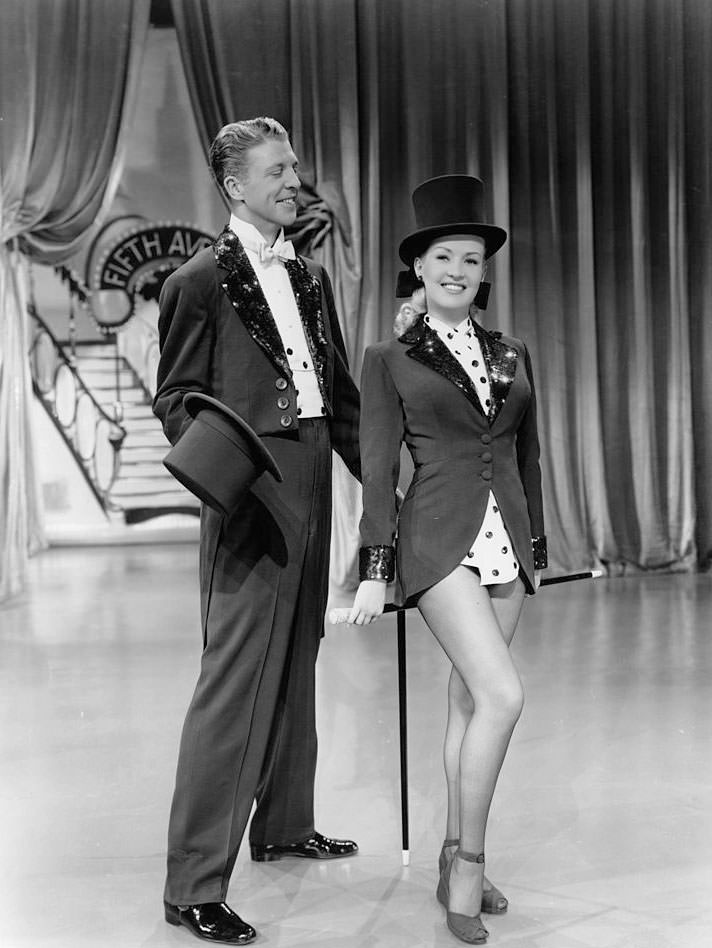
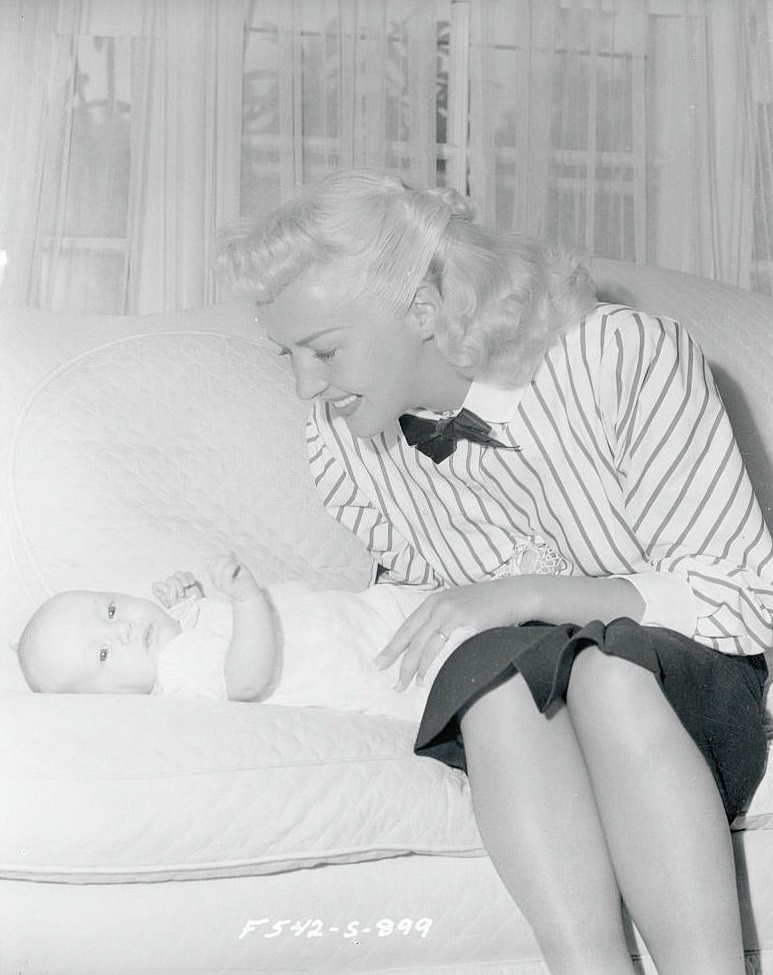
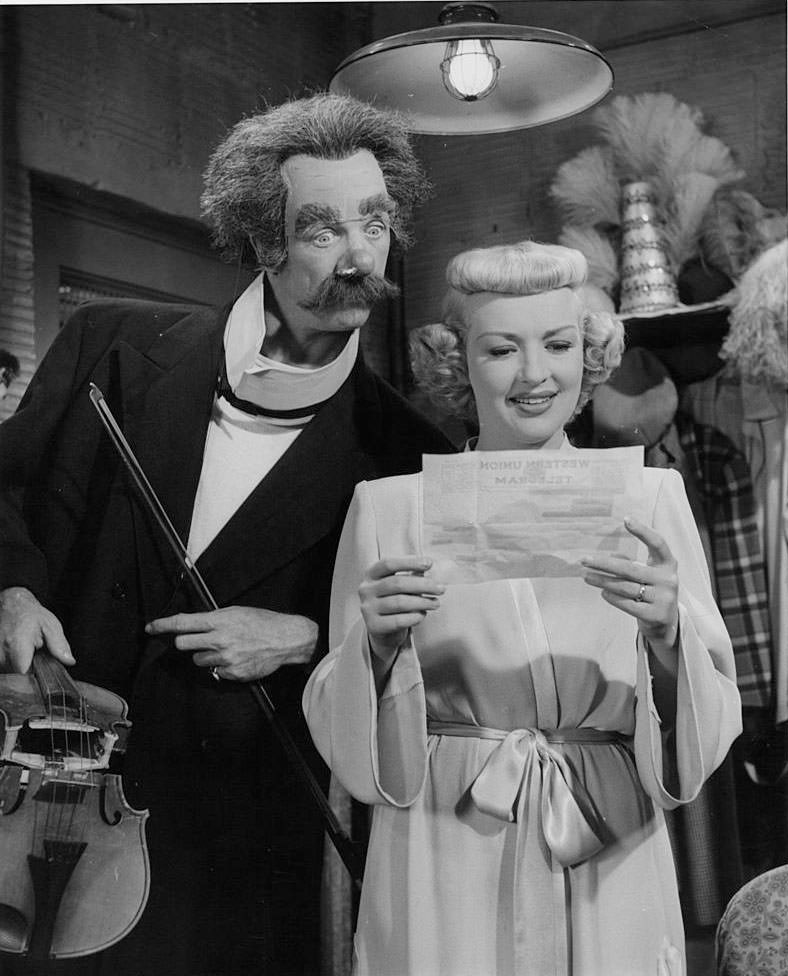
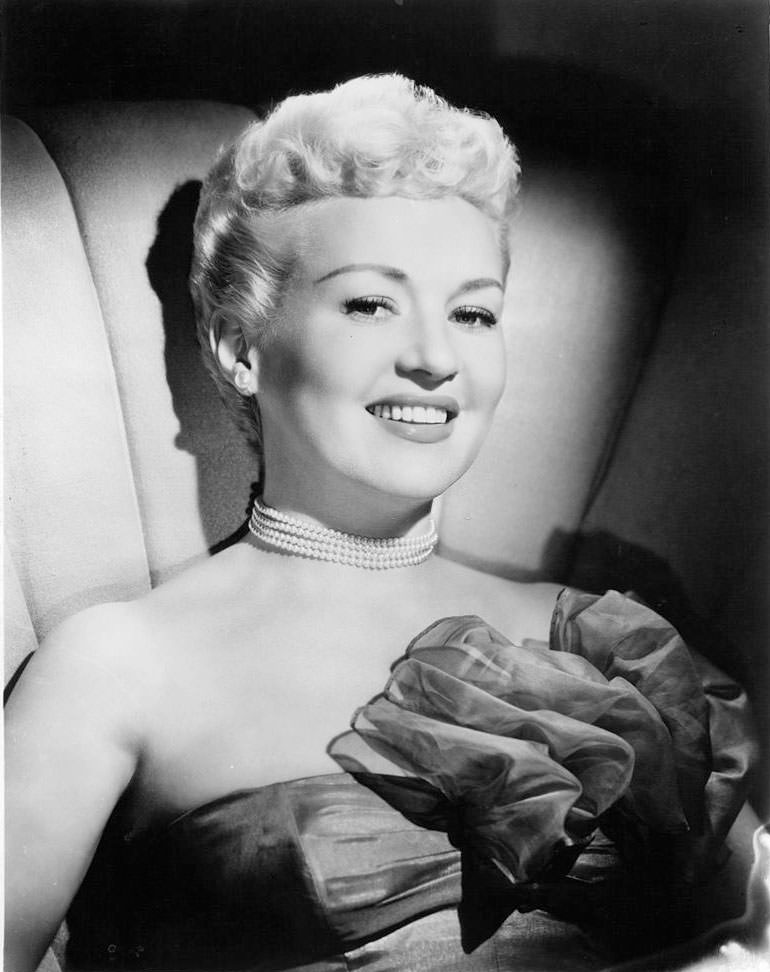
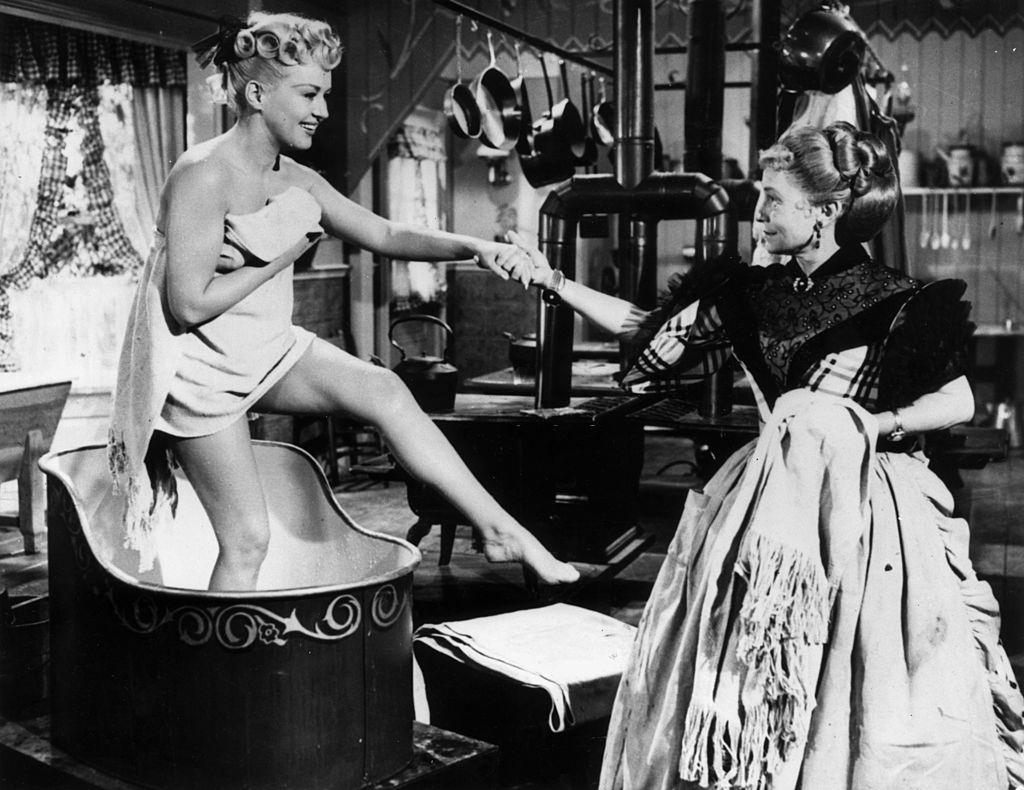
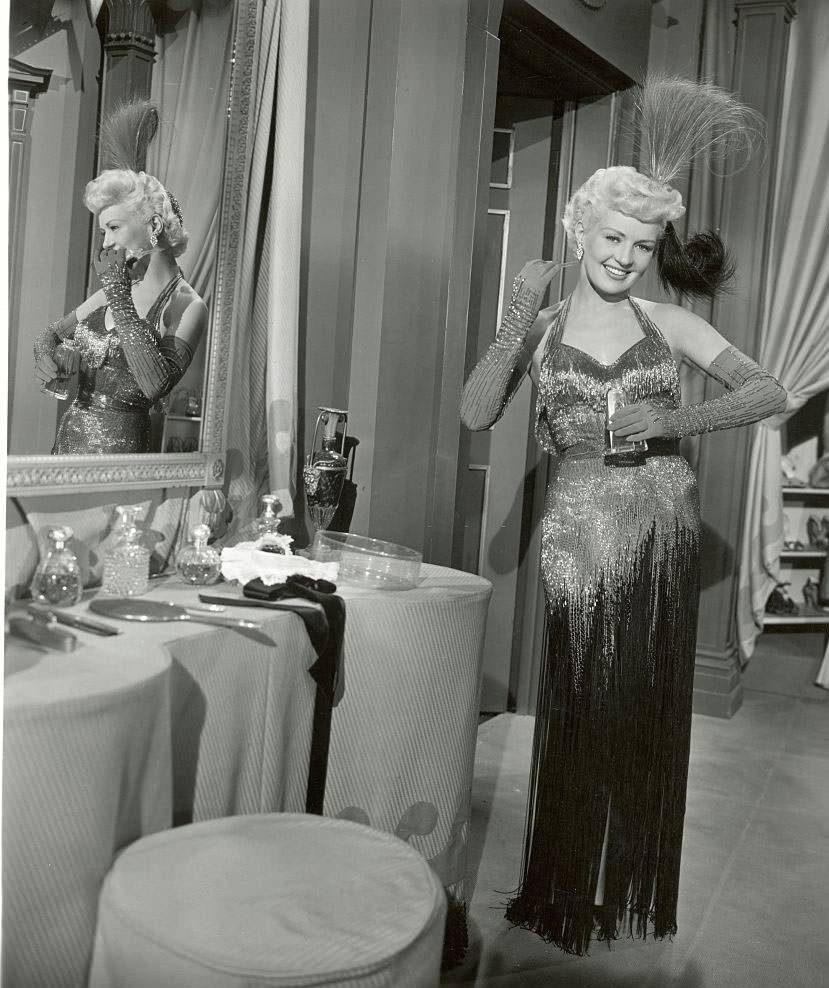
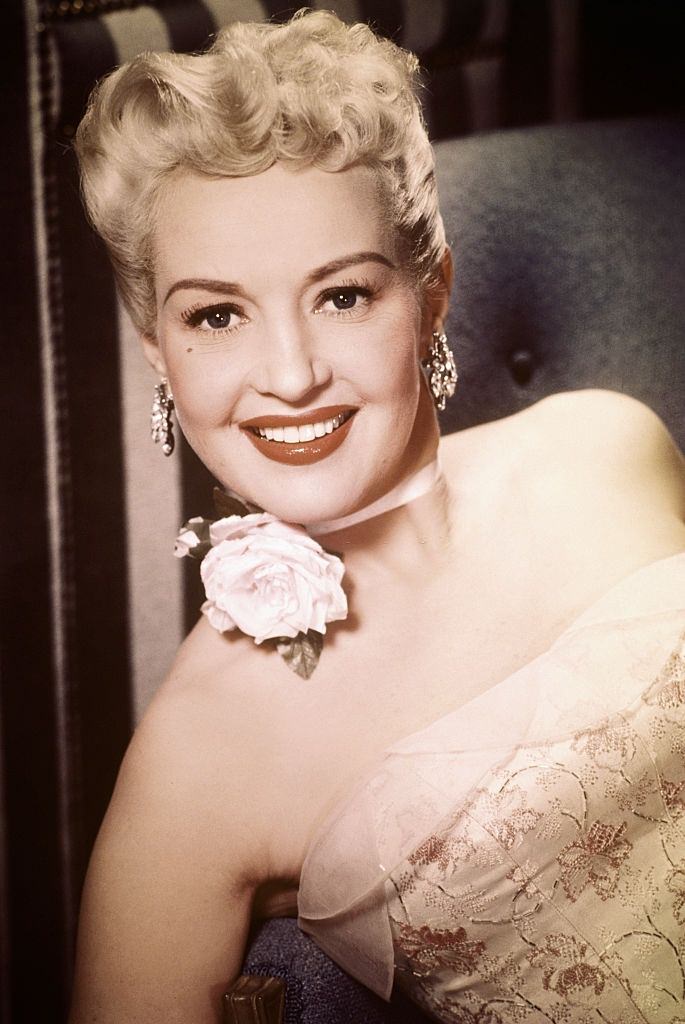
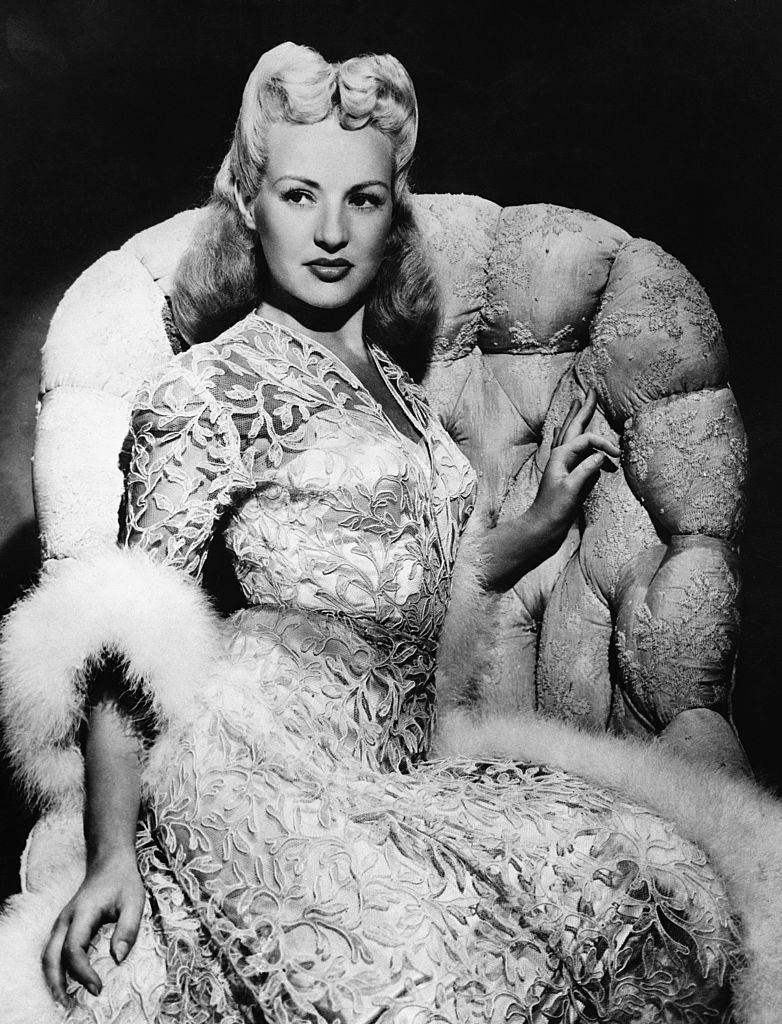
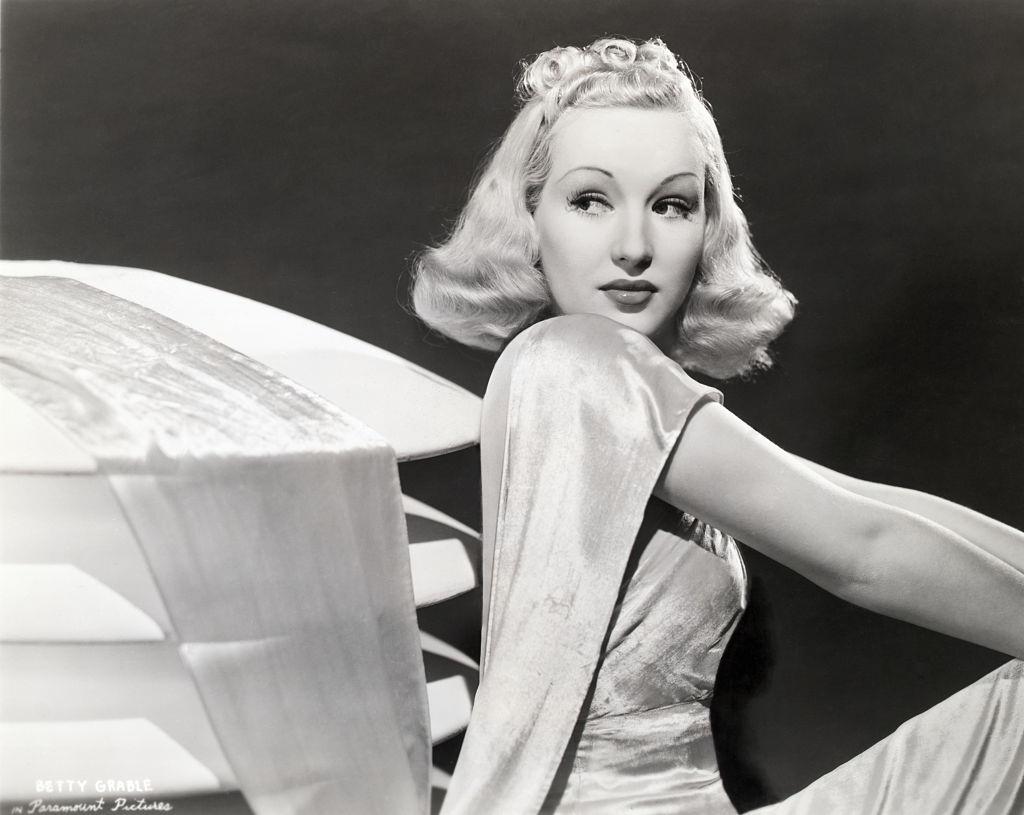
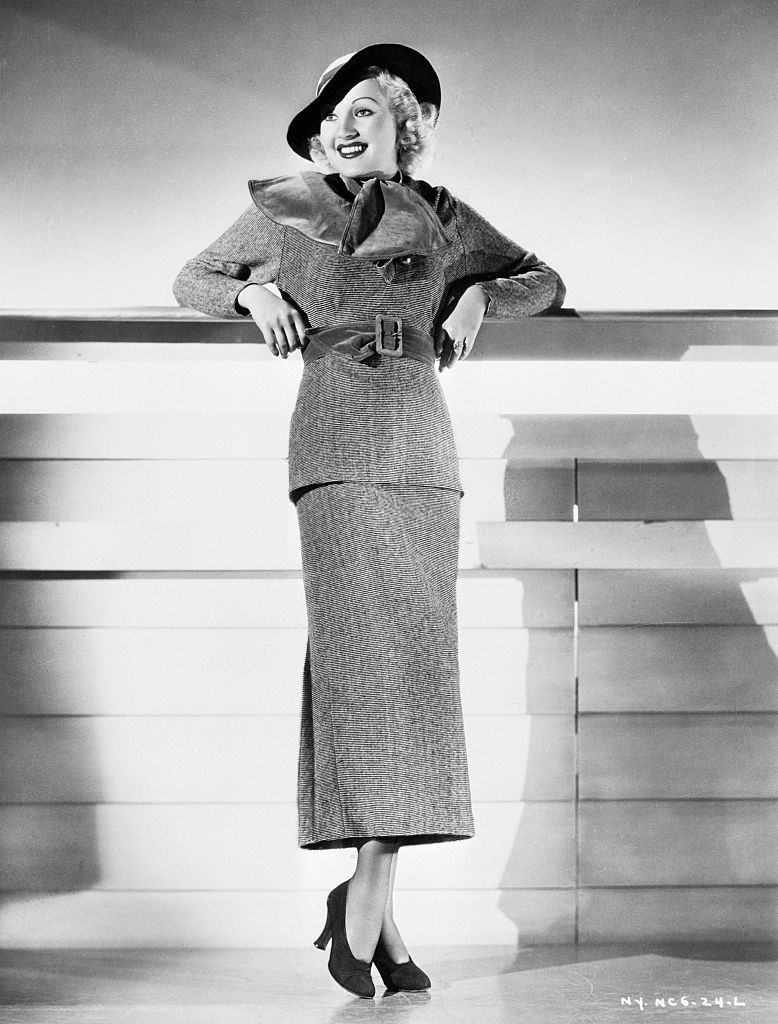
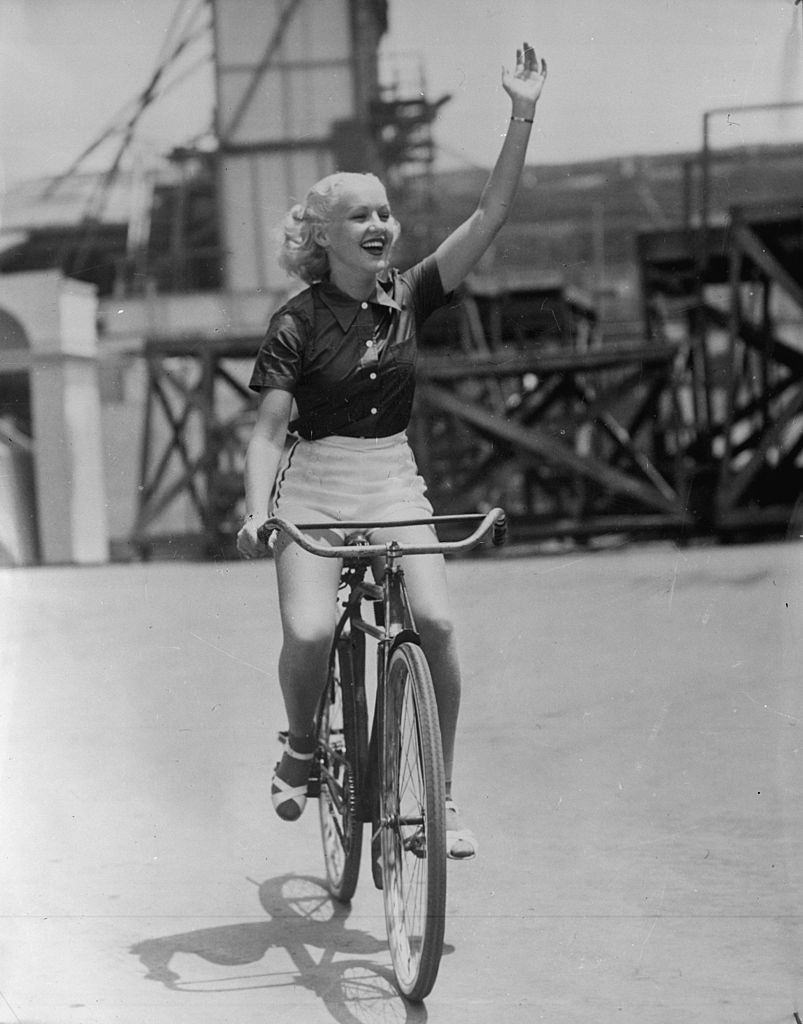
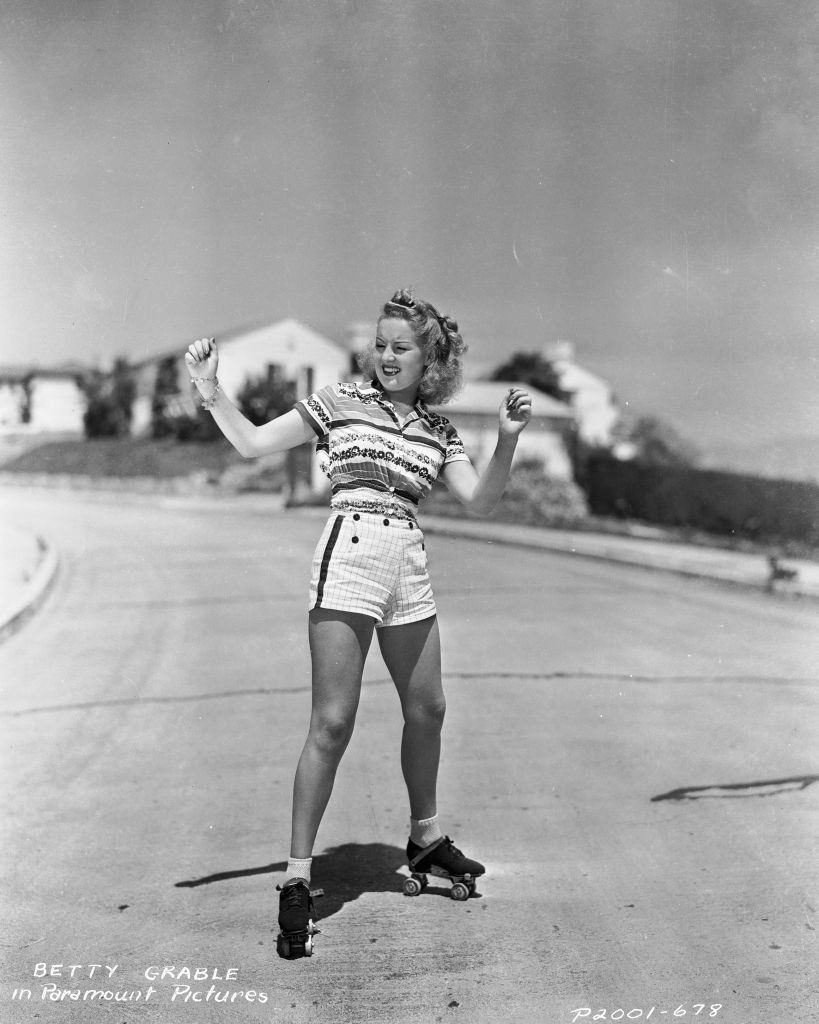
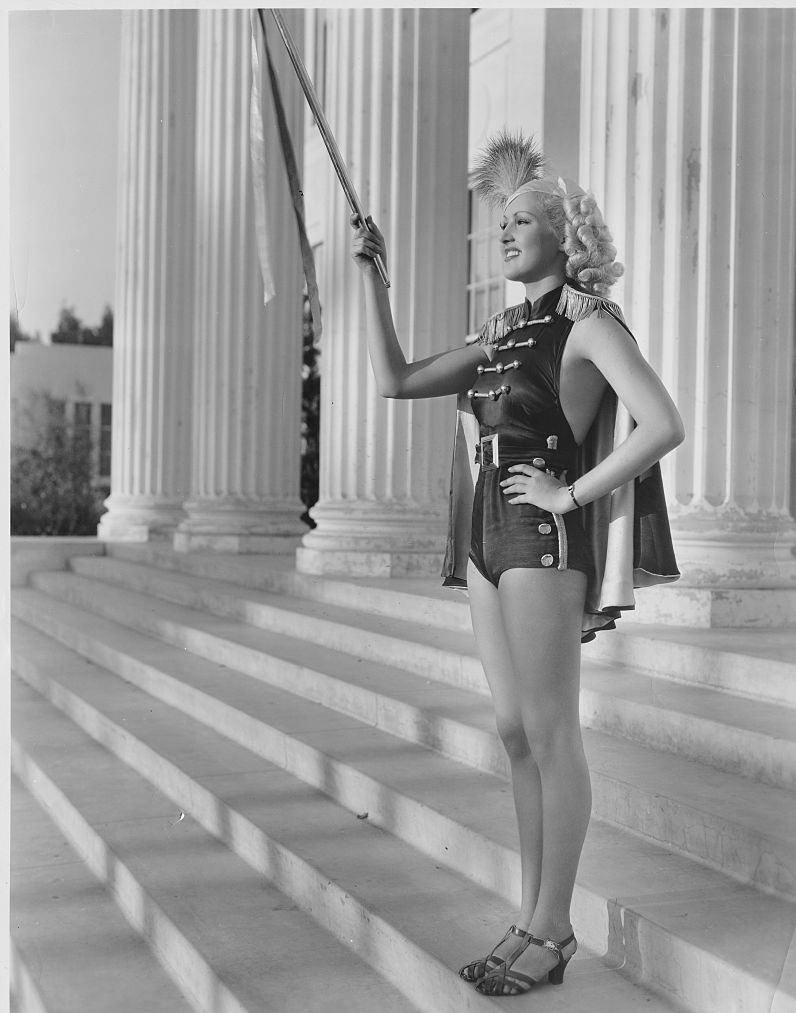
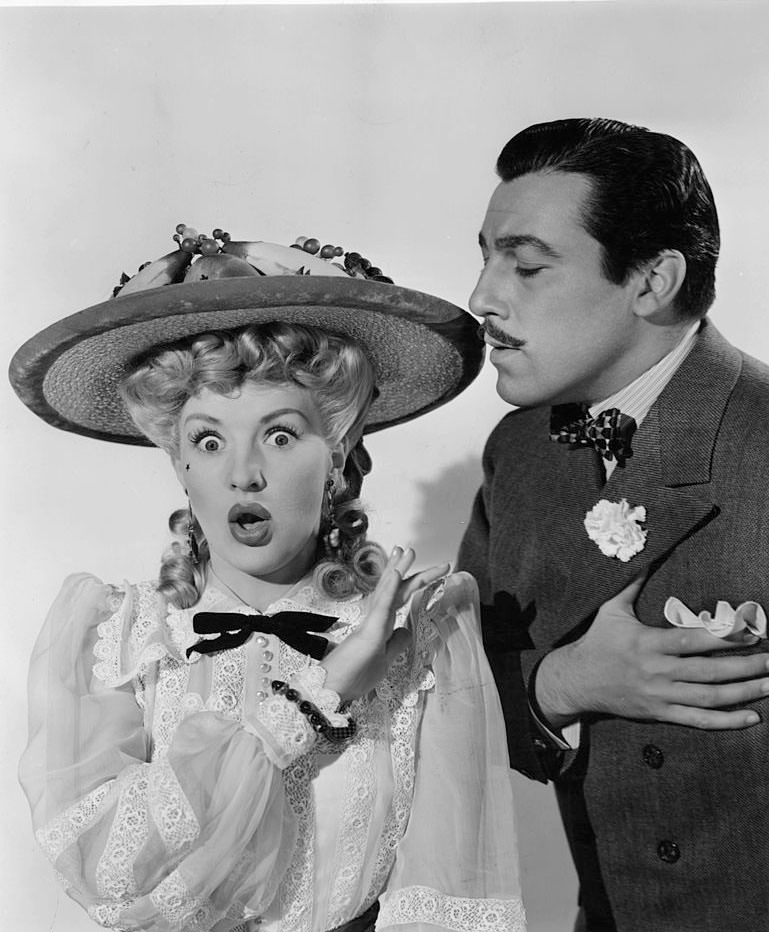
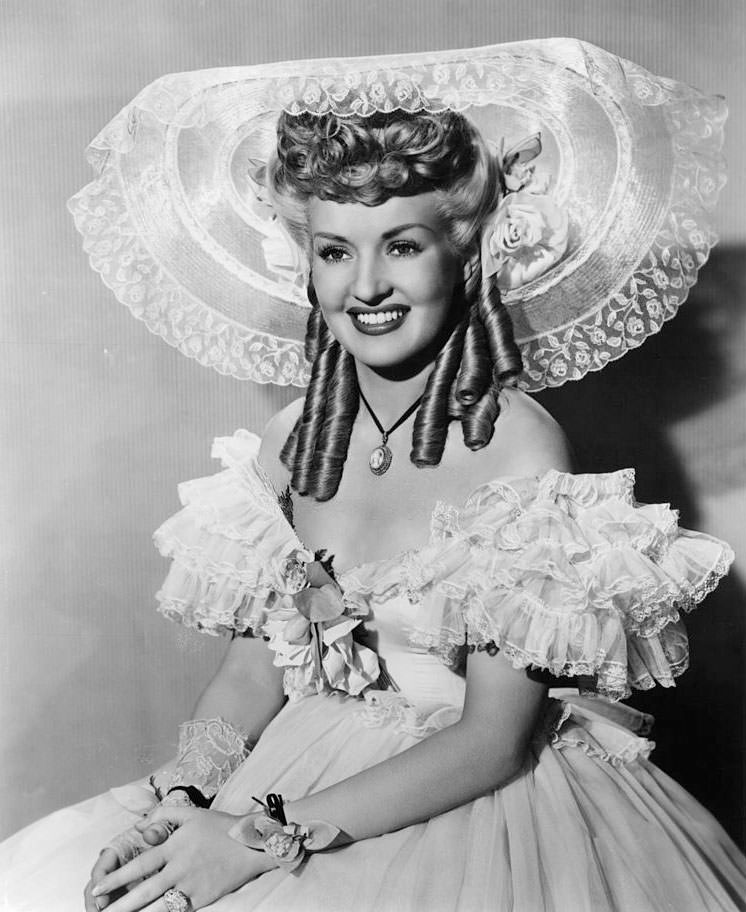
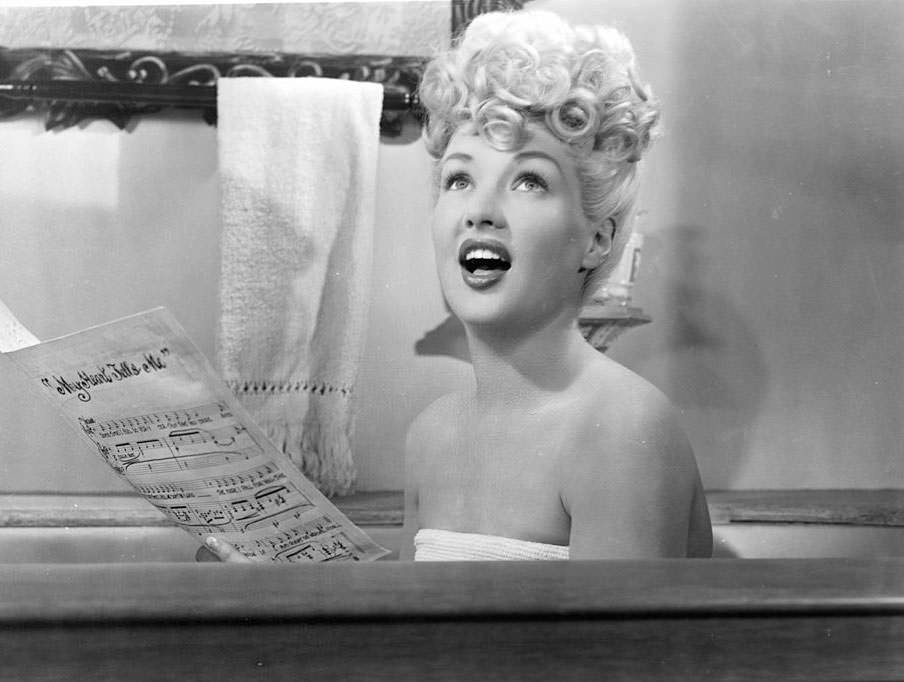
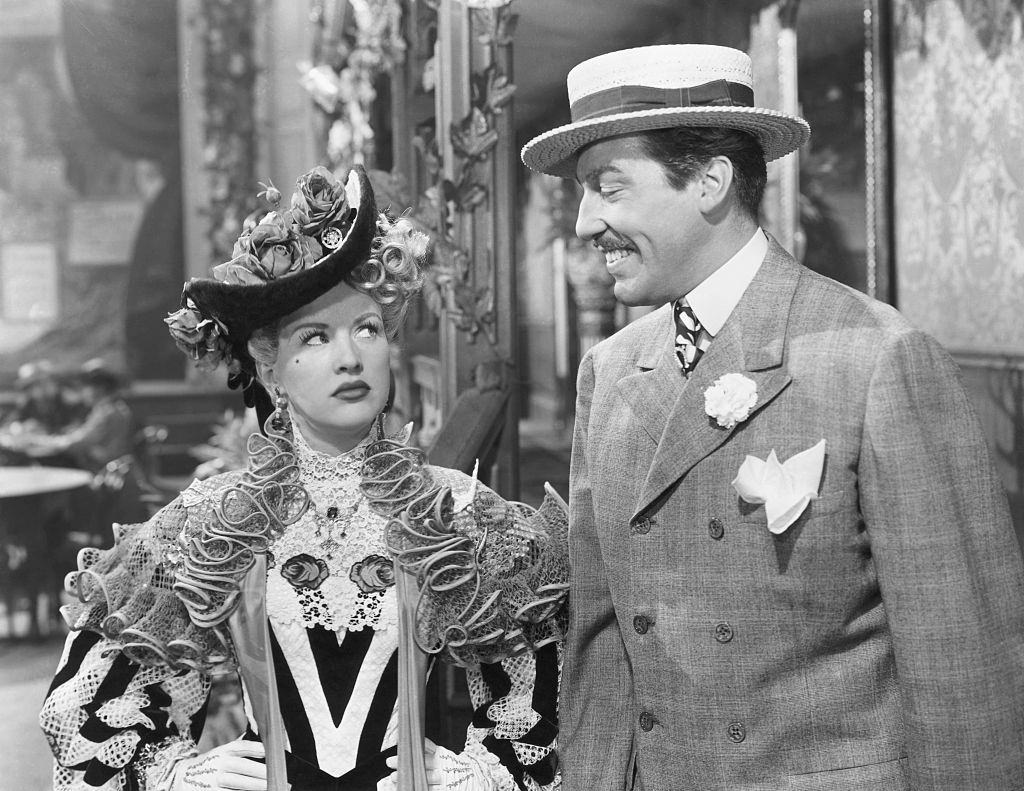
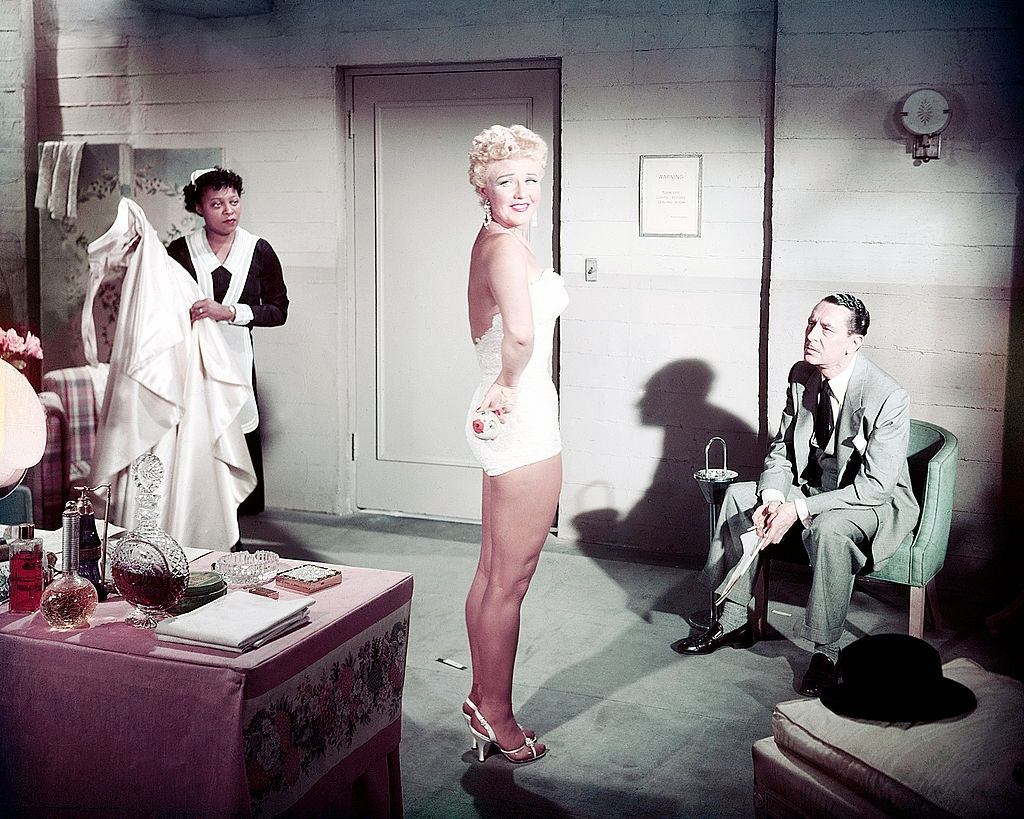
Below are some glamorous photos of Betty Grable when she was young.