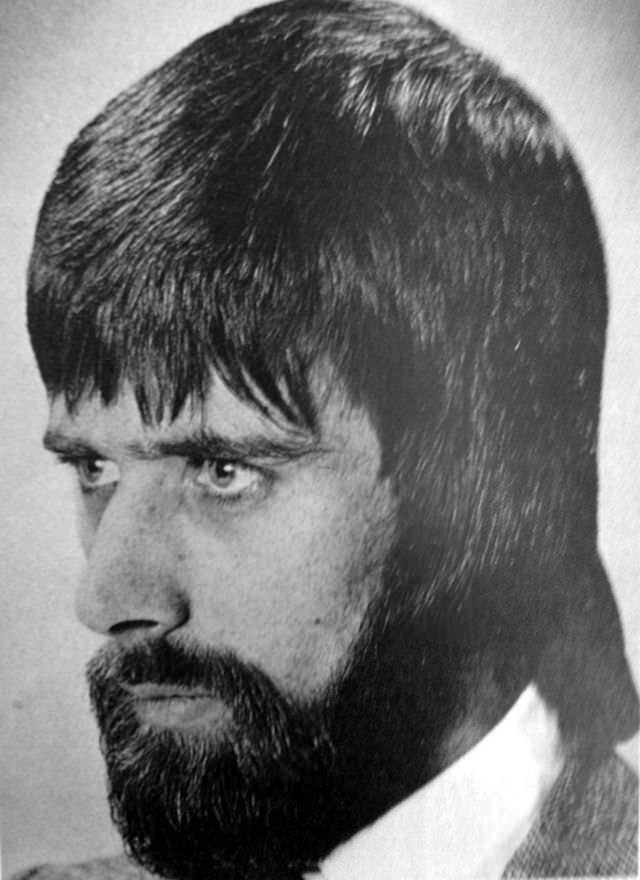
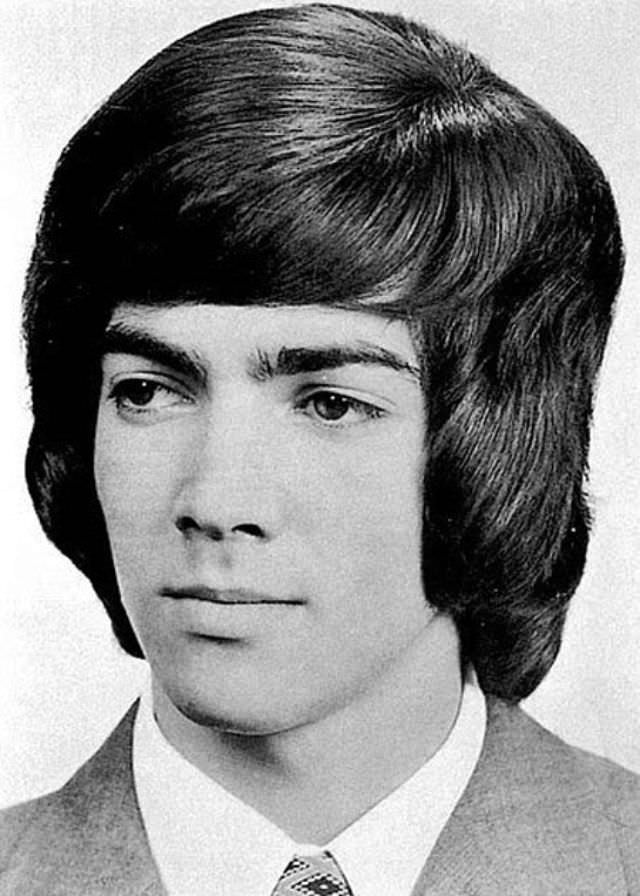
The 1970s were unlike any other decade for men’s hair. Long, short, blown out, or piled high — nearly every style was fair game. What tied them all together was one clear rule: the bigger, the better. Men were not shy about their hair, and the tools of the trade made it all possible.
Spray cans, styling gels, mousse, crimping irons, and the almighty perm gave men the power to transform flat, lifeless hair into something bold and eye-catching. These weren’t just products — they were weapons in the daily battle against a bad hair day.
The perm, in particular, became a symbol of the decade. Men of all hair types used it to add volume and curl where there was none before. The result was a full, rounded shape that photographers loved and barbers got very good at delivering.
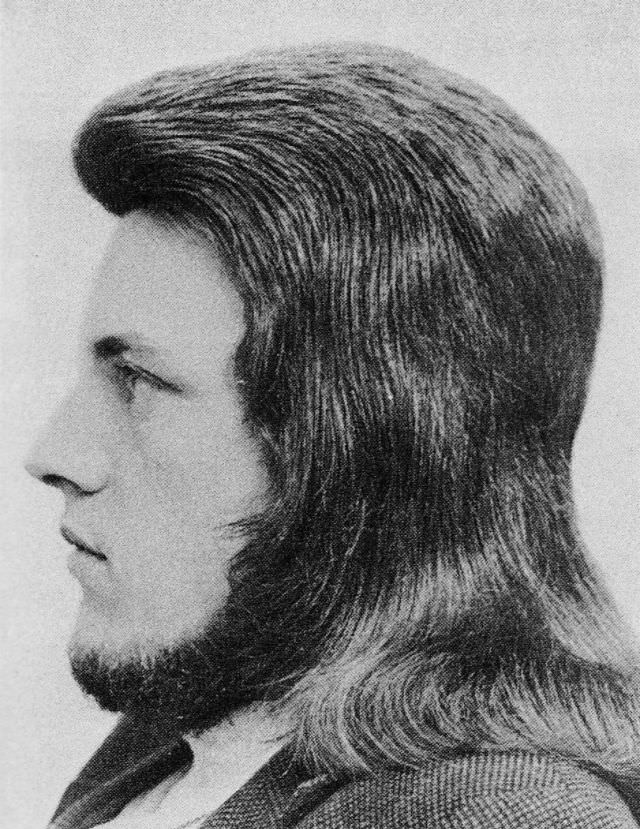
Blow-dried styles were equally popular. Men would spend real time in front of the mirror with a round brush and a dryer, sculpting their hair into smooth, swooping waves. It was effort that showed — and that was exactly the point.
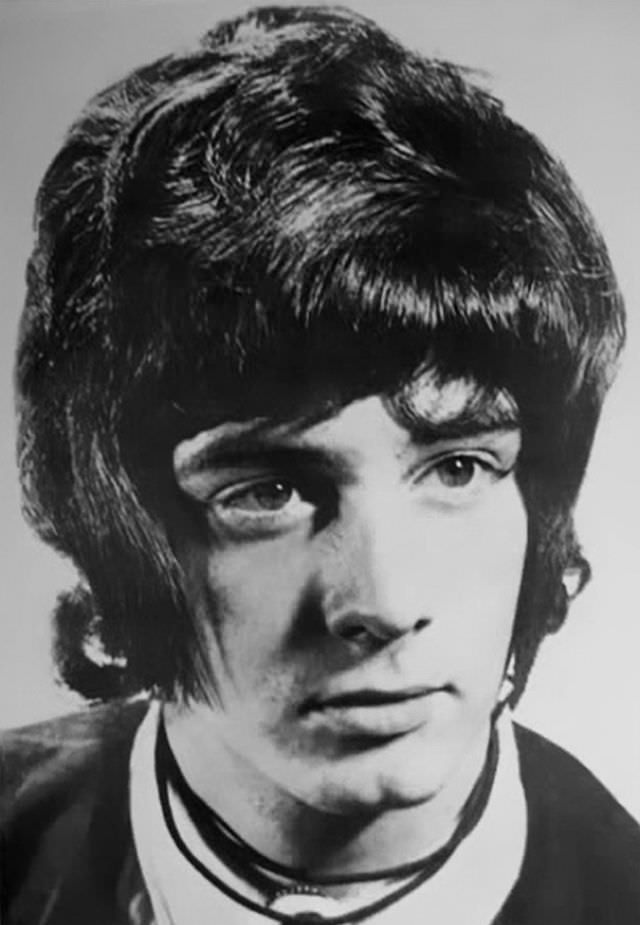
Bouffant styles crossed over from the women’s side of the salon and landed firmly in the men’s grooming world too. Stacked high and set in place, these looks demanded attention from across a room.
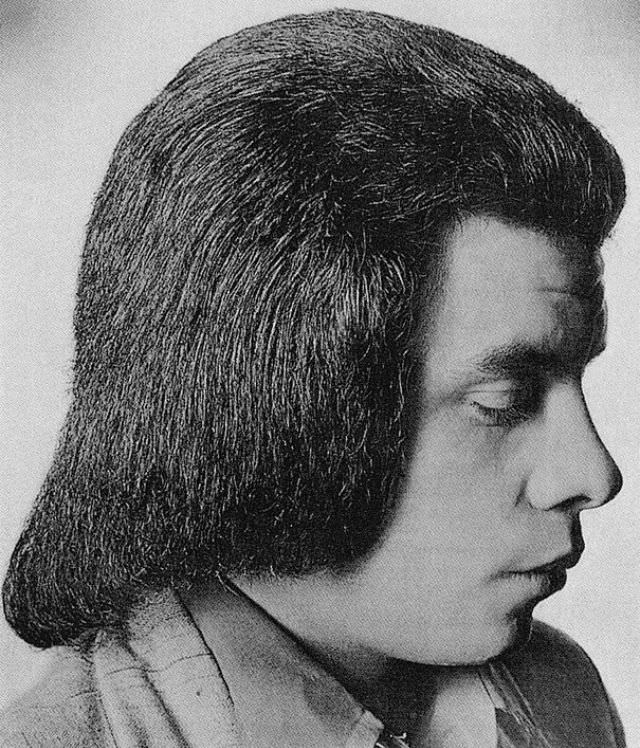
Bleached hair also made a strong showing. Whether fully lightened or streaked, blond tones gave men a sun-soaked, carefree look that fit perfectly with the decade’s laid-back, free-spirited mood.
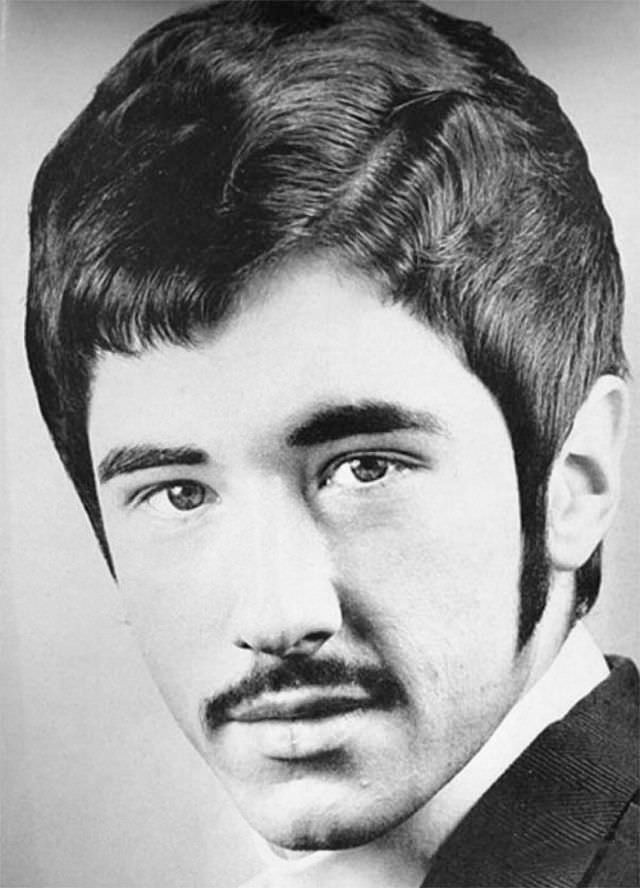
Spiked styles pushed things in a different direction. Shorter and sharper, these cuts were edgier and leaned into a rebellious energy that grew stronger as the decade moved toward the punk era.
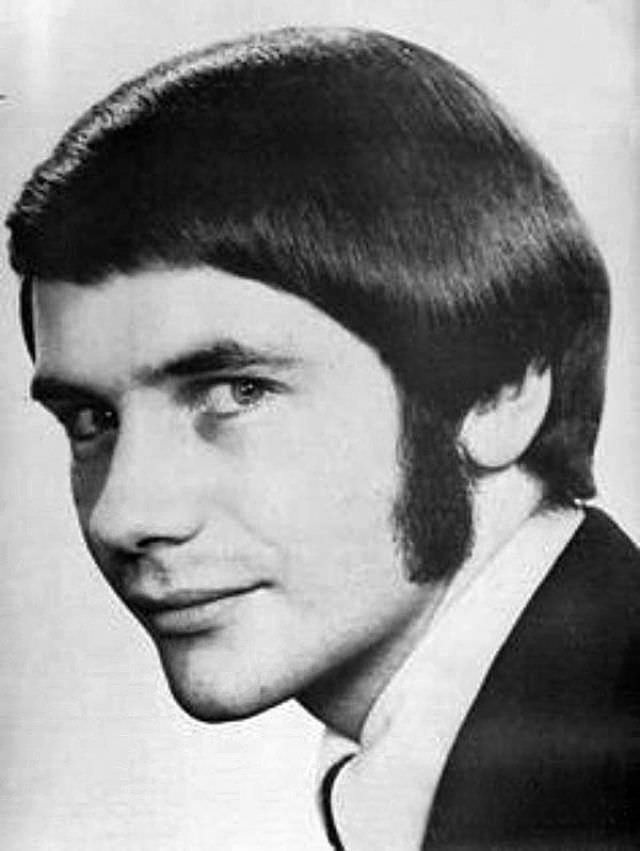
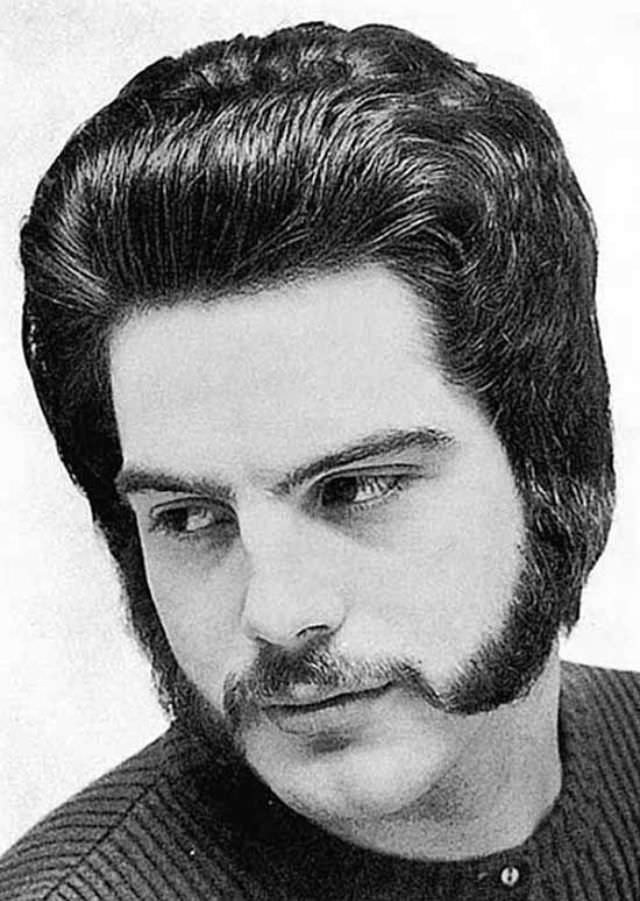
Facial hair was just as important as what was on top. Thick mustaches, full beards, and the legendary mutton chops — wide sideburns that swept down along the jaw — were all part of the complete 1970s look.
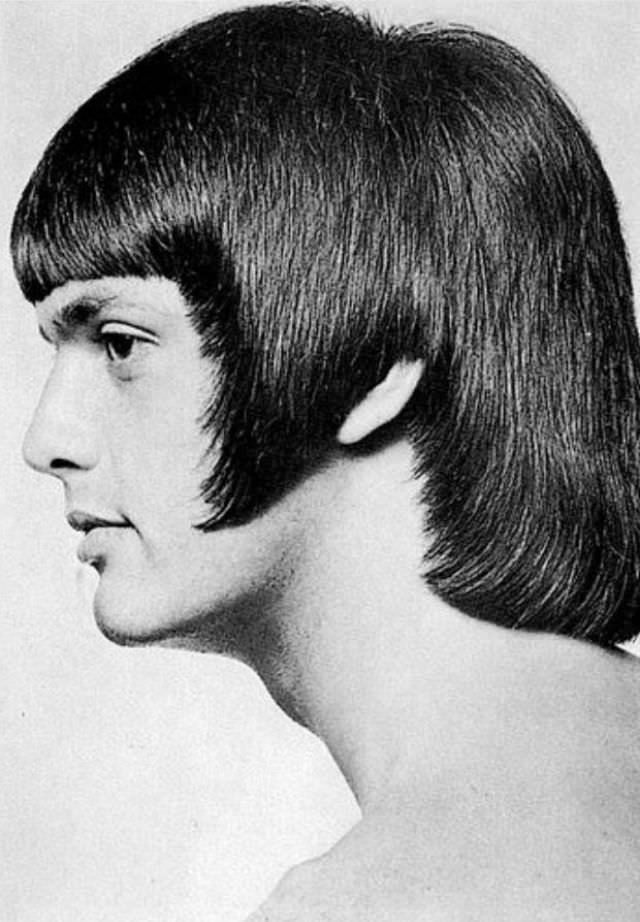
Mutton chops in particular became a symbol of masculine style during this period. Paired with a strong build, they sent a message of rugged confidence that fit right in with the era’s love of bigger-is-better everything.
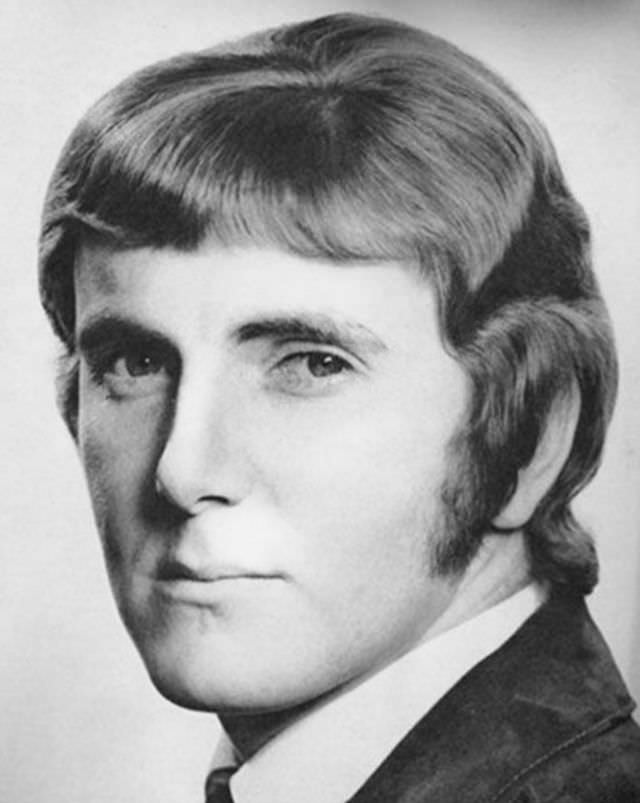
Even fake facial hair had its moment. Stick-on sideburns and novelty mustaches showed up at parties and in photo booths, proving that the decade had a sense of humor about its own obsession with hair.
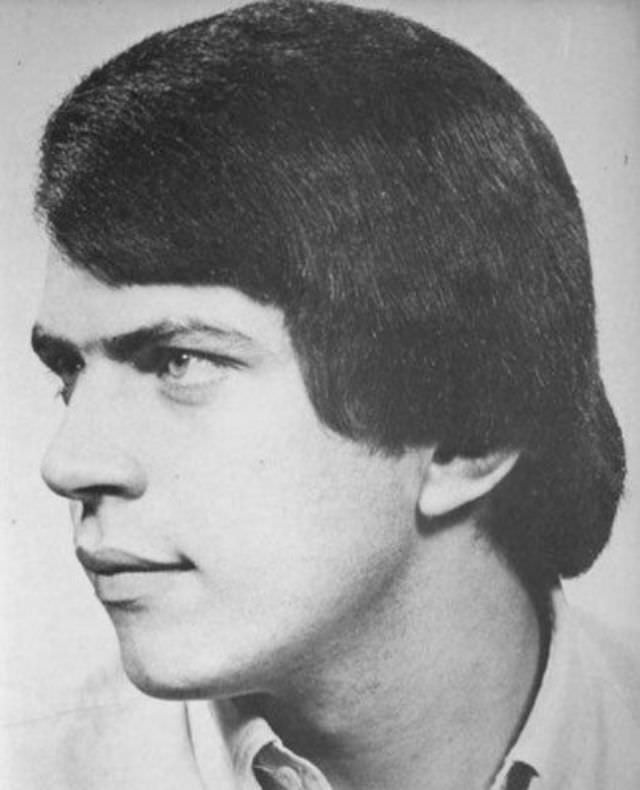
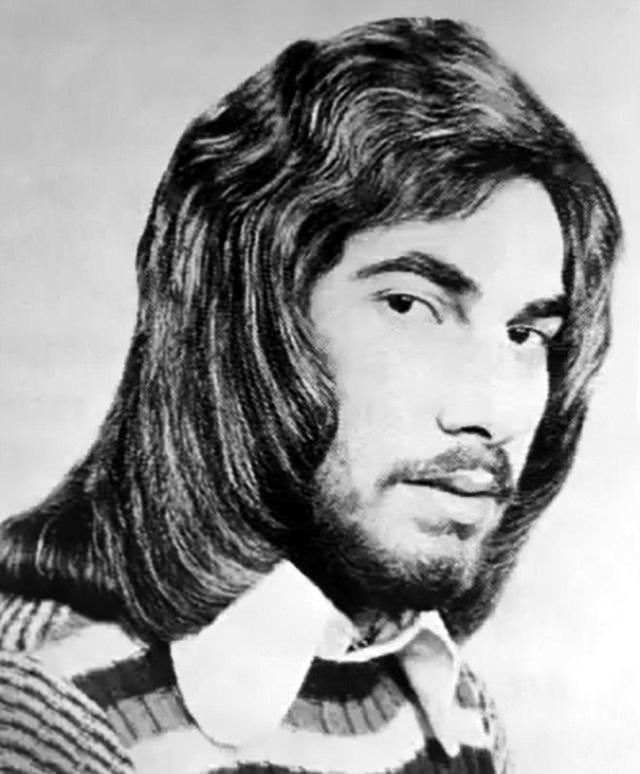
Long hair on men remained the dominant statement of the 1970s. Flowing past the collar and sometimes past the shoulders, it carried over the free-spirited energy of the late 1960s and held strong well into the new decade.
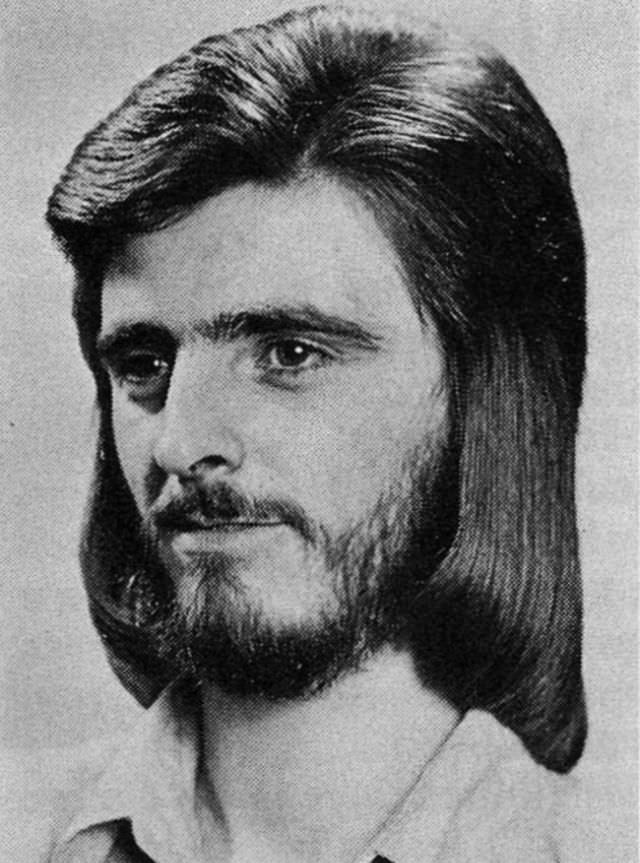
Center parts were a go-to choice for men with longer hair. The style was simple but made a clean, deliberate impression that worked equally well at a concert or a dinner table.
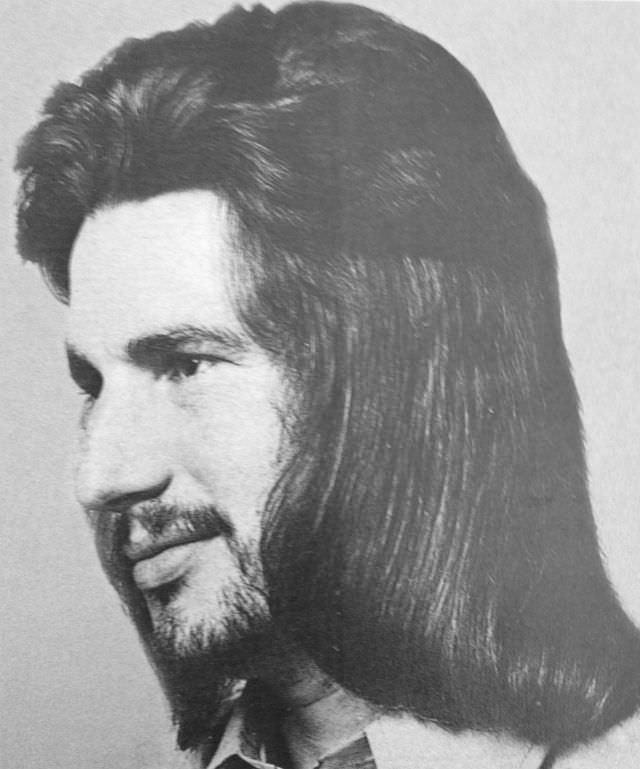
The feathered look — hair swept back and away from the face on both sides — became one of the decade’s most recognized styles. It required a good cut, the right amount of product, and a confident stride.
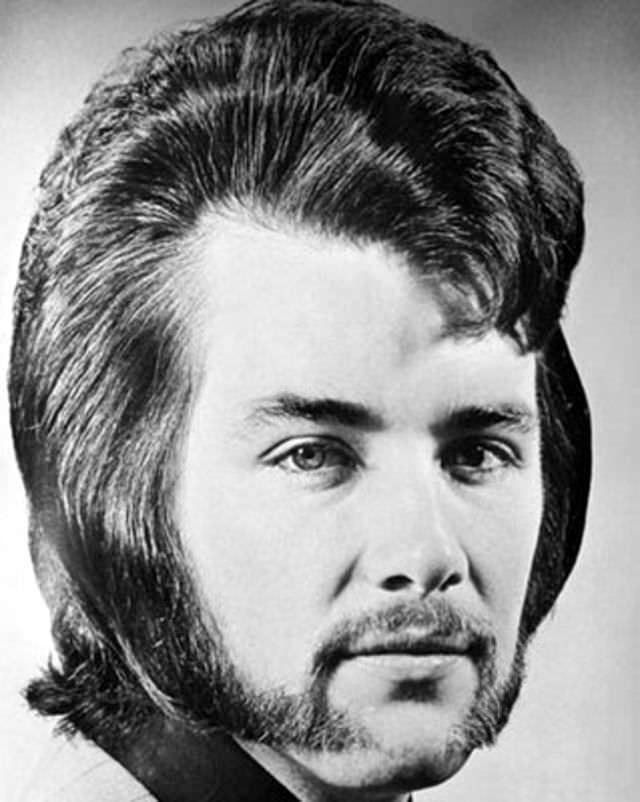
Afros were a powerful and proud style worn by many Black men during the 1970s. Wide, full, and carefully shaped, the Afro was a cultural statement as much as a hairstyle.
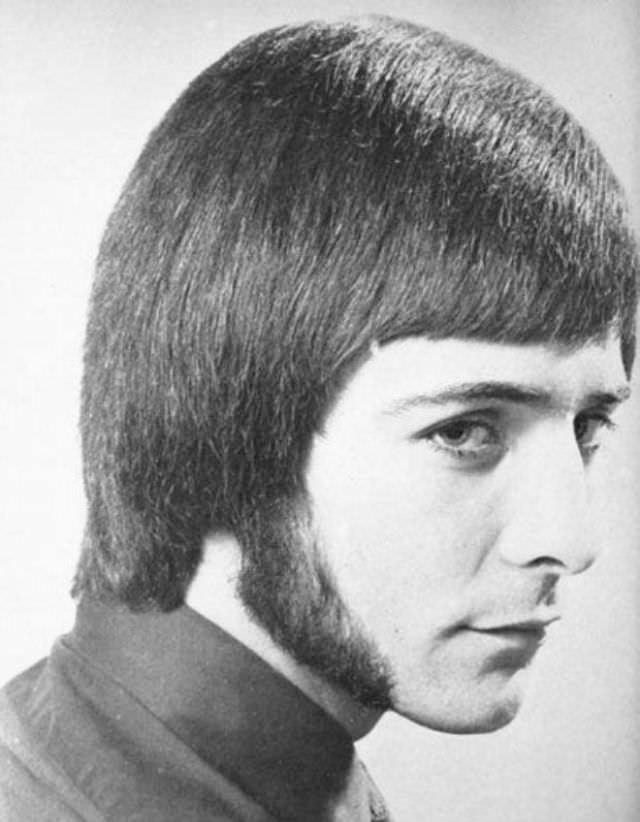
Shag cuts — layered, slightly messy, and full of texture — sat somewhere between polished and undone. Rock musicians made the shag famous, and fans all over the world followed their lead.
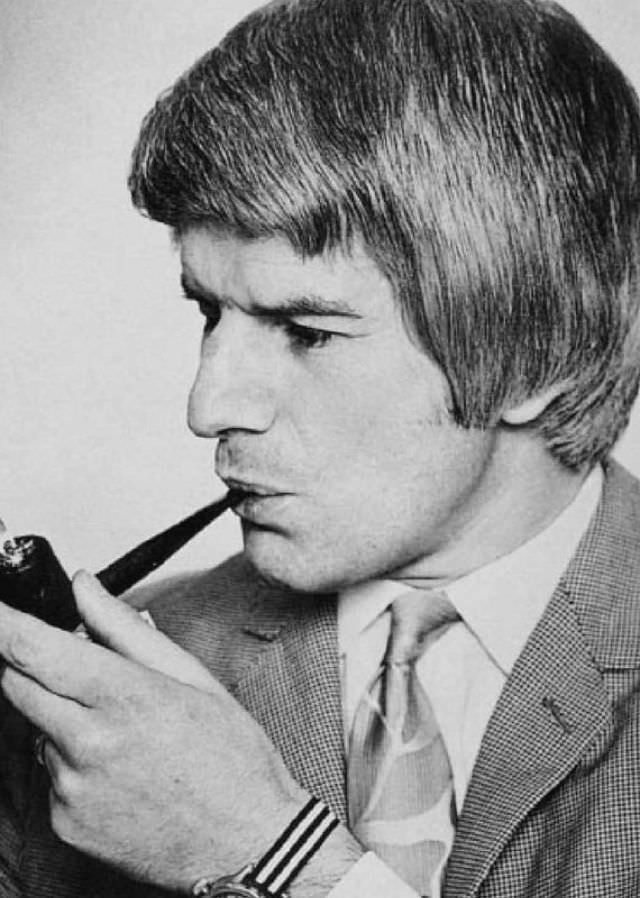
For men who kept things shorter, the side part held firm as a reliable classic. Neat, controlled, and easy to manage, it was the safe choice in a decade that rarely played it safe.
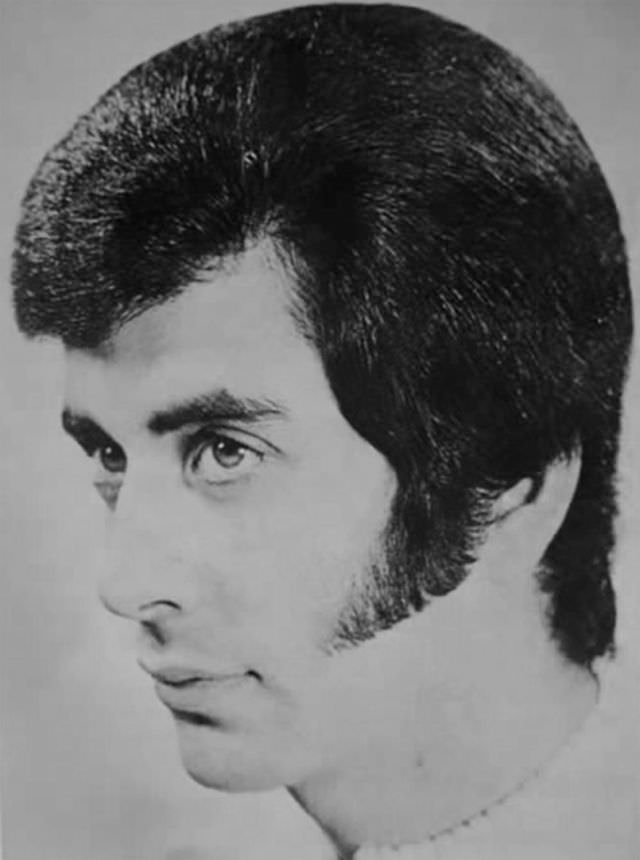
Disco culture pushed men’s grooming to its most glamorous extreme. Shiny, bouncy hair styled to perfection under nightclub lights became the standard for anyone who wanted to be taken seriously on the dance floor.
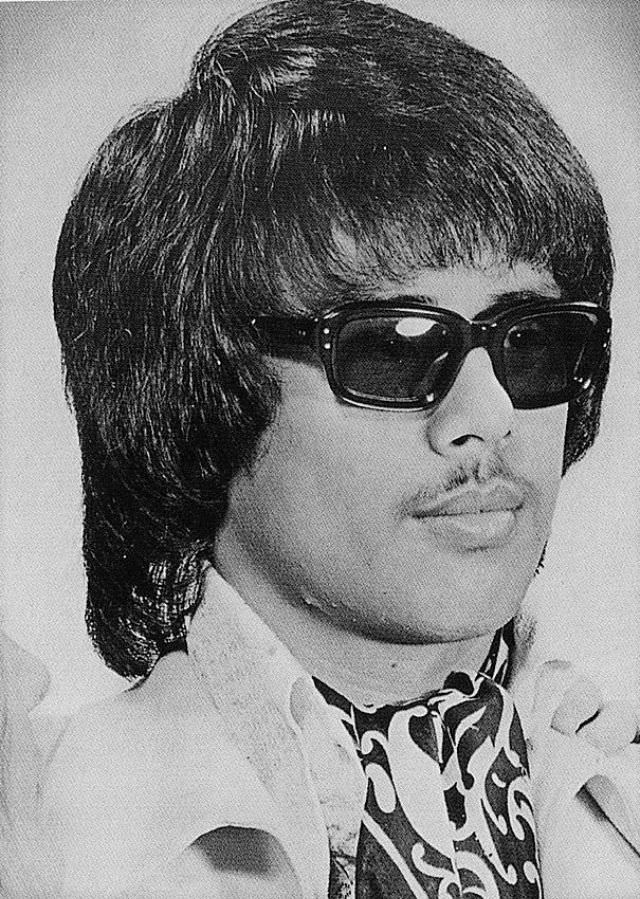
Headbands were used as much for style as for function. Worn across the forehead to hold back long hair, they added a sporty, casual edge to any look and showed up everywhere from gyms to music festivals.
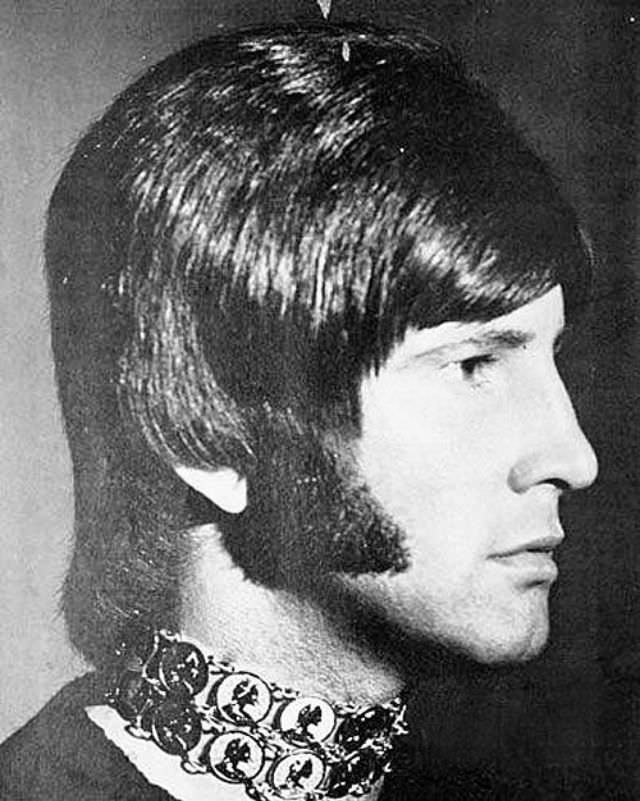
Product buildup was a real issue for men who leaned heavy on the spray can. Stiff, crunchy hair was the unintended result of going overboard — a hazard of the era that barbers dealt with regularly.
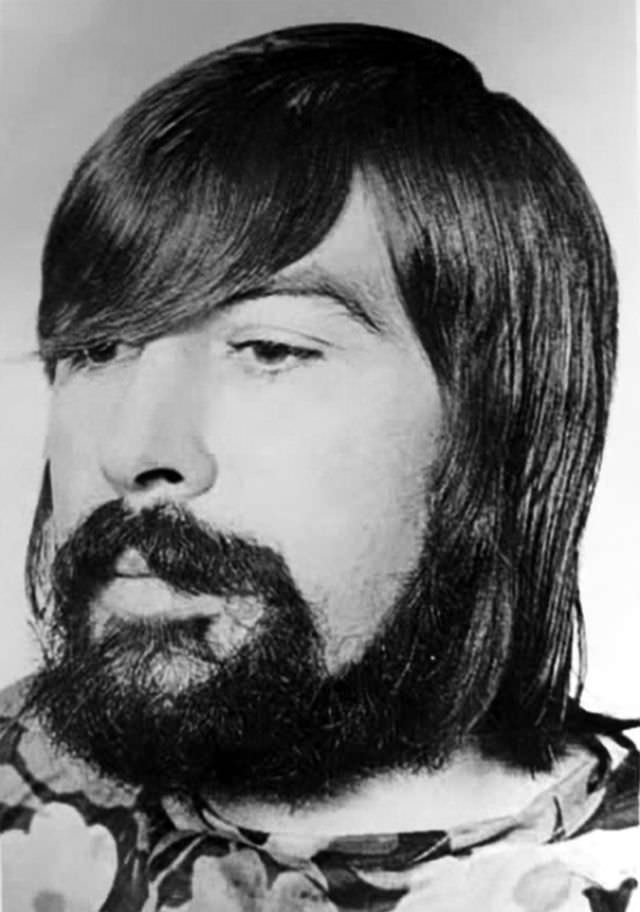
The shaggy, overgrown look wasn’t always planned. For many men, simply letting hair grow without a strict cut schedule produced the very style the decade celebrated most. Low maintenance accidentally became high fashion.
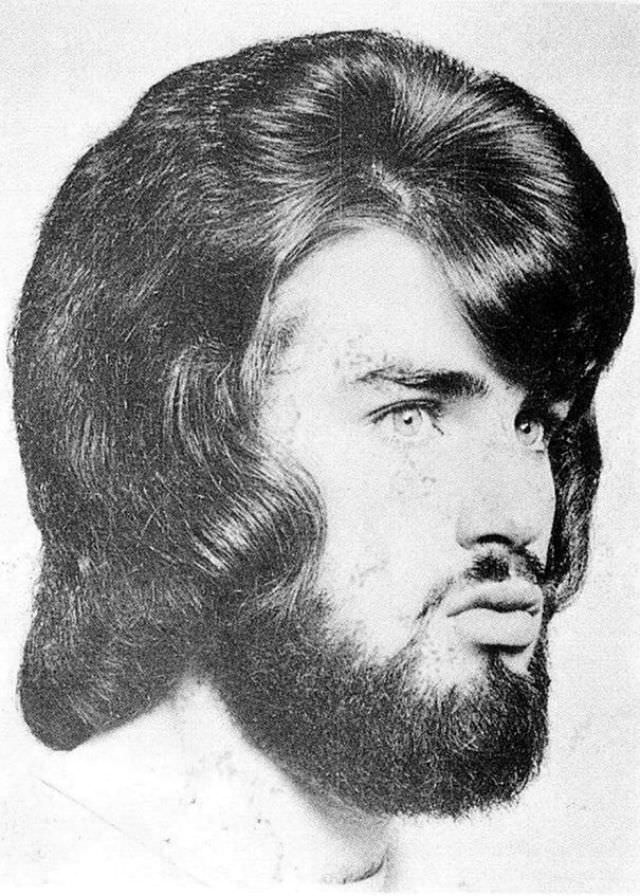
Tight, close-cropped curls were shaped and maintained with picks and curl activators. The style required daily attention but produced a sharp, defined look that held up well in any setting.
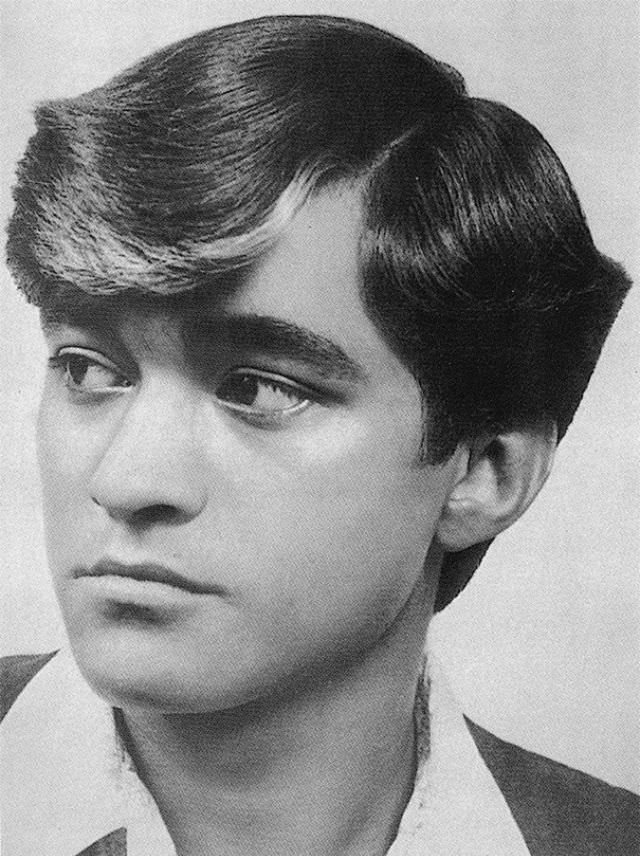
Men who opted for the mullet — short on the sides, long in the back — were ahead of a curve that would fully take over in the 1980s. In the 1970s, the style was already quietly building its fan base.
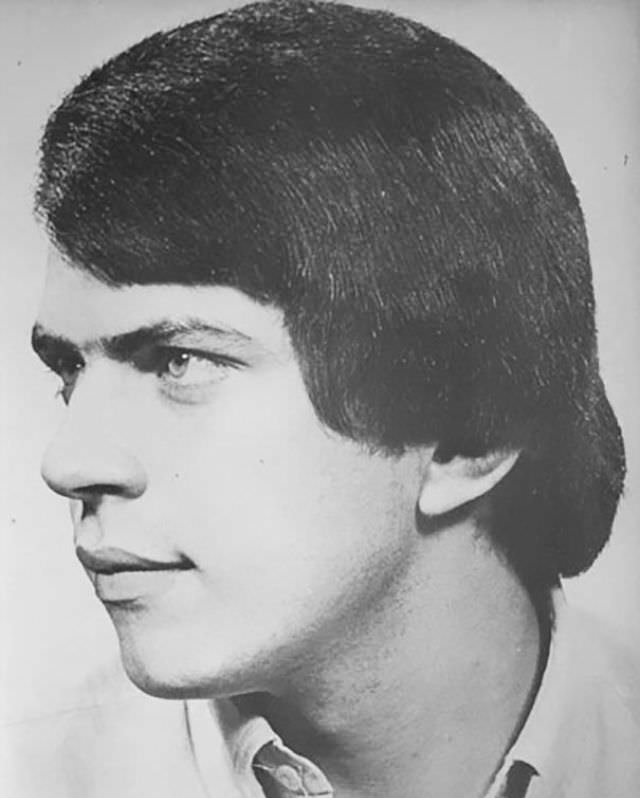
The decade’s obsession with volume meant that thin hair was treated as a problem to be solved, not accepted. Perms and teasing techniques gave thin-haired men the fullness that the era demanded.
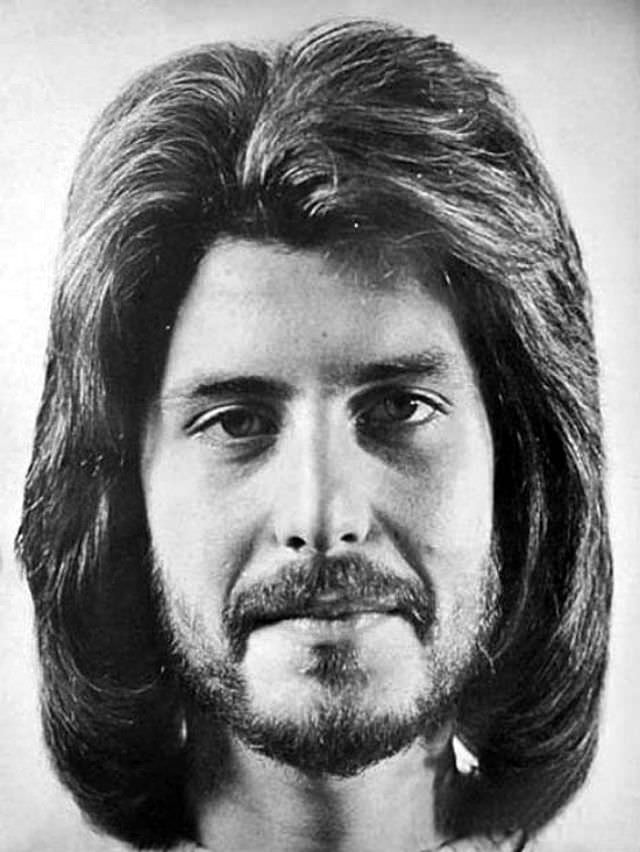
Thick, heavy sideburns that stopped at the jaw were one of the most common facial hair choices of the era. They framed the face and worked with nearly every hairstyle the decade produced.
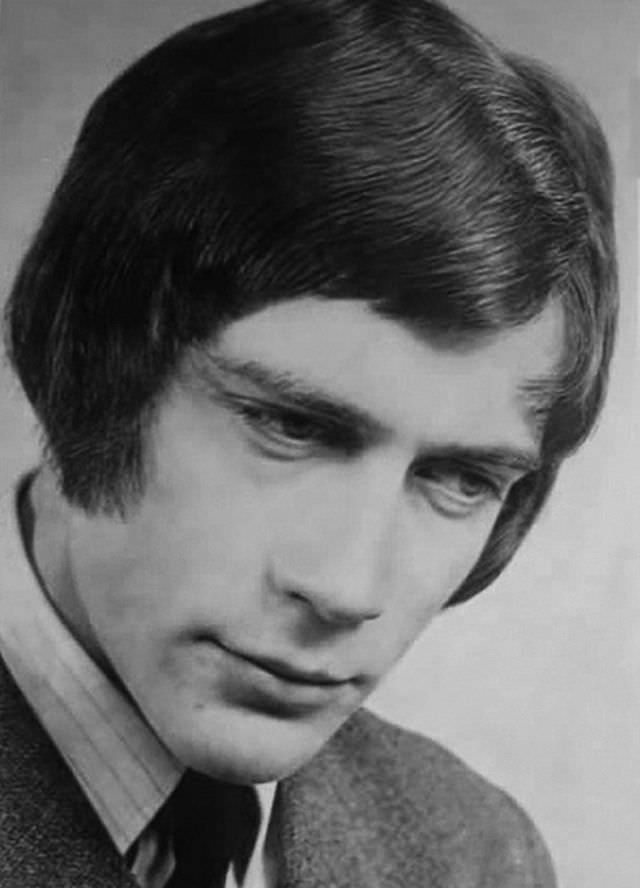
Curl patterns were often enhanced with rollers set overnight. The result — tight, bouncy curls — was a morning payoff that men across the globe considered well worth the effort.
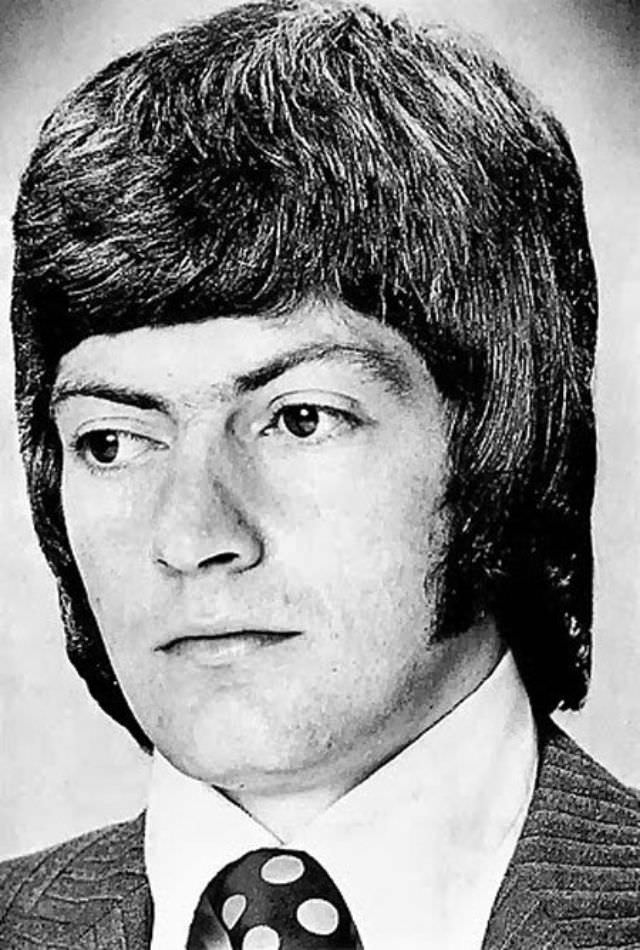
Layered cuts added movement to hair that might otherwise fall flat. Skilled stylists used razor cuts and scissors together to create styles that looked natural in motion — an important quality when the dance floor was the proving ground.
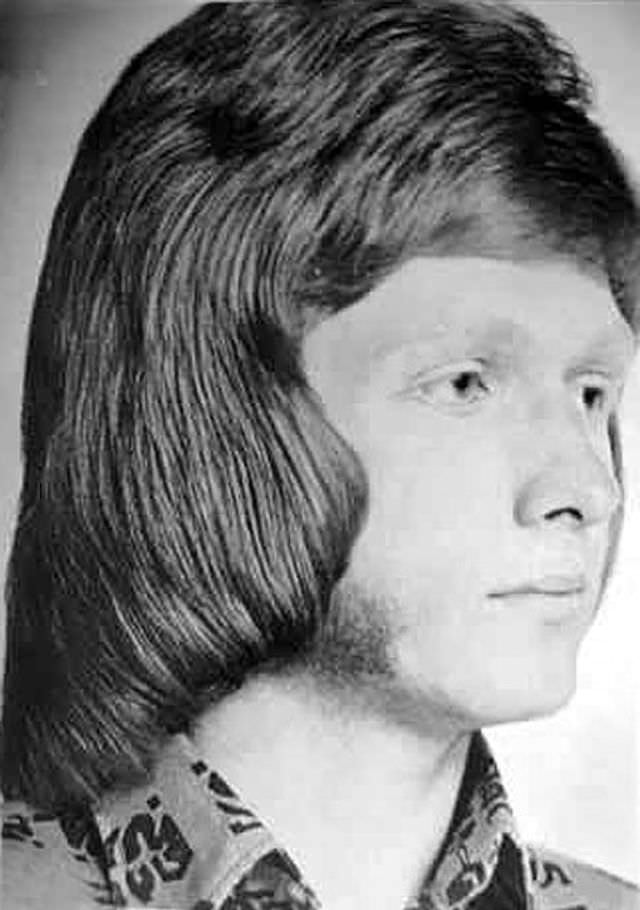
The handlebar mustache had a strong decade in the 1970s. Thick, waxed, and curled at the ends, it was a style that required patience and commitment — two things men of the era were clearly willing to give to their grooming routines.
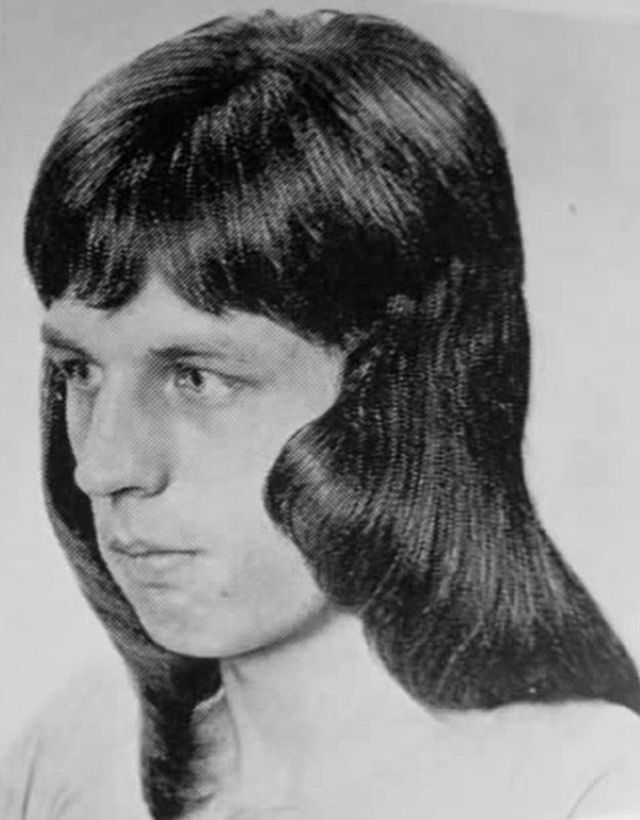
Wild, untamed hair that defied easy description was actually a respected category in 1970s men’s style. The less it looked like effort, sometimes the more respected the look became among peers.
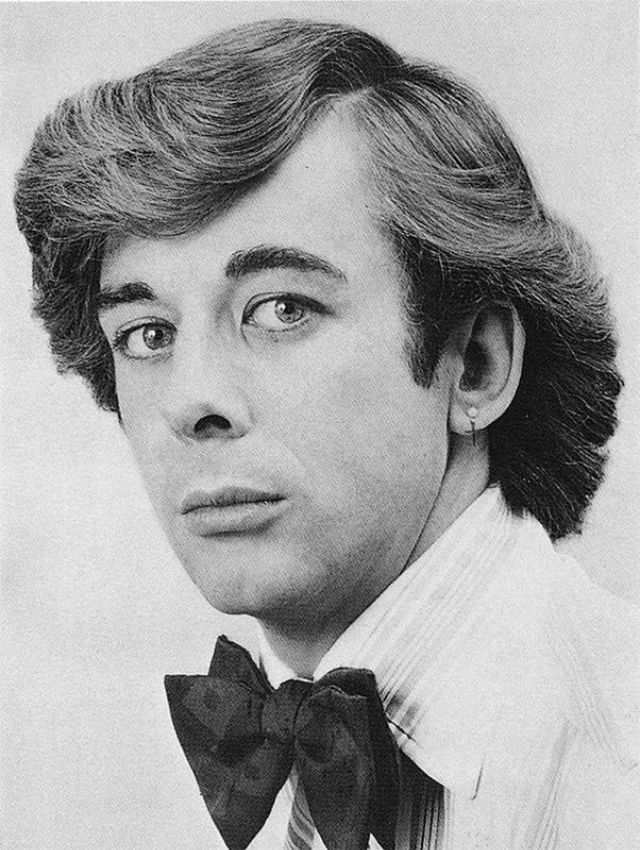
Crimping irons created zigzag texture in straight hair, adding a patterned, almost geometric quality to styles that would otherwise read as plain. The crimped look was bold, impractical, and completely at home in the 1970s.
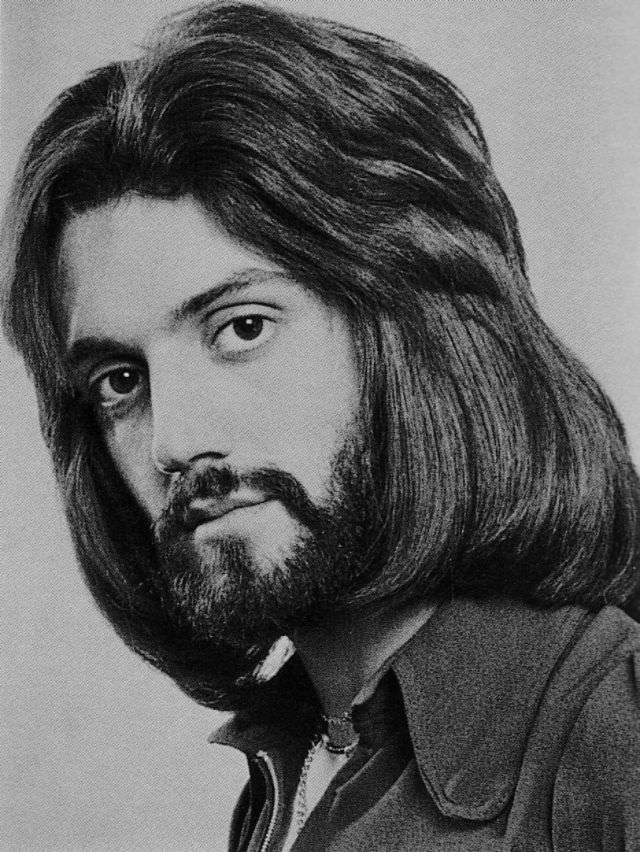
Whether a man walked into a barber shop or a full-service salon, one thing was clear: hair was a serious business in the 1970s. Men invested time, money, and real creative energy into how they looked from the neck up.
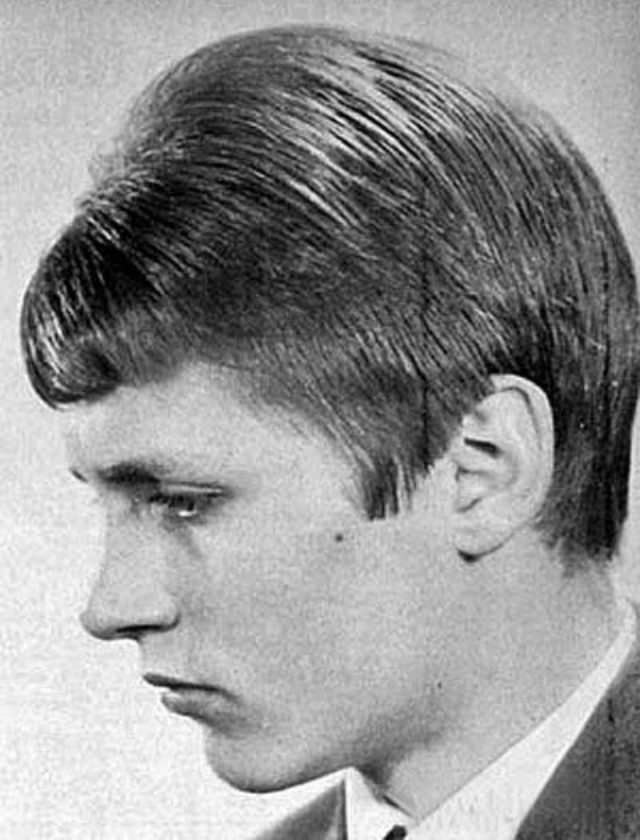
No two men wore the same style exactly the same way. Personal variation — the angle of a part, the width of a sideburn, the amount of spray used — made each look its own. That individuality was the heartbeat of 1970s men’s grooming.