Asturias sits in the northwest corner of Spain, officially known as the Principality of Asturias. It borders Cantabria to the east, Castile and León to the south, Galicia to the west, and the Bay of Biscay to the north. Its roots stretch back to the medieval Kingdom of Asturias, one of the earliest Christian kingdoms on the Iberian Peninsula. By the late 1800s, the region was entering a new chapter — one shaped by industry, shifting populations, and a landscape that still carried traces of its ancient past.
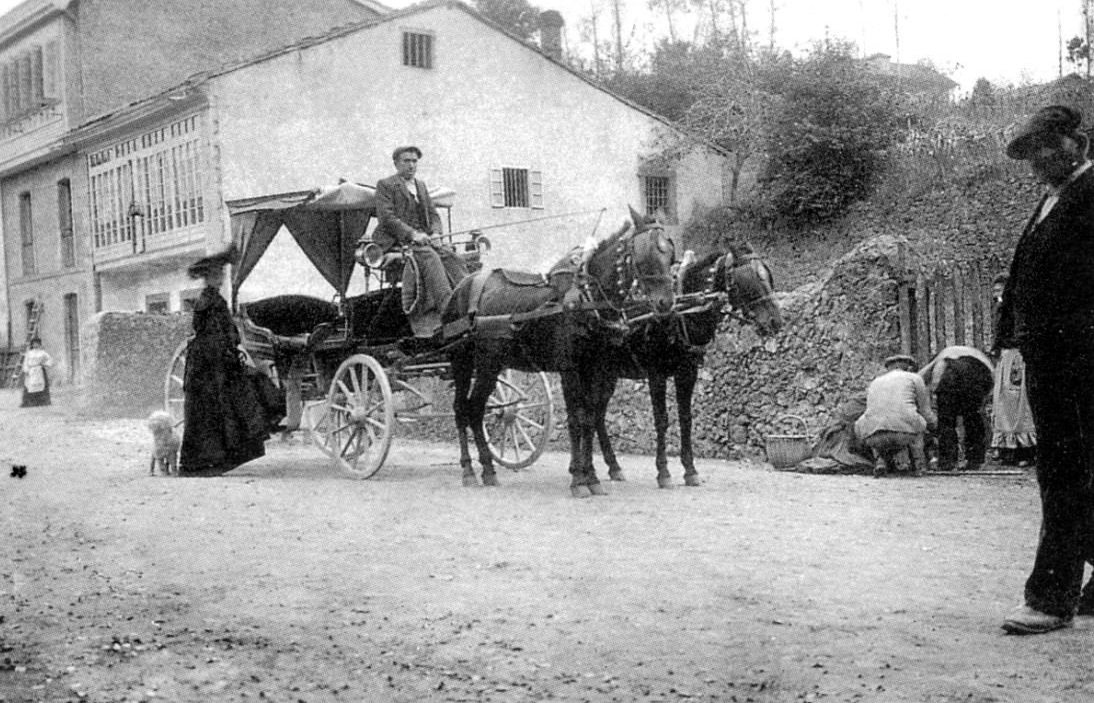
Three cities dominated Asturian life during this era. Oviedo served as the regional capital, a city of stone buildings, church spires, and administrative power. Gijón, the largest city and main port, connected Asturias to trade routes along the Atlantic coast. Avilés, smaller but growing fast, was becoming an industrial hub. Together, these three cities formed a triangle that would anchor the region’s economy for generations.
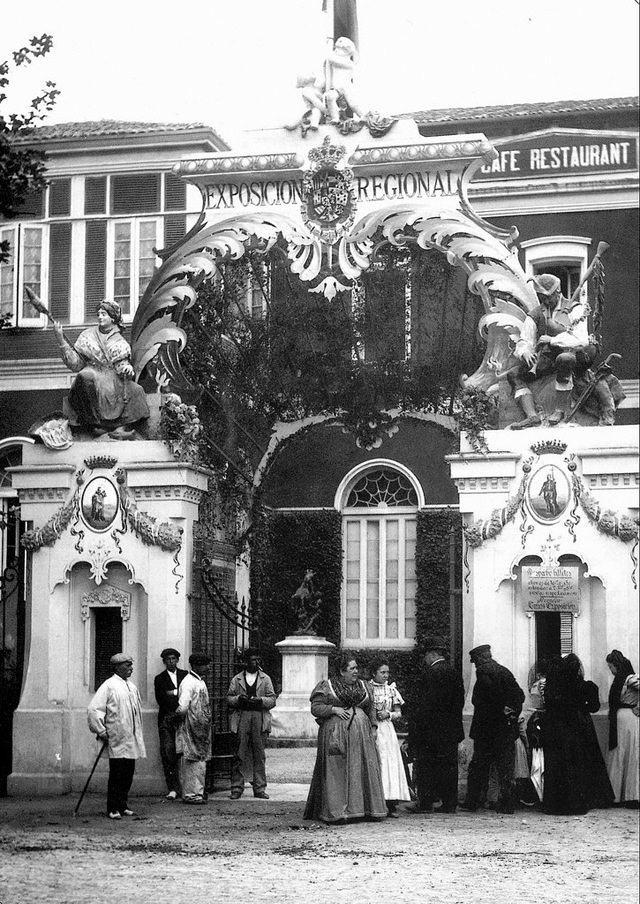
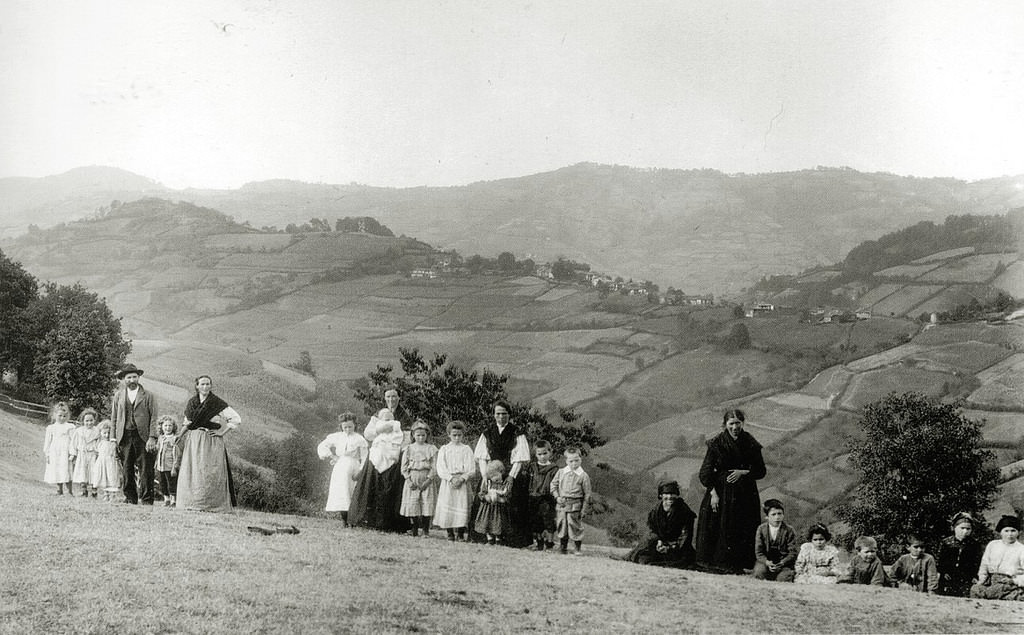
The countryside outside these cities told a different story. Asturias is a land of green valleys, steep mountains, and rivers that cut through rocky terrain. Farming communities dotted the rural areas, working land that had been cultivated for centuries. But by the 1870s and 1880s, that way of life was under pressure. The agricultural sector was shrinking, and many rural families were leaving for the cities or emigrating altogether.
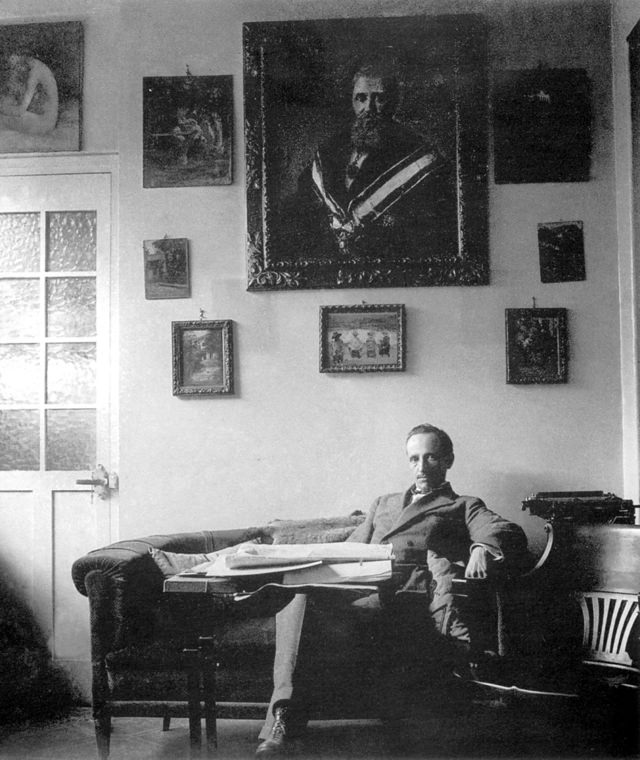
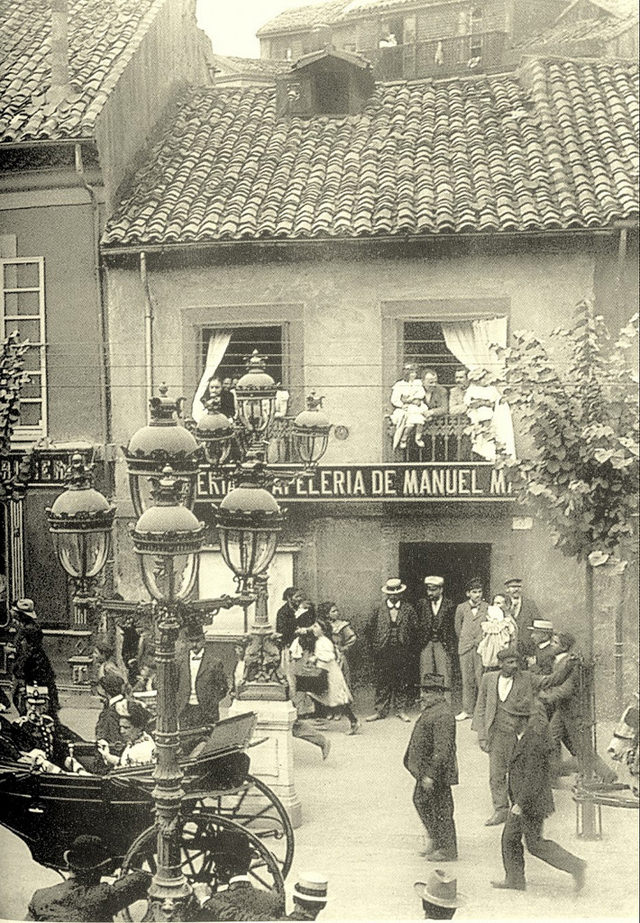
Emigration was a defining feature of Asturian life in the late 19th century. People left for industrialized regions of Spain and beyond, searching for better work and wages. This outflow had a lasting effect on the region’s demographics. The population that stayed behind grew older, and villages that had once been full of working-age people became quieter. Asturias was growing as a whole — its population would double between 1900 and the mid-20th century — but its share of Spain’s total population kept falling.
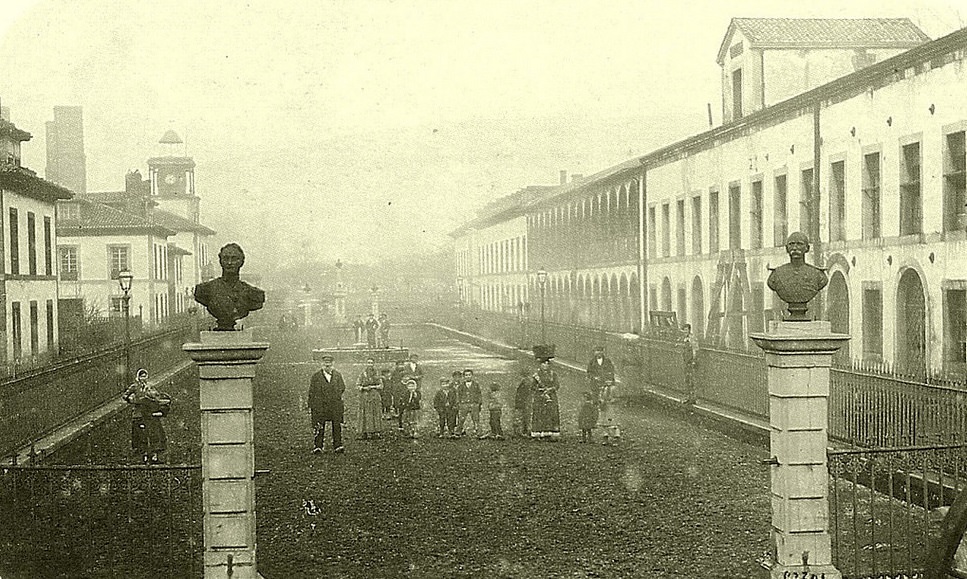
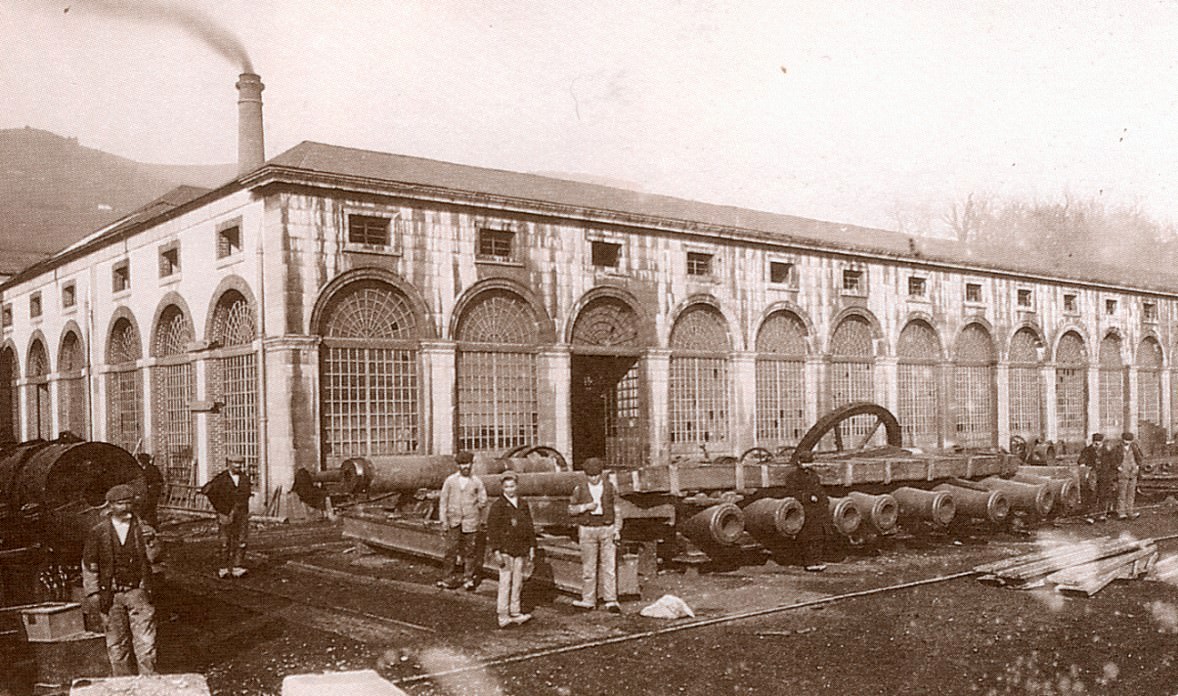
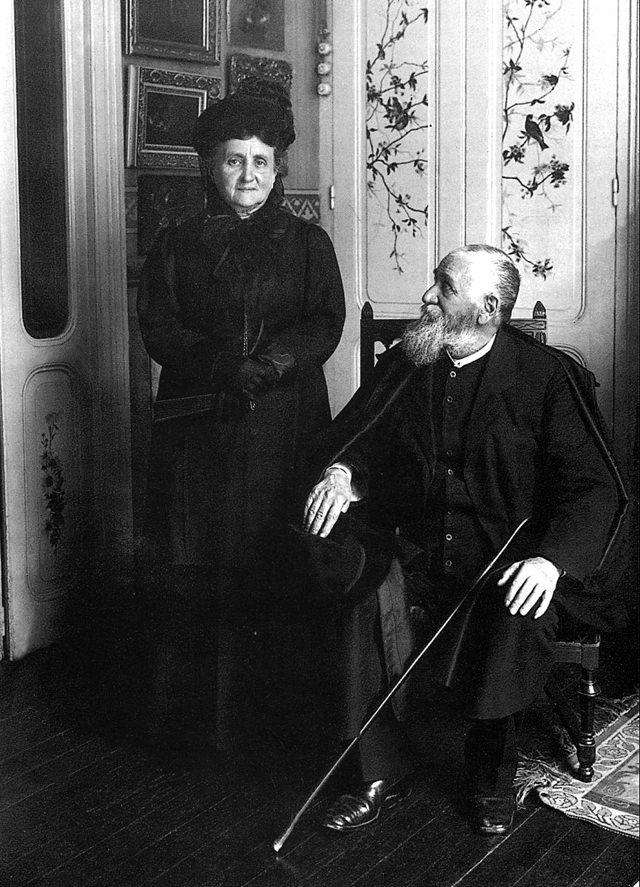
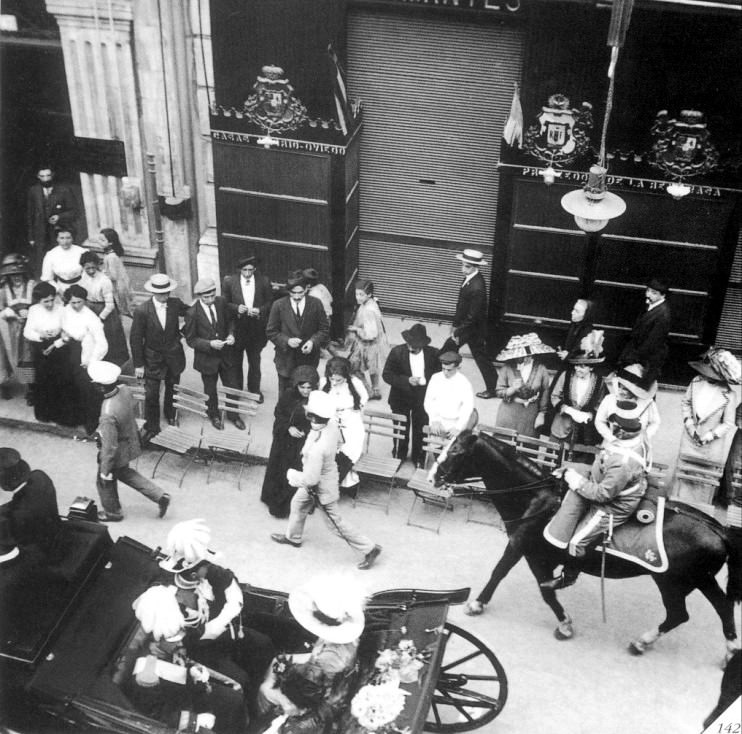
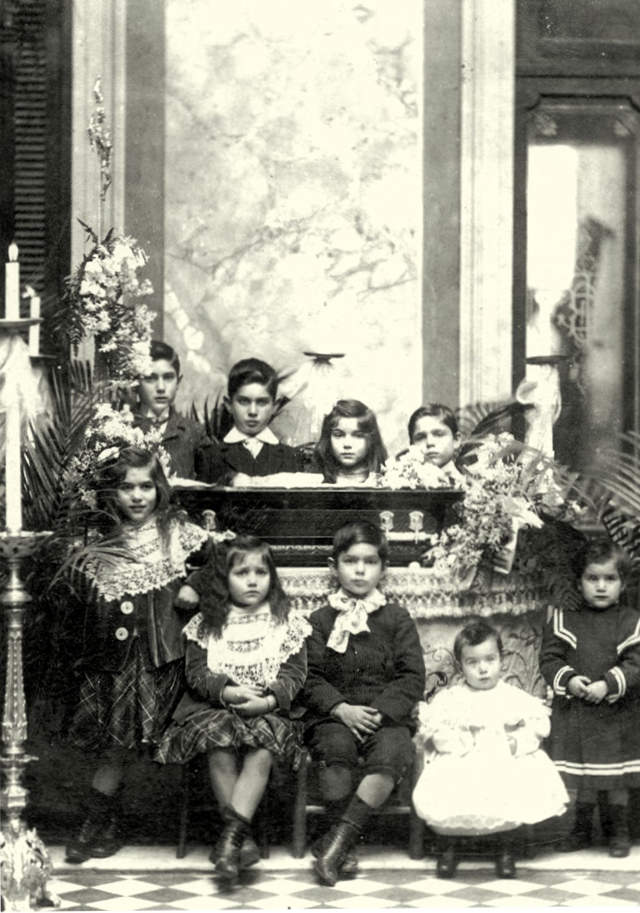
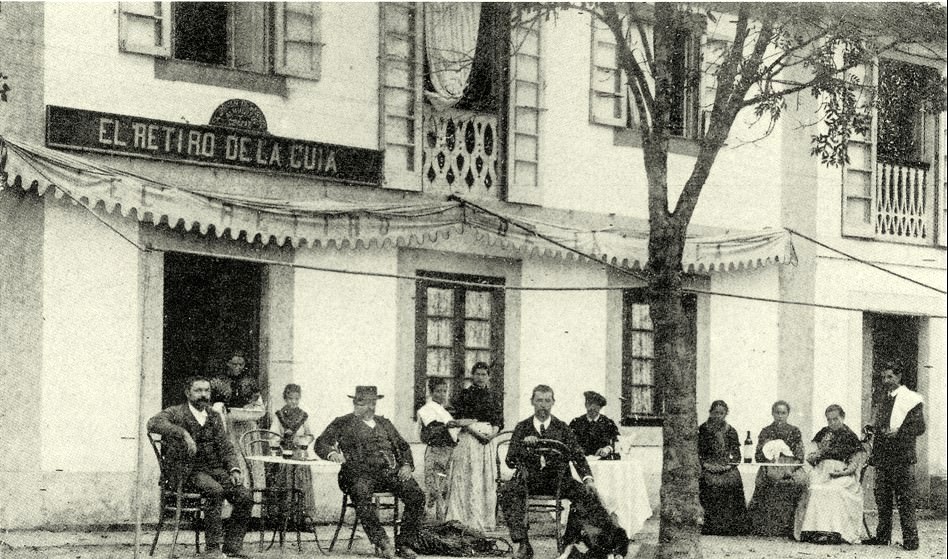
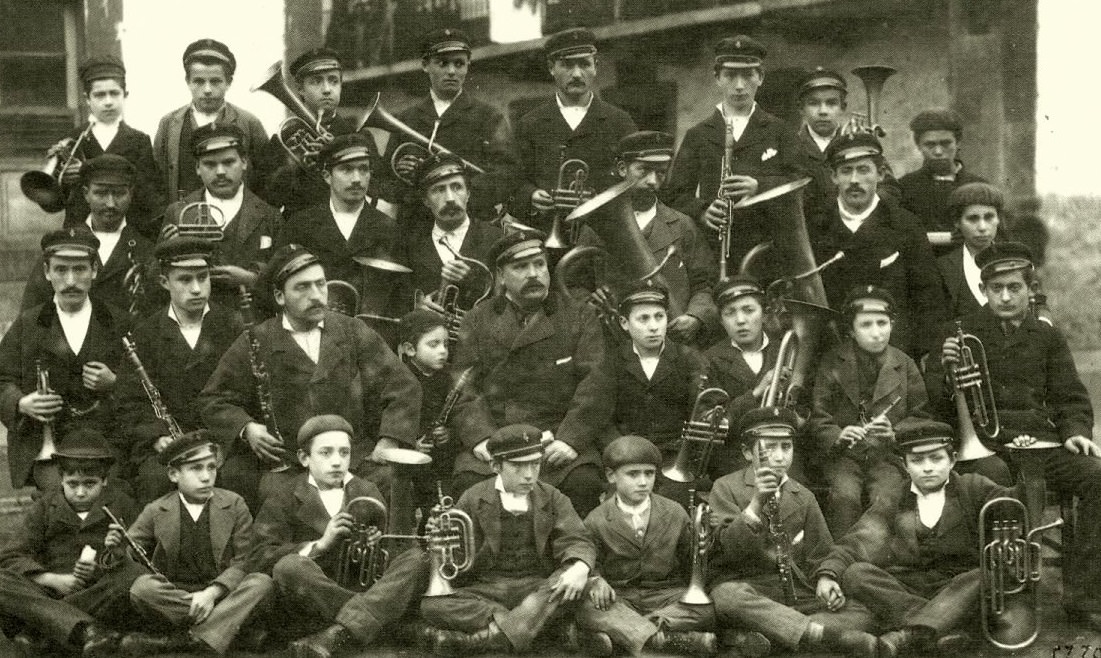
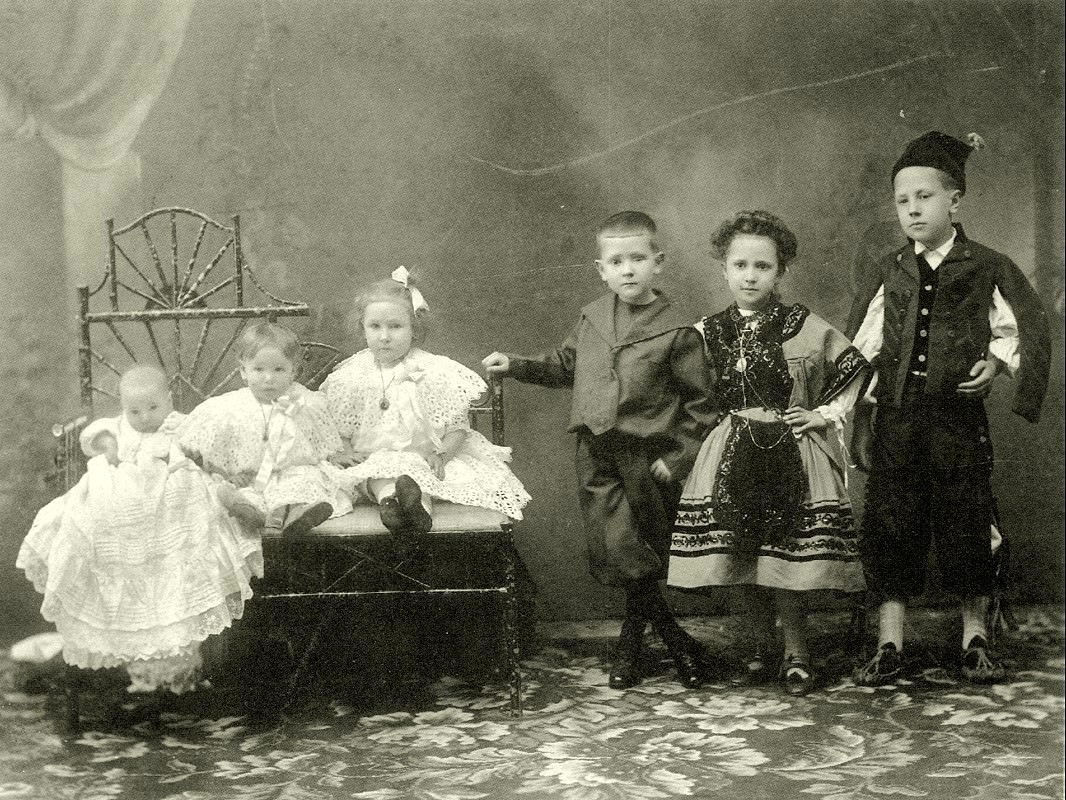
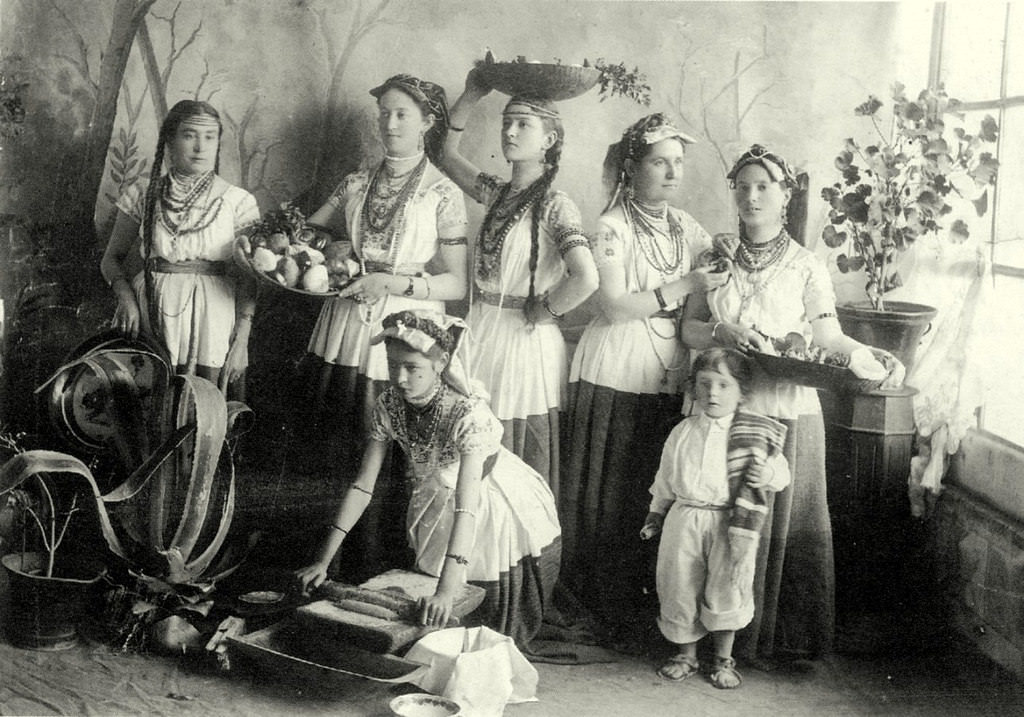
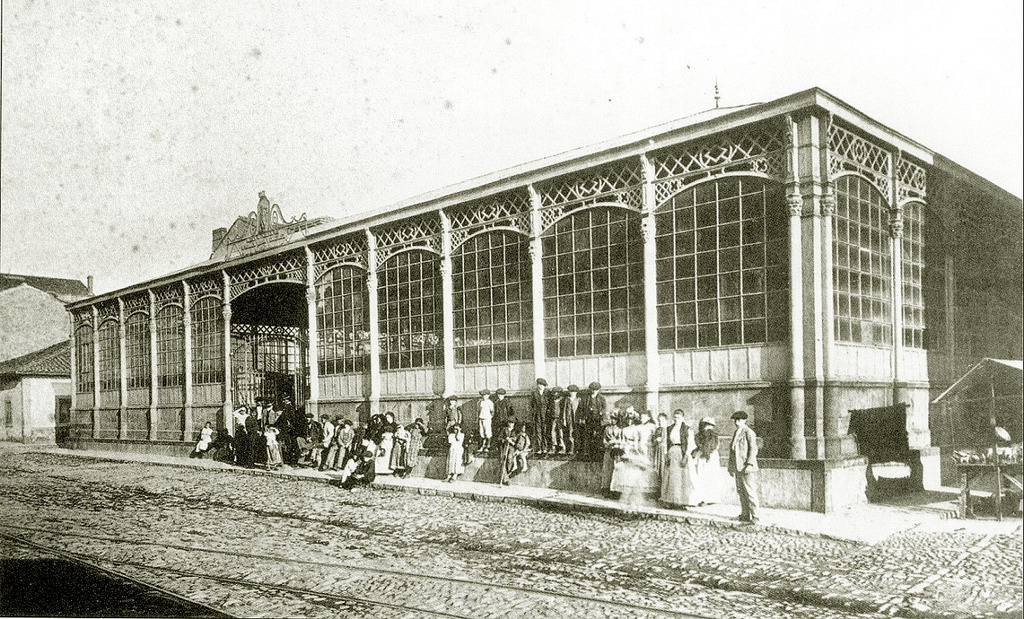
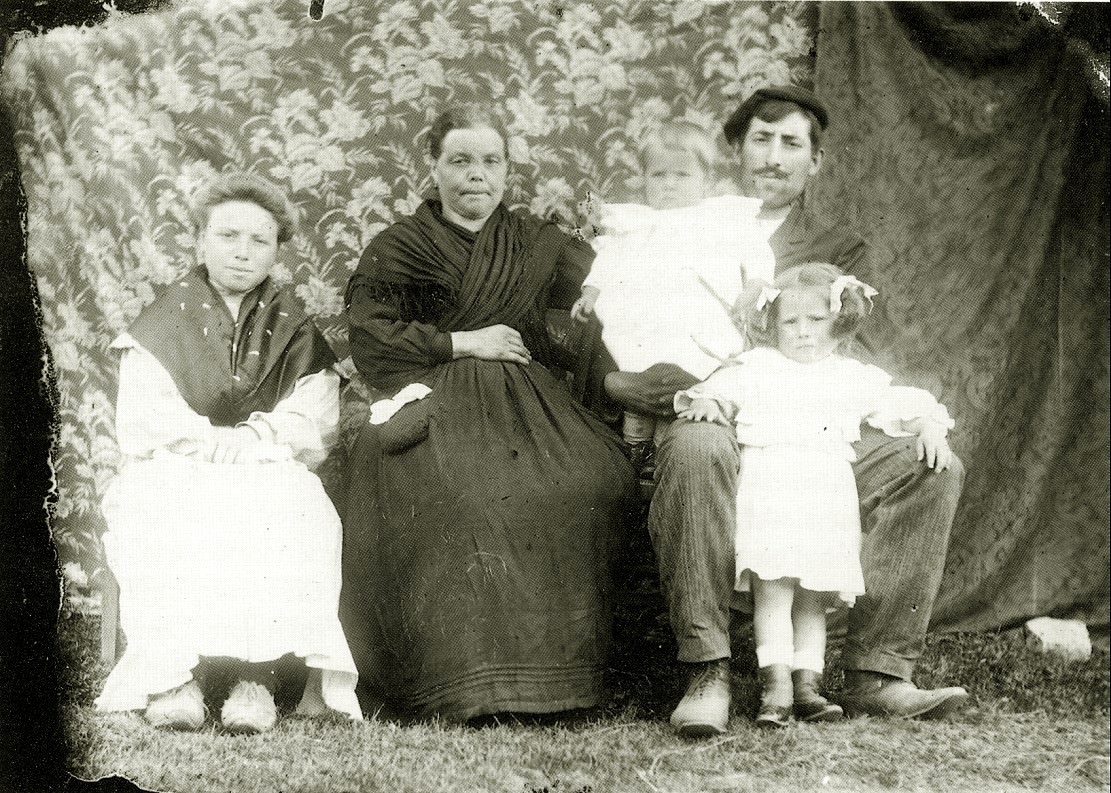
The photos collected here were taken between the 1870s and the 1890s, capturing Asturias at a pivotal moment. Early photography was still a relatively new technology, and the photographers who worked in this region left behind a rare visual record. Streets, plazas, harbors, and mountain paths all appear in these images, frozen in a time before electricity, automobiles, and mass industry reshaped the landscape.
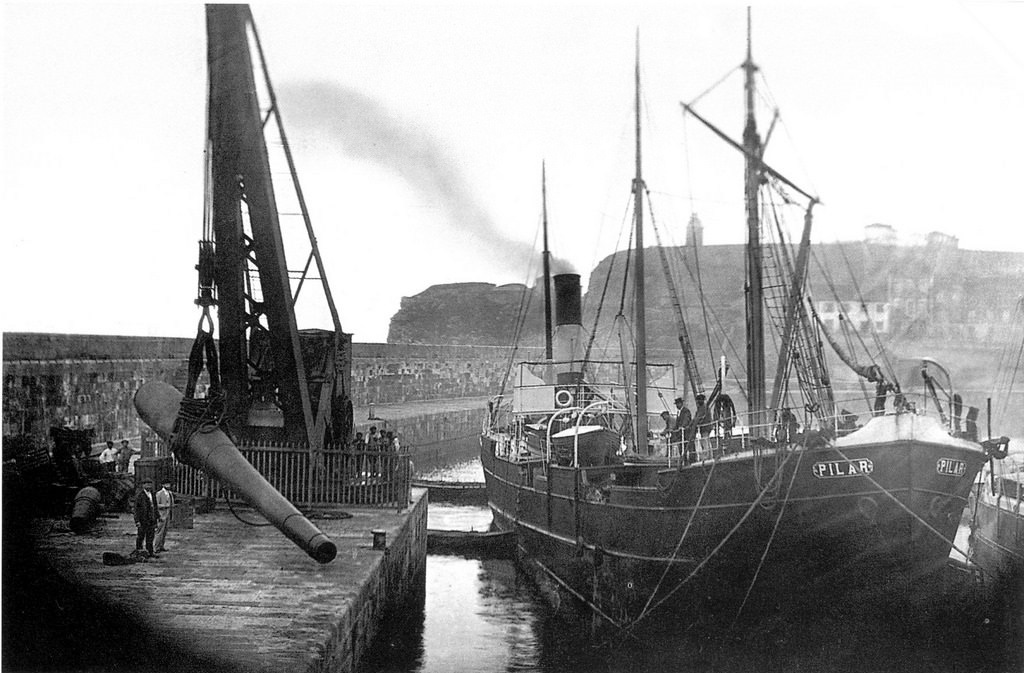
Gijón’s port was one of the busiest points of activity in the region. Fishing boats, cargo vessels, and workers moving goods along the docks were common sights. The sea was both a livelihood and a gateway — for trade coming in and for emigrants heading out. The harbor district had its own distinct rhythm, separate from the quieter streets of Oviedo or the forge-lit workshops of Avilés.
Oviedo’s architecture reflected centuries of Asturian history. The cathedral, begun in the 14th century, stood as the city’s most prominent landmark. Around it, the streets were narrow and lined with stone buildings. Religious and civic life overlapped heavily in a city that had long served as the political and spiritual center of the region. By the late 1800s, new construction was beginning to push outward from the old core.
Rural Asturias had a character entirely its own. The hórreo — a raised, wooden granary built on stone pillars — was a fixture of the countryside. These structures kept grain dry and safe from rodents, and they appeared on nearly every farmstead. Their distinctive shape became one of the most recognizable symbols of traditional Asturian rural life, and they appear in several photographs from this period.
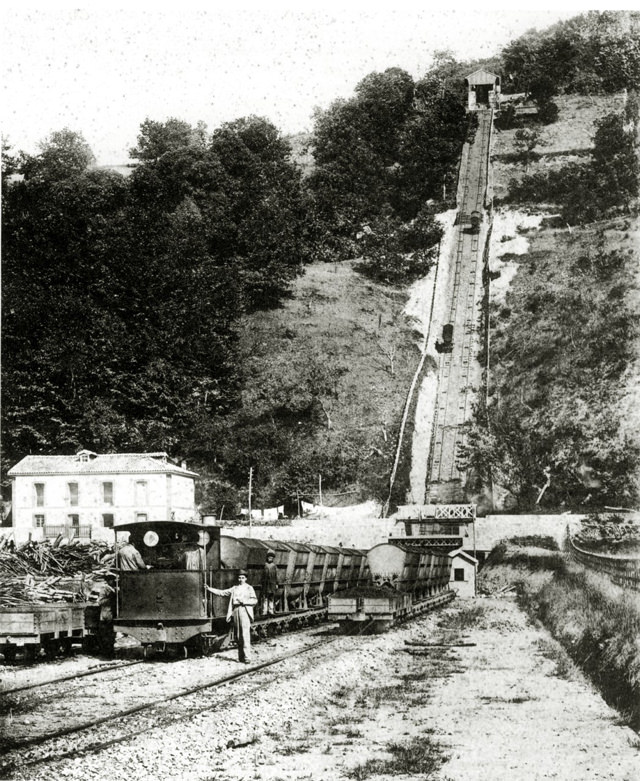
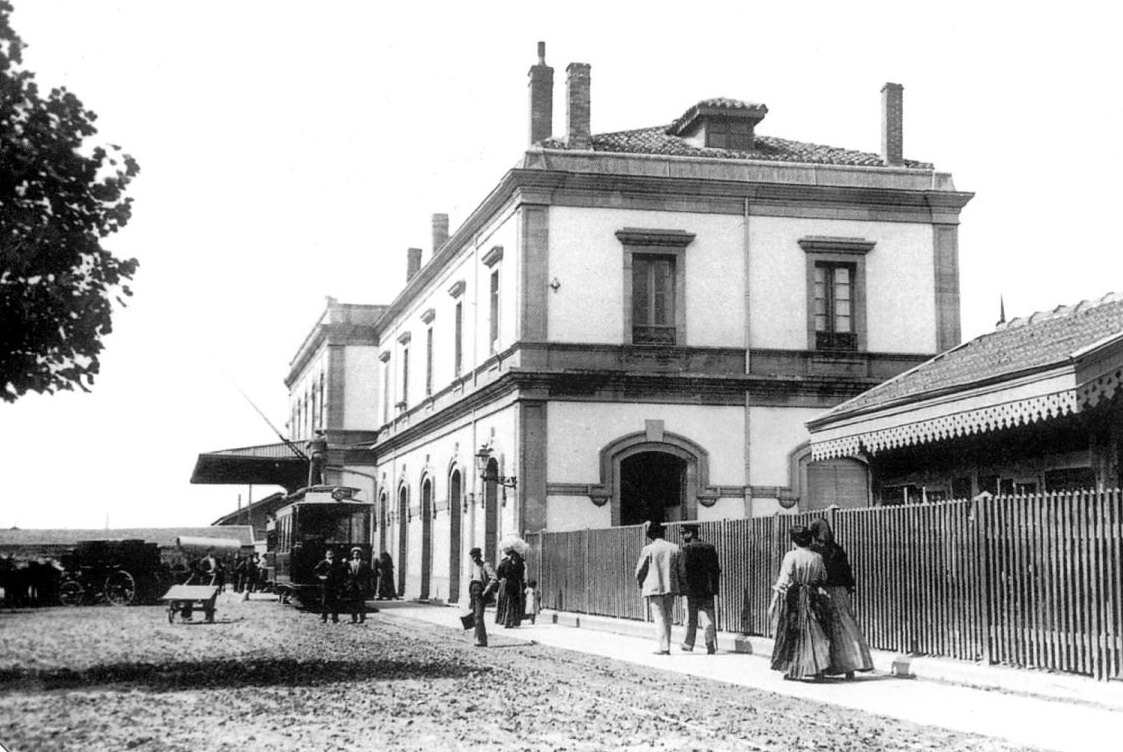
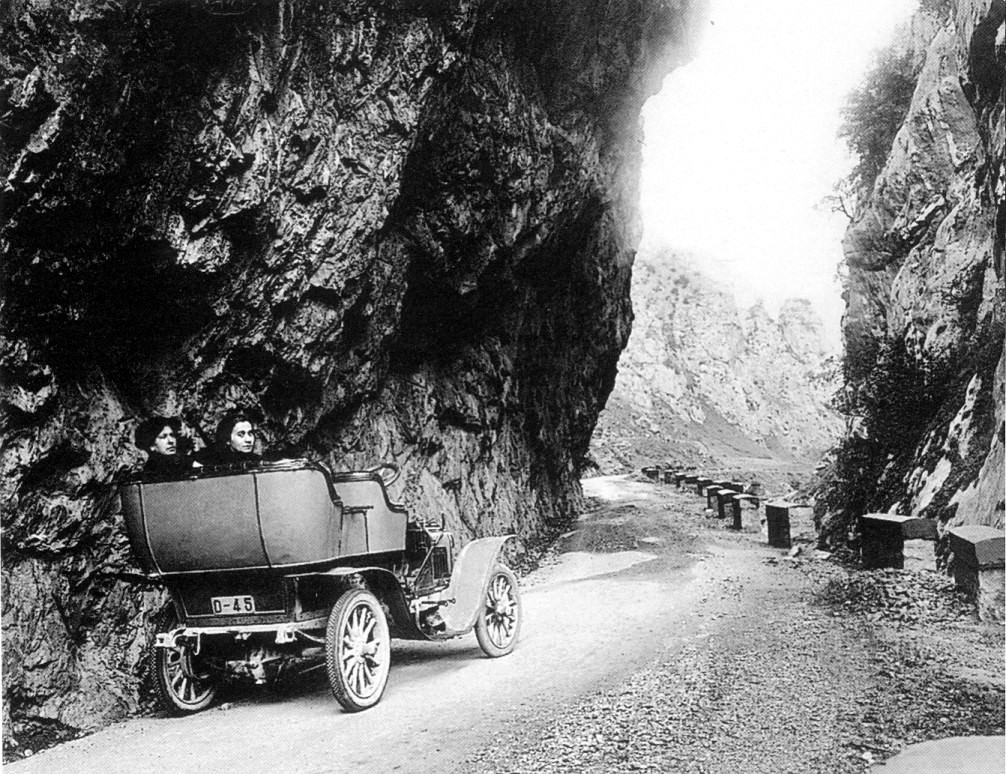
The mountains of Asturias — part of the Cantabrian range — formed a natural barrier between the region and the rest of Spain. Passes through the range were difficult and slow, which had historically kept Asturias somewhat isolated. Roads were improving by the late 19th century, and the railway was beginning to connect the coast to the interior, but travel was still slow and the terrain remained demanding.
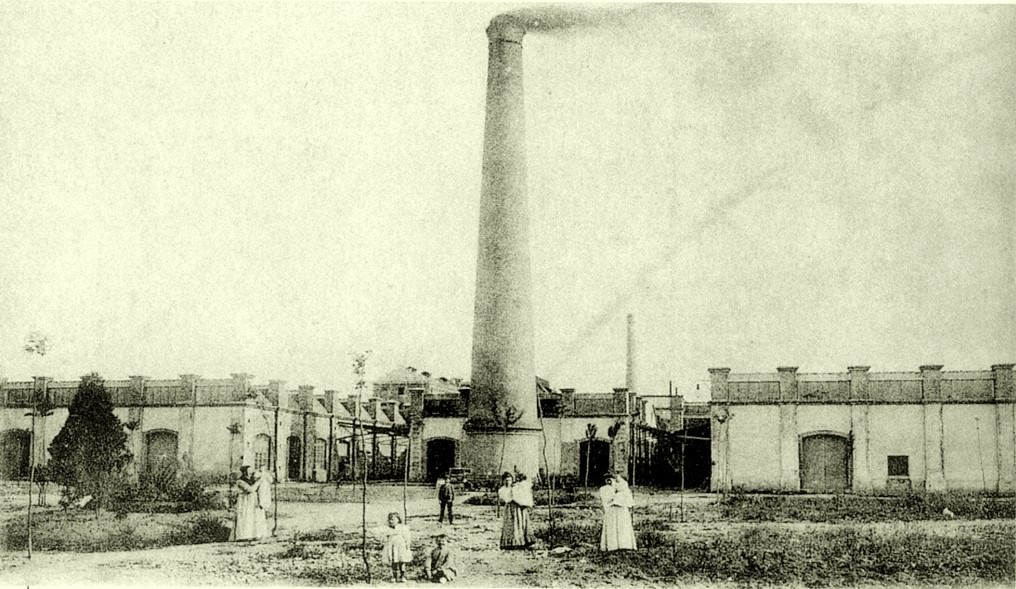
Coal mining was beginning to define Asturias economically by the 1880s. The region sat atop one of Spain’s largest coal deposits, and extraction was ramping up to feed the country’s growing industrial appetite. Mining towns were springing up in river valleys, and the workforce that filled them came from both local villages and other parts of Spain. The industry brought money but also dangerous conditions and long working hours.
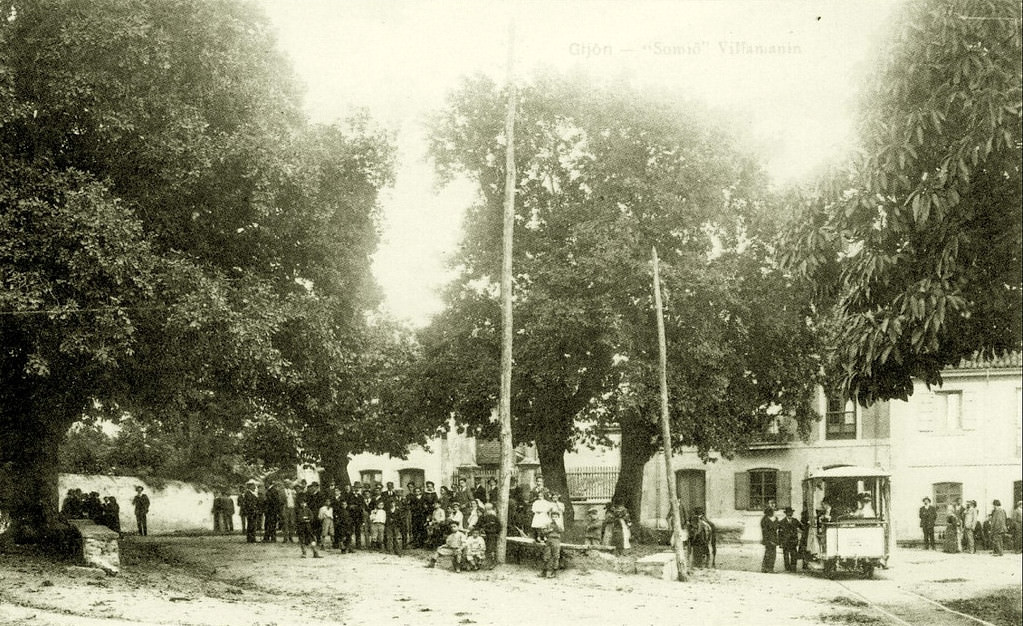
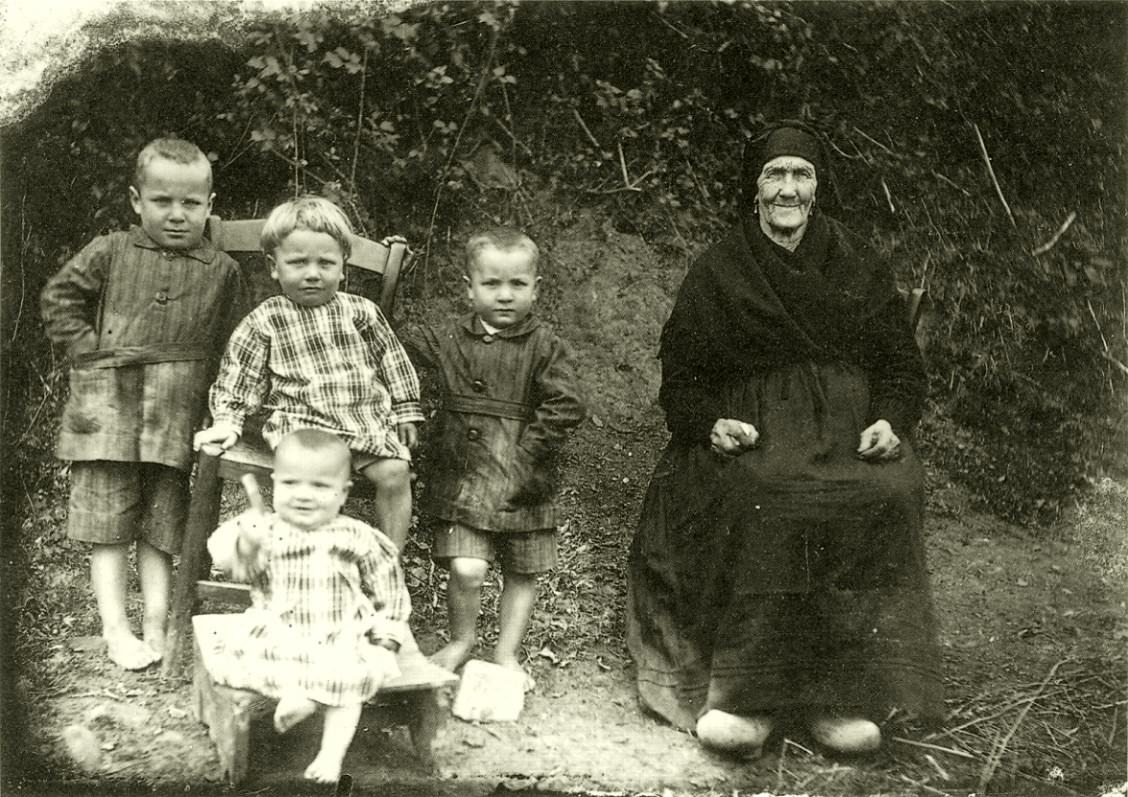
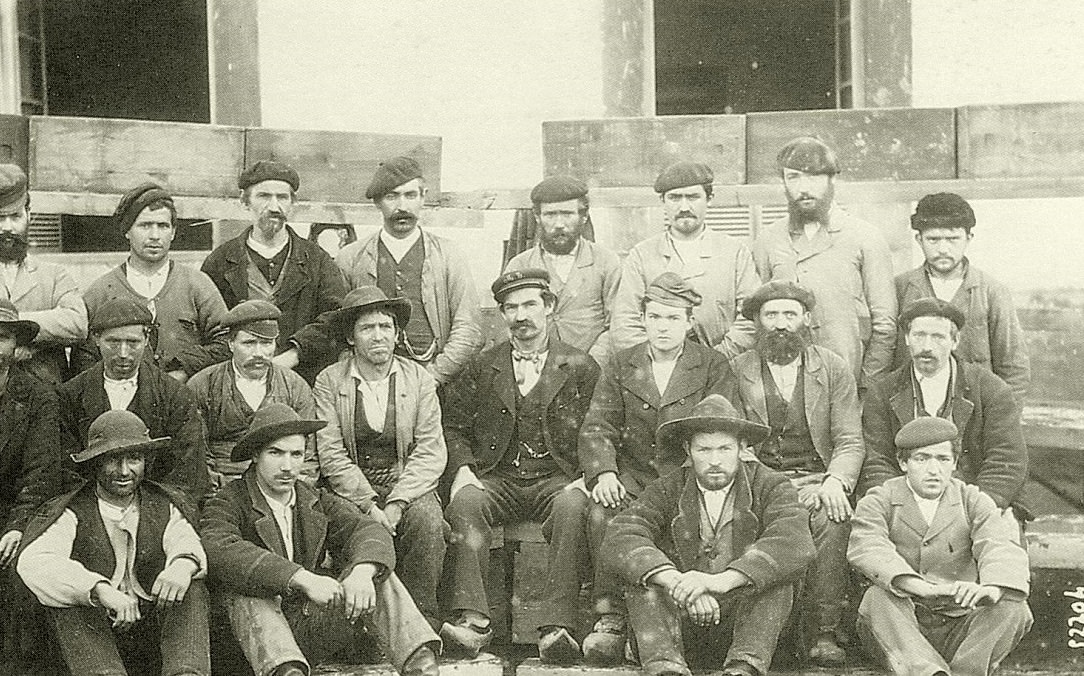
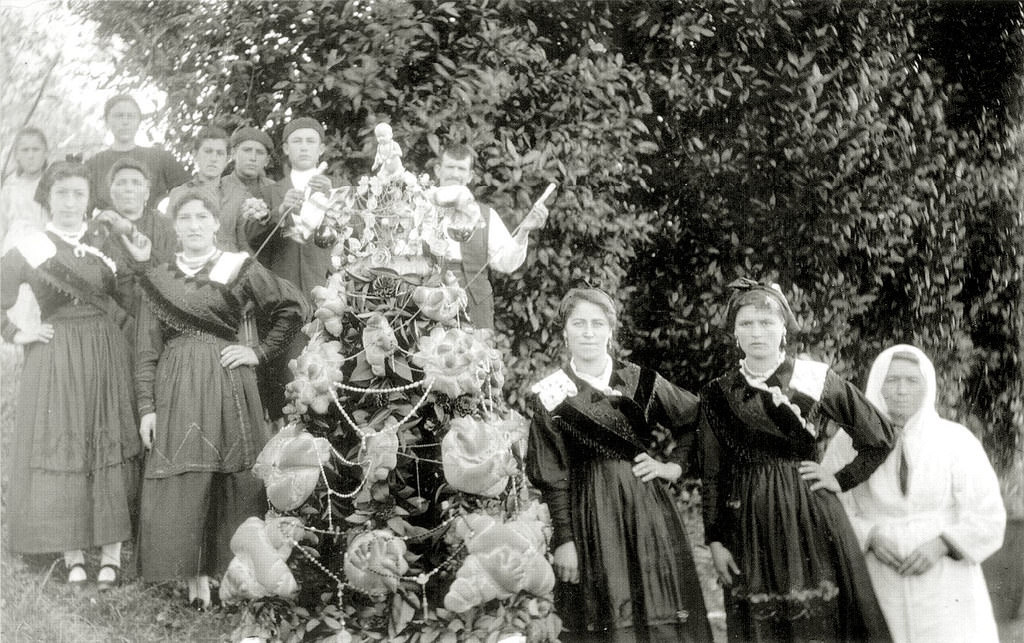
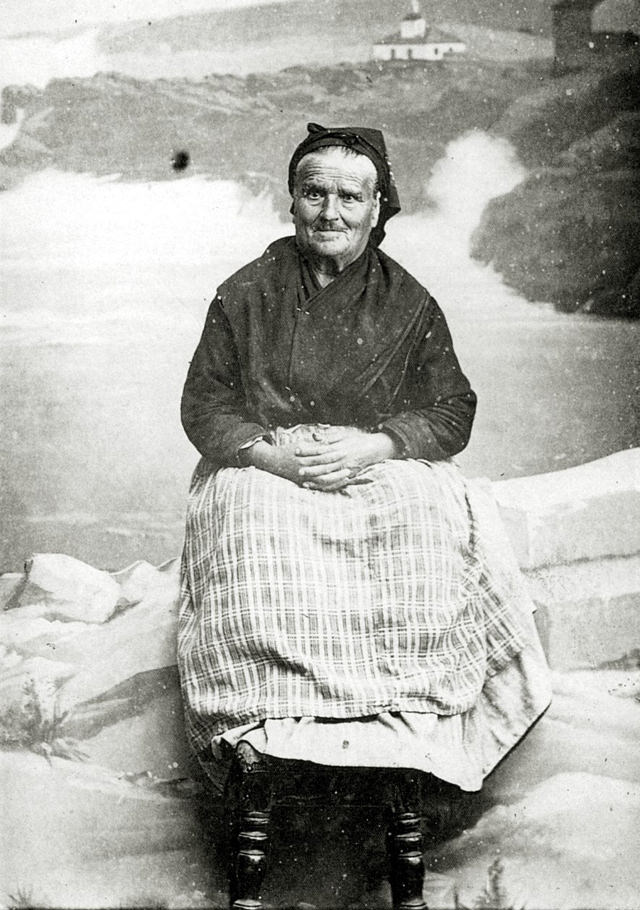
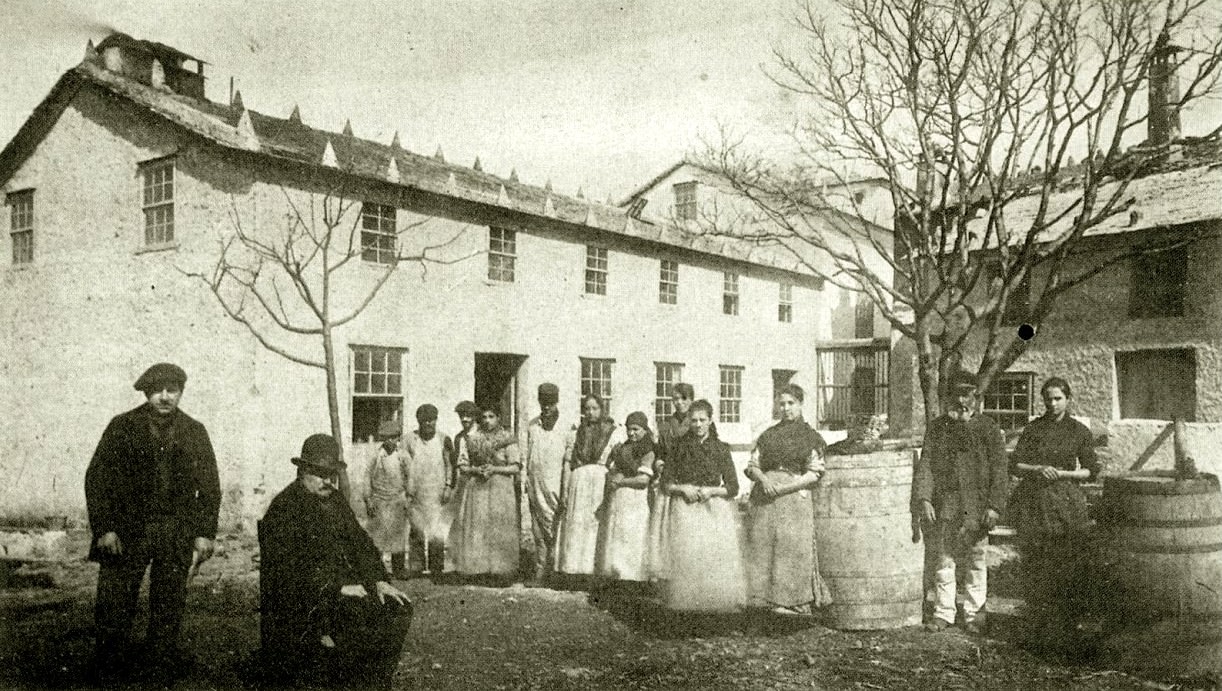
Daily life for most Asturians in this era revolved around hard physical work. Fishing families on the coast rose before dawn to head out on the water. Farm families in the interior worked the land through long seasons. In the cities, tradespeople, merchants, and laborers filled the streets. The photos from this period show people dressed in practical, sturdy clothing — not wealthy, but not without dignity.
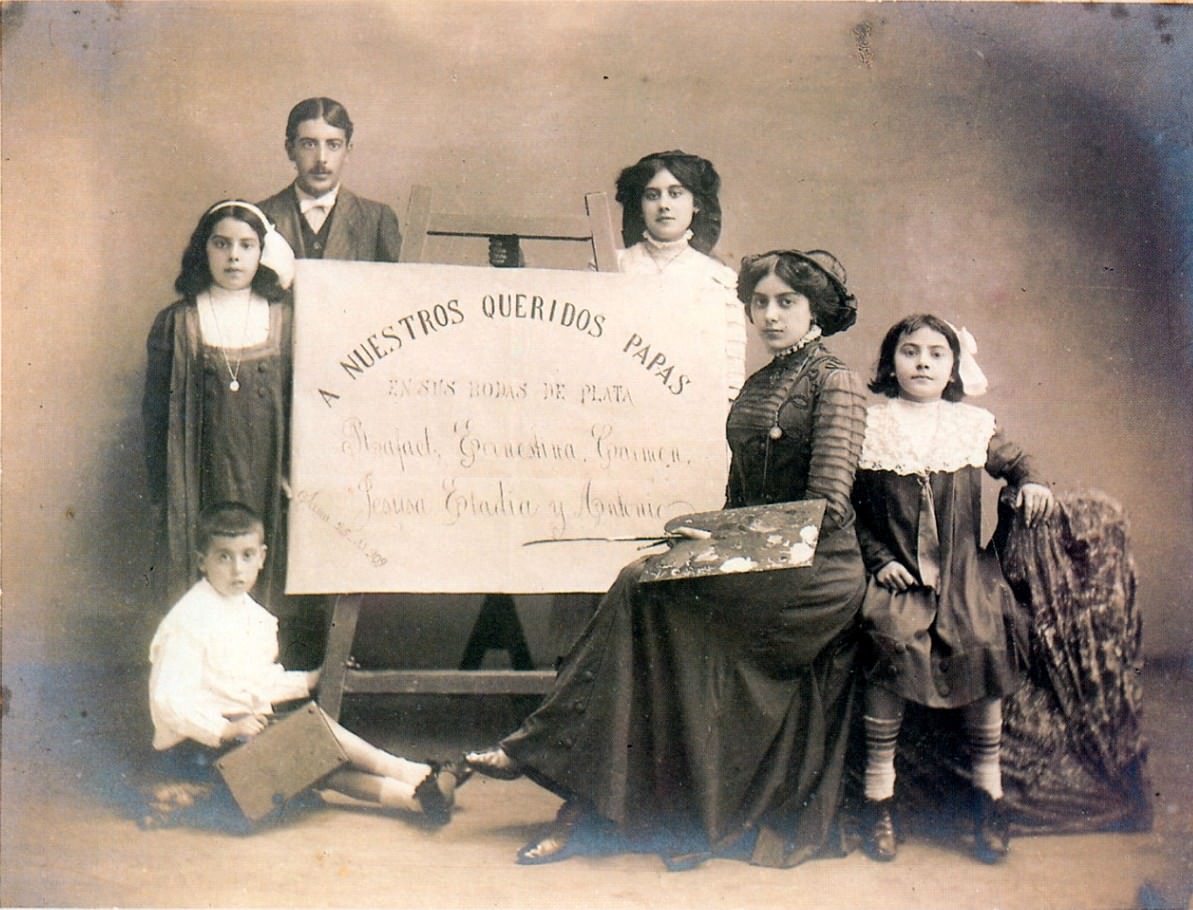
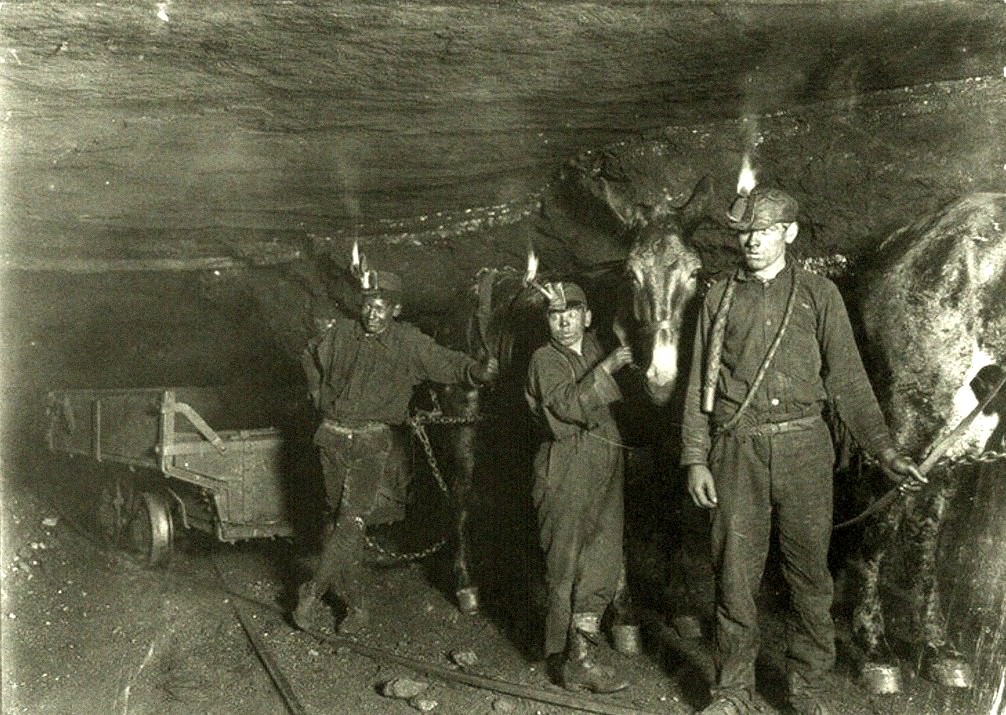
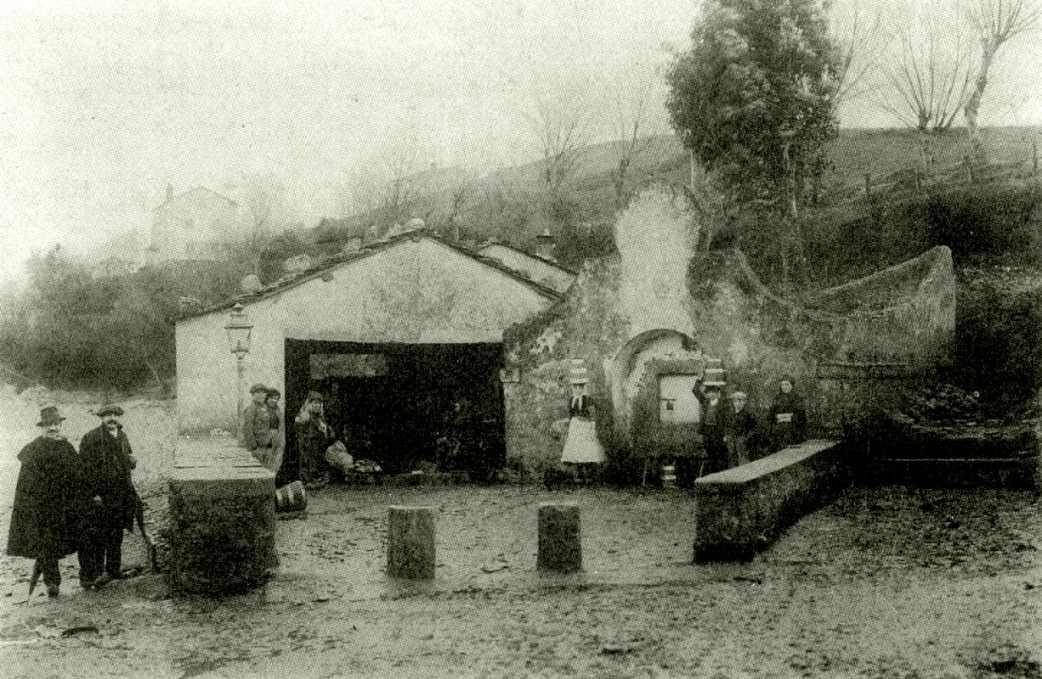
The churches and monasteries of Asturias were among the oldest surviving structures in Spain. Pre-Romanesque buildings from the 9th century still stood in and around Oviedo, a reminder of when the Kingdom of Asturias was a lone Christian stronghold during the Moorish occupation of most of the peninsula. These buildings attracted scholars and travelers even in the 1800s, long before formal heritage tourism existed.
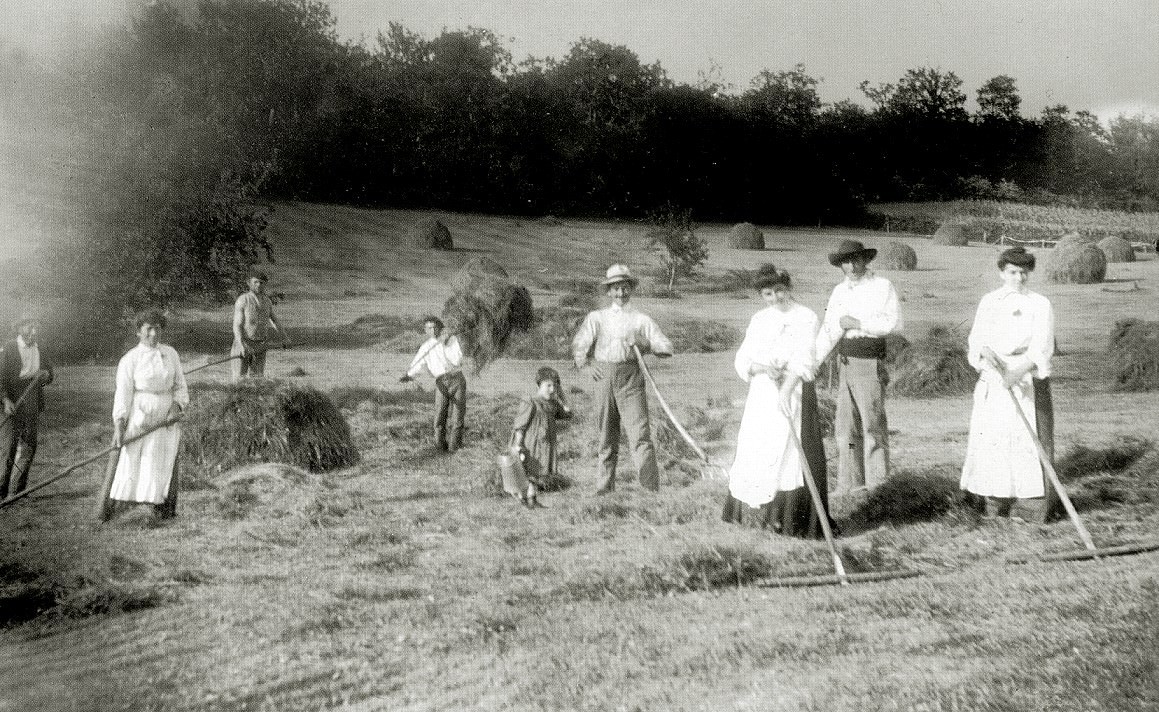
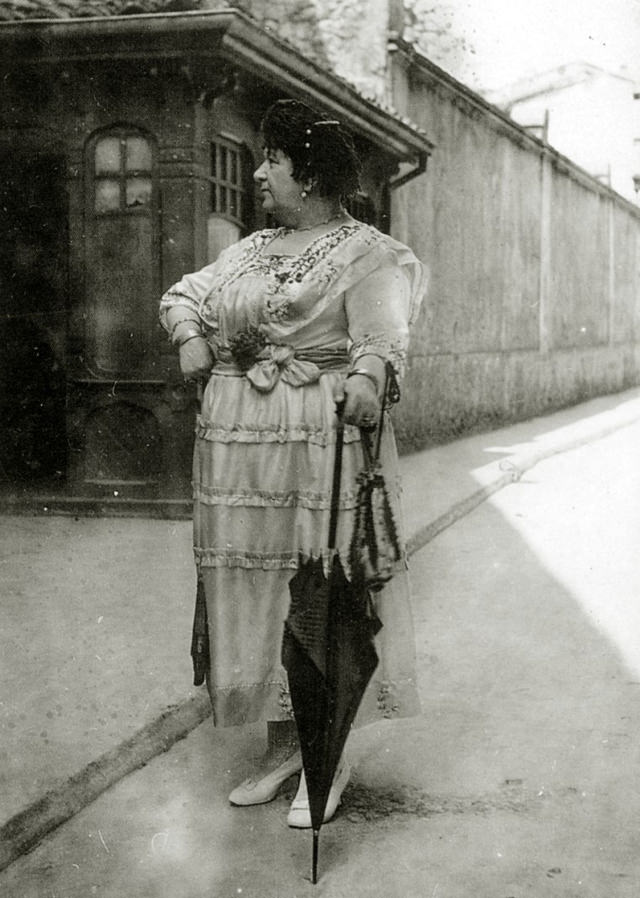
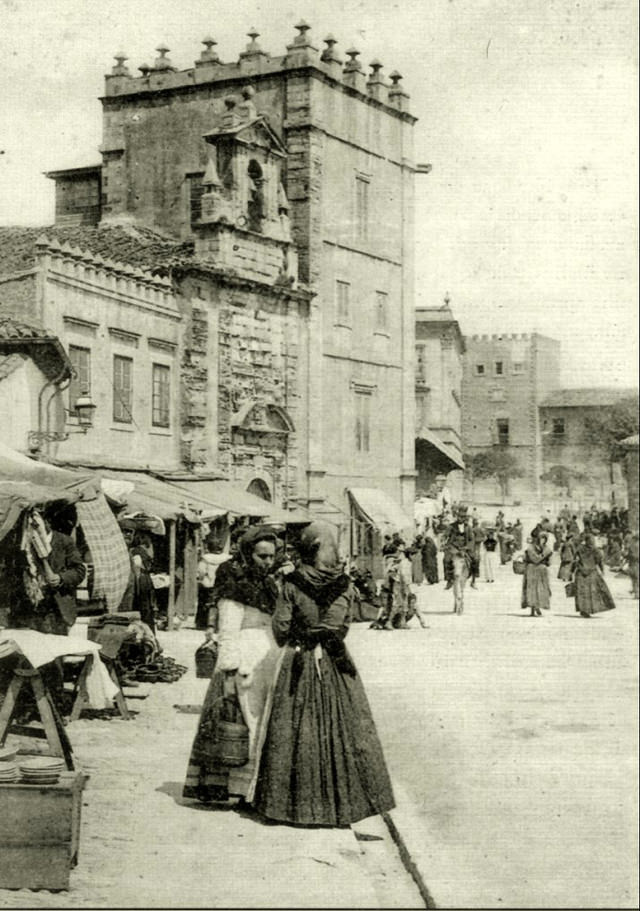
Market days were central to the social and economic fabric of Asturian towns. Farmers brought produce, livestock, and handmade goods from surrounding villages. Buyers came from the towns and cities. These gatherings were also moments of news exchange and community contact in an era before telephone or radio. The market square was as much a social space as a commercial one.
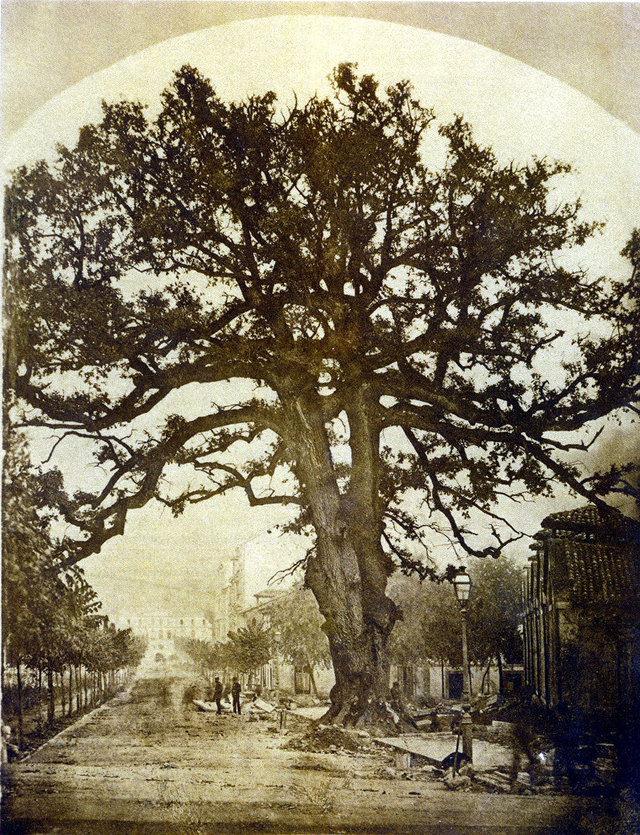
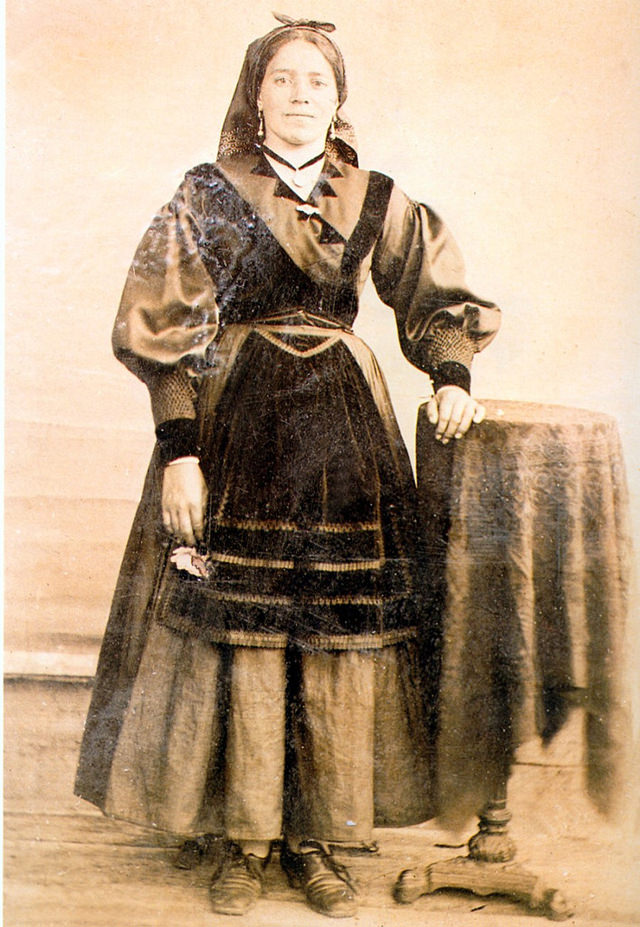
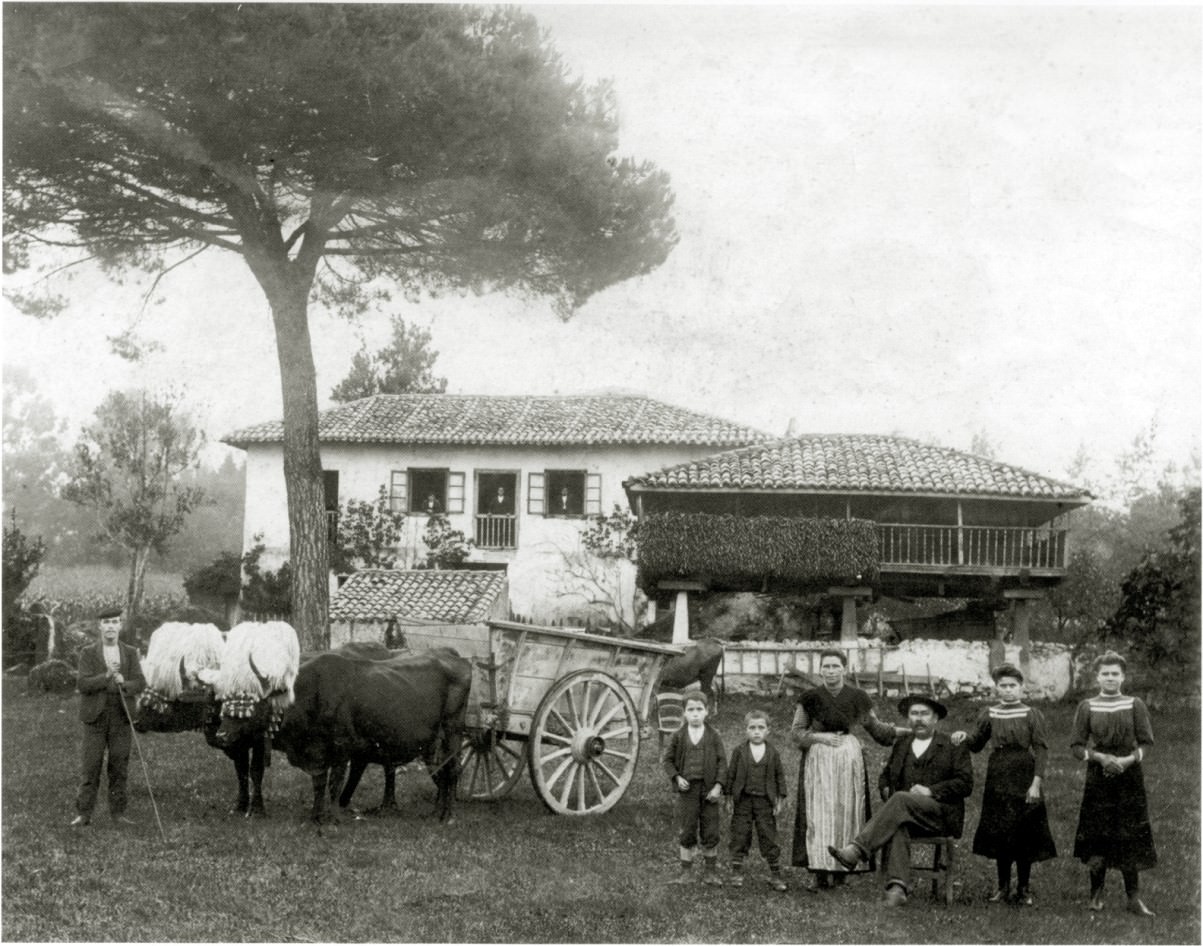
The coast of Asturias stretches roughly 340 kilometers along the Bay of Biscay. Its shoreline alternates between rugged cliffs, sandy beaches, and river estuaries. Fishing villages clung to sheltered coves, their stone buildings built to withstand Atlantic storms. These communities had their own dialects, customs, and ways of life that differed noticeably from those just a few miles inland.
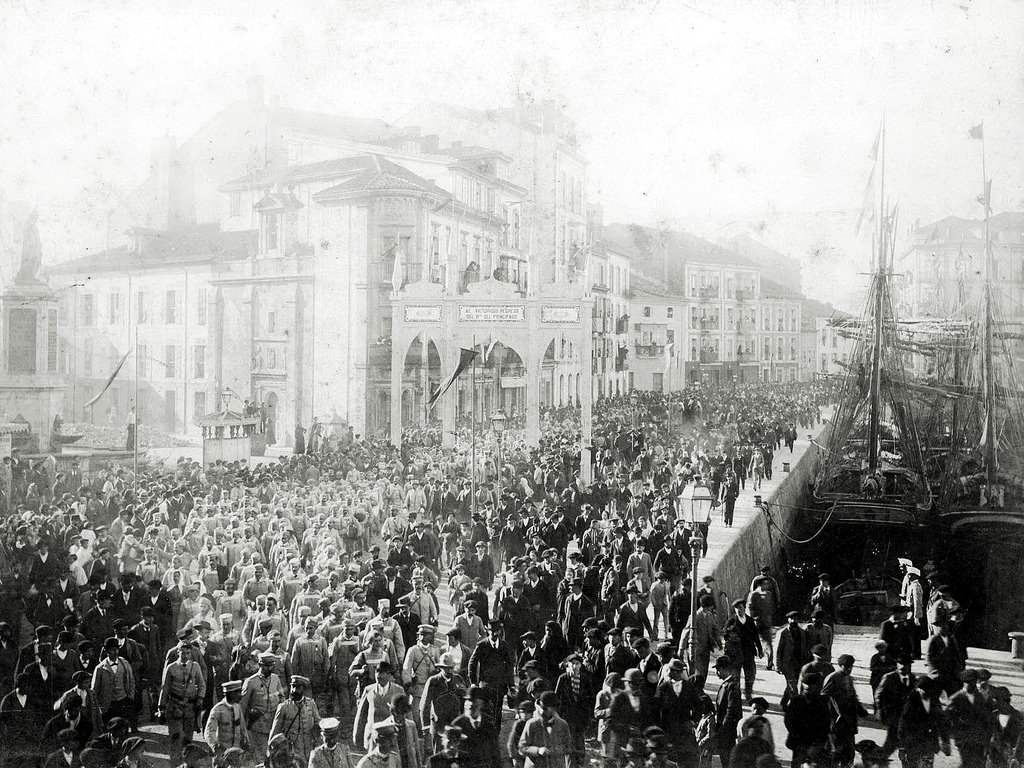
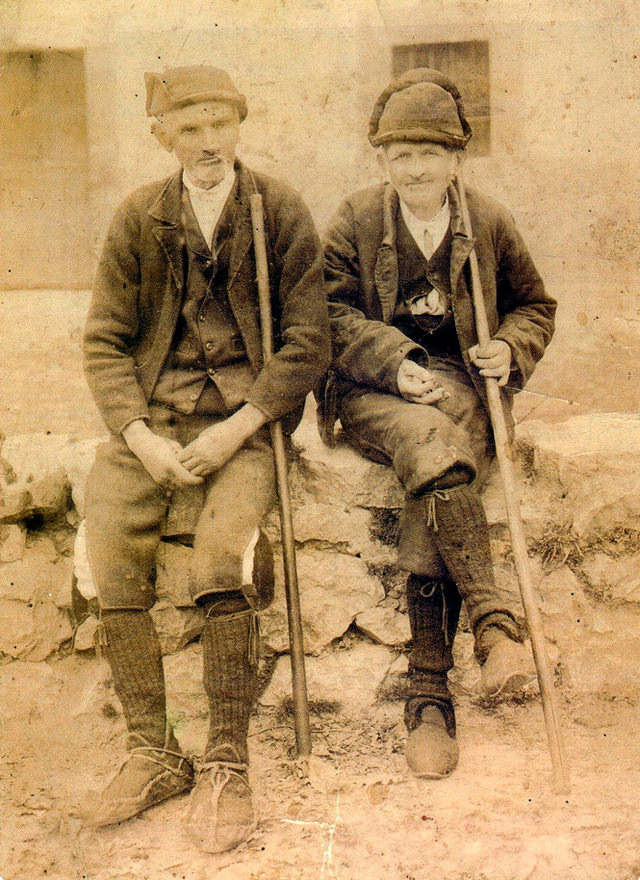
Asturian culture in the late 19th century was closely tied to the Asturian language, known as Asturianu or Bable. It was not the same as Spanish, though the two were related. The language was spoken widely in rural areas and had its own literary tradition. As schooling expanded and Spanish became more dominant in official life, Bable began to retreat — but it remained alive in homes and villages throughout the region.
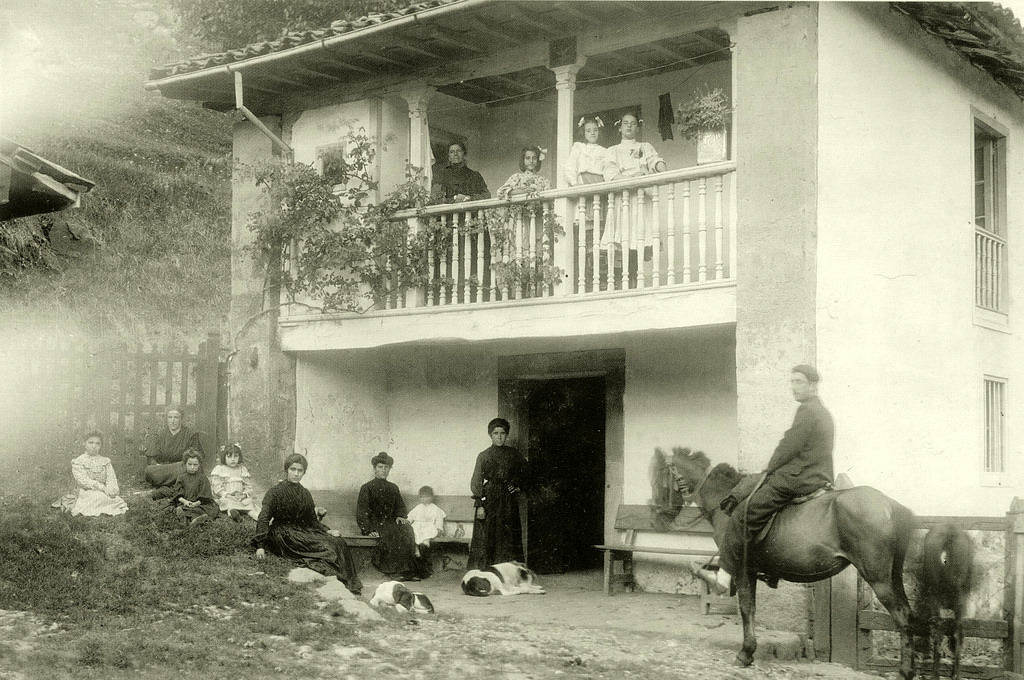
The rivers of Asturias — the Nalón, the Narcea, the Sella, and others — ran cold and fast from the mountains to the sea. They powered mills, provided water for towns, and supported salmon fishing that was famous across northern Spain. Bridges over these rivers were key infrastructure points, and several appear in photographs from the period, stone arches reflecting in dark water below.
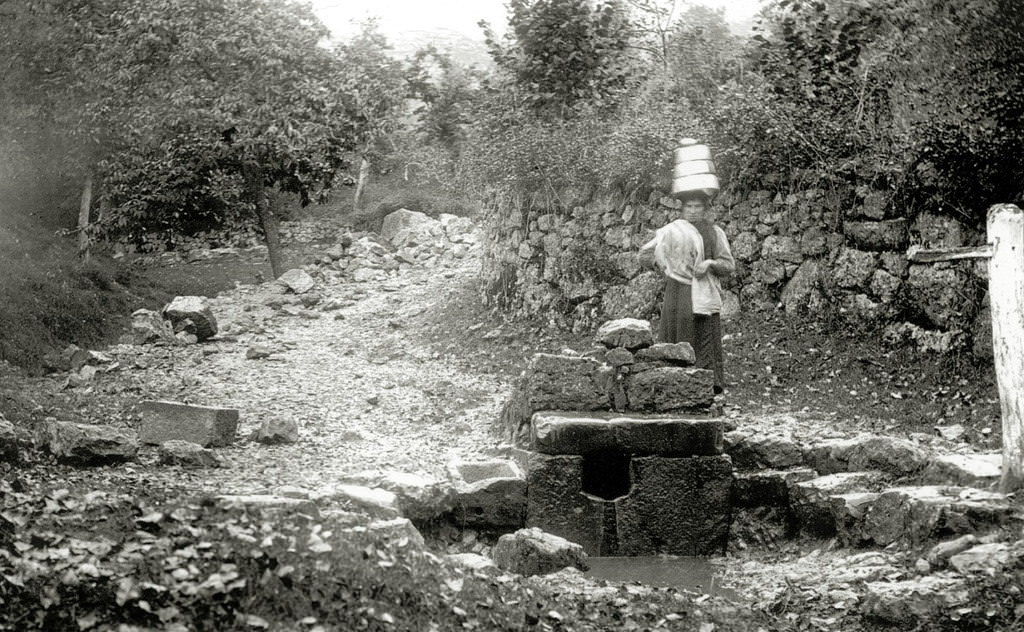
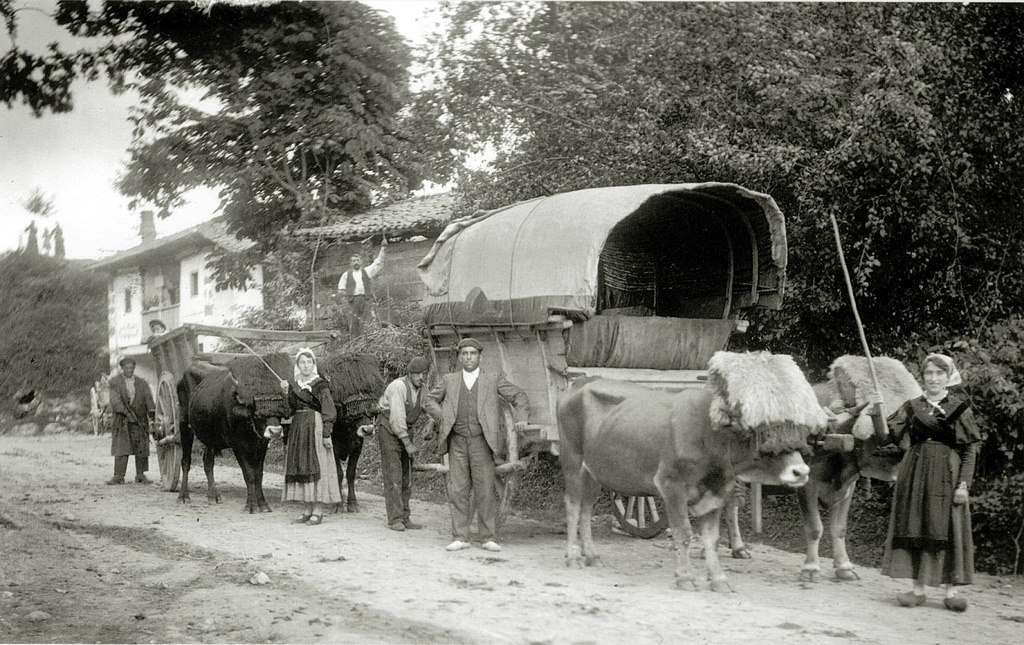
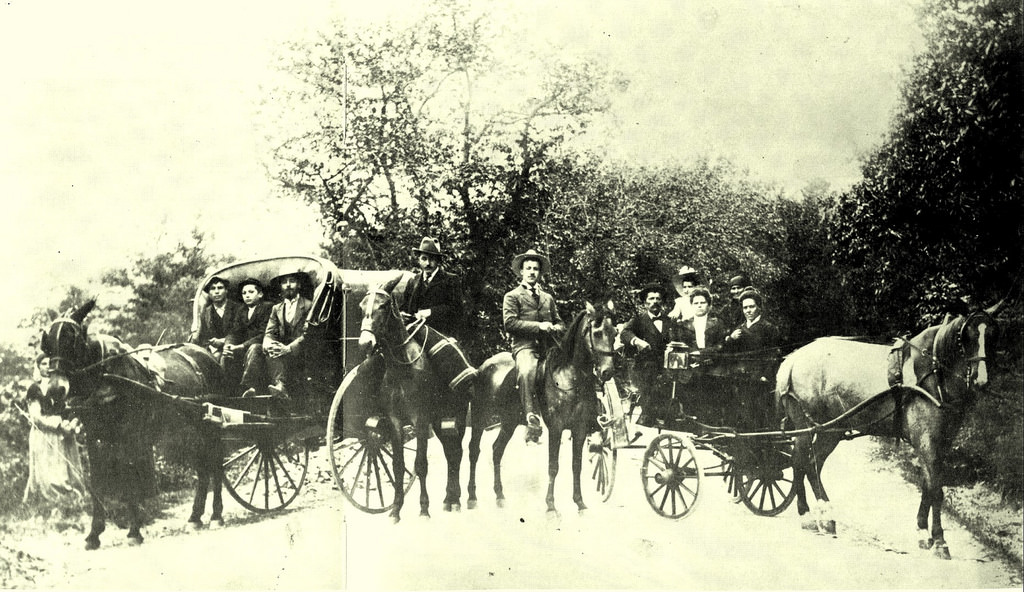
By the 1890s, the pace of change in Asturias was accelerating. The railway network expanded, connecting previously isolated communities. New industrial facilities appeared near the coast and along river corridors. Urban populations grew as rural ones shrank. The photographs from this decade show a region in transition — old stone buildings standing next to new construction, horse-drawn carts sharing roads with early industrial equipment.
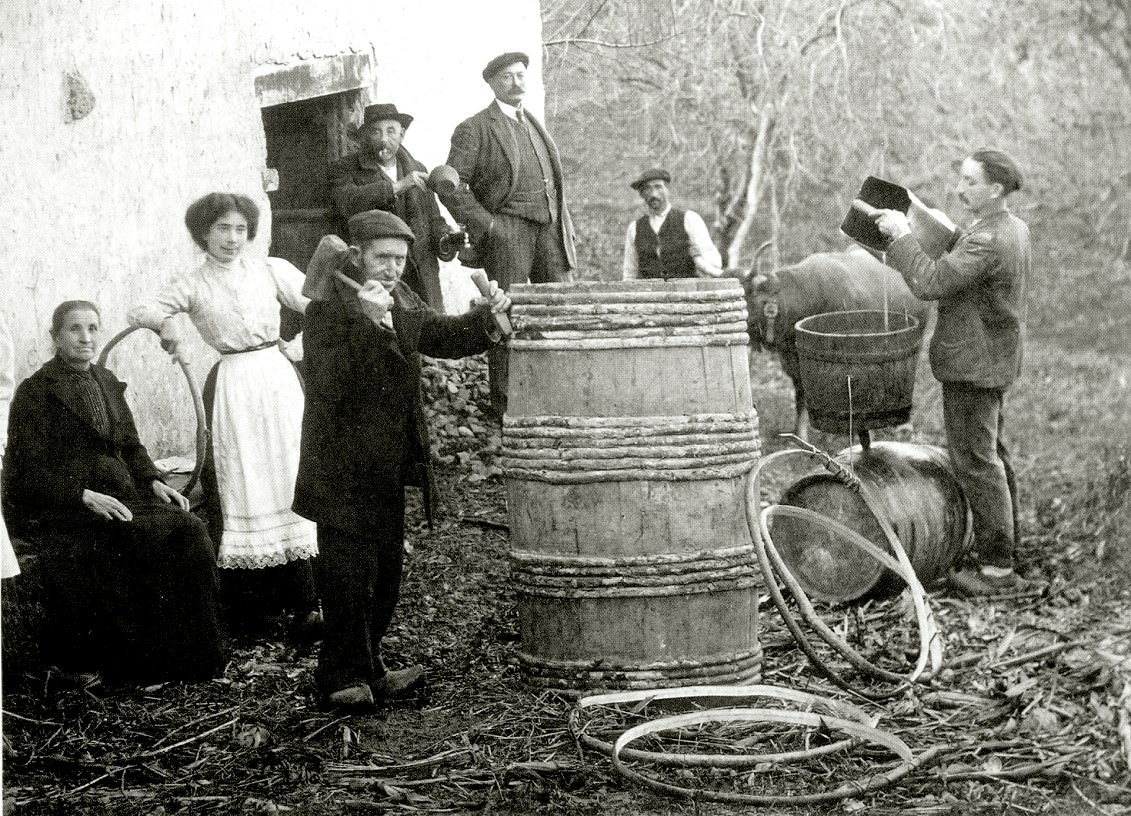
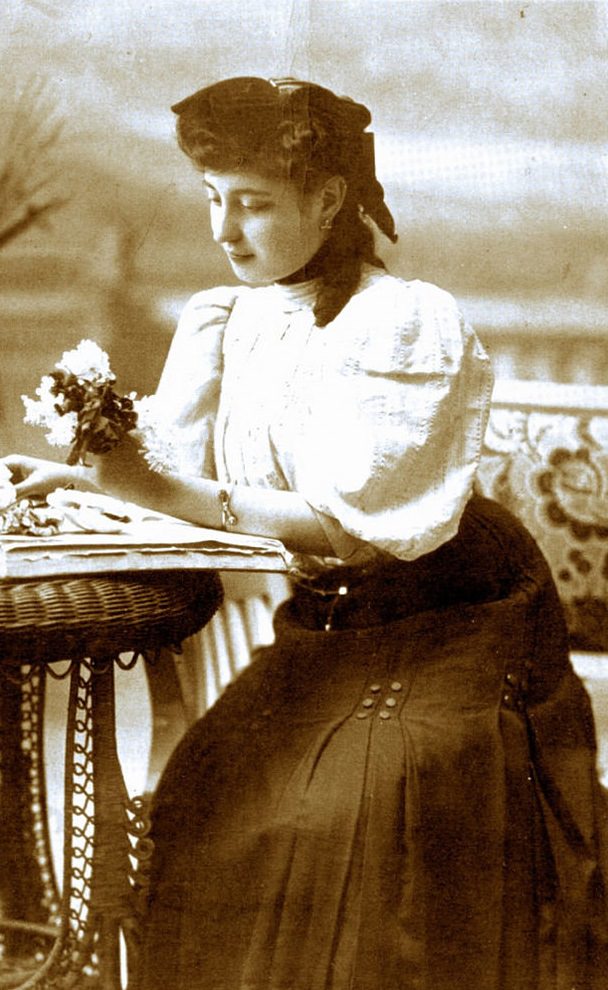
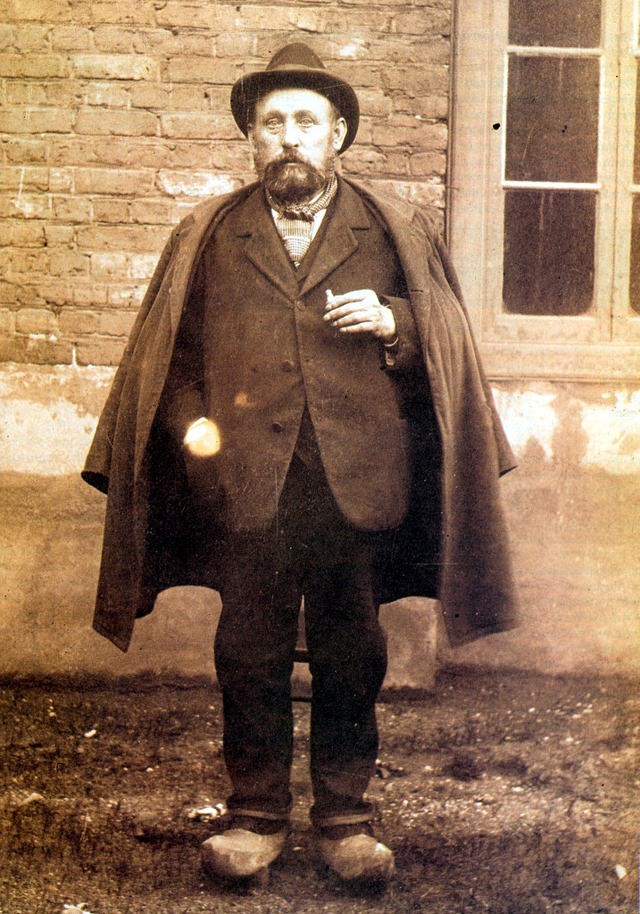
Religious festivals played a major role in the annual calendar. Each town and village had its patron saint, and the feast day was a full community event — masses, processions, music, and food. These celebrations reinforced local identity and brought scattered farming families into town. The church was not just a spiritual institution but a practical anchor of community life.
Education was expanding slowly but steadily in Asturias during this period. Primary schools were established in larger towns, and literacy rates were rising, though they remained lower in isolated mountain villages. The University of Oviedo, founded in 1608, was the intellectual center of the region, training lawyers, doctors, and clergy who went on to serve across Spain.
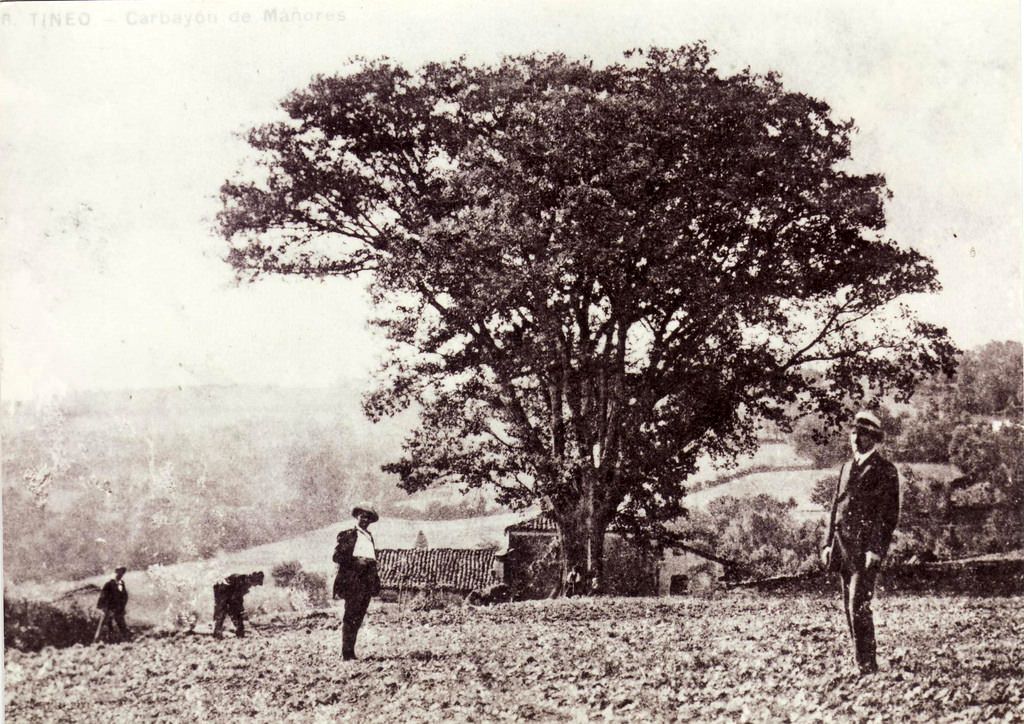
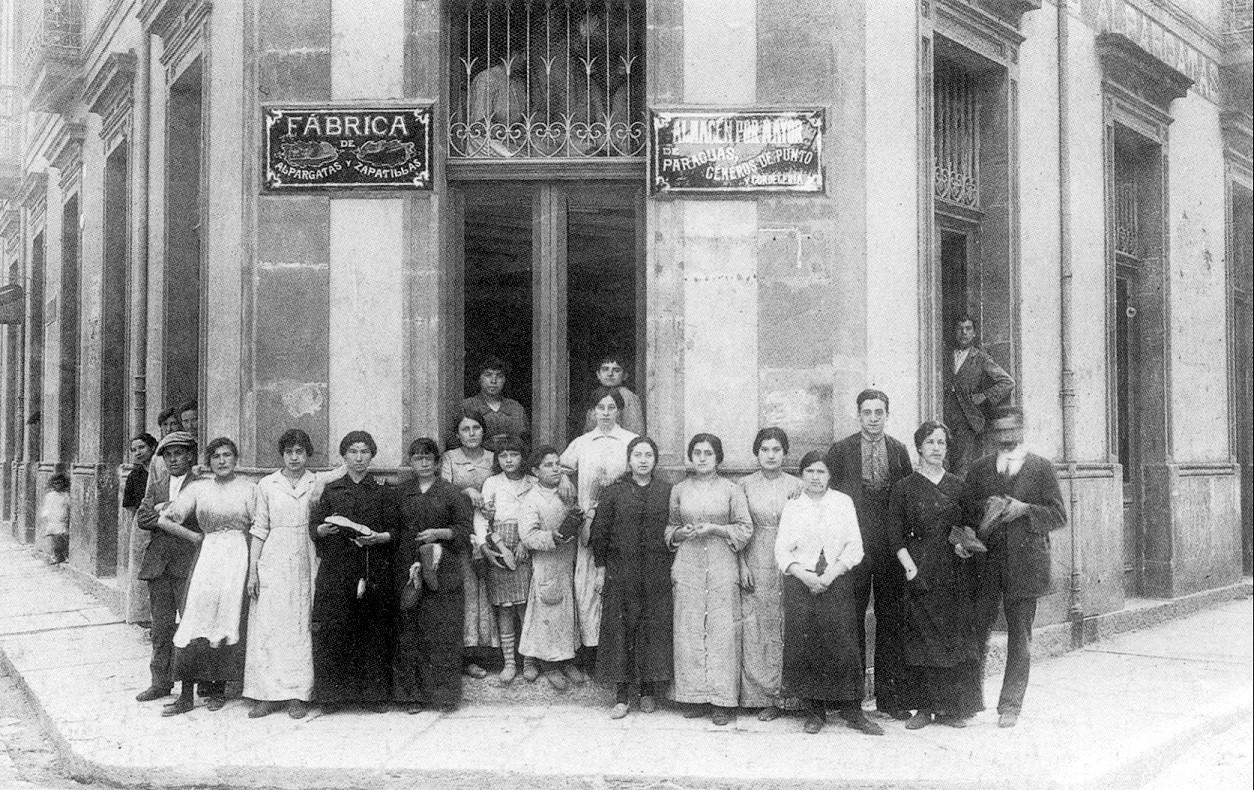
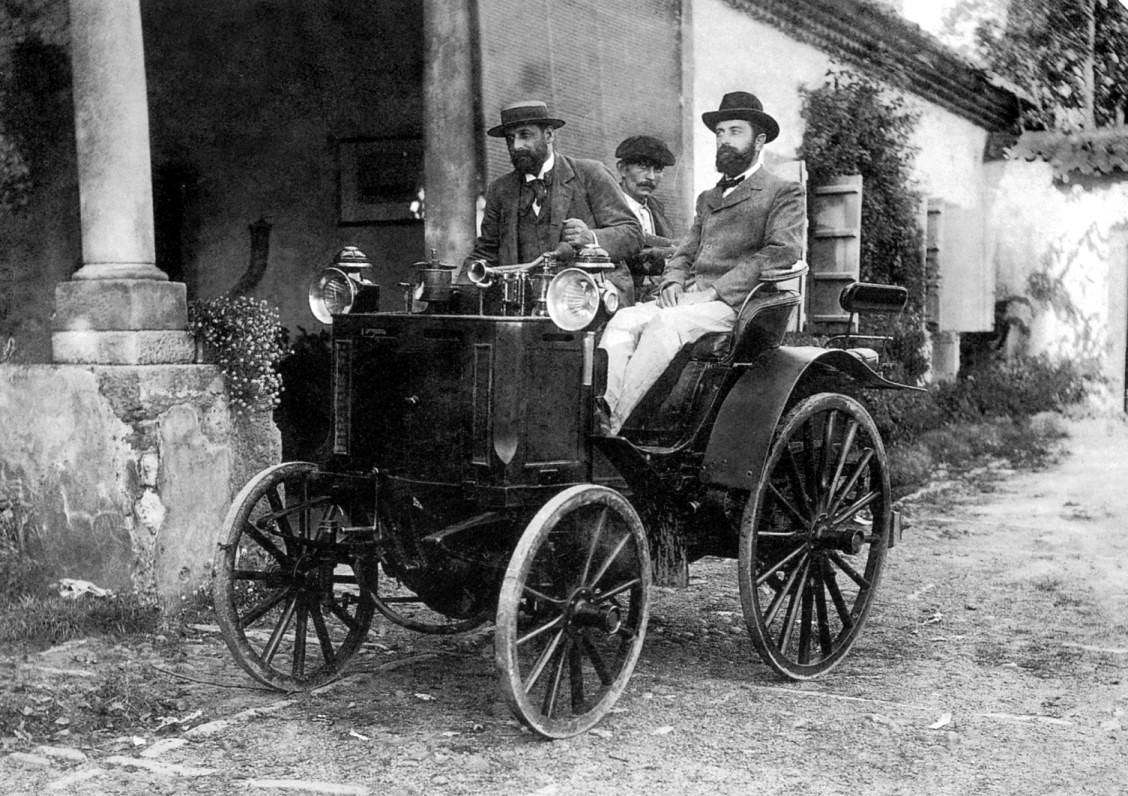
The photographs below continue to show the variety of Asturian life — its ports and plazas, its mountain villages, its working people and ancient buildings. Each image is a direct window into a world that has largely disappeared, captured by photographers who understood that the Asturias they were documenting was already changing fast.