
The 1960s were a golden age for eating out in America. Restaurants weren’t just places to grab a meal — they were destinations. Bold colors, dramatic lighting, and eye-catching décor turned a dinner out into a full event. From small-town diners to grand hotel dining rooms, the era produced some of the most distinctive and memorable restaurant spaces in American history.
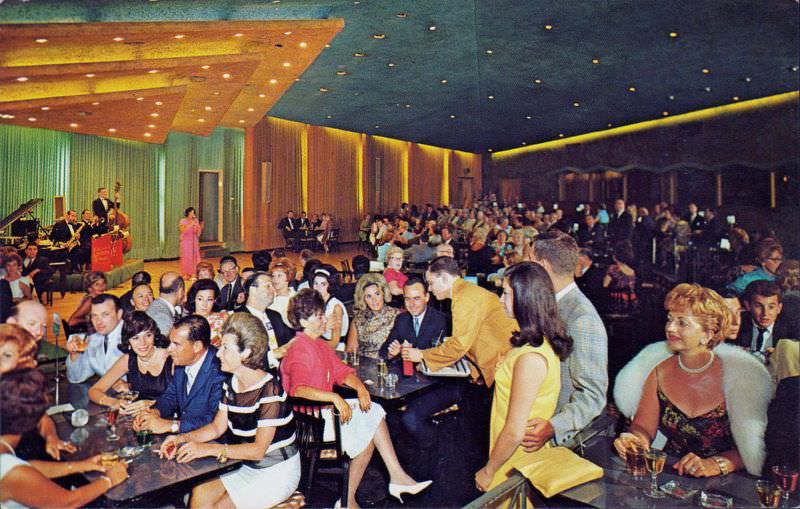
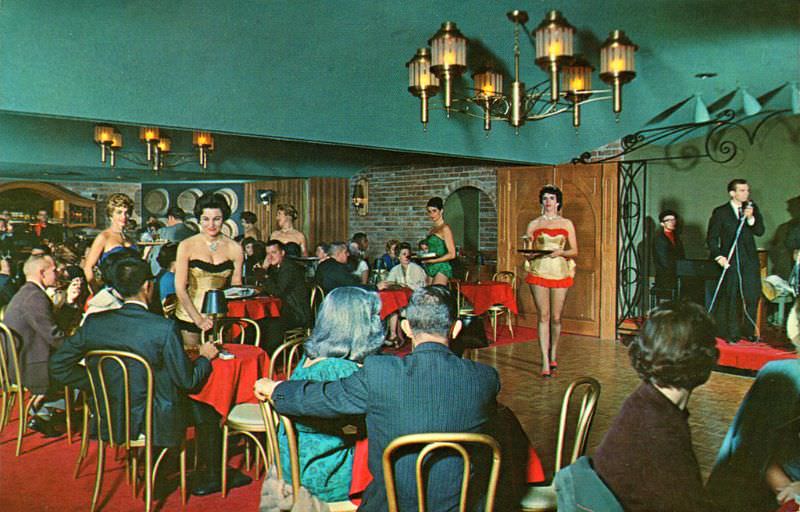
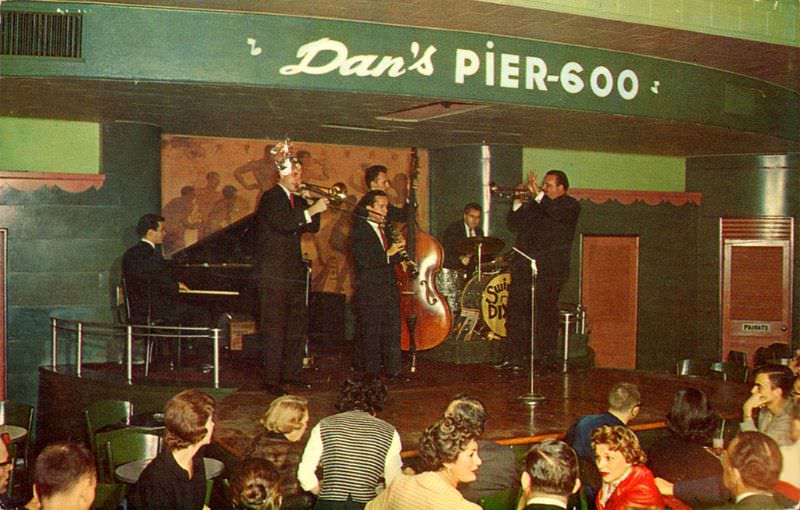
Entertainment was often part of the package. Many restaurants featured live music, floor shows, or performers who worked the room between courses. This was especially common at hotel dining rooms and supper clubs, where the line between a restaurant and a nightclub was intentionally blurred. A night out meant dinner and a show, all under one roof.
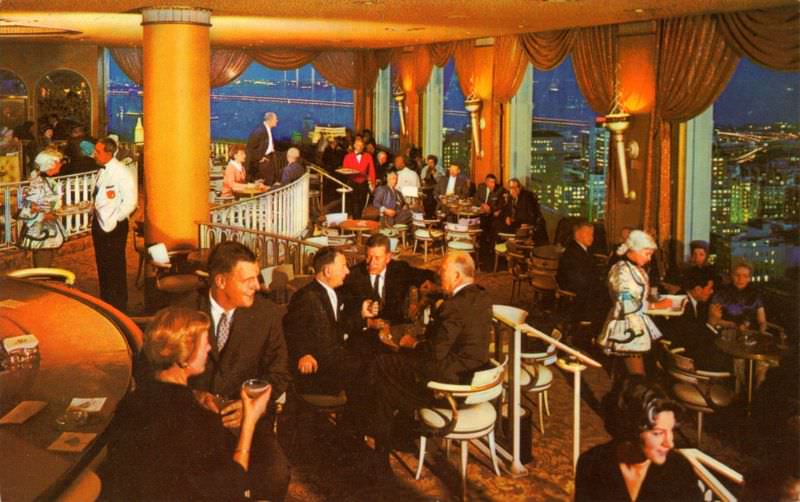
Upscale hotels housed some of the decade’s finest dining rooms. Cities like San Francisco, Chicago, and New Orleans were packed with hotel restaurants that served as social hubs for locals and travelers alike. These spaces were designed to impress, with formal table settings, extensive menus, and impeccable service.
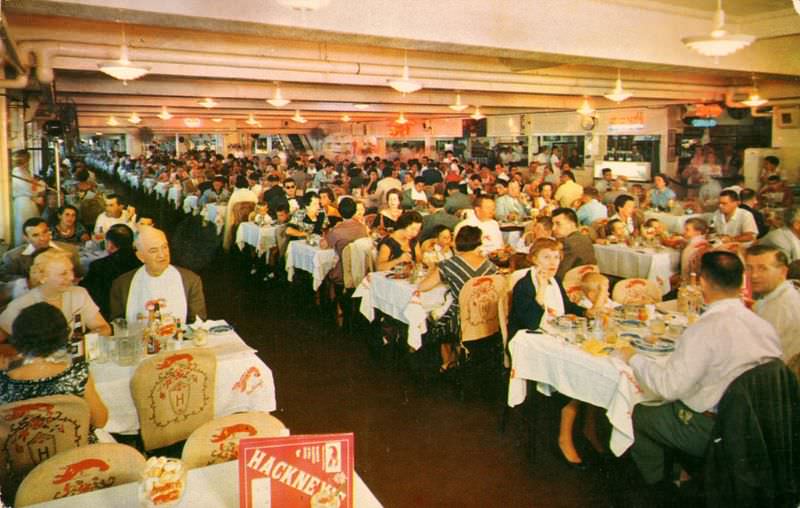
Seafood restaurants thrived along the coasts and near inland waterways. Fresh catches were a major draw, and establishments along the Atlantic and Pacific shores built loyal followings by serving what was pulled from the water that same day. The casual, dockside atmosphere of many seafood spots made them a natural fit for family outings.
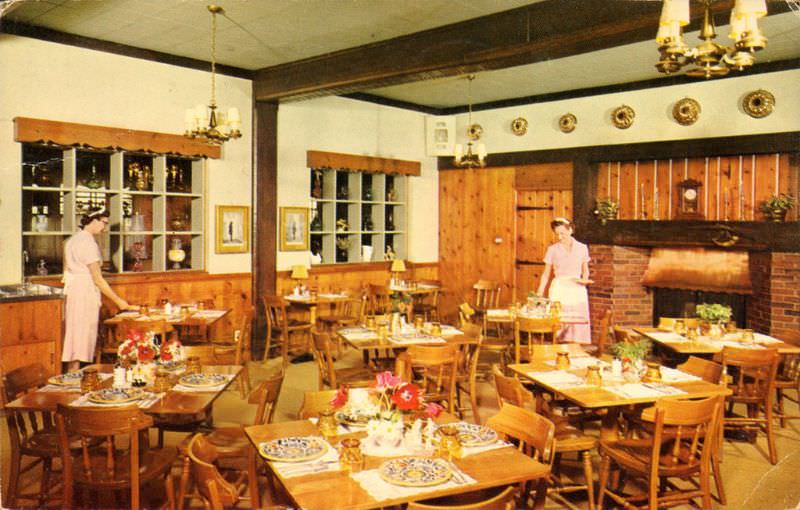
Classic American comfort food anchored most menus across the country. Burgers, meatloaf, fried chicken, and hearty steaks were staples from Nebraska to Florida. Portions were generous, prices were reasonable, and the food was exactly what people expected. These weren’t flashy dishes — they were reliable, filling, and satisfying.
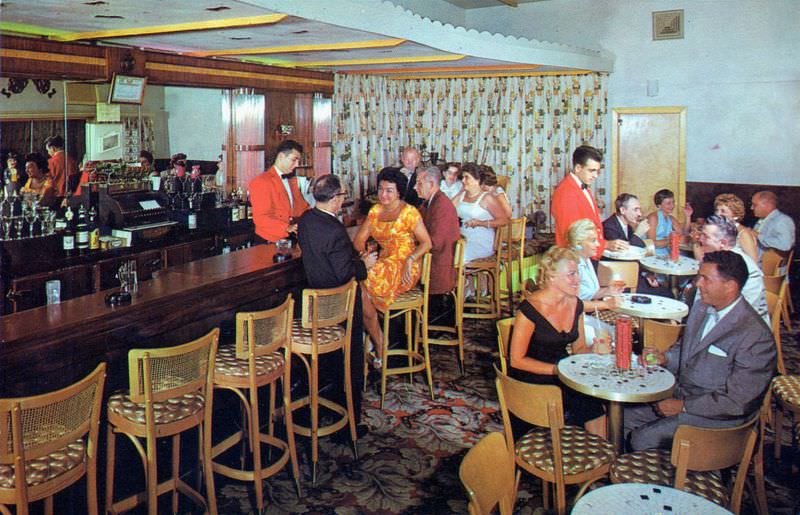
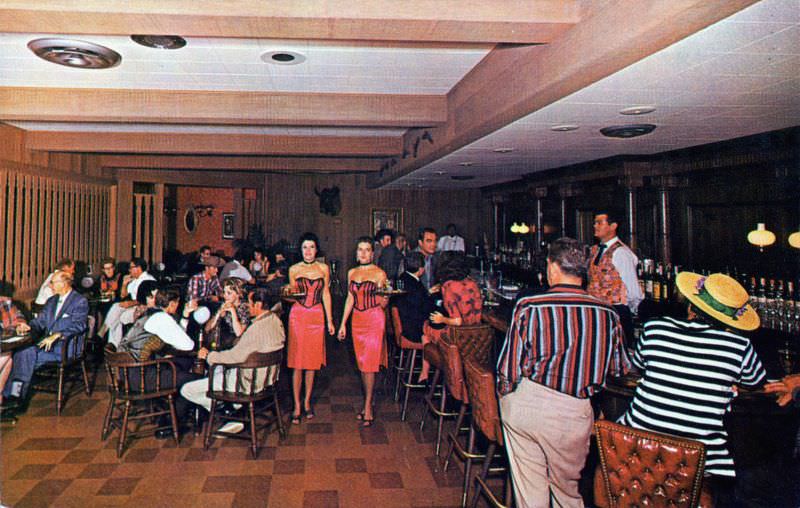
Themed restaurants were one of the decade’s defining trends. Owners leaned hard into specific concepts — Western saloons, tropical retreats, South Pacific getaways — and built entire dining environments around them. Guests weren’t just eating; they were being transported somewhere else entirely. The more immersive the theme, the more people talked about the place.
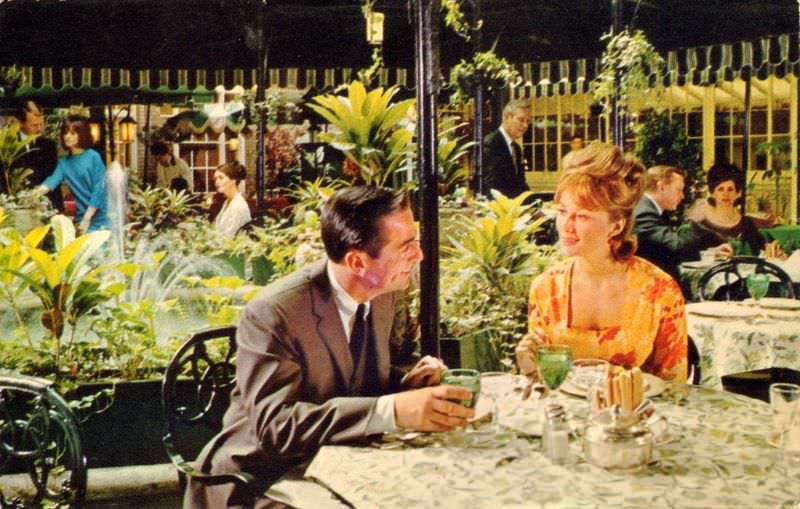
French cuisine carried significant prestige during the 1960s. Restaurants like Jacques in Chicago offered Americans a taste of European sophistication, complete with classic dishes, elegant interiors, and formal service. The rise of French-inspired dining reflected a growing curiosity about international food that spread through cities large and small.
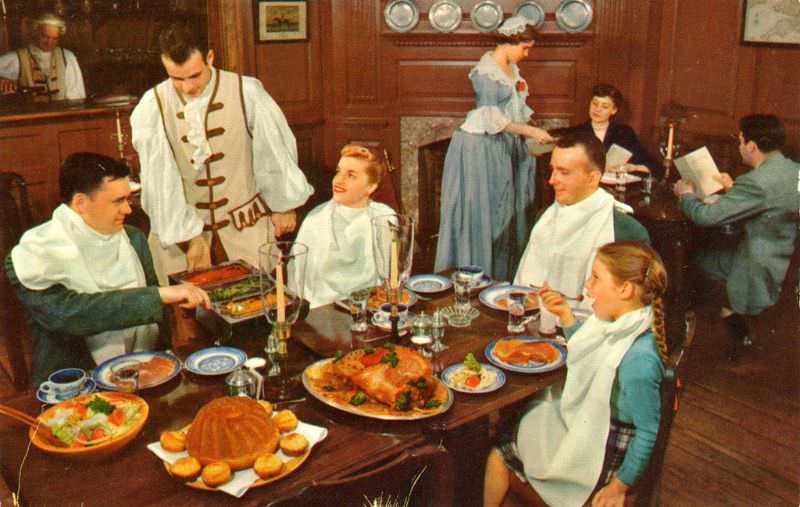
Colonial and historically themed restaurants also found a strong audience. Places like the Kings Arms Tavern in Williamsburg, Virginia leaned into American history as a selling point, offering period-appropriate décor and menus designed to evoke an earlier era. Tourism tied to historical sites helped fuel the popularity of these establishments throughout the decade.
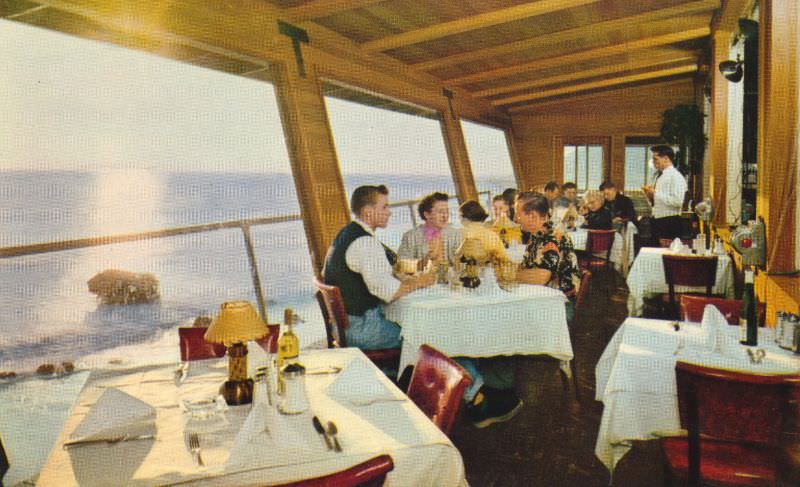
Lakeside and waterfront dining became a popular draw for families and couples looking for a relaxing setting. Motel restaurants with scenic views offered travelers a comfortable place to stop, and many became destinations in their own right. Long Island, the Florida coasts, and the Great Lakes region all had thriving waterfront dining scenes.
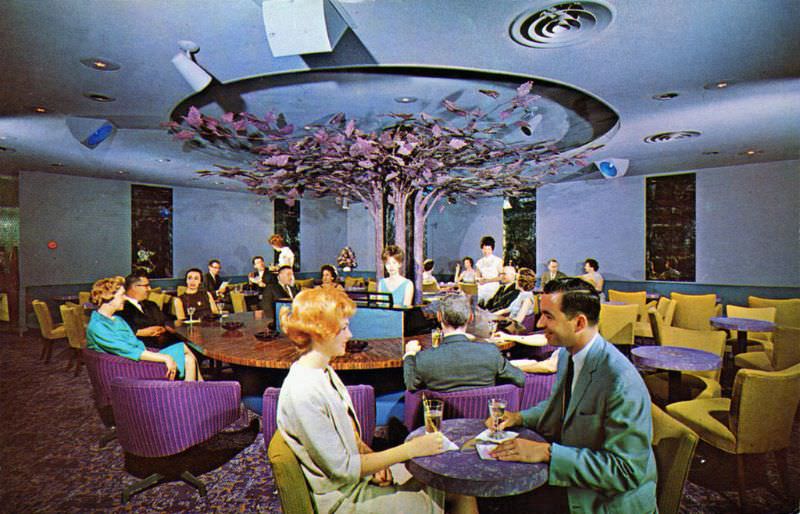
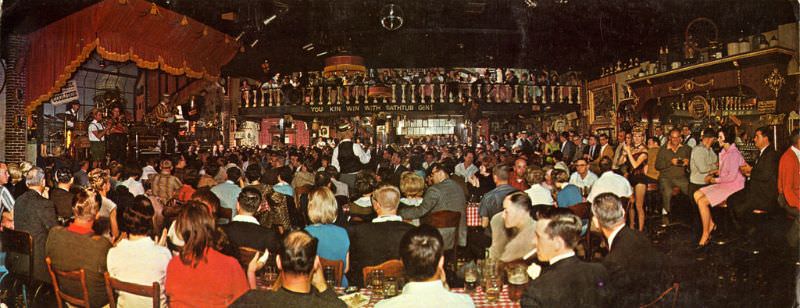
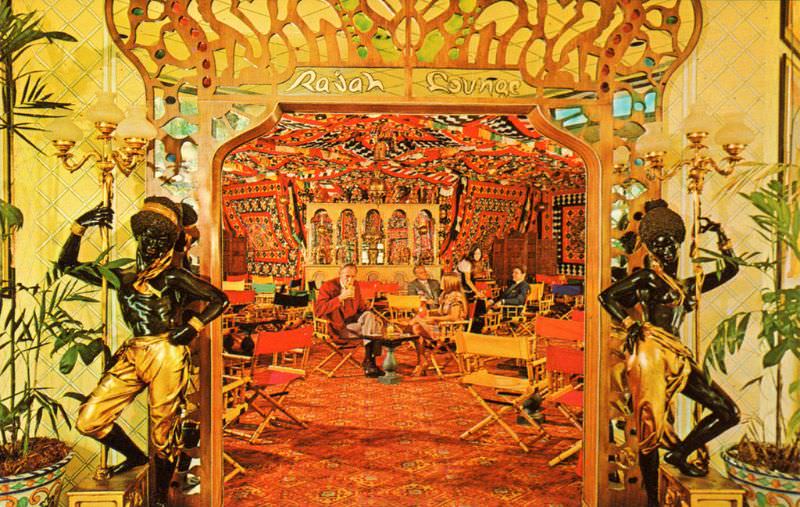
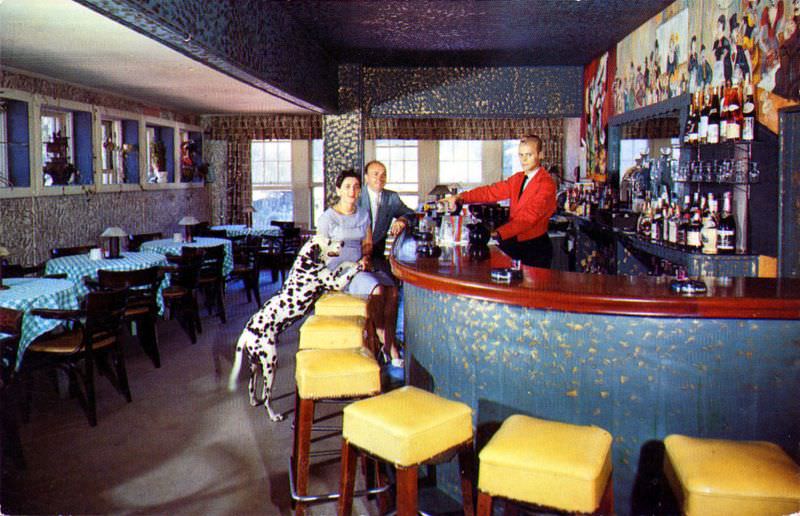
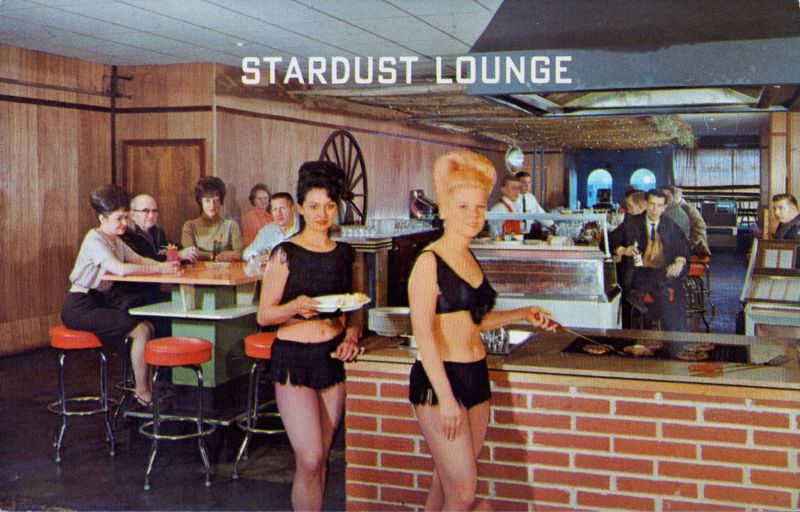
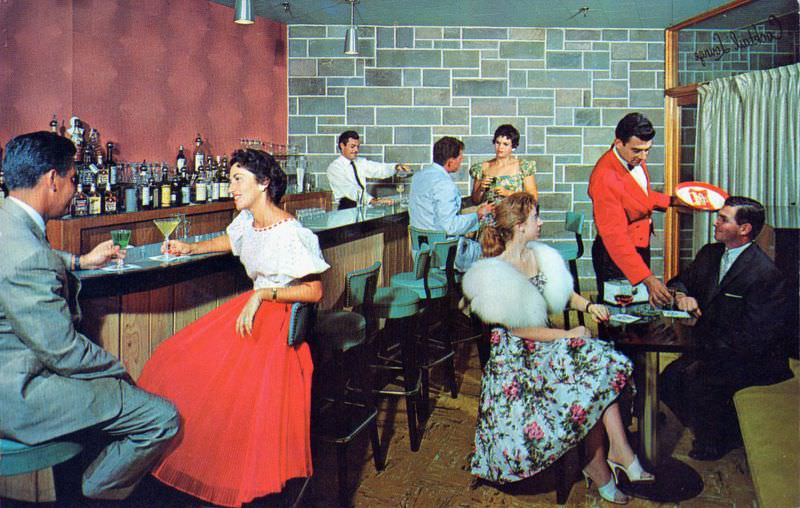
Cocktail lounges attached to restaurants were a fixture of 1960s dining culture. Prohibition-era nostalgia inspired speakeasy-themed bars like Mickie Finn’s in San Diego, while hotel lounges with creative names and bold décor became popular gathering spots. Cocktail hour before dinner was a social ritual taken seriously by many Americans during this period.
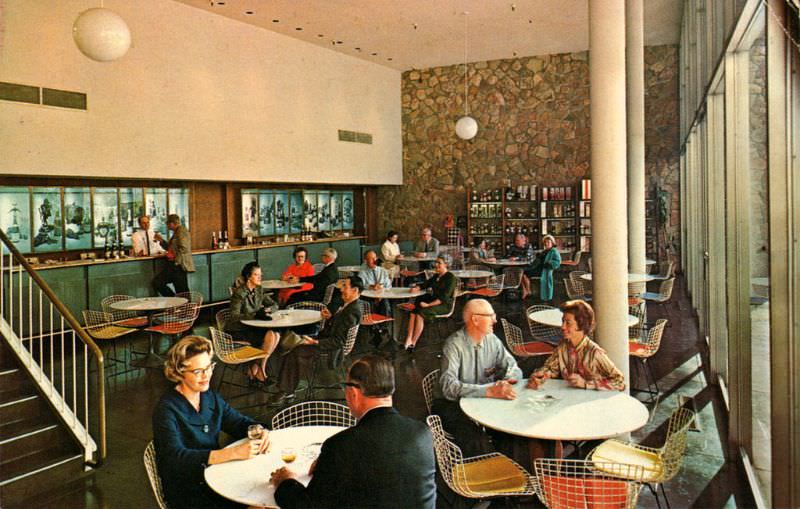
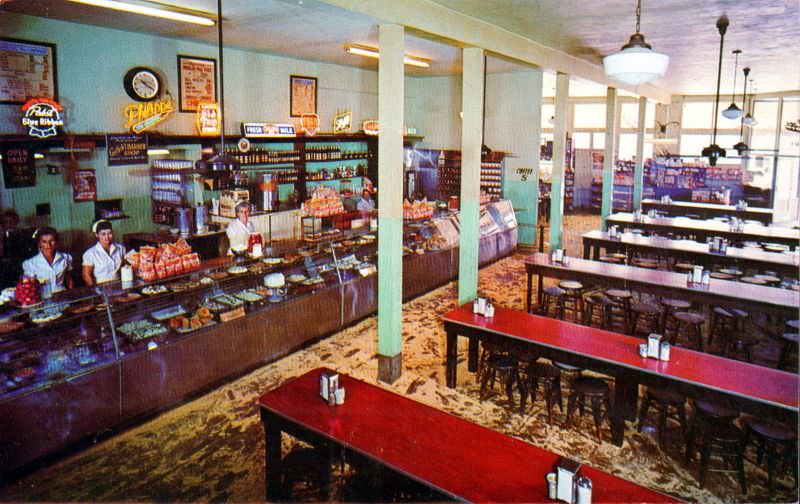
California had its own distinct dining culture. Wine country restaurants like Paul Masson in Saratoga brought food and viticulture together, while long-established spots like Philippe’s in Los Angeles built reputations that spanned decades. The state’s agricultural richness gave its restaurants access to fresh ingredients that chefs elsewhere often couldn’t match.
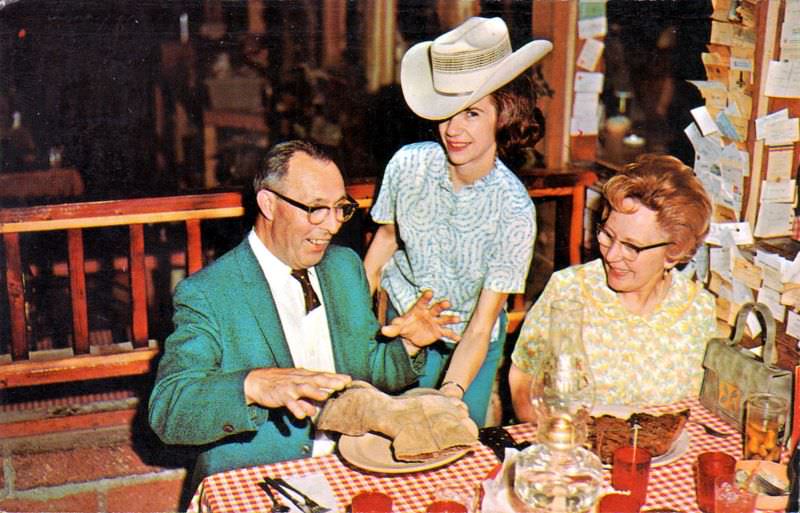
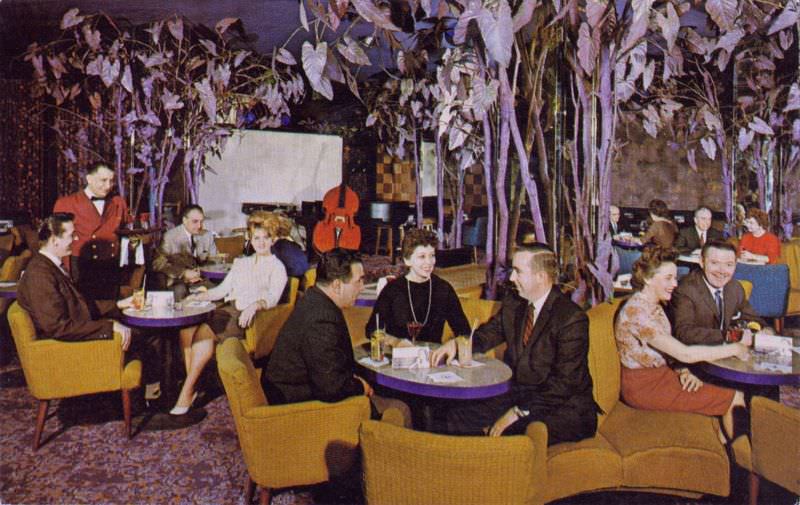
The Southwest developed its own restaurant identity during the 1960s. Open-air patios, rustic wood furnishings, and Western themes defined places like Pinnacle Peak Patio in Scottsdale, where cutting off a diner’s necktie was part of the house rules. These spots thrived on personality and local flavor, drawing both tourists and regulars.
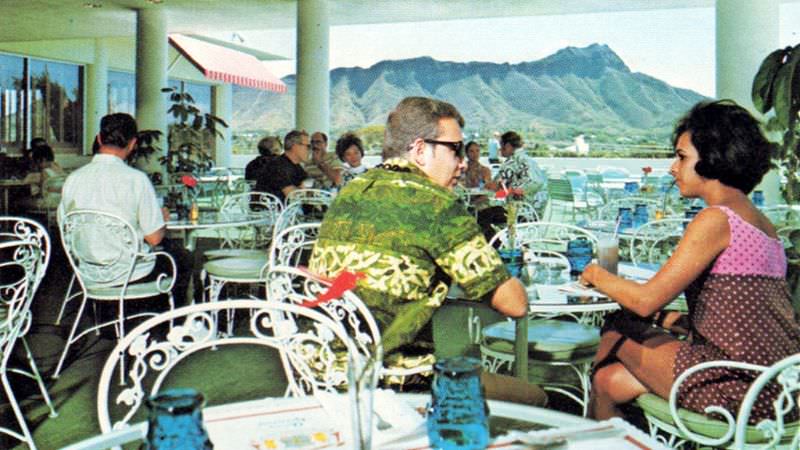
Hawaii became a state in 1959, and by the 1960s, its restaurants were drawing mainland tourists hungry for something different. Waikiki dining rooms served fresh fish, tropical fruits, and dishes influenced by the island’s multicultural population. The setting itself — trade winds, ocean views, and lush surroundings — made every meal feel like a special occasion.
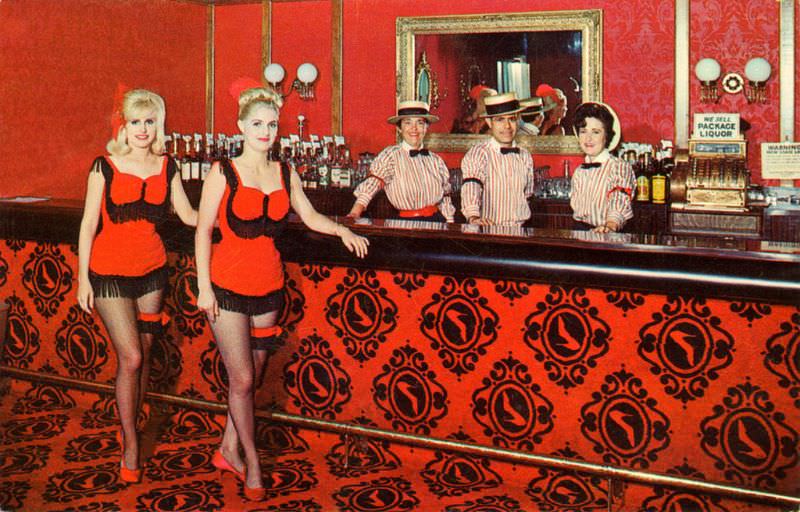
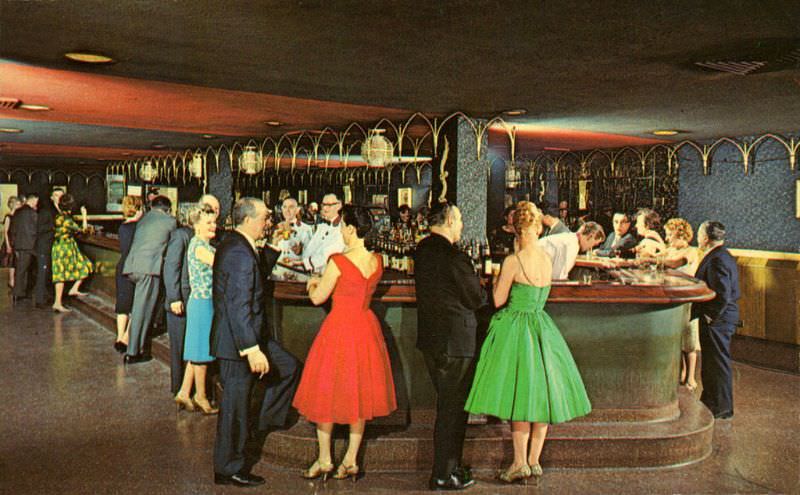
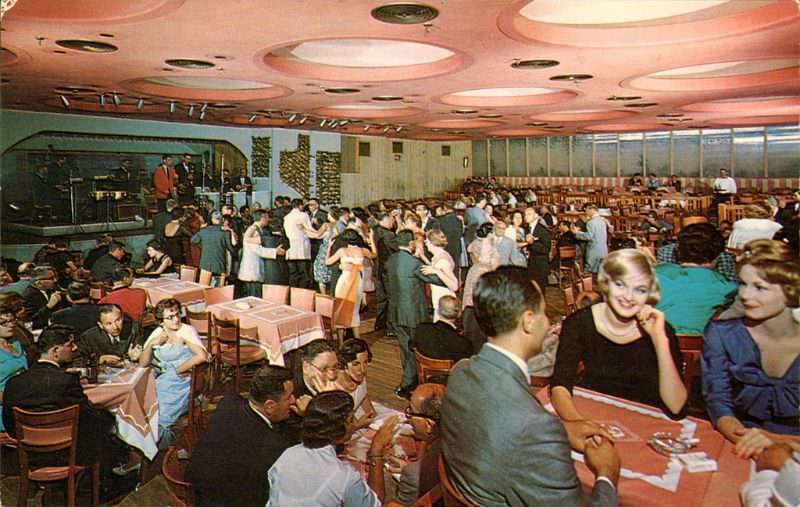
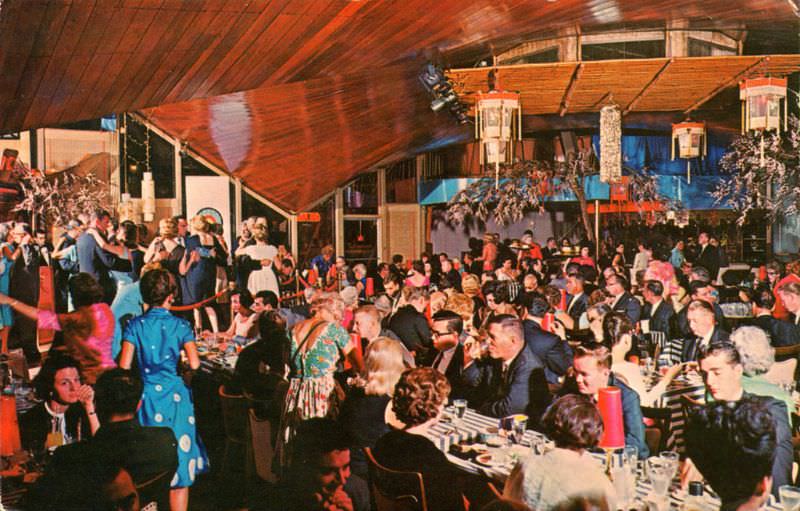
New York City pushed restaurant culture in directions that rippled outward across the country. Dance halls with dining rooms, supper clubs, and world-cuisine restaurants all competed for attention in the city that never slept. Roseland Dance City in Manhattan combined food with dancing in a way that captured the energy of the era perfectly.
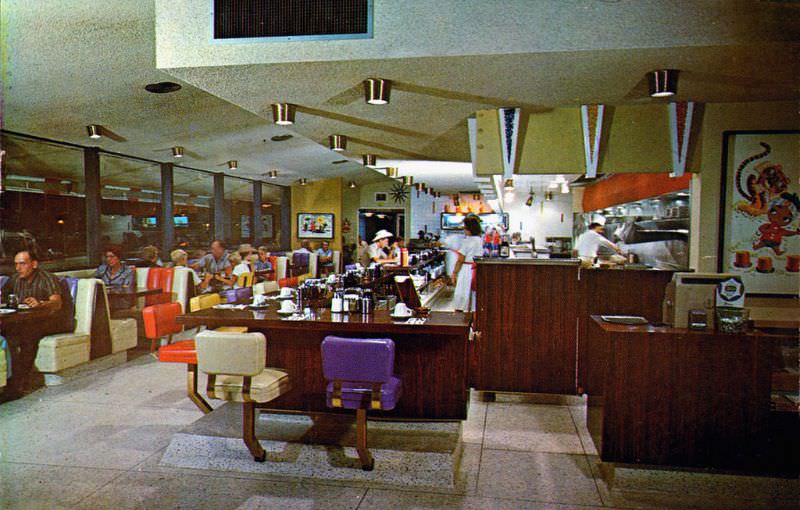
The fast food and chain restaurant boom defined much of the decade’s broader dining shift. Drive-throughs became symbols of American convenience, and chain diners spread along highways from coast to coast. Pancake houses, burger stands, and roadside cafes served millions of Americans who were traveling farther and faster than any generation before them.
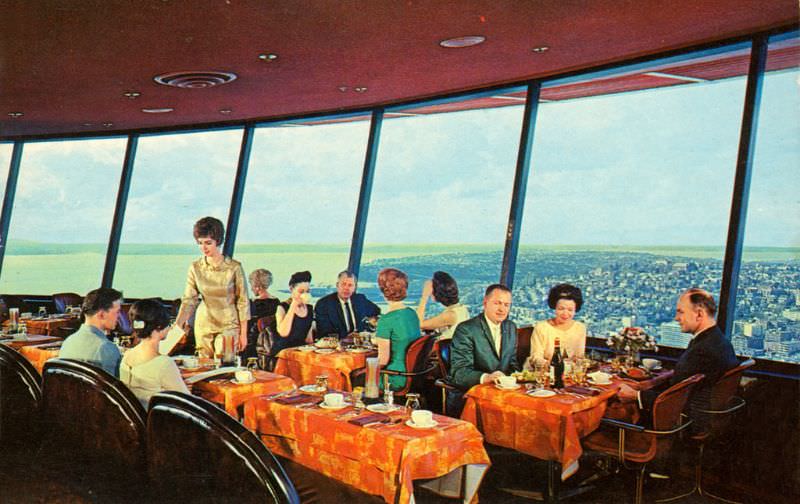
The 1962 World’s Fair in Seattle gave the country the Space Needle, and its revolving restaurant became one of the most talked-about dining spots in America. The retro-futuristic design matched the space-age optimism of the decade perfectly. Diners sat 500 feet above the city and rotated slowly while eating, watching Seattle pass by beneath them.
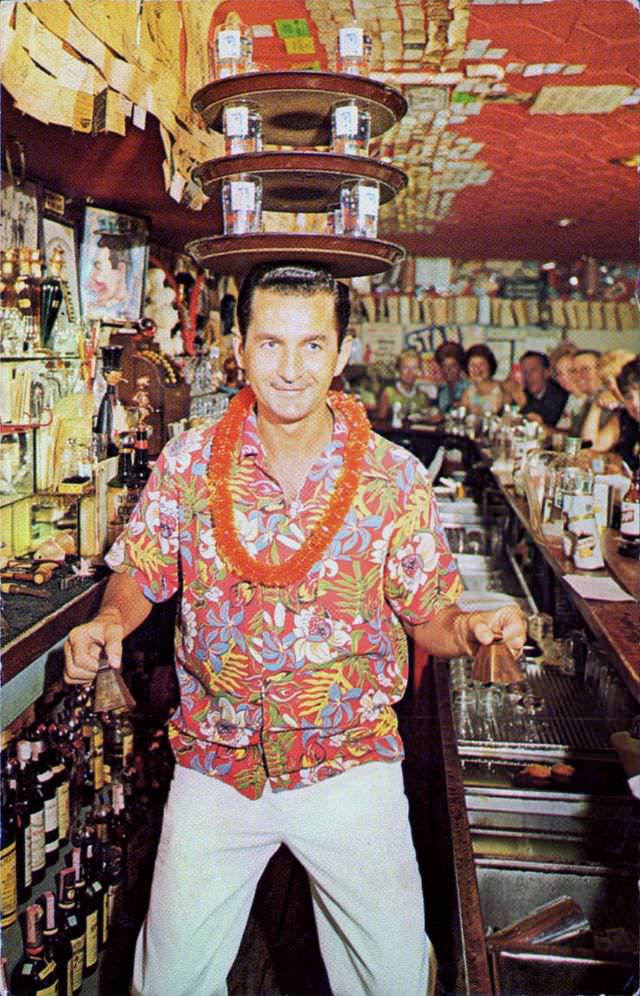
Tiki bars were everywhere during the 1960s. Places like the Castaways Tahitian Bar in Miami Beach offered bamboo-lined interiors, exotic rum cocktails, and menus inspired by the South Pacific. These establishments tapped into America’s post-war fascination with tropical escapism, giving urban and suburban diners a chance to feel like they were a world away.
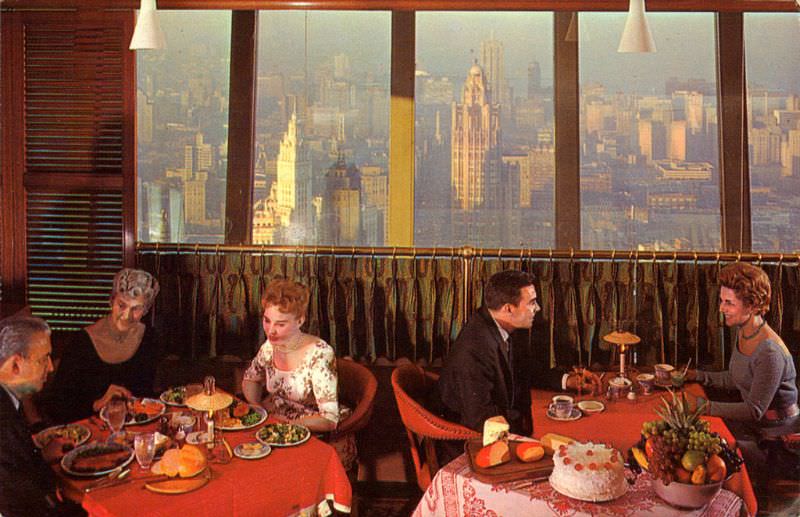
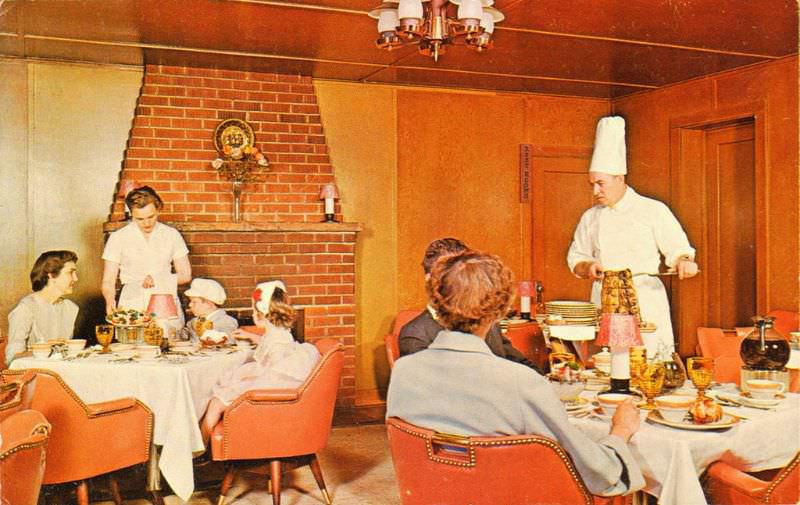
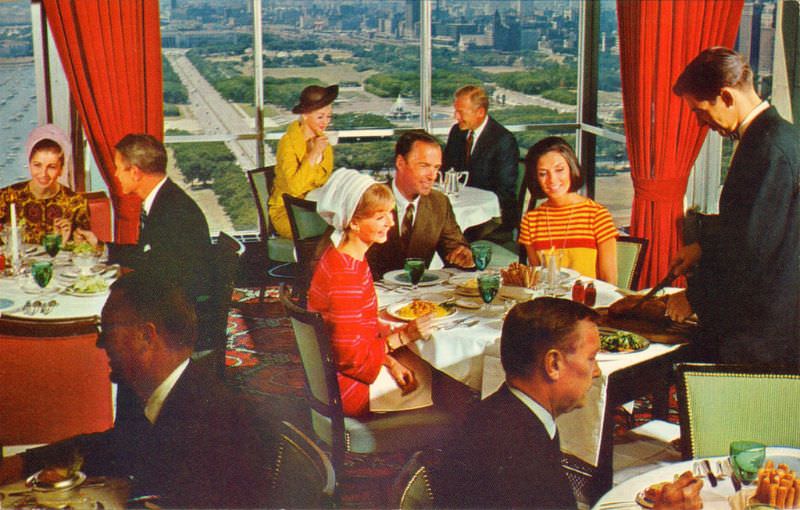
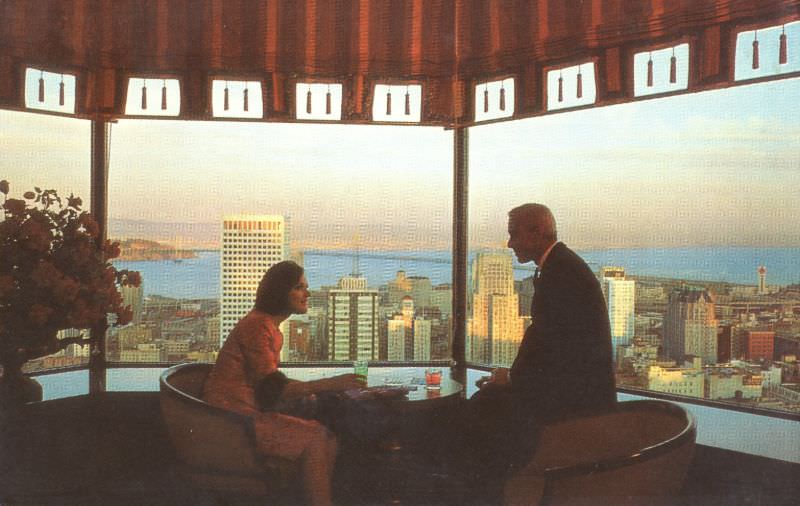
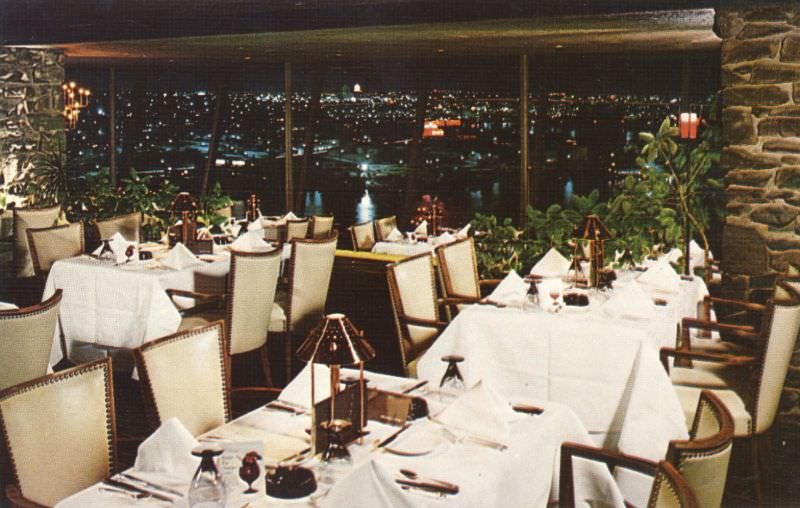
Rooftop and elevated dining rooms were a prestige marker for hotels and urban buildings during this period. Stouffer’s Top of the Rock in Chicago offered sweeping skyline views alongside a polished menu. These restaurants reinforced the idea that where you ate said something about who you were — and the higher up, the better.
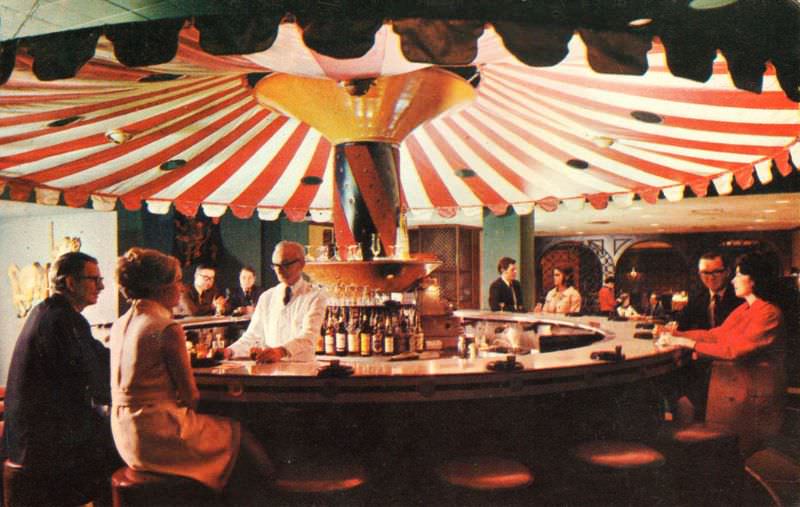
New Orleans was in a class of its own. The city’s restaurants blended Creole cooking, French influences, and Southern tradition into a food culture unlike anything else in America. The Carousel Bar at the Monteleone Hotel — which literally rotated — became one of the most iconic spots in the French Quarter, drawing writers, musicians, and politicians alike.
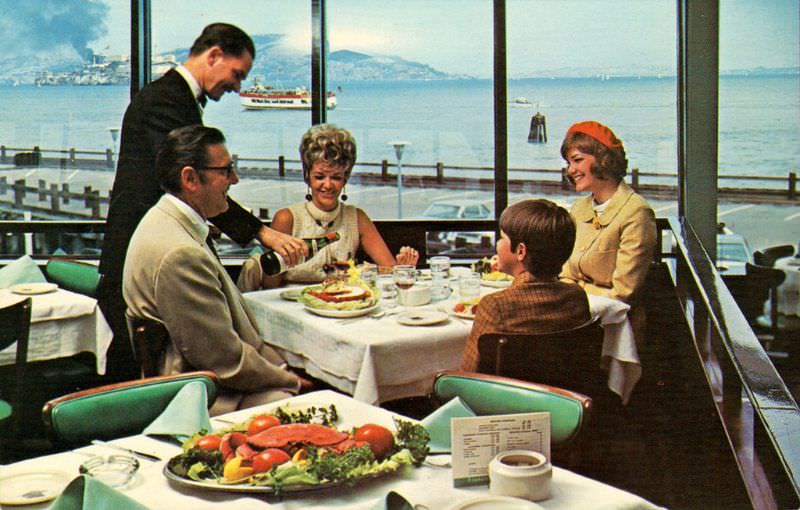
Fisherman’s Wharf in San Francisco was a dining destination that drew visitors from across the country. Restaurants like The Franciscan served fresh Dungeness crab, sourdough bread, and clam chowder to tourists and locals in equal measure. The wharf’s waterfront setting made it one of the most photographed and celebrated dining districts in America.
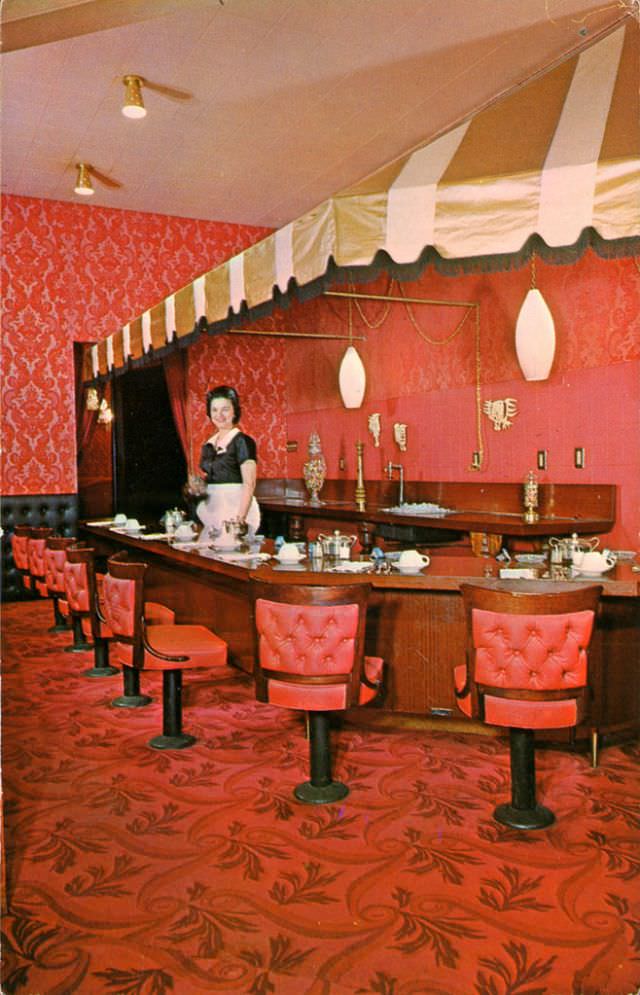
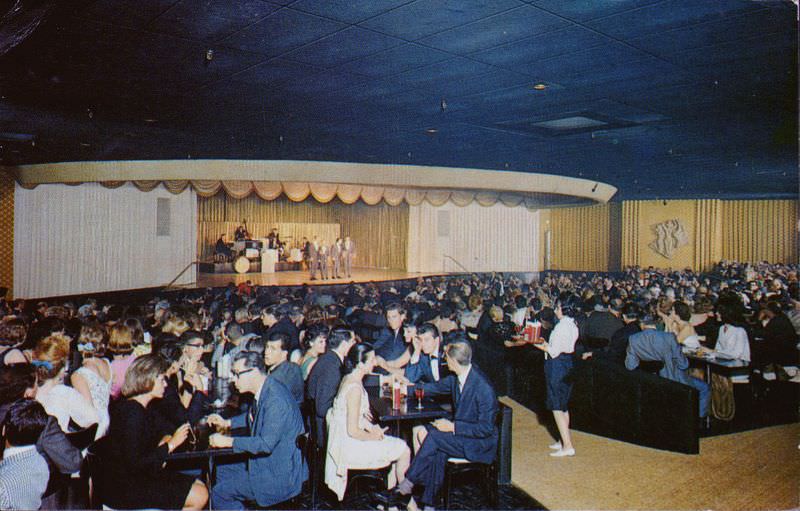
The Catskills region of New York was home to a dense collection of resort hotels and dining rooms that catered largely to Jewish American families from New York City. These establishments — sometimes called the Borscht Belt — offered lavish meals, entertainment, and a strong sense of community. The dining rooms were as much a social gathering place as they were a place to eat.
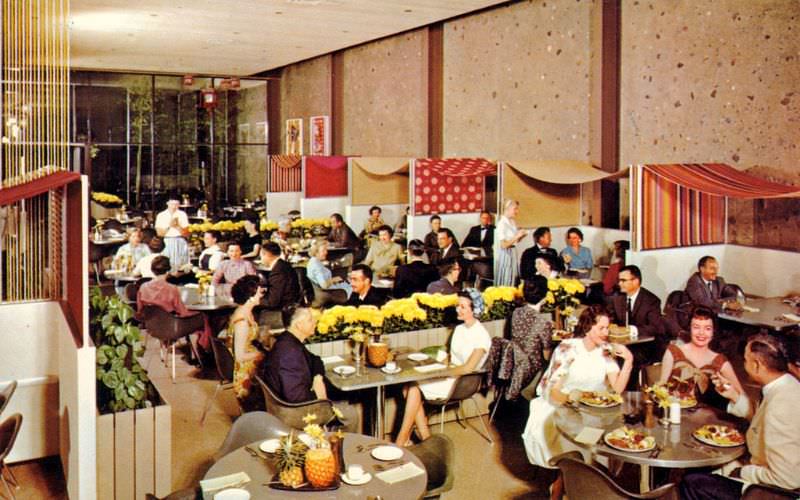
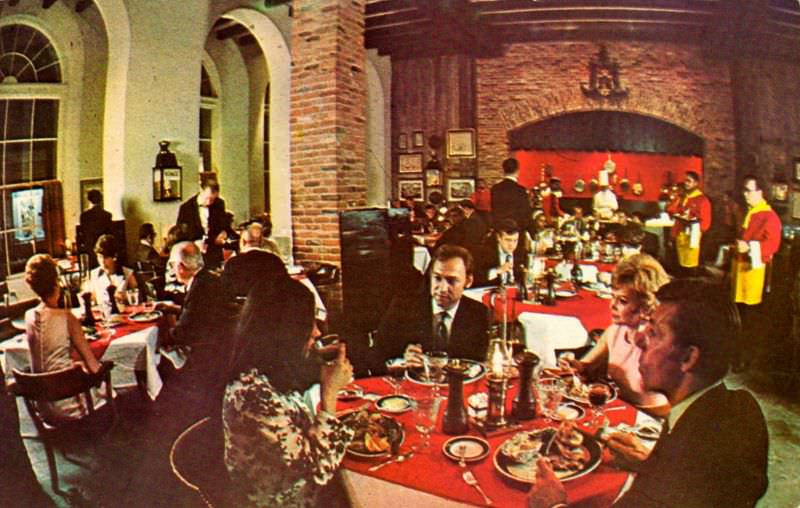
Steakhouses and rib rooms were fixtures in upscale hotel dining across the South and Midwest. These restaurants built reputations on prime cuts, dark wood paneling, and leather booths. The Rib Room at the Royal in New Orleans became one of the city’s most enduring fine dining institutions, serving perfectly prepared beef in a room designed to feel timeless.
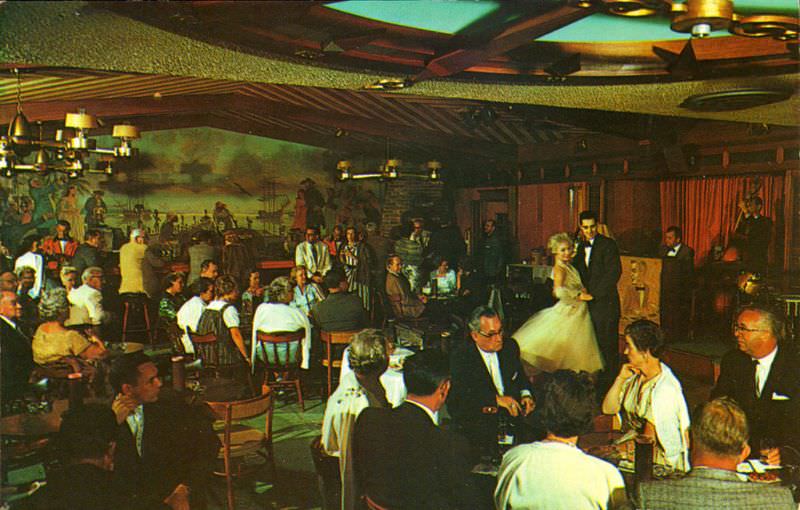
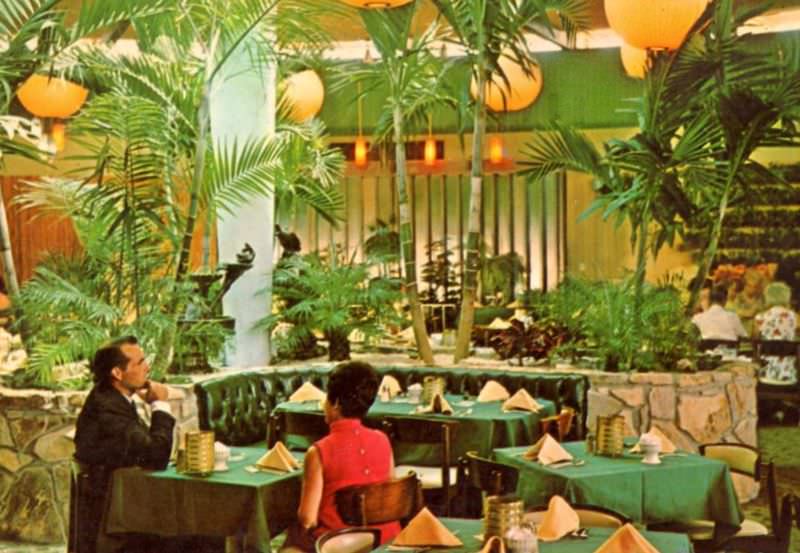
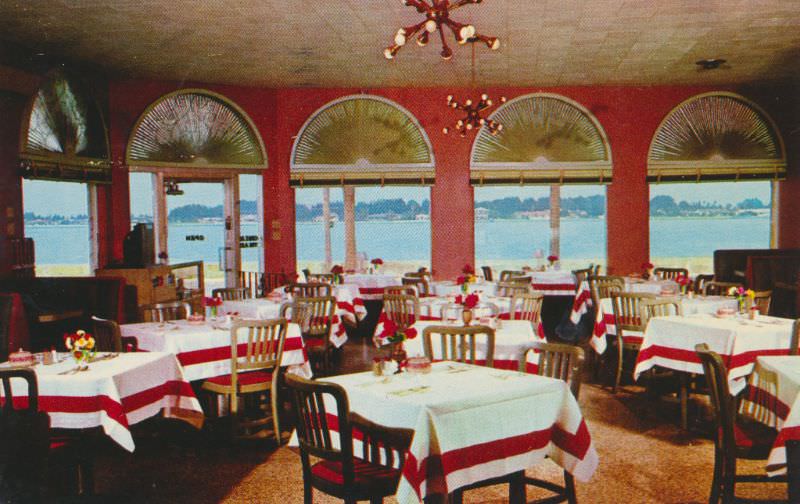
Florida’s restaurant scene in the 1960s leaned fully into its tropical identity. Garden rooms, rum bars, and open-air terraces lined the coasts from Miami to St. Petersburg. The state was booming with retirees, tourists, and military families, and its restaurants reflected the relaxed, sun-drenched lifestyle that made Florida such a popular destination.
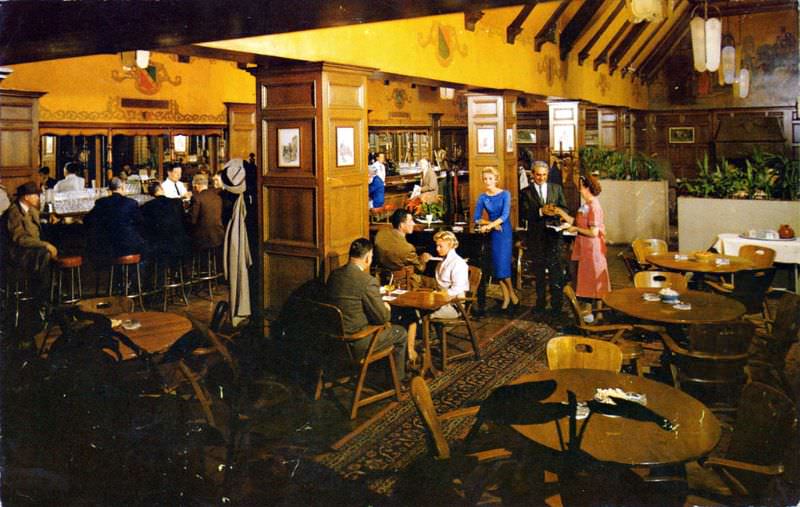
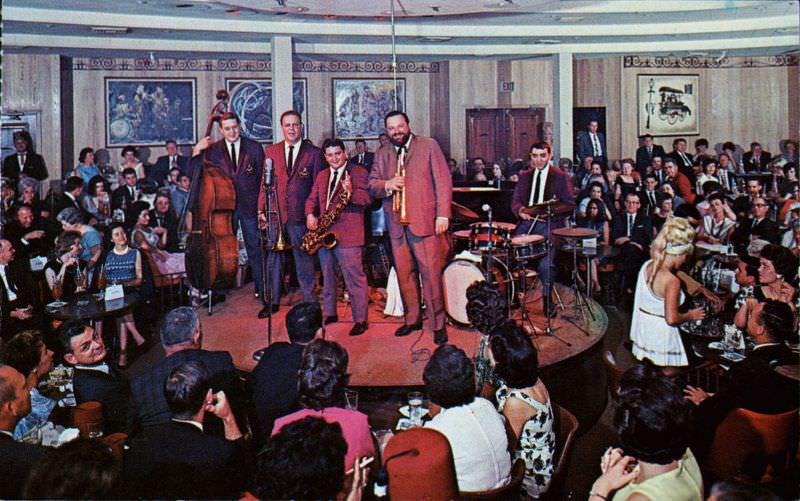
Music and food were inseparable in New Orleans. Trumpet legend Al Hirt ran his own nightclub on Bourbon Street, where guests could hear live jazz while dining. This kind of venue — part restaurant, part performance space — was central to the city’s culture and attracted tourists from around the world who wanted to experience authentic New Orleans entertainment.
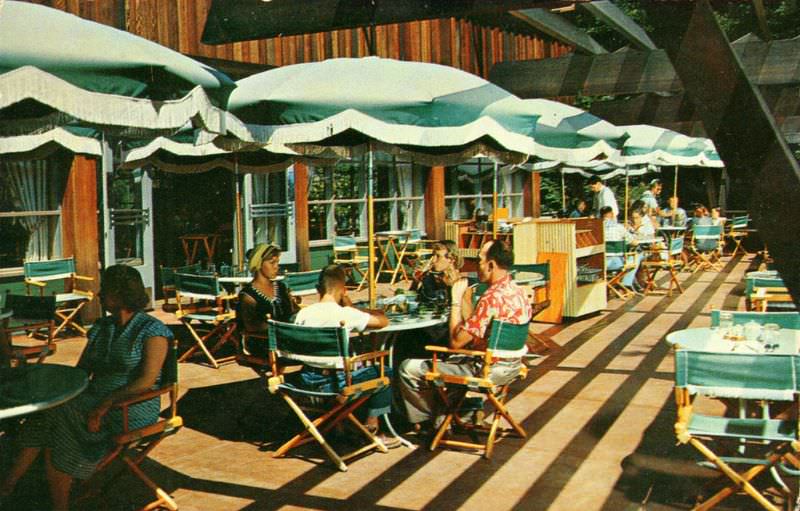
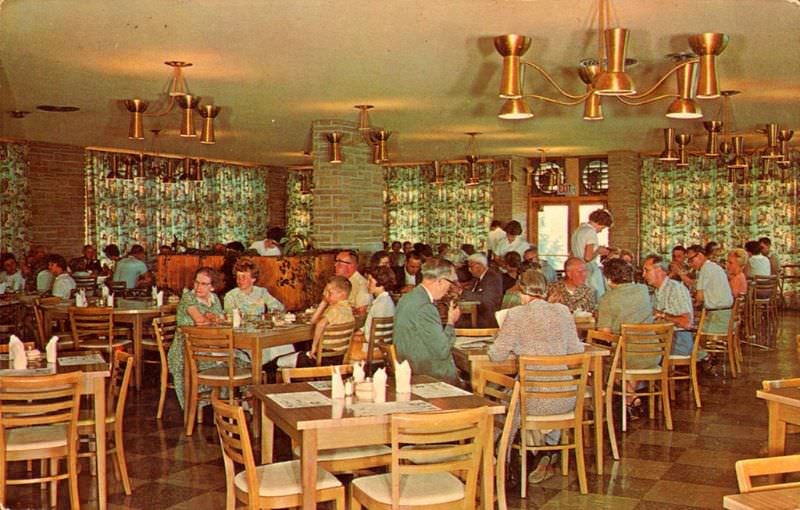
Lodge and park restaurants gave travelers a chance to eat surrounded by nature. Big Sur’s rugged California coastline and West Virginia’s Blackwater Falls each had dining rooms that made the landscape part of the meal. These spots attracted hikers, road trippers, and families looking for a quieter, more scenic alternative to city dining.
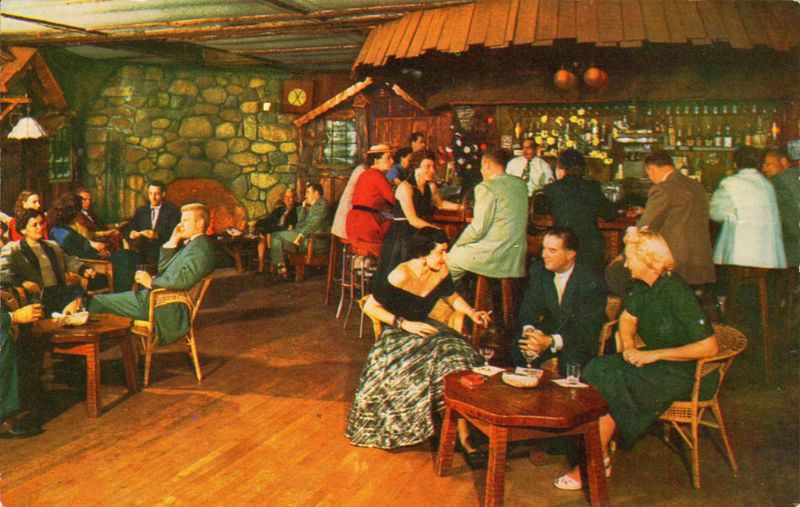
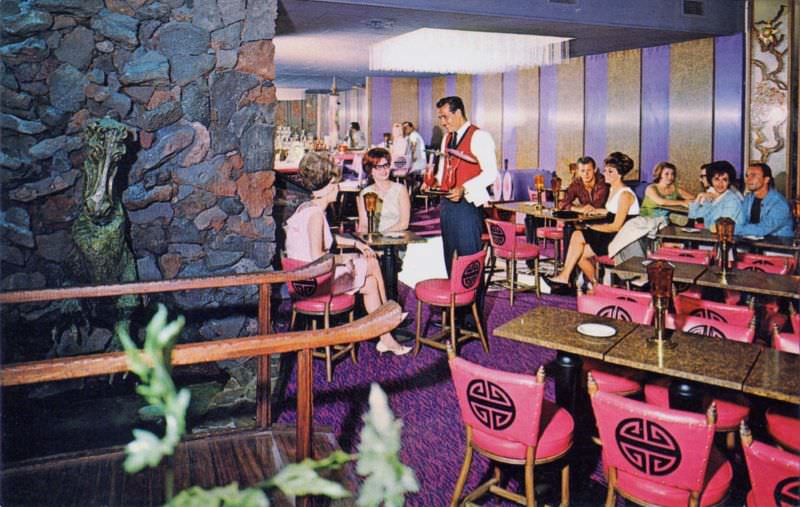
Motel restaurants were a staple of American road culture in the 1960s. As the Interstate Highway System expanded, motor inns and roadside motels became critical stops for traveling families. Their attached restaurants offered consistent, affordable food that weary drivers could count on, and many built loyal repeat customers who stopped at the same spots year after year.
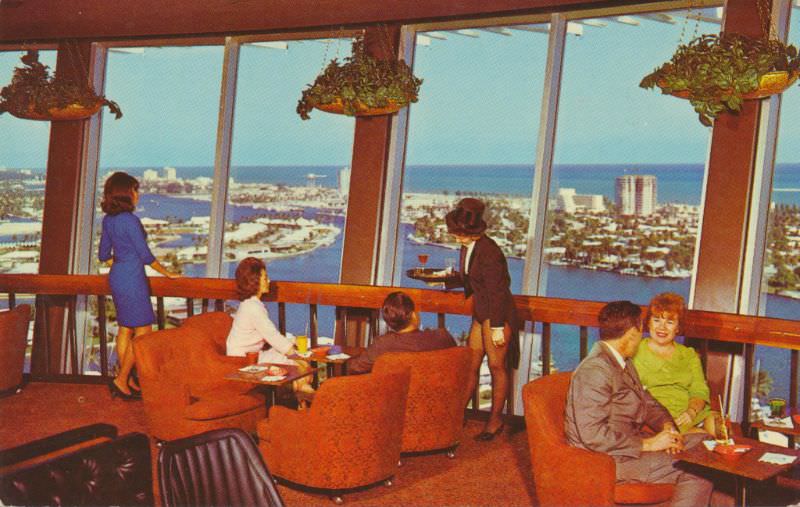
Pier restaurants became a defining feature of coastal cities throughout the decade. Built out over the water, they offered unobstructed views of bays, rivers, and the open sea. Pier 66 in Fort Lauderdale was one of the most glamorous examples, combining a marina, a rooftop revolving lounge, and fine dining in a single complex that became a landmark of South Florida.
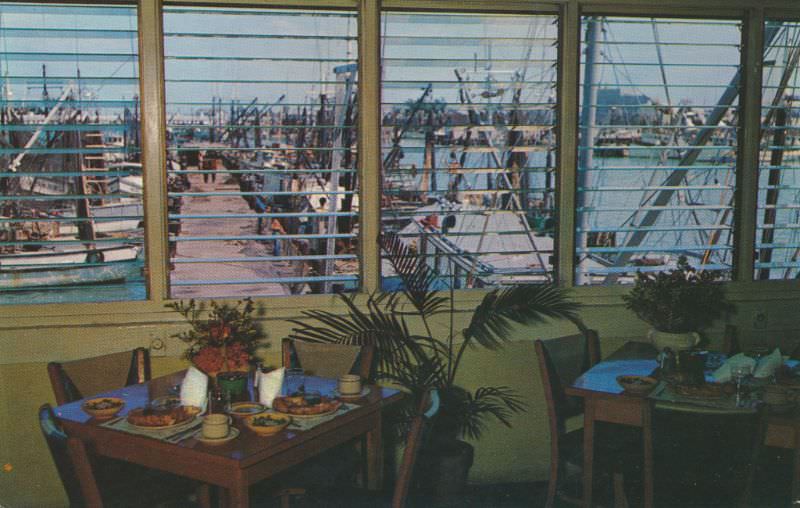
Key West had a restaurant culture all its own. Places like the A&B Lobster House served the freshest stone crab, lobster, and grouper to a clientele that included fishermen, artists, and tourists drawn to the island’s laid-back atmosphere. The southernmost point of the continental United States had a dining scene that felt entirely removed from the mainland.
The civil rights movement reshaped the American restaurant landscape in profound ways during the 1960s. Sit-ins at lunch counters — most famously at Woolworth’s in Greensboro, North Carolina in 1960 — were a direct and powerful form of protest against segregated dining. Black Americans who were refused service sat down, remained peaceful, and refused to leave. These demonstrations spread to dozens of cities and became a turning point in the broader fight for desegregation.
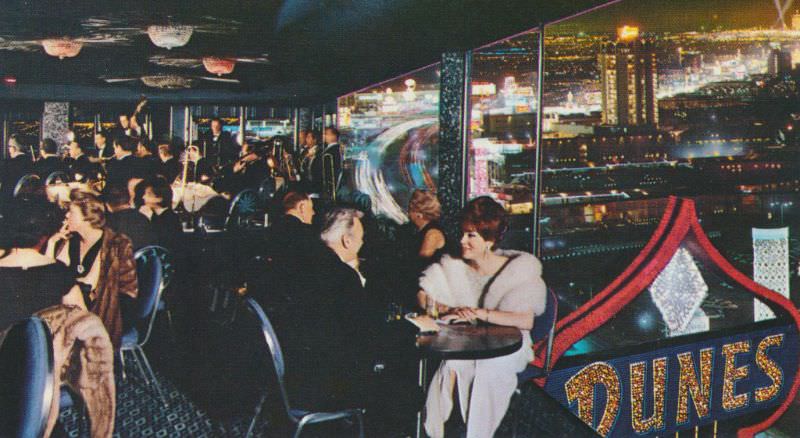
Las Vegas restaurants in the 1960s operated on a scale that matched the city’s outsized ambitions. Hotel casino dining rooms like those at the Dunes served thousands of guests daily, often at subsidized prices designed to keep gamblers on the property. The food was plentiful, the portions were enormous, and the goal was to make sure nobody had a reason to leave.
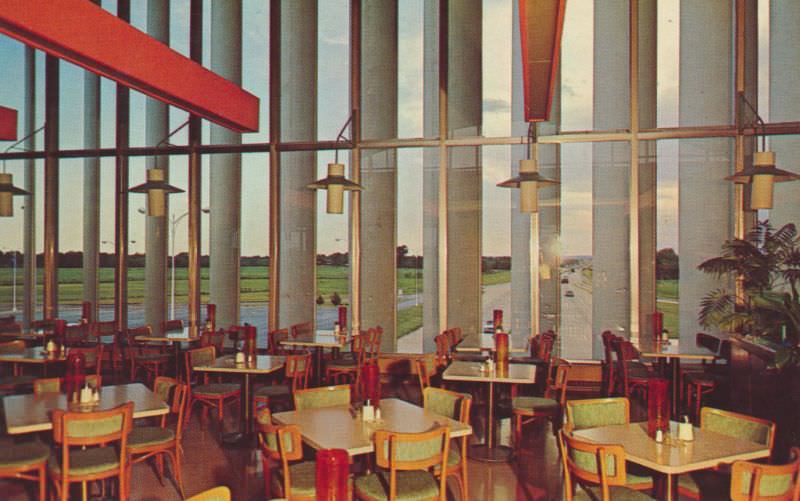
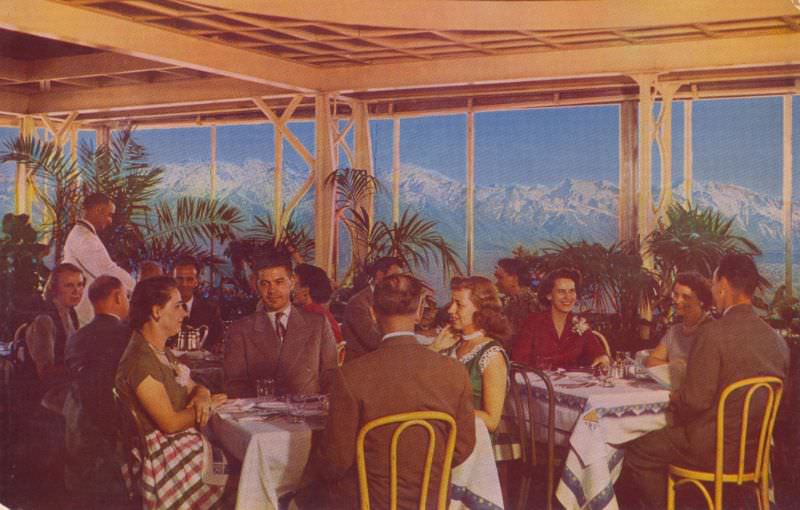
Cafeteria-style dining served a different but equally important role during the decade. The Glass House Restaurant in Vinita, Oklahoma — built over the Will Rogers Turnpike — was one of the more unusual highway dining spots in the country, allowing travelers to eat in a glass-enclosed room while cars passed beneath them on the road below.
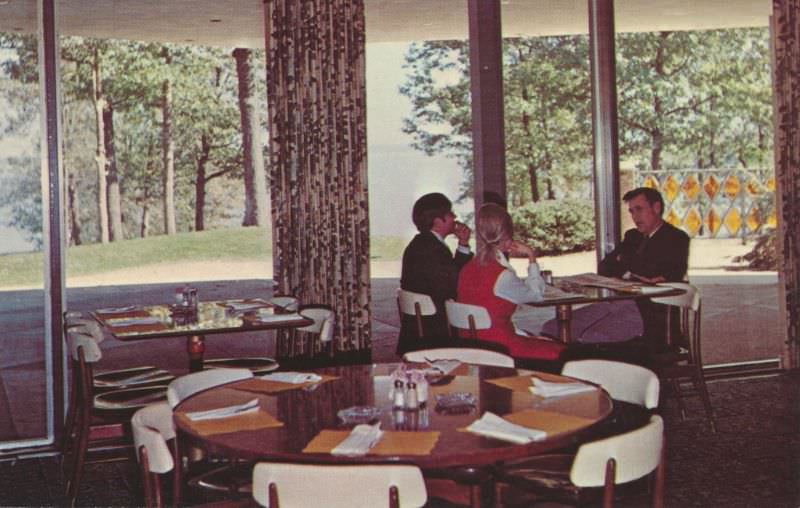
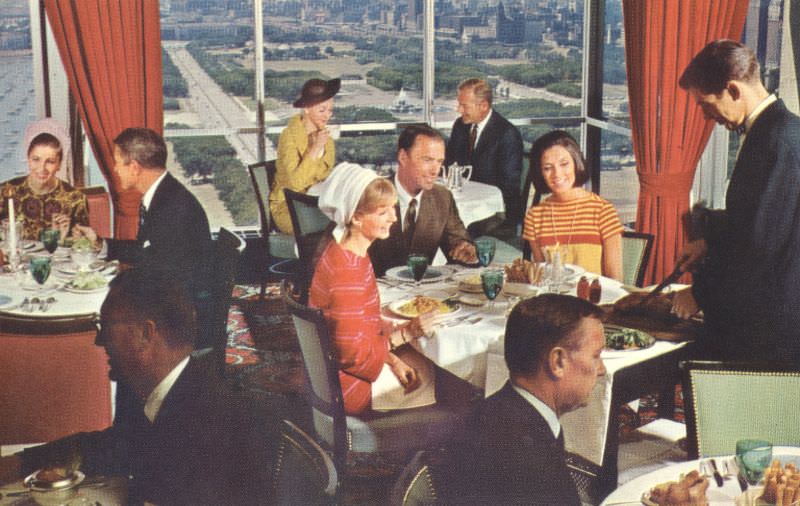
State park lodges and resort restaurants brought dining to rural parts of the country that otherwise had limited options. Kentucky’s dam village inns served travelers exploring the Tennessee Valley Authority’s massive waterway projects, offering Southern cooking in settings built by the state government. These restaurants made tourism accessible to Americans who couldn’t afford private resort prices.
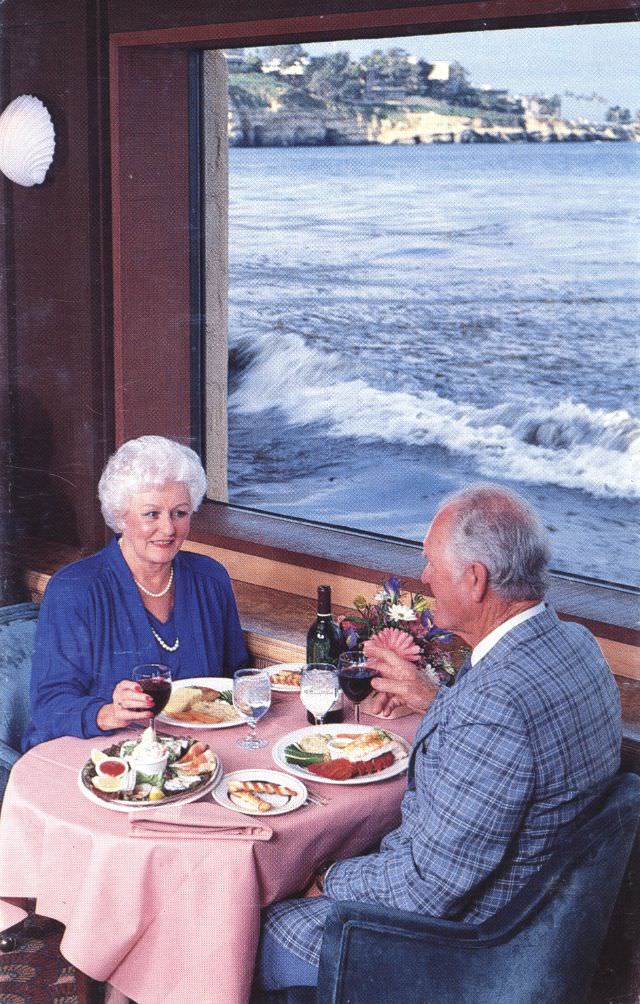
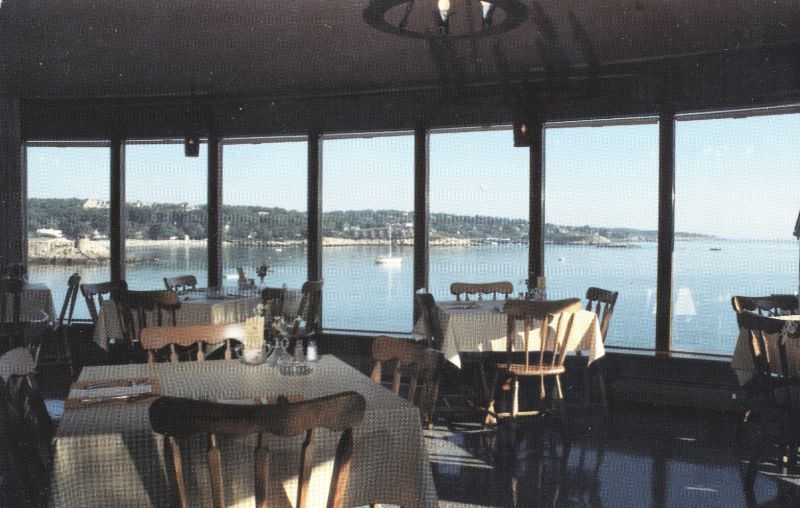
Coastal restaurants in both California and New England drew on their ocean settings to create memorable dining experiences. The Marine Room in La Jolla sat close enough to the water that waves would occasionally splash against its windows during high tide. Restaurants like Oleana by the Sea in Rockport, Maine offered the rocky, austere beauty of the North Atlantic as a backdrop for fresh lobster and chowder.
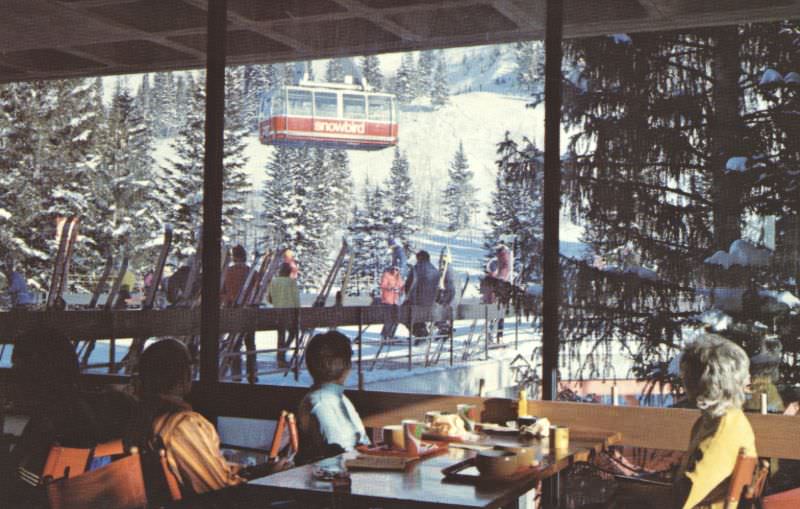
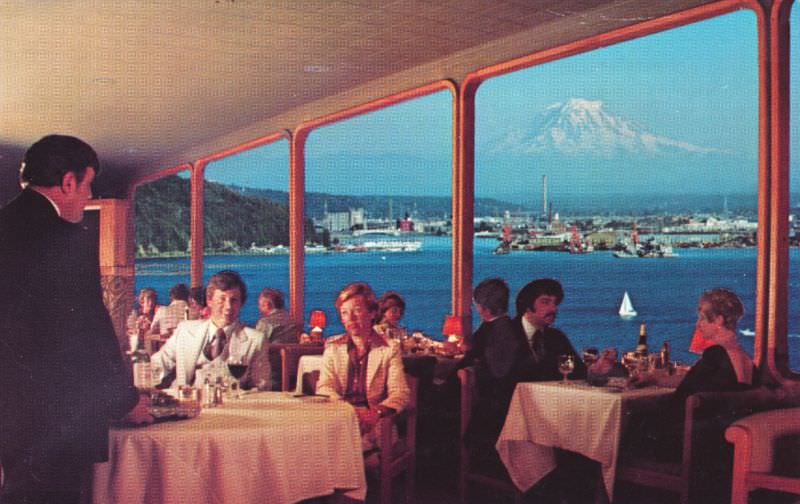
From ski lodges to clifftop dining rooms in the Pacific Northwest, 1960s American restaurants found ways to make their surroundings as important as their menus. The Cliff House in Tacoma offered sweeping views of Puget Sound, while mountain resort dining rooms fed skiers after long days on the slopes. Across every region and price range, Americans in the 1960s were discovering that going out to eat was about far more than the food on the plate.