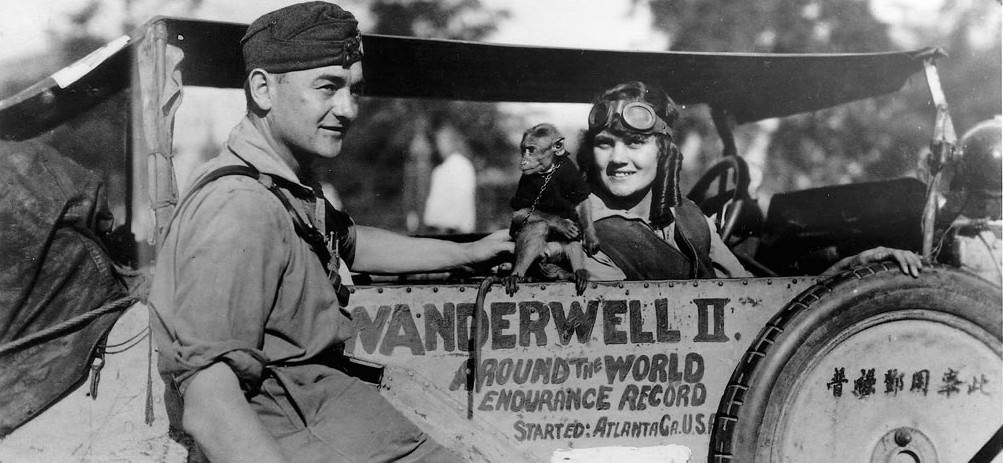
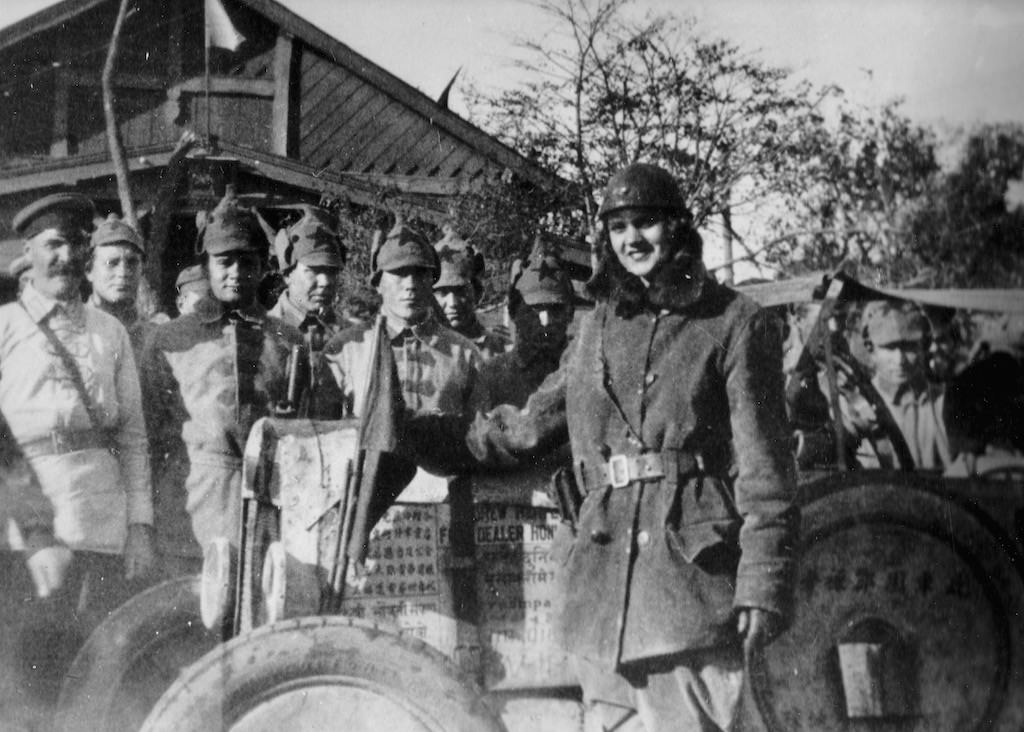
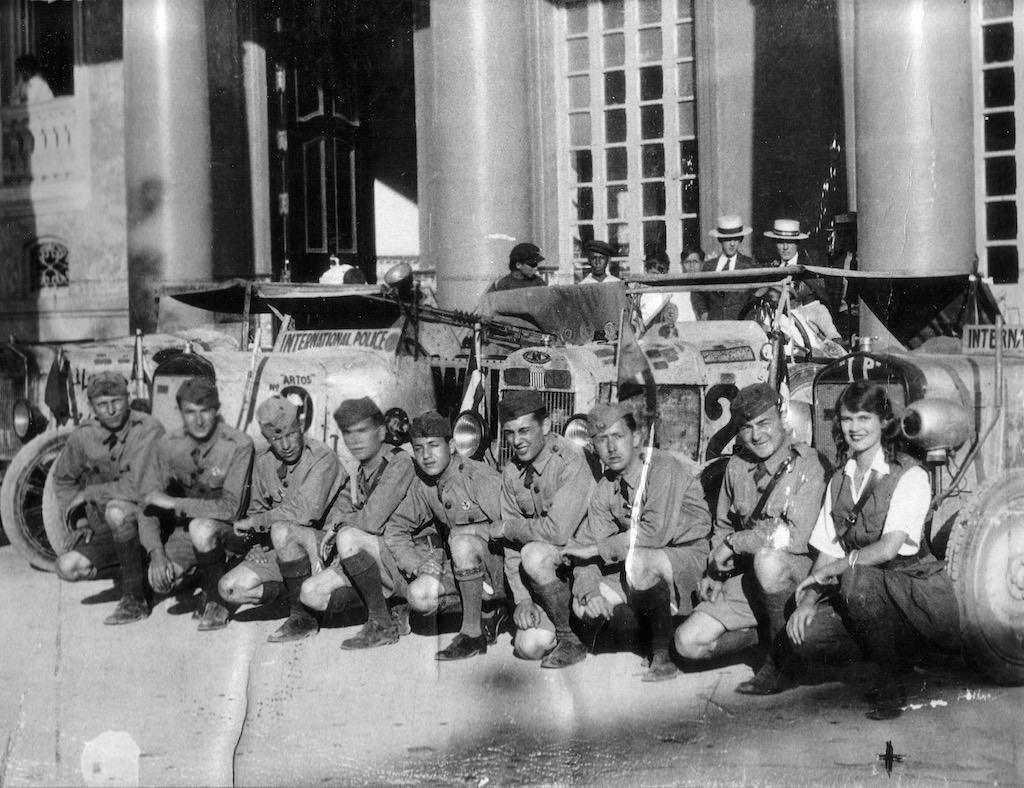
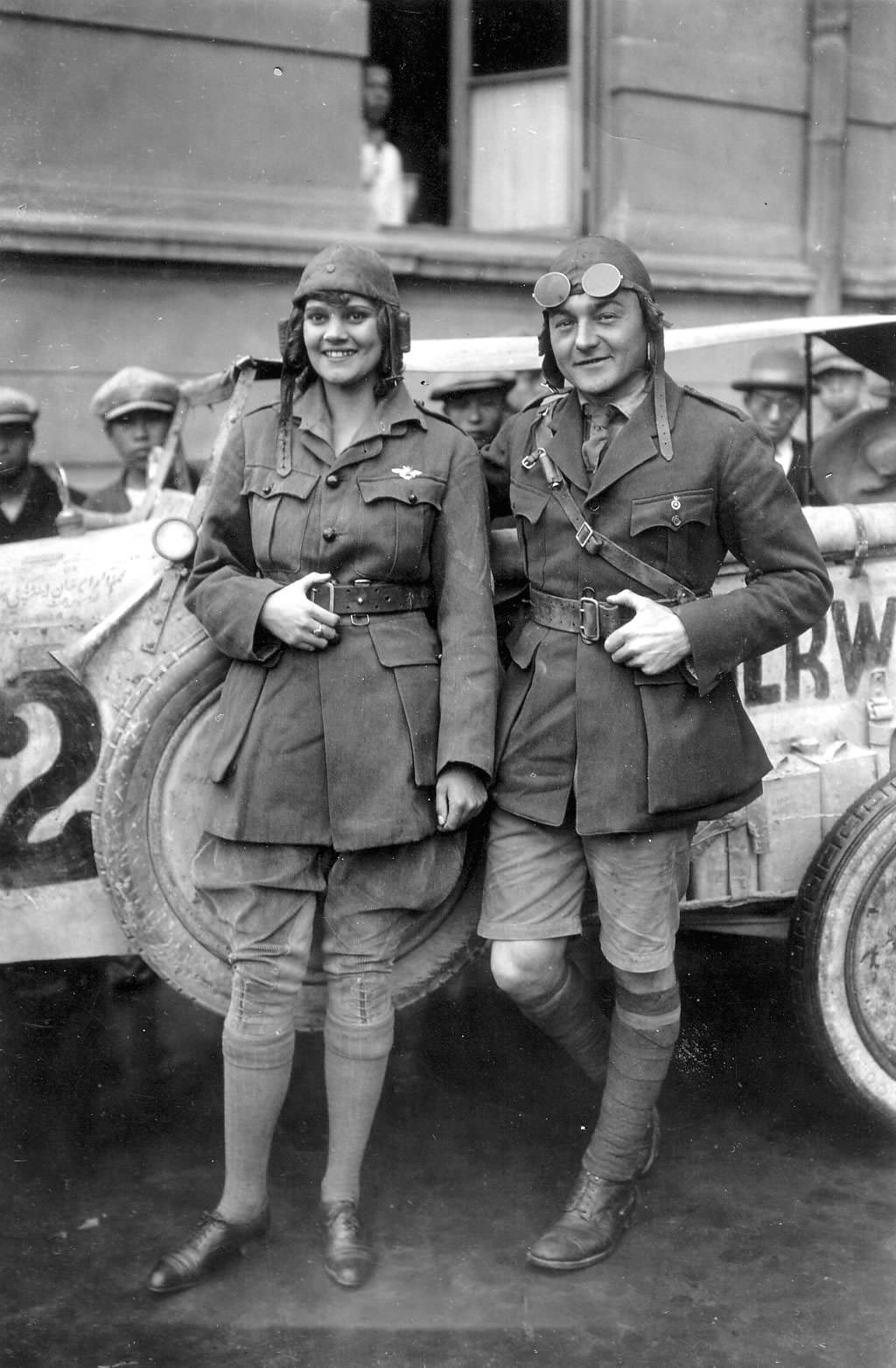
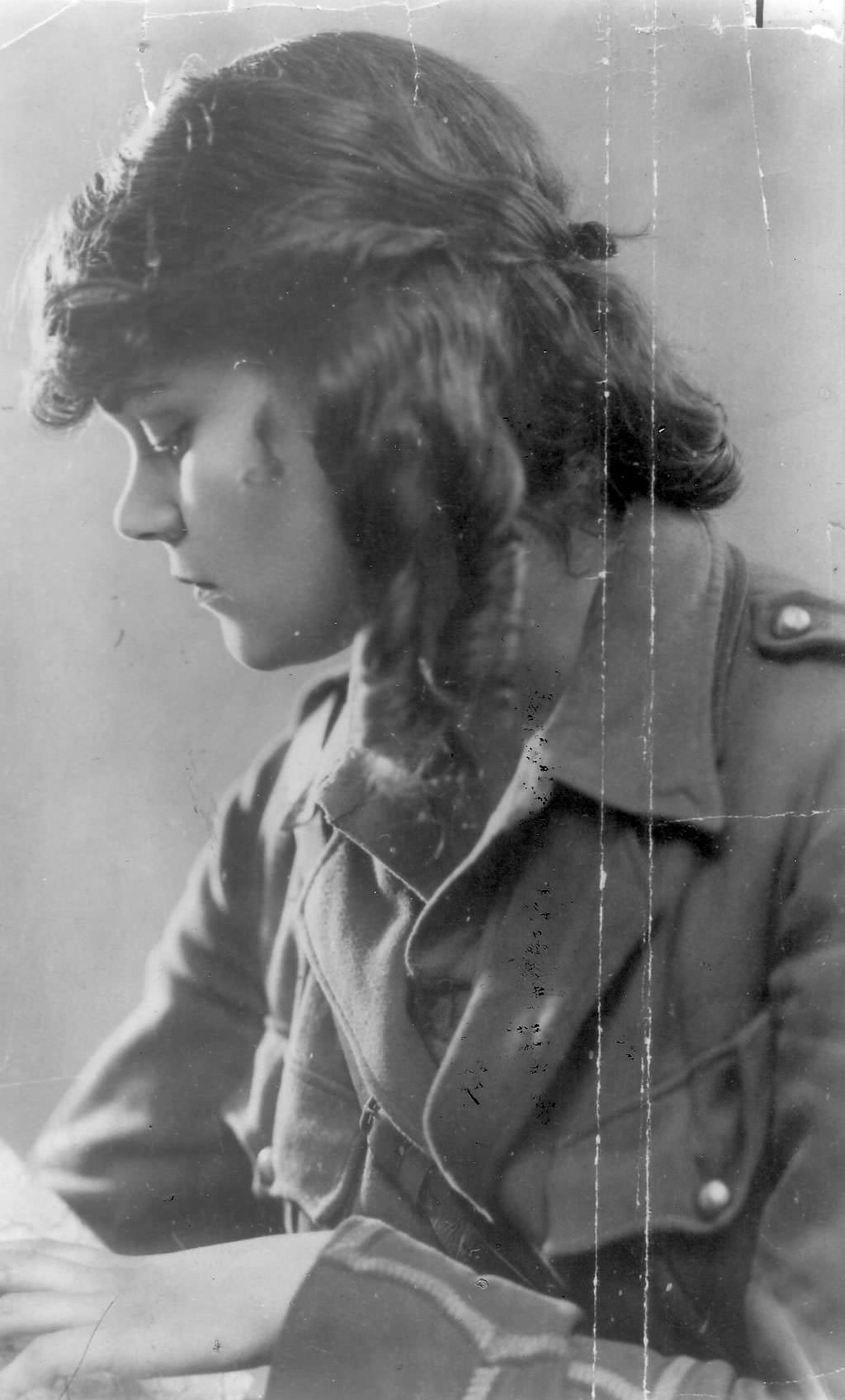
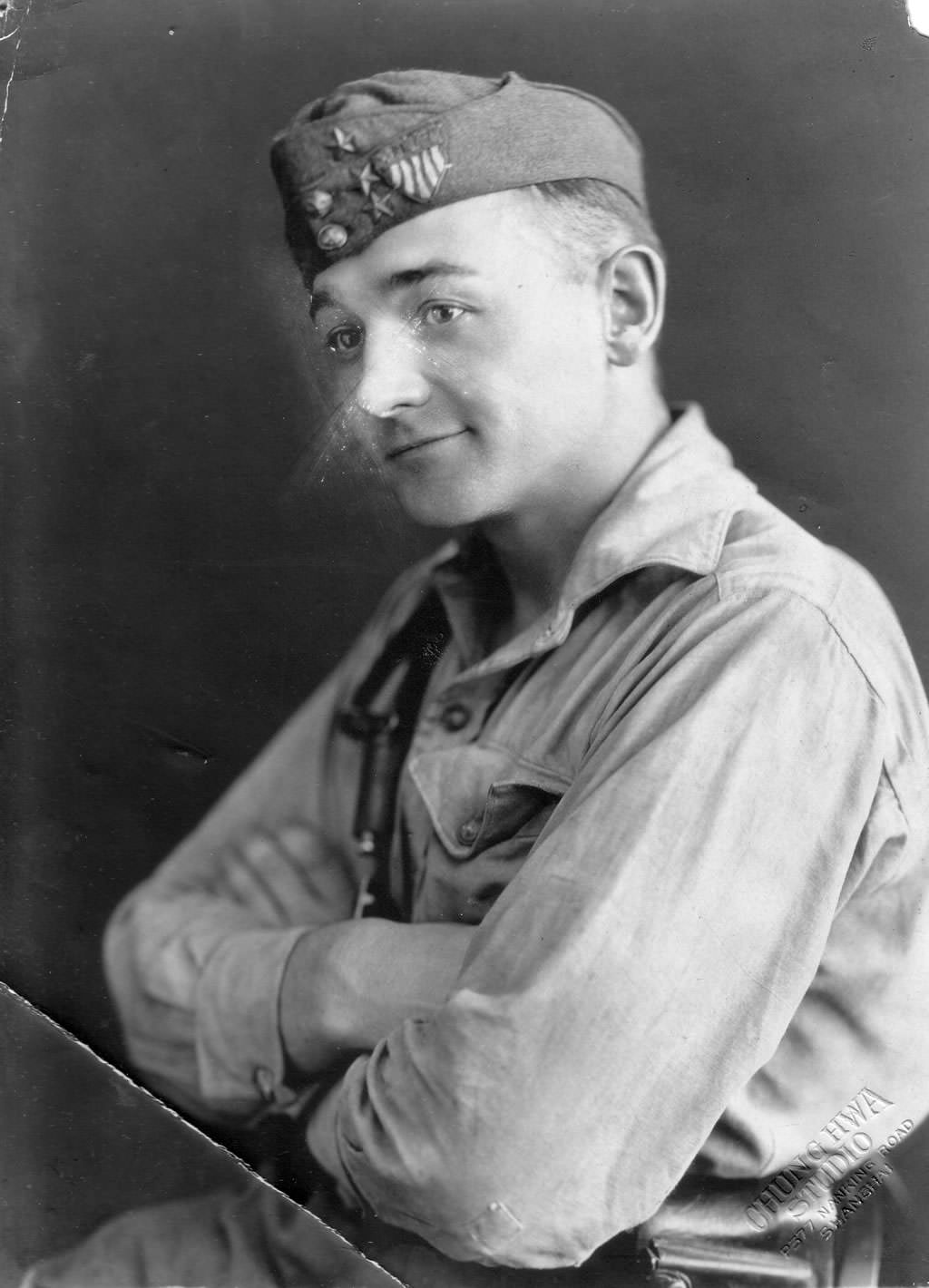
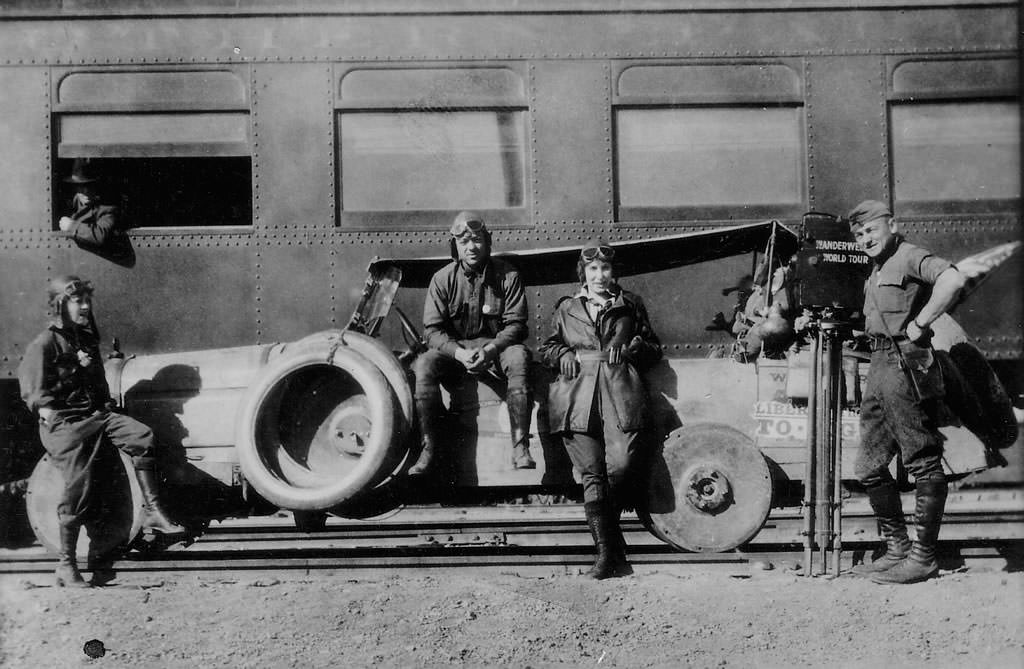
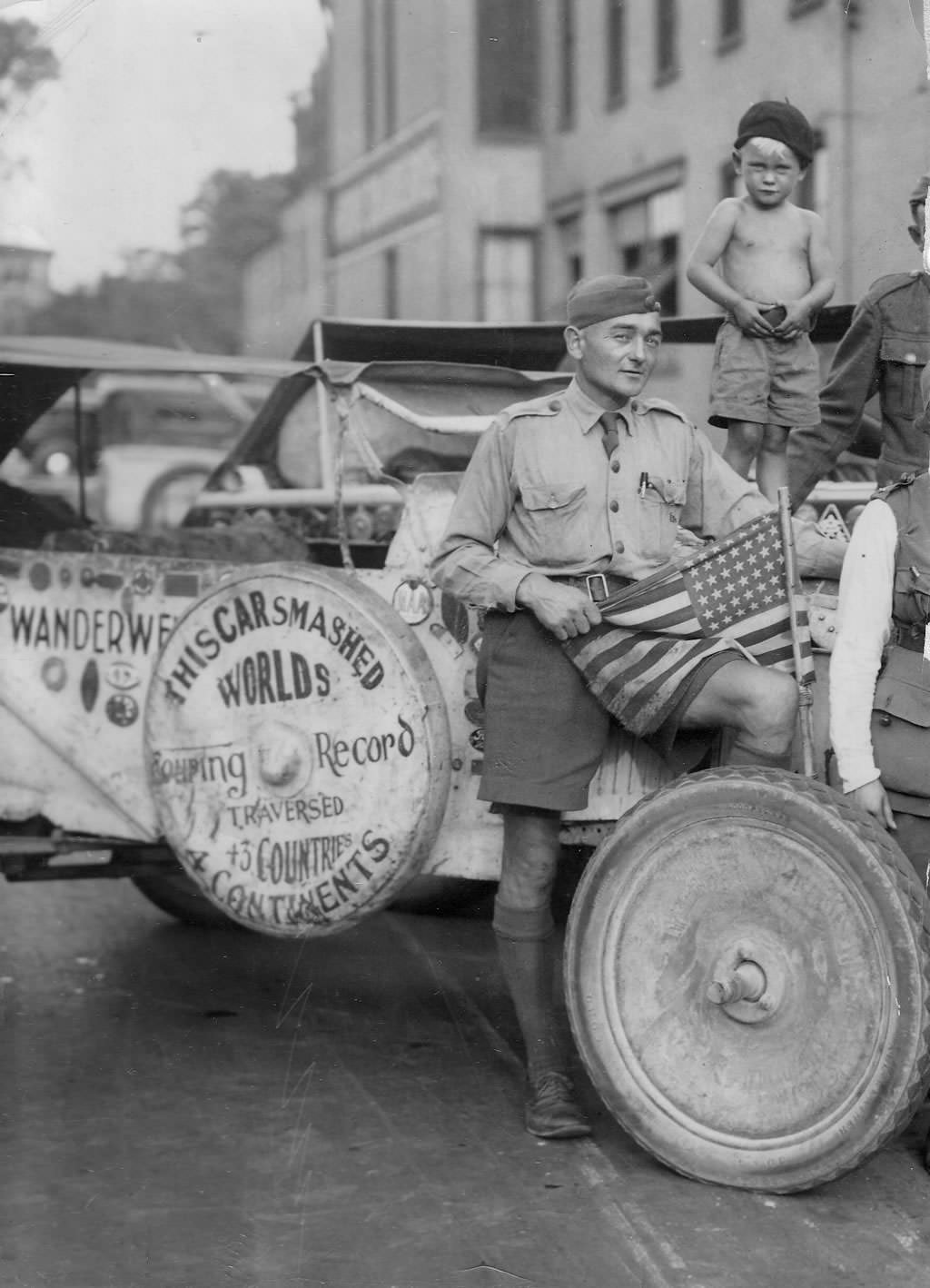
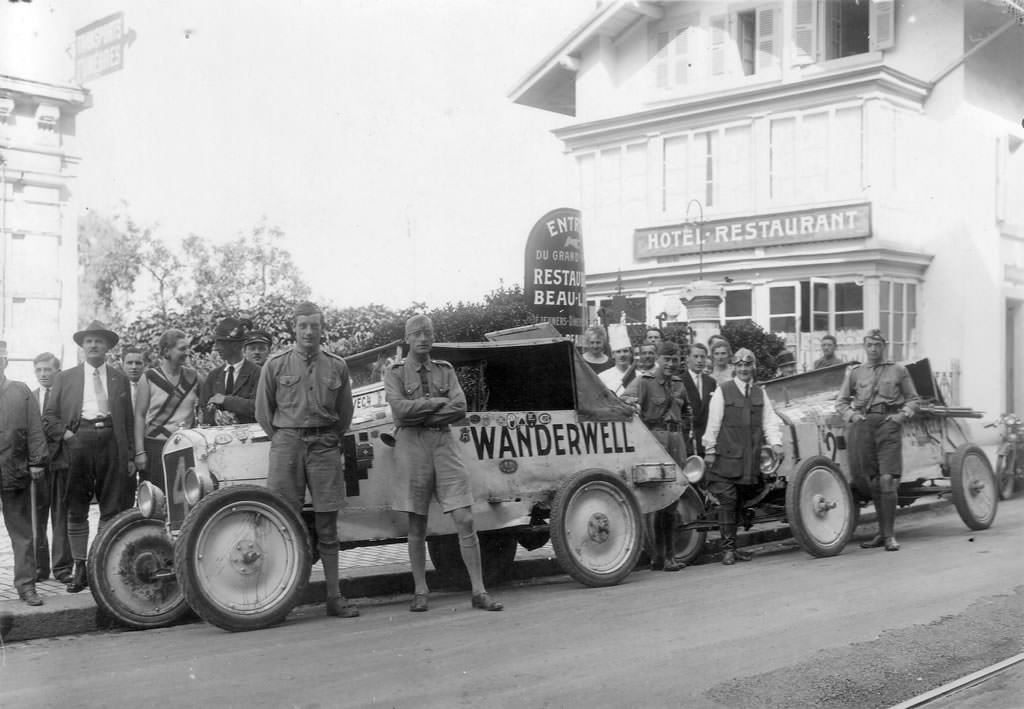
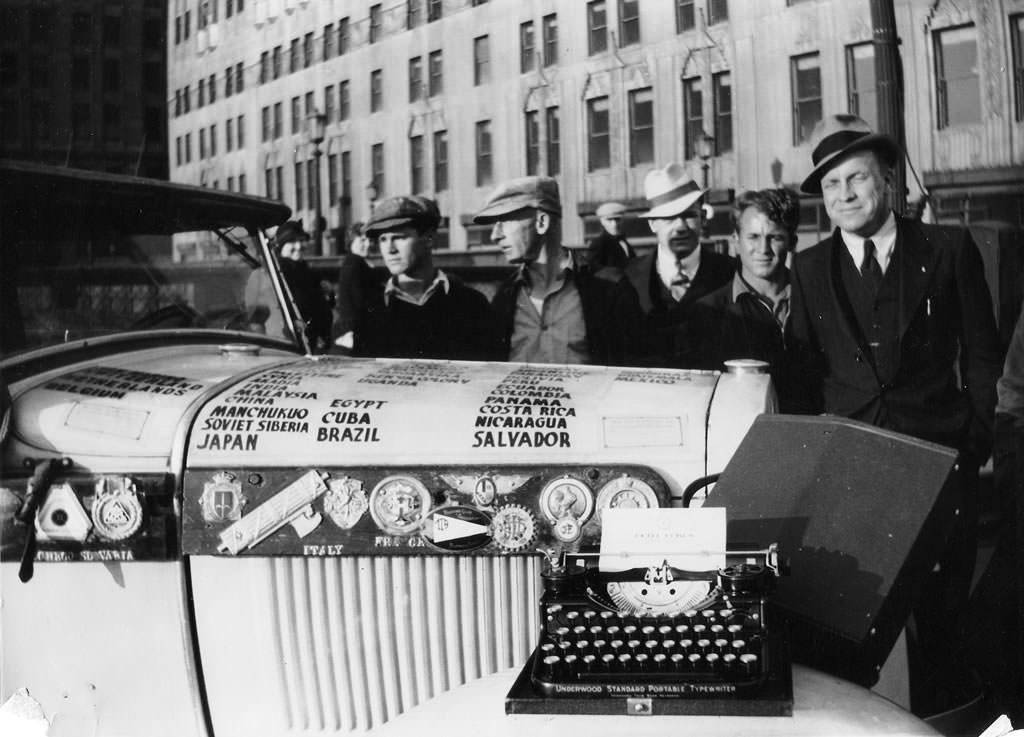
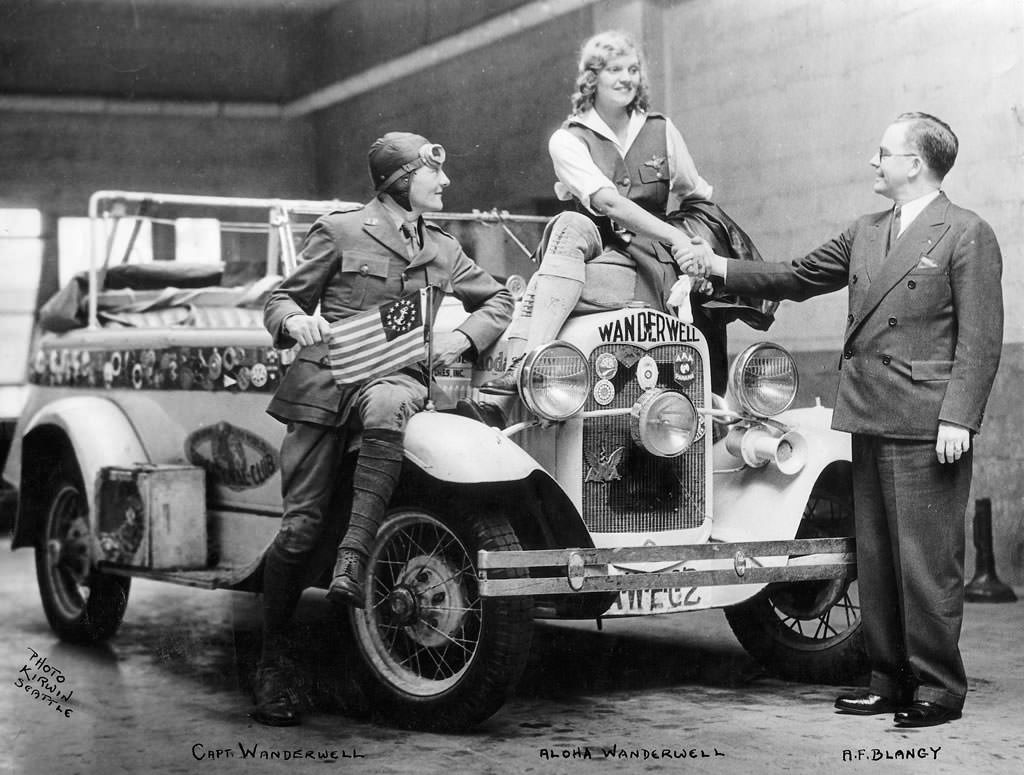
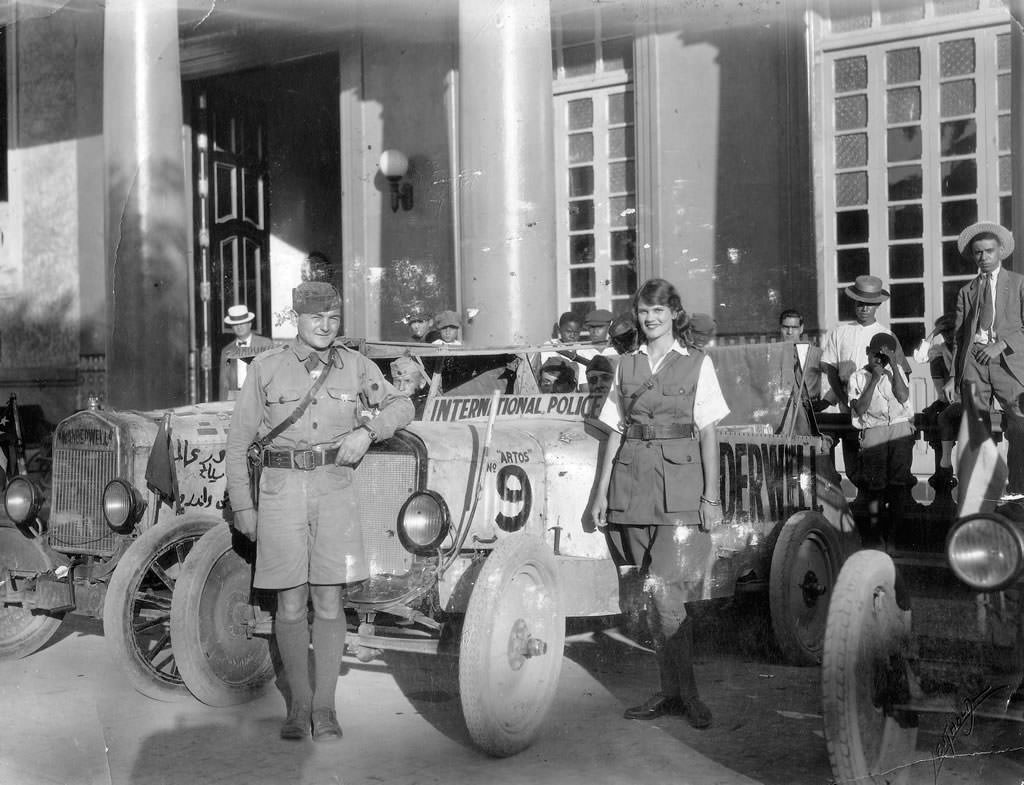
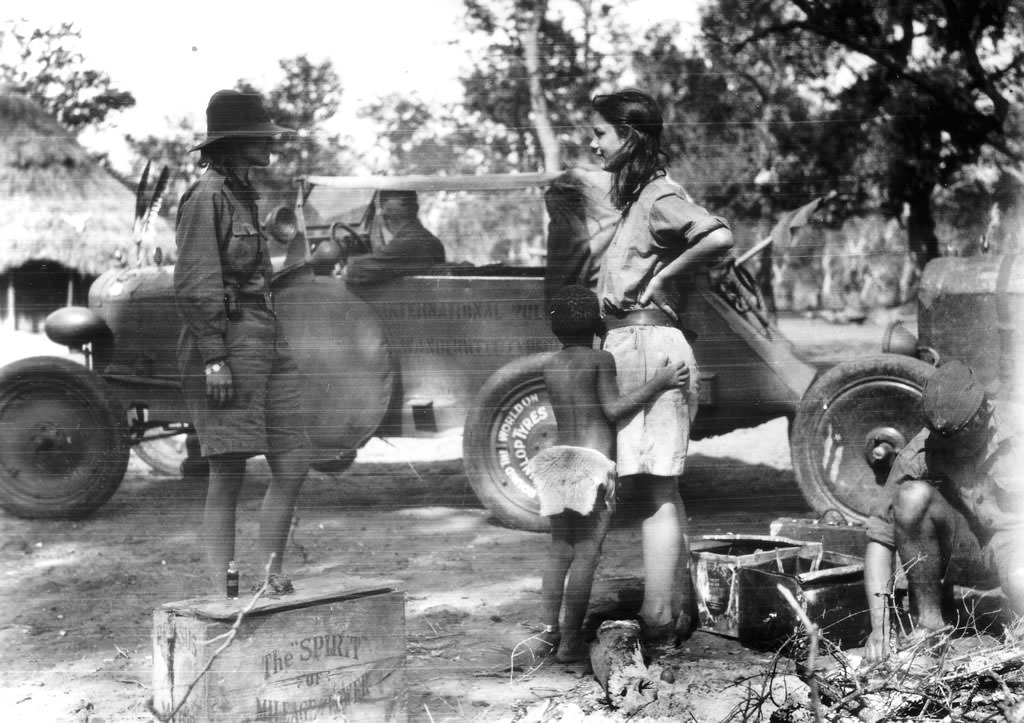
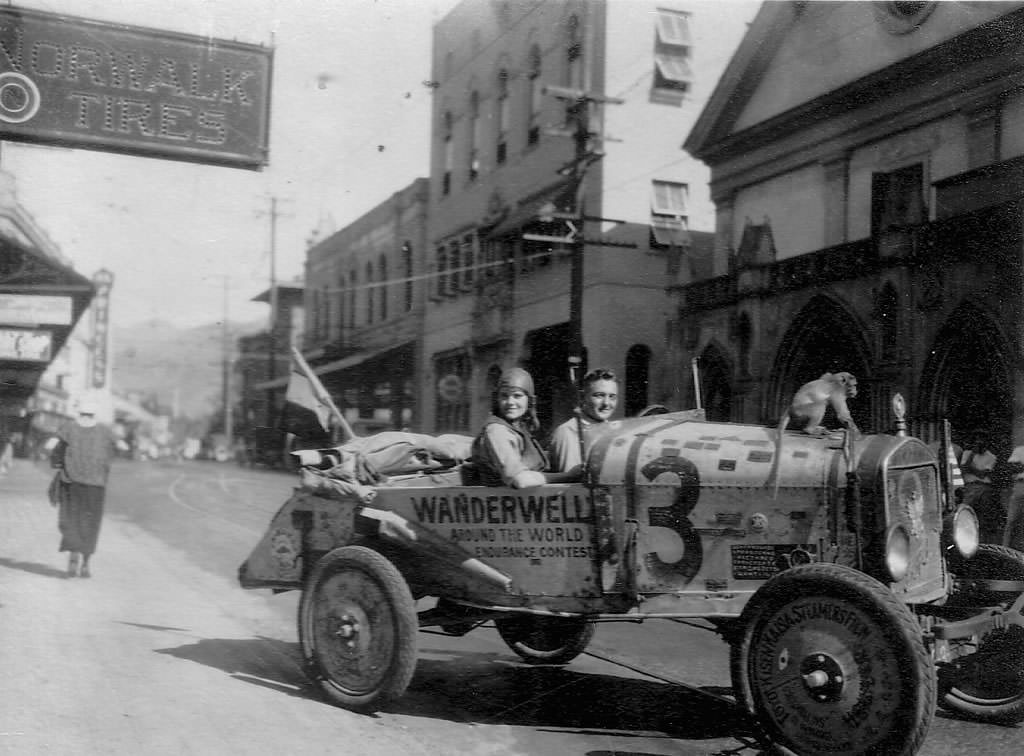
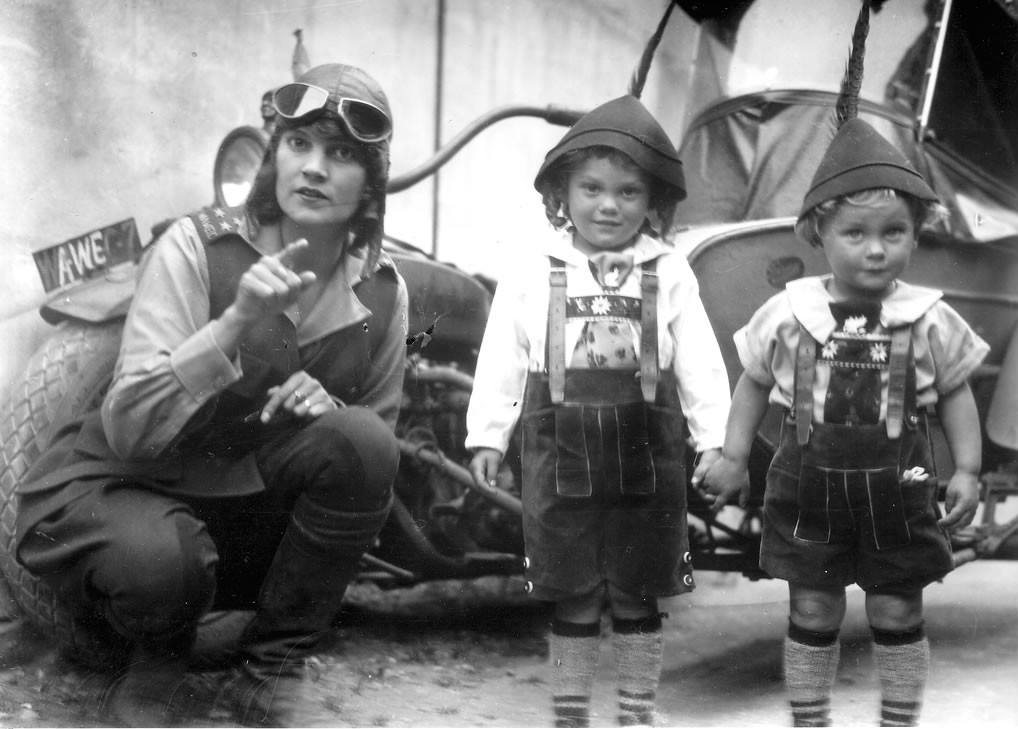
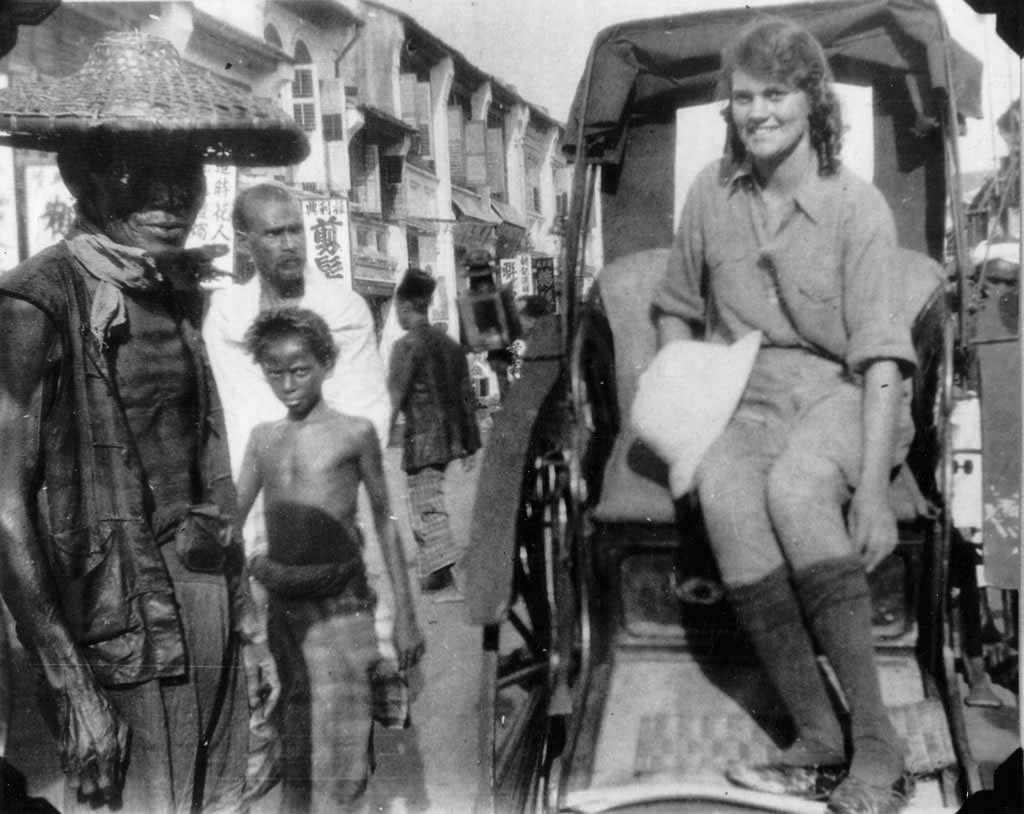
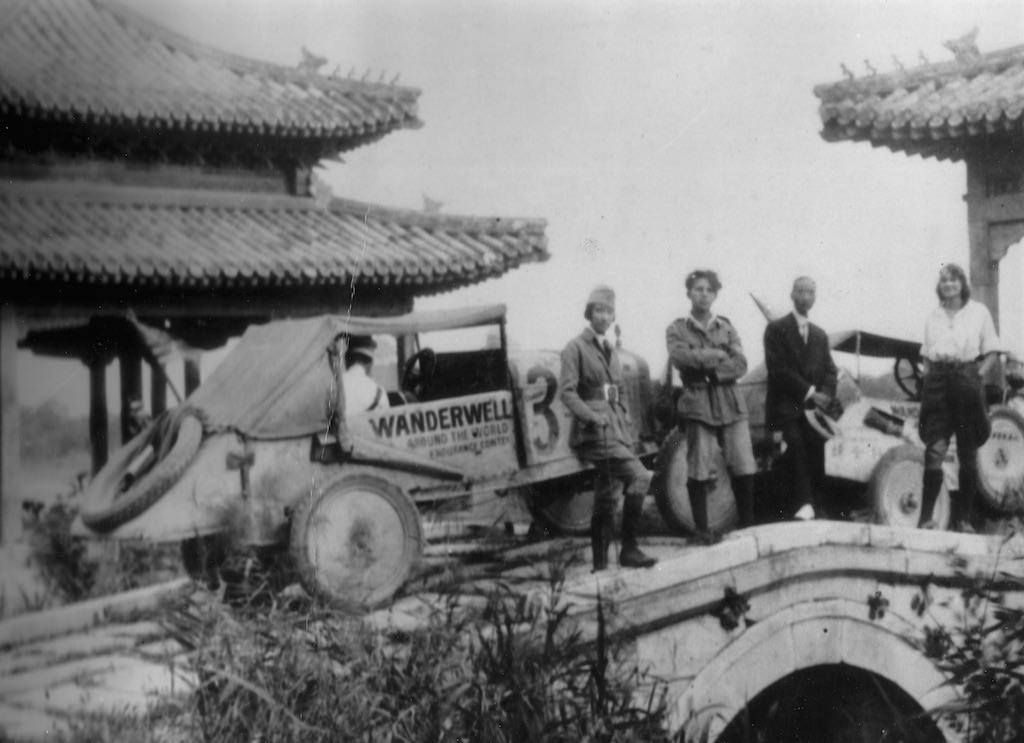
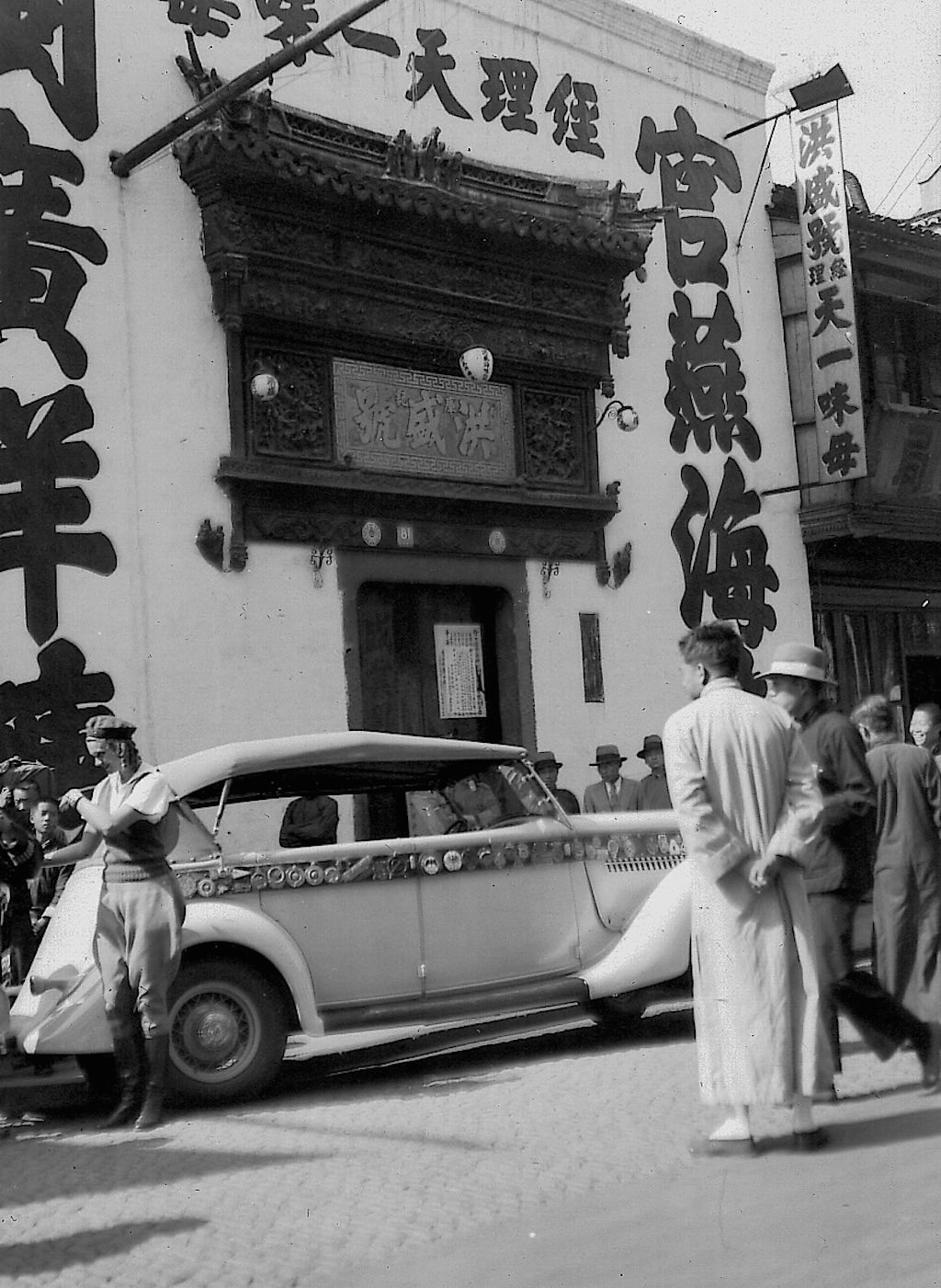
She was born Idris Galcia Hall on October 13, 1906, in Winnipeg, Canada. By the time she was in her twenties, she had driven a Model T Ford across continents, filmed remote villages and ancient cities, been jailed on suspicion of espionage, and earned a place in history as the first woman to circumnavigate the globe by automobile. The world knew her as Aloha Wanderwell — and the name fit perfectly.
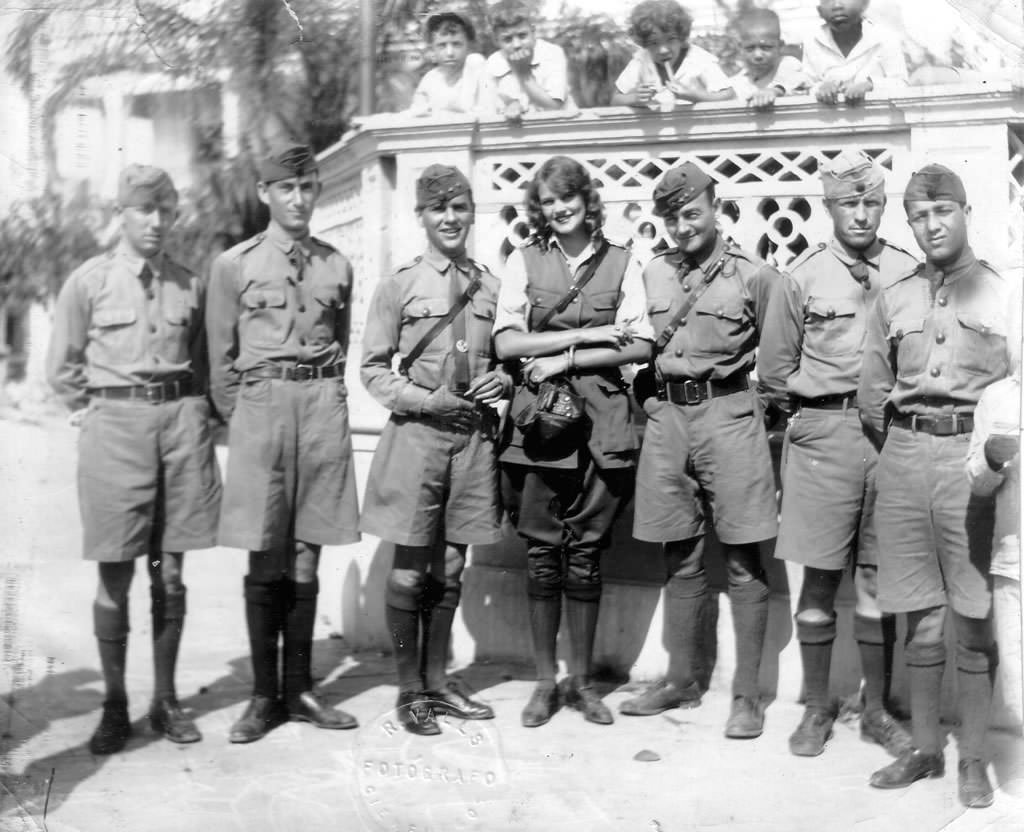
Aloha’s father died during World War I, and she was sent to a French boarding school afterward. The structured life there didn’t suit her. At just 16 years old, she walked away from school and answered a newspaper advertisement placed by Walter Wanderwell, an explorer recruiting crew members for a global expedition. She signed on, and with that decision, Idris Hall ceased to exist. She took the name Aloha Wanderwell and never looked back.
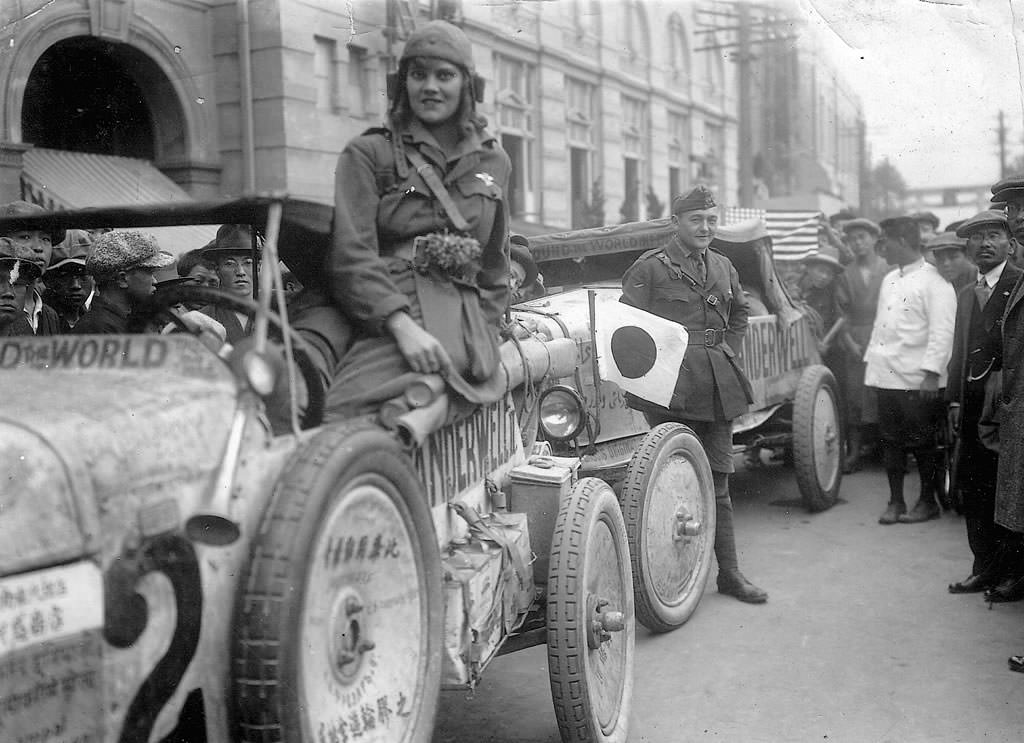
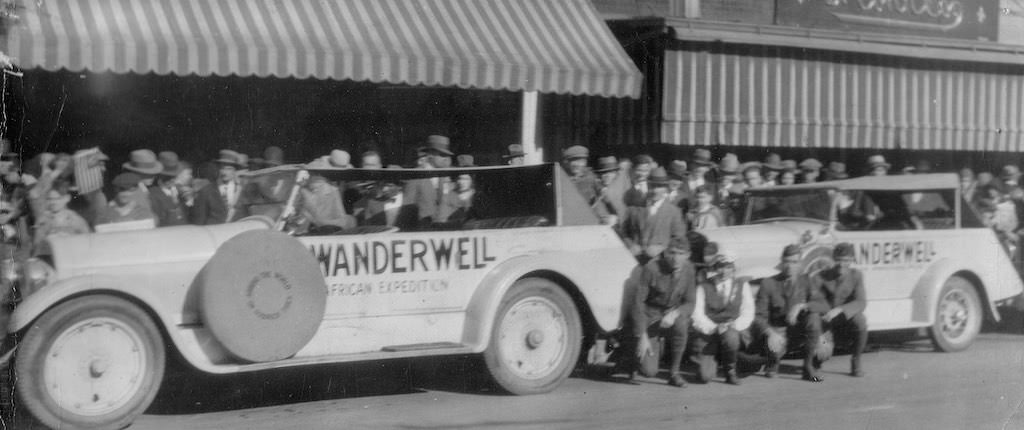
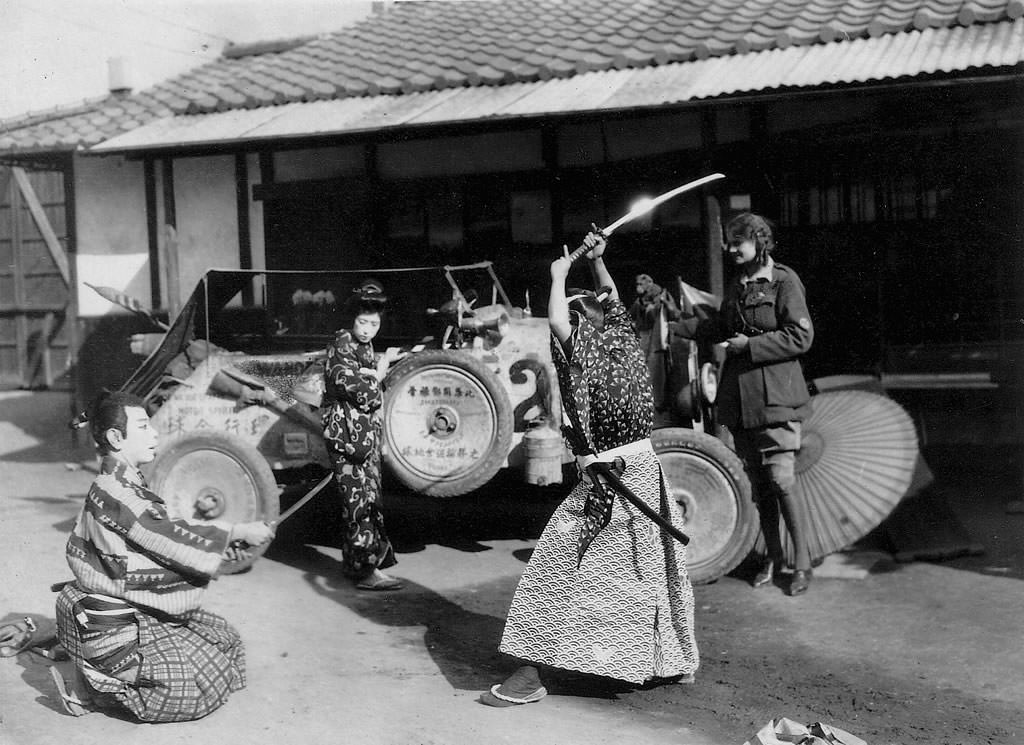
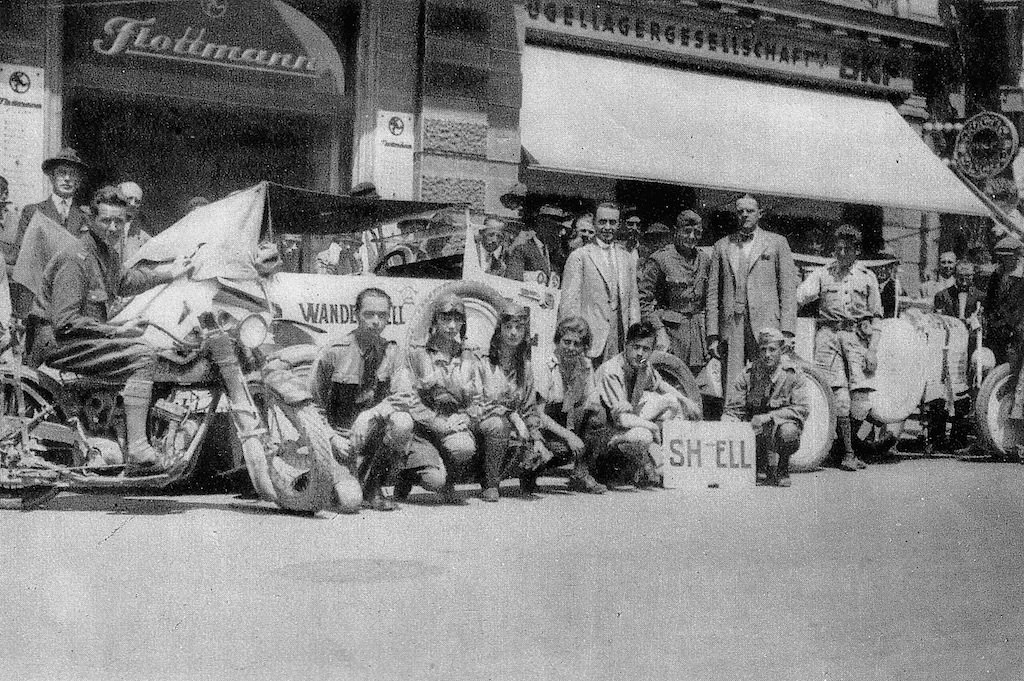
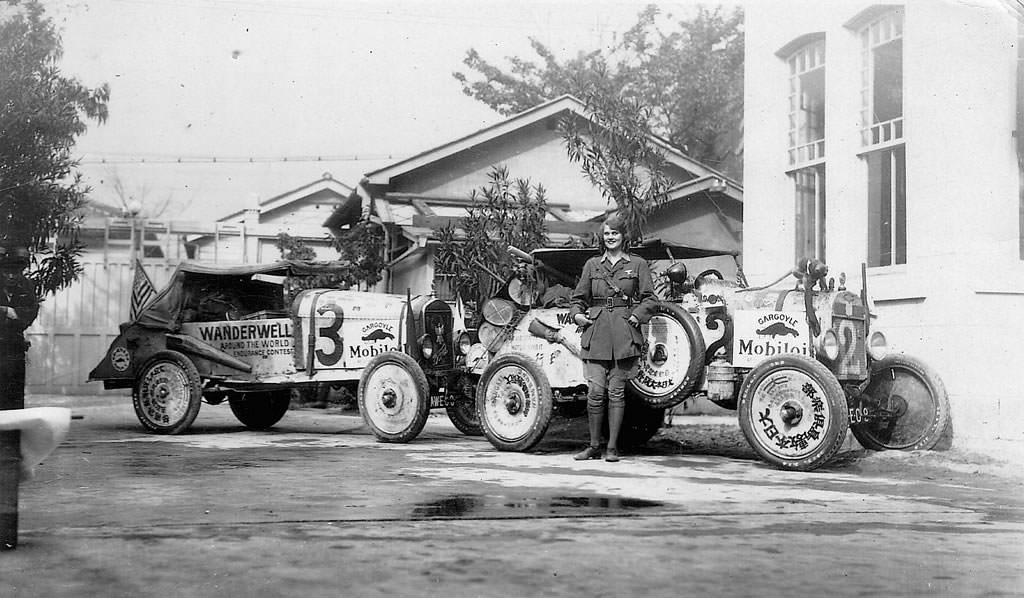
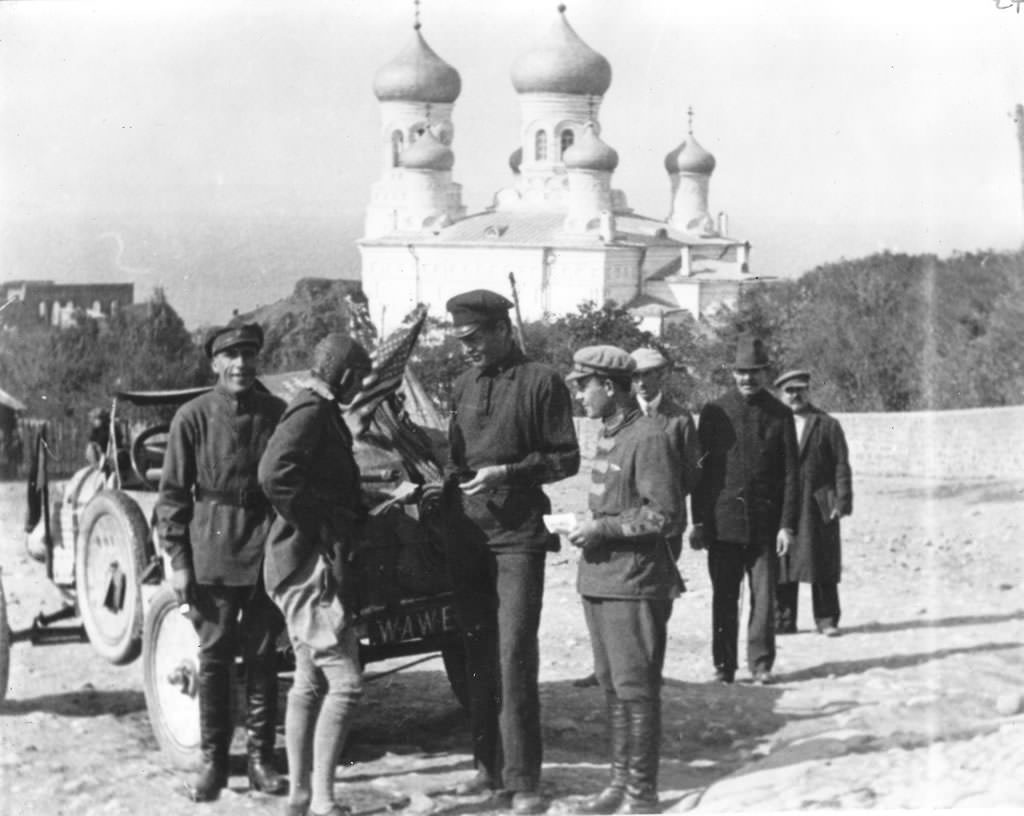
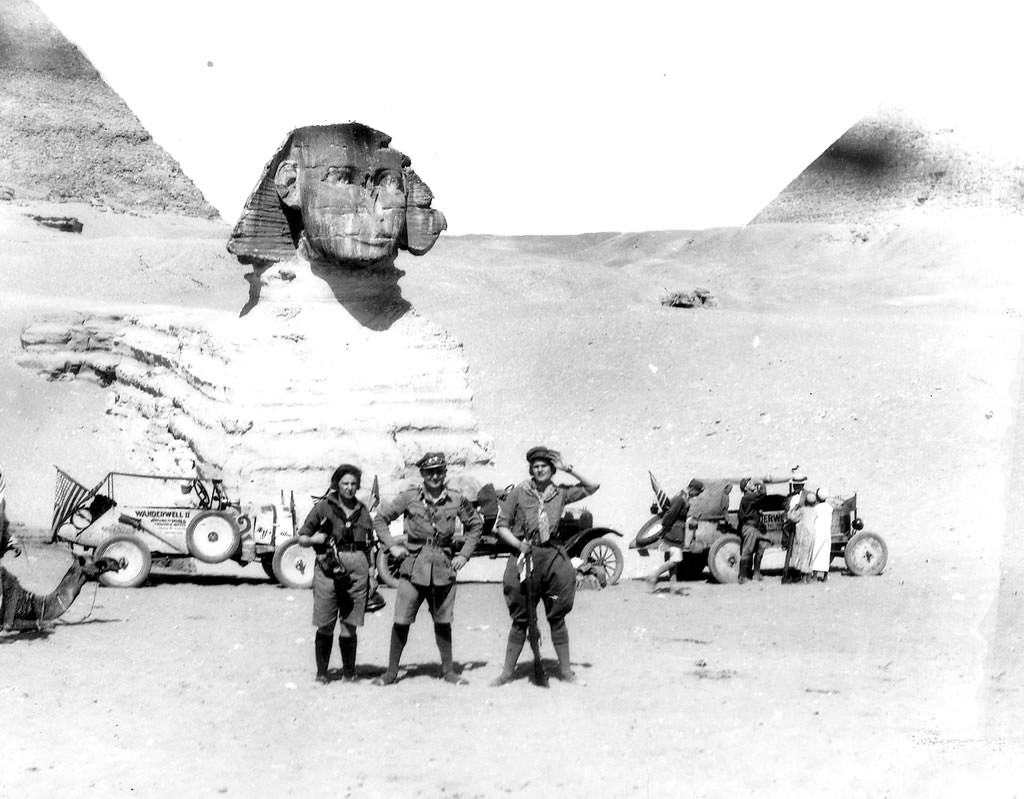
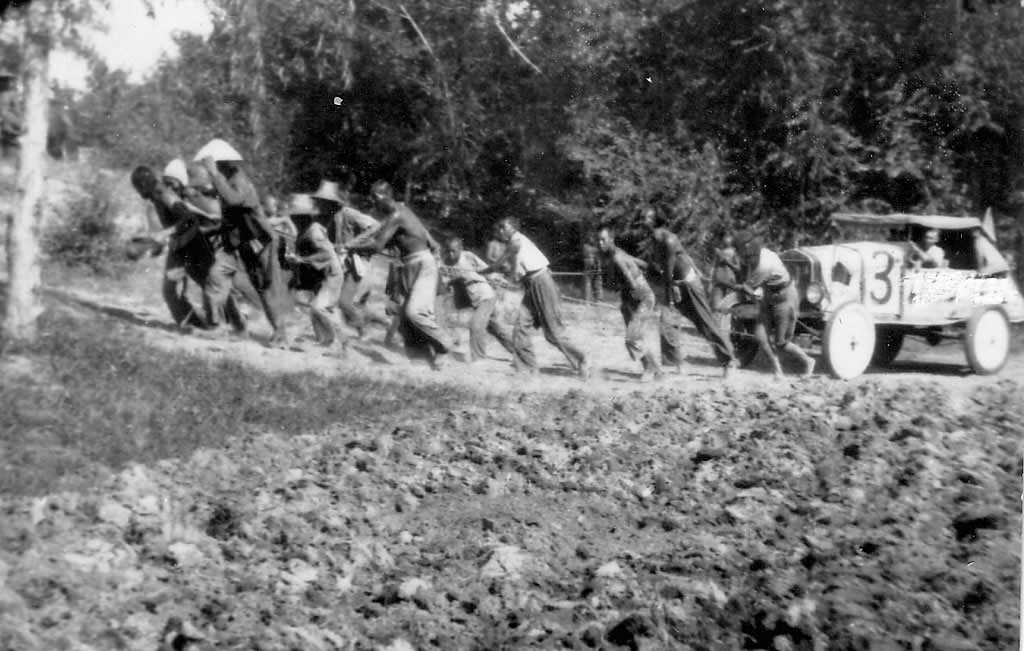
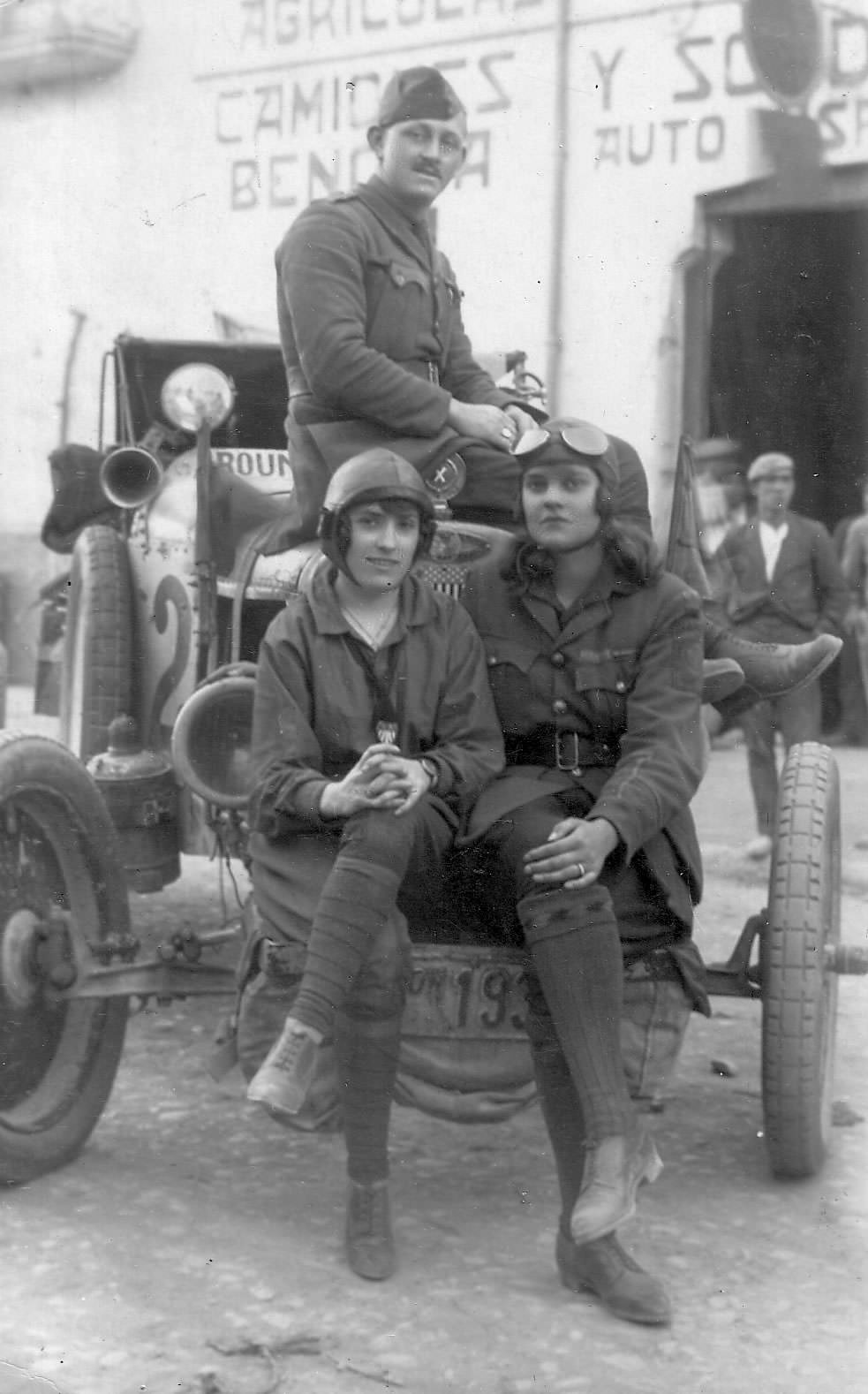
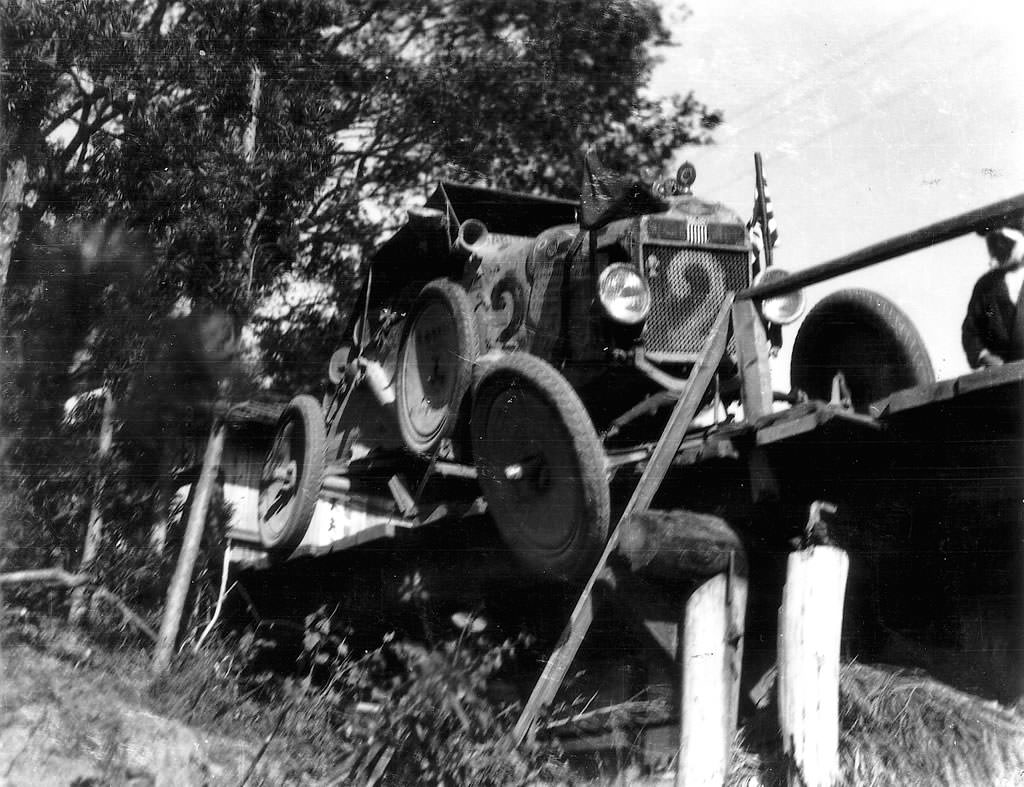
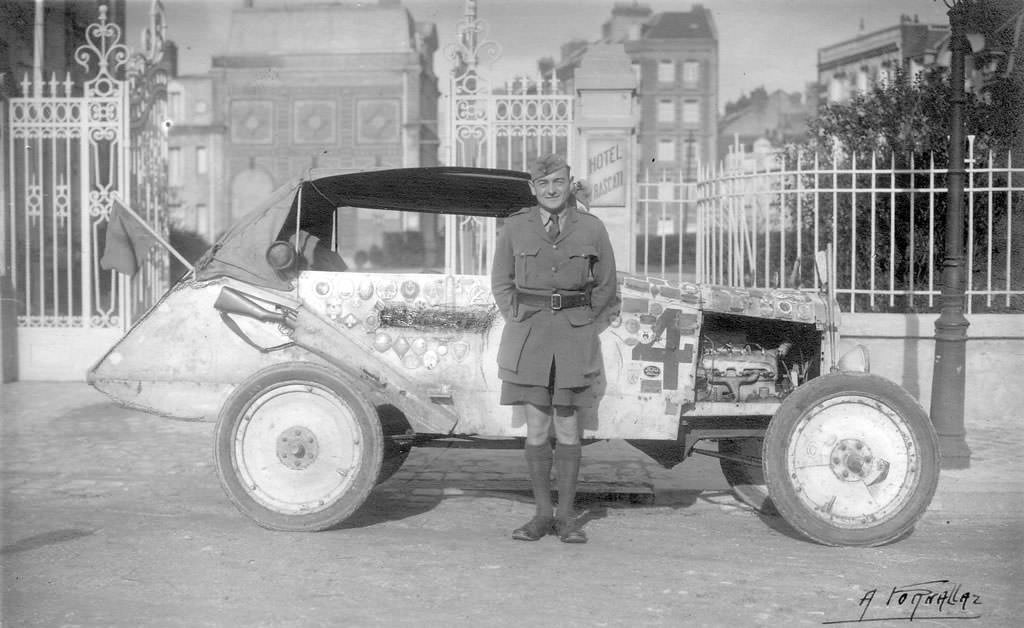
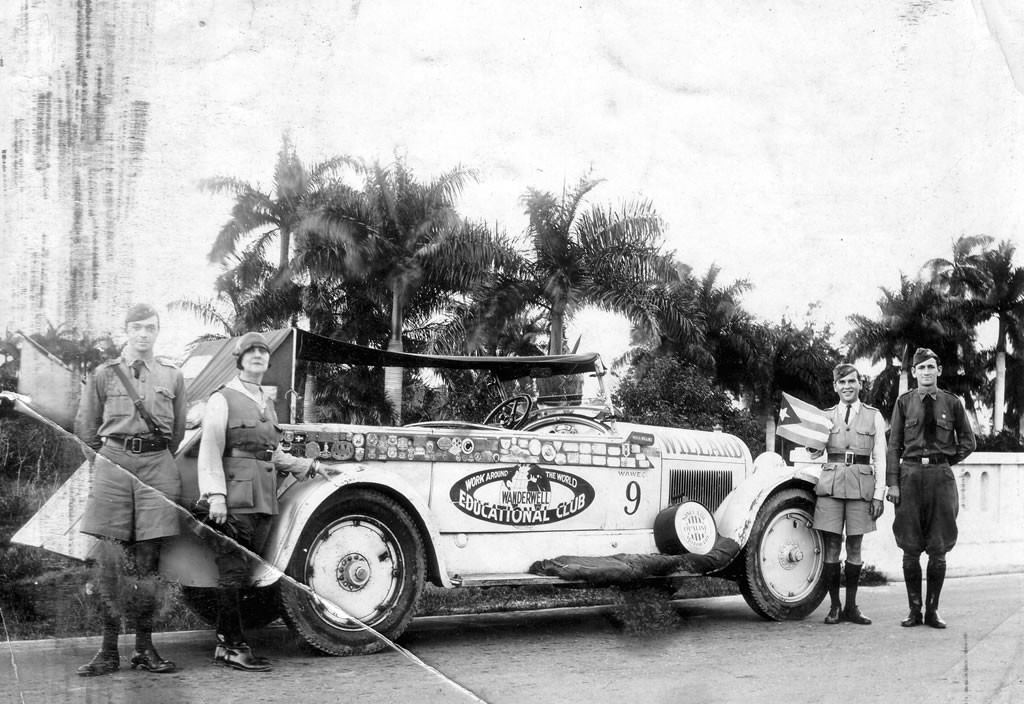
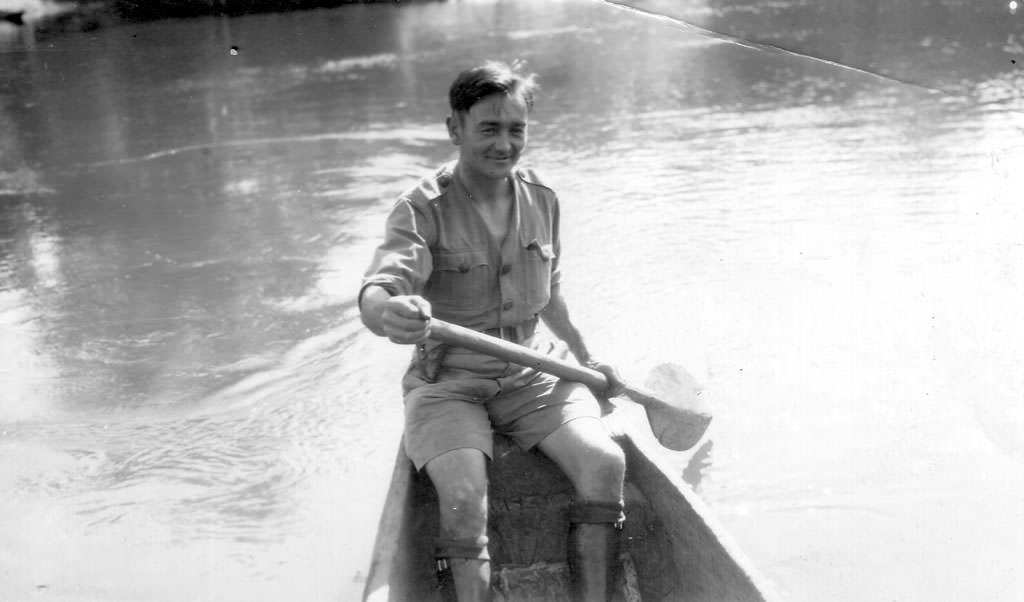
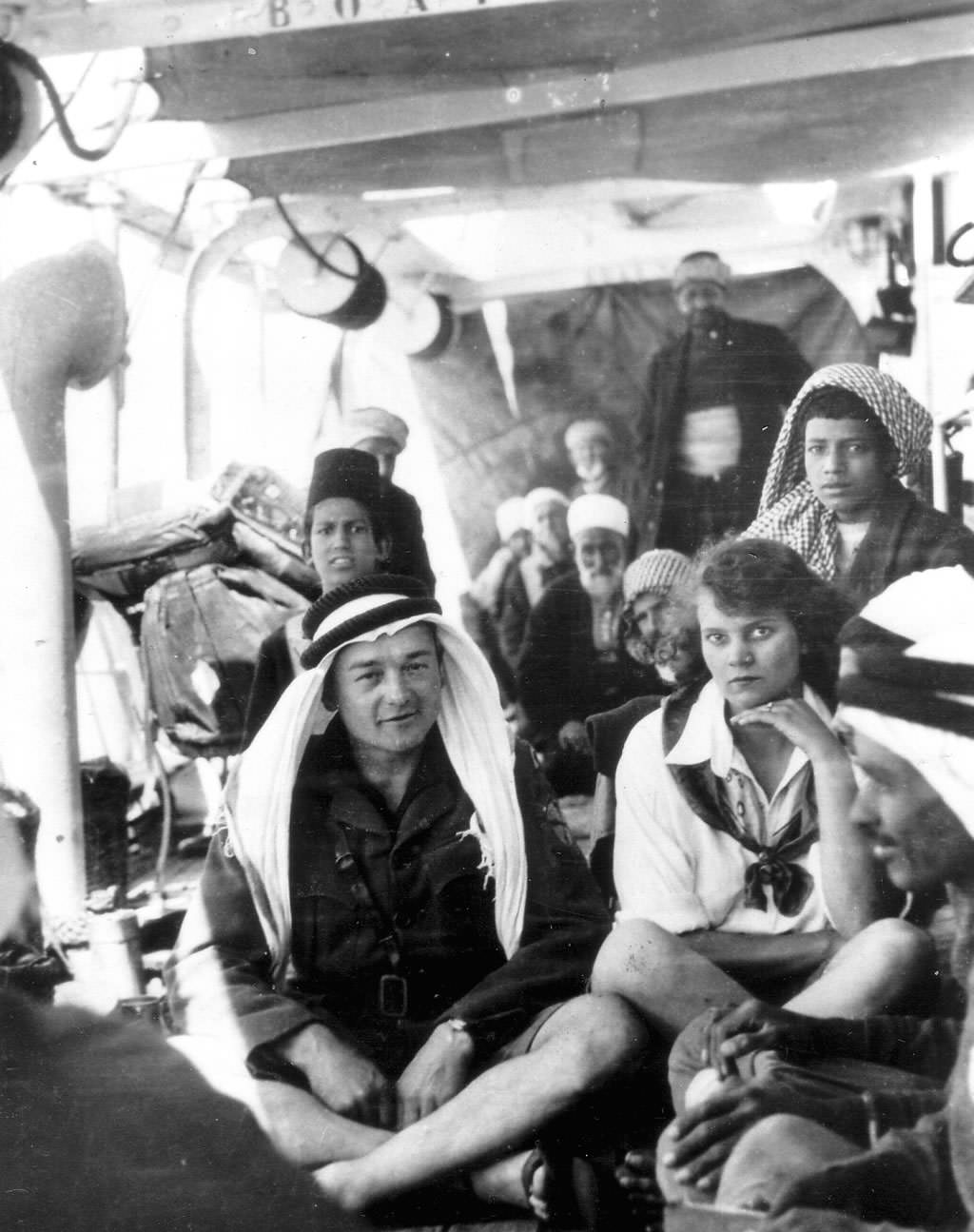
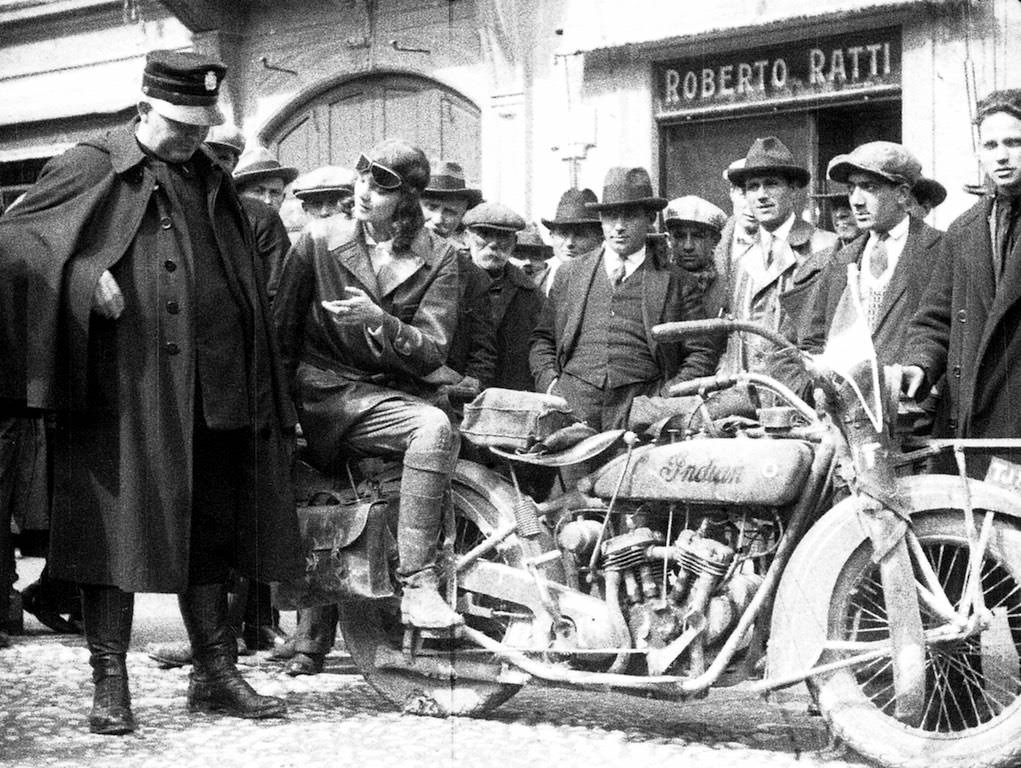
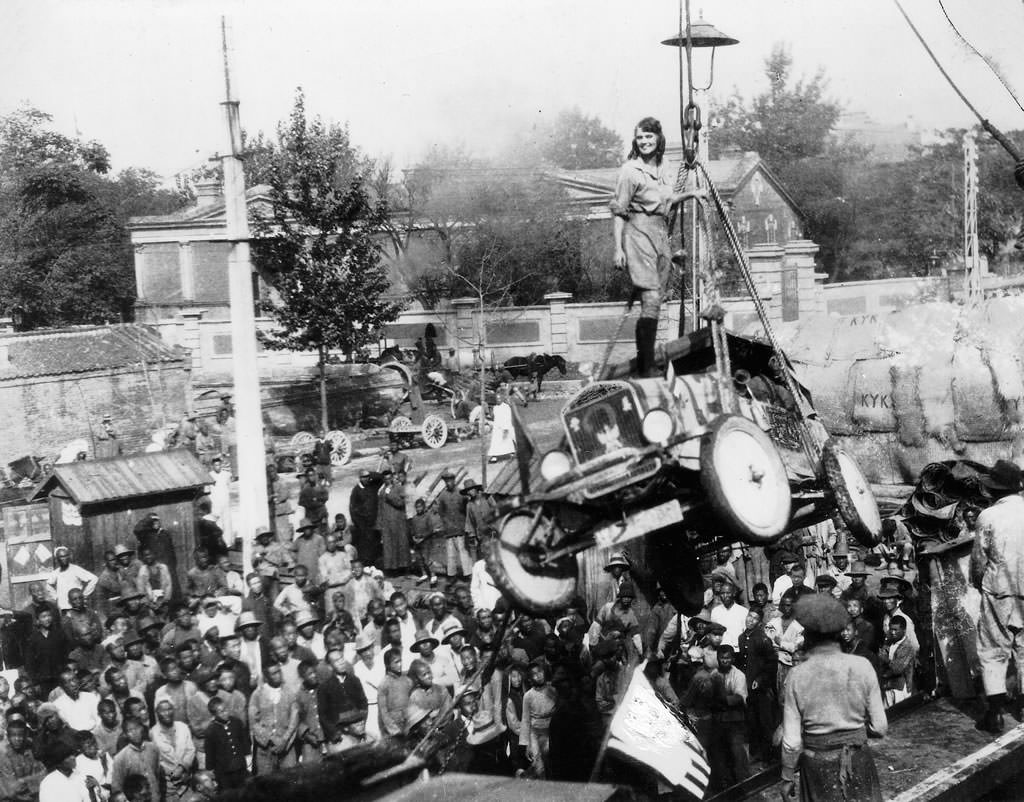
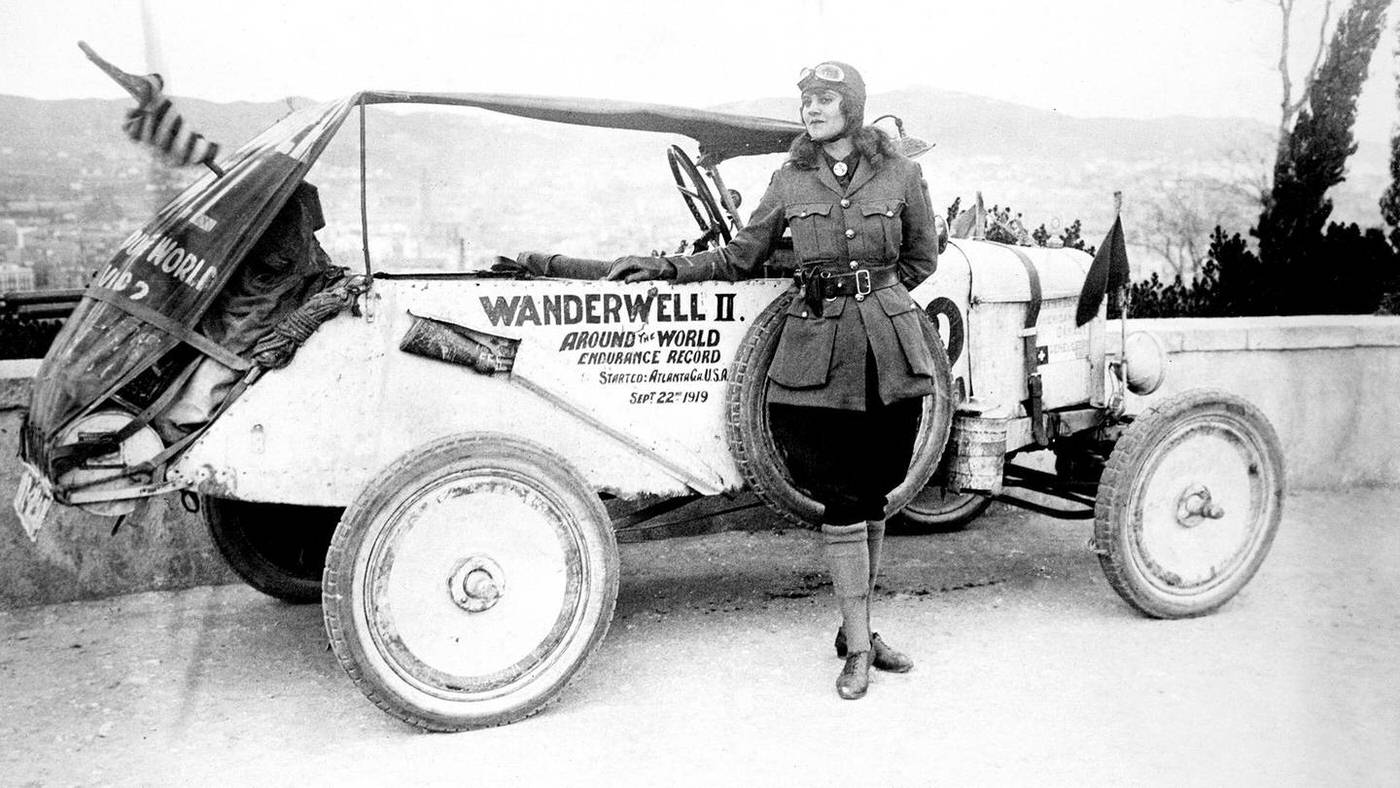
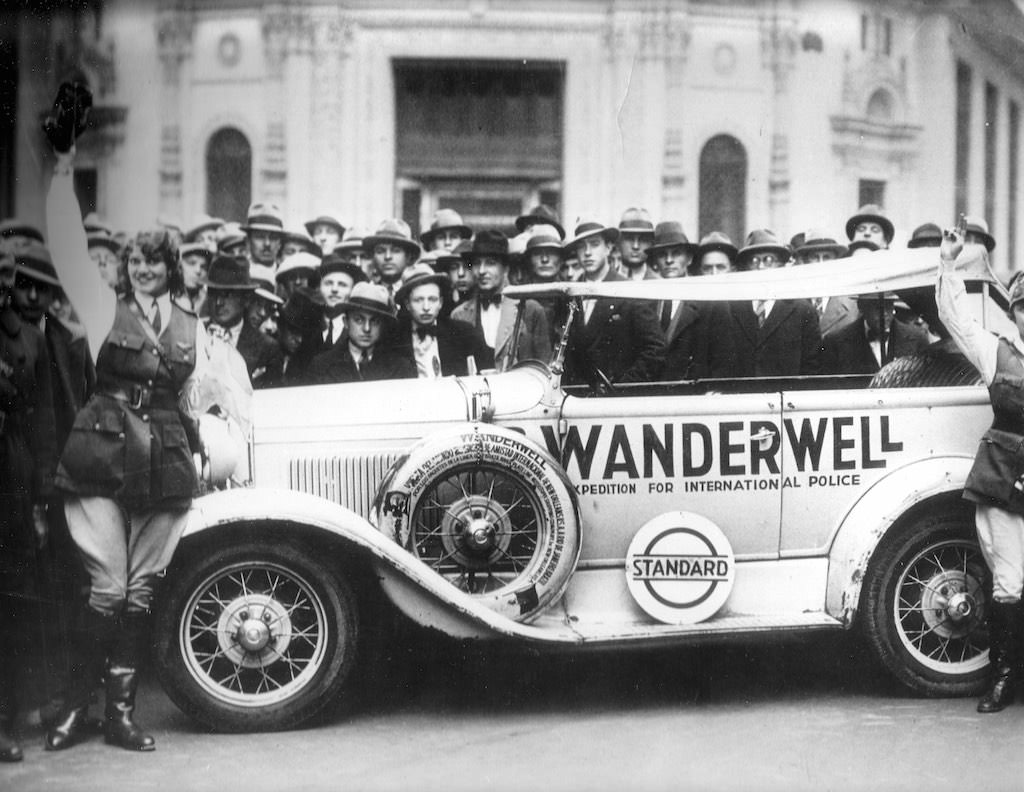
In 1922, the expedition set off from Nice, France, in a Ford Model T. The car was not built for the journey ahead. Roads across large parts of Asia, Africa, and the Middle East were little more than dirt tracks — or no tracks at all. Aloha traveled through India, China, Africa, and dozens of countries in between. She crossed flooded rivers, climbed mountain passes, and drove through regions in the grip of political unrest.
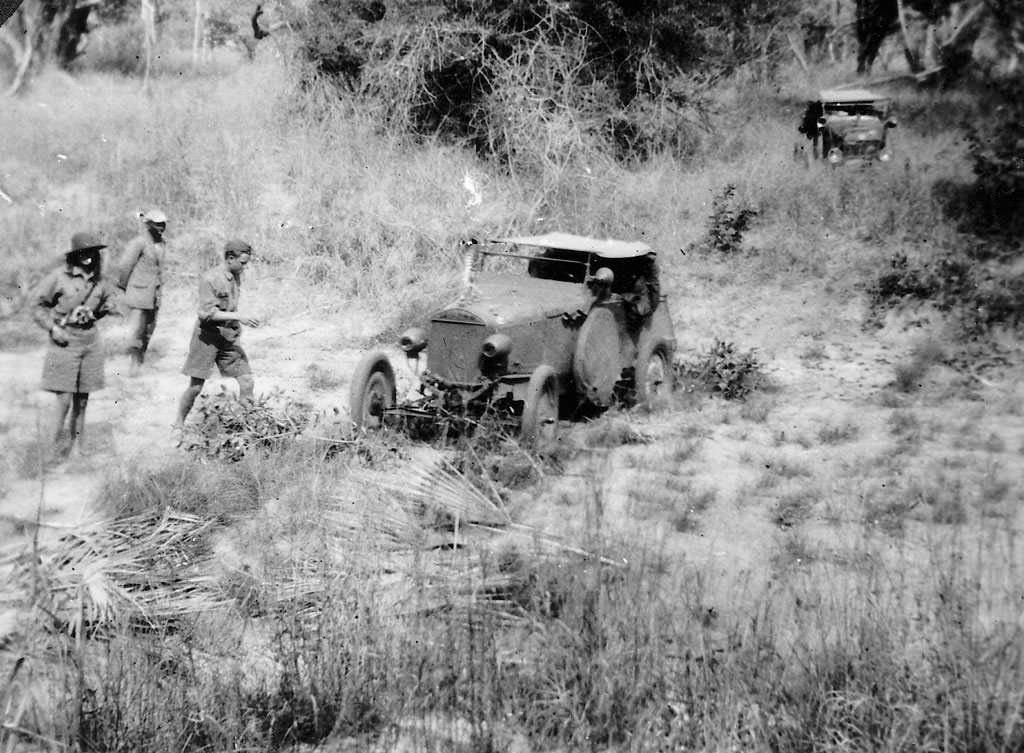
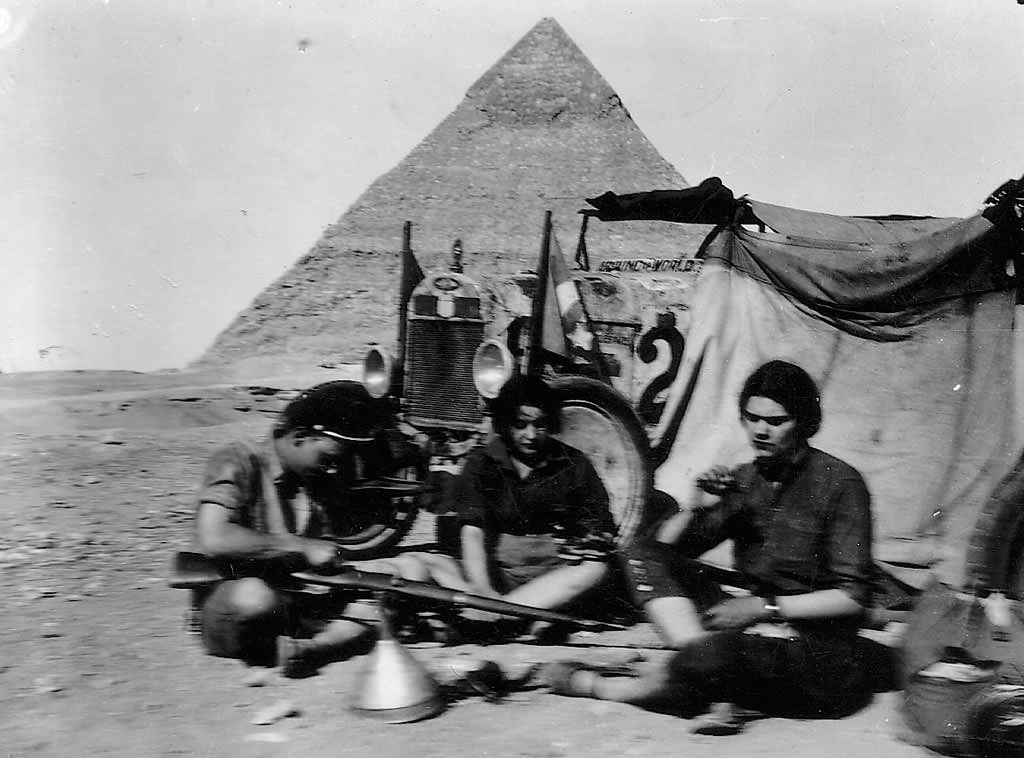
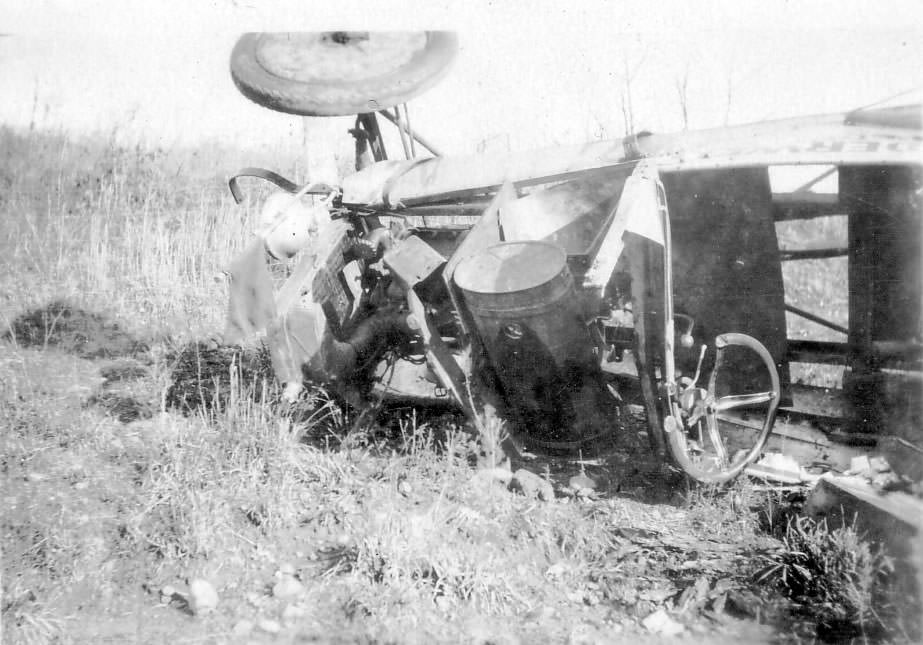
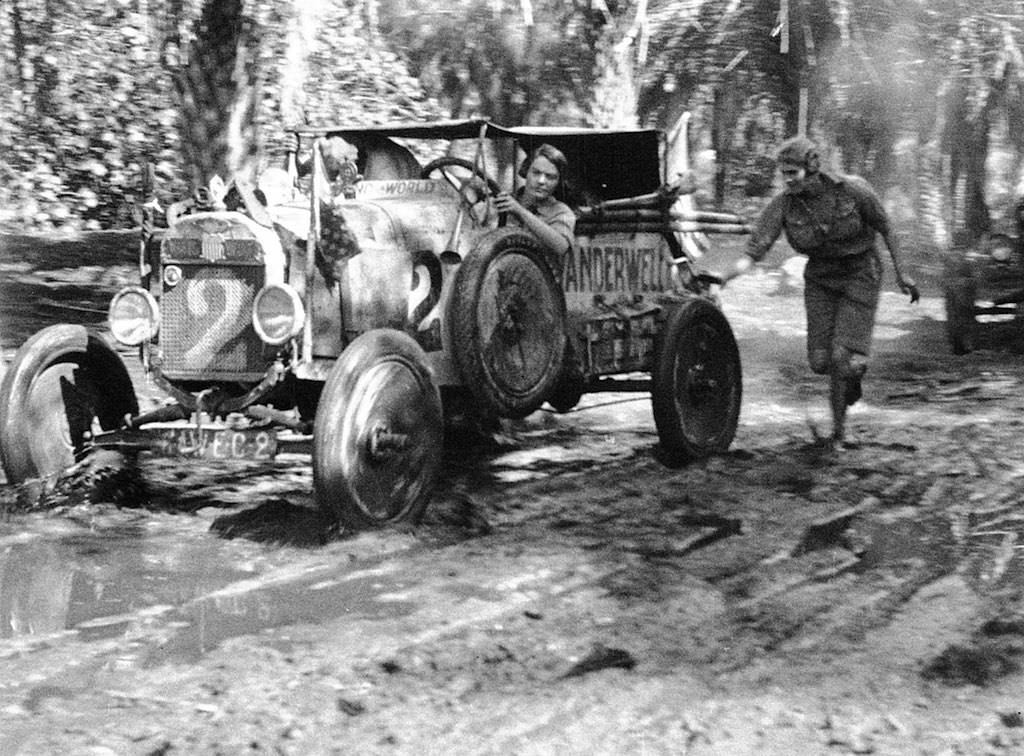
The Model T broke down constantly. Tires blew out. Engines overheated. Parts had to be sourced or fabricated in countries where no Ford dealer existed. Getting the car unstuck from mud was a regular task for the entire crew. These were not minor inconveniences — they were serious obstacles that could have ended the expedition entirely. Aloha treated each one as a problem to solve and kept moving.
In India, the challenges went beyond mechanical failures. British colonial authorities arrested Aloha on suspicion of espionage. A young foreign woman driving across the subcontinent and filming everything she saw raised suspicions. She was jailed briefly before being released. The detention didn’t slow her down.
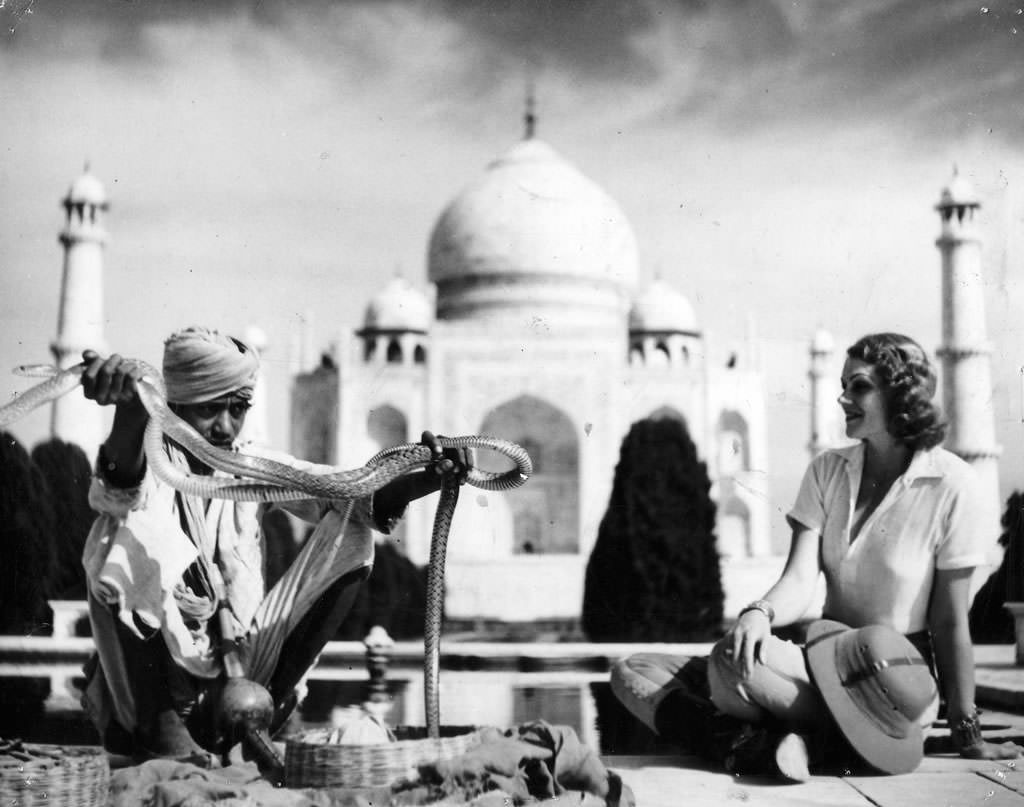
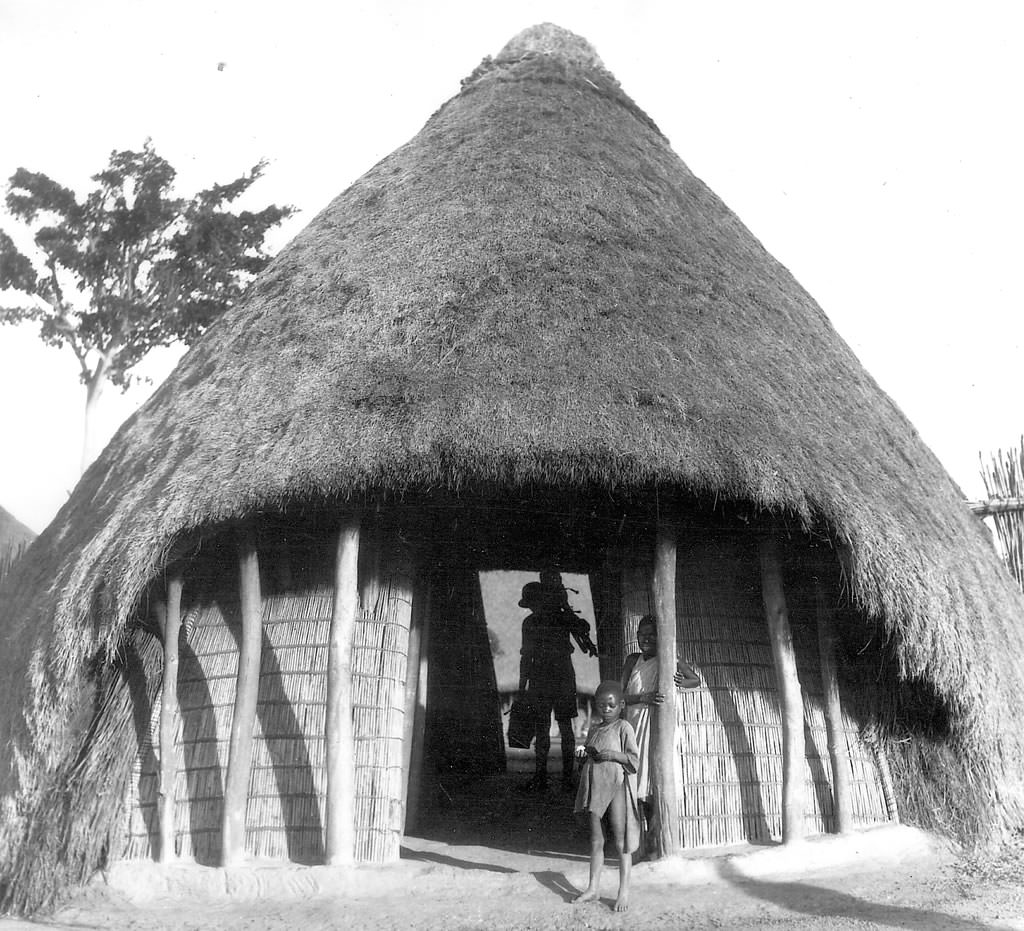
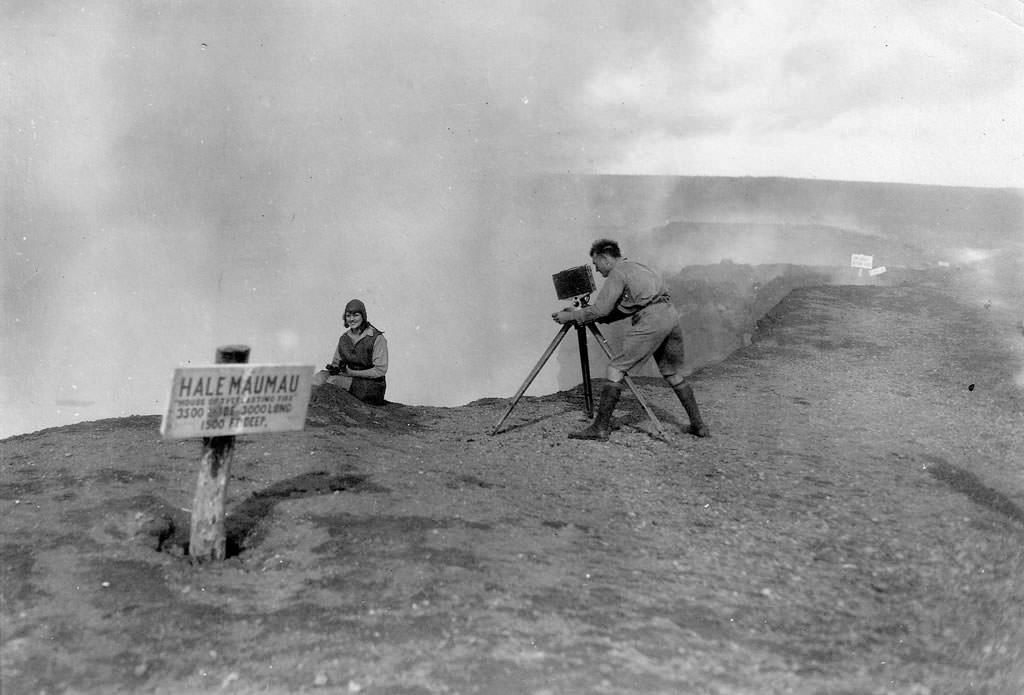
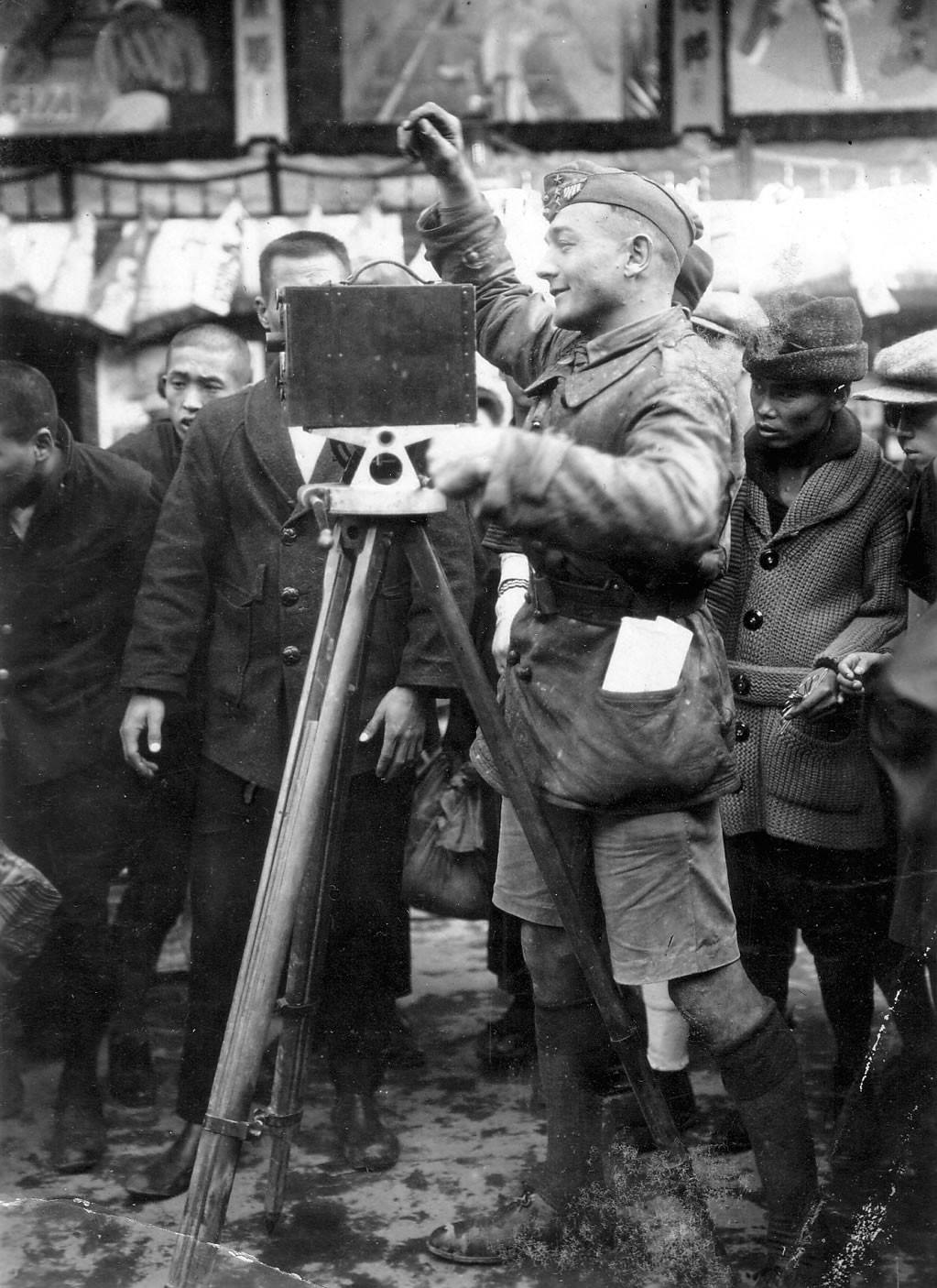
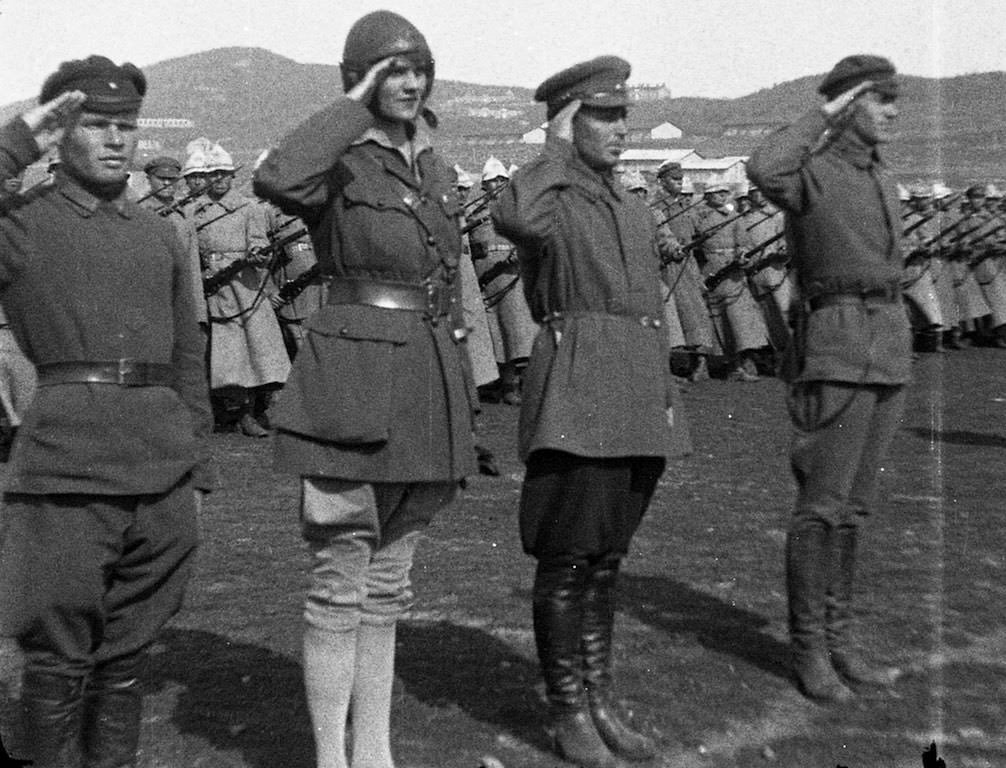
What set Aloha apart from other explorers of her era was her camera. From the very beginning of the expedition, she filmed everything — rural villages, city markets, military parades, religious ceremonies, and the open road ahead. The footage she gathered became some of the most detailed visual records of everyday life across multiple continents in the early 1920s. Most people in Western countries had no way to see these places. Aloha’s films gave them a window.
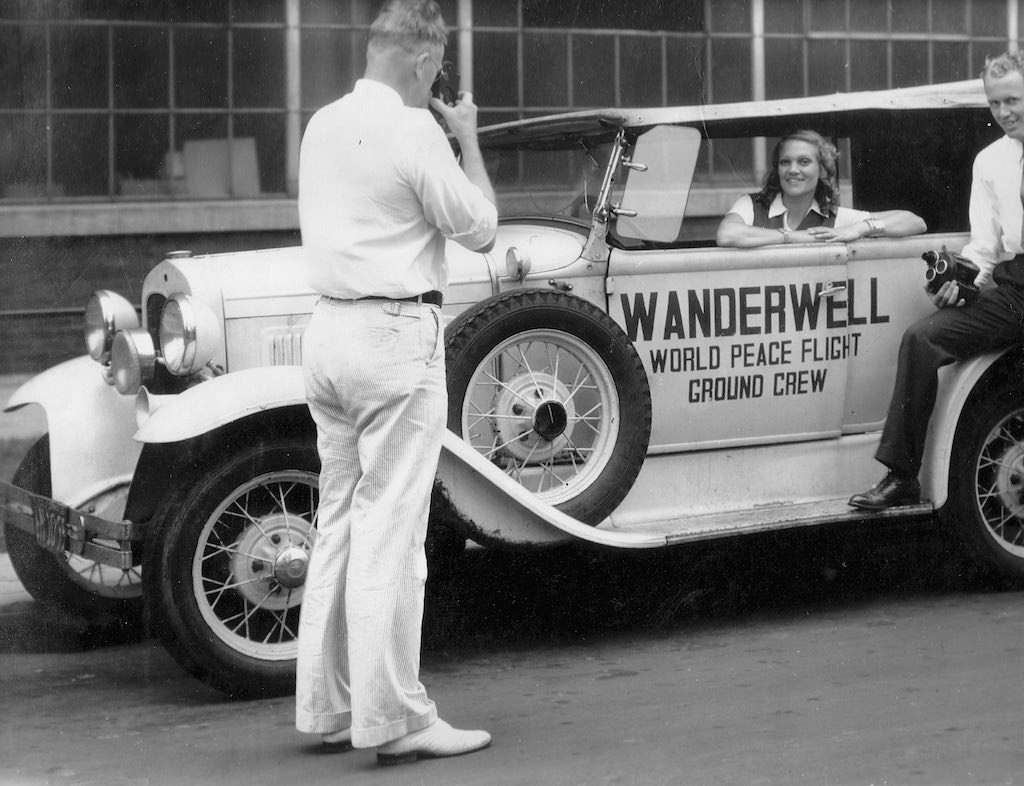
She wasn’t just pointing a camera and pressing a button. Aloha understood composition, timing, and storytelling. She captured the texture of daily life rather than just landmarks. A merchant in a bazaar, children running alongside the Ford, a soldier standing at attention — these were the moments she preserved. Her instincts as a filmmaker were sharp, and the archive she built over years of travel was extraordinary.
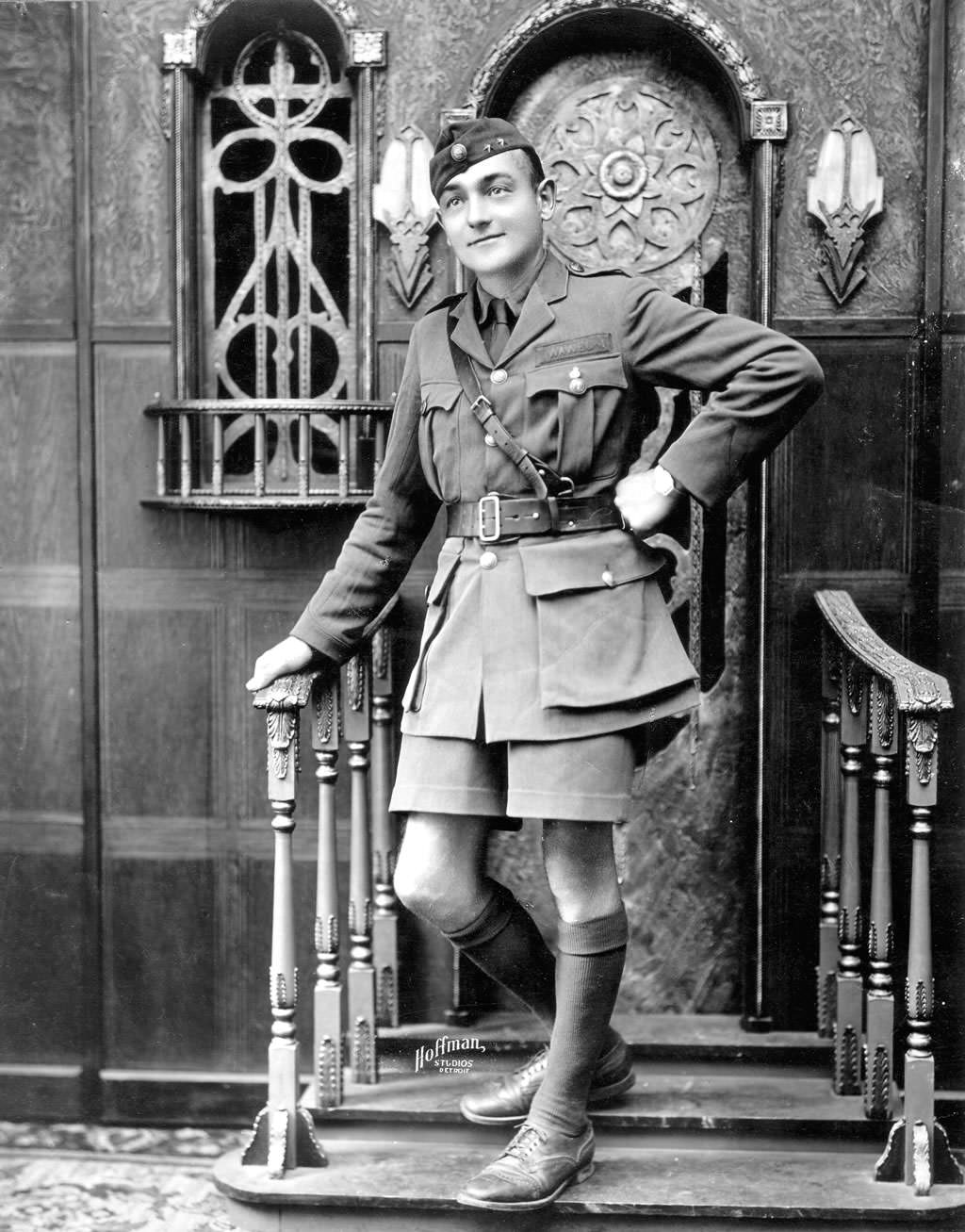
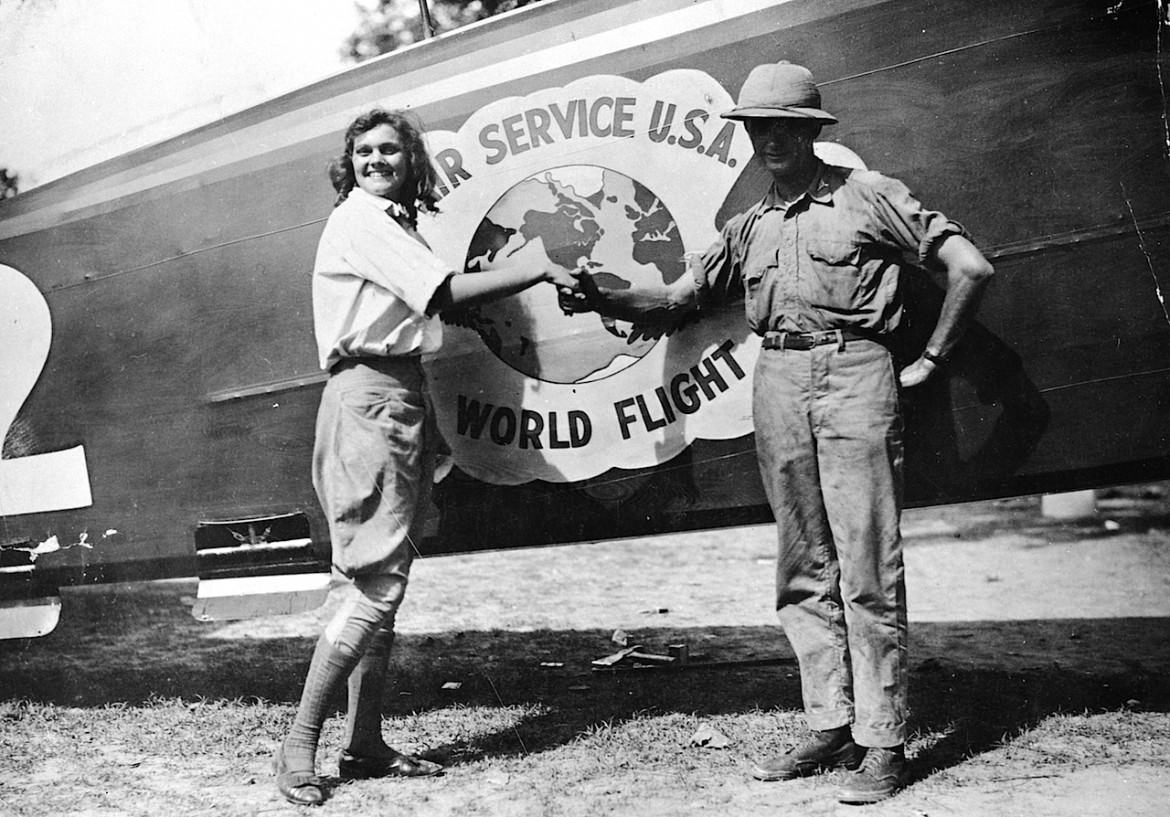
Walter Wanderwell was more than just the man who placed the ad that changed her life. He was a Polish-born adventurer who had already accumulated years of travel experience by the time Aloha joined the expedition. Their working relationship deepened into a personal one. They married in the late 1920s and had two children together. Their partnership combined his organizational drive with her skills behind the camera and her fearless willingness to go anywhere.
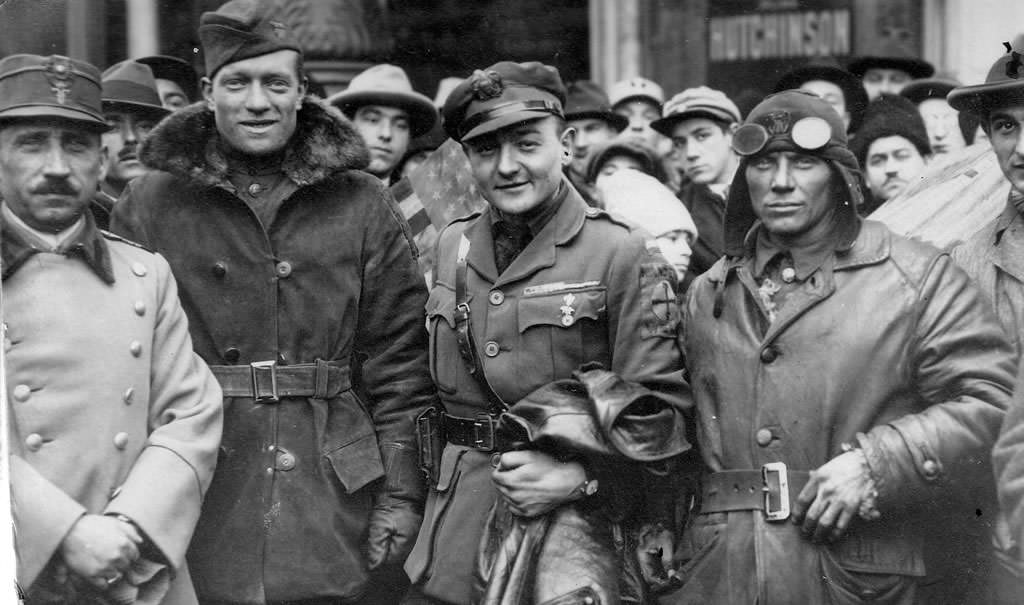
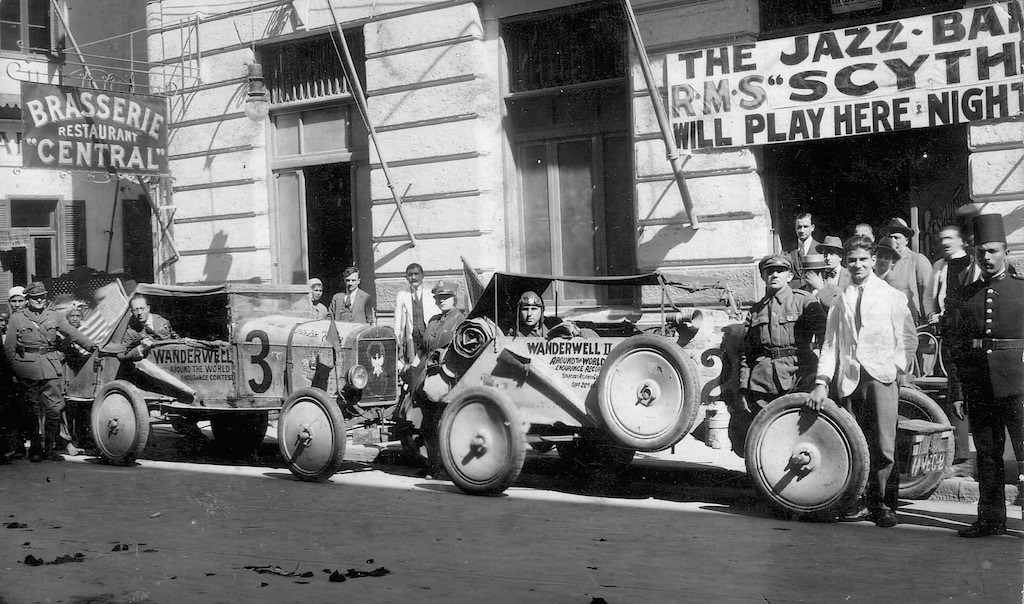
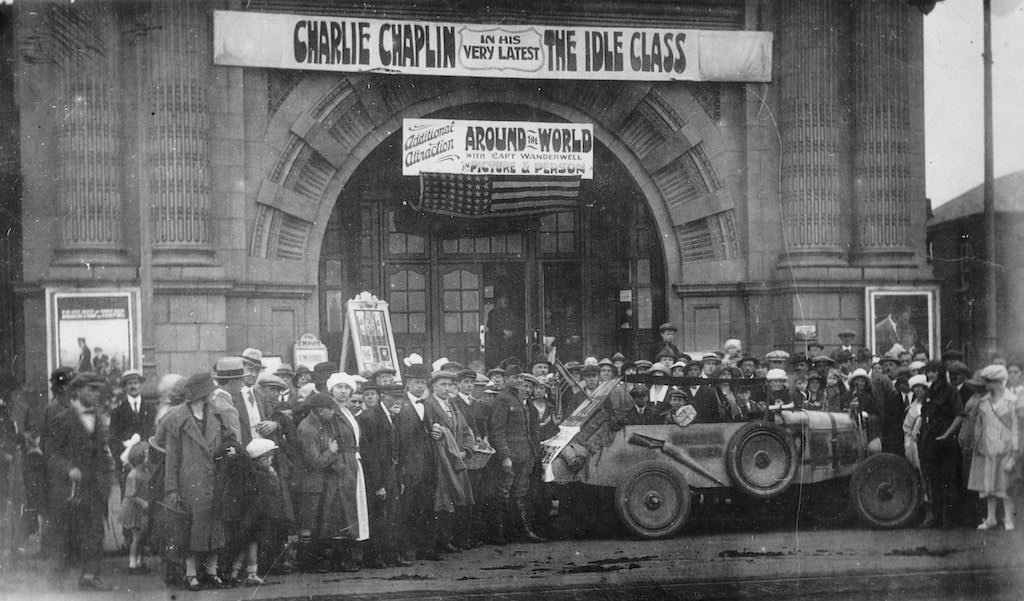
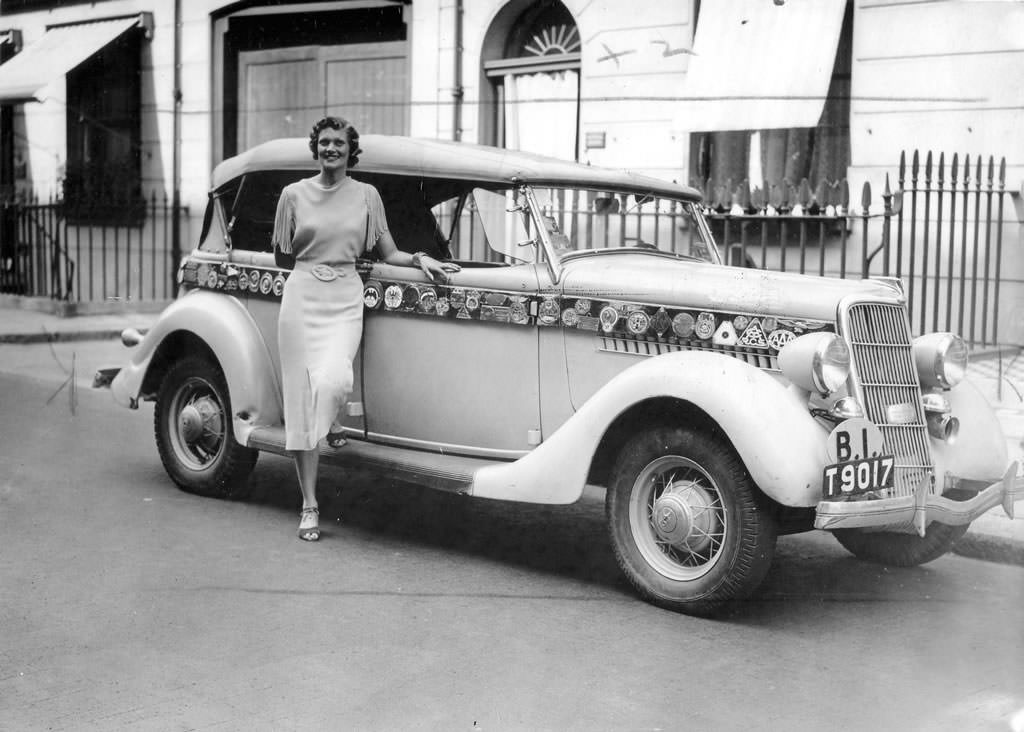
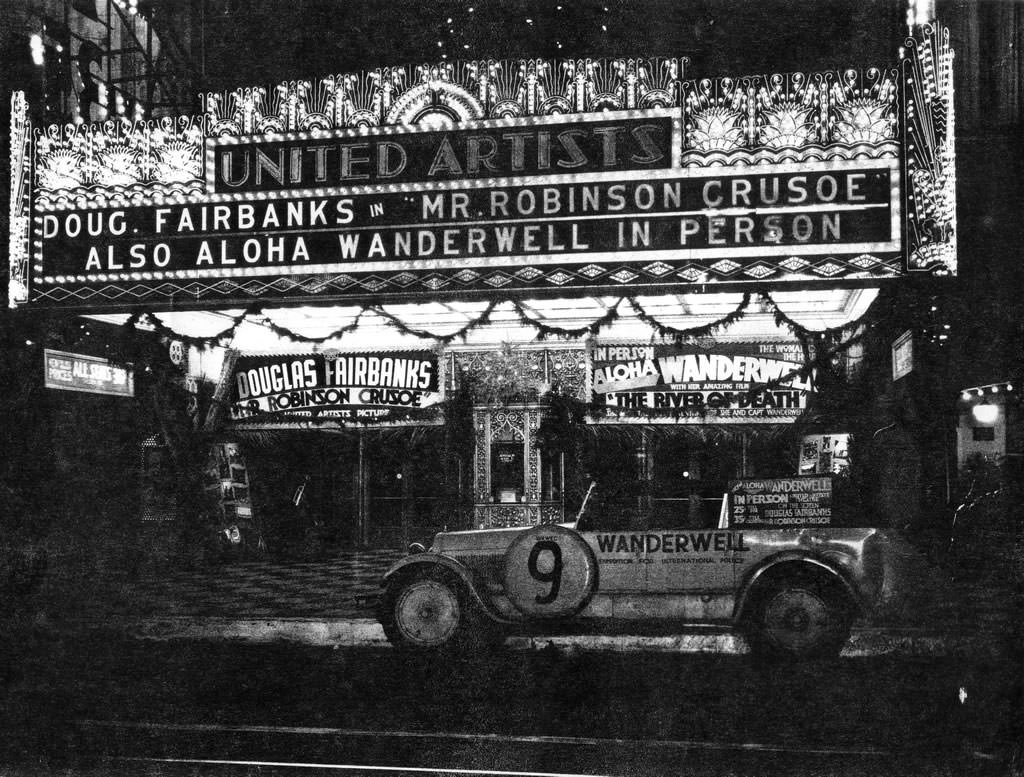
By the time their world journey was complete, Aloha had become a genuine celebrity. Her films screened in theaters across the United States and Europe. She gave lectures about her travels, wrote about her experiences, and was sought out by the press. Hollywood took notice too. She moved in the same circles as major stars of the silent film era.
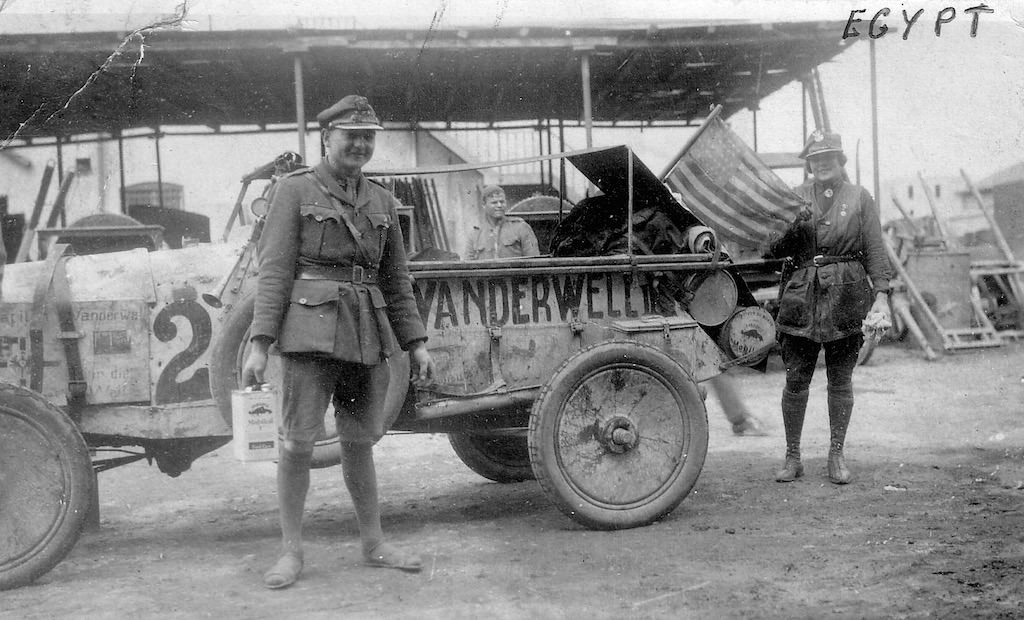
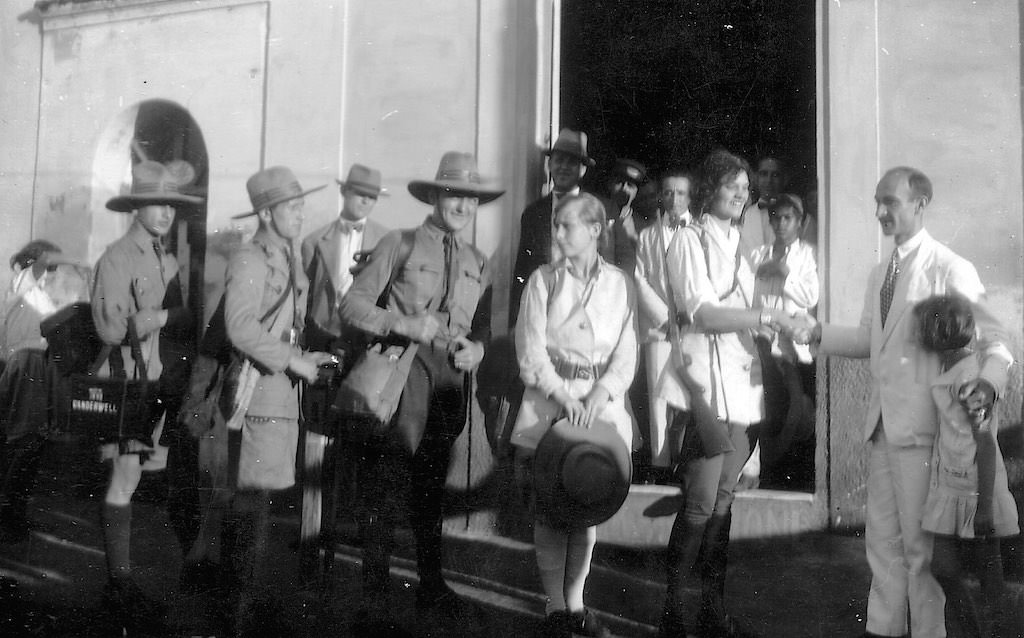
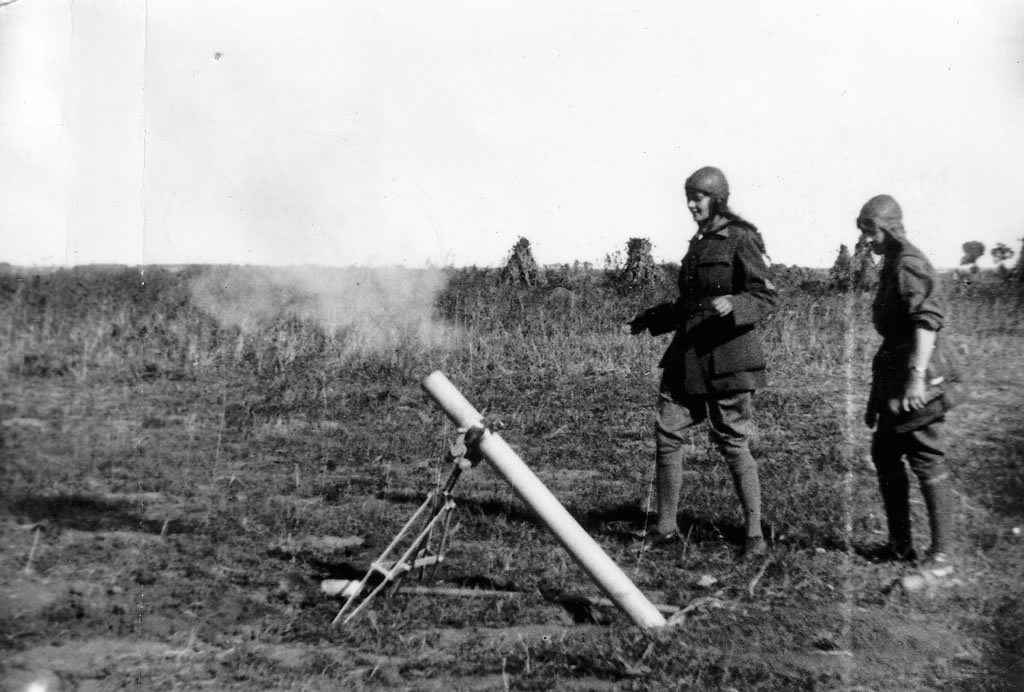
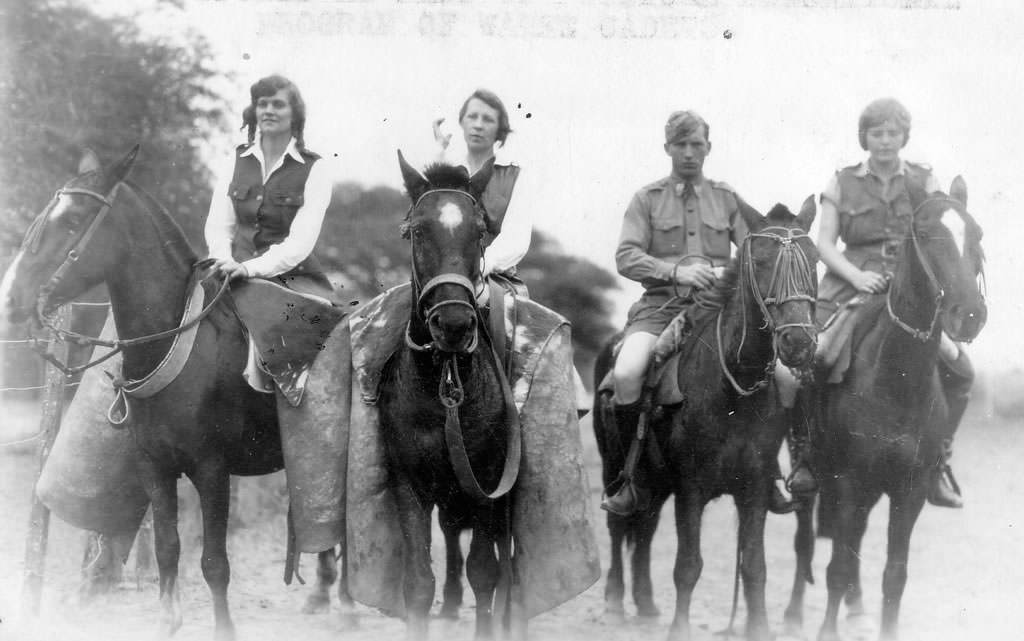
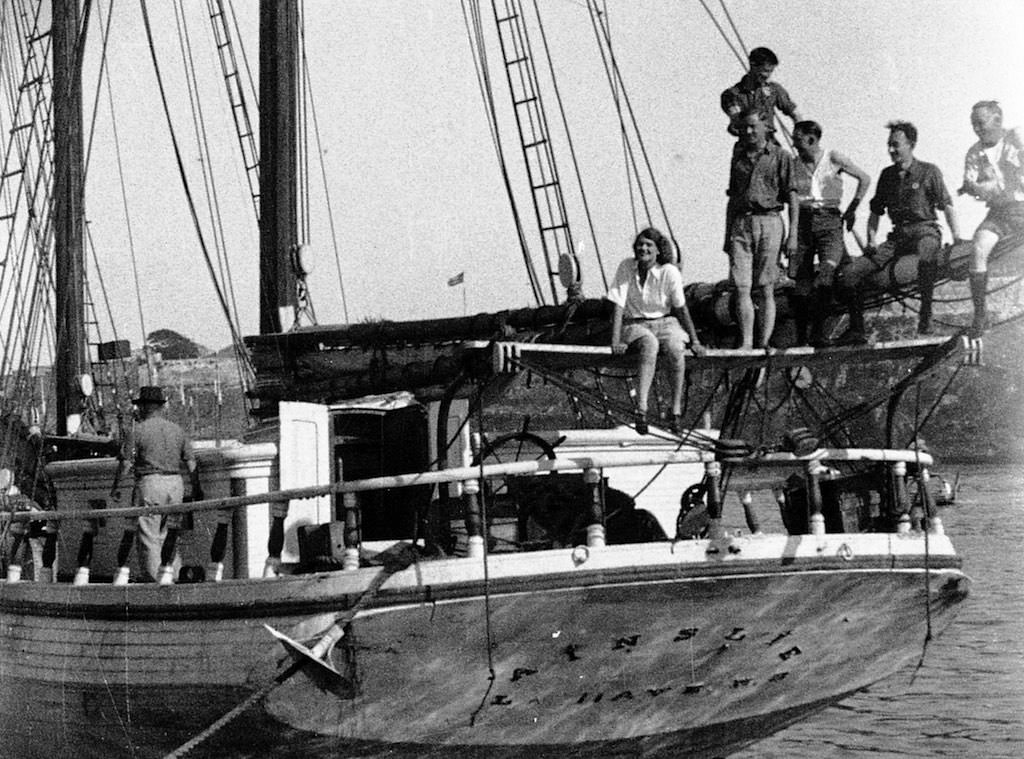
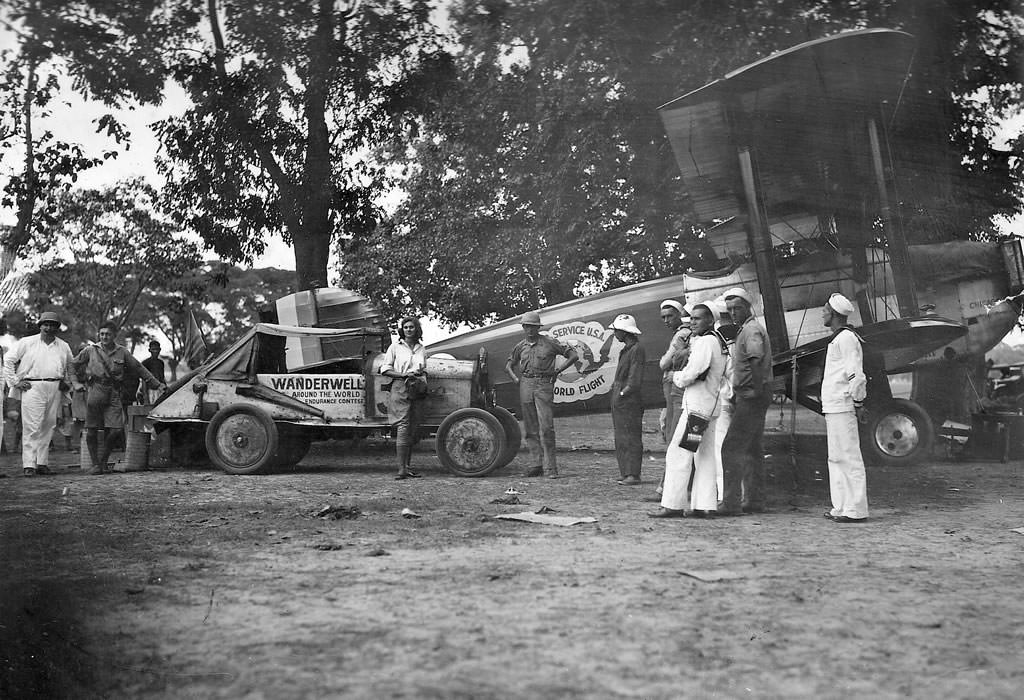
The Wanderwells continued exploring through the late 1920s and early 1930s, taking on new expeditions and filming as they went. Aloha’s appetite for adventure extended far beyond automobiles. She flew with aviators, sailed on ships, and rode through territories that few Westerners had ever visited.
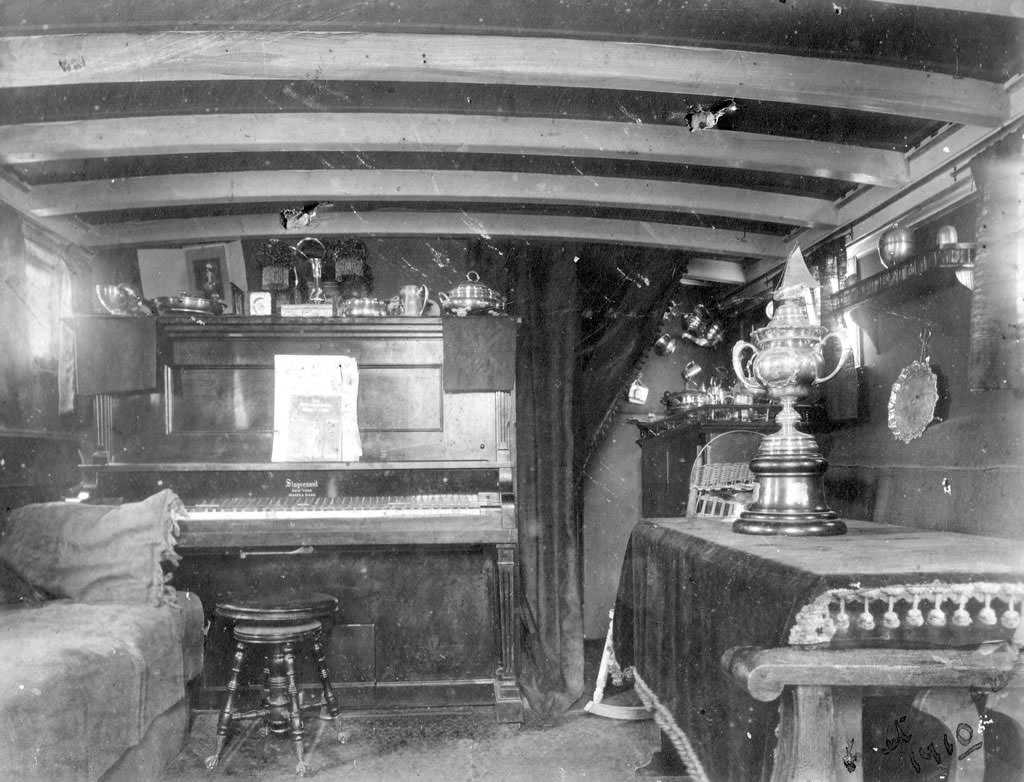
Then, in 1932, Walter Wanderwell was shot and killed aboard his yacht, the Carma, anchored in Long Beach, California. The murder was never solved. A suspect was tried but acquitted, and the case remained a mystery. Aloha was left a widow with two young children and an extraordinary catalog of film footage that the two of them had built together over a decade.
After Walter’s death, Aloha channeled her energy into her filmmaking and continued to promote the spirit of exploration. She documented her travels through writing and lectures, and she preserved the film archive she and Walter had created. She raised her children and remained active in aviation and adventure circles for decades.
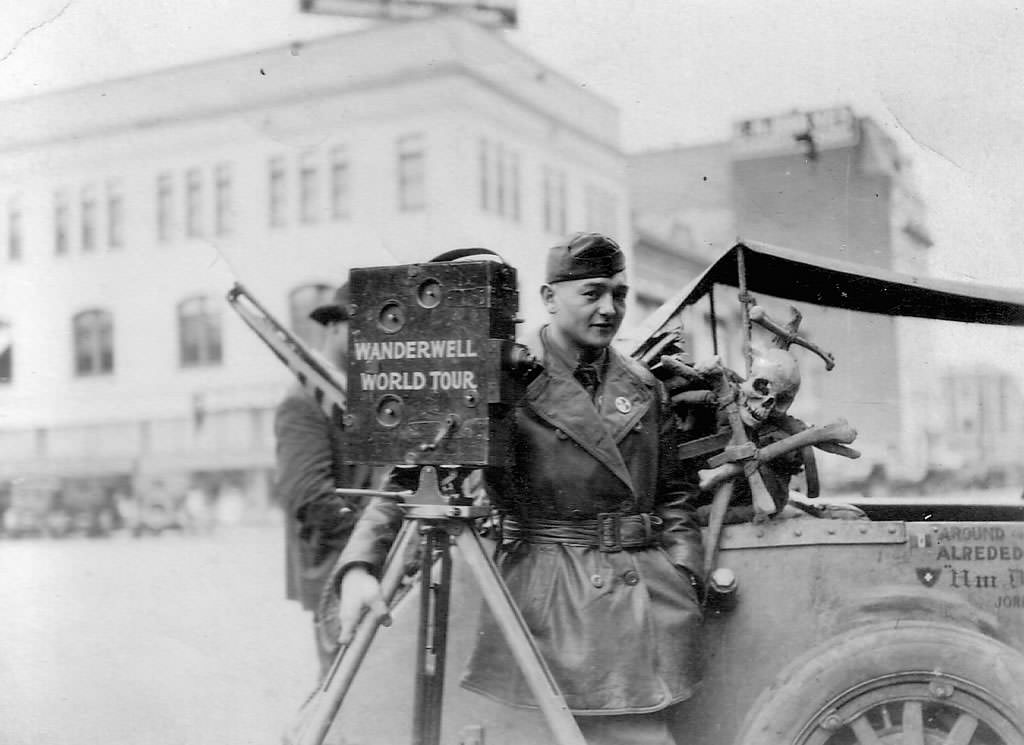
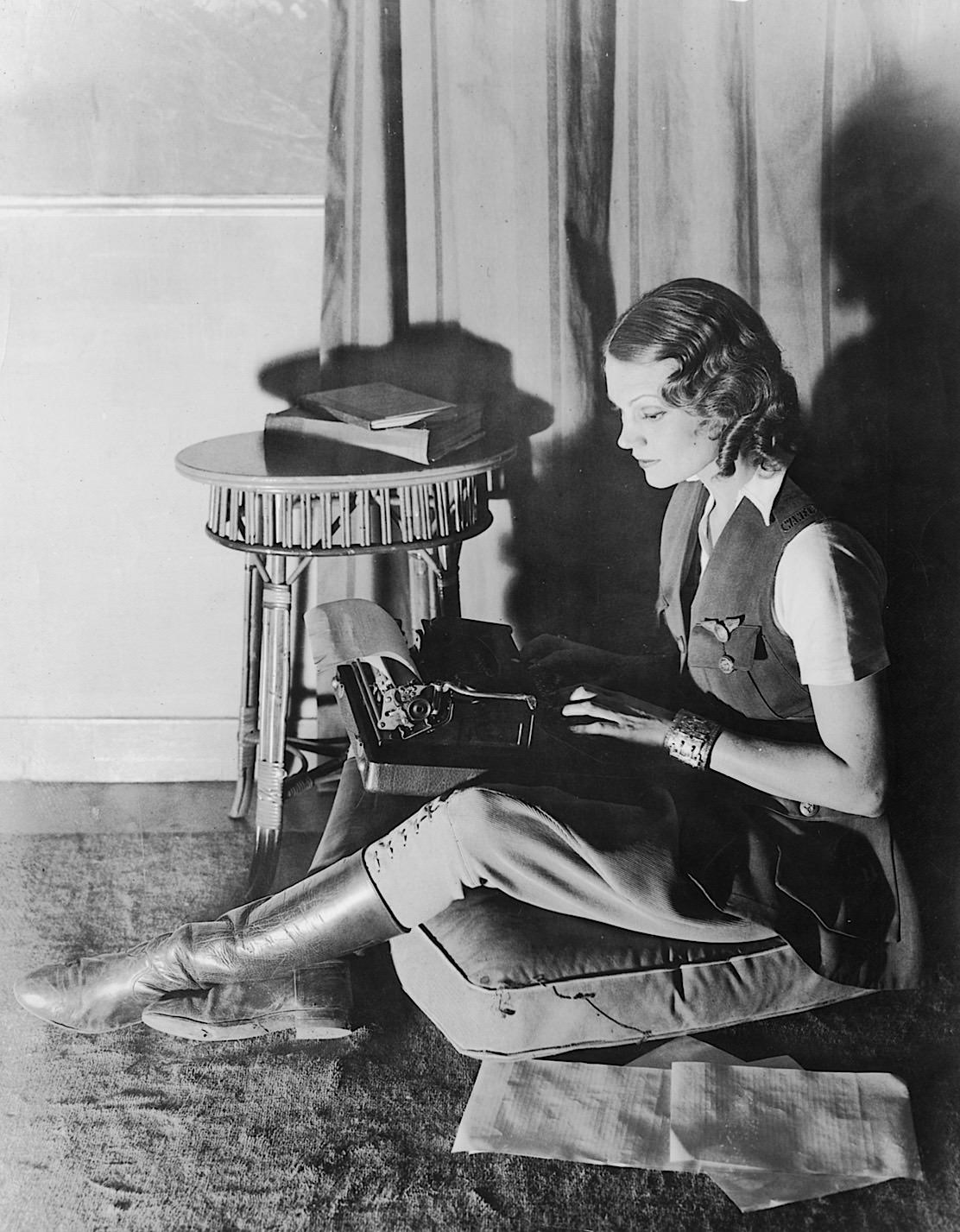
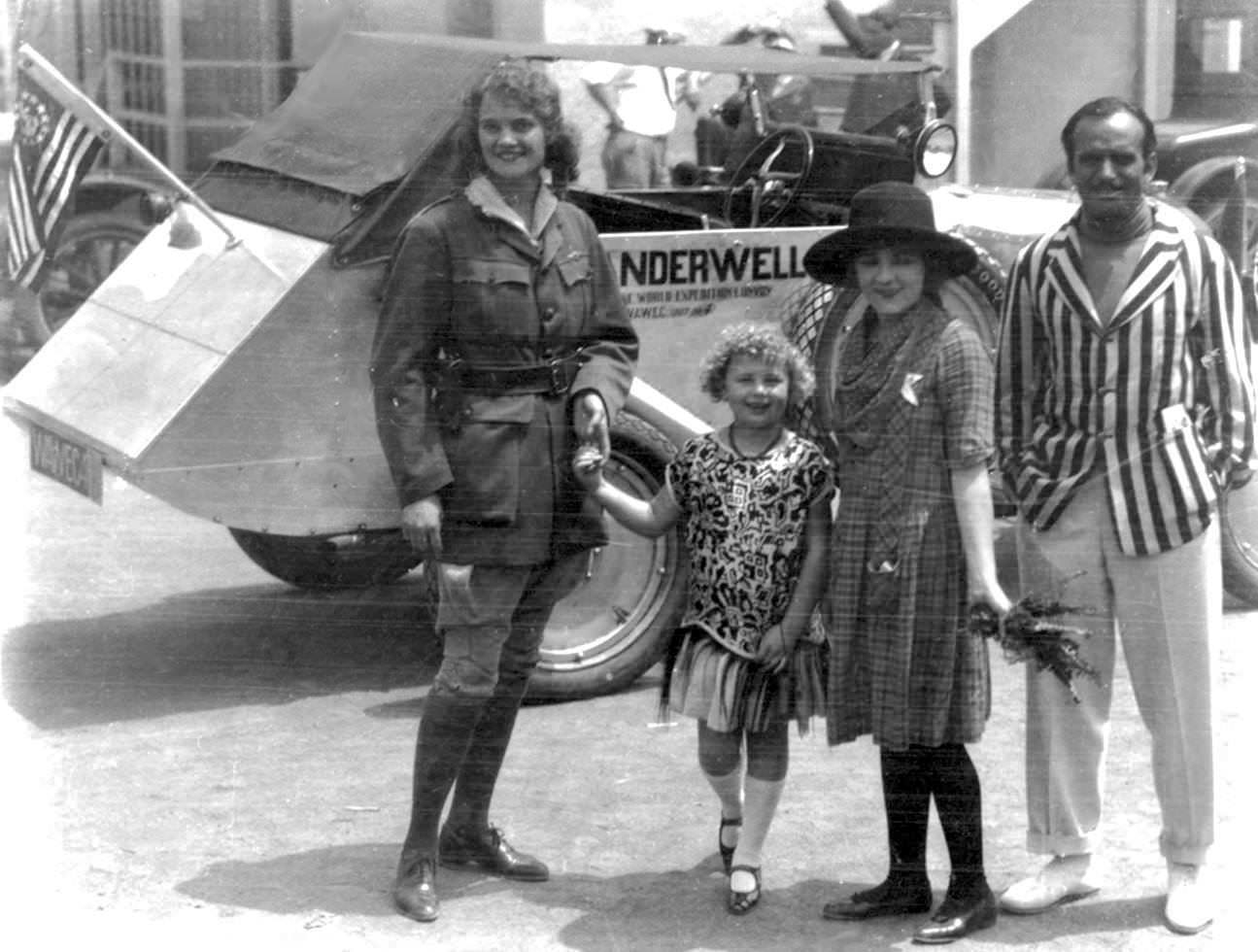
The sheer scope of what Aloha accomplished in the 1920s is hard to fully grasp. She started the expedition at 16 with no formal training as a driver, mechanic, or filmmaker. She crossed roughly 43 countries. She operated in multiple languages. She navigated corrupt border crossings, hostile terrain, and dangerous political climates — all while keeping a camera running.
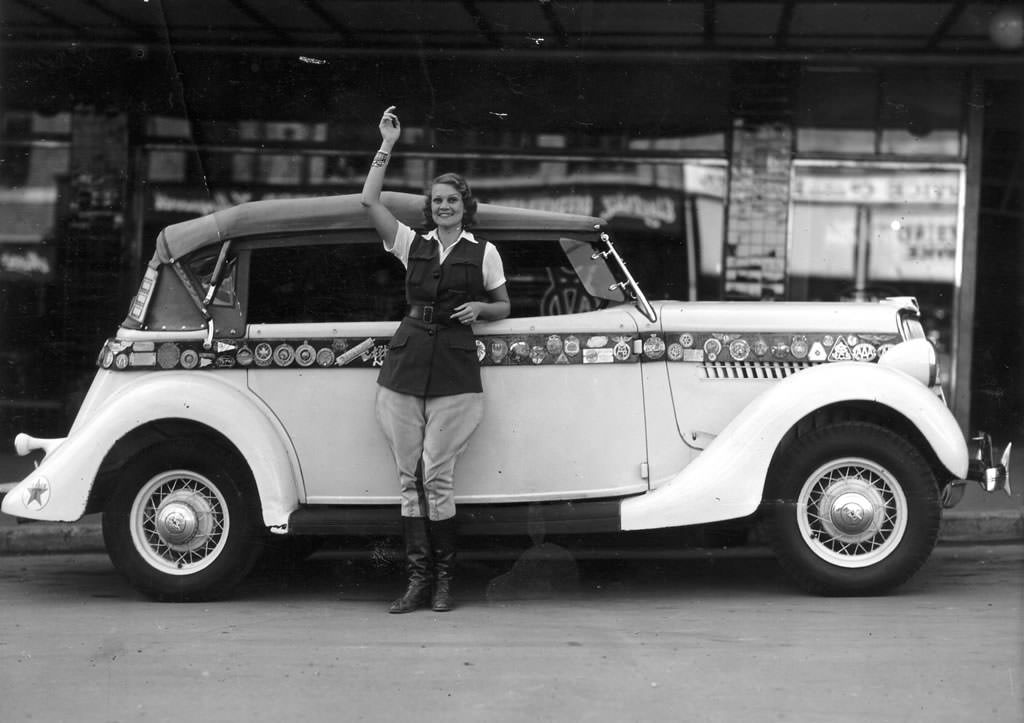
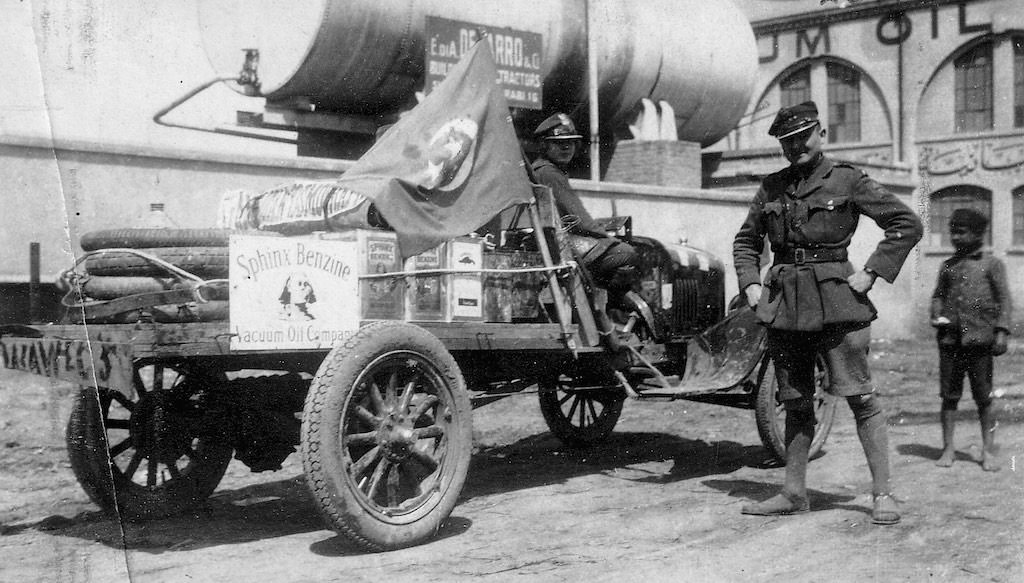
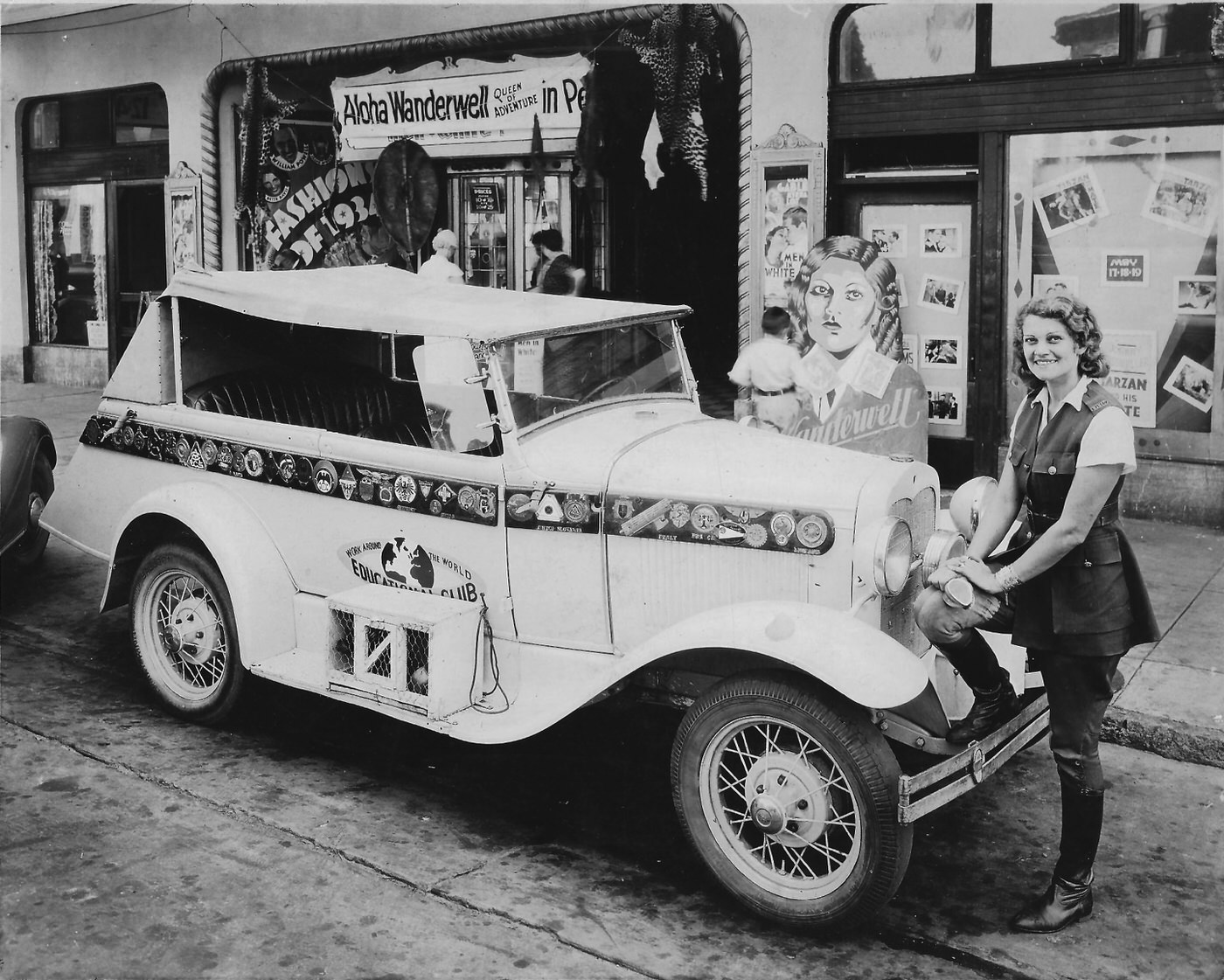
Her films were screened alongside major Hollywood productions, drawing audiences who were hungry to see parts of the world they had only read about. The double features she shared billing with big-name Hollywood titles were a testament to how compelling her real-world footage was to paying audiences.
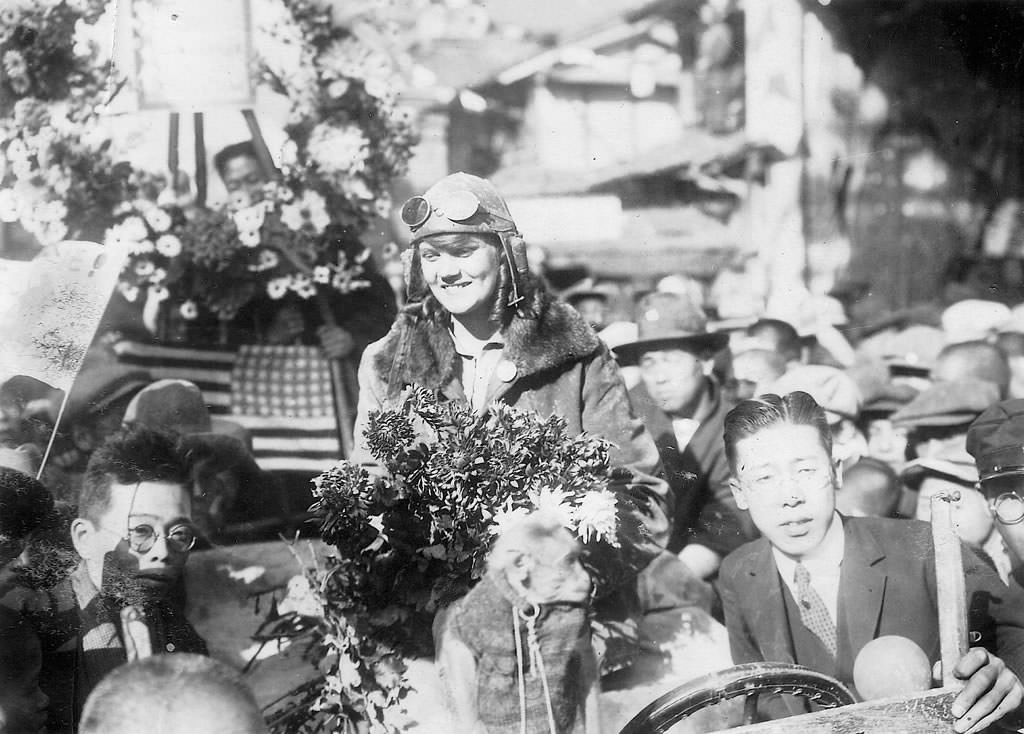
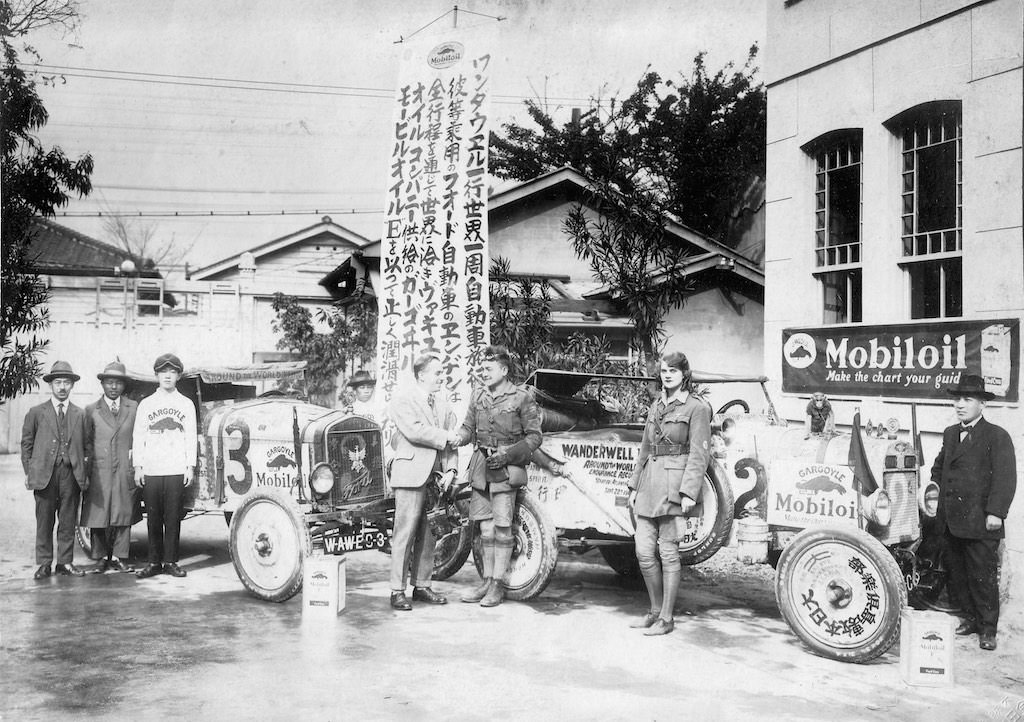
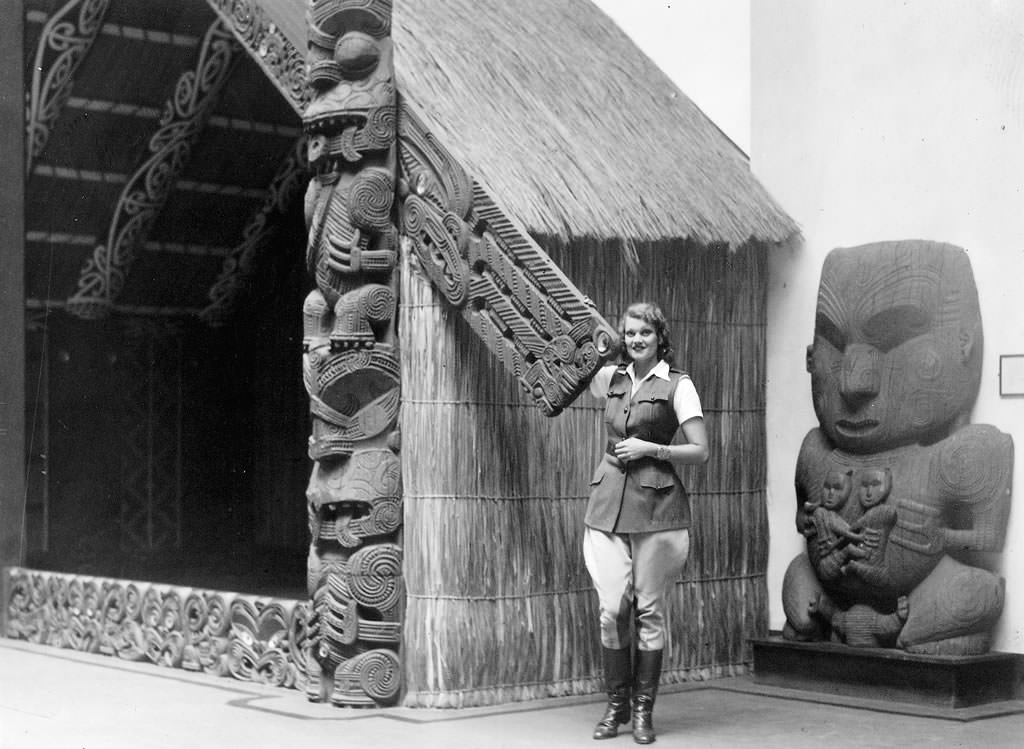
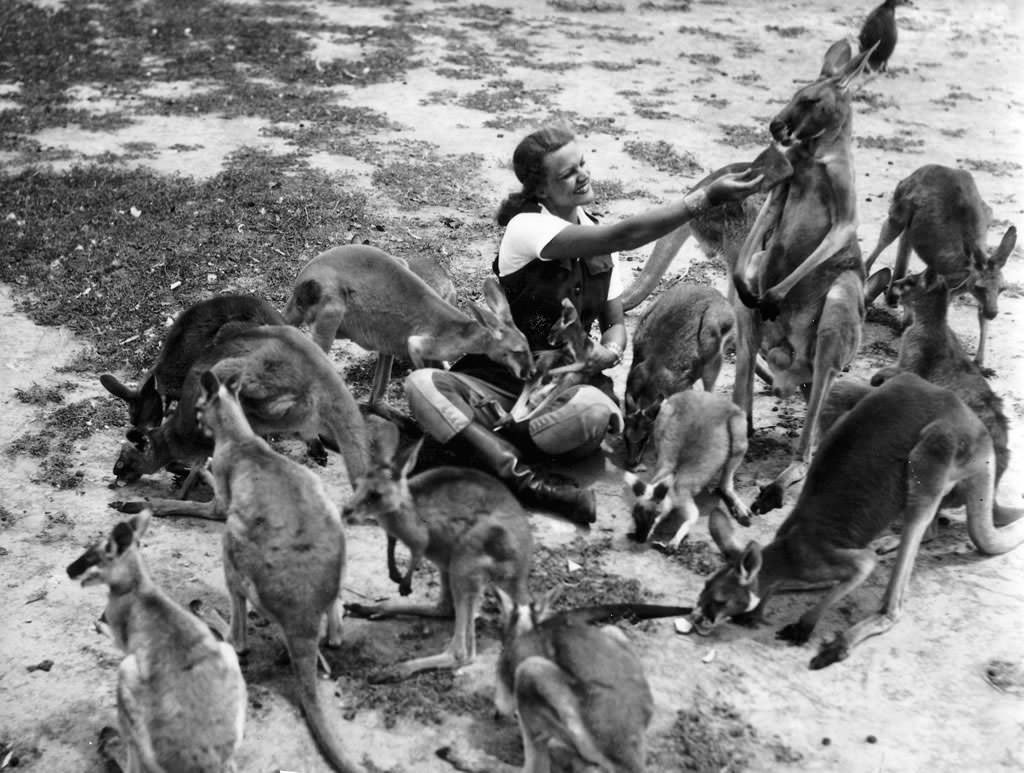
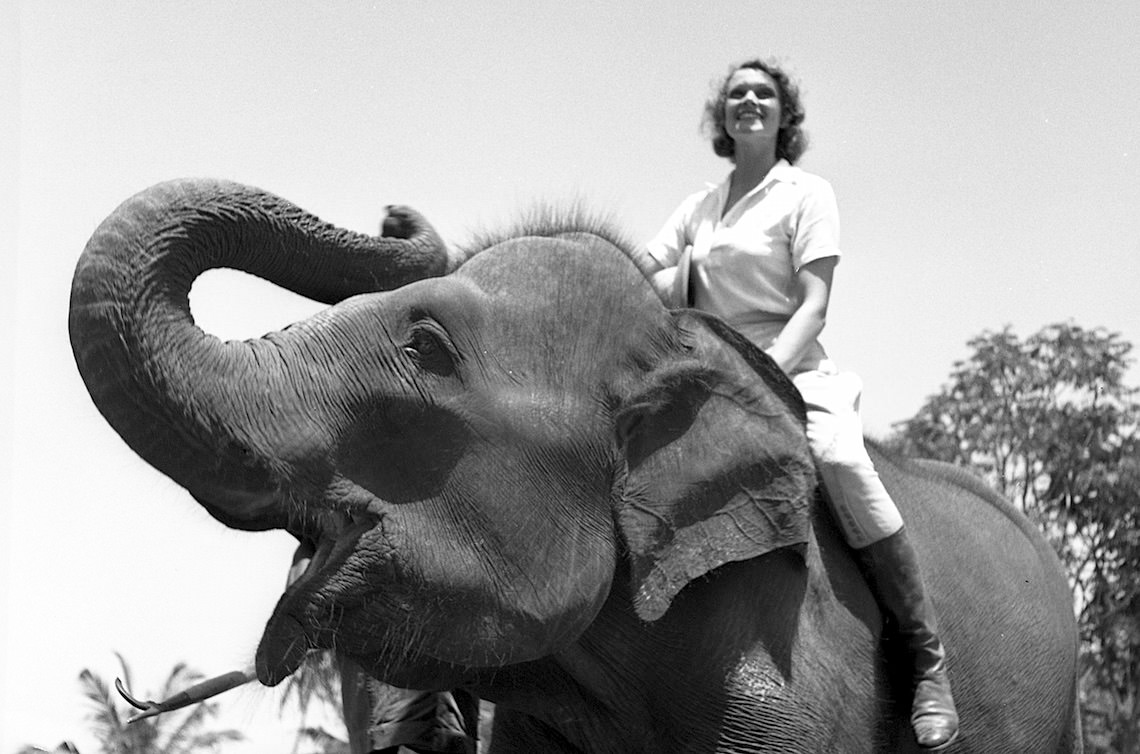
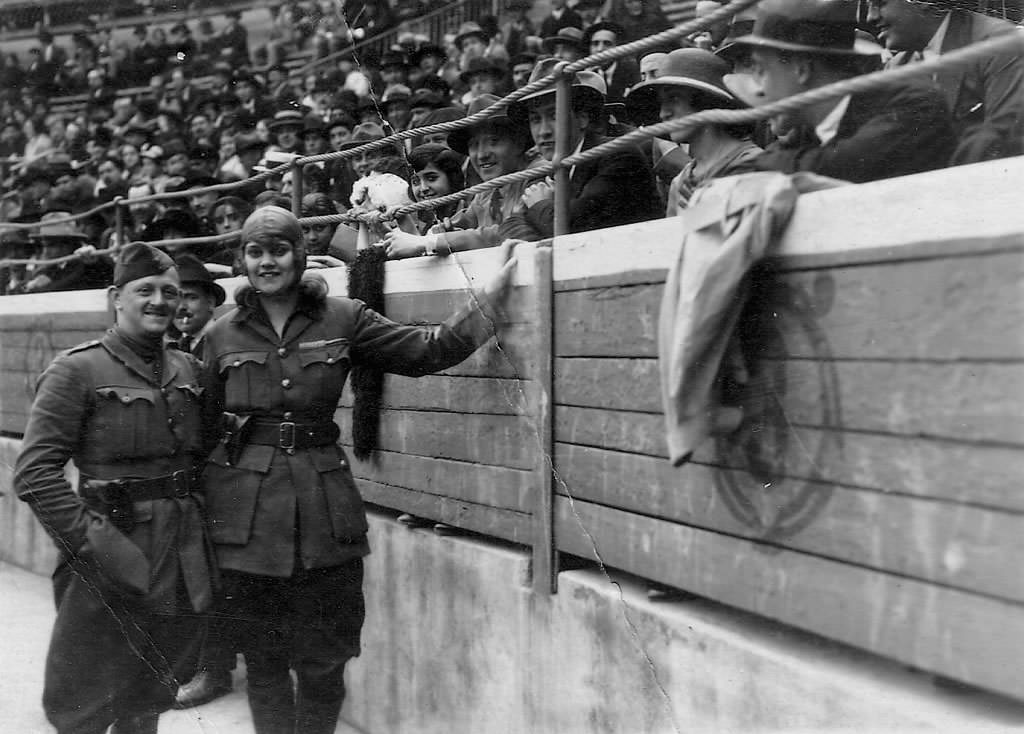
Aloha experienced cultures far outside the typical tourist path. She rode elephants in Asia, attended bullfights in Spain, and sailed with working crews on open water. Each experience fed directly into her films and lectures, giving audiences specifics rather than generalizations about the countries she visited.
Aloha Wanderwell died in 1996 at the age of 89. She had outlived Walter by more than six decades, watched aviation and automobiles transform the world she had once crossed by dirt roads, and seen the places she filmed become accessible to millions of travelers. Through all of it, she remained the woman who had decided, at 16, that the world was worth seeing — and then went out and saw it.