In 1939, a car arrived at the Berlin Auto Show that looked like nothing else on the road — or anywhere near it. Shaped like a giant egg on wheels, it had no sharp edges, no protruding headlights, and no exposed wheel arches. It was the Schlörwagen, designed by German engineer Karl Schlör, and it was built around one single obsession: cutting through air as efficiently as physically possible.
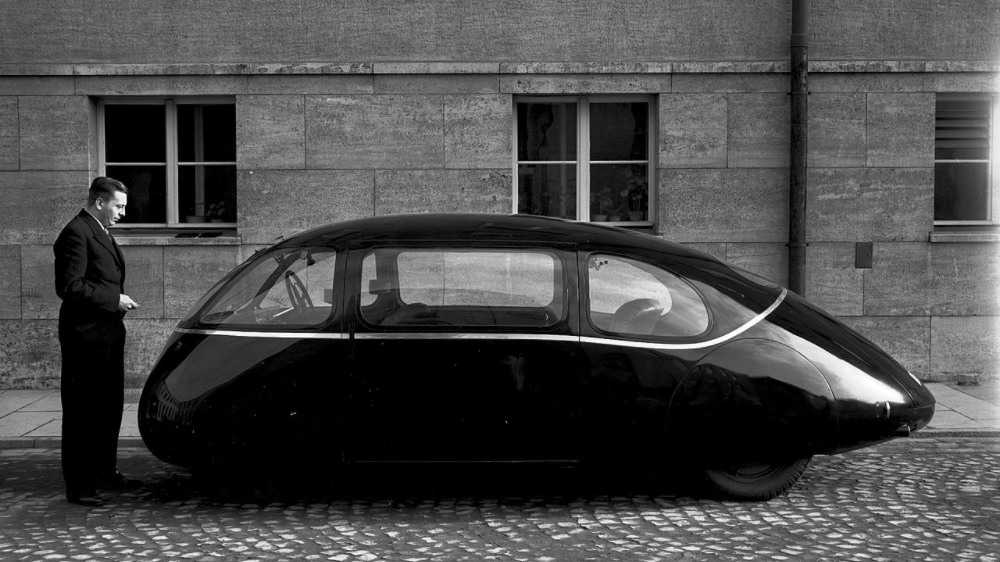
The car earned two nicknames almost immediately. People called it the “Göttinger Egg” — a nod to the city of Göttingen where aerodynamic research was heavily conducted — and the “Pillbug,” because its rounded, segmented shell reminded onlookers of the small armored insect. Neither nickname was meant as a compliment. The public found the design deeply strange, even repulsive. But Schlör wasn’t building a car to win a beauty contest.
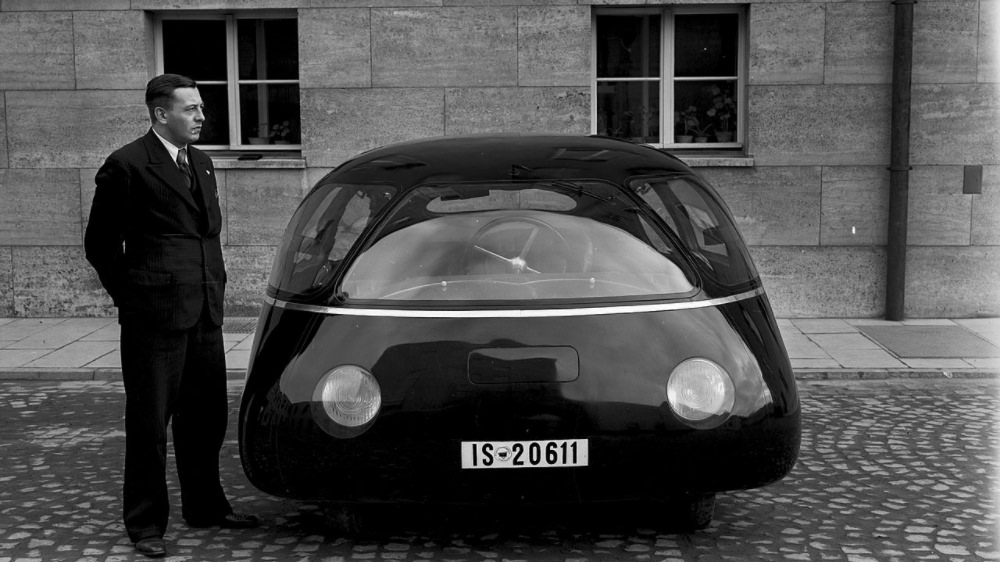
Schlör’s engineering decisions were deliberate and precise. The windows were set completely flush with the outer shell of the body, eliminating the raised frames that typically created wind drag. The body was extended outward to cover the front wheels entirely, wrapping around them in a smooth curve rather than leaving them exposed to the oncoming air. The engine sat in the rear, keeping the nose clean and uncluttered. Every design choice served the same goal: reduce drag to the absolute minimum.
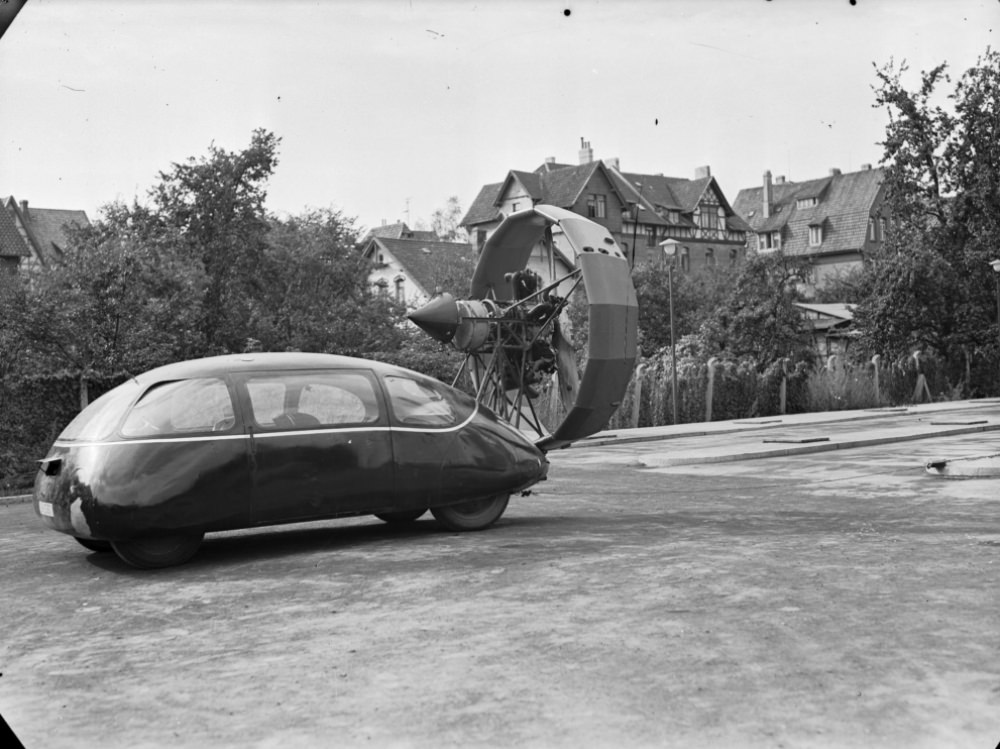
The results were striking on paper. The Schlörwagen achieved a top speed of 135 km/h (84 mph), which was already fast for a production-ready prototype of that era. Schlör himself estimated the car was capable of reaching 146 km/h (90 mph) under ideal conditions. That put it roughly 20 km/h (12 mph) faster than comparable Mercedes models of the time — a meaningful gap in 1939.
Fuel efficiency told an equally impressive story. The Schlörwagen consumed just 8 liters of fuel per 100 kilometers. That figure represented between 20 and 40 percent less fuel consumption than the Mercedes vehicles it was being measured against. In an era when fuel economy was becoming increasingly important — particularly in a Germany already preparing for war — those numbers were hard to ignore.
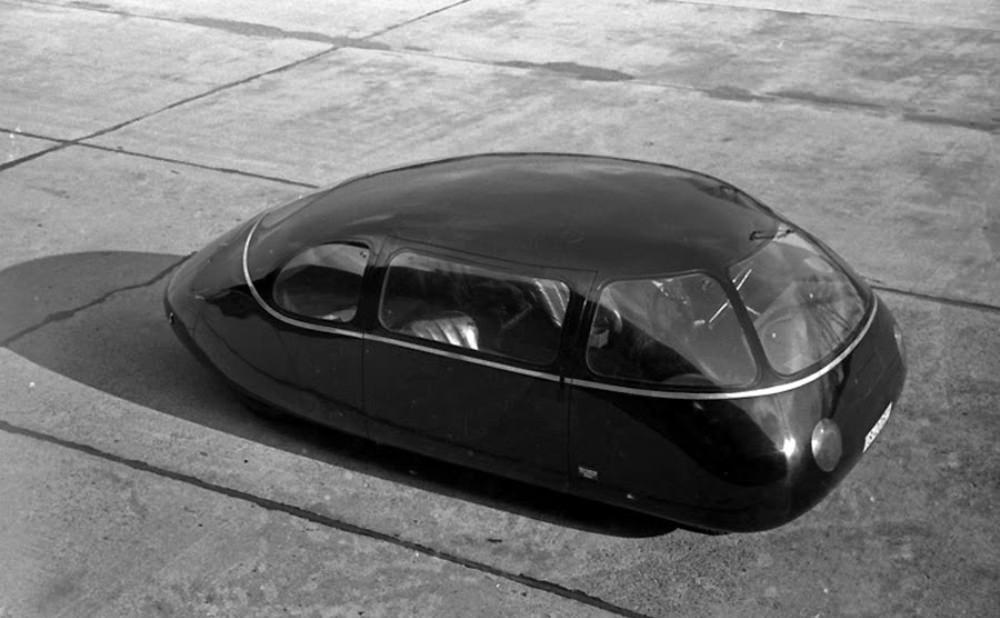
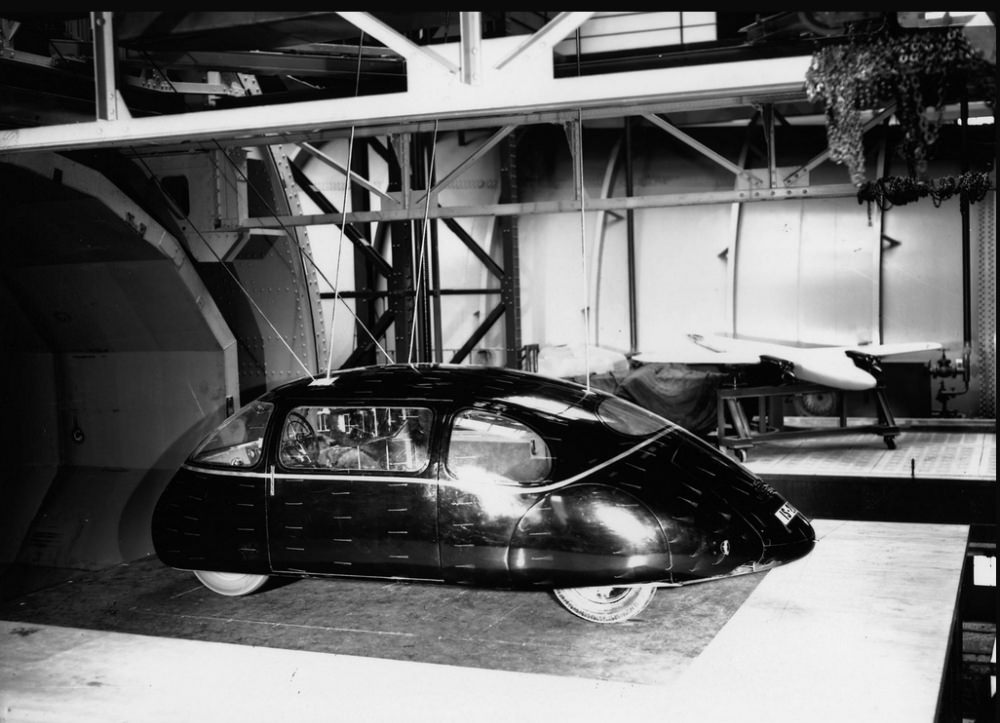
The aerodynamic gains came directly from how Schlör approached the design problem. Most cars of the late 1930s were boxy and upright, with exposed mechanical components and little thought given to airflow. Schlör started from the opposite direction — he began with the shape of the air itself, designing a body that would let wind pass around it with the least possible resistance. The result was a drag coefficient far below what conventional cars of the period achieved.
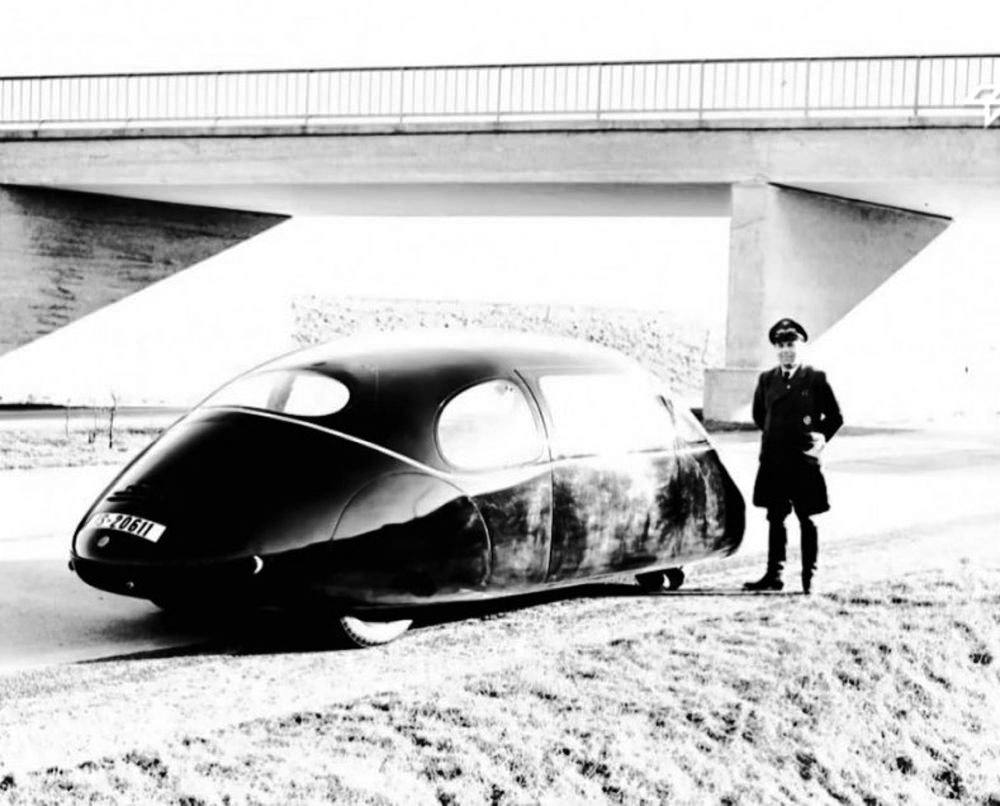
When the Schlörwagen was unveiled at the 1939 Berlin Auto Show, it drew plenty of attention. Press coverage was widespread. Crowds gathered around it. But attention and admiration were two very different things. Visitors largely reacted with bewilderment or outright dislike. The egg-shaped body, the hidden wheels, the near-complete absence of recognizable car features — it was simply too far removed from what people expected a car to look like.
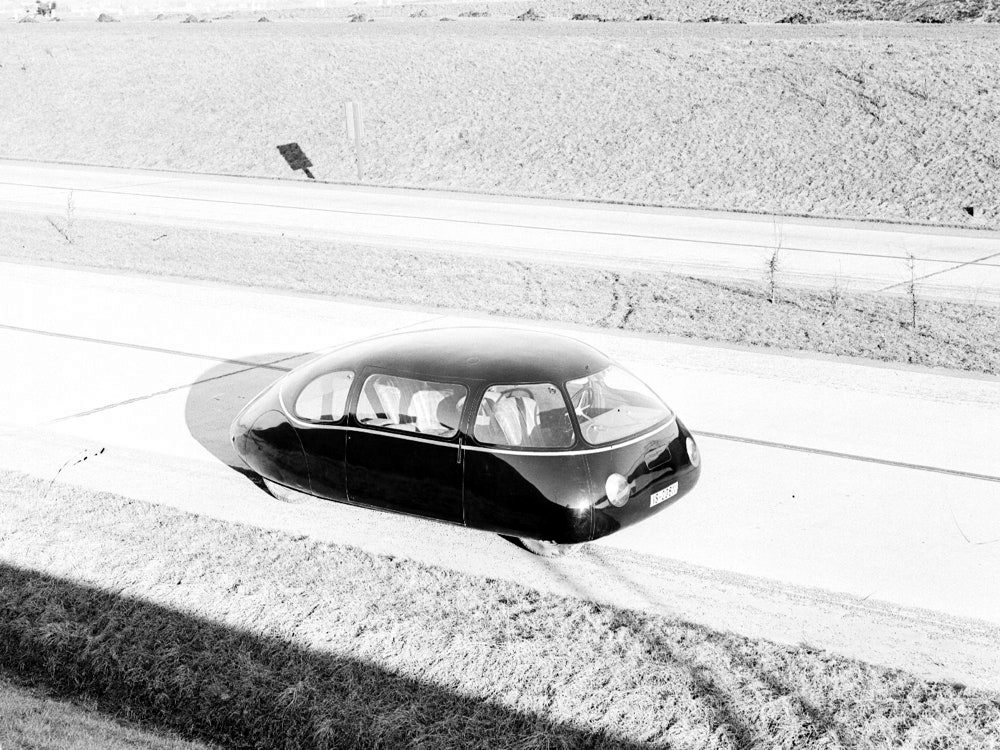
The publicity the car received did not translate into enthusiasm for production. No manufacturer committed to building it. No orders were placed. The Schlörwagen sat in the spotlight briefly and then began to fade from relevance — not because its engineering failed, but because the world around it was changing rapidly and violently.
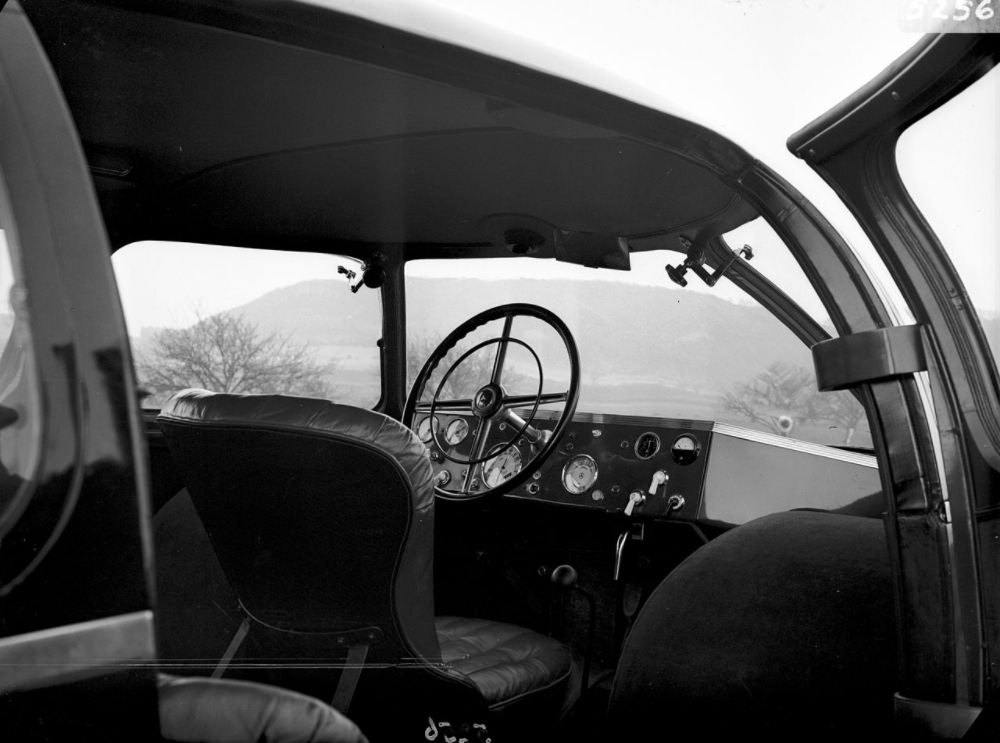
When World War II broke out later that same year, the project was shelved entirely. Germany’s industrial capacity shifted toward military production. Experimental civilian vehicles had no place in that economy. The Schlörwagen was set aside, and it was never revisited for mass production.
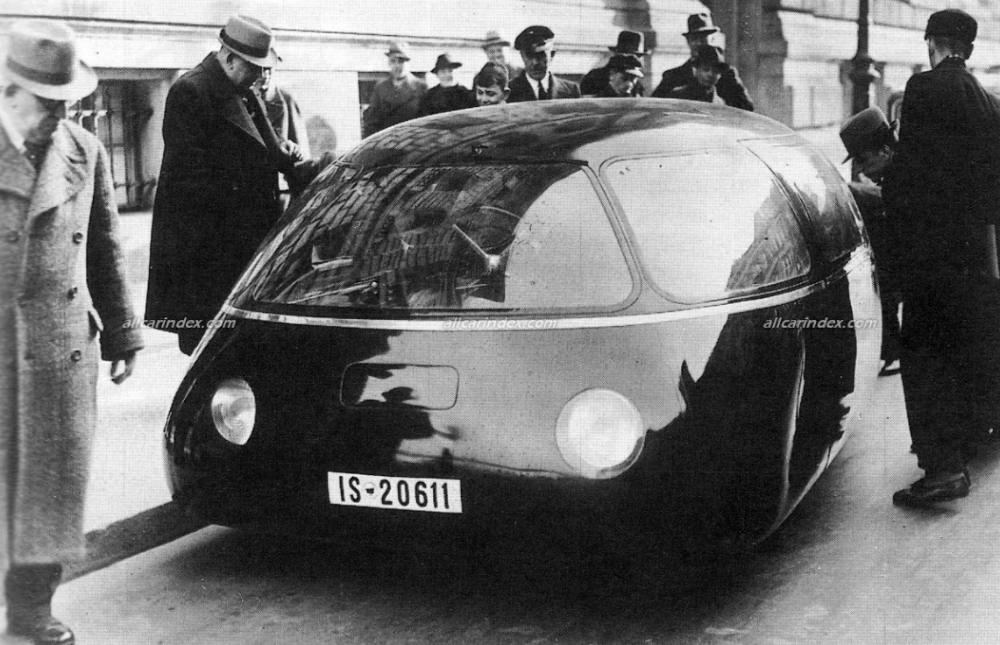
The prototype itself has never been found. No museum houses it, no private collector has surfaced with it, and no record confirms what happened to it after the war. The original physical car is simply gone — leaving behind only photographs, technical documents, and the memory of something that looked unlike anything that came before it.
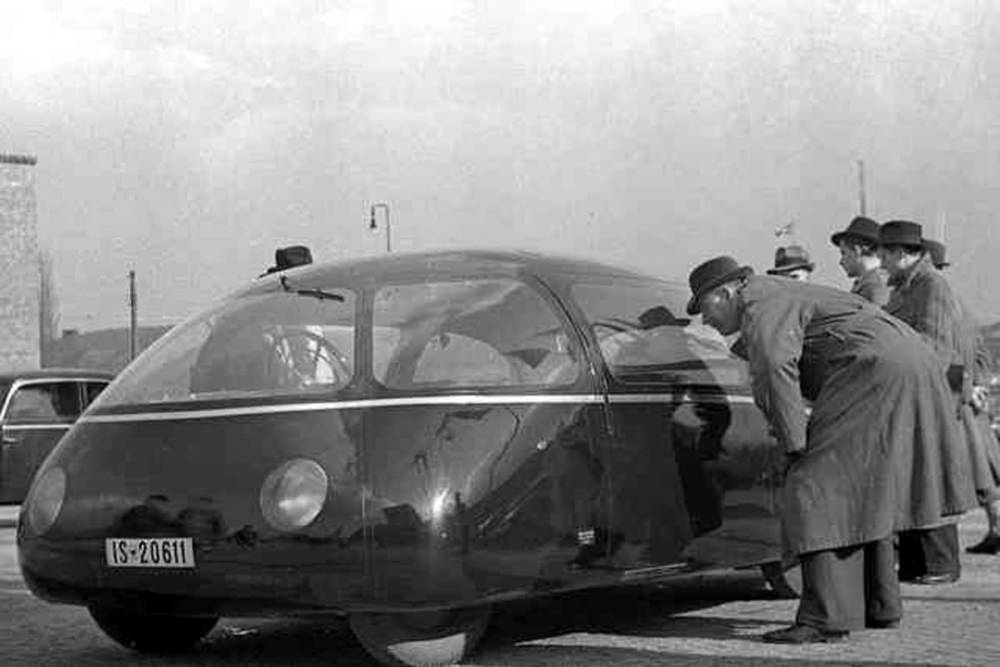
Karl Schlör built a machine that outperformed the competition in speed and fuel economy, was backed by genuine aerodynamic science, and was presented to the world at one of Europe’s most prominent automotive stages. The car worked. The timing didn’t. A world on the brink of war had no room for a pill-shaped egg car that made engineers nod and everyone else laugh.