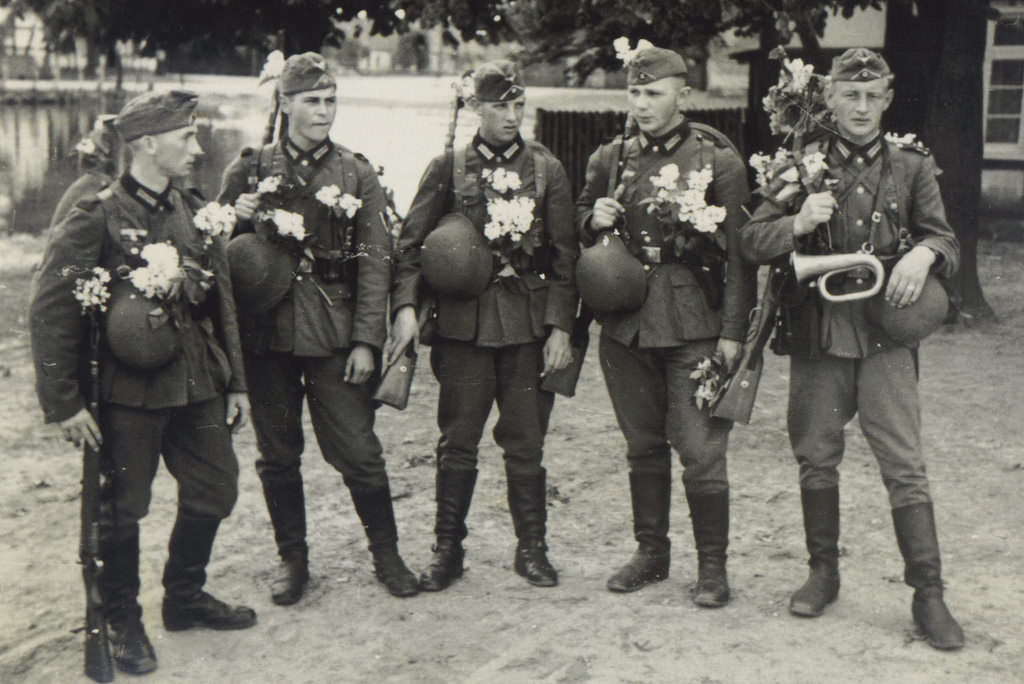
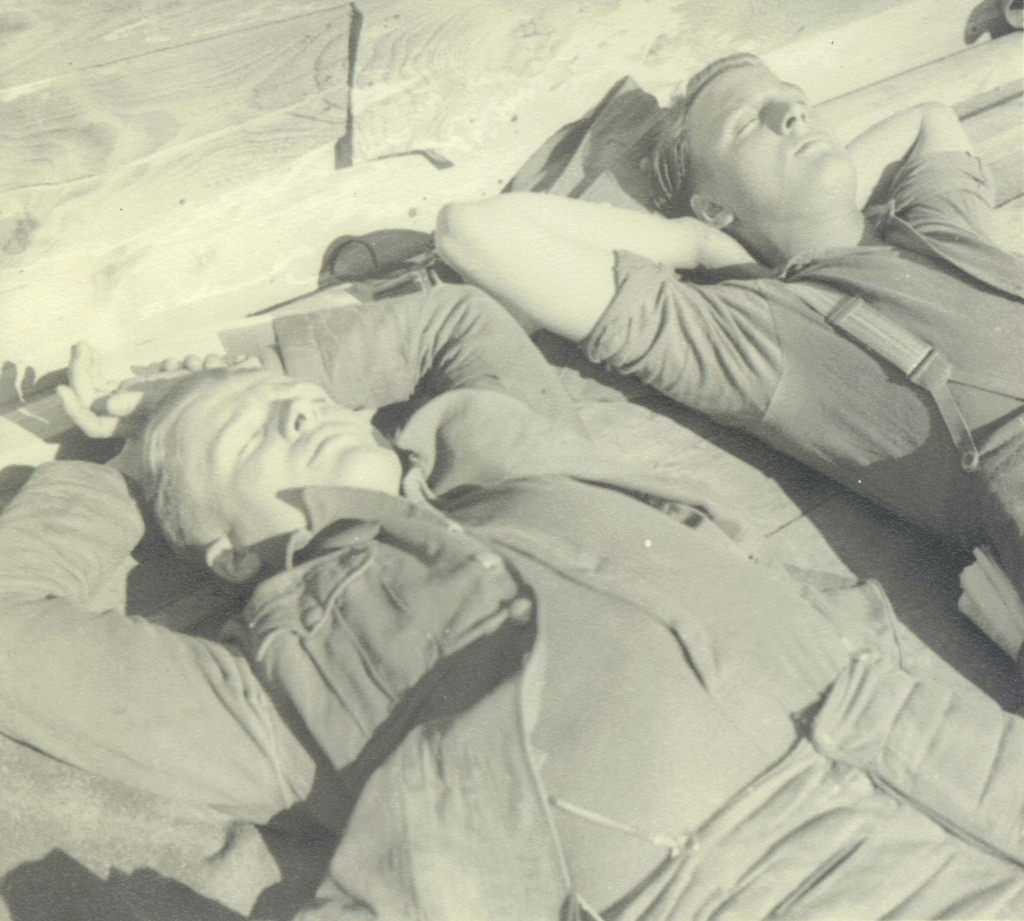
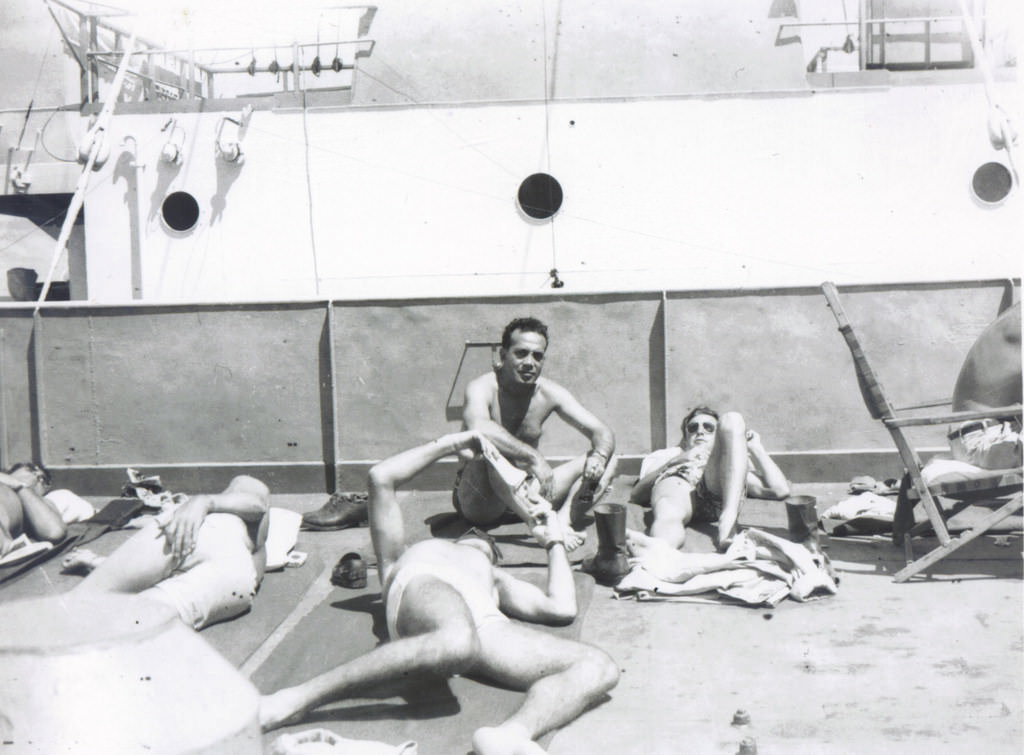
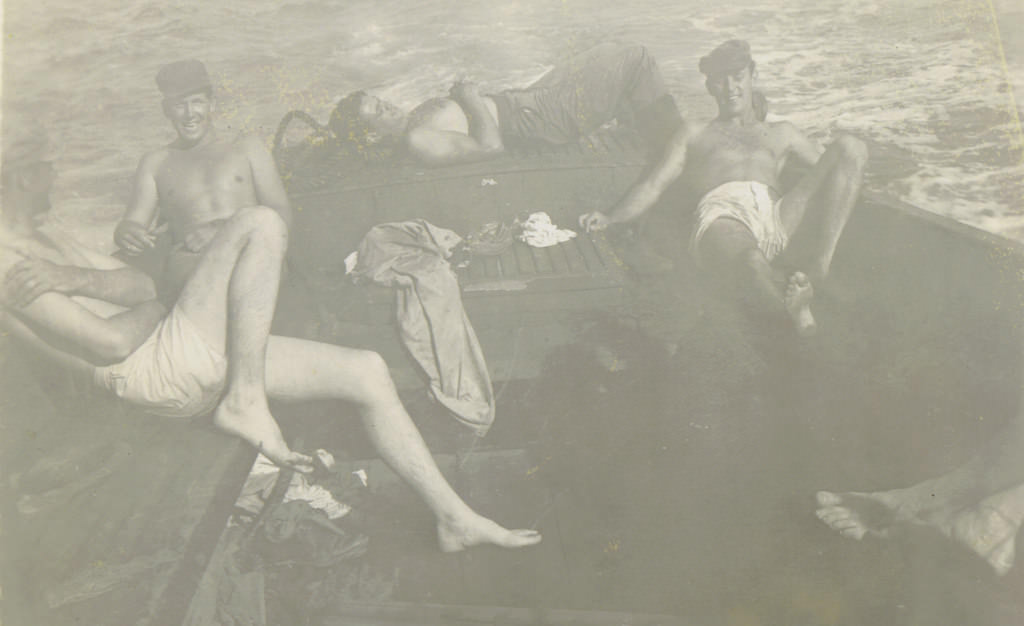
In the early 1930s, Germany was still living in the shadow of World War I. Unemployment was widespread, national morale was low, and the Treaty of Versailles had placed strict limits on the size and strength of the German military. For the soldiers serving during this period, life was far from exciting. They trained, carried out routine duties, and drilled — day after day. A military career offered structure and steady purpose, but little else in the way of reward or glory.
Everything shifted when Adolf Hitler came to power in 1933. He openly defied the Treaty of Versailles and began rebuilding the military at full speed. Funding increased. Recruitment expanded. Propaganda spread the image of the German soldier as a proud defender of the nation and the Aryan race. For many soldiers, this brought a renewed sense of identity and purpose that the post-WWI years had stripped away.
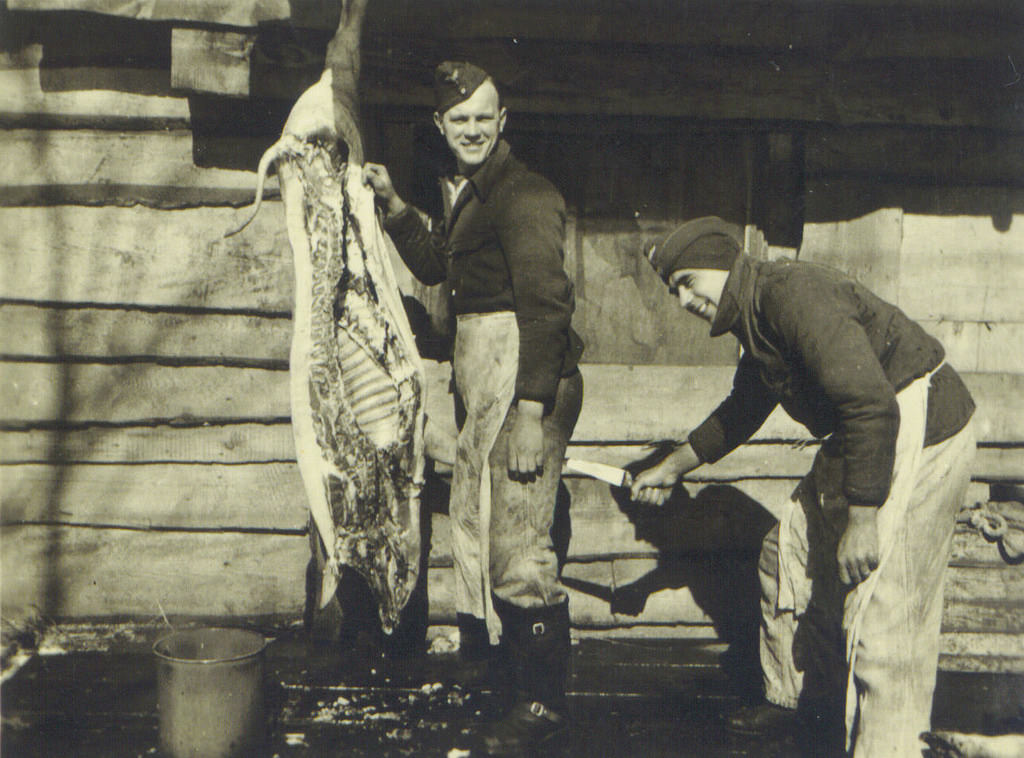
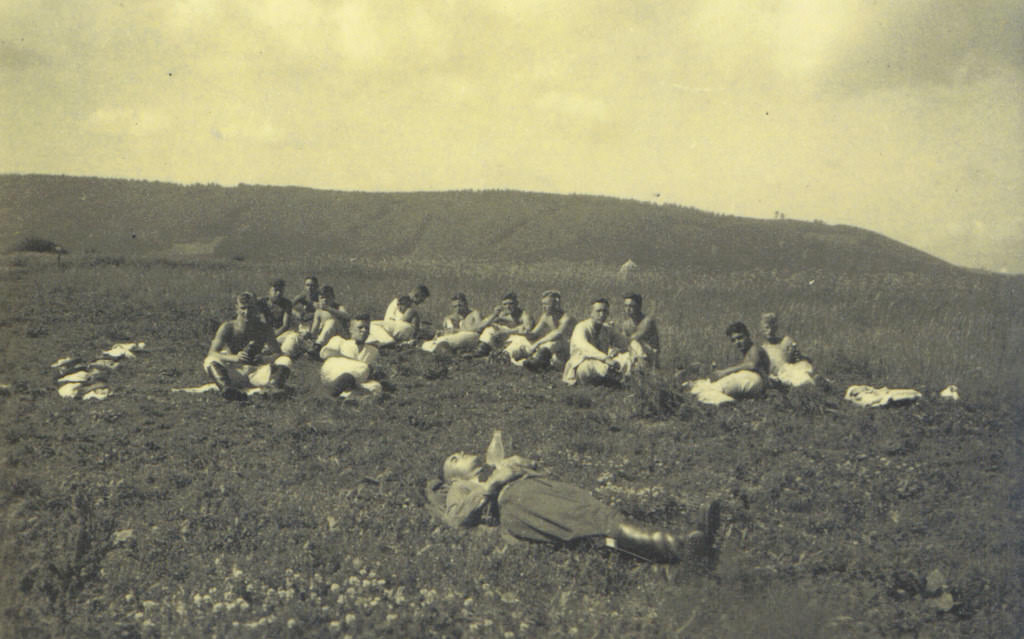
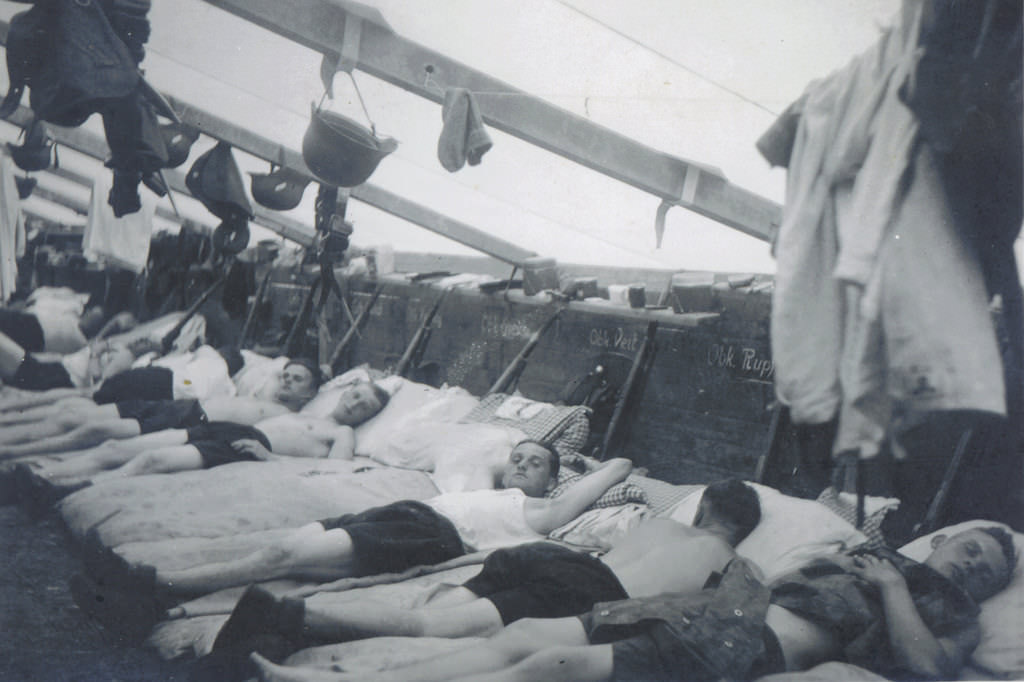
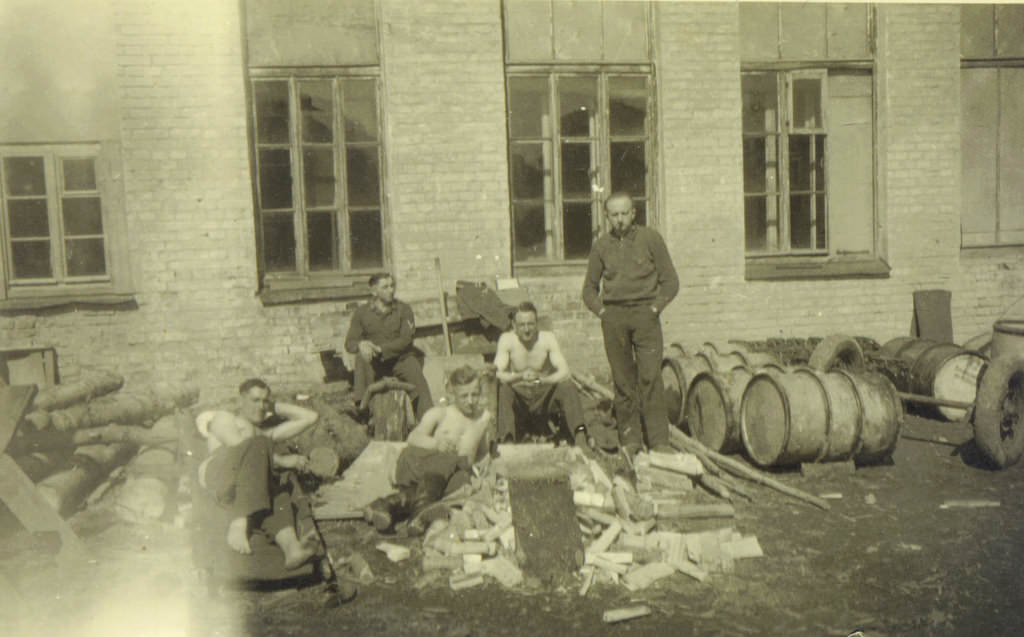
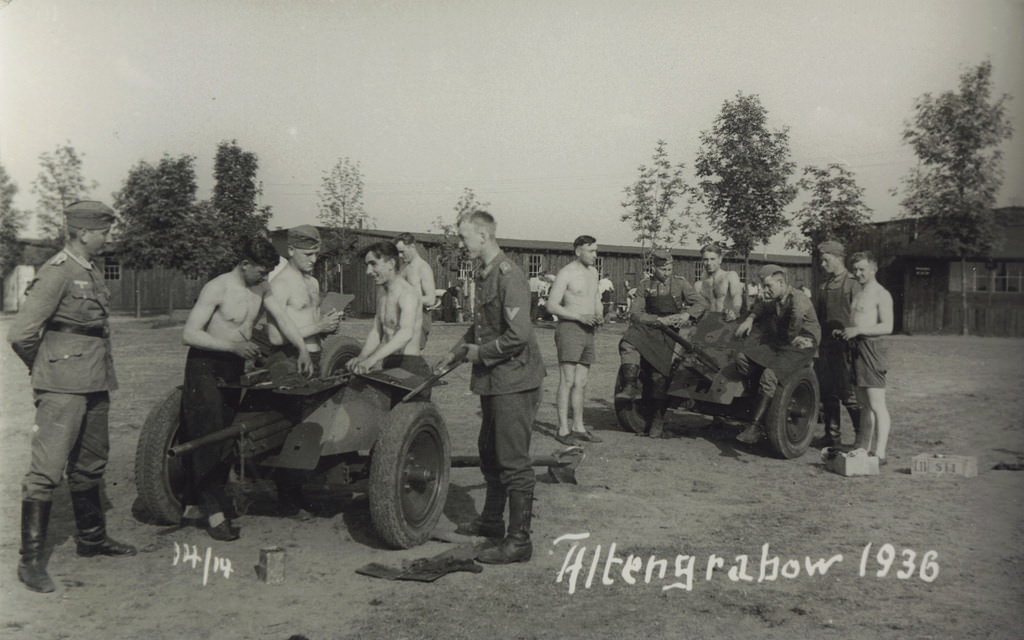
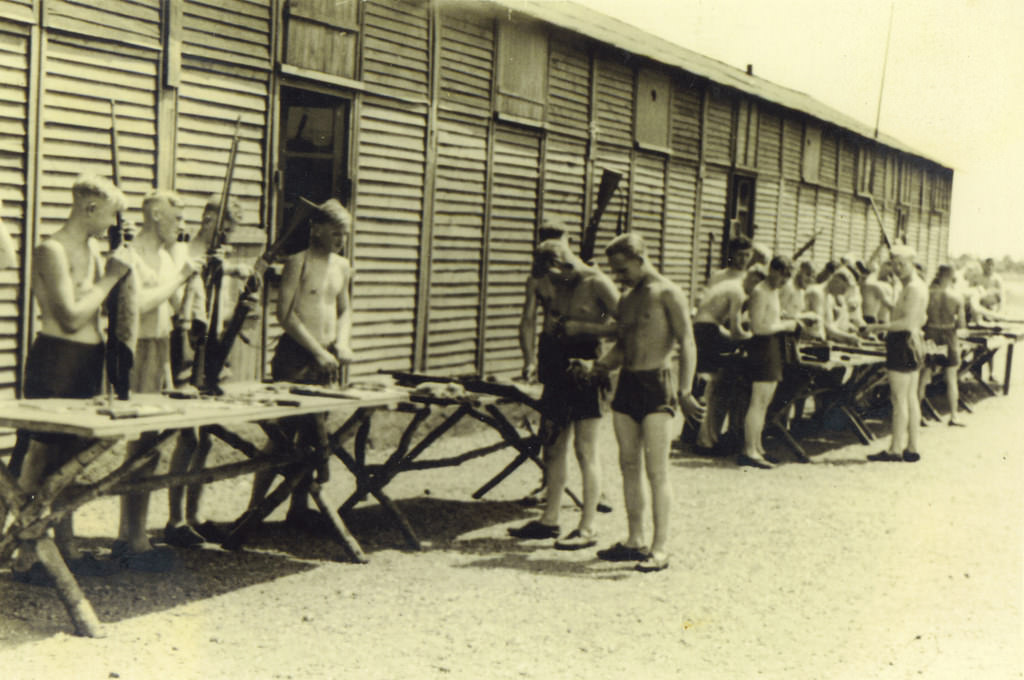
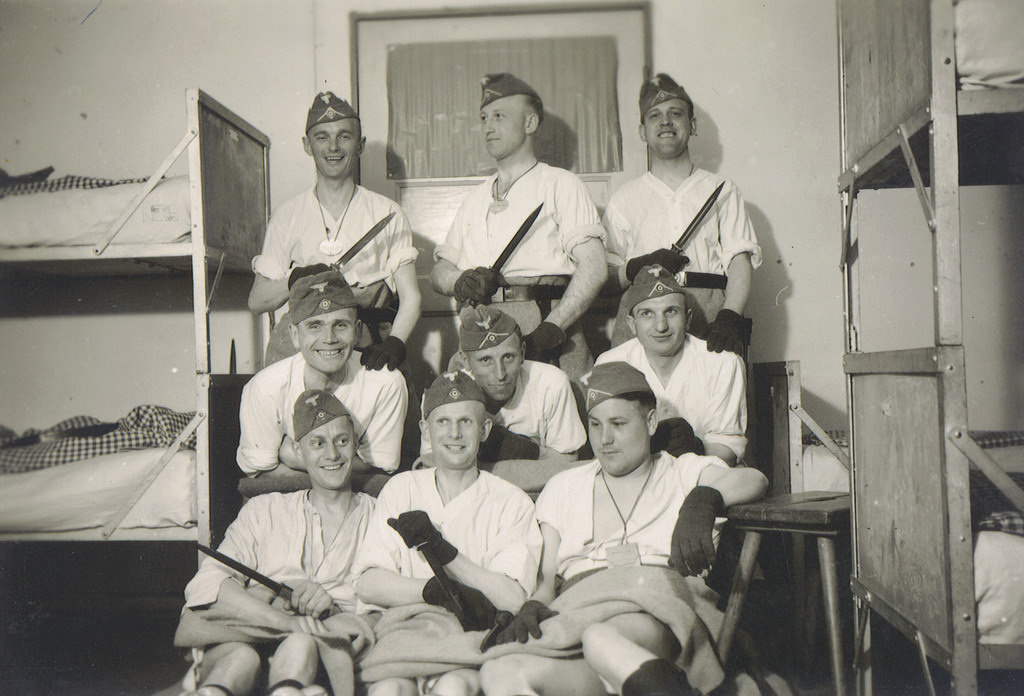
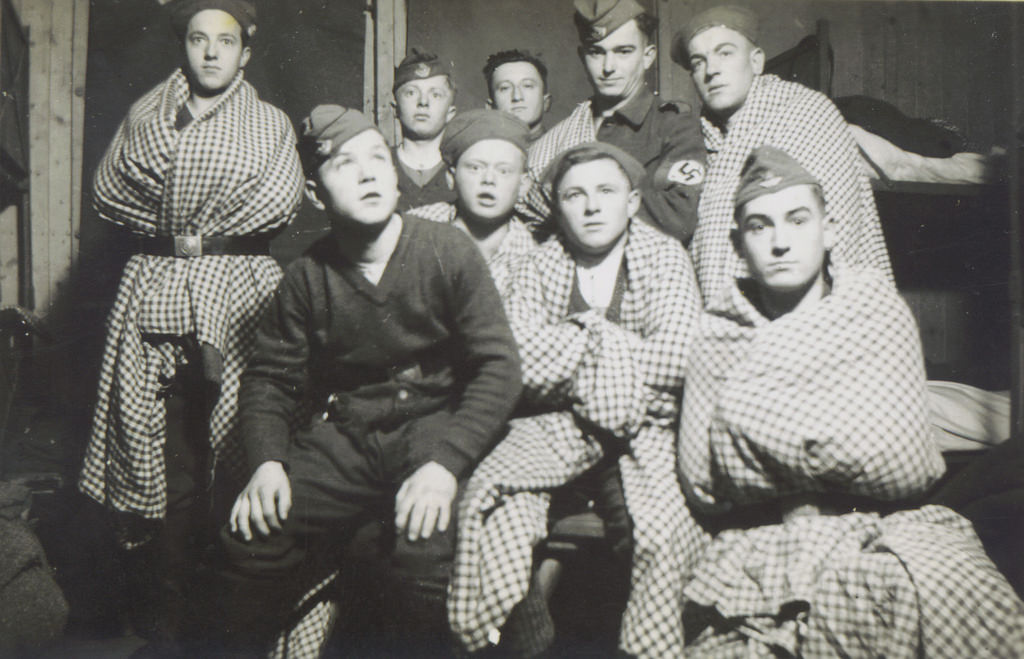
Daily life in the barracks followed a strict schedule. Soldiers rose early for physical exercise, ate breakfast, then moved into training sessions and military duties. Classes in political education — built around the principles of National Socialism and racial ideology — were also part of the routine. The military wasn’t just shaping fighters; it was shaping believers.
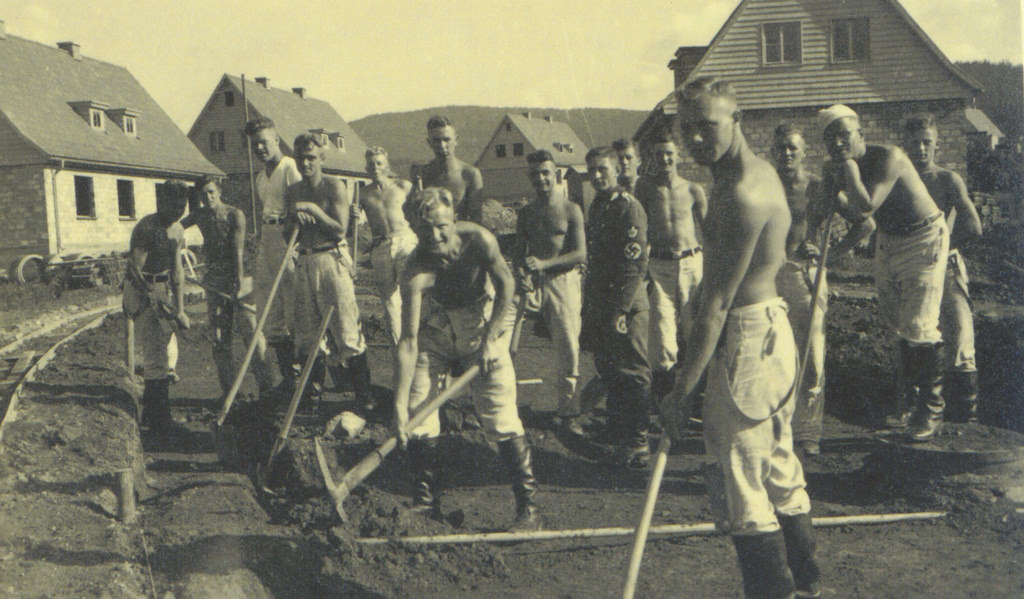
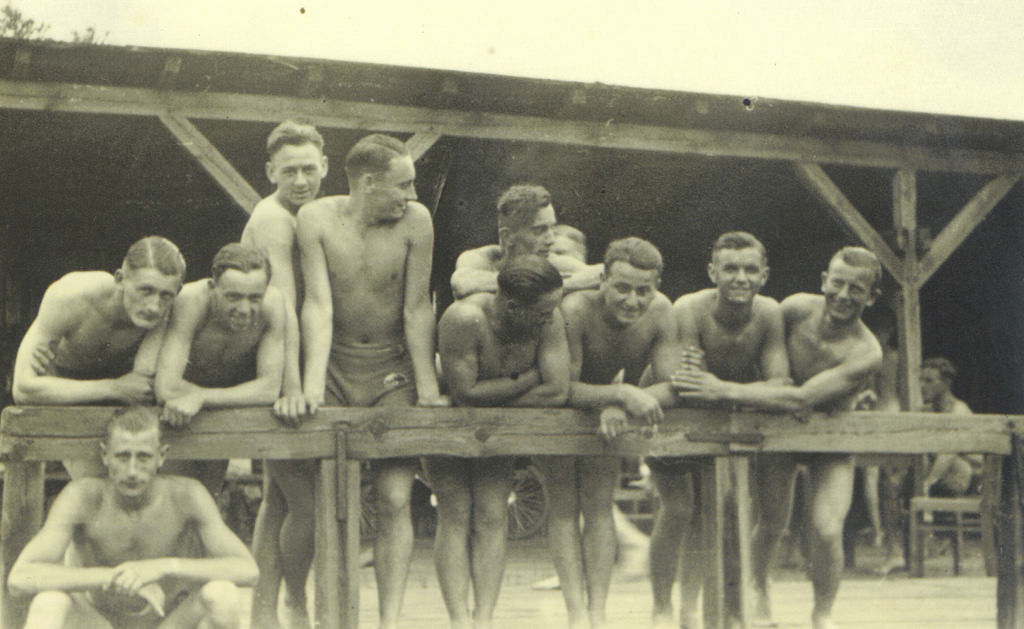
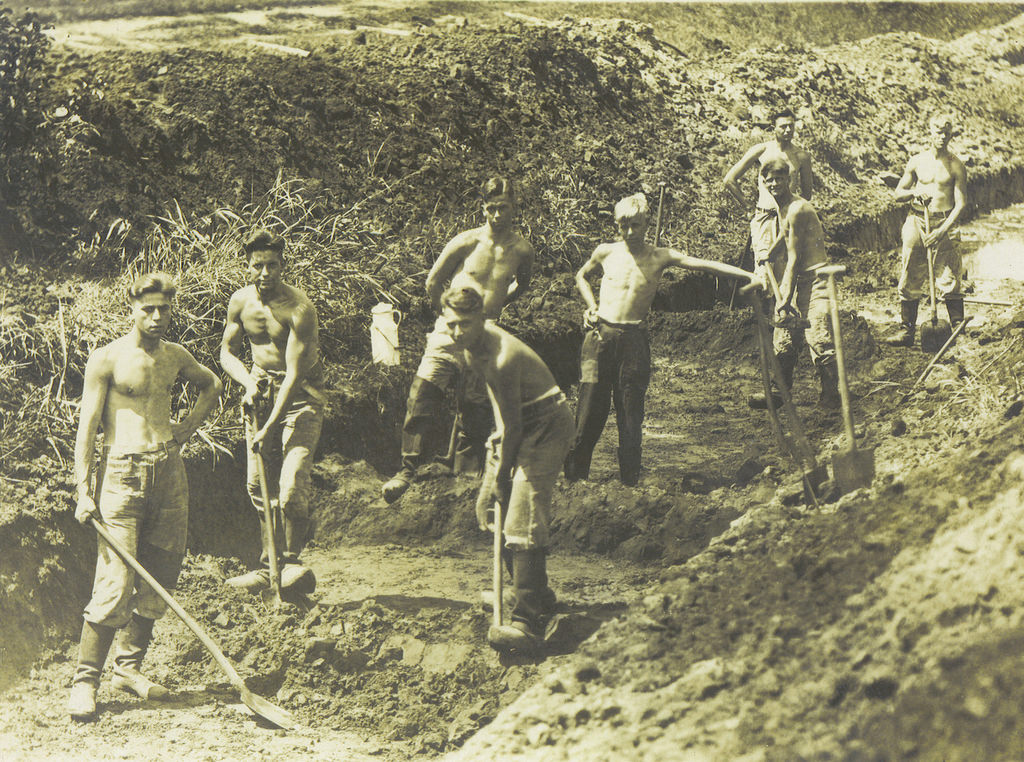
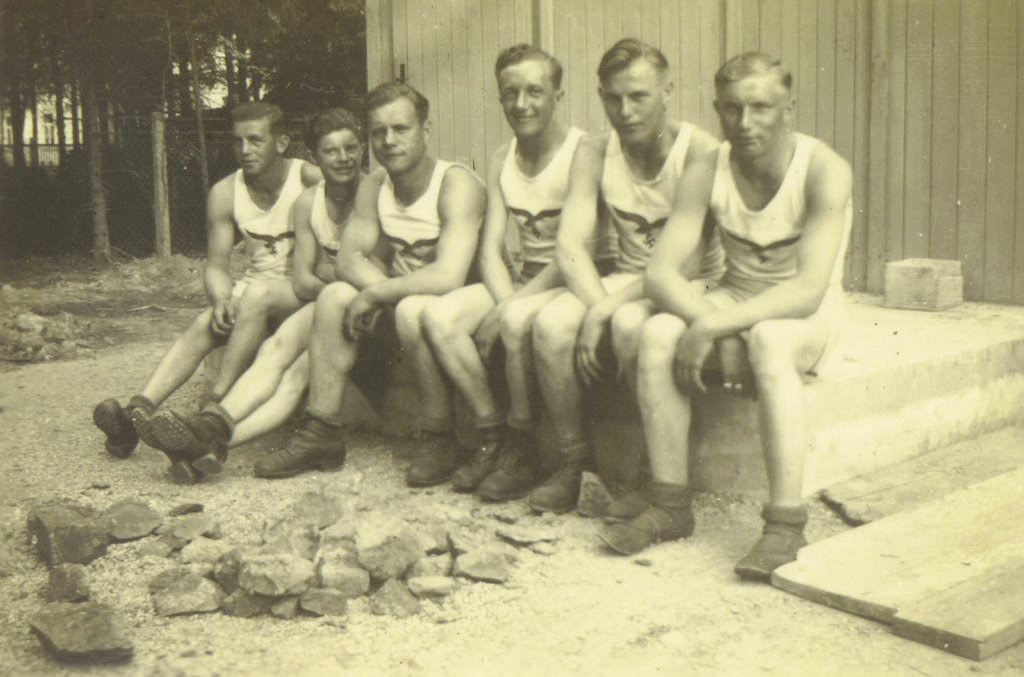
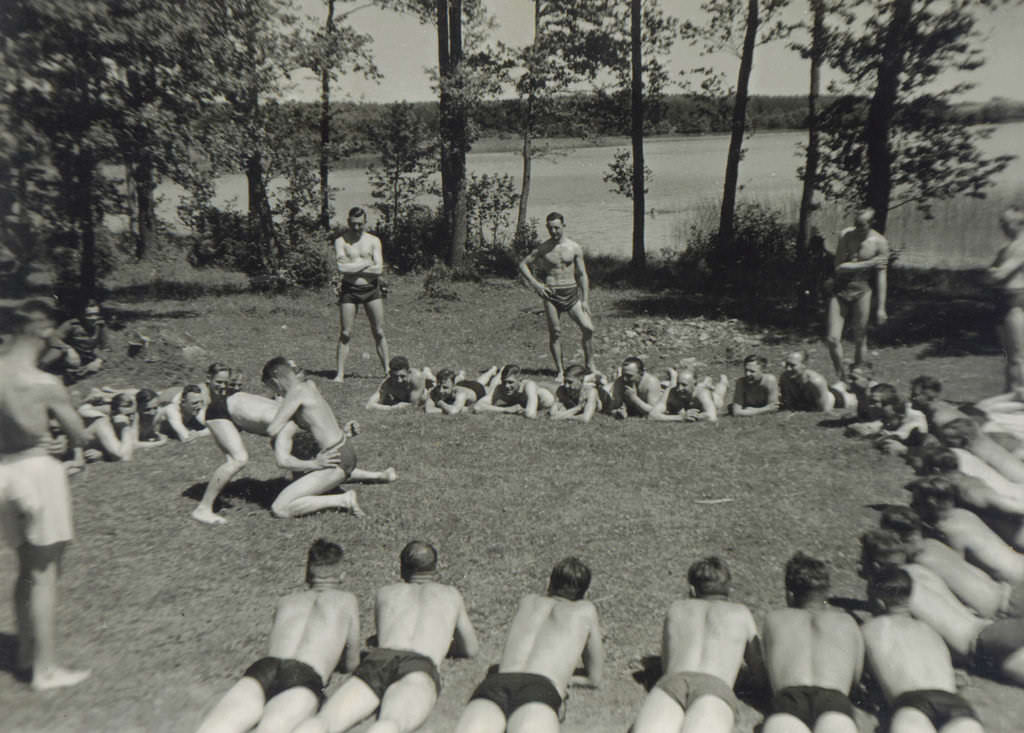
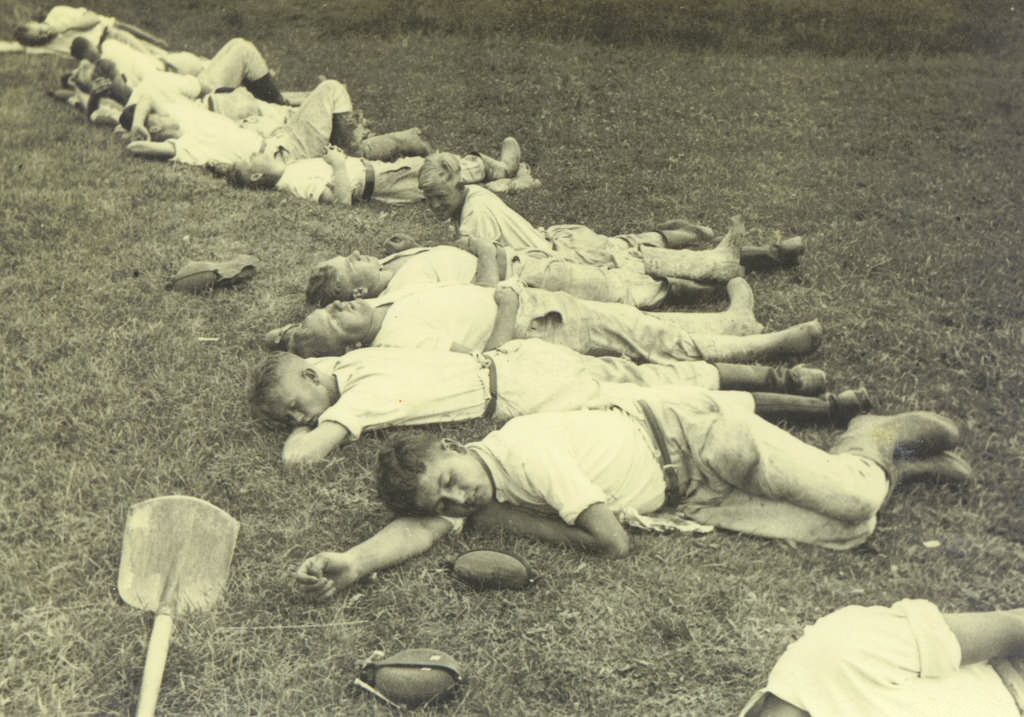
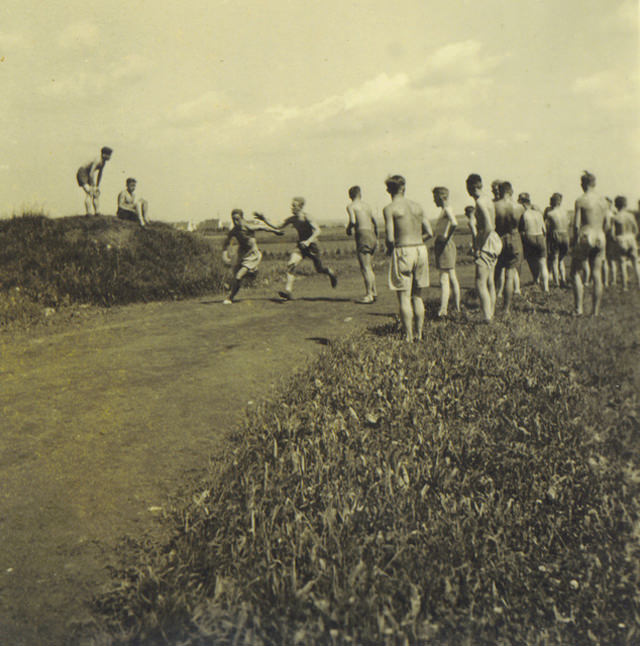
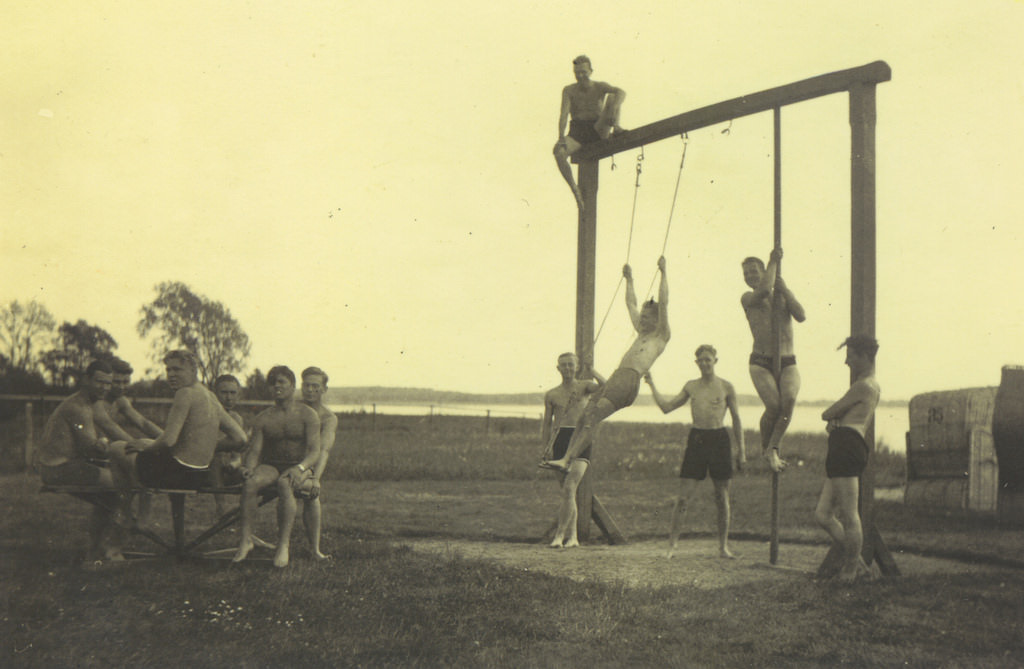
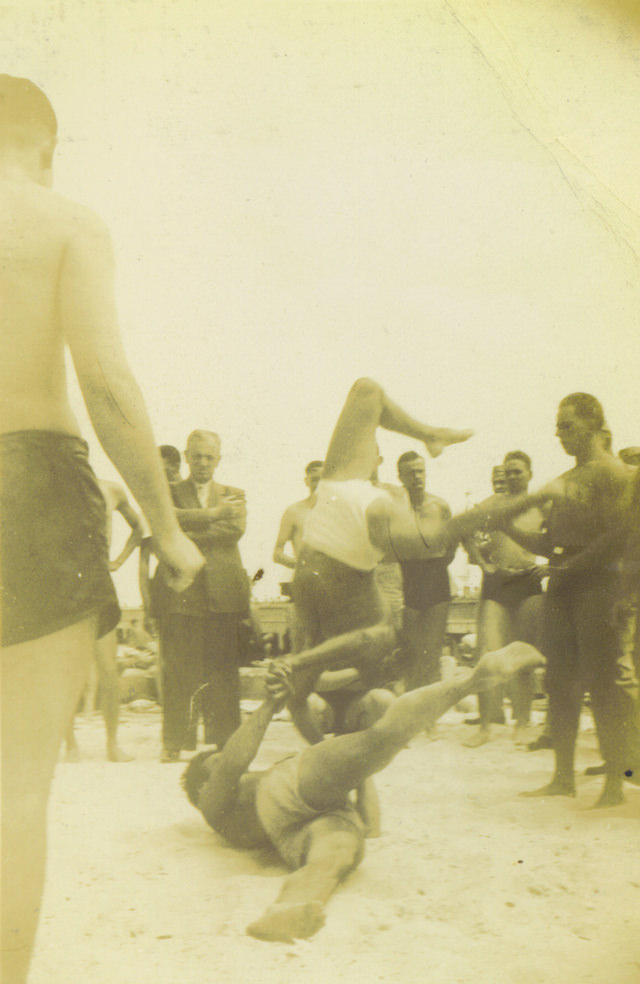
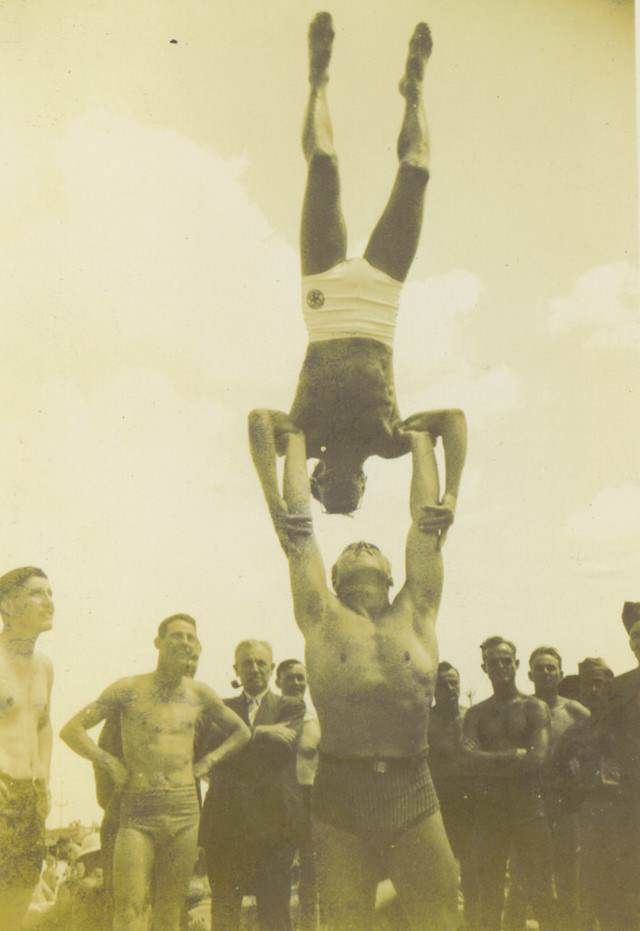
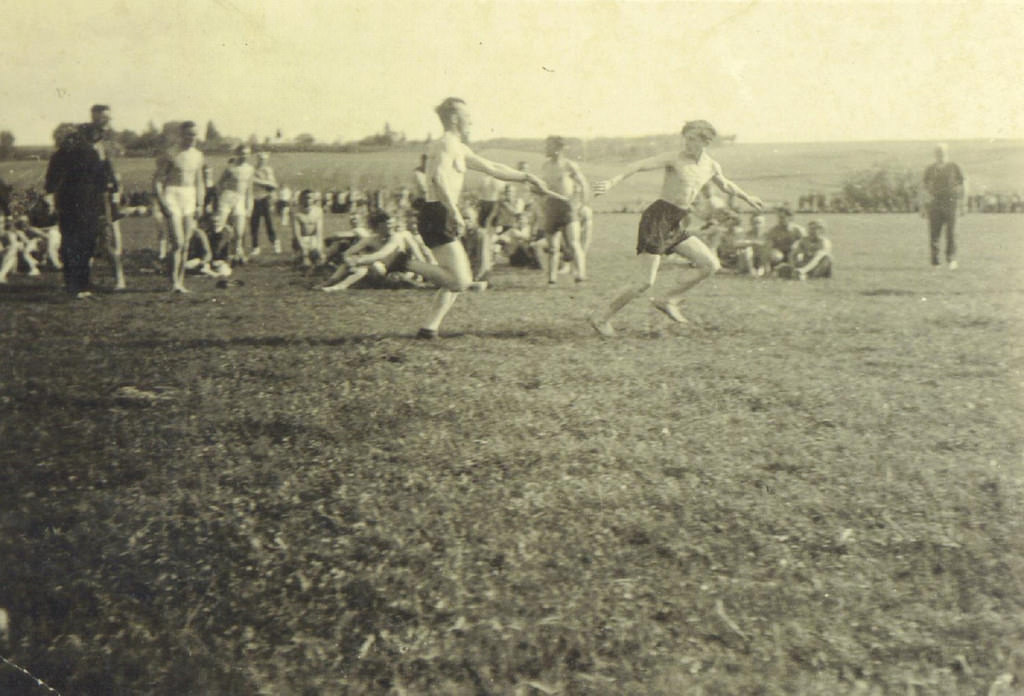
Physical training was demanding. The emphasis was on fitness, discipline, and combat readiness. Soldiers were pushed hard, and the goal was always absolute loyalty to the Führer and his vision. Weakness — physical or ideological — had no place in this new German military.
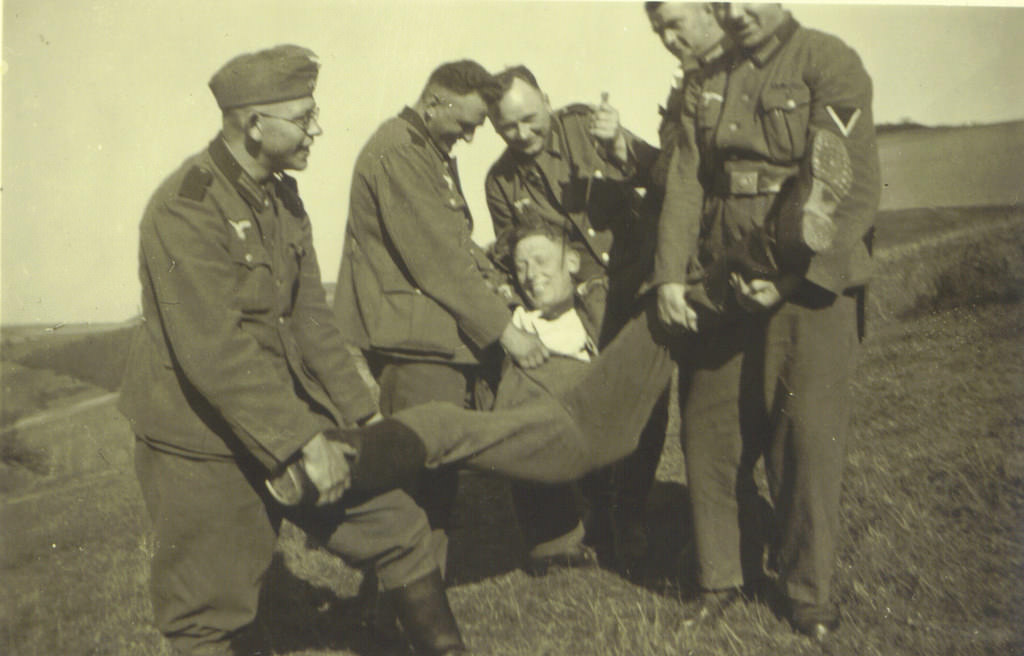
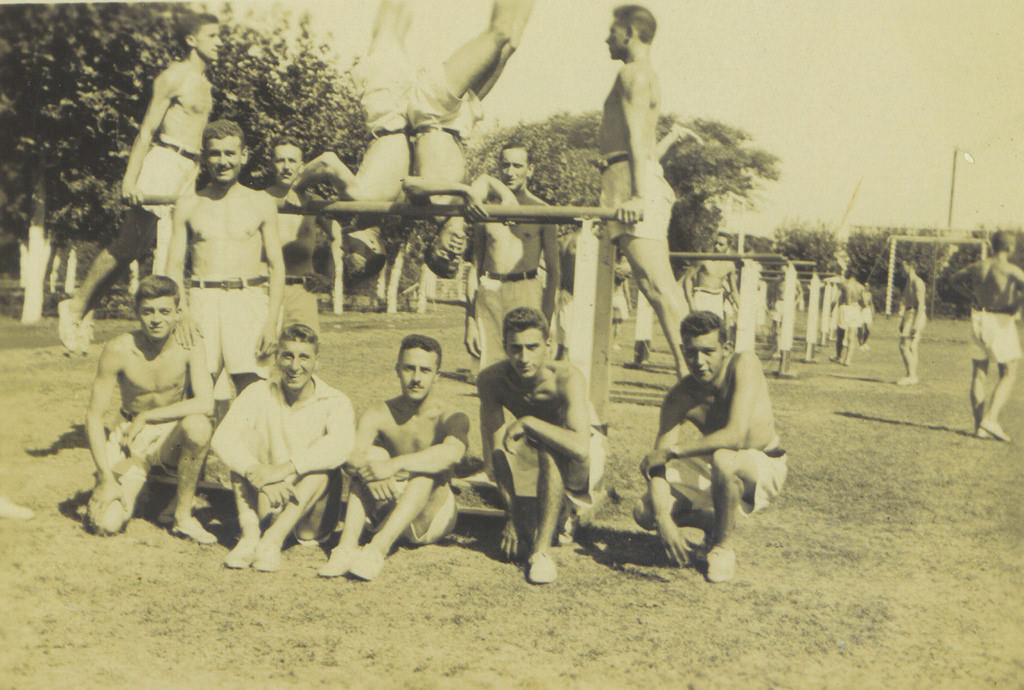
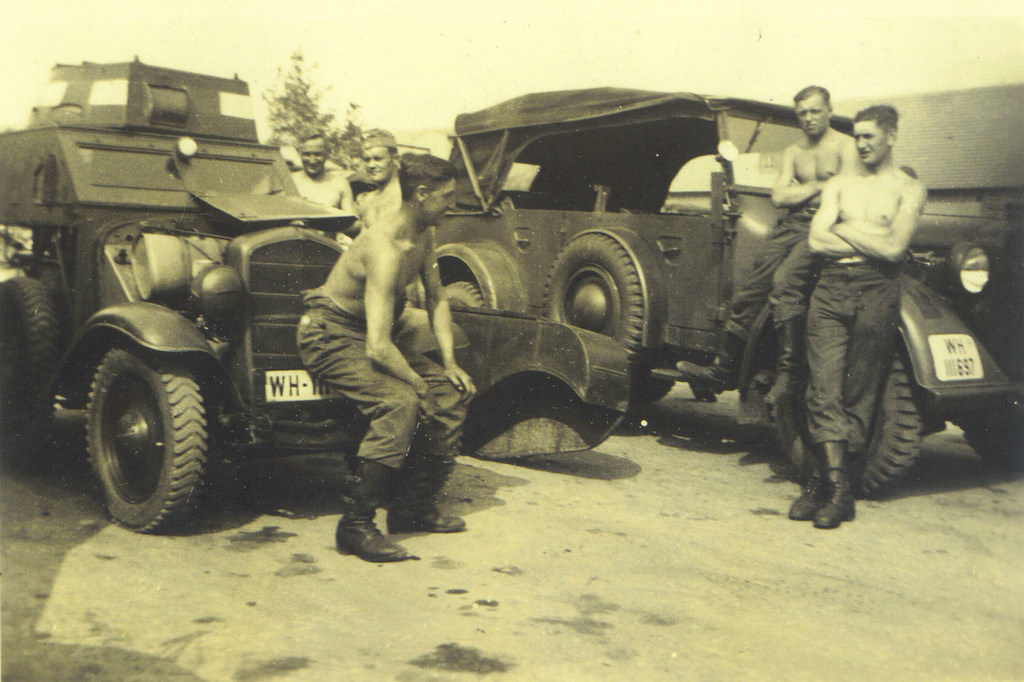
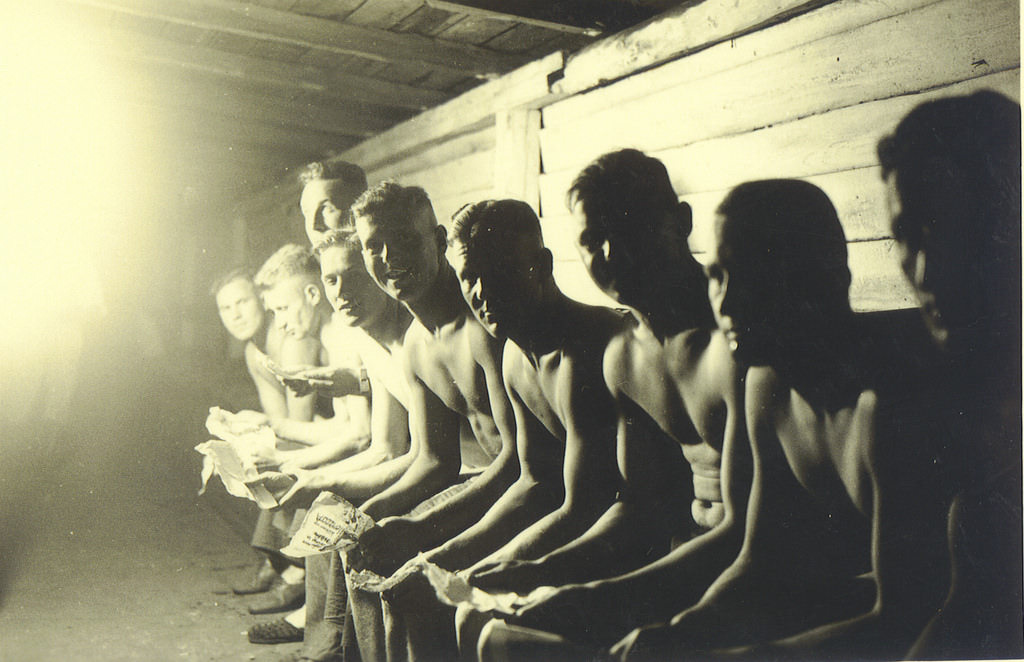
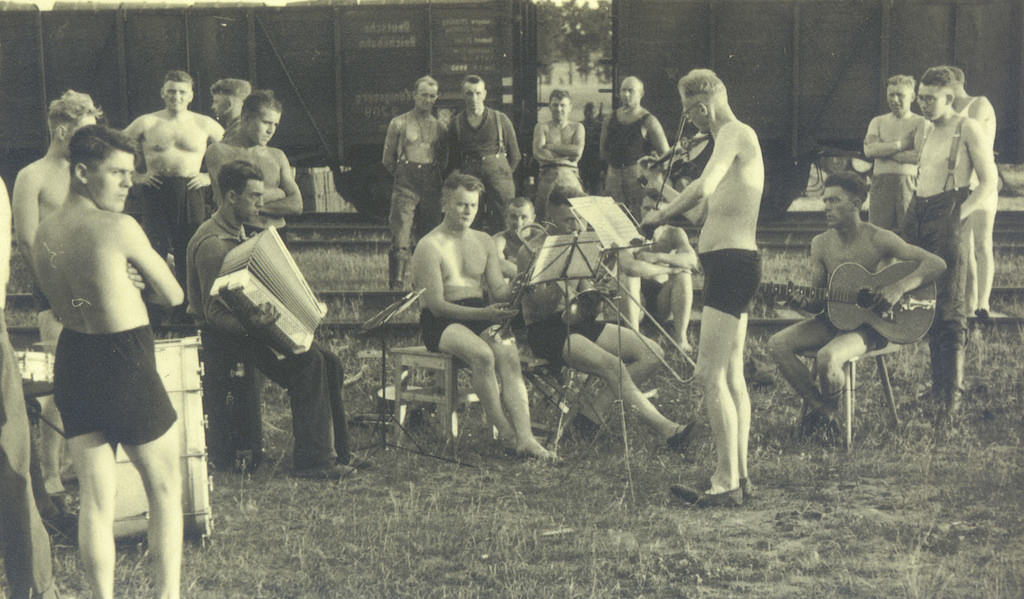
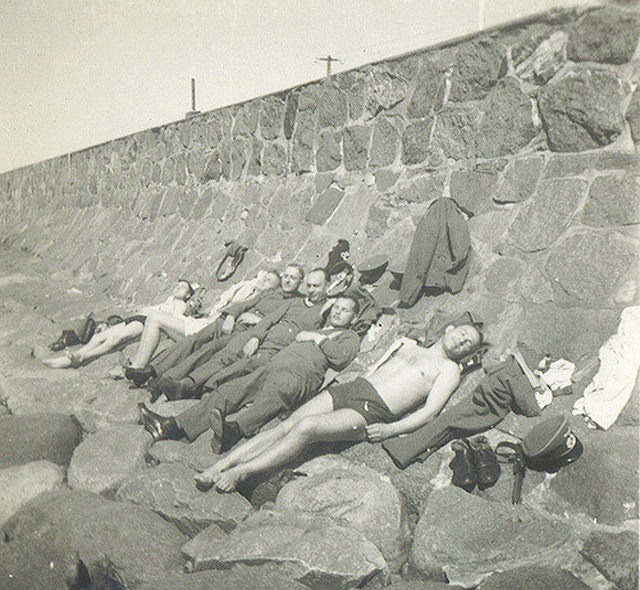
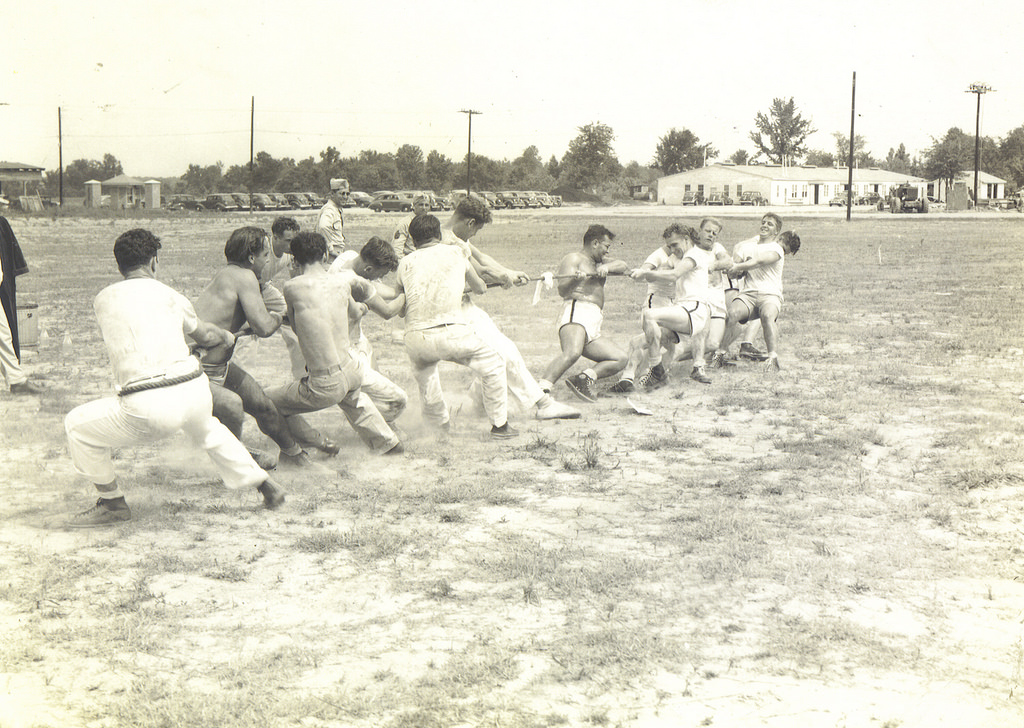
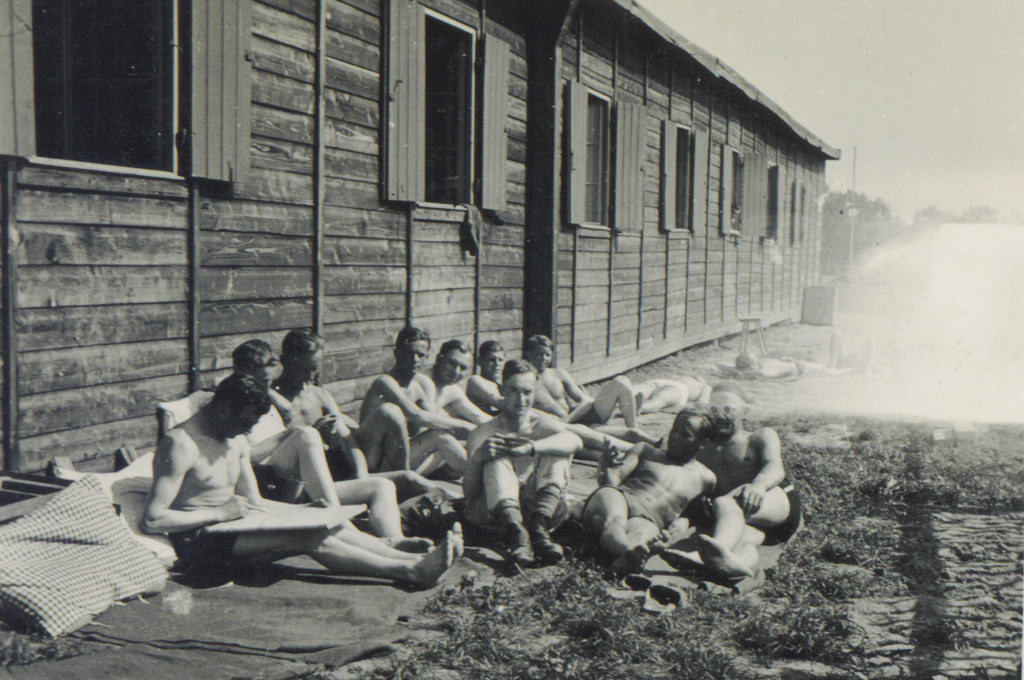
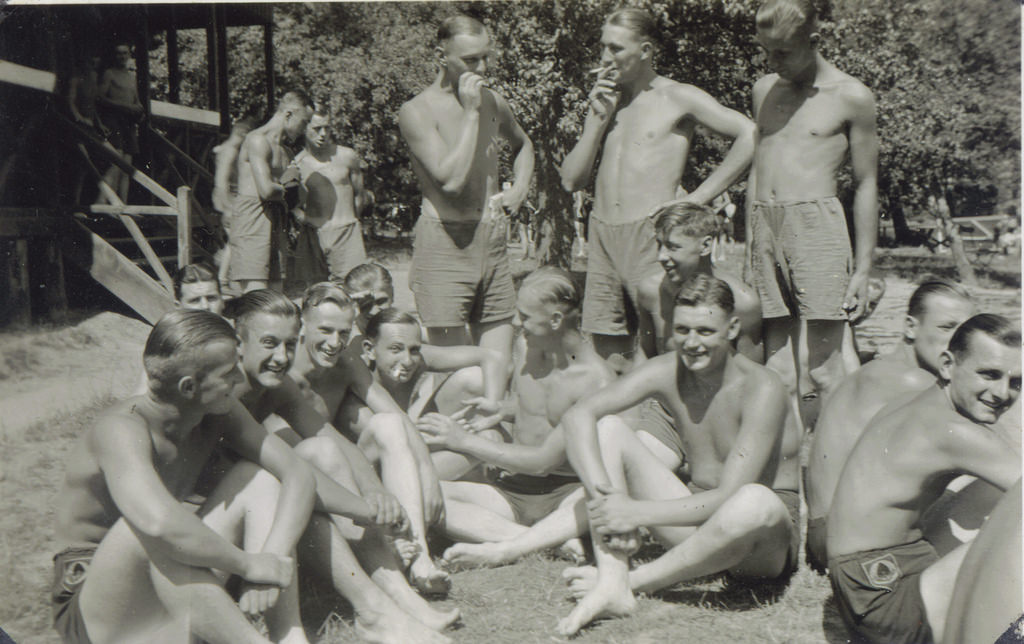
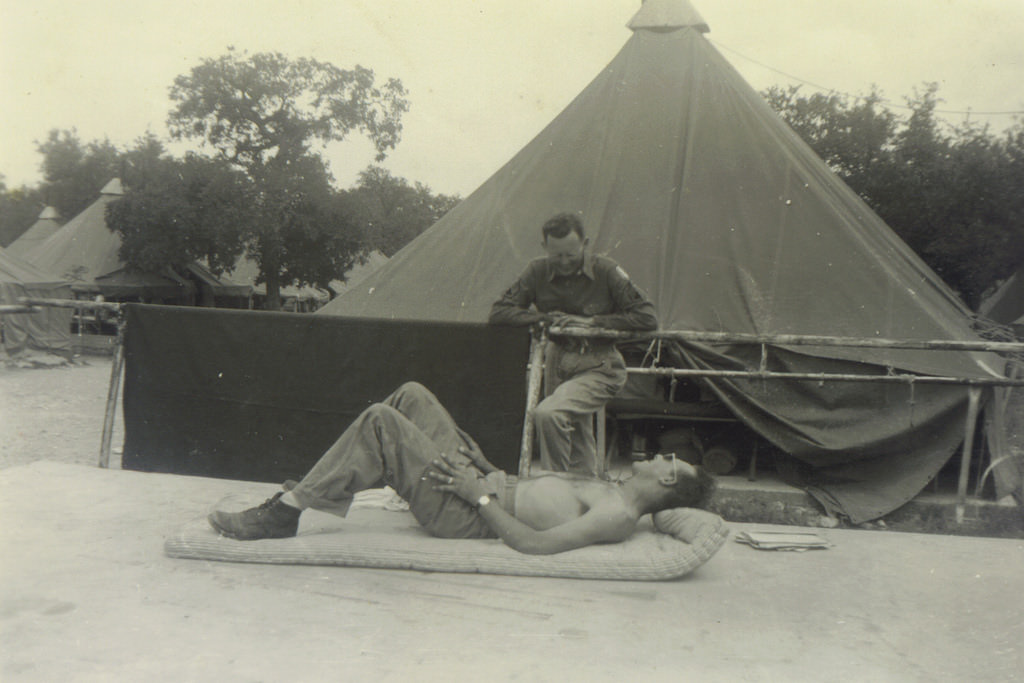
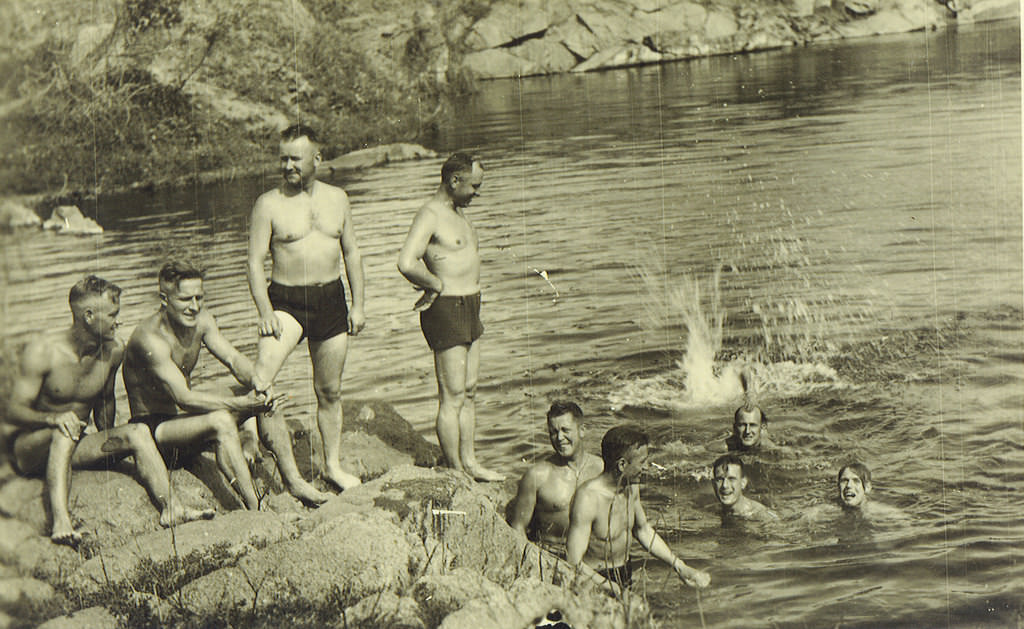
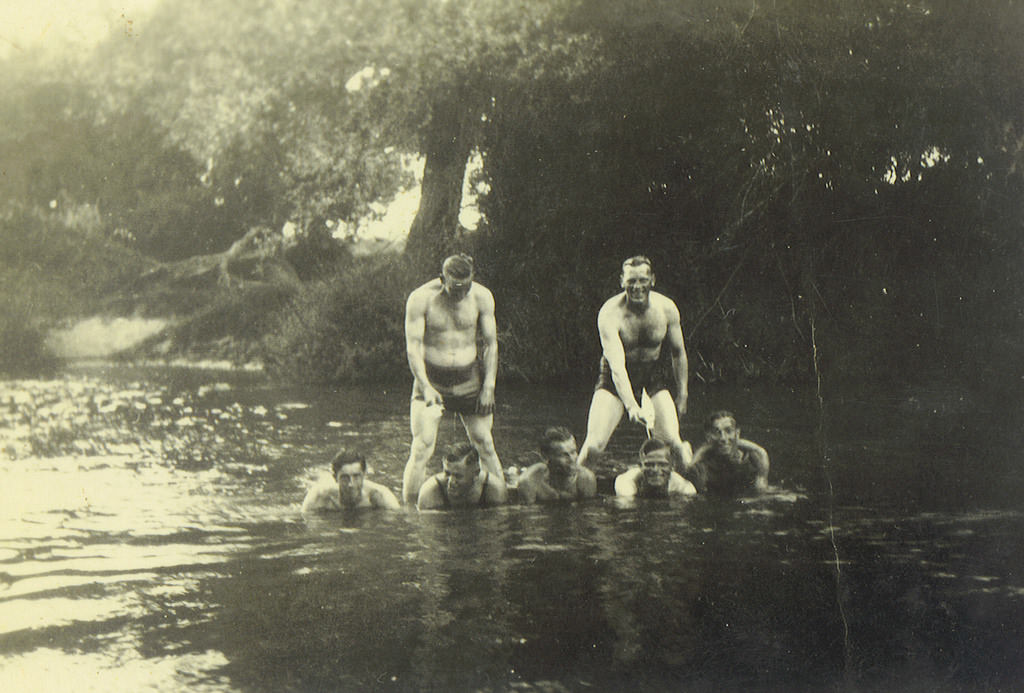
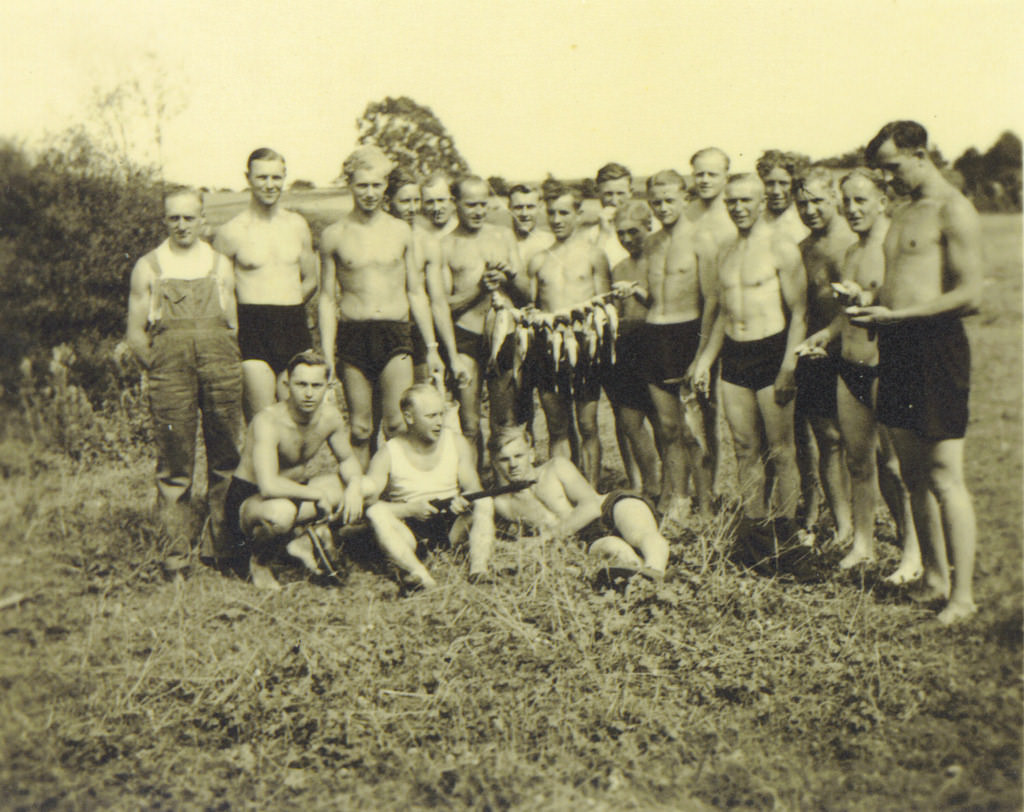
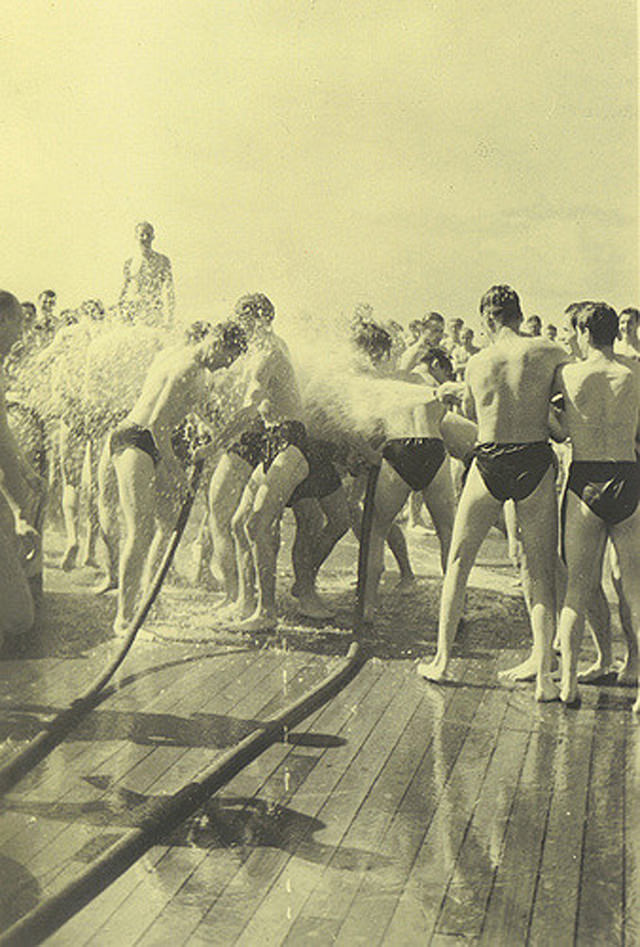
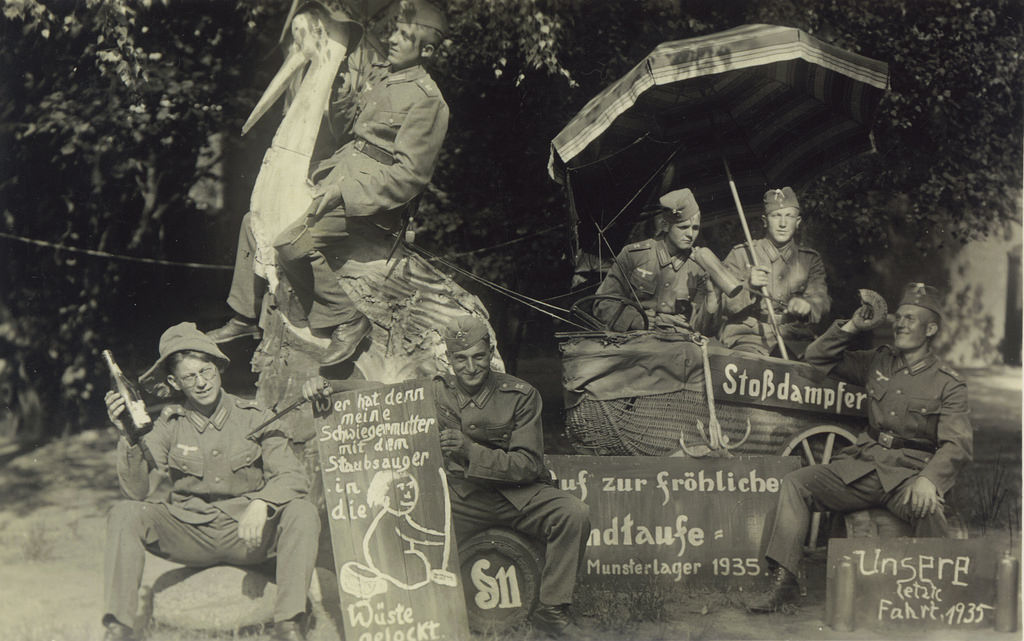
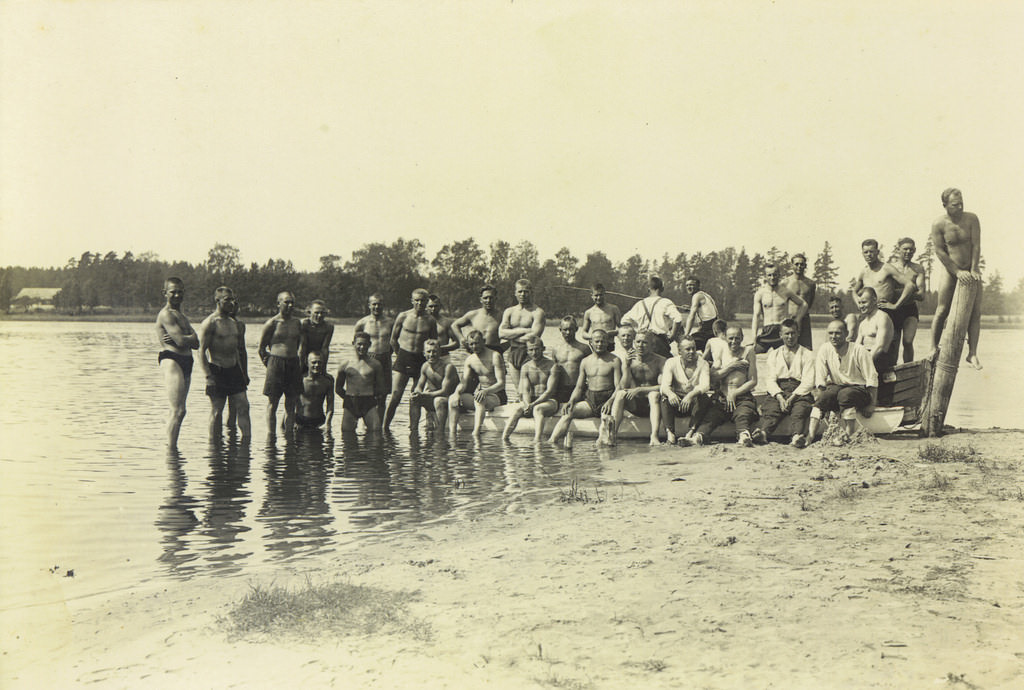
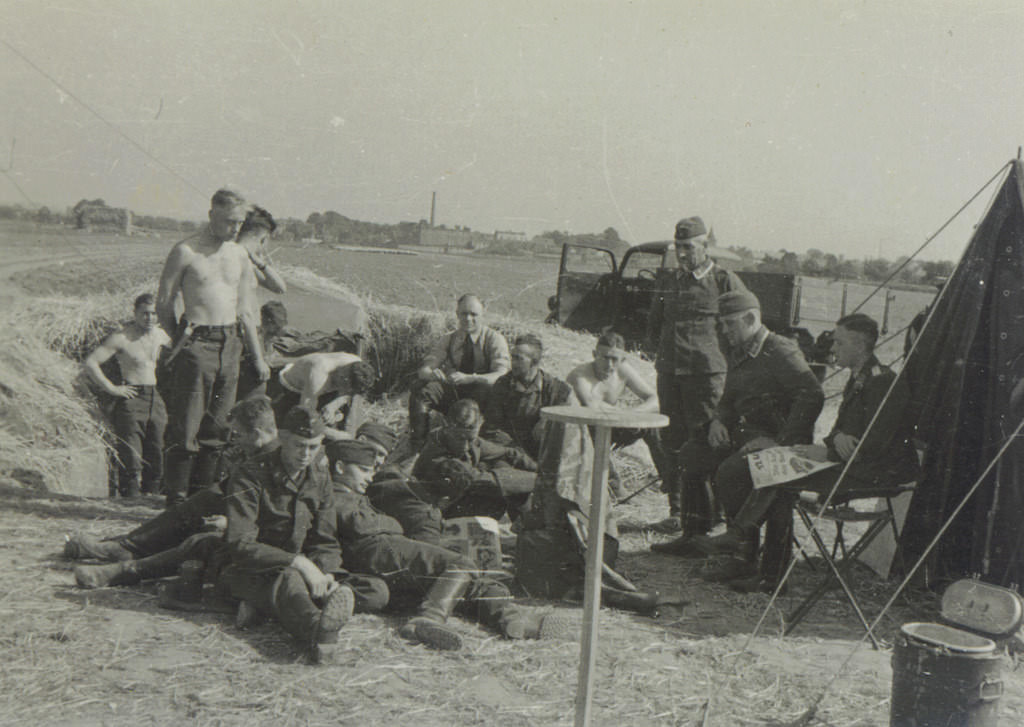
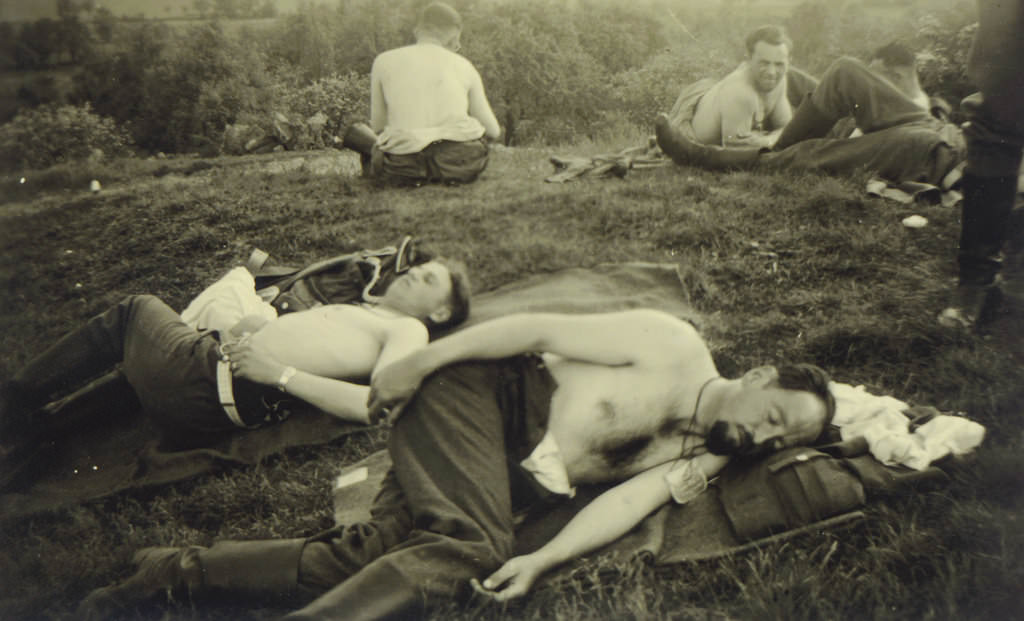
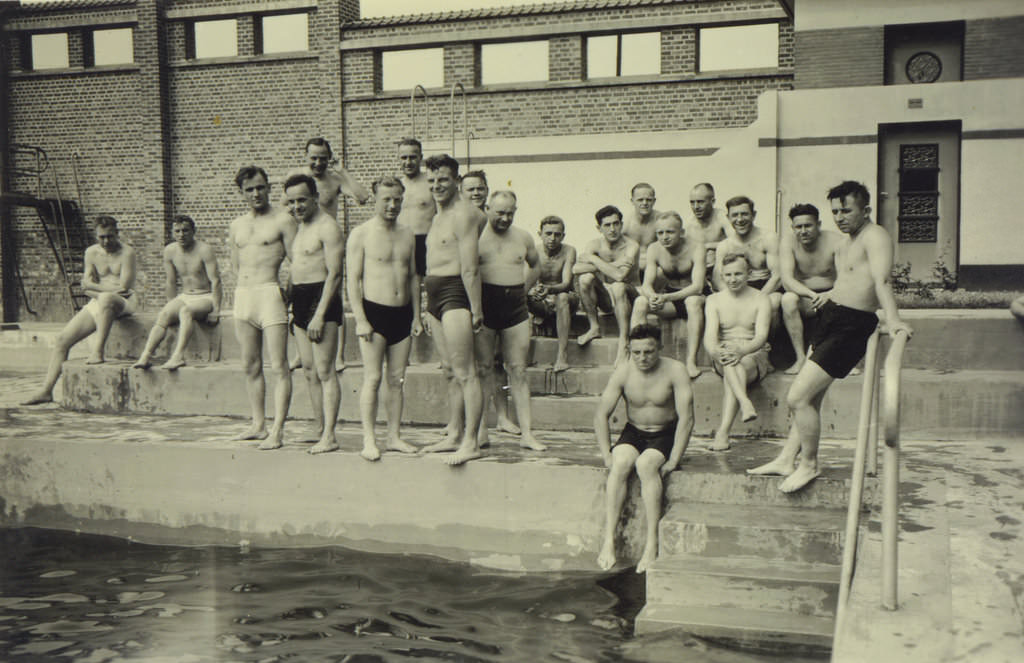
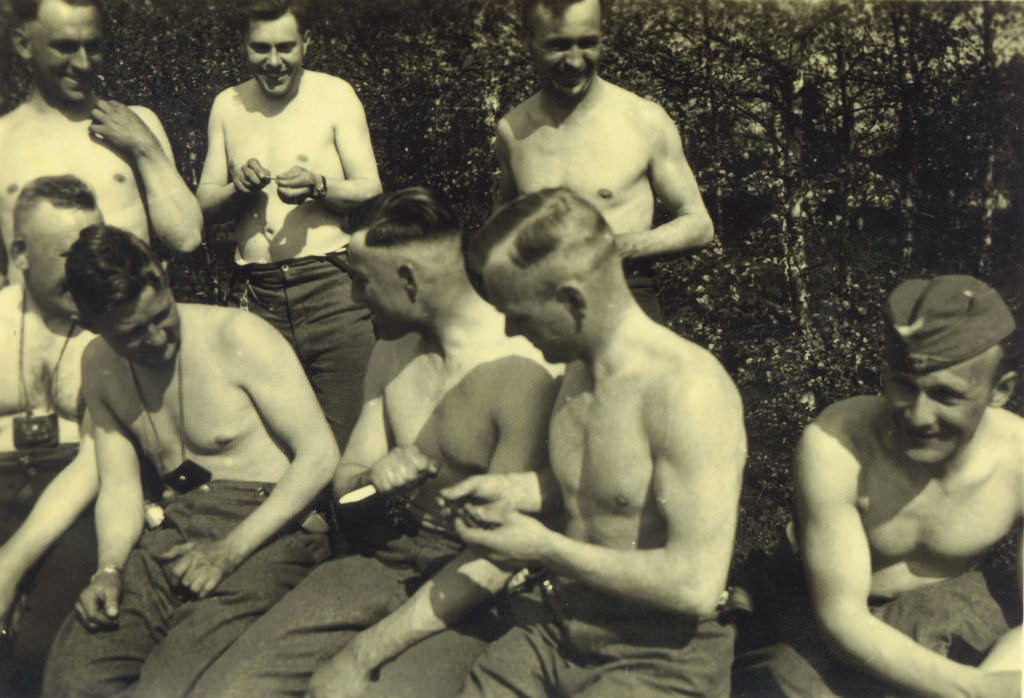
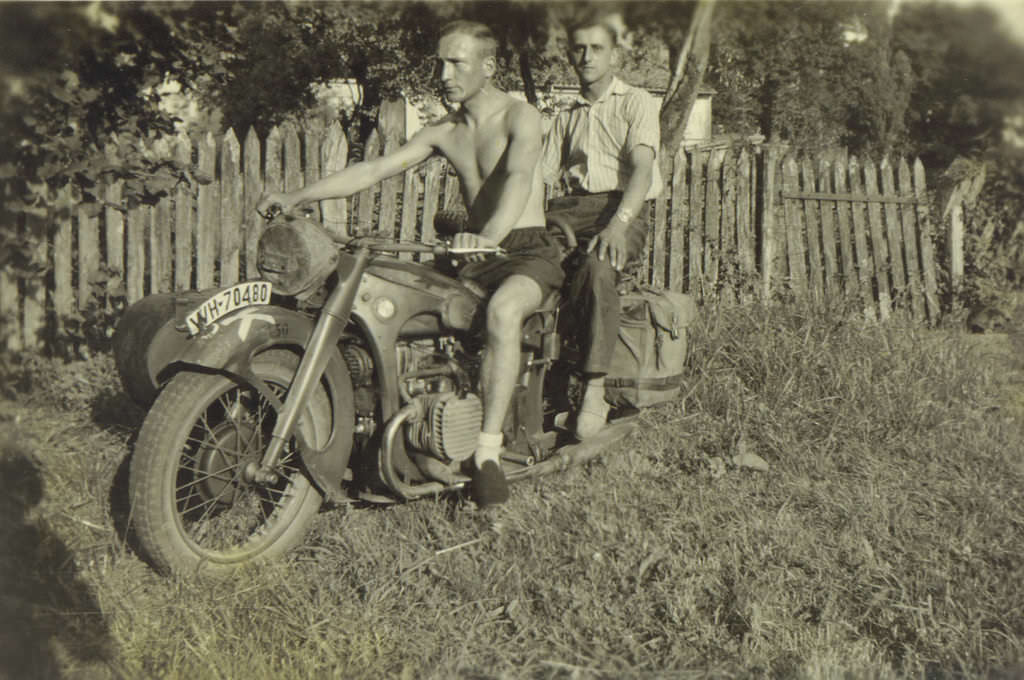
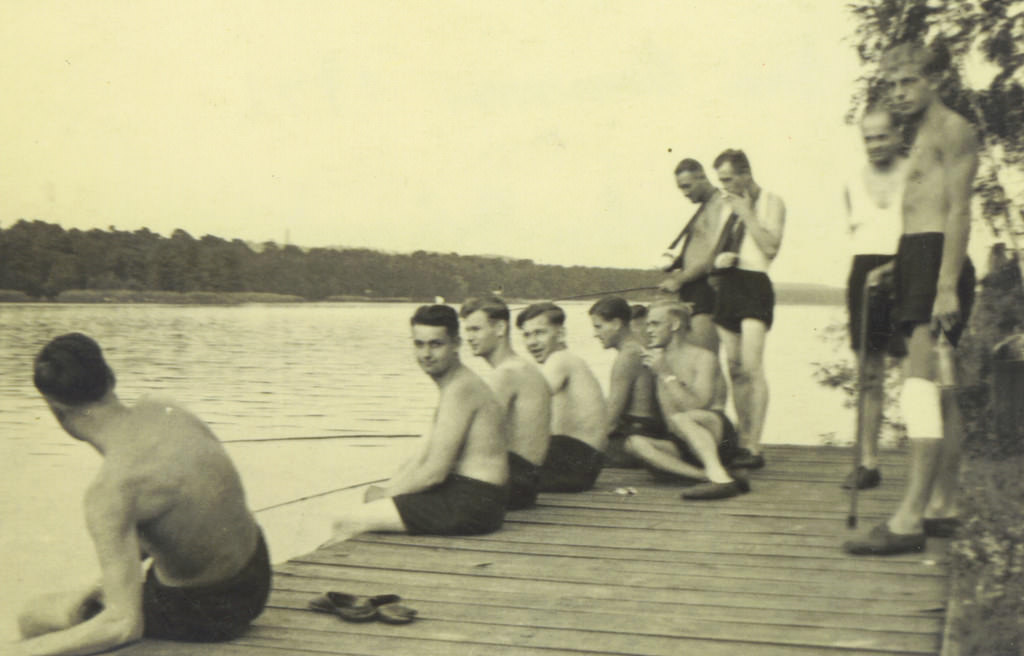
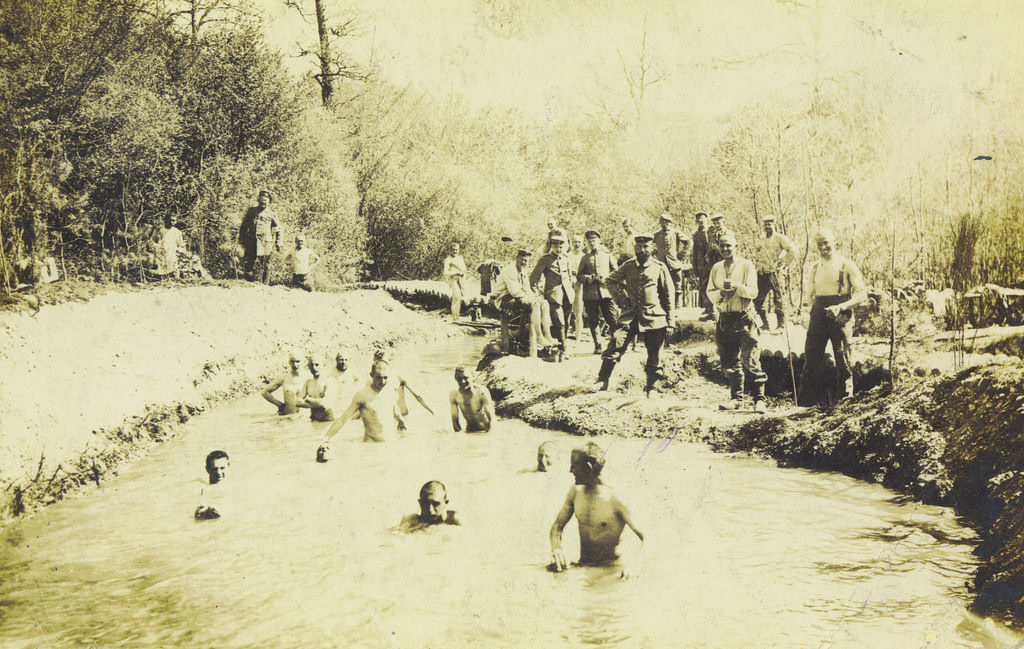
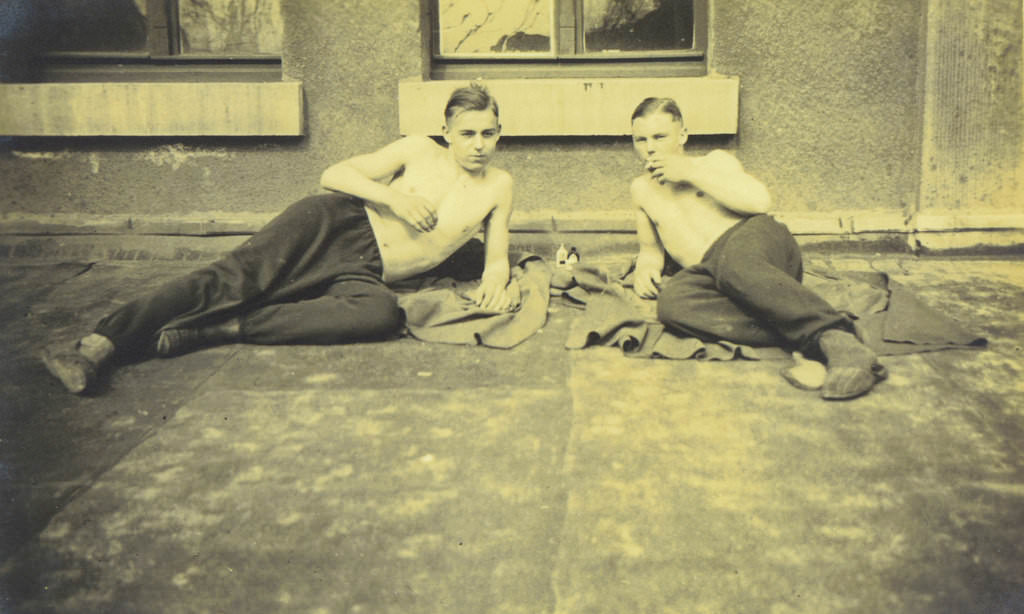
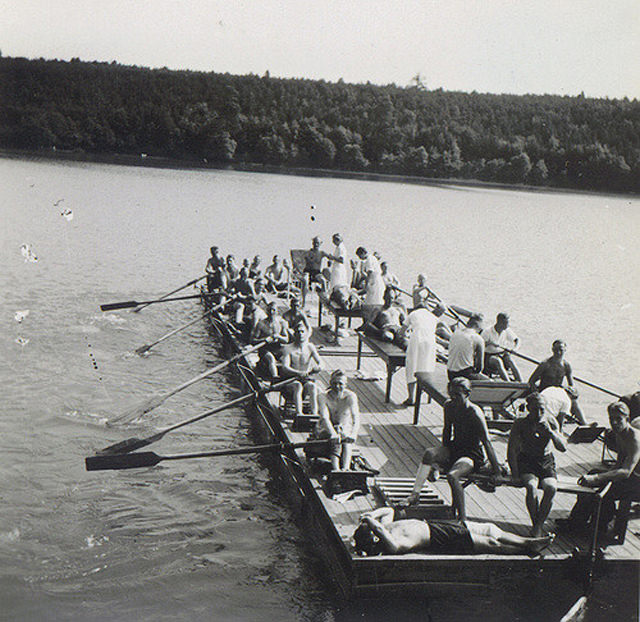
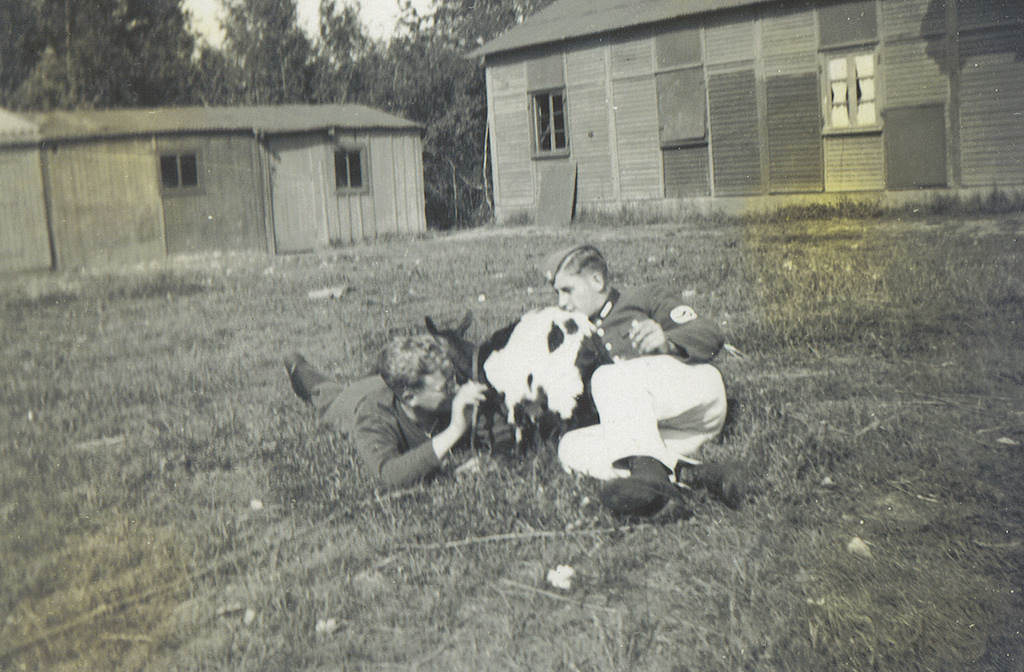
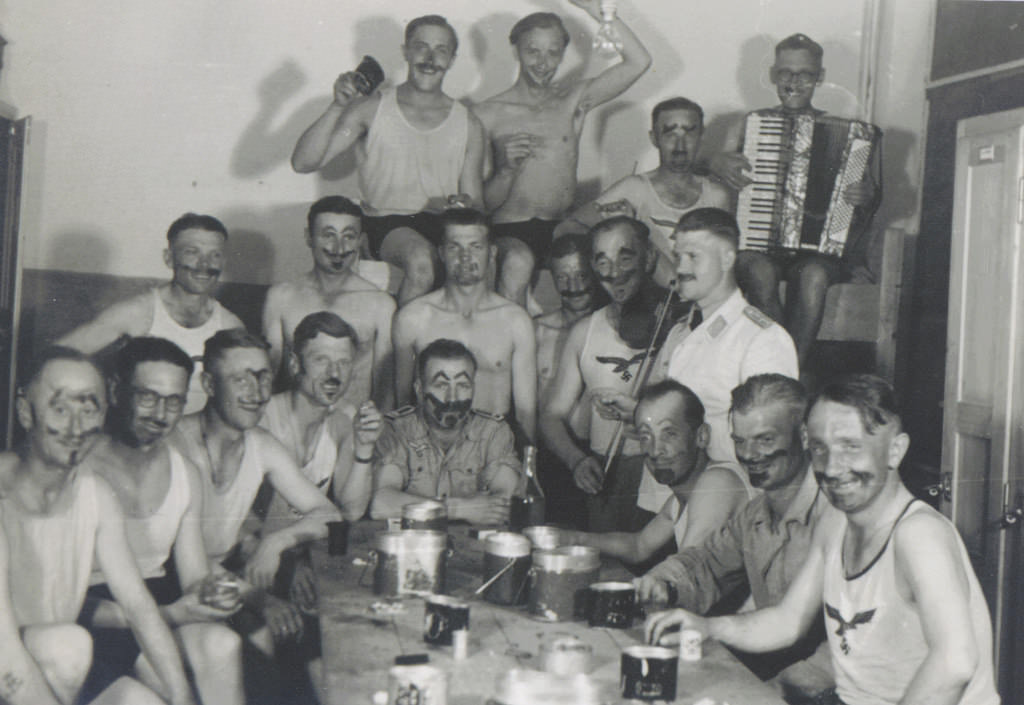
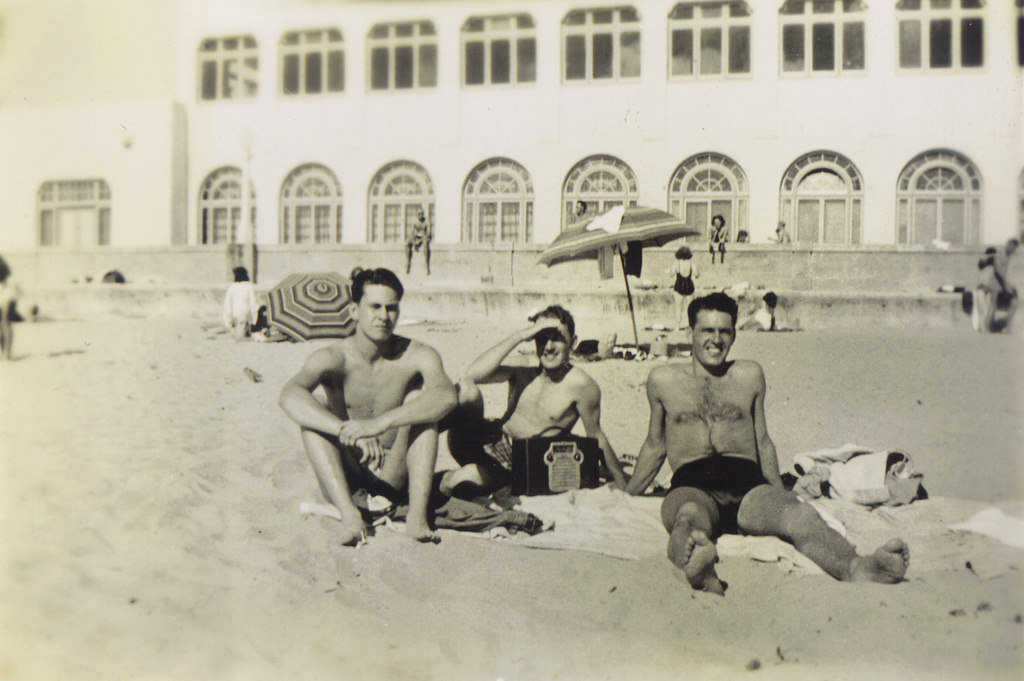
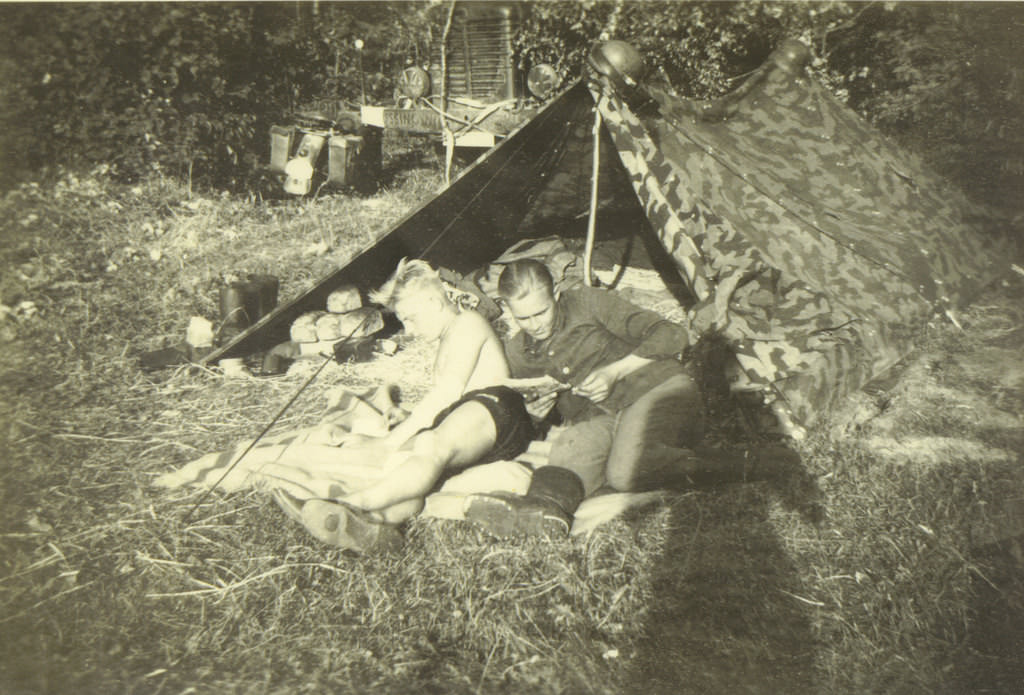
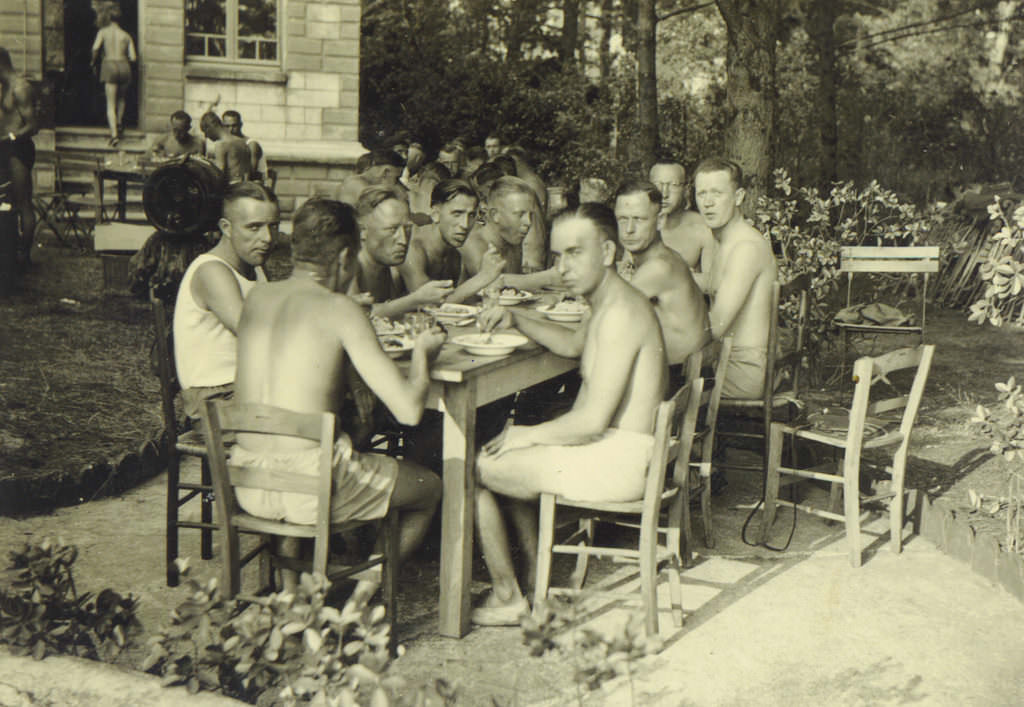
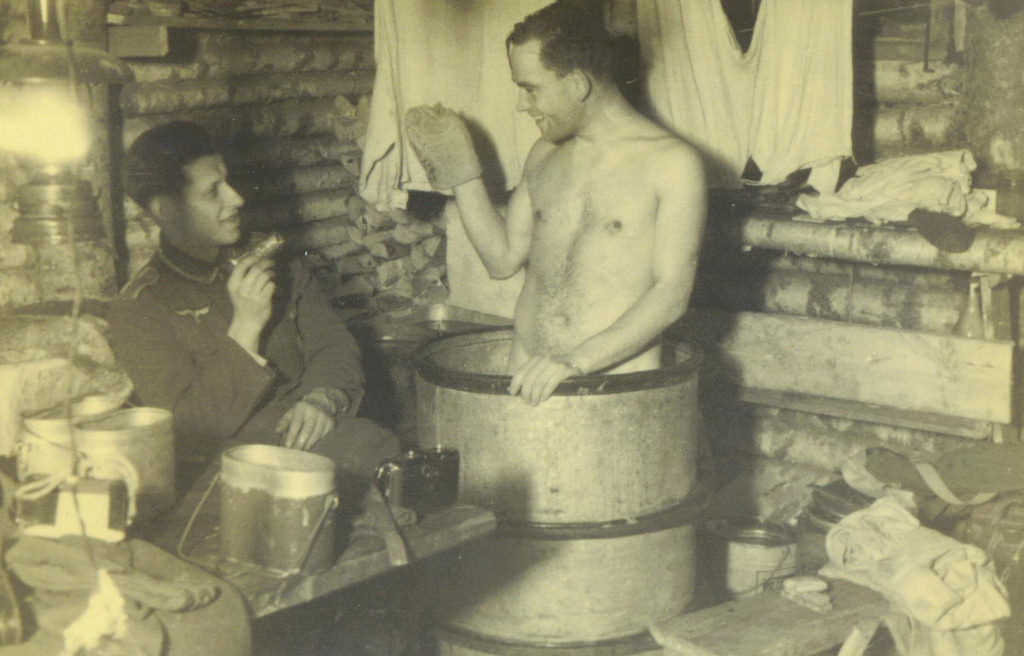
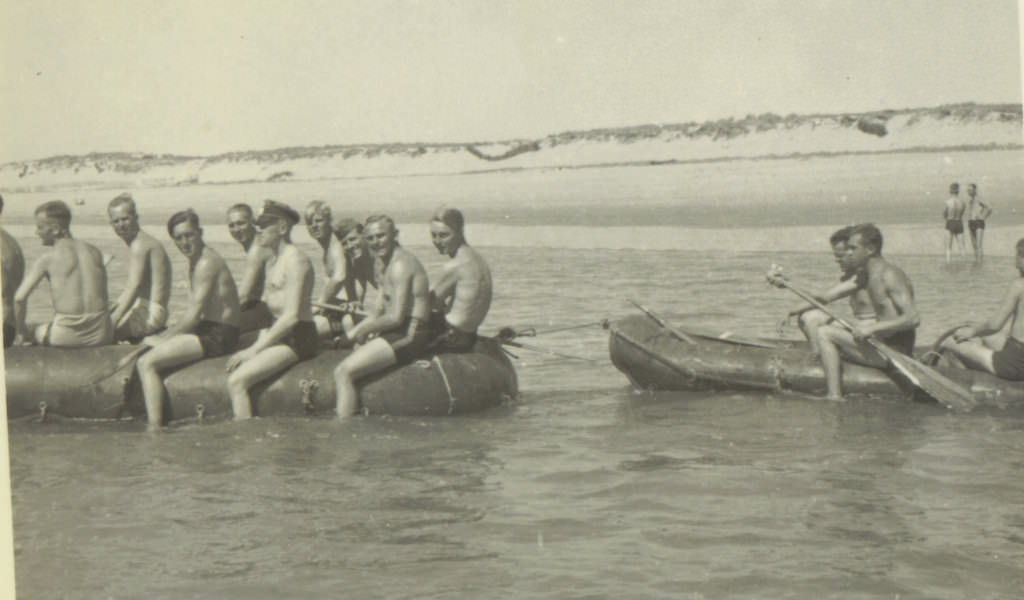
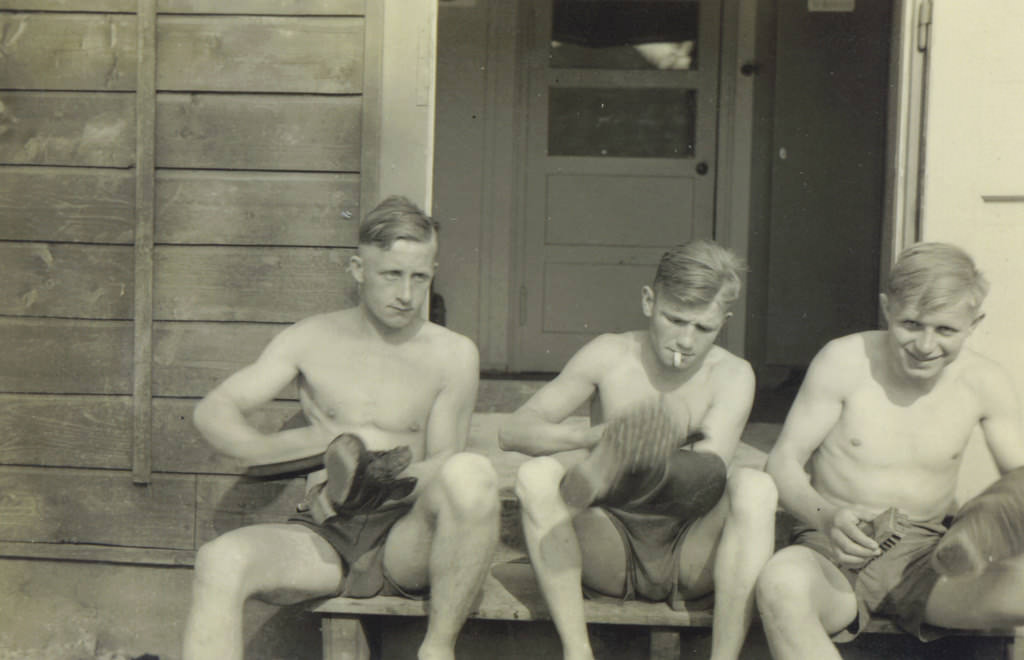
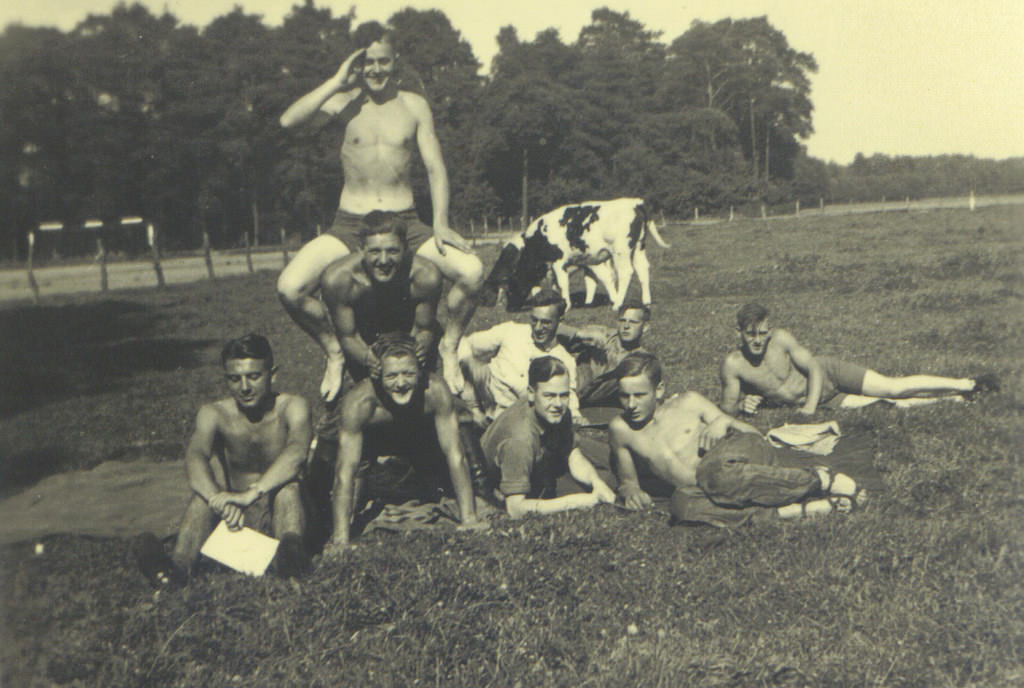
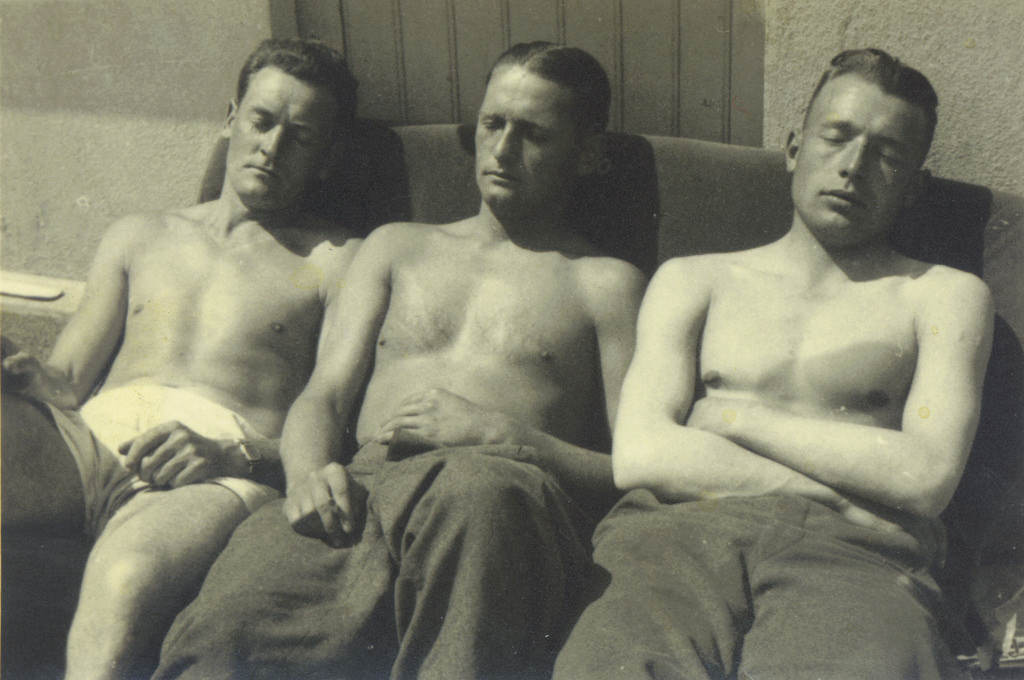
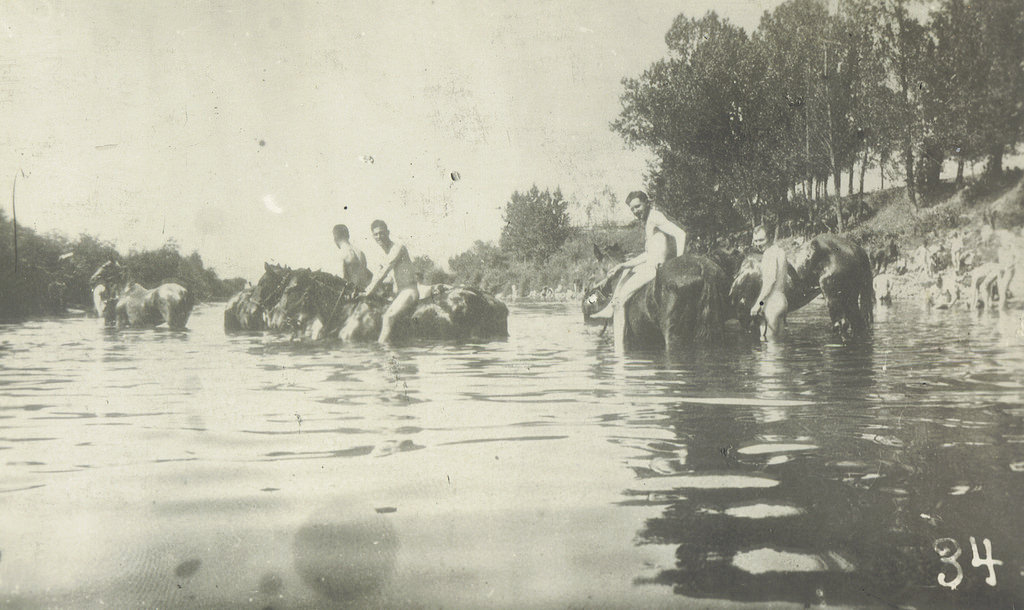
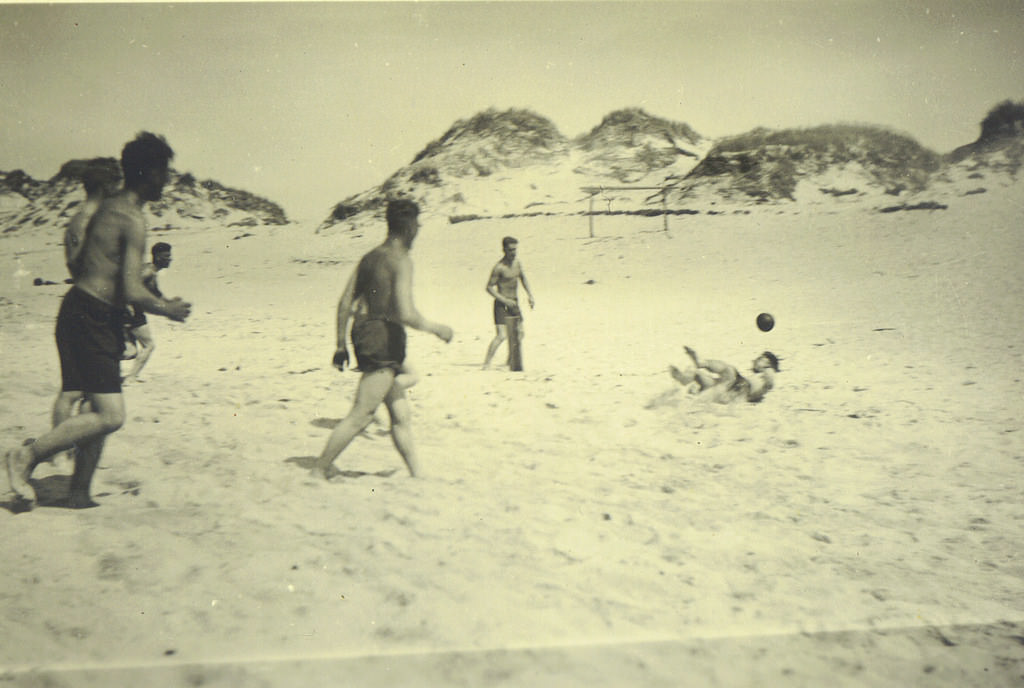
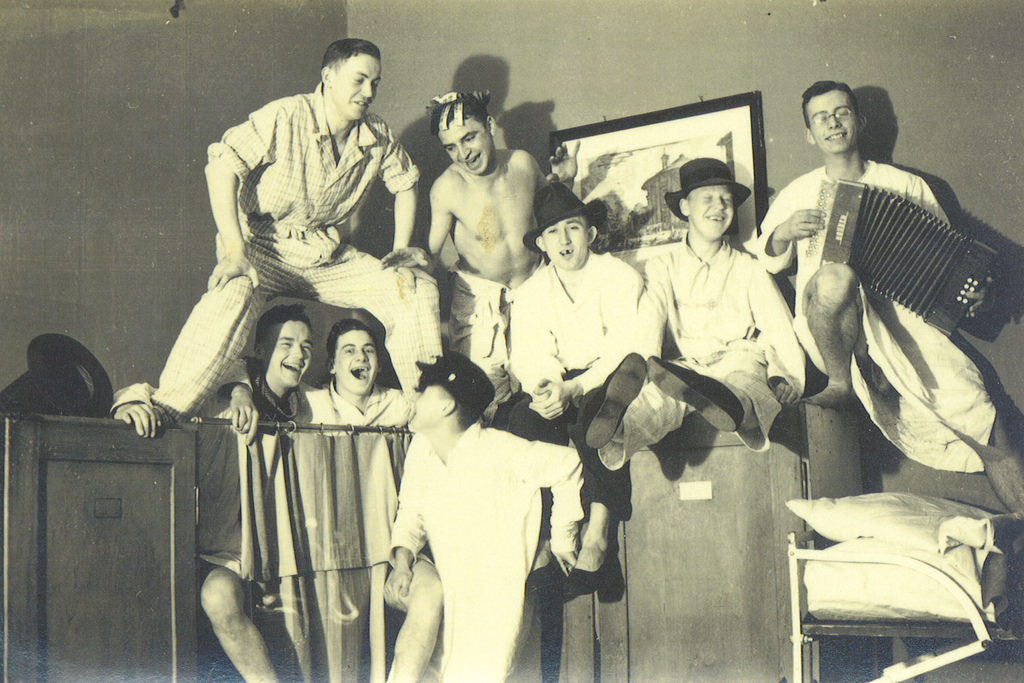
After the drills and duties, the evenings belonged to the soldiers. They wrote letters home, read, played cards, or gathered around the radio. Sports and group singing were actively encouraged by commanders as tools for building morale and unit cohesion. The bonds formed during these quiet hours were often just as strong as those built on the training field.
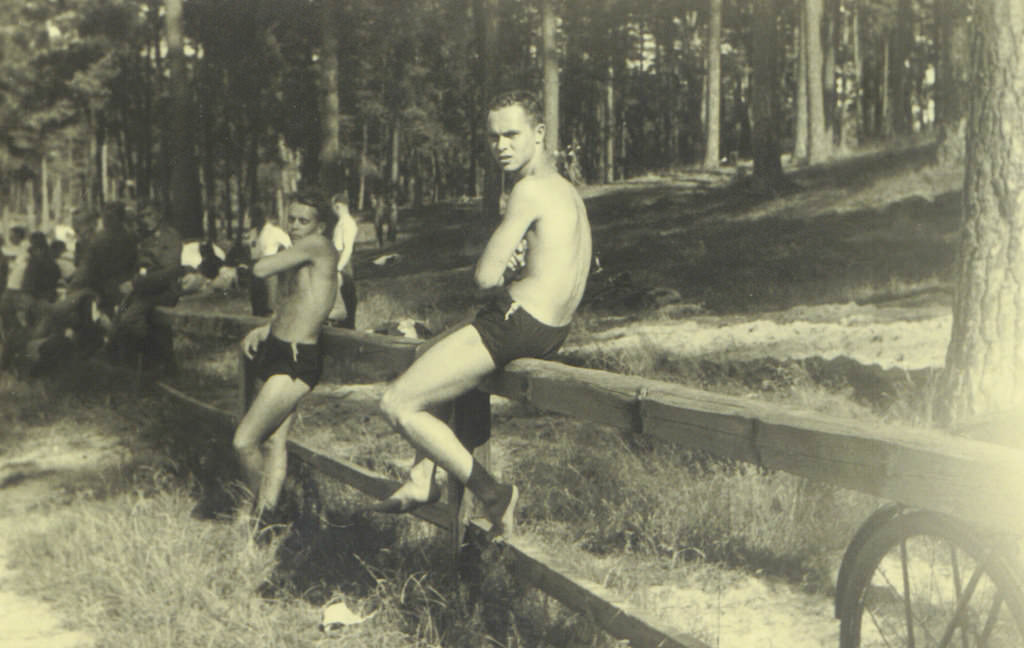
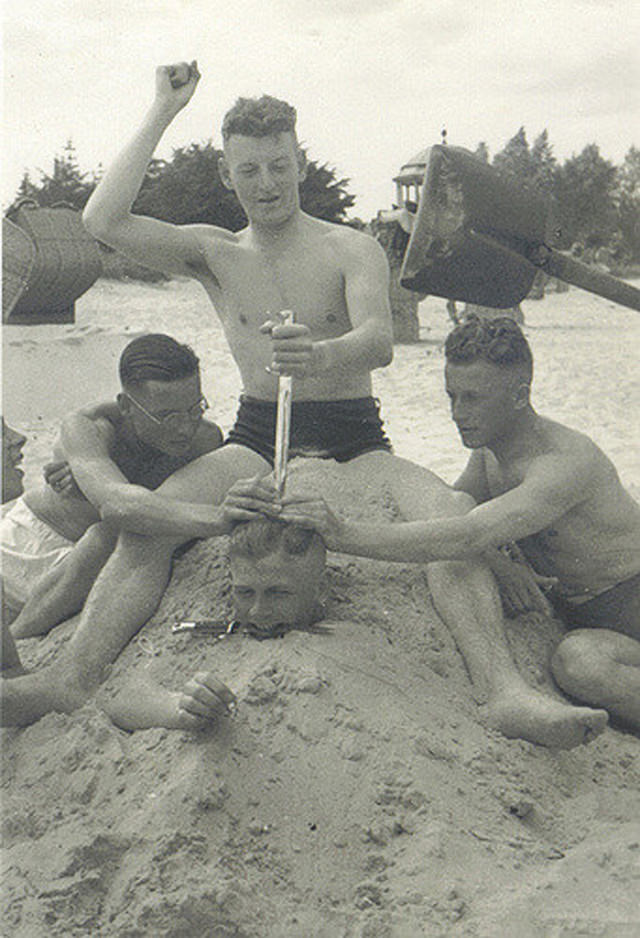
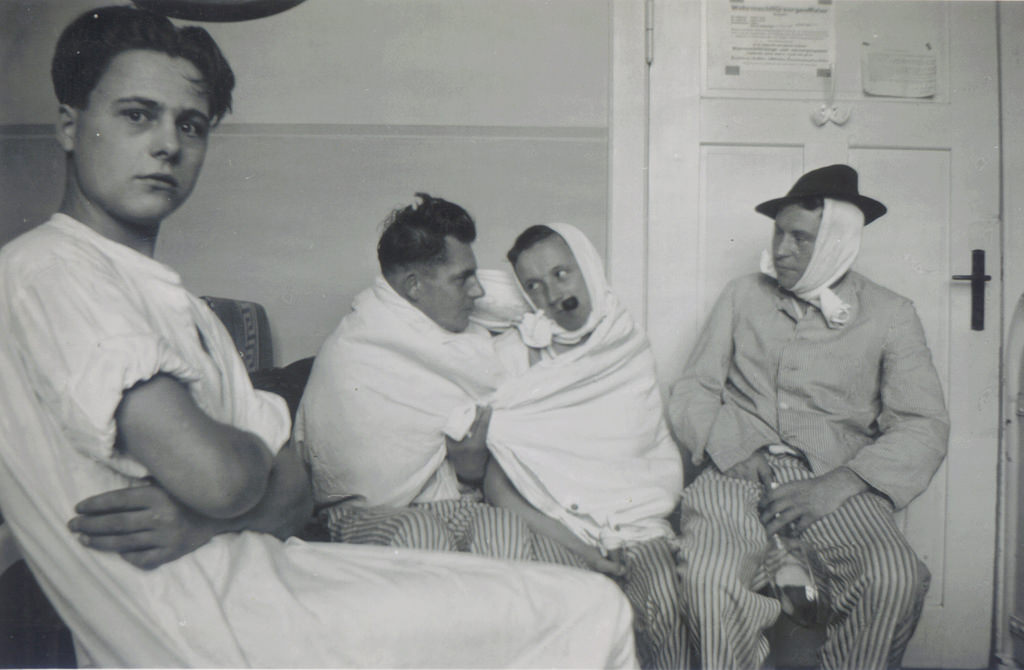
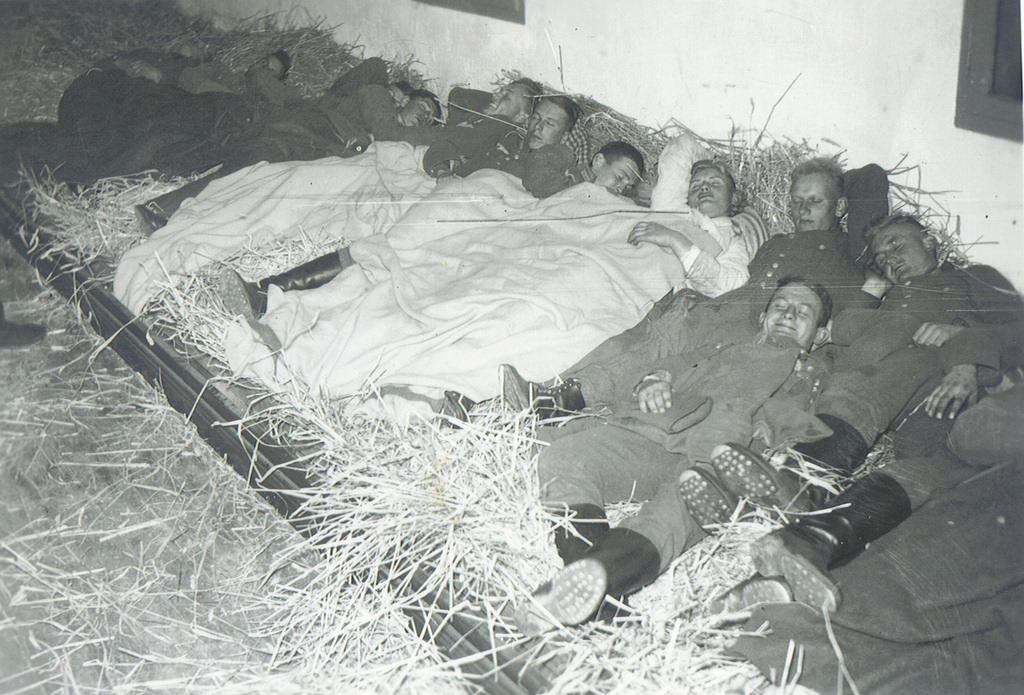
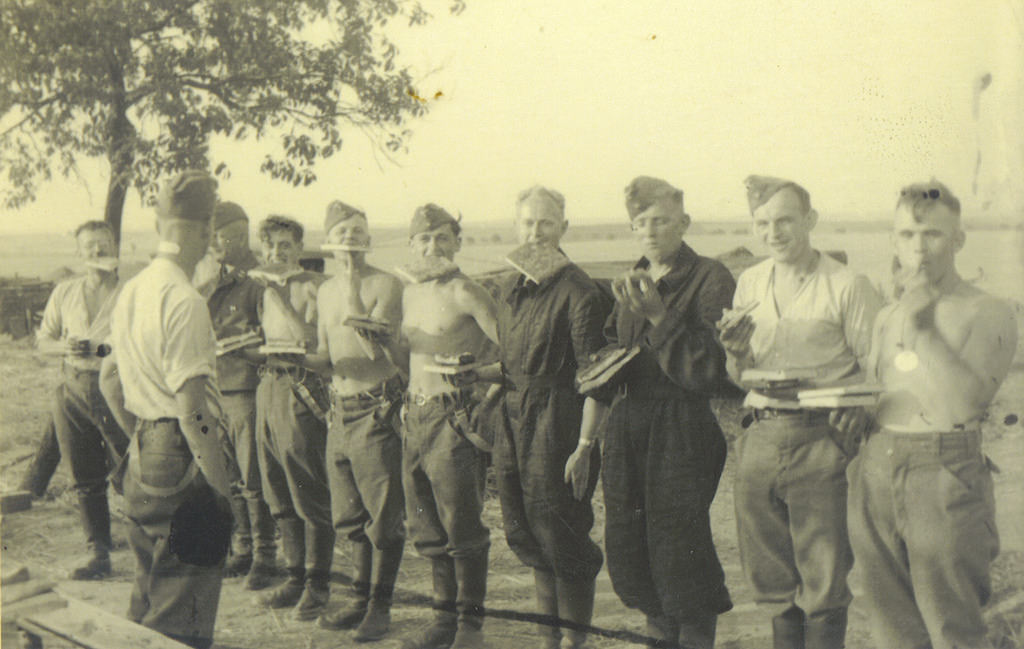
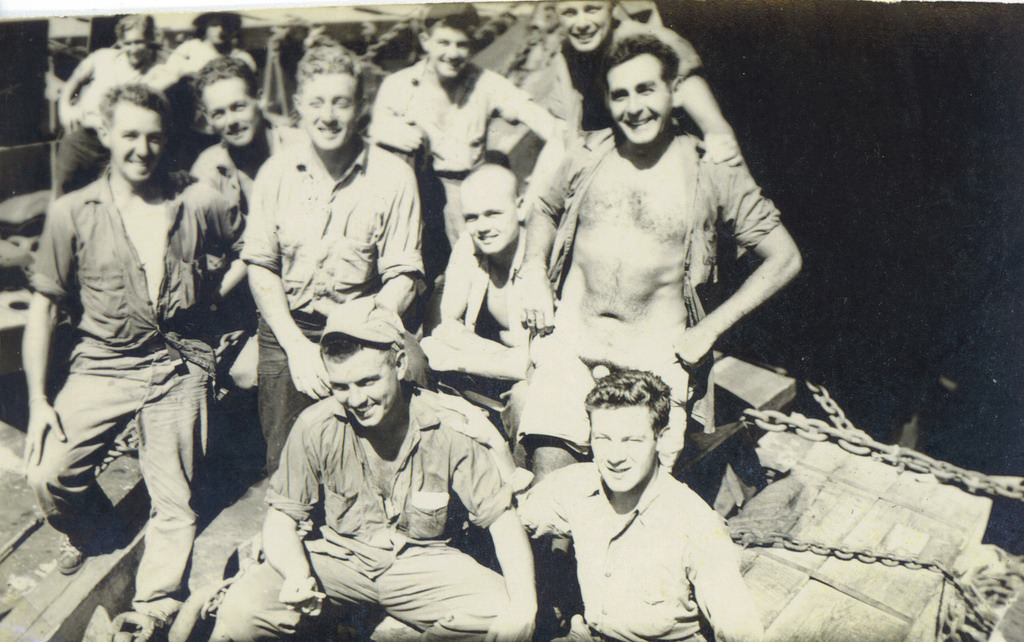
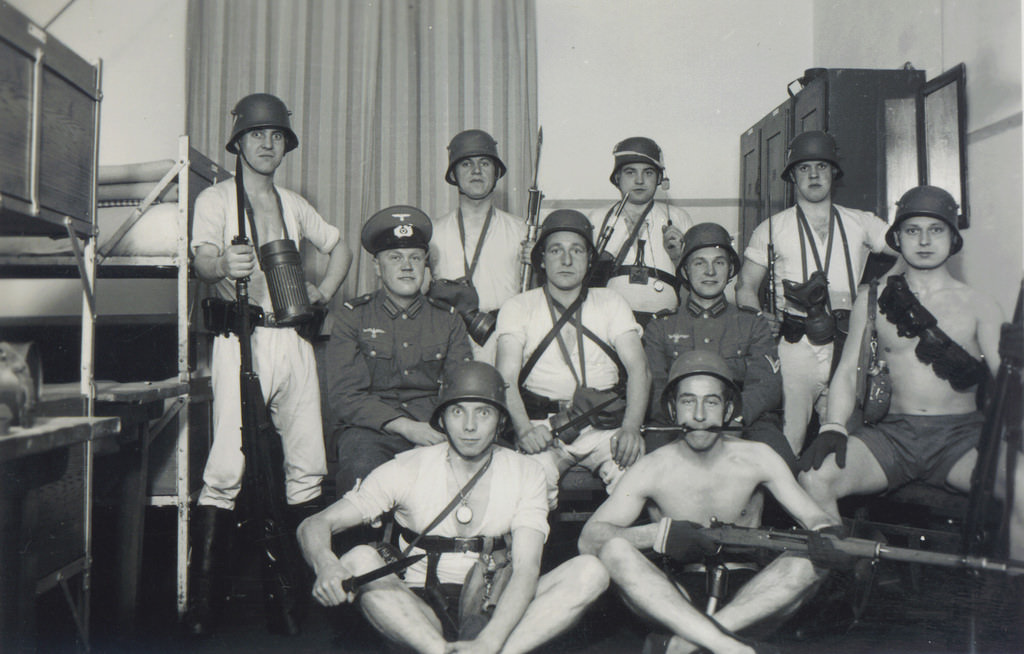
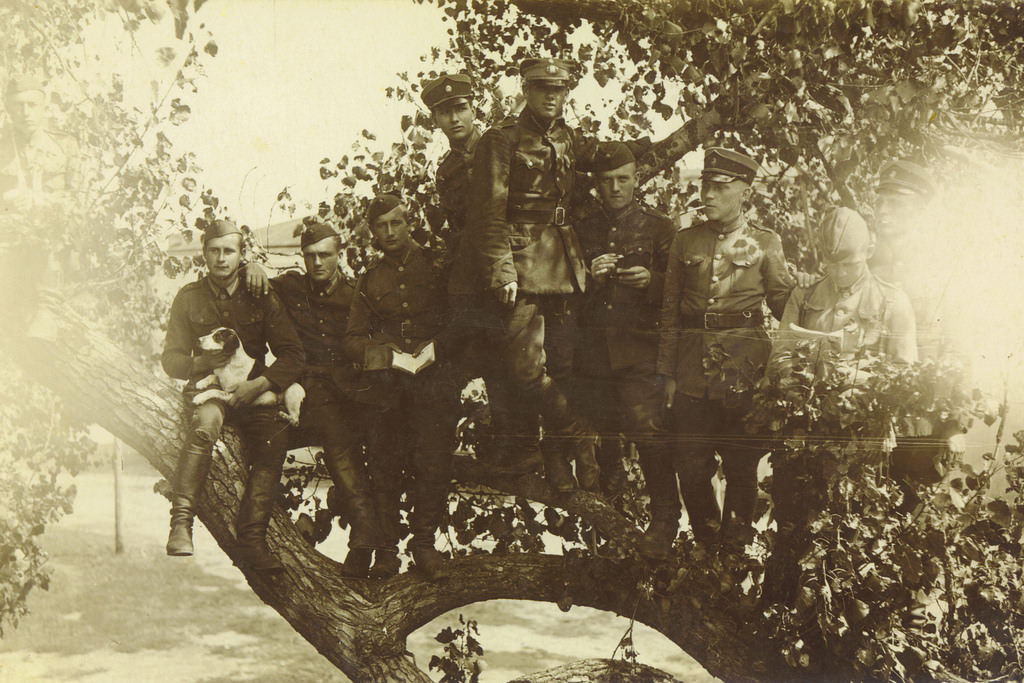
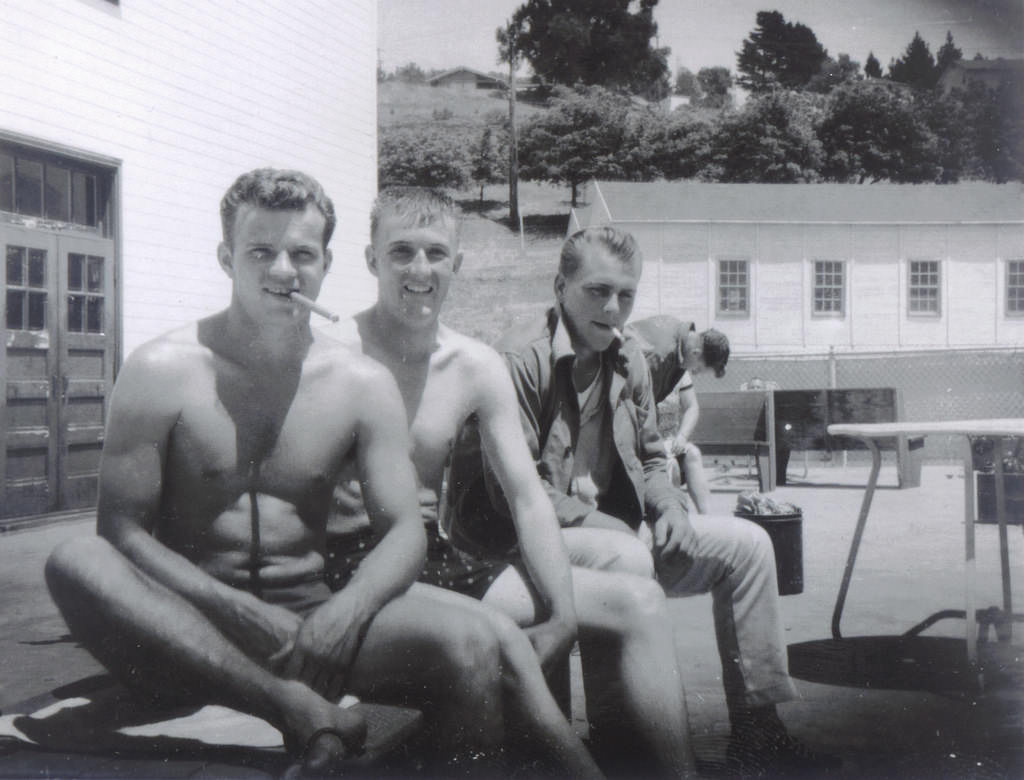
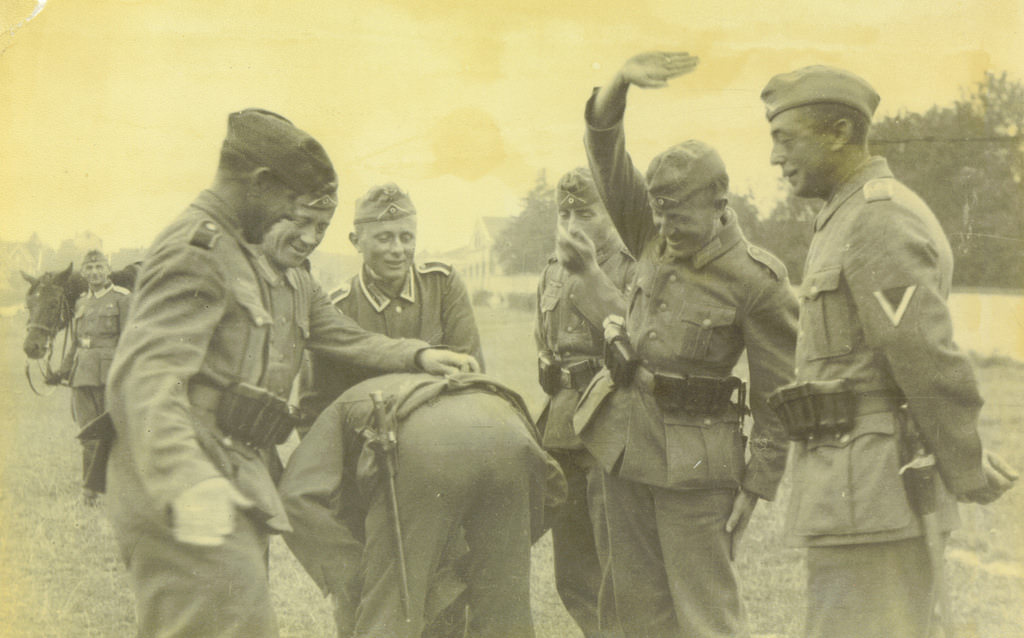
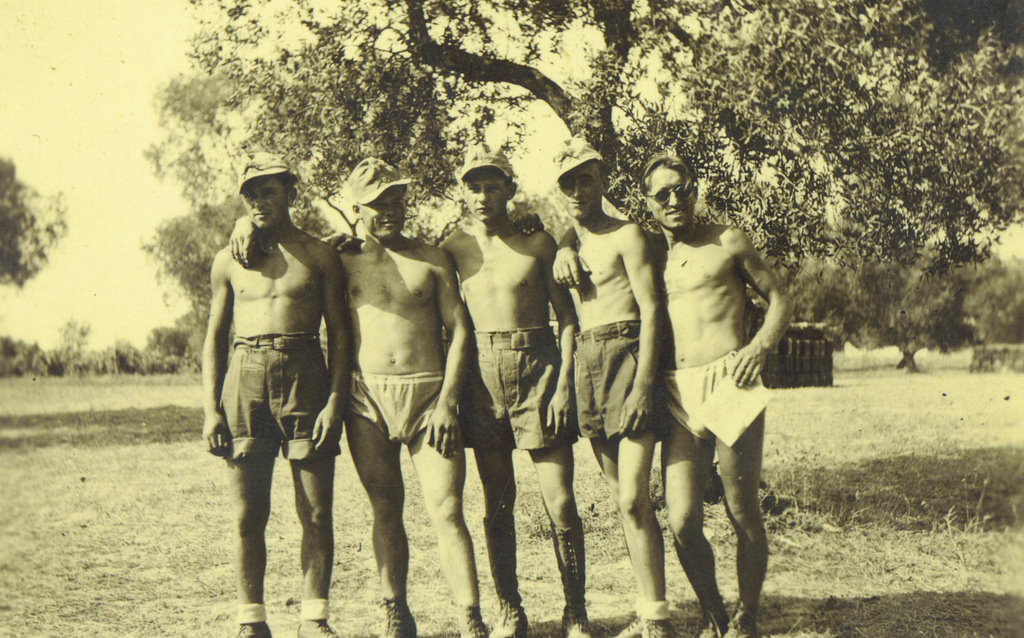
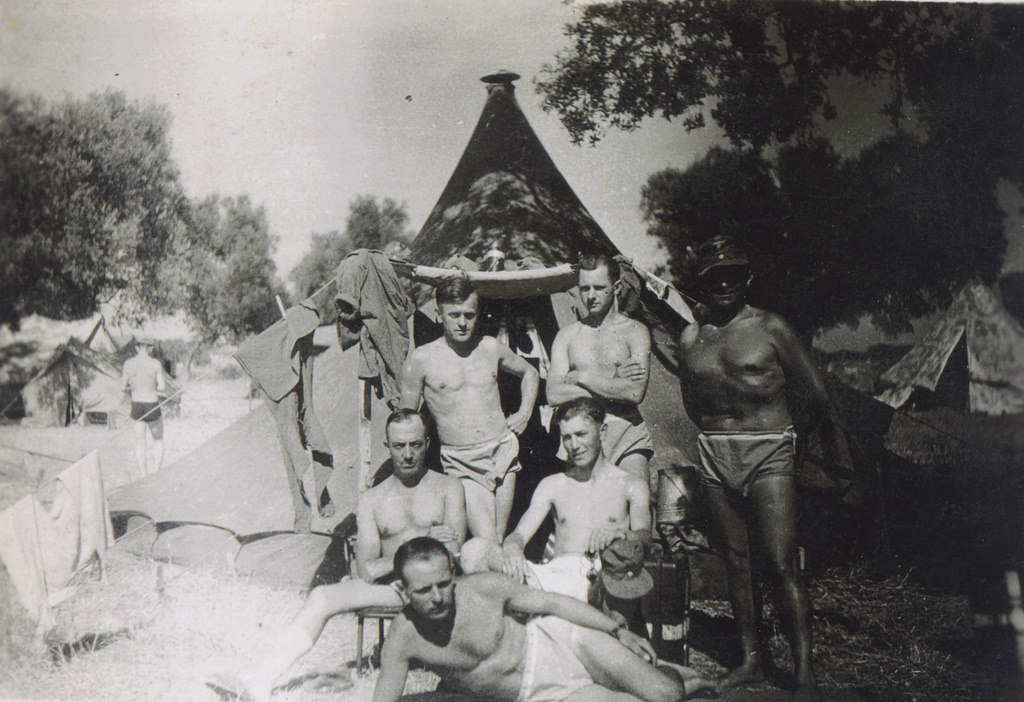
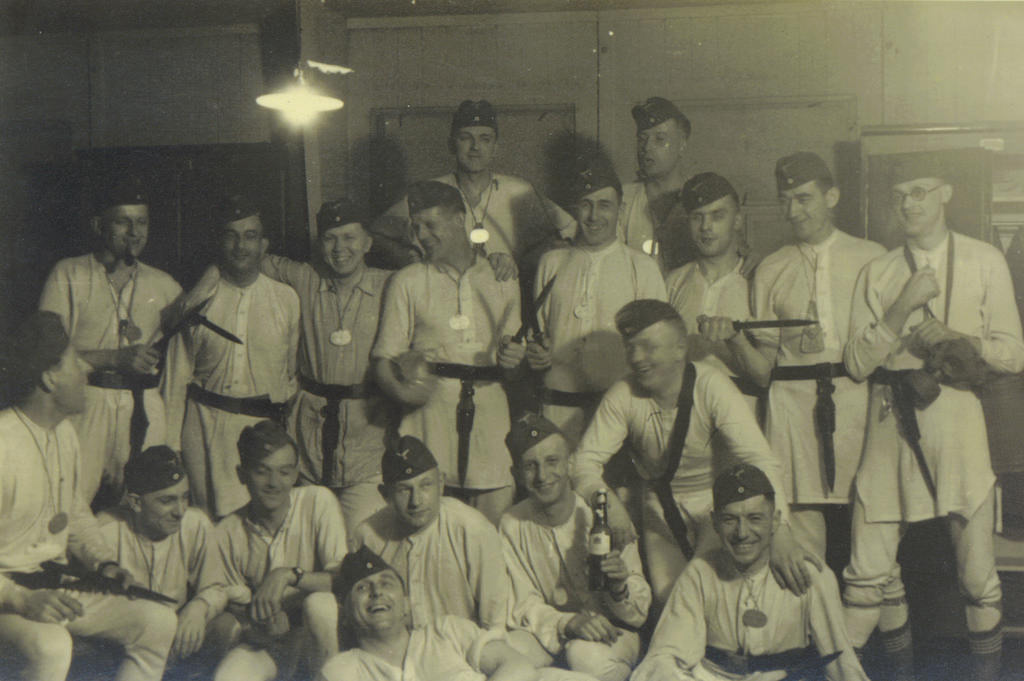
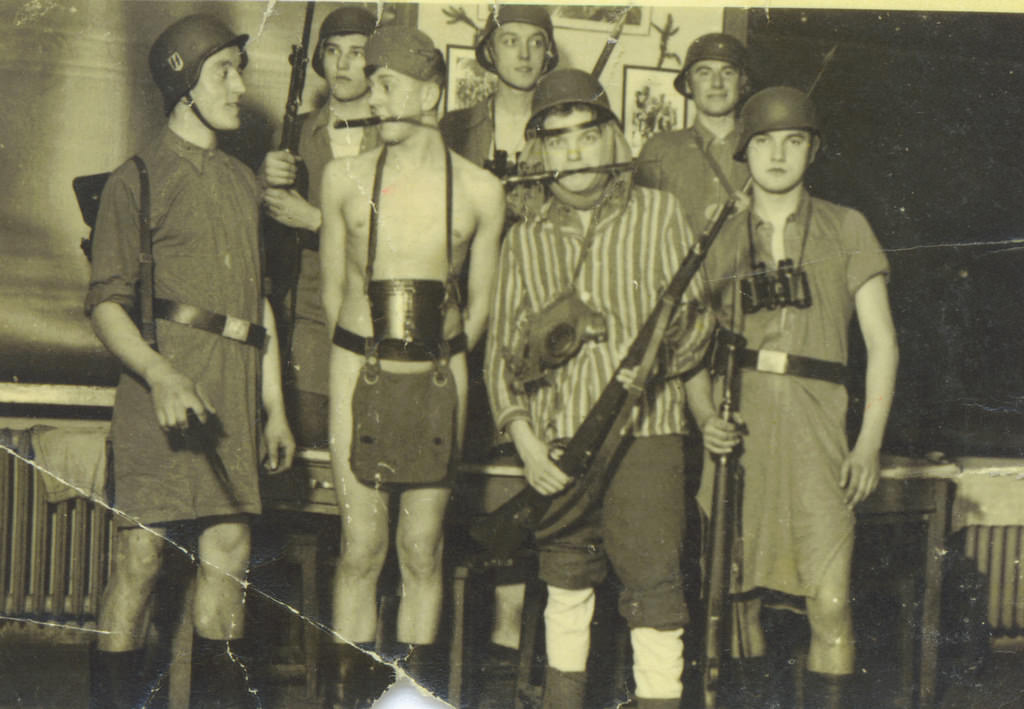
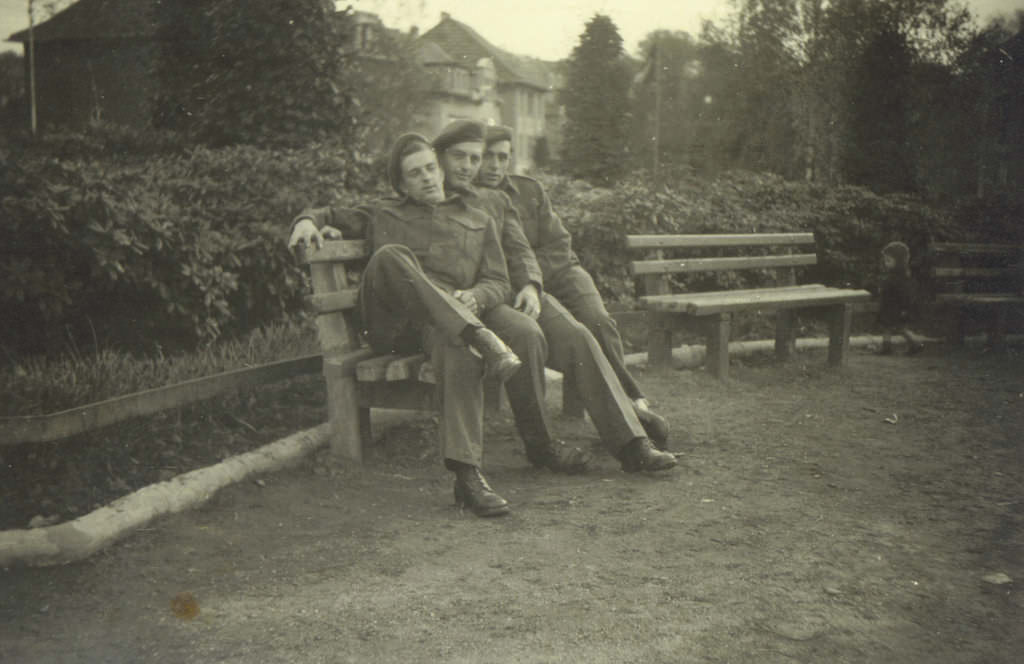
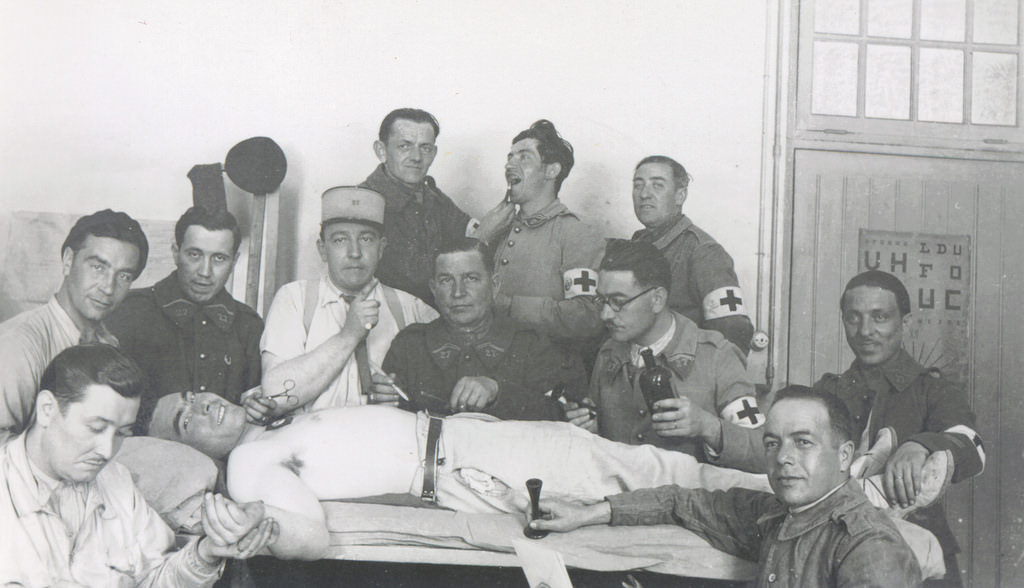
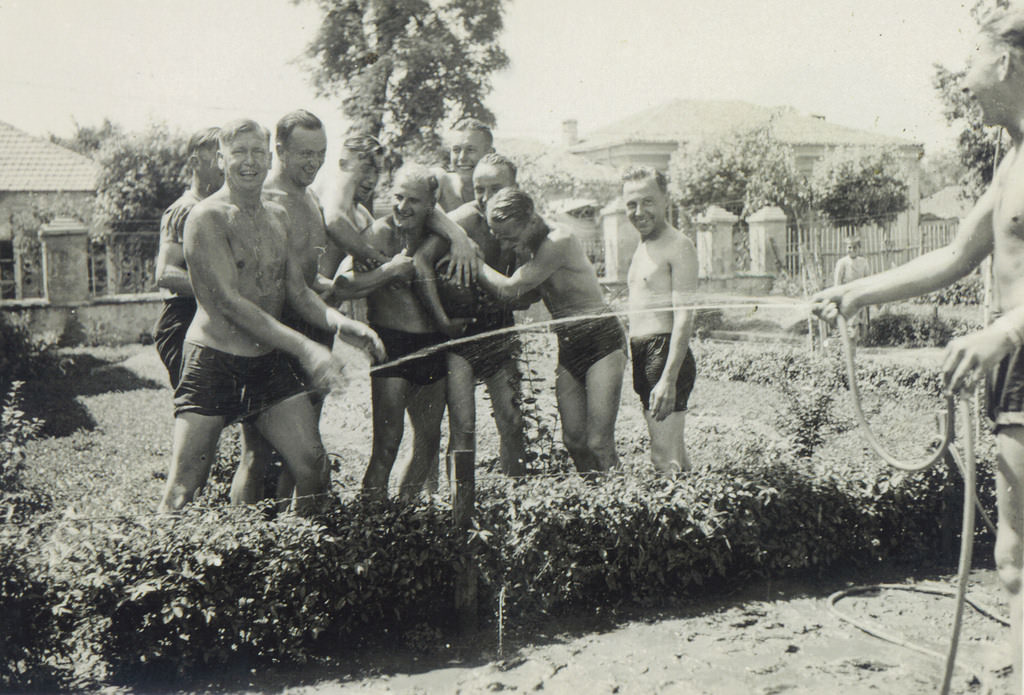
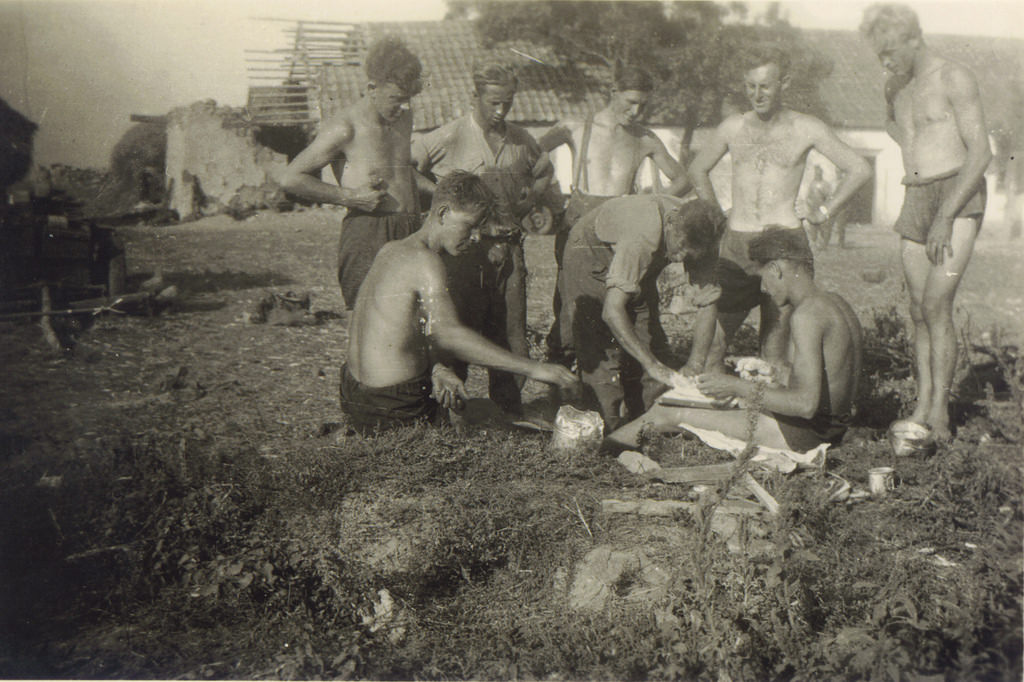
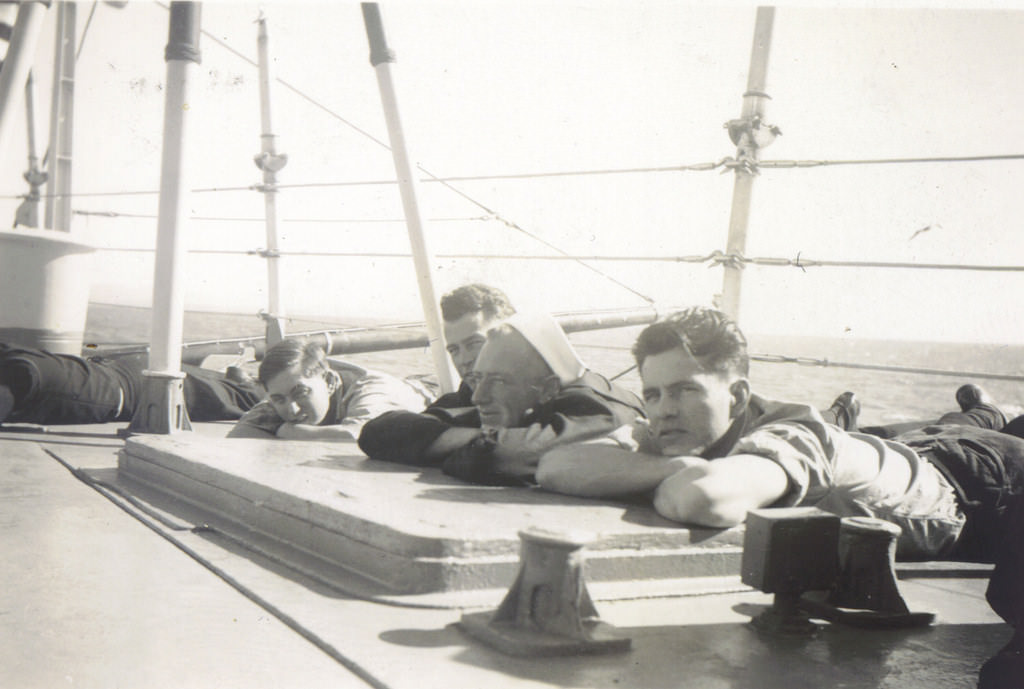
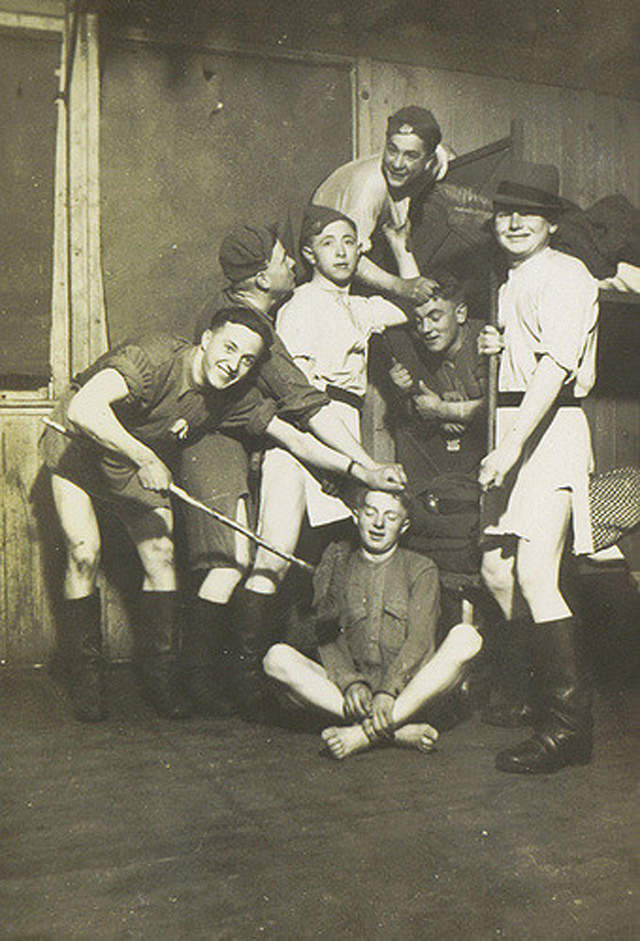
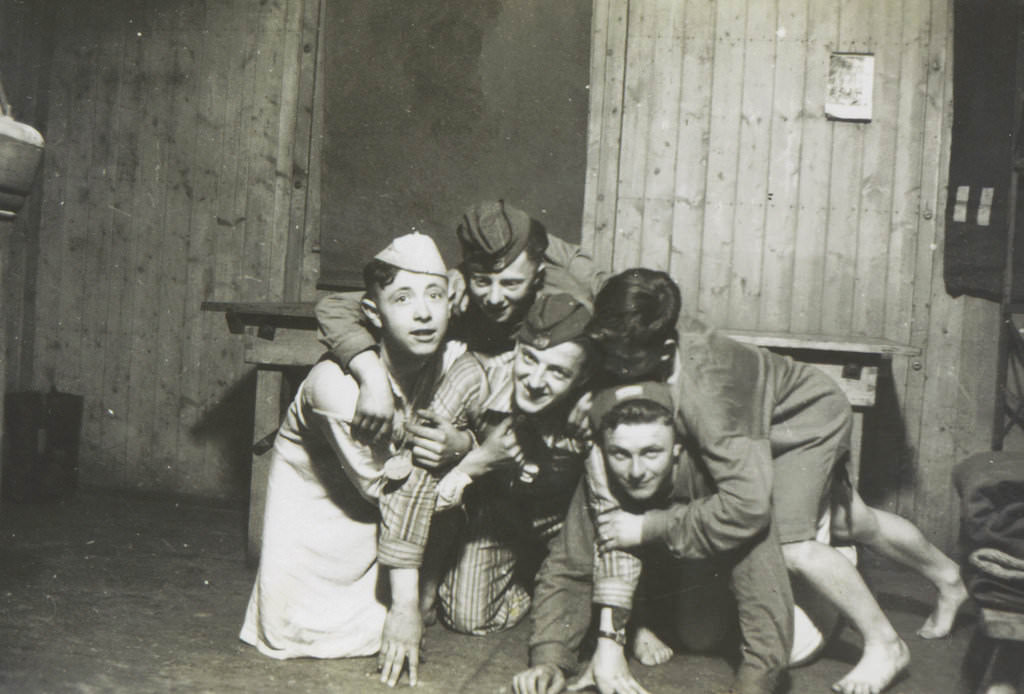
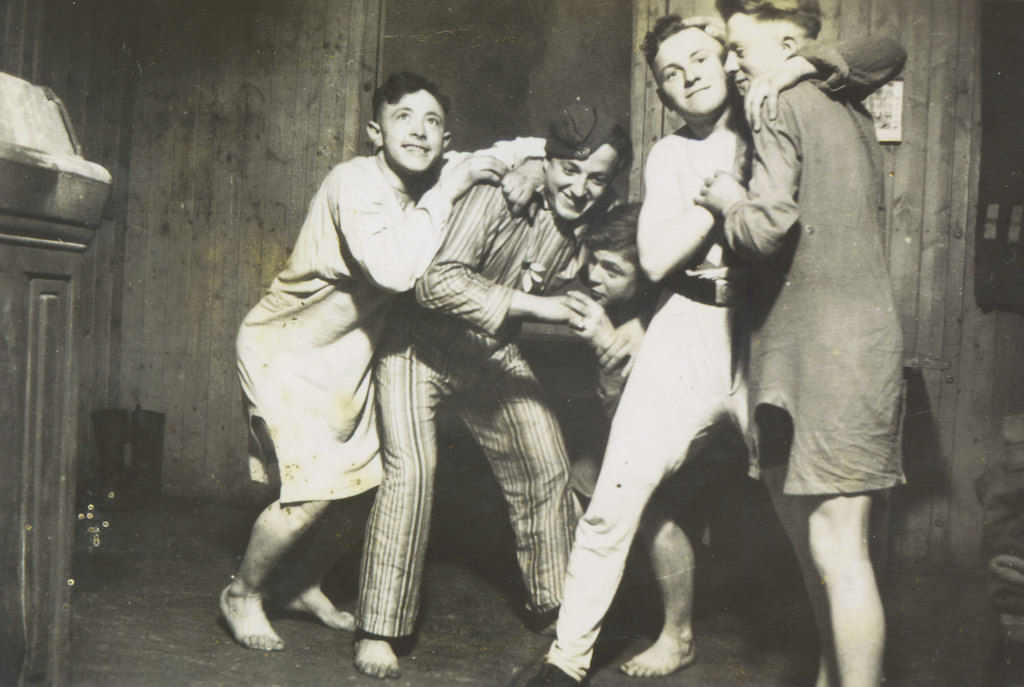
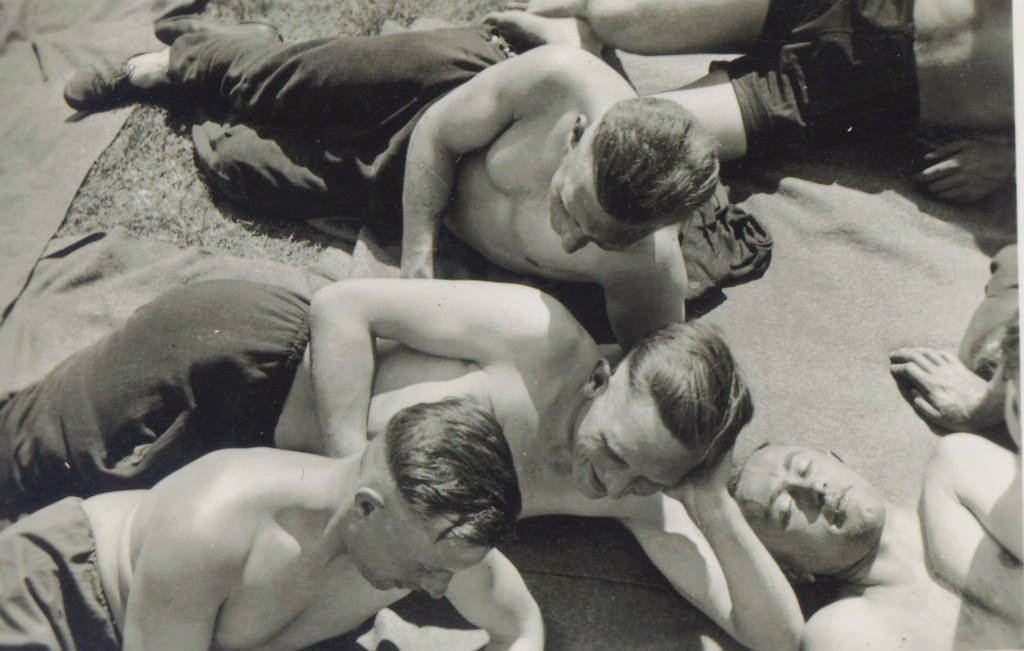
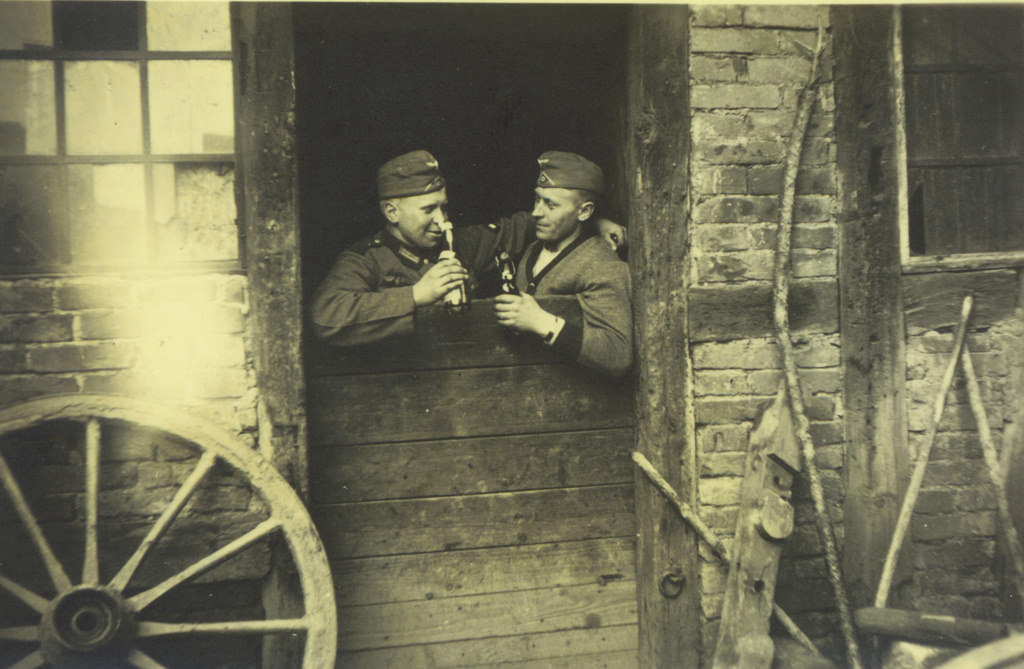
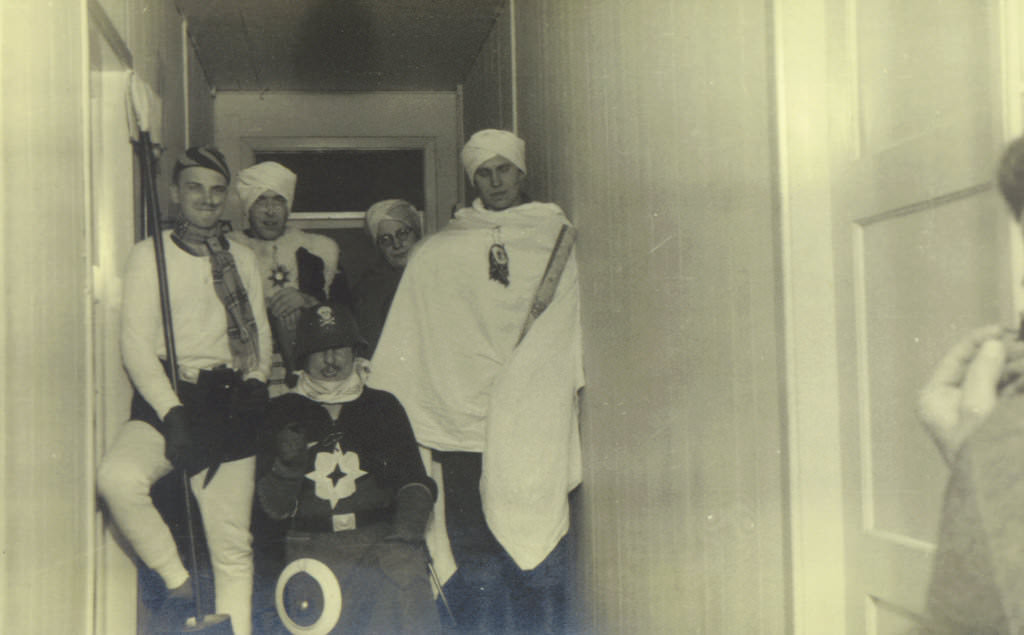
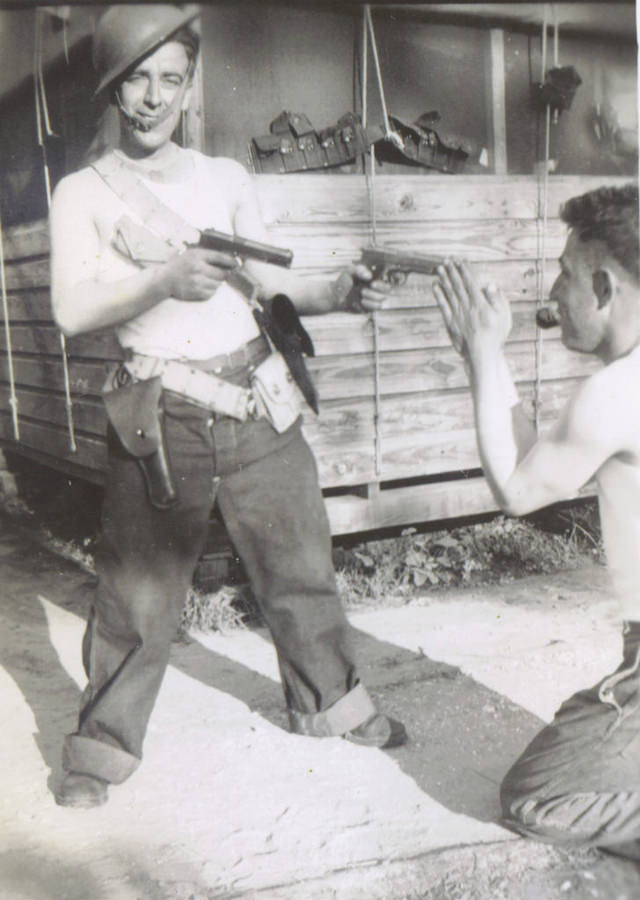
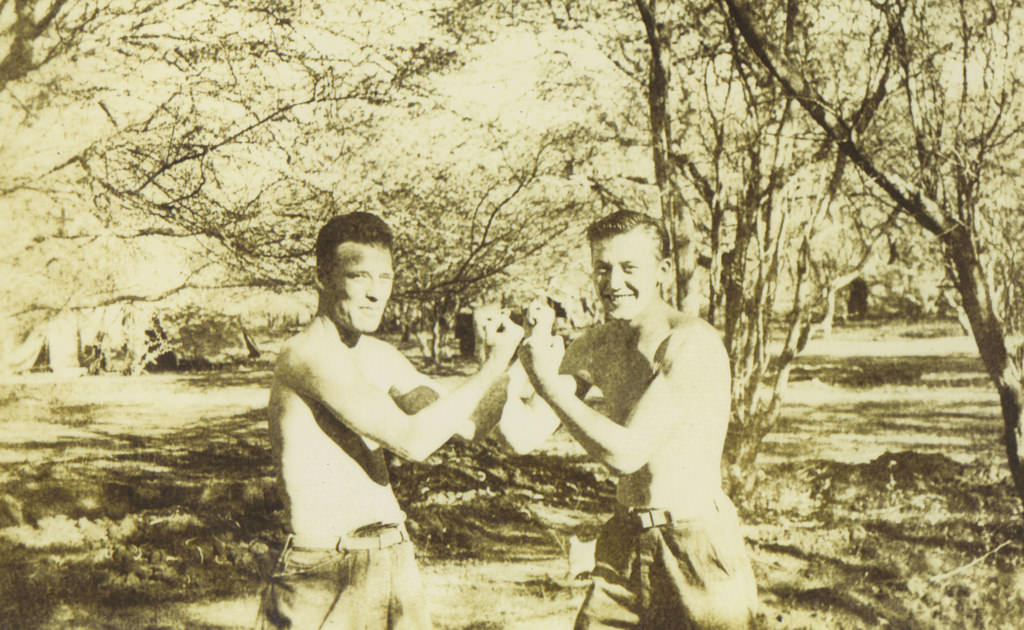
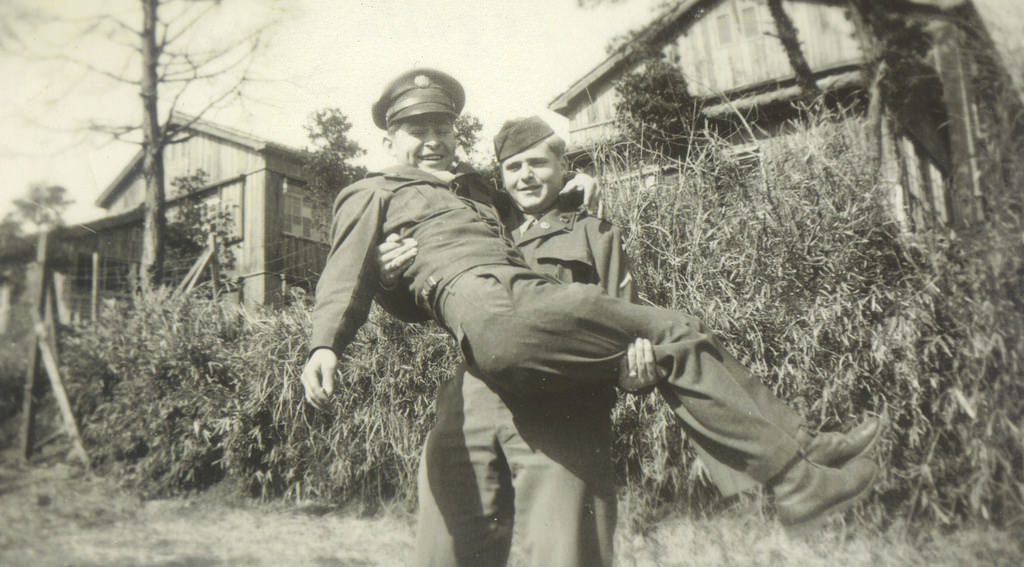
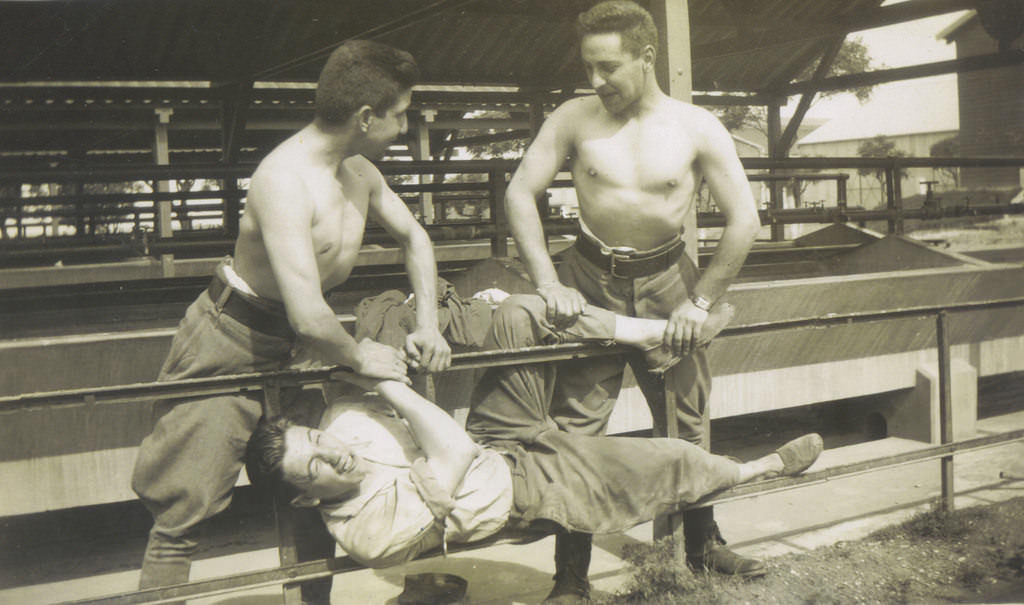
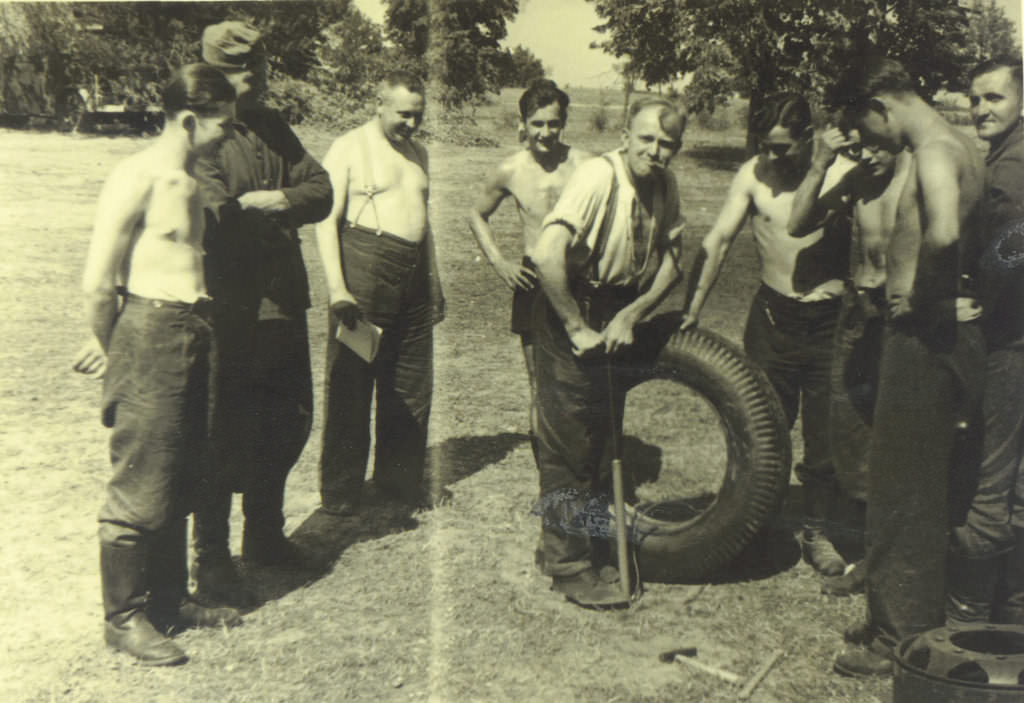
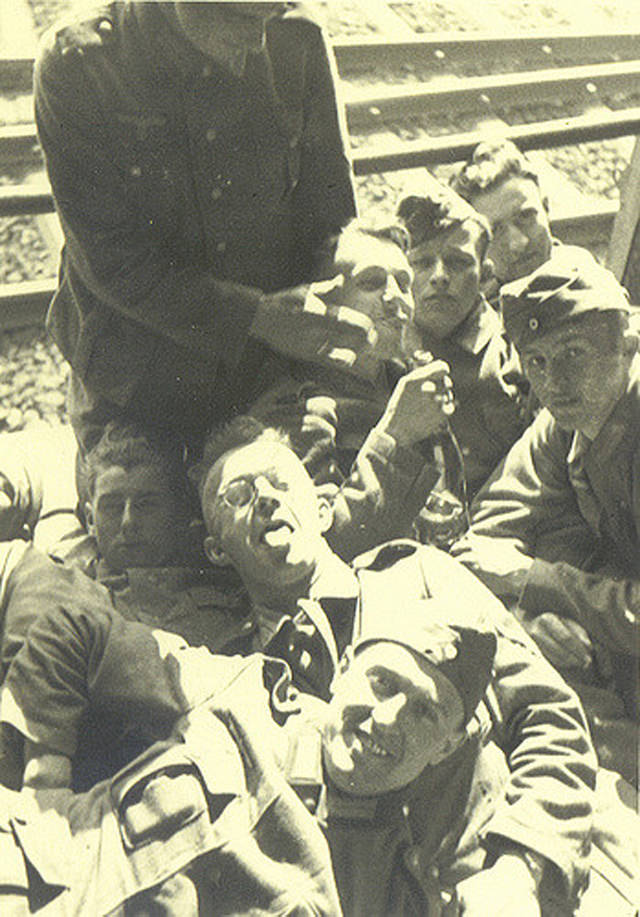
Camaraderie was a defining feature of military life in this era. Men lived together, trained together, and spent nearly every hour in close company. They shared stories, looked out for one another, and found moments of humor and warmth even within the rigid structure of military routine.
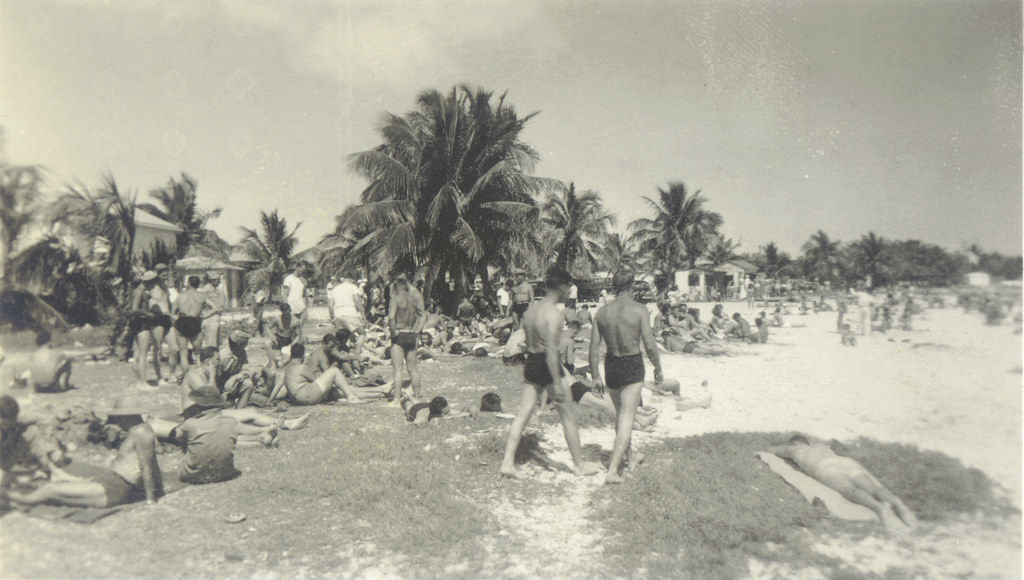
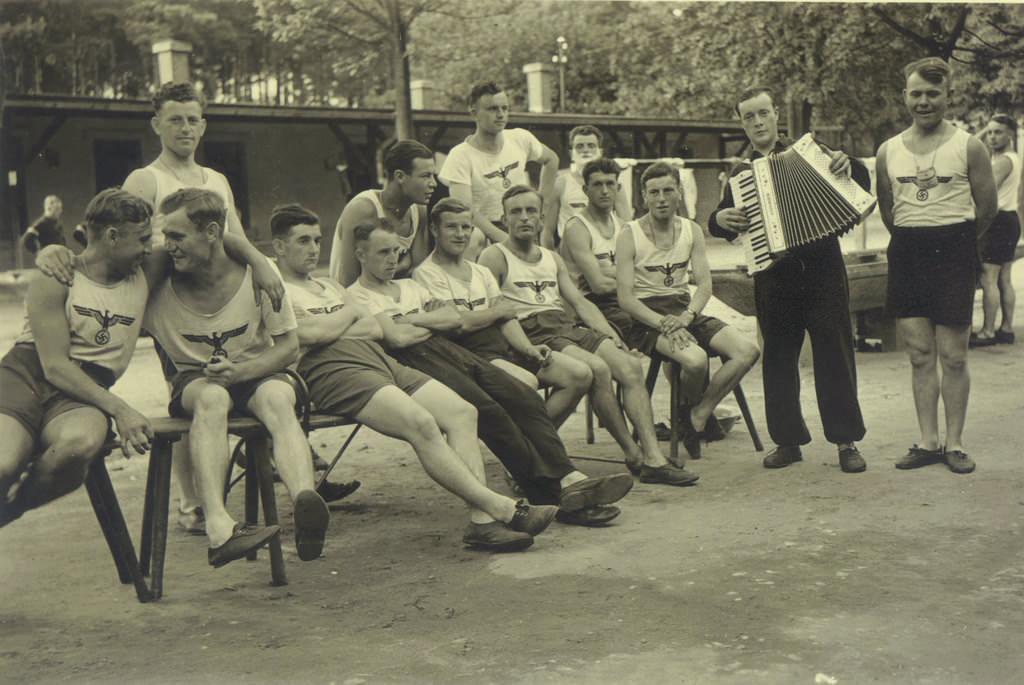
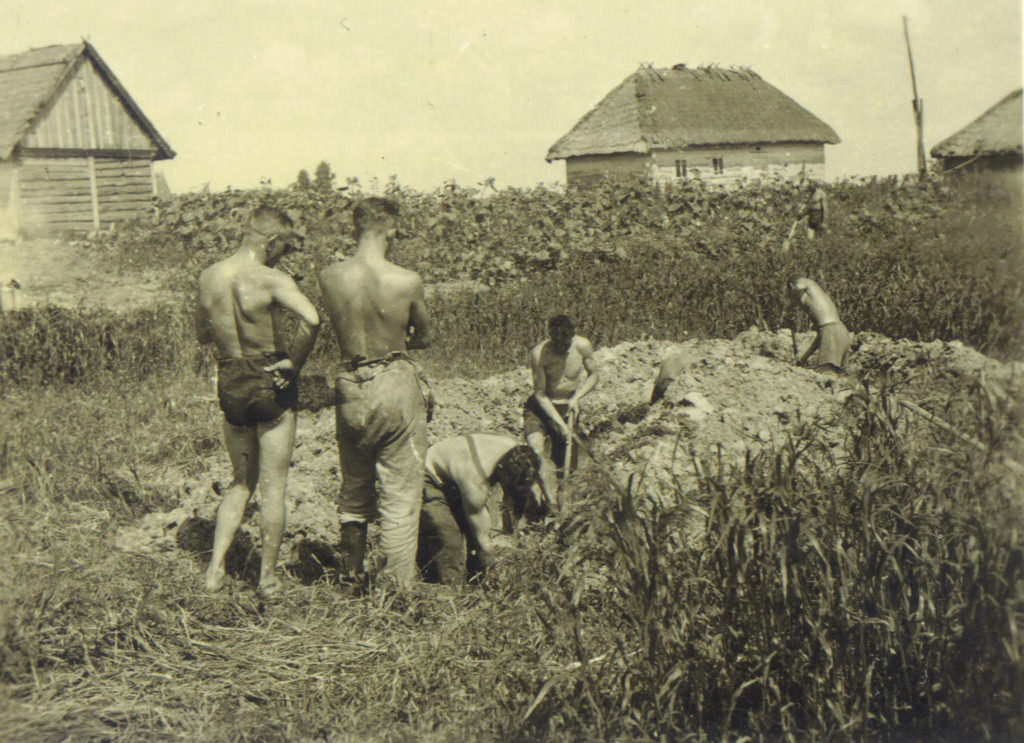
As the decade moved forward, the expansion of the military became impossible to ignore. New equipment arrived. Training grew more focused on actual warfare. The atmosphere inside the ranks shifted from the dull routine of the early 1930s to something far more charged and purposeful.
Propaganda had done its work thoroughly by the late 1930s. Soldiers had been immersed in the ideas of German supremacy, territorial expansion, and loyalty to the Nazi state. These weren’t just political ideas handed down from above — they were woven into everyday life, from morning drills to evening lectures.
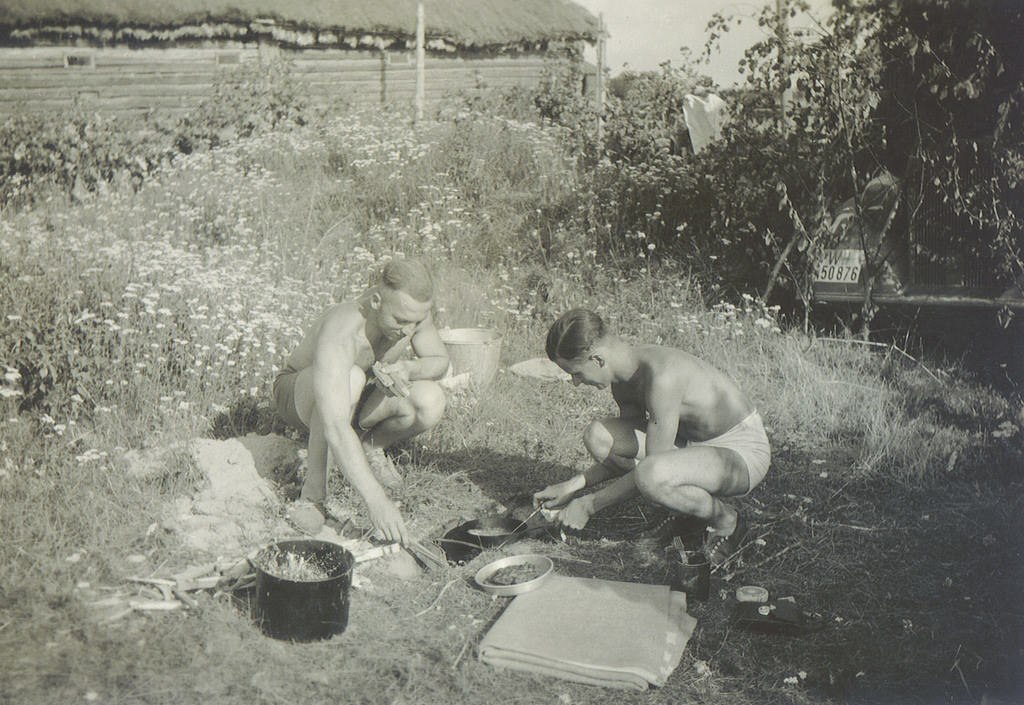
By 1939, Germany invaded Poland and World War II began. The soldiers who had spent the decade drilling, bonding, and being molded by the Nazi system were now marching into a conflict far larger than any of them had known. The ordinary routines of barrack life — the card games, the letters home, the morning runs — gave way to the realities of total war.