Long before computers filled every desk, the typewriter was the most powerful writing tool in the world. These vintage photographs capture women at the keys — fingers poised, carriages mid-return — frozen in moments that tell a bigger story about technology, work, and everyday life in a world that was rapidly changing.
The typewriter’s origin traces back to Wisconsin journalist Christopher Latham Sholes, who patented his design on June 23, 1868. He wasn’t the first to try. Henry Mill had patented a similar device in England as far back as 1714, but that machine never reached the public. Sholes’ invention started out differently than you might expect — it was first developed as a book indexing device, not a writing tool. It was his colleague Glidden who suggested using it to type letters.
Selling the typewriter proved harder than inventing it. The market was completely undefined. Sholes initially targeted clergymen and men of letters, hoping that once respected writers adopted the machine, the general public would follow. Progress was slow, but momentum was building.
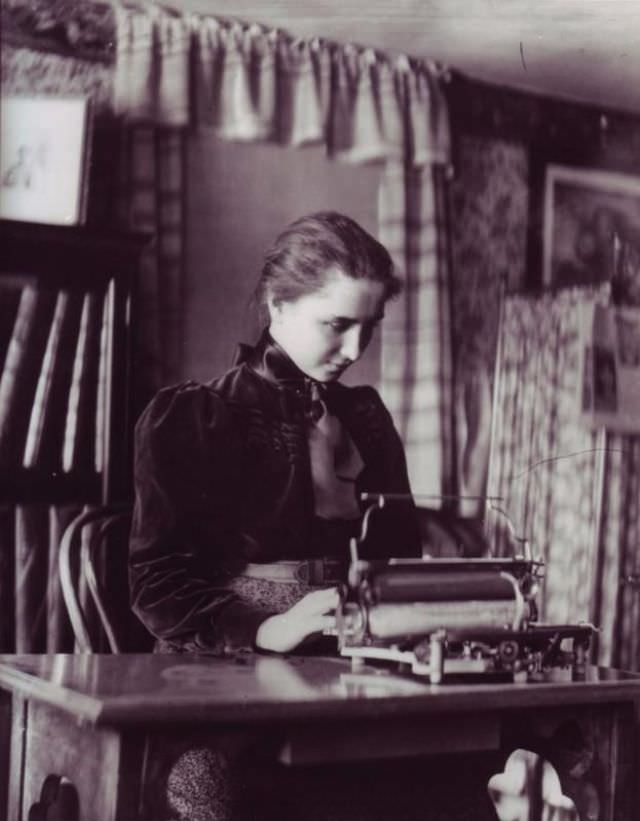
By 1873, engineers tackled one of the typewriter’s biggest mechanical problems: keys jamming when typists moved too fast. The solution was the QWERTY keyboard layout, which deliberately placed common letter pairs far apart from each other. This reduced the chance of nearby typebars colliding and allowed for faster, more reliable typing.
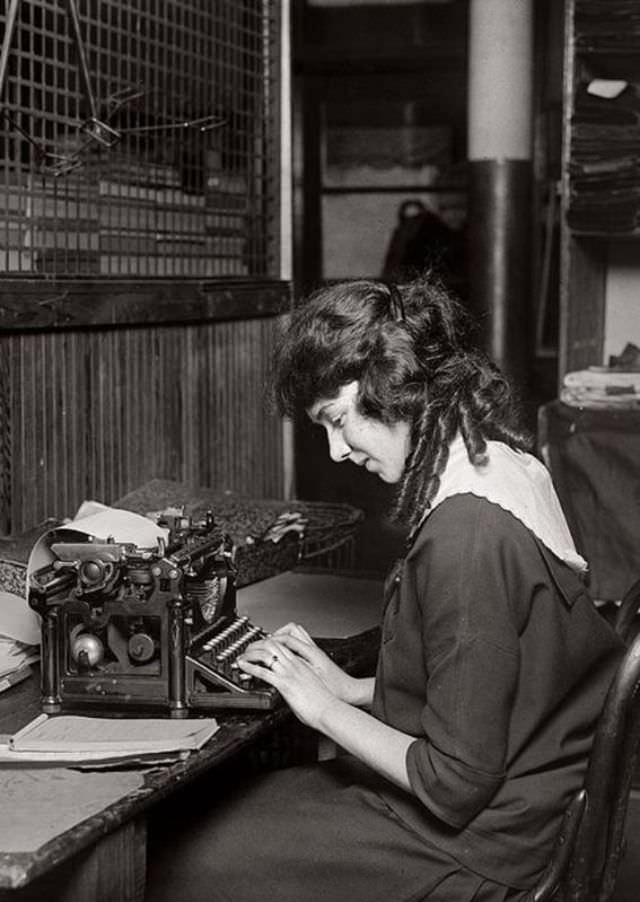
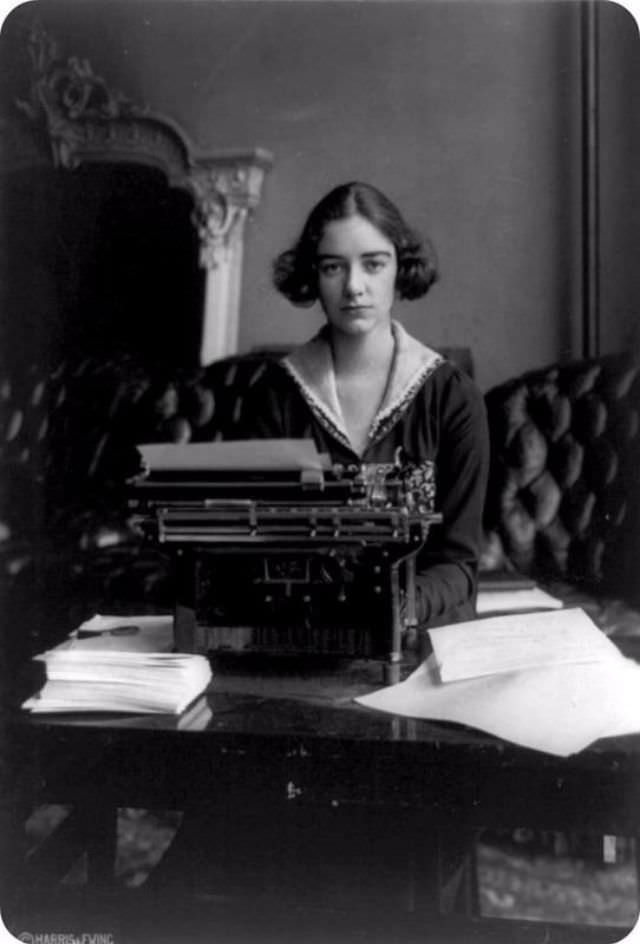
The first commercial typewriters went on sale in 1874. The machine was soon rebranded as the Remington — a name that became synonymous with typing itself. Its design included several features that carried forward into modern machines: a cylinder with a carriage-return mechanism, line spacing control, and an escapement system that kept each letter evenly centered on the page.
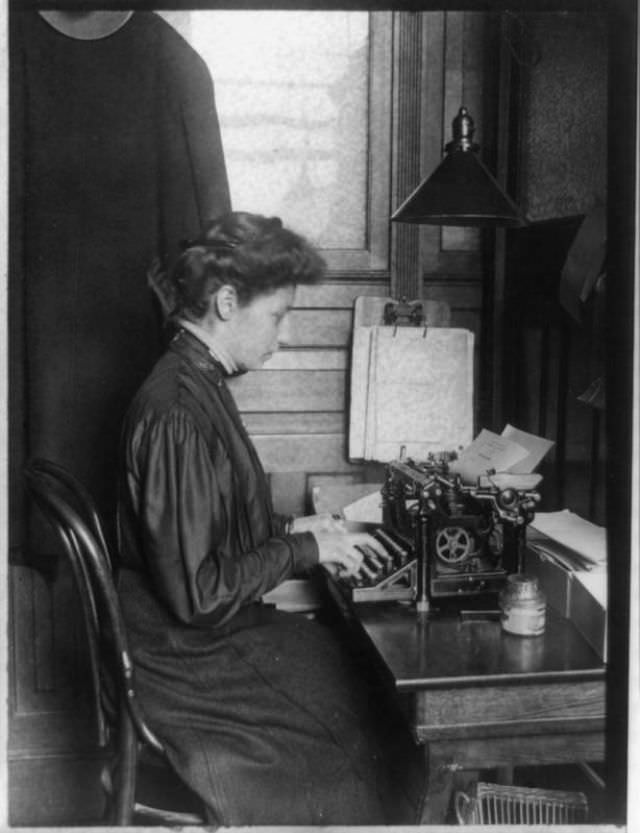
Early Remingtons had no printing ribbon. The typebars were driven by key levers and connecting wires, and all of them struck the paper from a single common center point. Despite its mechanical simplicity compared to later models, the keyboard layout on that original machine was nearly identical to the one used on keyboards today.
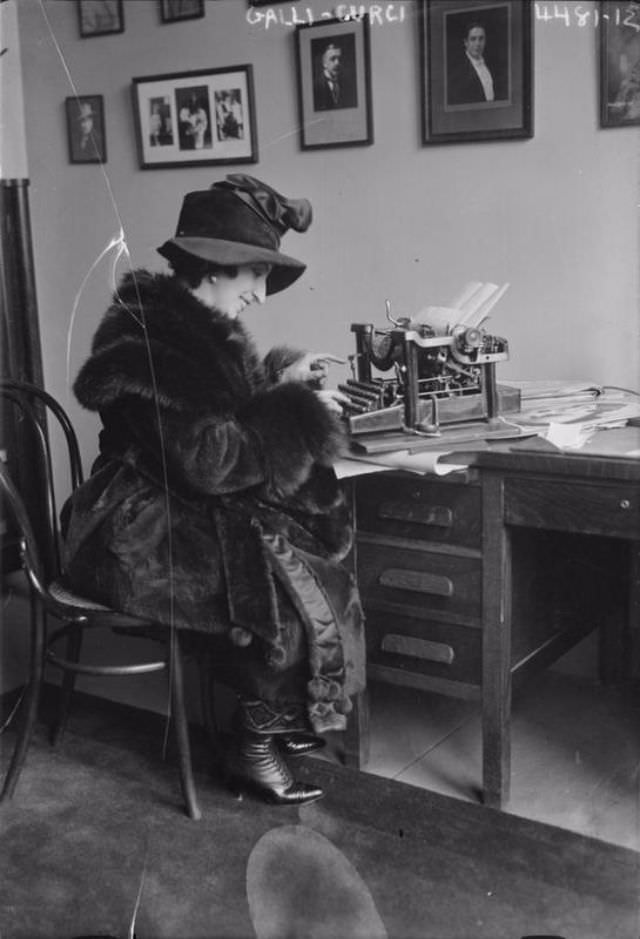
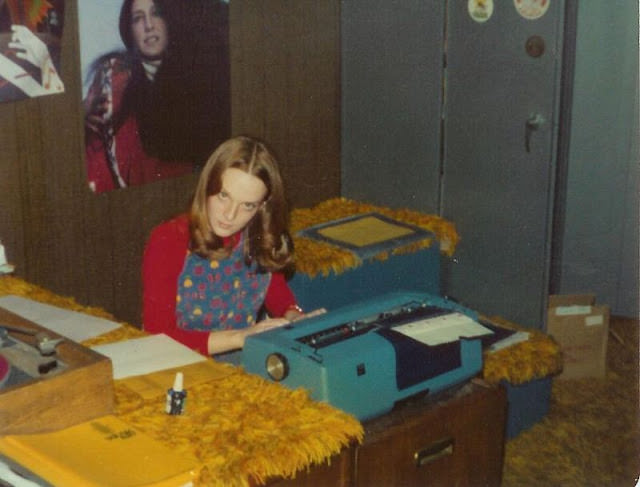
Mark Twain became one of the typewriter’s most famous early adopters. After purchasing a Remington, he submitted the first typewritten manuscript ever delivered to a publisher. That single act helped signal to the literary world that typewriters were serious tools, not novelties.
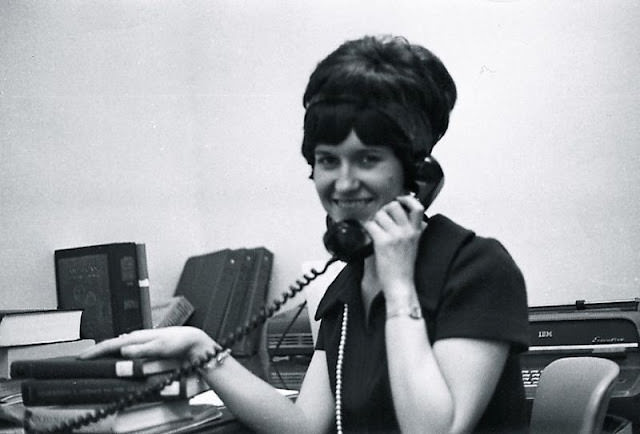
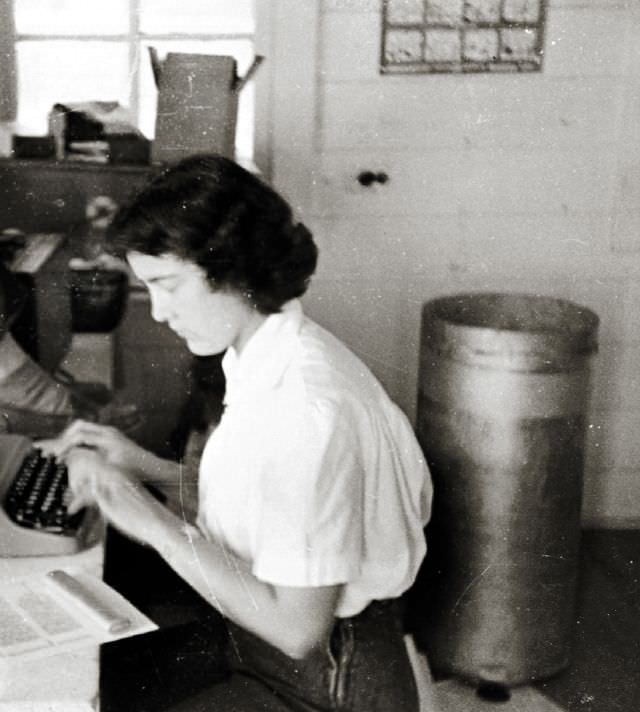
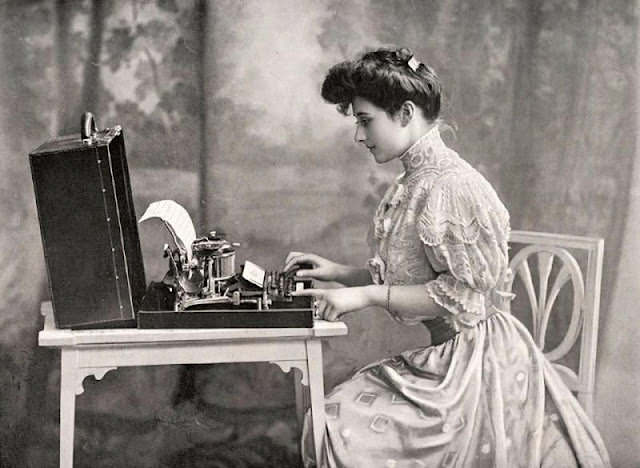
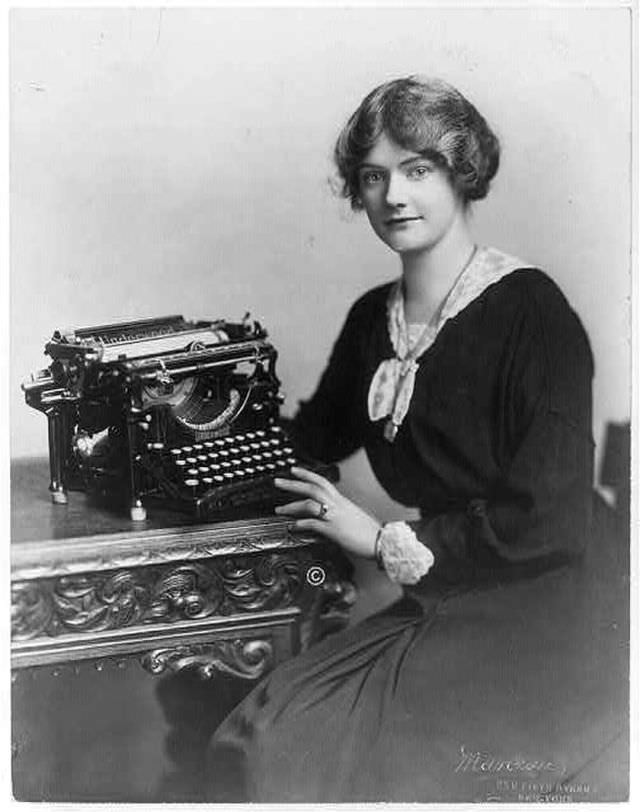
As typewriters spread through offices, banks, and government buildings, women took on the role of typist in enormous numbers. The job title “typewriter” originally referred to both the machine and the person operating it. Women who mastered the keyboard found a foothold in professional spaces that had previously been closed to them.
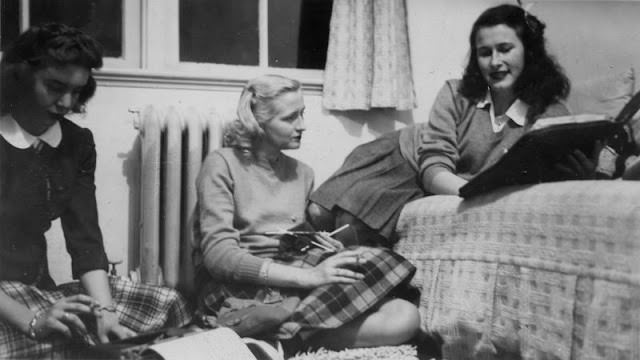
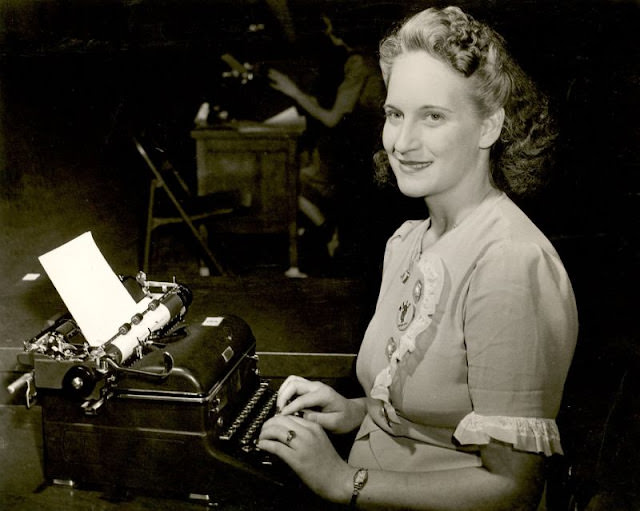
Typing schools opened across cities, training young women to operate machines with speed and accuracy. Employers valued precision above all else. A fast typist with clean copy was a highly sought professional, and women filled that role with skill that became the backbone of modern office administration.
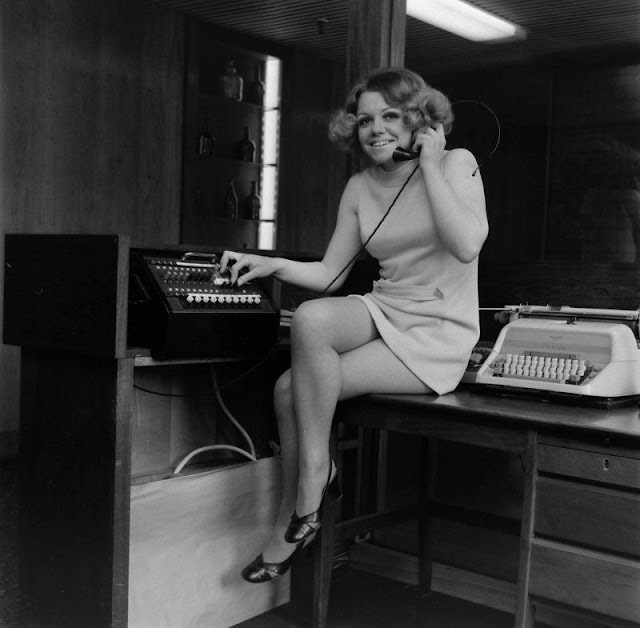
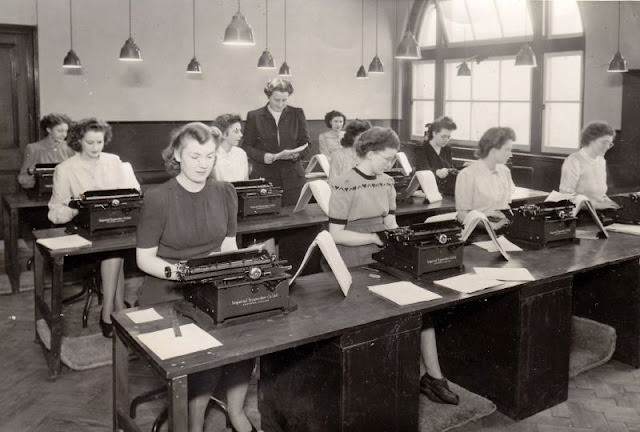
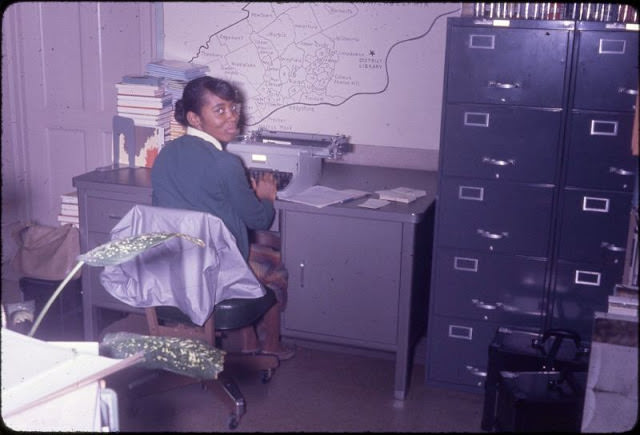
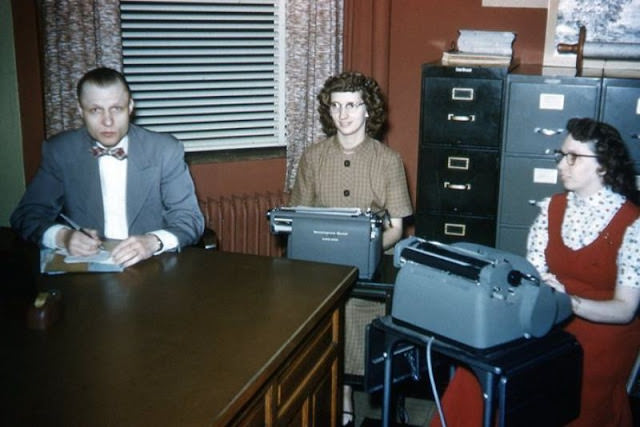
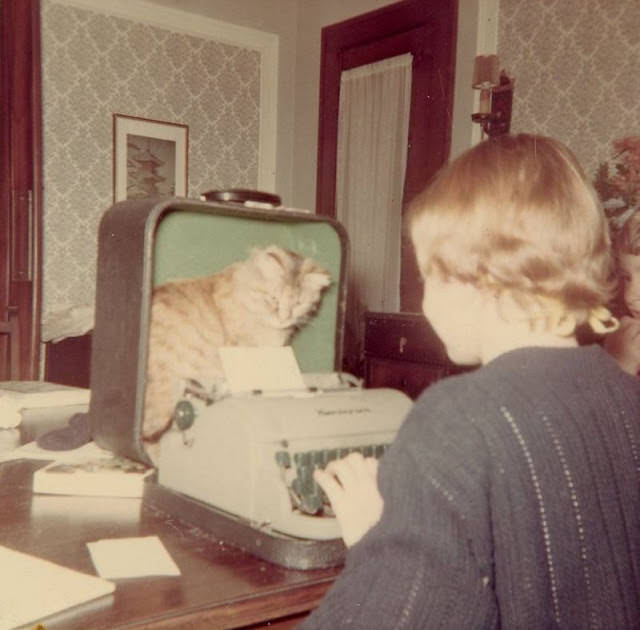
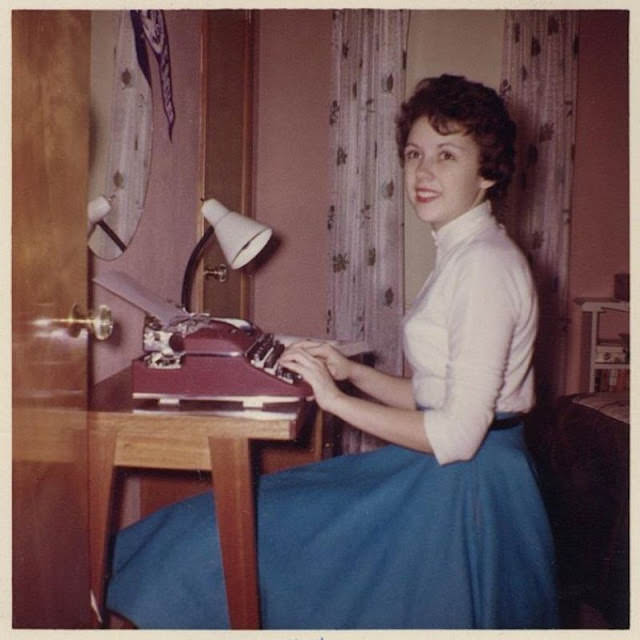
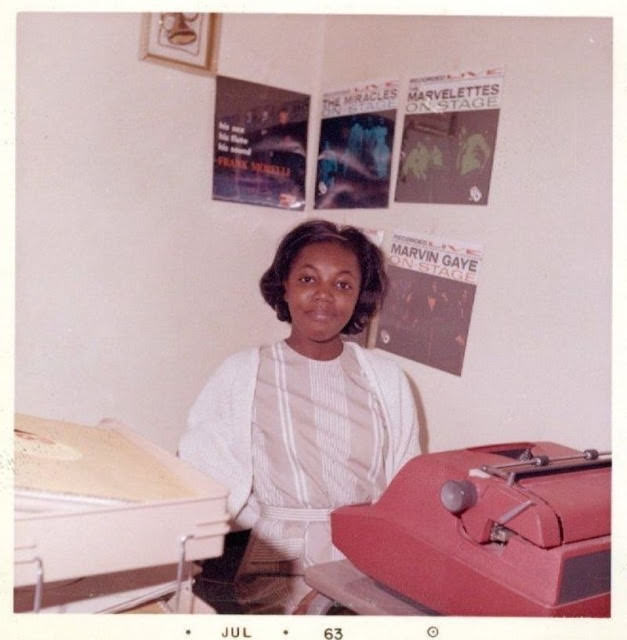
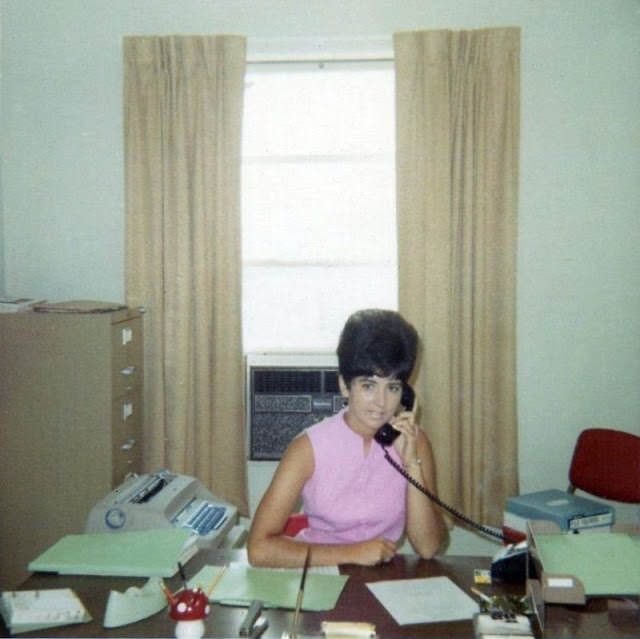
The photographs from this era show women in a range of settings — formal offices with rows of identical desks, intimate home studies, and wartime typing pools where correspondence moved at a relentless pace. Each image is a document of its own time.
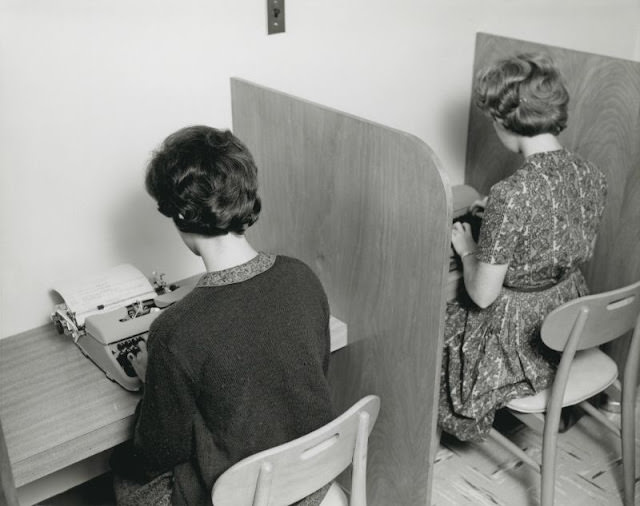
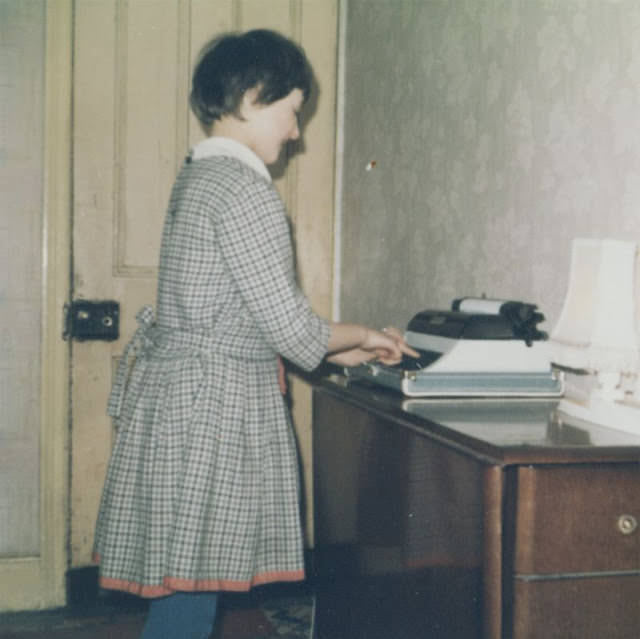
Fashion in the photos shifts across the decades. High collars and pinned hair give way to shorter cuts and simpler blouses. The machines change too — bulkier early models with exposed mechanics eventually become sleeker, more enclosed designs. Yet the posture of the typist remains almost constant: upright, focused, hands at the ready.
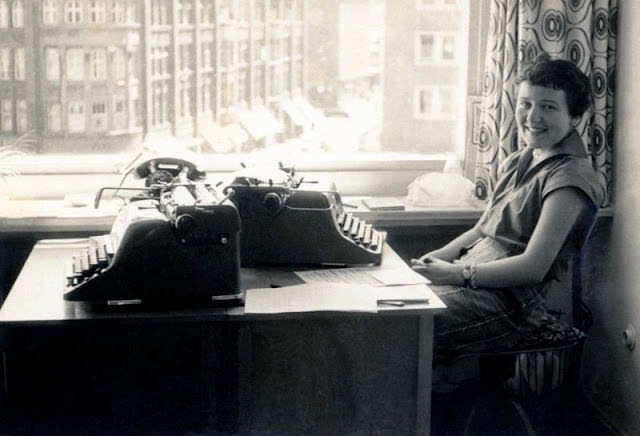
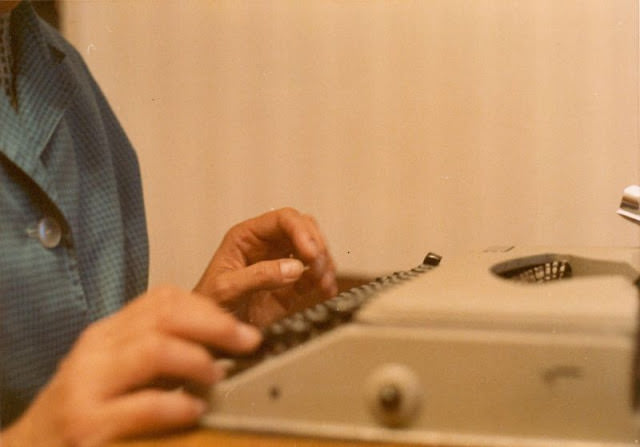
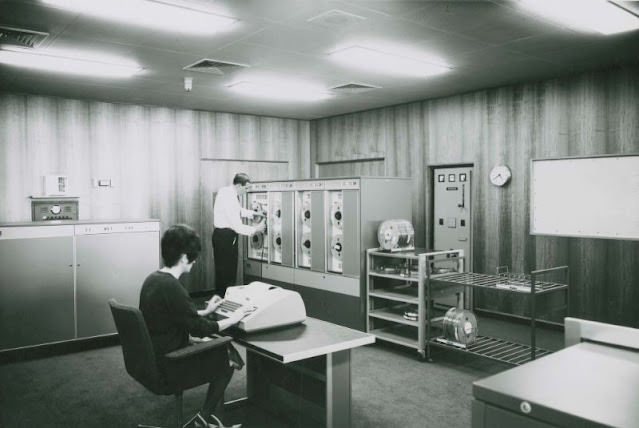
Some photos show solitary workers, hunched over a single lamp-lit desk. Others capture entire rooms packed shoulder to shoulder with women typing in unison, the collective clatter of keys filling the air. These large typing pools were a defining feature of early 20th-century corporate and government offices.
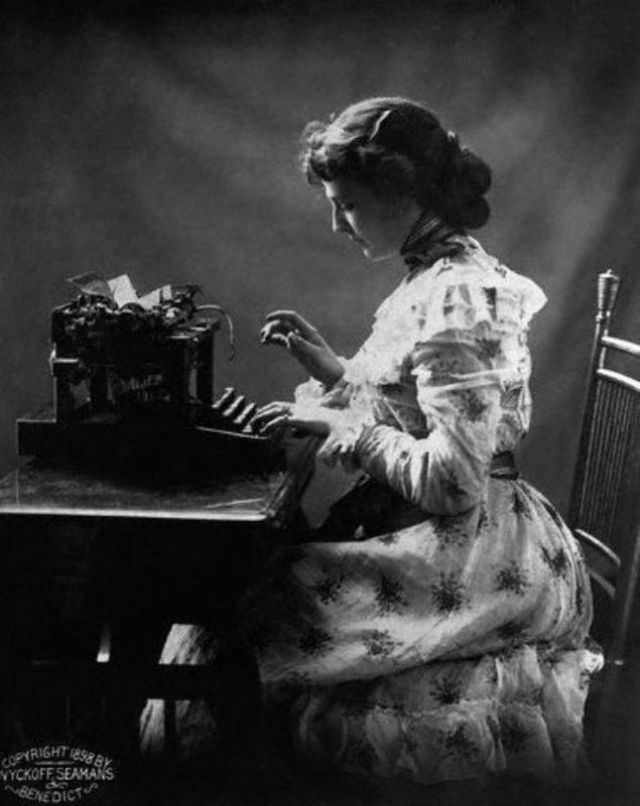
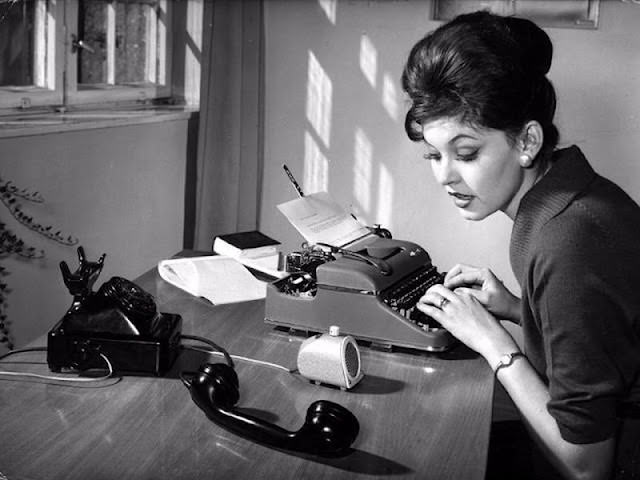
Speed competitions became a genuine phenomenon. Public typing contests drew crowds, and record-setters were celebrated in newspapers. Women routinely topped the rankings, demonstrating a level of professional expertise that commanded public respect.
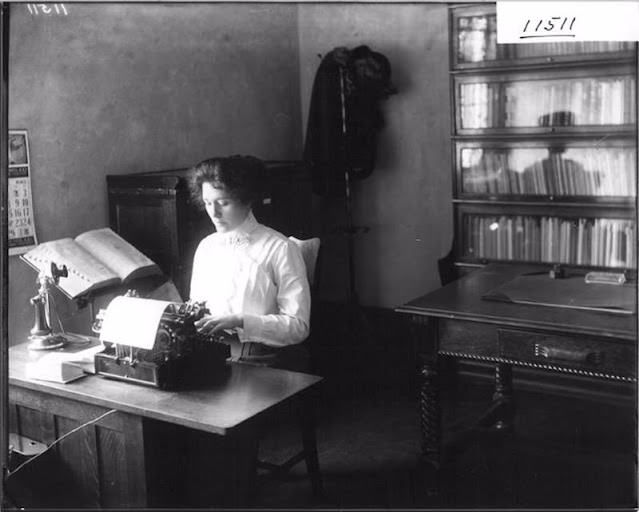
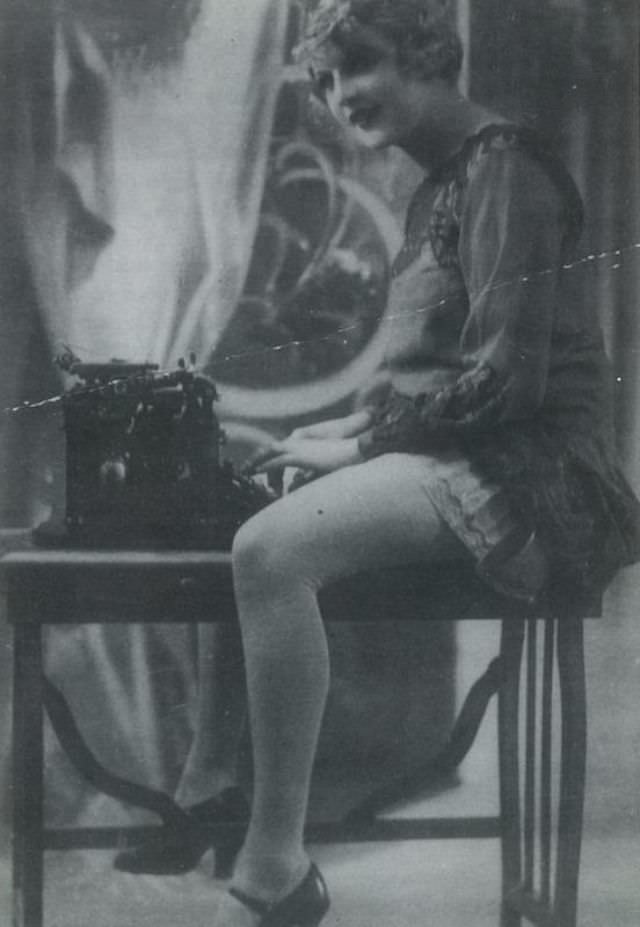
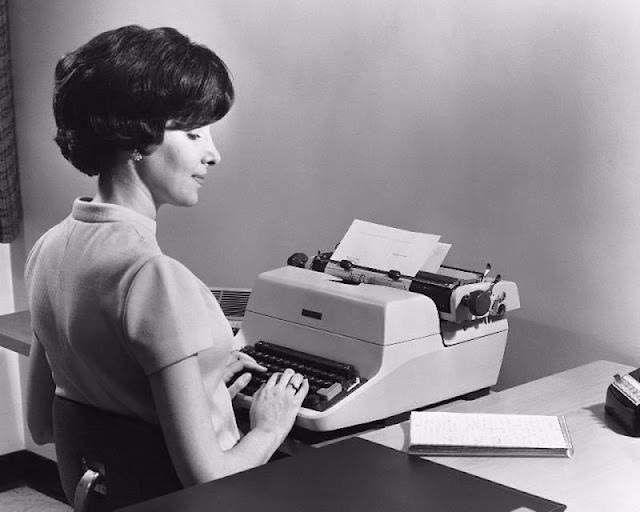
During both World Wars, the demand for typists surged. Military correspondence, supply orders, intelligence reports, and official communications all had to be typed, copied, and dispatched quickly. Women in uniform and in civilian roles kept that information flowing around the clock.
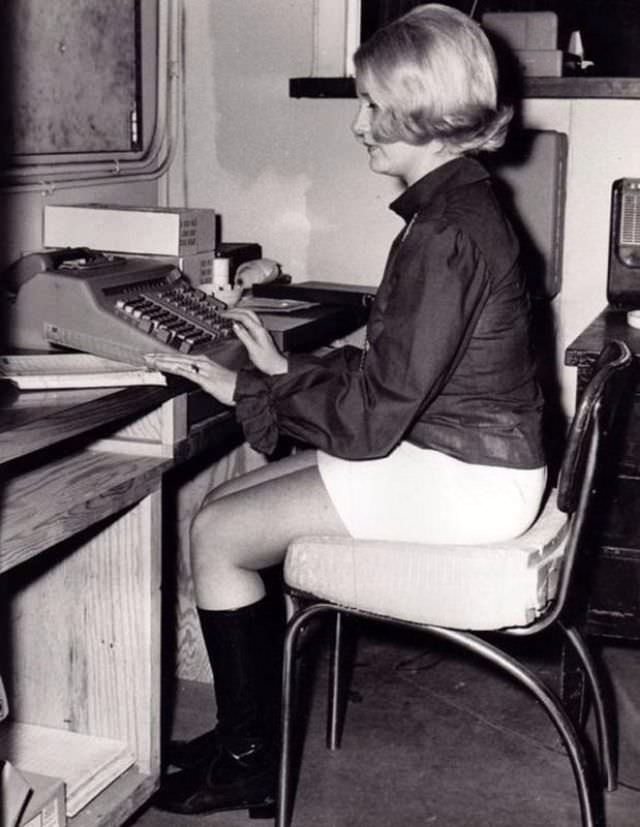
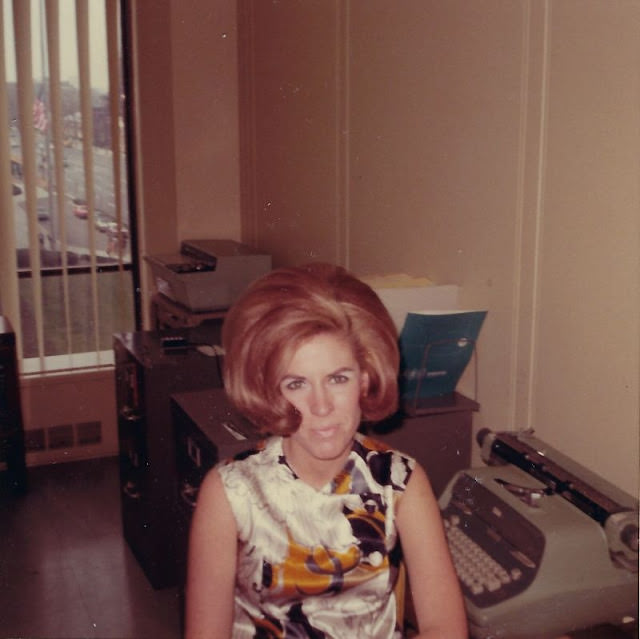
Not every typist worked in a large institution. Plenty of these photographs show women typing in domestic settings — at home desks, in small editorial offices, at newspaper rooms crowded with paper and noise. The typewriter fit into nearly every professional environment it entered.
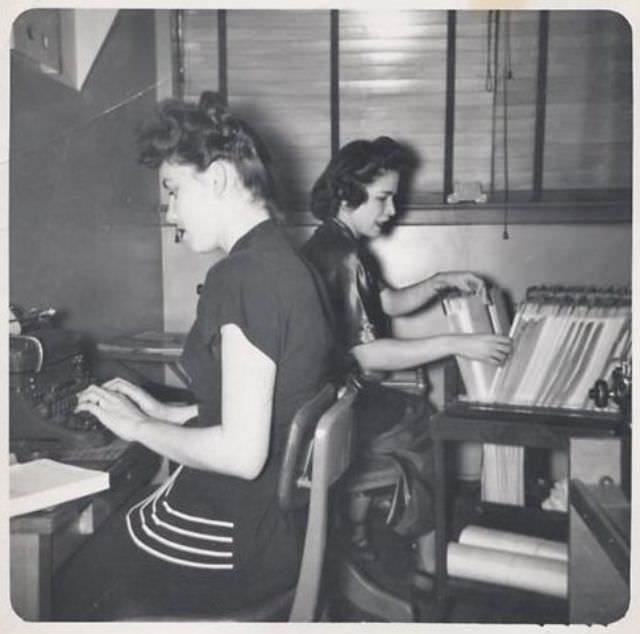
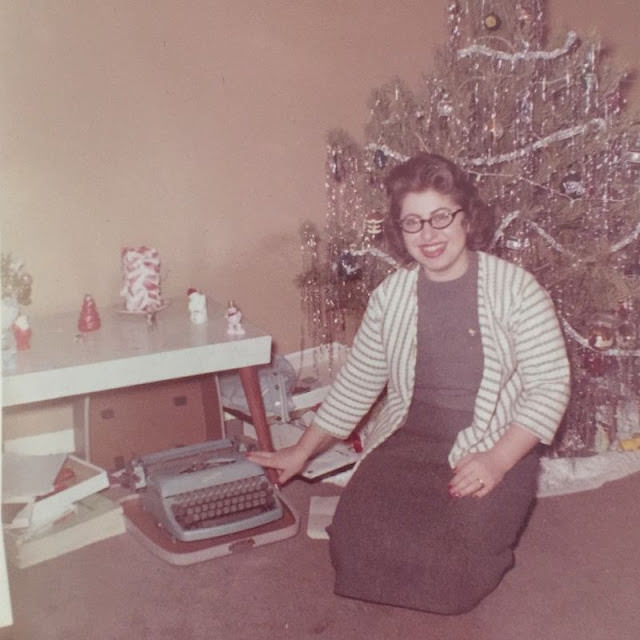
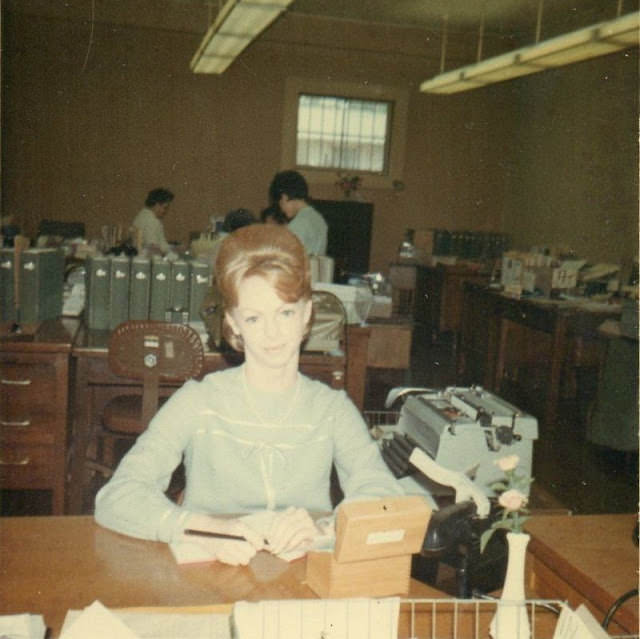
Advertising of the era often featured women at typewriters, reinforcing the association between femininity and clerical skill. Companies like Remington and Underwood used images of competent, well-dressed female typists to sell machines — to businesses, to schools, and to individual buyers.
The typewriter fundamentally restructured how documents were produced. Handwritten letters gave way to typed ones. Offices that once relied on clerks with good penmanship now measured their staff by keystrokes per minute. Typed text looked uniform and professional in a way handwriting never could.