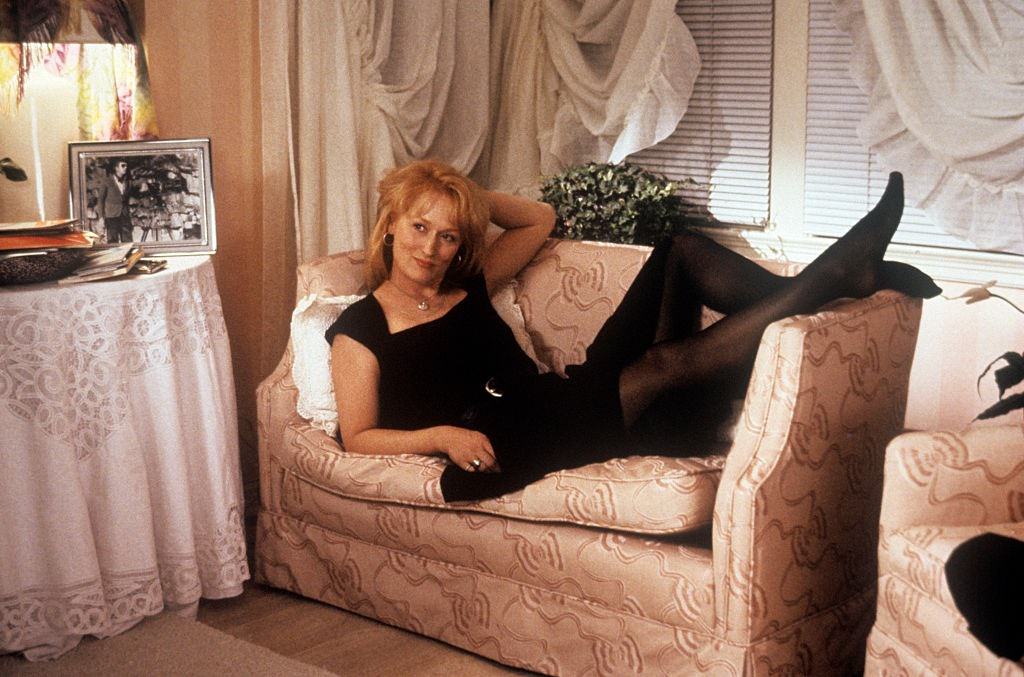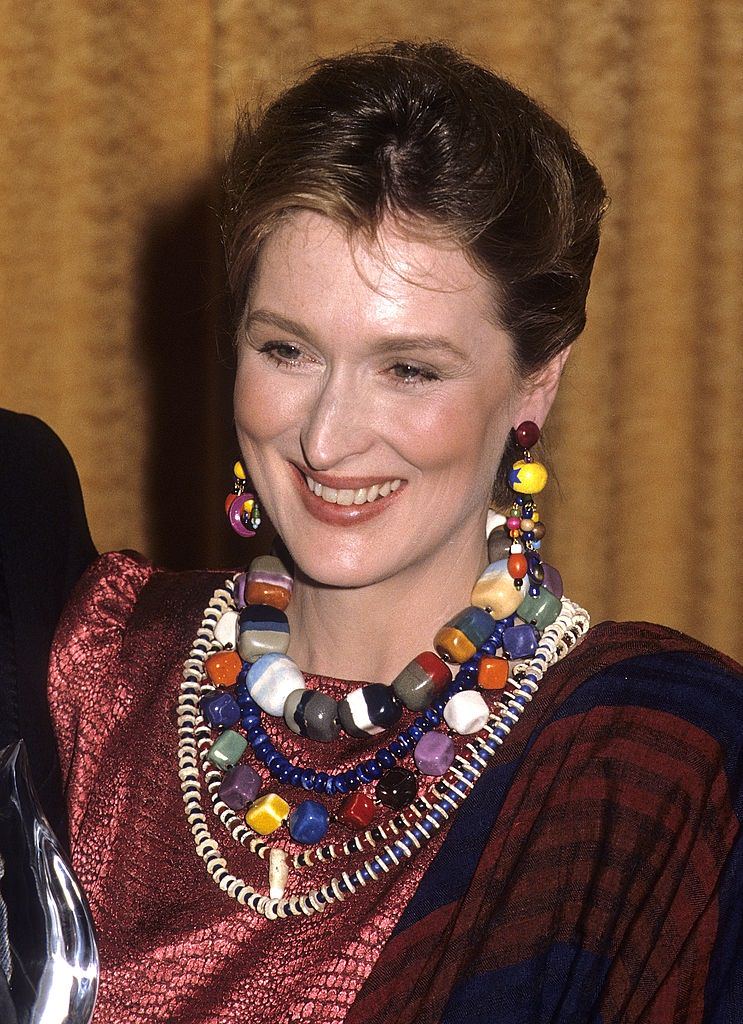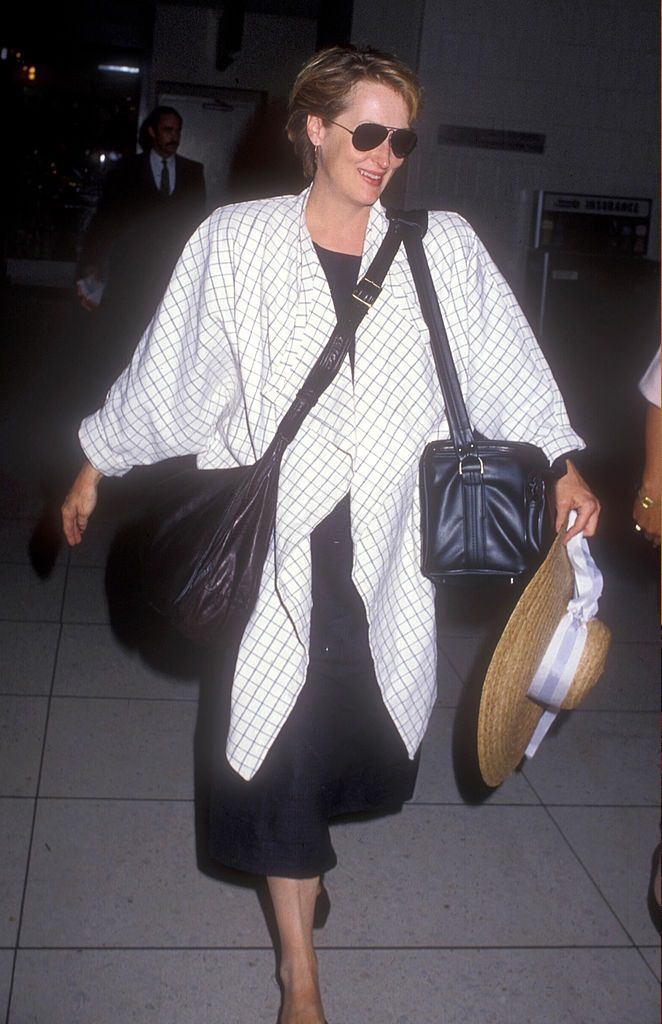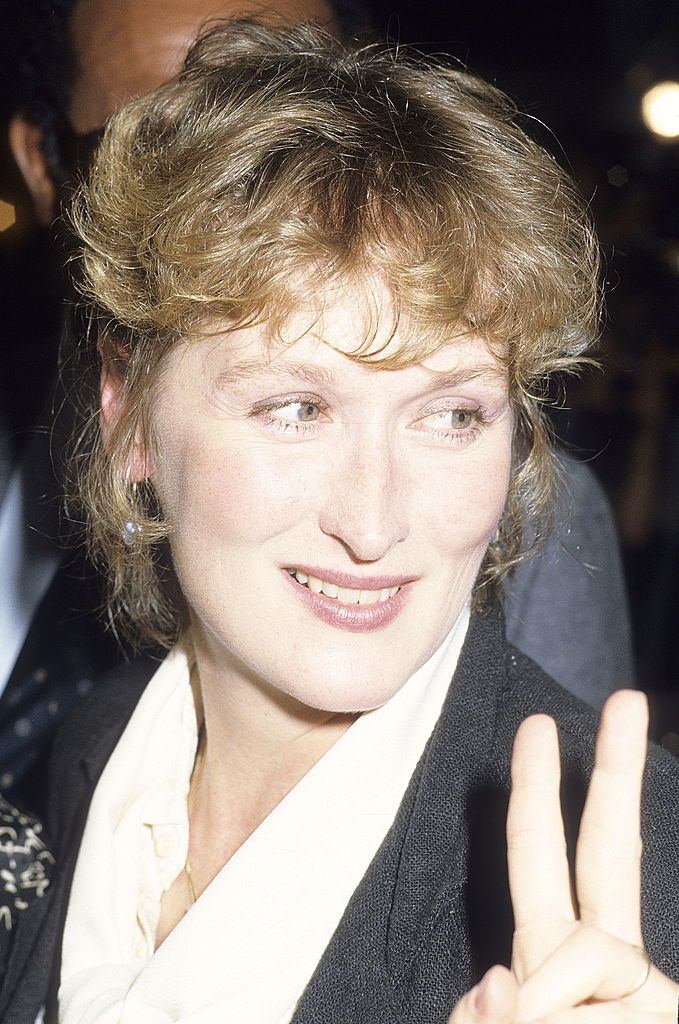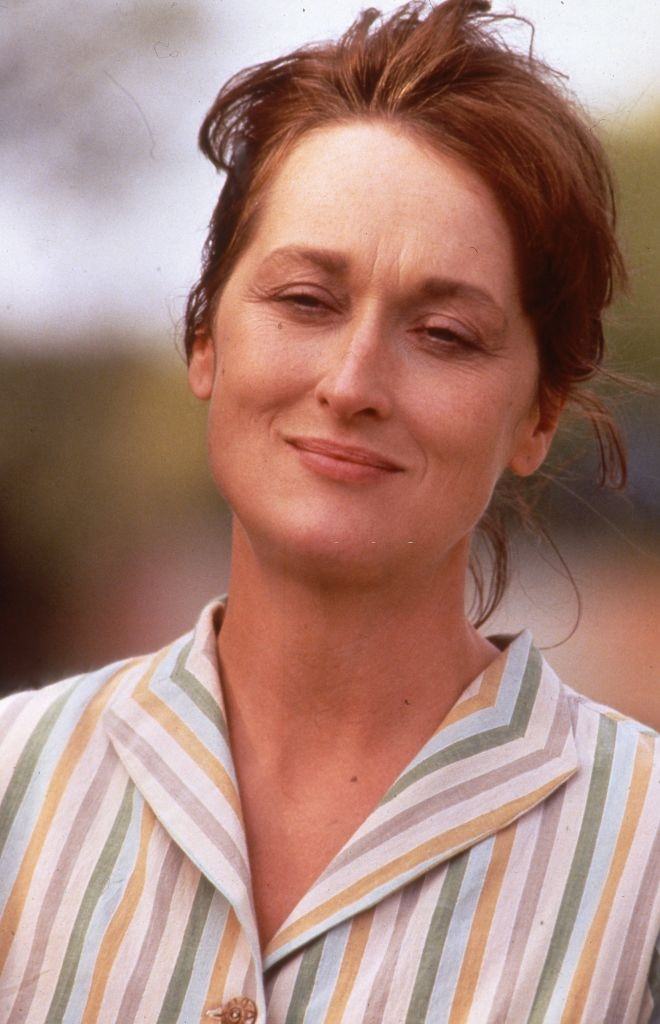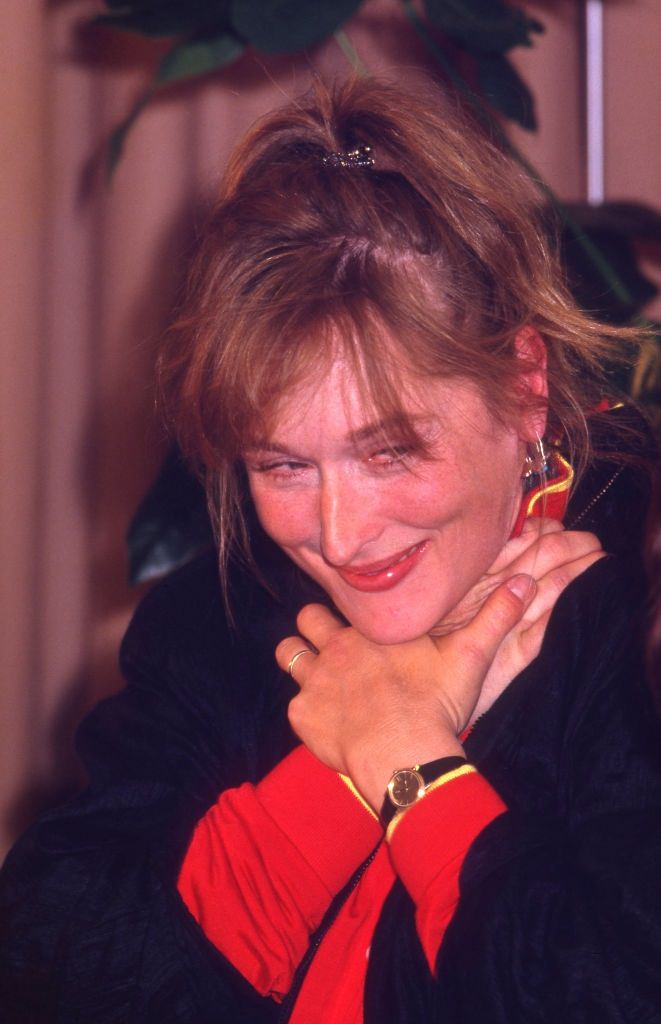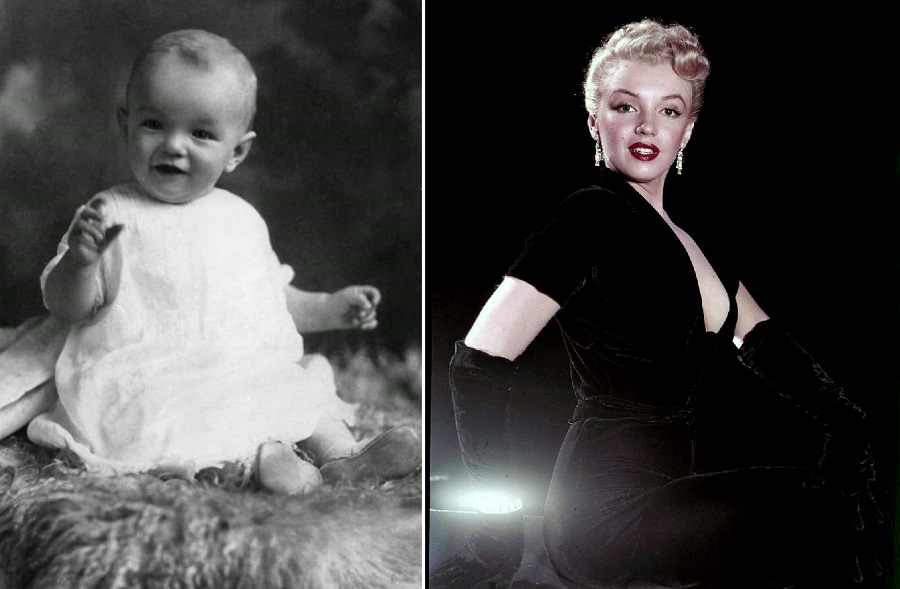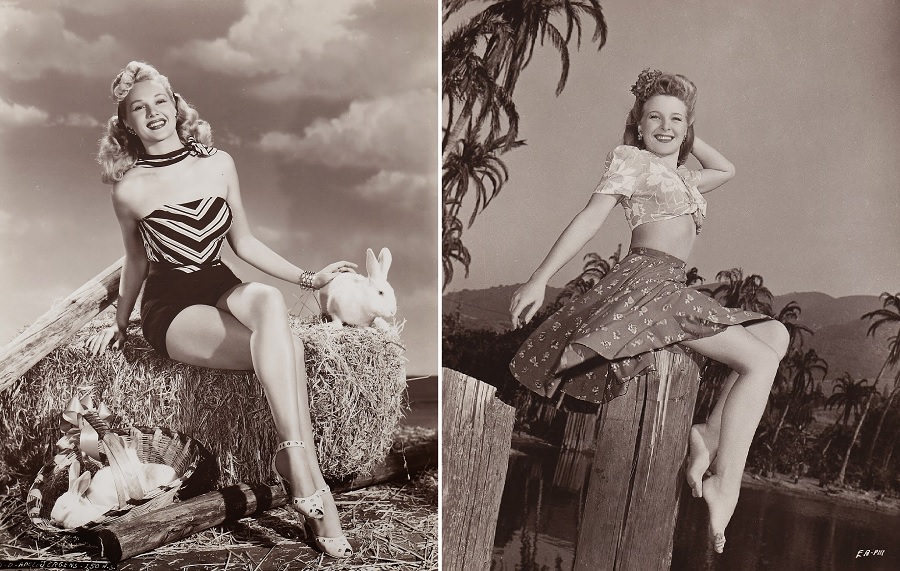
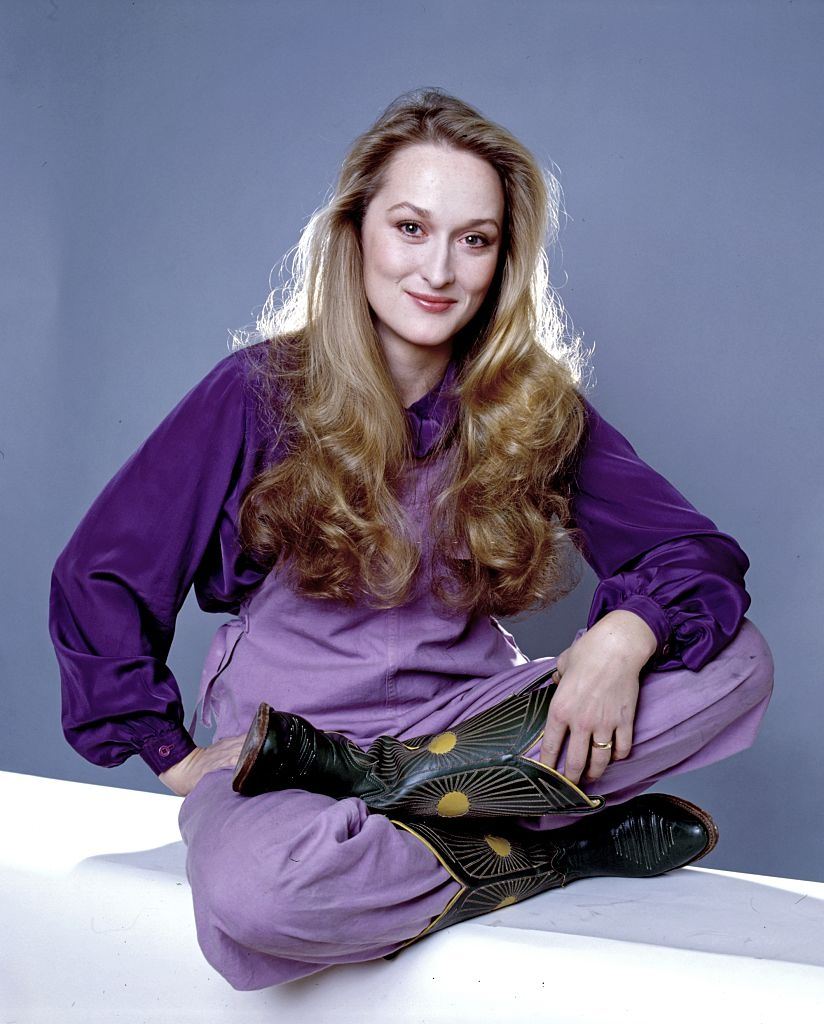
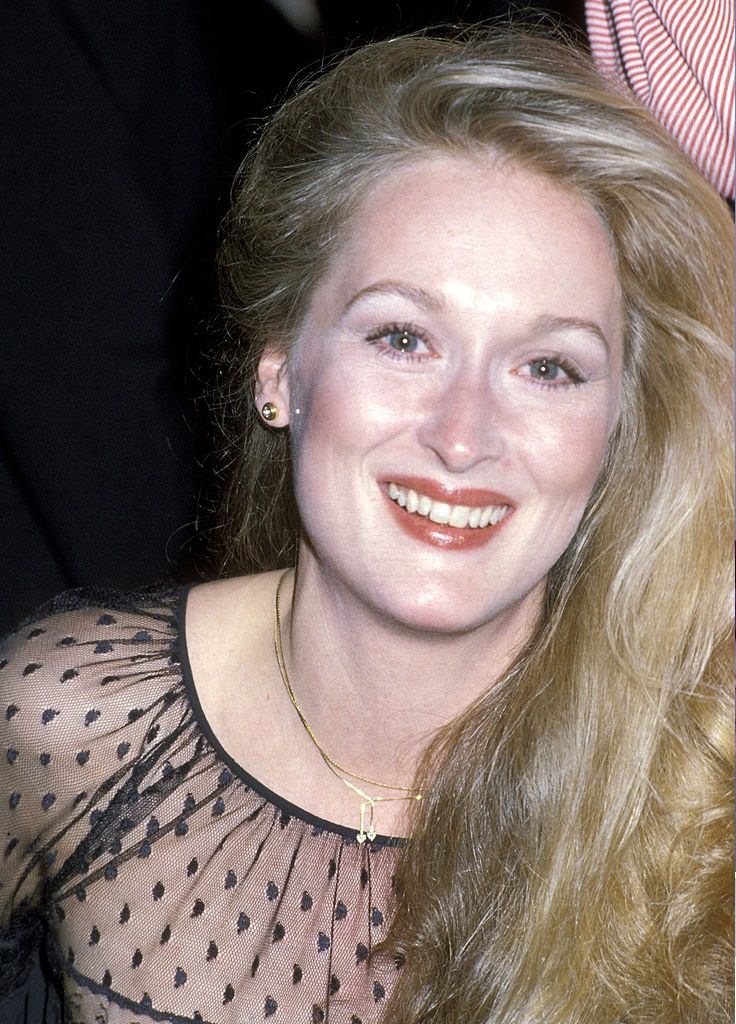
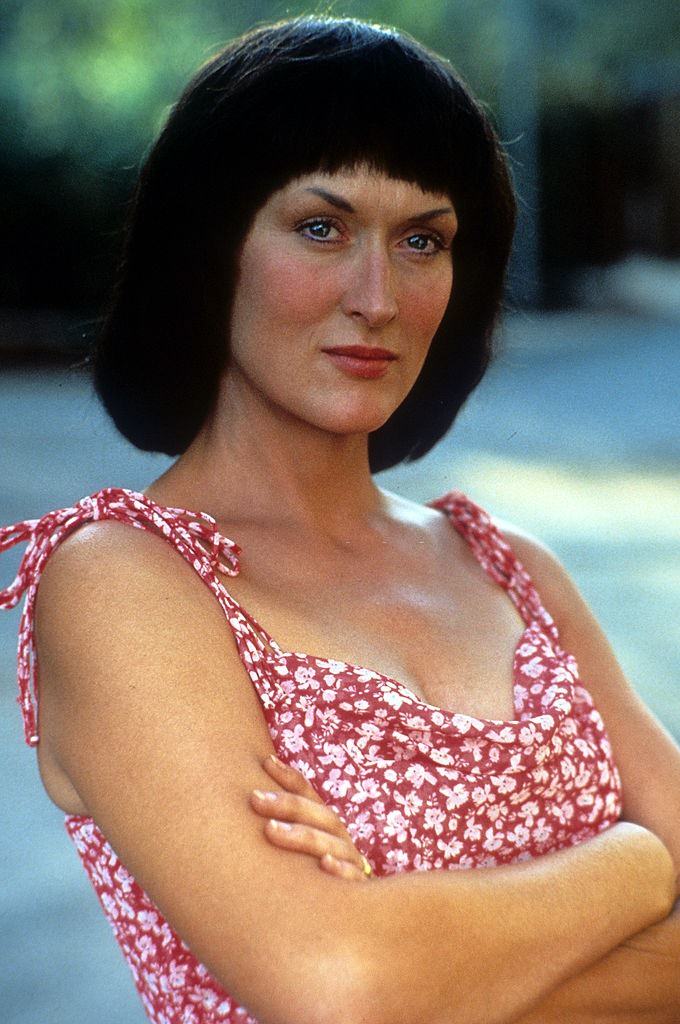
Meryl Streep is widely regarded as one of the greatest actresses in film history. With three Academy Award wins and 21 nominations, no other actor in history has been nominated more. Her career spans decades, genres, and languages, yet it all started with a young woman who began voice training at age 12 and first stepped onto a stage in high school. Before Hollywood came calling, she worked as a waitress at the Hotel Somerset in Somerville, New Jersey. These early photos capture Streep at the very beginning of a career that would define American cinema.
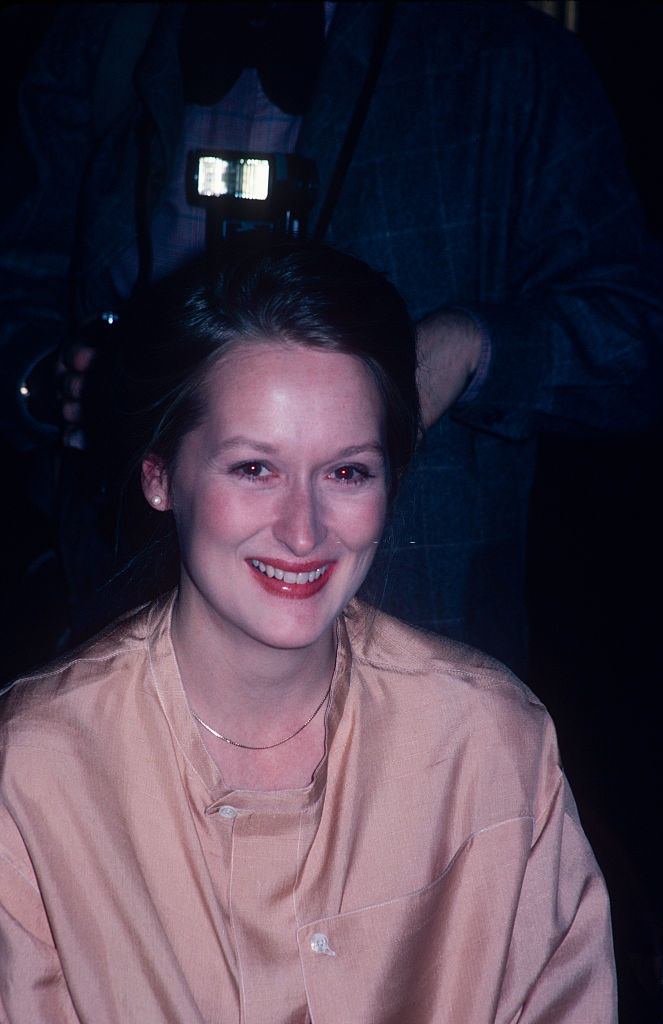
Streep launched her professional acting career in the late 1960s as a stage actress, appearing in several Broadway productions before making the jump to film. Her screen debut came with the role of Anne Marie in the 1977 Oscar-winning drama Julia. The very next year, she earned her first Academy Award nomination for Best Supporting Actress for her role in The Deer Hunter. It was a rapid rise — from Broadway stages to Oscar nominations in just a handful of years.
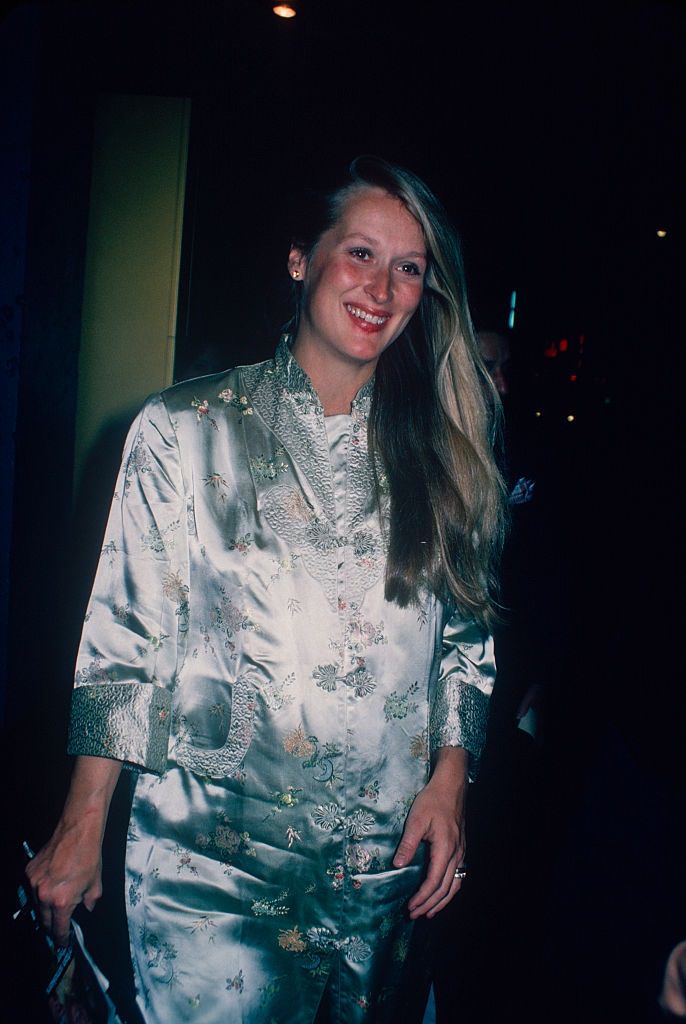
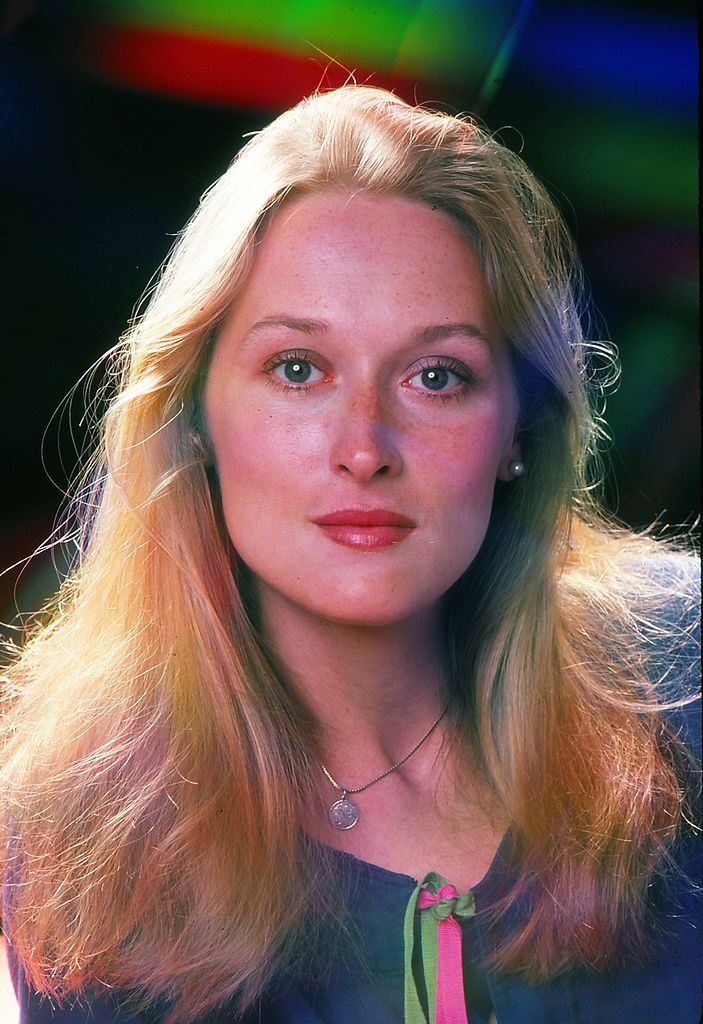
During this period, Streep’s personal life was marked by deep grief. She was romantically involved with actor John Cazale for two years. Cazale, known for his roles in The Godfather and The Deer Hunter, died of lung cancer in 1978. Streep stayed by his side through his illness. After his death, she married sculptor Don Gummer, and together they have four children.
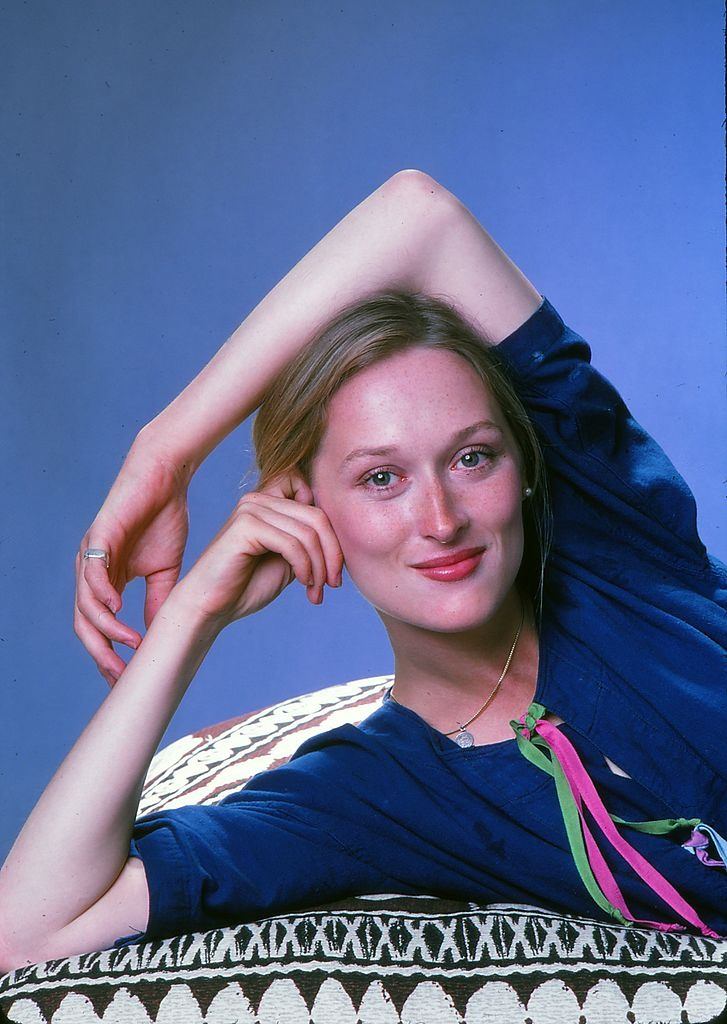
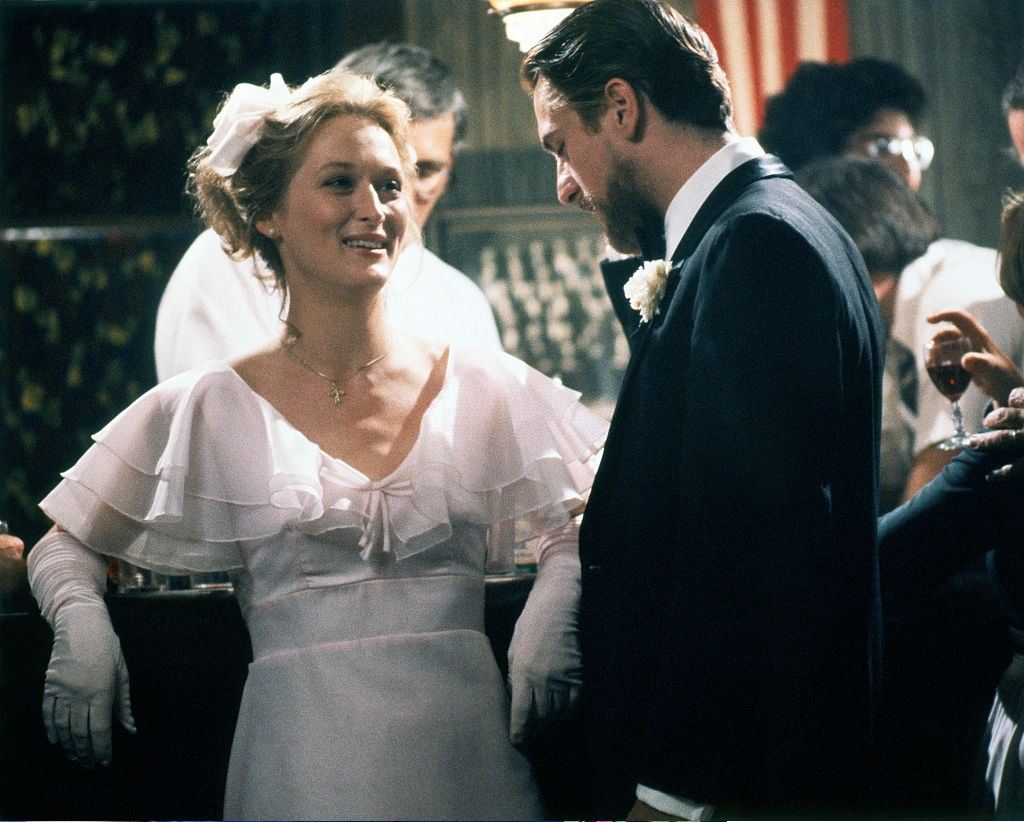
The Deer Hunter brought Streep onto the world stage. The 1978 film, directed by Michael Cimino, depicted the lives of Pennsylvania steelworkers before and after the Vietnam War. Streep appeared alongside Robert De Niro and a cast that delivered some of the most intense performances of the decade. Her nomination that year signaled to Hollywood that a major new talent had arrived.
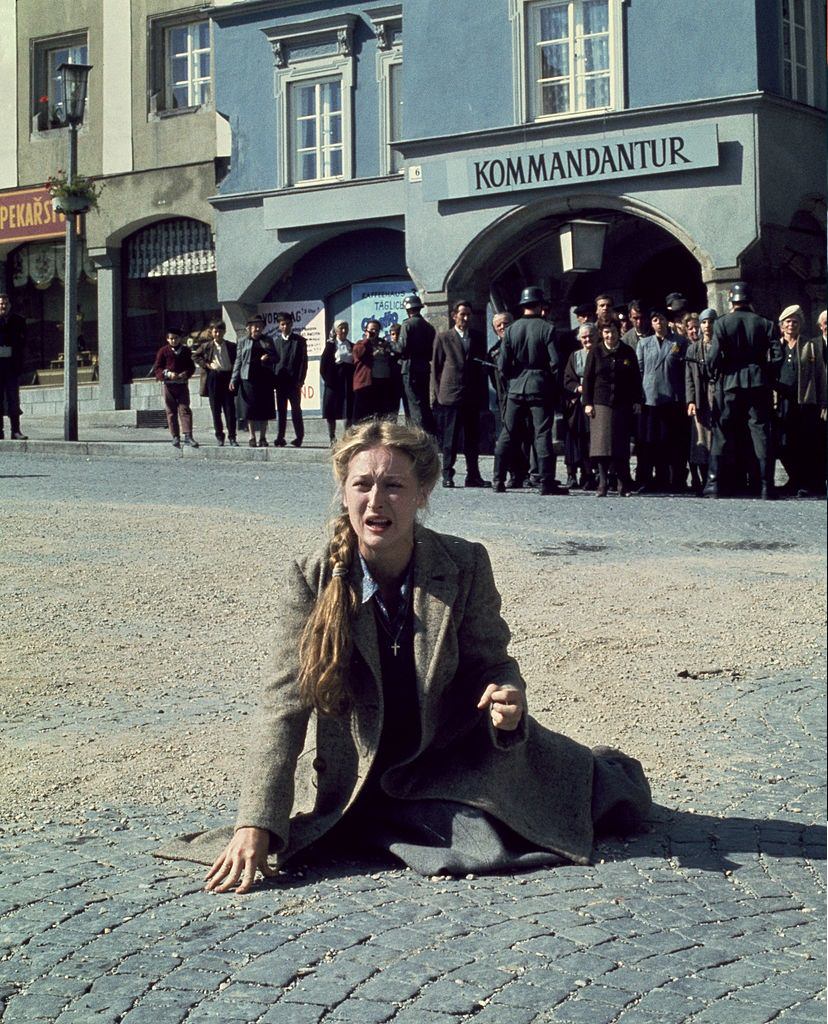
Also in 1978, Streep took on one of the most demanding television roles of the era — Inga Helms Weiss in the NBC miniseries Holocaust. The production dramatized the experiences of a Jewish family in Nazi Germany and drew an enormous American television audience. Streep’s portrayal of Inga, a German woman married to a Jewish man, earned widespread critical praise and helped establish her as a serious dramatic actress beyond the stage.
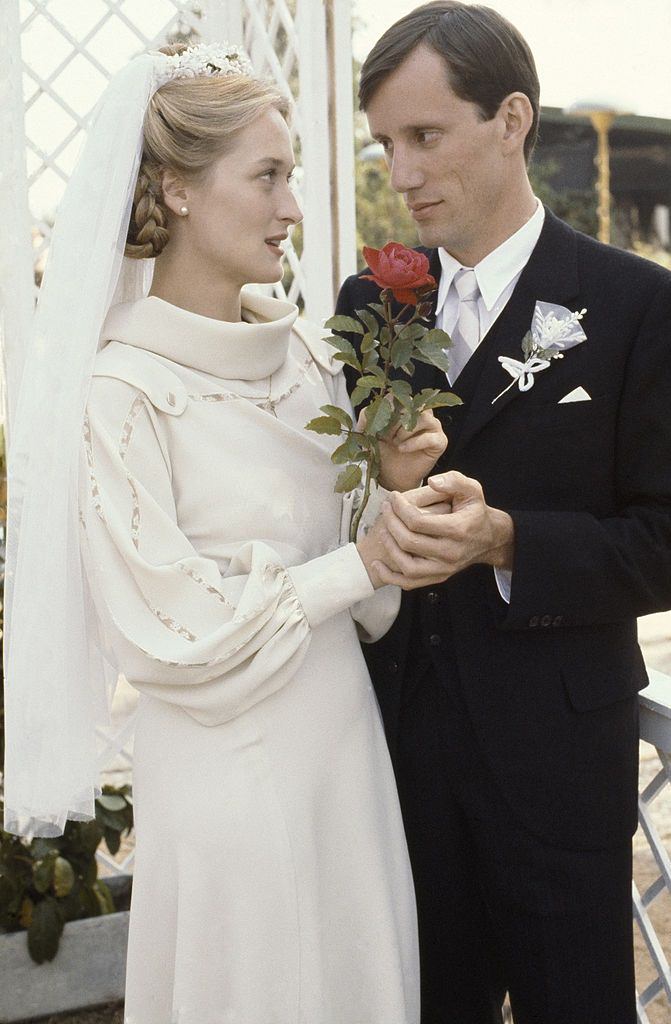
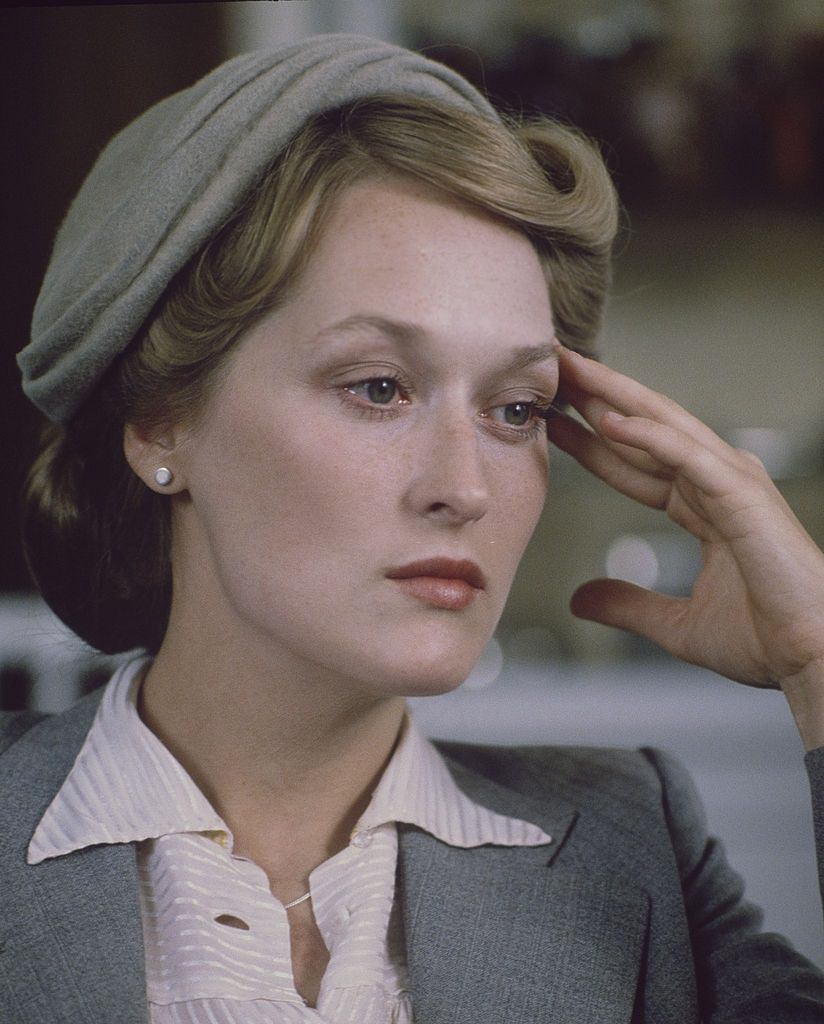
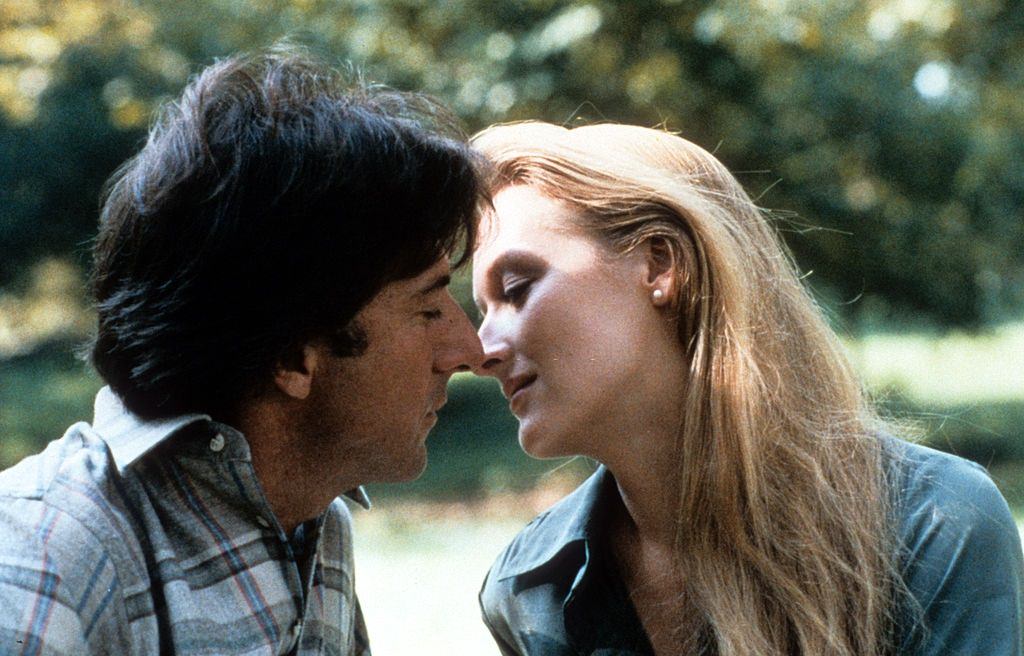
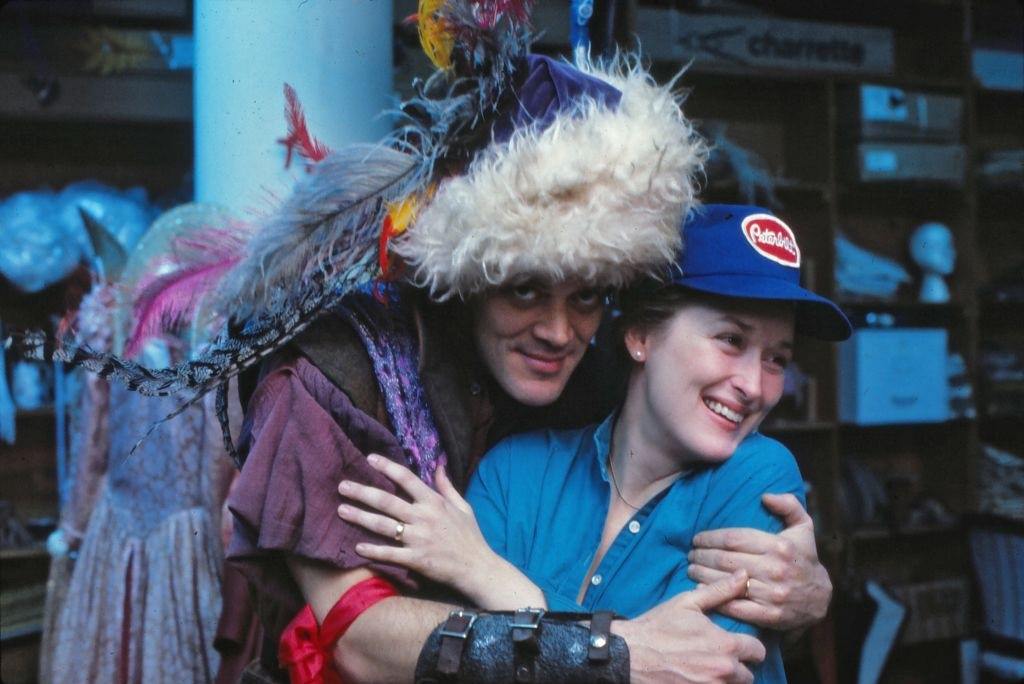
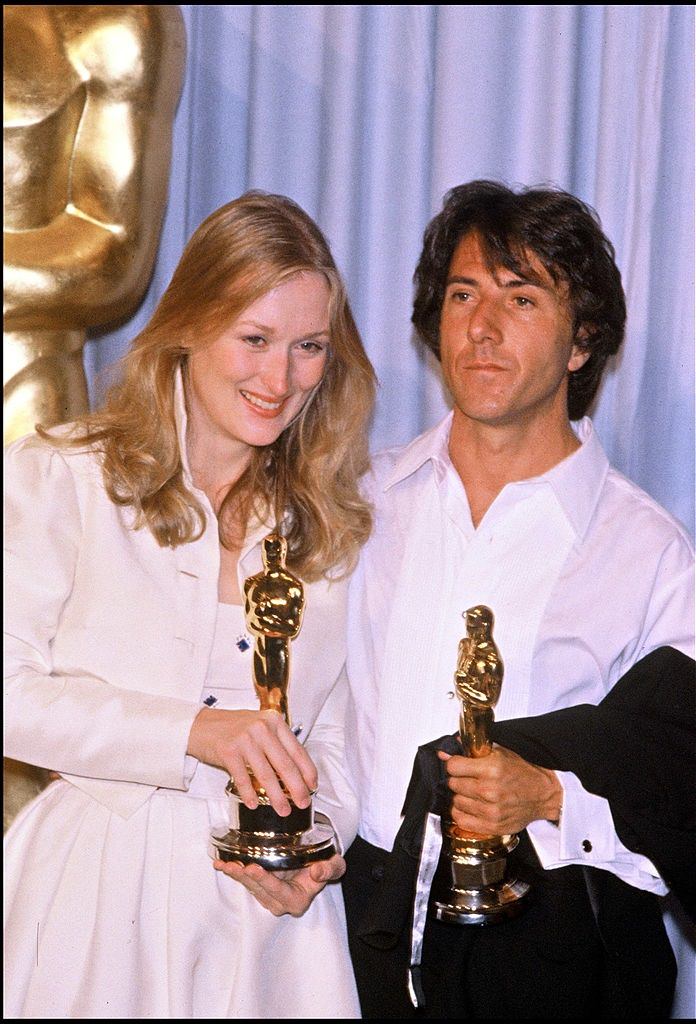
In 1979, Streep starred alongside Dustin Hoffman in Kramer vs. Kramer, a film about a bitter divorce and custody battle. Her performance as Joanna Kramer won her the Academy Award for Best Supporting Actress at the 52nd Academy Awards in 1980. The role required emotional precision, and Streep delivered it in a way that left audiences and critics stunned. She also participated in the New York Shakespeare in the Park production of The Taming of the Shrew that year, opposite Raul Julia.
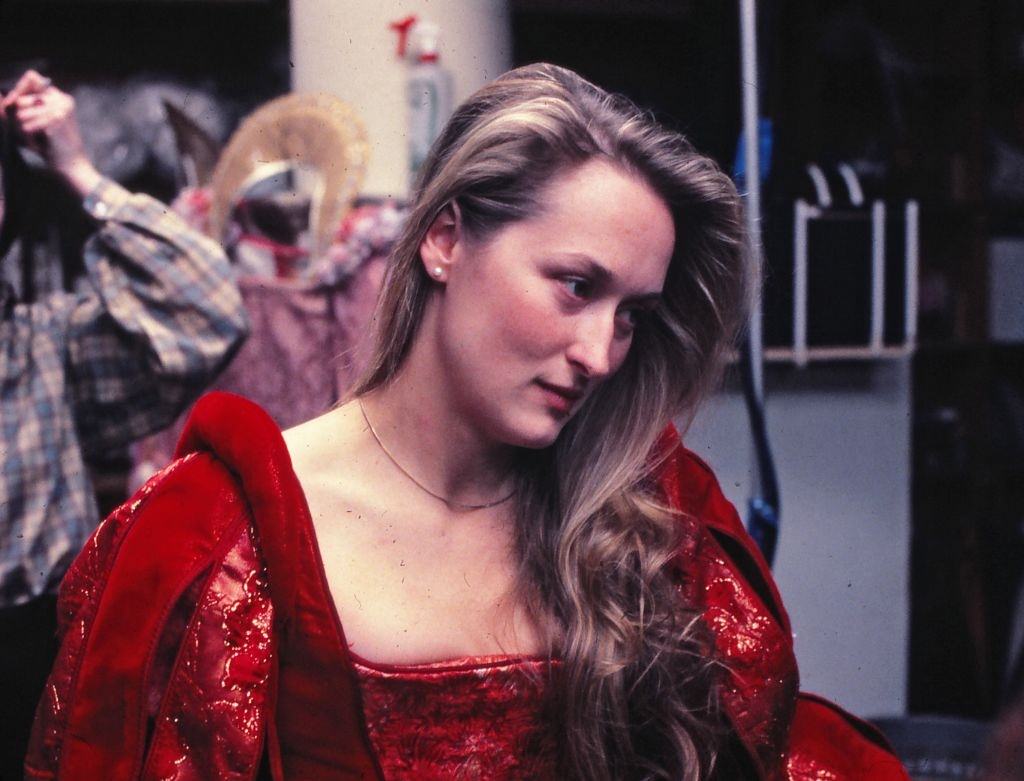
The 51st Academy Awards in 1979 marked Streep’s first appearance at the Oscars as a nominee. She attended for her Deer Hunter nomination, and the experience gave her a preview of many more nights at the ceremony to come. Within just one year, she would return and walk away with the award itself.
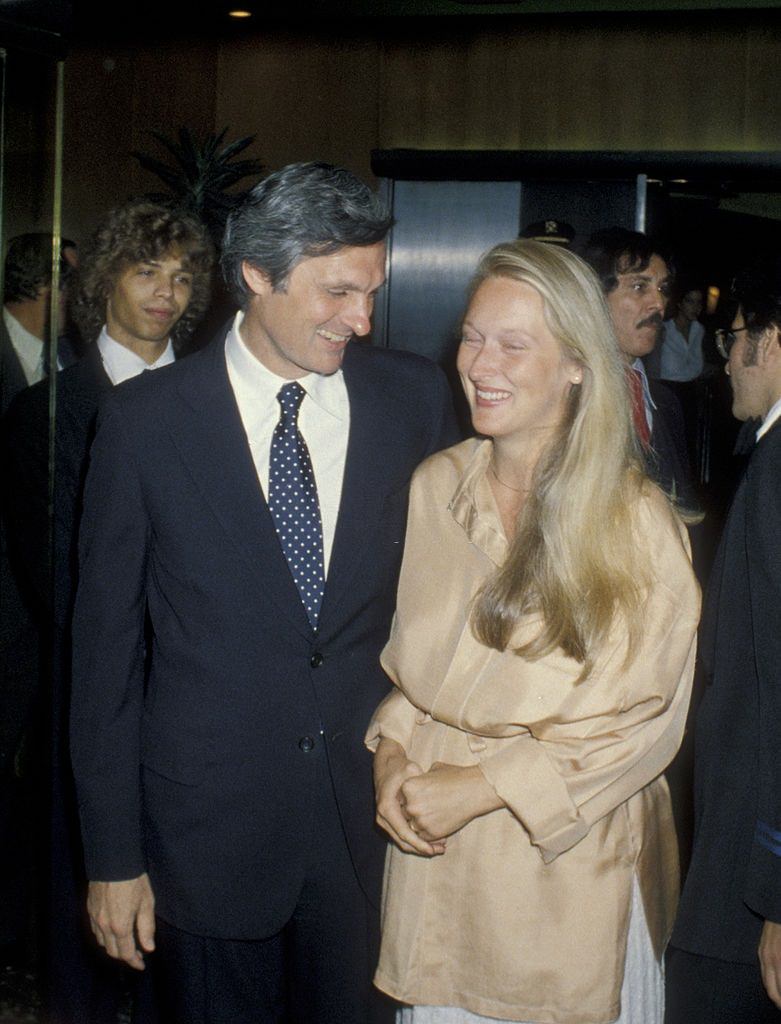
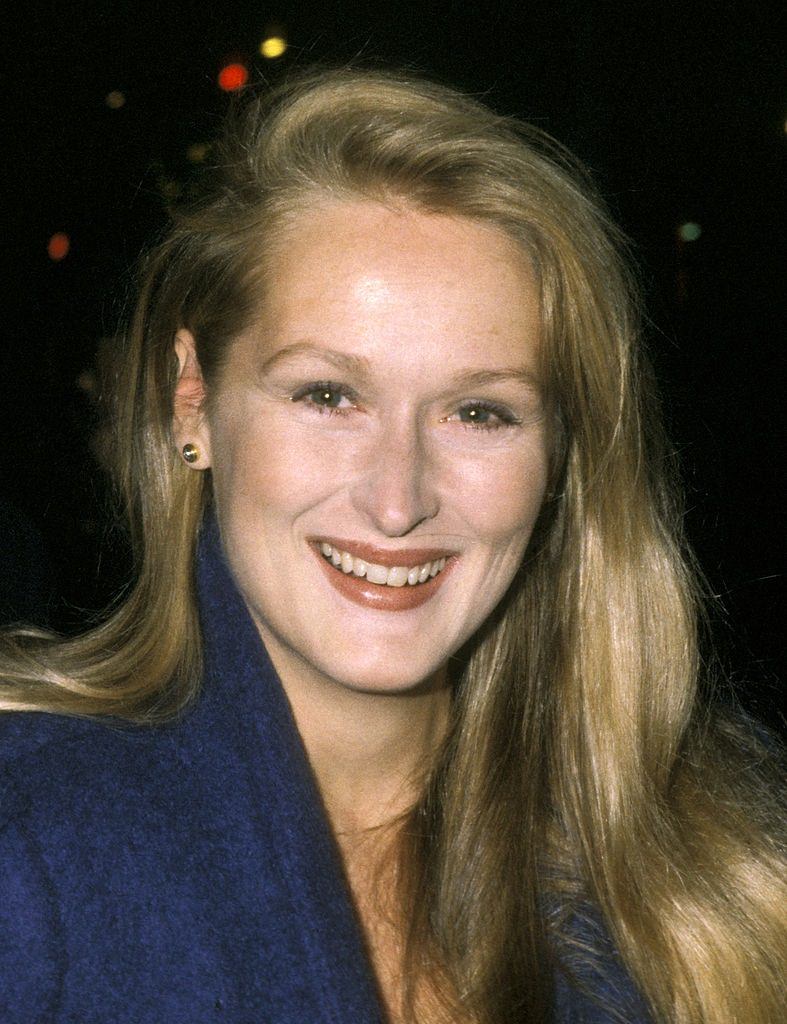
By 1980, Streep was one of the most sought-after actresses in Hollywood. She began filming The French Lieutenant’s Woman, a period drama set in Victorian England directed by Karel Reisz. The film featured a dual narrative structure — Streep played both the mysterious Sarah Woodruff in the Victorian story and Anna, the actress portraying her in a modern-day film-within-a-film. It was exactly the kind of complex, layered role that Streep consistently sought out.
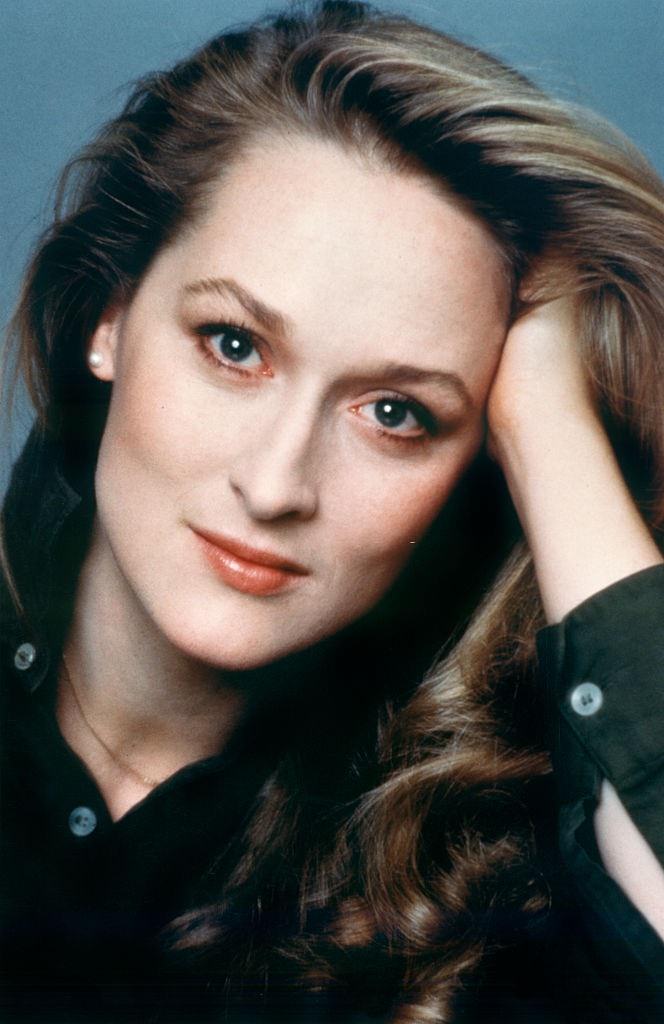
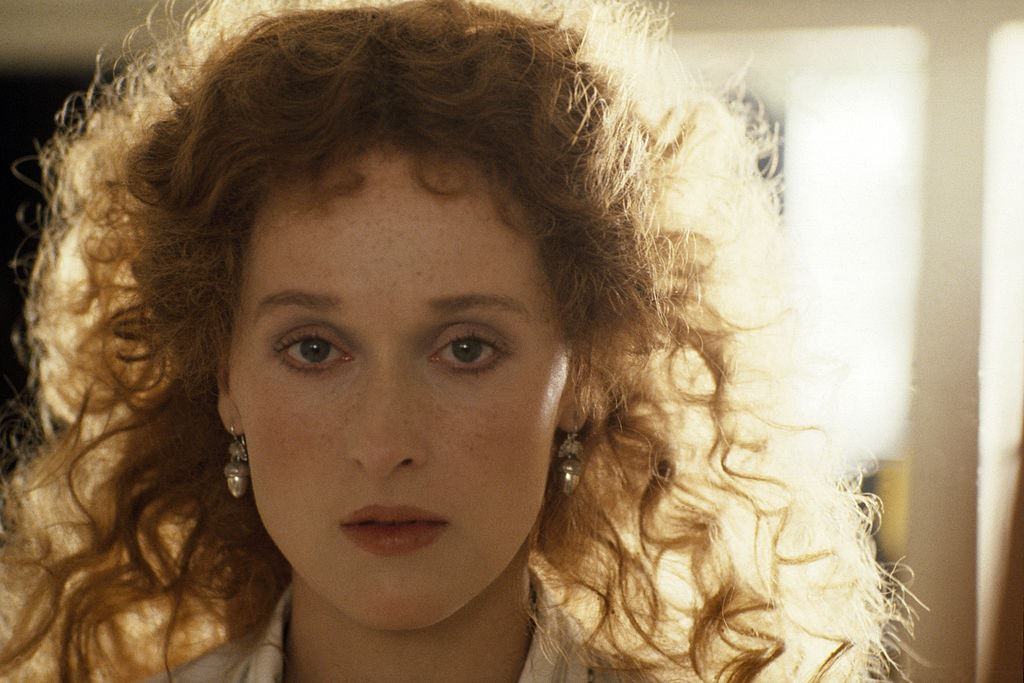
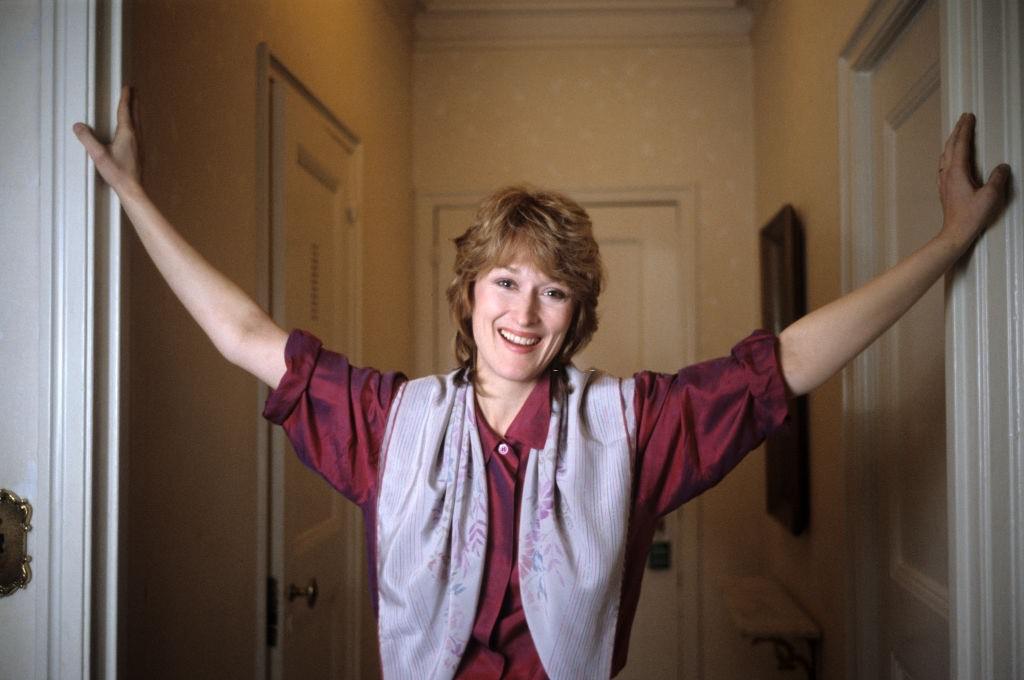
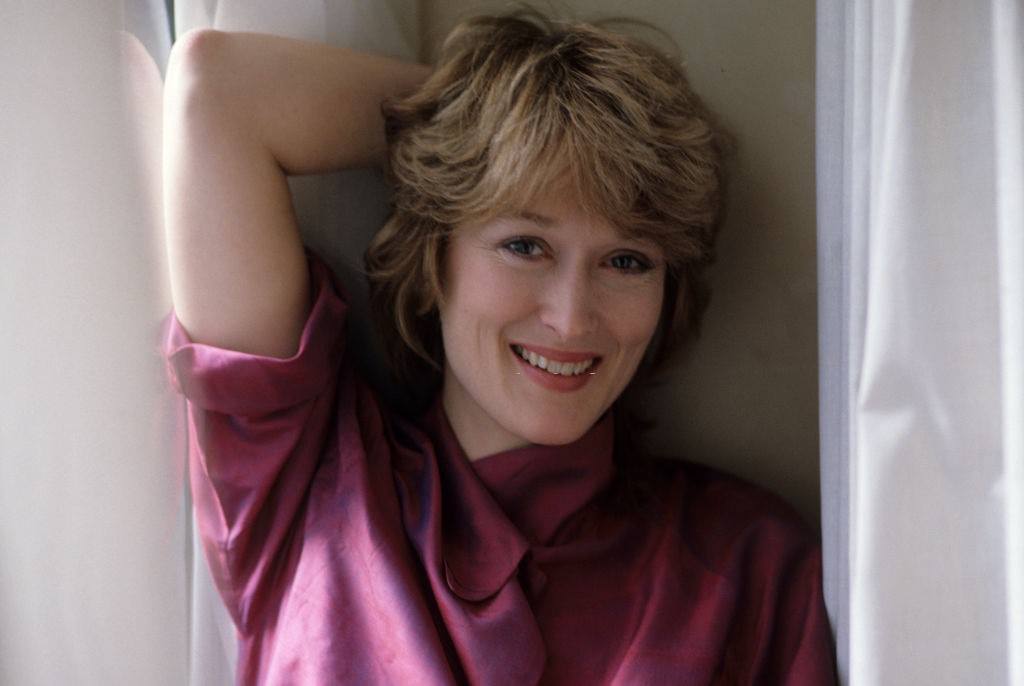
Streep welcomed her son Henry in 1979, and by 1980 she was balancing major film commitments with new motherhood. She and her husband Don Gummer would go on to have four children in total. Despite her growing family, her output during this stretch was relentless — she was appearing in award-nominated projects almost every single year.
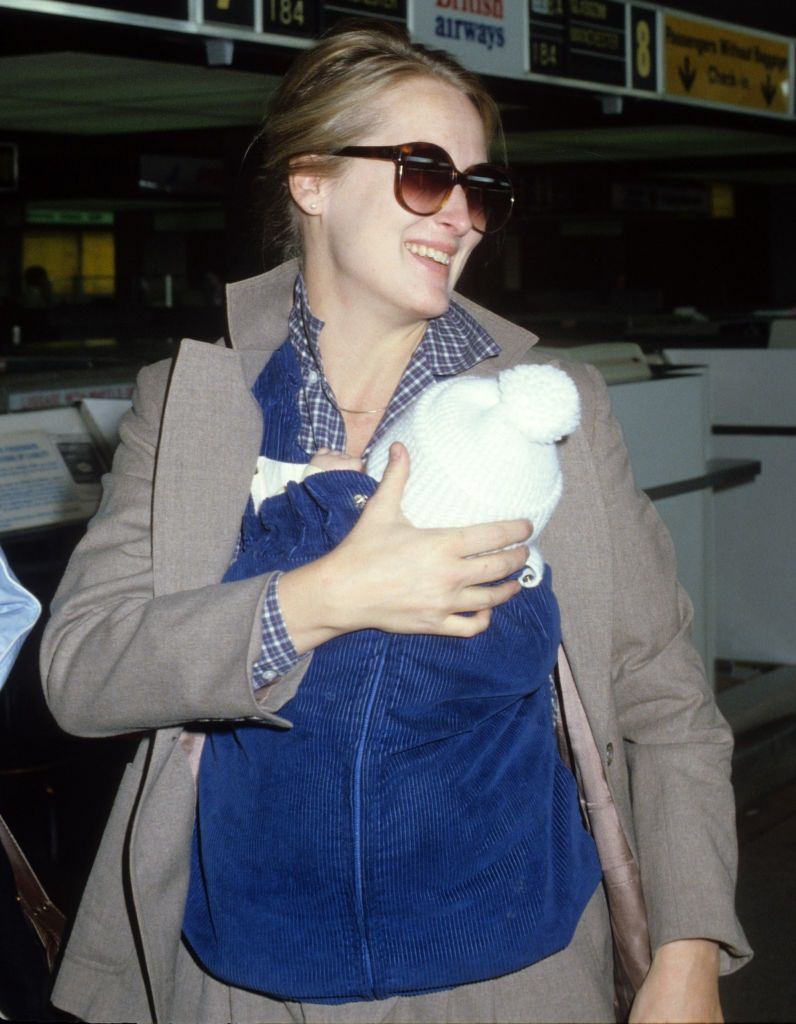
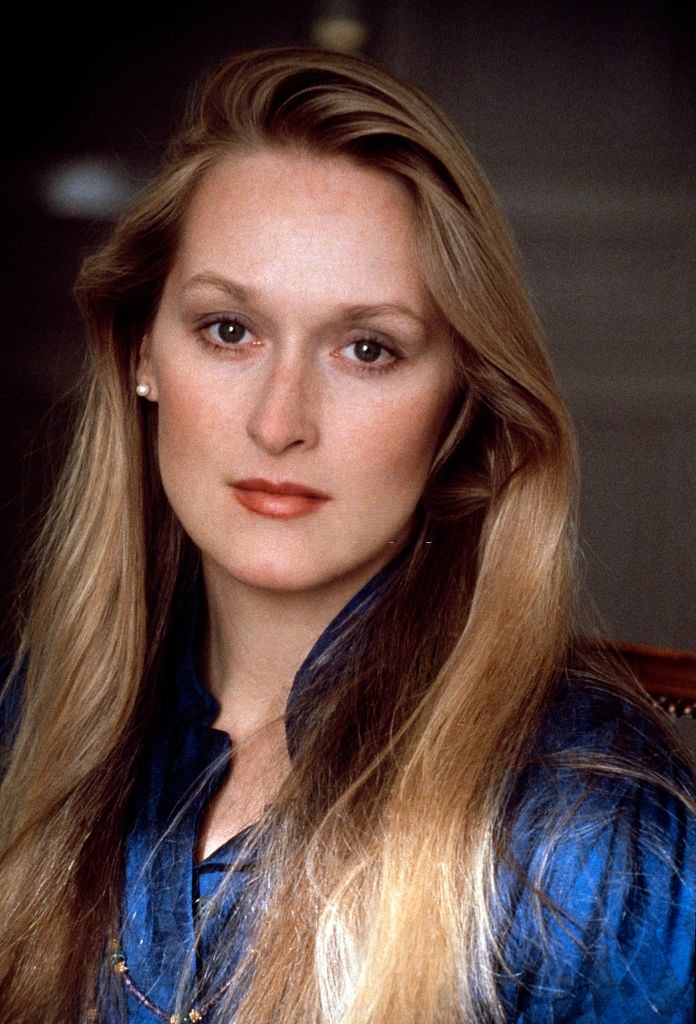
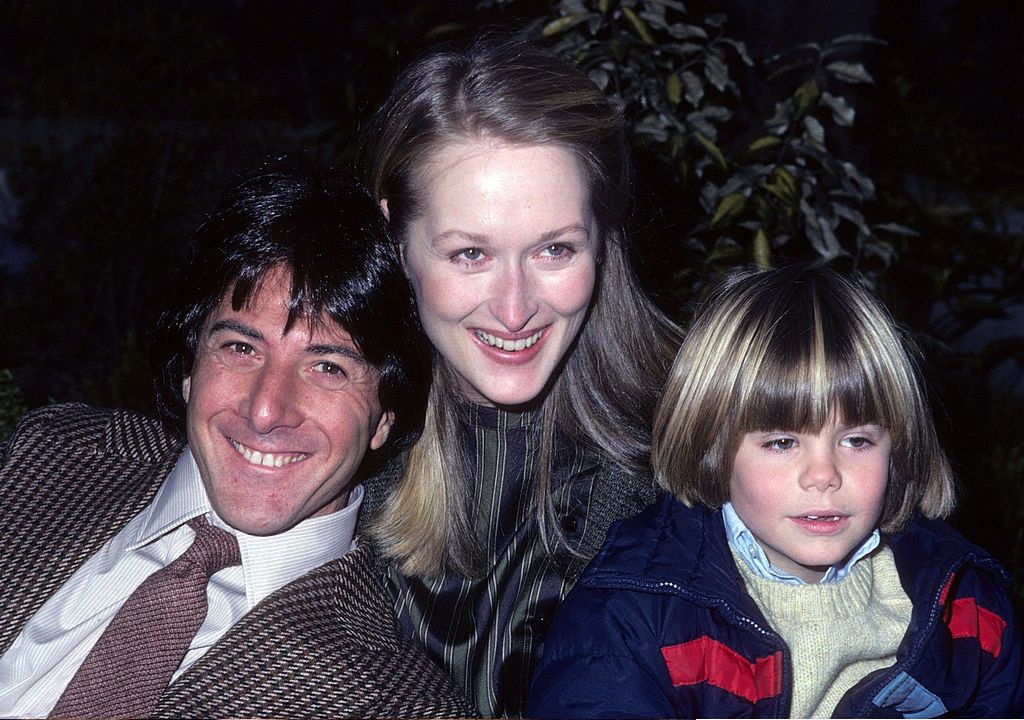
The 52nd Academy Awards in 1980 was a defining night. Streep won Best Supporting Actress for Kramer vs. Kramer, cementing her place as one of Hollywood’s elite performers. The win came just two years after her first nomination. Few actresses had climbed that fast.
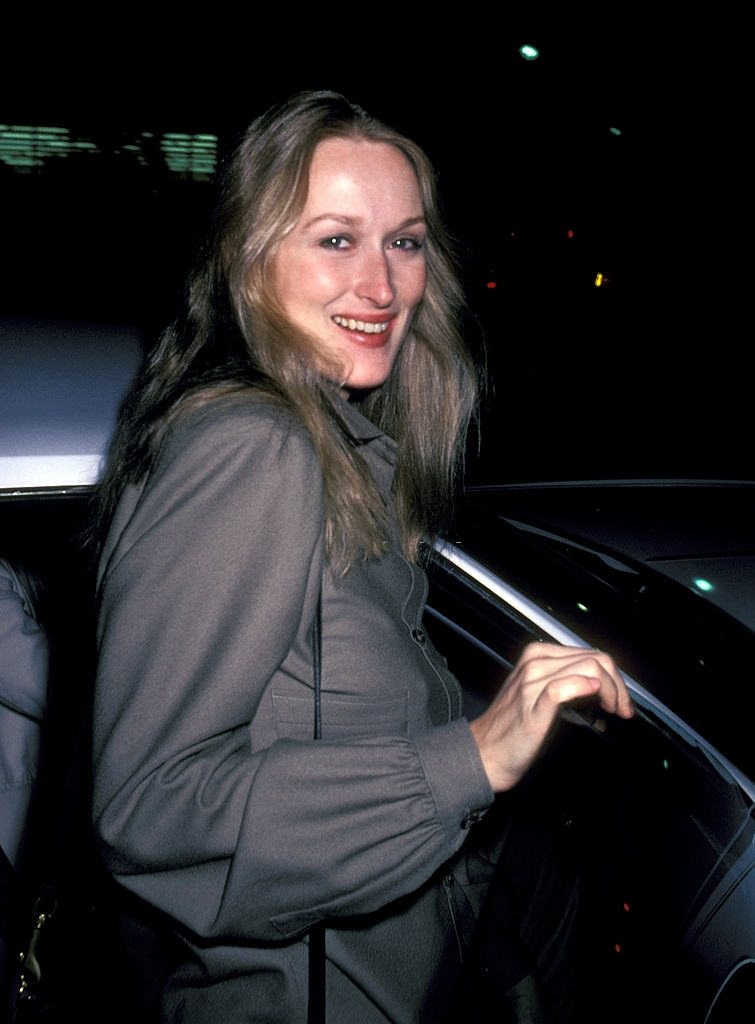
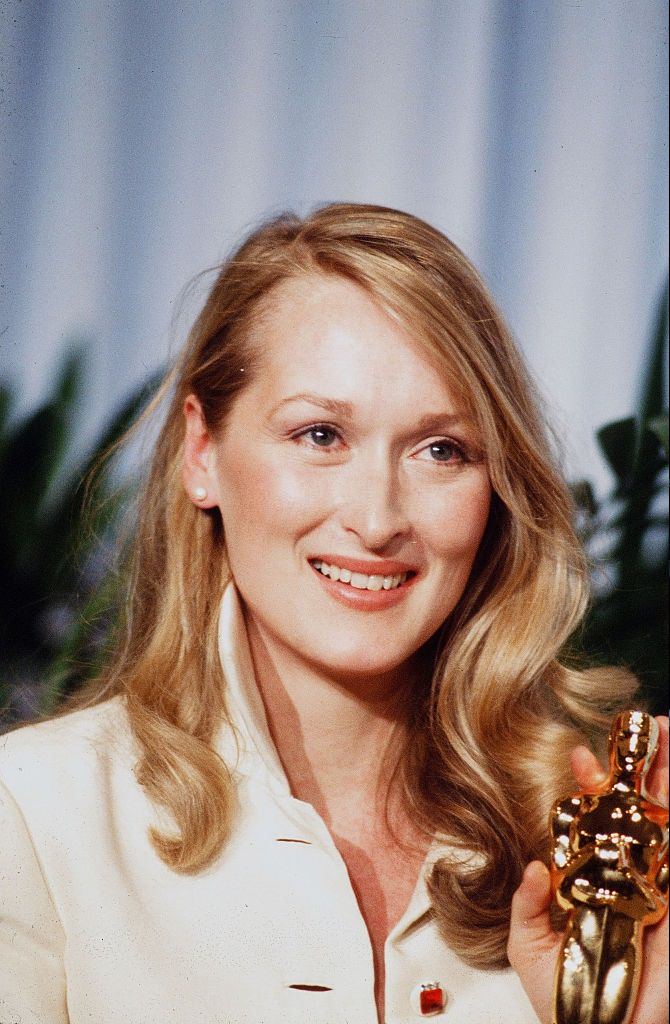
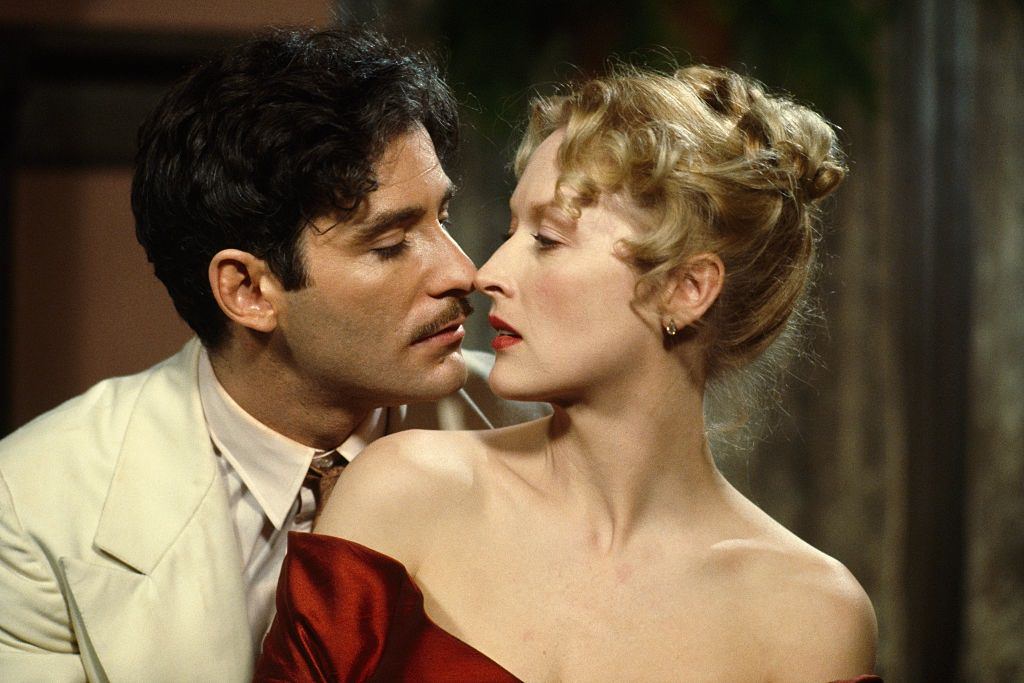
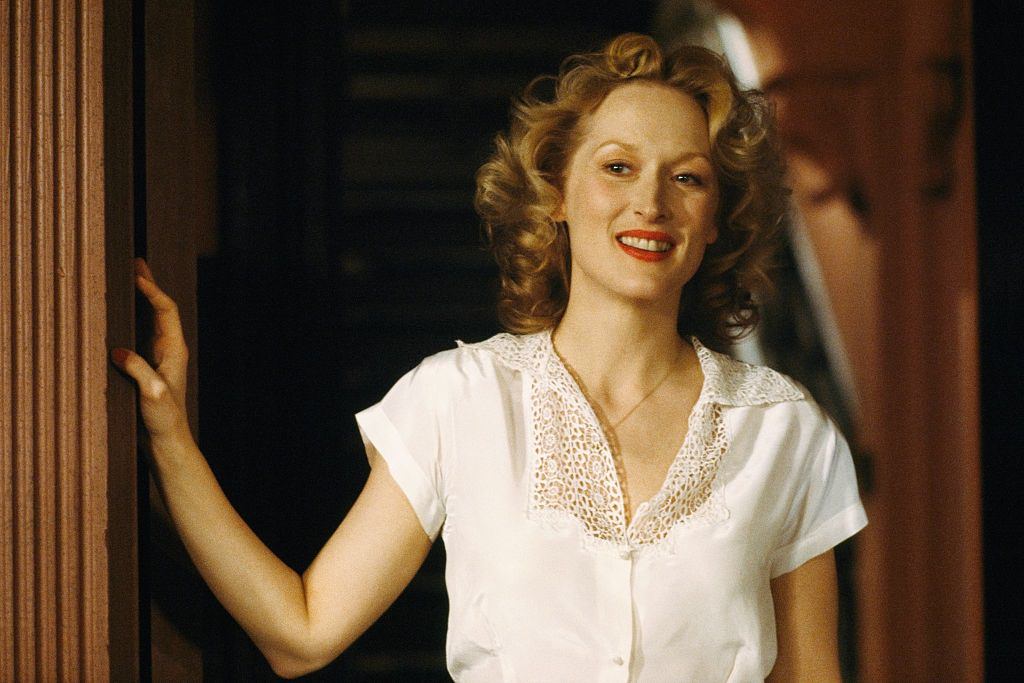
In 1982, Streep delivered what many consider her greatest performance — Sophie Zawistowski in Sophie’s Choice. The role required her to speak fluent Polish and German, and she prepared intensively for both. She played a Polish Holocaust survivor living in Brooklyn who carries a devastating wartime secret. The performance earned Streep the Academy Award for Best Actress. She filmed alongside Kevin Kline, who played her volatile lover Nathan.
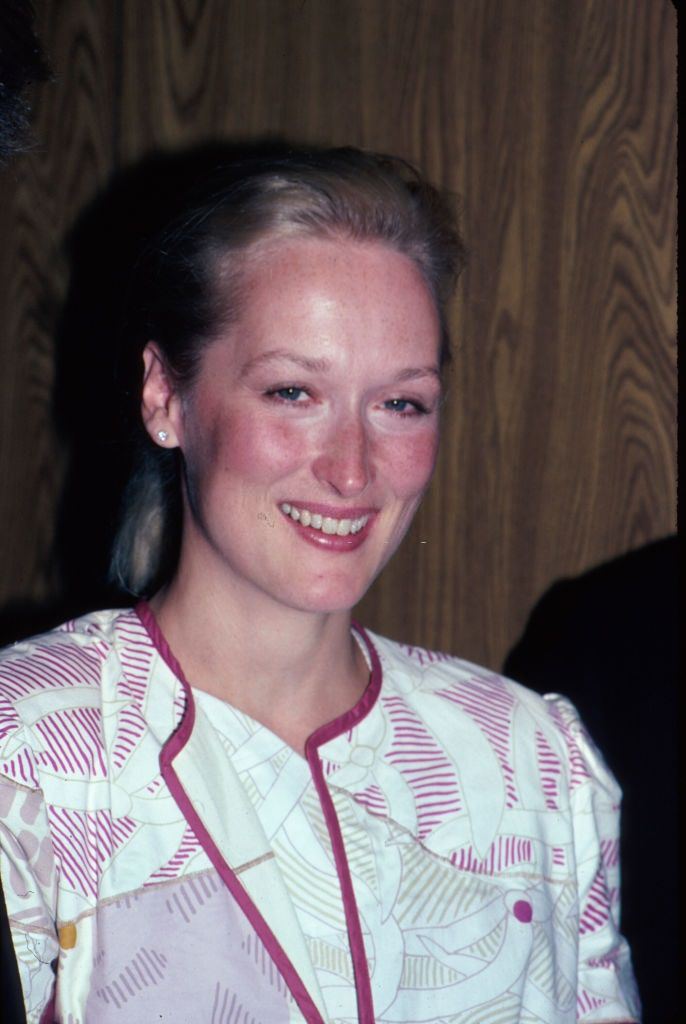
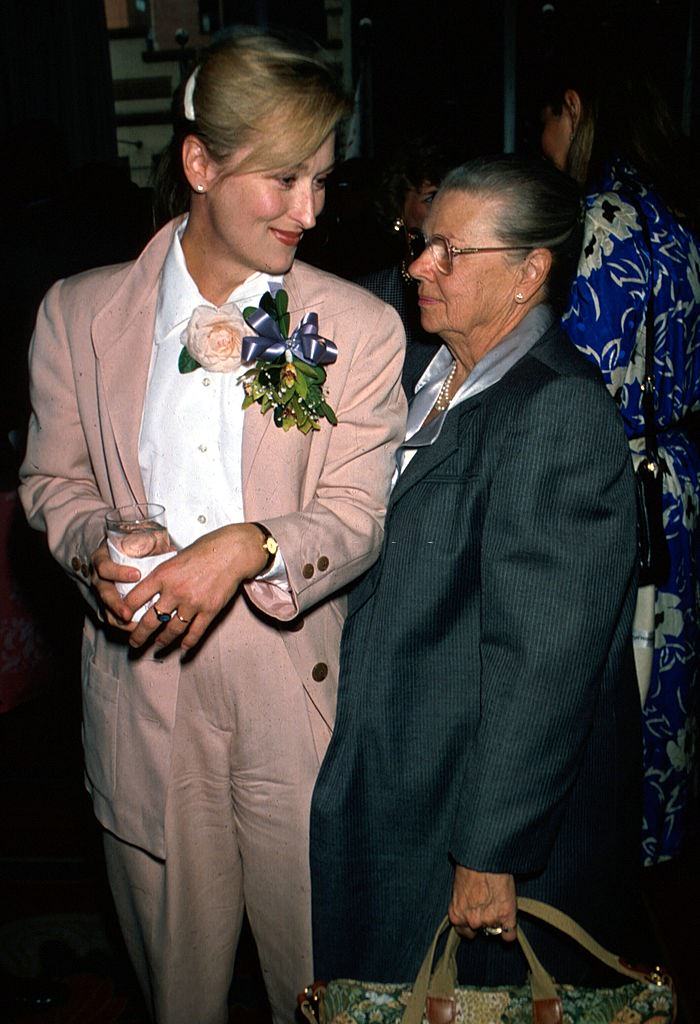
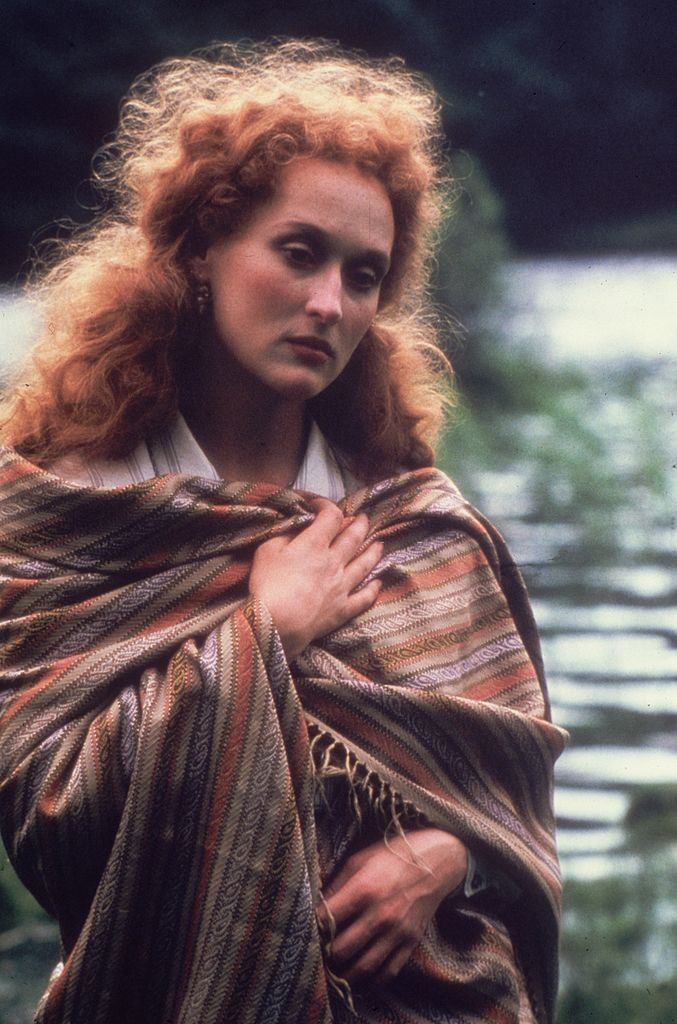
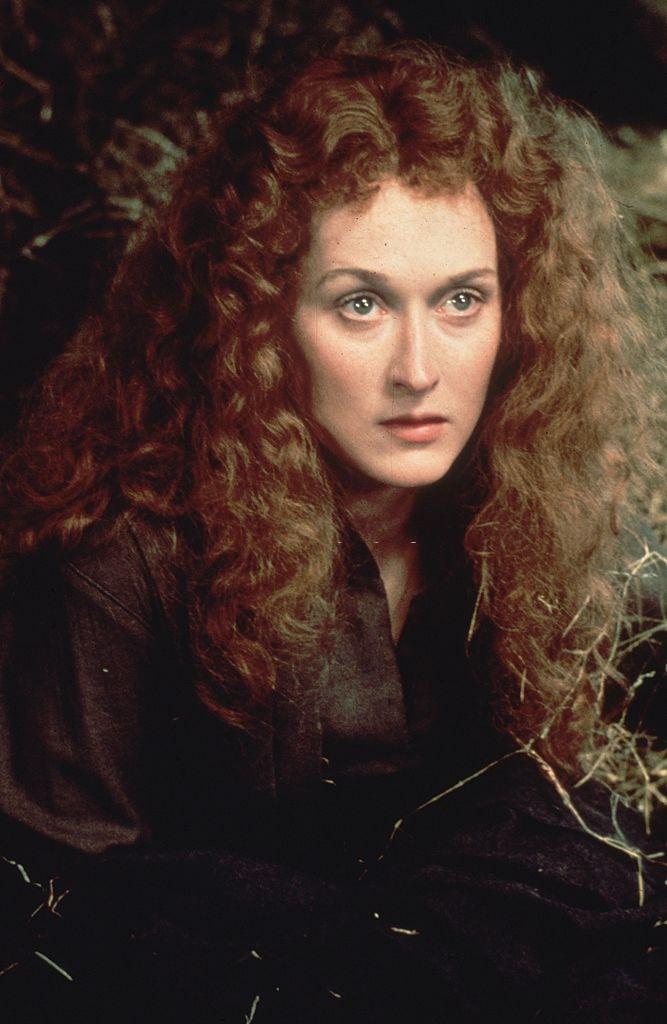
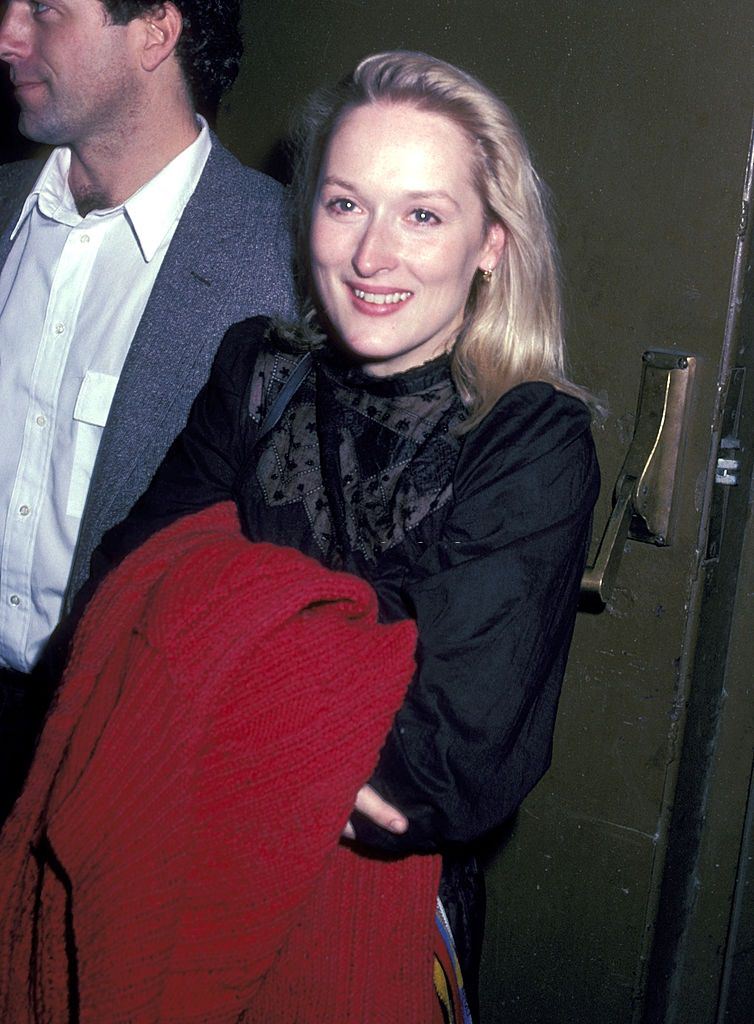
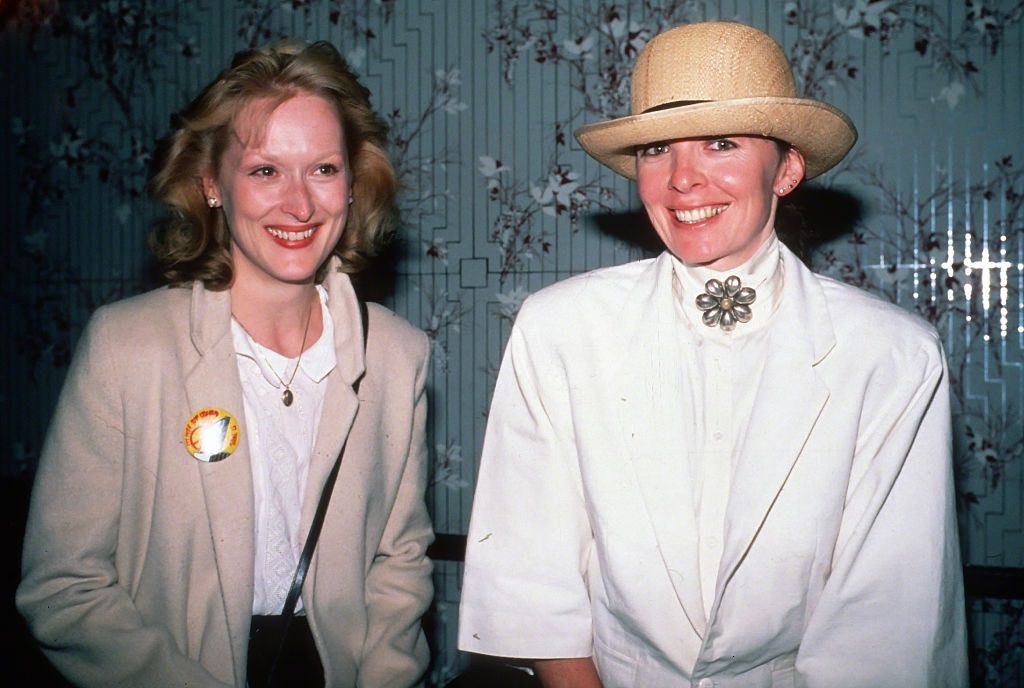
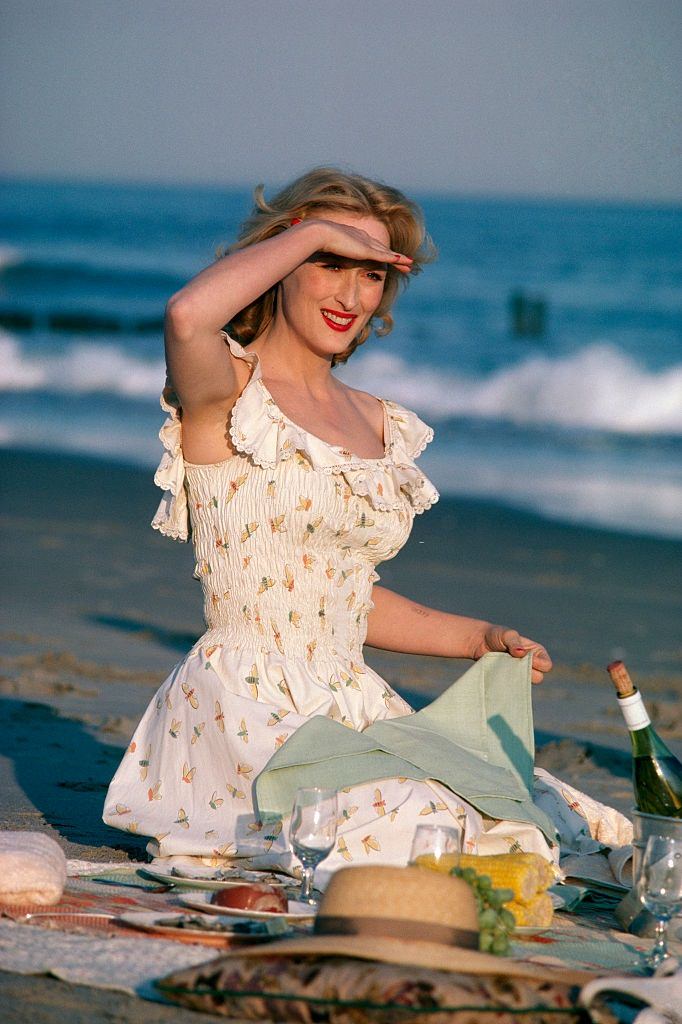
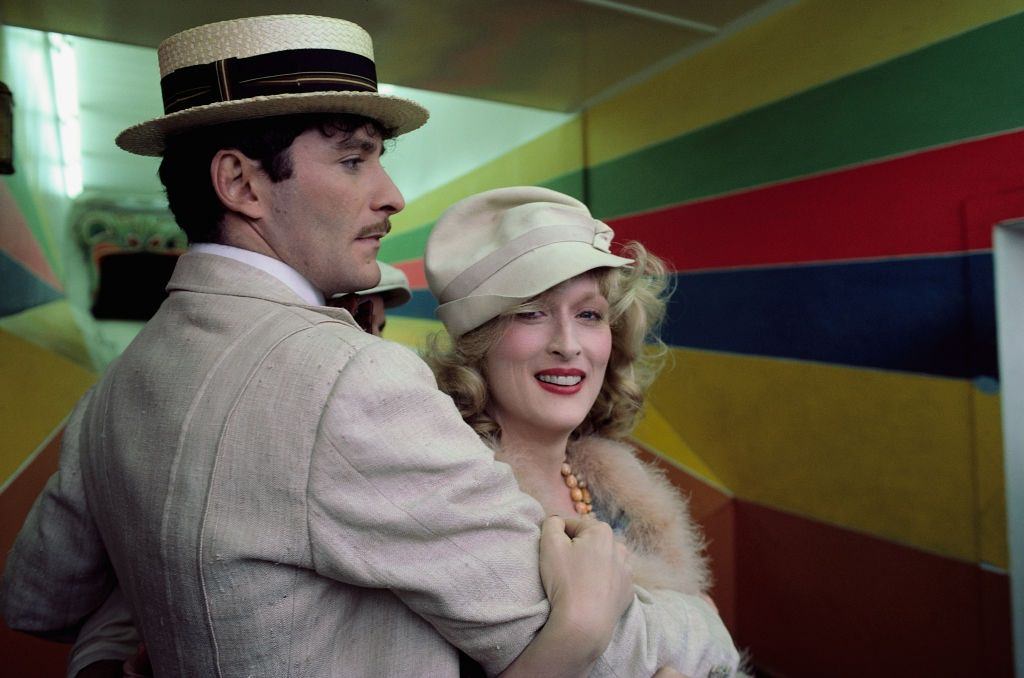
After Sophie’s Choice, Streep moved straight into Silkwood in 1983, a biographical thriller in which she played Karen Silkwood, a nuclear plant worker who died under suspicious circumstances while investigating safety violations. The film was directed by Mike Nichols and earned Streep yet another Oscar nomination for Best Actress. She also attended the 55th Academy Awards that year, where Sophie’s Choice had brought her home a win just months earlier.
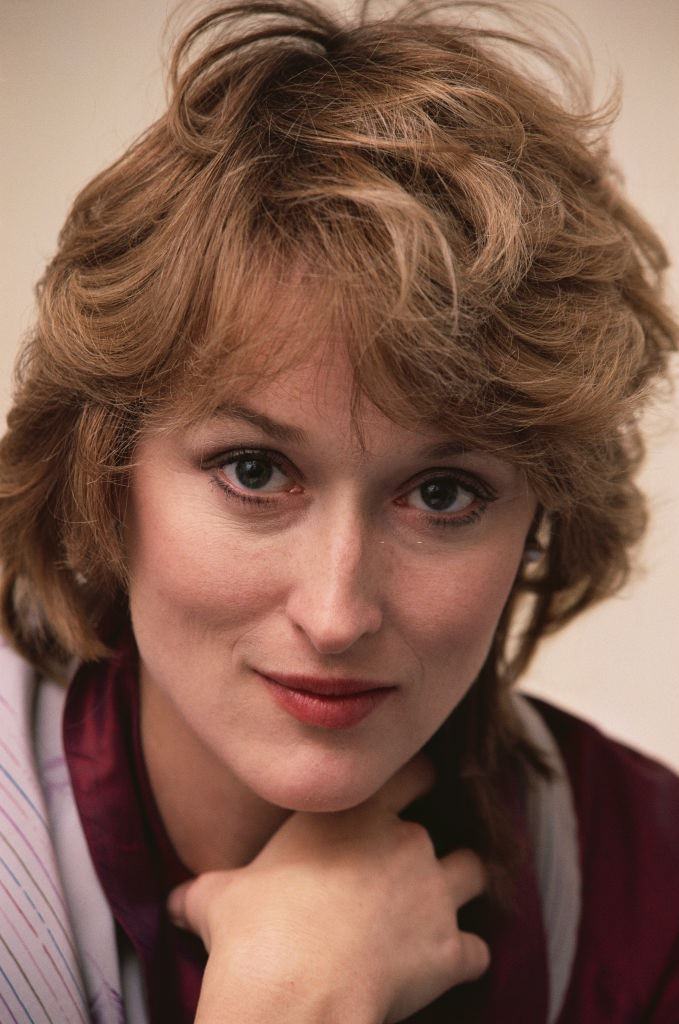
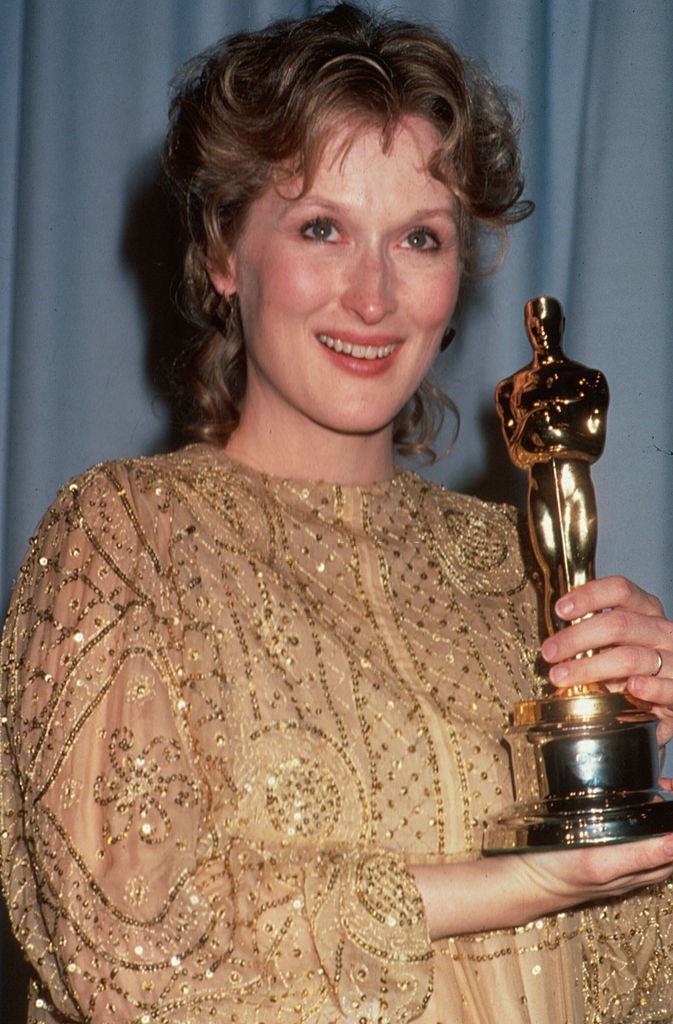
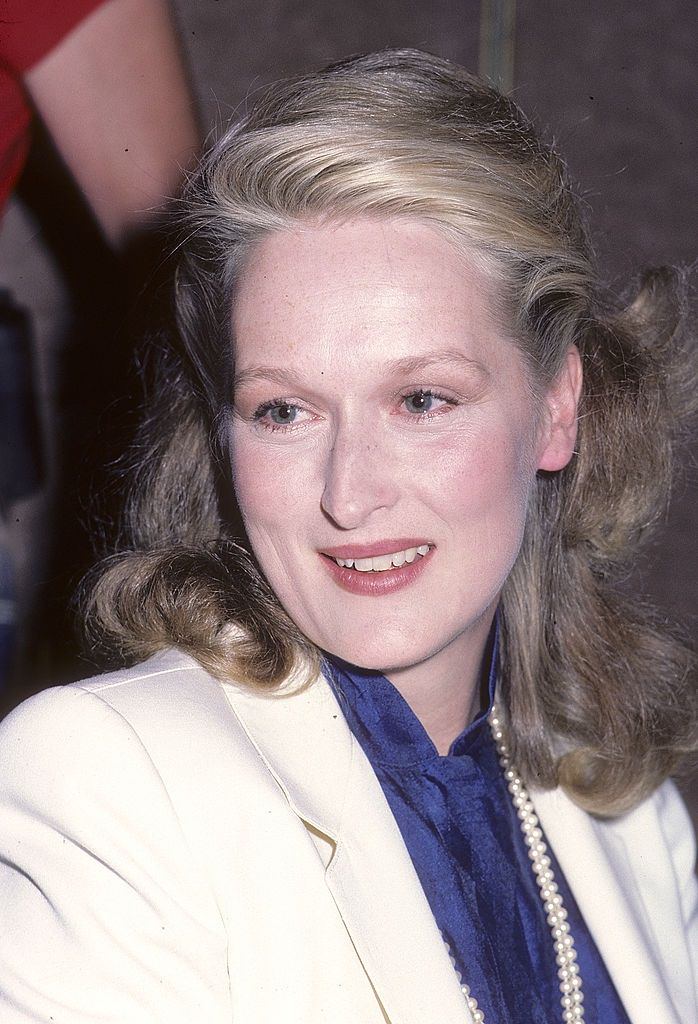
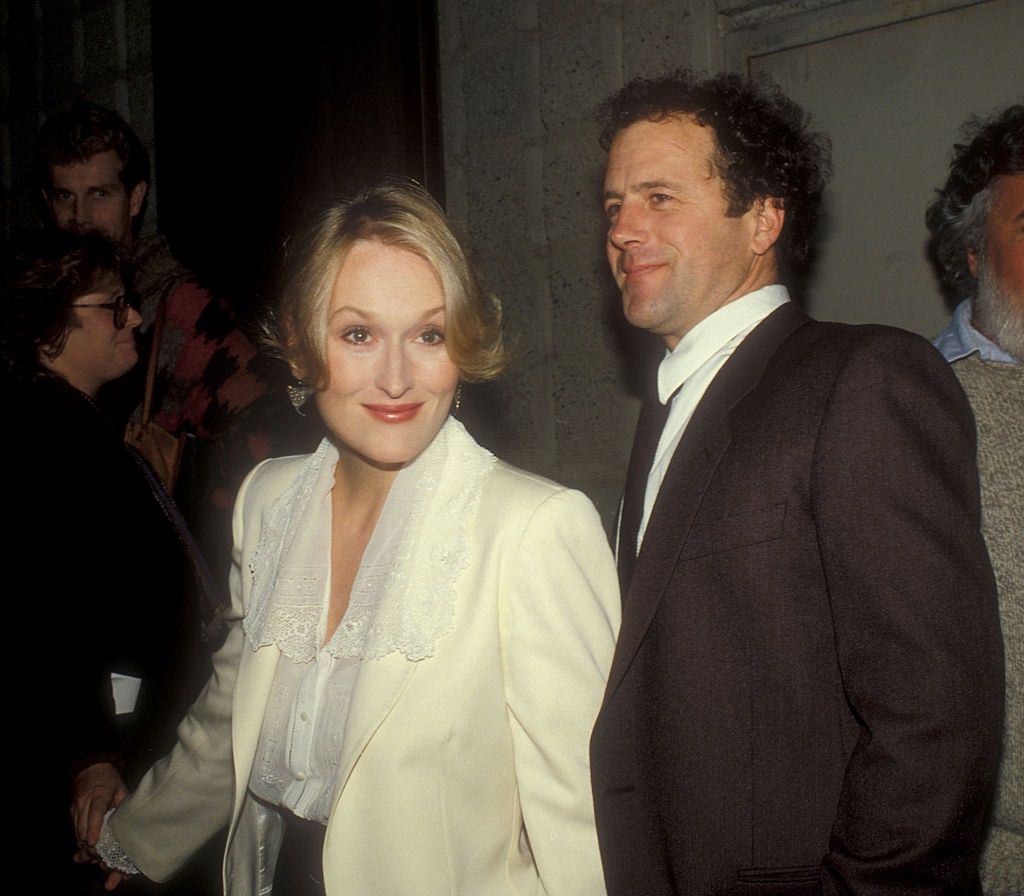
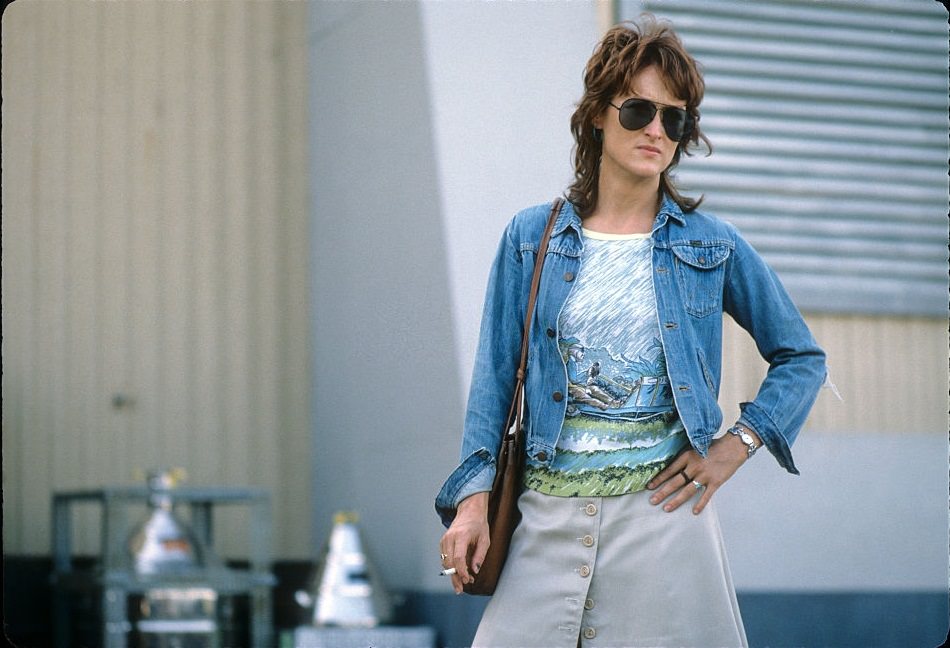
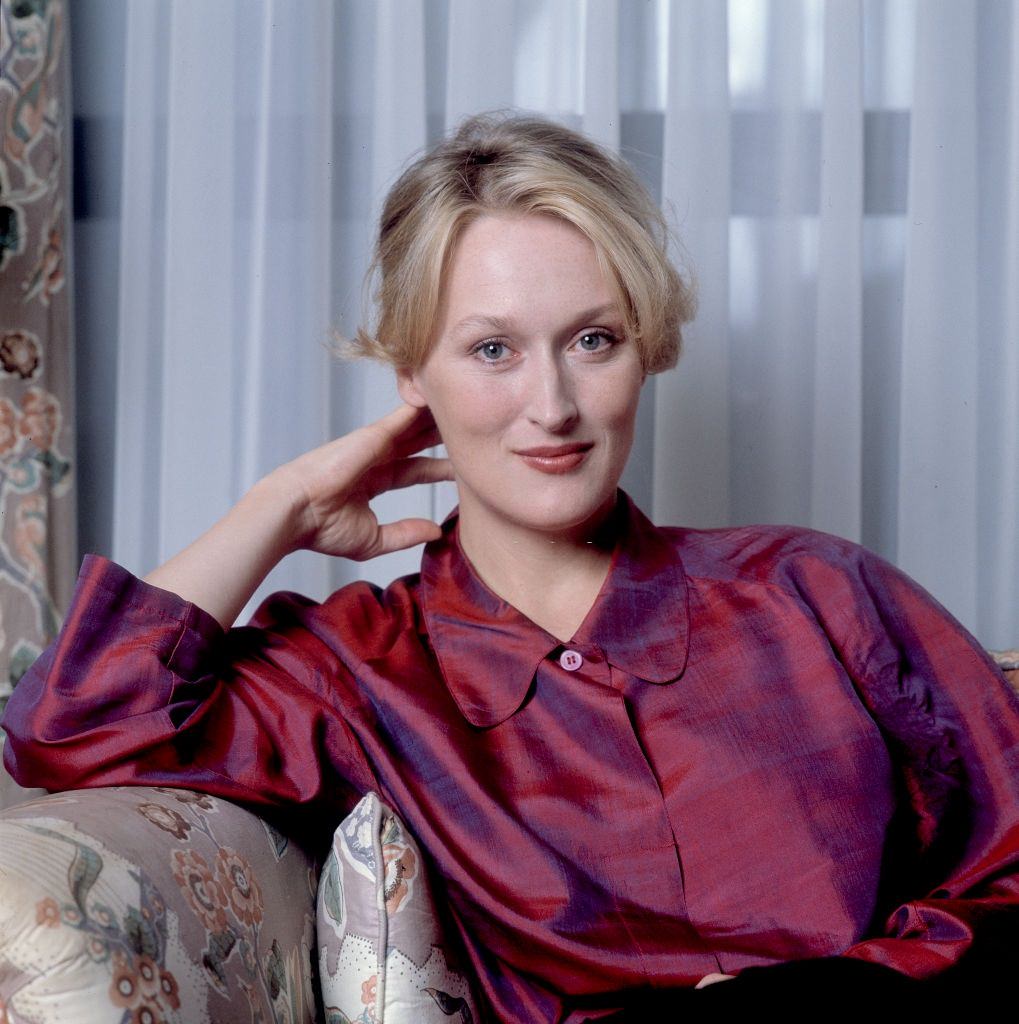
By the mid-1980s, Streep had proven she could handle virtually any genre or setting. In 1985, she starred in Out of Africa alongside Robert Redford, playing Danish author Isak Dinesen in the sweeping epic set in colonial Kenya. The film won the Academy Award for Best Picture, and Streep earned another Best Actress nomination. Her commitment to researching each role — including mastering foreign accents and acquiring real-world skills — was already becoming legendary.
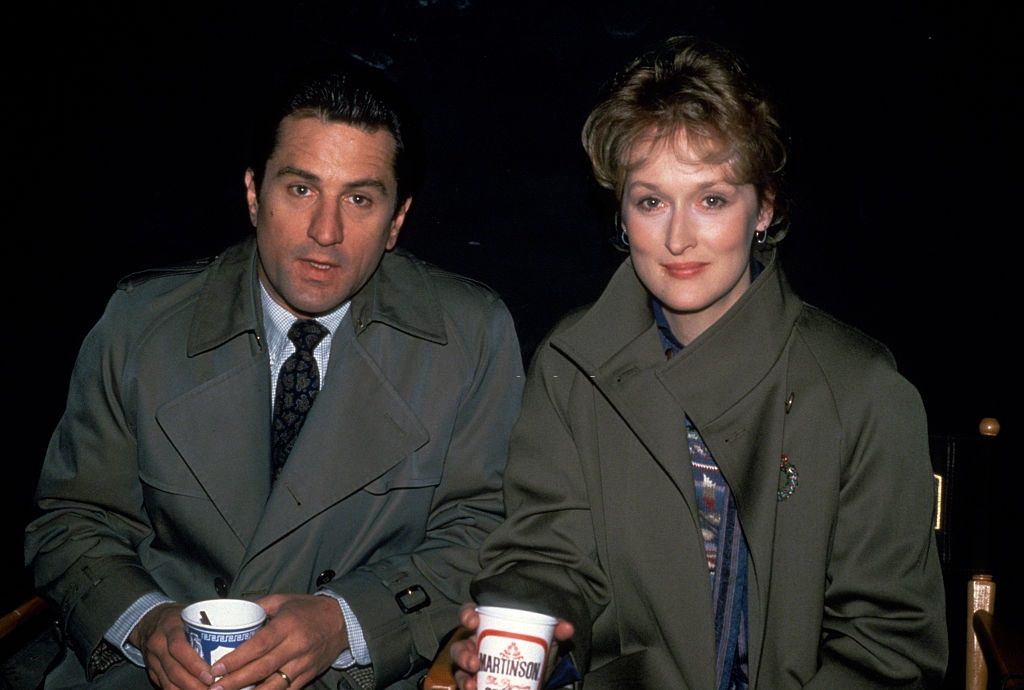
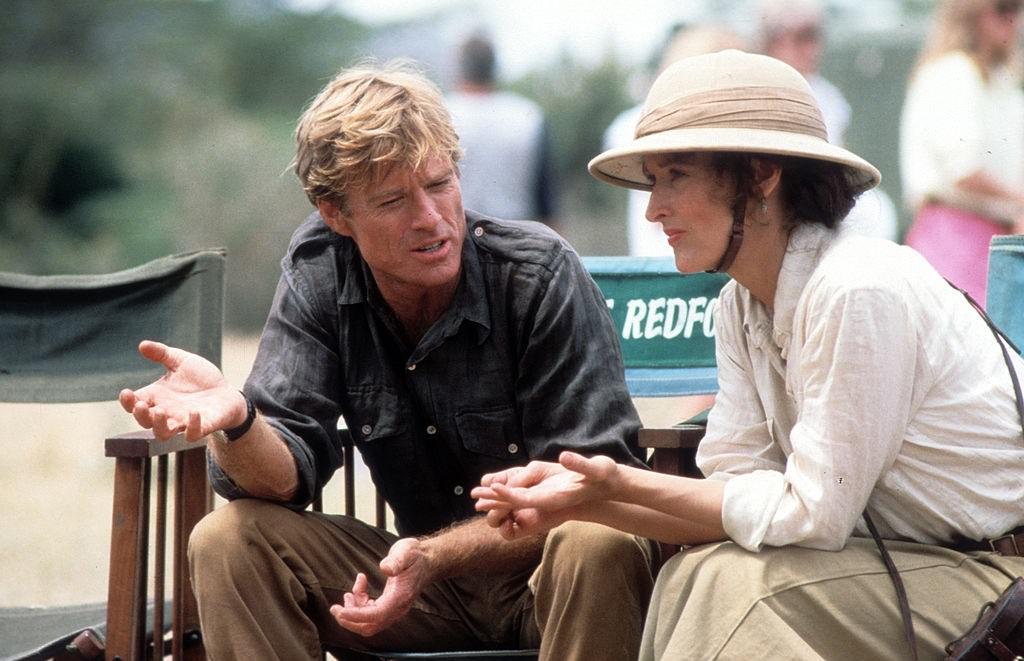
That dedication to craft showed up in striking ways. For her role in Music of the Heart in 1999, she learned to play the violin by practicing six hours a day for eight full weeks. Entertainment Weekly voted her the 37th Greatest Movie Star of all time. These are the kinds of details that explain how the young woman in these early photos became one of the most decorated performers in the history of the Academy Awards.