Courtney Love is one of rock music’s most recognizable and polarizing figures. As the frontwoman of the band Hole and a working actress, she built a career that stretched across two decades. But long before the fame, the controversies, and the headlines, she was a restless and complicated young woman whose early years set the tone for everything that followed. These rare photos trace her life from childhood through the mid-1990s.

Love’s early life was far from stable. By the time she was a teenager, she had already experienced the kind of disruption that most people never face. At 16, she was working as a stripper — a detail that speaks to how early she was forced to fend for herself. The groundwork for her turbulent public persona was laid well before she ever stepped onto a stage or in front of a camera.


Photos from 1981 show a young Courtney alongside people who were part of her early social world, including her father Hank Harrison and a friend named Robin Barbur. These images capture a teenager still finding her footing, years before she would define herself through music and film.


Love launched her professional acting career with a screen debut in the 1986 punk film Sid and Nancy. The role was small, but it put her inside the world of music-driven cinema and connected her with key figures in the indie scene. Her appearance at the film’s release party that year — photographed alongside filmmaker Jim Jarmusch — marked an early sign of the circles she was beginning to move in.

Before Hole, Love cycled through a series of short-lived bands. One of the most notable was Sugar Baby Doll, which she formed with Kat Bjelland. That collaboration helped her develop the visual identity she would carry through her entire career: baby doll dresses, ripped stockings, and deliberately smeared makeup. It was a look that mixed femininity with aggression — exactly the tension she wanted to project.


In 1989, Love founded Hole, the band that would define her musical career. That same year, she also entered her first marriage to a vocalist, though that relationship ended after only a few months. Hole wasted little time building momentum. By 1990, the band was performing regularly and cutting a sharp presence in the alternative rock scene.


Hole’s debut album, Pretty on the Inside, dropped in 1991 and earned immediate critical attention for its abrasive, raw sound. The record was produced by Kim Gordon of Sonic Youth and cemented Love’s reputation as a serious force in alternative rock. That same year, Love was photographed with Elton John — an unlikely pairing that illustrated how quickly she was moving through different levels of the music world.


In 1992, Love married Nirvana frontman Kurt Cobain. The couple’s relationship became one of the most scrutinized in rock history almost immediately. Later that year, their daughter Frances Bean Cobain was born. The marriage placed Love at the very center of 1990s rock culture, but it also brought intense media pressure and personal hardship that would follow her for years.


The year 1993 found Love at a particularly active and chaotic point in her life. She was photographed at social gatherings with figures like Macy Gray, still performing on stage with Hole, and navigating the relentless spotlight that came with being married to one of rock’s biggest stars. Photos from this period show a woman who was simultaneously thriving creatively and living under enormous strain.


By 1994, Love was juggling multiple worlds at once. She was raising a young daughter, continuing with Hole, and expanding her social and professional network. Photos from that year show her with director Oliver Stone, Hole bassist Melissa Auf der Maur, Drew Barrymore, and Evan Dando of the Lemonheads. The range of company she kept reflected just how wide her presence had become across music and film.


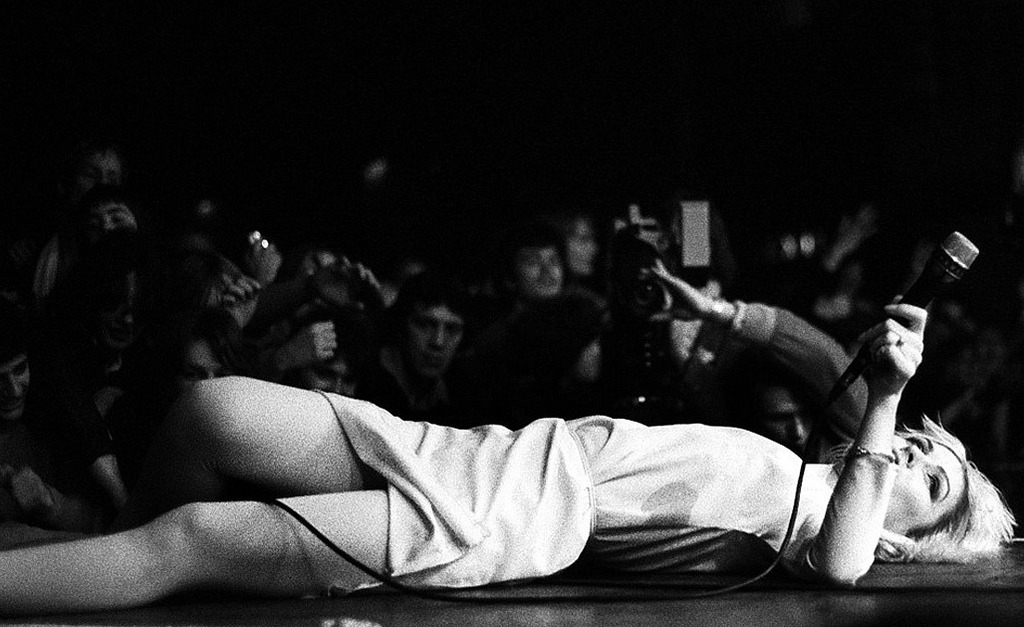
Hole released its second album, Live Through This, in April 1994 — just days after Kurt Cobain’s death. Love performed and continued touring despite the devastating loss. Her determination to push forward professionally while her personal life collapsed made her a defining figure of that era in rock. The 1995 concert images from Rote Fabrik in Zurich capture a performer who was raw, focused, and relentless on stage.


Love’s drug addiction created serious legal and personal consequences. Los Angeles County courts ordered her into a locked-down rehabilitation program. She lost custody of her daughter Frances Bean multiple times as a direct result of her substance use. During her time in rehab, Love kept a detailed diary that she later published as Dirty Blonde: The Diaries of Courtney Love, a scrapbook-style account of her life and struggles.


On the acting side, Love earned a Golden Globe nomination for her performance in The People vs. Larry Flynt in 1996. The role showed she had genuine screen presence and acting ability beyond what many critics had been willing to acknowledge. She continued to take on film and television work throughout the decade and later appeared in the 2018 biopic J.T. LeRoy.


Beyond music and film, Love also engaged with a number of charitable causes, including organizations focused on victims of sexual abuse, domestic violence, and AIDS research. These efforts ran parallel to the chaos that often dominated news coverage of her life, offering a fuller picture of who she was during these years.