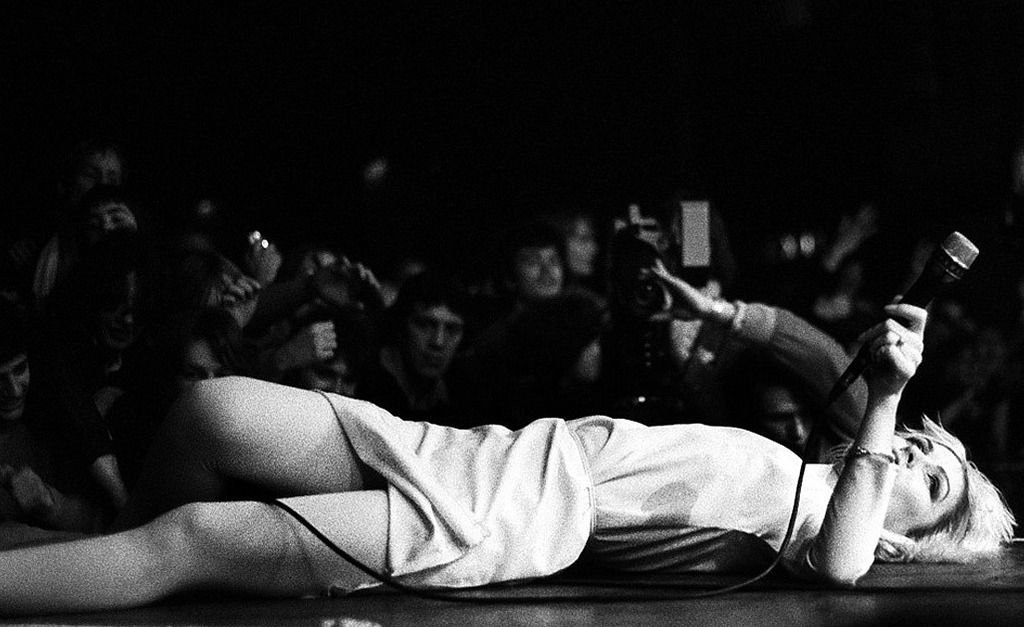
Karen Carpenter was born on March 2, 1950, in New Haven, Connecticut. She grew up in a household where music was always present, and both she and her older brother Richard showed early talent. The family moved to Downey, California, in 1963, and it was there that the siblings began to seriously pursue music together. Karen started out as a drummer — self-taught, with a style that musicians and critics would later describe as unusually refined for someone who never had formal training. Her voice, a rich contralto with a rare warmth and depth, would eventually become one of the most recognized sounds in pop music.
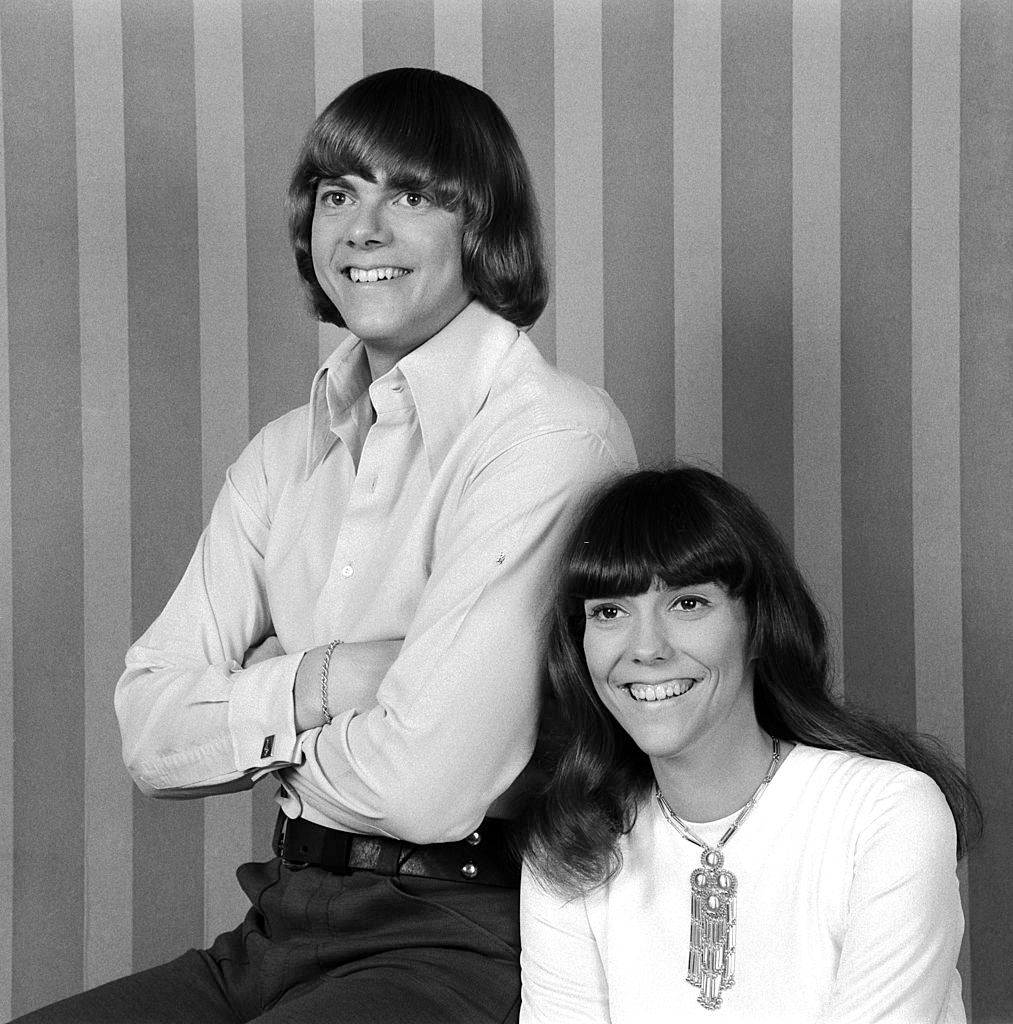
Karen and Richard formed the Richard Carpenter Trio in 1965, then reorganized as Spectrum before landing on the name that would define their careers. The Carpenters signed with A&M Records in 1969 and released their debut album, “Offering,” that same year. The album struggled to find an audience, but everything changed in 1970 when their cover of Burt Bacharach and Hal David’s “(They Long to Be) Close to You” shot to number one on the Billboard Hot 100. From that point forward, the hits came in a steady stream — “We’ve Only Just Begun,” “Rainy Days and Mondays,” “Superstar,” “Top of the World,” and “Yesterday Once More” all became defining songs of the decade.

The Carpenters’ sound was built on Richard’s arrangements and Karen’s voice. Her delivery was unhurried and emotionally direct — she didn’t oversing, and that restraint made every lyric land. Audiences connected with the sincerity in her performances in a way that was hard to manufacture. By the early 1970s, the duo was one of the best-selling acts in the world.
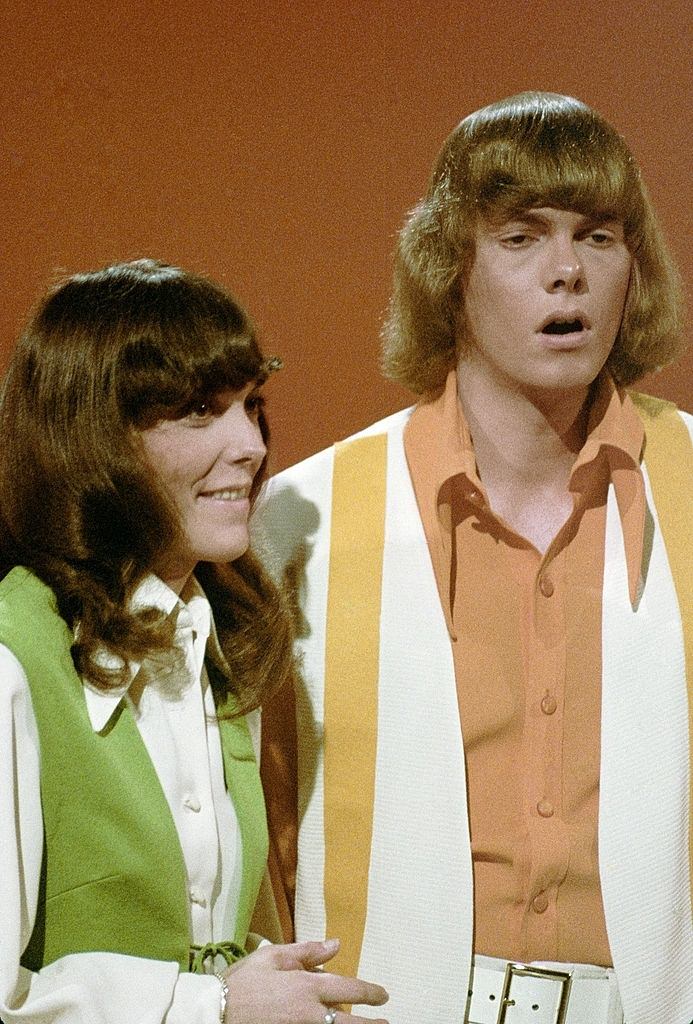
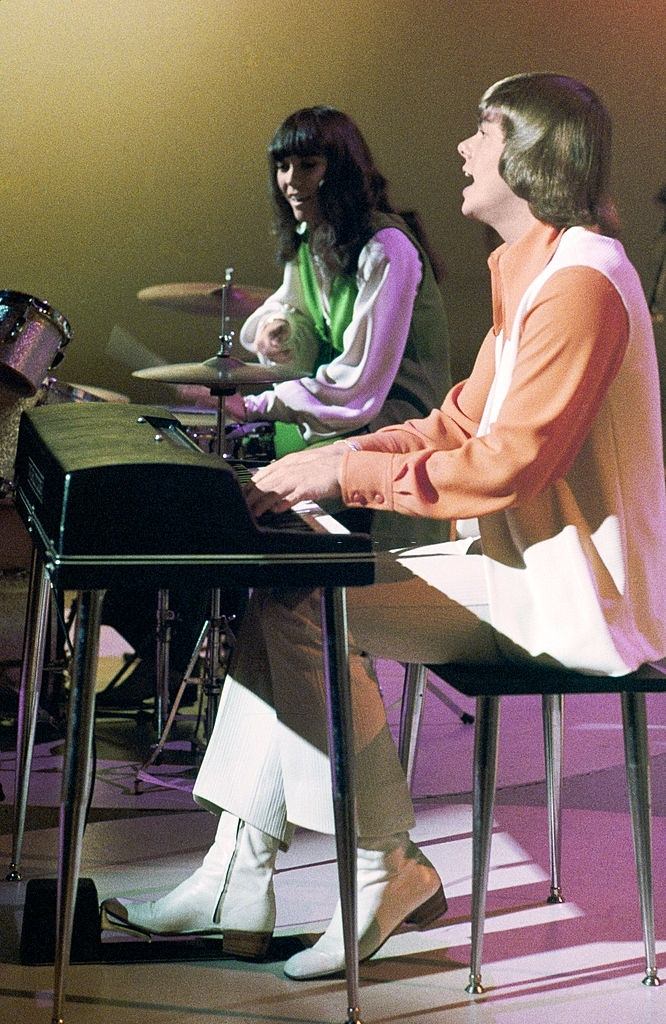
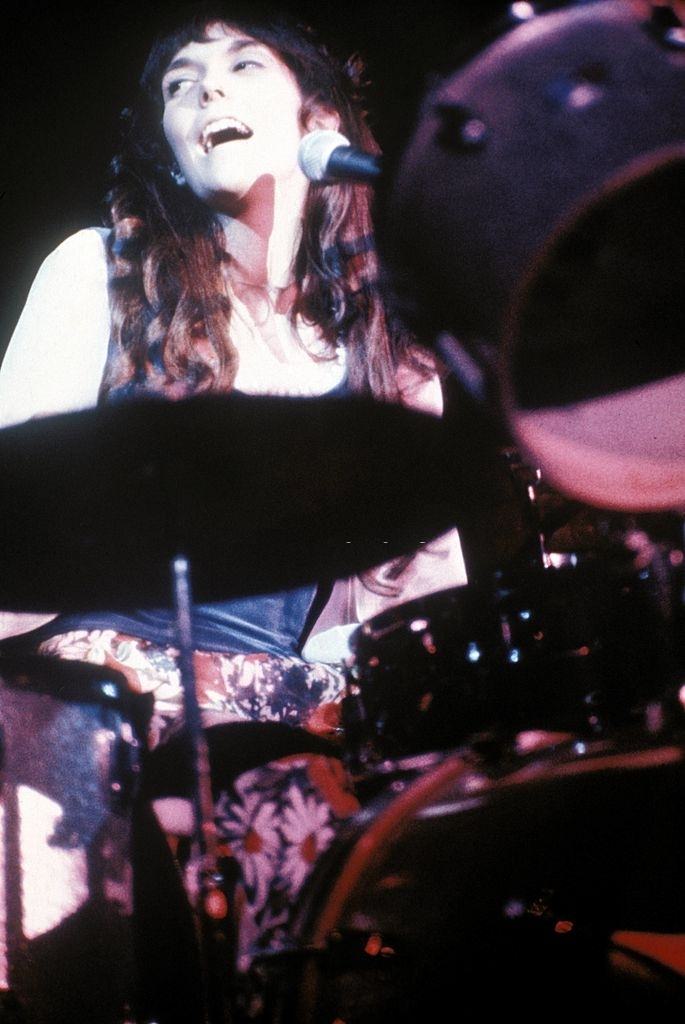
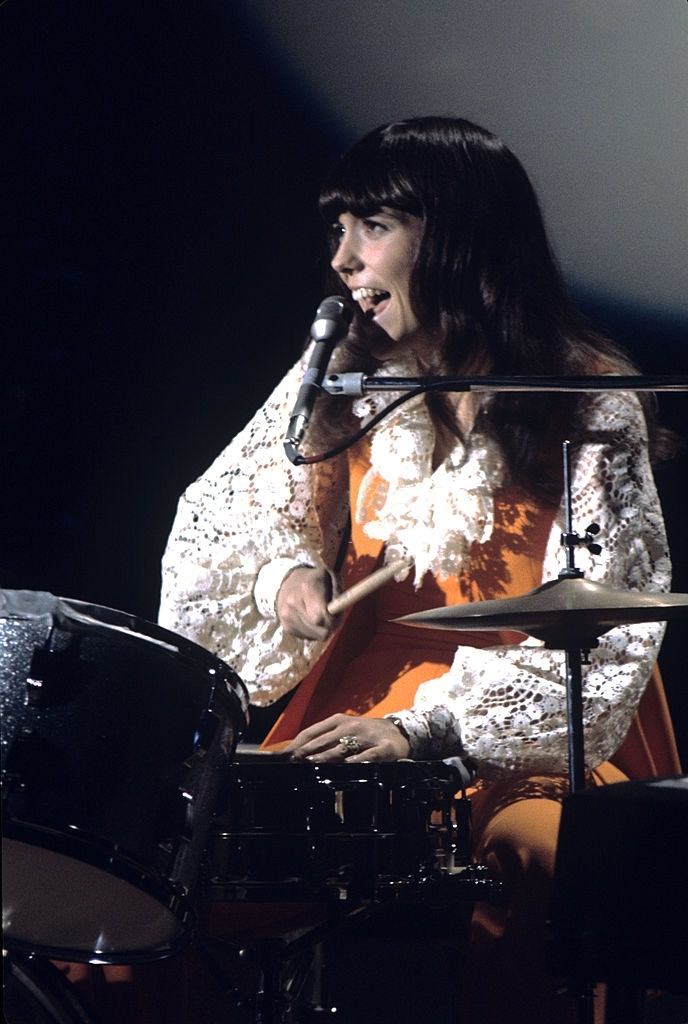
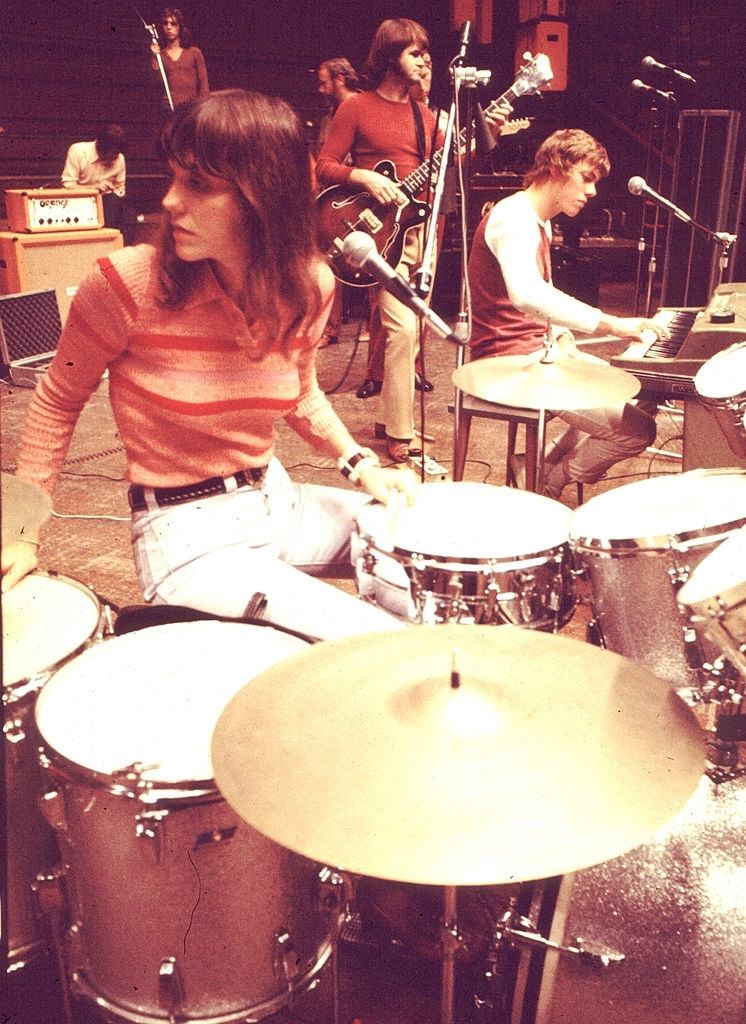
Karen’s drumming was never a side note. She played with a steady, tasteful groove that anchored the band’s live performances and studio recordings. In 1975, Playboy magazine readers voted her the best drummer of the year — a remarkable recognition in a field almost entirely dominated by men. She often played standing behind the kit while singing, and the combination of the two skills in one performer was genuinely rare.
Offstage, Karen was dealing with pressures that the public didn’t see. Concerns about her weight had started as early as her teenage years, when she followed a severe crash diet called the “Water Diet” and lost at least 25 pounds. In her early twenties she maintained a weight of around 120 pounds, but her anxieties about her appearance grew in proportion to her fame. The scrutiny of being a global pop star intensified those insecurities rather than easing them.
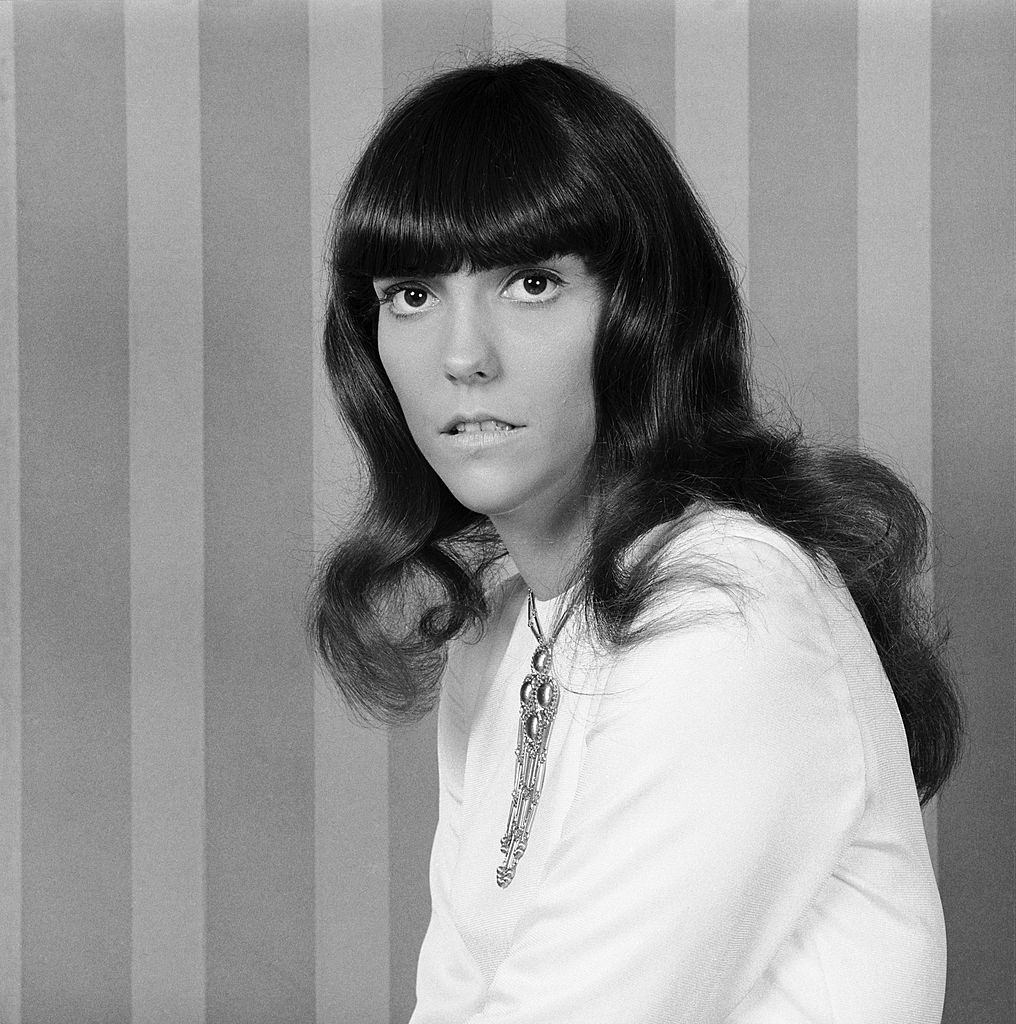
By 1975, the physical toll of anorexia nervosa was impossible to ignore. Karen collapsed on stage in Las Vegas, and her scheduled tours of Japan and Europe had to be cancelled. Her weight had dropped to just 90 pounds. Anorexia nervosa — characterized by an intense fear of gaining weight and severe restriction of food intake — was barely understood by the general public at the time, and many people around Karen did not fully grasp the medical seriousness of what she was facing.
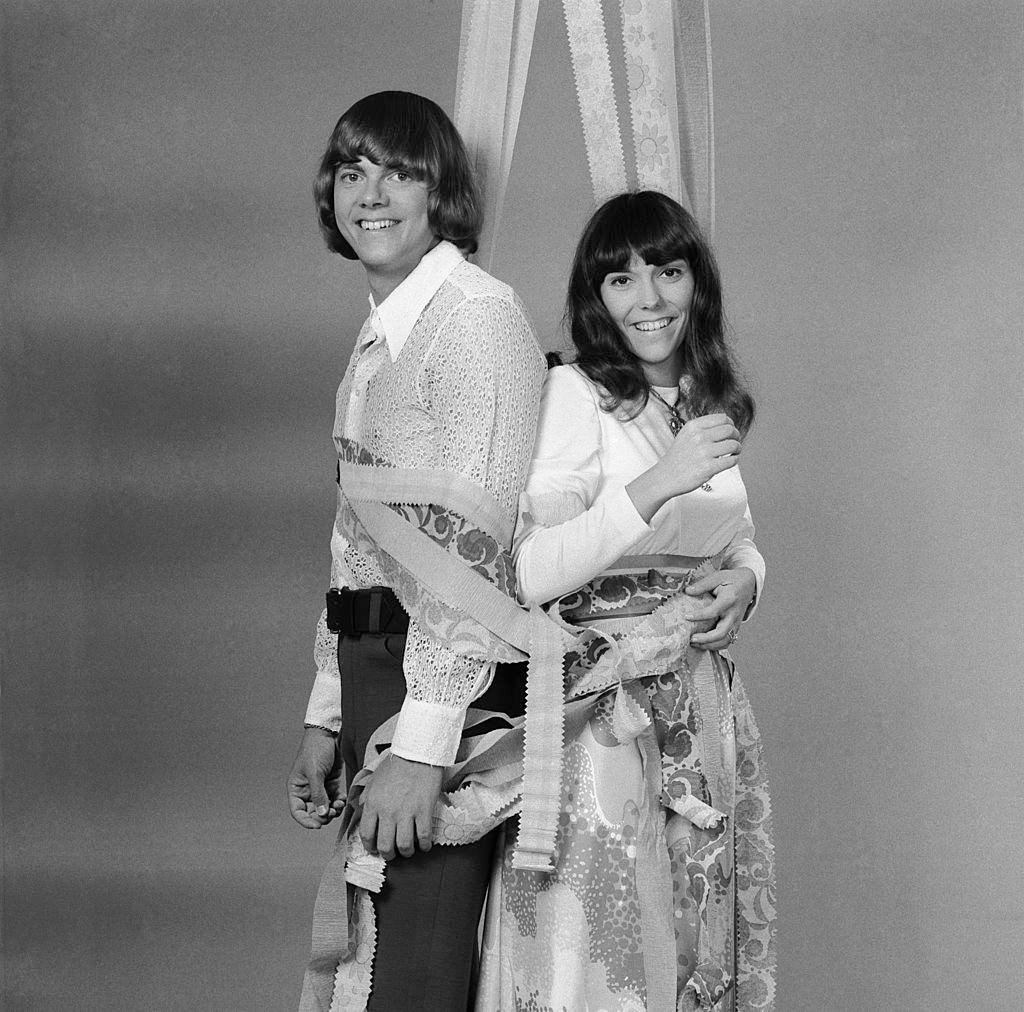
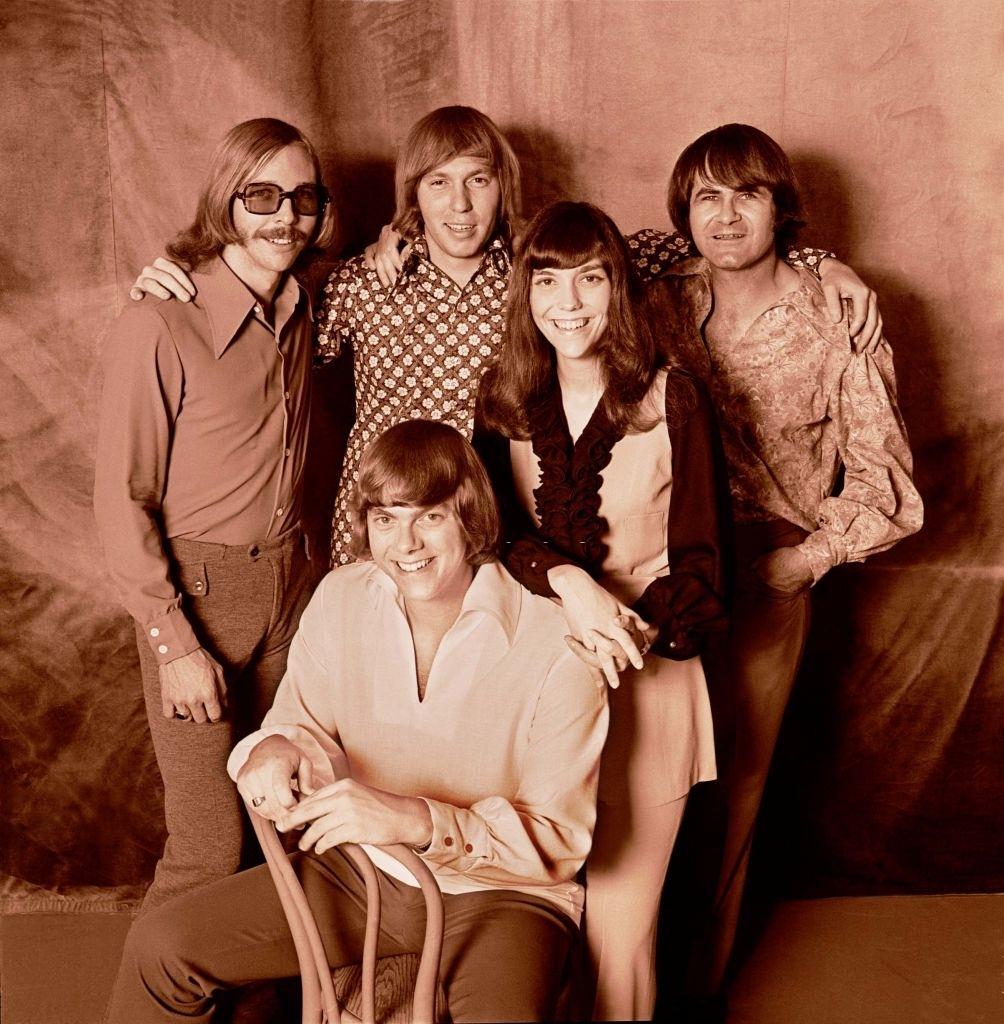
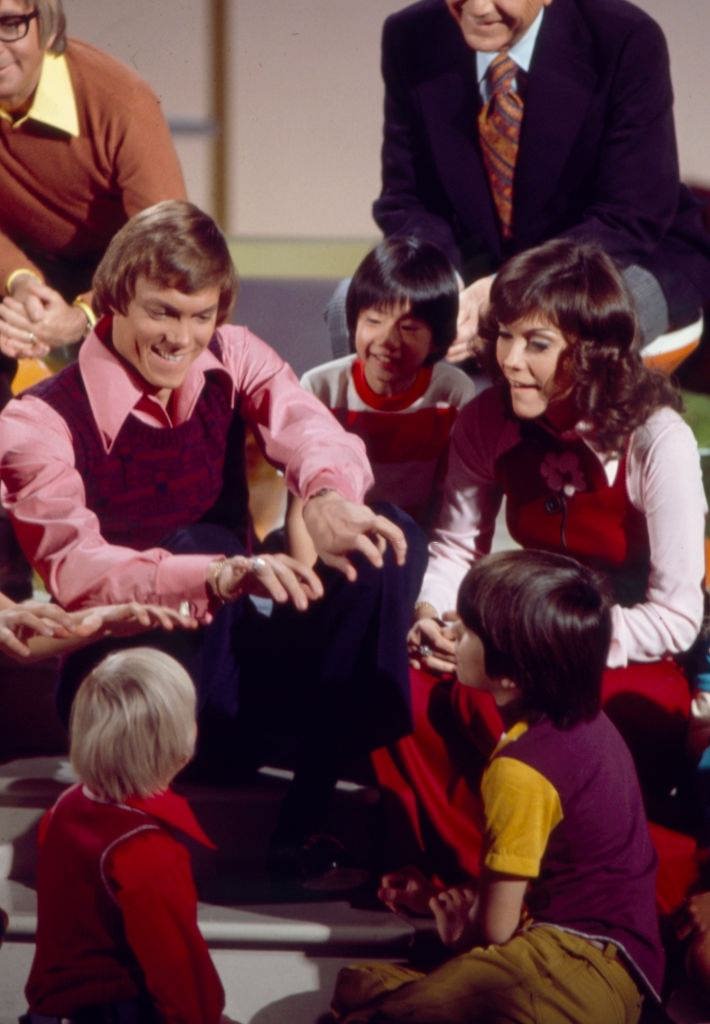
The Carpenters continued to perform and record through the late 1970s. Their television specials drew large audiences, and they remained one of the most recognizable acts of the era. Karen appeared on variety programs, gave interviews, and maintained the public image of someone who was doing well — even as her health was deteriorating.
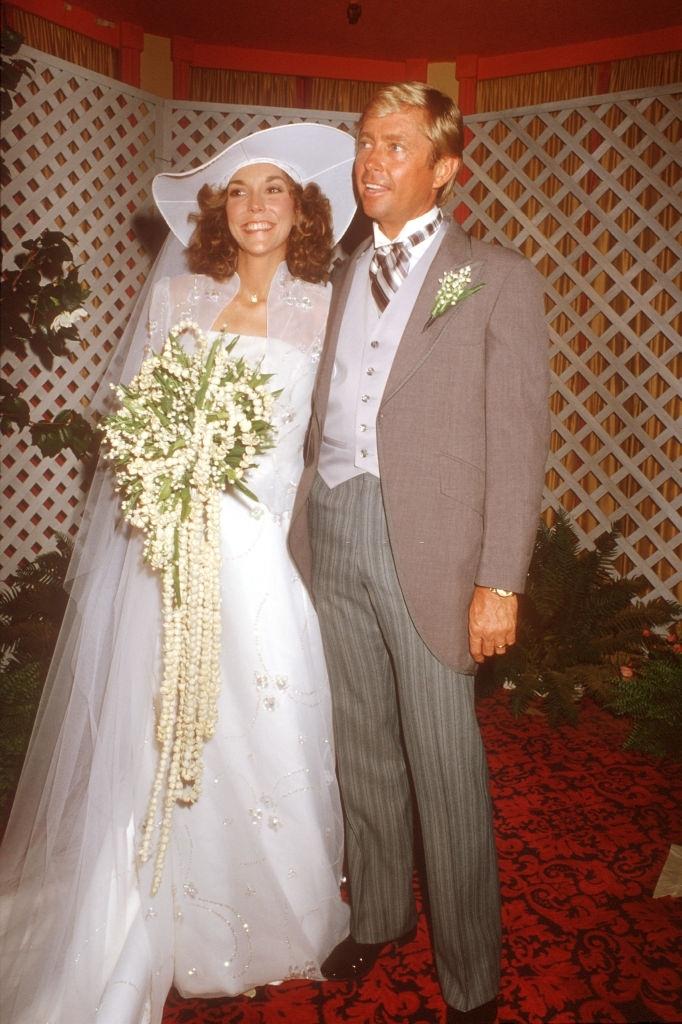
In 1980, Karen married real estate developer Thomas James Burris. The marriage was troubled and the couple separated after about a year, though they did not formally divorce before Karen’s death. Around this same period, Karen sought professional treatment for her eating disorder in New York, working with a therapist who specialized in anorexia. She appeared to be making some progress, but her heart had already suffered years of damage from severe malnutrition and her use of ipecac syrup — a substance she had been using to induce vomiting — which is toxic to heart muscle with repeated use.
Karen returned to Downey in late 1982. On the morning of February 4, 1983, she was found unconscious at her parents’ home and could not be revived. She was 32 years old. The official cause of death was cardiac arrest, brought on by complications from anorexia nervosa. The news stunned the music world and the wider public alike. For many people, her death was the first time they had heard the term anorexia nervosa used in a serious medical context.
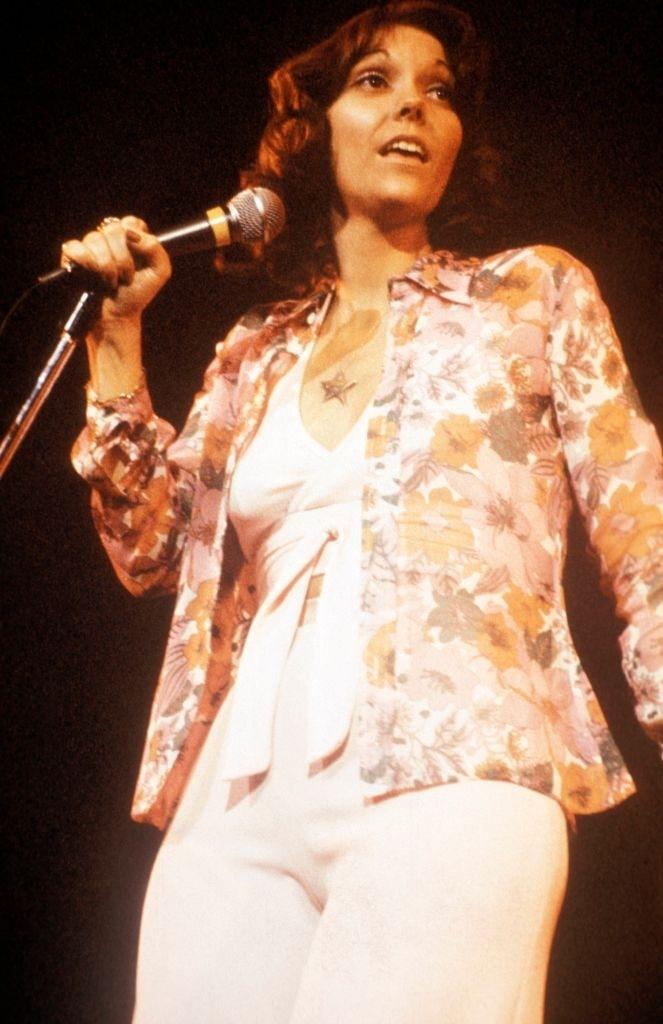
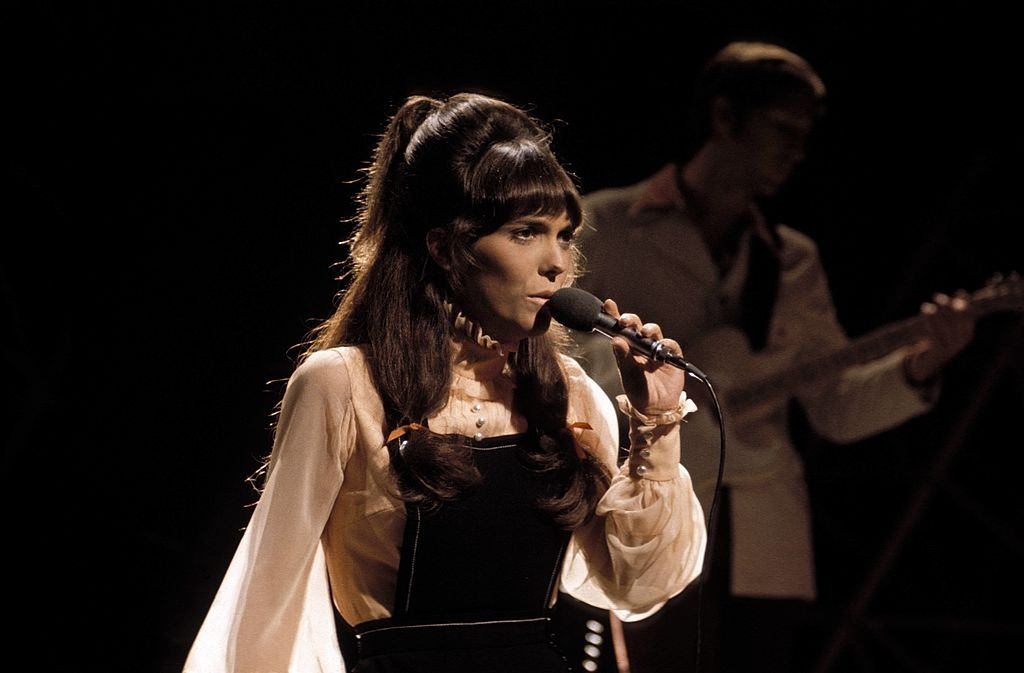
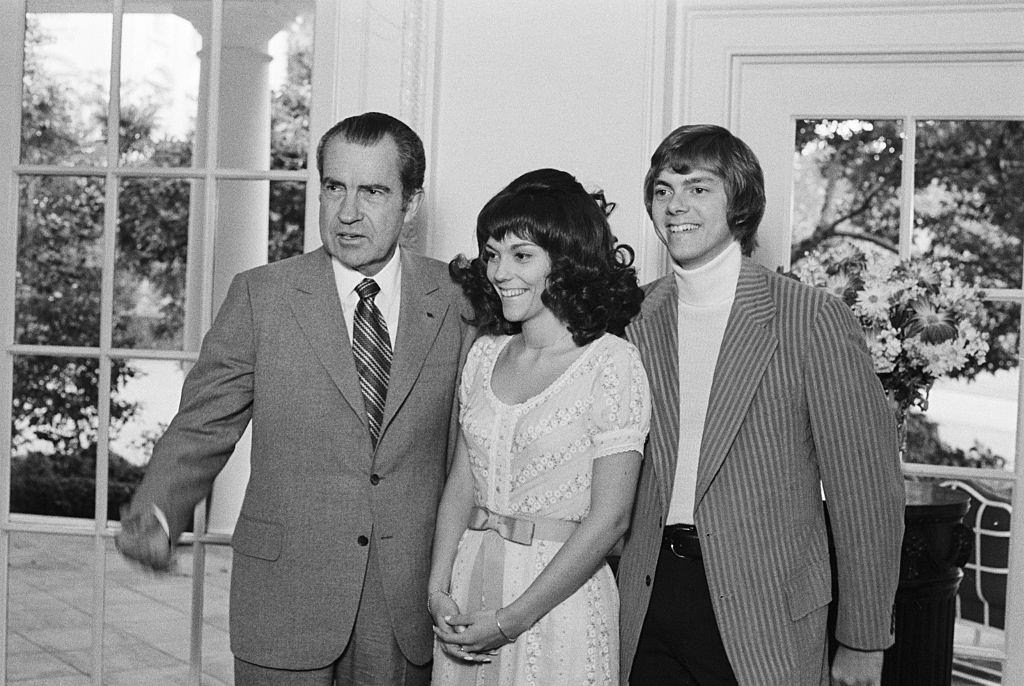
Throughout her career, Karen performed on some of the most prestigious stages and television programs of her era. She appeared on The Johnny Cash Show, The Carol Burnett Show, and a range of international broadcasts. The Carpenters also performed for President Nixon at the White House, an event that became one of the most widely remembered moments in their public life.

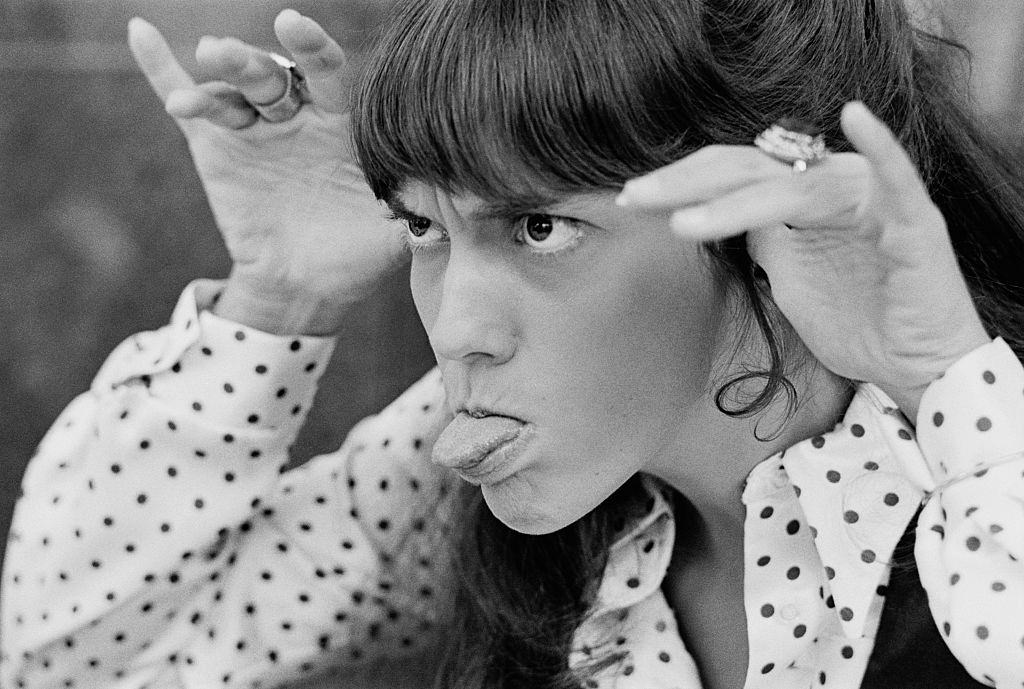
People who knew Karen personally described her as funny, warm, and disarmingly down-to-earth despite her level of fame. She had a sharp sense of humor and genuinely loved meeting fans. The contrast between her public ease and her private struggle is one of the most striking aspects of her story.
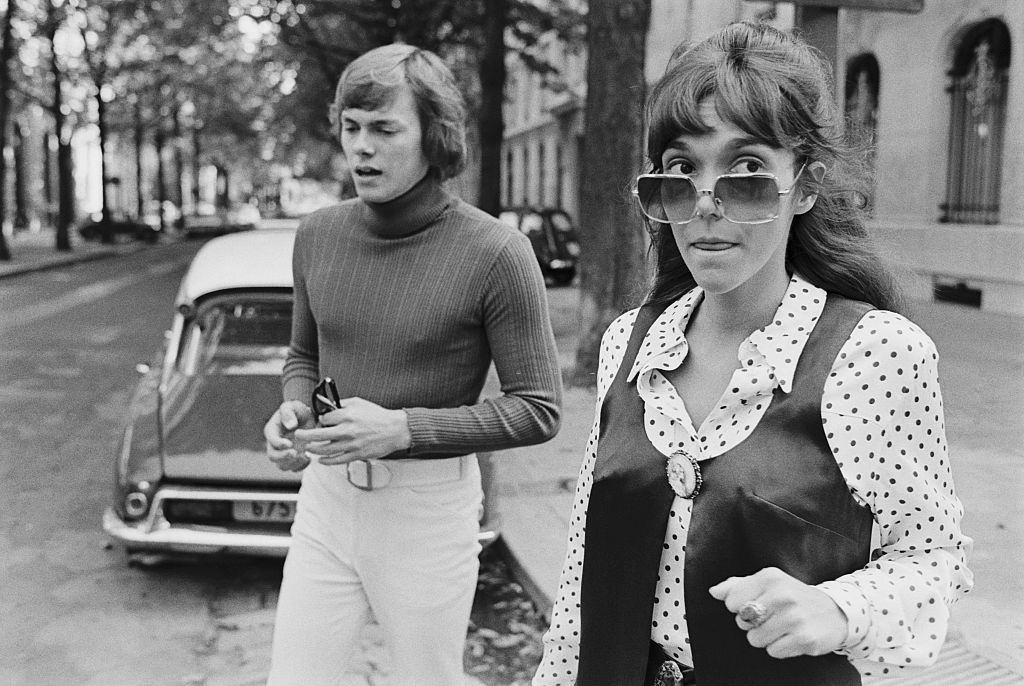
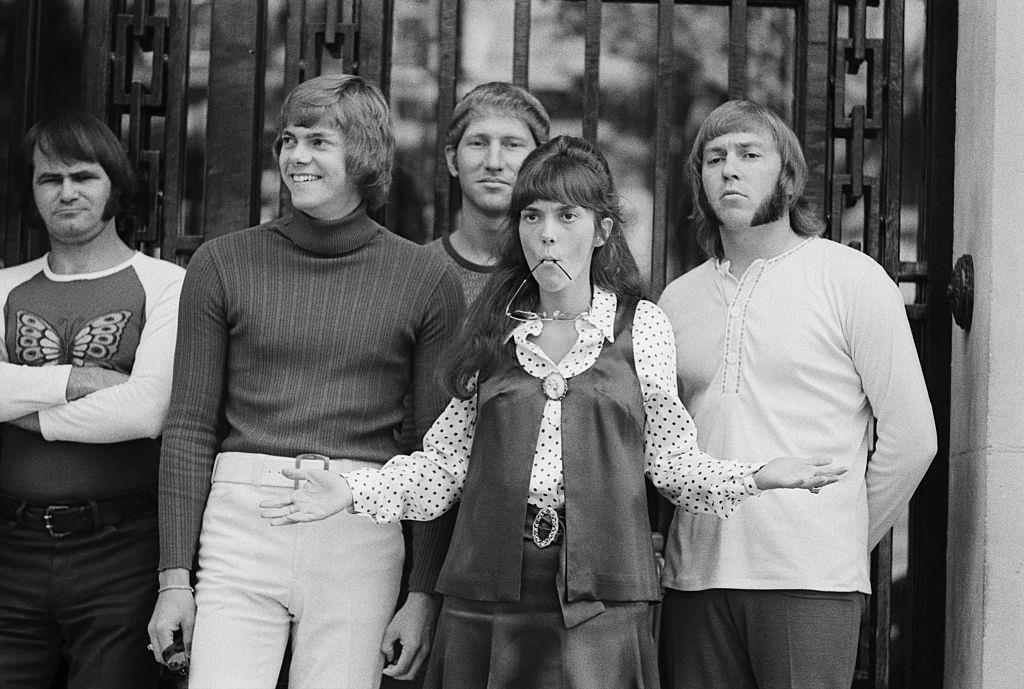
The Carpenters toured extensively across Europe, Asia, and Australia throughout the early 1970s, building an international fanbase that matched their success in the United States. Their 1972 tour took them through Amsterdam, Melbourne, and London, among other cities — a grueling schedule that reflected both the demand for their music and the relentless pace of the music industry at the time.
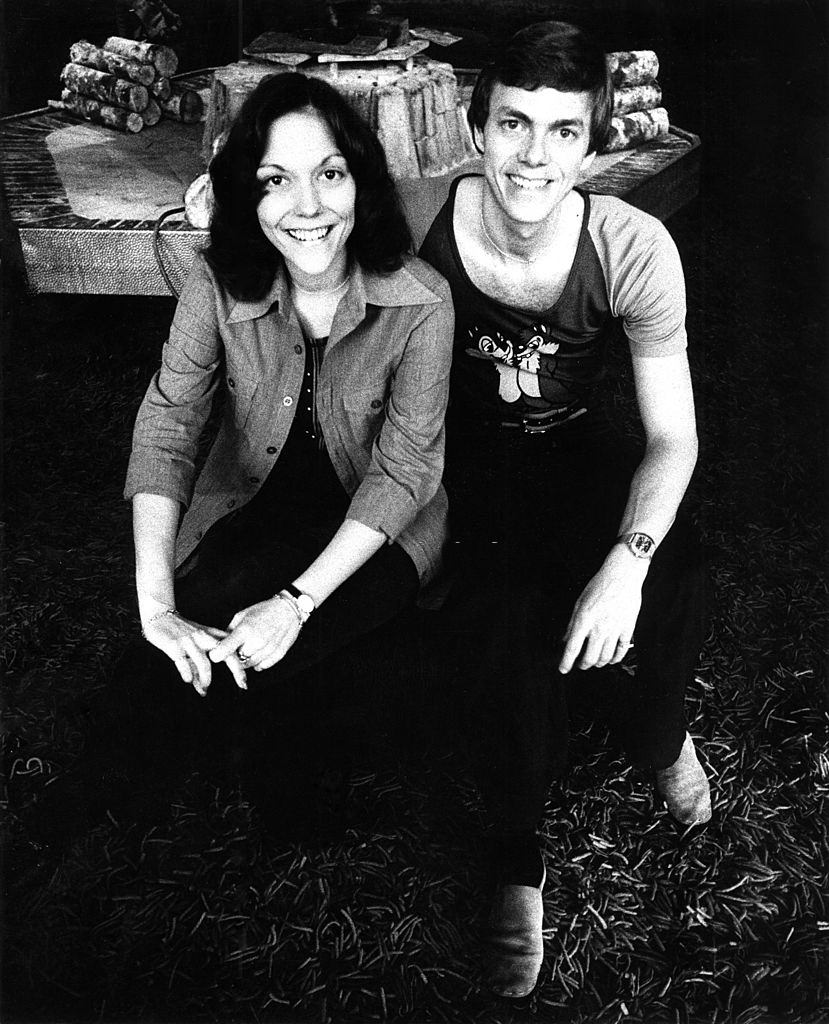
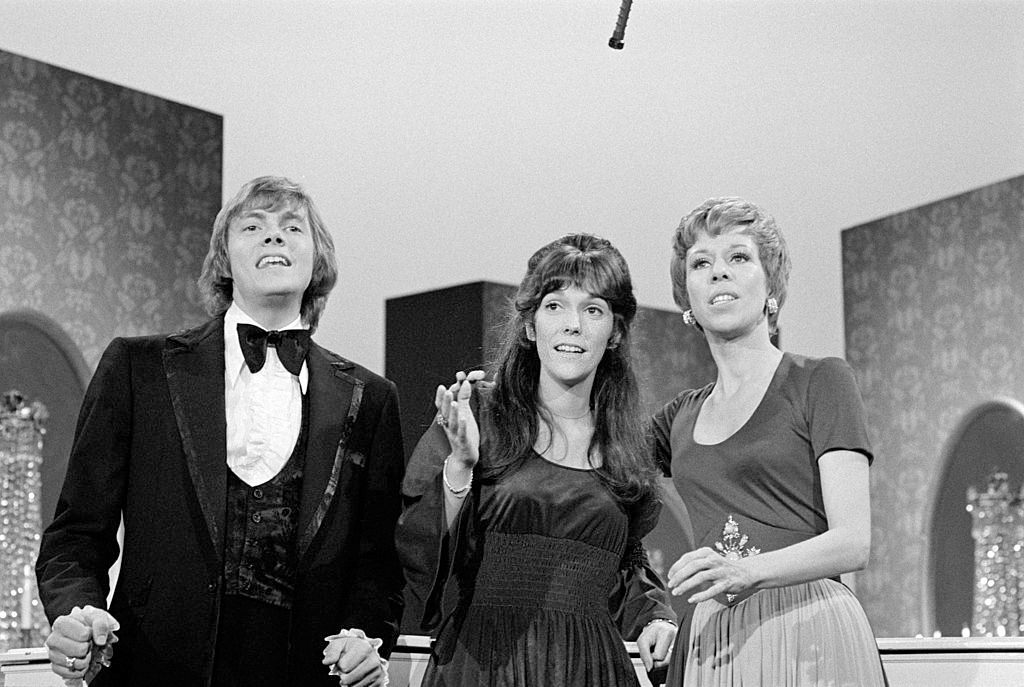
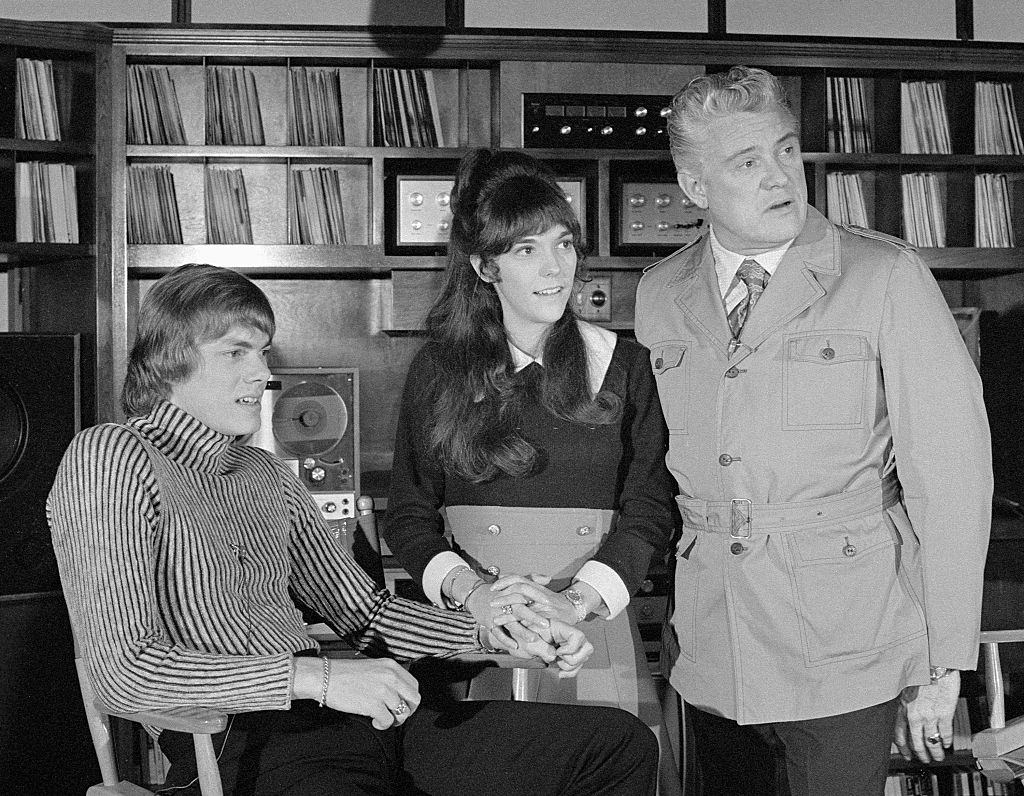
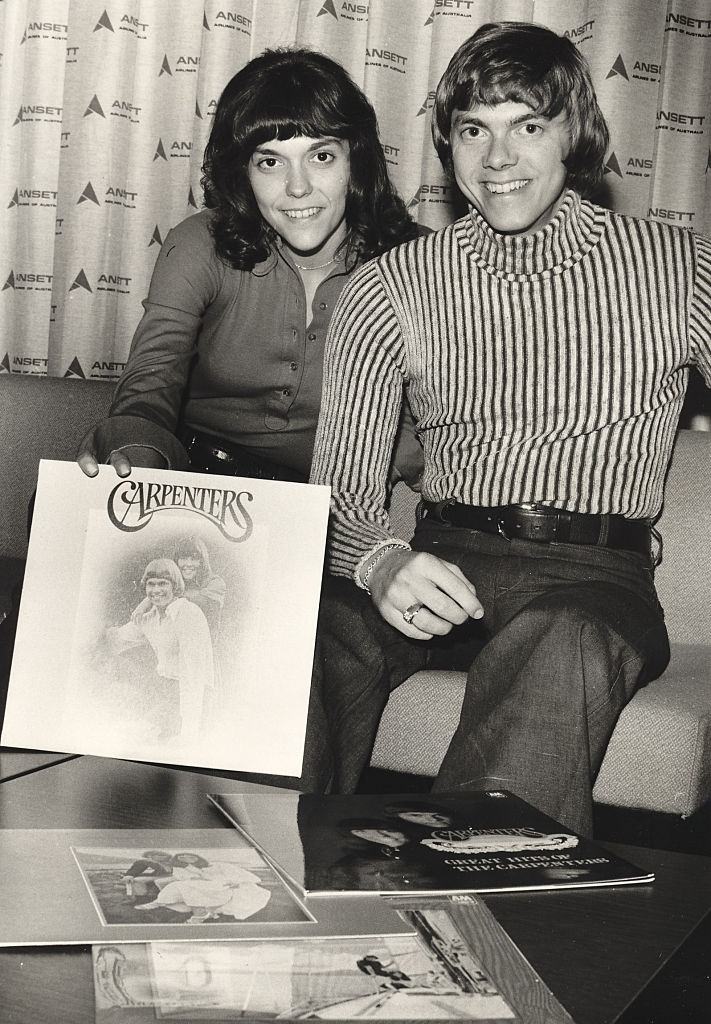
The White House performance for President Nixon in 1972 generated significant press coverage. Nixon reportedly called the Carpenters “young America at its very best” — a quote that followed them for years and reflected how deeply their music had penetrated mainstream American culture.
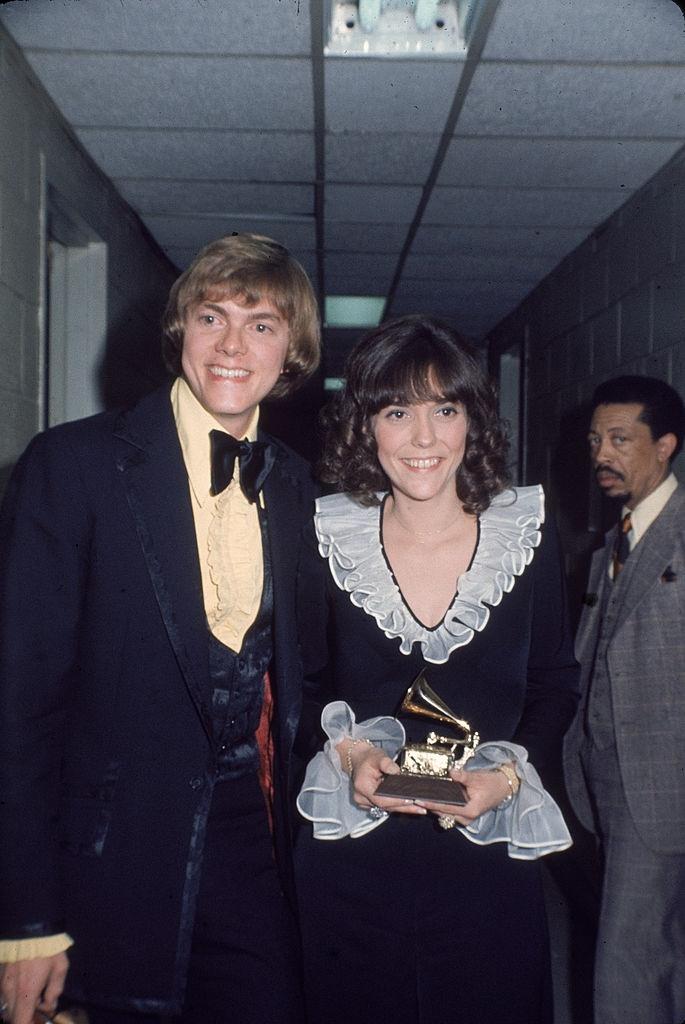
By 1974, the Carpenters had won multiple Grammy Awards and were headlining major venues worldwide. The 16th Annual Grammy Awards that year saw Karen and Richard attend alongside some of the biggest names in music. Their commercial peak was matched by critical recognition, though Karen herself was often the subject of commentary about her appearance rather than her artistry — a reflection of the era’s media culture.
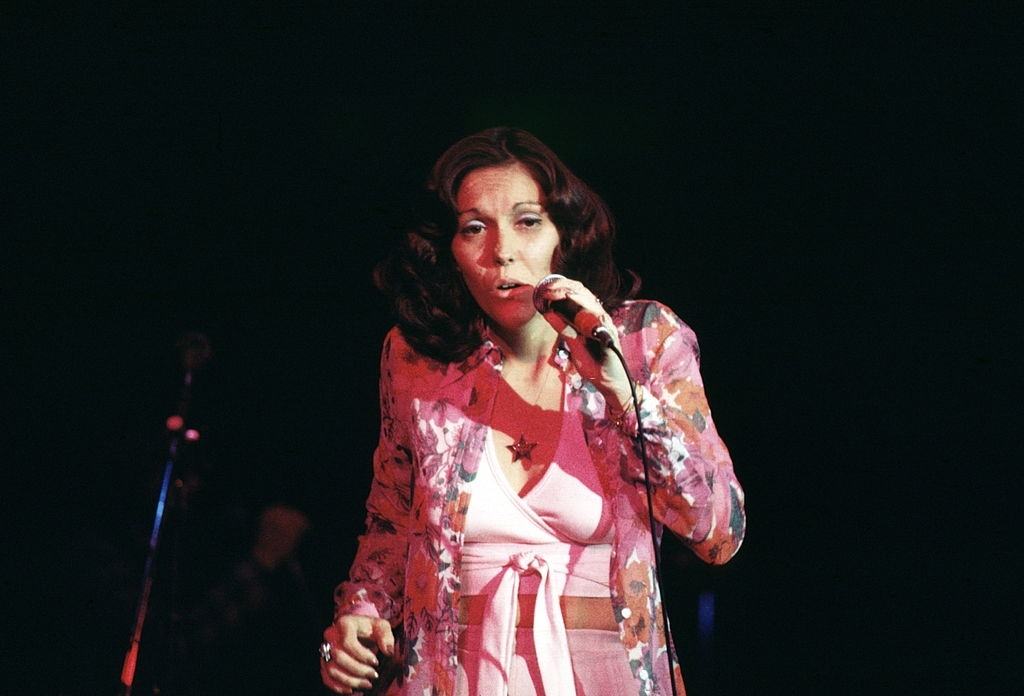
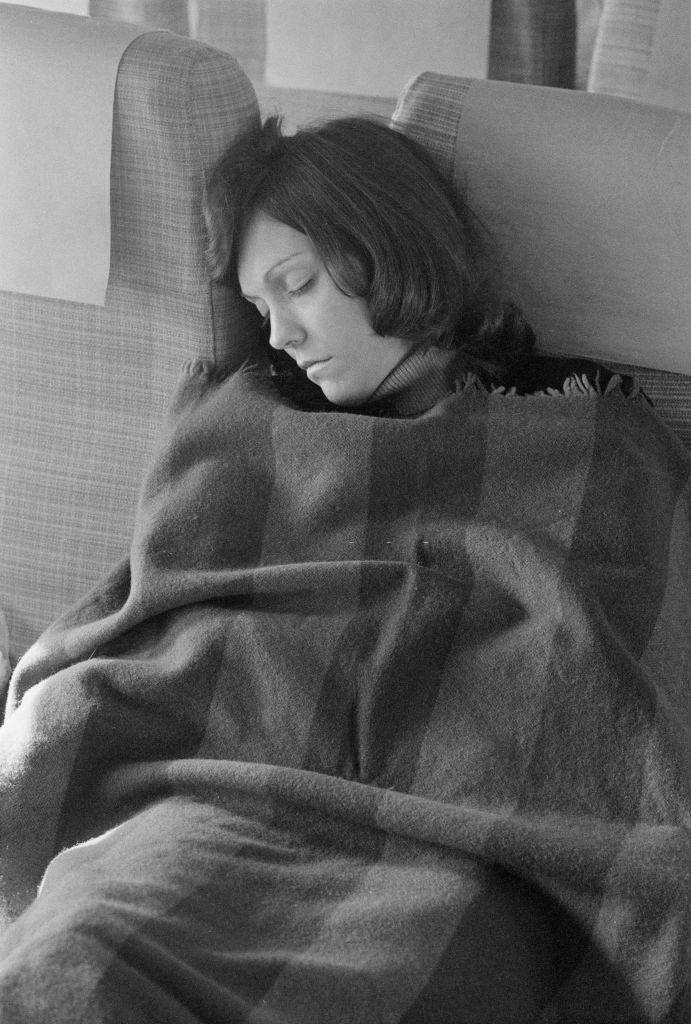
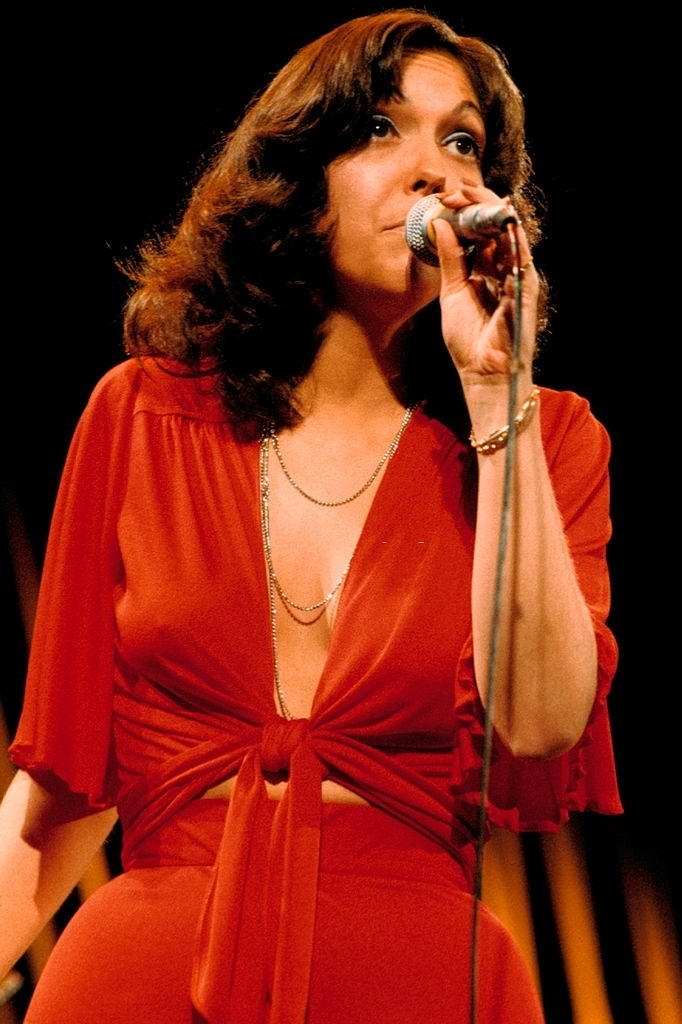
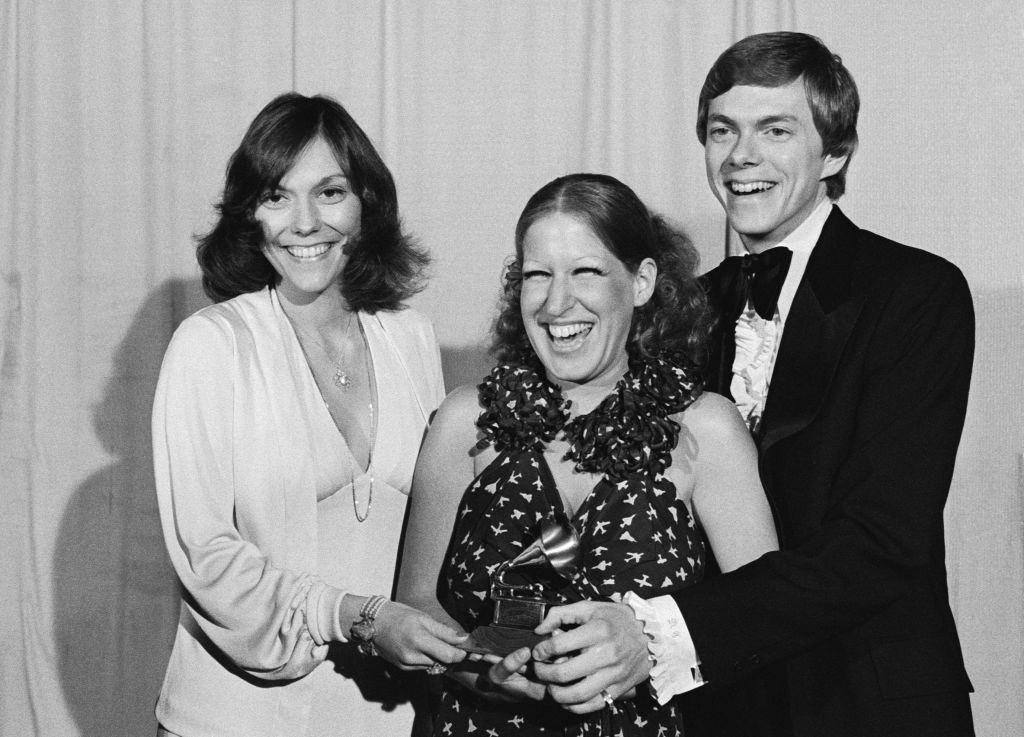
The second half of the 1970s brought more television work and continued recording. Karen’s visible weight loss was a topic that those around her addressed with varying degrees of directness, but the medical understanding of eating disorders at the time was limited. Anorexia was not yet widely recognized as the life-threatening illness it is, and many in Karen’s circle believed she could simply choose to eat more.
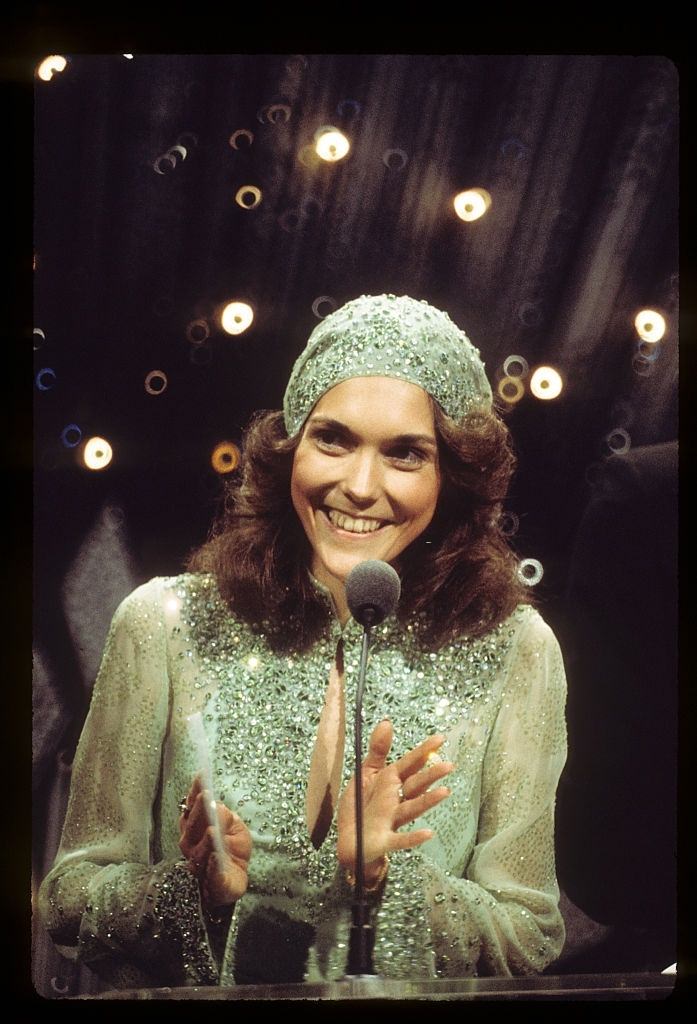
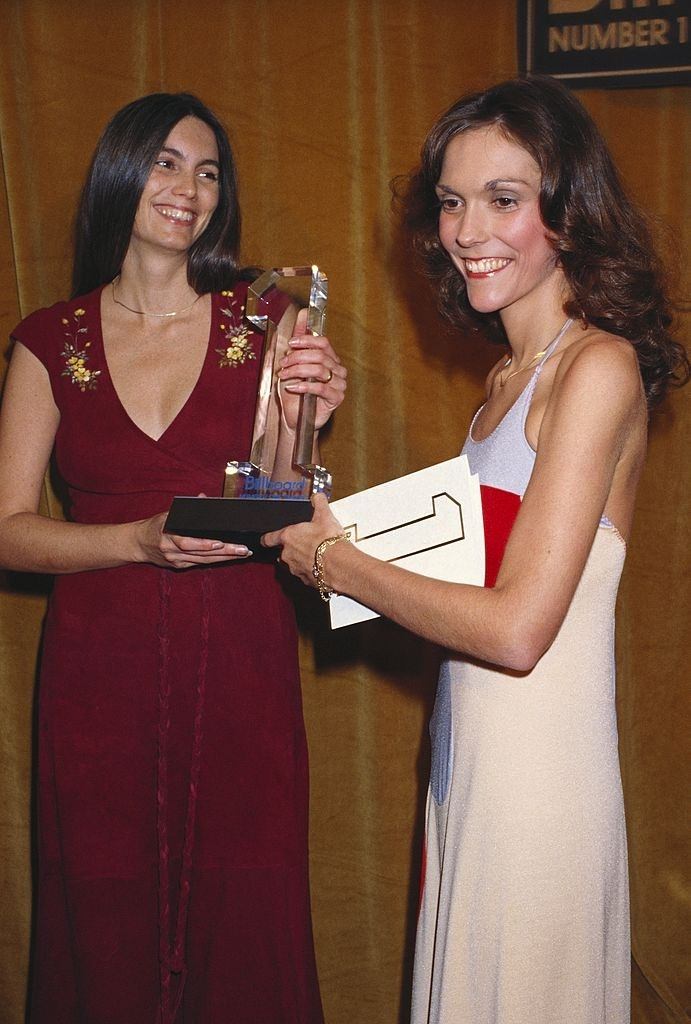
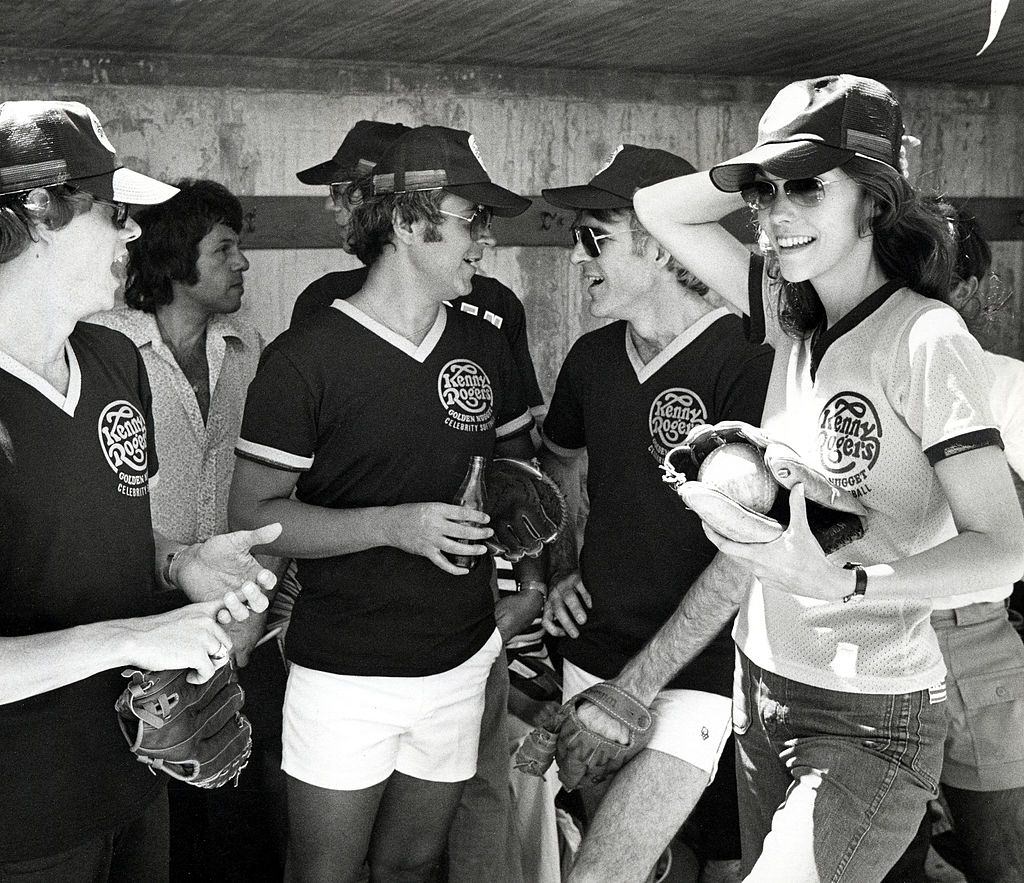
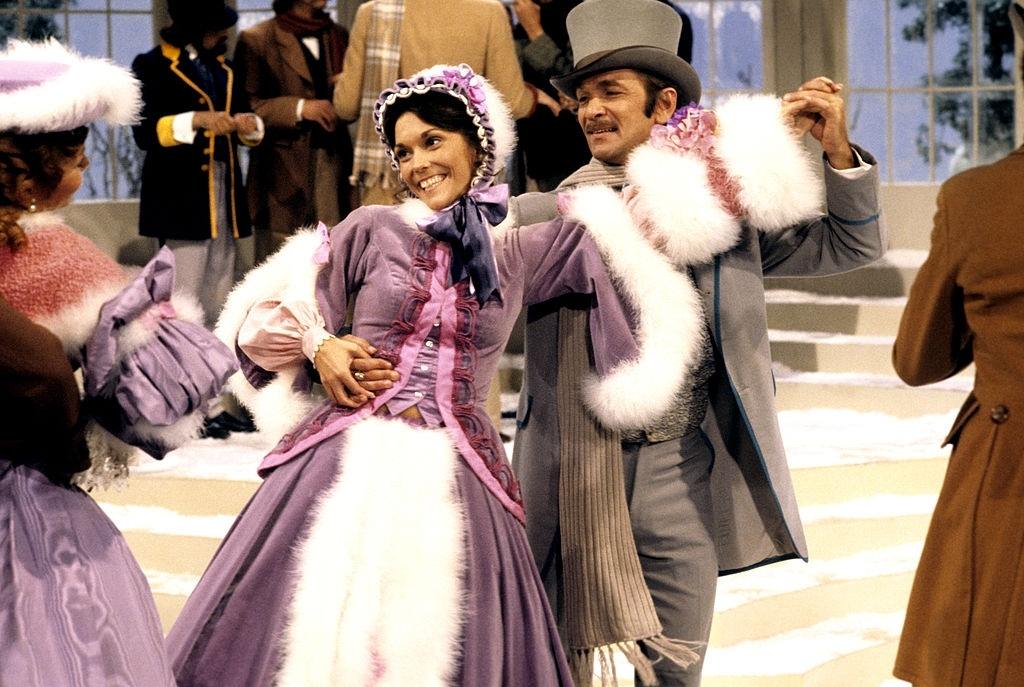
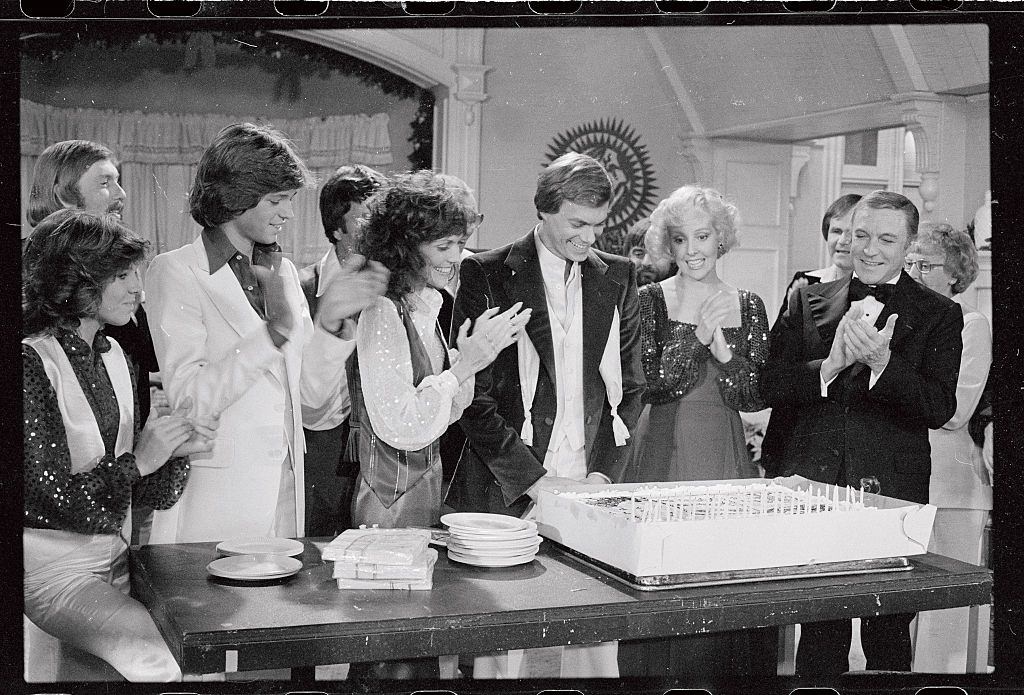
In 1978, the Carpenters starred in a television special called “The Carpenters Space Encounter” alongside actress Suzanne Somers. Karen also celebrated her birthday on set that year, captured in photographs that show the lighter moments of a career that was, behind the scenes, under increasing strain. Despite everything, she continued to perform with the same precision and warmth that had made her famous.

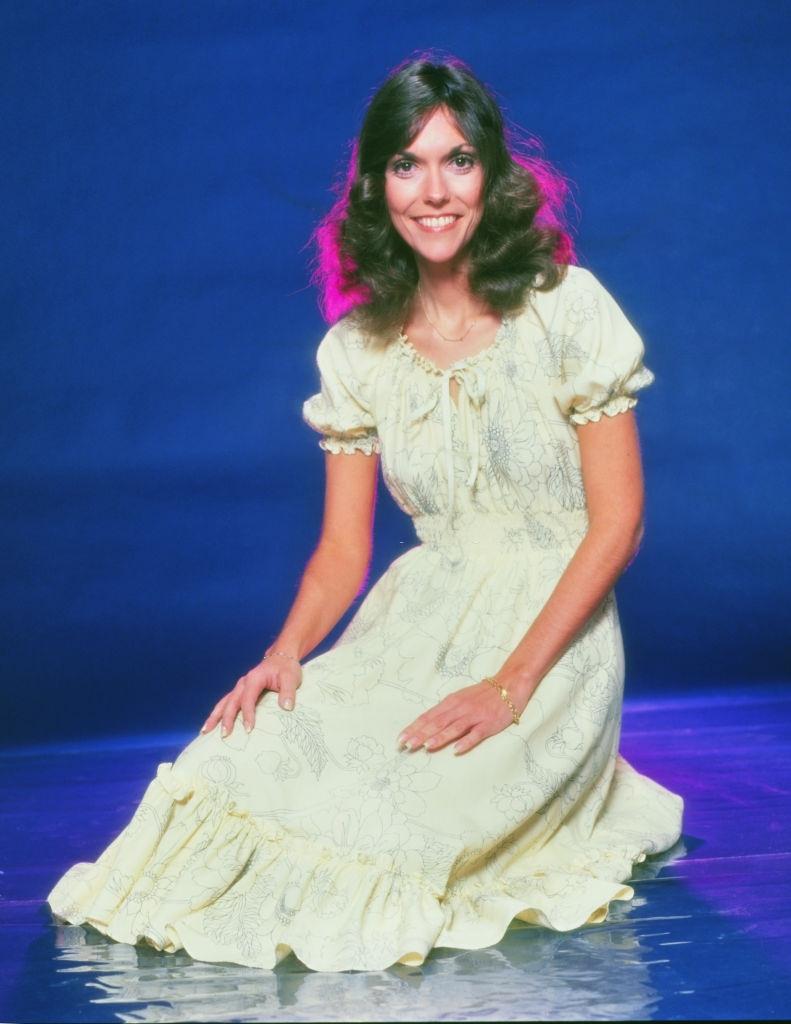
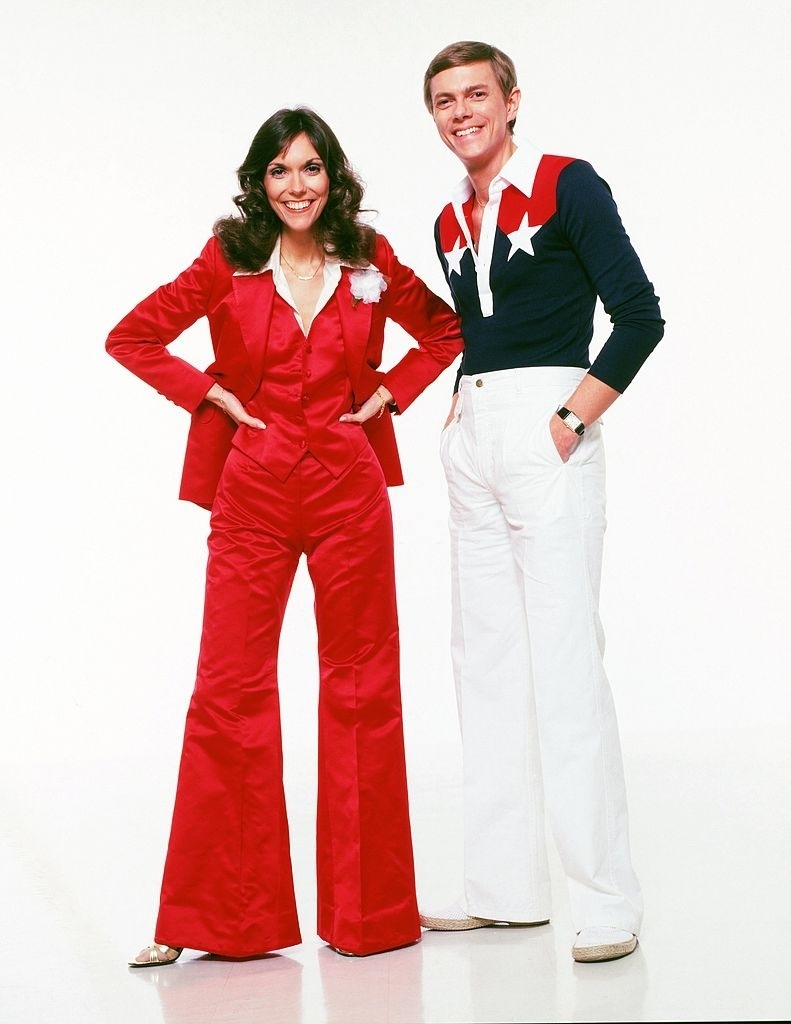
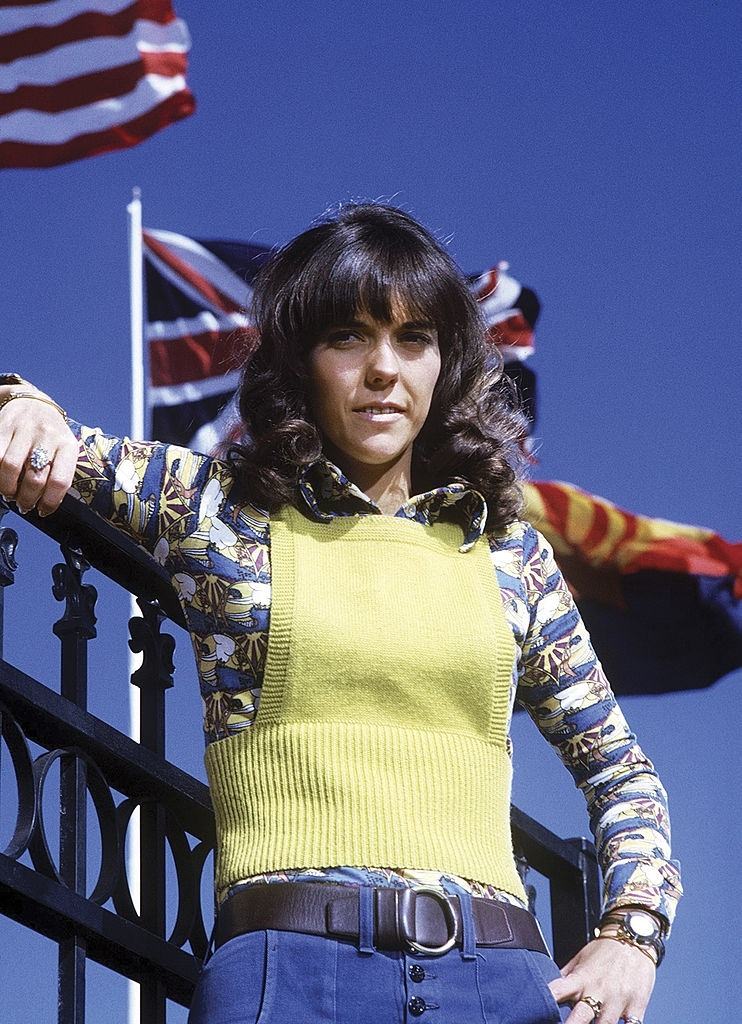
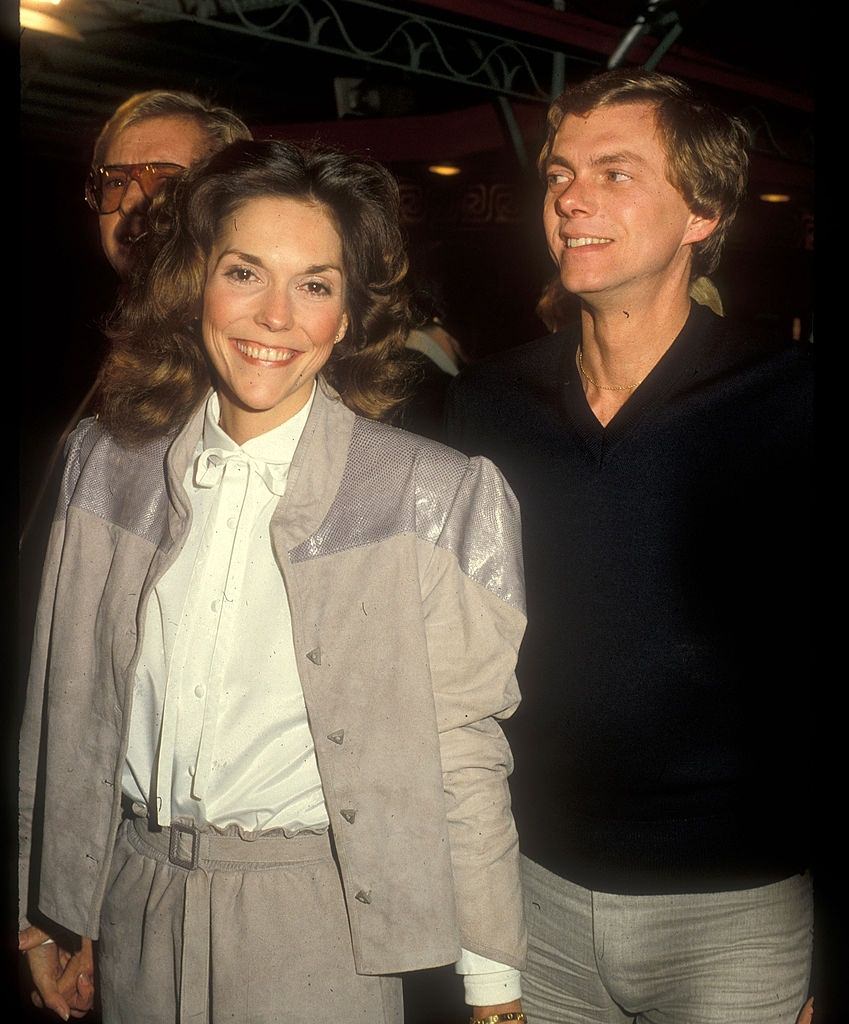
Into the early 1980s, Karen and Richard continued to record and make public appearances. Portrait sessions from 1980 show Karen looking composed and professional, though she weighed far less than she should have. Her framing in interviews during this period was consistently upbeat, a practiced performance that masked how serious her condition had become.
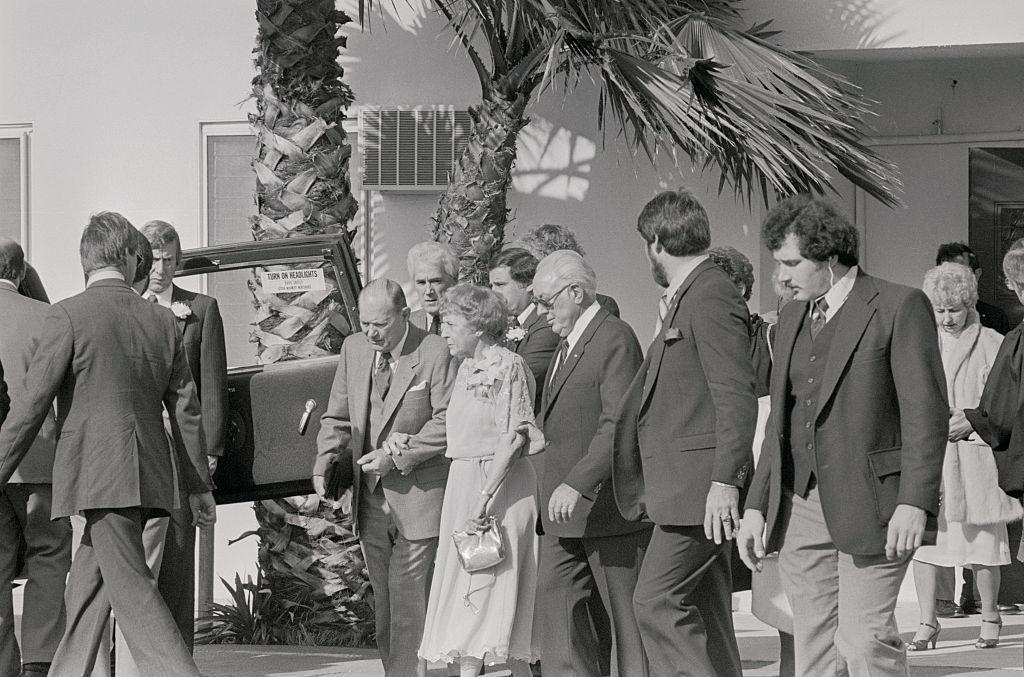
On February 6, 1983, two days after her death, Karen Carpenter’s funeral was held at Downey United Methodist Church. Her parents, Harold and Agnes Carpenter, who had been present throughout her entire career, walked out of the church in front of news cameras — a quiet, devastating image that closed the chapter on a life that had been lived almost entirely in public view. Karen was 32 years old. She left behind a body of recordings that has never gone out of circulation.