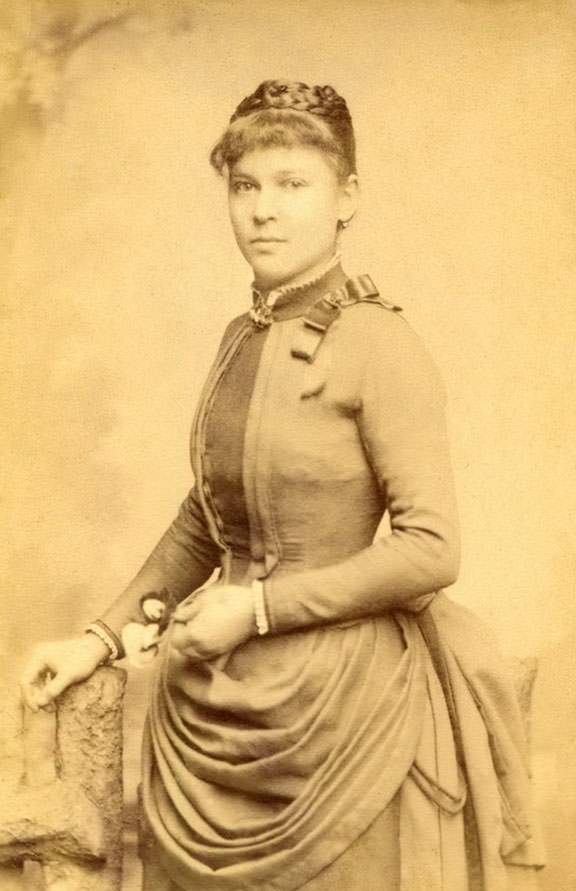
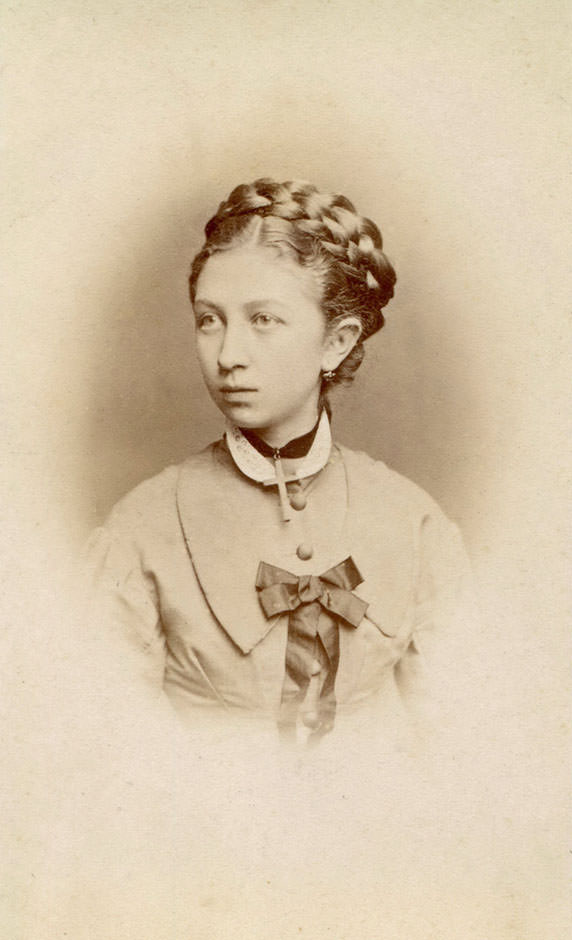
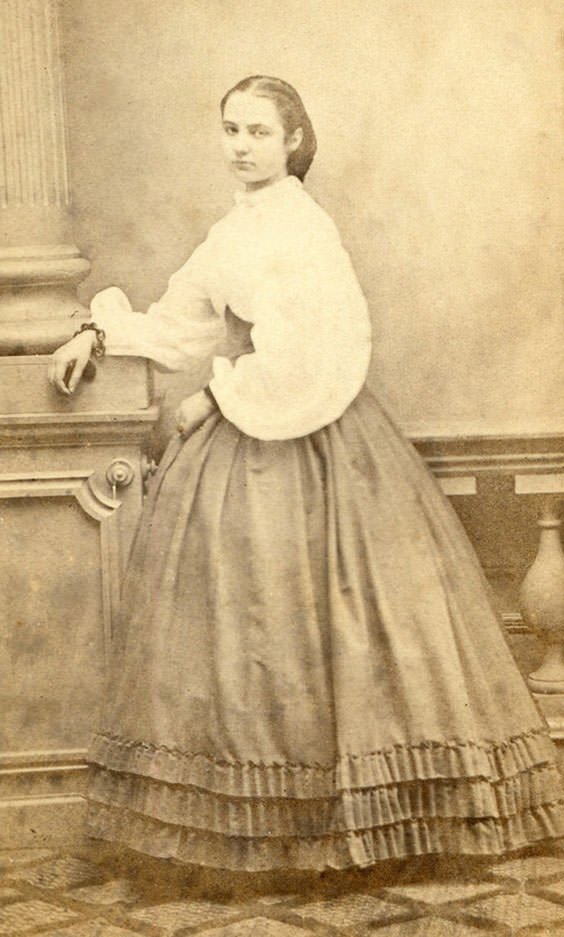
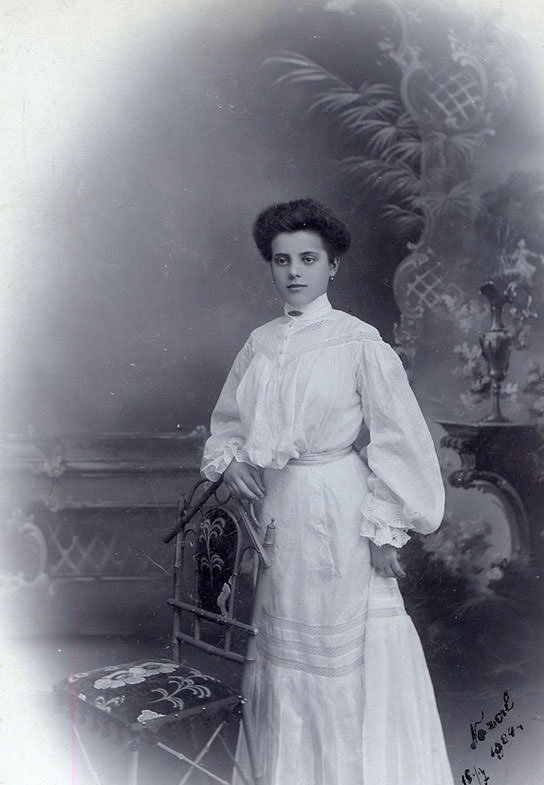
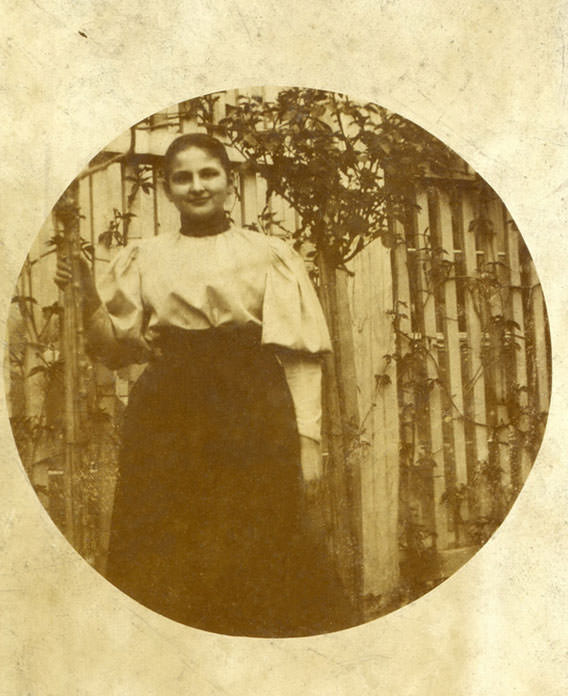
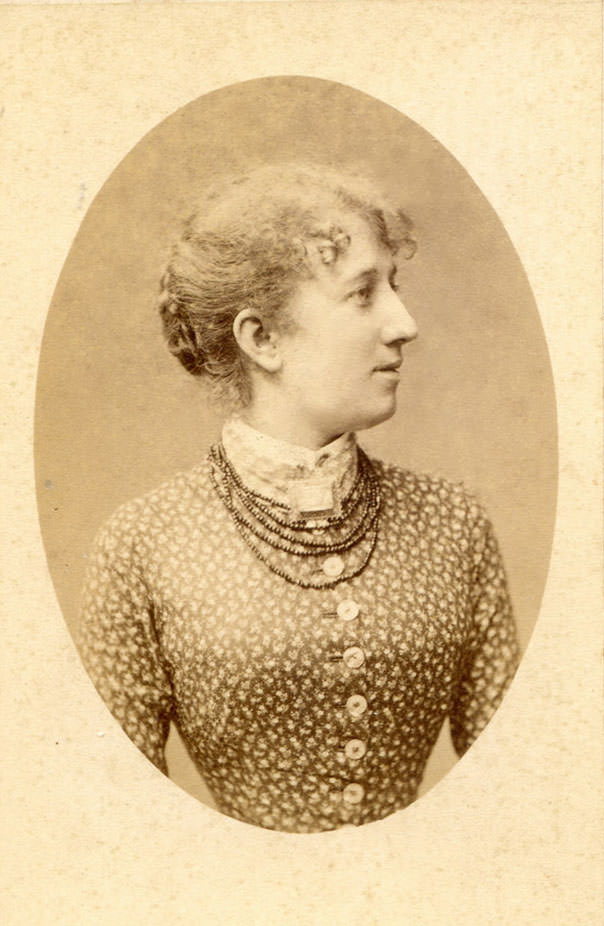
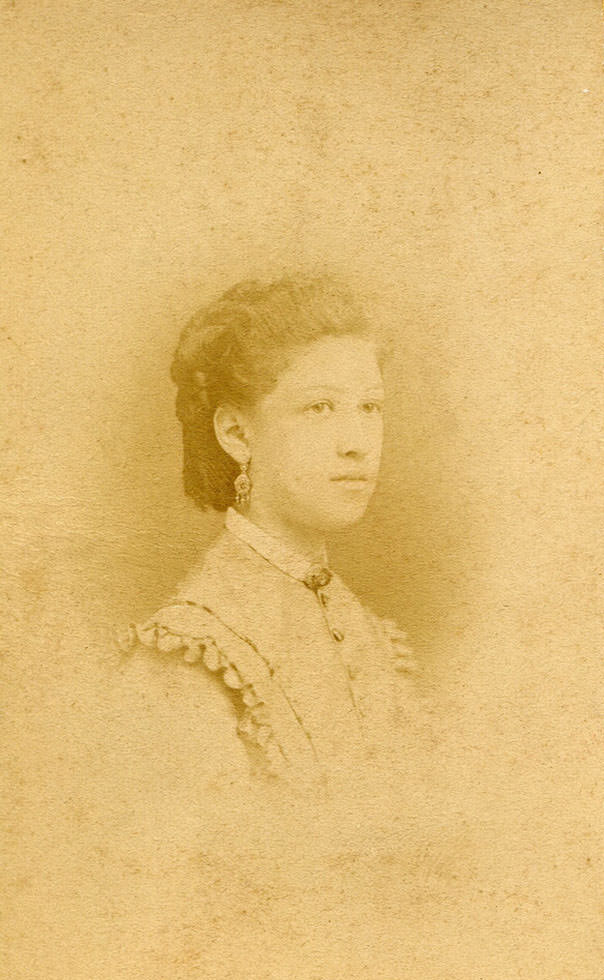
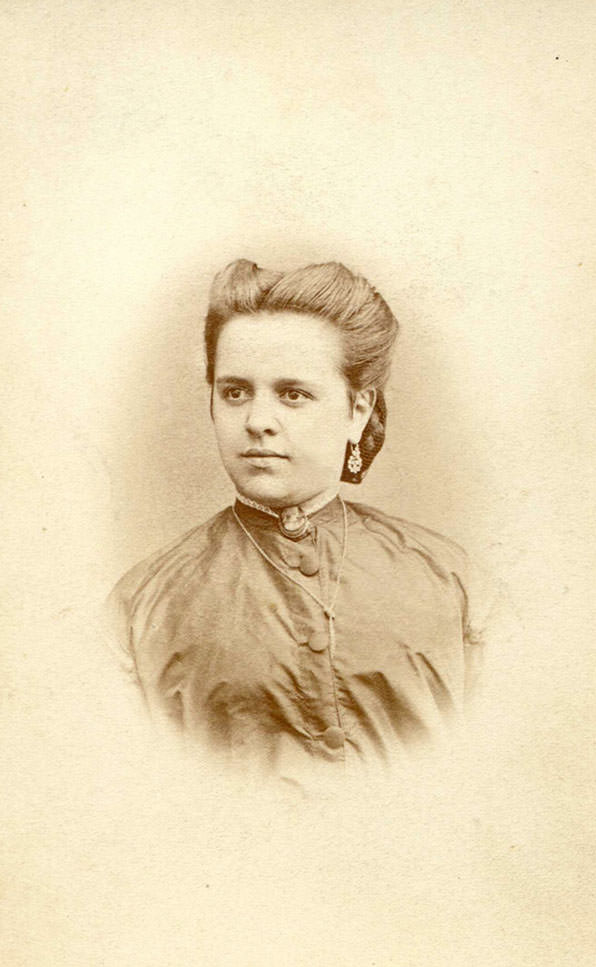
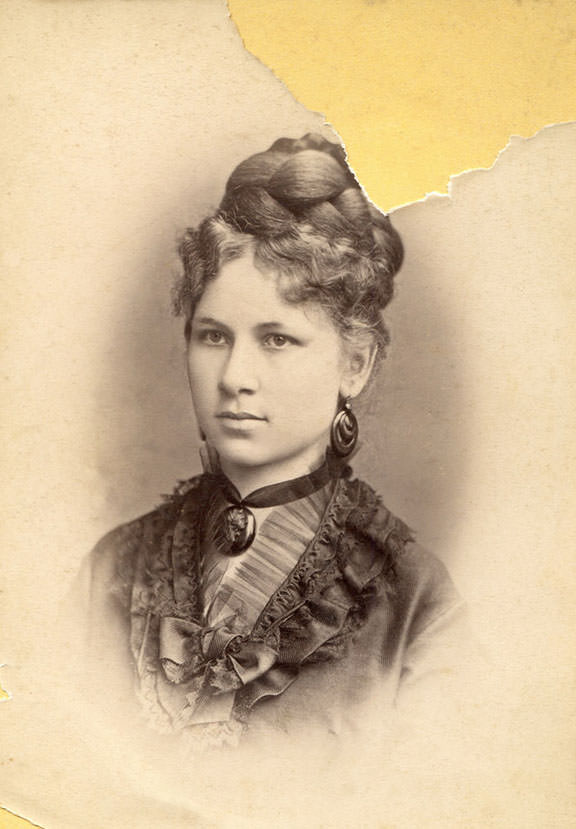
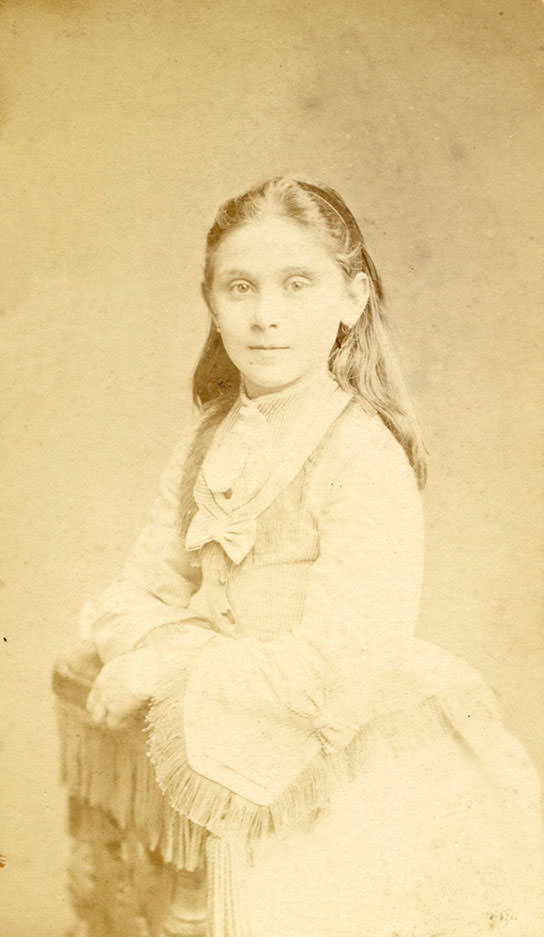
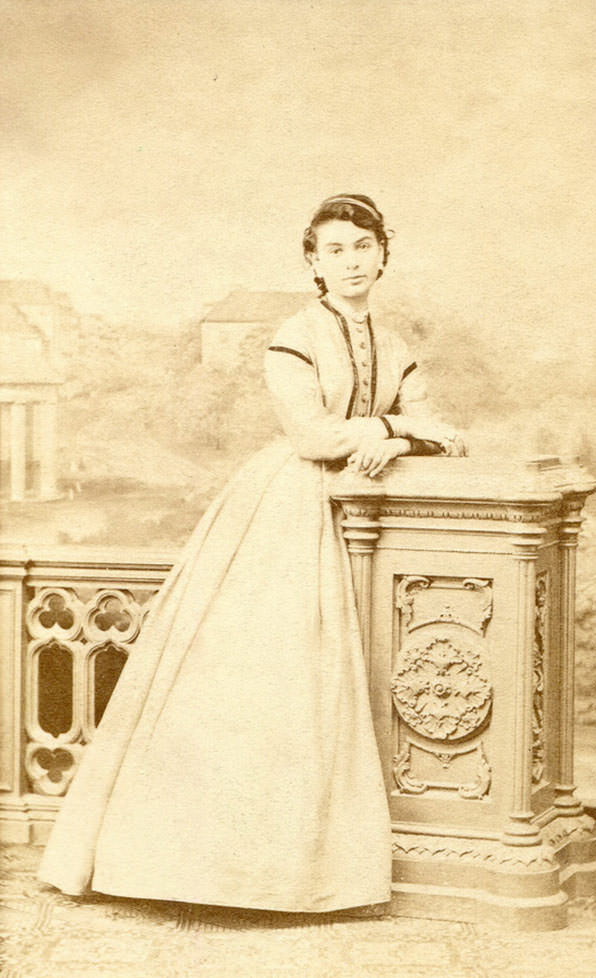
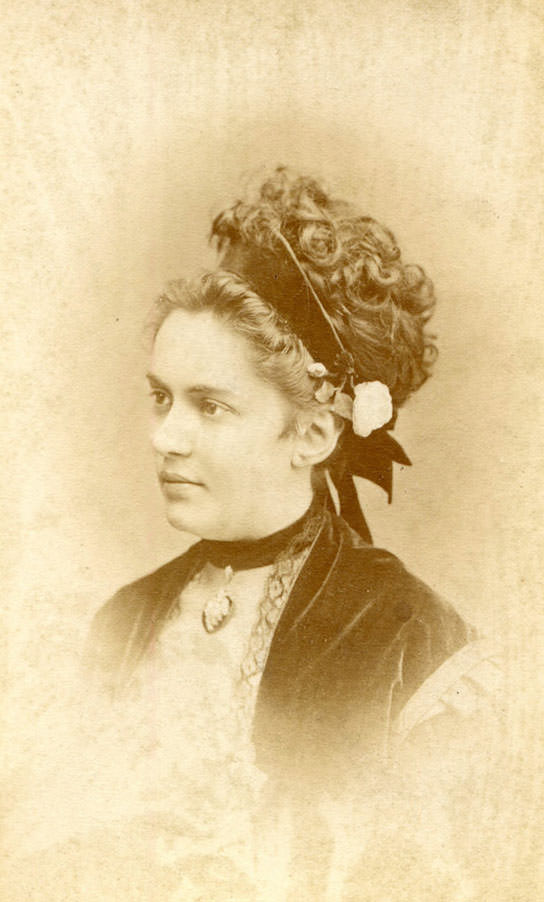
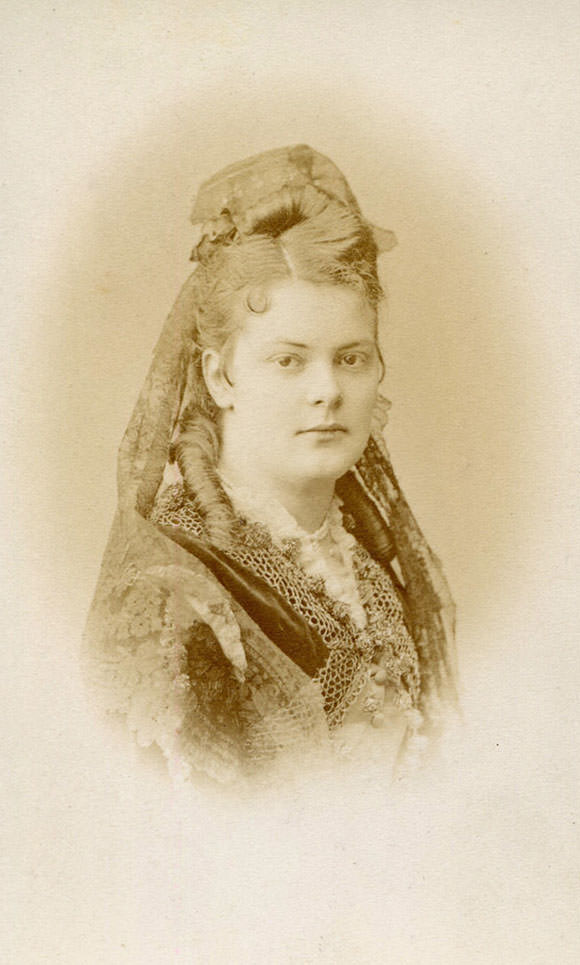
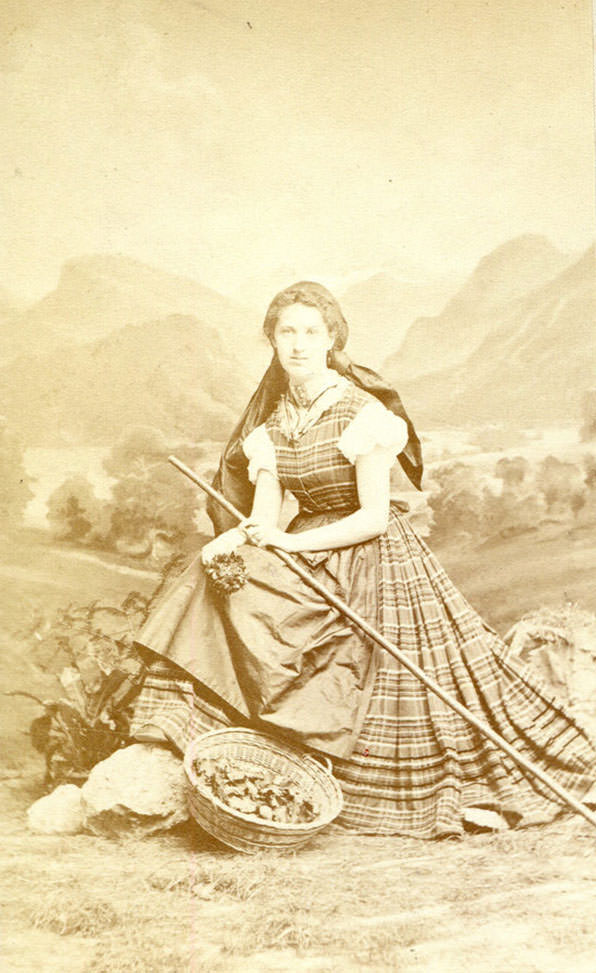
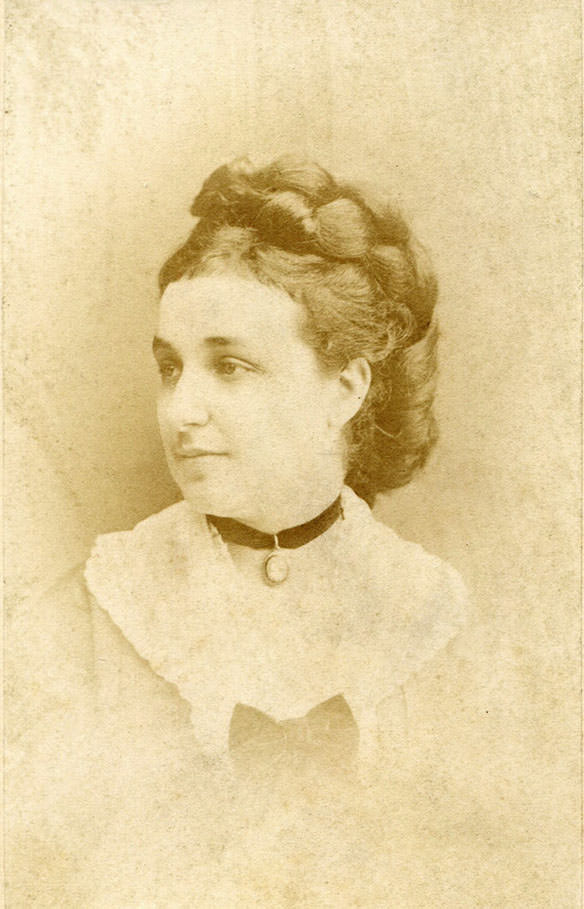
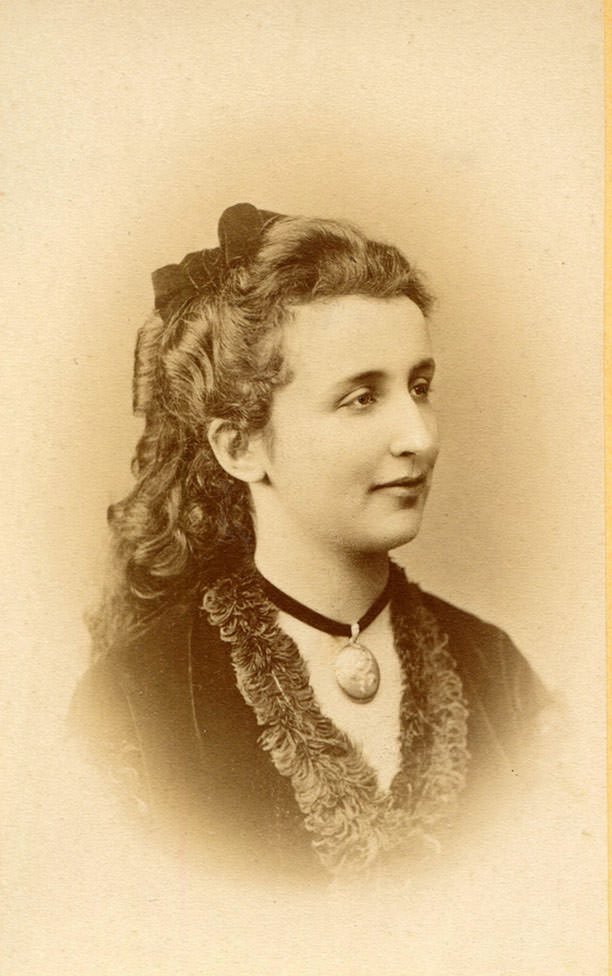
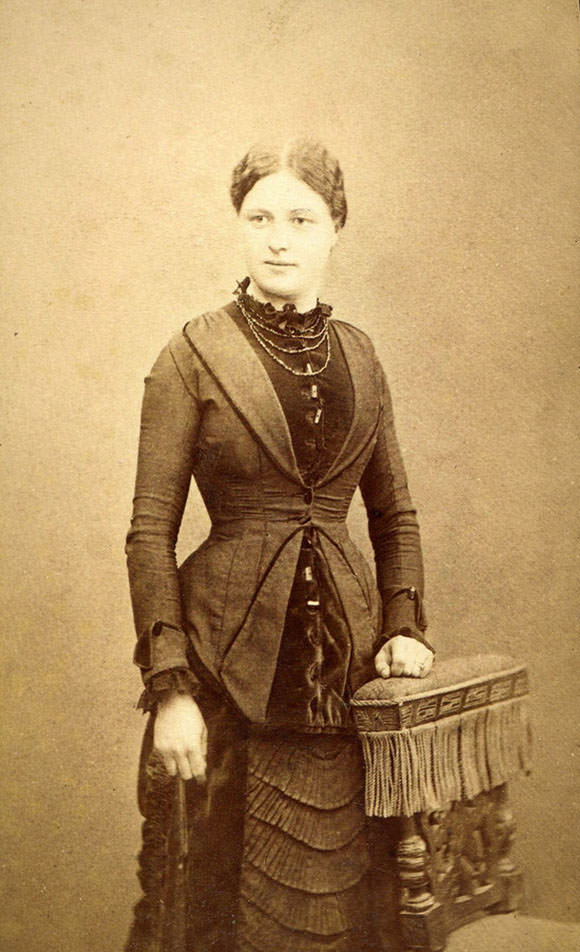
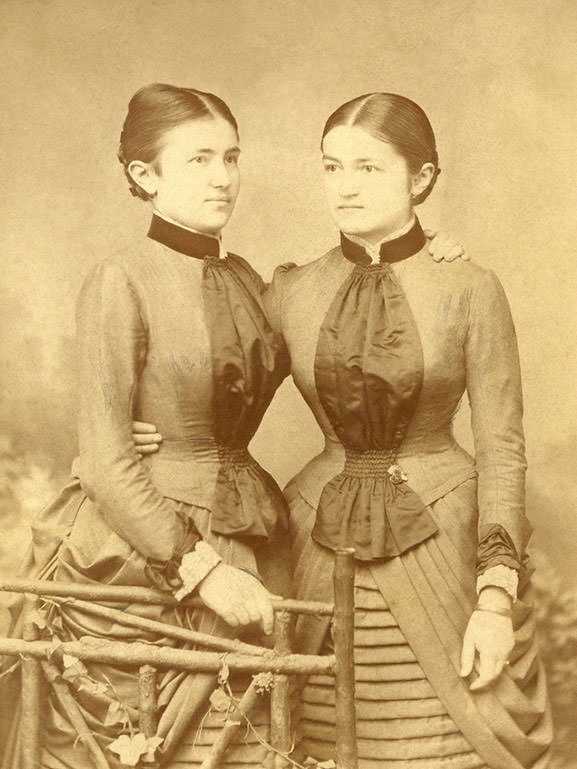
By the 1860s, Vienna was one of Europe’s most vibrant cities — a center of art, fashion, and culture. Photography had arrived not long before, and it quickly took hold among the city’s middle and upper classes. Studios began opening across the city, and Viennese women sat for formal portraits that captured not just their faces, but the full spirit of the era. Three photographers stood out above the rest: Ludwig Angerer, Adéle, and Kalmár & Becske.
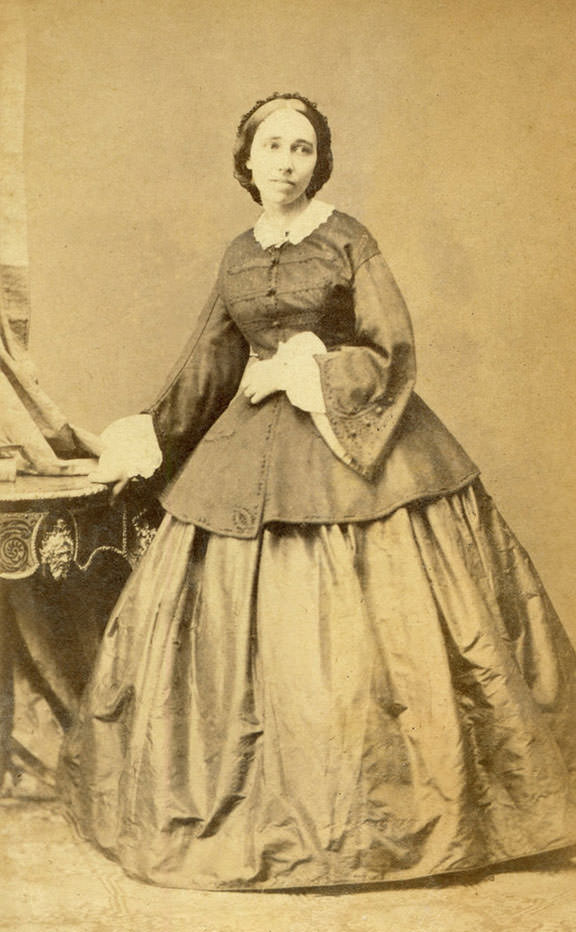
Ludwig Angerer ran his studio on Mariahilfer Strasse, one of Vienna’s busiest shopping streets. His portraits are immediately recognizable for their soft, careful lighting and sharp attention to detail. Full-length gowns, tightly structured bodices, and elaborate hairstyles fill his frames — each image a precise record of mid-19th century Viennese fashion. Angerer didn’t just photograph his subjects; he presented them with a quiet refinement that matched the city’s own self-image.
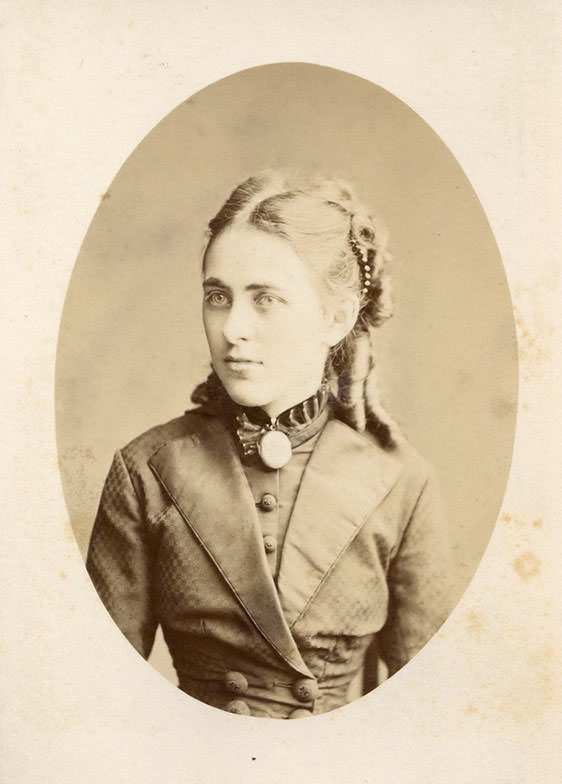
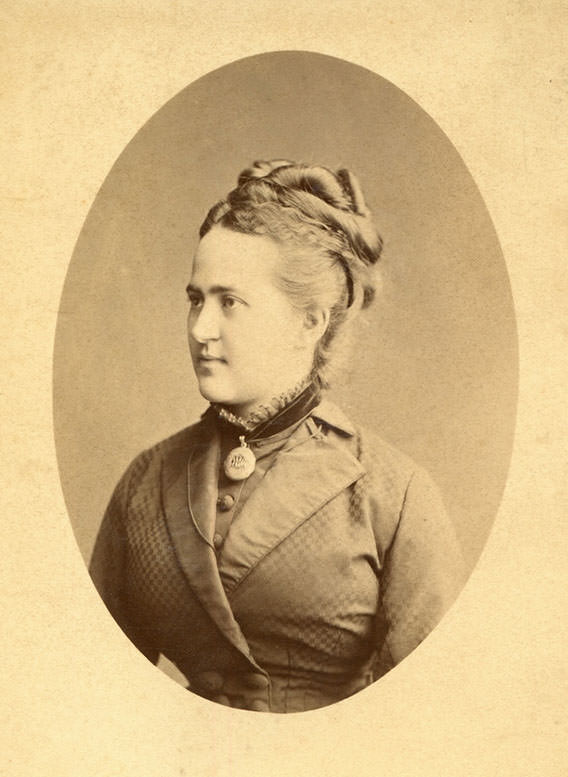
Adéle operated her studio along the famous Ringstrasse, the grand boulevard that Emperor Franz Joseph had ordered built as a showcase of imperial power. Her approach to portraiture was strikingly different from Angerer’s. Where he favored formality, Adéle drew out the personalities of her subjects. Her sitters appear in a wide range of poses — some reserved, some animated — and the results feel less like official records and more like genuine glimpses of individual women.
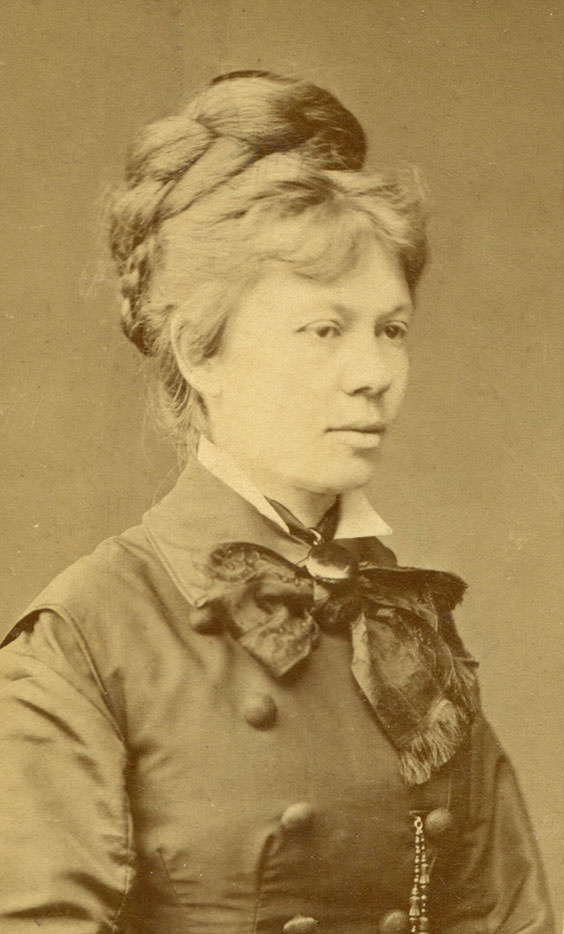
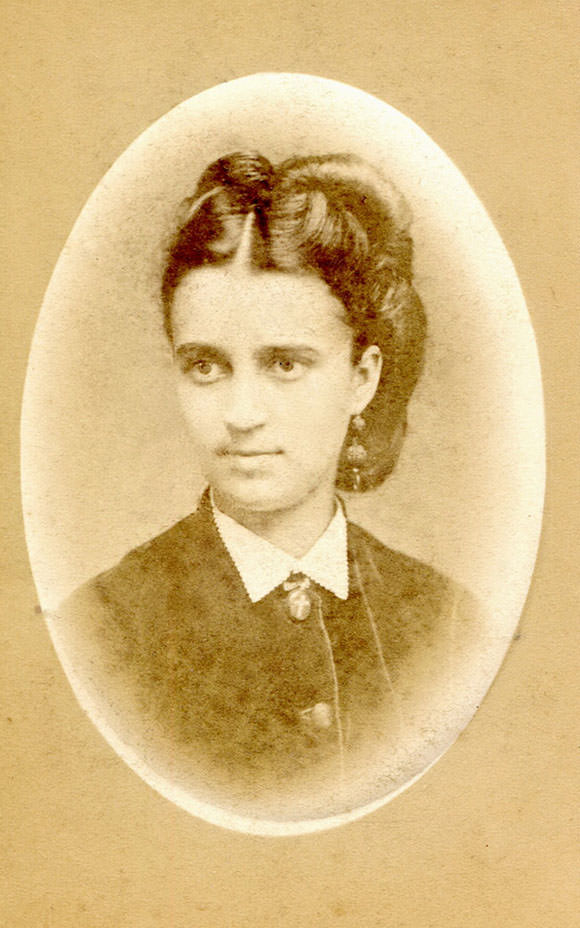
Adéle was among the few prominent female photographers working in Vienna at the time, and her studio attracted a wide clientele. Her portraits from the 1860s show women with direct gazes, relaxed postures, and a natural ease that was harder to achieve in an era when sitting still for long exposures was a physical challenge.
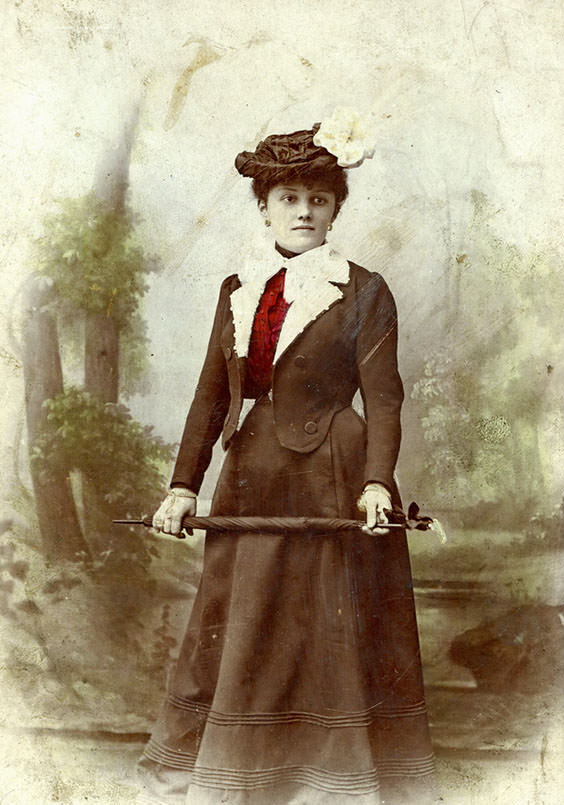
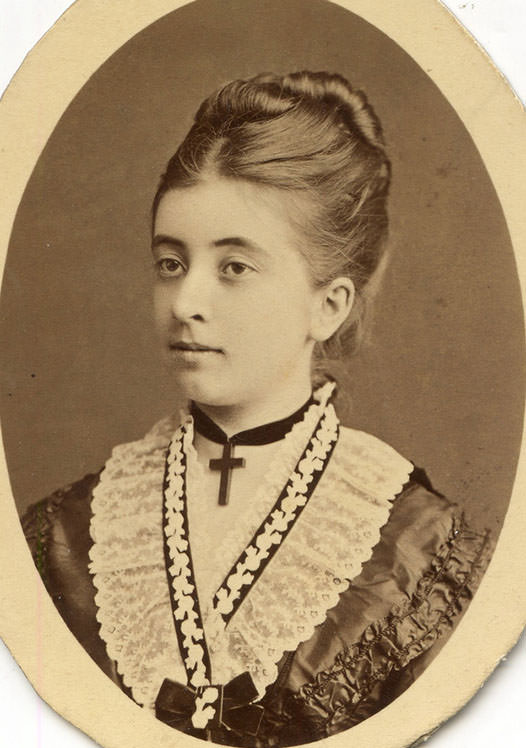
Kalmár & Becske worked from a studio on Landstrasse, another well-traveled Vienna street. Their signature style leaned toward bold, dramatic lighting that created strong contrasts and a sense of depth. Their subjects often wore elaborate costumes and struck theatrical poses — reflecting a taste for drama that ran through Viennese popular culture at the time. The results are striking, even by modern standards.
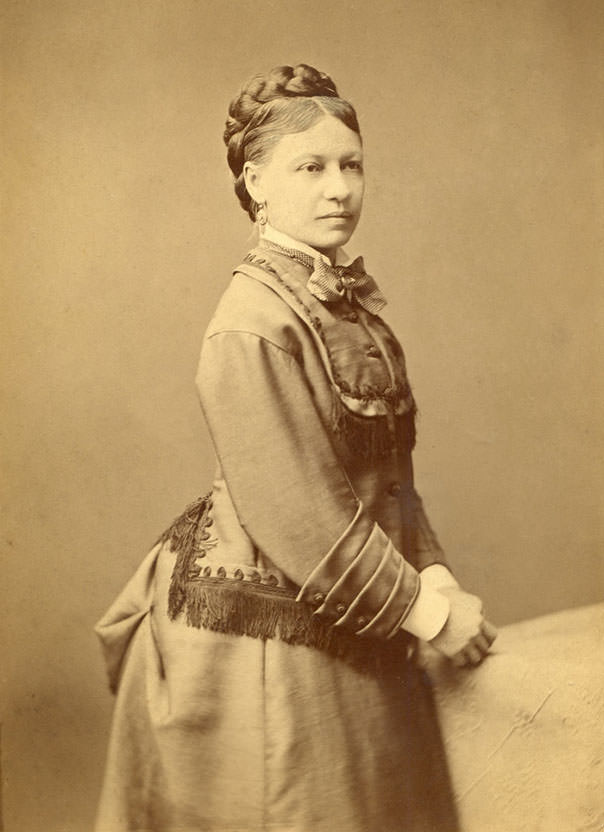
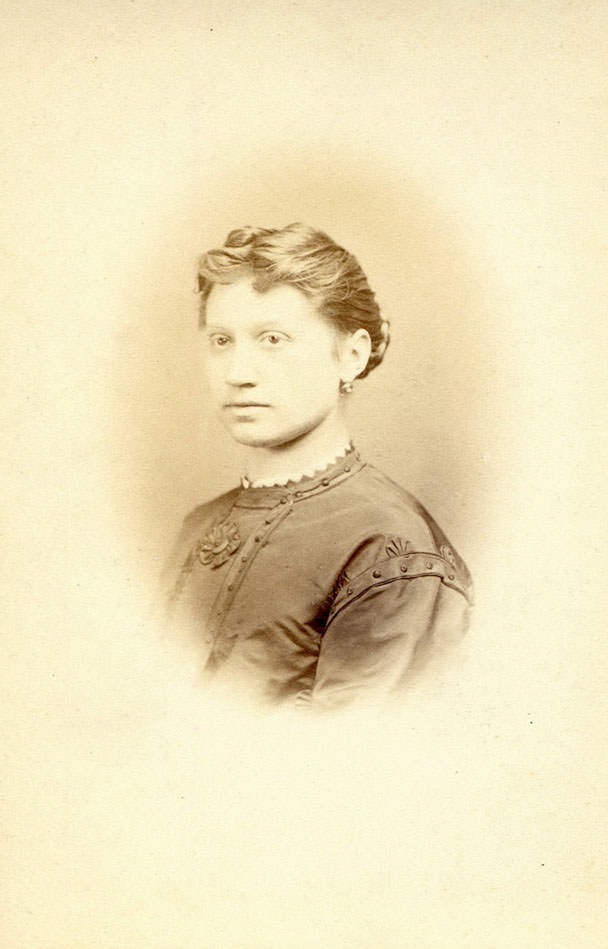
All three studios were also technical pioneers. They were among the first in Vienna to use artificial lighting in their work and to develop their own photographic prints in-house. These weren’t minor advances — they gave each photographer far greater control over the final image, allowing them to craft the specific look and mood they wanted.
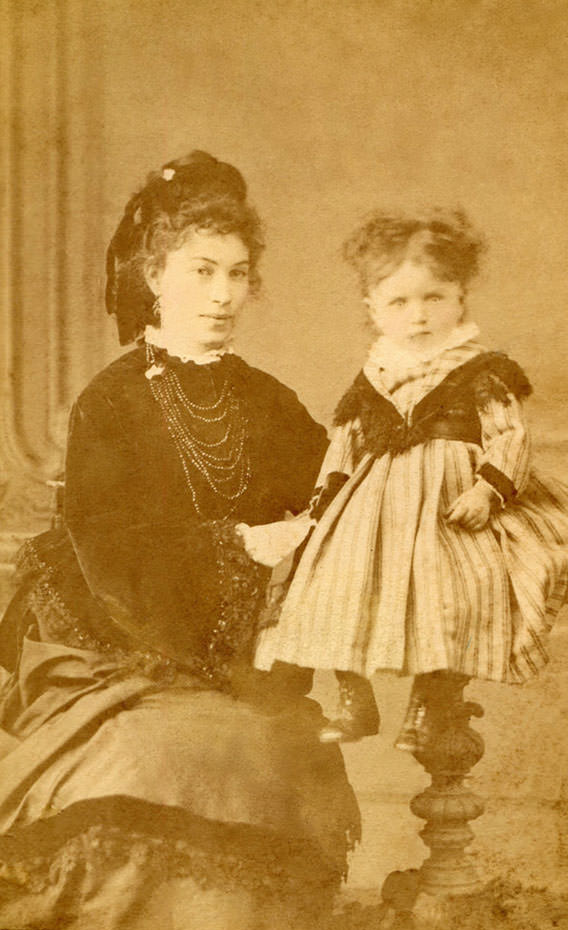
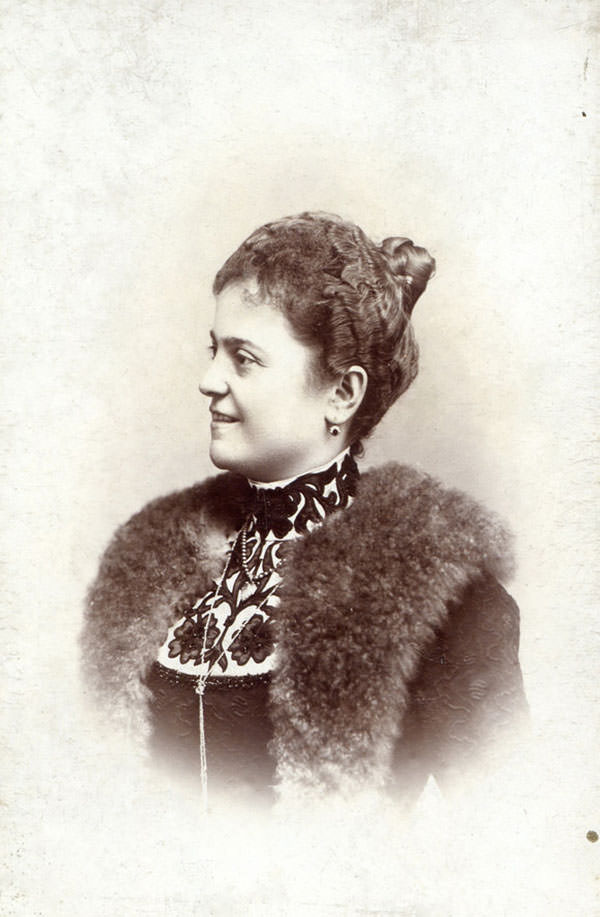
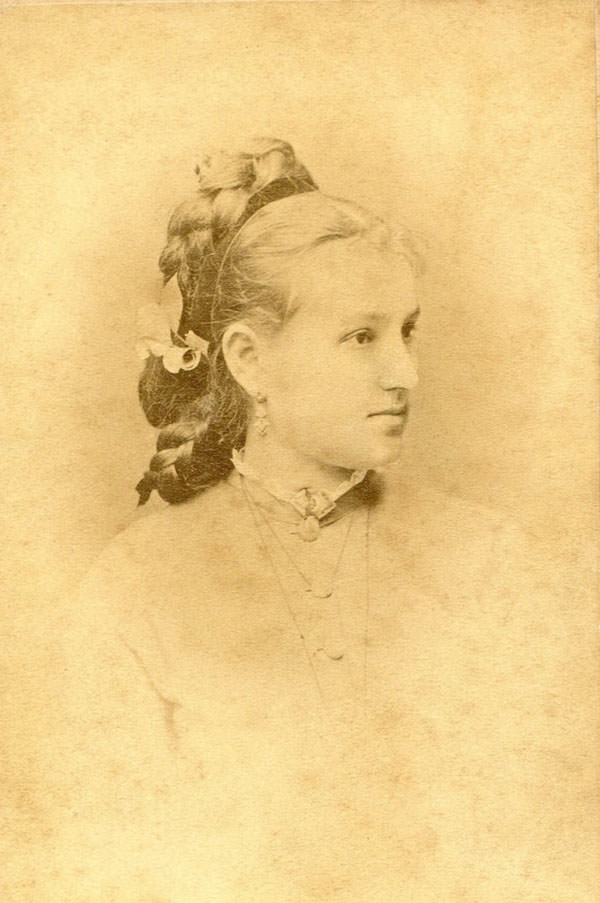
The women who sat for these portraits came from a society that placed great importance on appearance and social standing. Their clothing, poses, and expressions were deliberate choices — a way of presenting themselves to the world. These photographs captured that world with remarkable accuracy.