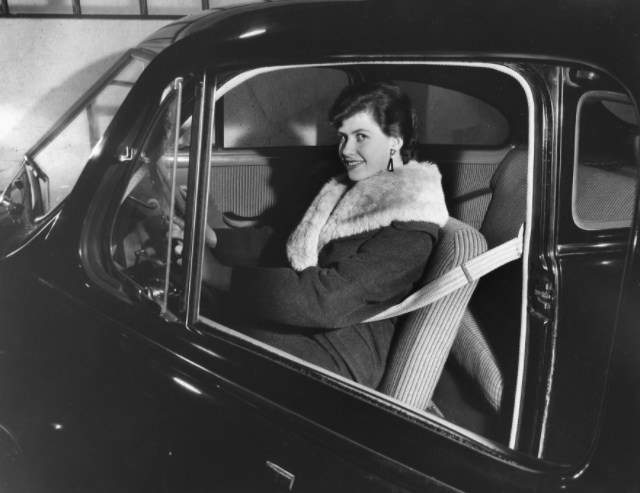
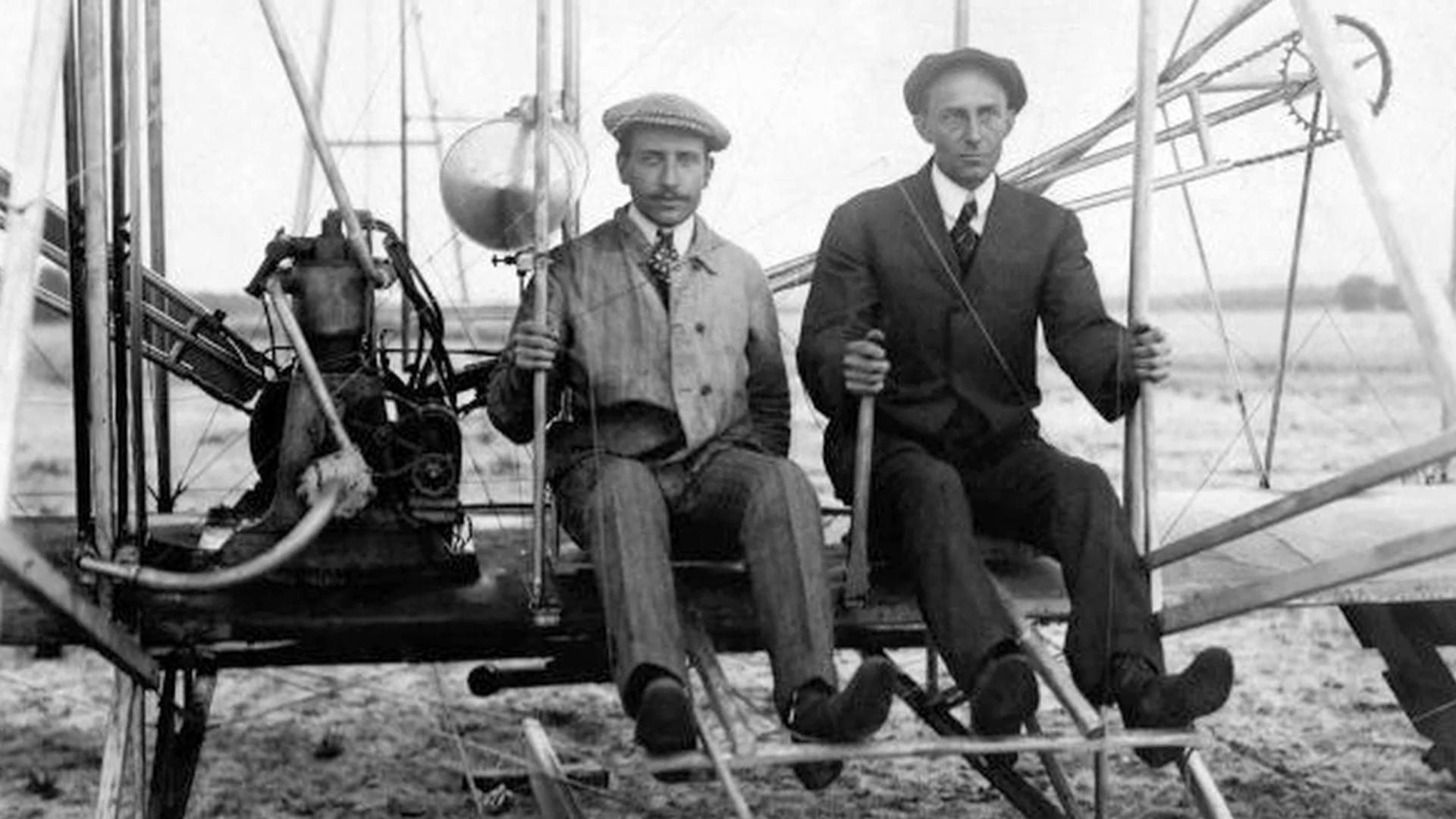
Before the modern seatbelt existed, drivers and passengers had very little protection in a crash. In the 1930s, American doctors began pushing for cars to be fitted with safety belts, and manufacturers responded — but not with anything particularly effective. The most common solution was a two-point lap belt, which strapped across the hips. Three-point belts also existed, but their design was flawed. At high speeds, neither type did a reliable job of protecting the person wearing it.
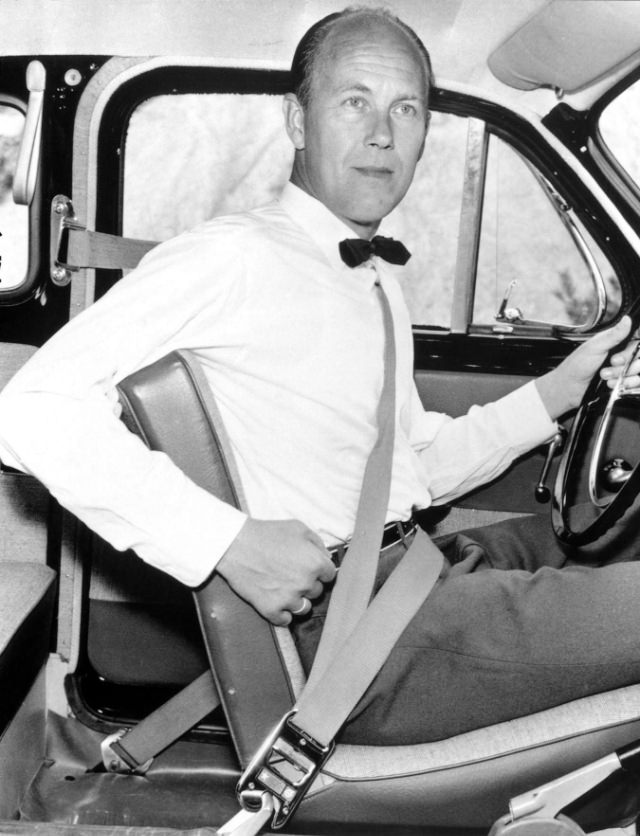
By the mid-1950s, Volvo engineers were already working on a range of safety improvements. These included a collapsible steering column, a padded dashboard, and anchor points for a two-point diagonal belt. Volvo cars had been fitted with anchors for two-point front safety belts since 1957. But early tests of adding a third “diagonal belt” to the system failed to meet the company’s own safety standards. The buckle sat at the ribcage, and under the force of a crash, it pressed into soft organs rather than shielding them. The belt was doing harm instead of good.
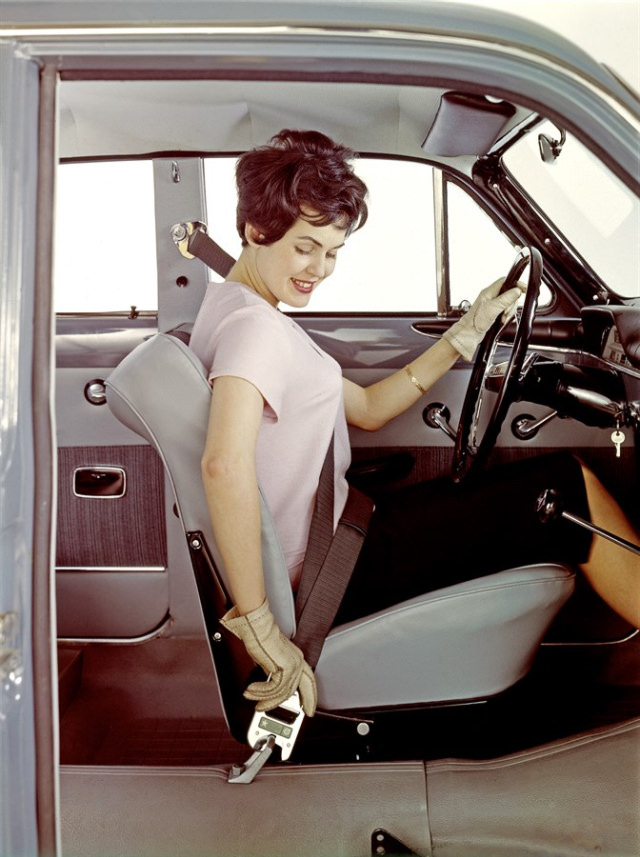
The problem became deeply personal for Volvo. A relative of Volvo president Gunnar Engellau died as a direct result of a two-point belt failure. That loss made solving the problem urgent. Engellau turned to engineer Nils Bohlin and gave him a clear assignment: design something better.

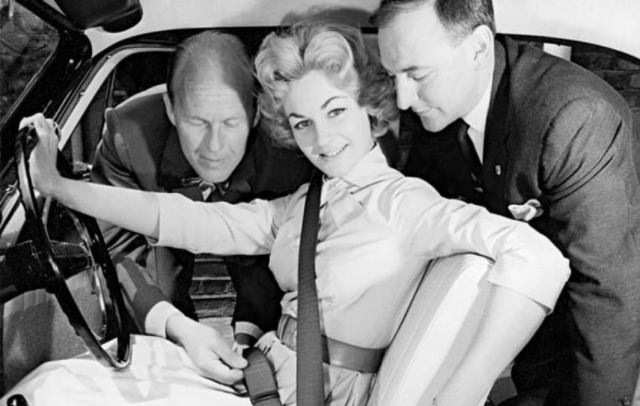
Bohlin approached the problem methodically. He identified two things a belt had to do: secure the upper body and secure the lower body at the same time. One belt across the chest, another across the hips. But the technical challenge wasn’t just about coverage — it was about the buckle. Bohlin wanted a system so simple that a driver could fasten it with a single hand. That meant the buckle had to be easy to reach, easy to click, and nowhere near the ribcage.
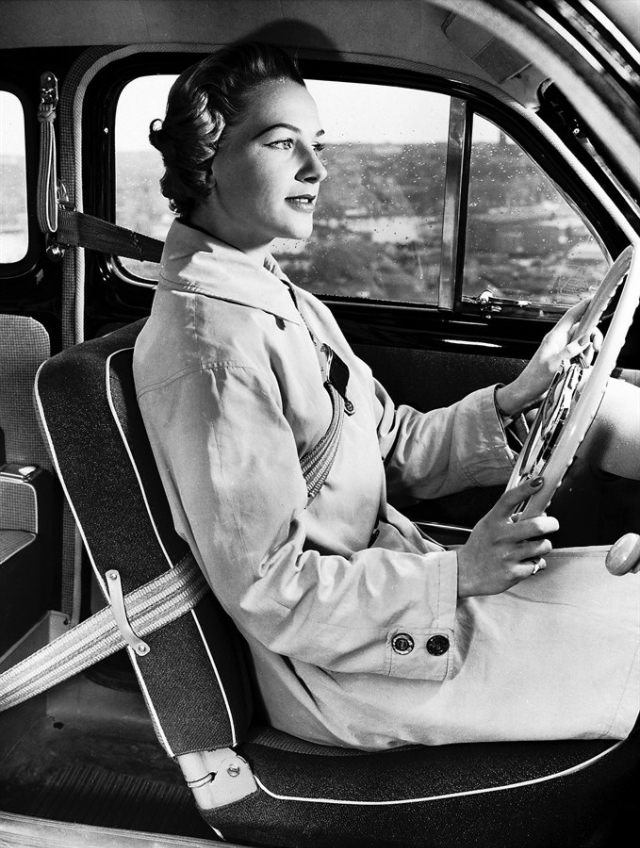
His solution came together in 1958, when Bohlin filed a patent application for what became the three-point V-shaped safety belt. The design combined a lap belt and a diagonal chest belt, joined at a single low anchorage point positioned beside the seat. The geometry of the belt formed a V, with the peak pointing down toward the floor. This was the key detail: when load was applied during a crash, the belt stayed in place rather than riding up. It spread the force of impact across the chest, pelvis, and shoulders — the strongest parts of the human body.
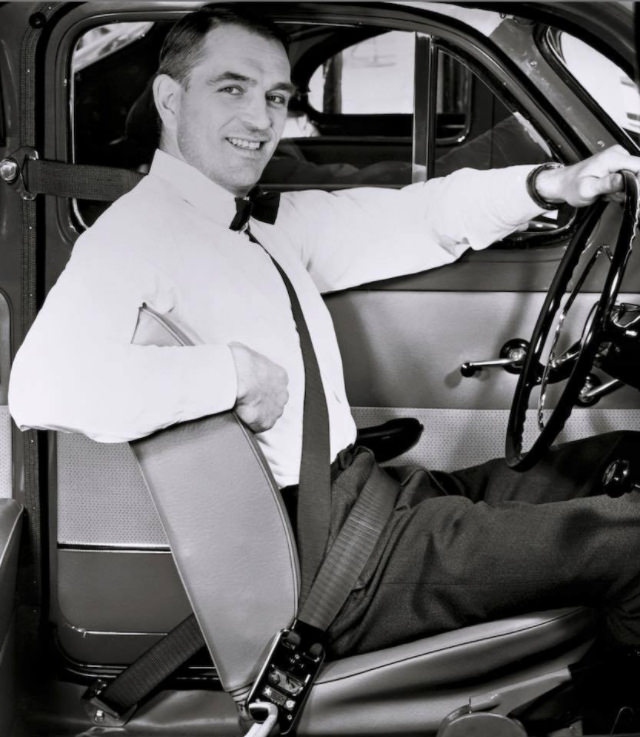
Earlier three-point belts had used a Y-shaped design, where the anchorage points were arranged differently. Bohlin’s V-shaped version changed where and how the belt connected to the car. The result wasn’t built on a radical new material or technology — it was a geometry problem solved correctly. Bohlin himself described the design as geometrical perfection rather than a breakthrough invention. The positioning worked with the body instead of against it.
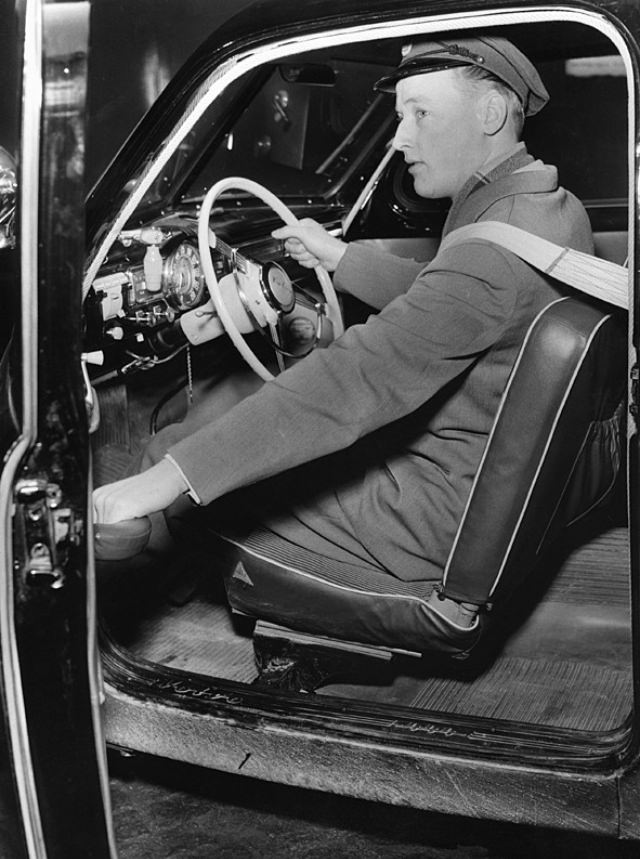
Volvo introduced the three-point belt as a standard feature in its 1959 models. Then the company did something remarkable for a competitor-driven industry: it opened the patent to every automaker in the world, free of charge. Volvo made a deliberate decision that saving lives mattered more than holding an exclusive advantage. Because of that choice, the design spread rapidly across the global auto industry and eventually became a legal requirement in vehicles worldwide. Estimates place the number of lives saved by Bohlin’s belt at over one million.
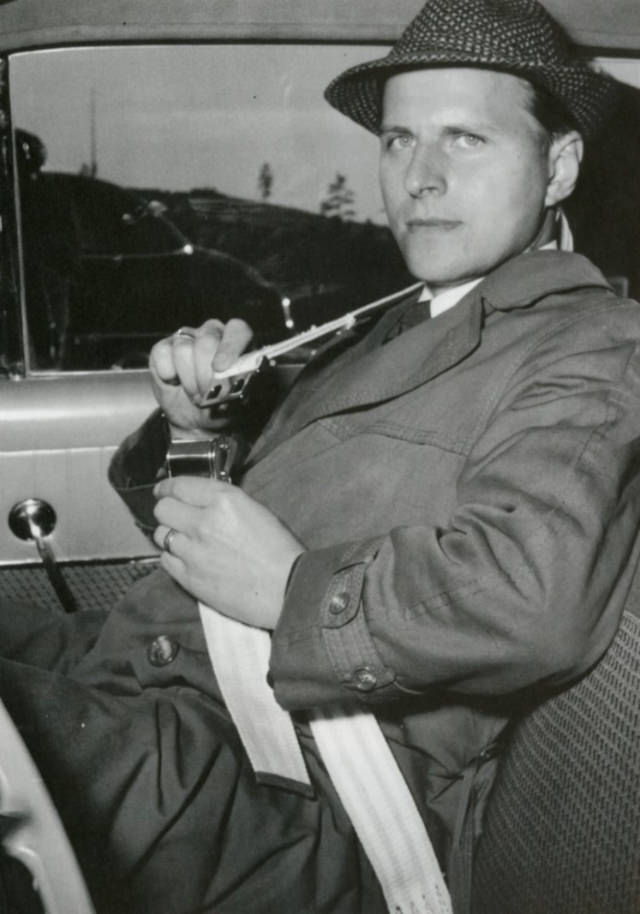
Nils Bohlin’s work at Volvo did not stop with the seatbelt. He recognized early on that side-impact collisions posed a serious threat that existing safety systems did not address. He turned his attention to that problem and eventually developed what became the patented Side Impact Protection System, known as SIPS — one of the first systems of its kind in the world.
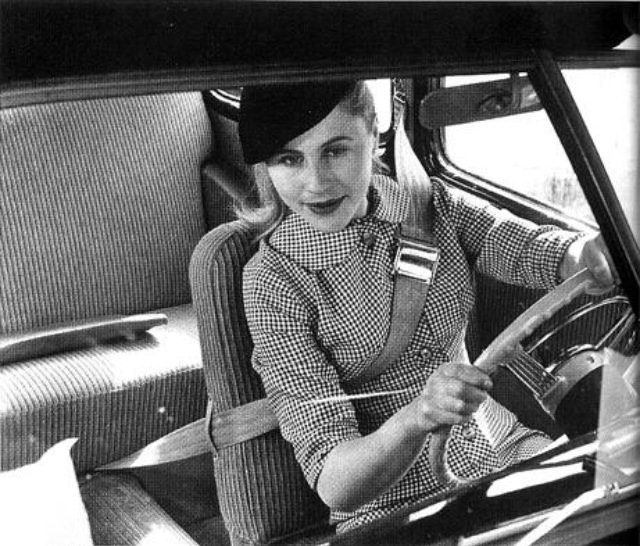
Bohlin’s three-point belt is now so standard that most people never think about its origins. Every car sold today uses a version of the same V-shaped design he patented in 1958. The low anchorage point, the diagonal chest strap, the single-hand buckle — all of it traces back to the same drawing board in Gothenburg, Sweden.