In 1961, a film arrived in theaters carrying more personal weight than almost any Hollywood production before or since. The Misfits, directed by John Huston and written by Arthur Miller, was a drama about loneliness, broken dreams, and people too stubborn or too wounded to fit into the world around them. It wasn’t a blockbuster — the box office numbers were disappointing — but the story it told, and the circumstances surrounding its making, gave it a place in film history that no amount of ticket sales could have secured.
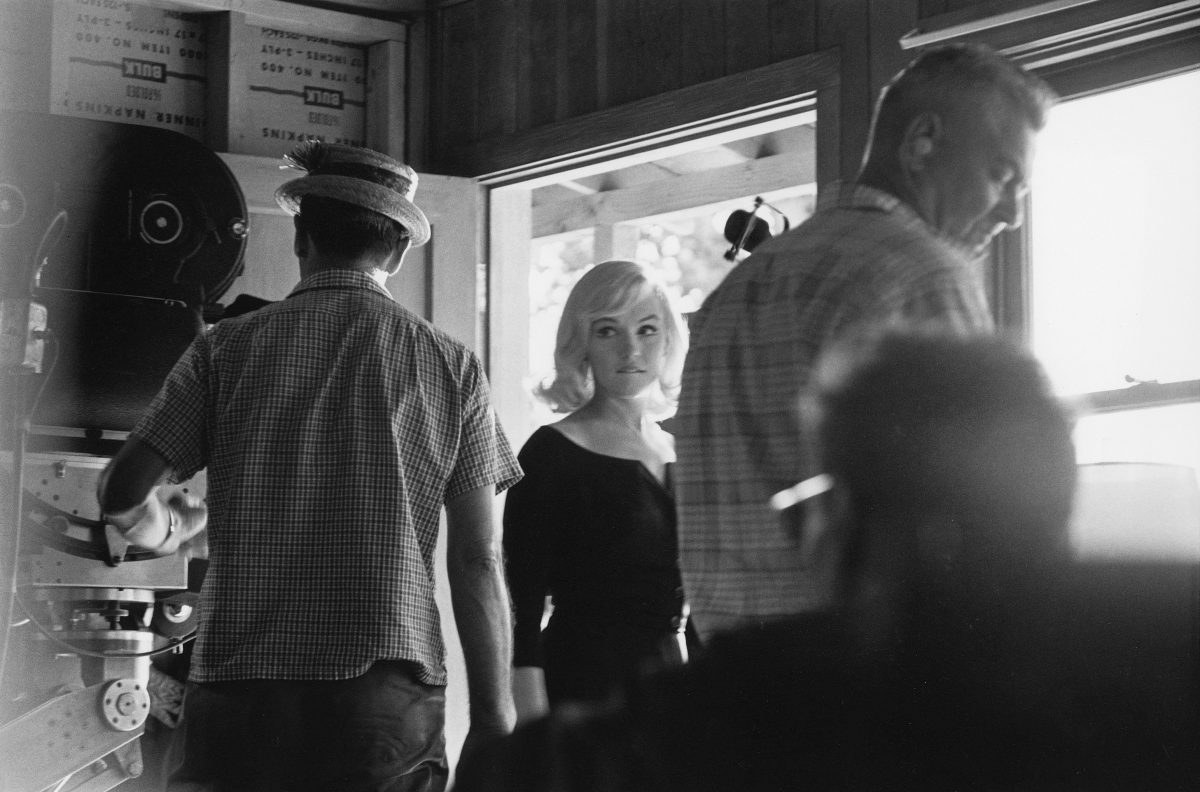
The film’s characters are people adrift. Each one carries a wound they can’t quite name, and each one searches for meaning in a world that no longer seems to have a place for them. Miller built the screenplay as a study of these lost souls, and the cast he and Huston assembled brought an unsettling authenticity to the roles — partly because several of them were going through their own private crises at the same time.
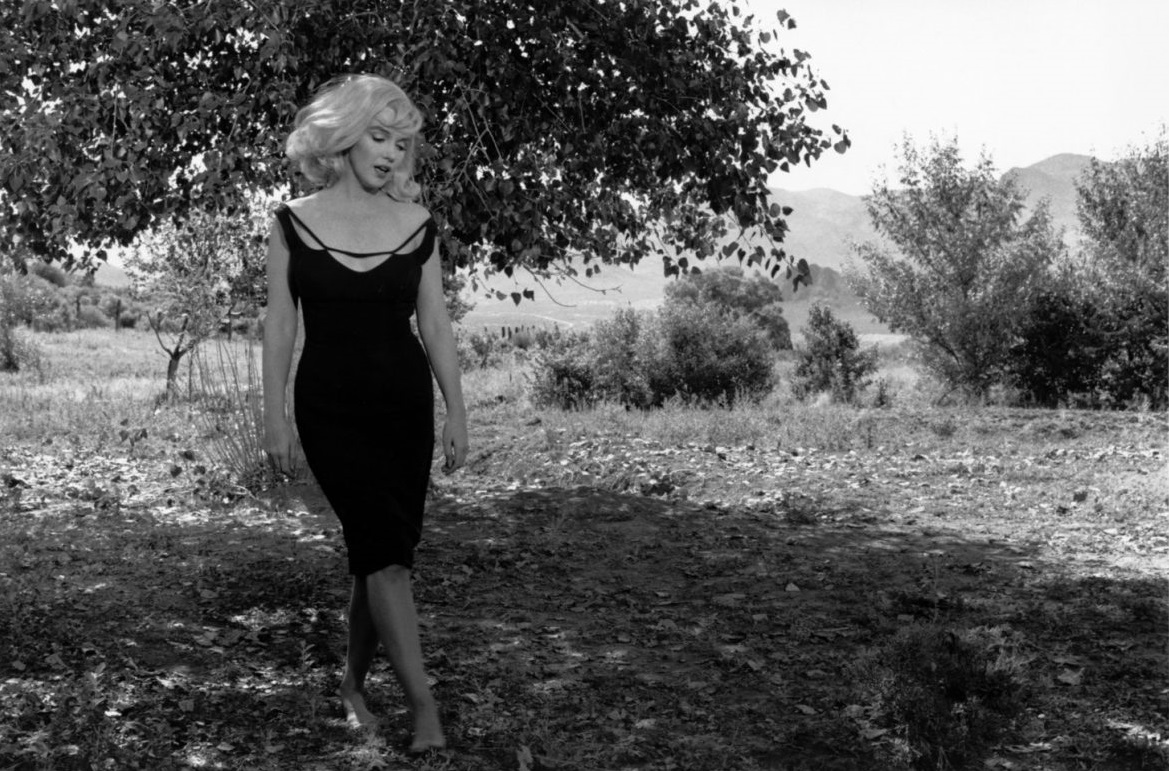
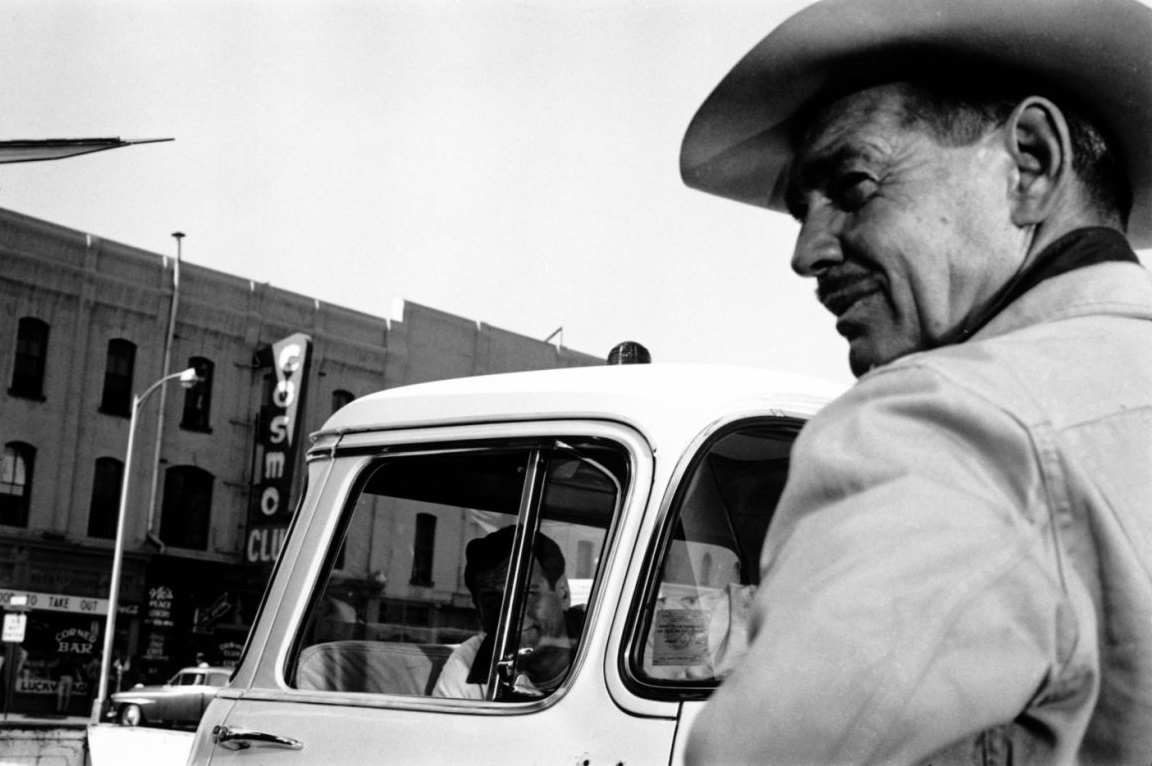
Clark Gable and Eli Wallach joined Monroe at the center of the story, playing cowboys clinging to a way of life that the modern world had already left behind. Gable, who played the rugged Gay Langland, was 59 years old during production — working in the brutal Nevada heat and performing many of his own physically demanding scenes.
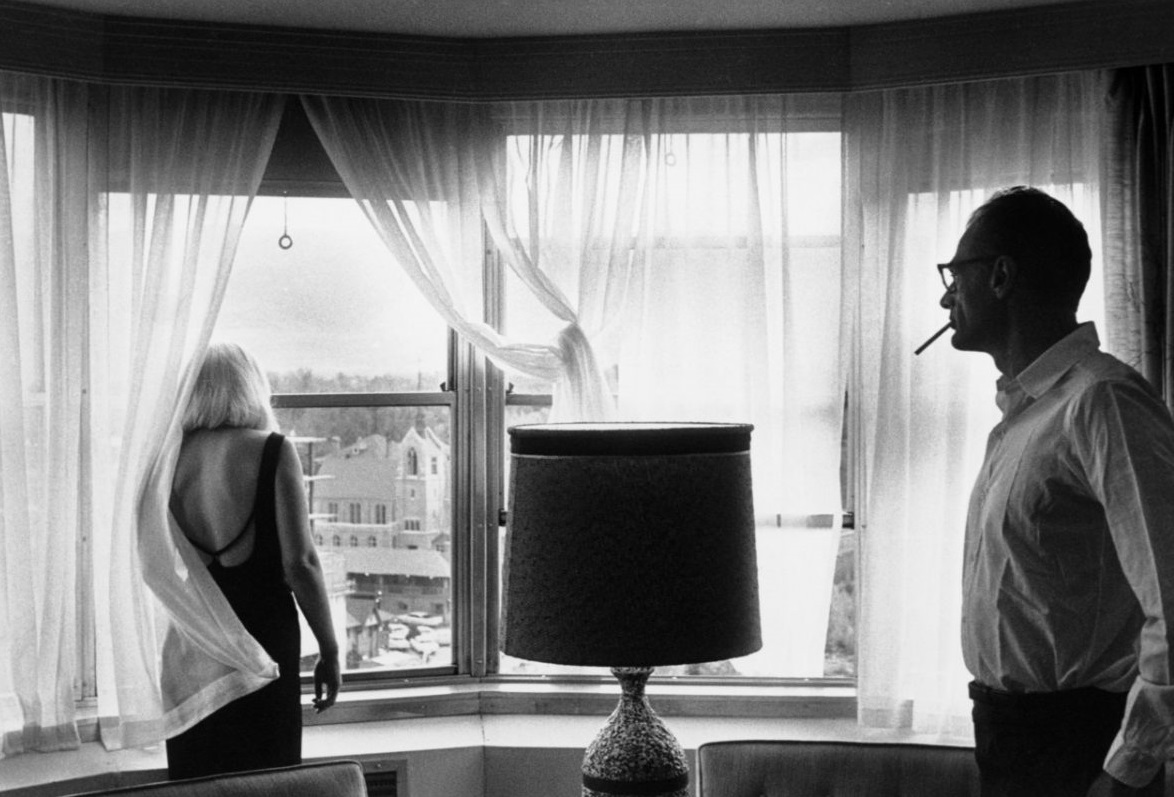
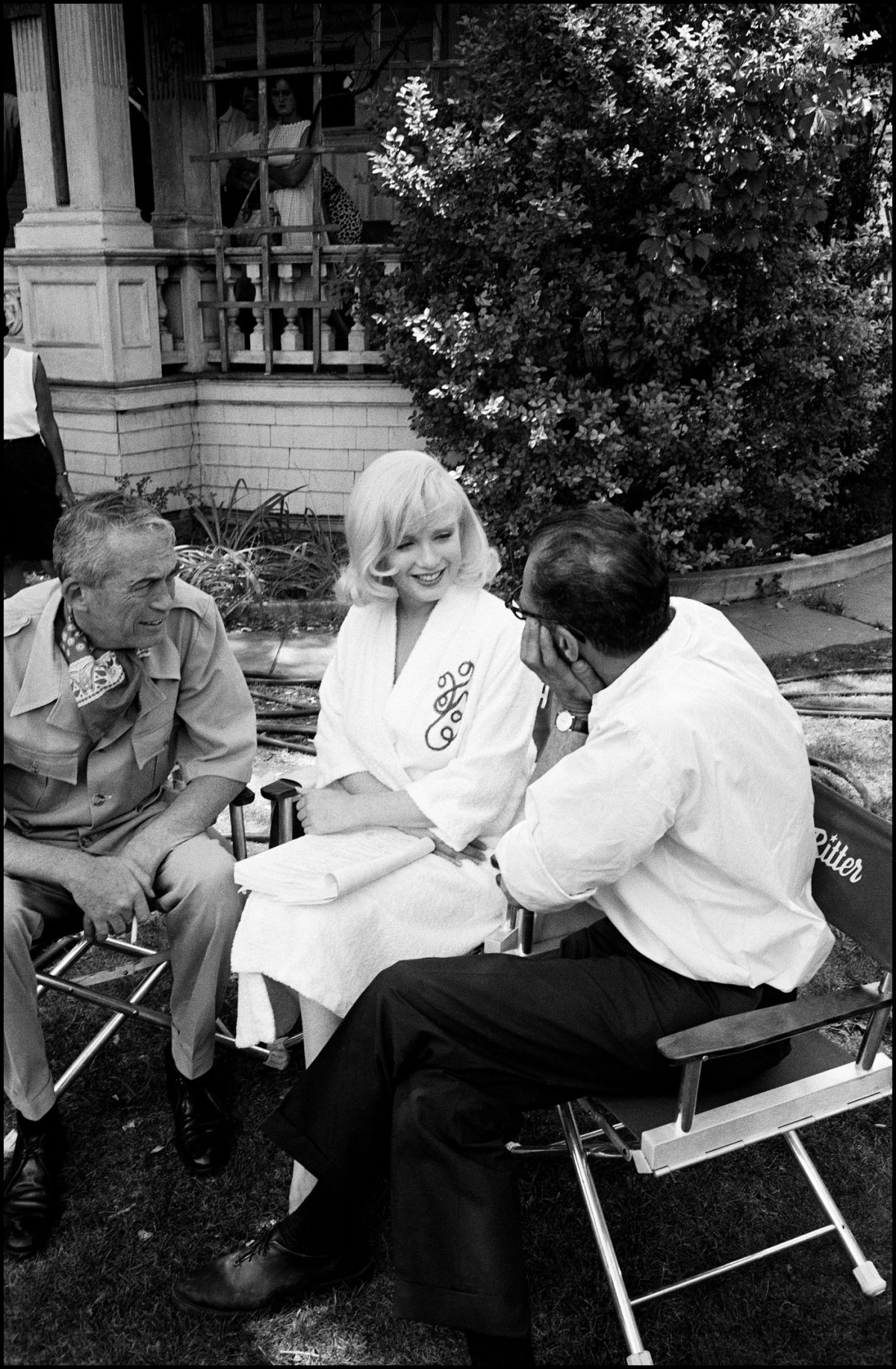
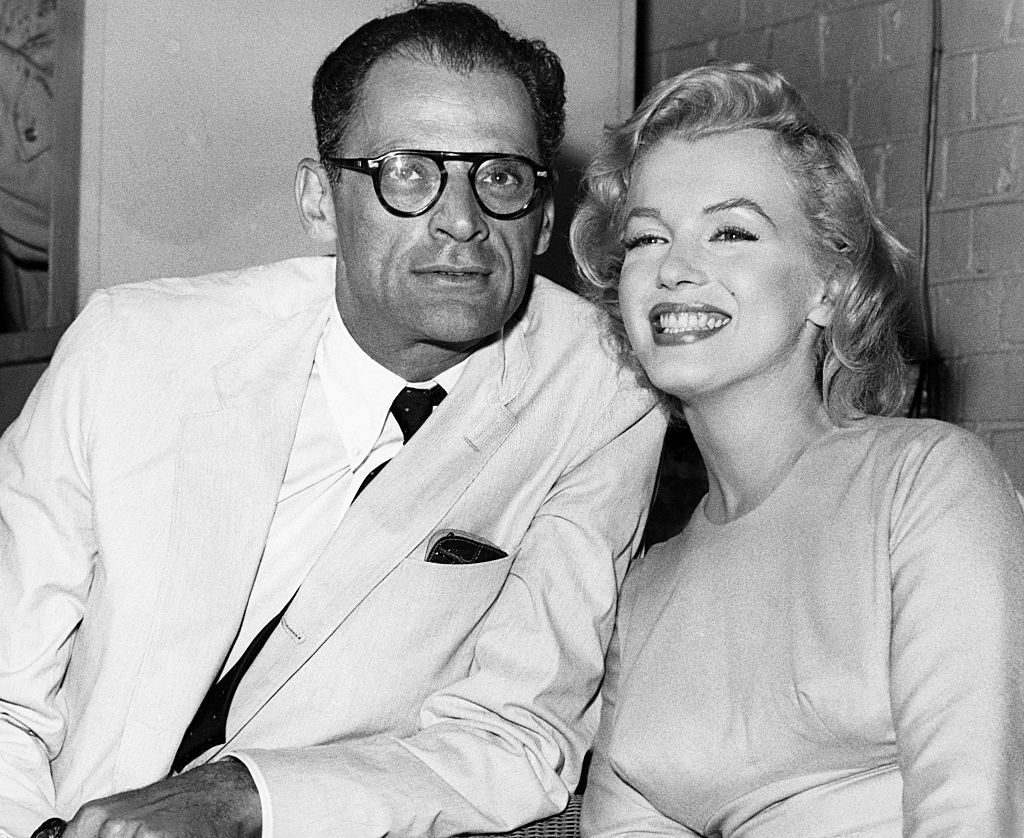
Miller wrote the screenplay specifically for Monroe, describing it as a “valentine” to her. By the time cameras rolled, however, their five-year marriage was unraveling. The tension on set was impossible to ignore, and Miller later admitted that the production was one of the lowest points in his life. What had been written as an act of love was being filmed against the backdrop of a relationship falling apart.
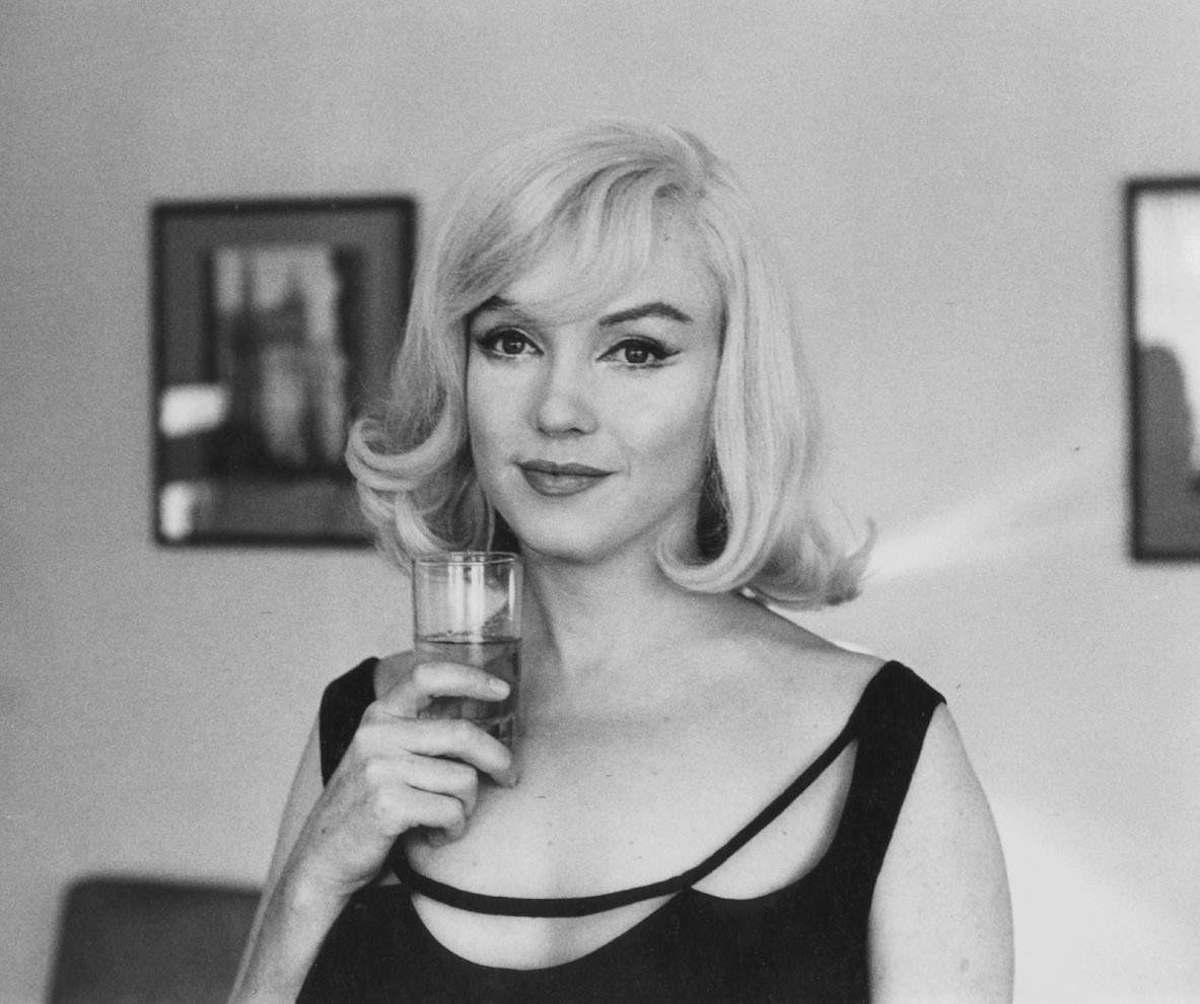
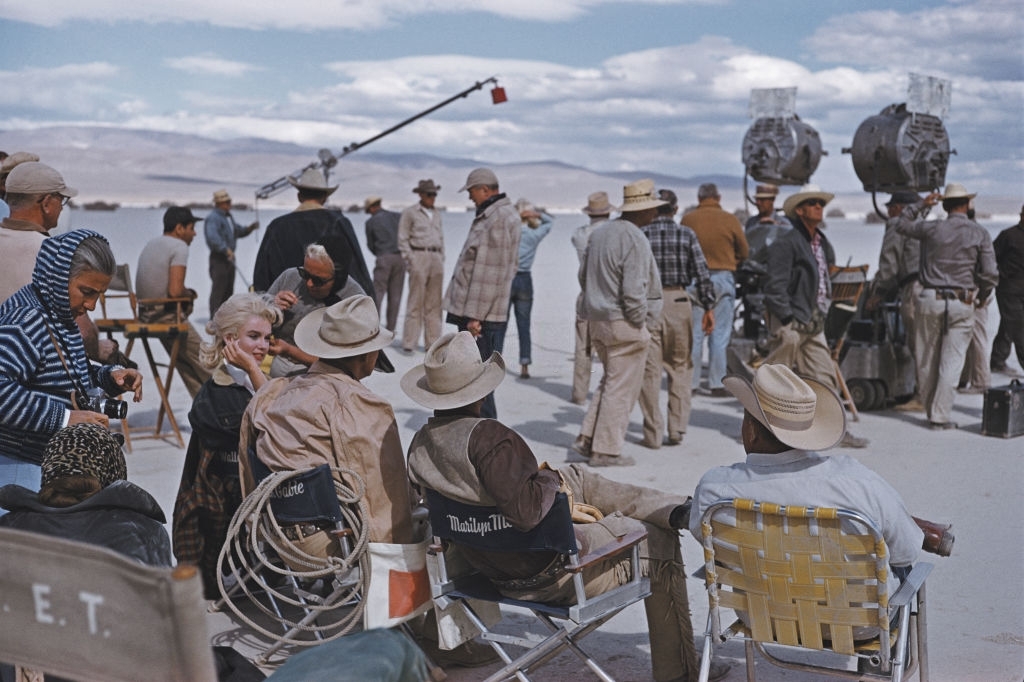
Principal photography began in the Nevada desert, with director John Huston and Miller overseeing every detail of the production from day one. The remote location added to the already heavy atmosphere surrounding the shoot.
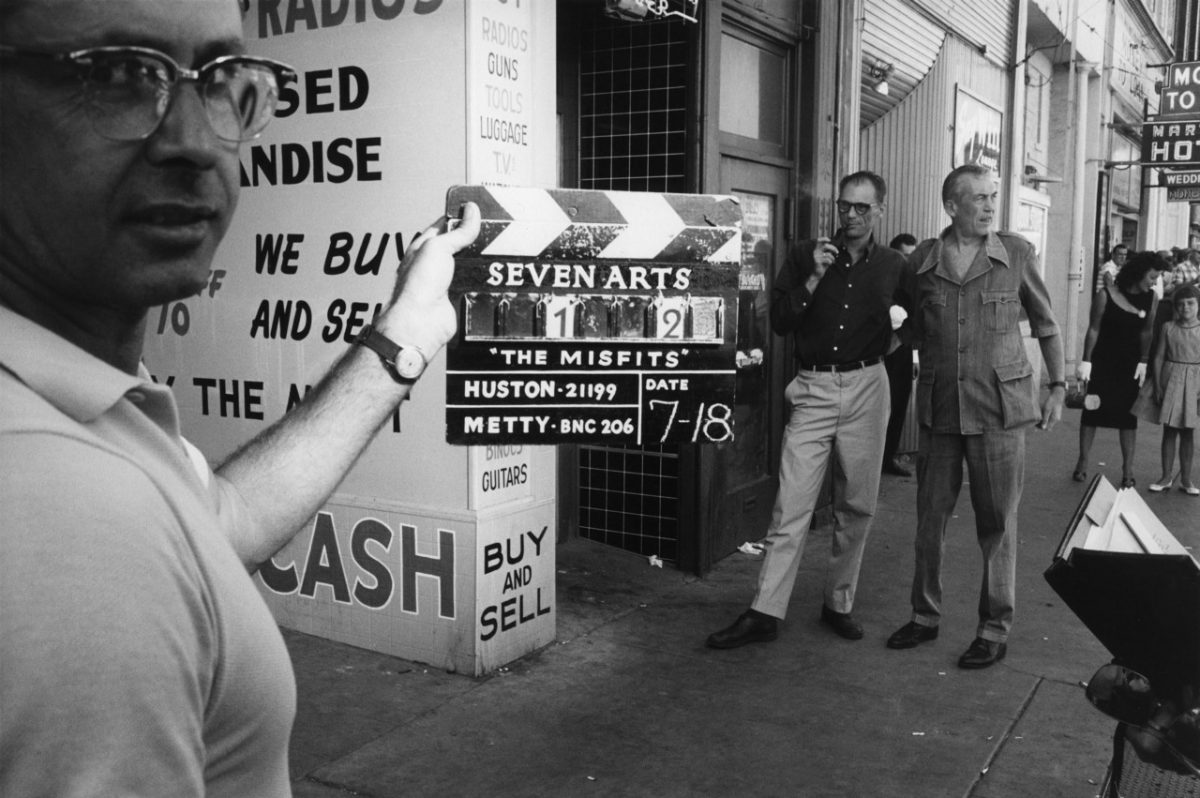
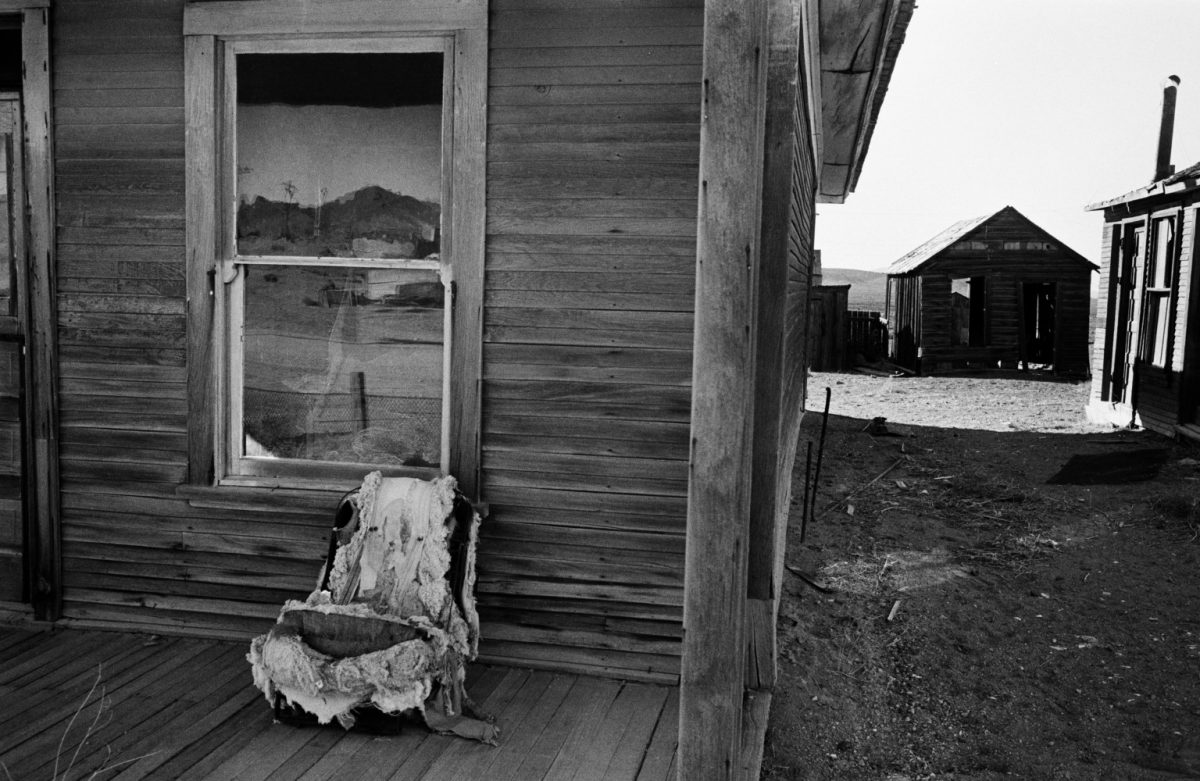
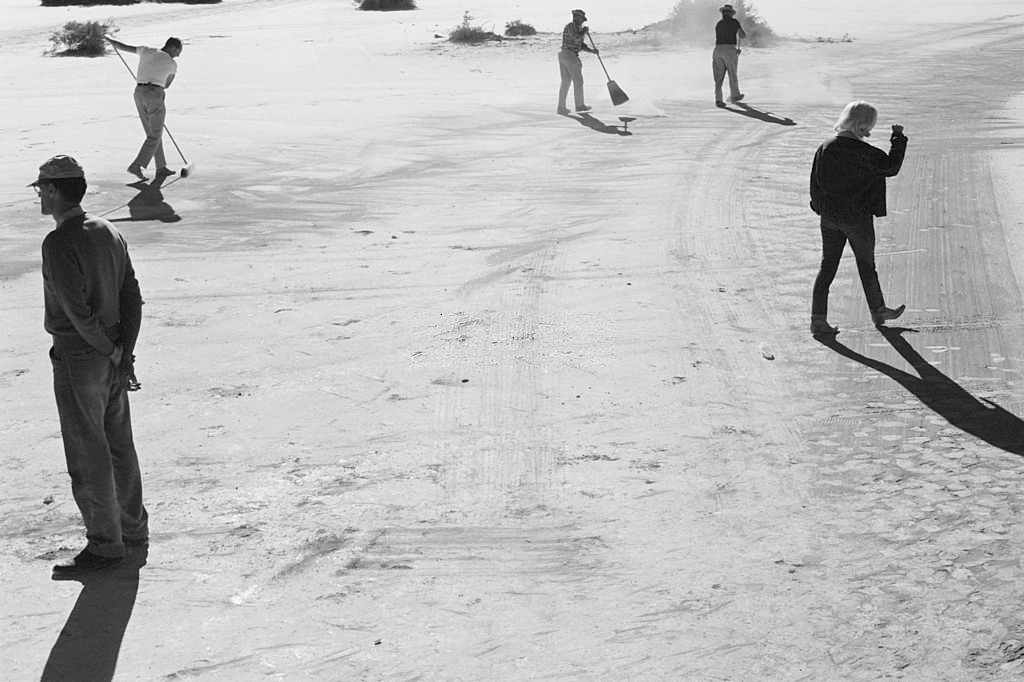
Reno, Nevada, served as a key backdrop for the production. The city, with its casinos, neon lights, and transient population, fit perfectly with the film’s themes of people living on the margins. The wider Nevada landscape — open, harsh, and unforgiving — gave the film a visual texture that matched the emptiness its characters carried inside them.
Monroe’s personal struggles were severe during production. She was dependent on alcohol and prescription drugs — taking sedatives to sleep and stimulants to wake up. The cycle left her arriving on set late, sometimes hours behind schedule, and struggling to remember her lines once she got there. Her co-star Montgomery Clift, himself dealing with serious personal difficulties following a near-fatal car accident years earlier, remarked during filming that Monroe was “the only person I know who is in even worse shape than I am.”
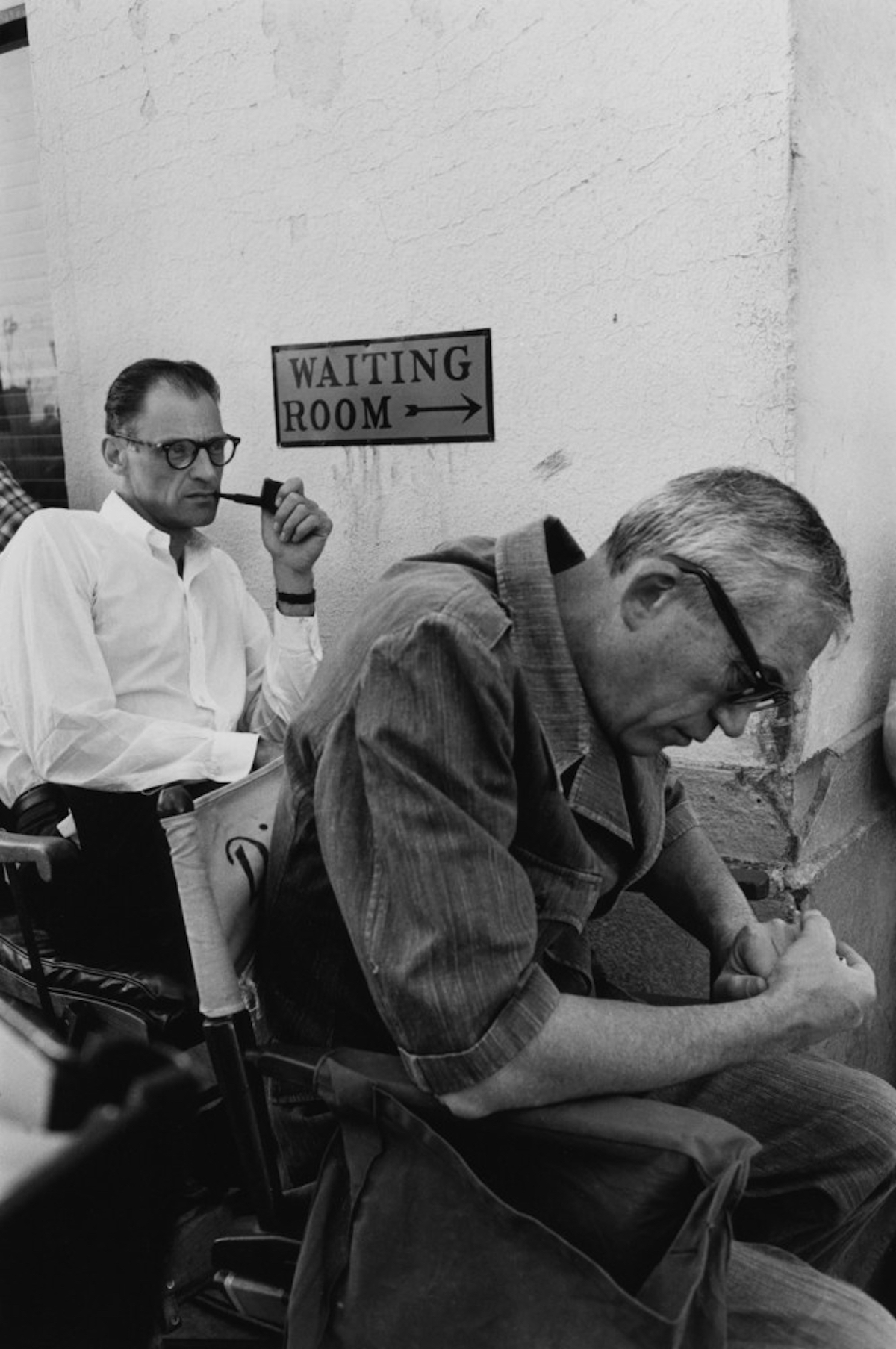
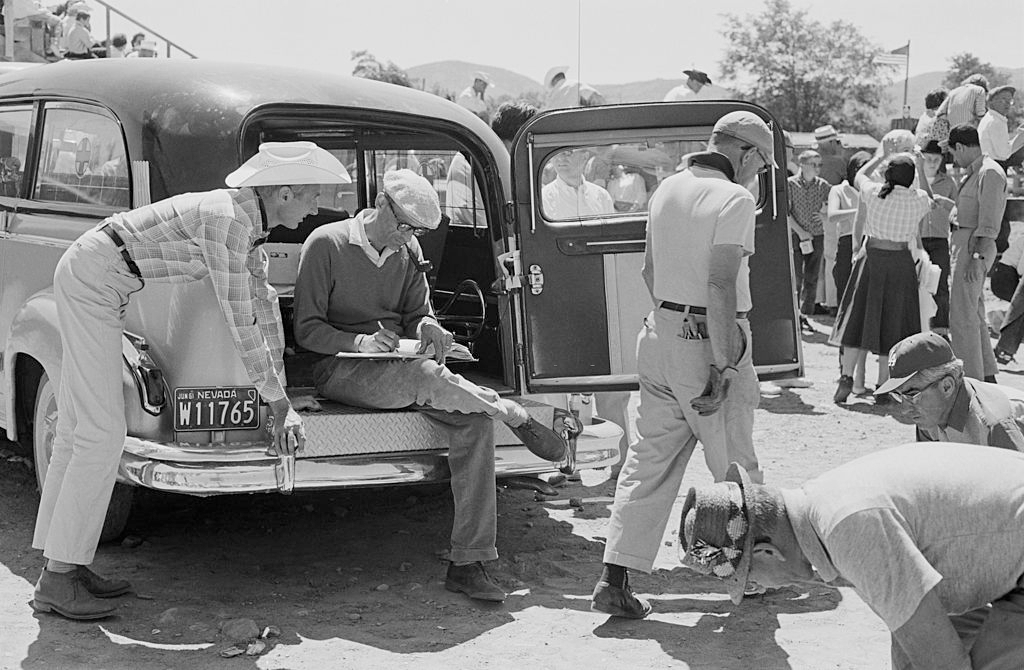
Despite the chaos surrounding Monroe, director John Huston kept the production moving. Huston was known for his ability to work with difficult material and difficult personalities, and The Misfits tested both skills to their limits. He and Miller spent long hours together between scenes, working through the next sequence while managing a cast and crew stretched to their limits by heat, tension, and exhaustion.
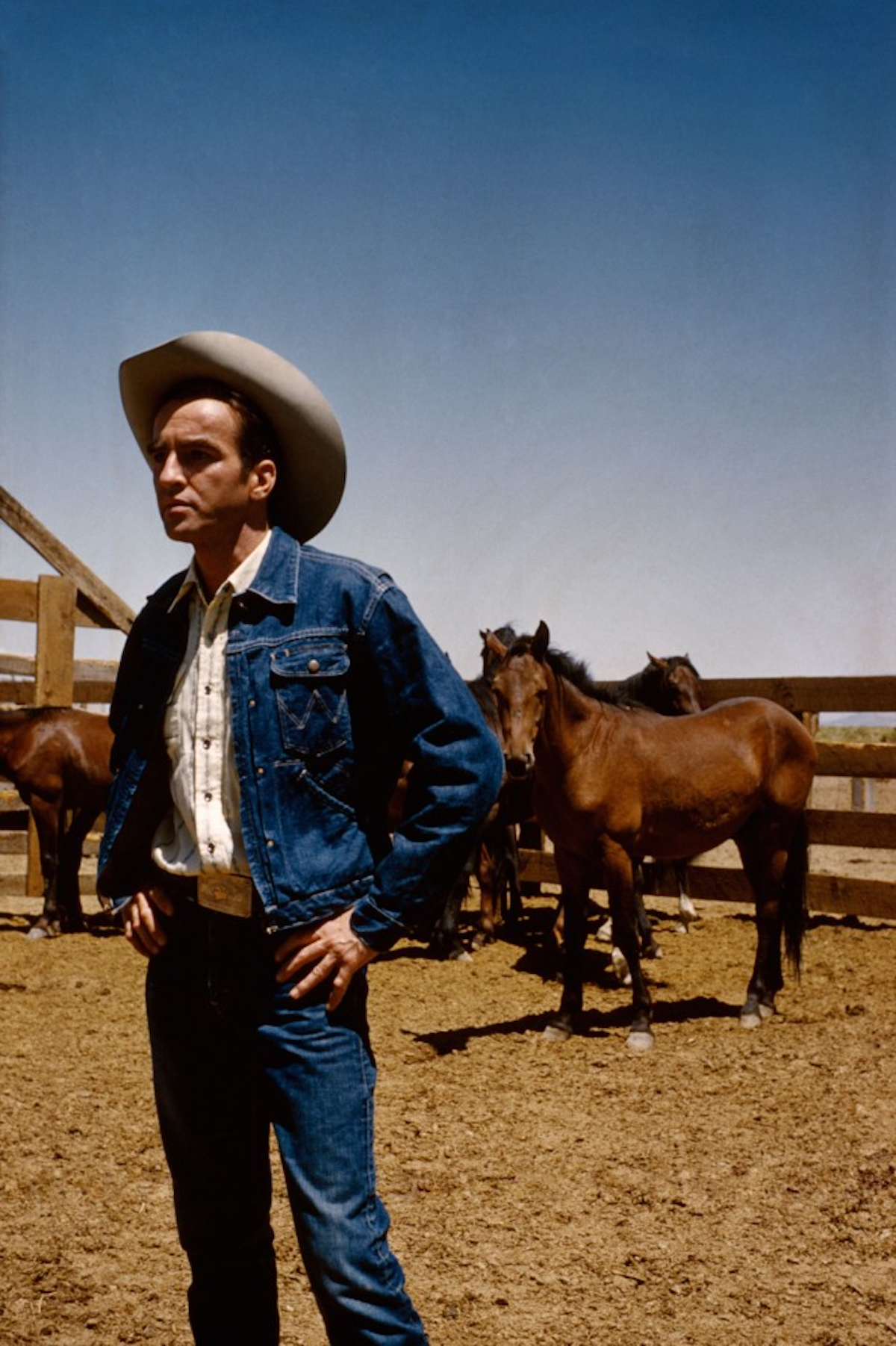
Montgomery Clift delivered one of his most raw performances in the film, despite the physical and emotional toll he was carrying at the time. His chemistry with Monroe on screen was genuine — two people who understood each other’s fragility in a way few others on set could.
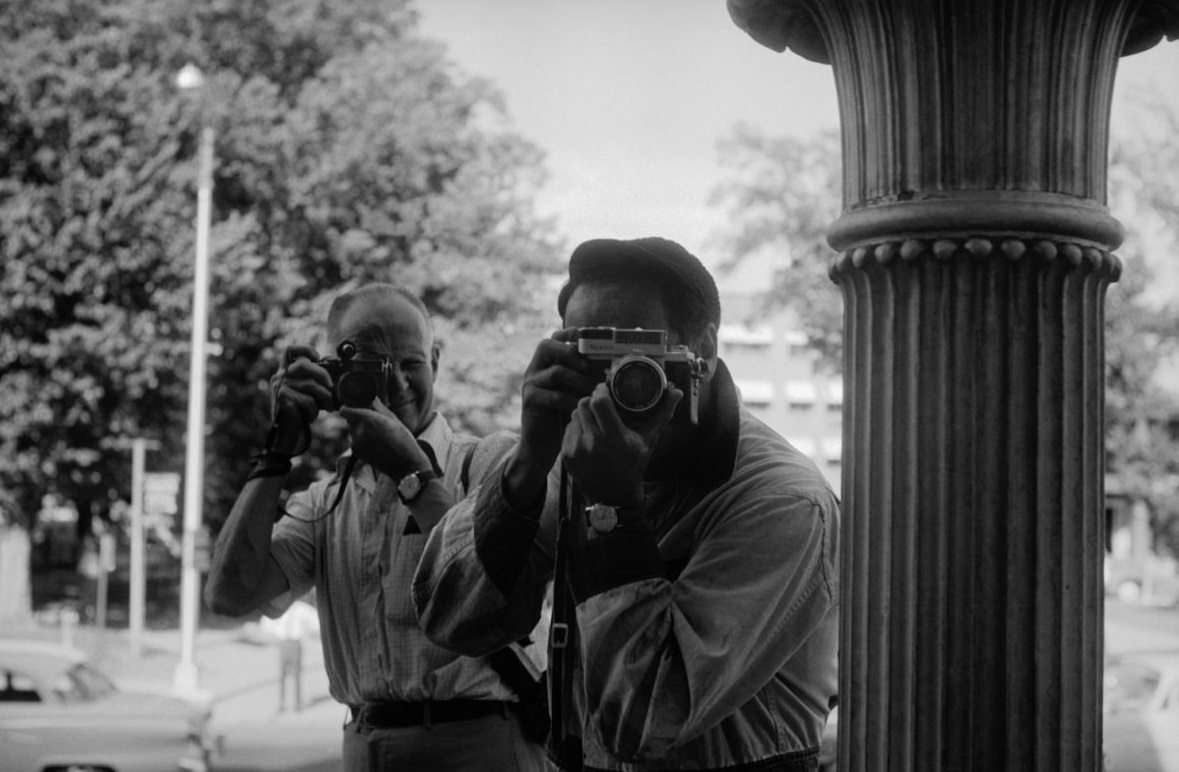
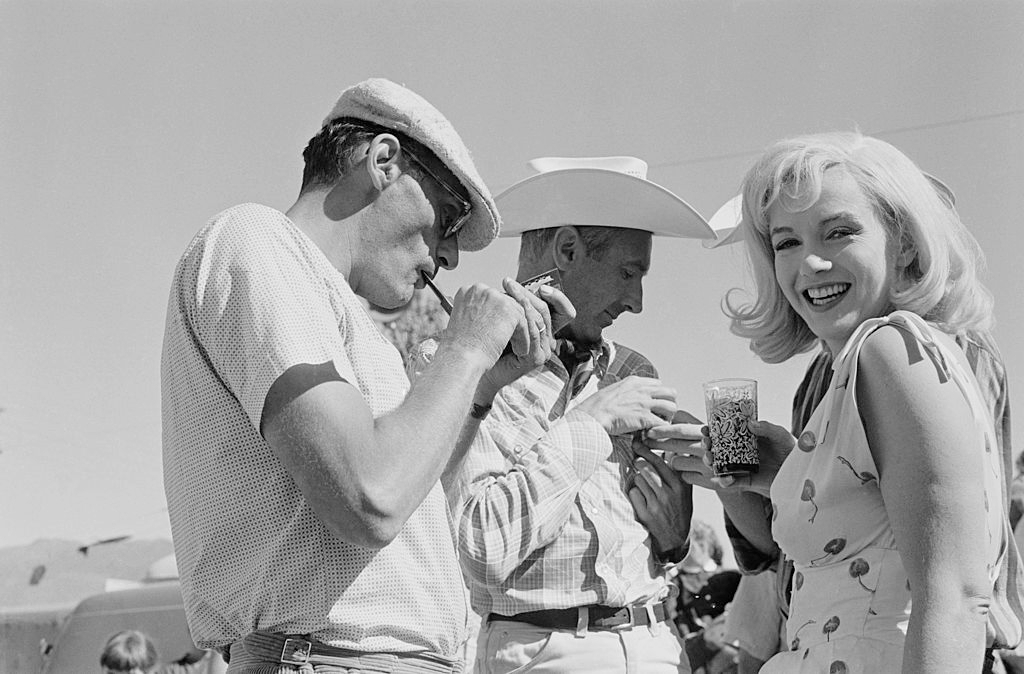
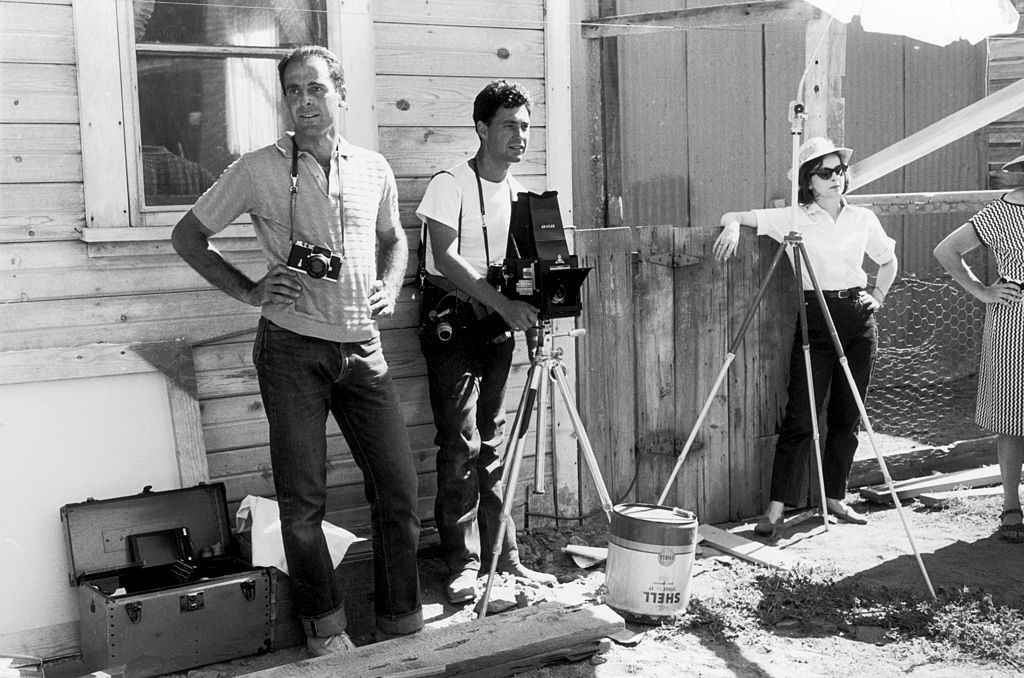
The production attracted some of the most respected photographers of the era, drawn by the sheer weight of talent assembled in one place. Henri Cartier-Bresson, one of the founding figures of modern photojournalism, was present on set alongside cast members like Eli Wallach.
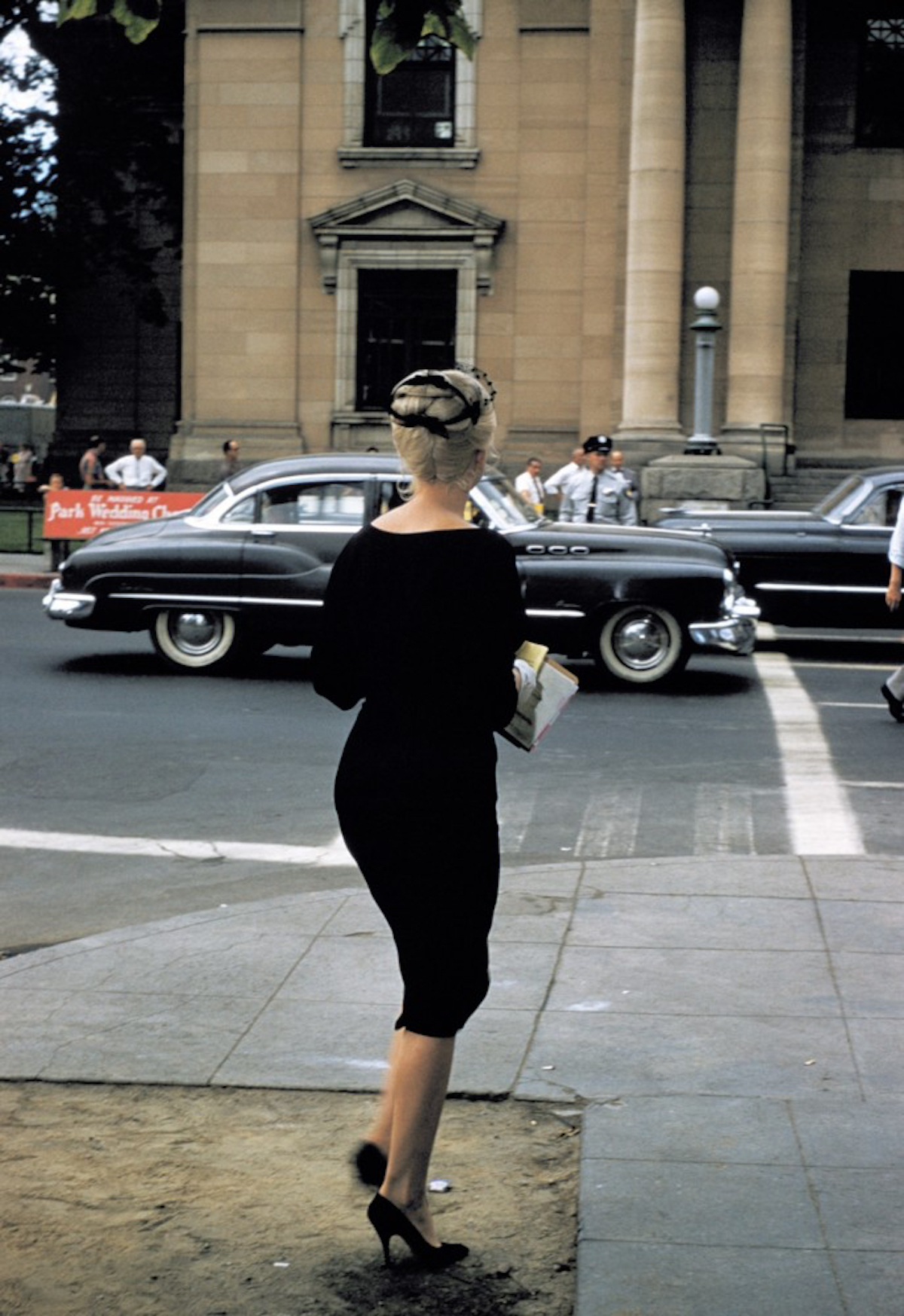
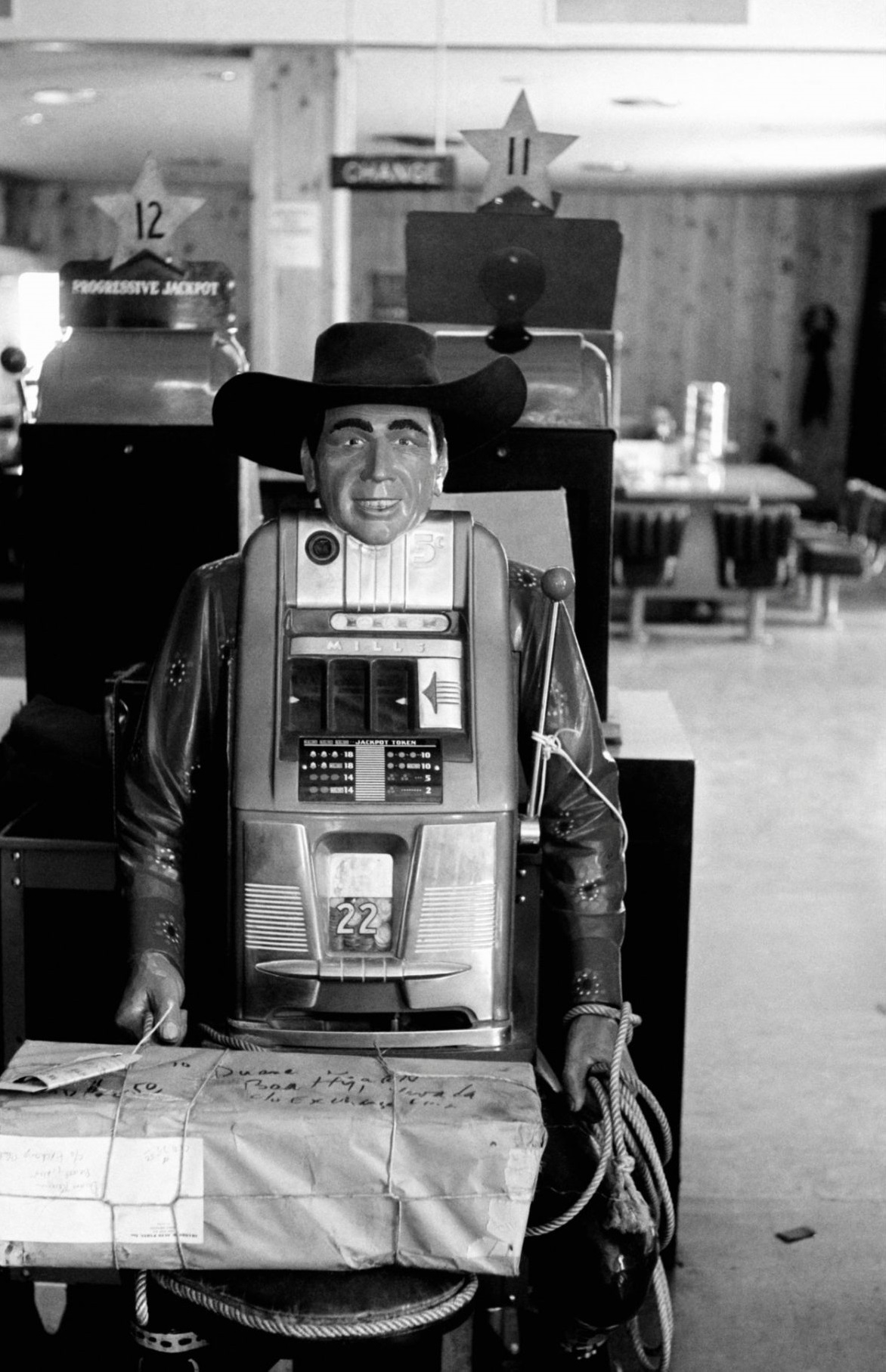
Scenes were filmed inside Reno’s casinos, capturing Monroe in an environment that was equal parts glamour and grit. The locations were used not just as backdrops but as extensions of the characters — places where people went to lose themselves or chase something they couldn’t quite define.
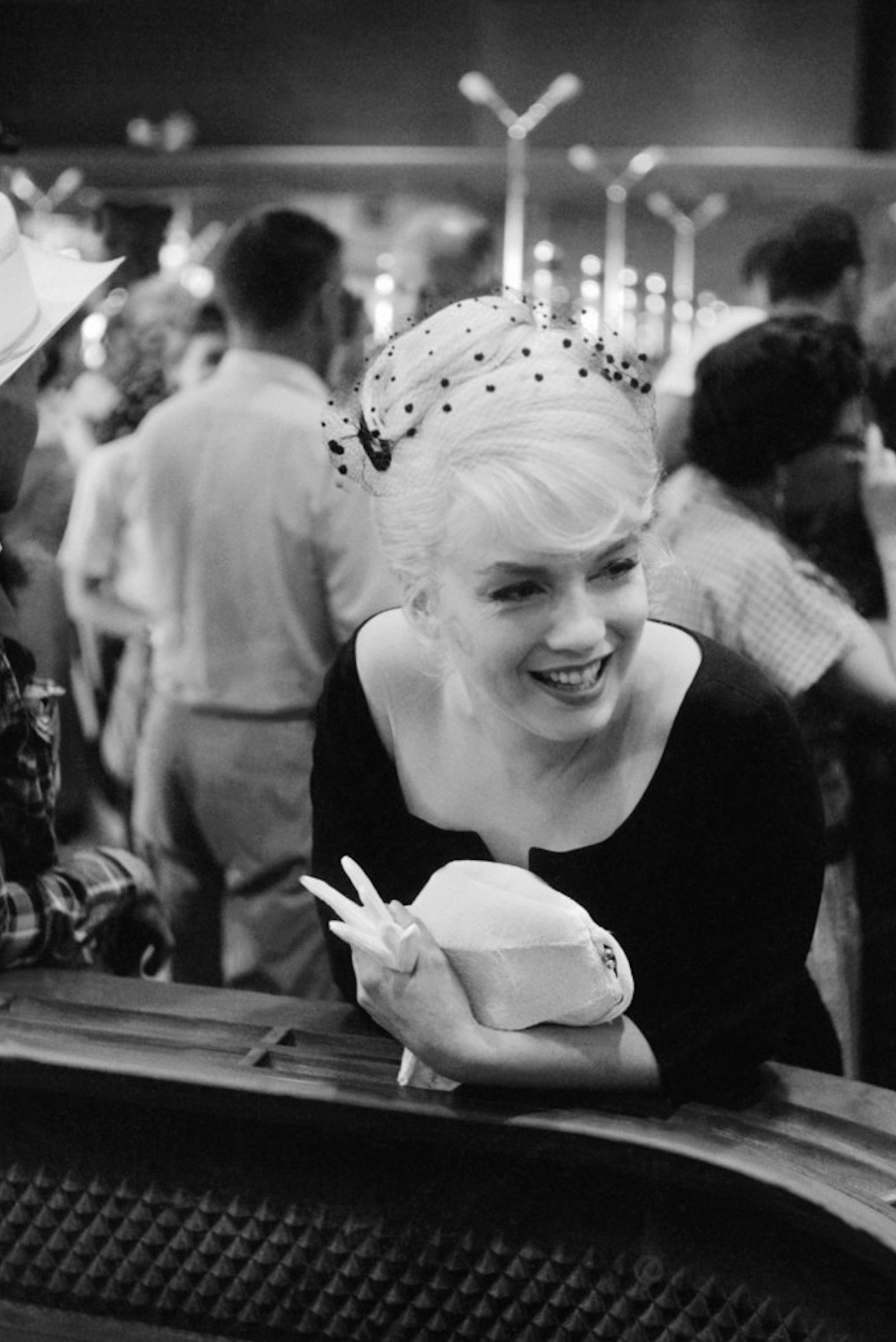
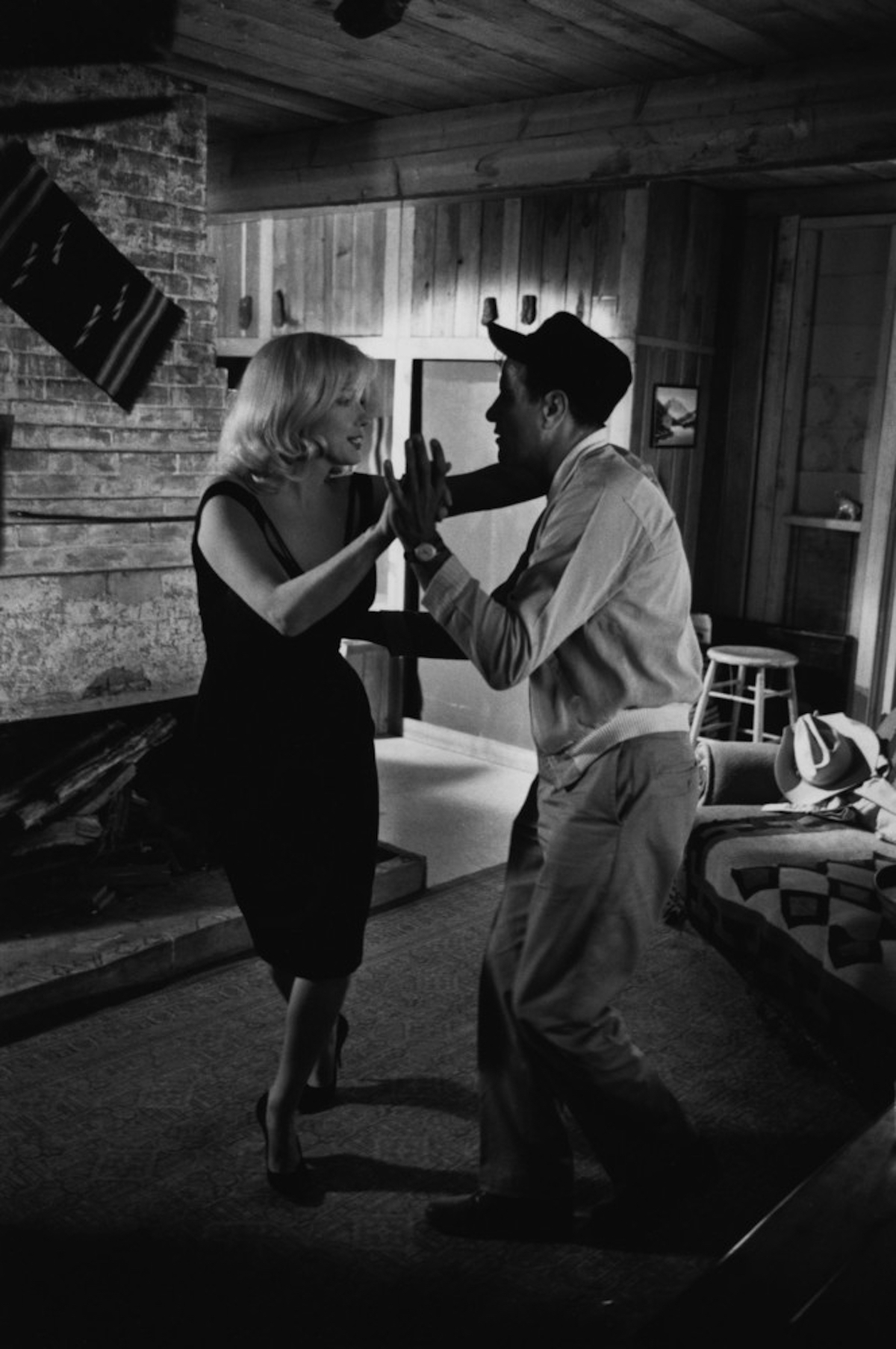
Among the photographers documenting the production was Inge Morath, a Magnum Photos member working on assignment. Morath captured life behind the camera with a quiet, observational style. In a turn of events that speaks to the strange intimacy of the production, Morath and Miller fell in love during the shoot. After Miller and Monroe’s divorce was finalized shortly before the film’s premiere, Miller married Morath.
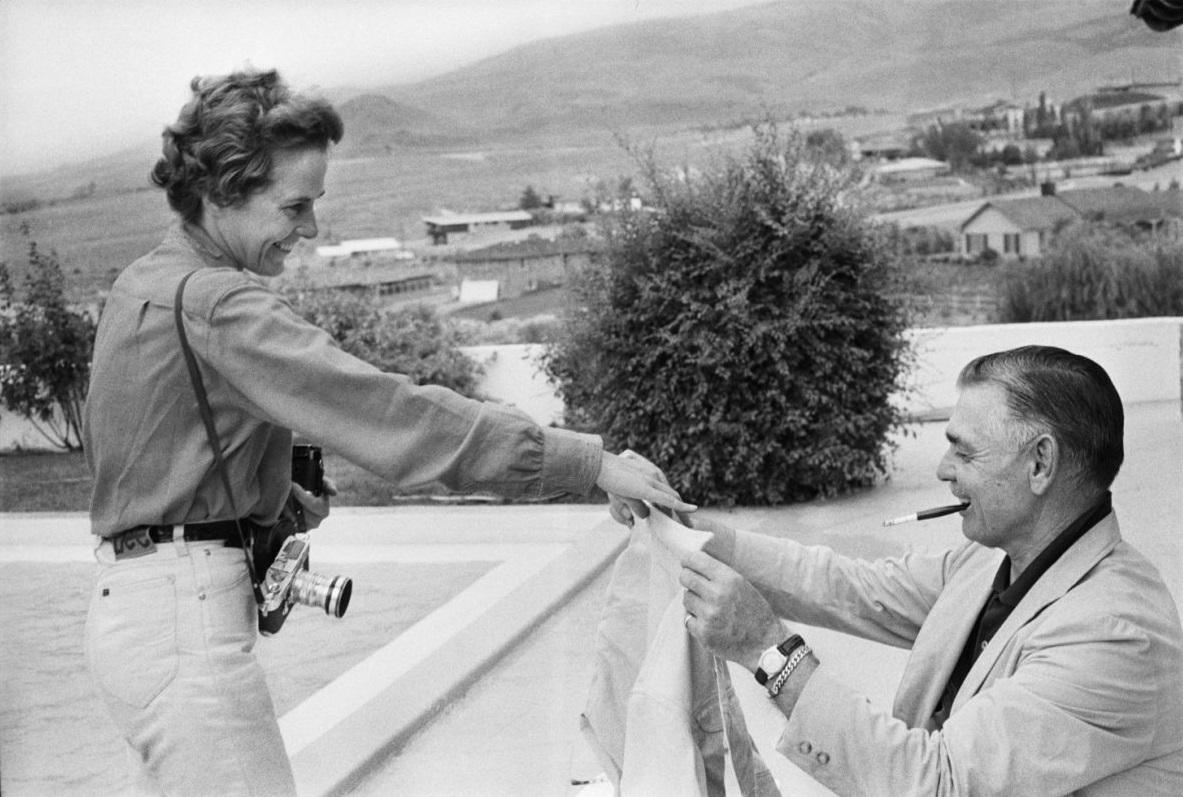
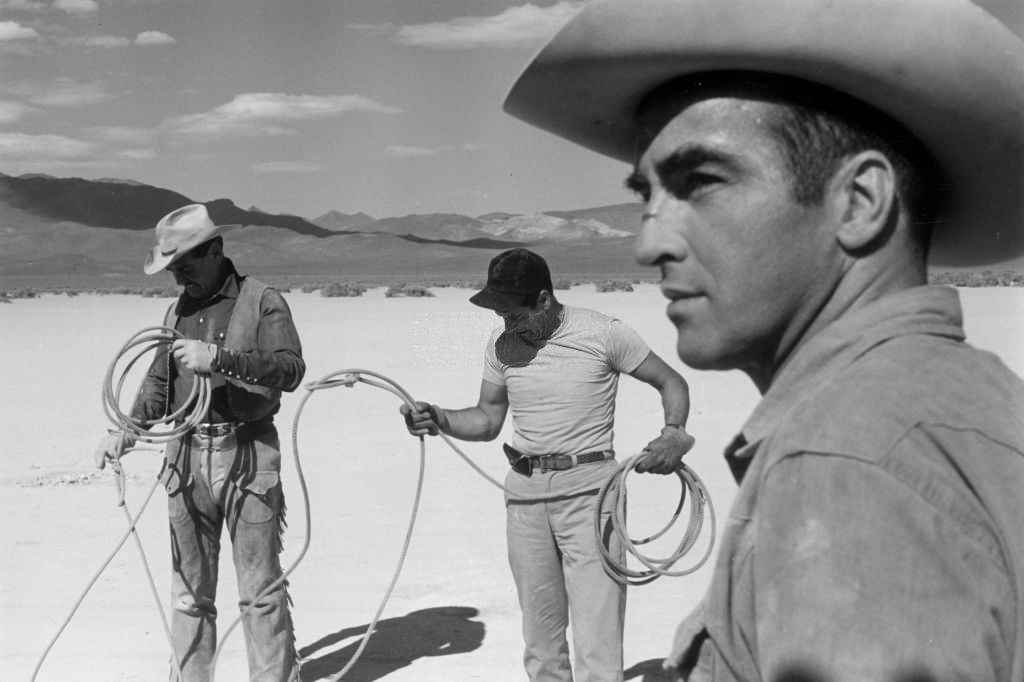
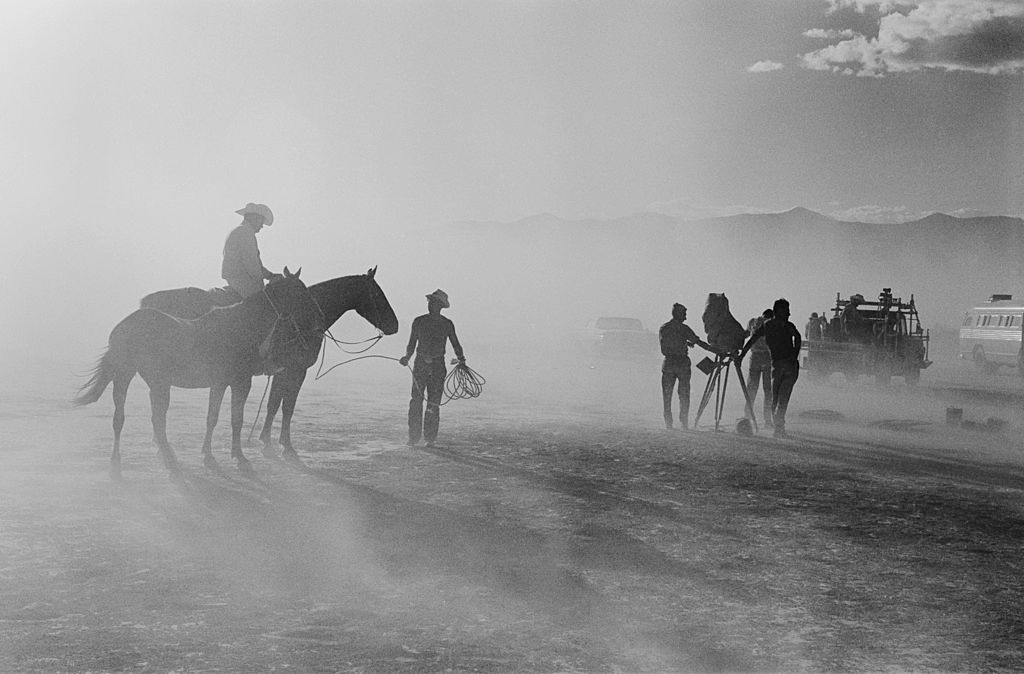
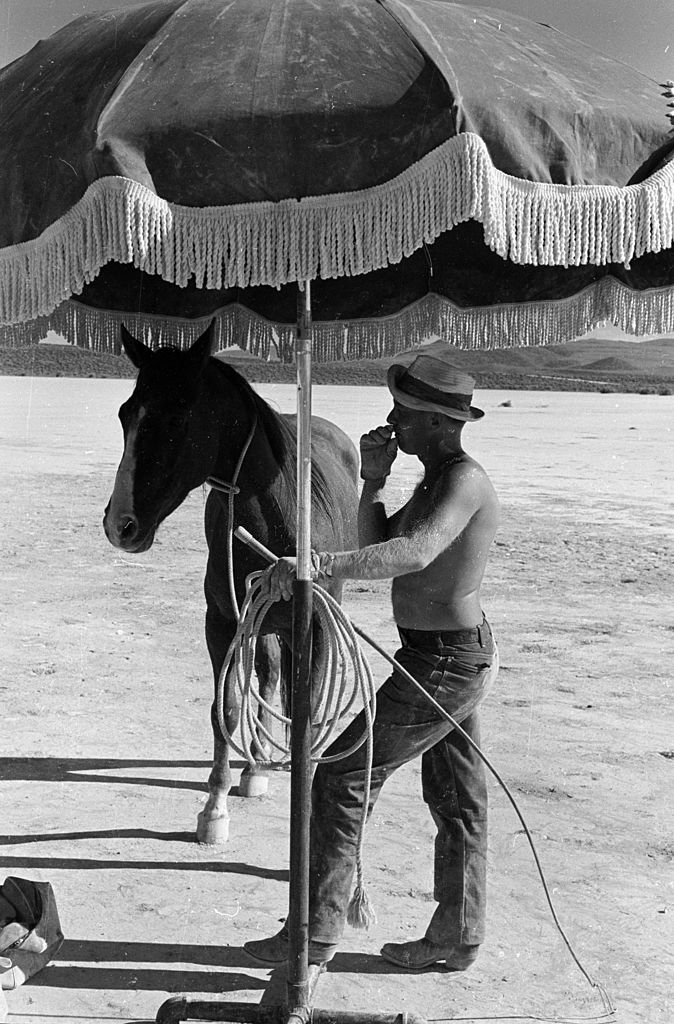
Out in the Nevada desert, the male leads filmed sequences that were physically grueling. Gable, Wallach, and Clift worked under a relentless sun, performing scenes involving horses, trucks, and lasso work that pushed everyone involved to their limits.
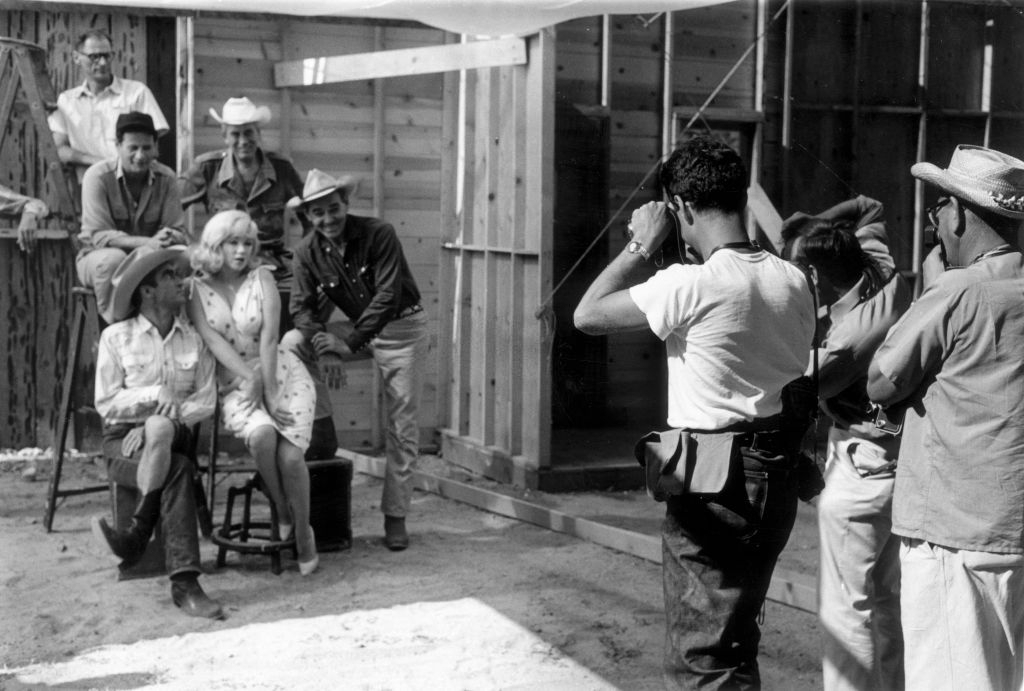
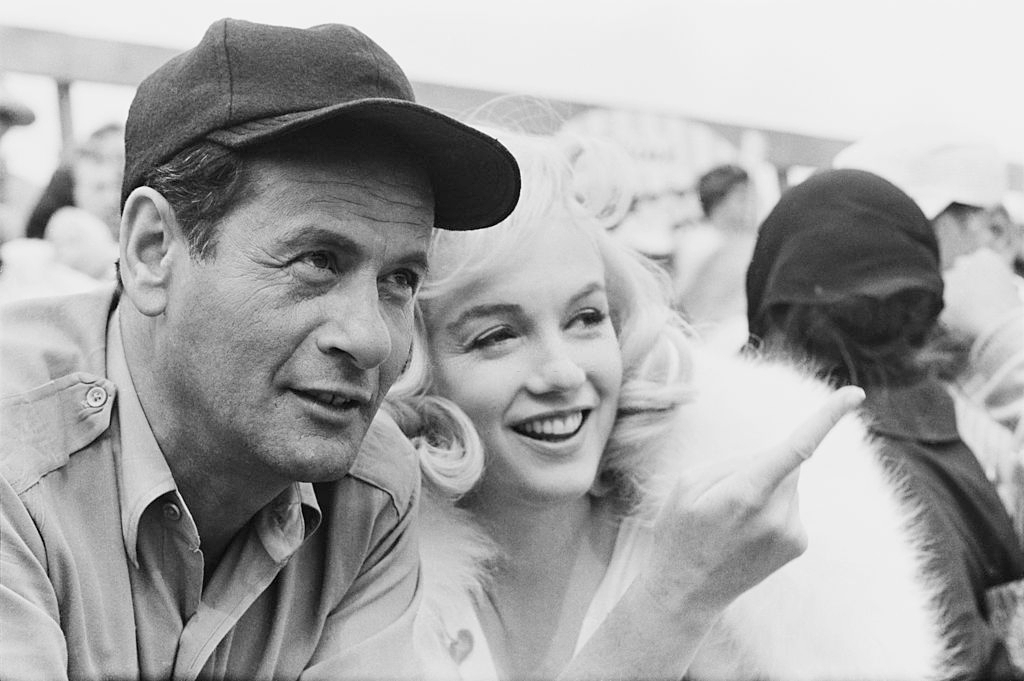
Monroe and Wallach shared a natural ease with each other on set that showed up in their scenes together. Wallach, a stage-trained actor with roots in the Actors Studio, brought steadiness and warmth to his role — qualities that made him a reliable presence alongside a co-star who was struggling.
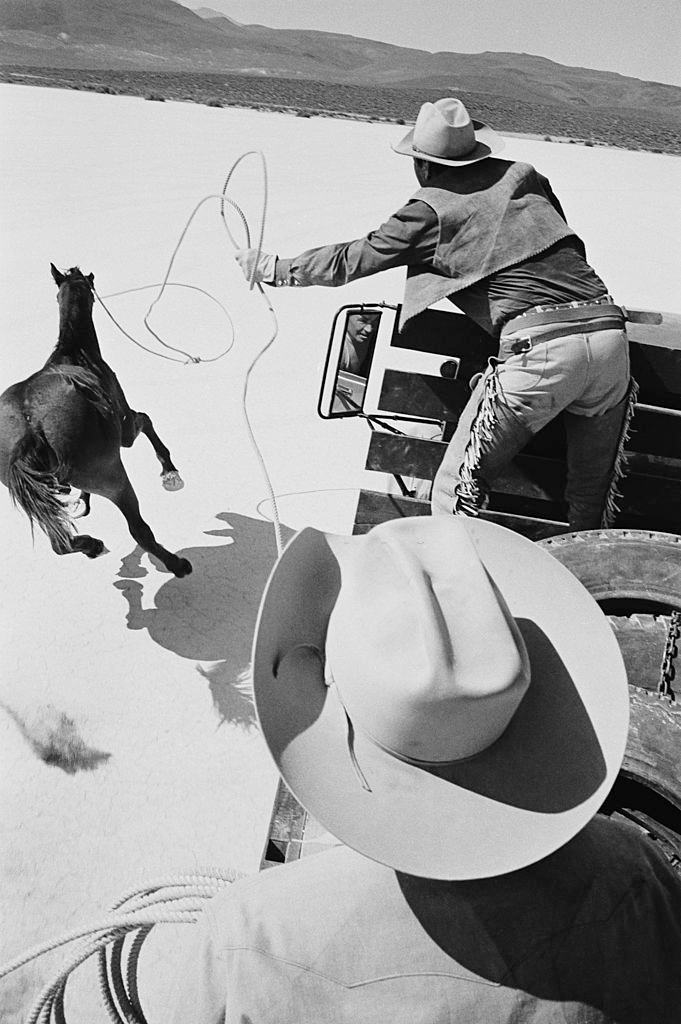
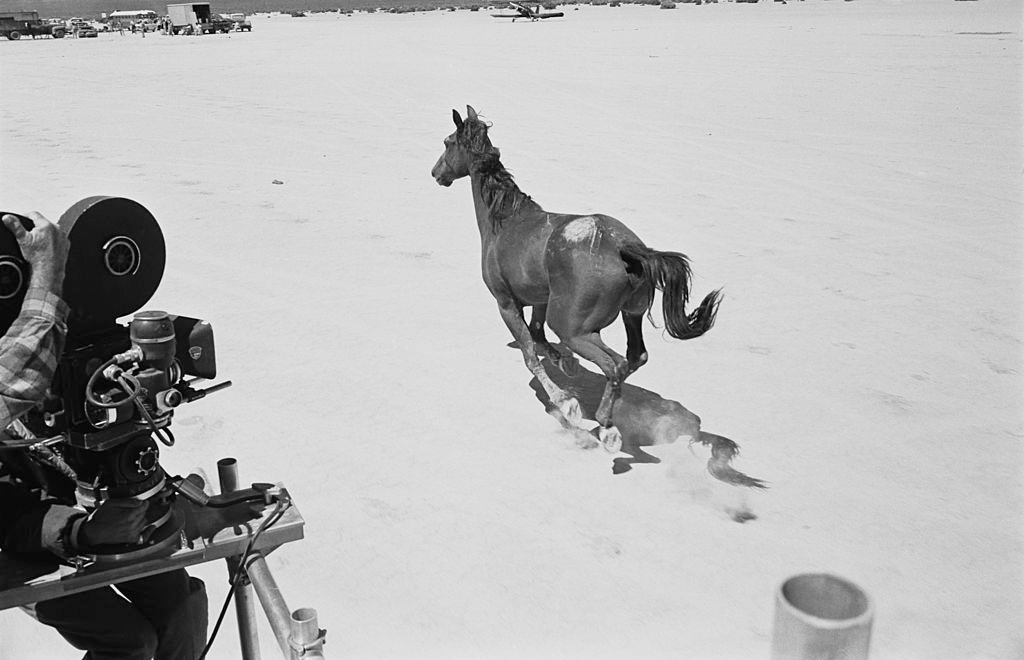
The desert sequences required extensive preparation and coordination. Camera crews mounted on trucks chased horses across open terrain, capturing footage that gave the film its most visceral, kinetic energy. The mustang roundup at the heart of the story was filmed with real animals, adding a rawness to those scenes that no studio backlot could have replicated.
Monroe had her acting coach Paula Strasberg — wife of Actors Studio founder Lee Strasberg — on set throughout the production. Strasberg’s presence was a source of both comfort and controversy. Some crew members felt she complicated the dynamic on set, but Monroe relied on her as a buffer against the pressures bearing down on her from every direction.
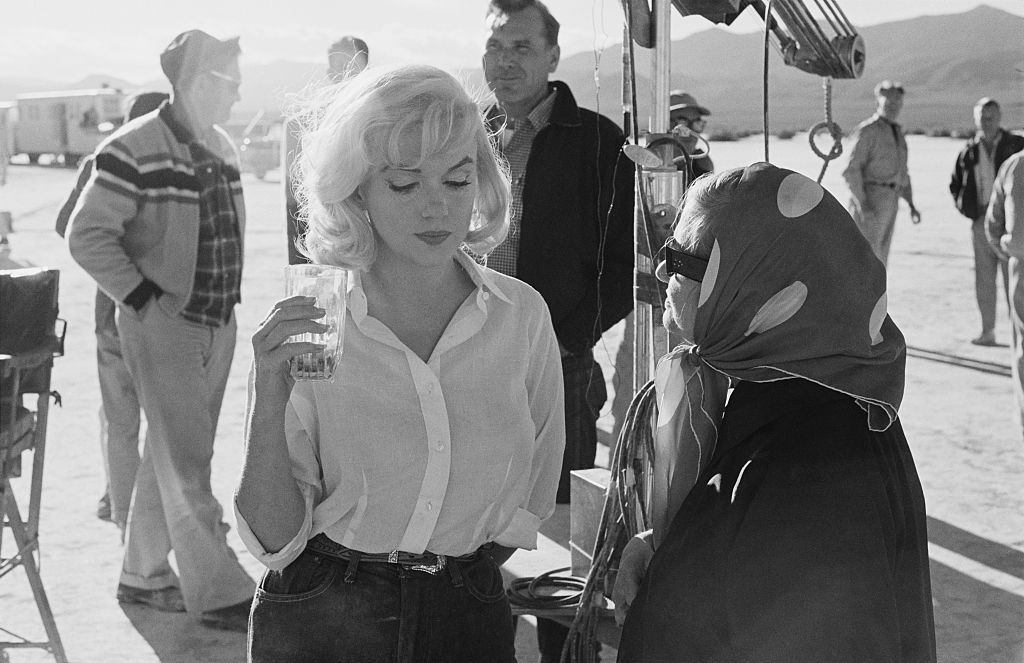
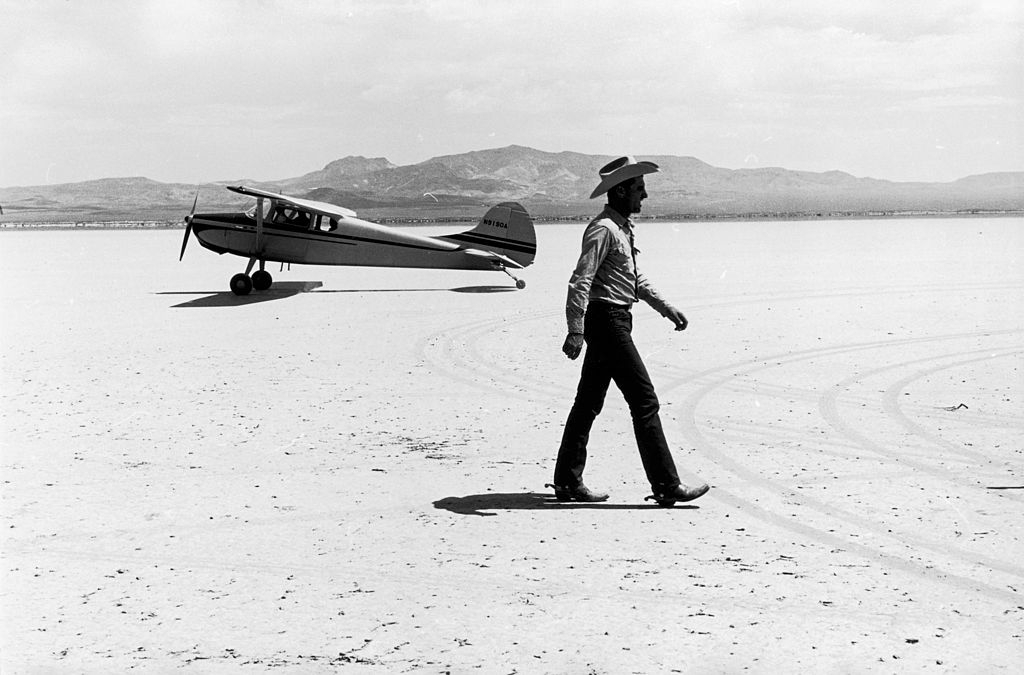
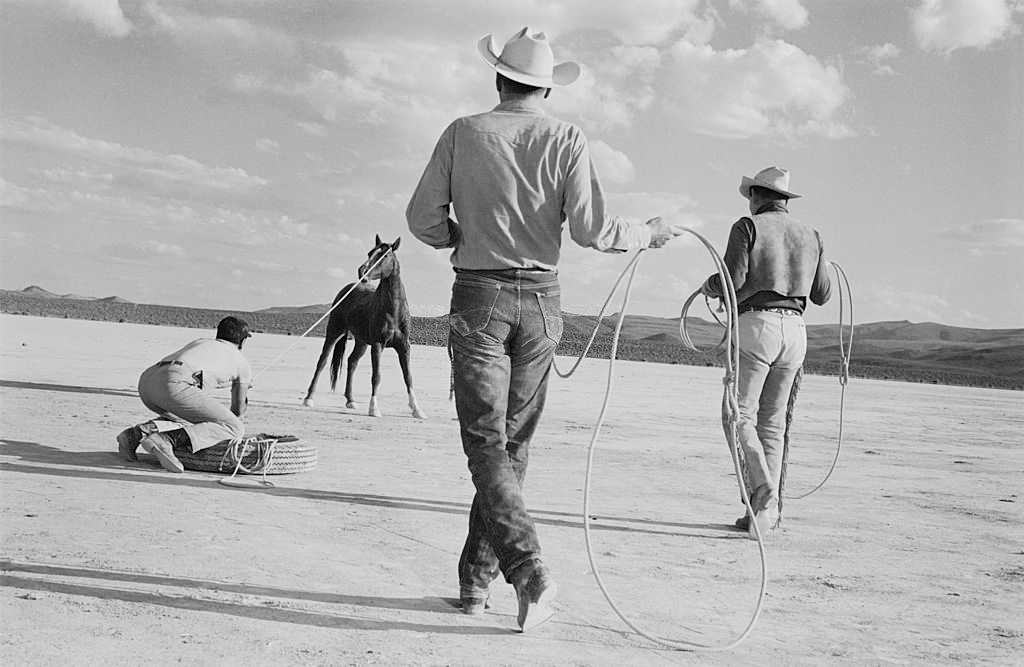
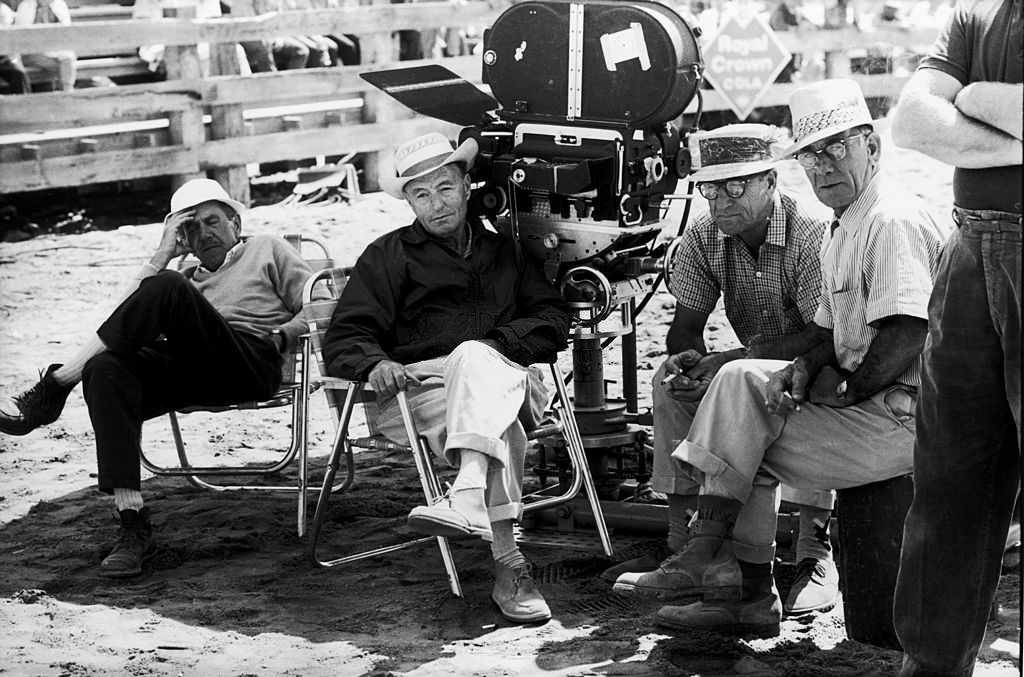
The camera teams had a demanding job. Capturing a galloping mustang from the back of a moving truck in the desert required both technical skill and physical nerve. The resulting footage gave the film some of its most memorable and emotionally charged moments.
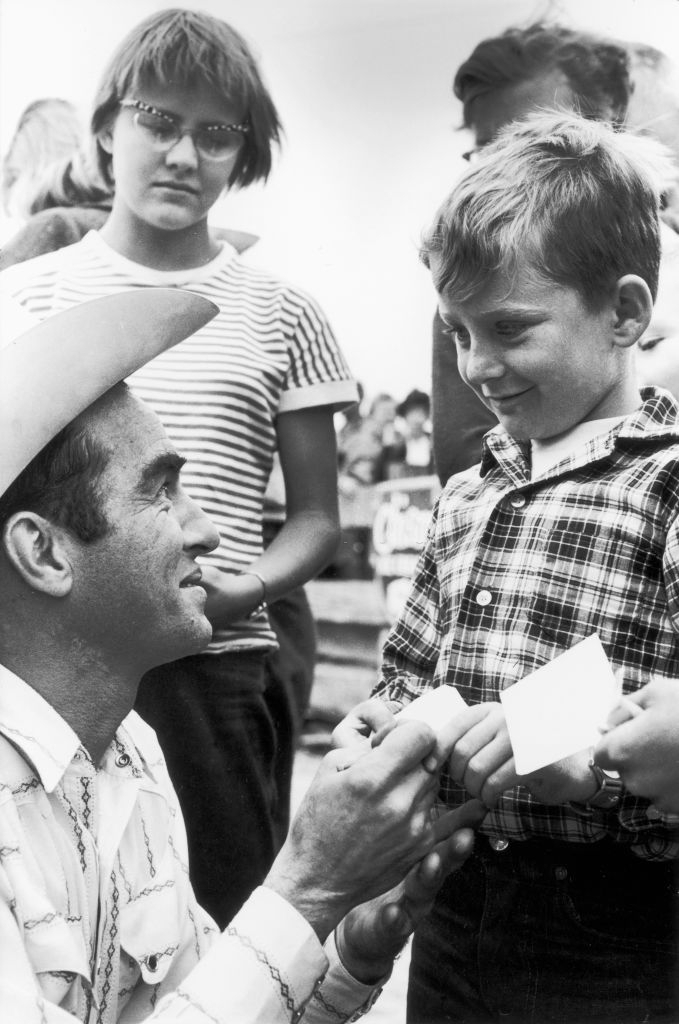
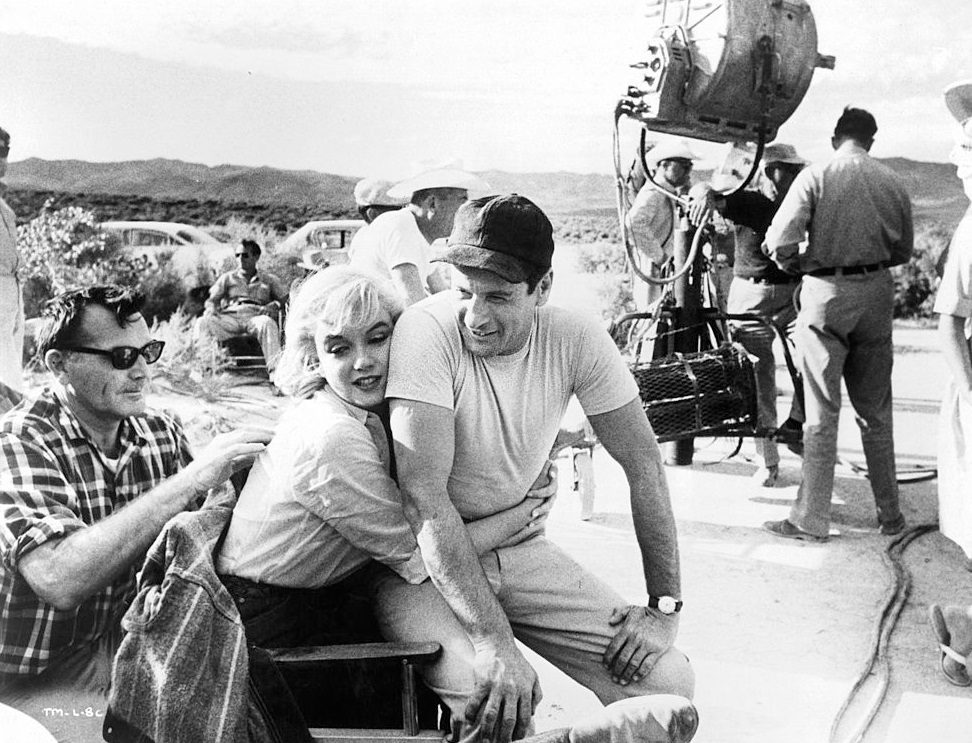
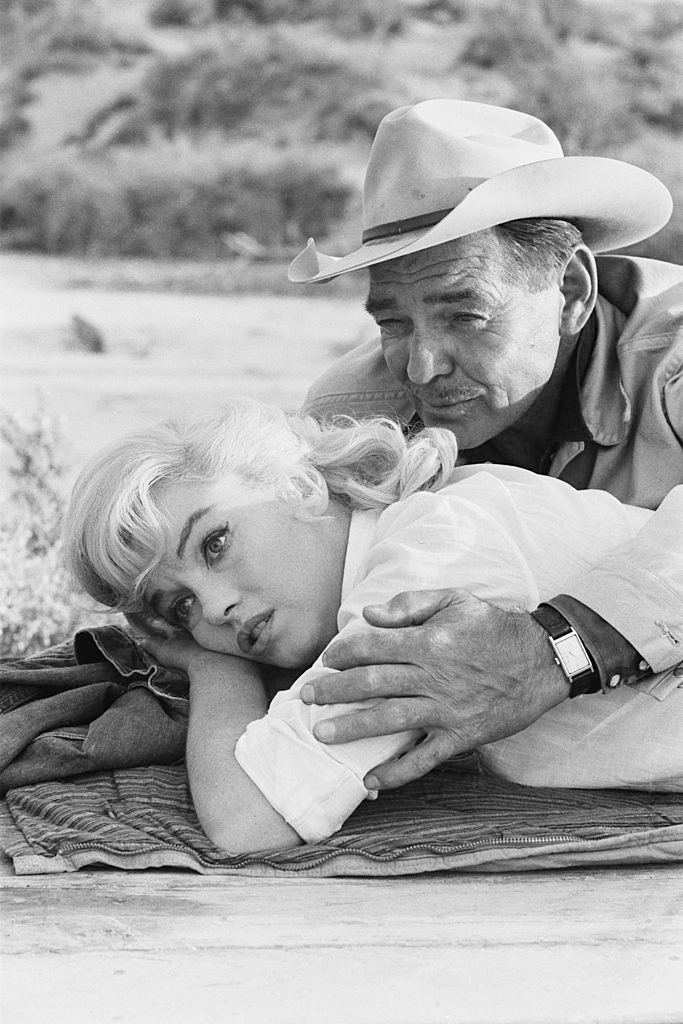
Despite the weight of everything happening off camera, moments of genuine connection between Monroe and Gable were captured throughout the shoot. The two stars had a natural warmth together that translated directly to the screen.
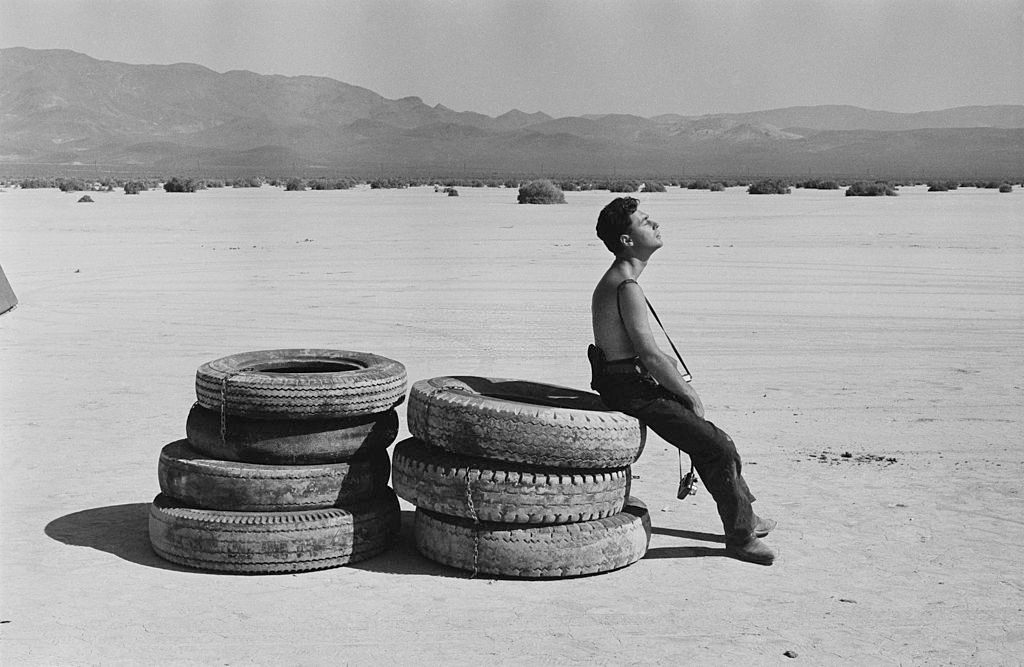
Magnum photographer Elliott Erwitt was also present on location, documenting the production with the same sharp, humanistic eye he brought to all his work. The presence of multiple world-class photographers on set meant that the making of The Misfits was documented more thoroughly than almost any film of its era.
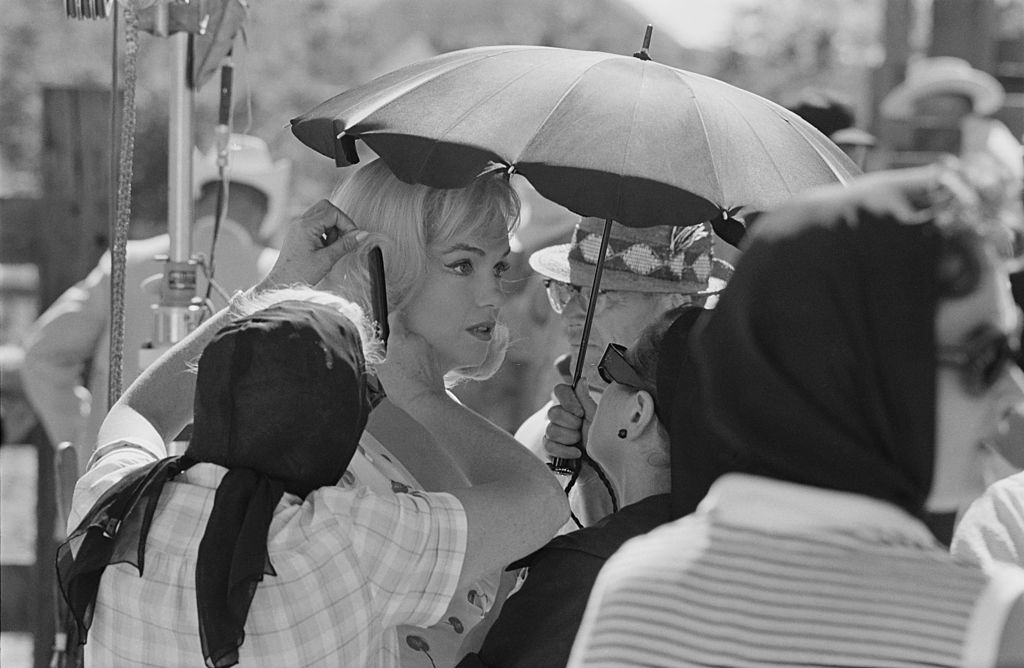
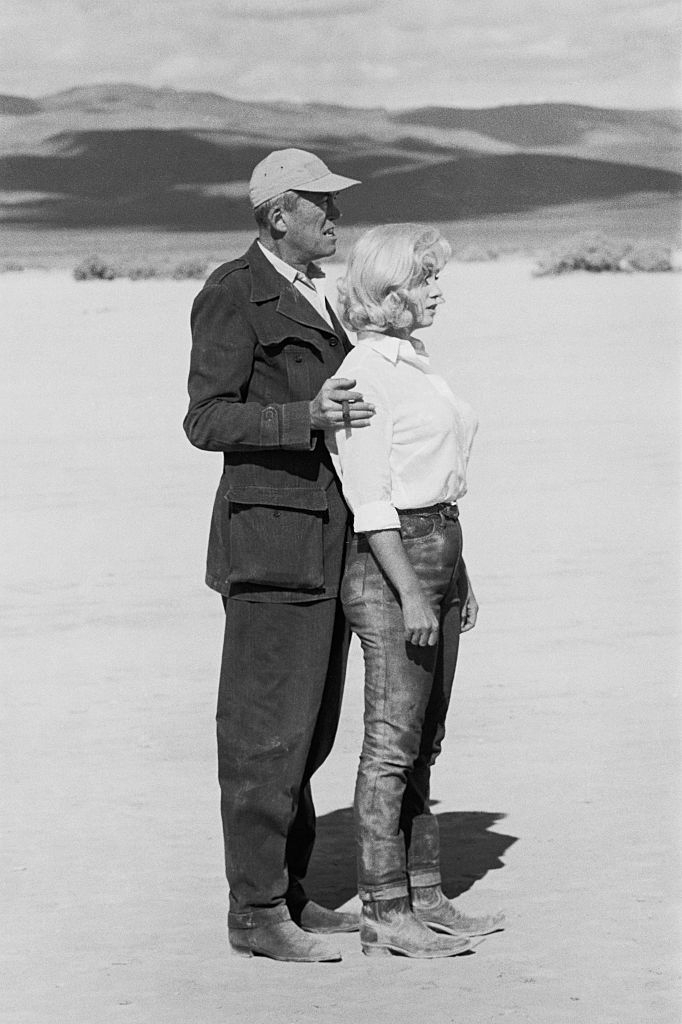
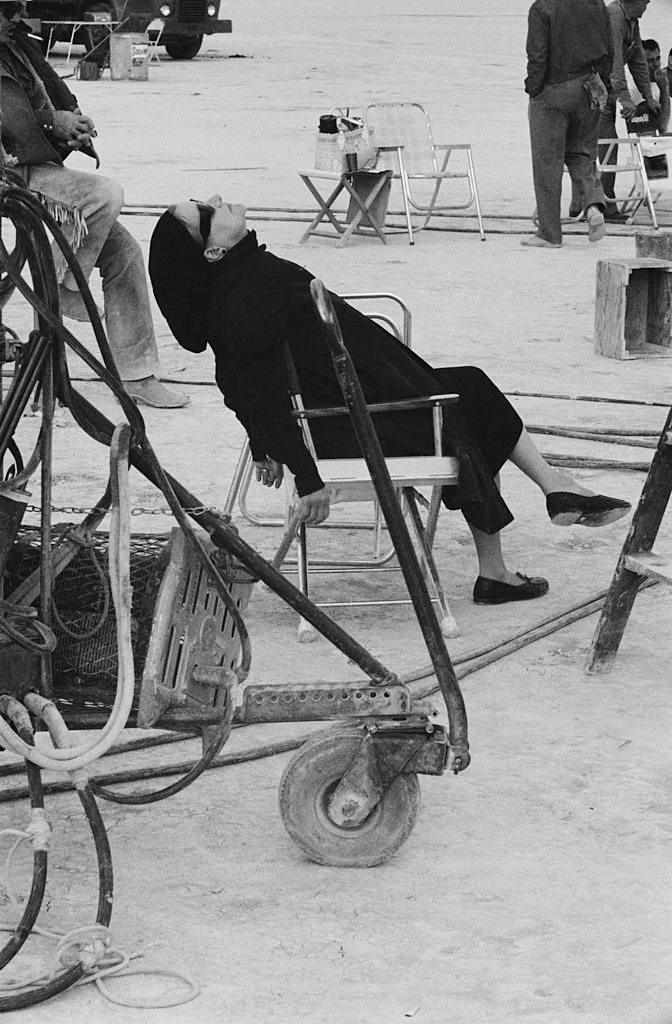
The Nevada heat was relentless, forcing cast and crew alike to seek shade wherever they could find it between takes. Long delays — many caused by Monroe’s late arrivals — stretched shooting days deep into the afternoon, when temperatures in the desert were at their worst.
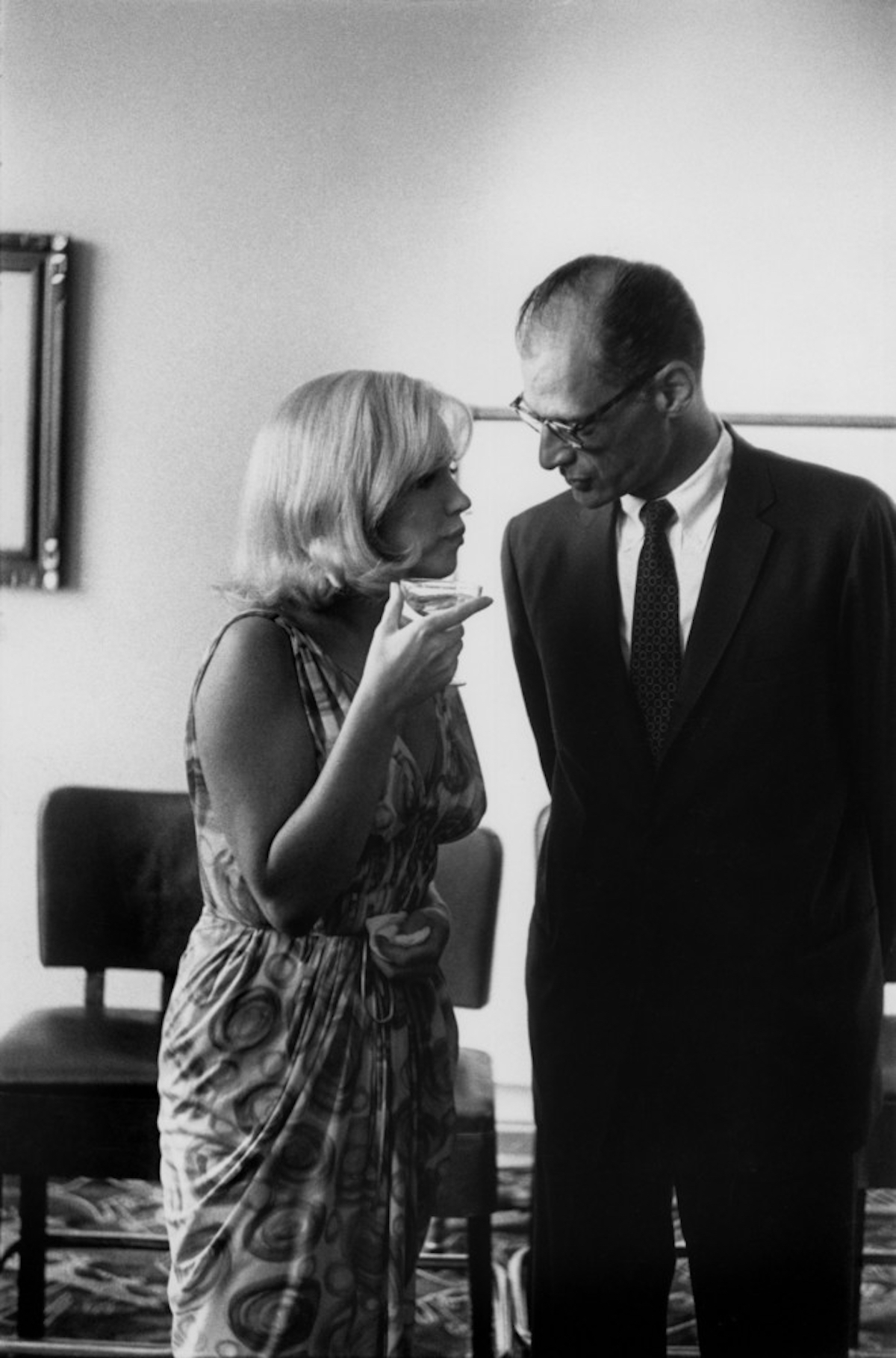
The fracture between Monroe and Miller was visible to everyone on set. The distance between them — emotional and sometimes physical — made an already difficult production feel heavier still. Miller and Monroe divorced shortly before the film’s premiere in January 1961.
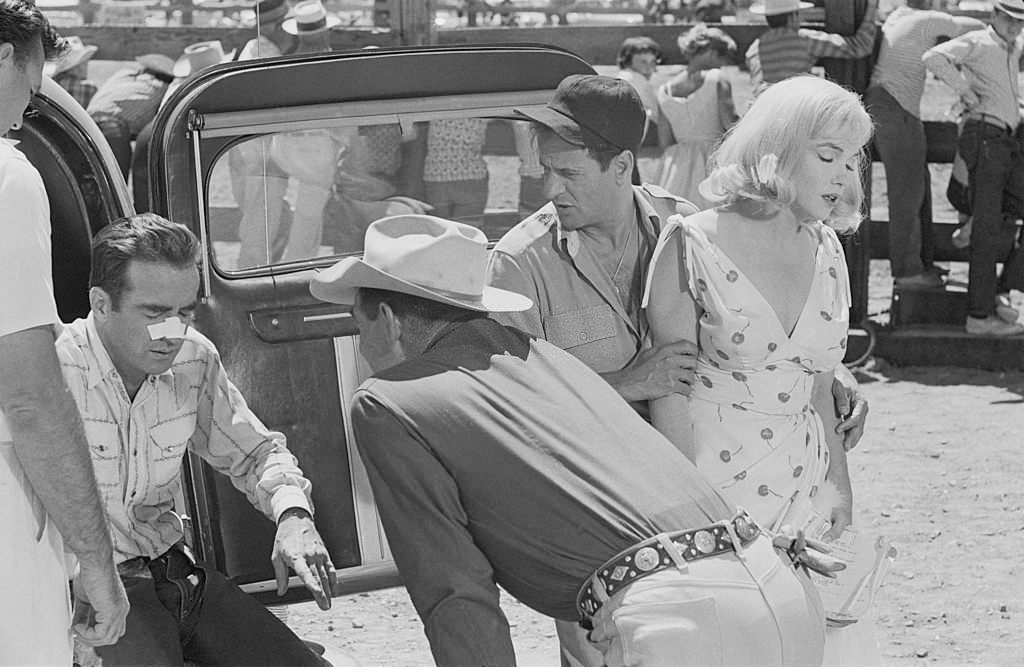
In quieter moments, Gable and Monroe were relaxed and comfortable with each other. Their off-screen rapport gave the film an emotional foundation that held even when everything else around the production felt unstable.
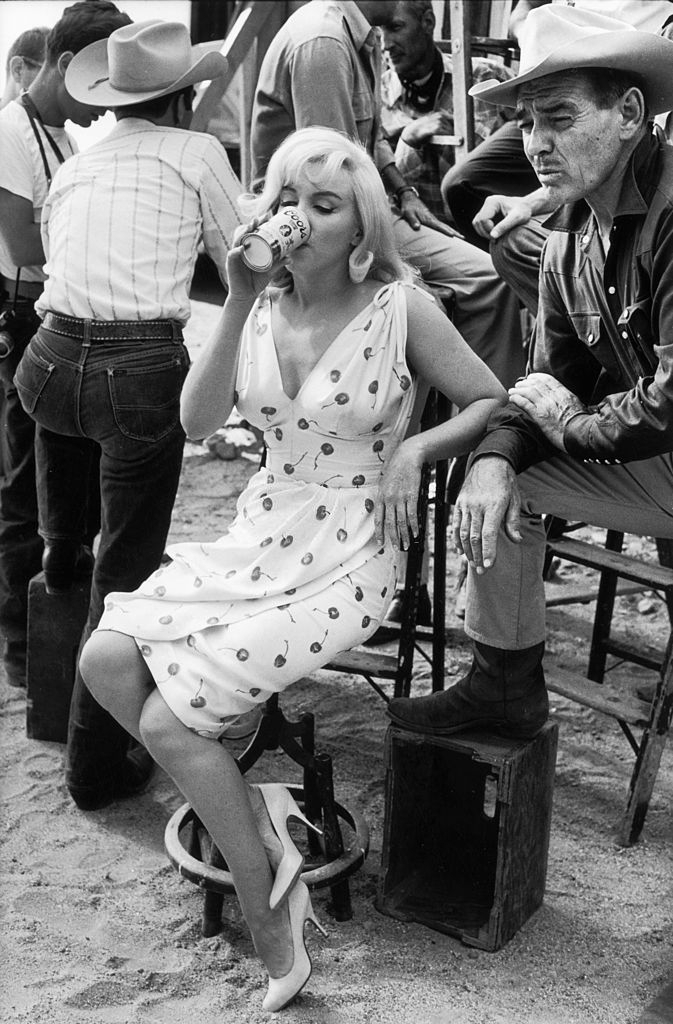
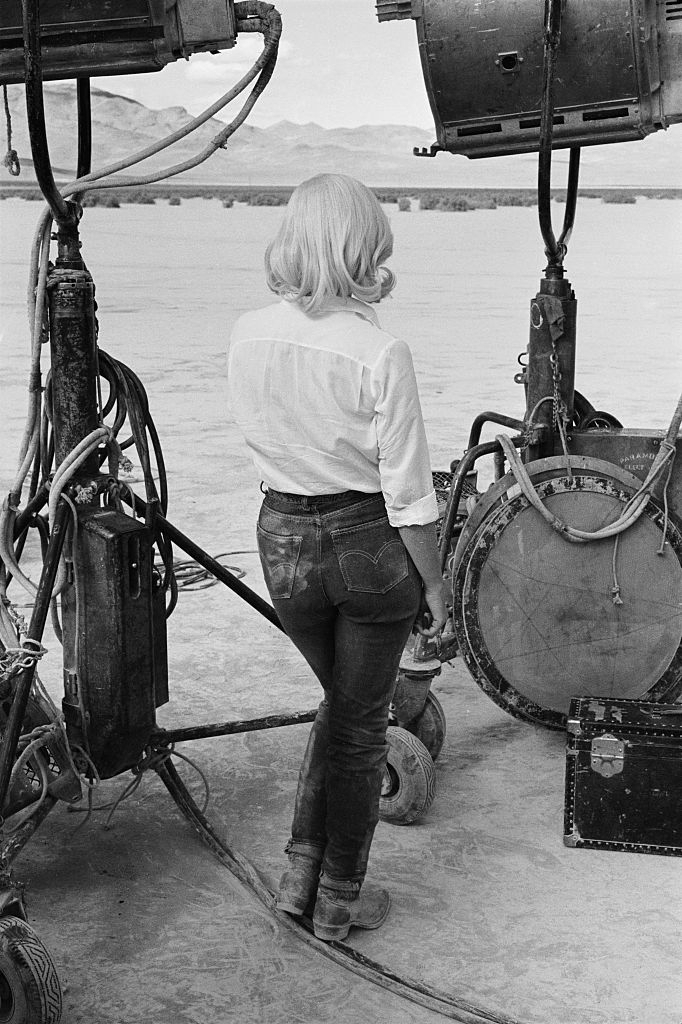
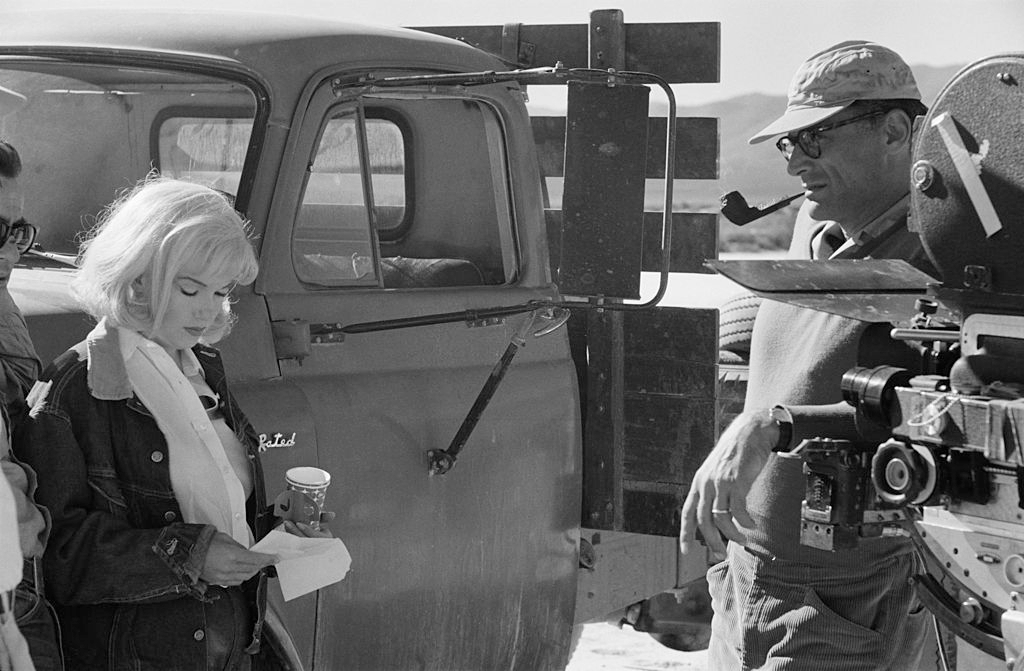
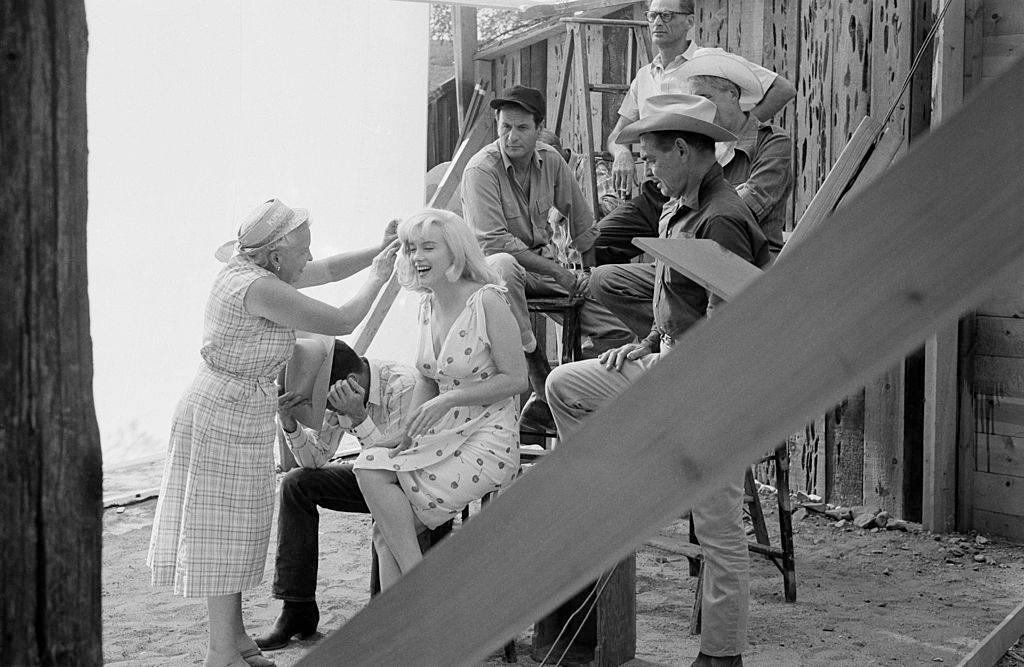
Paula Strasberg remained a constant presence alongside Monroe throughout the Nevada location shoot. Her role extended well beyond coaching — she served as a companion and a gatekeeper, managing access to Monroe during some of the production’s most fraught days.
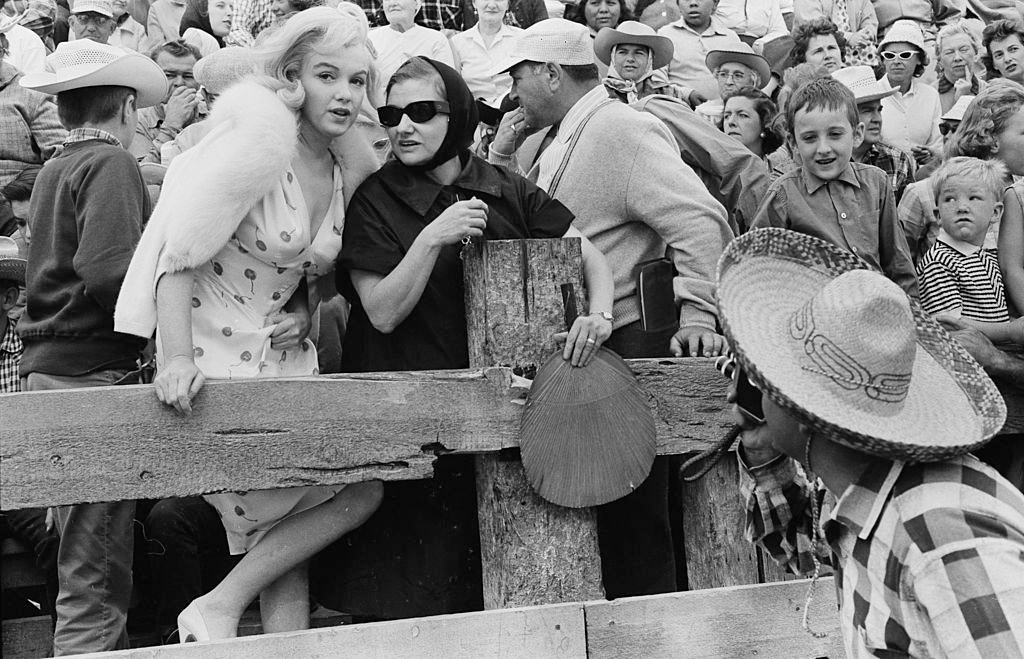
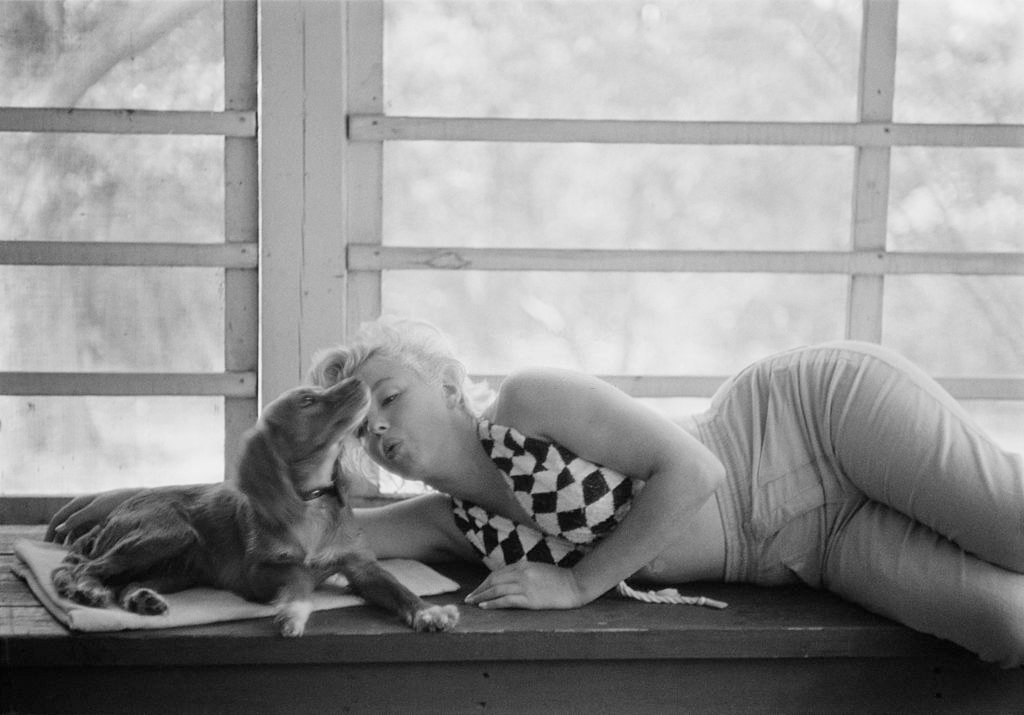
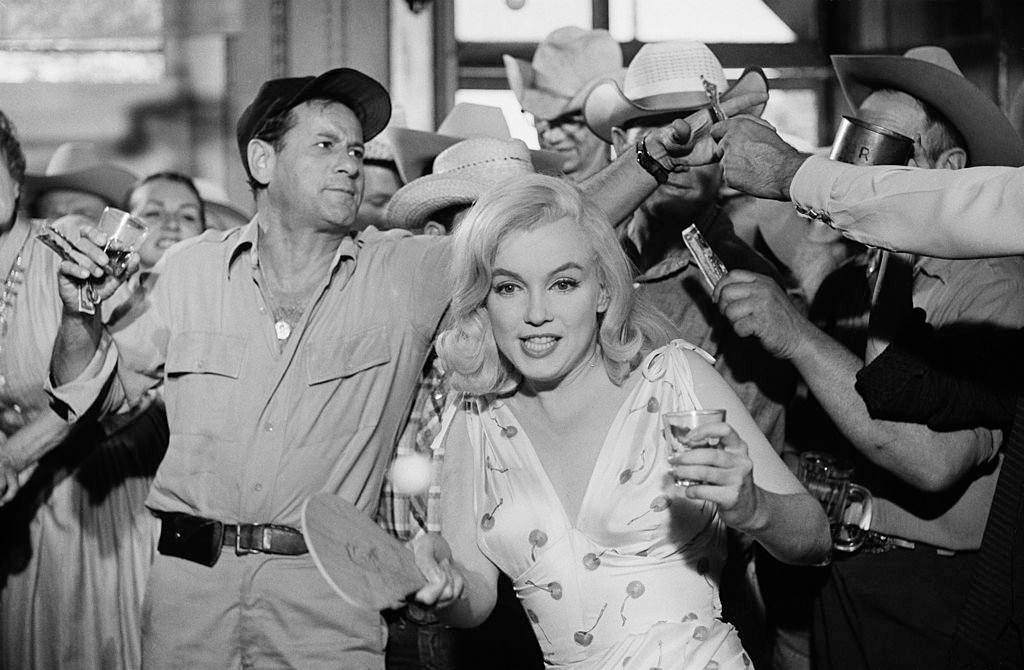
What the behind-the-scenes photos capture, across all their variety, is the strange dual reality of the production. On one side: the mechanics of filmmaking — trucks, cameras, horses, heat, crew members waiting in the shade. On the other: two of Hollywood’s greatest stars sitting together in a field, the weight of their personal lives temporarily lifted.
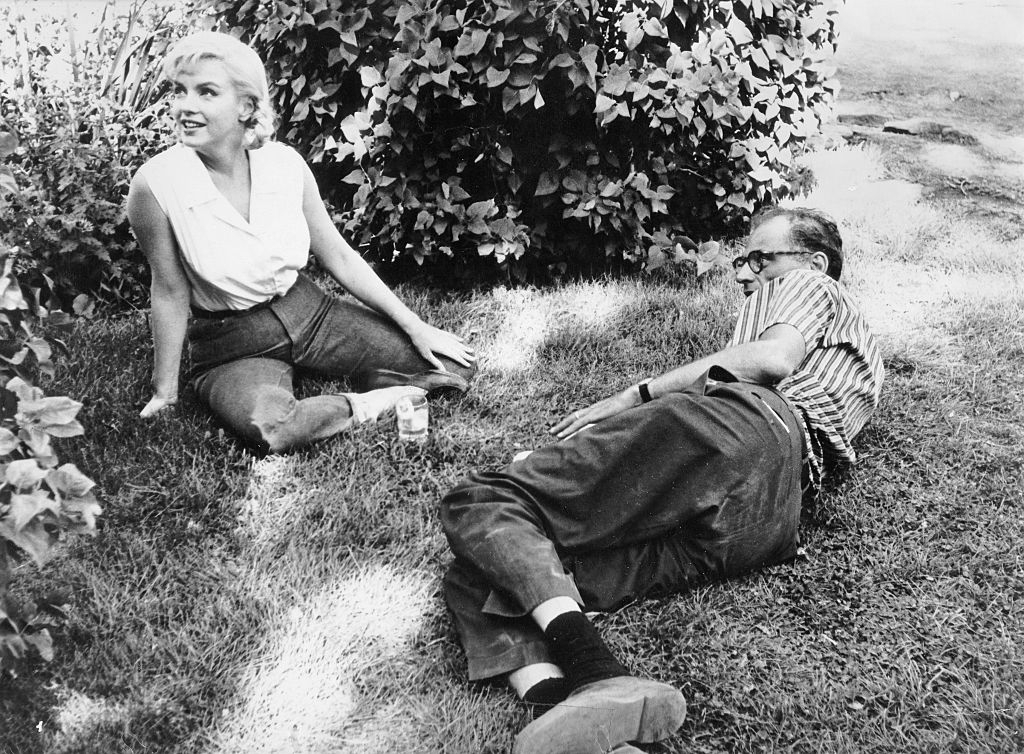
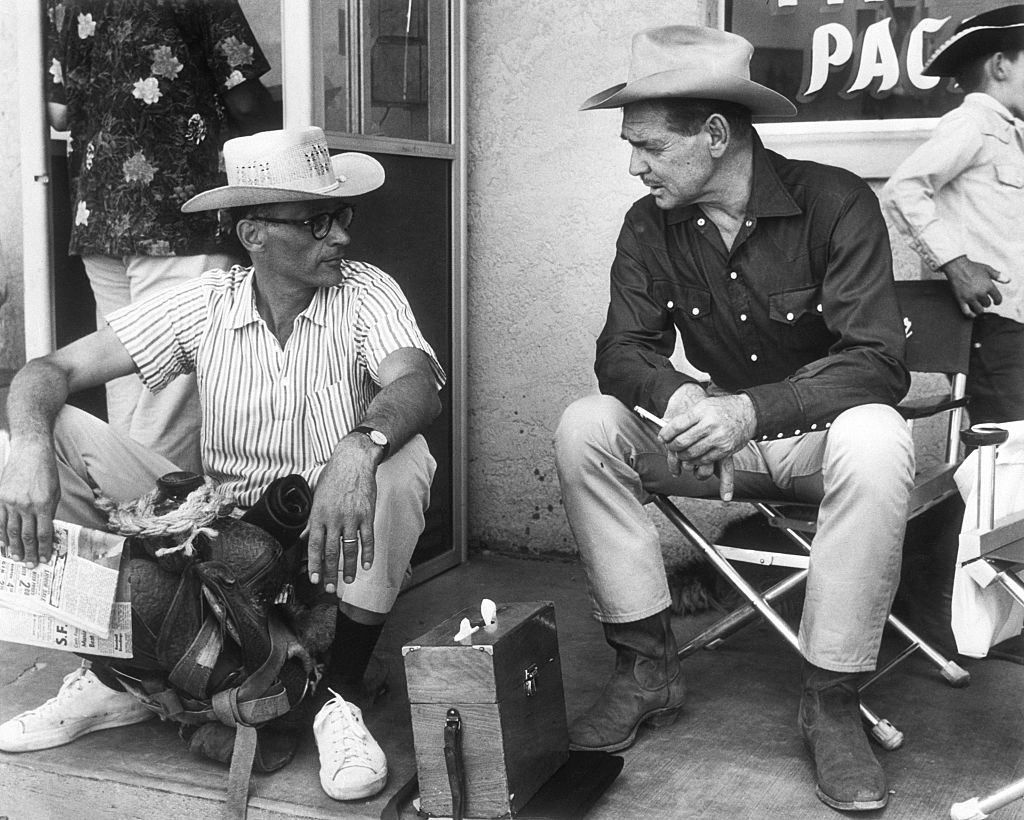
The tragedy that followed the film’s completion gave The Misfits a painful postscript. Clark Gable died of a heart attack on November 16, 1960 — just ten days after filming wrapped. Nineteen months after the film’s premiere, Marilyn Monroe died of a barbiturate overdose on August 4, 1962. The Misfits stands as the final completed film for both of them.