
By the 1890s, Sydney had grown into a busy, sprawling city unlike anything Australia had seen before. Its population was surging, driven by waves of immigrants looking for work and a fresh start. New buildings went up across the city, roads were widened, and the sounds of construction were constant. But beneath the progress, Sydney was a city of sharp contrasts — wealth and poverty sitting side by side on the same streets.
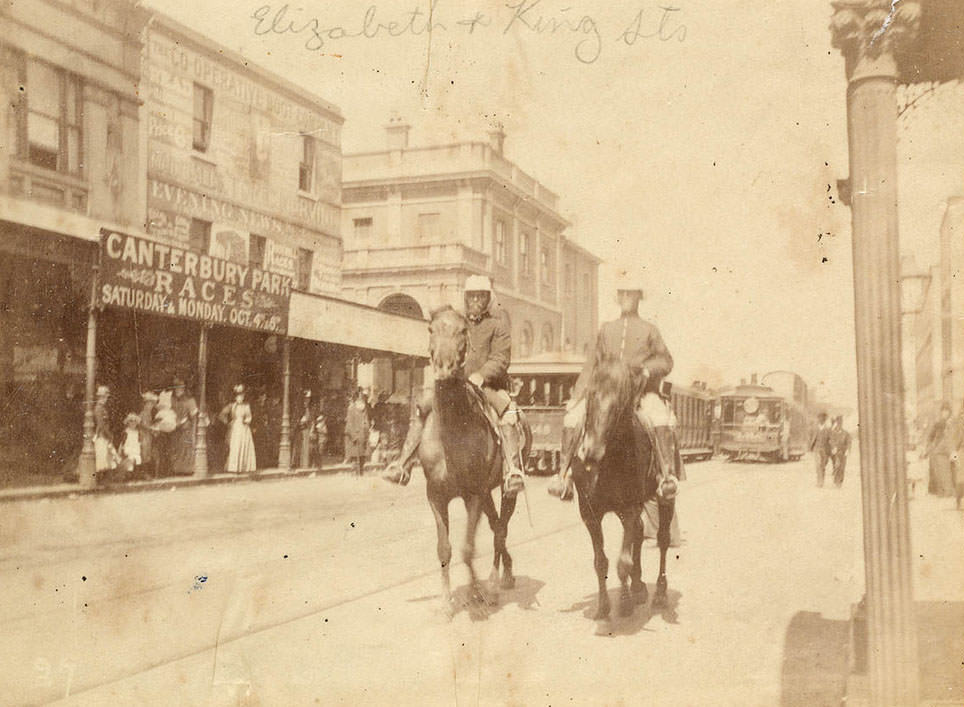
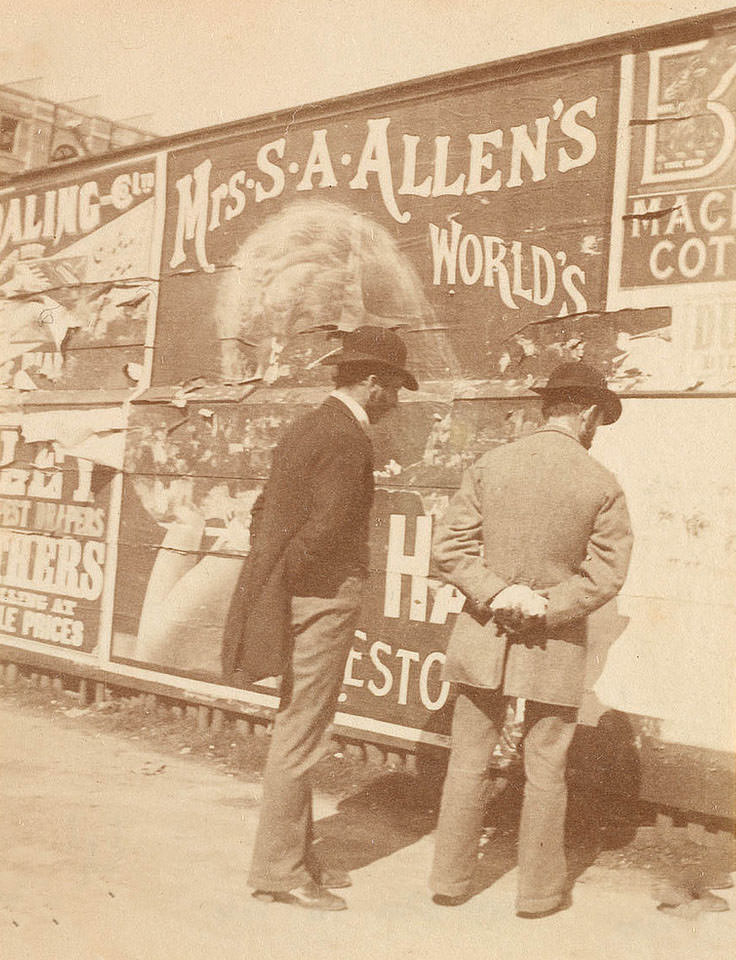
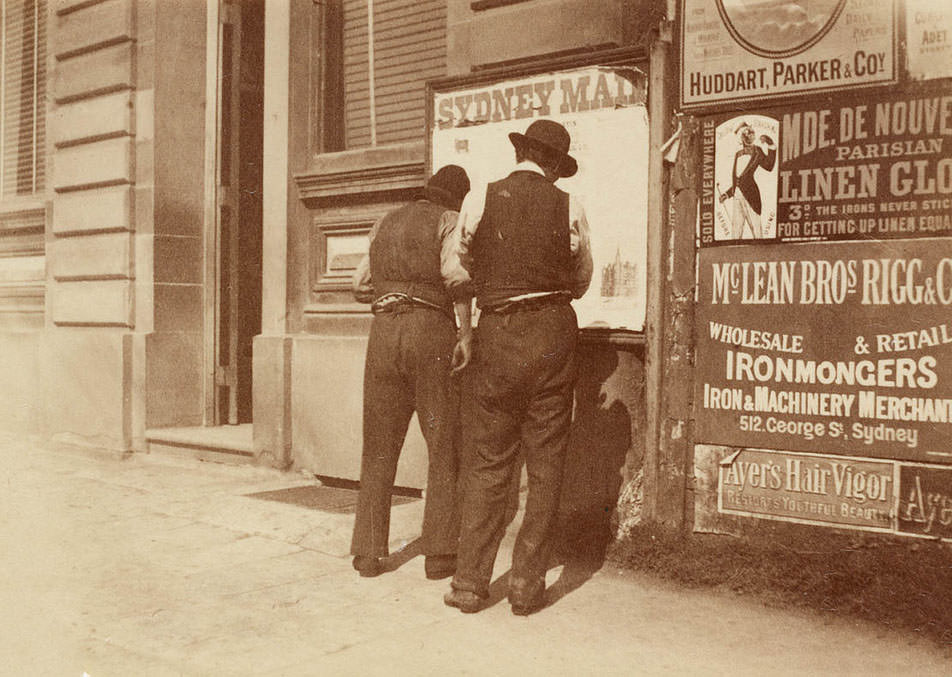
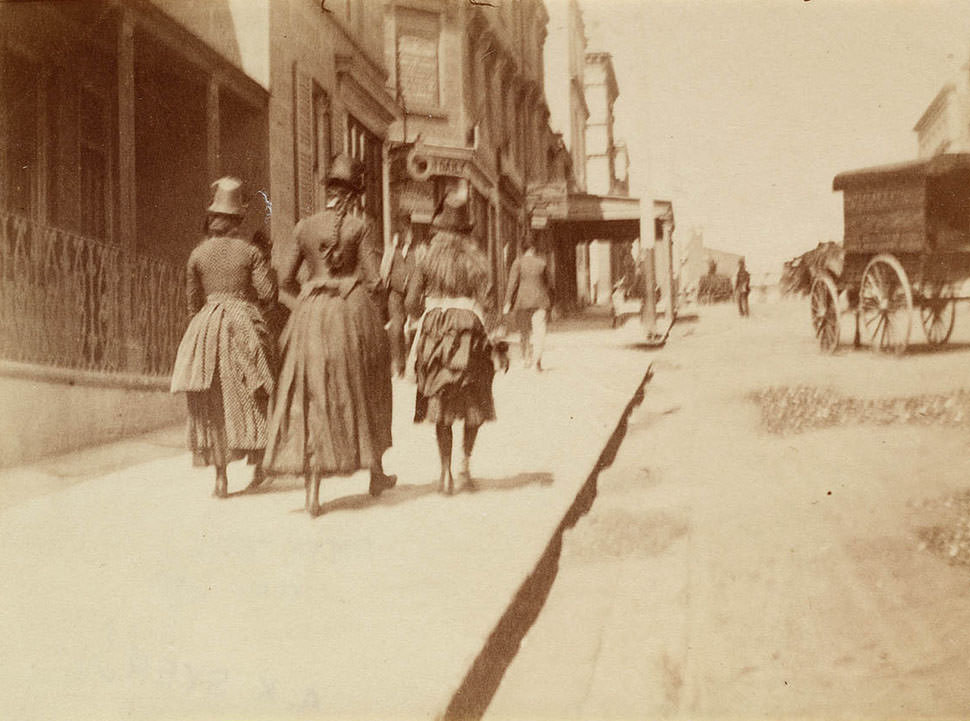
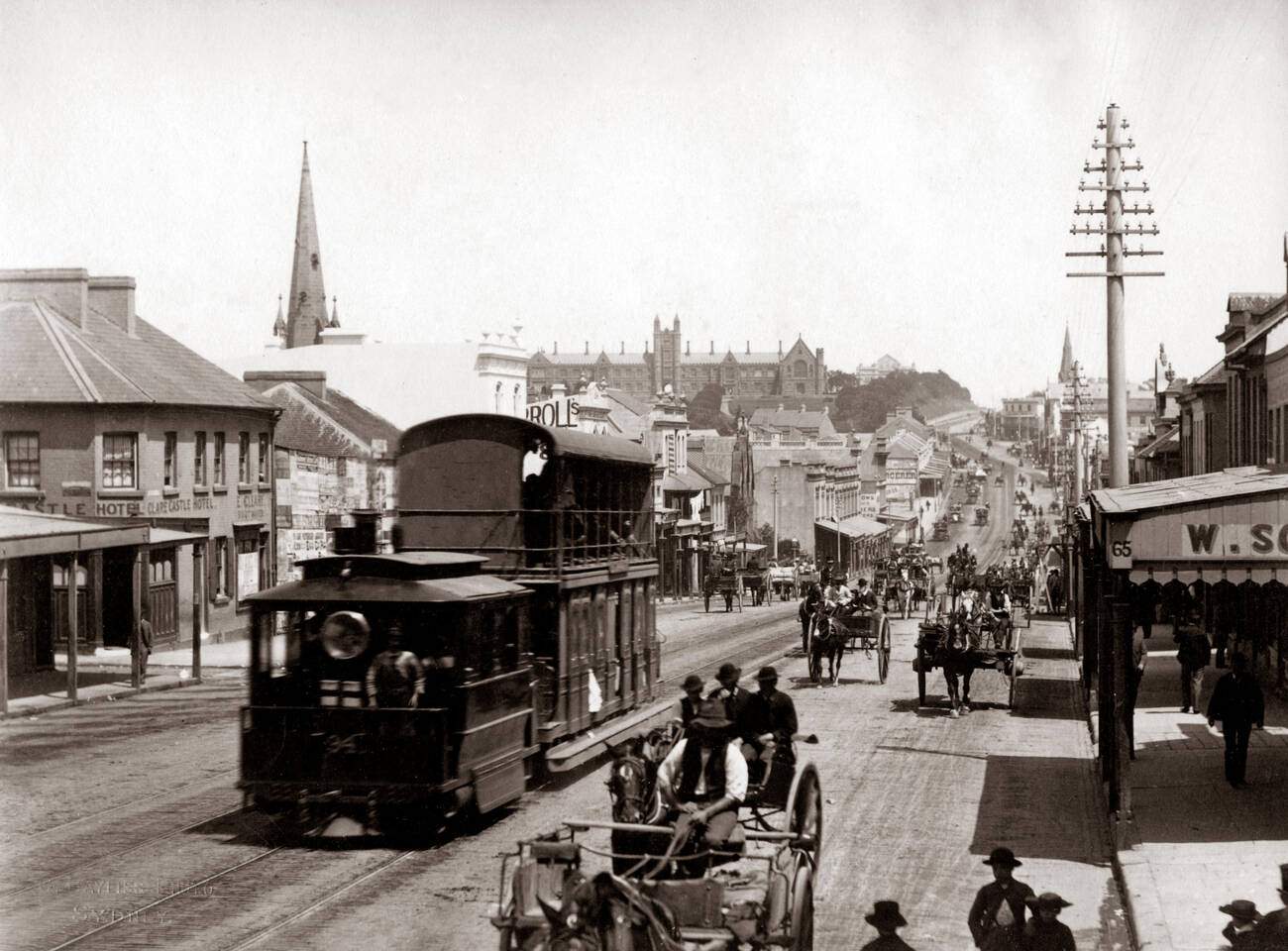
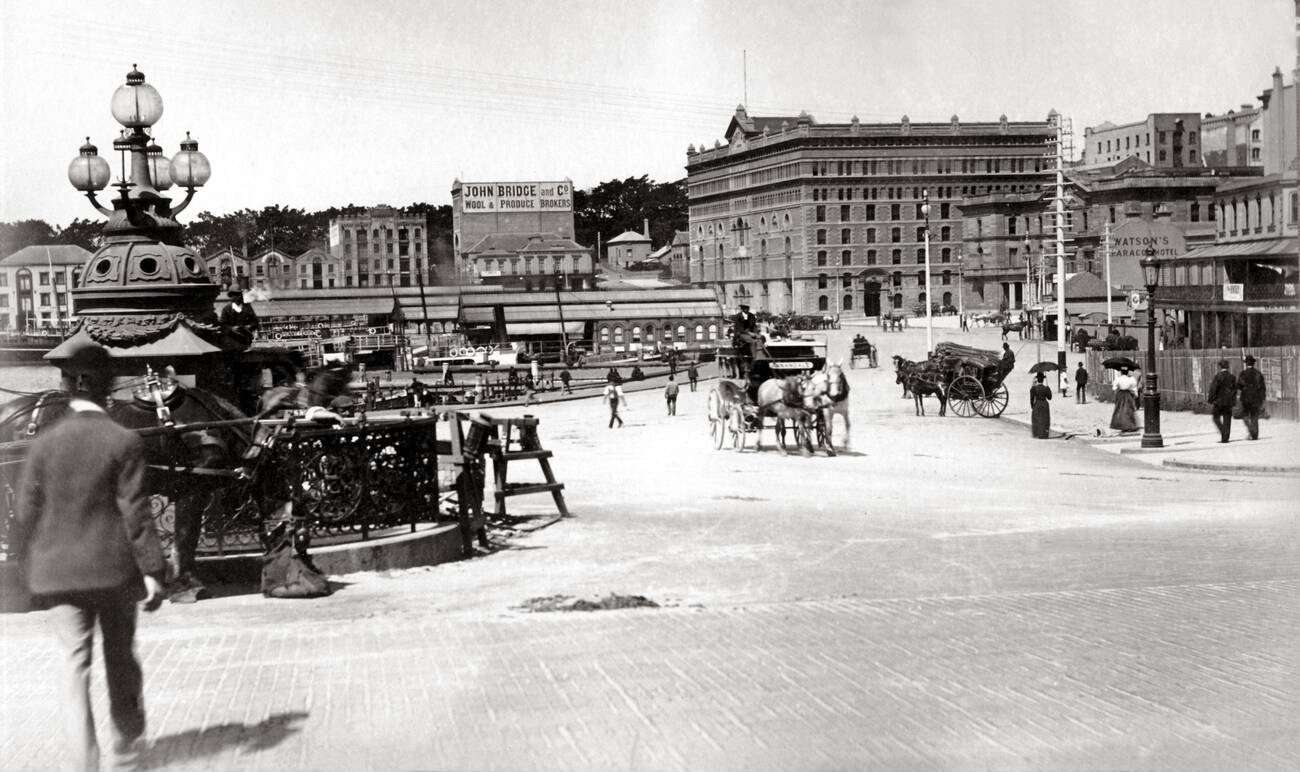
The streets of central Sydney were alive with activity. Horse-drawn carriages shared the road with pedestrians, street vendors, and traders. Commercial life was concentrated around key intersections and laneways, where shopfronts competed for attention with bold painted signs and advertising hoardings.
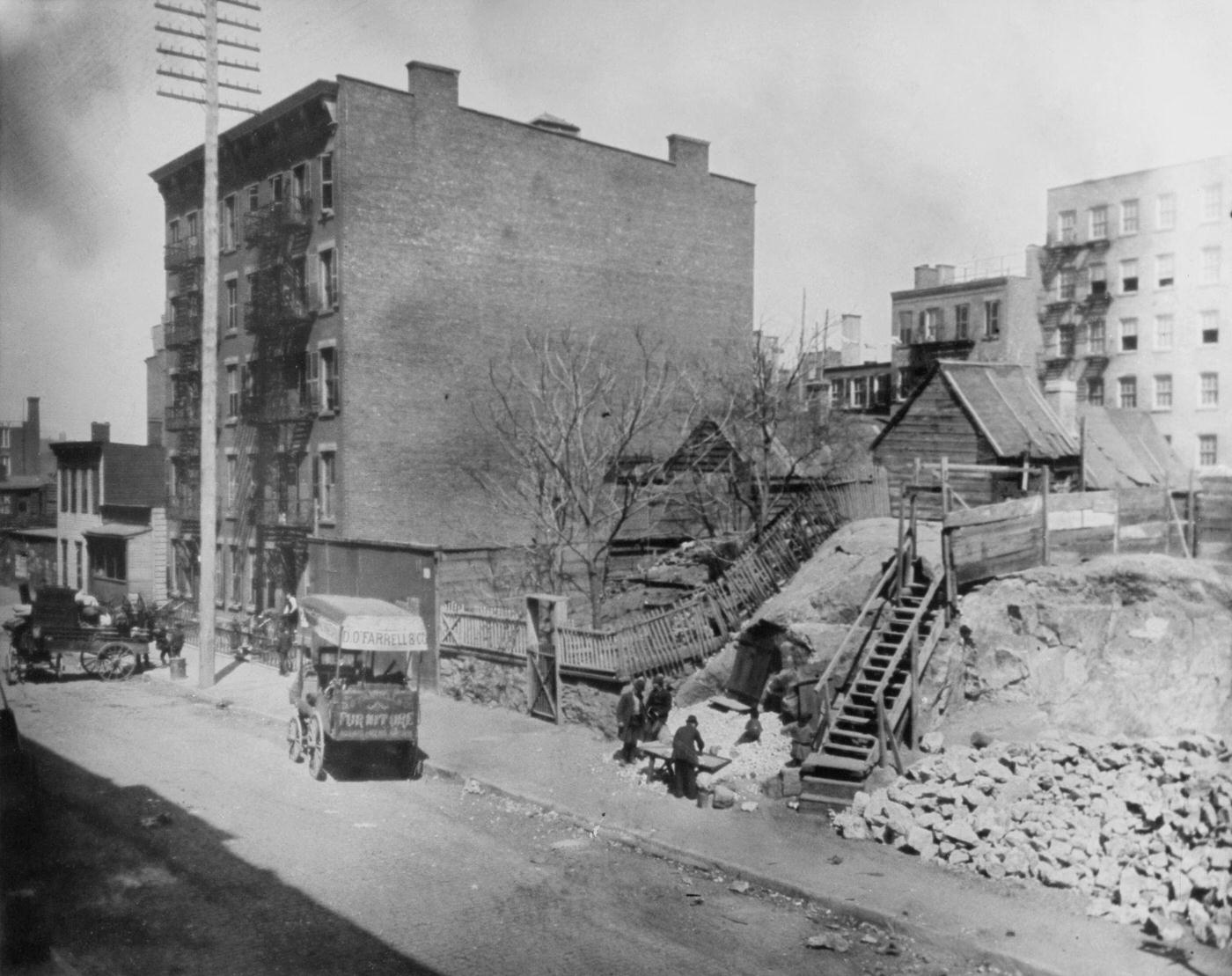
Working-class Sydney was densely packed. Families lived in cramped terraces in inner suburbs, often with little access to clean water or proper sanitation. Health officials were constantly battling outbreaks of tuberculosis, diphtheria, and cholera. Children played in the streets because there was simply nowhere else to go.
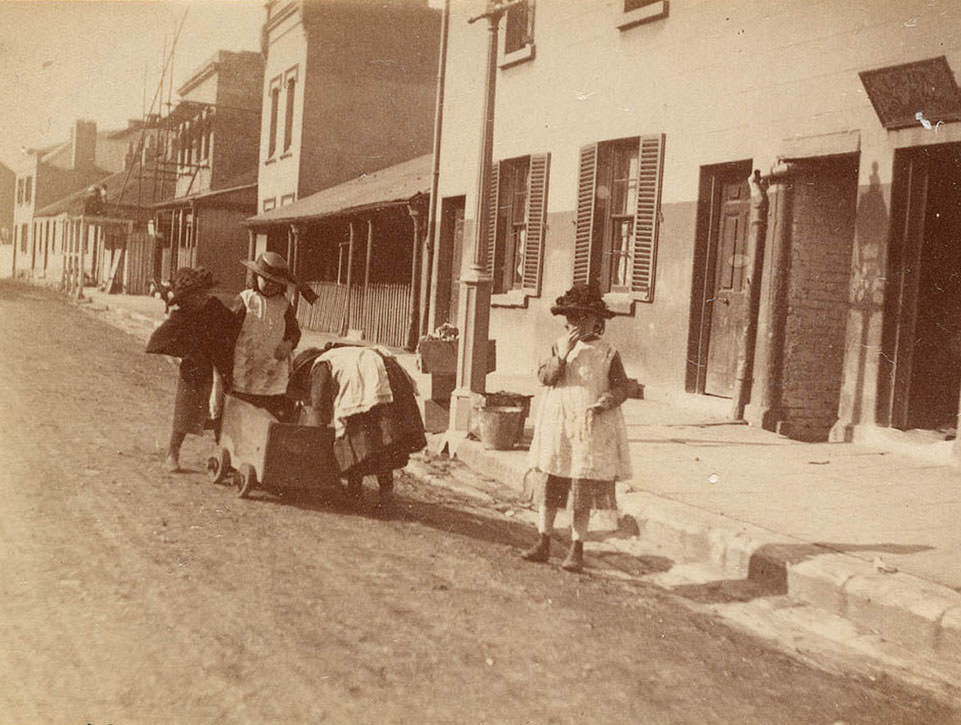
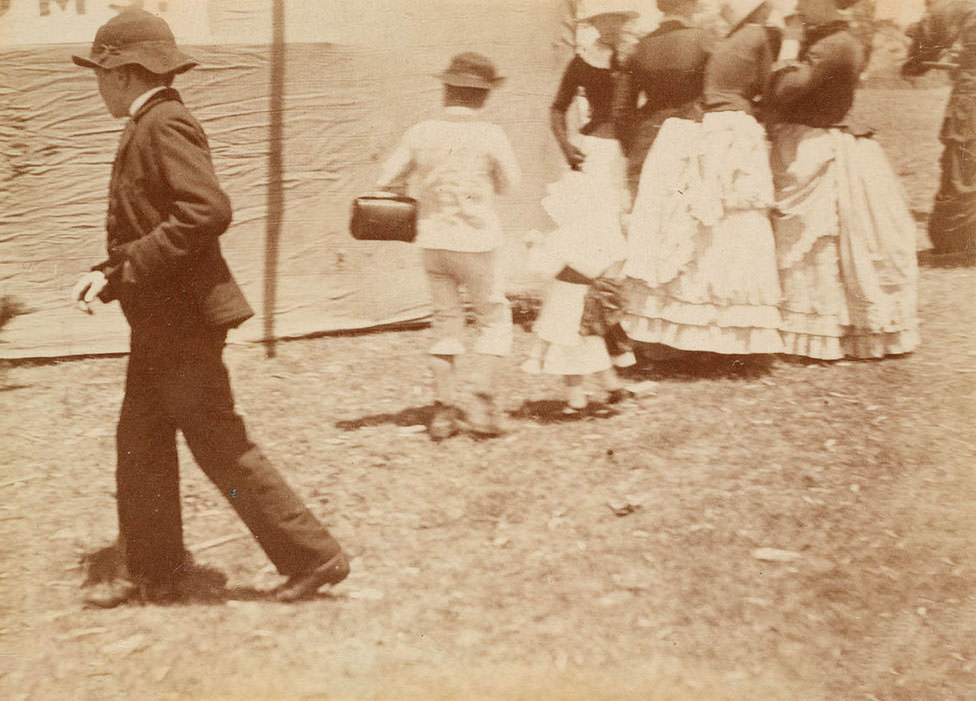
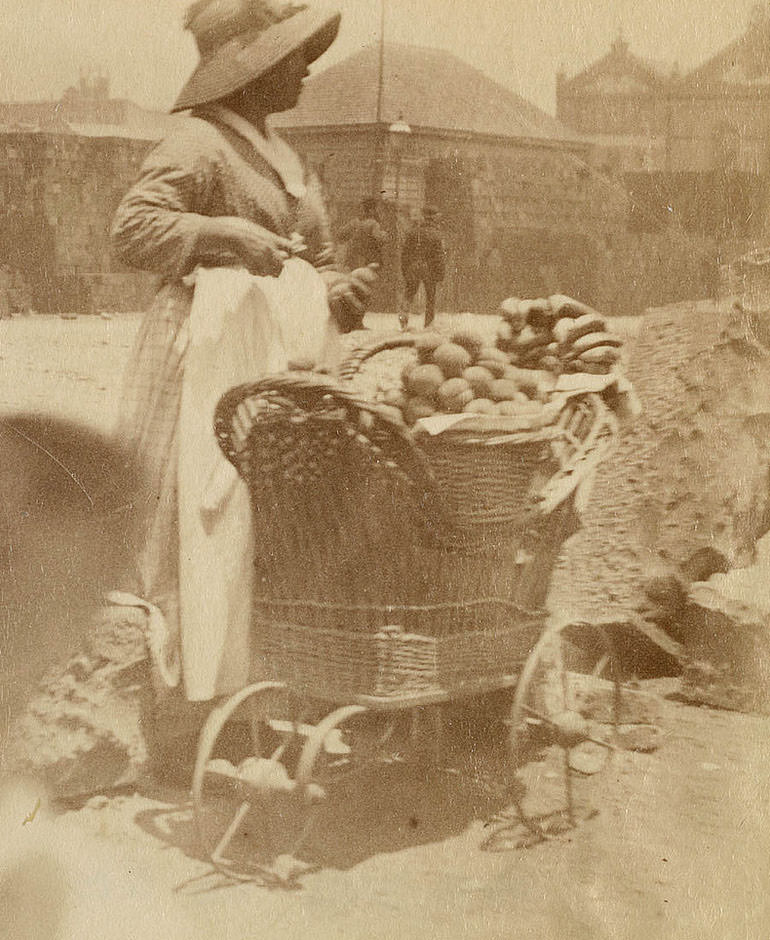
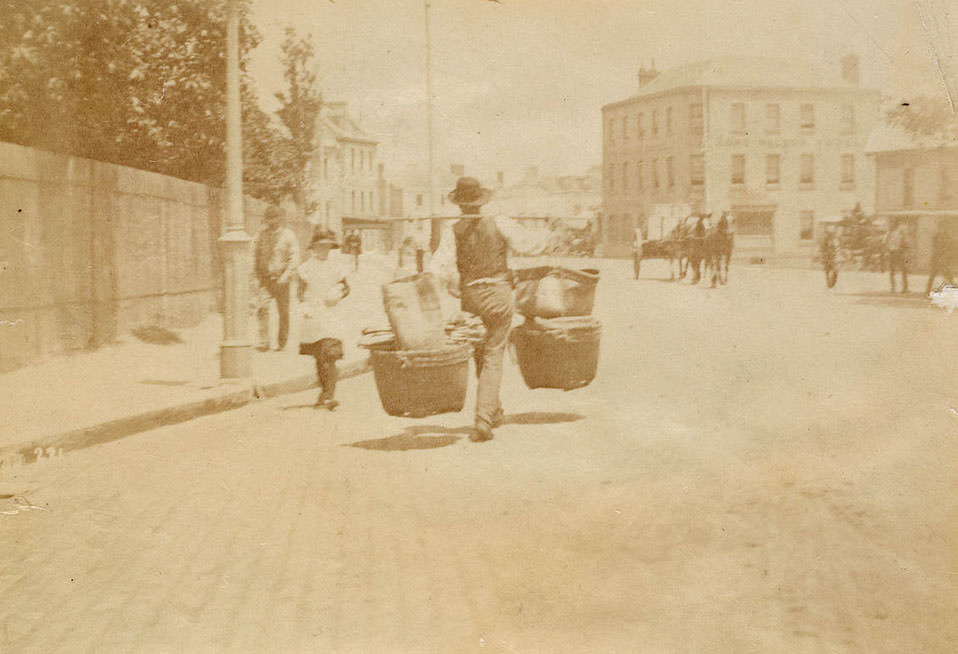
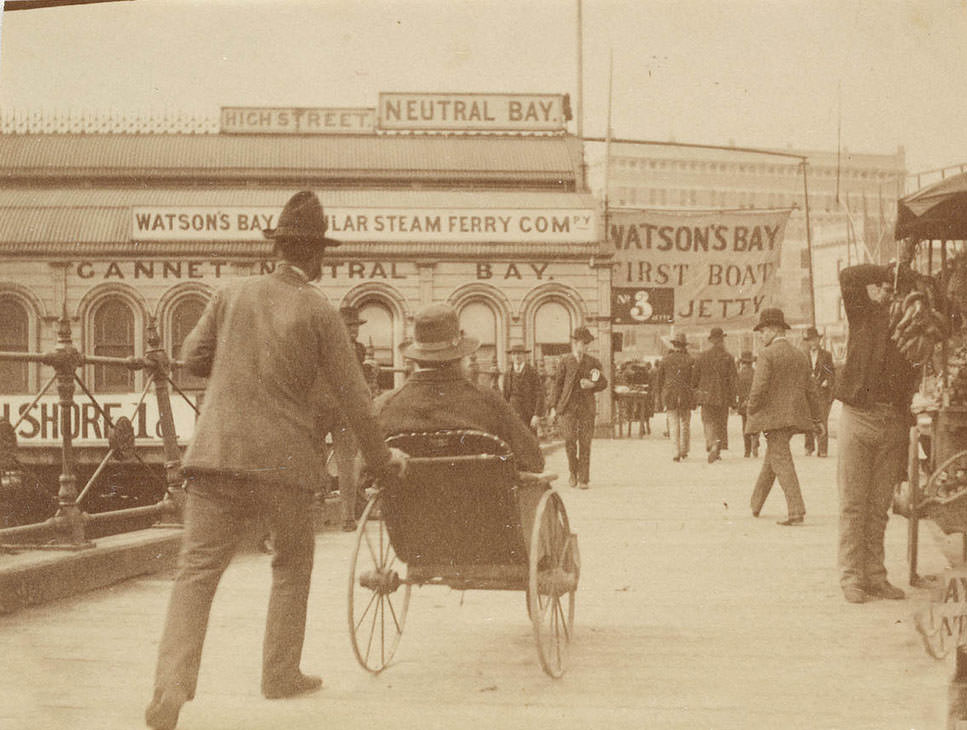
Street life was a defining feature of 1890s Sydney. Vendors pushed barrows loaded with fruit and goods. Chimney sweeps crossed bridges on their daily rounds. Small bands played on corners for spare change. The city’s public spaces were full of ordinary people going about their lives in plain view.
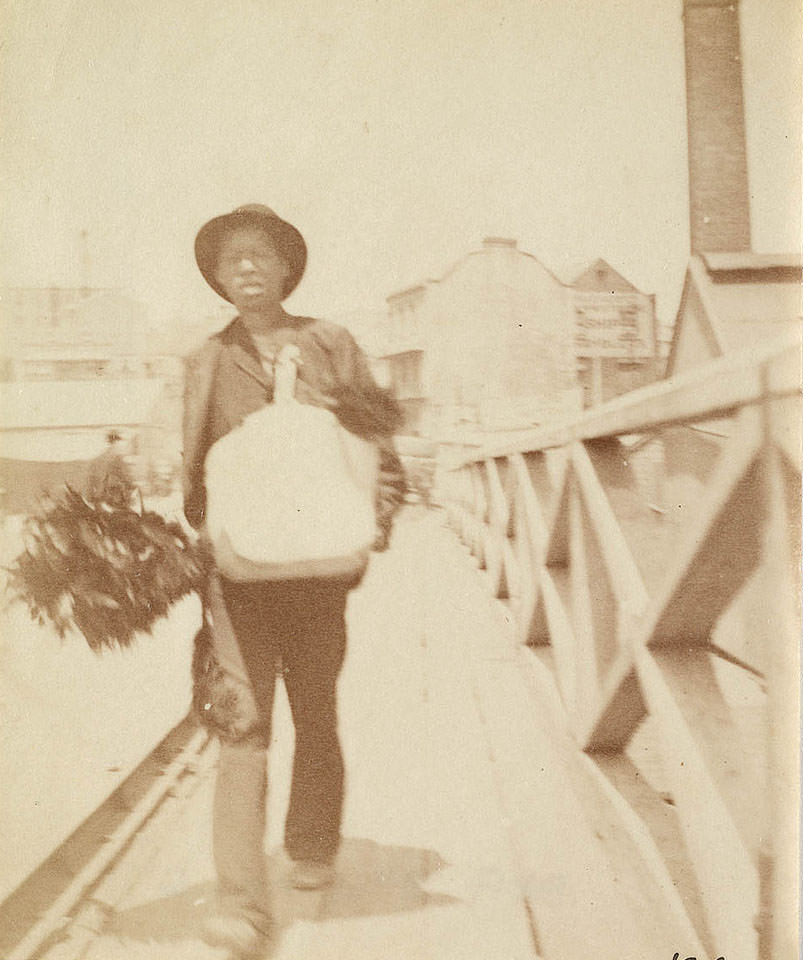
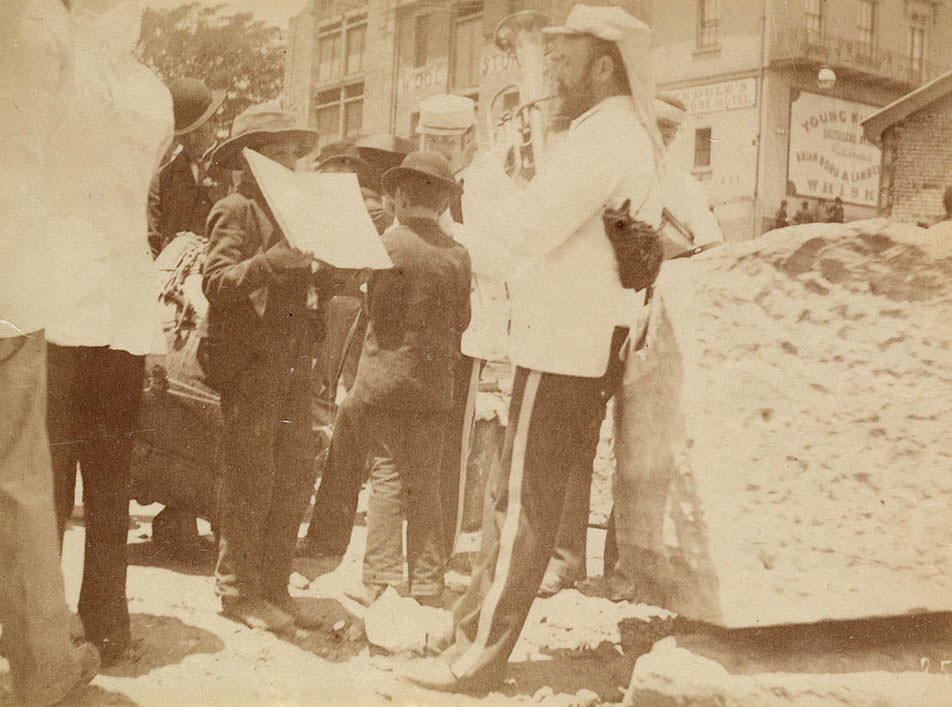
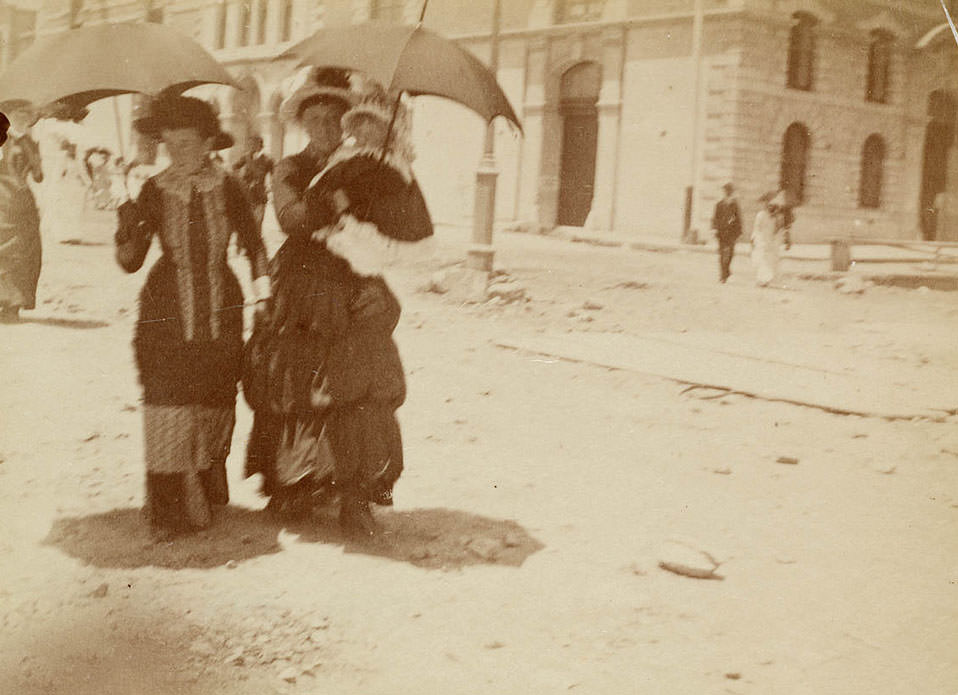
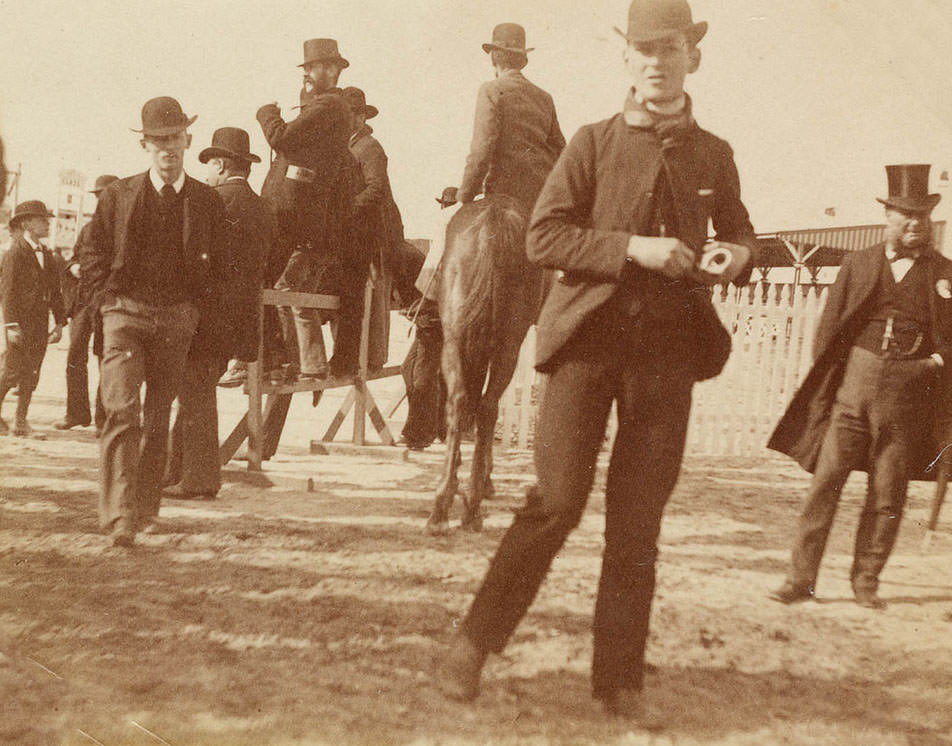
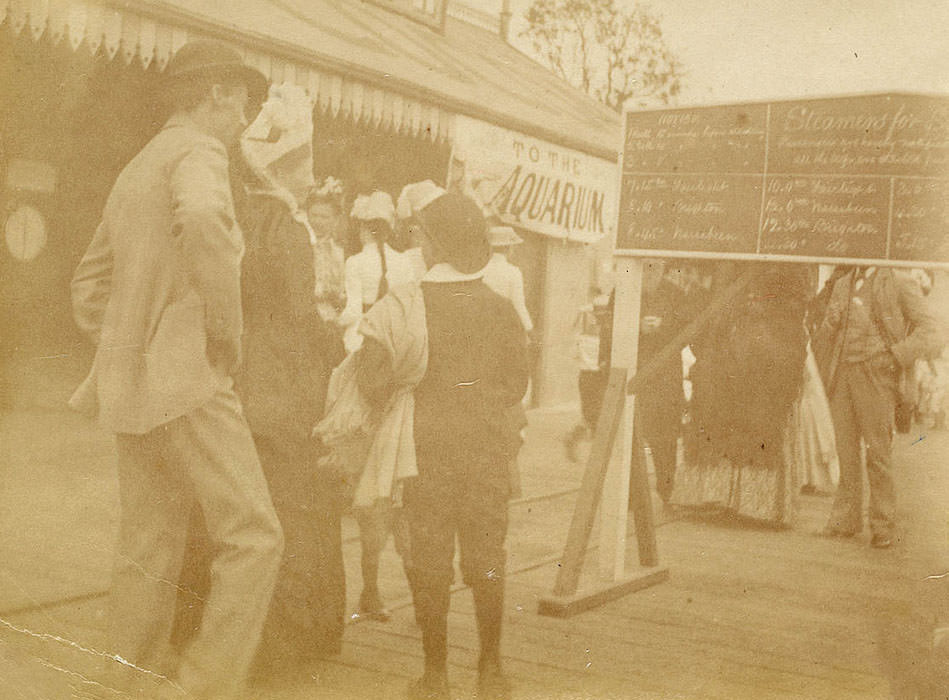
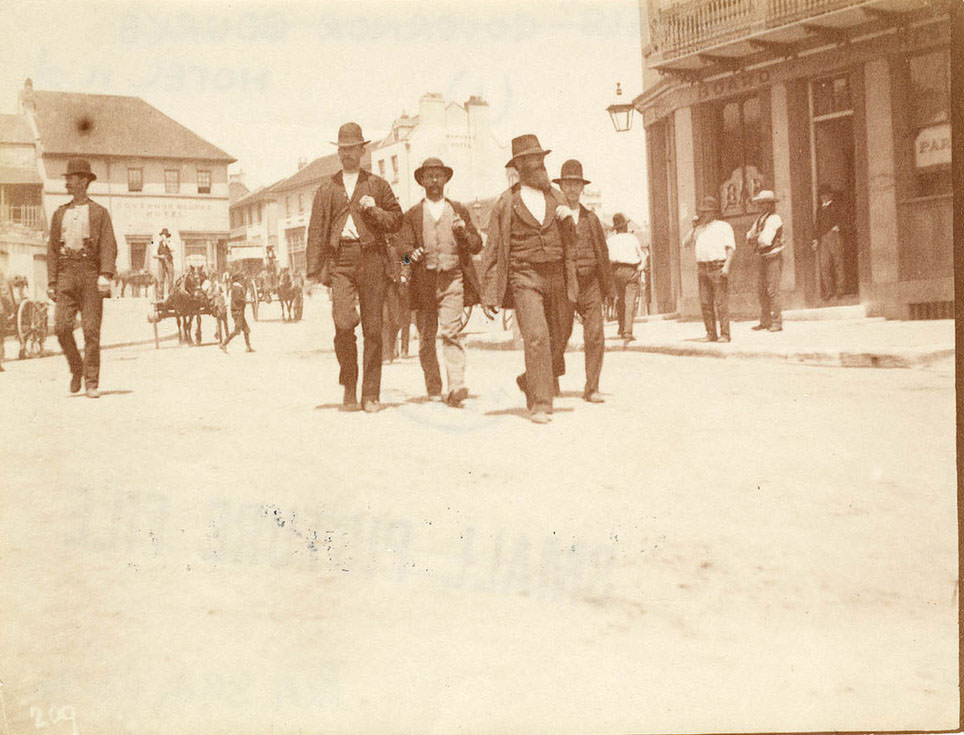
Groups of people gathered in the streets and public squares throughout the day. Whether waiting for work, socializing, or simply watching the city move around them, Sydney’s residents were highly visible in the public spaces of the era. These gatherings were a common sight across the inner city and surrounding neighborhoods.
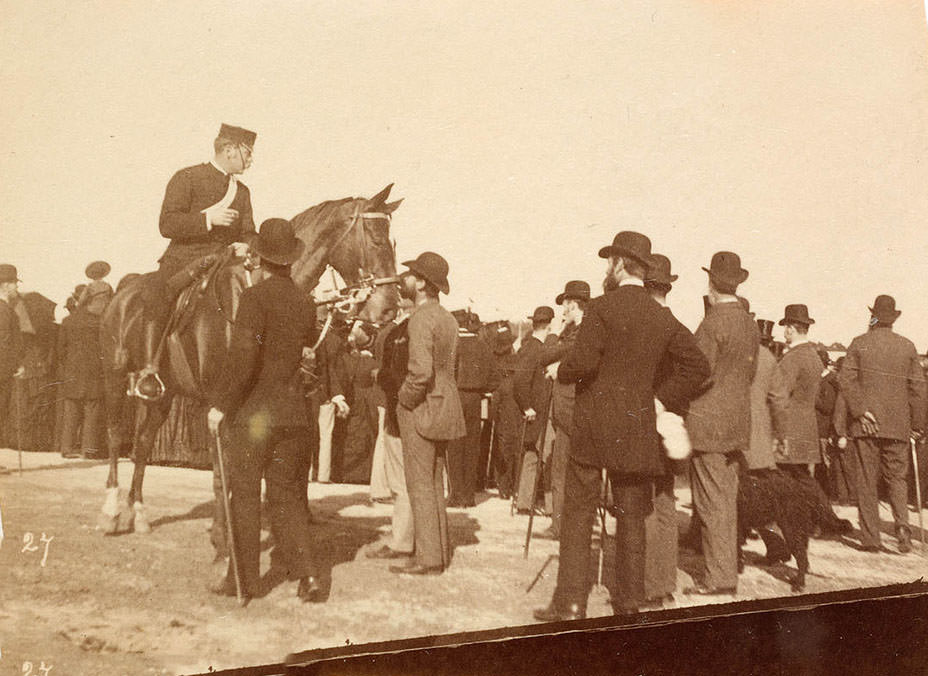
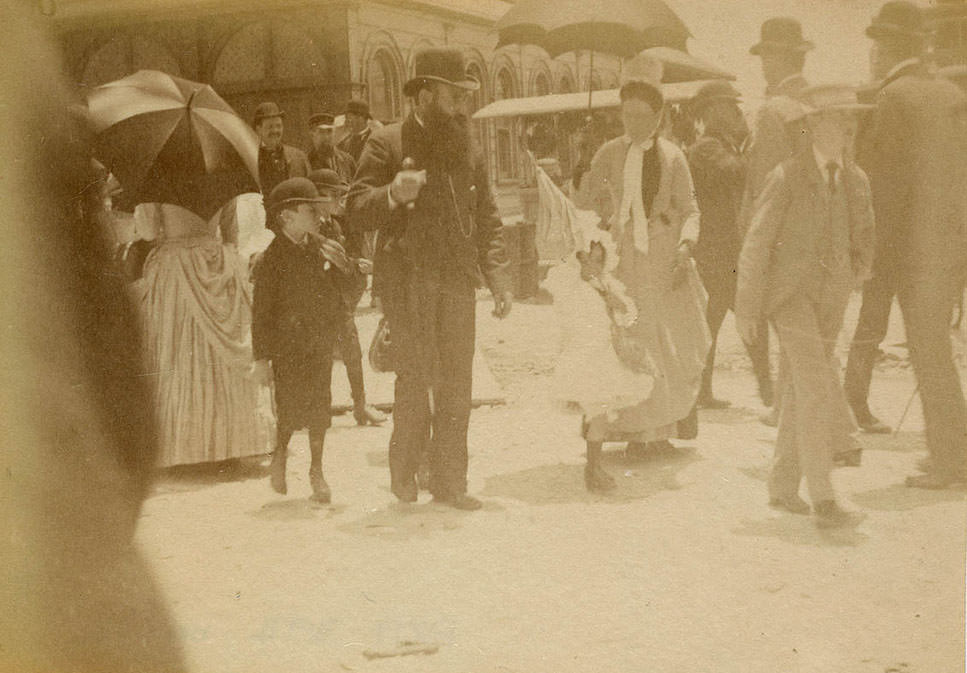
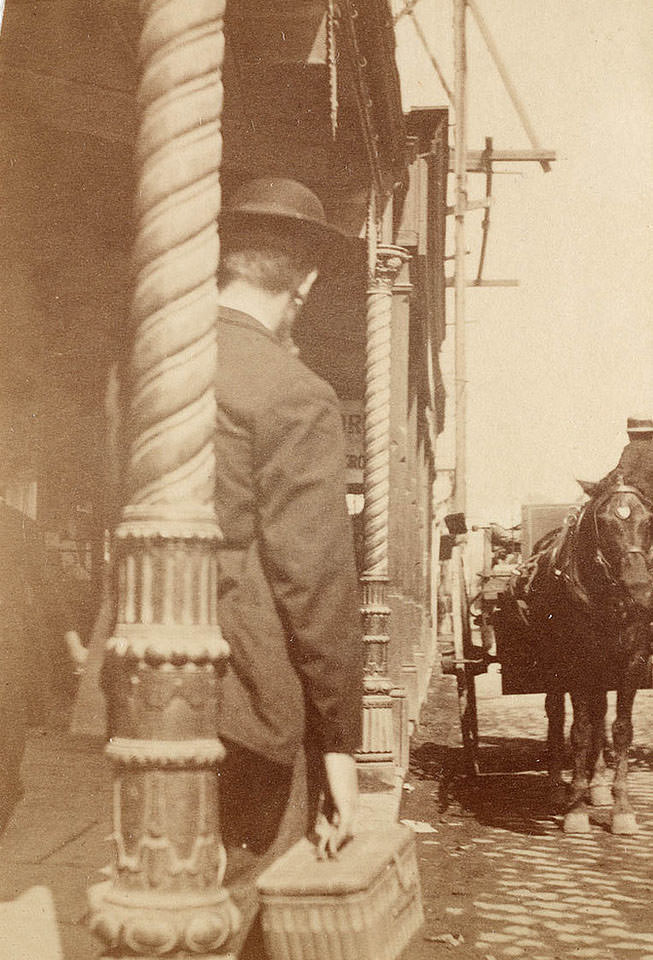
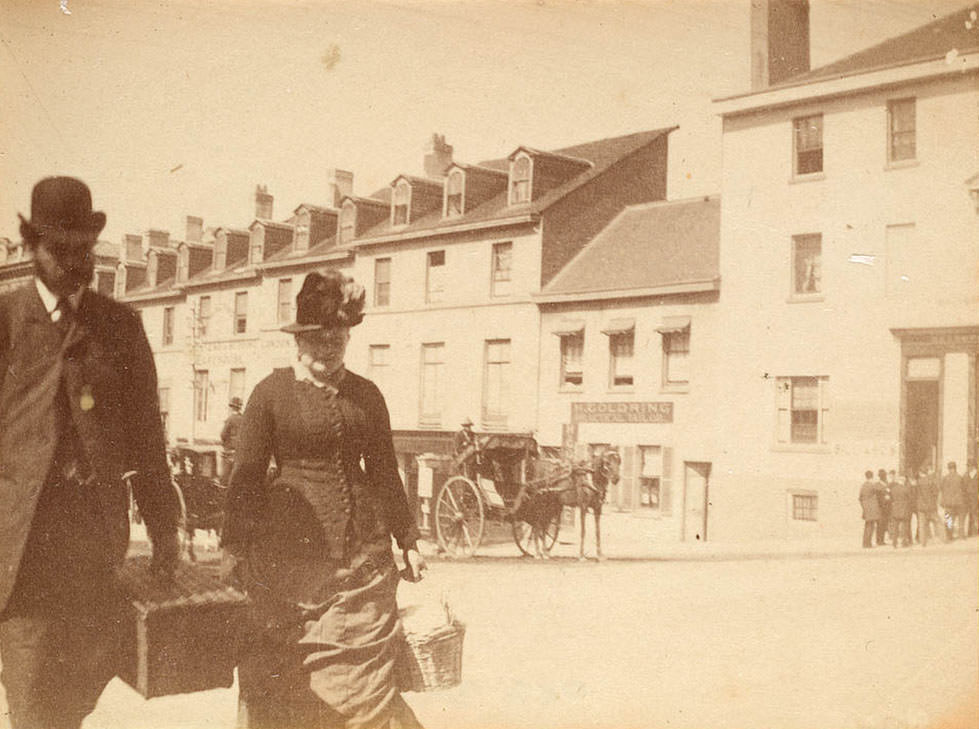
The city’s street scenes captured everything from quiet laneways to bustling thoroughfares. Phillip Street and other central roads were lined with stone buildings, gas lamps, and the occasional horse and cart. The built environment was solidly Victorian — sandstone facades, iron lacework on balconies, and wide footpaths.
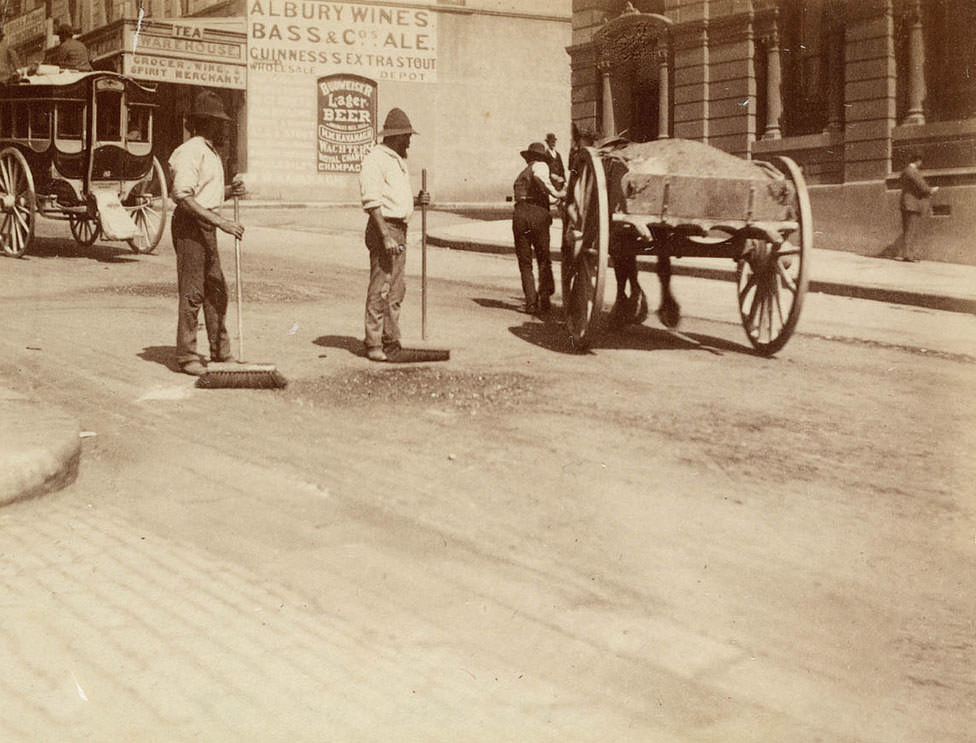
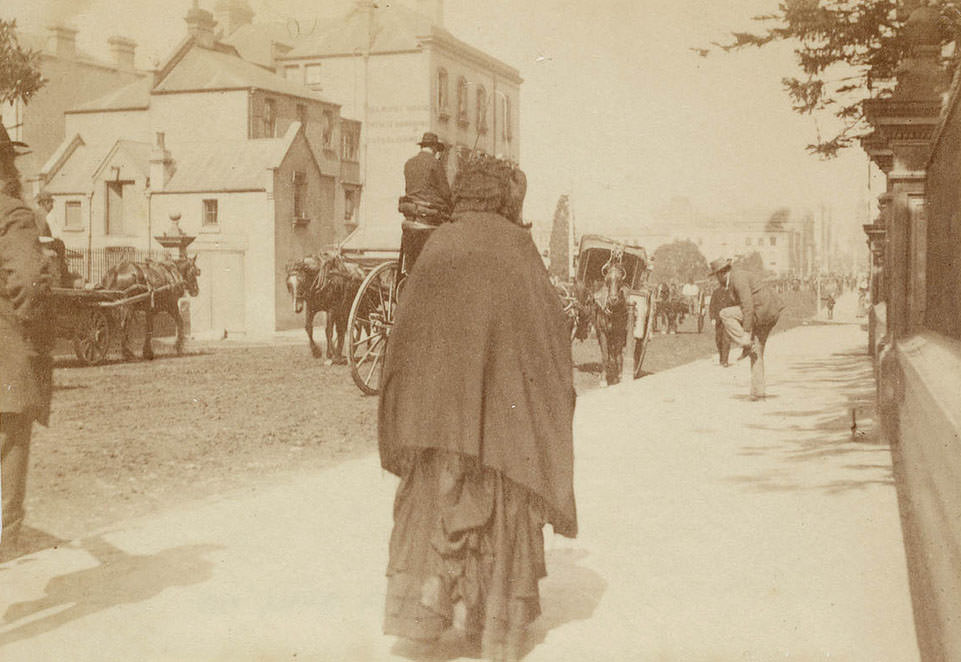
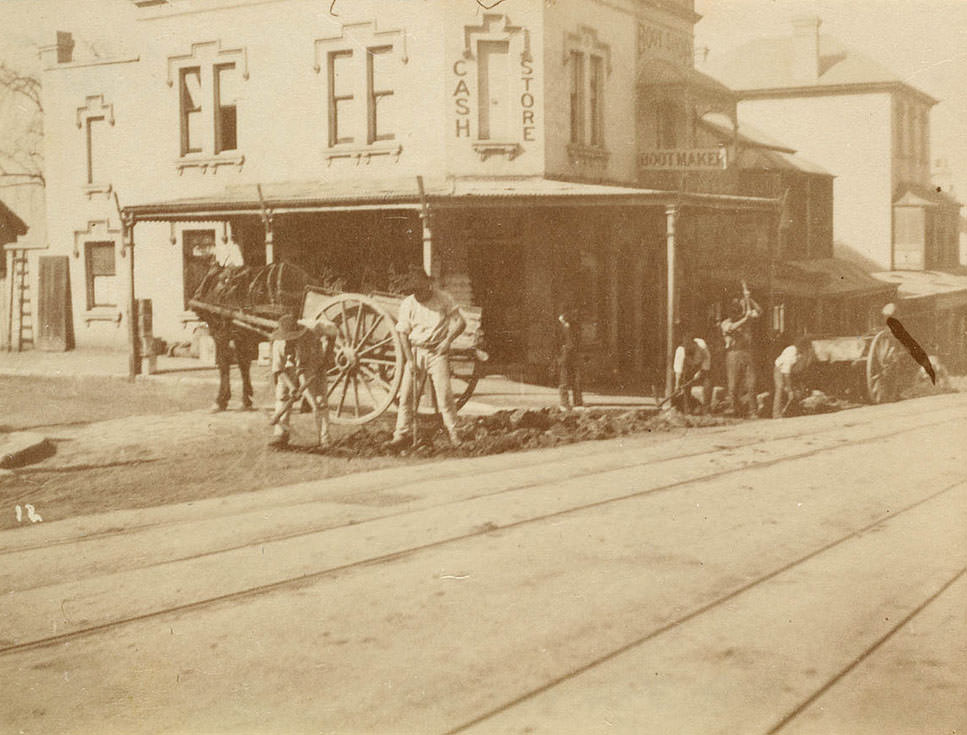
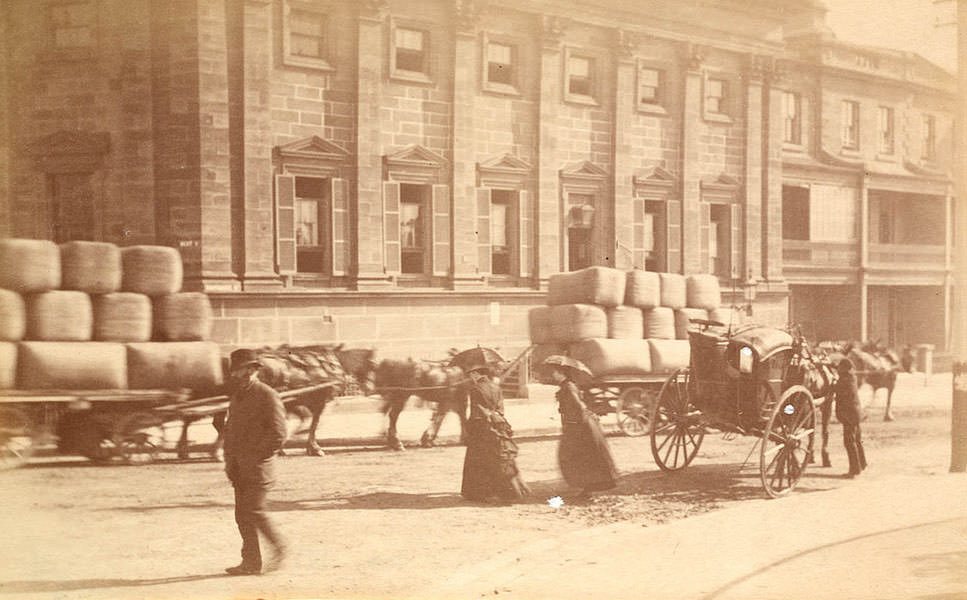
Transportation was changing fast. Sydney introduced its first electric tram system during this era, transforming how residents moved around the city. Steam-powered trams also operated alongside horse carriages on major routes, making the streets an odd mix of old and new technology running side by side.
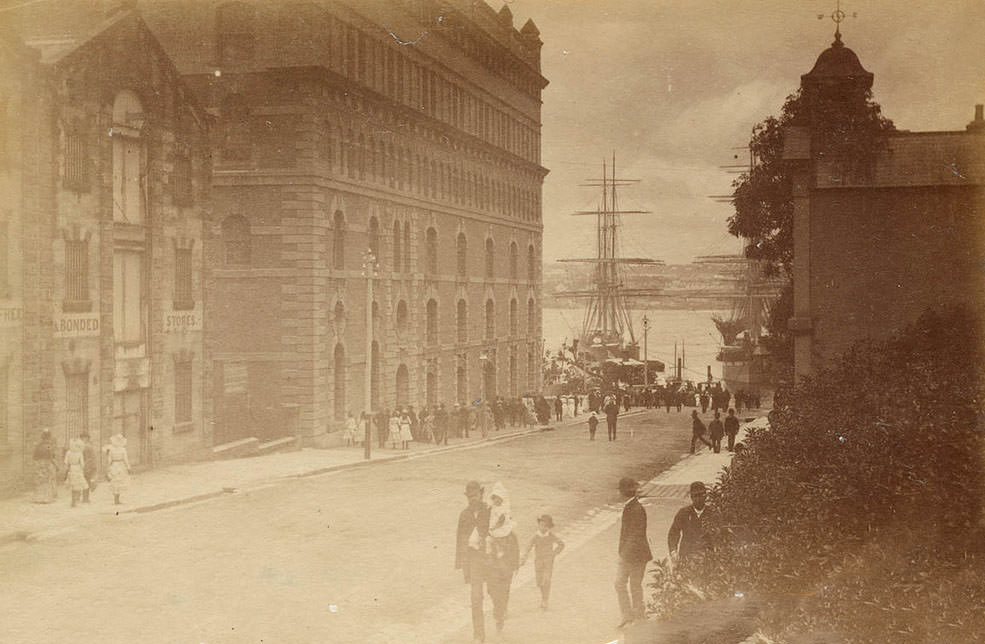
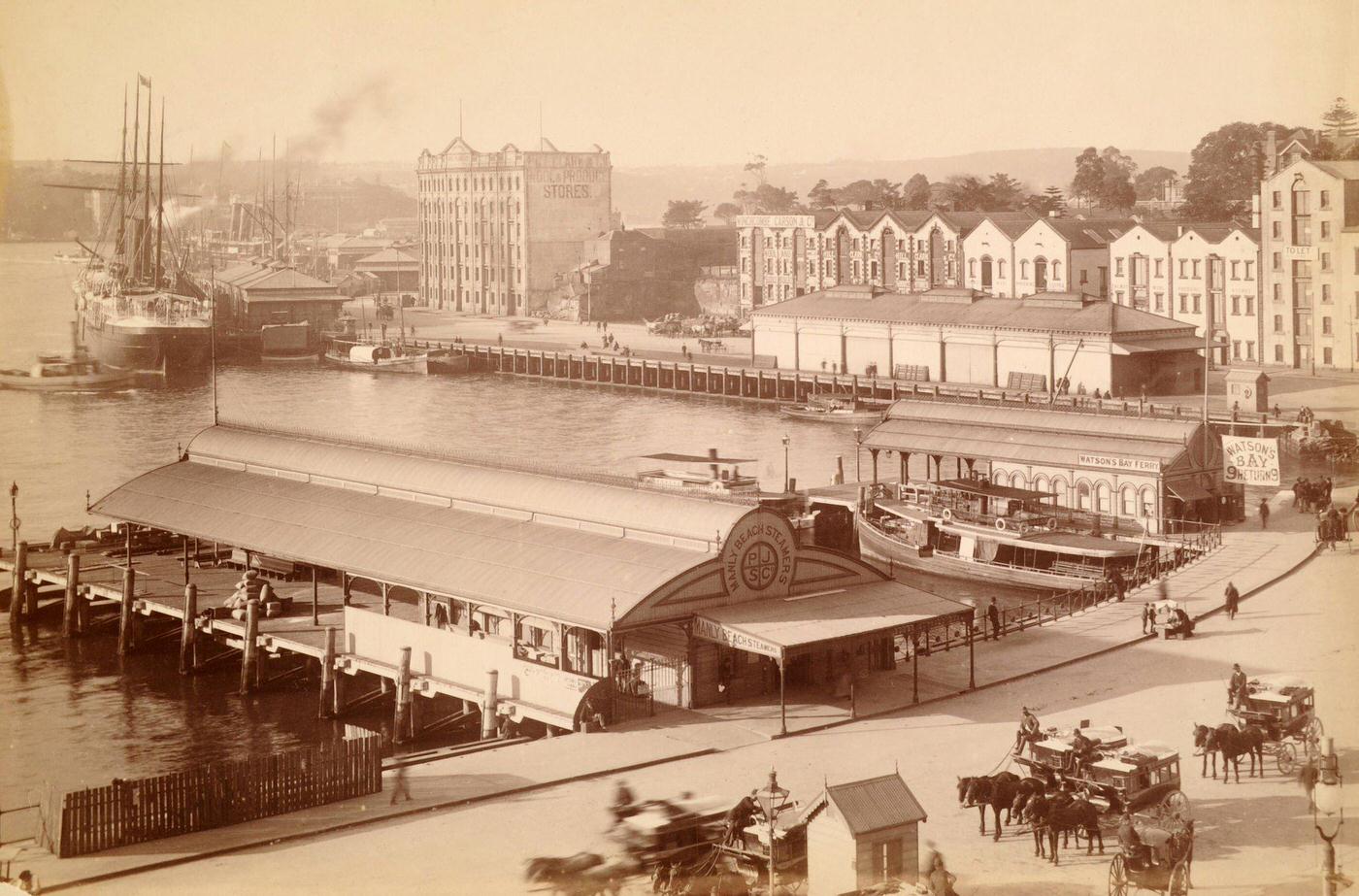
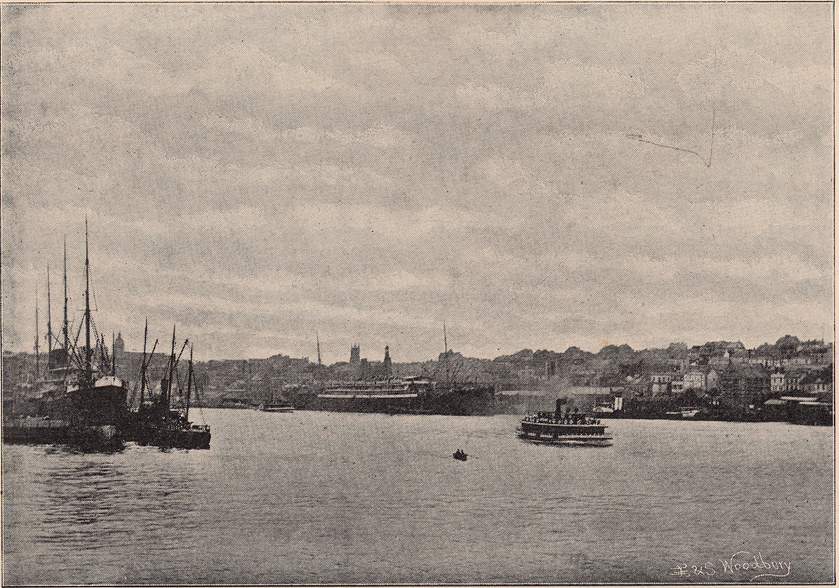
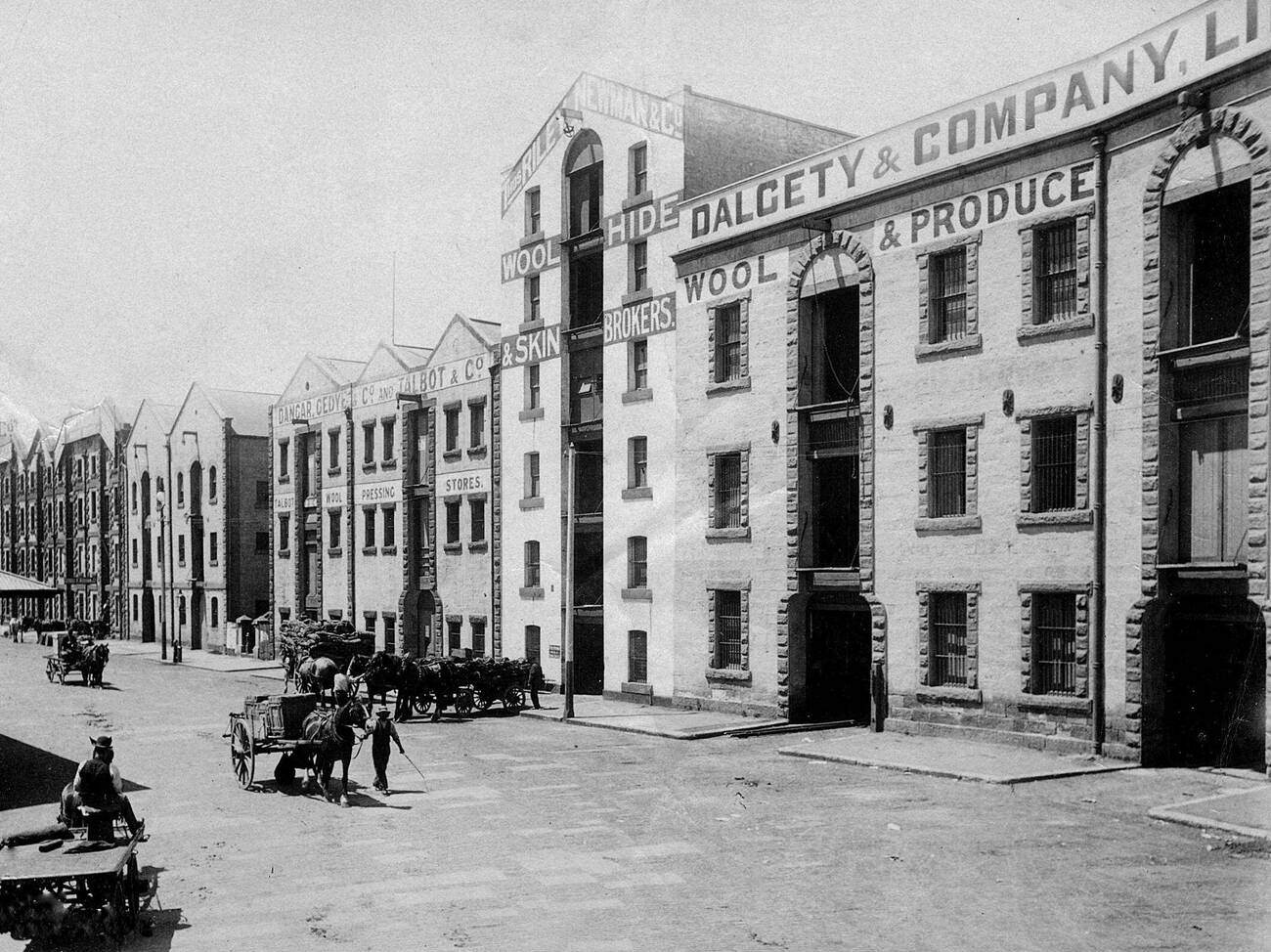
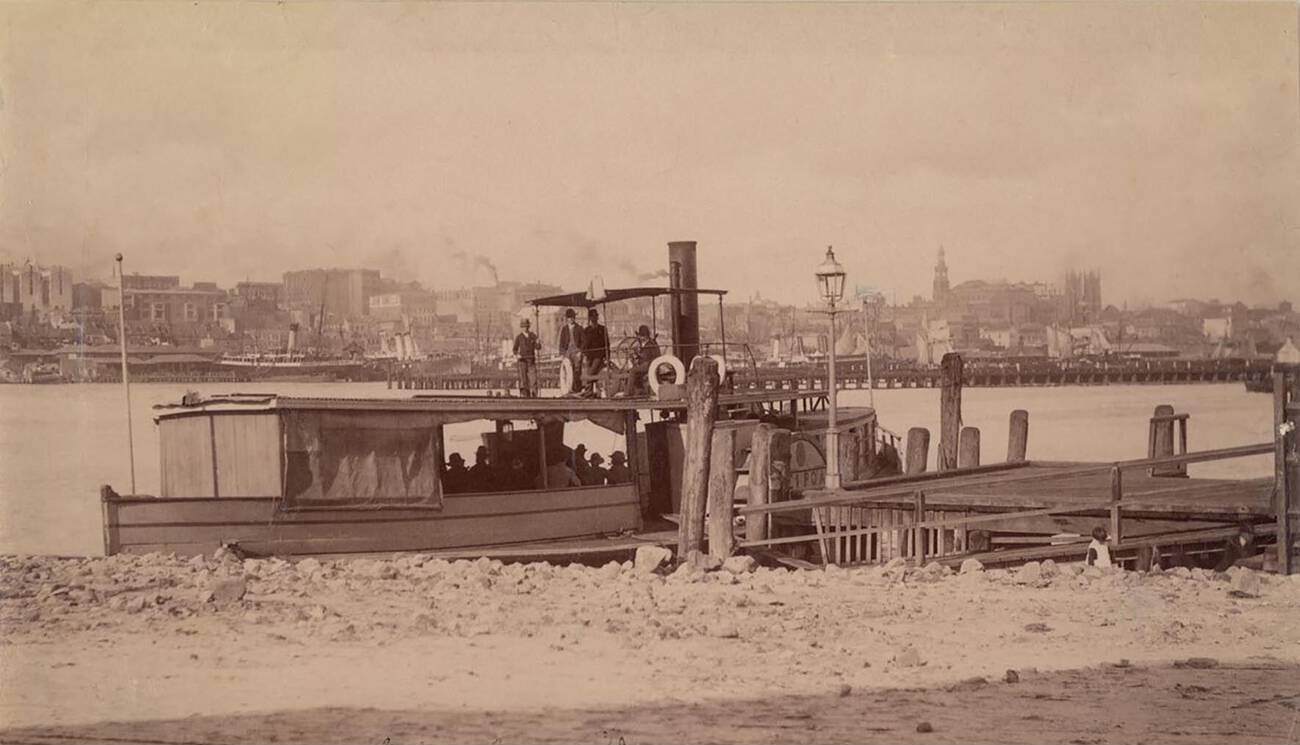
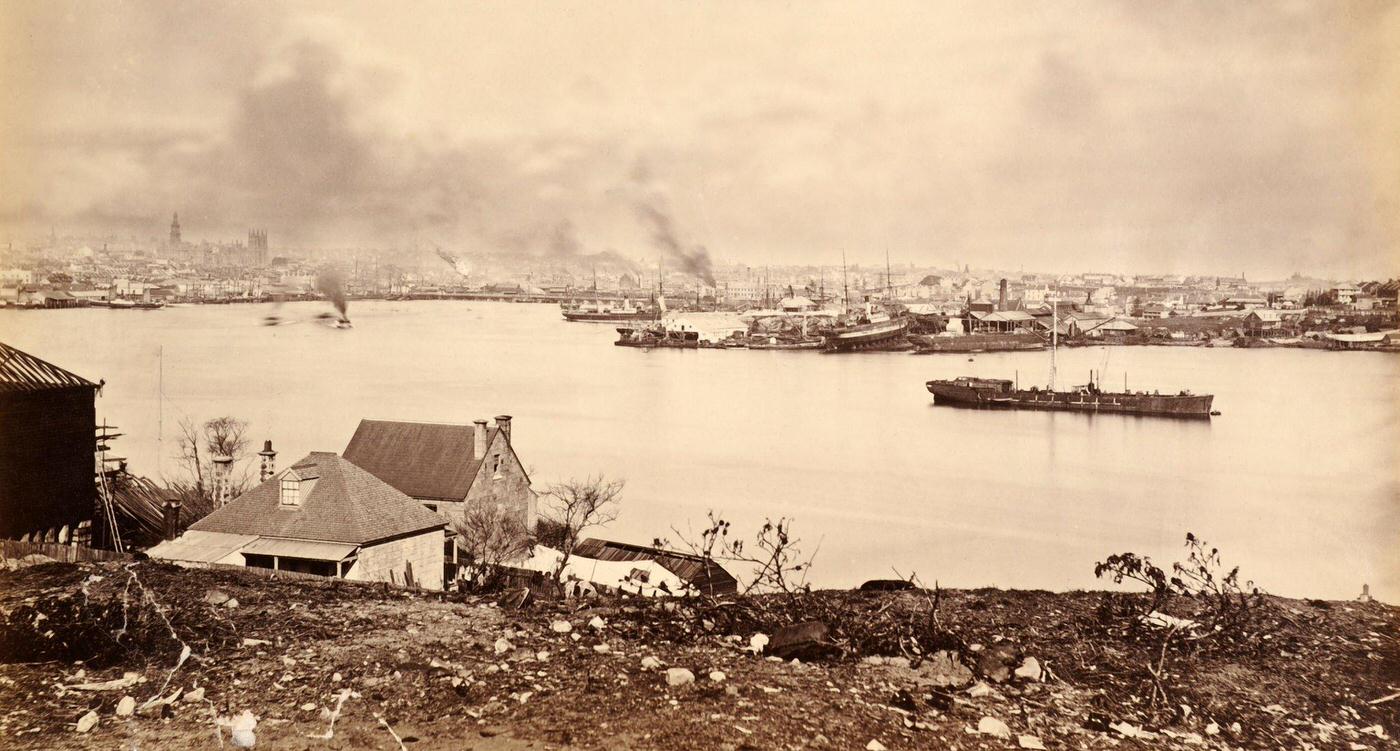
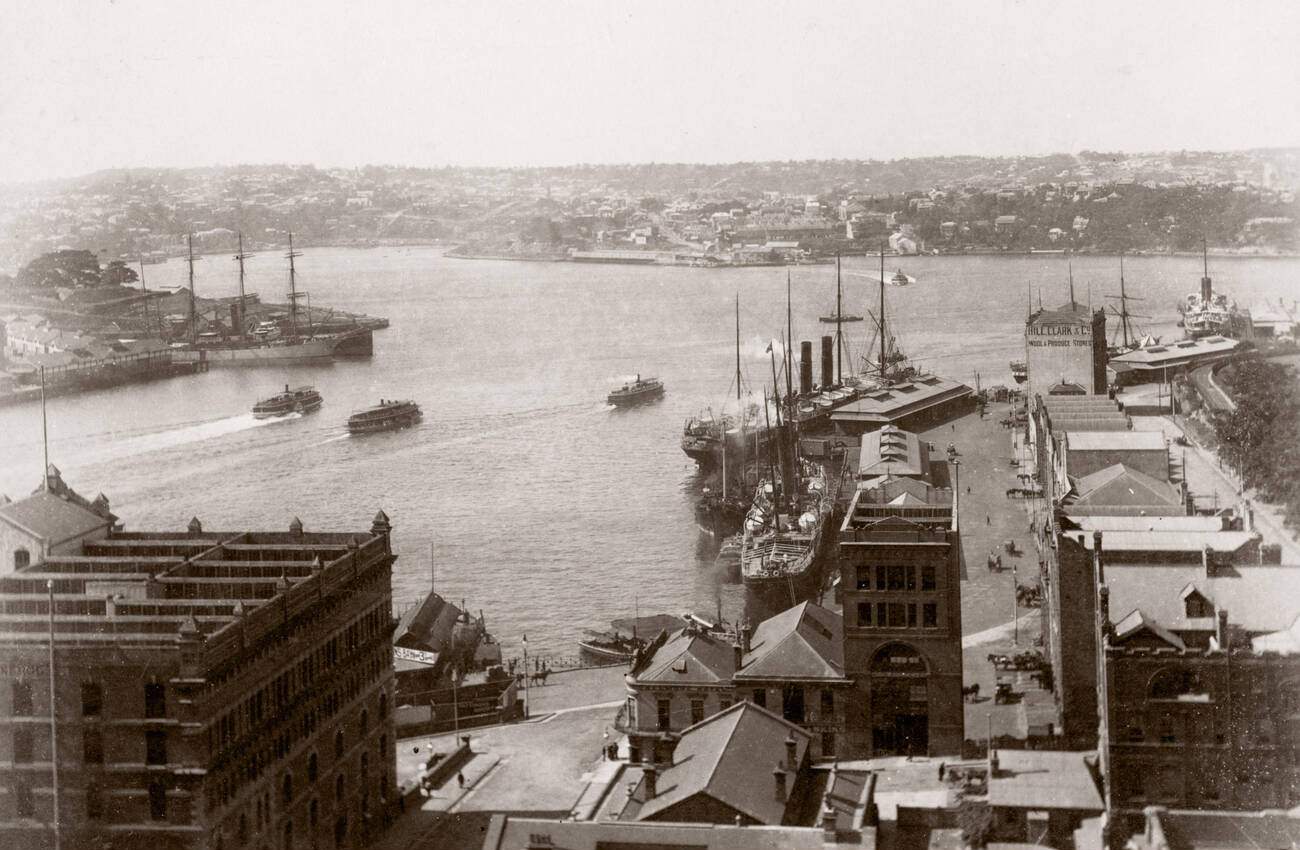
The waterfront was at the heart of Sydney’s economy. Circular Quay was a constant hub of movement — ferries arriving from Manly and Balmain, wool stores operating along Sydney Cove, and crowds gathering to watch ships come and go. The harbour connected the city to the rest of the world, and trade flowed through it daily.
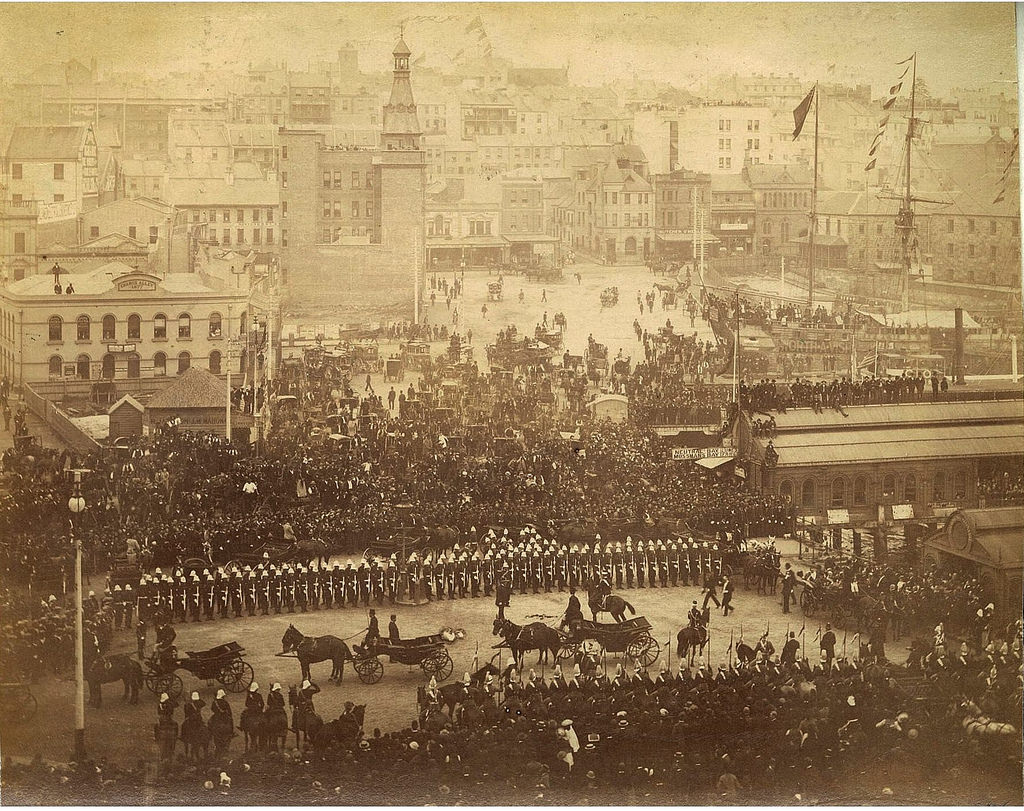
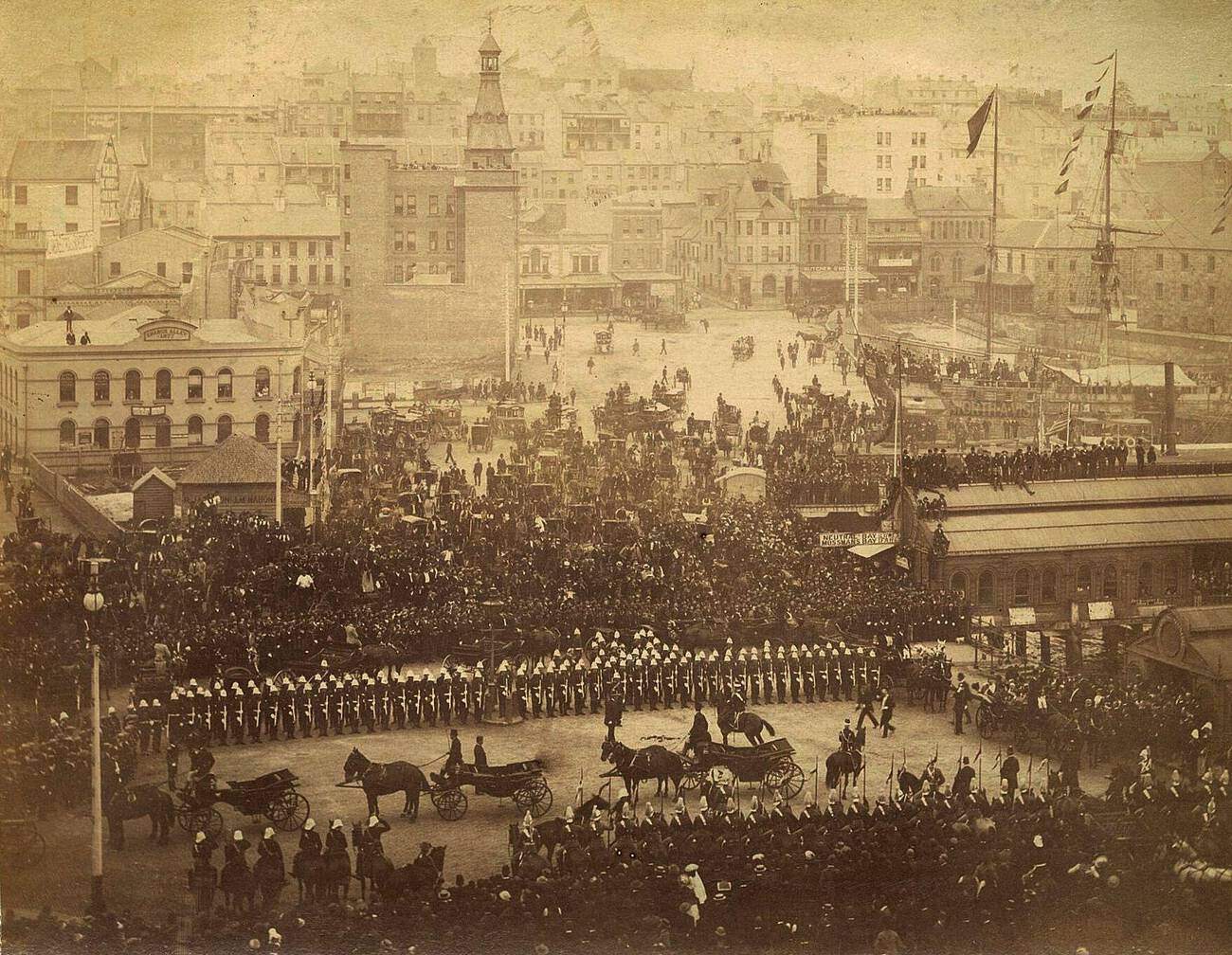
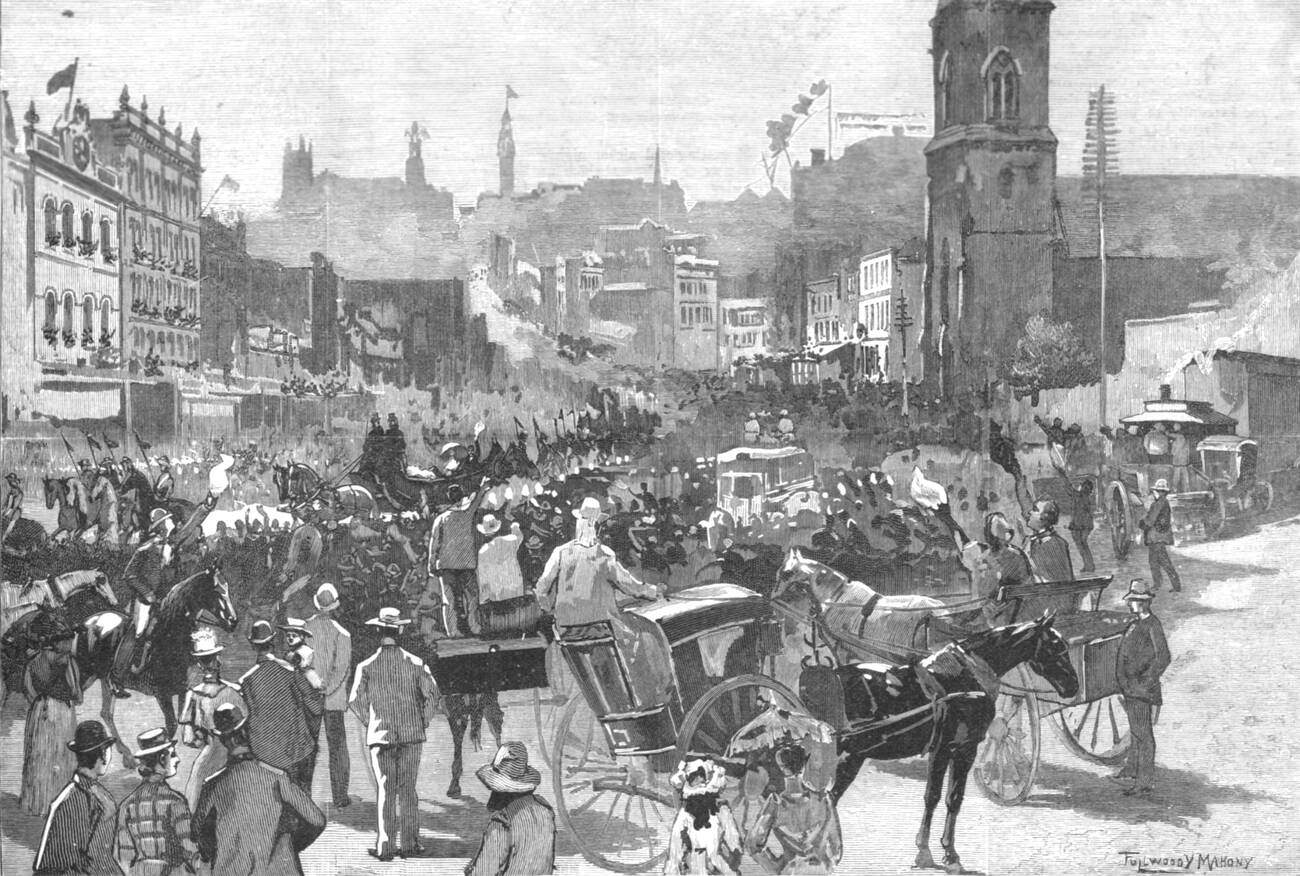
Public occasions drew large crowds. The arrival of Governor Sir Robert Duff at Circular Quay in 1893 brought out spectators in numbers, as did the departure of Lord and Lady Carrington for England. These ceremonial events were a regular part of colonial life, marking the rhythms of political power in New South Wales.
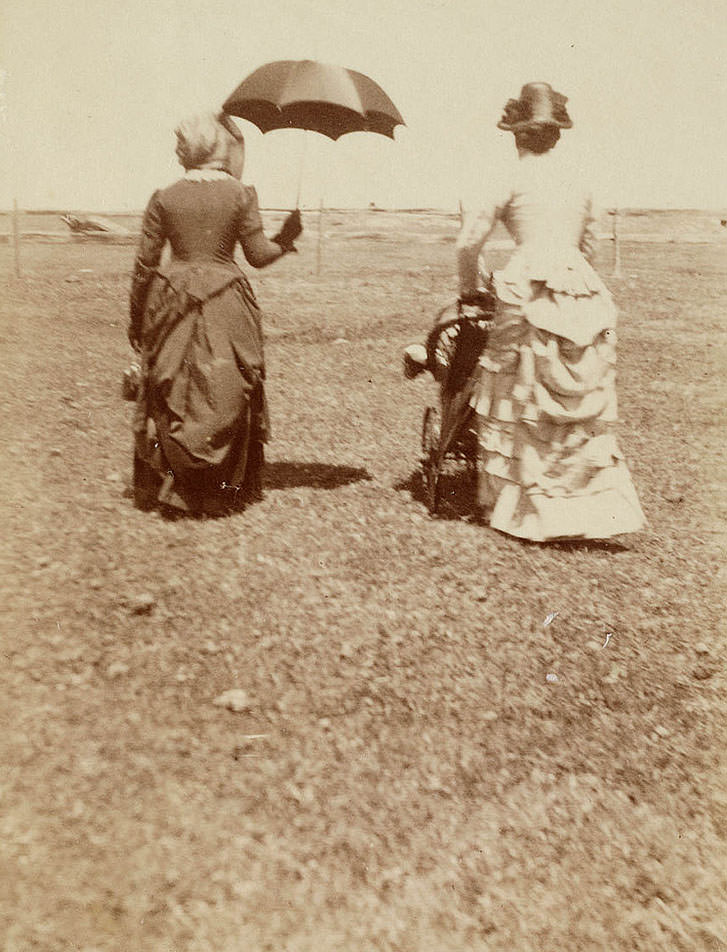
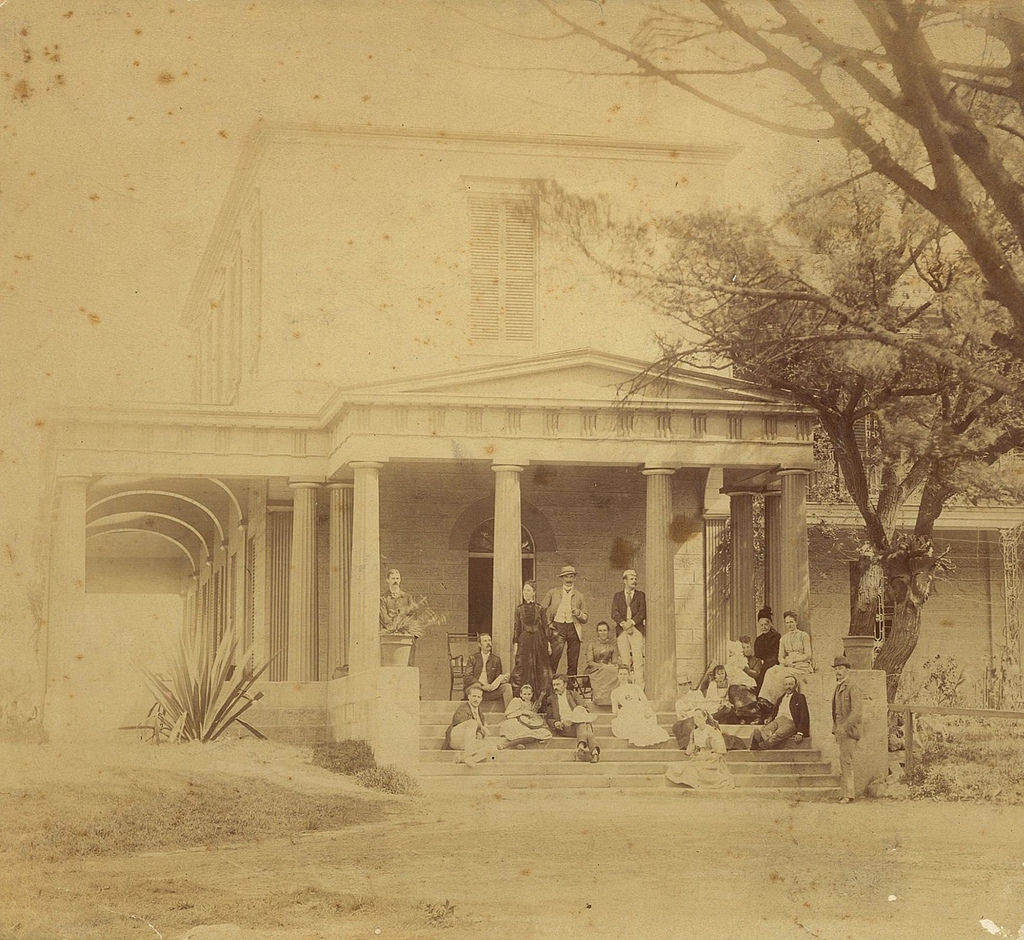
The wealthy lived very differently. Families like the Pecheys, photographed at their Darlinghurst property Craigend, occupied large homes surrounded by gardens. The outer suburbs offered space and comfort, far removed from the overcrowded inner-city terraces. Fine dining, shopping, and leisure were all available to those with money.
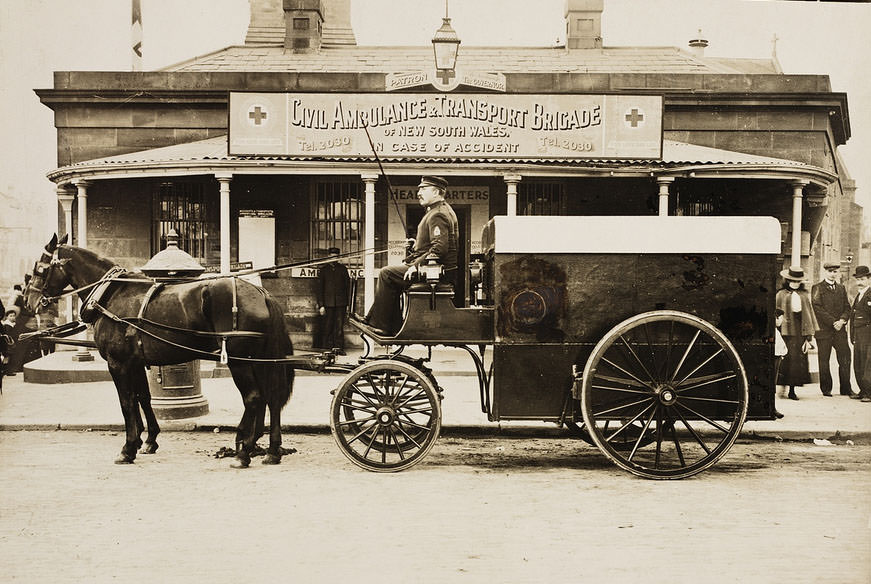
Emergency services were taking shape too. The Civil Ambulance and Transport Brigade operated from its headquarters at the corner of George and Pitt Streets, deploying horse-drawn ambulances across the city. It was a basic but essential system in a city where disease and accident were ever-present risks.
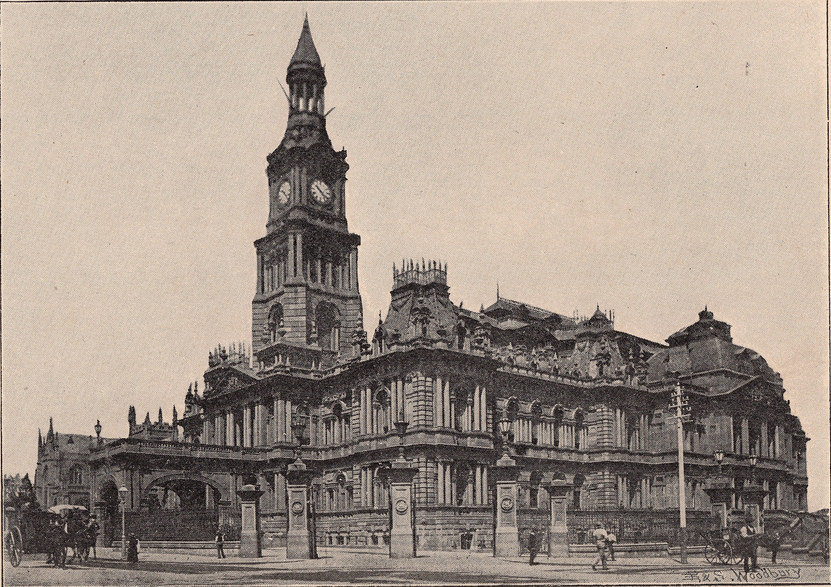
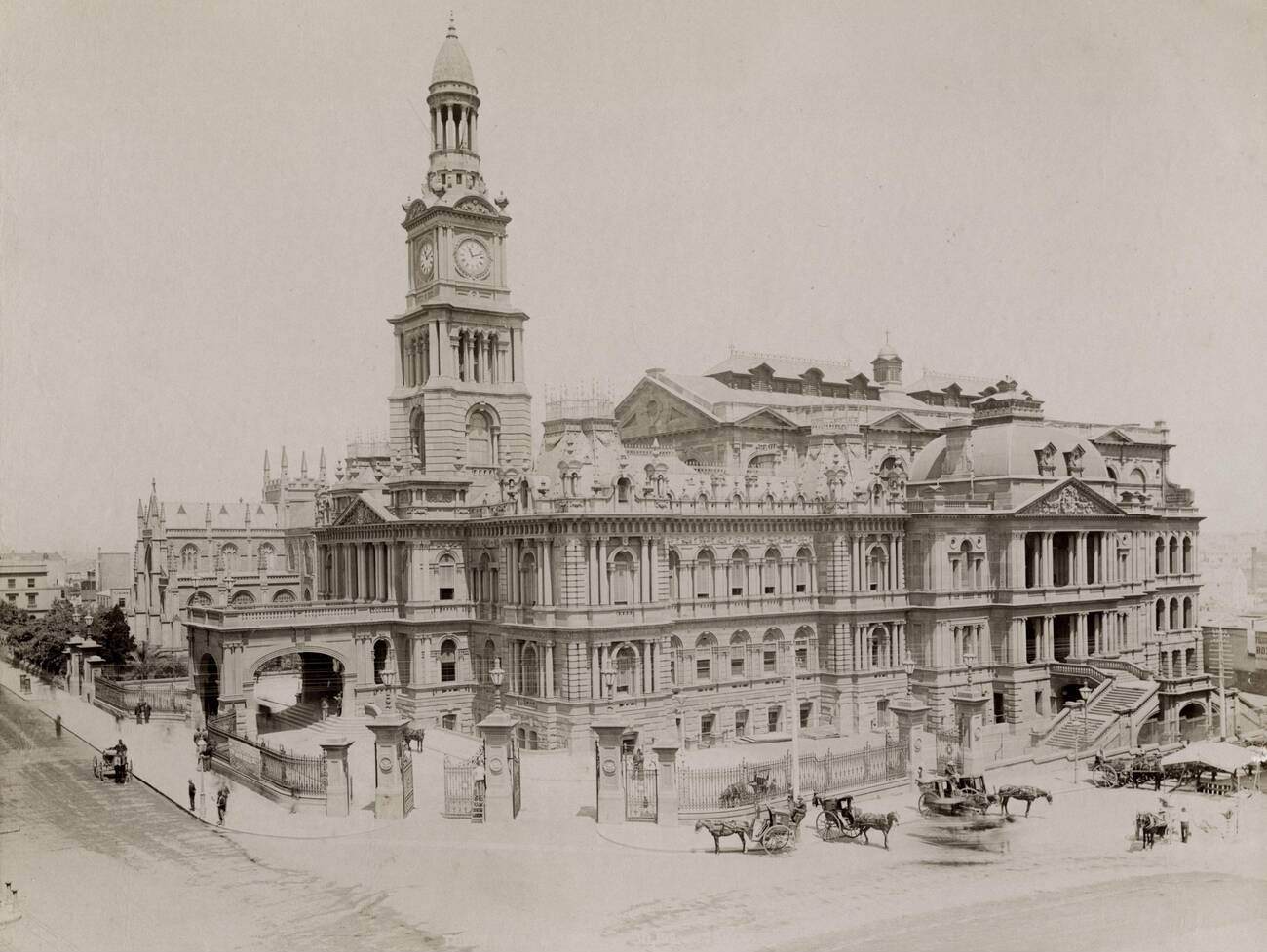
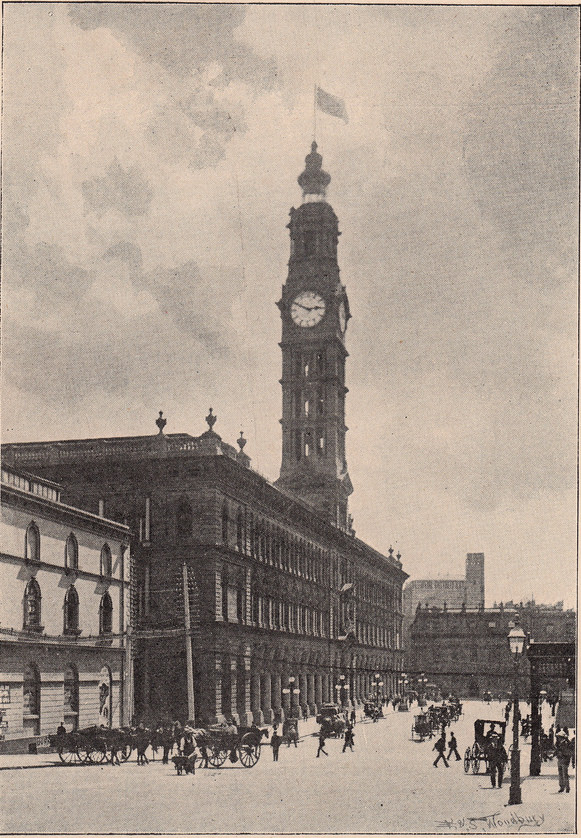
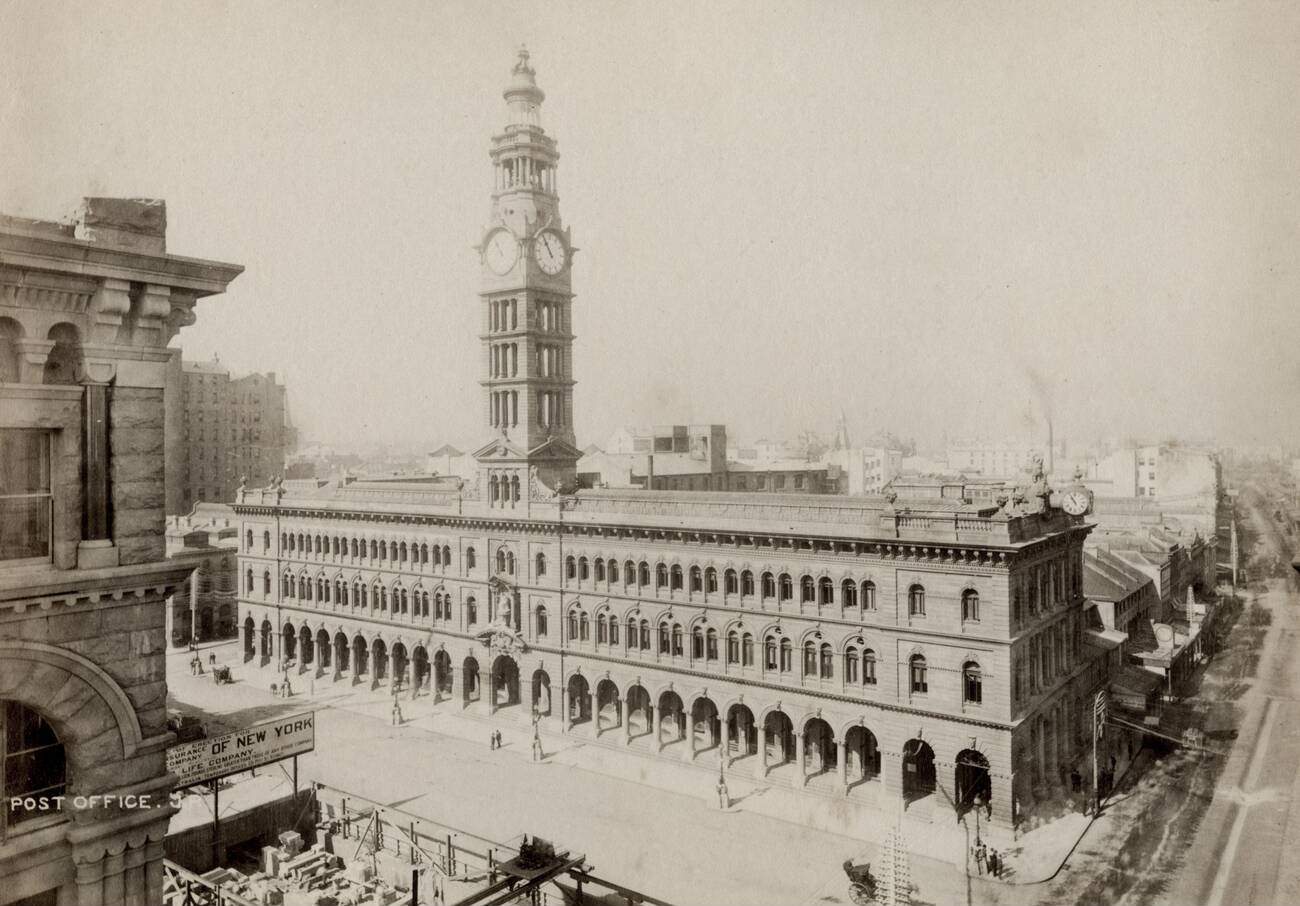
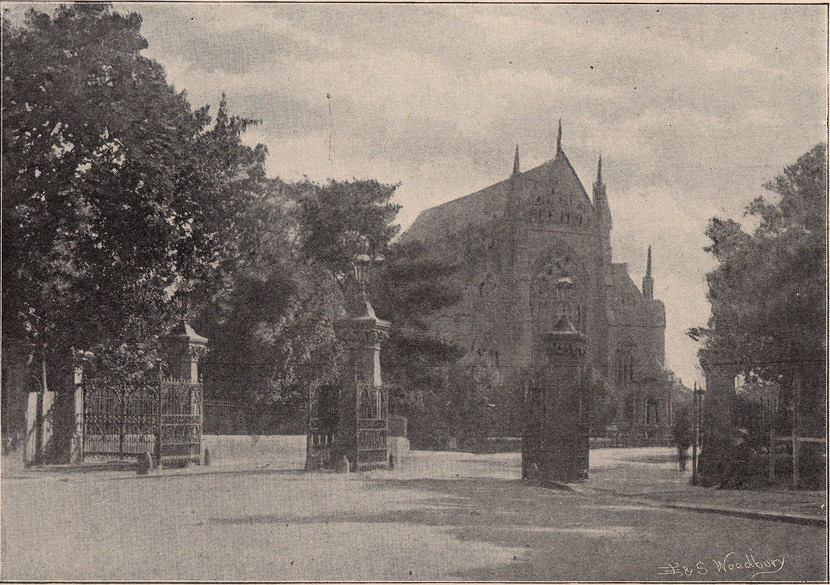
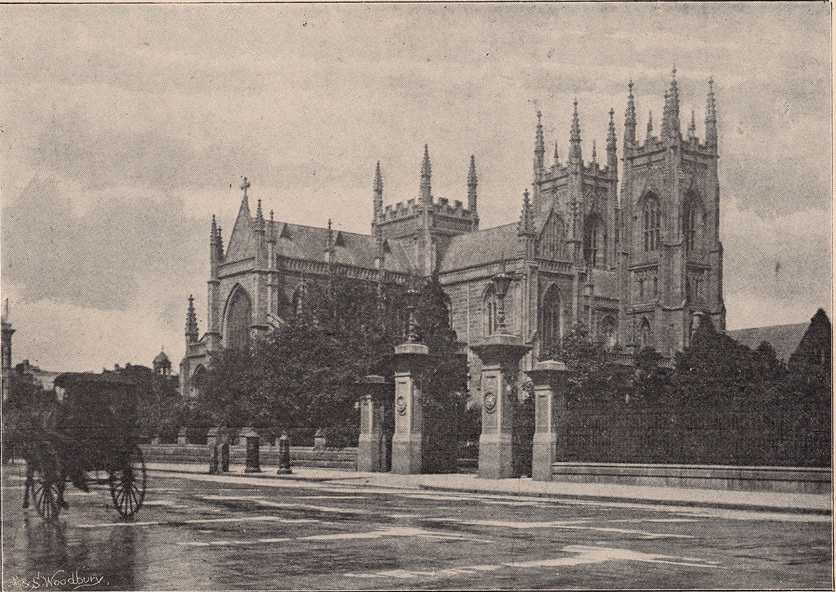
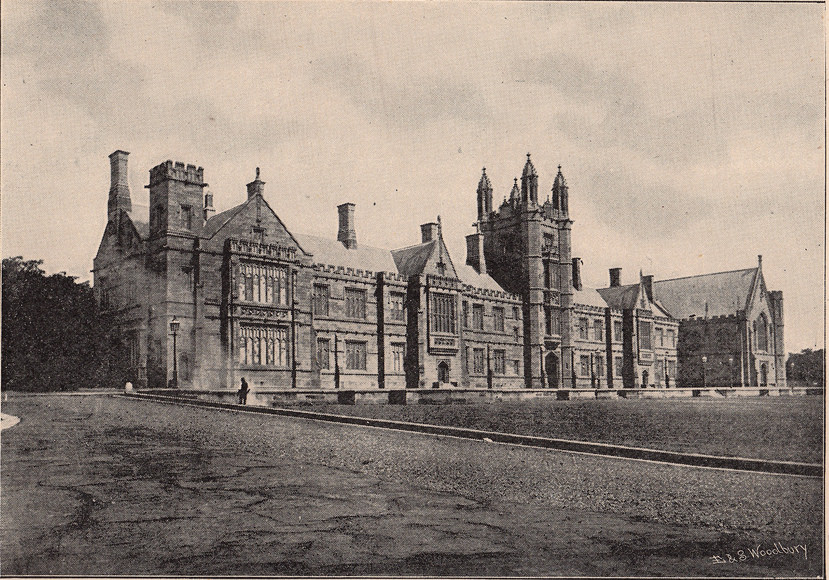
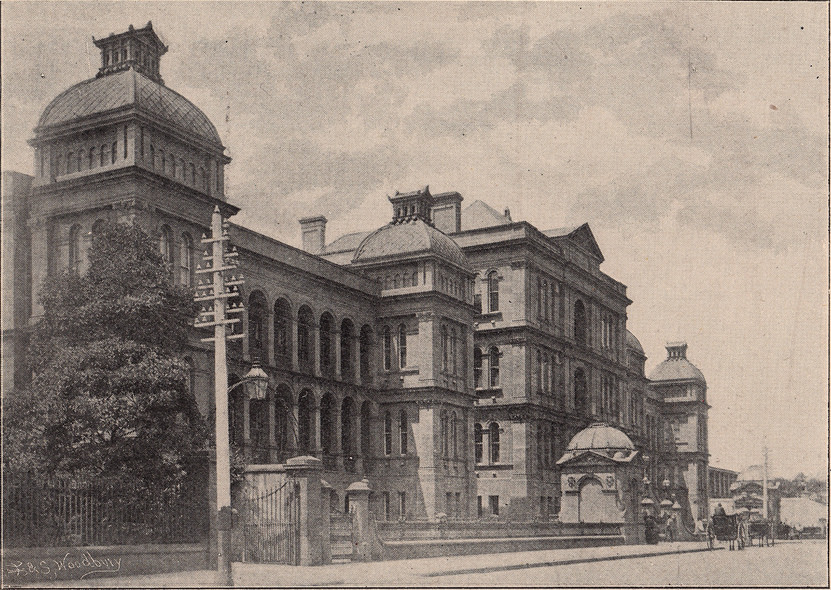
Sydney’s landmarks were well established by the late 1800s. The Town Hall, the General Post Office, St Mary’s Cathedral, St Andrew’s Cathedral, and the University of Sydney all stood as major architectural statements. These buildings gave the city a sense of permanence and civic pride.
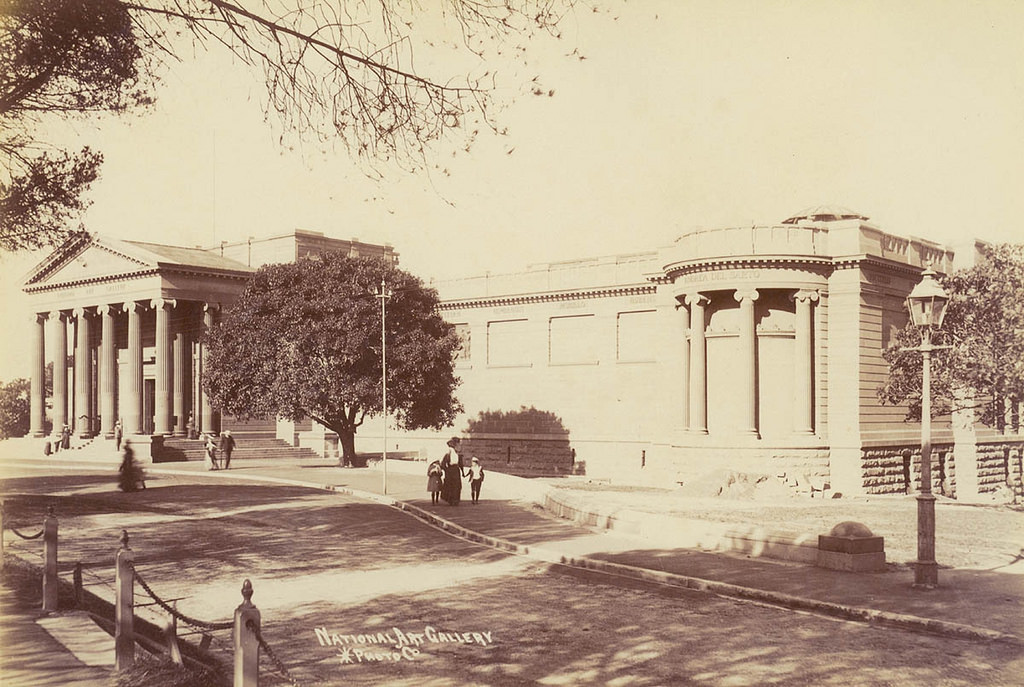
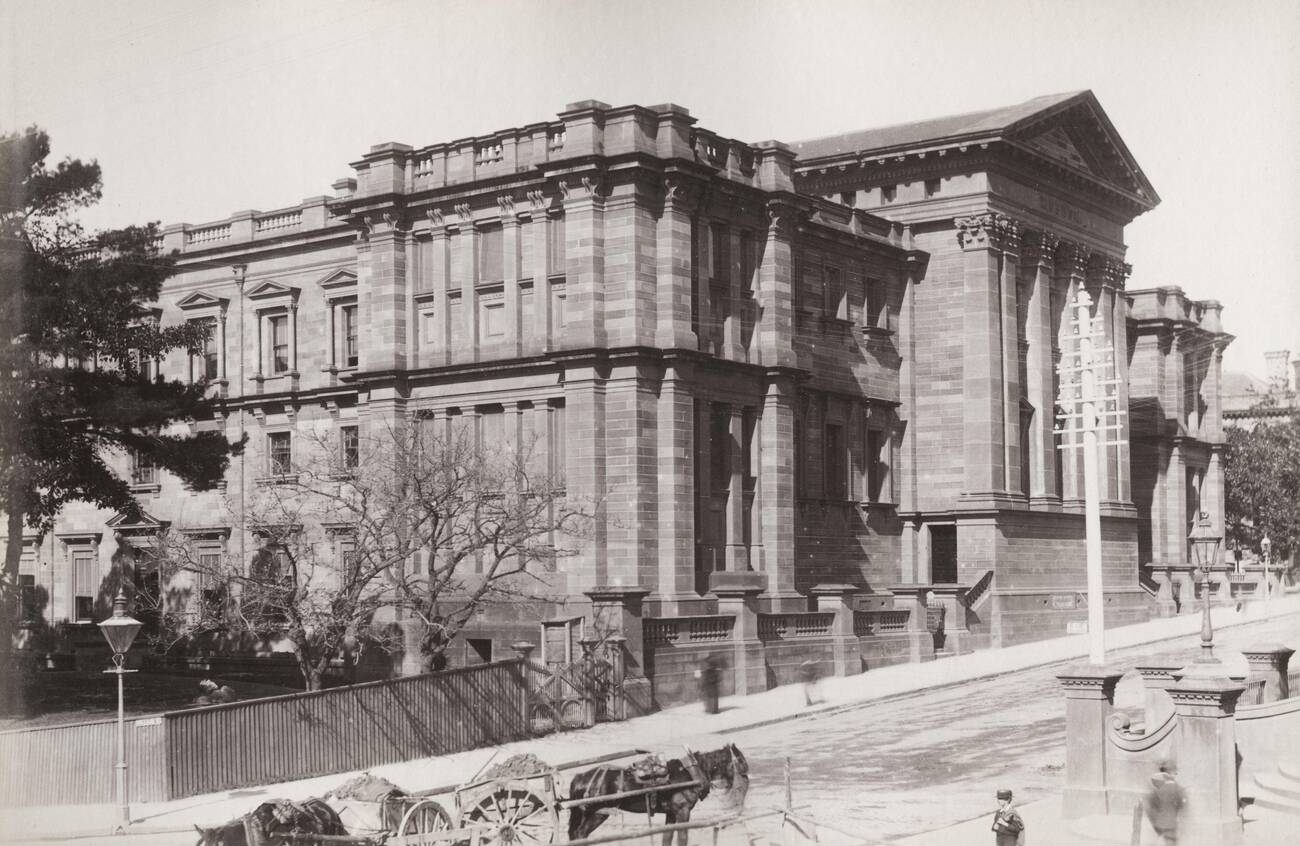
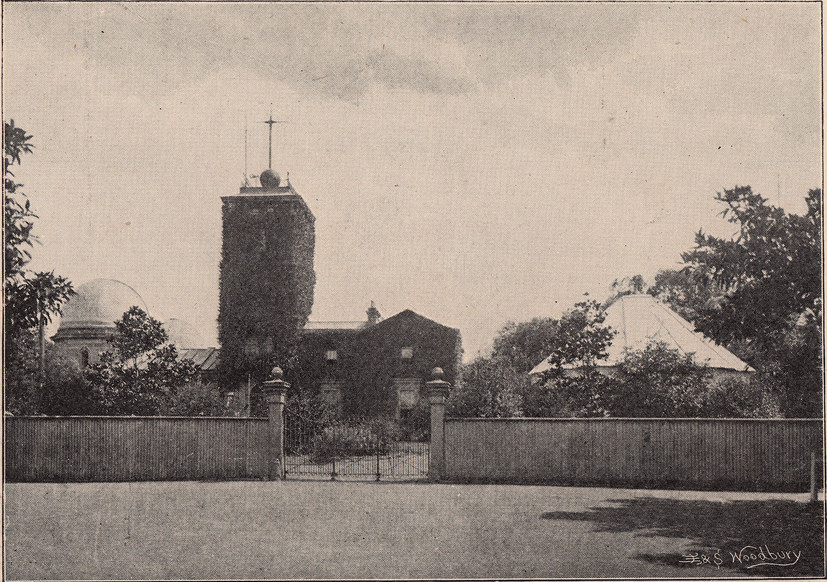
Cultural institutions were also growing. The National Art Gallery of New South Wales opened its doors, and Sydney Museum drew visitors from across the colony. The Sydney Observatory kept watch over the harbour from its hilltop position. These were the foundations of a city building an identity beyond just trade and labor.
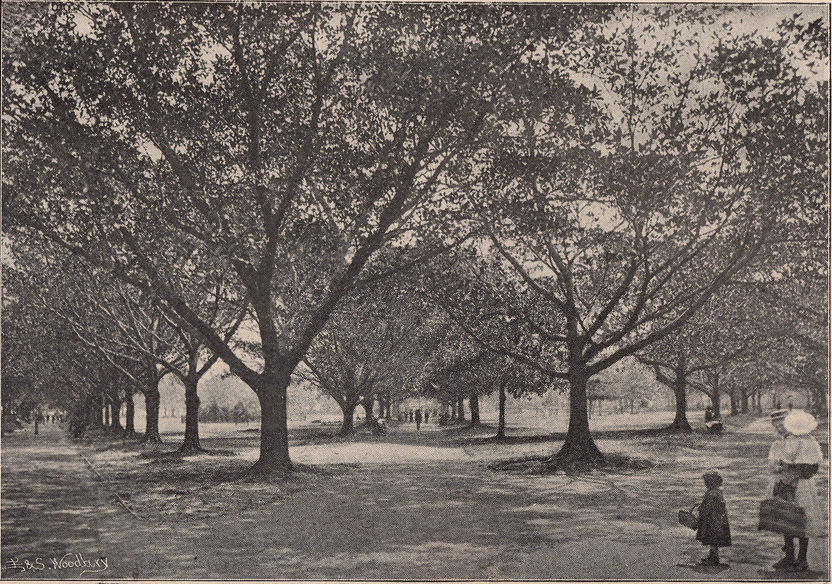
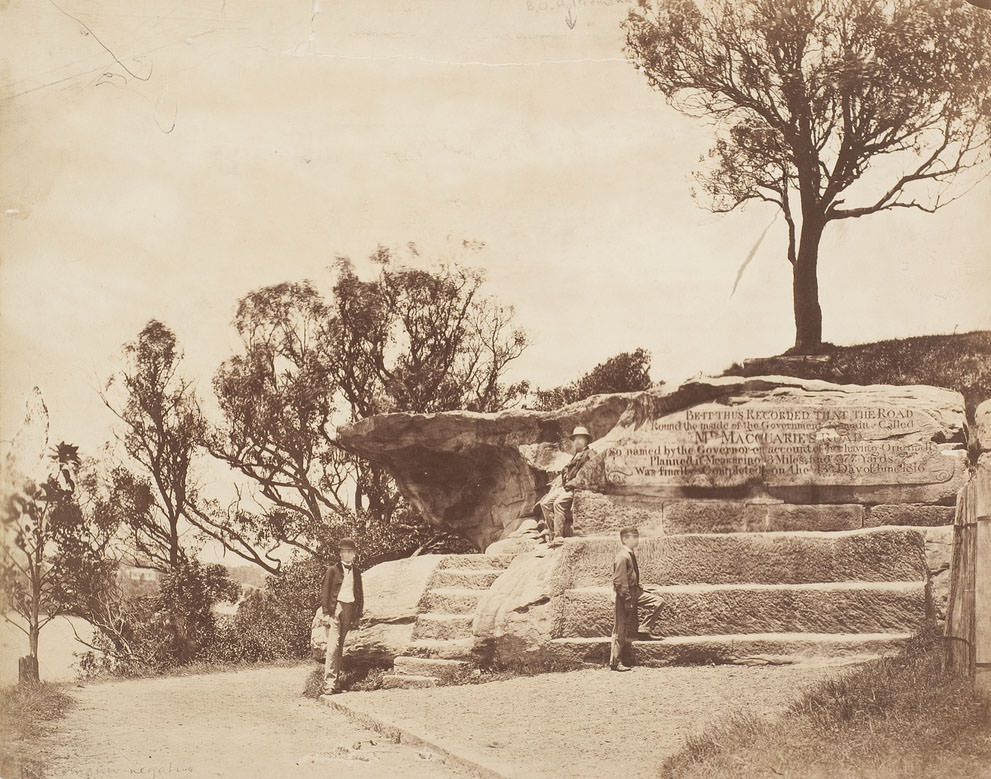
Green spaces offered some relief from the city’s density. Hyde Park, the Royal Botanic Gardens, and the park at Parramatta gave residents a place to walk and breathe. Mrs Macquarie’s Chair remained a quiet lookout point over the harbour. Wynyard Square and Lavender Bay offered more pockets of open space in an otherwise built-up city.
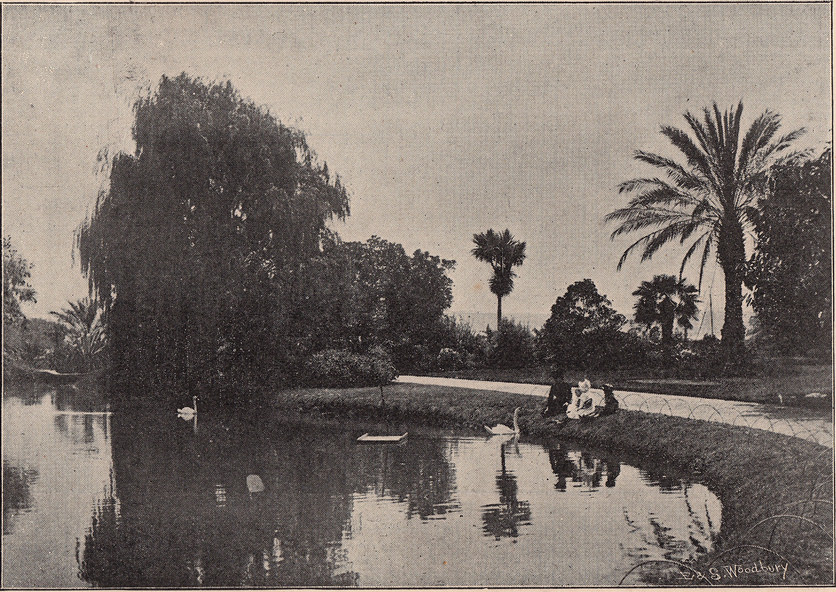
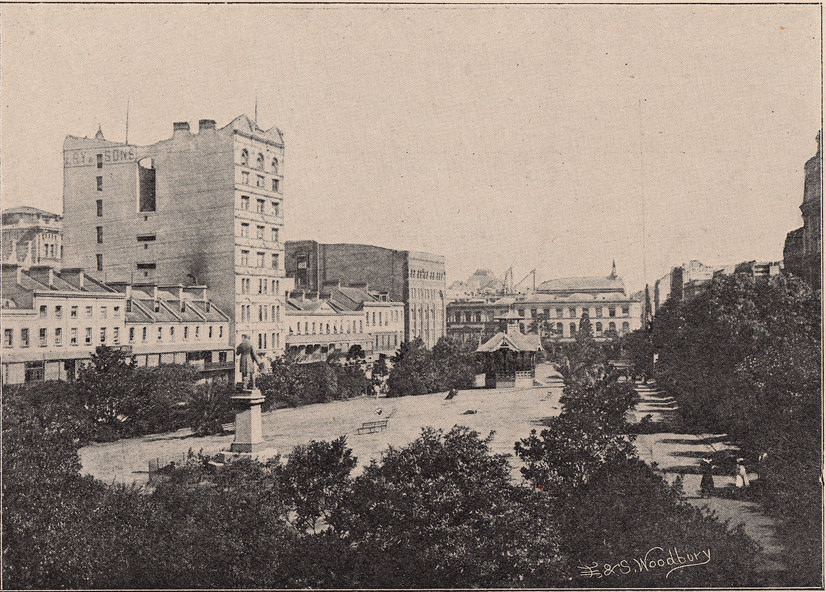
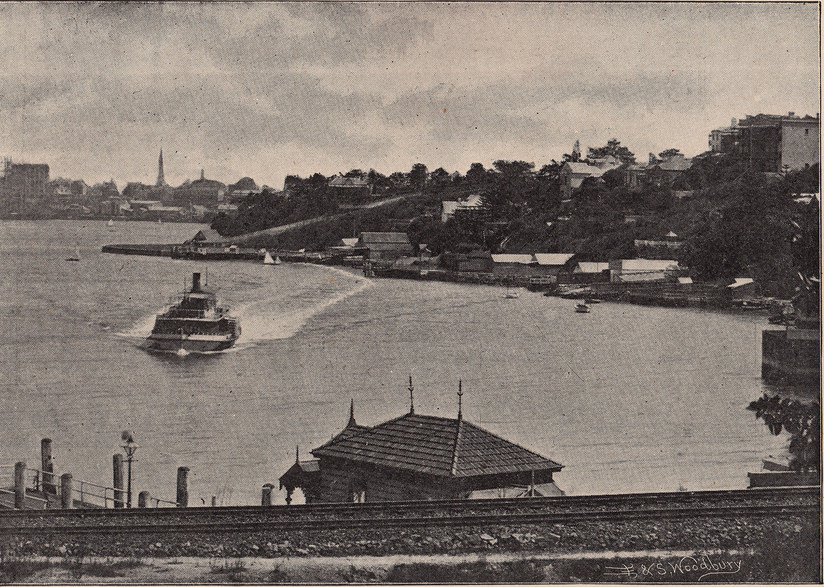
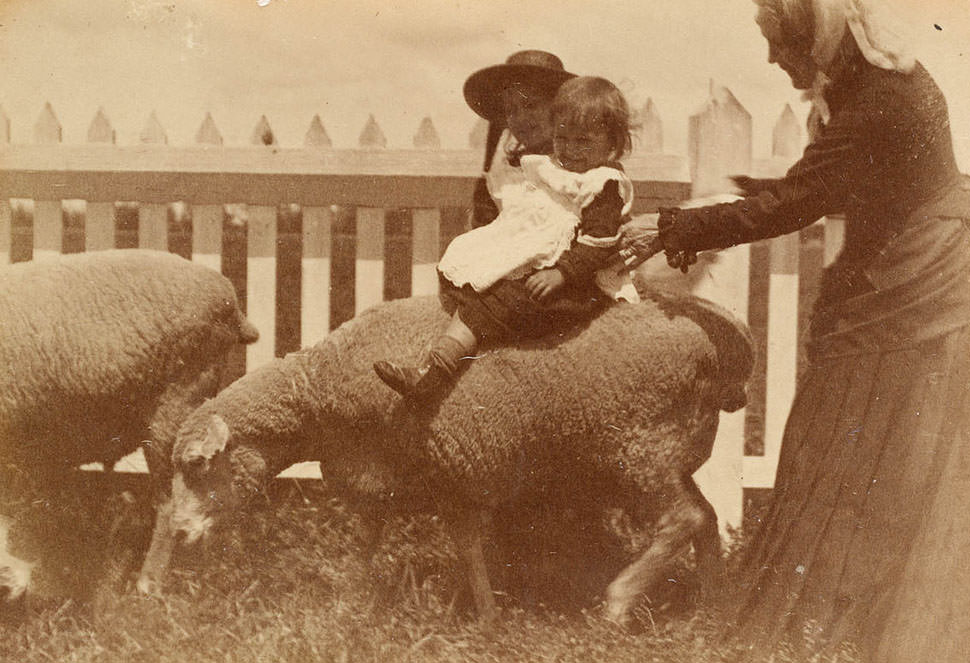
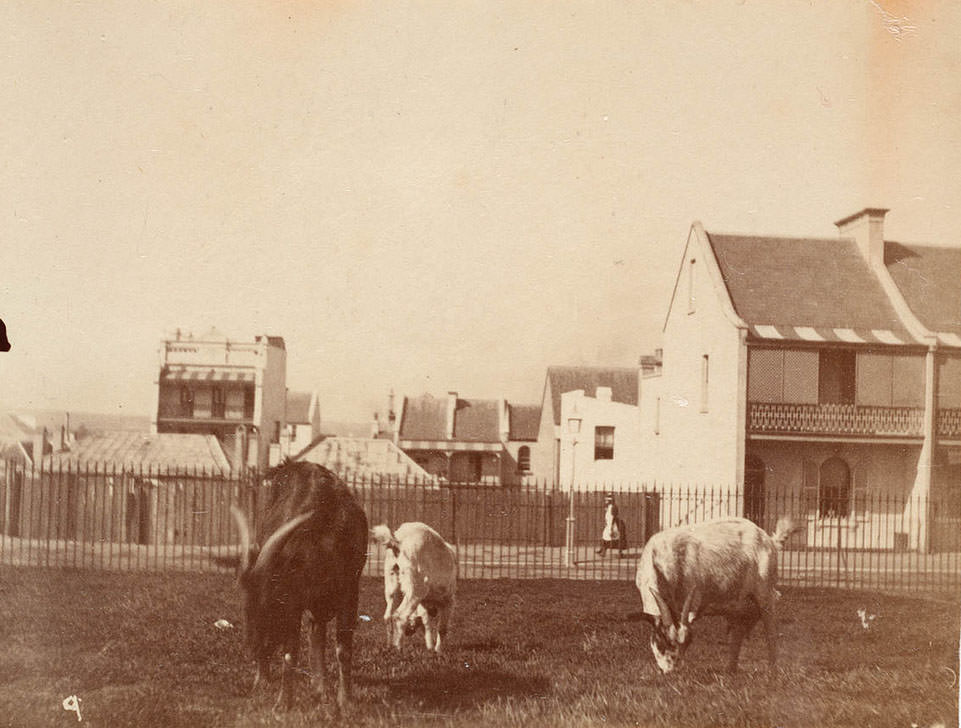
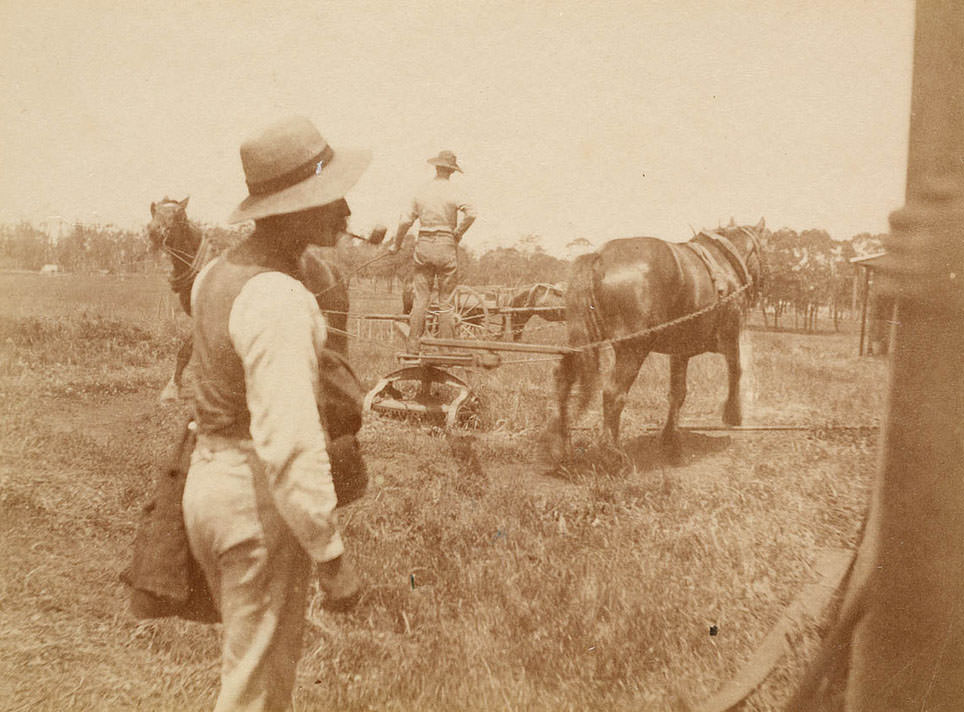
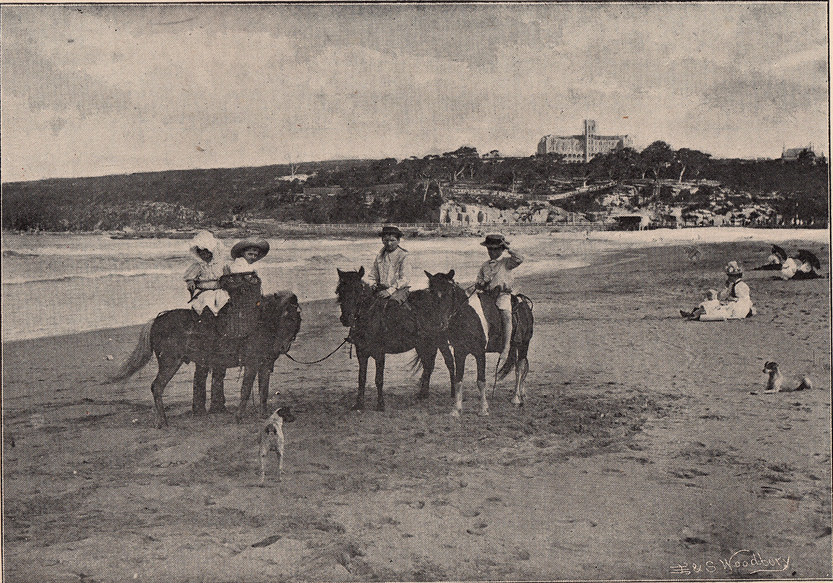
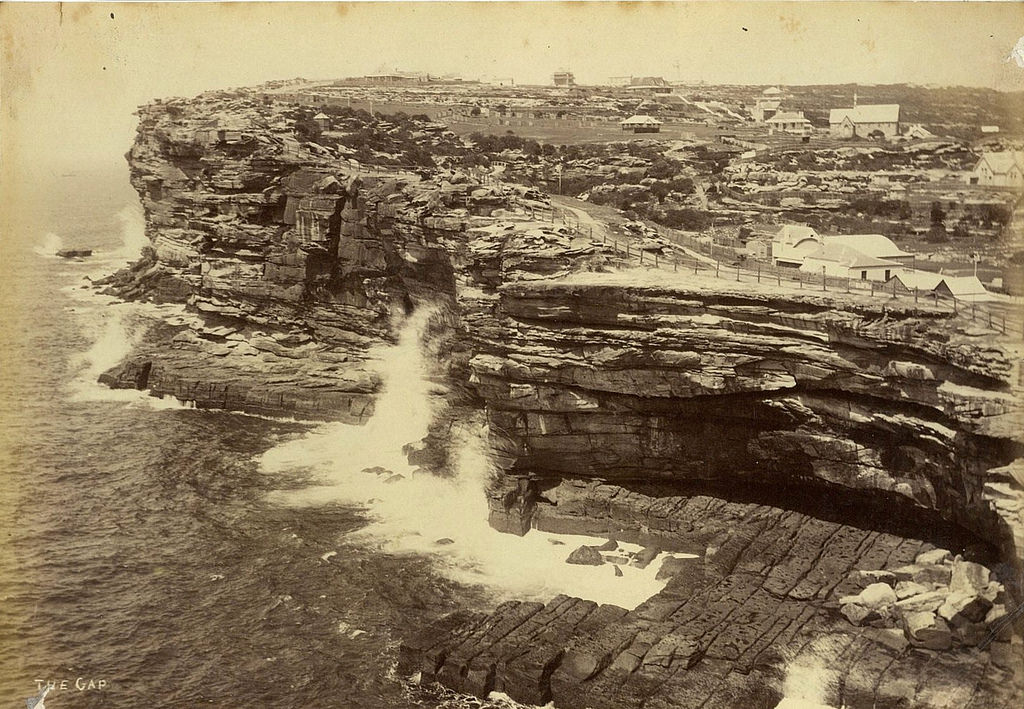
Beyond the inner city, Sydney still had patches of farmland and open country. The Parramatta River wound through quieter terrain, and Manly Beach sat at the edge of the harbour heads, already drawing visitors. The Gap at Watson’s Bay was a dramatic coastal cliff, recognizable even then. Sydney in the 1890s was simultaneously a working industrial port and a place of genuine natural beauty.
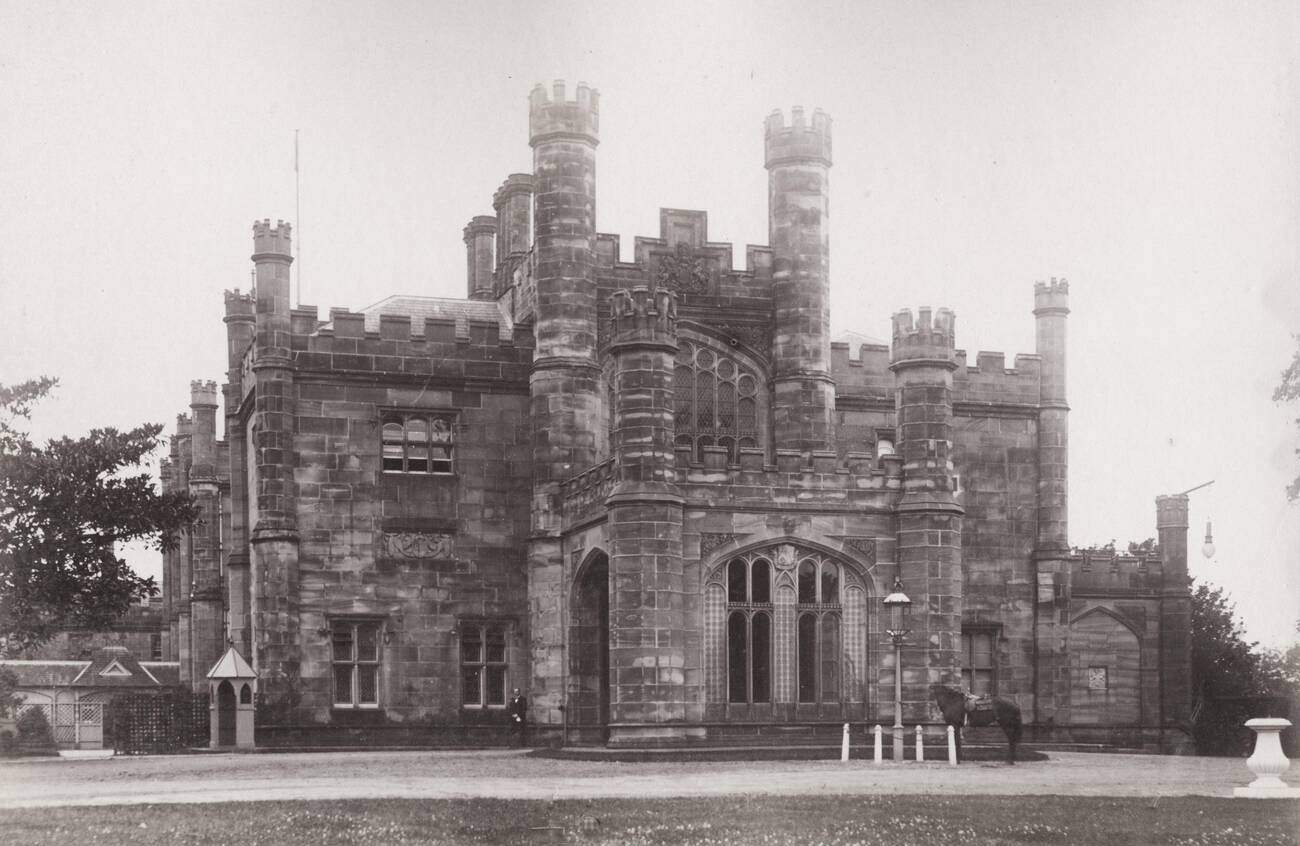
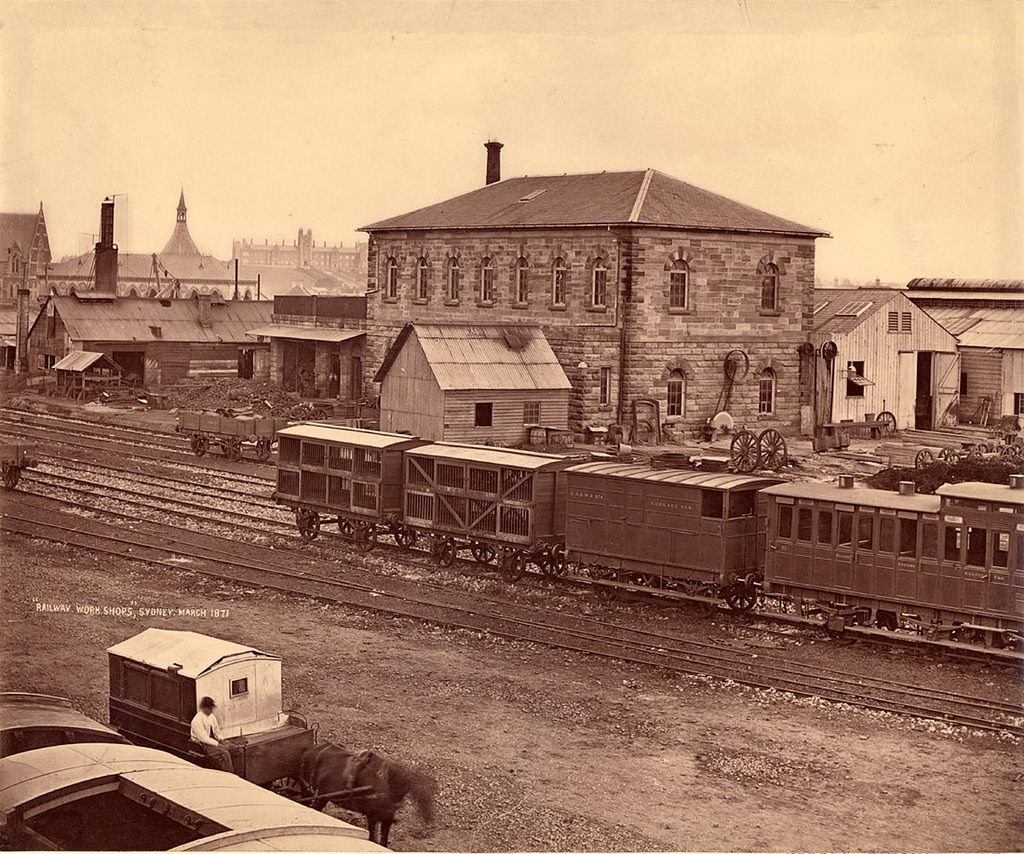
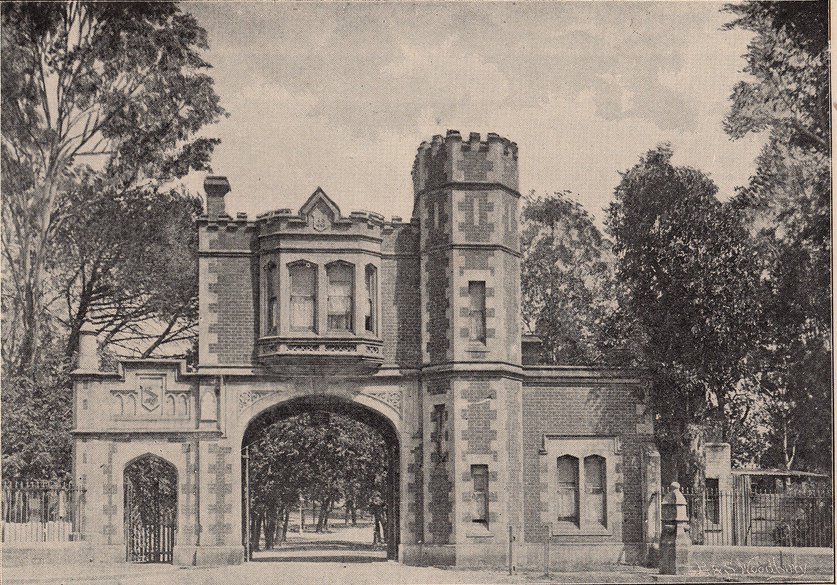
Government House remained the seat of colonial authority, sitting behind its gates while the city around it expanded at pace. Railway workshops on the outskirts kept the transport network running. Unemployment was high through much of the decade, and many residents relied on public relief to survive. The Governor Bourke Hotel and older establishments still stood as reminders of an earlier era, even as new Sydney took shape around them.





The world has changed so much in the last 150 years. In 150 years from now, there will be millions of hours of HD footage from what it was like now.
Slightly different shorelines.
laughs in Melbournian
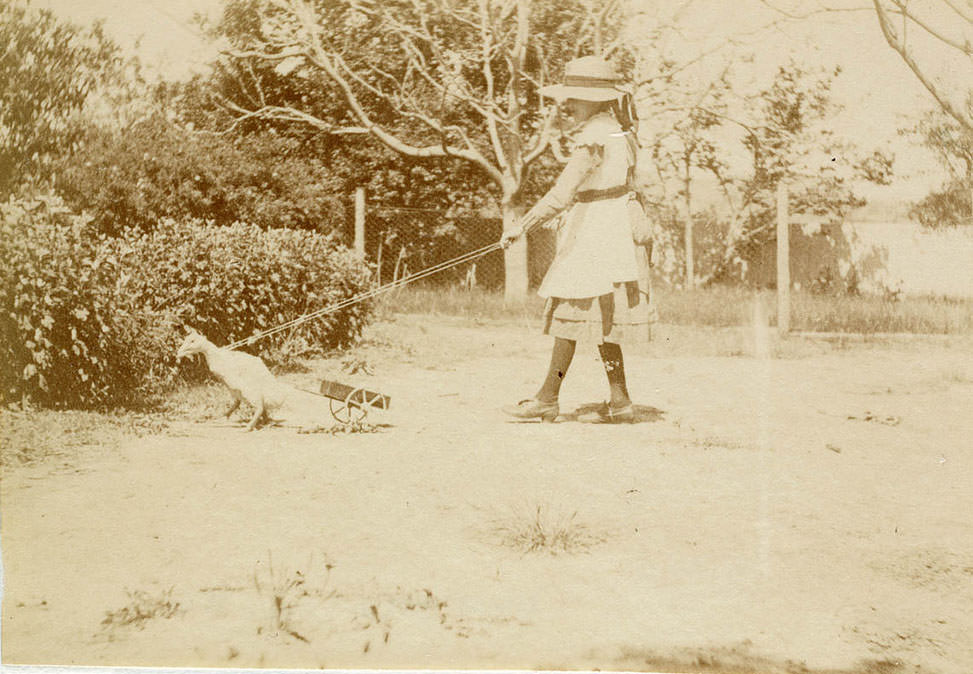
Despite living in an 1890s home, I haven’t really gotten a sense of the general Sydney vibe until looking through all these 🙂 really interesting stuff! I giggled when I saw the little girl walking her duck