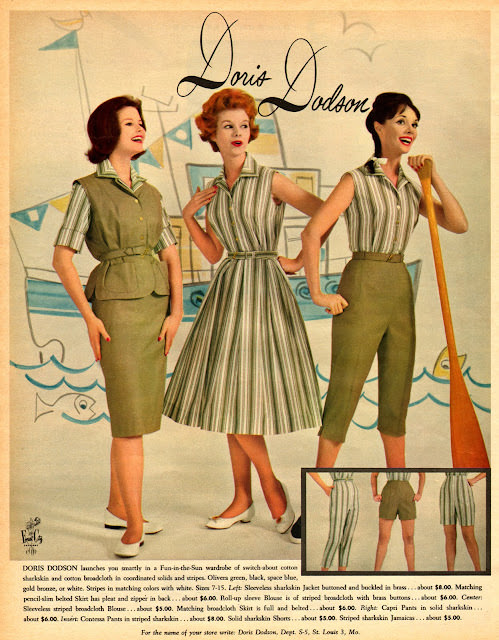
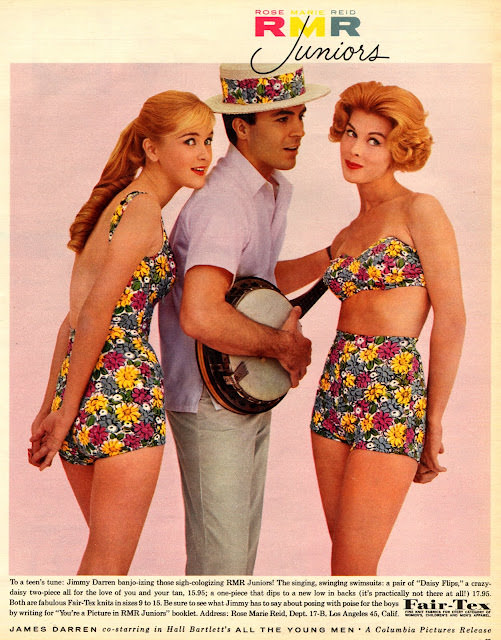
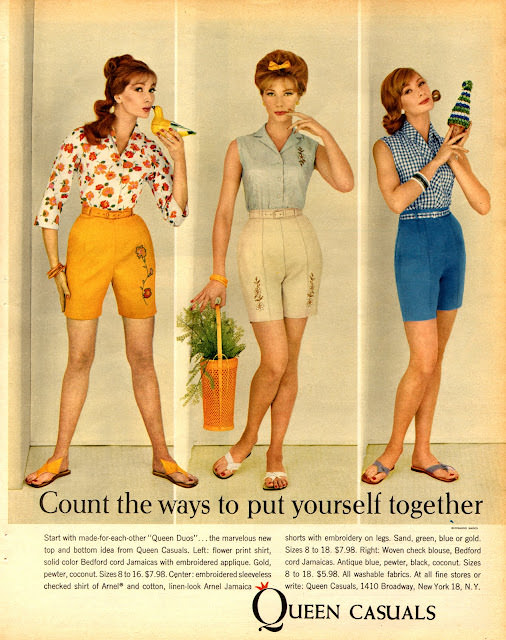
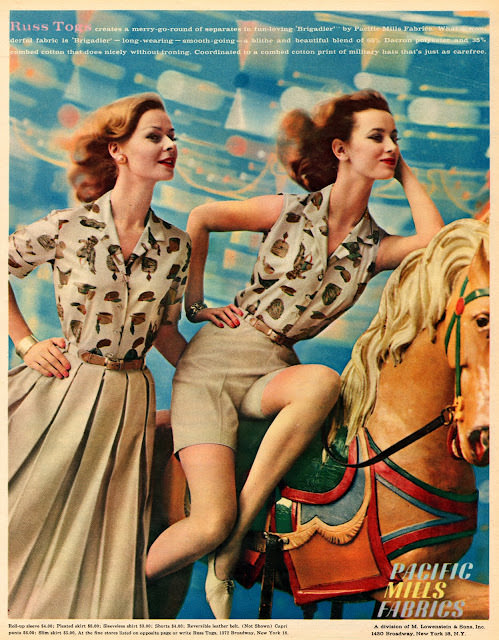
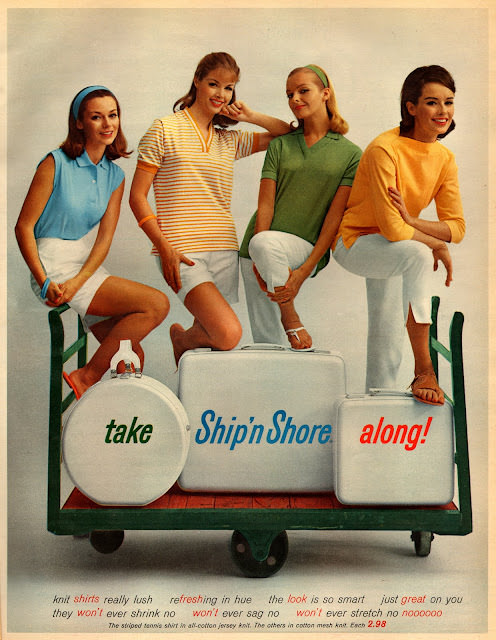
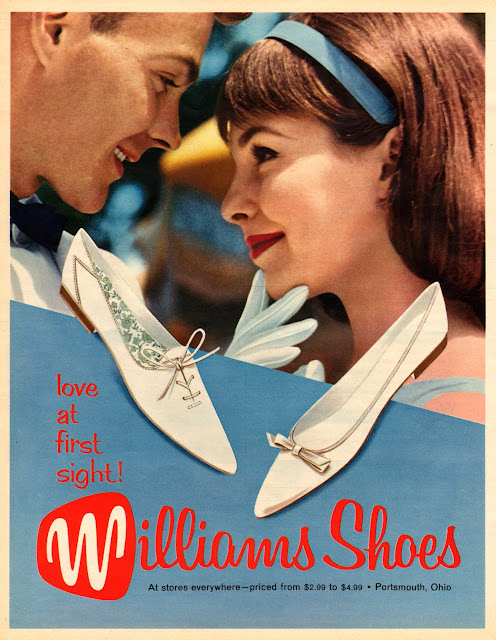
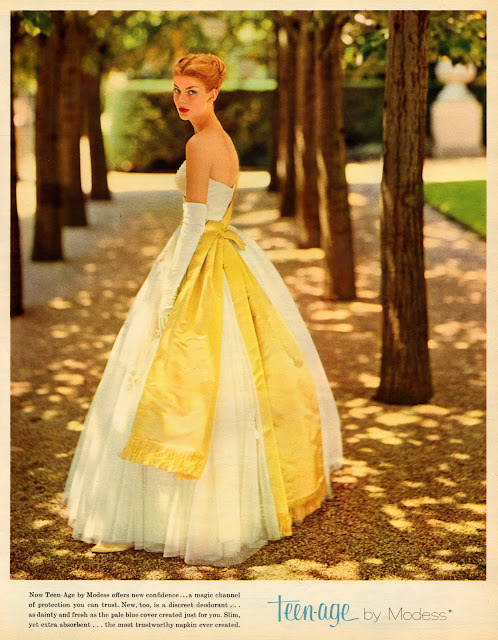
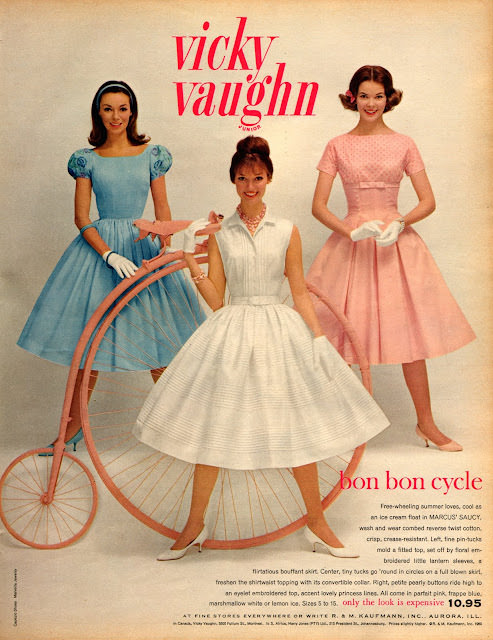
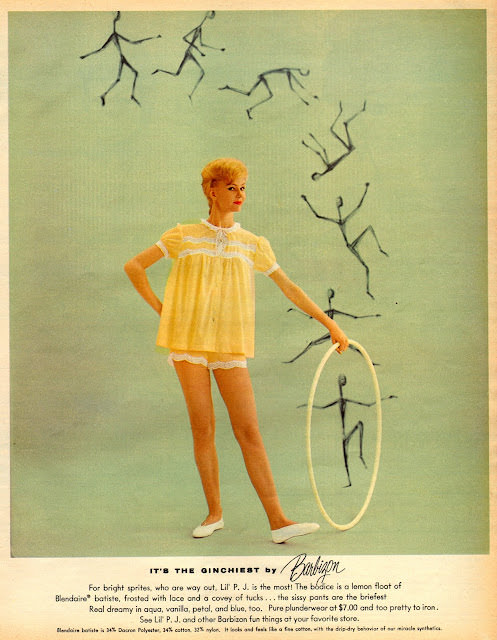
In the vibrant 1960s, Seventeen Magazine wasn’t just a source of teenage gossip and advice – it was a fashion time capsule. The magazine’s colorful advertisements captured the spirit of the era, showcasing trends that were bold, daring, and full of personality.
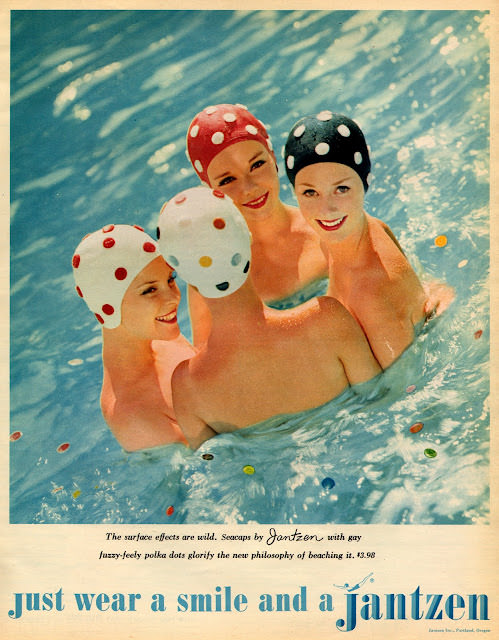
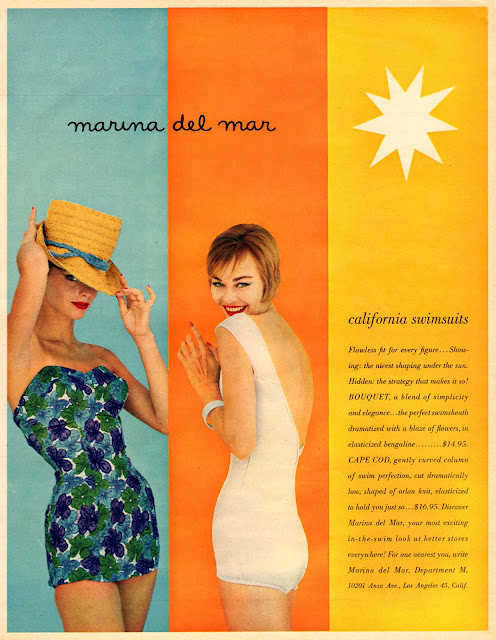
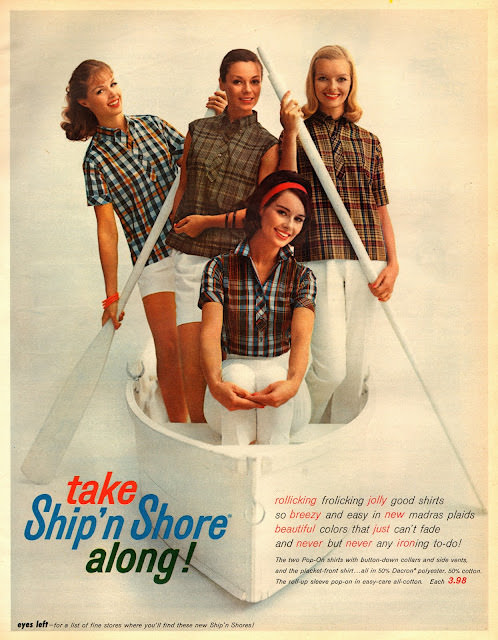
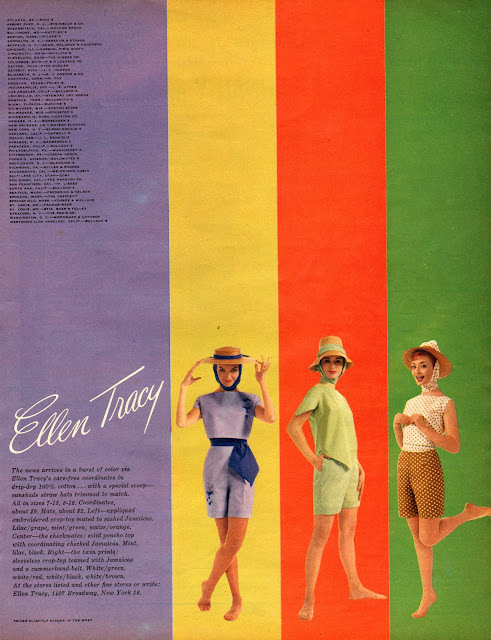
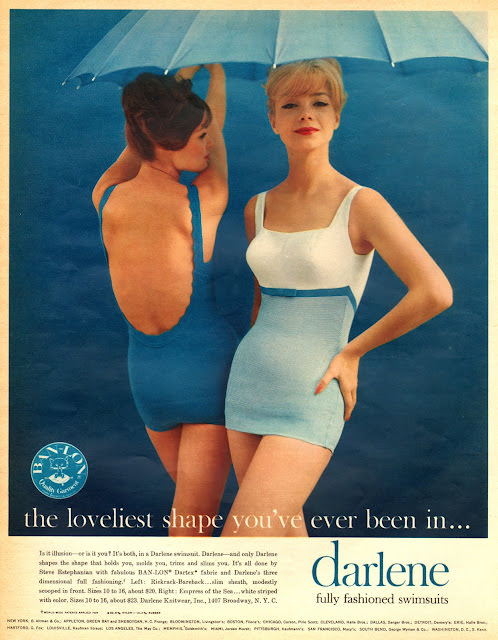
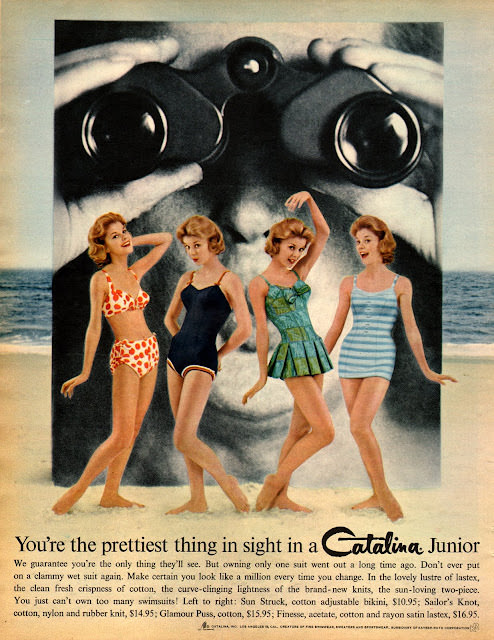
Bold patterns reigned supreme. Paisley prints, polka dots, and vibrant stripes adorned dresses, skirts, and even swimwear. Ads featured models confidently sporting these eye-catching designs, encouraging young women to embrace their individuality and express themselves through fashion.
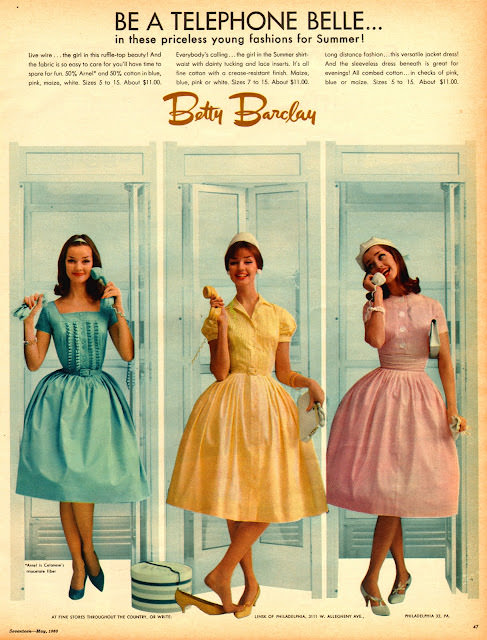
Mini dresses were a staple of the 60s wardrobe, and Seventeen showcased them in all their glory. From A-line silhouettes to shift dresses, these short hemlines were a symbol of youthful rebellion and a departure from the conservative styles of previous decades.
Accessories played a crucial role in completing the 60s look. Chunky bangles, oversized sunglasses, and wide headbands were all the rage. Go-go boots, a symbol of the mod subculture, were often paired with miniskirts for a chic and edgy ensemble.
The makeup ads were just as bold as the fashion. Thick eyeliner, false eyelashes, and bright eyeshadows were all part of the 60s beauty look. Hair was often styled in voluminous beehives or sleek bobs, with plenty of hairspray to keep everything in place.
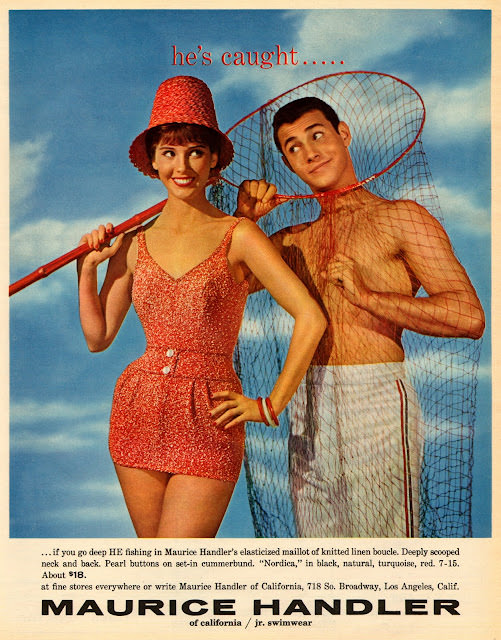
The models in the ads were often depicted in everyday situations, such as hanging out at a soda shop or strolling down the beach. This made the fashion seem accessible and relatable to teenage girls, inspiring them to incorporate these trends into their own wardrobes.