
Before strict exotic animal laws, keeping a lion as a pet was not unheard of. From the 1930s through the 1970s, a surprising number of ordinary people, celebrities, soldiers, and thrill-seekers shared their homes, cars, and even beds with full-grown lions. These weren’t zoo encounters or circus acts. These were daily domestic arrangements with one of the most powerful predators on earth.
Lions had long carried a reputation as symbols of strength and royalty. For those who owned them, the animals were more than status symbols — they were a living declaration of boldness. A lion in your passenger seat or at your breakfast table said something about you that no luxury car or fancy title could match. Owning one guaranteed attention, and for public figures, that attention had real value.
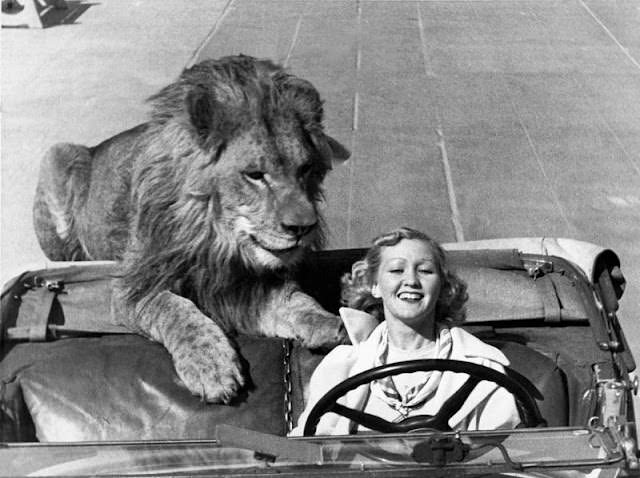
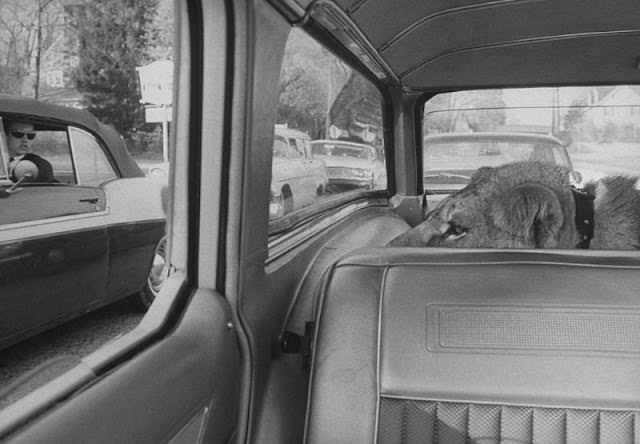
Ruby Wood of Venice, California made her daily drives anything but ordinary. Her 300-pound lion rode shotgun in her roadster as a matter of routine in the 1930s. She wasn’t alone in using a vehicle as a lion’s second home. Decades later, Howard Sautter cruised downtown streets with his lion sprawled across the backseat, turning every red light into a spectacle.
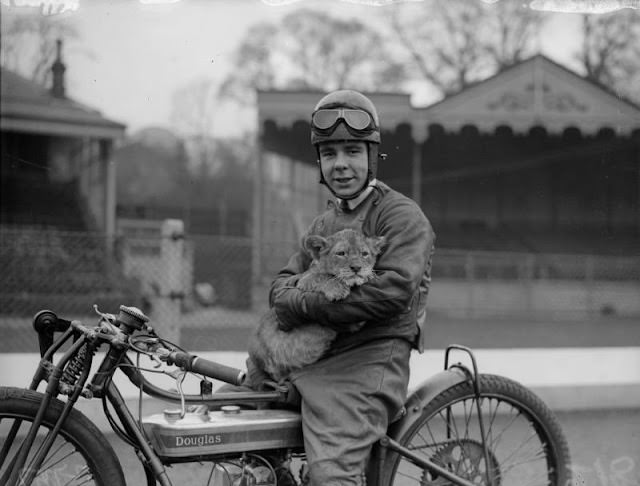
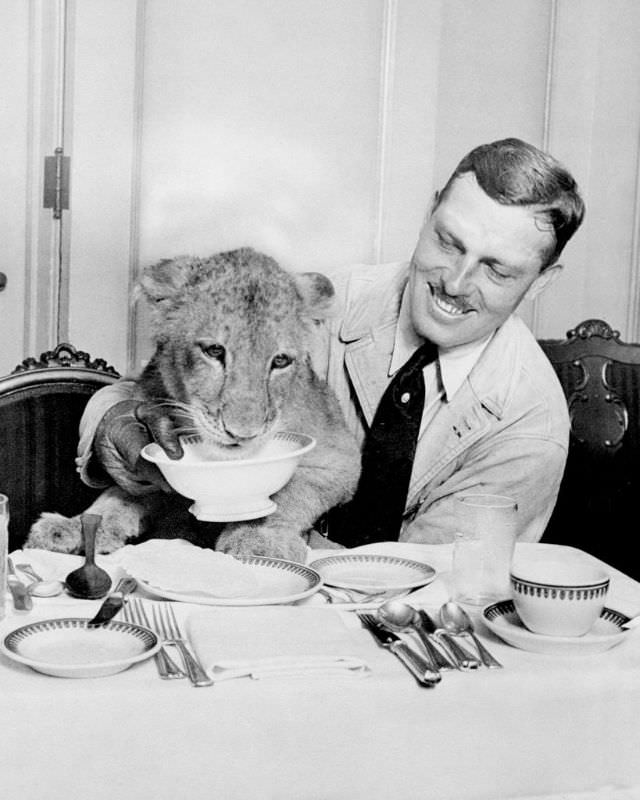
For some, lion cubs served as mascots tied to their professional identities. Motorcyclist Triss Sharp brought his cub to Crystal Palace in London in 1930, the same year that Lieutenant Colonel Roscoe Turner fed his own lion cub mascot at The Sherman Hotel in Chicago. These men treated their cubs as companions tied to a larger persona they were cultivating.
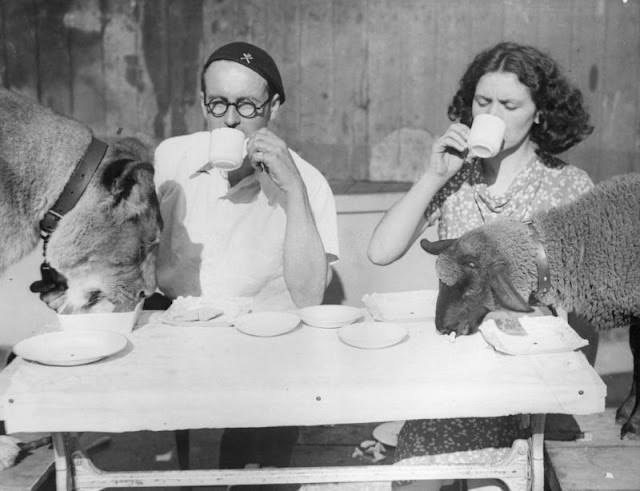
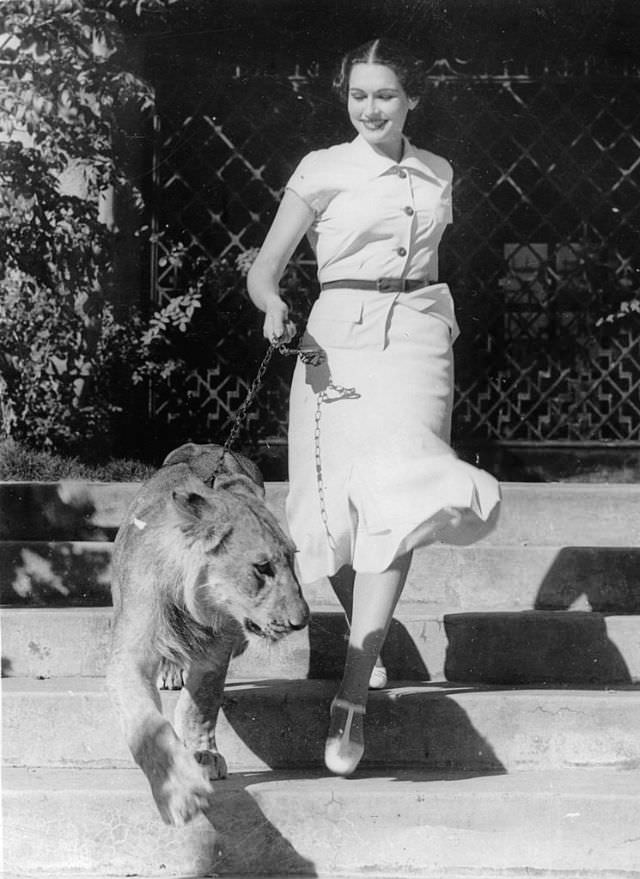
By the mid-1930s, lion ownership had spread across social circles wide enough to include stunt performers and their spouses. In Southend in 1936, the daredevil motorcyclist known as ‘Tornado’ Smith and his wife sat down for tea with both a pet lion and a lamb present at the table. A year later, actress Gloria Youngblood posed with her lion for a publicity photograph, adding Hollywood glamour to the trend.
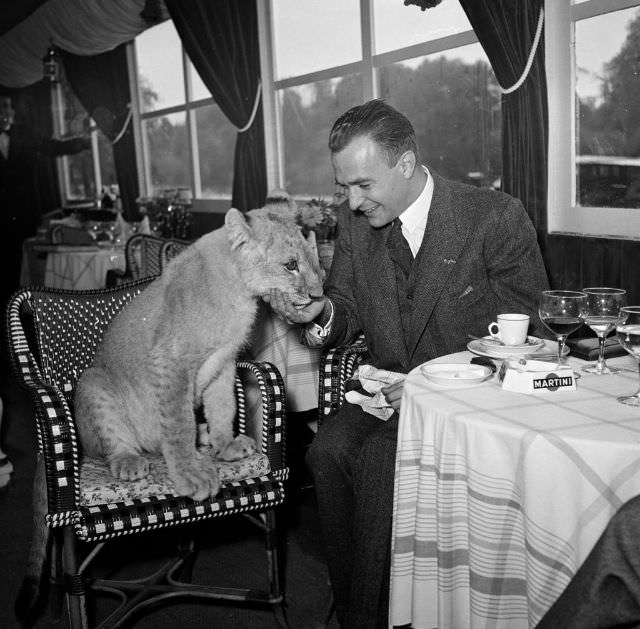
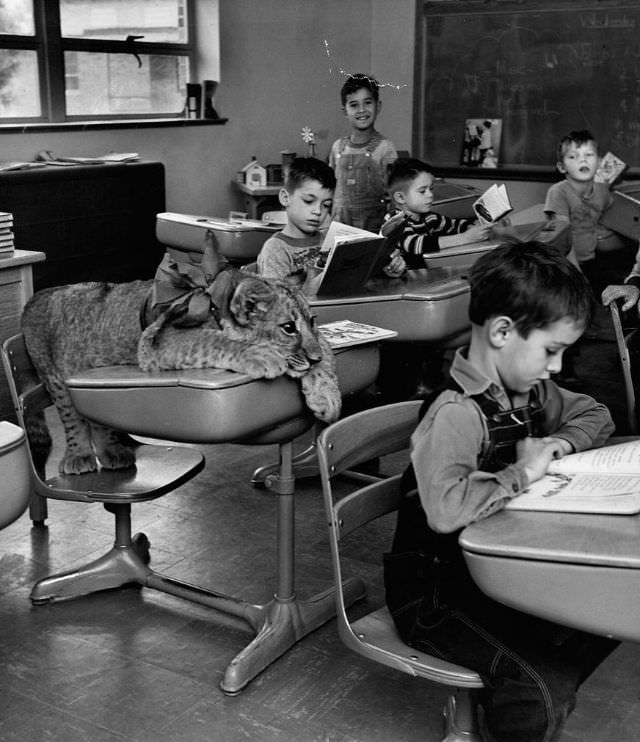
Not all pet lions were born in captivity. In 1950, French flying ace Pierre Clostermann kept a Sudanese lioness named Bai at his home in Bougival, France. The following year, a lion cub named Tommy visited a second-grade class at Alta Brown School in Kansas, giving children a hands-on history lesson no textbook could offer.
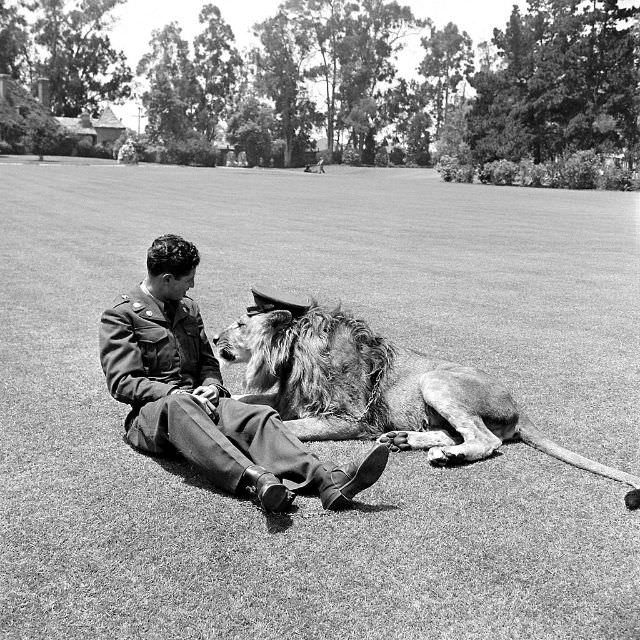
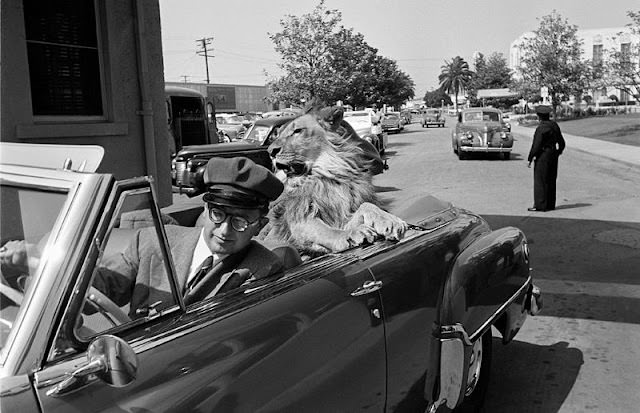
One of the most famous pet lions of the early 1950s was Fearless Fagan, who belonged to Private Floyd Humeston of the U.S. Army. When Humeston was deployed, the Army briefly took custody of the lion. Fagan’s story caught national attention and eventually led to a Hollywood film deal, with Sidney Franklin Jr. personally chauffeuring the lion to the studio.
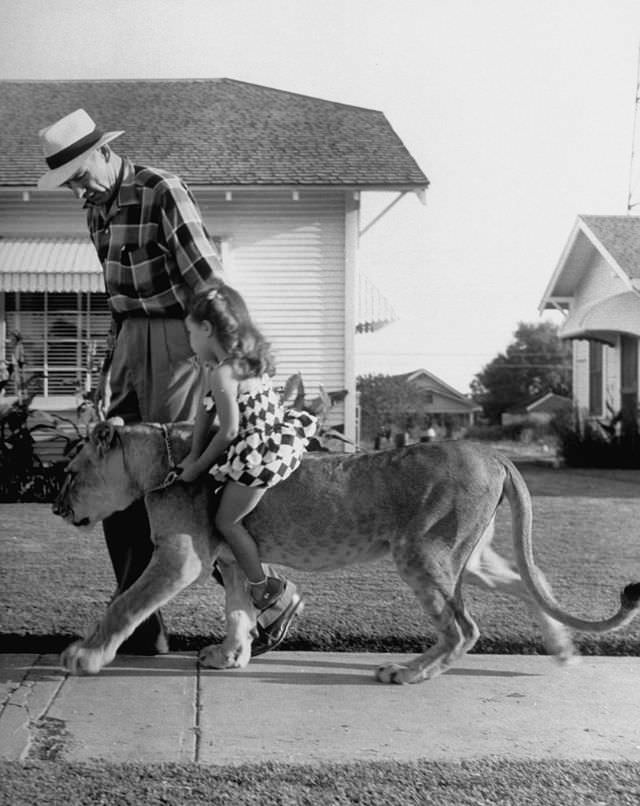
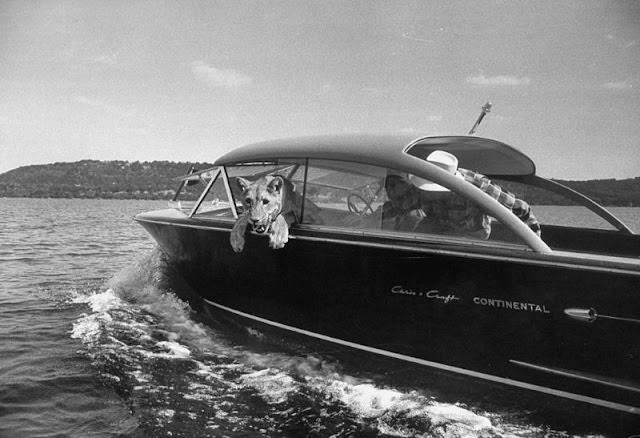
Texas in 1955 was home to Blondie, a pet lion who gave piggyback rides to neighborhood children and took her first motorboat trip on Possum Kingdom Lake. These weren’t staged photo opportunities — they were documented moments from everyday life with an animal that could kill an adult with a single swipe.
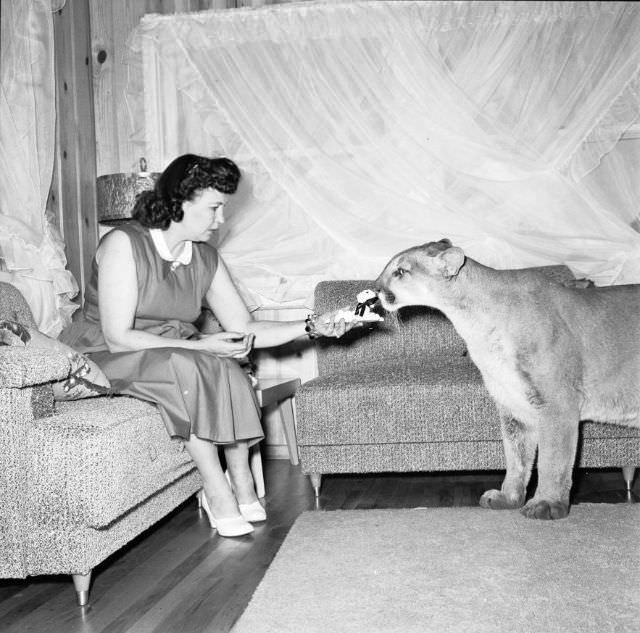
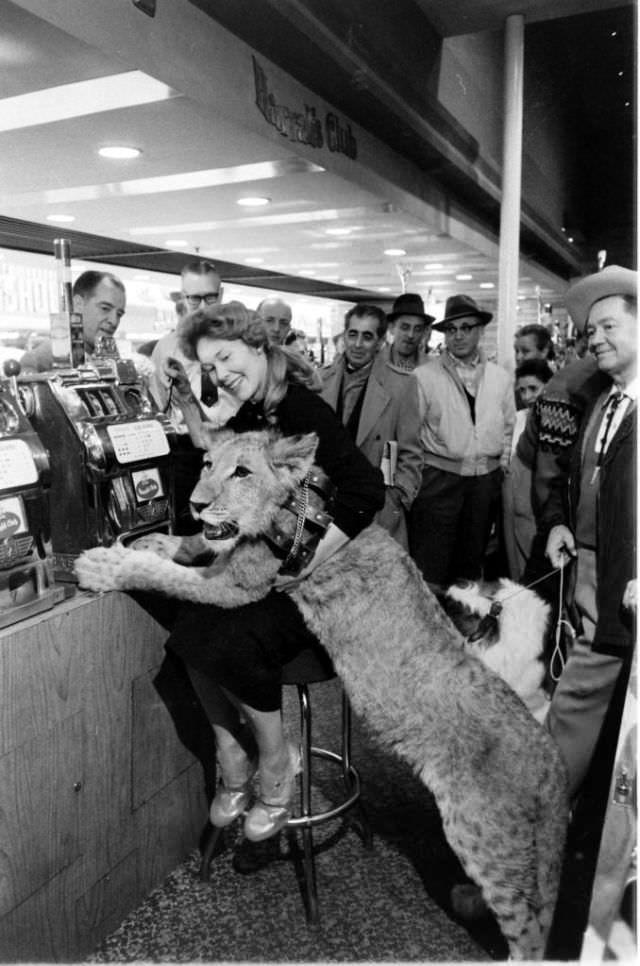
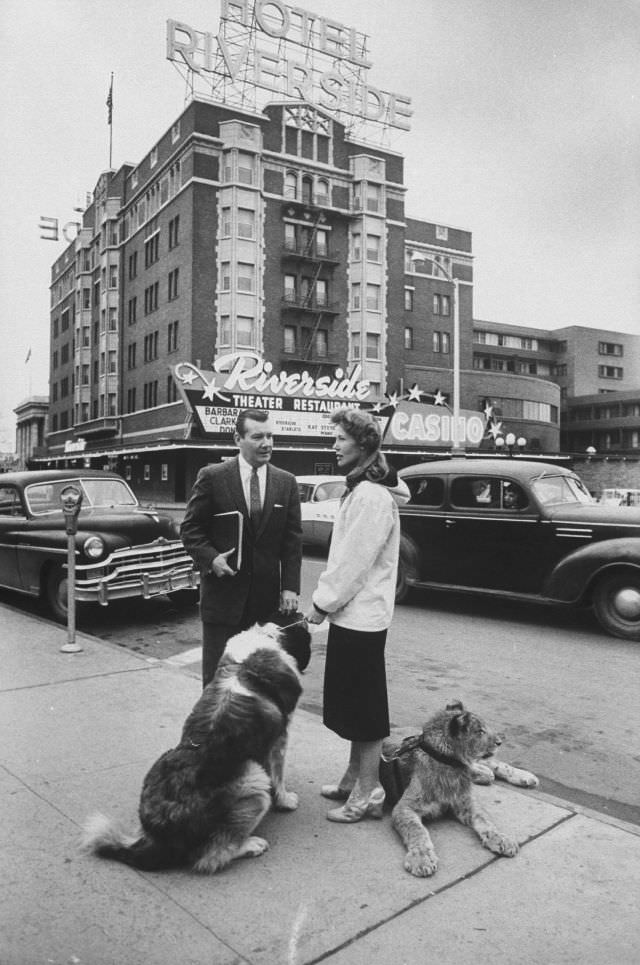
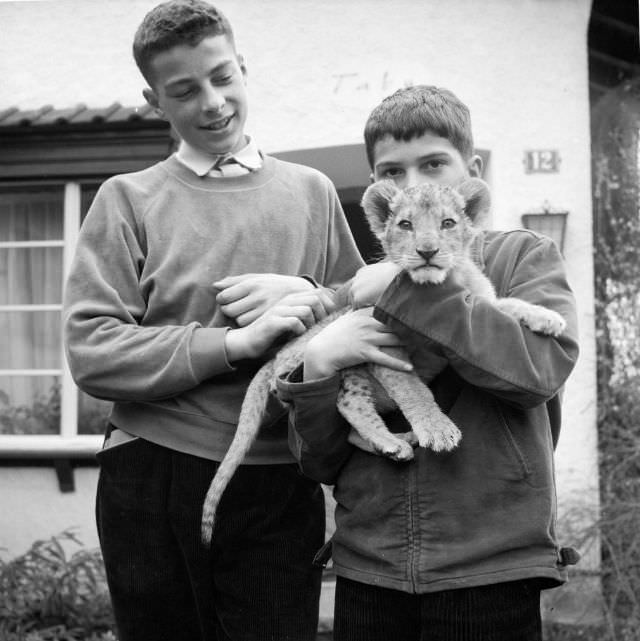
Indoor life with a lion was equally casual for some owners. Mrs. Verna Koontz played with her pet mountain lion Kimbo on the living room floor in 1956. Norman Payne frolicked with his lion at home in 1958. In 1959, two boys in Zug, Switzerland walked their lion down the street, while Guy Michael and his wife strolled with theirs alongside a dog.
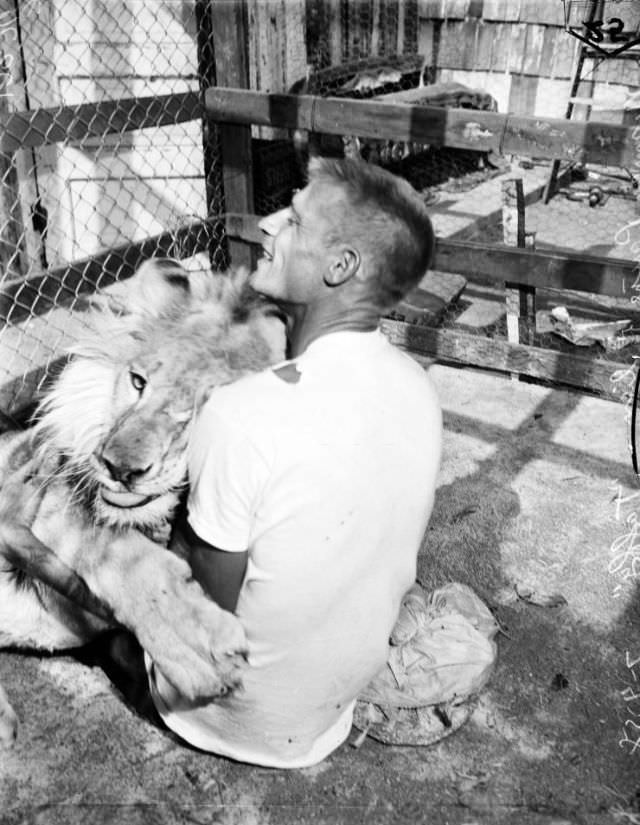
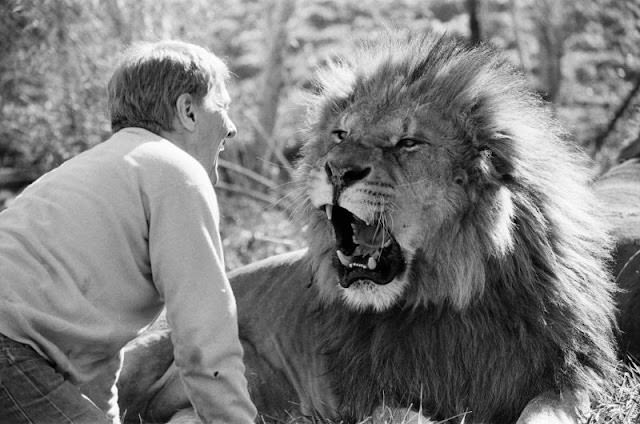
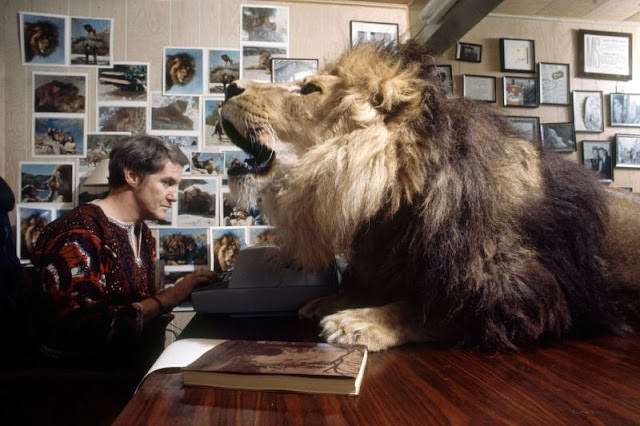
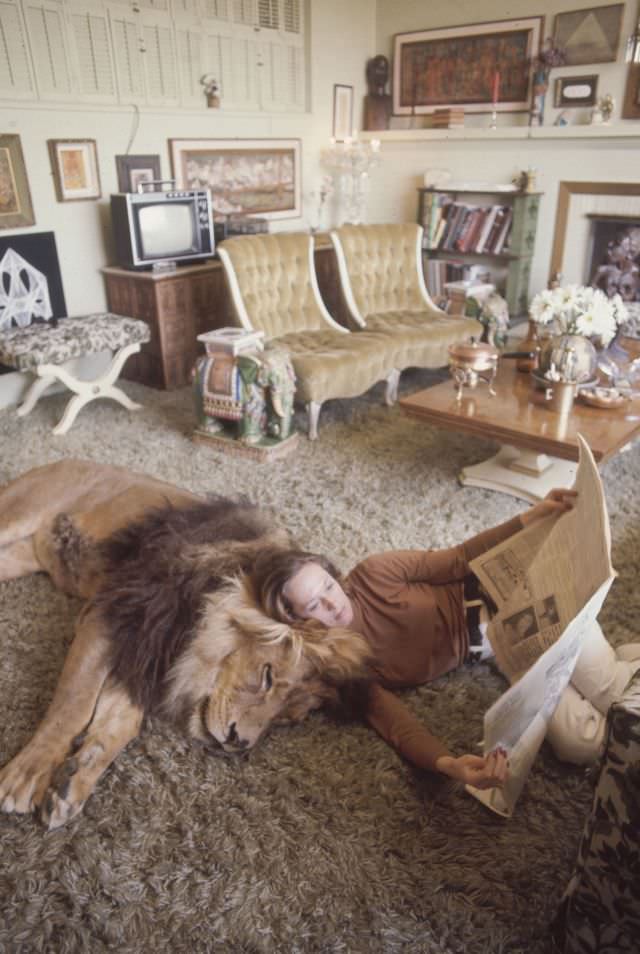
The early 1970s produced some of the most striking records of lion ownership. Actor and filmmaker Noel Marshall kept a lion named Neil at his Sherman Oaks home, where the animal sat beside him as he typed and leaned against his wife, actress Tippi Hedren, while she read the newspaper. Their arrangement was far from casual — Marshall went on to build a full animal compound in San Fernando Valley by 1982, dedicating years of his life to living alongside big cats.
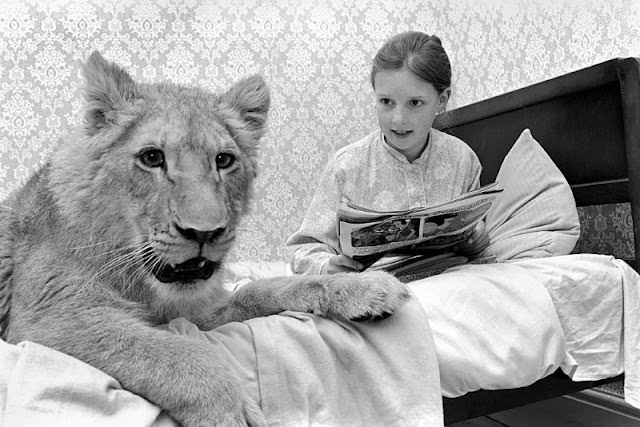
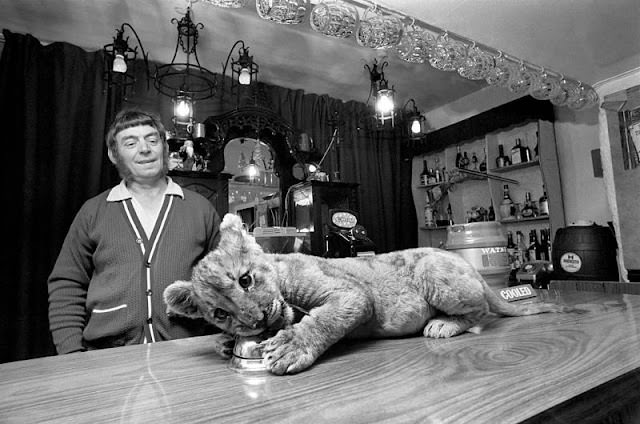
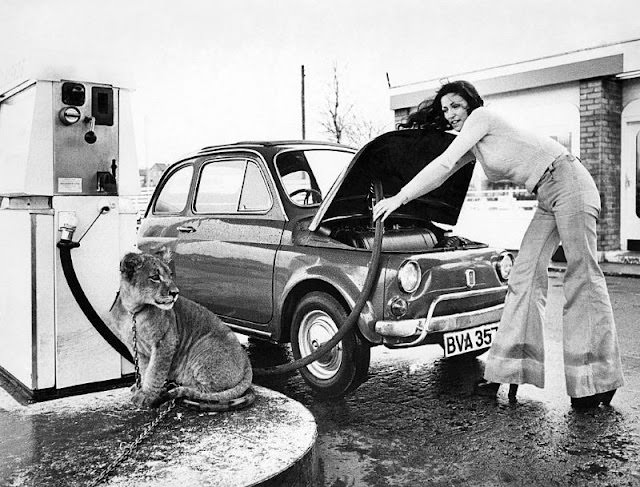
Elsewhere that same year, Yvonne Clarke shared her bed with her lioness Leonie. At a pub in Denbighshire in 1972, a lion cub named Sheba rang a bell on the bar counter. And in 1975, Tom Gillespie’s cub Leo sat calmly beside a petrol pump as though it were the most natural place in the world.