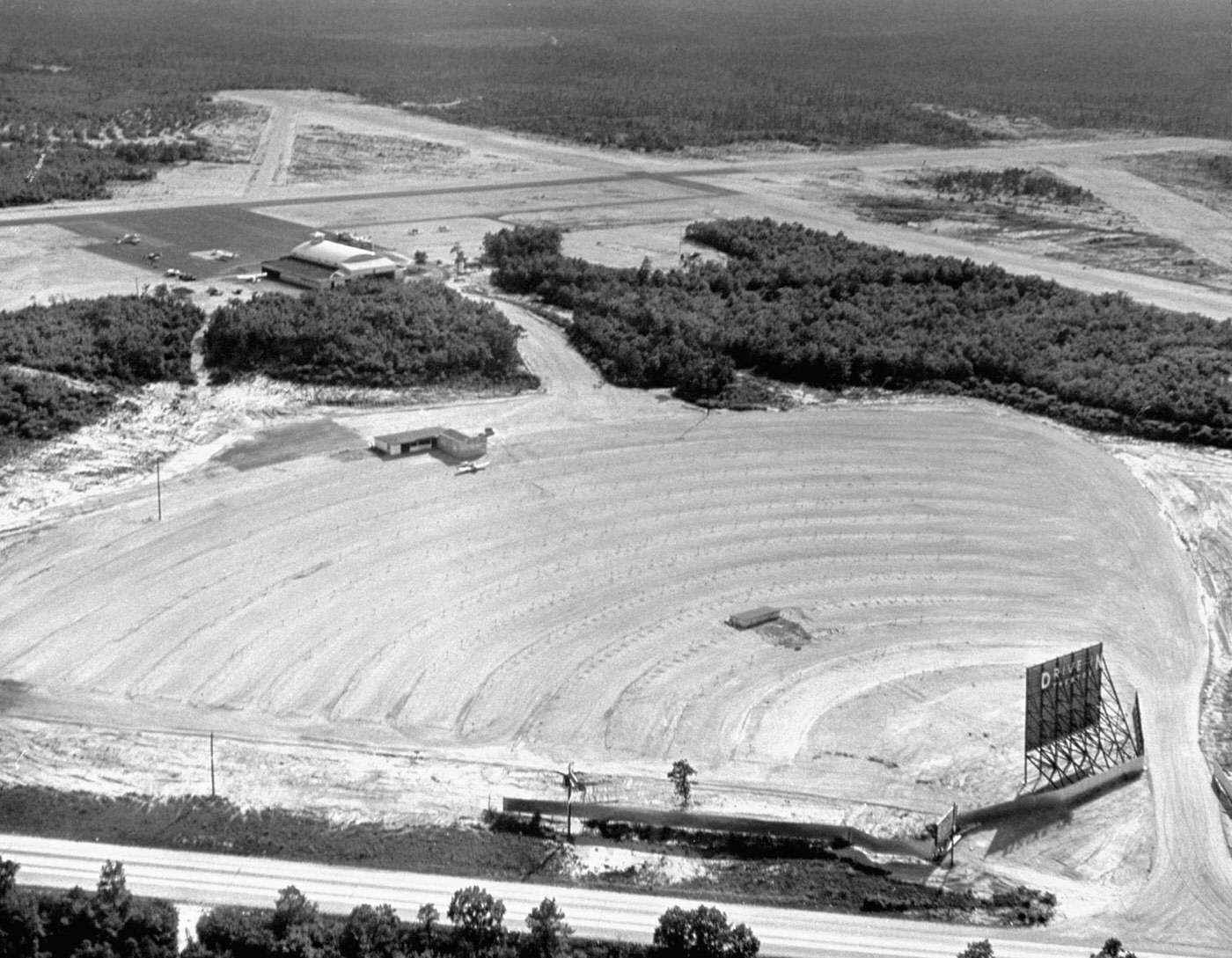
The American drive-in theater merged two of the country’s biggest passions — cars and movies — into a single night out. Richard Hollingshead Jr. of New Jersey was the man behind the idea. He envisioned an open-air theater where audiences never had to leave their automobiles. He patented the concept on May 16, 1933, and just three weeks later, on June 6, 1933, he and his partners opened the world’s first drive-in to the public in Camden, New Jersey.
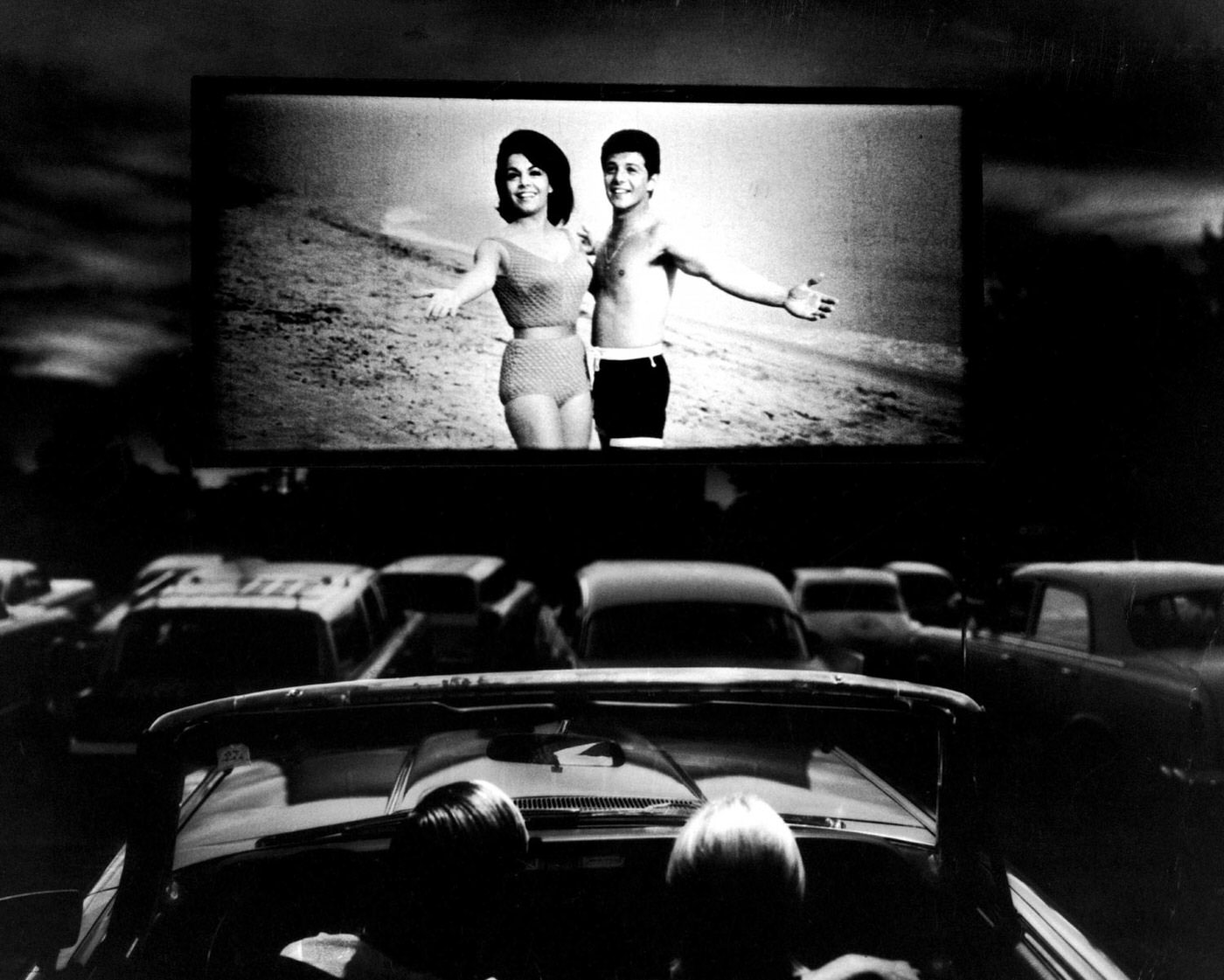
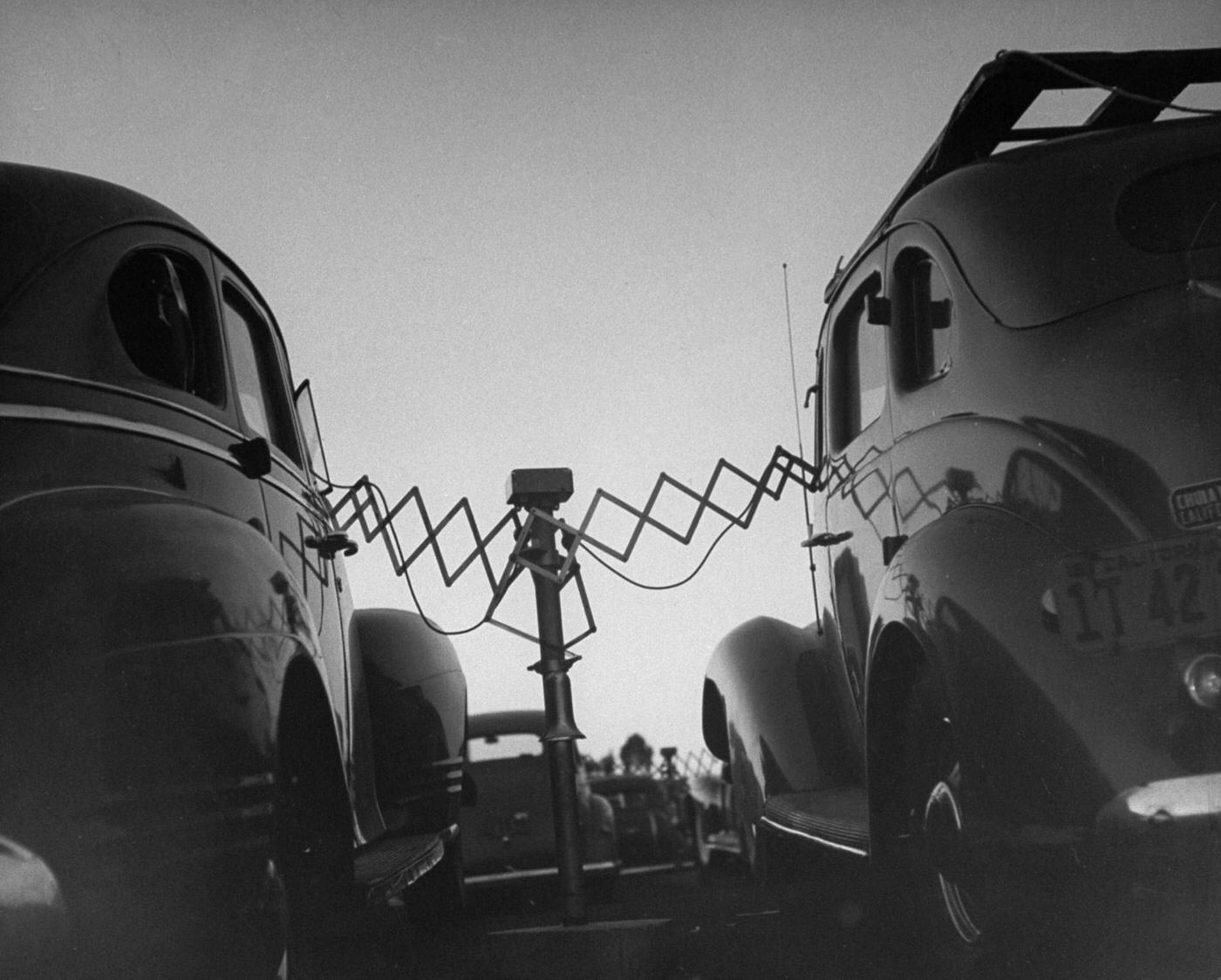
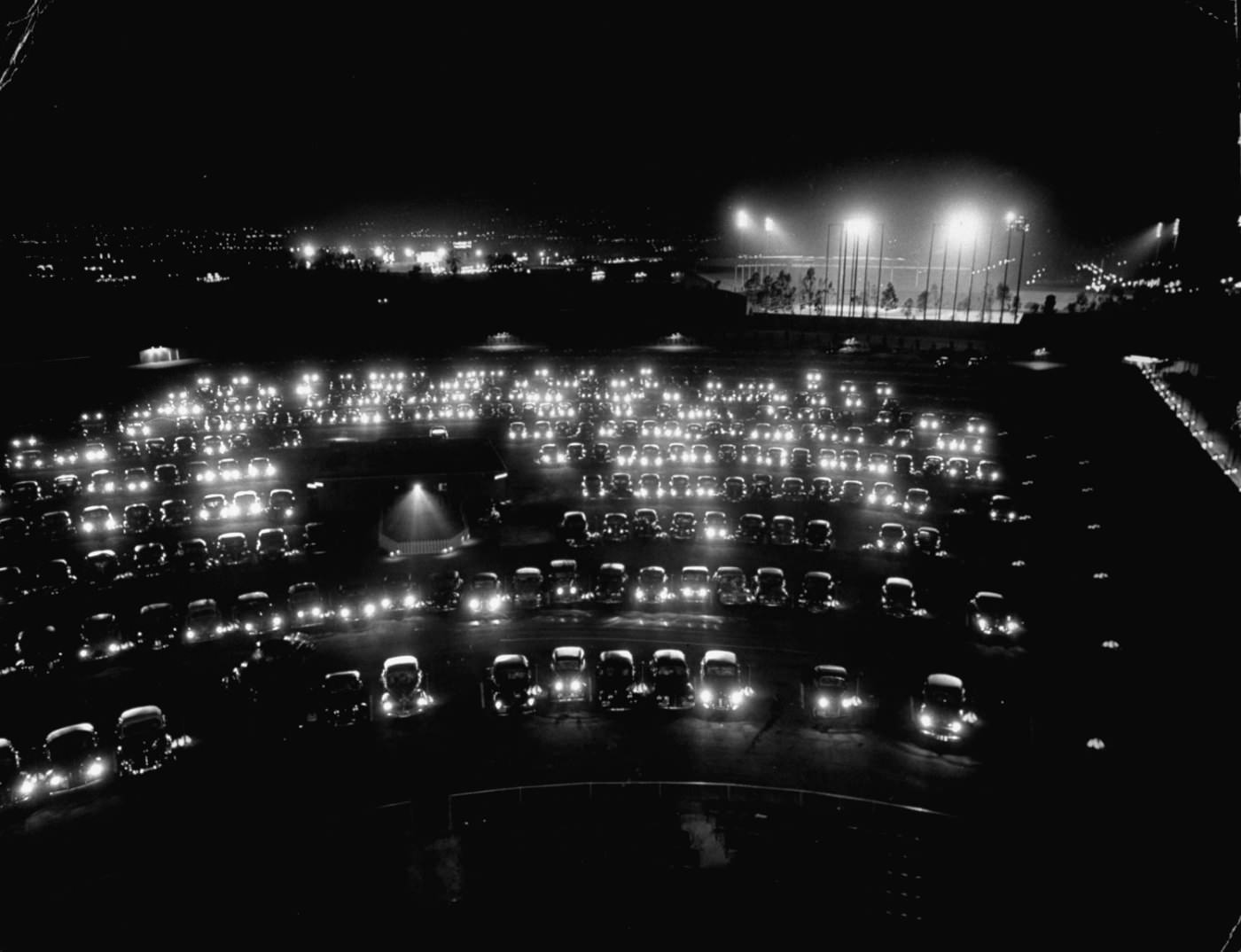
The layout of a drive-in was simple but clever. A massive screen stood at one end of a large parking area. Spots were arranged in curved rows, often set on small ramps so drivers could see over the cars ahead of them. Sound came from a portable speaker that each driver hung on their car window — a small but essential detail that made the whole experience work.
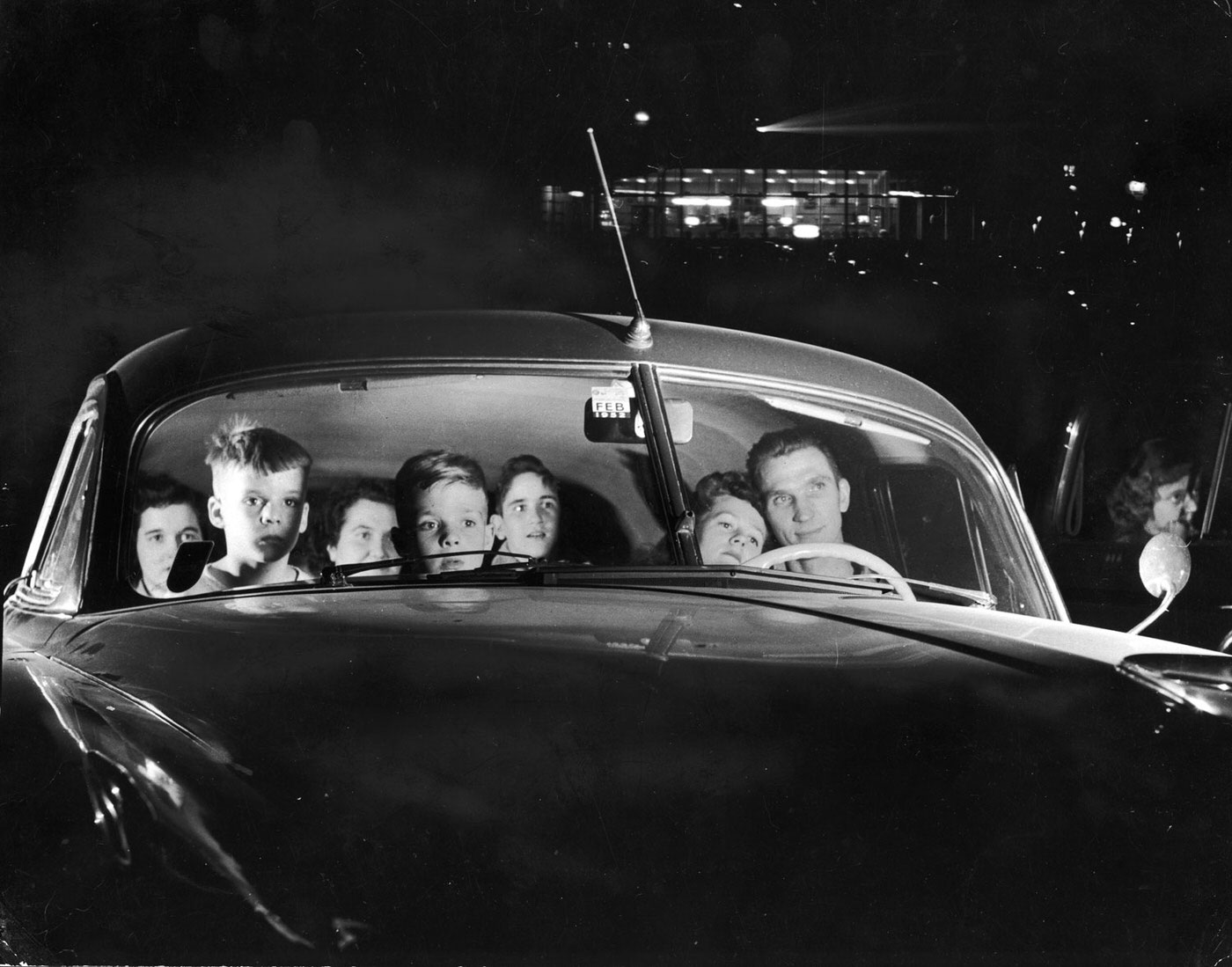
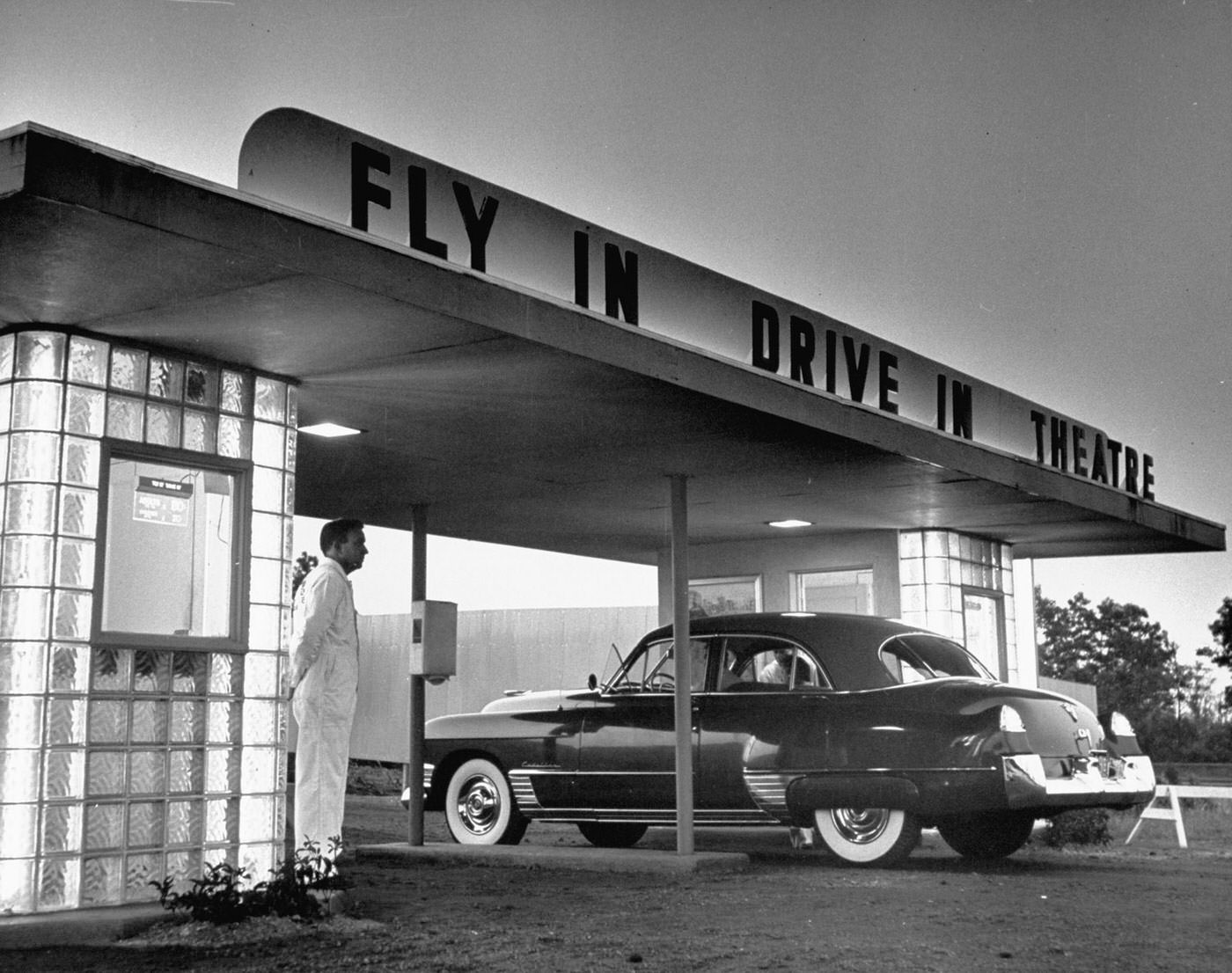
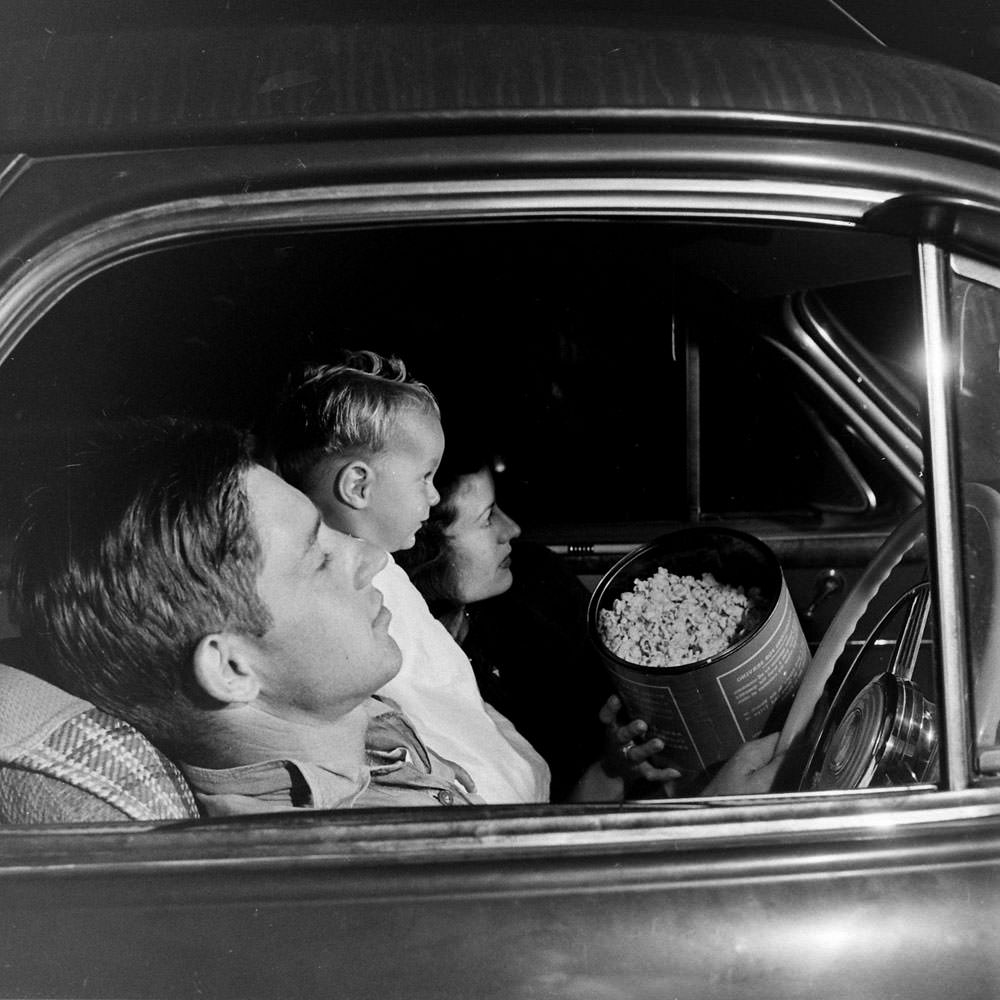
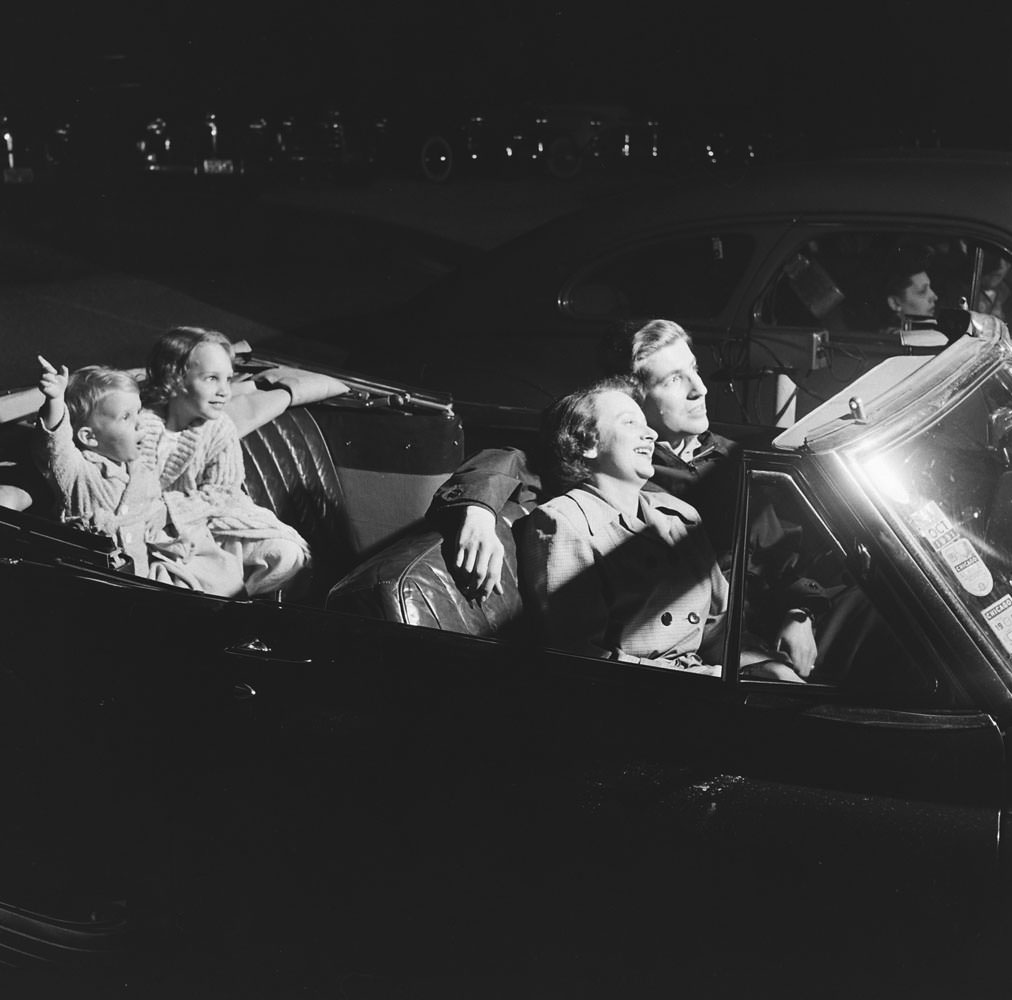
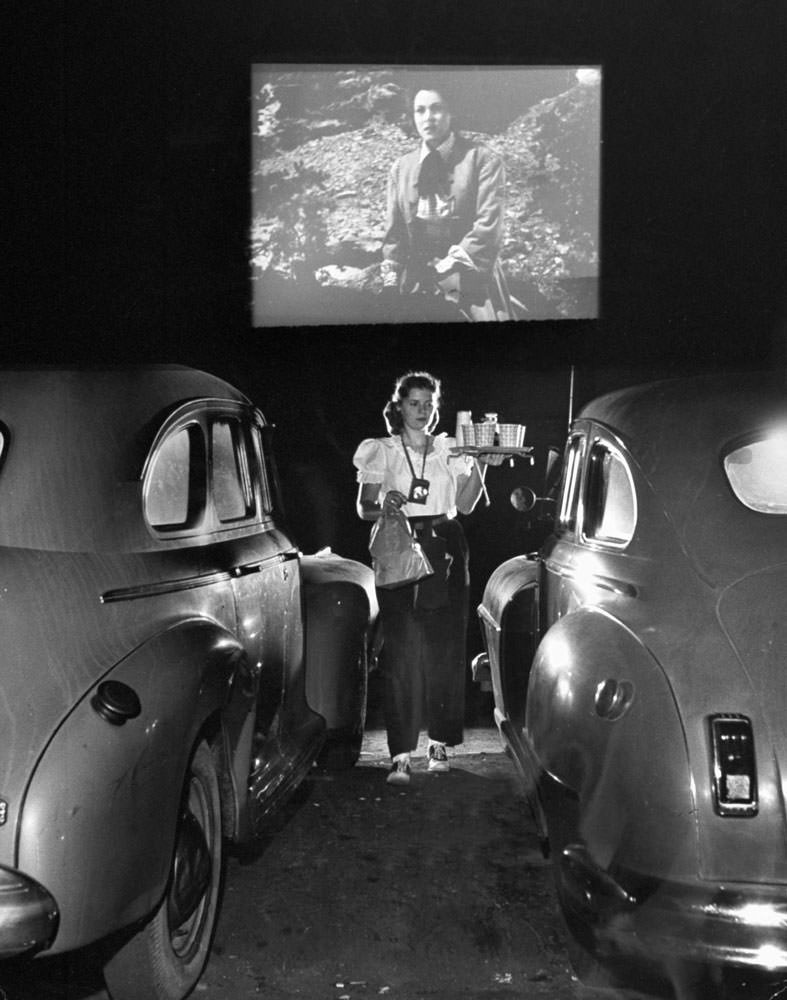
Drive-ins attracted a wide range of moviegoers, but they were especially popular with families. The casual setting meant kids could show up in their pajamas without anyone batting an eye. Concession stands served popcorn, candy, and drinks, though plenty of families brought their own food from home.
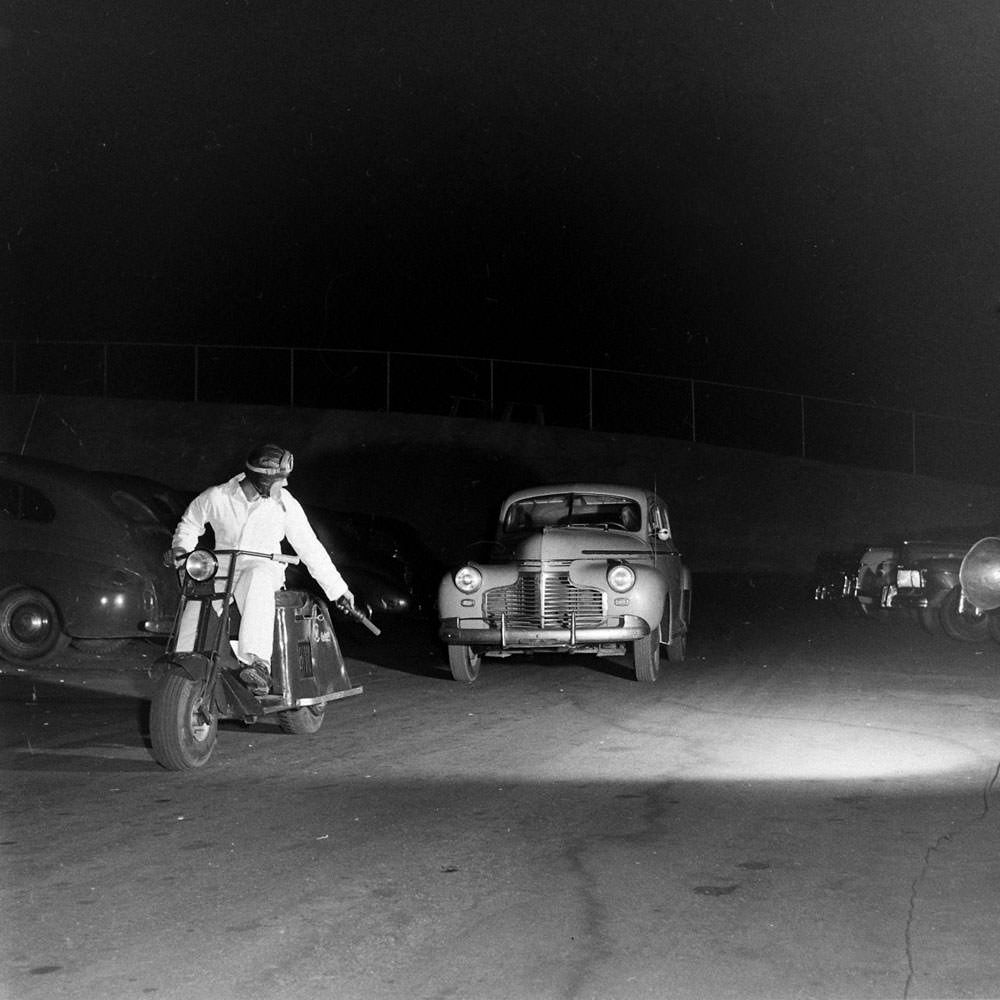
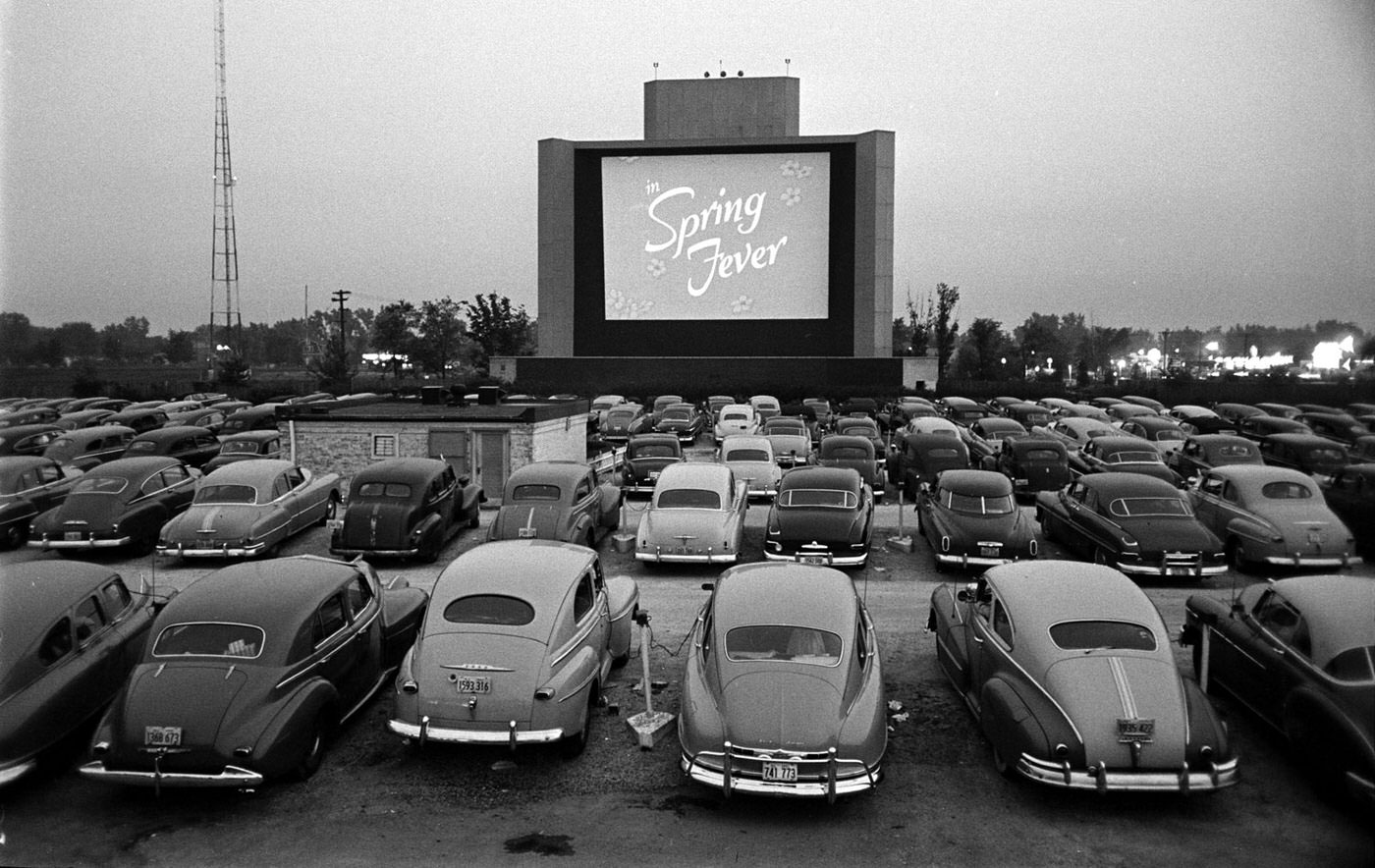
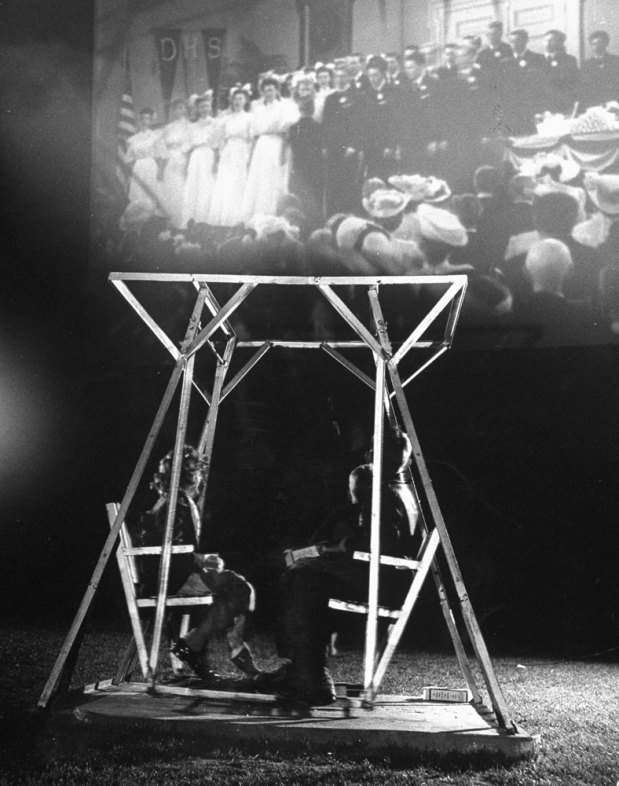
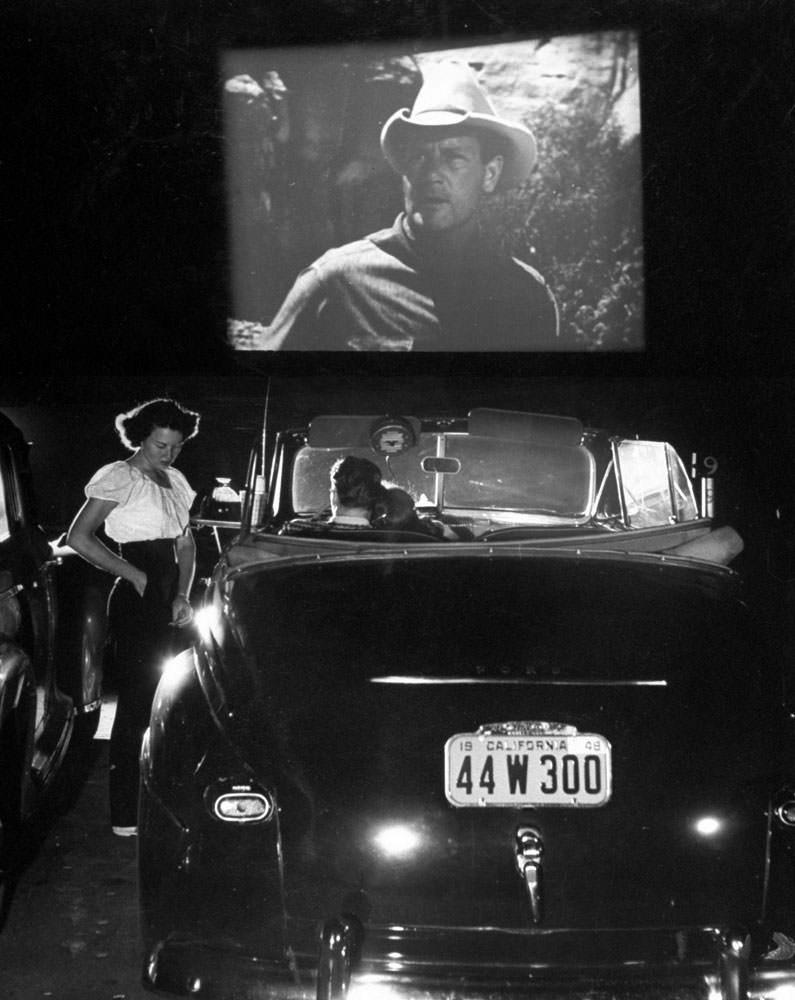
Some drive-ins went further to keep families coming back. The Rancho Drive-In Theater in San Francisco, photographed in 1948, featured a small playground near the screen where children could burn off energy before the film started. These kinds of extras turned a movie night into a full evening out.
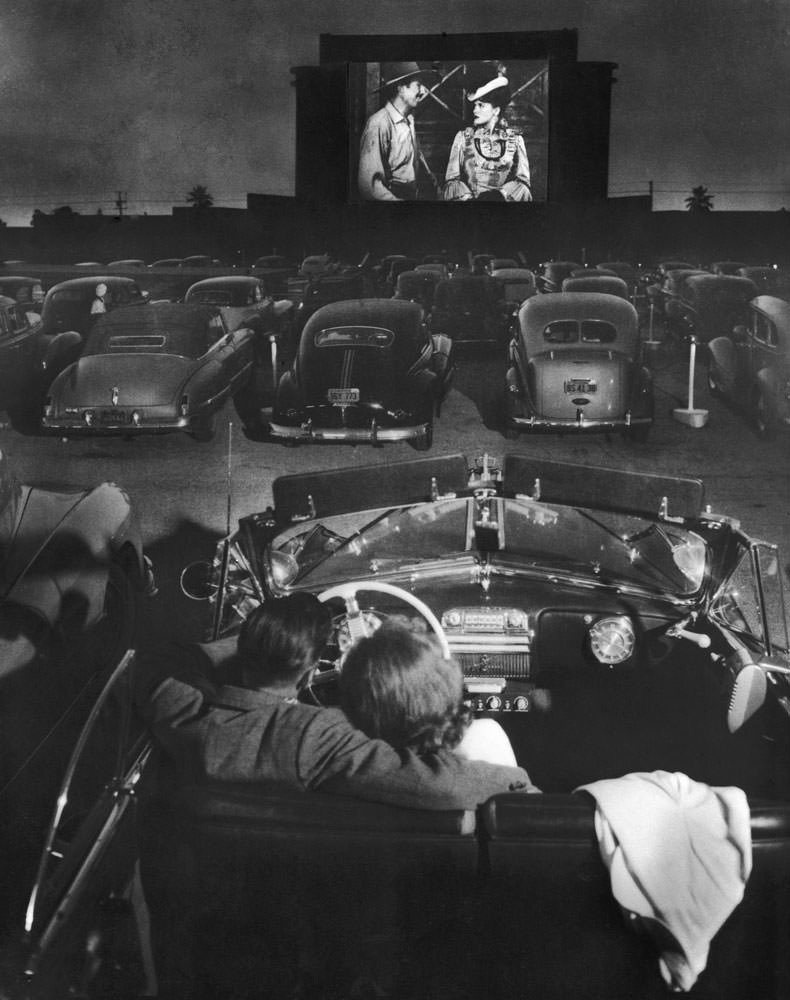
By the 1950s, drive-ins had spread across the entire country. At their peak, around 4,000 of them were operating nationwide, from big cities to small towns. They were a fixture of American evenings, drawing crowds under open skies from coast to coast.
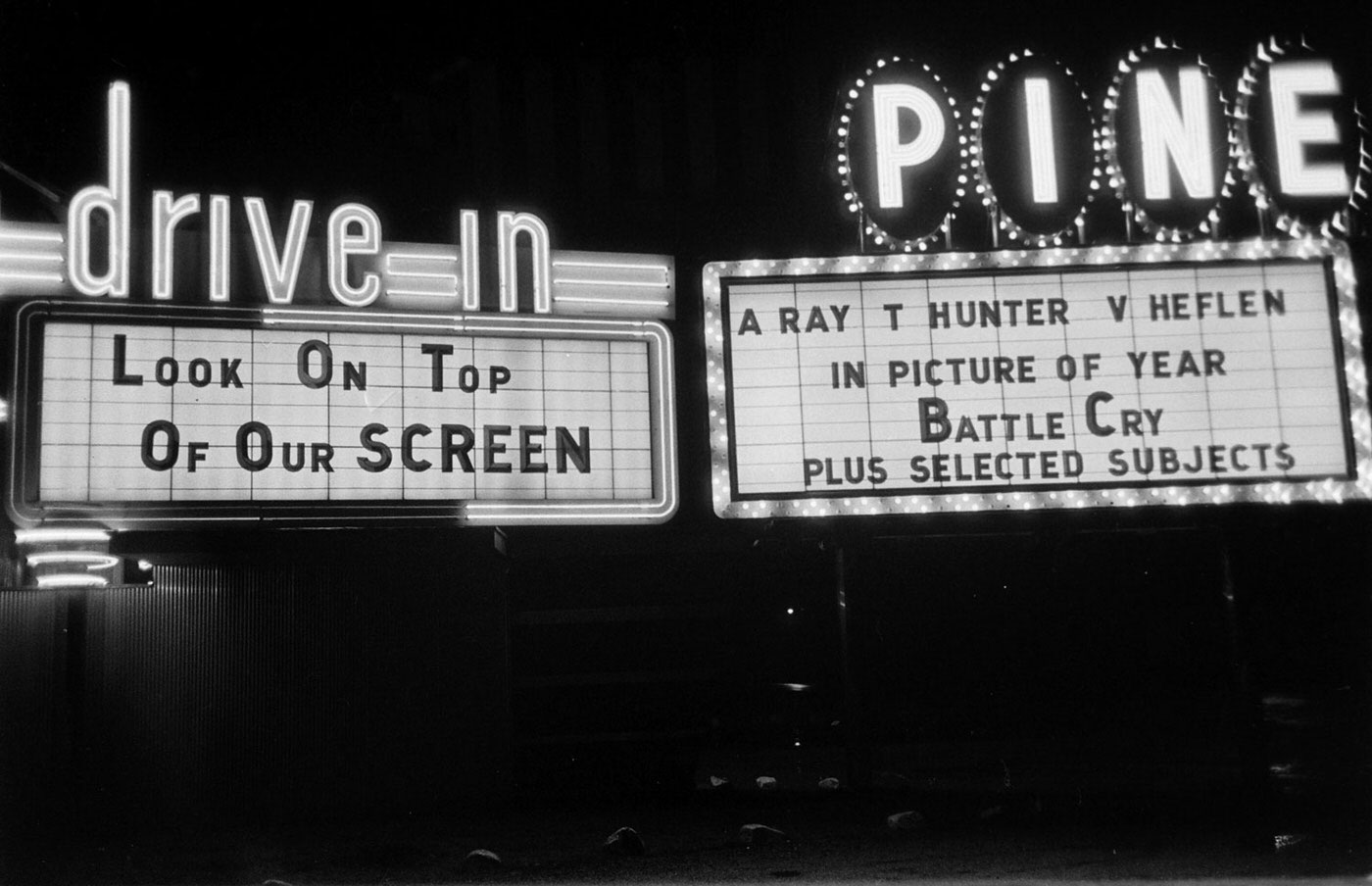
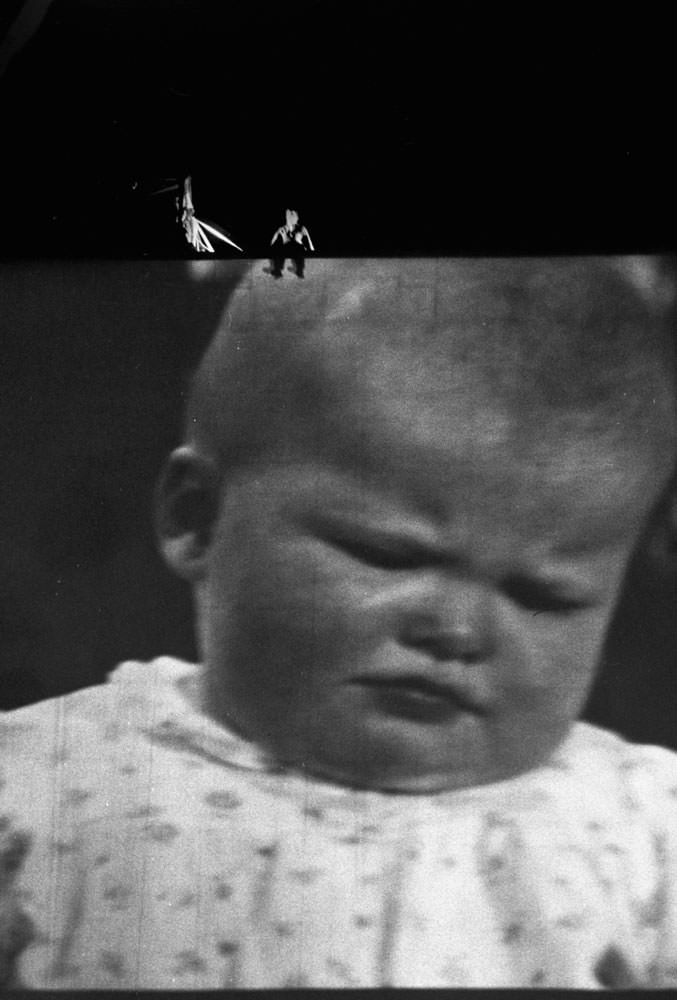
Drive-in culture also had its share of stunts and spectacles. In 1955, a man named Les Davis camped out in a tent on top of a drive-in screen in Connecticut as a publicity stunt — a bold way to draw attention to a theater in the increasingly competitive entertainment market.
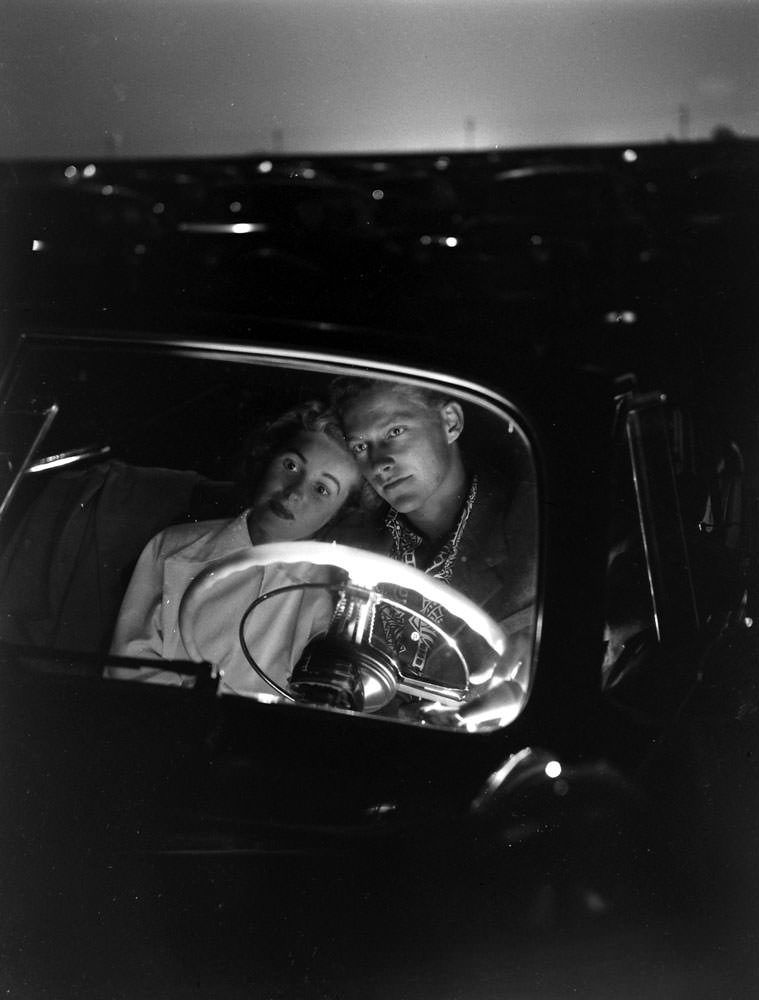
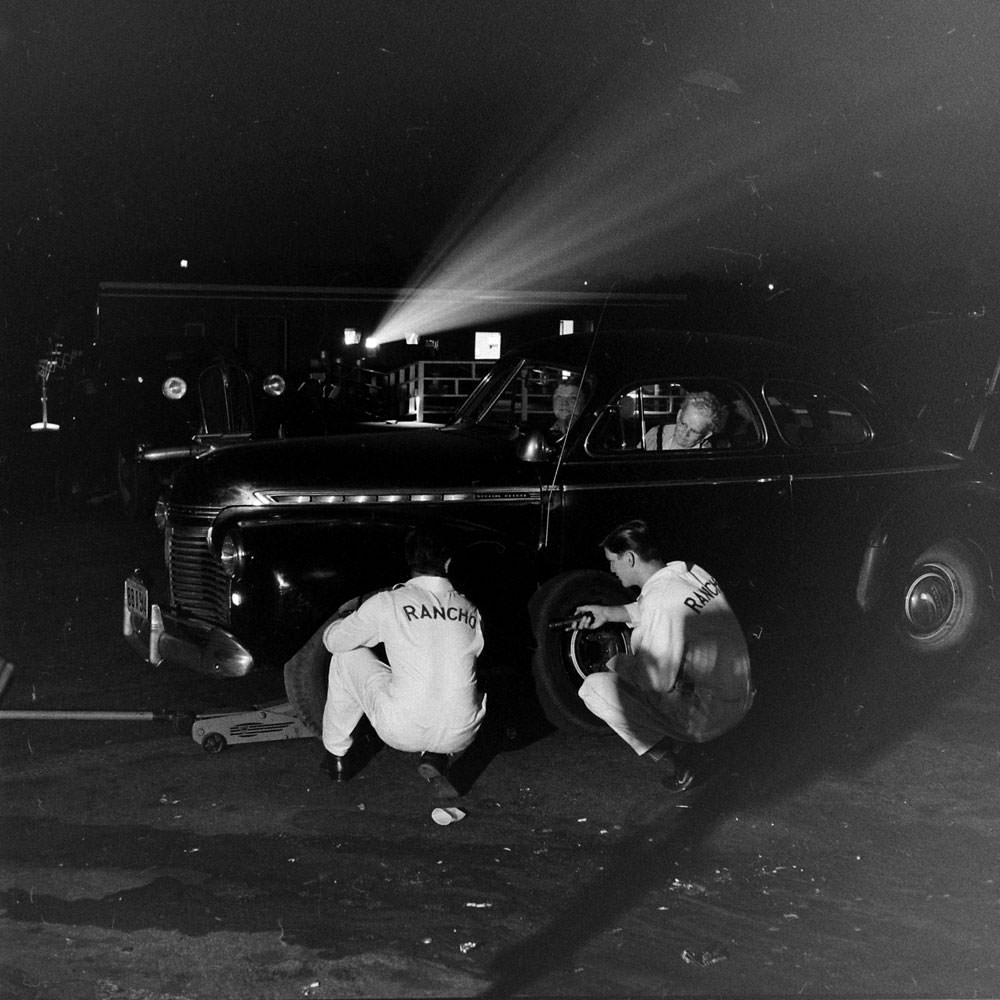
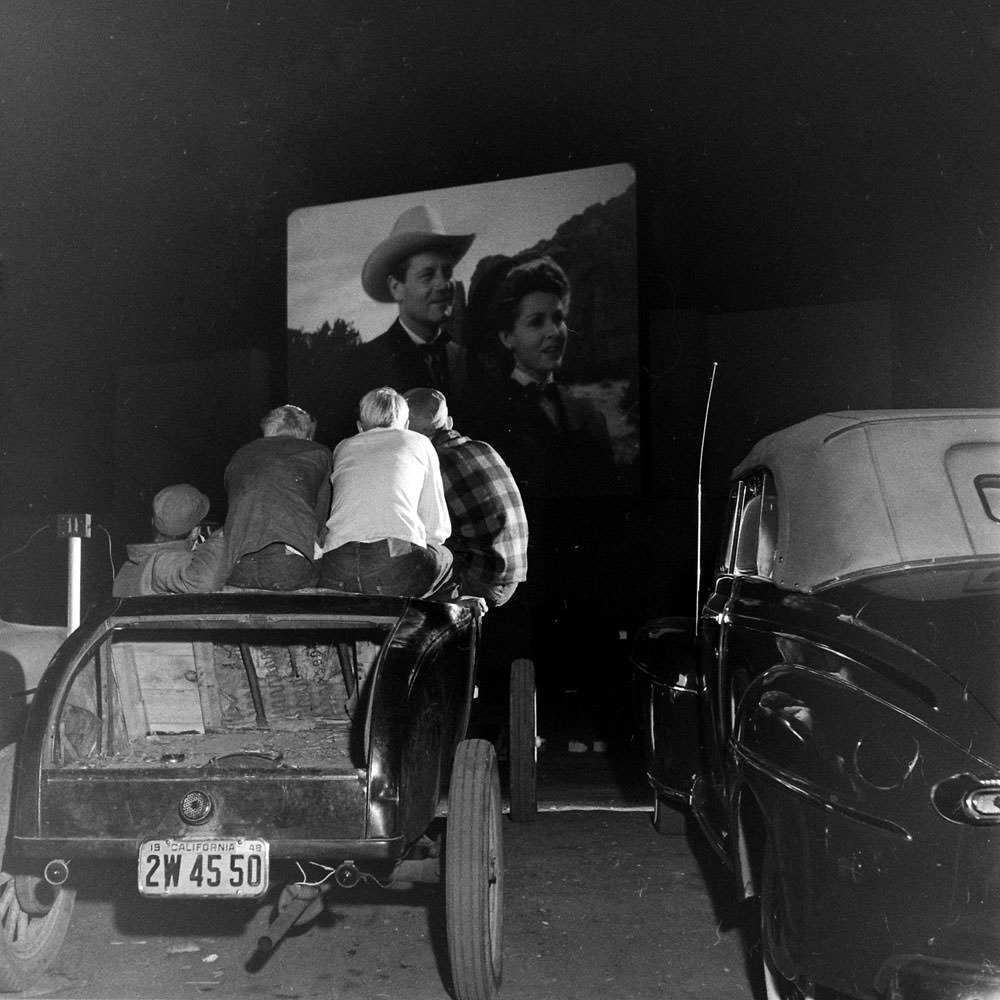
The Rancho Drive-In in San Francisco stands out among early theaters as one of the more well-documented venues of its era. Photos from 1948 capture its screens, its staff, and its patrons in remarkable detail — a snapshot of American leisure just after World War II.
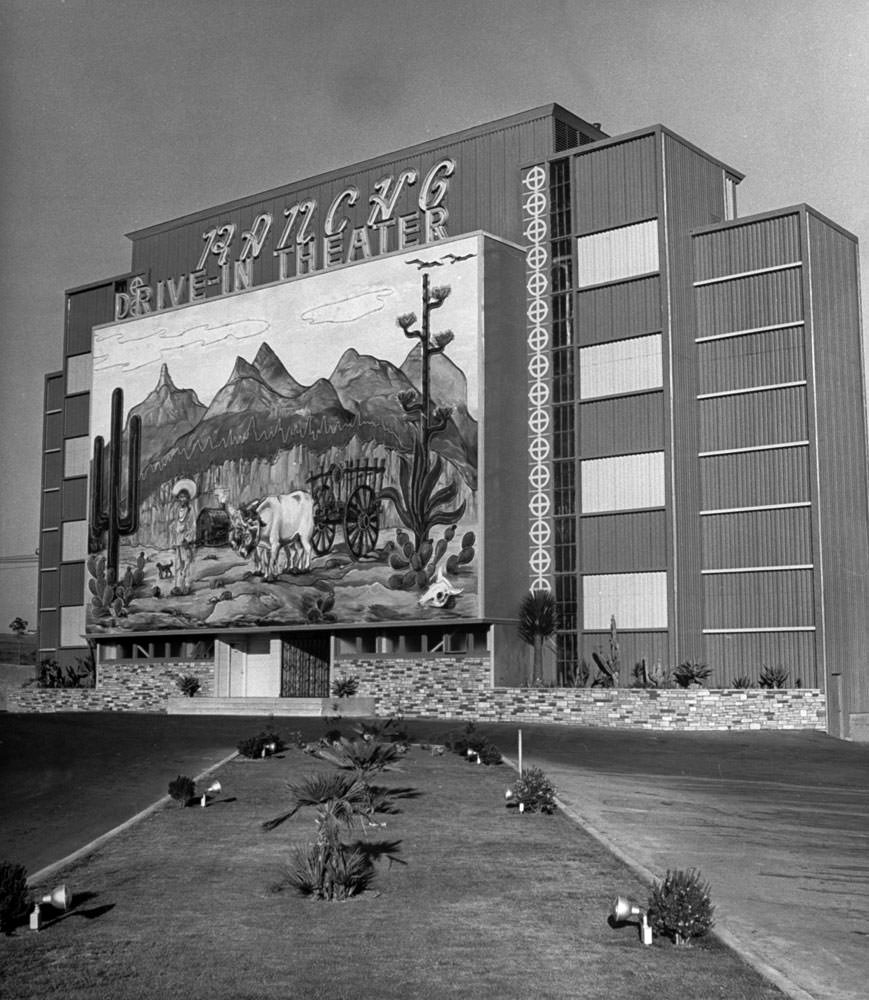
The playground at the Rancho Drive-In was a genuine selling point. It featured four double-seated glider swings, giving children something to do while parents settled in for the show. It was a practical touch that reflected just how family-focused the drive-in experience was designed to be.