
North Korea today is one of the most closed-off countries on Earth. Visitors are tightly controlled, photography is heavily restricted, and information about daily life is hard to come by. But decades ago, the country actively tried to sell itself as a vacation destination. Colorful brochures from the 1970s and 1980s tell that story in vivid detail.

These brochures were produced under Kim Il-sung, North Korea’s founding leader, as part of a deliberate effort to attract foreign visitors. The target audience was specific: tourists from other communist nations, primarily Soviet-aligned countries. Ordinary Westerners were not invited. The materials were diplomatic tools as much as travel ads, designed to strengthen ties with allied governments by presenting North Korea as a modern, welcoming, and culturally rich nation.
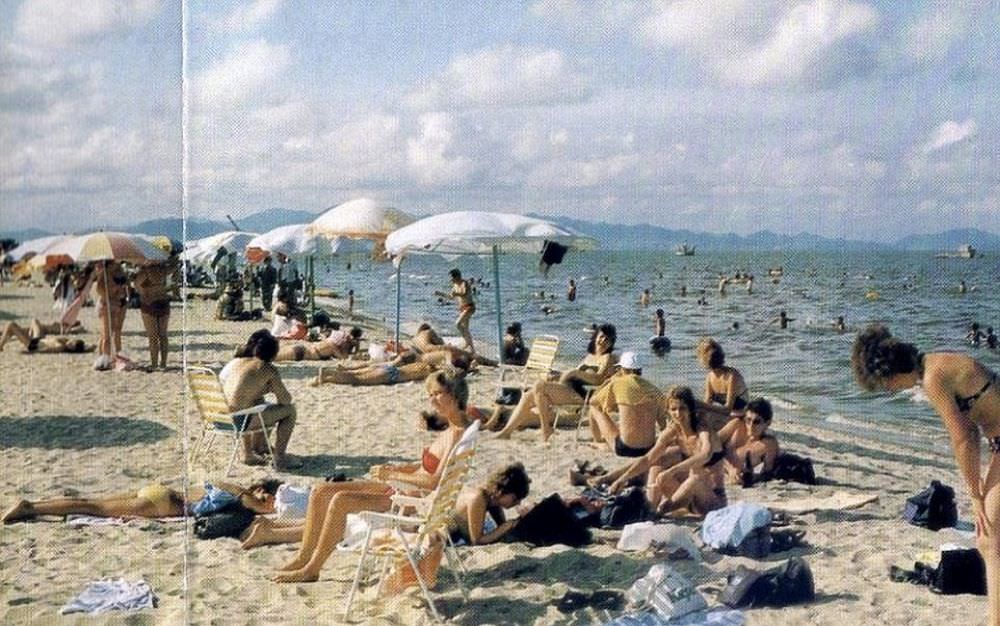
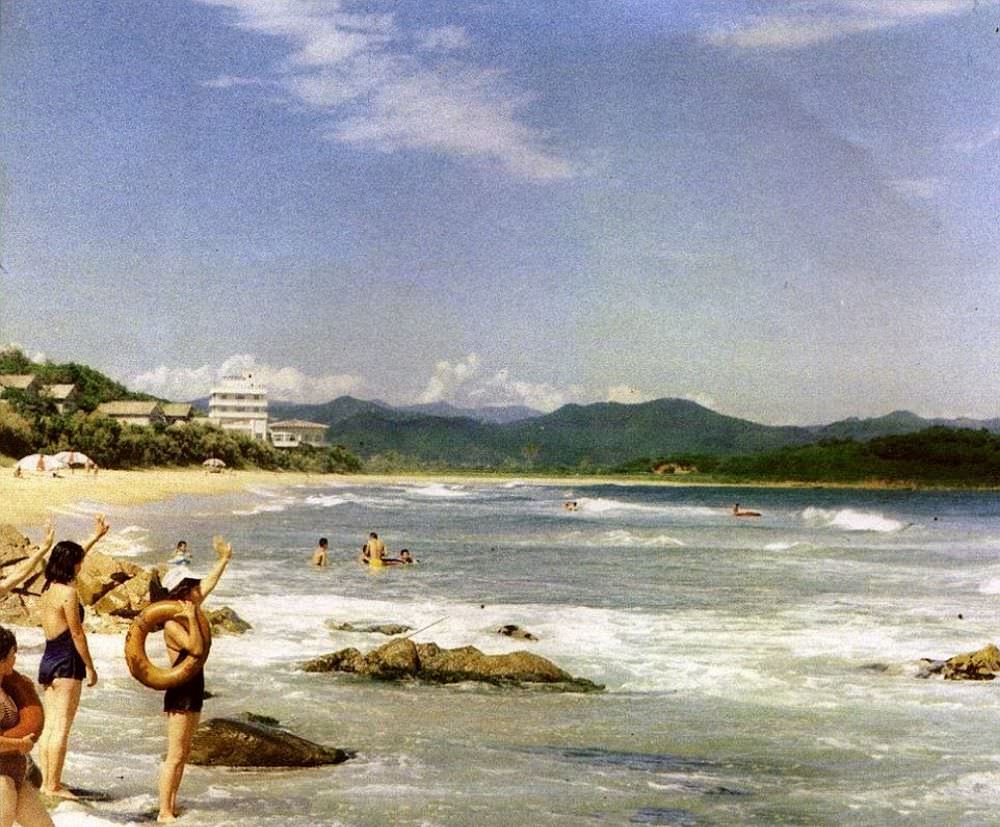
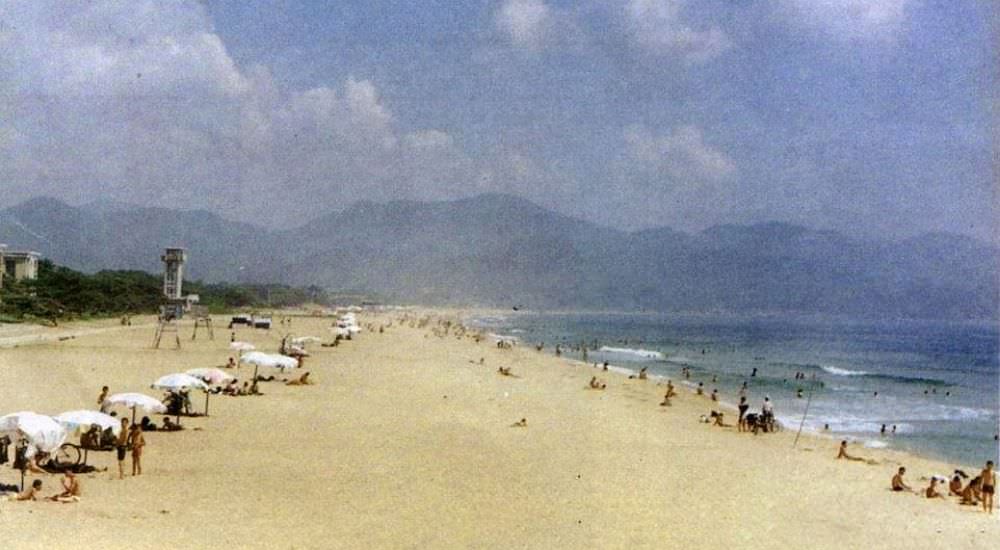
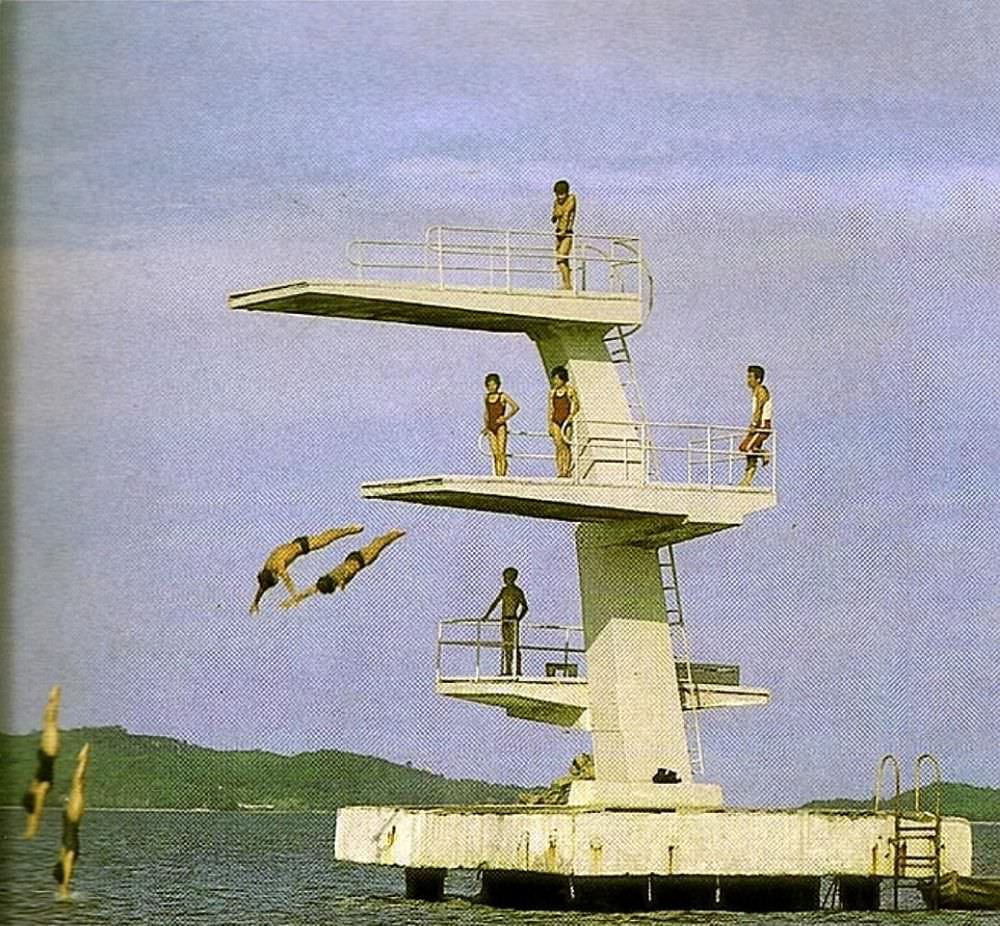
The beaches featured prominently. Wonsan, a coastal city on the country’s eastern shore, appeared repeatedly in the promotional materials. Volleyball games on the sand, diving platforms in the water, and crowds of sunbathers filled the pages. The images looked like they could have come from any seaside resort.
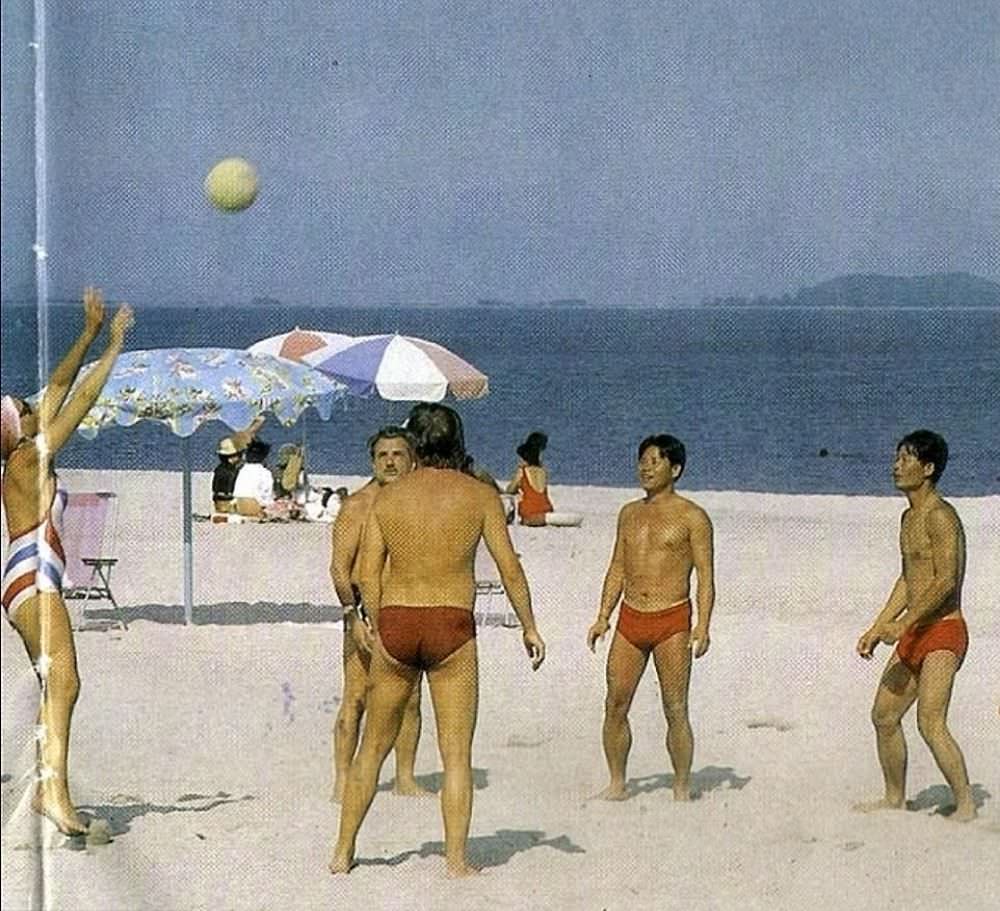
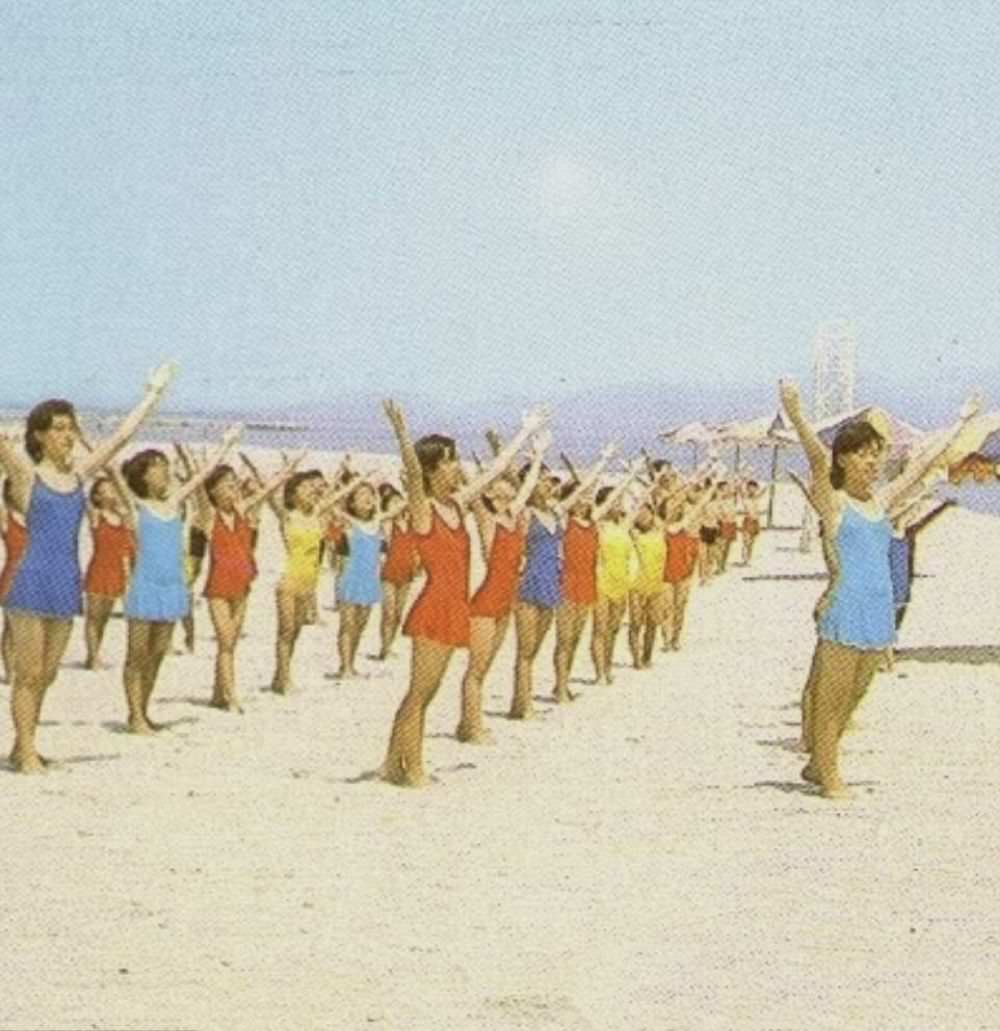
The Wonsan beach scenes captured in these brochures show visitors — most of them likely from the USSR — enjoying the water and shore in a relaxed, almost cheerful atmosphere. The images were carefully selected to project normalcy and leisure.
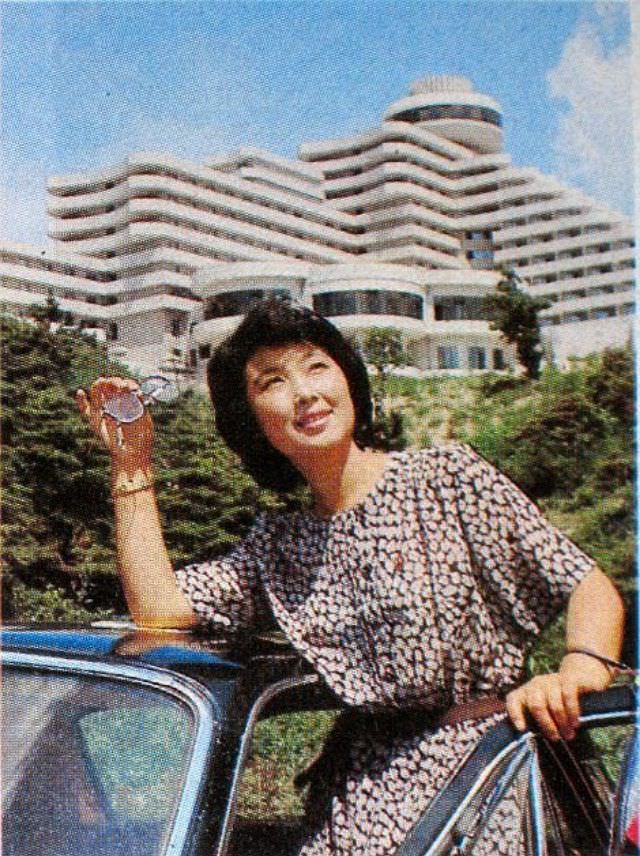
City life was showcased just as eagerly. In Pyongyang, the capital, brochures pointed to upscale hotels with large, clean rooms and restaurants offering a wide spread of local dishes. A 1986 photograph of a woman hailing a taxi outside the Ryanggang Hotel captures the kind of urban polish the regime wanted outsiders to see.
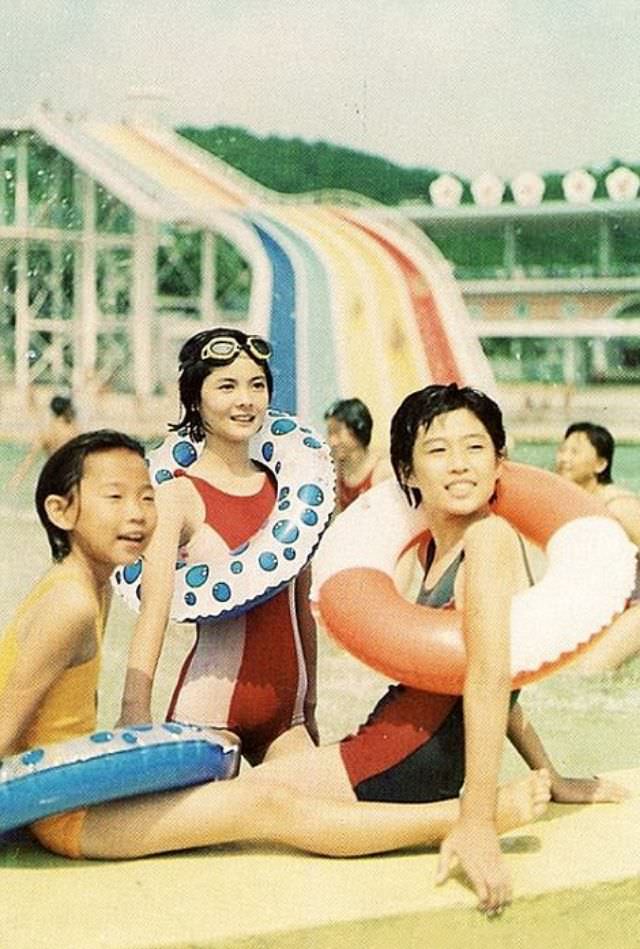
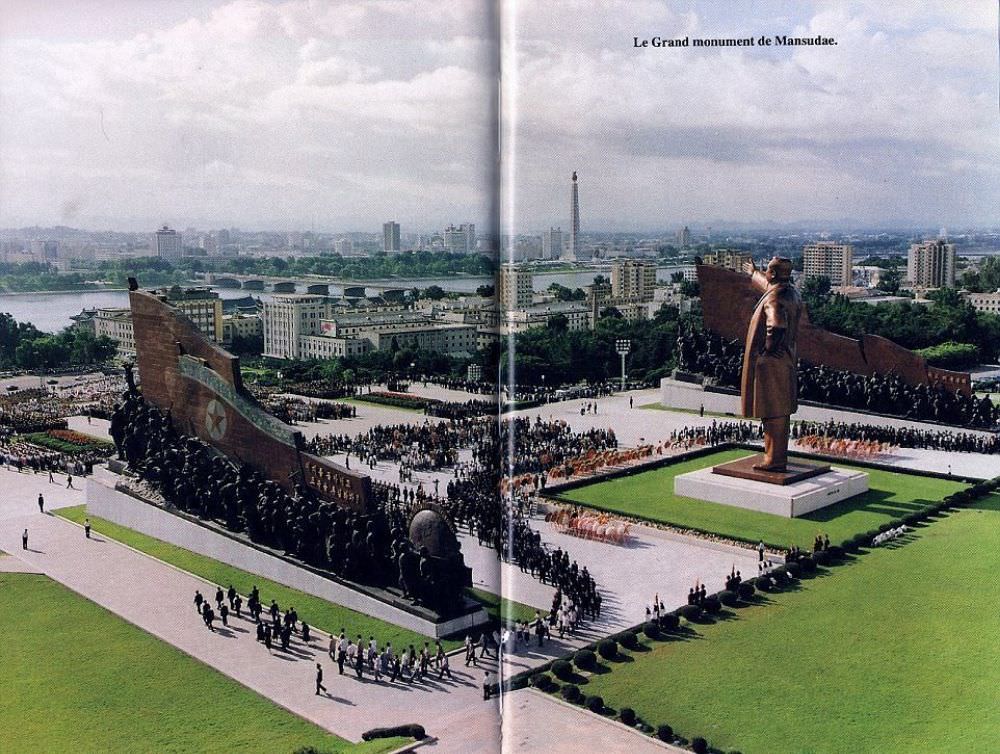
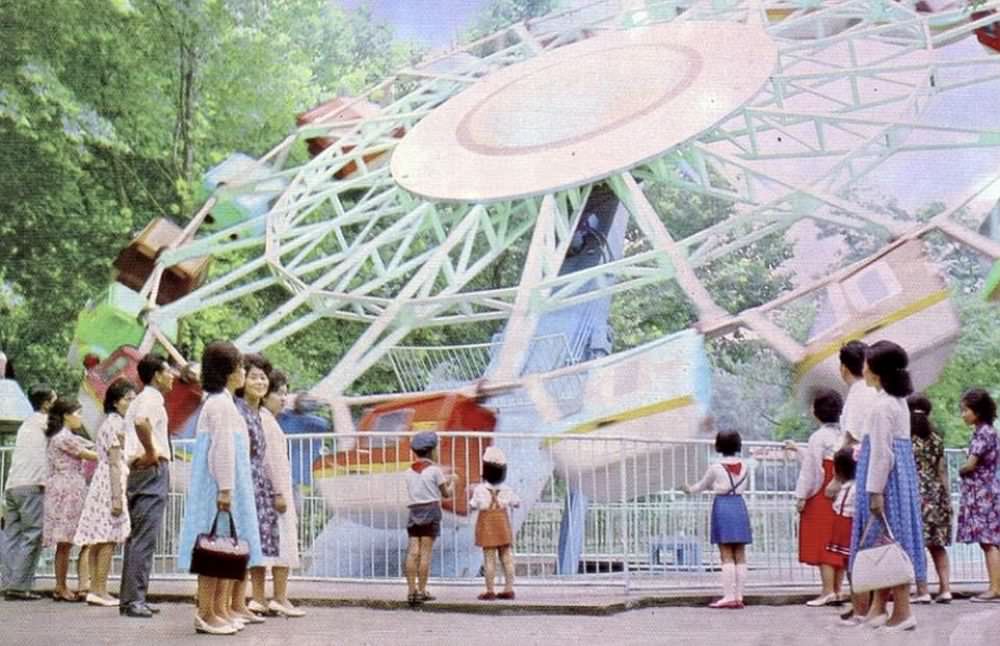
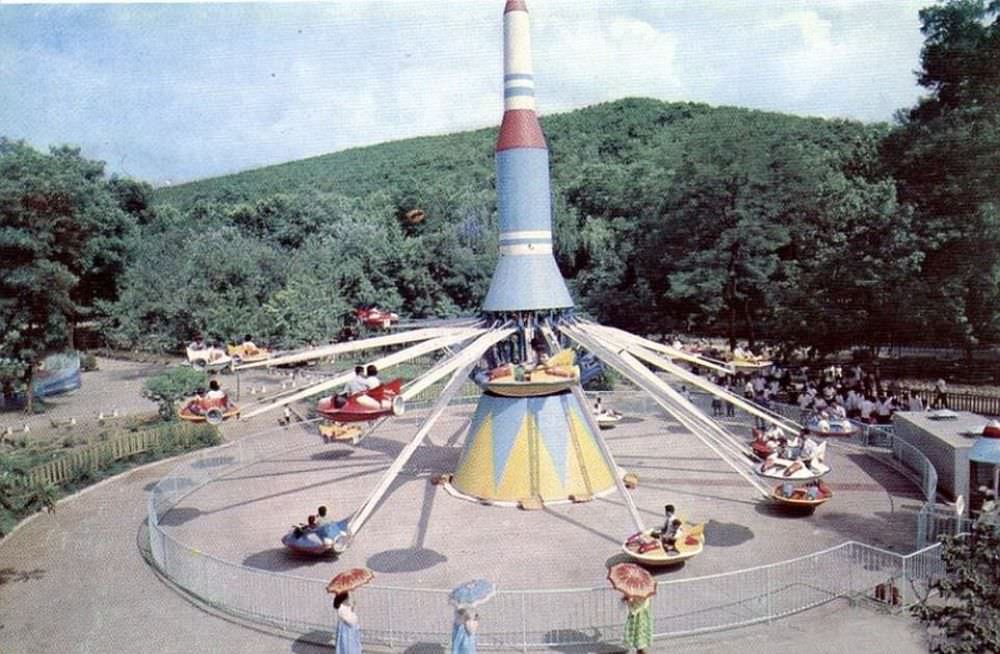
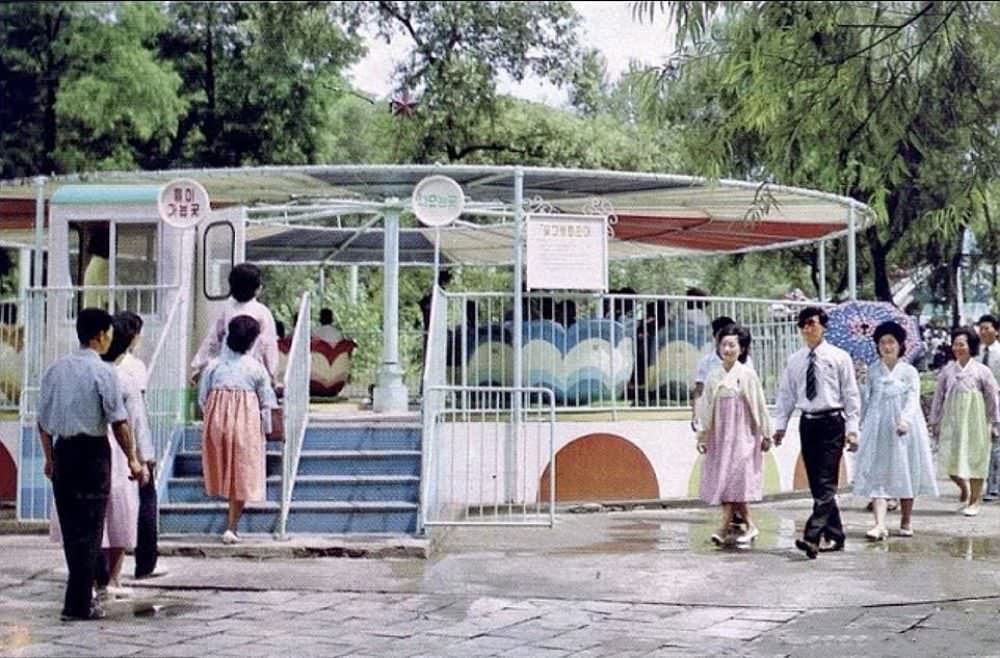
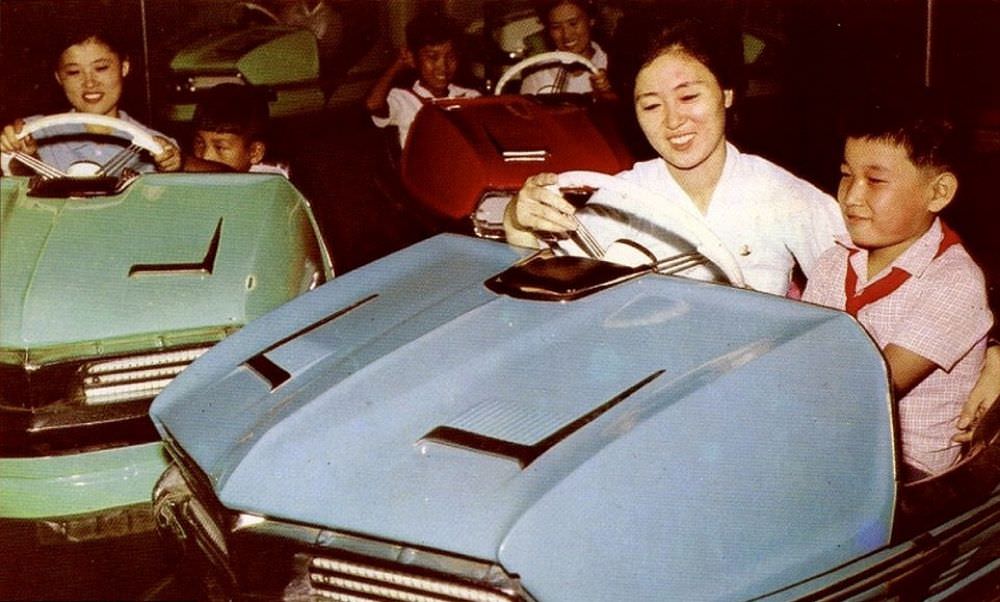
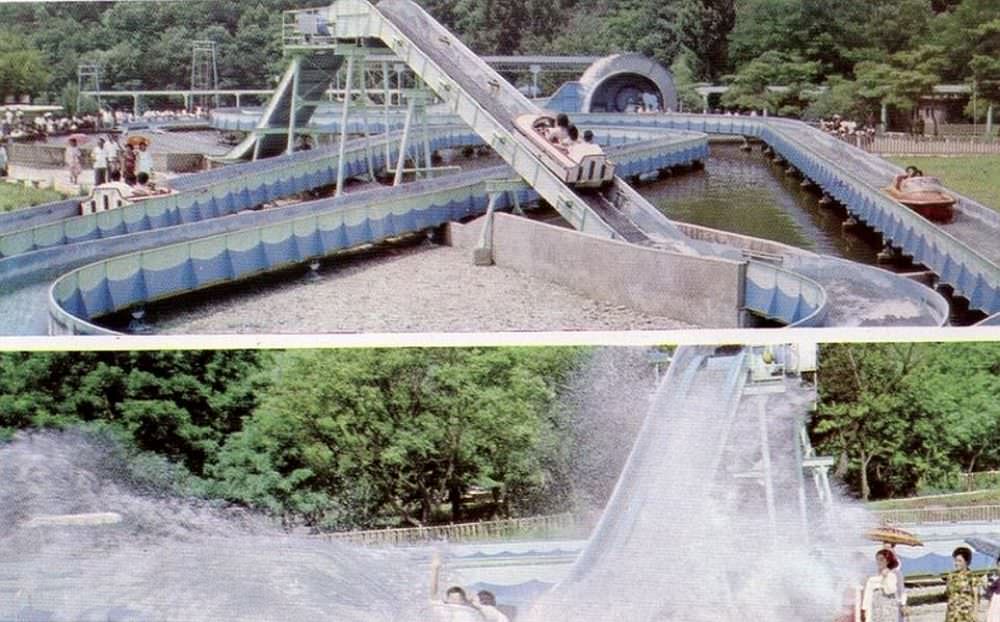
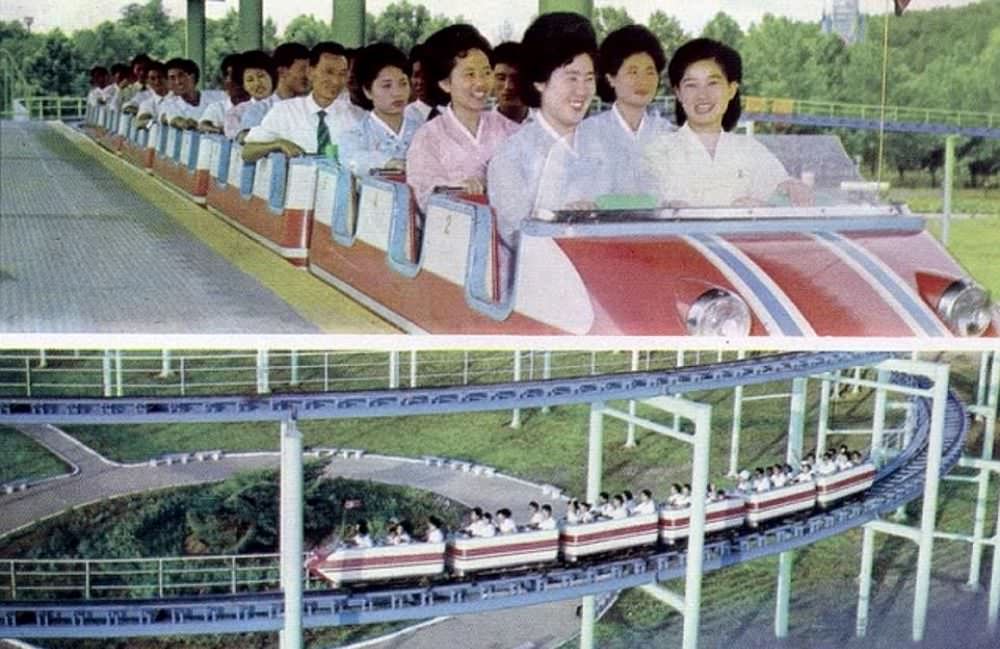
Family-friendly attractions were a key part of the pitch. Taesongsan Funfair, located at the base of Mount Taesong near Pyongyang, opened in 1977 and was featured heavily in tourism materials. The park offered ten rides, including a rollercoaster called Kwansong Tancha that served as its headline attraction. Photographs show parents watching children on rides, families at a waterpark, and long queues for the teacup ride — scenes designed to look joyful and completely ordinary.
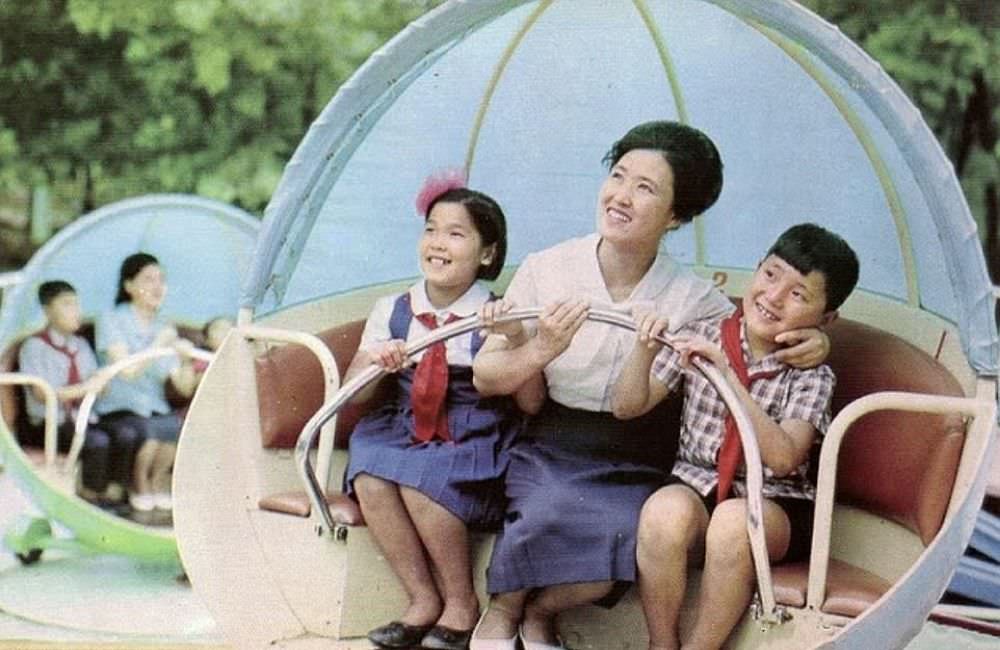
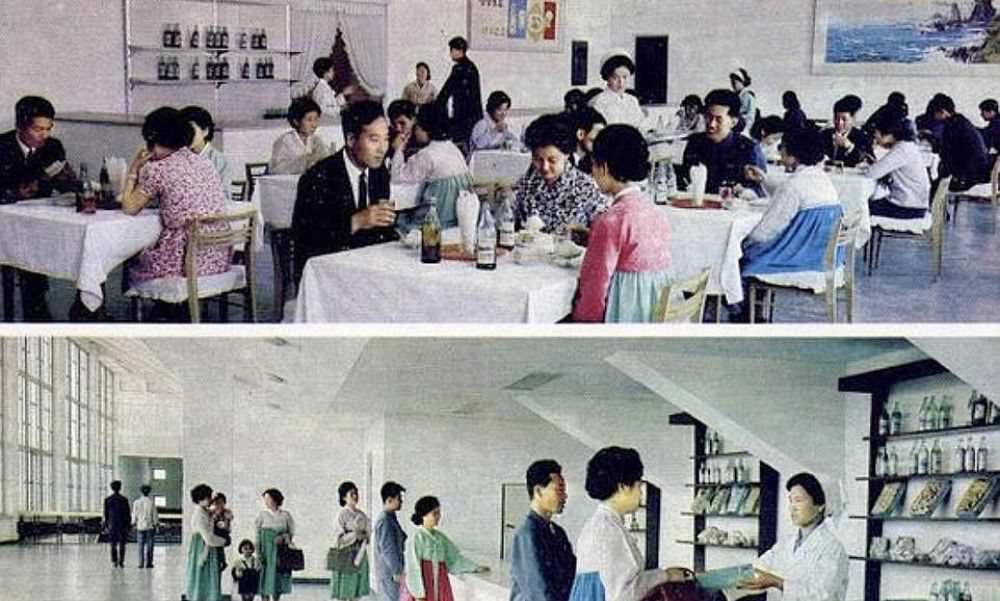
Food also played a role in the marketing. A 1976 photograph taken at an upscale Pyongyang restaurant shows guests seated at a table covered with multiple dishes, projecting abundance. The brochures used images like this to reassure potential visitors that dining in North Korea would be a genuine pleasure.
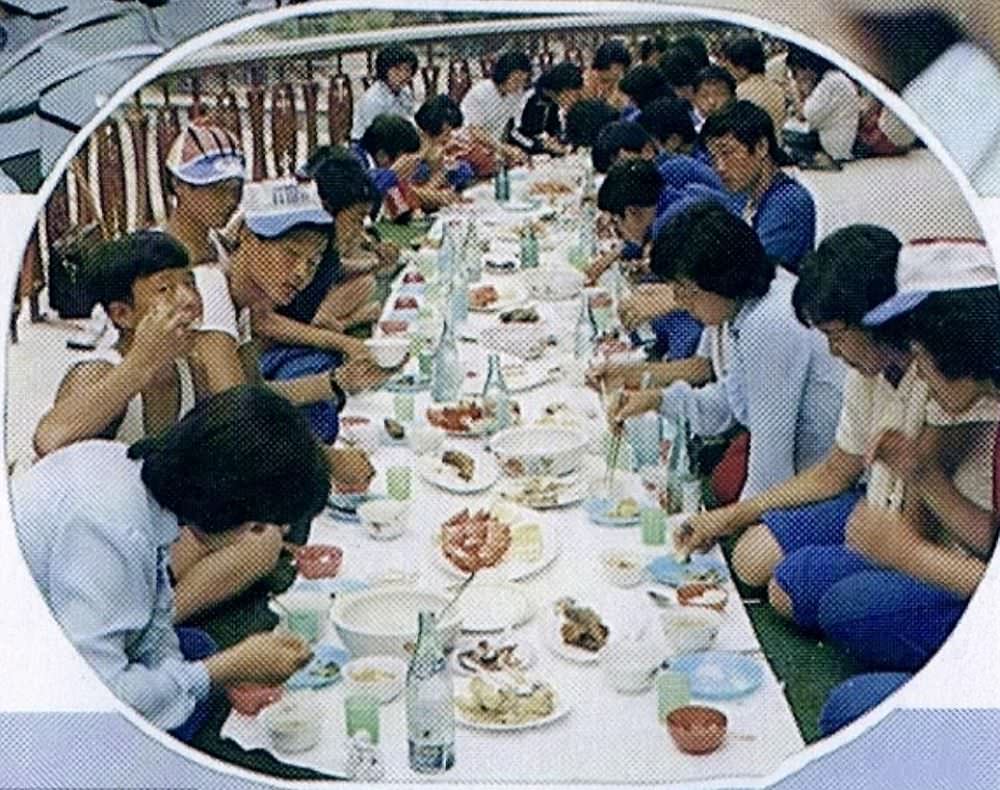
One of the more unusual attractions advertised was the Songdowon International Children’s Camp. Held annually and aimed squarely at foreign visitors, the camp brought children from allied nations together for a summer program of swimming, games, and organized activities. By 1989, it was a fixture in the brochures — a soft-power tool wrapped in the packaging of childhood fun. The camp still runs today, drawing roughly 400 children from around the world each year.
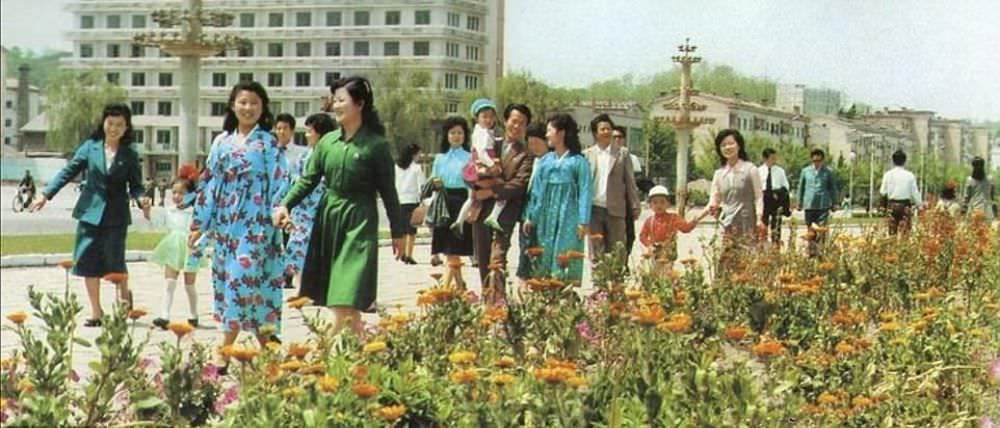
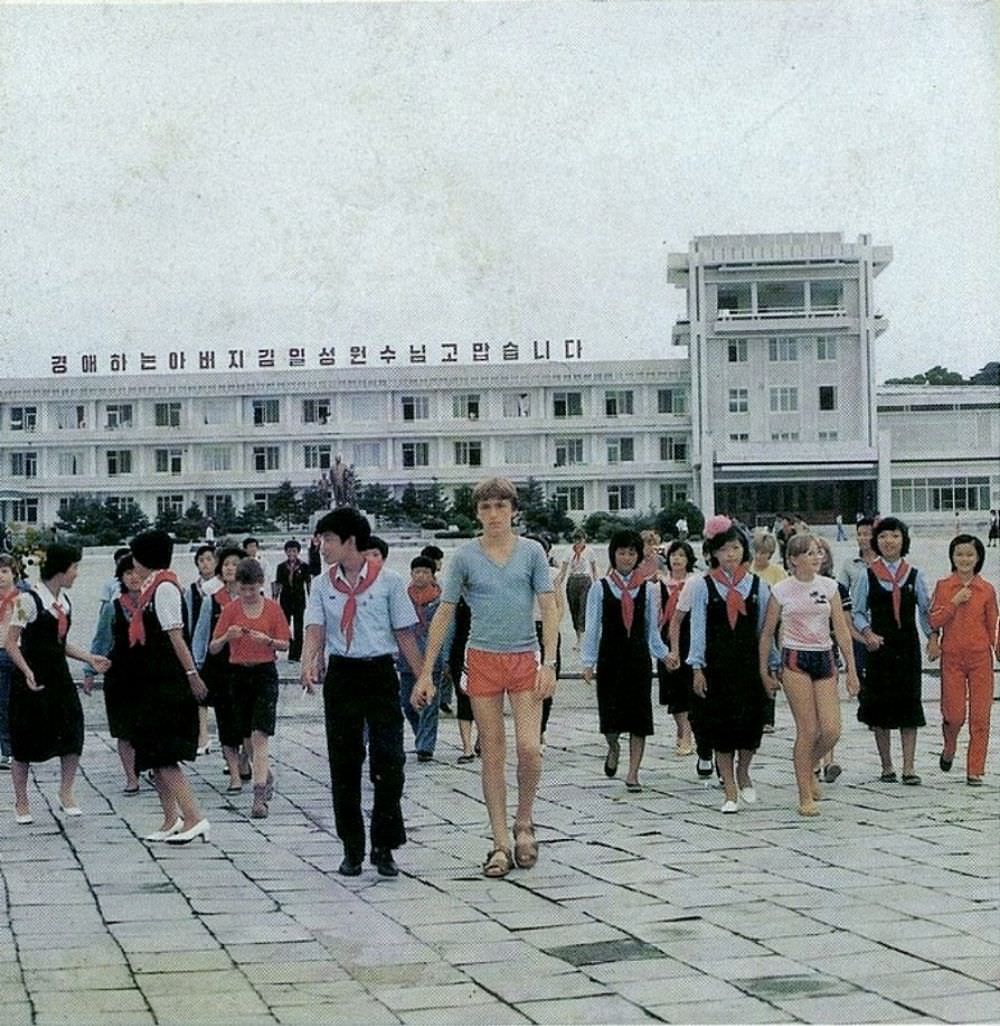
Taken together, these brochures reveal a calculated image-building campaign. Every photograph of a smiling child on a ride, every spread of restaurant food, every sunny beach scene was chosen to serve a political purpose. Tourism was a revenue source for the regime, but it was also a messaging operation — one that used glossy paper and bright colors to shape how the outside world perceived a tightly controlled state.





Well I’m tempted
I’ve noticed that North Korean media aimed at foreigners always features their amusement parks, which has always stuck out to me because outside of like Disney World, amusement parks don’t really headline tourism in most places. You’d expect more along the lines of museums, performing arts, or nature. Does anyone have any insight on why this is?
I think intuitively it makes sense to choose amusement parks over museums in that museums are kinda difficult in a closed information environment. You need to either carefully choose what history or culture you want to display, or you need to fabricate it. You need to make sure it can stand to scrutiny too and that there aren’t contradictions.
I would assume these people have a bit of a misguided view about the West, just like we probably don’t really have a accurate idea about their society.
Maybe they watched some western show, news or such, saw a amusement park and then made some educated guesses on how things are “over there”.
Maybe they aren’t even that aware what sets Disney land apart from a normal amusement park. I doubt they watch much Disney stuff and realise it’s themed on fictional characters from well known stories, for an outsider it might just look like a whacky fun place.
I figured out what I find so unsettling about the “faraway smile” portraits where everyone in the photo is looking off to one side and smiling appreciatively at something behind the photographer.
It’s that the subject of these type of photos is not the people themselves, we aren’t looking at a snapshot in time of someone enjoying the act of getting into the taxi or sitting at the beach with their friends. The subject of the photo is the thing that they’ve paused their life to admire.
You know how in older pre-cgi action and horror movies often the audience experiences, and understands how to react to, whatever is happening in the story by a character’s facial reaction to something happening off screen? We can’t see the monster, but we can see the damsel in distress’s face go through a range of emotions, and our imagination fills in the blanks.
That lady isn’t getting into a taxi. She’s standing in front of the taxi looking around at the bright lights of Pyongyang. Pyongyang is the subject of that photo.
The only photos here that have me a sense of actually being a photo of people doing people thin
North Korean photographer: ok ladies look that way
People: oh my god this is the worst thing ever I can’t breathe
I can breathe. It’s ok.
This your first day seeing a tourism photo dude?
I googled “tourism photo”.
Everyone was looking at the camera like a normal person.
Amazed that the international summer camp is still operating. Imagine sending the kids off to North Korea for the summer.
No. 9 which is the mother and which the children?