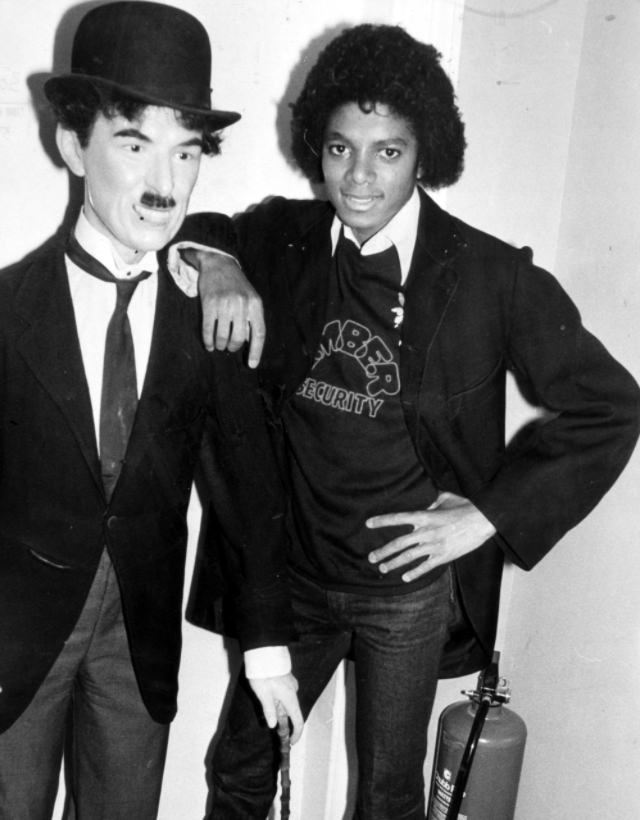
Michael Jackson’s admiration for Charlie Chaplin ran deep. Chaplin wasn’t just a figure Jackson respected from a distance — he was a genuine idol whose influence showed up in Jackson’s movement, his performance style, and even his music. The physical comedy, the emotional storytelling through silence, the iconic look — Jackson studied all of it.
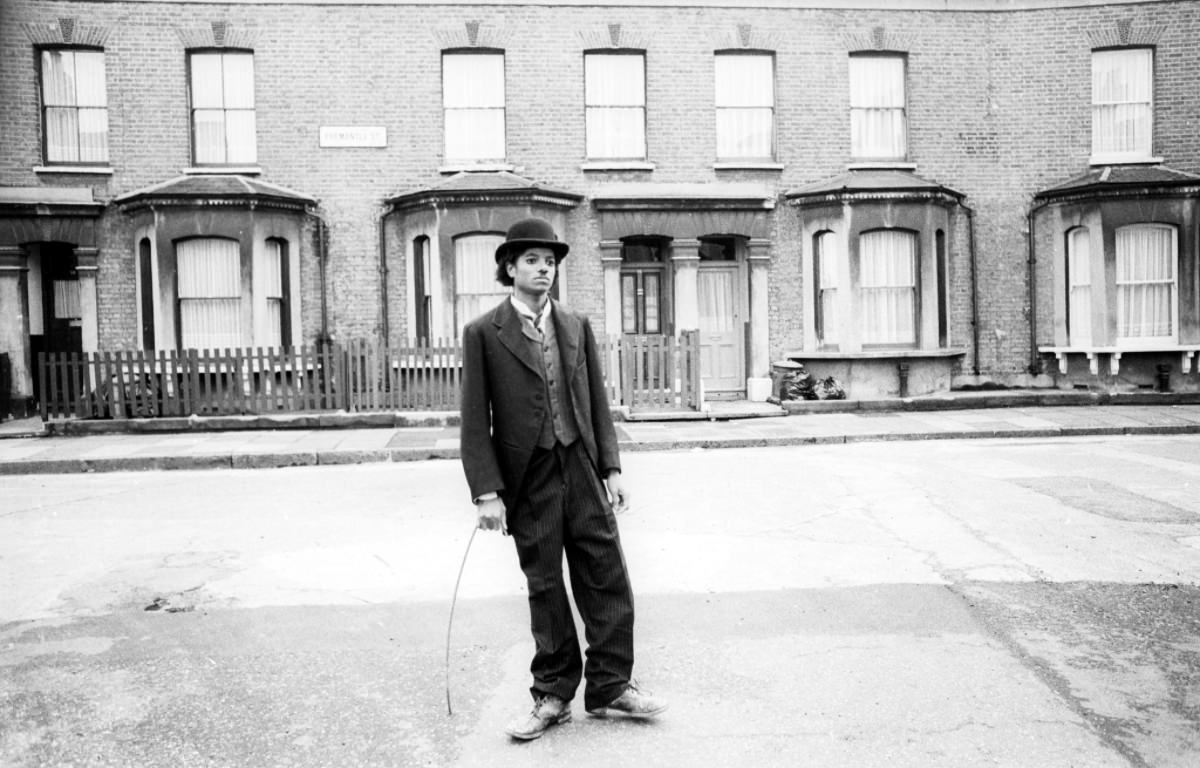
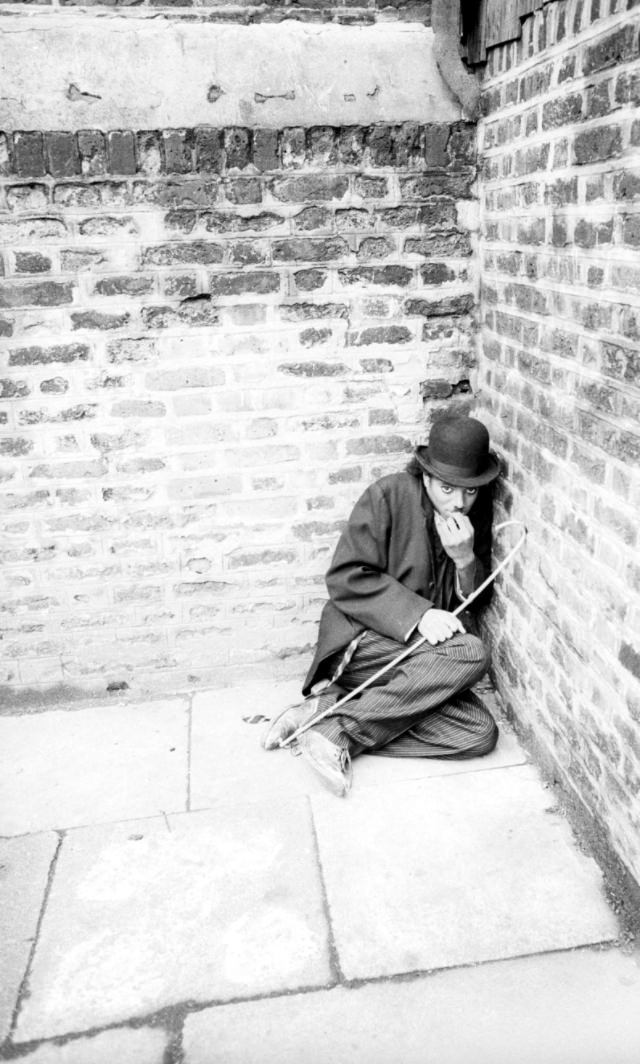
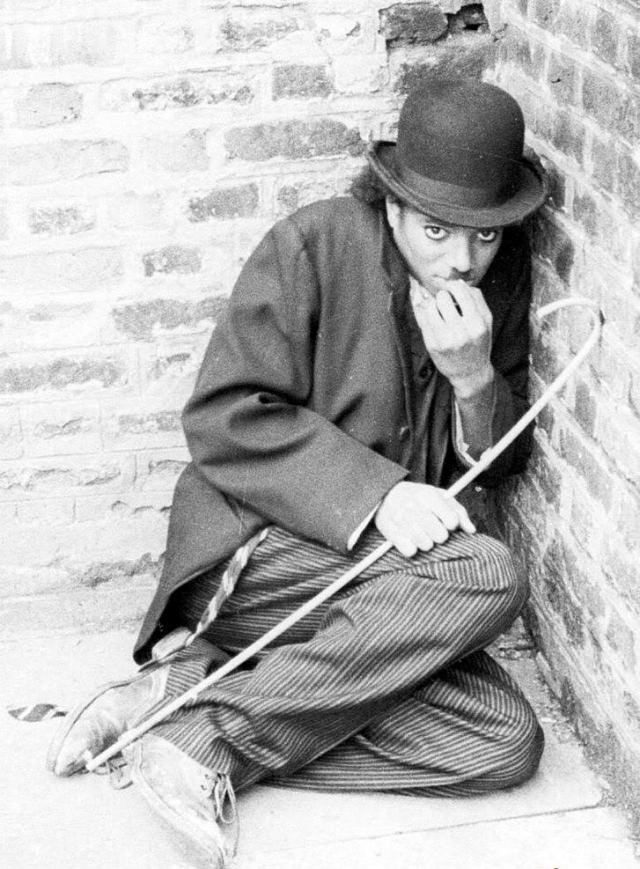
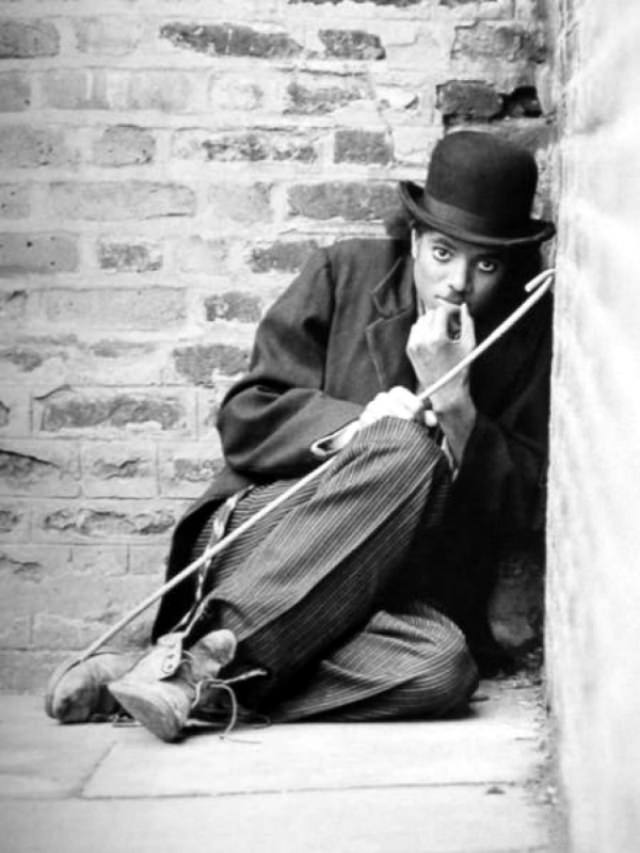
In 1979, Jackson turned that admiration into action. He traveled to the Swiss estate where Chaplin had lived and arranged a full photoshoot in character. He wore the signature costume — the bowler hat, the cane, the baggy trousers — transforming himself into the Little Tramp. British photographer Tony Prime was behind the camera for the session, capturing a young Michael Jackson at 21 years old paying direct tribute to the man he looked up to most.
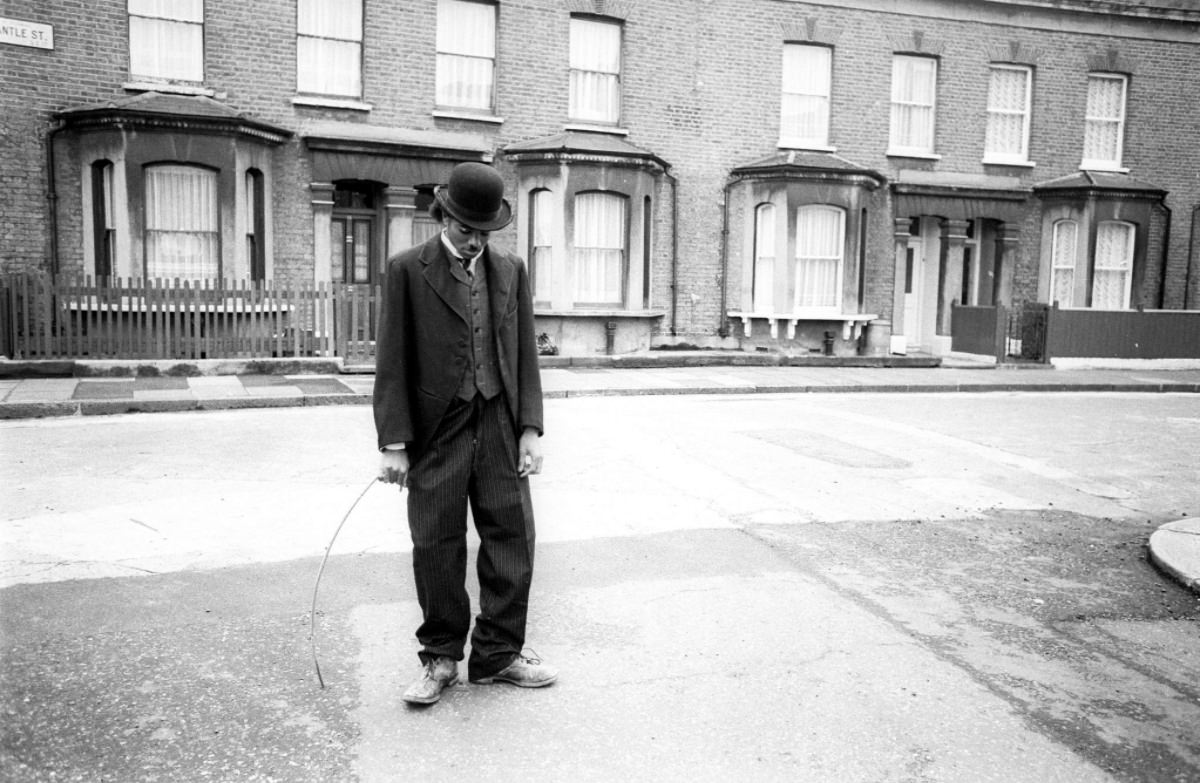
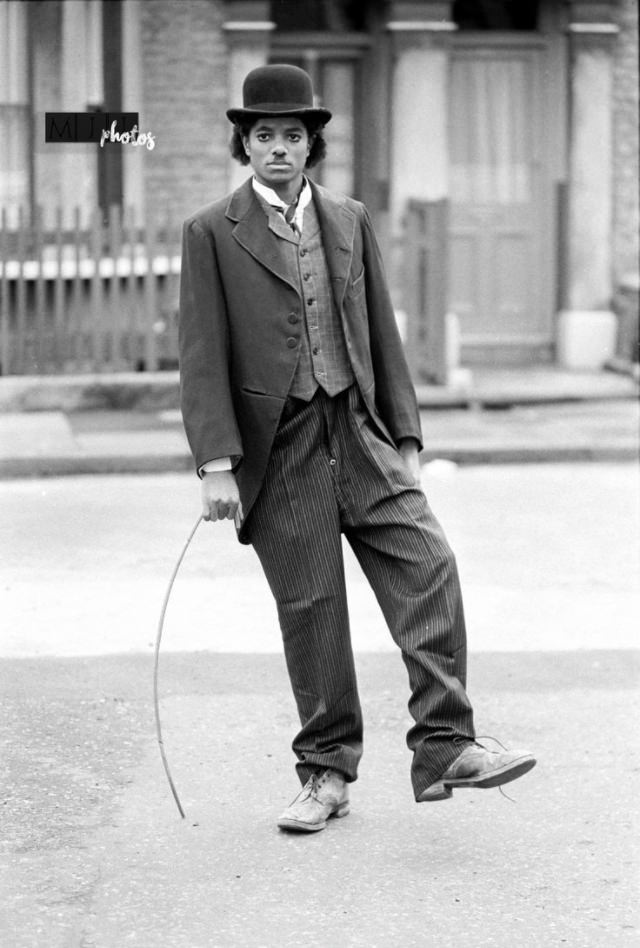
The photographs from that 1979 shoot are striking. Jackson didn’t simply pose in a costume — he embodied the character. His natural gift for physical expression made the tribute feel authentic rather than theatrical.
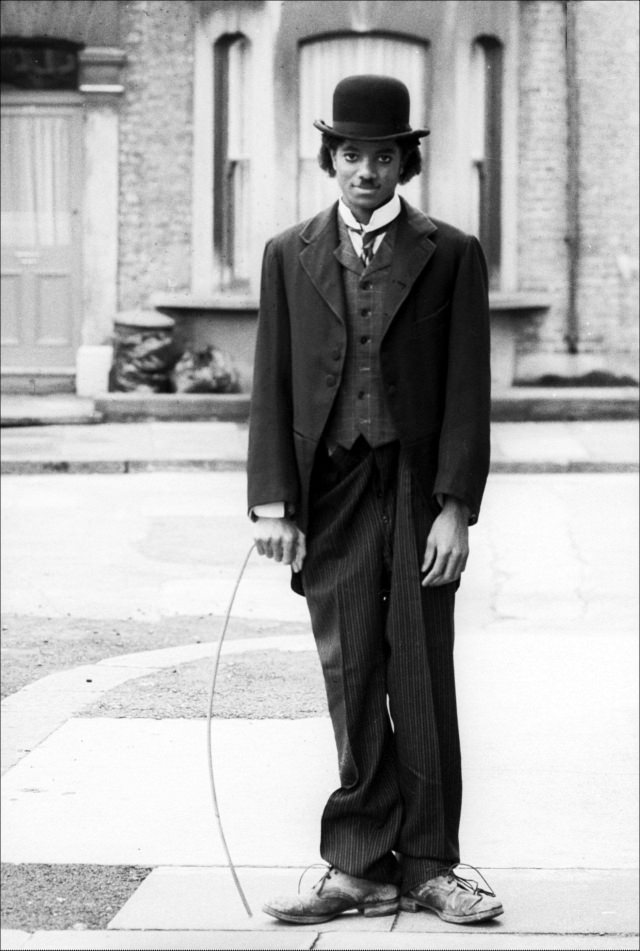
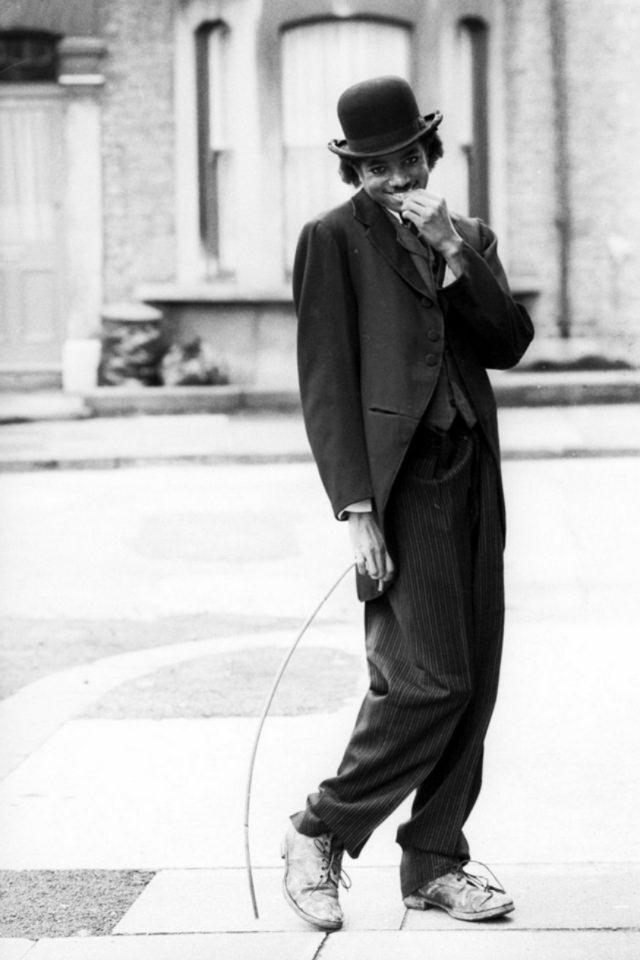
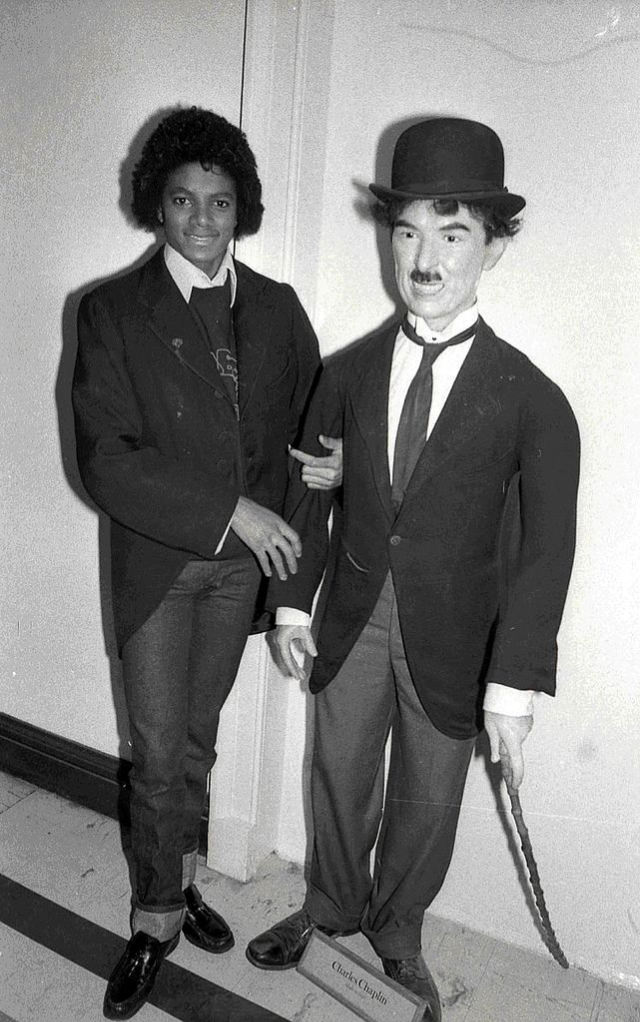
Four years later, in 1983, Jackson revisited the tribute. He put the Chaplin outfit on again for another round of photos. This time, he spoke publicly about what the moment meant to him. “This is in memory of a great man who has touched the hearts of the world with his art of making people laugh and cry,” Jackson said. “You will always be in my heart. I love you, Charlie Chaplin.” The words weren’t a press statement — they were a personal declaration from one performer to another across generations.
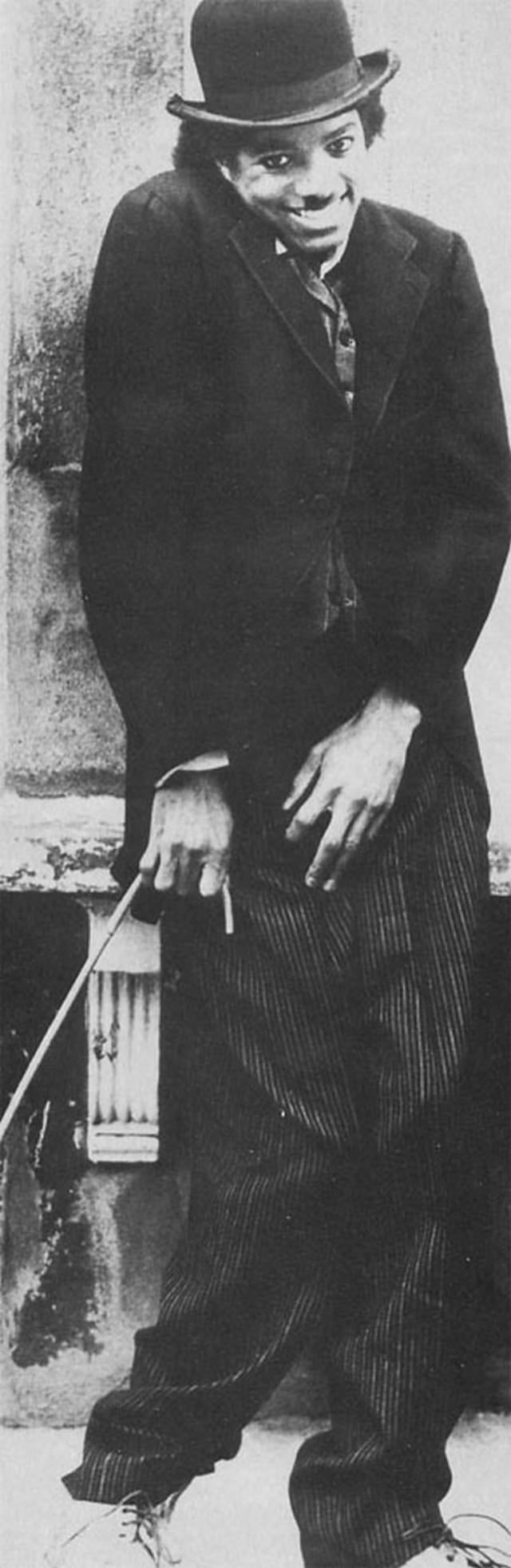
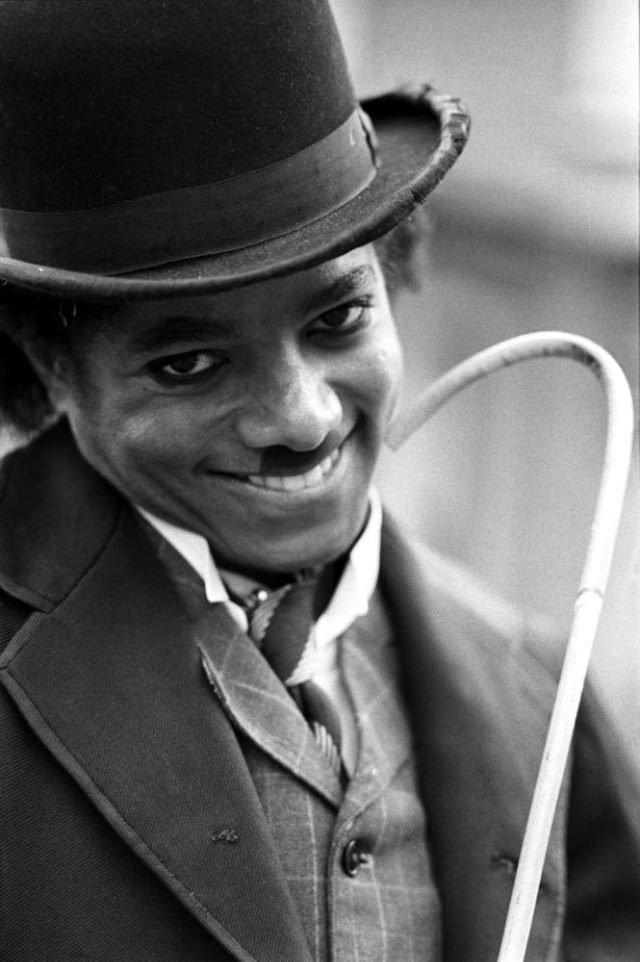
The 1983 photos show a more confident Jackson in the role. By that point, he had already released “Thriller” and was the biggest pop star on the planet. Yet here he was, still stepping back into Chaplin’s shoes with the same reverence he had shown at 21.
Jackson’s connection to Chaplin extended into his recording work as well. Chaplin composed the song “Smile” in 1936 for his film “Modern Times,” and Jackson recorded his own version of it for the “HIStory” album released in 1995. However, the track was not included as a standard single alongside the album. Only a small number of physical copies of the single were ever produced, making it one of the rarest pieces of Michael Jackson memorabilia in existence. Those copies command significant sums whenever they appear for sale.
The Chaplin photoshoots — separated by four years, connected by the same costume and the same conviction — stand as some of the most personal documents in Jackson’s archive. They show a side of him that had nothing to do with chart positions or record sales. He was a fan, and he wanted the world to know it.