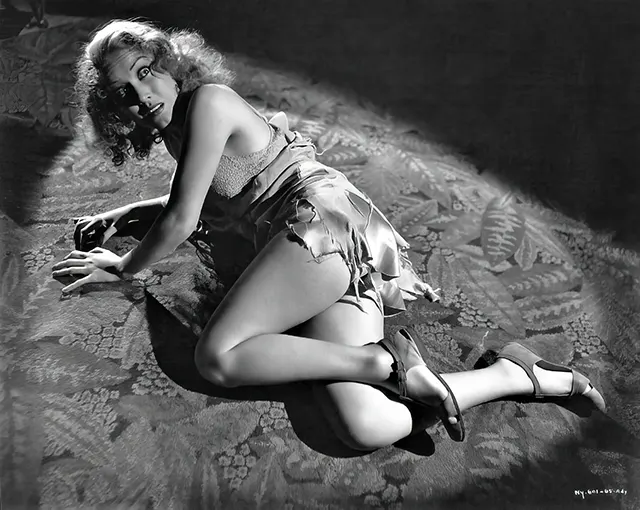
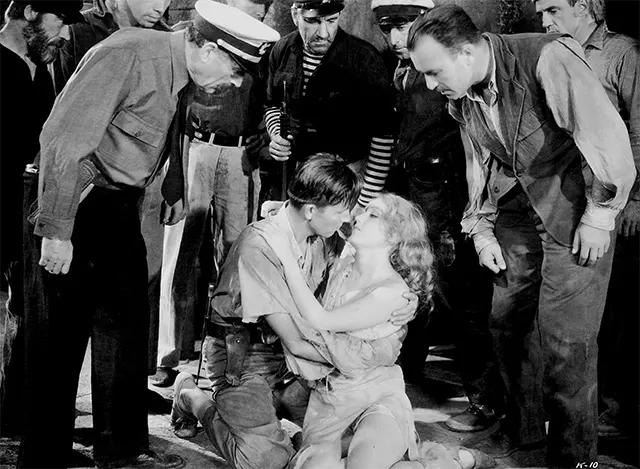
When King Kong hit theaters in 1933, audiences had never seen anything like it. Directed by Merian C. Cooper and Ernest B. Schoedsack, the film combined live-action footage with special effects that pushed far beyond what Hollywood had attempted before. It told the story of a massive ape discovered on the remote Skull Island, captured by a film crew, and brought back to New York City — with catastrophic results. The screenplay was written by James Ashmore Creelman and Ruth Rose, drawing on popular adventure novels of the era and a widespread fascination with exotic, uncharted places.
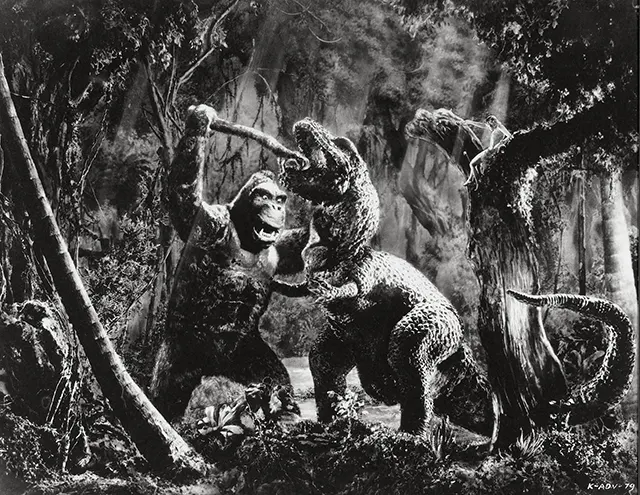
Merian C. Cooper was the driving creative force behind the project. An adventurer himself, Cooper had traveled widely before turning to filmmaking, and those experiences shaped his ambitions for King Kong. He envisioned Kong not simply as a monster, but as a tragic figure — one that audiences would feel sympathy for even while it tore apart a city. That idea separated this film from other creature features of the period. It carried emotional weight alongside its spectacle.
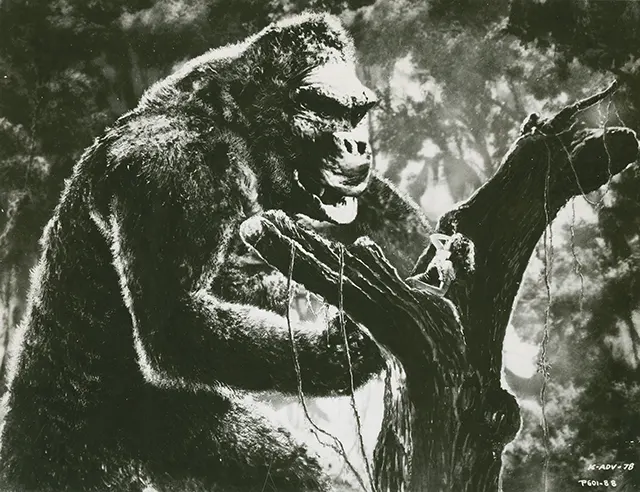
Co-director Ernest B. Schoedsack brought a different skill set to the table. His background was in documentary filmmaking, which gave him a sharp eye for capturing realistic, emotionally grounded scenes. On King Kong, Schoedsack took charge of the film’s technical side, overseeing the special effects work that would define the production. The two directors complemented each other — Cooper handled the big vision while Schoedsack handled the mechanics of making it real.
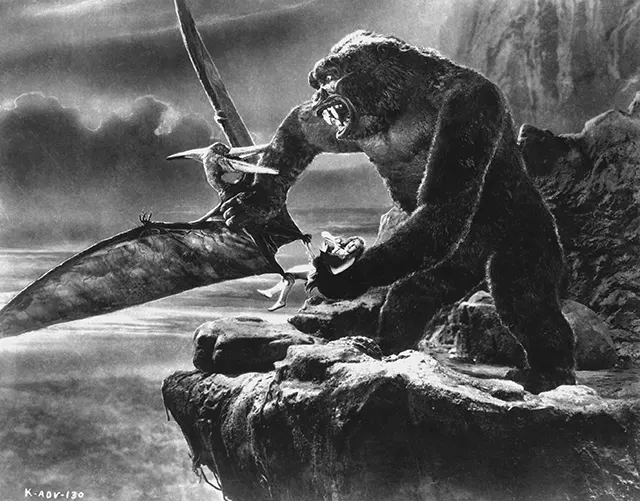
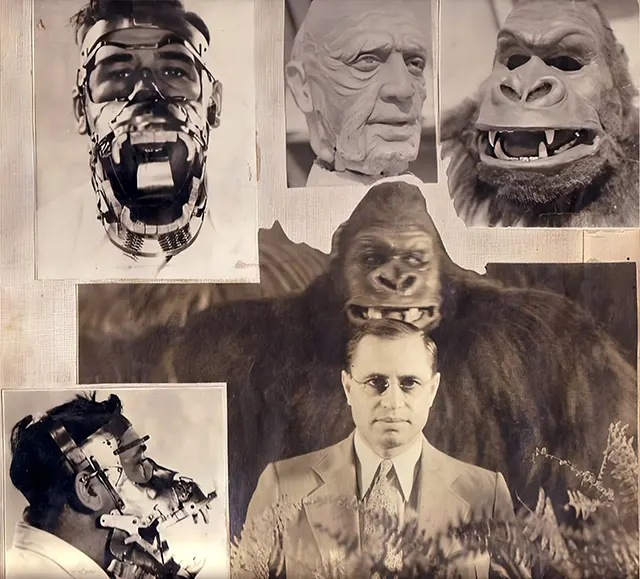
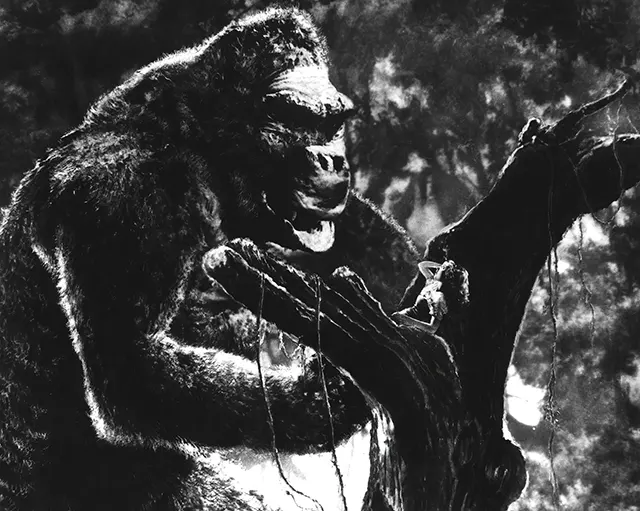
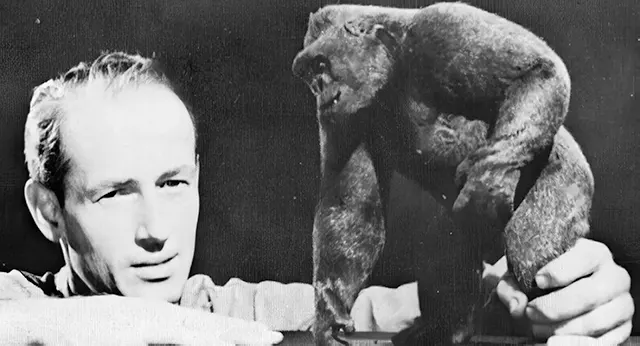
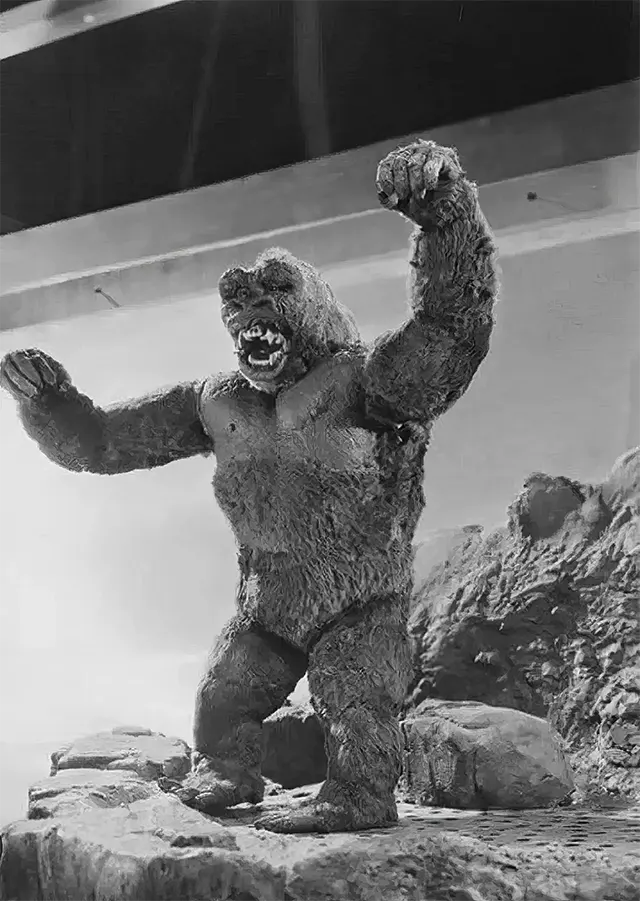
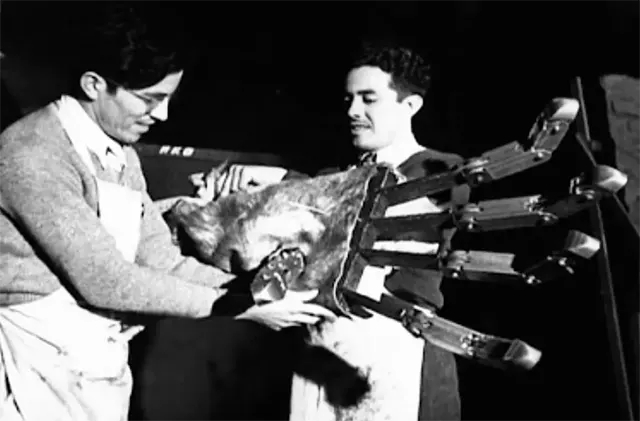
The character of Kong himself was built and animated by Willis O’Brien, a pioneer in stop-motion animation who had spent years refining the craft on silent films. O’Brien constructed a detailed Kong puppet that stood roughly 18 inches tall. To animate it, he moved the model incrementally between each camera frame — a painstaking process where a single second of screen time required up to 24 individual adjustments. The result was movement that felt surprisingly fluid and full of personality.
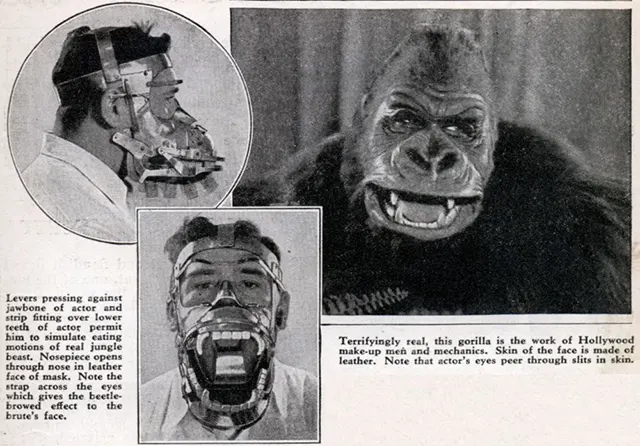
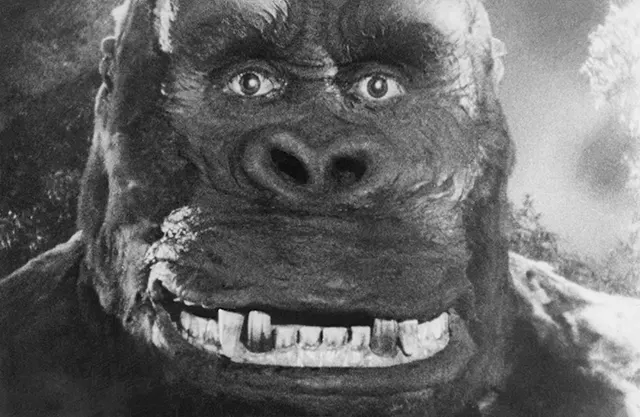
O’Brien’s attention to detail went beyond basic movement. He worked to make Kong expressive — giving the creature a face that could convey anger, curiosity, and even tenderness. Hours were spent on scenes that lasted only seconds on screen. That level of dedication is visible in the finished film, where Kong’s behavior reads as genuinely animal rather than mechanical.
Skull Island required its own enormous production effort. The filmmakers needed a setting that felt lush, dangerous, and entirely unfamiliar. They built elaborate sets on the RKO lot and filled them with painted backdrops, physical props, and scale miniatures. Jungle vegetation was constructed from physical materials and layered against matte paintings to extend the environment far beyond what the actual set contained.
The sound design added another layer to Skull Island’s atmosphere. Kong’s roar, the screams of other creatures, and the ambient noise of the jungle were all carefully crafted to pull viewers into the world on screen. Sound had only recently become a standard part of Hollywood filmmaking, and the King Kong team used it aggressively to build tension and immersion.
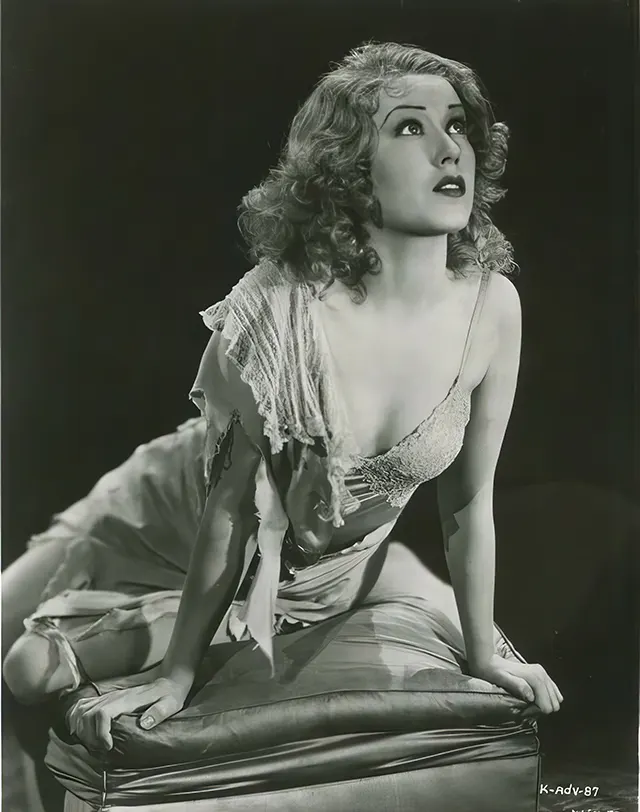
The film’s cast brought the human side of the story to life. Robert Armstrong played Carl Denham, the bold director who leads the expedition to Skull Island in search of footage for his film. Denham’s character drove much of the plot’s action — it is his ambition and recklessness that sets the tragedy in motion. Armstrong’s energetic performance gave the character a believable sense of obsession.
Combining the live actors with the stop-motion Kong required a technique called rear projection. Actors performed in front of large screens displaying pre-filmed footage of Kong or the island environments. The cinematography team worked carefully to match lighting and scale so the composited shots felt cohesive. Getting that balance right was one of the biggest technical challenges of the entire production.
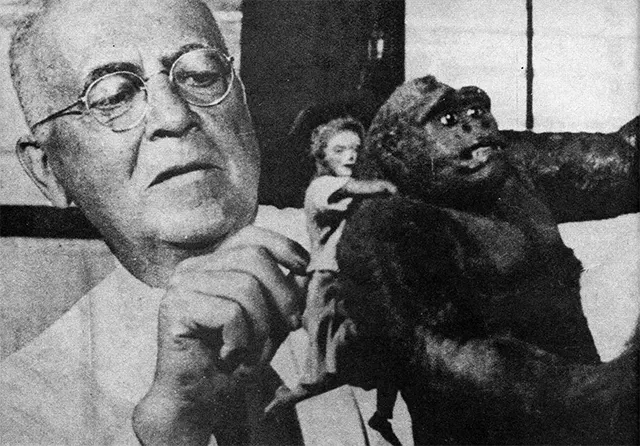
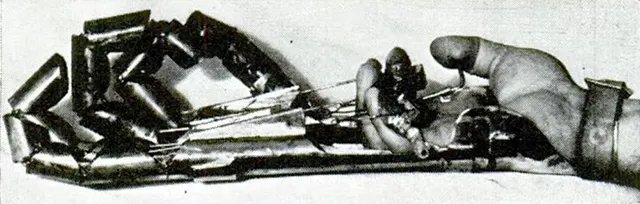
Miniature work was used throughout the film to depict scenes that would have been impossible to stage at full scale. Buildings, streets, and even the elevated train in the New York sequences were built as small-scale models and filmed alongside the Kong puppet. Careful camera angles and consistent lighting made the miniatures read as full-sized environments on screen.
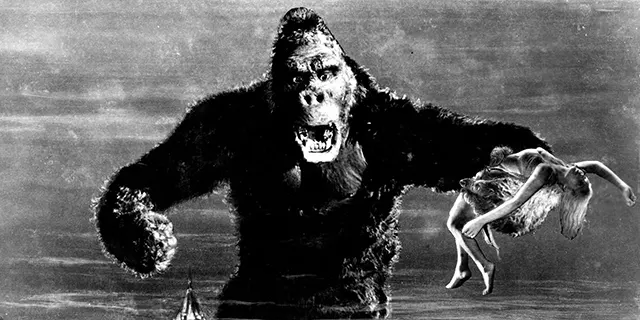
The production also relied on a large crew of artists, model builders, painters, and technicians working simultaneously across multiple departments. The art direction team managed the overall visual look of the film, ensuring that the sets, miniatures, and backdrops all matched in style and tone. It was a large, coordinated effort for a film of its era.
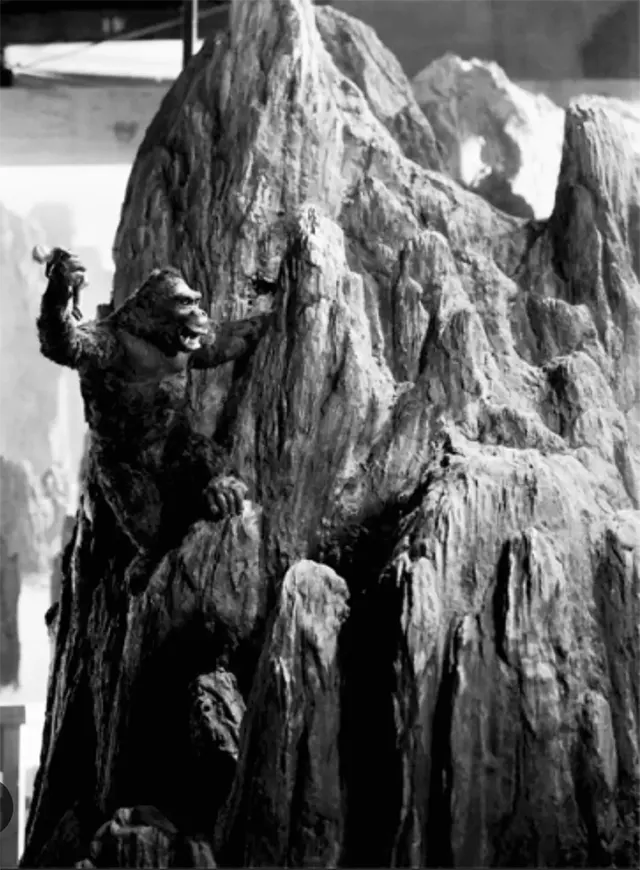
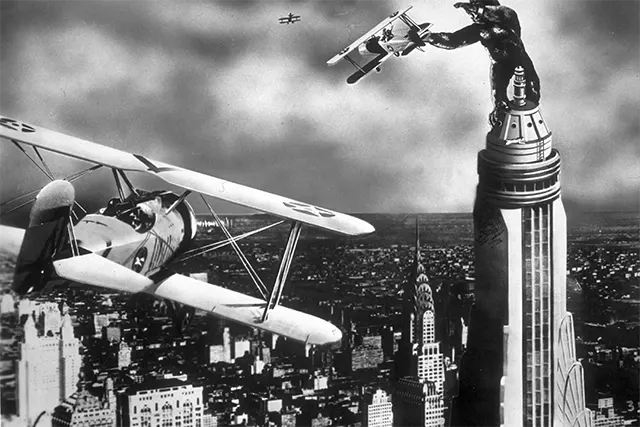
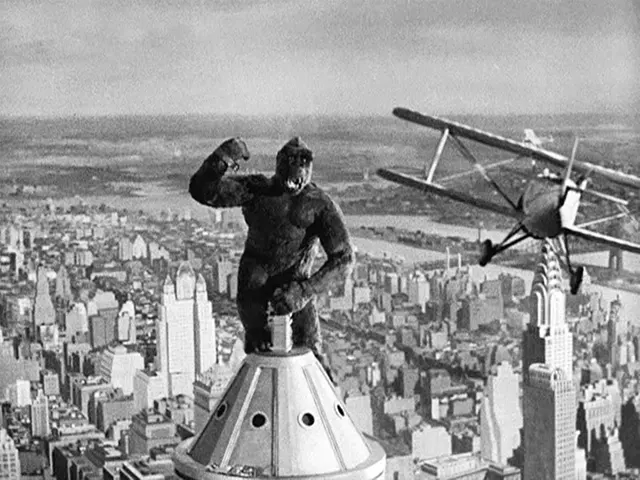
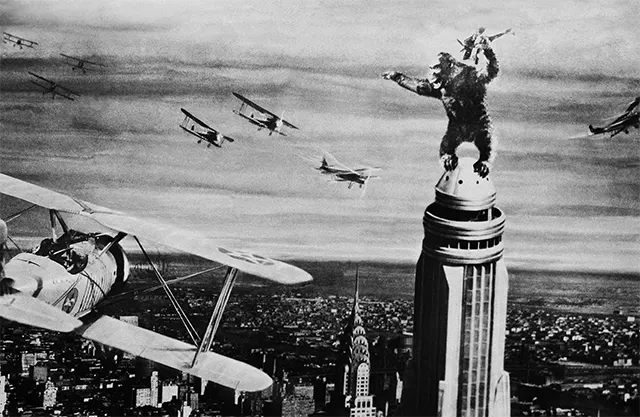
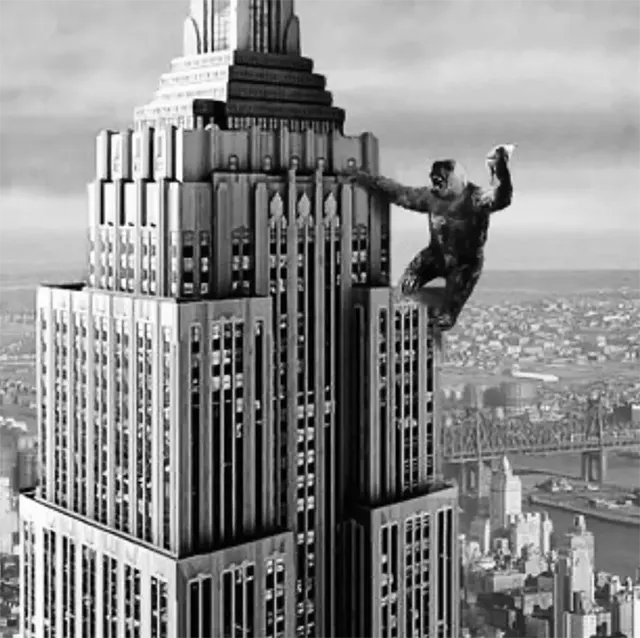
The Empire State Building sequence, where Kong climbs to the top of the skyscraper and is shot down by biplanes, required some of the most complex compositing work in the film. O’Brien animated Kong on a miniature building while separate footage of aircraft was blended into the shots. The sequence demanded precise coordination between animation, live-action photography, and optical printing.
Cooper and Schoedsack both made cameo appearances in the film — they are the two pilots in the lead biplane that fires on Kong during the climax. It was a small but deliberate nod, the two men who hunted Kong on screen also being the two who created him off it.
Max Steiner composed the film’s score, one of the first fully orchestrated original scores in Hollywood history. Steiner wrote music that shifted constantly to match the action — quiet and eerie on the island, thundering and urgent during Kong’s rampage. His work deepened every scene and set a new standard for how film music could function as a storytelling tool.