
In the early 20th century, photographer Harry Pollard set out across Western Canada with his camera and a clear purpose: to document the lives of First Nations peoples. His photographs captured men, women, and leaders from several nations — the Tsuu T’ina, Siksika, Kainai, Piikani, and Nakoda among them. The images he left behind are some of the most detailed visual records of Indigenous life in Alberta from that era.
Before European contact, the lands of present-day Alberta were home to a number of distinct nations. The Siksika (Blackfoot), Kainai (Blood), and Piikani (Peigan) held much of the territory. The Gros Ventre, now largely based in Montana, were also part of the region’s early history. Groups such as the Kootenay and the Crow made seasonal journeys into the land to hunt buffalo and wage war. The Tsuu T’ina, a branch of the Beaver people, occupied the central and northern portions of the territory, while the Slavey people lived further north.
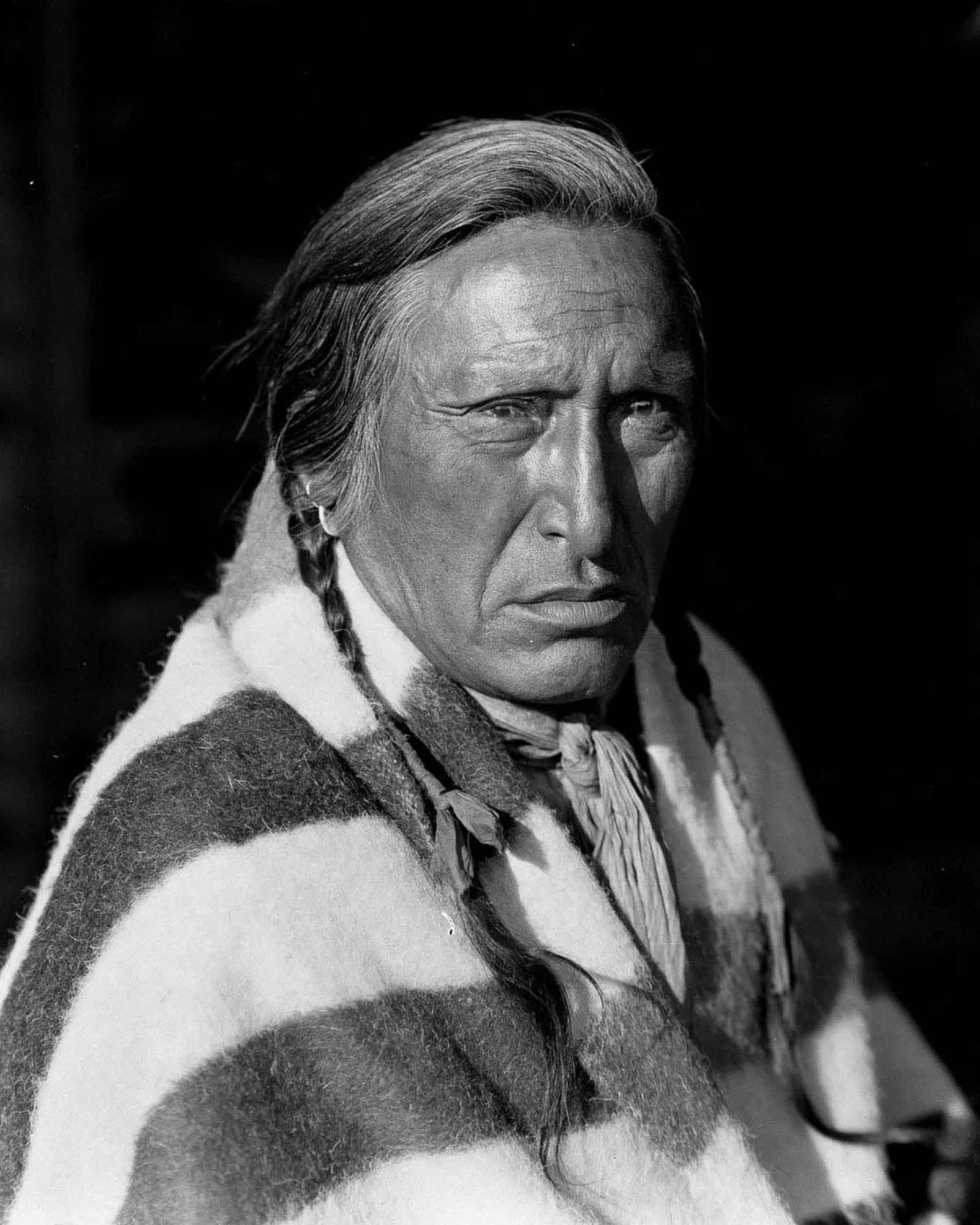
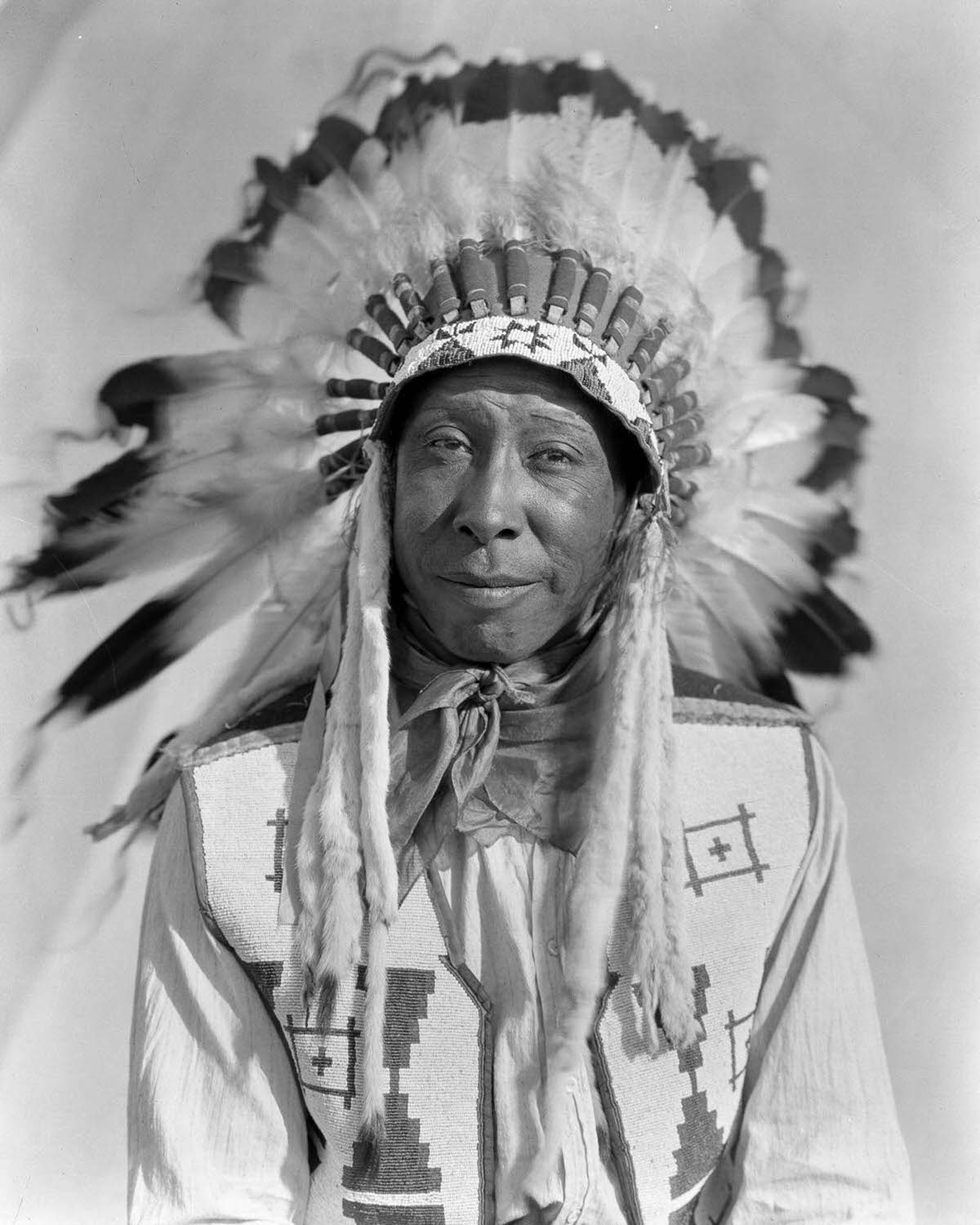
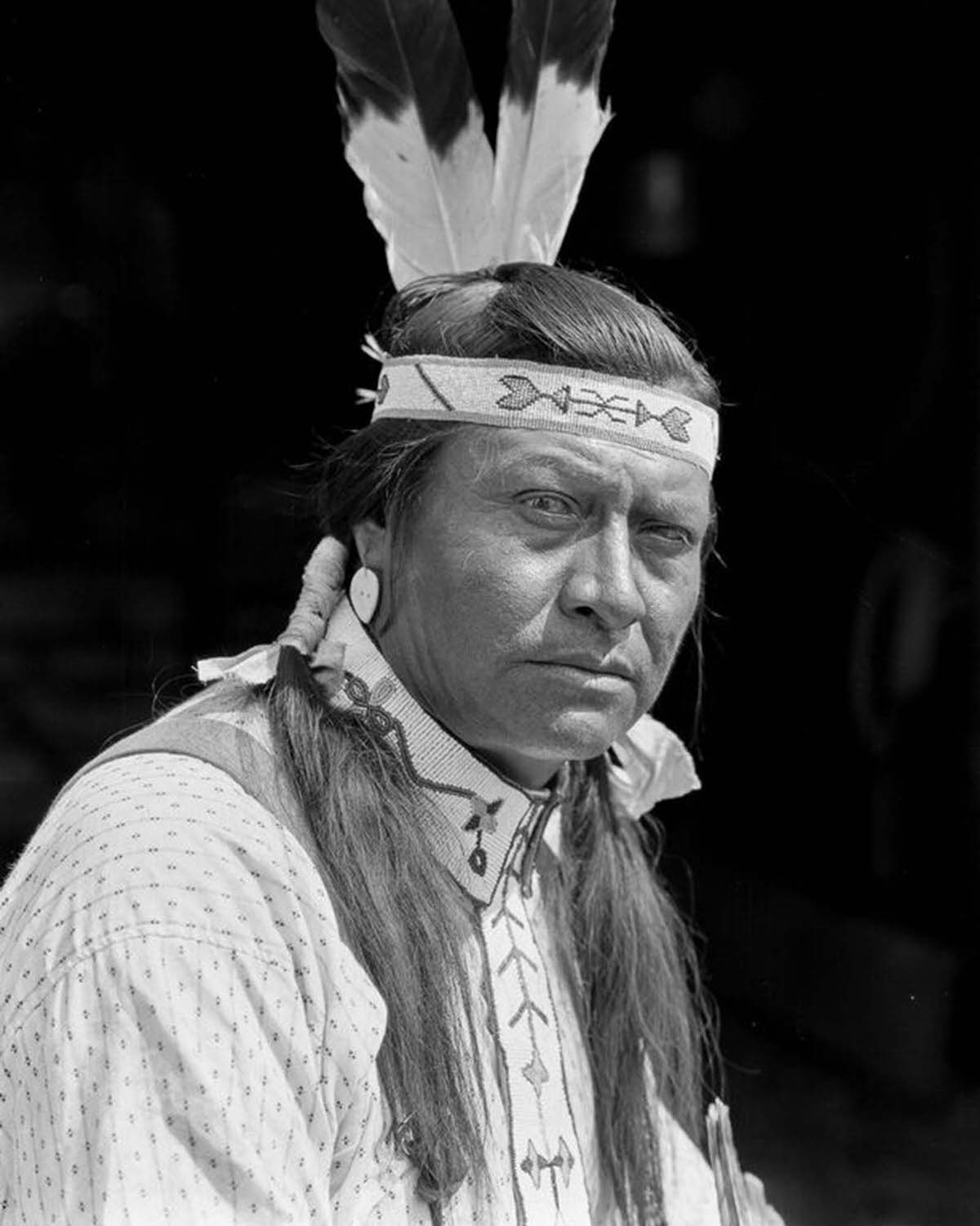
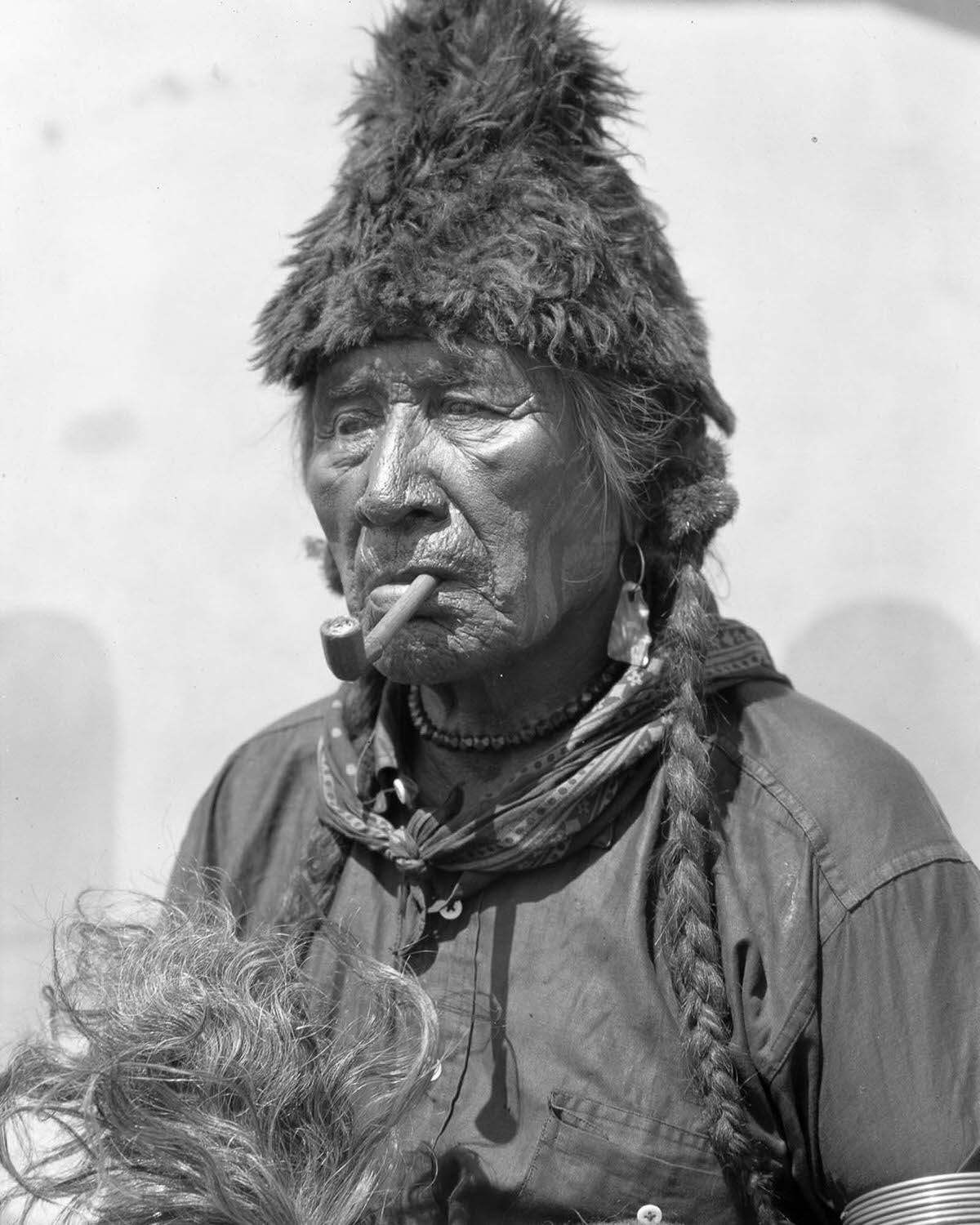
Pollard’s portraits show individuals in traditional dress — feathered headdresses, decorated robes, and carefully crafted garments that carried deep cultural meaning. Each photograph puts a face to a name and a nation, turning what might have been anonymous records into something personal and specific.
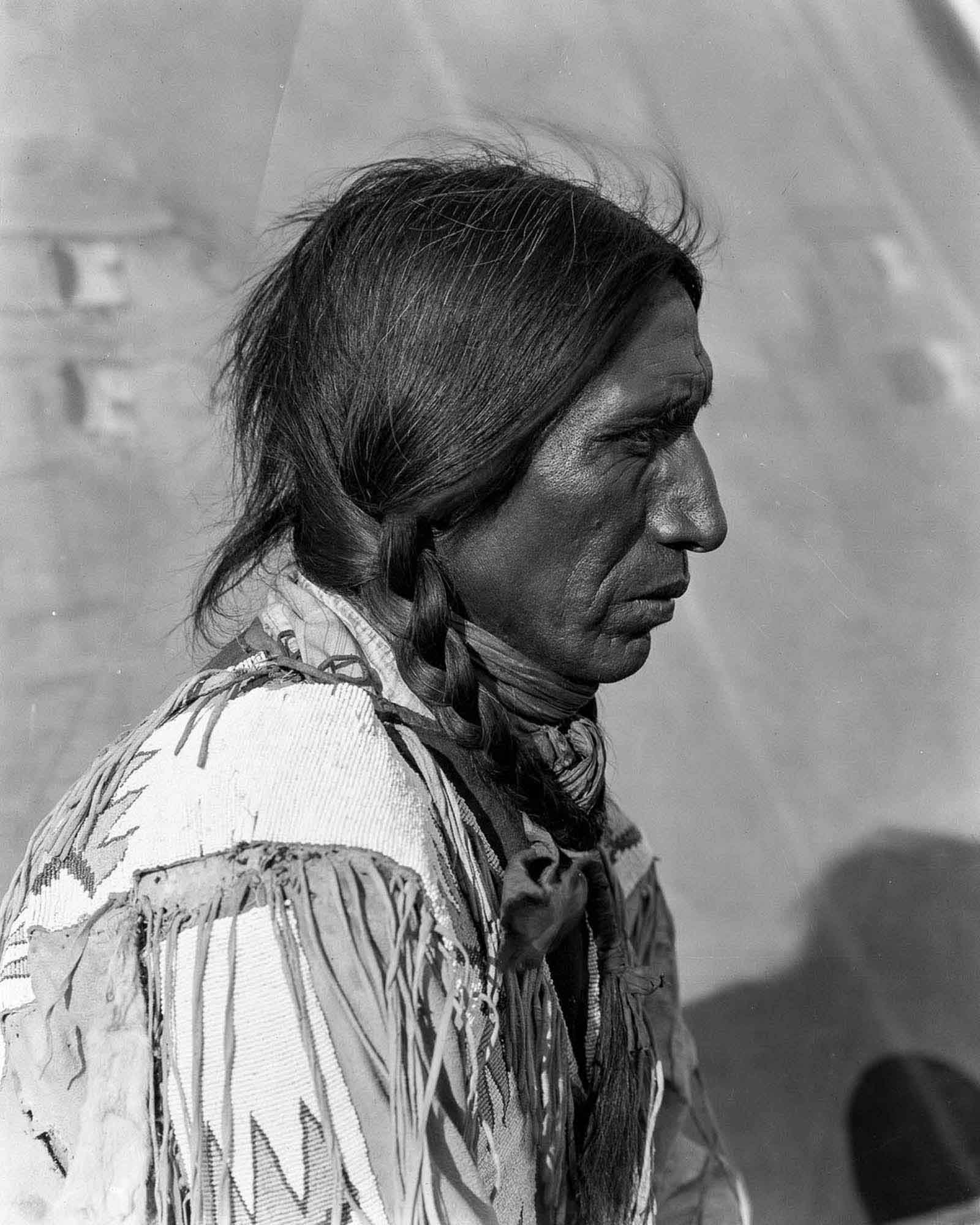
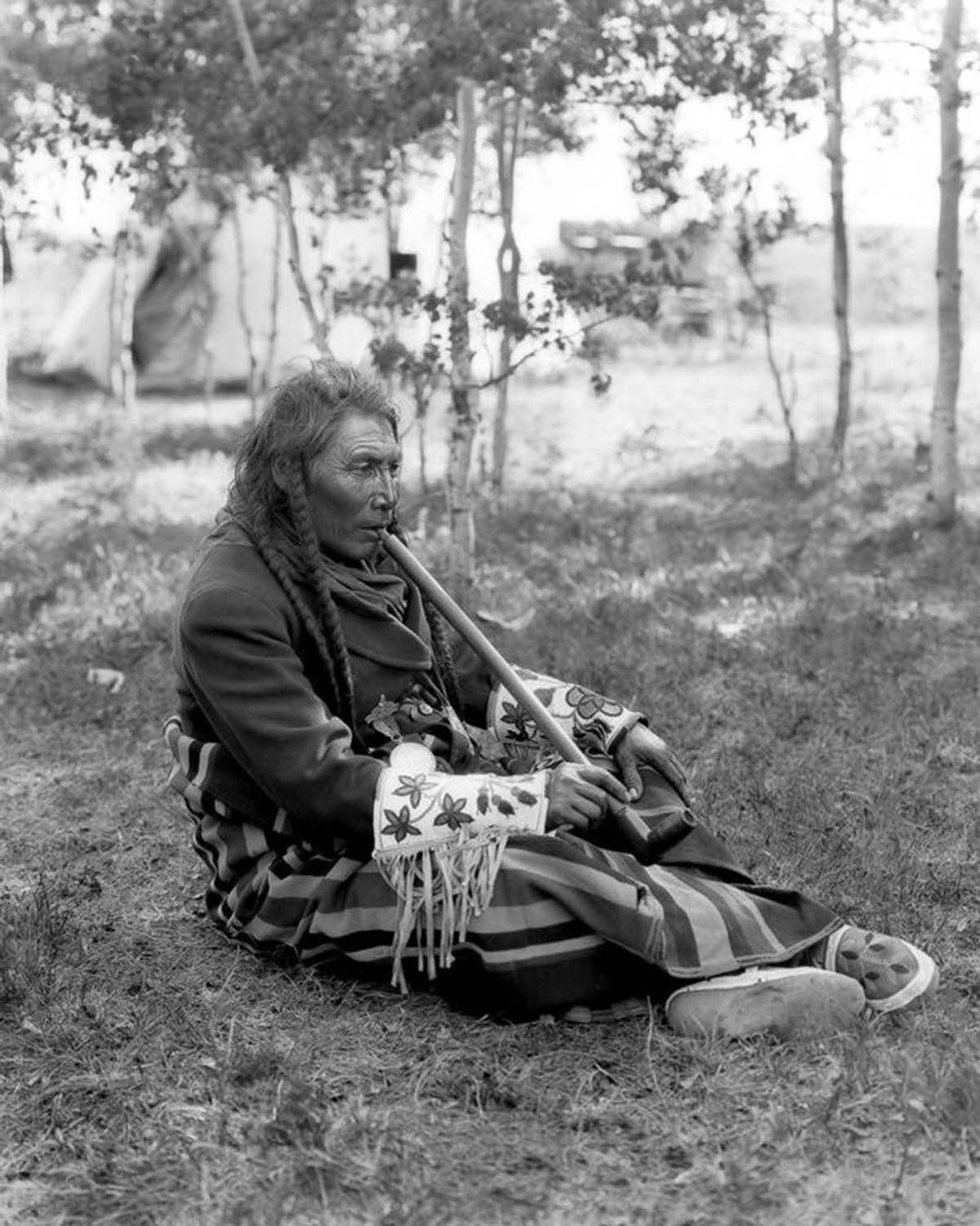
The Tsuu T’ina Nation is one of the most prominently featured groups in Pollard’s collection. By the mid-20th century, the Tsuu T’ina population had dropped to around 200 people — a sharp decline caused by disease, displacement, and the upheaval that followed European settlement. In the decades since, the nation has rebuilt, with the population rising to approximately 2,000.
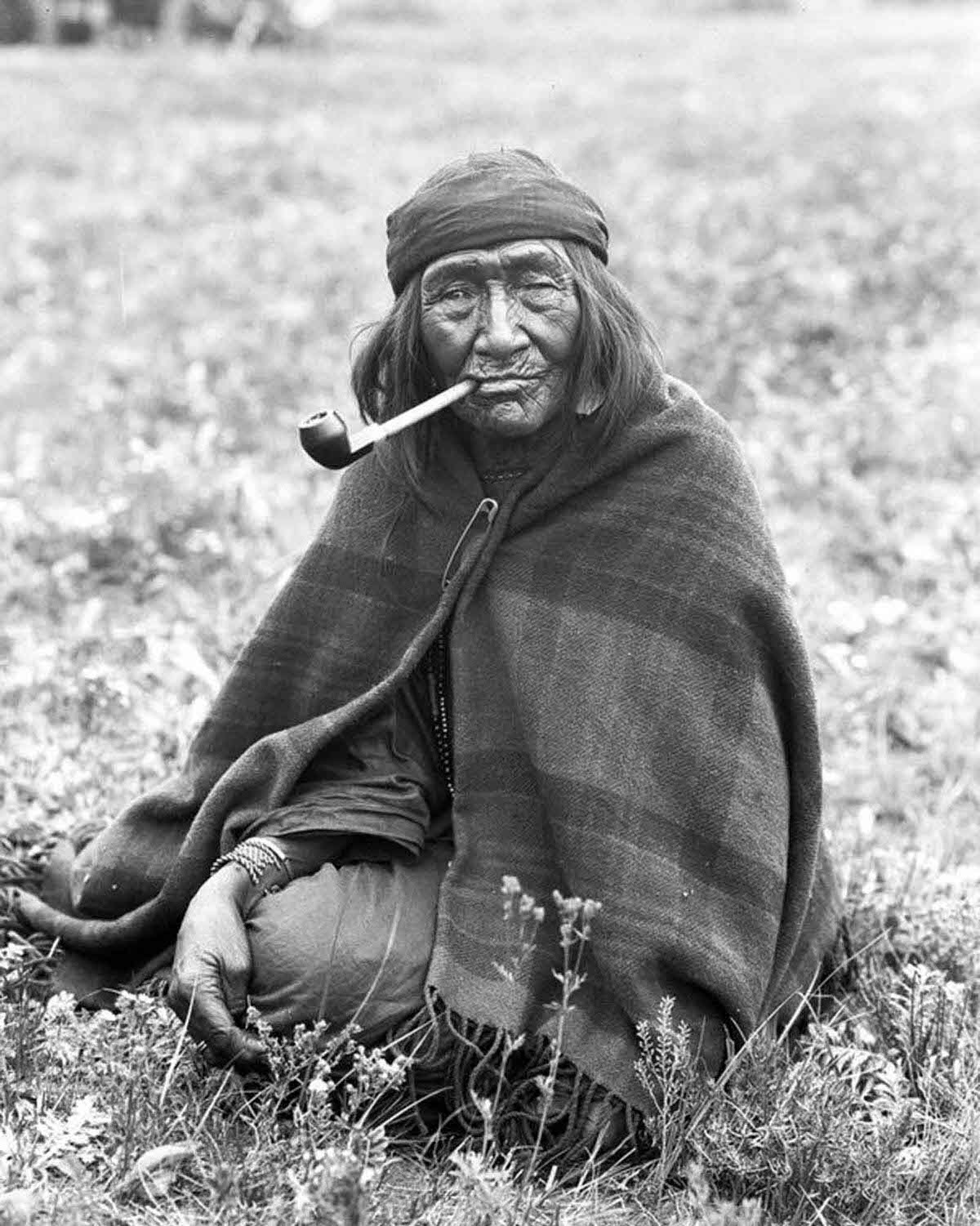
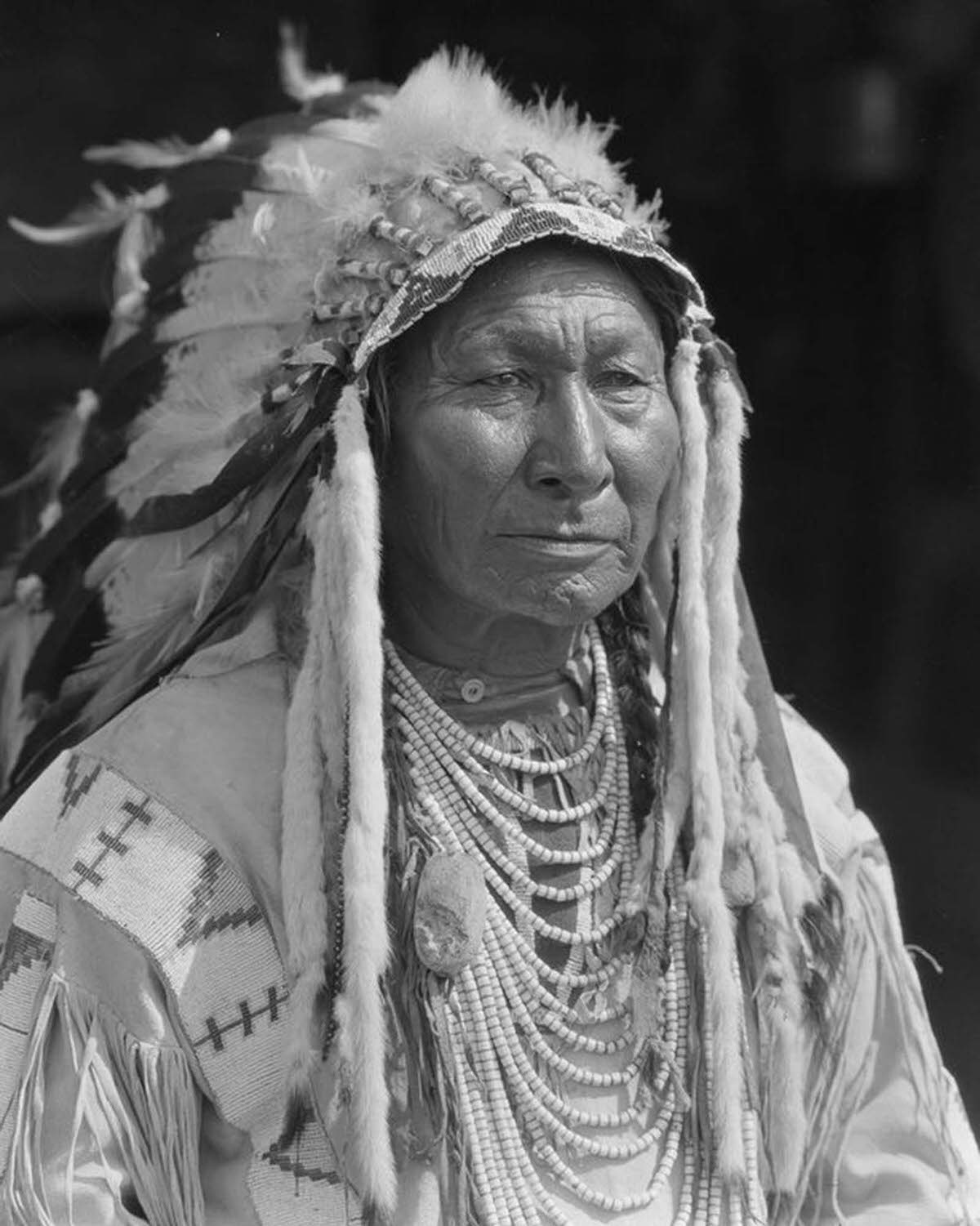
The Kainai Nation, also known as the Blood Tribe, were among the most powerful groups on the plains. Their warriors and leaders were well known across the region. Pollard photographed several Kainai individuals, preserving their likenesses at a time when their way of life was under enormous pressure from outside forces.
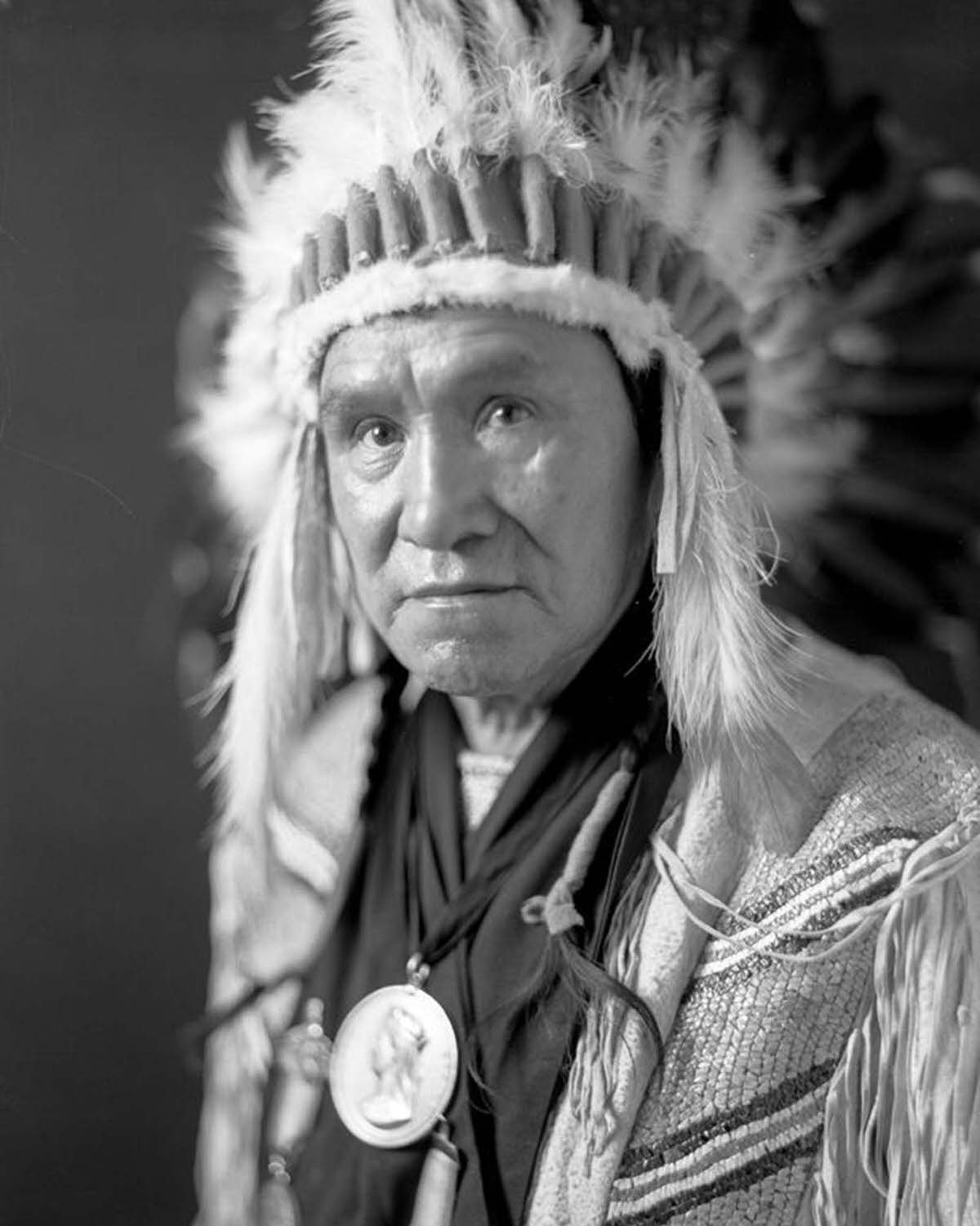
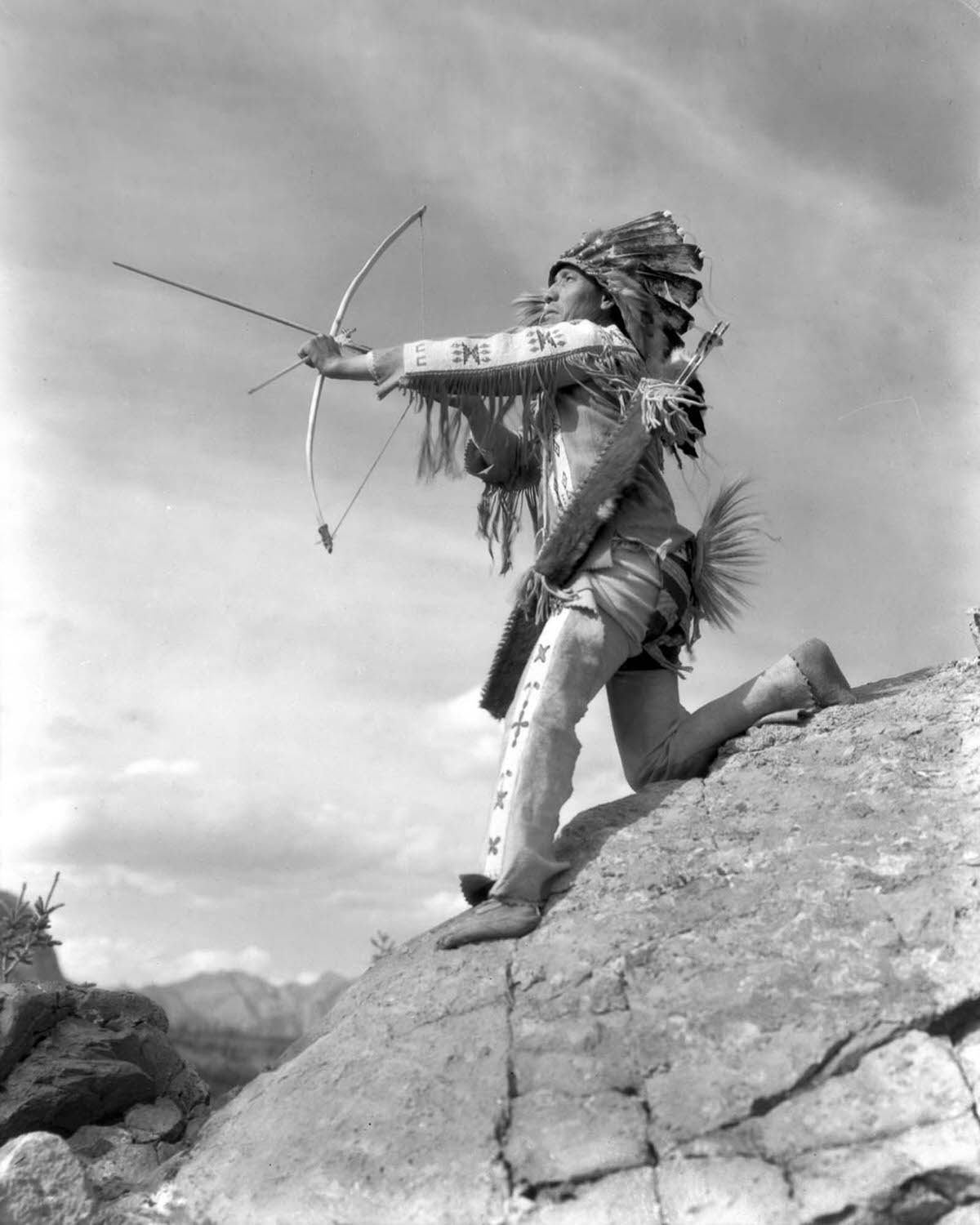
The Siksika, commonly referred to as the Blackfoot, occupied much of the southern Alberta plains. Their name, which translates roughly to “black-footed people,” is said to refer to the color of their moccasins, darkened by the ash of prairie fires. Pollard captured both individual Siksika members and group gatherings, offering a rare window into the nation’s social structure.
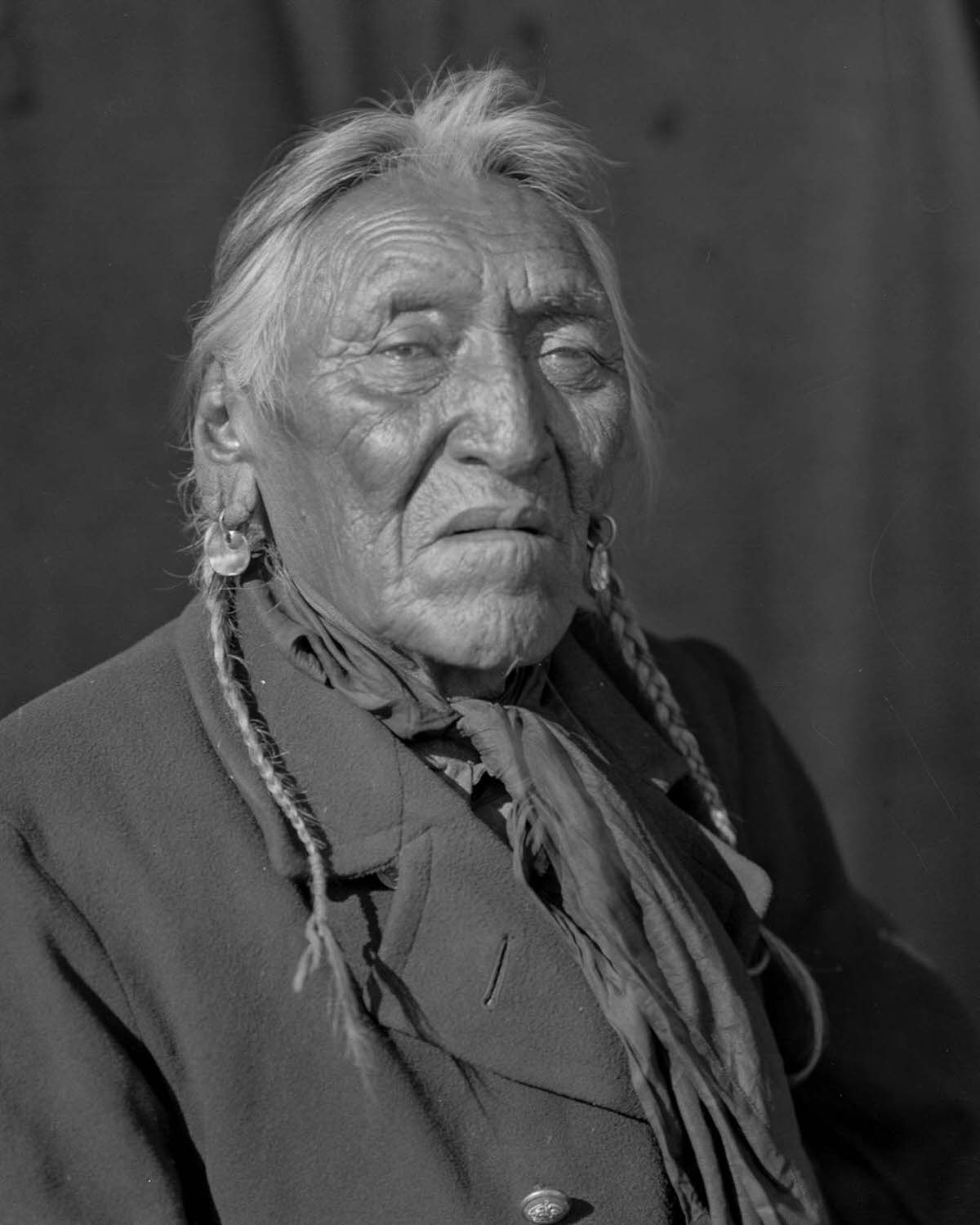
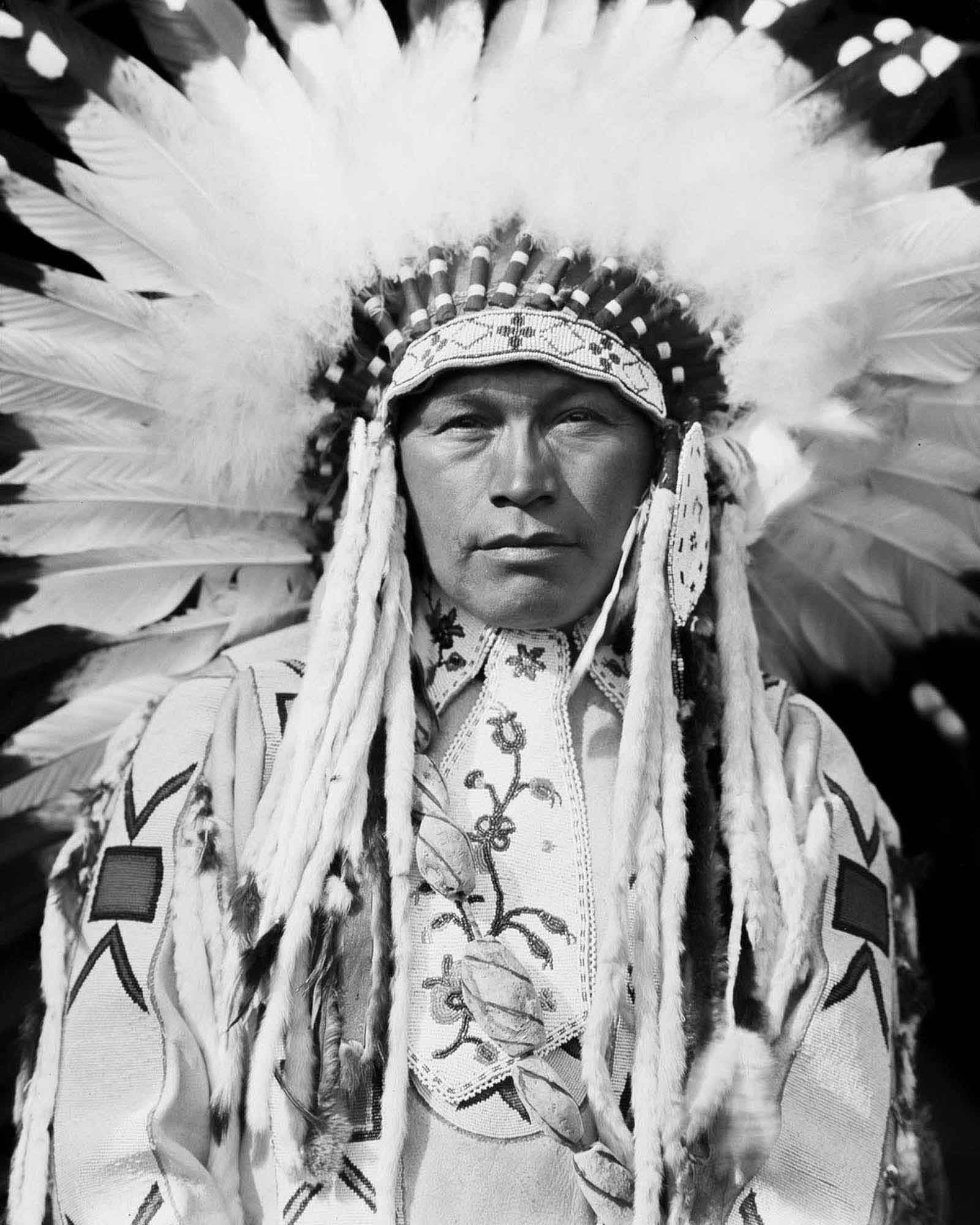
The Nakoda Nation also features heavily in Pollard’s work. Known historically as the Stoney Nakoda, they lived in the foothills and mountain regions of Alberta. Several Nakoda individuals appear in his photographs — each portrait a record of a real person who lived through a period of dramatic, often painful change.
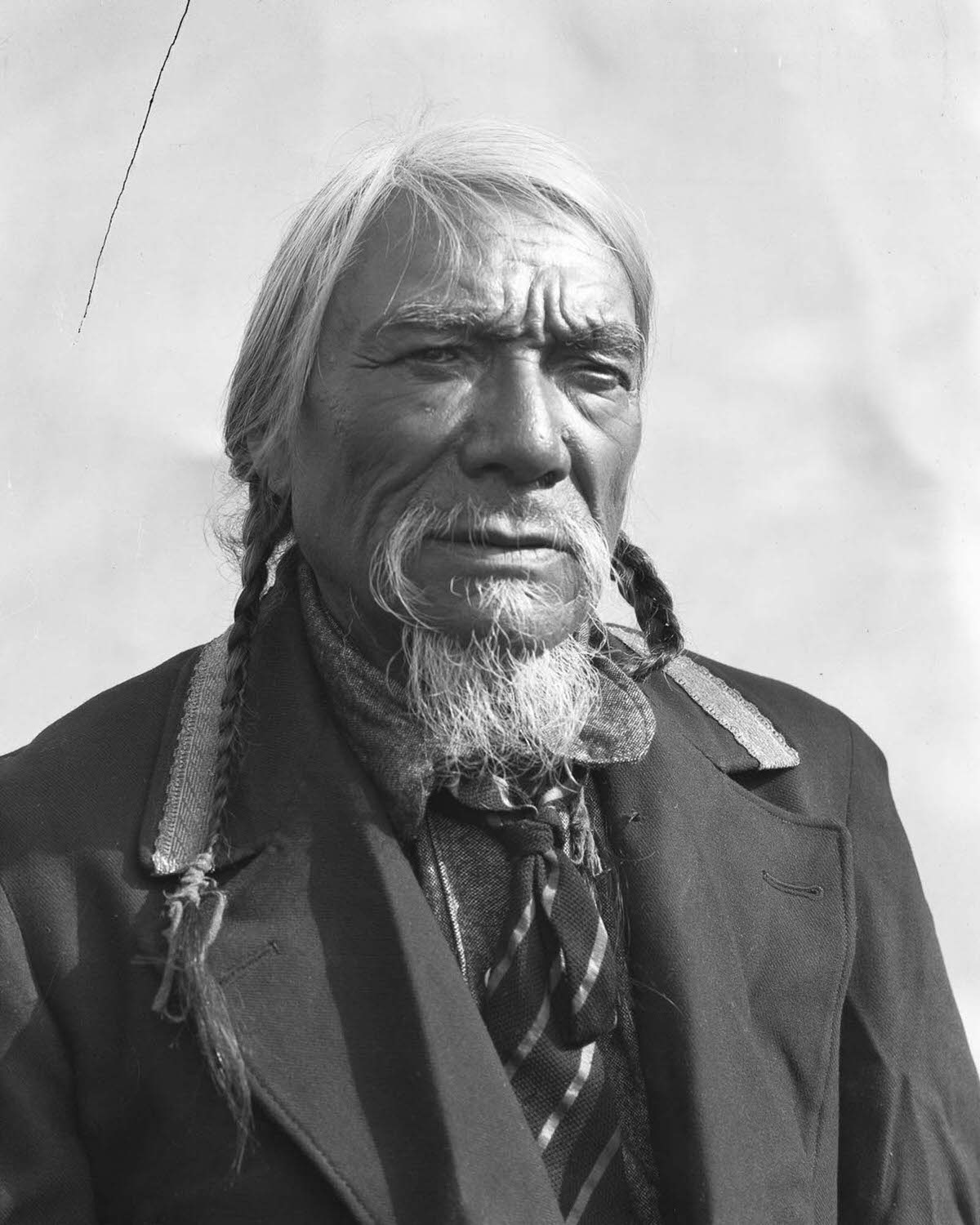
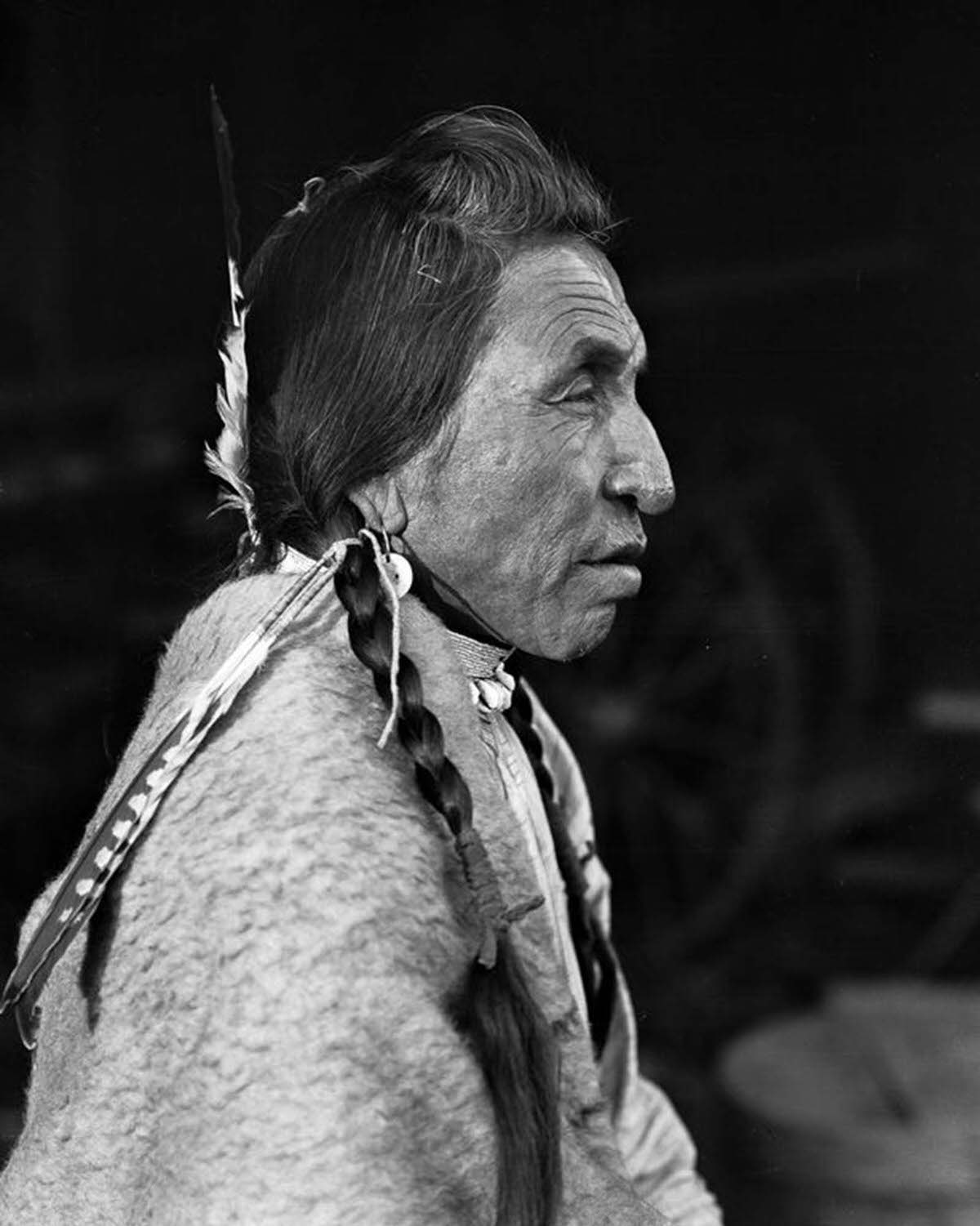
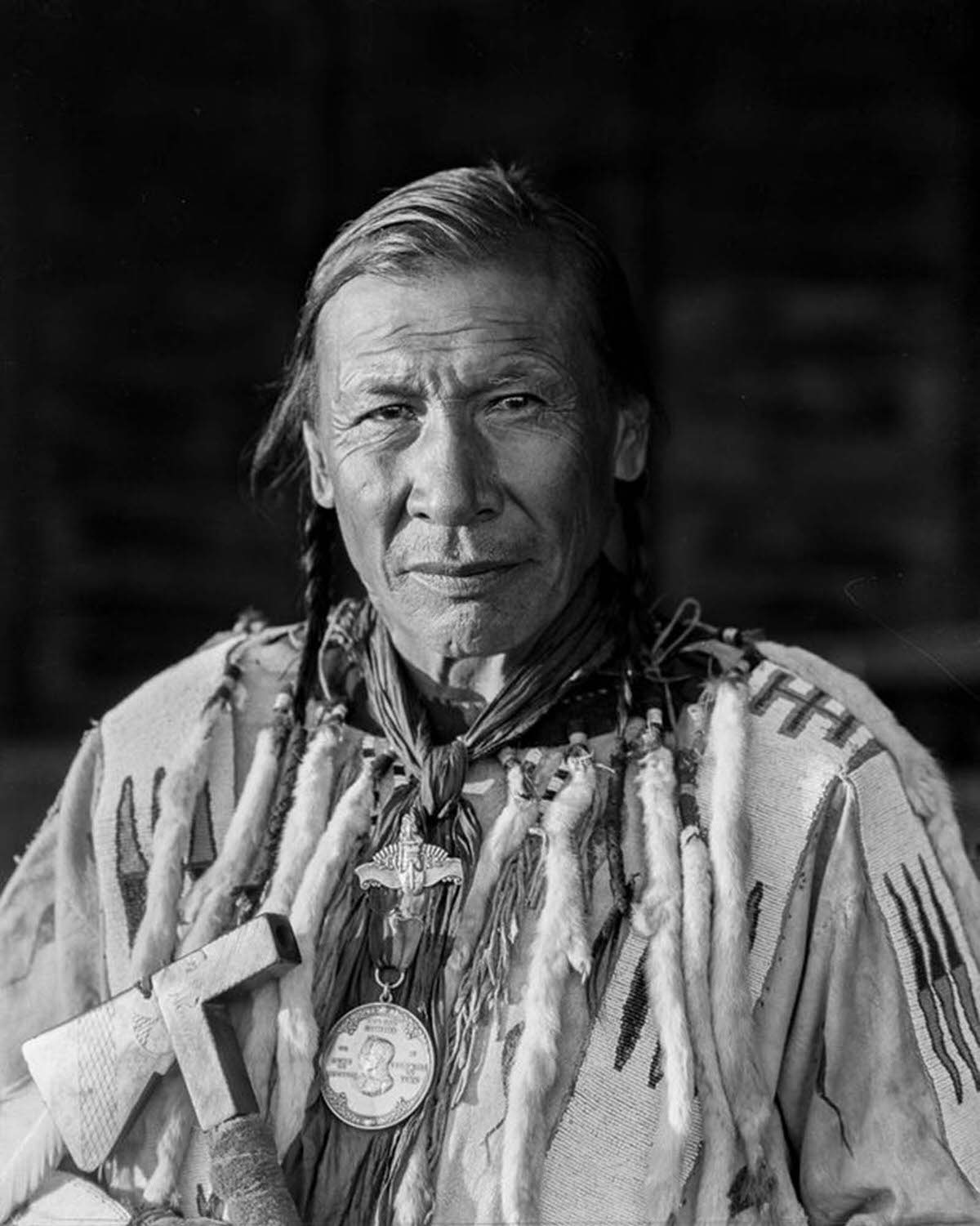
Chiefs and leaders appear throughout the collection. These were men who carried the responsibility of guiding their communities through treaty negotiations, reserve life, and the rapid loss of hunting grounds. Their portraits were taken with a formality that reflected their standing within their nations.
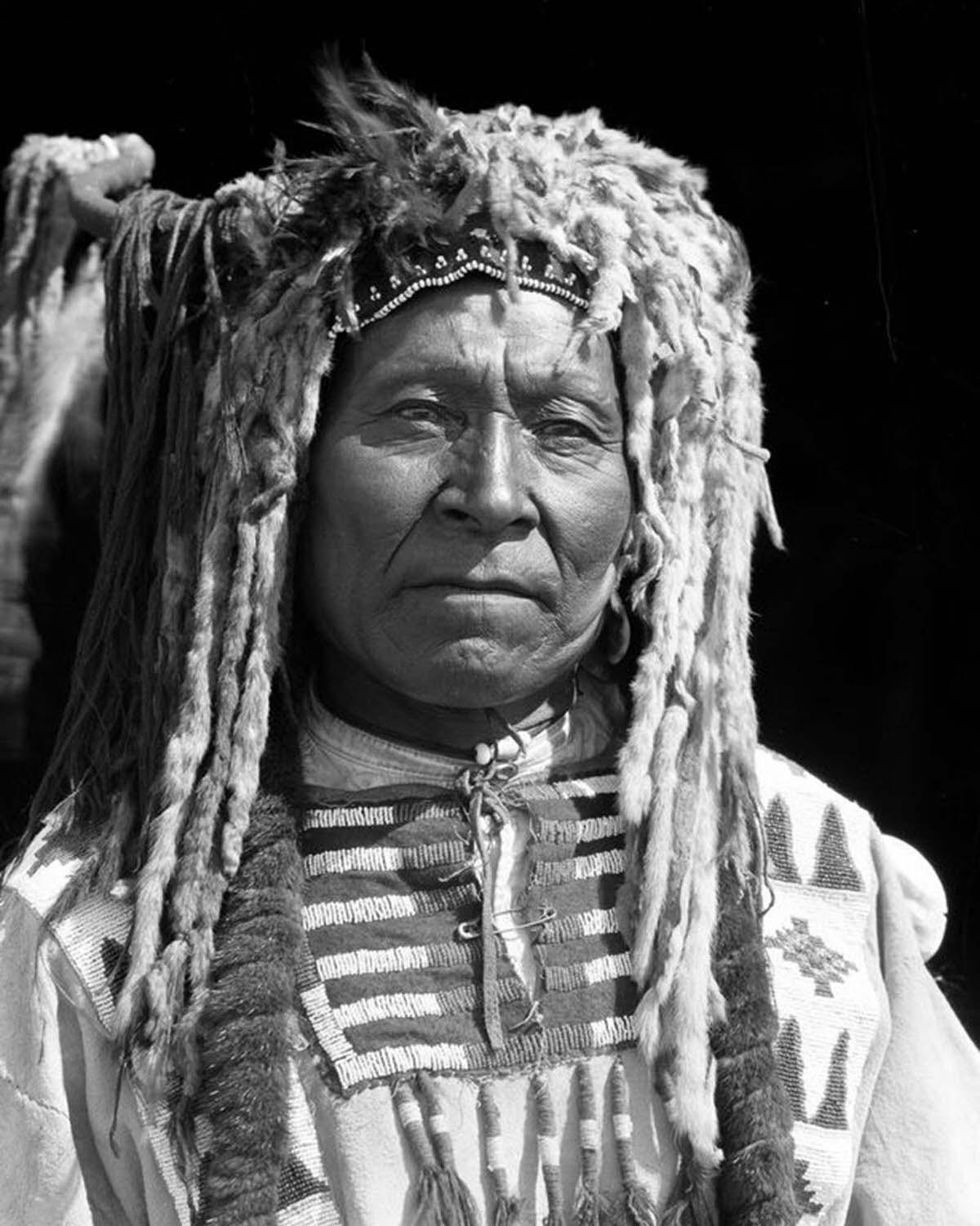
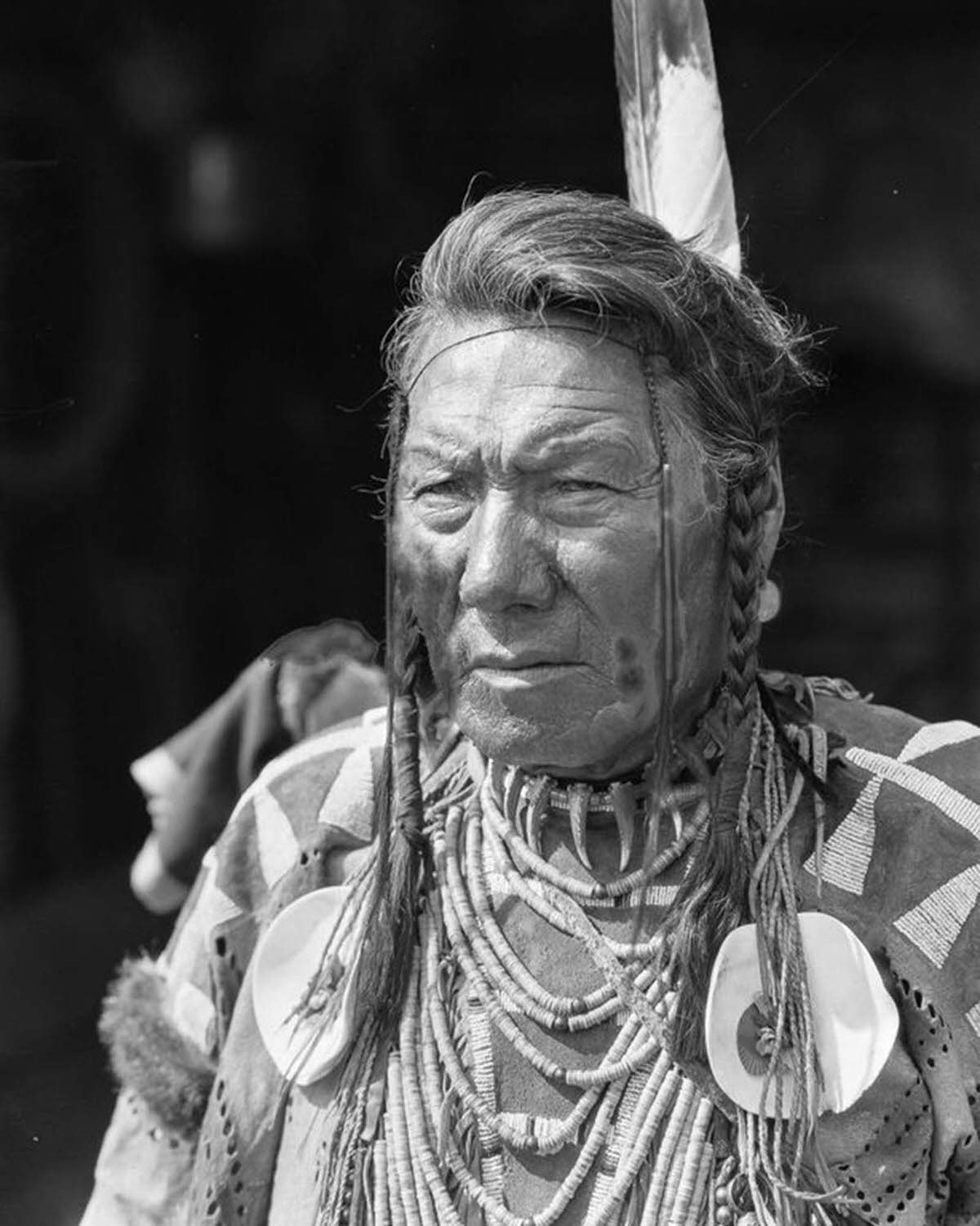
The Piikani, or Peigan, were the southernmost of the three Blackfoot Confederacy nations. Wide Face Chief, photographed here, was among the leaders of the Piikani during one of the most difficult periods in the nation’s modern history — a time when the bison herds that had sustained plains life for generations had nearly vanished.
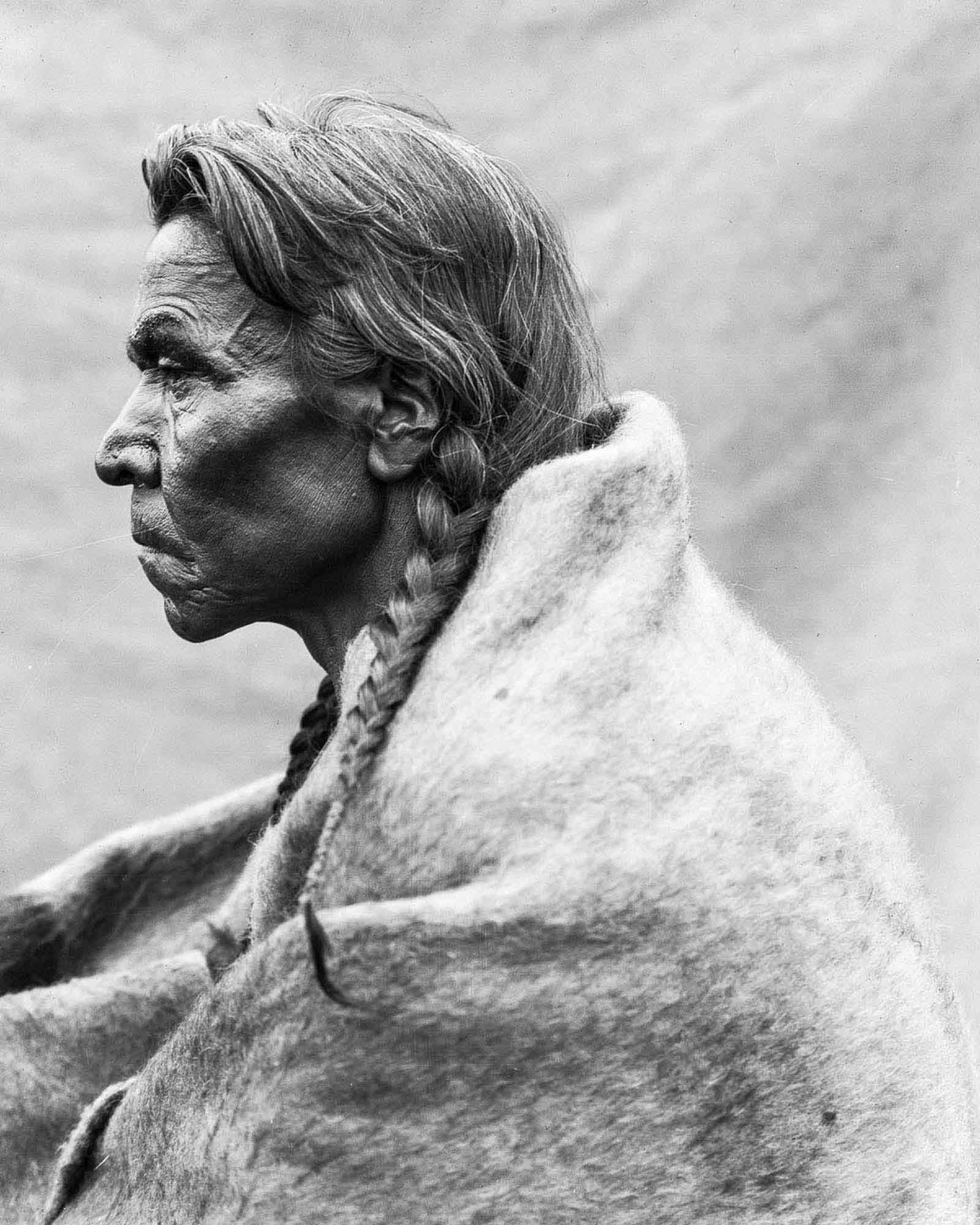
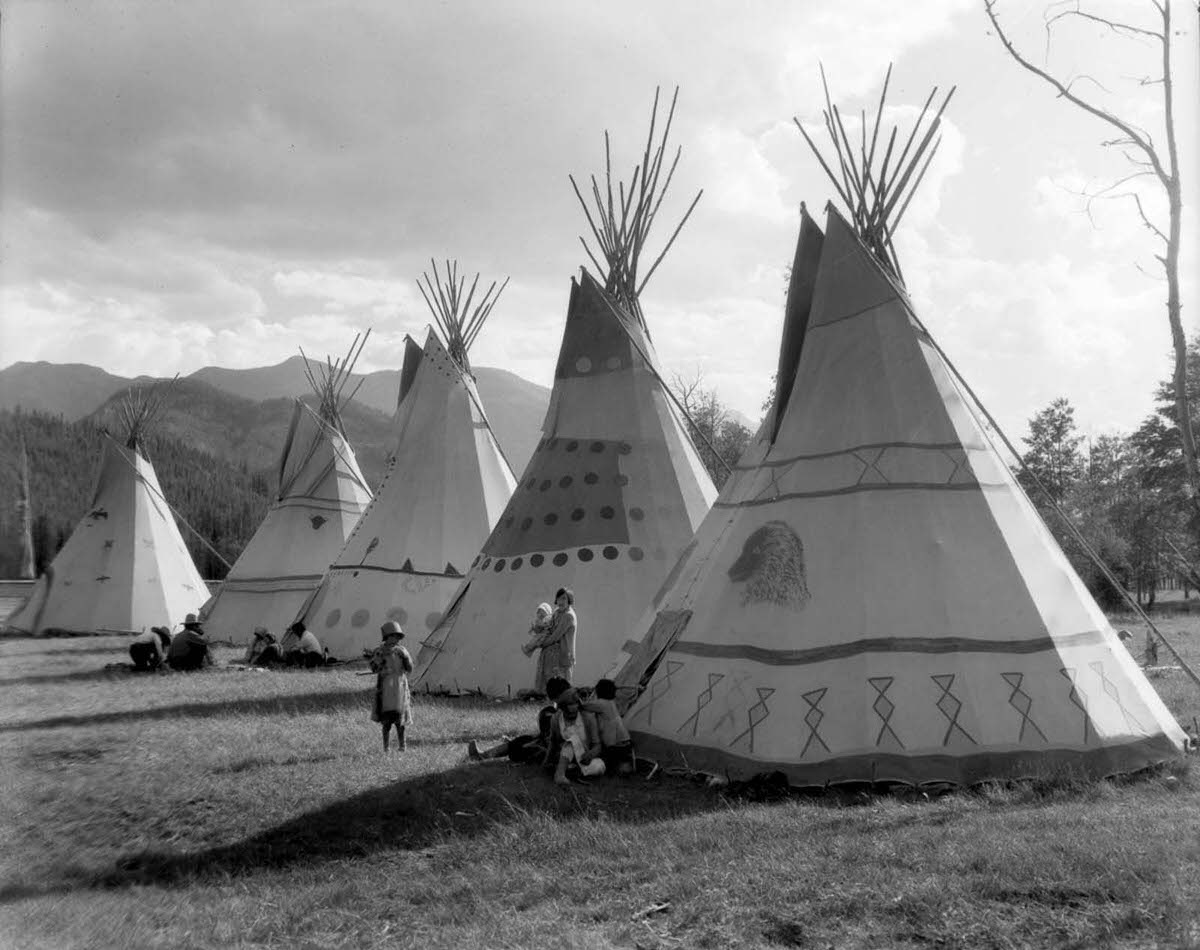
Beyond portraits, Pollard also documented daily life. A photograph of an Assiniboine camp shows the physical setting of life on the plains — tipis arranged across open land, reflecting a way of living that was organized, mobile, and deeply tied to the seasonal movements of game. The Assiniboine, closely related to the Nakoda, ranged across a wide stretch of the northern plains.
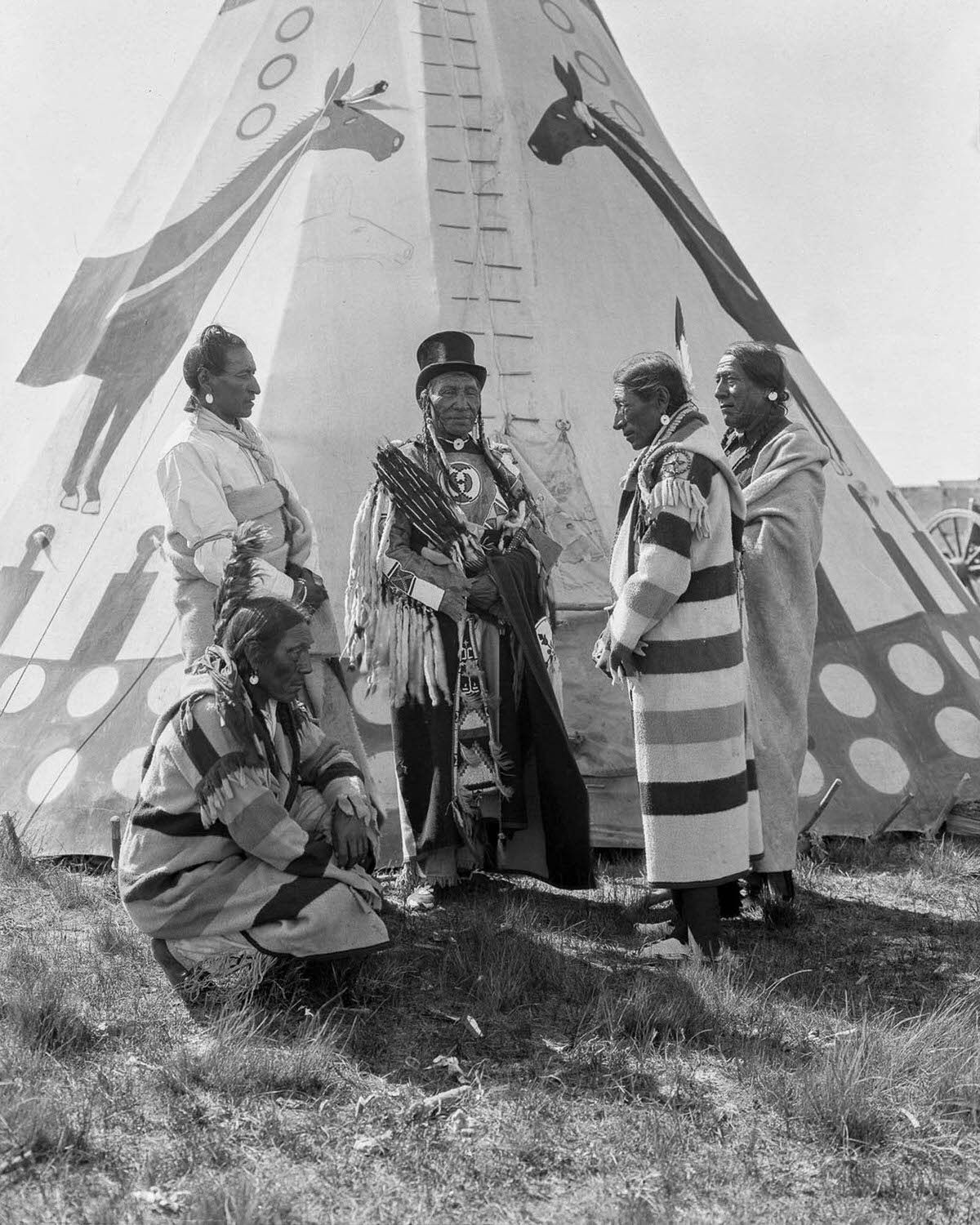
This image of the Siksika Council is particularly significant. It shows the formal governance structure of the nation — men gathered to make decisions about their community, their land, and their future. Council meetings like this one were how nations managed internal affairs and dealt with the growing demands of the Canadian government during the reserve era.
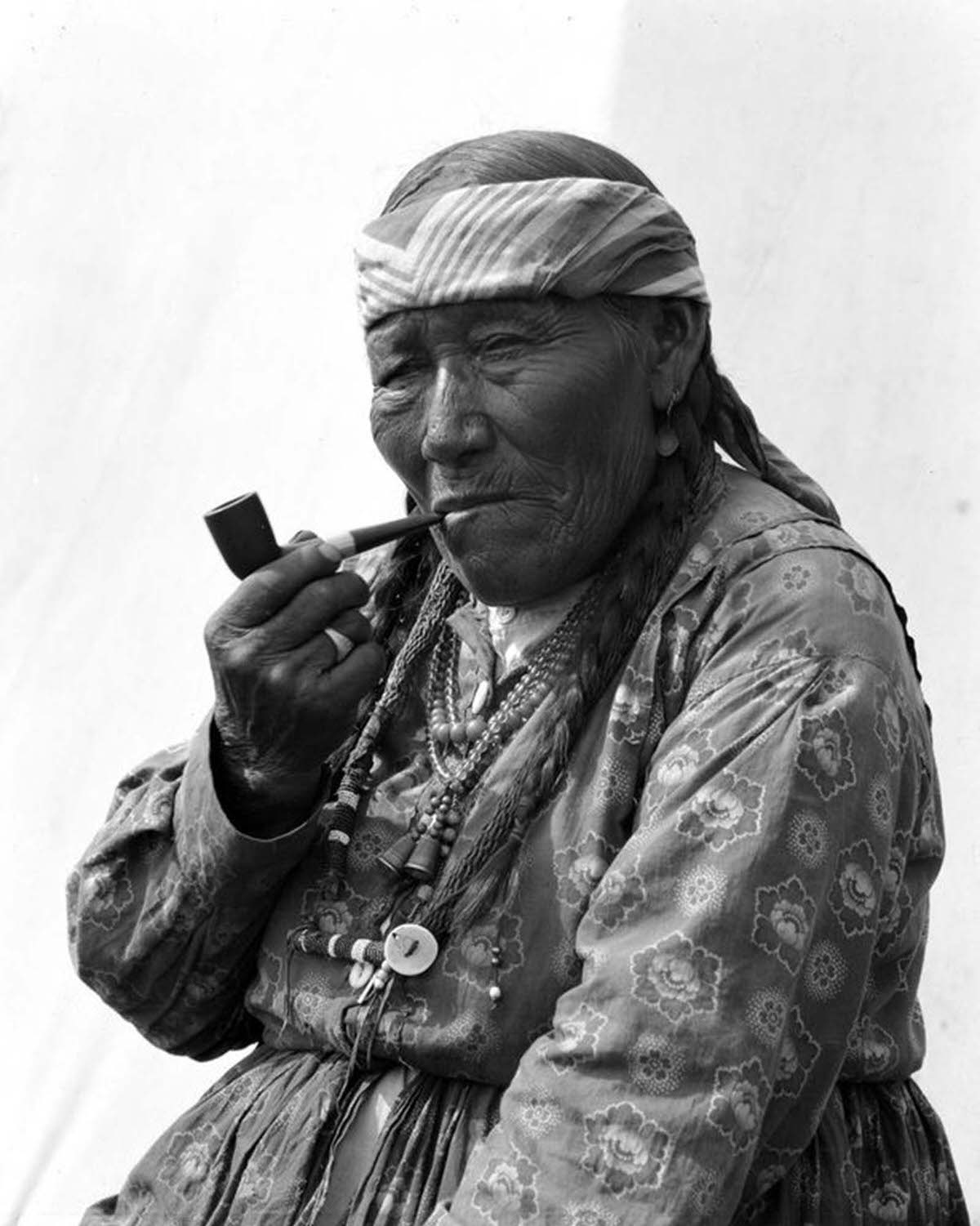
Women appear in Pollard’s collection as well, though less frequently than men. Their presence in the photographs is a reminder that the full fabric of First Nations life — family, food preparation, ceremony, and community — was sustained equally by women. Betty Hunter of the Nakoda Nation is one of several women whose image Pollard preserved.
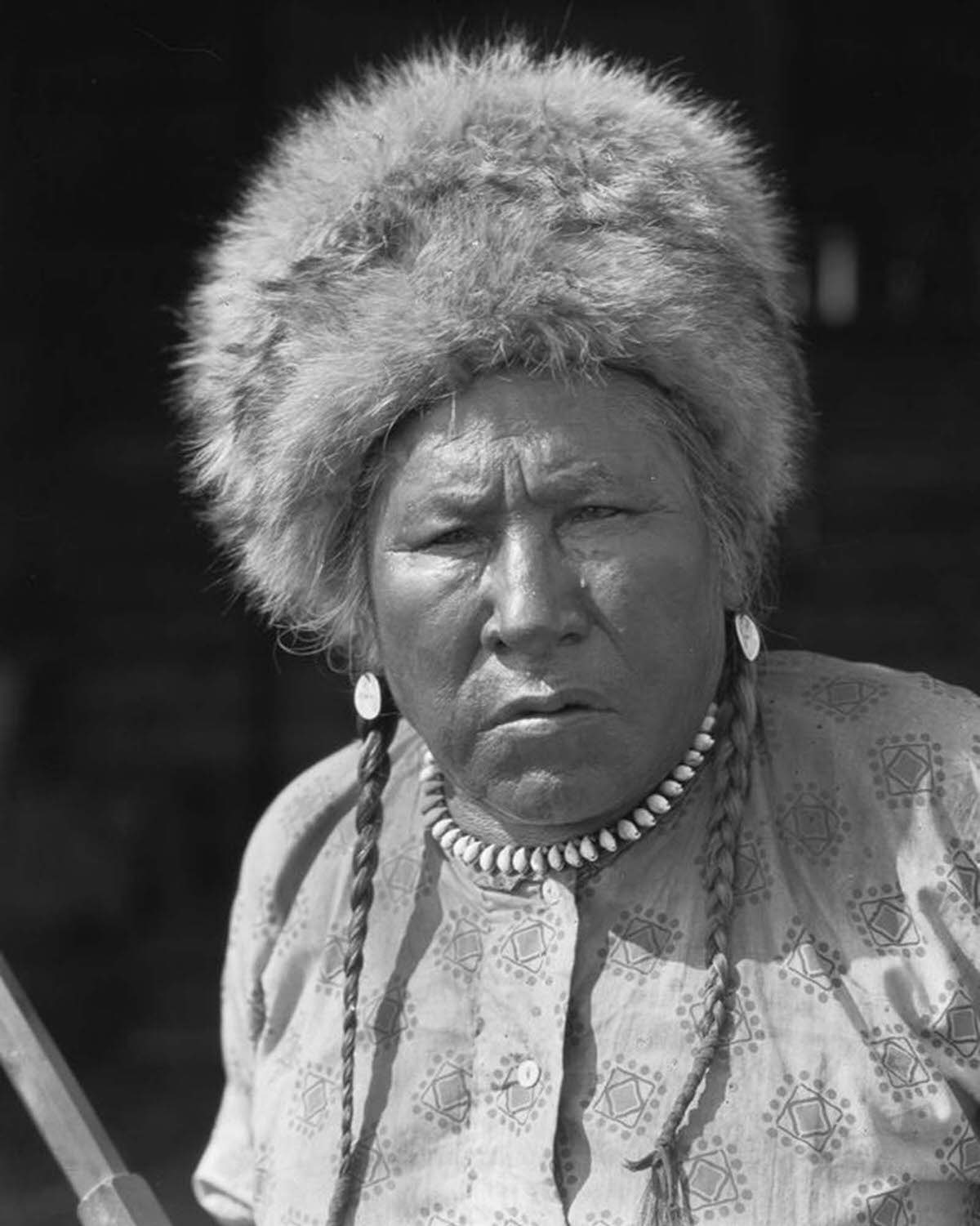
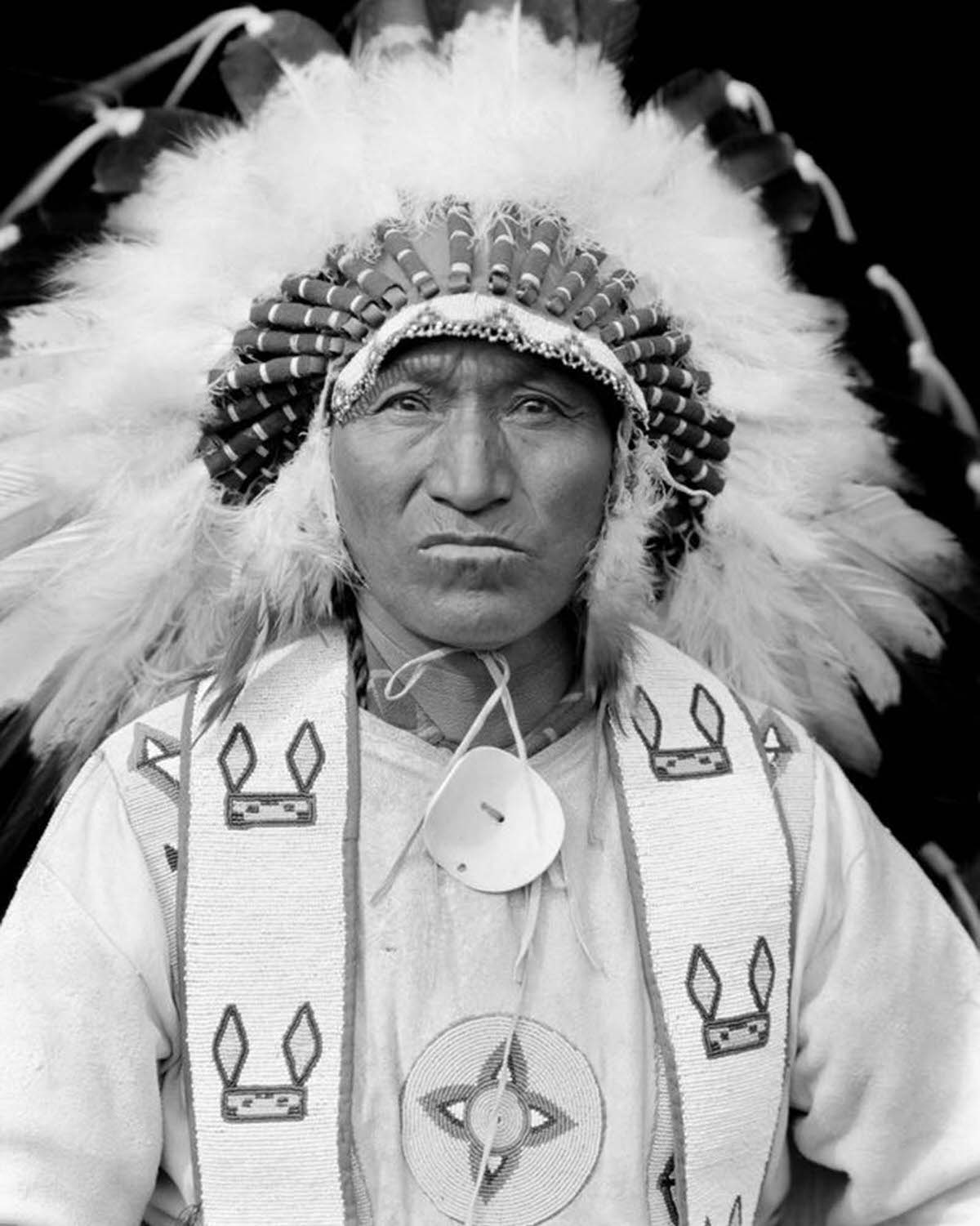
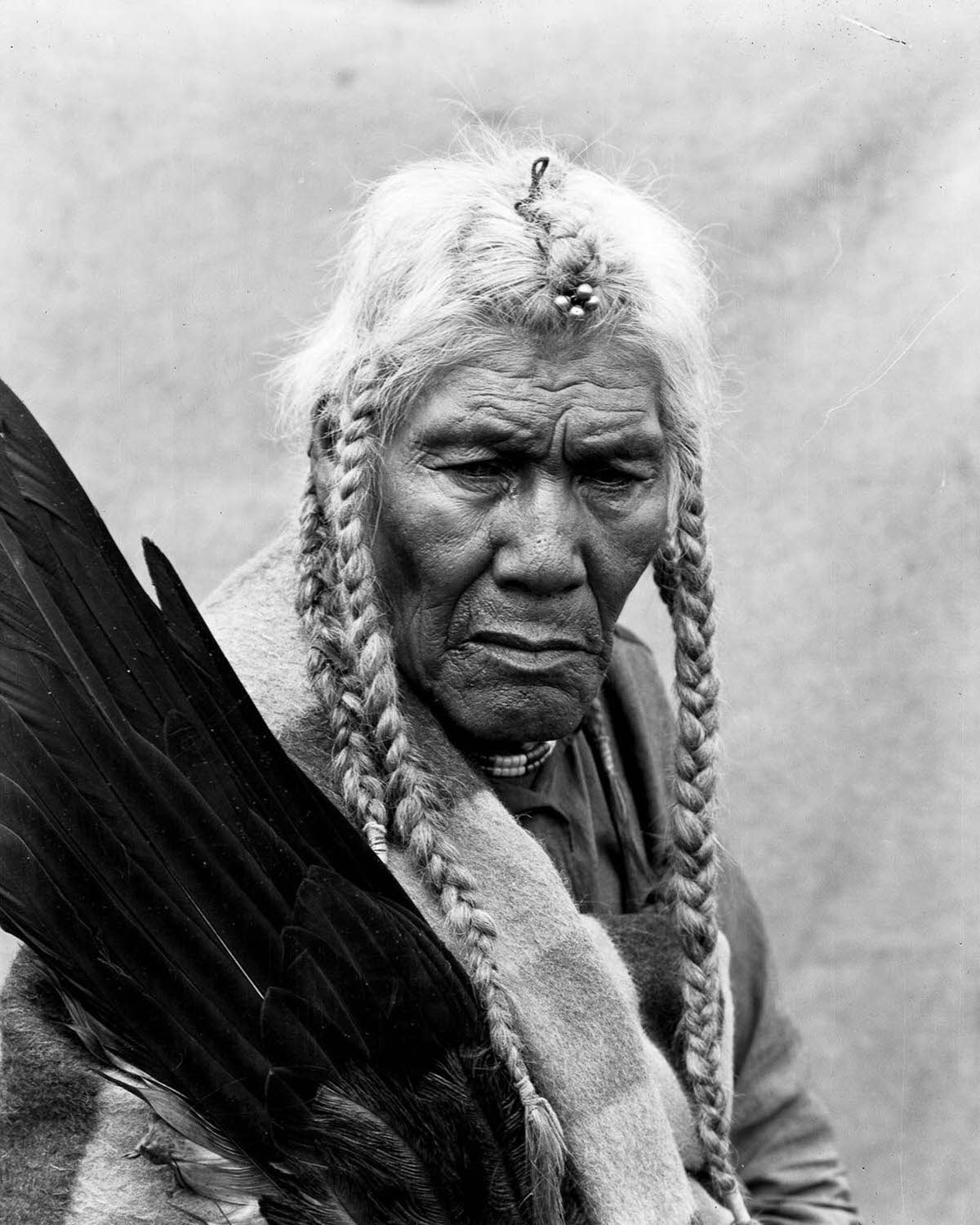
Running Antelope was a Tsuu T’ina shaman — a spiritual leader within the community. Shamans held significant roles in First Nations societies, serving as healers, ceremonial guides, and keepers of spiritual knowledge. Photographs of shamans from this period are rare, making this image an especially valuable historical document.
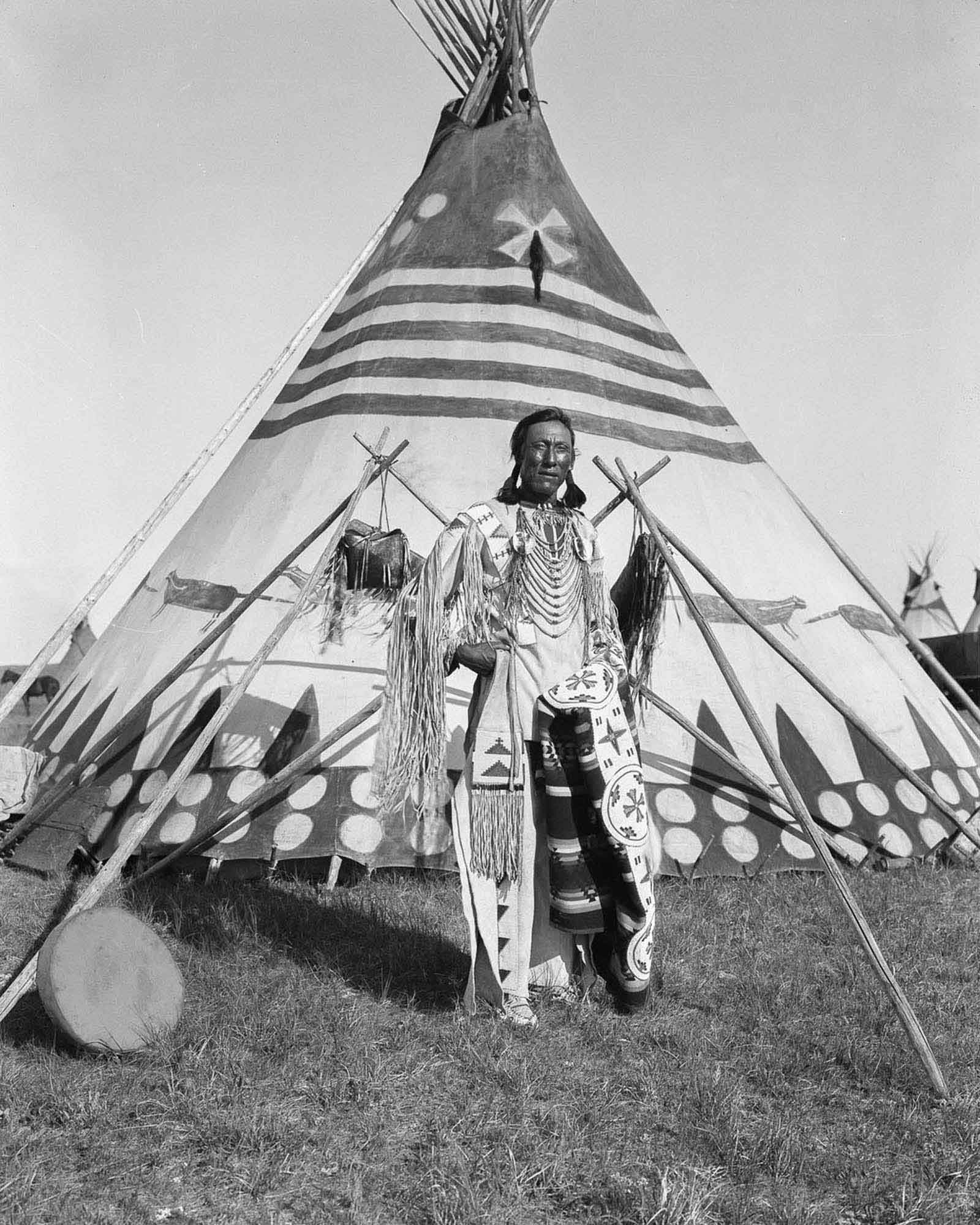
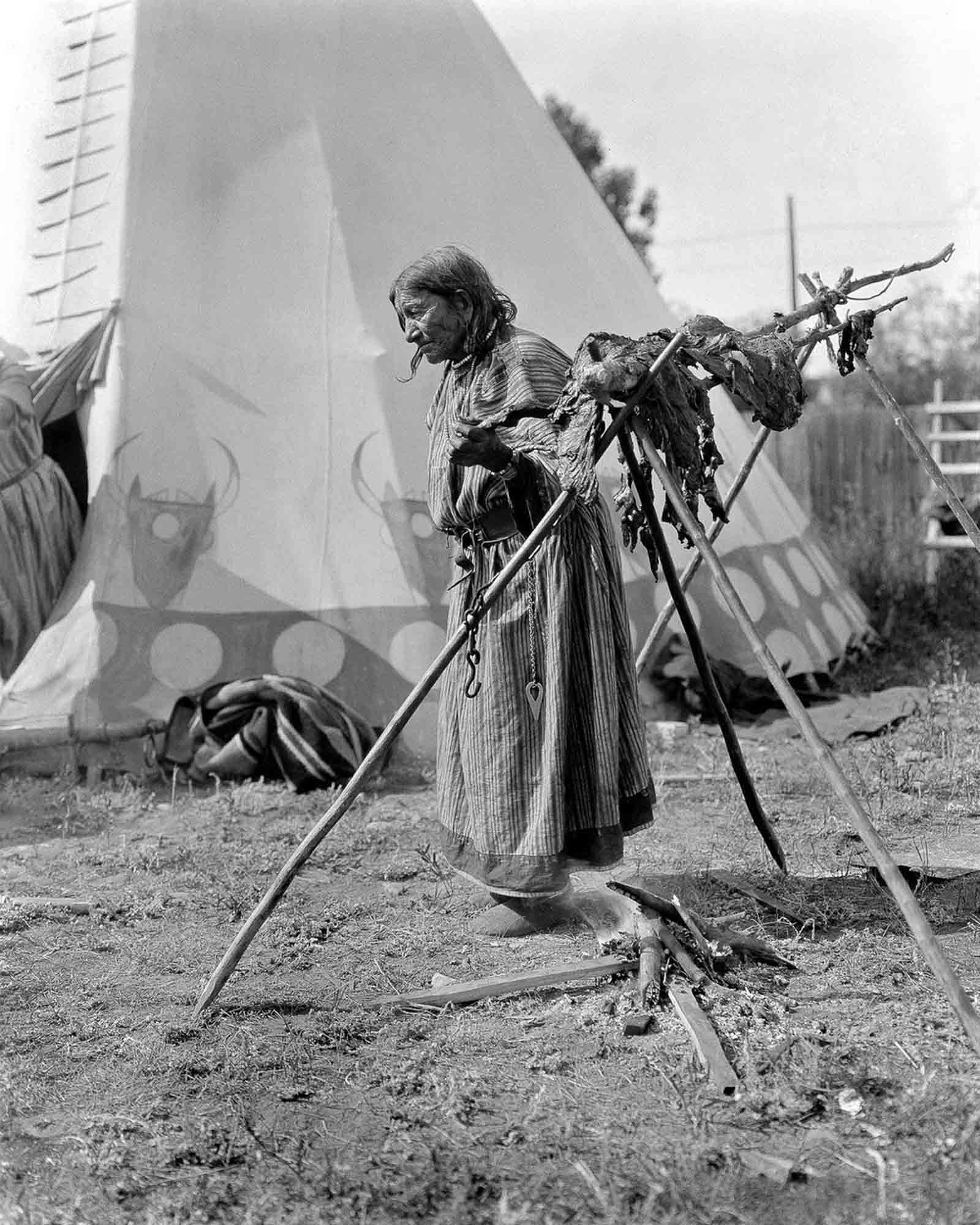
Food preservation and preparation were central skills in plains life. Smoking meat was one of the primary methods used to store bison and other game for the long winter months. The practice required knowledge, patience, and the right conditions — skills passed down through generations.
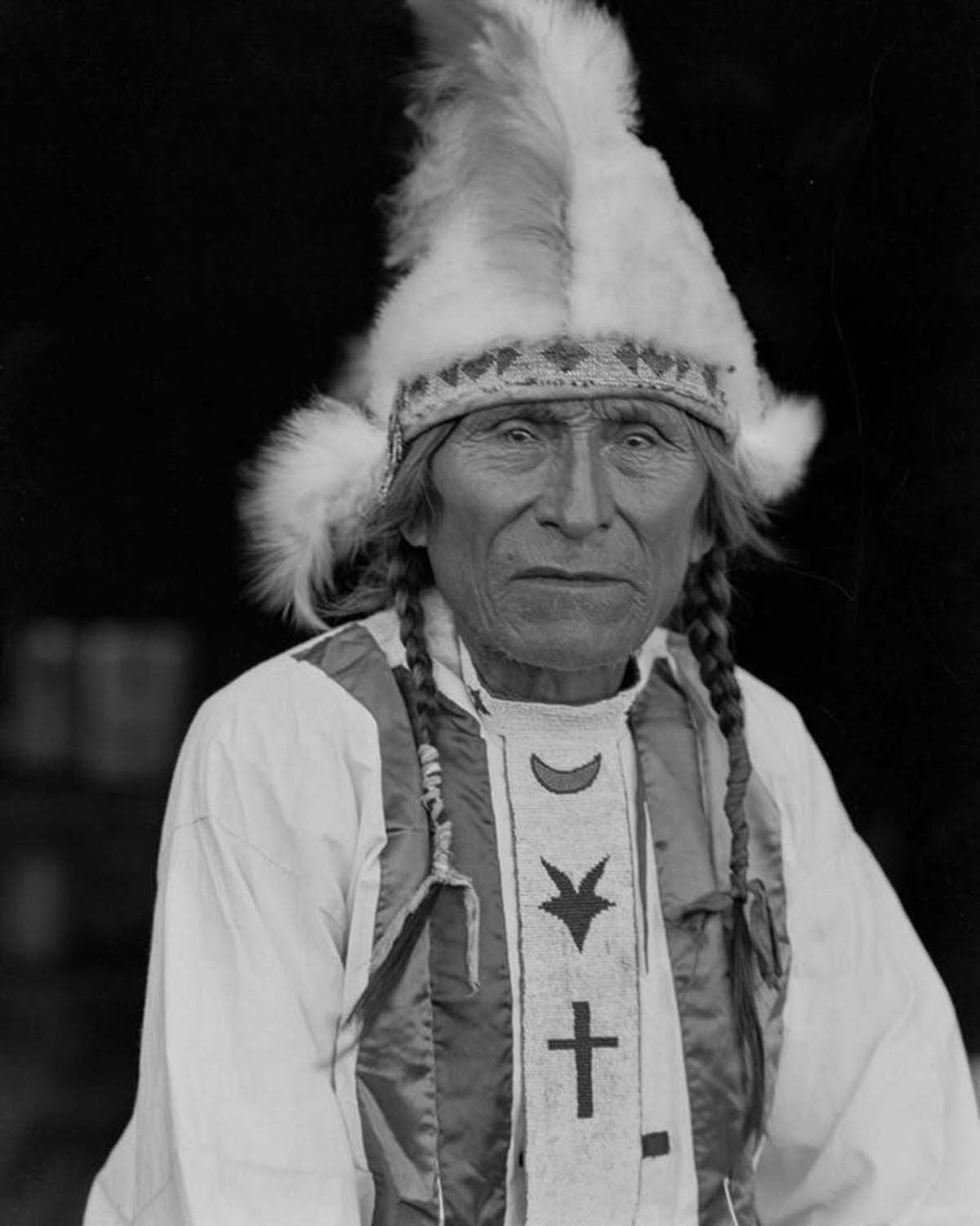
Chief White Head of the Nakoda Nation was among the senior leaders photographed by Pollard. His image, like those of other chiefs in the collection, reflects the dignity and gravity that came with leadership during a period when First Nations peoples were navigating the collapse of their traditional economy and the imposition of reserve boundaries.
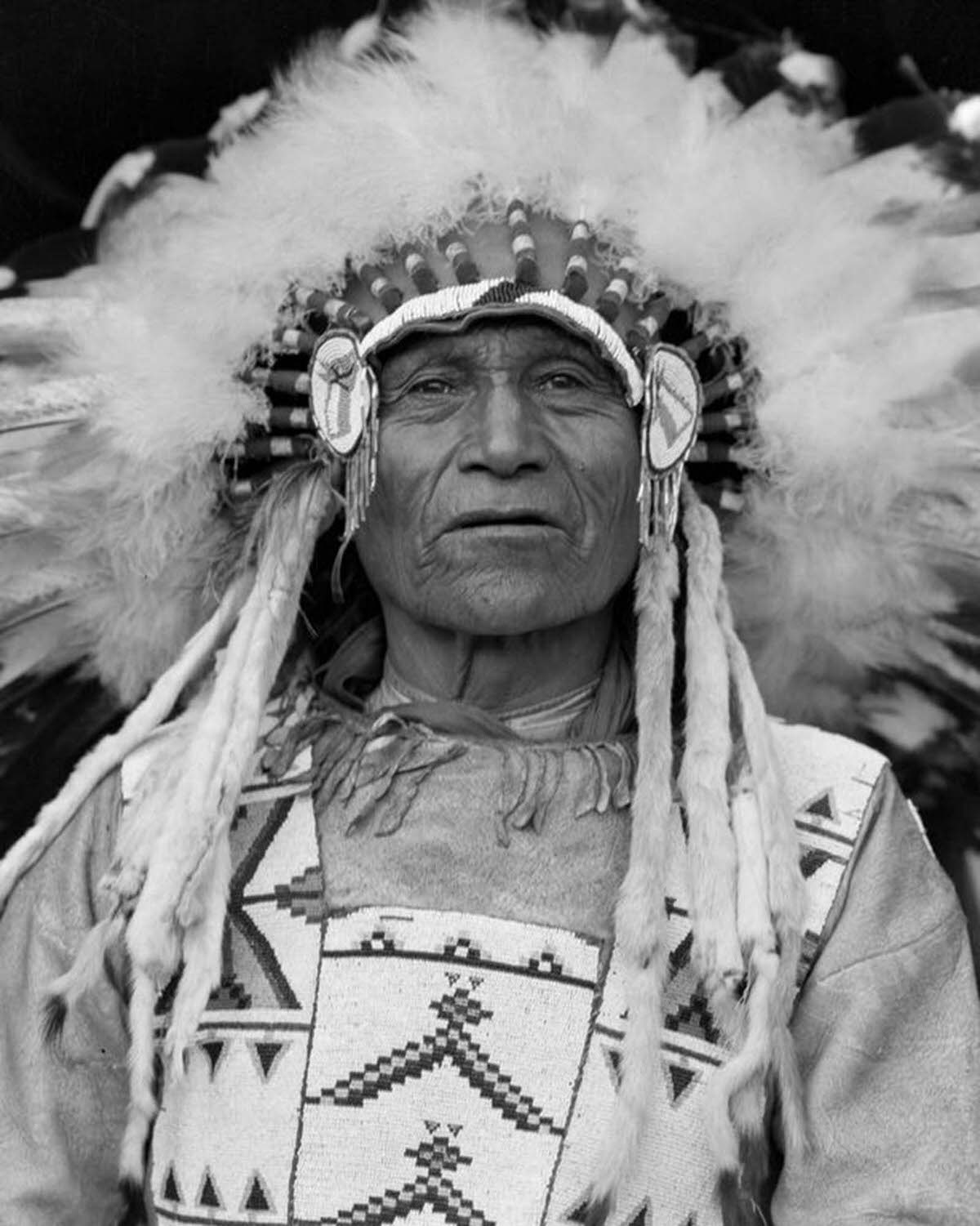
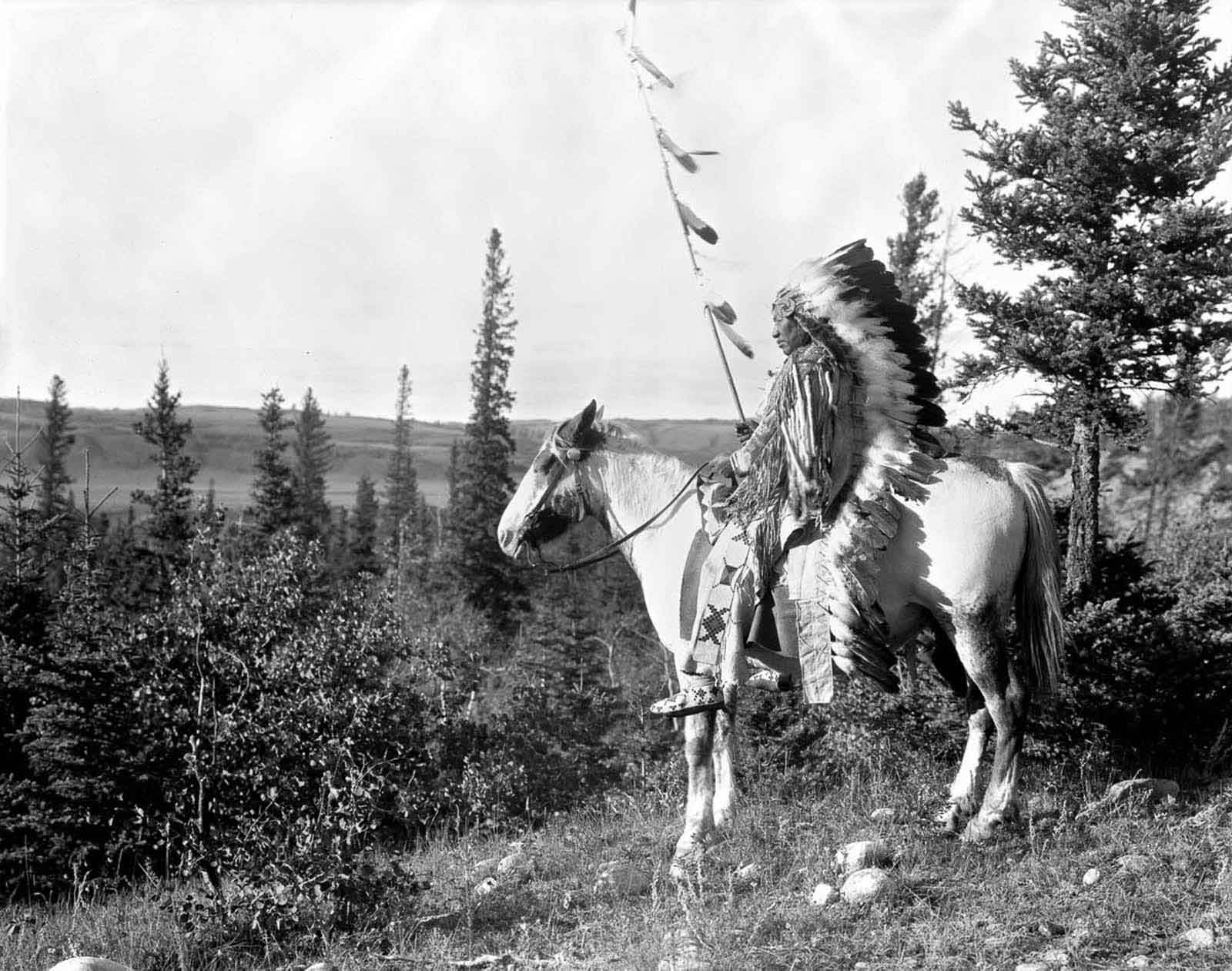
Harry Pollard’s photographs now stand as a primary visual archive of First Nations life in early 20th-century Alberta. The people in these images — chiefs, shamans, hunters, mothers, elders — lived through one of the most turbulent chapters in the history of Western Canada. Their names, their faces, and their nations are recorded here exactly as Pollard found them.





Interesting, photo enhancement has come a long way in the last 111 years.
These are the faces of people who have lived complex lives. It’s amazing how different people just over 100 years ago looked from people today. I am incredibly grateful to be alive today.
Each of these photos is so striking. Peter Wesley certainly stands out with those facial hairs.