In the 1870s, the Indian subcontinent was a vast patchwork of kingdoms, empires, and colonial territories stretching across a landmass roughly the size of Europe. The region was home to the remnants of great Rajput kingdoms, the fading grandeur of the Mughal Empire, Sikh courts in the north, and Deccan sultanates in the south — all existing under the growing grip of British colonial rule. Photographers who traveled through the subcontinent during this decade captured something extraordinary: a world in transition, where ancient stone fortresses stood beside colonial municipal buildings, and sacred festivals carried on as they had for centuries.
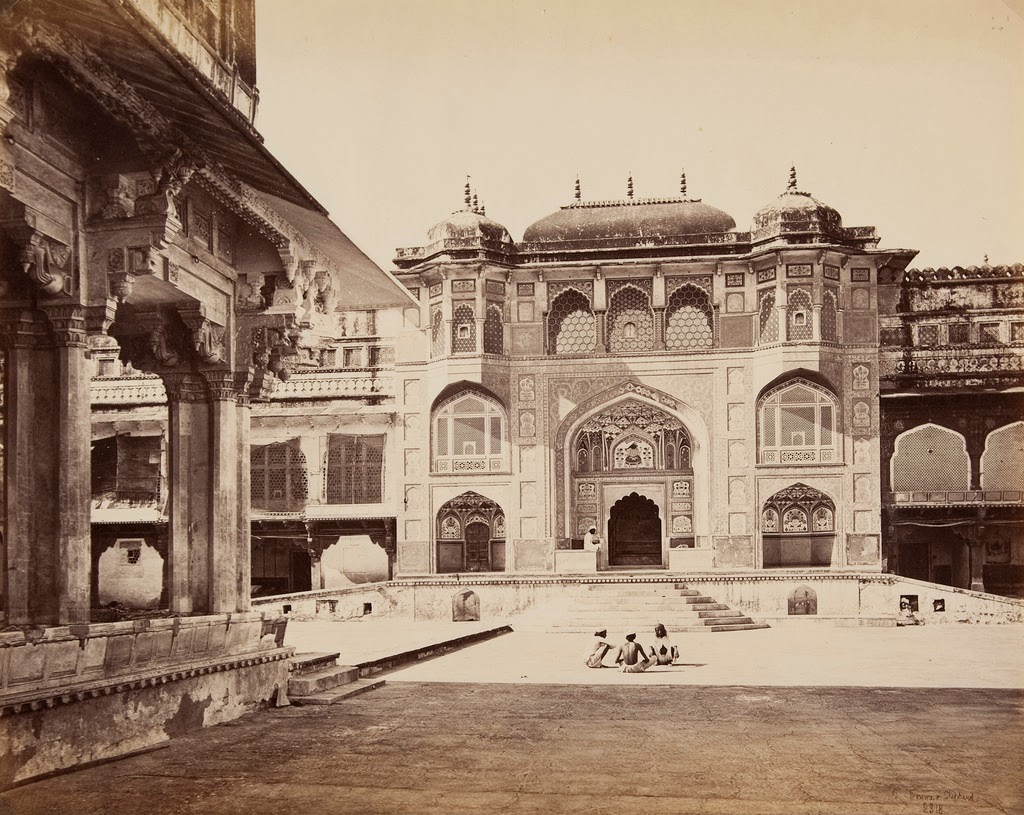
One of the most photographed landmarks of the era was Amber Fort near Jaipur, a massive hilltop fortification built by the Rajput rulers of the Kachwaha clan. Its sandstone and marble construction had already stood for over two centuries by the time these photographs were taken.
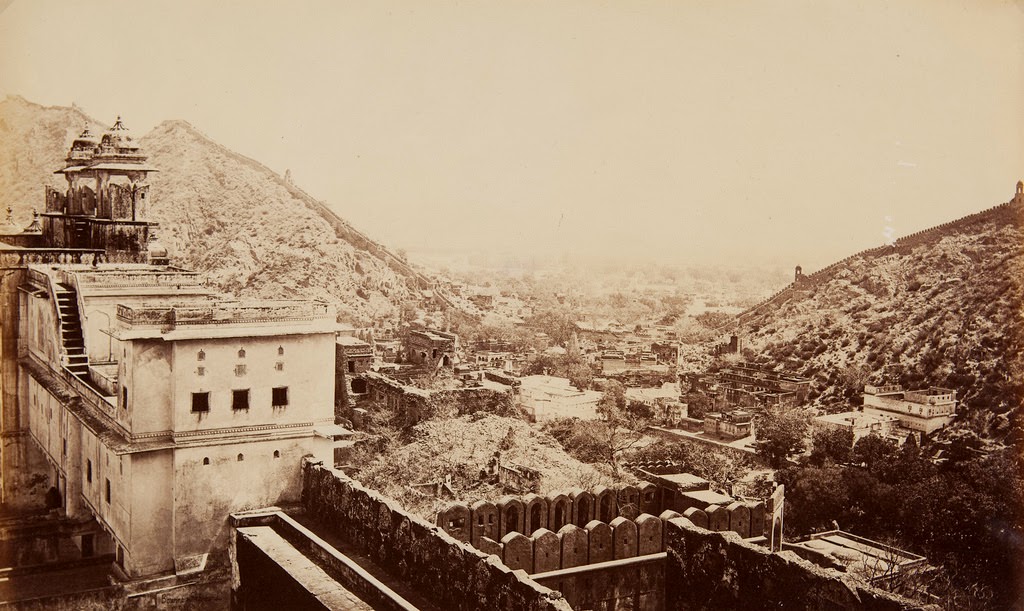
From the heights of Amber Fort, the surrounding valley stretched out in full view — a dramatic landscape of rocky ridges, still water, and the walled town below. The fort’s position was deliberately strategic, commanding sight lines in every direction.
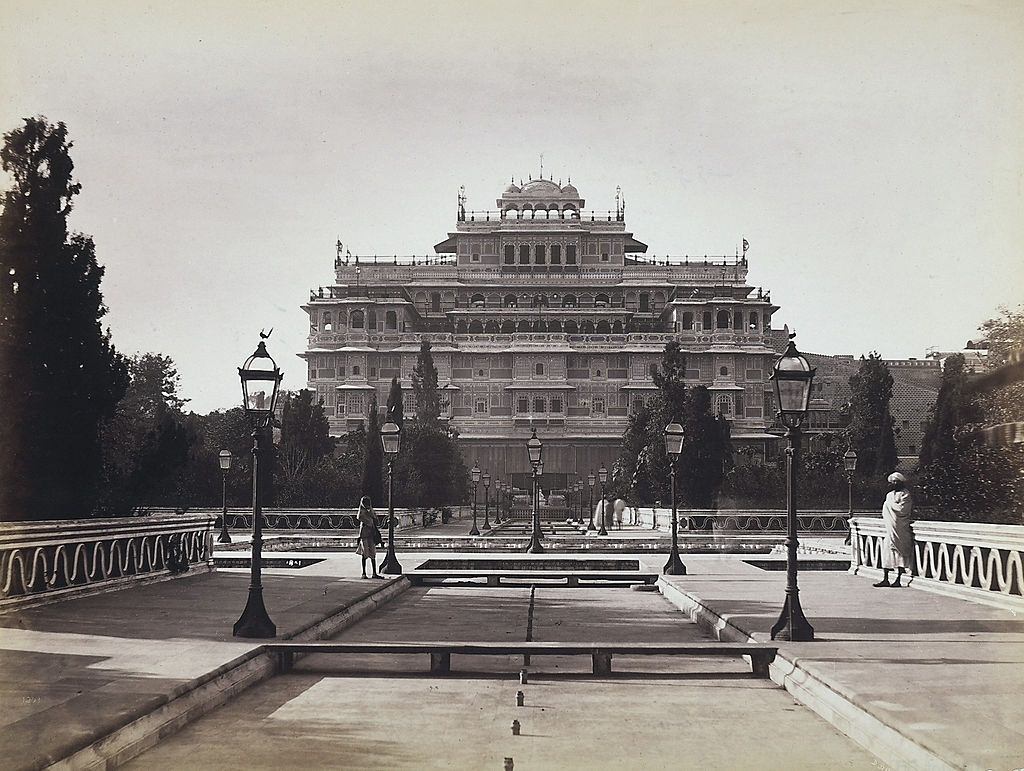
Jaipur itself was home to one of the most impressive royal residences in all of Rajasthan. The maharajah’s palace sat at the center of a city that had been planned on a grid layout — rare for its time in India — and its pink-hued architecture gave the city its lasting nickname.
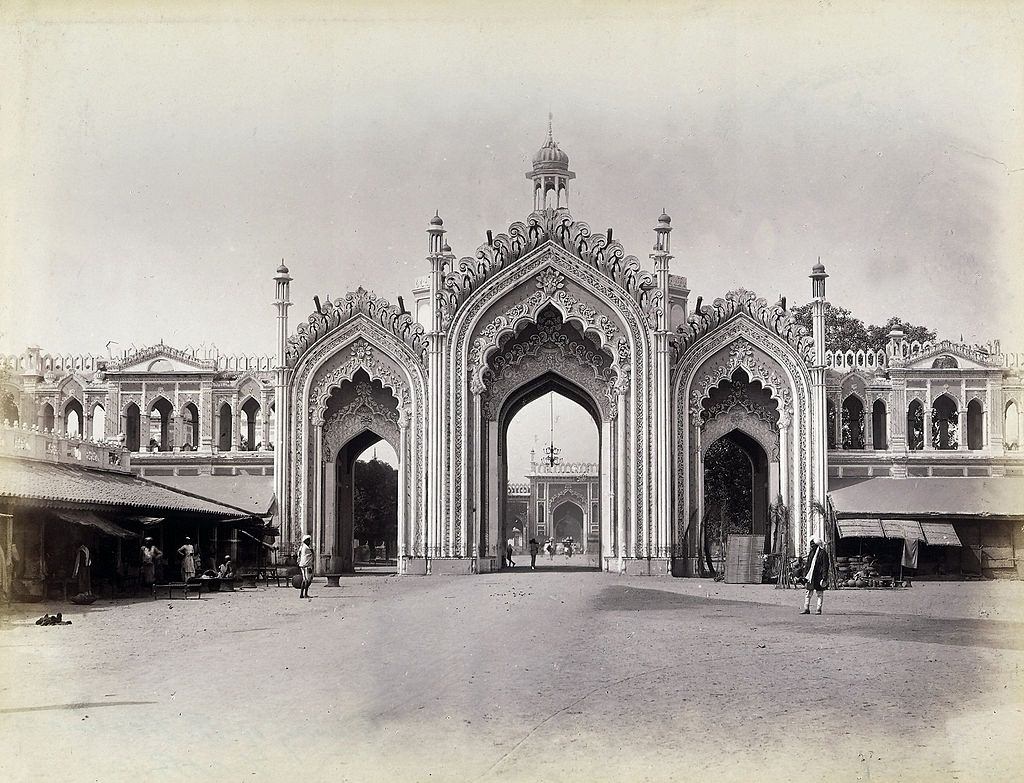
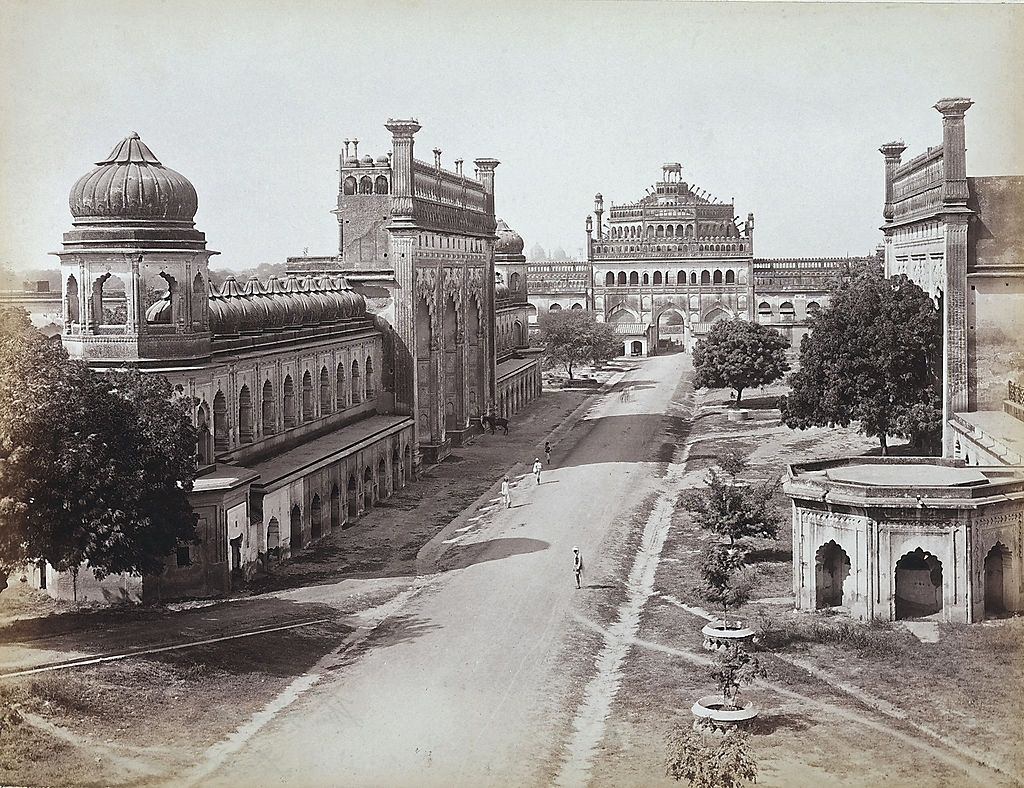
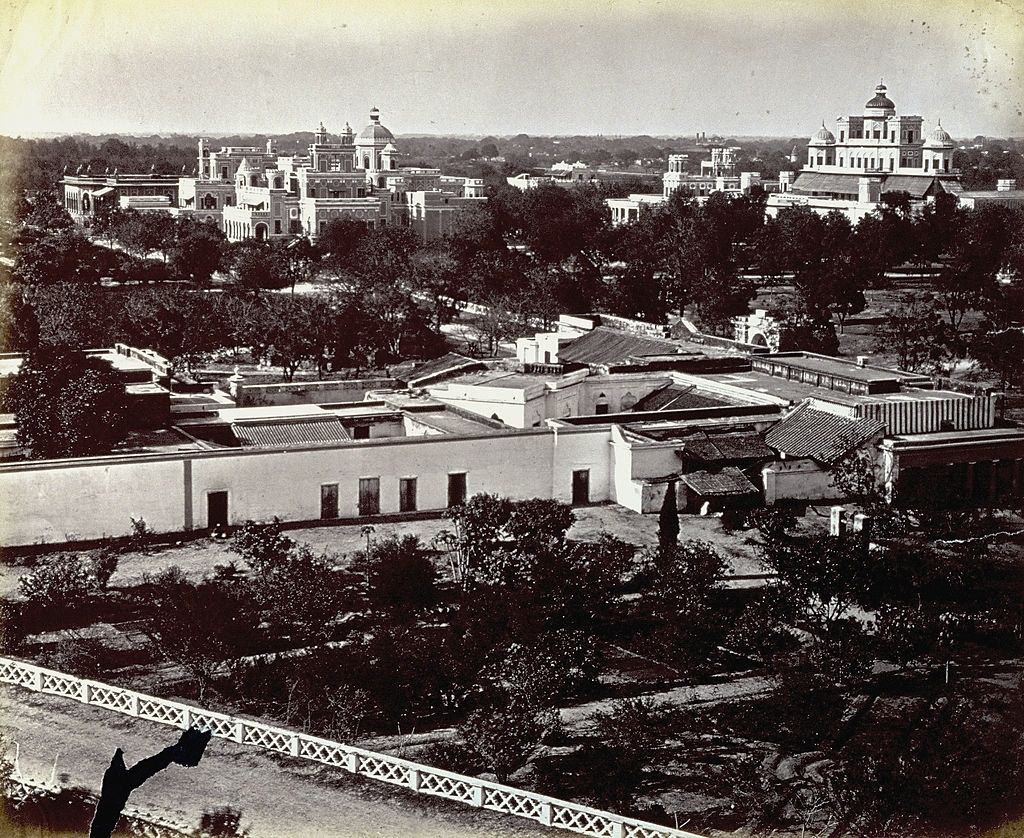
Lucknow, the capital of the former Nawabs of Awadh, retained its distinctive architectural identity even after the British annexed the territory following the 1857 uprising. The city’s buildings carried a blend of Mughal and European influences that was unlike anywhere else in India.
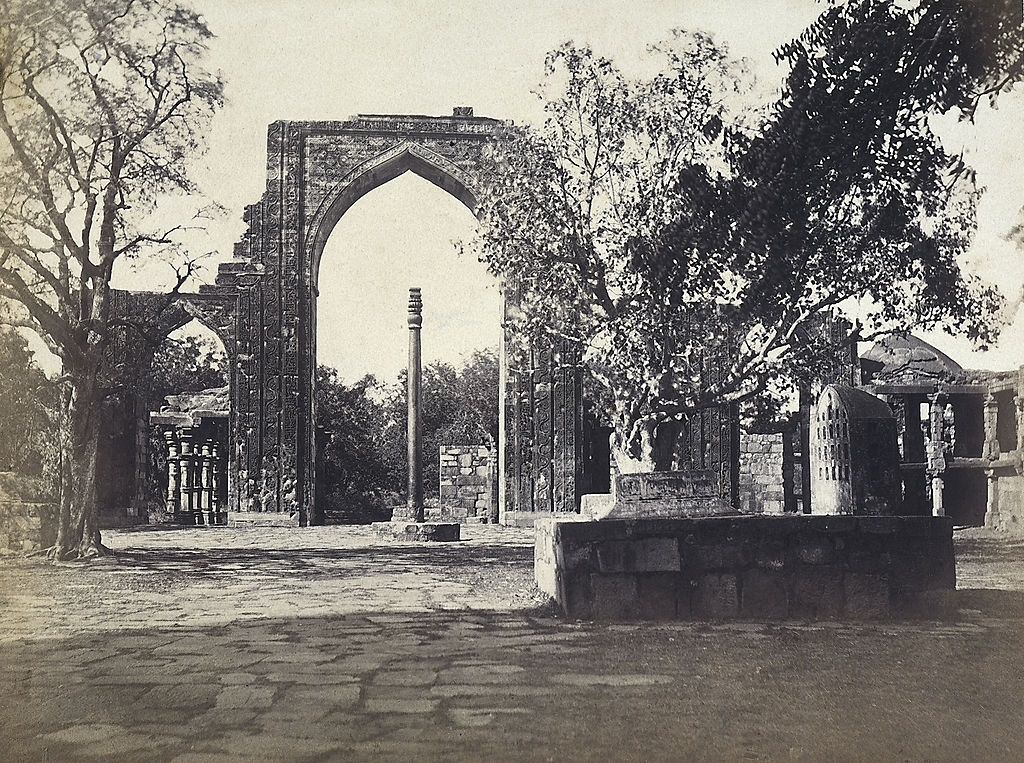
Delhi held some of the subcontinent’s most significant Islamic monuments. Near the Qutub Minar stood the Quwwat-ul-Islam mosque, built by Qutb ud-Din Aibak in the late 12th century. At its courtyard stood the famous Iron Pillar — a 7-meter column forged in the Gupta period, more than 1,600 years old, and already a subject of fascination for British officials and visiting photographers alike.
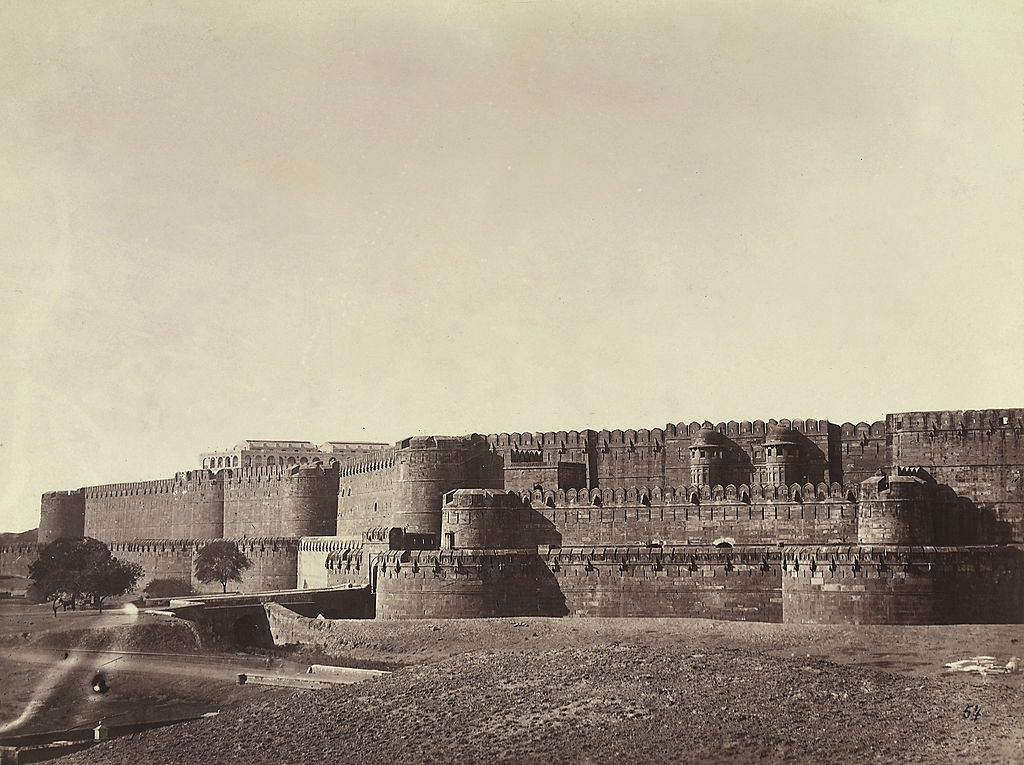
Agra was home to two of the Mughal Empire’s most enduring monuments. The Moti Masjid — the Pearl Mosque — sat within Agra Fort’s walls, built by Emperor Shah Jahan in the mid-17th century. Its white marble interior was reserved almost exclusively for royal use. The fort itself, a UNESCO World Heritage Site, loomed over the Yamuna River and had served as the seat of Mughal power for generations.
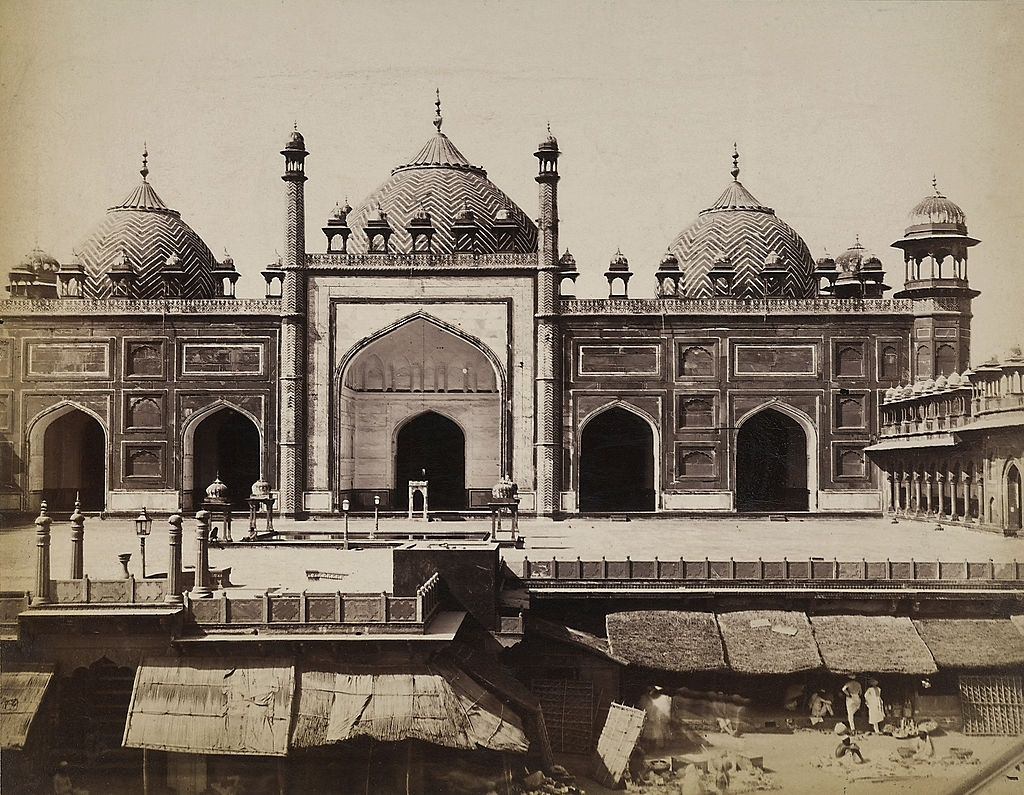
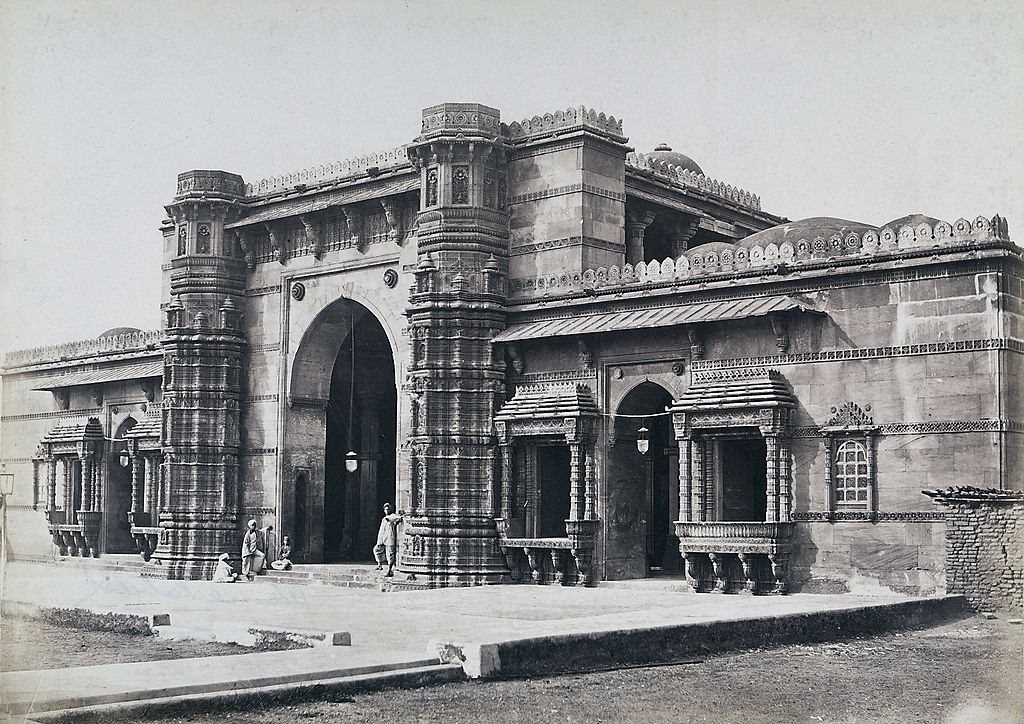
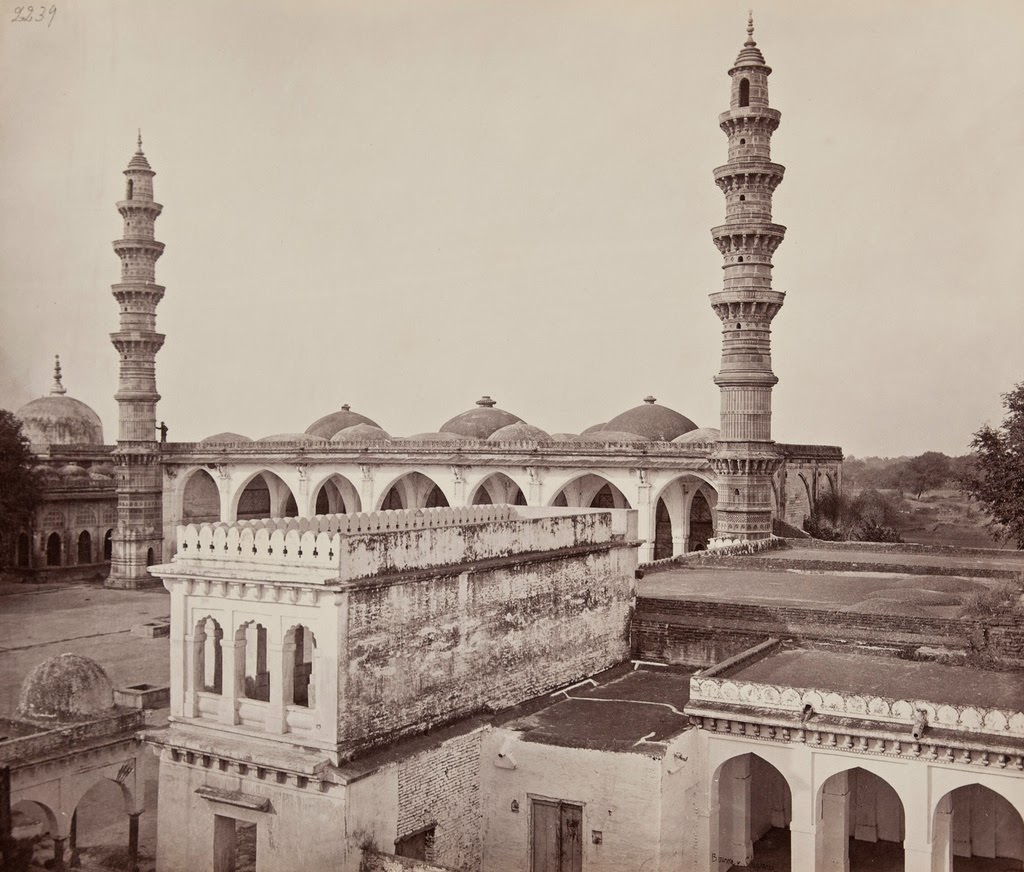
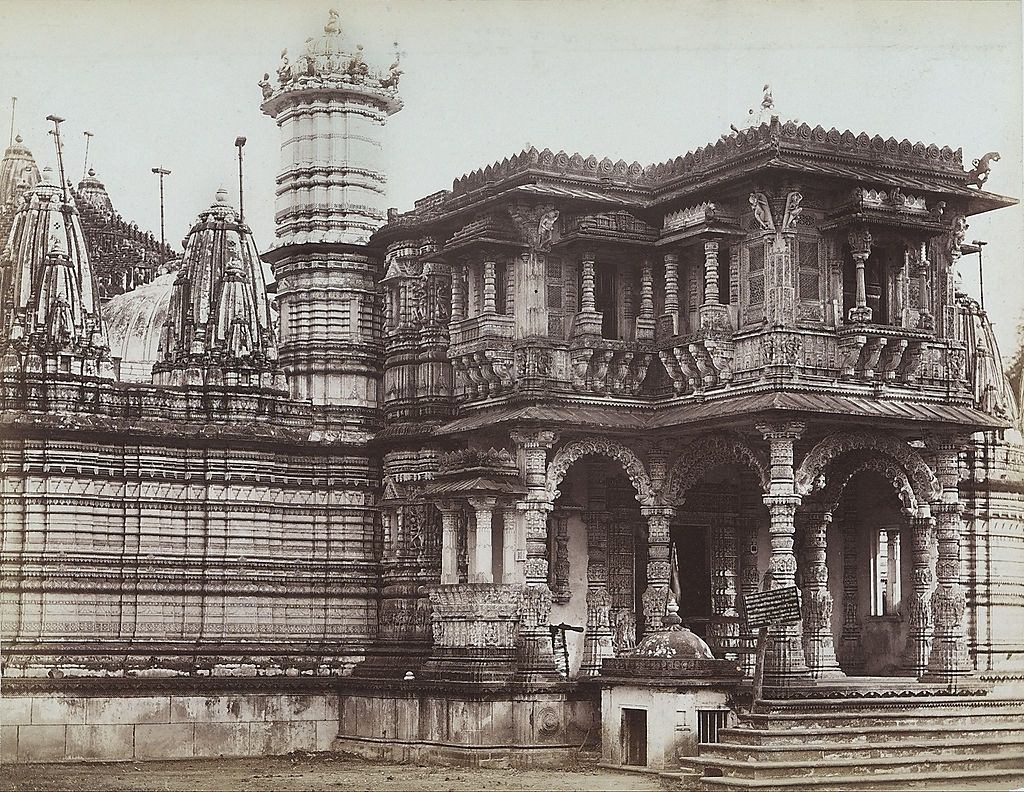
Ahmedabad was a center of Islamic and Jain architecture in Gujarat. The Jama Masjid — the great mosque of Ahmedabad — was built in 1423 by Sultan Ahmad Shah and featured 260 columns supporting its prayer hall. The city also held a number of Jain temples, including the Shri Dharamnathji temple, known for its finely carved stone facades.
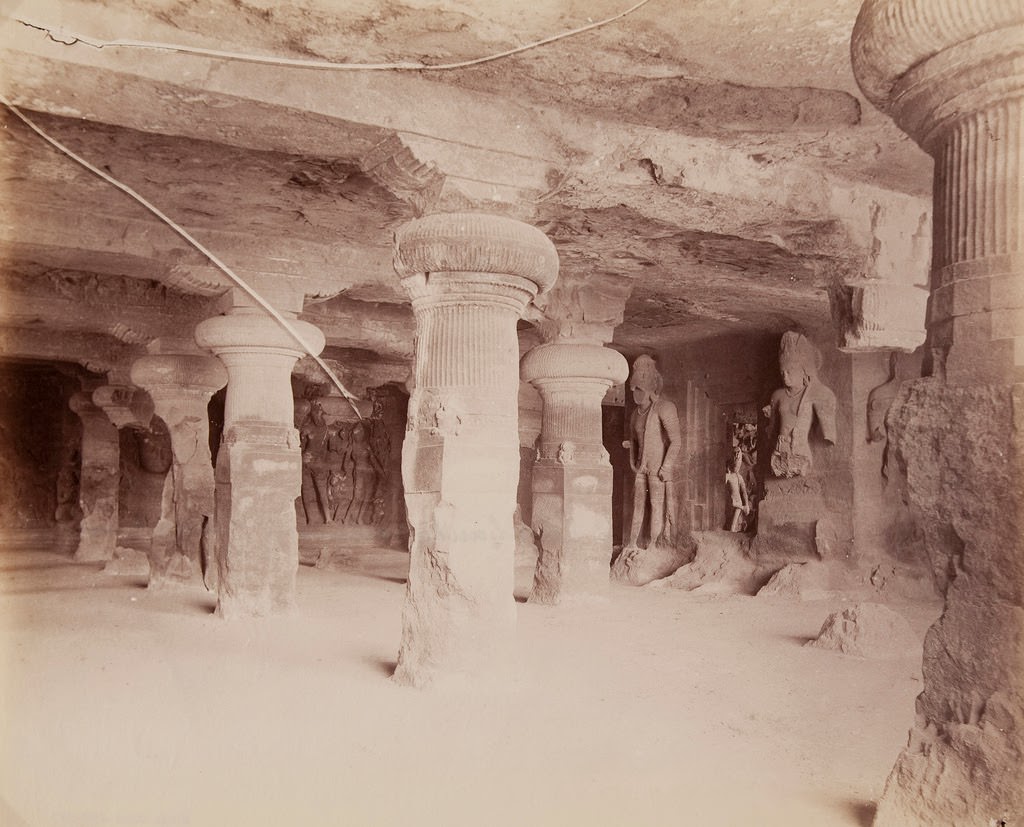
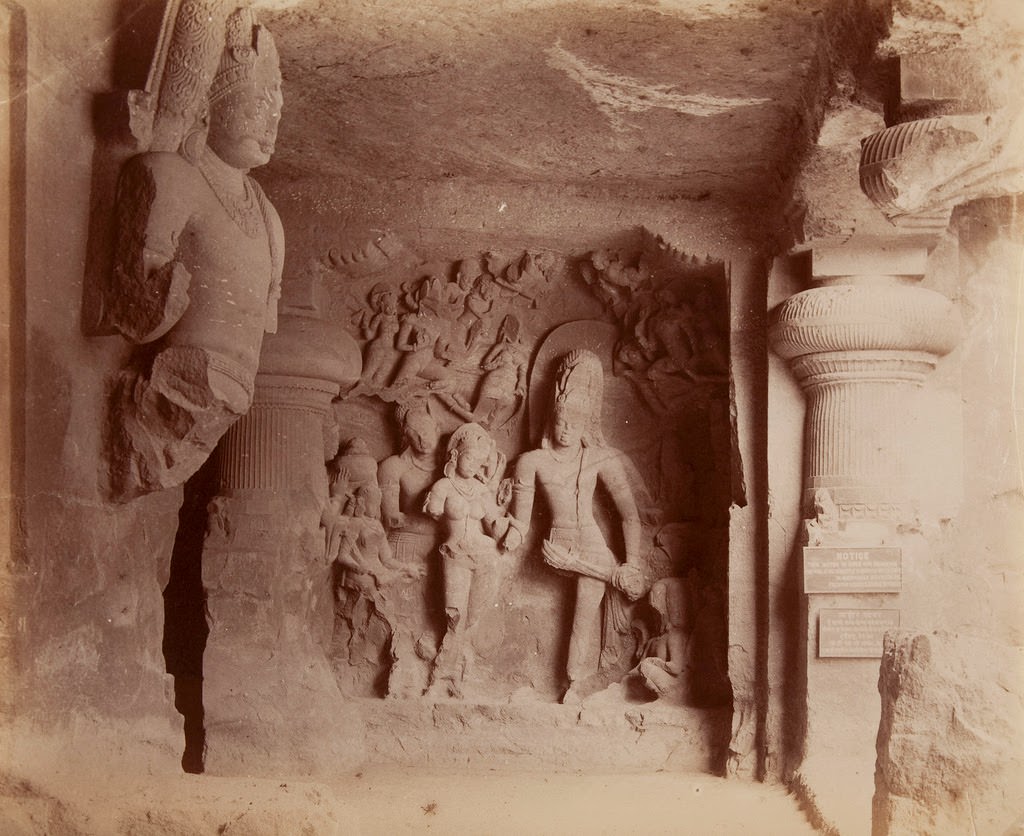
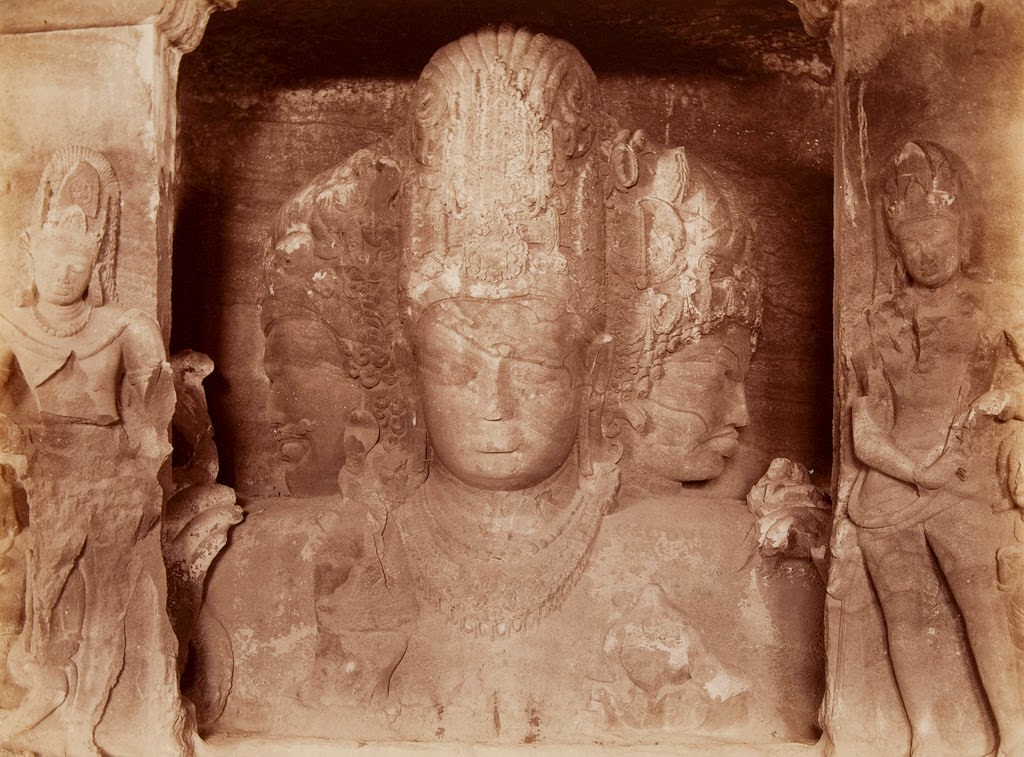
The island of Elephanta, just off the coast of Bombay in the Arabian Sea, contained a series of rock-cut cave temples dedicated to the Hindu god Shiva. The caves were carved during the 5th and 8th centuries and featured enormous sculptural panels, including the famous Trimurti — a three-headed figure of Shiva standing over 6 meters tall.
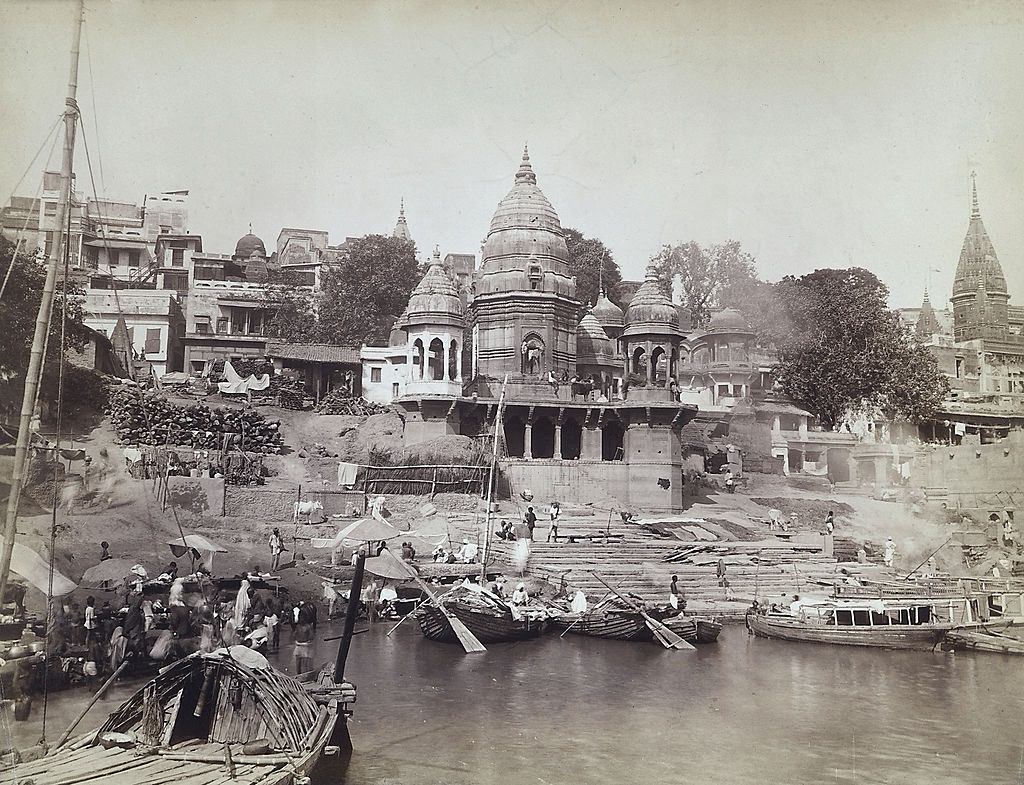
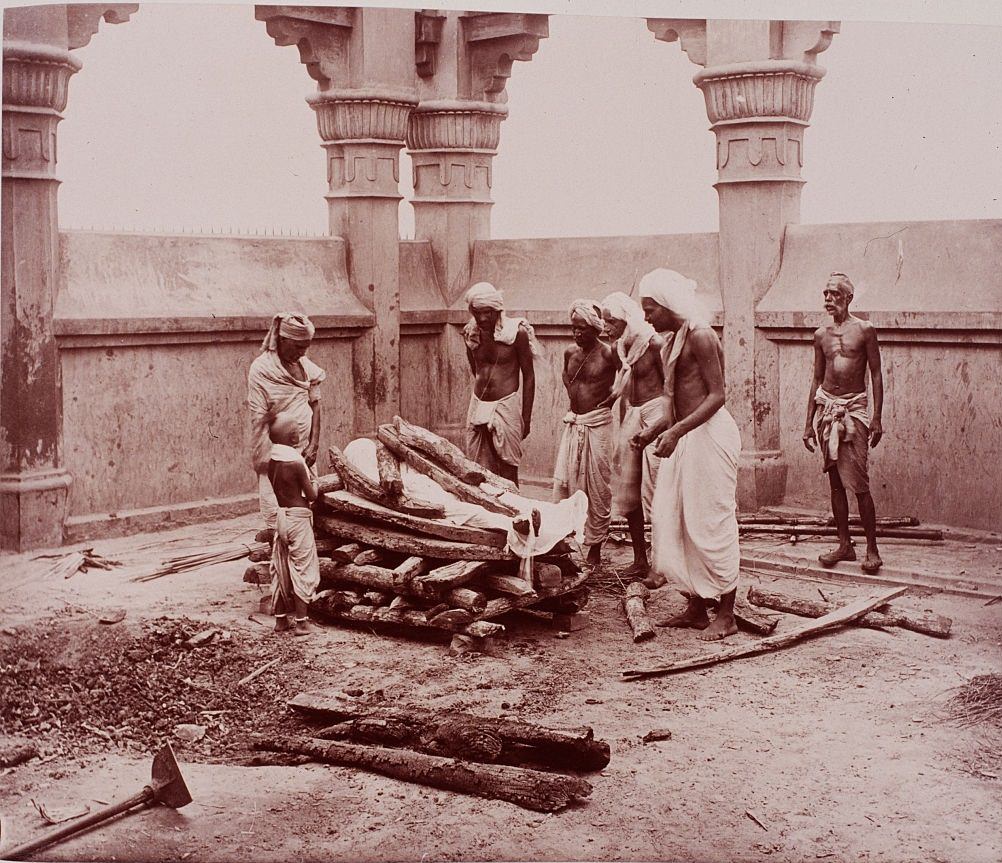
Varanasi — known in this period as Benares — was one of the oldest continuously inhabited cities on earth. The ghats along the Ganges River hosted daily religious bathing rituals, cremations, and temple worship. Funeral pyres burned along the riverbank around the clock, and the Hindu practice of open-air cremation was photographed directly and without alteration by photographers of the time.
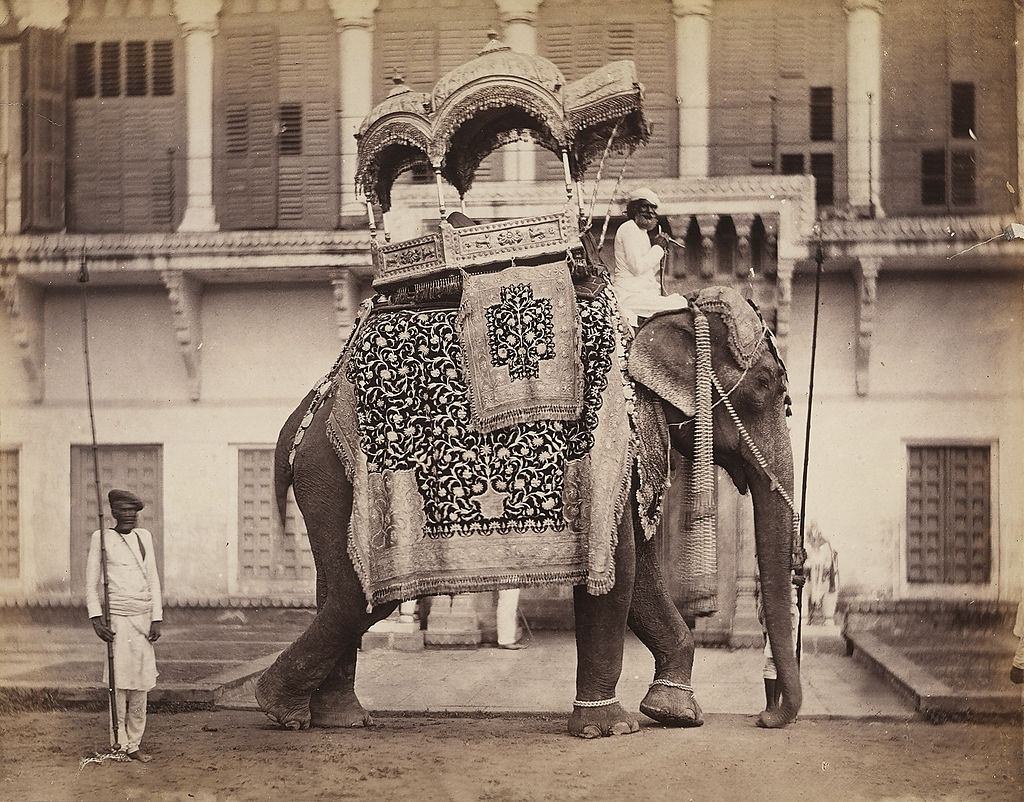
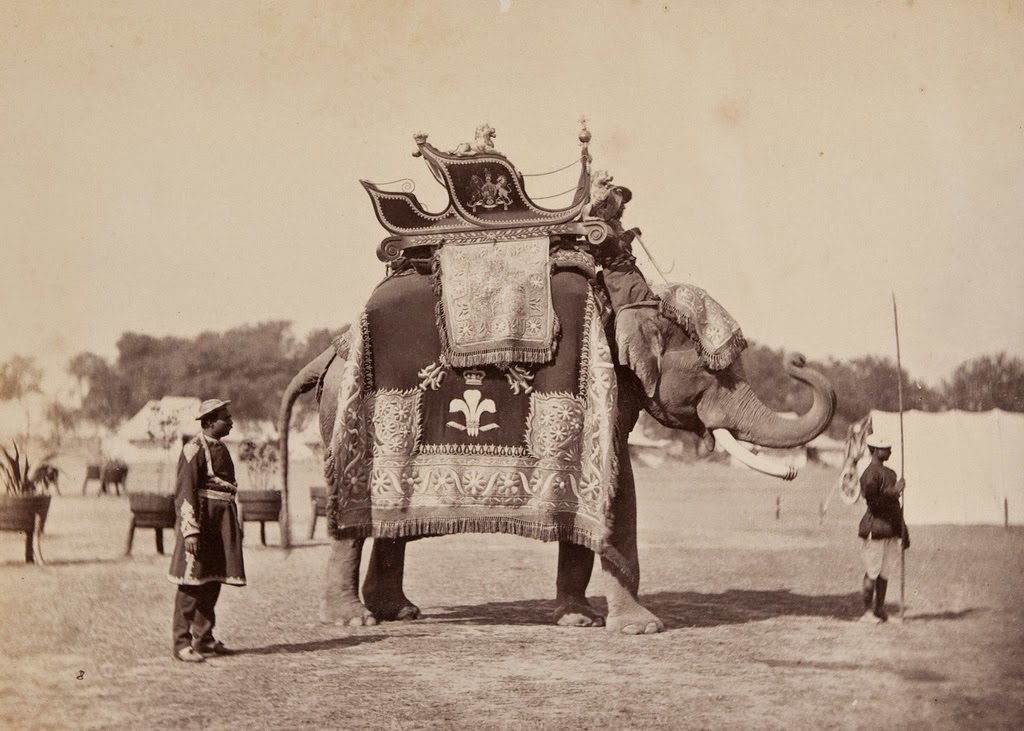
Elephants played a major role in Indian life during this era — used in royal processions, military operations, and heavy labor. A caparisoned or barded elephant was one dressed in decorative armor or ornamental cloth, typically for ceremonial purposes. These animals were expensive to maintain and signaled the wealth and power of their owners.
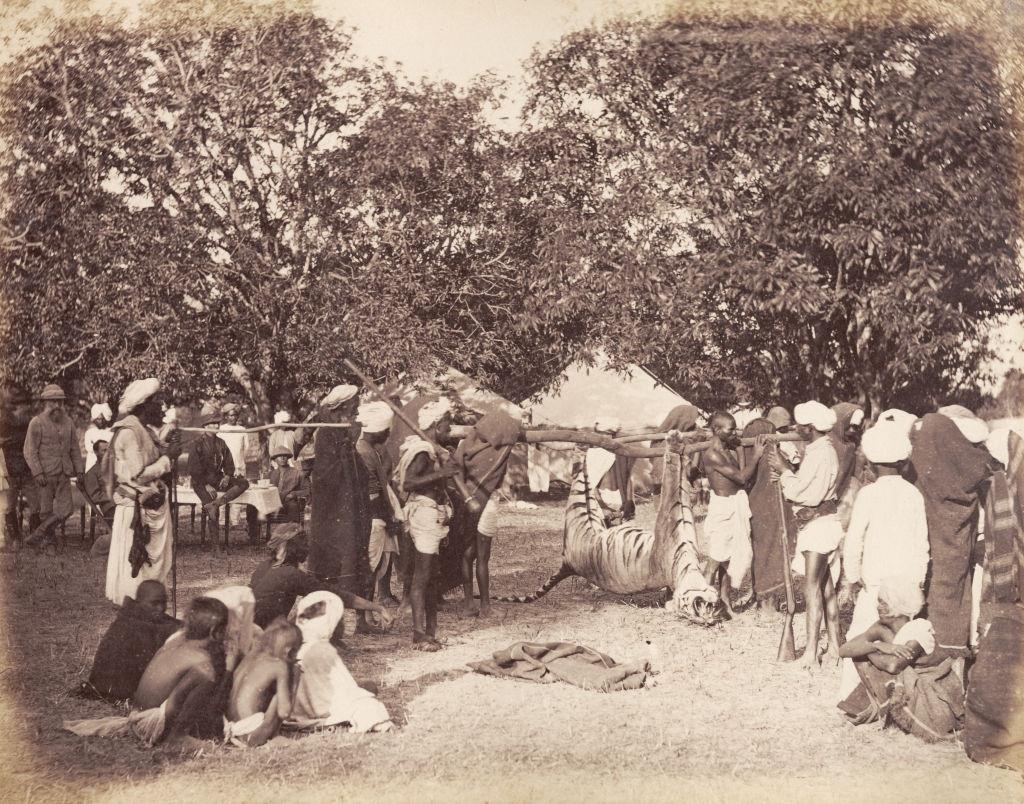
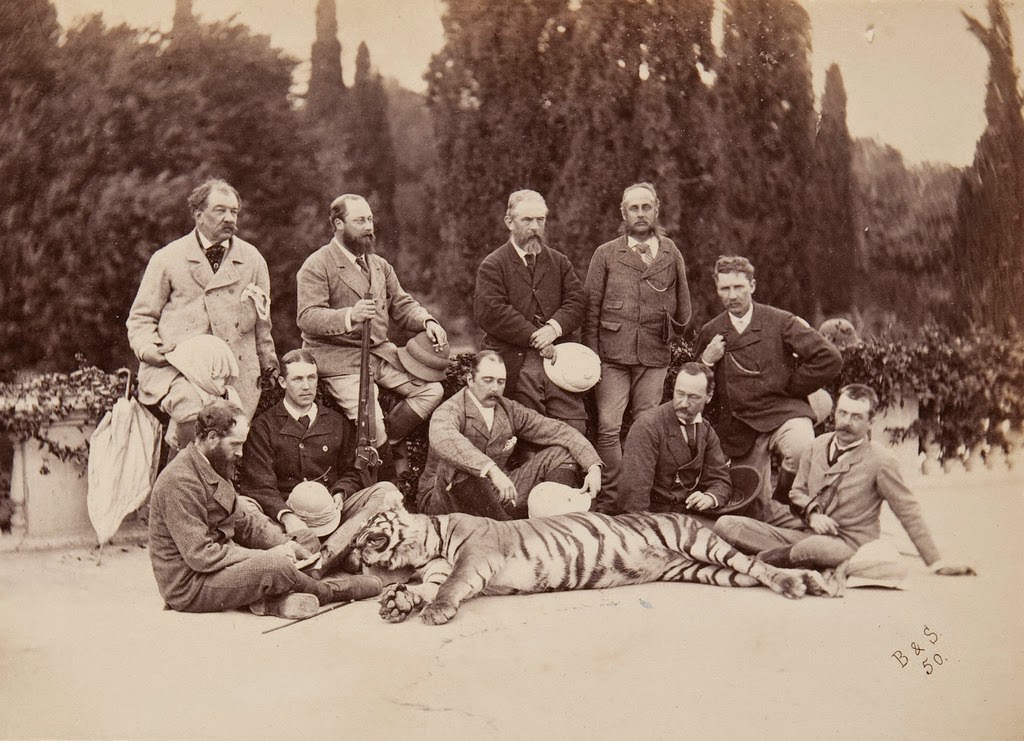
Tiger hunting — known as shikar — was a dominant sport among British colonial officers and Indian royalty during the 1870s. Hunters typically rode on elephant-back to track tigers through dense jungle. The kills were displayed as trophies and photographed as records of the hunt.
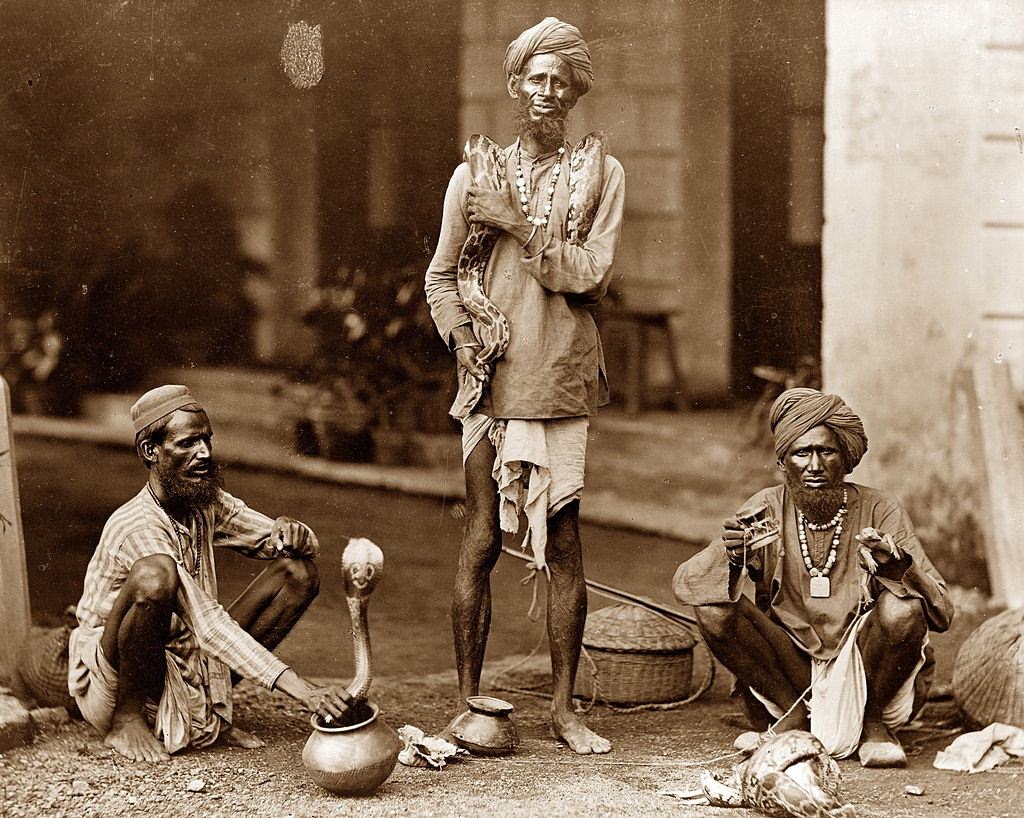
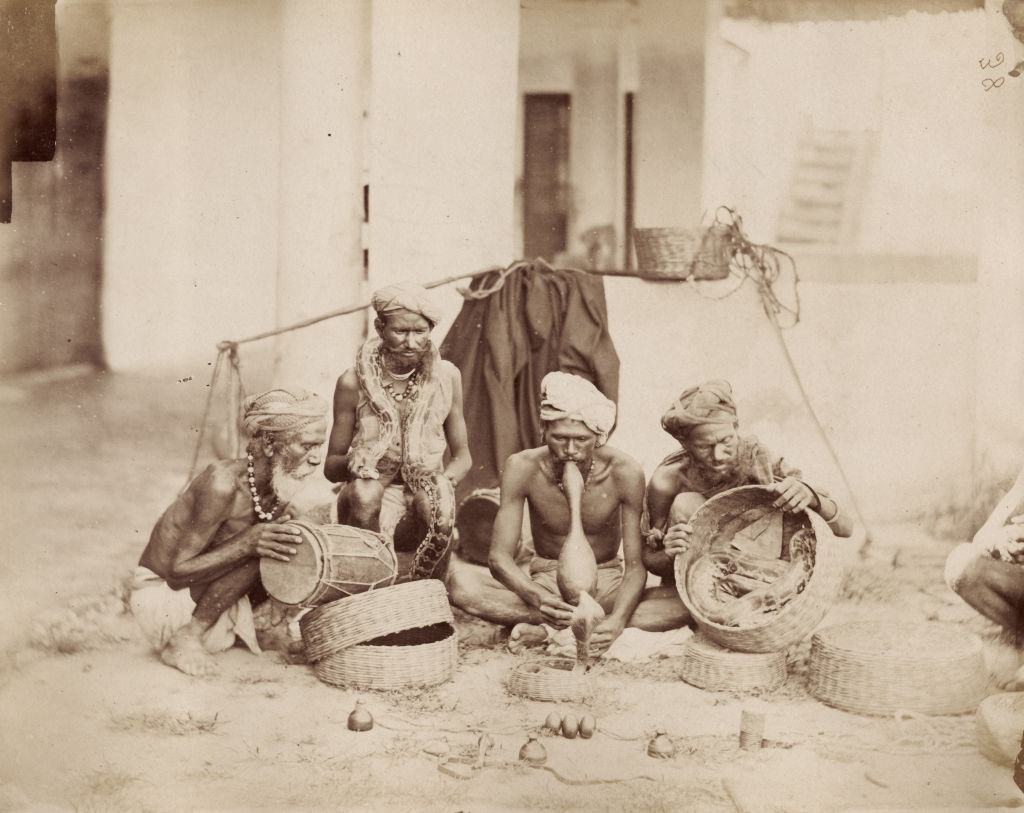
Snake charmers were a common sight in Indian bazaars and streets throughout the 19th century. They typically used a pungi — a wind instrument made from a gourd — to appear to control cobras, which actually responded to the movement of the instrument rather than the sound. The practice drew large crowds and became one of the most widely photographed scenes in colonial-era India.
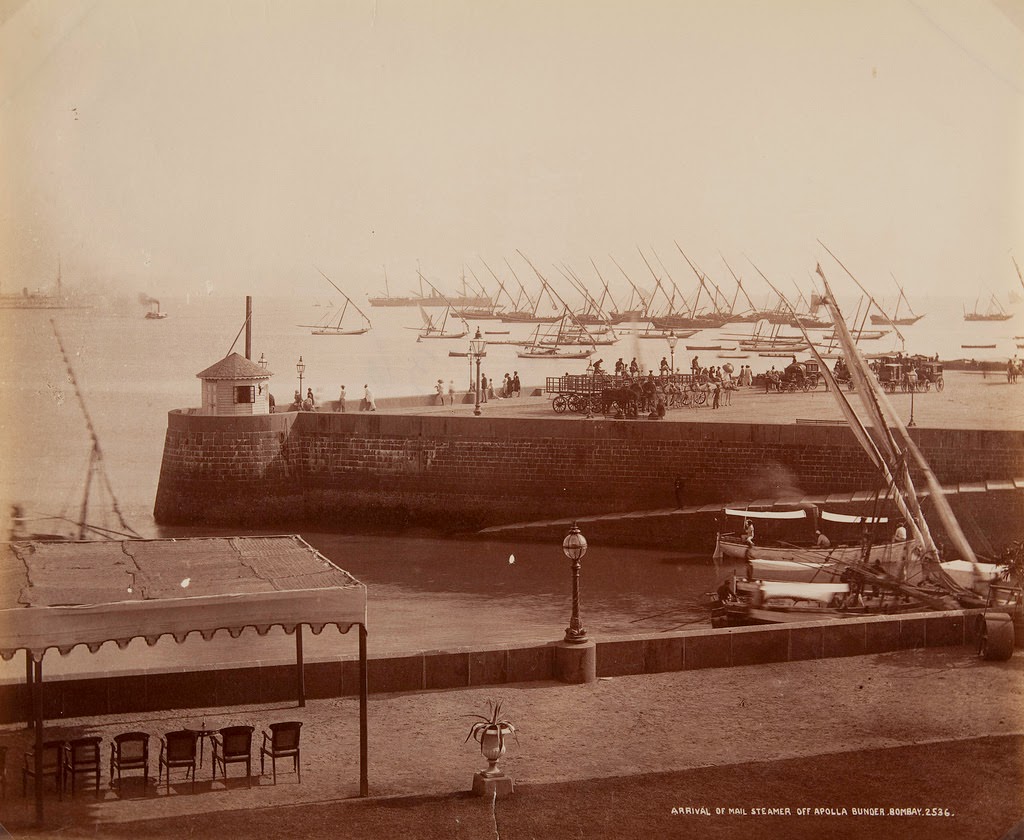
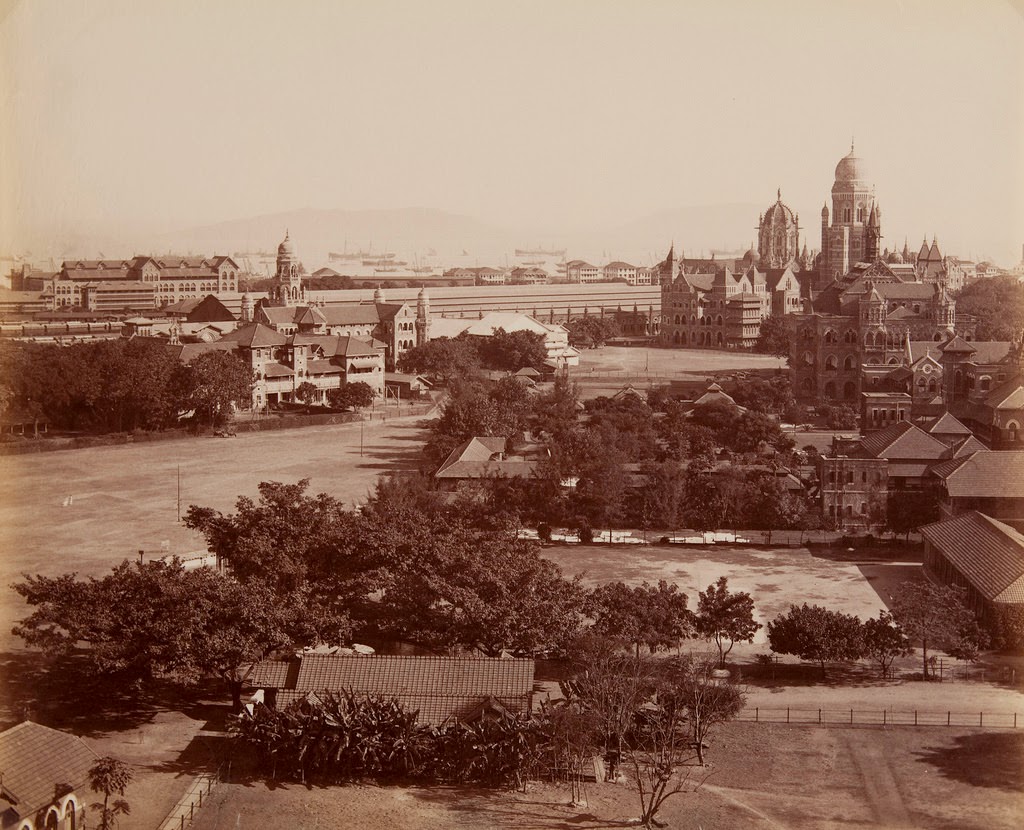
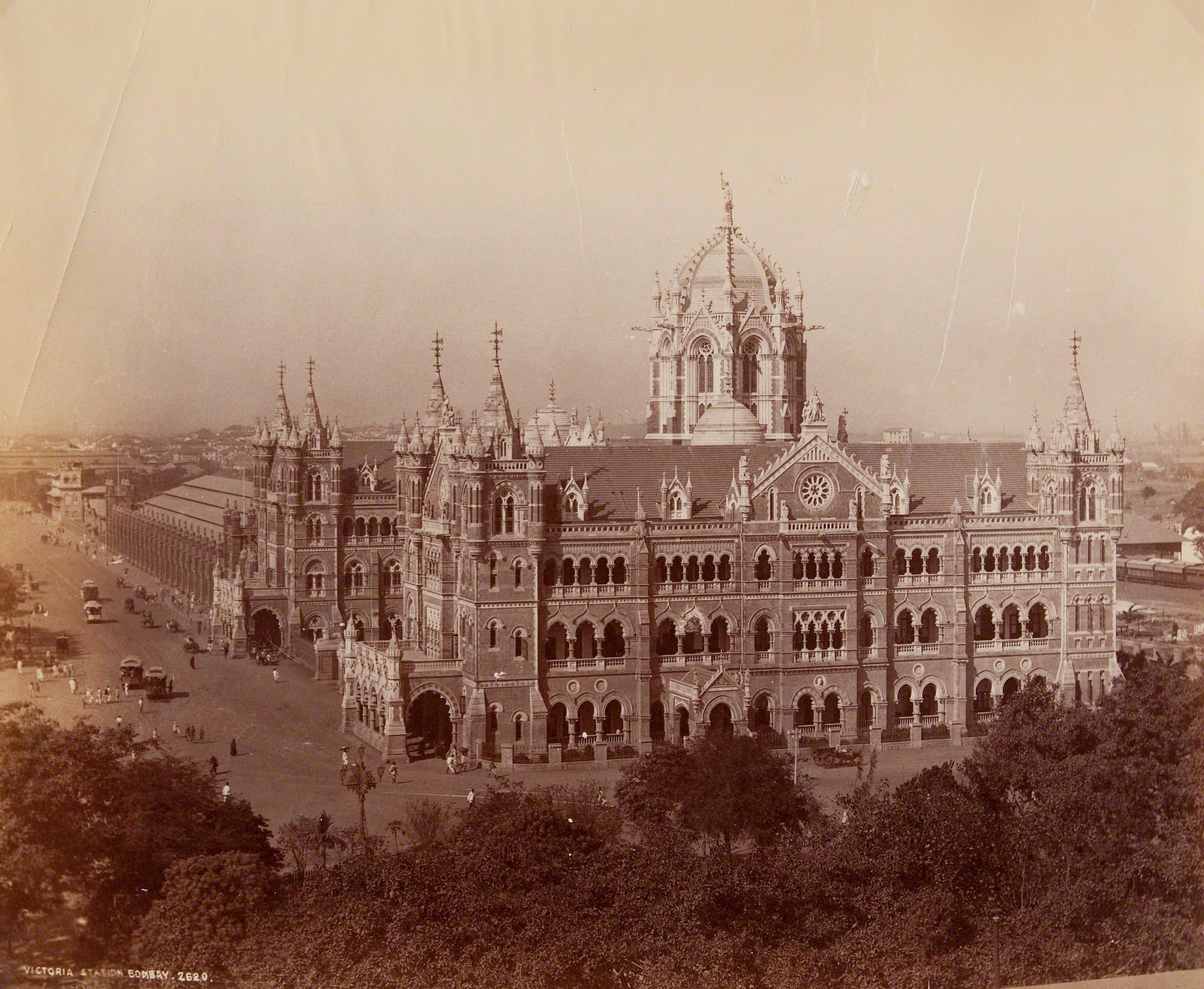
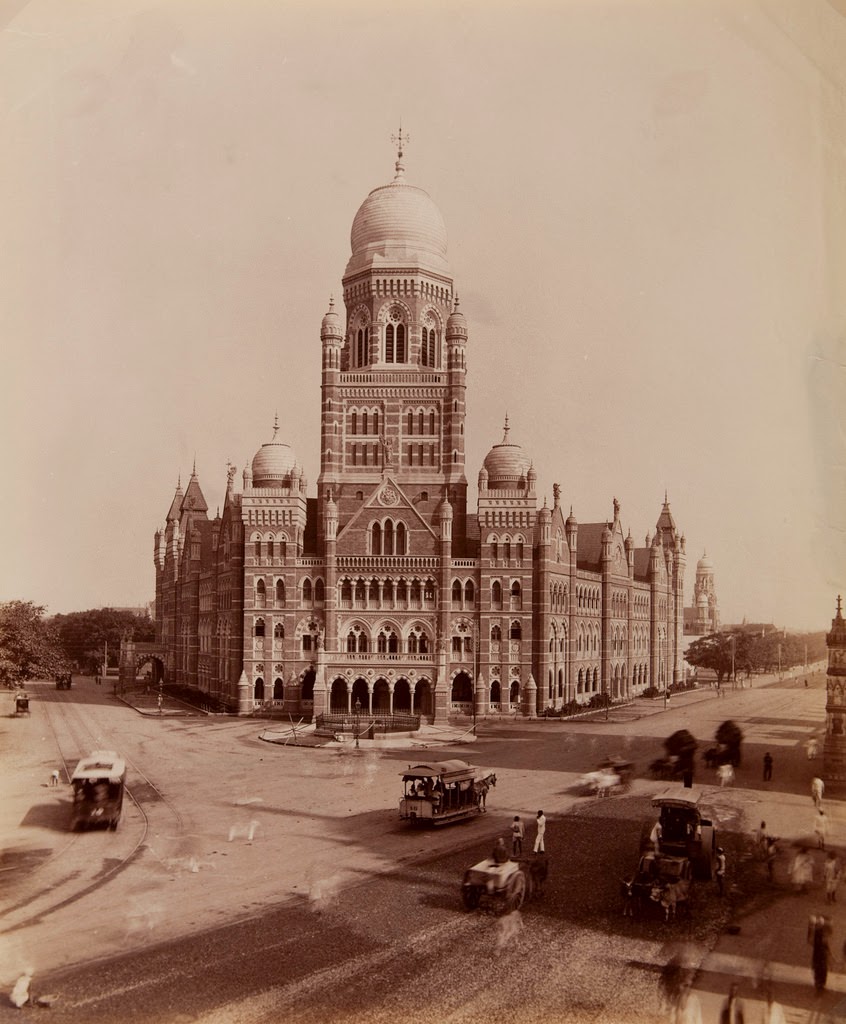
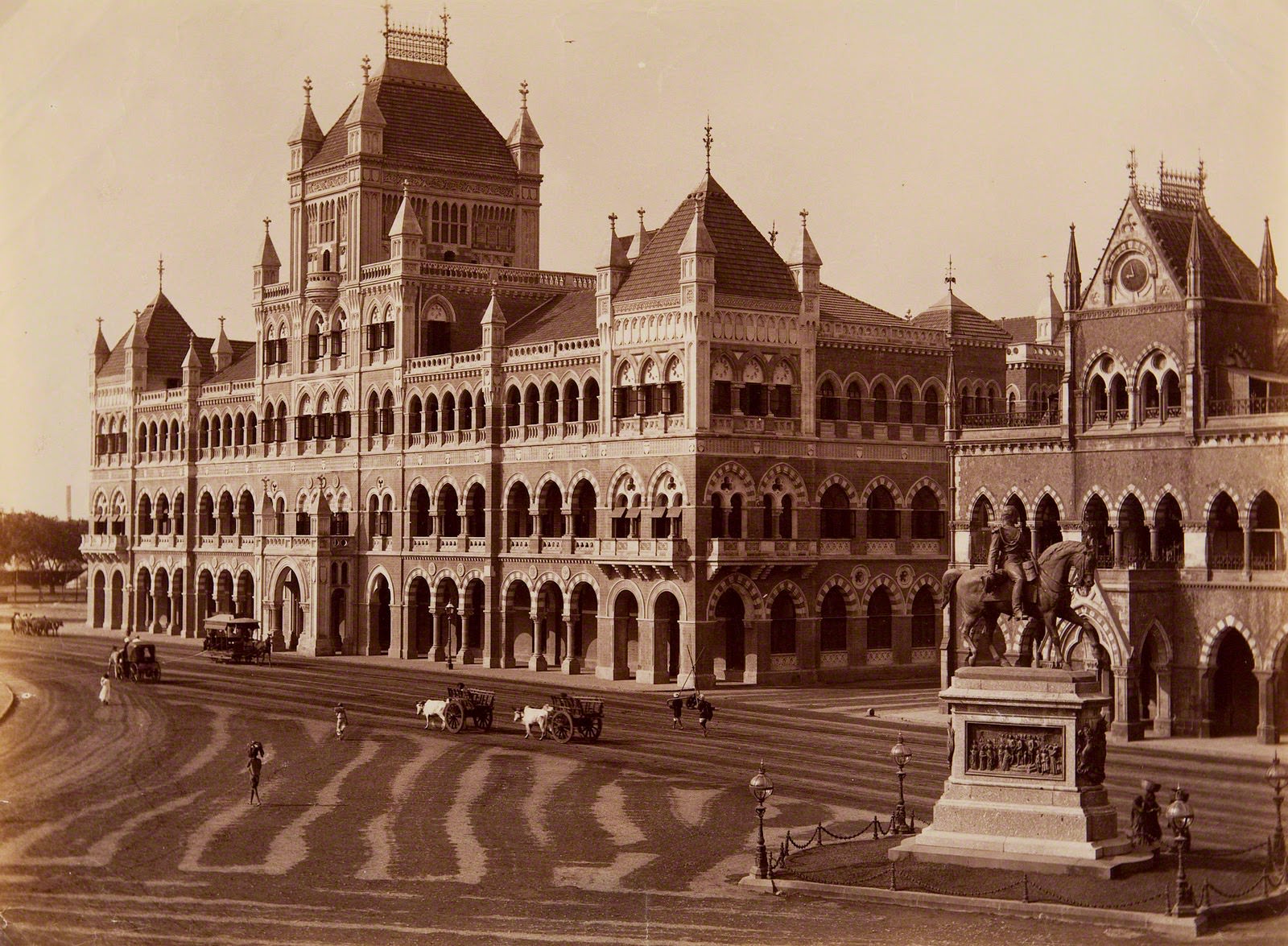
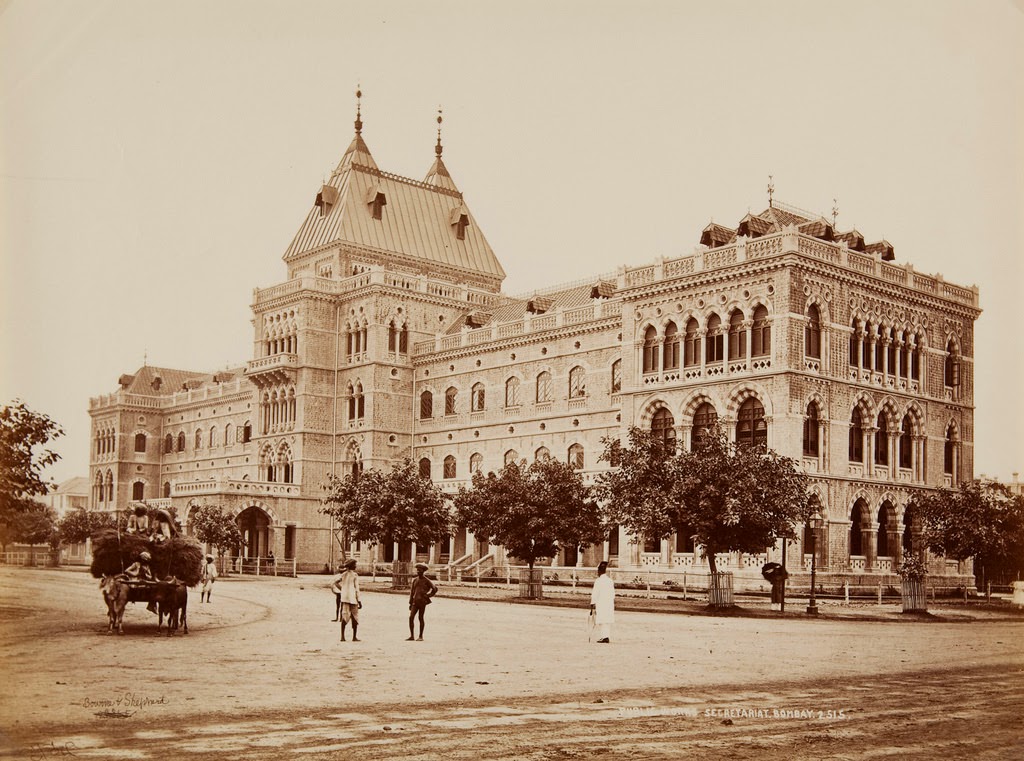
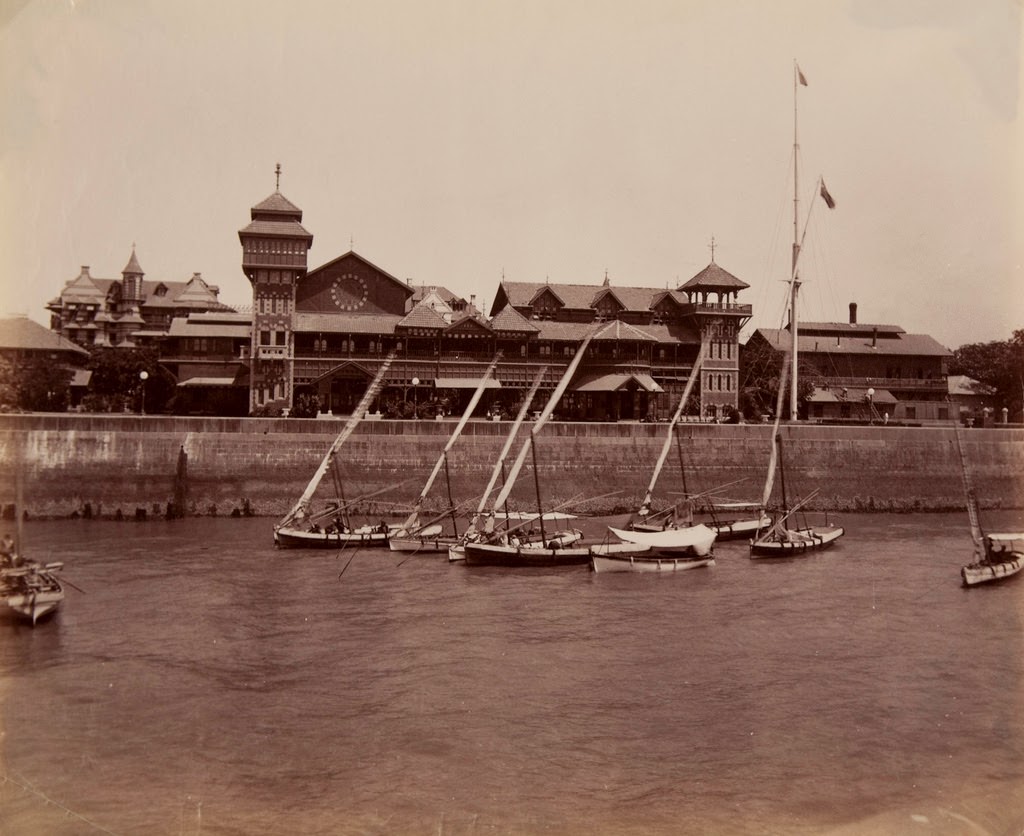
Bombay — today’s Mumbai — was rapidly expanding under British administration in the 1870s. The city’s harbor was a hub of maritime commerce, and the arrival of mail steamers at Apollo Bunder was a regular public event. New civic buildings were going up across the city, many of them in a Gothic Revival style that blended Victorian architecture with Indian decorative elements.
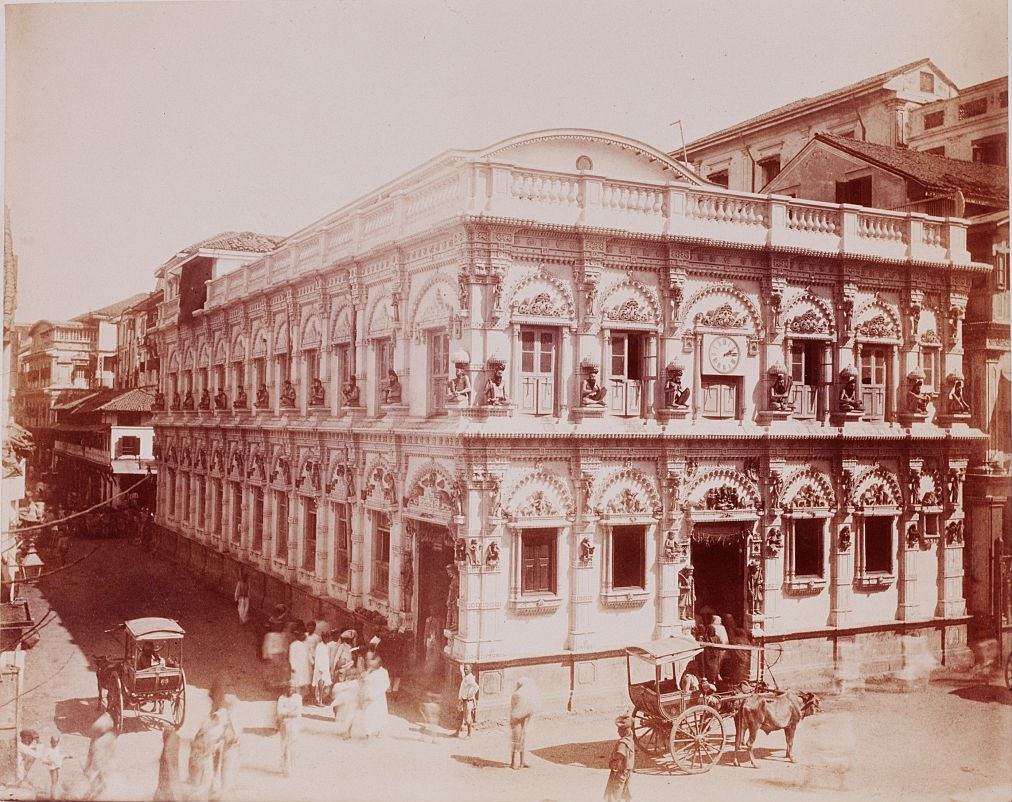
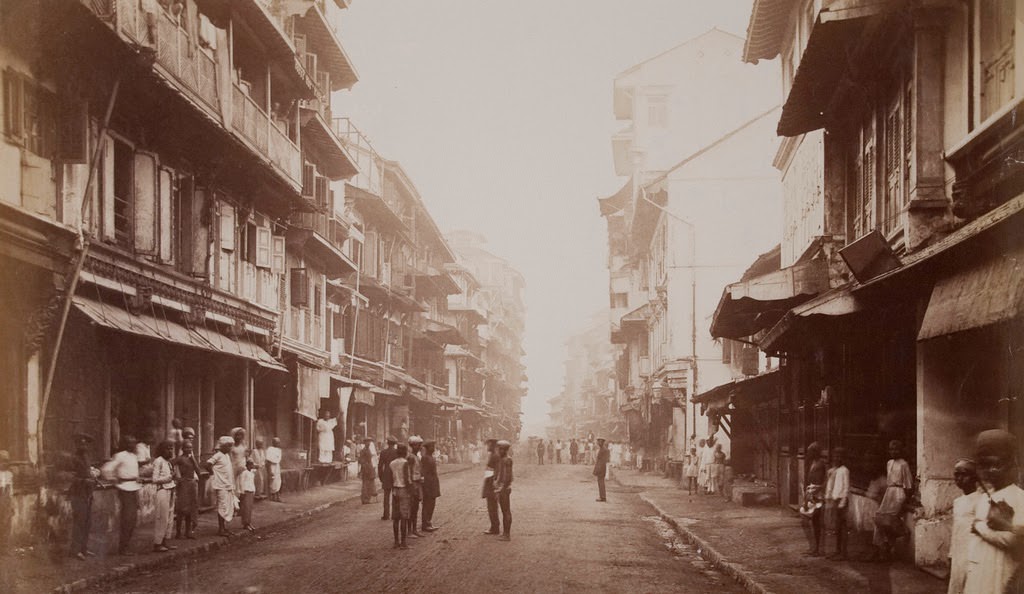
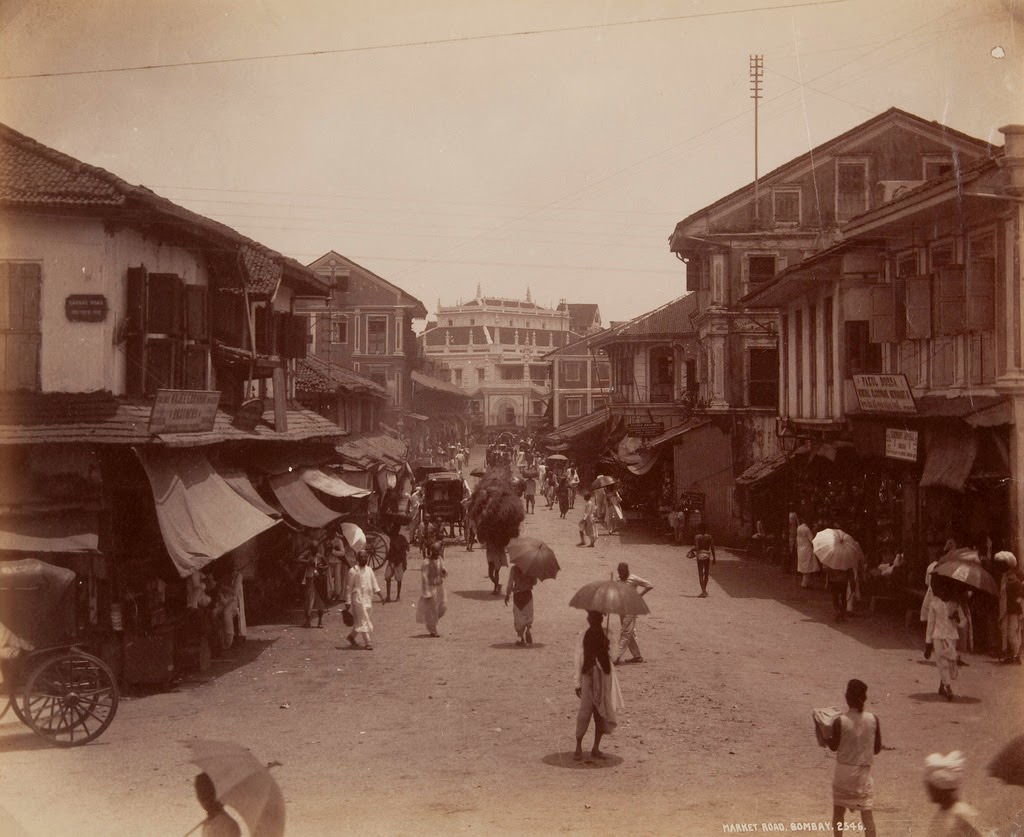
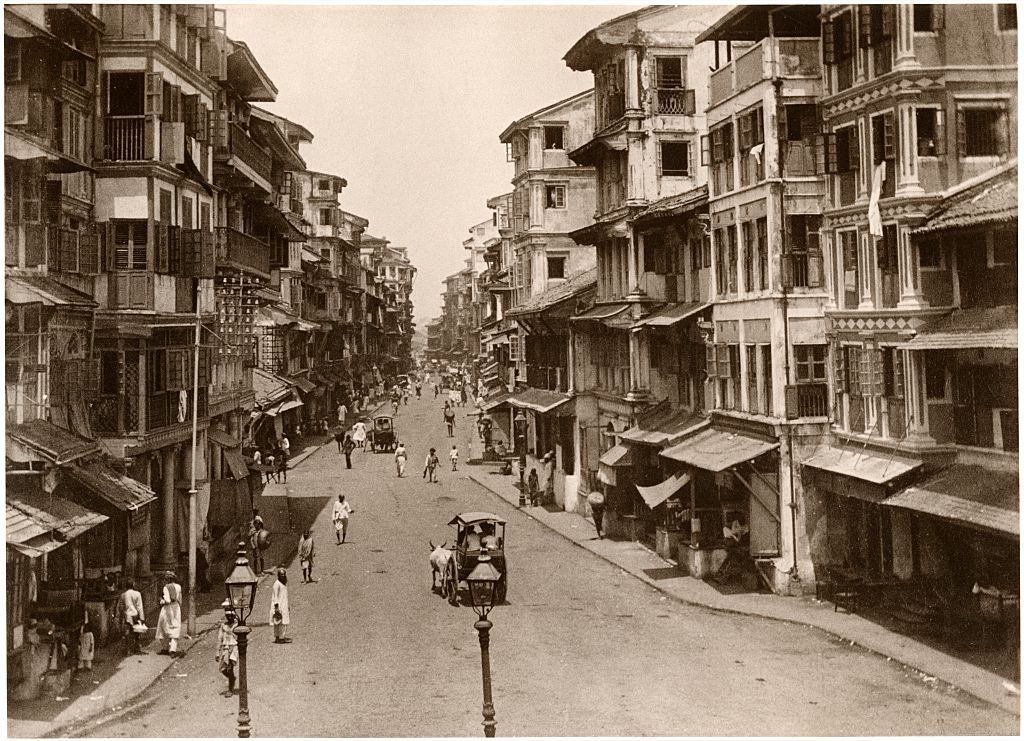
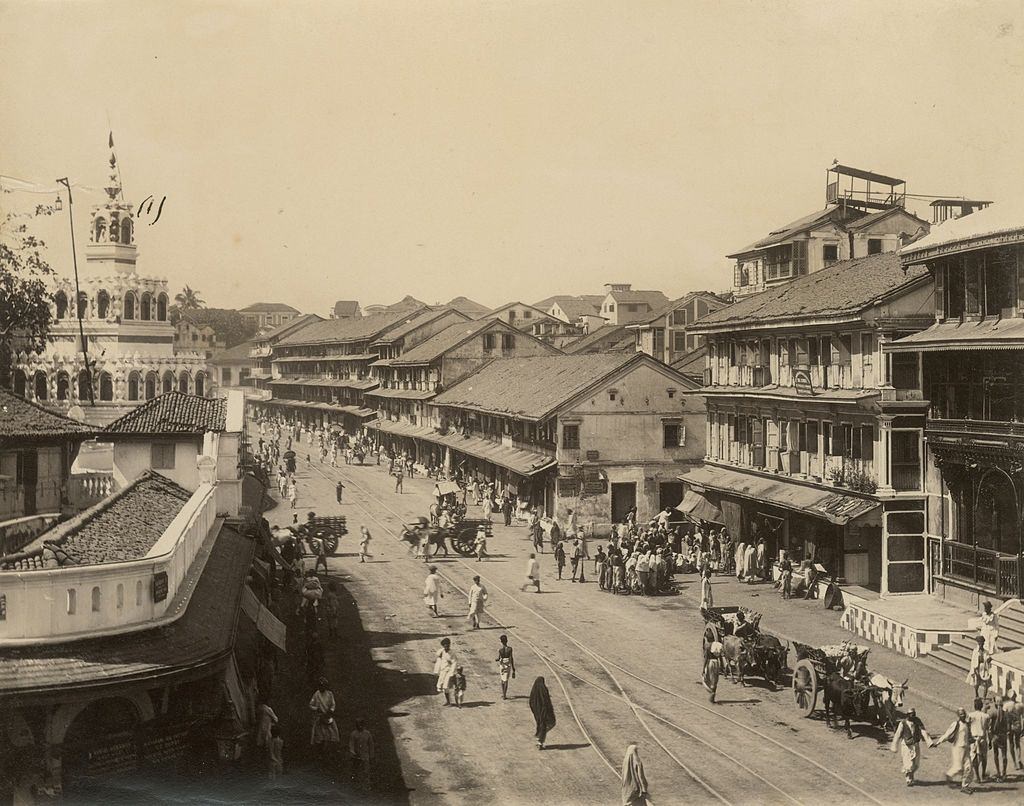
The streets of Bombay in the 1870s were crowded and commercial. Borah Bazaar — named after the Bohra Muslim trading community — was one of the city’s busiest commercial districts, lined with merchants and shoppers. Market roads throughout Indian cities carried a constant flow of goods, people, and animals.
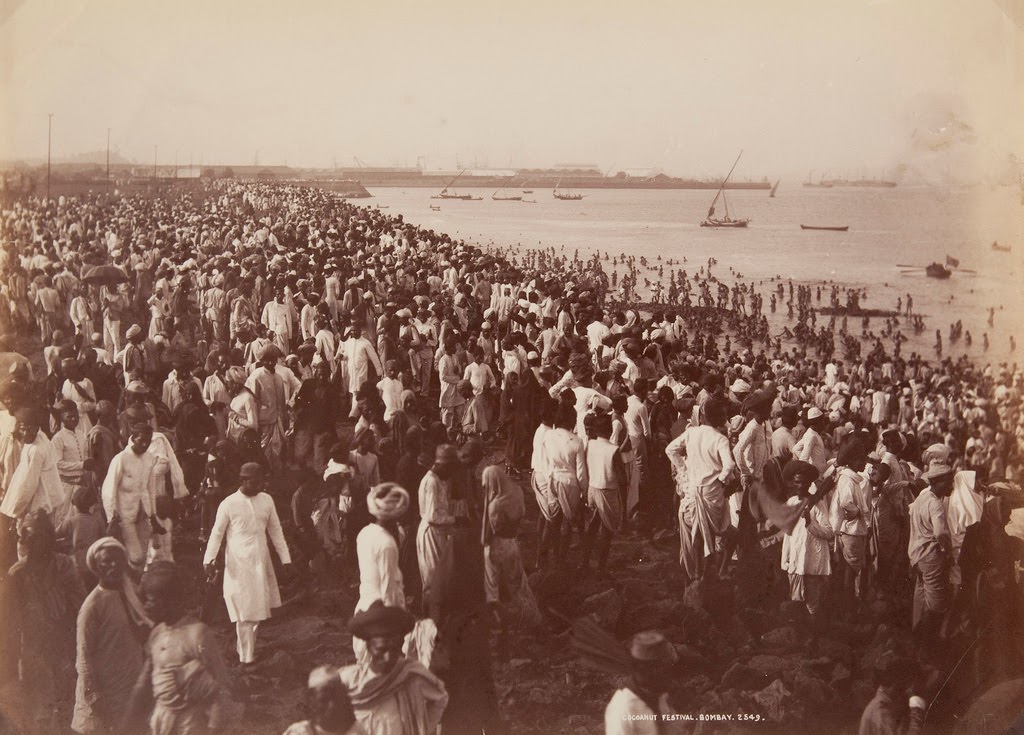
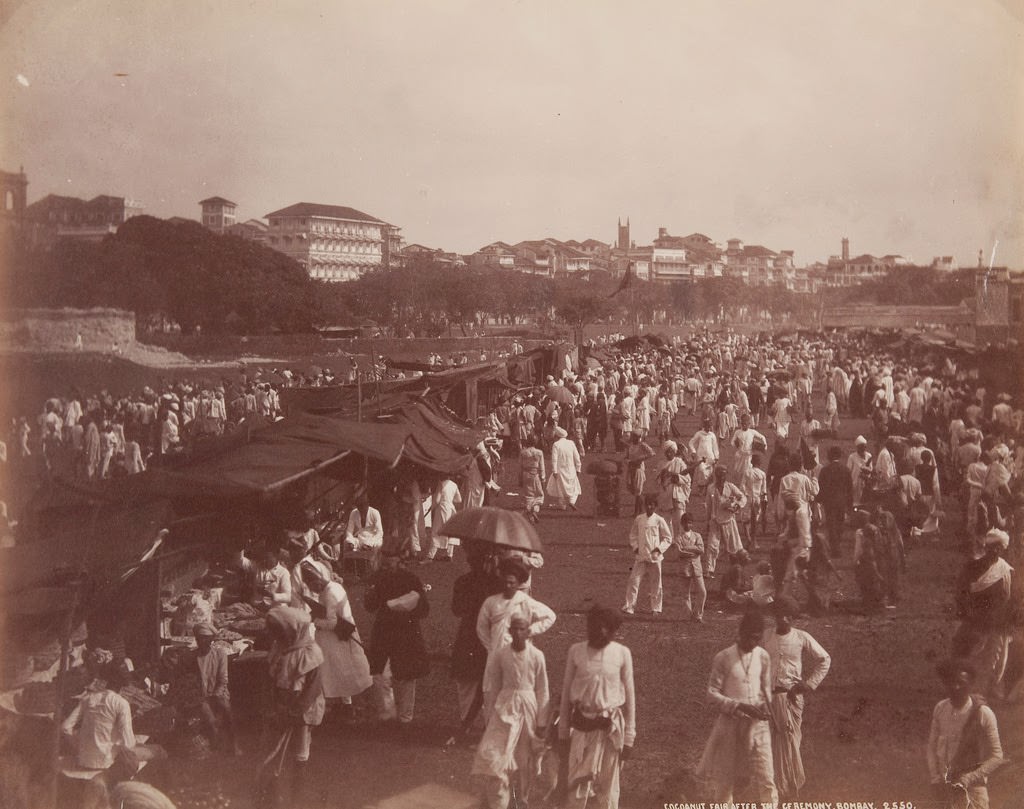
The Coconut Festival — known as Narali Purnima — was celebrated each year at the end of the monsoon season in coastal Maharashtra. Fishermen offered coconuts to the sea as a mark of respect to Varuna, the god of the sea, signaling the start of the fishing season. The ceremony drew large crowds to Bombay’s waterfront.
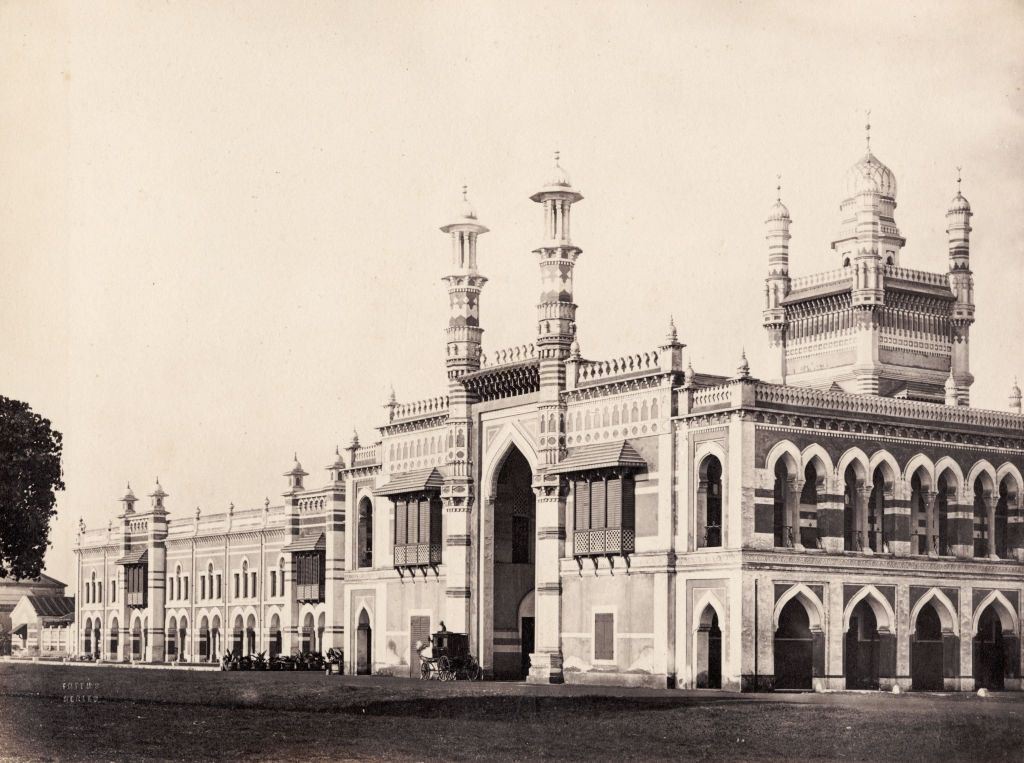
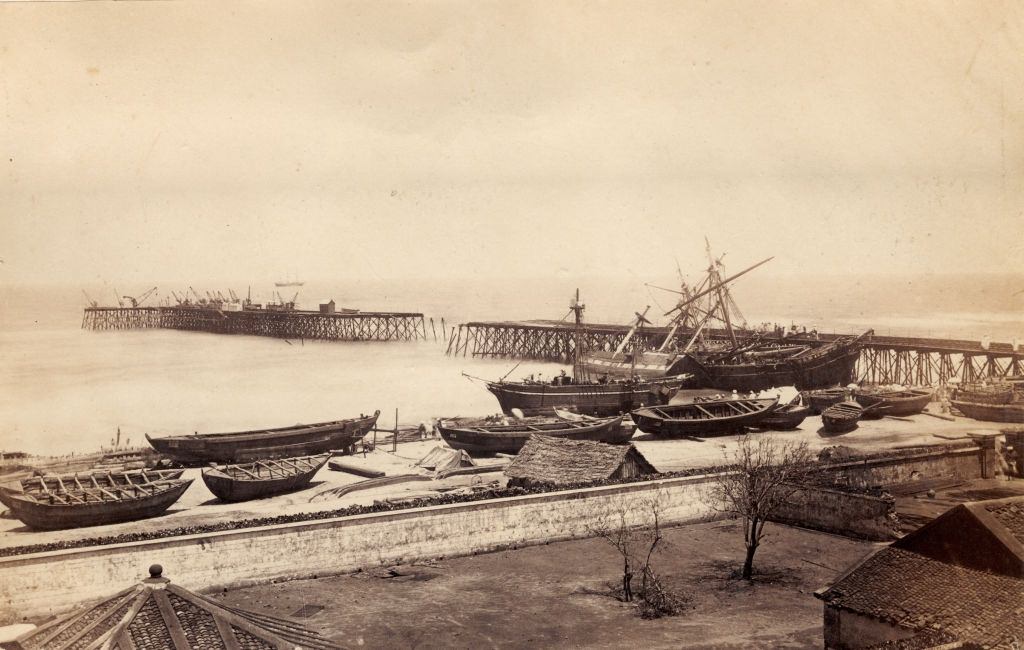
Madras — today’s Chennai — was the seat of British administration for South India. The Chepauk Palace served as the Revenue Board headquarters after the Nawab of the Carnatic ceded it to the East India Company. The Madras pier extended into the Bay of Bengal and served as the city’s main point of arrival for sea passengers, as Madras had no natural harbor.
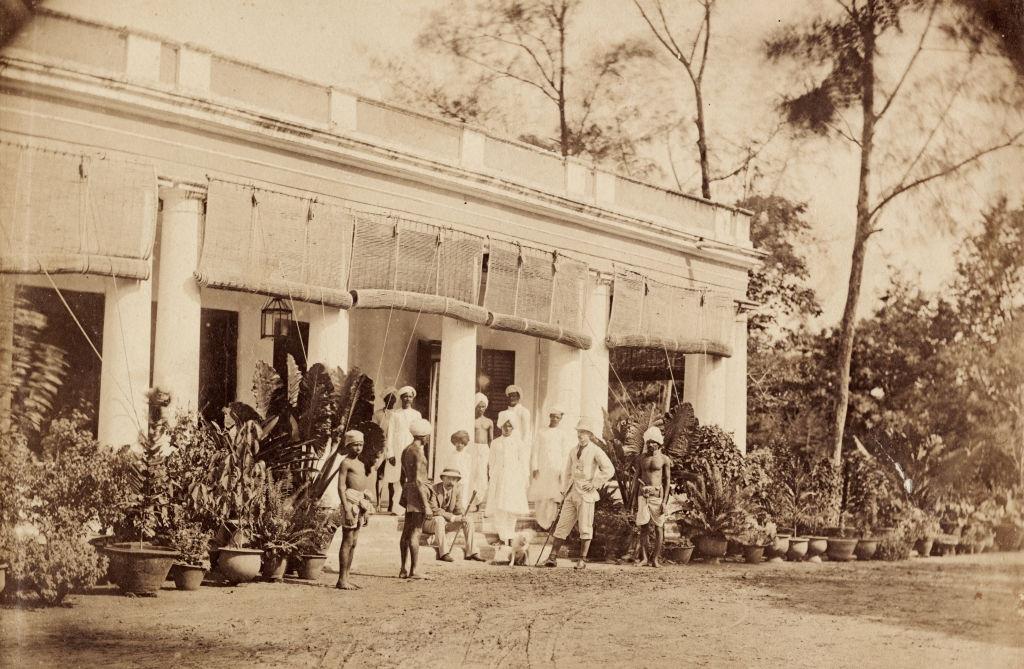
Tamil Nadu was home to some of the oldest temple complexes in India. The Ekambareswarar Temple in Kanchipuram was dedicated to Shiva and featured a towering gopuram — a monumental entrance tower — rising over 59 meters. The temple compound covered over 40 acres and was one of the Pancha Bhuta Stalas, the five sacred Shiva temples representing the five elements of nature.
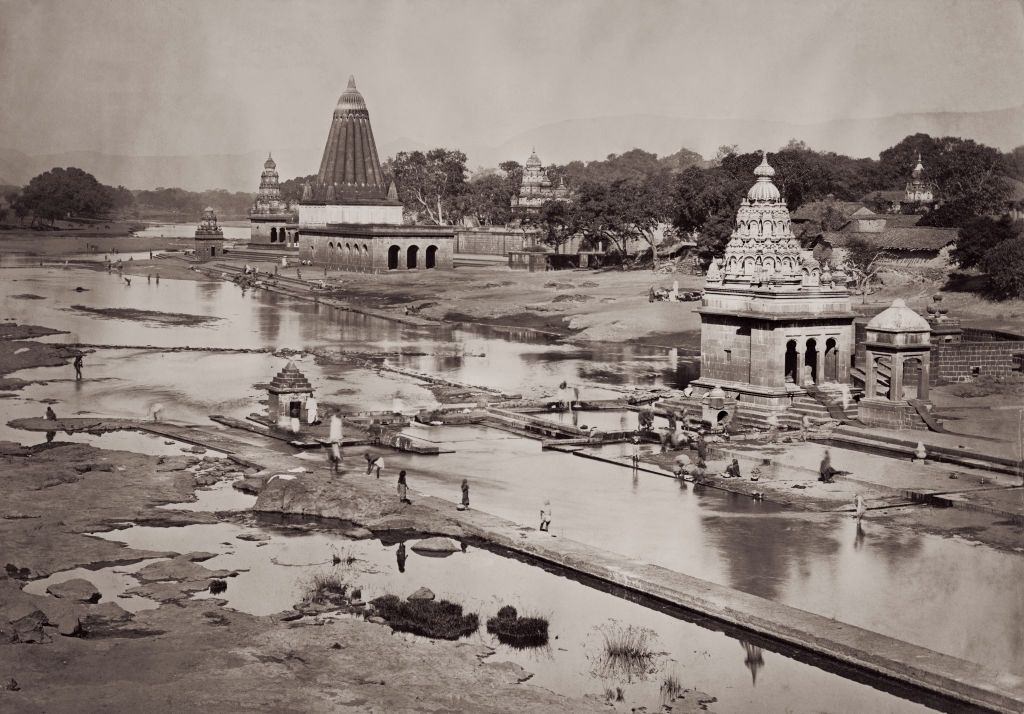
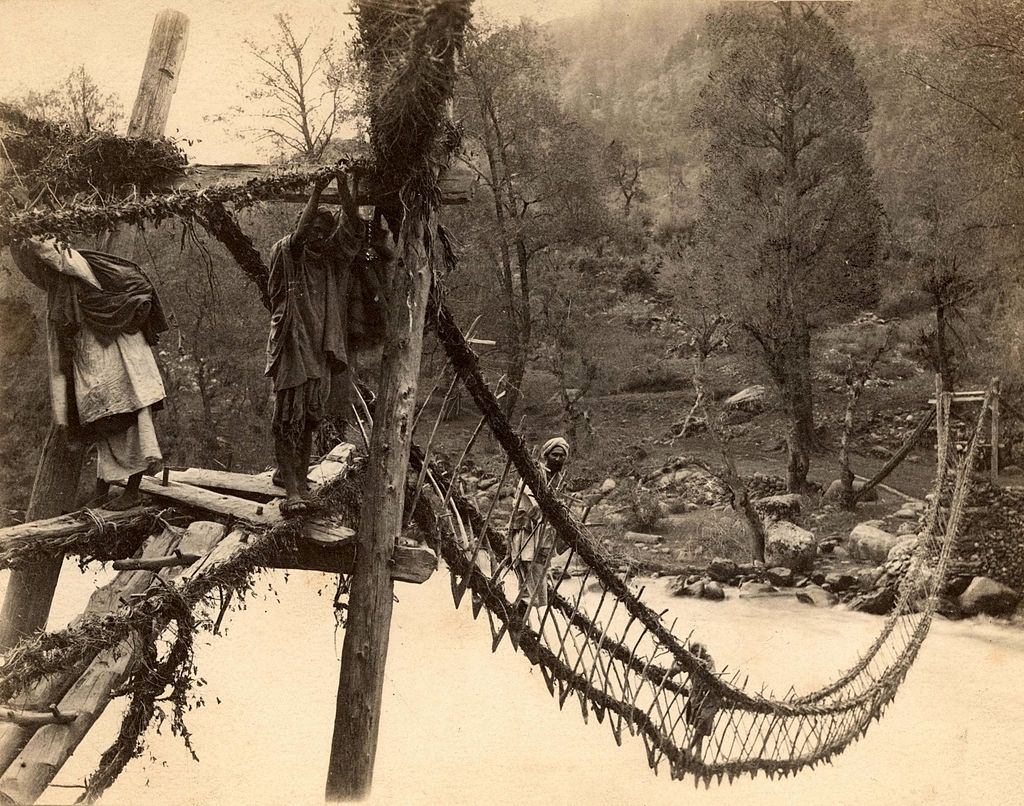
Rope bridges and rope-crossing stations were essential infrastructure in mountainous and river regions of the subcontinent where conventional bridges were impractical. Along rivers like the Salween — which ran through Burma, a territory then administered as part of British India — rope stations allowed goods and people to cross dangerous waters.
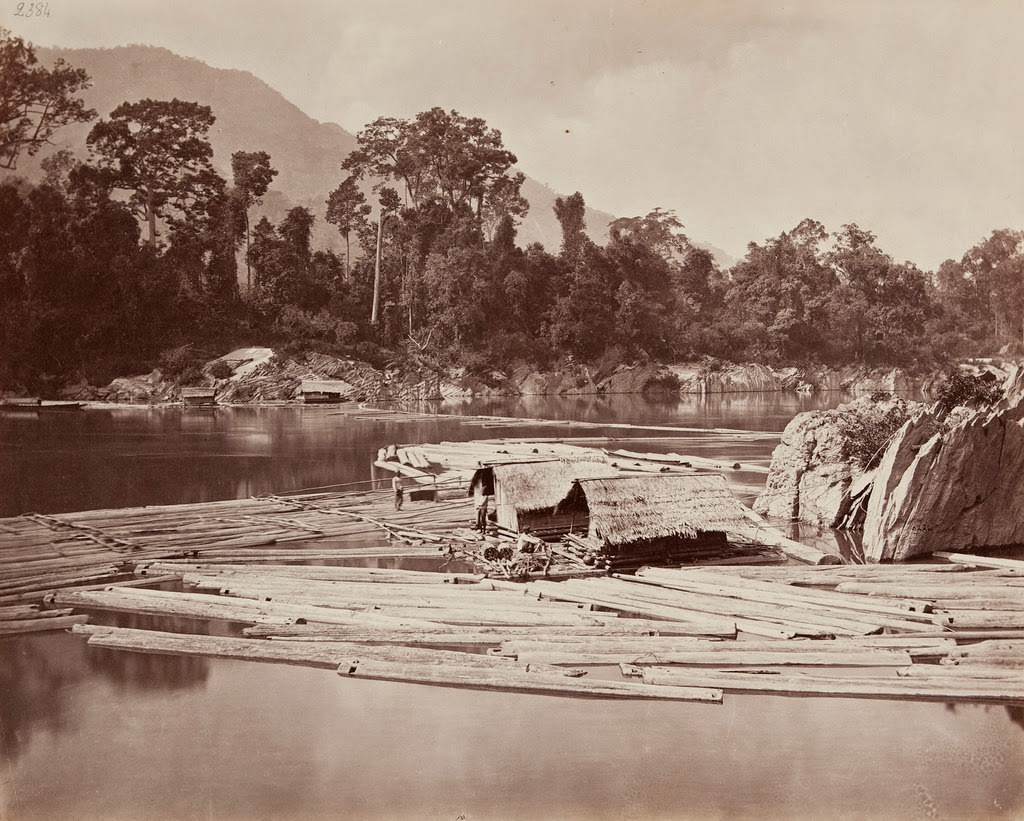
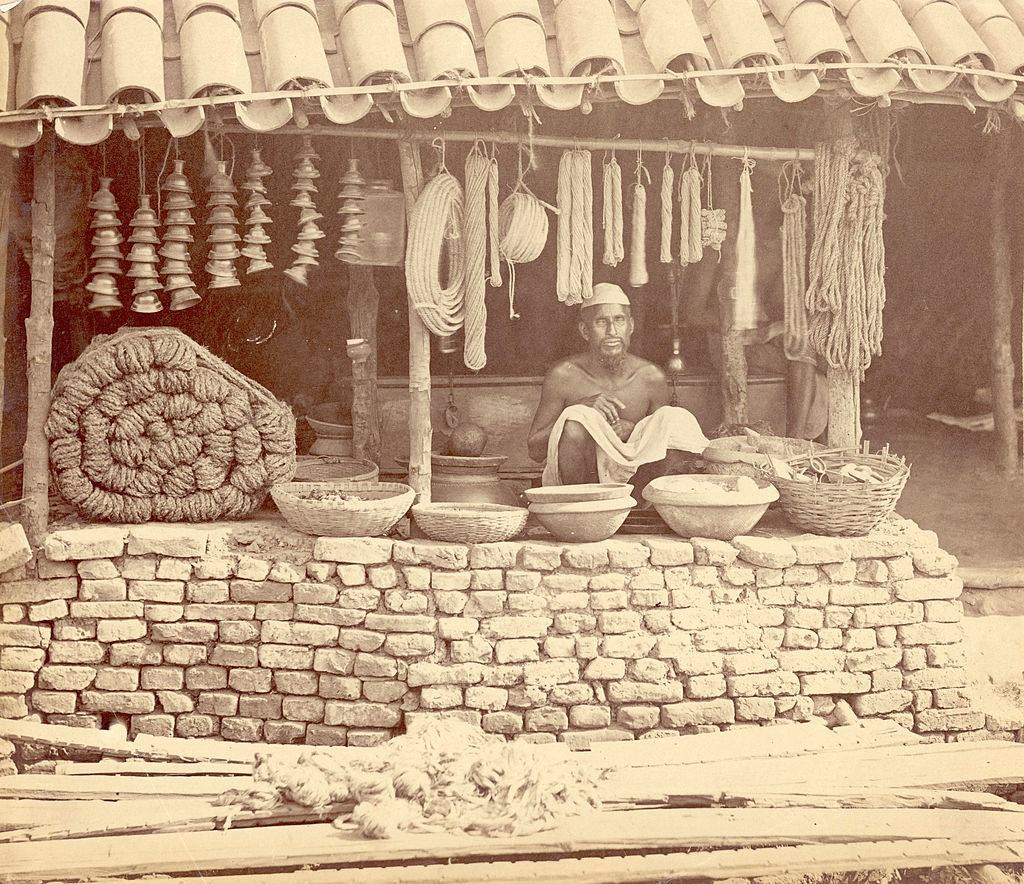
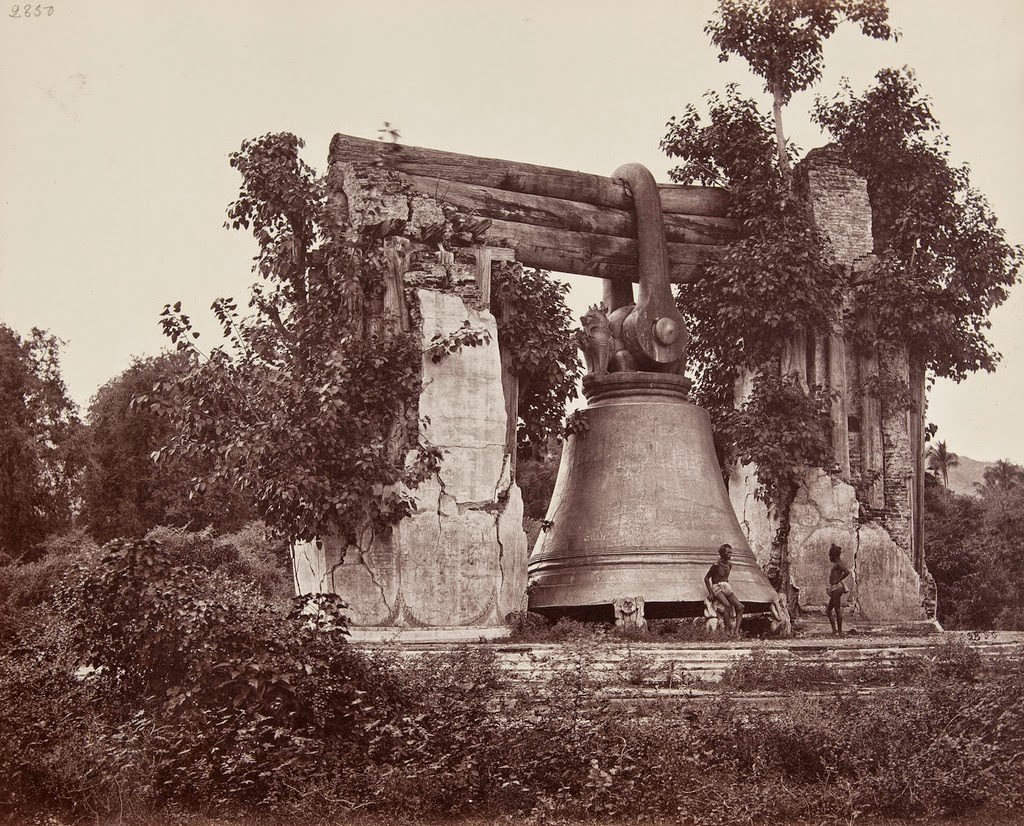
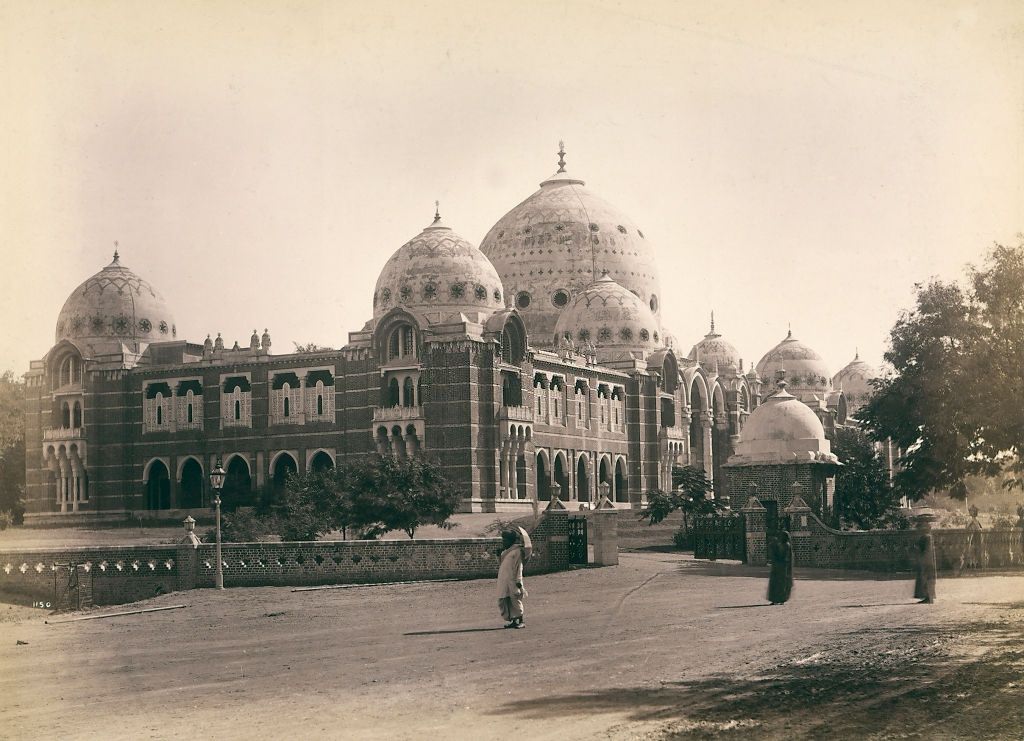
In Mingun, Burma — then part of British India — the Mingun Bell hung near the unfinished Mingun Pahtodawgyi stupa. Cast in 1808 under King Bodawpaya, it weighed approximately 90 tons and remained one of the largest ringing bells in the world. Nearby, the city of Vadodara in Gujarat was undergoing architectural development under the rule of the Gaekwad dynasty, producing civic buildings that blended Indo-Saracenic design with European structural elements.