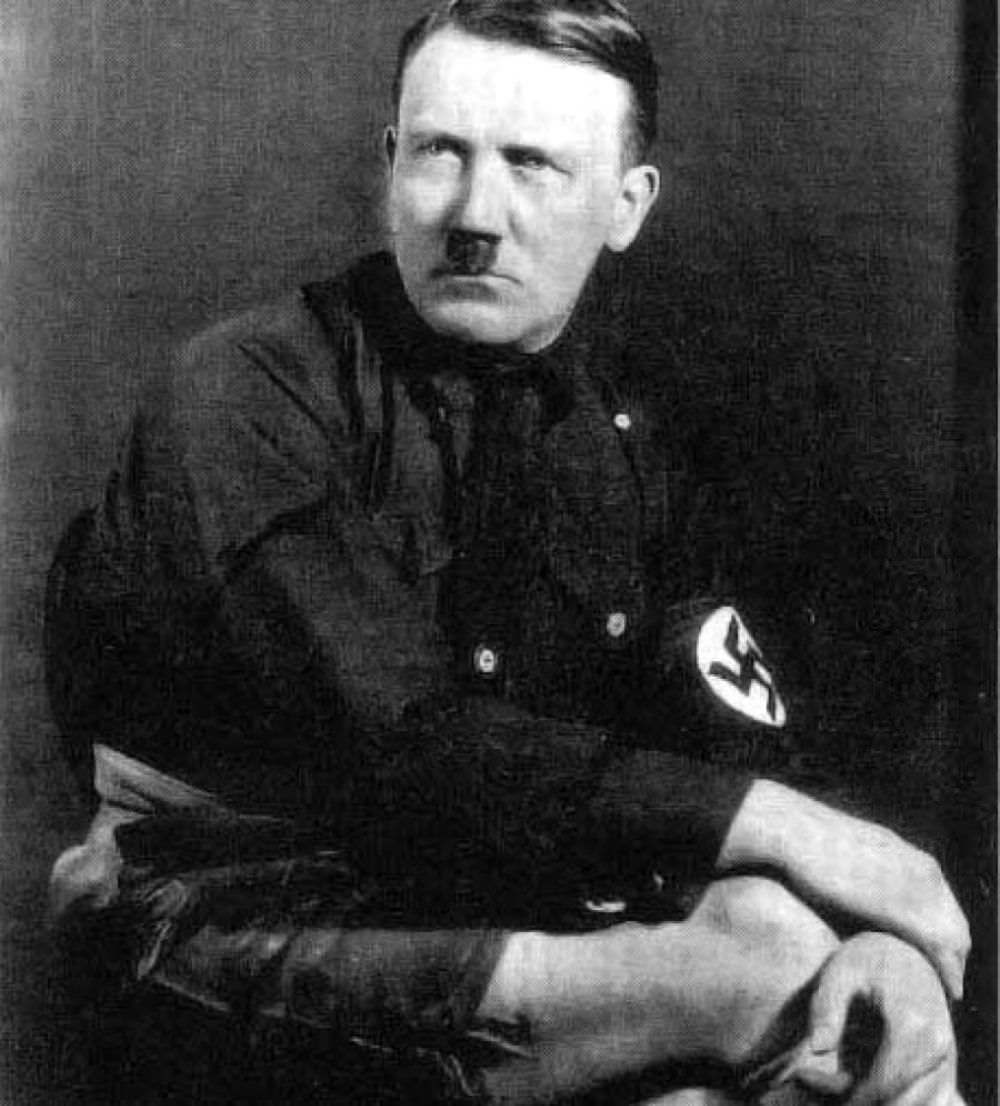
Adolf Hitler is remembered as one of the most destructive leaders in modern history. His regime was responsible for World War II and the systematic murder of millions of people. The public image he projected was one of rigid authority — stiff military uniforms, rehearsed speeches, and carefully staged propaganda photographs. But a small collection of candid images tells a different visual story.
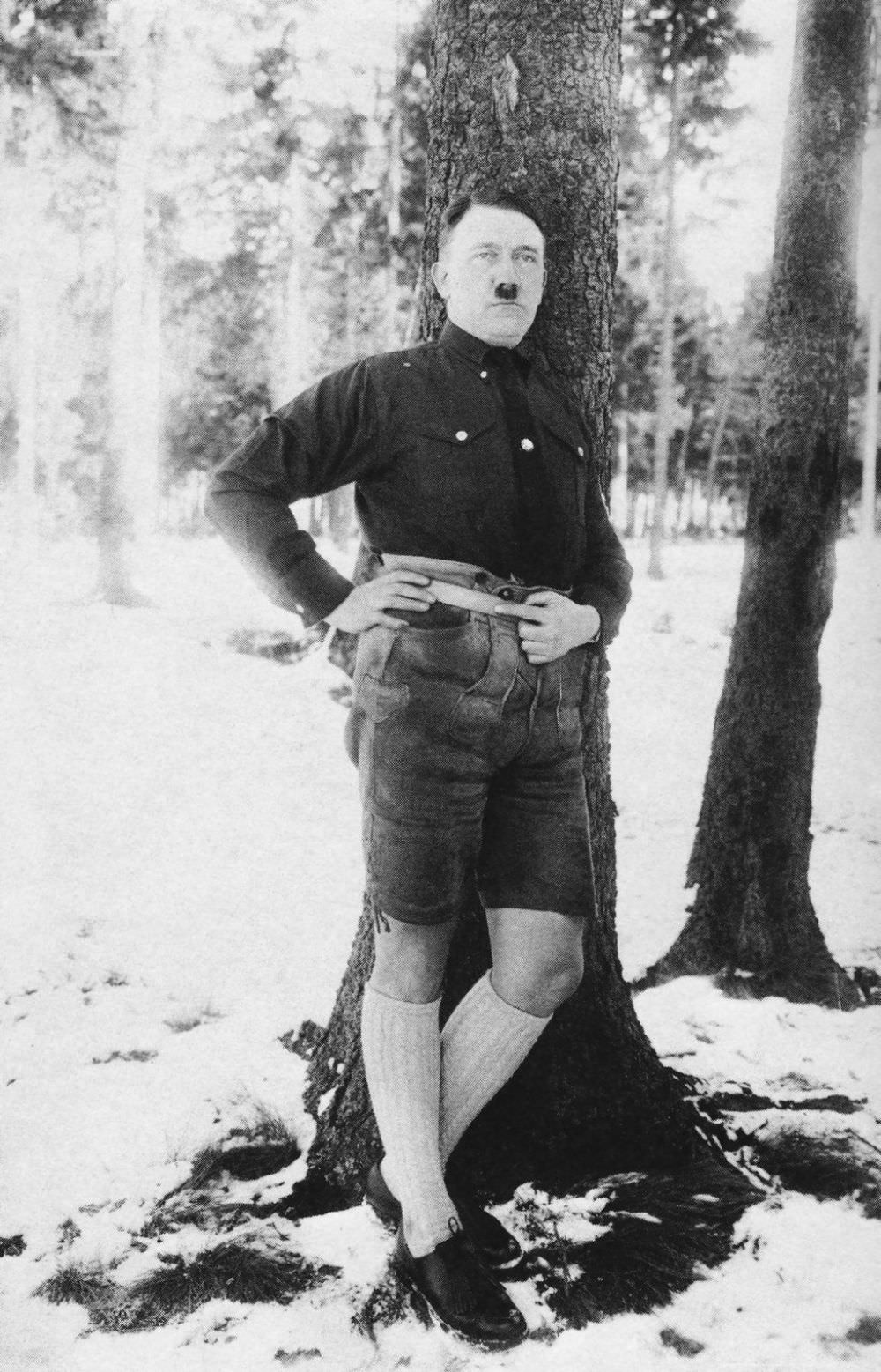
These rare photos show Hitler in shorts and casual clothing, taken during private moments away from the public eye. They stand in sharp contrast to the formal, steel-faced image his propaganda machine worked hard to build. In one well-known photo, Hitler is seated in a deckchair wearing shorts, with senior Nazi officials around him, including Heinrich Himmler and Joseph Goebbels. In another, he is seen walking his German Shepherd, Blondi, dressed in short pants and a plain shirt.
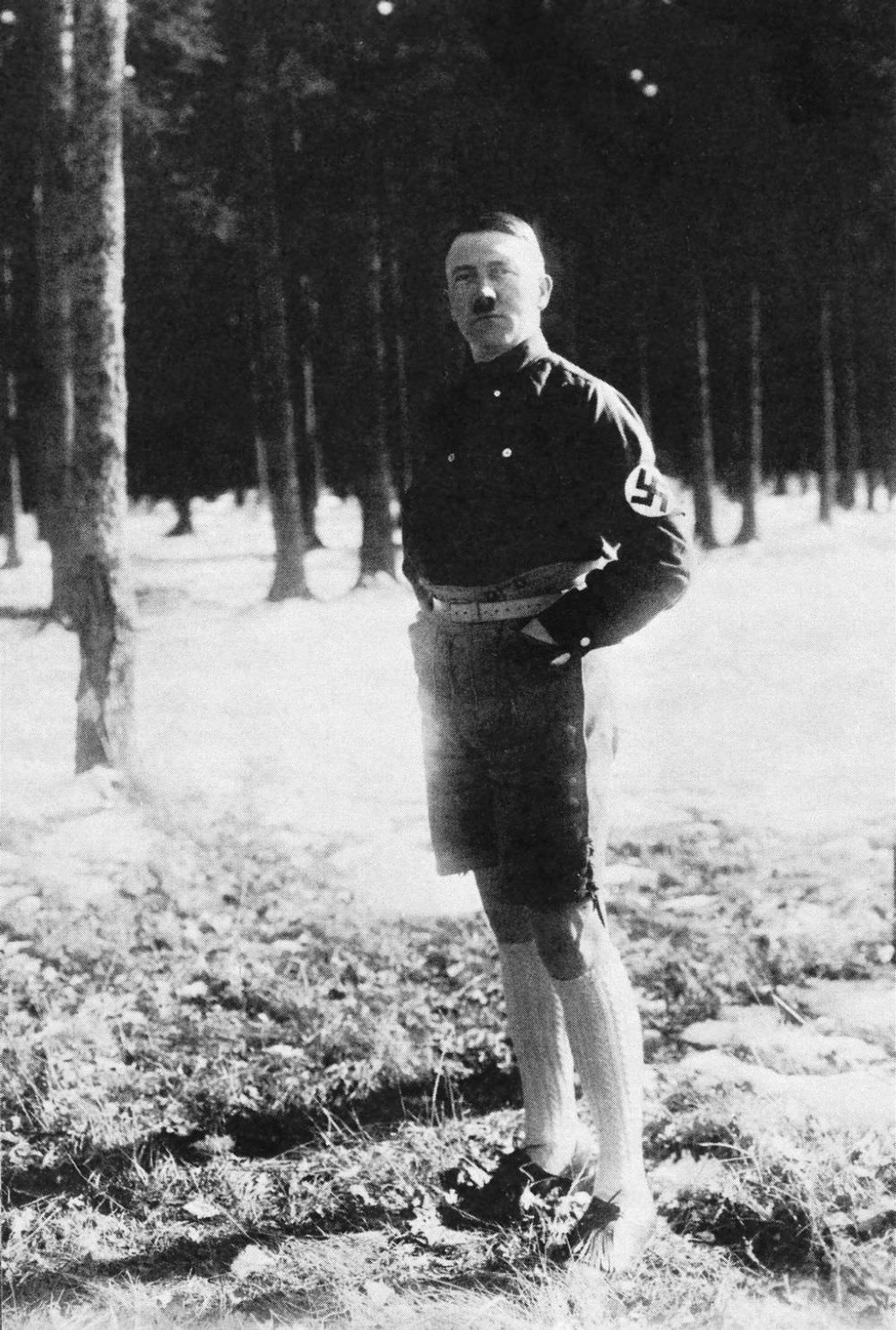
The settings for these photos were typically his private retreats, most notably the Berghof — his mountain residence in the Bavarian Alps. Away from Berlin and the machinery of government, Hitler allowed a more relaxed atmosphere among his inner circle. These moments were not meant for public distribution. They were personal records, many taken by his photographer Eva Braun or trusted staff.
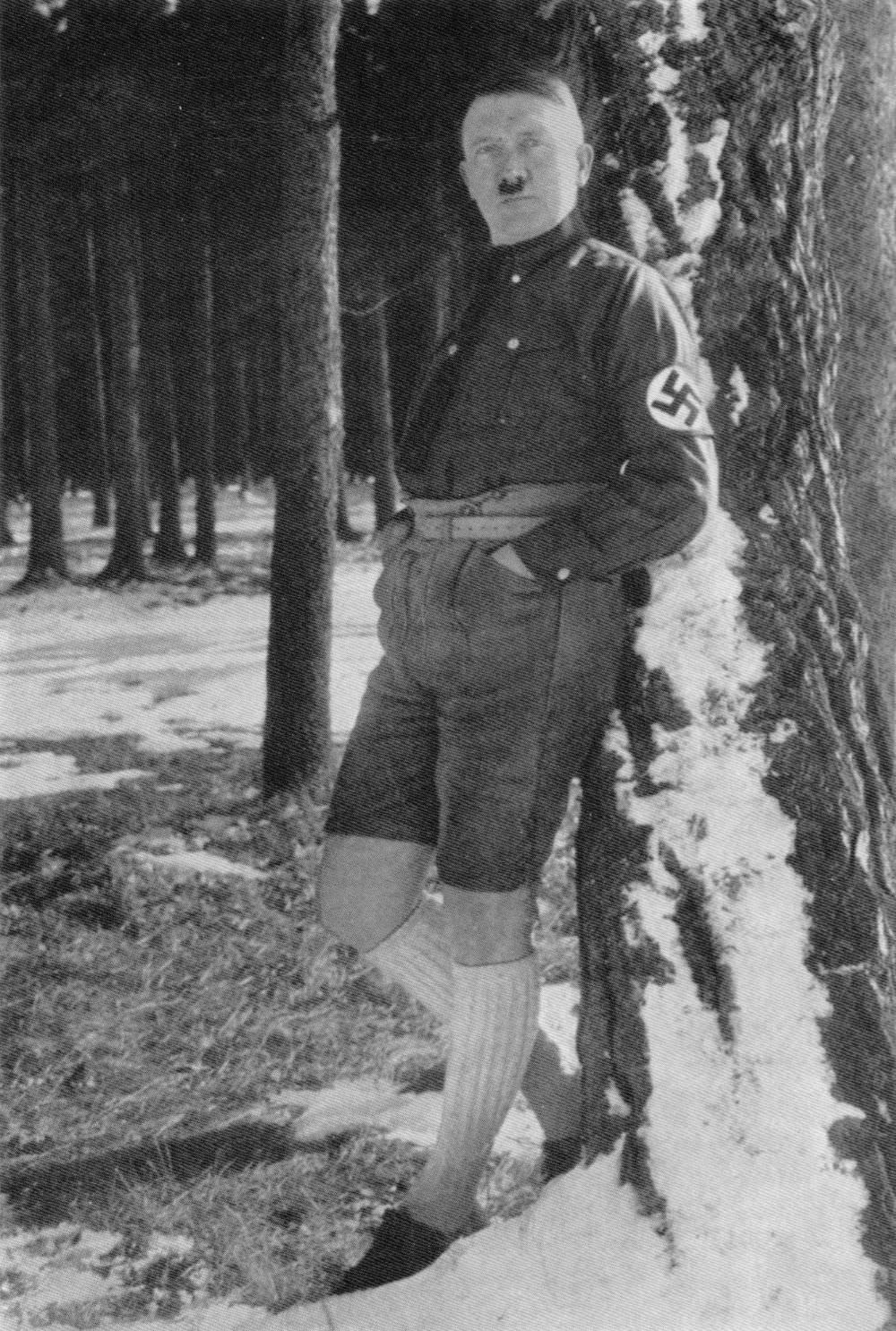
When these images surfaced publicly over the decades, they sparked immediate debate. Critics argued that showing Hitler in an ordinary, relaxed light risks humanizing him in a way that softens or distracts from the scale of his crimes. The concern is straightforward: presenting a genocidal dictator as a regular person lounging in shorts can blur the moral clarity that history demands.
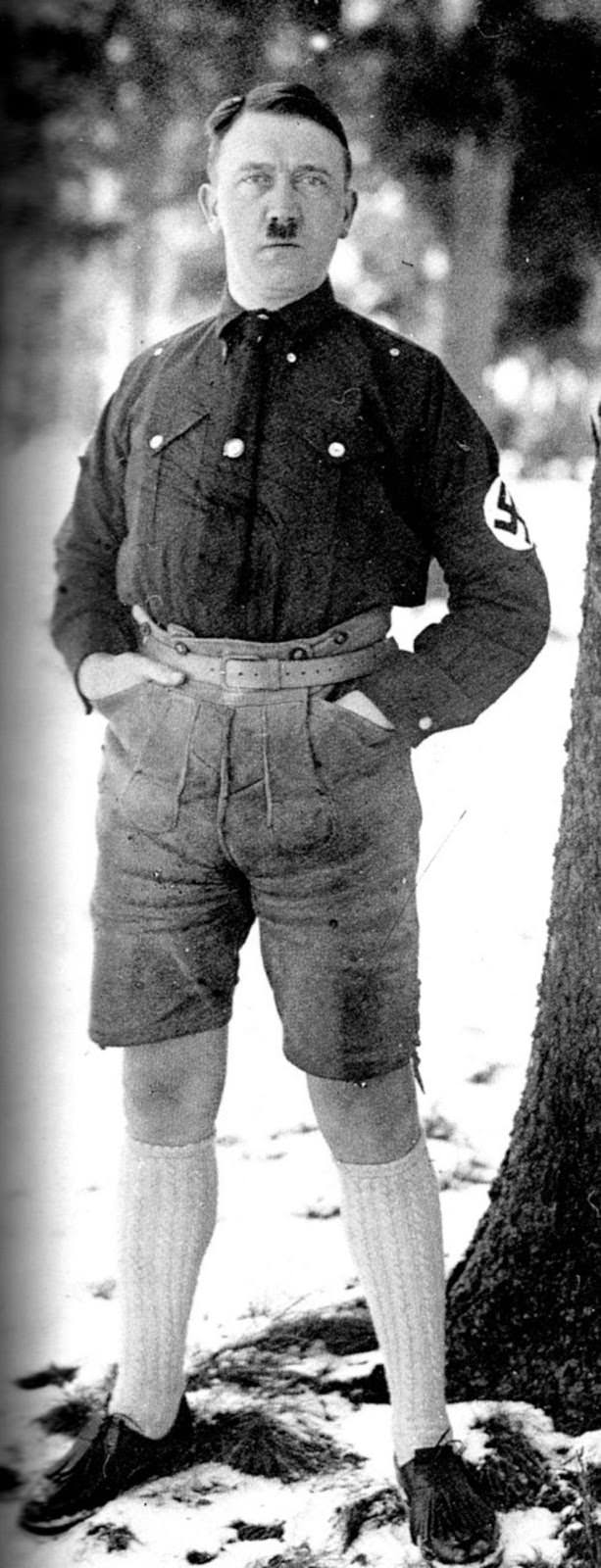
Others argue the opposite — that these images are historically valuable precisely because they are unsettling. They demonstrate that the architects of mass atrocity are not monsters from another world. Hitler was a human being who sat in the sun, played with his dog, and laughed with colleagues. That fact makes the horror of what he ordered more difficult to process, not less. It forces a more serious examination of how ordinary people enable and commit extraordinary evil.
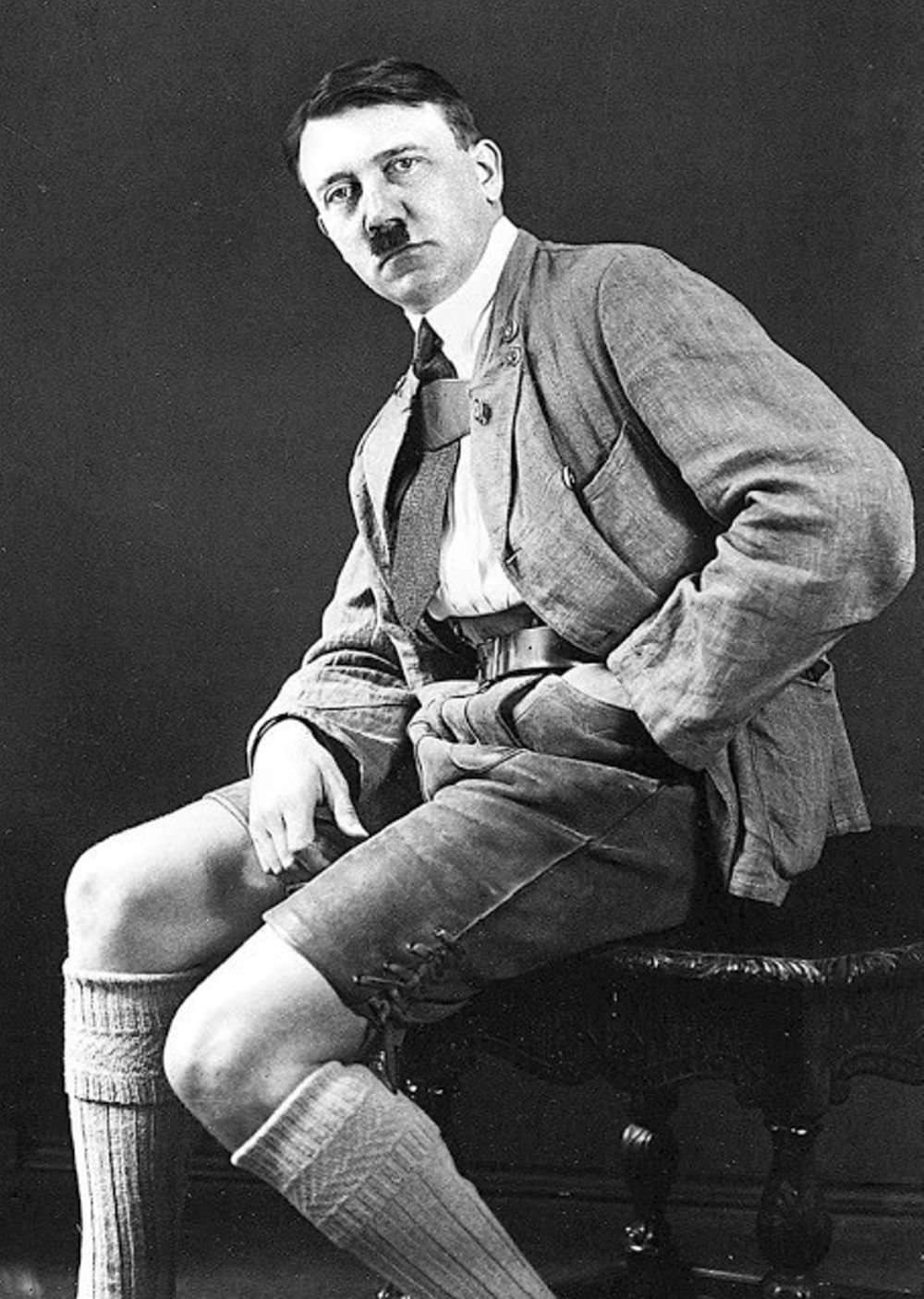
Historians have long noted that Hitler was deeply conscious of his public image. He banned unflattering or undignified photos from being published. Candid shots like these were never meant for newspaper front pages or party rallies. The gap between his cultivated persona and these private snapshots is itself a telling piece of historical evidence.
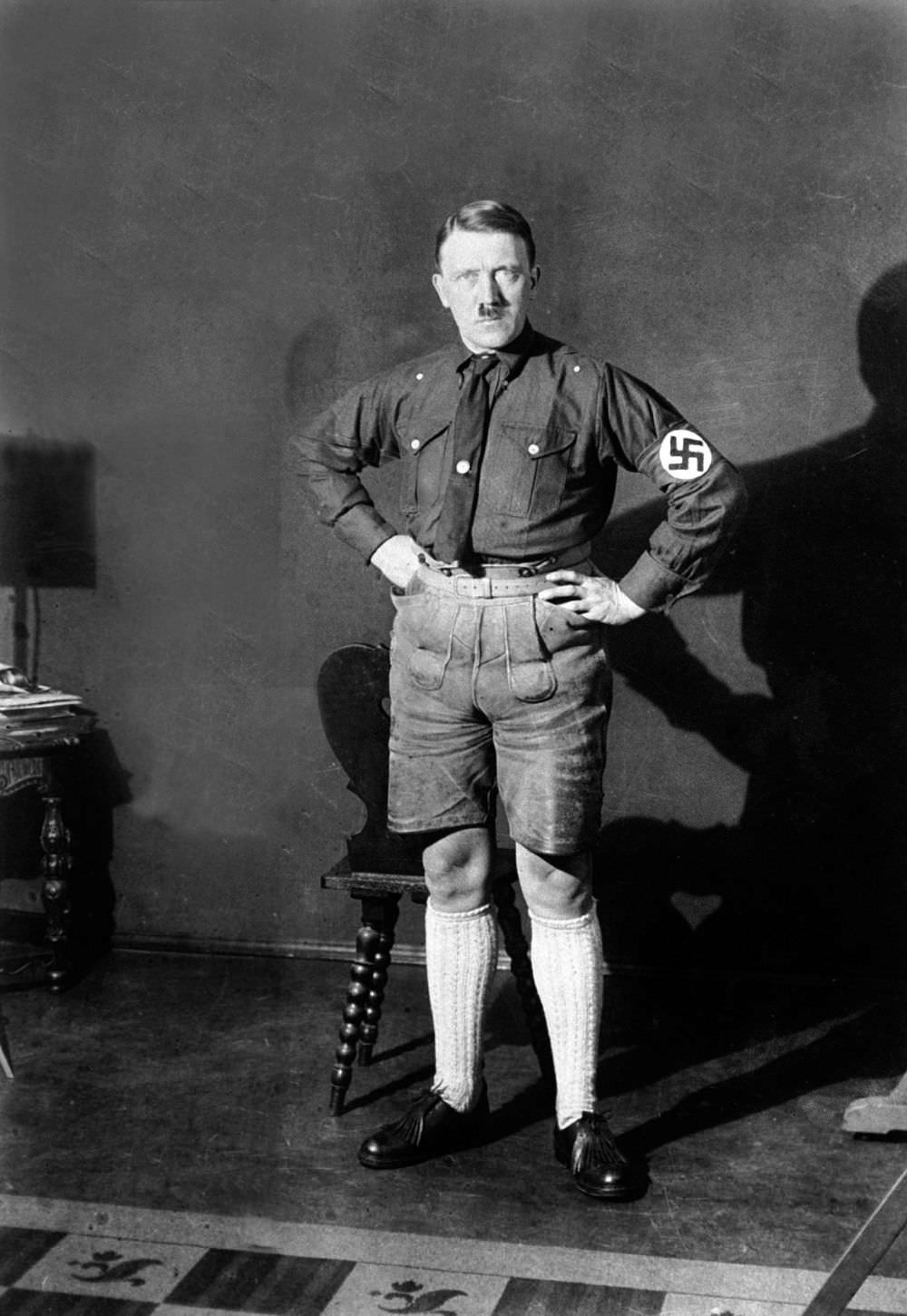
Several of these photographs have faced calls for removal from archives, museums, and online platforms over the years. The argument is that their circulation, especially without proper context, risks trivializing one of history’s worst regimes. Archivists and historians have generally pushed back, insisting that suppressing historical images — even uncomfortable ones — does more harm than good to public understanding.
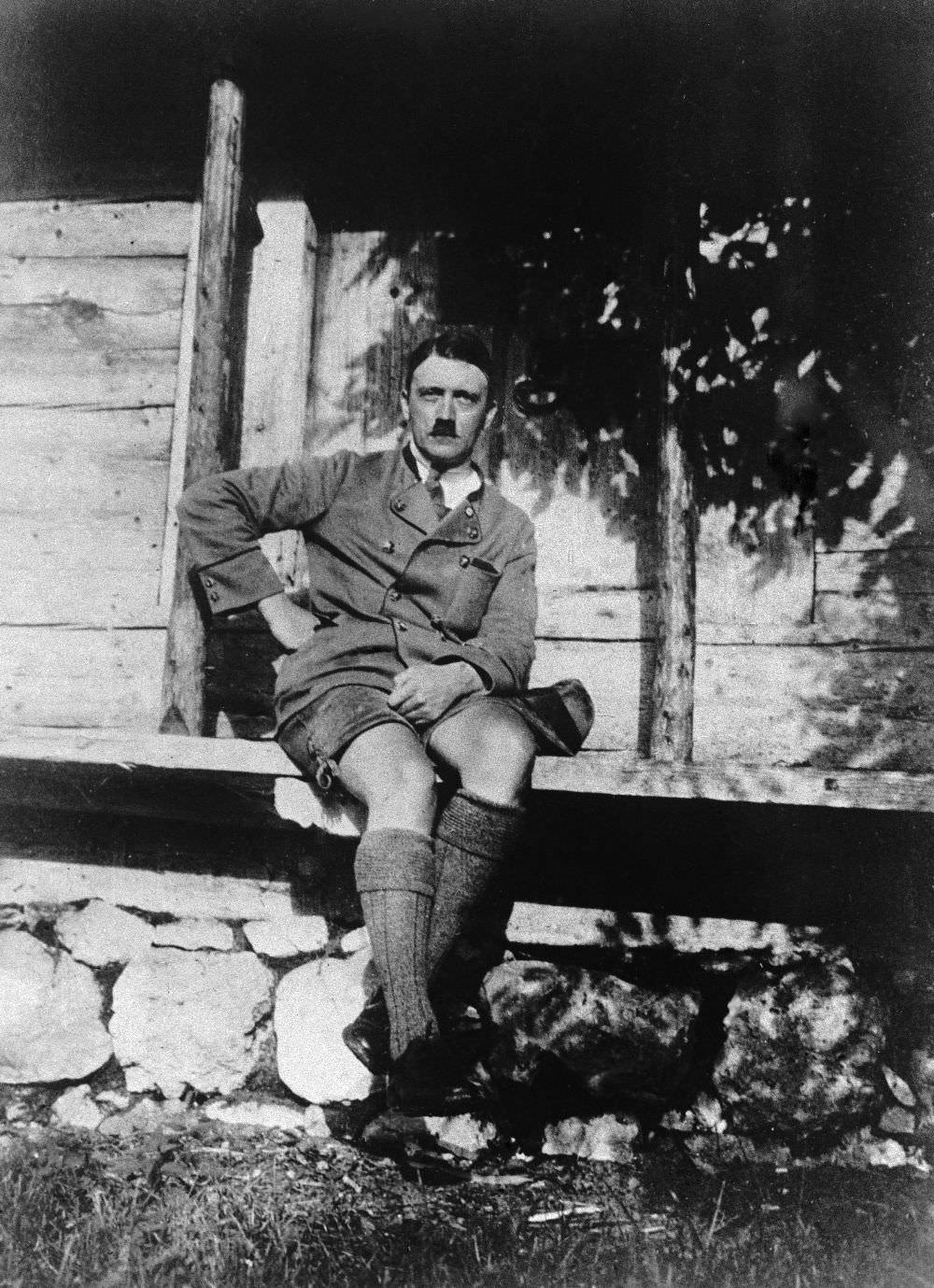
The photos of Hitler in shorts are not a revelation of hidden goodness. They are a window into the private world of a man who oversaw genocide while also taking afternoon walks and relaxing with associates. Context is everything when viewing them. Stripped of that context, they are misleading. Viewed with full historical awareness, they are a stark reminder that history’s worst perpetrators lived ordinary daily lives alongside their crimes.