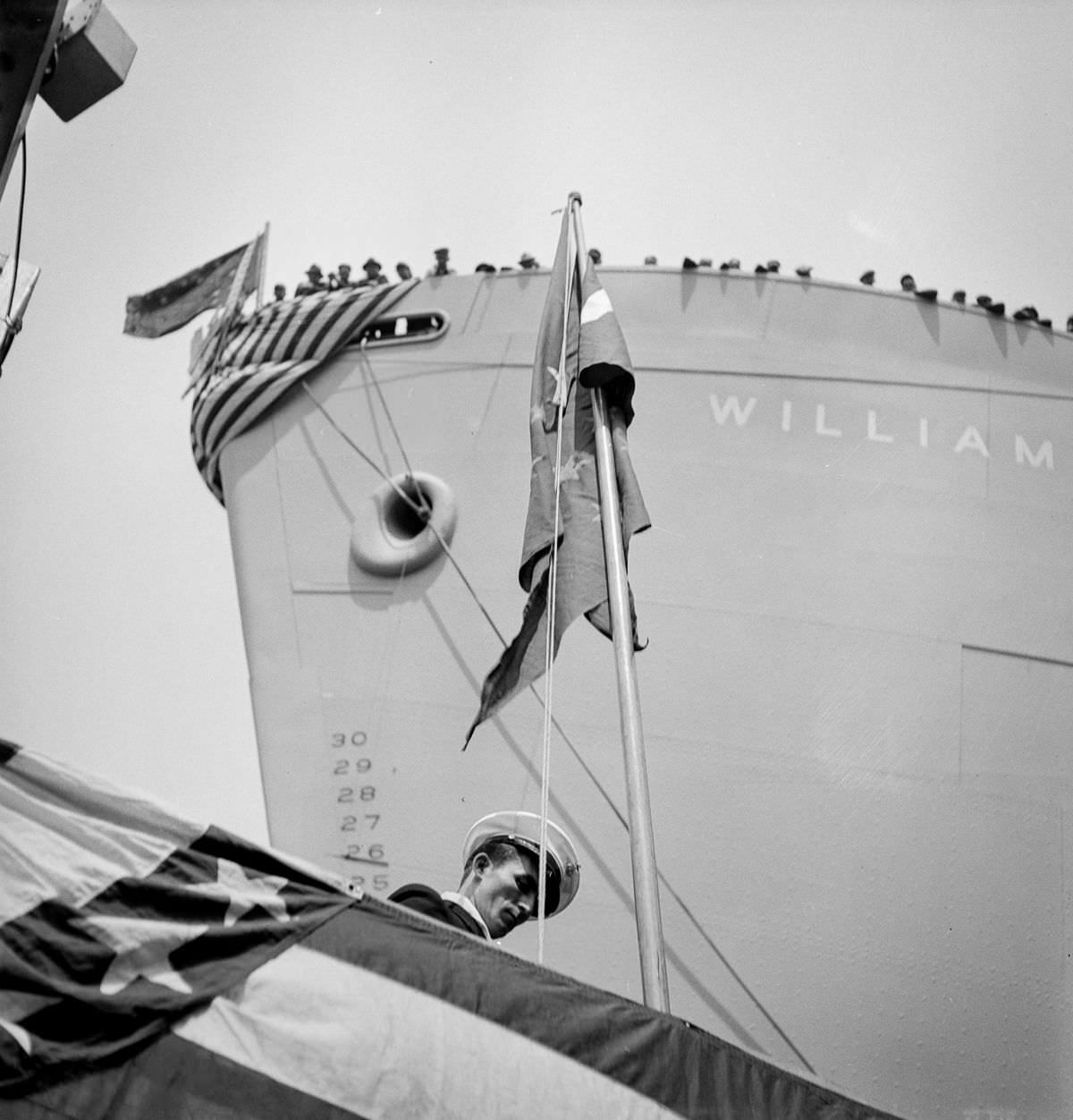
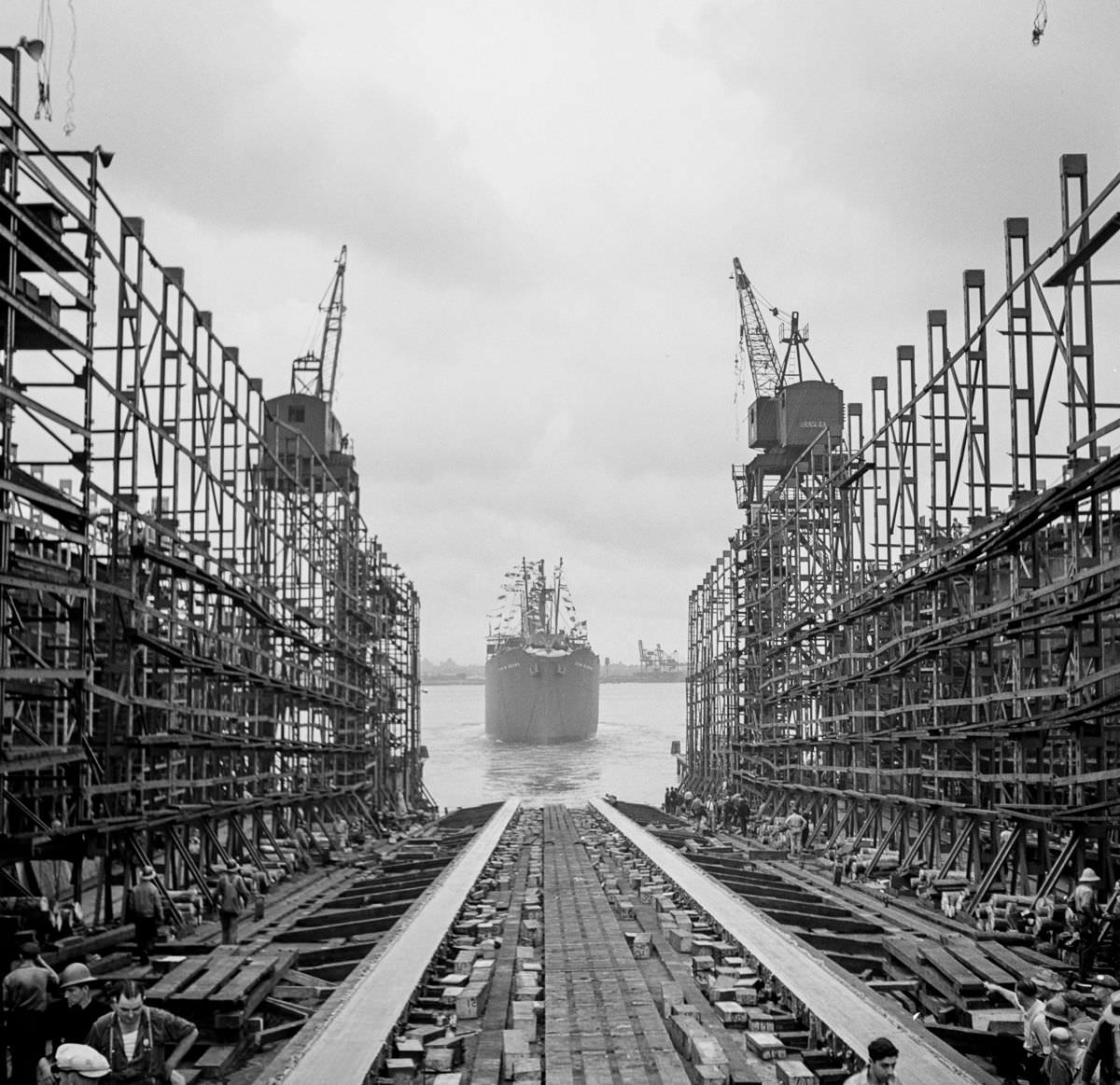
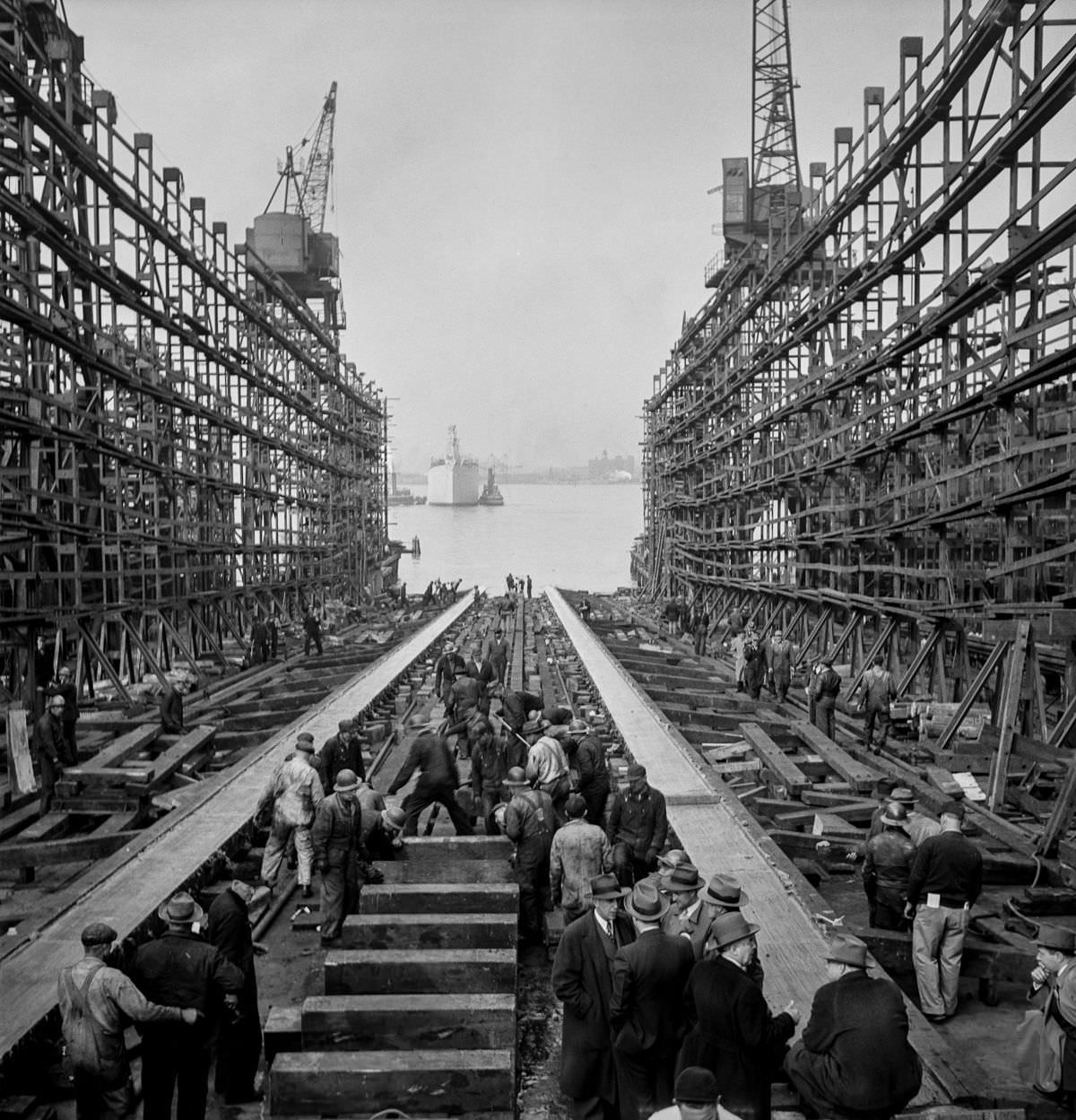
When the United States entered World War II, one problem stood above many others: getting supplies across the Atlantic Ocean to Allied forces in Europe. German submarines were sinking Allied cargo ships faster than they could be replaced. The answer was the Liberty ship — a no-frills cargo vessel designed to be built fast, built cheap, and built in massive numbers.
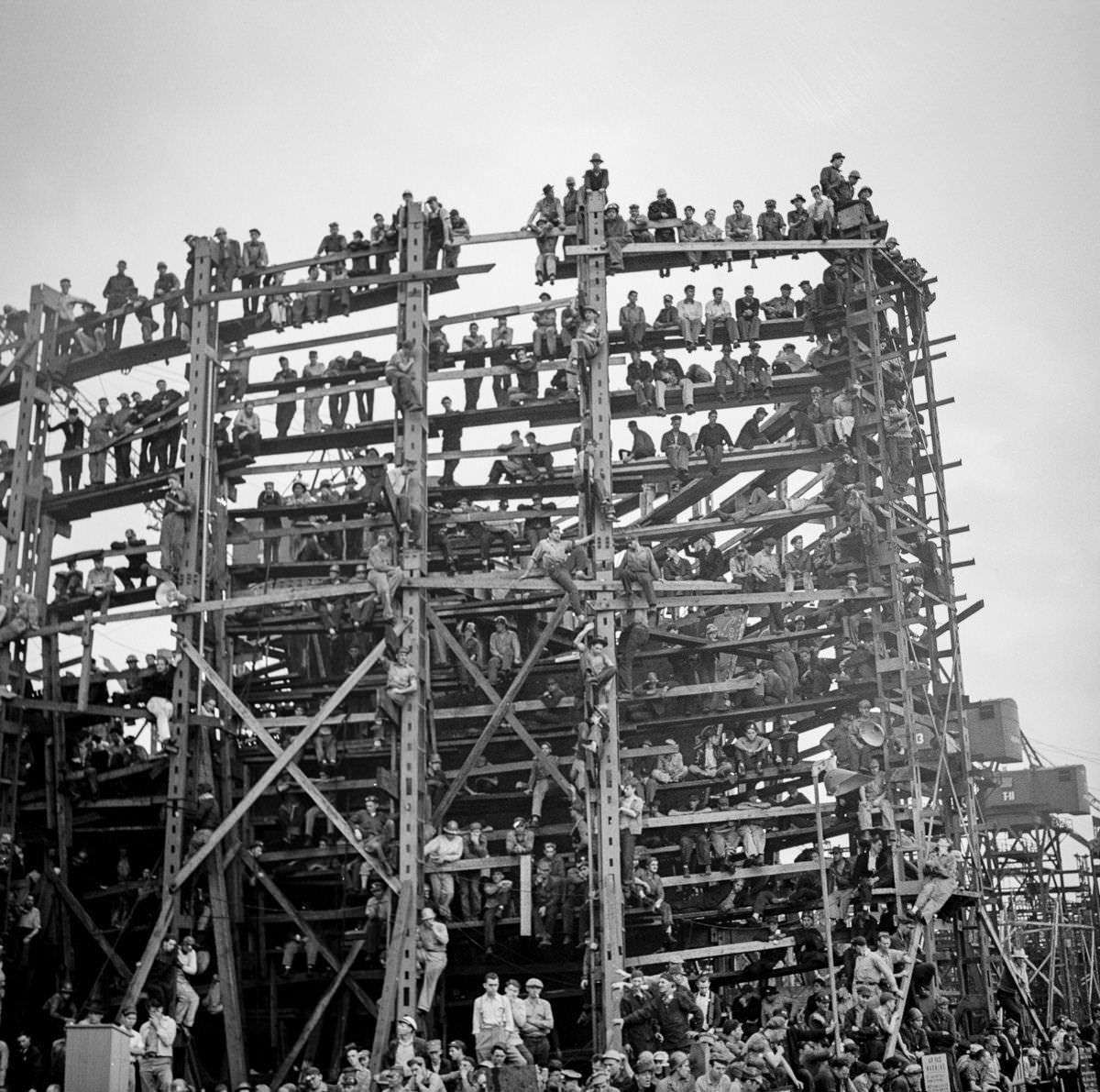
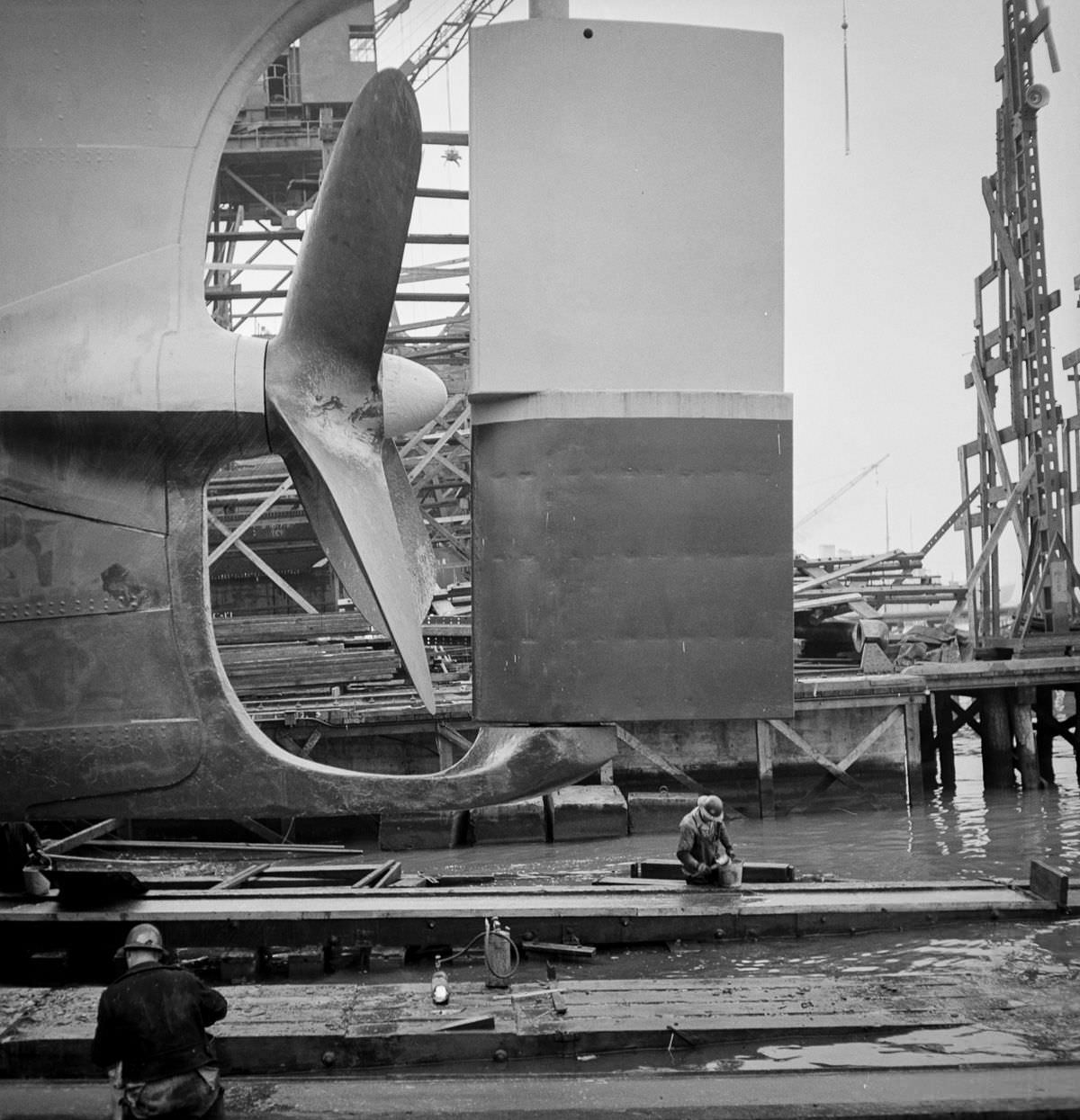
Liberty ships were not elegant. They were boxy, slow, and strictly functional. Each one stretched about 441 feet long and could carry roughly 10,000 tons of cargo. That cargo included tanks, ammunition, food, aircraft parts, and troops. What they lacked in grace, they made up for in sheer volume.
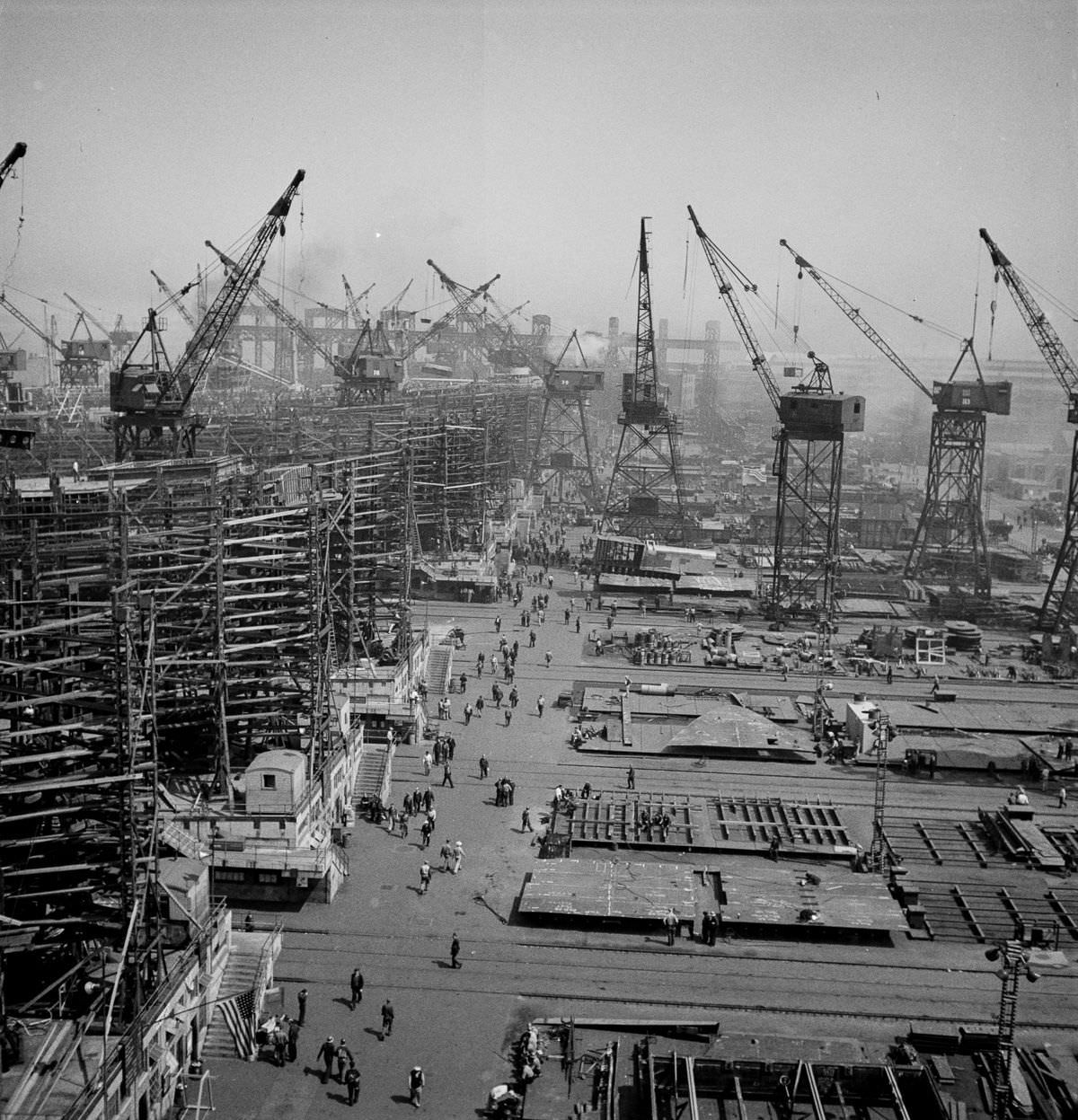
The program that produced these ships was called the Emergency Shipbuilding Program, run by the U.S. Maritime Commission. Its goal was straightforward: flood the Atlantic with more ships than the Germans could sink. At its peak, American shipyards were launching a new Liberty ship every single day.
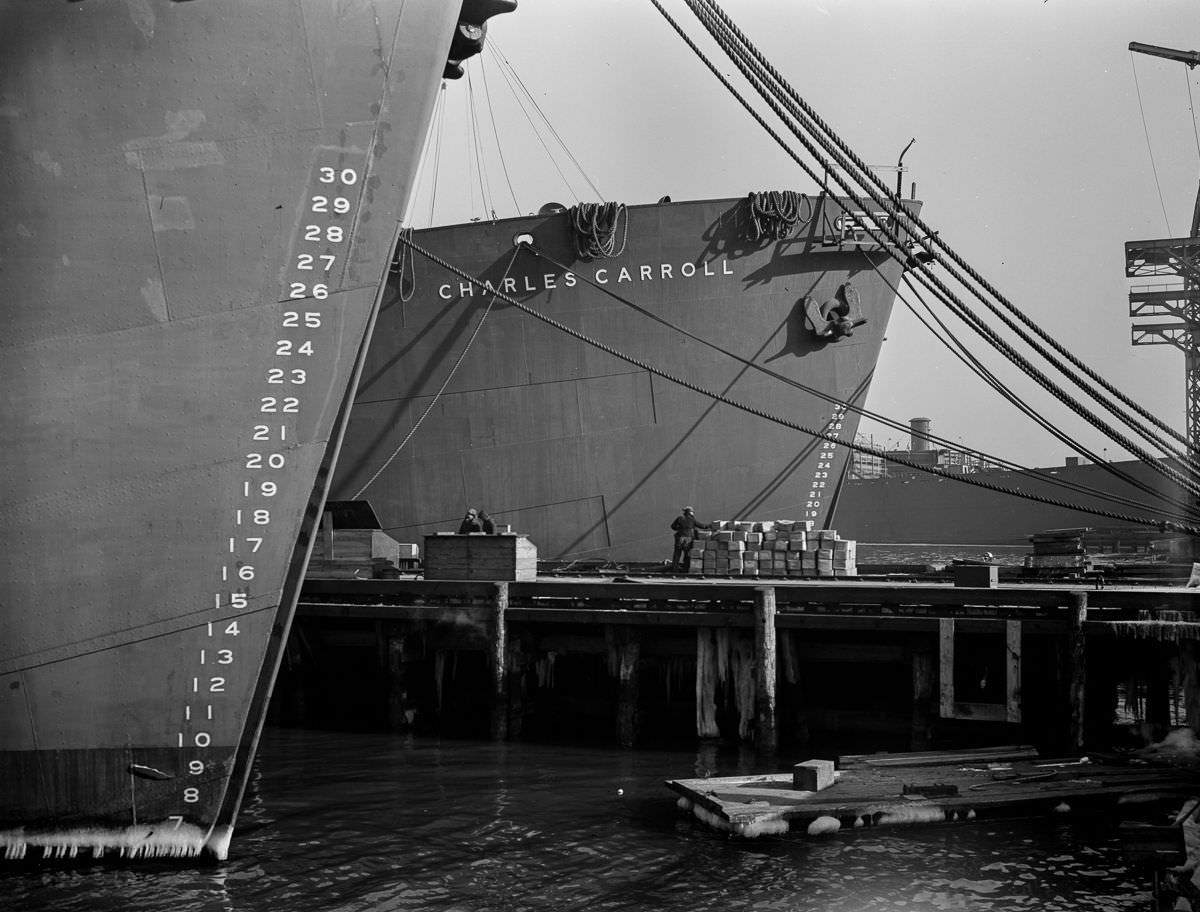
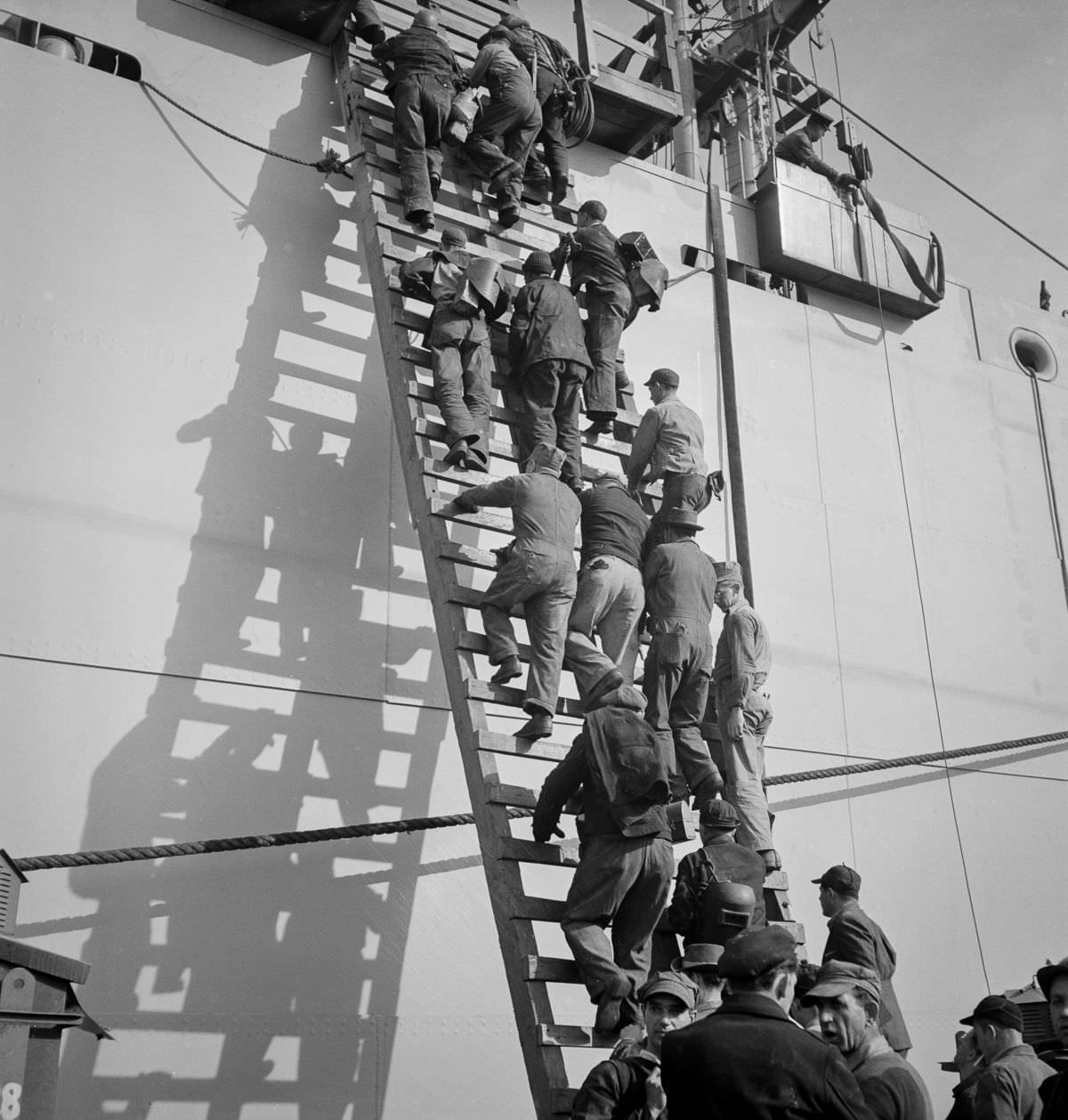
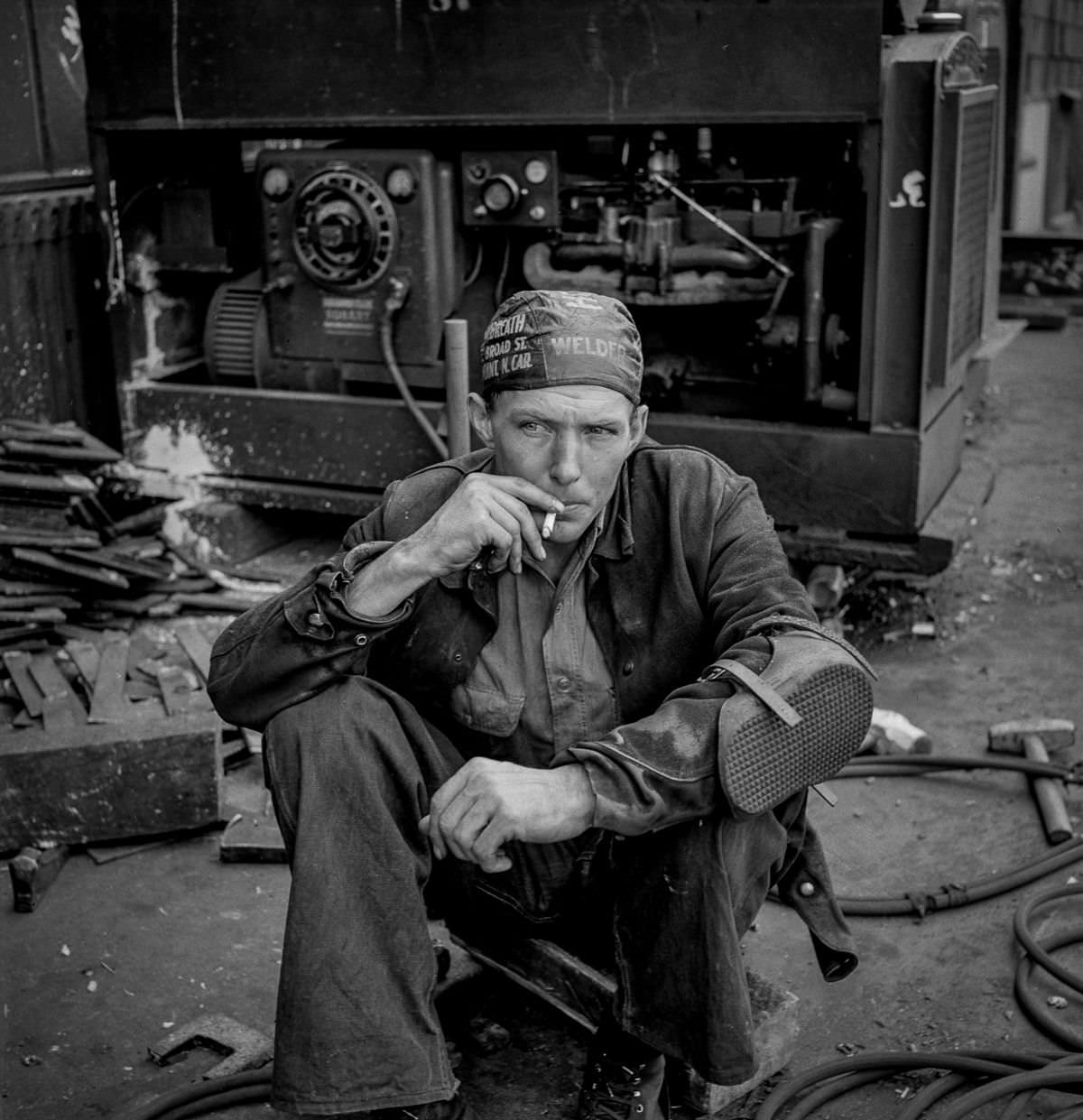
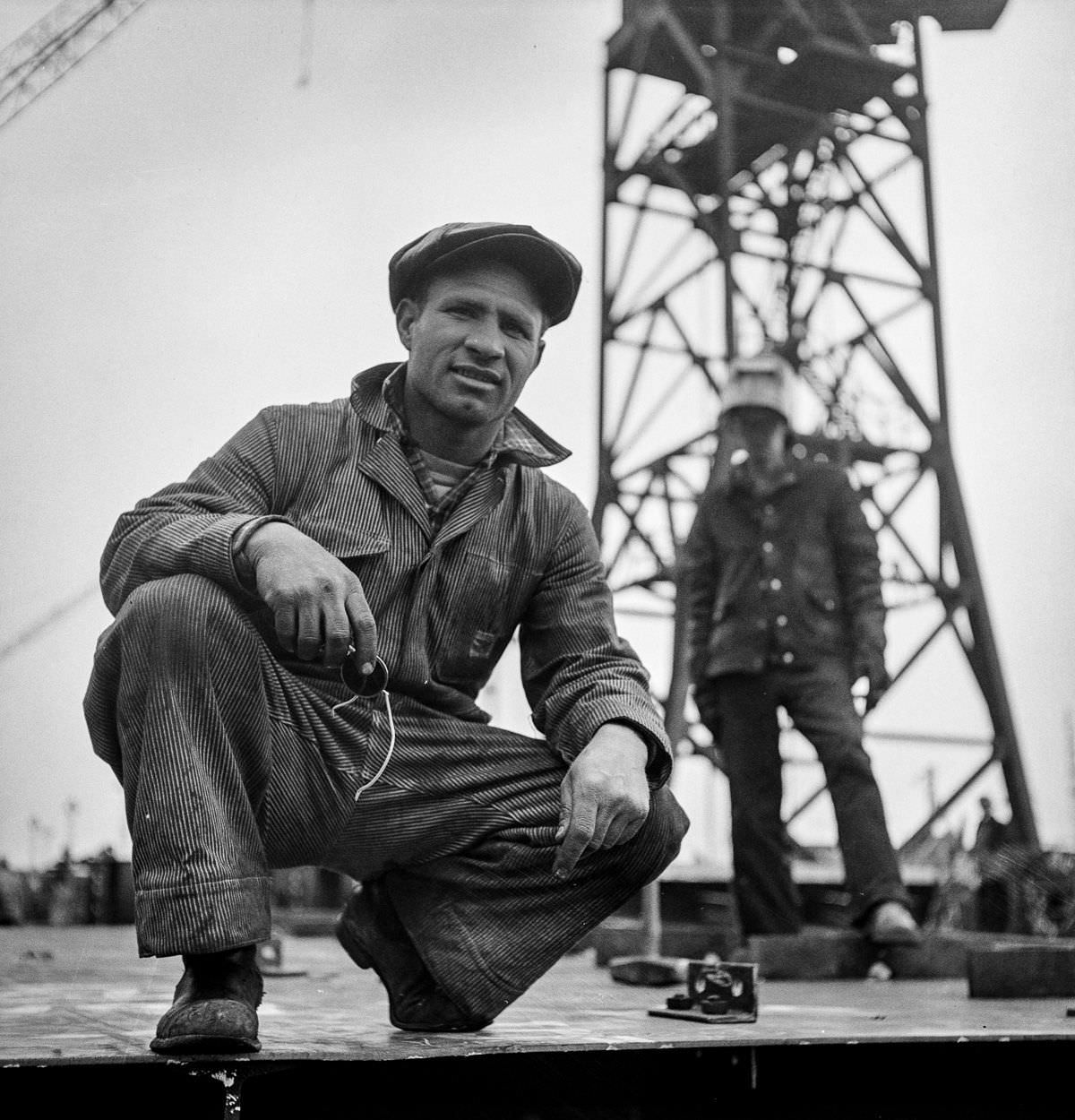
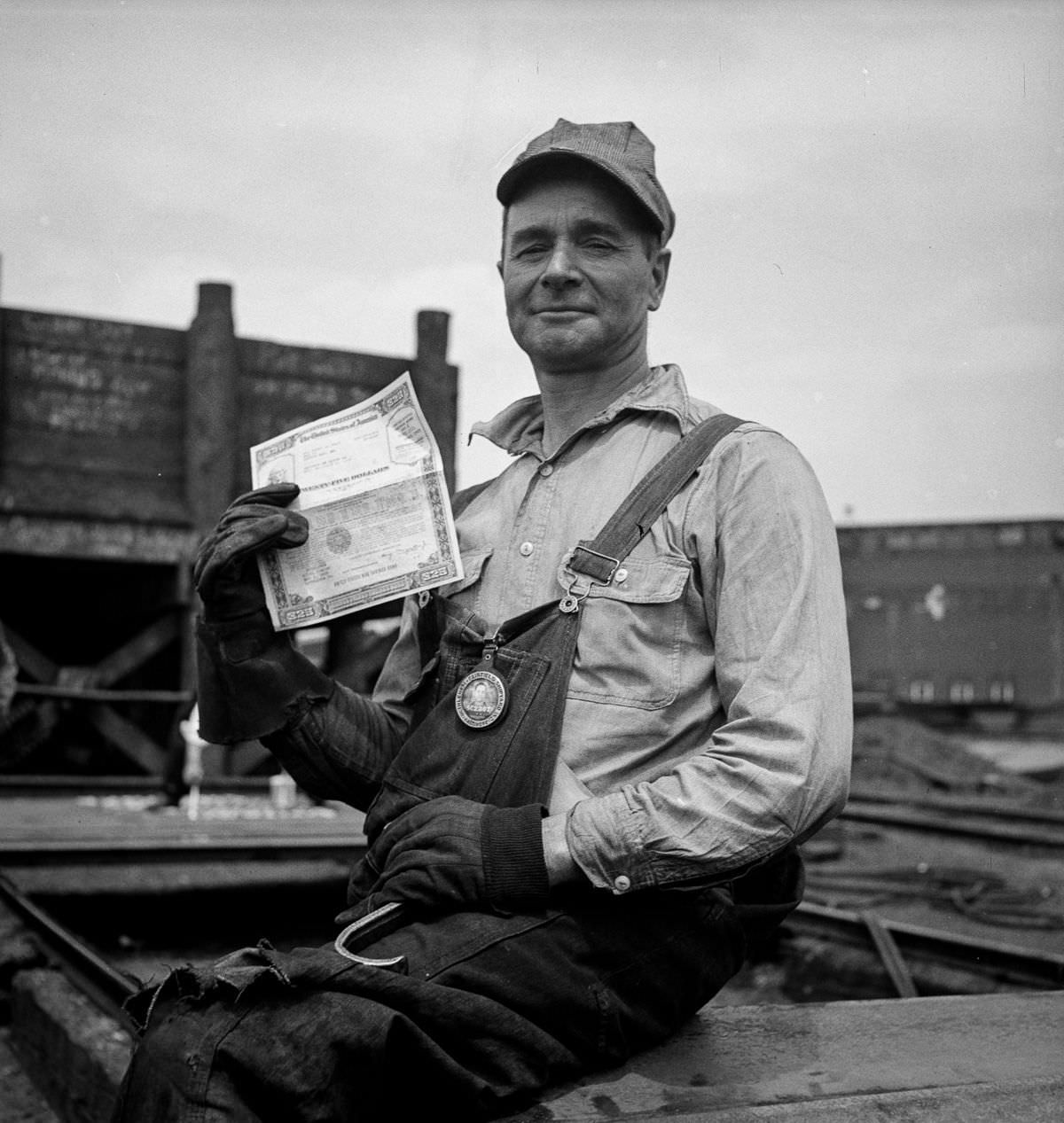
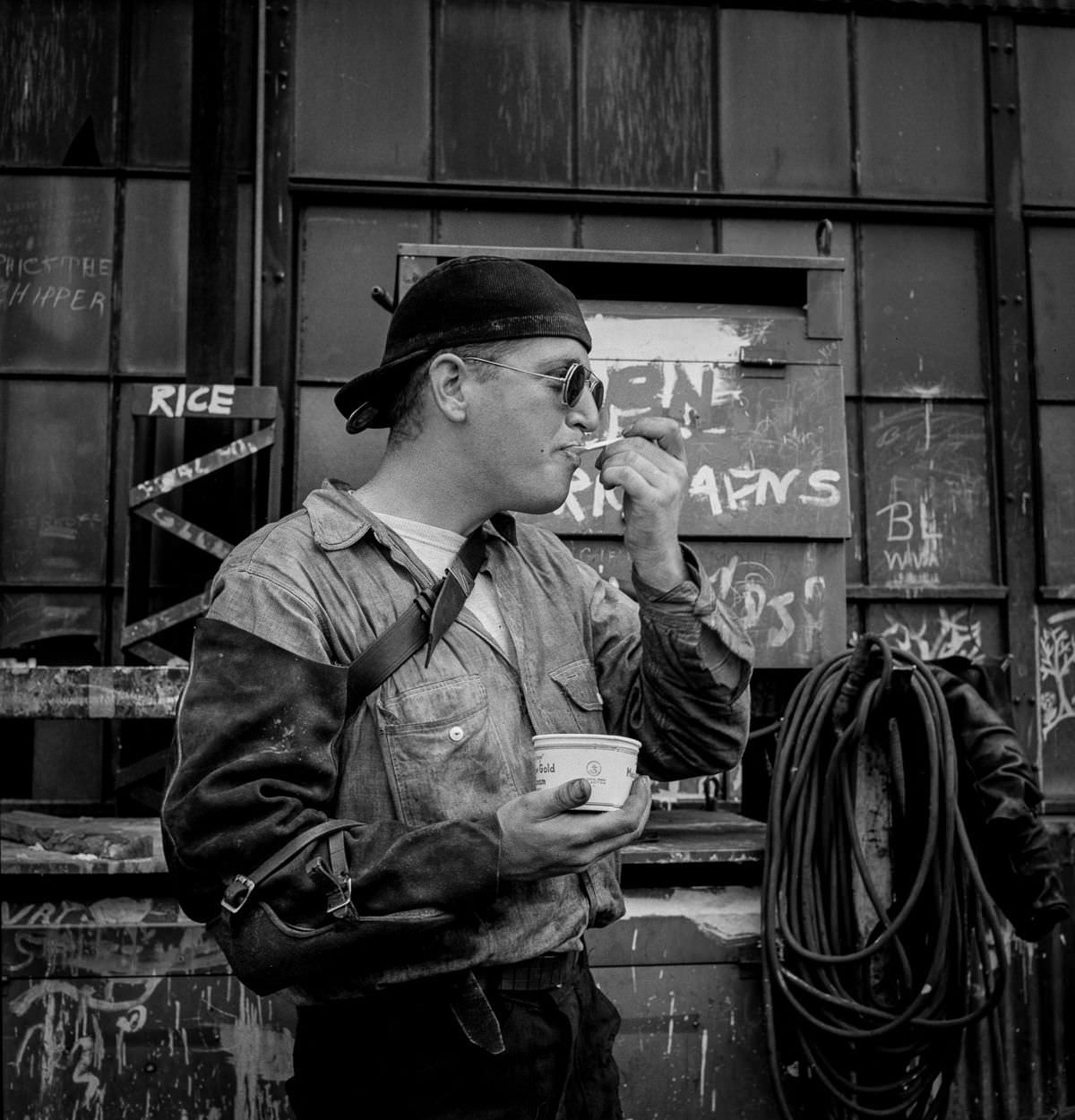
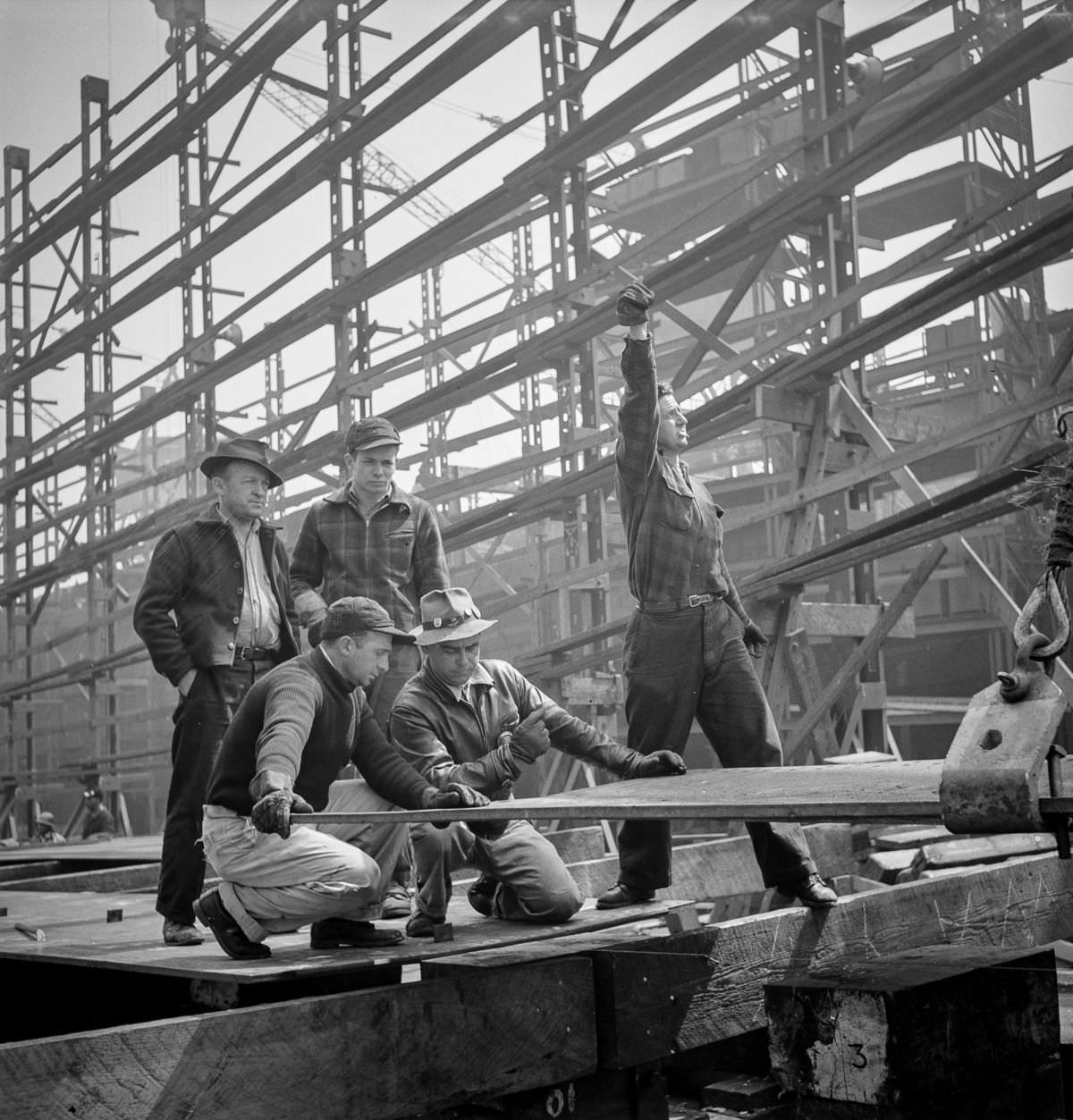
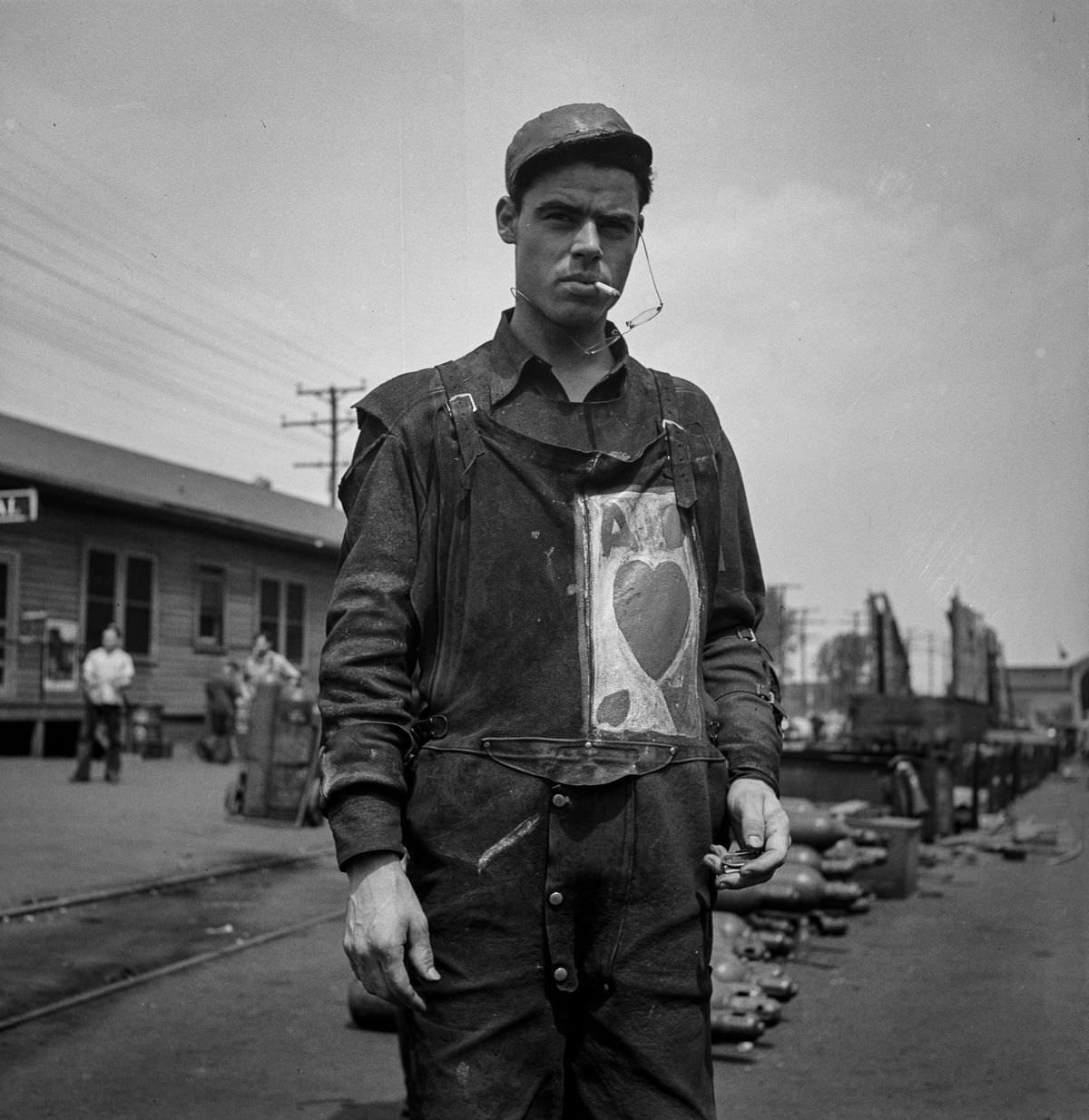
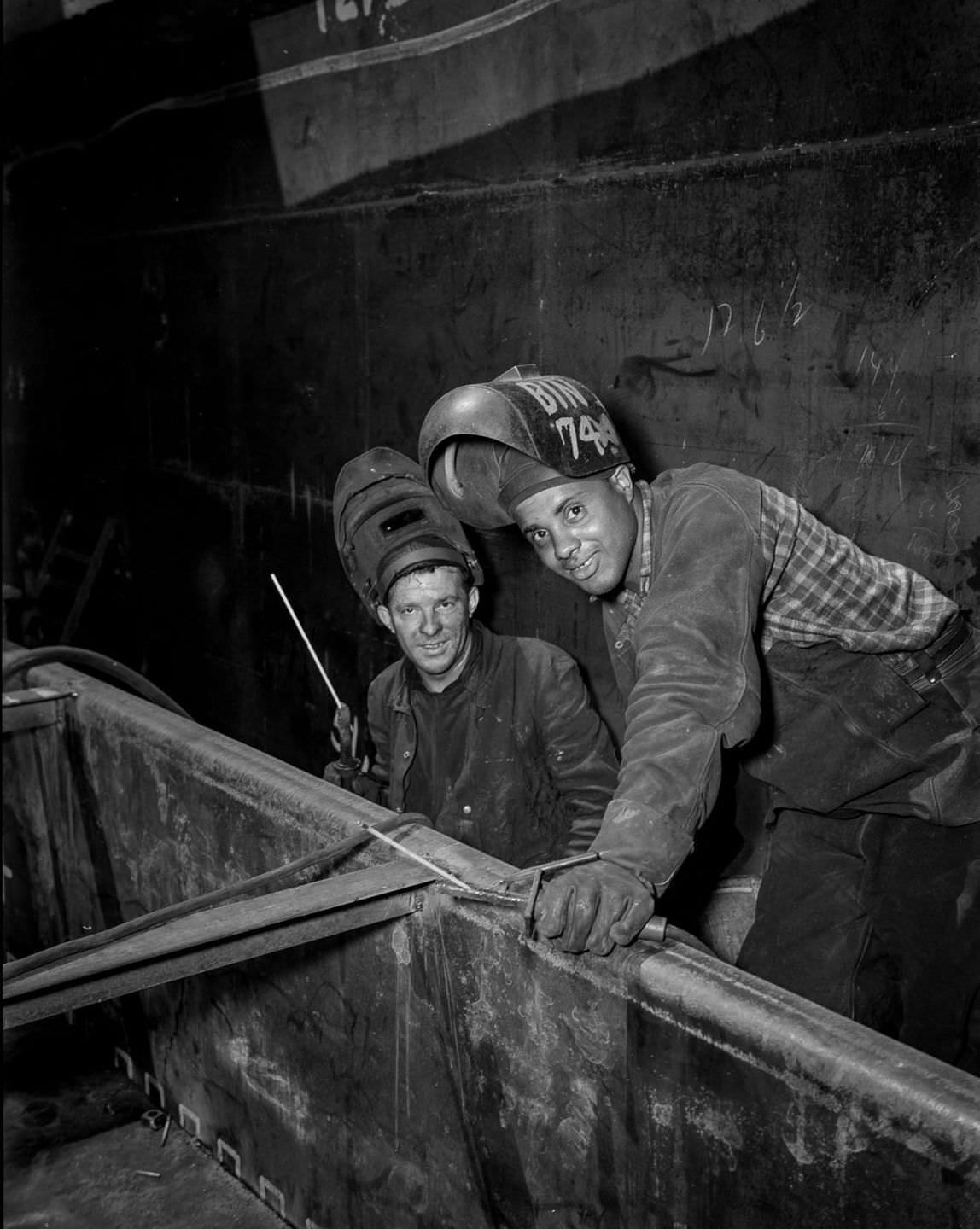
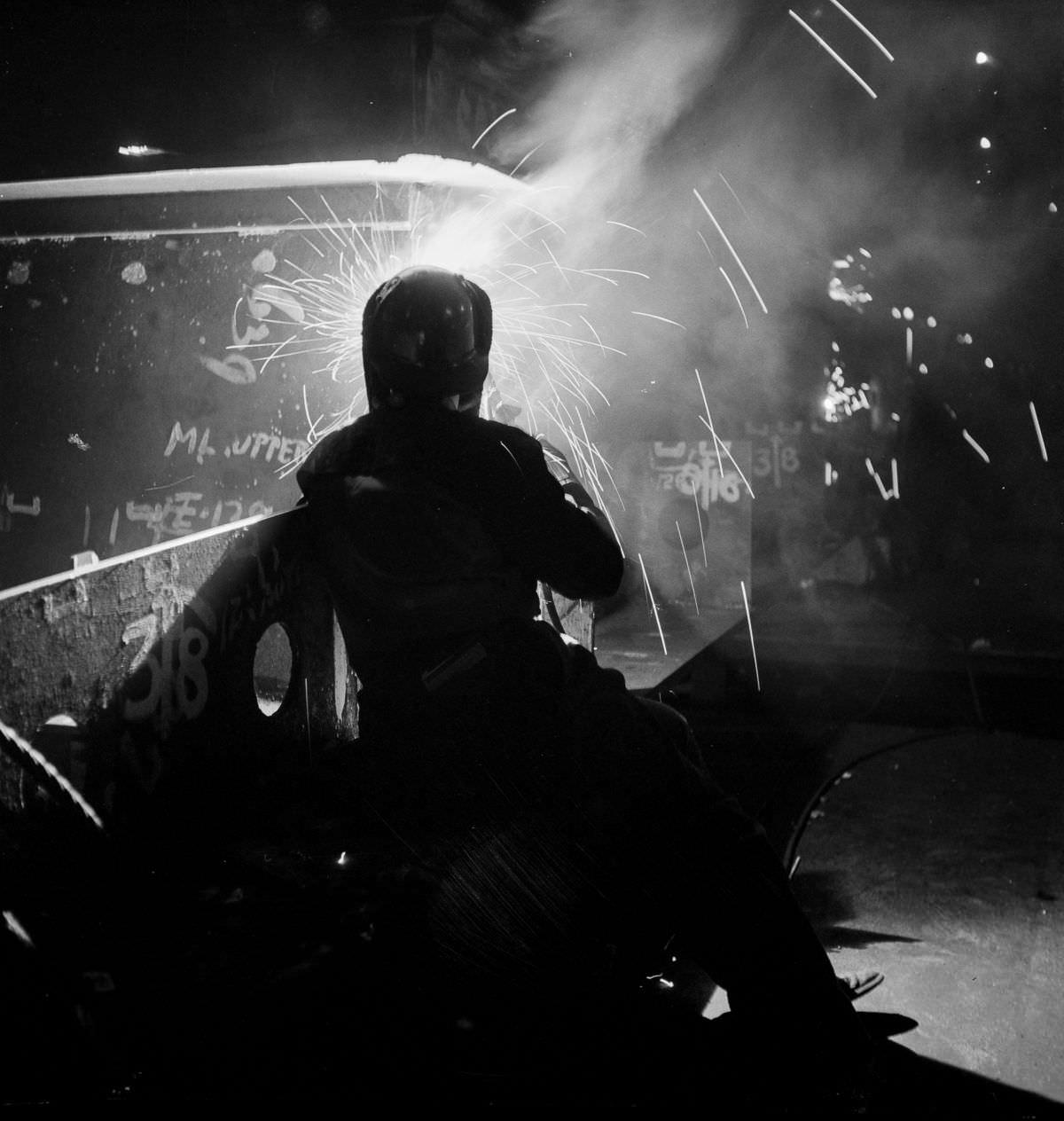
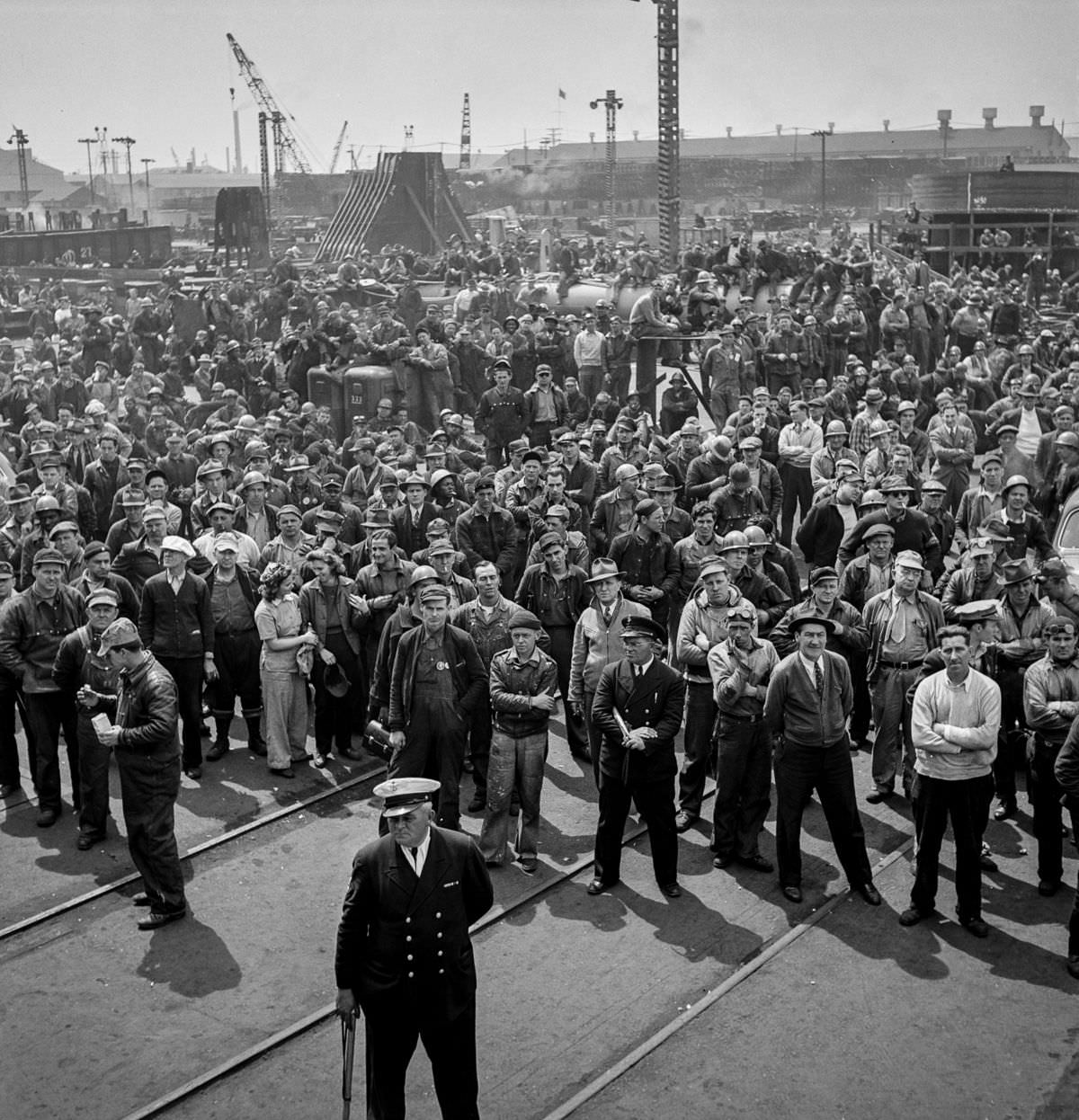
To hit those numbers, the government needed workers — hundreds of thousands of them. Shipyards recruited from across the country, pulling in people from factories, farms, and small towns who had never set foot near a dry dock. Training happened on the job. A worker who had spent years assembling car parts could be welding steel hull plates within weeks.
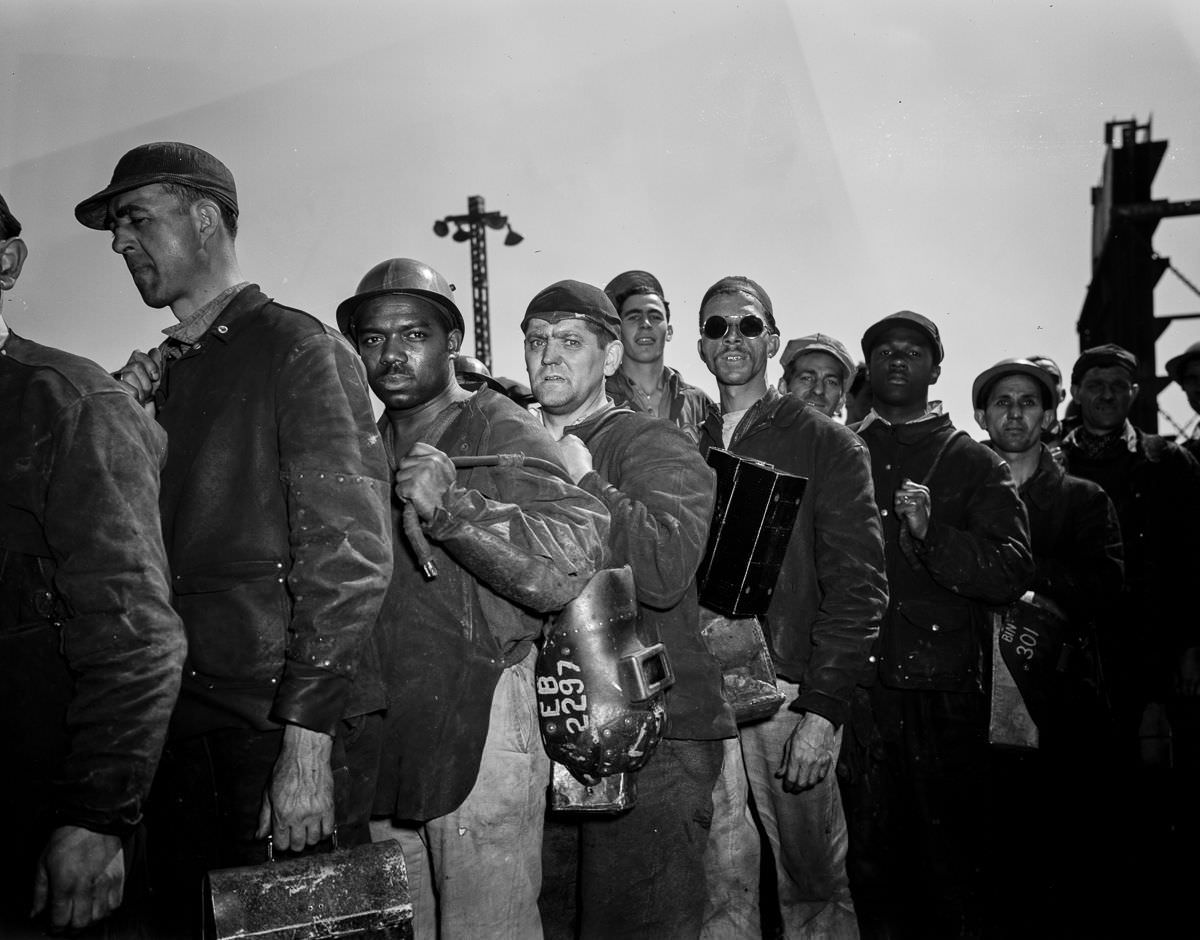
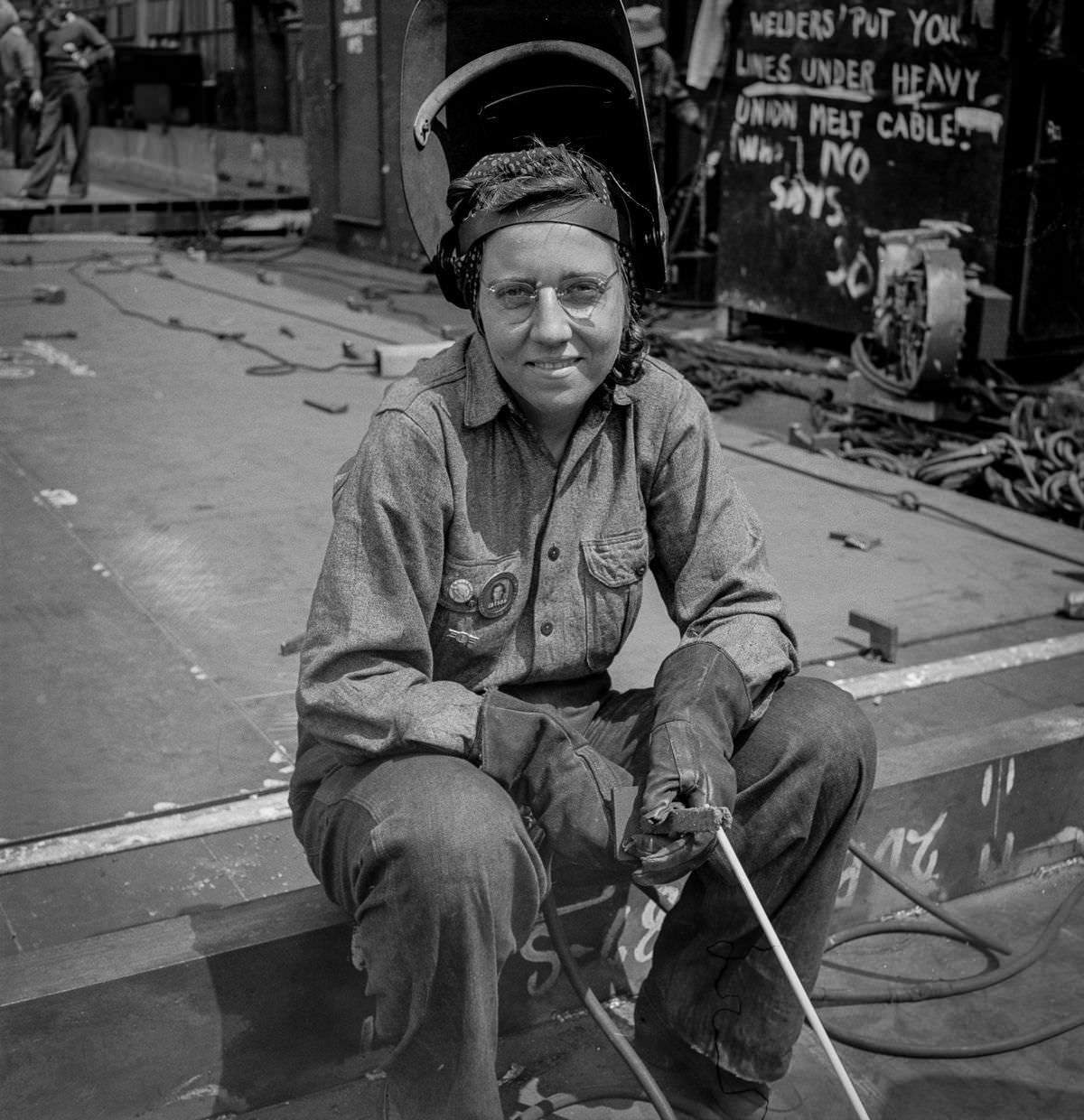
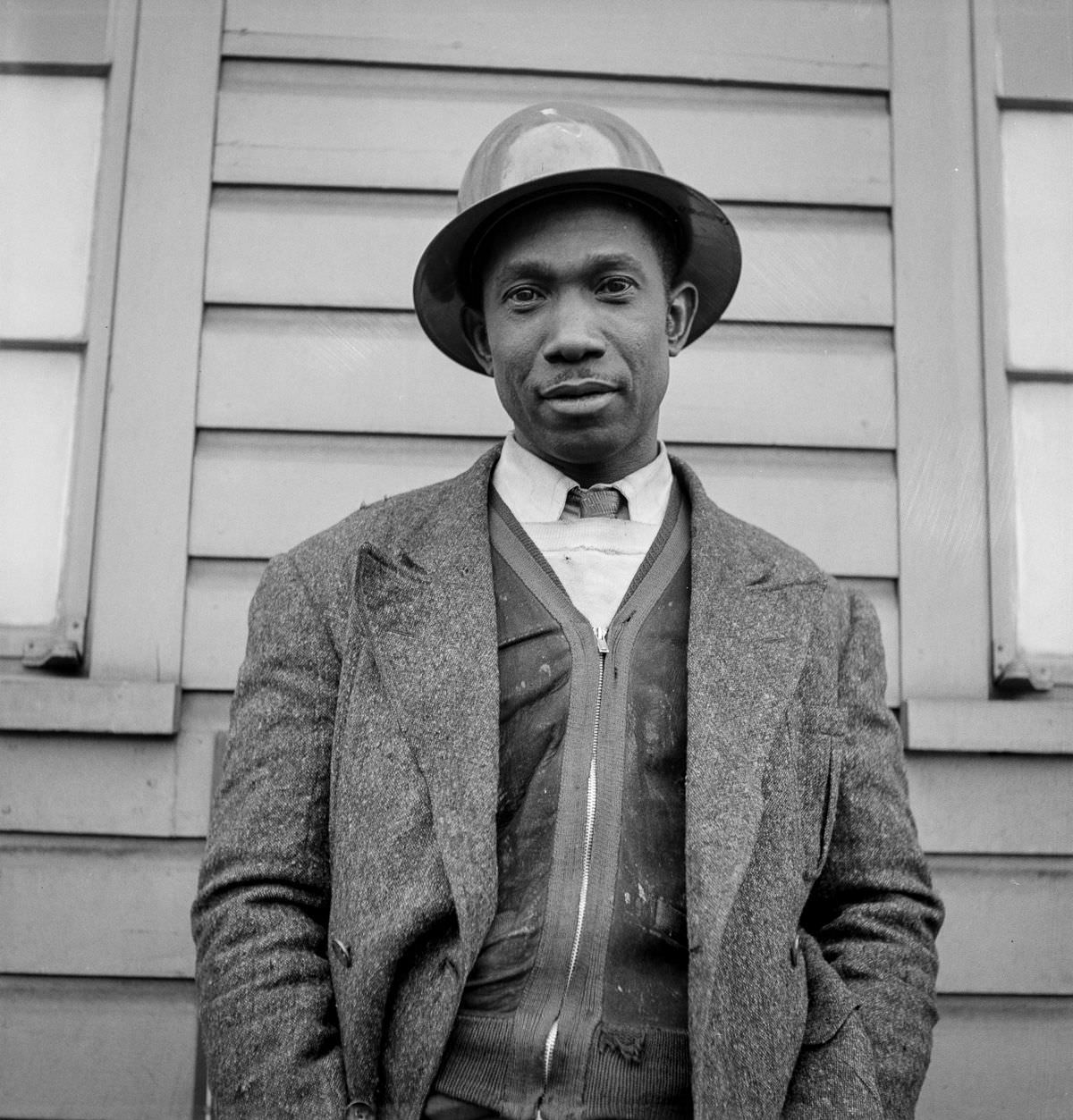
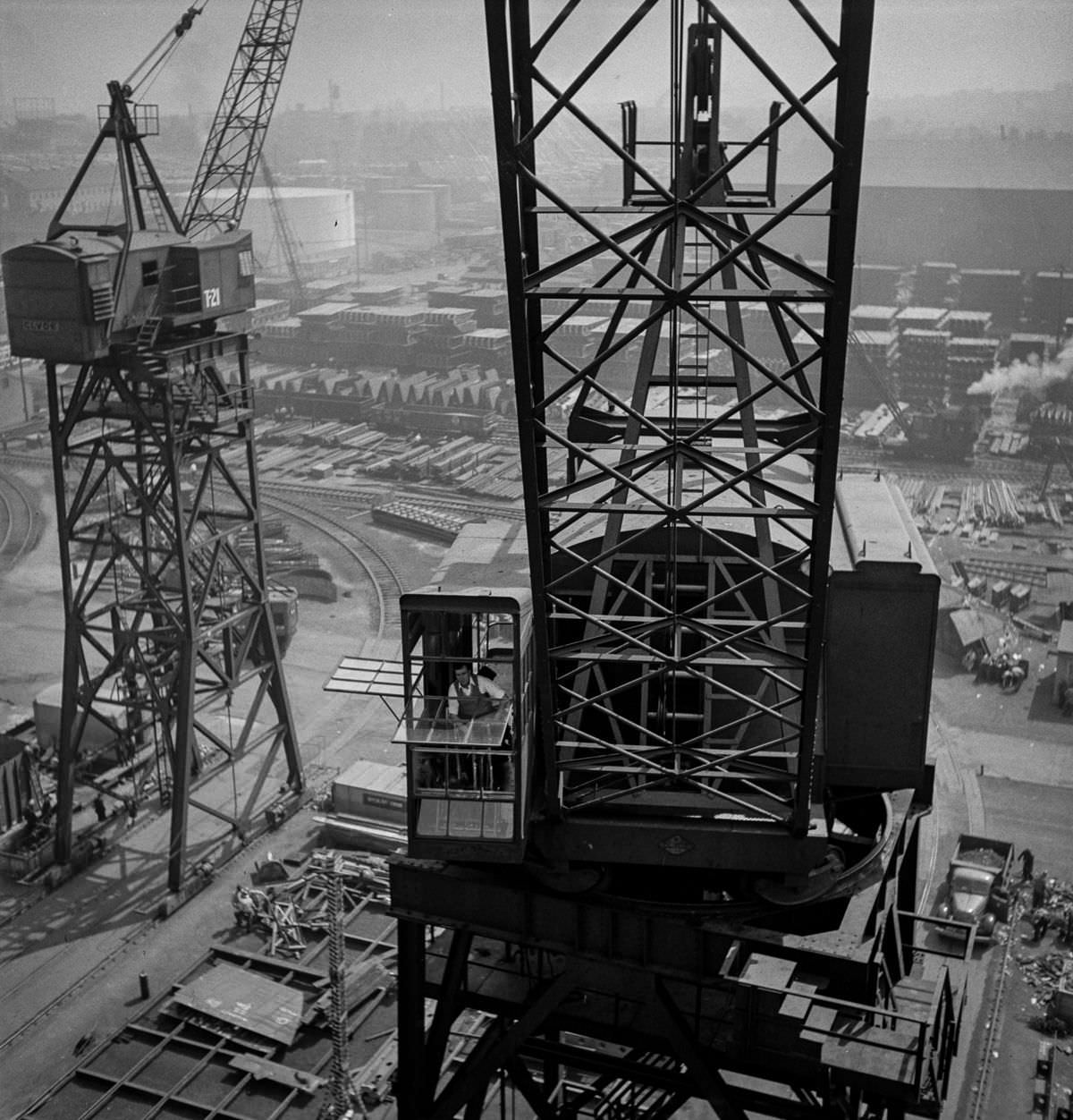
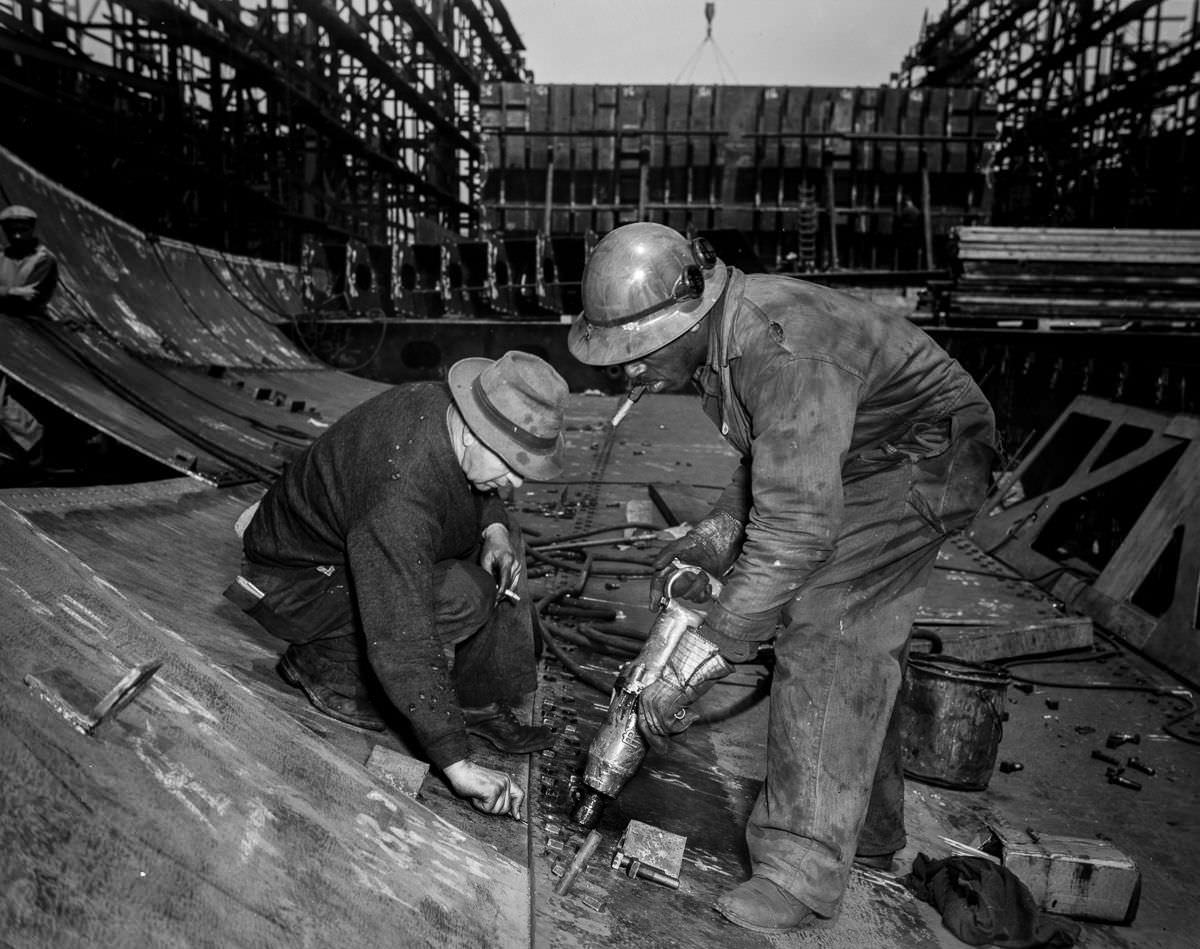
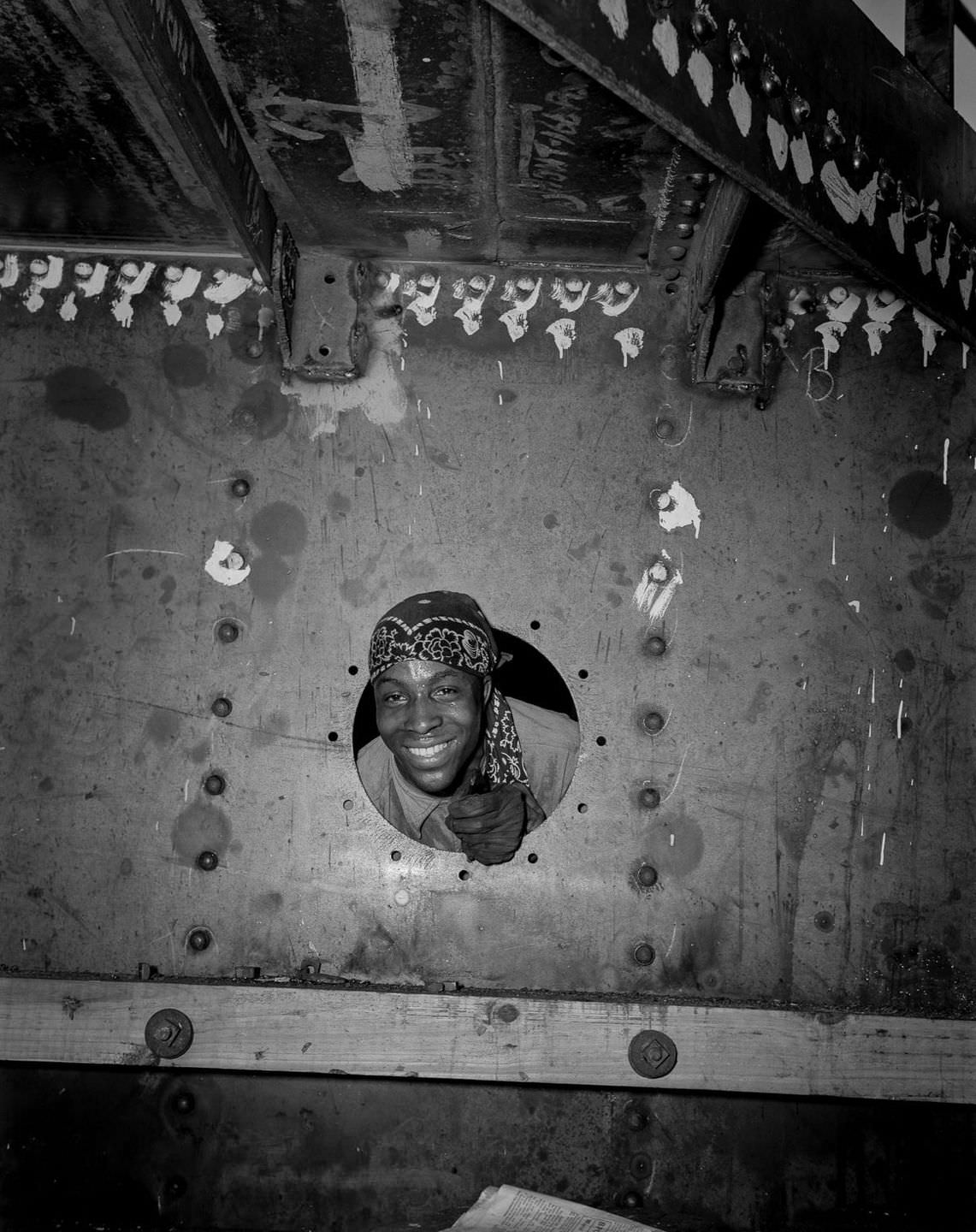
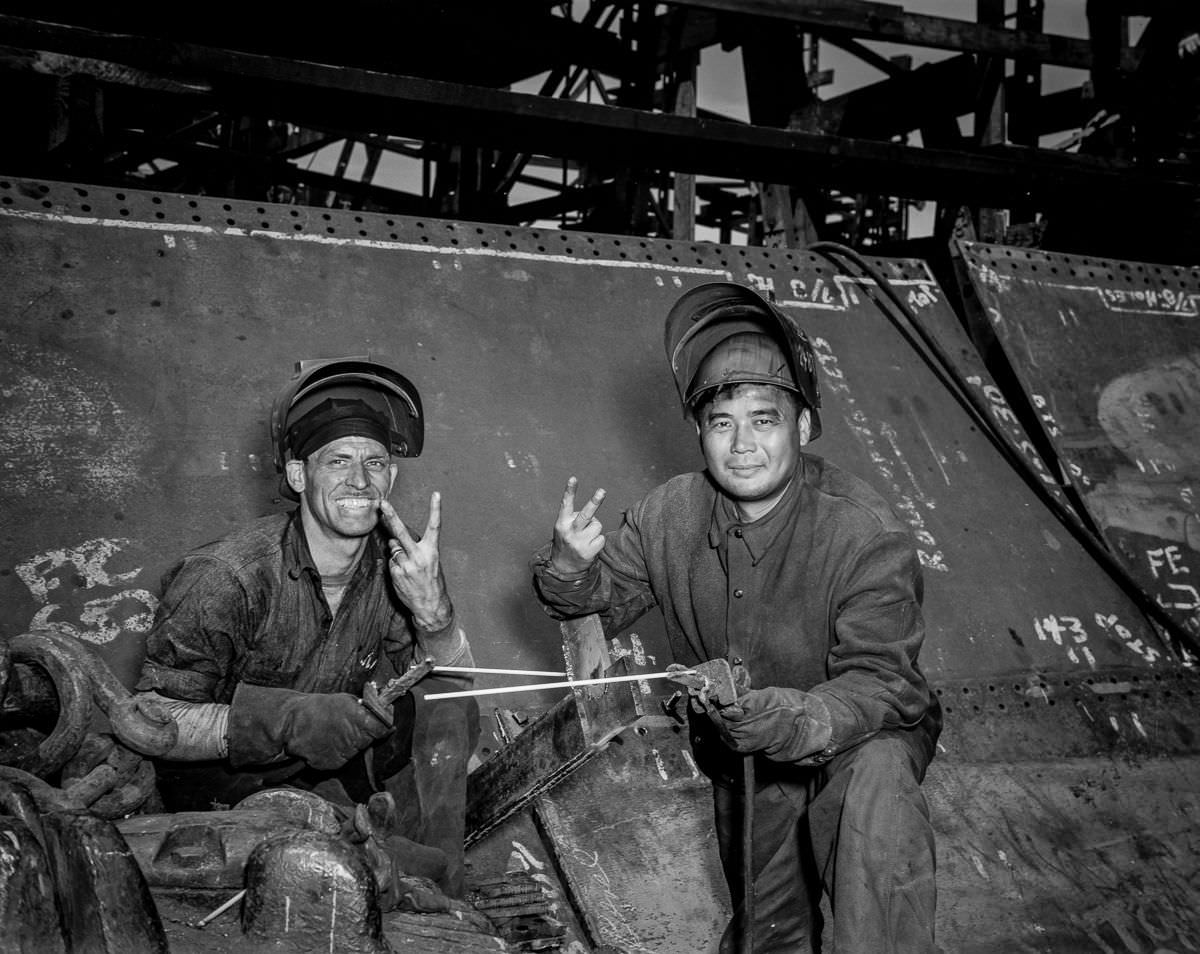
With millions of men serving overseas, shipyard managers turned to workers they had long ignored. Women entered the yards in large numbers, taking on roles as welders, crane operators, and riveters. Black Americans, Latino workers, and other minorities filled critical positions, though many still faced discrimination on the job and in housing near the yards.
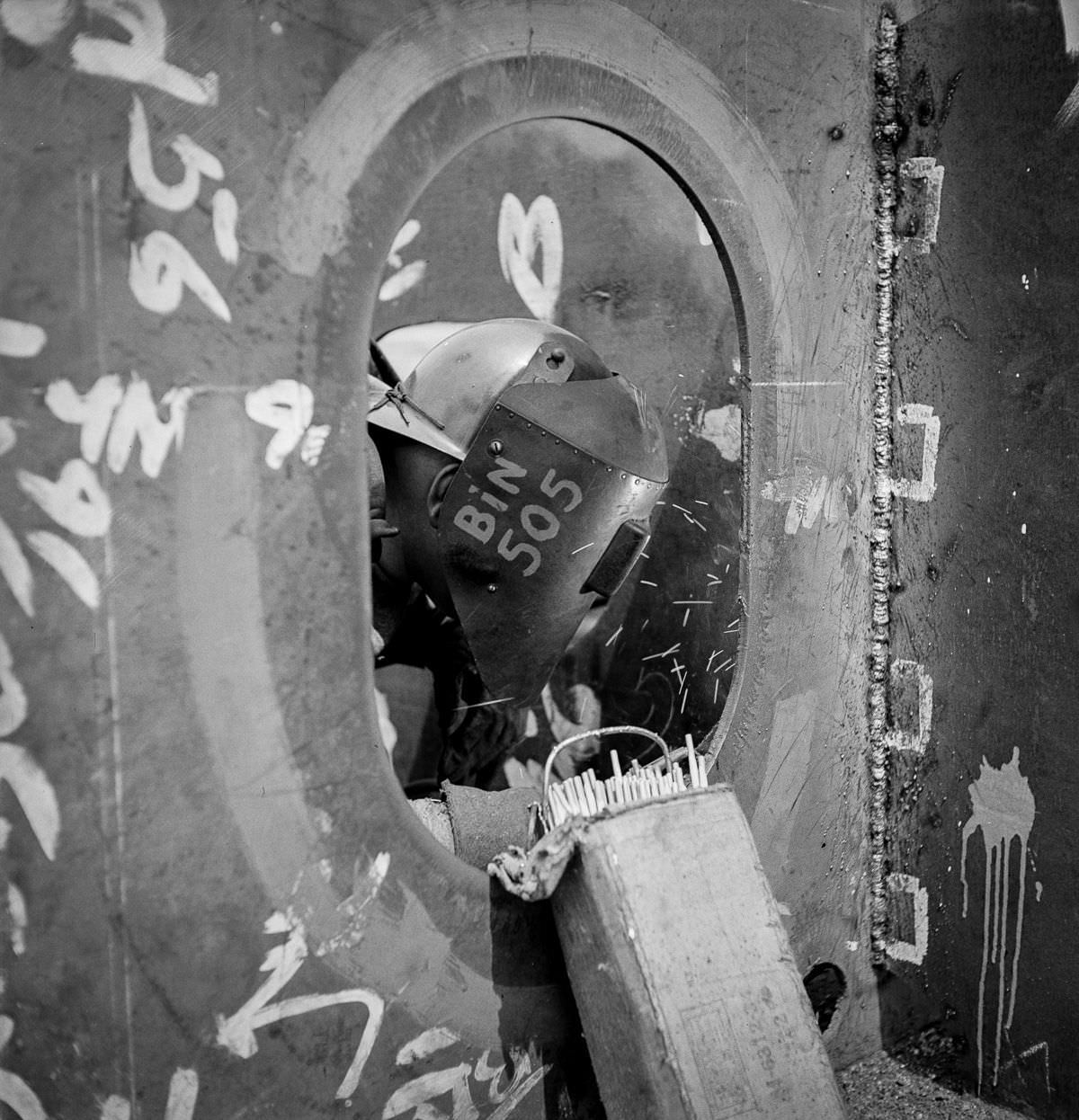
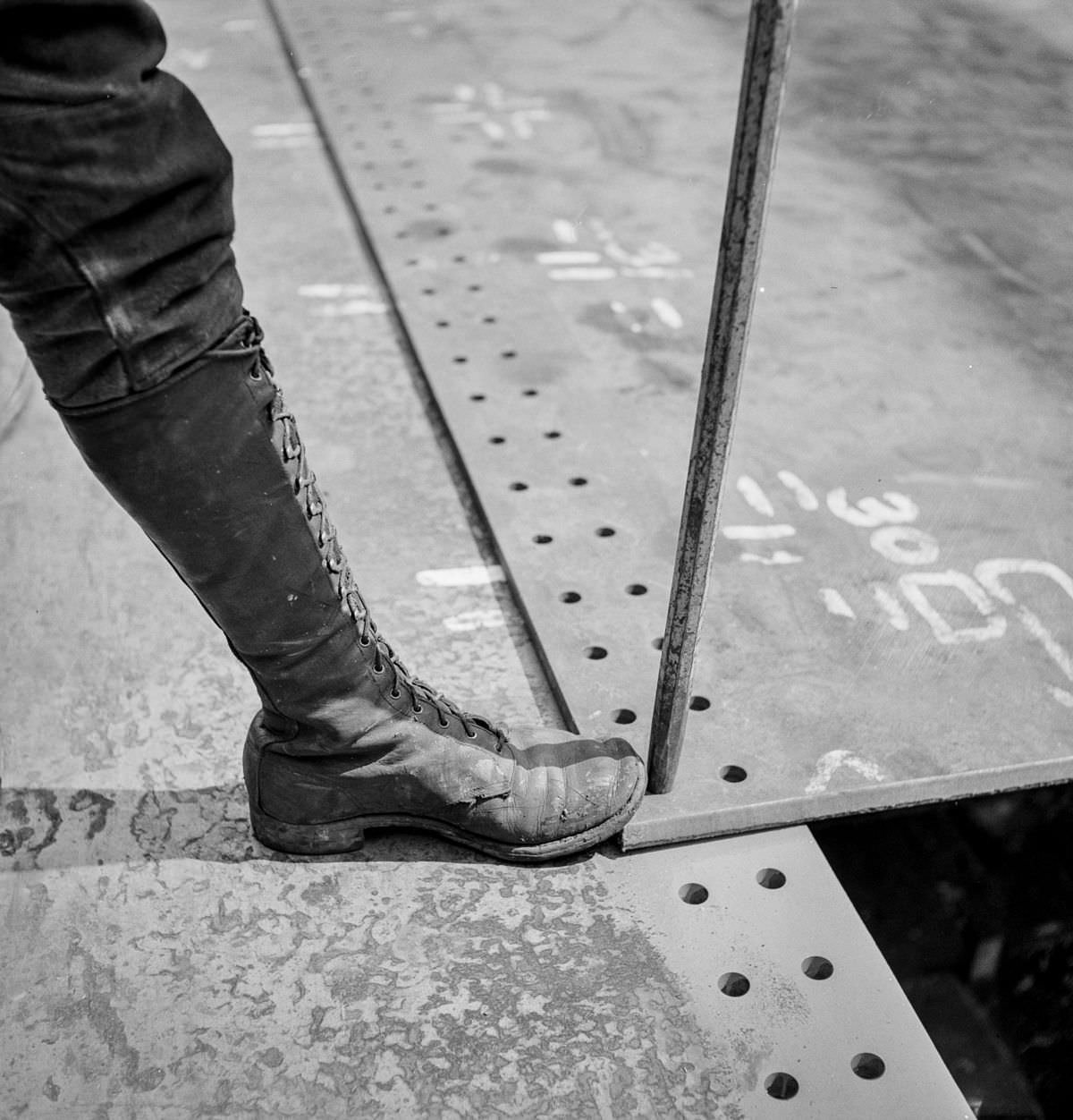
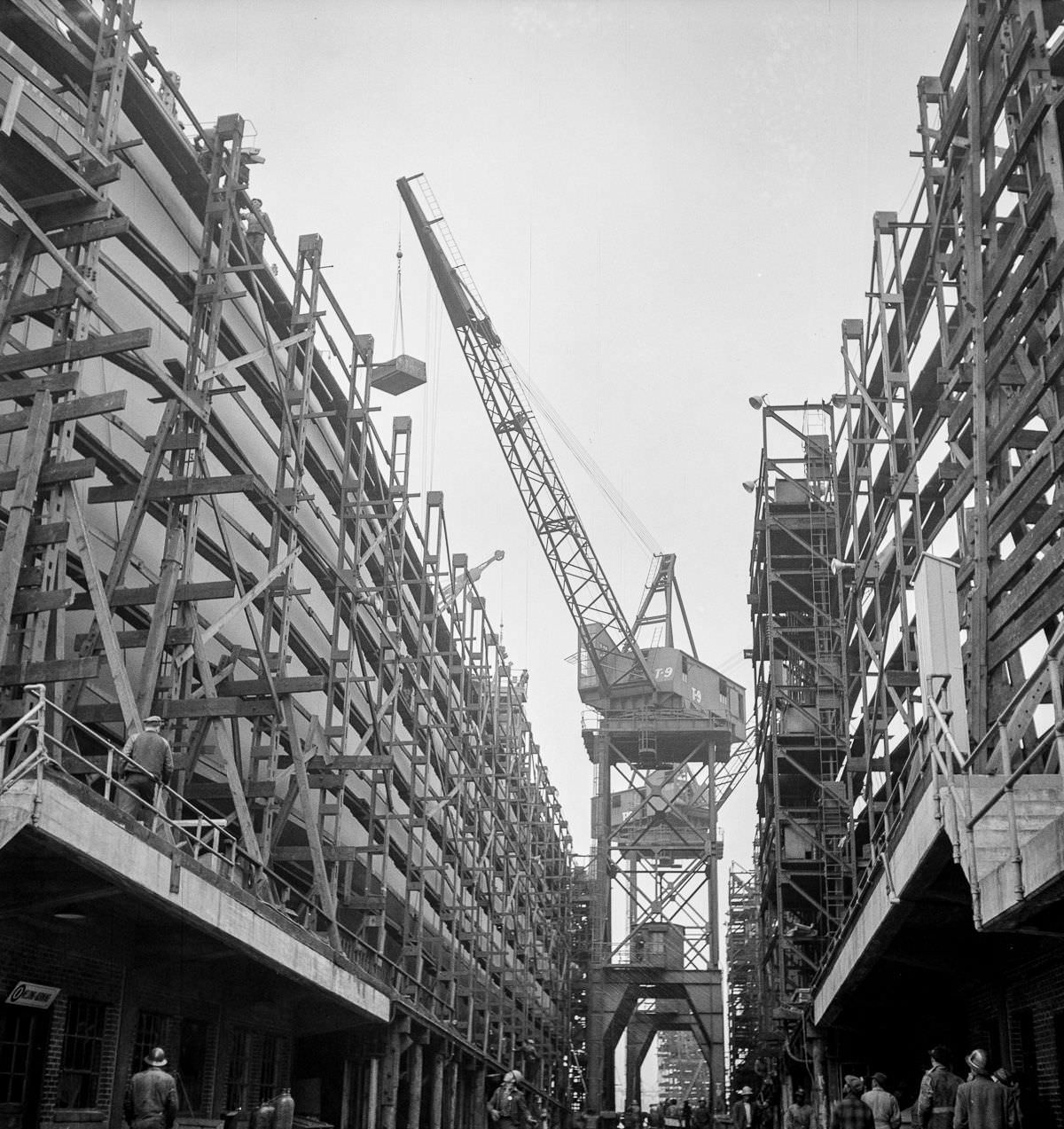
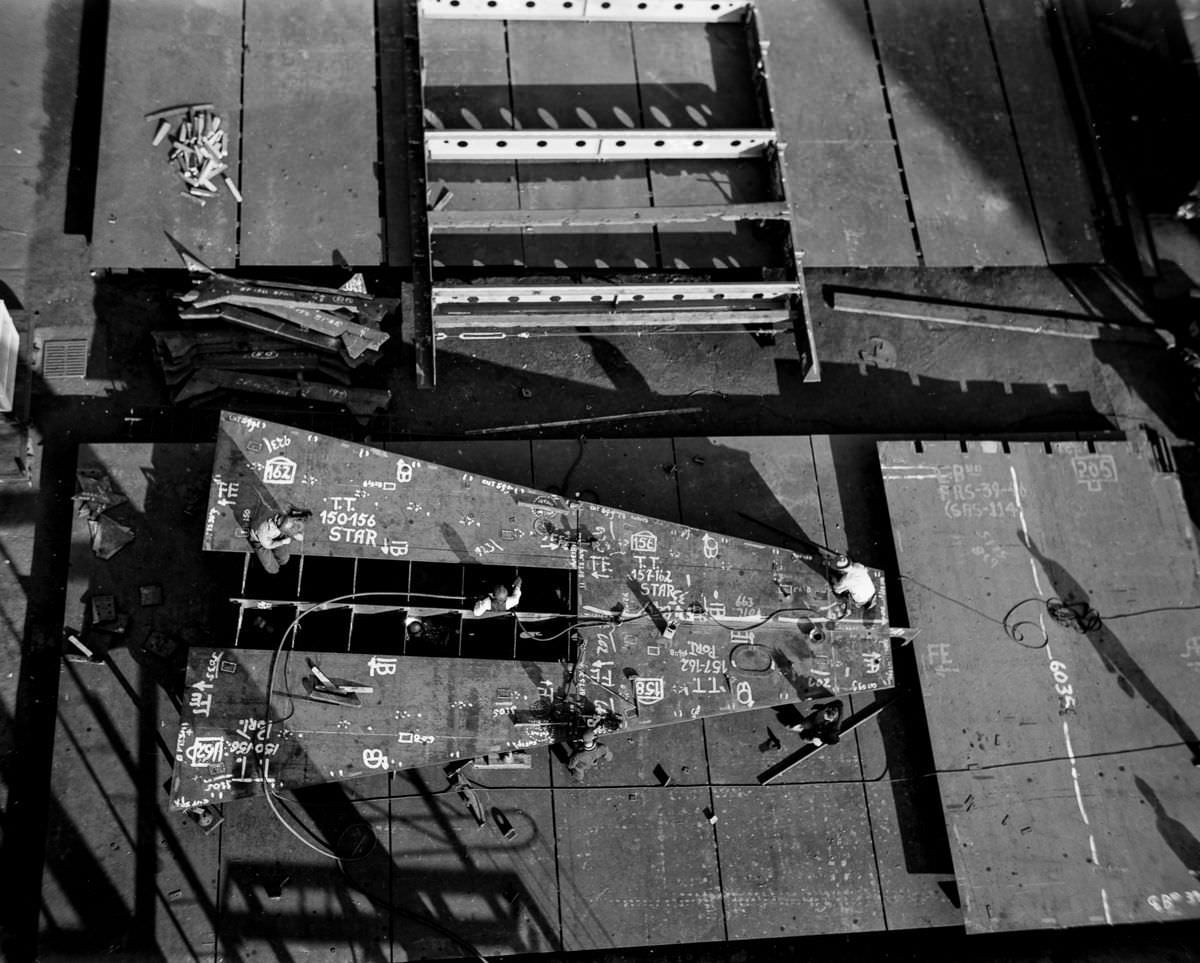
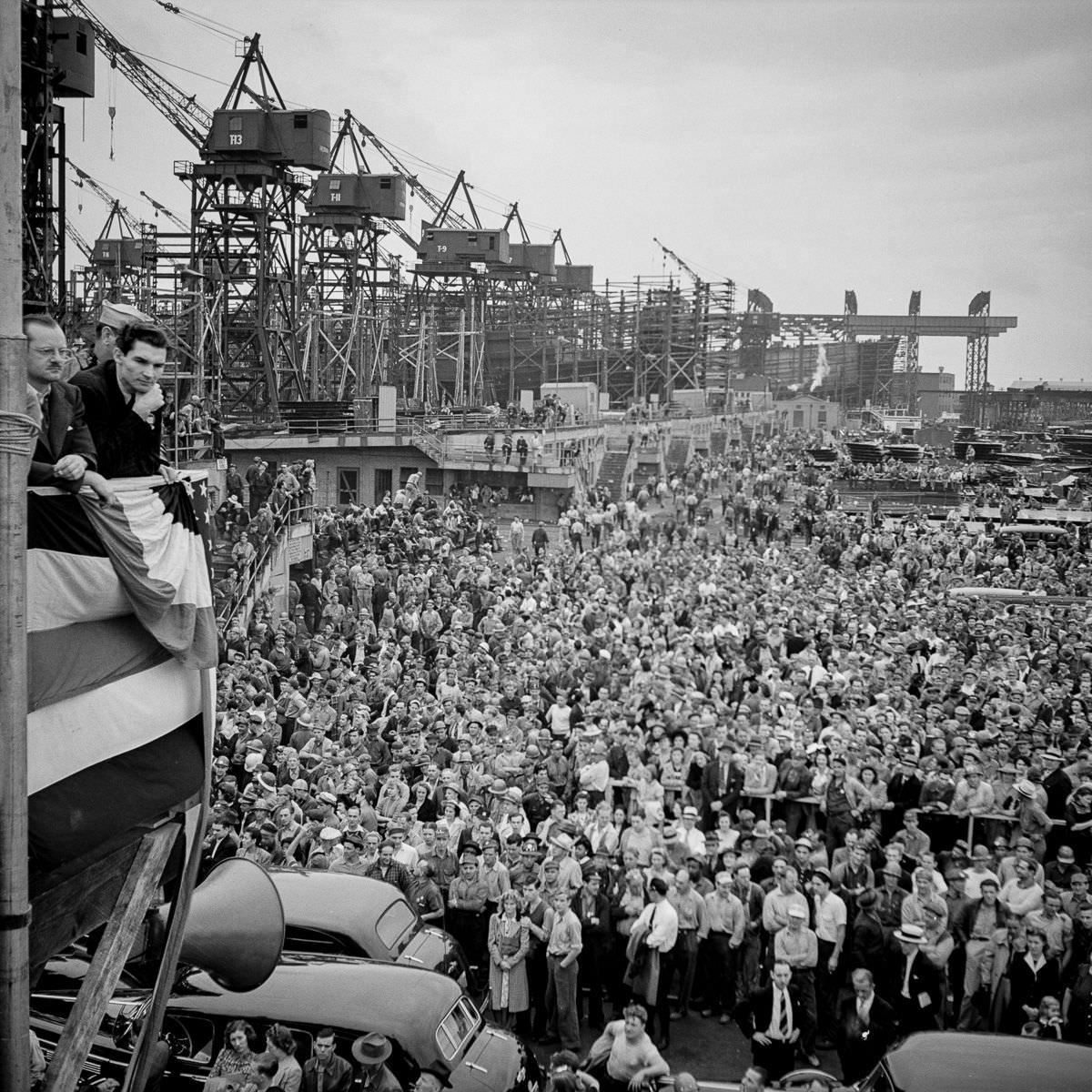
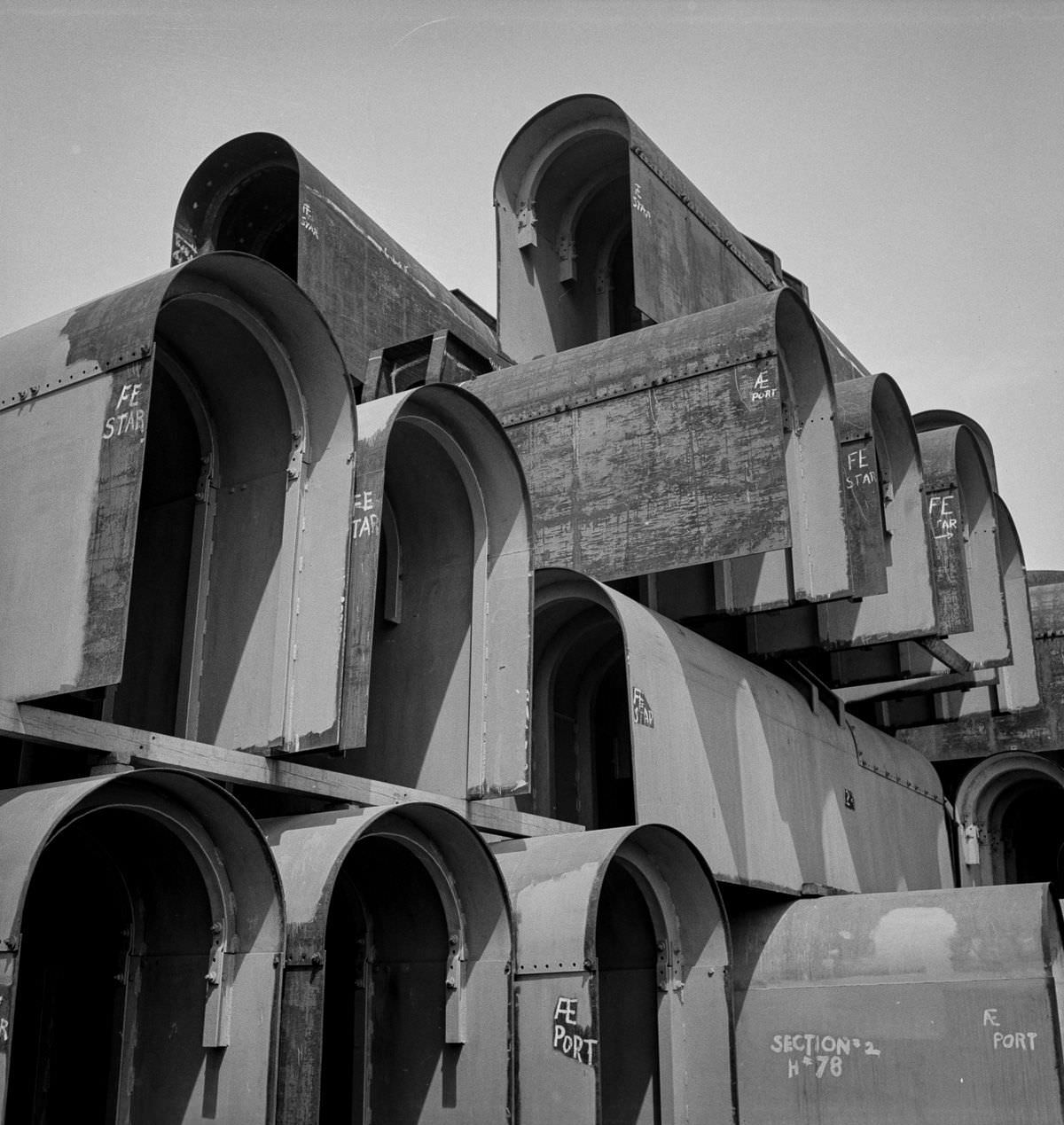
Major shipyards hummed with activity day and night. Facilities in Richmond, California, Portland, Oregon, and Baltimore, Maryland became some of the most productive industrial sites in American history. Henry Kaiser, an industrialist with no prior shipbuilding experience, ran several of these yards and pioneered prefabrication — building ship sections in separate locations and then assembling them at the yard like pieces of a puzzle.
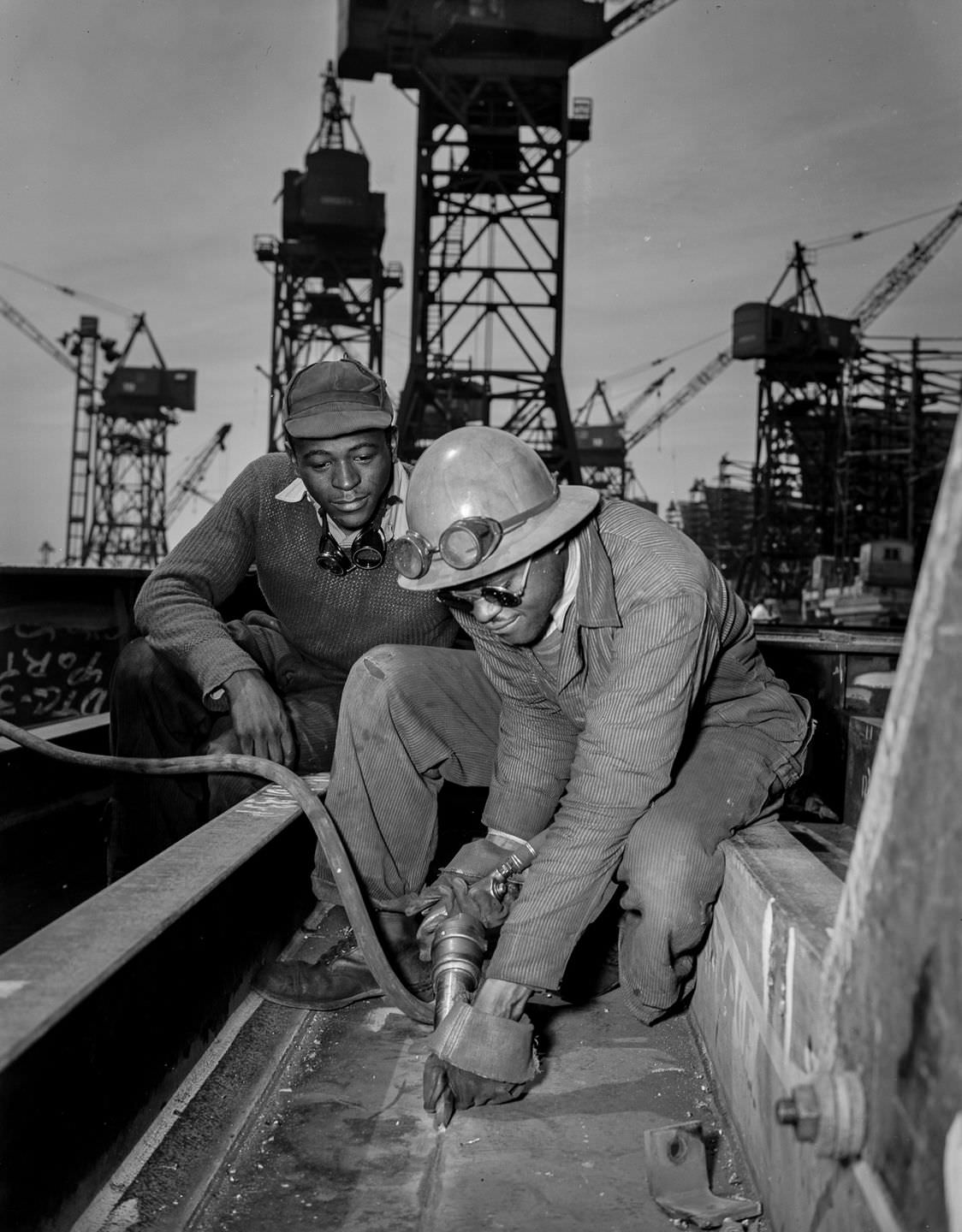
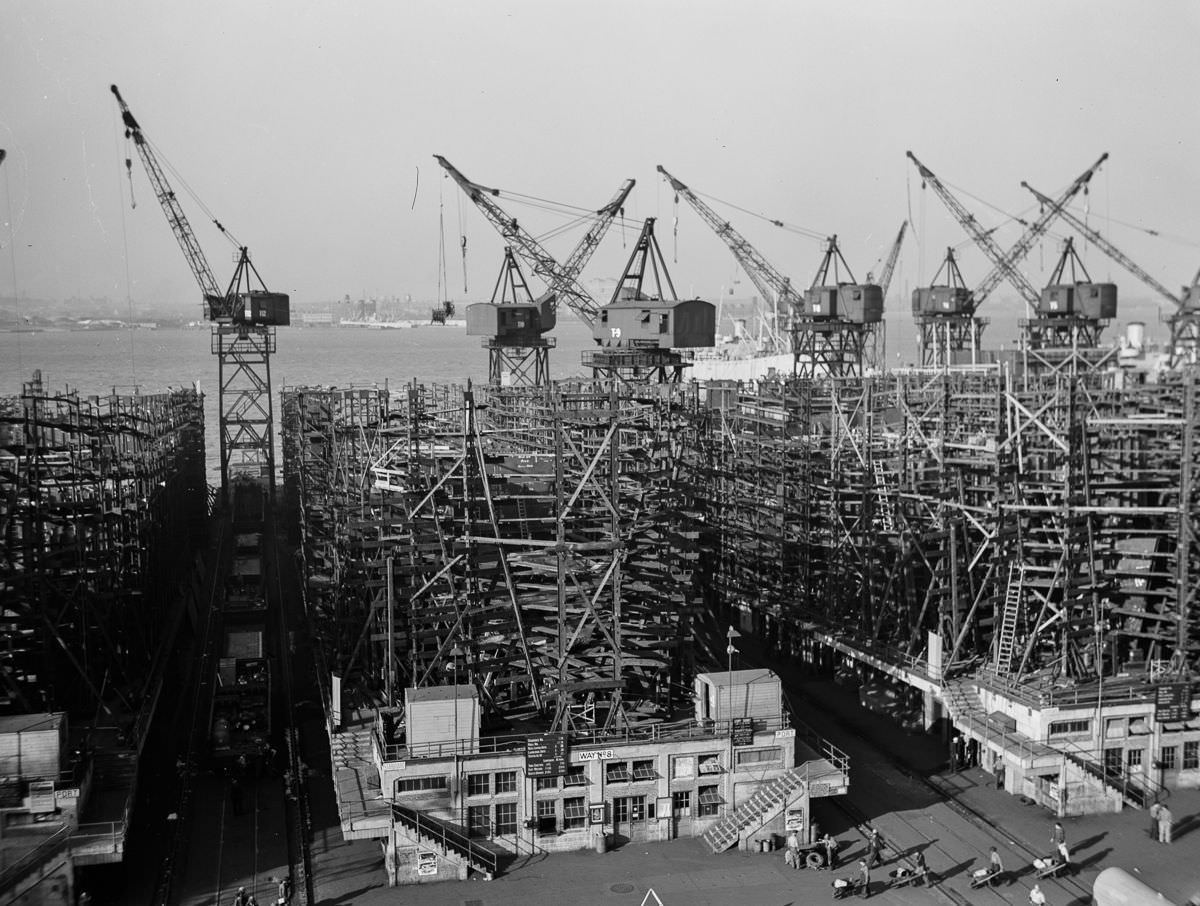
Kaiser’s Richmond yards set a record in 1942 that still draws attention. The SS Robert E. Peary was built, launched, and delivered in just four days, fifteen hours, and twenty-six minutes. It was a publicity stunt as much as a production milestone, but it showed what a fully mobilized workforce was capable of.
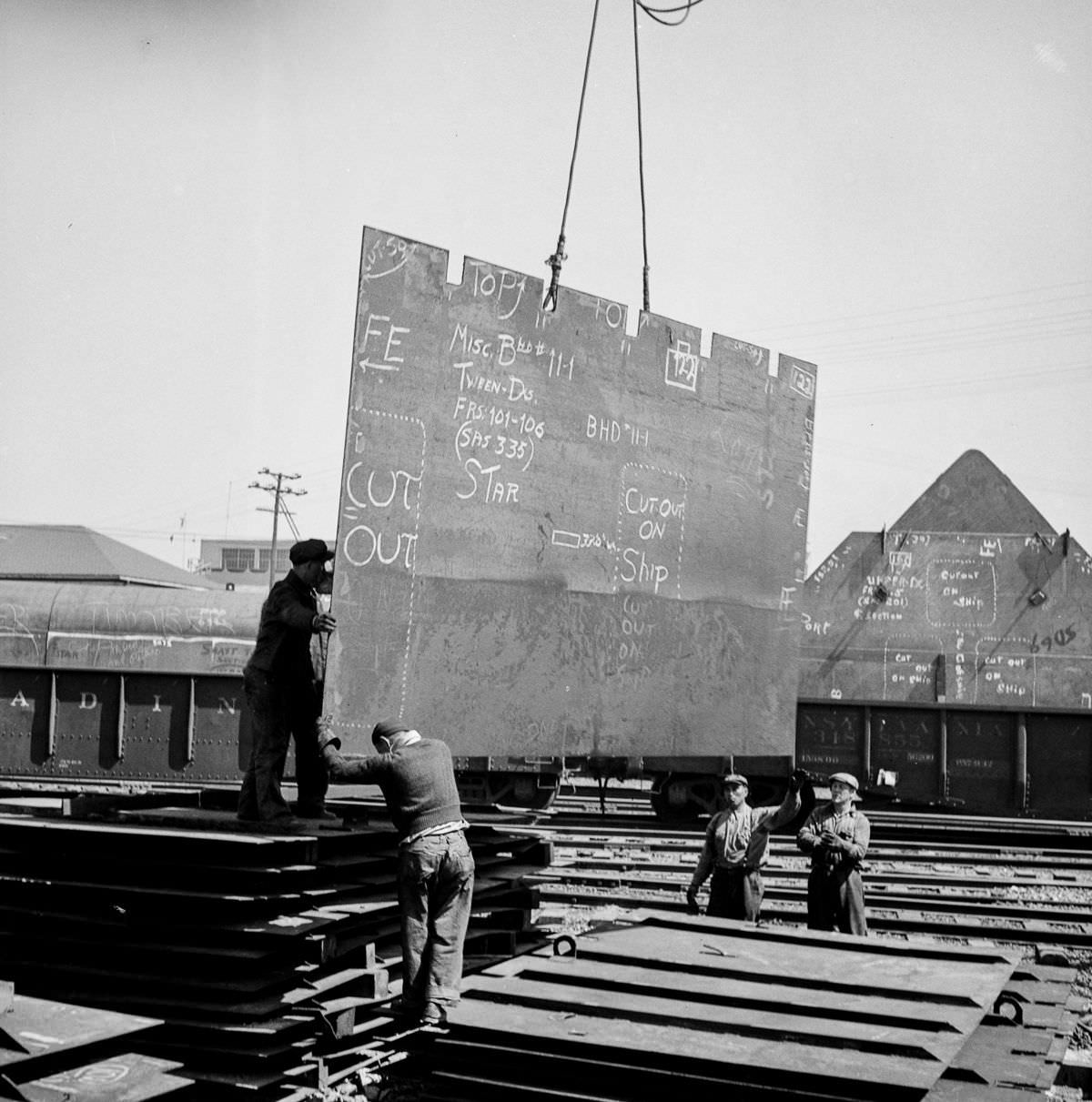
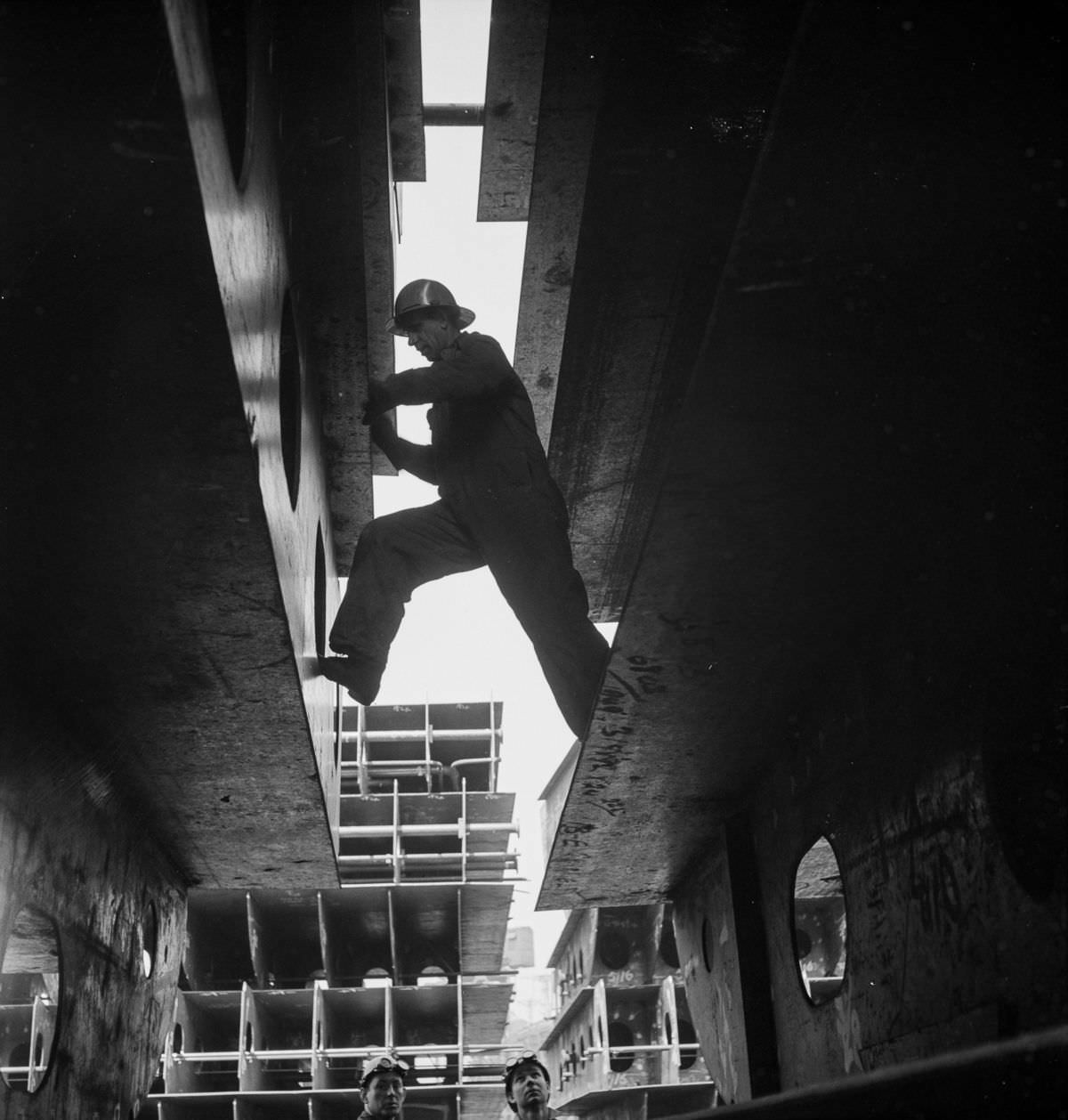
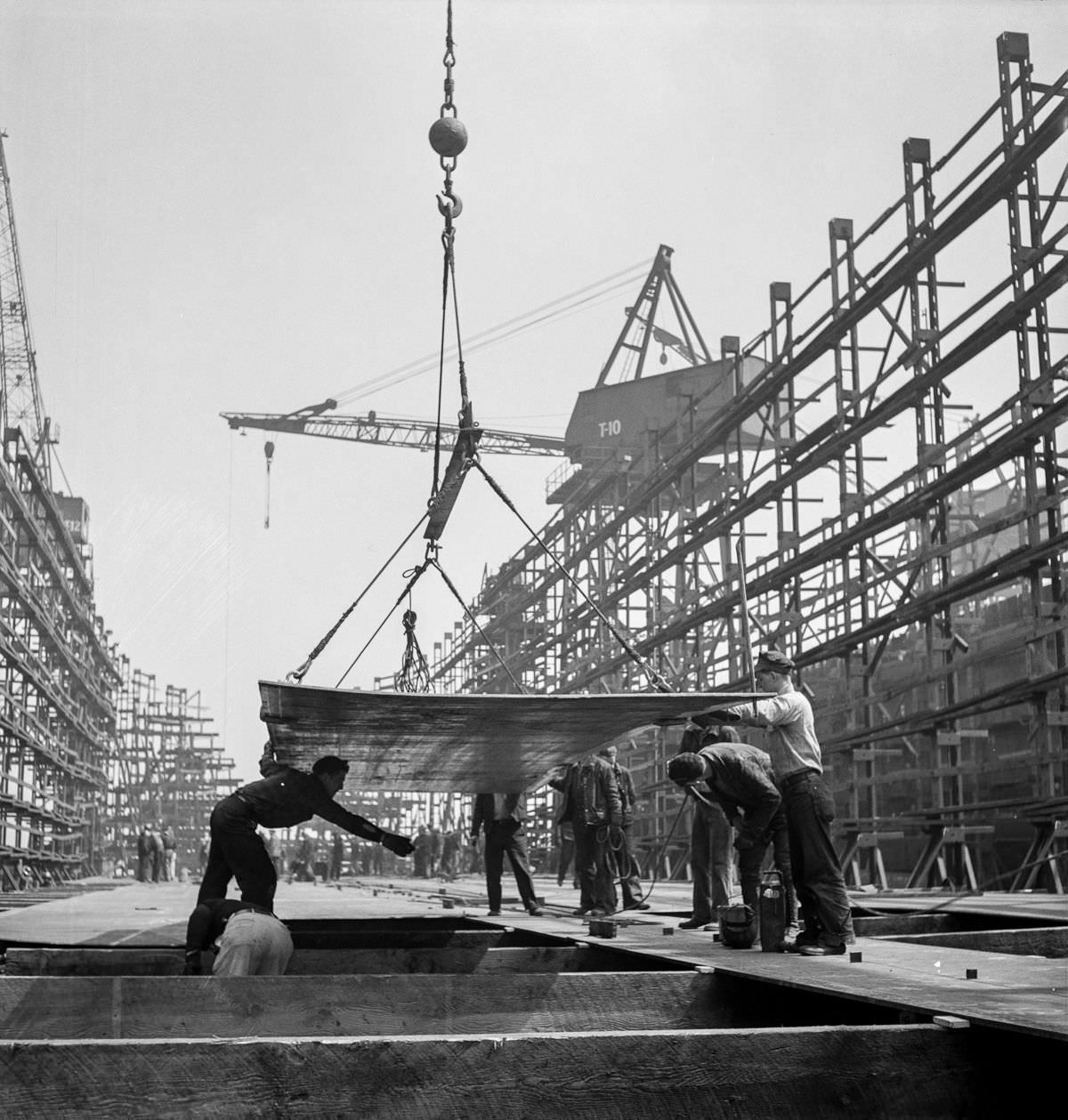
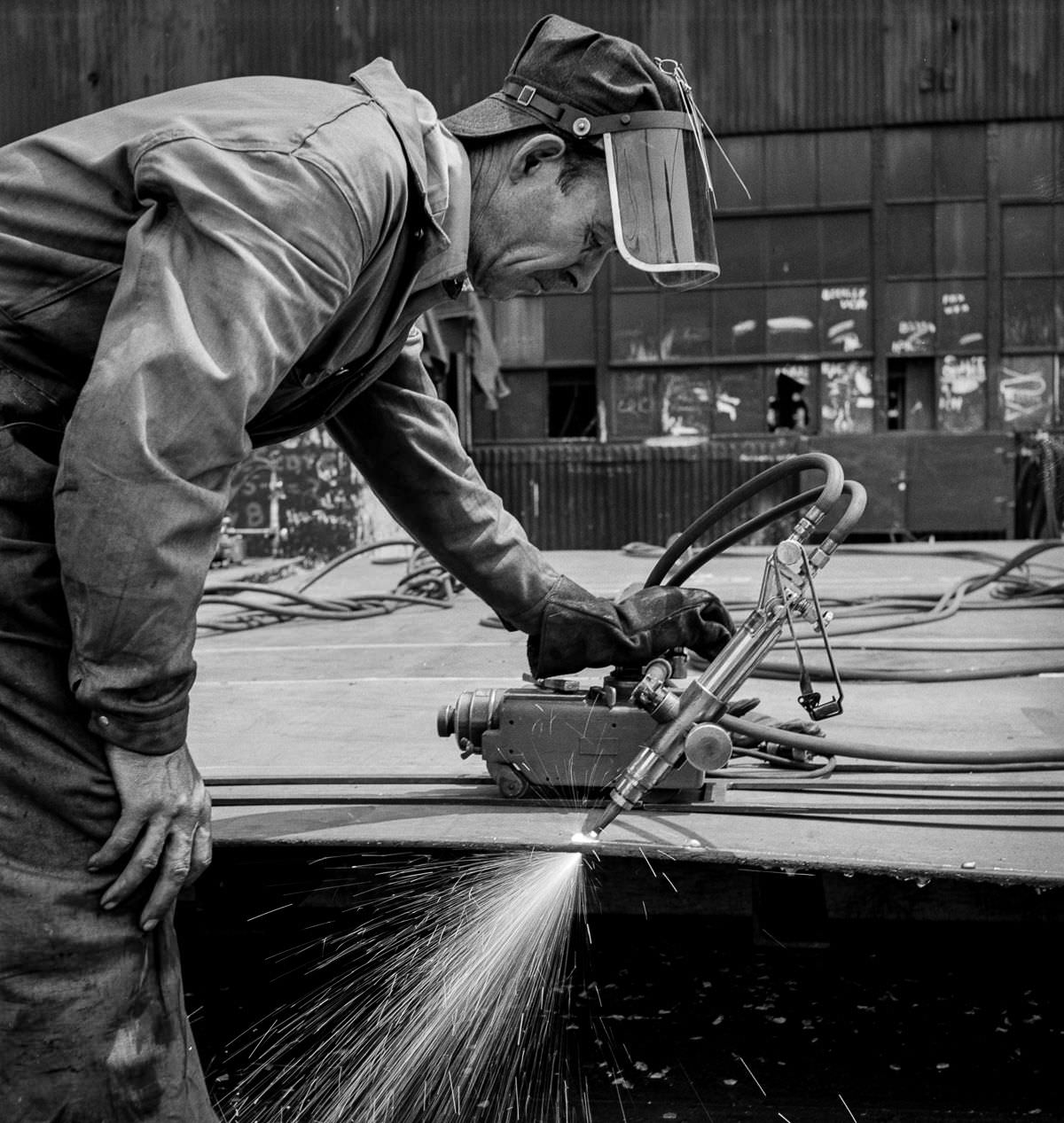
The work was hard and dangerous. Shipyard accidents were common. Workers handled heavy steel plates, climbed scaffolding dozens of feet in the air, and operated powerful welding equipment in all weather. Fatigue was a constant factor, as many workers pulled double shifts to meet production quotas.
Not every Liberty ship survived the war. Some were lost to German U-boats, storms, or structural failures caused by brittle steel in cold North Atlantic waters. Engineers identified the fracture problem mid-war and introduced design changes that significantly reduced hull cracking on later vessels.
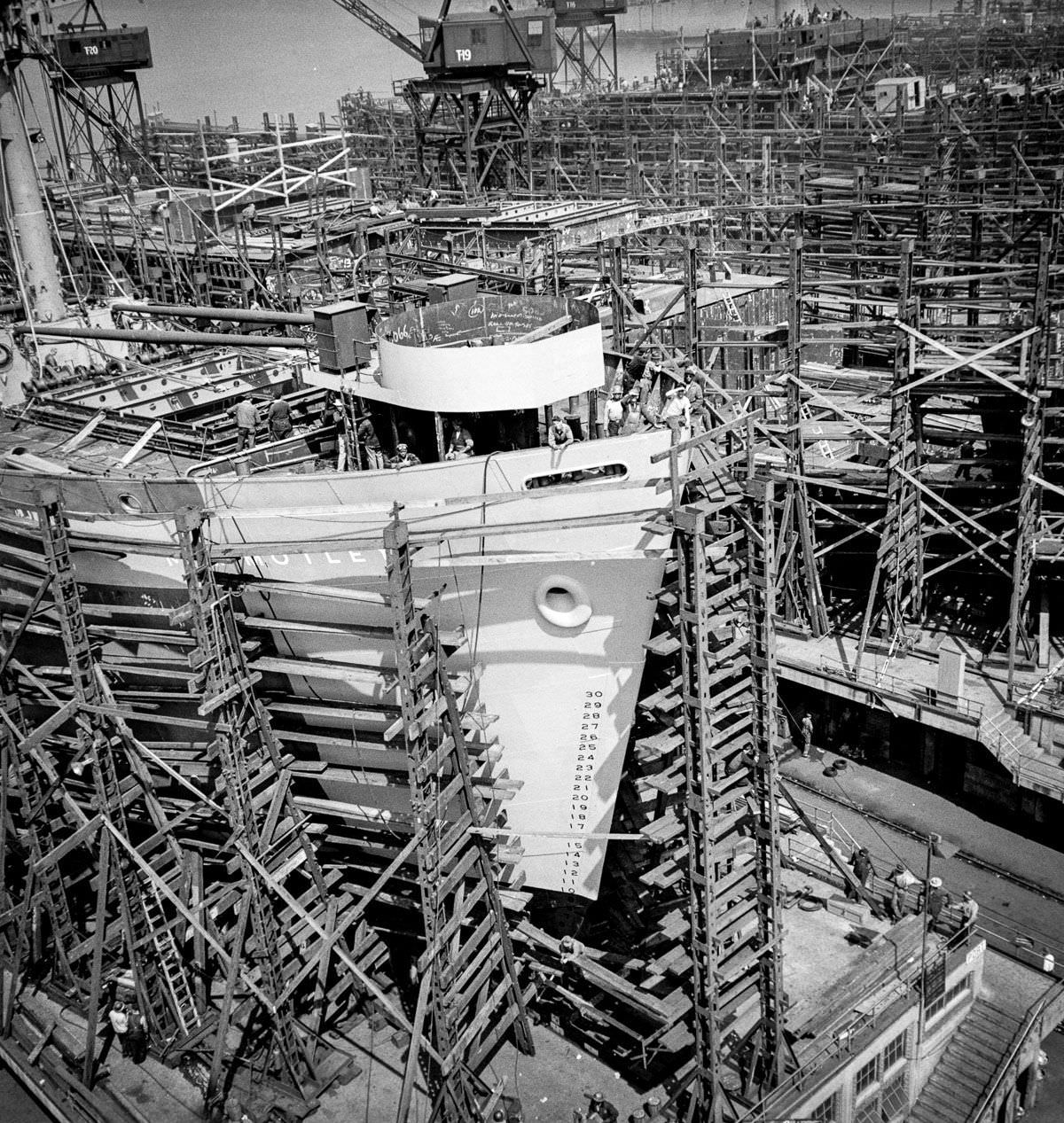
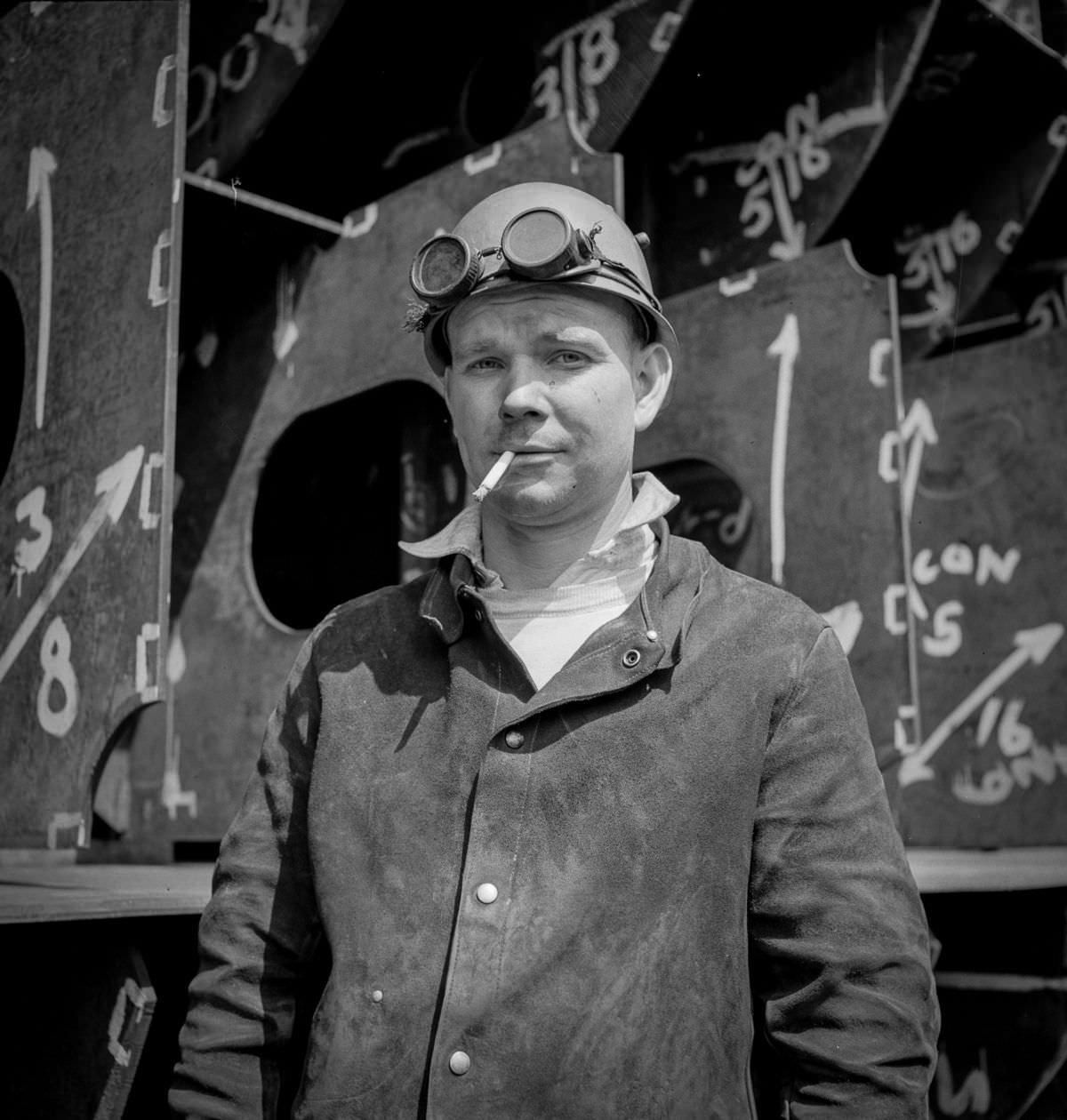
By the end of the war, American shipyards had produced 2,710 Liberty ships — a number that dwarfed what any other nation built during the same period. The workers behind that number came from every background imaginable. They were welders, machinists, painters, and riggers who had answered a call most history books have since overlooked.