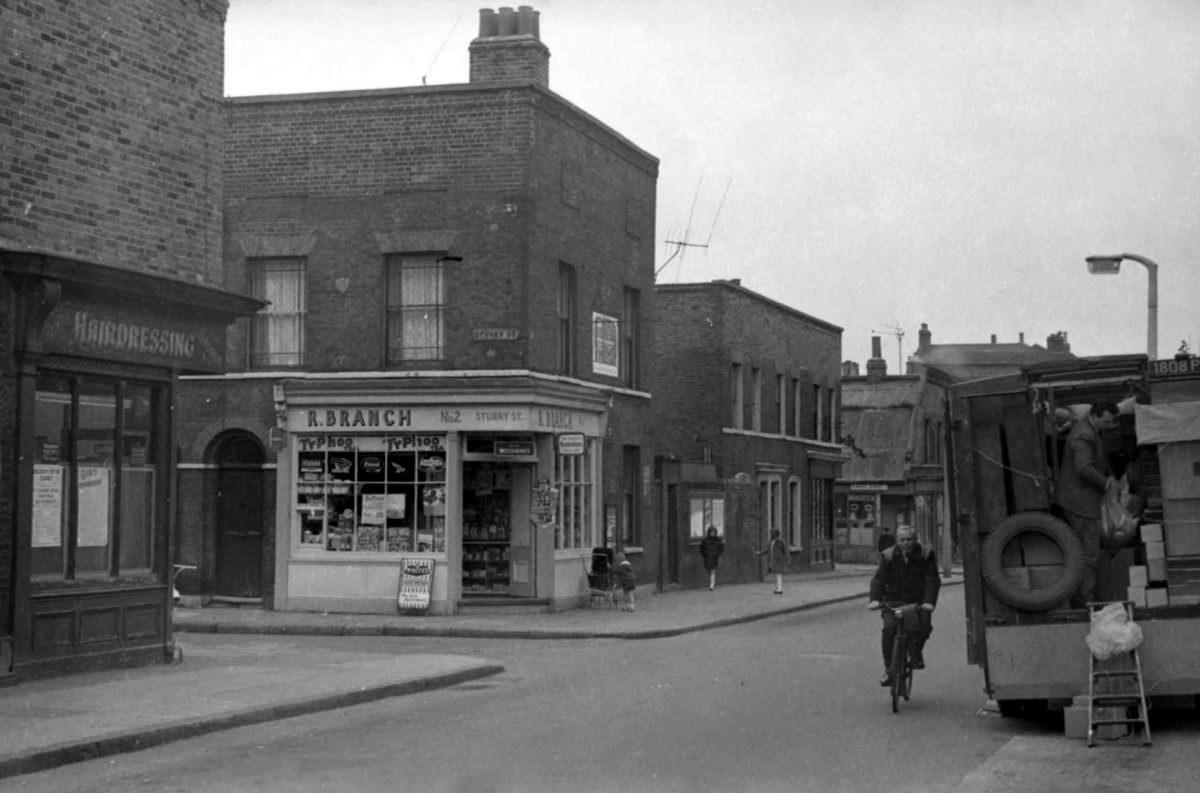
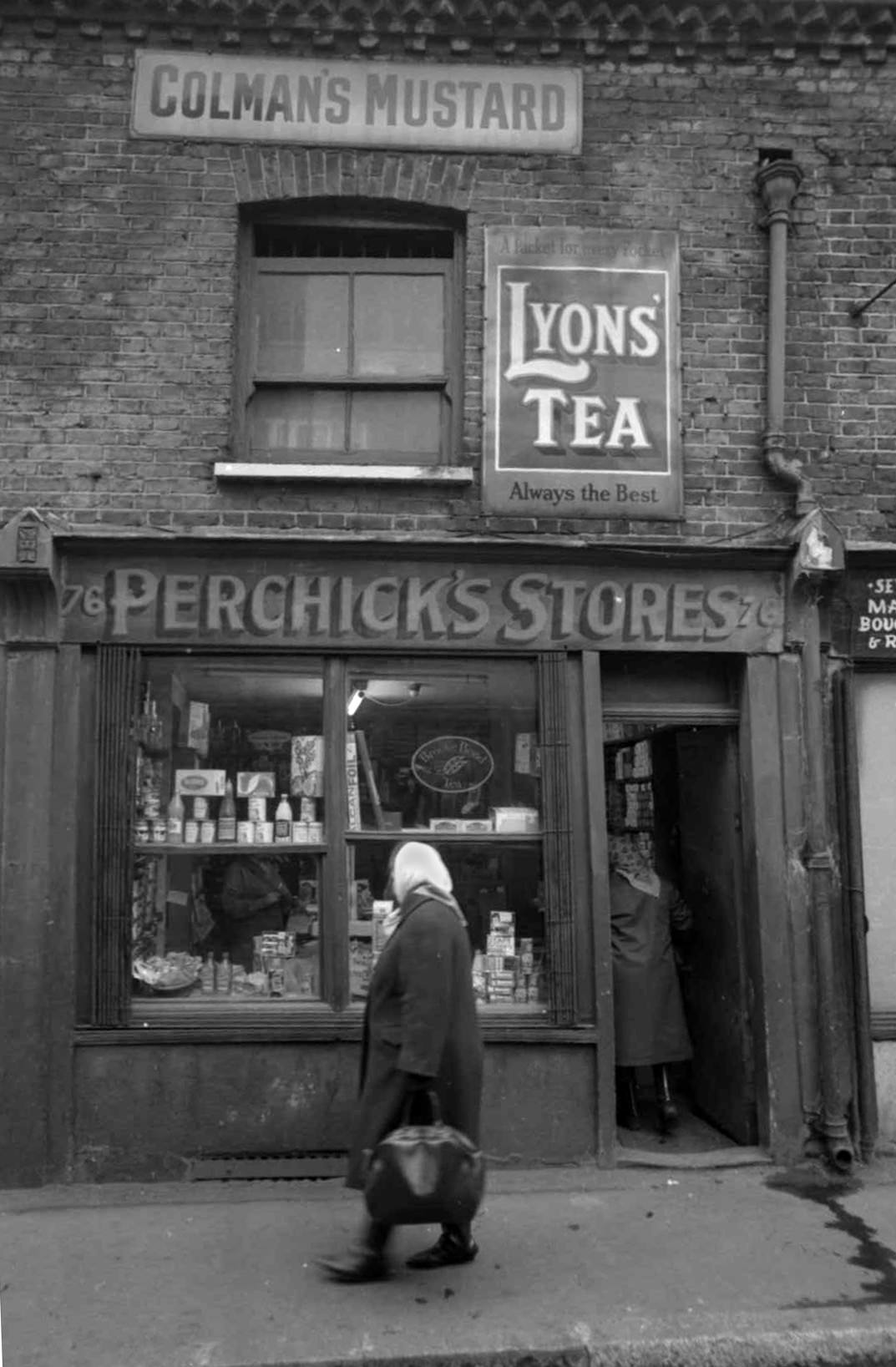
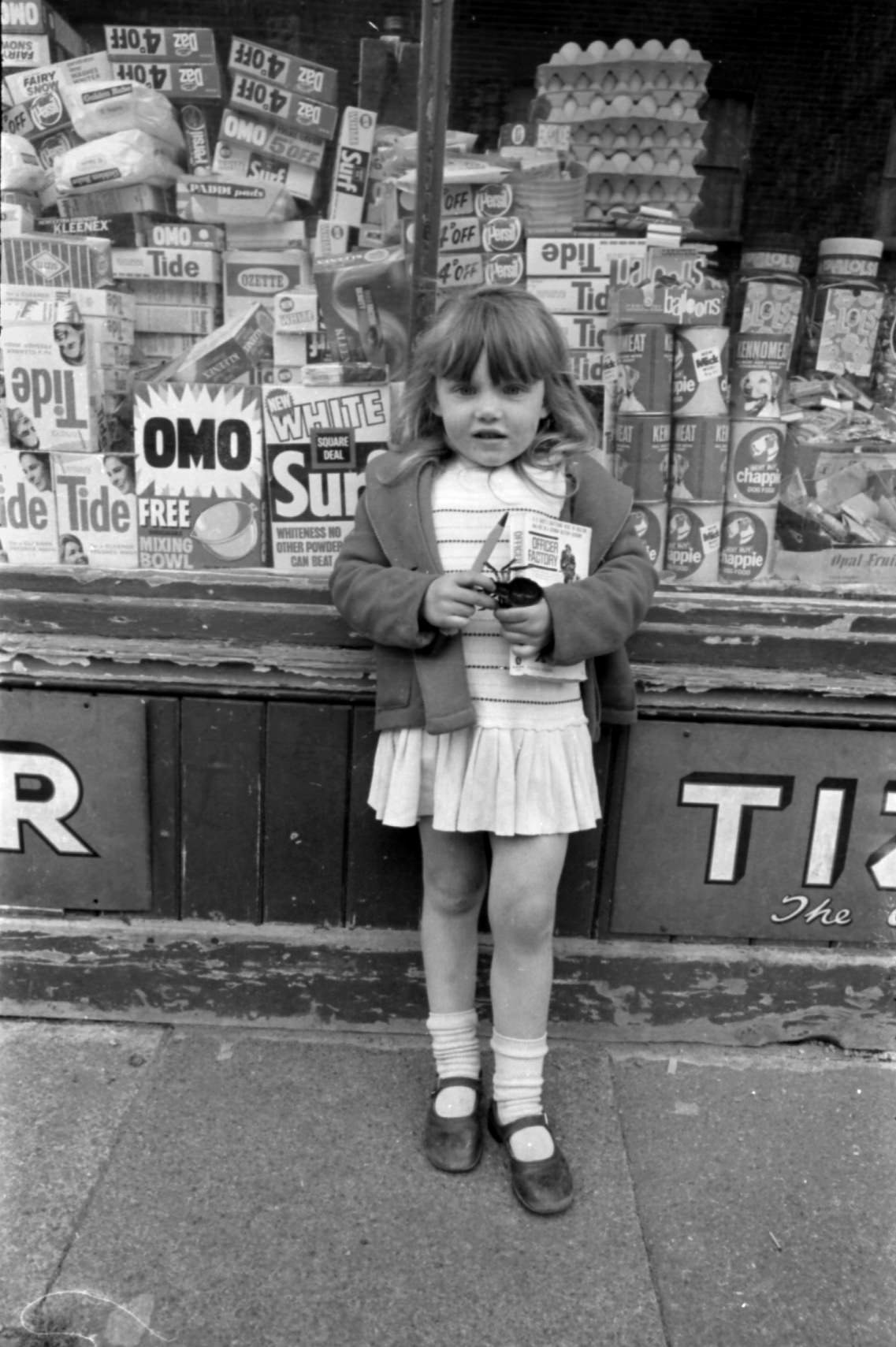
In the early 1960s, London’s East End was one of the most active commercial neighborhoods in the city. Streets were lined with shops of every kind — clothing stalls, food sellers, hardware merchants, and corner stores packed tightly side by side. The area had long been a landing point for immigrant communities, and by this decade, that history showed clearly in the faces behind the counters and the goods stacked on the shelves.
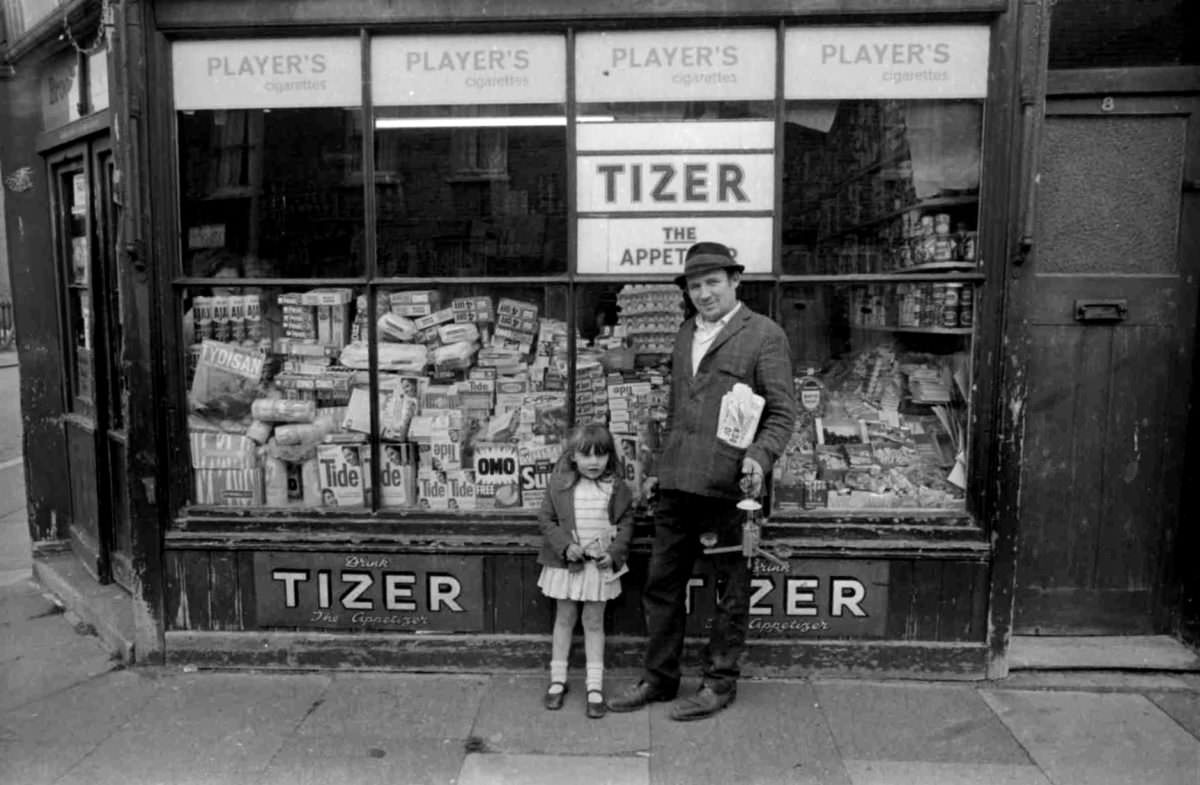
Working-class families made up the bulk of the shoppers here. Most had little reason to travel far — the East End supplied nearly everything they needed within walking distance. Fresh produce, cloth, household tools, and everyday staples were all available at the street markets, often at prices well below what the larger stores charged elsewhere in London.
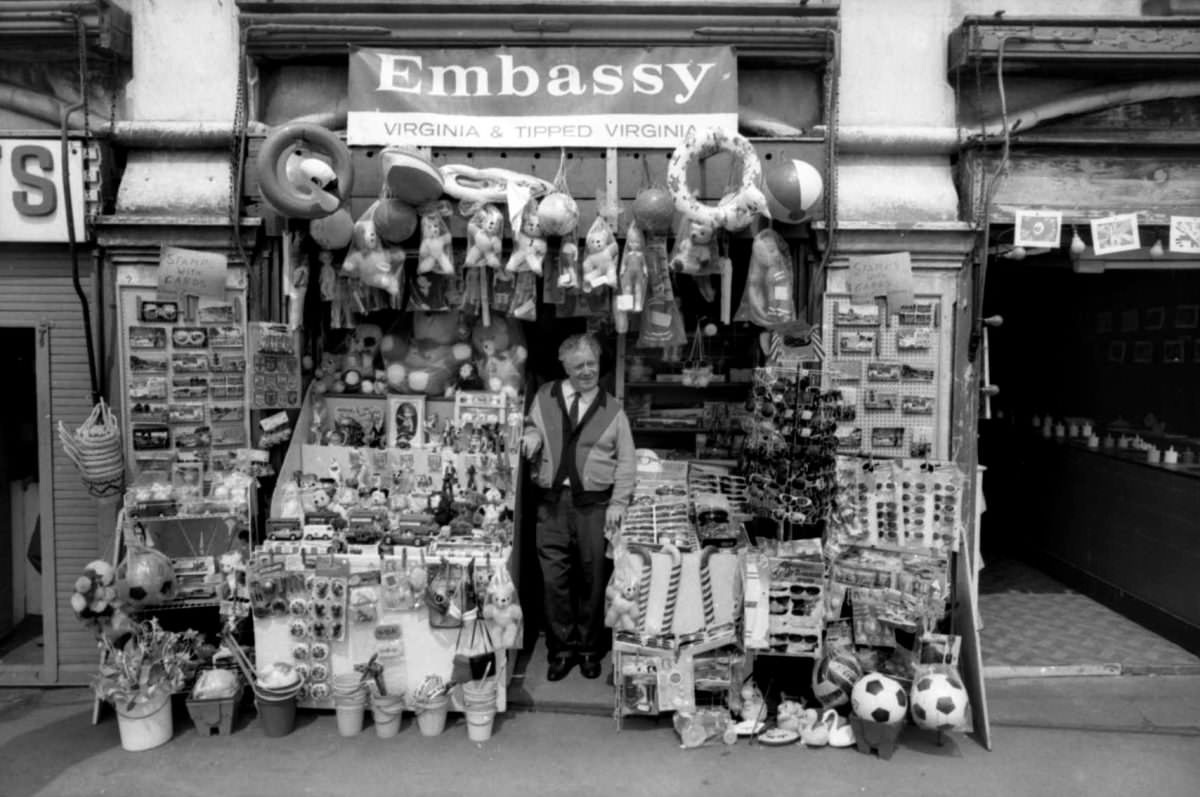
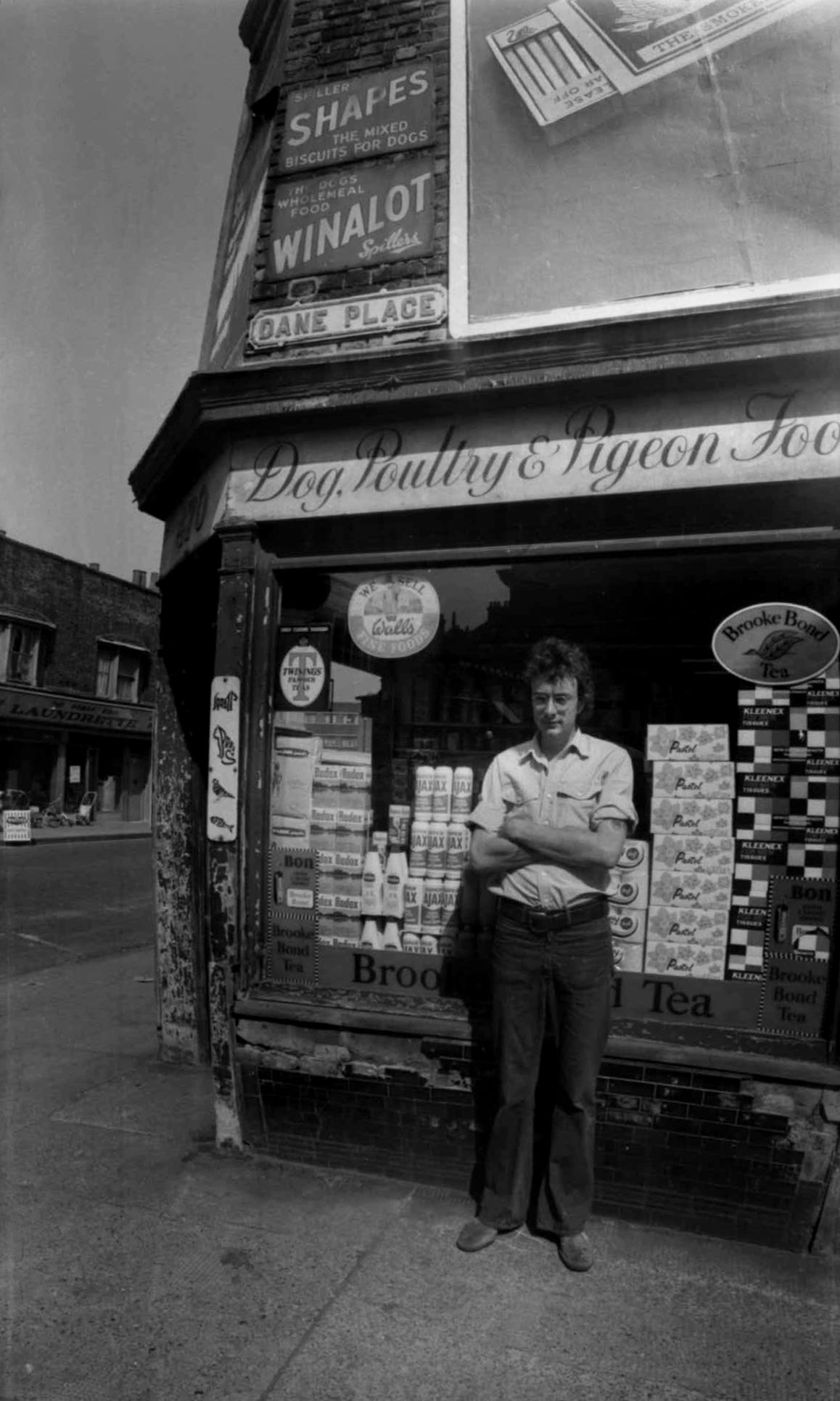
The markets drew a particular kind of shopper: practical, budget-conscious, and community-minded. Haggling was normal. Regulars knew their sellers by name. Transactions were quick but not impersonal — there was real familiarity between buyers and vendors who saw each other week after week.
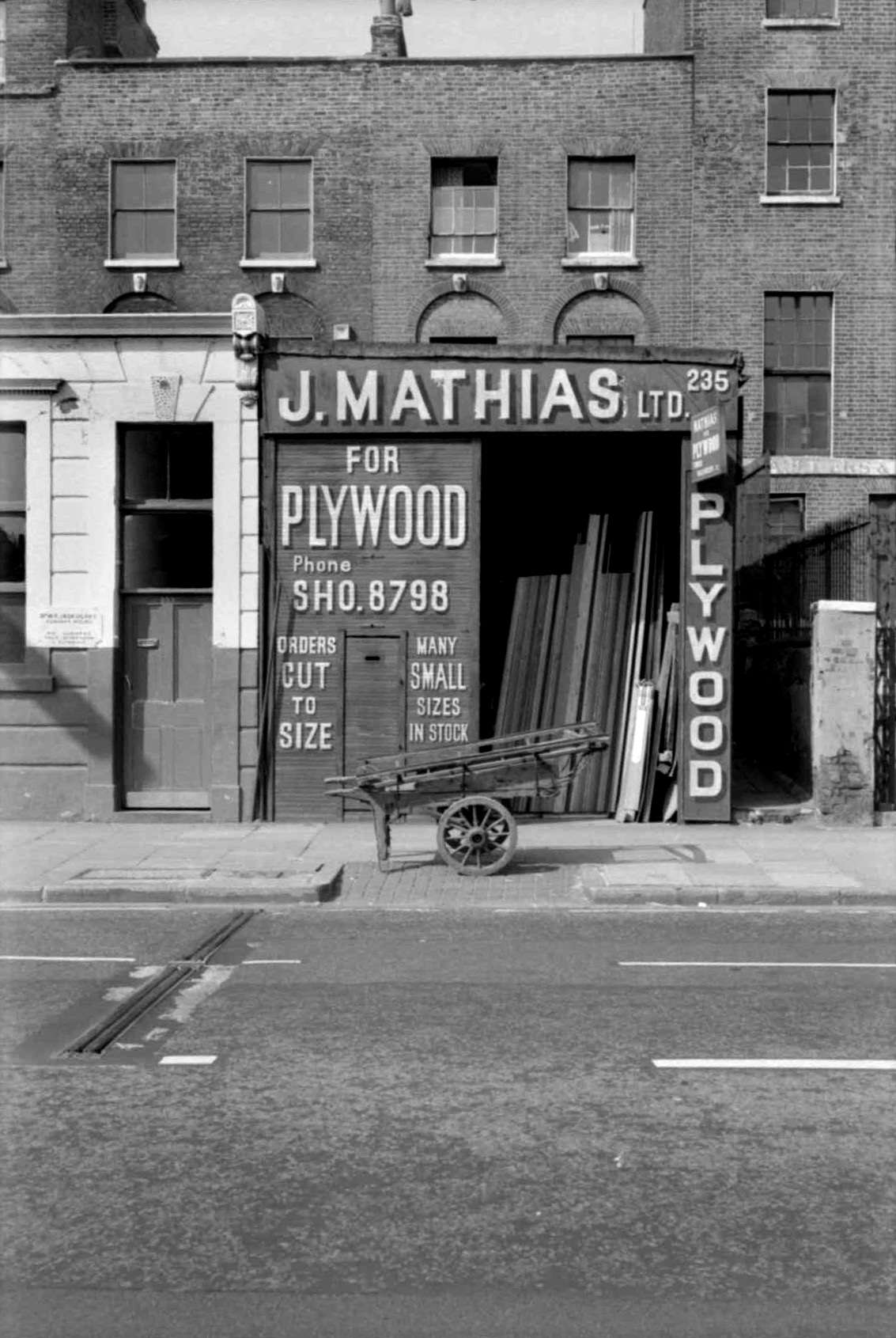
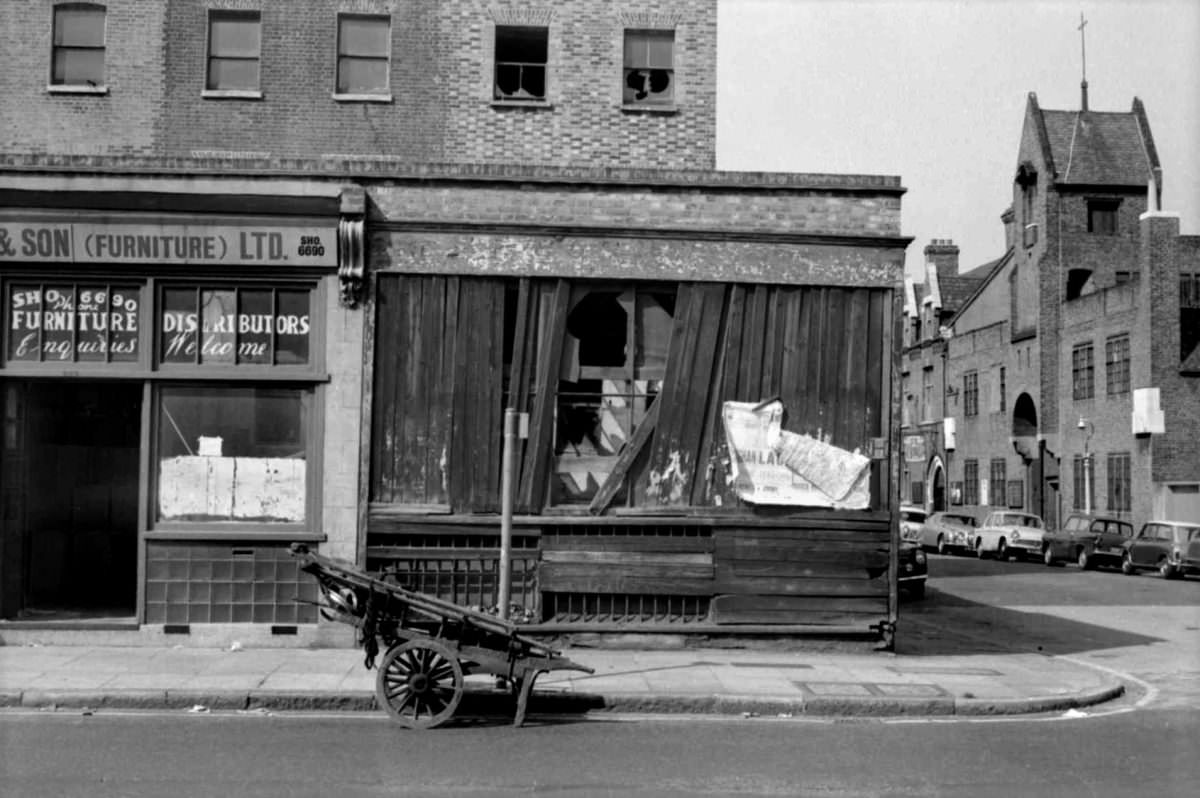
For immigrant families — many of whom had arrived from South Asia, the Caribbean, and Eastern Europe in the postwar years — the East End’s markets offered something especially valuable. Specialty shops stocked ingredients and products from their home countries that simply weren’t available in mainstream British grocery stores at the time.
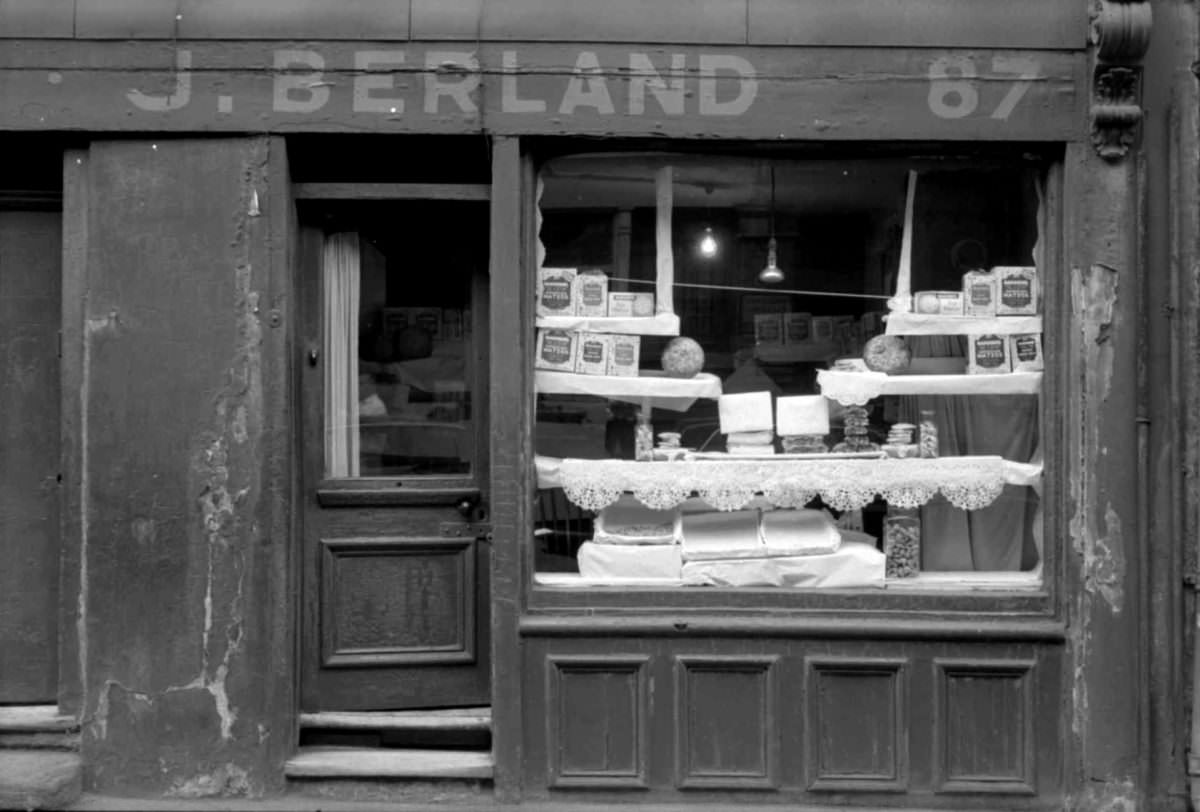
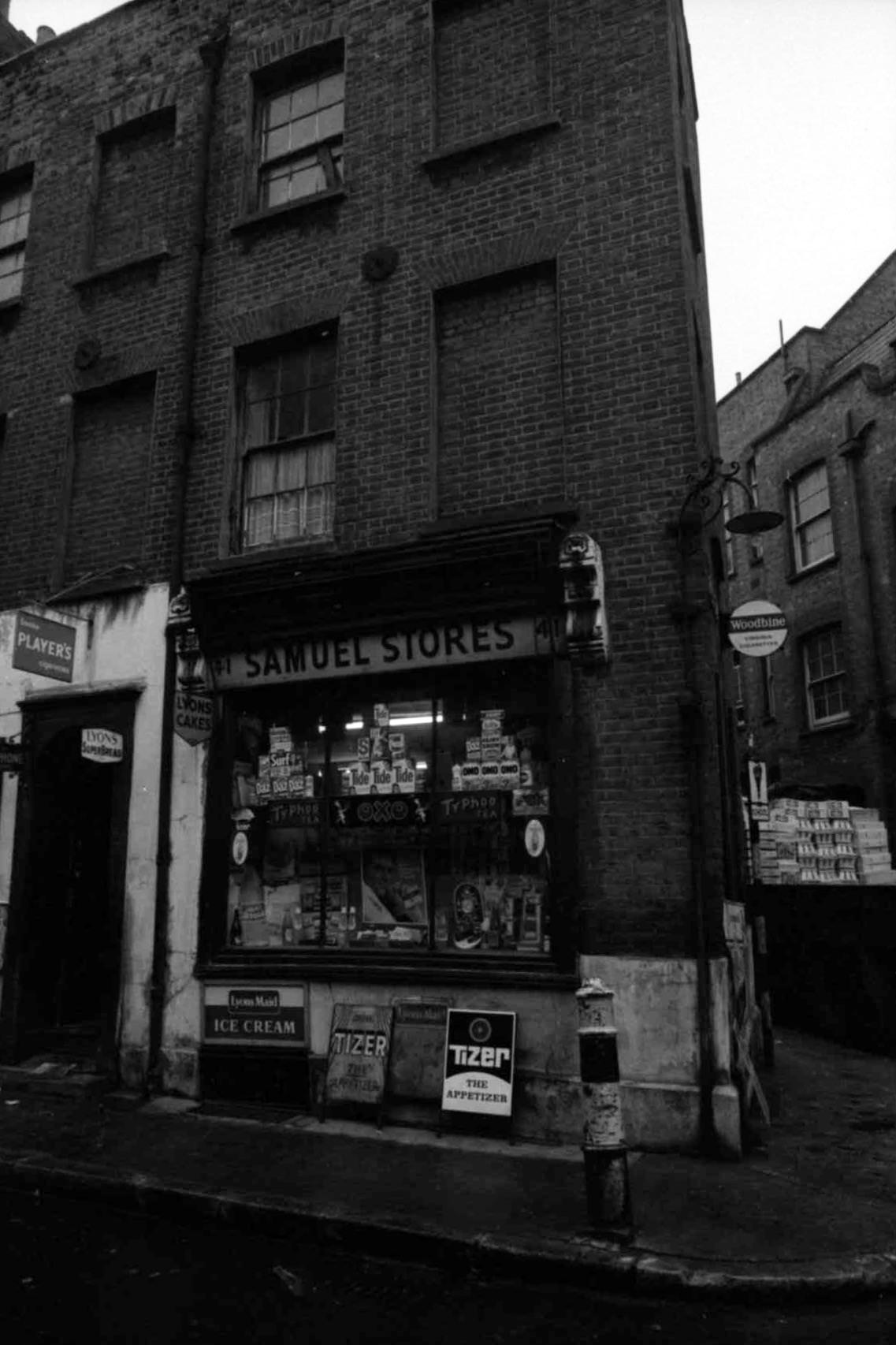
The shopkeepers themselves were just as varied as their customers. Many were first- or second-generation immigrants who had built their businesses from the ground up. Owning a shop in the East End was not just a livelihood — it was a foothold. These were people who had invested everything into a small storefront and a reputation built on consistency and trust.
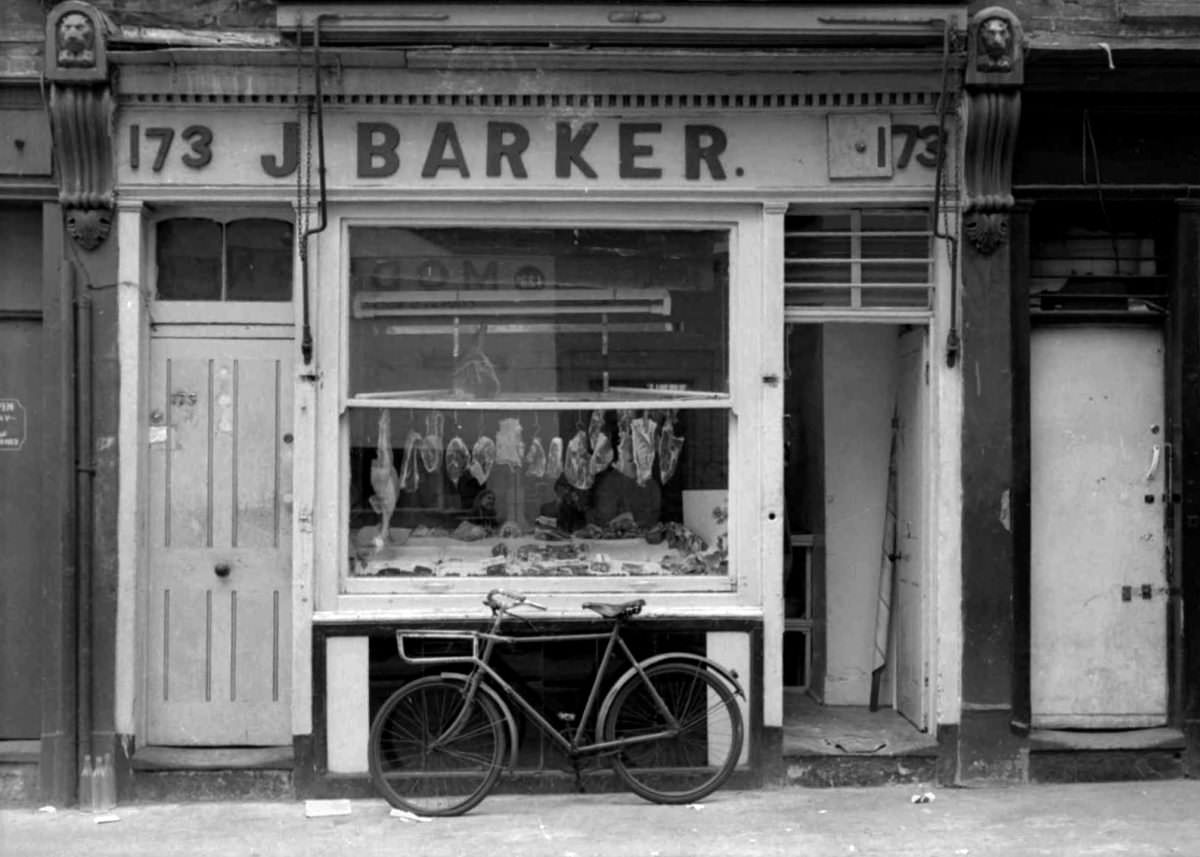
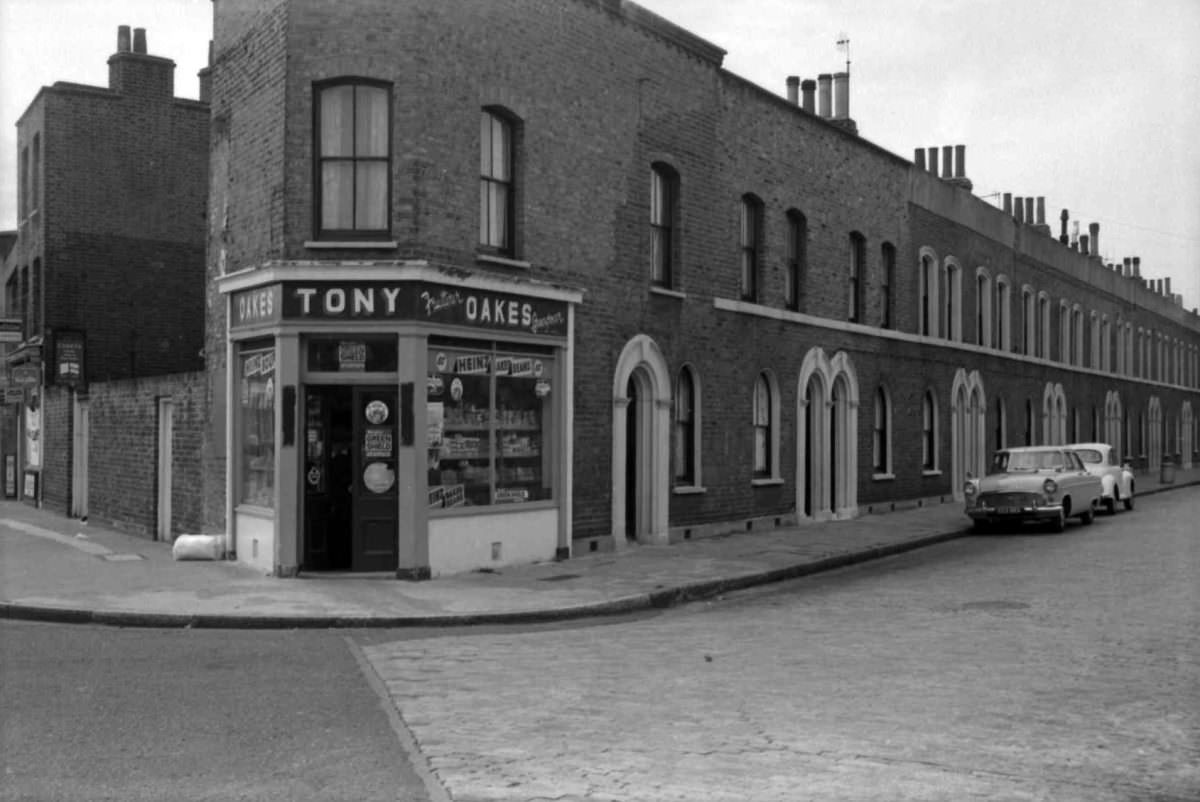
A great many shopkeepers lived directly above their businesses. This arrangement was practical — it cut costs and kept them close to their work. But it also meant they were genuinely part of the neighborhood, not just operating within it. They knew their customers’ families, their regular orders, and often their personal circumstances too.
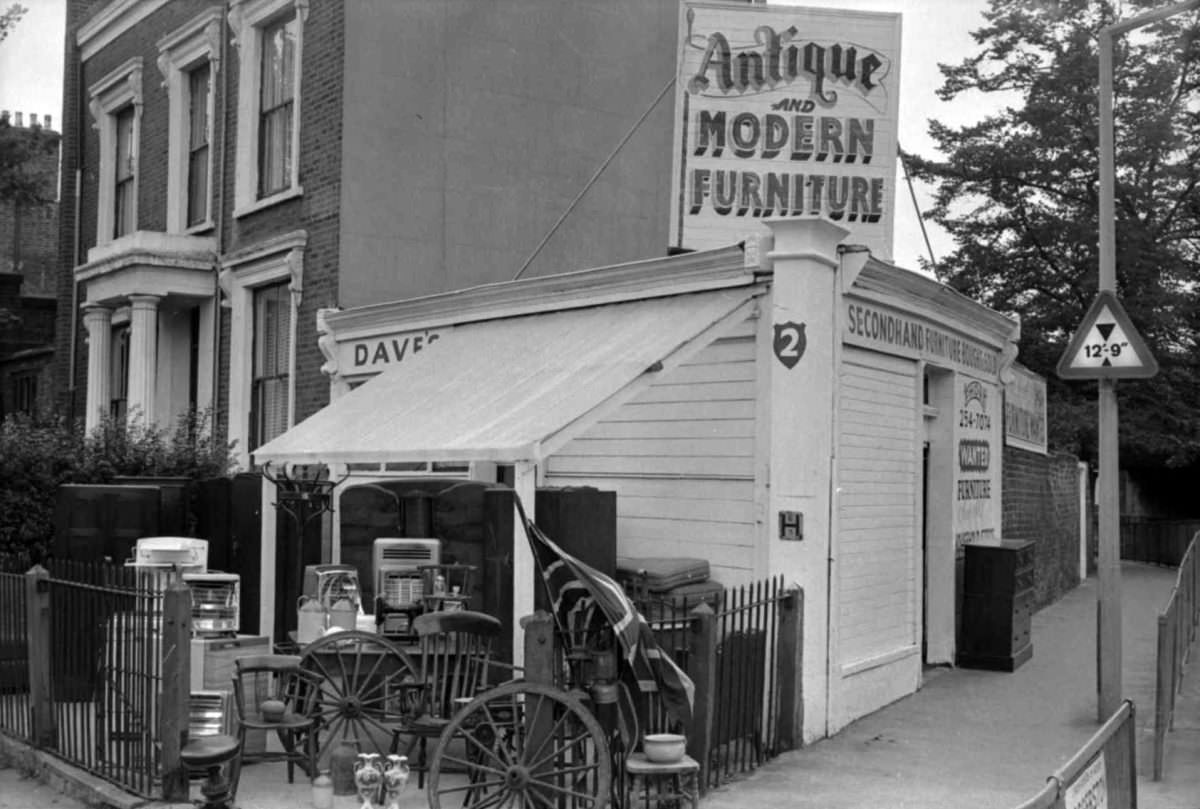
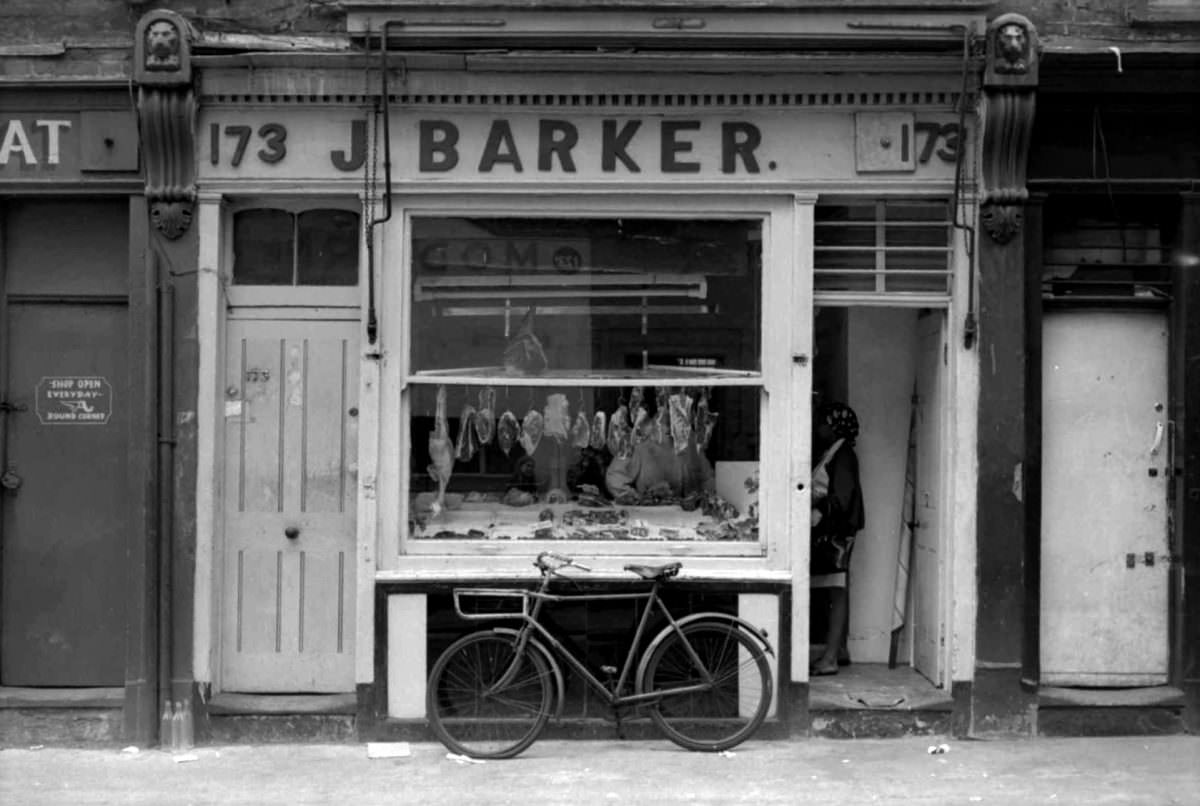
Small independent shops dominated the retail landscape. Chain stores existed, but the character of the East End was defined by the one-owner butcher, the family-run fabric stall, and the corner shop that stayed open later than anyone else. These businesses employed local people and kept money circulating within the community.
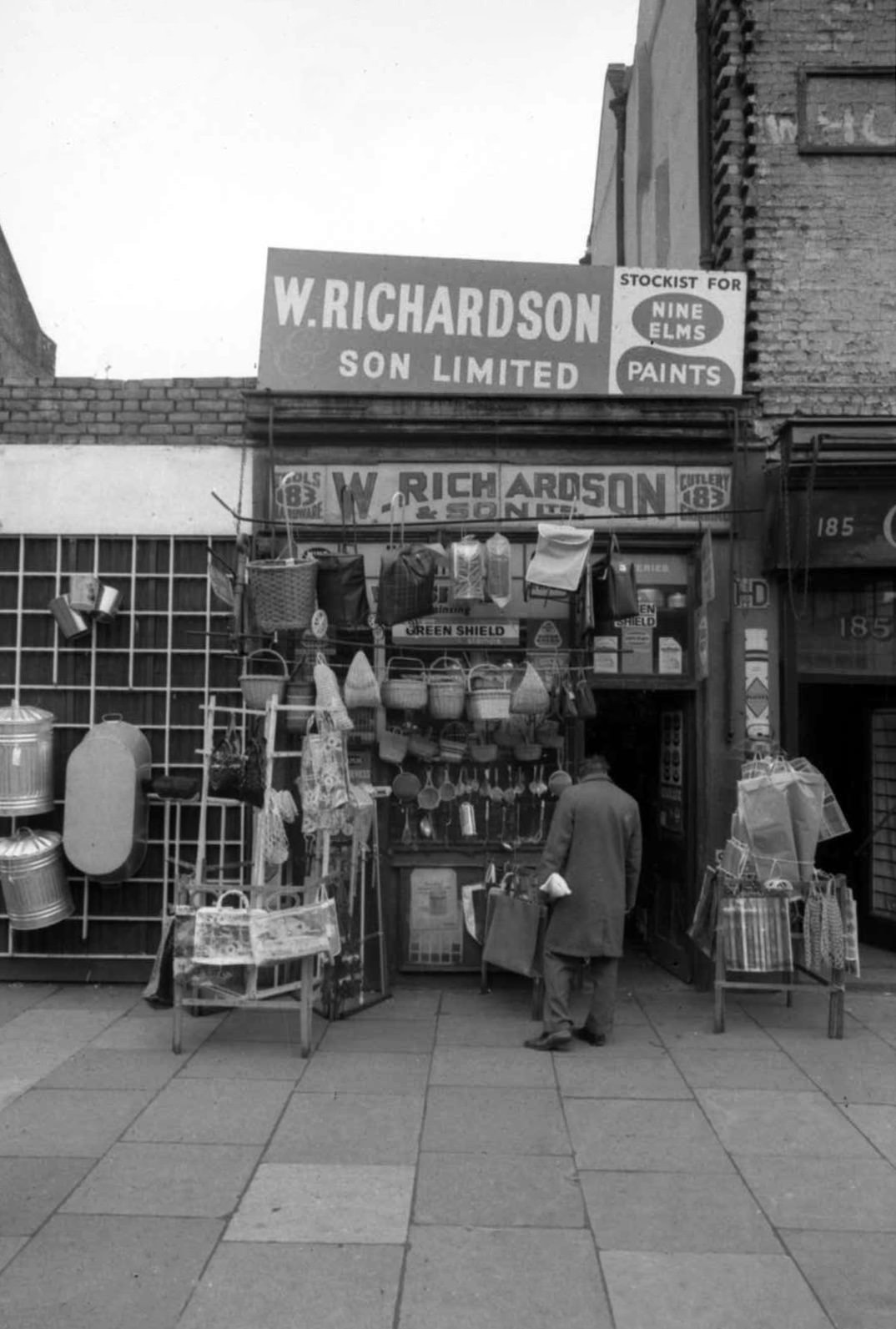
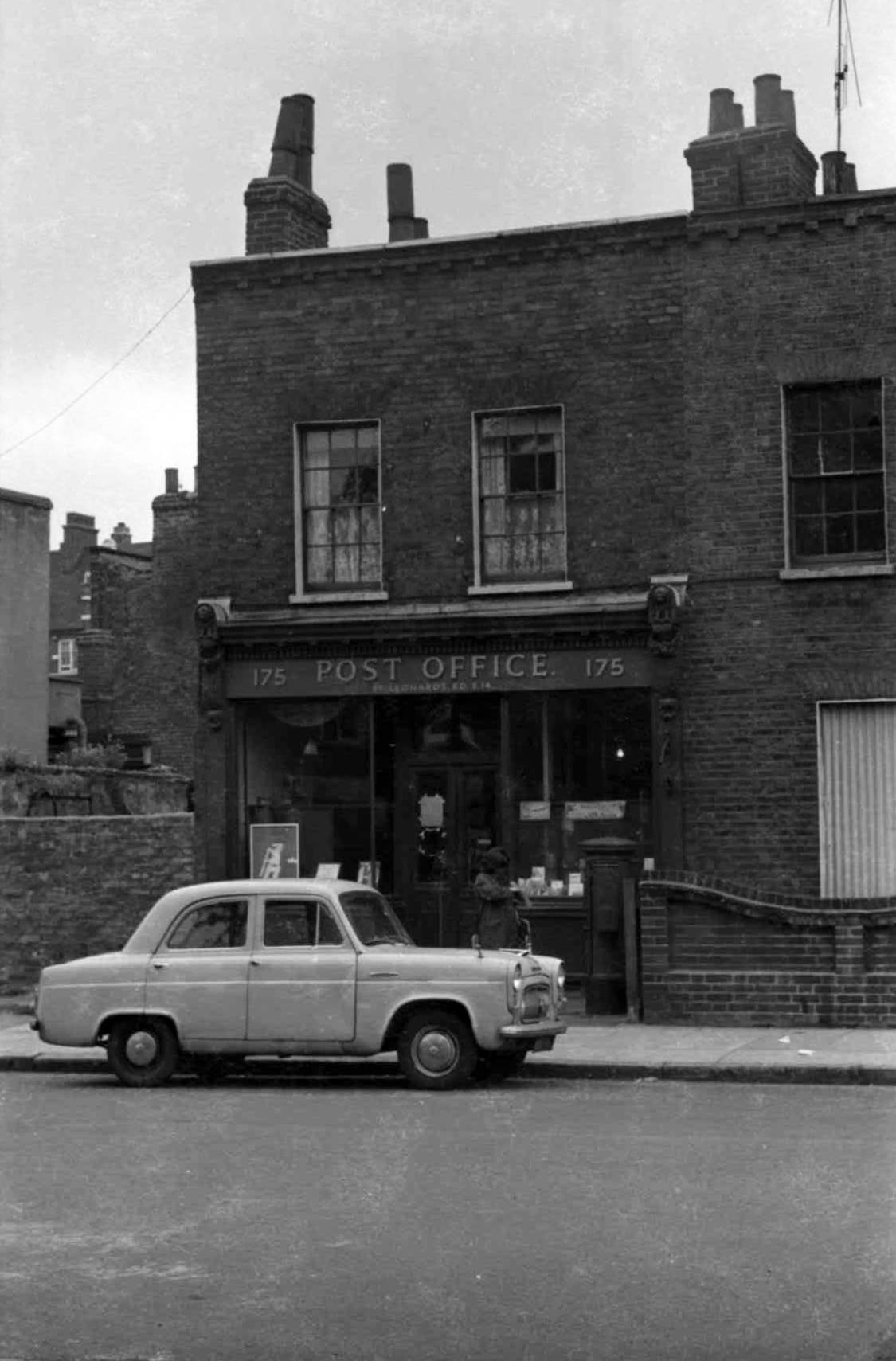
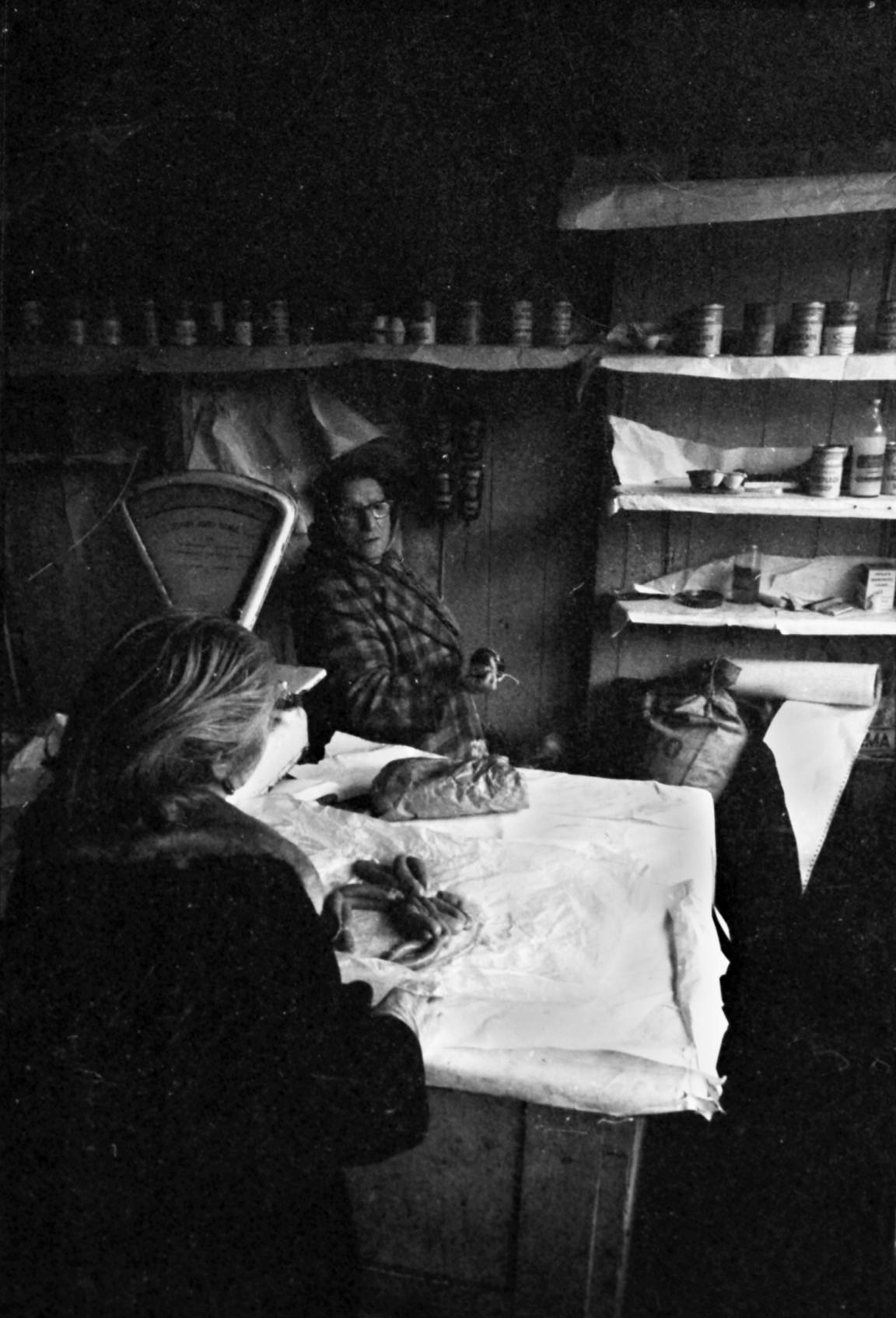
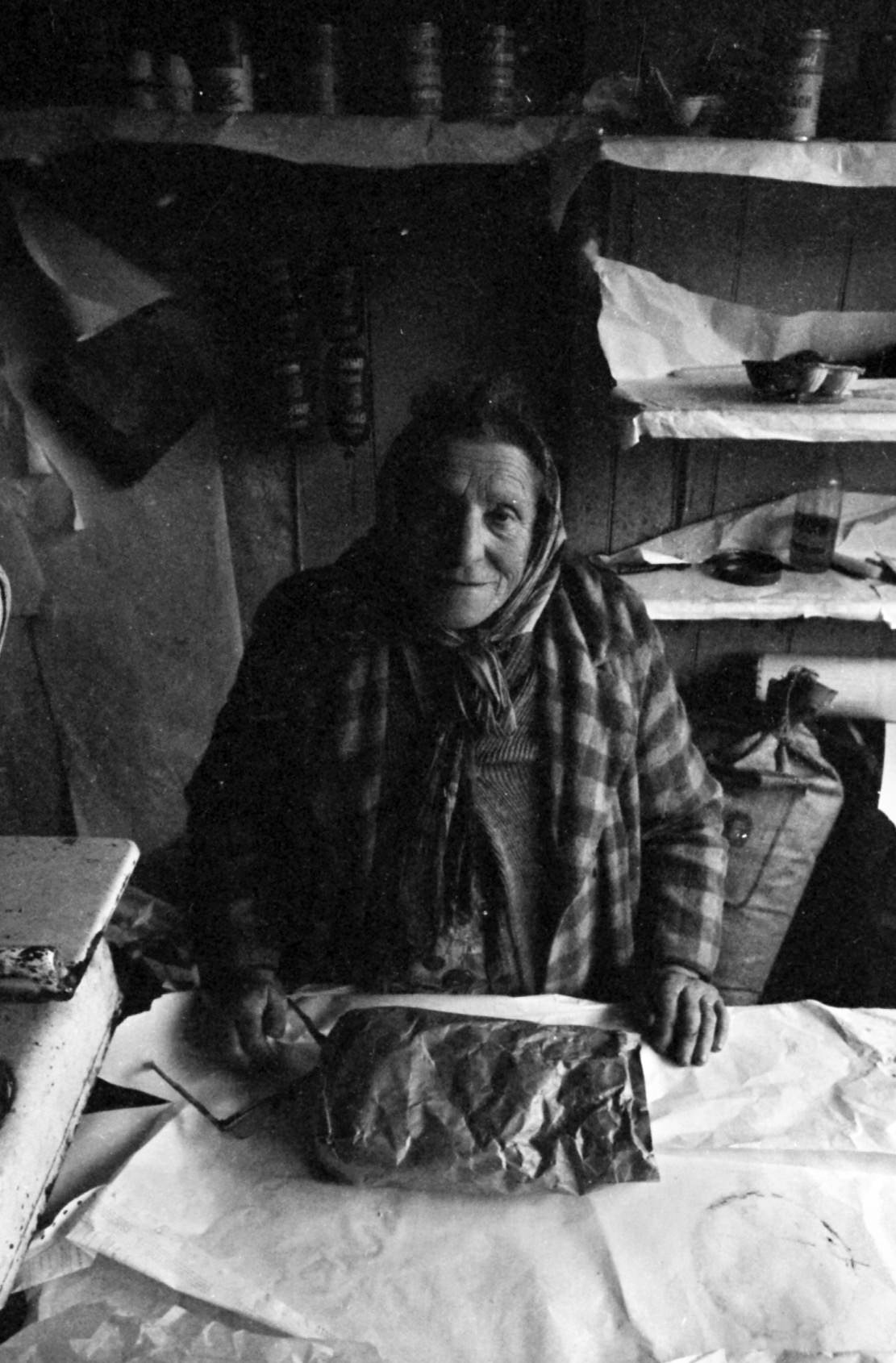
Photographer Tony Hall documented this world in striking detail. His images capture the textures of daily commercial life — storefronts cluttered with goods, shopkeepers standing in doorways, and customers going about their routines with the ease of people in a place they know well.
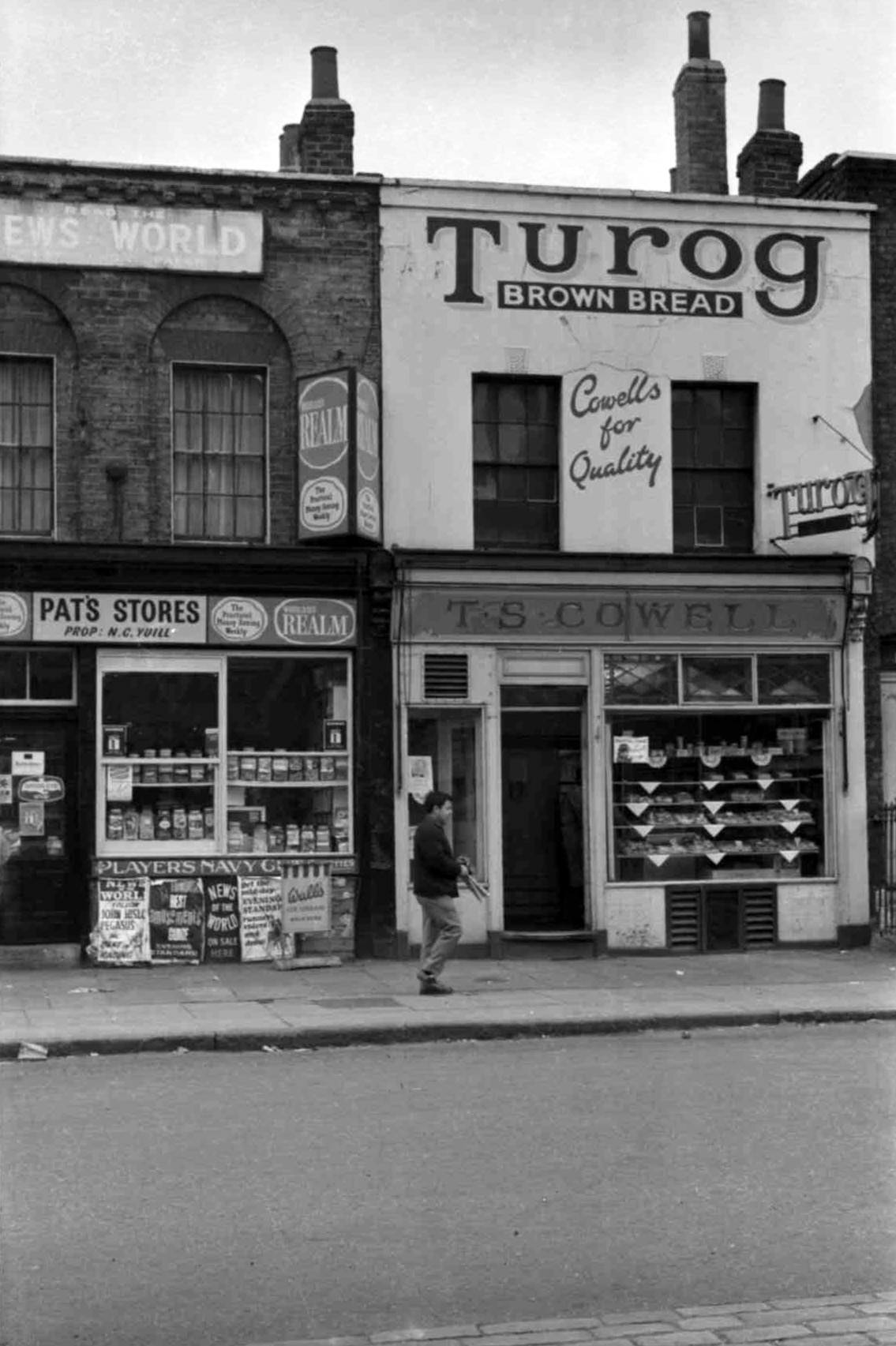
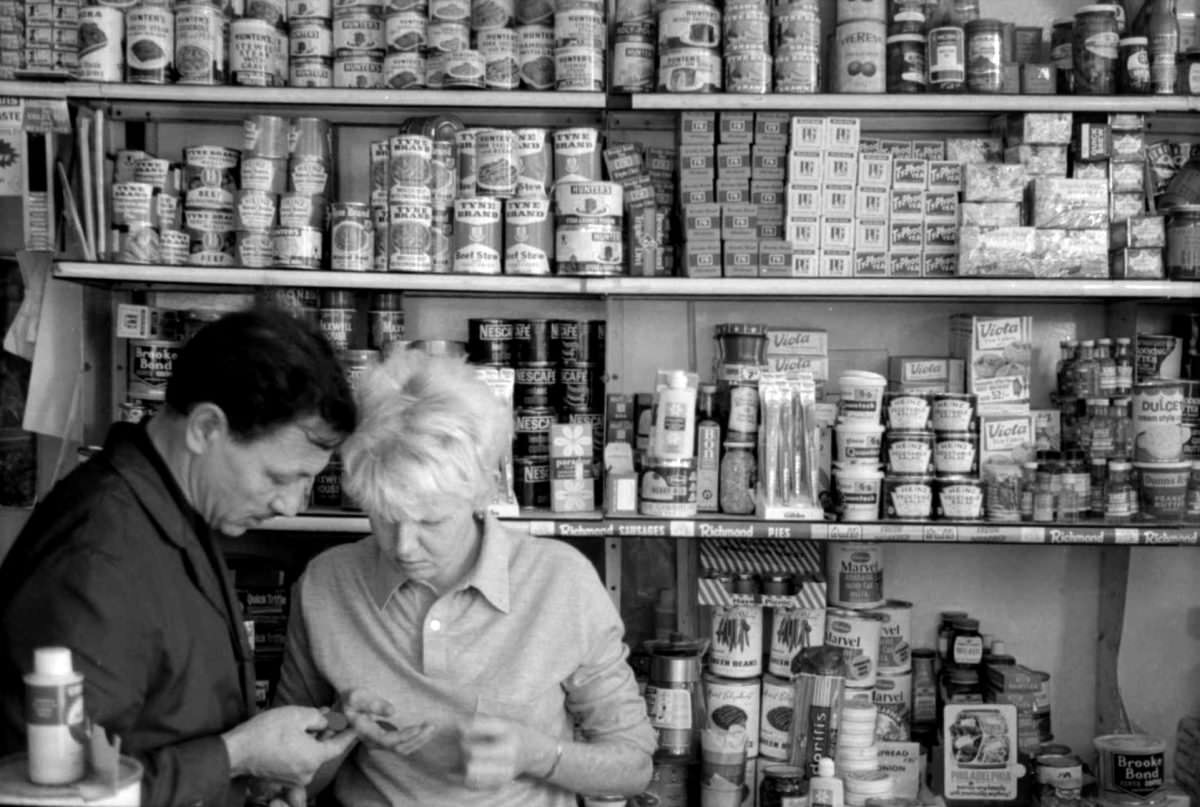
The physical shops themselves ranged from polished and purpose-built to rough and makeshift. Some had proper window displays and painted signs. Others were little more than a covered stall with goods stacked wherever space allowed. Both types served their customers equally well, and both drew steady trade.
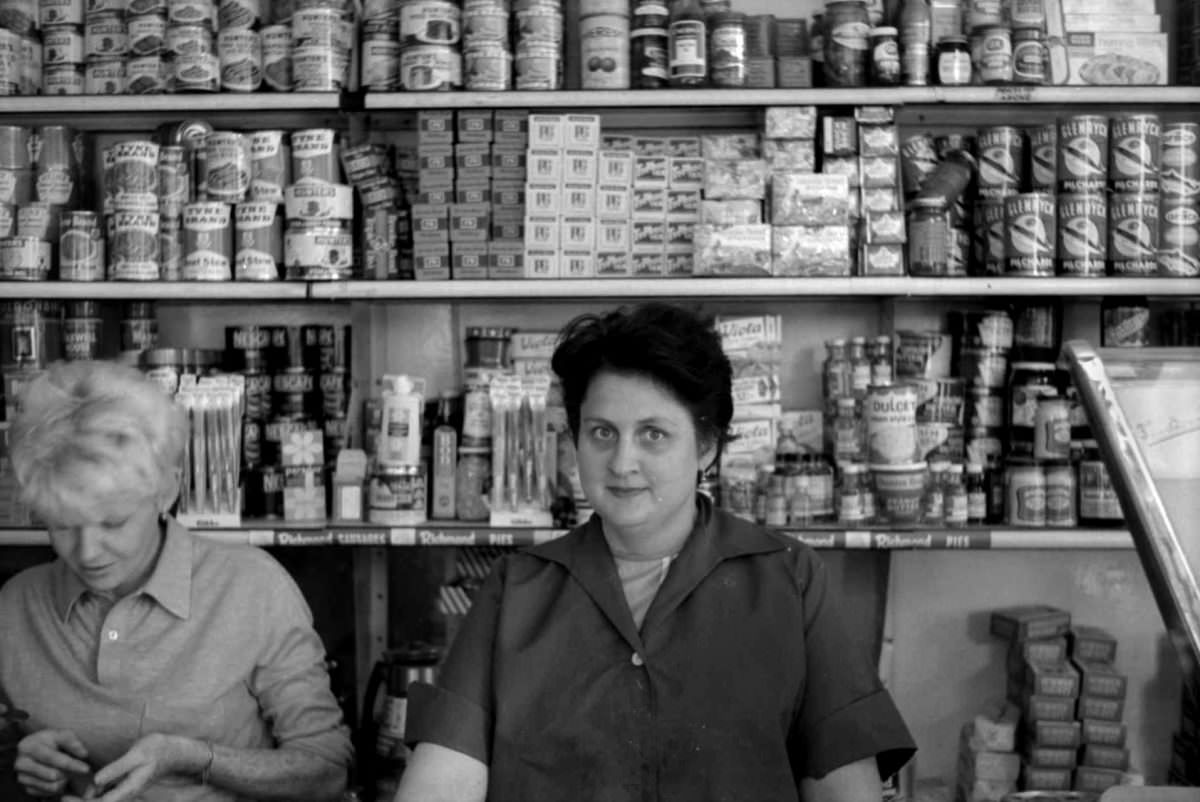
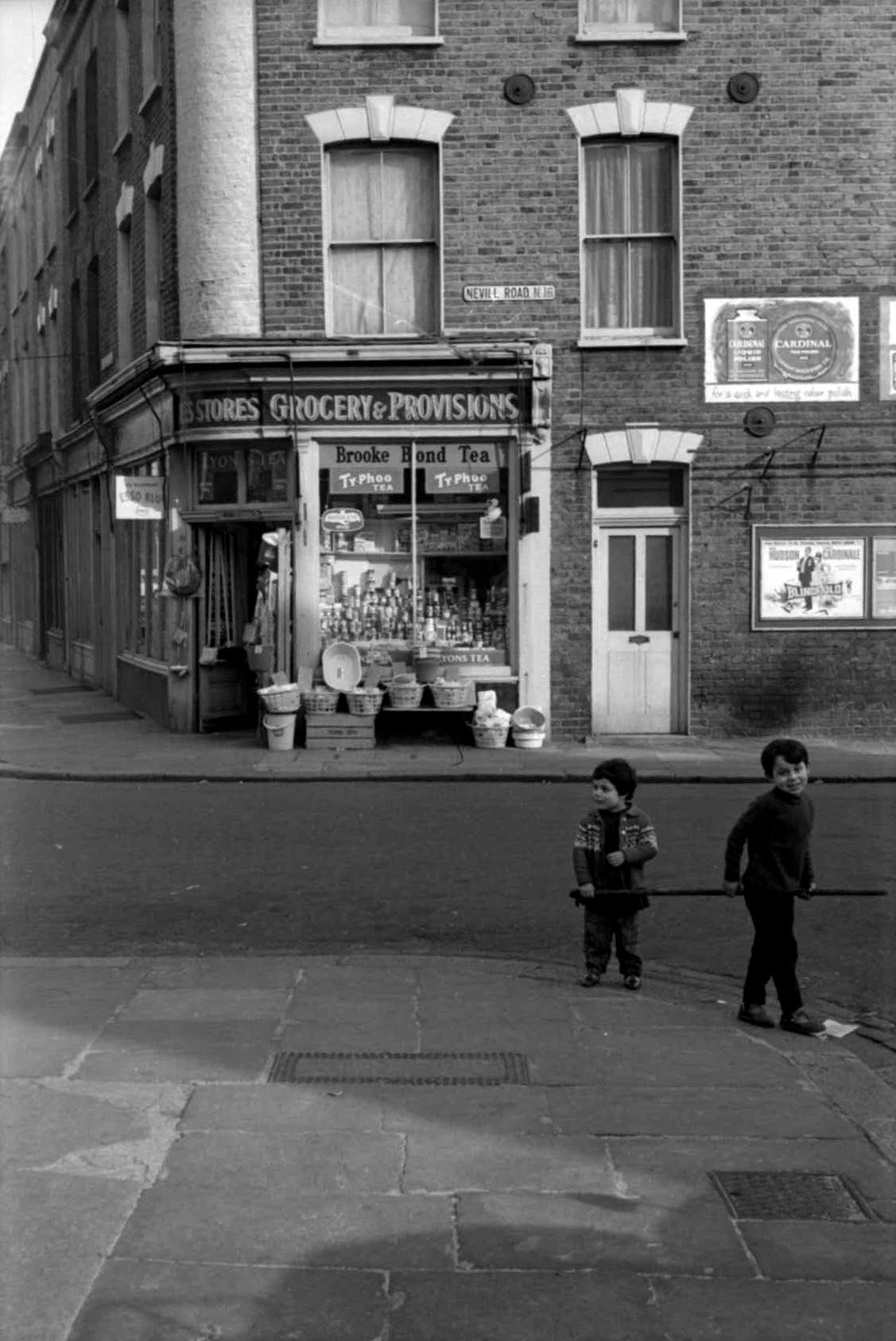
Street life and shop life blurred together in the East End. Pavements outside stores functioned as extensions of the shop floor — boxes of goods spilled out onto the street, and conversations between sellers and passersby often turned into sales. The boundary between public space and commercial space was not strict.
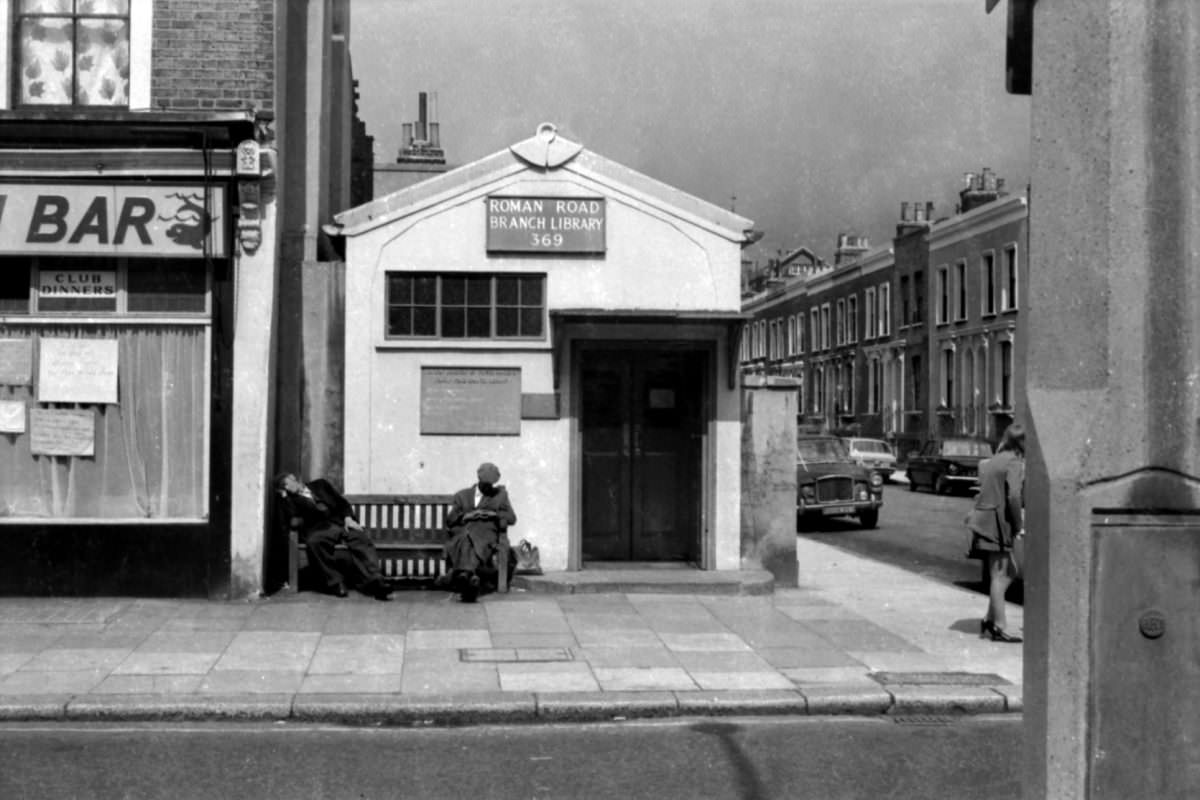
Children were a constant presence in the shopping areas. They ran errands for parents, lingered outside sweet shops, and played in the spaces between market stalls. Shopping was not a private activity done in isolation — it was a social event that involved the whole family and often the whole street.
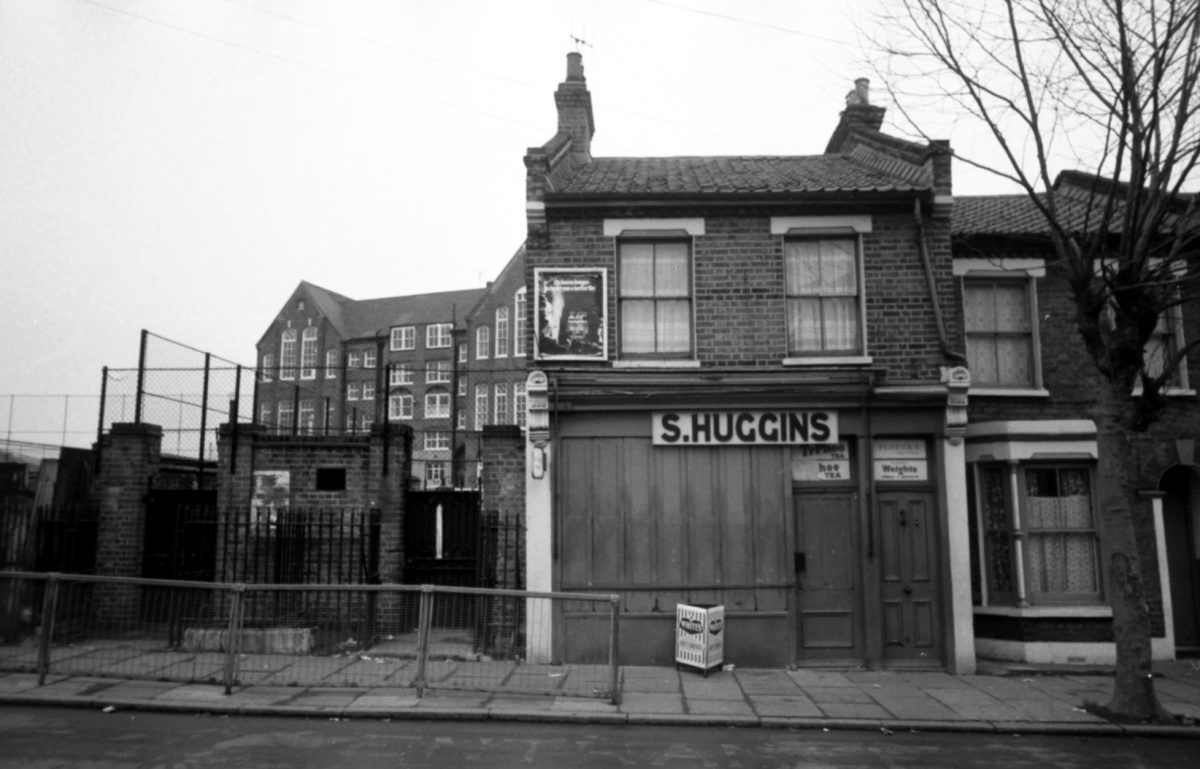
Different nationalities ran businesses side by side without friction being the norm. A Jewish delicatessen might sit next to a West Indian grocery. A South Asian fabric merchant might share a row with a long-established English ironmonger. This wasn’t by design — it was simply the result of people settling where opportunity existed and building what they could.
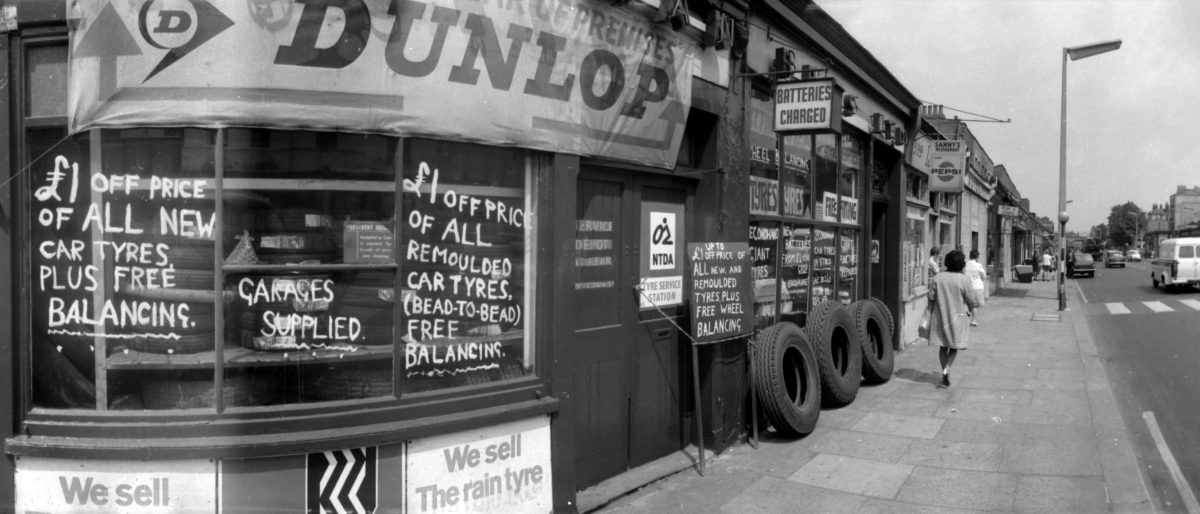
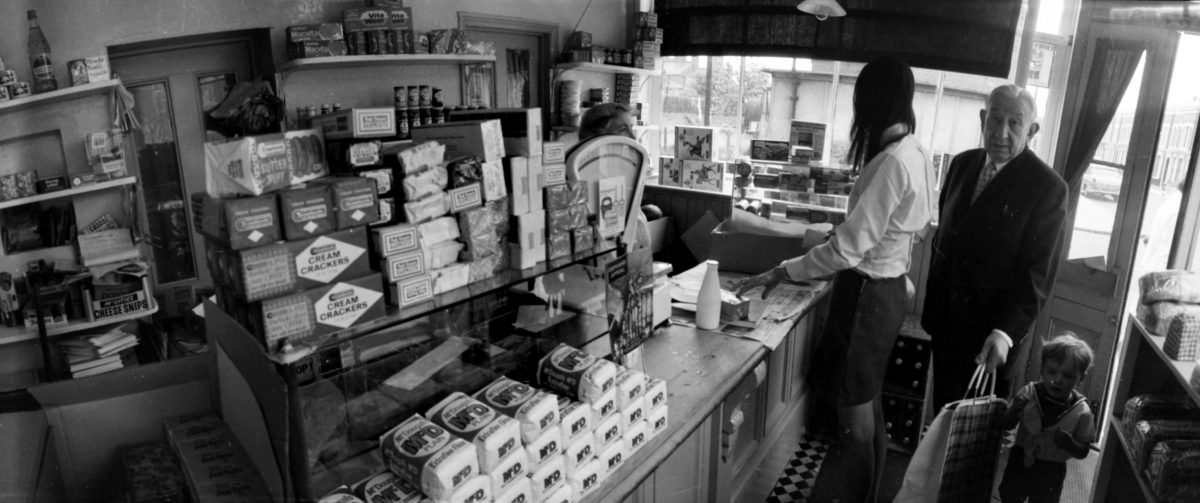
The goods sold in the East End reflected real need rather than luxury. Clothing shops stocked durable, affordable items. Food sellers offered cuts and produce that stretched a budget. There was little that was decorative or aspirational on the shelves — everything had a direct, immediate use for the people buying it.
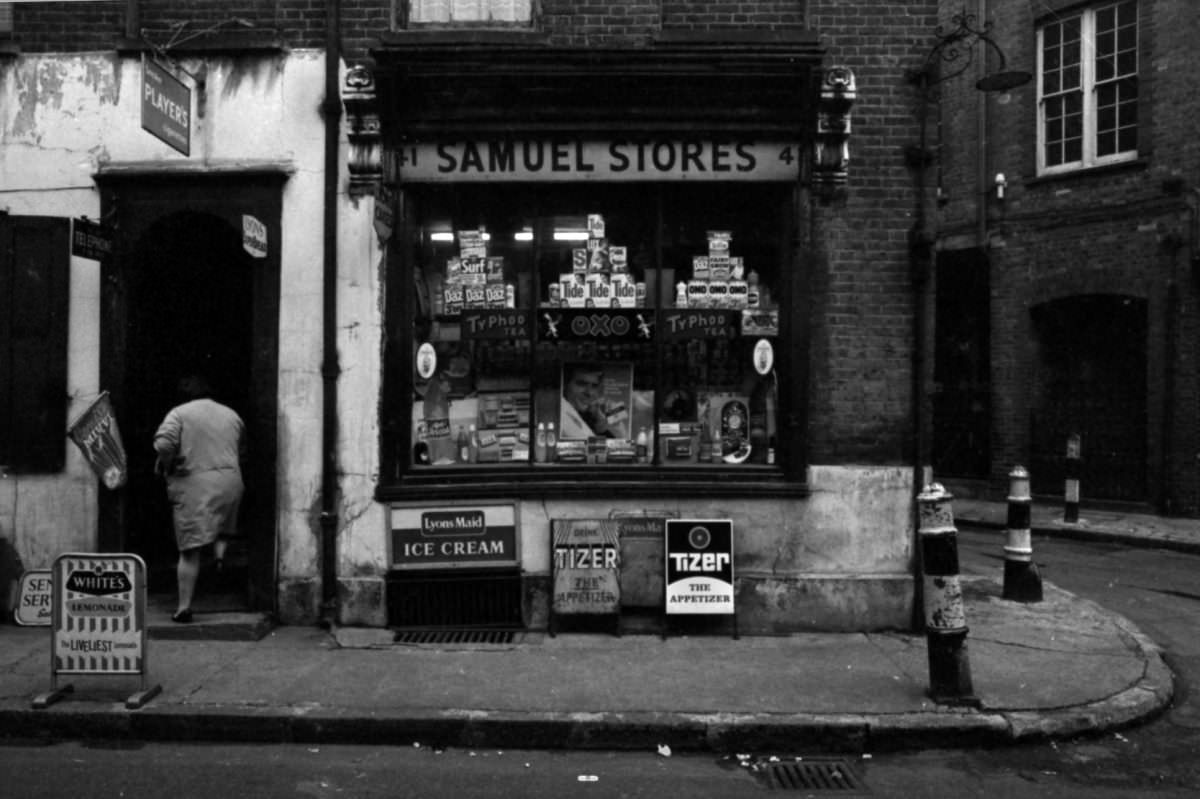
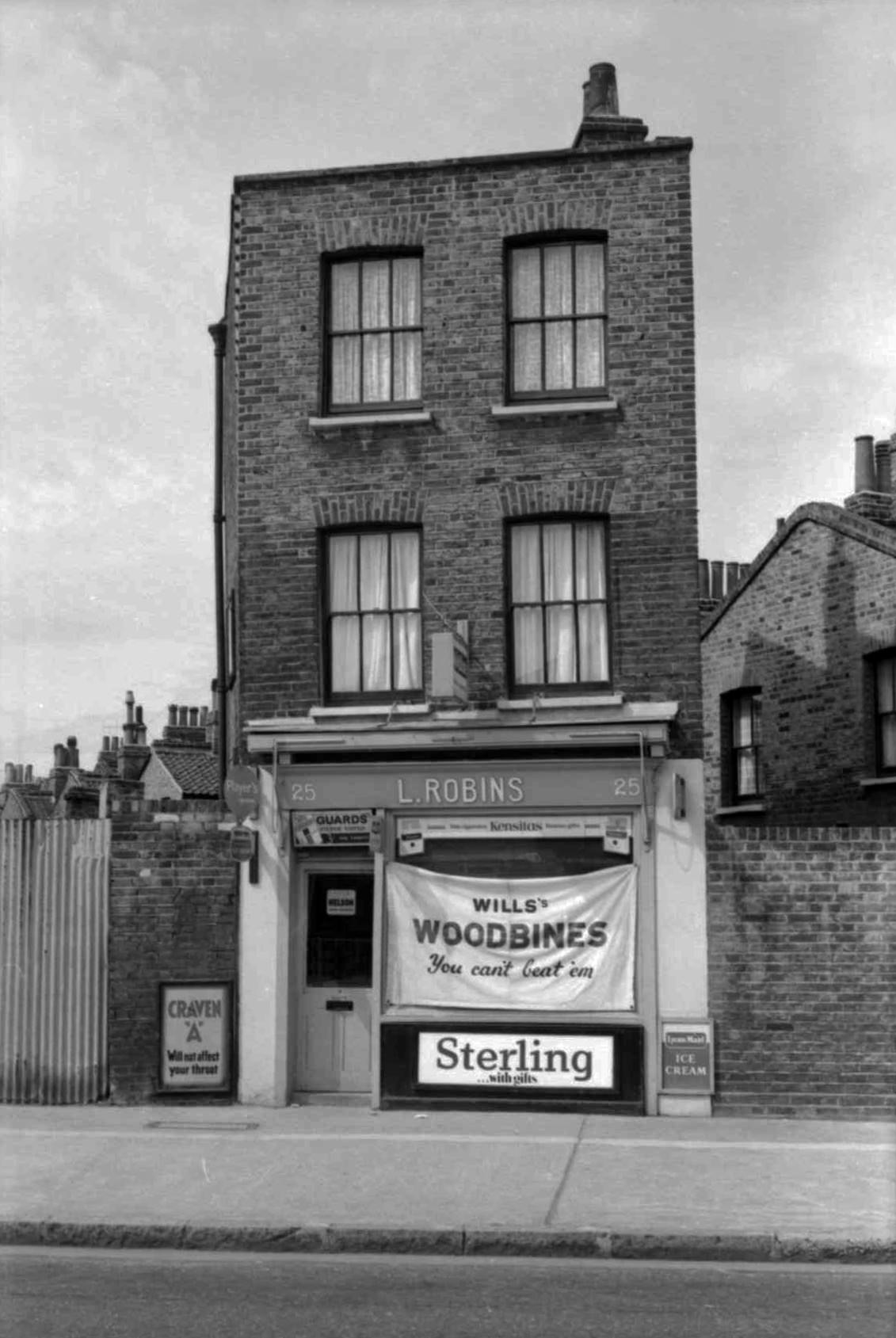
Hall’s photographs show shopkeepers at work in unguarded moments — restocking shelves, chatting with regulars, watching the street from their doorways. These are not posed portraits. They are honest records of people doing ordinary work in an extraordinary neighborhood.
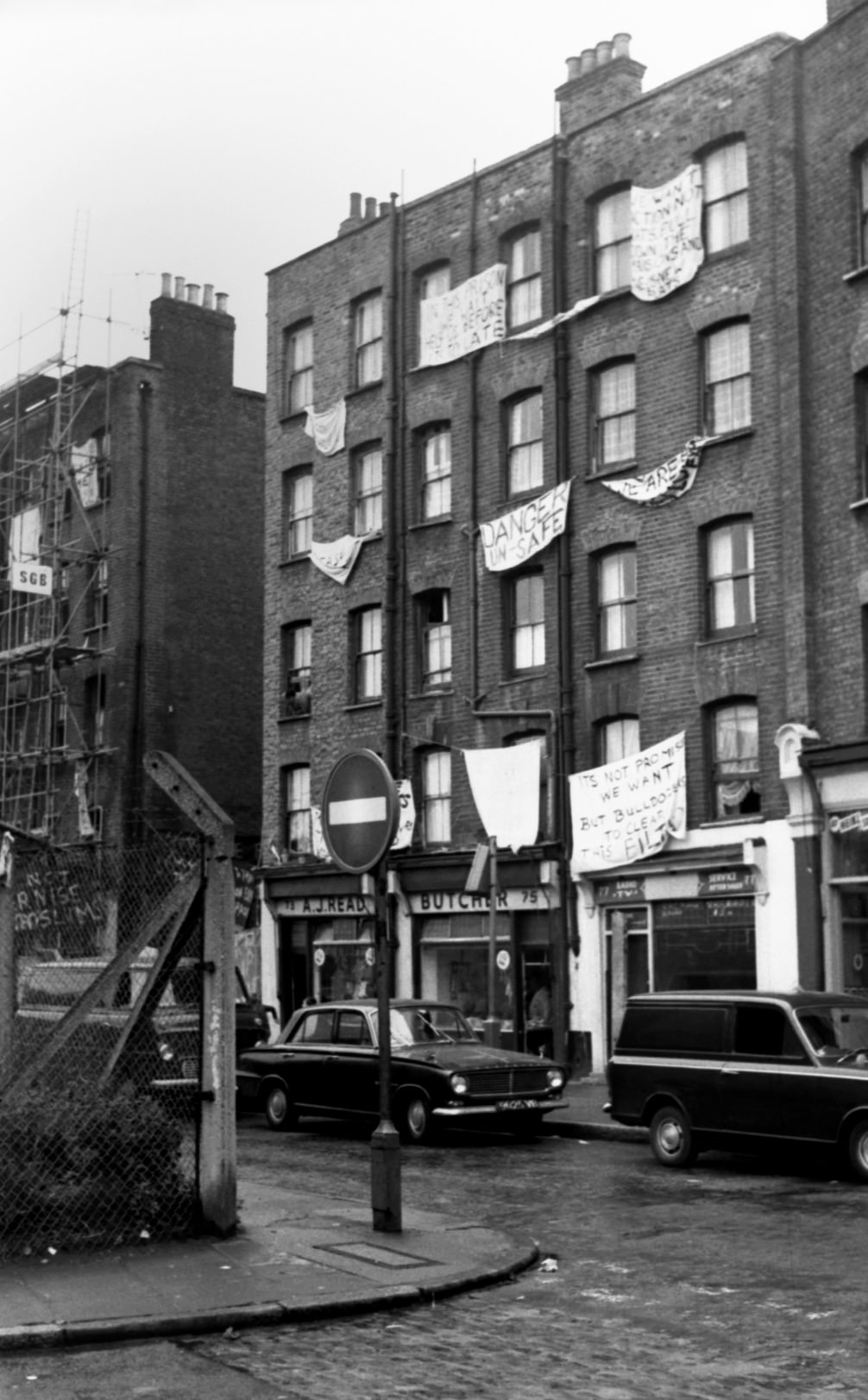
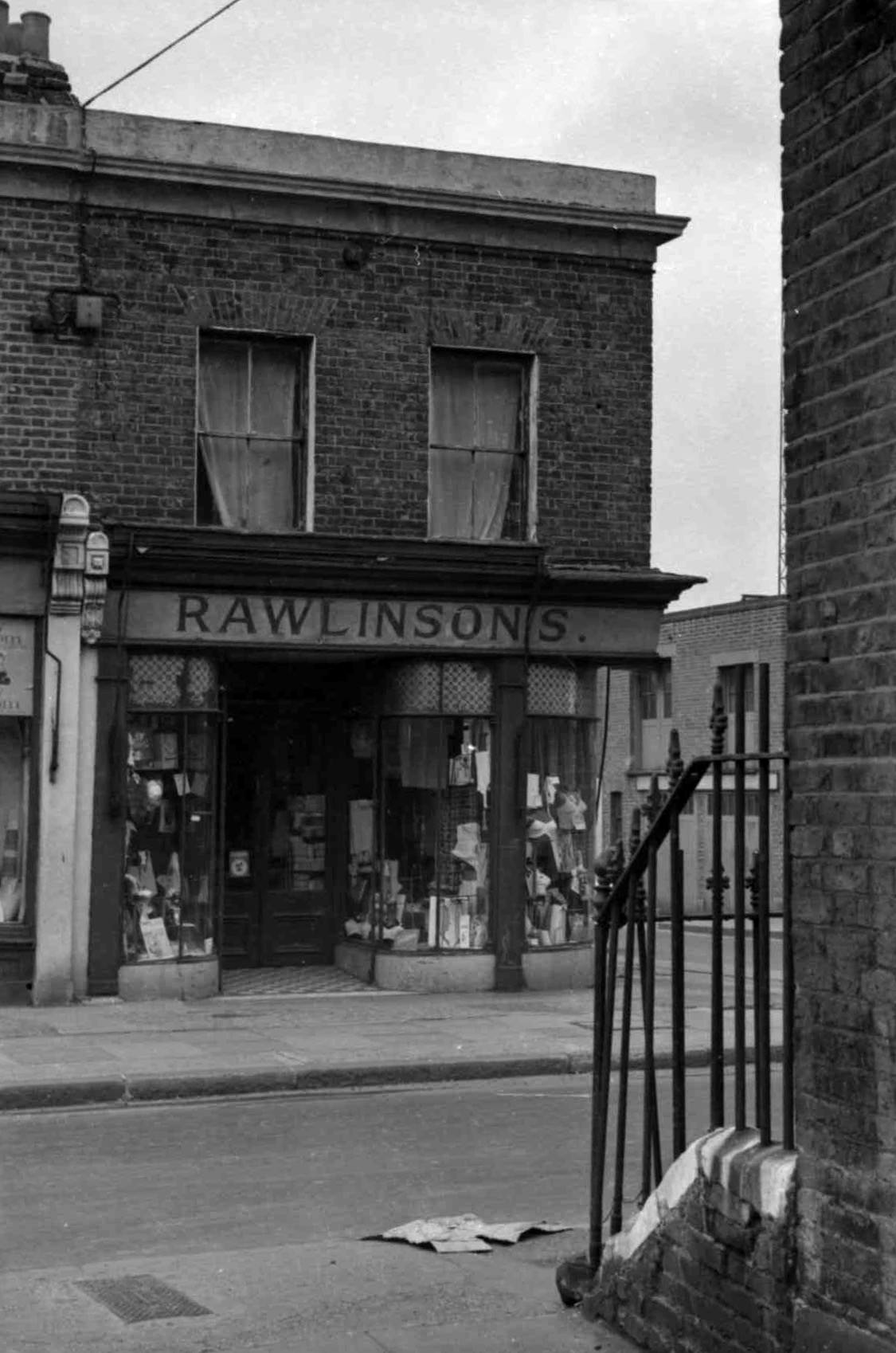
By the mid-1960s, pressures on the East End were already building — slum clearance programs, redevelopment plans, and shifting populations were beginning to reshape the area. But in these photographs, taken before those changes fully took hold, the commercial heart of the East End is still fully alive and running on its own terms.