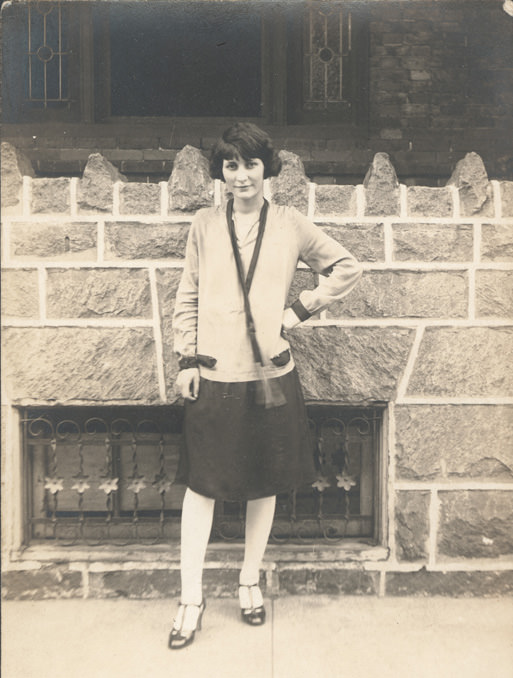
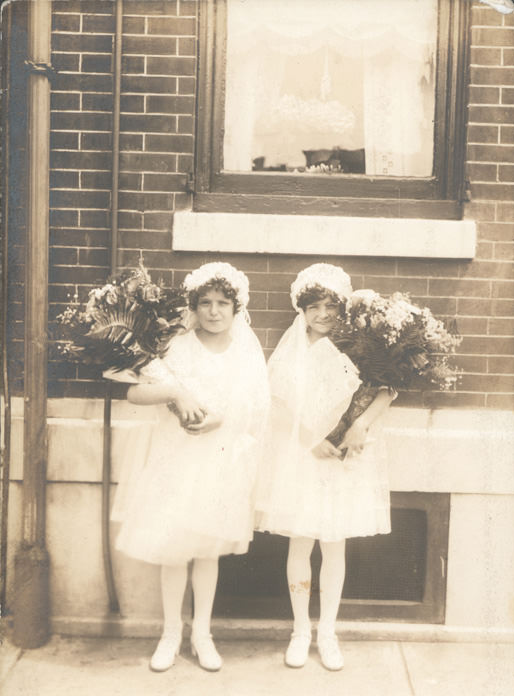
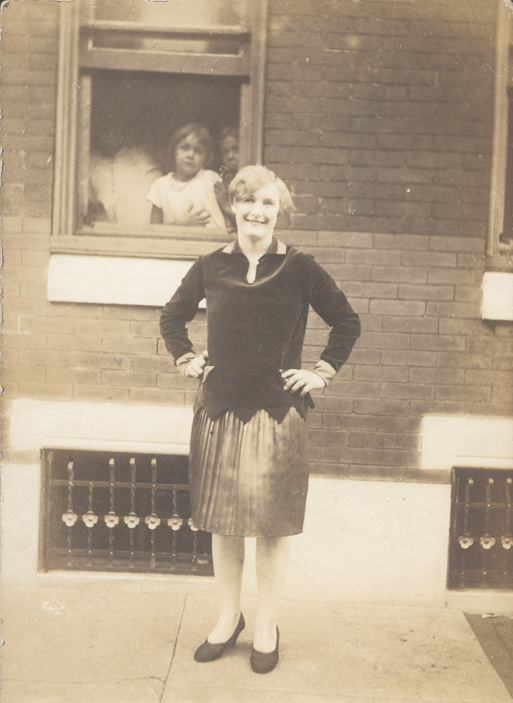
By 1925, South Philadelphia and Kensington were two of the most densely packed neighborhoods in the entire city. Waves of immigrants from Italy, Ireland, and Eastern Europe had been settling there for decades, drawn by factory work, the textile mills, and the promise of steady wages. Streets were crowded, noisy, and alive with commerce. Markets ran along the sidewalks, small shops occupied every corner storefront, and children filled the alleys between row houses.
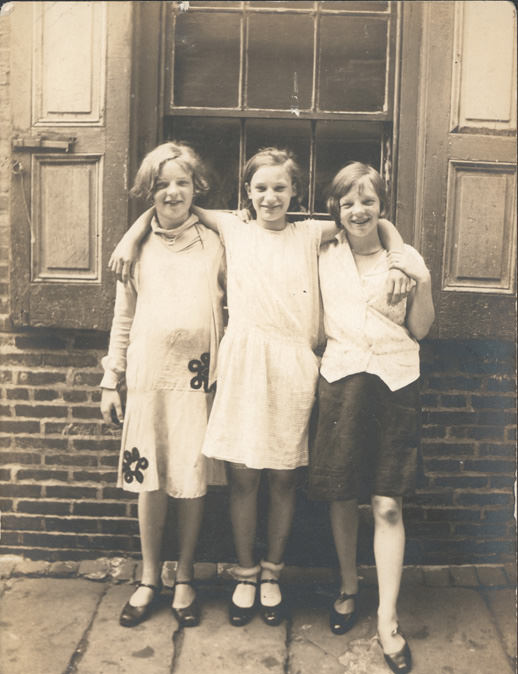
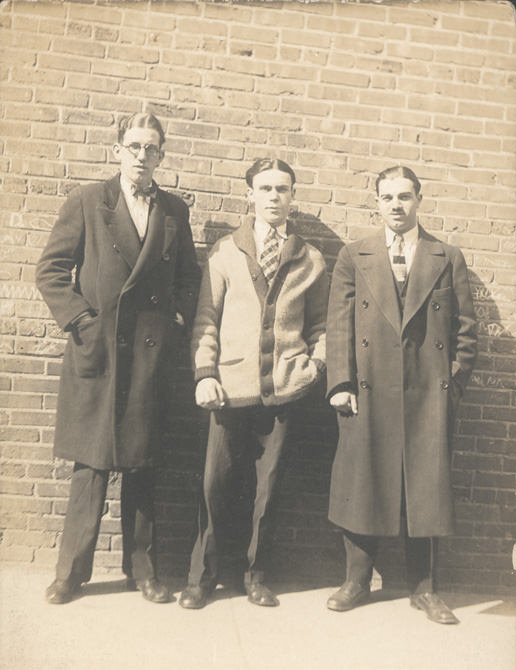
Photographer John Frank Keith walked these streets with a camera and documented the people who lived there. His portraits are direct and unpolished. He photographed men in work clothes, women on their front steps, and children mid-play. There was no studio lighting or formal staging — just real people in real spaces.
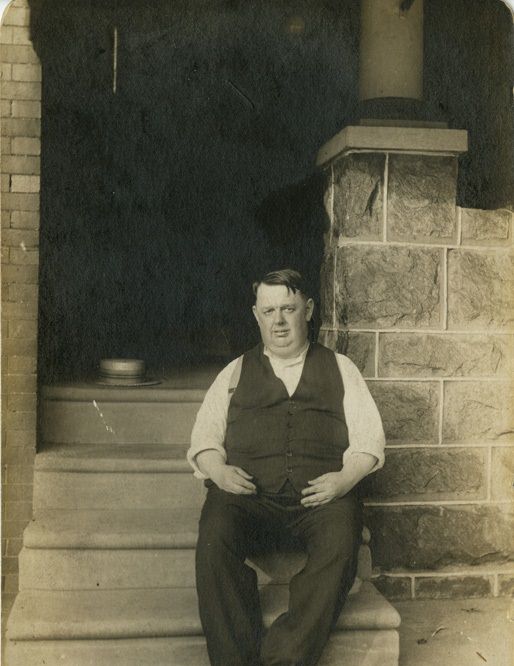
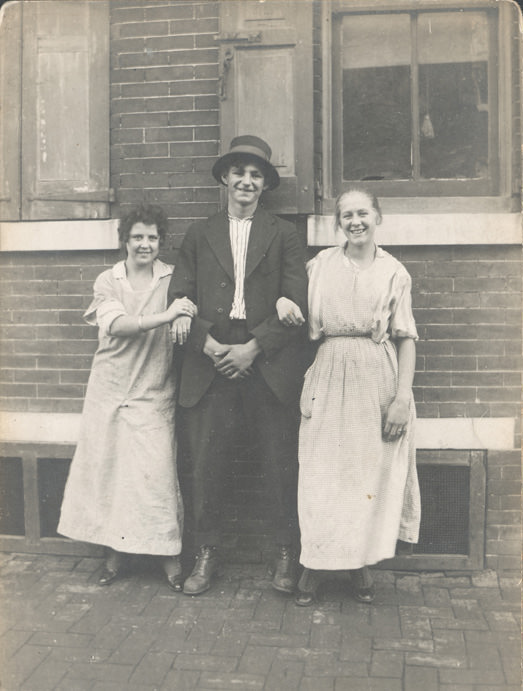
Keith himself was a product of these neighborhoods. He knew the blocks, the faces, and the rhythms of daily life. That familiarity shows in his photographs. Subjects look at the camera with ease rather than stiffness, which was not always the case in formal portrait photography of the era.
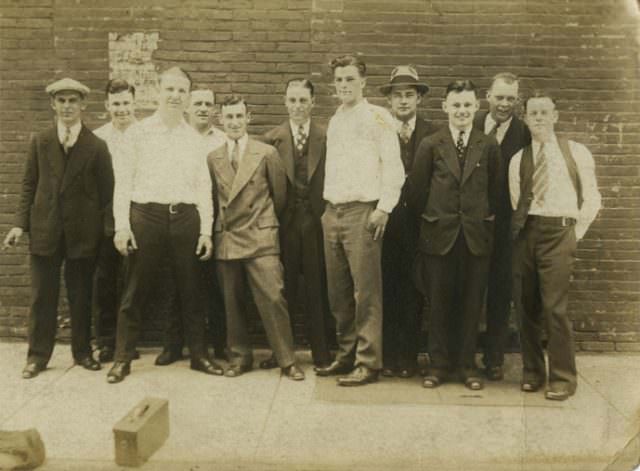
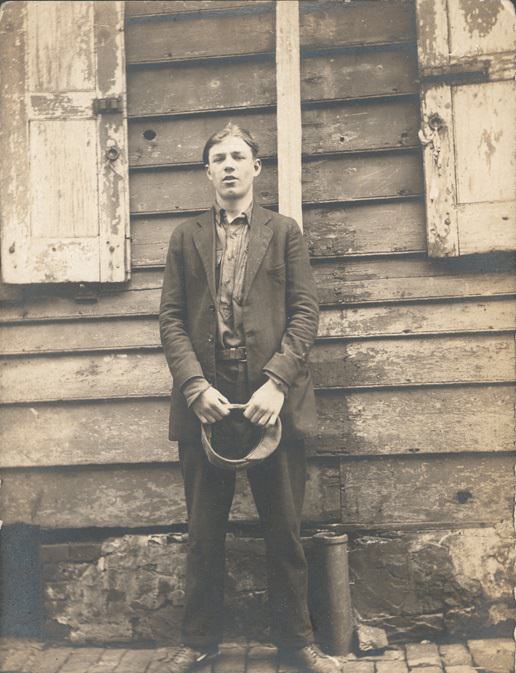
Kensington in particular was a working-class hub driven by its textile industry. The mills employed thousands, including many women and children. Long shifts were the norm, and most families lived within walking distance of wherever they worked. The neighborhood had a tight, self-contained quality — residents shopped locally, worshipped locally, and rarely needed to leave for anything.
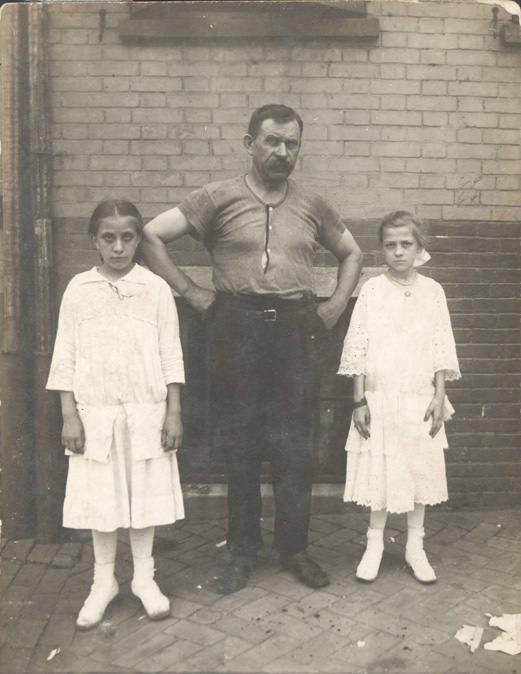
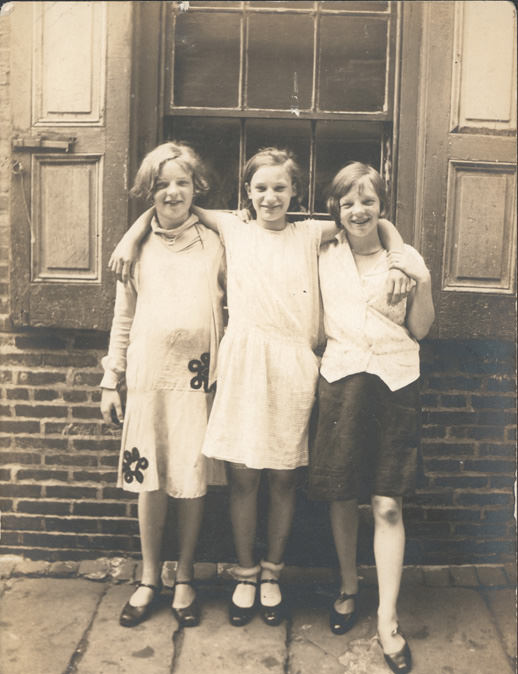
South Philadelphia had its own distinct character. Italian immigrants dominated large sections of the neighborhood, establishing food markets, barbershops, and social clubs that gave the area a strong cultural identity. Irish families had settled earlier and remained a significant presence. The two neighborhoods shared the same working-class pressures but expressed them differently through food, religion, and community organization.
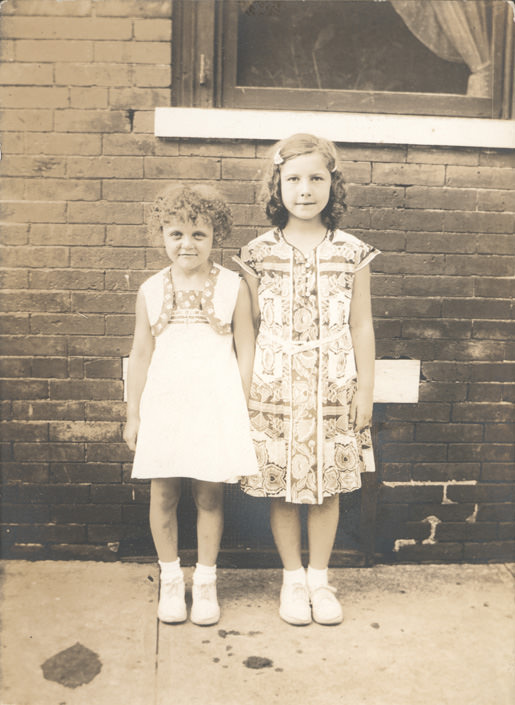
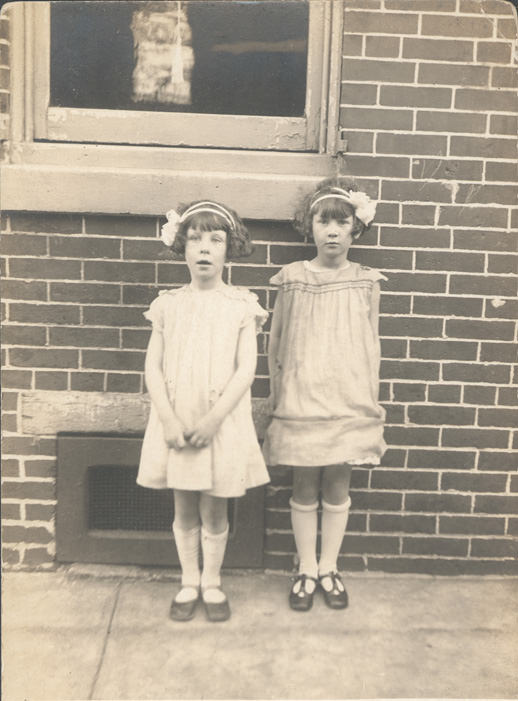
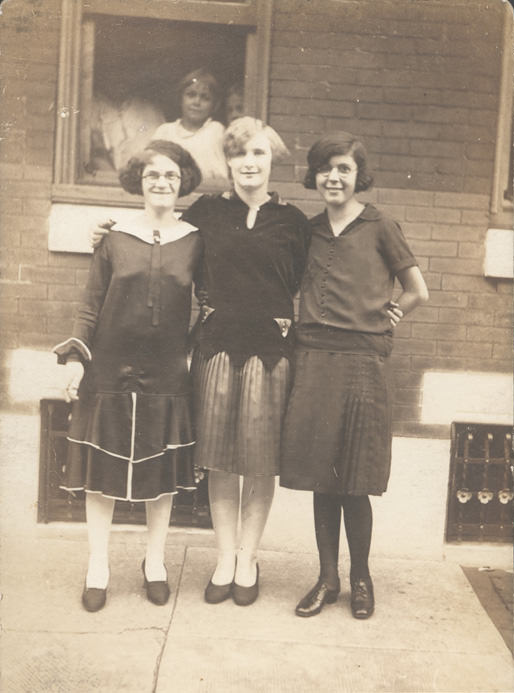
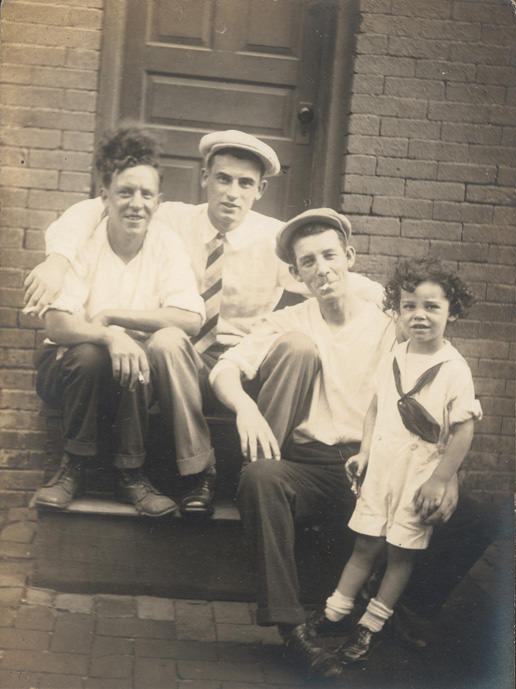
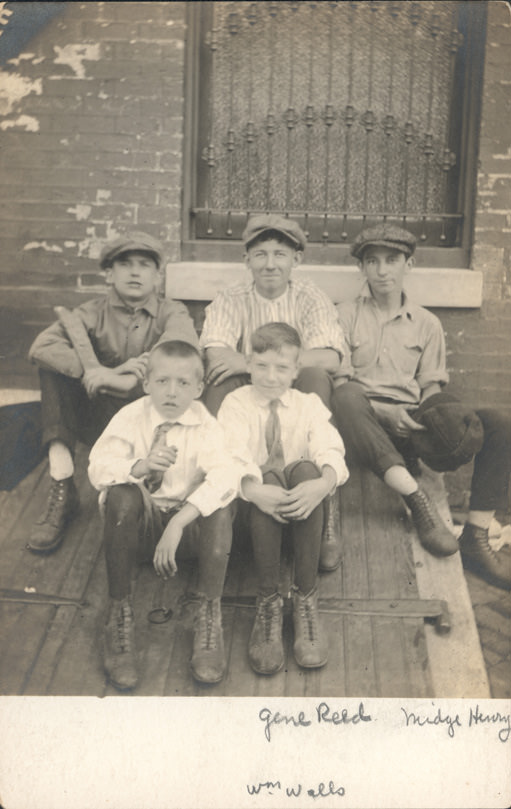
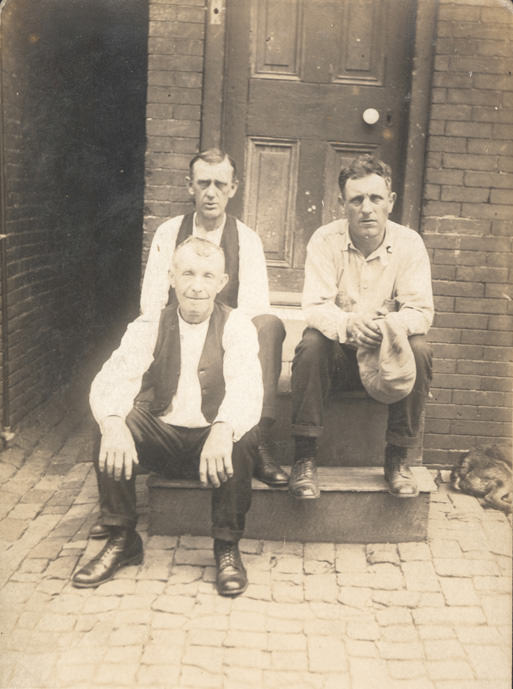
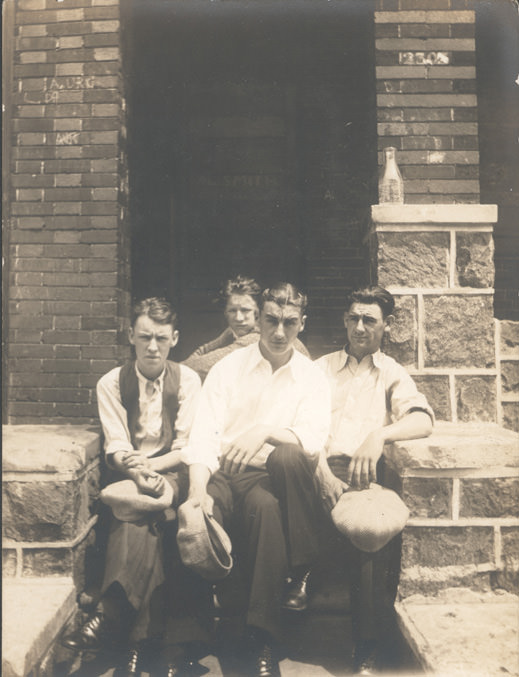
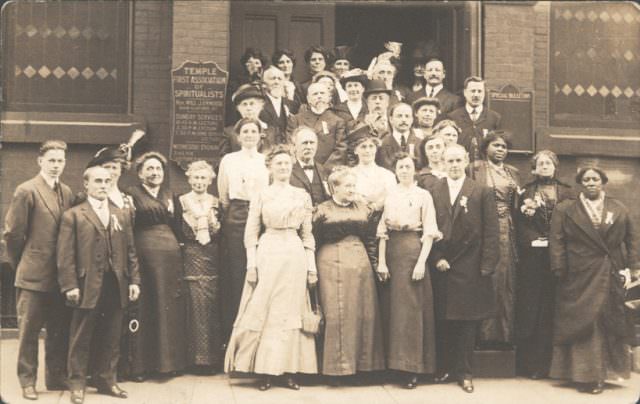
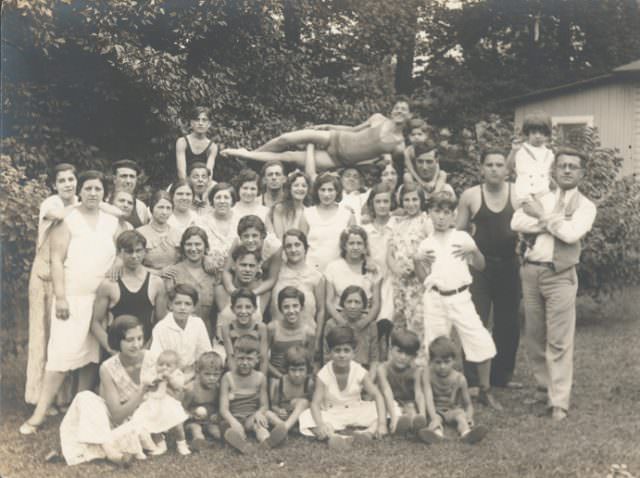
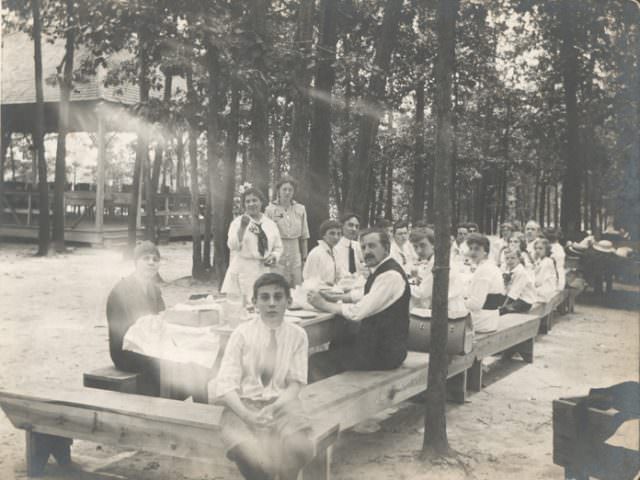
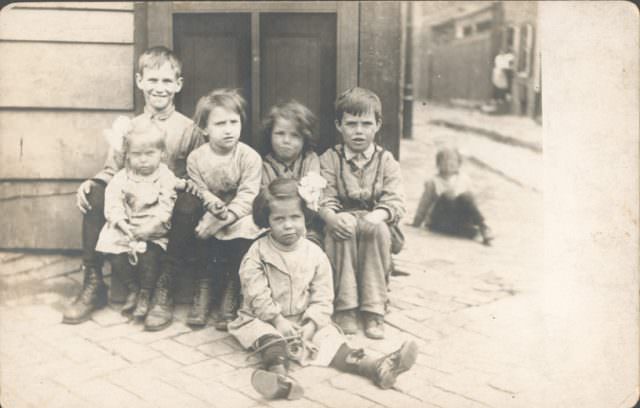
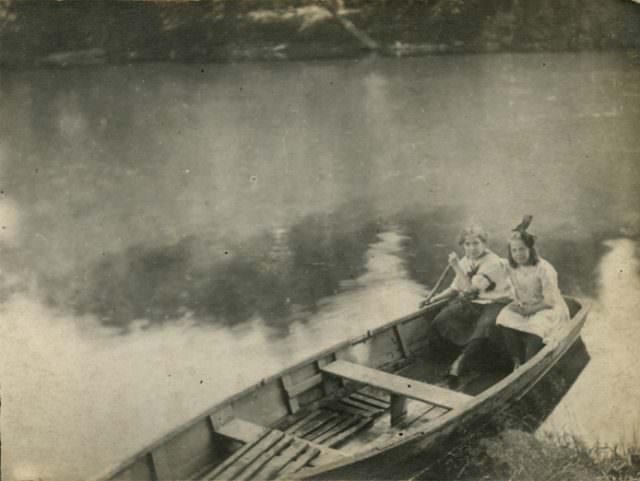
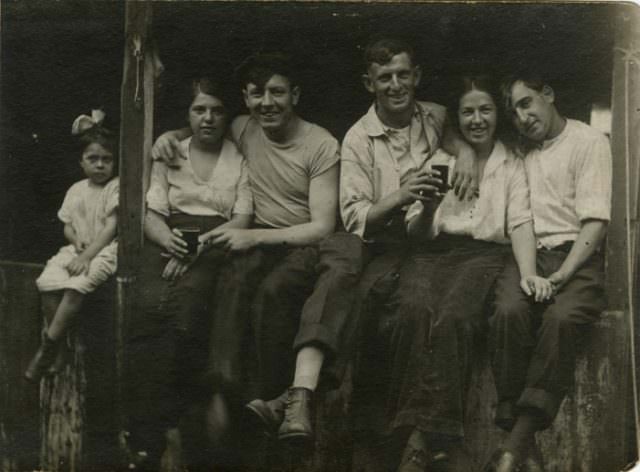
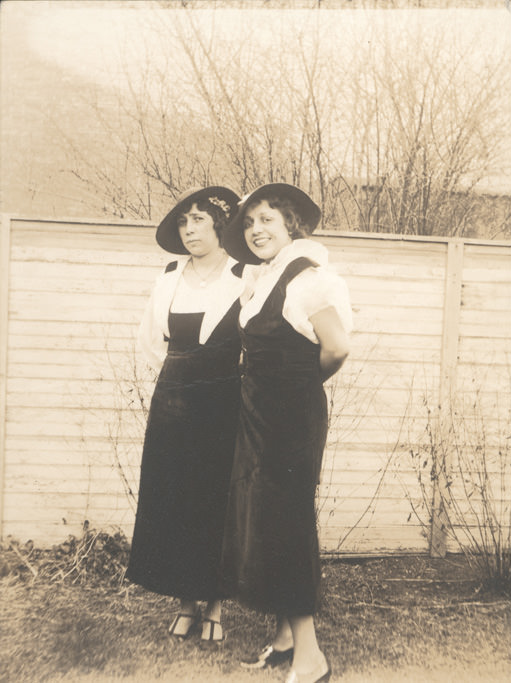
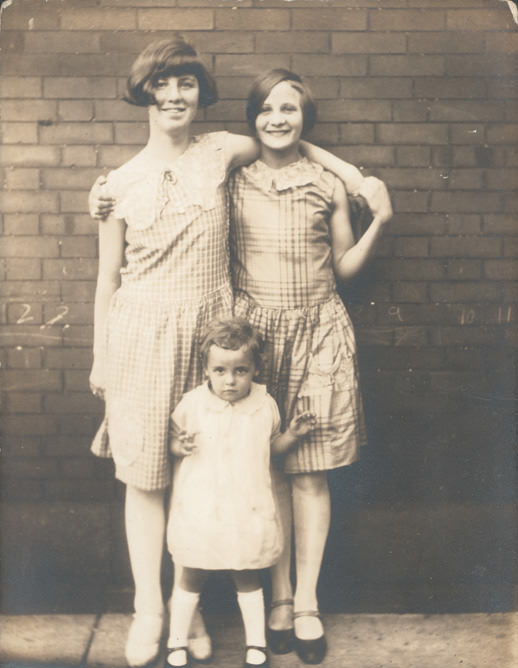
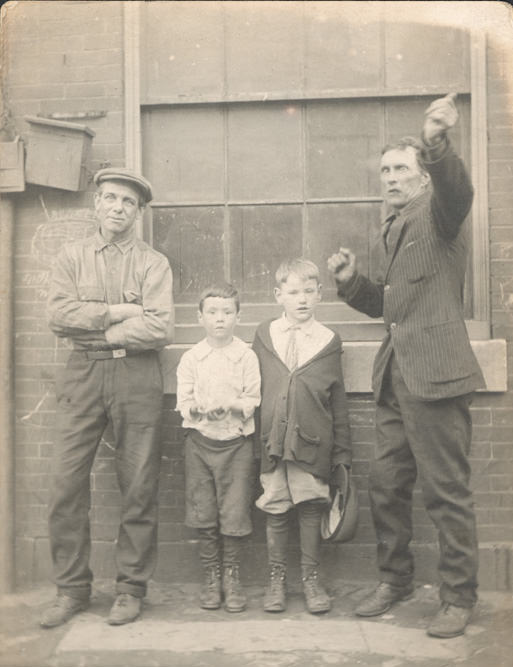
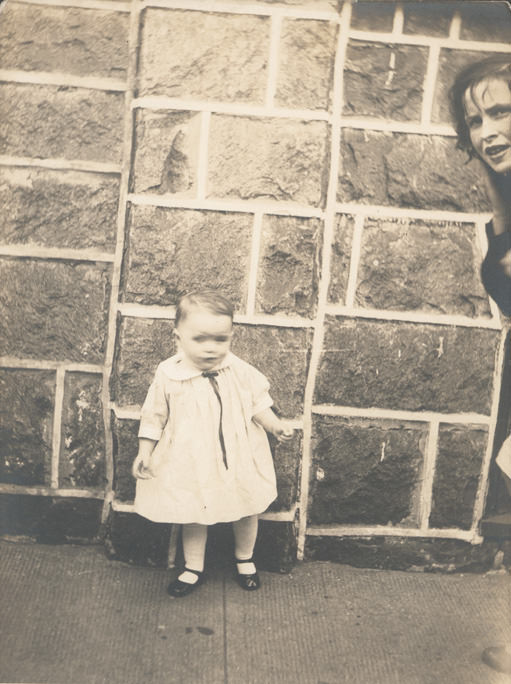
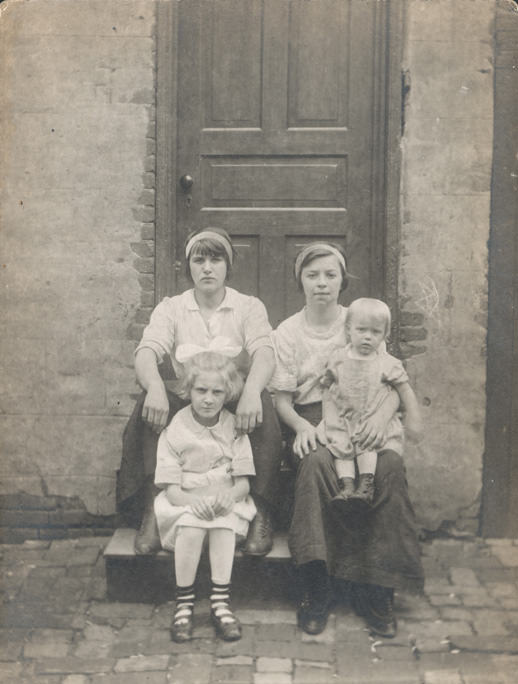
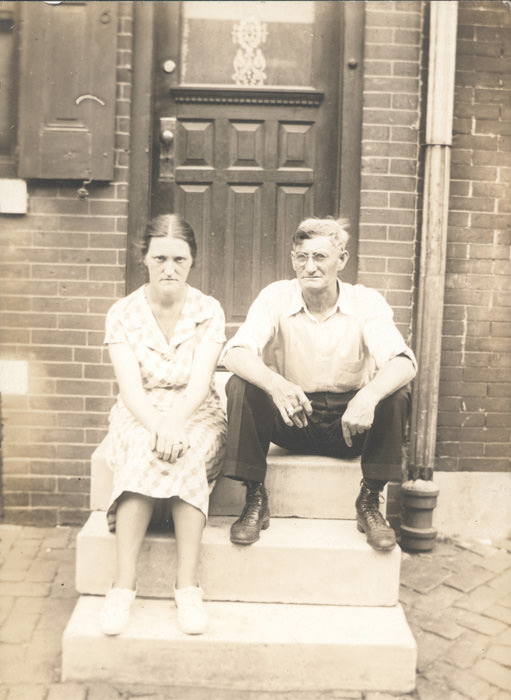
Keith’s photographs show people of all ages. Elderly residents sit in chairs outside their homes. Young adults stand in groups on street corners. Children pose alone or in clusters, some grinning, some serious. Each image is a frozen moment from an ordinary day in 1925.
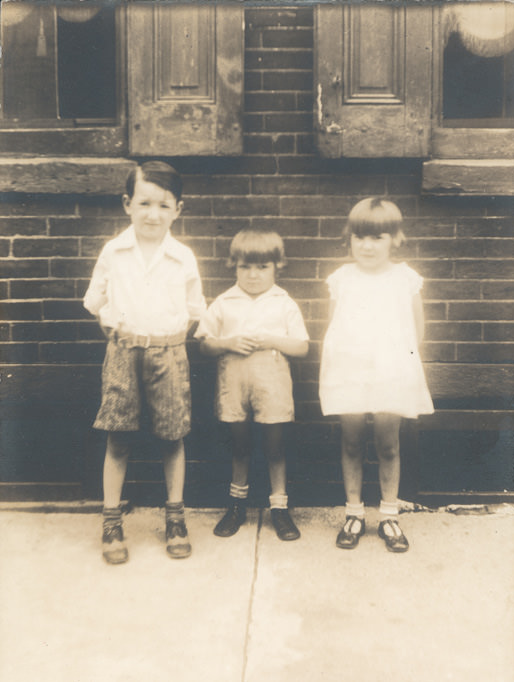
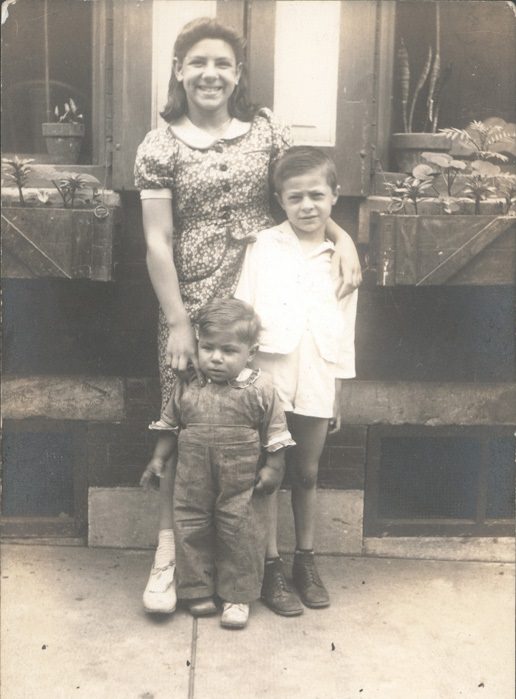
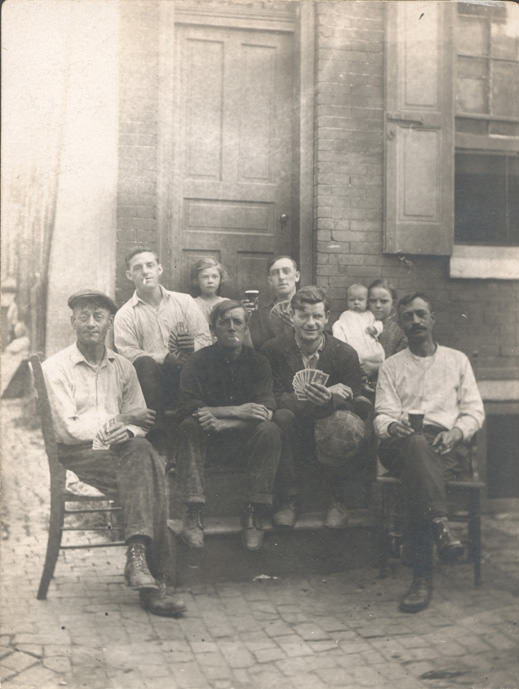
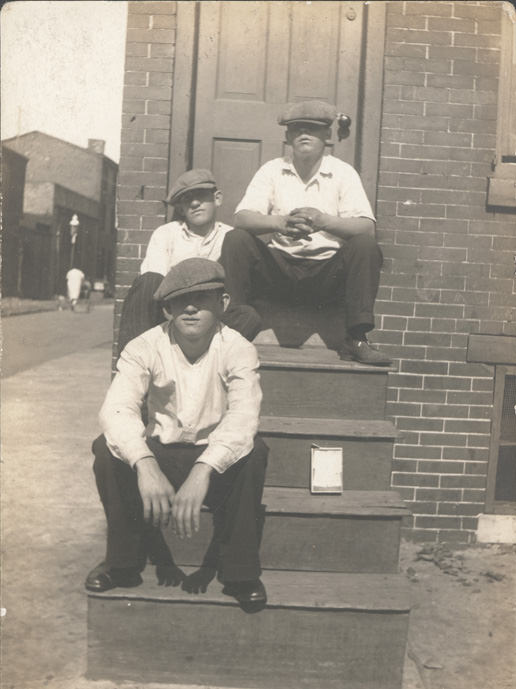
The clothing in the photographs tells its own story. Men wear flat caps and suspenders. Women are dressed modestly, often in dark colors. Children’s clothes show signs of wear and repair. These were not wealthy communities. Most families budgeted carefully and made do with what they had.
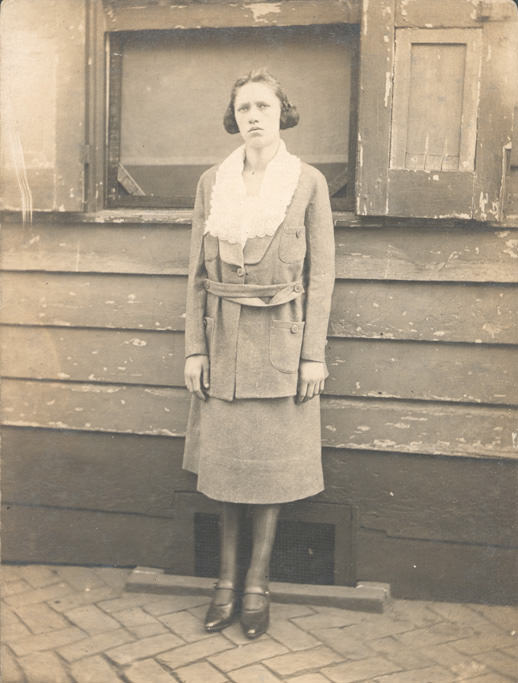
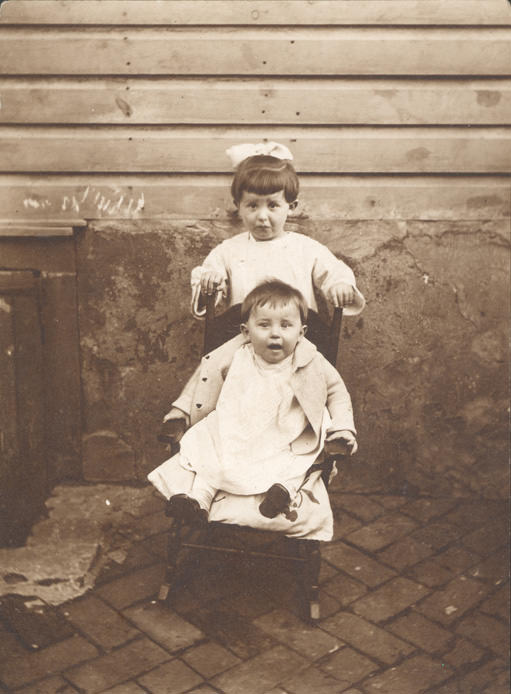
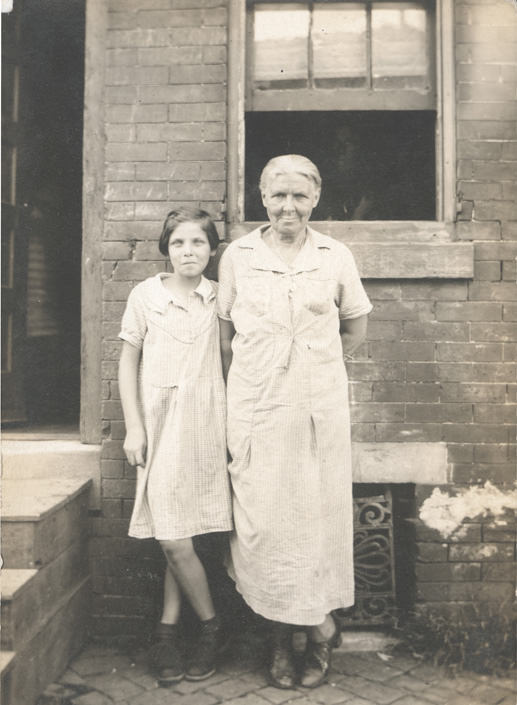
The physical environment in the background of many shots — brick row houses, cobblestone streets, wooden stoops — reflects the infrastructure of a city still catching up with its own rapid growth. Philadelphia was expanding fast in the 1920s, but older neighborhoods like Kensington and South Philadelphia were already well-established, dense, and aging.
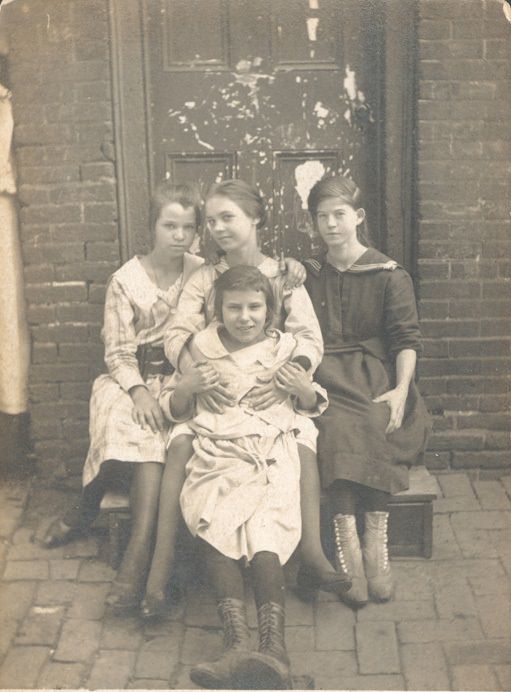
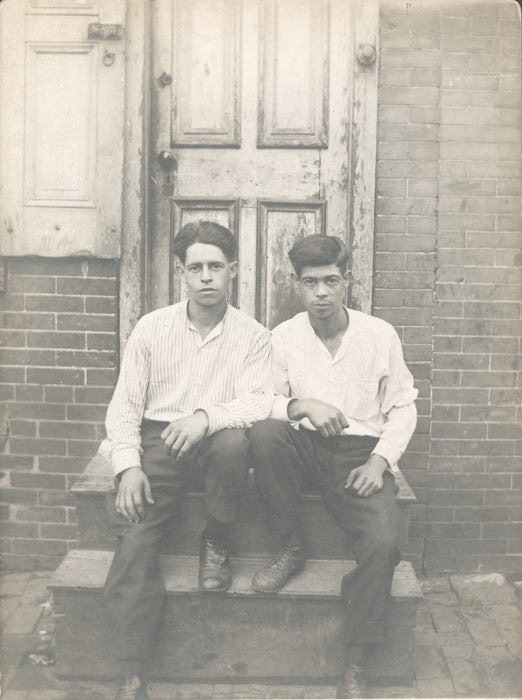
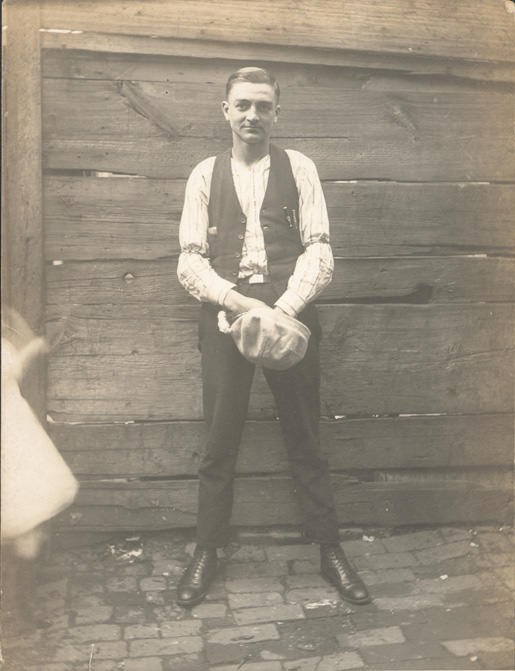
Eastern European immigrants — Poles, Ukrainians, and Jews among them — also made up a significant share of the population. Many had arrived in the early 1900s fleeing poverty or persecution. By 1925, their children were growing up as Philadelphians, speaking English in school and their parents’ languages at home.
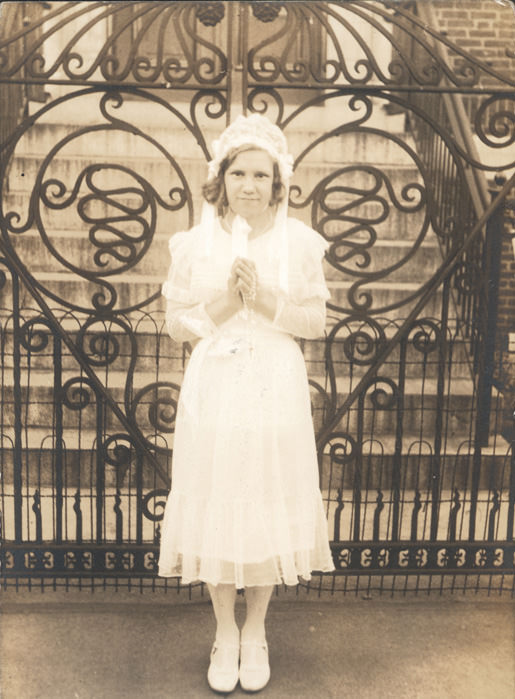
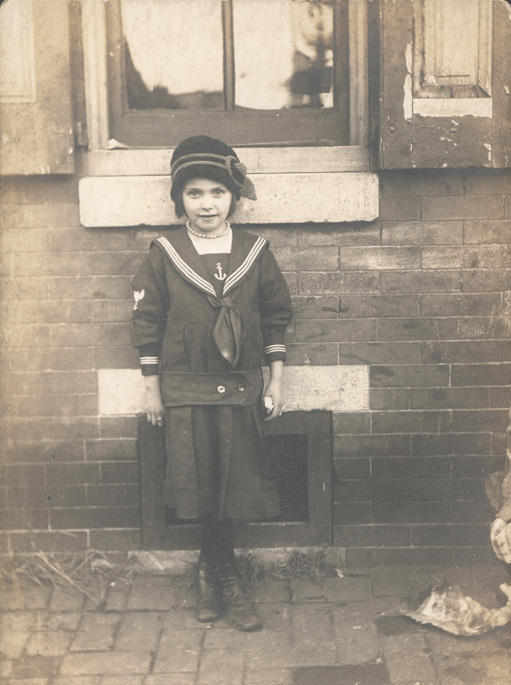
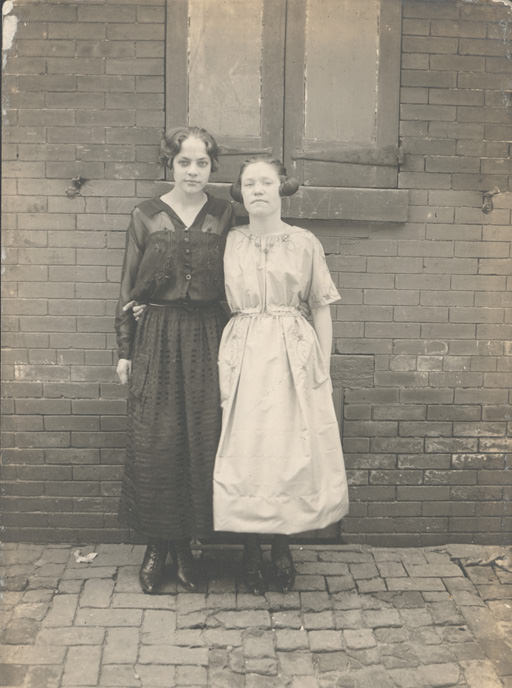
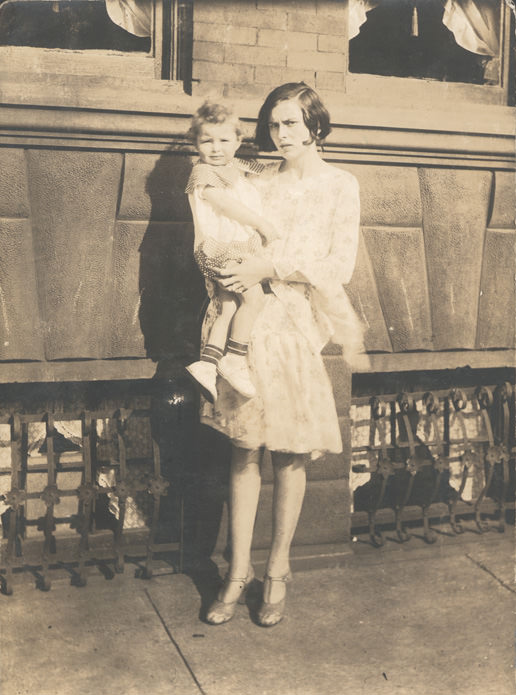
What makes Keith’s collection stand out is its sheer breadth. He did not focus on a single block or a single type of person. He moved through the neighborhoods and photographed whoever was there — old men, young mothers, laborers, shopkeepers, and schoolchildren.
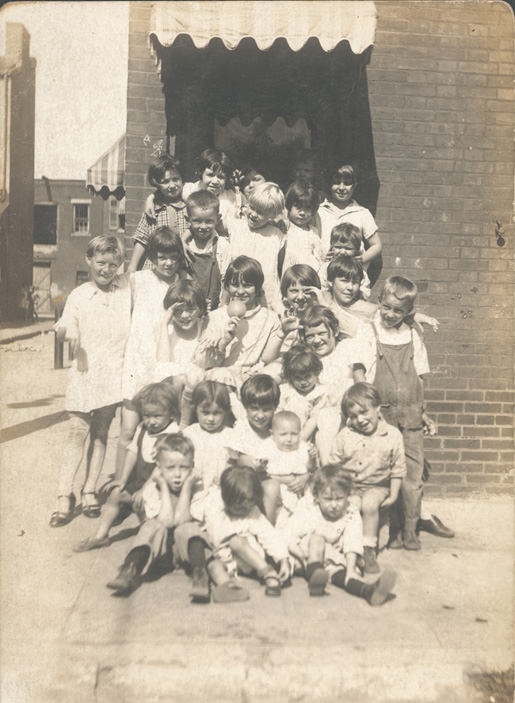
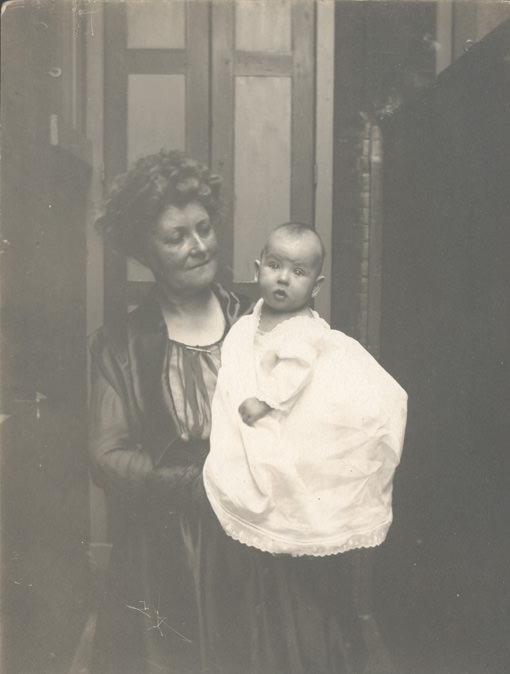
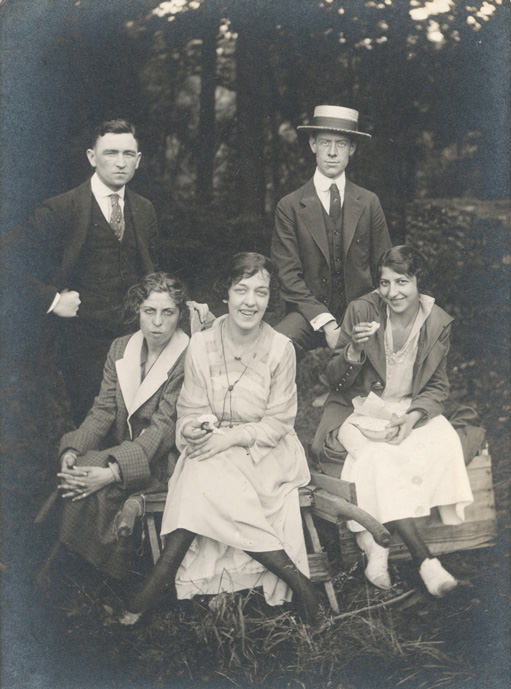
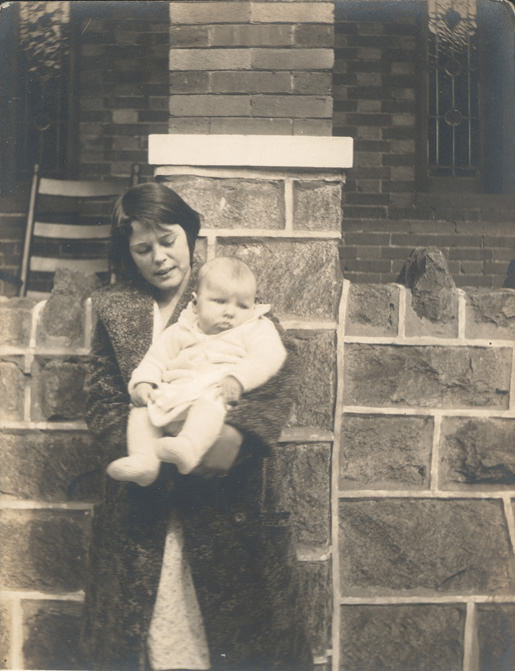
The stoop was a central part of neighborhood life. With small, crowded homes and no air conditioning, people spent a great deal of time outside. The stoop served as a gathering place, a social spot, and an extension of the living room. Keith photographed many of his subjects right there, in front of their own doors.
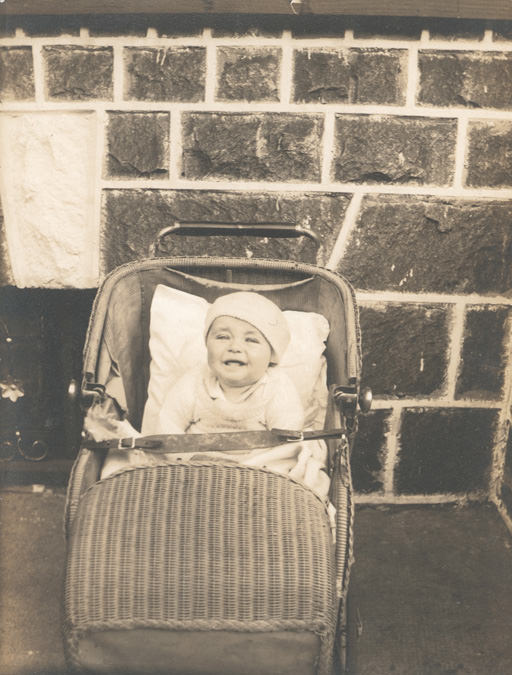
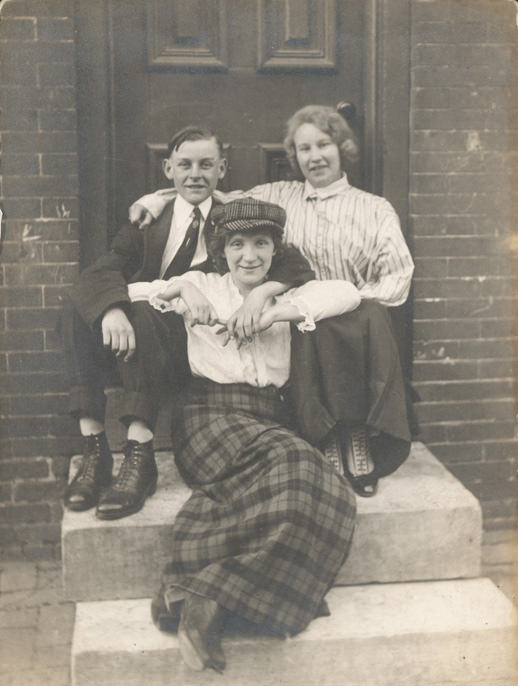
Street vendors and small market operators appear in some of the images, representing the informal economy that kept many immigrant families afloat. Selling produce, fish, or dry goods from a cart or a small stall was common work, requiring no formal education and offering flexible hours.
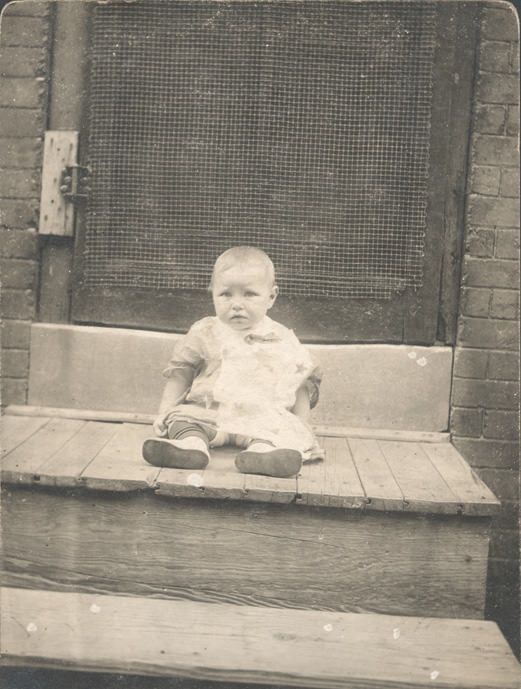
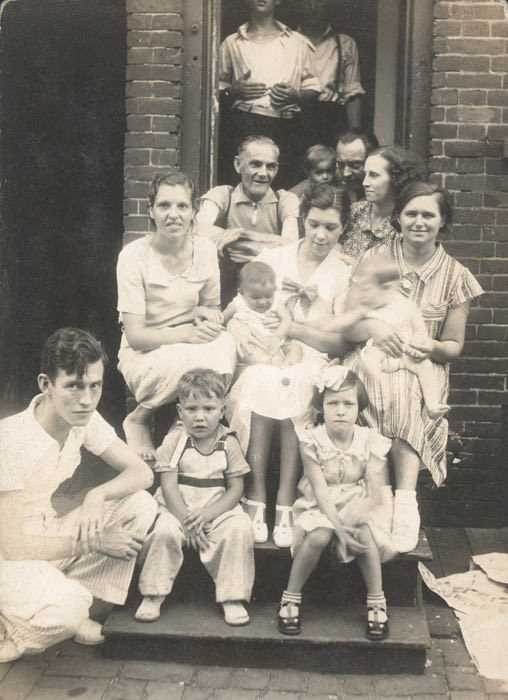
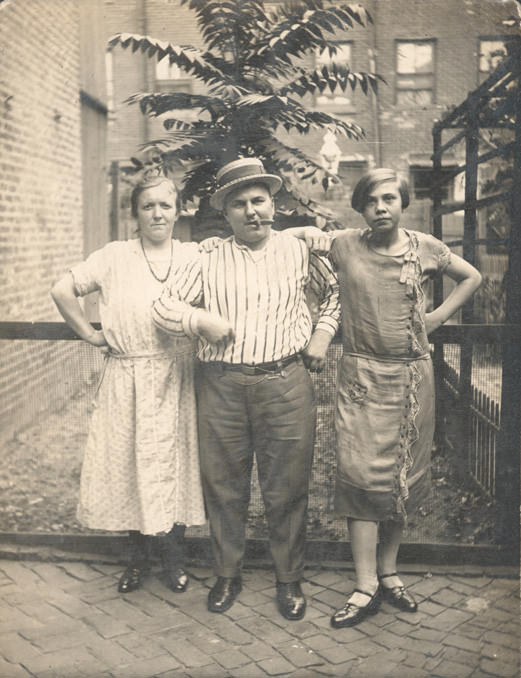
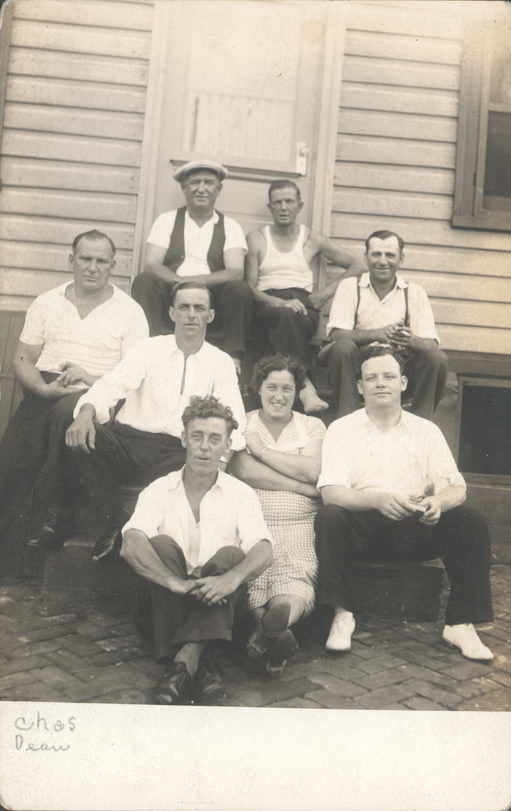
Keith’s portraits give names and faces to a population that rarely appeared in newspapers or official records. These were not politicians, business leaders, or celebrities. They were ordinary residents of two Philadelphia neighborhoods in a single year — 1925 — captured in photographs that have survived for a century.