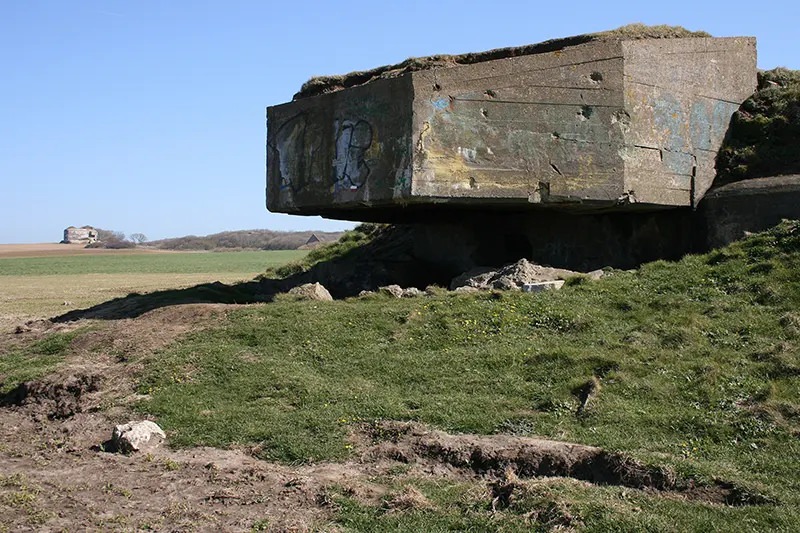
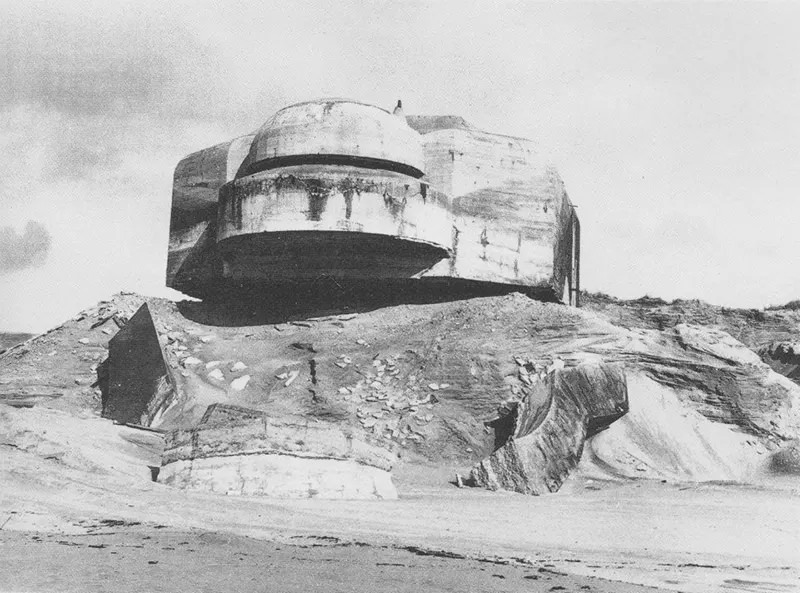
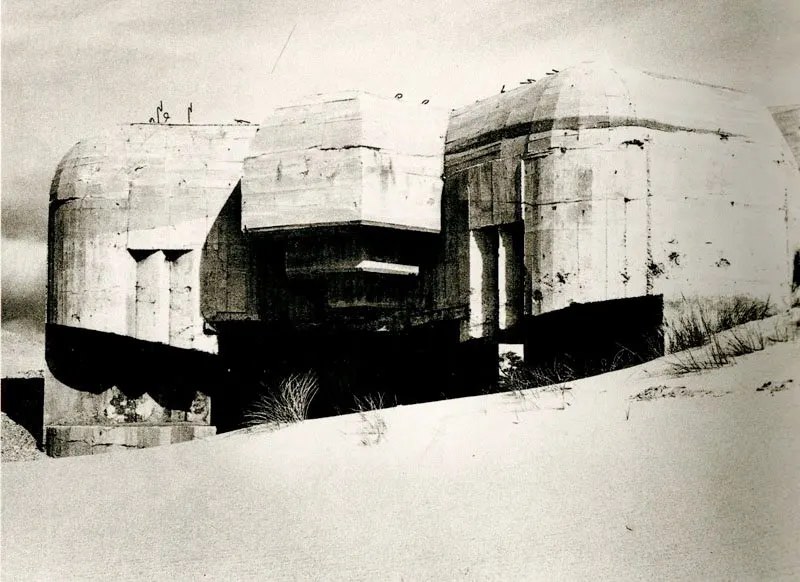
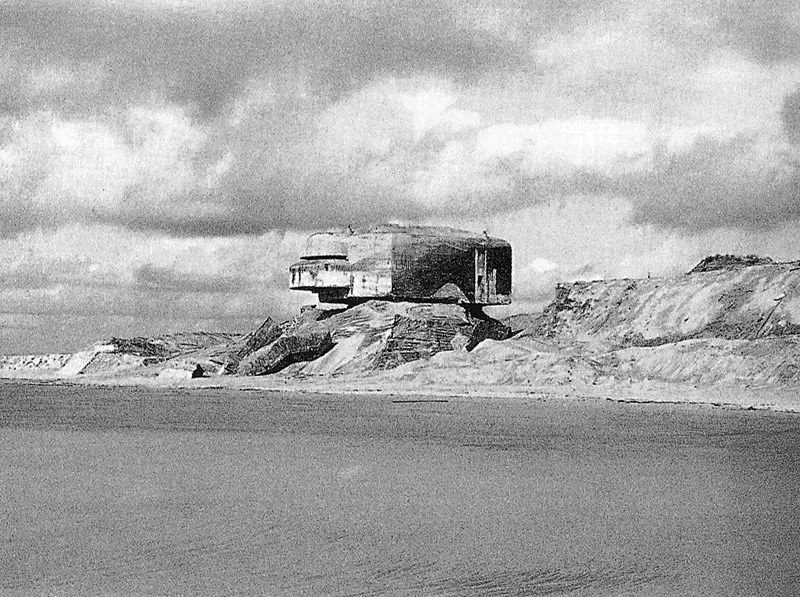
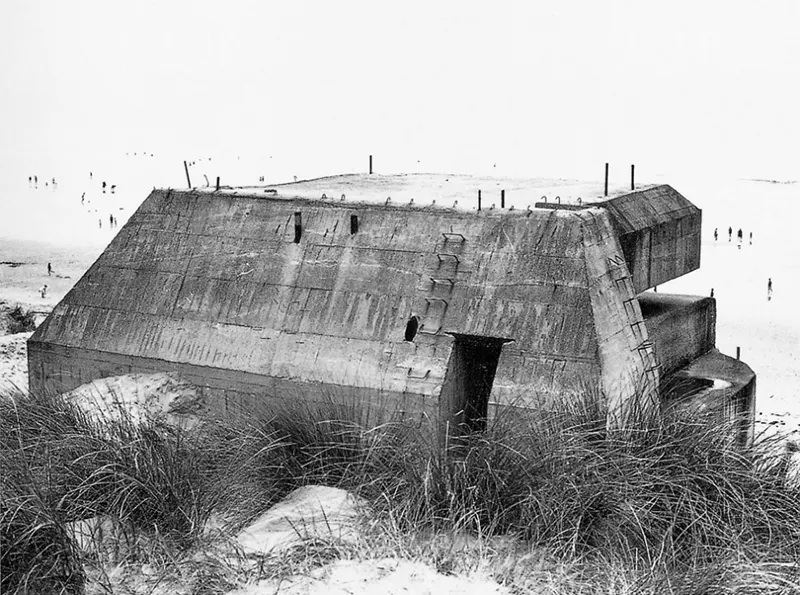
In 1942, Nazi Germany began constructing one of the largest defensive systems in military history. The Atlantic Wall stretched thousands of miles along the western coastline of occupied Europe, running from the border of Spain in the south all the way to the northern tip of Norway. Its purpose was straightforward: stop the Allies from ever setting foot back on the European continent.
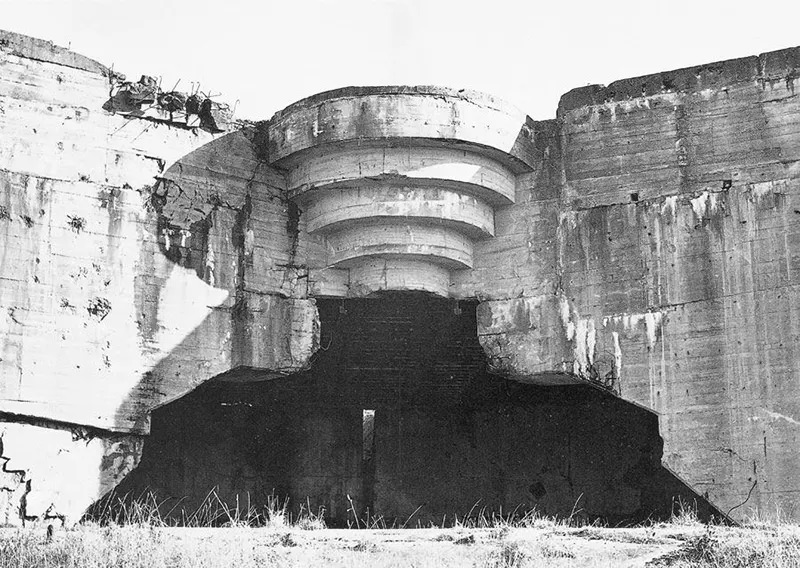
The wall was a massive engineering project. It included concrete bunkers, artillery batteries, radar-controlled anti-aircraft guns, searchlights, and miles of barbed wire. Minefields were laid along beaches and shallow waters to destroy landing craft before troops could even reach shore. The most heavily fortified sections ran through Norway, Denmark, the Netherlands, Belgium, and France, where the threat of Allied landings was considered greatest.
Building a fortification on this scale required an enormous workforce. Germany used forced labor — prisoners of war and conscripted civilians from occupied territories — to construct the wall under brutal conditions. Hundreds of thousands of workers were put to work pouring concrete and installing heavy guns, many of them working under the direct control of the Organisation Todt, Germany’s military engineering group.
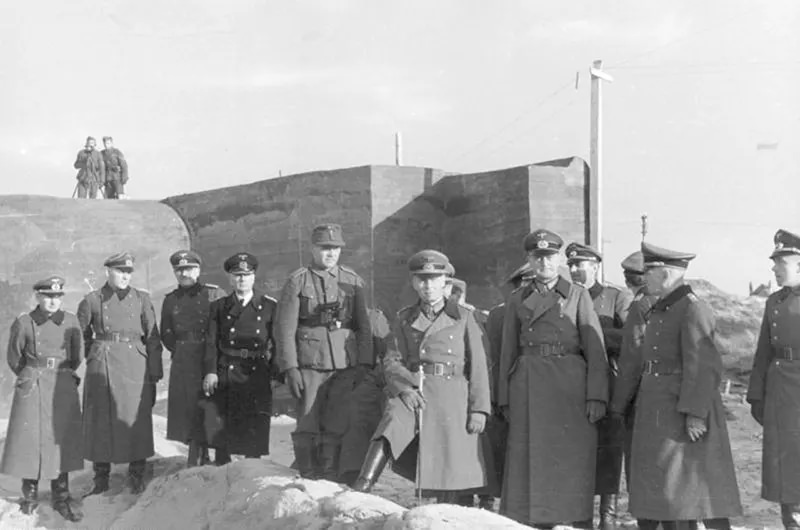
Field Marshal Erwin Rommel was appointed to inspect and strengthen the wall in late 1943. He found serious problems. Many sections were understaffed, poorly supplied, and not nearly as strong as German propaganda claimed. Rommel pushed hard to reinforce the beaches themselves, believing that any Allied invasion had to be stopped at the waterline — not inland.
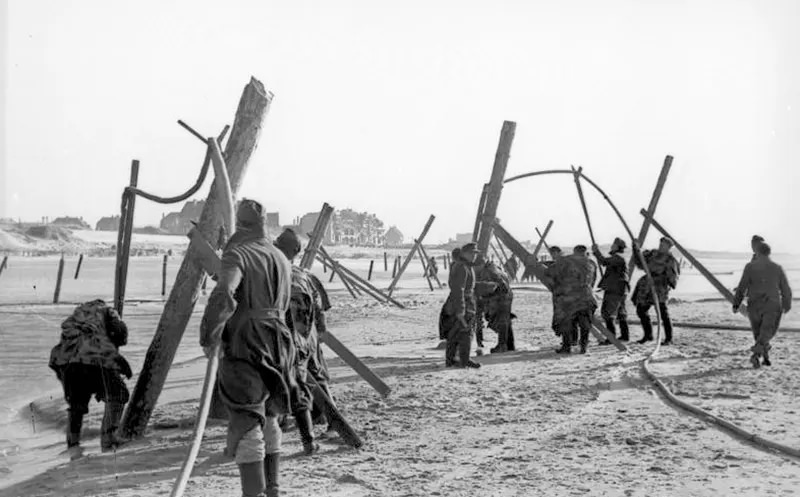
One of Rommel’s key strategies was placing obstacles directly in the water and on the beaches. Steel frames, wooden stakes tipped with mines, and concrete barriers were installed to rip apart landing craft and kill soldiers before they reached dry ground. German soldiers worked throughout 1943 to place thousands of these obstructions along the most vulnerable stretches of coastline.
Beyond the physical defenses, the wall was also a propaganda tool. German leadership used it to project strength — both to the German public and to the Allies. Newsreels and photographs showed imposing concrete fortifications and heavy guns, creating the impression of an unbreakable barrier along the entire European coast. In reality, the wall was never fully completed.
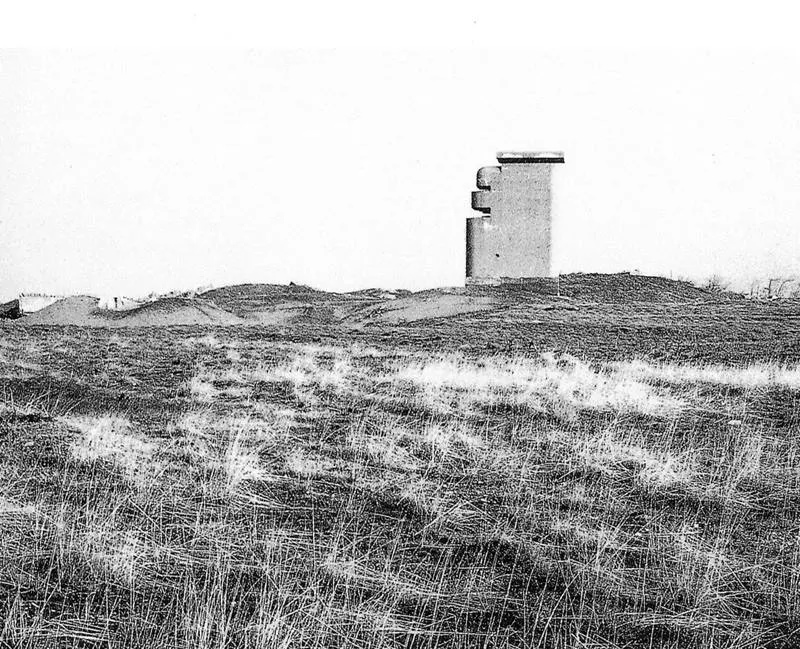
Germany simply did not have the troops to defend the entire length of the wall at full strength. The Eastern Front was consuming men and resources at a staggering rate. As a result, large sections of the Atlantic Wall were thinly manned, often by older soldiers or troops from occupied nations who were not considered reliable fighters.
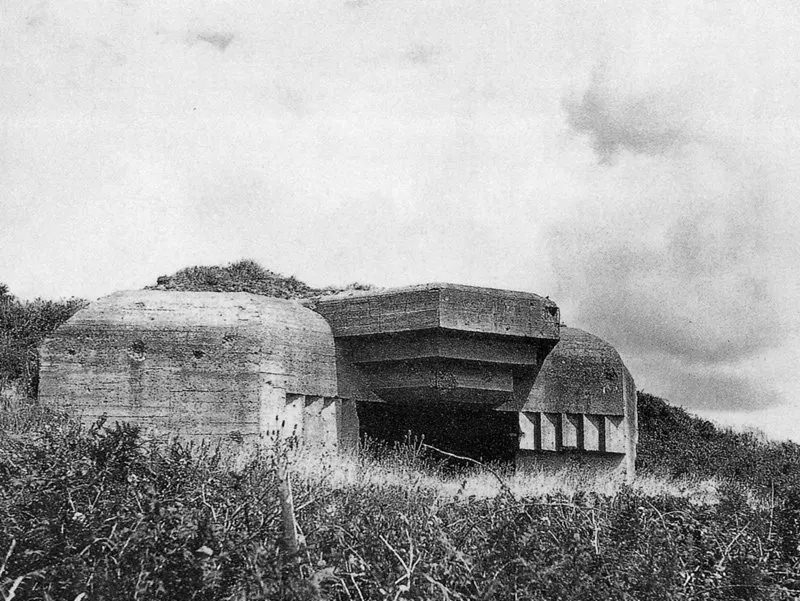
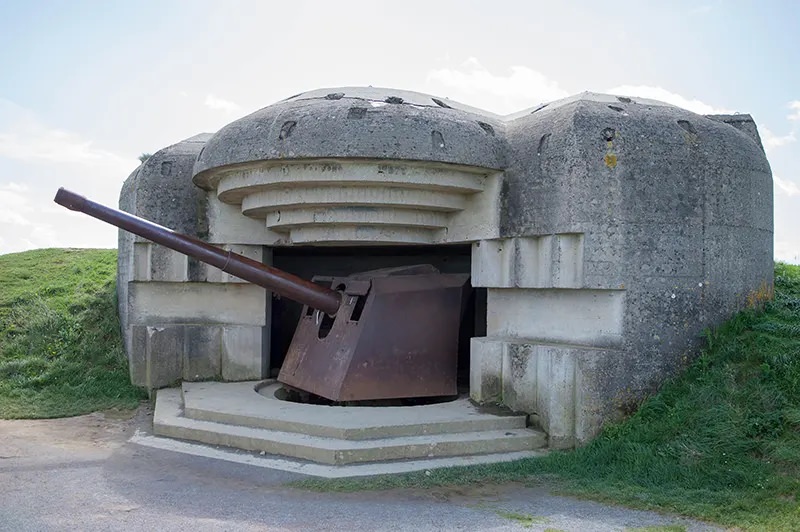
The wall also had a structural flaw in its design. It was built to defend specific, fixed positions — the bunkers and batteries faced the sea. Once Allied forces got past the beach and moved inland, the fortifications offered little protection. The guns couldn’t turn to face threats from behind, and the defenders inside the bunkers were effectively trapped.
Another critical weakness was the German command structure itself. Rommel and his superior, Field Marshal Gerd von Rundstedt, disagreed sharply on how to use the tank reserves. Rommel wanted them near the beaches; von Rundstedt wanted them held back. Hitler ultimately kept the final decision for himself — and that indecision cost Germany precious hours on D-Day.
On June 6, 1944, the Allies launched Operation Overlord. More than 156,000 troops landed along a 50-mile stretch of Normandy coastline in the largest amphibious assault in history. The landings were supported by a massive naval bombardment and thousands of aircraft. The Atlantic Wall, for all its concrete and steel, could not absorb a blow of that size.
At some beaches, like Utah, American forces broke through relatively quickly. At Omaha, German defenses held firm for hours, and casualties were severe. But even there, Allied troops eventually pushed past the wall’s fixed positions and moved inland. By the end of D-Day, all five Allied beachheads were established and held.
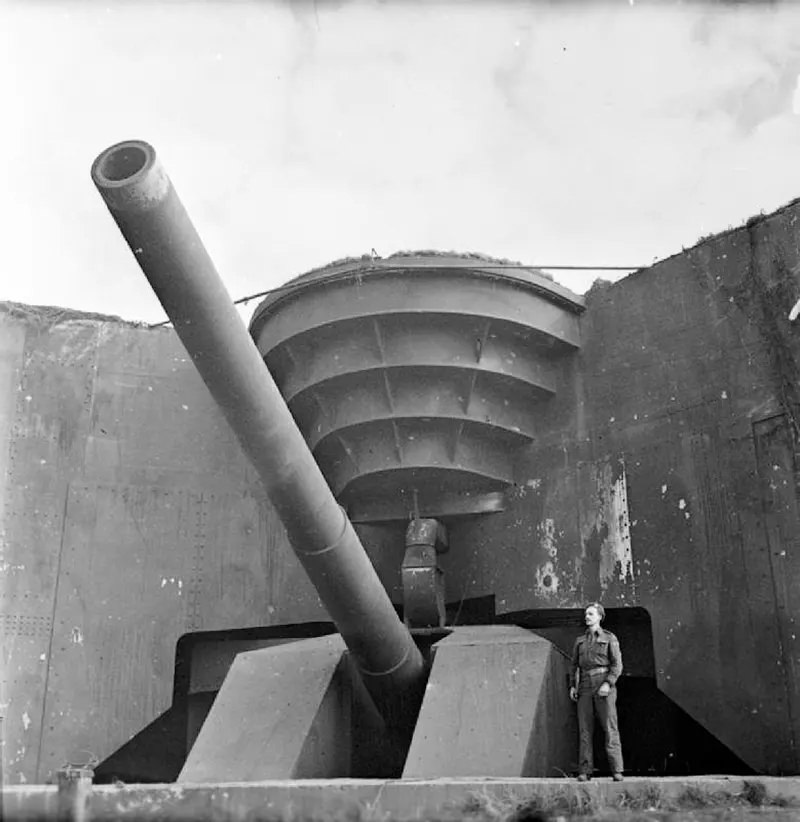
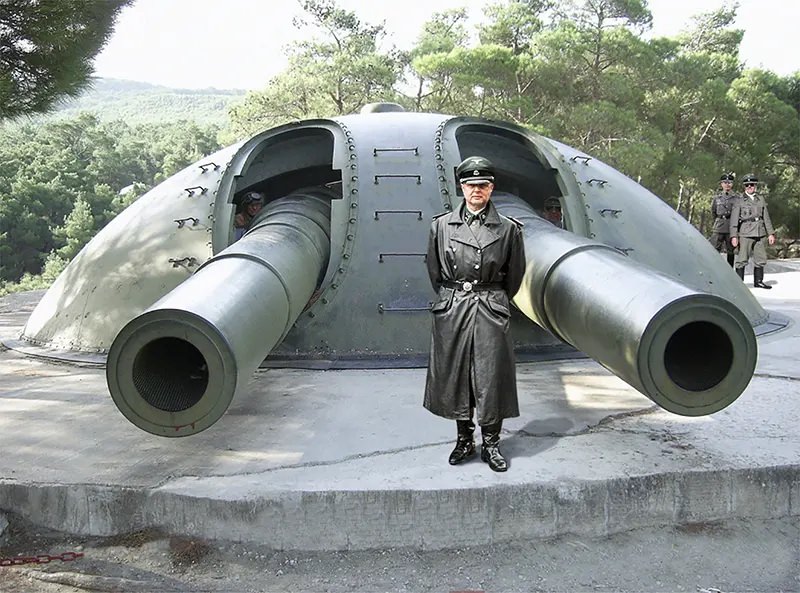
The artillery batteries along the wall posed a serious threat to the Allied fleet. Some of the largest guns, like the ones at Cap Gris Nez, were capable of firing shells that weighed over 800 kilograms. These guns had to be neutralized — either by aerial bombing, naval fire, or ground assault — before they could wreck the invasion fleet anchored offshore.
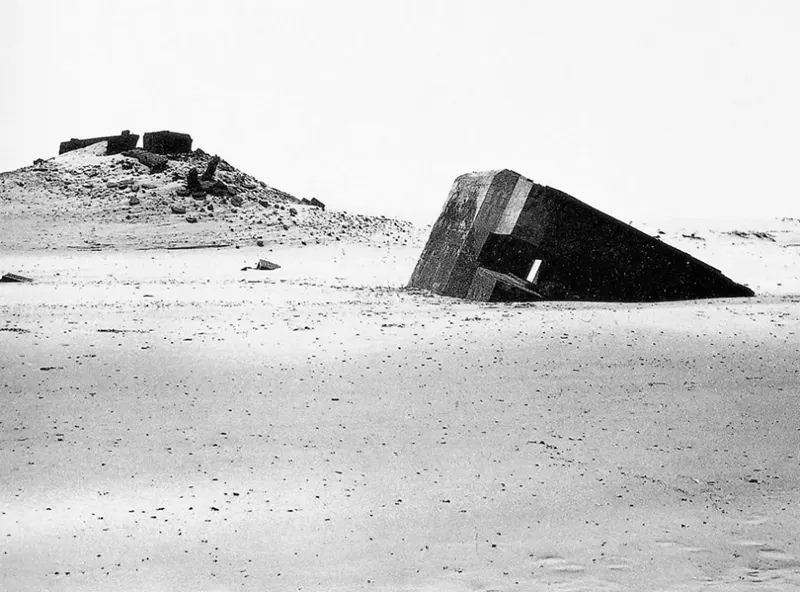
The Allied deception operation, known as Operation Bodyguard, played a major role in weakening the wall’s effectiveness. By convincing the Germans that the main invasion would come at Pas-de-Calais rather than Normandy, the Allies ensured that some of the strongest sections of the wall were not where the actual fighting took place. German commanders held back reinforcements for weeks, waiting for a second landing that never came.
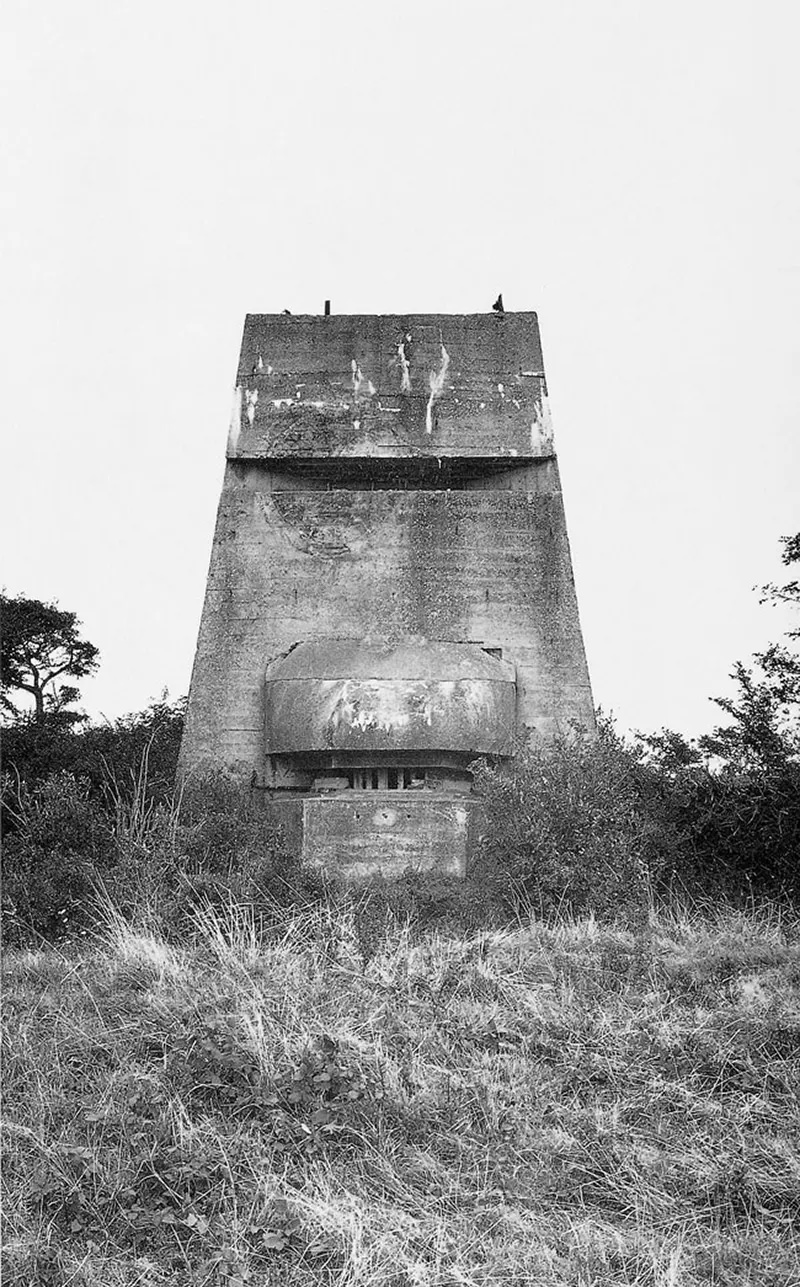
The construction of the wall was never uniform. Some areas received heavy investment in men and materials, while others were given little more than a few gun emplacements and a small garrison. The Normandy sector, despite being the actual landing site, was considered less likely to be attacked than Pas-de-Calais, so it received fewer resources.
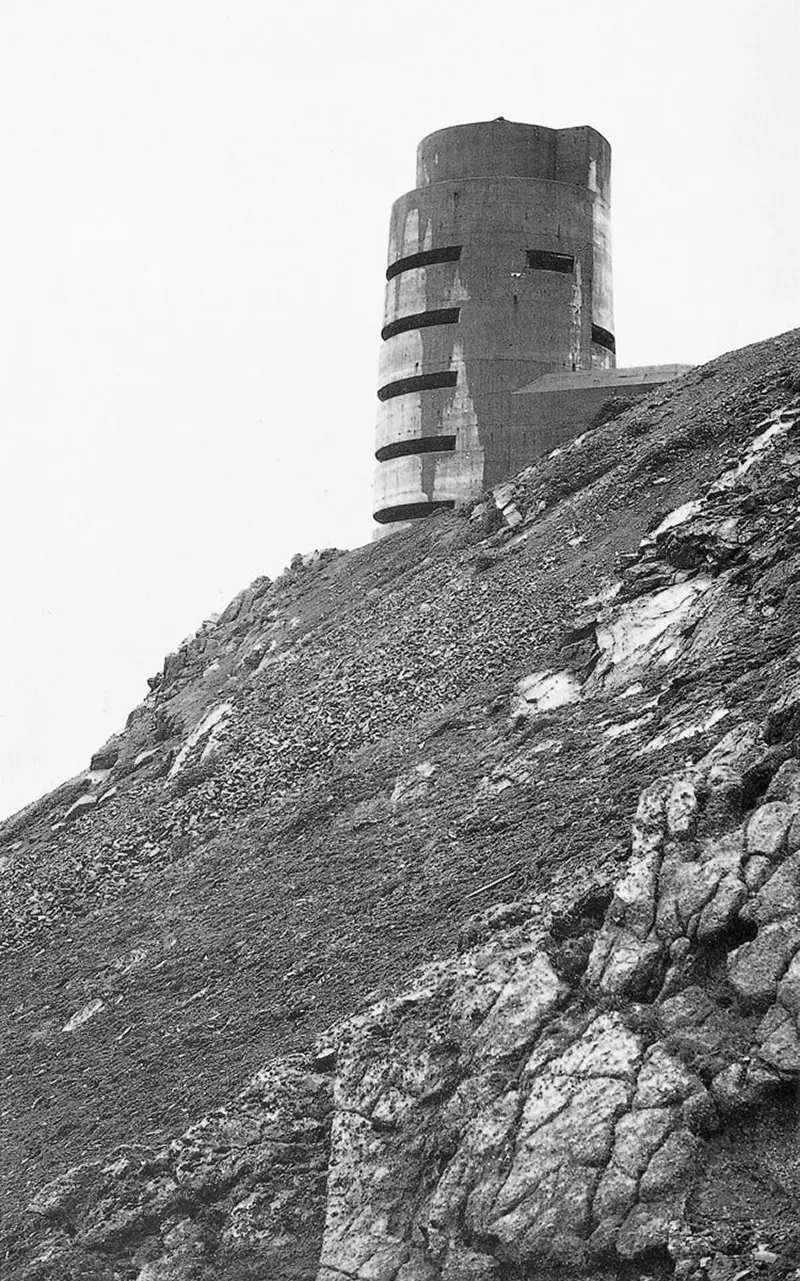
Radar stations built into the wall gave German defenders advance warning of approaching aircraft and ships. These stations were targeted early by Allied bombers and commando raids precisely because they were so valuable. Knocking them out blinded the defenders and reduced their ability to coordinate a response to the invasion fleet.
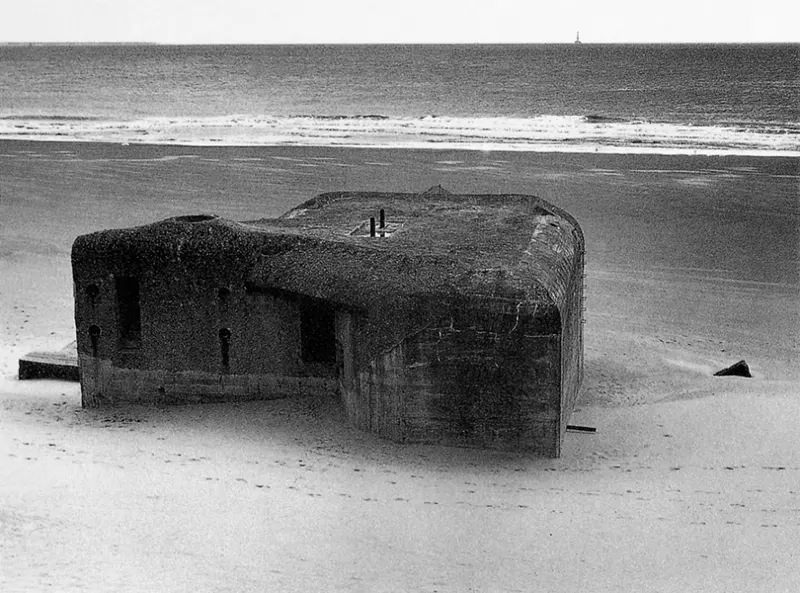
The German Army and the SS shared responsibility for manning the wall, but coordination between them was often poor. Rivalries within the Nazi military structure meant that resources were not always sent where they were most needed. This fragmented command made it harder to respond effectively when the invasion actually came.
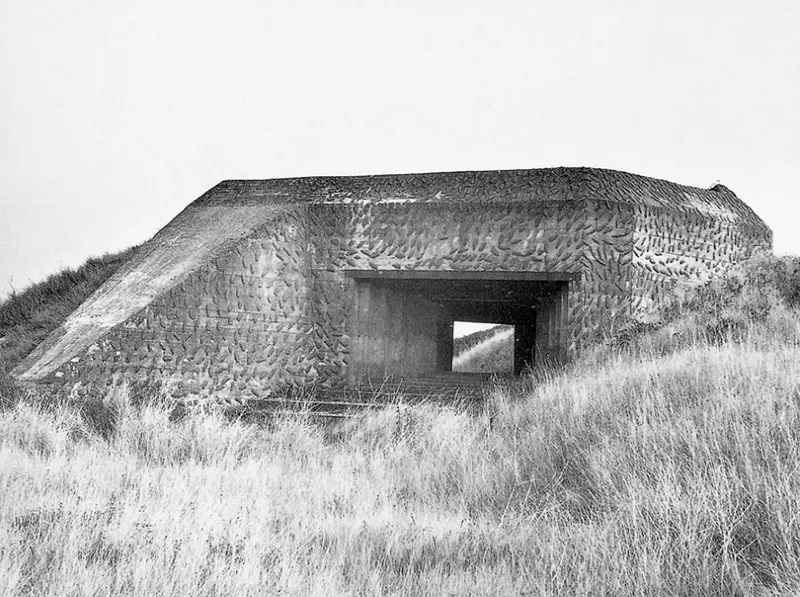
By September 1944, Allied forces had driven deep into France and were pushing toward Germany itself. One by one, the remaining Atlantic Wall strongpoints along the French coast were either captured or bypassed. German garrisons in fortified port cities like Brest, Lorient, and Saint-Nazaire were surrounded and left to wither without resupply.
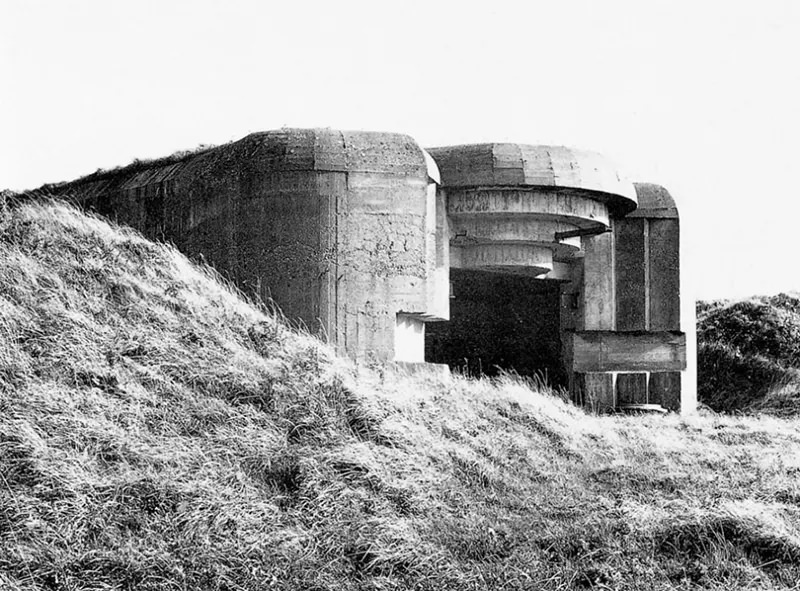
The sheer scale of the wall’s construction was staggering. Germany poured an estimated 17 million cubic meters of concrete into the project and installed over 1,000 artillery pieces along the coast. Despite this enormous investment, the wall was breached in a single day — though at great cost to the soldiers who stormed those beaches.
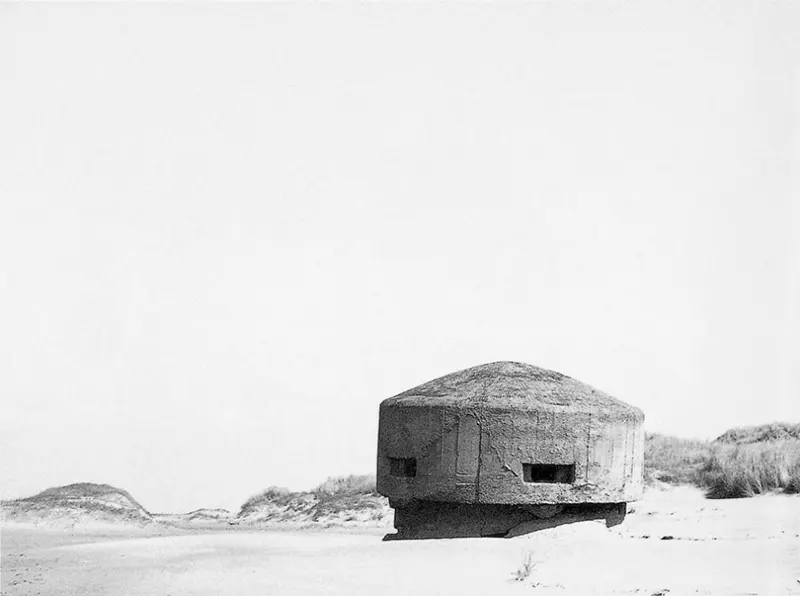
Many of the bunkers along the wall were designed to house not just guns but entire garrisons — with sleeping quarters, ammunition storage, and command rooms all built into the concrete structure. Some of the largest installations in Norway and at the Channel coast rivaled small fortresses in their complexity and size.
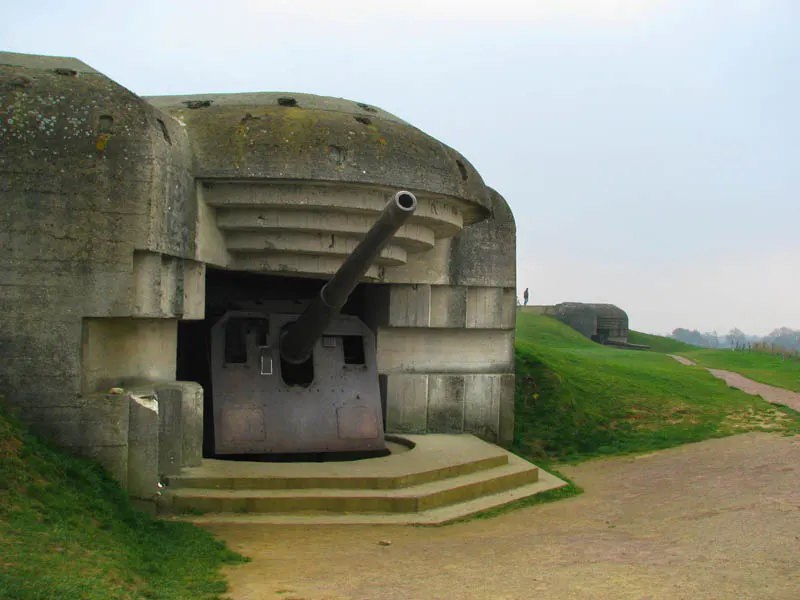
The anti-aircraft defenses integrated into the wall protected German positions from the waves of Allied bombers that struck before and during the invasion. Radar-guided guns made nighttime and high-altitude bombing runs costly for Allied air crews. But the sheer number of aircraft the Allies could deploy eventually overwhelmed these defenses.
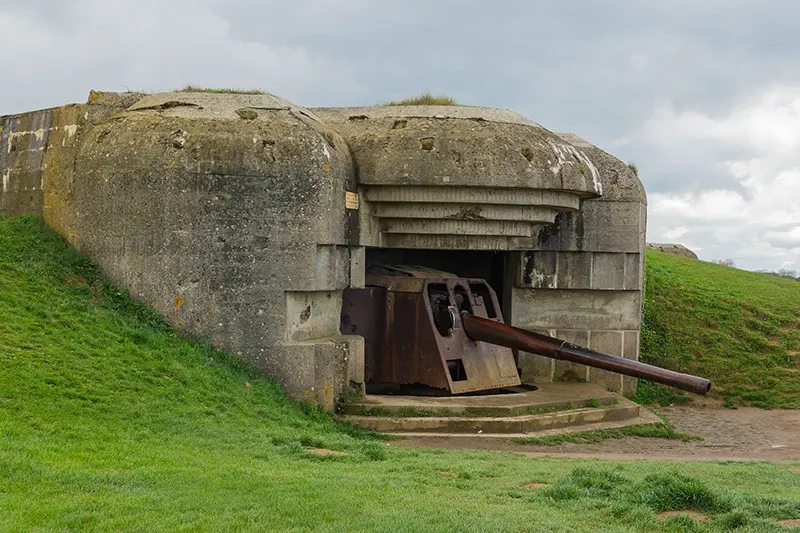
Sections of the Atlantic Wall in Norway were among the most heavily armed of the entire system. Hitler was convinced the Allies would strike Scandinavia, and he kept large numbers of troops stationed there throughout the war. That decision tied down hundreds of thousands of German soldiers who never fired a shot at an invading force.
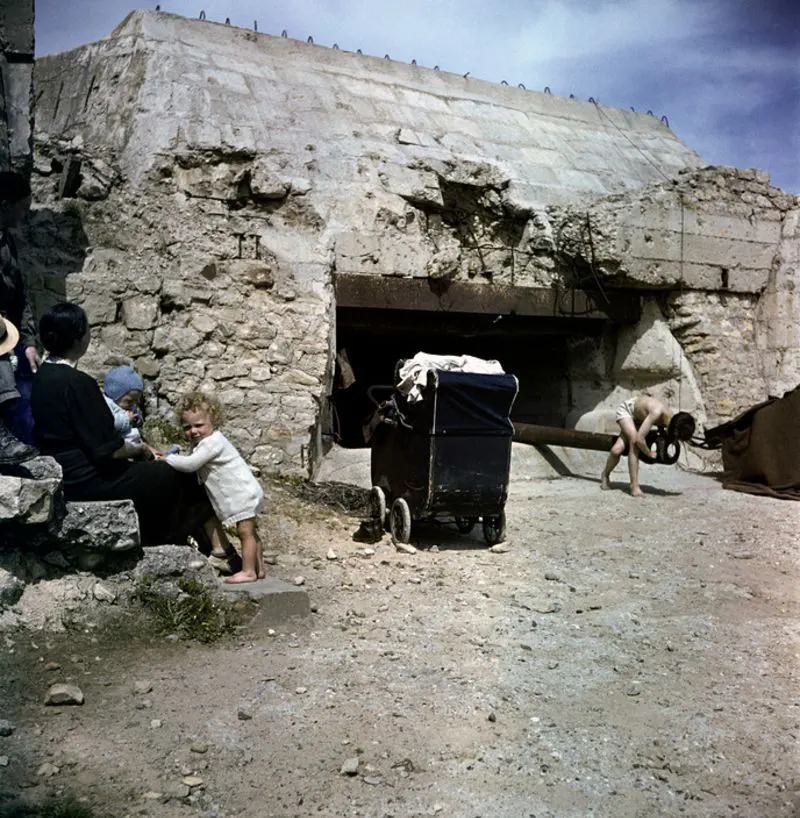
The wall’s reliance on fixed gun positions was both its strength and its greatest weakness. Heavy guns mounted in concrete casemates could deliver devastating fire against ships at sea, but they required clear lines of sight and could not move. Once the battle shifted inland, those guns became irrelevant — expensive monuments to a strategy that had already failed.
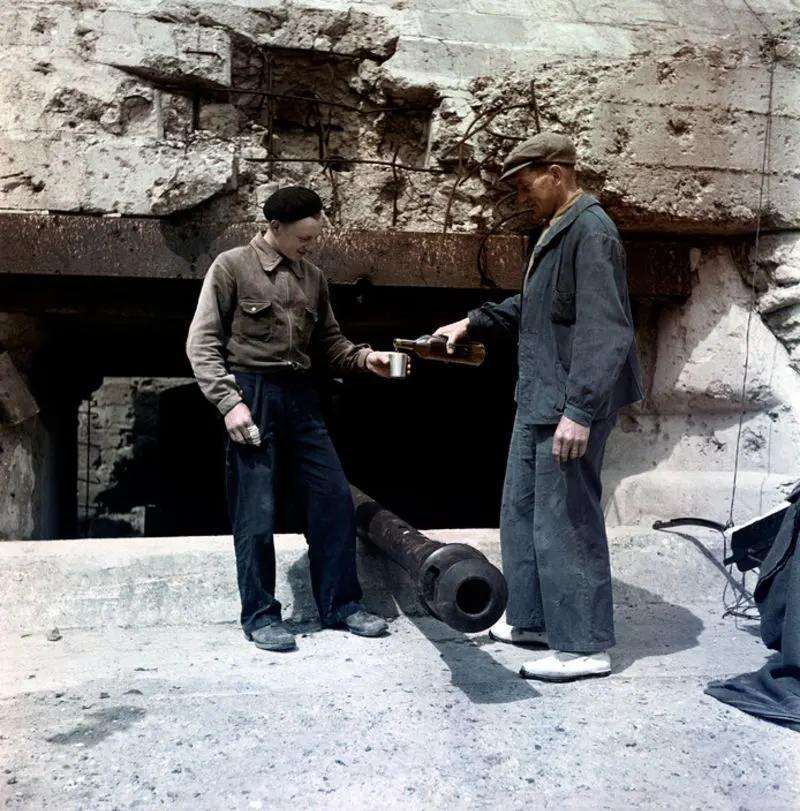
Prisoners of war — including Soviet, French, and Polish soldiers — were forced to perform the most dangerous construction work. They laid mines, carried heavy materials, and built the very fortifications designed to keep their home nations under German occupation. Many died during construction from accidents, mistreatment, and deliberate violence.
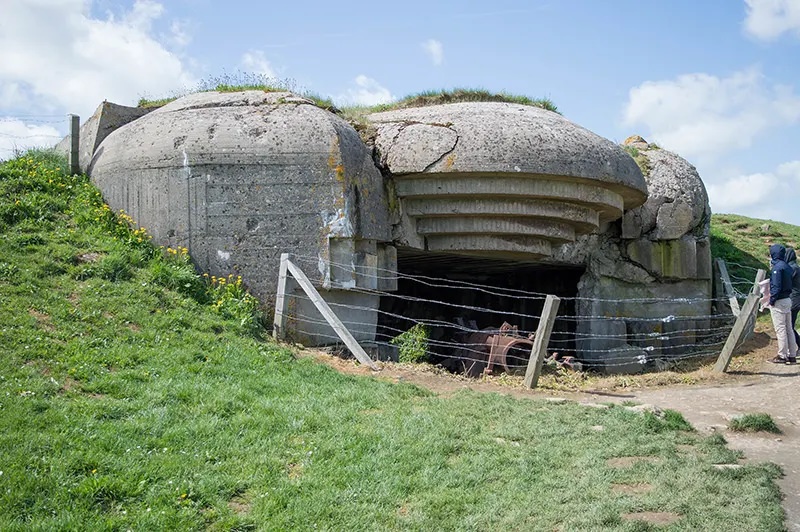
The Todt Battery at Cap Gris Nez, captured by British forces in September 1944, was one of the most powerful gun installations on the entire wall. Its 380mm guns had been used to shell the English coast and Allied shipping in the Channel. When British soldiers finally walked through its captured corridors, they found a fortress built to last — but abandoned.
From the Spanish border to the Arctic, the Atlantic Wall represented Germany’s belief that fortifications alone could substitute for the military power it was rapidly losing on multiple fronts. Construction ran from 1942 right up to 1944, yet the wall was never finished. When D-Day came, the Allies found not an unbreakable barrier, but a fortification riddled with gaps, undermanned positions, and fatal blind spots.