Halloween’s roots stretch back over 2,000 years to the ancient Celtic festival of Samhain. Held on October 31st, it marked the end of the harvest season and the beginning of winter. Celts believed the boundary between the living and the dead dissolved on this night, allowing spirits to wander freely. People lit bonfires and wore costumes to confuse and ward off those wandering ghosts.
By the Middle Ages, the holiday took on a Christian character. All Hallows’ Eve fell the night before All Saints’ Day, a feast honoring the saints. Communities practiced “souling,” going door to door and offering prayers for the dead in exchange for small pastries called soul cakes. Dressing as saints or angels was common during these celebrations.
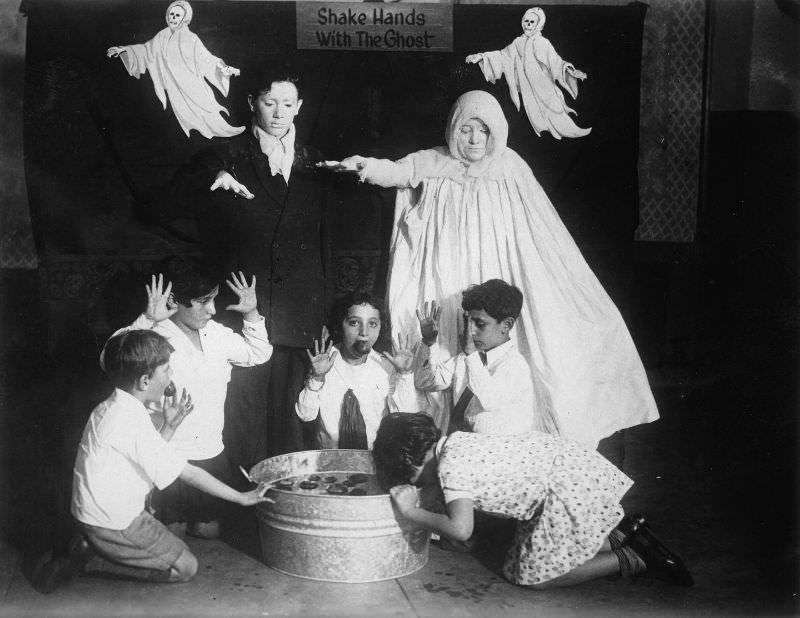
The 1800s brought a major shift in America. A wave of Irish immigrants arrived carrying their Halloween customs, including the tradition of carving jack-o’-lanterns. In Ireland, turnips were the vegetable of choice, but American pumpkins proved far easier to carve and quickly became the standard. Halloween parties spread across the country, featuring games like bobbing for apples and fortune-telling.
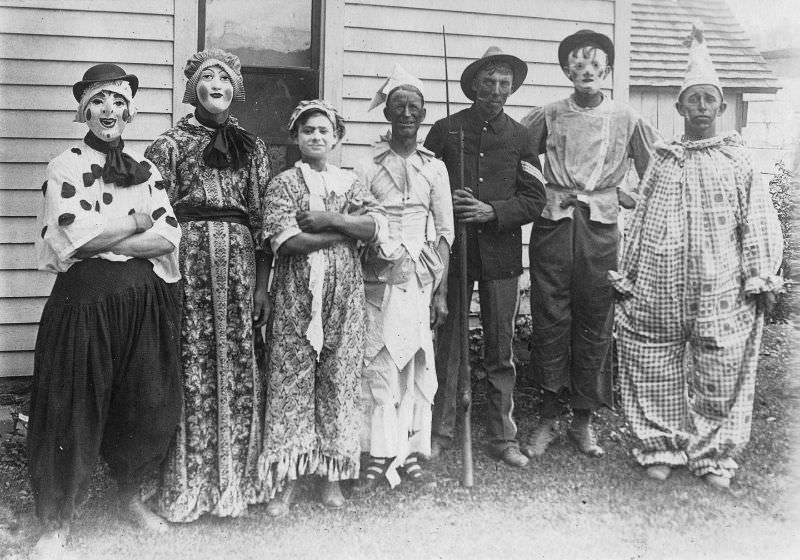
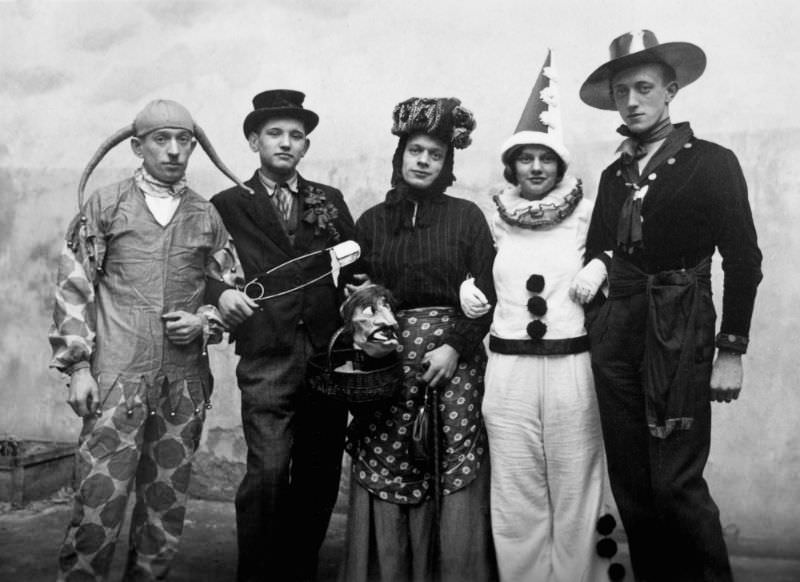
Costumes in the early 20th century were homemade affairs — sheet ghosts, paper-mache masks, and hand-sewn witch hats. There were no costume shops lining the streets. What people lacked in store-bought props, they made up for in creativity and commitment.
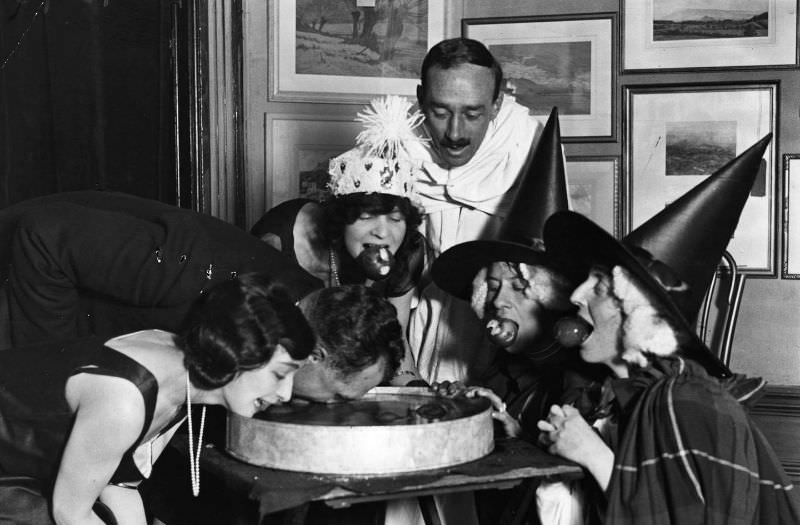
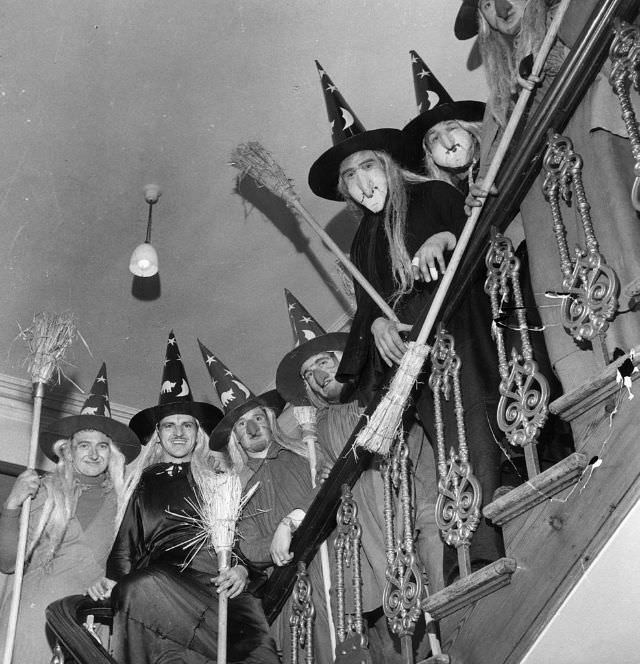
By the mid-1920s, Halloween had become a full community event. Children took part in games and neighborhood gatherings that made the holiday feel wholesome and festive.
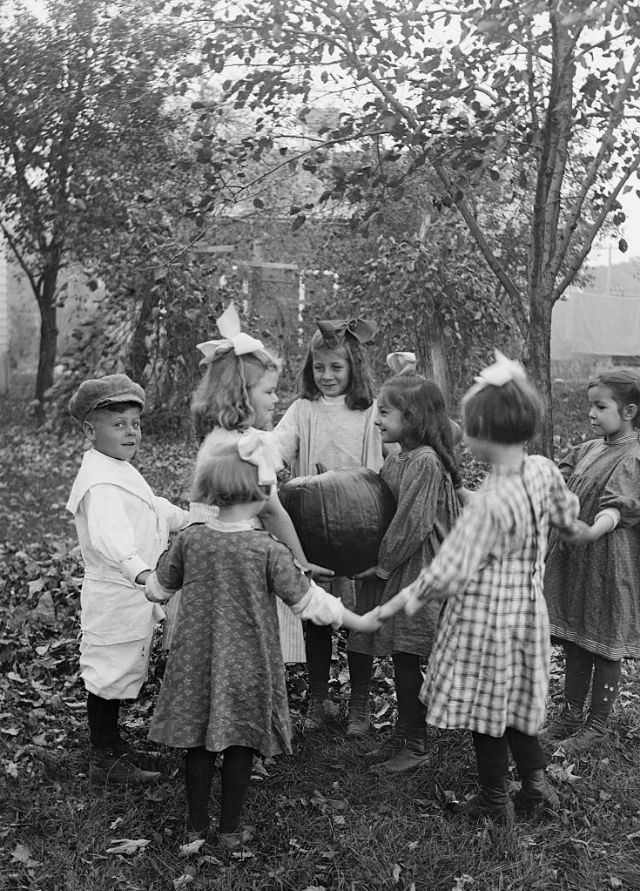
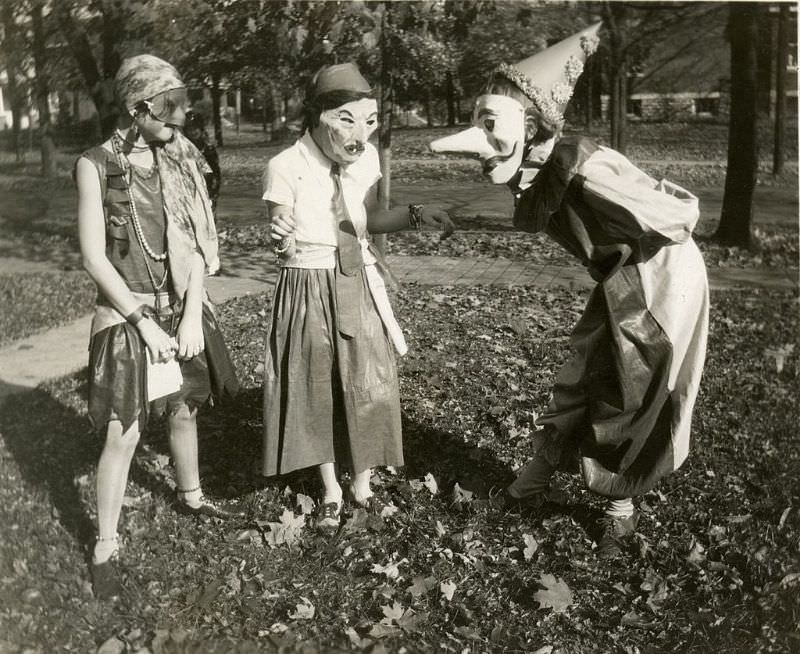
The 1930s saw Halloween parties grow more elaborate, drawing in both children and adults. Even future celebrities weren’t exempt from the fun.
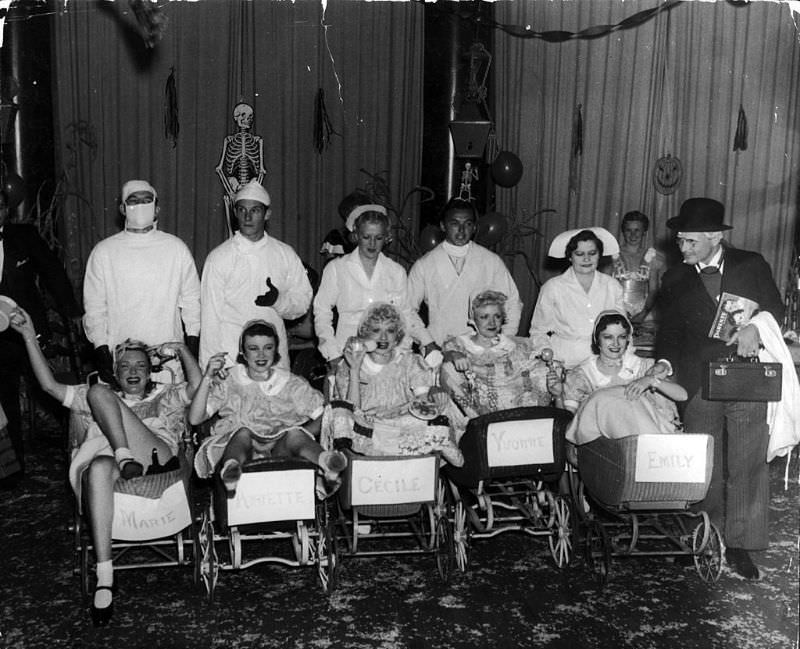
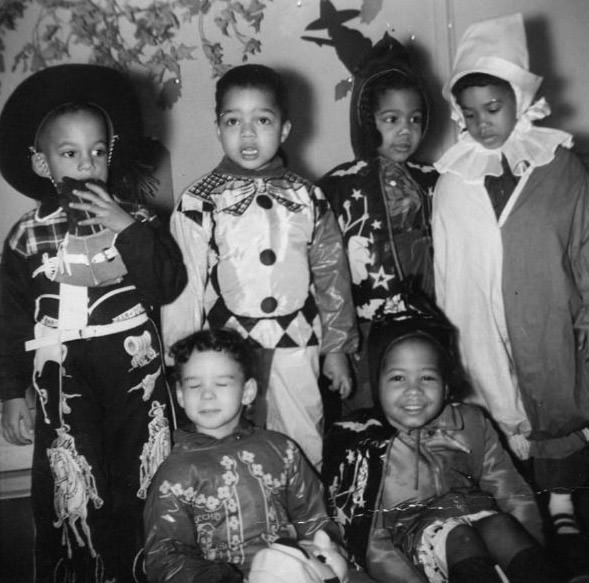
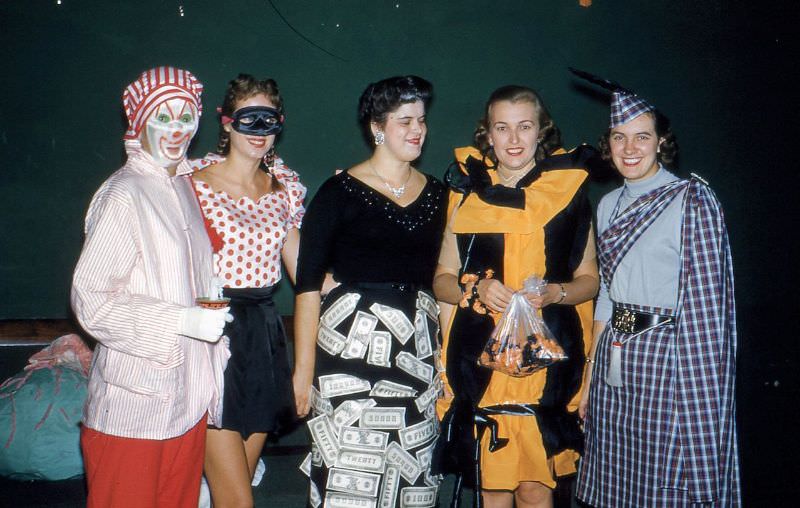
Post-World War II America embraced Halloween with fresh enthusiasm. Clown and cowboy costumes dominated the late 1940s, and trick-or-treating became a widespread neighborhood tradition. Costume shops began appearing, offering ready-made options for all ages.
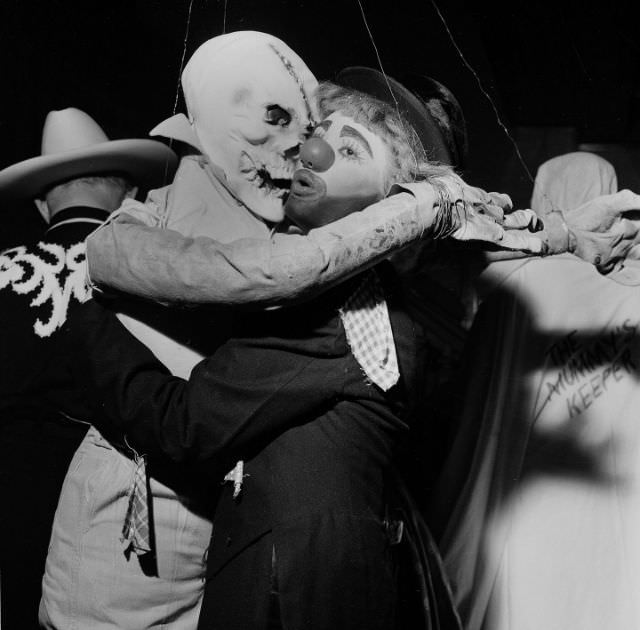
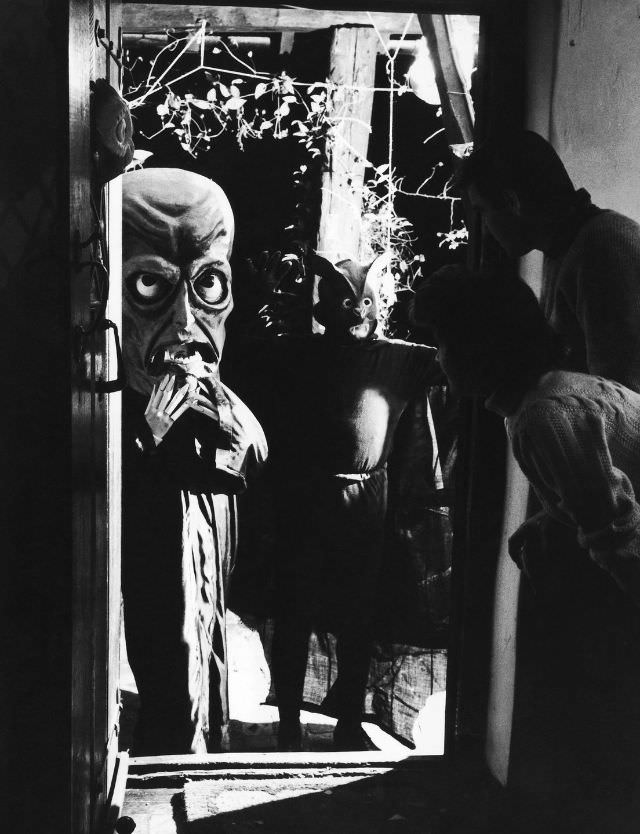
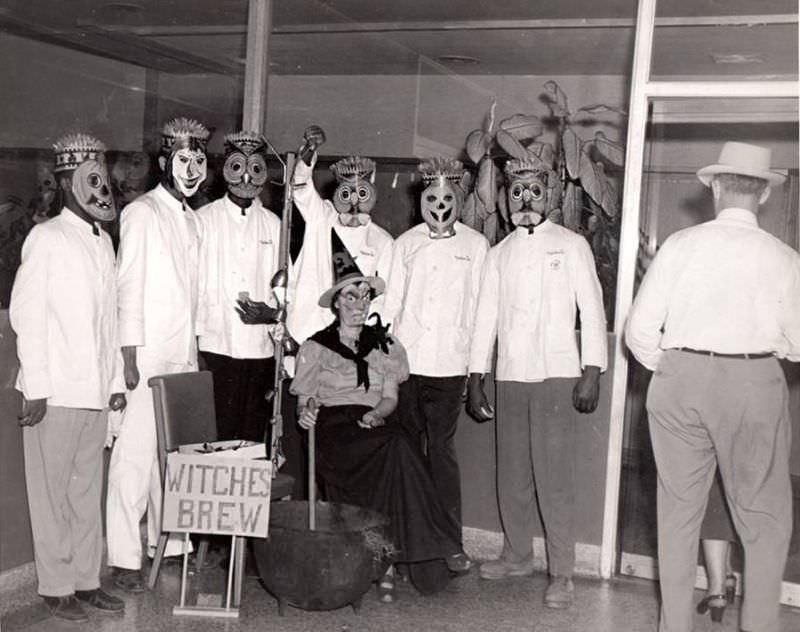
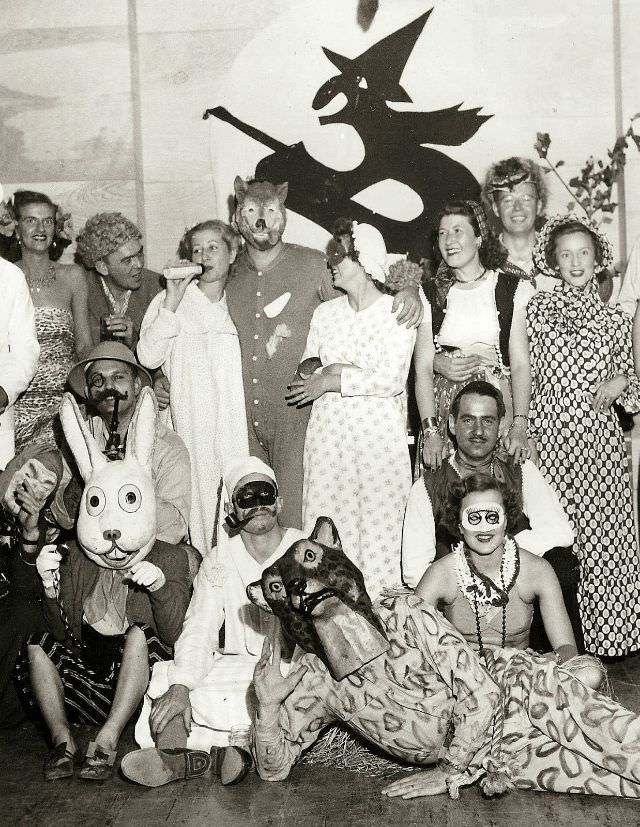
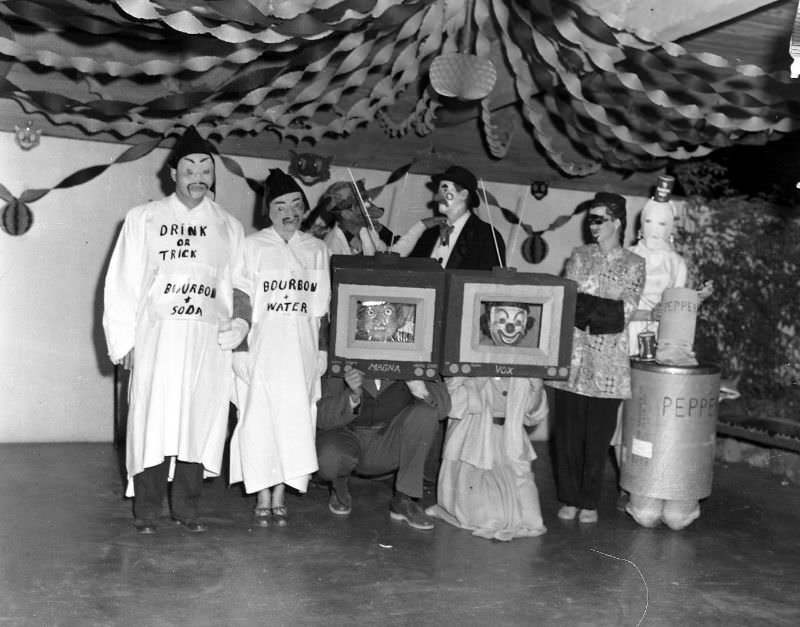
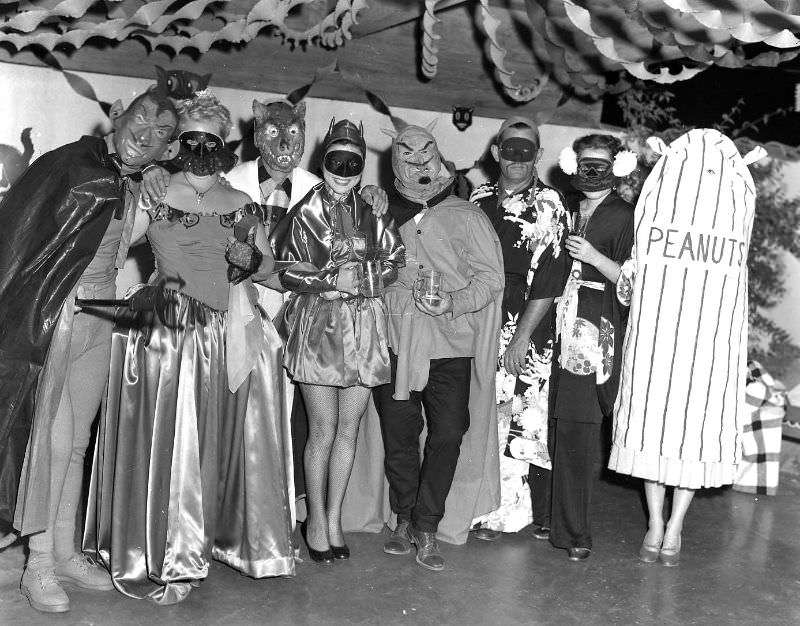
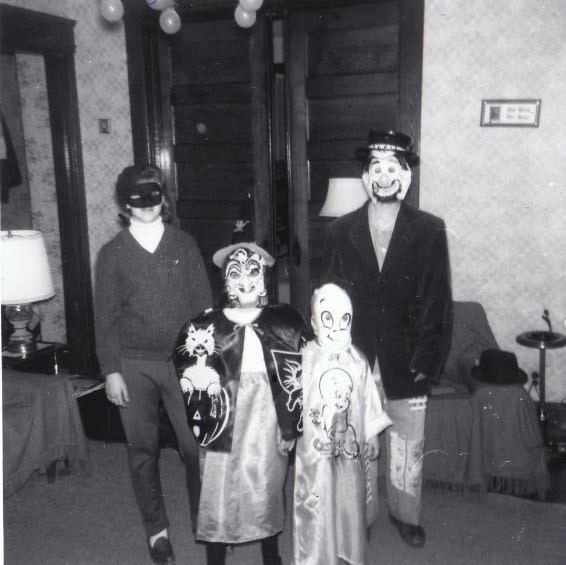
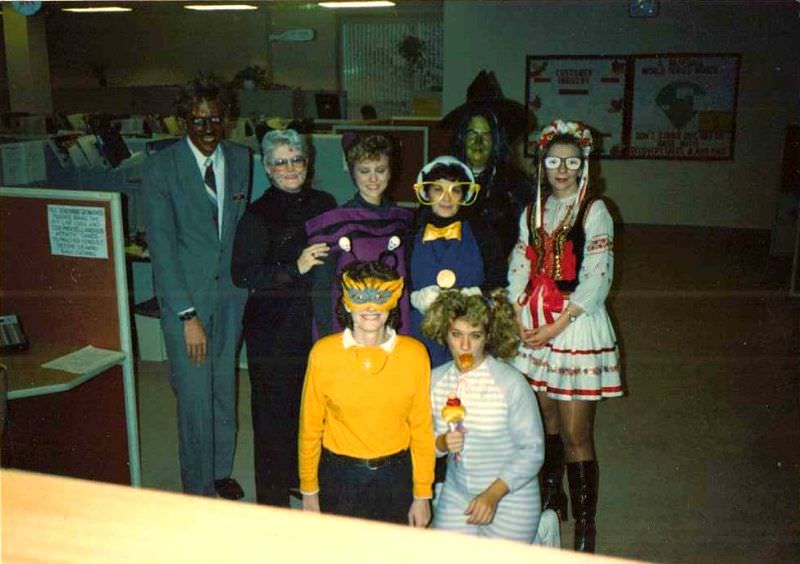
The 1960s pushed Halloween into workplaces and living rooms alike. Office parties became common, and neighborhoods filled with masked trick-or-treaters clutching bags for candy. Jack-o’-lanterns glowed on nearly every porch.
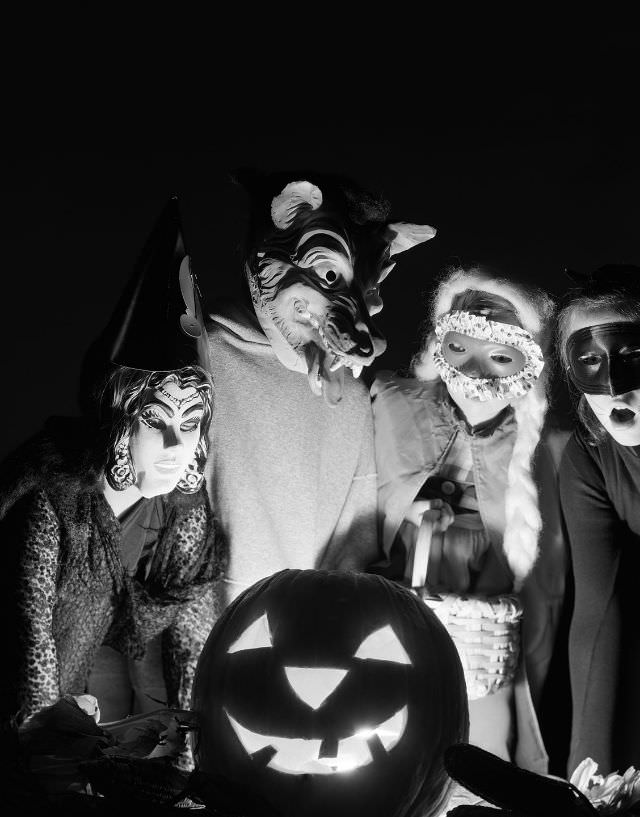
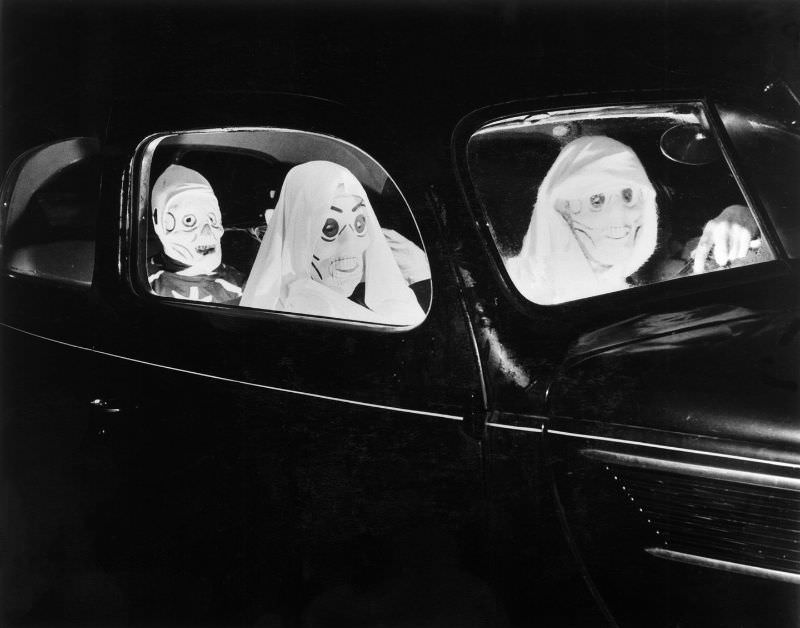
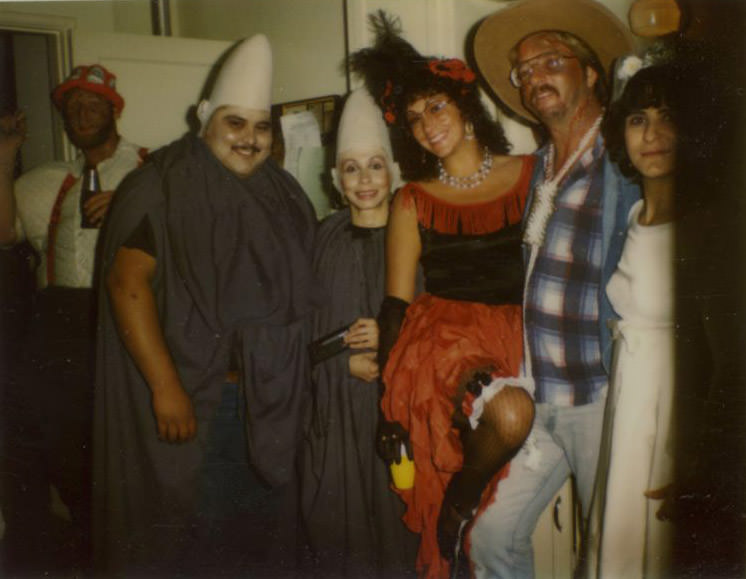
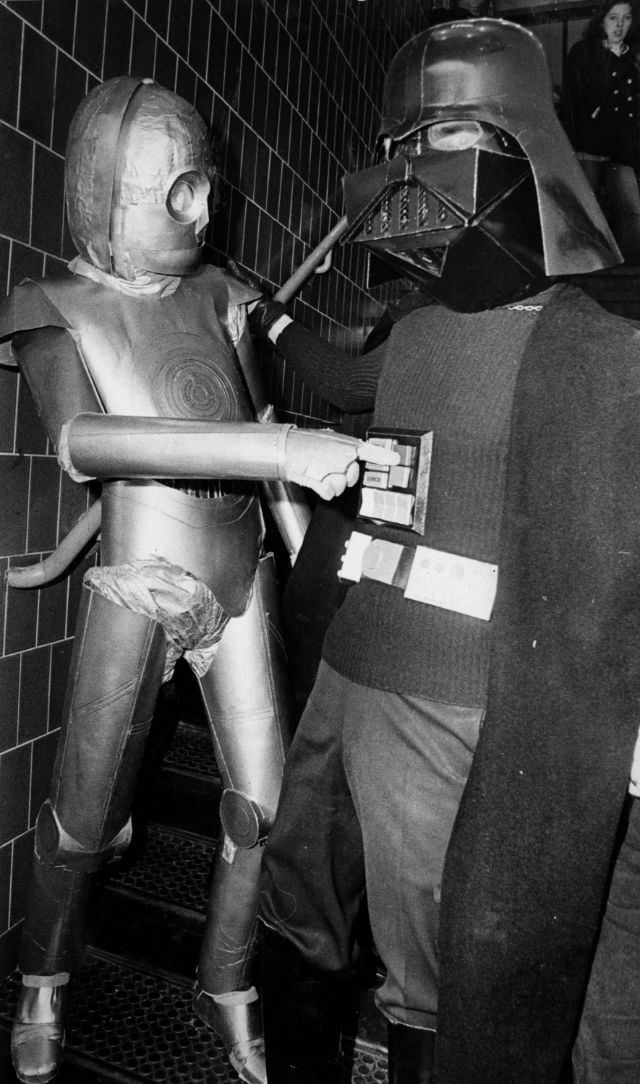
Pop culture began driving costume trends by the late 1970s. The 1977 release of Star Wars sent kids scrambling to replicate their favorite characters from scratch, long before licensed costumes hit store shelves.
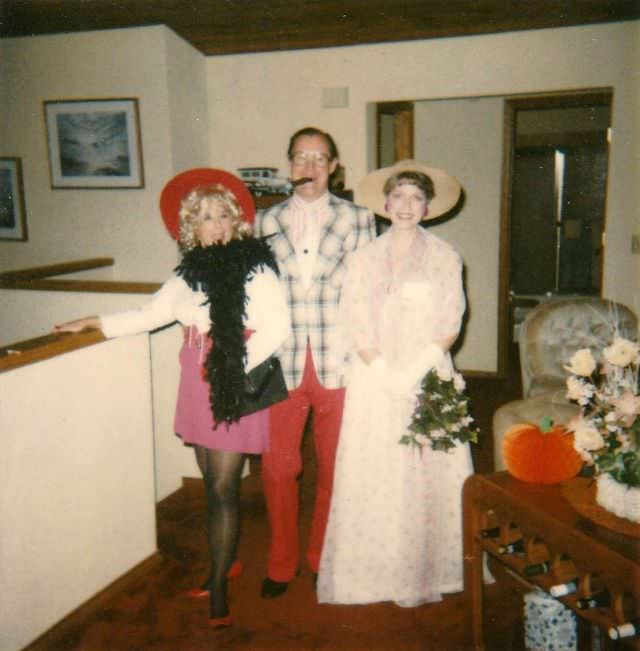
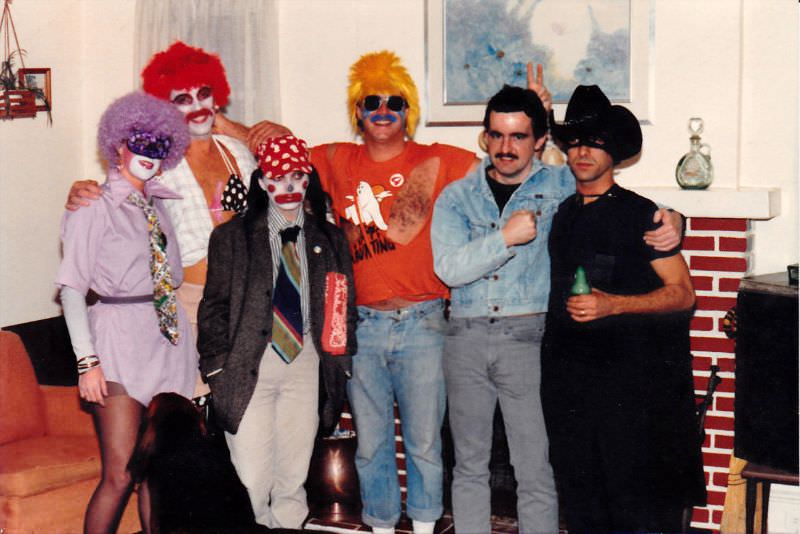
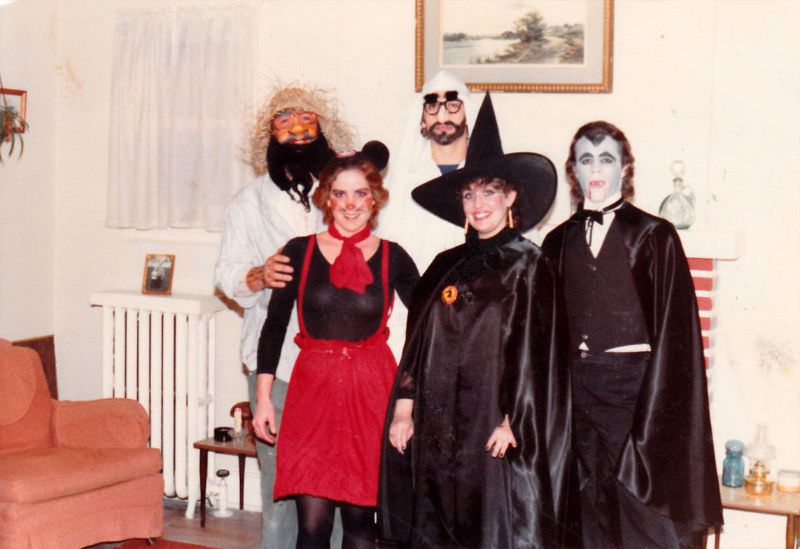
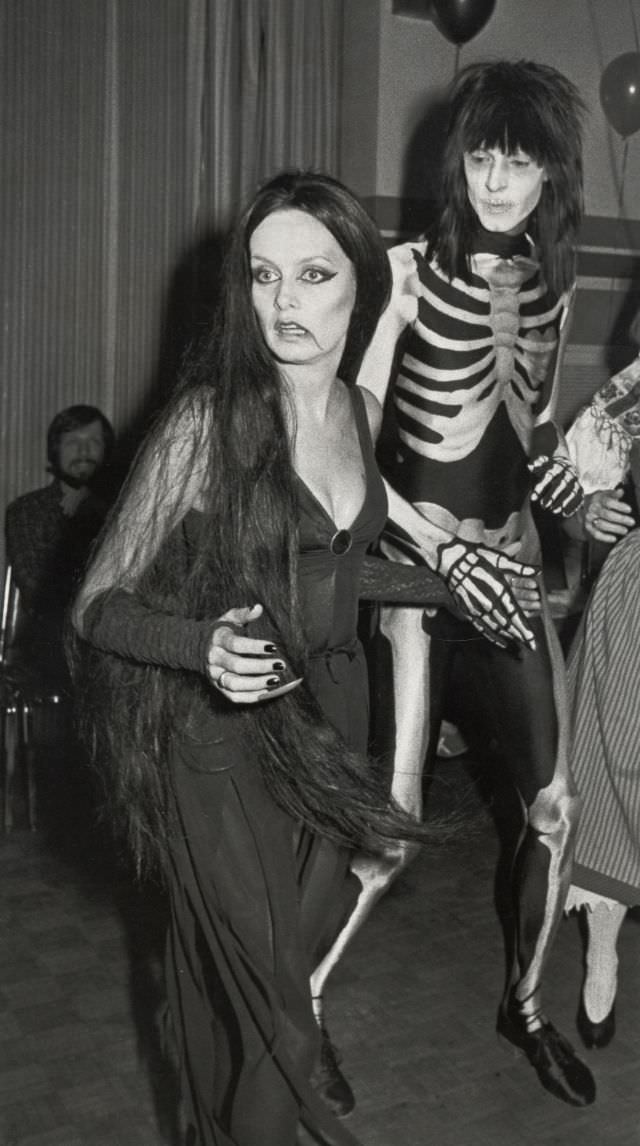
Halloween parties in the 1980s turned flashier, with bold makeup, bright colors, and theatrical flair. Celebrities and everyday people alike dressed to impress, turning the holiday into a full-blown cultural event.
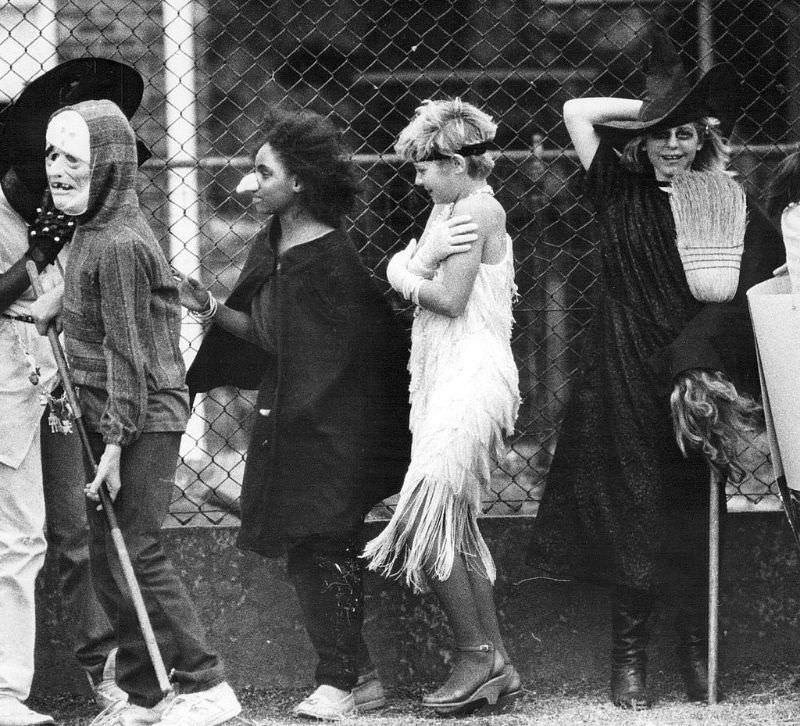
By 1986, school Halloween parades had become a beloved tradition. Children lined up in their costumes, ready to march and show off their characters to teachers and parents alike.