Denmark entered the 1930s in the middle of a political shift. In 1929, a coalition government formed under the Social Democrats, who would go on to define the decade’s domestic agenda. The Great Depression hit Denmark hard. Unemployment soared, and the economy buckled under the weight of global financial collapse. When Great Britain abandoned the gold standard in 1931, Denmark followed immediately. By 1933, roughly 40 percent of organized industrial workers were affected by unemployment — a staggering figure that put enormous pressure on the government to act.
The government responded with the Social Reforms of 1933, a sweeping overhaul that simplified existing legislation and established fixed charges for social services. These reforms laid down clear legal principles for how the state would support its citizens. The changes worked politically. The general election of 1935 delivered a strong mandate for the Social Democrats, and they remained in power through the rest of the decade. Life in Denmark’s cities and towns carried on, shaped both by economic hardship and by the quiet rhythms of daily existence.
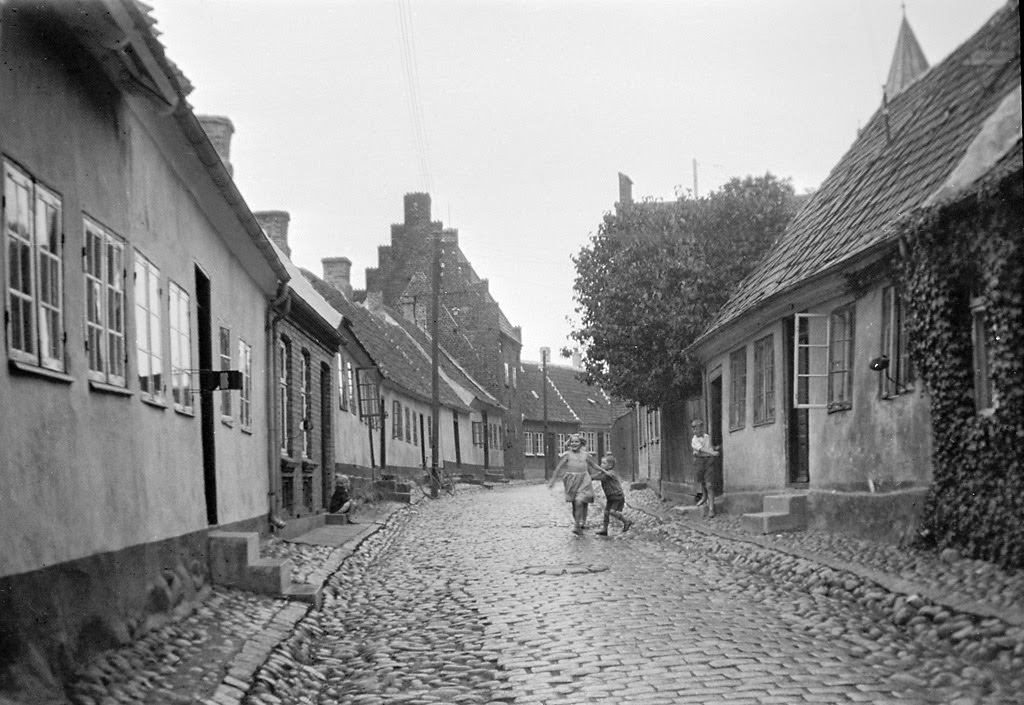
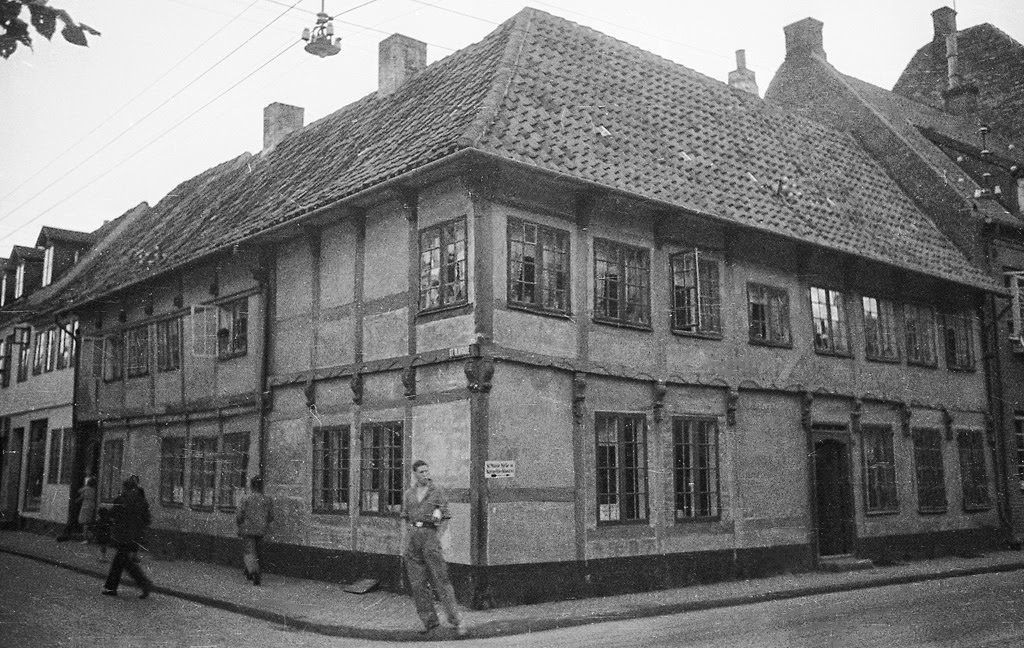
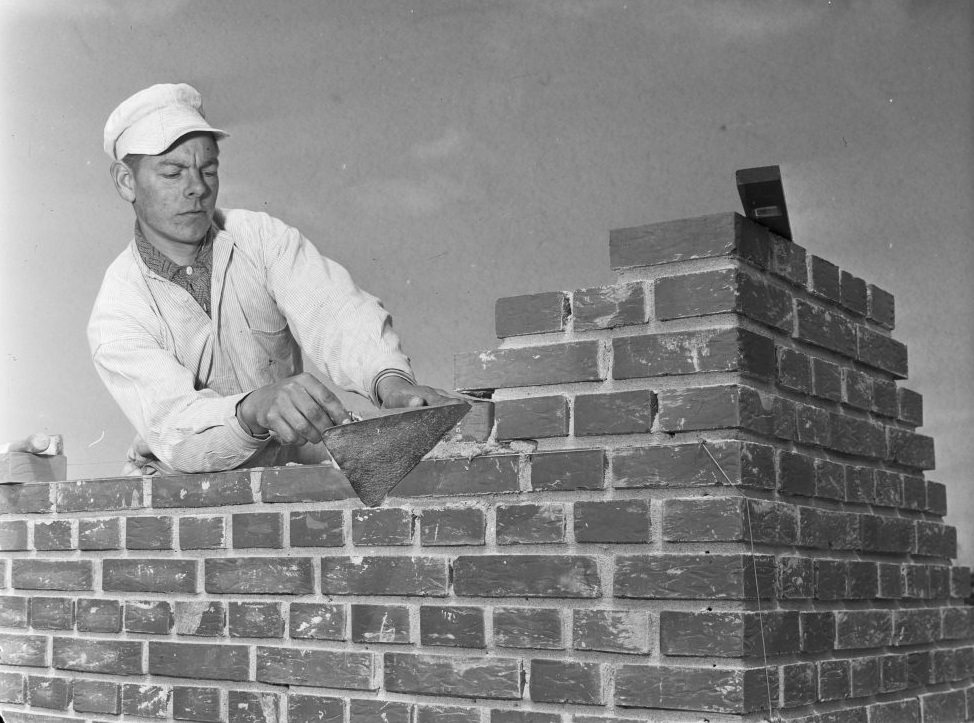
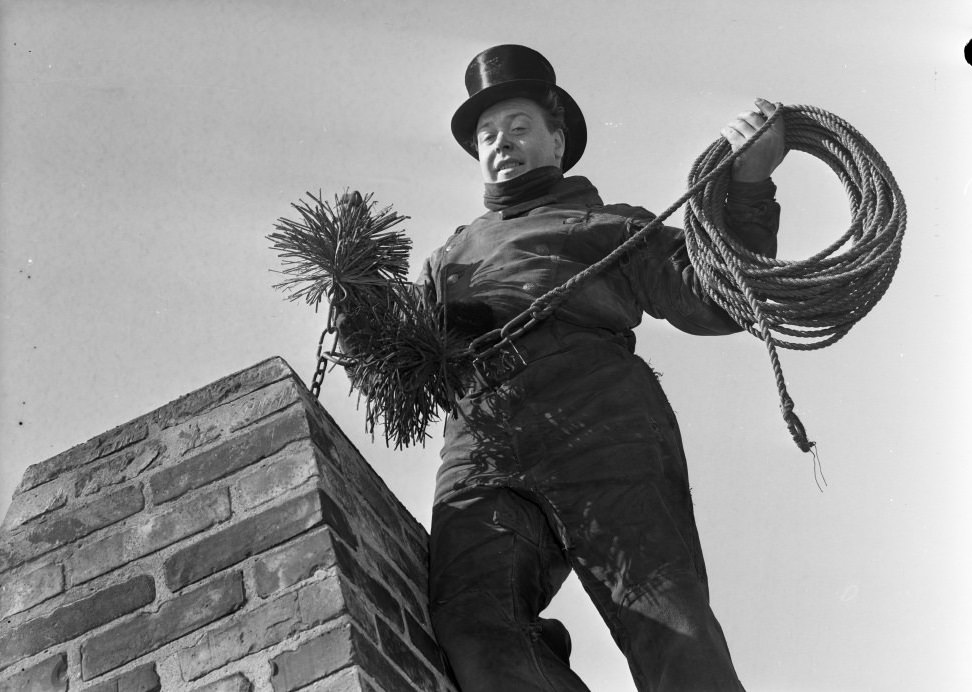
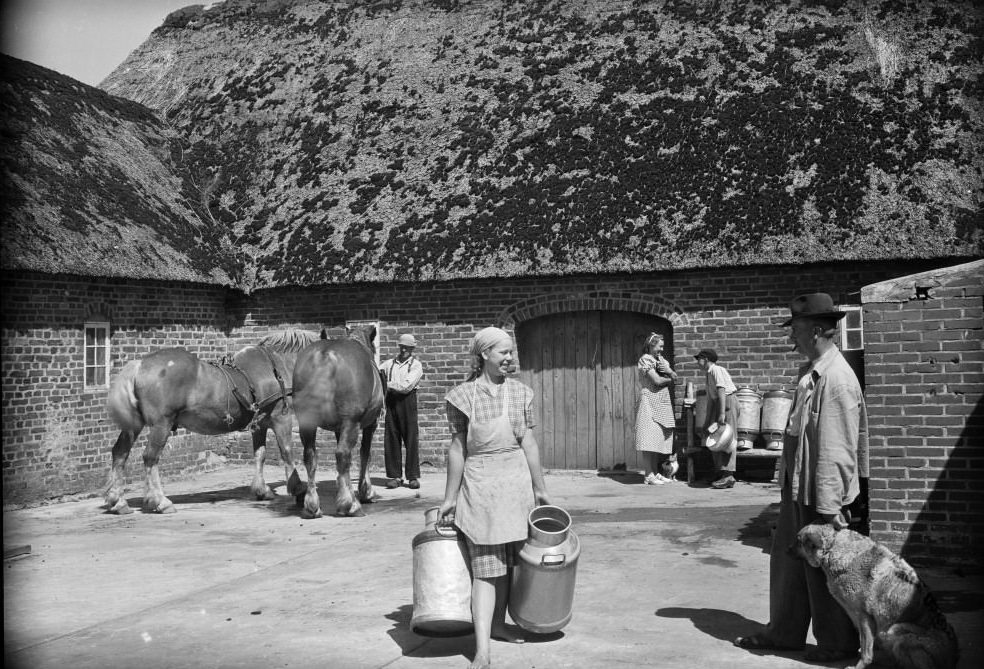
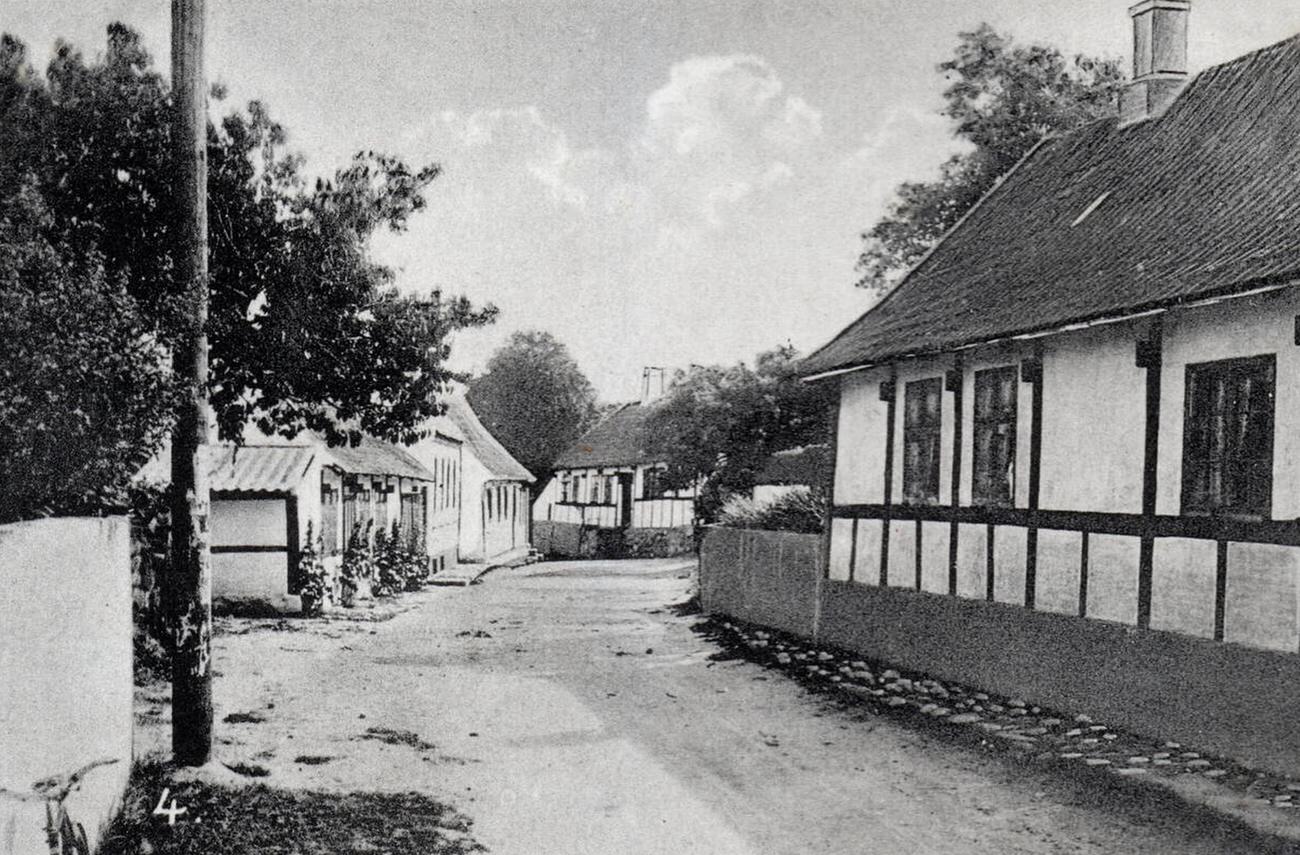
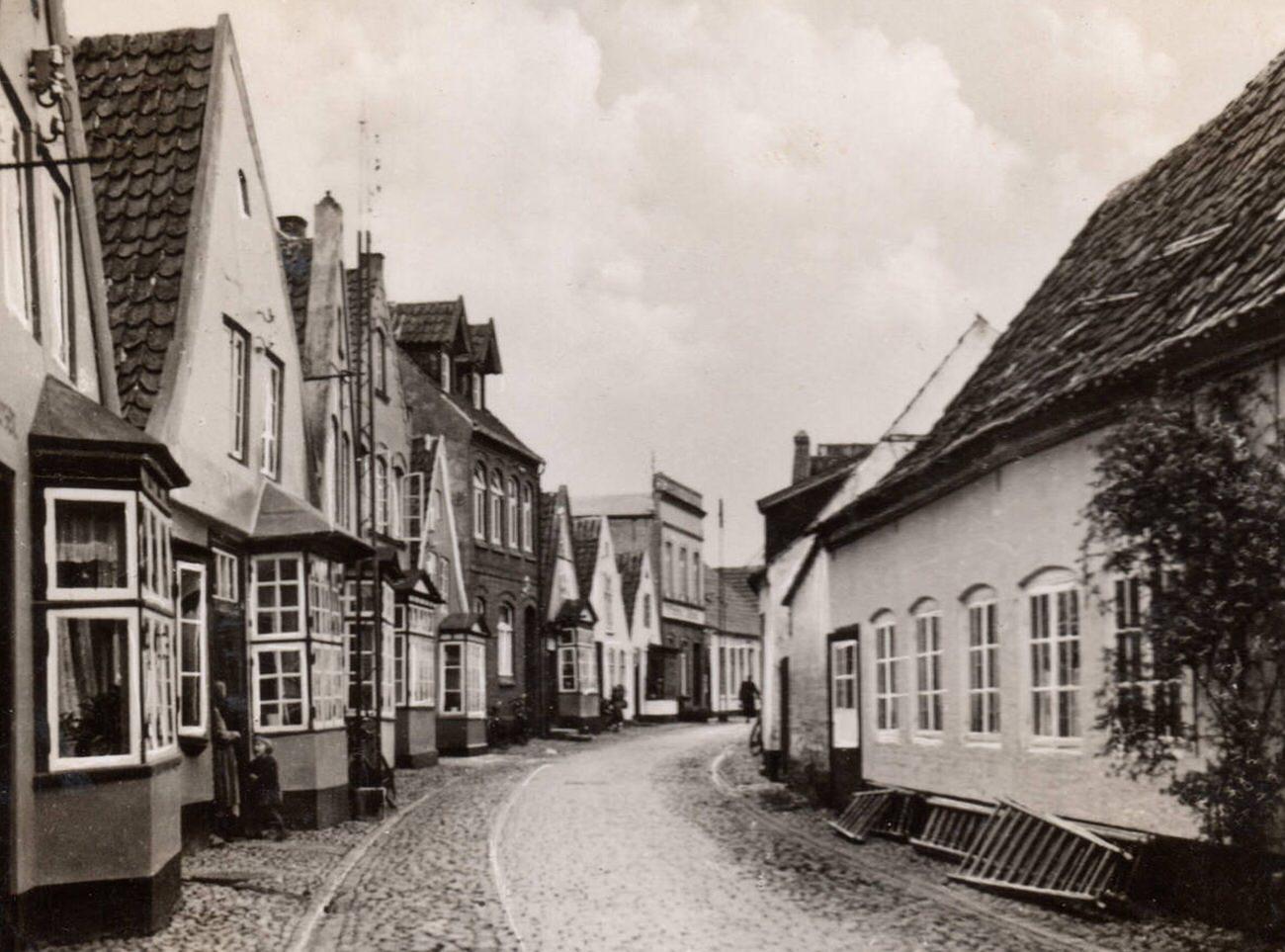
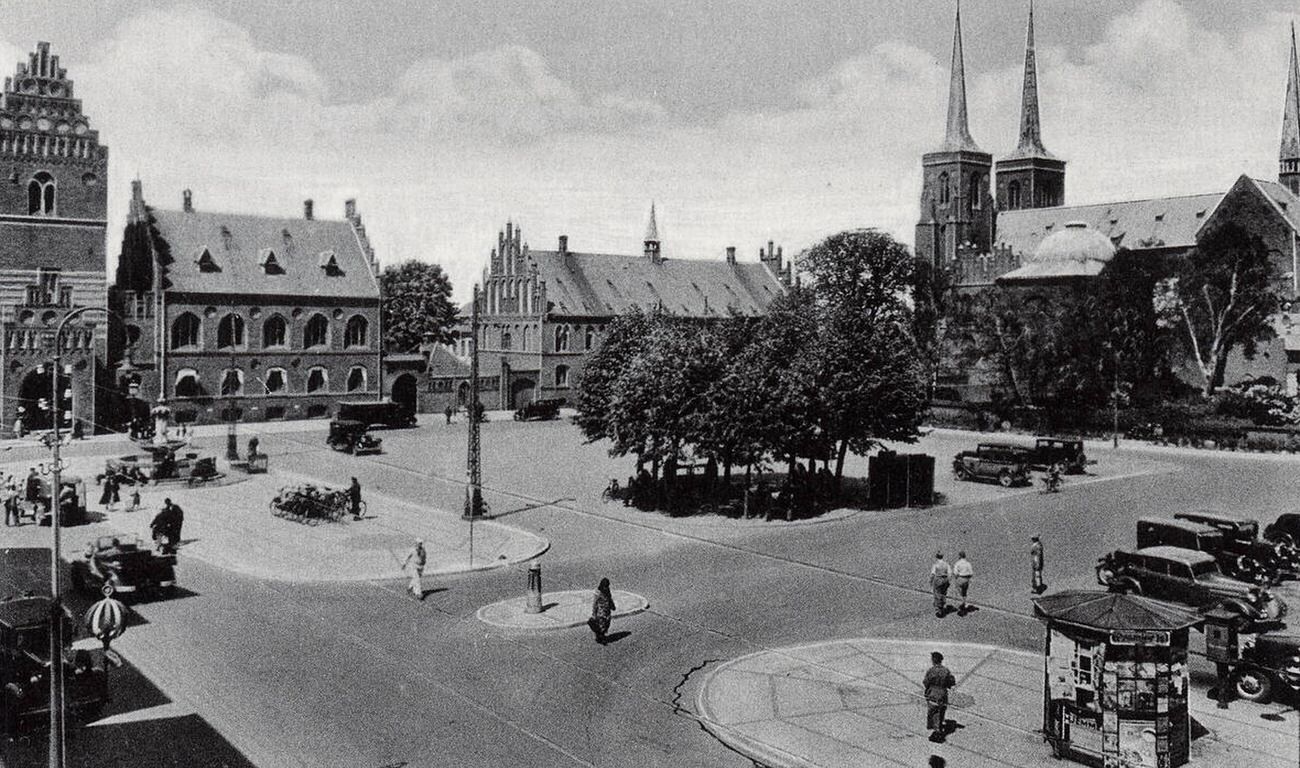
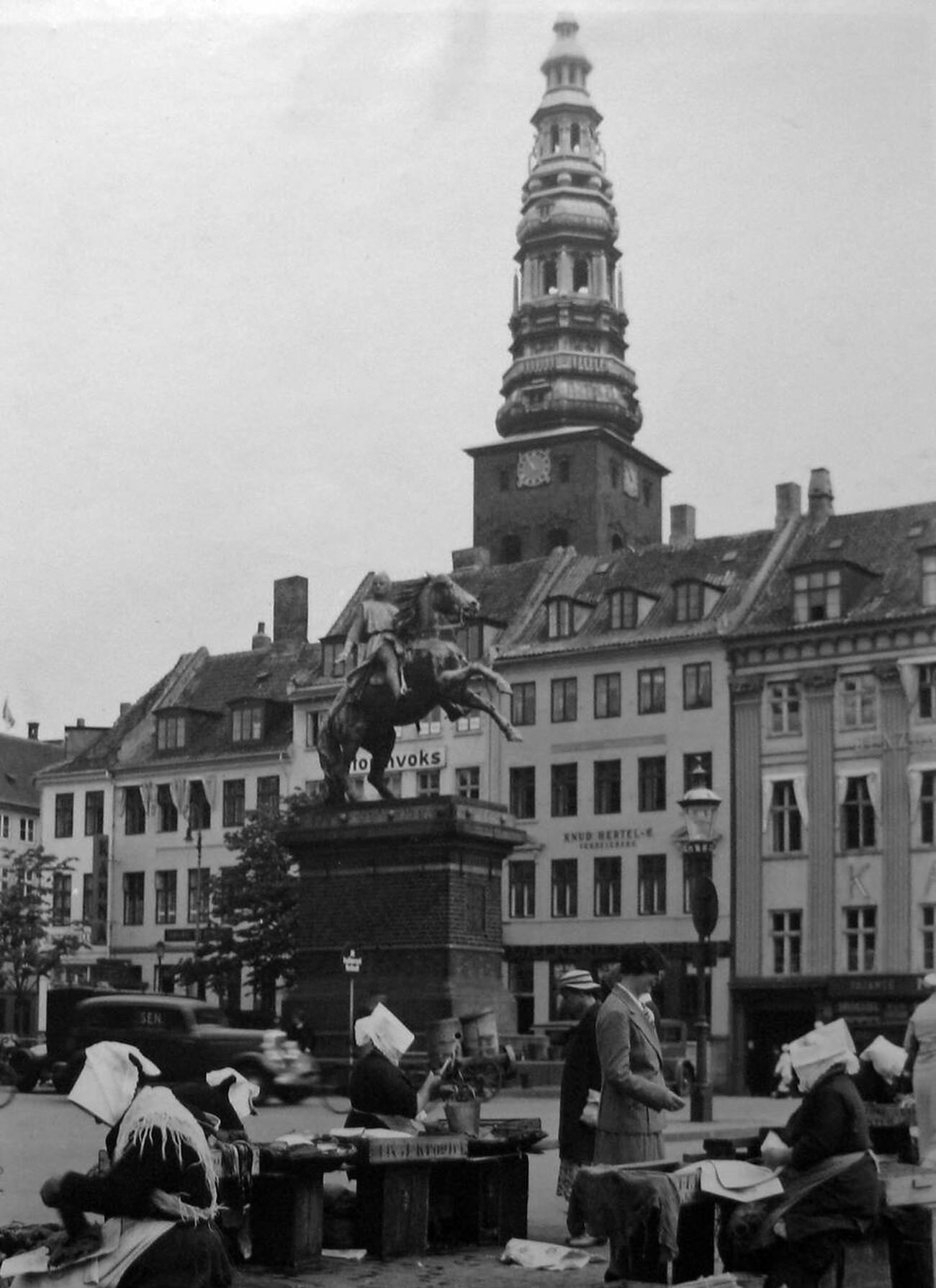
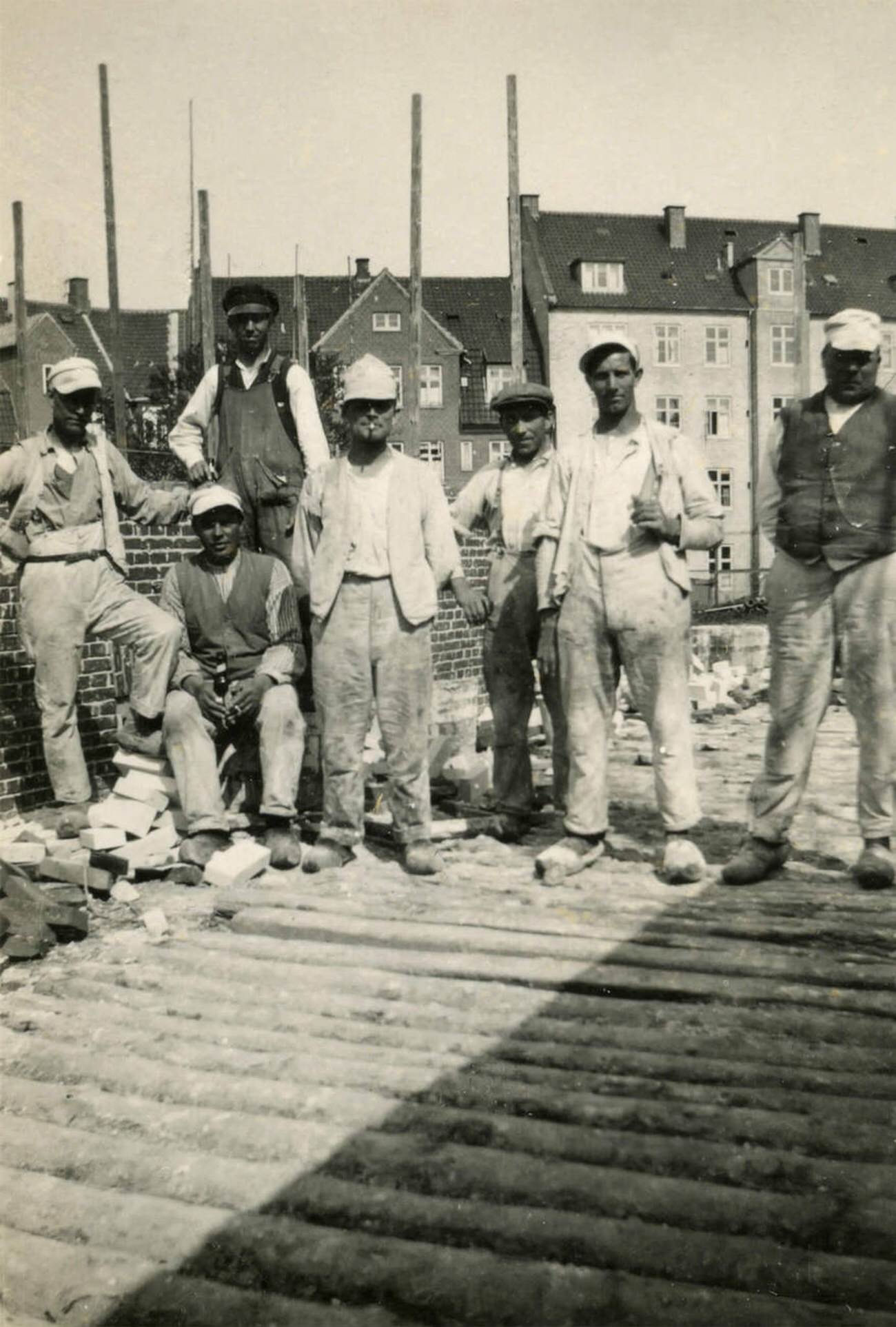
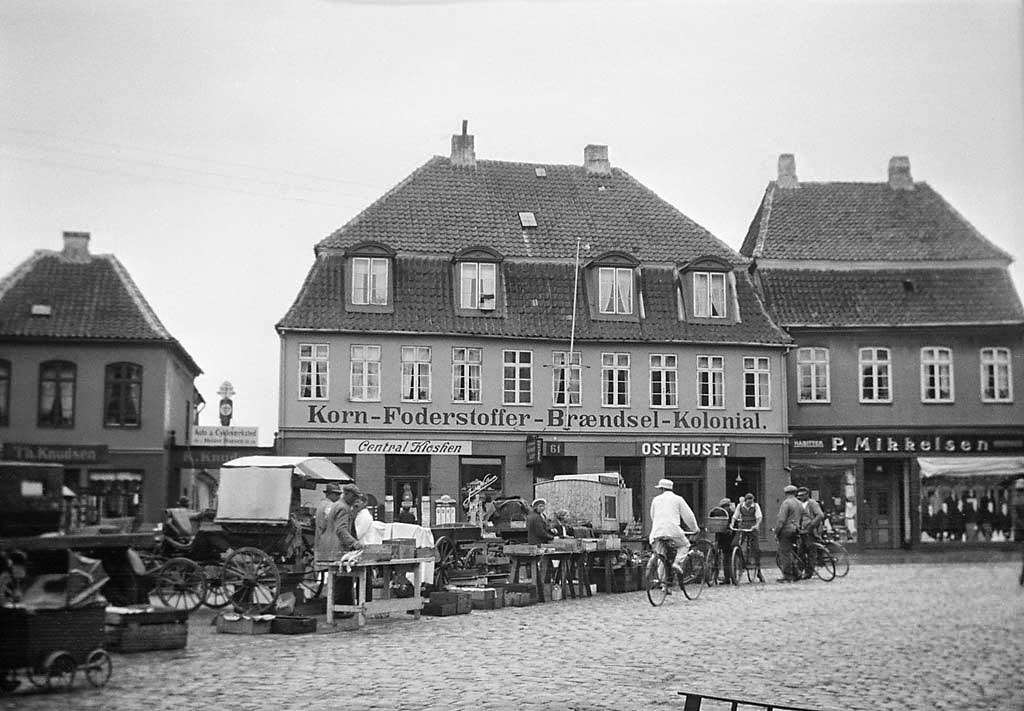
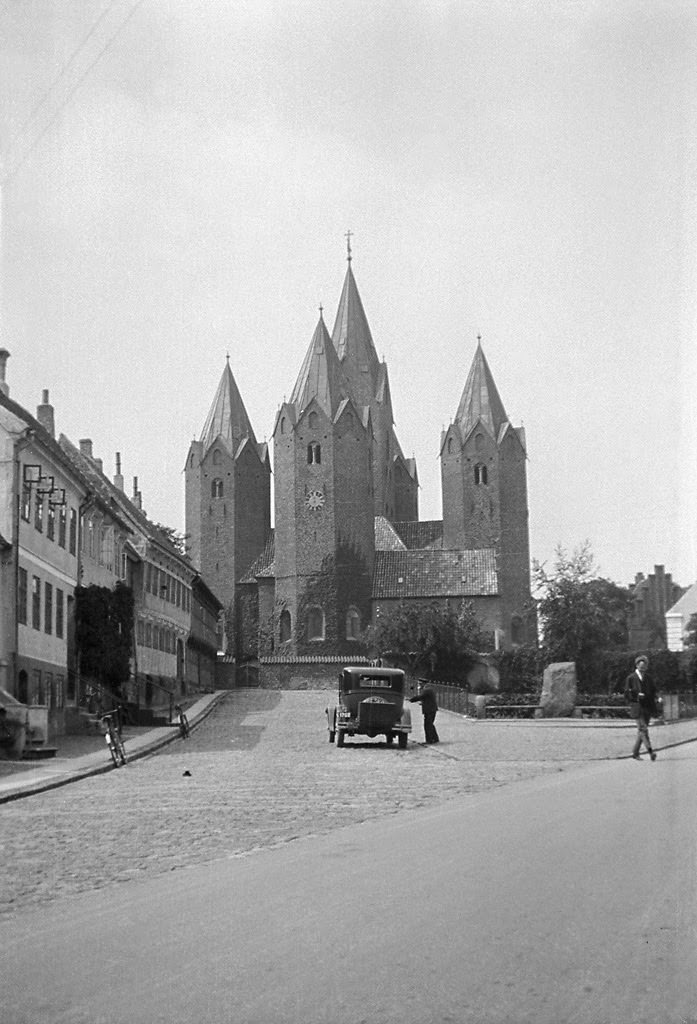
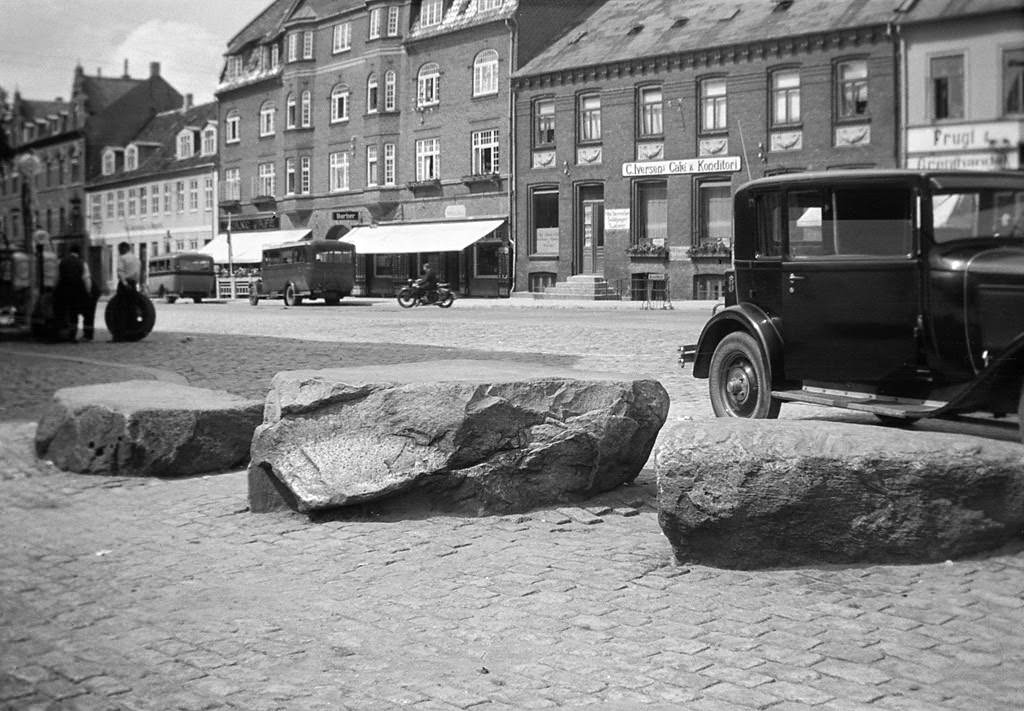
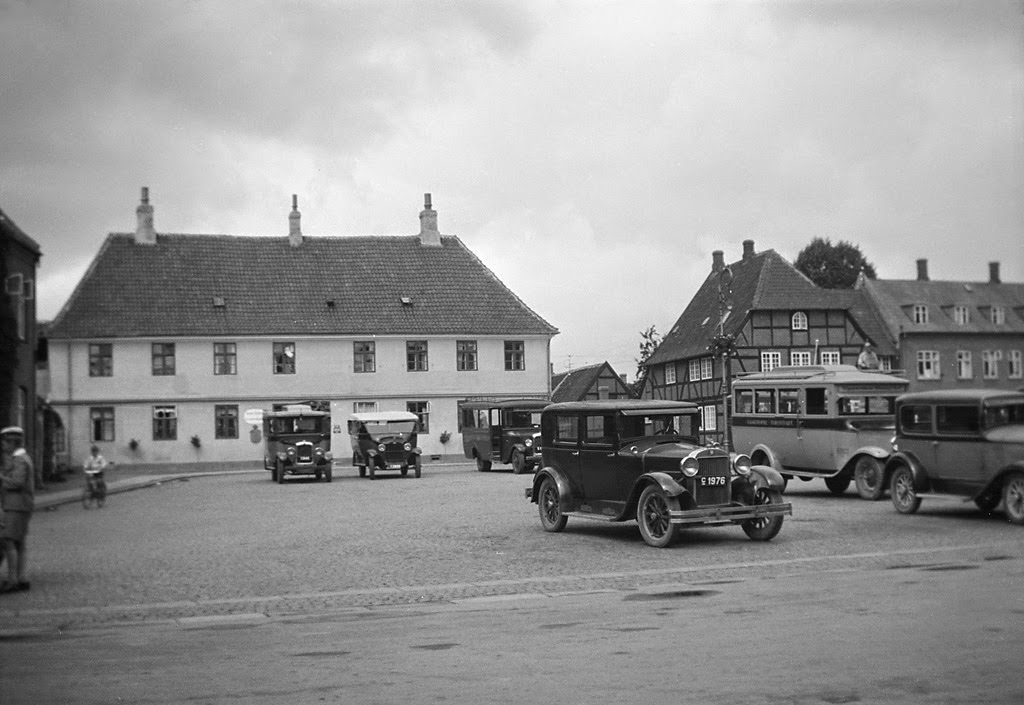
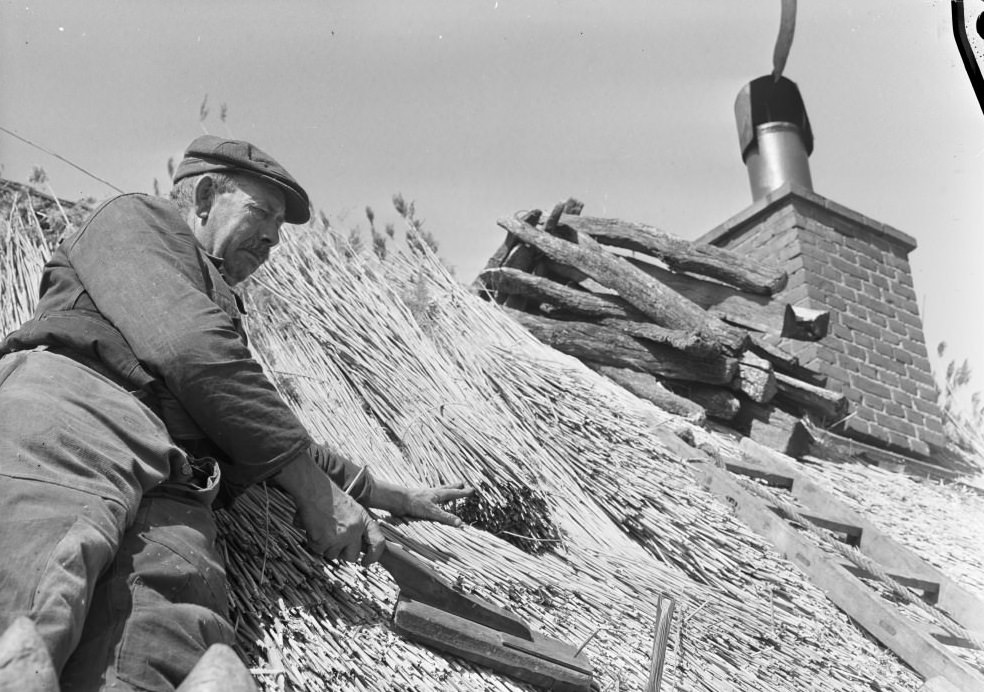
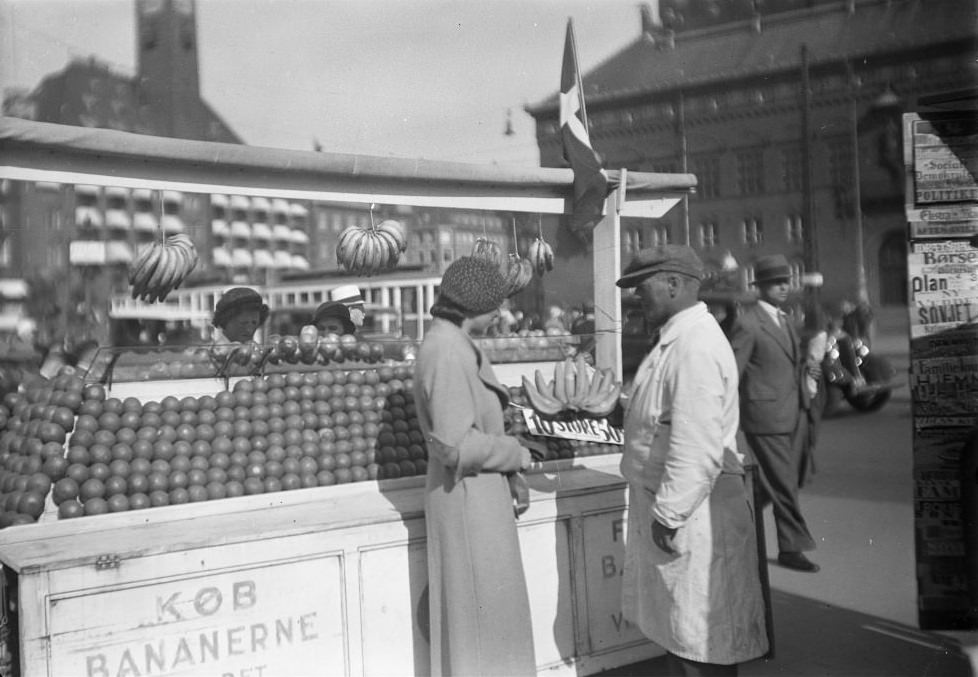
Across the country, towns like Viborg, Kalundborg, and Odense maintained their distinct characters. Gothic church spires rose over cobbled squares. Markets buzzed with vendors selling fish, produce, and goods. Tradespeople — bricklayers, carpenters, chimney sweepers, and thatchers — kept the built environment alive. Denmark’s landscape outside the cities was equally active, with farms running on animal labor and family effort.
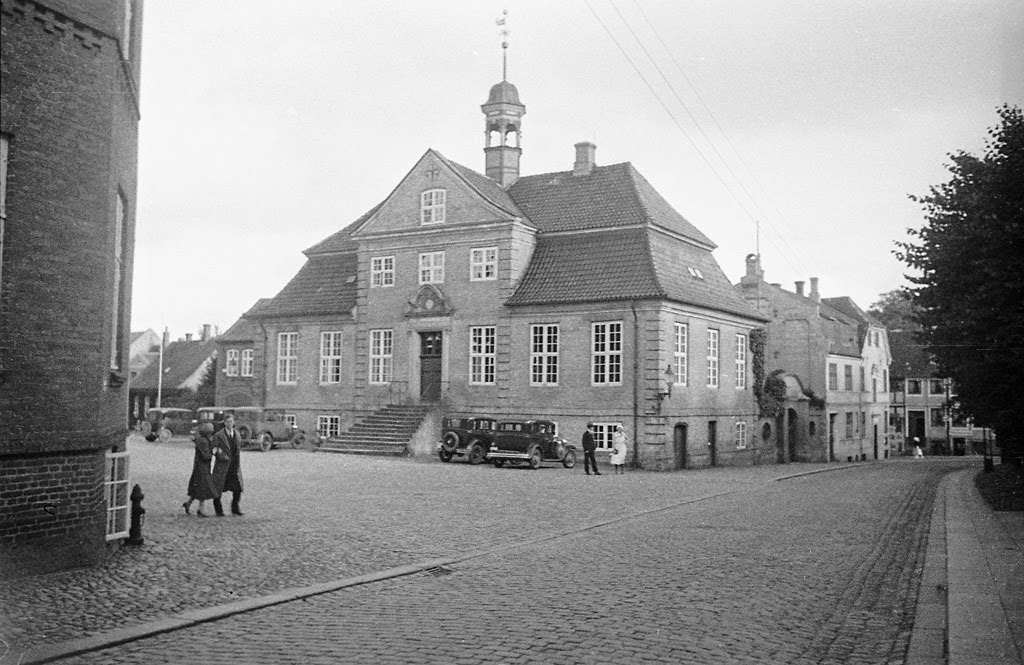
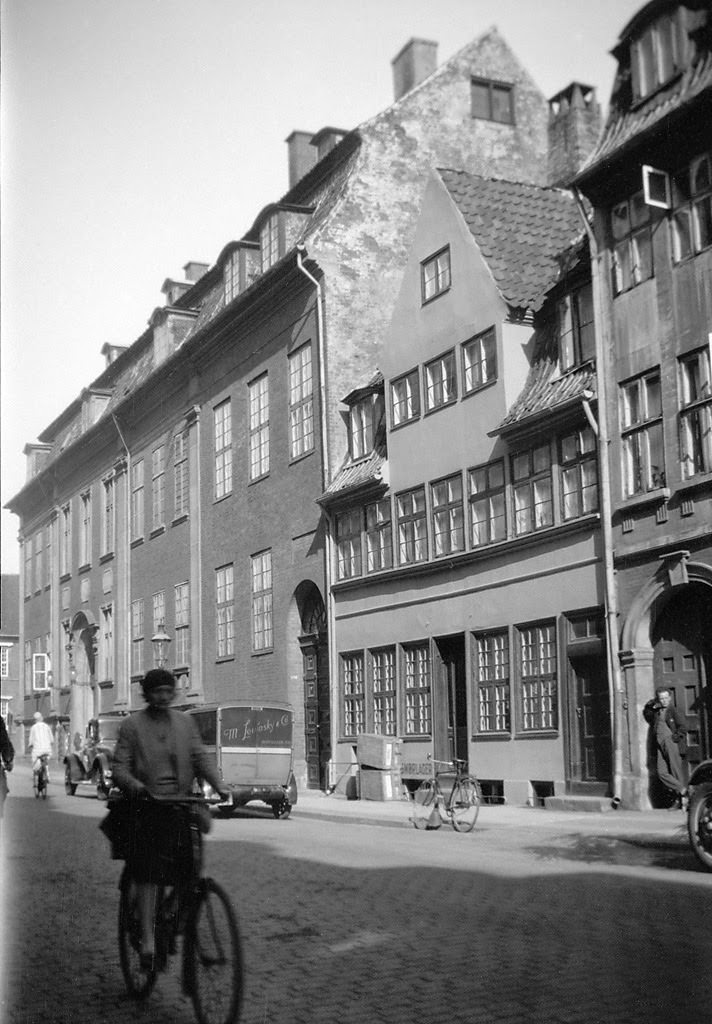
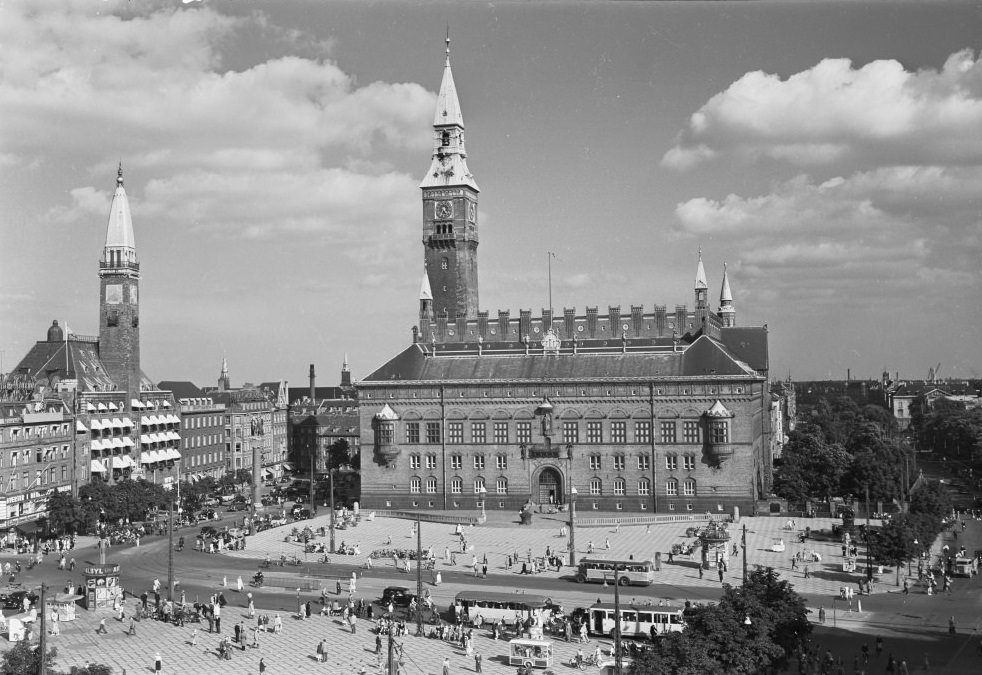
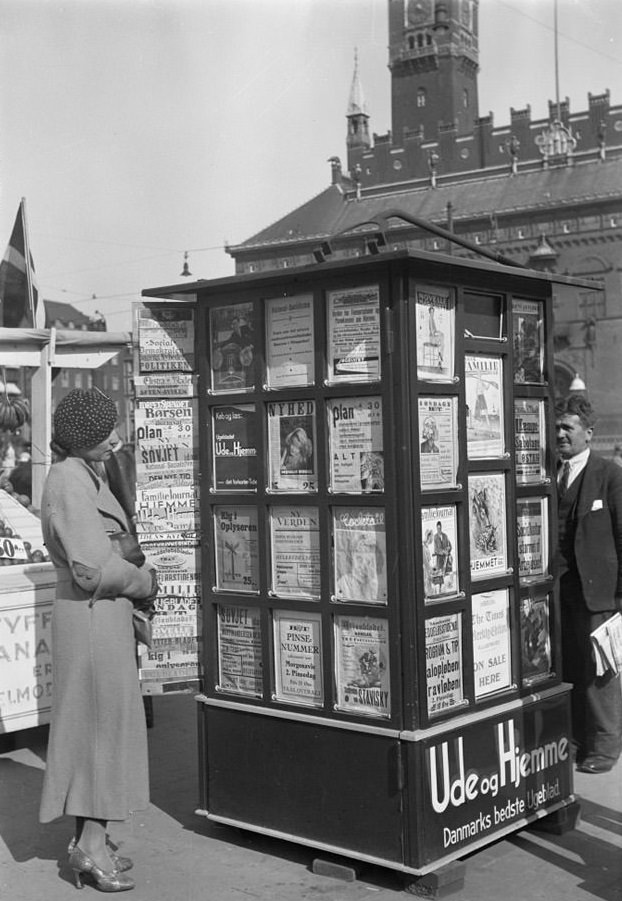
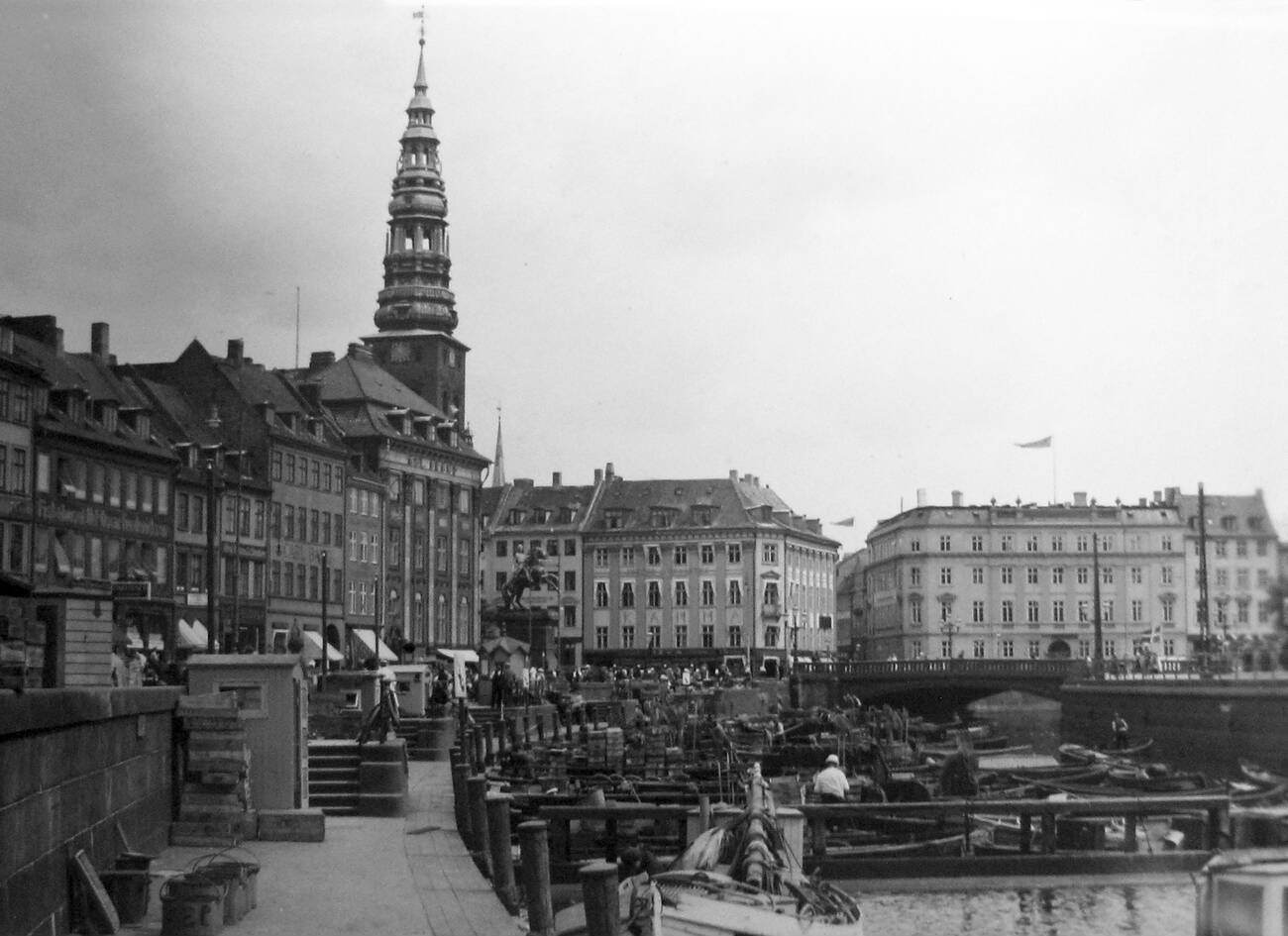
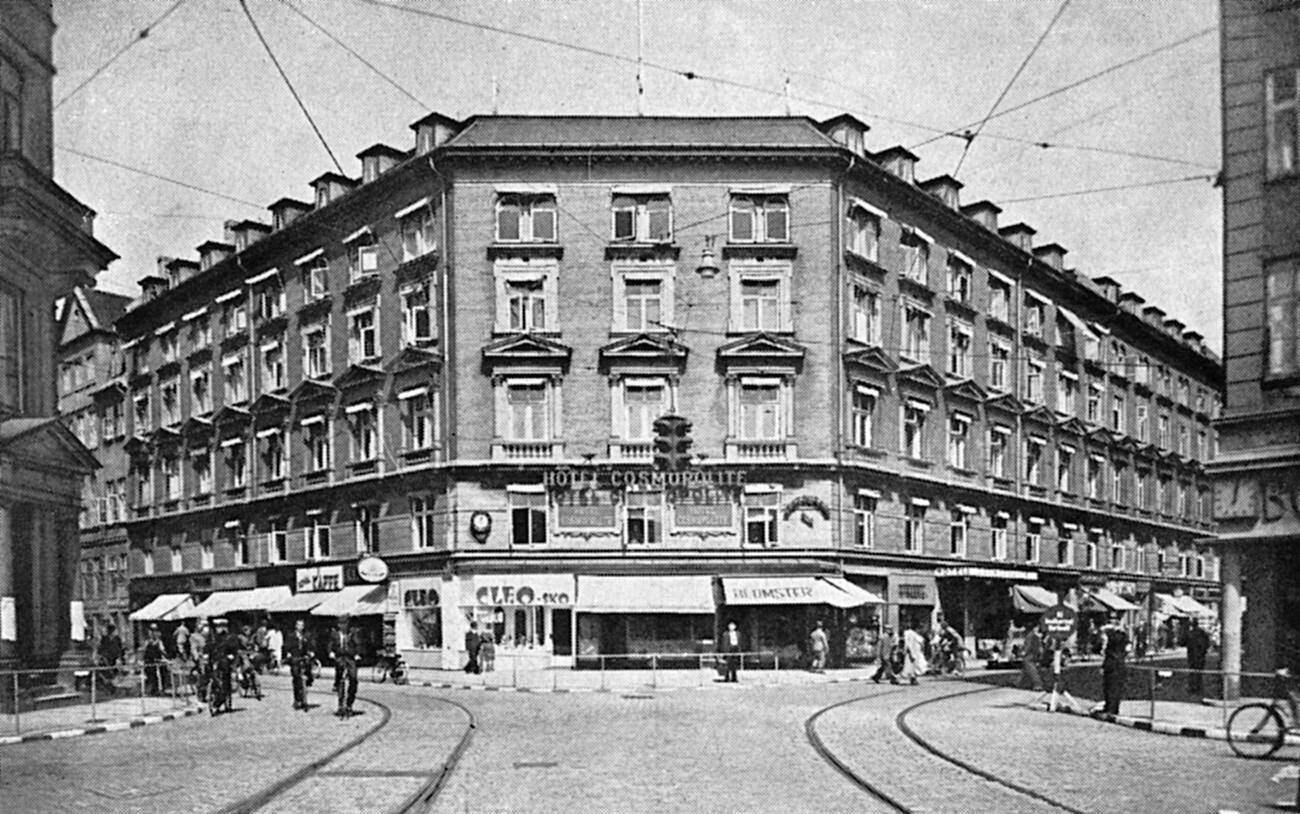
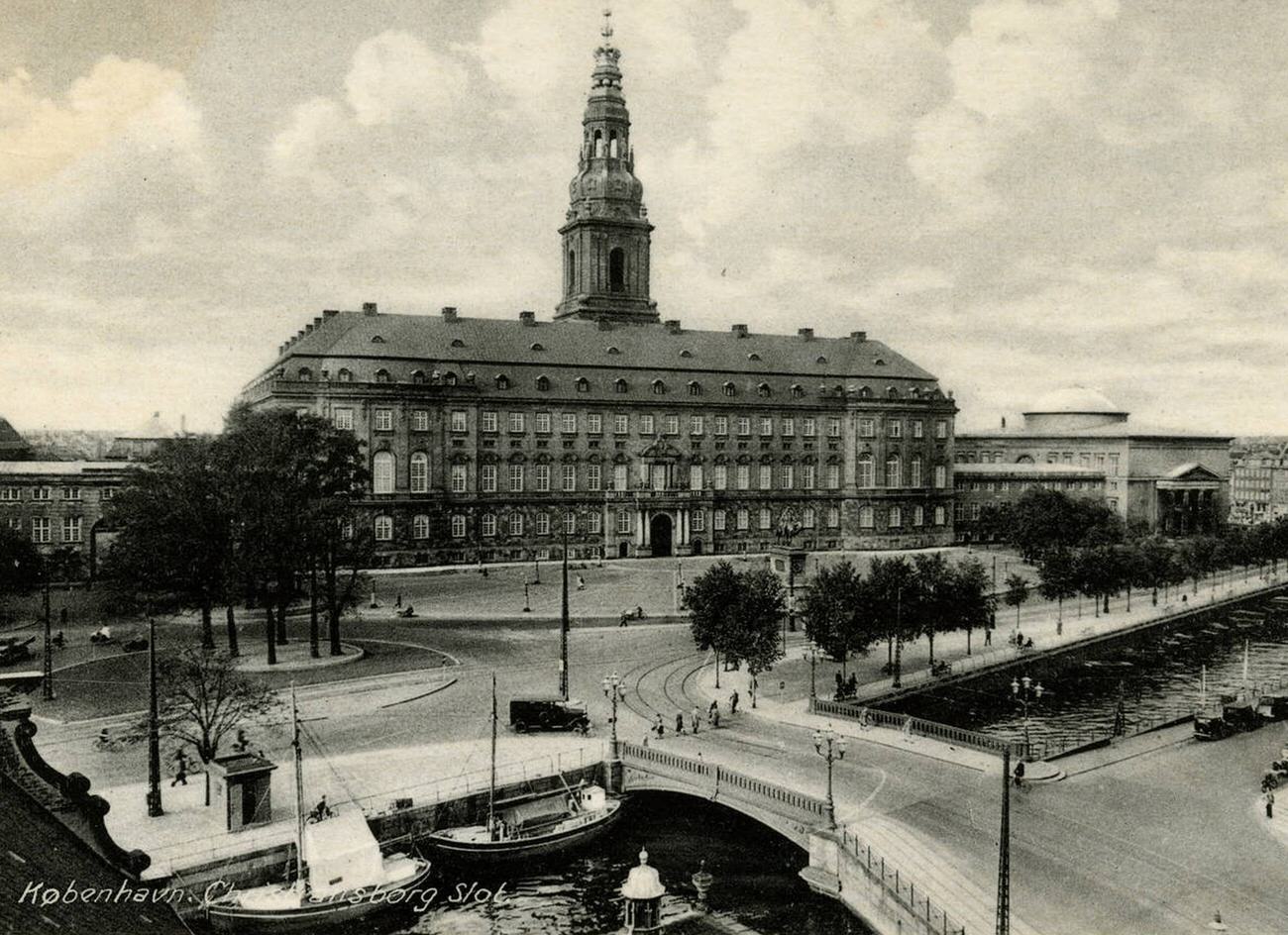
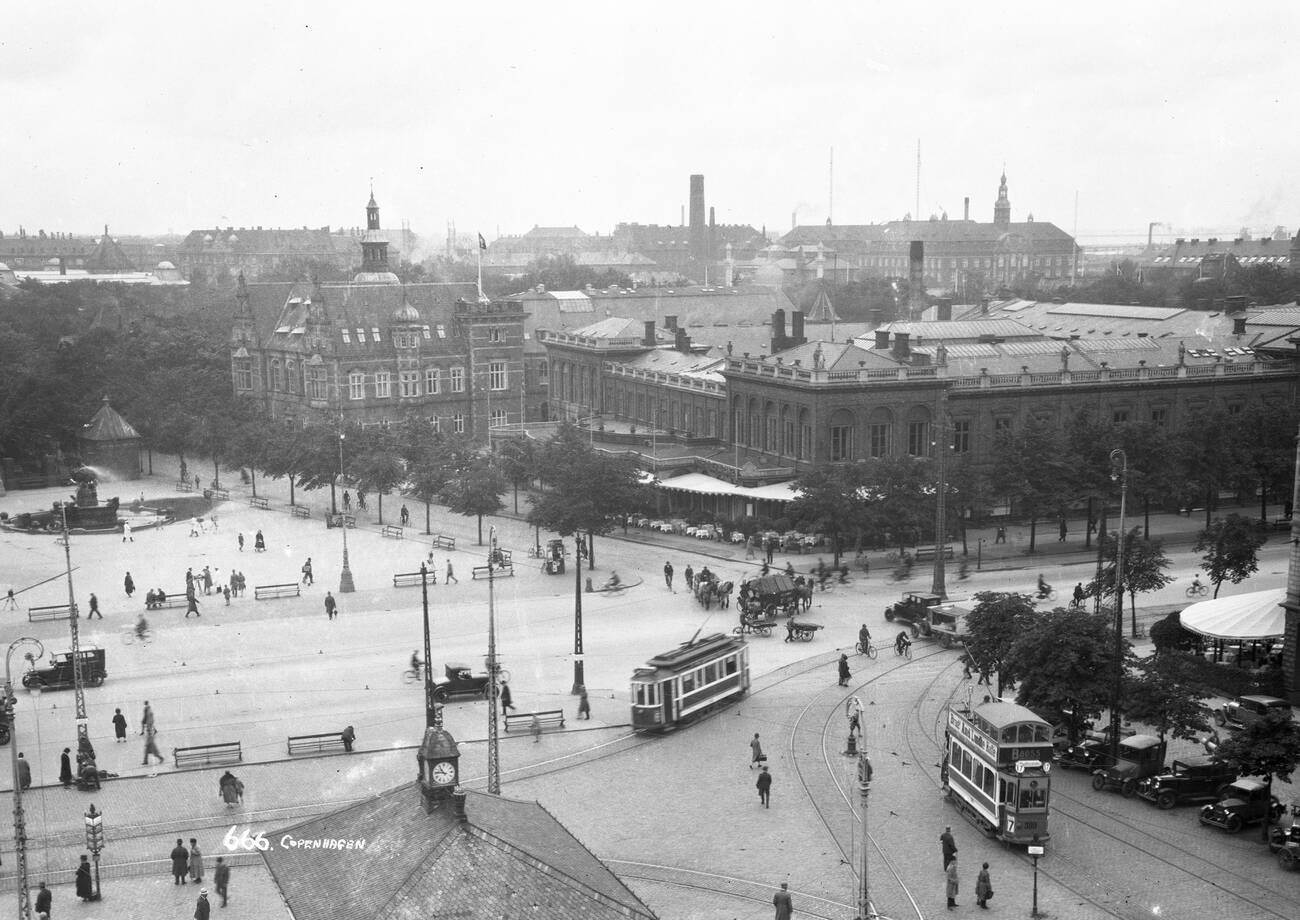
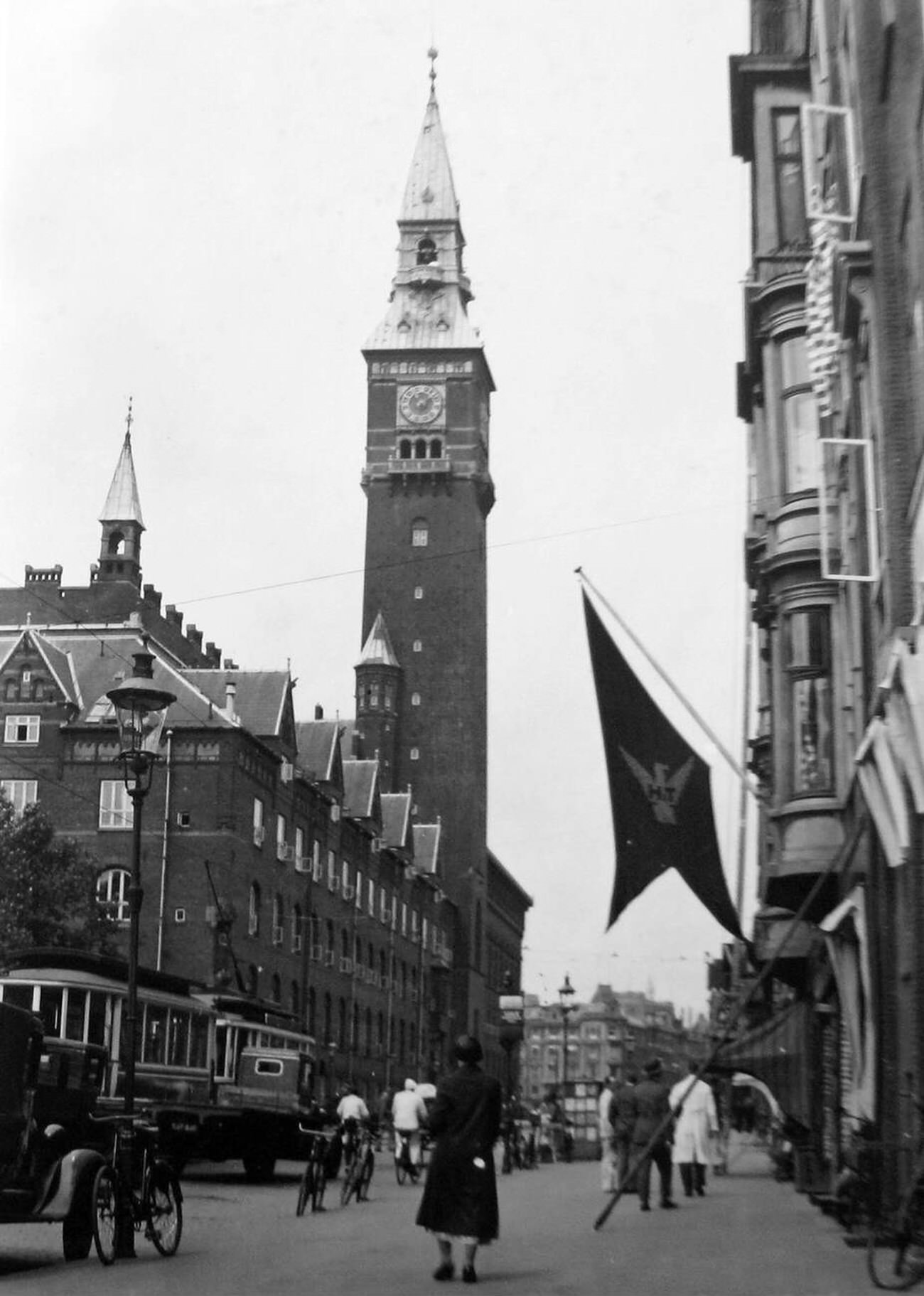
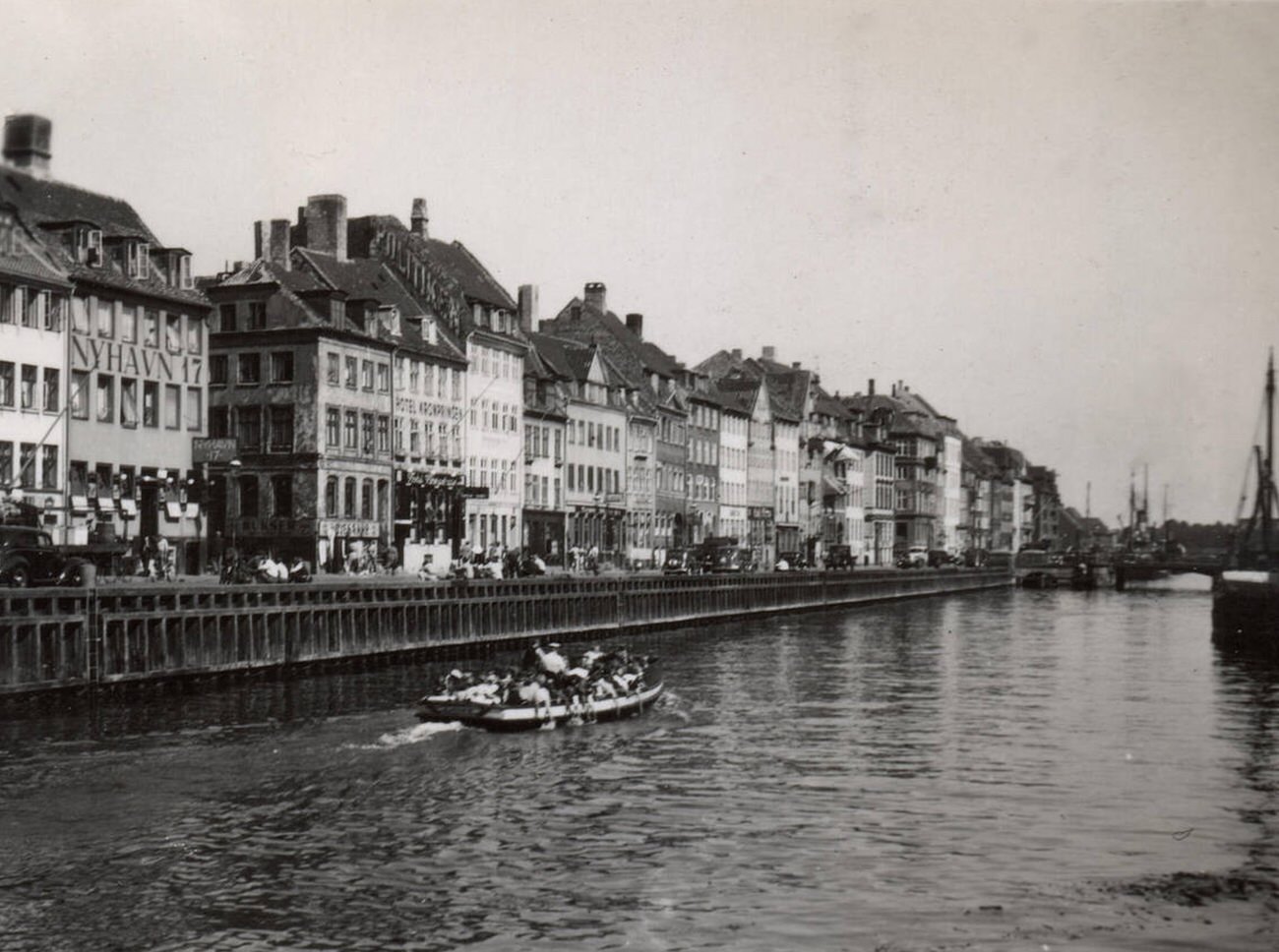
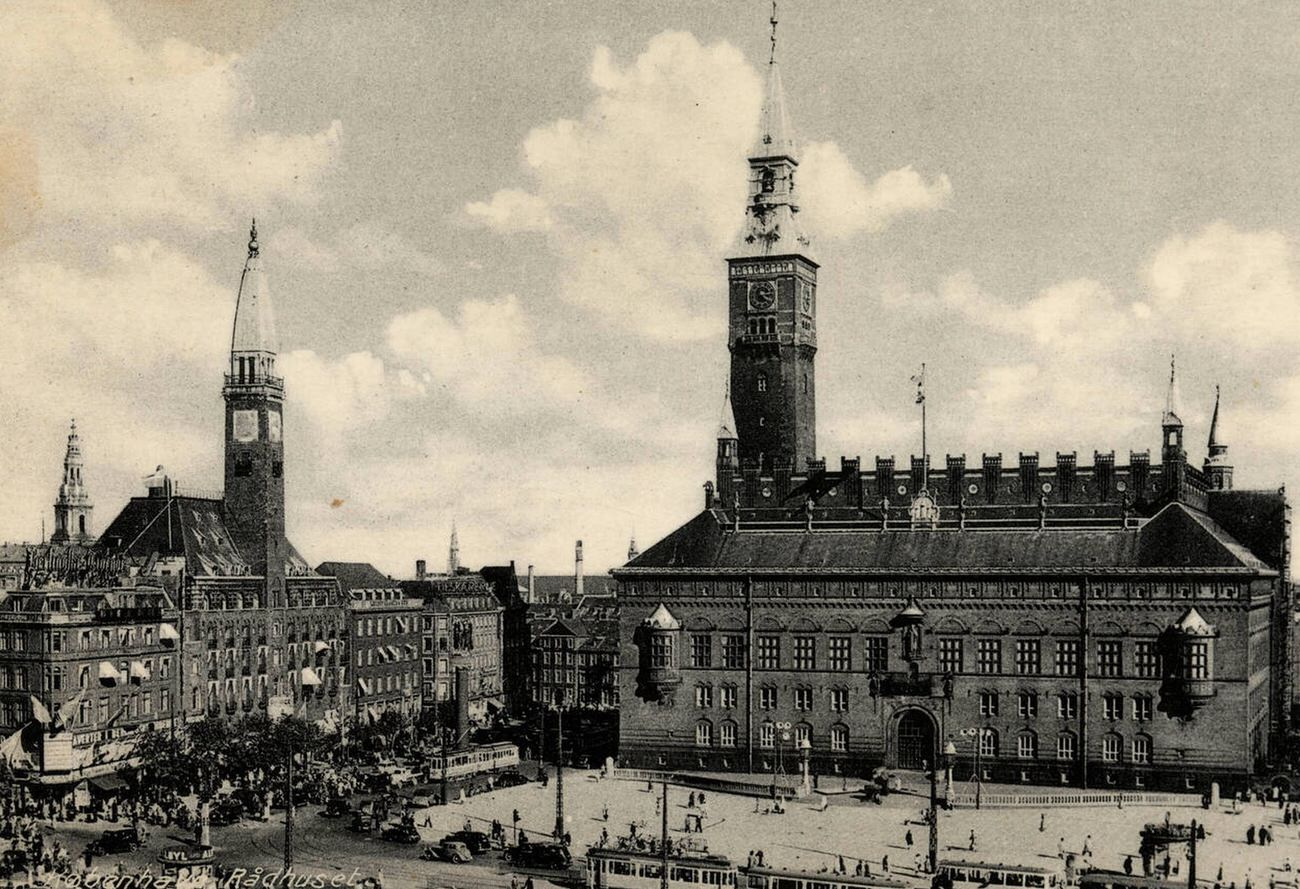
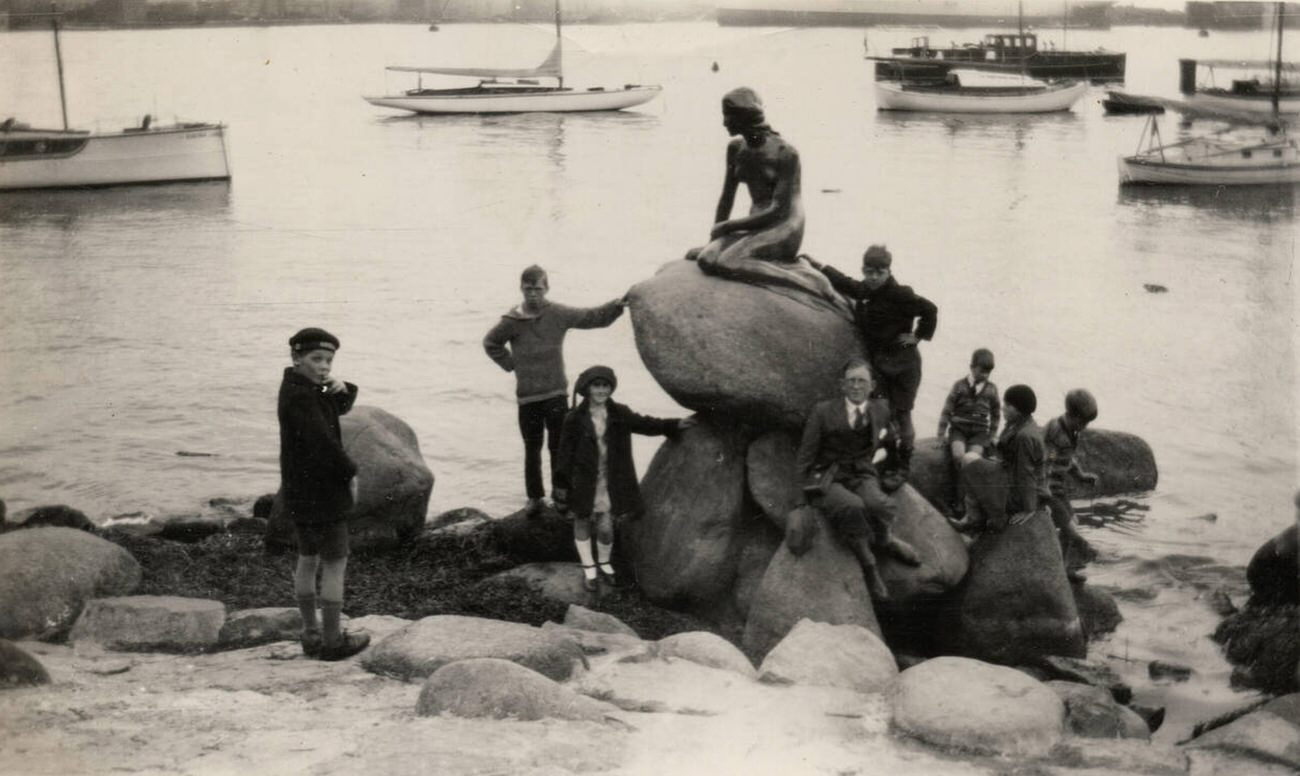
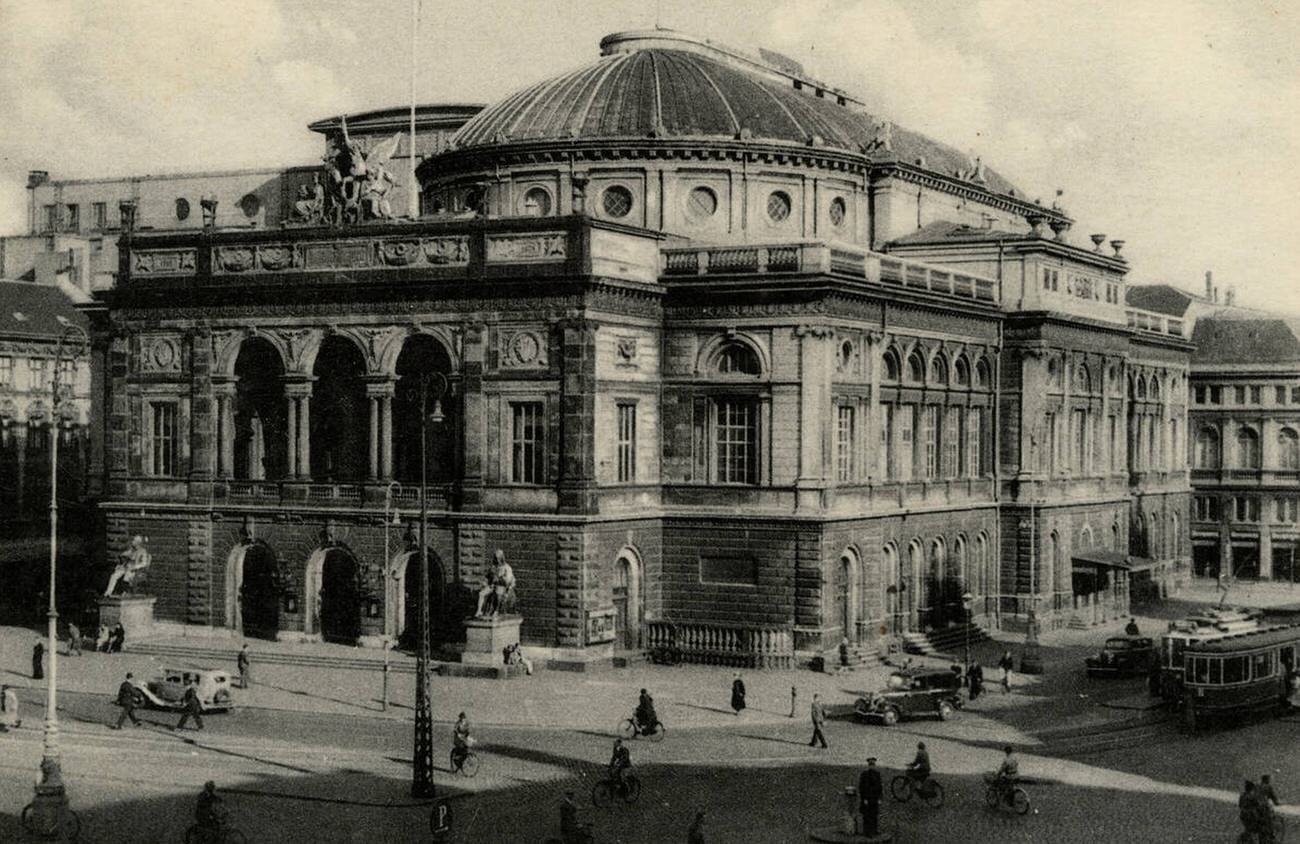
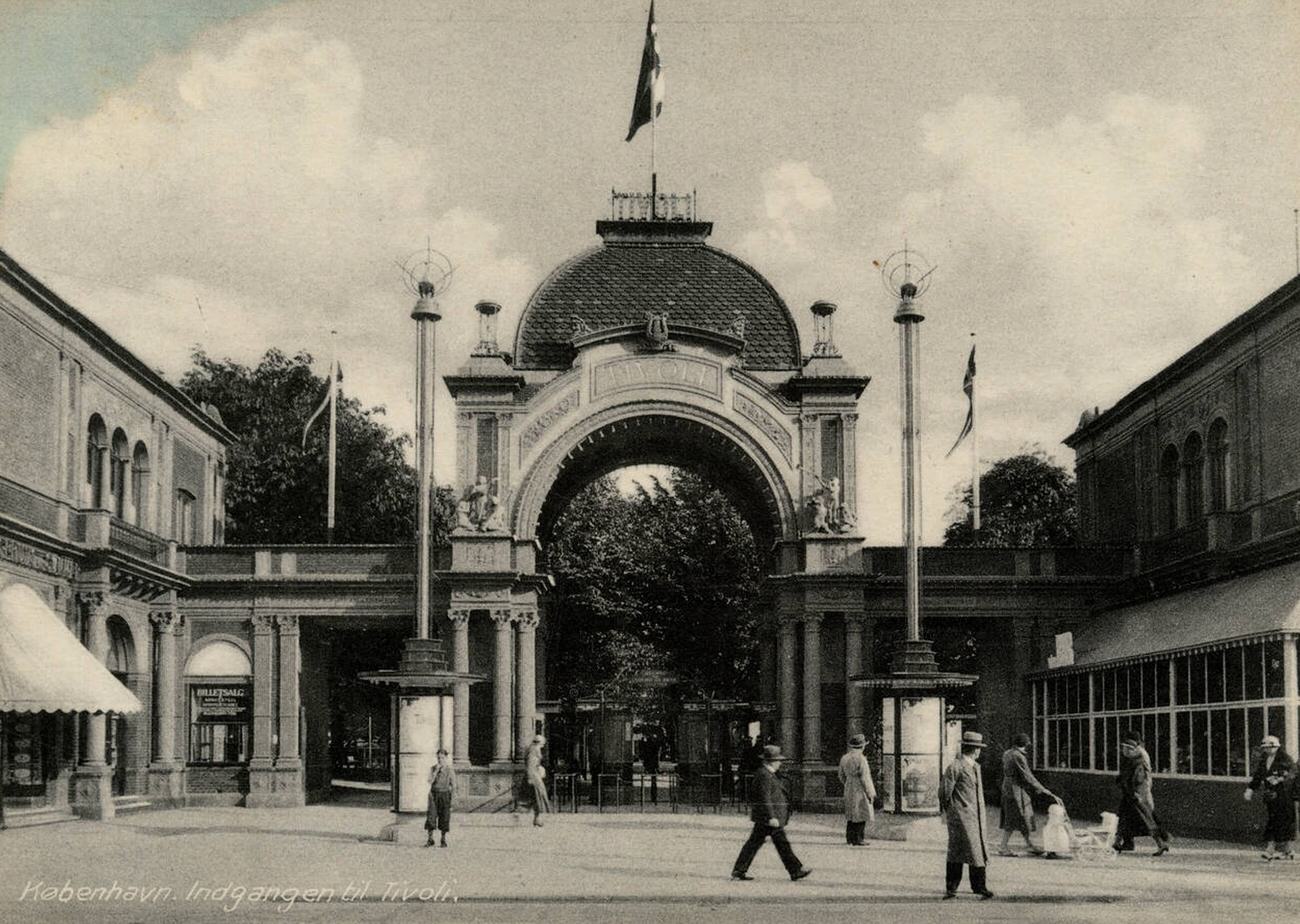
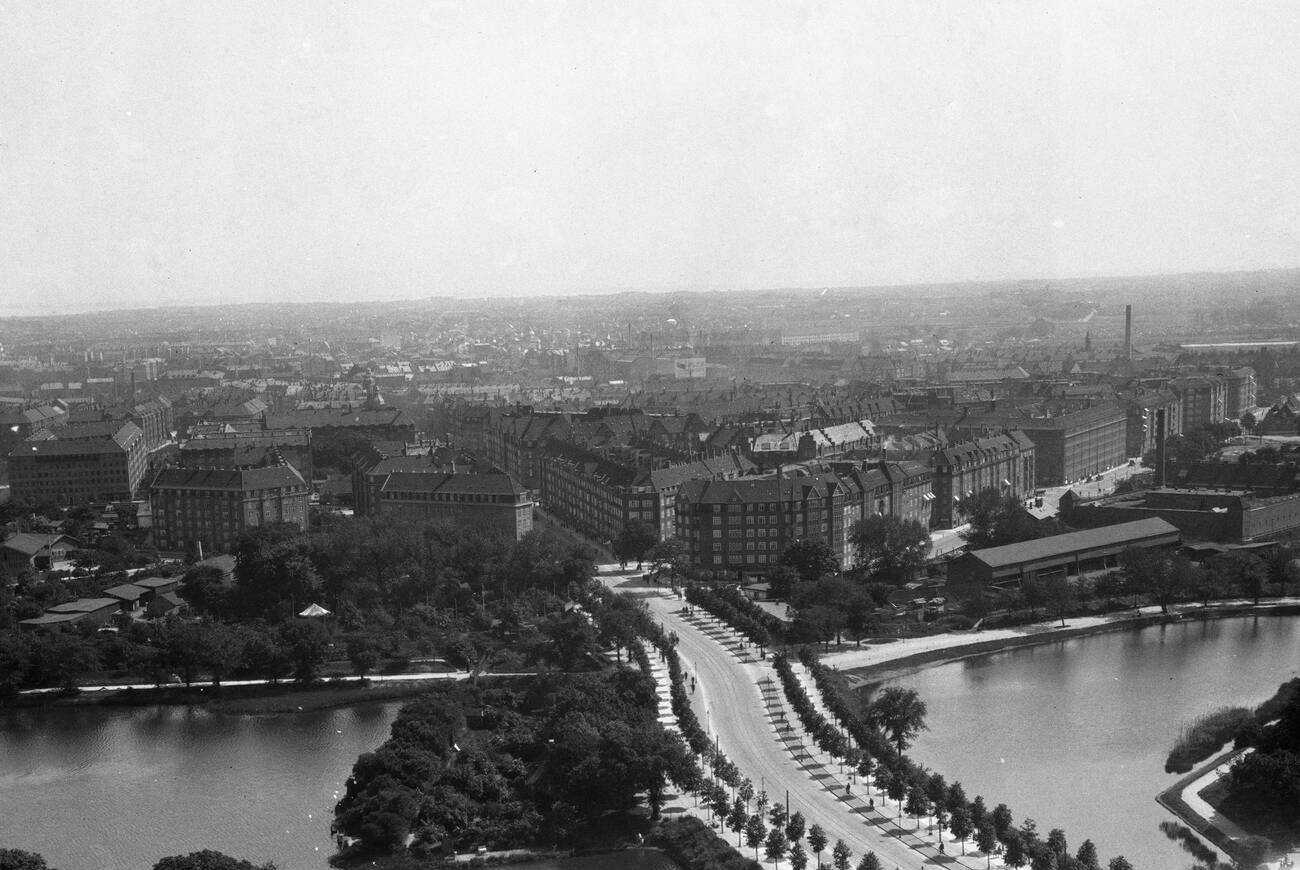
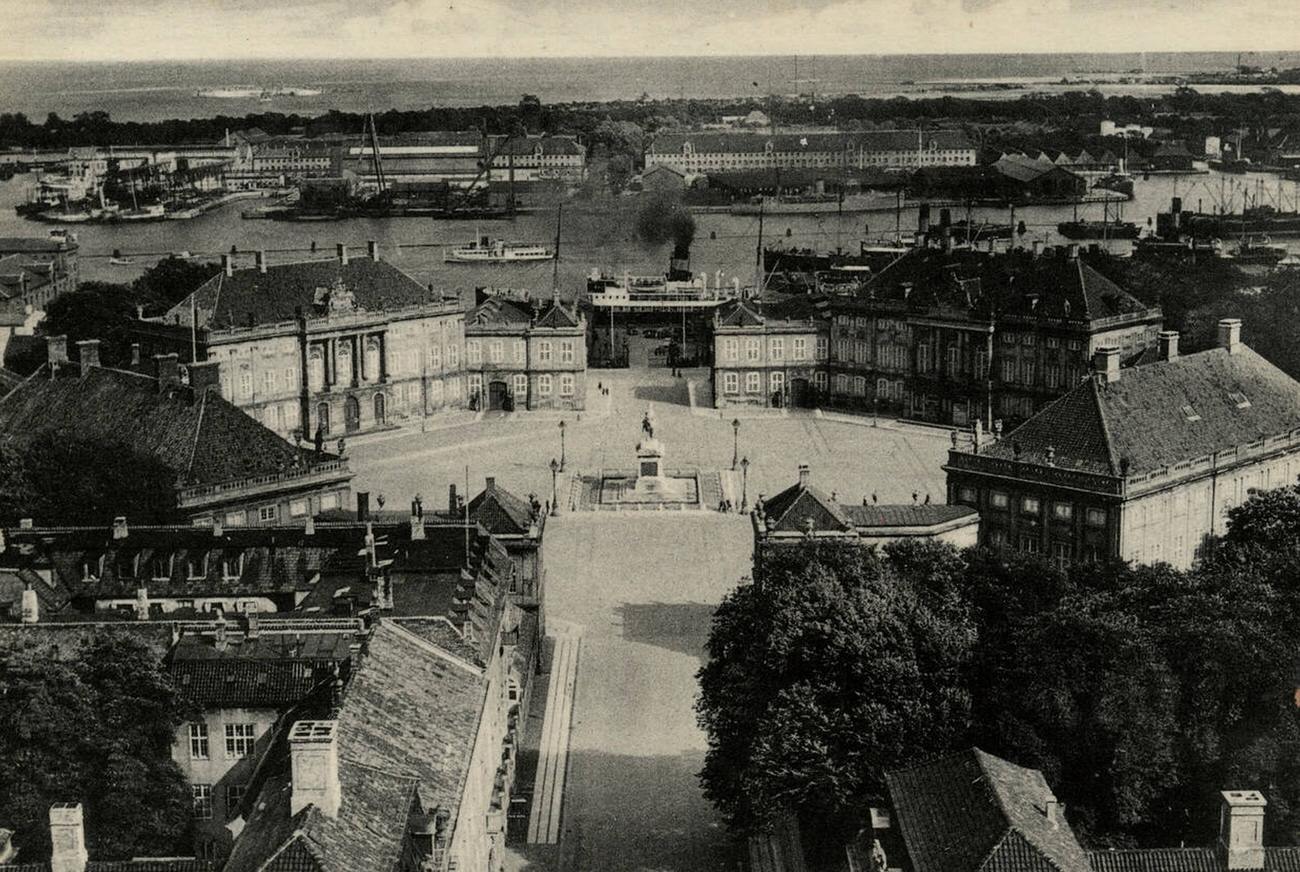
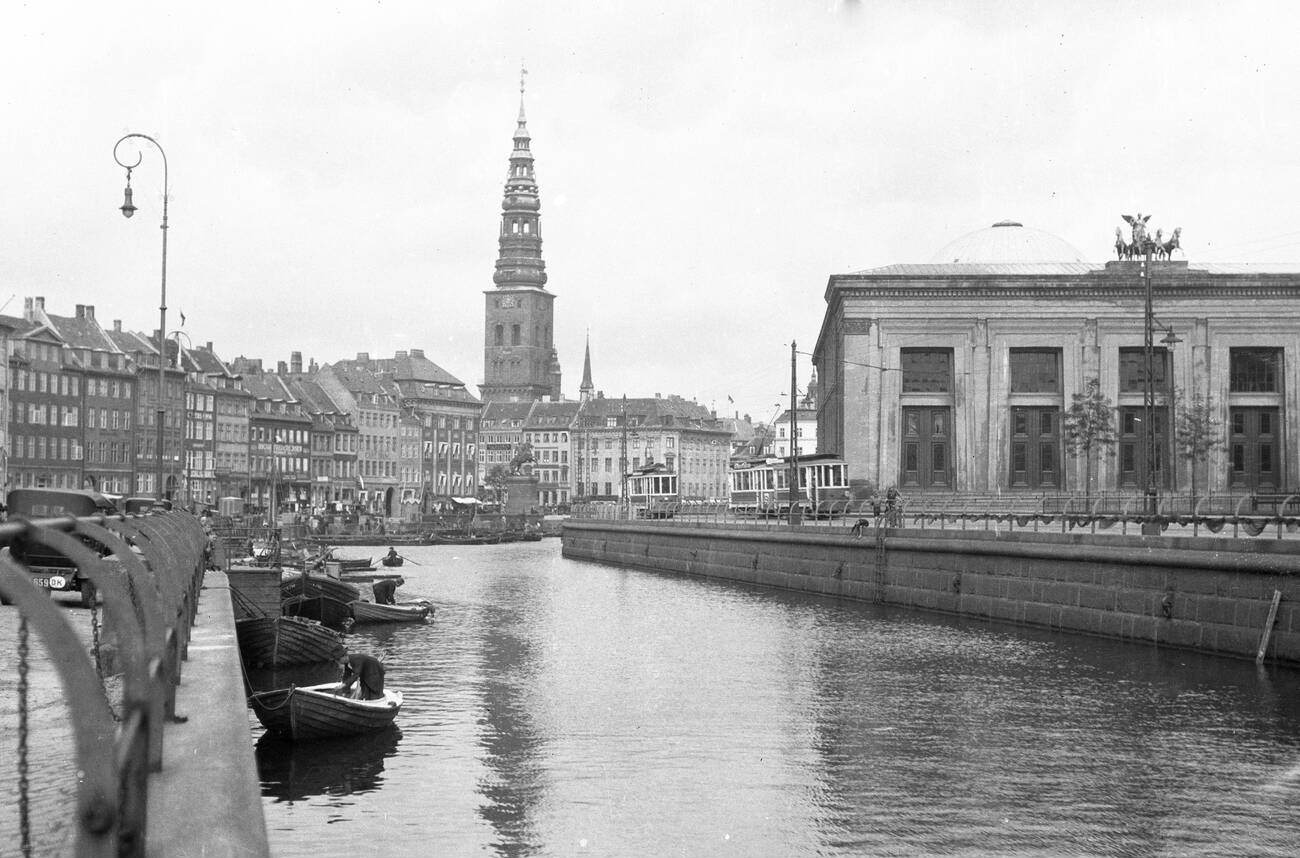
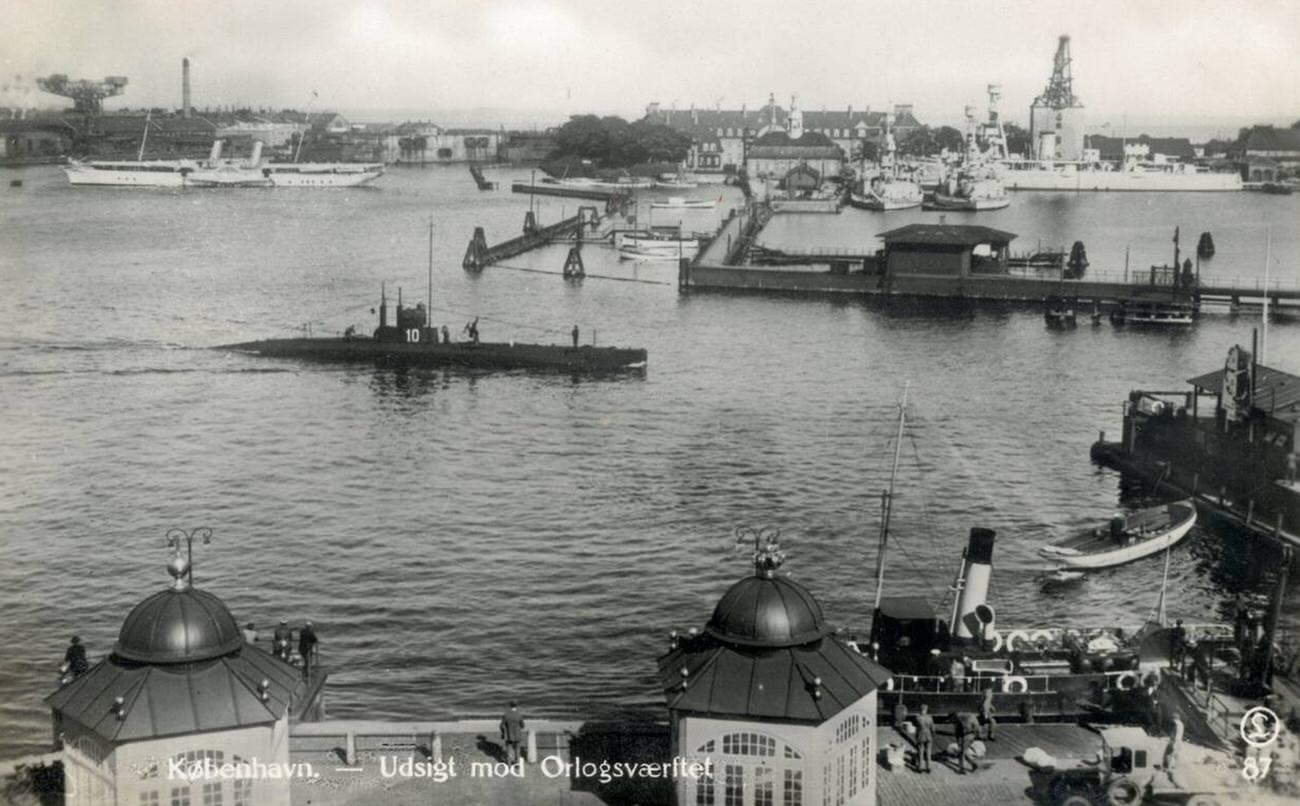
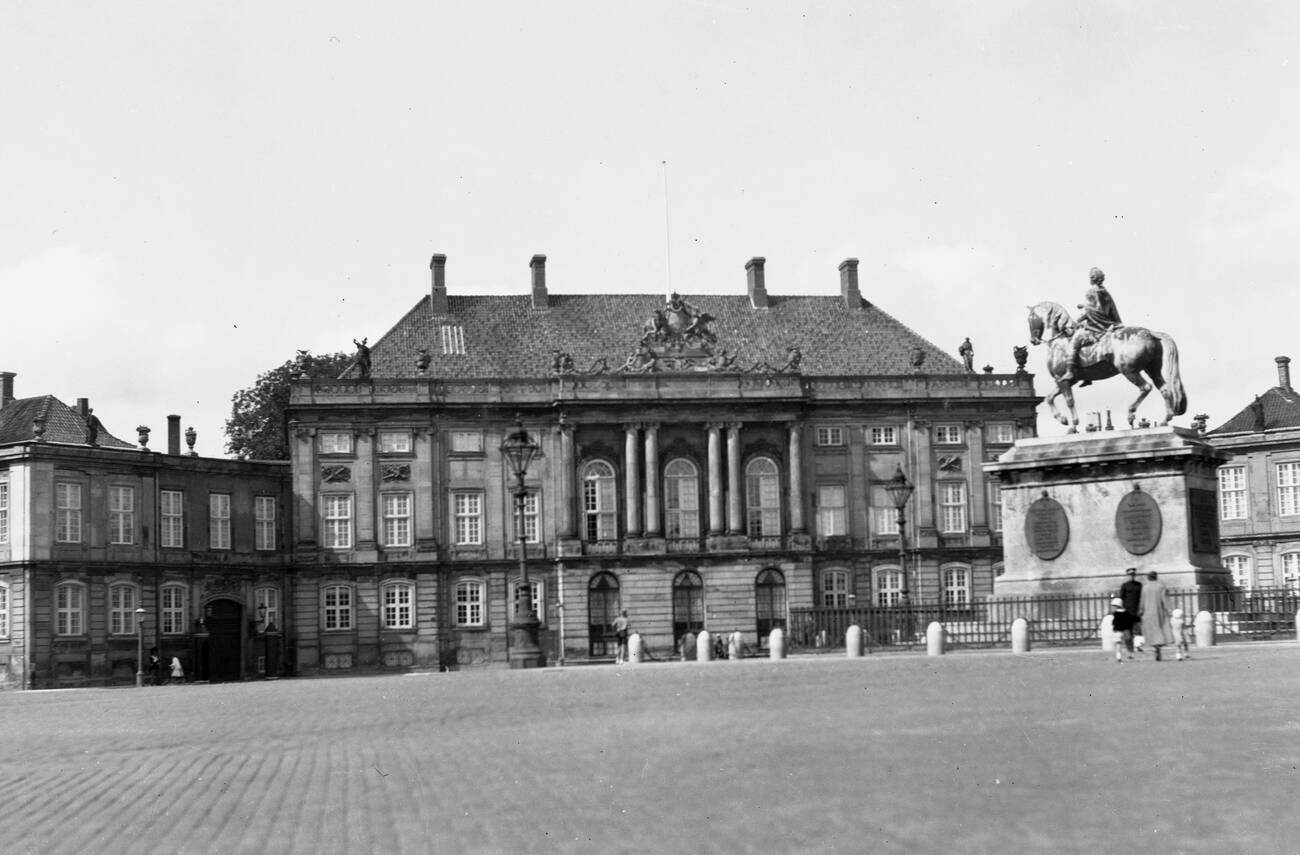
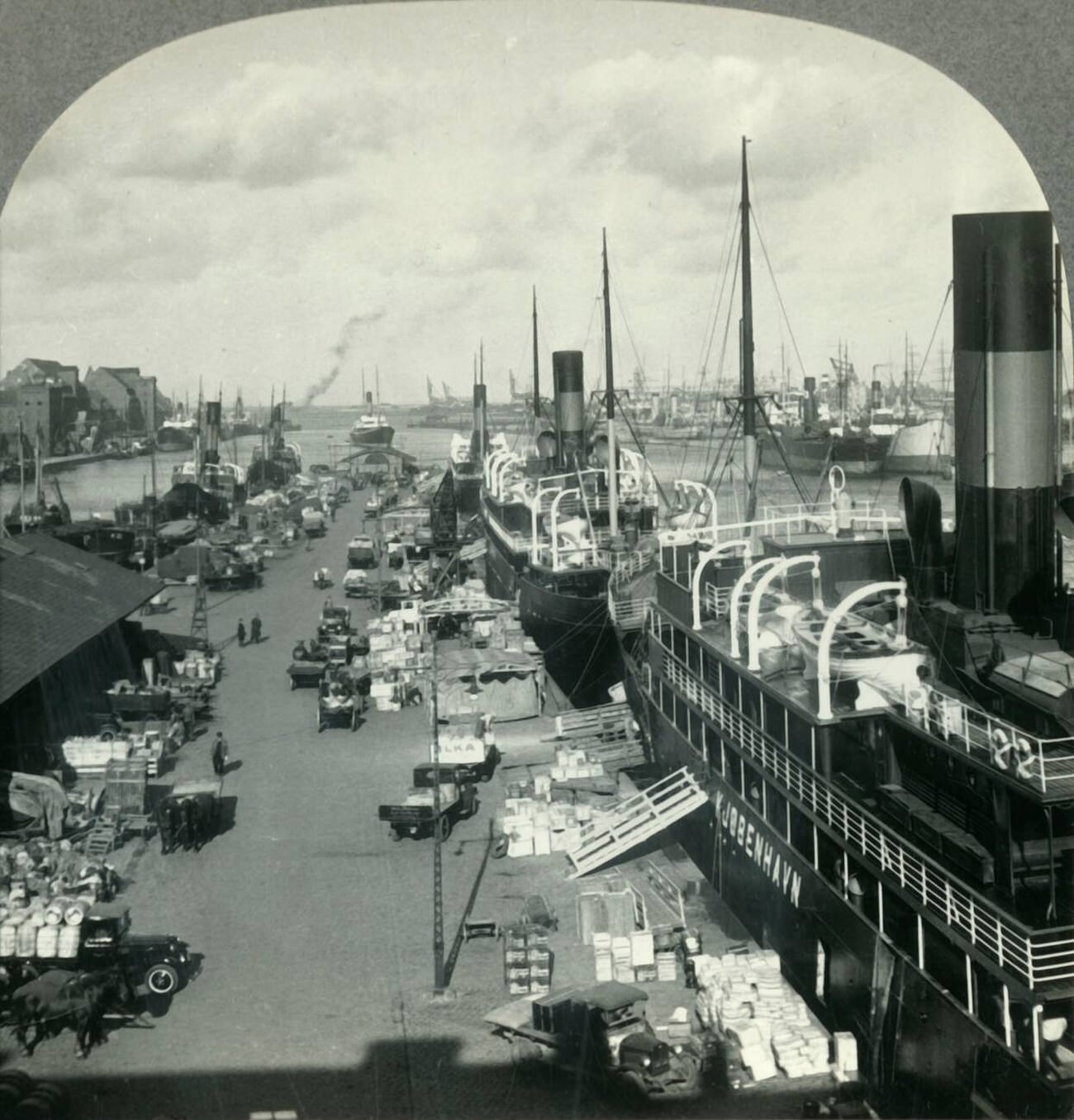
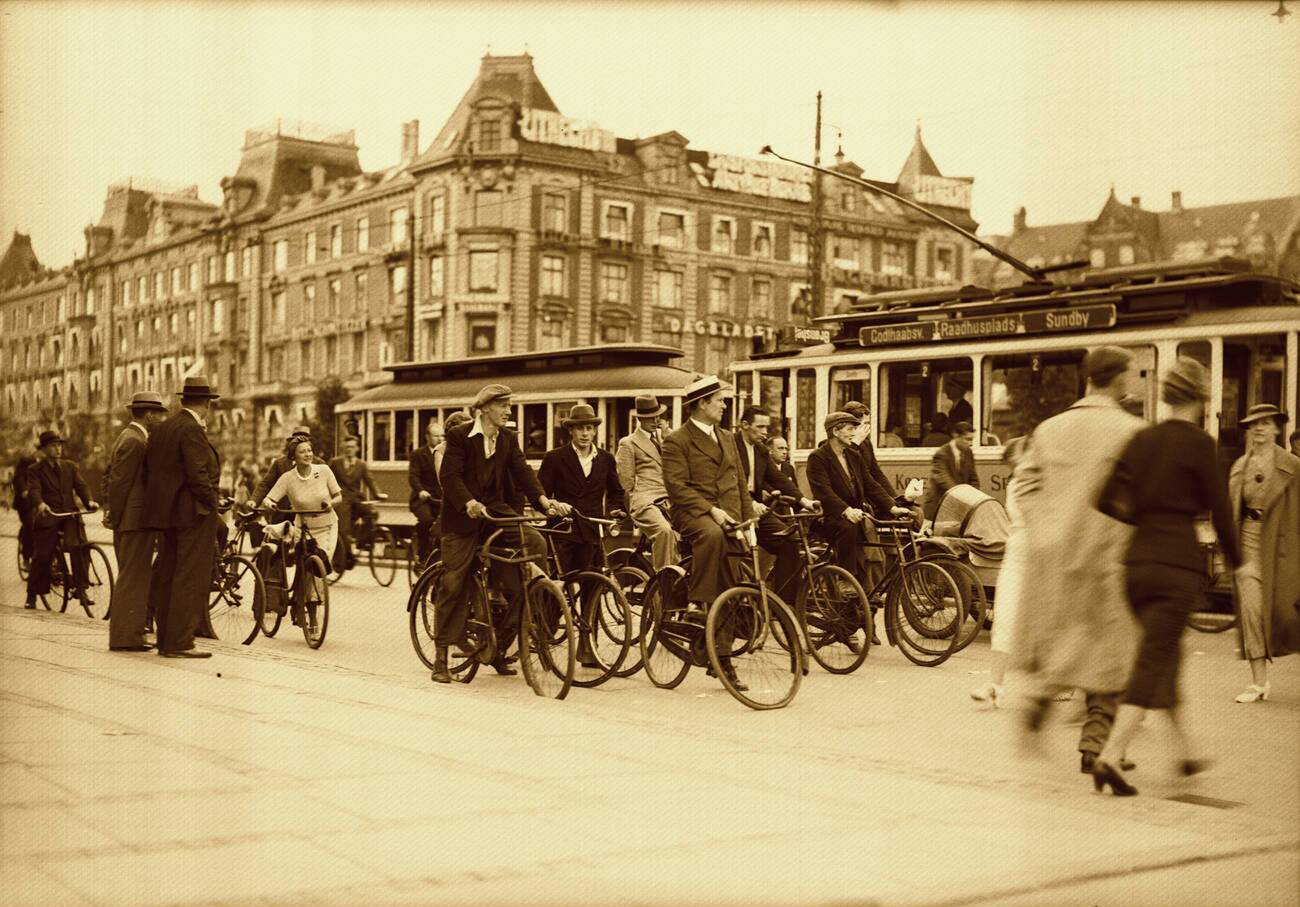
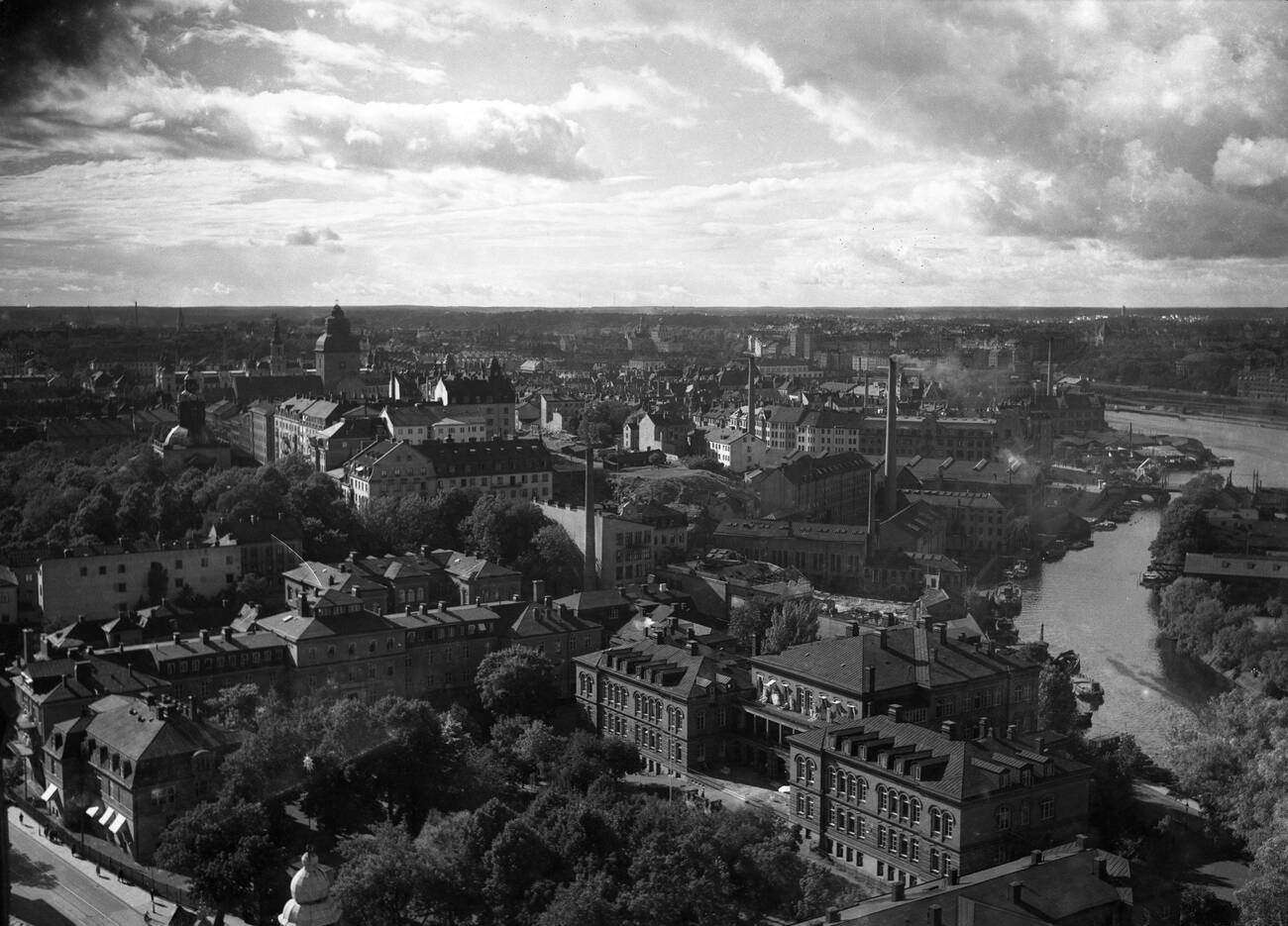
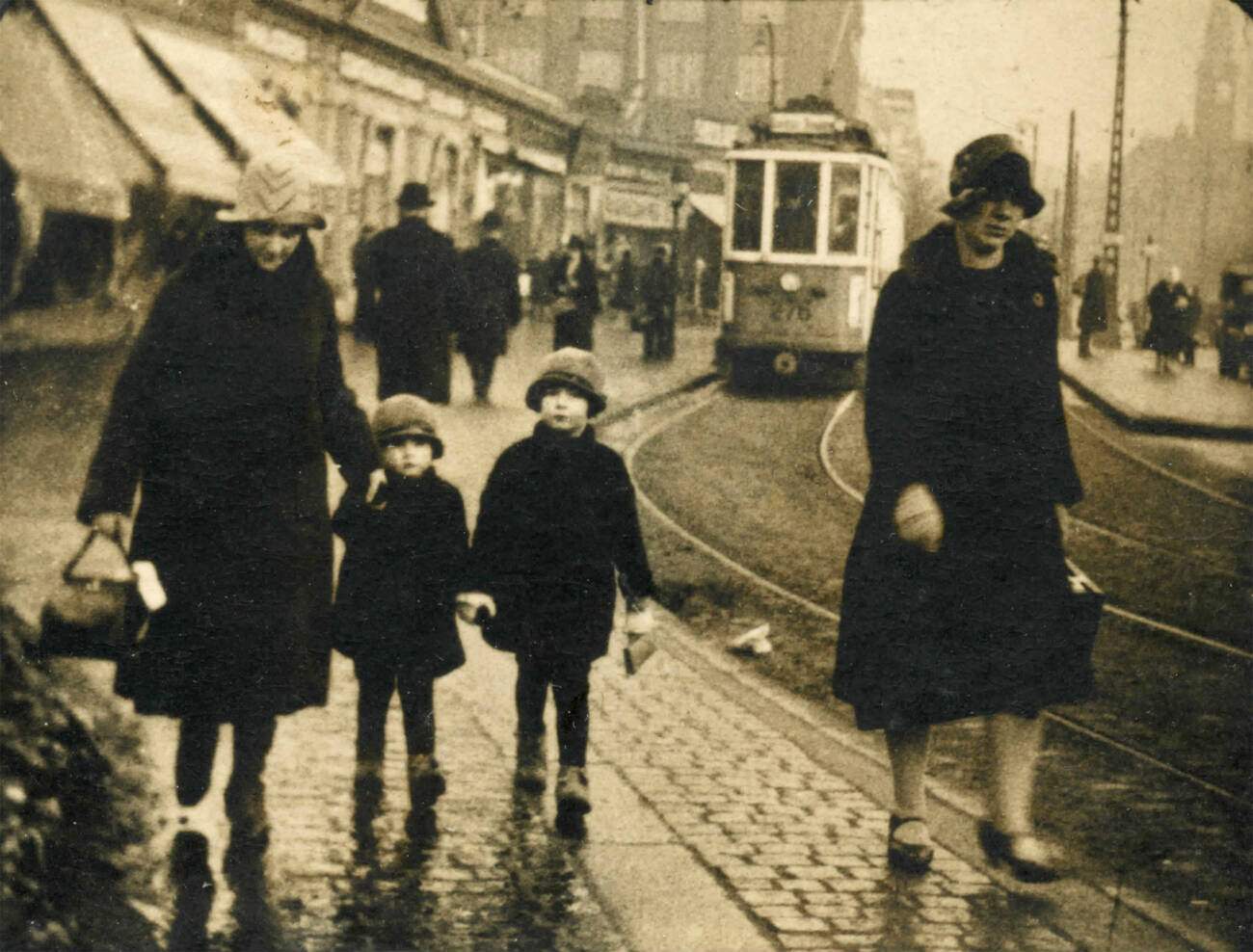
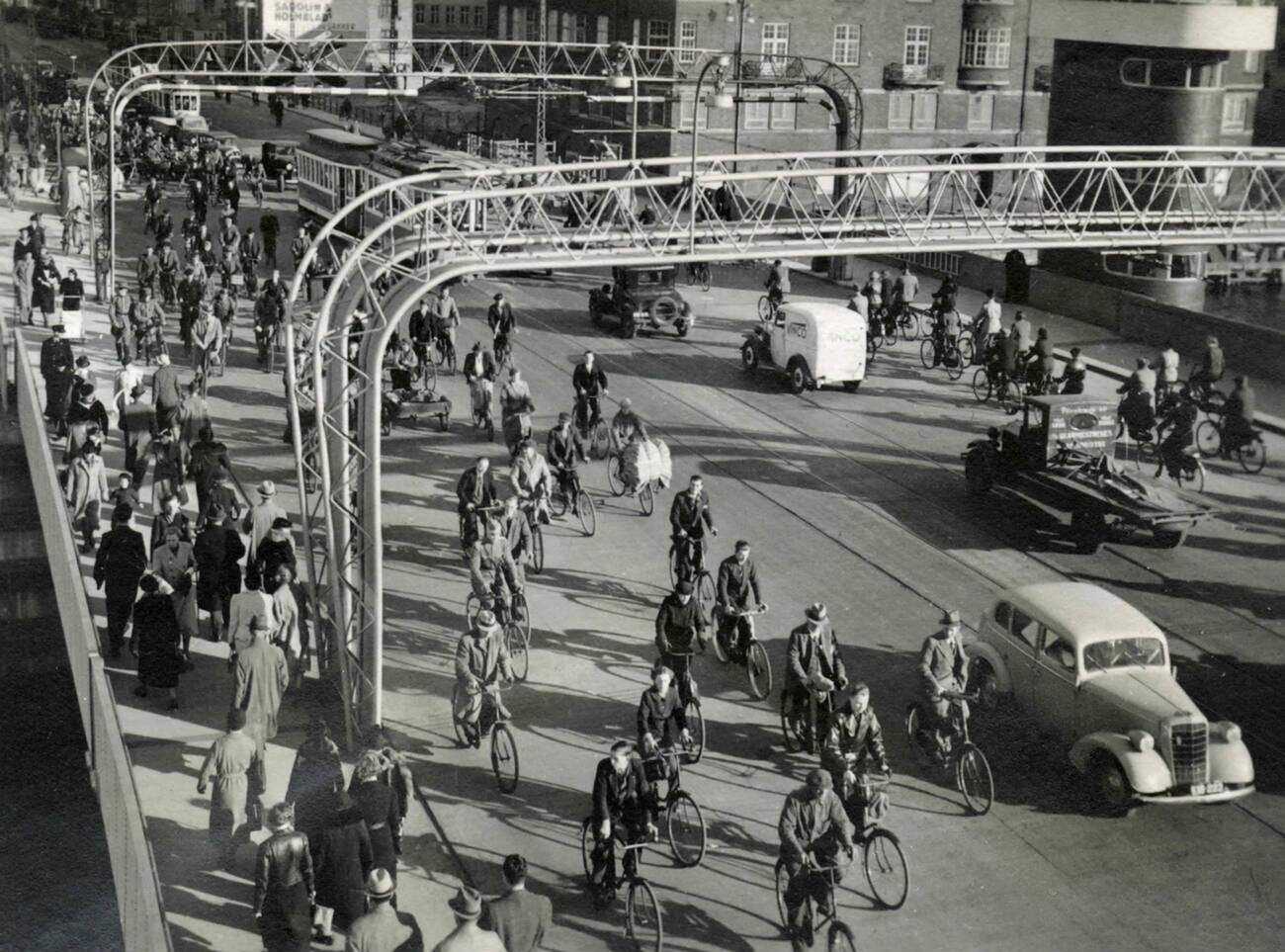
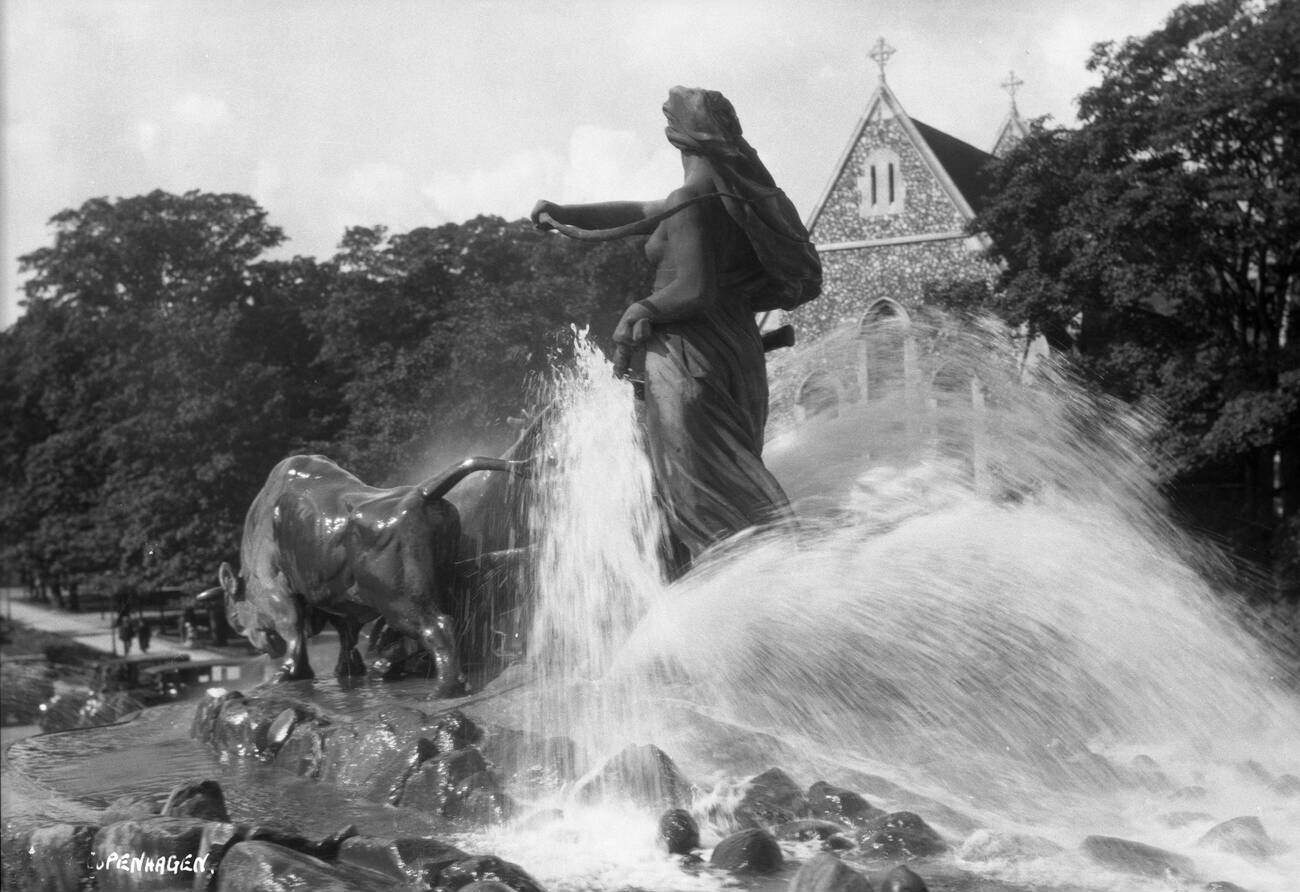
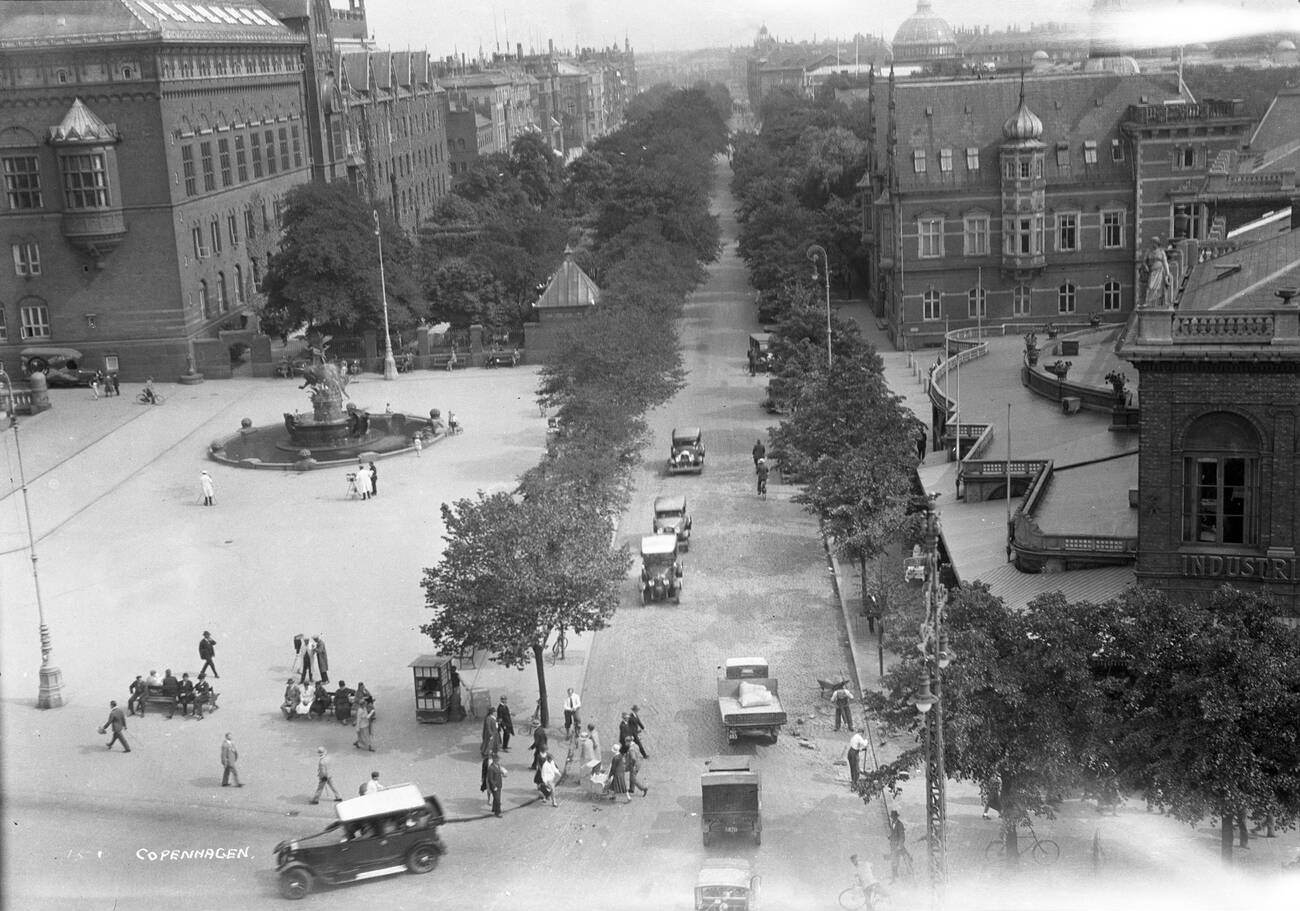
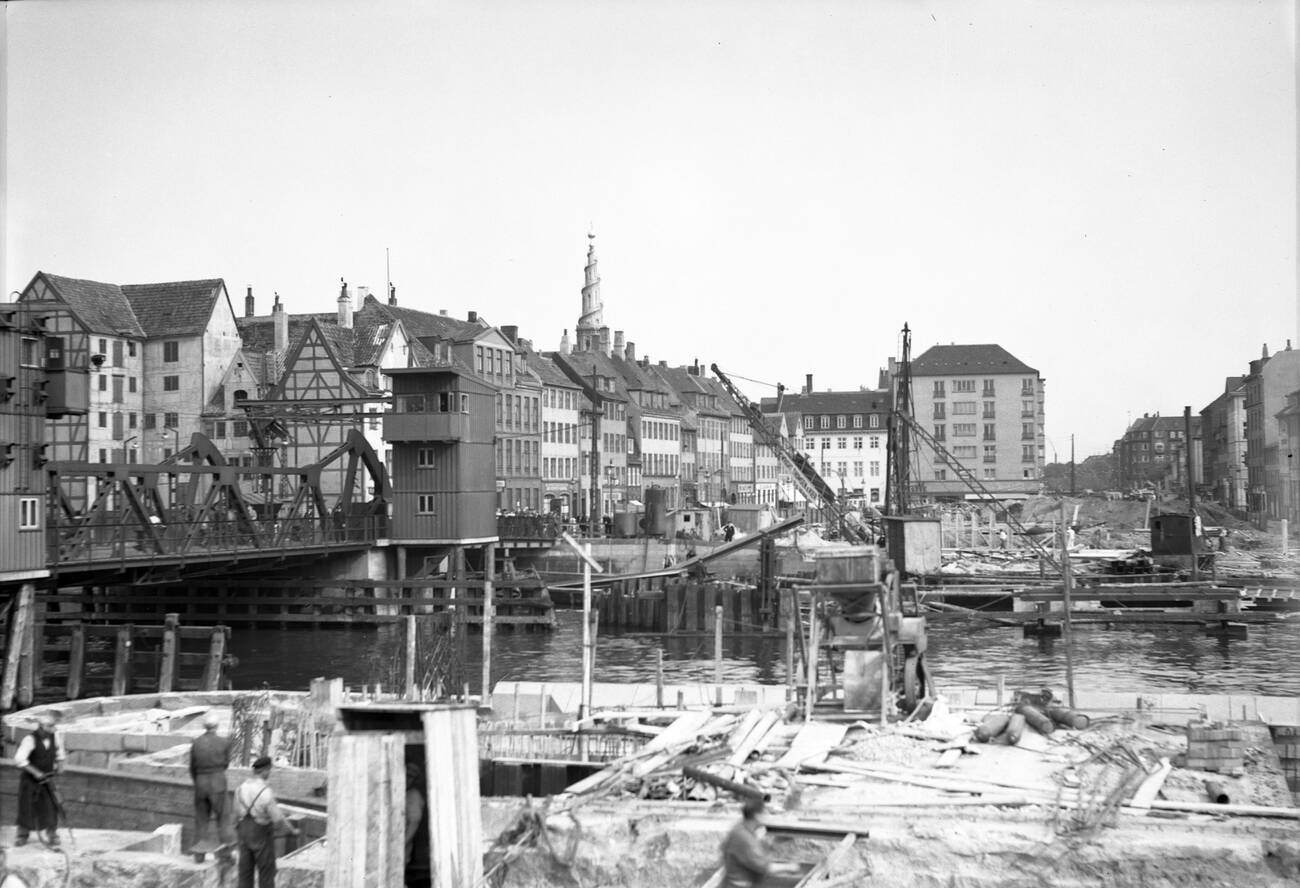
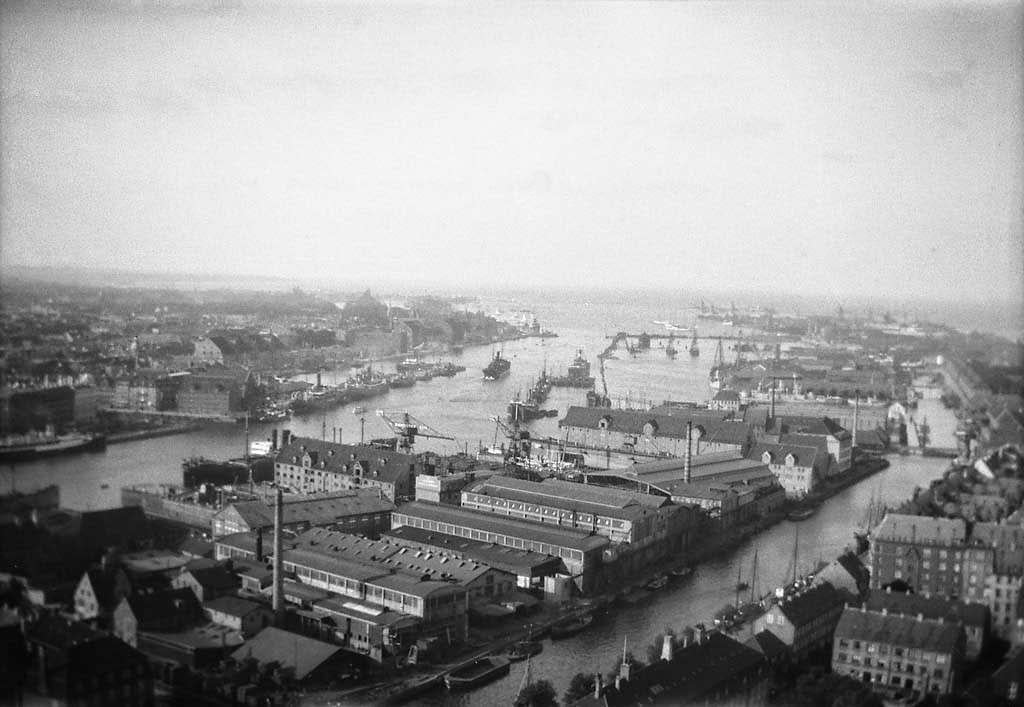
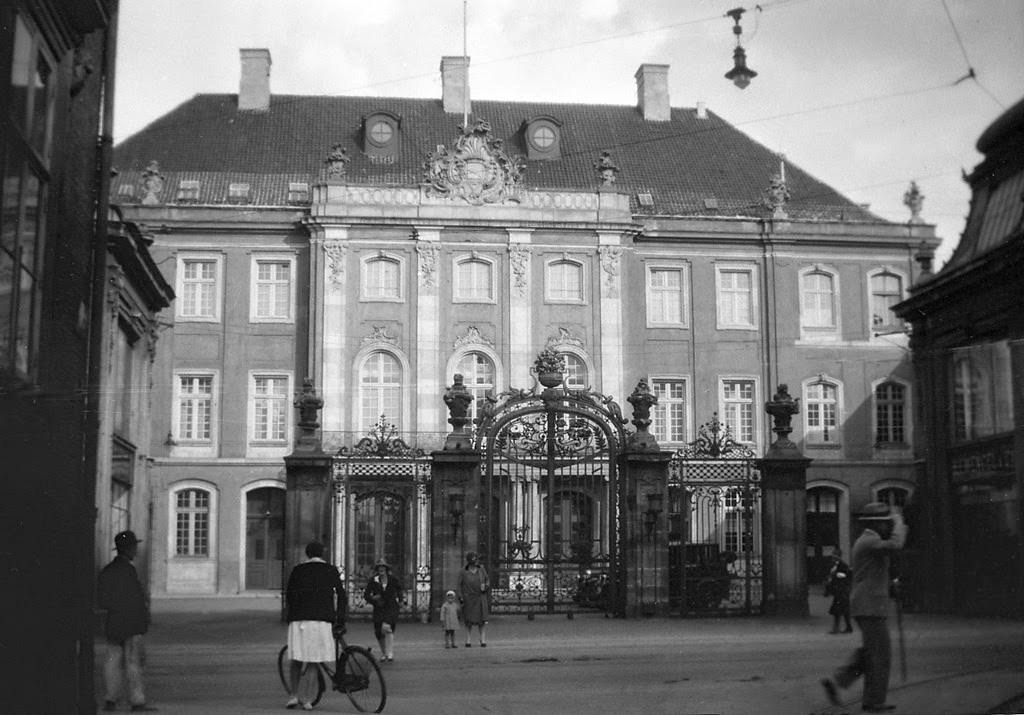
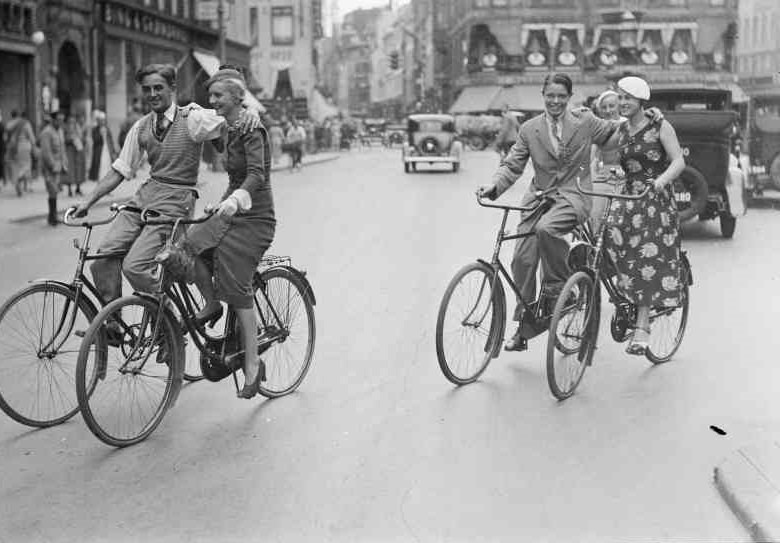
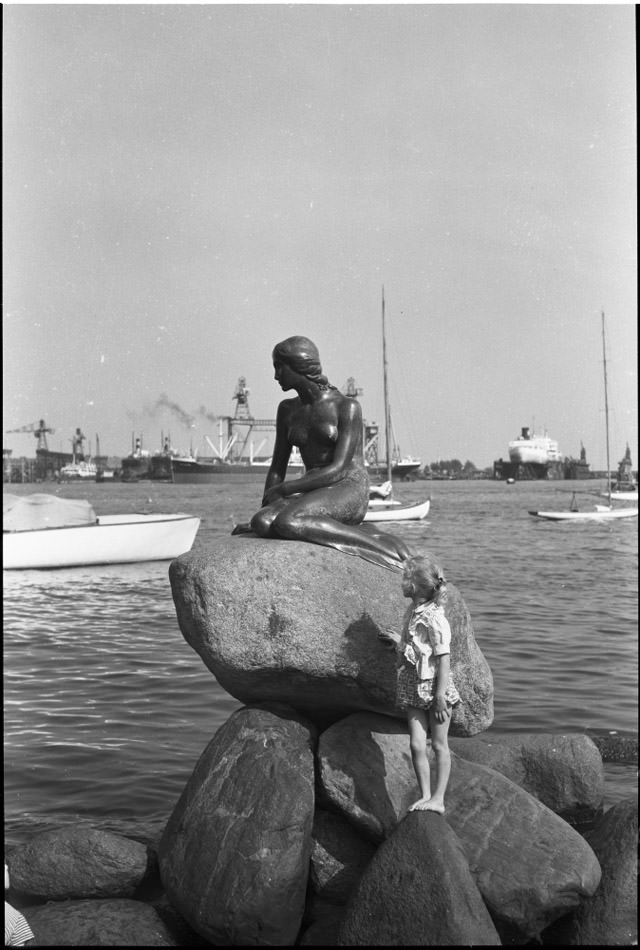
Copenhagen was the heartbeat of the nation. Its harbor handled constant maritime traffic, its squares drew crowds of shoppers and workers, and its streets were filled with cyclists weaving between trams and automobiles. The city’s landmarks — from Christiansborg Palace and the Royal Theatre to Tivoli Gardens and the iconic Little Mermaid statue — remained central to public life and national identity.
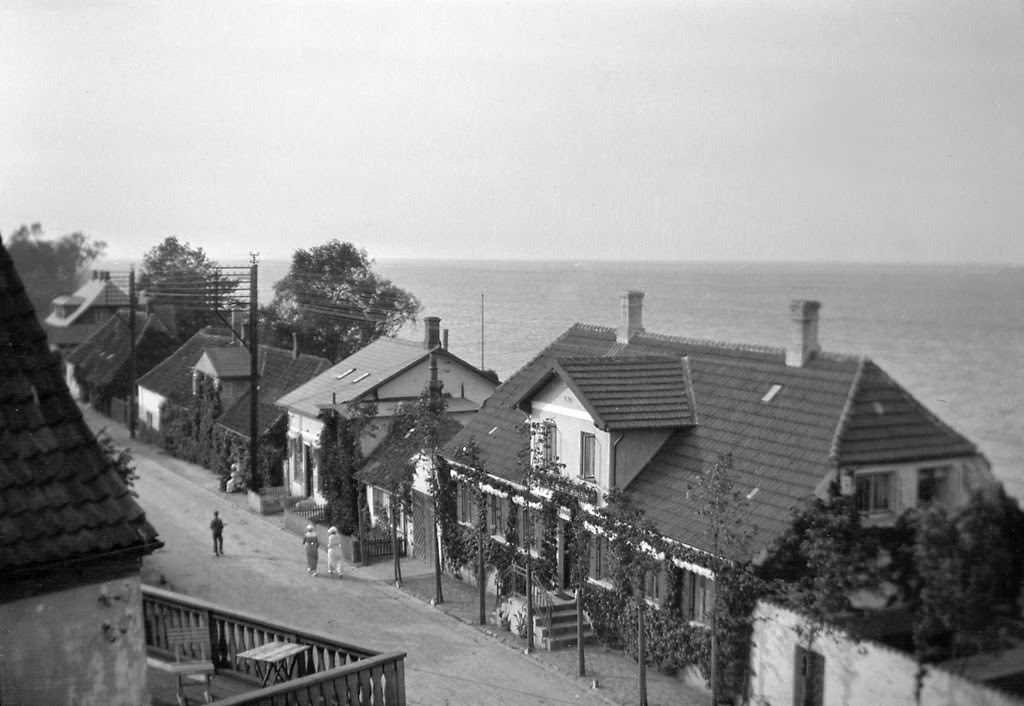
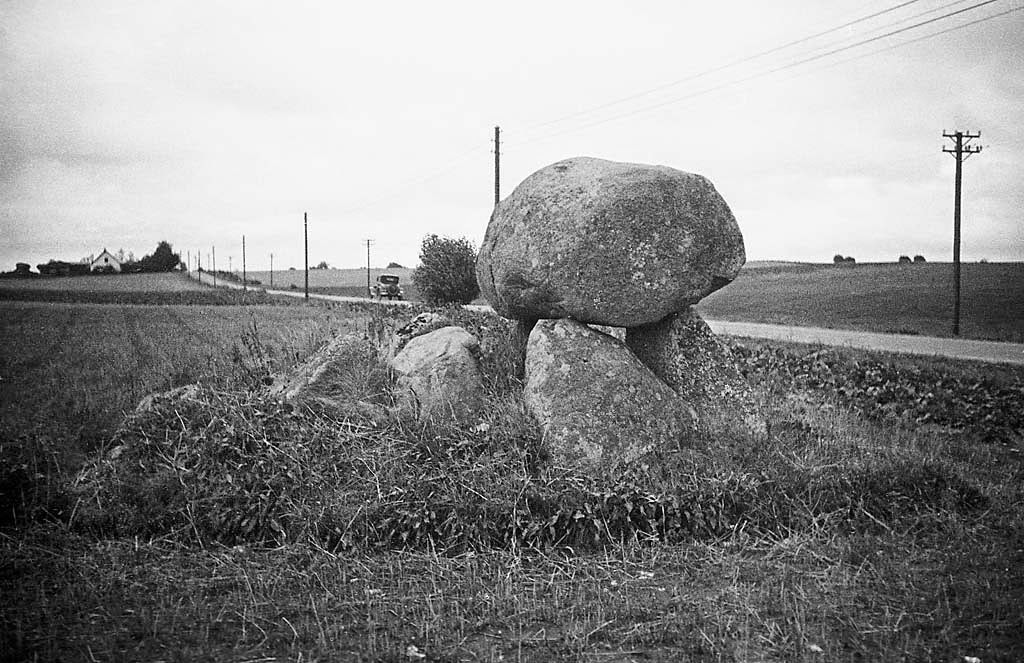
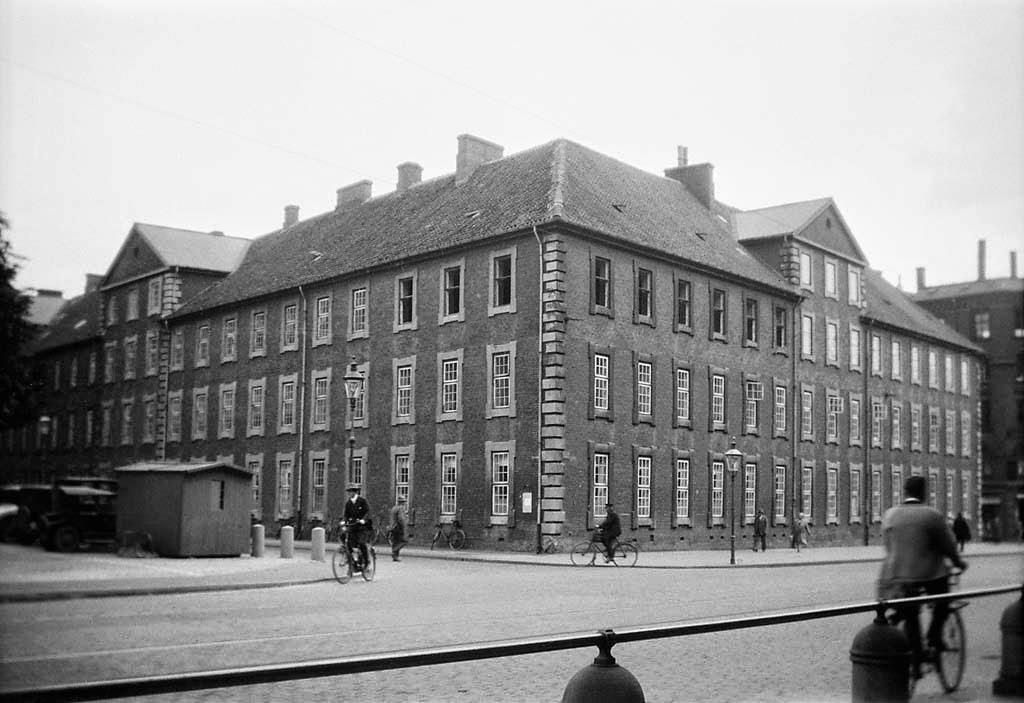
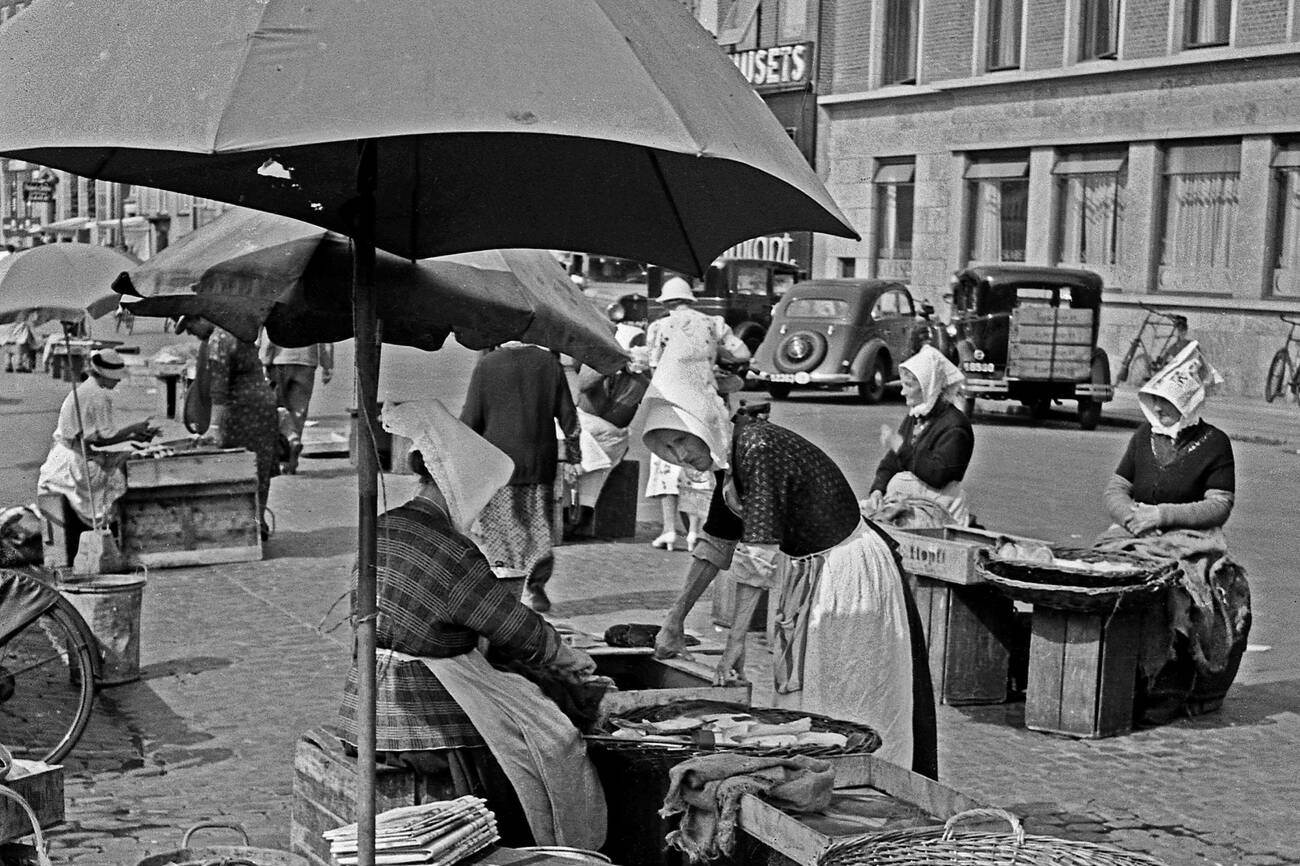
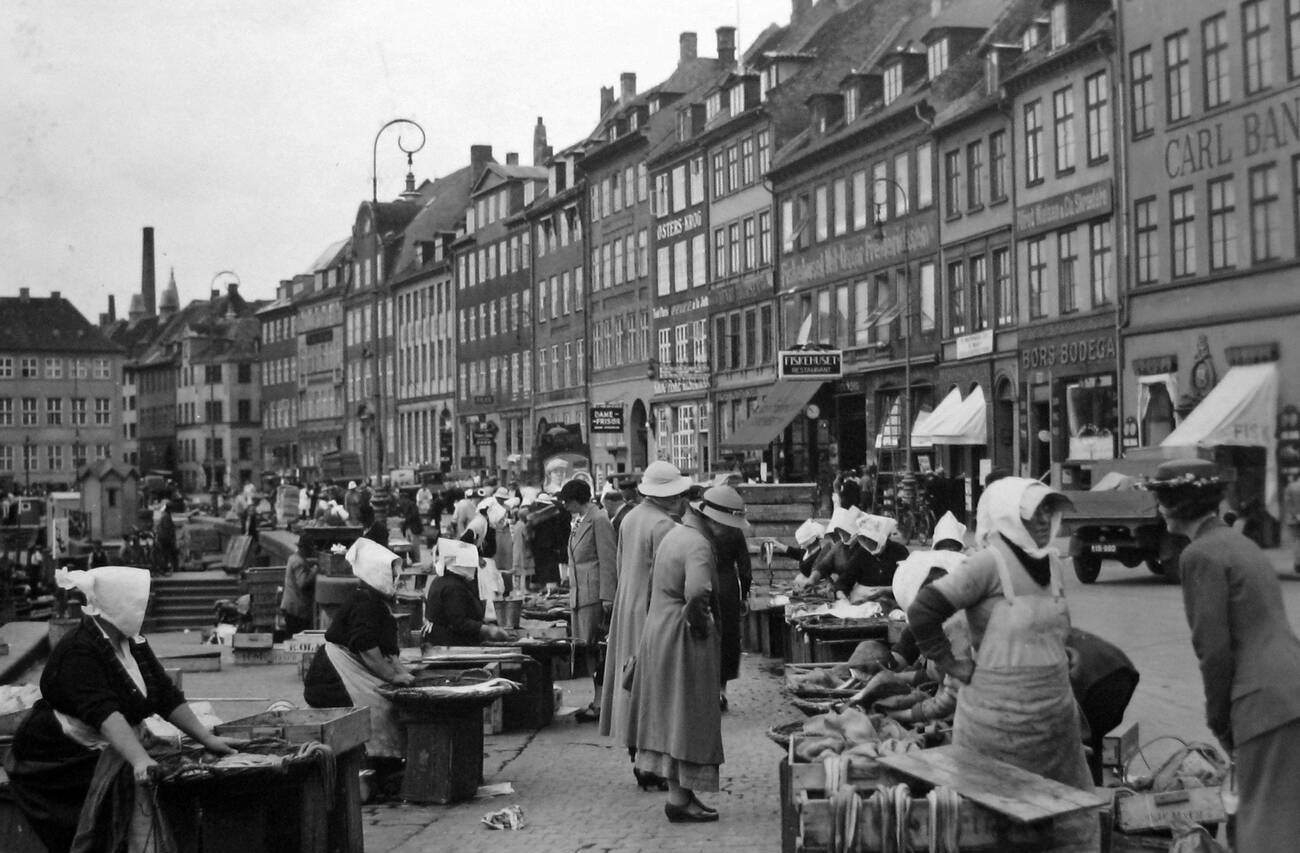
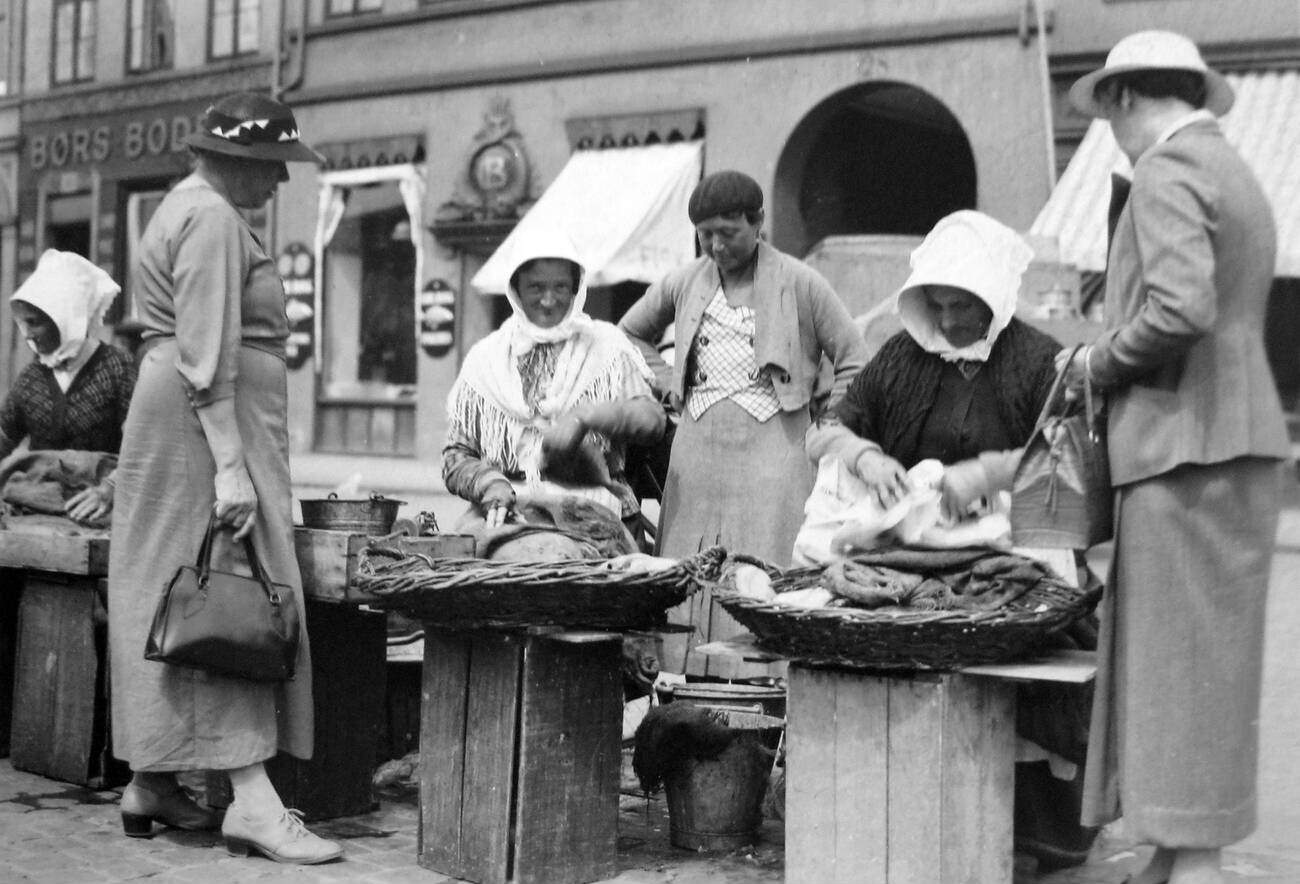
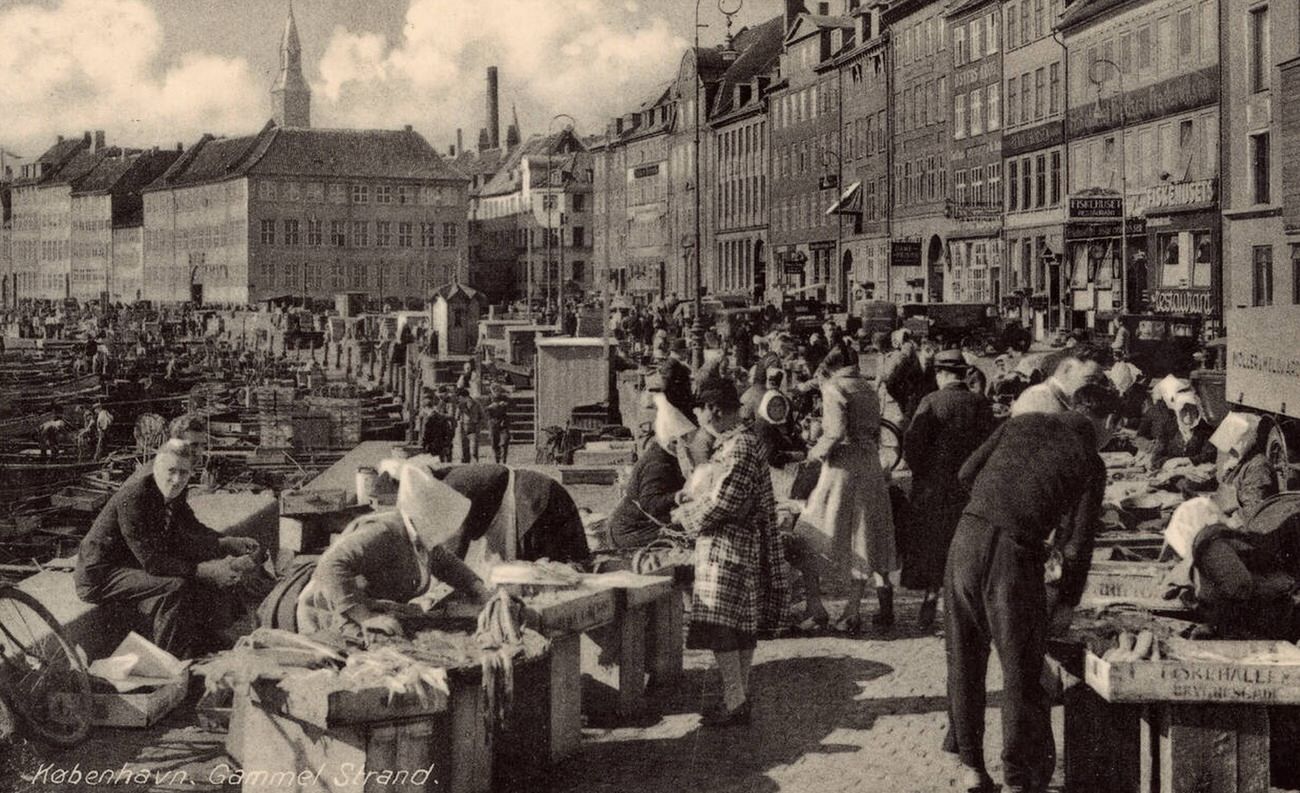
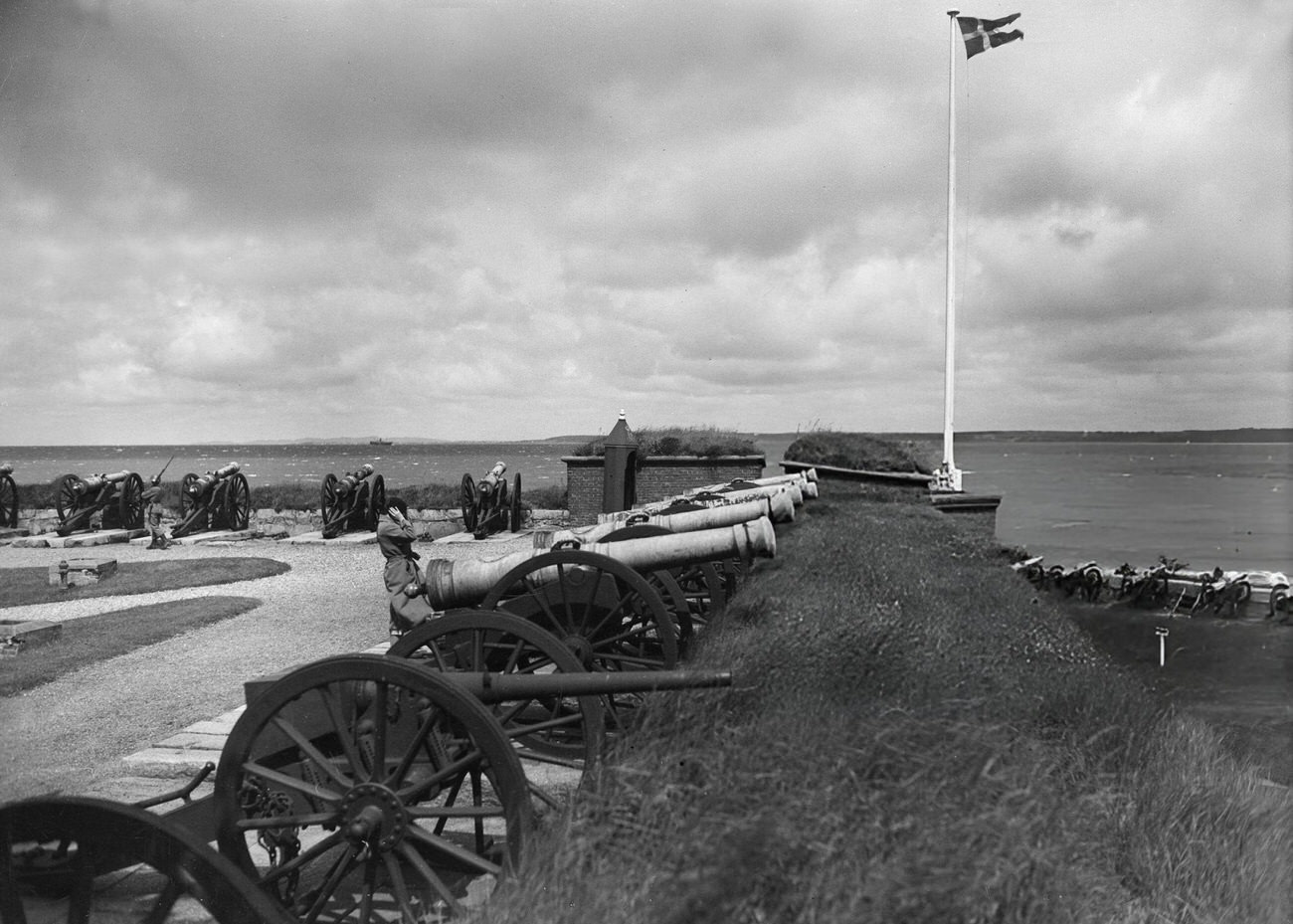
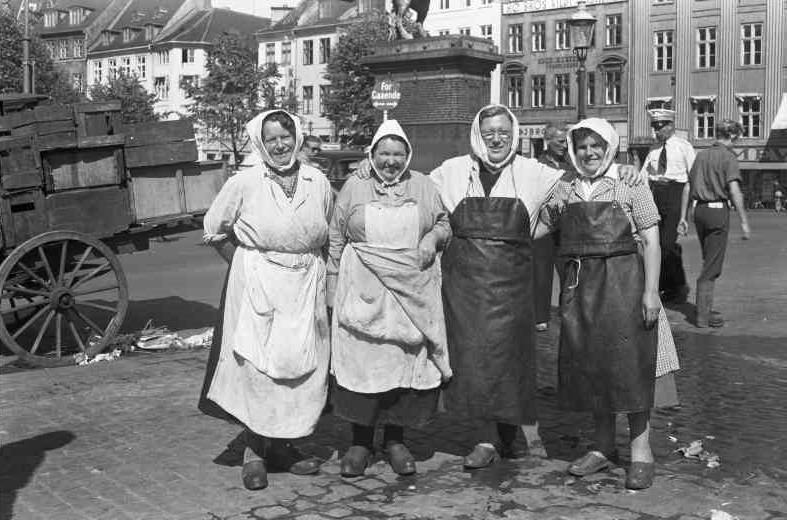
The coast was equally important. Fishing communities along the shoreline hauled in their catches and sold them at markets like Gammel Strand in Copenhagen. Women in traditional costumes sold fresh fish at Højbro Plads, a scene that had played out for generations. The sea was not just a backdrop — it was a working landscape that fed families and sustained entire towns.
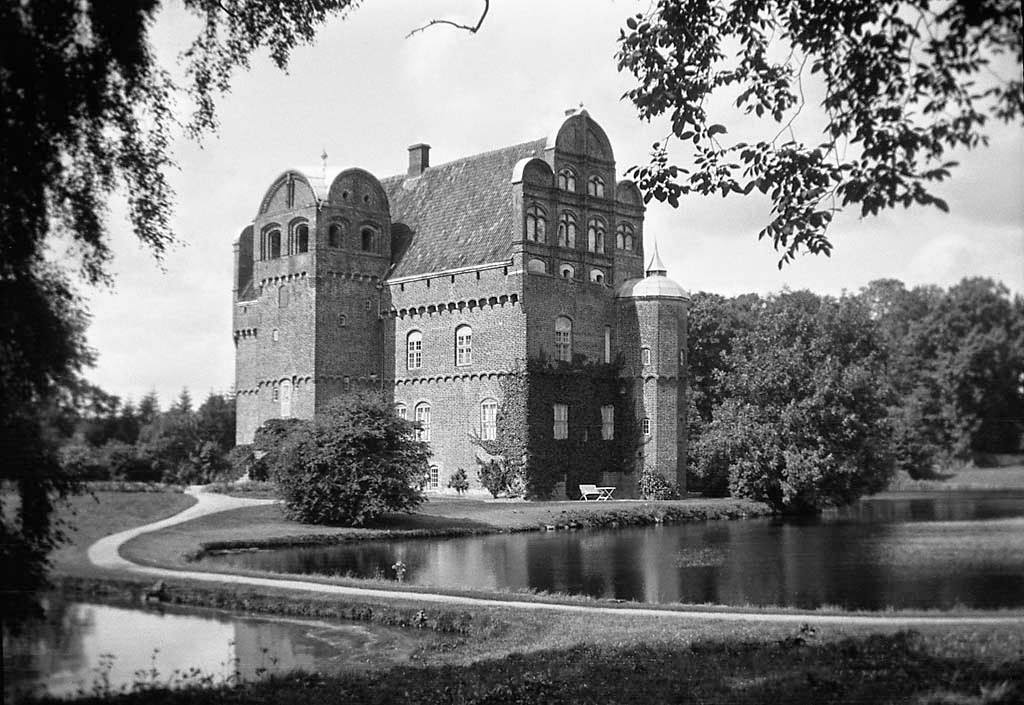
Denmark’s foreign policy in the 1930s was shaped almost entirely by its proximity to Germany. As Adolf Hitler consolidated power and German ambitions expanded across Europe, Denmark had to navigate an increasingly dangerous diplomatic environment. In 1939, when Germany approached the Nordic countries with a proposed non-aggression treaty, Denmark signed. The agreement, however, provided no real security — it was broadly understood to offer little actual protection.
When World War II broke out in September 1939, Denmark declared itself neutral. The country attempted to balance its economic and political relationships with both Germany and Great Britain — a tightrope walk that grew more precarious by the month. The 1930s ended with Denmark holding its breath, caught between two powerful nations pulling in opposite directions.
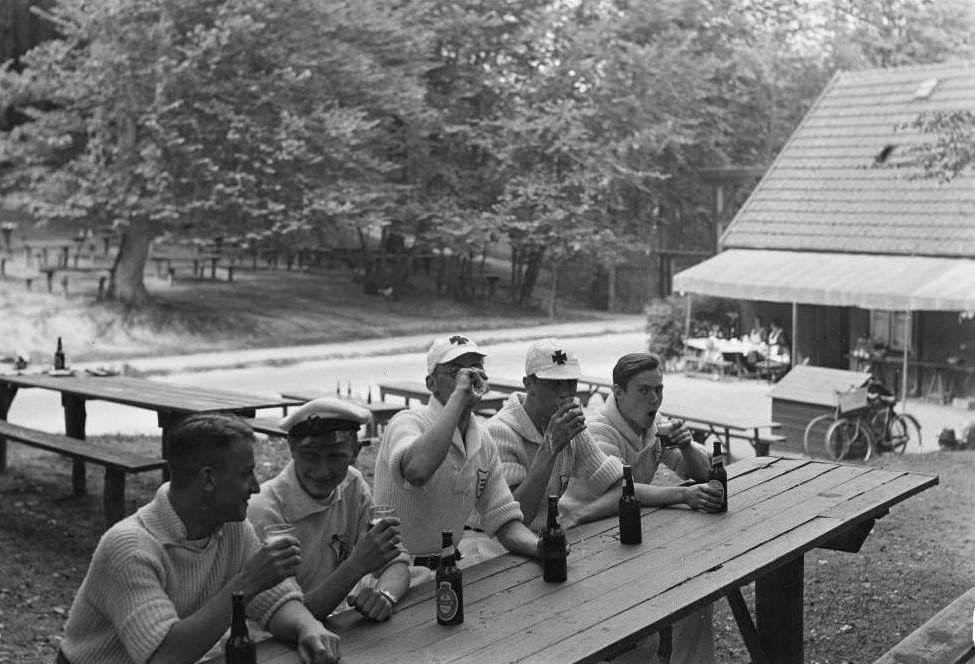
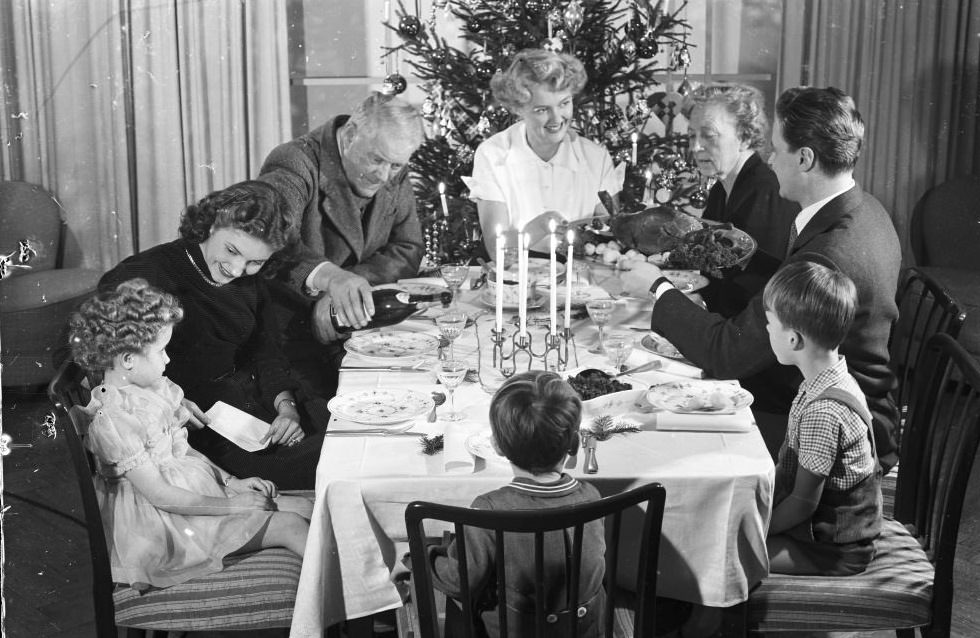
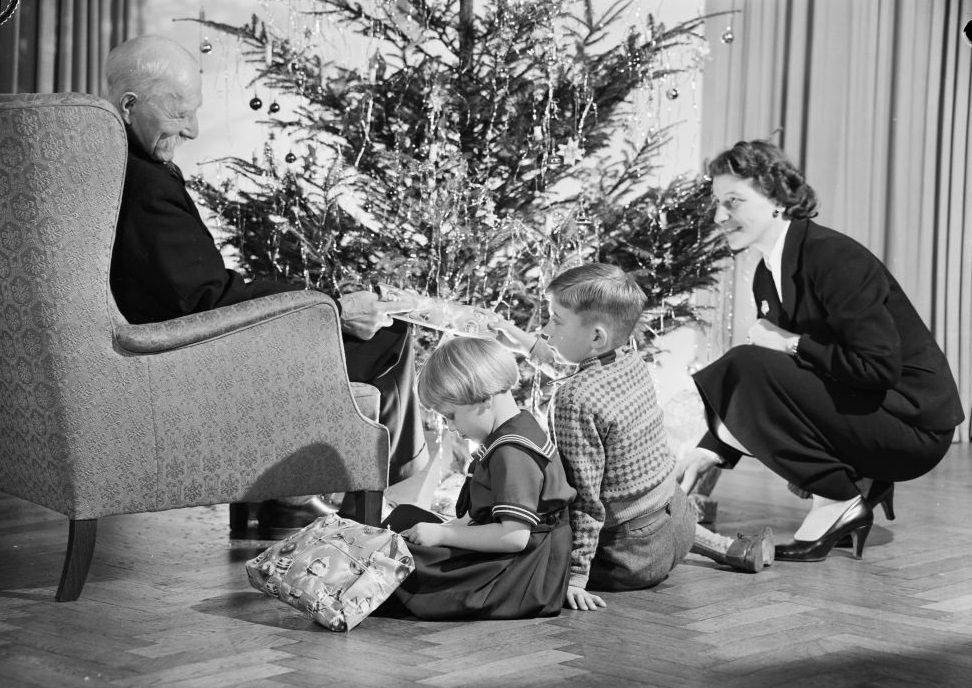
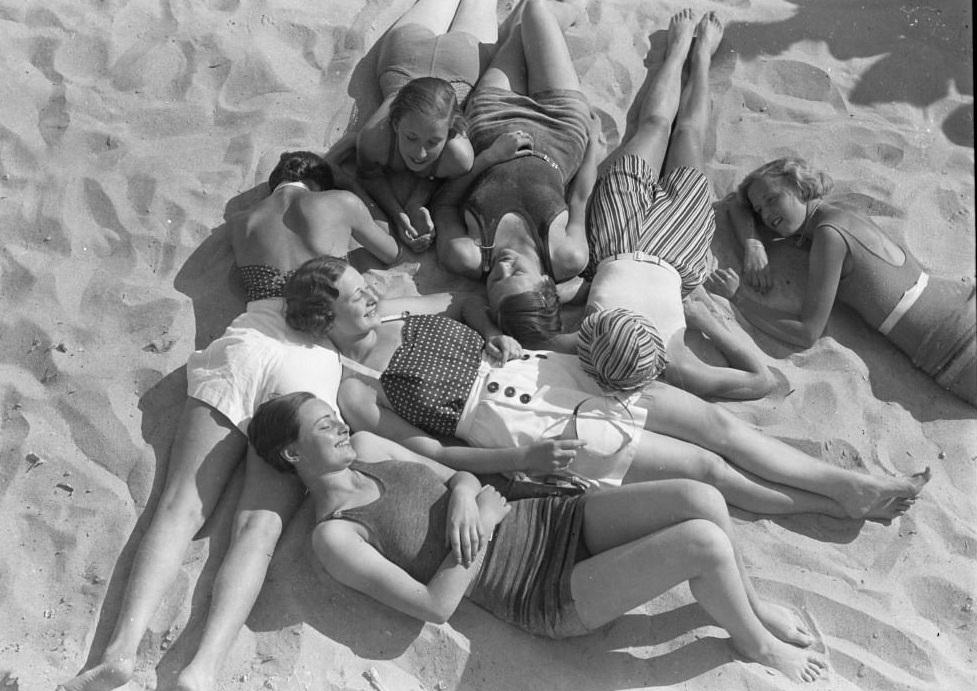
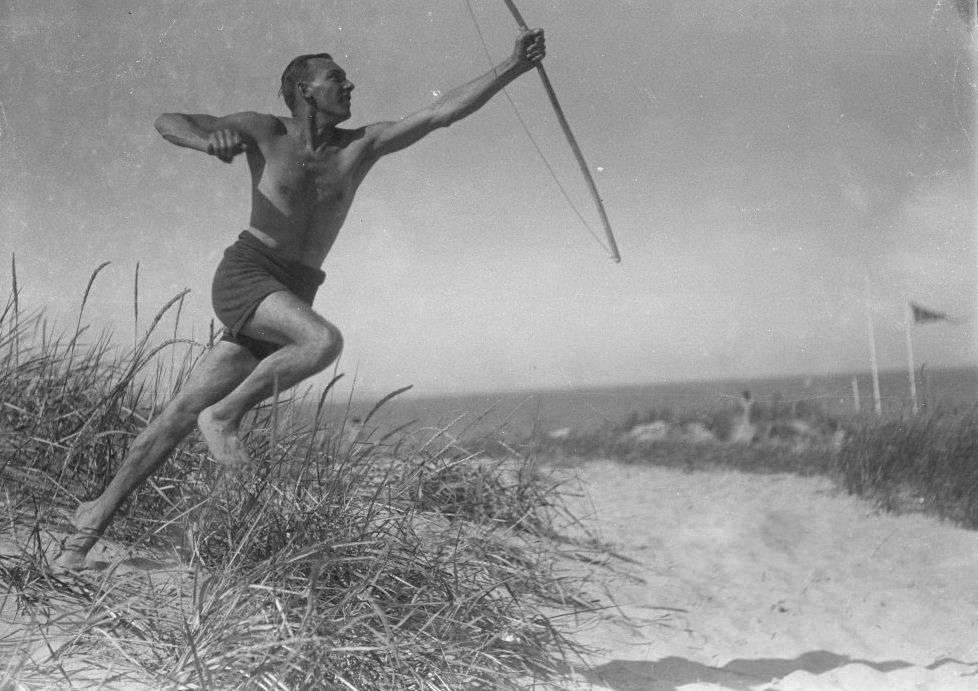
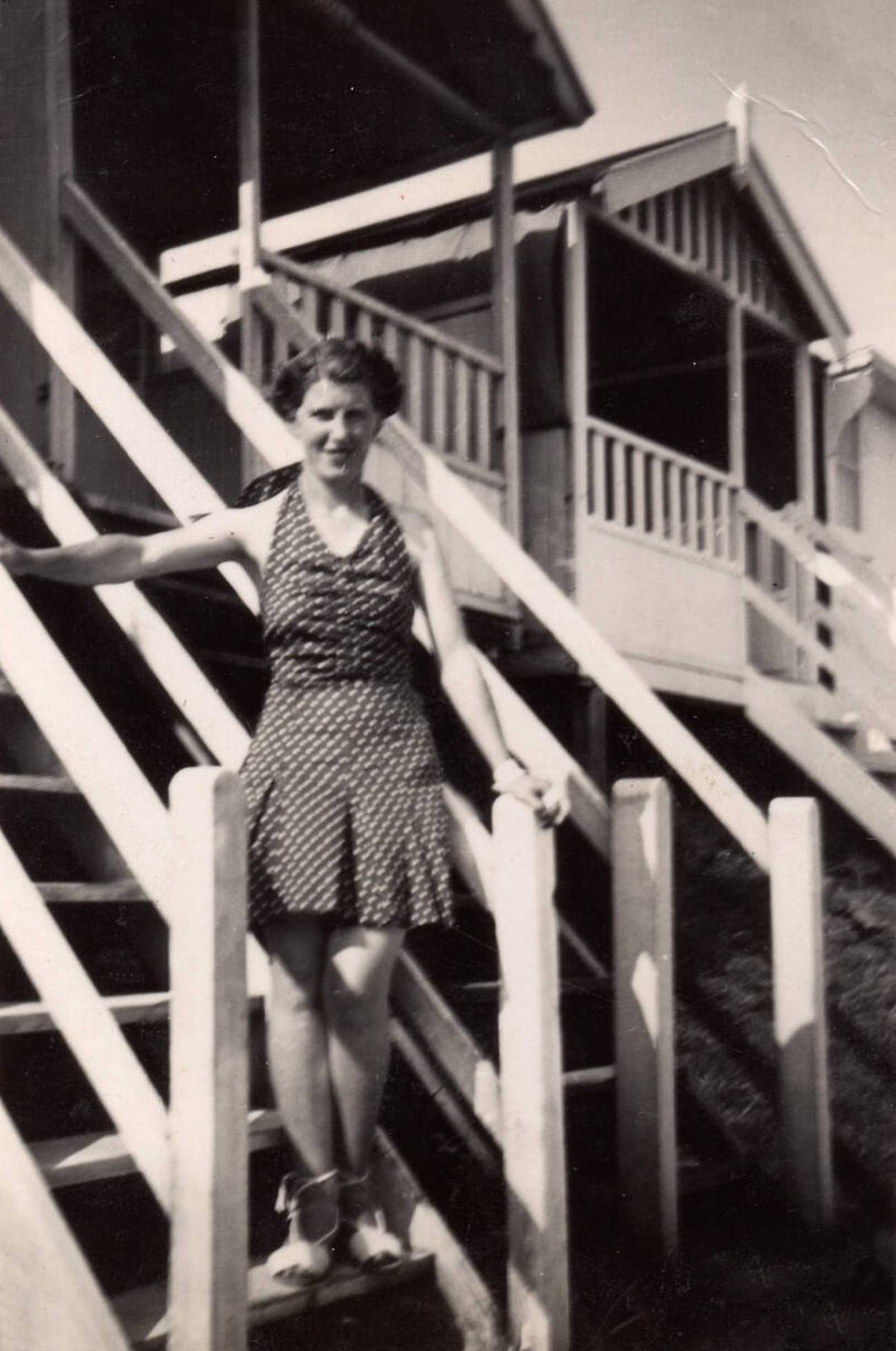
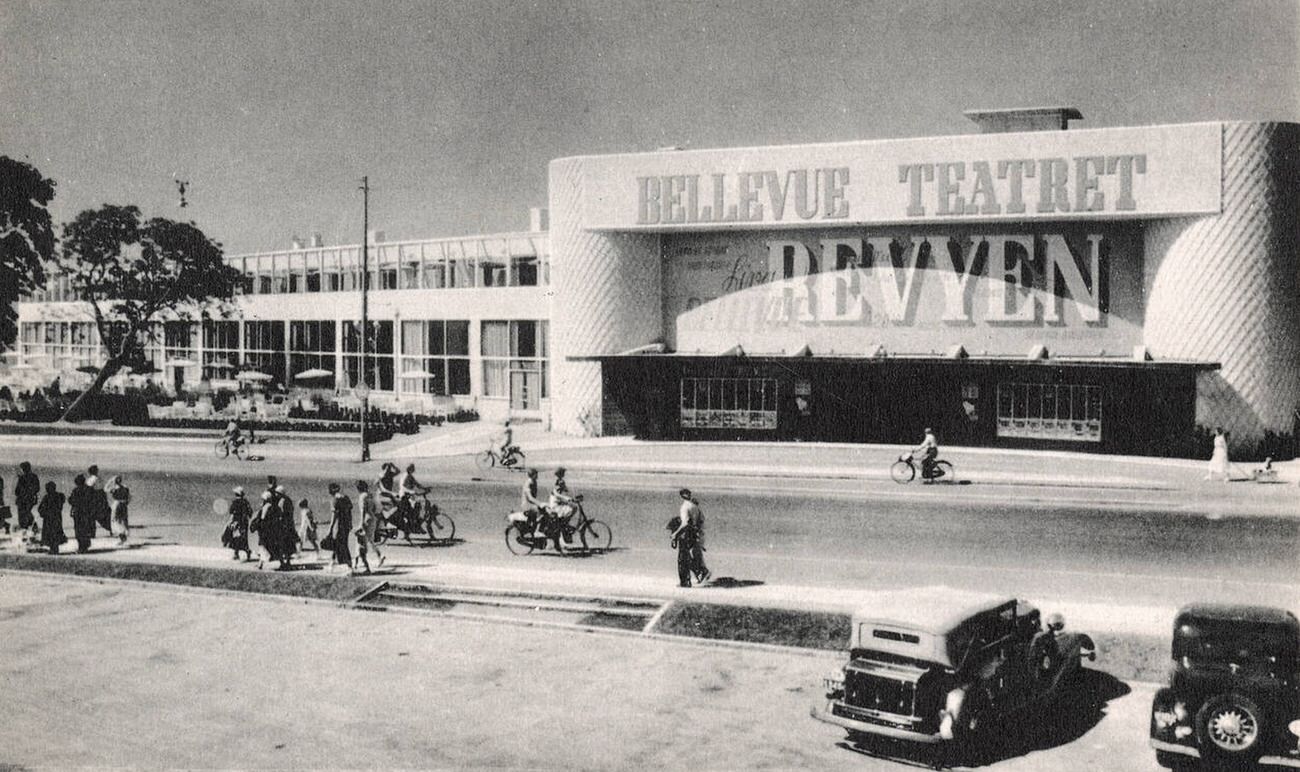
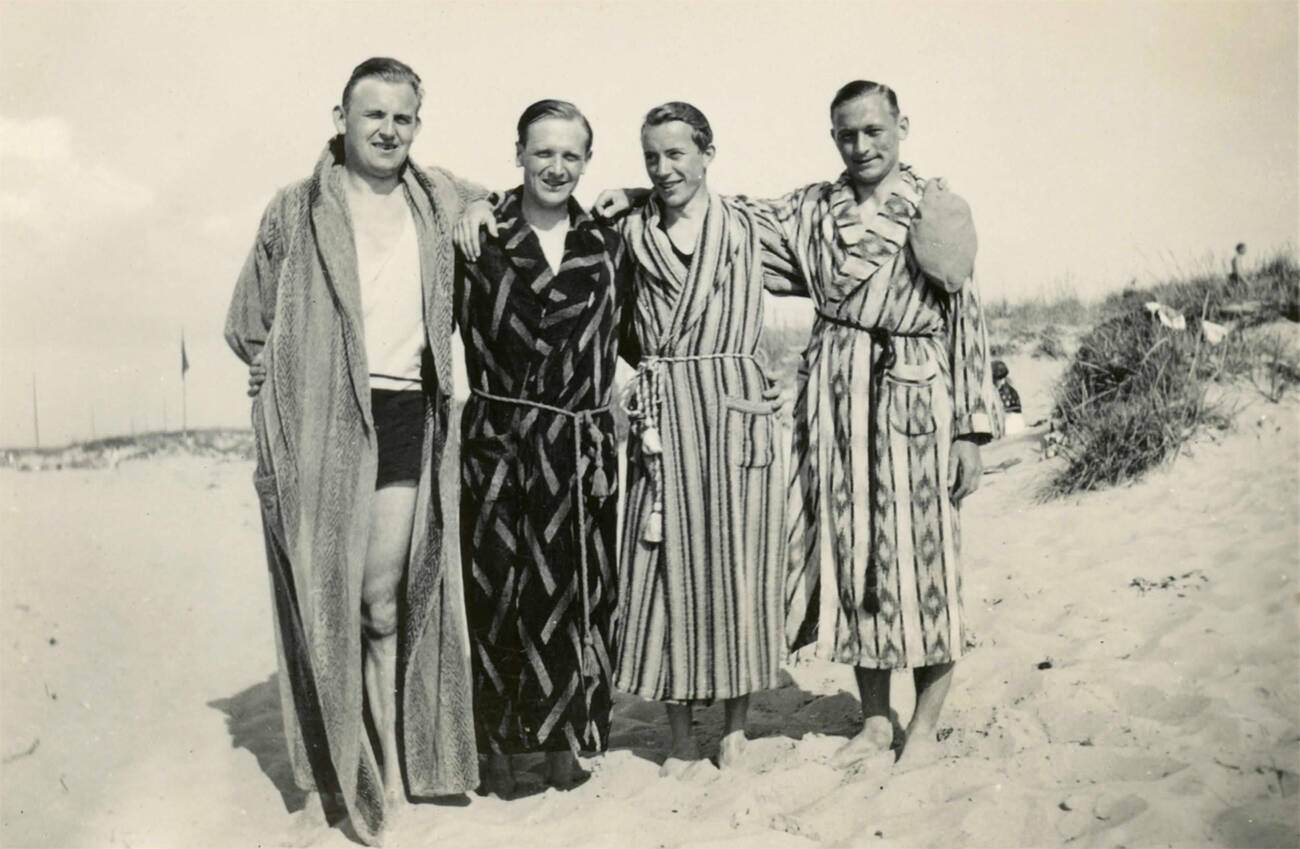
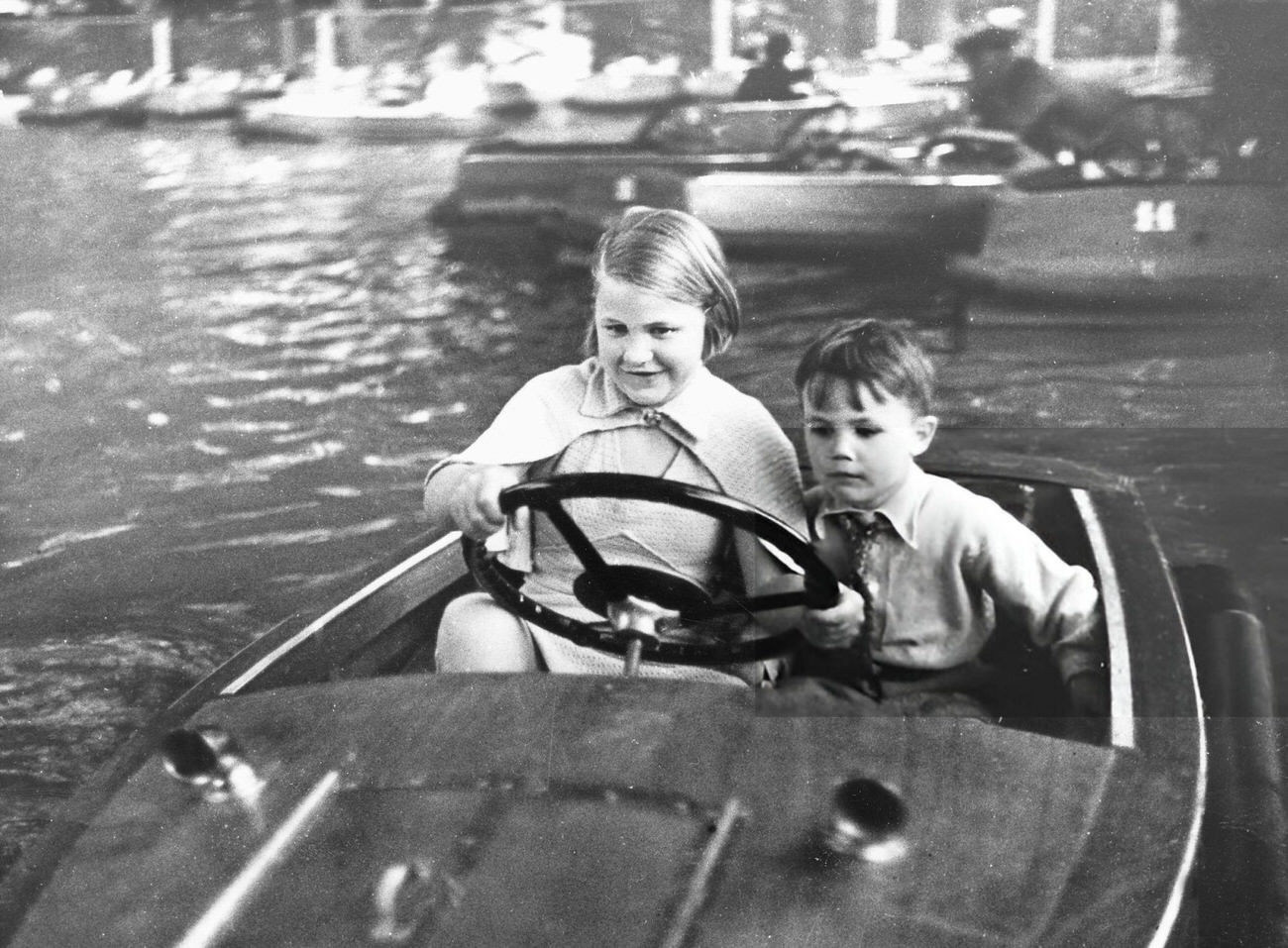
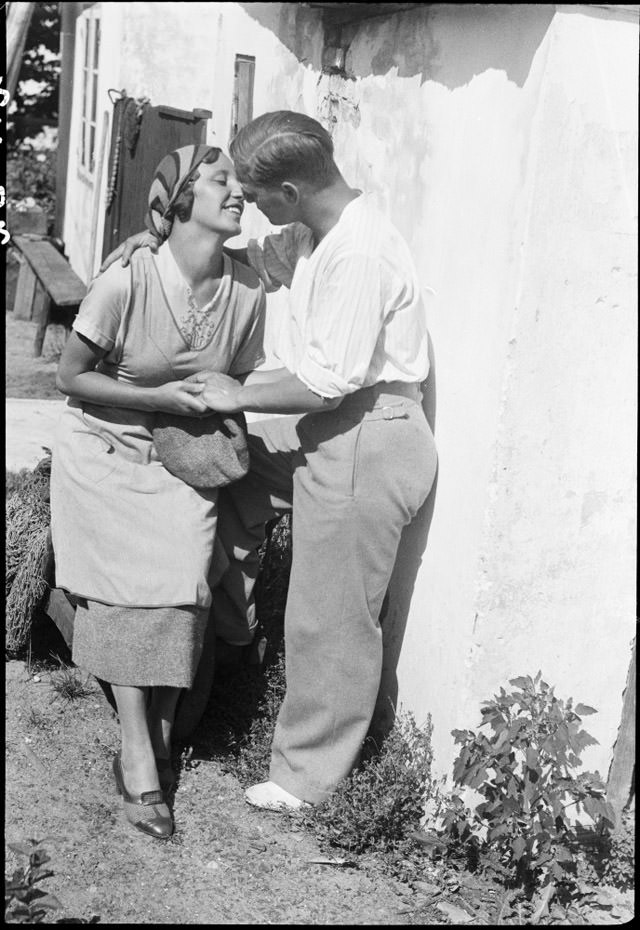
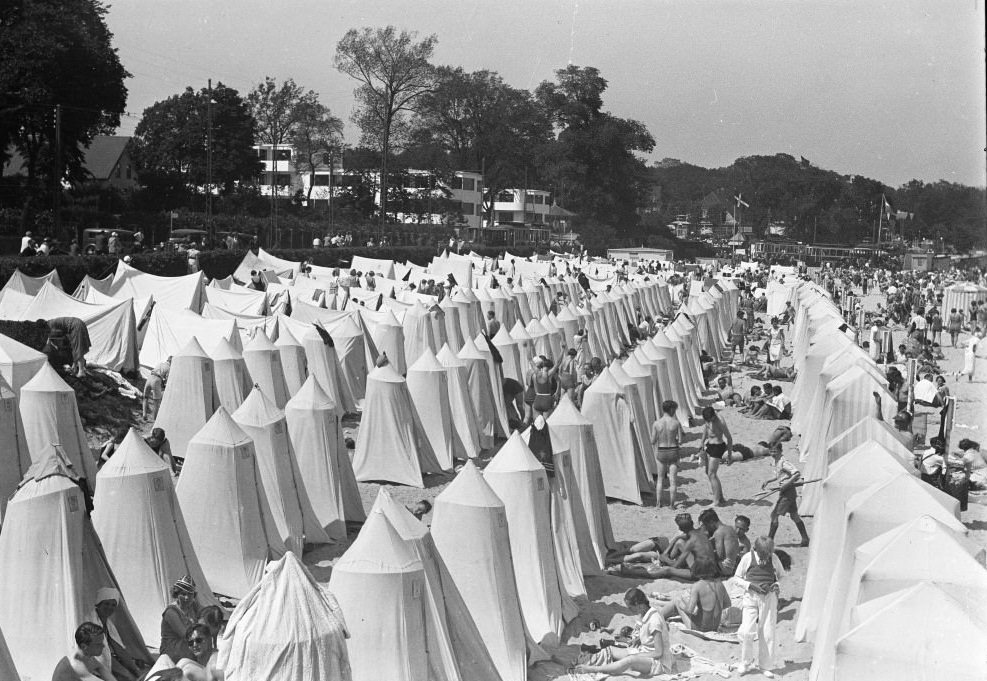
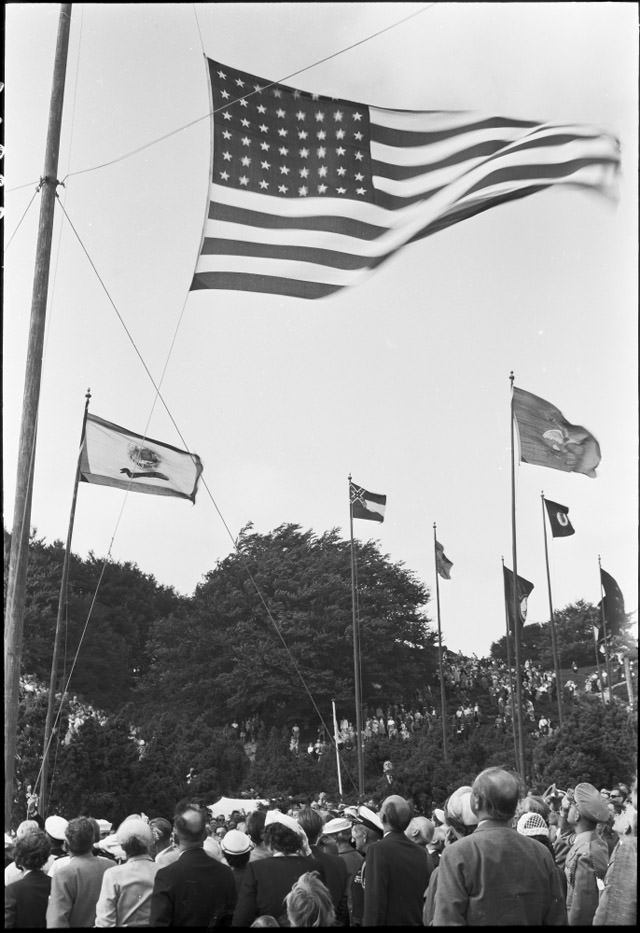
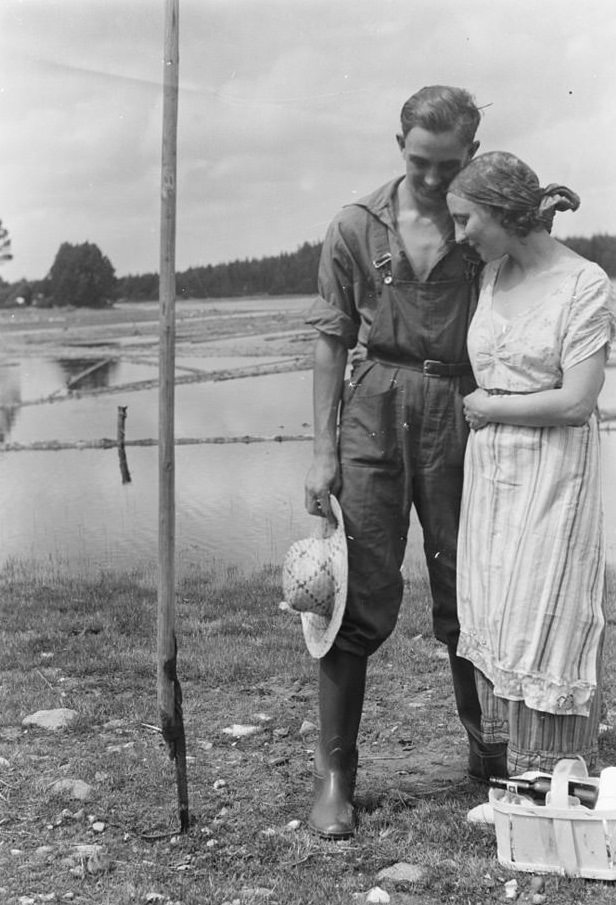
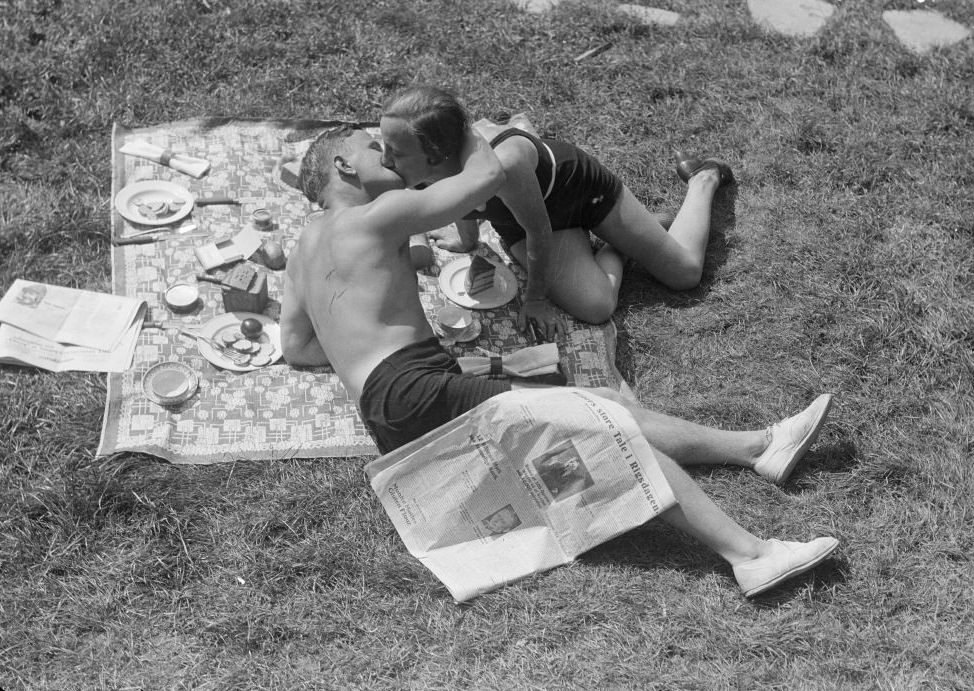
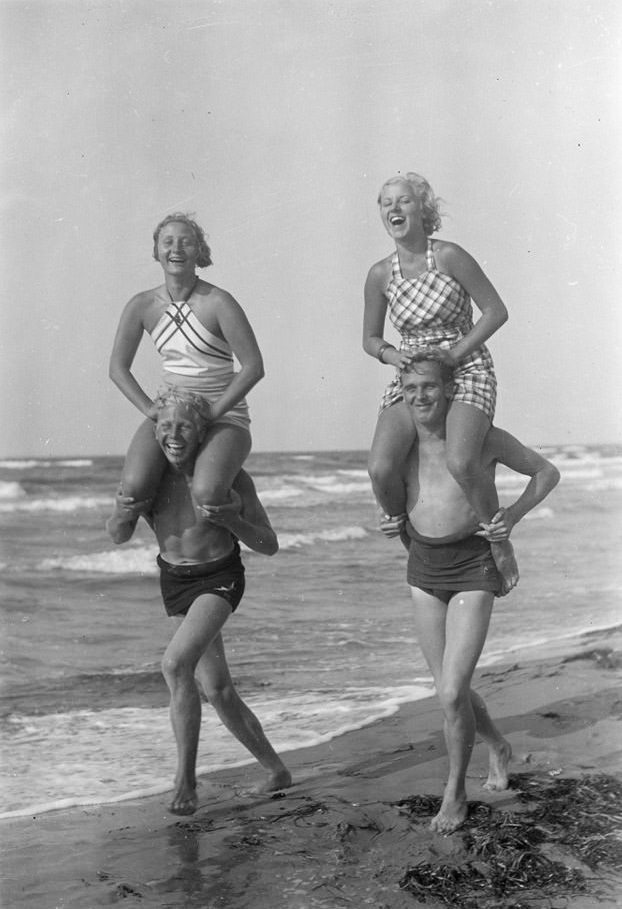
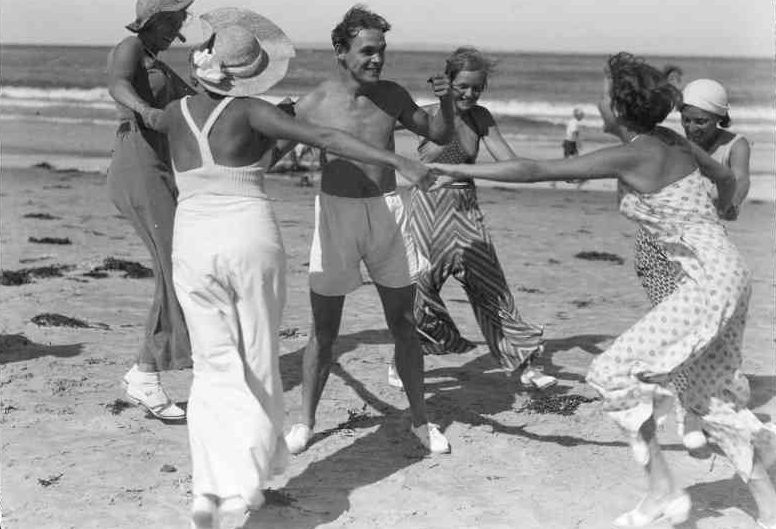
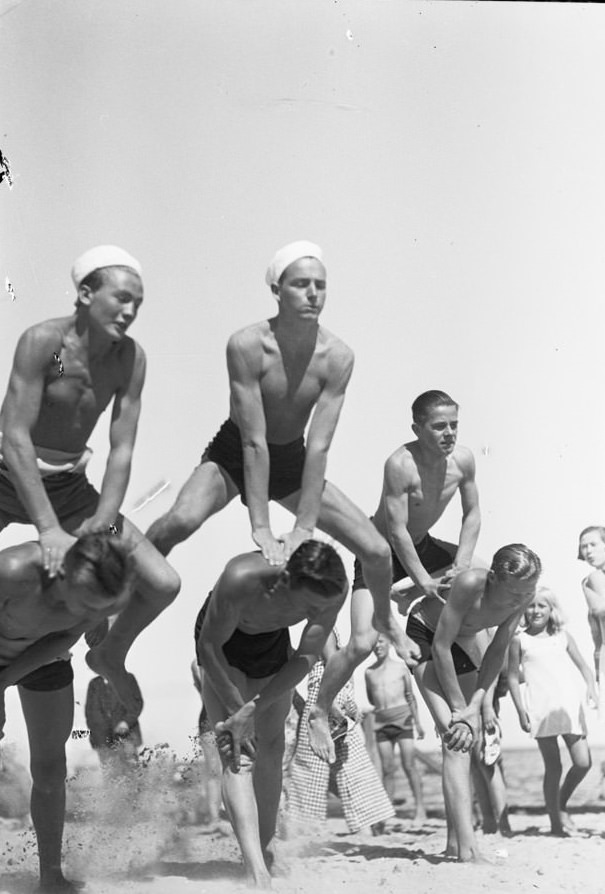
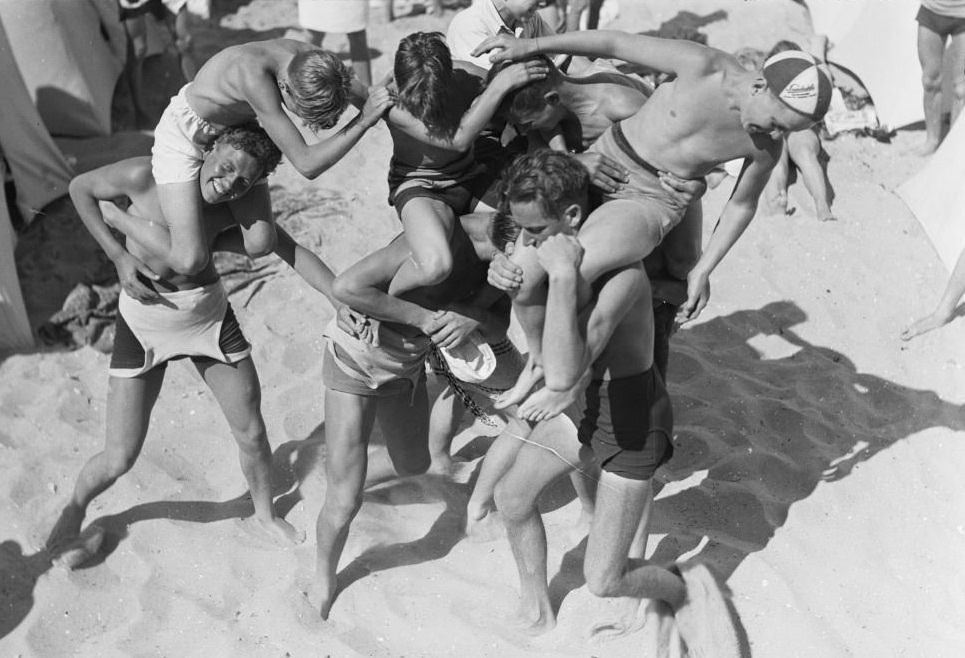
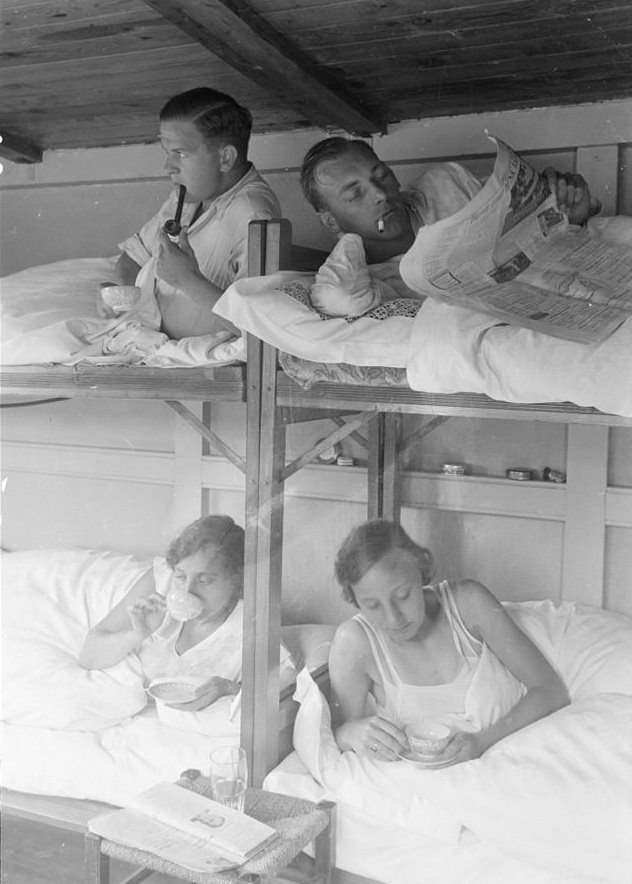
Despite the political tension, ordinary life continued in full color. Danes gathered at town squares, enjoyed summer days at the beach, attended festivals, and celebrated Christmas with family. The Rebild Festival on July 4th drew crowds to the hills of Jutland each year. Beach destinations like Bellevue were packed with young people enjoying what leisure time the era allowed.
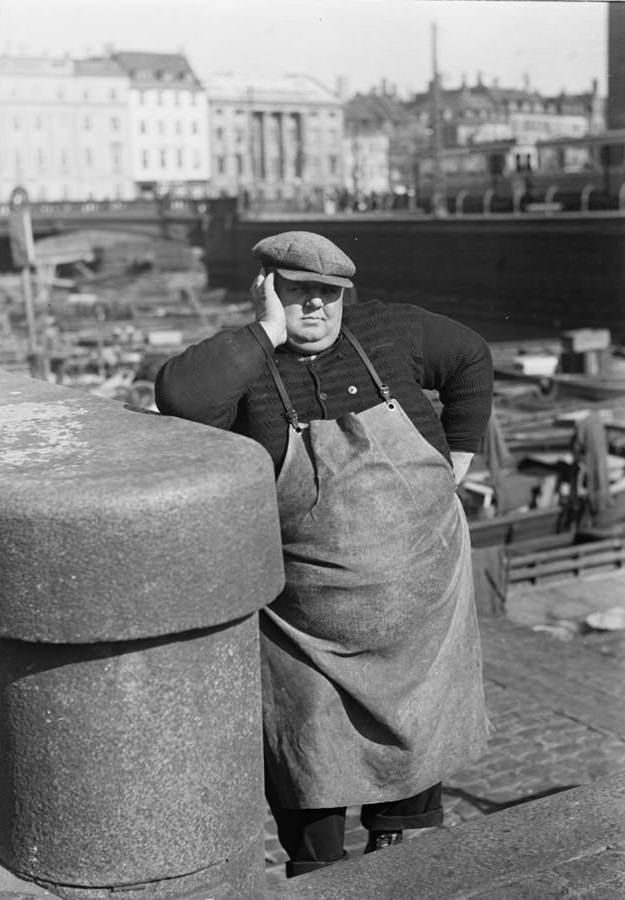
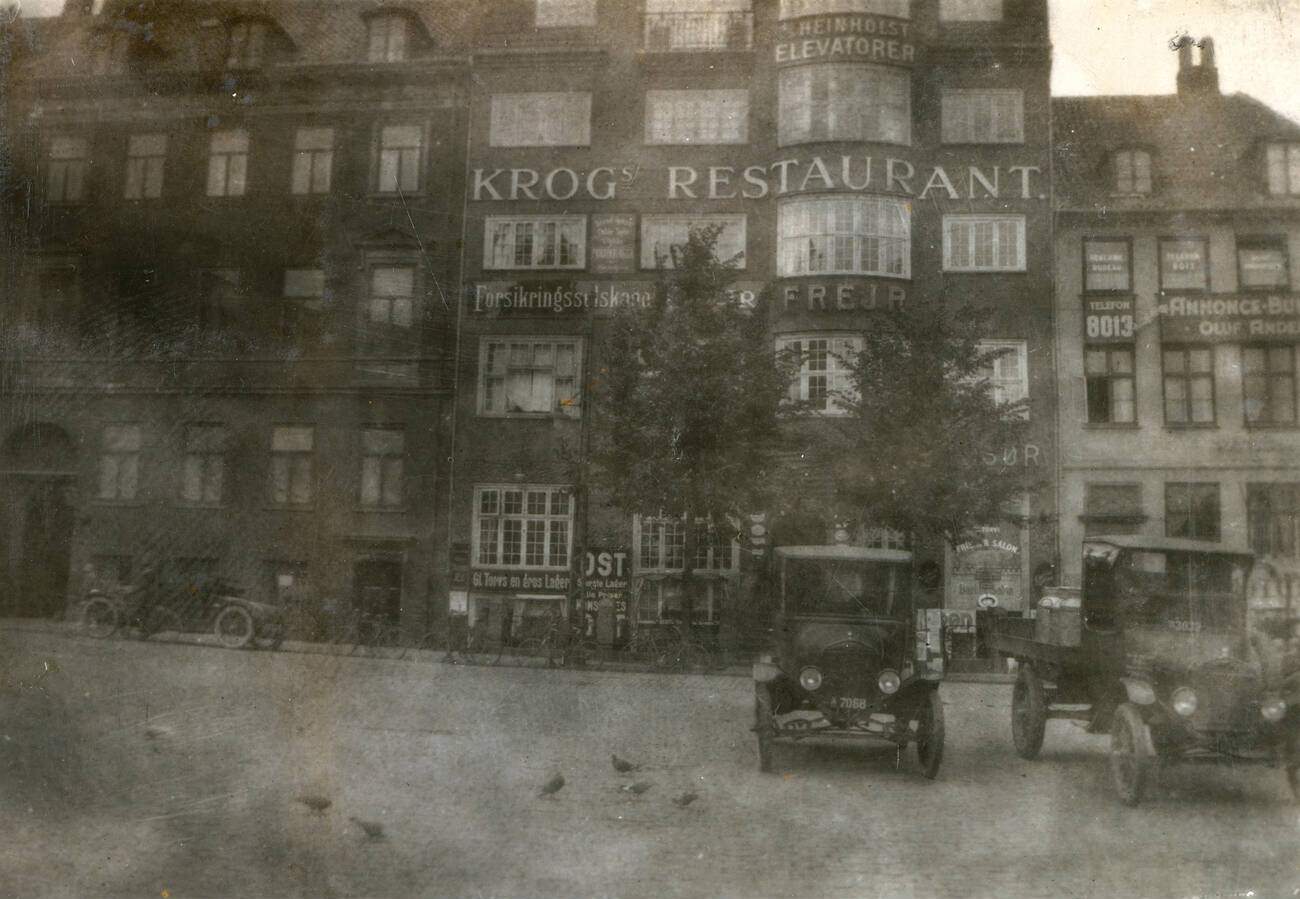
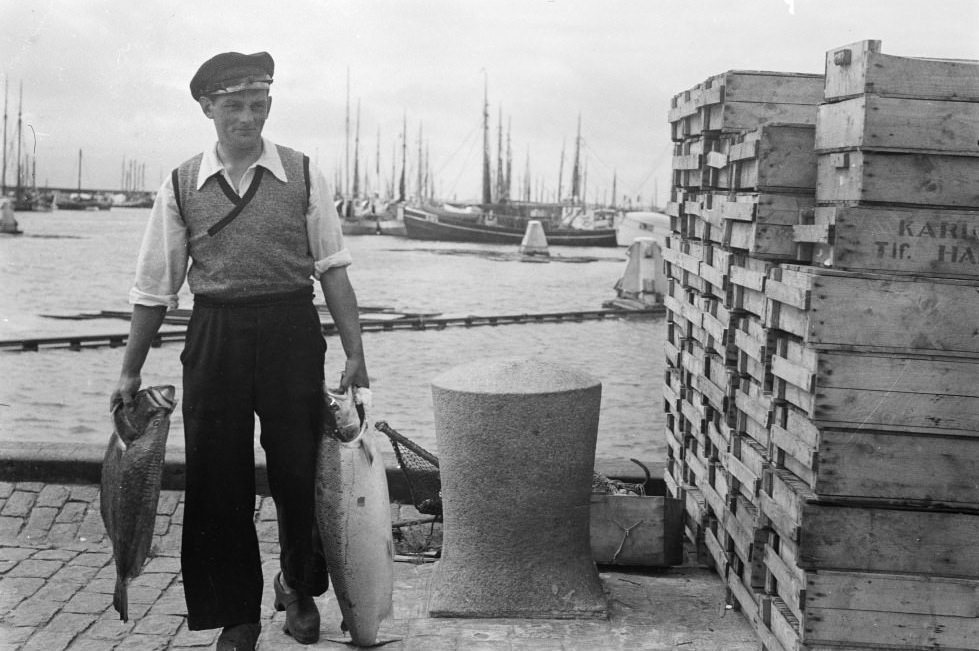
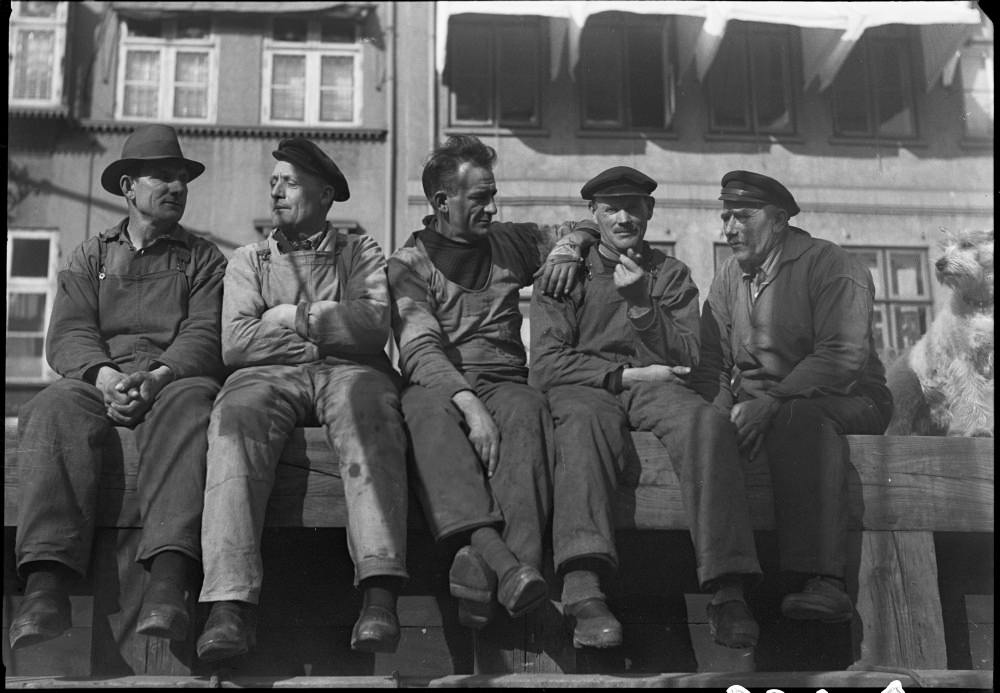
Fishing remained a cornerstone of Danish coastal culture. Fishermen at Gammel Strand were a fixture of Copenhagen’s waterfront, and catches were displayed and sold with pride. The fish markets of the capital attracted buyers from all walks of life, from home cooks to restaurant owners like those at Krog’s Fish Restaurant, which had already established itself as a Copenhagen institution.
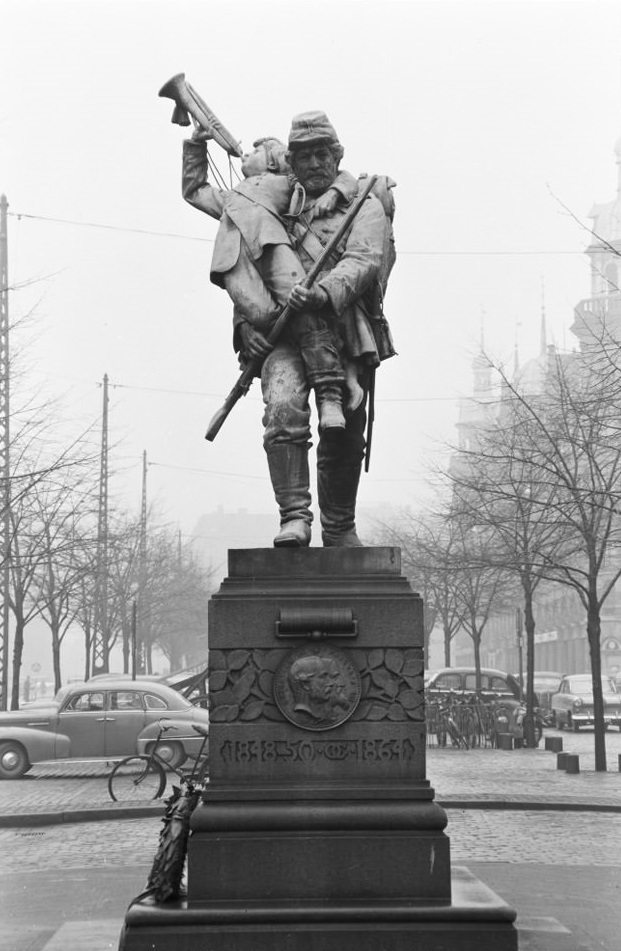
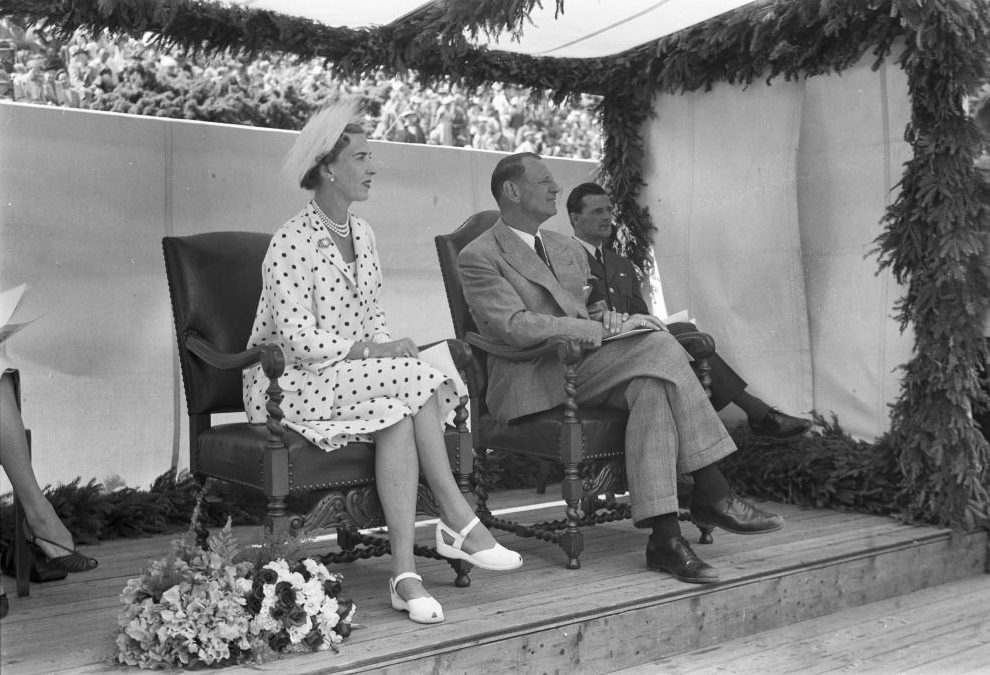
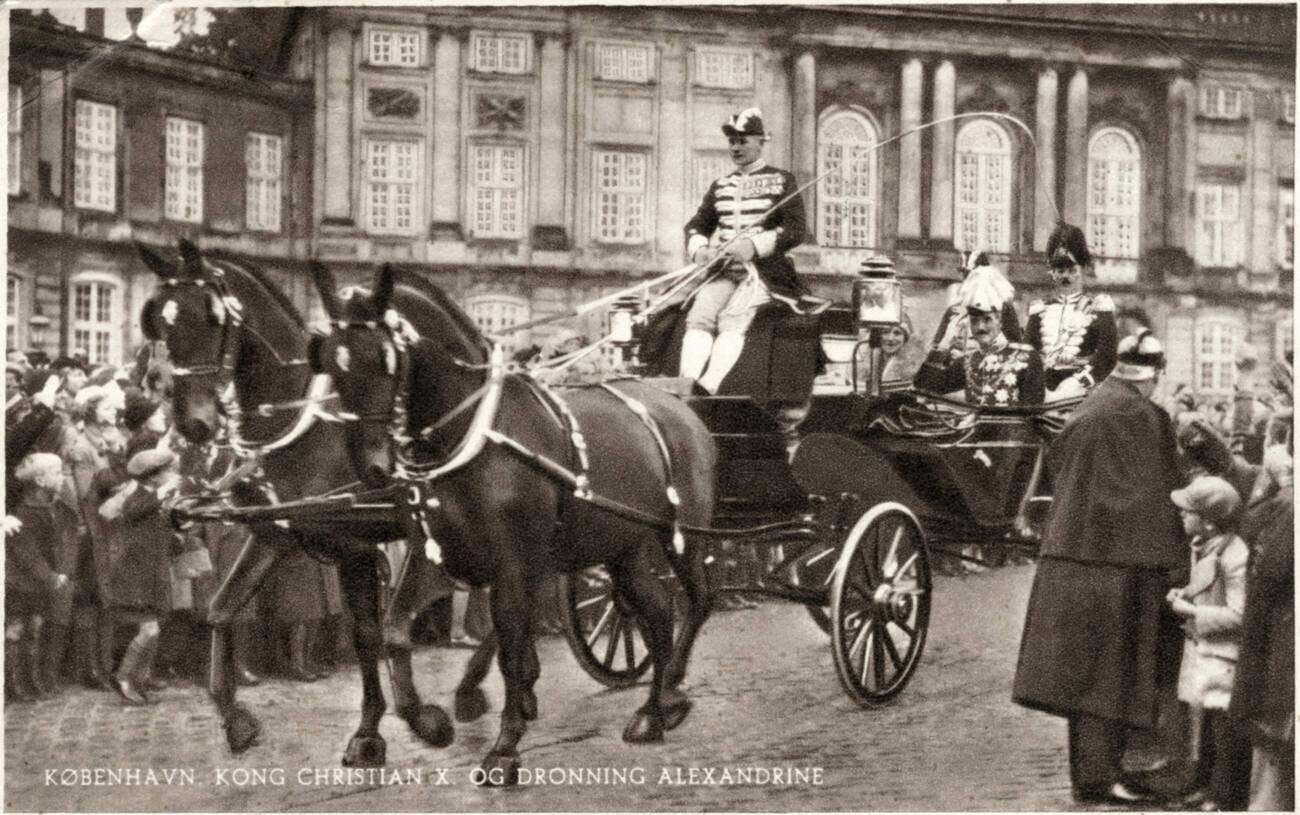
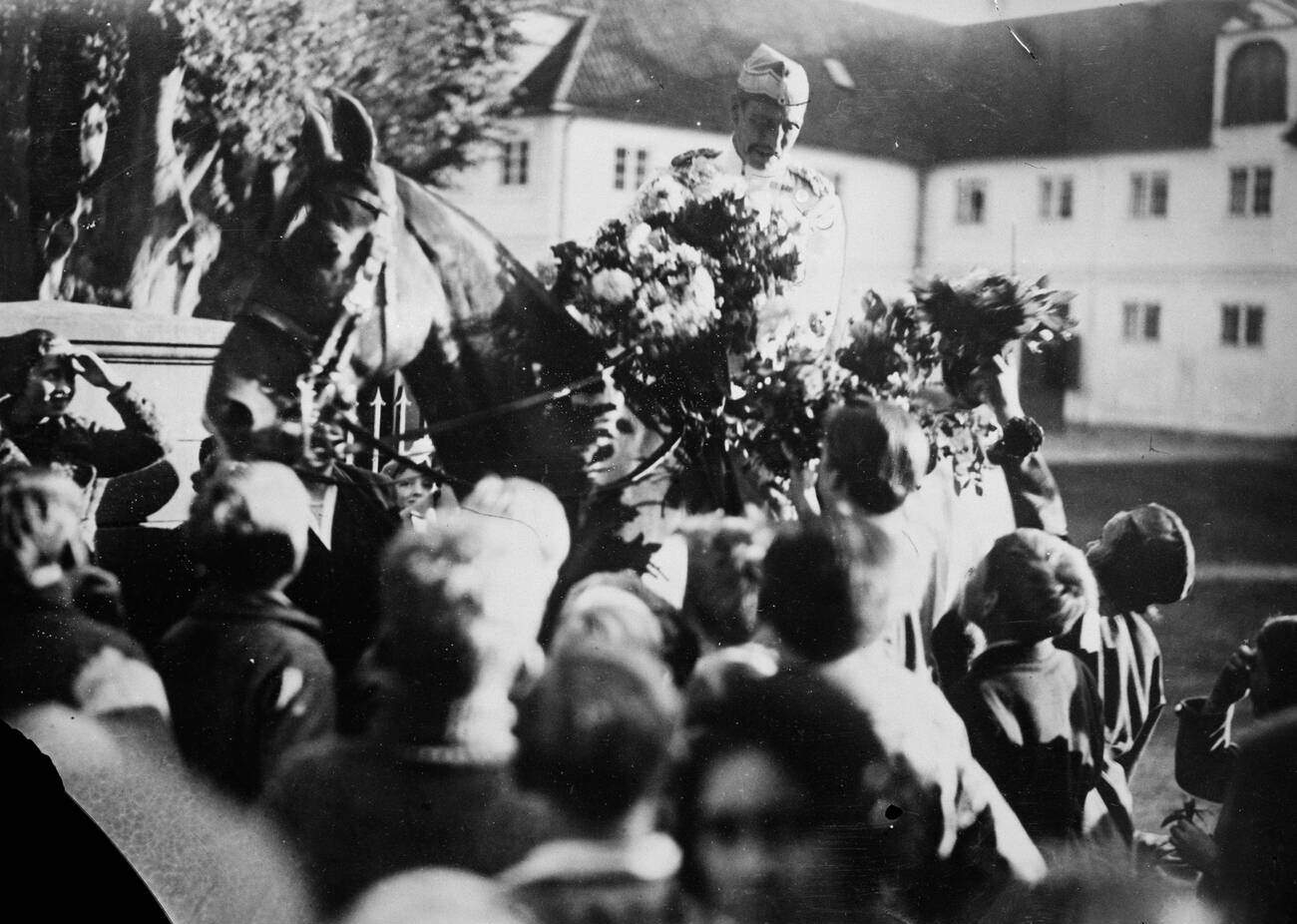
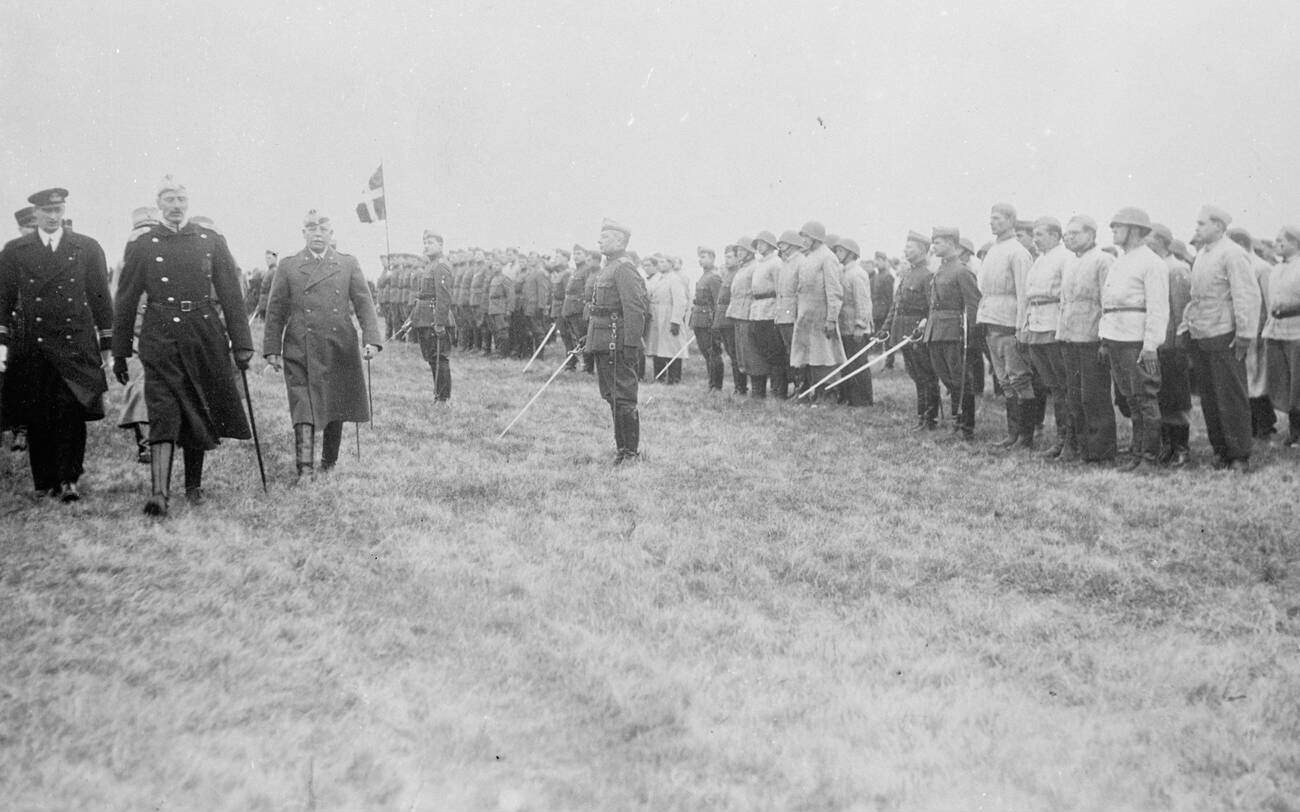
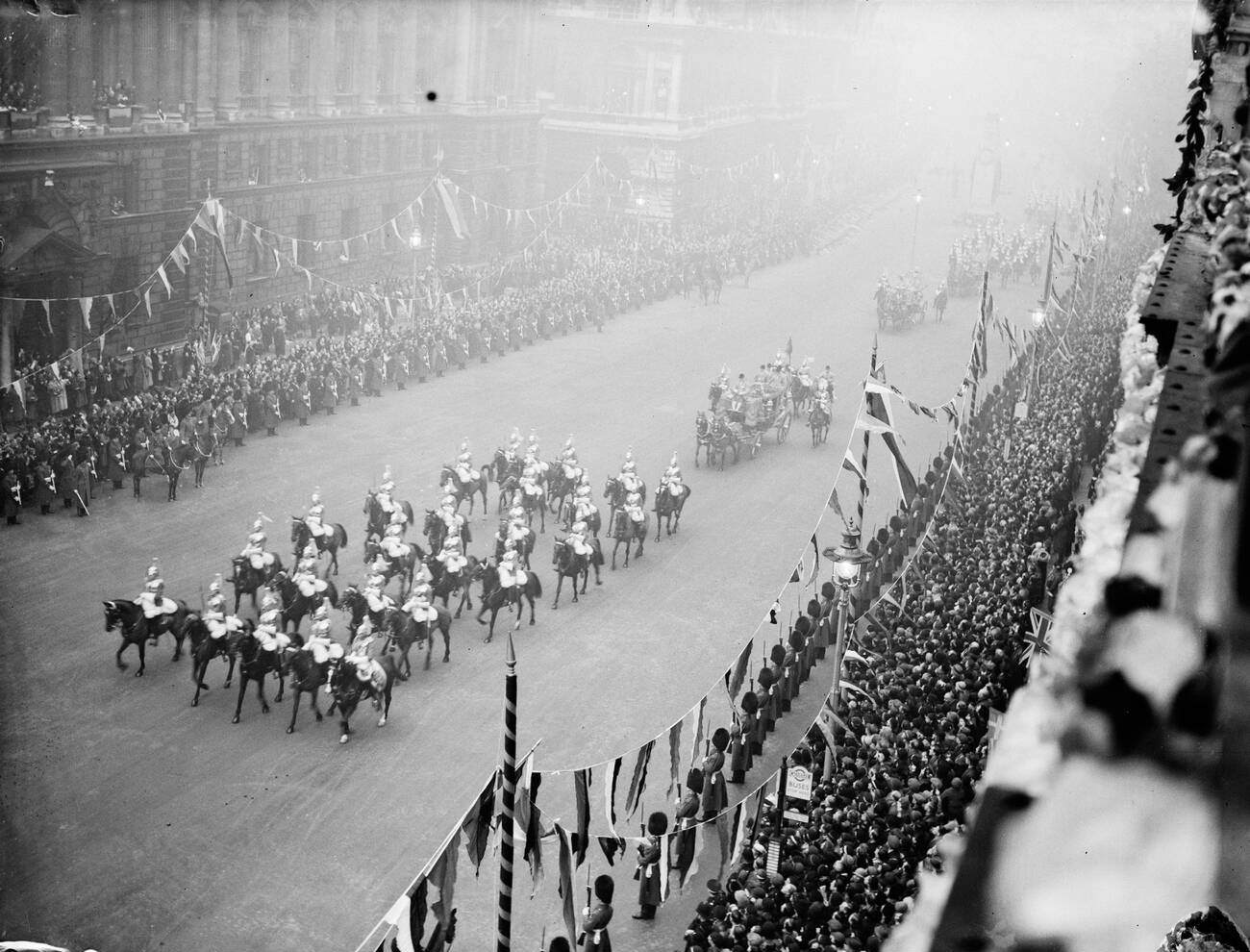
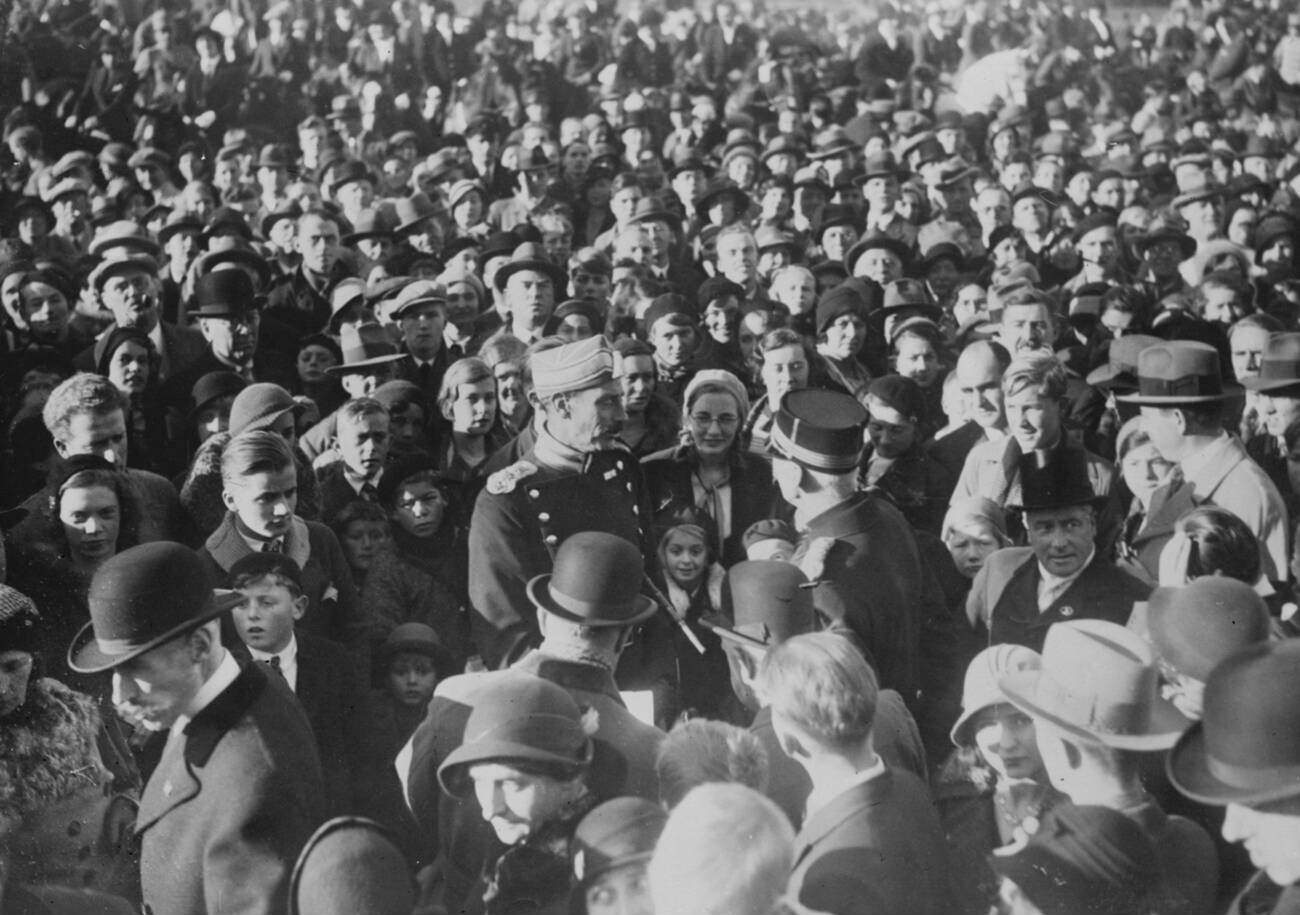
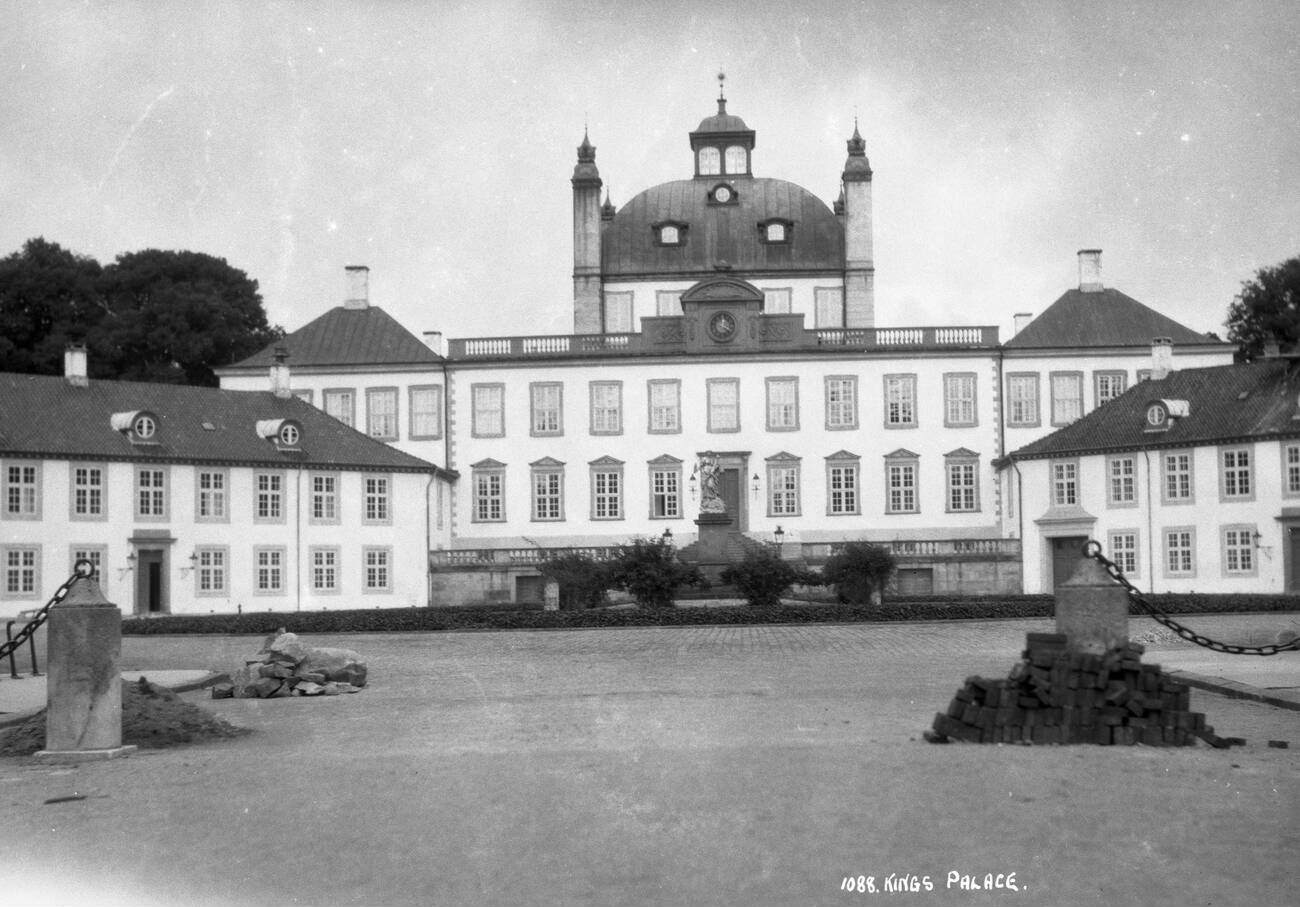
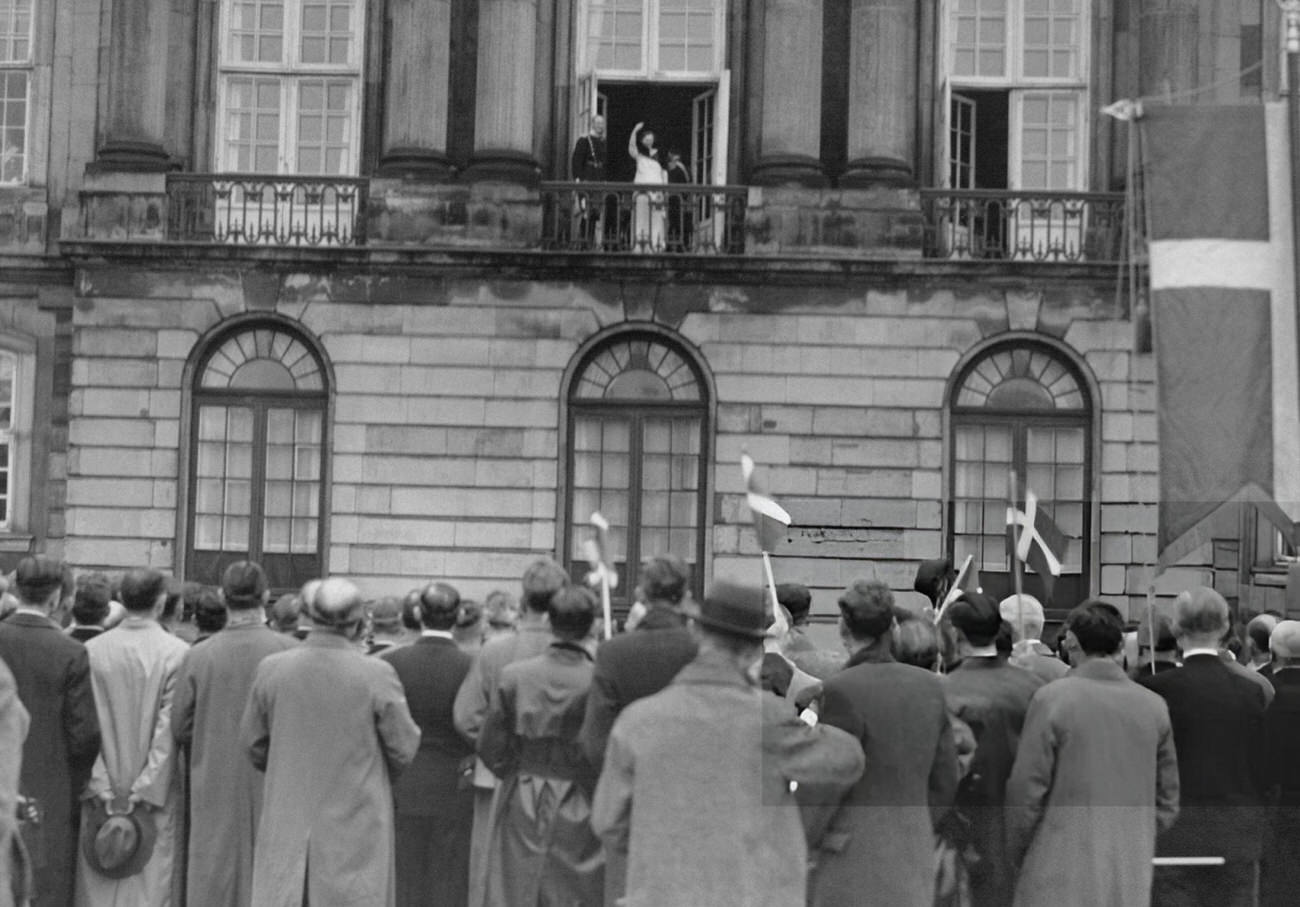
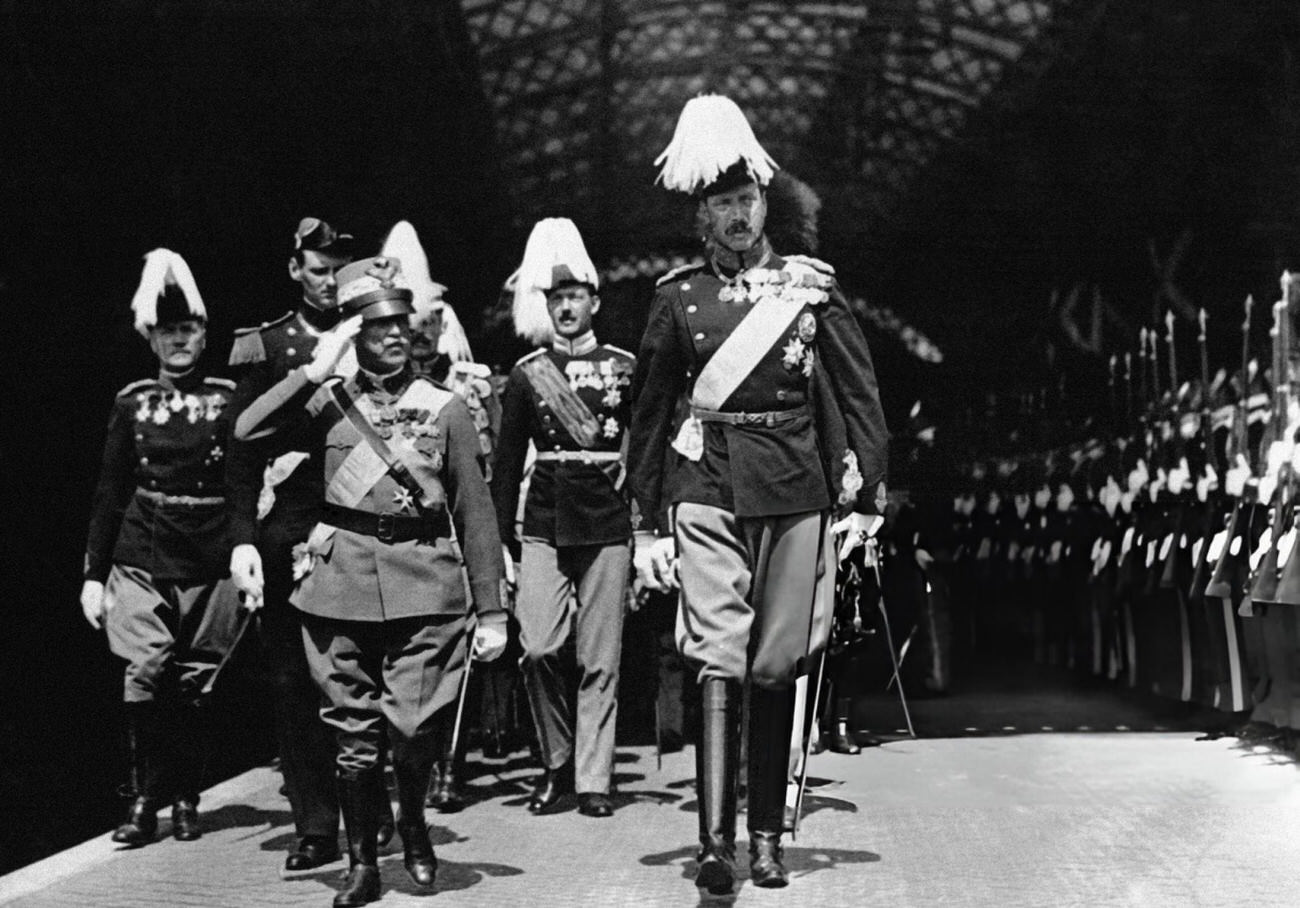
The Danish monarchy remained a visible and active presence throughout the decade. King Christian X was a familiar figure to his subjects — attending public events, riding through Copenhagen in a horse-drawn carriage, and inspecting the Danish Voluntary Corps in 1936. He was famously approachable, and photographs from 1932 show him being mobbed by crowds at a steeplechase event. In 1937, King Christian X and Queen Alexandrine appeared publicly on a balcony, a symbol of royal continuity during uncertain times.
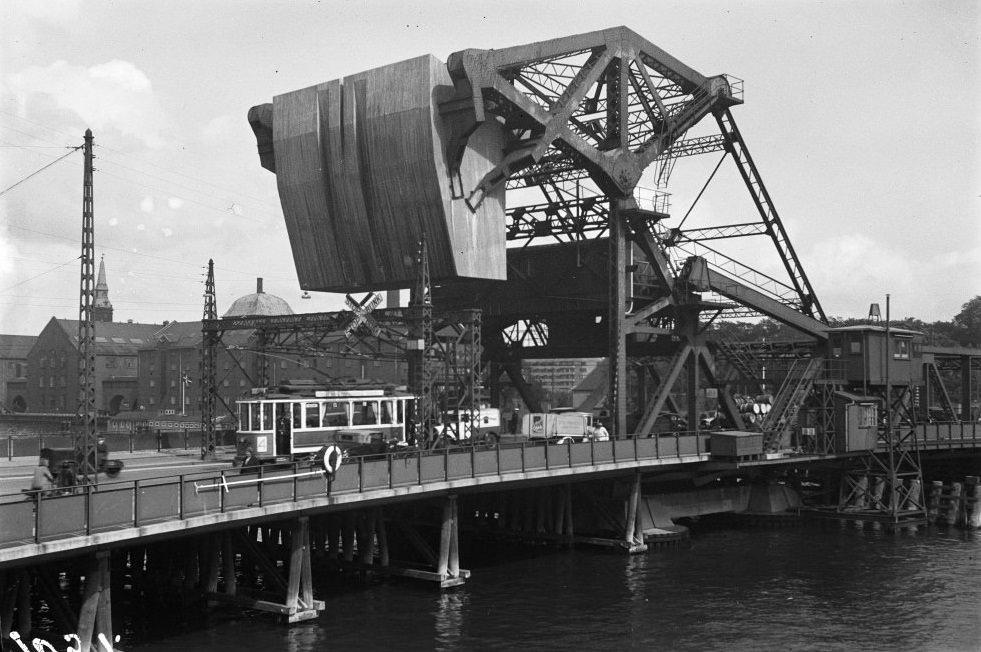
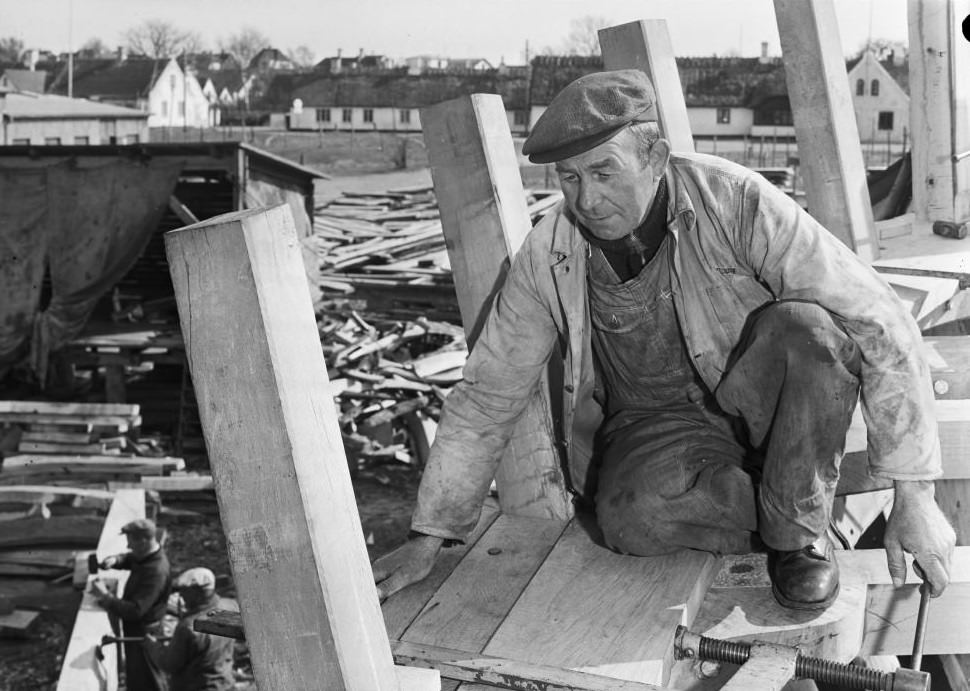
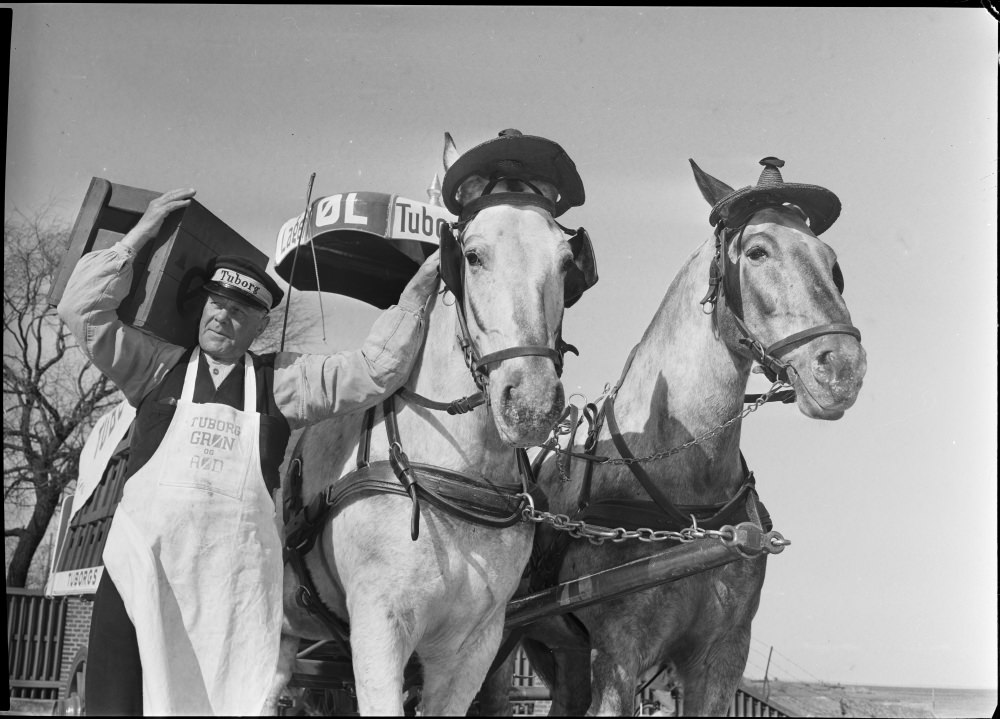
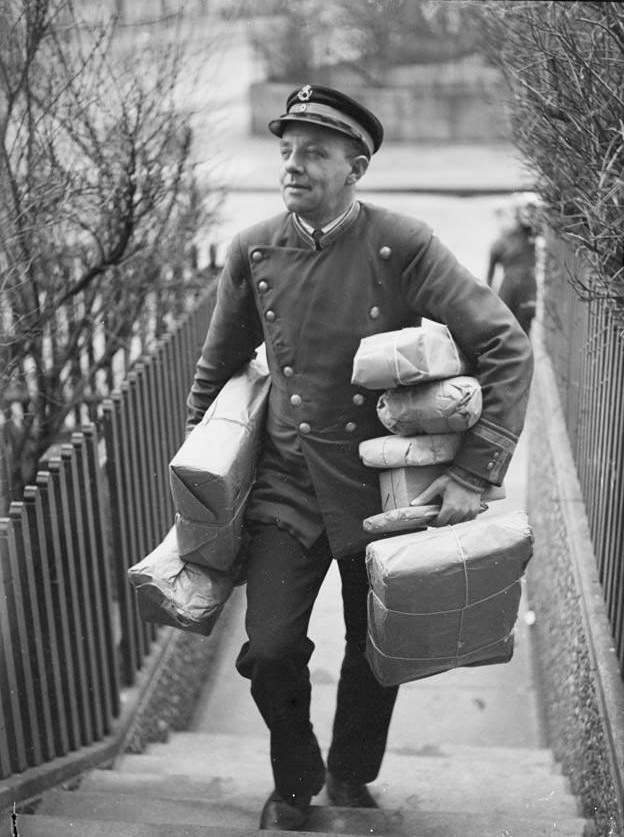
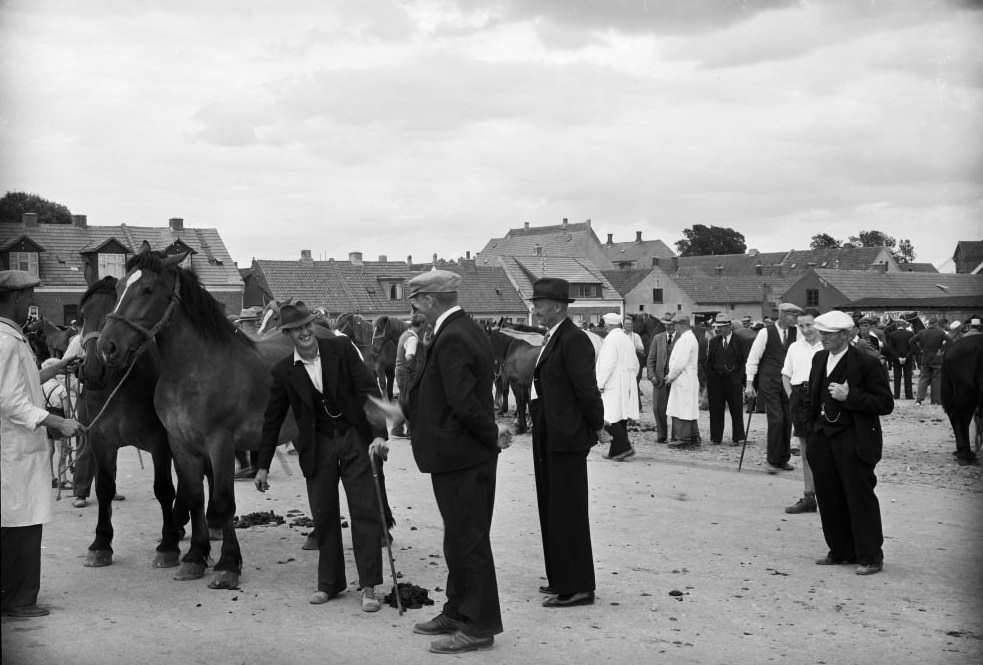
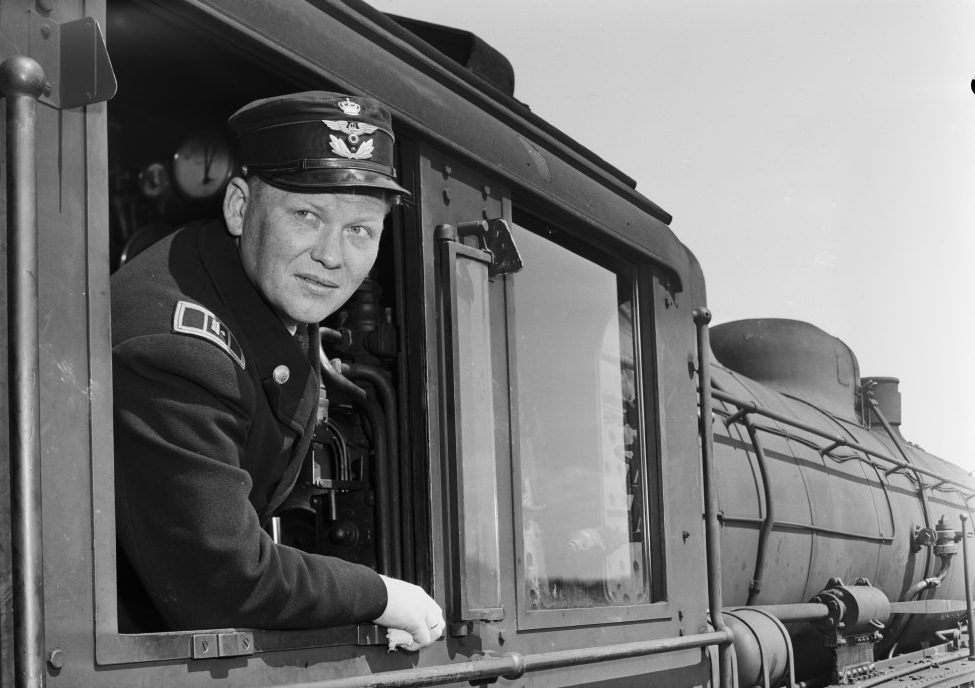
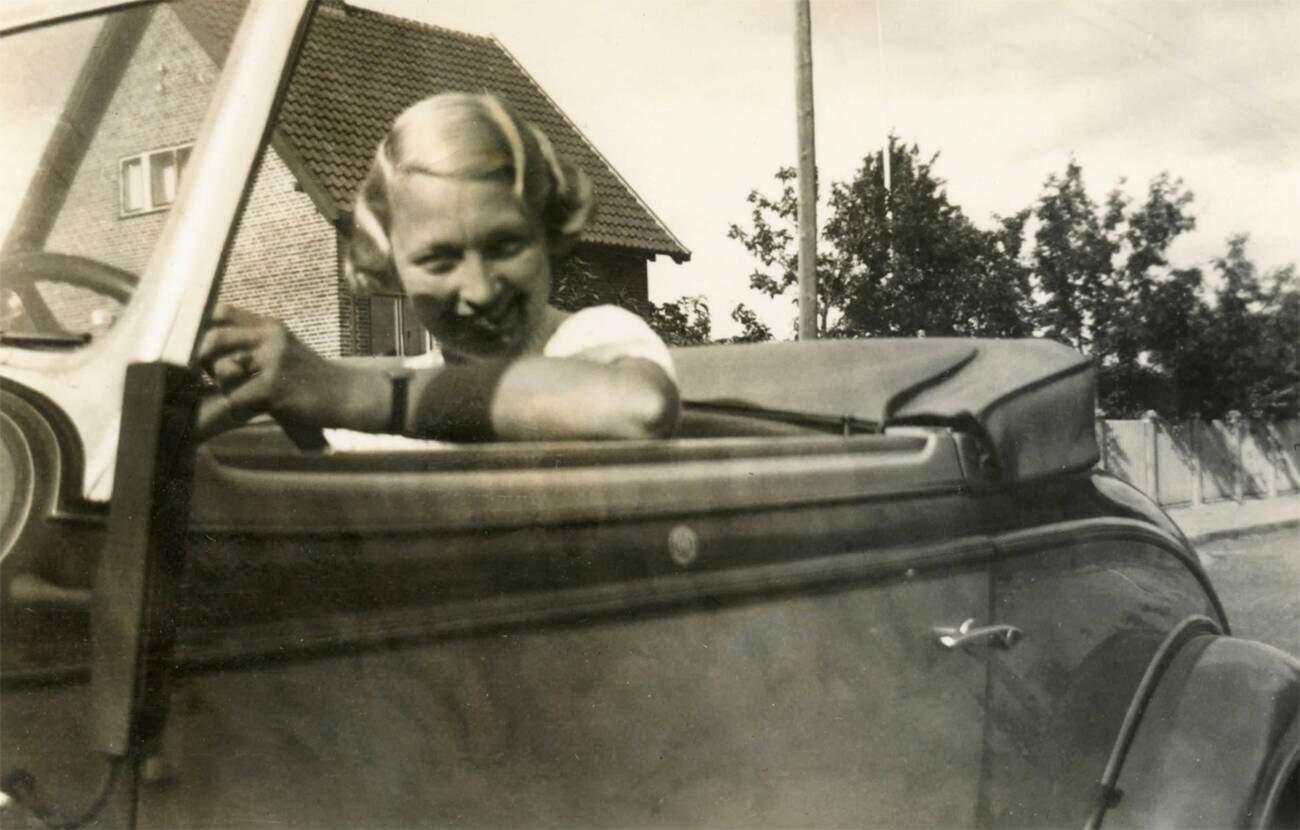
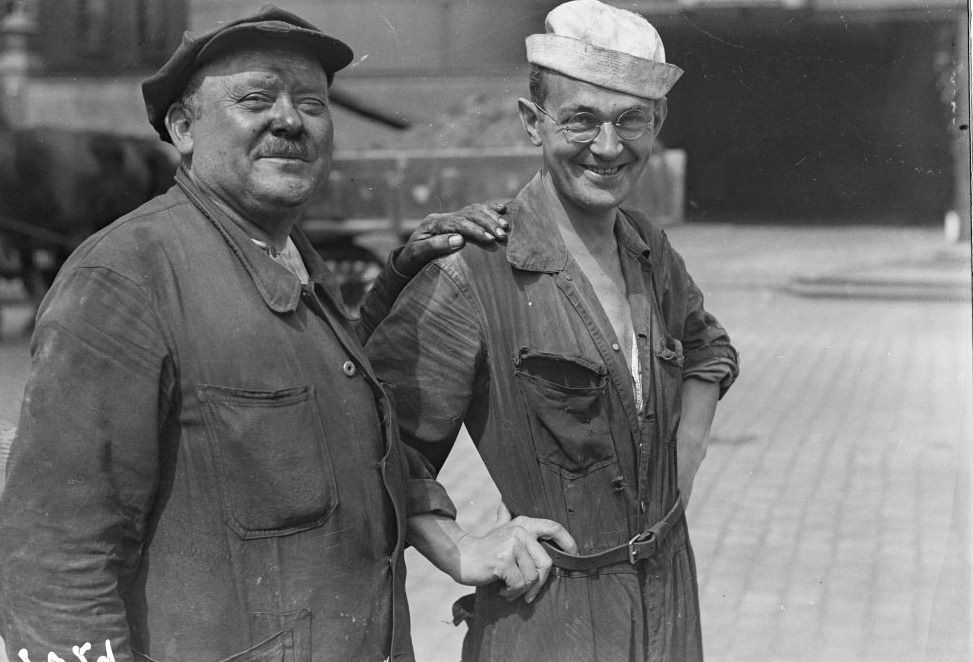
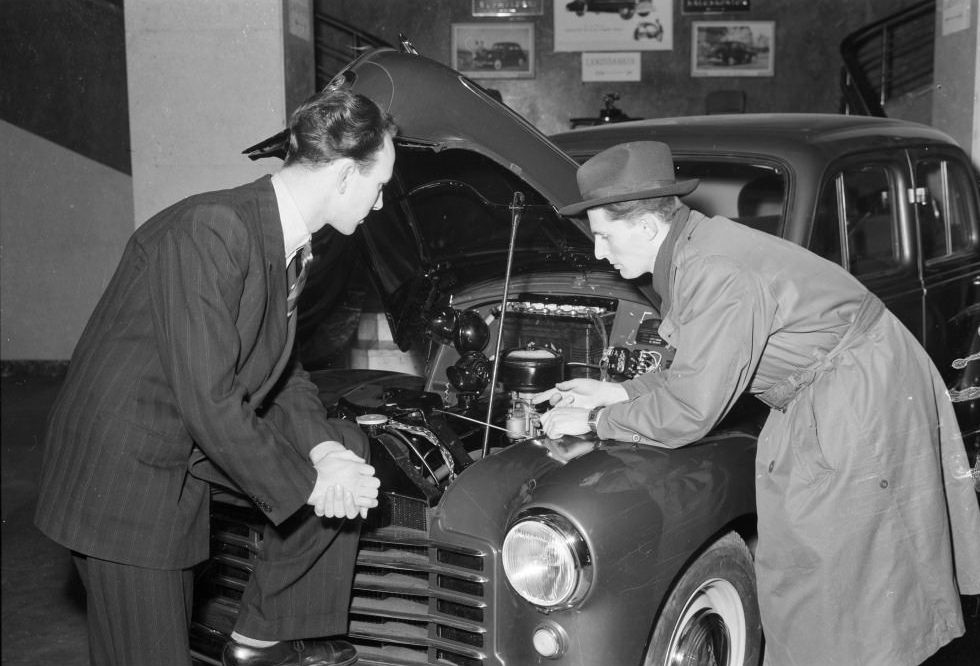
Trade and commerce kept the country moving even during the Depression years. Deliverymen hauled beer and packages through city streets. Horse dealers negotiated at markets. A Vauxhall being demonstrated by a salesman captured the slow but steady arrival of automobile culture in Denmark. Workers in every trade — from locomotive operators to construction crews — kept the infrastructure of the nation functioning.
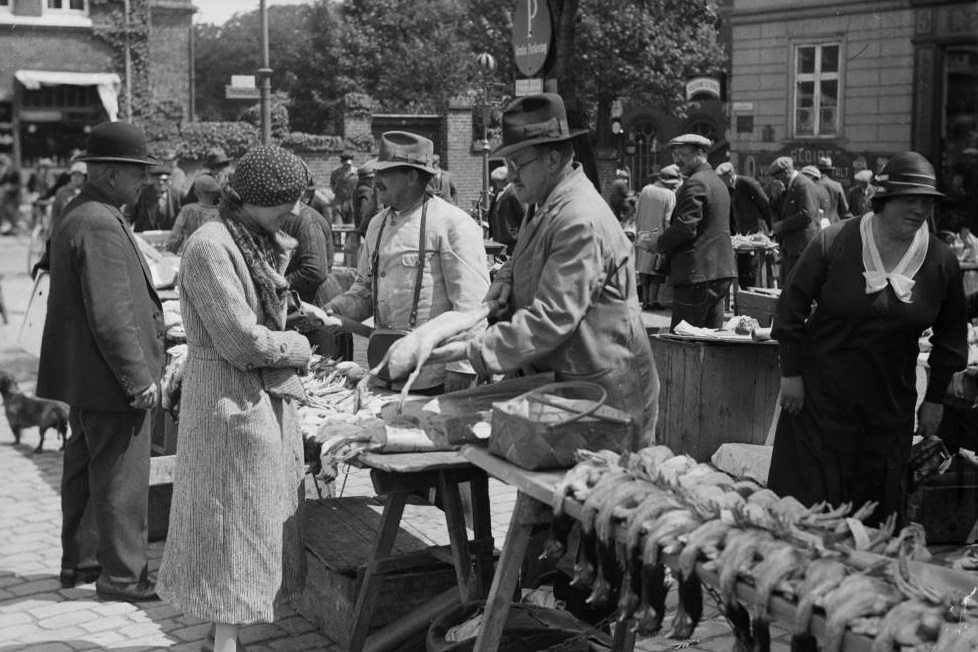
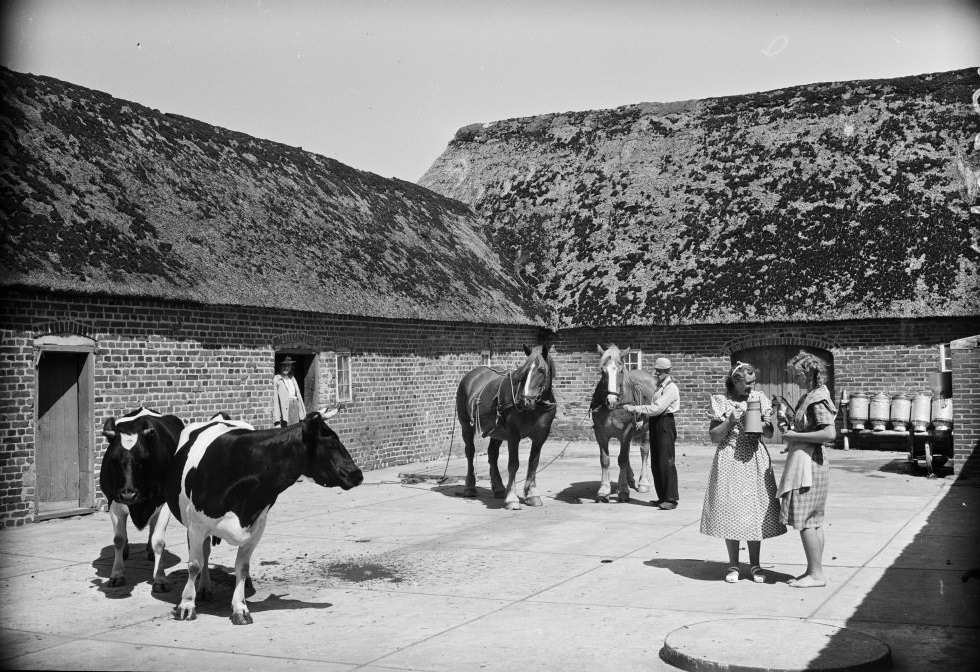
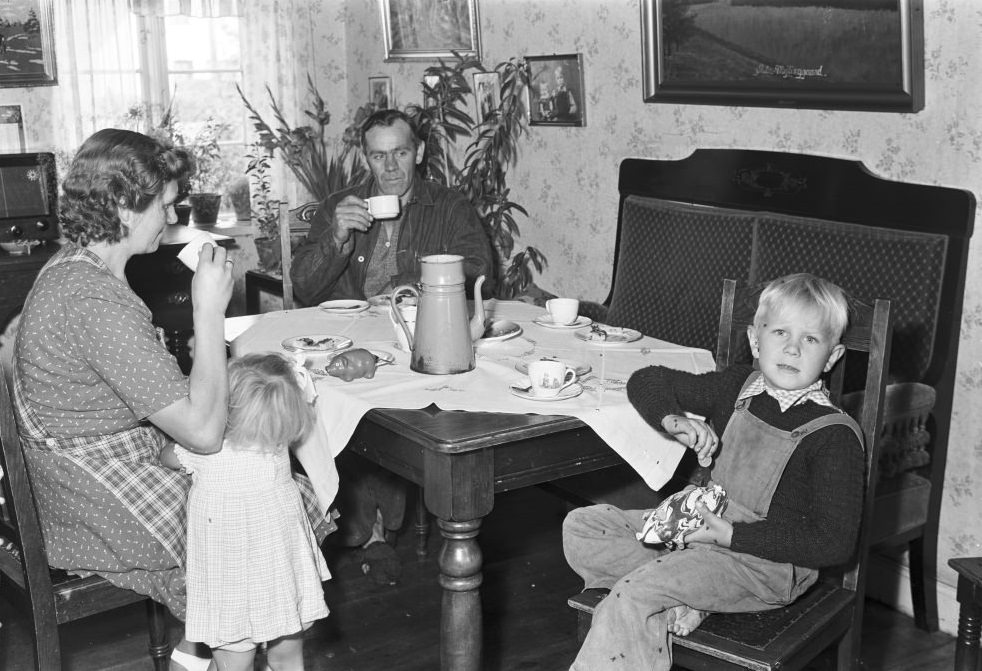
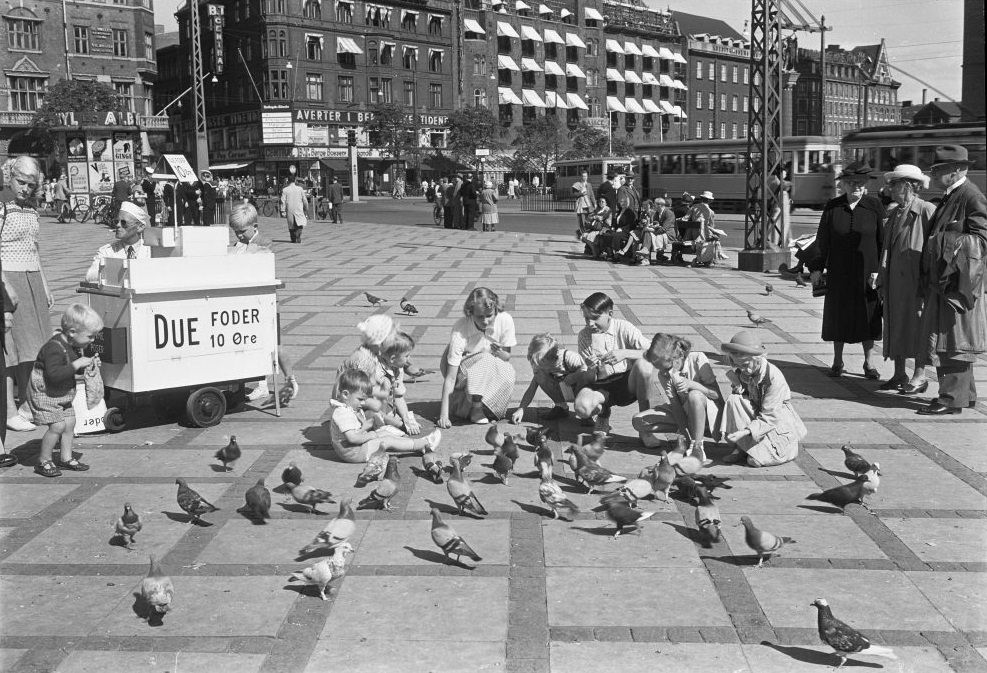
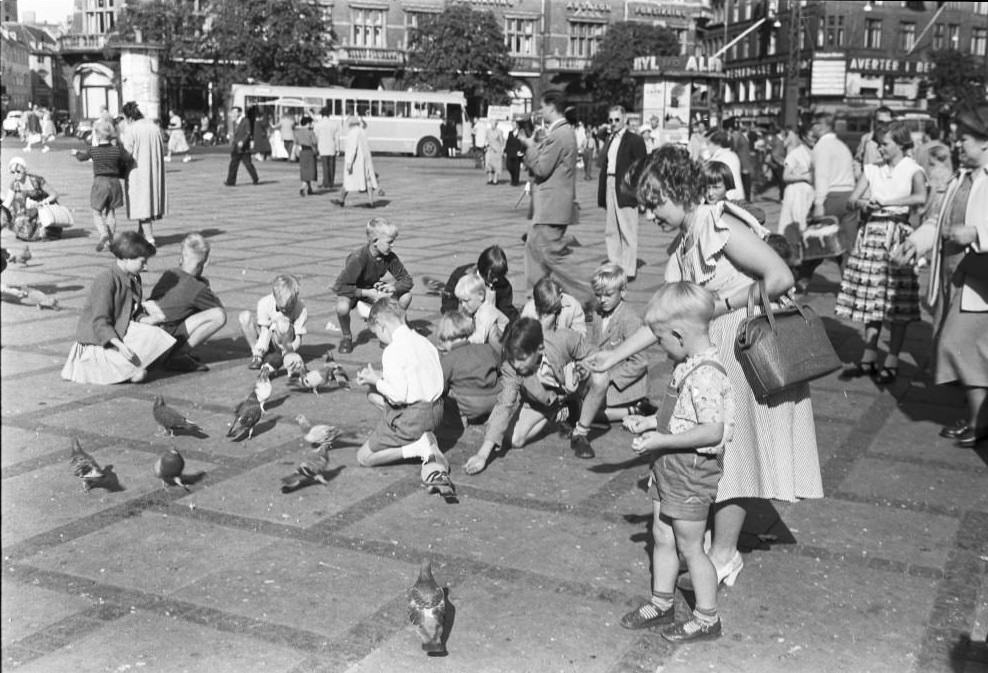
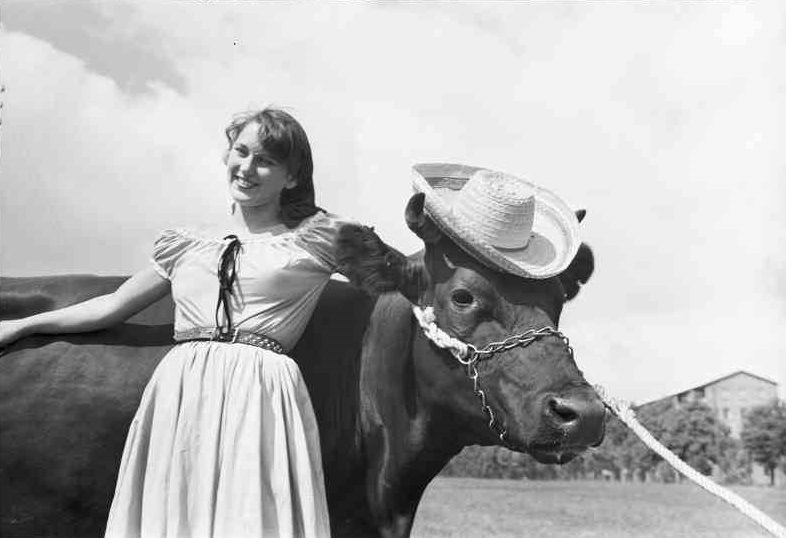
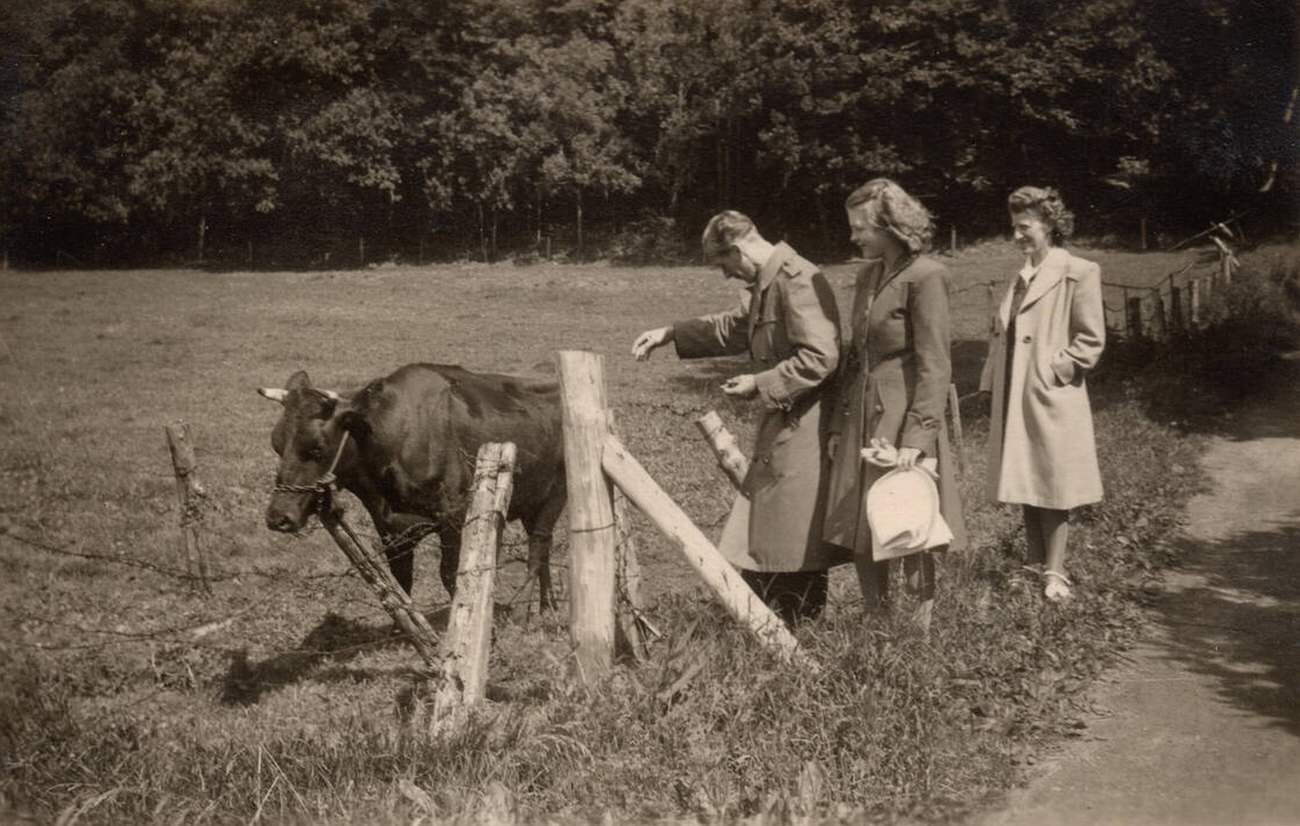
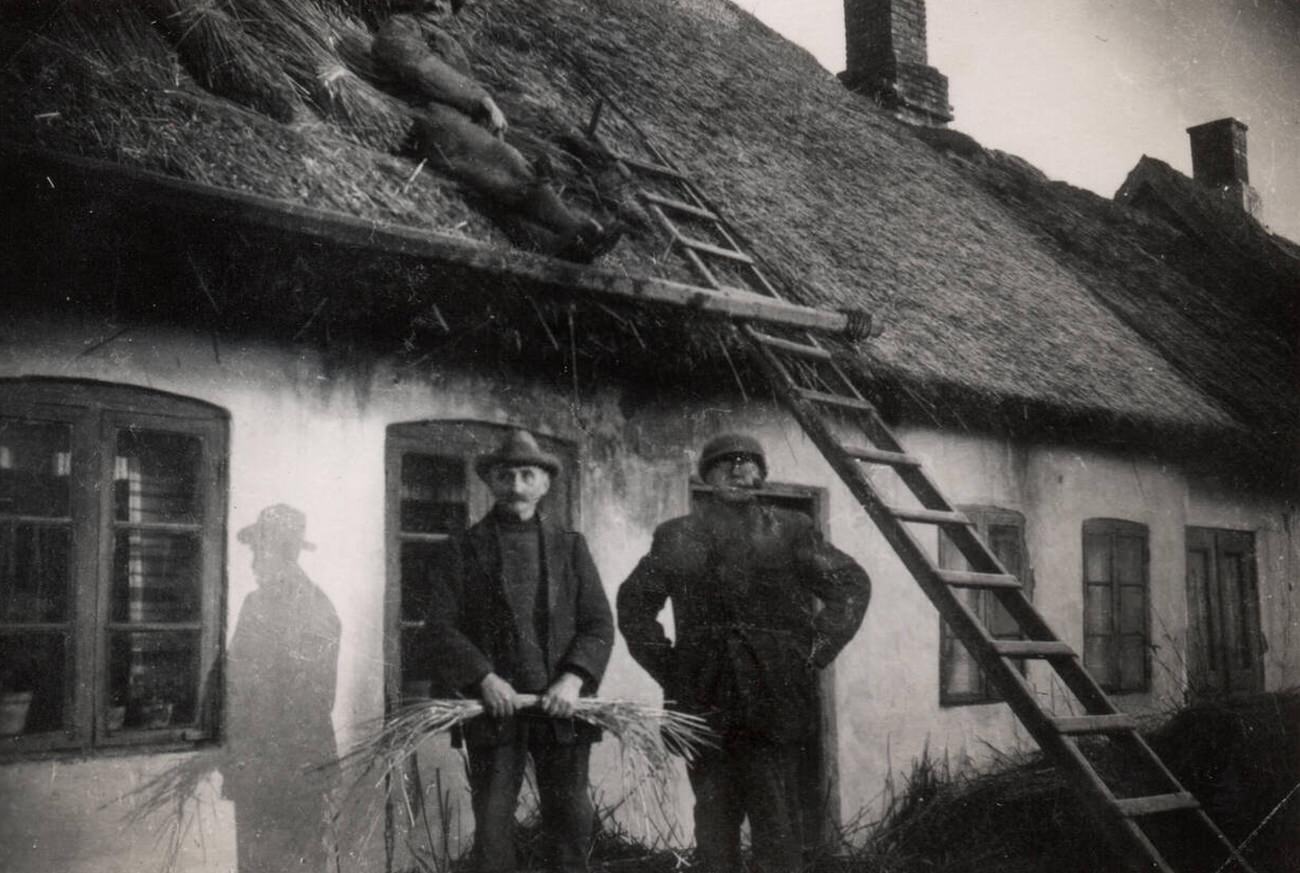
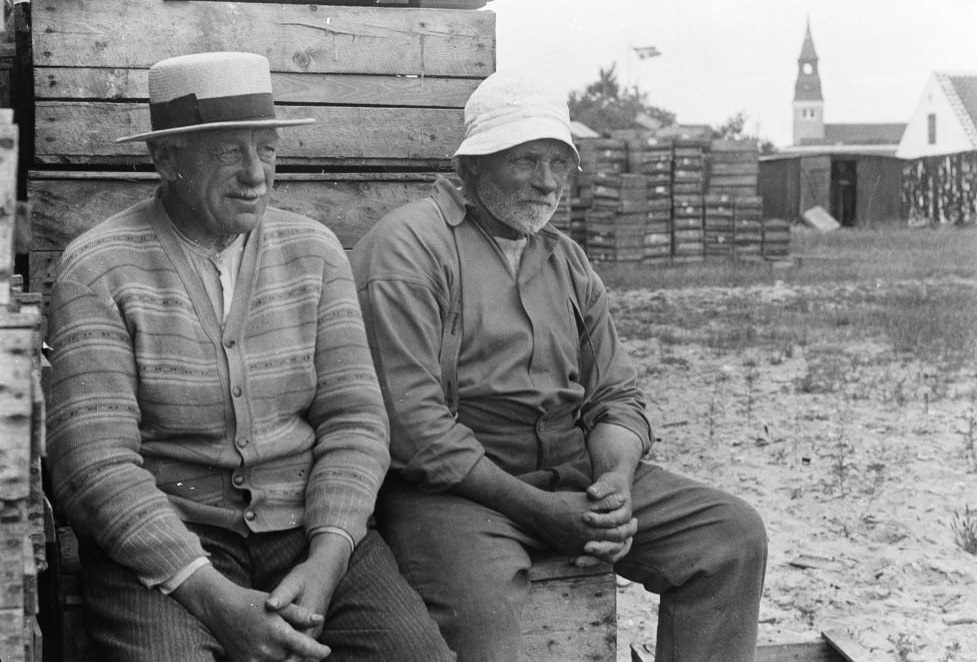
Danish farms in the 1930s were largely self-sufficient operations where people and animals worked side by side. Girls tended cows, families gathered around tables for meals, and the rhythms of the agricultural calendar set the pace of rural life. Thatchers repaired rooftops. Pigeons were fed in city squares by passersby who paused in the middle of their day. These small moments filled out the texture of daily existence in a country managing serious economic strain.
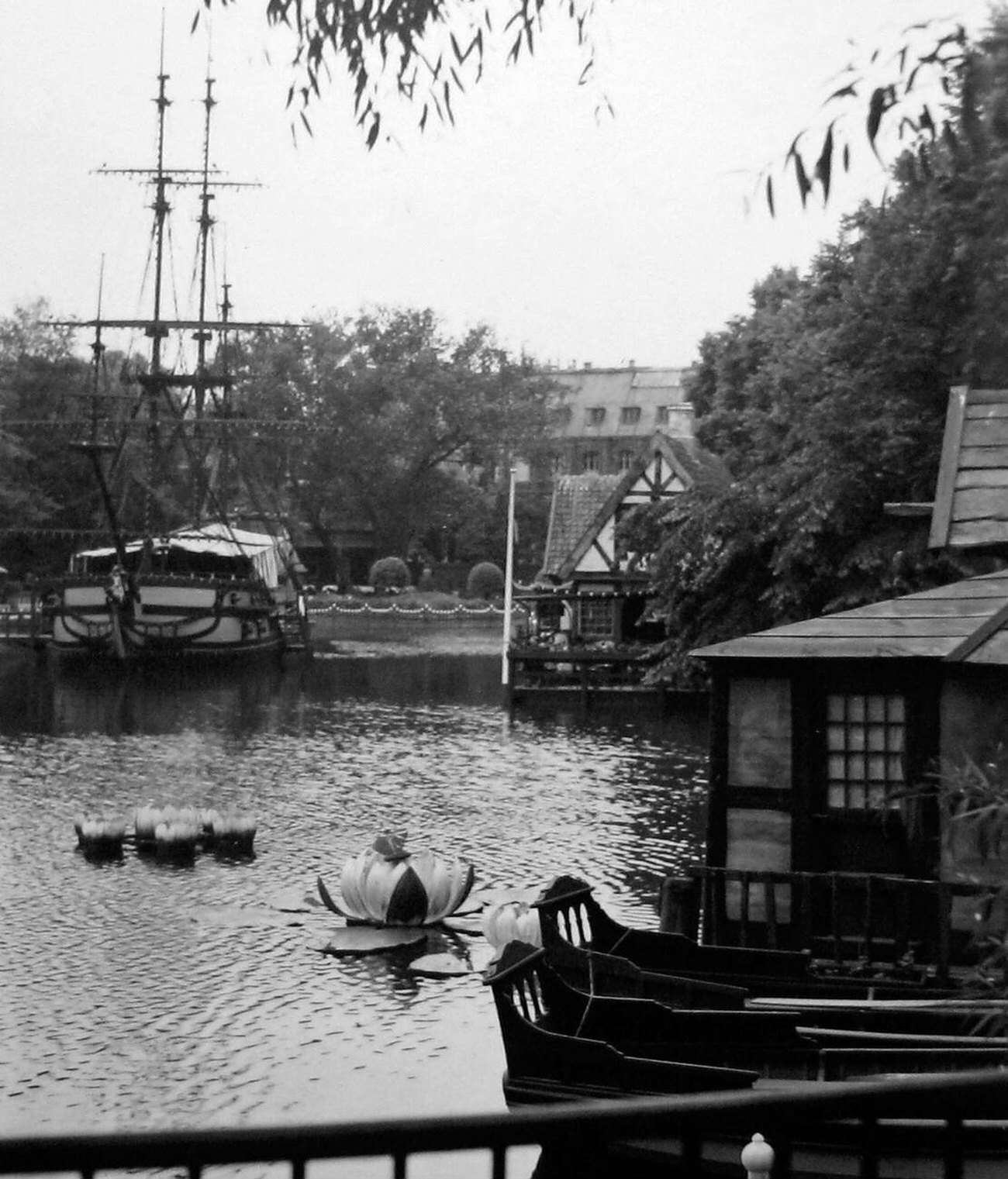
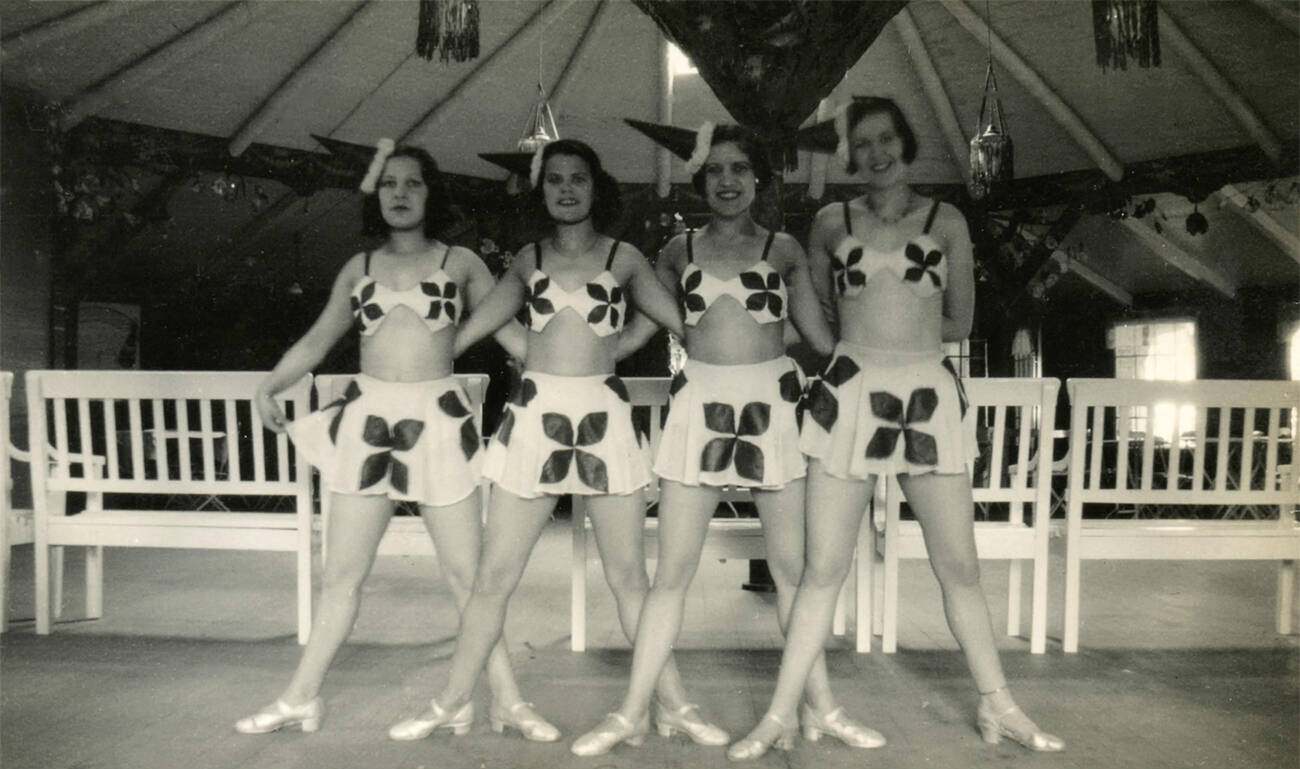
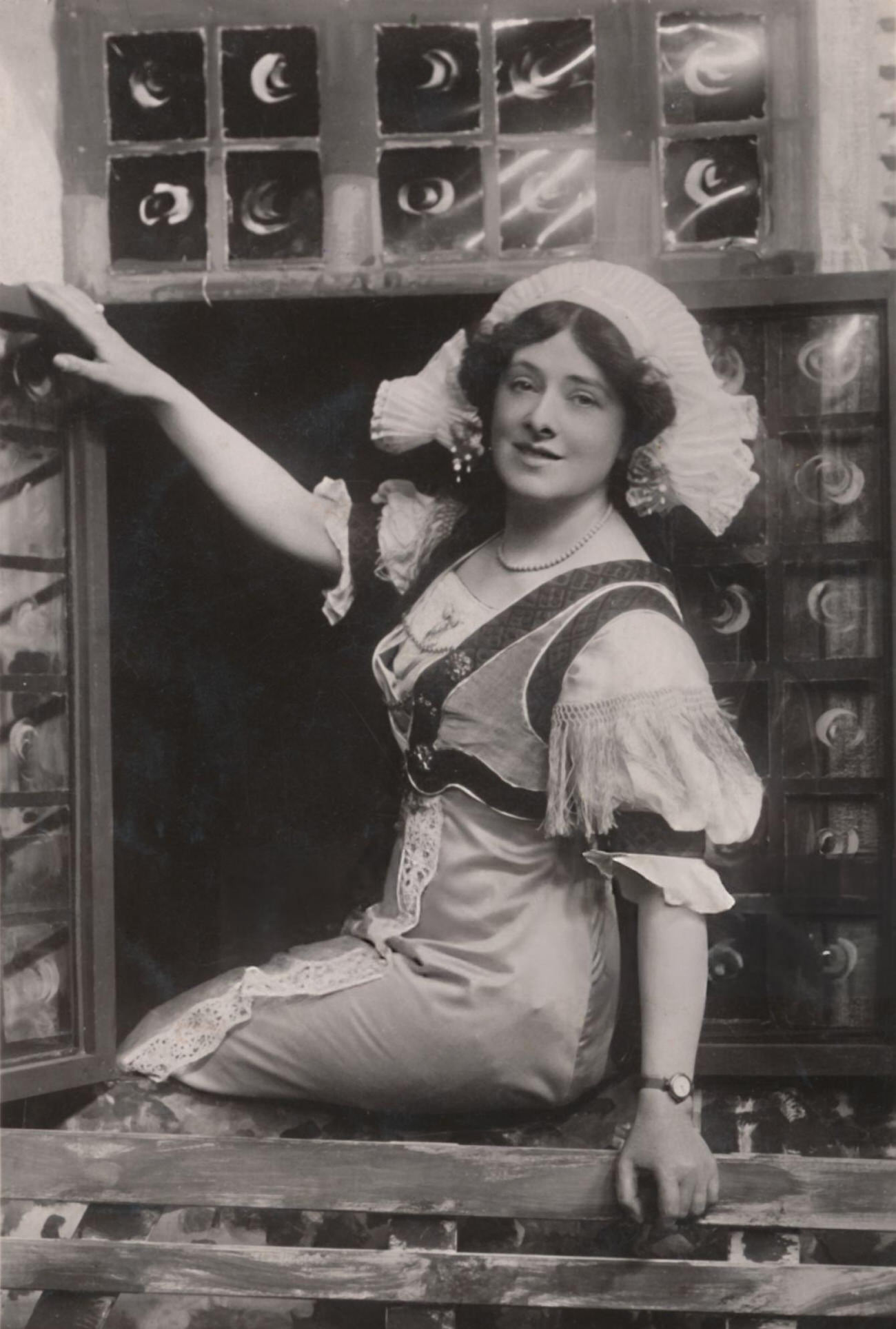
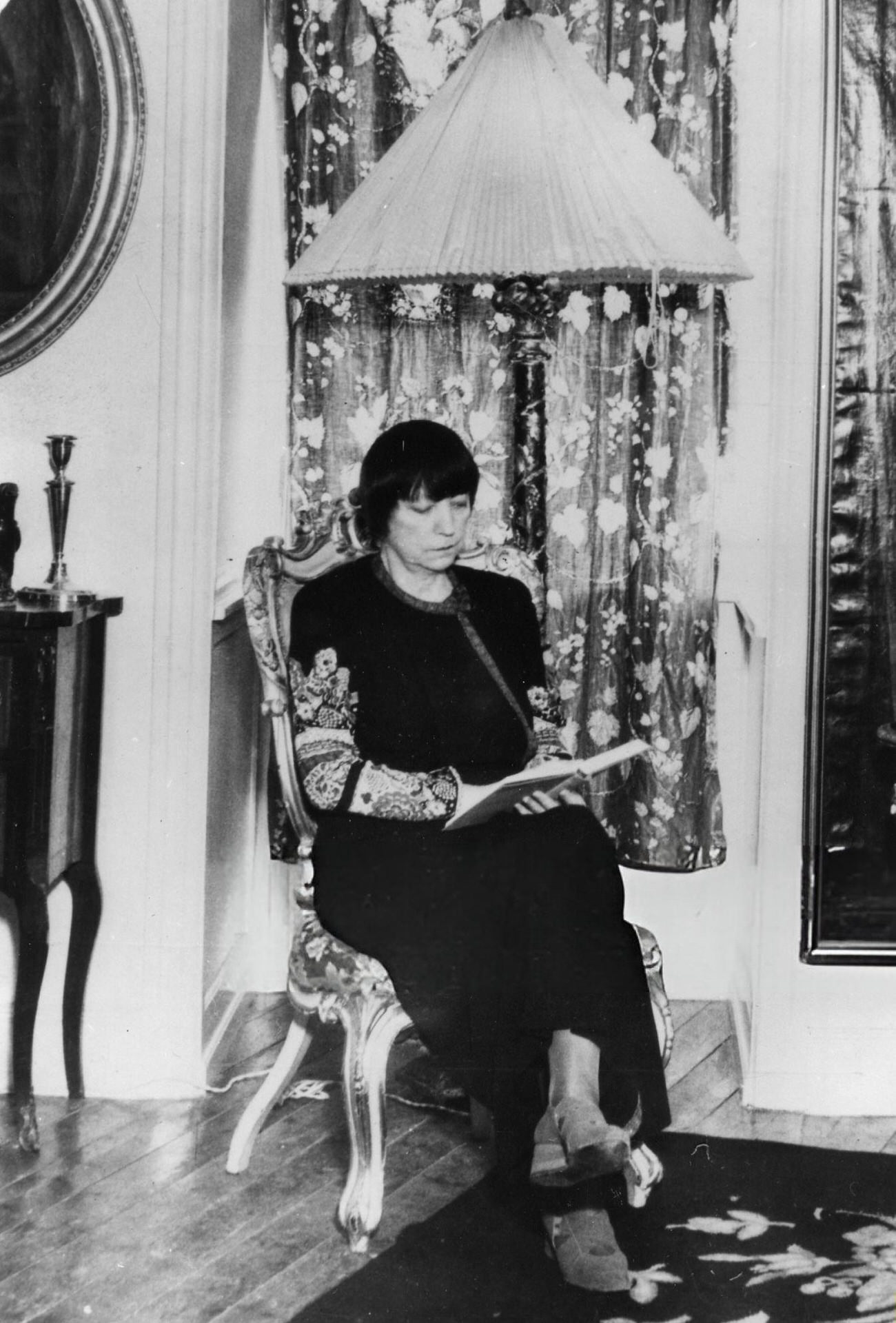
Denmark’s cultural life remained active. The Royal Theatre continued to stage performances. Tivoli Gardens in Copenhagen drew visitors of all ages. The Bellevue Theatre in Klampenborg offered a modern entertainment venue that contrasted with the country’s older stone landmarks. Film actress Asta Nielsen, one of Denmark’s most celebrated stars, was already internationally famous by this point and remained a cultural touchstone throughout the decade.
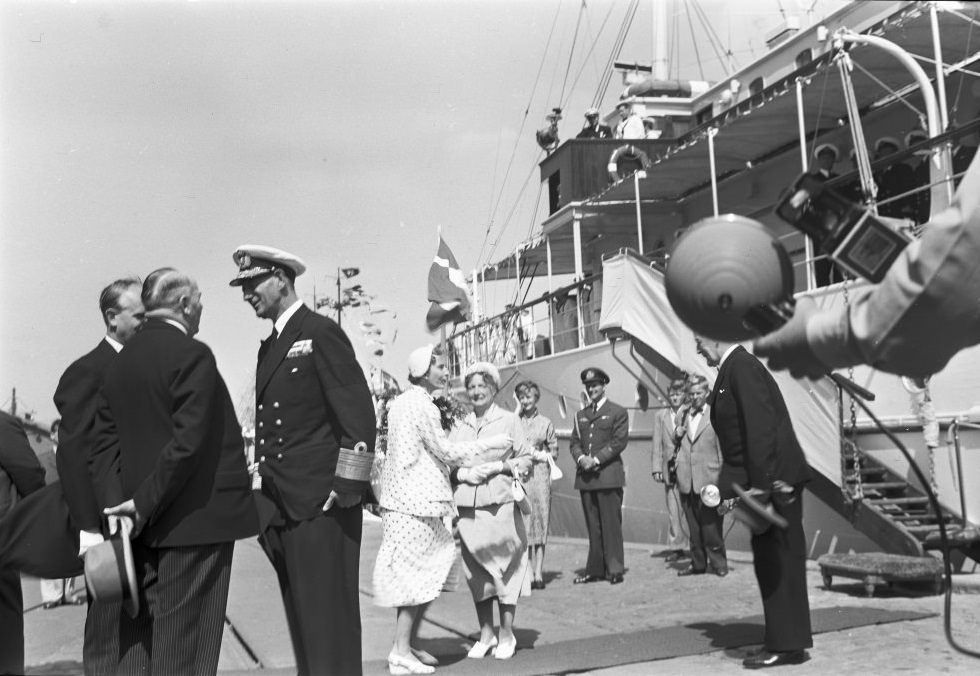
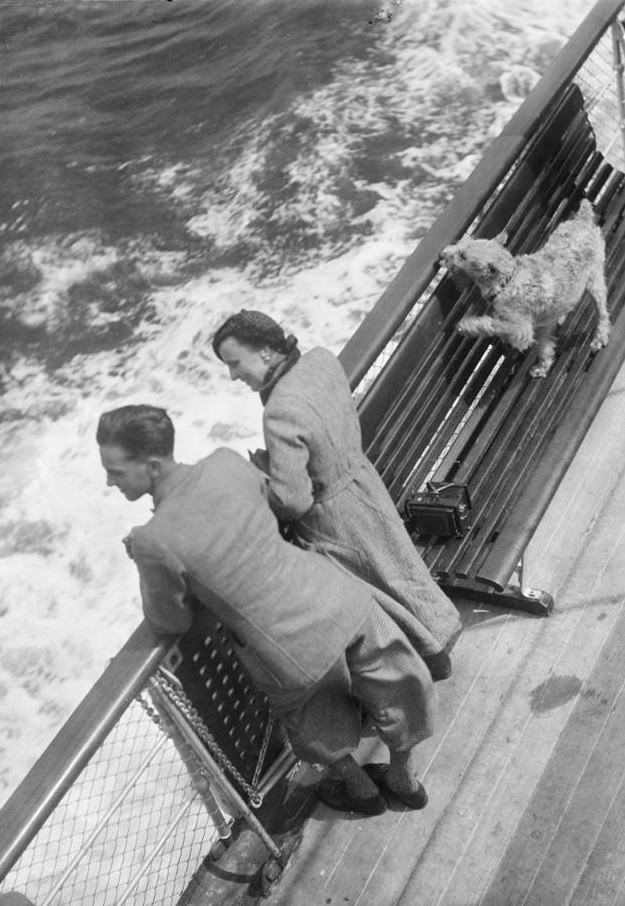
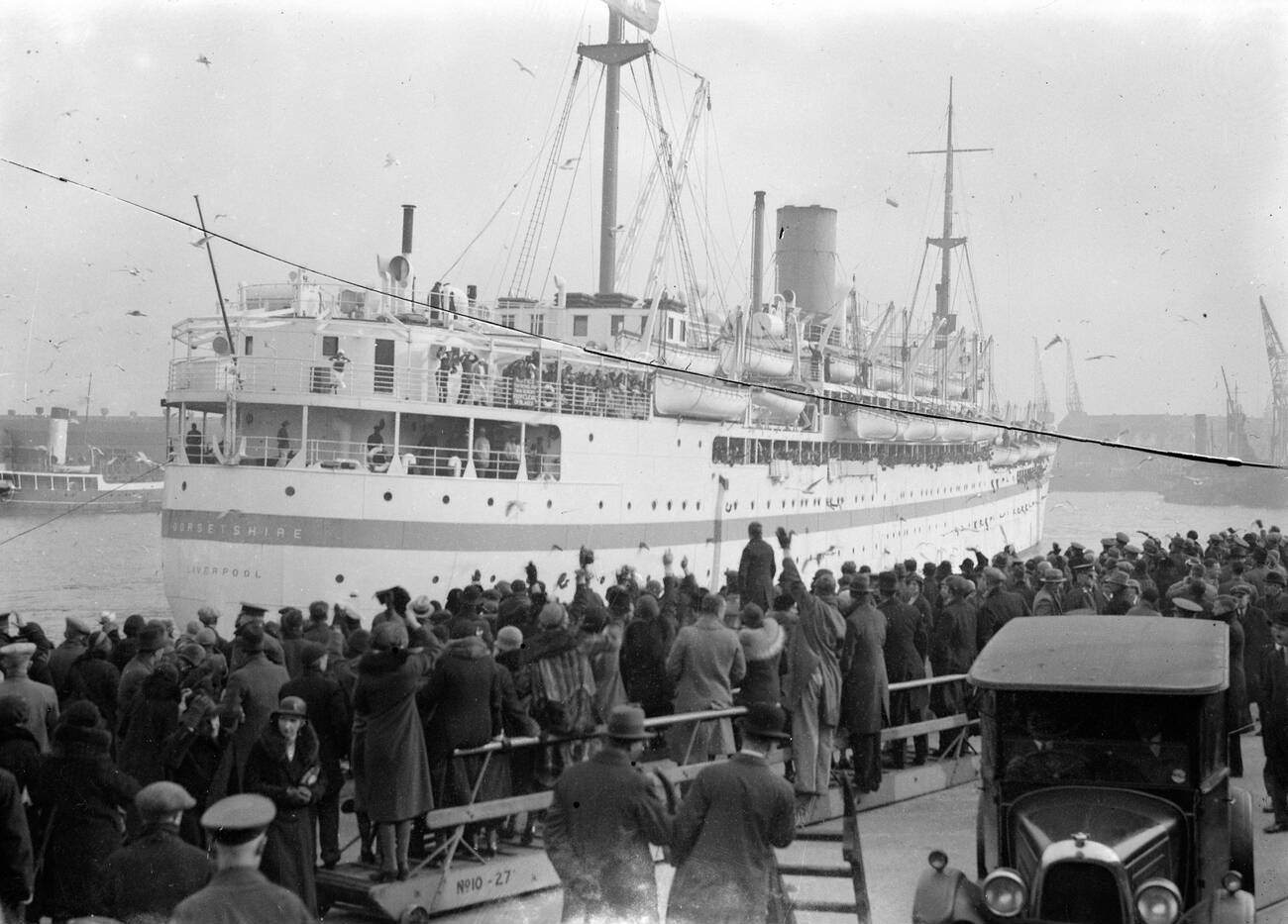
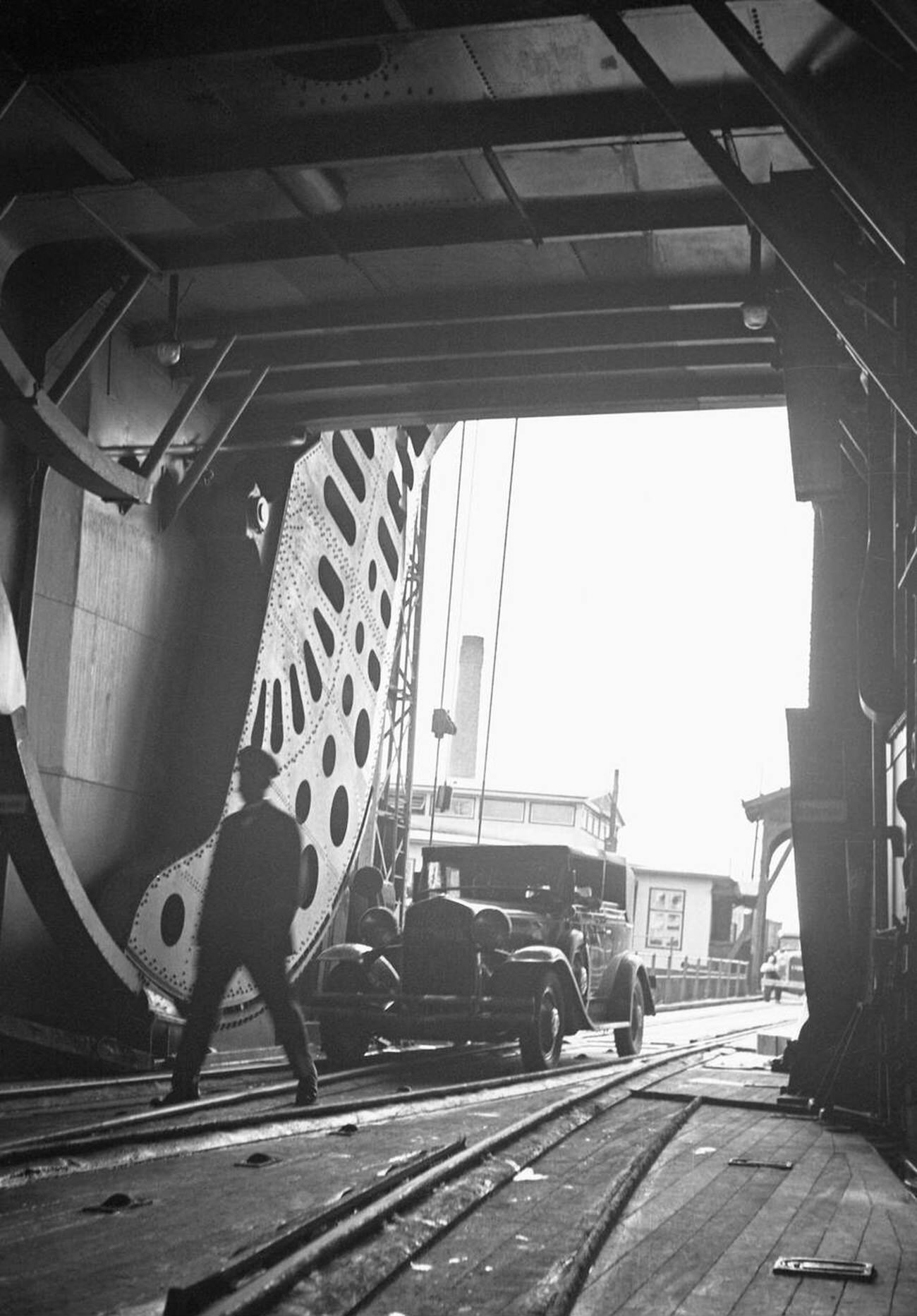
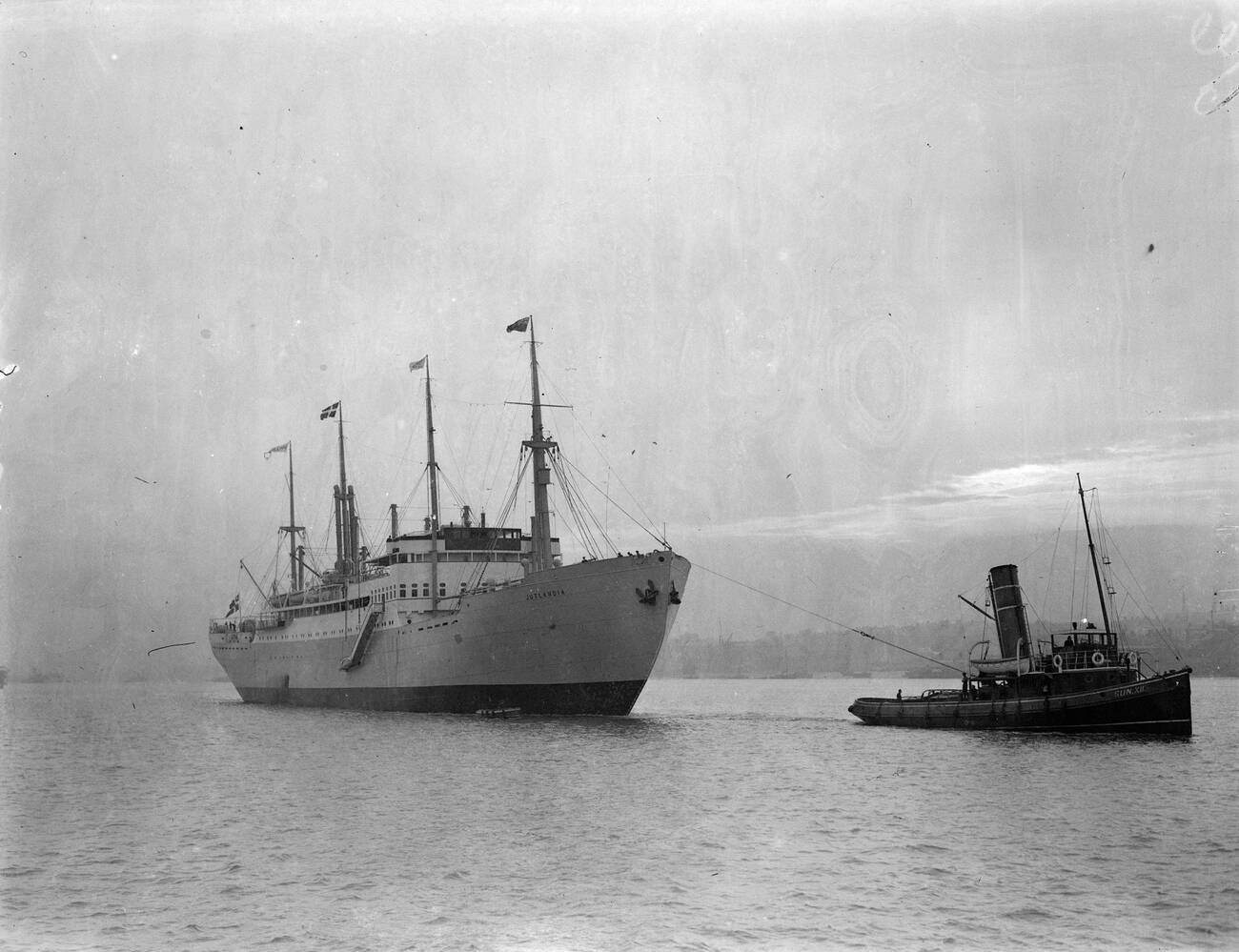
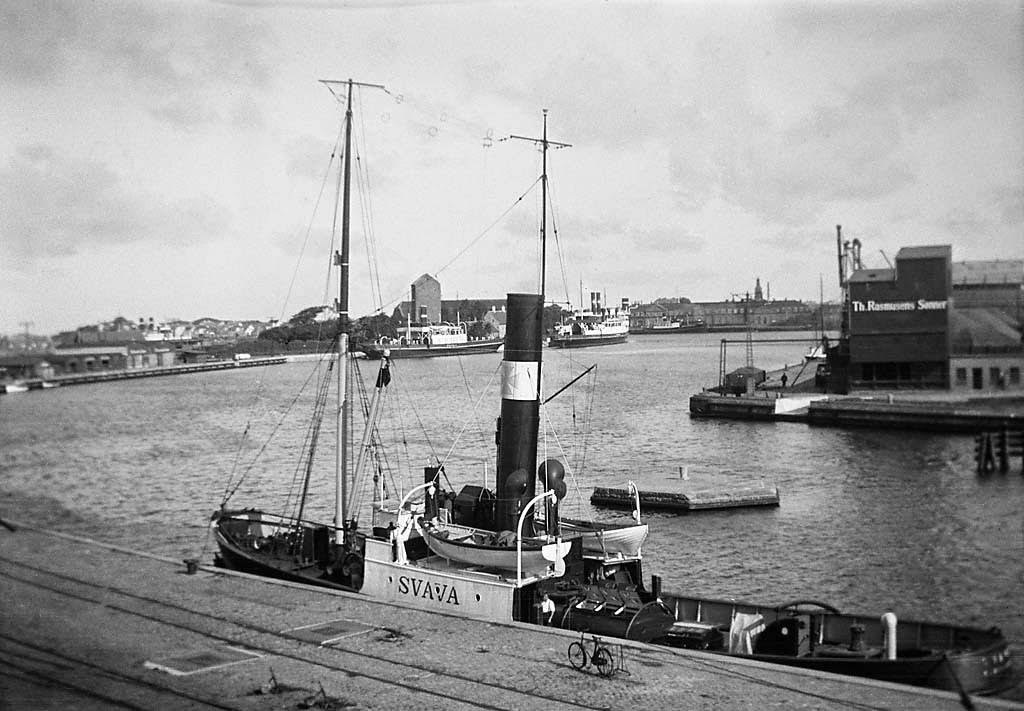
The country’s harbors stayed busy throughout the decade. The Danish training ship Denmark sailed from Copenhagen harbor in 1934, a proud symbol of the nation’s maritime tradition. The ship Jutlandia arrived in London that same year. Ferry routes connecting Denmark to Germany carried vehicles and passengers, linking the country to a continent that was rapidly changing. The Warnemünde-Gedser train ferry was one such crossing, practical and routine, even as political tensions mounted on both sides.
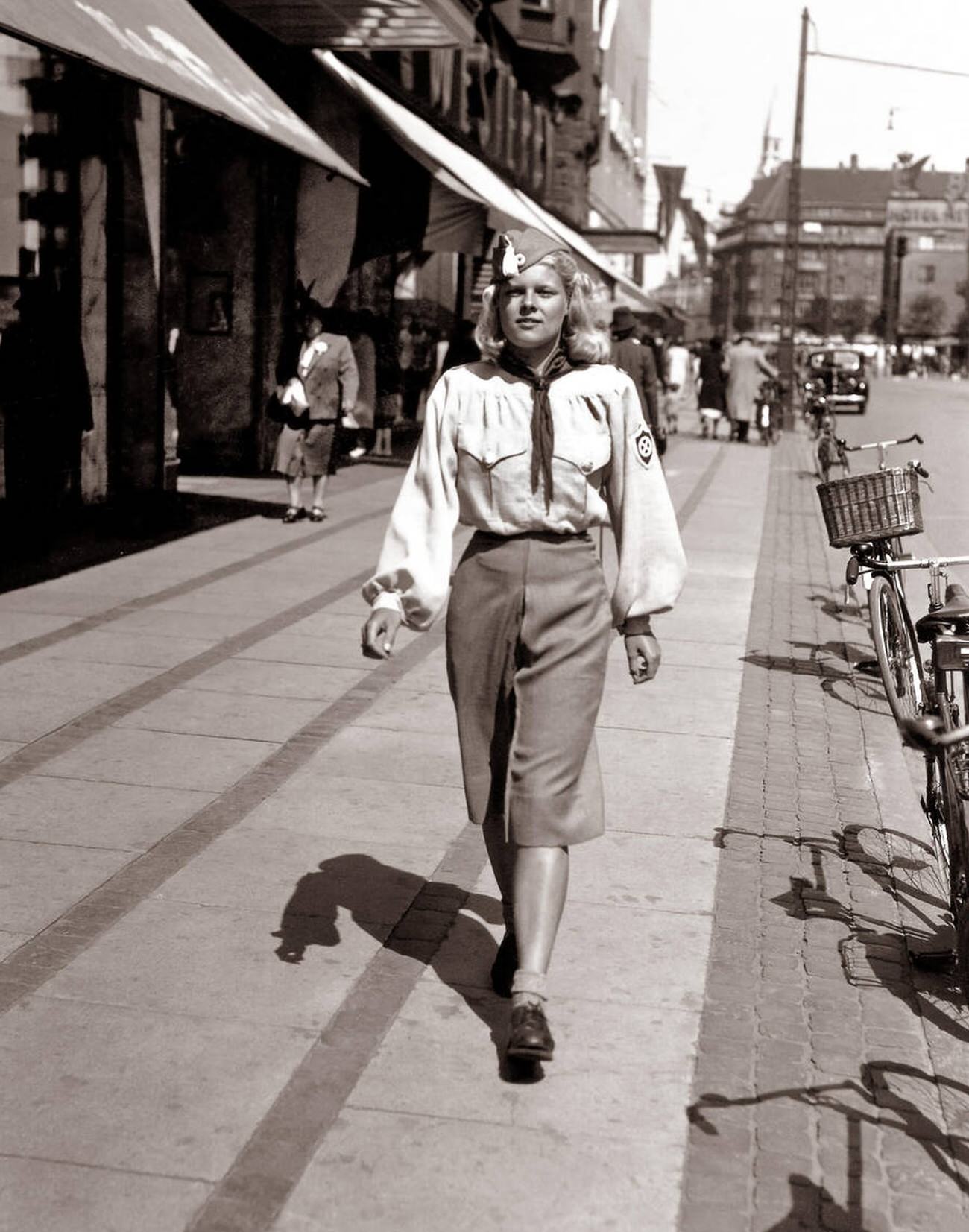
One photograph from the 1930s stands out for its historical weight: a teenage girl in a Nazi Party uniform, photographed in Denmark. It serves as a reminder that far-right ideology was not confined to Germany’s borders during this era. Denmark had its own small community of Nazi sympathizers, and their presence was a reflection of the broader European political climate creeping into Scandinavian society.
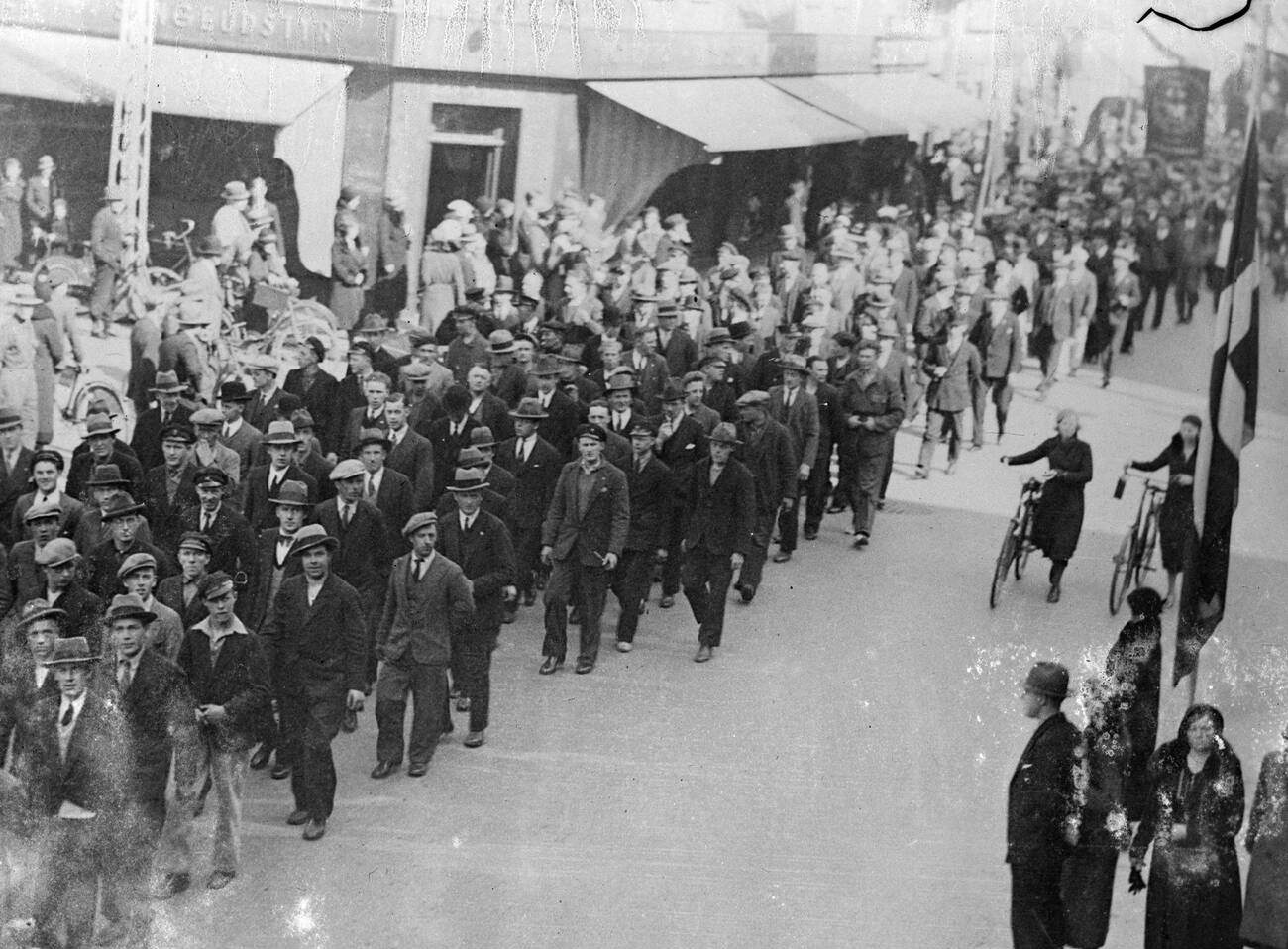
Labor unrest was also part of the decade’s story. In 1934, strikers demonstrated in Esbjerg, a port city on Denmark’s west coast. The protest reflected the ongoing frustration of workers who had been squeezed by years of unemployment and economic hardship. The Social Reforms of 1933 had begun to address these grievances, but the road to recovery was slow and uneven across different industries and regions.
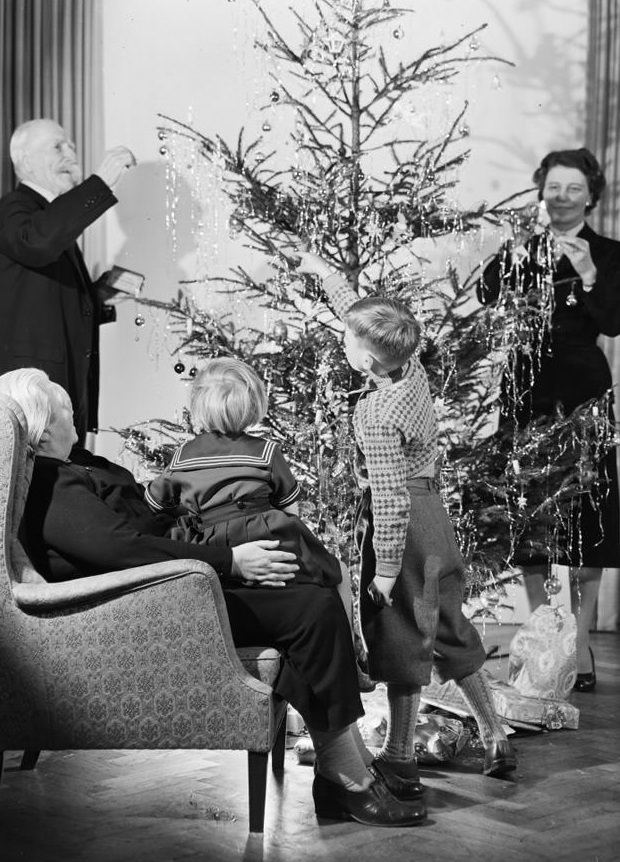
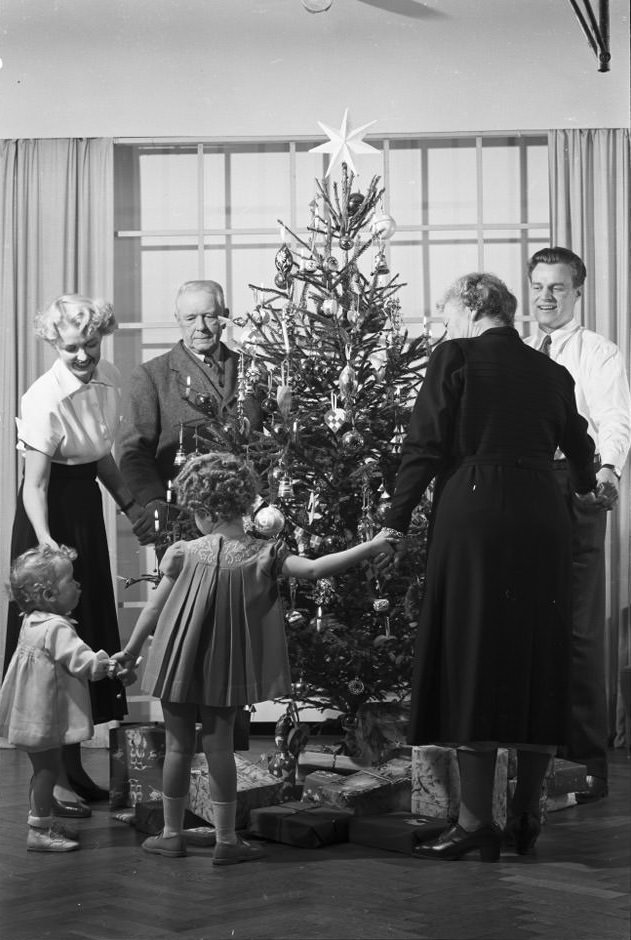
Christmas was a deeply observed tradition across Denmark. Families gathered around decorated tables for Christmas Eve dinners. Children played near lit trees. The holiday provided a moment of warmth and continuity in a decade marked by economic instability and growing international threat. These Christmas photographs capture a people doing what people in hard times often do — holding tightly to the traditions that connect them to one another.