

In 1923, an Akita puppy was born on a farm in rural Japan. His name was Hachiko. Within a year, he had been brought to Tokyo by Professor Hidesaburo Ueno, an agricultural science professor at the University of Tokyo. The two formed a bond that would eventually become one of the most well-known stories in Japanese history.
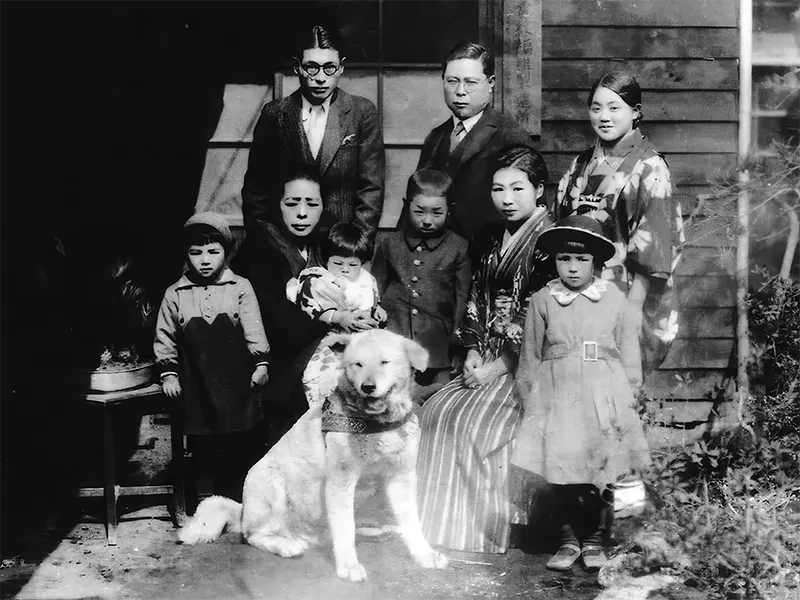
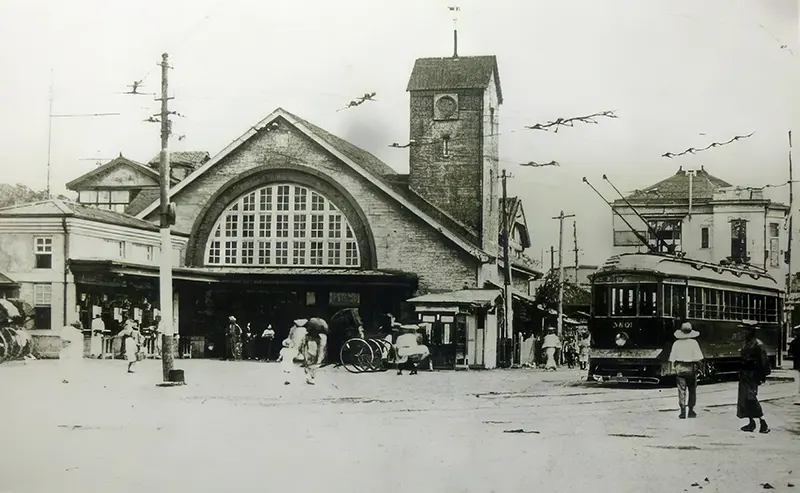
Their daily routine was simple but consistent. Each morning, Hachiko walked with Professor Ueno to Shibuya Station and watched him board the train to the university. Every afternoon, Hachiko returned to the station to meet the professor as he stepped off the train. This went on for about a year, and the sight of the dog waiting at the platform became a familiar part of life for commuters and station staff alike.
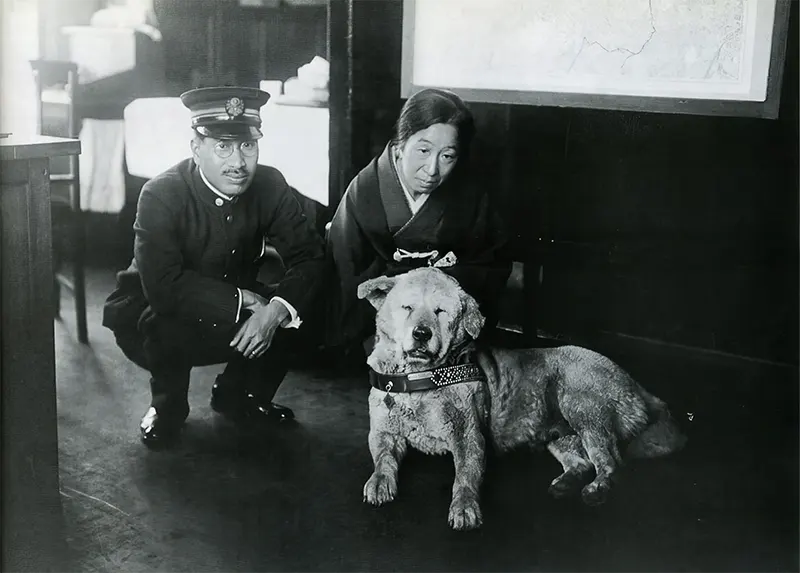
On May 21, 1925, Professor Ueno suffered a fatal brain hemorrhage while at the university. He never came home. He never stepped off that train again. Hachiko had no way of knowing this. So he went back to the station. Then he went back again the next day. And the day after that.
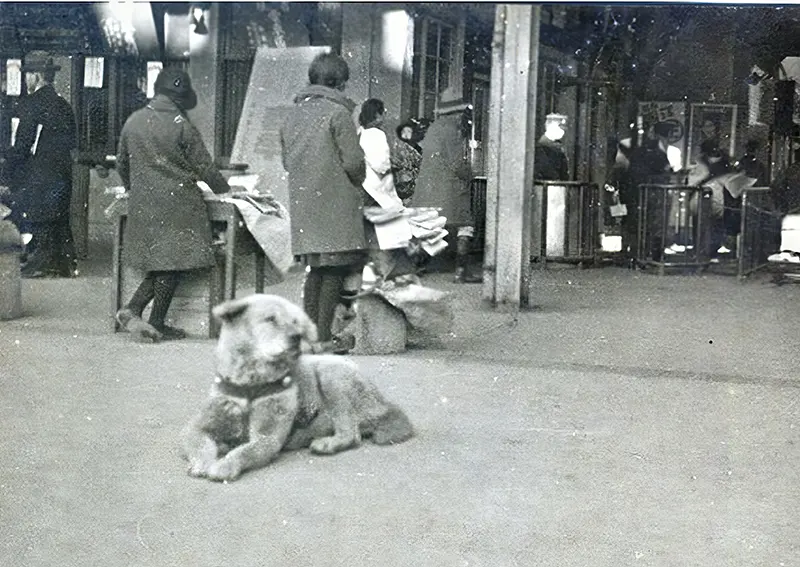
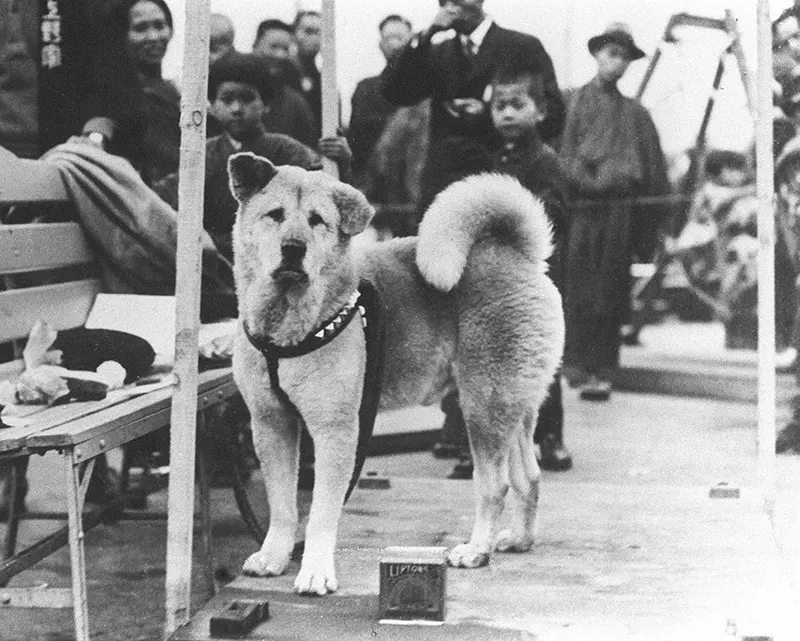
At first, some people at Shibuya Station saw Hachiko as just a stray dog and tried to chase him off. Once they learned the truth about who he was and why he kept coming back, their attitude changed completely. Station employees and regular commuters began bringing him food. They looked out for him, kept him fed, and made sure he had a place to rest while he waited.
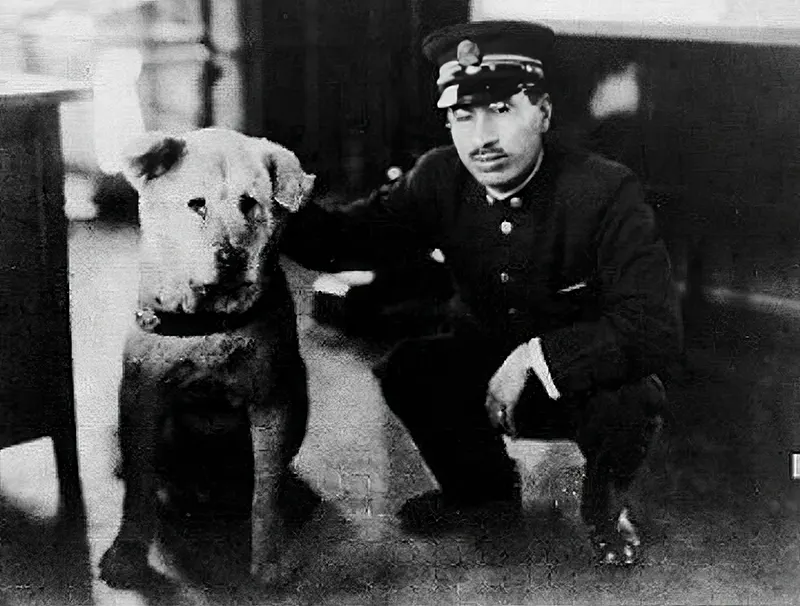
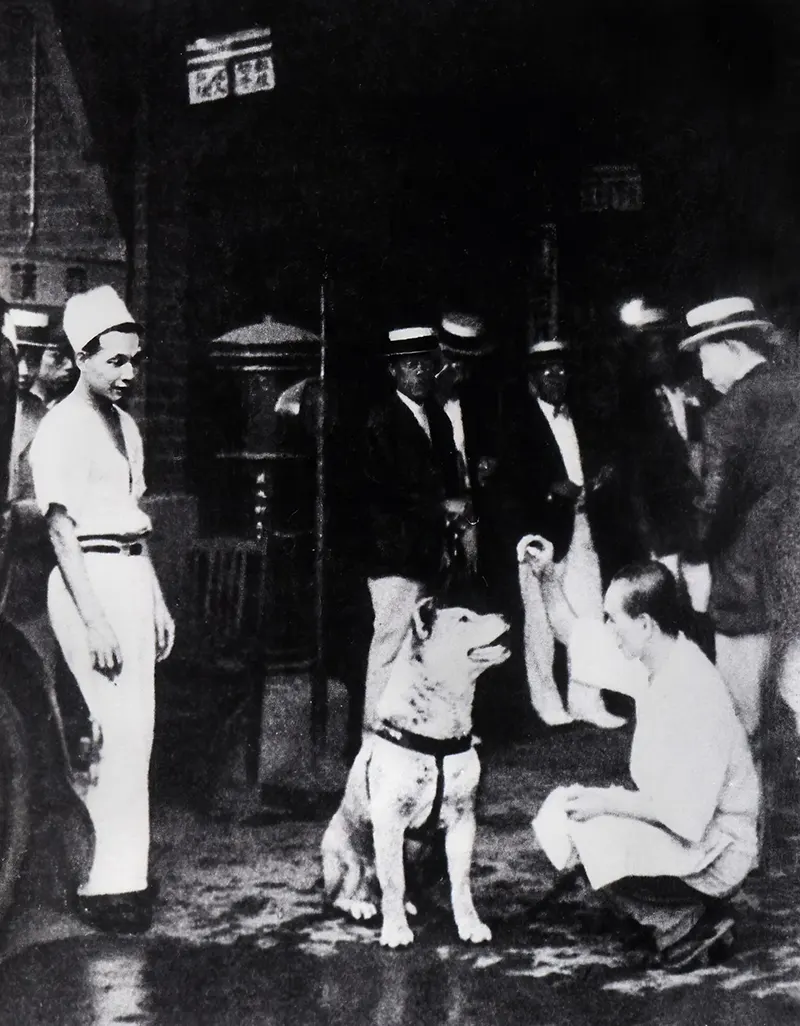
Hachiko’s story caught the attention of the Japanese press in 1932, when a newspaper article about him was published and read across the country. He became a national sensation almost overnight. People traveled specifically to Shibuya Station just to see the dog who had been waiting for years for an owner who would never return.
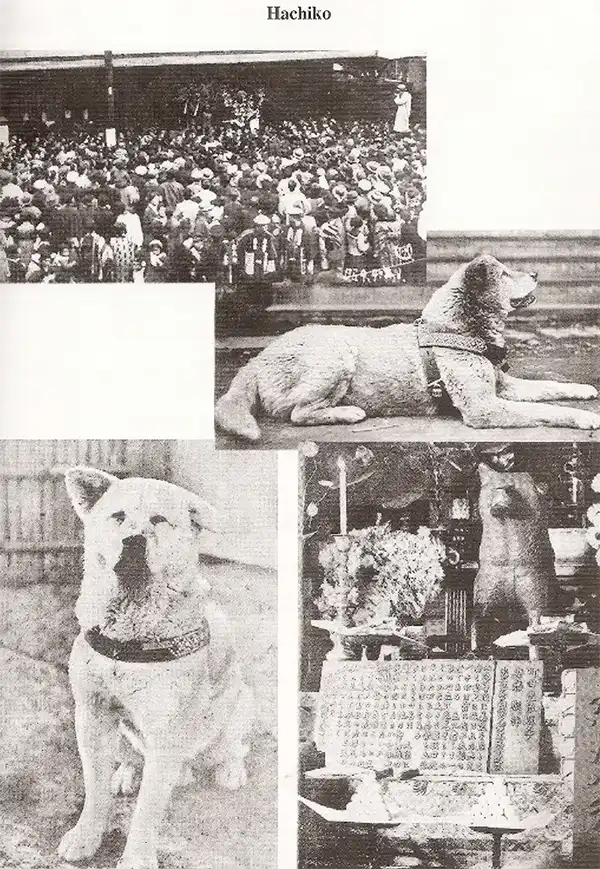
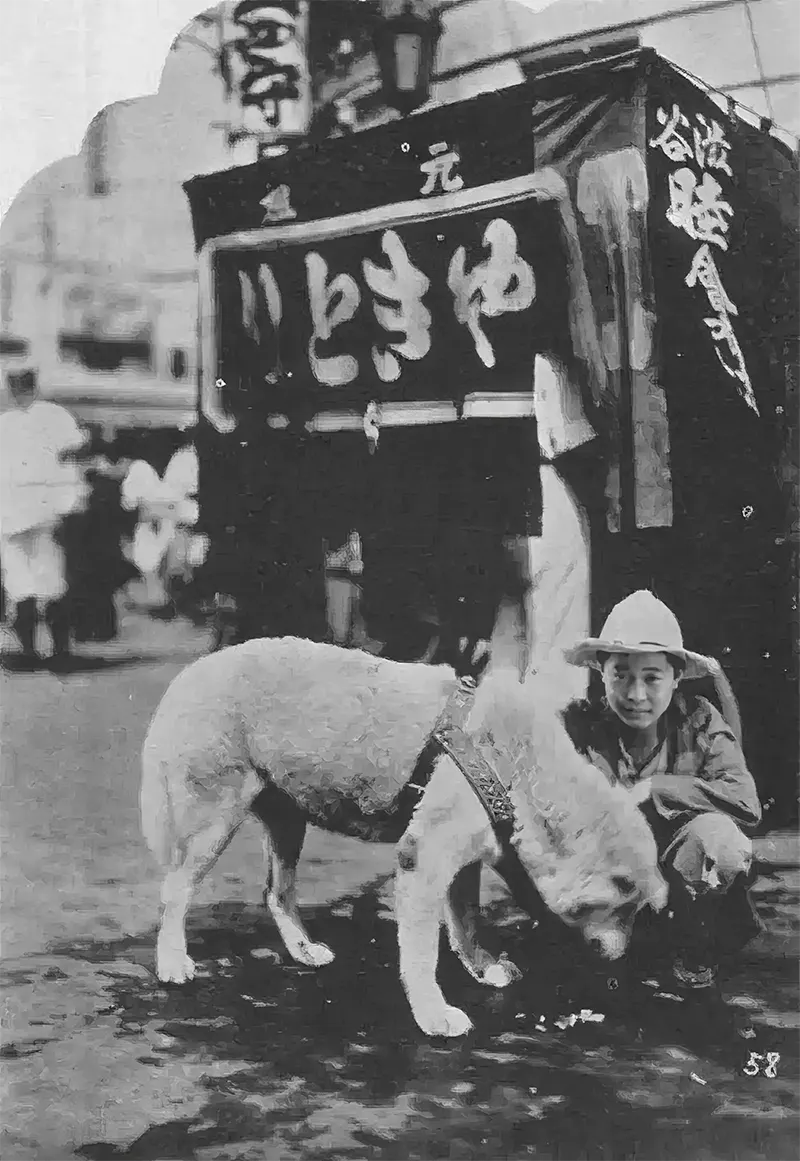
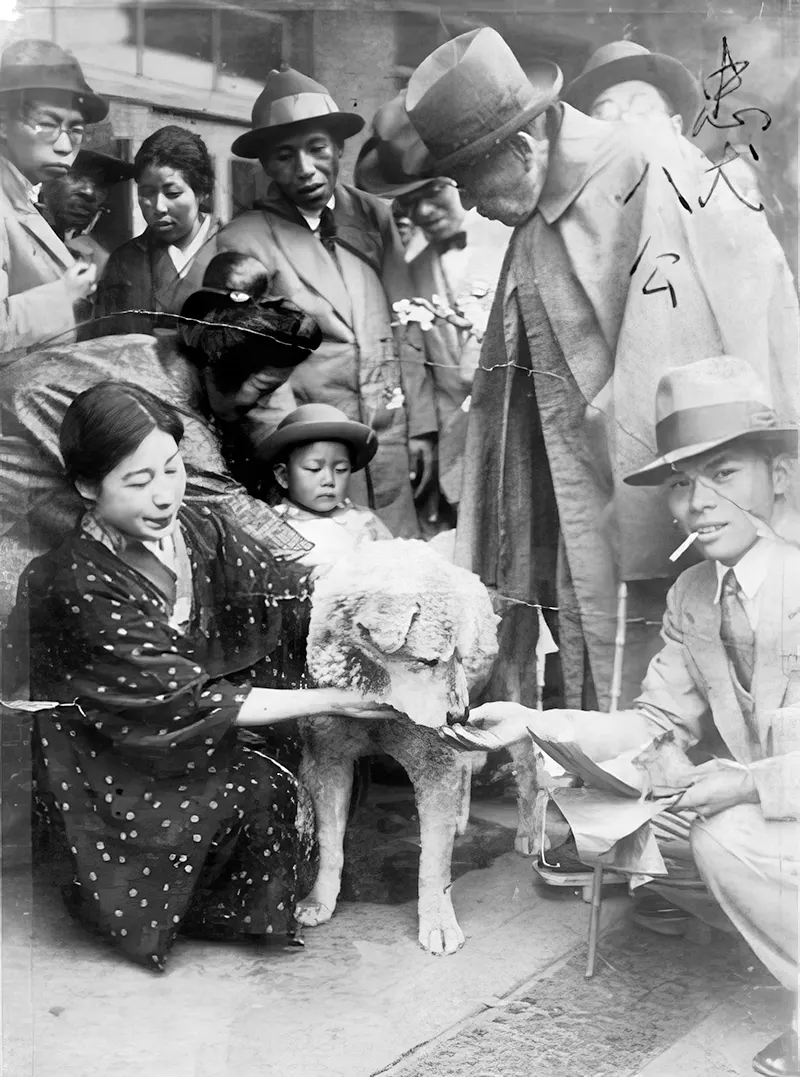
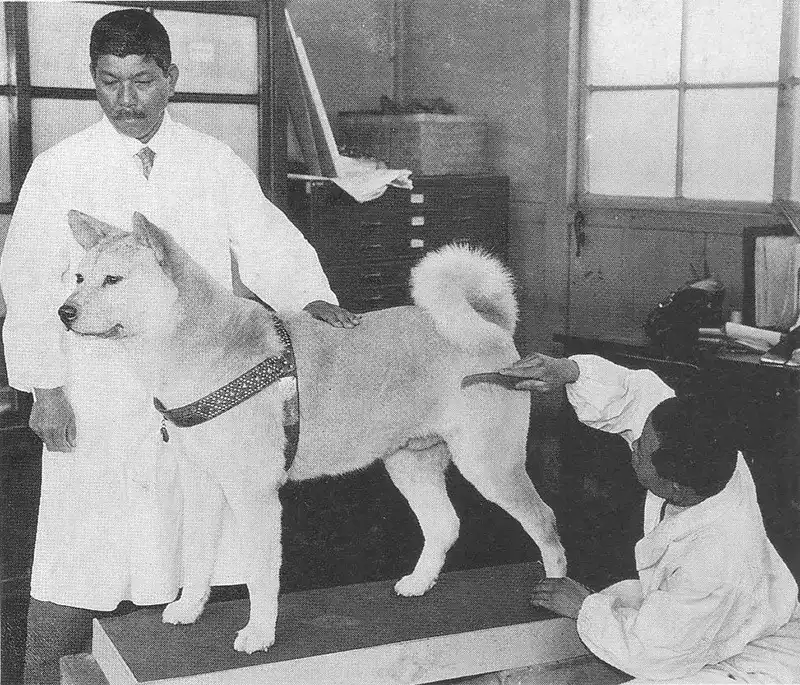
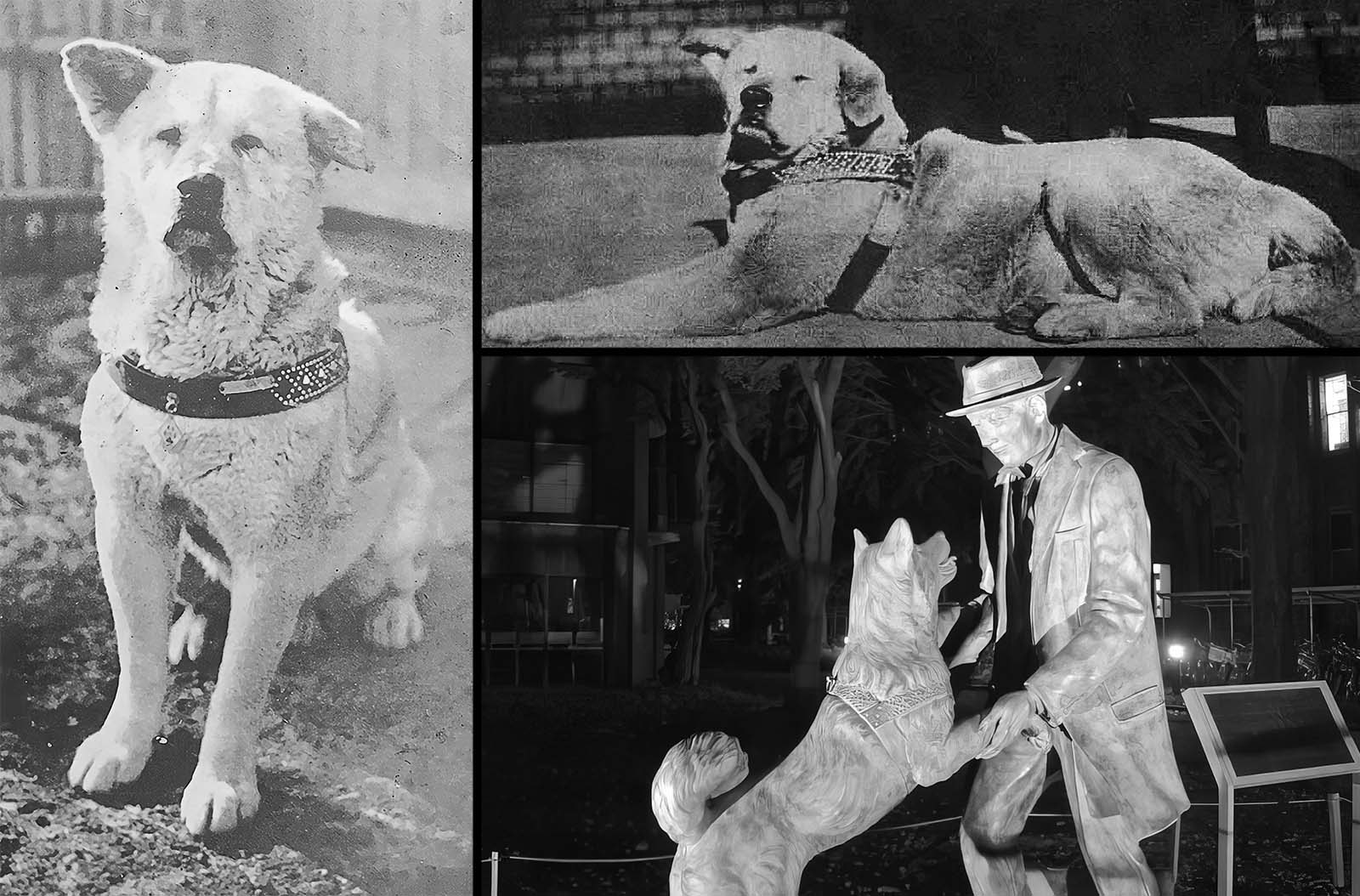
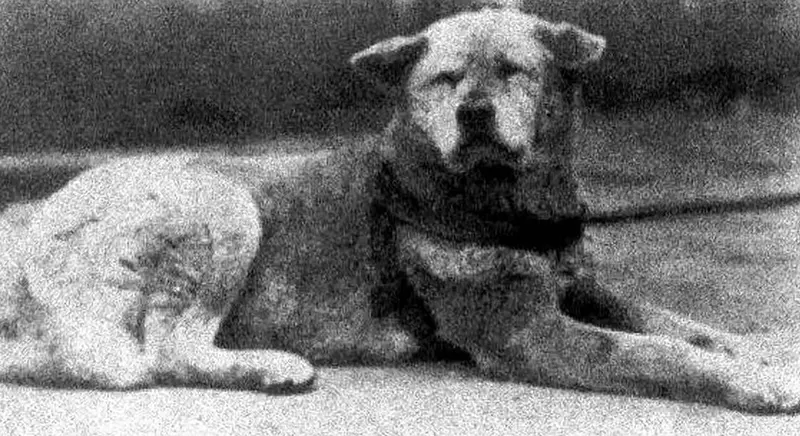
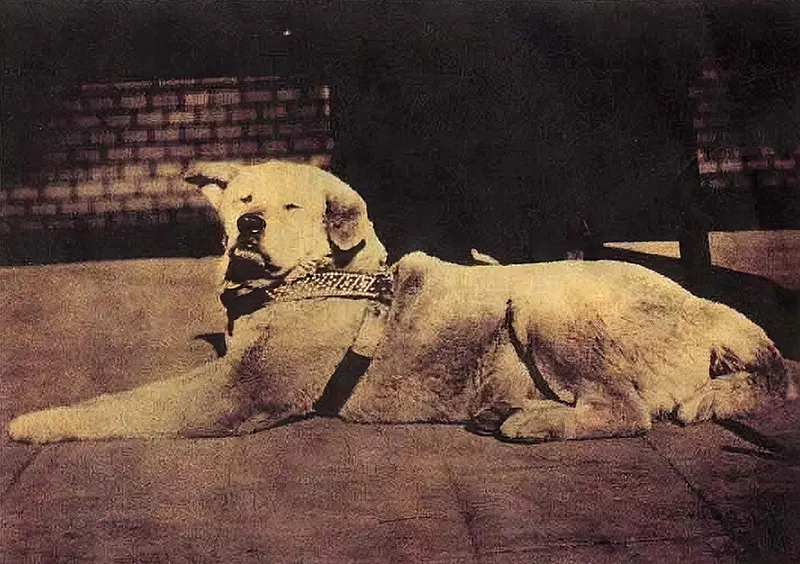
Photographers documented Hachiko throughout these years. The images show a calm, dignified dog — sitting at the station, surrounded by passengers, standing beside the men who worked there. He was a fixture of Shibuya Station in a way few could have predicted when Professor Ueno first brought him to Tokyo.
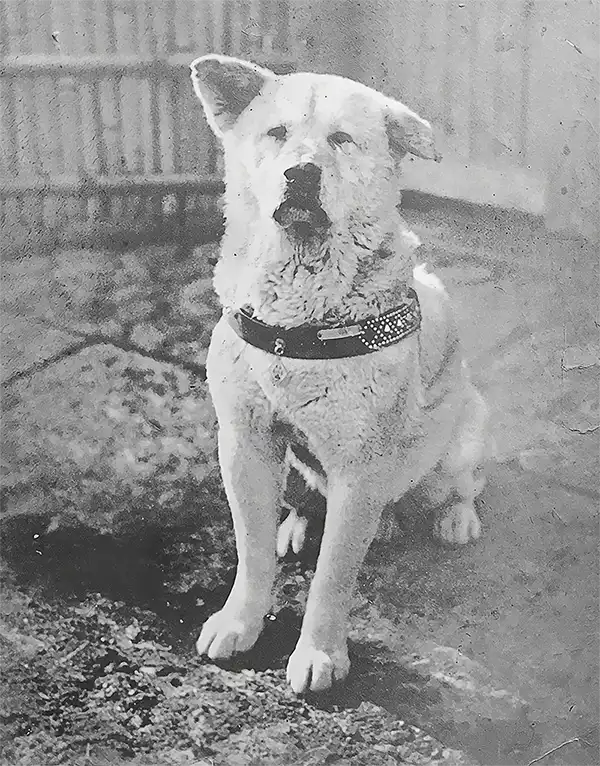
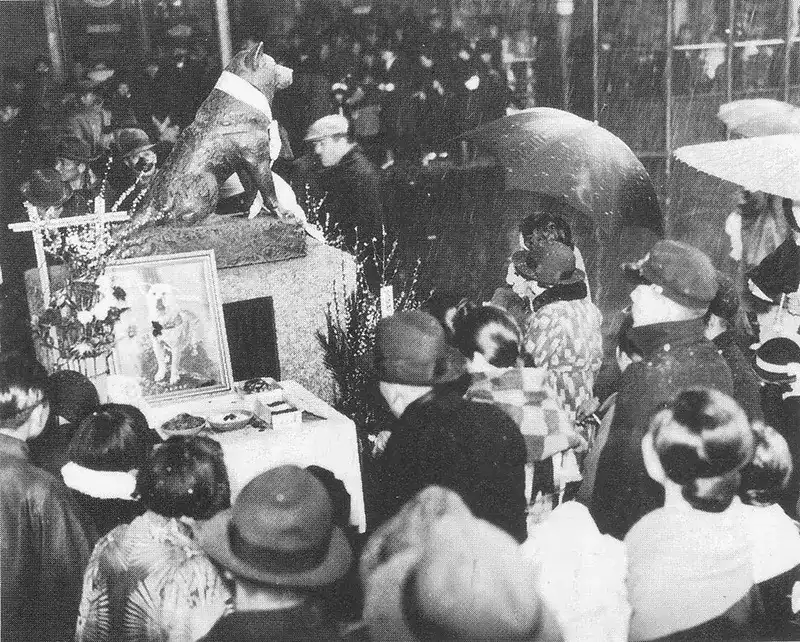
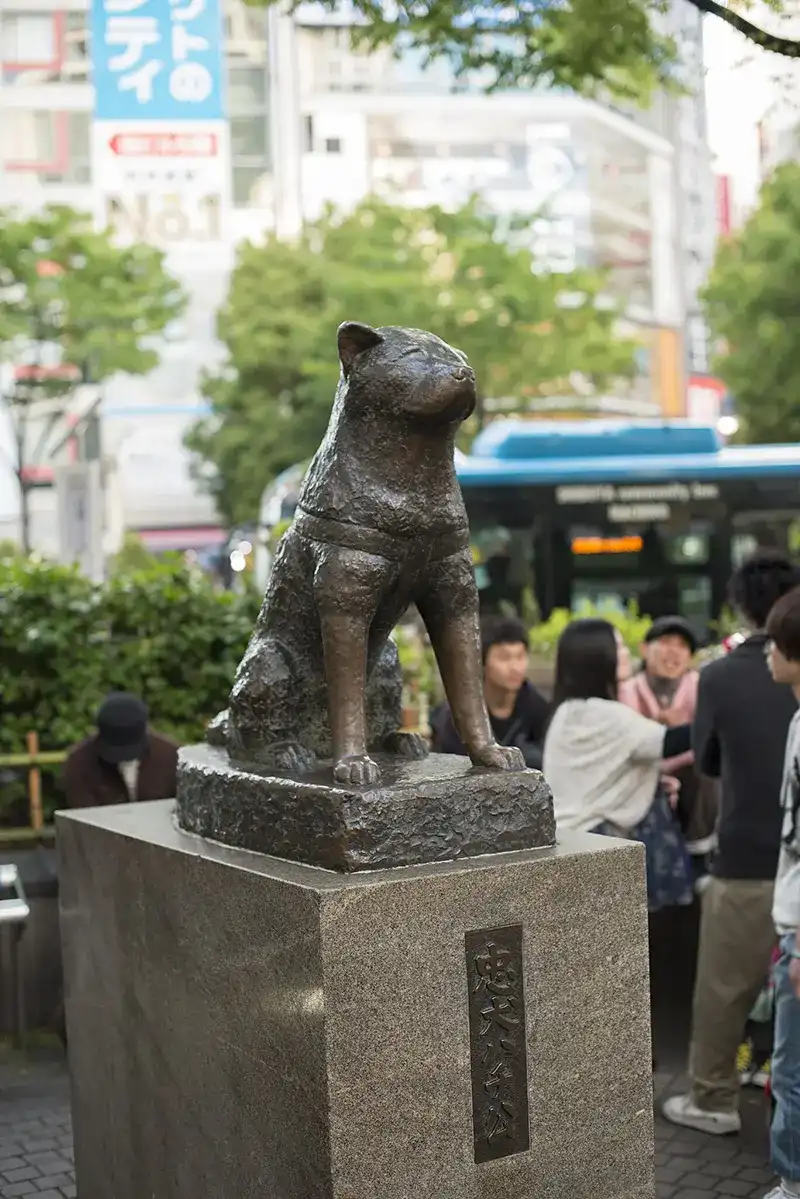
In 1934, while Hachiko was still alive, a bronze statue of him was erected right at Shibuya Station. It was a rare honor — a monument built for an animal still living. The sculptor Teru Ando created it, and Hachiko himself was present at its unveiling. The statue became an immediate landmark.
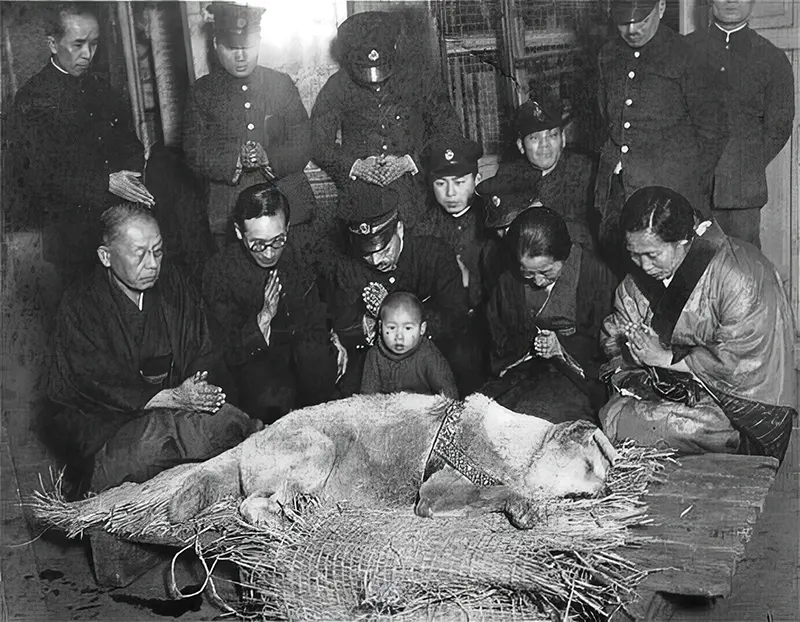
Hachiko’s health declined slowly over his final years. On March 8, 1935, he was found dead near the spot where he had spent nearly a decade waiting. He was 11 years old. The news of his death spread quickly, and the grief felt across Japan was genuine. He had waited at that station for just under ten years.
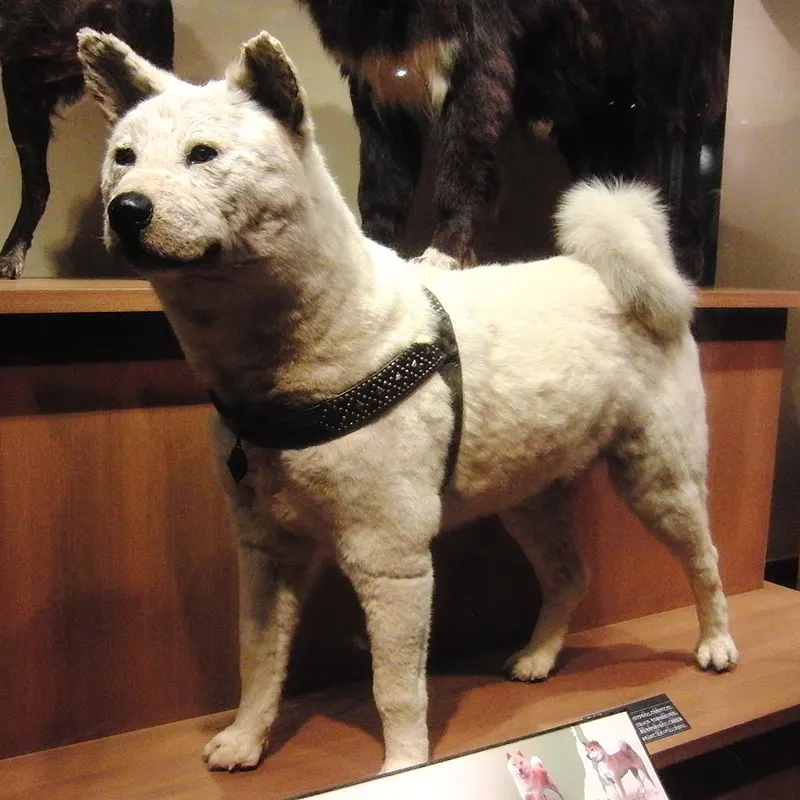
After his death, Hachiko’s body was preserved. His taxidermied remains are exhibited at the National Museum of Nature and Science in Ueno, Tokyo, and a stuffed replica is also on display at the National Science Museum of Japan — also in Ueno, the same neighborhood where Professor Ueno once worked.
The original bronze statue at Shibuya Station was melted down during World War II as part of Japan’s wartime metal drives. In 1948, a new statue was cast by Takeshi Ando, the son of the original sculptor, and placed at the same location. That statue still stands today and remains one of the most visited spots in all of Tokyo.
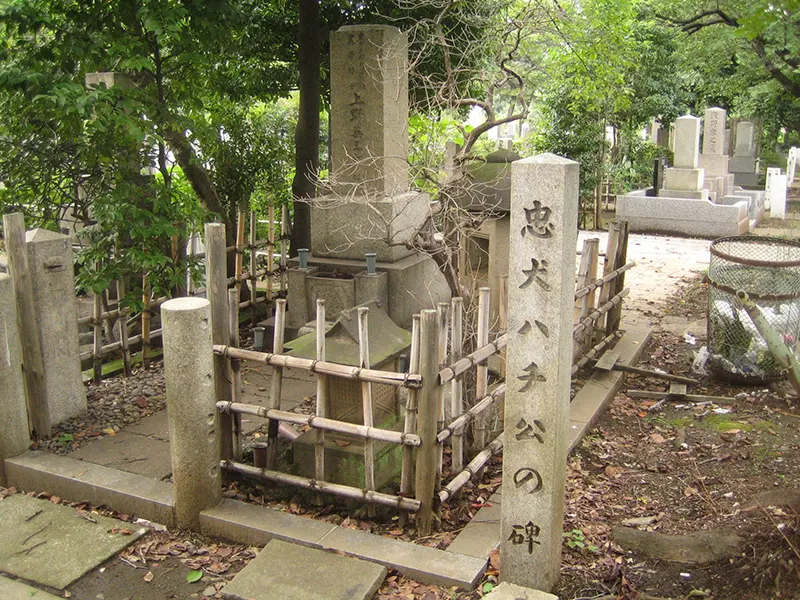
Hachiko was buried beside Professor Ueno at Aoyama Cemetery in Minato, Tokyo. Even in death, the two were placed together — the professor and the dog who never stopped waiting for him.
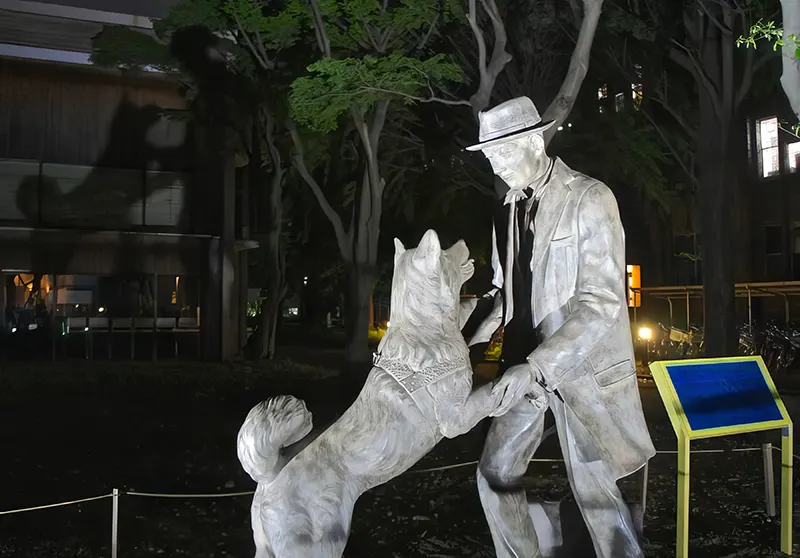
At the Faculty of Agriculture at the University of Tokyo — the very place where Professor Ueno worked — a separate statue depicts Hachiko greeting the professor, the moment of reunion that never actually happened in life.
Hachiko’s story has been taught to Japanese schoolchildren for generations as a lesson in loyalty and faithfulness. In 2009, a Hollywood adaptation titled “Hachi: A Dog’s Tale,” starring Richard Gere, brought the story to audiences around the world. The film relocated the setting to the United States but kept the core events intact. In Odate, the city where Hachiko was born, a museum dedicated to the Akita breed features permanent exhibits about him.

Tell me, is there a more detailed description of the life of Hachiko and Professor Ueno? How did they live before the tragedy? What was their relationship like? How much did Ueno love Hachiko?