Dublin in the 1920s was a city in the middle of a dramatic transformation. The streets that had seen rebellion and gunfire were slowly being rebuilt, and a new government was taking shape. The Irish Free State was formally established in 1922, making Dublin the capital of a newly independent nation for the first time. But independence came at a steep price. The city had just endured the Irish War of Independence (1919–1921), and before that wound could heal, a brutal Civil War (1922–1923) tore communities apart. For ordinary Dubliners, this decade meant navigating grief, rebuilding homes, and figuring out what came next.
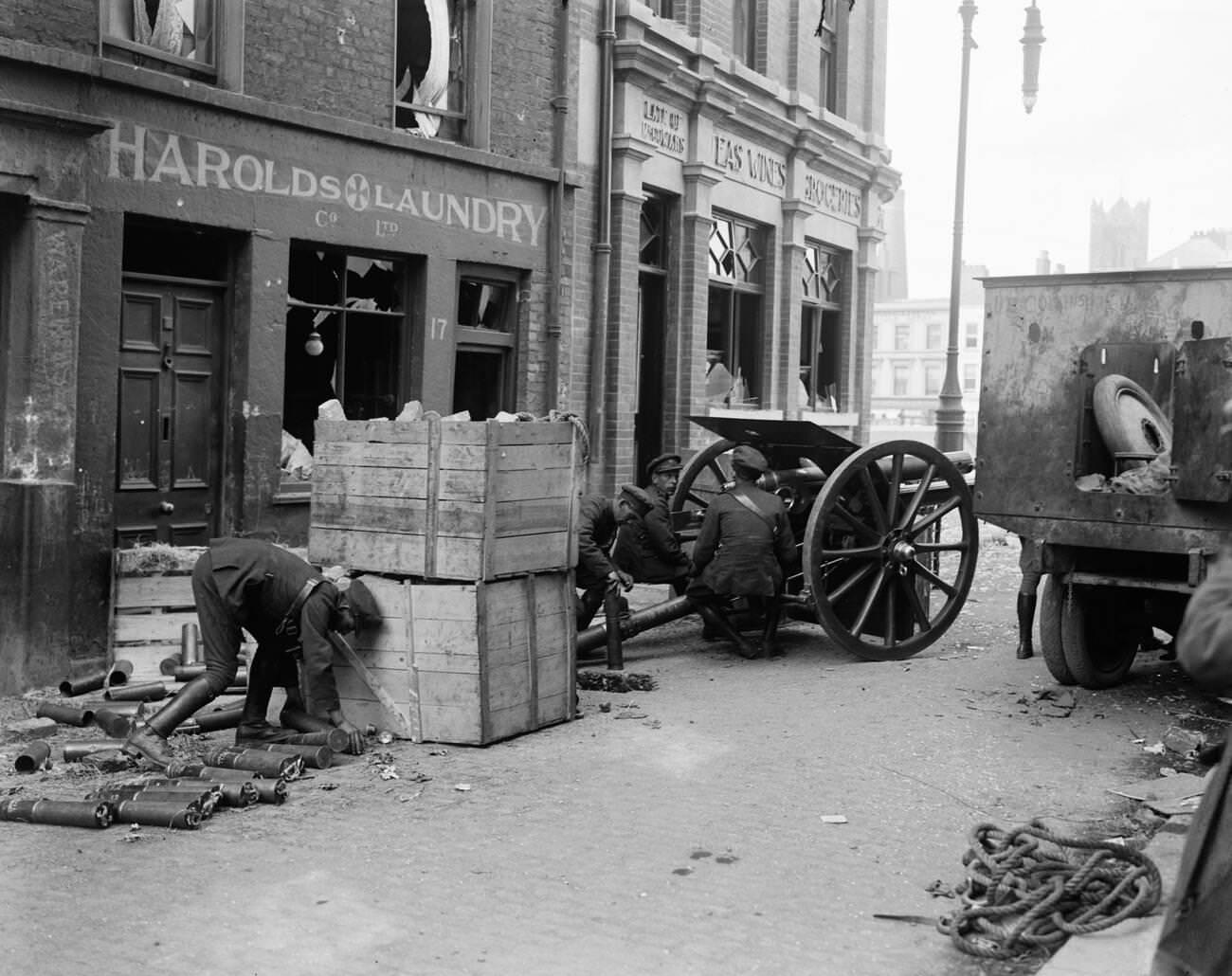
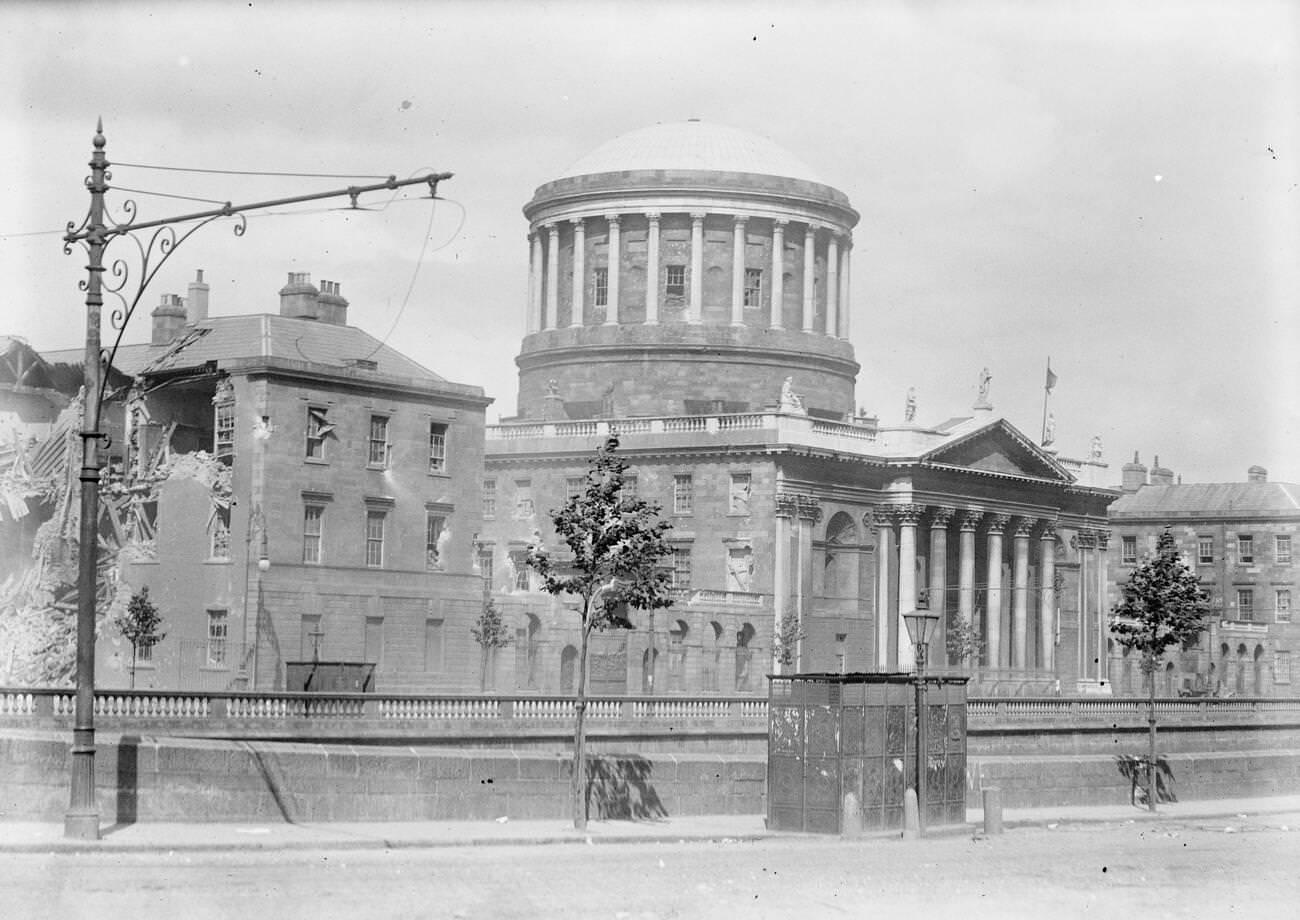
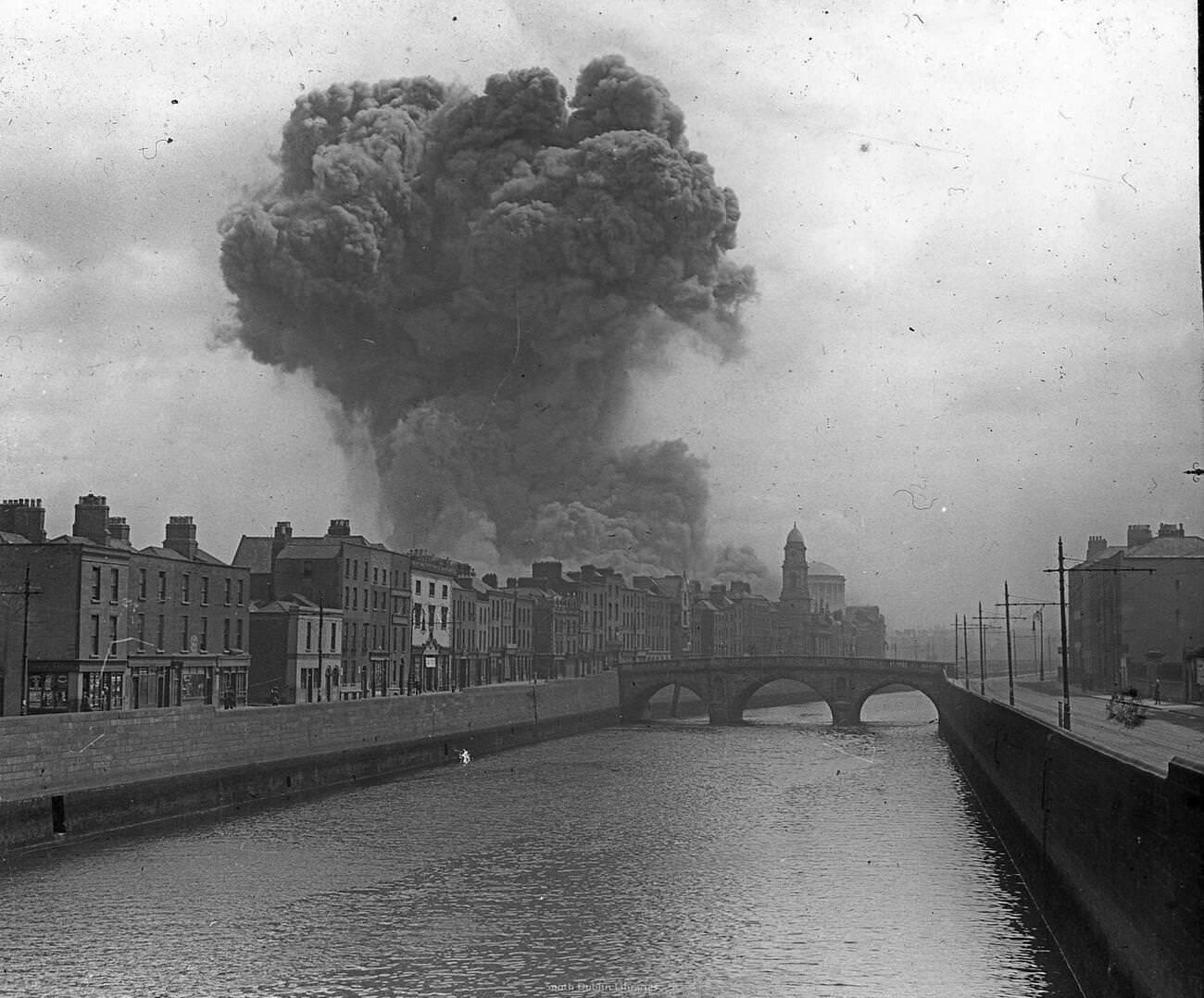
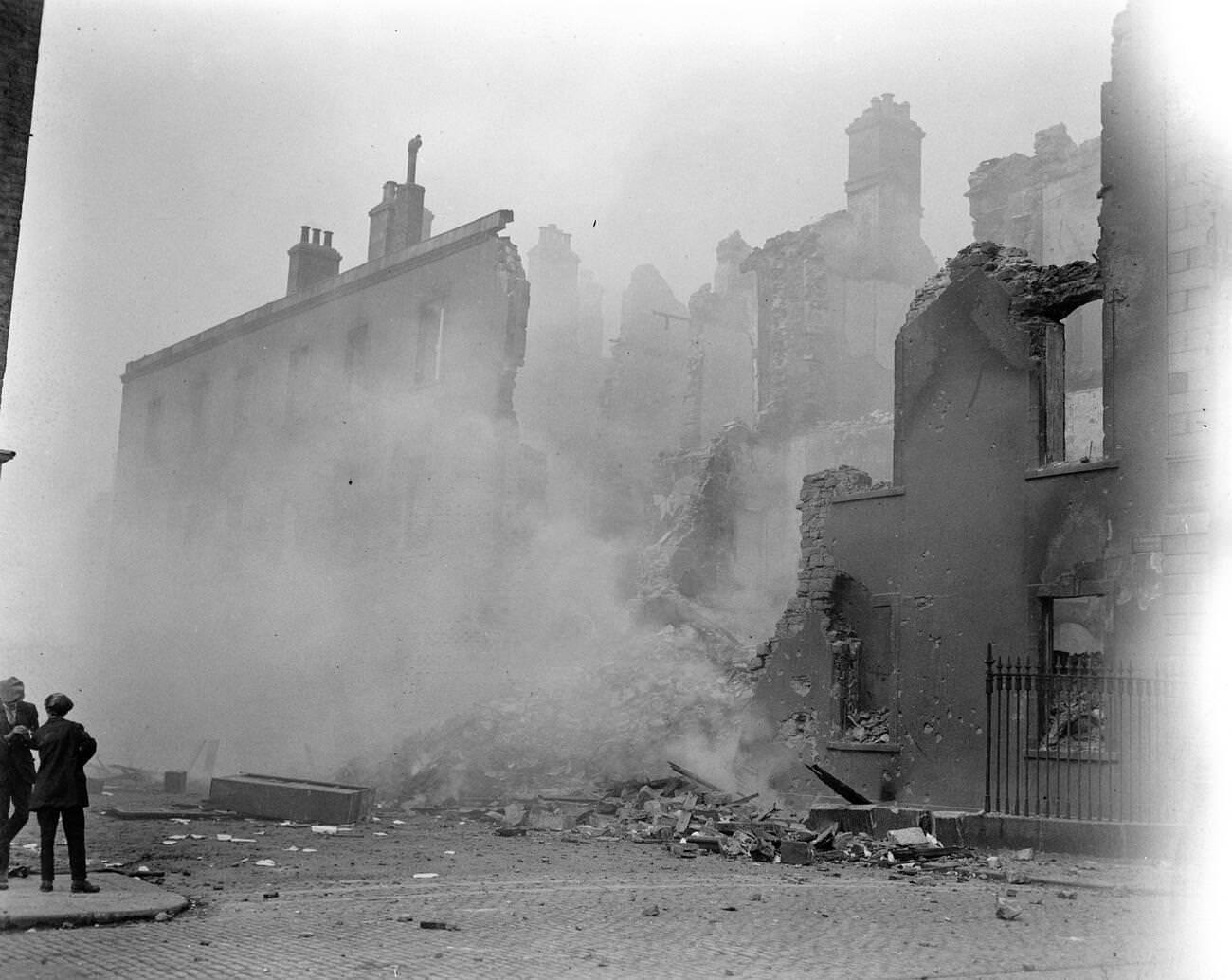
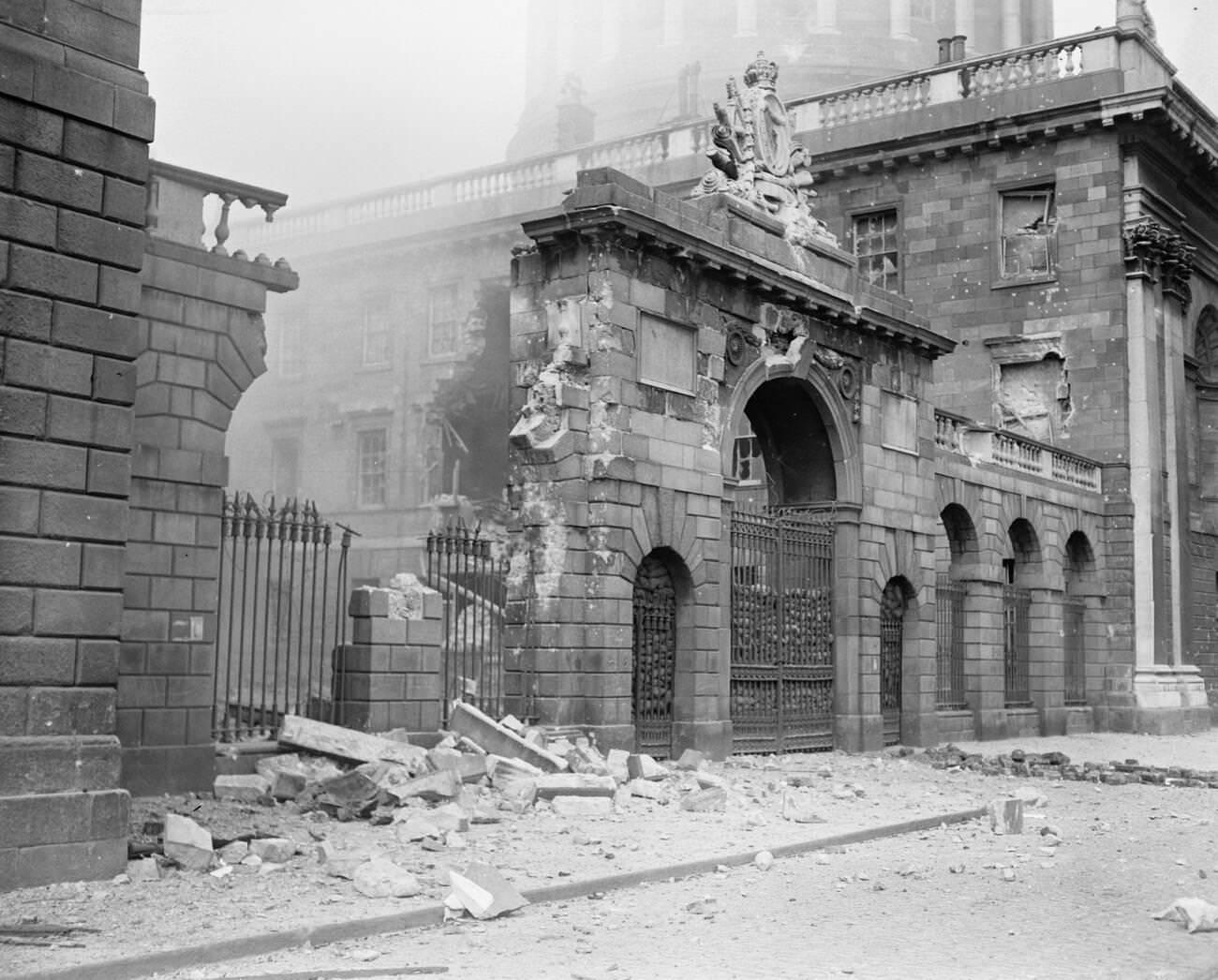
One of the most dramatic moments of the Civil War played out at the Four Courts, a landmark legal complex on the north bank of the River Liffey. Anti-Treaty forces had occupied the building in April 1922. In late June, the new Irish Free State government ordered its forces to take it back. What followed was a fierce military assault that set the building ablaze and triggered massive explosions.
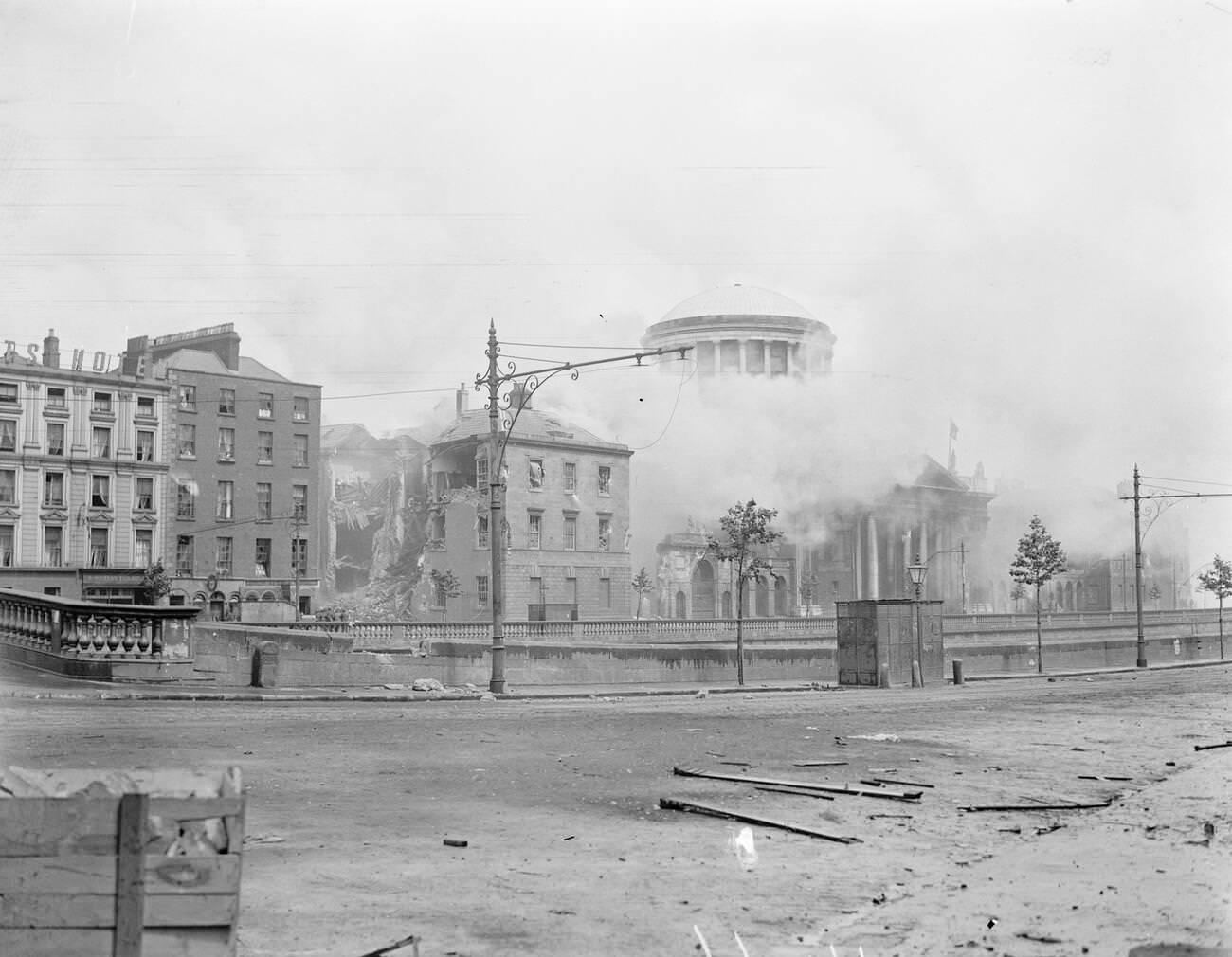
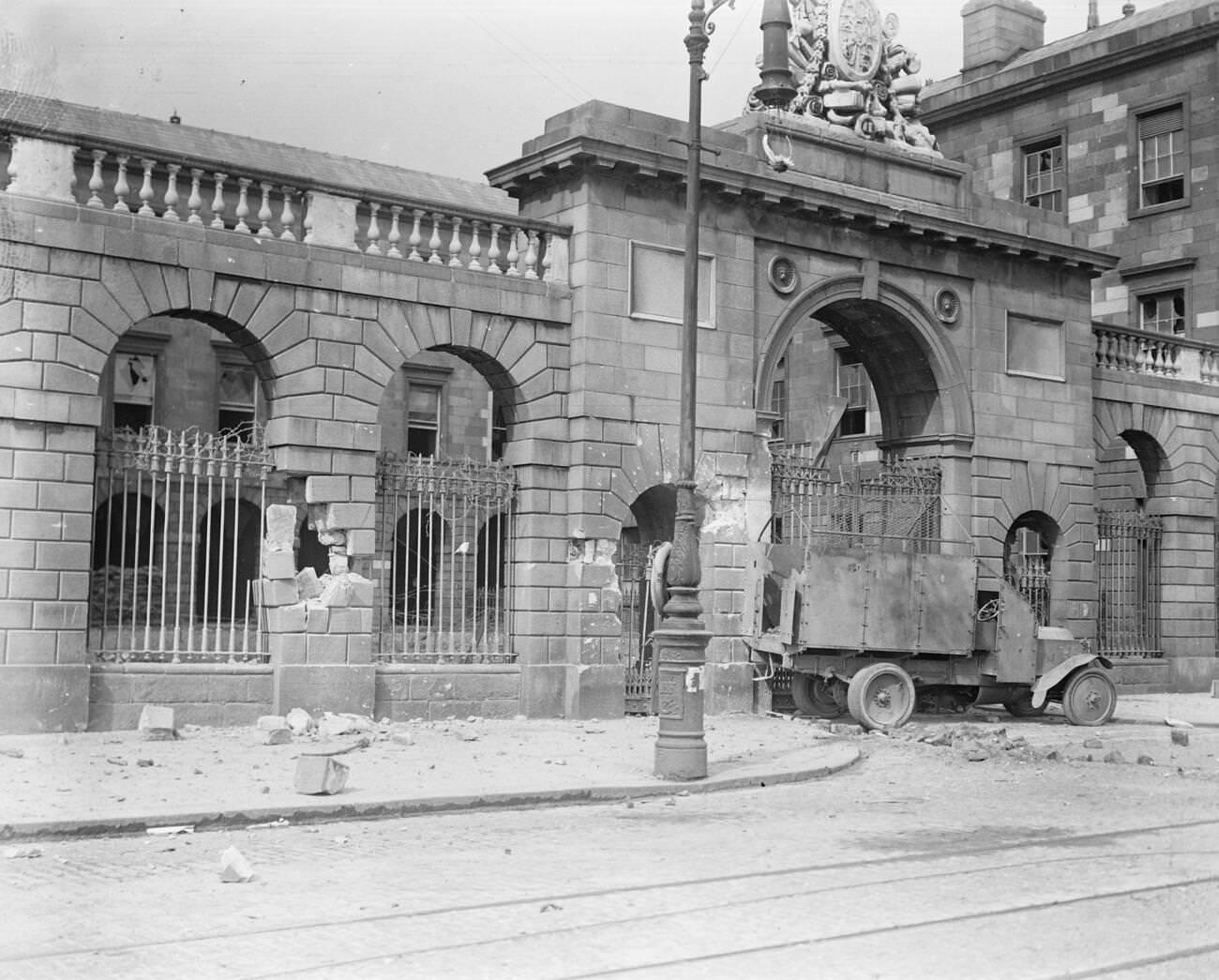
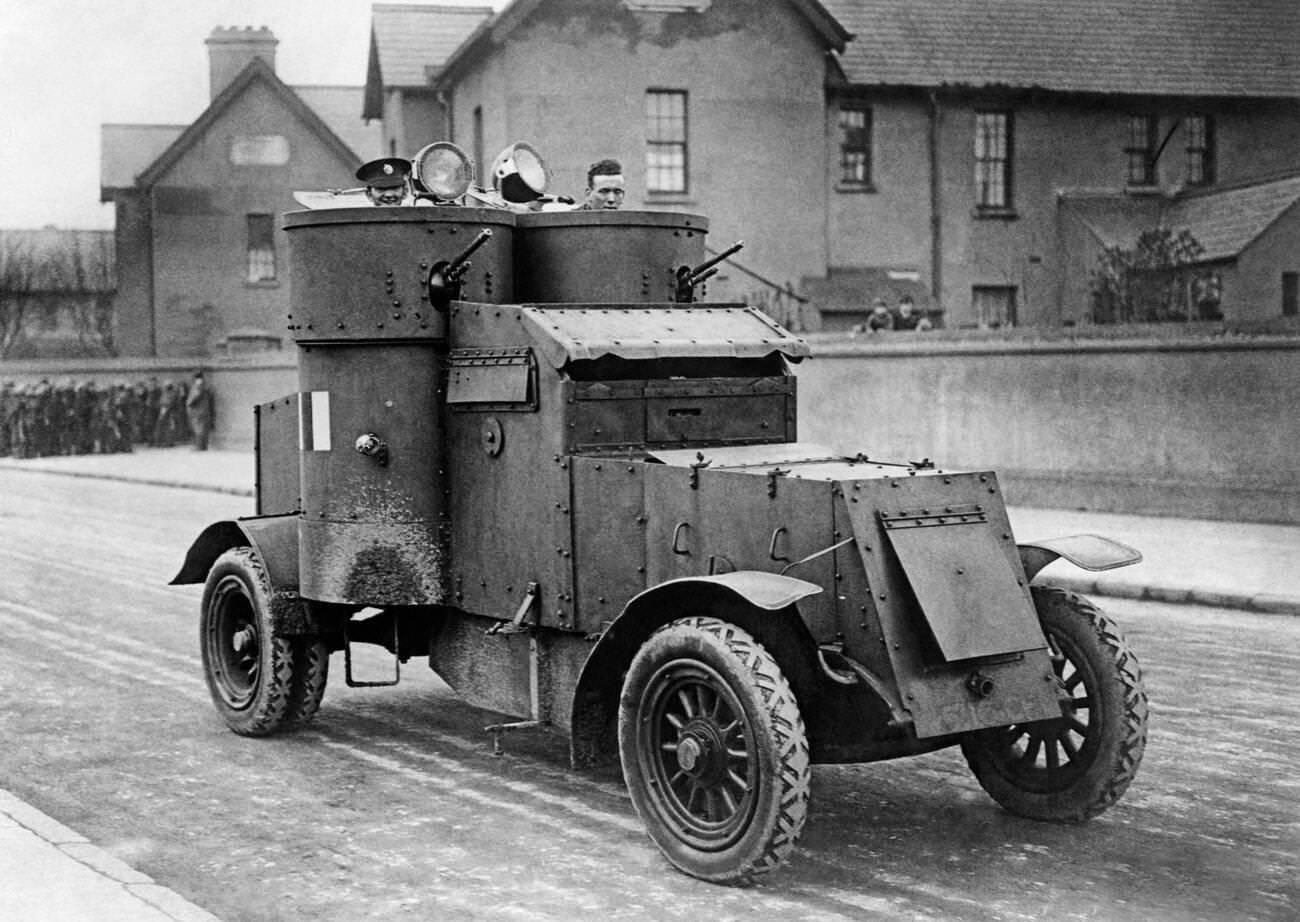
The Free State military used artillery and armored cars in the assault. An 18-pounder field gun bombarded the complex directly. The western block, which housed the Irish Public Record Office, was destroyed in the explosion — taking with it centuries of irreplaceable historical documents, including census records, wills, and parish registers dating back hundreds of years.
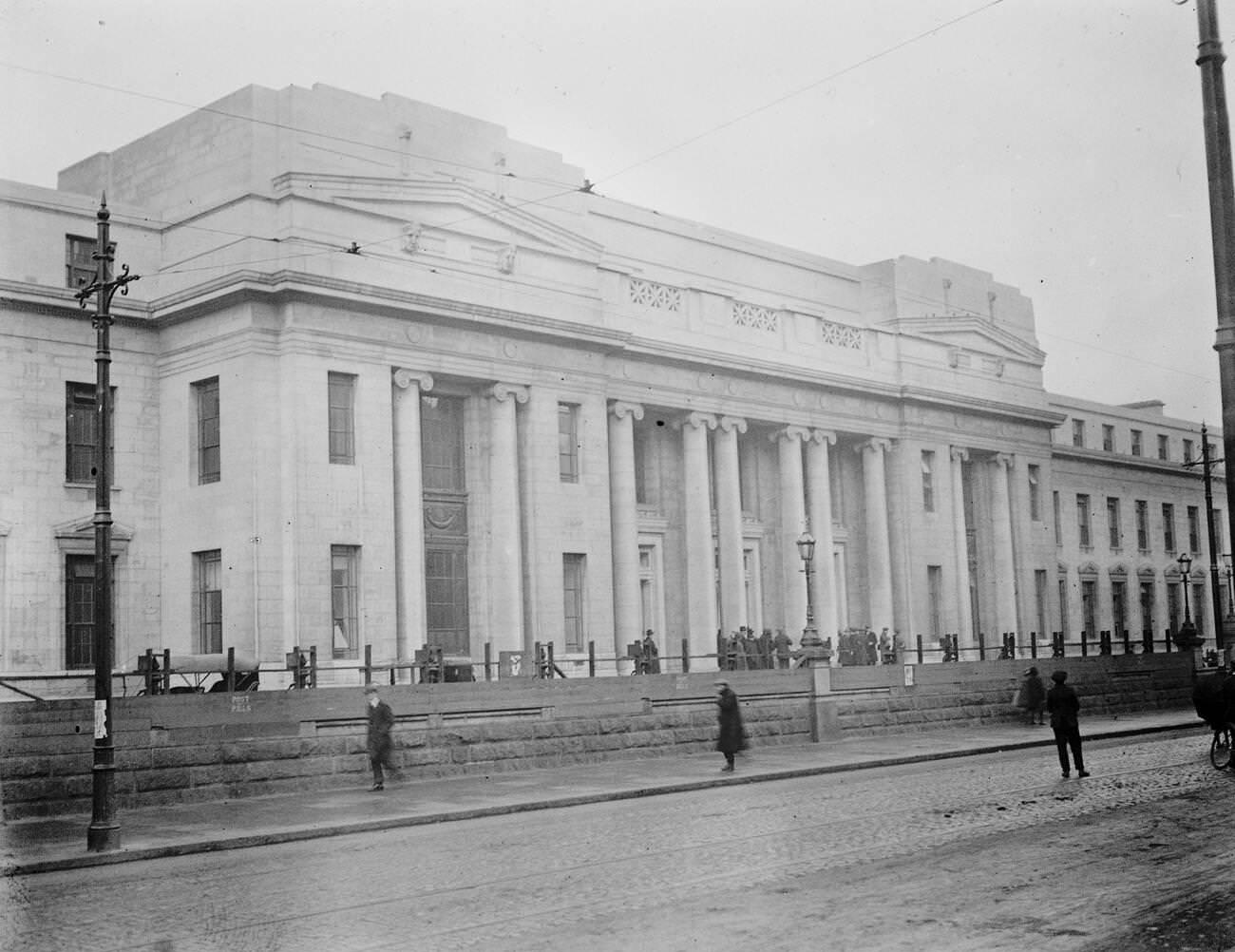
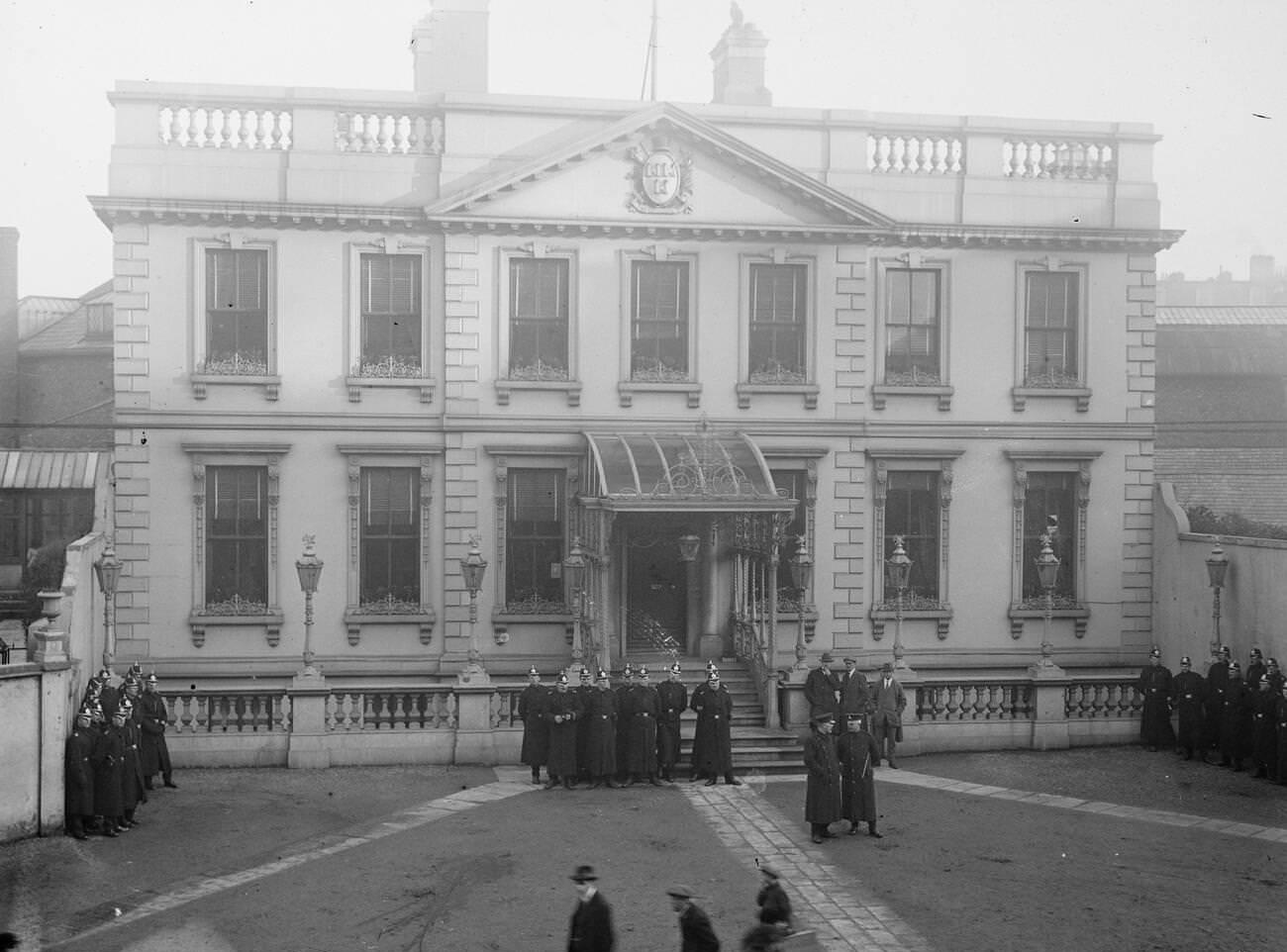
Even before the Civil War broke out, the political machinery of the new Irish state was being assembled. In 1921, the Dáil Éireann — Ireland’s parliament — held critical sessions to debate and ratify the Anglo-Irish Treaty. These meetings took place at University College Dublin and the Mansion House on Dawson Street, both of which served as focal points for the nation’s political future.
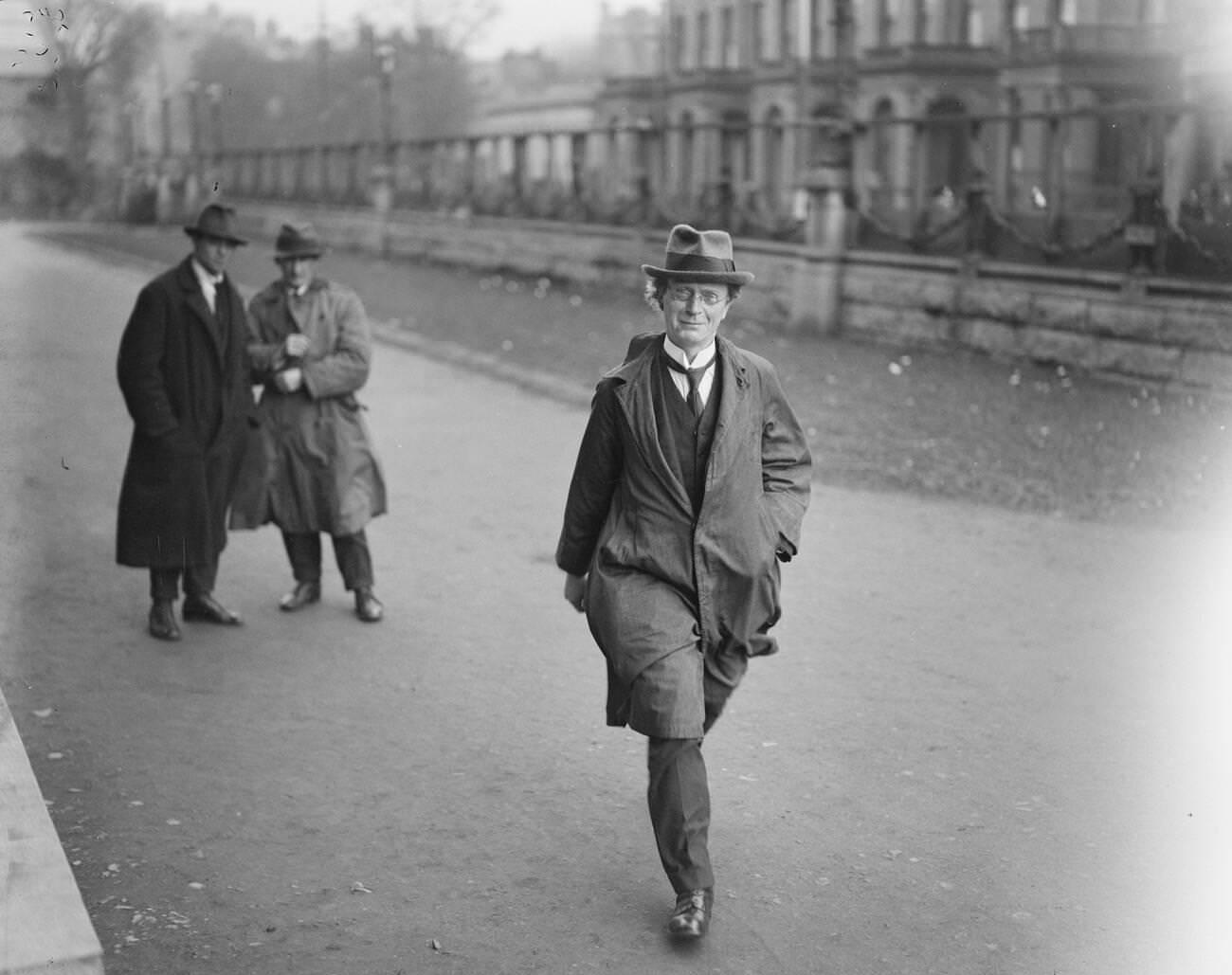
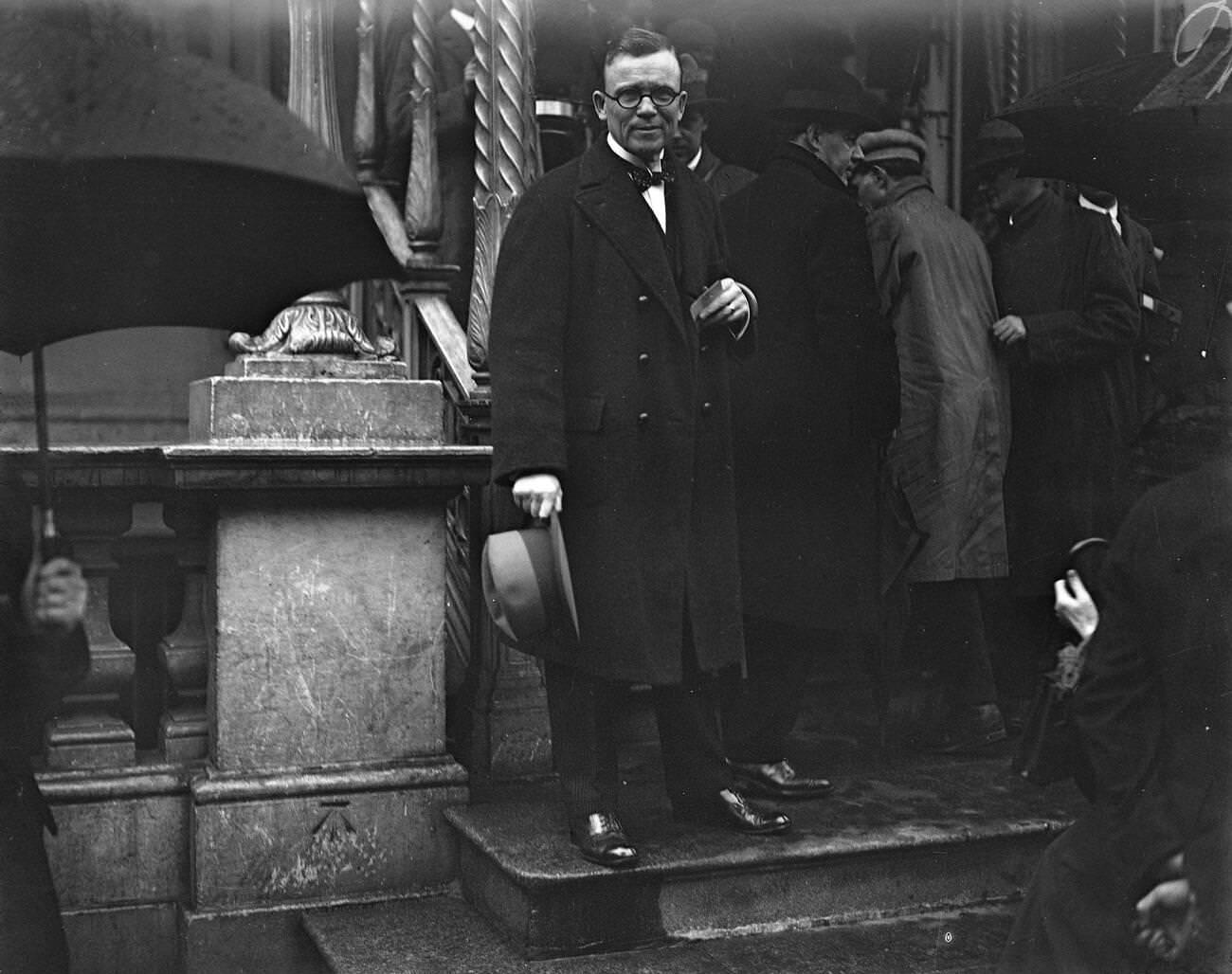
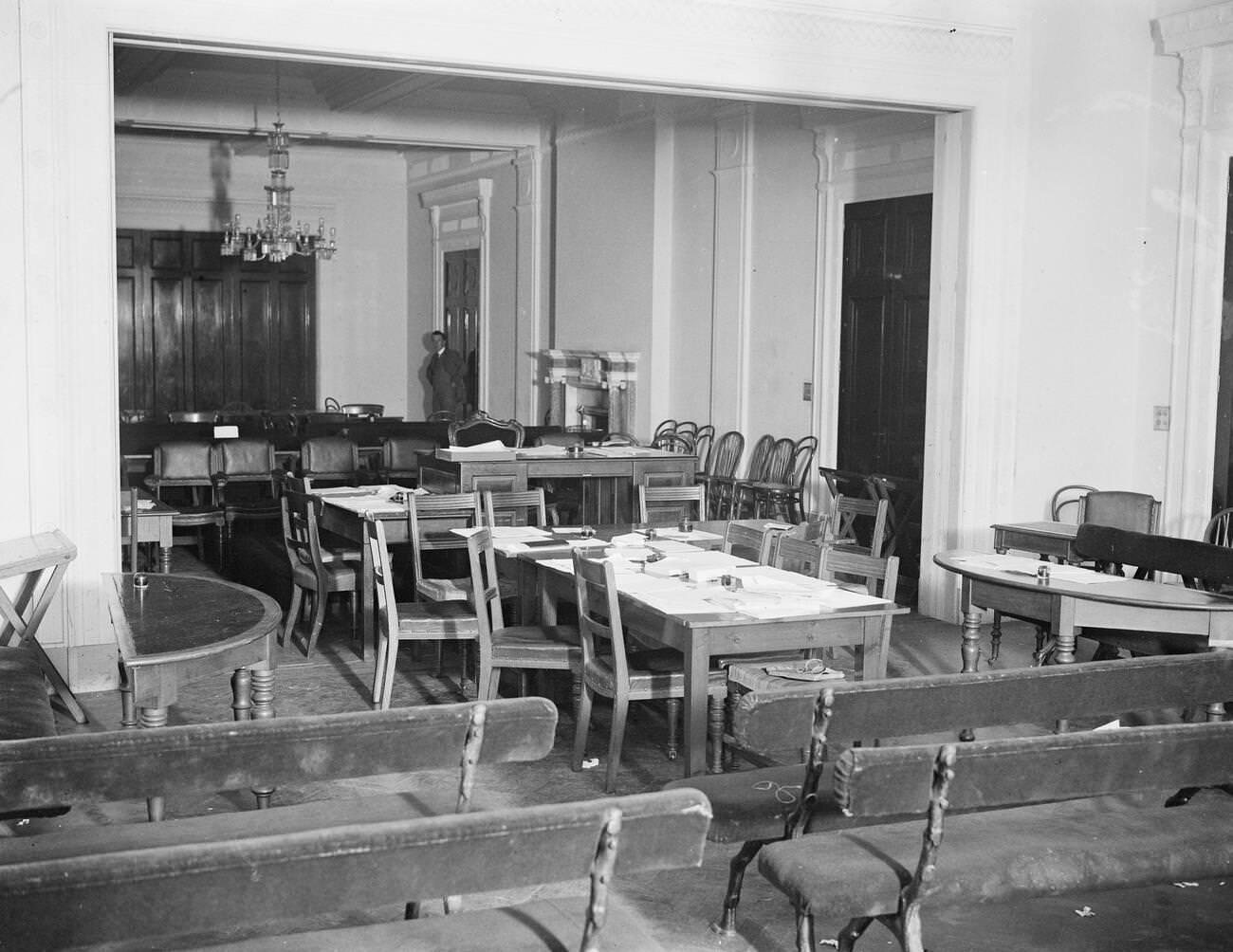
The Mansion House itself was a historic venue. Built in 1710, it had served as the official residence of Dublin’s Lord Mayor for over two centuries. By 1920, it had become a meeting place for nationalist politicians working to define Ireland’s independence. The building on Dawson Street stood as a quiet but powerful symbol of civic authority during a period of enormous political change.
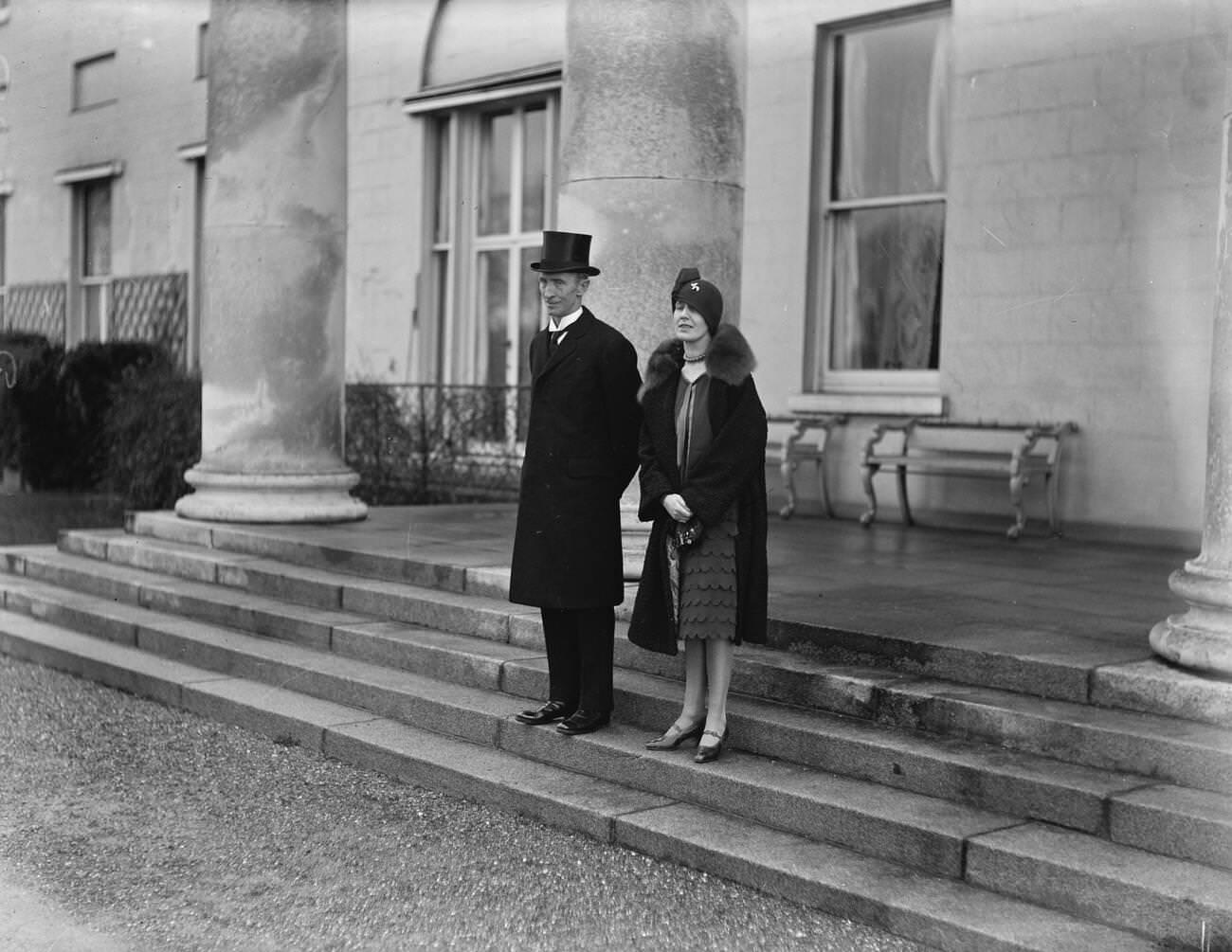
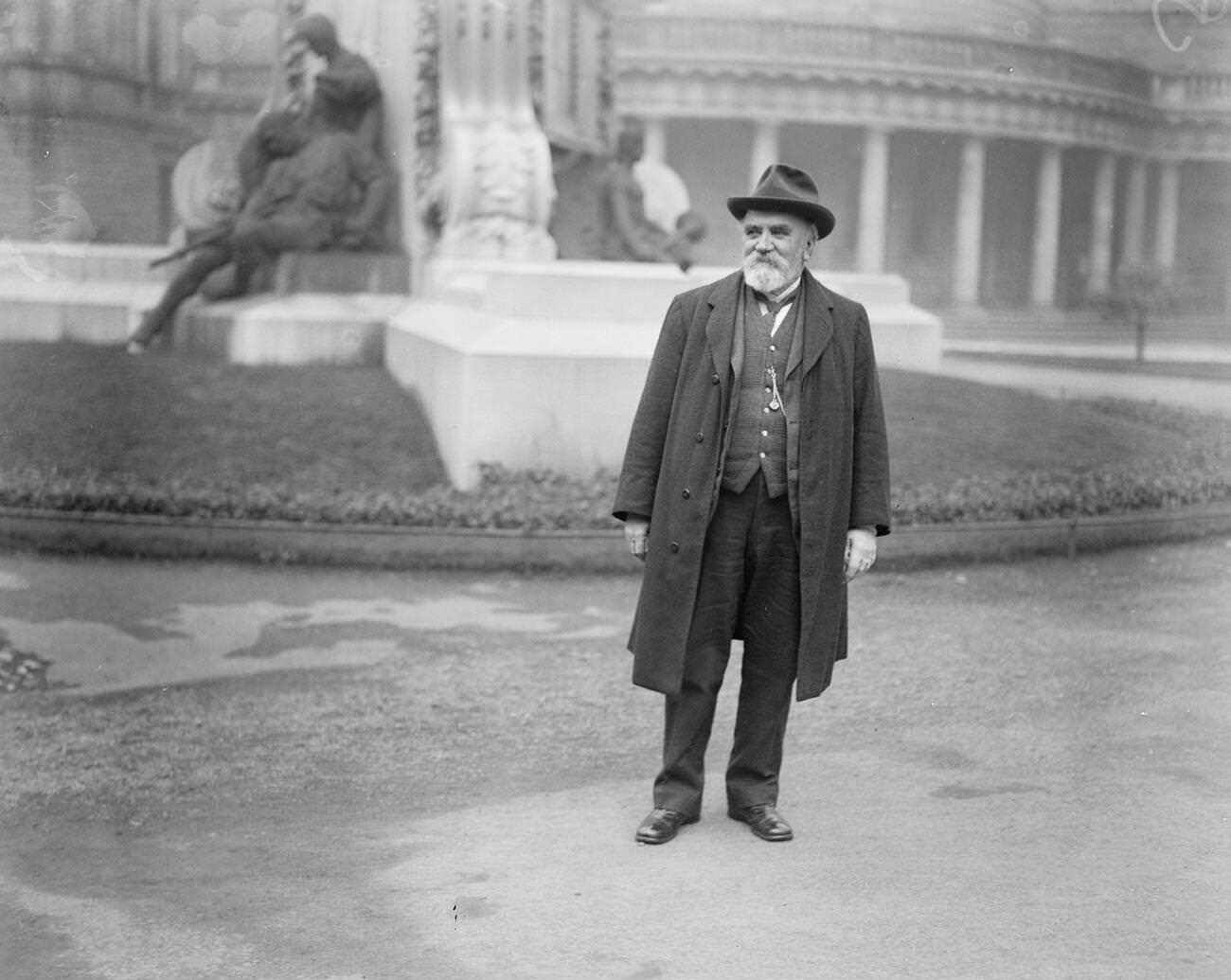
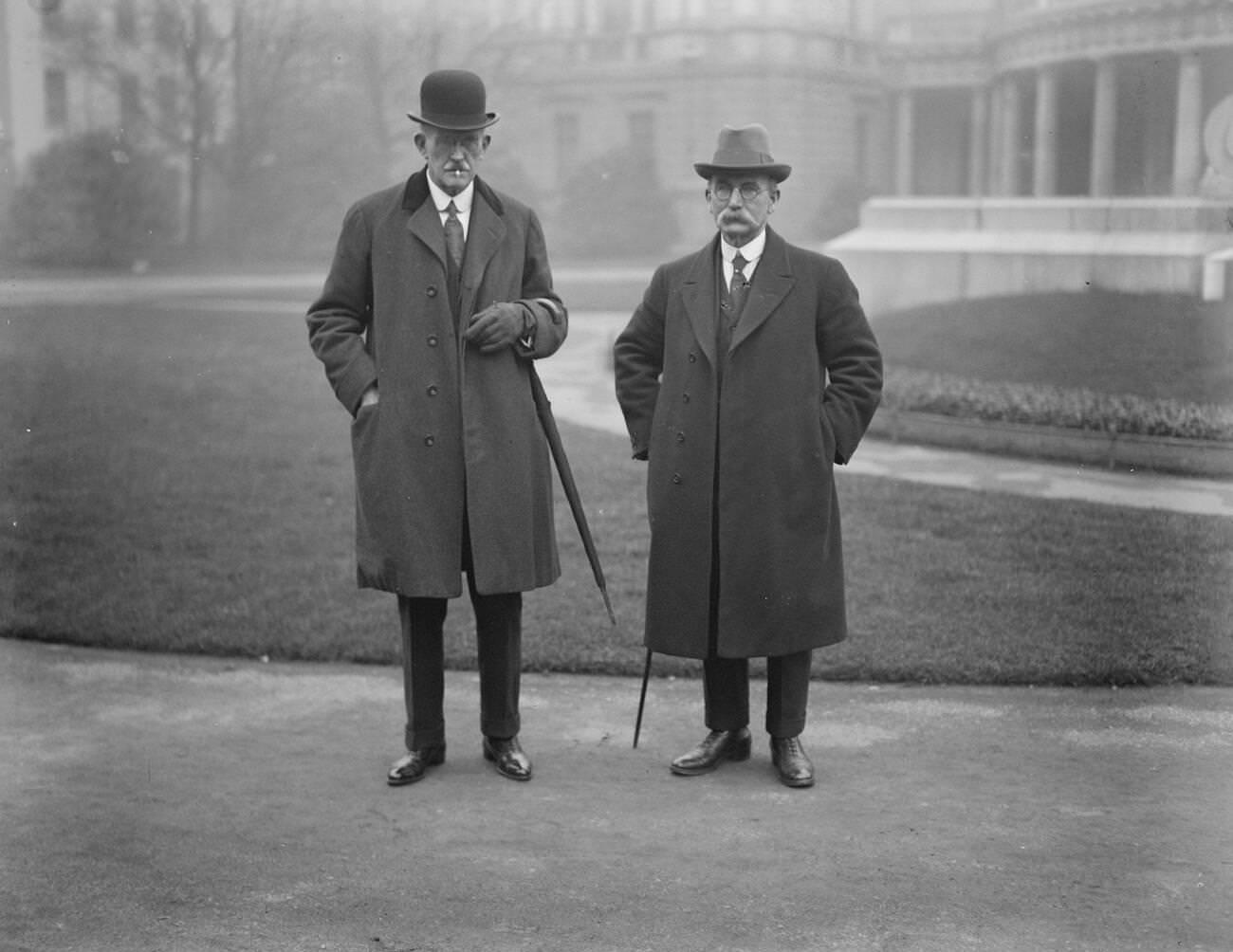
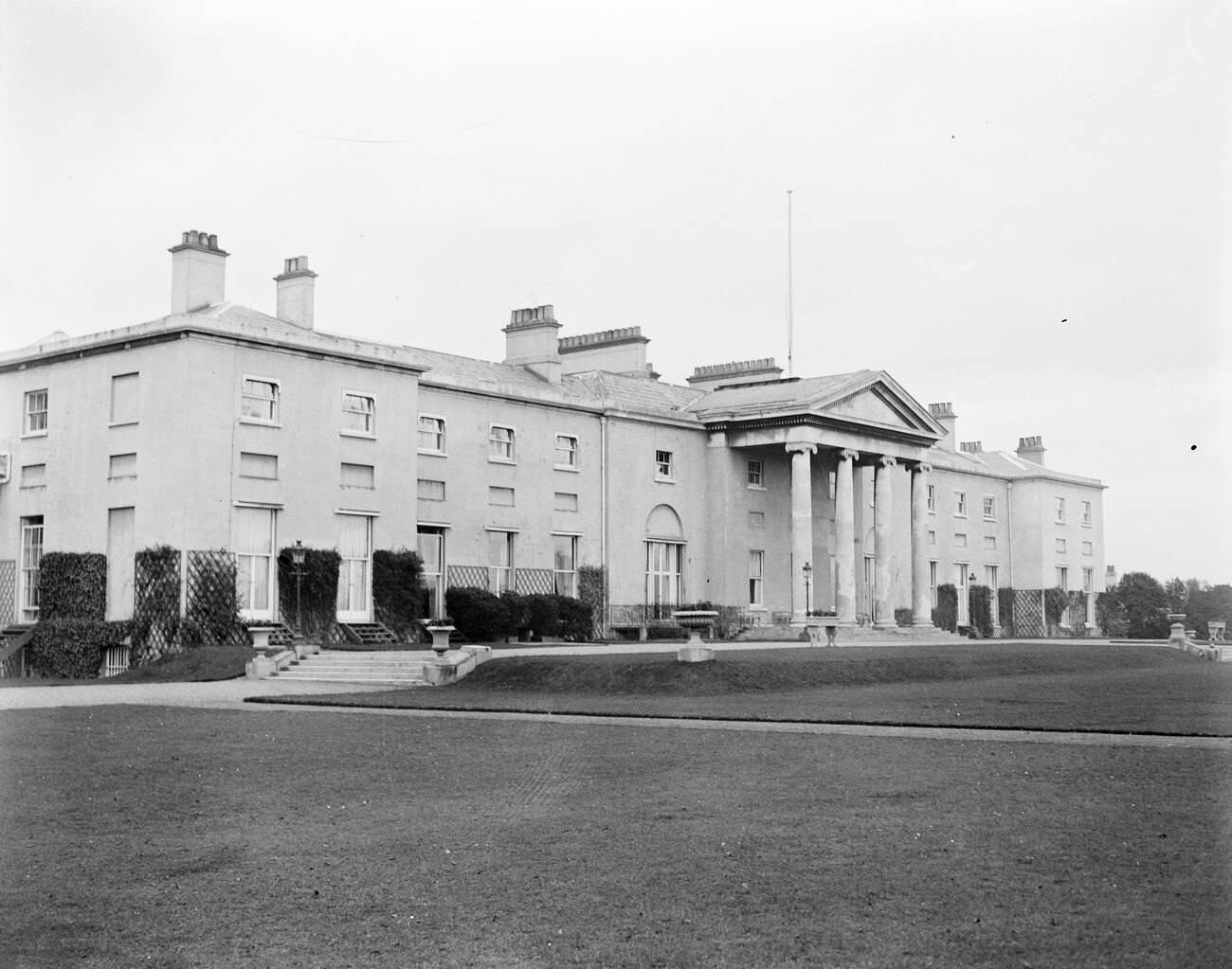
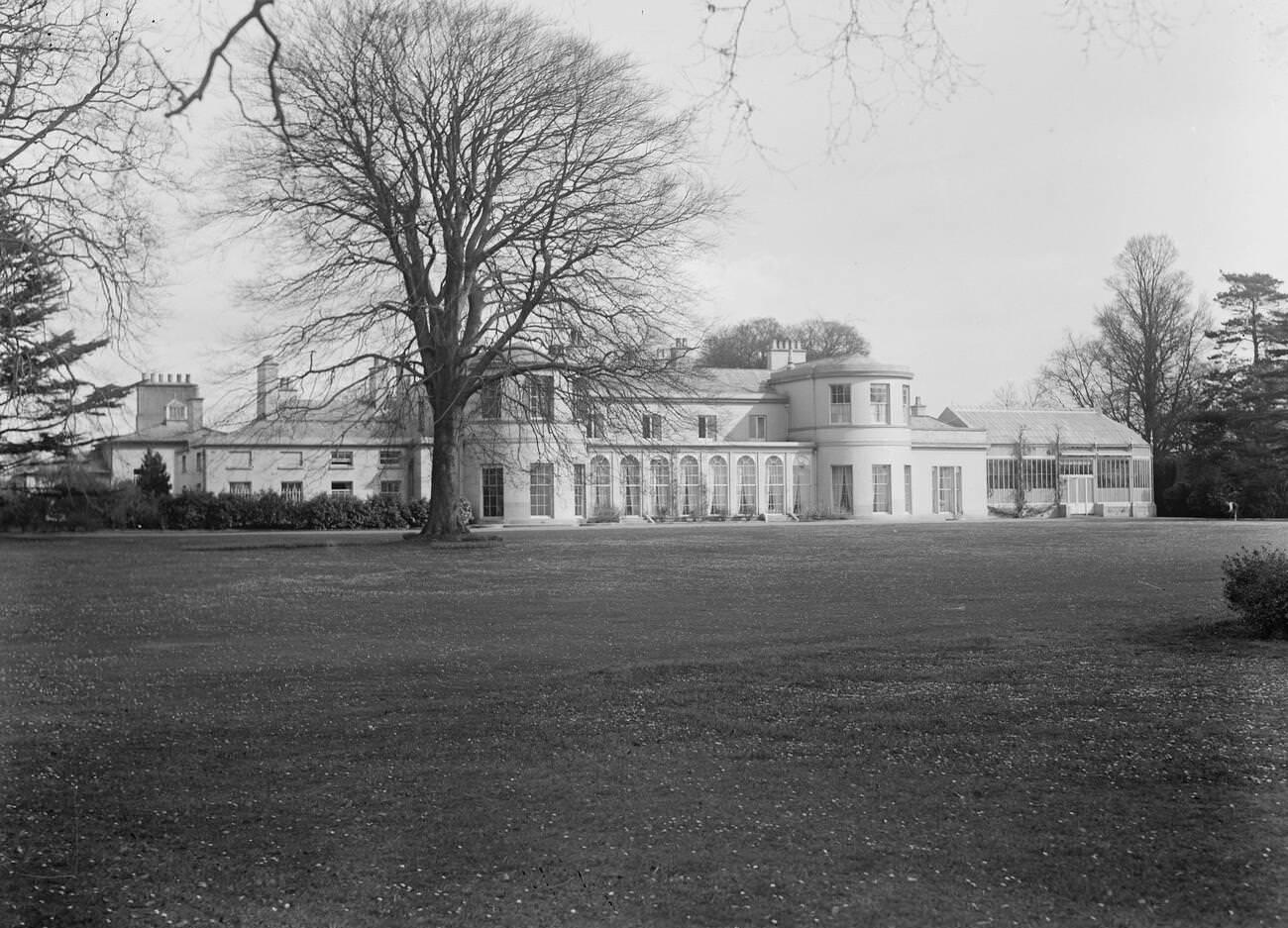
Once the Free State was established in 1922, the new Senate held its first meeting in Dublin. Senators from across the political and social spectrum arrived to take their seats in Ireland’s upper house of parliament. The Governor General — the Crown’s representative in the new state — delivered the first address to both houses at the Vice Regal Lodge in Phoenix Park.
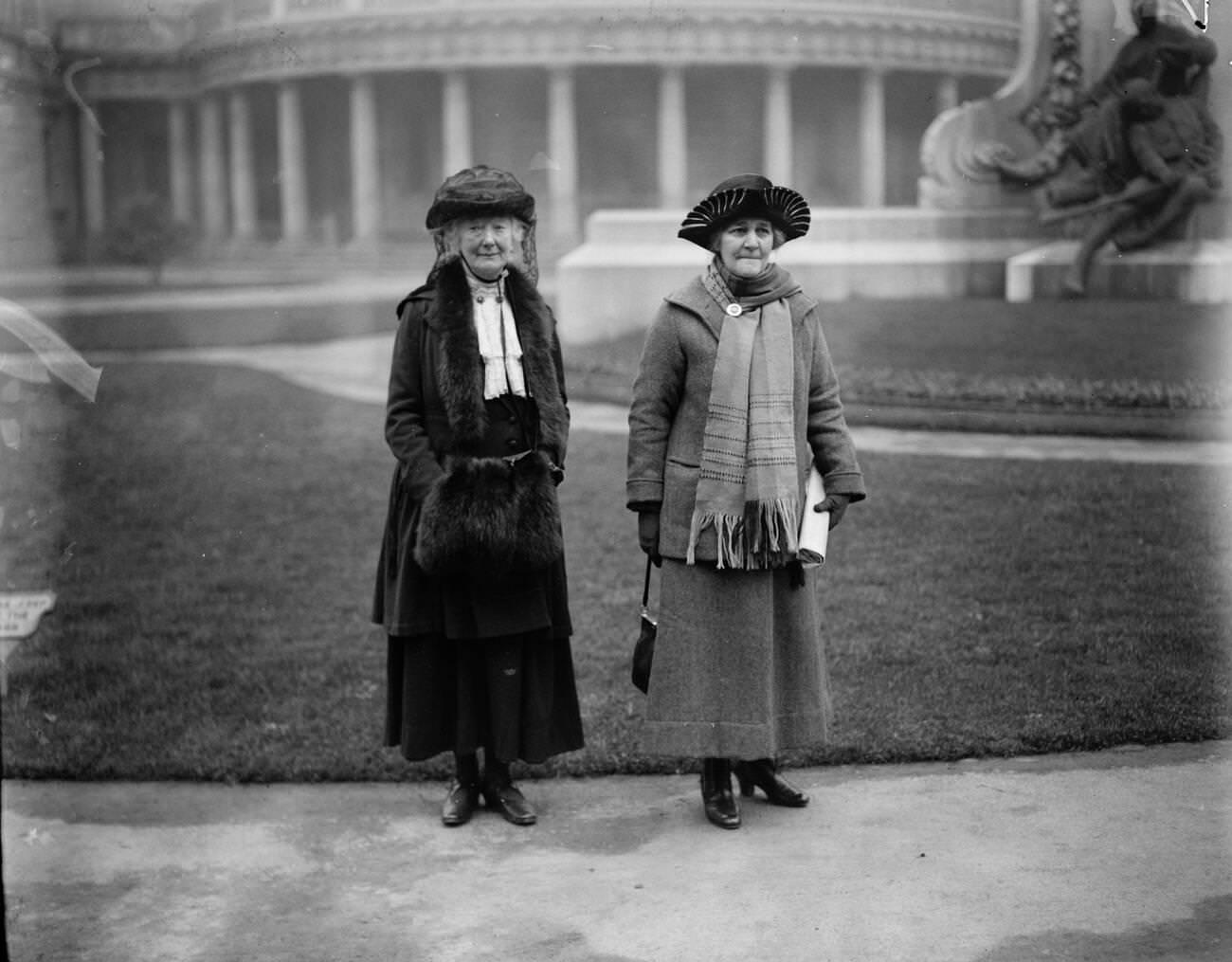
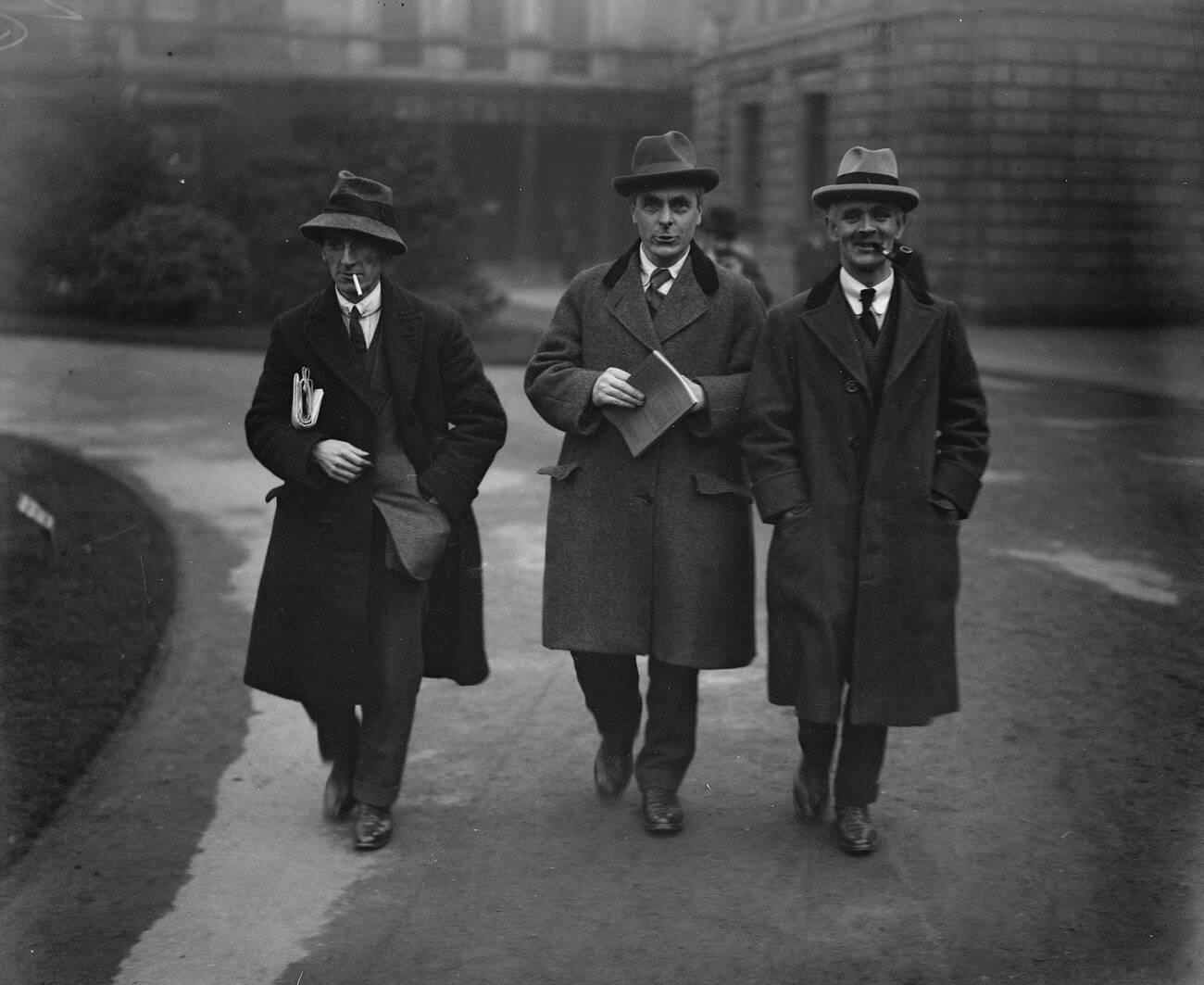
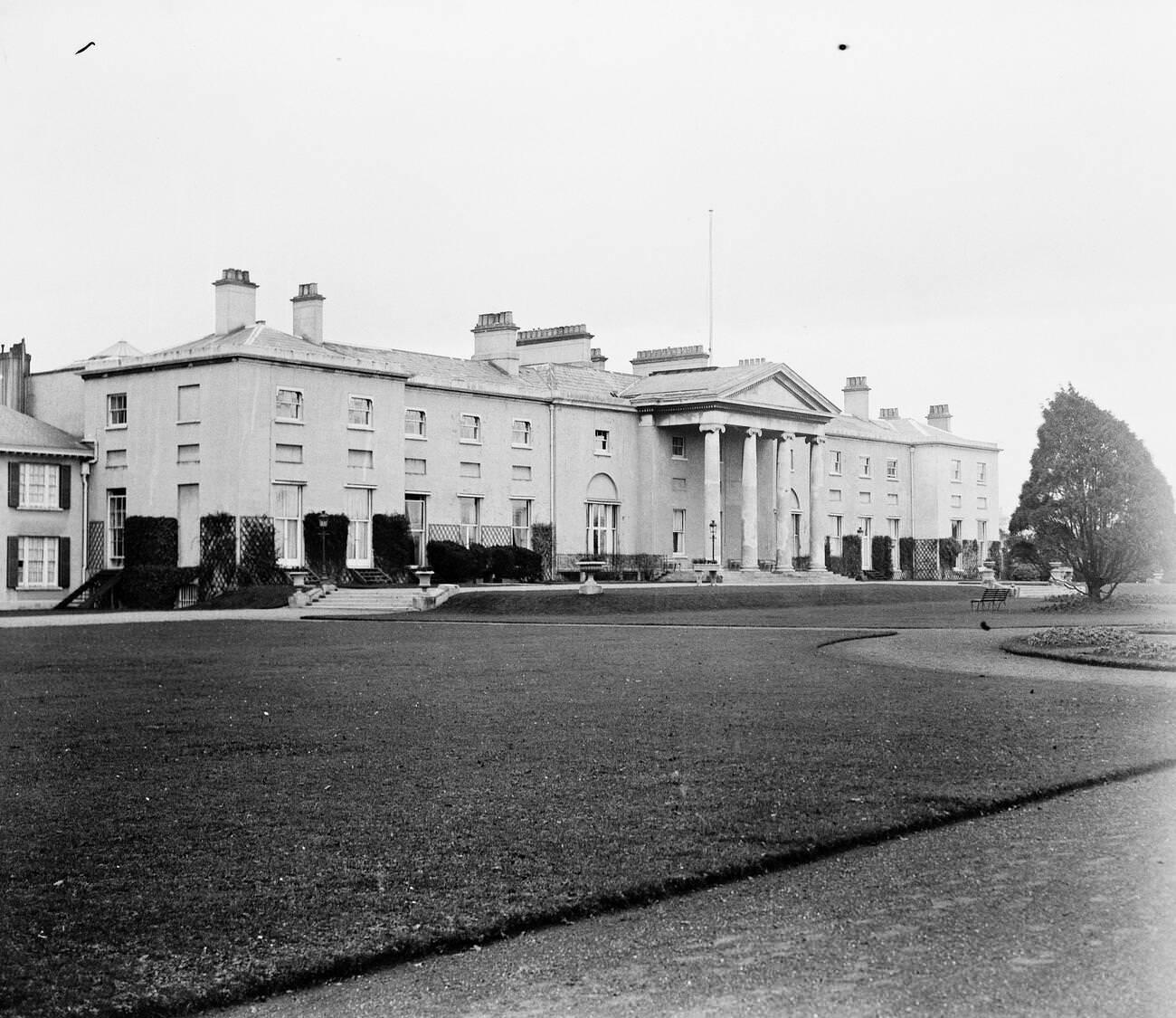
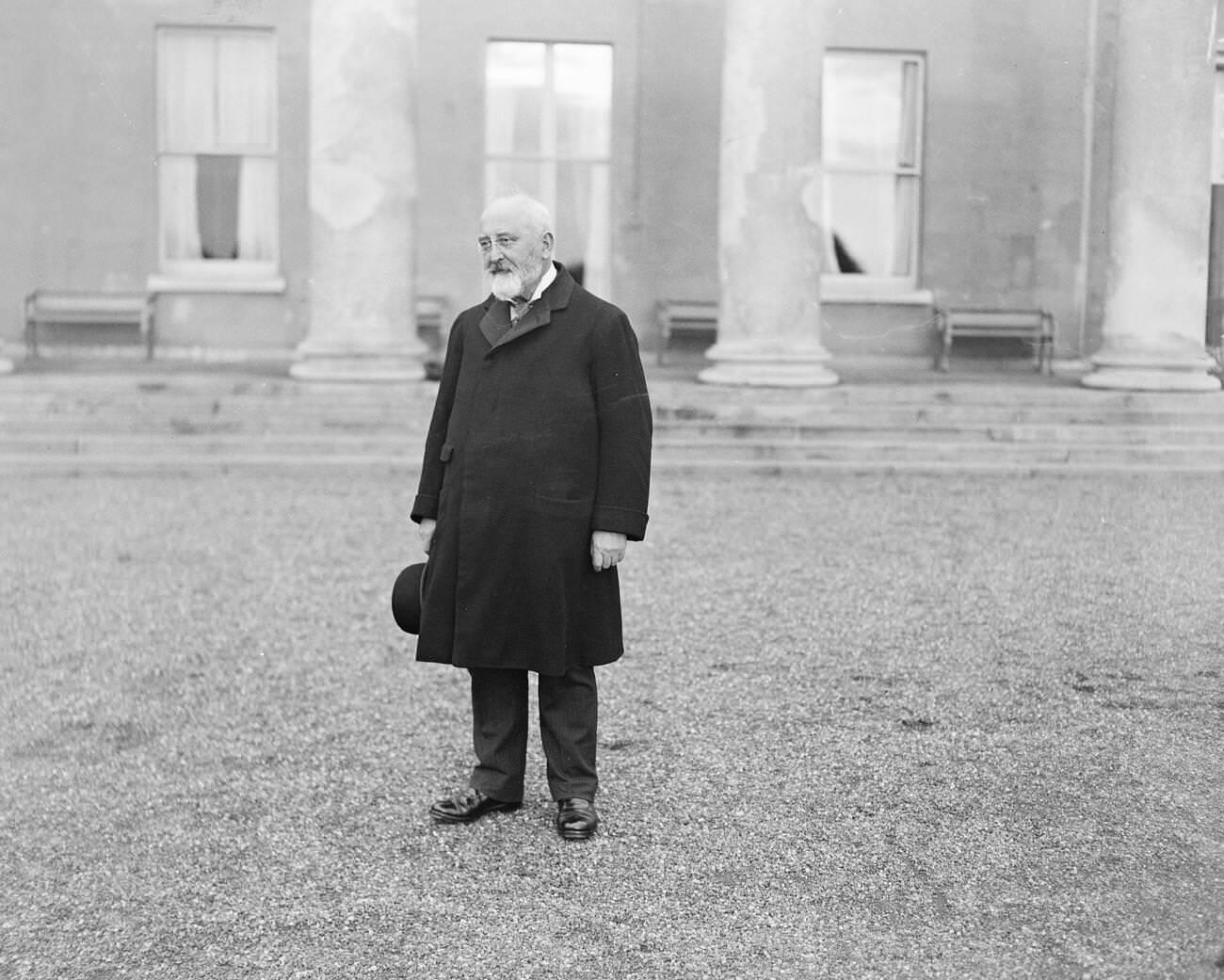
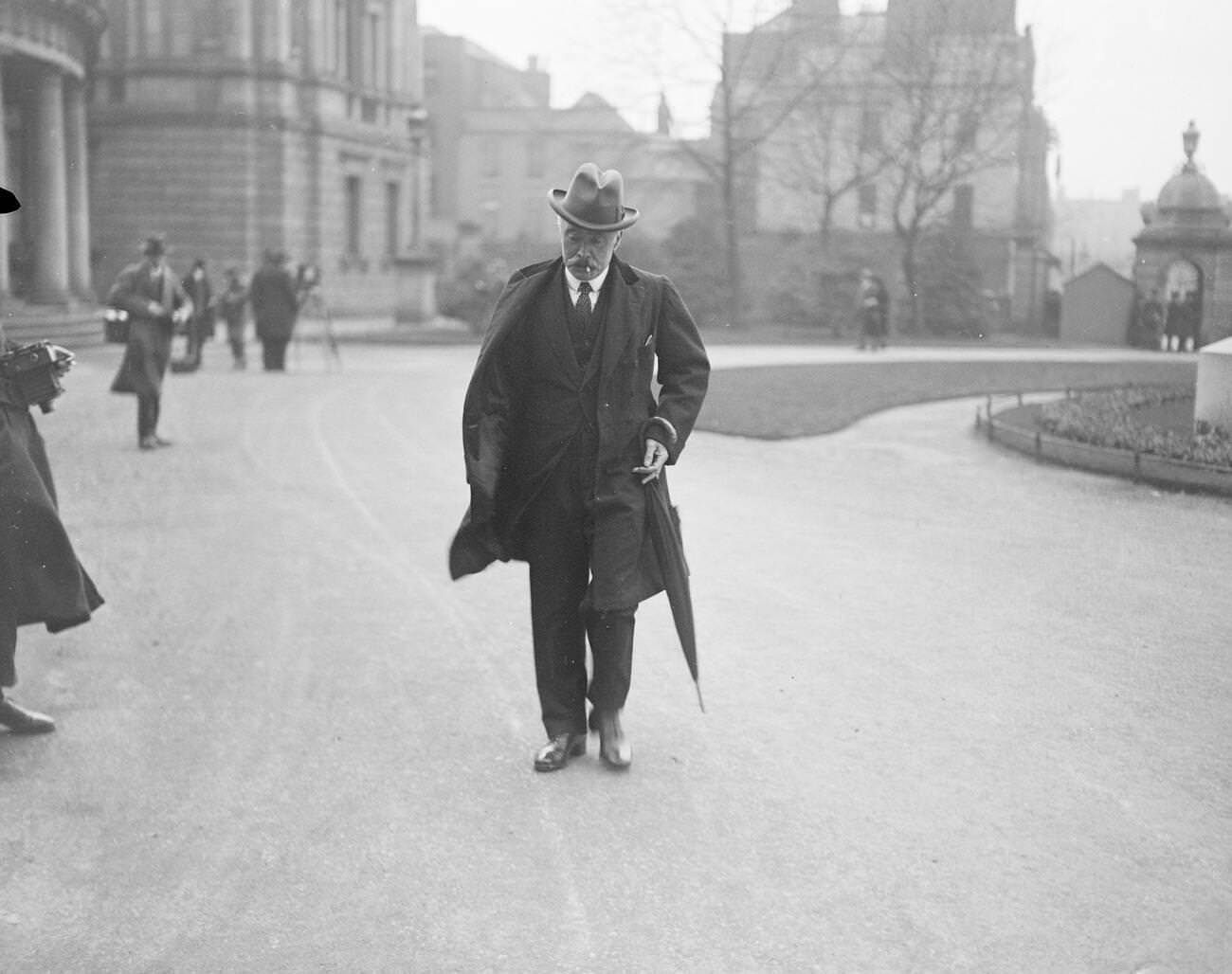
The handover of power from British to Irish authority was a defining moment for Dublin’s streets. In January 1922, Michael Collins led the Provisional Government’s takeover of Dublin Castle — the seat of British rule in Ireland for over 700 years. Collins arrived by car and passed through the castle arch to accept the transfer. British troops, who had been stationed across the city, began their evacuation shortly after.
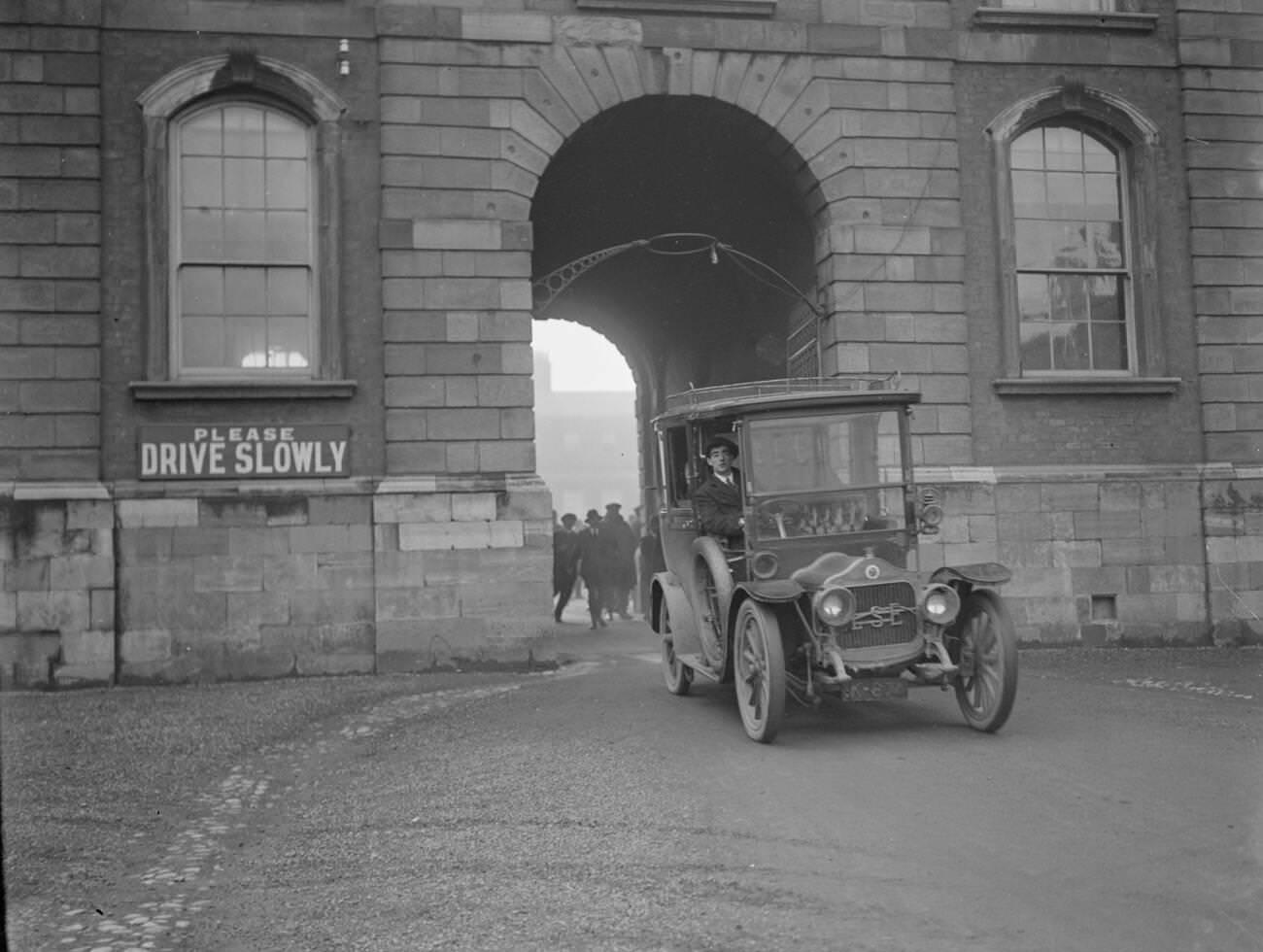
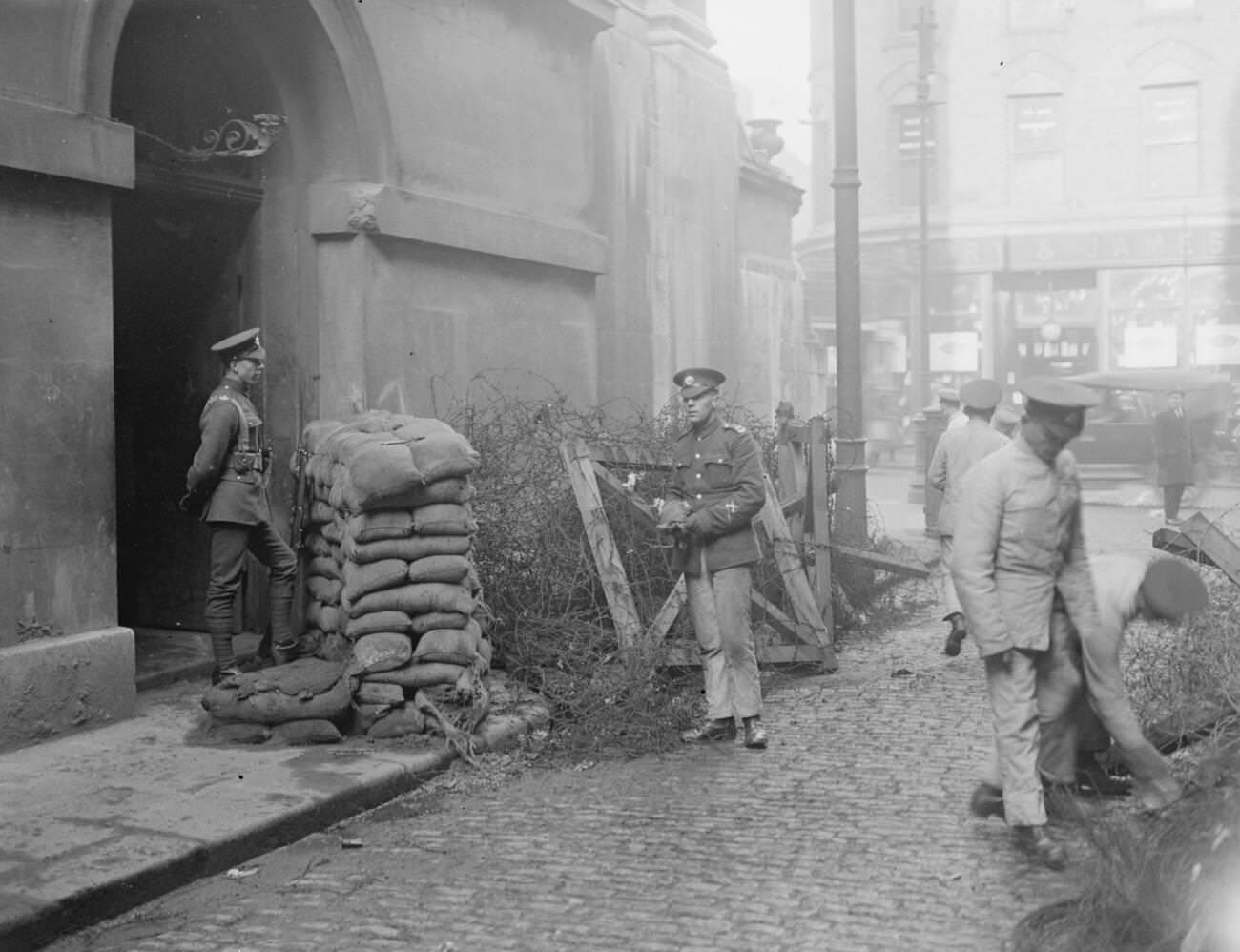
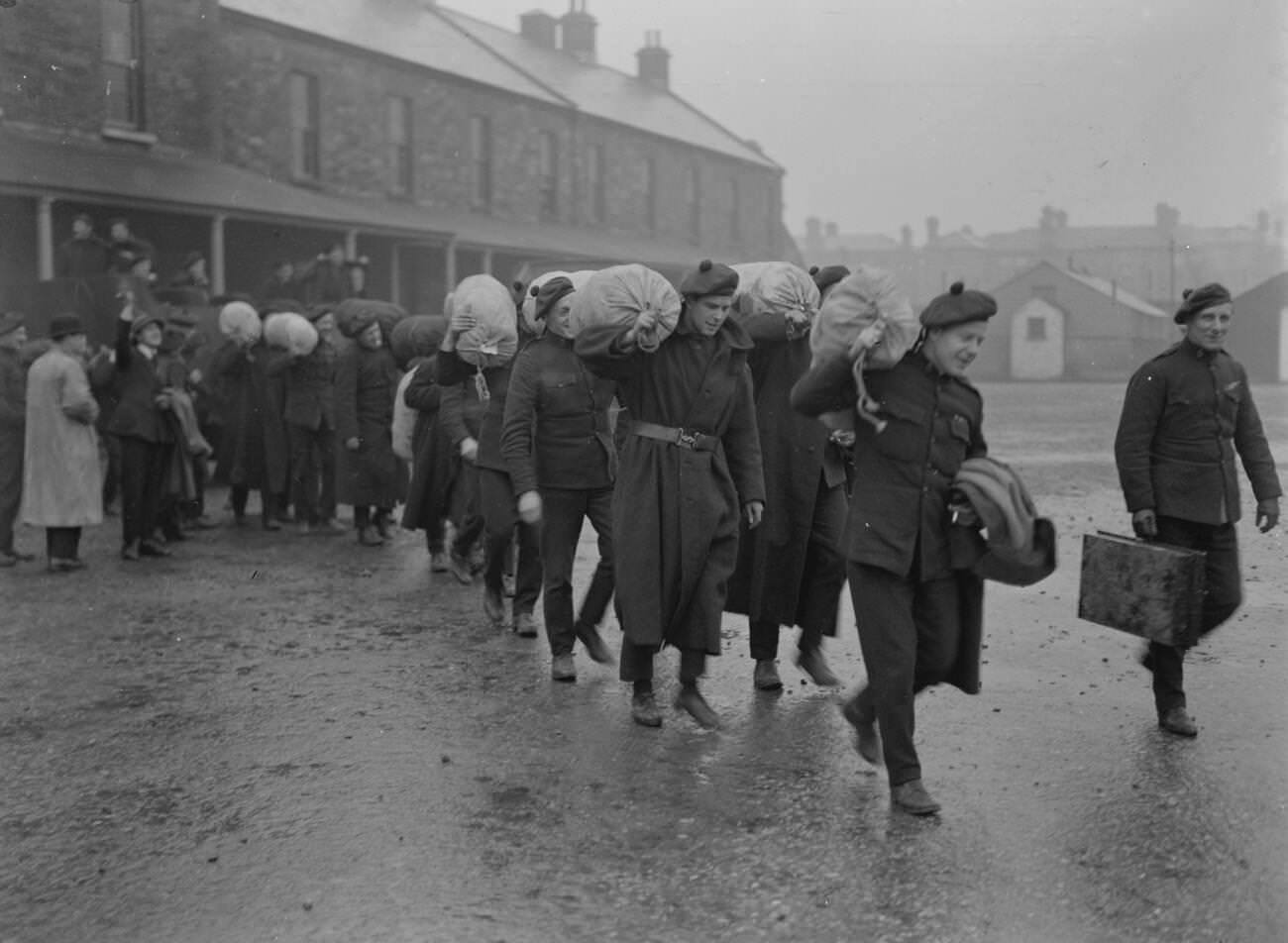
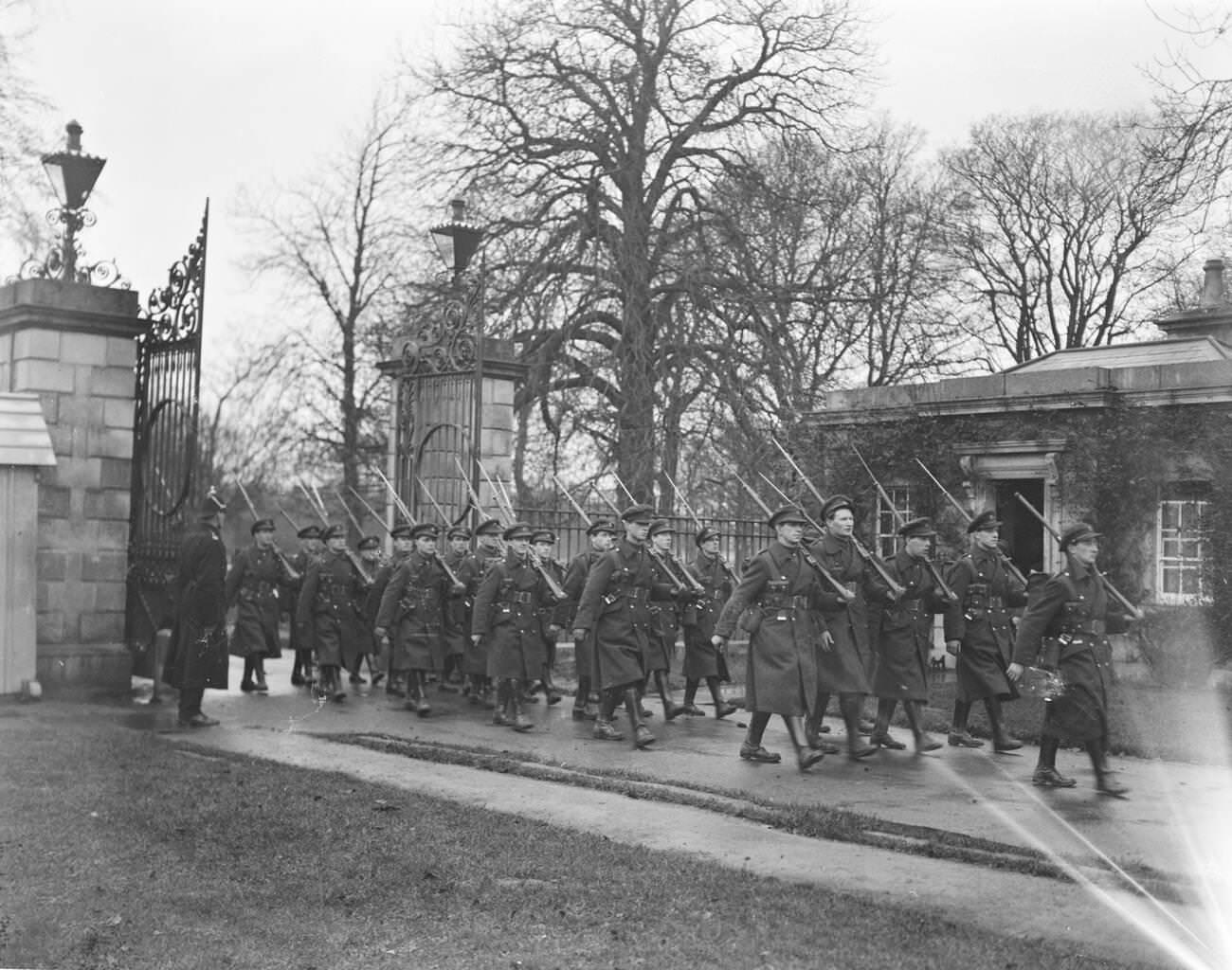
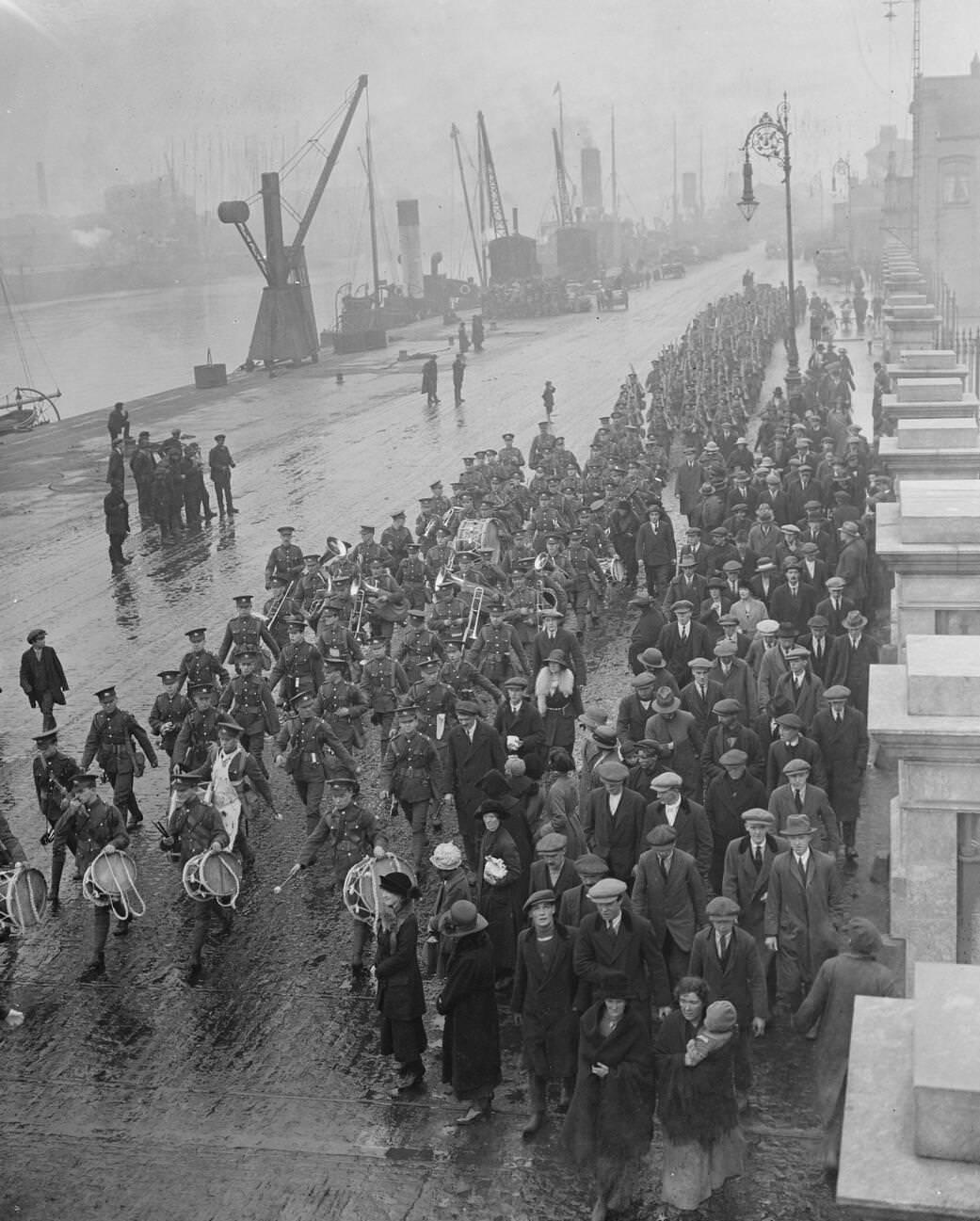
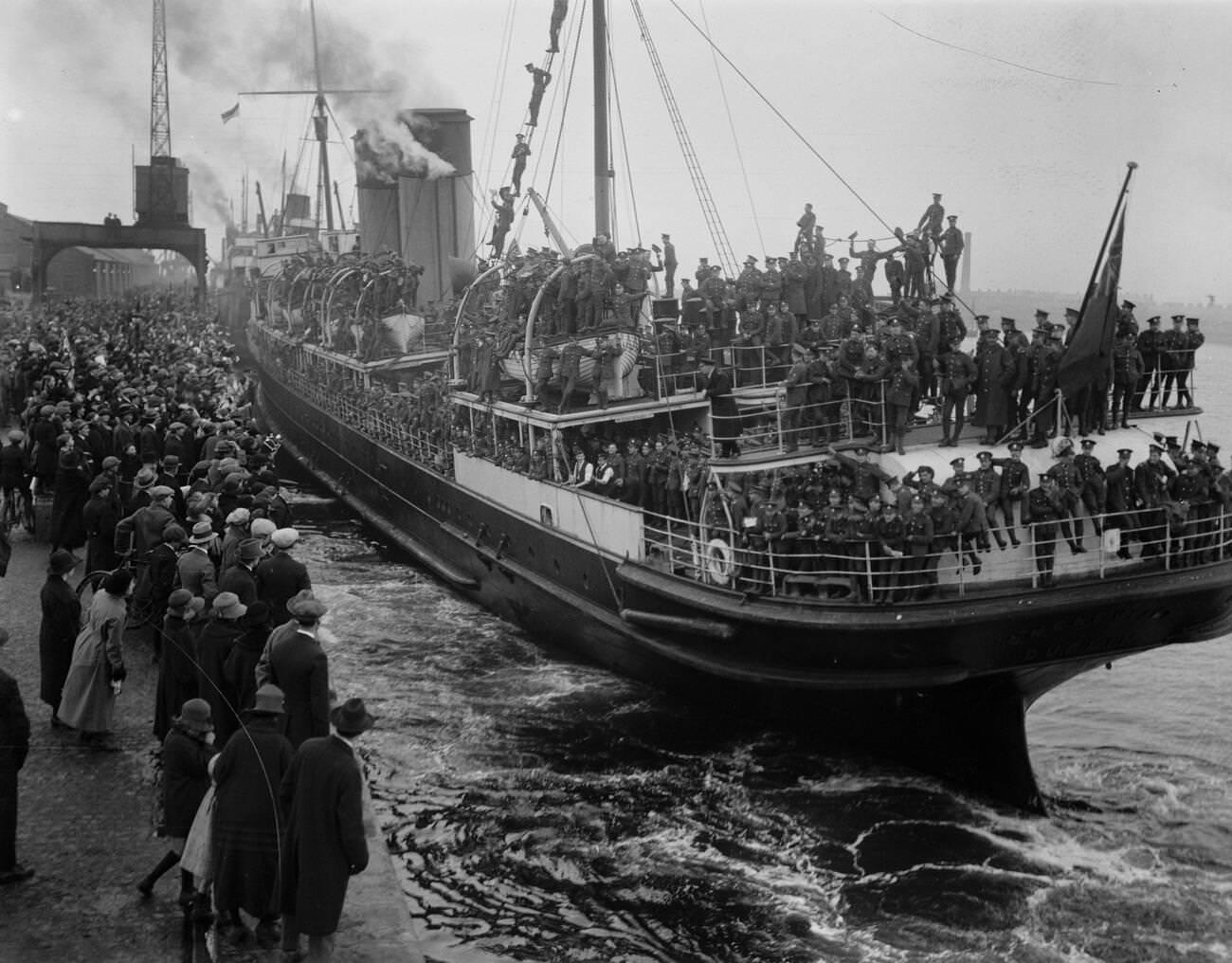
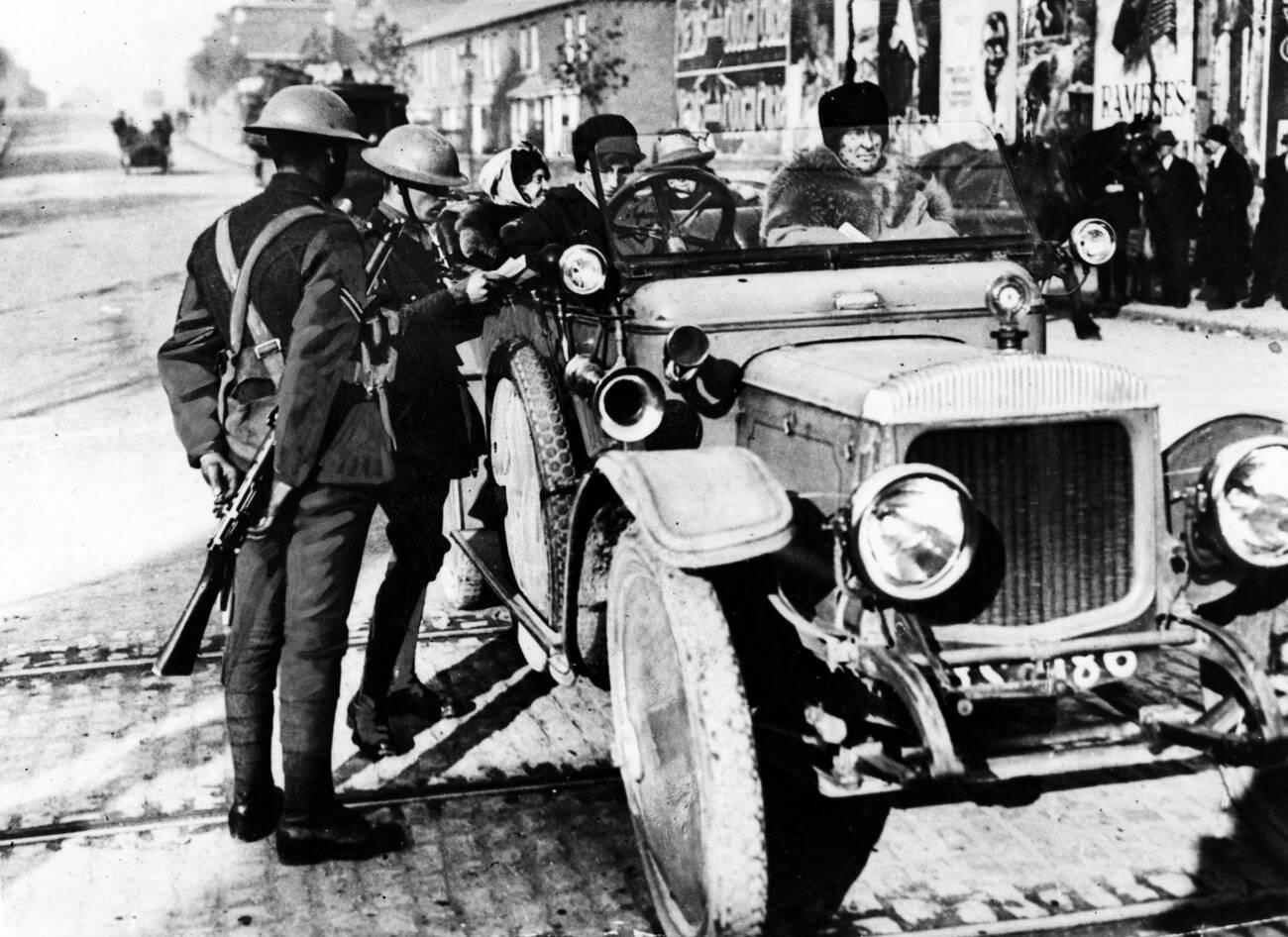
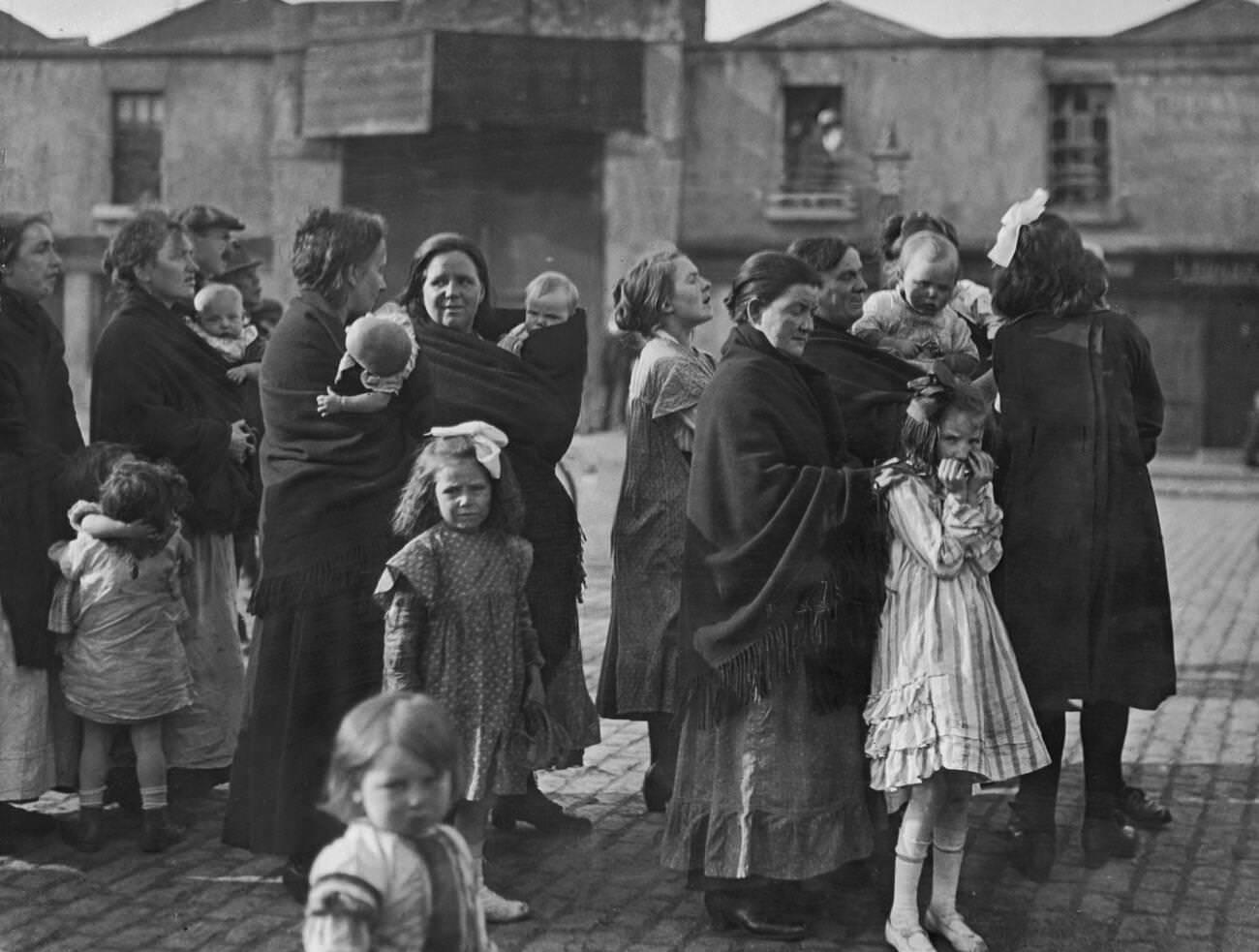
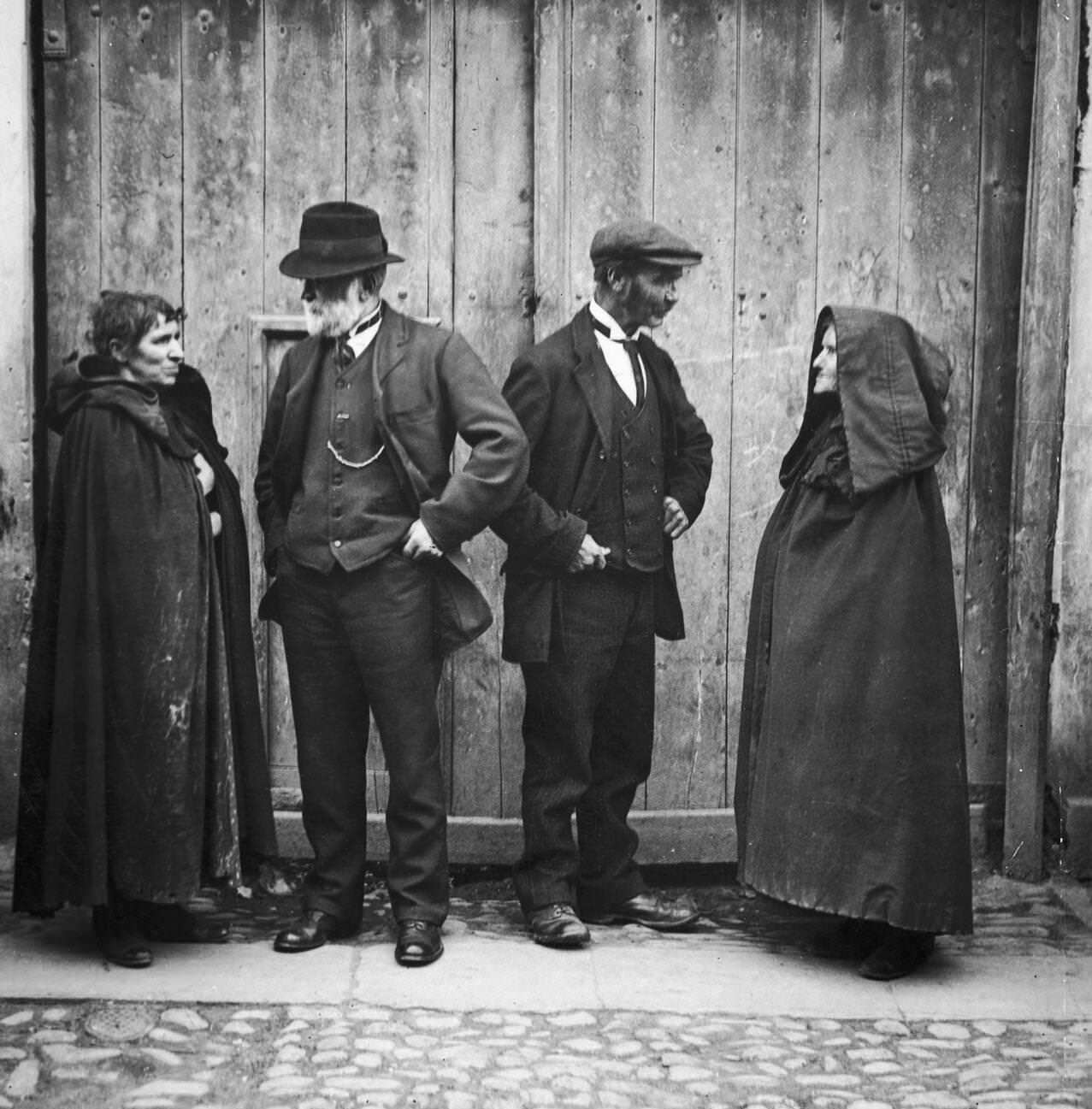
Before the transfer of power, tensions in Dublin had already produced dramatic scenes. In 1920, British armored cars surrounded Dublin Prison as 104 Sinn Féin prisoners staged a hunger strike inside. Officers on city streets were checking the licenses of motorists as part of routine security measures. Elections in 1922 drew crowds of ordinary Dubliners — mothers with babies, workers in national dress — to hear candidates speak in the open air.
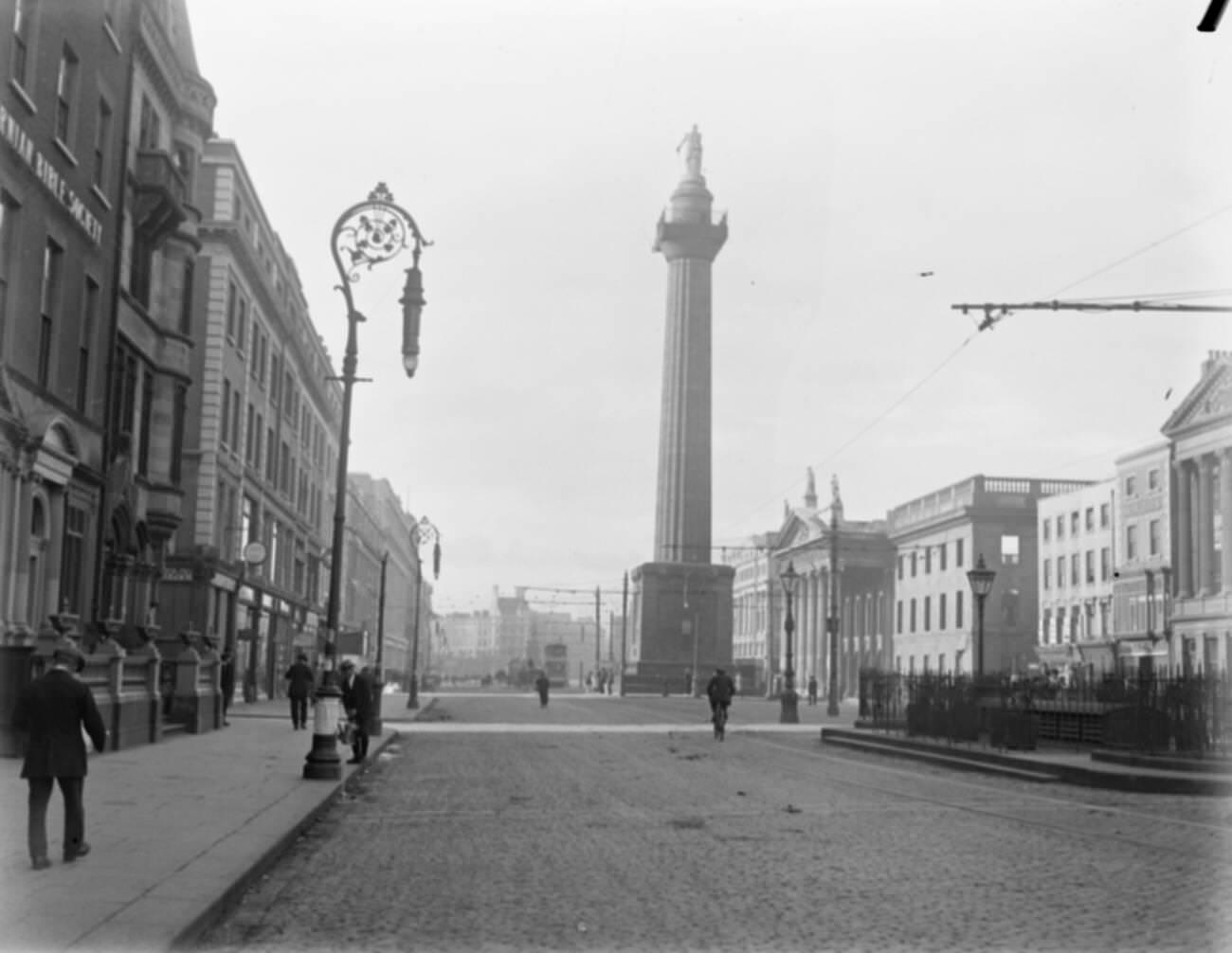
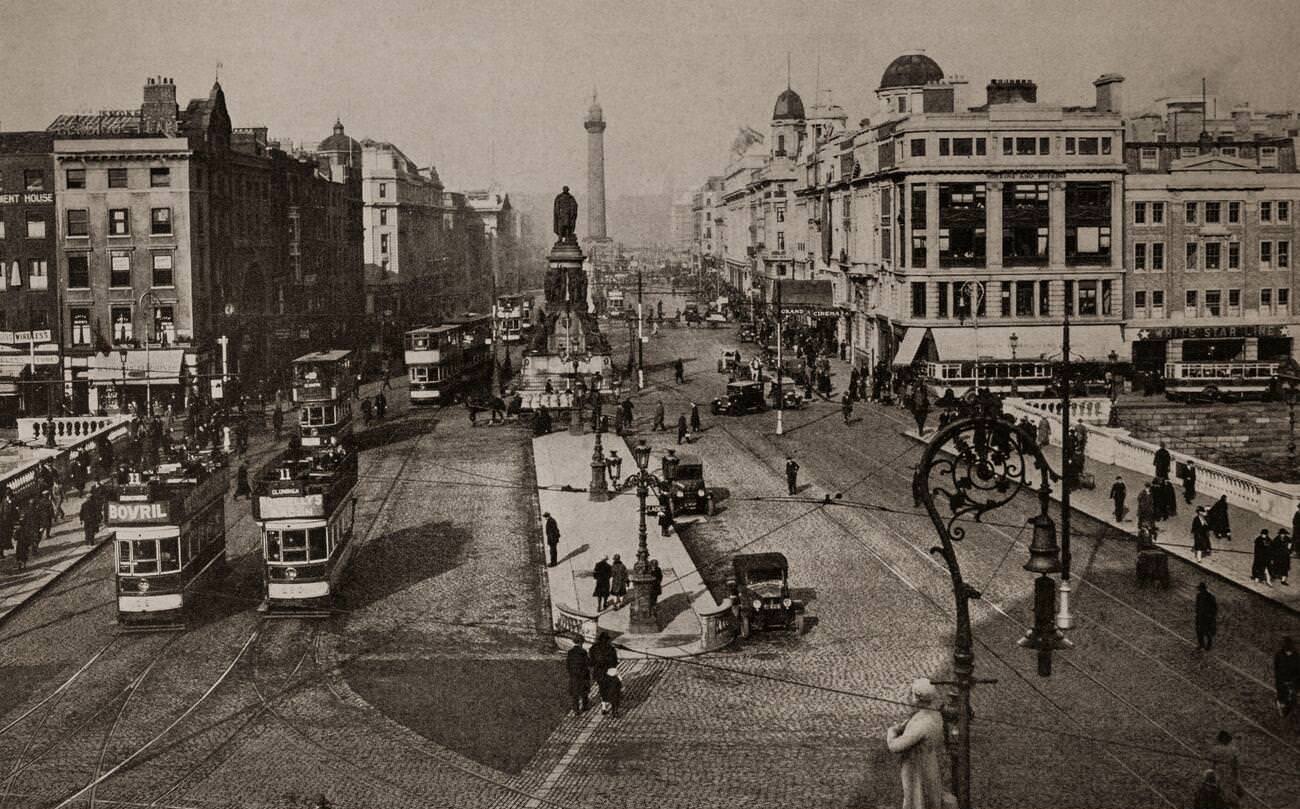
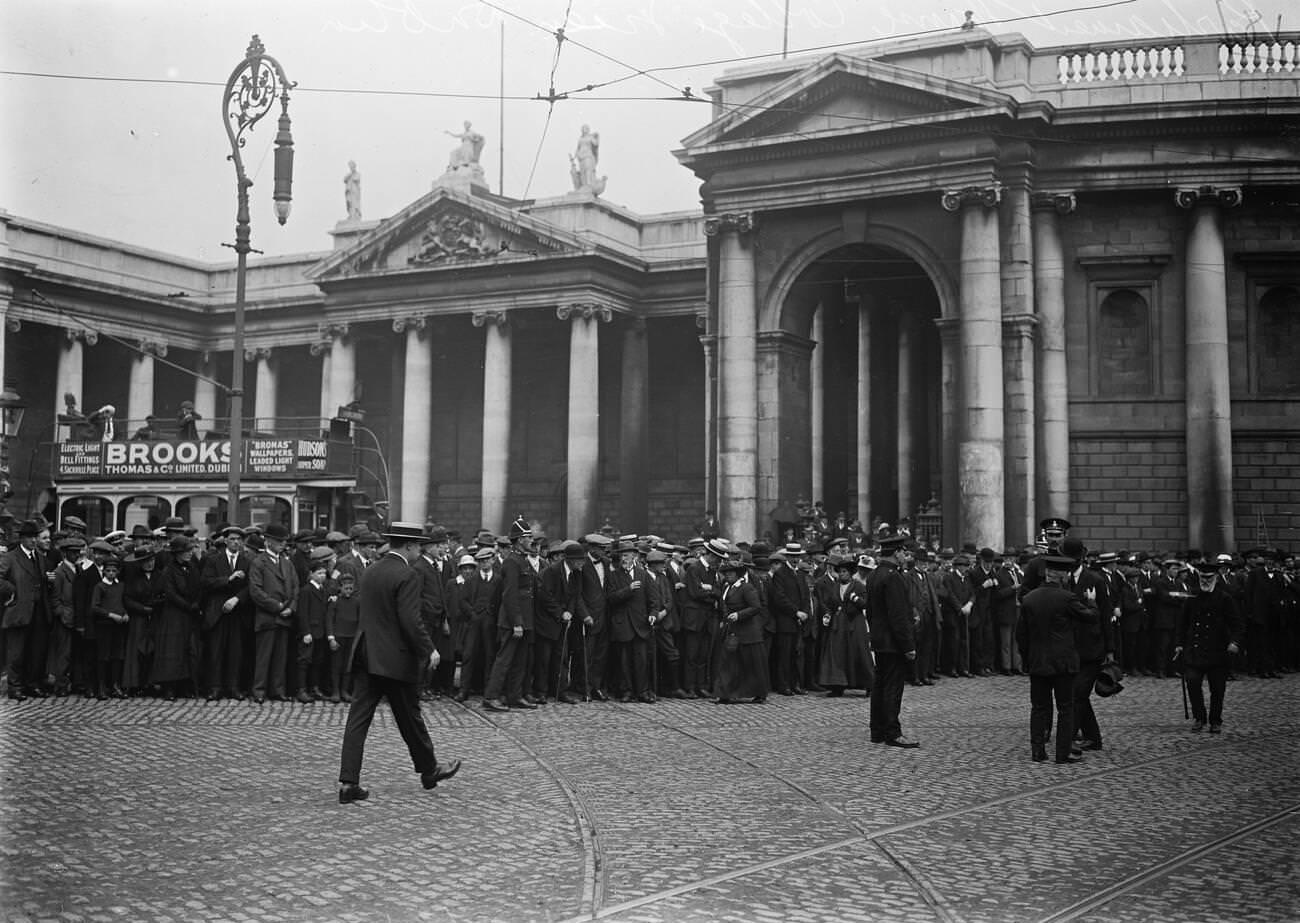
Dublin’s streets and landmarks told the story of the city’s political upheaval, but they also showed everyday life carrying on. Sackville Street — later renamed O’Connell Street — remained the city’s main artery. At midday, it was alive with pedestrians, trams, and traders. O’Connell Bridge crossed the River Liffey just south of it, connecting the north and south sides of the city. Parliament House on College Green, originally built for the Irish Parliament before its abolition in 1800, stood as a reminder of an earlier age of Irish self-governance.
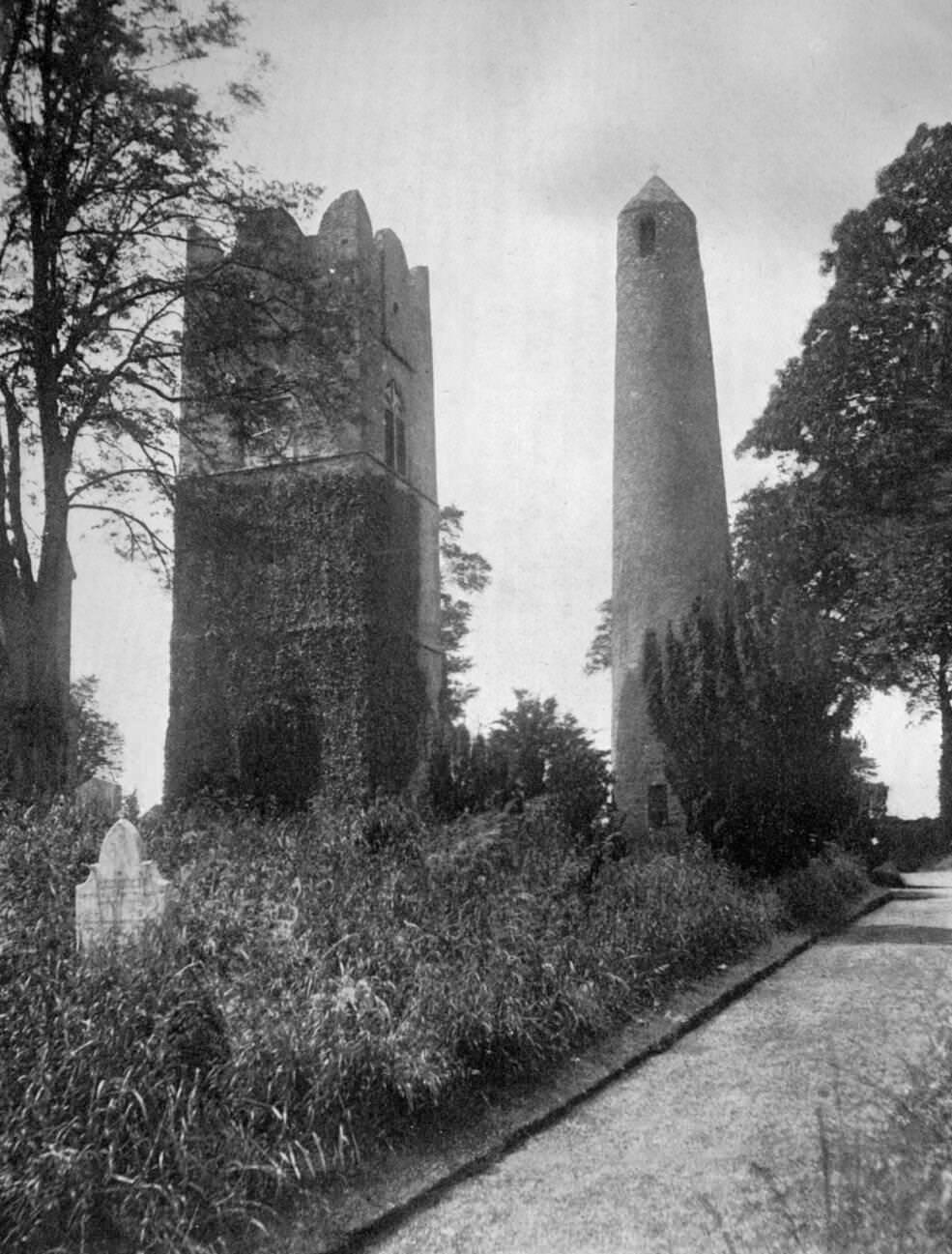
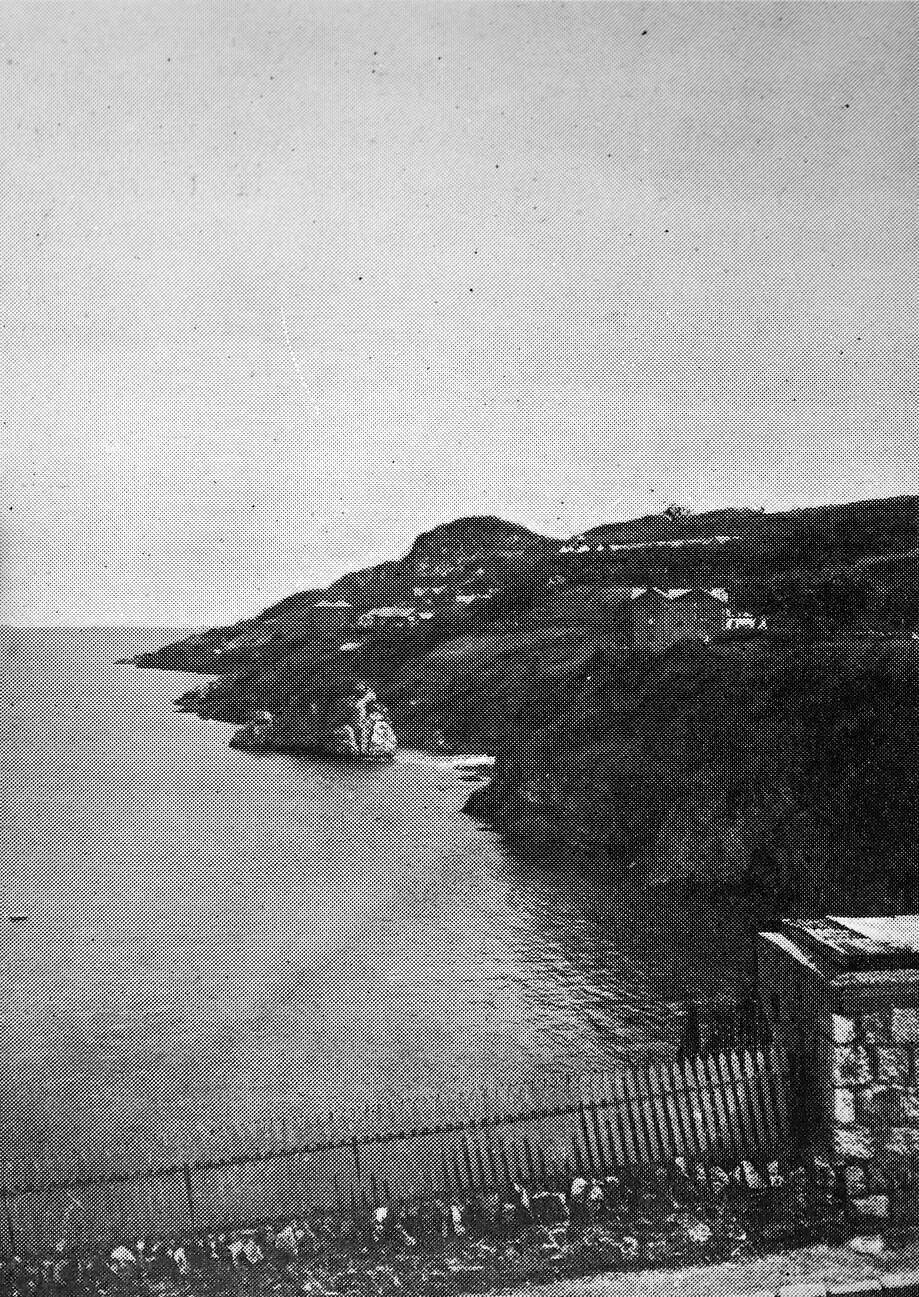
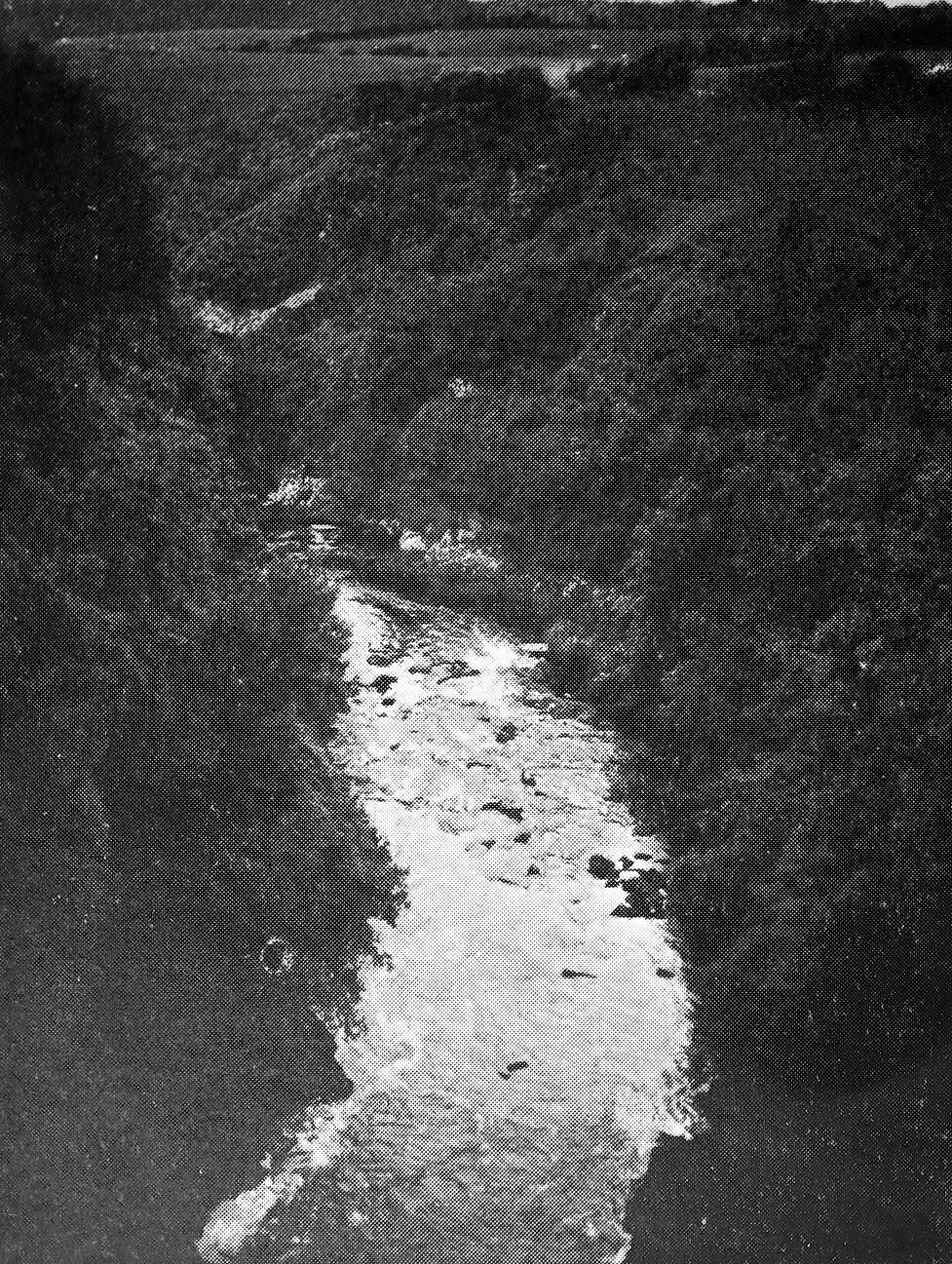
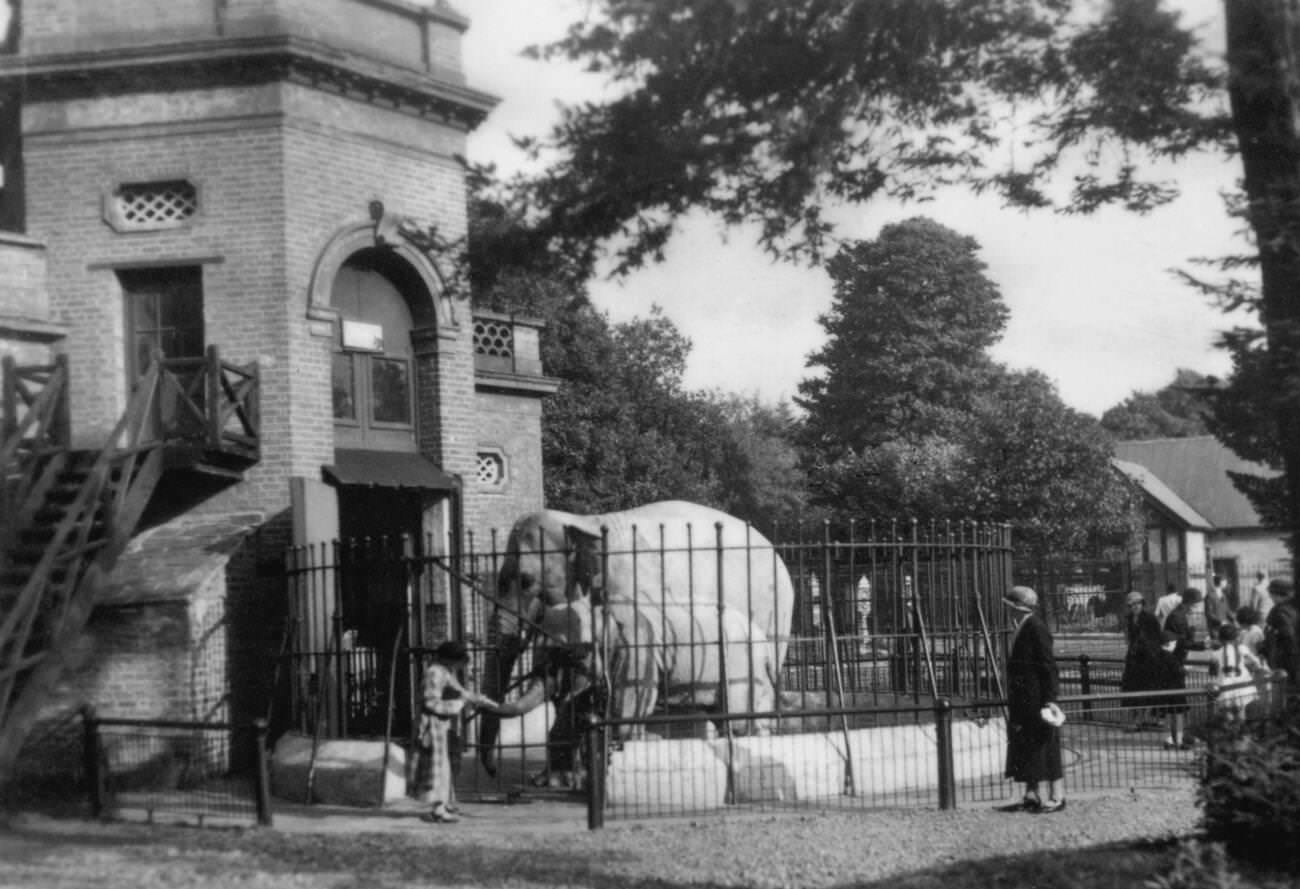
Outside the political center, Dublin’s natural and historic landscape remained a draw. Howth Head to the northeast offered sweeping coastal views. The Round Tower of Swords, a medieval structure north of the city, stood as it had for centuries. The Scalp, a dramatic rocky pass in the Dublin Mountains, looked out over Bray Road below. Poulaphouca on the River Liffey was a well-known scenic waterfall visited by locals and travelers alike. Phoenix Park — one of the largest enclosed urban parks in Europe — provided open green space for Dubliners seeking relief from city life. The Zoological Gardens inside the park, including the Elephant House, had been welcoming visitors since 1831.

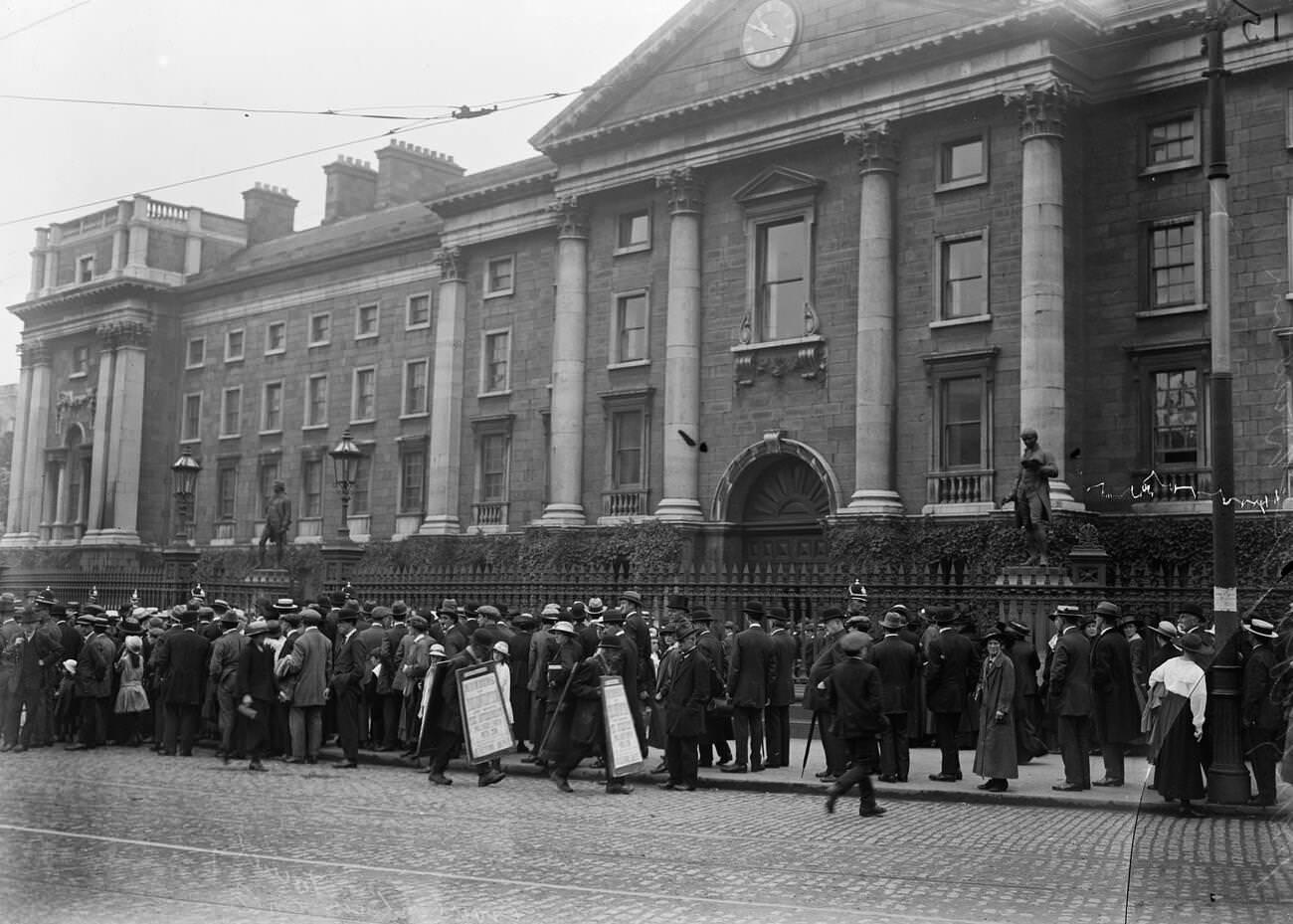
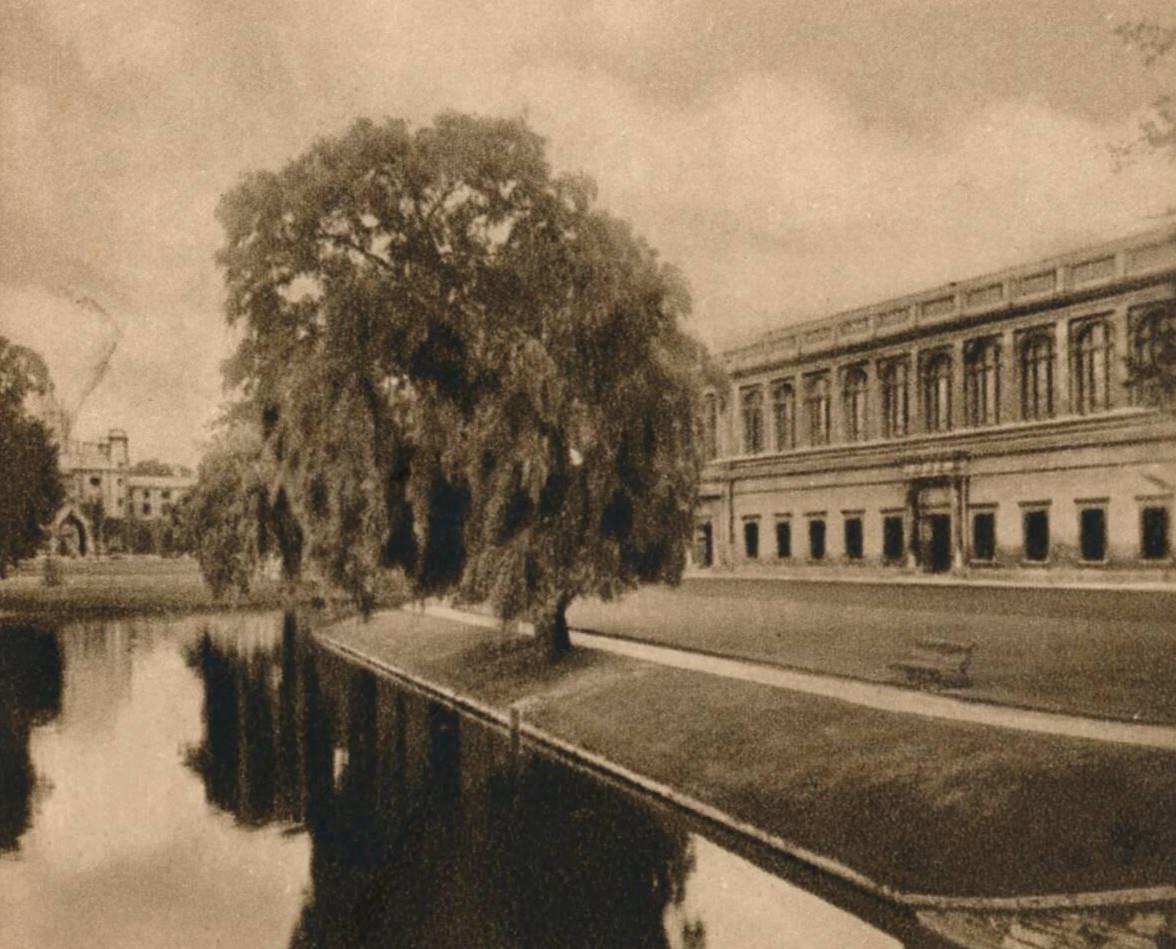
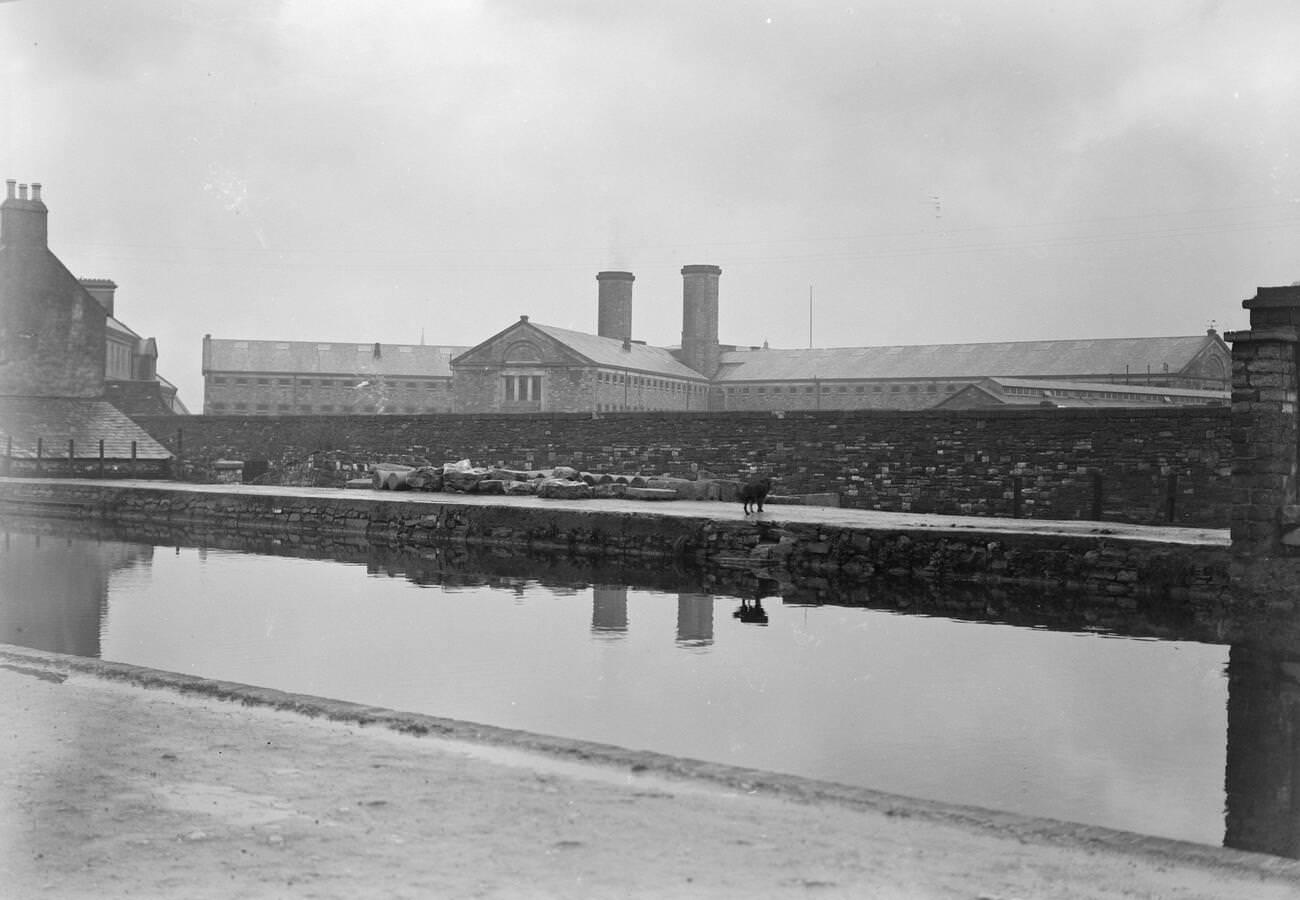
Higher education also remained a constant feature of Dublin’s identity. Trinity College on College Green had served as Ireland’s oldest university since its founding in 1592. University College Dublin, a younger institution, had become politically significant as a meeting place for Dáil sessions. Both universities continued educating students through the turbulence of the decade. Mountjoy Prison, meanwhile, was an ever-present feature of the city’s harder realities — holding political prisoners throughout the War of Independence and beyond.
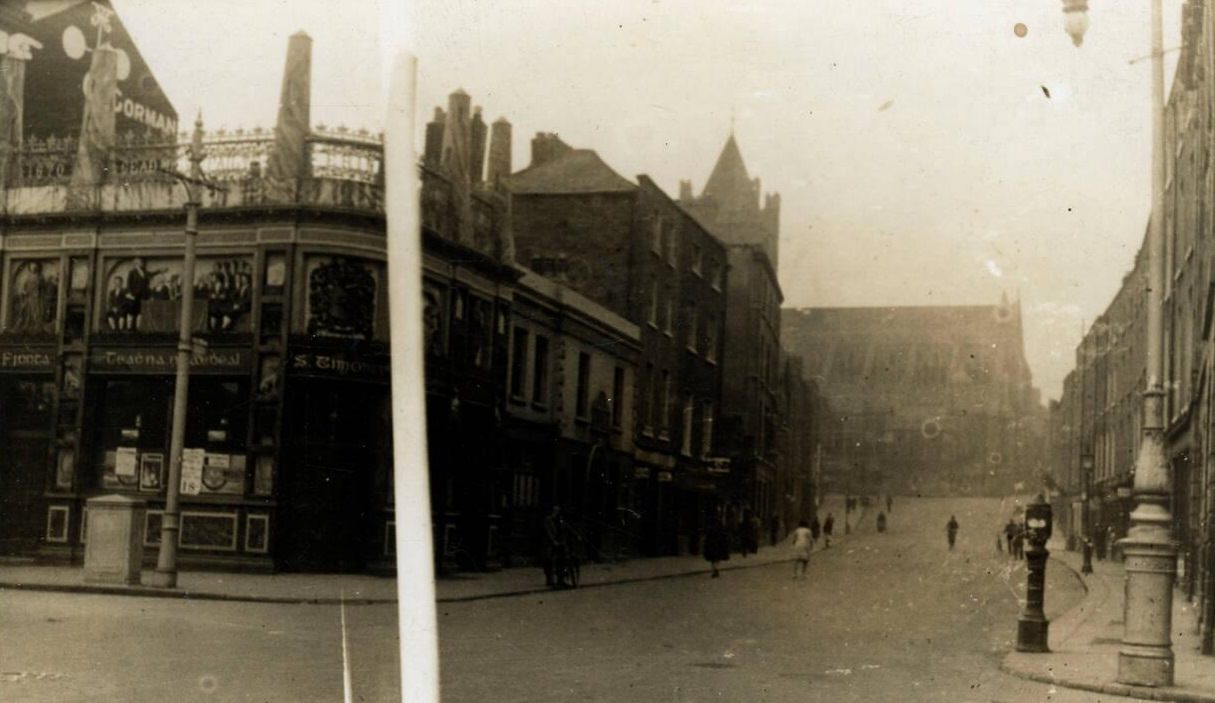
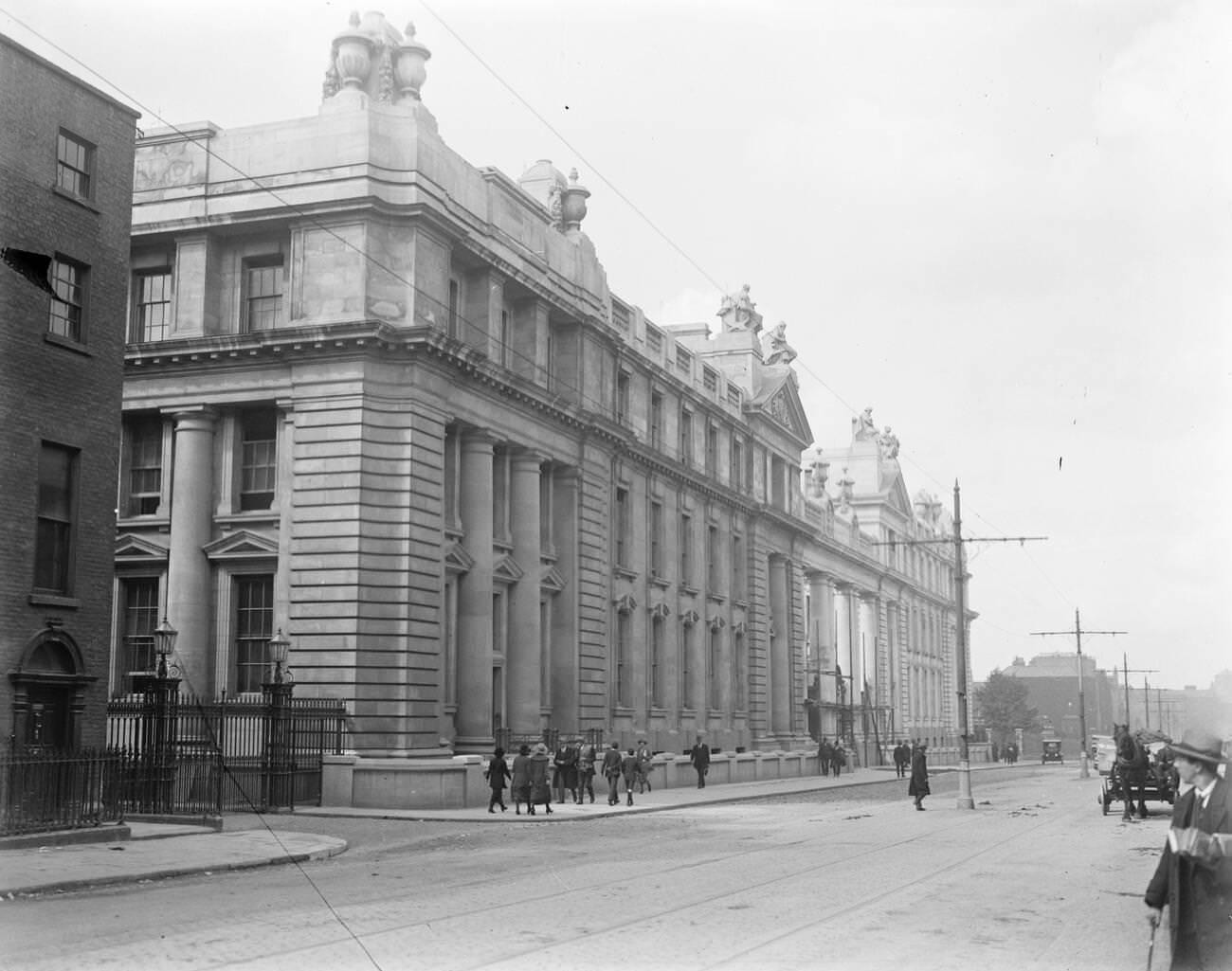
Street-level Dublin had its own texture. Winetavern Street, running near Christ Church Cathedral in the old city, was typical of the narrow, historic lanes that gave Dublin its character. The city was also evolving in practical ways — electric trams moved people across the city, gas lamps gave way to electric lighting, and new government buildings signaled that the Irish Free State was putting down permanent roots. By 1928, a new Governor General, Mr. McNeill, had taken office, representing a second generation of leadership in the young state.