In 1935, London photographer Madame Yevonde attended a costume party where guests dressed as figures from Greek and Roman mythology. The event lit a spark. She decided to stage a full studio series — carefully planned portraits of high-society women transformed into ancient goddesses.
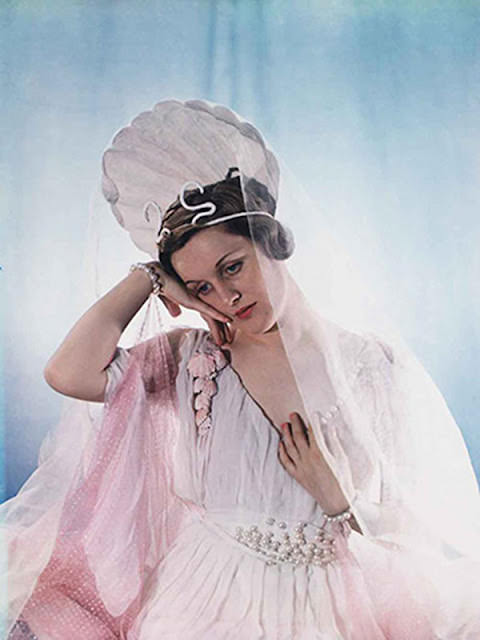
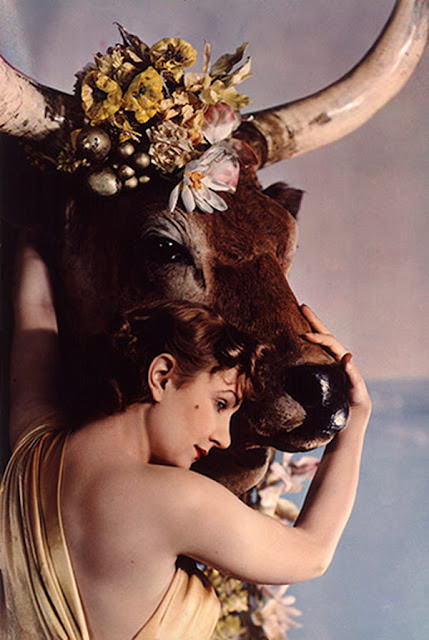
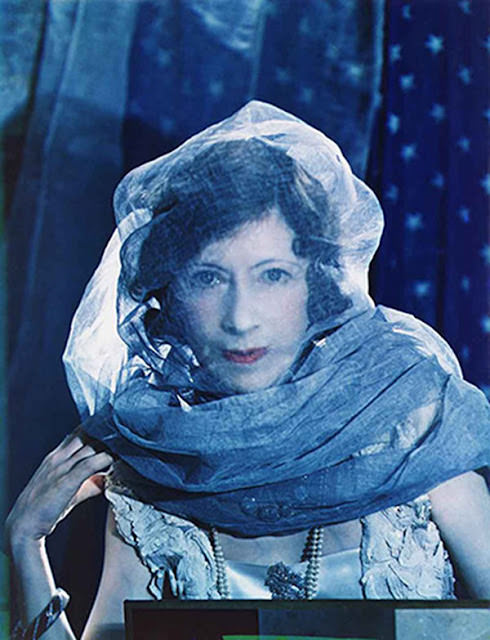
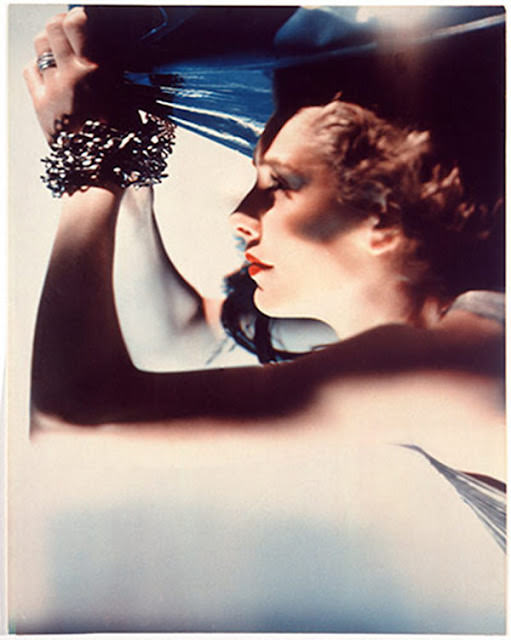
Yevonde worked in Vivex color, a process that produced rich, saturated tones unlike anything common in portraiture at the time. She used it to build entire worlds within a single frame — choosing costumes, props, and poses with precision. Her subjects were socialites, artists, and notable public figures, each bringing their own personality to the role.
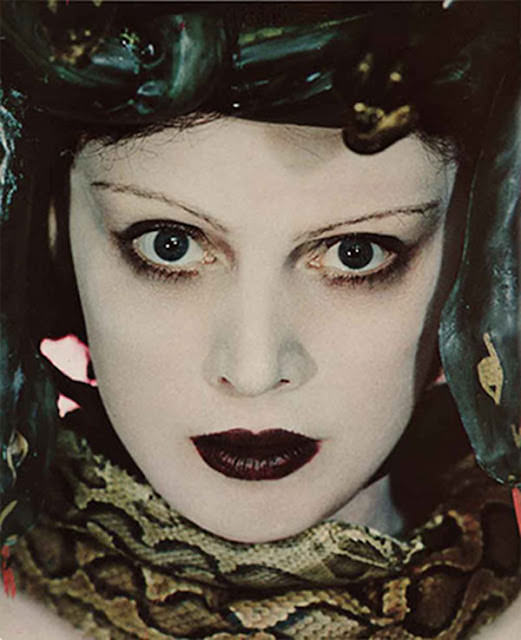
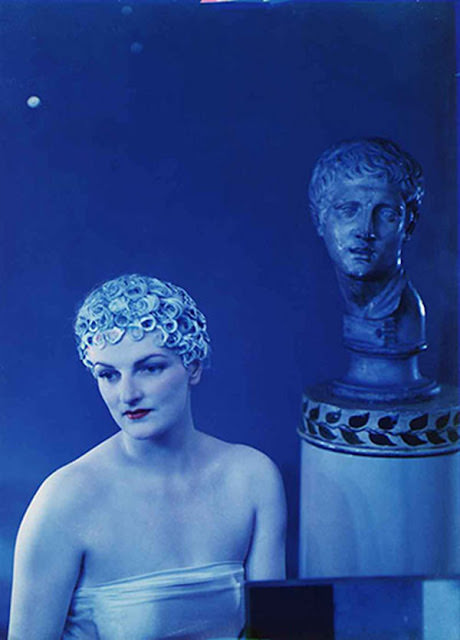
Each portrait had a specific mythological identity. Some figures were goddesses of nature or spring, others were warrior queens or muses. The range of mythology Yevonde drew from was wide — spanning Roman, Greek, and legendary traditions.
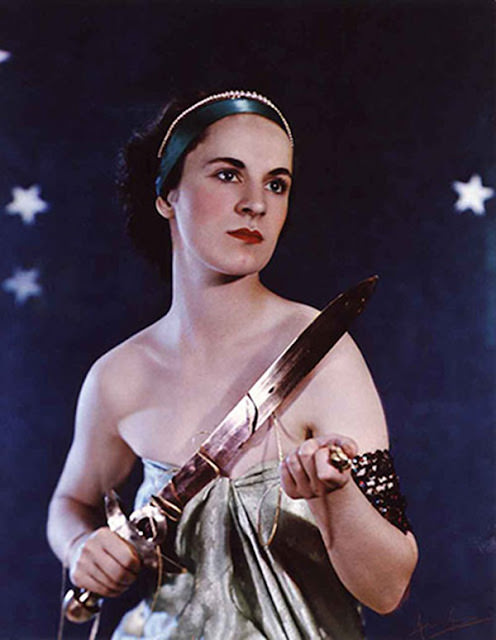
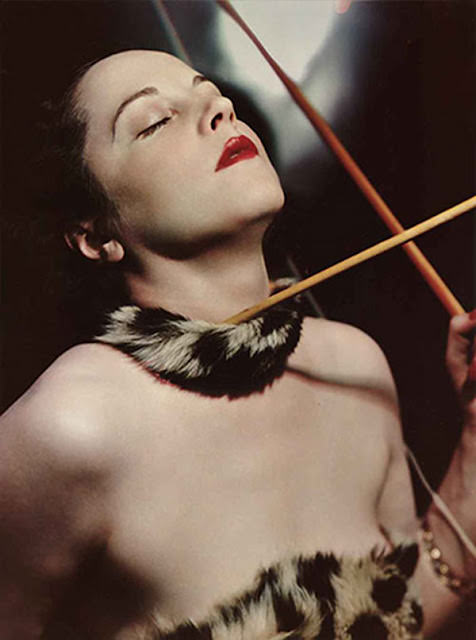
The women who sat for Yevonde were not passive subjects. They wore elaborate costumes, held props, and posed with intent. The collaboration between photographer and subject gave the series its dramatic energy.
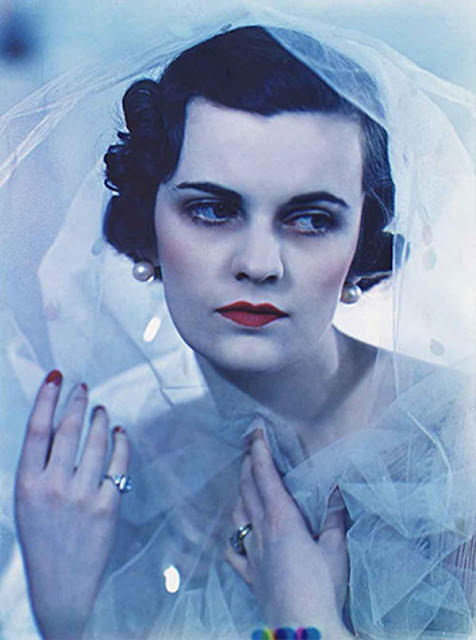
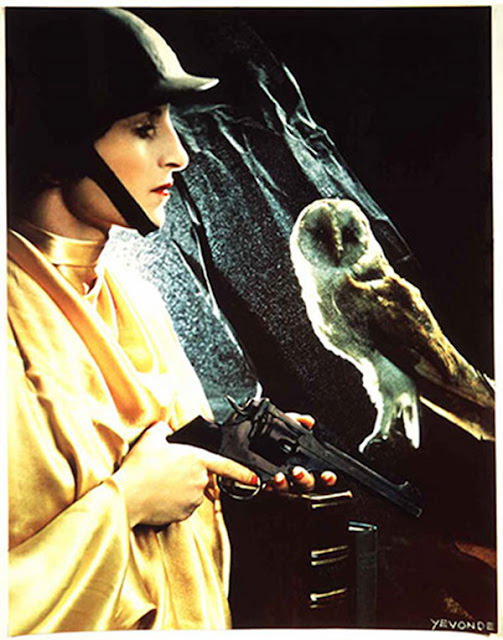
Yevonde exhibited the series in 1935 under the title “Goddesses and Others.” The vivid color and theatrical staging made the show a standout event in London’s art scene. Critics took notice of both the technical achievement and the boldness of the concept.
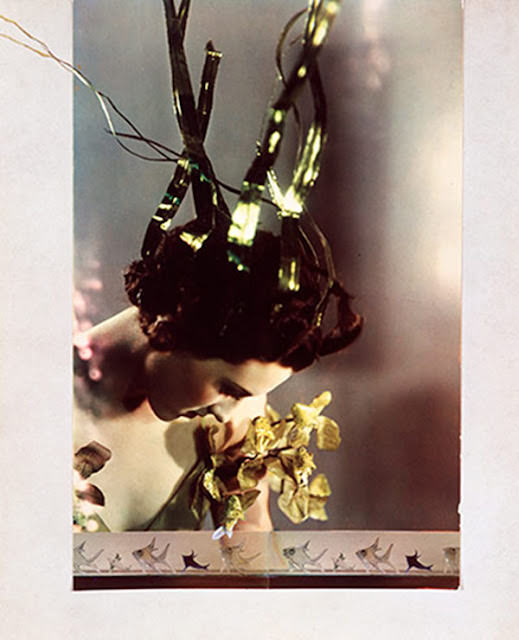
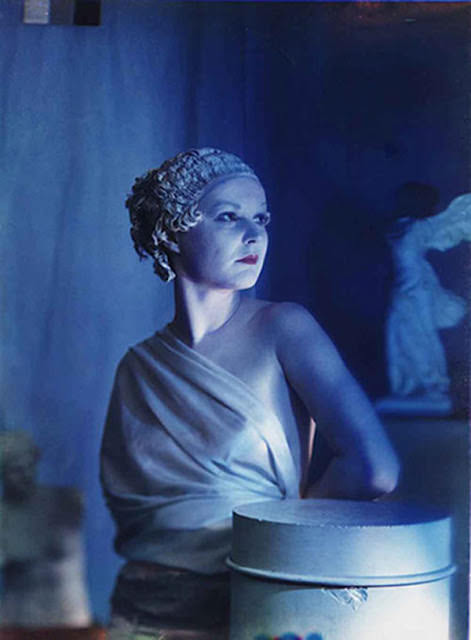
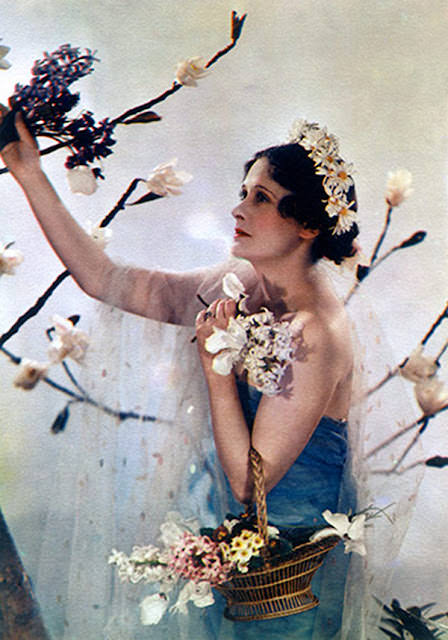
The portraits placed 1930s glamour directly alongside ancient myth. A woman in flowing silk became Flora, goddess of flowers. Another in a helmet evoked Athena. The modern and the mythological existed in the same frame without conflict.