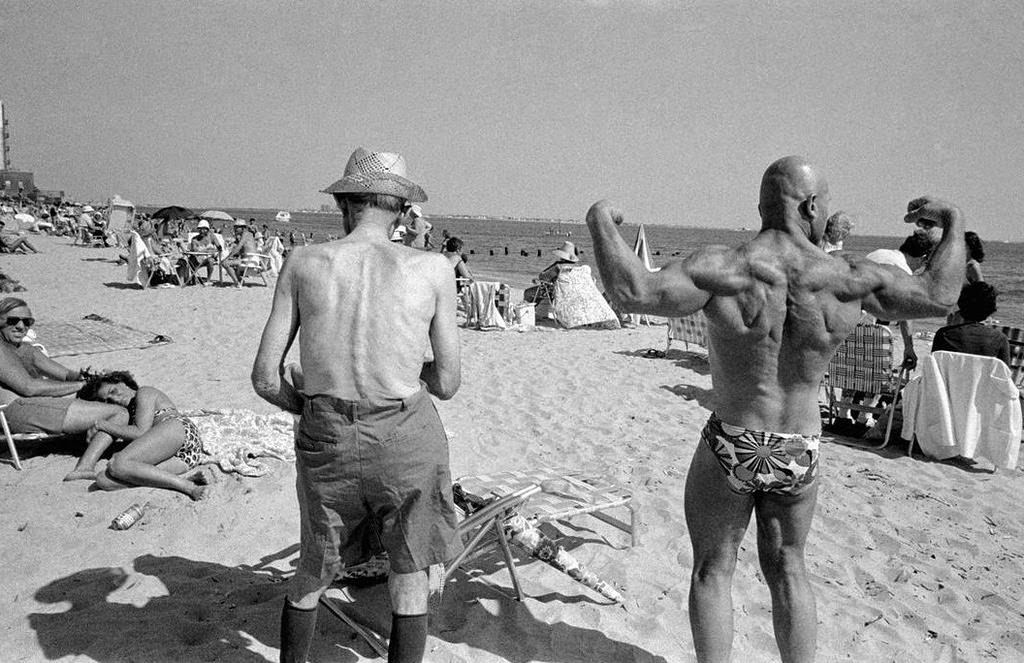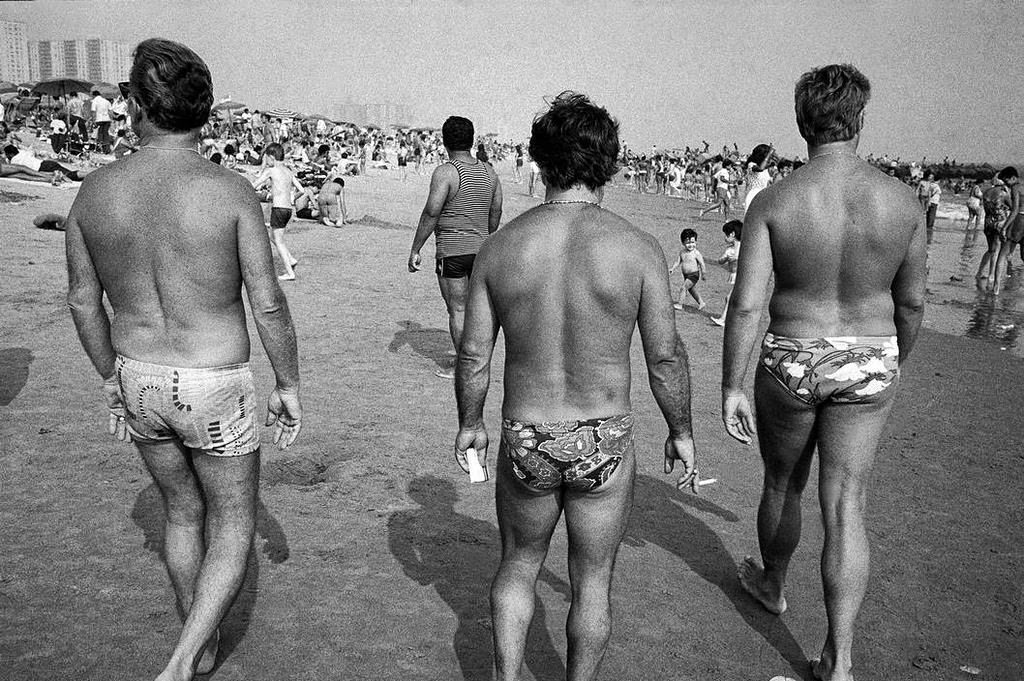

Bruce Gilden was born in 1946 and grew up to become one of America’s most distinctive street photographers. His style is immediately recognizable: black-and-white film, a 35mm camera, and a flash fired at close range. The flash is key. Most street photographers work hard to stay invisible. Gilden does the opposite — he steps in close, pops the flash, and catches his subjects in a burst of raw, unguarded reality.
His path into photography started with a film. In 1968, while studying sociology at Penn State, Gilden saw Michelangelo Antonioni’s Blowup — a thriller built around a fashion photographer who may have accidentally captured a murder on film. The movie stopped him cold. He bought his first camera shortly after and enrolled in photography classes at the School of Visual Arts in New York City.
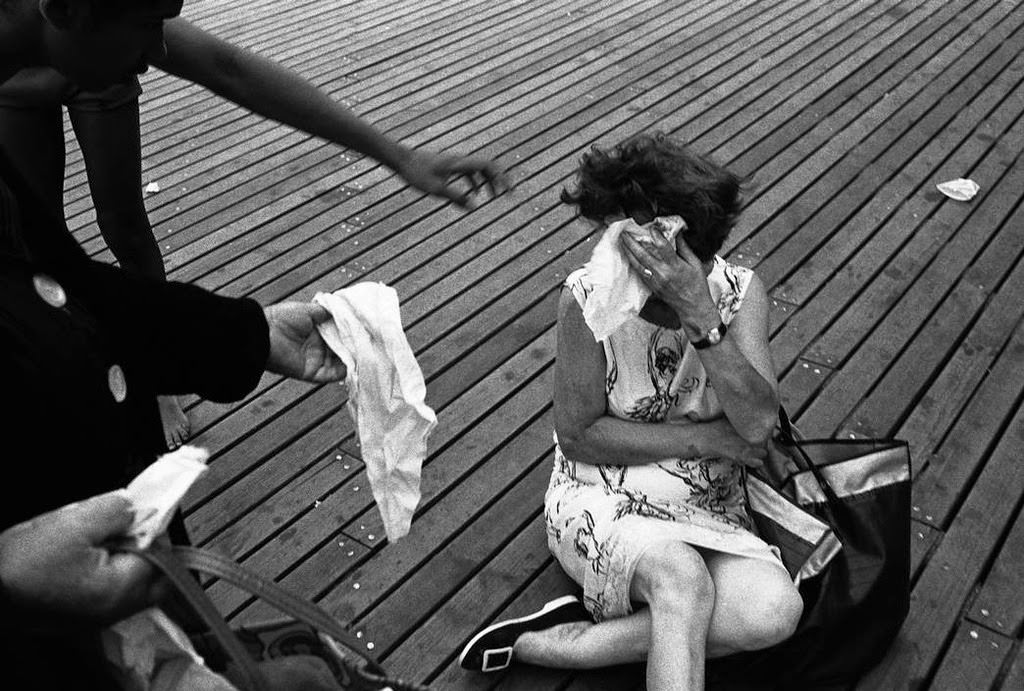
What pulled Gilden to the streets was the spontaneity of ordinary people. He wasn’t interested in posed portraits or controlled settings. He wanted the unscripted moment — the laugh, the grimace, the distracted gaze. That instinct led him directly to Coney Island, which became his first major long-term project.
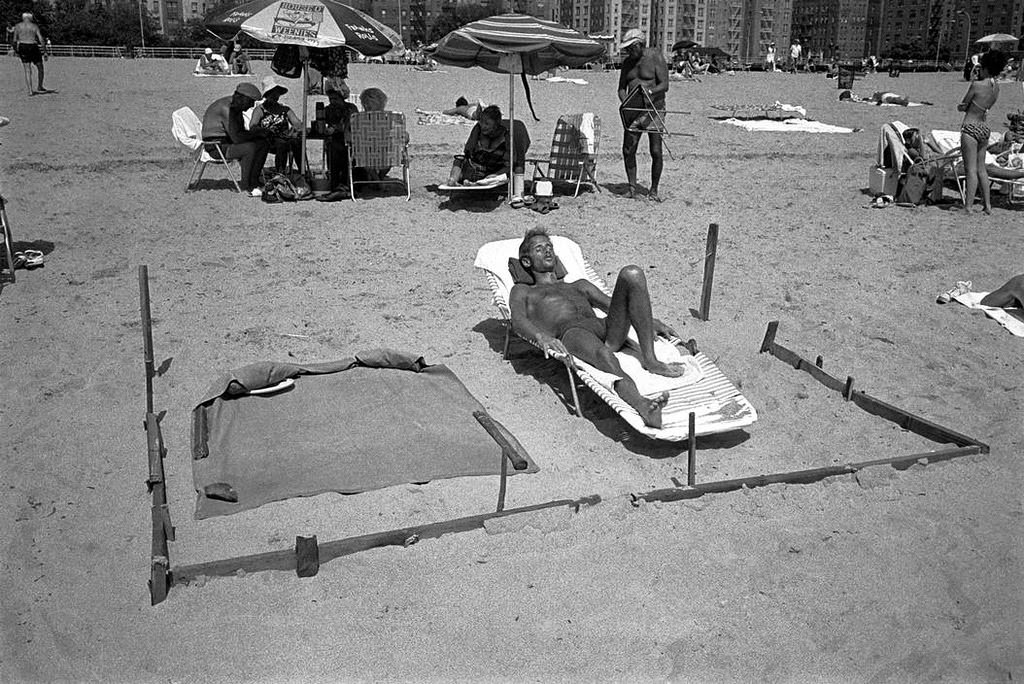
Coney Island sits at the southern tip of Brooklyn, New York. For decades it served as the city’s backyard beach — a place where working-class families could escape the heat without leaving the borough. By the late 1960s, when Gilden first arrived with his camera, the beach drew enormous, diverse crowds every summer weekend.
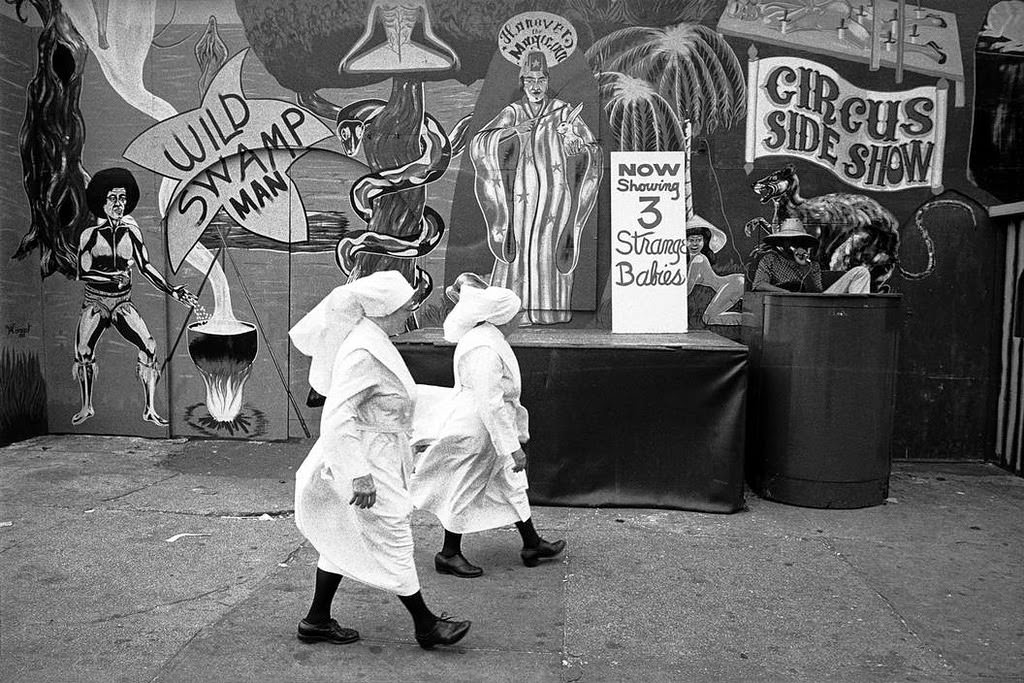
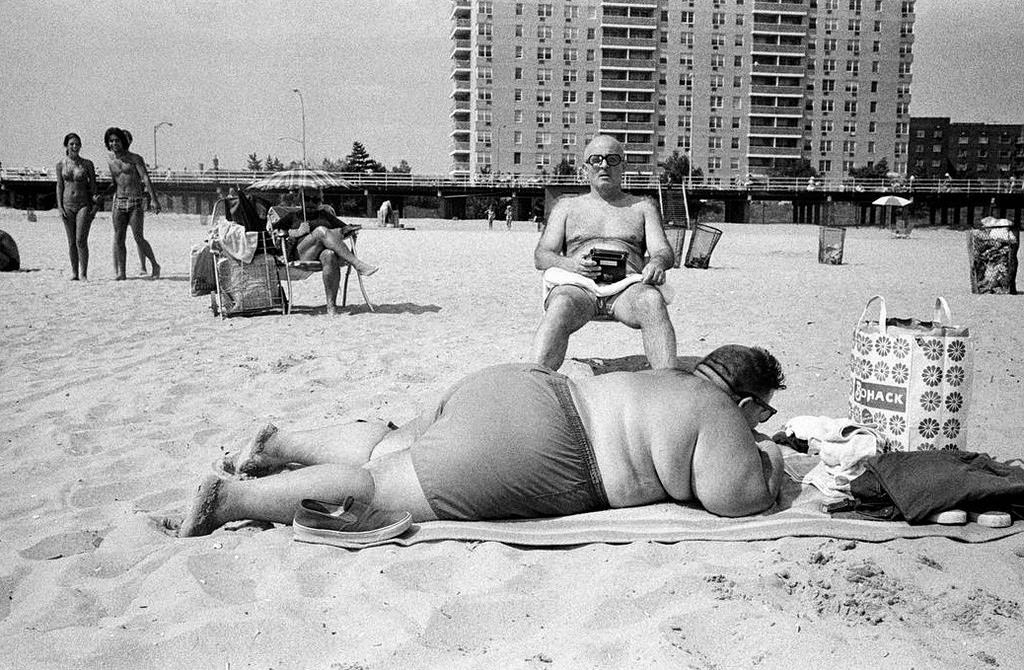
Gilden photographed sunbathers stretched out on the sand, weekenders packed shoulder to shoulder along the boardwalk, sideshow booths advertising their attractions, and the famous Cyclone roller coaster rising above the amusement park. He was drawn to the bodies on the beach — the way people displayed themselves, relaxed and unguarded, in the summer heat.
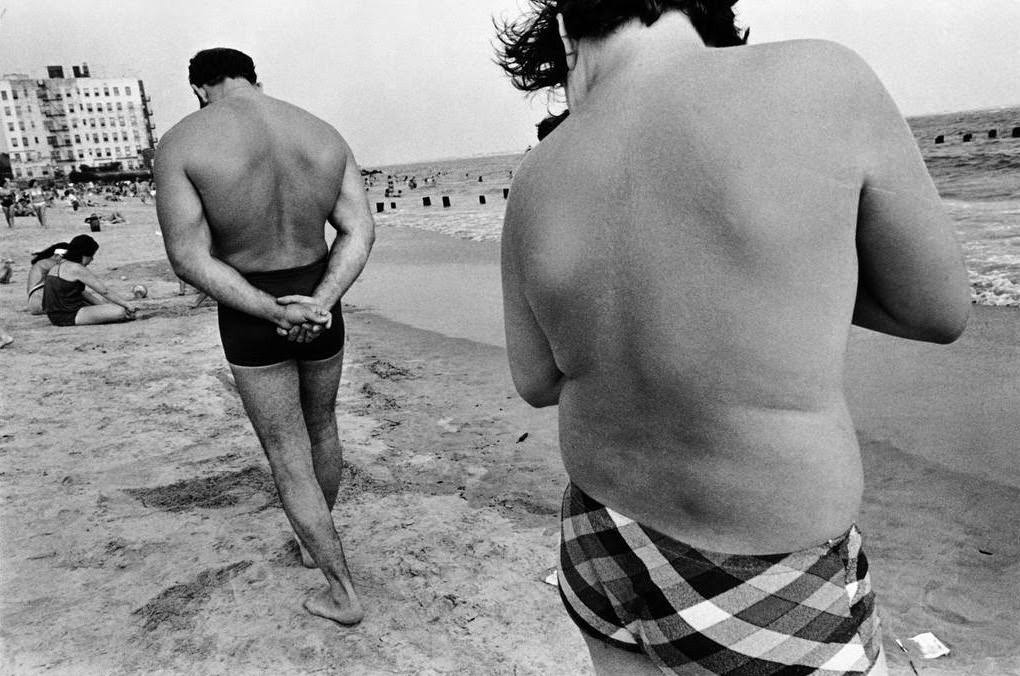
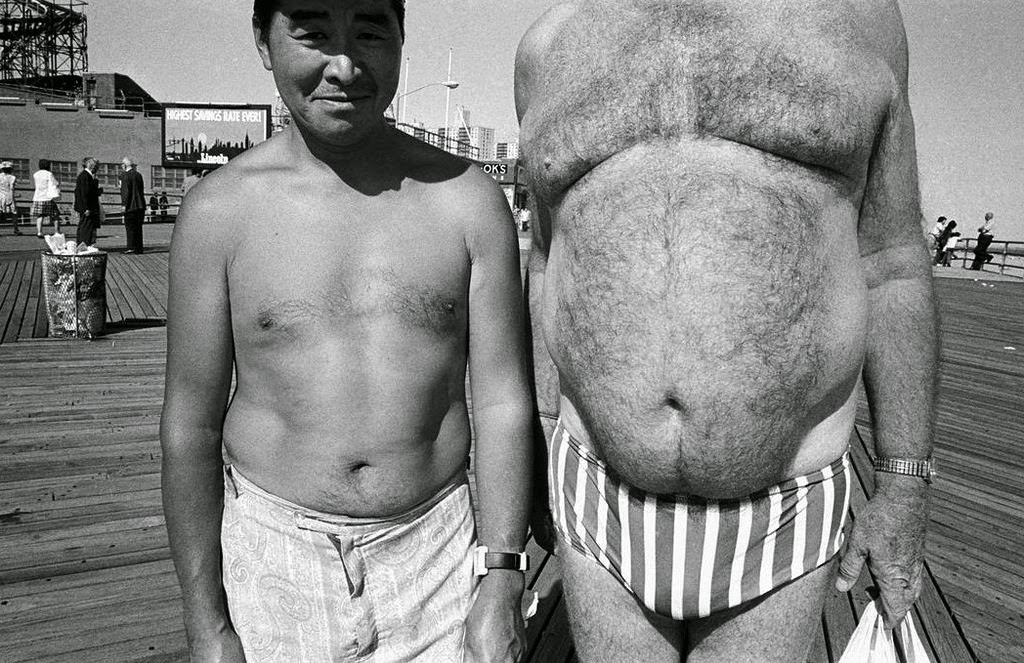
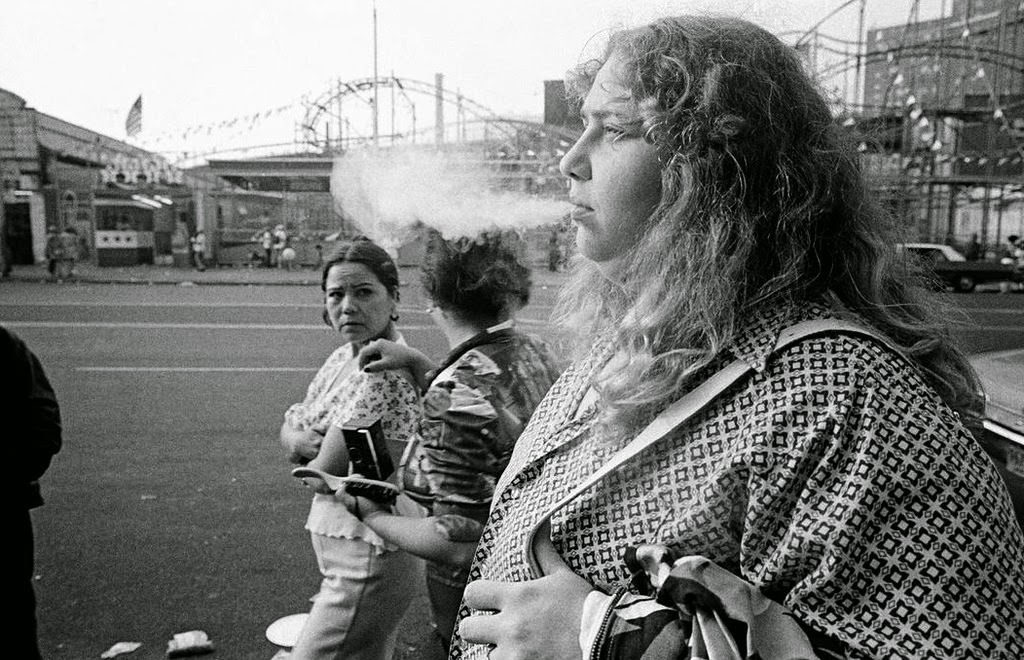
His flash gave his Coney Island images a sharp, almost confrontational quality. Faces are lit in stark detail. Shadows fall hard behind figures. The effect strips away any romantic softness and shows the beach exactly as it was — loud, crowded, sweaty, and alive.
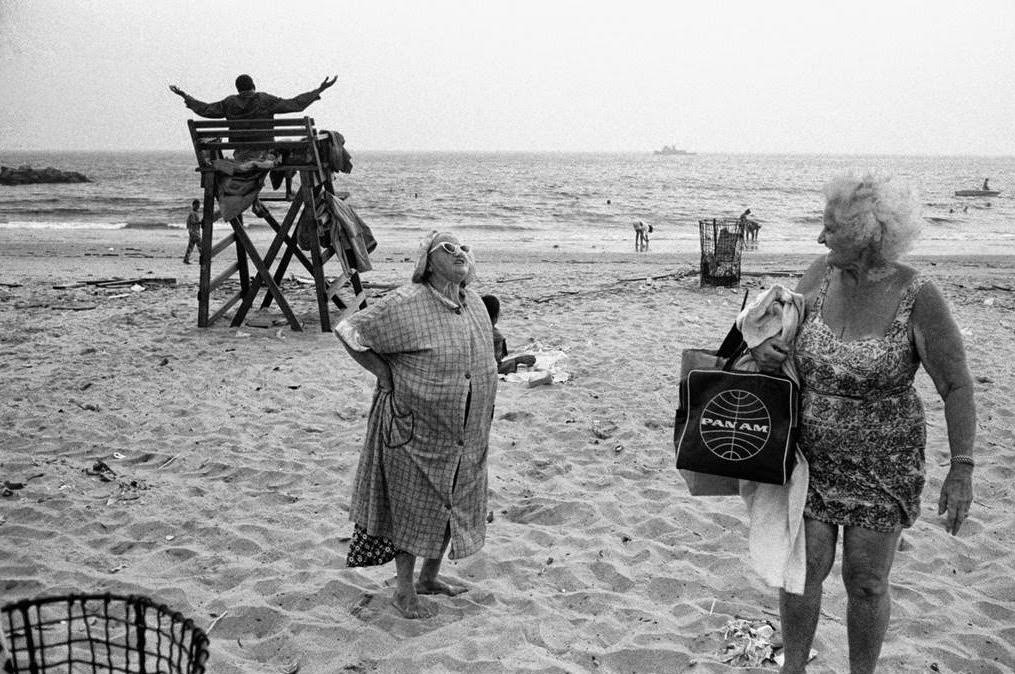
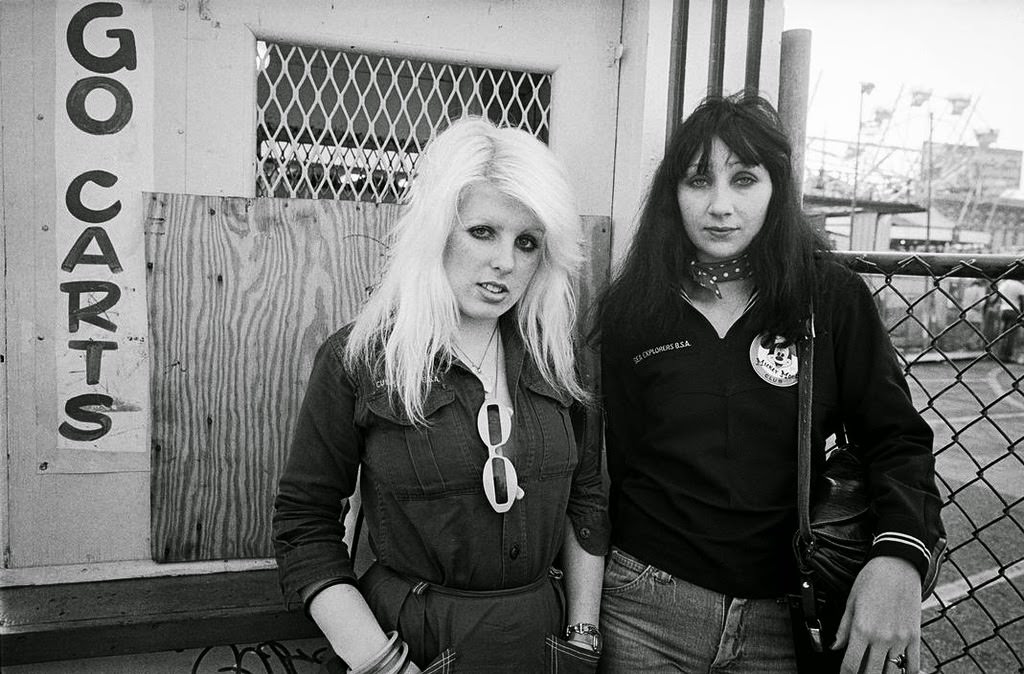
Gilden kept returning to Coney Island from the late 1960s through the late 1980s. Over those two decades, the neighborhood changed around him. The area’s reputation shifted, and Coney Island came to be seen increasingly as a place for thrill-seekers rather than the broad cross-section of New Yorkers who once called it their summer retreat.
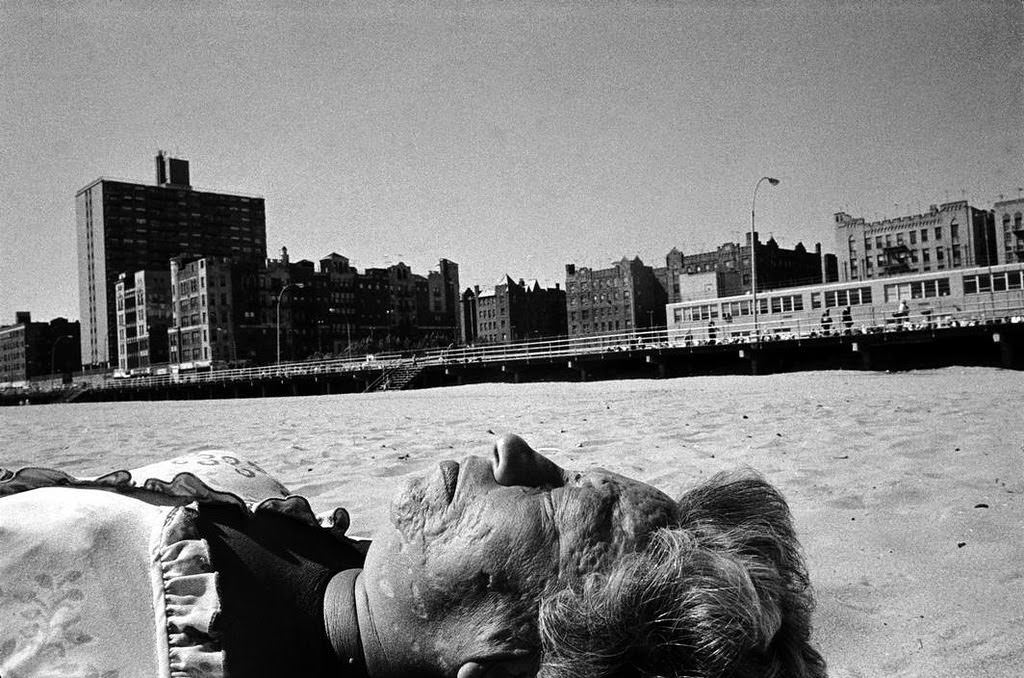
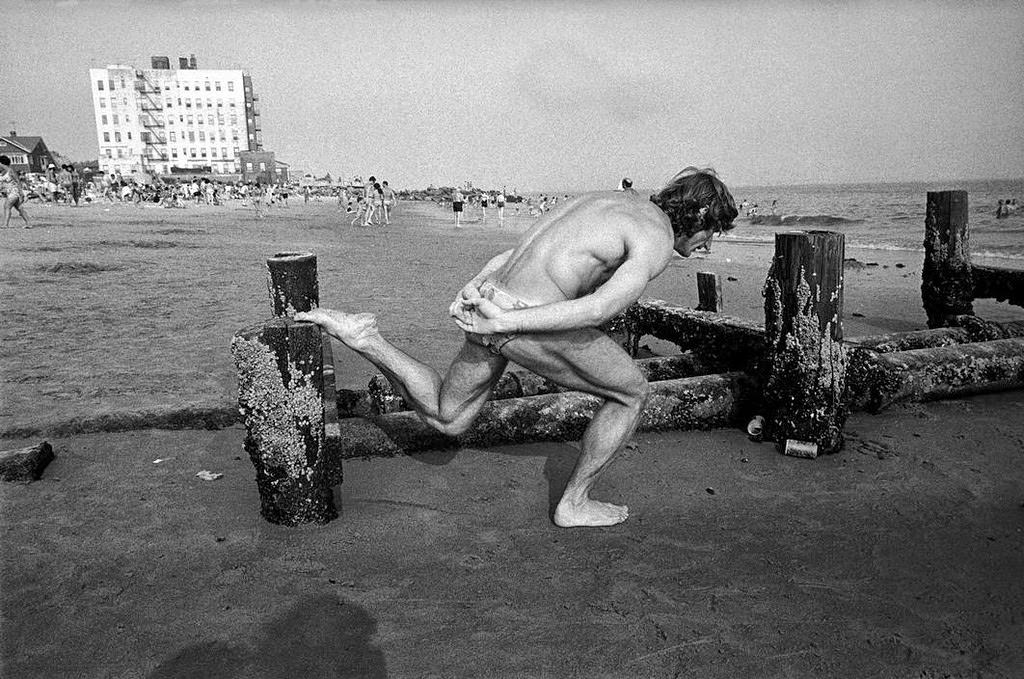
Through all of that change, Gilden’s camera kept finding the same thing: people being themselves. His photographs from Coney Island work as a decades-long document of New York street life. The eccentric characters, the sun-worn faces, the cramped clusters of beachgoers — all of it recorded in unblinking detail.
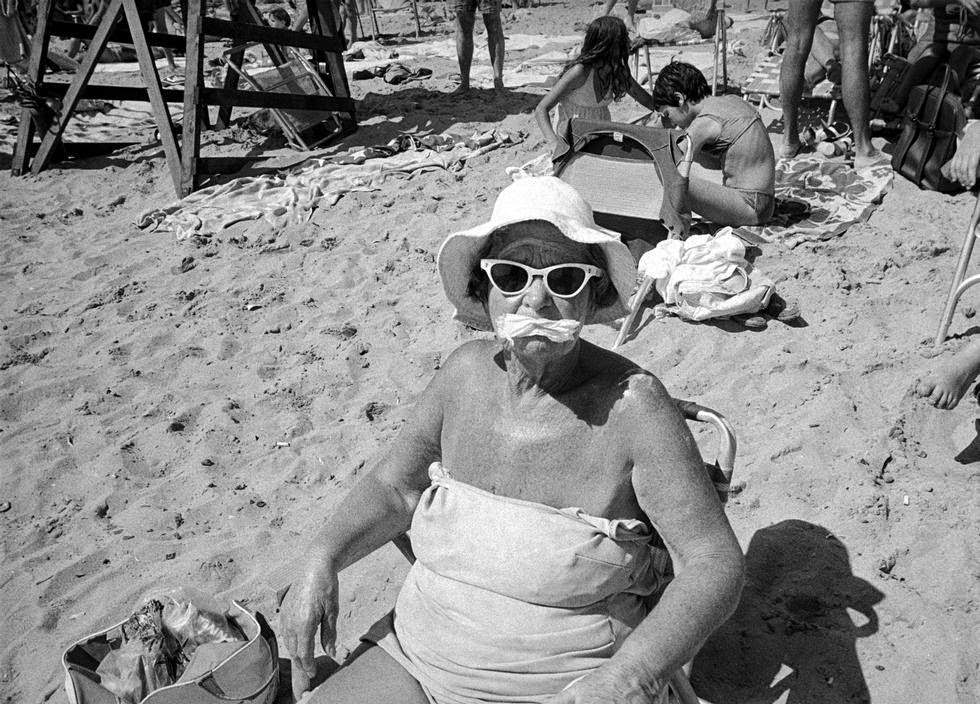
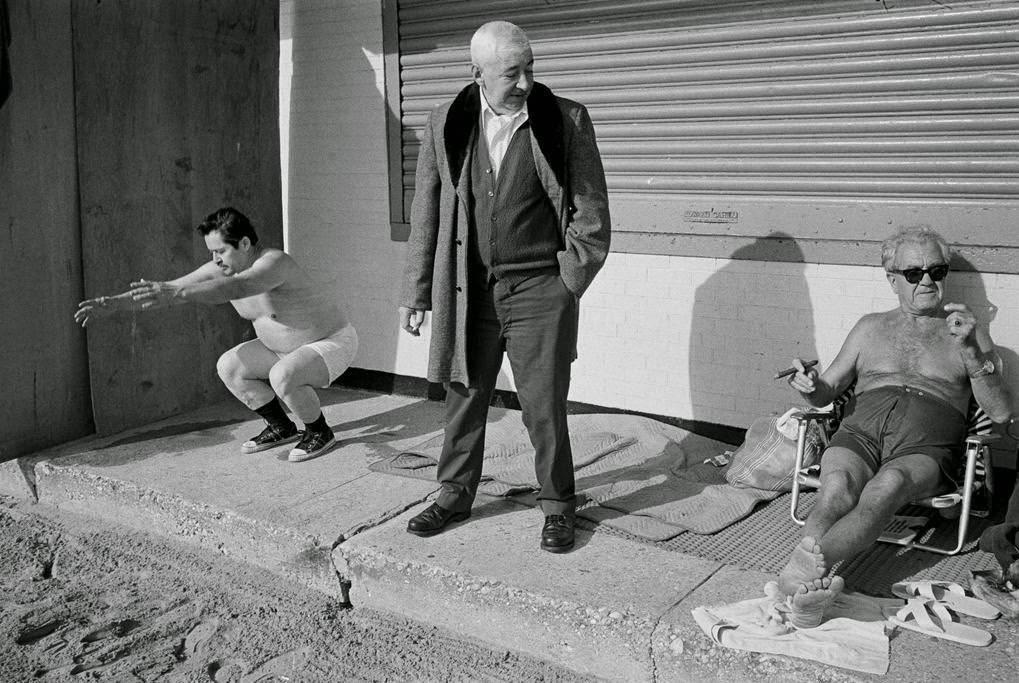
There is often humor in his images — not the kind that mocks, but the kind that comes from watching real people in real situations. A man asleep in an odd position. A woman’s expression caught between two emotions. The boardwalk crowd squeezed into a single frame. Gilden had a talent for finding the moment just before or just after the expected, and his flash made sure he caught it.
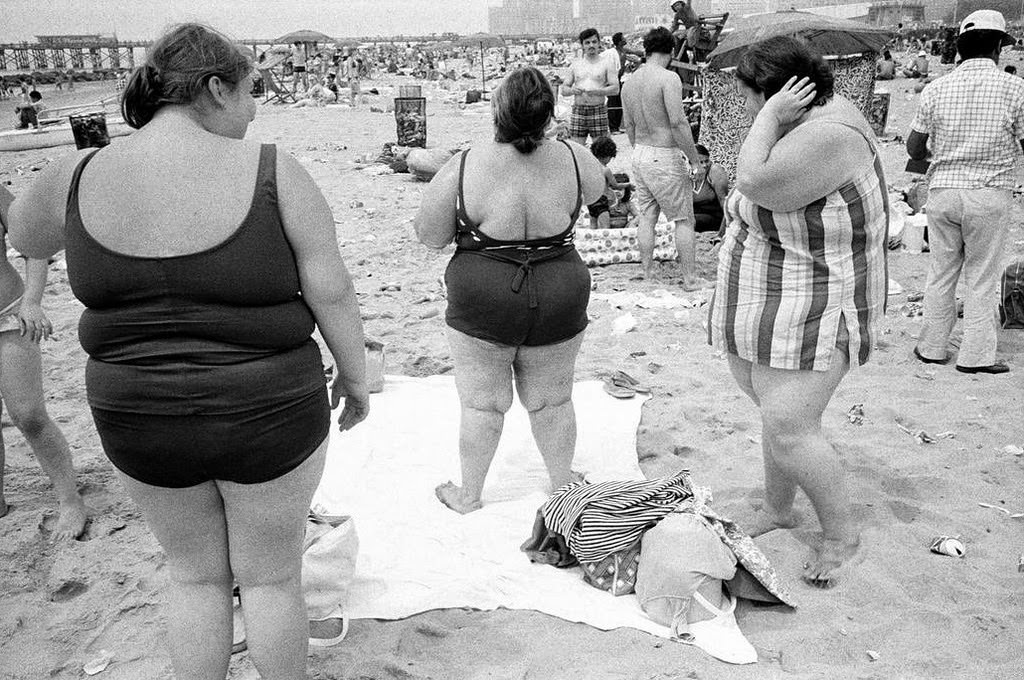
The sideshow culture of Coney Island gave him particularly strong material. The booths and their performers were built around spectacle, and Gilden met that energy directly. He didn’t photograph the shows from a distance — he got close, the same way he did with everyone else.
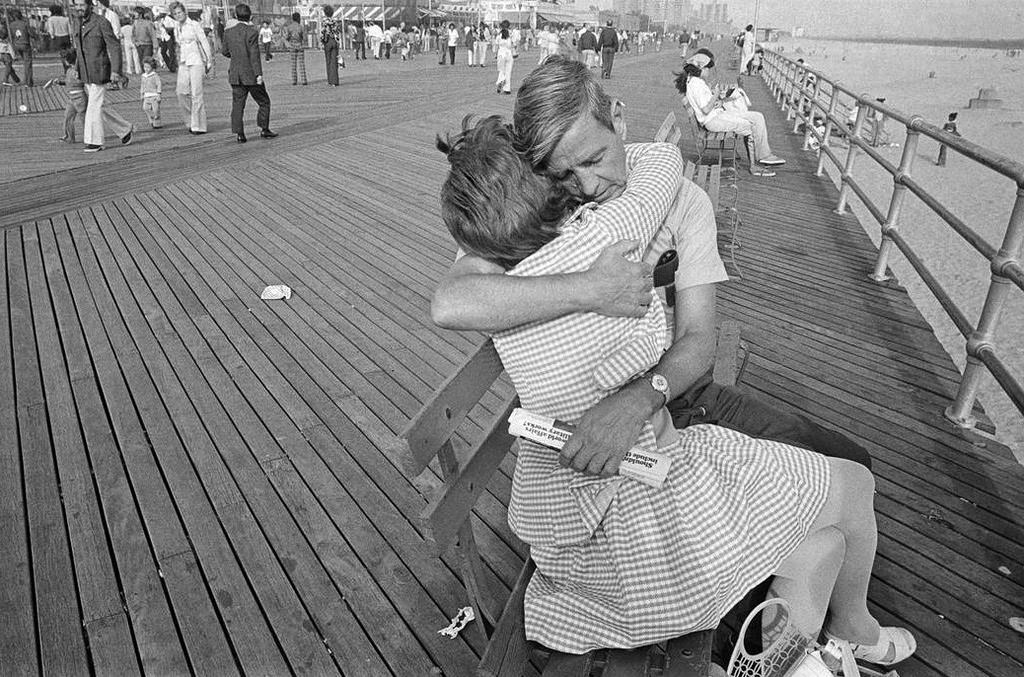
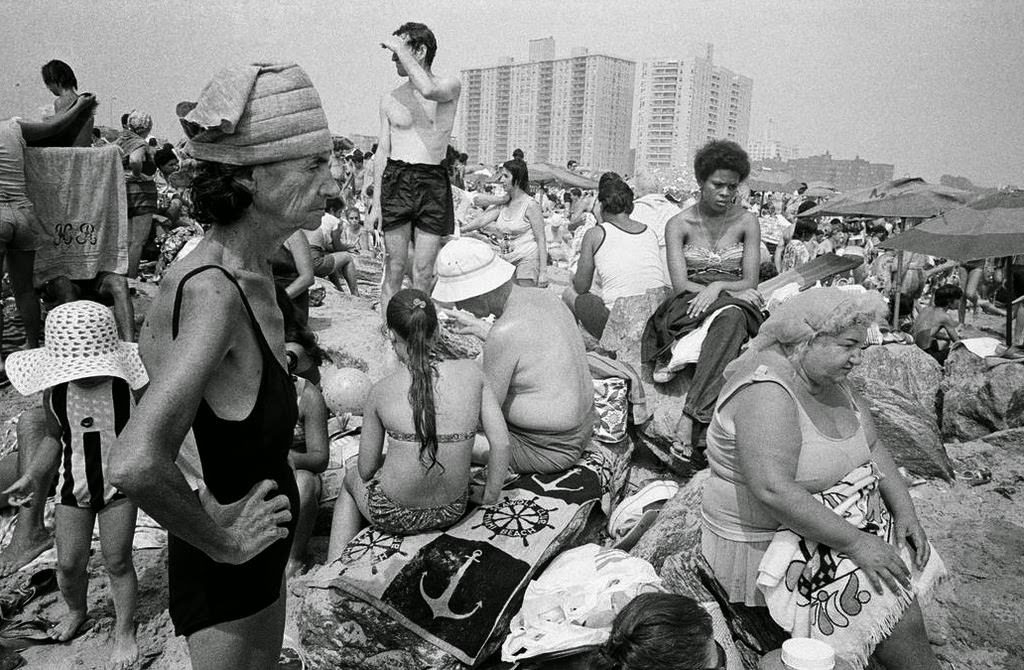
His sociology background from Penn State wasn’t wasted. Even without formal academic framing, his photographs function as sociological records. They show class, leisure, body language, and crowd behavior across a shifting era in New York City history.
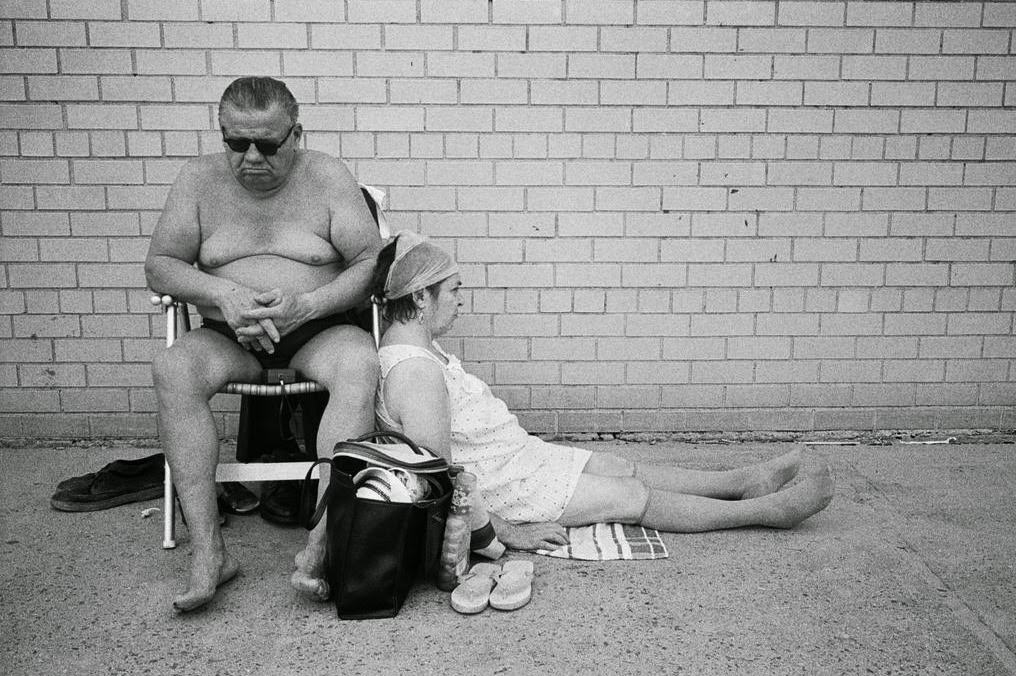
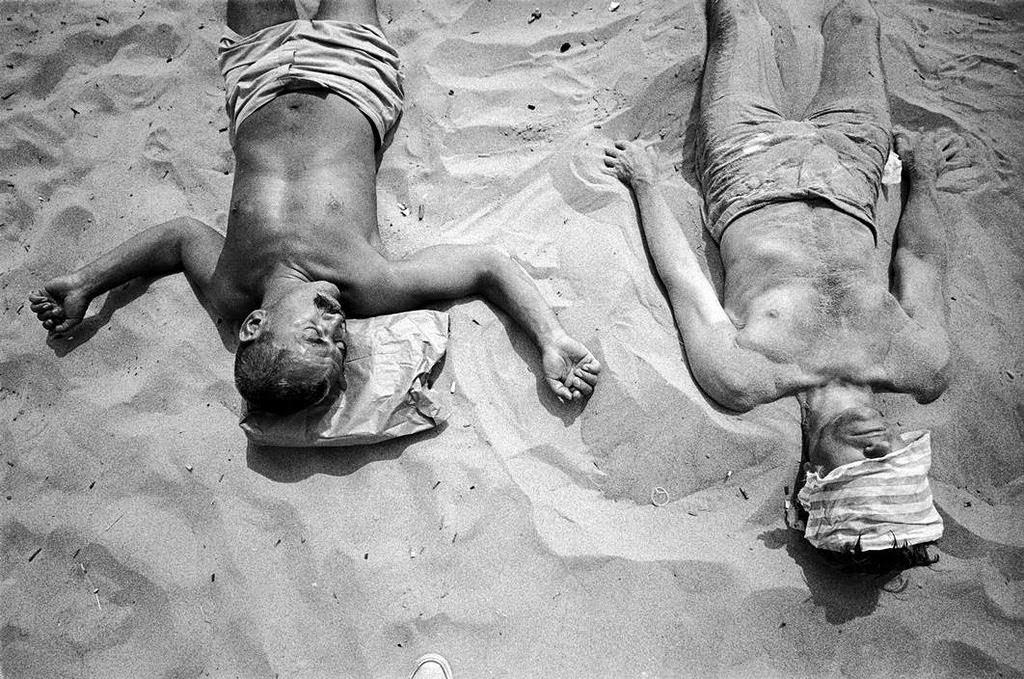
The Cyclone, which opened in 1927, appears in several of his images as a backdrop. It was a constant in a neighborhood that was otherwise always in flux. For Gilden, it was just another element of the Coney Island scene — as much a character as the people standing beneath it.
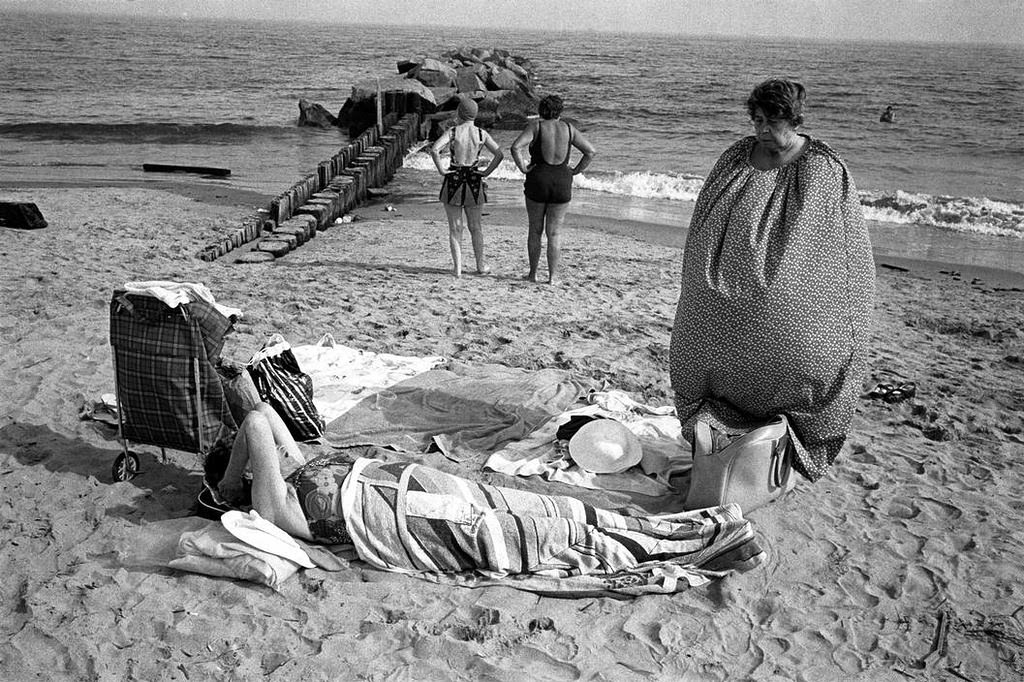
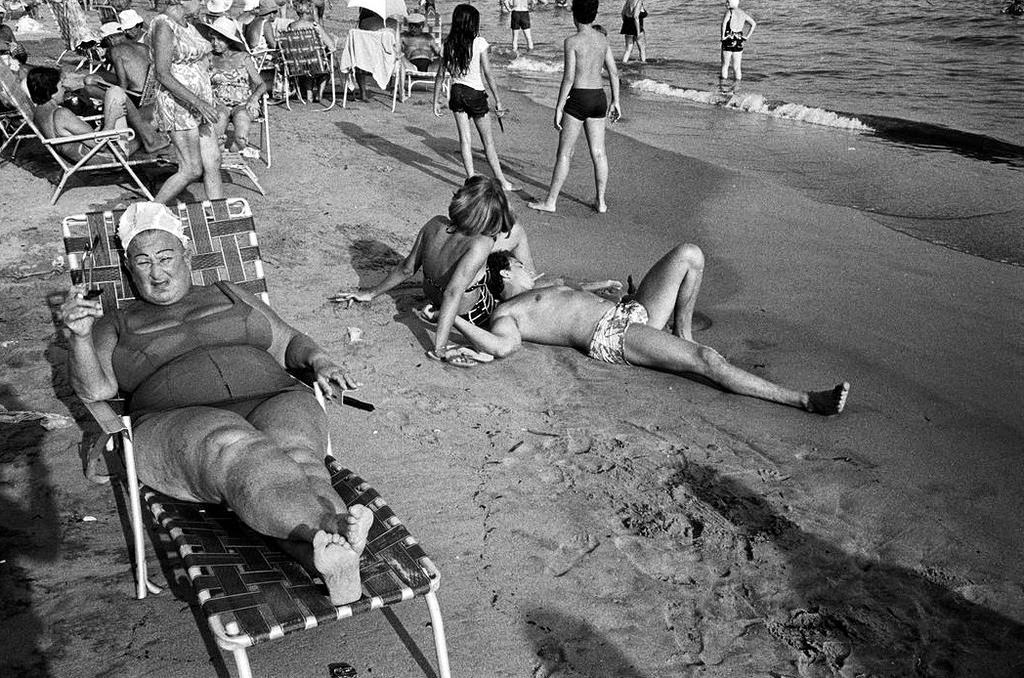
What makes Gilden’s Coney Island work stand apart from simple beach photography is his refusal to beautify. The heat is visible. The crowds are real. The people are not performing for the camera — or if they are, they only had a split second to decide, because Gilden was already moving on to the next frame.