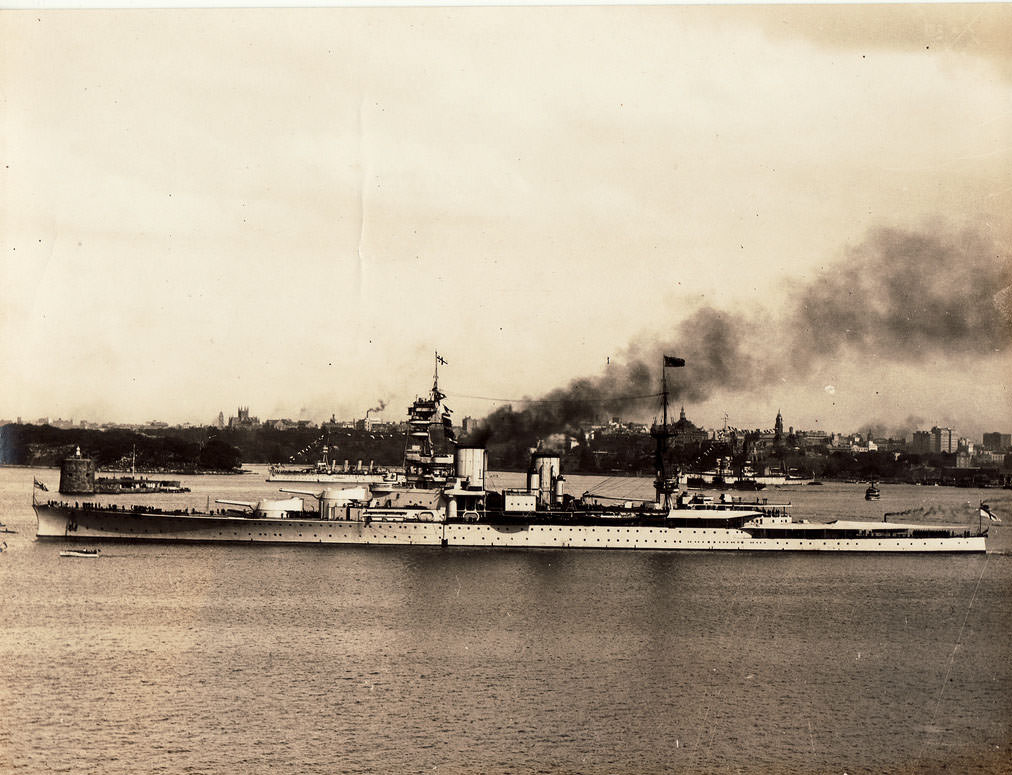
Sitting in the middle of Sydney Harbour, Cockatoo Island has one of the most layered histories of any site in Australia. It began as a convict penal establishment in the early 19th century. By the late 1800s, its identity had shifted entirely — the island became a working shipyard and industrial centre that would stay active for over a century.
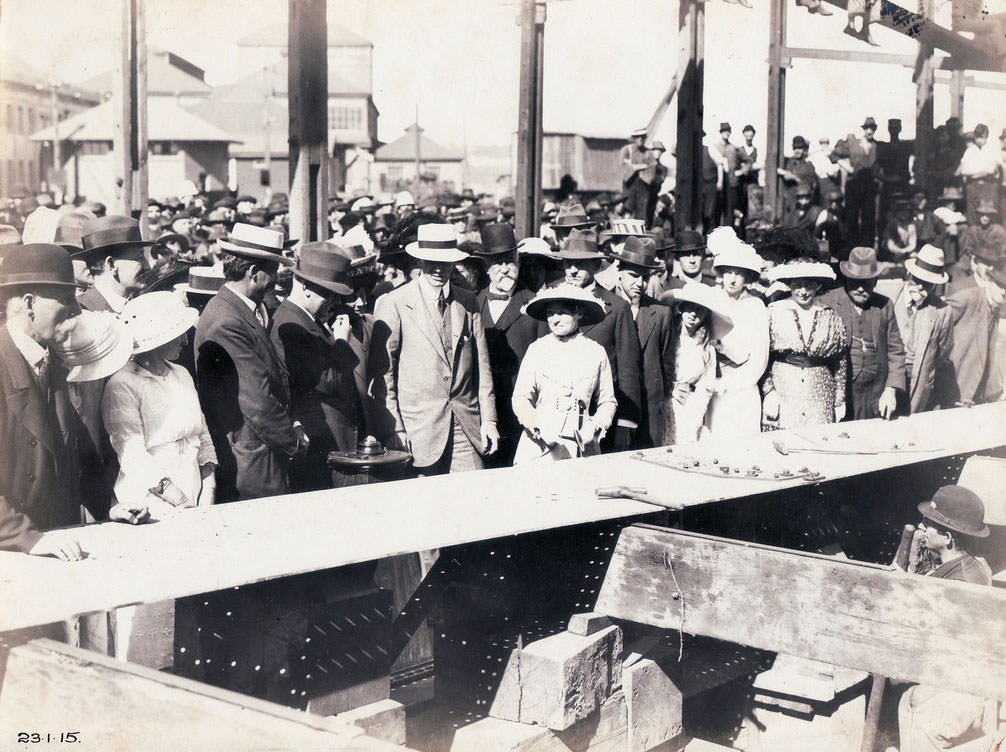
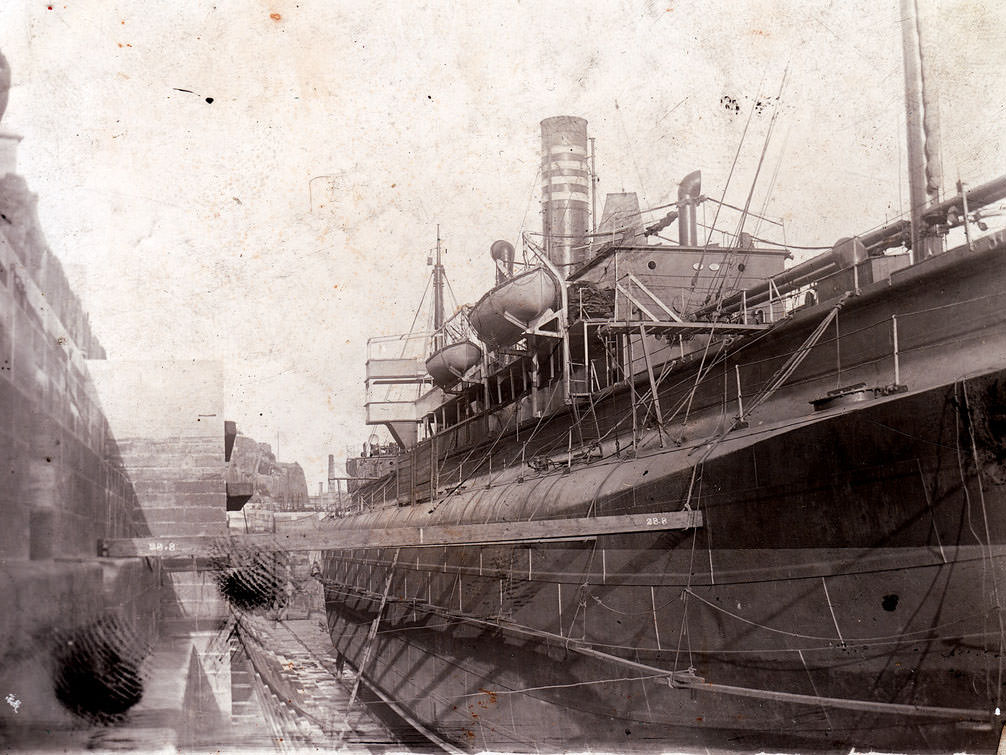
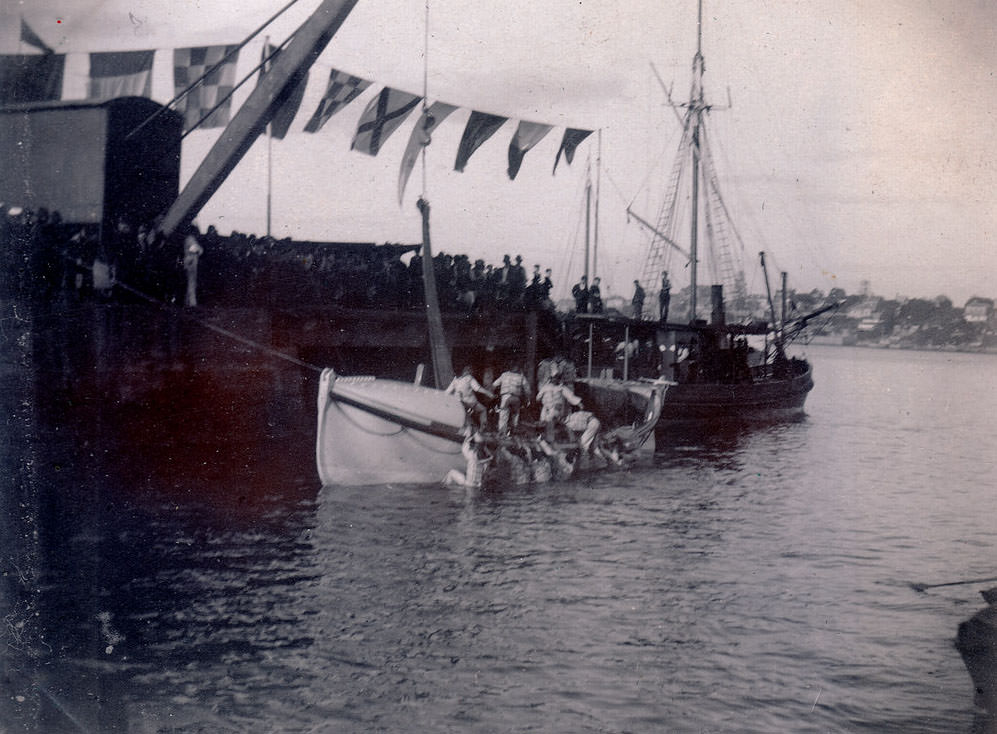
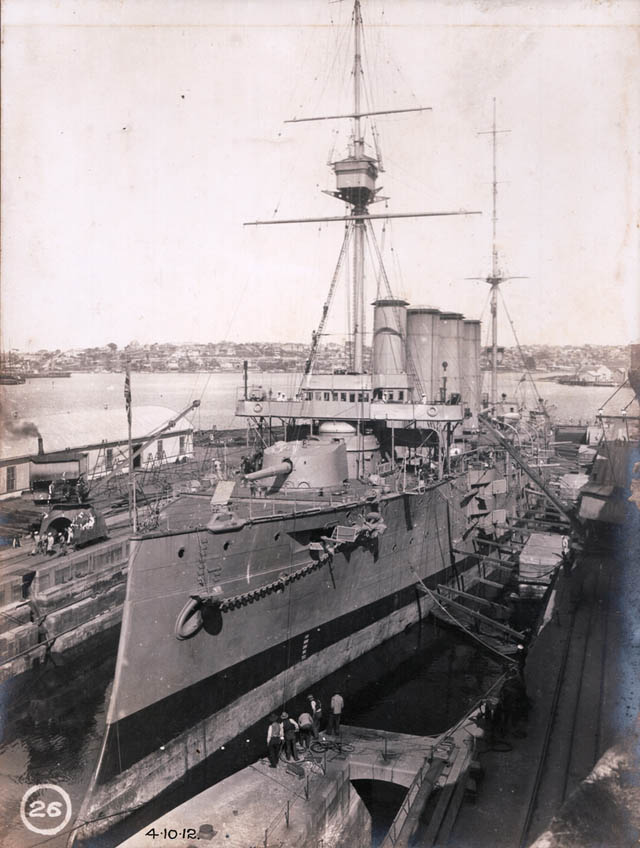
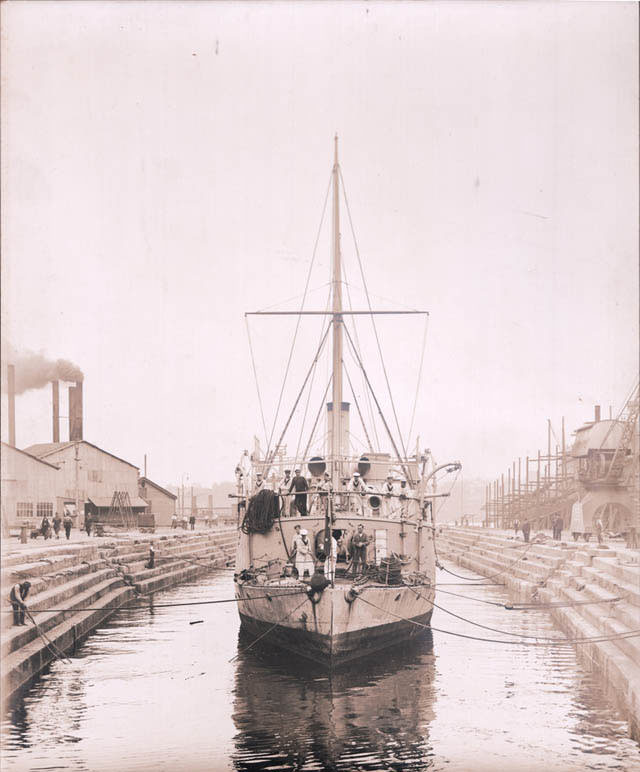
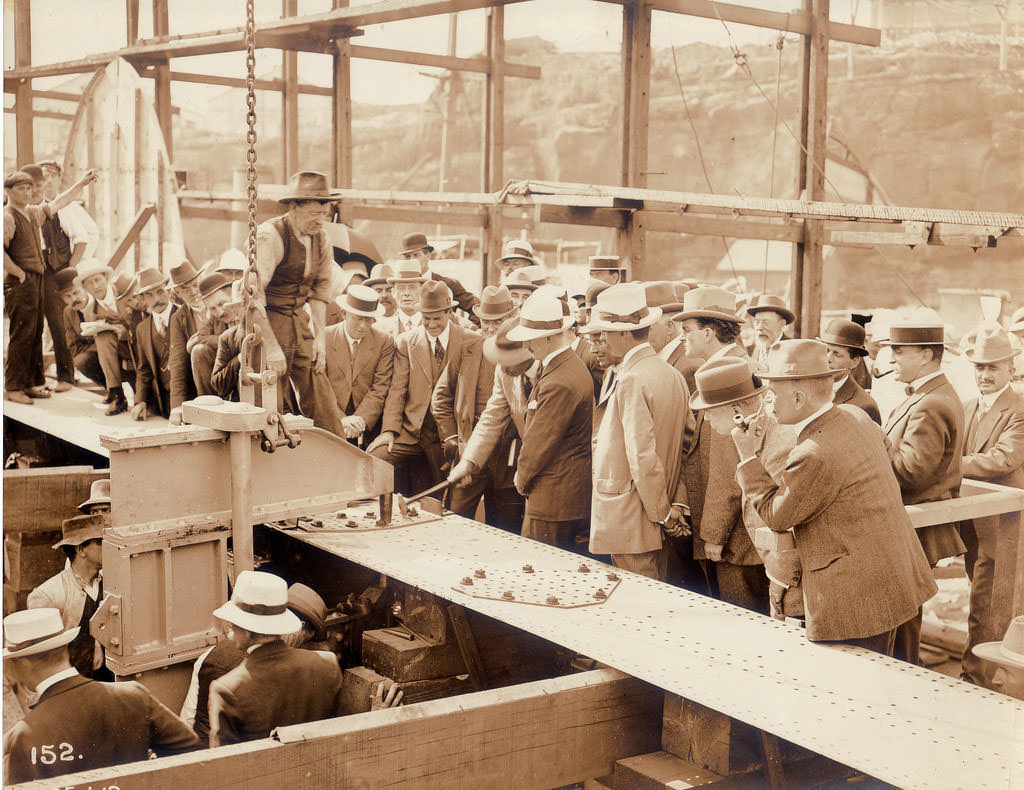
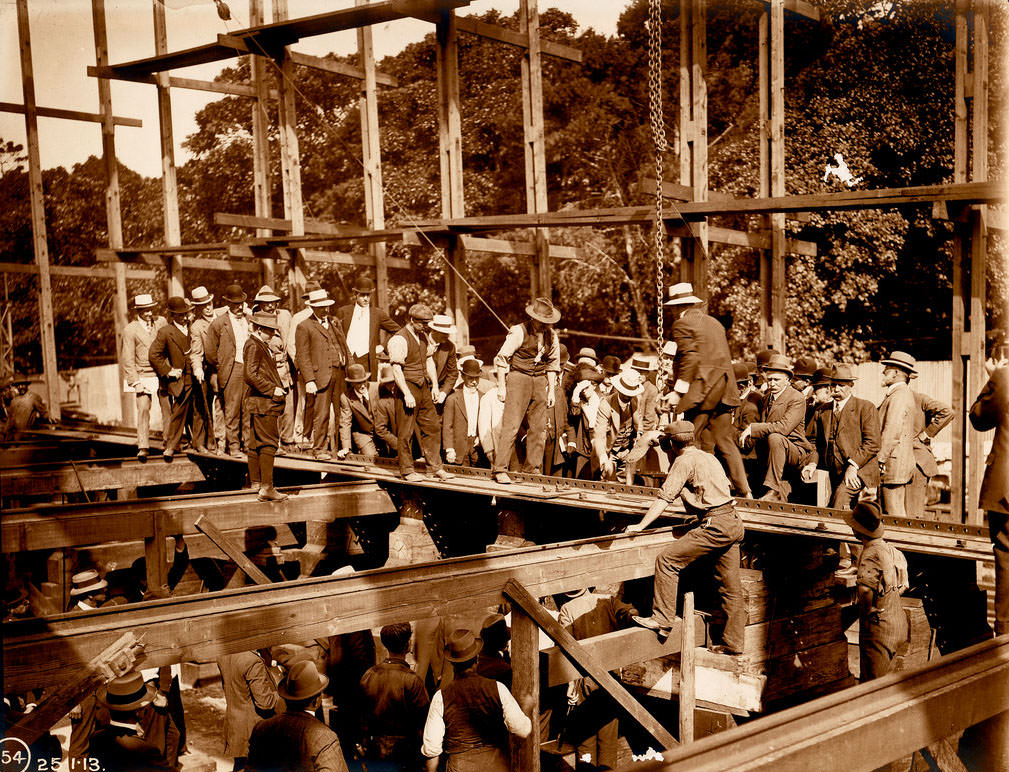
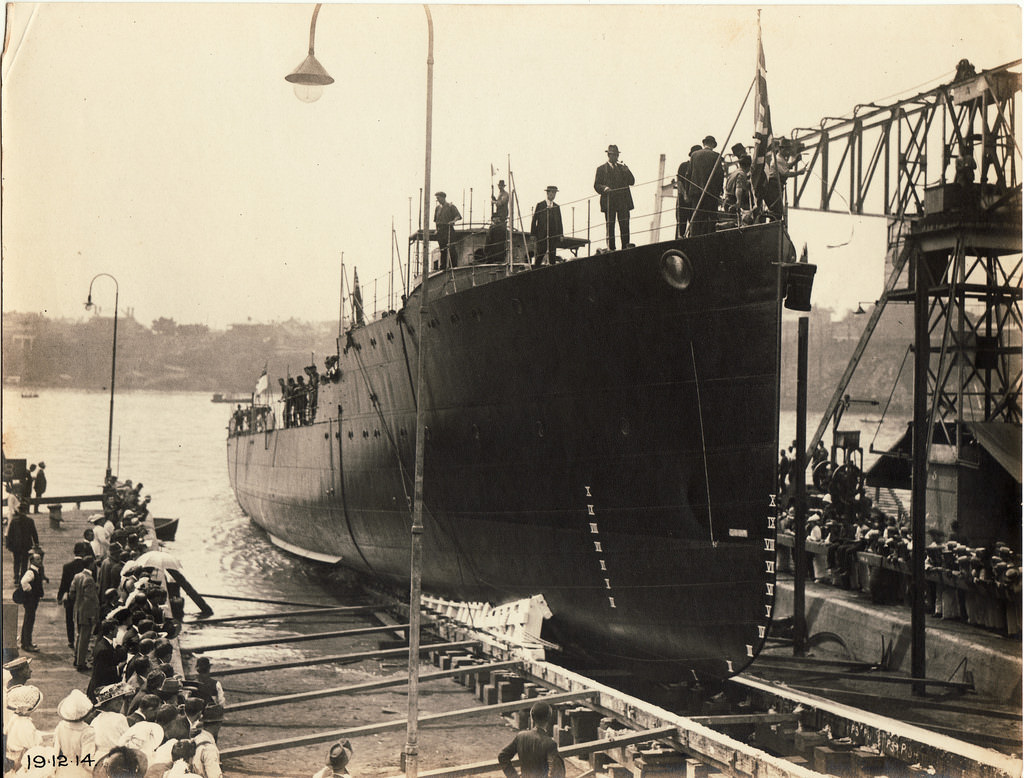
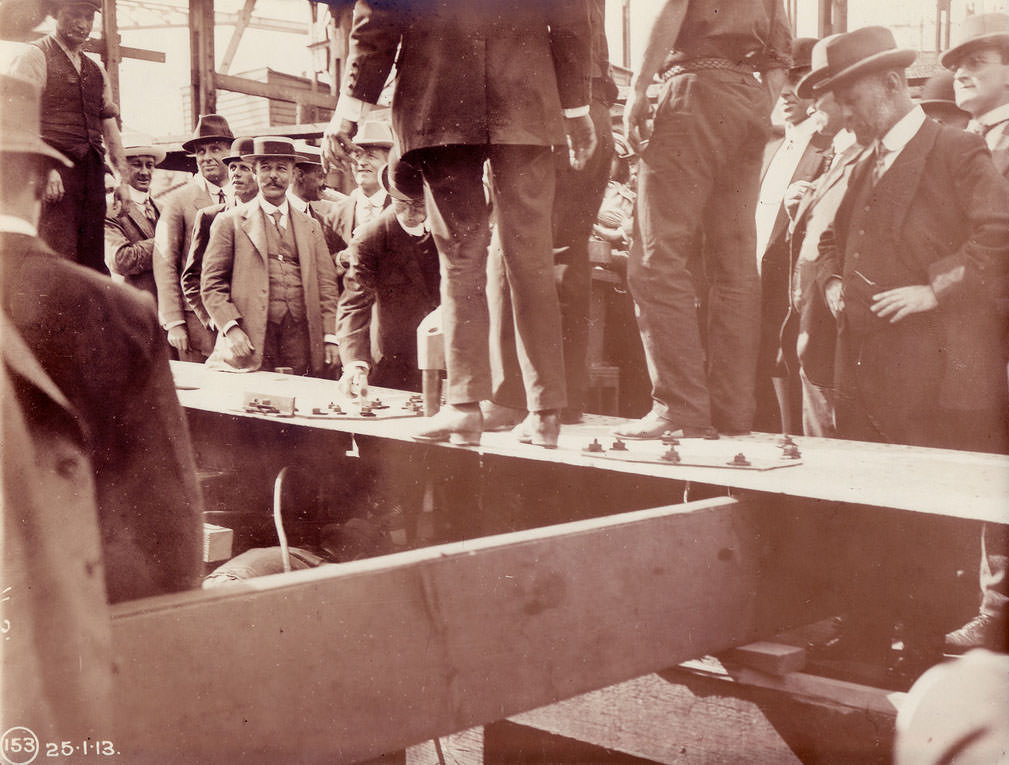
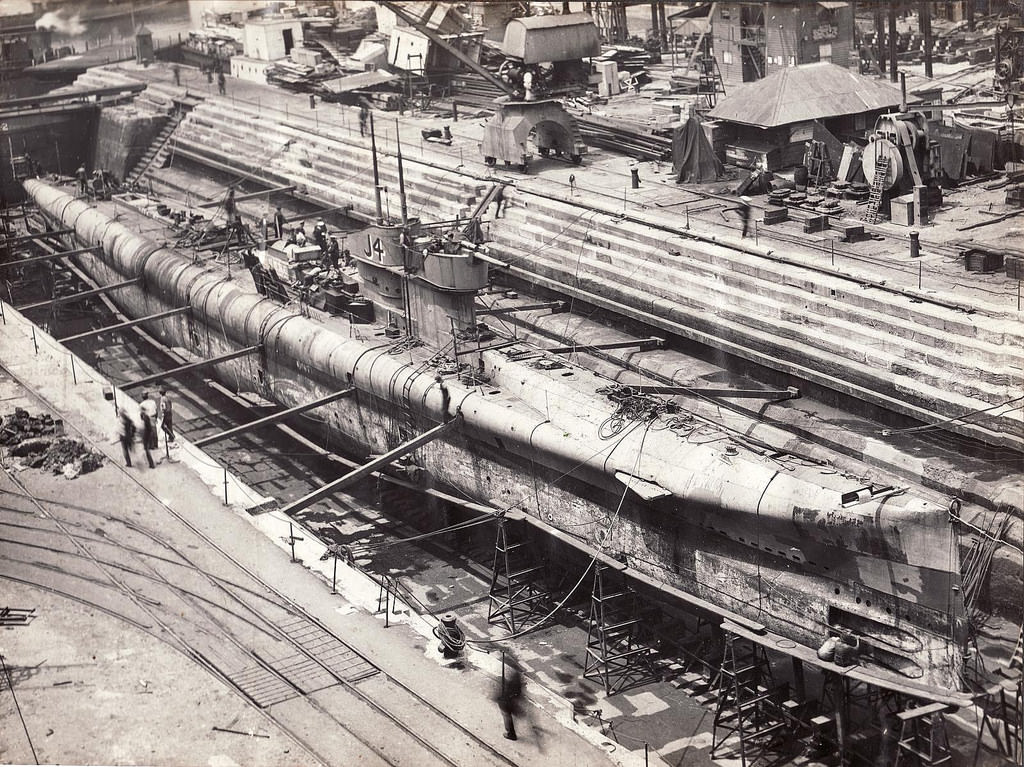
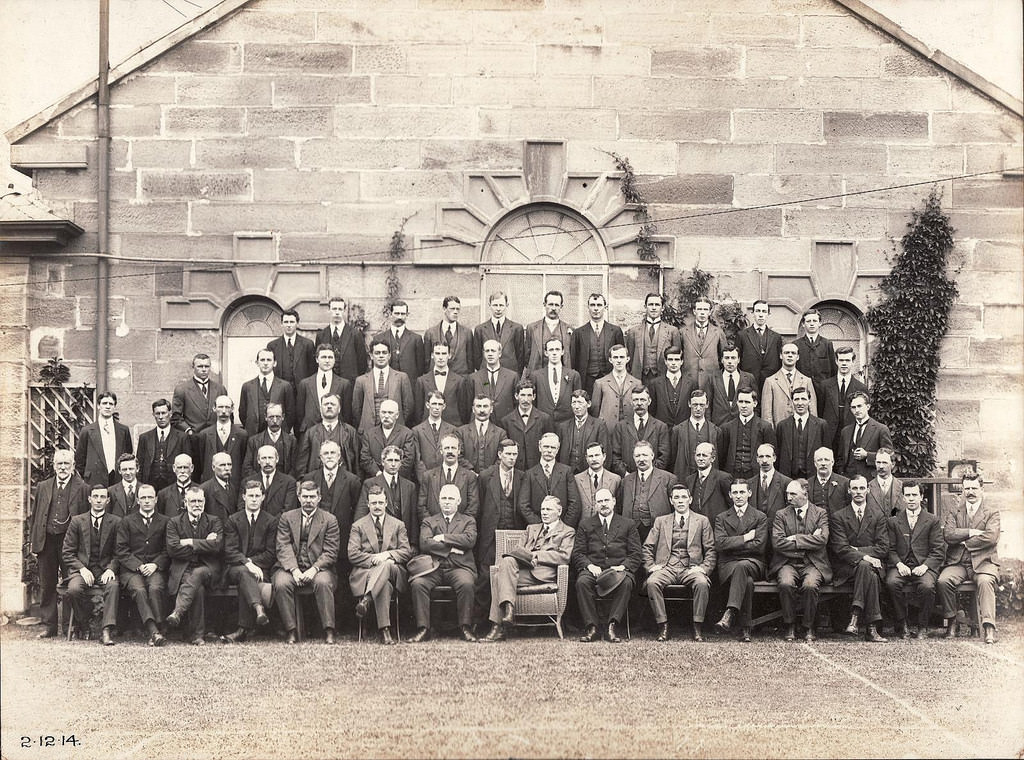
In the early 20th century, the island was a place of constant noise and movement. Dockworkers, engineers, and tradesmen filled the workshops each day. Ships were built and repaired in dry docks cut directly into the island’s sandstone. The scale of the operation was significant, and the workforce was large.
What made Cockatoo Island unusual was that workers and their families actually lived there. The island supported a full residential community. It had its own electricity supply, water system, and sewage infrastructure — all maintained on-site. There was also a hospital and a school for the children of workers.
Daily life on the island looked much like a small town. Stores, pubs, and other services gave residents what they needed without leaving. This self-contained setup meant the community developed its own tight-knit character over decades.
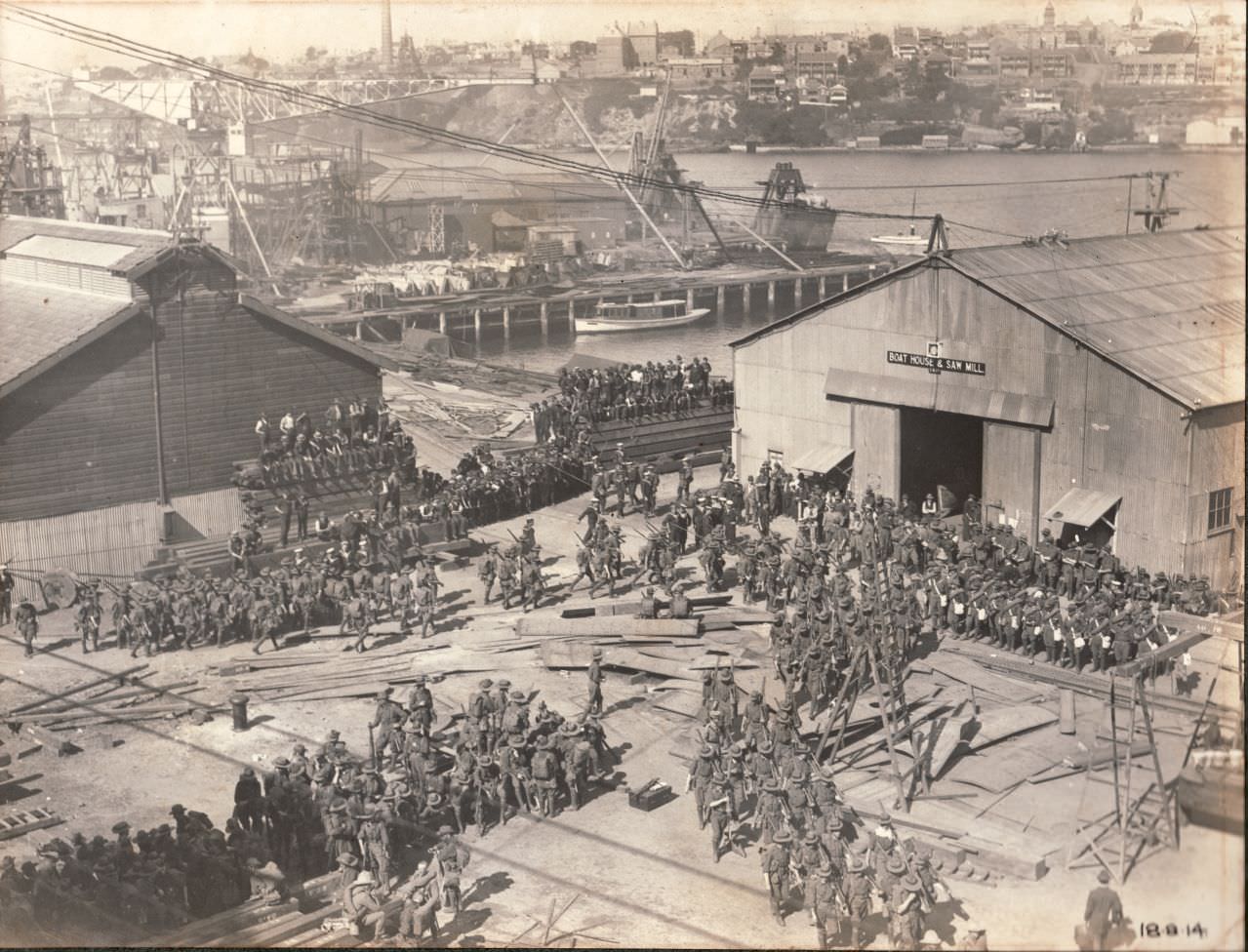
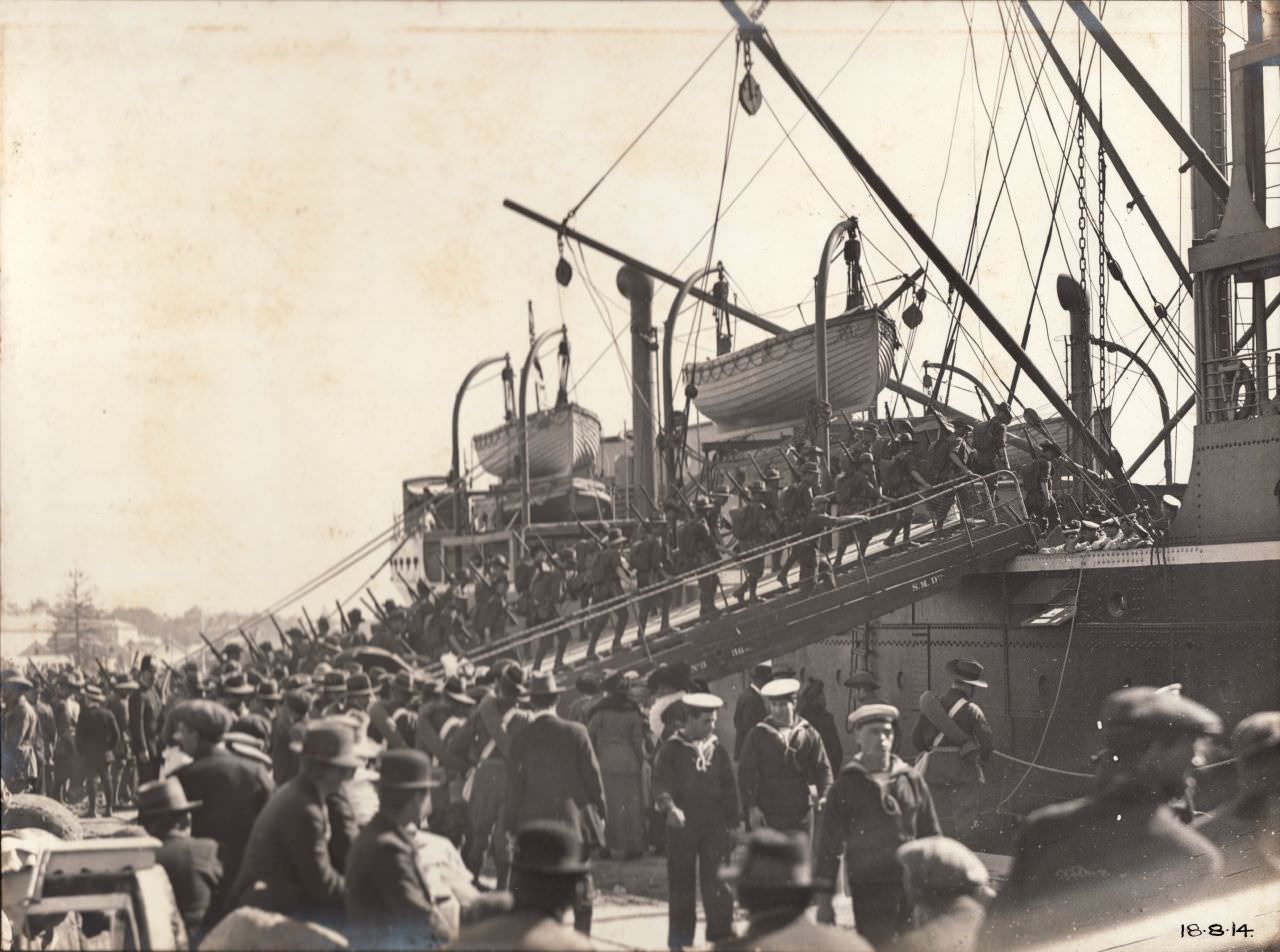
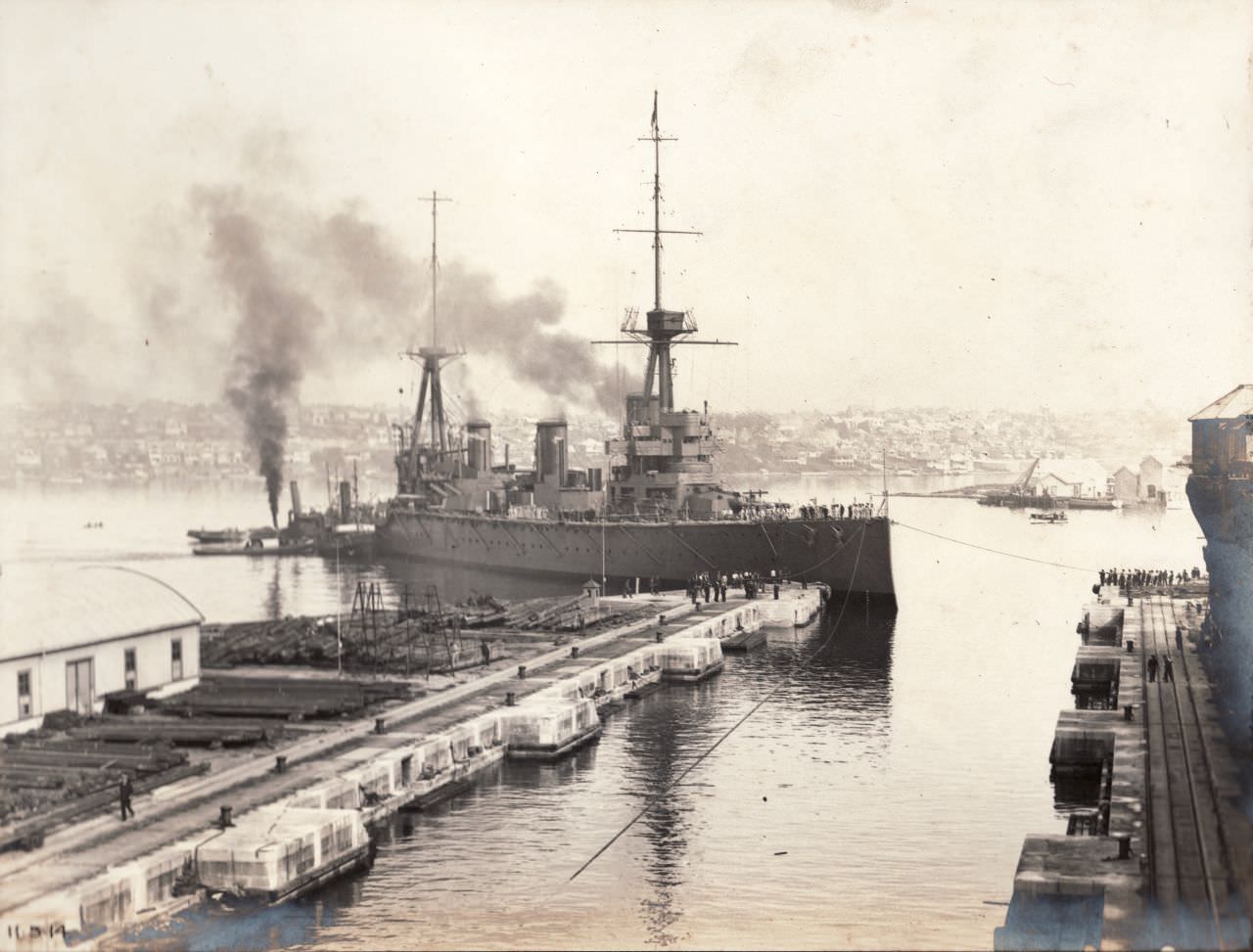
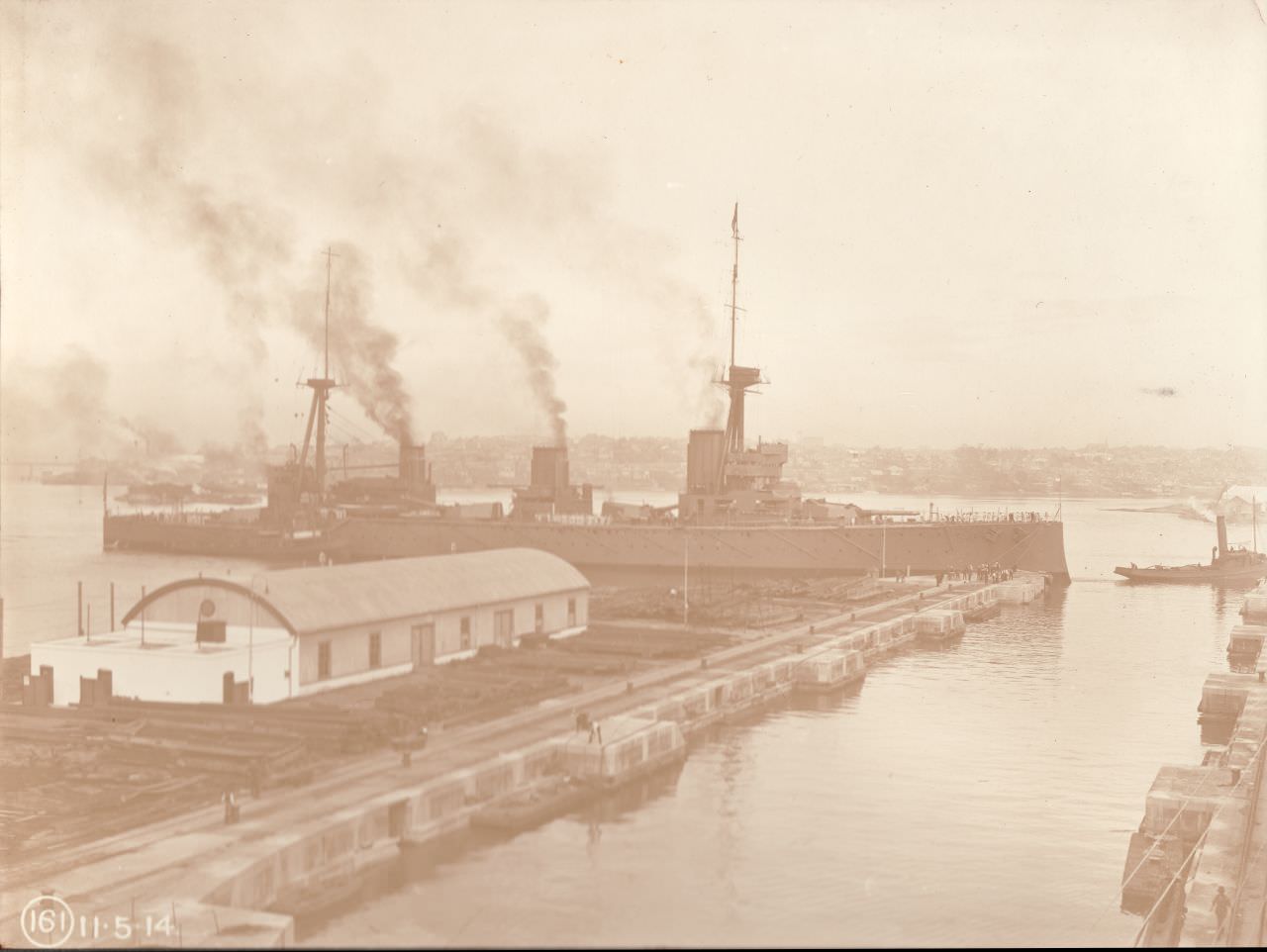
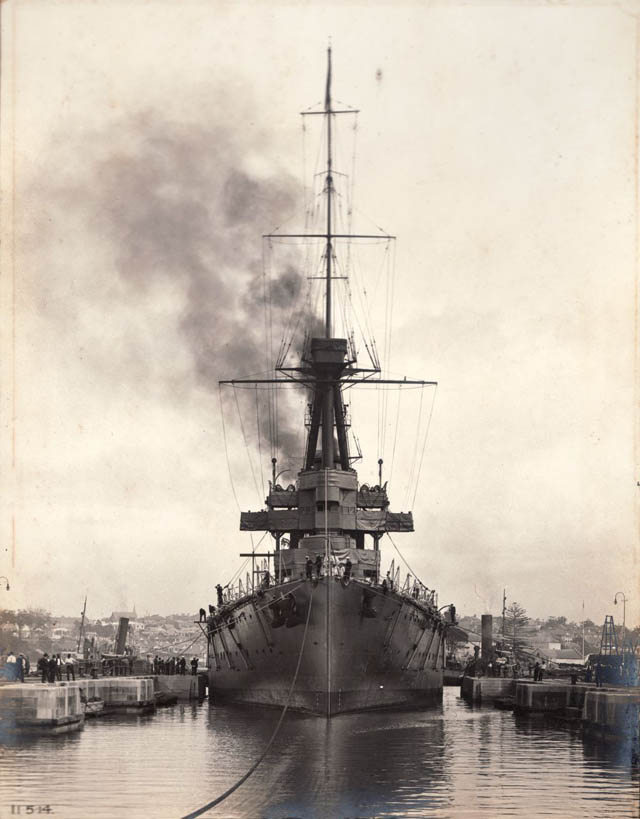
When World War I broke out, the island’s shipyards were put to immediate use for the war effort. Ships were repaired and built to support naval operations. The same happened during World War II. Both conflicts pushed the workforce and facilities to their limits, and the docks operated around the clock during peak war years.
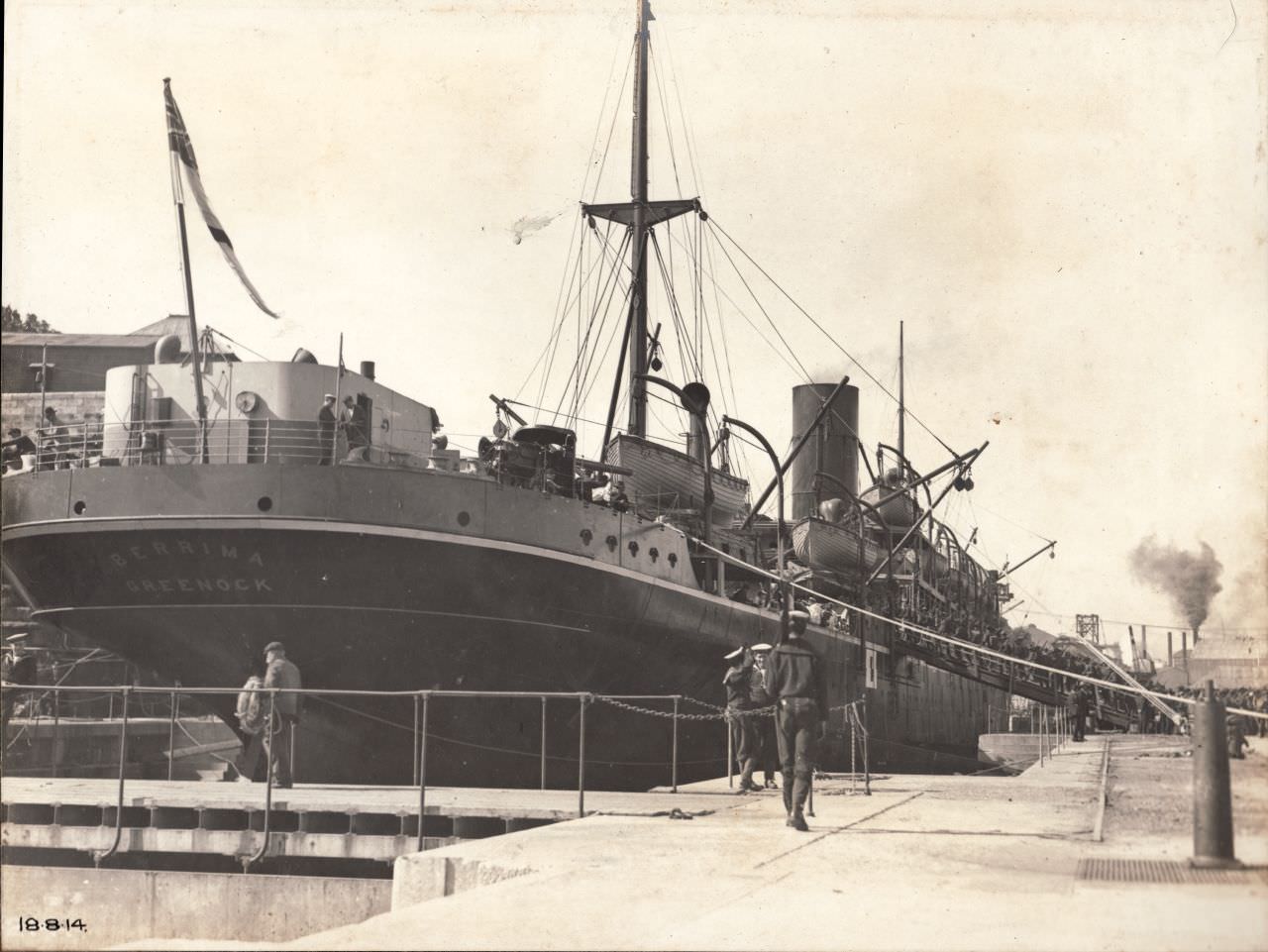
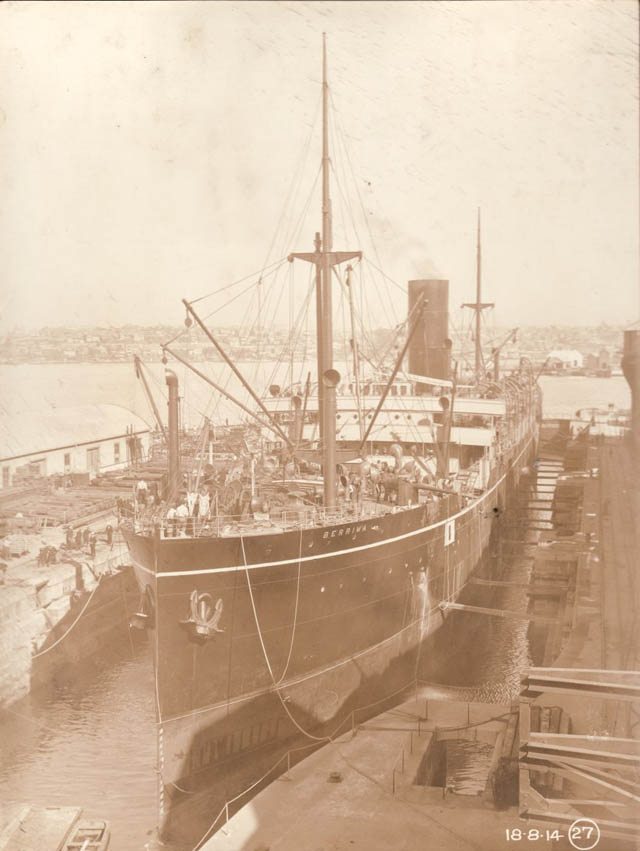
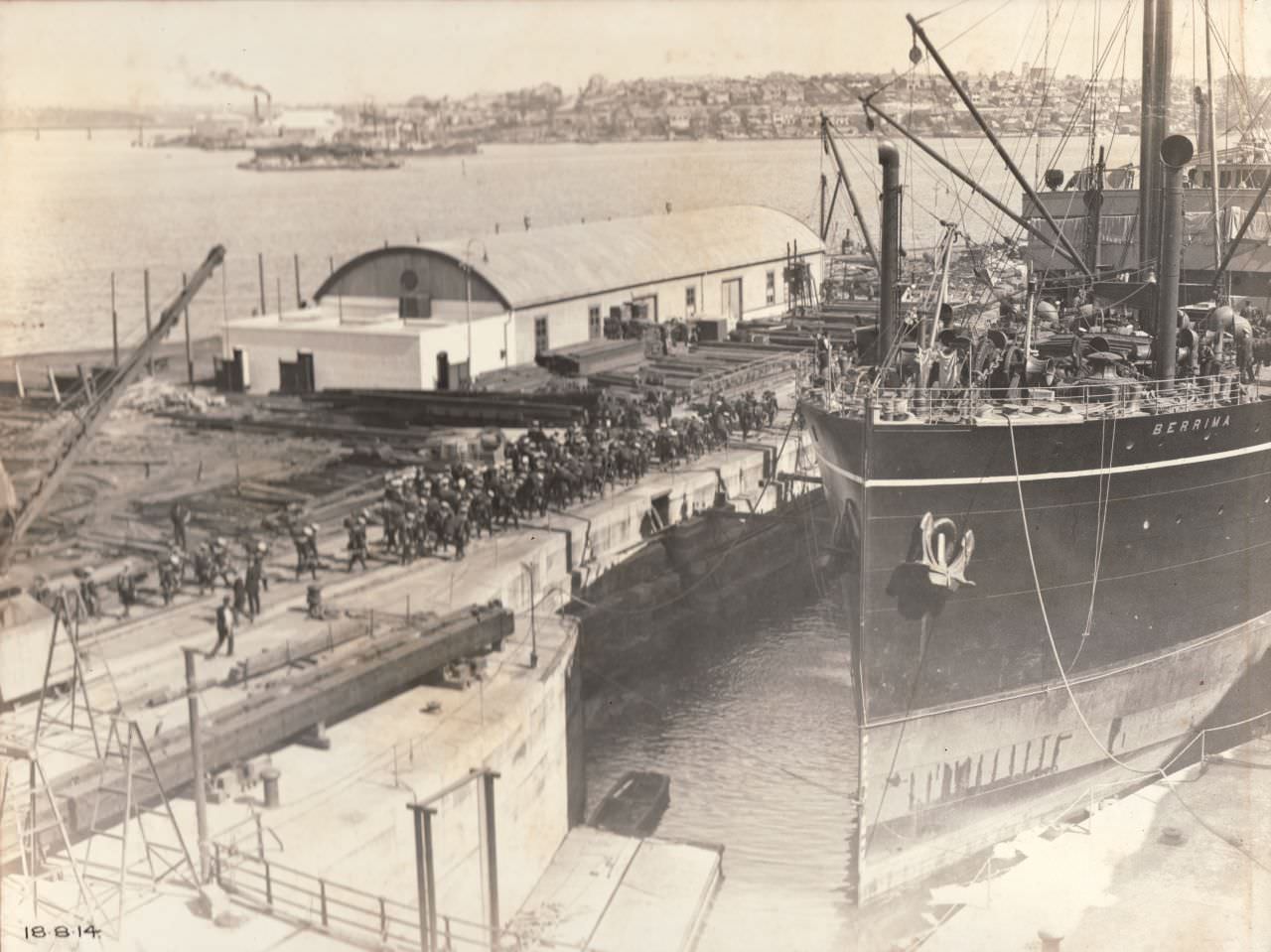
After World War II, the shipyard returned to civilian work. Vessels were repaired, maintained, and constructed well into the second half of the 20th century. The island continued operating as an industrial site until 1992, when the shipyard finally closed.
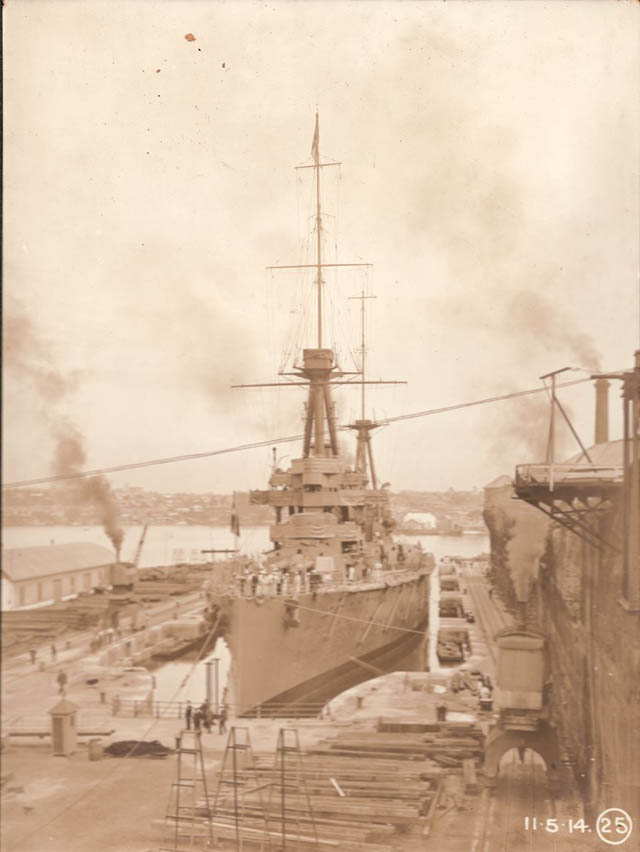
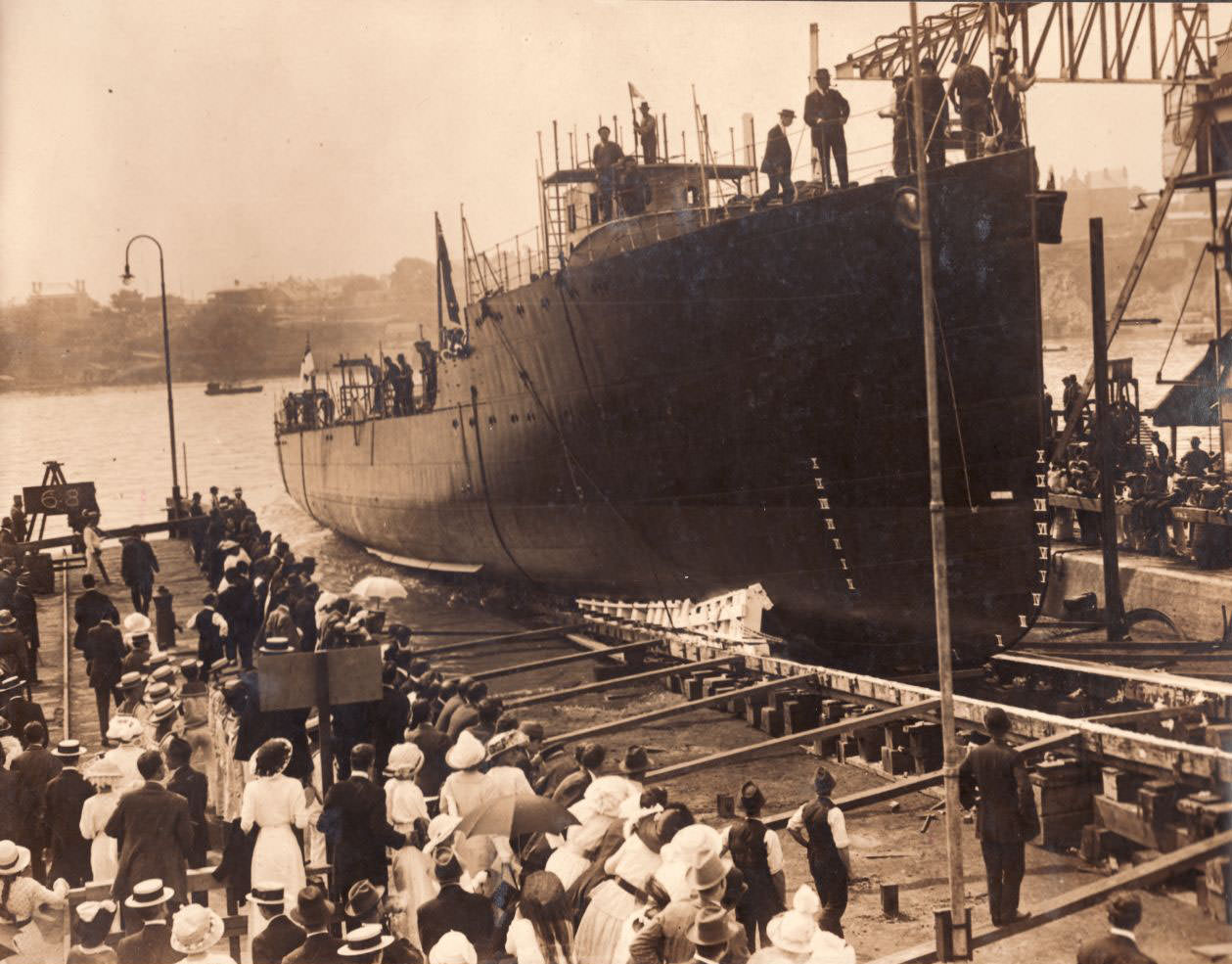
The physical evidence of all that work is still there. The dry docks, machinery, workshops, and residential buildings remain largely intact. They tell the story of a place where thousands of people lived and worked across several generations.
In 2003, Cockatoo Island opened to the public as a heritage site. Tours and exhibitions were established to give visitors direct access to the island’s surviving structures. The convict-era tunnels, the industrial docks, and the worker cottages are all part of what visitors can explore today.
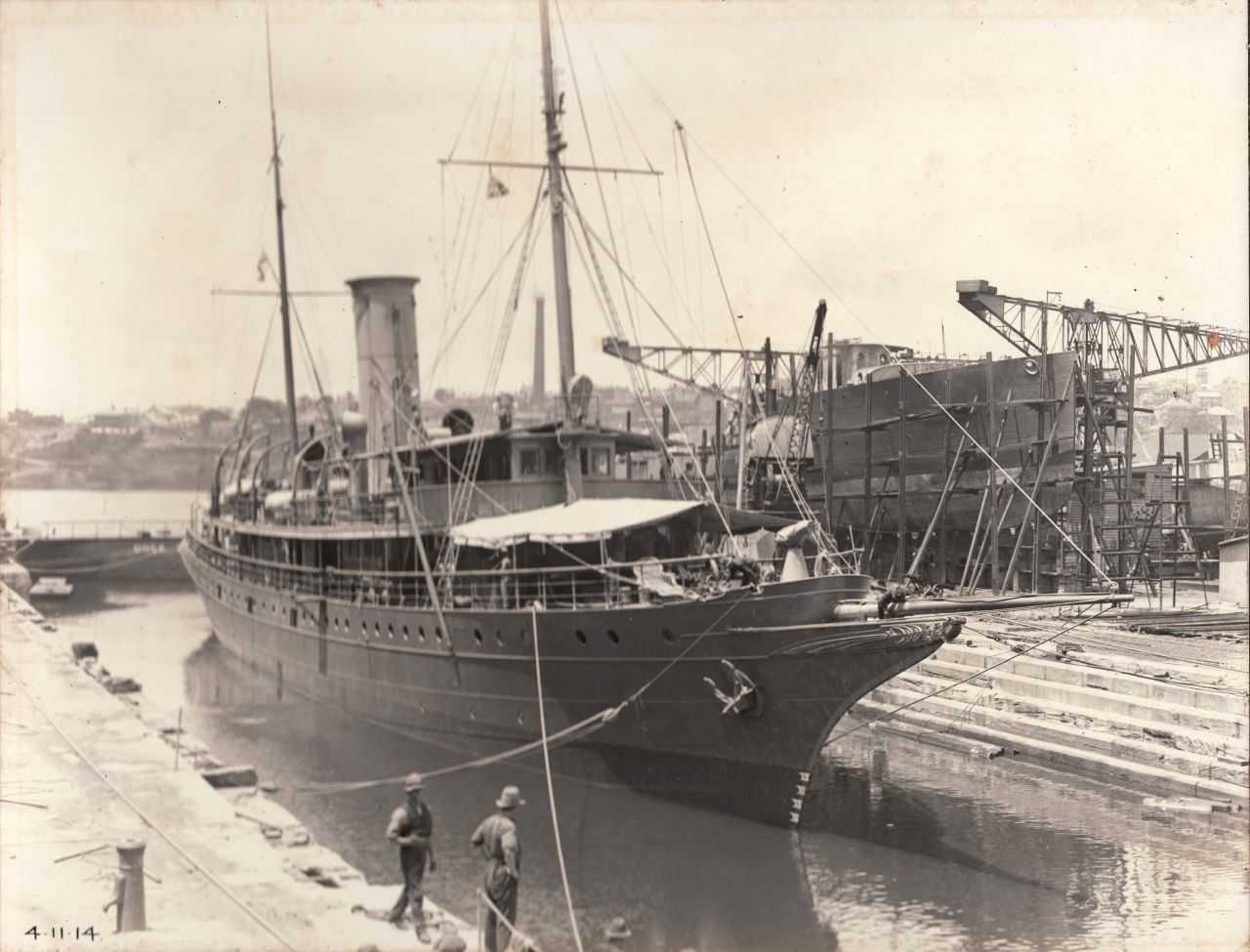
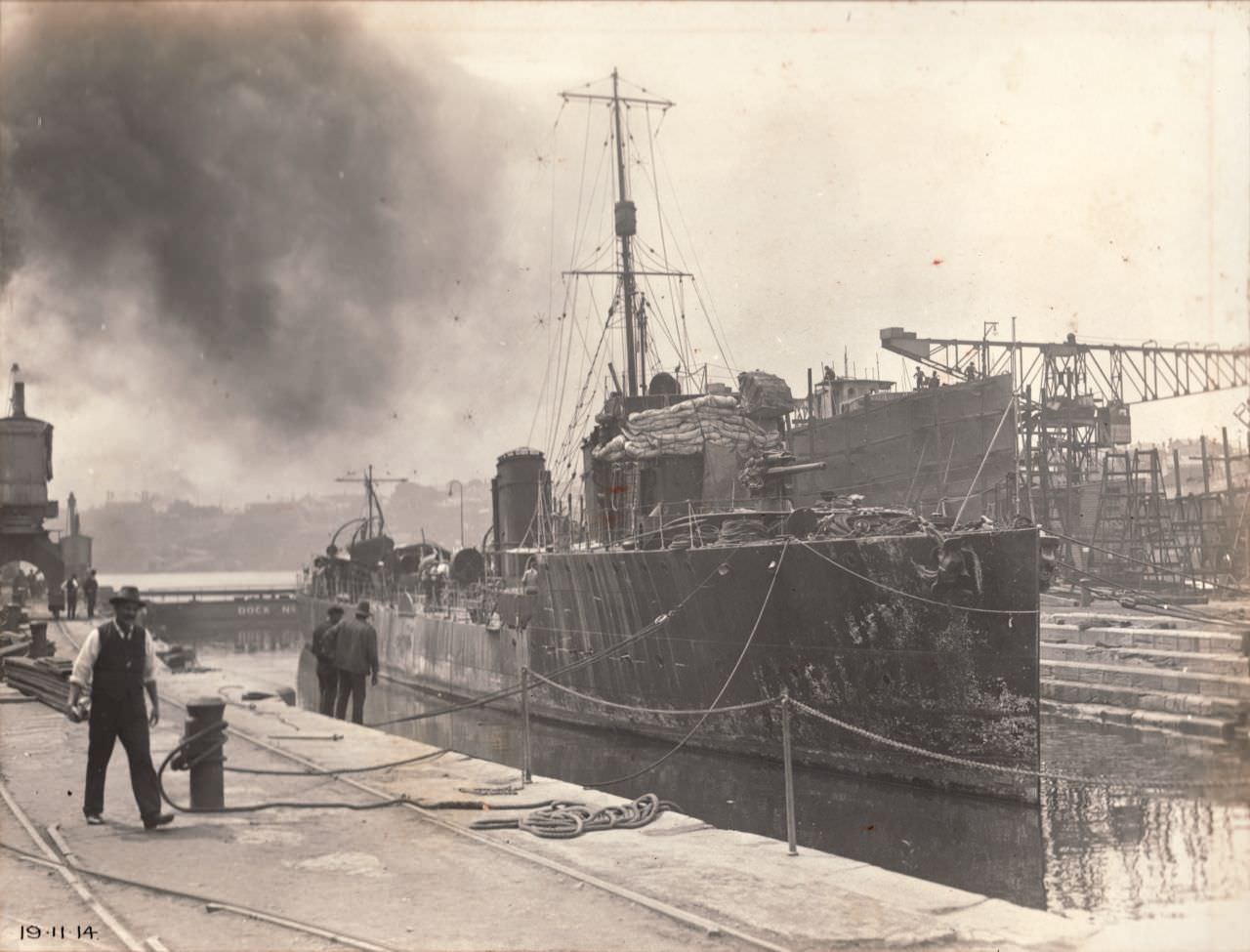
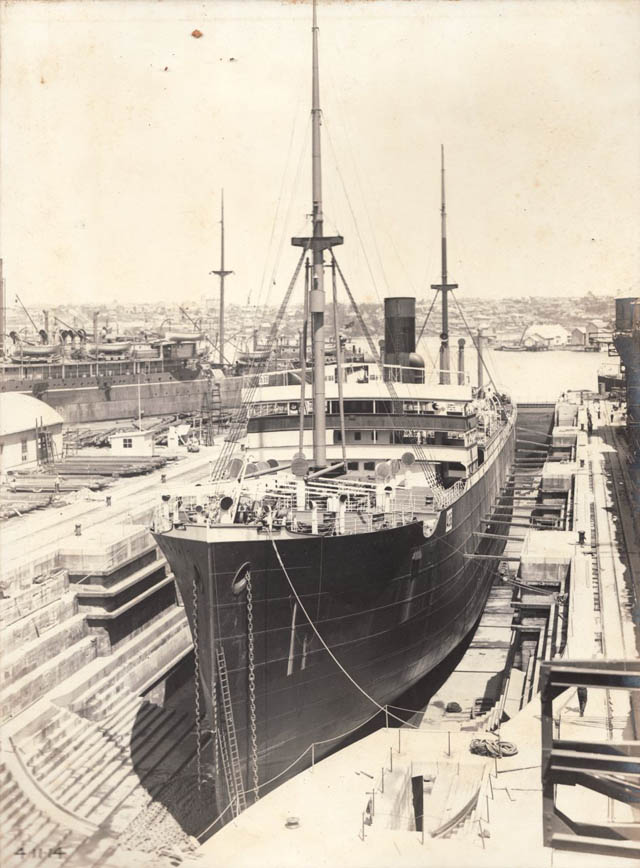
The population that once called Cockatoo Island home included shipyard workers of many trades, their wives and children, and in earlier years, convict labourers. Each group left a mark on the island’s built environment and its records.
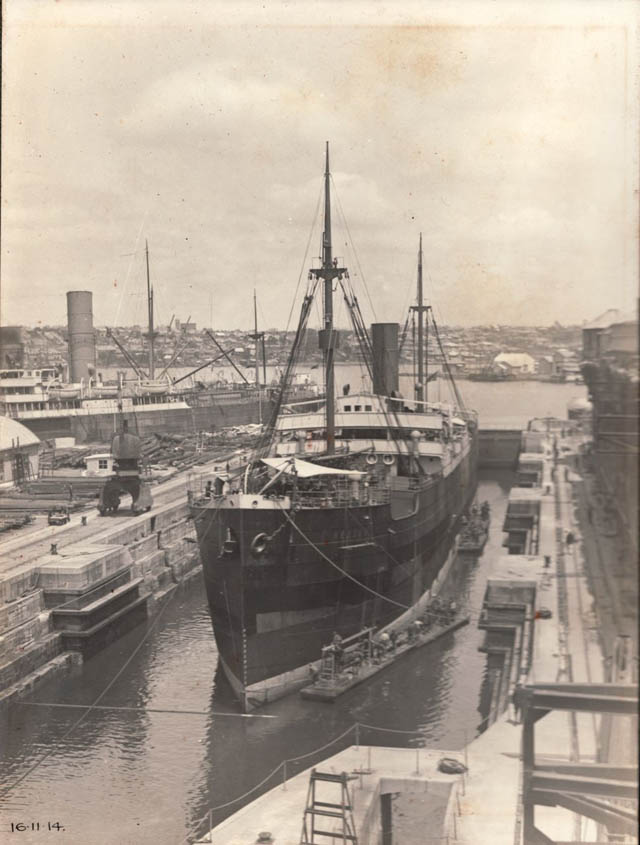
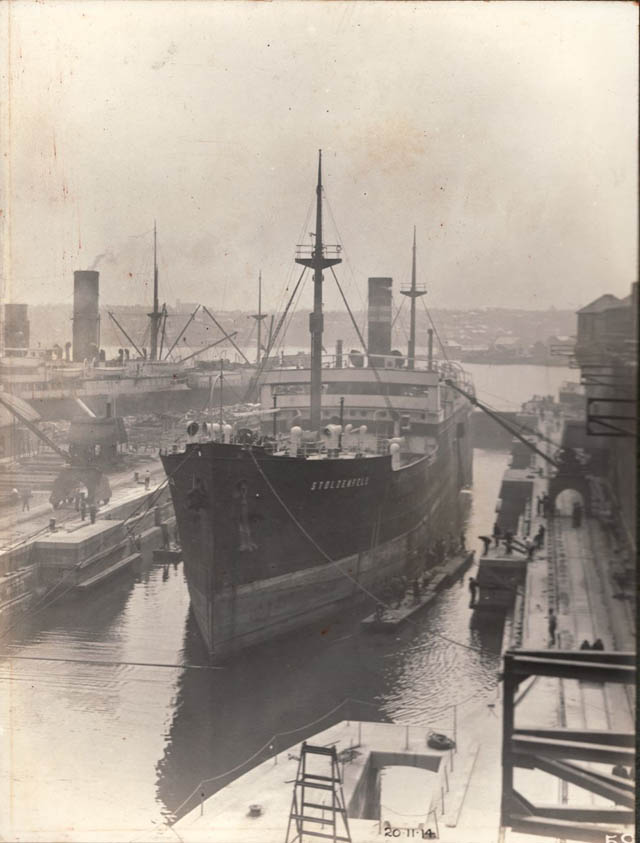
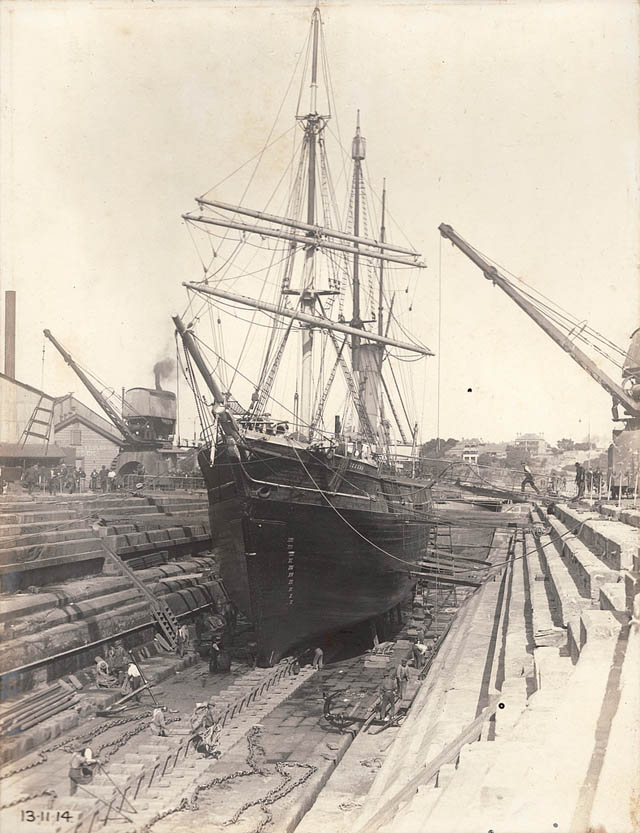
The sandstone beneath the island was shaped by convict hands into the tunnels and granaries still visible today. That labour formed the physical foundation on which the shipyard was later built. The two eras of the island’s history are literally layered on top of each other.
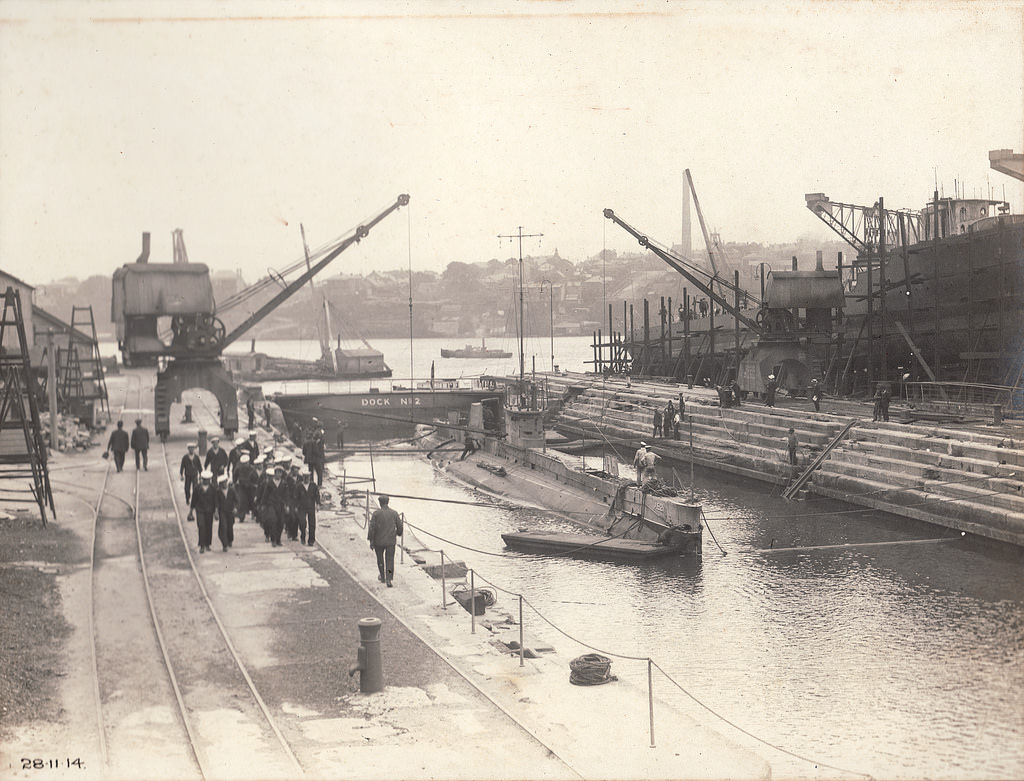
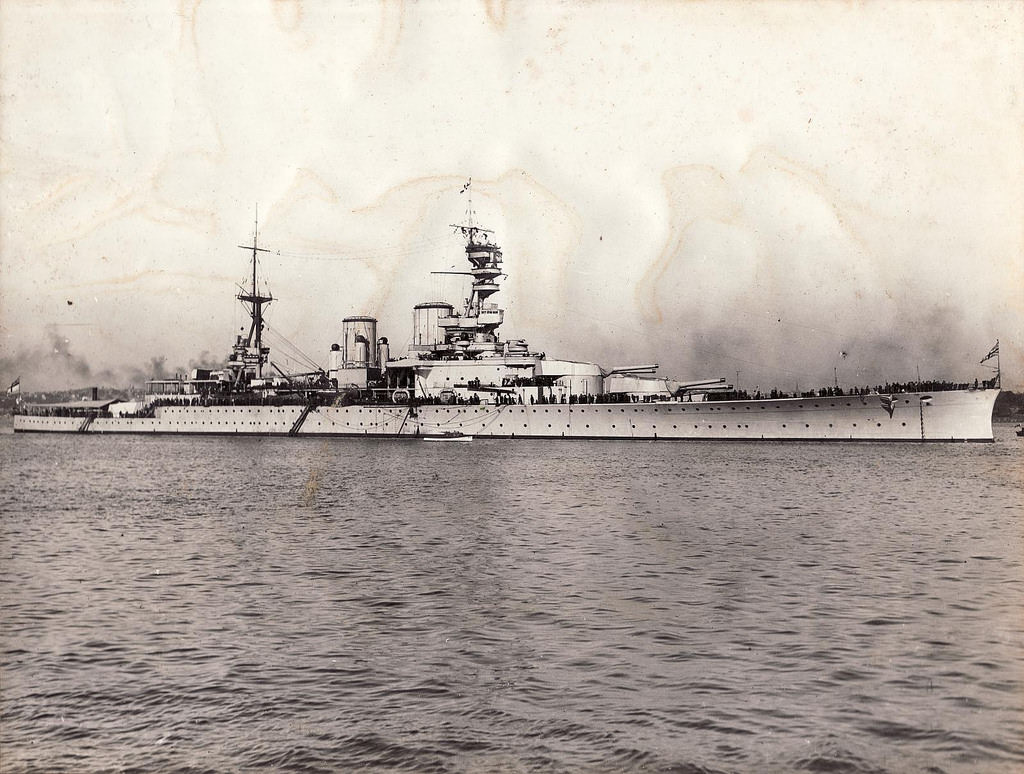
Records from the early 20th century show a community that was active and structured. The school served the children of the workforce. The hospital handled injuries common to heavy industrial work. Life on the island was functional, practical, and closely tied to the rhythms of the shipyard.
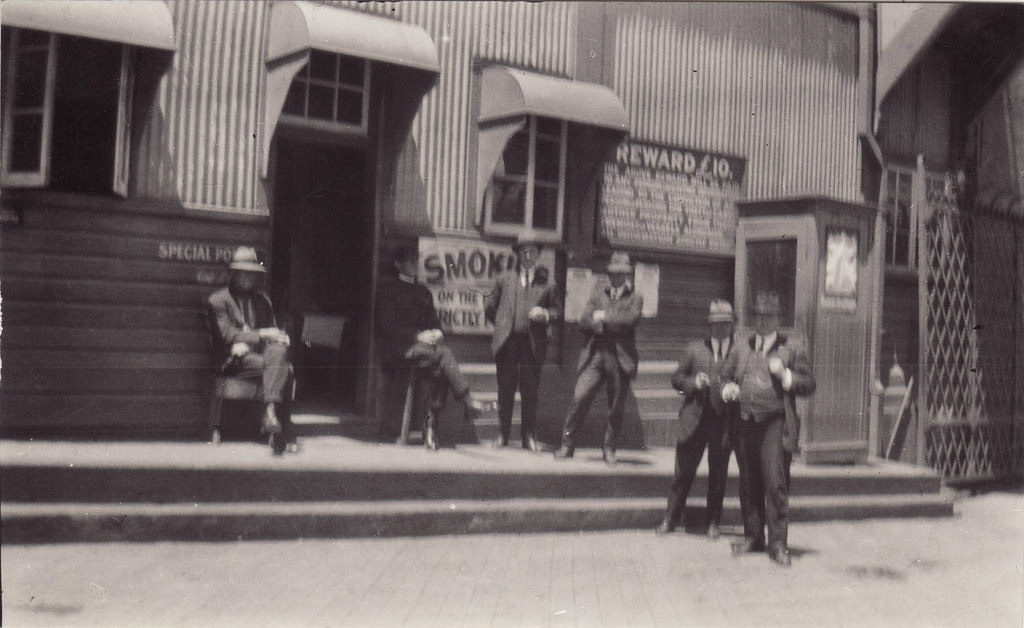
The commercial life of the island — its stores and pubs — gave workers a social outlet within the harbour. Leaving the island wasn’t always practical, so these businesses filled an important role in keeping the community functioning day to day.
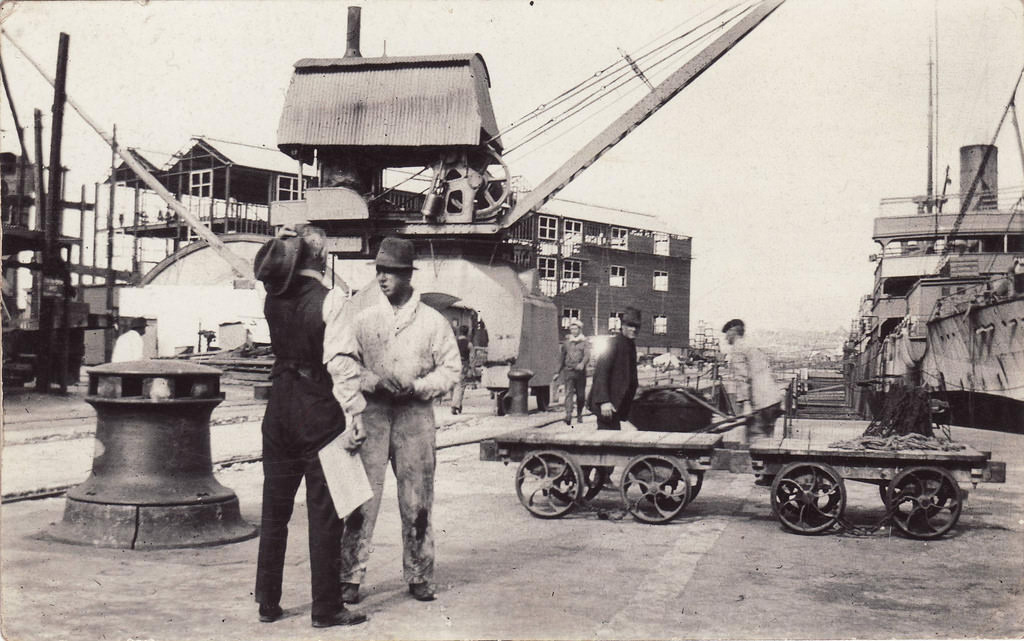
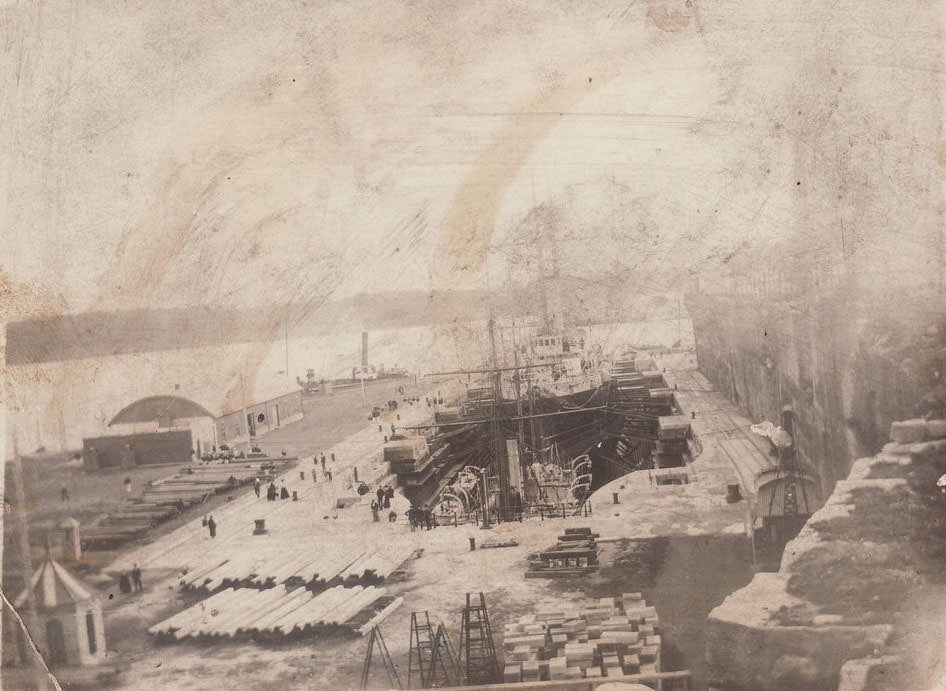
Australia’s maritime history runs directly through Cockatoo Island. The ships built and repaired there served both commercial and military purposes across decades of national history. The island’s dry docks were among the most capable facilities in the country during their operating years.
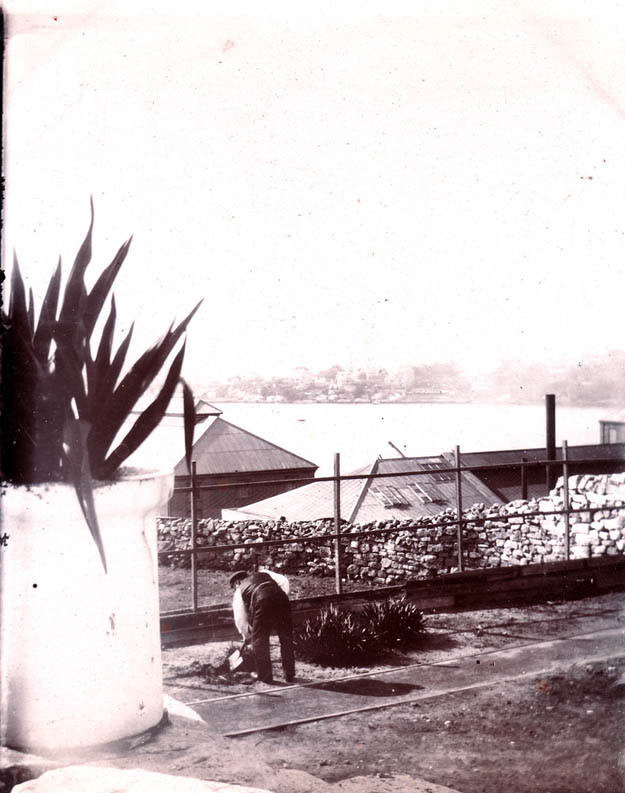
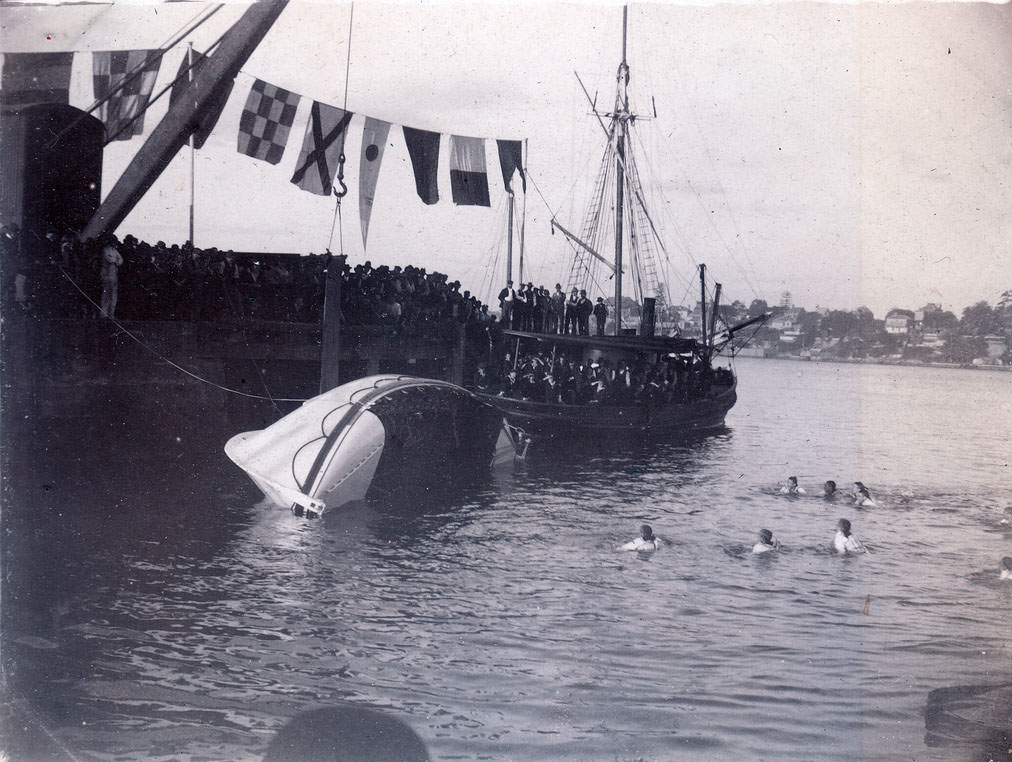
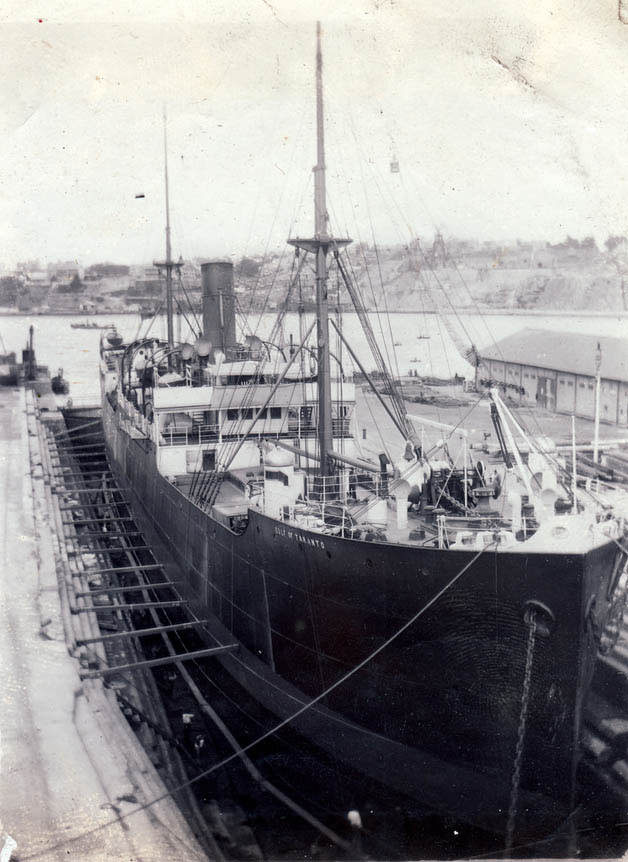
Walking through the island today means moving through over a century of preserved industrial and domestic history. The buildings, docks, and machinery give a concrete picture of what working life on Sydney Harbour actually looked like in the early 1900s.