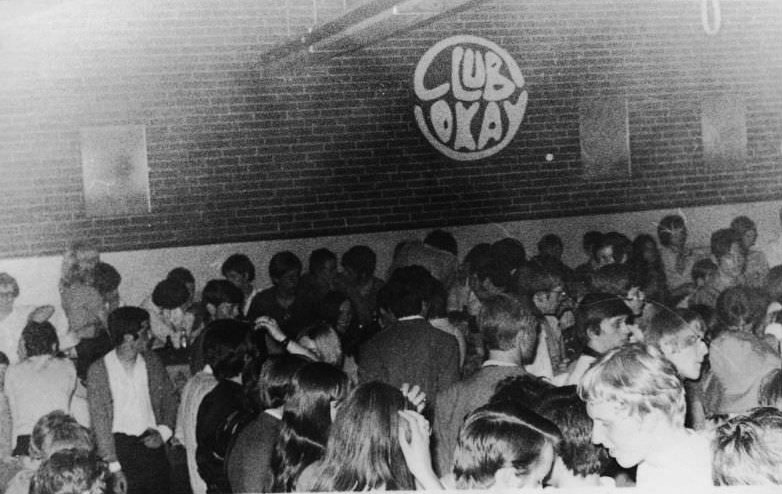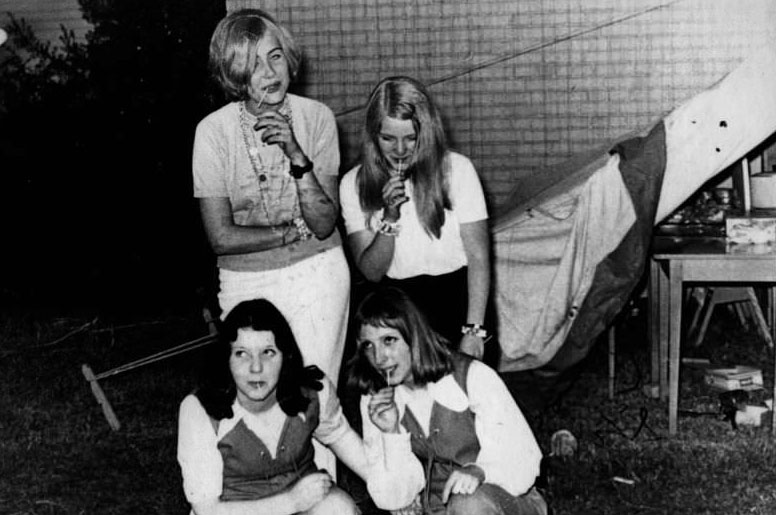

Bottrop sits in North Rhine-Westphalia, a corner of West Germany shaped by coal mines, chemical plants, textile factories, and heavy machinery. It was a working city through and through. But in the late 1960s, something electric cut through the industrial grit — a small venue called Club Okay.
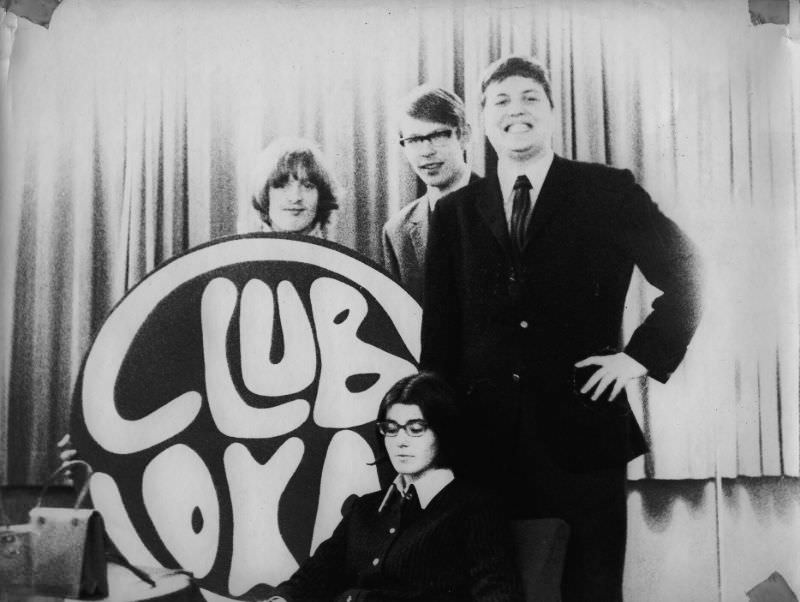
Club Okay opened its doors to Bottrop’s youth at a moment when the whole Western world felt like it was shifting. The late 1960s brought new music, bold fashion, and a restless energy that young people wore on their sleeves — and on the dance floor.
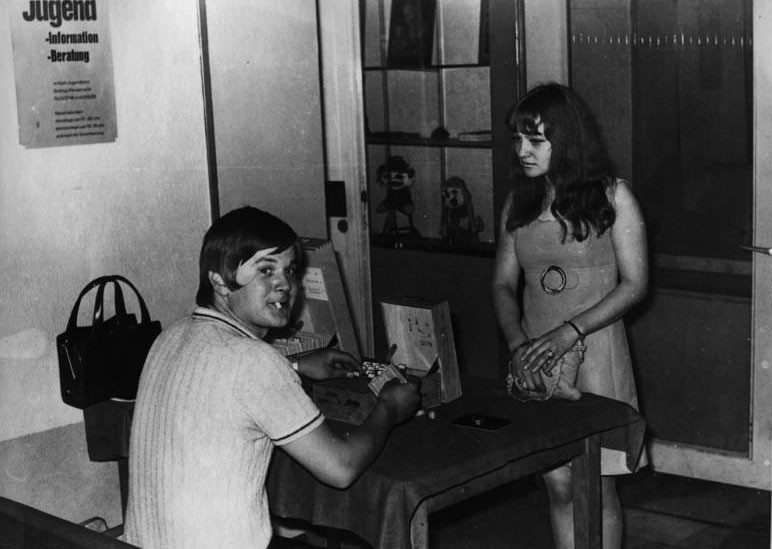
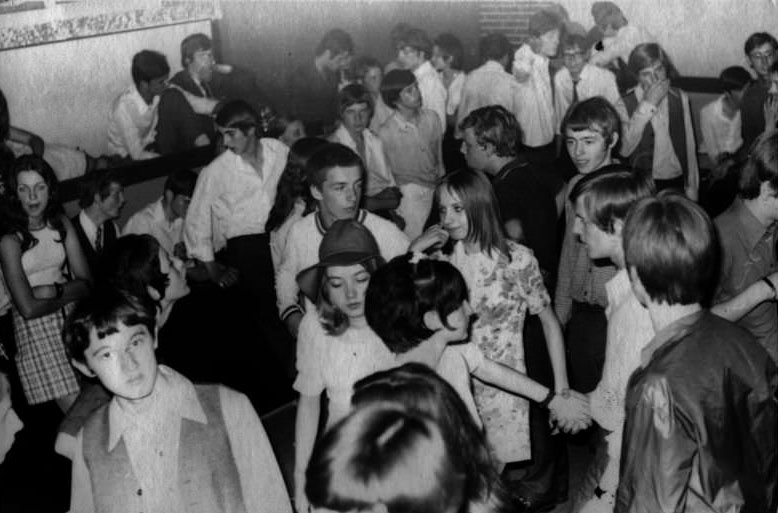
The crowd at Club Okay was a mix of the city’s working youth. Coal miners and factory workers came through the doors after long shifts and traded their work clothes for a night of dancing and laughter.
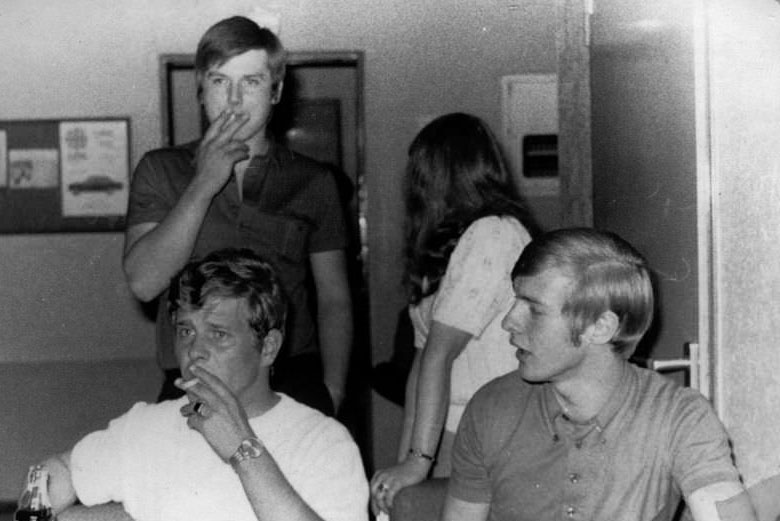
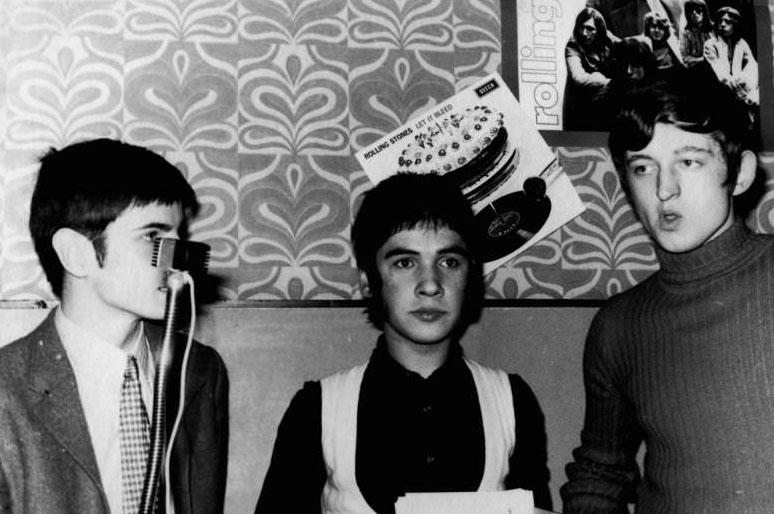
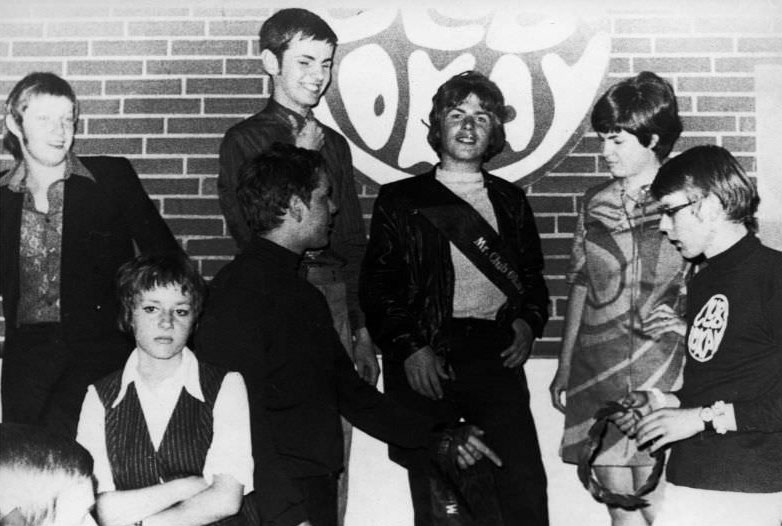
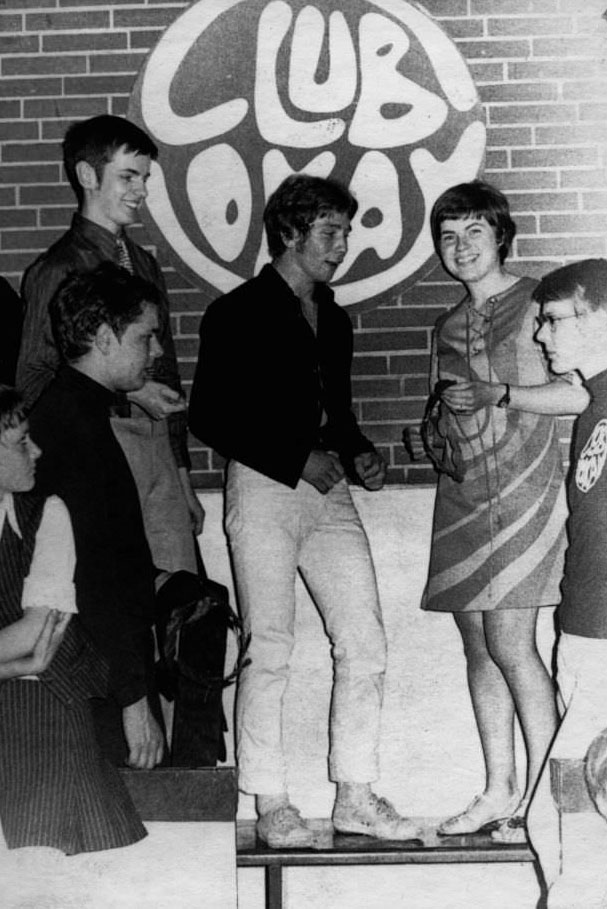
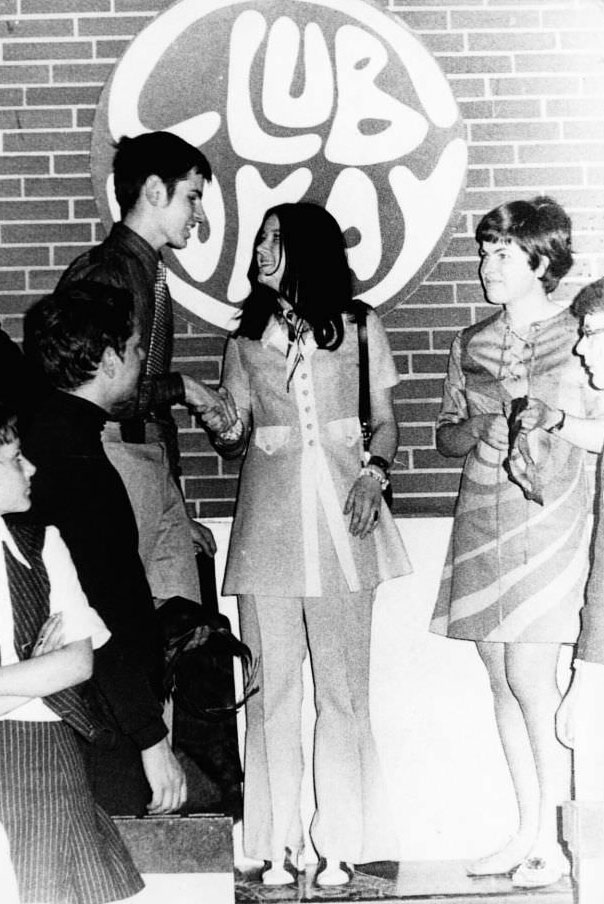
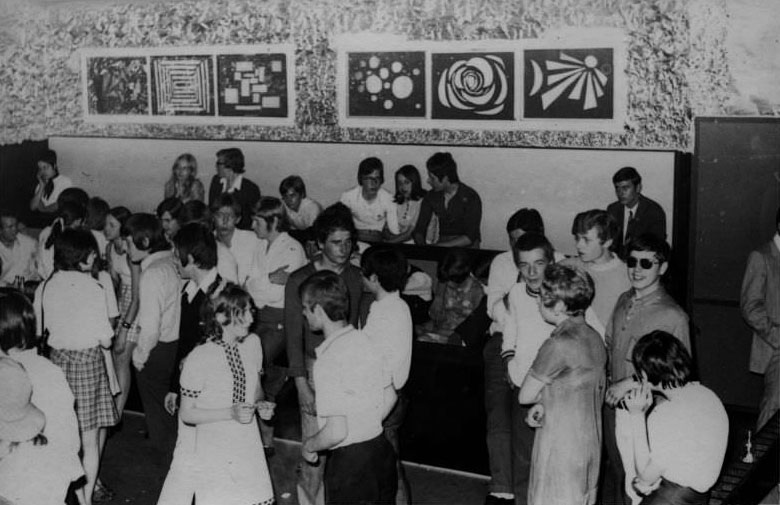
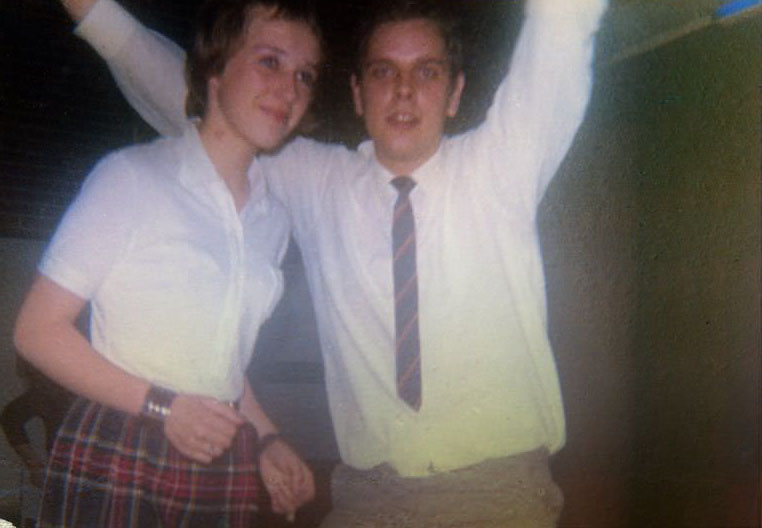
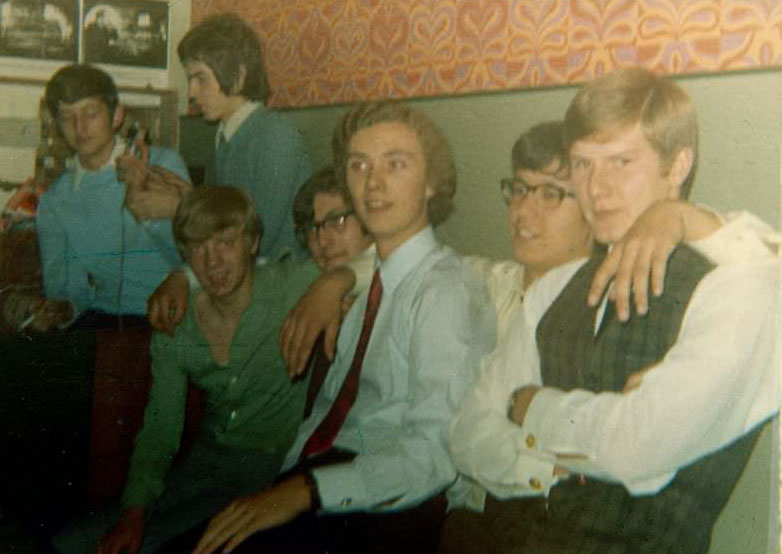
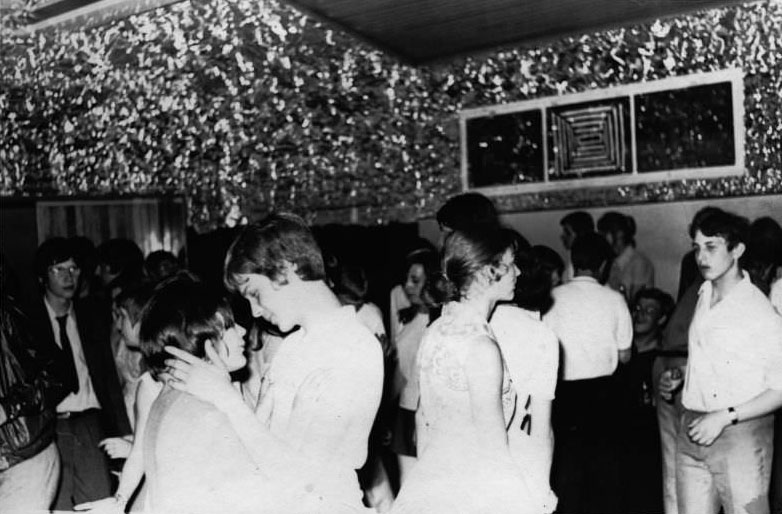
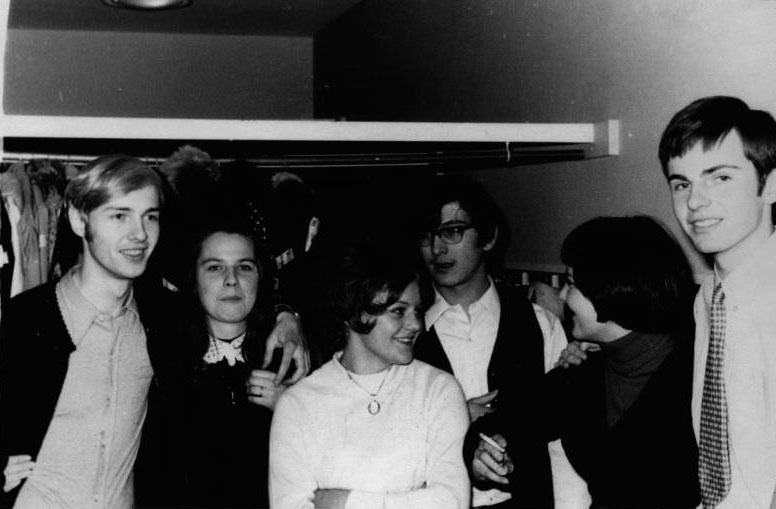
Fashion inside the club was straight out of the decade’s playbook. Men wore sharp, fitted suits with neatly styled hair. Women arrived in miniskirts and vibrant dresses, their hair teased into beehives or worn loose in soft waves.
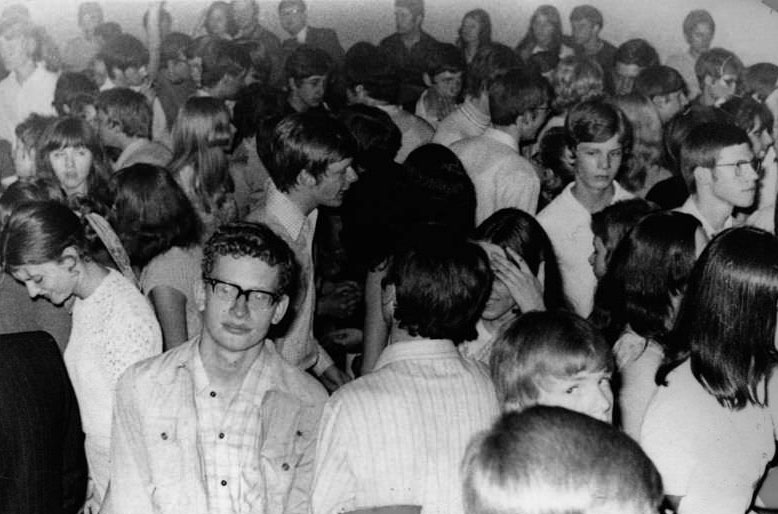
Turtleneck sweaters, paisley prints, and bold colors filled every corner of the room. The style at Club Okay was as diverse as the people wearing it.
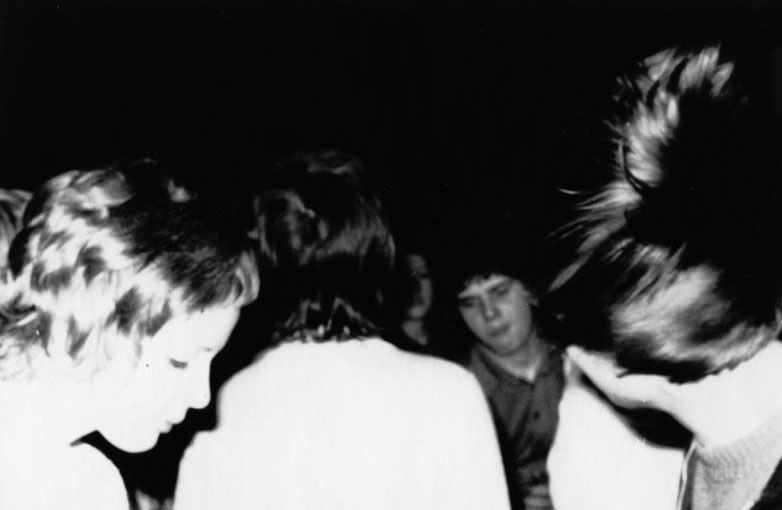
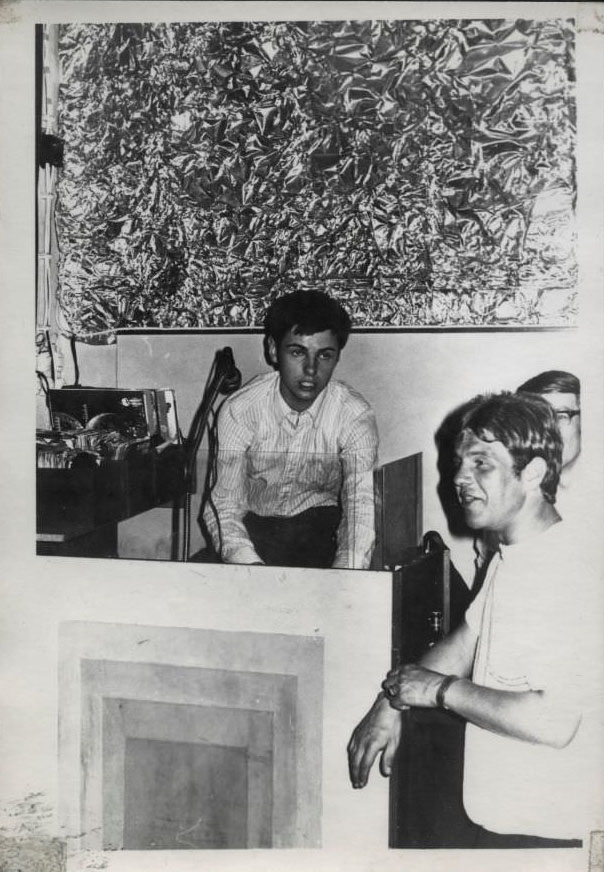
Music was the club’s beating heart. The playlist pulled from the biggest names of the era — The Beatles, The Rolling Stones, and The Beach Boys all had their moment over the speakers. Rock and roll, pop, and the earliest hints of disco kept the floor moving all night.
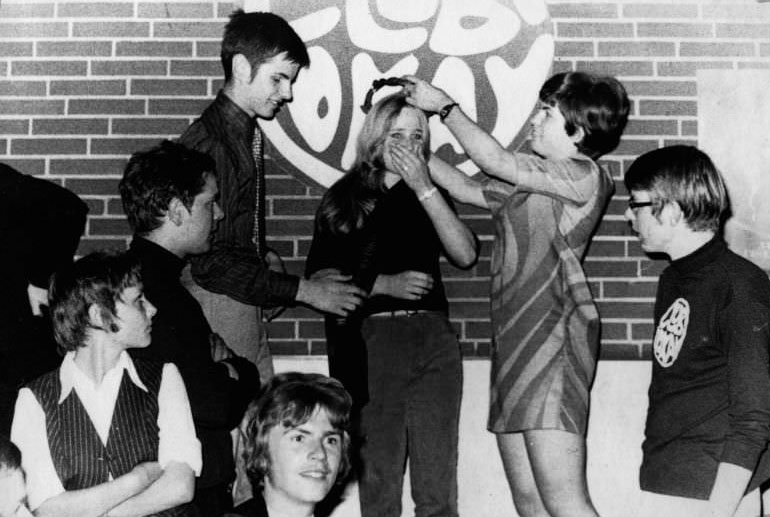
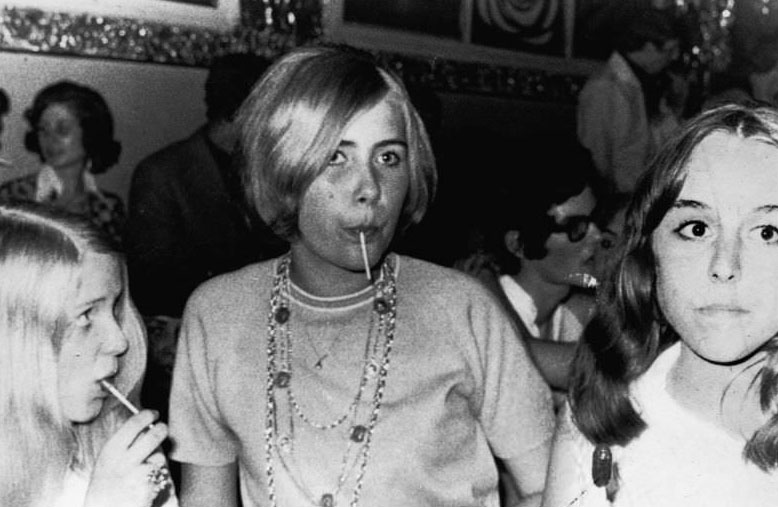
Bright lights swept across a packed dance floor. Glasses clinked at the bar. The energy inside Club Okay stood in sharp contrast to the industrial world just outside its doors.
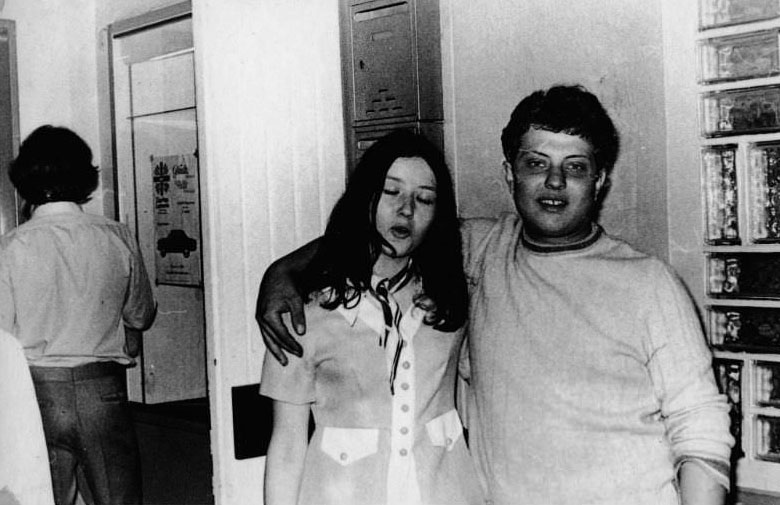
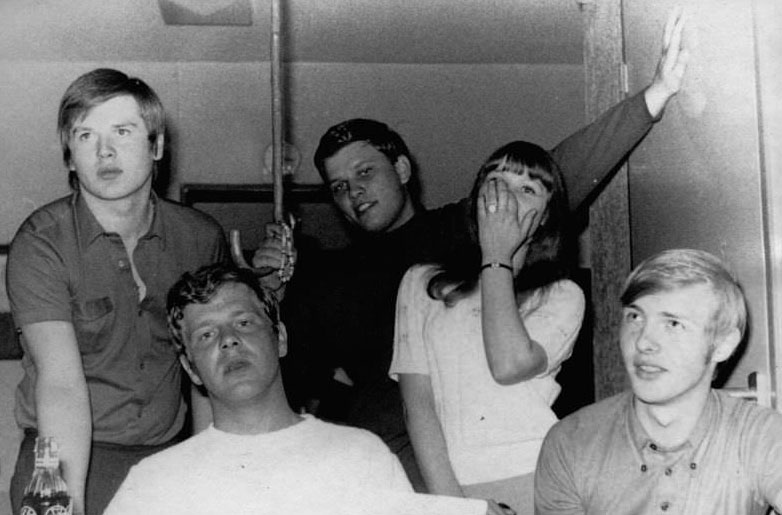
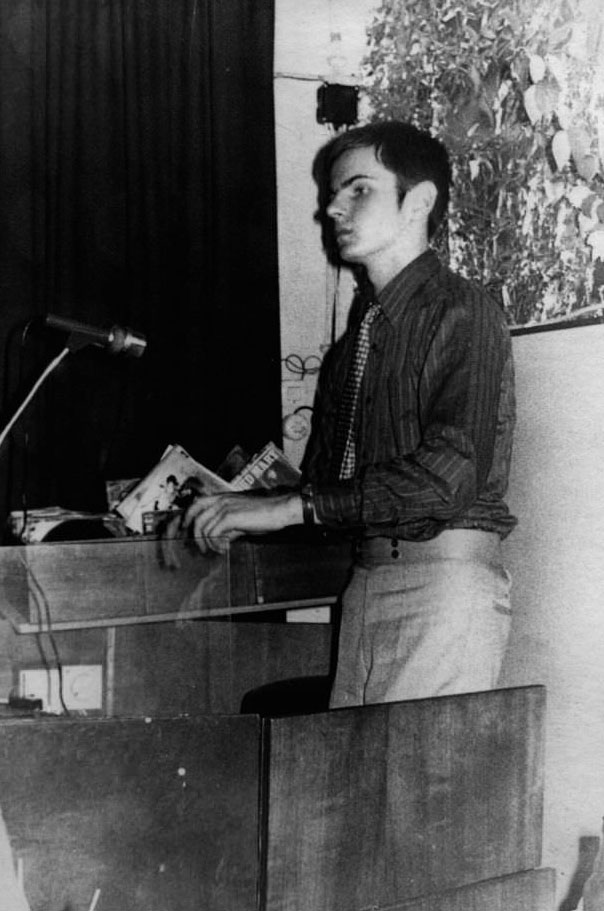
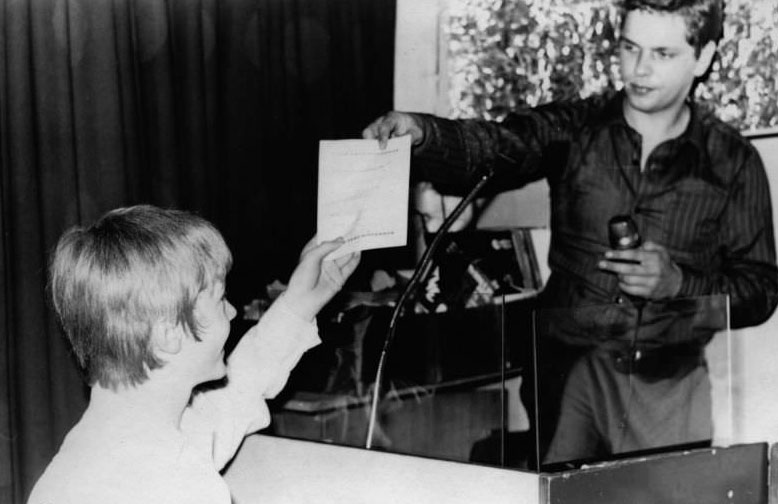
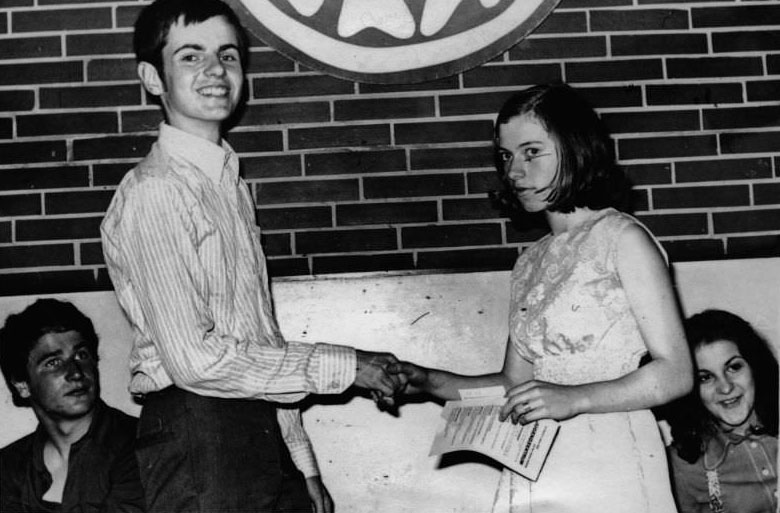
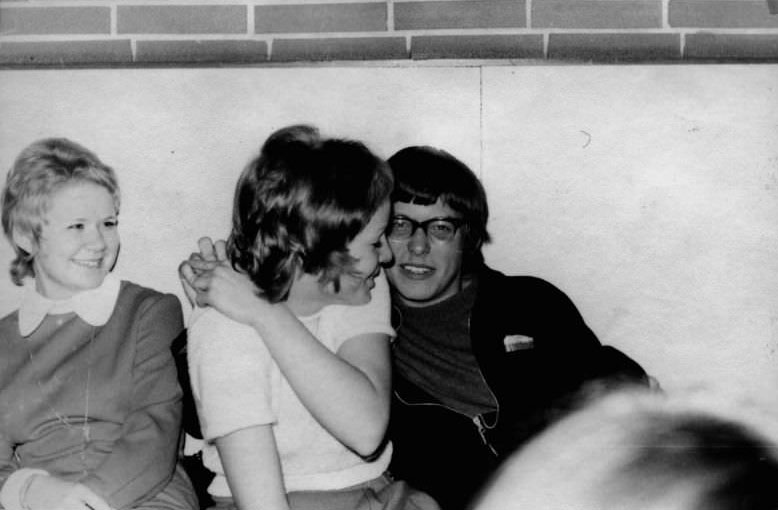
A regular patron named Hans-Michael Tappen brought a camera with him and documented the scene across 1968 and 1969. His photographs captured faces, fashion, and movement with a candid eye.
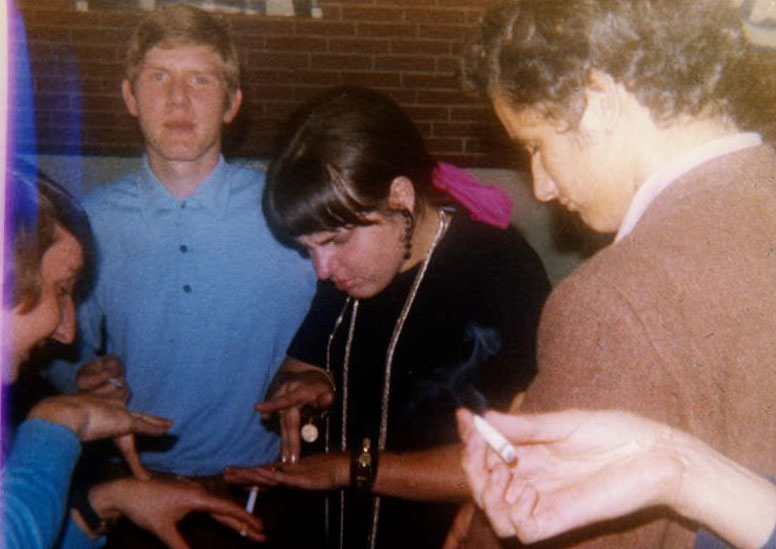
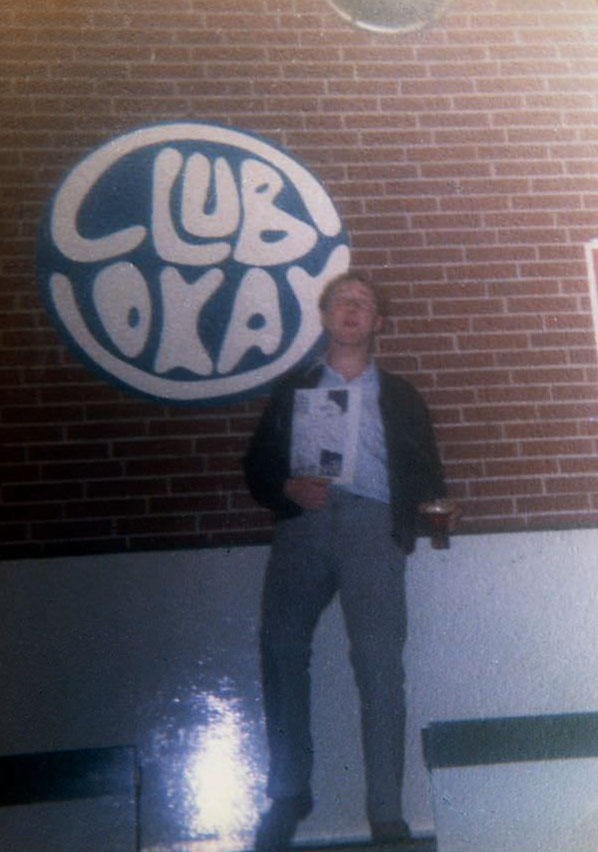
Tappen’s images do more than show a club — they show a city’s youth choosing joy in the middle of an industrial landscape. Each frame is a direct window into Bottrop’s social life at a very specific moment in time.
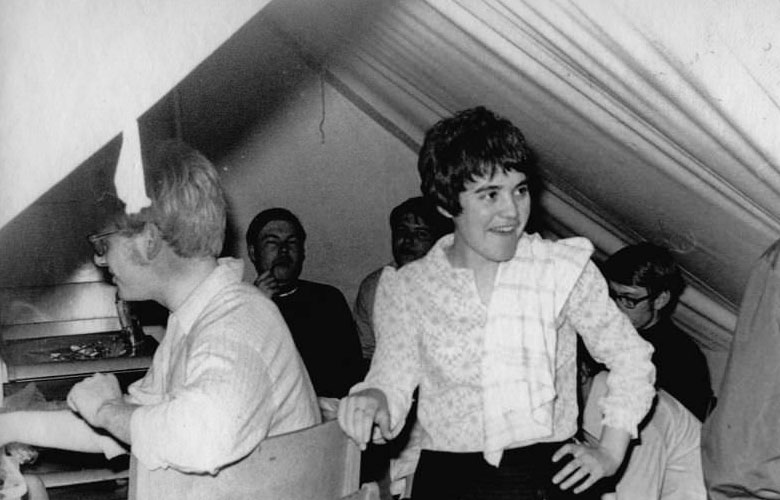
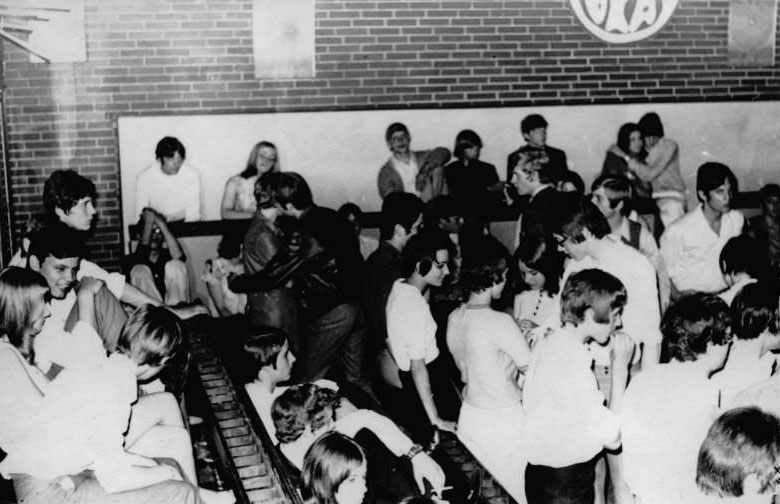
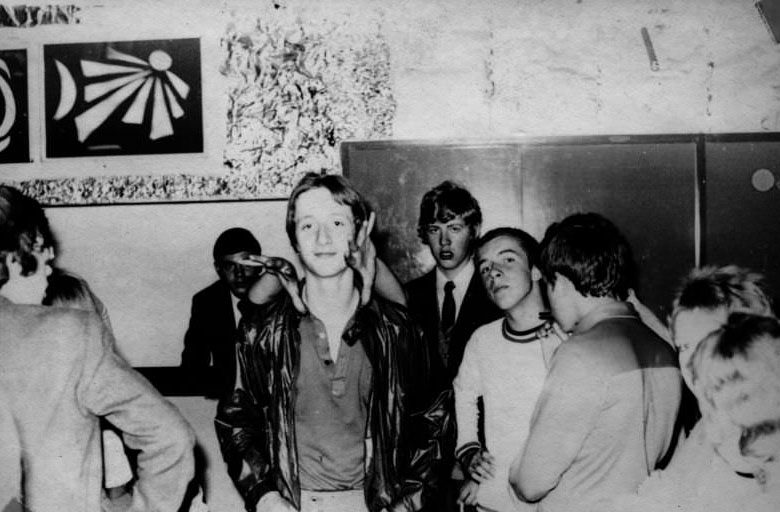
The photos reveal couples dancing closely, groups of friends sharing tables, and solo figures caught mid-laugh. These were real people living out the decade’s energy in a real place.
Club Okay was not a famous venue by any global standard. It was a local spot in an industrial city — which is exactly what makes Tappen’s archive so valuable. It preserves a slice of ordinary Sixties life that rarely gets documented.