

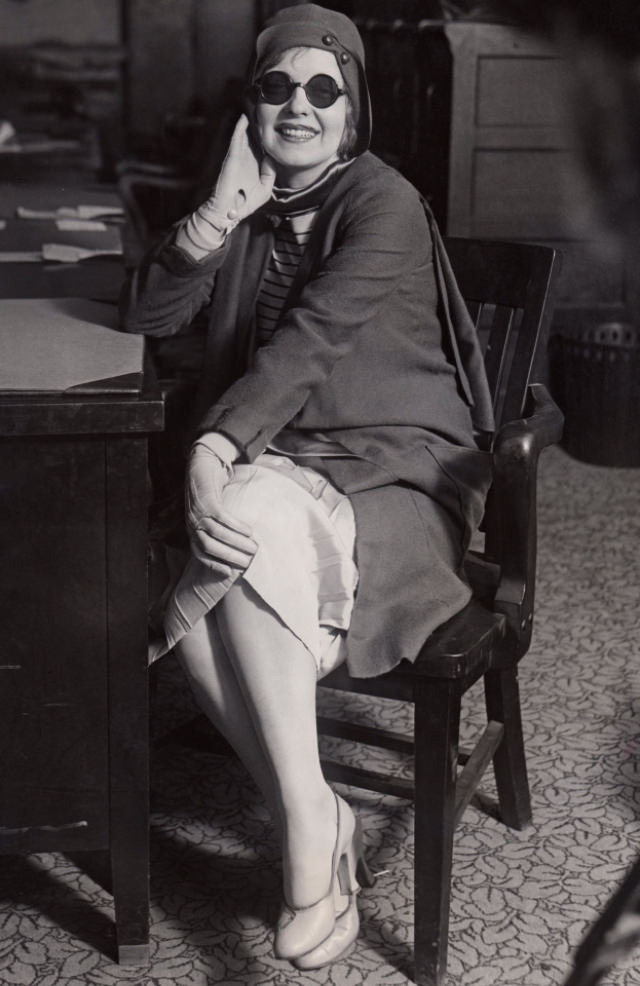
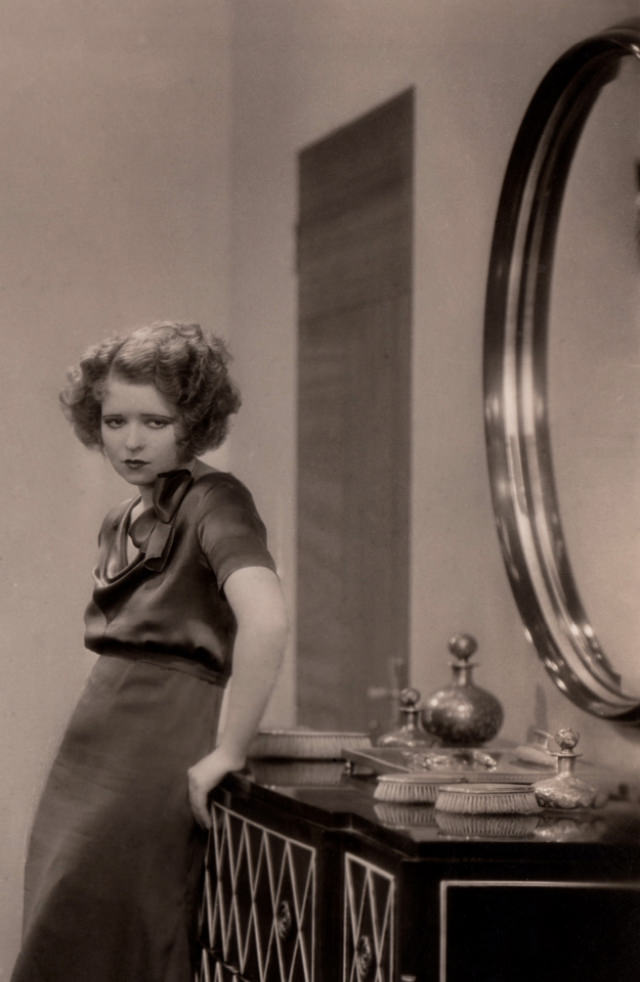
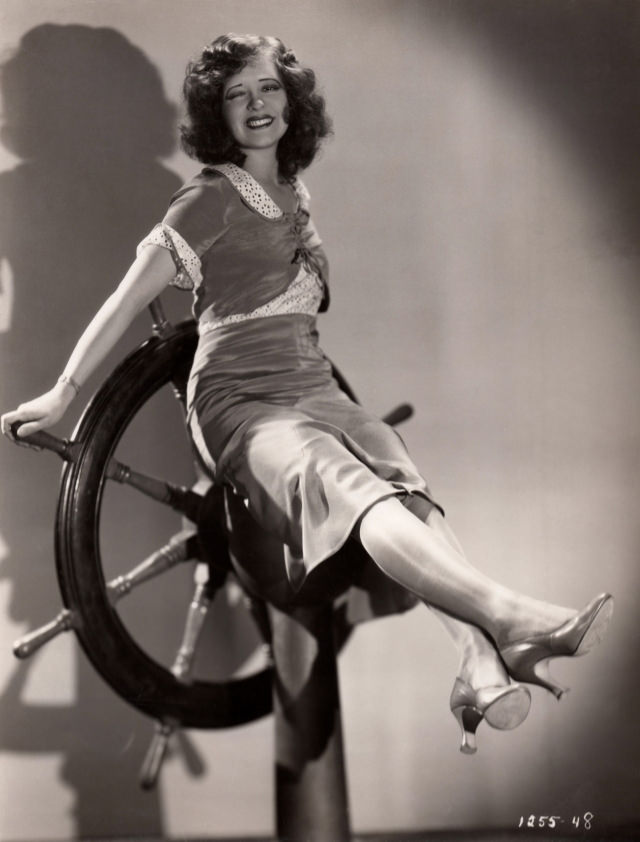
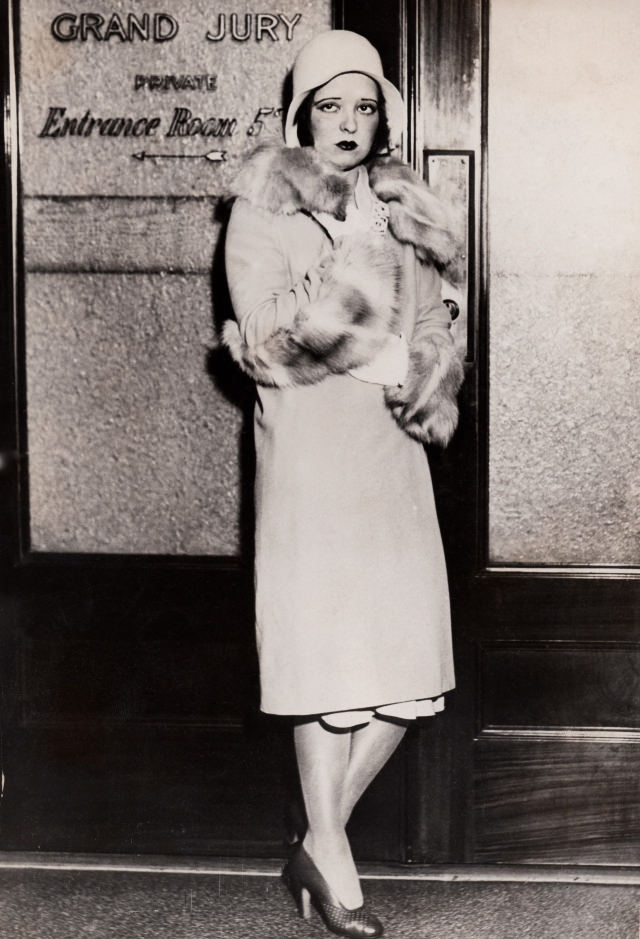
Clara Bow, born in Brooklyn, New York, in 1905, had already become Hollywood’s “It” Girl by the time the 1930s rolled around. She earned this nickname due to her vivacious screen presence and natural talent, which she displayed in the silent film “It” (1927). While the 1920s were undoubtedly Bow’s breakout decade, the 1930s brought new challenges and opportunities for this shining star of the silver screen.
The late 1920s and early 1930s marked the transition from silent films to “talkies,” which presented a hurdle for many actors of the silent era. However, Bow managed to make the transition smoothly. One of her first sound films, “The Wild Party” (1929), was a commercial success and demonstrated her ability to adapt to the evolving medium.
Challenges and Controversies
Despite her success, Clara Bow was not immune to the difficulties that often came with fame. The actress faced public scrutiny due to her romantic relationships, along with the pressures of maintaining her screen persona. Her struggles with mental health were poorly understood at the time and led to considerable speculation in the press. All these challenges were magnified by the onset of the Great Depression, which took a toll on the entire film industry.
Filmography of the 1930s
Bow’s film roles in the 1930s demonstrated her range as an actress. Movies like “True to the Navy” (1930) and “No Limit” (1931) were hits at the box office. However, by the mid-1930s, Bow started to retreat from the limelight. Her last movie was “Hoop-La” in 1933, after which she opted for early retirement at the age of 28.
Life Away from the Screen
After leaving Hollywood, Clara Bow led a relatively private life. She married Rex Bell, an actor turned politician, in 1931. They had two sons, and Bow spent the subsequent years focused on her family. She made sporadic attempts to return to acting but eventually decided to stay away from the hustle and bustle of Hollywood.
Apart from her film career, Bow was involved in various business ventures during the 1930s. She invested in real estate and even owned a restaurant for a brief period. While these endeavors were not as publicly celebrated as her acting career, they were indicative of her desire to build a life outside of Hollywood.
Bow was also known for her charitable work. She made significant donations to various causes and was particularly interested in supporting children’s hospitals and animal shelters. Her philanthropy, though not as well-documented as her films, added another layer to her complex personality.
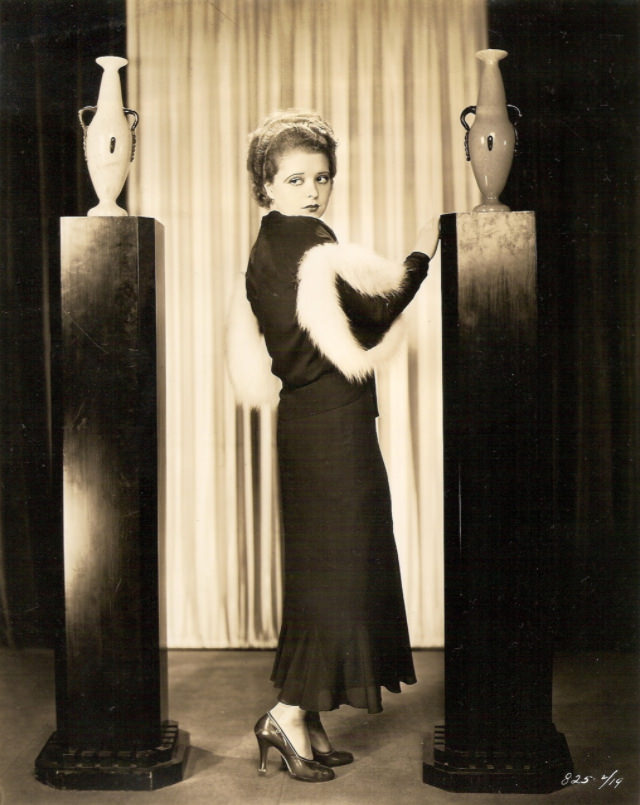
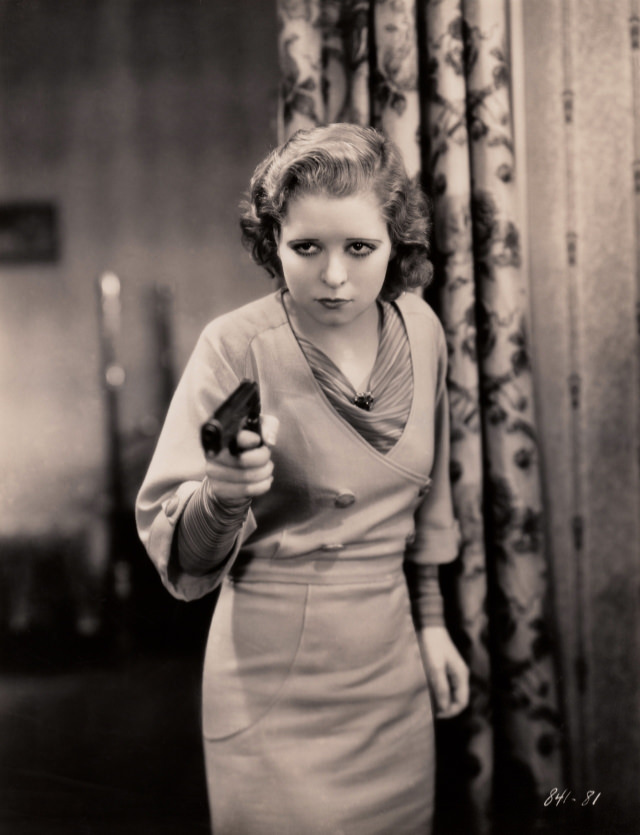
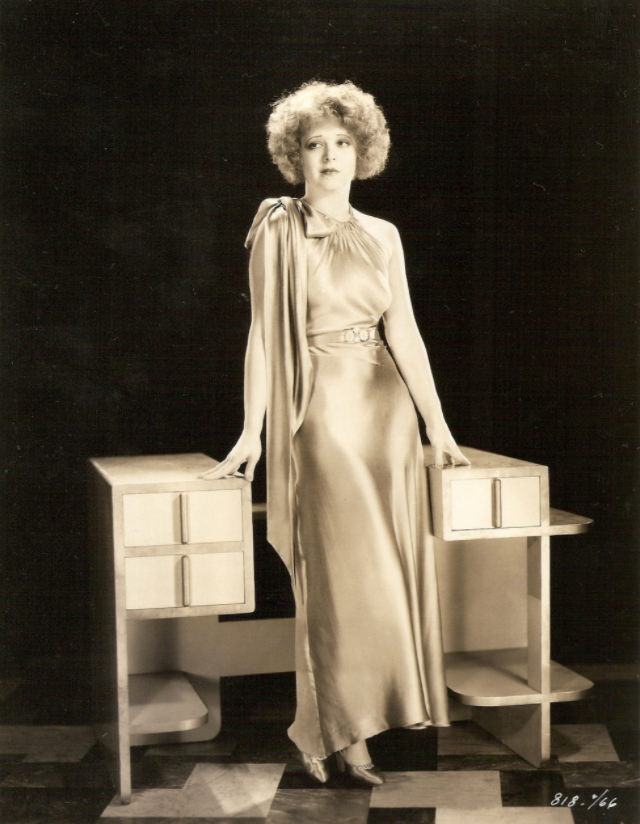
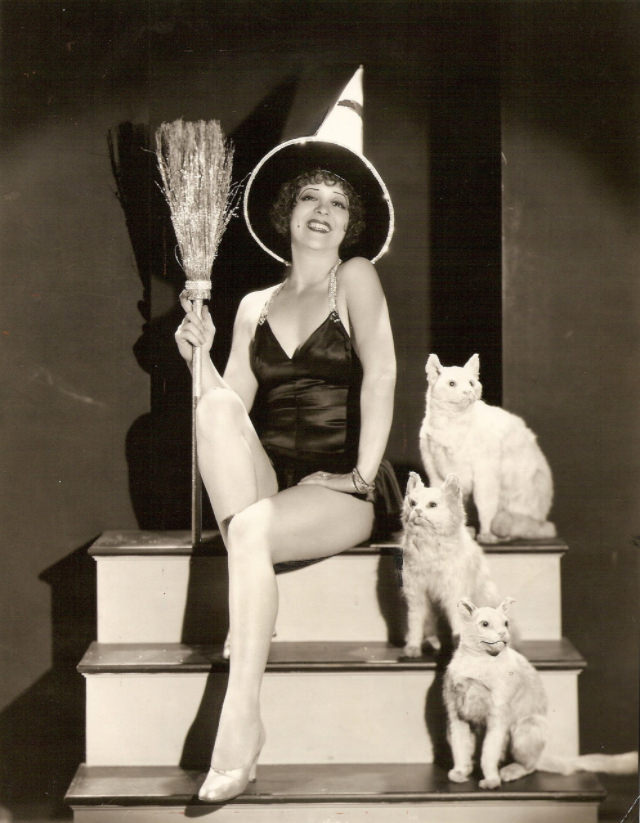
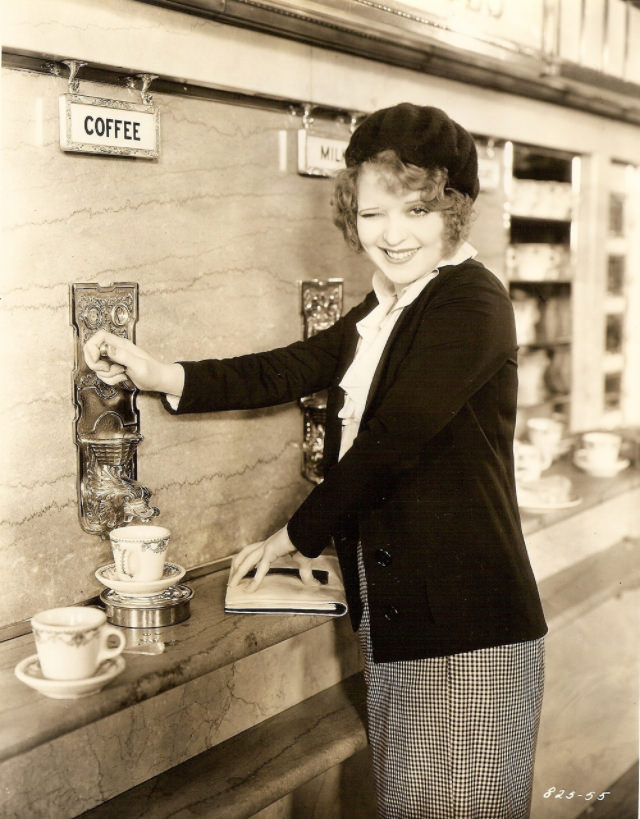
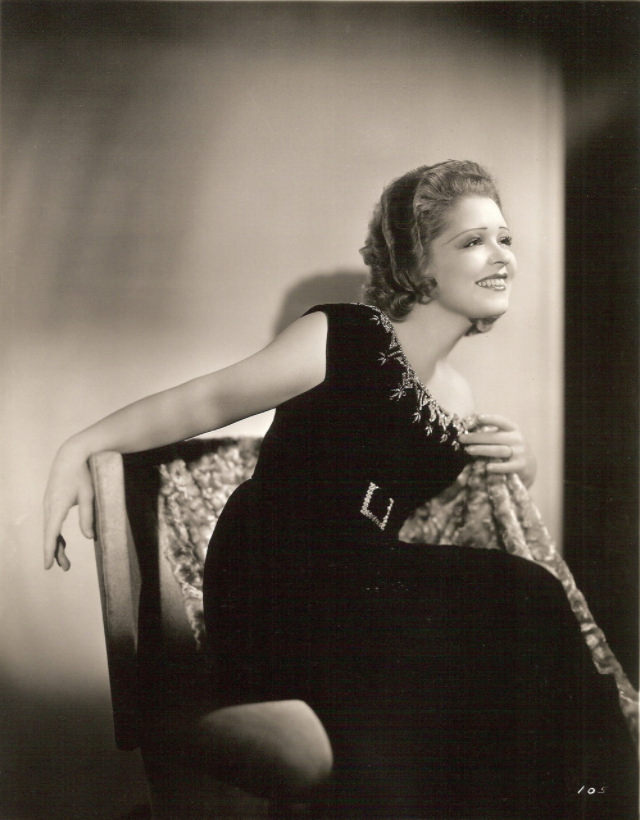
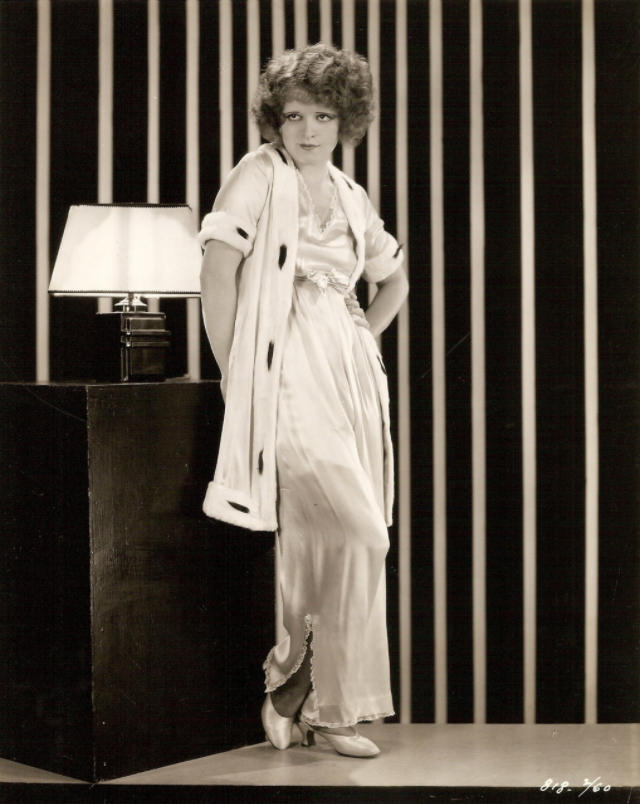
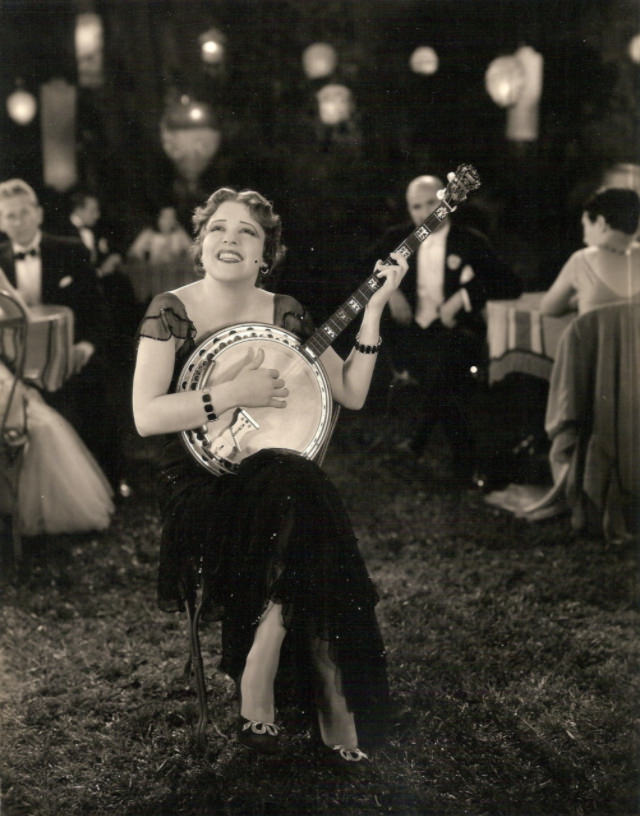
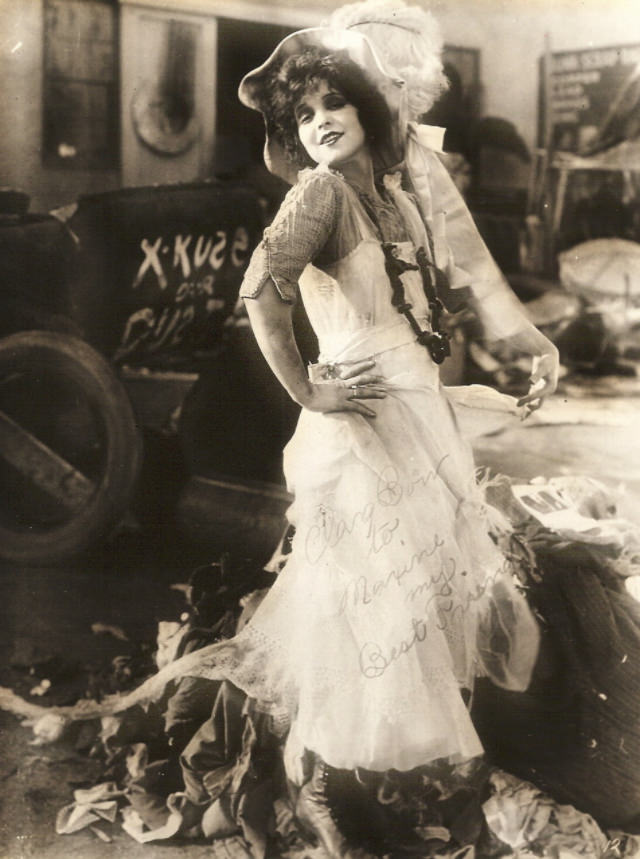
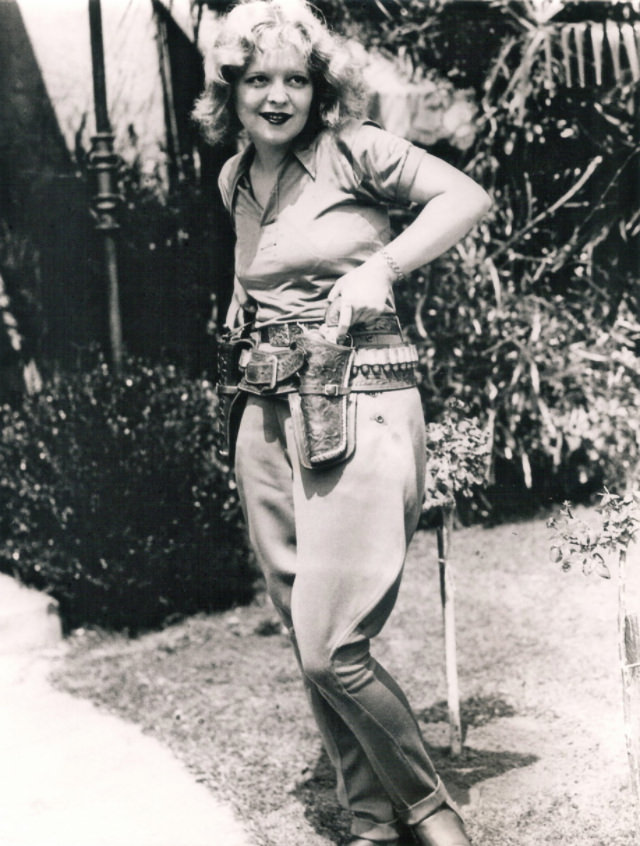
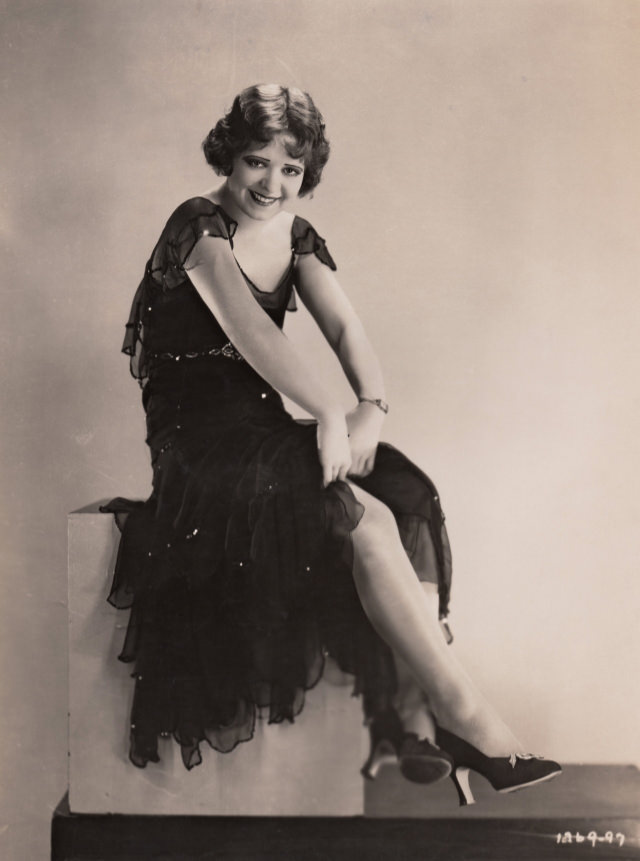
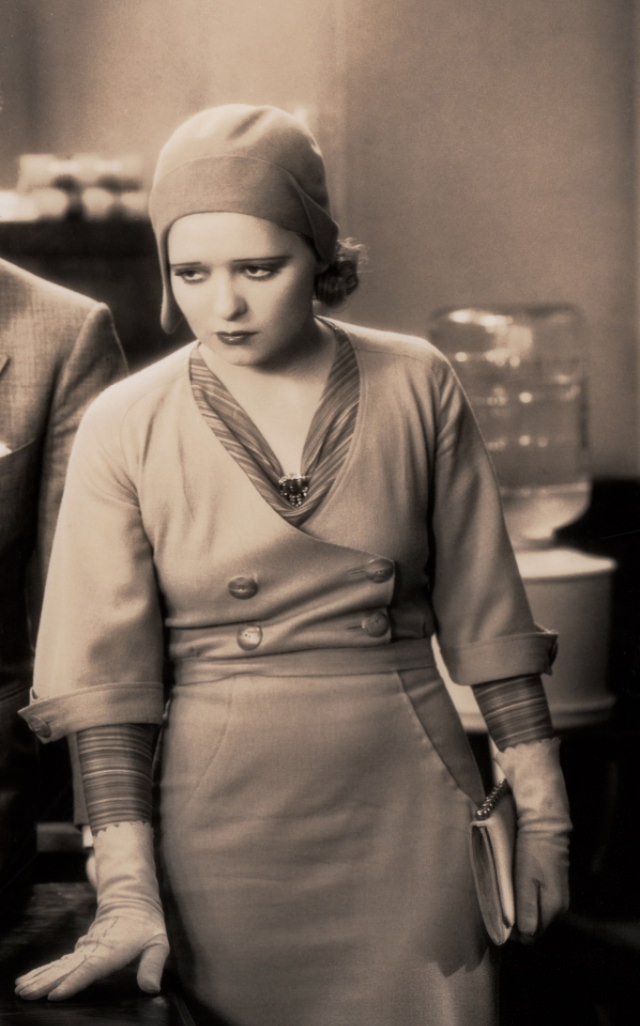
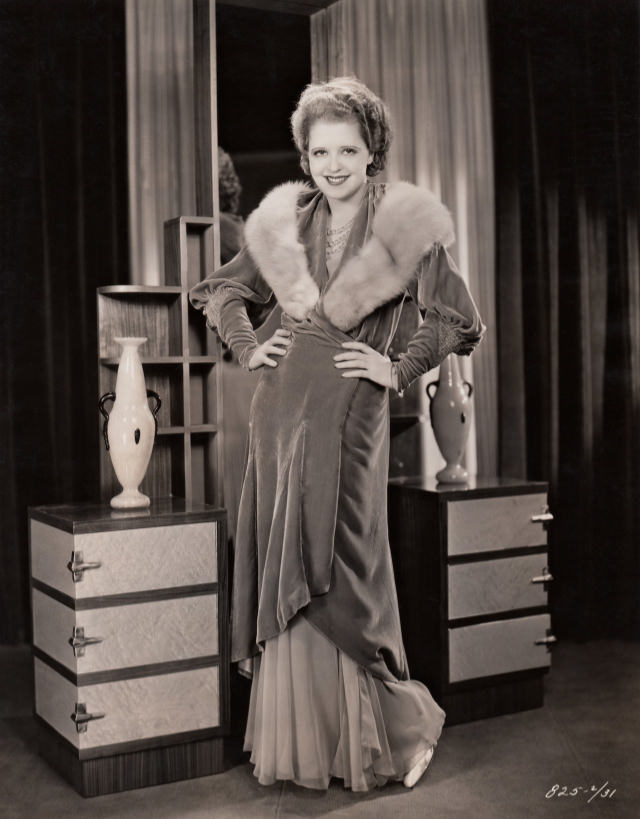
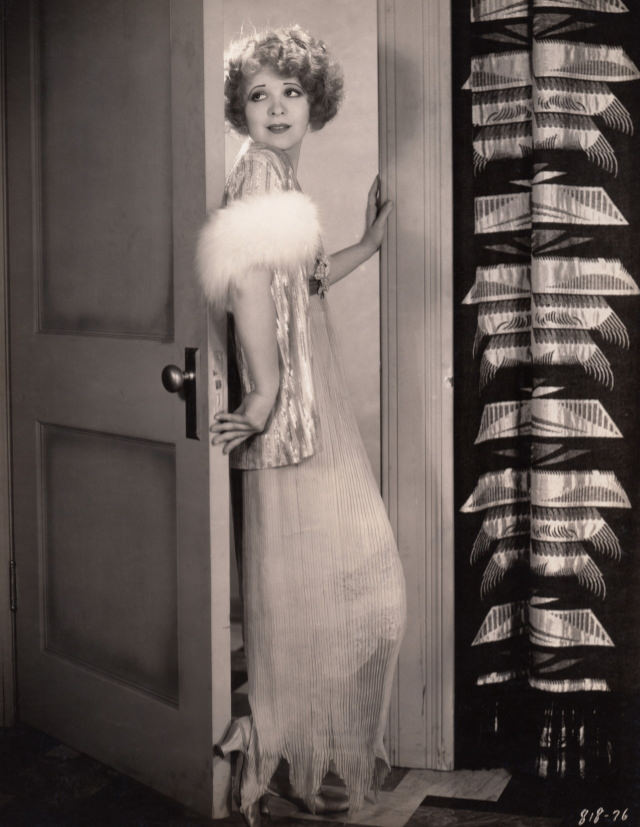
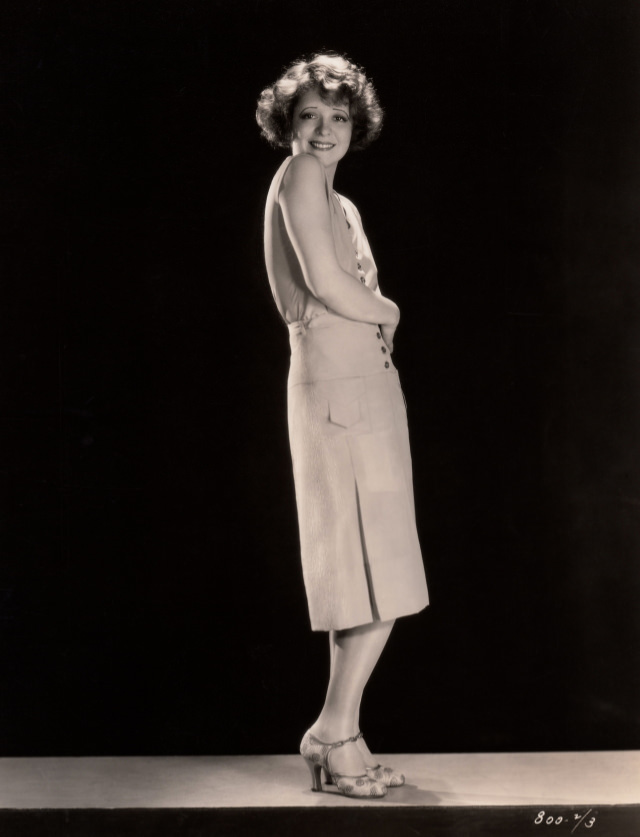
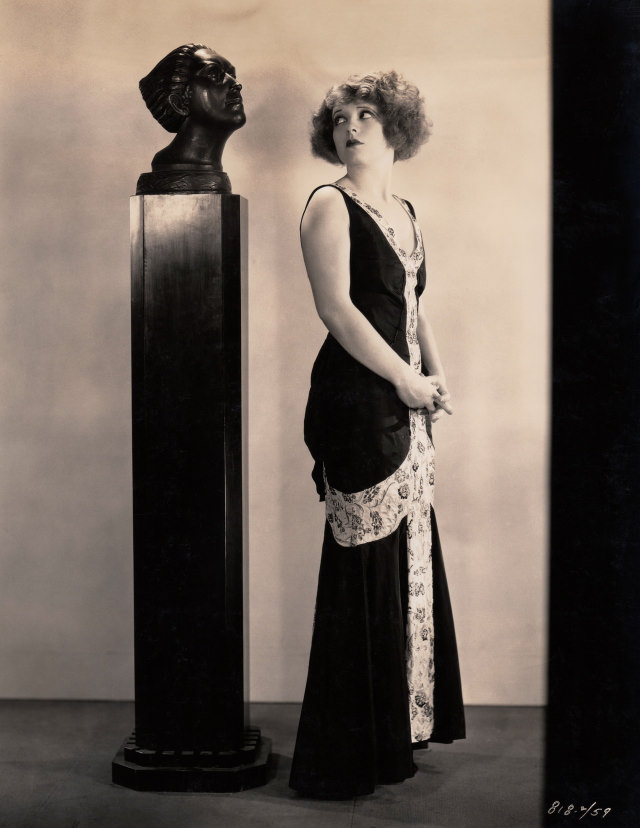
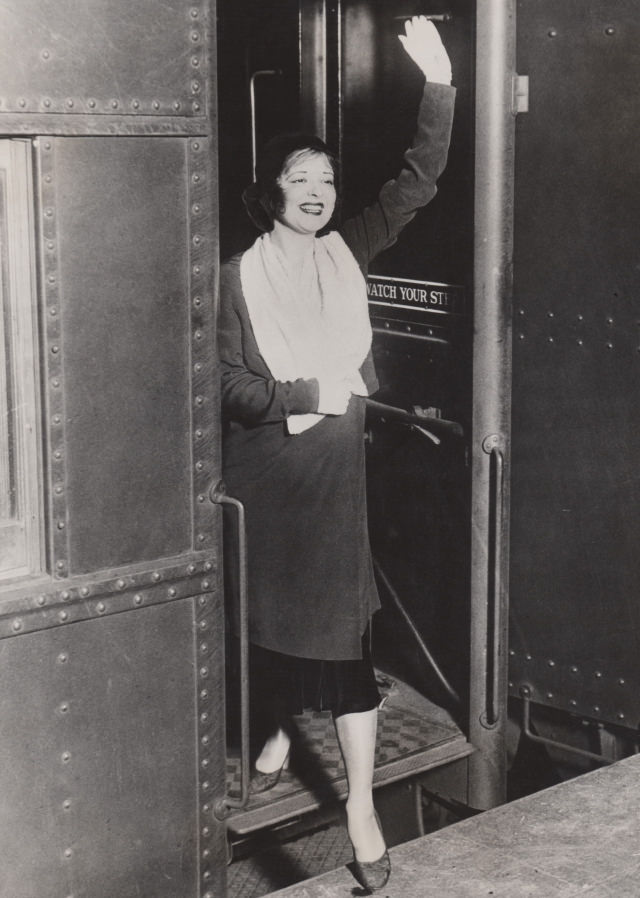
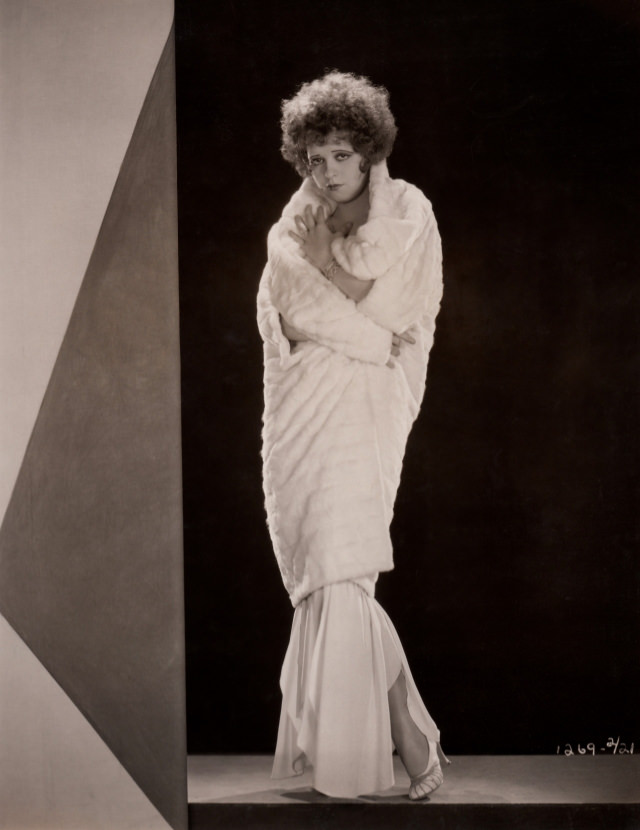
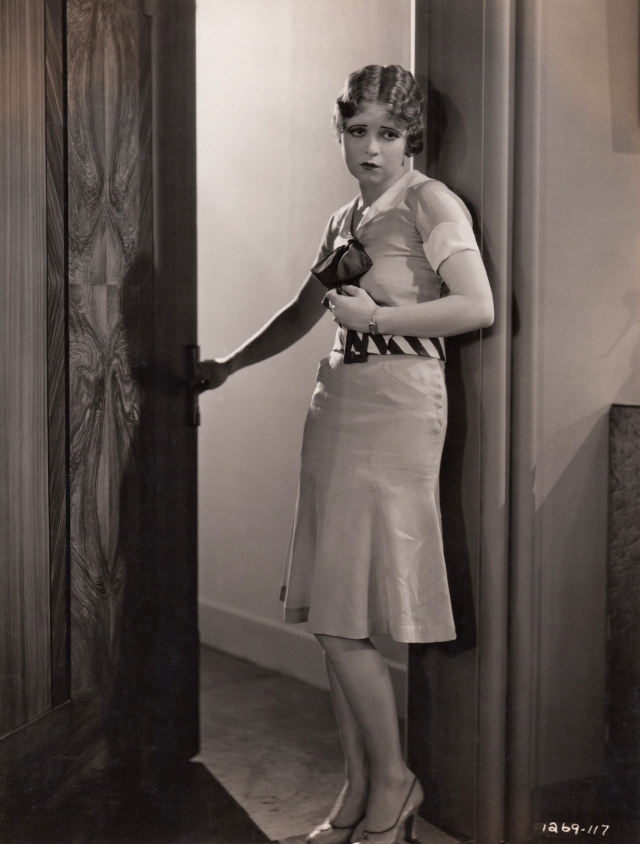
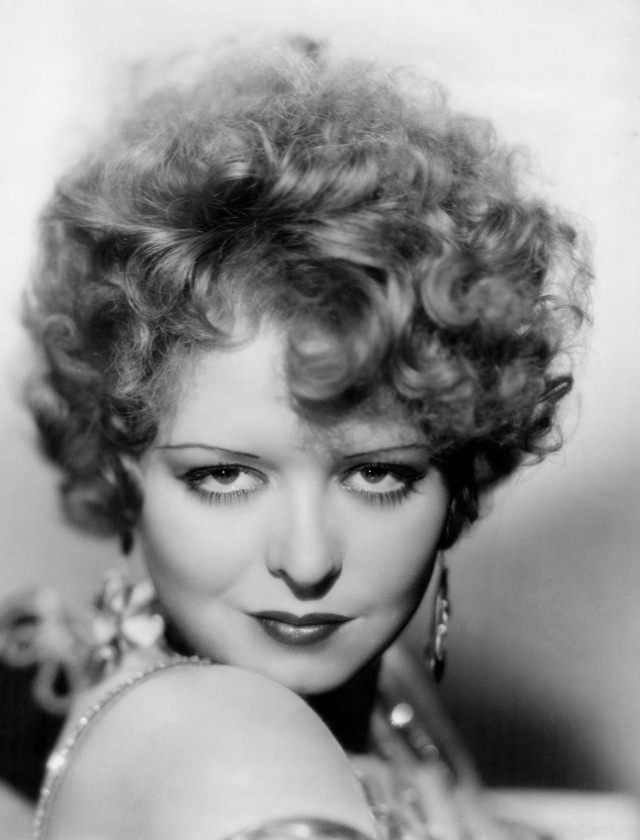
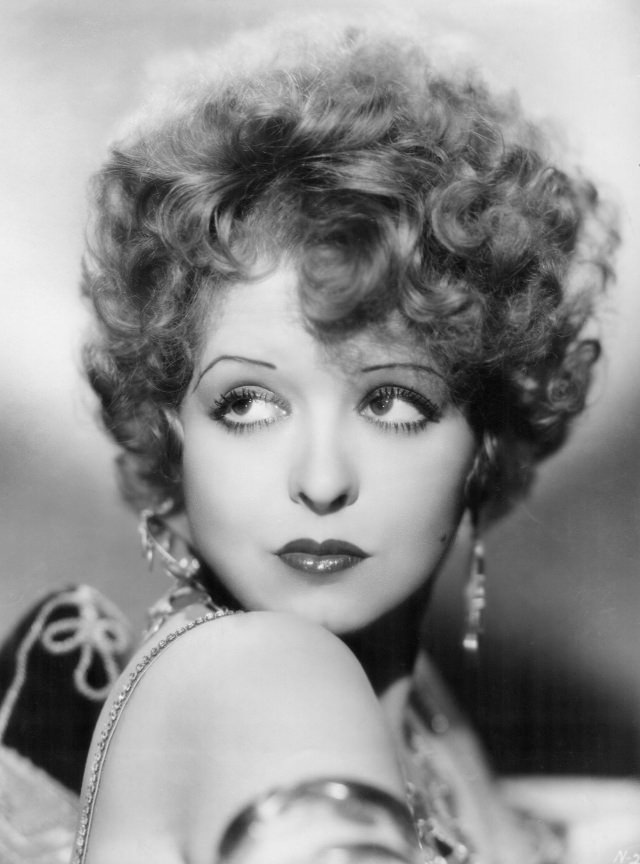
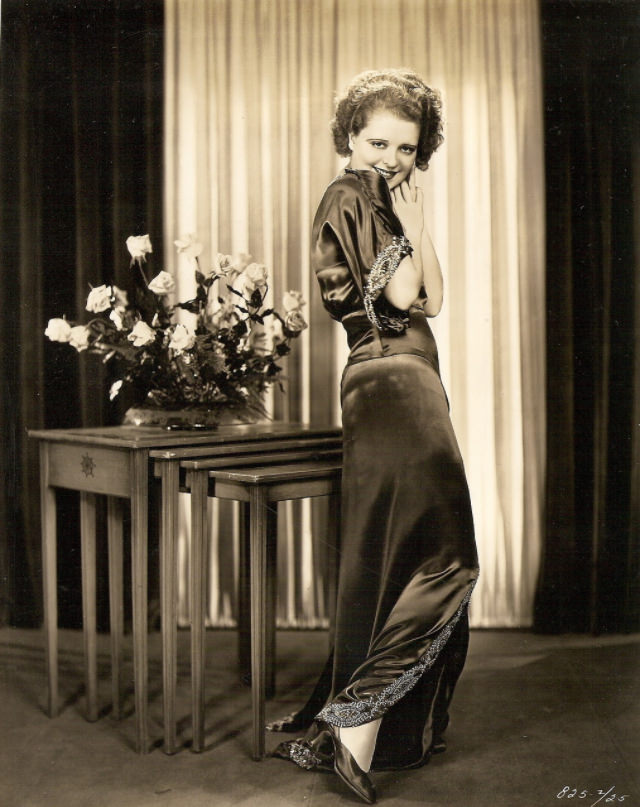
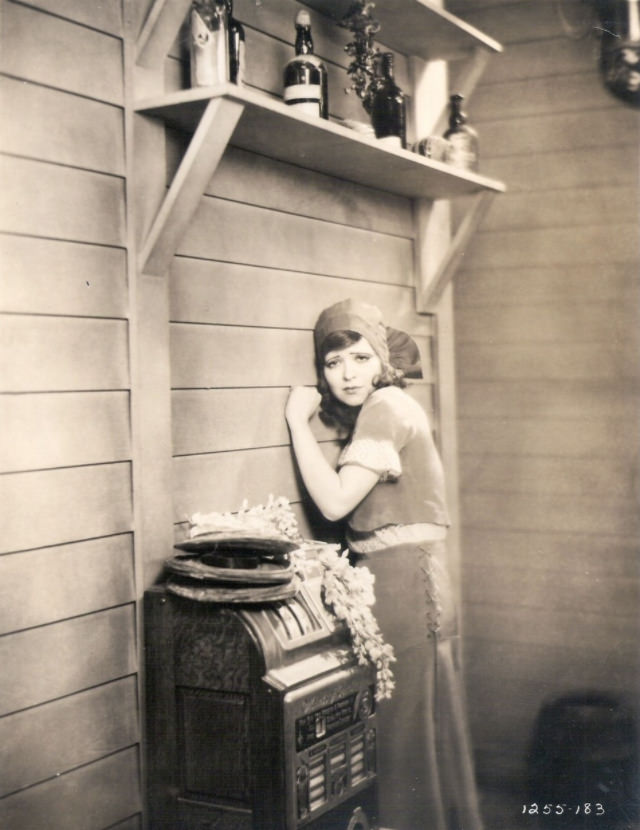
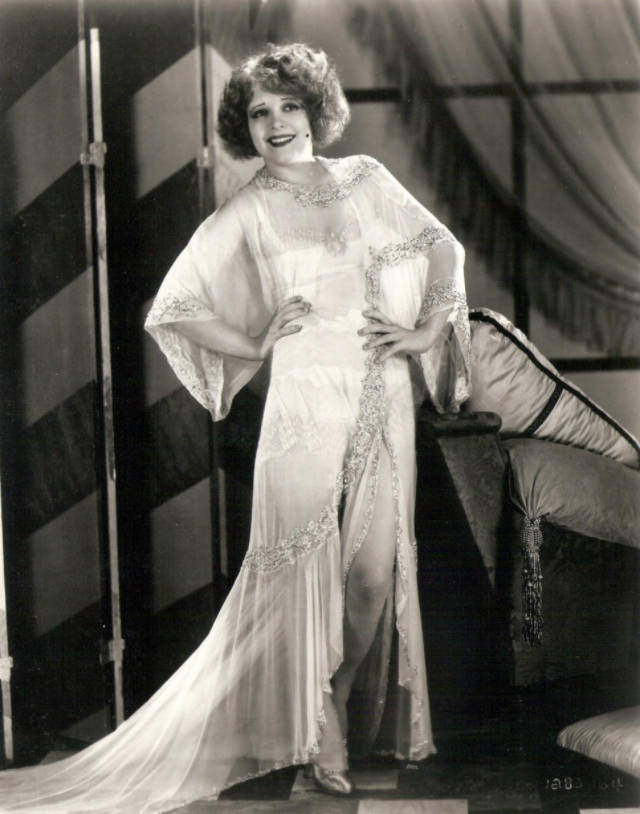
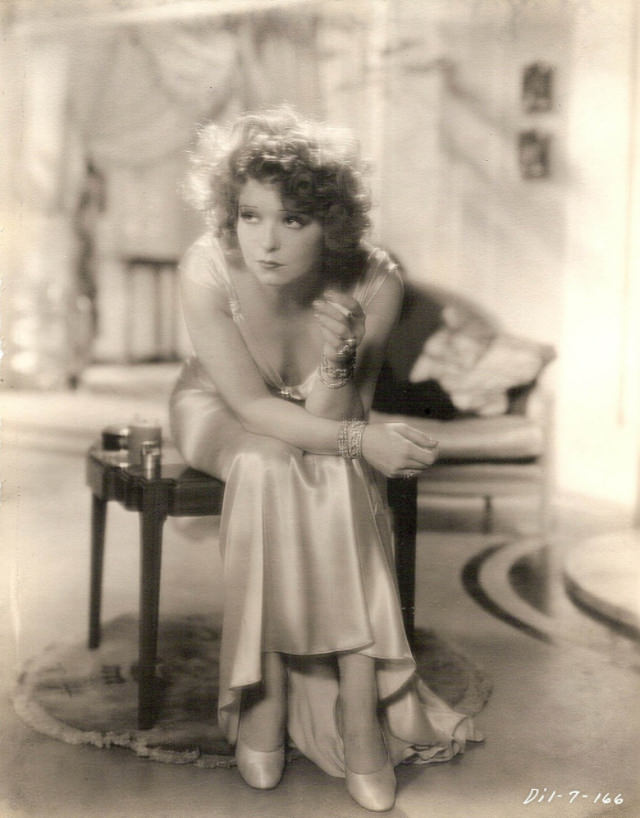
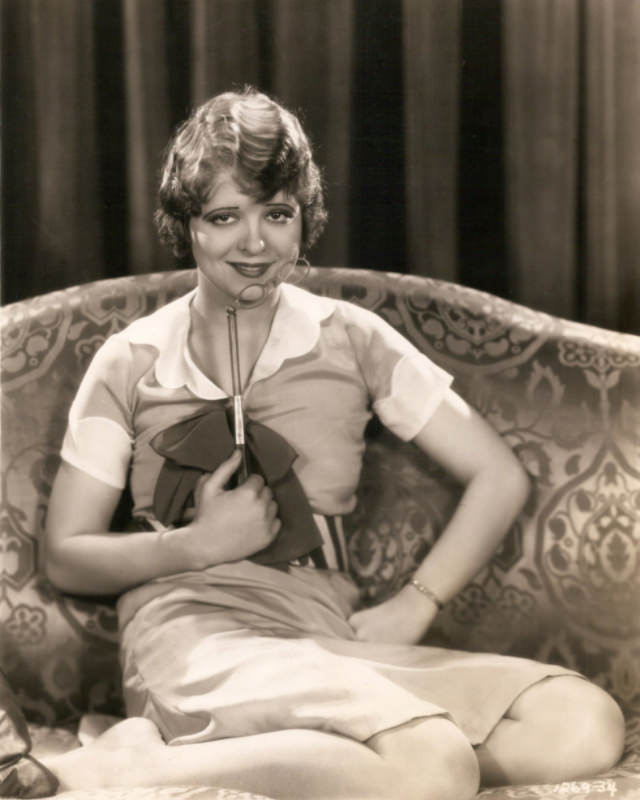
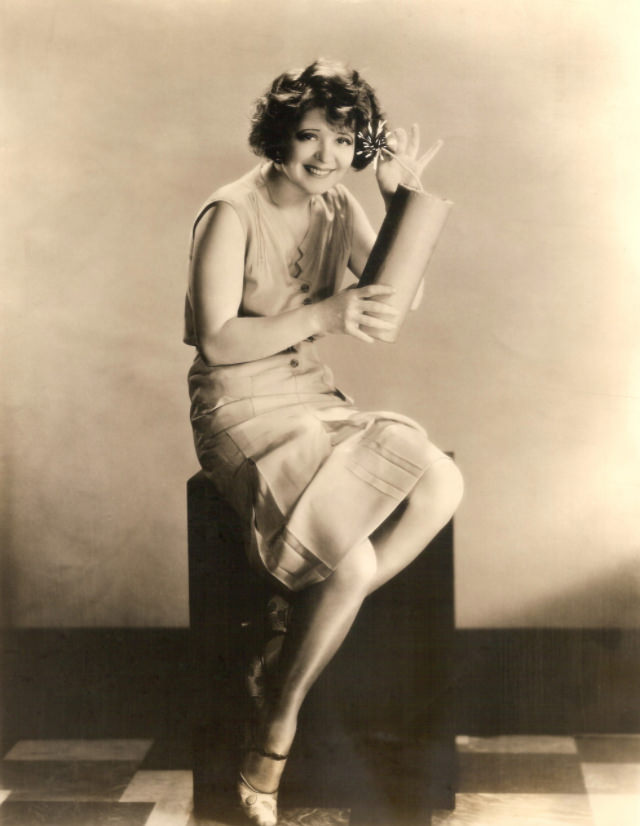
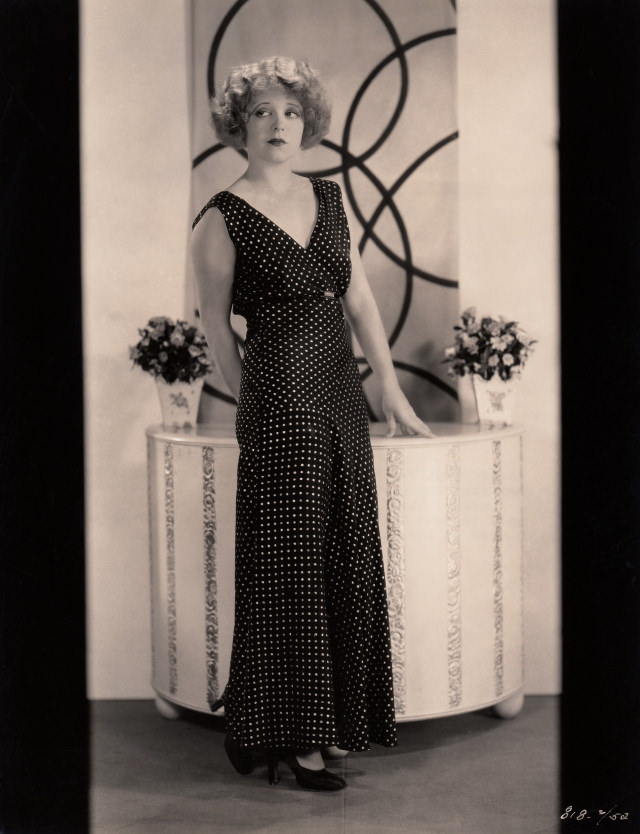
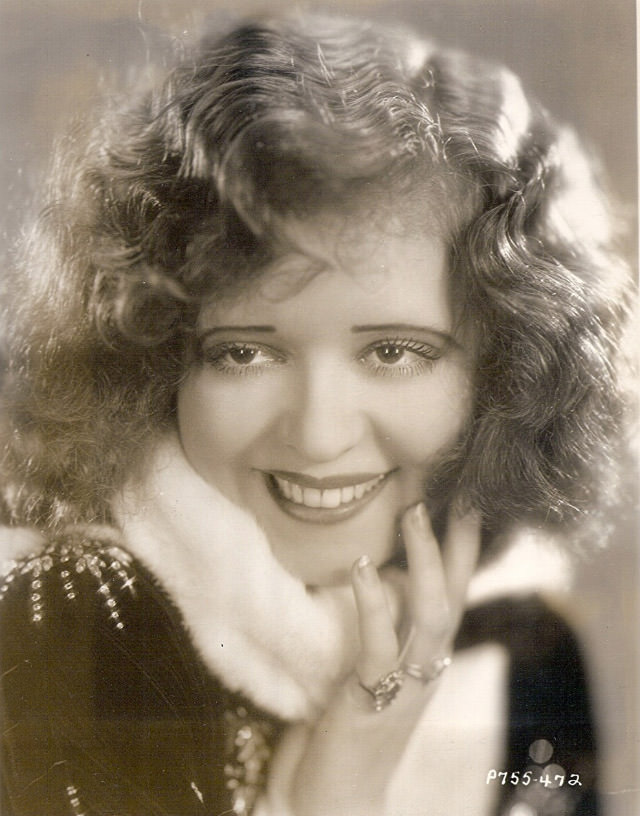
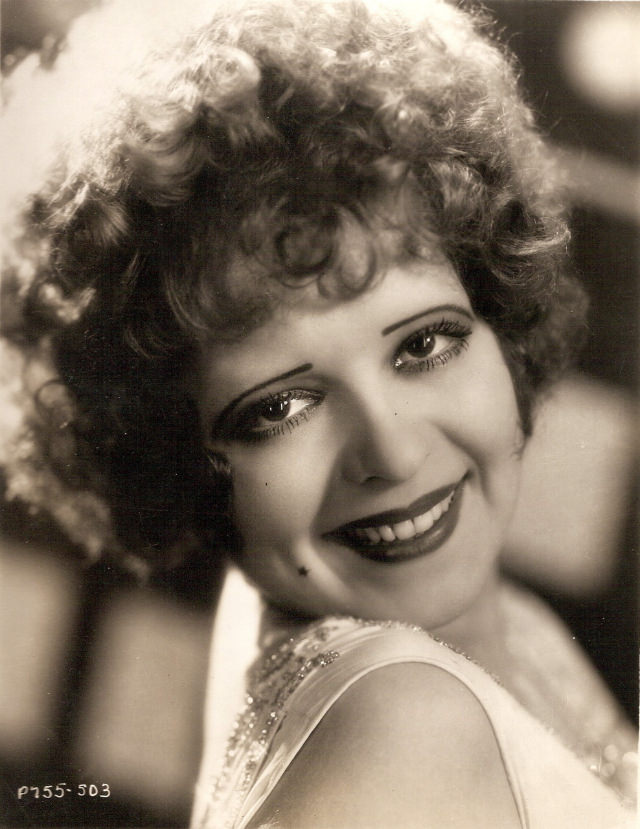
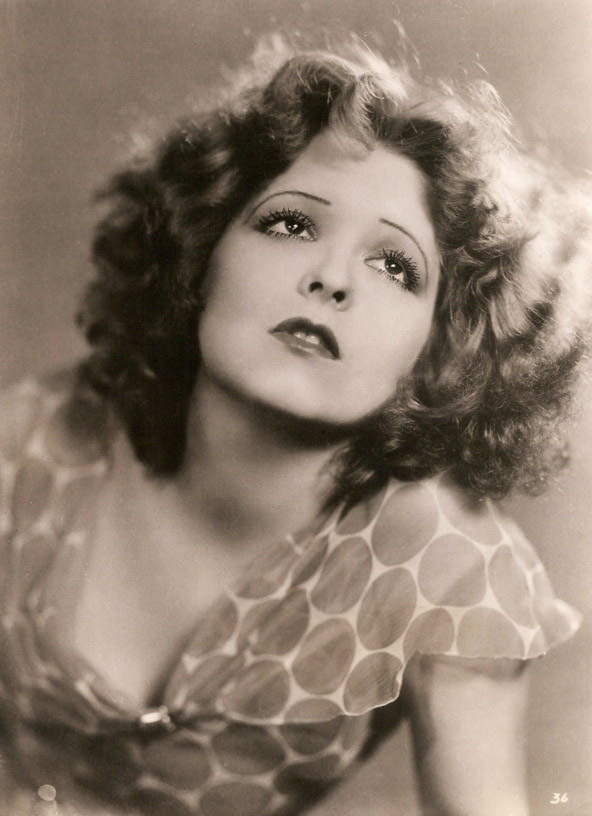
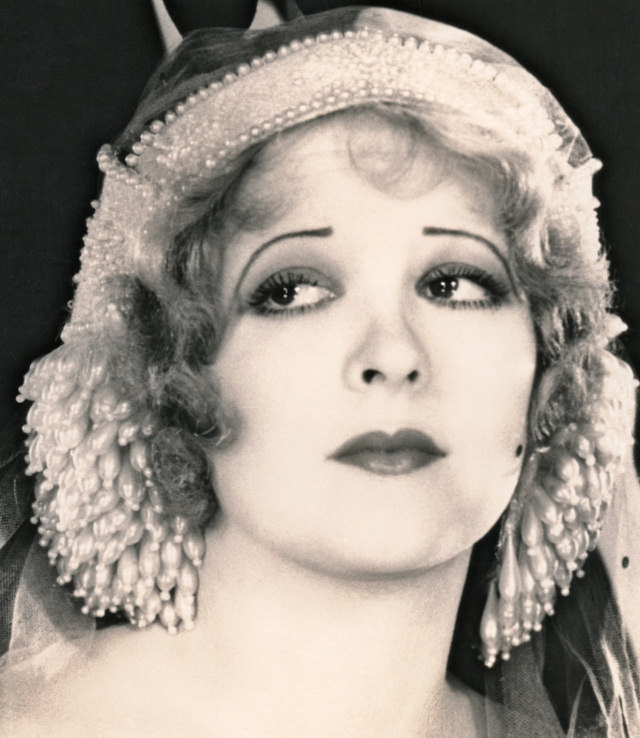
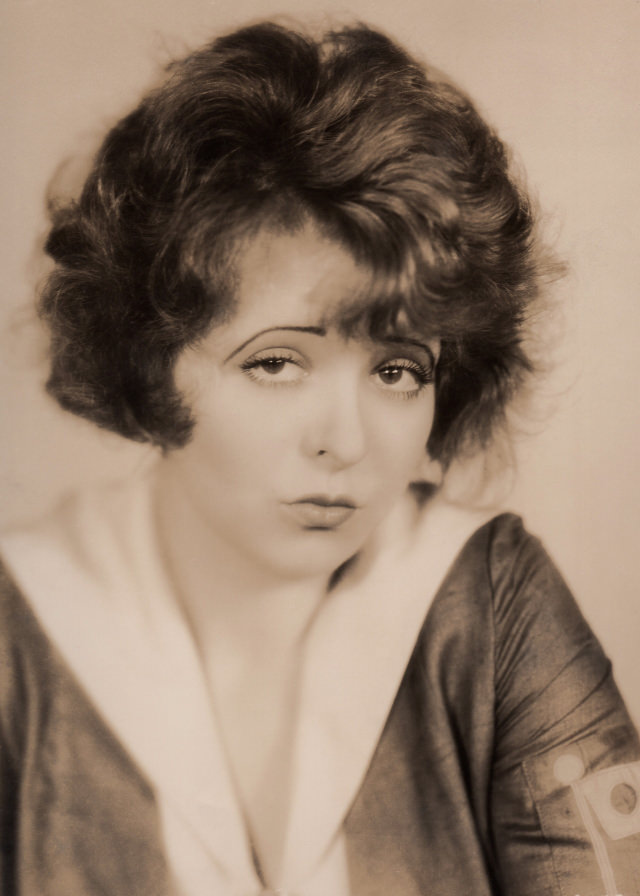
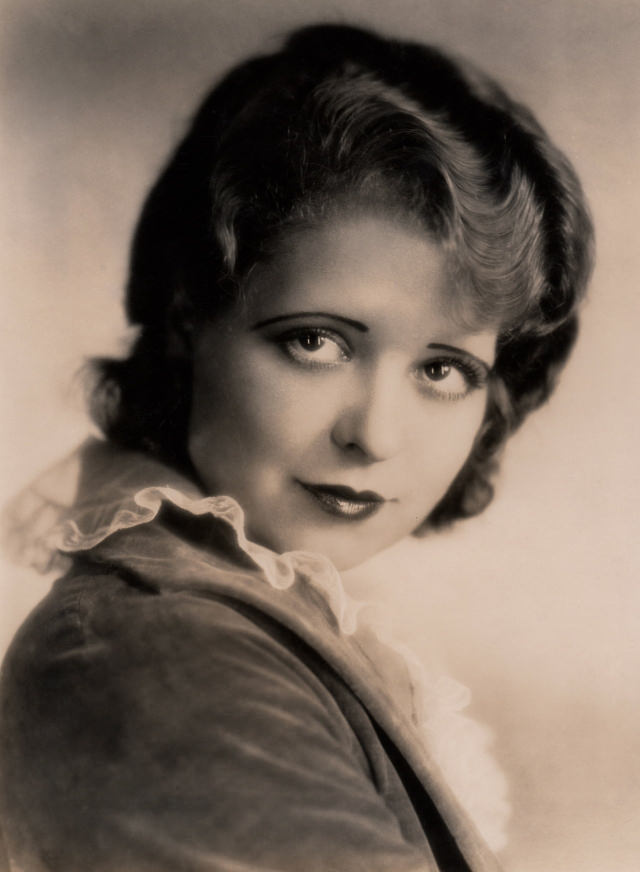
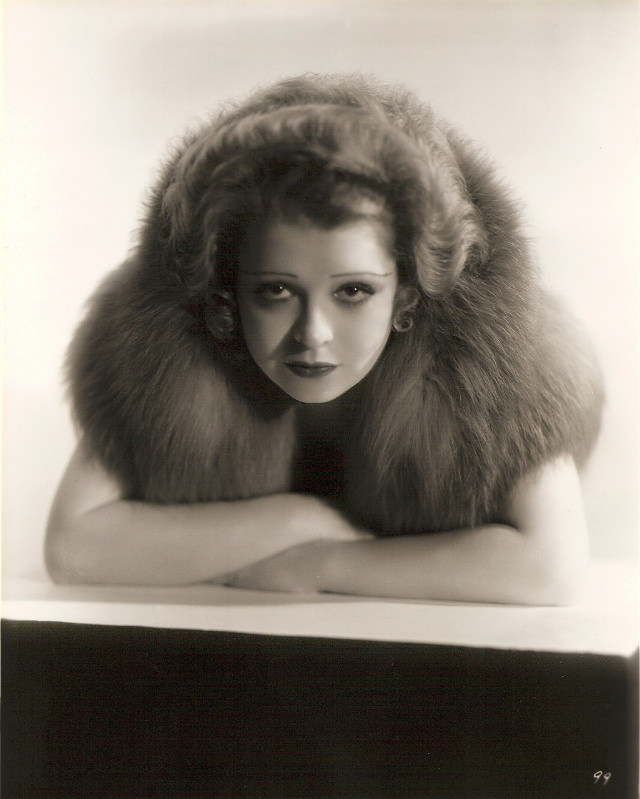
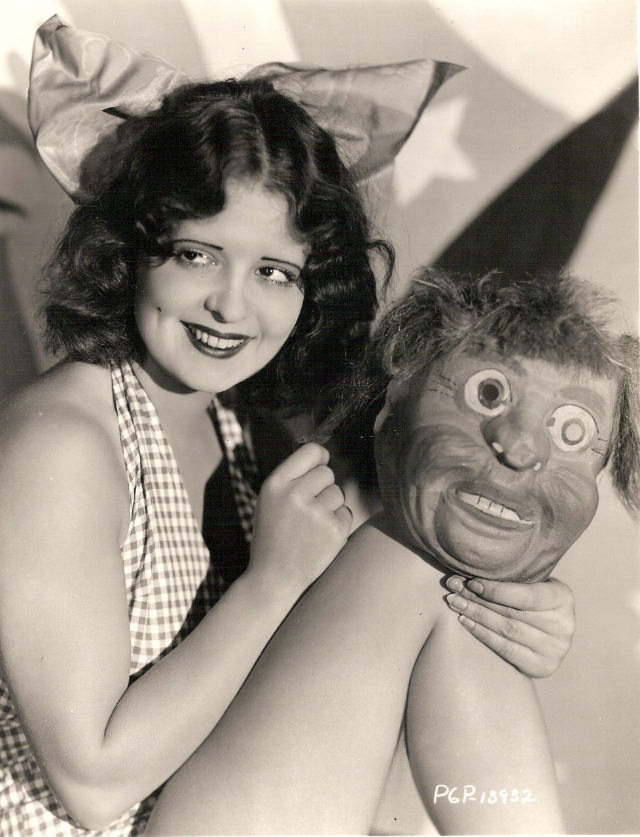
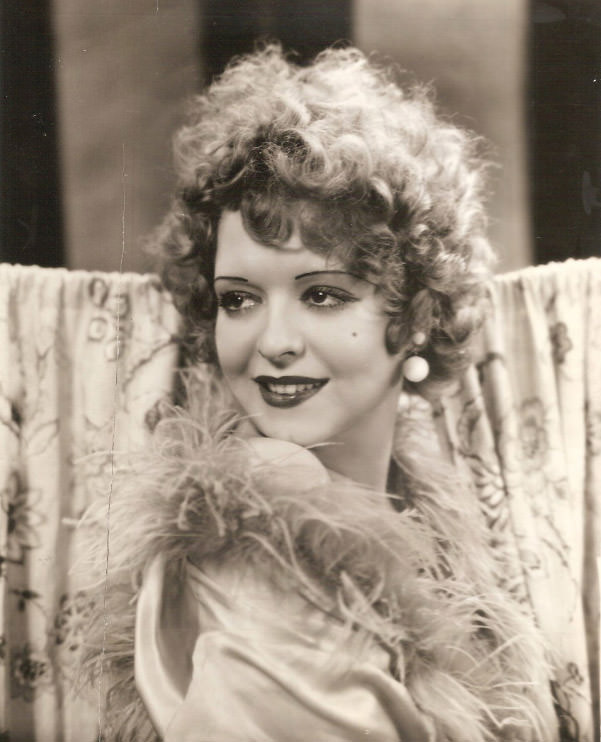
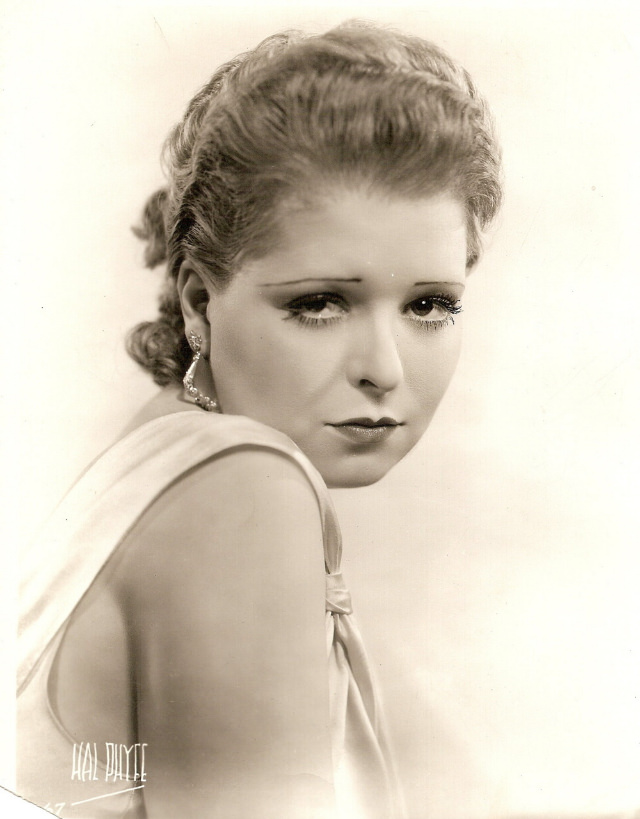
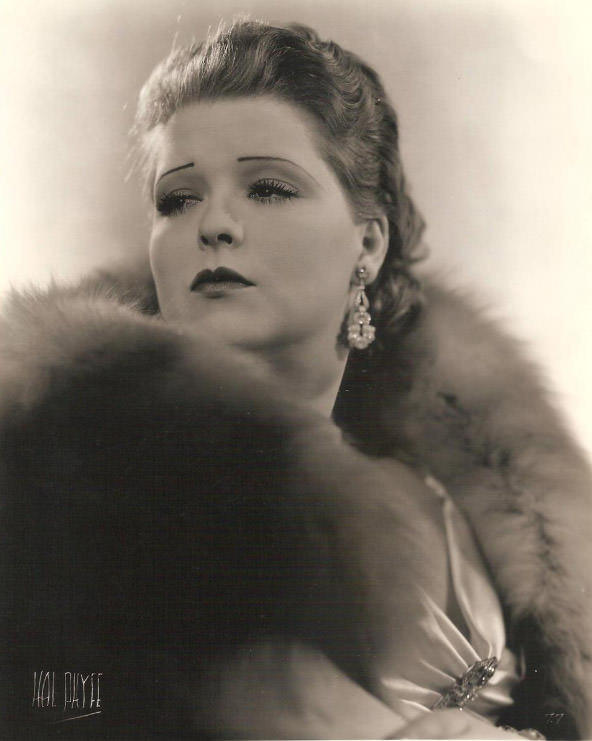
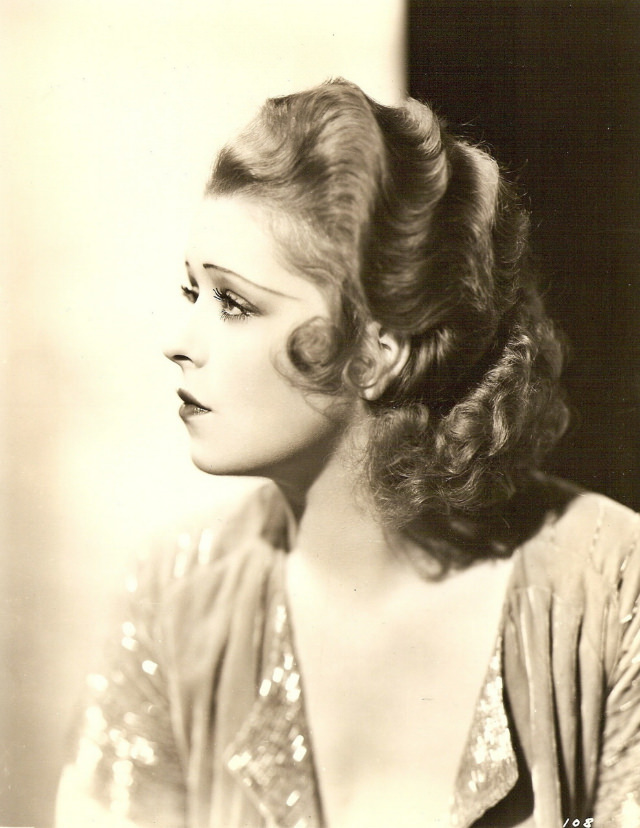
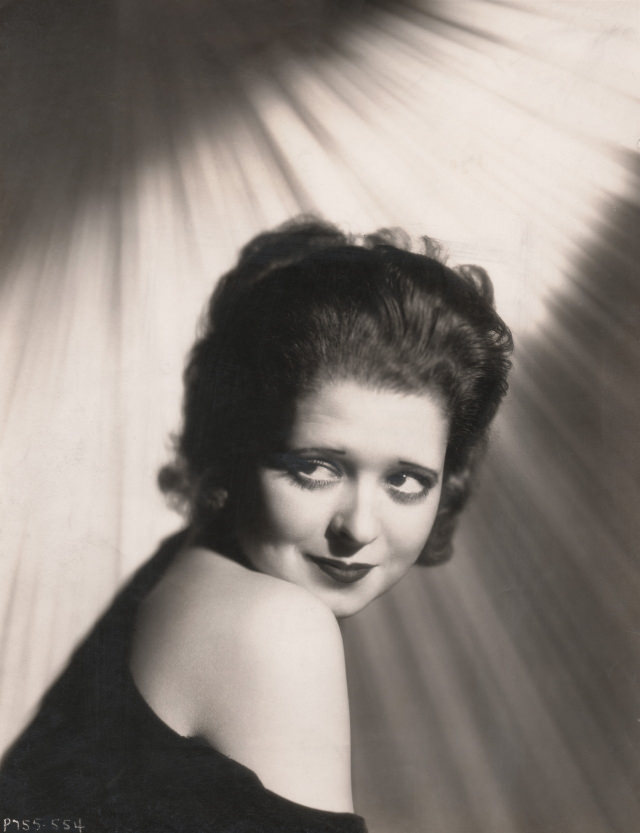
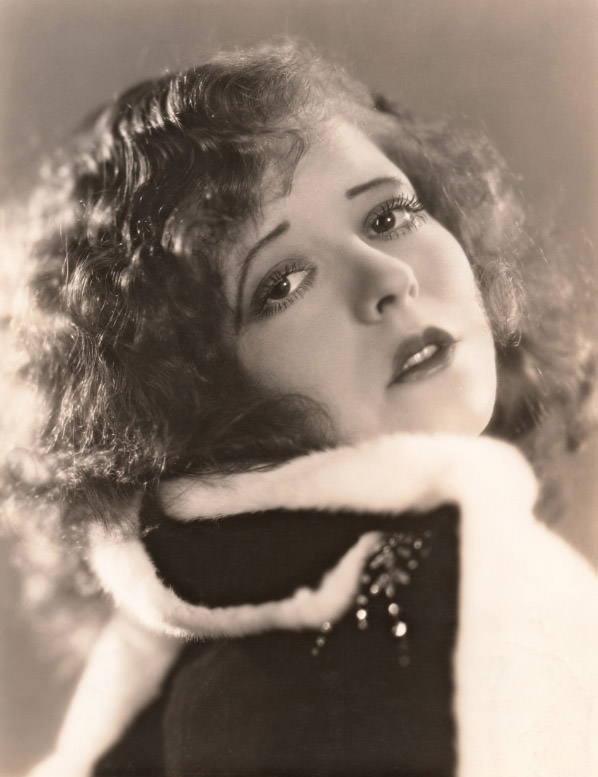
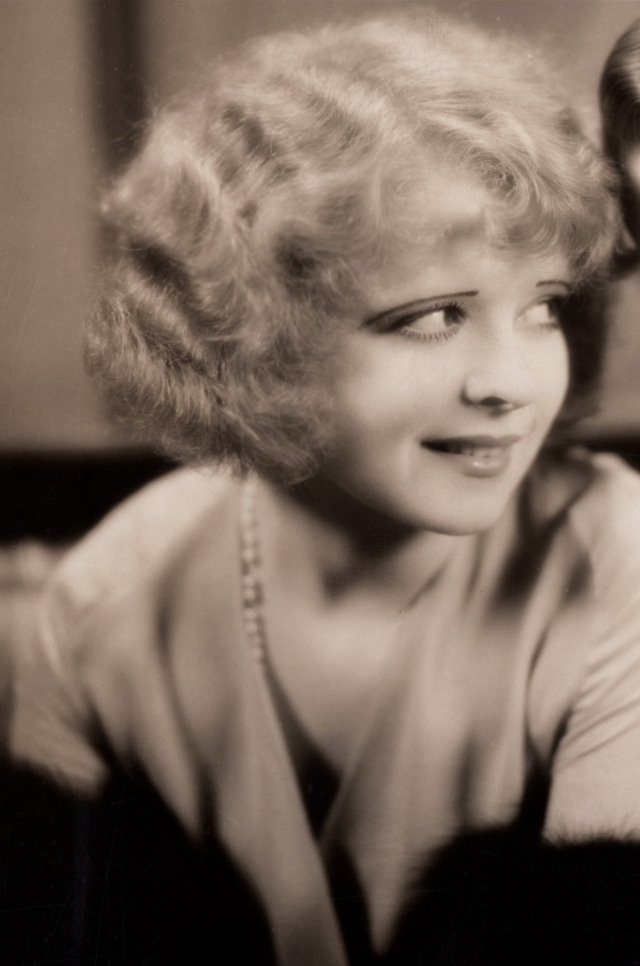
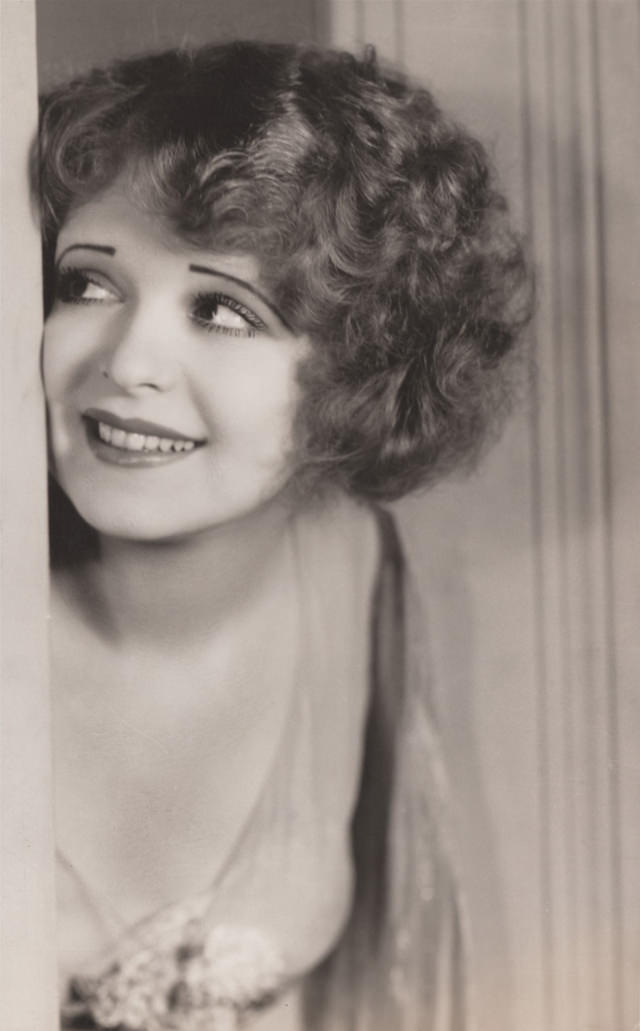
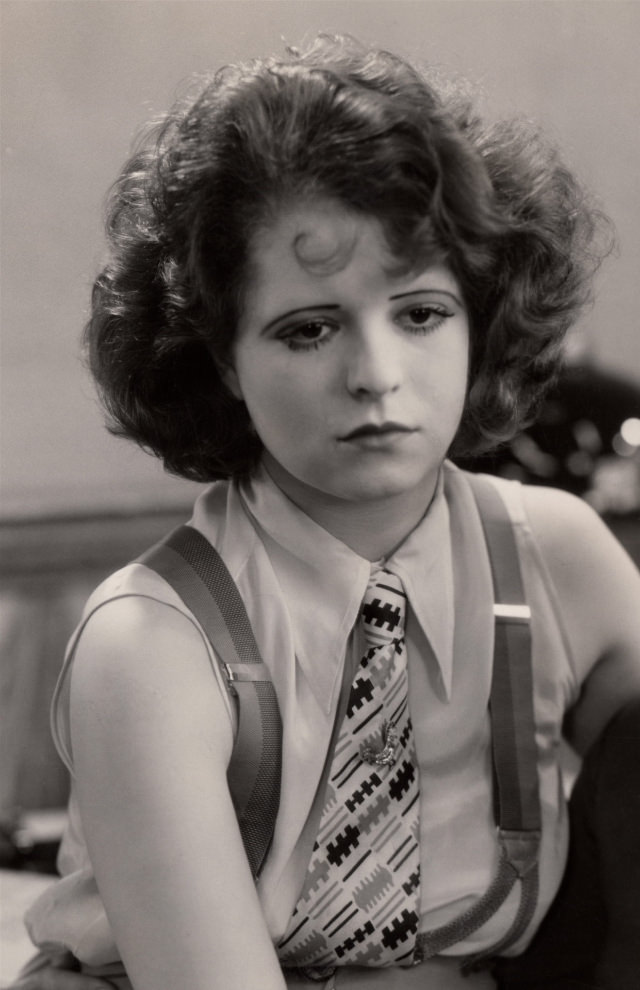
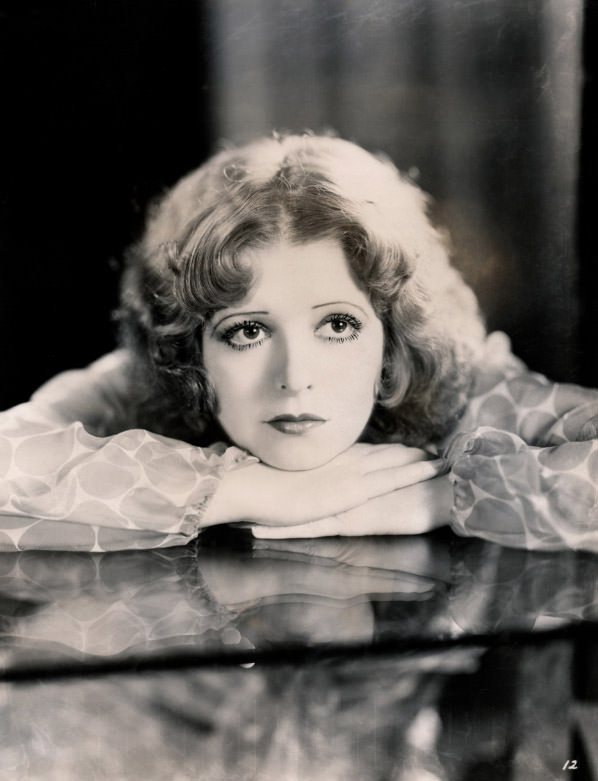

She’s definitely an underrated beauty.
Only if you call the most popular movie star, and ‘it girl’, of the 1920s underrated.
I wasn’t calling her or her career underrated. It’s her beauty that’s often forgotten by todays movie crowd.
The problem with colorized photos like this, is they are usually not accurate.
Clara Bow never had black hair. She was a red head.
Bring of English and Scots-Irish decent, she likely had a pale complexion, and perhaps freckles.
Only if we truly knew her skin tone and true hair color.
Are there no written descriptions of her hair color?
She was a red head.
Bow’s parents were descended from English and Scots-Irish immigrants who came to America a generation before her.
Were the eyebrows a normal look back then?
Yes, razor-thin arched brows were quite popular. You pluck the daylights out of them then paint the remainder. If you do this enough, the hair will stop growing and you’ll only have that look.