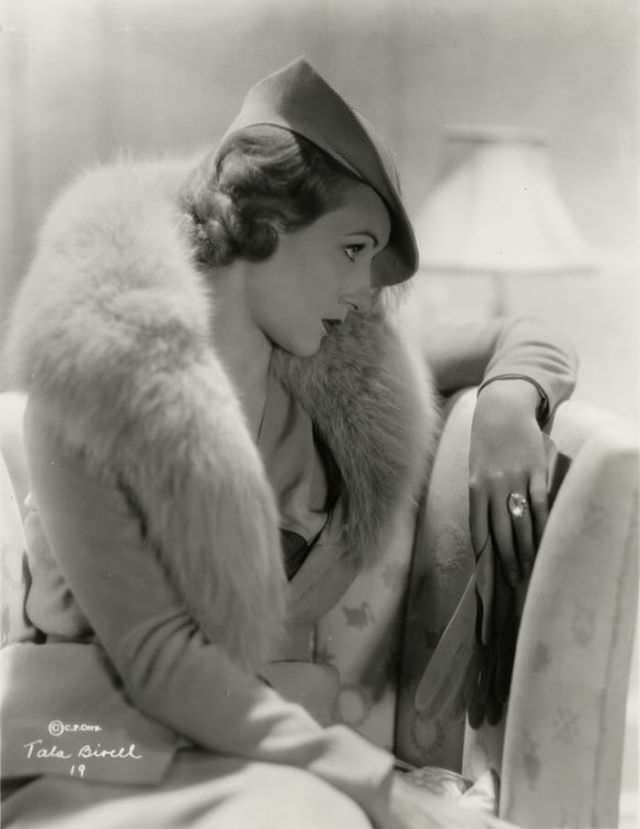
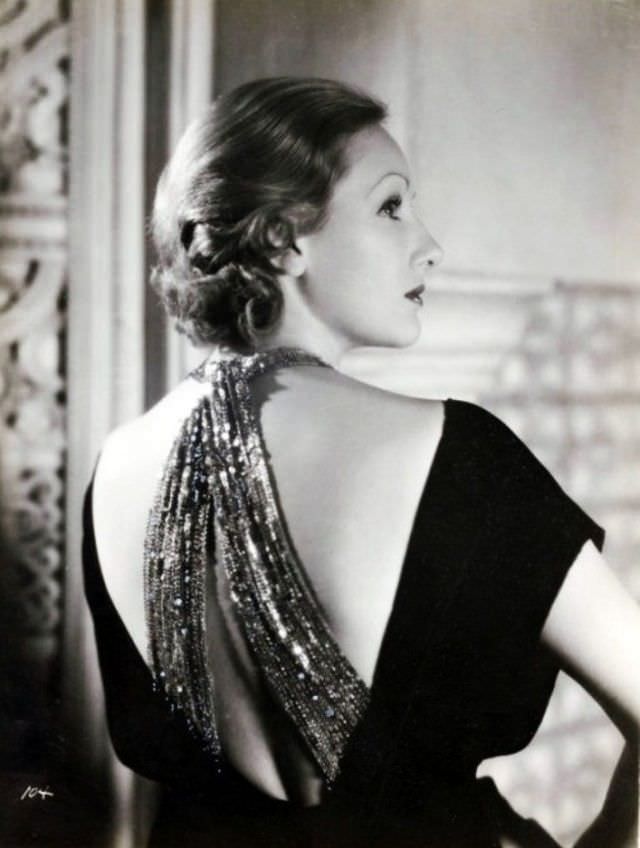
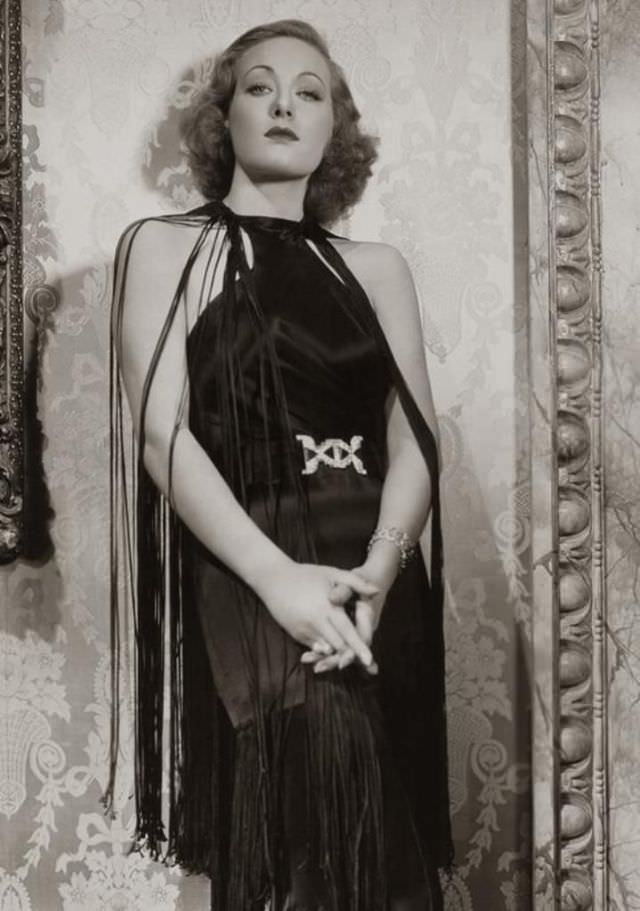
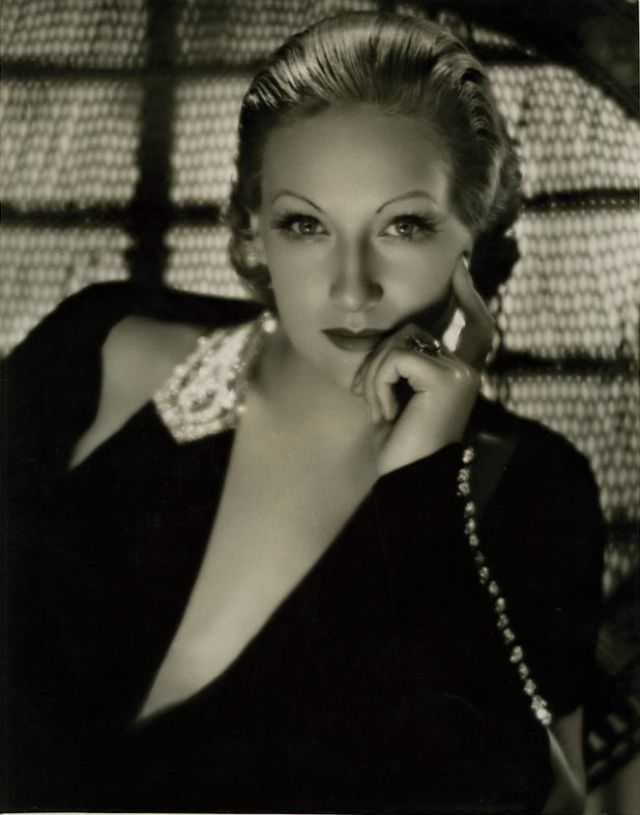
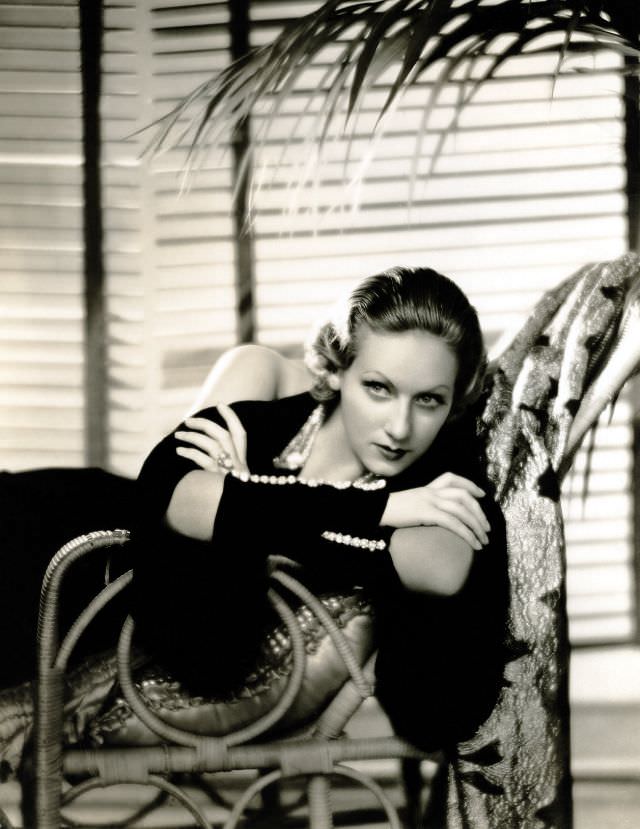
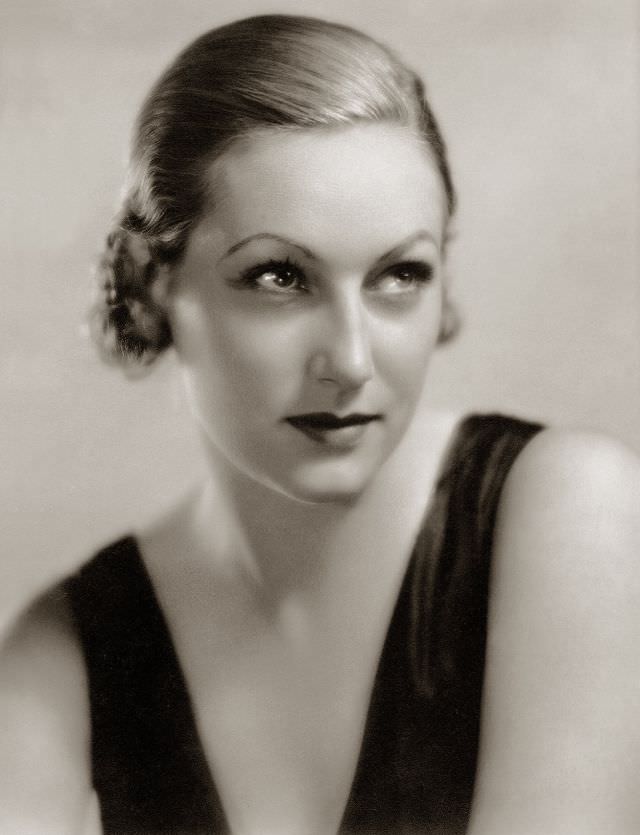
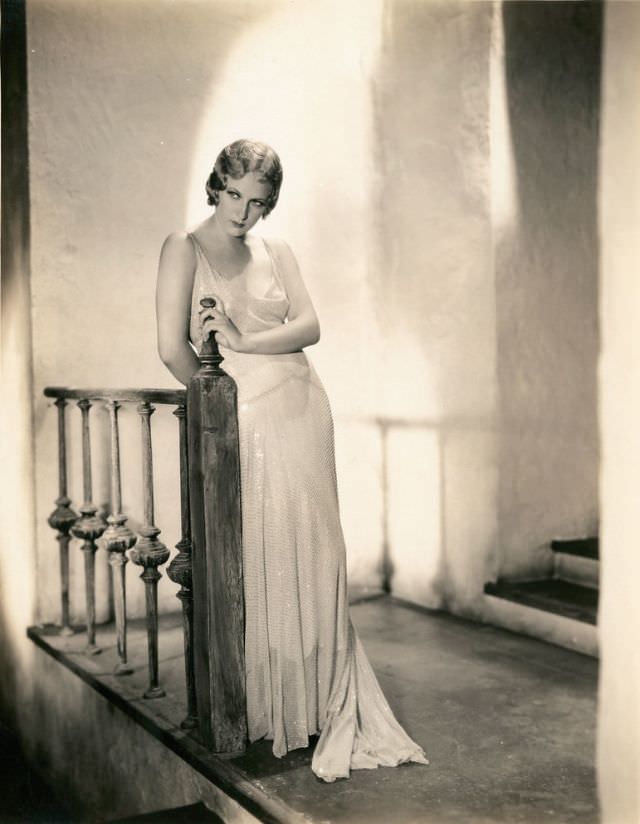
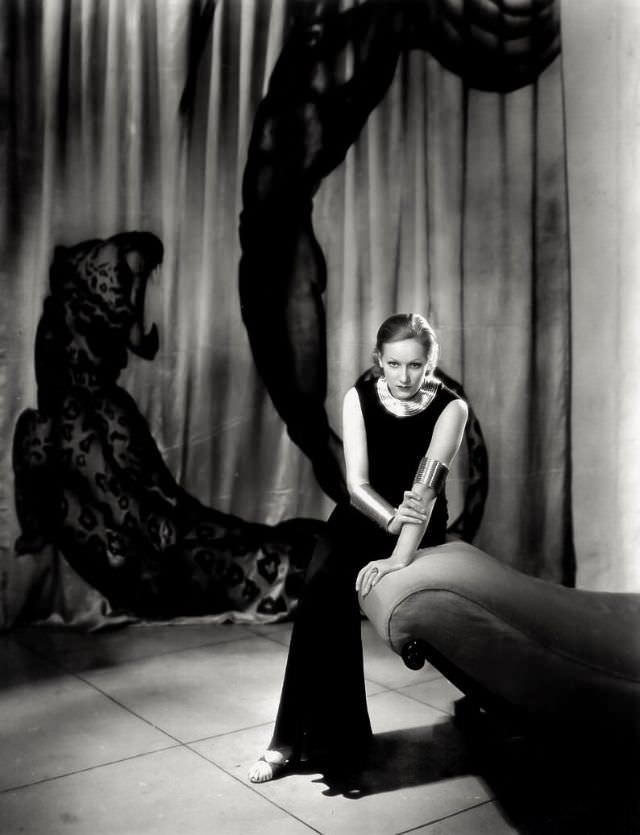
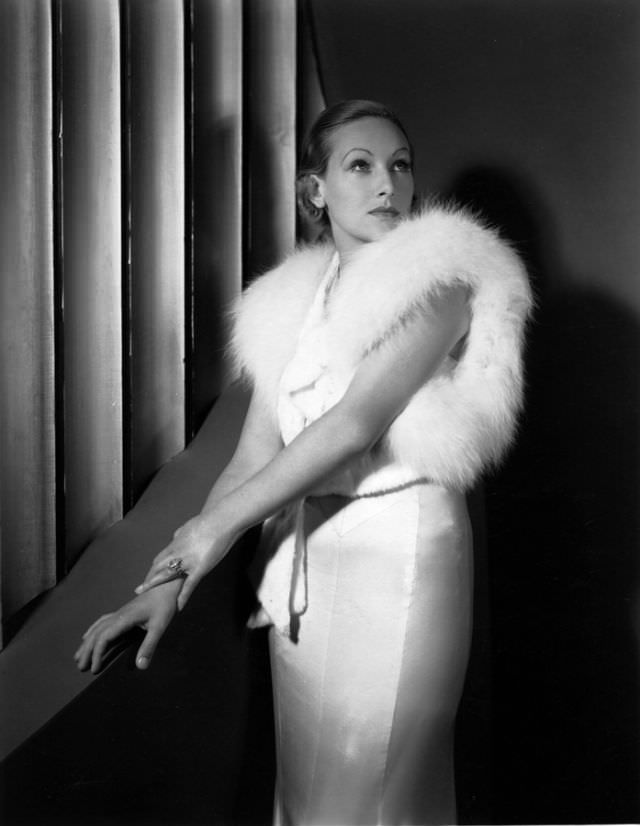
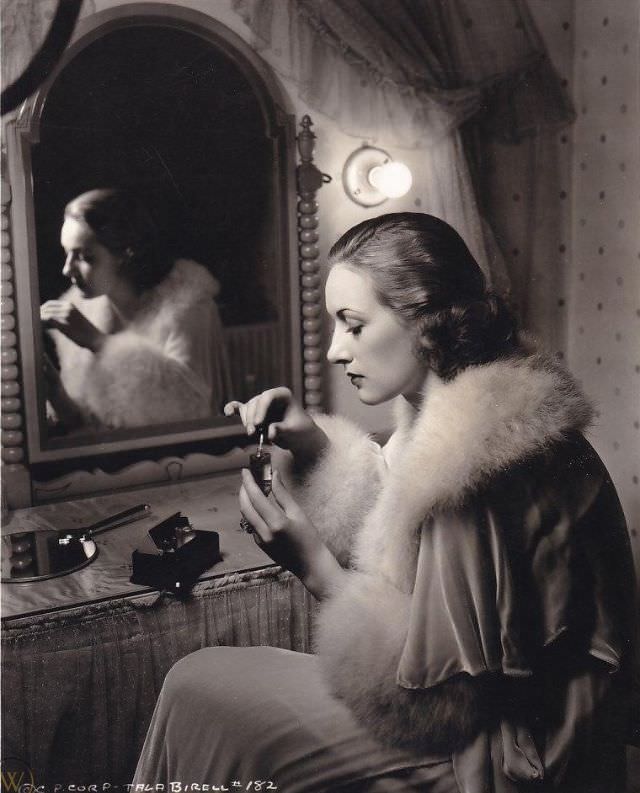
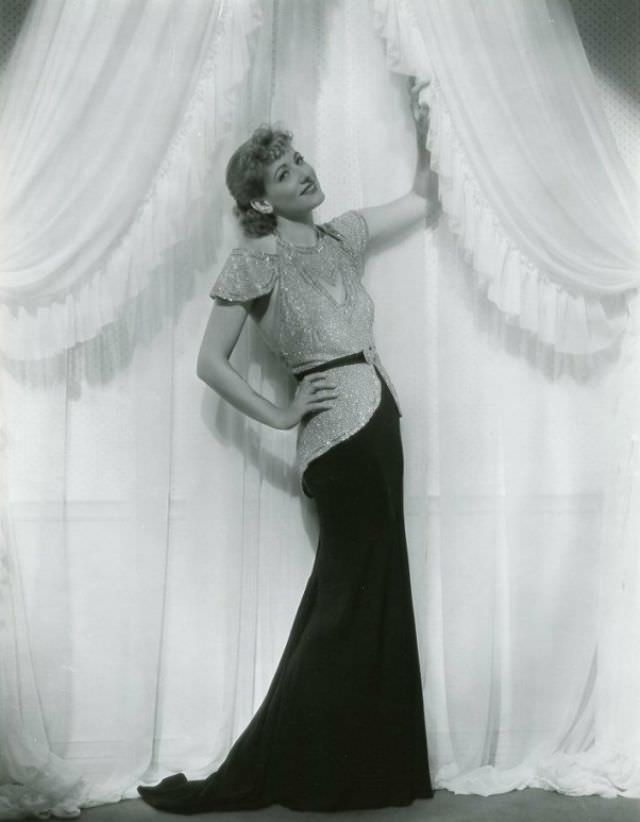
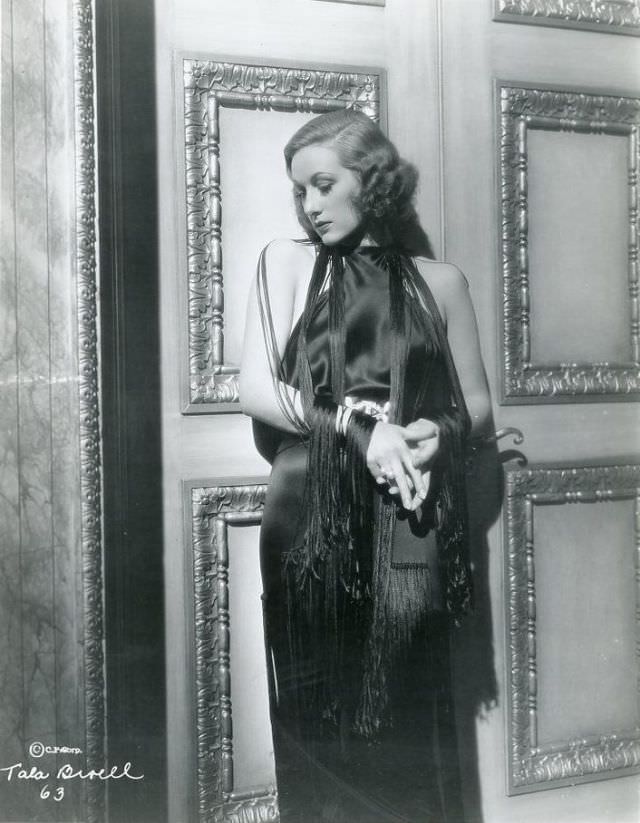
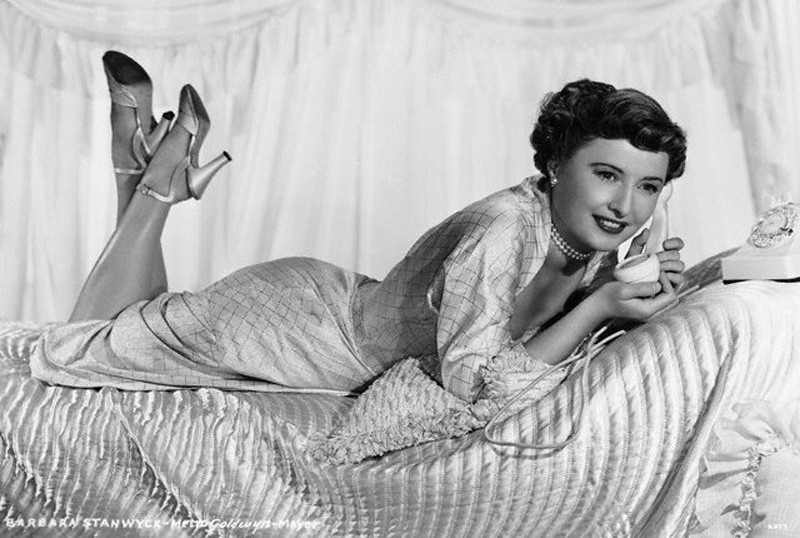
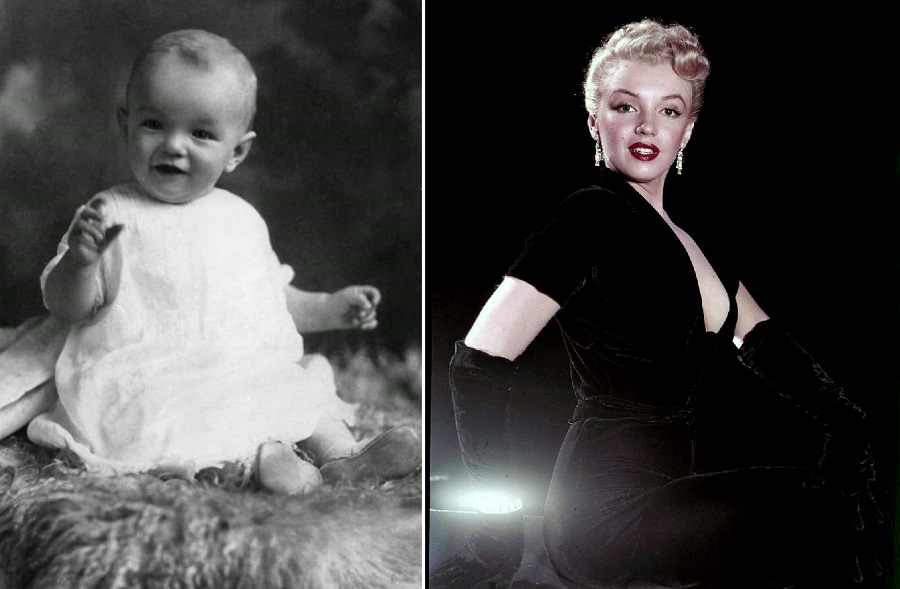
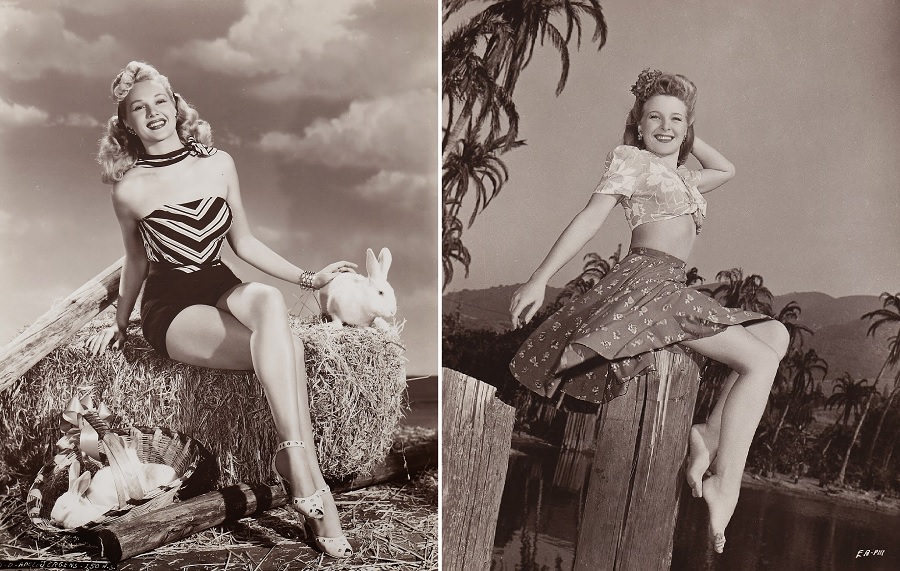
Tala Birell was a Romanian actress and model whose blonde beauty and rich, magnetic voice made her one of the most striking performers of her era. She built her early career on the stages of Germany and Austria, where she stepped into roles previously held by Marlene Dietrich. In Hollywood, her cool, glamorous screen presence earned her the nickname “Second Garbo” — a comparison that spoke to how rare and striking her on-screen presence truly was.
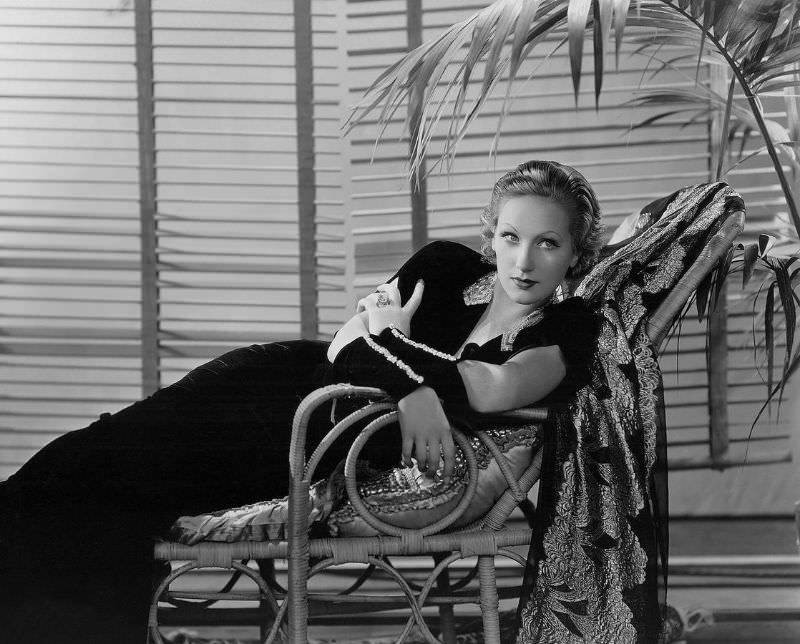
Birell’s stage debut came in Berlin, where she performed in a production of Madame Pompadour. That role launched a career that would stretch across two continents and several decades. Her stage work was serious and varied, and she showed early on that she had the range to carry major productions.
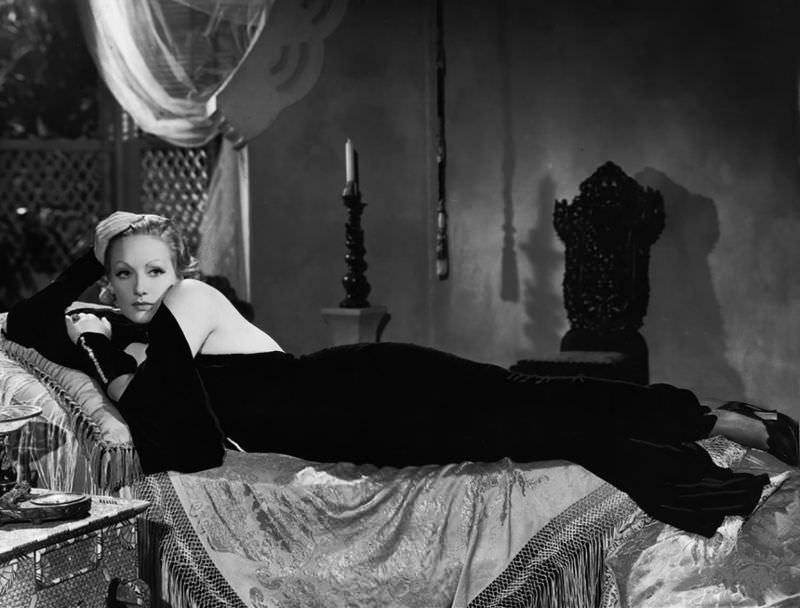
In 1934, she appeared on Broadway in Order Please, marking her entry into the American theater world. Six years later, in 1940, she returned to Broadway at the Belasco Theatre in New York City for My Dear Children. These appearances cemented her reputation as a performer who could hold her own on some of the most competitive stages in the world.
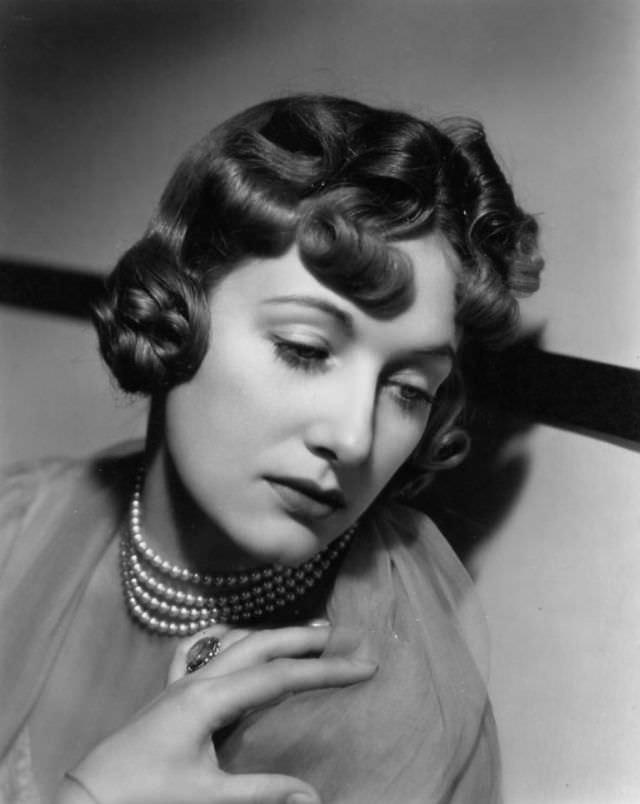
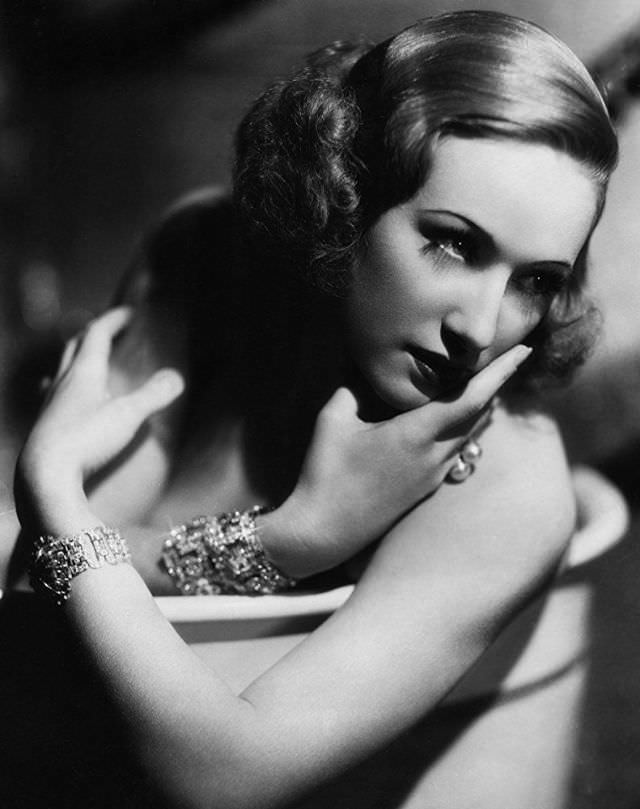
Her film career put her in a range of strong, often dramatic roles. In China (1943), she played a brave Russian woman caught in the conflict. The following year, in Till We Meet Again (1944), she took on the role of Madame Bouchard, a member of the French Resistance. Both parts showed her comfort with serious, wartime subject matter.
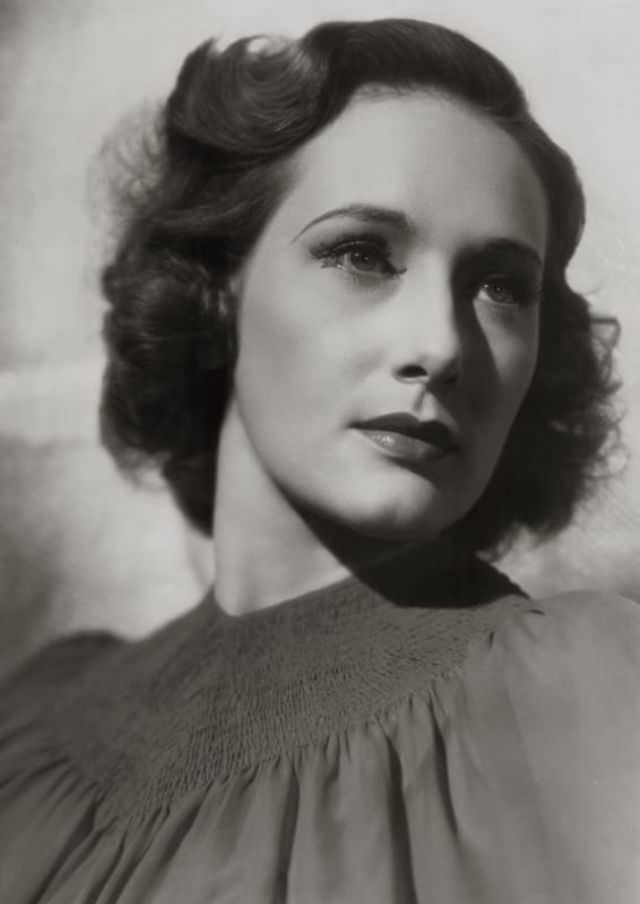
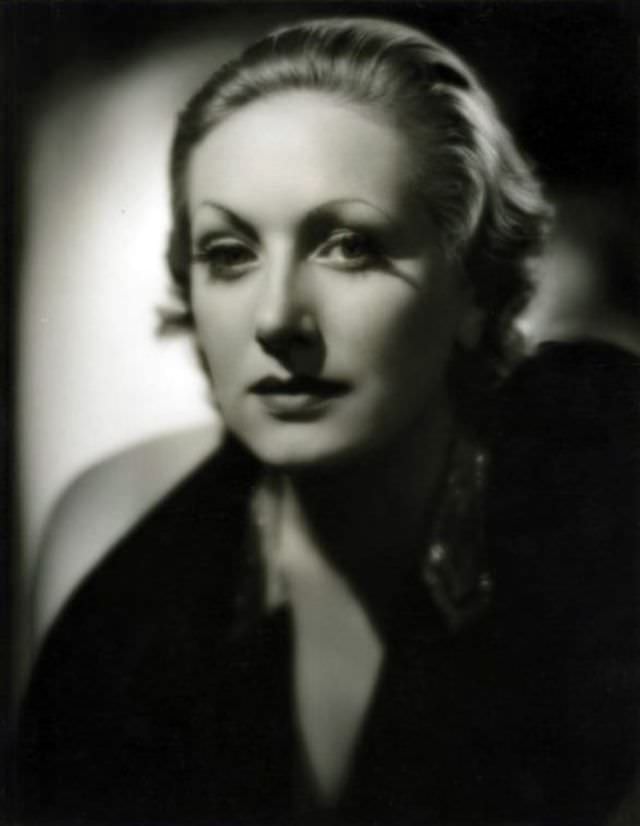
In 1945, Birell appeared in Jungle Queen as Doctor Elise Bork, adding a sharp, scientific character to her list of screen roles. Then in Women in the Night (1948), she played Yvette Aubert, a French adventurer and entertainer. The role was layered and dramatic, and it stands as one of the more memorable performances of her film career.

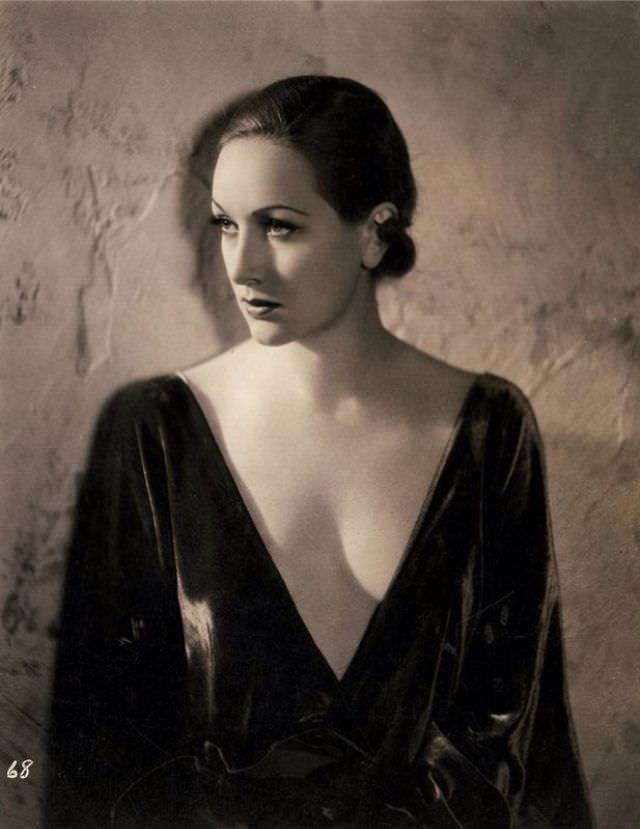

Birell’s final screen appearance came in 1953, in the American anthology drama television series Orient Express. By that point, she had already shifted much of her focus away from performing and toward organizing entertainment for others.

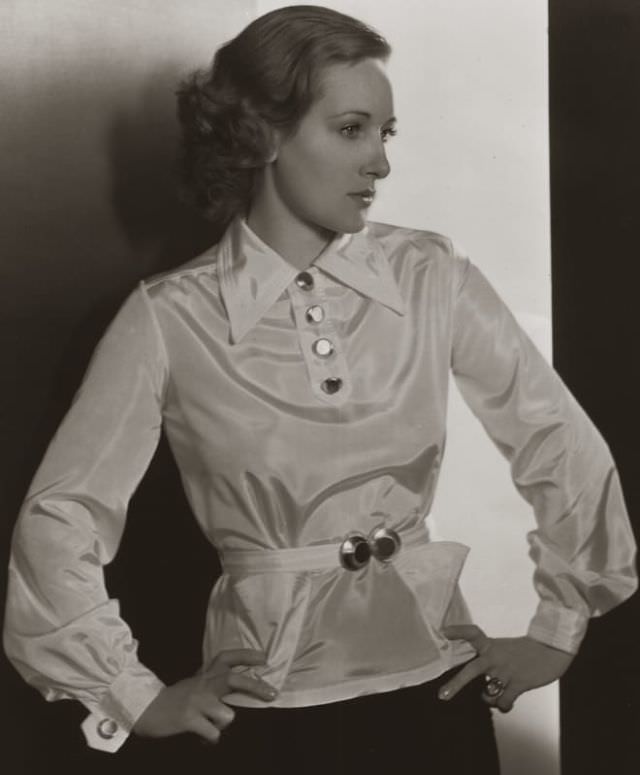
After returning to Germany to live with her mother in Munich, Birell took on a significant organizational role. In 1951, the Special Service Headquarters of the U.S. Military in Nuremberg appointed her to oversee the production of theatrical shows across Germany, France, and Austria. Her job was to supervise entertainment at military clubs in Munich, Nuremberg, and Orléans, France — bringing performances to American G.I.s stationed throughout the region.



It was a demanding role that drew on her deep knowledge of European theater and her connections across the entertainment world. She managed the work with the same professionalism she had brought to her acting career.


In 1957, Birell retired from the entertainment world due to health reasons. She died shortly after her retirement. The exact cause of her death is not recorded. She is buried in the family tomb in Marquartstein, Bavaria, Germany.
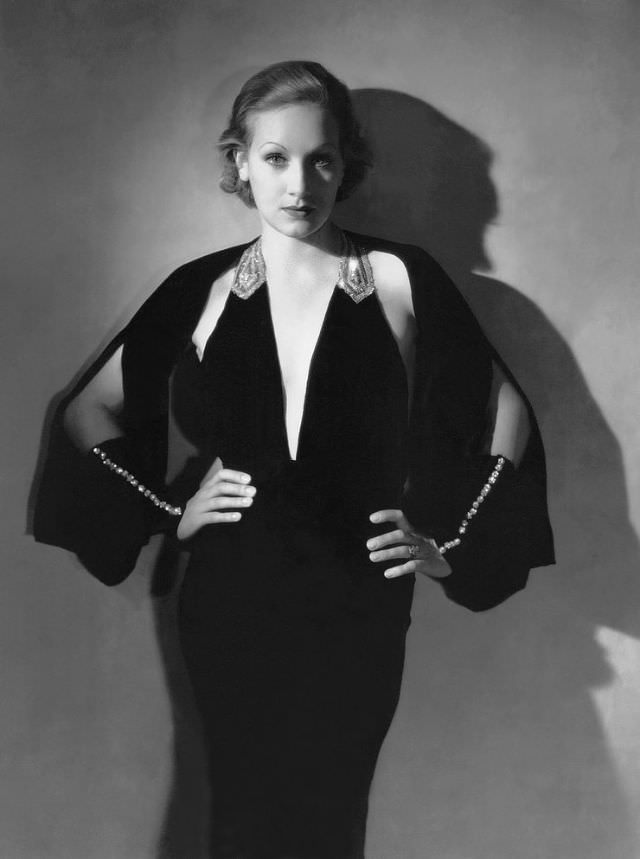
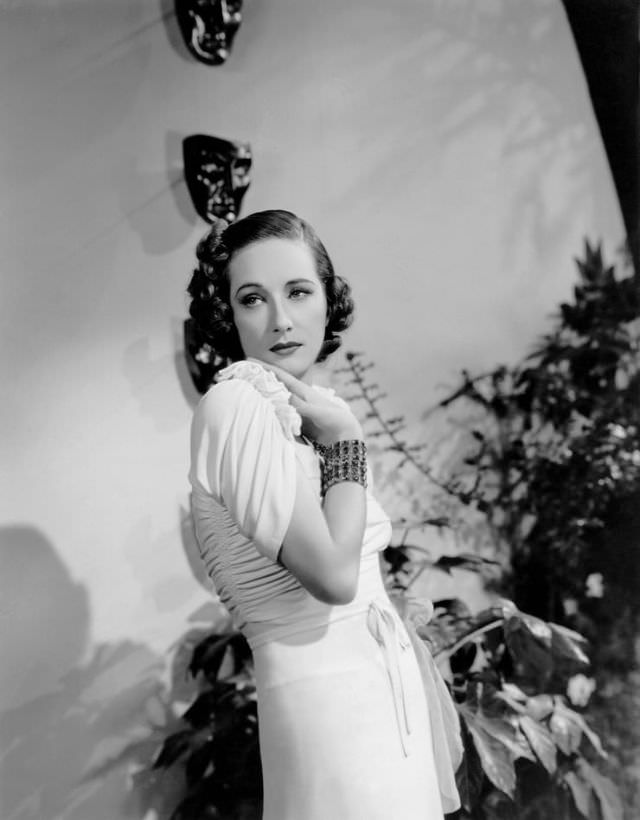

What Birell left behind was a career that crossed theater, film, and television across multiple countries and decades. From Berlin stages to Broadway to Hollywood productions set against the backdrop of World War II, she took on roles that required both presence and skill. Below are gorgeous photos of Tala Birell from throughout her career and life.