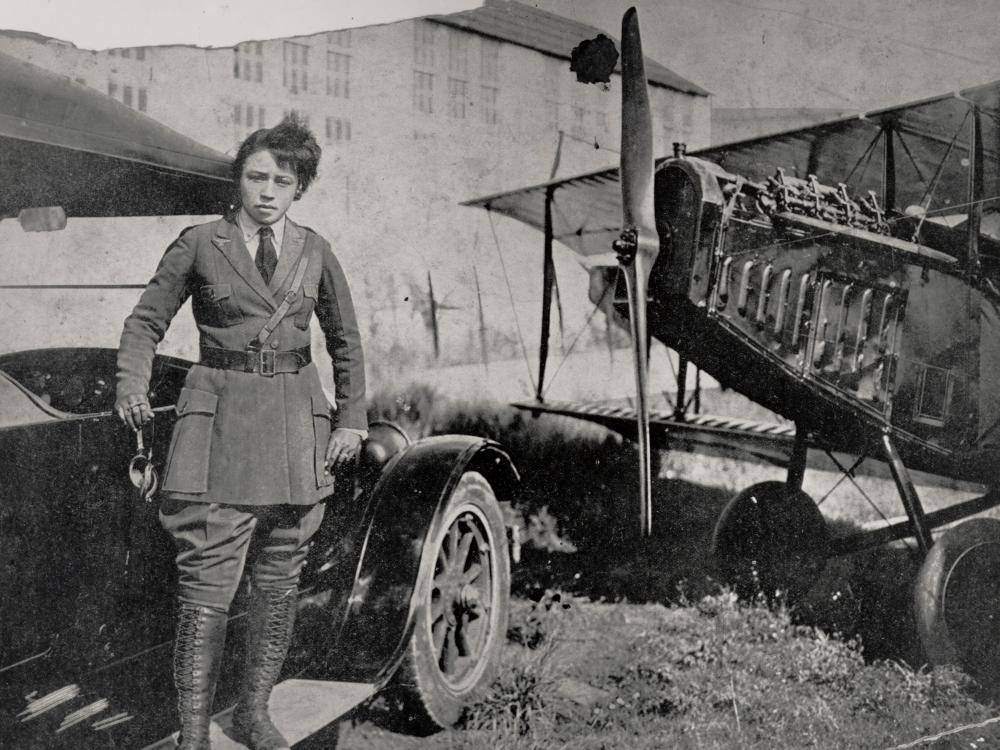
Bessie Coleman was born on January 26, 1892, in Atlanta, Texas, the daughter of sharecroppers. Growing up Black in the American South meant facing poverty, racial segregation, and limited opportunity at every turn. Yet Coleman developed an early fascination with aviation — a field that, in the early 20th century, was almost entirely closed off to people who looked like her.
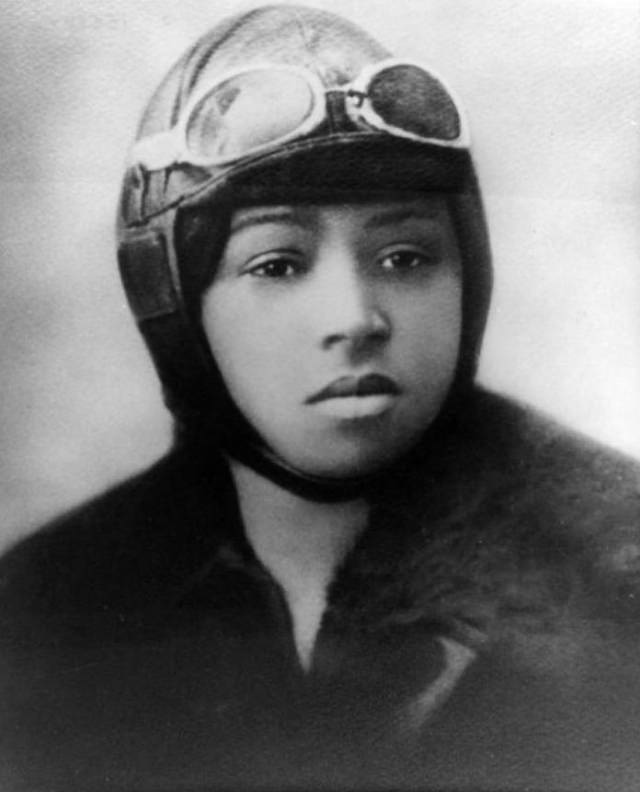
No aviation school in the United States would admit African Americans or women. Coleman refused to accept that as a final answer. She worked tirelessly, saved her money, and taught herself enough French to study abroad. In 1920, she sailed to France and enrolled in flight school — something that simply wasn’t possible for her back home.
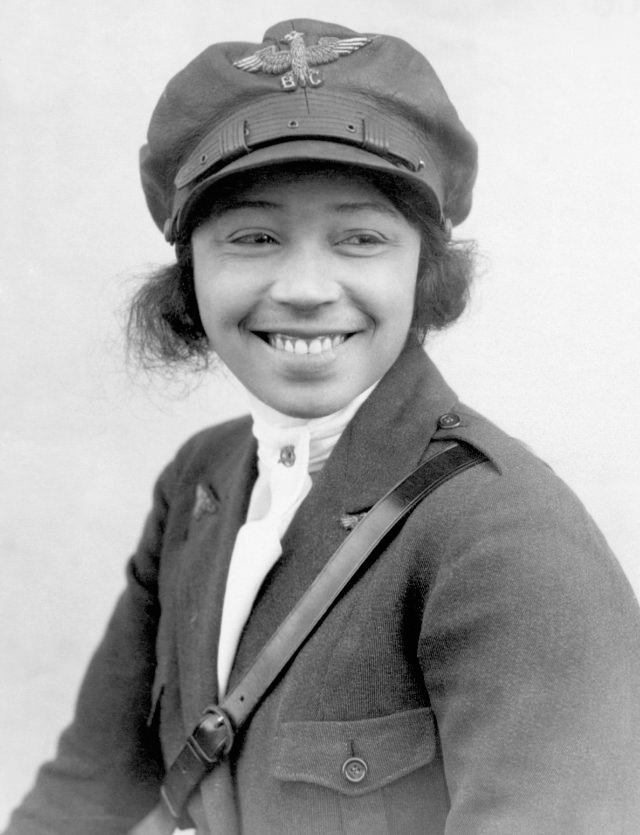
In 1921, Coleman earned her pilot’s license from the Fédération Aéronautique Internationale, becoming the first African-American woman — and the first Native American — to hold an international aviation license. She returned to the United States not just as a licensed pilot, but as a groundbreaking public figure.
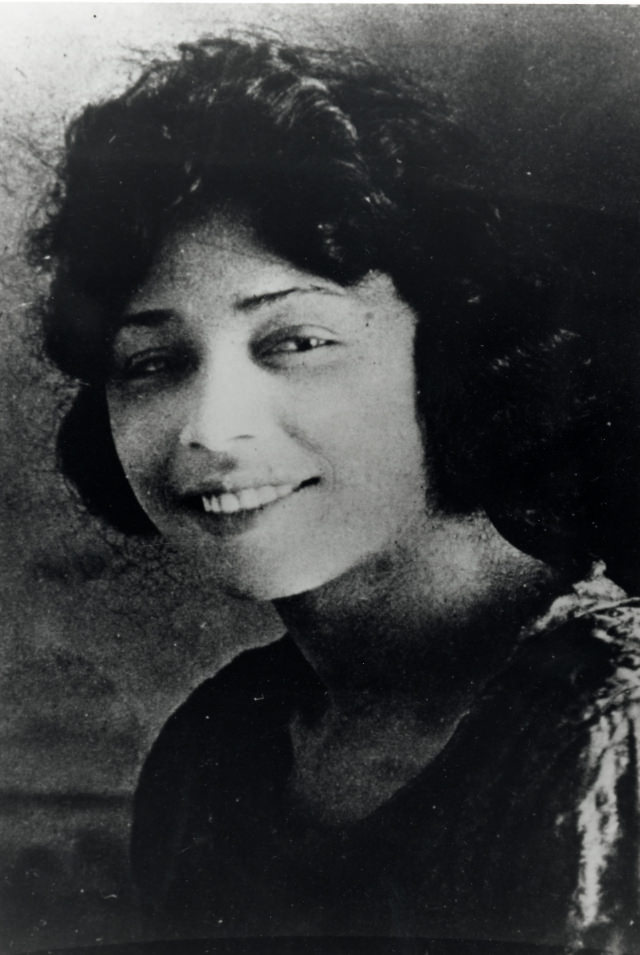
Back in America, Coleman built a name for herself as a daring stunt pilot. She performed at airshows across the country, thrilling crowds with death-defying aerial tricks and precision acrobatics. She was bold, skilled, and impossible to ignore. Audiences came in massive numbers to watch her fly.
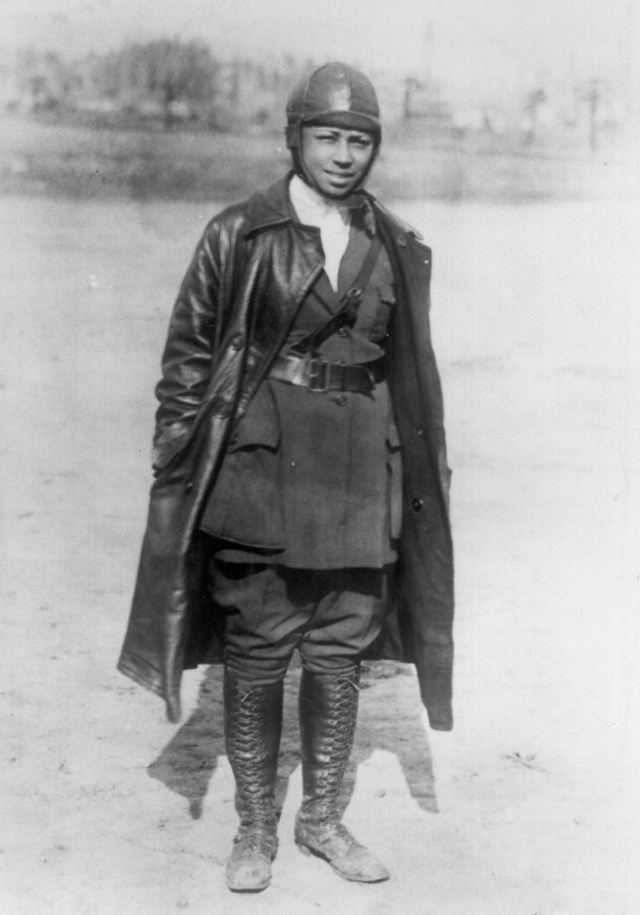
Coleman used her fame as a platform. She was a vocal civil rights advocate who spoke openly about the barriers Black Americans and women faced in aviation. She refused to perform at venues that enforced racial segregation, using her popularity to push back against discrimination. Her words were just as sharp as her flying: “The air is the only place free from prejudices.”
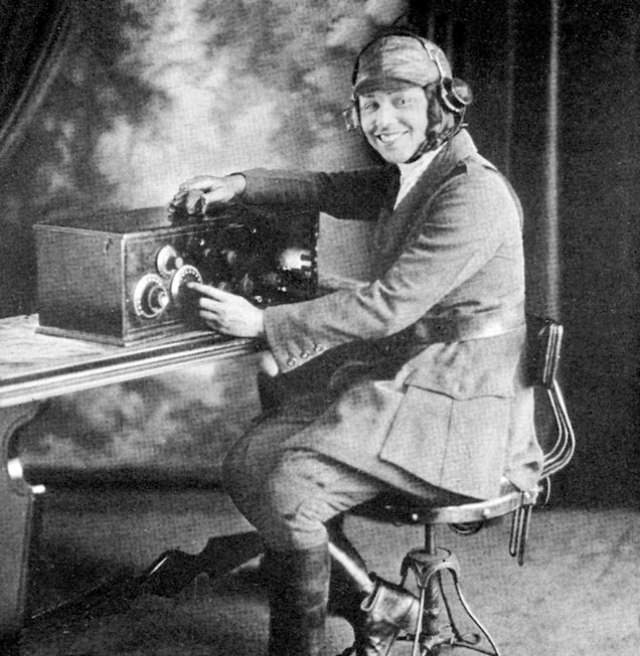
She was driven by a clear sense of duty. Coleman stated that she knew the Black community had no aviators — men or women — and believed it was her responsibility to change that, even at personal risk. That wasn’t rhetoric. She staked her life on it every time she climbed into a cockpit.
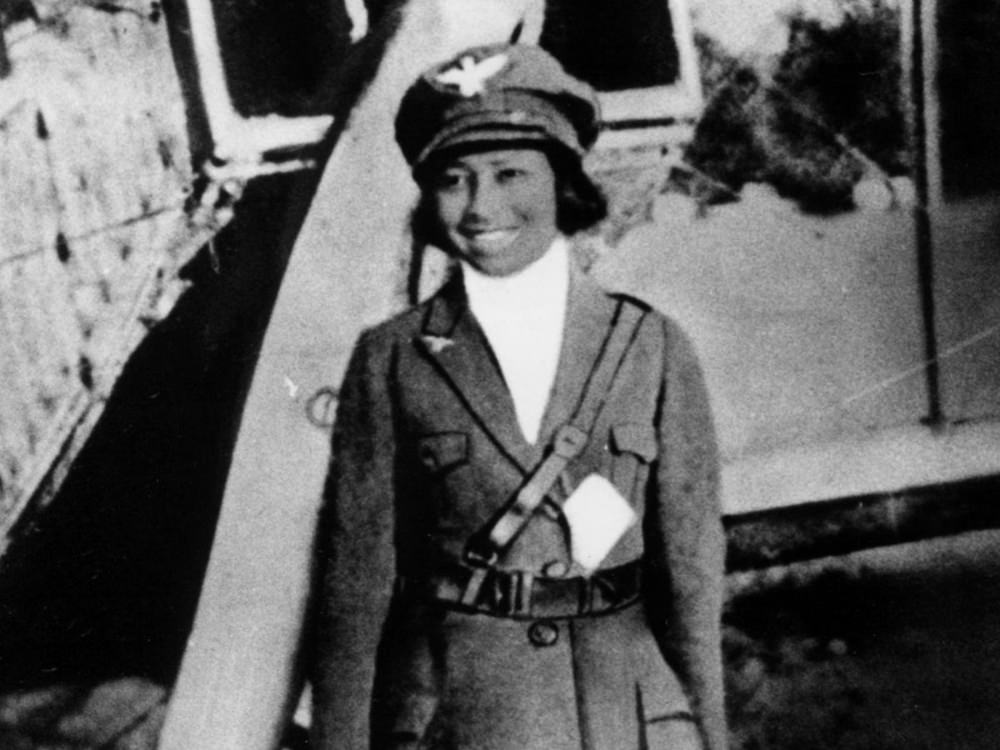
Despite her fame, Coleman faced persistent financial hardship. Supporting herself and her family through airshow work alone was a constant struggle. The aviation industry offered little infrastructure or financial safety net for a Black woman in 1920s America.
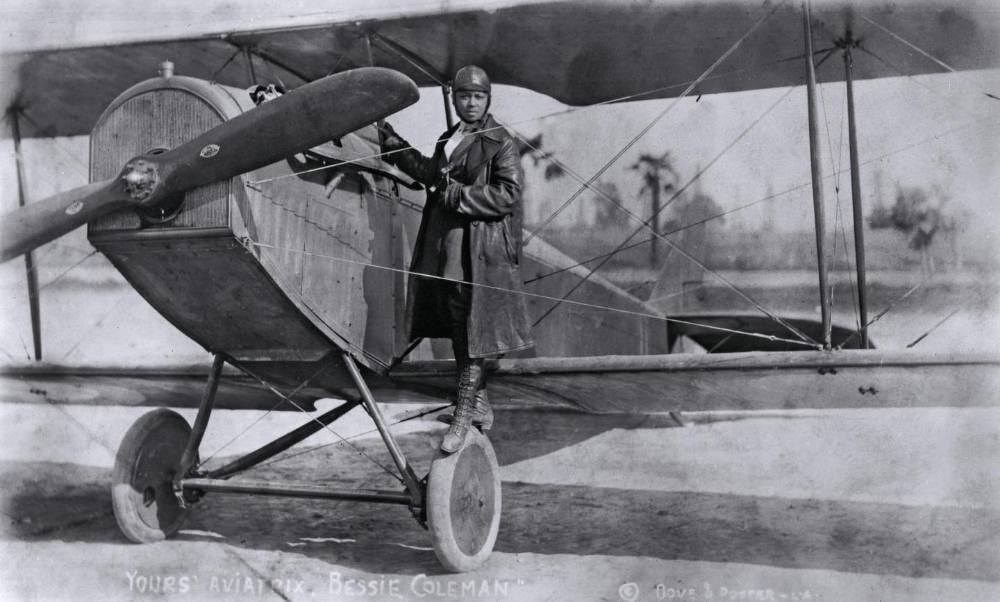
On April 30, 1926, Bessie Coleman died in a plane crash in Jacksonville, Florida. She was 34 years old. The aircraft she was aboard malfunctioned during a rehearsal flight, and Coleman, who was not wearing a seatbelt, was thrown from the plane. She was killed instantly. In just a few short years, she had gone further than anyone before her — and done it entirely on her own terms.