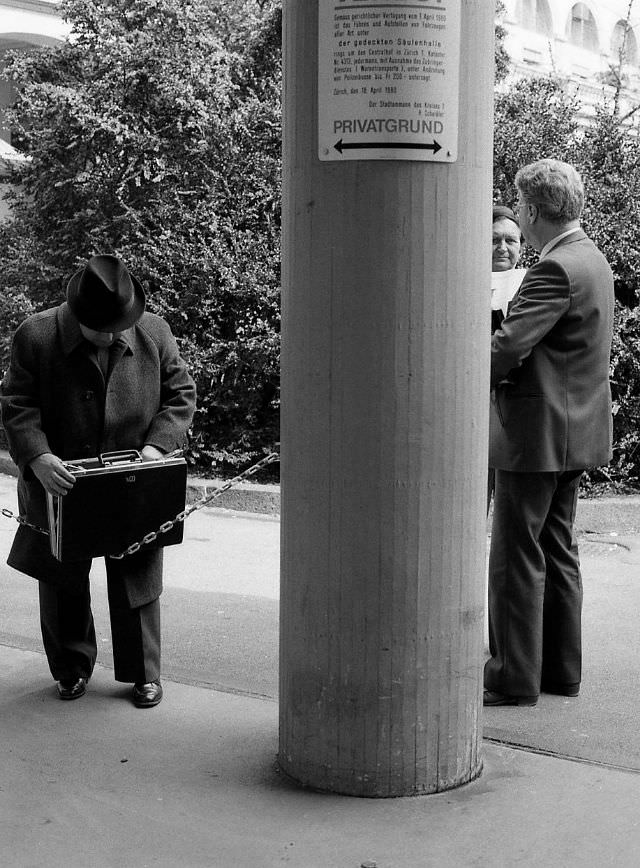
In 1981, Amsterdam was a city of contrasts. Its centuries-old canal houses stood beside busy markets and crowded street corners where everyday life played out in full view. Bicycles outnumbered cars on many roads. Vendors, workers, children, and retirees all shared the same narrow streets. It was exactly the kind of environment that drew street photographers from around the world — and Simon Nowicki was one of them.
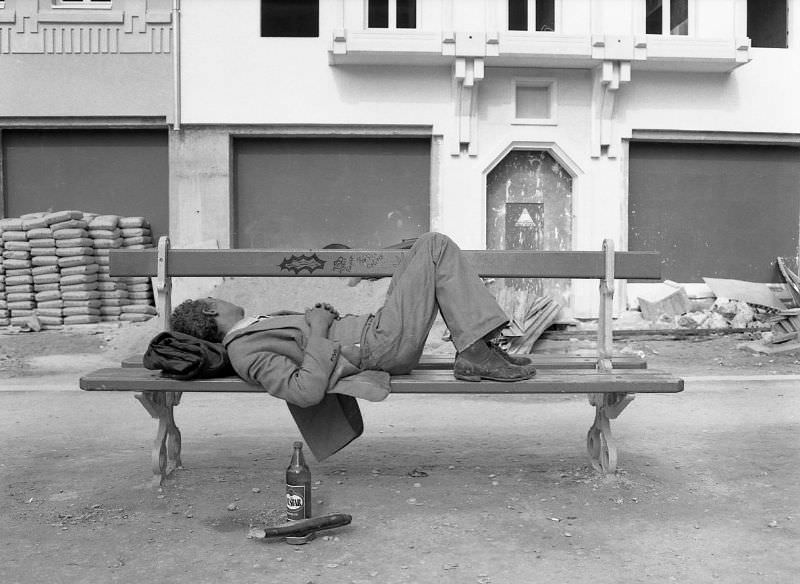
Nowicki was 35 years old when he pointed his camera at Amsterdam’s streets. His approach was direct and unposed. He photographed people as they moved through their day — not performing for a lens, but simply living. The results are candid, honest, and deeply specific to the time and place.
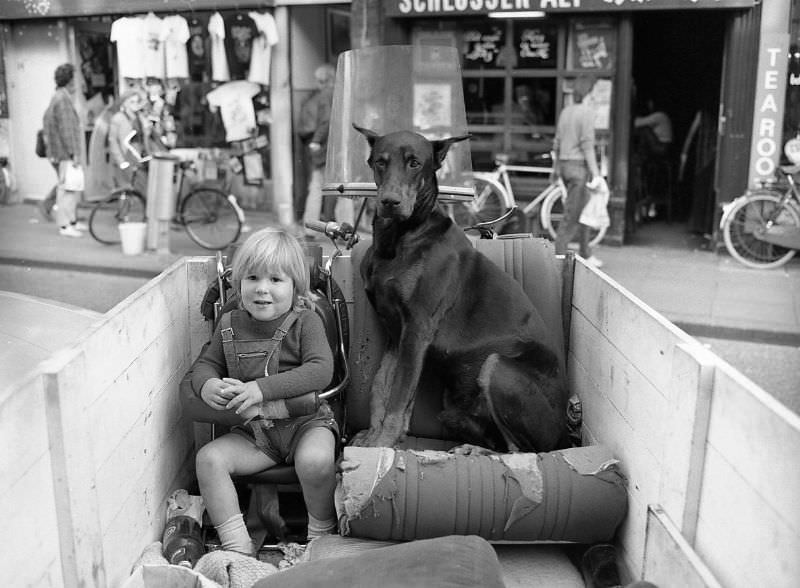
His influences shaped how he worked. Henri Cartier-Bresson taught the world about the “decisive moment” — the precise split second when a photograph captures something true. Paul Strand brought weight and dignity to ordinary subjects. Robert Frank showed that American life, and by extension any city life, held layers of beauty and unease sitting side by side. Lee Friedlander found visual complexity in reflections, shadows, and cluttered street scenes. Rennie Ellis documented Australian social life with warmth and humor. Nowicki absorbed all of these approaches and brought them to Amsterdam’s streets.
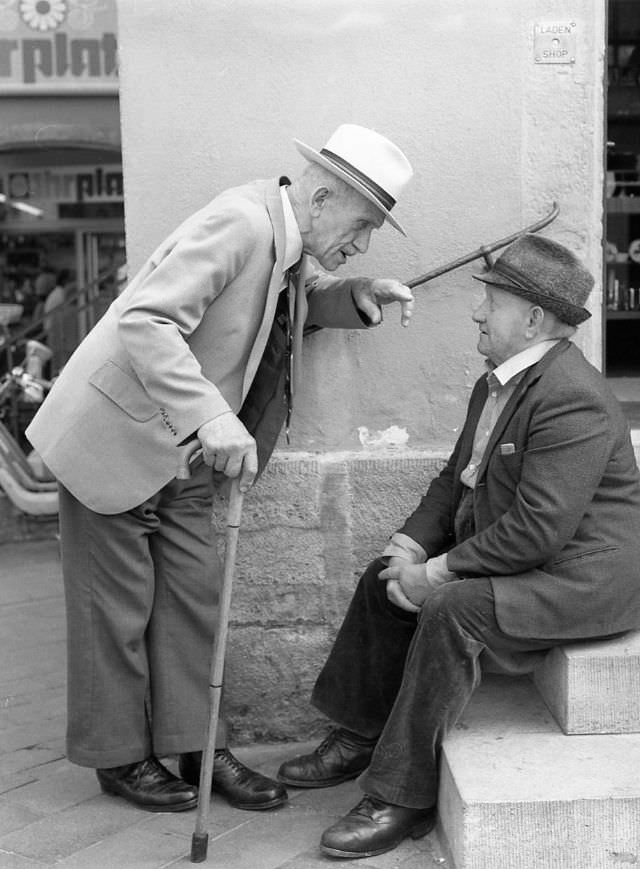
Street photography in 1981 meant shooting on film with no ability to review a shot the moment after taking it. A photographer had to commit fully to each frame. Nowicki relied on instinct, timing, and an eye trained over years of practice. There was no digital safety net — only the discipline of knowing when to press the shutter.
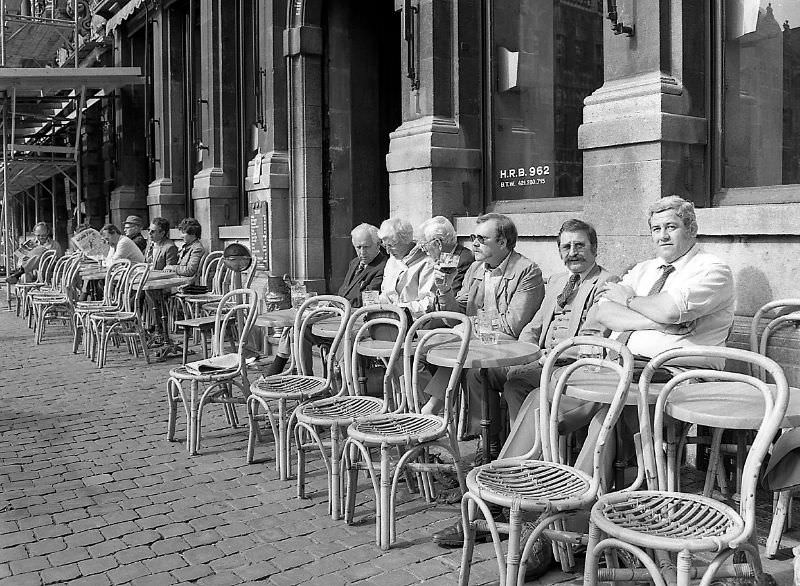
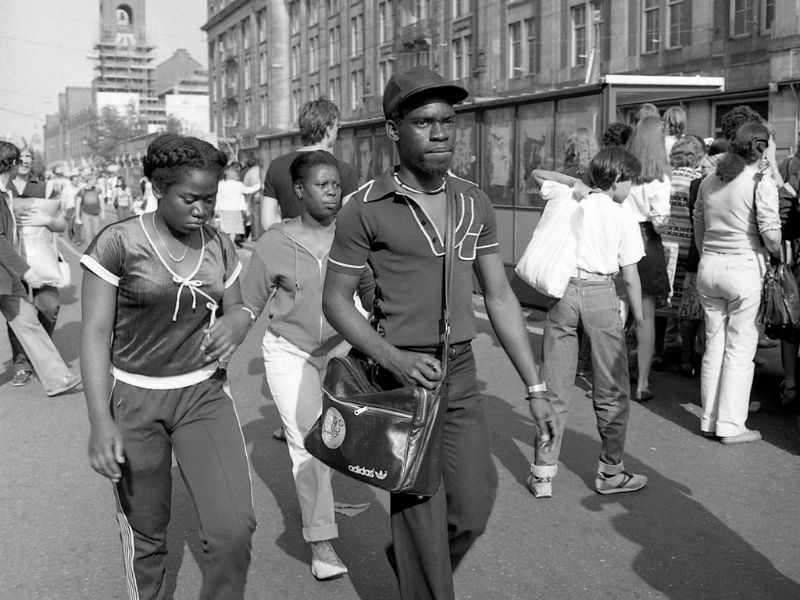
Amsterdam in this era carried a distinct energy. The city was a hub for political activism, youth culture, and social experimentation. The “squatter movement” — groups of people occupying empty buildings to protest the housing shortage — was at its peak in the early 1980s. Protests, street markets, and public gatherings were a regular part of city life. For a street photographer, the city offered an almost constant stream of raw, unscripted moments.
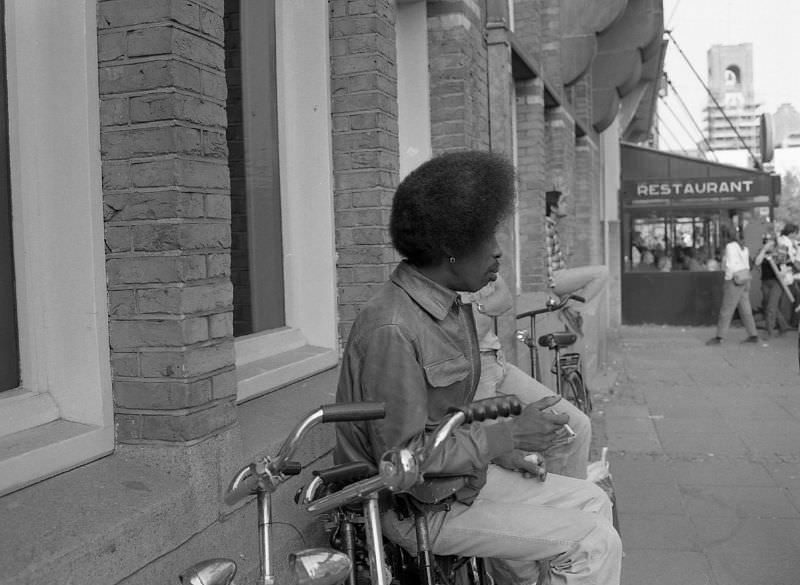
What makes these photographs valuable as historical documents is precisely their ordinariness. Nowicki was not chasing riots or headlines. He was watching how people stood at tram stops, how they carried groceries, how they spoke to each other on the pavement. These small moments are often the ones that disappear from the historical record. Here, they are preserved.
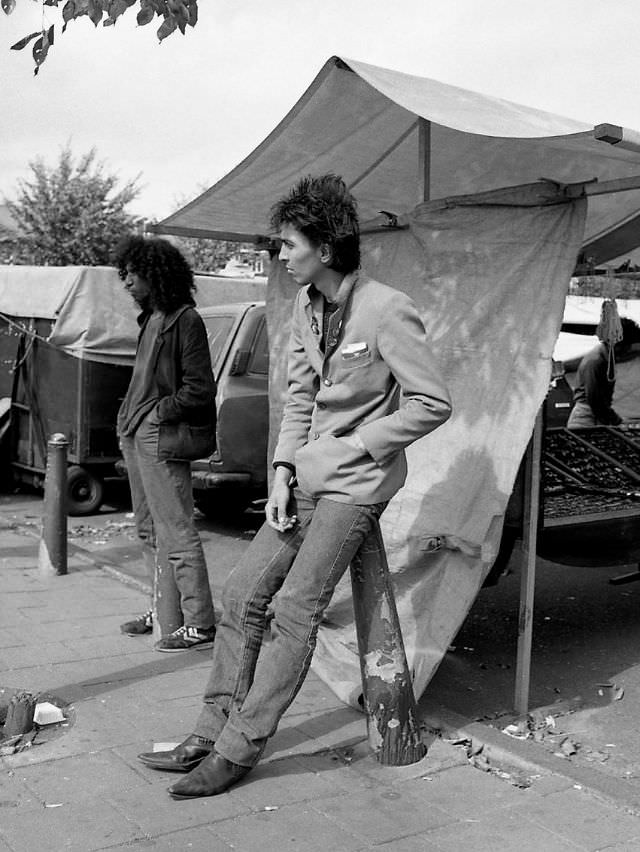
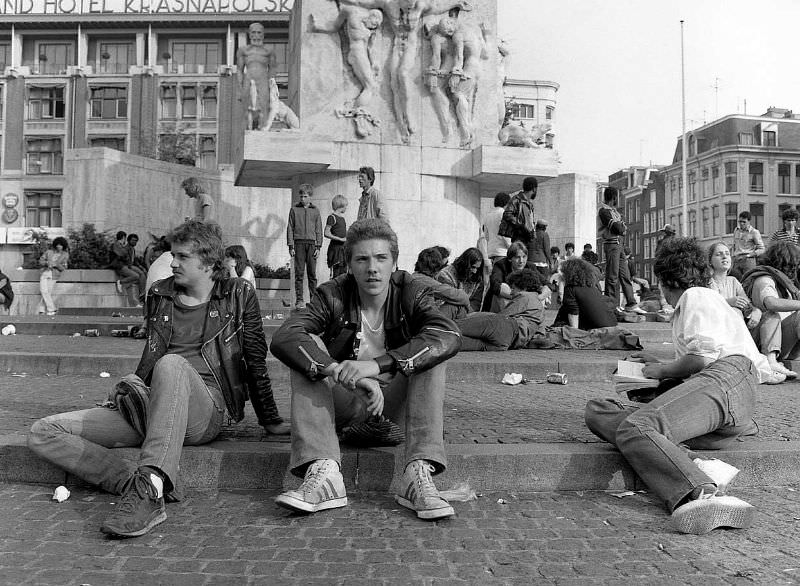
The clothing, the storefronts, the signage, and even the quality of the light all place these images firmly in their time. Fashion in 1981 Amsterdam reflected a mix of working-class practicality and the influence of punk and post-punk subcultures that were spreading across Europe. A trained eye can read a decade in the cut of a jacket or the font on a shop window.
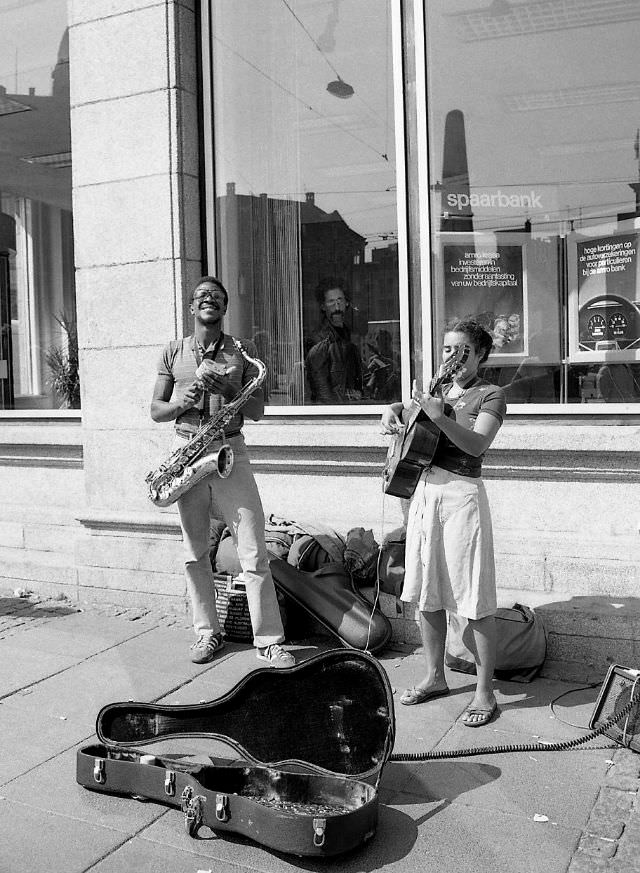
Nowicki’s eye for composition is evident throughout. He understood framing — how a doorway, a shadow, or a passing figure could turn a snapshot into something more structured. This is the Cartier-Bresson influence made visible: geometry working quietly beneath the surface of a candid scene.
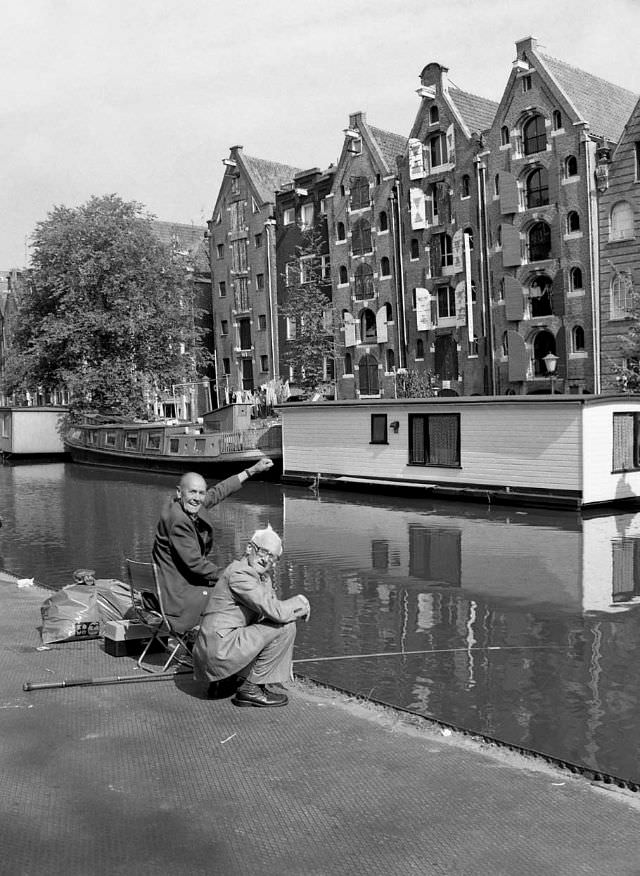
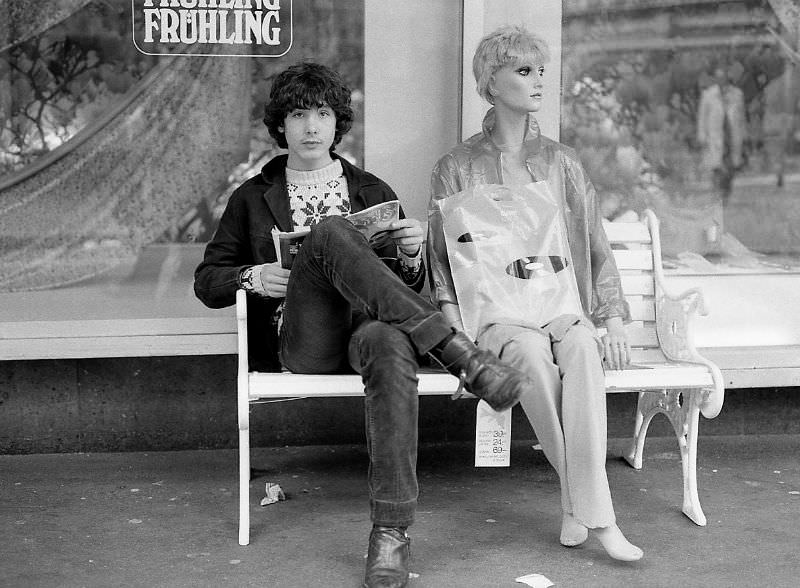
There is also an intimacy in the work. Many subjects are photographed at close range, unaware or unbothered by the camera. This closeness was a hallmark of Robert Frank’s style — getting near enough to a subject that the viewer feels present in the scene rather than observing from a distance.
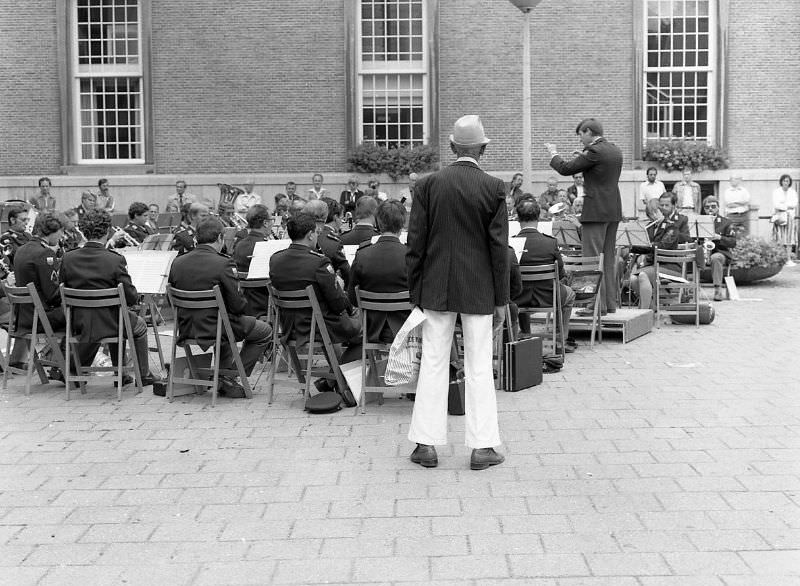
Taken together, these thirteen photographs form a fragment of Amsterdam’s daily life as it existed in 1981. They show a city that was both ancient and restless — full of people going about their lives without any awareness that a photographer was quietly recording it all.