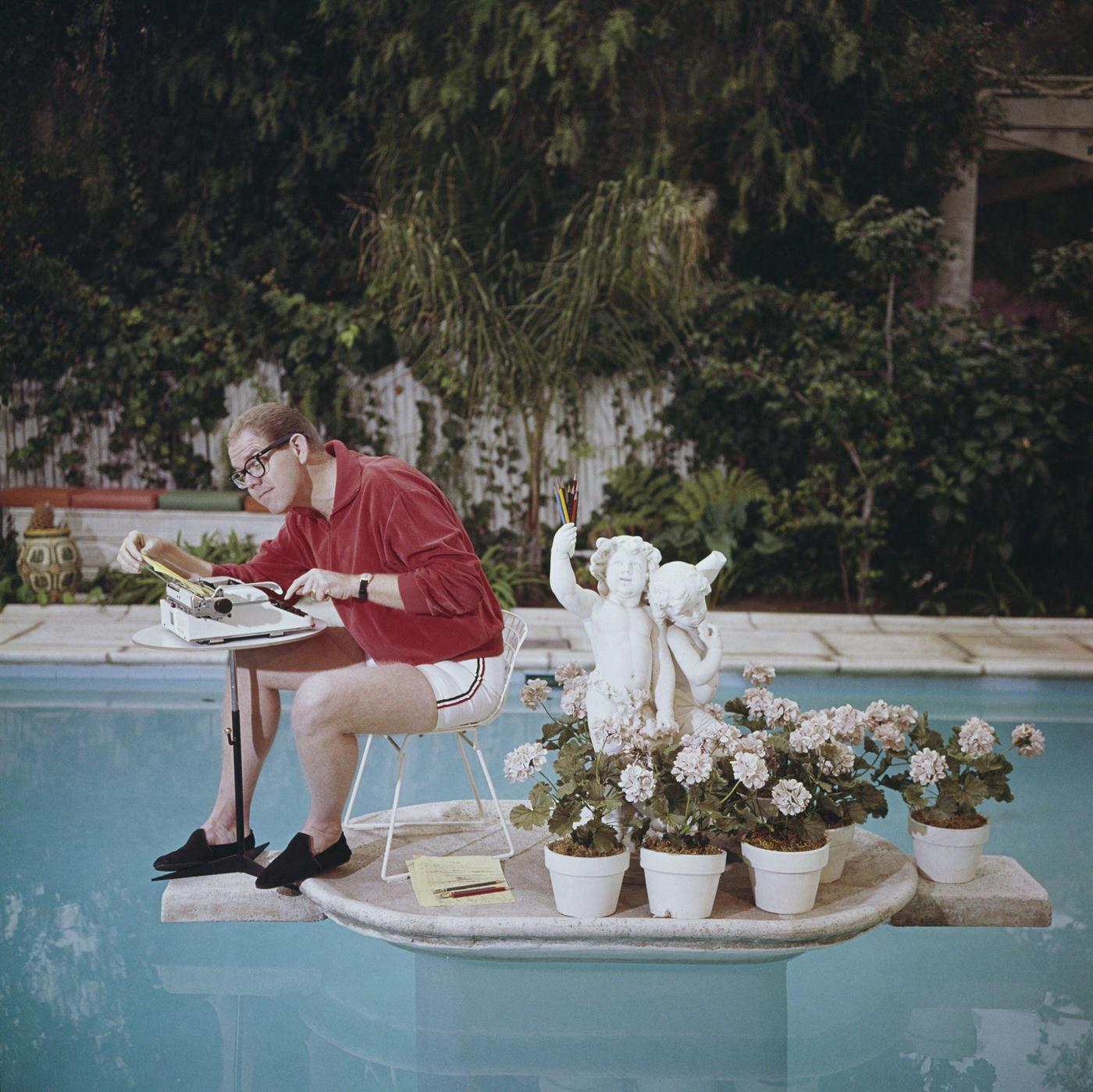
The 1960s were a turning point for swimming pools in America. After World War II, the economy boomed, suburbs expanded, and families moved into larger homes with wide backyards. That extra space quickly became prime real estate for a new kind of luxury — the private swimming pool. Between 50,000 and 60,000 pools were built every year during the decade, turning what was once a wealthy elite’s perk into an attainable slice of the American Dream.
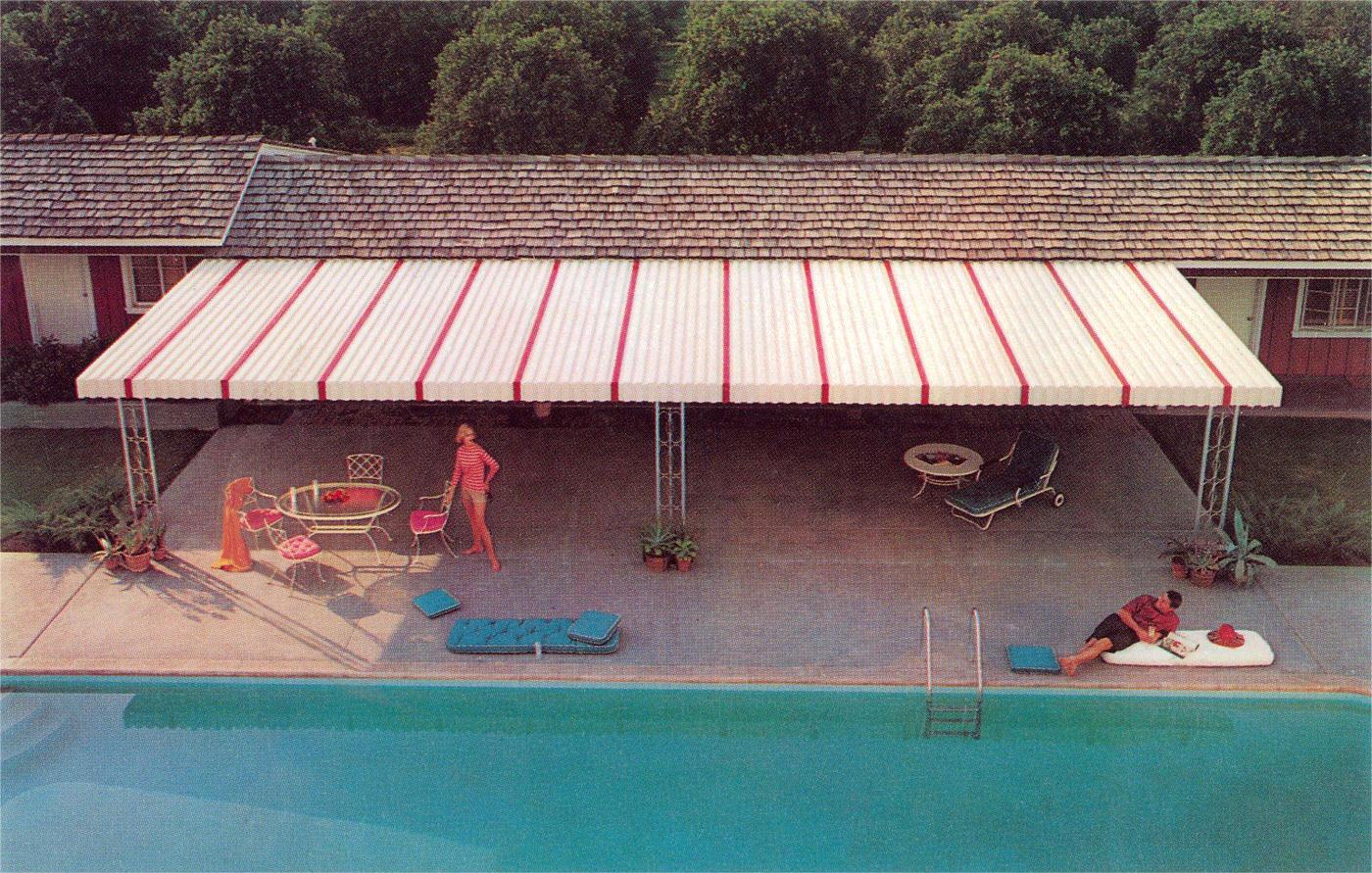
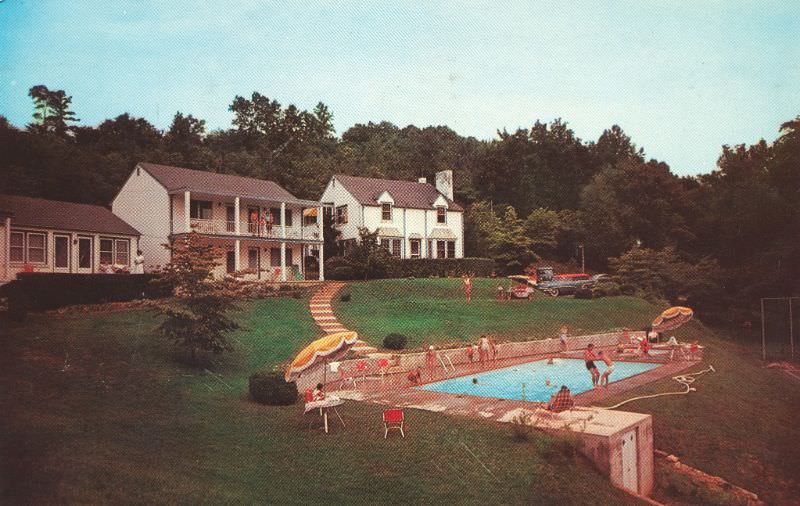
Owning a pool in the 1960s said something about you. It meant you had arrived. Neighbors gathered around them, kids spent entire summers in them, and homeowners took real pride in them. Hollywood fed this image constantly — movies and television regularly showed celebrities lounging poolside at sprawling, sun-drenched estates. That imagery trickled down to suburban America, where a backyard pool became the ultimate statement of success.
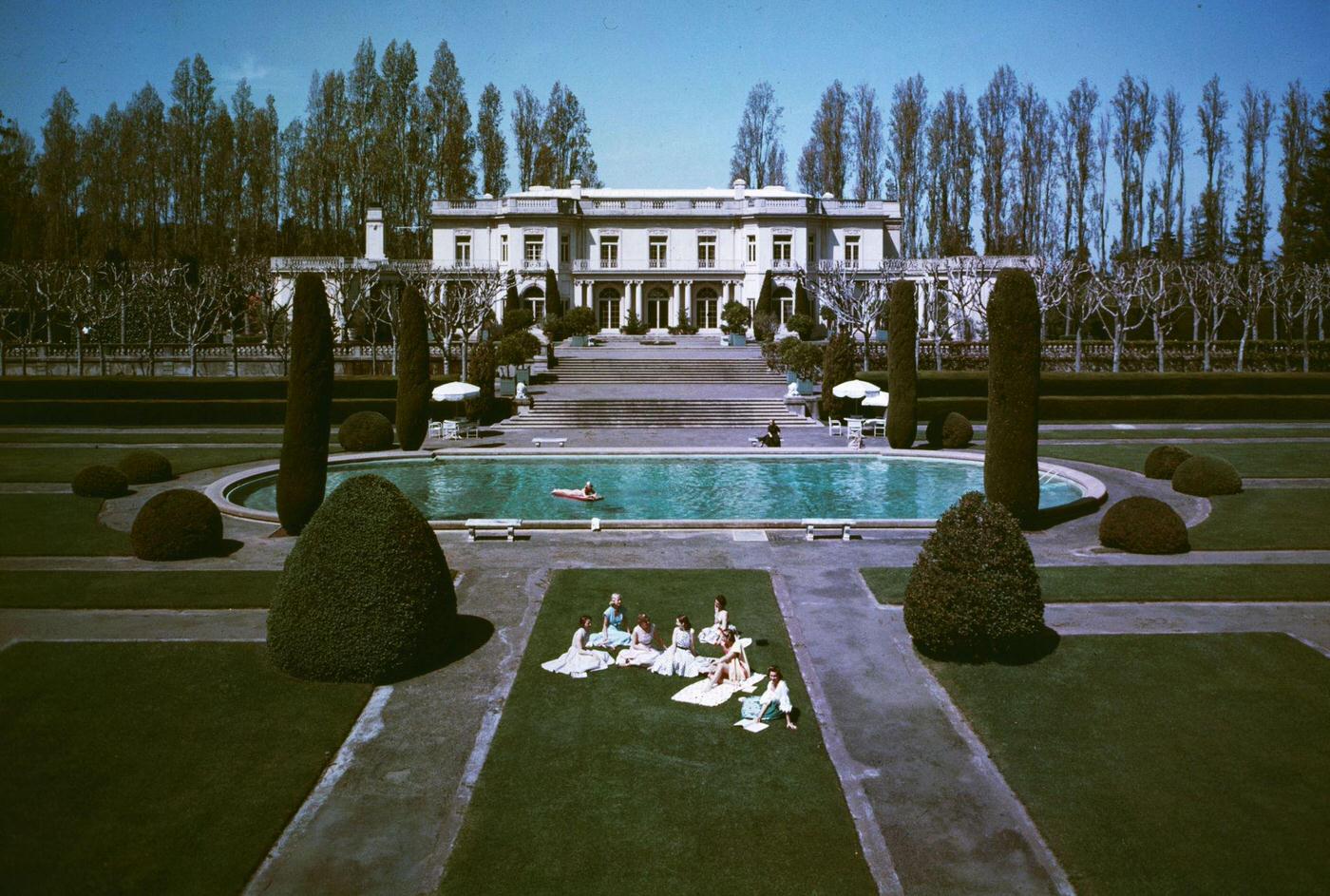
Pool design during this era was far from one-size-fits-all. Architect Thomas Church helped popularize the kidney-shaped pool, which became one of the decade’s most recognizable styles. Rectangular pools remained a classic choice, but homeowners across the country were experimenting with new shapes and features. Advances in filtration systems and underwater lighting made pools easier to maintain and more enjoyable to use after dark, opening up a whole new dimension of pool life.
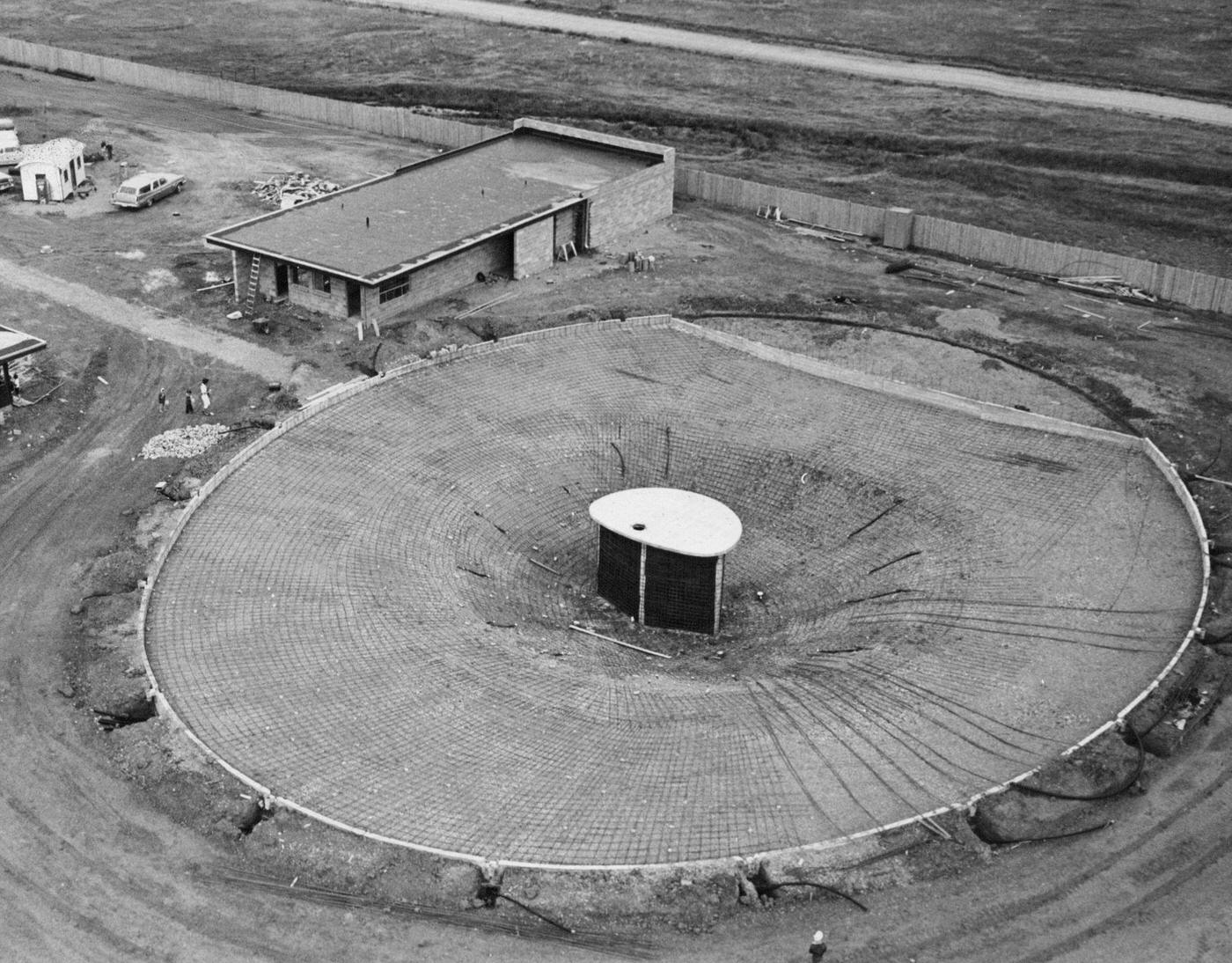
The social scene around pools was just as important as the pools themselves. Pool parties were a staple of suburban life — friends, neighbors, barbecues, and lawn games all orbited the water. The culture also gave rise to organized aquatic activities like synchronized swimming and water ballet, which turned the pool into a stage for choreographed athleticism.
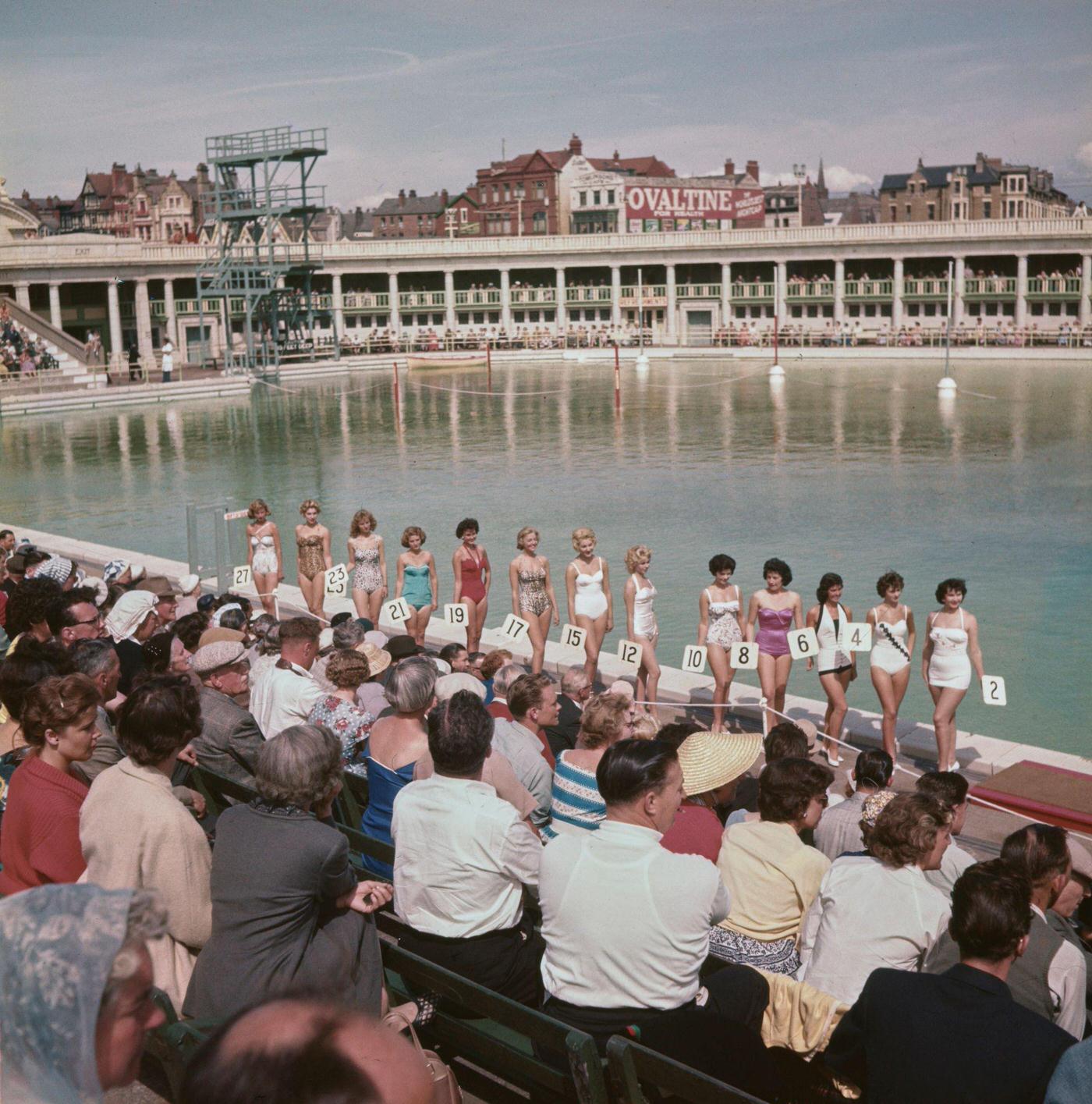
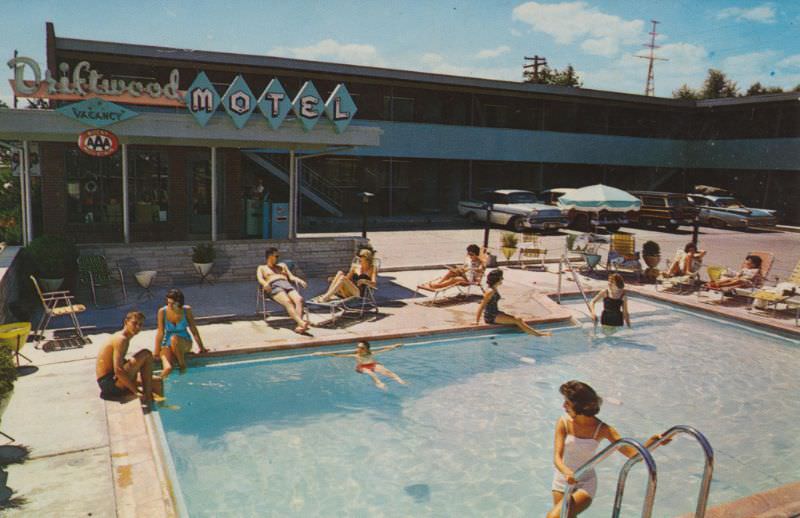
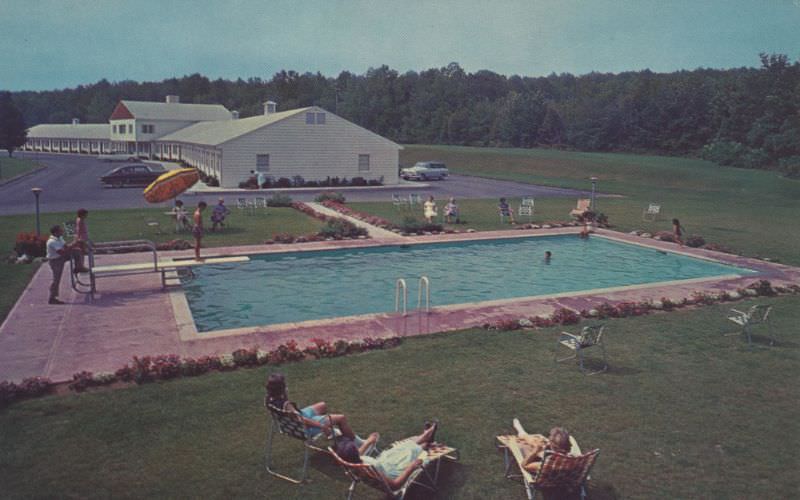
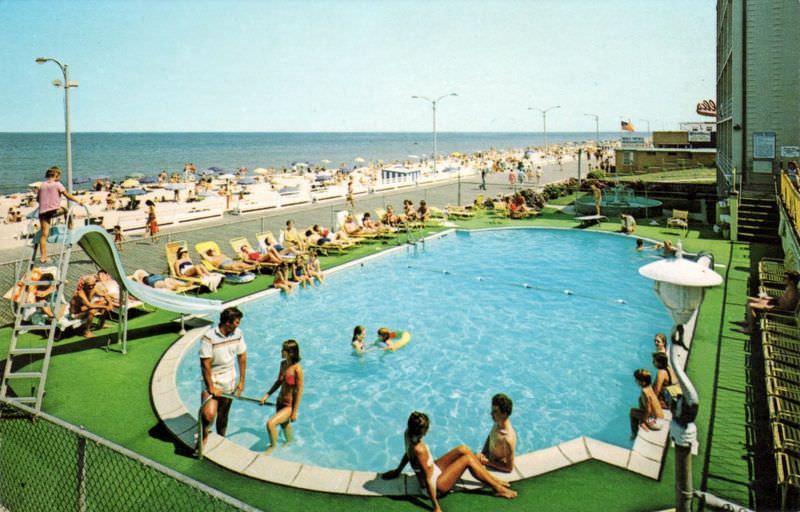
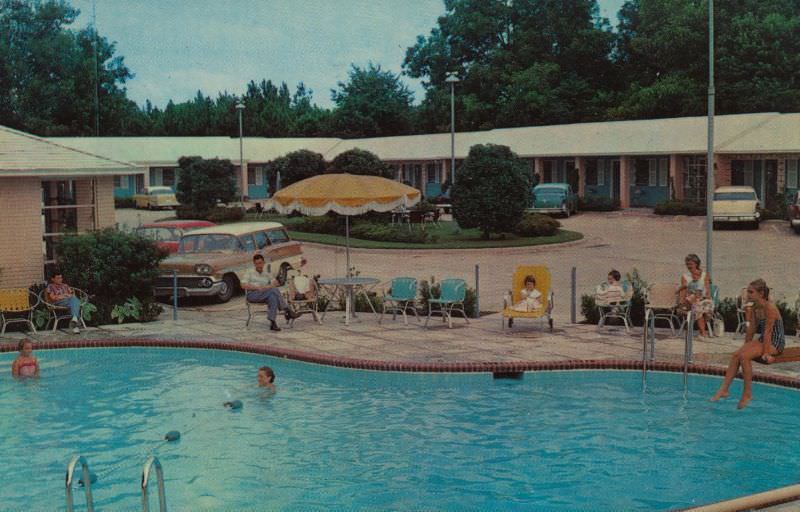
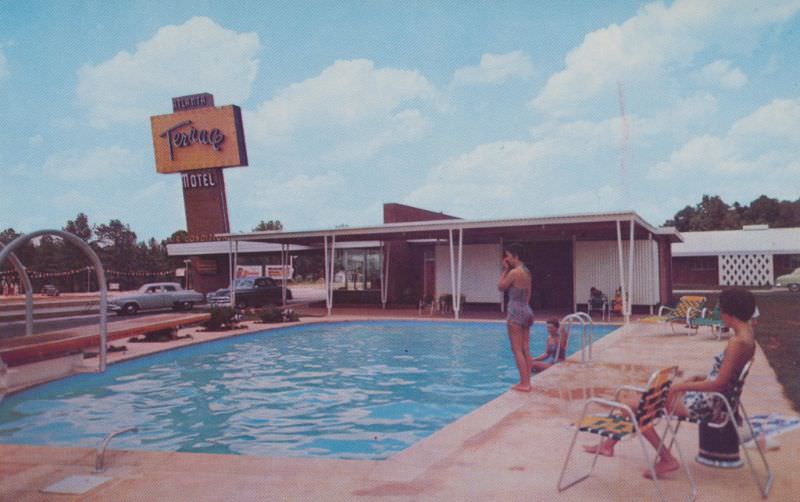
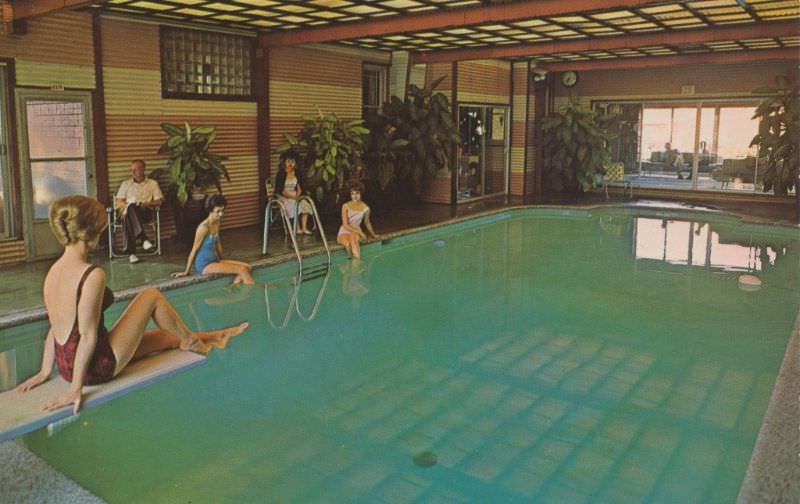
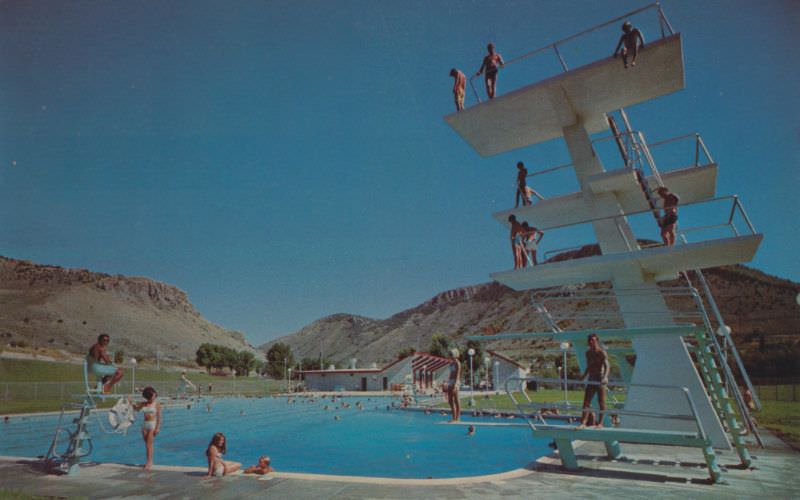
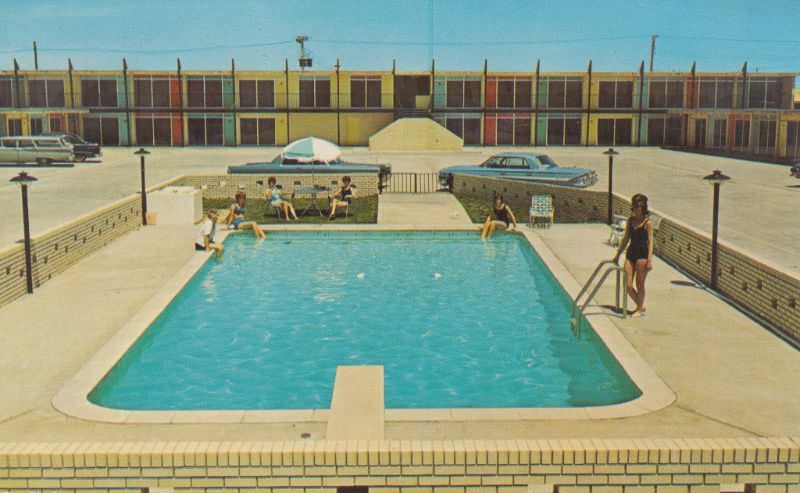
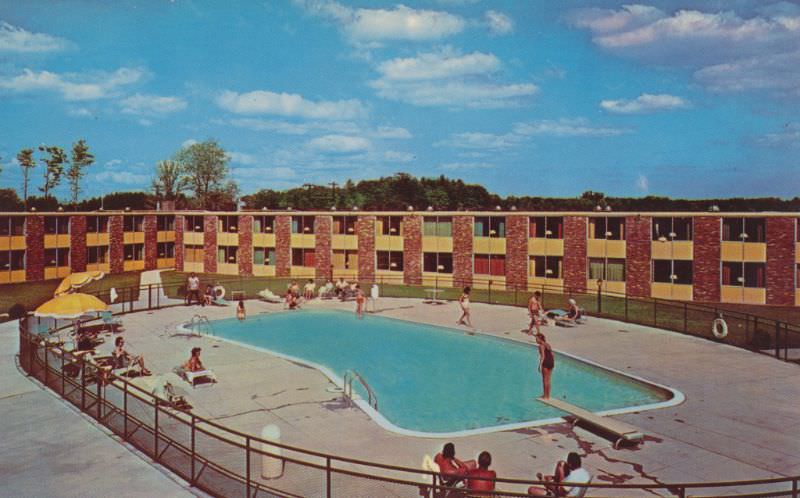
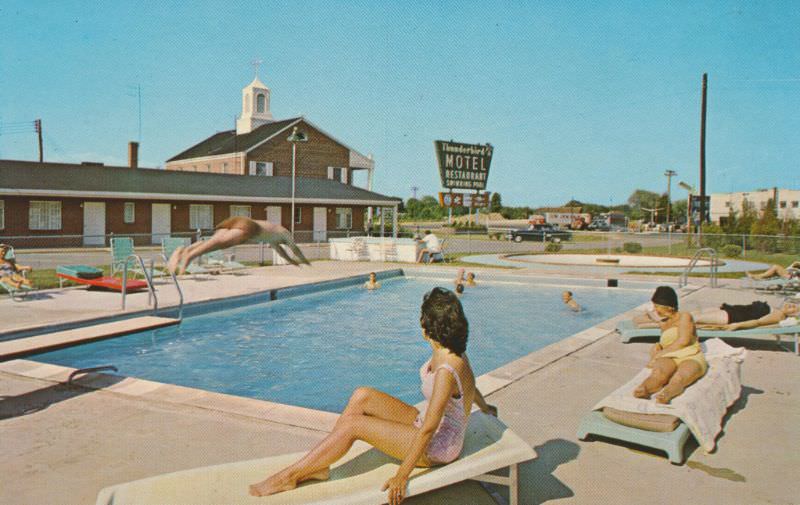
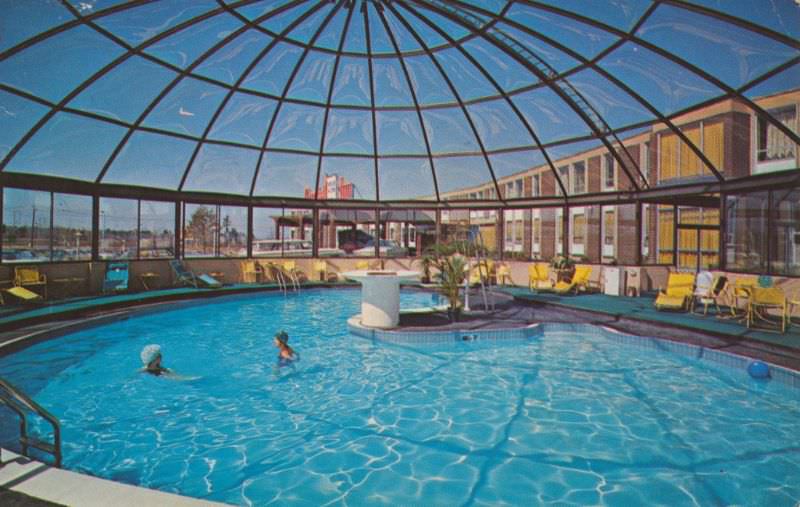
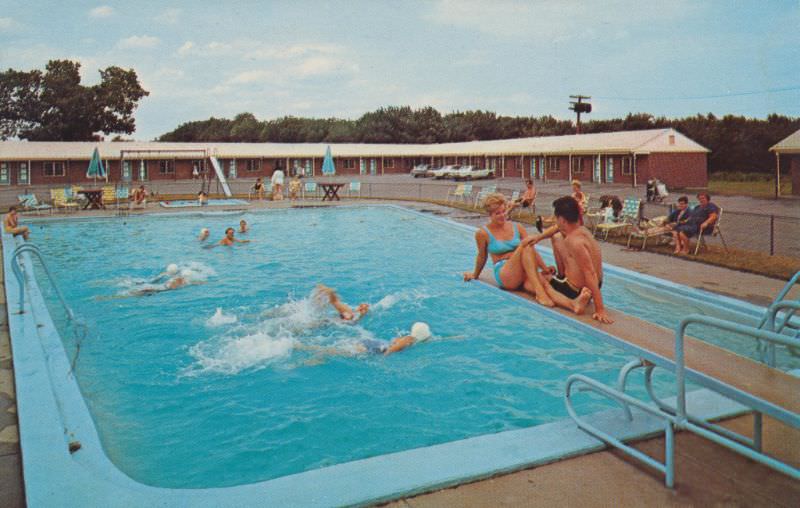
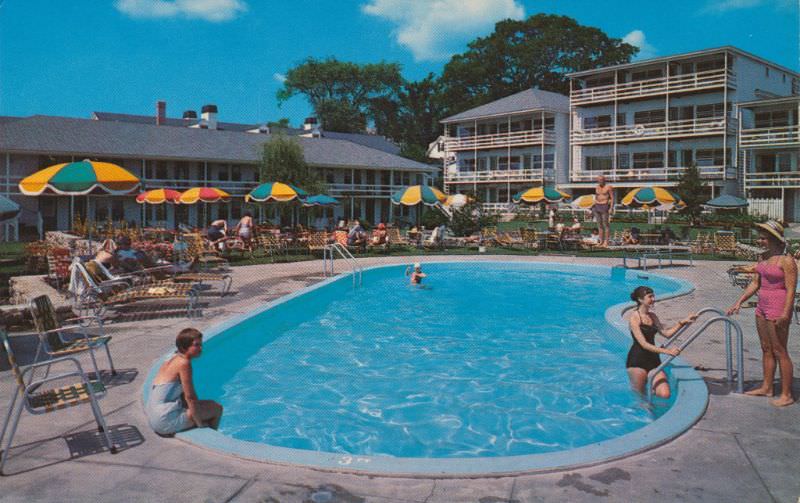
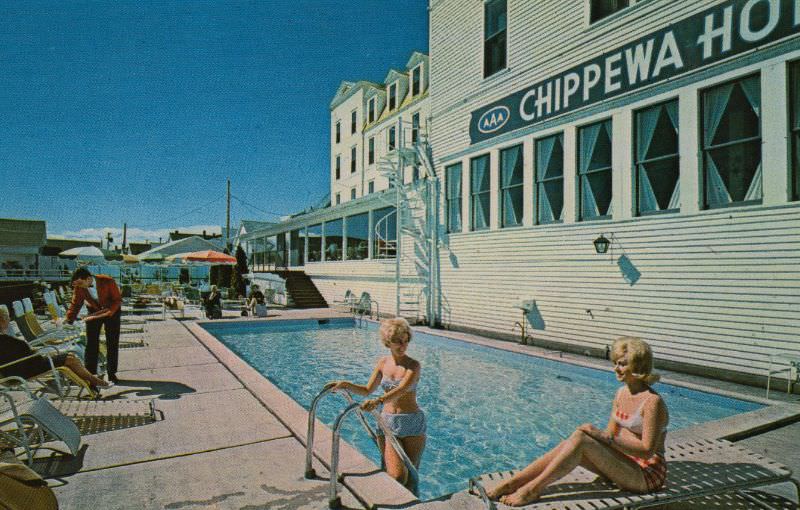
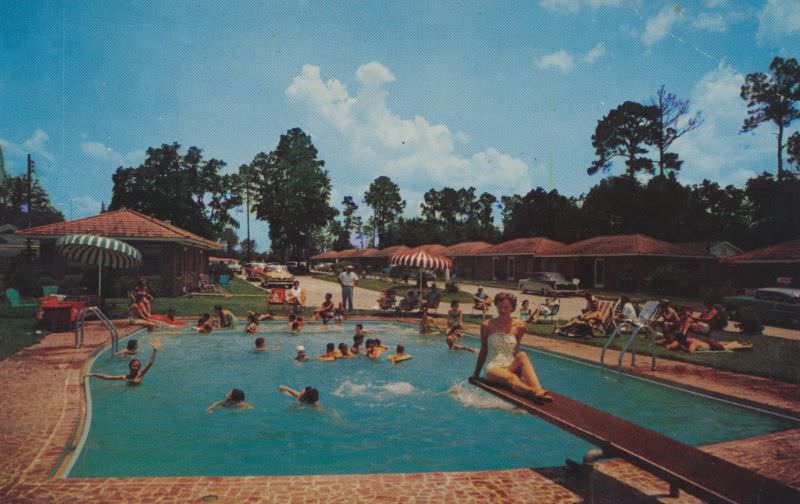
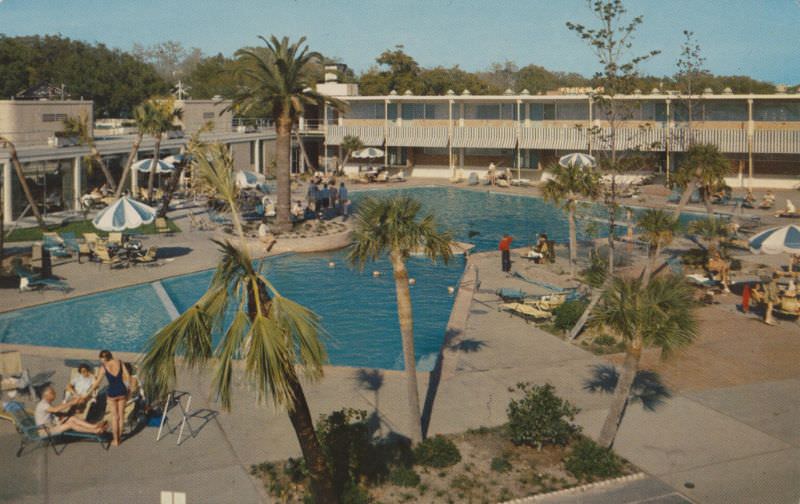
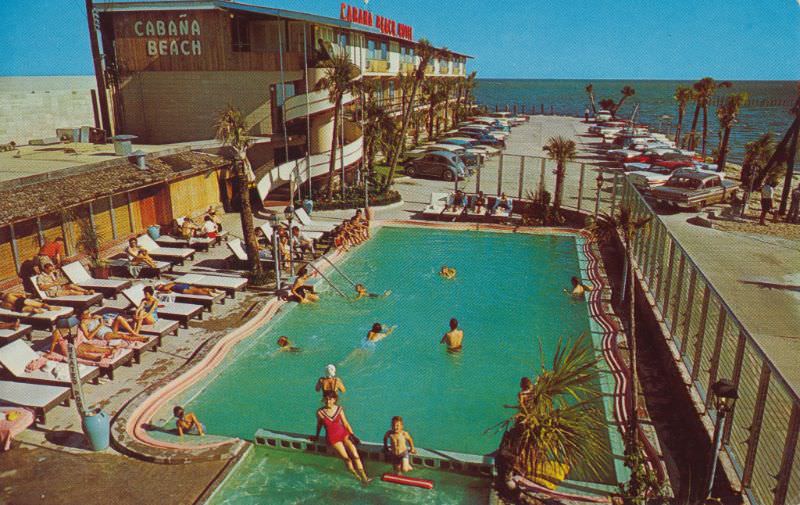
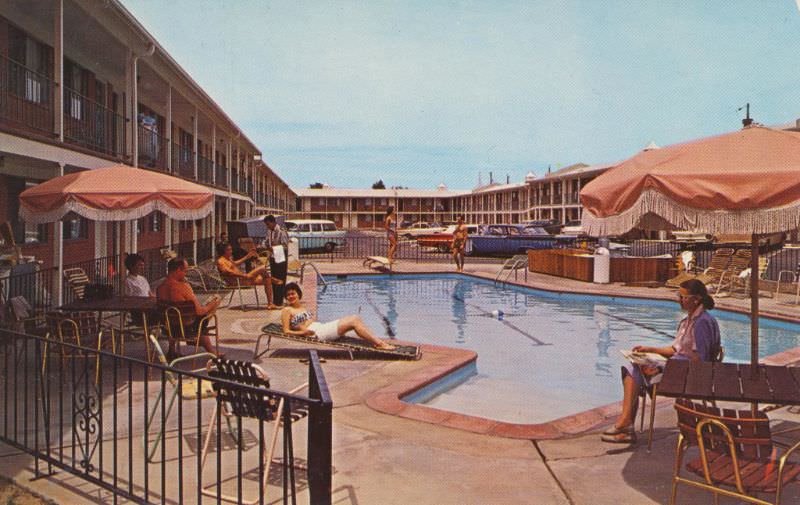
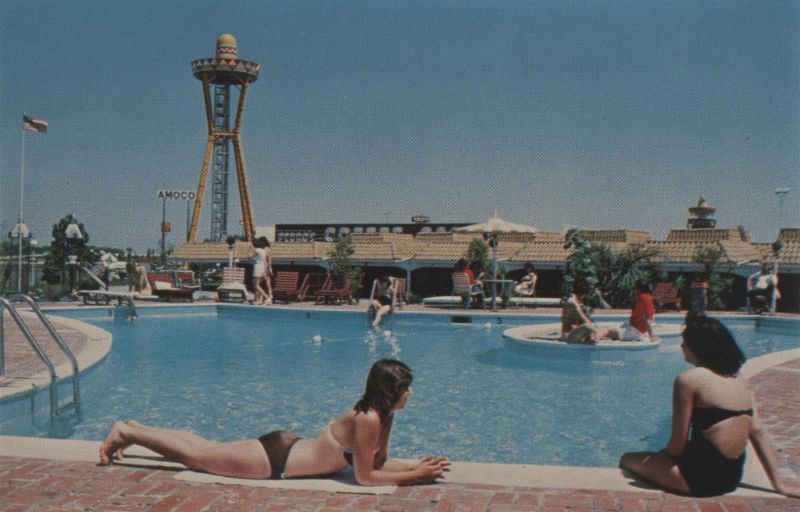
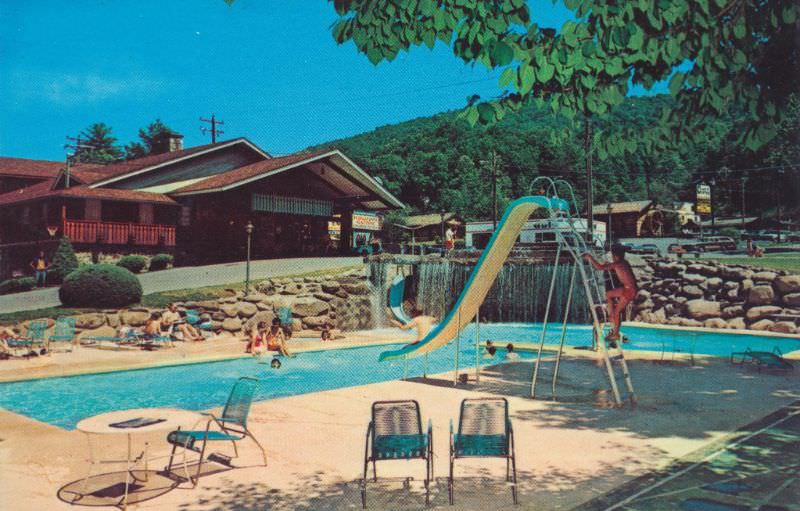
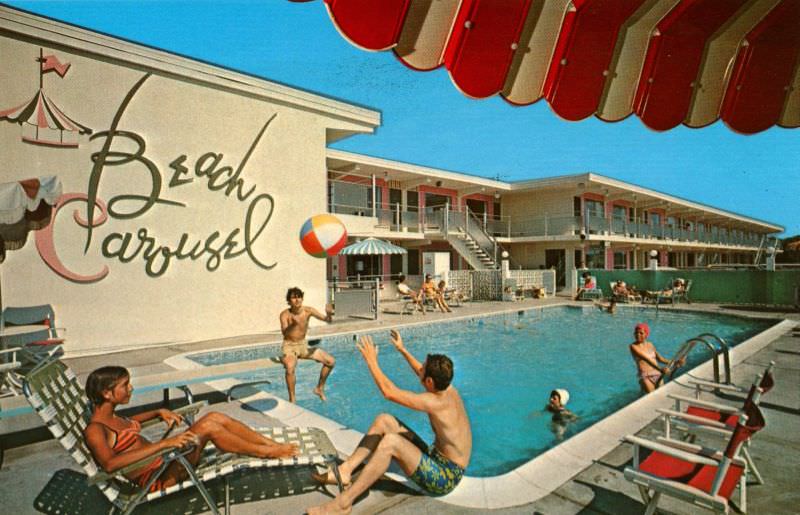
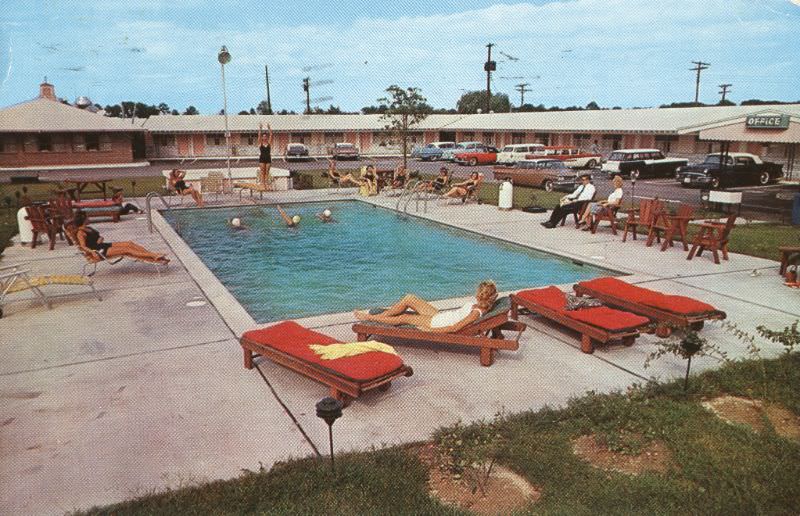
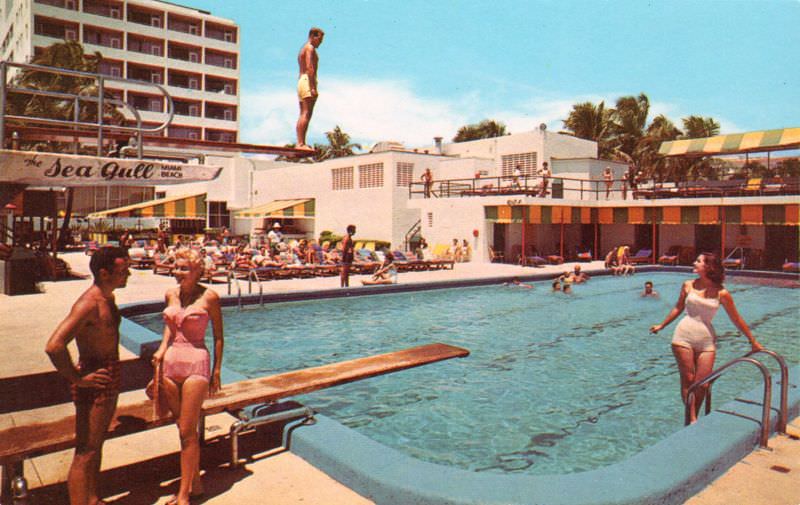
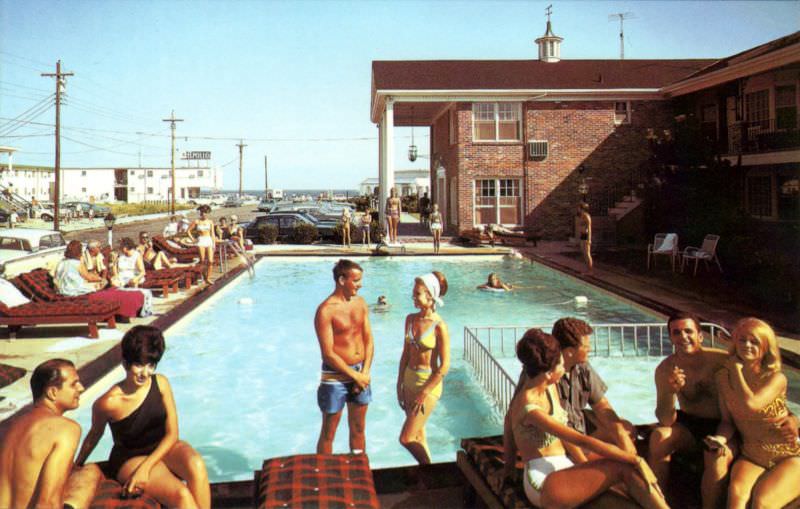
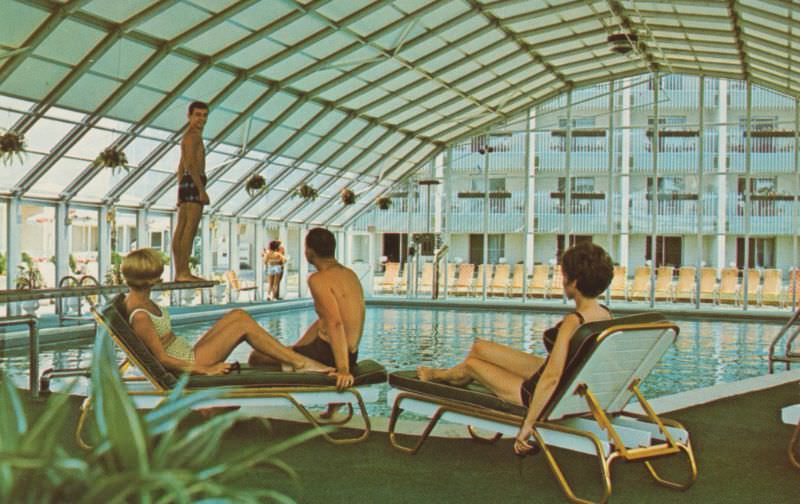
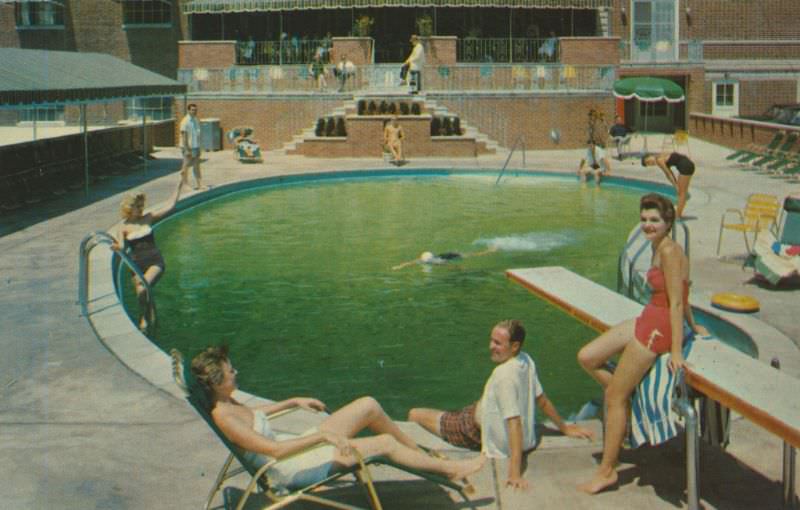
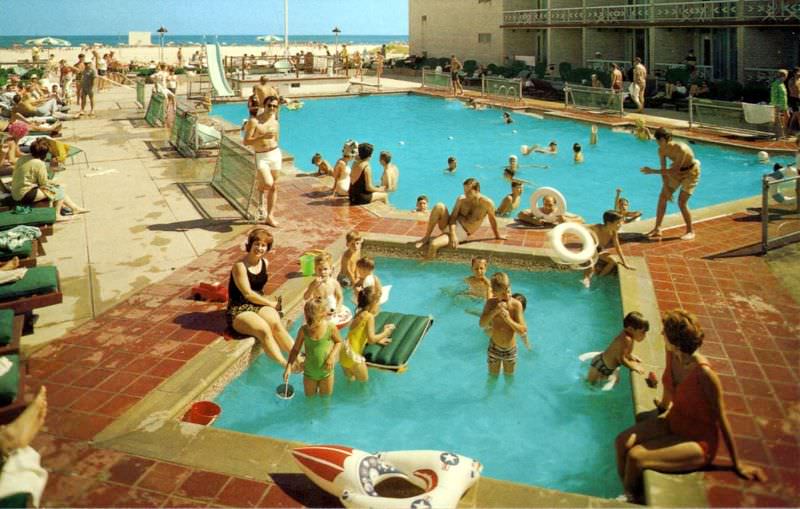
Public pools and hotel pools were equally buzzing. Across the country, motels and resort hotels used their pools as a major selling point, featuring them prominently in postcards and promotional materials. From Phoenix to Miami Beach, a gleaming poolside scene was a sign that a property was worth stopping at.
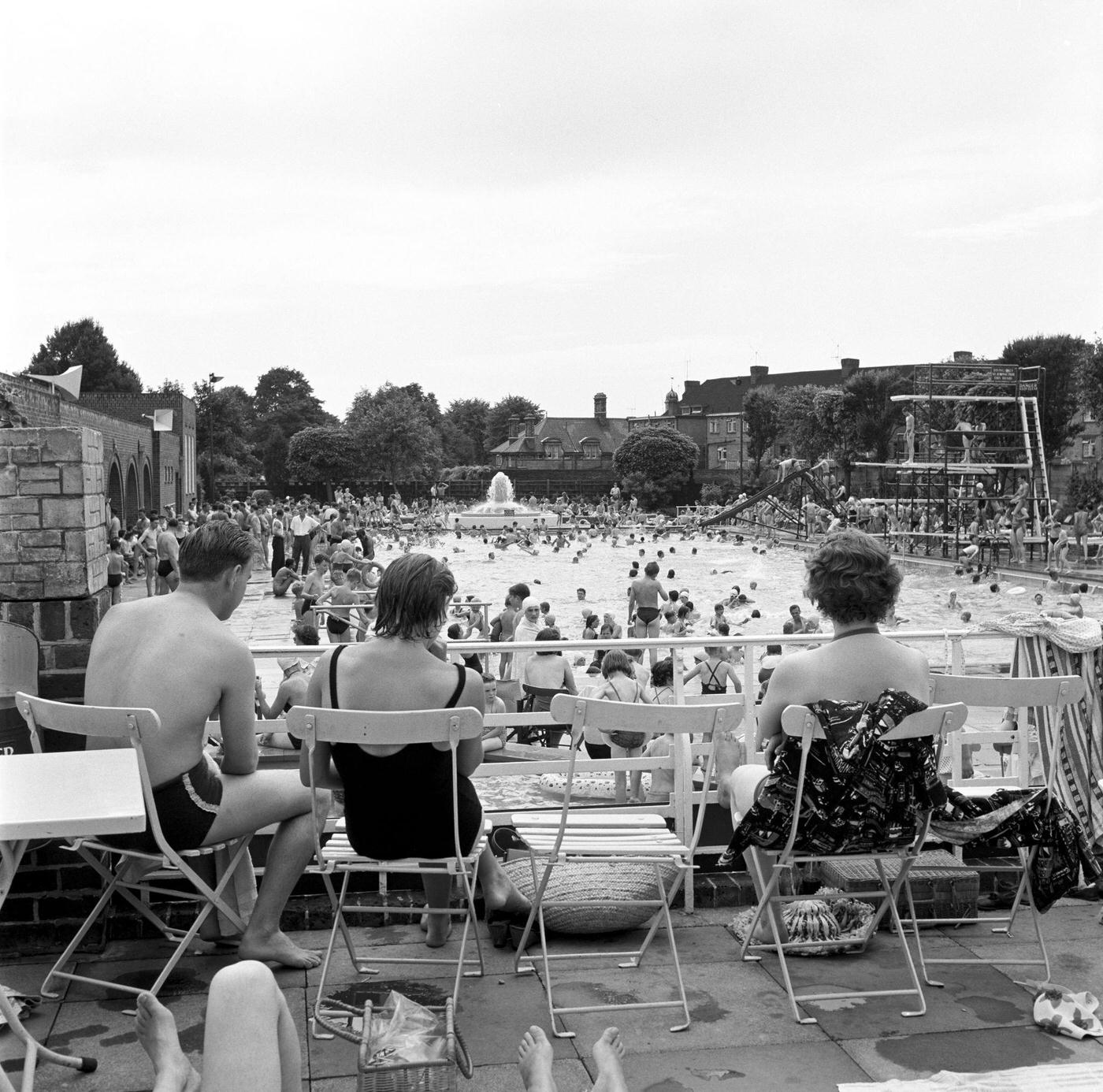
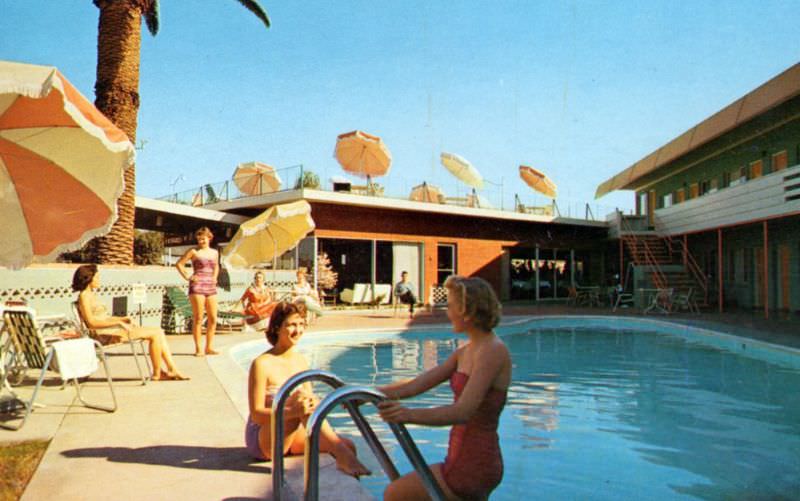
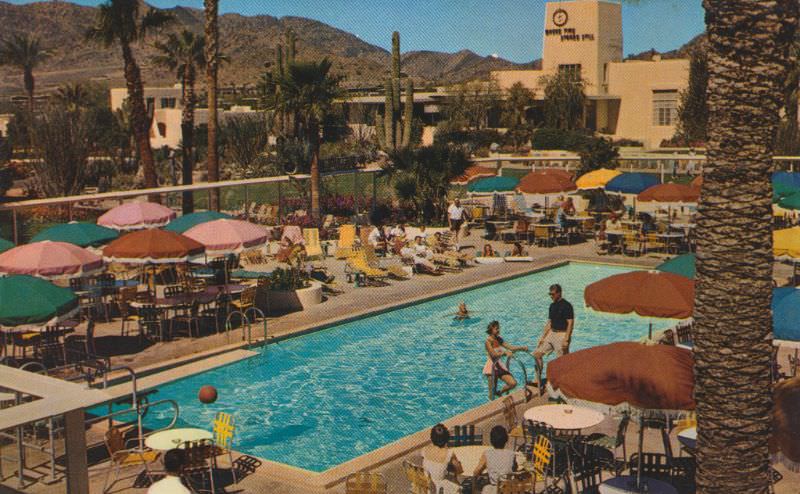
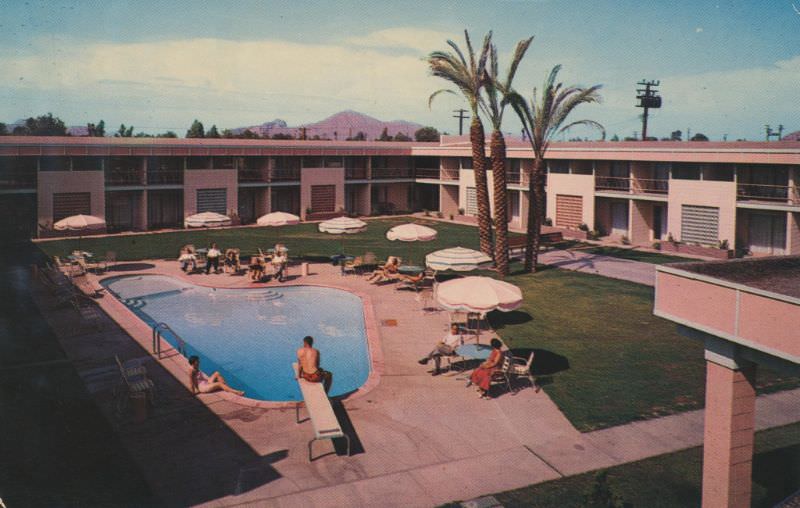
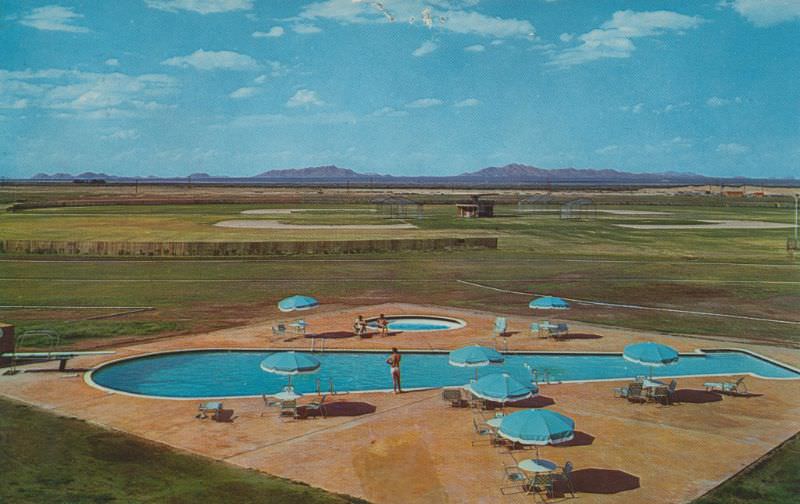
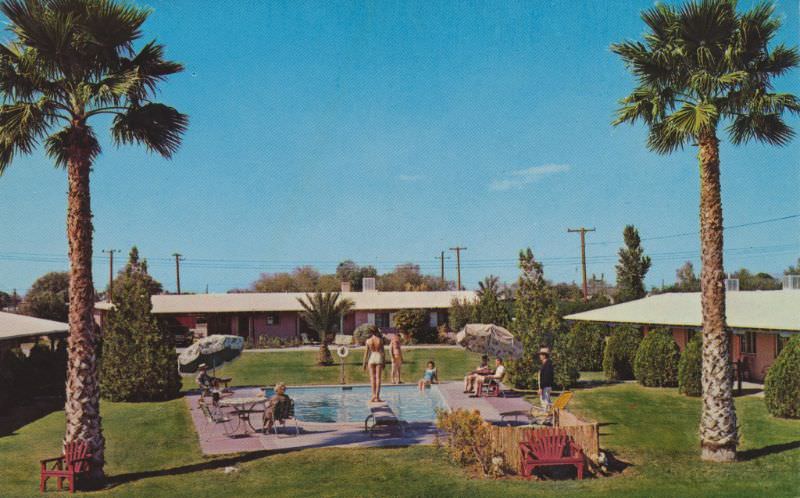
California brought its own flair to pool culture. The warm climate made outdoor swimming a year-round activity, and properties from Anaheim to the coast leaned into that fully. The Fantasy and Flamingo motels in Anaheim, for instance, positioned their pools as central features — a strategy that worked well in a state where sunshine was a given.
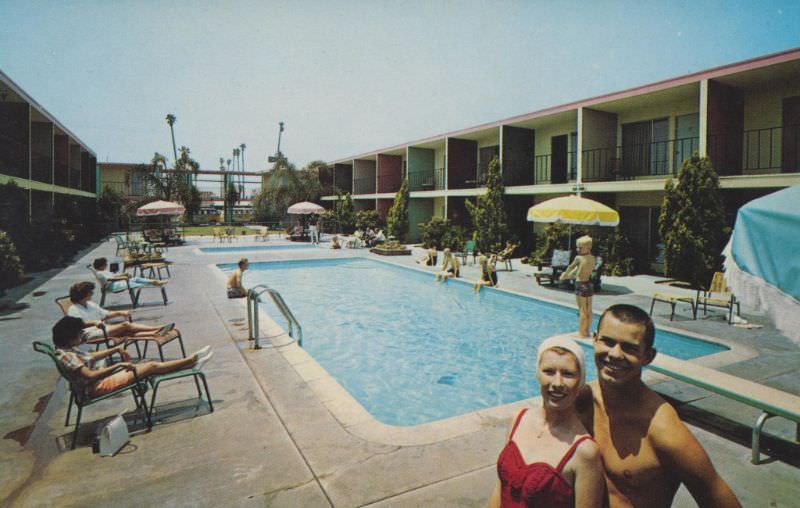
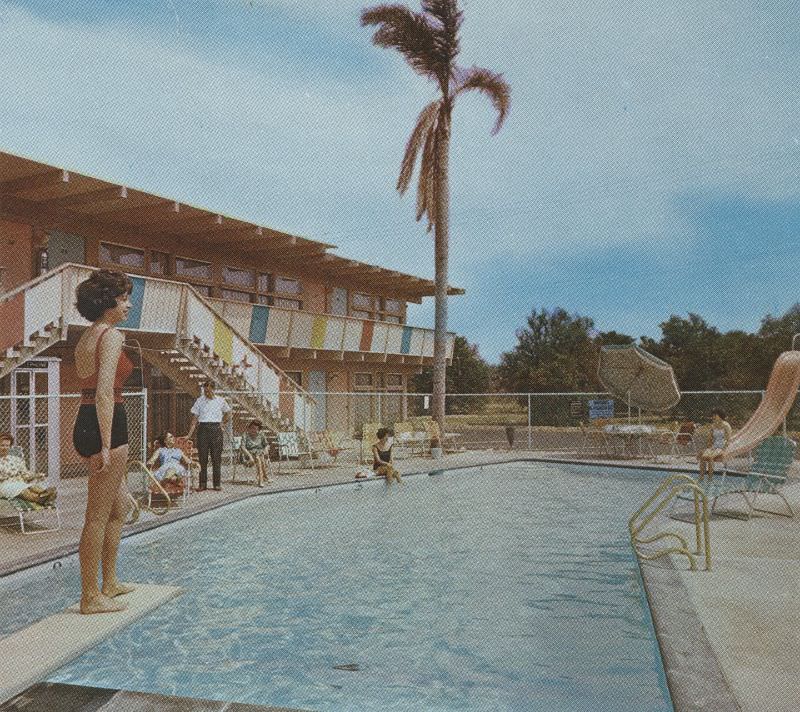
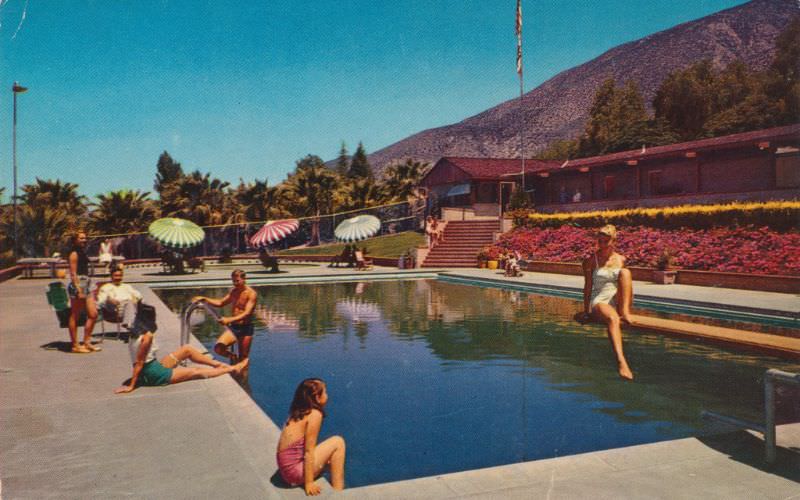
Florida was another hotbed of pool culture. Miami Beach, Fort Lauderdale, Clearwater, and Daytona Beach all had properties competing to offer the most inviting poolside experience. Hotels like the Deauville in Miami Beach set a high bar, with pools that felt more like resort destinations than simple amenities.
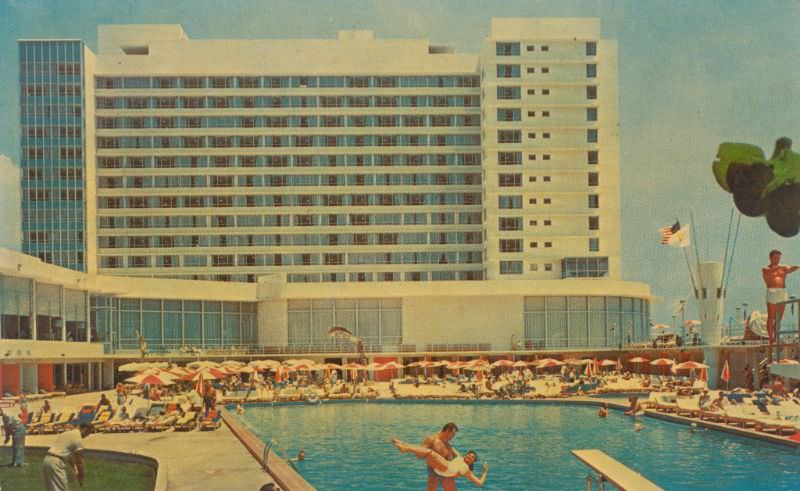
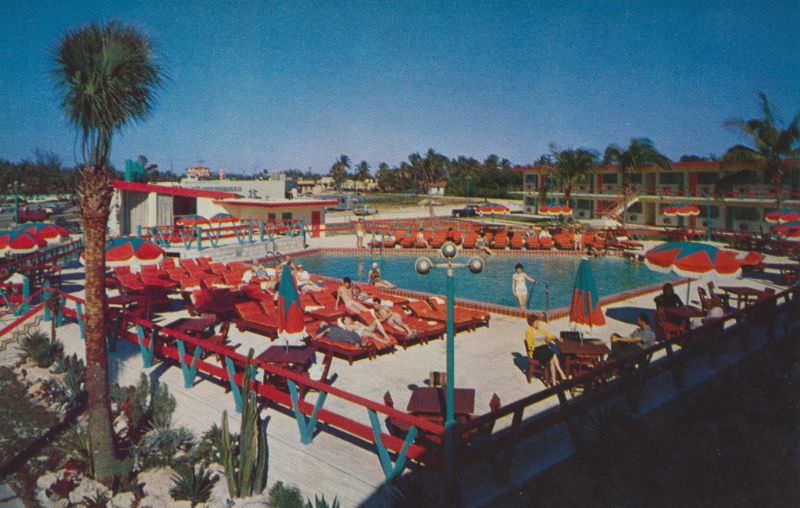
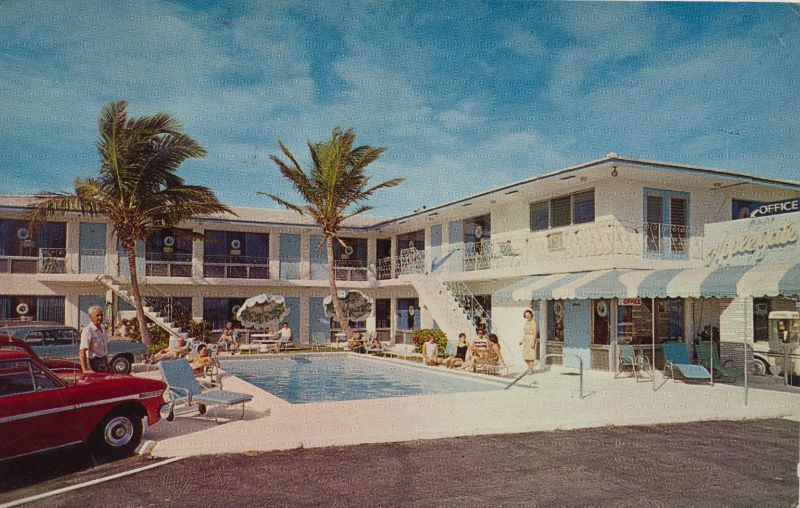
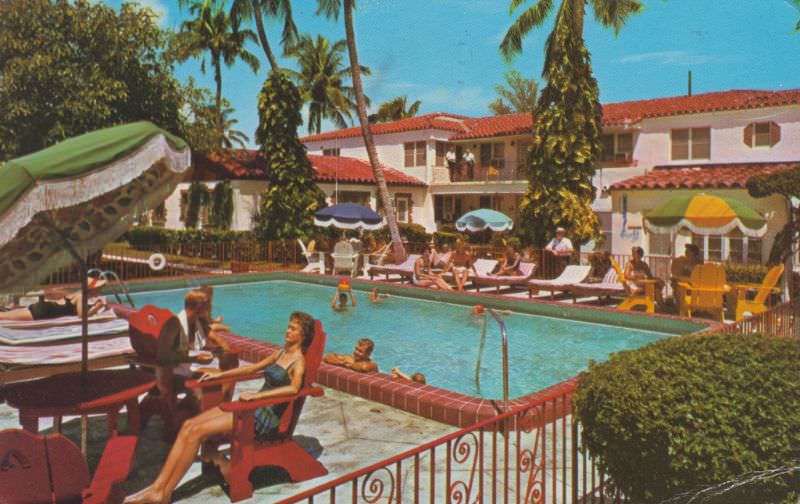
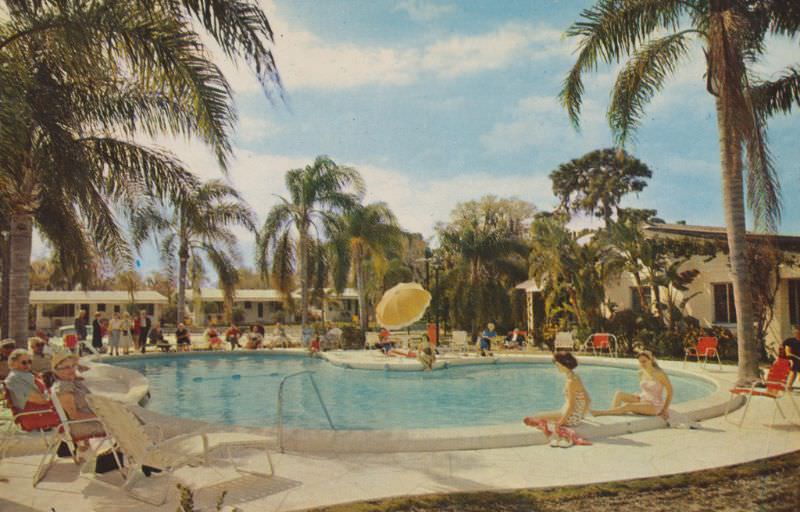
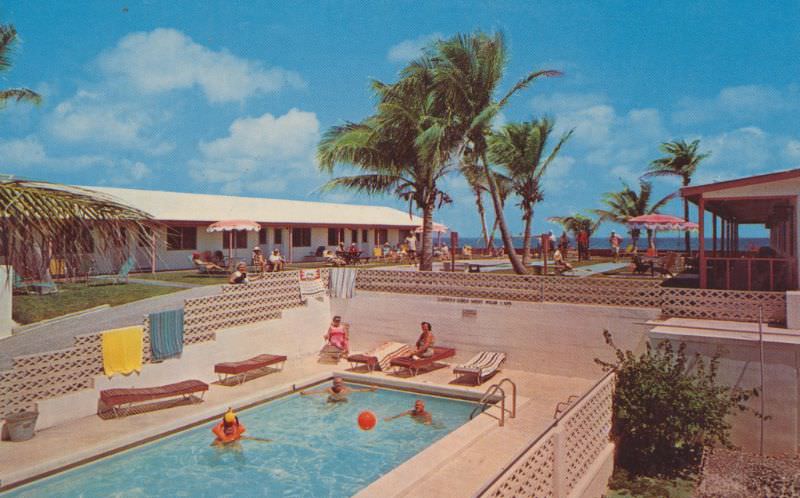
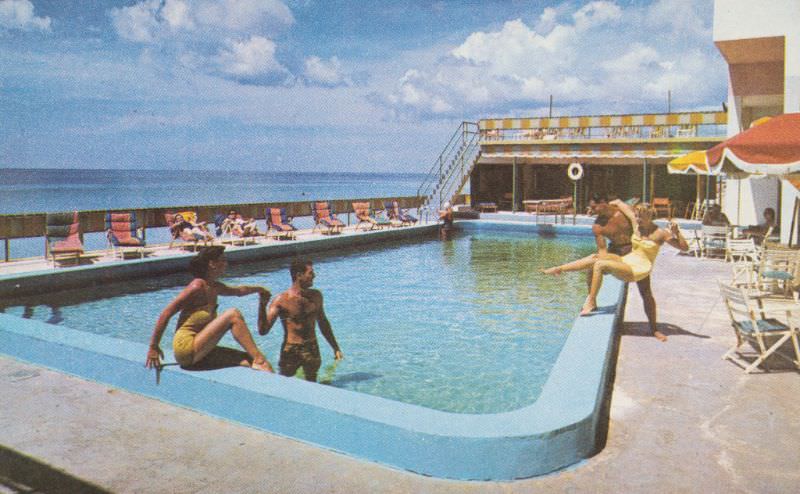
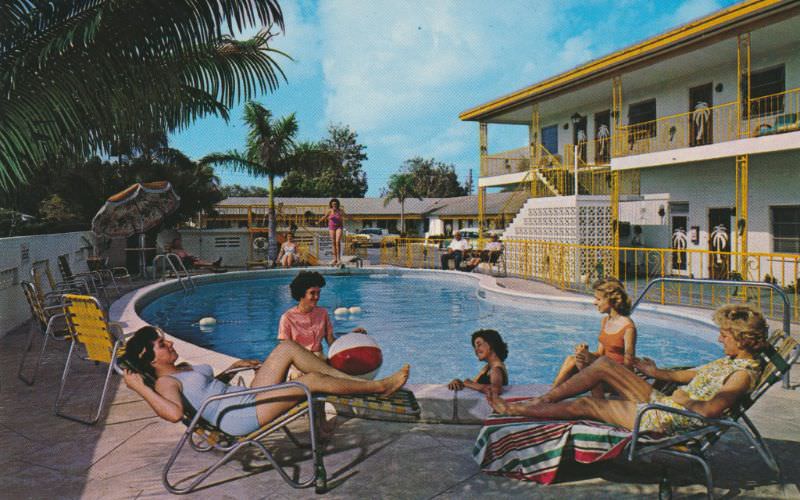
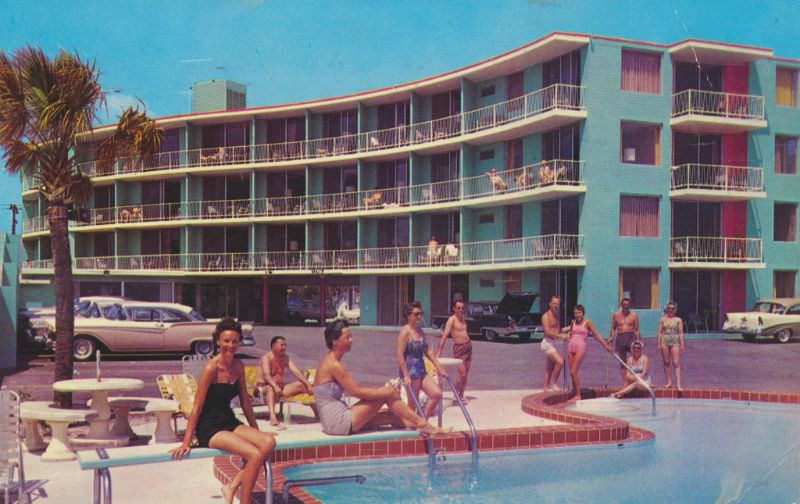
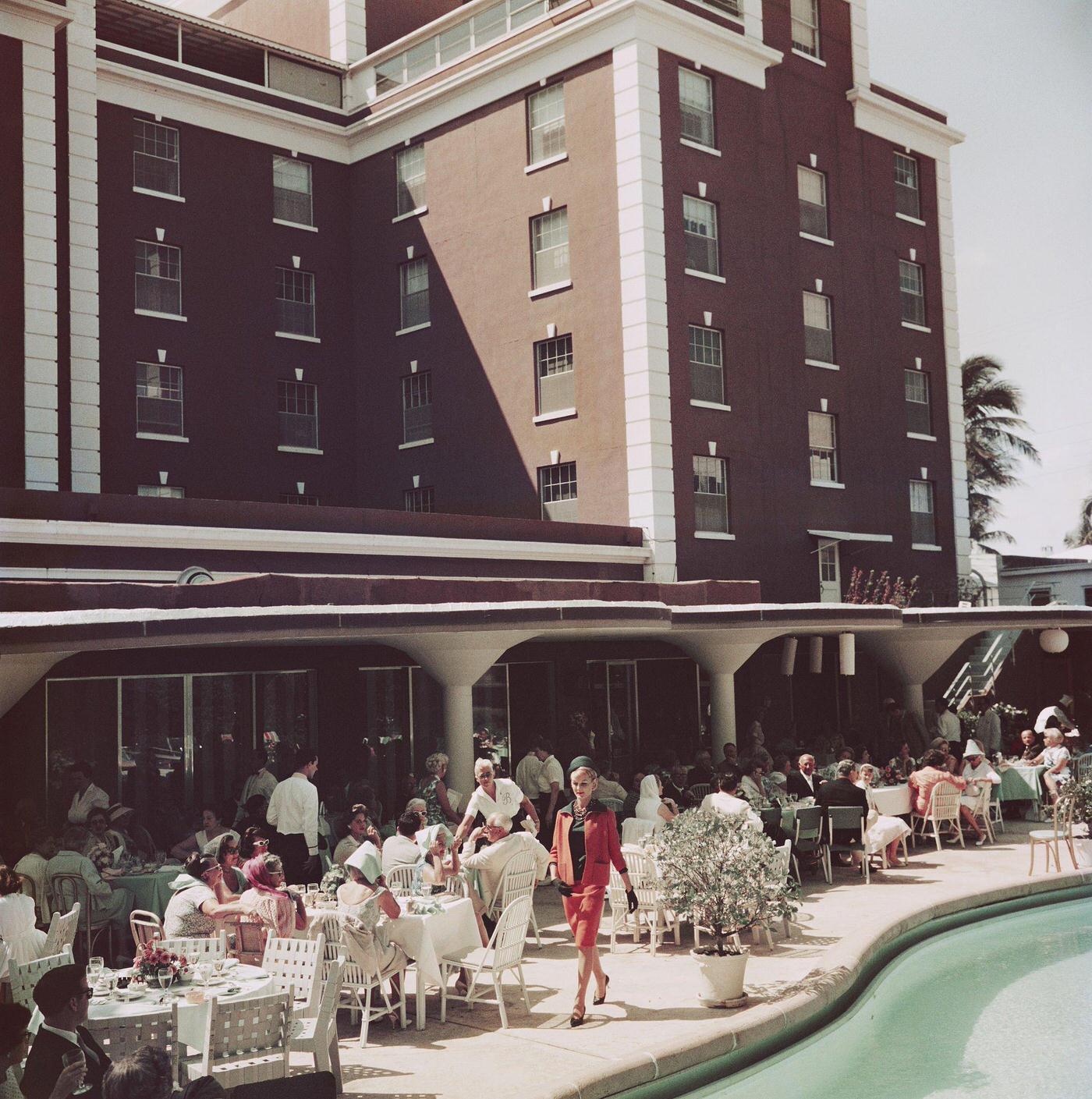
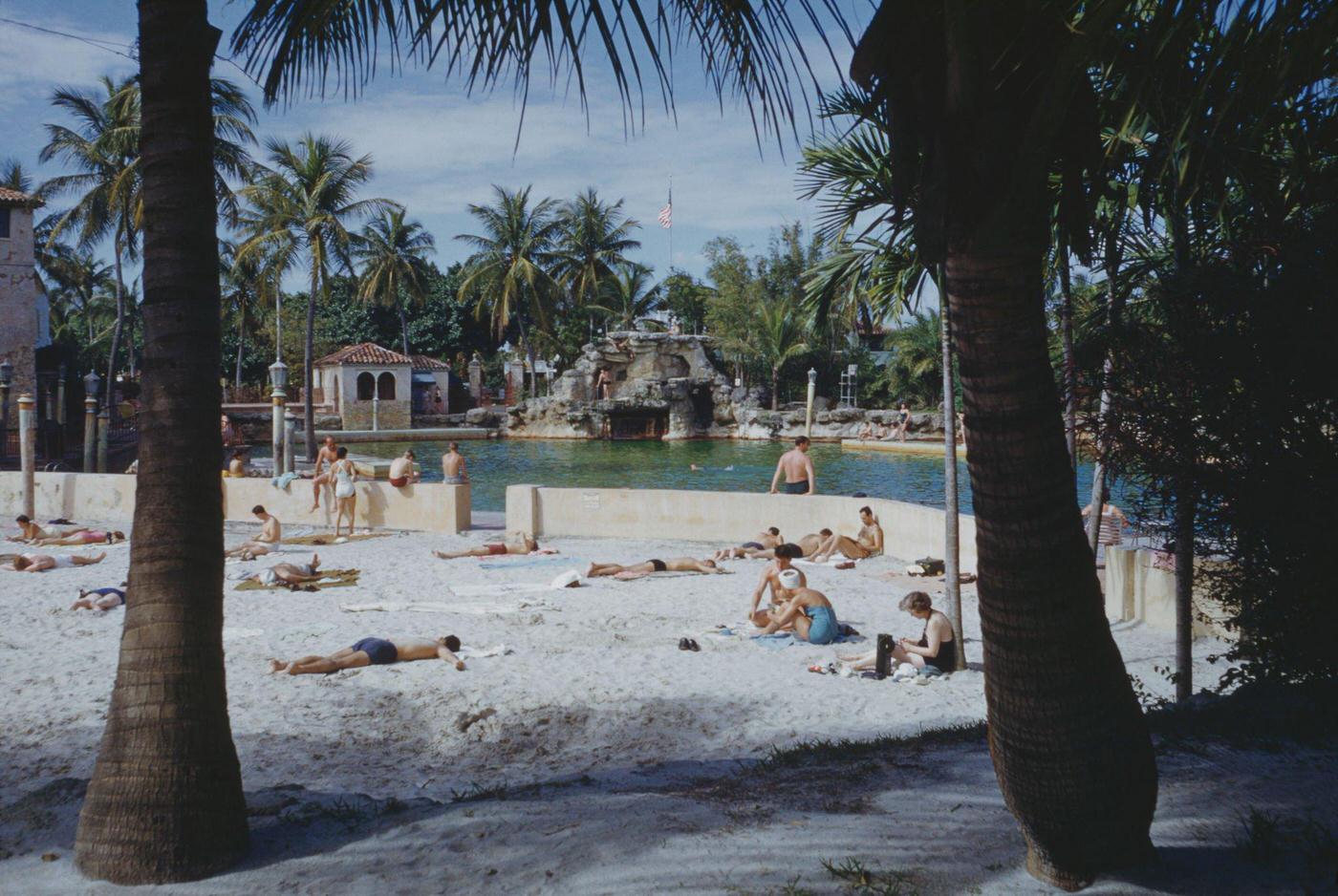
Even in states not traditionally associated with sun and sand, pools were making a big impression. Illinois, Indiana, and Missouri all had motels and hotels proudly showcasing their pools. The Chase Hotel in St. Louis and The Spa Motel in Chicago brought a touch of resort living to the Midwest.
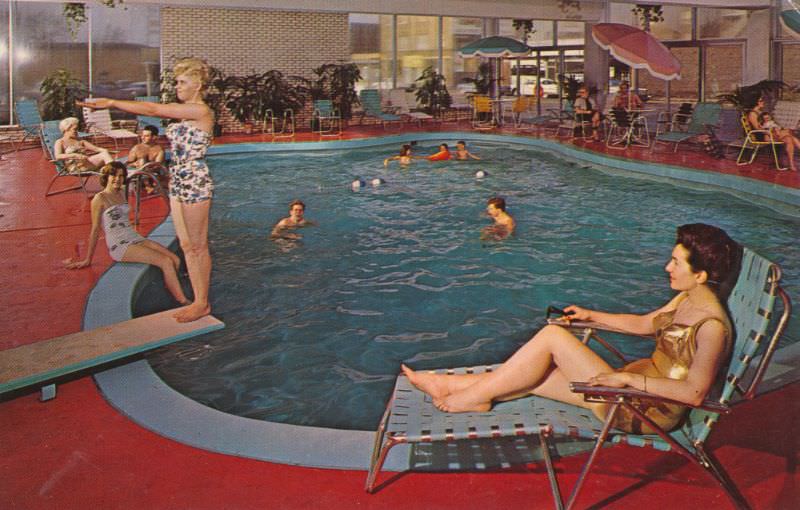
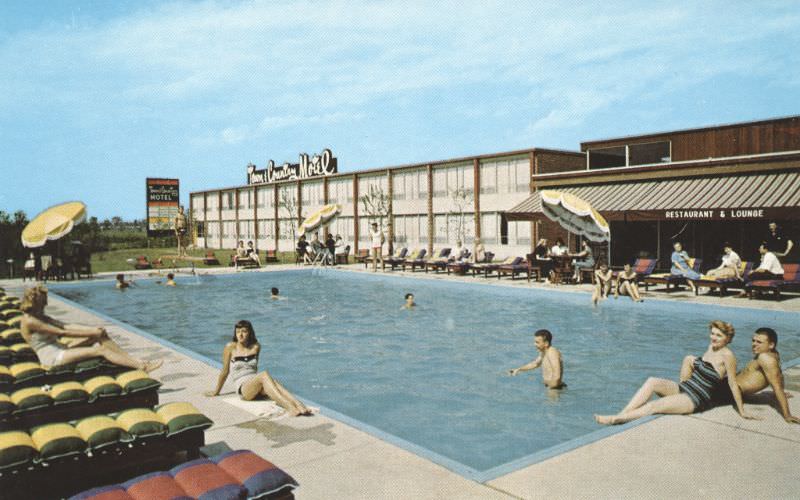
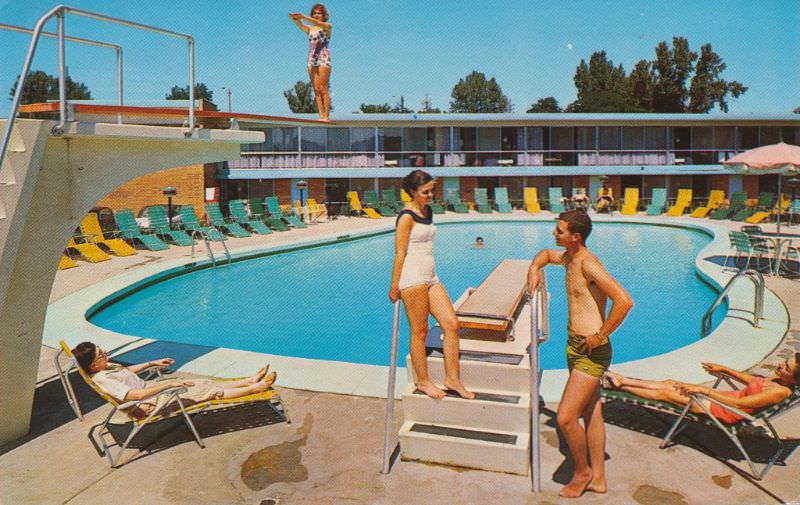
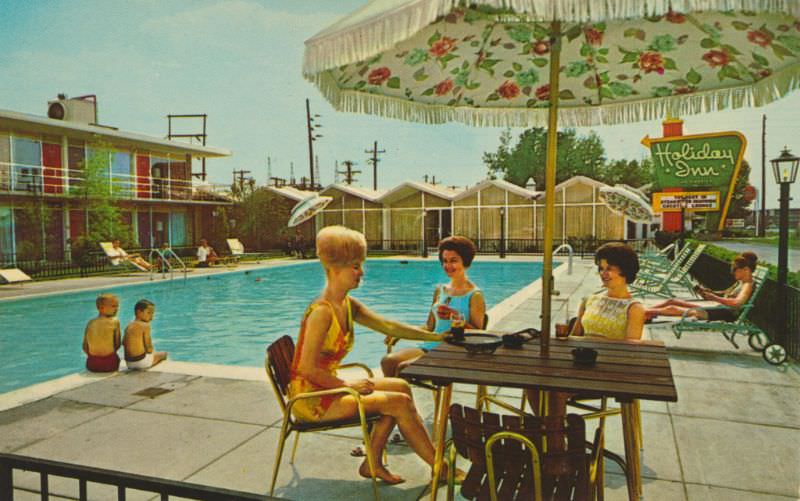
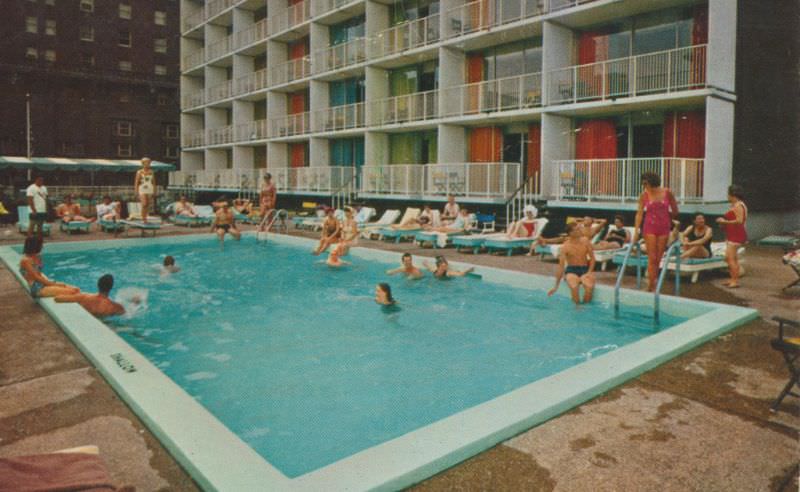
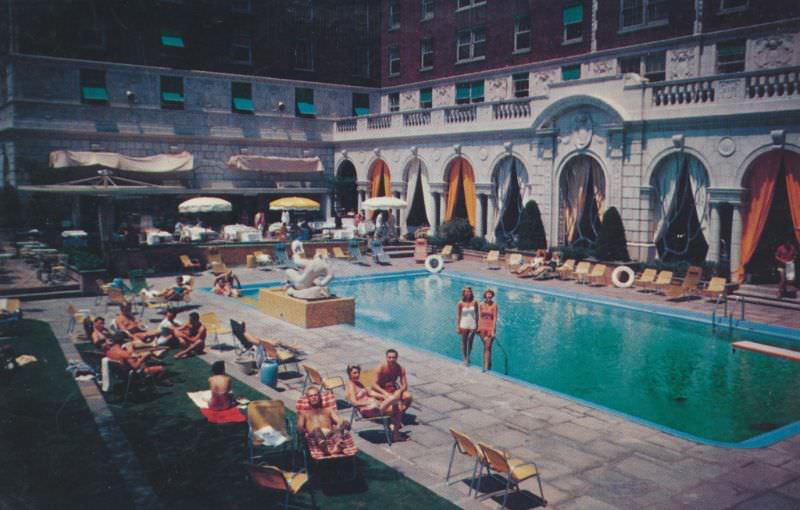
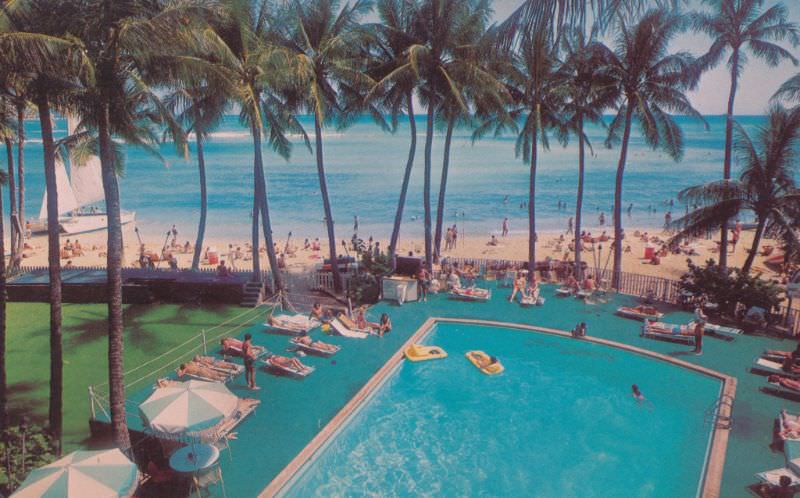
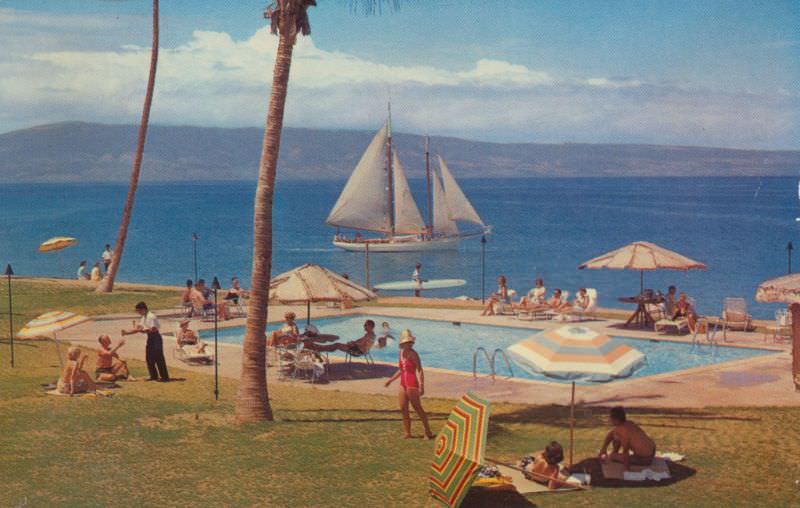
Hawaii offered a different kind of pool glamour. The Outrigger Hotel in Honolulu and the Royal Lahaina Resort on Maui blended lush tropical surroundings with resort-style pools that felt worlds away from the mainland. These weren’t just places to swim — they were immersive experiences framed by palm trees and ocean breezes.
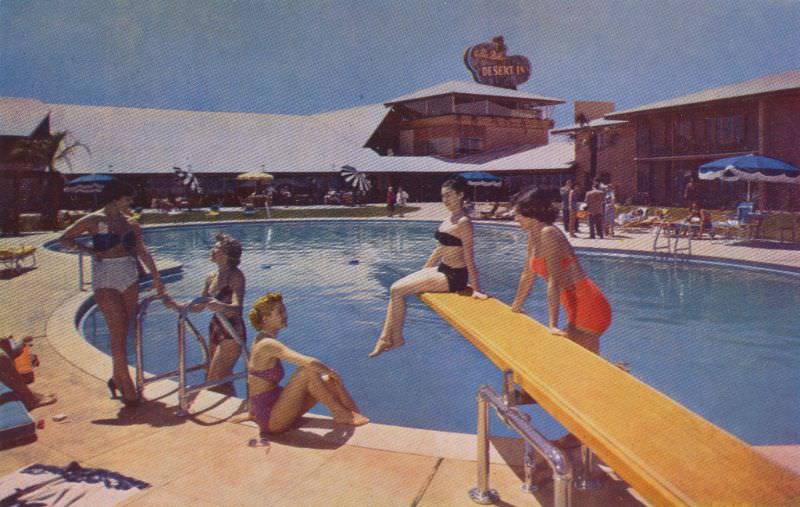
Las Vegas, never one to underplay anything, brought its own brand of excess to the pool scene. Wilbur Clark’s Desert Inn set the tone with a pool area that matched the city’s reputation for spectacle and scale.
New York’s Catskill Mountains region — a popular summer retreat for New York City families — had its own pool culture. The Concord Hotel at Kiamesha Lake and The Pines Hotel in South Fallsburg offered sweeping pool facilities that were central to the resort experience.
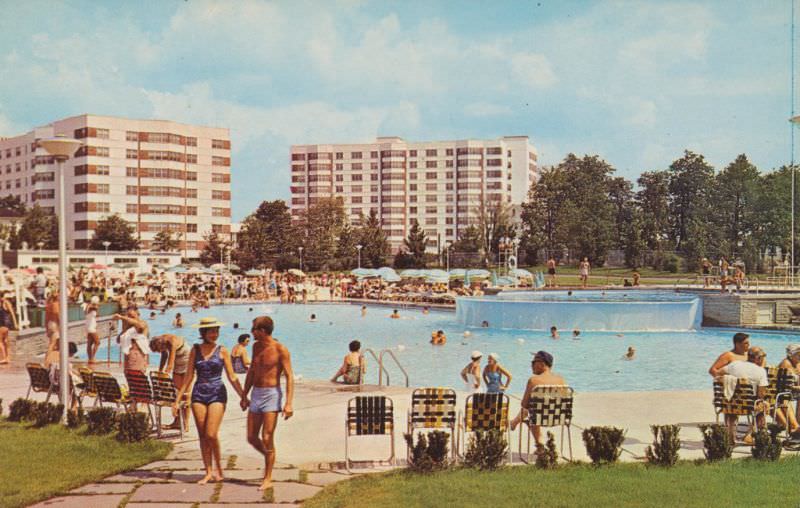
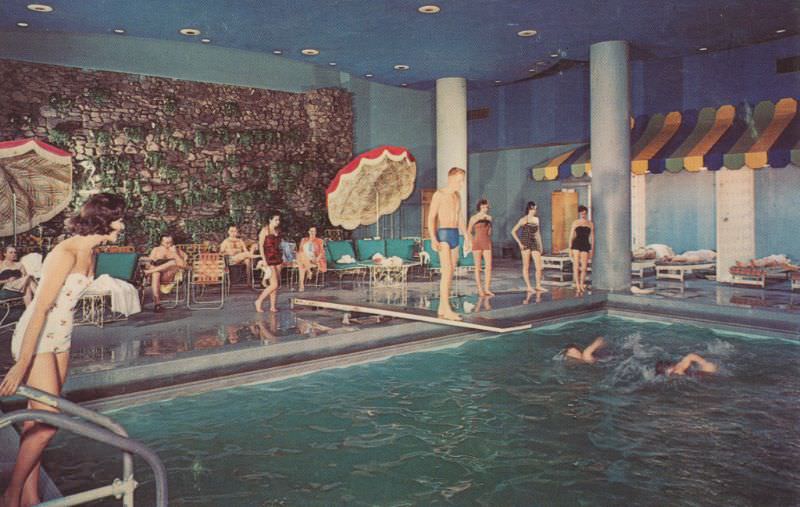
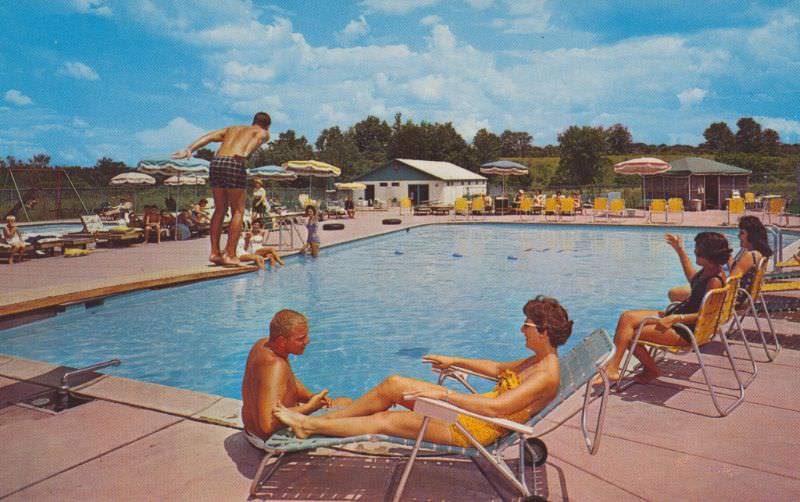
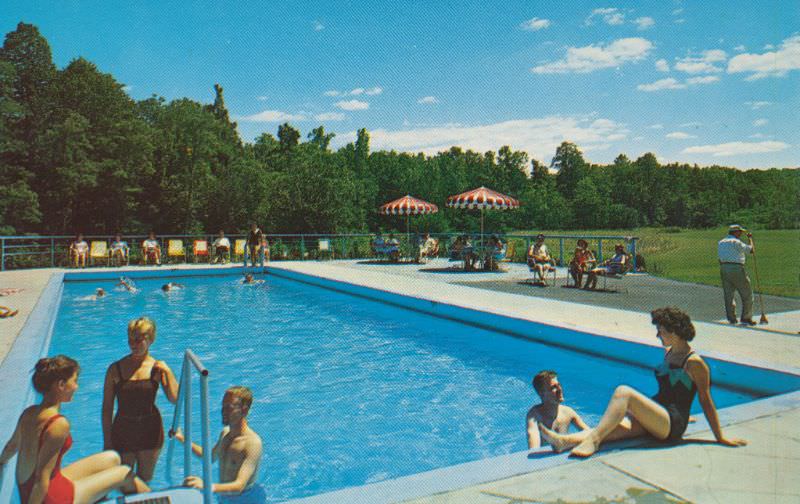
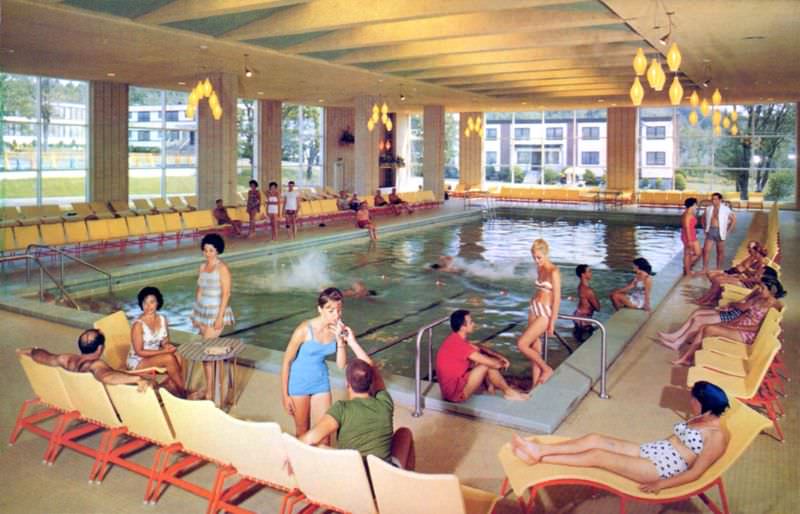
New Jersey’s shore towns and resort properties also embraced the pool boom enthusiastically. Wildwood Crest, Atlantic City, and Cherry Hill all had properties with eye-catching pools that appeared on countless promotional postcards sent home by vacationing families.
Texas was no exception to the pool craze. From San Antonio to El Paso and Fort Worth, motor hotels and roadside stops made their pools a key part of their appeal to travelers crossing the state’s vast distances.
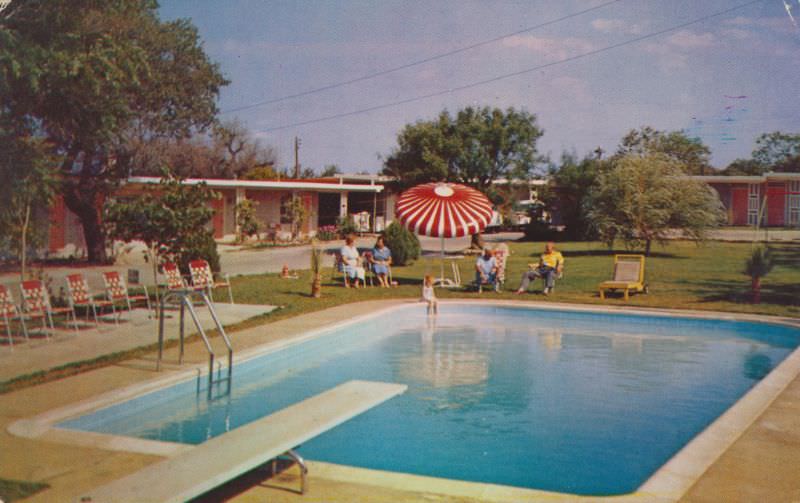
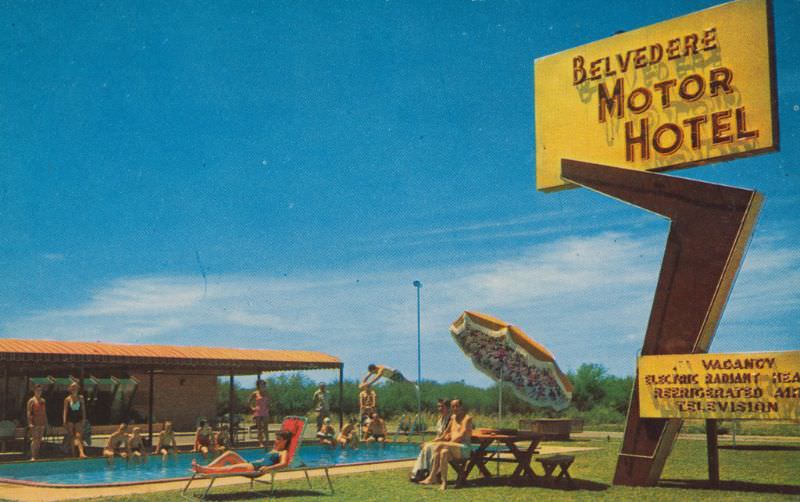
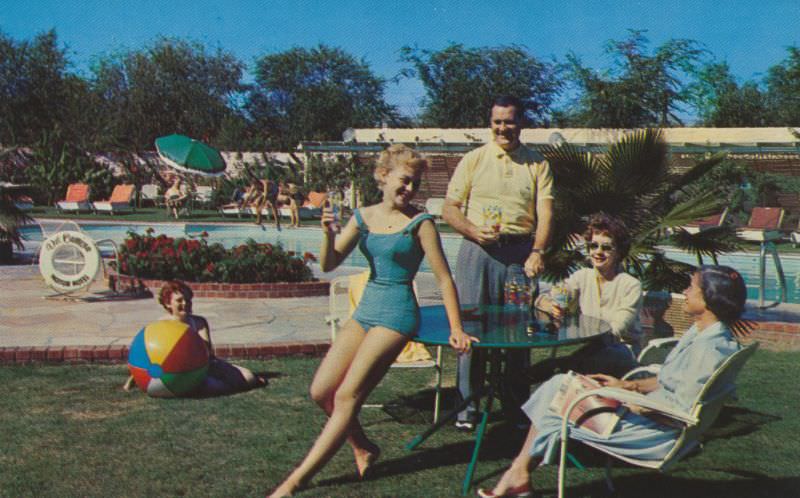
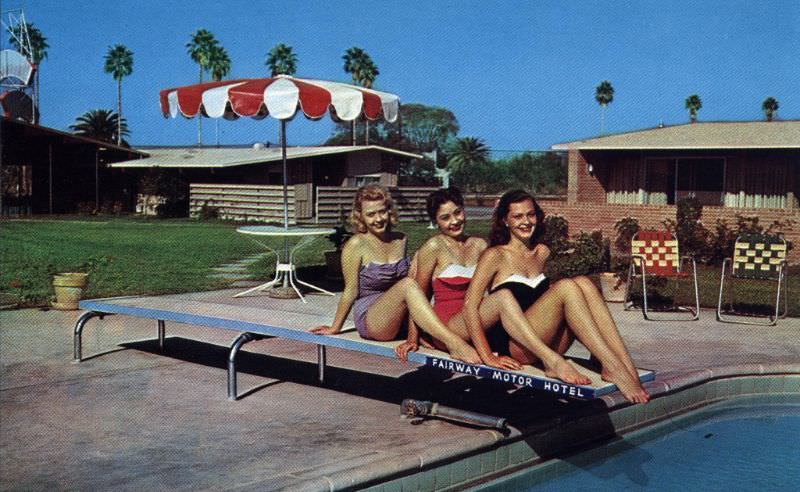
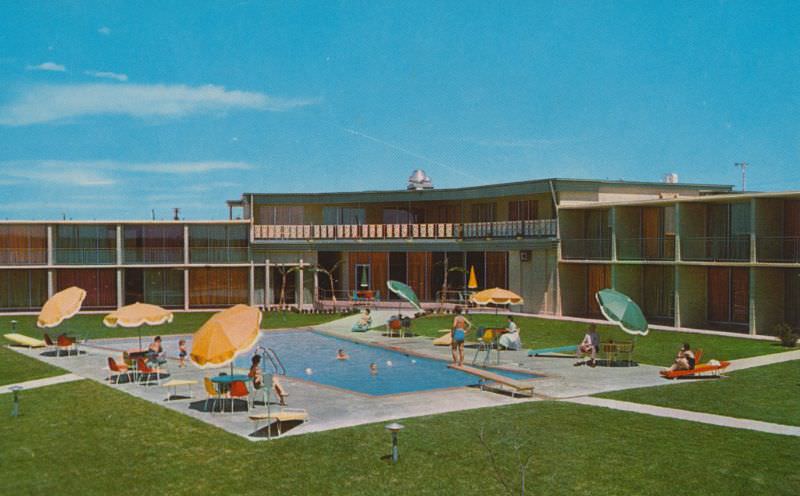
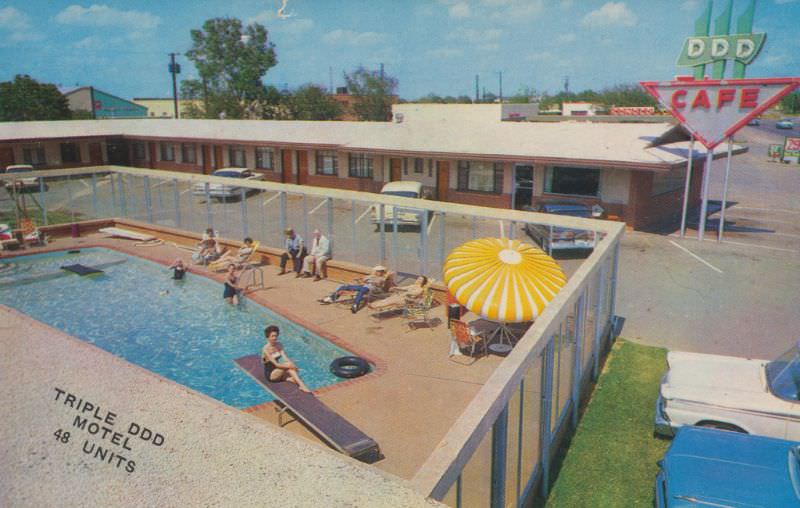
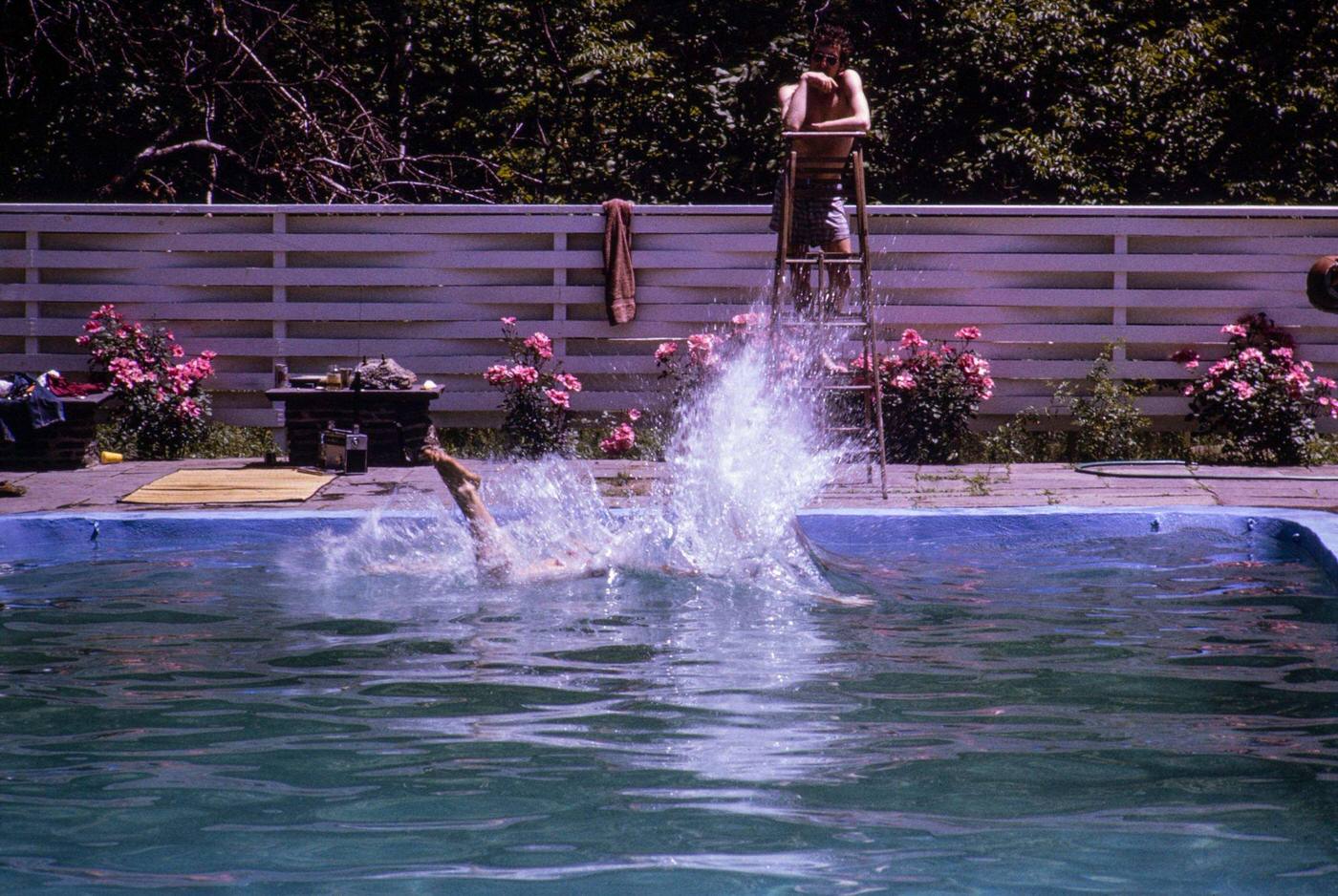
From the Atlantic coast to the Pacific, the 1960s pool was everywhere. These images — captured on postcards, in promotional brochures, and by photographers on assignment — document a decade when Americans truly fell in love with the water.